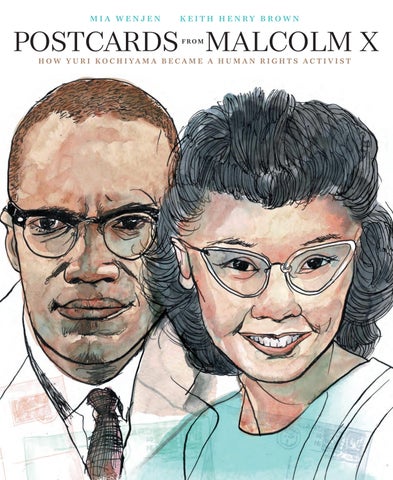
POSTCARDS MALCOLM X
FROM
HOW YURI KOCHIYAMA BECAME A HUMAN RIGHTS ACTIVIST
RED COMET PRESS � BROOKLYN
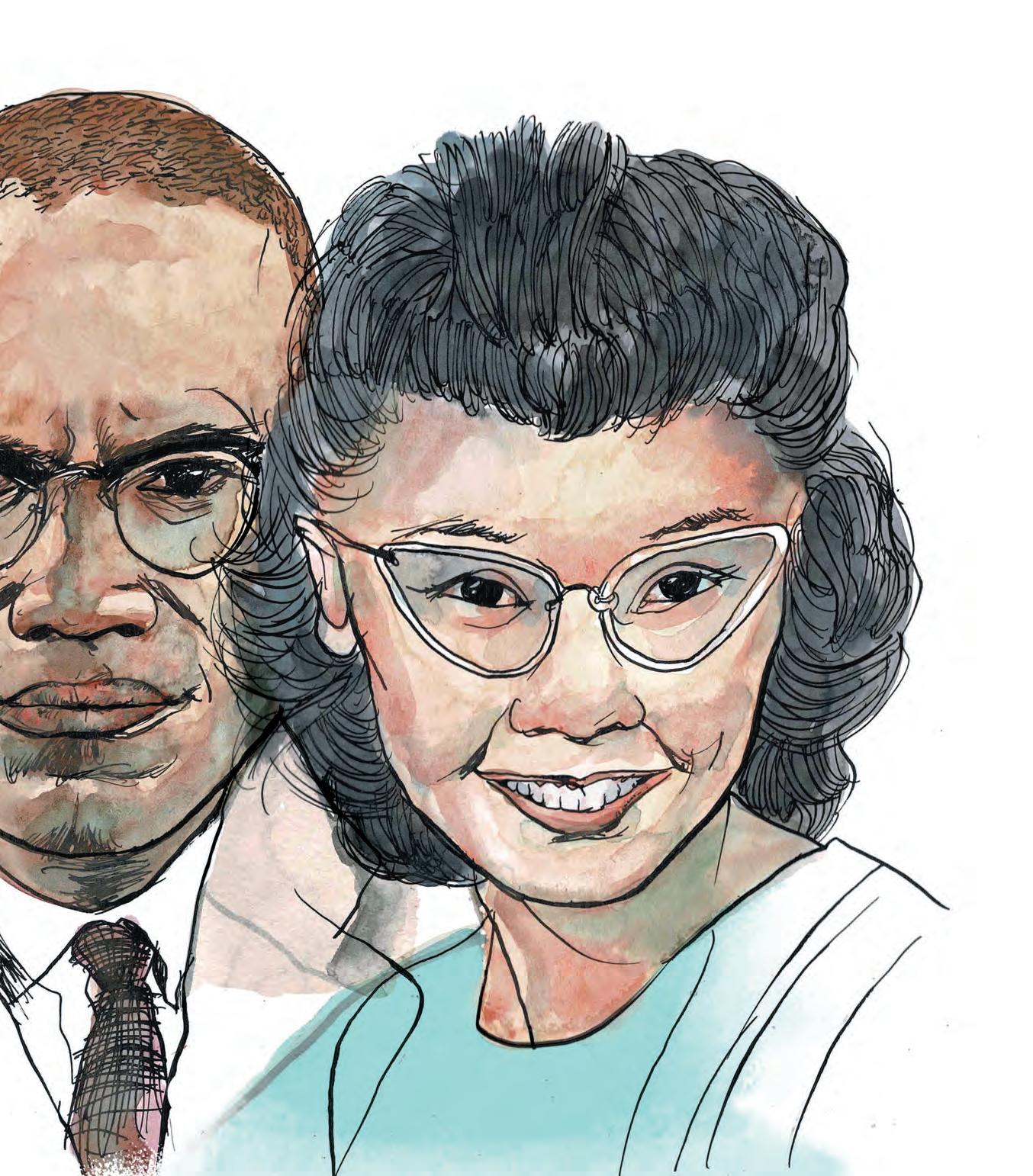
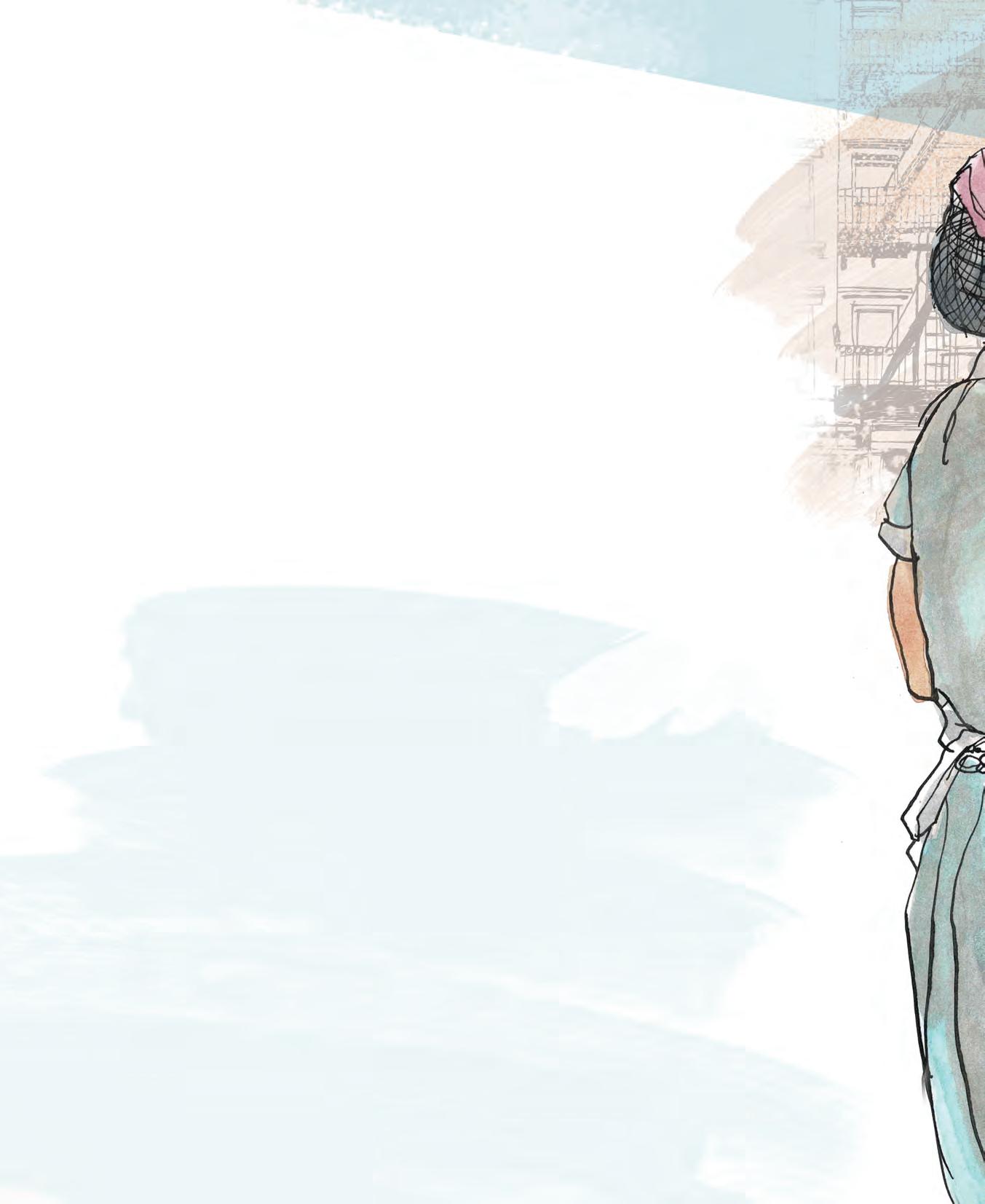
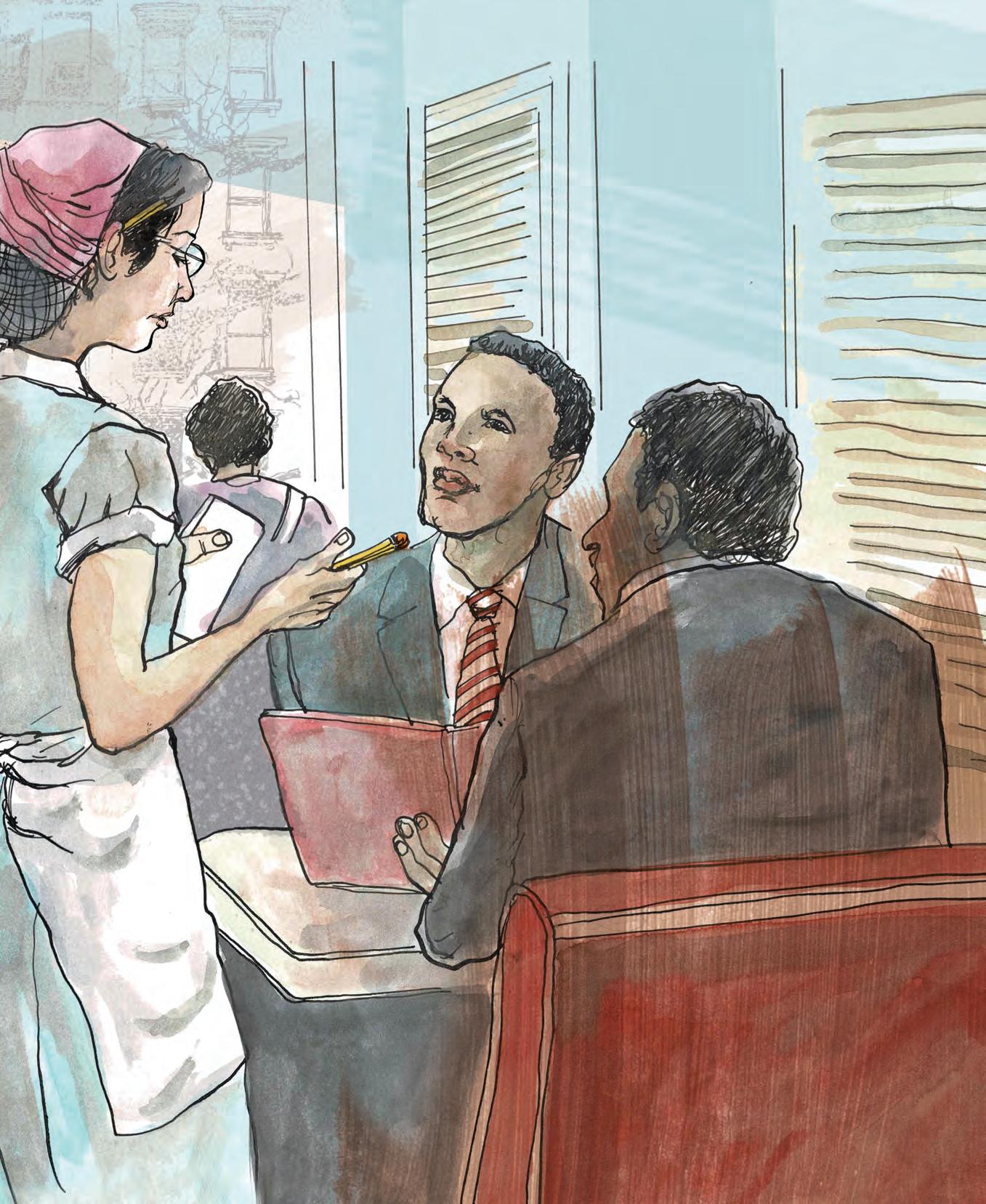
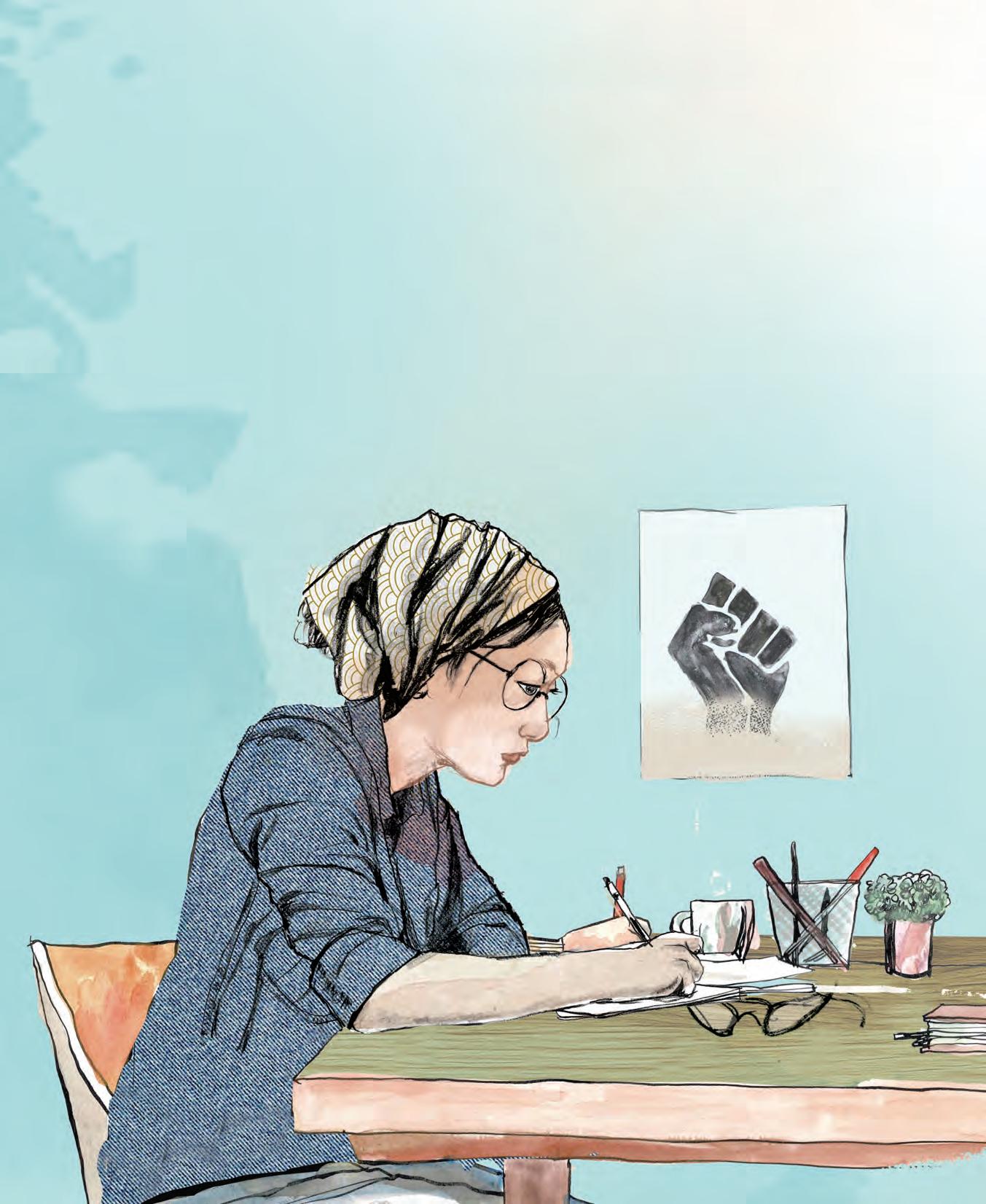
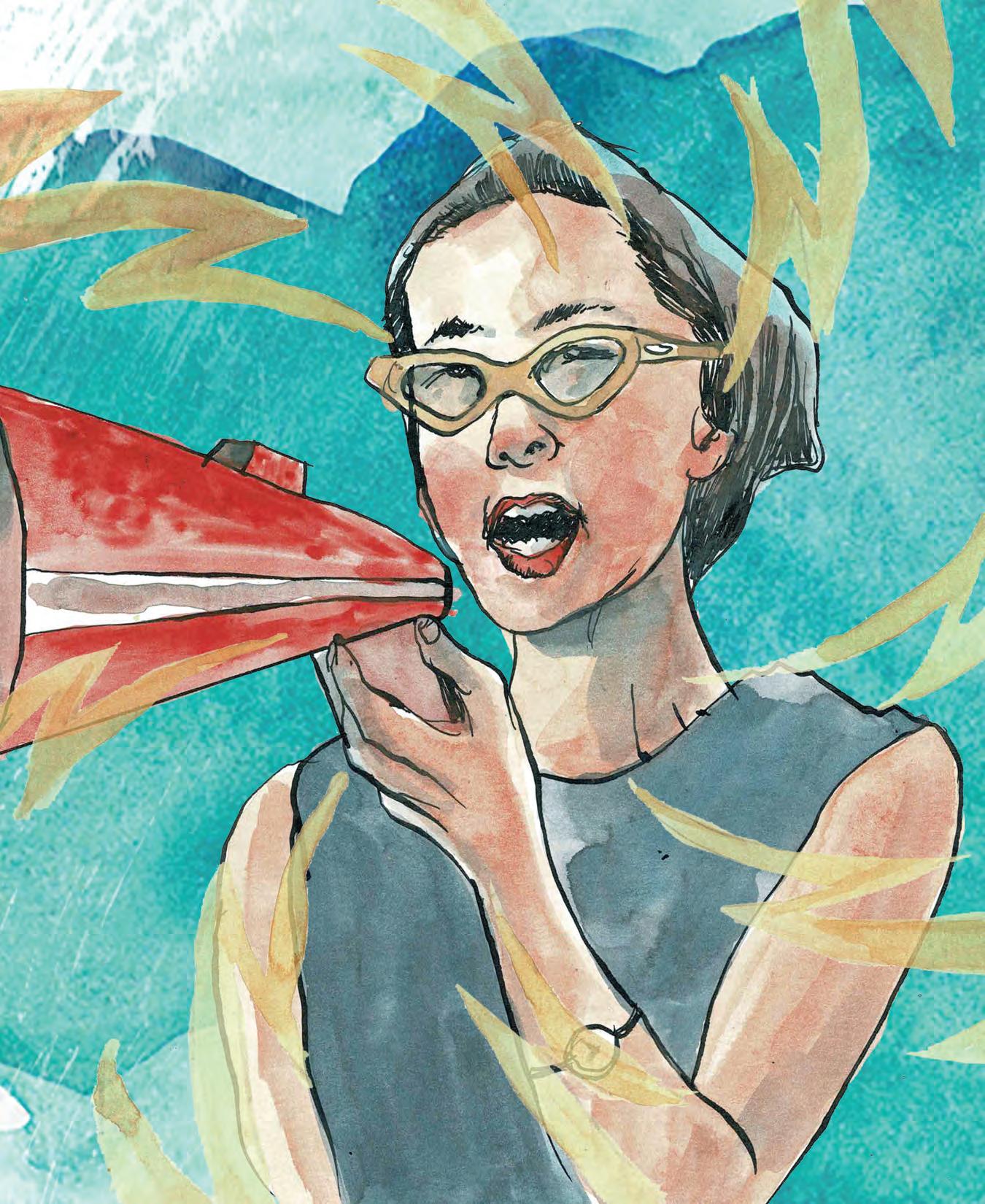
Yuri Kochiyama was a community-based activist in her long-time home of Harlem, New York. She would often take jobs, such as a part-time waitress at Thomforde’s at the corner of 125th Street and St. Nicholas Avenue, because they allowed her the flexibility to attend protests, help with food and clothing drives, and arrange meetings with important leaders.
Could she set up a meeting with Malcolm X? Could she get people to come to a protest? Could she put up flyers for their event? She could!
But how did she, a Japanese American, become such an important community organizer in the civil rights movement?
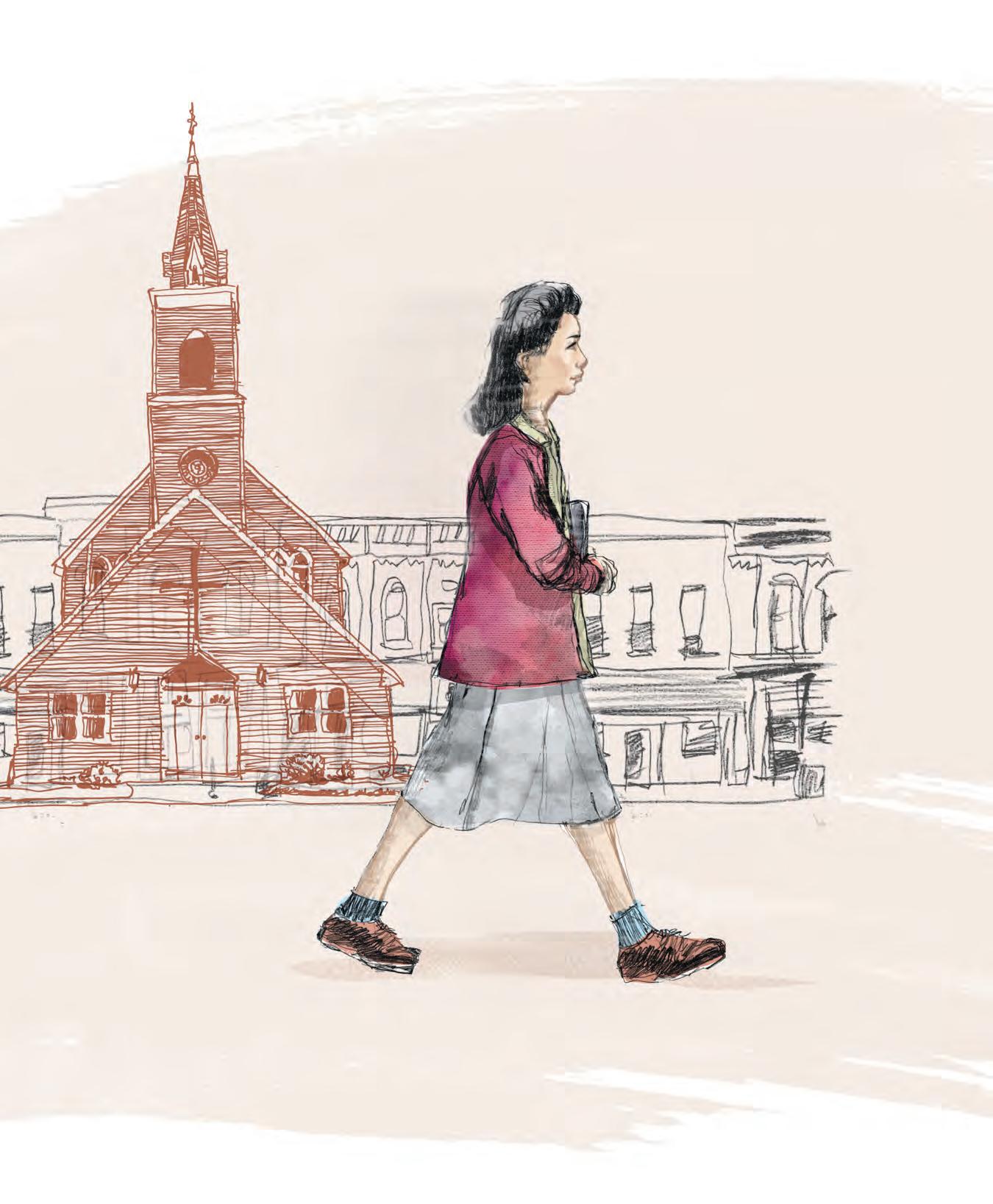
Born in San Pedro, a mostly white town in California, race was not something that Mary Yuriko (Yuri) Nakahara noticed. With the energy of a hummingbird, she buzzed around town teaching Christian Sunday school, reporting on sports for the local paper, and leading her high school as a student council member—the first girl ever elected! Racism had never been part of her all-American life, but everything changed when Japan bombed Pearl Harbor.
Yuri was just twenty years old when Japan dropped bombs on Pearl Harbor, a naval base in Honolulu, Hawaii. Nearly the entire Pacific fleet of US Army ships were damaged or destroyed. More than 2,400 people were killed. Only three aircraft carriers out at sea were spared. The next day, the United States entered World War II.
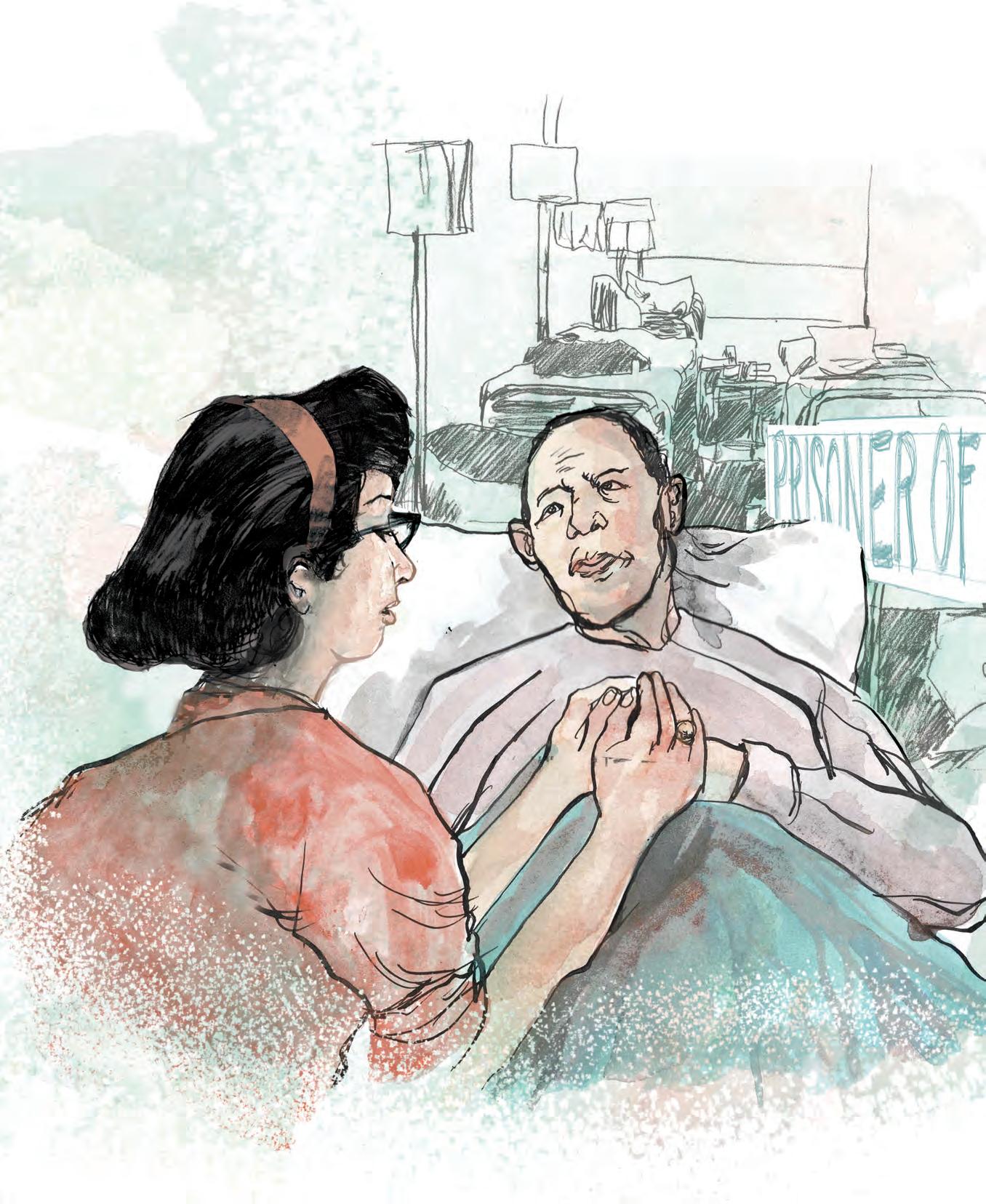
The FBI had been watchingJapanese Americans for years. Because Yuri’s father owned a successful commercial fish market, the FBI had rented, unbeknownst to the family, a house across the street to spy on him. Within hours of the bombing of Pearl Harbor, the FBI grabbed Yuri’s father. He was put into prison and denied his diabetes medication. When he was released seven weeks later, he was delirious and died the next day. He was only fiftysix years old.
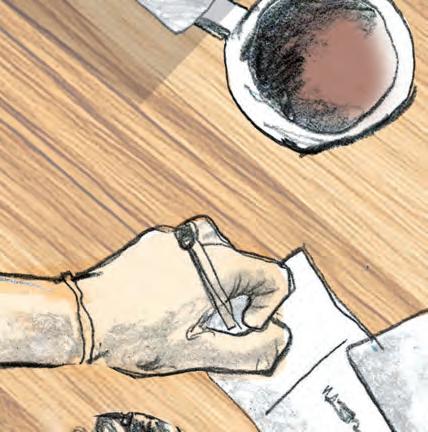
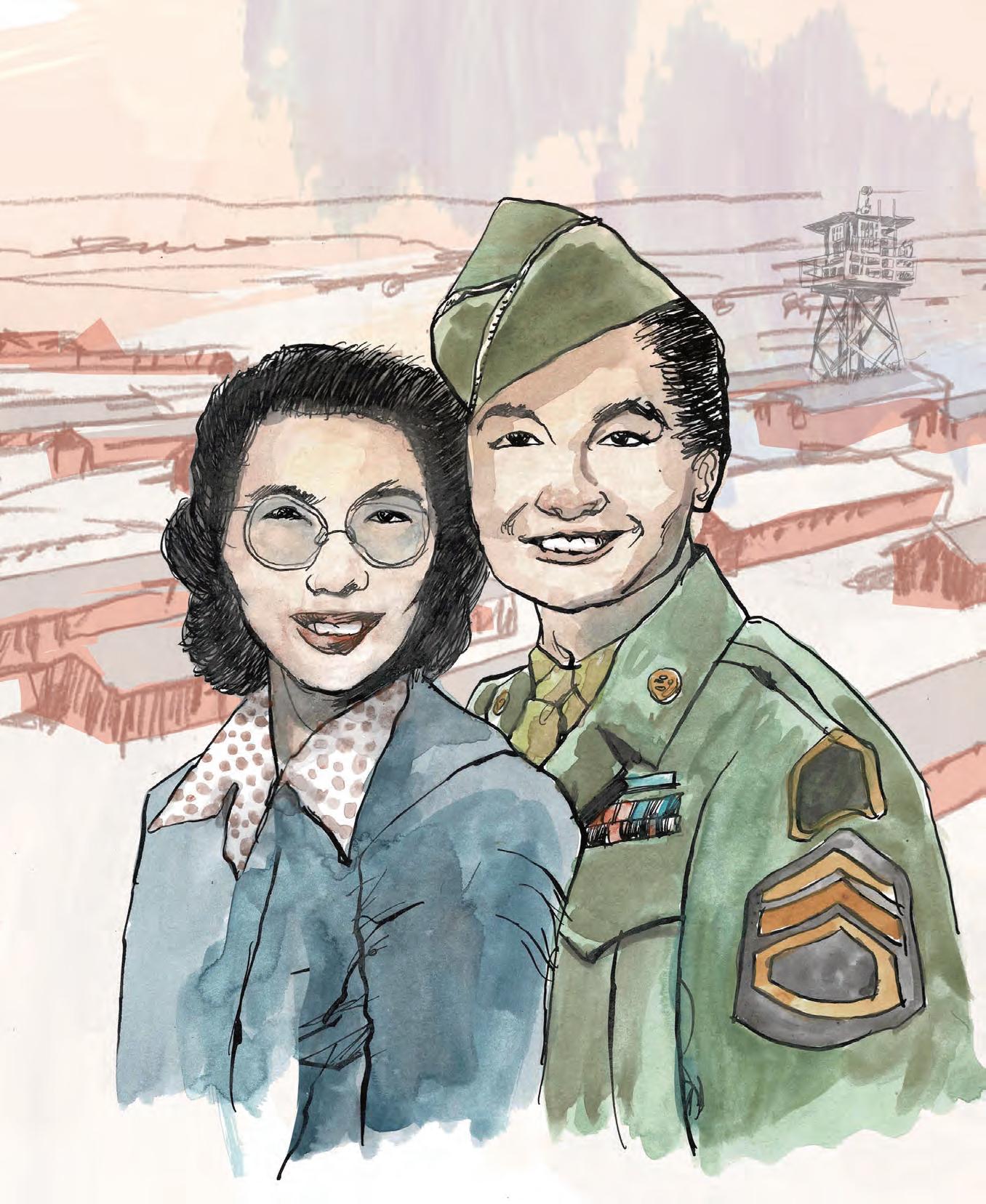
After her father’s death, Yuri saw the world in a different way and vowed to fight against hatred. When her family was forced to leave their home with only what they could carry, she packed stationery, envelopes, and stamps so she would not lose a single friendship. Letters were her lifeline.
As Yuri waited to bemoved to a concentration camp at the Assembly Center at the Santa Anita Racetrack, she decided to write to Japanese American soldiers to keep their spirits up.
Her five Sunday school students, the Crusaders, joined her. Soon the group swelled to ninety girls.
Adults joined too. Under Yuri’s leadership, more than thirteen thousand soldiers received postcards, letters, and artwork in just eighteen months.
Yuri realized the power of bringing people together toward a common goal. She would utilize this skill later as a civil rights activist.
Yuri’s camp in Arkansas was near the training site for the 442nd Regimental Combat Team, a division of segregated Japanese American soldiers. When the soldiers went on leave, they had no place to go; their families were imprisoned in far-flung concentration camps around the United States. Her camp decided to host the soldiers, and Yuri’s job was to check them in when they arrived. Bill Kochiyama was on a bus that Yuri greeted, and it was love at first sight. He proposed to Yuri right before he left with his unit to fight in Europe.
After Bill Kochiyama was discharged from the Army in 1946, Yuri bought a one-way ticket to New York City to join him. They married a month later, ready to start a family.
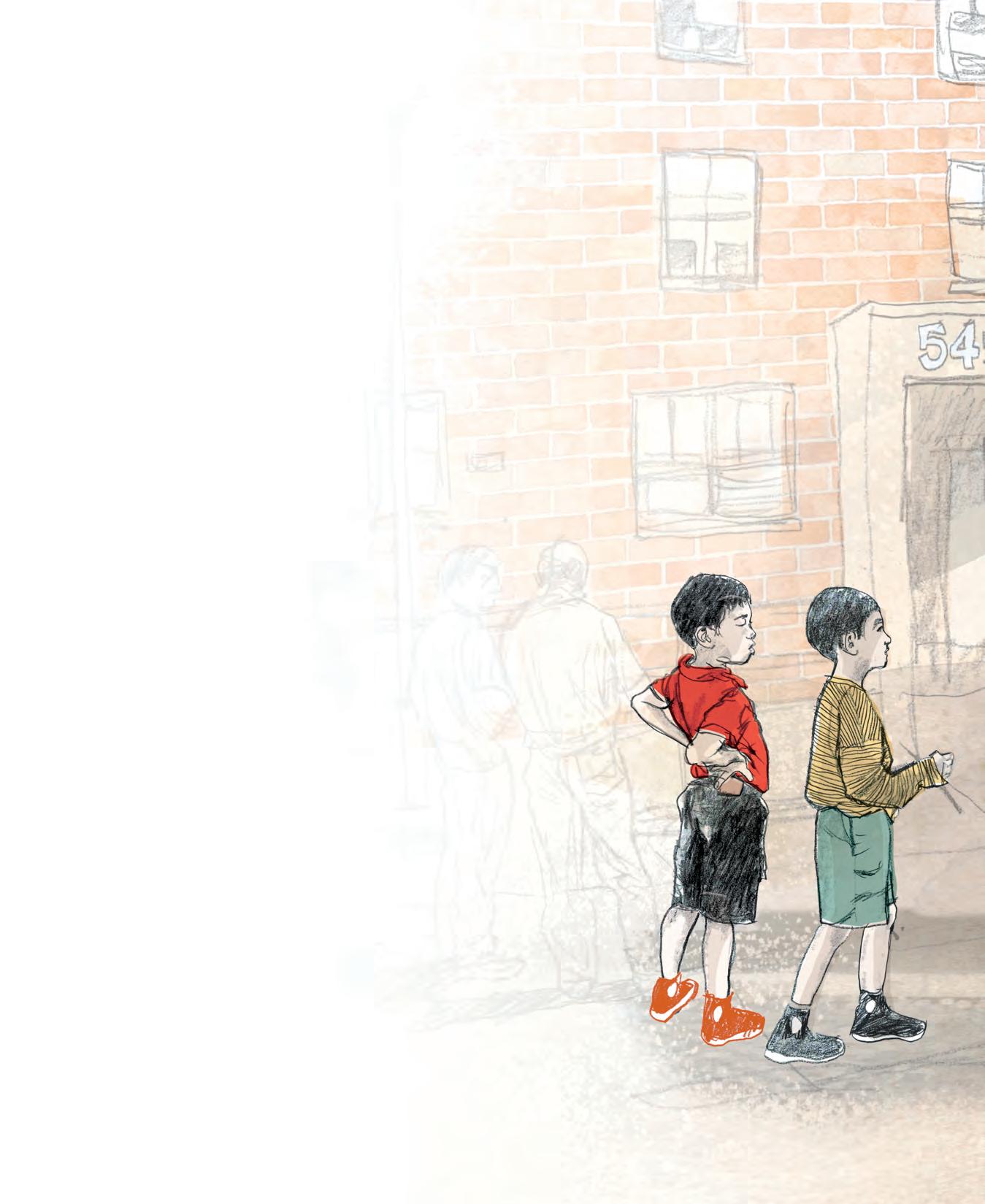
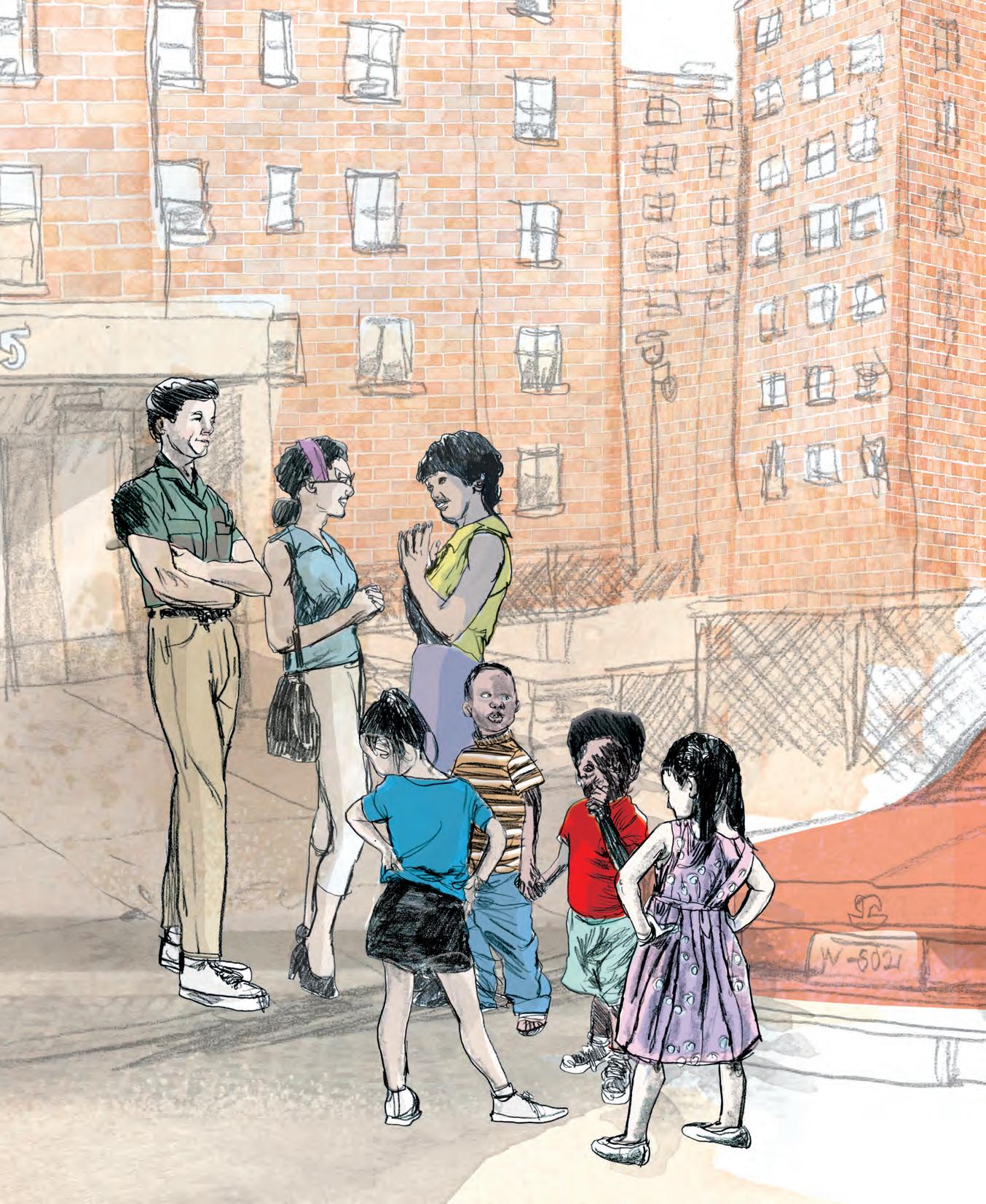
In 1960, the Kochiyama family moved to a larger, government-subsidized apartment in Harlem, a neighborhood made up of mostly Black and Puerto Rican tenants and the center of the growing civil rights movement. Despite being different, they felt at home.
Again, Yuri was living in a neighborhood where no one looked like her, but this time she noticed injustice all around her.
Yuri and Bill would welcome the community into their apartment every week. Friday nights were for their Japanese American friends, including veterans from the 442nd, but Saturday nights were for everyone.
Sometimes, more than a hundred people, from neighbors to notables, would squeeze into their small apartment. Before a guest could take off their coat or get settled, Yuri would introduce them to everybody and have them sign her guest book. A guest could be a neighbor on the Harlem Parents Committee, as they planned a school boycott and opened their own school, or Freedom Rider James Peck, who spoke about his first ride to Alabama where he was attacked and needed fifty-seven stitches.
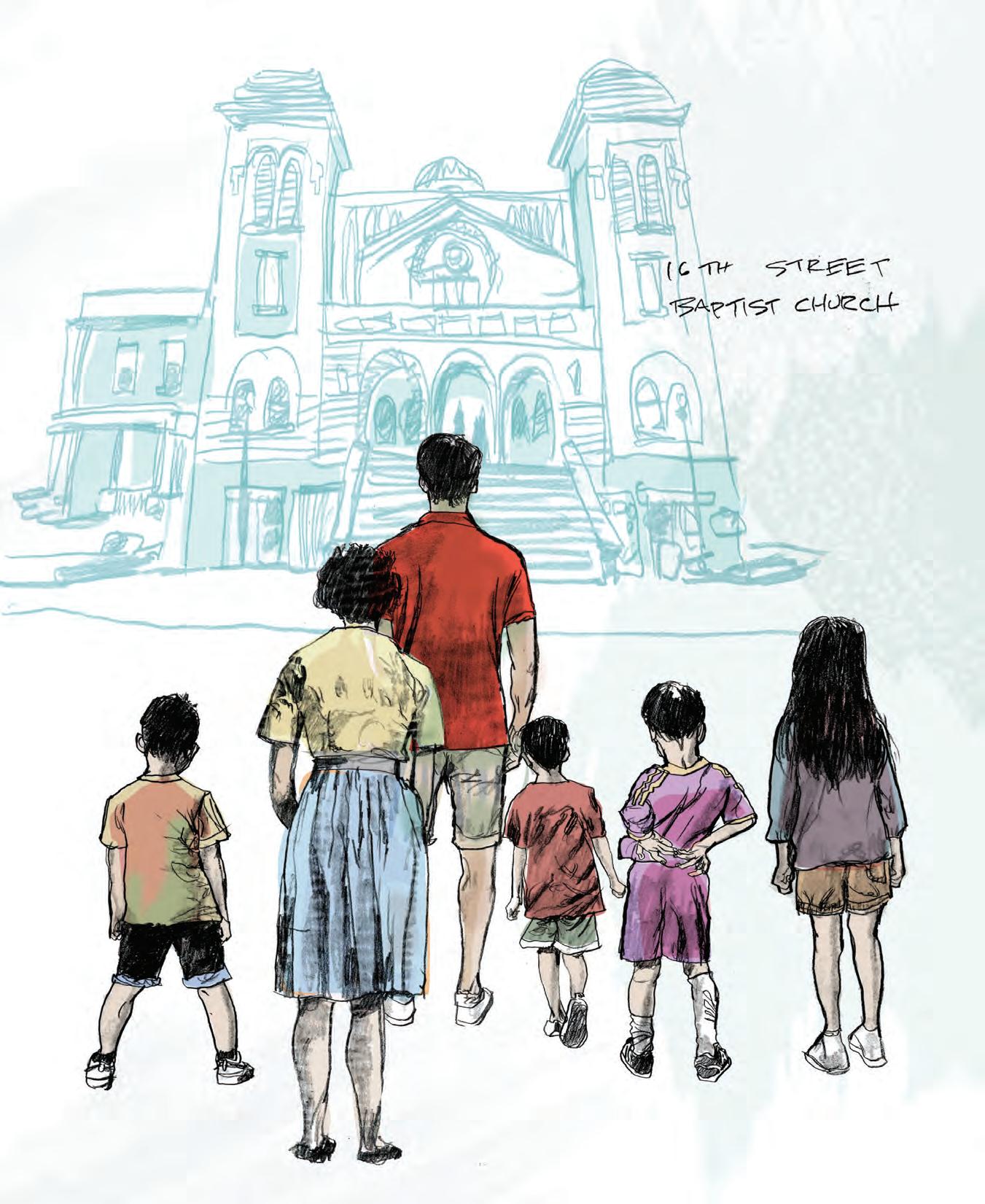
Inspired by Peck and freedom fighters they met, Yuri and her family decided to visit the Baptist church in Birmingham, Alabama, where four little girls were killed in a bombing in 1963.
That year, they did not celebrate Christmas; their six children agreed to donate the money to civil rights movements in the South instead.
Yuri and her family joined demonstrations. She was arrested with six hundred other protestors who demanded the inclusion of Puerto Rican and Black workers for a large Harlem construction project.
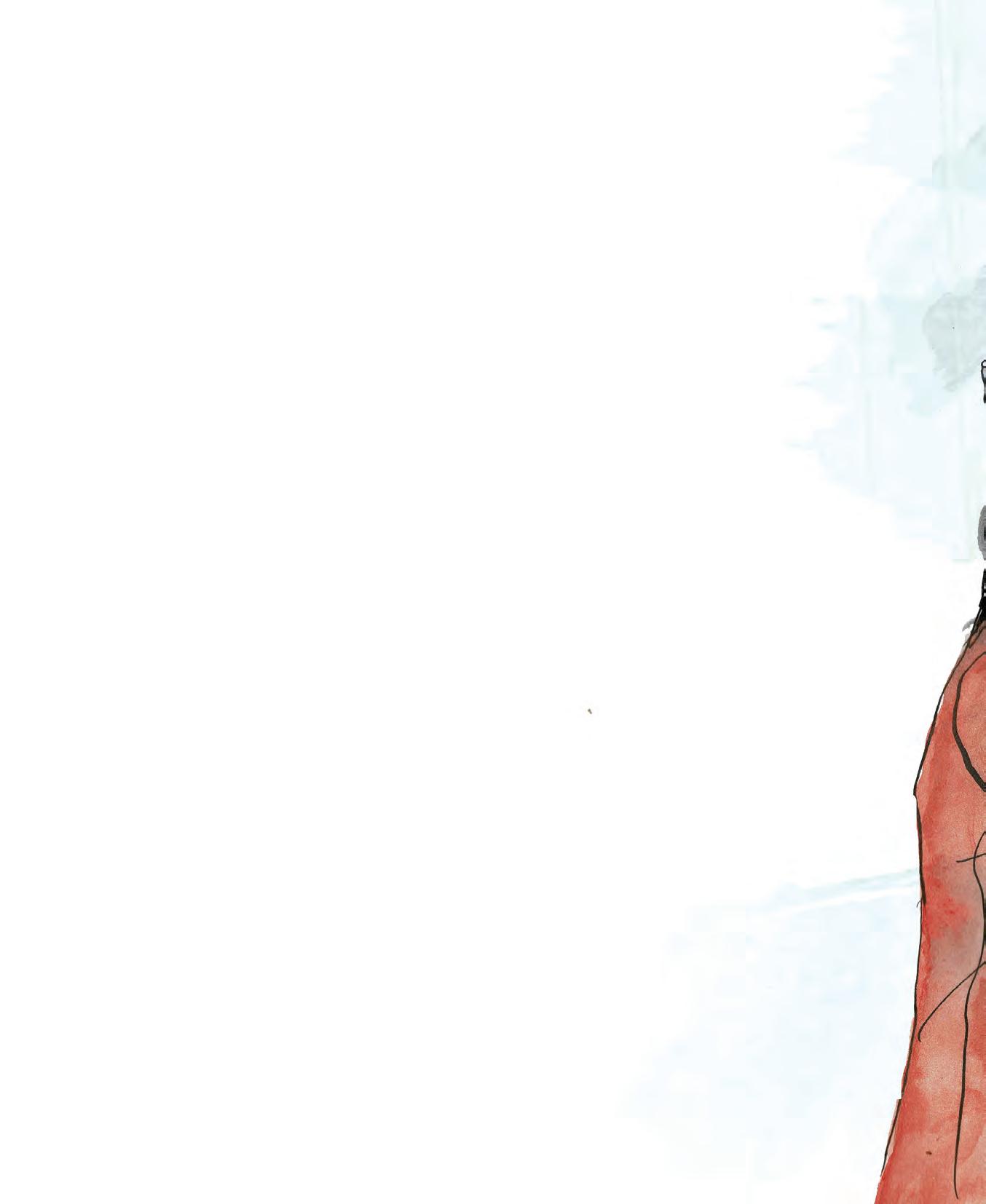
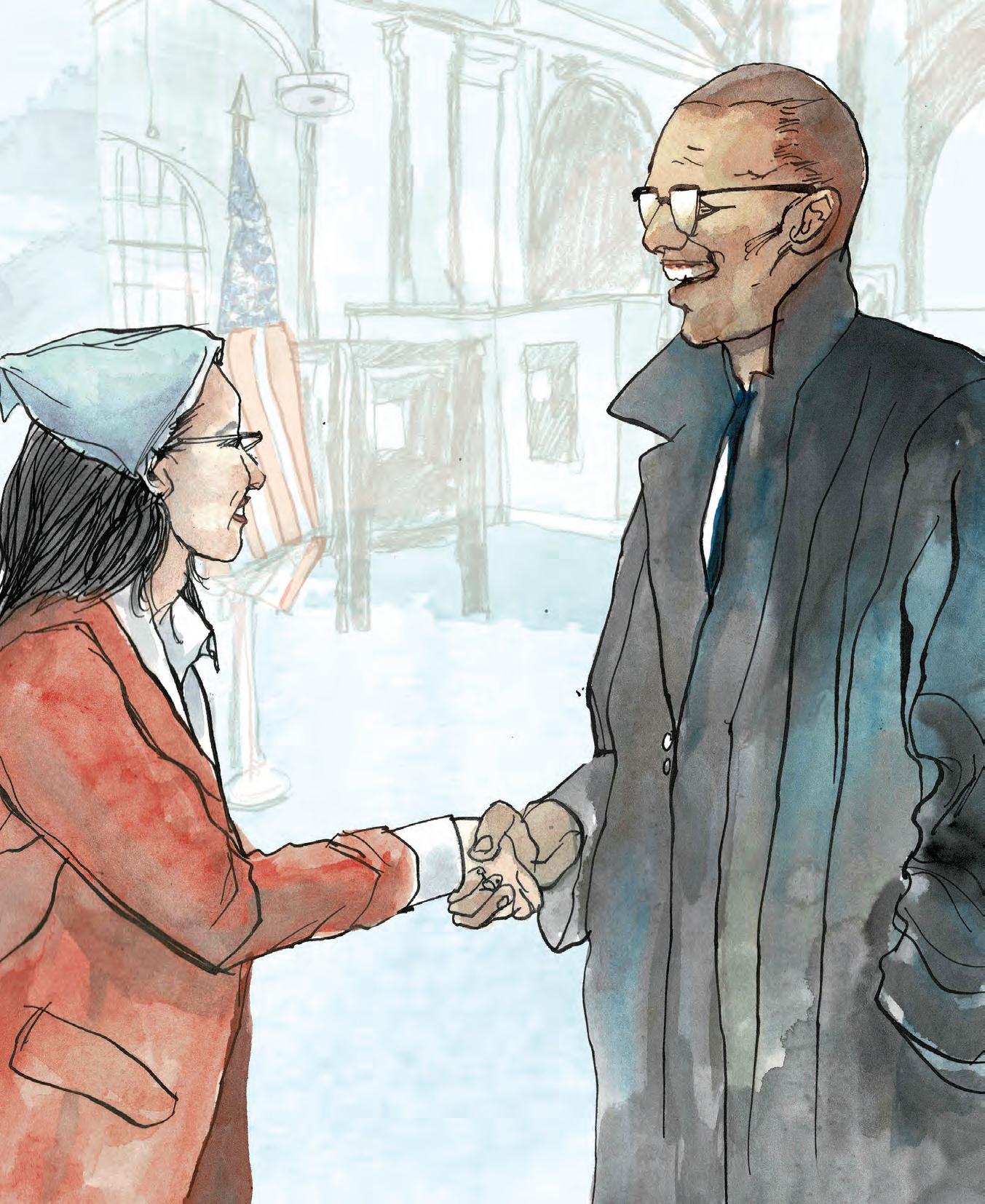
As she waited for her hearing at the Brooklyn Courthouse, a commotion started. Malcolm X had entered the building. Everyone wanted to shake his hand. Yuri hesitated, then bravely asked, “I’d like to shake your hand.”
“Why?” challenged Malcolm.
Yuri thought quickly. “I just want to congratulate you for what you’re doing.”
“What do you think I’m doing?” he shot back.
“You’re giving direction to your people.”
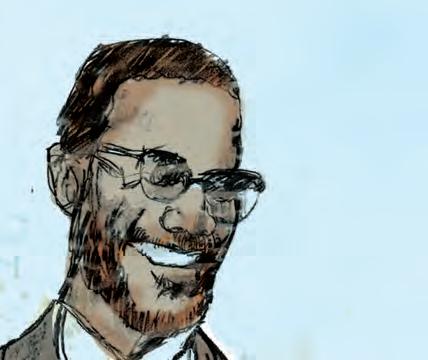
Satisfied, Malcolm flashed a radiant smile and shook her hand.
But Yuri wasn’t finished. She blurted out, “I admire the kinds of things you’re saying, but I don’t agree with your harsh stance on integration.”
Malcolm replied, “I can’t give you a two-minute lecture on the pros and cons of integration right here. If you want, come to my office and we’ll discuss it then.”
Yuri could not believe how open Malcolm was, and how willing he was to discuss his ideas with her.
After meeting Malcolm, Yuri wrote saying, “I shall always admire you and respect you for what you are doing for your people–giving them the ‘lift,’ the support and pride in their heritage . . . If each of us, white, yellow, and what-have-you, can earn our way into your confidence by actual performance, will you . . . could you . . . believe in ‘togetherness’ of all people?”
Despite no reply, Yuri wrote to Malcolm regularly.
Yuri invited Malcolm to her home to meet three Japanese atomic bomb survivors, Hibakusha, who were on a peace mission to the United States. He was the one person they most wanted to meet.
Malcolm had spoken out against nuclear bombs during World War II and viewed civil rights and world peace as part of the same fight. But would Malcolm show up? It was a dangerous time for him.
The doorbell rang. Malcolm arrived without any bodyguards. He immediately apologized to Yuri for not writing back and promised to write to her during his next trip.
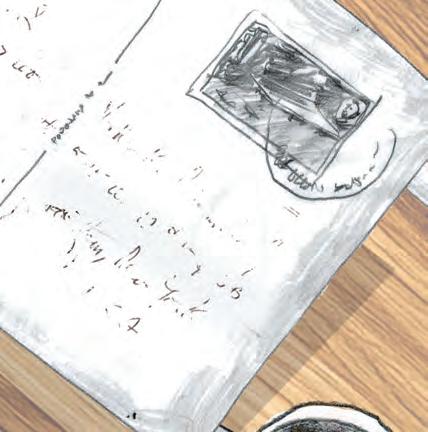
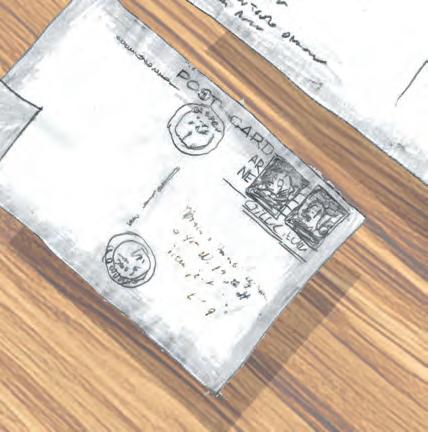
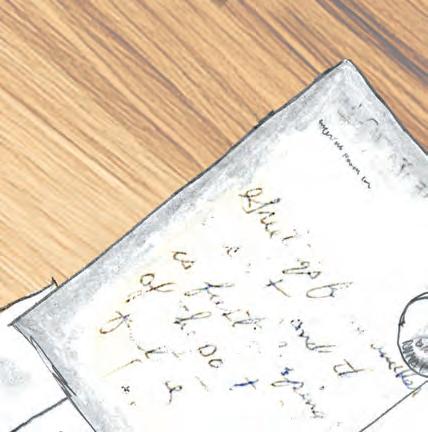
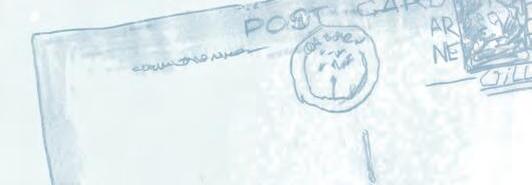
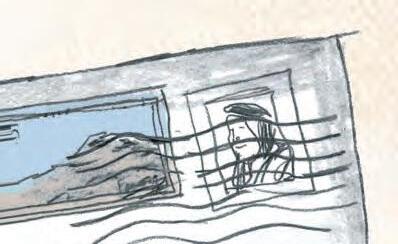
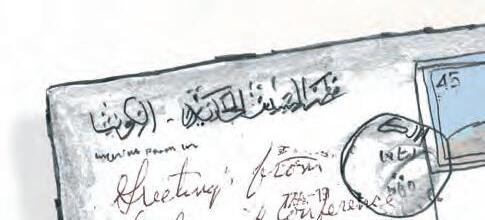
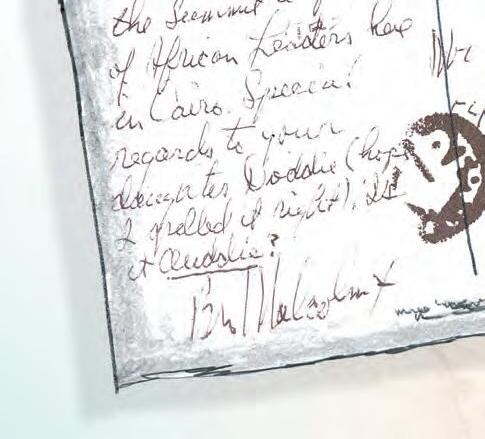
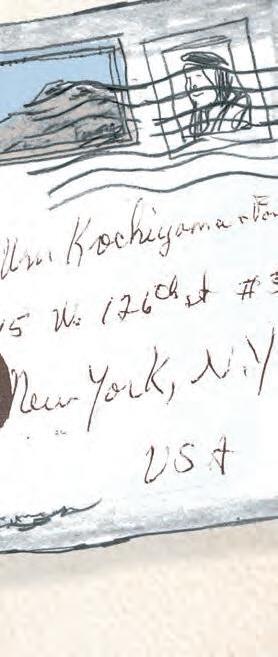
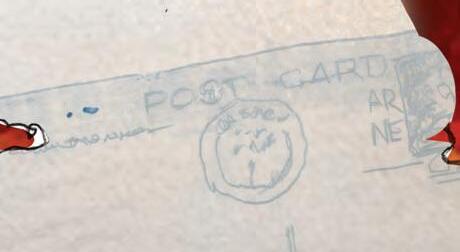
When Malcolm left on his second trip to Africa and the Middle East, hoping to convince heads of state to call out racism in America at the United Nations, he kept his promise to Yuri to write.
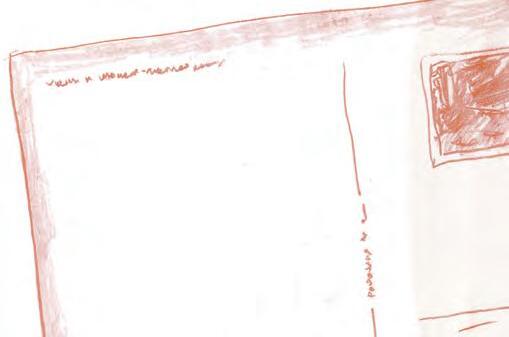
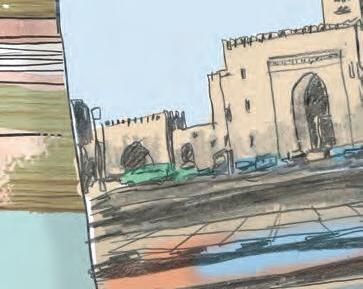
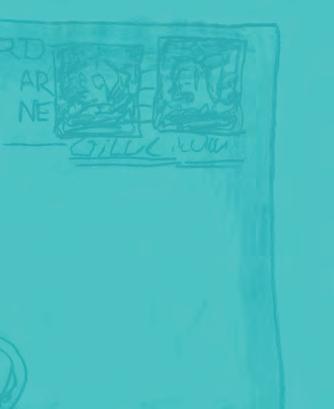
CAIRO • JULY • 1964
Greetings from the Summit Conference of African Leaders here in Cairo. Special regards to your daughter Doddie (hope I spelled it right): Is it Audalie?
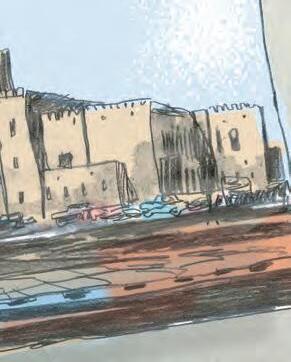
CAIRO • AUGUST • 1964
Greetings once again from the Cradle of Civilization where the recent African Summit Conference was a tremendous success.
KUWAIT • SEPTEMBER • 1964
Still trying to travel and broaden my scope since I’ve learned what a mess can be made by narrow-minded people.
KENYA • SEPTEMBER • 1964
Greetings from Kenya, the home to those great African Patriots, the Mau Mau Freedom Fighters.
ETHIOPIA • OCTOBER • 1964
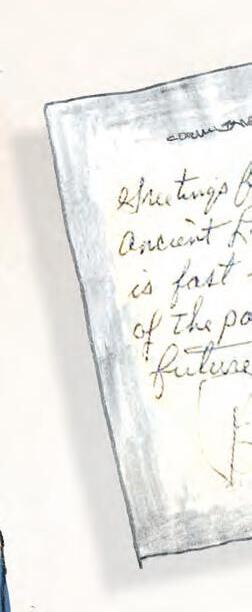
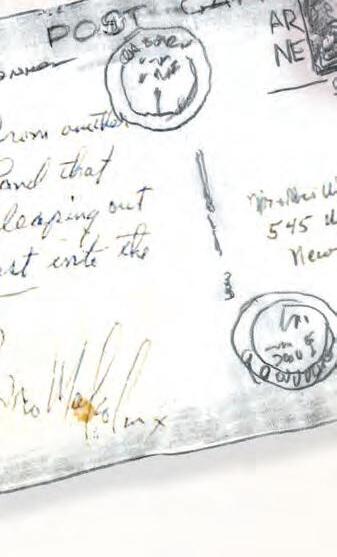
Greetings from another Ancient Land that is fast leaping out of the past and into the future.
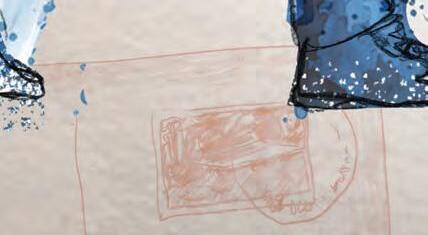
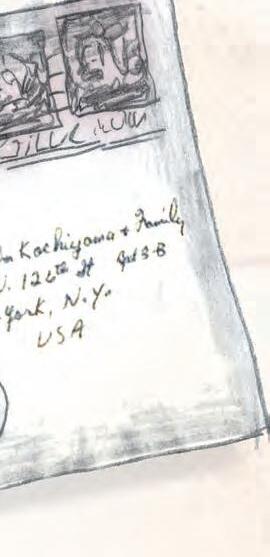
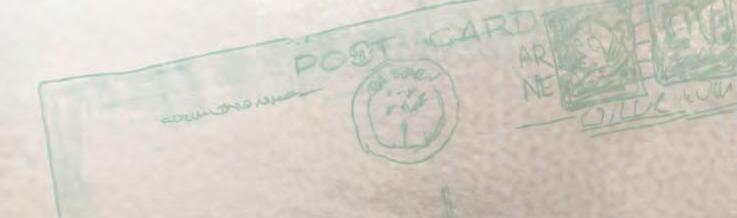
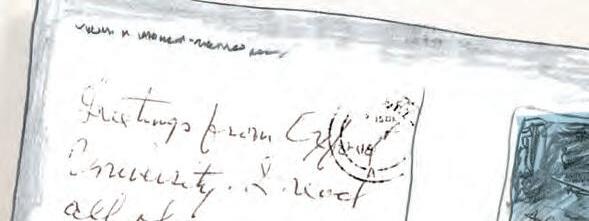
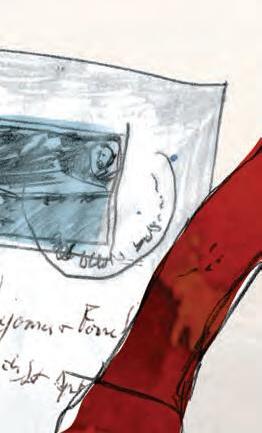
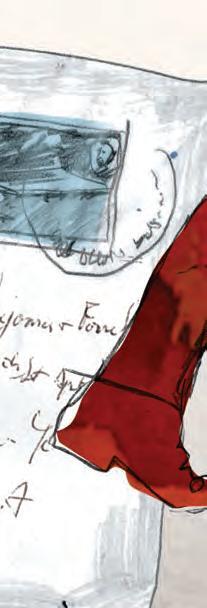
During his travels, Malcolm sent eleven postcards from nine countries. Yuri was one of only two people in Harlem to receive his postcards.
She shared the postcards with her community and realized the deep bond between Malcolm and her family.
OXFORD • DECEMBER • 1964
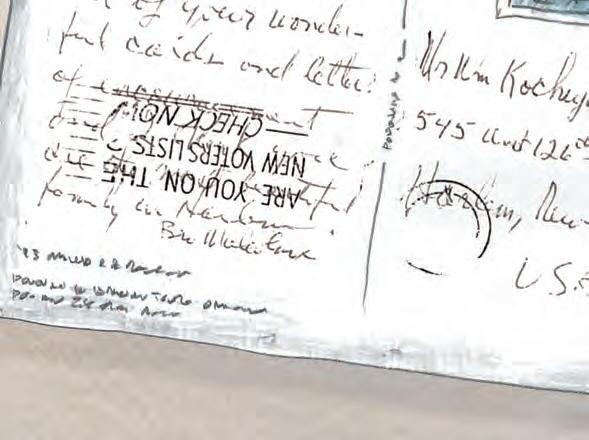
Greetings from Oxford University. I read all of your wonderful cards and letters of encouragement and I think you are the most beautiful family in Harlem.
When Malcolm returned from his trip, he was in serious danger. Both the CIA and FBI had him under surveillance. As a statesman, he was becoming too powerful on the international stage. Malcolm had other enemies as well. Things were tense when he left his leadership position in the Nation of Islam, and he received death threats from their members when he started two new organizations, Muslim Mosque Inc. and the Organization of Afro-American Unity.
Yuri was excited to see him speak at the Audubon Ballroom in Manhattan. Just a week prior, his house was firebombed while he and his family were sleeping. At most of Malcolm’s rallies, guests were checked for weapons, but on this night, there was no security at the door.
Yuri and her son sat toward the front of the auditorium. As Malcolm was being introduced, Yuri heard a commotion.
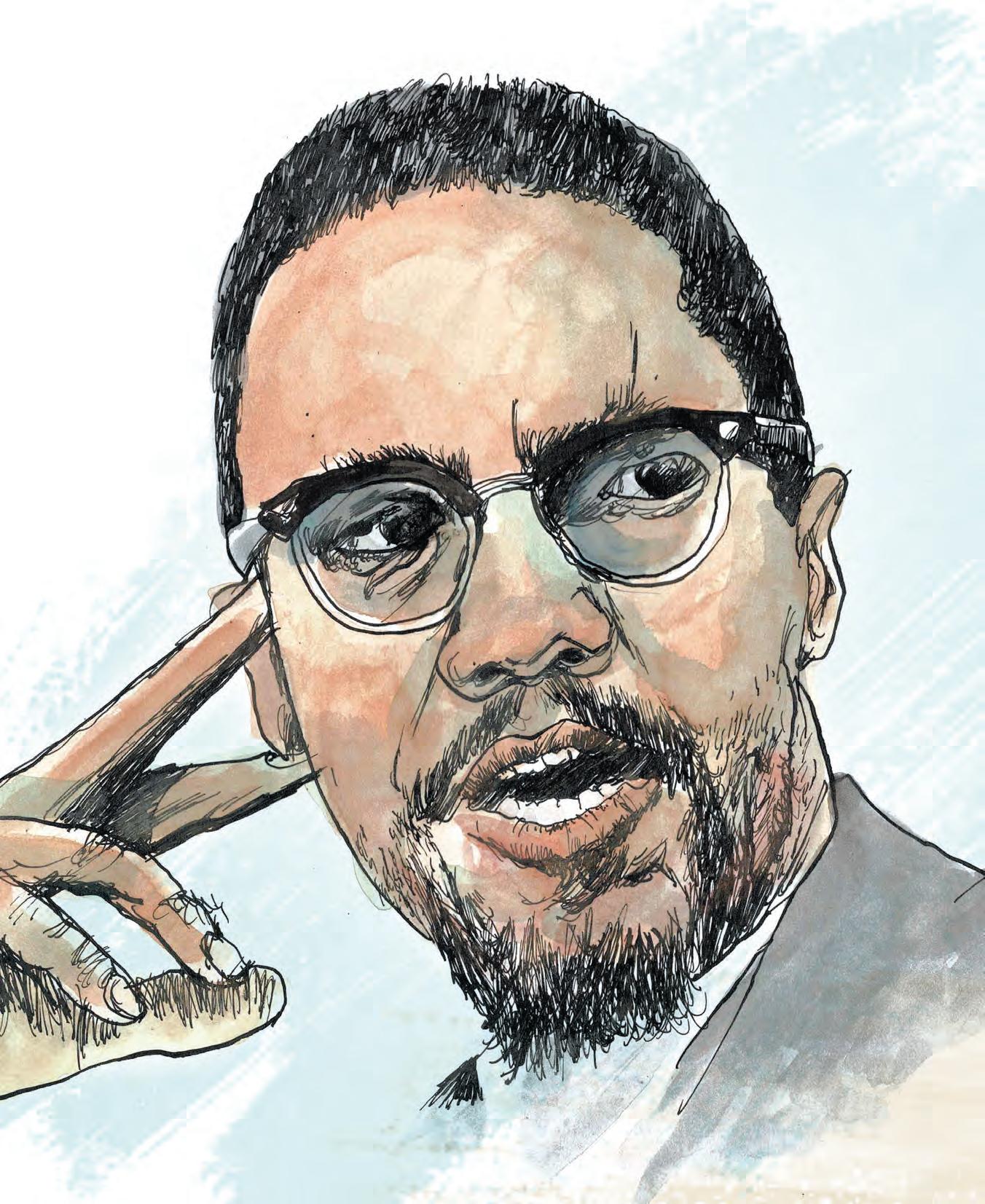
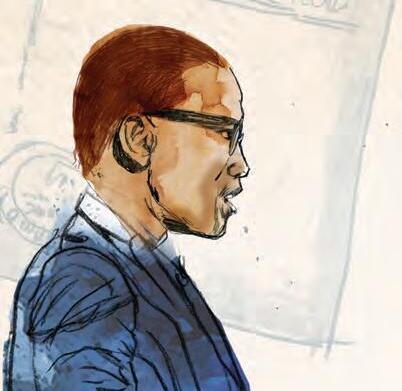
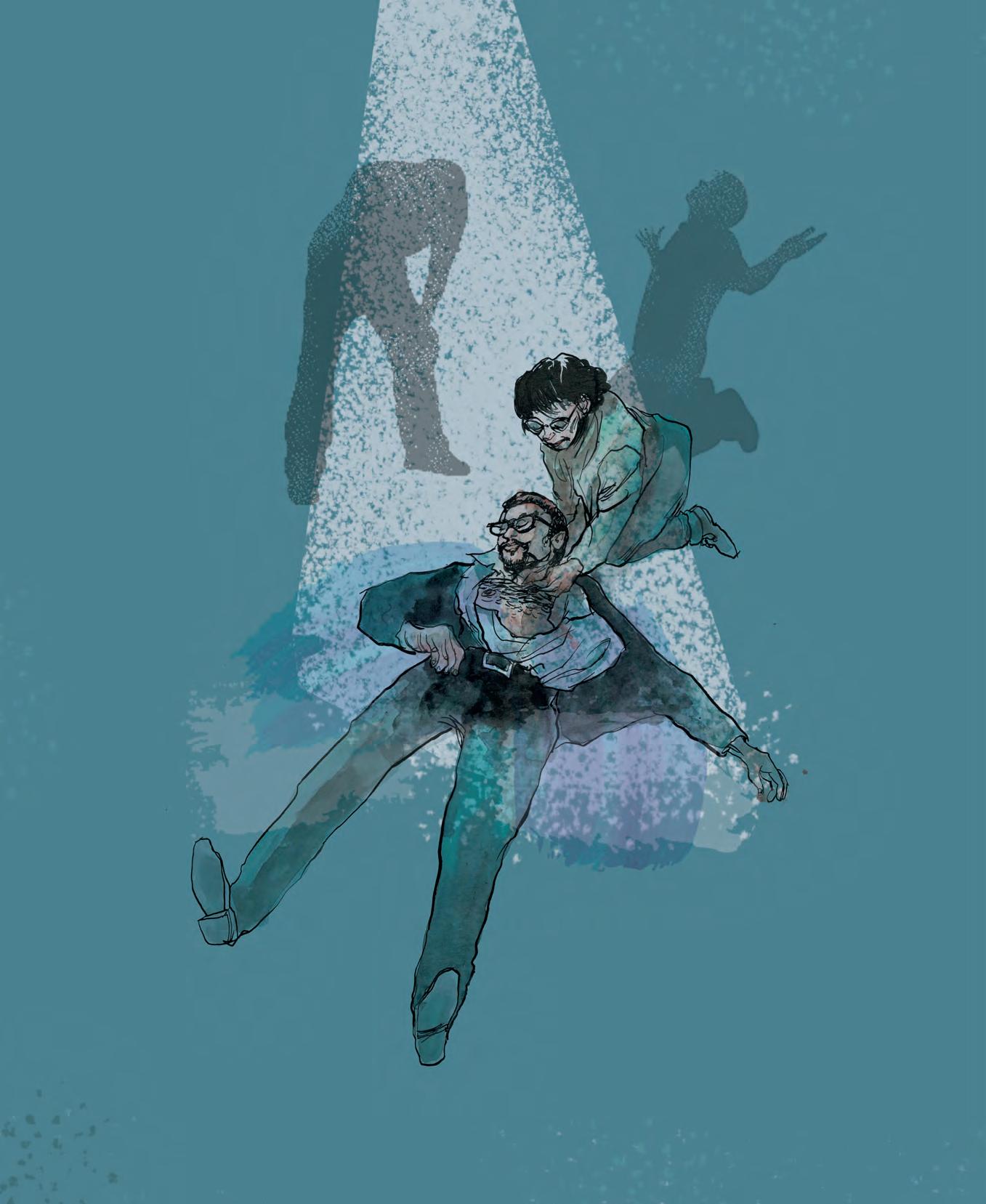
All eyes turned to Malcolm. He tried to calm everyone down saying, “Cool it, brothers, cool it.” All of a sudden, shots rang out. In the smoke and chaos, people in the audience dove to the floor looking for the exit. Yuri ran onstage to help— Malcolm had been shot and had fallen to the floor with his glasses still on his face.
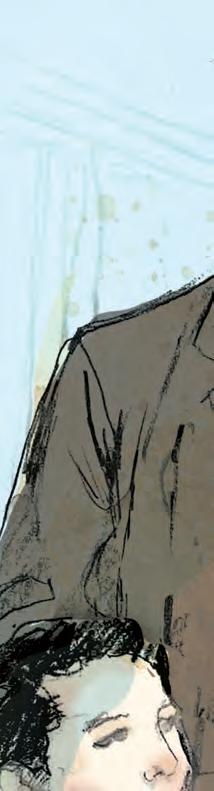
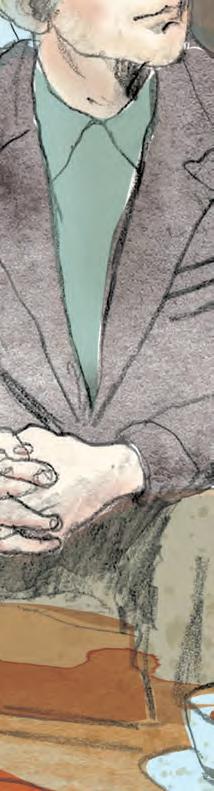
Yuri noticed he was having trouble breathing so she put his head on her lap. She hoped he would say something, but he didn’t speak. Horrified, Yuri watched the light fade from his eyes . . . Her mentor and friend was gone.
Malcolm had been shot twenty-one times.
Malcolm was Yuri’s north star in her journey to become an activist. He was a gifted teacher who could explain complicated ideas in a way that everyone could understand. His words were a flashlight that exposed invisible racism built into everyday life such as schools, books, jobs, and laws.
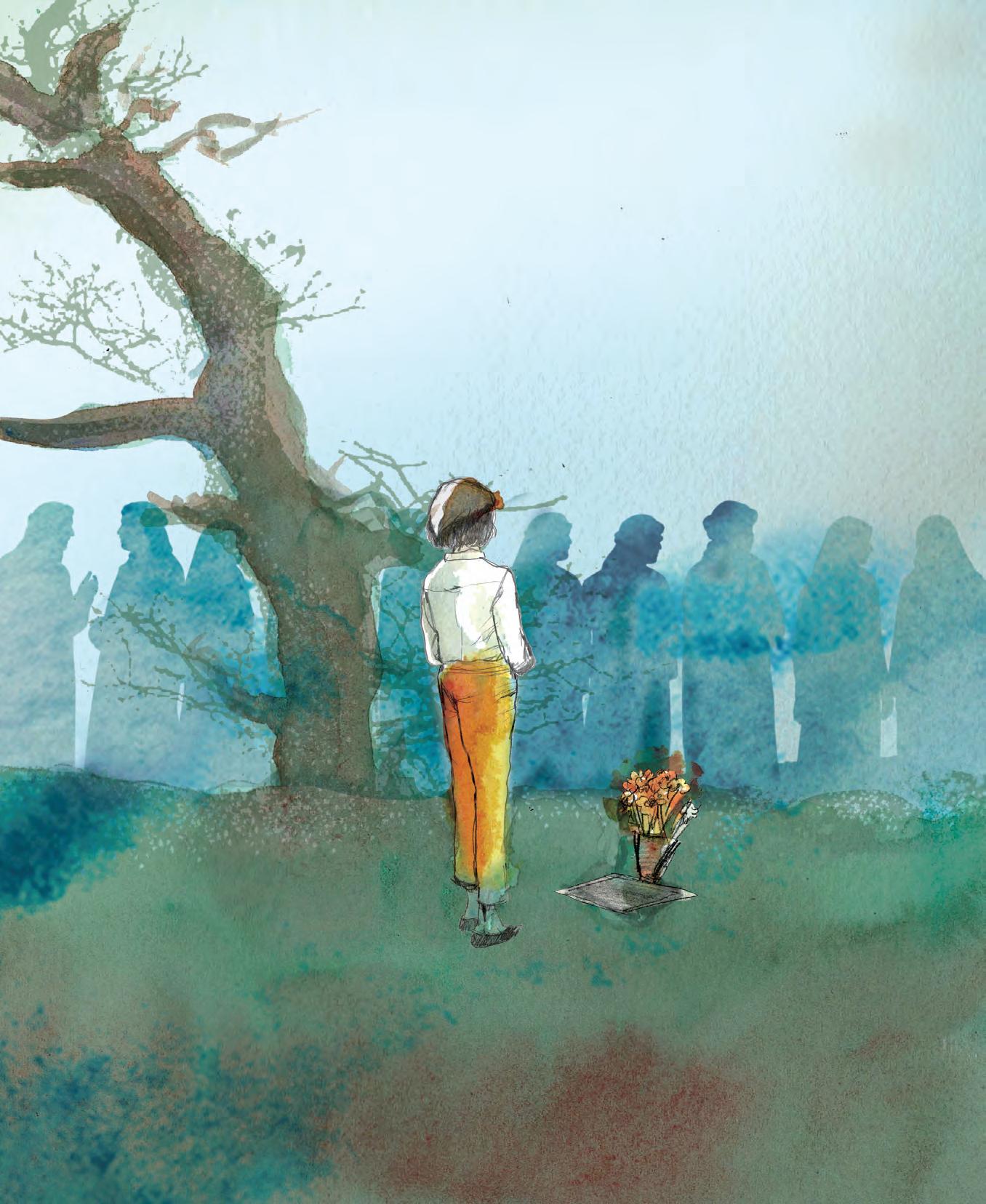
To pay tribute to her friend, she joined the pilgrimage to visit Malcolm’s grave every year on May 19. It was an easy date to remember. She and Malcolm X shared the same birthday.
Yuri reached out to Malcolm’s wife and children after his death and forged a close relationship with them. His oldest daughter, Attallah, considers Yuri her “aunt.” Yuri dedicated her life to spreading Malcolm’s message.
Never one to seek the spotlight, Yuri drew people in with her warmth, becoming the glue for movements and organizations that fought for justice and equality. She did not limit her activism to Asian American causes. Yuri opposed the Vietnam War, racism in South Africa and in the United States, supported political prisoners, independence for Puerto Rico, and fought for a US government apology and reparations for Japanese Americans imprisoned unjustly during World War II.
Working tirelessly behind the scenes, she quietly helped organize people into powerful coalitions. But it was her avid letter-writing that charted the course of Yuri’s life. From Nisei soldiers to Malcolm X to political prisoners—Yuri had an amazing capacity to offer support and use the power of the pen to fight for equality for everyone.
May 19, 1921
December 7, 1941
December 7, 1941
January 21, 1942
February 19, 1942
April 3, 1942
By fall 1942
October 16, 1942
November 20, 1943
February 9, 1946
December 1960
Summer 1963
October 16, 1963
June 6, 1964
July–November 1964
November 1964
February 21, 1965
October 25, 1977
1970s–1980s 1980s 1988
Yuri was born Mary Yuriko Nakahara in San Pedro, California
Japan bombs Pearl Harbor
Yuri’s father is arrested by the FBI
Yuri’s father dies
Franklin D. Roosevelt signs Executive Order 9066 forcing Japanese Americans into concentration camps
Yuri and her family are sent to Santa Anita Assembly Center. She starts her letterwriting campaign to Japanese American soldiers
120,000 Japanese Americans are removed from the West Coast
Yuri and her family are transferred to the Jerome War Relocation Center, an internment camp in Jerome, Arkansas
Yuri meets Bill Kochiyama
Yuri and Bill marry in New York City
Yuri, Bill, and their six children move to a low-income housing project in Harlem
The family travel to Birmingham, Alabama, to better understand the civil rights movement in the South
Yuri meets Malcolm X at the Brooklyn Courthouse
Malcolm X visits Yuri’s home to meet Hibakusha (atomic bomb survivors)
Malcolm X takes his second trip overseas to Africa, the Middle East, and England
Malcolm X invites Yuri to join his Organization of Afro-American Unity (OAAU) Liberation School
Malcolm X is assassinated at the Audubon Ballroom, New York
Yuri joins Puerto Ricans taking over the Statue of Liberty to draw attention to the struggle for Puerto Rican independence
Yuri and Bill Kochiyama work for redress and reparations for Japanese Americans
Yuri focuses on wrongful convictions including Mumia Abu-Jamal, Marilyn Buck, and David Wong
The Civil Liberties Act of 1988 paid reparations of $20,000 to all Japanese Americans forced from their homes by the government during WWII, and President Ronald Reagan issues a formal apology
1990s–2000s
October 25, 1993
2005
June 1, 2014
Yuri speaks out against anti-Muslim discrimination
Bill Kochiyama dies at 72
Yuri is one of a thousand women collectively nominated for the Nobel Peace Prize
Yuri Kochiyama dies at 93
YURI KOCHIYAMA MALCOLM X
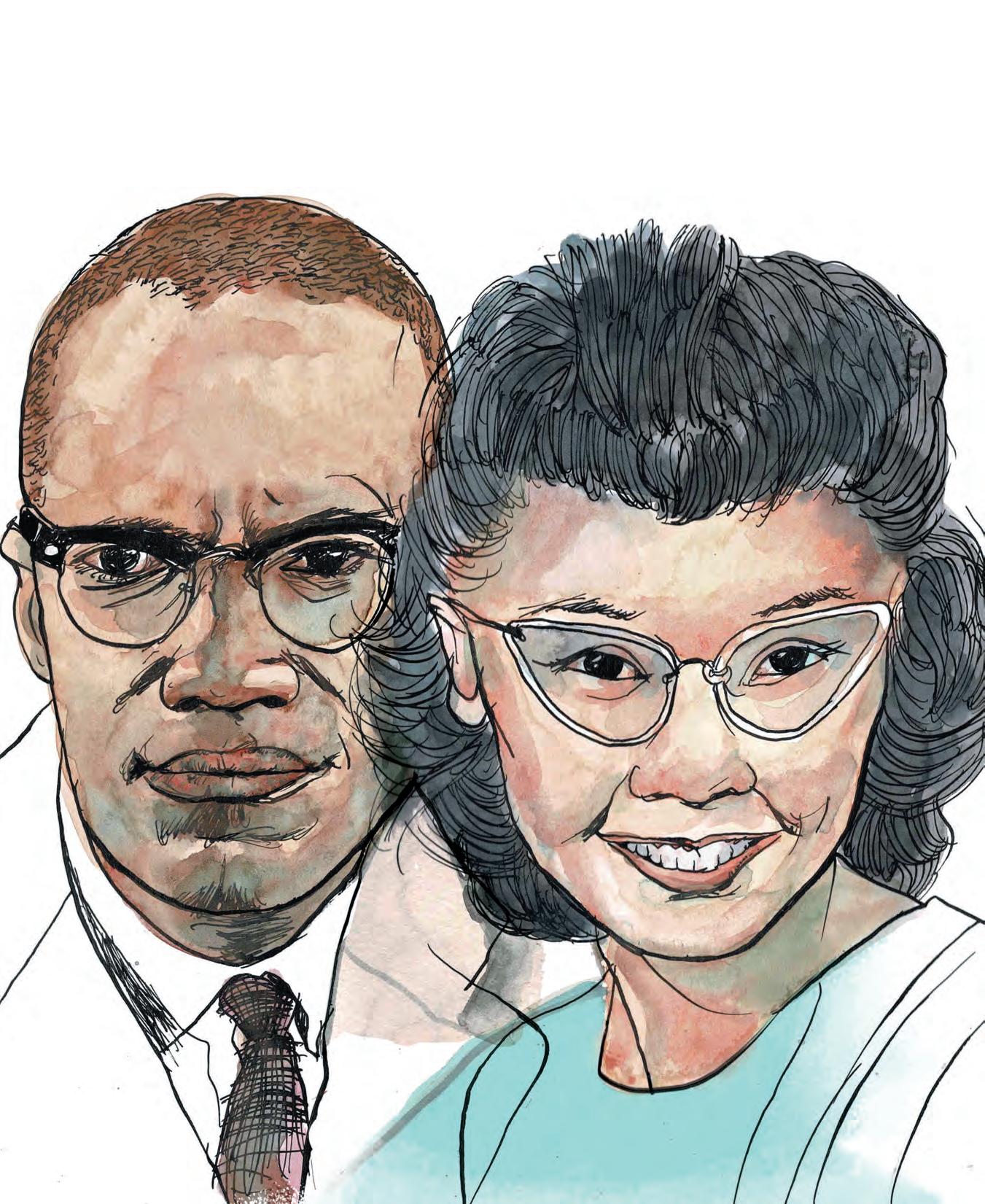
YURI KOCHIYAMA (born Mary Yuriko Nakahara; May 19, 1921–June 1, 2014) was an Asian American human rights activist and advocate for political prisoners. Some of the organizations she became involved with and causes she endorsed included the Organization of Afro-American Unity(OAAU), National Committee to Defend Political Prisoners(NCDPP), and Asian Americans for Action (AAA). She was one of one thousand women nominated for the Nobel Peace Prize in 2005.
MALCOLM X (born Malcolm Little, later El-Hajj Malik El-Shabazz; May 19, 1925–February 21, 1965) was an African American activist, Muslim minister, cultural leader, and revolutionary figure. He was an advocate for Black empowerment and equal rights during a tumultuous time. He was a leader in the Civil Rights movement, serving as a spokesman for the Nation of Islam, and the founder of both Muslim Mosque, Inc., and the Organization of Afro-American Unity.
GLOSSARY
442nd Infantry Regiment: An Army unit made up of 18,000 mostly second-generation Japanese American soldiers. It is the most decorated unit in the history of the US military with more than four thousand Purple Hearts, twenty-one Medals of Honor, and seven Presidential Unit Citations.
Assembly Centers: In 1942, from the end of March through August, approximately 112,000 people of Japanese descent were sent to Assembly Centers, usually racetracks or fairgrounds, before being relocated to more permanent concentration camps.
Black Separatism: The racial independence from white people. Malcolm advocated for Black control over institutions such as schools, police, and busing. Near the end of his life, Malcolm would renounce Black separatism and embrace the human rights movement.
Federal Bureau of Investigation (FBI): The FBI is the domestic intelligence and security service of the United States. Undercover FBI agents were among the audience where Malcolm X was assassinated.
Freedom Fighters: Civil rights activists who fought for political freedom both for themselves and others.
Japanese Concentration Camps: These Japanese American relocation centers were known euphemistically as internment camps but are more accurately described as a concentration camp as defined by the Holocaust Museum: “refers to a camp in which people are detained or confined, usually under harsh conditions and without
regard to legal norms of arrest and imprisonment that are acceptable in a constitutional democracy.”
Bill Kochiyama: Yuri’s husband and a member of the 442nd Infantry Regiment.
Yuri Kochiyama: A human rights activist. Also known as Mary Yuriko Nakahara, her maiden name.
Malcolm X: A human rights activist during the civil rights movement and the Black liberation movement.
Muslim Mosque, Inc. (MMI): Founded by Malcolm X on March 12, 1964, after leaving the Nation of Islam.
The Nation of Islam: The National of Islam is a religious and political organization founded by Wallace Fard Muhammad in 1930 that combined Islam with Black nationalism.
Nisei: Nisei is a Japanese word that means “second generation,” which is used to describe the children born in the United States to Japanese-born immigrants.
Organization for Afro-American Unity (OAAU): Malcolm X founded the Organization for Afro-American Unity (OAAU) in 1964 to unify people of African descent in the Western Hemisphere into one united force—and then to unite them with the people of Africa.
Racial Integration: Martin Luther King Jr. believed in integration; that Blacks ultimately gain power by having a seat at the table with whites.
AUTHOR’S NOTE ILLUSTRATOR’S NOTE
I grew up in a mostly white town located fifteen miles from San Pedro, California, where Yuri was raised. My mother, close in age to Yuri, was also forced from her home during World War II for being Japanese American. Her younger brother, my uncle Arthur, earned a Purple Heart as a member of the 442nd Regiment.
There is a Japanese saying that the nail that sticks out gets pounded down. Culturally, Japanese Americans are not raised to rock the boat. In Yuri’s time, it was really unusual for a Japanese American to be an activist, particularly for causes that did not directly affect them. This is perhaps why most people don’t know about Yuri Kochiyama. It’s not easy to put her in a box to describe her as an activist. She didn’t seek to be front and center of any movement. She didn’t start her own organization or speak from a podium to a huge audience.
Yet she was a powerful force for social justice. Quietly and behind the scenes, she fought for those who faced injustice: political prisoners, Puerto Ricans poisoned by American bombings, and Japanese Americans incarcerated during World War II. She devoted her life to fighting racism both in the United States as part of the civil rights movement and in South Africa.
Yuri and Malcolm X are also a powerful example of Black and Asian American allies who worked together for social justice. Their leadership continues to inspire younger generations.
—Mia Wenjen
When asked to work on this book, I immediately said yes. The story of Yuri and Malcolm X is a powerful American narrative of friendship, courage, and hope. Growing up in New York City, surrounded by people from diverse backgrounds, I learned firsthand the strength that comes from unity. I am proud to help share their inspiring story through art.
—Keith Henry Brown
EDITOR’S NOTE
A large portion of my childhood was spent in Washington, DC, neighborhoods that were primarily African American. I was not aware of this bridge between the Asian and Black communities. I’m so grateful to Mia for bringing Red Comet Press this story, giving us an opportunity to shine a light on the connection of these two civil rights leaders, and introducing me to someone readers can look up to.
—Michael Yuen-Killick
Arora, Sushmita. “Revolutionary Friendship of Malcolm X and Yuri Kochiyama.” Medium, August 2, 2020. https://medium.com/jasleenarticles/revolutionary-friendshipof-malcolm-x-and-yuri-kochiyama3af640643016
Bates, Josiah. “The Enduring Mystery of Malcolm X’s Assassination.” Time Magazine, February 20, 2020.
Cha, Ariana E. “U-M to honor crusader, Malcolm X pal.” Detroit Free Press, February 3, 1997, p. 9.
Chin, Kathy Ko. “For Women’s History Month, let’s have immigration reform.” Valley Morning Star, March 9, 2014, p. 24.
Elias, Paul. “Yuri Kochiyama; activist witnessed death of Malcolm X.” The Boston Globe, June 6, 2014, p. B12.
BIBLIOGRAPHY
Elias, Paul. “Yuri Kochiyama.”
The Independent, June 8, 2014. https://www.the-independent.com/ news/obituaries/yuri-kochiyamaobituary-civil-rights-activist-whowon-reparations-for-wartimeinternees-and-who-was-withmalcolm-x-when-he-died-9509282. html
Fabricant, Florence. “An Ice Cream Shop that Recalls Harlem’s Past.” New York Times, July 31, 2017. https://www.nytimes. com/2017/07/31/dining/sugar-hillcreamery-harlem.html
Ireland, Corydon. “Unsettled by the Bomb.” The Harvard Gazette, April 22, 2015. https://news. harvard.edu/gazette/story/2015/04/ unsettled-by-the-bomb/
Fujino, Diane C. The Revolutionary Life of Yuri Kochiyama: Heartbeat of Struggle. Minneapolis: University of Minnesota Press, 2005. Kochiyama, Yuri. Passing It On: A Memoir. Los Angeles: UCLA Asian American Studies Center Press, 2004.
Life Magazine. “The Violent End of the Man Called Malcolm X,” March 5, 1965, p. 26-27.
Payne, Les. “The Day Malcolm X Was Killed.” The New Yorker, August 27, 2020.
Southall, Ashley and Bromwich, Jonah E. “2 Men Convicted of Killing Malcolm X Will Be Exonerated After Decades.” New York Times, November 17, 2021. Updated January 20, 2022.
Tachibana, Judy. “Seeking liberty, justice for all.” The Sacramento Bee, April 28, 1994, p. 6.
Tuck, Stephen. The Night Malcolm X Spoke at the Oxford Union: A Transatlantic Story of Antiracist Protest. University of California Press, 2014.
Woo, Elaine. “Civil Rights activist and friend of Malcolm X.” The Los Angeles Times, June 4, 2014, p. 10.
X, Malcolm. “Malcolm X Speech to the African Summit Conference (August 21, 1964).” ICIT Digital Library. https://www.icit-digital. org/articles/malcolm-x-s-speechto-the-african-summit-conferenceaugust-21-1964
Yardley, William. “AJA activist held dying Malcolm X.” Honolulu StarAdvertiser, June 5, 2014, p. B4.
“Life is the input of everyone who touched your life and every experience that entered it. We are all a part of one another.”
—Yuri Kochiyama
“Malcolm X is the one person who changed my life more than anyone else because he gave me a di erent perspective of the world.”
—Yuri Kochiyama