BILL & MELINDA GATES FOUNDATION, PIJAR FOUNDATION AND TAHIR FOUNDATION ON A THREE-YEAR PROJECT IN YOGYAKARTA AND SOLO, INDONESIA.
AIT Research Theme: Aquonic technology
AIT Unit: GWSC
Project Duration: 3 years, 2021 to 2025
Project Partner: Bill & Melinda Gates Foundation, Pijar Foundation and Tahir Foundation
Description:
GWSC is collaborating with Bill & Melinda Gates Foundation, Pijar Foundation and Tahir Foundation on a three-year project in Yogyakarta and Solo, Indonesia. This project aims to demonstrate the potential of Reinvented Toilet Technology by implementing Aquonic systems for school sanitation improvement. The project proposes the installation of Aquonic technology in 15 strategic chosen locations in Yogyakarta following the SSK or as recommended by the local governments. The selection process will prioritize locations with high visibility and potential for positive impact. This includes: schools: promoting hygiene practices and sanitation education among future generations, public markets: providing access to clean sanitation facilities for a large number of daily users, tourist areas such as Malioboro: enhancing the hygiene standards and user experience in areas frequented by visitors, park public toilets: improving sanitation options and education in popular recreational spaces, or other public facilities: upgrading sanitation facilities in bus terminals, community centers, or government buildings.
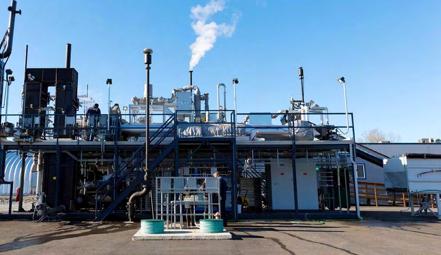
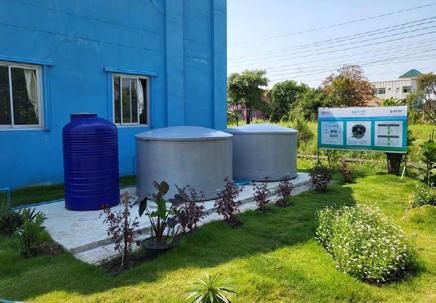
Aquonic systems - BMGF, Pijar Foundation and Tahir Foundation collaboration on a three-year project in Yogyakarta and Solo, Indonesia
STRENGTHENING OF PUBLIC DATA SYSTEMS FOR SANITATION
AIT Research Theme: Food-Energy-Water
AIT Unit: GWSC
Project Duration: 1 year, December 2022 to December 2023
Project Partner: Government of Bangladesh
Description:
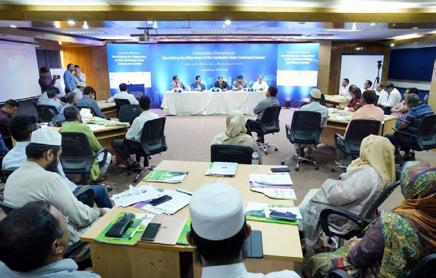
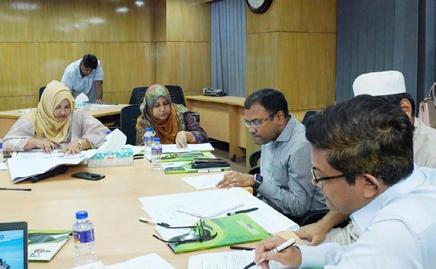
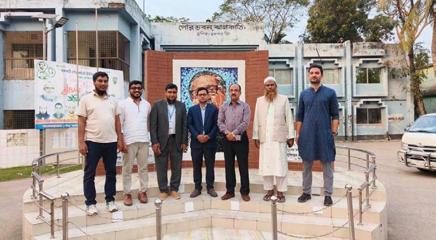
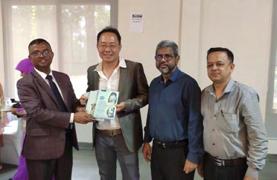
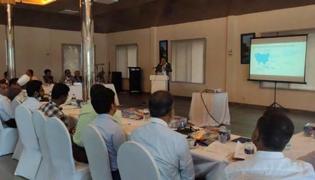
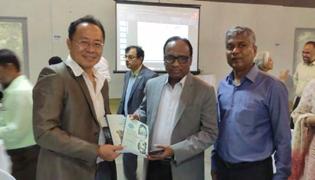
GWSC supports the Government of Bangladesh’s flagship Strengthening of Public Data Systems programme aiming to catalyze SDG 6.2 outcomes. This involves establishing a centralized & distributed Sanitation Data Command Center, housing an integrated ecosystem of national and sub-national data systems including National Sanitation Dashboard and Integrated City/Municipal Information System for planning, effective service delivery and monitoring & evaluation. In Bangladesh, in partnership with key data partners, we are spearheading the development of foundational elements for the Government of Bangladesh’s flagship initiative, “Strengthening of Public Data Systems for Sanitation.” This initiative is designed to accelerate SDG 6.2 outcomes while advancing the Smart Bangladesh Agenda 2041. Our focus is on establishing an integrated ecosystem of public data systems that enable seamless information flow from standardized unified sub-national data platforms to the national sanitation dashboard and ultimately to the SDG Tracker. This integration is facilitated by the establishment and implementation of a robust data governance framework, which sets non-negotiable rules and processes for data collection, processing, storage, distribution, and utilization, with a paramount emphasis on safeguarding data privacy and security. In Nepal, our efforts are centered on scaling up the Integrated Municipal Information System. This comprehensive platform leverages geo-spatial technologies to plan, deliver and monitor services. Alongside it aims to bolster, digitize, and optimize municipal functions while fostering transparency and accountability. Likewise, in India, the GWSC, is coordinating and financing the development of a grey water management module to monitor the performances of graywater interventions in Odisha.
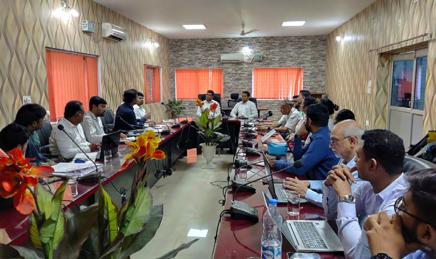
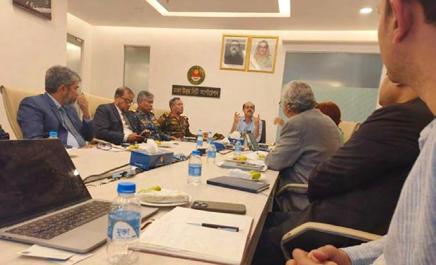
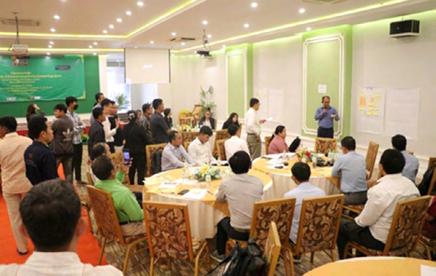
SPDSSB - Workshop on Identifying objectives for Data Command Center
DEVELOPING A CITYWIDE INCLUSIVE SANITATION PACKAGE UNDER THE CONCEPT OF URBAN-RURAL CONVERGENCE FOR UDAIPUR, DHARMANAGAR & BISHRAMGANJ IN THE STATE OF TRIPURA, INDIA
AIT Research Theme: Water Technology AIT Unit: GWSC
Project Duration: 7 months, November 2023 to May 2024
Project Sponsors/Clients: ADB
Project Partner: Government of Tripura, India
Description:
The Global Water & Sanitation Center is providing Technical Assistance (TA) support to the Government of Tripura, India, in identifying safe and sustainable sanitation solutions in three selected cities: Udaipur, Dharmanagar, and Bishramganj. This project has been kick-started in response to the Asian Development Bank’s (ADB) request to conduct a feasibility study in Tripura to identify contextualized and innovative sanitation interventions, apart from the ADB’s ongoing activities related to sanitation in Tripura. In the journey of providing TA support to the Government of Tripura, GWSC is working along with GWSC’s technical partner, CDD India1. This project is significant due to its focus on exploring the concept of urban-rural convergence in enhancing the optimal utilization of existing sanitation infrastructure and services in the arena.
This feasibility study is primarily based on reviewing the existing sanitation situation, planned sanitation infrastructure, and services in these towns, bringing a geospatial analysis aligned with CWIS principles to assess feasible sanitation solutions, exploring the potential of incorporating innovative sanitation technologies, and providing recommendations and solutions to improve the existing sanitation situation. The overall effort of providing TA support to Tripura is leading the way to filling the loopholes in ongoing and proposed sanitation solutions in the state. Furthermore, it ensures safe, inclusive, and sustainable sanitation conditions across the state.
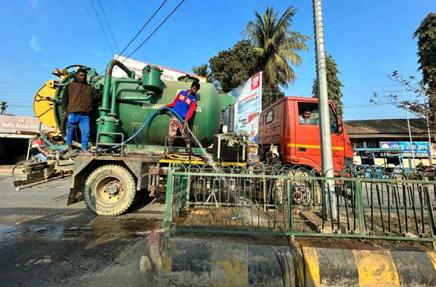
A situation of using desludging vehicles to irrigate the plants in Tripura
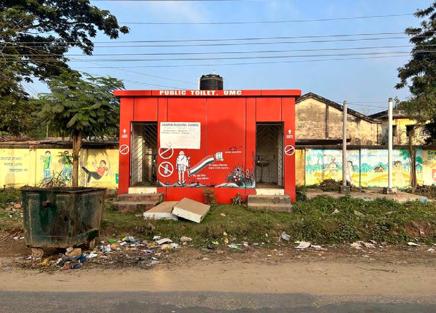
A public toilet complex with poor maintenance in Udaipur, Tripura
RETROFITTING NSS GUIDED BY THE CWIS PRINCIPLES IN THE PROPOSED SEWER DPR IN JHARKHAND
AIT Research Theme: Aquonic technology
AIT Unit: GWSC
Project Duration: 5 months, 2023
Project Sponsors/Clients: JUIDCO
Description:
JUIDCO, under the Gov’t of Jharkhand, is working on 2 sewerage projects in Dhanbad and Ramgarh, with each project being divided into 2 phases. Phase 1 of both projects is funded by NMCG, while Phase 2 is being considered for funding by ADB and sought GWSC’s support to integrate NSS and CWIS principles into the project. GWSC’s TA-Hub was initially asked to conduct feasibility studies in both Dhanbad and Ramgarh towns to assess the potential for developing a comprehensive CWIS package. Later, due to the government’s budgetary prioritisation, the plan was restructured, and they wanted to focus on Ranchi and Dhanbad. The scope of the assignment includes reviewing of the existing sewerage DPR to identify areas for improvement, technical assessments of alternative sanitation options (NSS) to determine their suitability, and evaluation of institutional capacity and community readiness. An architecture for an integrated information management system (IMIS) and decision-making tools will be developed to optimize sanitation systems. All project activities will be meticulously documented for transparency and knowledge sharing.
The project also encompasses key components like improved toilets for underserved communities, safe wastewater collection and transport through mechanical emptying, transfer stations for remote areas, and safe disposal and treatment facilities (co-treatment/ dedicated FSTPs). Greywater treatment solutions will be implemented in specific locations, public toilets will be upgraded across towns, and a robust IMIS will be introduced for enhanced management and monitoring of municipal sanitation services.
A SITUATIONAL ANALYSIS TO IDENTIFY THE POTENTIAL INTERVENTIONS FOR IMPROVING SANITATION CONDITION OF SELECTED AREAS (ZONES 2, 3, 6, AND 10) OF DHAKA NORTH CITY CORPORATION, BANGLADESH.
AIT Research Theme: Water Technology
AIT Unit: GWSC
Project Duration: 4 months, 2023 to 2024
Description:
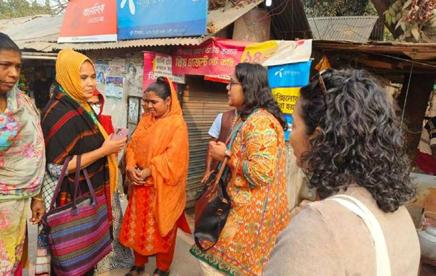
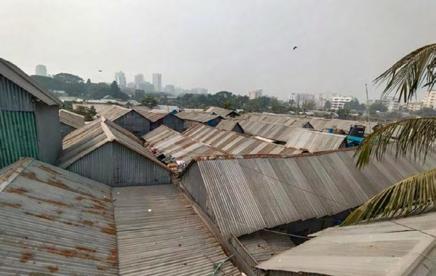
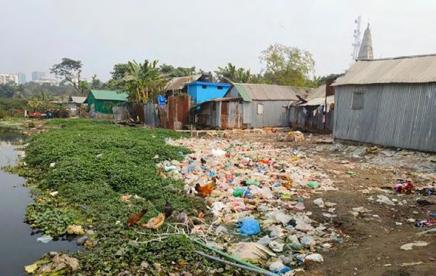
The project aims to conduct a comprehensive assessment of the existing sanitation conditions in Zone 3, Zone 10, Zone 2, and Zone 6 within the Dhaka North City Corporation (DNCC) area. This assessment will cover various aspects of sanitation, including both sewered systems (SS) and non-sewered systems (NSS), as well as decentralized solutions and greywater management. Through field assessments, surveys, and consultations with key stakeholders such as DNCC, DWASA, local communities, NGOs, and experts, the project will identify the baseline conditions, ongoing initiatives, and planned interventions related to sanitation in the selected zones. By analyzing existing data and reports, the project will identify gaps, challenges, and bottlenecks in the current sanitation systems and practices, including urban planning and infrastructure. However, household-level data collection will not be conducted as part of this scope of work.
Following the assessment, the project will propose strategic interventions aimed at improving sanitation conditions and achieving environmental sustainability and increased resilience to climate change challenges. These interventions will include policy recommendations, institutional improvements, capacity-building initiatives, gender and social inclusive strategies, and economic and financial initiatives. Collaboration with DNCC and other stakeholders will be essential in planning and implementing these interventions. The project will culminate in a comprehensive report detailing the findings, analysis, and recommendations to upgrade the existing sanitation situation in the selected zones, providing a roadmap for improving sanitation infrastructure, services, and management practices in the DNCC area.
FAECAL SLUDGE MANAGEMENT (FSM) AND GREYWATER MANAGEMENT (GWM) PROJECT IN SEVEN BANGLADESHI TOWNS
AIT Research Theme: Water Technology
AIT Unit: GWSC
Project Duration: 8 months, 2023 to 2024
Description:
In the FSM and GWM Project, GWSC has conducted Non-sewered Sanitation planning, encompassing a comprehensive analysis of demographics, waste generation, service coverage, infrastructure design, treatment options, costing, financing, and implementation. The Government of Bangladesh (GoB) is working on a project to improve sanitation in seven towns: Bhola, Faridpur, Jhalokathi, Kushtia, Magura, Narail, and Pirojpur. This “Seven Towns Project” is supported by technical advisors (TA) with the goal of implementing Non-Sewer Sanitation (NSS) practices following the Citywide Inclusive Sanitation (CWIS) approach.
The project emphasizes critical review and analysis of available data and reports on NSS planning. This data will be used to assess demographics, quantify and characterize the generated faecal sludge and greywater in the targeted towns.
Furthermore, the project scope will assess the current service coverage and level for both faecal sludge and greywater management. Using the CWIS approach, the project will design infrastructure and investment plans specifically for NSS interventions. The scope also includes analyzing treatment options for faecal sludge and potential resource recovery options. An outline scheme design, cost estimates, and option comparisons for identified NSS interventions will be developed. This includes outlining costs for capacity building, public awareness campaigns, and institutional/governance strengthening.
The project will develop preliminary engineering designs for faecal sludge and greywater management. Financial and economic analyses will be conducted to assess the affordability and establish tariffs for the proposed NSS interventions, with a focus on project sustainability. Finally, the project will estimate the project’s capital expenditure (CAPEX) and operational expenditure (OPEX) for NSS, along with the development of an implementation plan.
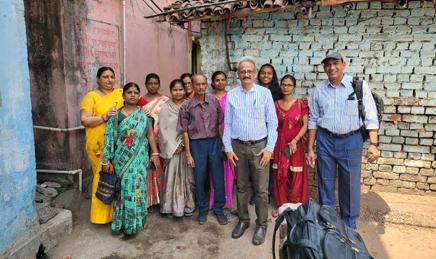
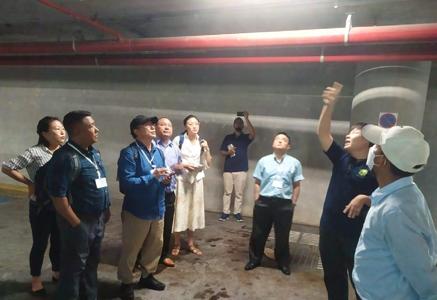
Field Visit 7 towns in Bangladesh
CITYWIDE INCLUSIVE SANITATION INSTITUTIONAL DEVELOPMENT SYSTEMS PROJECT IN SIEM REAP
AIT Research Theme: Water Technology
AIT Unit: GWSC
Project Duration: 2 years, 2022 to 2024
Description:
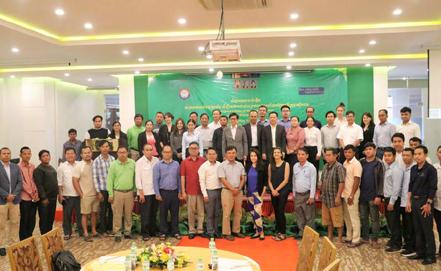
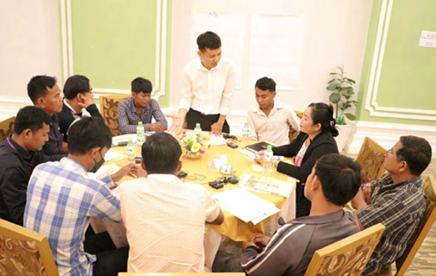
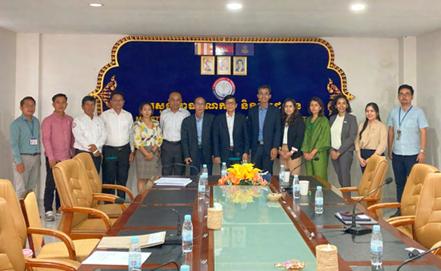
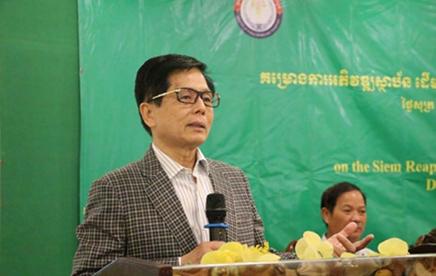
GWSC was asked to provide complementary technical assistance support to the Royal Government of Cambodia through the World Bank for the Citywide Inclusive Sanitation Institutional Development Systems Project in Siem Reap. This project aims to develop performancebased contracts for sludge emptying contractors along with capacity building, and the creation of an integrated database system including sanitation information integrated with the existing water billing system operated by the Water Supply Authority (WSA), leading to a more streamlined and effective sanitation service monitoring for Siem Reap city.
TA support components aim to establish a sustainable and integrated sanitation service in Siem Reap city by developing the capacity of Siem Reap Water Treatment Plant Utility (SR-SWTPU) and private desludging
operators, leveraging billing collection efficiency, and improving information management through GIS mapping, performance-based contracting, capacitybuilding, and training of SR-SWTPU and Private Sector FSM Service providers. Create sanitation components for the SR-WSA customer database for a combined billing system and sanitation management information system (MIS).
Presentations by GWSC's partners, GRET and Innovative Solutions, introducing the project's framework and objectives
TECHNICAL ASSISTANCE SERVICES - INNOVATIVE SANITATION SYSTEMS FOR THE MAKKAH AREA
AIT Research Theme: Water Technology
AIT Unit: GWSC
Project Duration: 3 months, 2022
Project Partner: The Bill & Melinda Gates Foundation
Description:
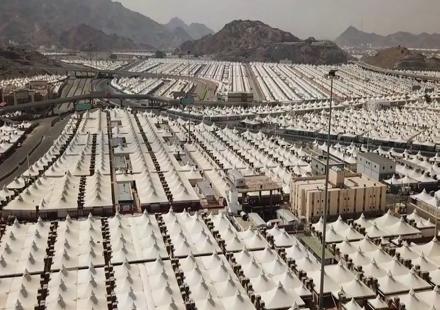
The Bill & Melinda Gates Foundation (BMGF) launched the Reinventing the Toilet (RT) initiative to promote sustainable sanitation solutions. This initiative aligns with the goals of Kidana, a company established by the Kingdom of Saudi Arabia to develop holy sites, including Mina, an area that experiences annual sanitation challenges during the Hajj pilgrimage.
Kidana is considering redesigning toilet facilities in Mina to create separate areas for changing clothes, showering, and toilets. However, they face obstacles due to the site’s aging sanitation infrastructure, limited number of toilet cubicles, infrequent cleaning, and a large senior population among the pilgrims.
To address these challenges, Kidana is seeking technical assistance (TA) to implement and test new sanitation systems in the Makkah region before the 2023 pilgrimage.
Overall technical support on innovative sanitation solutions for both BMGF and Kidana. Secondly, Capacity building and knowledge transfer on innovative sanitation solutions, specifically focusing on successful public toilet designs in Asia and South Africa will be done. An assessment of the current sanitation infrastructure
and service delivery in the Makkah city area. Lastly, collaborative development of innovative and inclusive sanitation solutions that address the local challenges and opportunities within the framework of City-wide Inclusive Sanitation (CWIS).
The TA will be delivered through the following components:
1. Capacity building on innovative sanitation solutions for the RT team.
2. A fact-finding mission to assess the sanitation situation in Makkah.
3. Development of conceptual designs for innovative sanitation solutions in targeted areas.
SAFELY MANAGED ON-SITE SANITATION: TECHNOLOGICAL SOLUTIONS FOR CITY DWELLERS AND AUTHORITY - DHAKA NORTH CITY CORPORATION (DNCC)
AIT Research Theme: Water Technology
AIT Unit: GWSC
Project Duration: 1 year and 8 months, February 2023 to October 2024
Project Partner: The Bill & Melinda Gates Foundation
Description:
The overall objective of the ‘Safely Managed On-site Sanitation (SMOSS): Technological Solutions for City Dwellers and Authority “Dhaka North City Corporation (DNCC)’ assignment is to have a feasible on-site sanitation technological solution to guide citizens and city authority to adopt the appropriate solution to improve safely managed sanitation at DNCC area by 2023. The consultant is expected to deliver two outputs: (1) Technical guidelines for the citizens to manage on-
site sanitation at source/containment, and (2) A feasibility report on the technological solution for authority to manage fecal sludge generated at household/local business containment facility.
The World Cities Report 2020 stated that with 2.3 billion people living in cities, Asia has the highest number of urban dwellers worldwide. The region is 50.1 per cent urbanized and accounts for 54 per cent of the world’s urban population. Nearly 65 million of urban population live in Bangladesh, and 47.6% of the urban population live in slum areas.
Dhaka is the 9th largest city in the world in 2018 with nearly 20 million people living in the city. The United Nations predicted that 28 million people live in Dhaka by 2030 which will make the city the fourth largest city by
ASIAN REGION
population. This fact challenges Dhaka City Corporation to strategically manage the city. Livability of and the quality of life in Dhaka’s depends on timely provision of urban facilities and services including provision of wastewater treatment facilities.
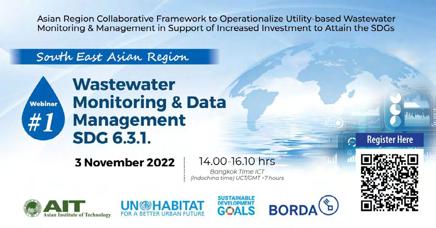
COLLABORATIVE FRAMEWORK TO OPERATIONALIZE UTILITY-BASED WASTEWATER MONITORING AND MANAGEMENT - SDG 6.3.1 WEBINARS
AIT Research Theme: Water Technology
AIT Unit: GWSC
Project Duration: 1 year, 5 September 2022 to 31 August 2023
Description:
Aim and objectives is the provided support and technical assistance to regional municipal or national water utilities. It identified their needs and challenges to improve their capacity to measure, monitor, report, and use wastewater data and information. This ultimately aimed to help countries achieve Target 6.3 by promoting wastewater safe treatment and reuse among sanitation and water utilities, through stimulated investment. The Urban Wastewater 2030 initiative developed and issued a “Call for Action” for governments, water professionals, and financiers to take action on improving sustainable wastewater services and therefore contributing to the SDG 6 Global Framework for Acceleration.
The program’s activities benefited utilities by generating valuable data that informed governmental institutions in preparing national statistics on wastewater production and treatment. Improved utility capacity to generate reliable data should also have oriented follow-up investments from donors where gaps were identified. This information was intended to inform sustainable water resources management and policy decisions guided by the polluter pays principle.
Activities included organizing, in collaboration with UNHABITAT, two series of three technical sub-regional
webinars in South-East Asia and South Asia on wastewater management and monitoring with water and wastewater utilities from Asian countries. The program also supported the utility wastewater data collection process through a questionnaire and methodology developed with UNHABITAT. It developed a compendium of best practices and lessons learned on wastewater treatment and reuse as well as application of wastewater monitoring concepts. This compendium, along with a learning network, was published on the GWSC website.
13TH SOUTHEAST ASIA SUBREGIONAL COMMITTEE MEETING, PROPOSAL DEVELOPMENT TRAINING WORKSHOP
AIT Research Theme: Water Technology
AIT Unit: GWSC
Project Duration: 8 months, December 2022 – April 2023
Project Partner: The Bill & Melinda Gates Foundation
Description:
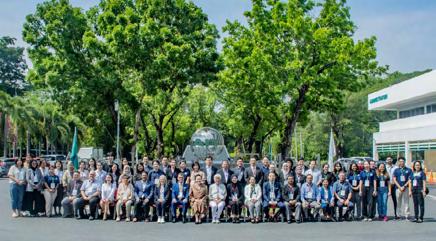
The aim of the project was the organization of the 13th Southeast Asia Subregional Committee Meeting, Proposal Development Training Workshop, Early-Career Professional Networking Session, and Water Security Assessment Tool Training Workshop on 22–26 May 2023. Co-hosted by the APN Secretariat and AIT, the project aimed to strengthen regional cooperation, capacity building, and knowledge exchange on water security in Southeast Asia. A diverse range of participants attended from several countries in Southeast Asia and South Asia. This event had a Proposal Development Training Workshop (PDTW): Focused on equipping participants with skills to develop competitive proposals for APN funding on water security challenges. Specific areas of focus included knowledge systems, governance, and regional cooperation; Early-Career Professional Networking Session: This session aimed to create an inclusive environment for valuable discussions and interactions; 13th SEA-SRC Meeting: This meeting provided a platform for SEA-SRC members to address
institutional matters related to the subregion and critical water security issues relevant to their mandate. Water Security Assessment Tool (WATSAT) Training Workshop: This workshop aimed to enhance the capacity of participants to measure water security in their regions. The outcomes of this event were empowering earlycareer professionals with proposals development skills for water security research, facilitating the creation of a network for early-career professionals focused on water security, strengthening collaboration among SEA-SRC members on water security issues and enhancing.
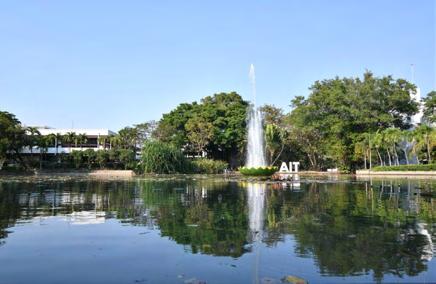
AIT water consumption volume for the year 2023 was 502,126 m3. With various measures taken, the consumption reduced by 3% compared to 2022. AIT had its own waste water treatment plant since July 2012, a system that collects all sewage water from the campus, which amounted to 133,131 m3 in 2023, and all treated water was released back to AIT’s canal system and reused for watering the garden on campus.
AIT has a closed loop canal system, with rainwater stored for the summer and all landscaping and greenery maintained using this water. This helps save clean water in accordance with the Thai Law to recycle the waste water to maintain the environment.
In addition, AIT has its own reservoir within the campus, with an area of 92,893 m2, storing rainwater to be used during the dry season.
FUSION OF REMOTE SENSING,
MODELING, AND GROUND MEASUREMENT TECHNIQUES FOR IMPROVED ESTIMATION OF REGIONAL TERRESTRIAL WATER STORAGE
AIT Research Theme: Water Storage
AIT Unit: Water Engineering and Management
Project Duration: 1 February 2023 to 31 January 2025
Project Sponsor/ Client: Asian Institute of Technology (AIT)
Expected Social Impact:
The AIT high-resolution product includes a variety of environmental variables such as water, energy, climate, soil, and vegetation that are required by a wide range of disciplines. The product is not only useful for scientific advancement, but it is also beneficial for social applications such as agriculture, huma-nimal habitat relocation (due to limited water access), disease control, climate change impact assessment/mitigation, and urban management, to name a few. An ease of use and freely access to data for public, business, and government sectors also contributes to improvement of citizen science in Thailand, which is a crucial part of the country’s development.
Description:
Terrestrial or land water storage (TWS) is defined as the sum of surface water, soil moisture, snow water, and groundwater availability and is a crucial indicator for monitoring domestic, industrial, and agricultural water supplies. The capability to obtain TWS information is essential for understanding past events and projecting future changes in the hydrological cycle and water availability, as well as their impact on floods and droughts. The individual components of TWS exert diverse effects on the water resources and climate system. For instance, soil moisture serves as a major water source for agricultural activities, and its interaction with the atmosphere in the terrestrial water cycle significantly impacts the climate system (Seneviratne et al., 2010). Similarly, groundwater variability affects drinking water directly, and its influence on soil moisture and evapotranspiration may modify the long-term change in water availability and climate.
Despite the significance of obtaining accurate TWS estimation, little is commonly known about the spatial and temporal variations of TWS and its components. This is apparent on a regional scale due to the absence of large-scale monitoring systems. Ground-based observations, while accurate, only offer point-wise information. Satellite remote-sensing observations can provide extensive spatial coverage, but they are generally sensitive to only one water storage component and frequently suffer from several limitations. For example, satellite soil moisture observations are only sensitive to the first few centimeters of the soil profile and places with sparse vegetation (Kerr et al., 2012).
Similarly, satellite altimetry data can derive surface water variation, but this approach is currently limited to large water bodies. Because ground or satellite measurements alone are insufficient to monitor comprehensive components of TWS, hydrological or land surface models are often employed. The benefits of models are their ability to distinguish individual TWS components, provide spatially distributed estimates, and simulate historical records. However, the model performance is often influenced by the accuracy of the meteorological forcing data and the quality of the model parameters, leading to high uncertainty of the TWS simulation results. The apparent strength of these three datasets motivates the need to combine the model with satellite remote sensing and ground measurements to obtain a better representation of TWS.
Data fusion and data assimilation approaches can be used to optimize the information from various sources to enhance the performance of TWS estimates. While both are very effective, the development of such integrated systems often faces significant challenges due to a lack of high-performance computational resources to perform model simulation or process big data, as well as a limited understanding of how datasets from various sources should be accurately optimized. As a result, efforts to improve hydrologic systems are often undertaken by a few research groups (mainly from outside Asia) with adequate resources. This results in a shortage of high-quality and high-resolution data across Asia, which is caused not by a lack of information but rather by a lack of scientific expertise and appropriate means to develop them. This project will focus on the developed data fusion system and provide scientific products with greater accuracy and spatiotemporal resolution than the public product (currently available at 25 km).
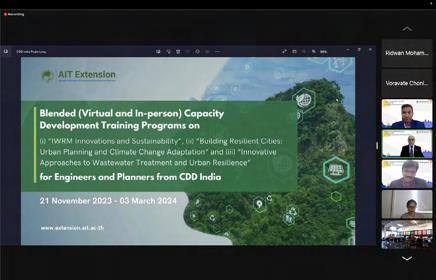
BLENDED (VIRTUAL & IN-PERSON) CAPACITY DEVELOPMENT TRAINING PROGRAMS FOR CDD INDIA STAFF, 21 NOVEMBER 2023- 03 MARCH 2024
AIT Research Theme: Smart communities
AIT Unit: AIT Extension
Project Duration: 21 November 2023 to 30 March 2024
Project Sponsor/Client: CDD India
Expected Social Impact:
This project focuses on enhancing the skills and knowledge of officials from CDD India through blended training programs and exposure visits in Thailand. The project, titled “Blended (Virtual & In-Person) Capacity Development Training Programs for CDD India Staff,” runs from November 21, 2023, to March 3, 2024. It is designed to support Sustainable Development Goal (SDG) 11, which promotes sustainable cities and communities, and also aligns with SDG 6 for clean water and sanitation. By offering an integrated learning approach, the program aims to explore innovative water resource management, boost urban resilience knowledge, and improve strategic planning skills. Participants will engage in hands-on exercises, integrative learning, case studies, and best practice discussions. Managed by AIT Extension, the program leverages AIT’s expertise in smart communities
to provide meaningful training experiences for CDD India staff. The project is funded by CDD India and seeks to leave a lasting social impact on the participants’ professional capabilities.
Description:
Capacity development of officials from CDD India, through blended capacity development training programs and exposure visits in Thailand.
PROFESSIONAL DEVELOPMENT TRAINING PROGRAM ON
“PLANNING, DESIGN AND MANAGEMENT OF CLIMATE RESILIENT WATER INFRASTRUCTURES”.
Project Duration: 6 – 10 June 2023.
Description:
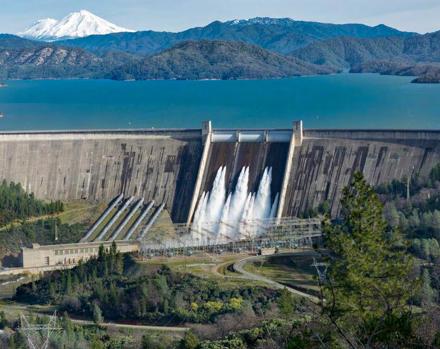
The professional development training course on Planning, Design, and Management of Climate Resilient Water Infrastructures was designed to equip participants with the knowledge and skills necessary to address the challenges posed by climate change in the water sector. The course aimed to provide a comprehensive understanding of the principles, tools, and strategies for planning, designing, and managing water infrastructure projects that are resilient to climate impacts. This course was prepared in response to a recent request from the ministry of Bhutan. It was a one-week professional development course organized by AIT Extension, Asian Institute of Technology. The program was designed to provide civil engineers with the knowledge and skills necessary to plan, design, and manage water infrastructures that are resilient to climate change. The course covered a range of topics related to climate-
resilient water infrastructure, including risk assessment, adaptation strategies, and sustainable management practices. The program aimed to provide a meaningful and productive experience for all participants from Bhutan.