NAFOS PROJECT CONCLUDES WITH SUCCESSFUL WORKSHOP AT AIT
Description:
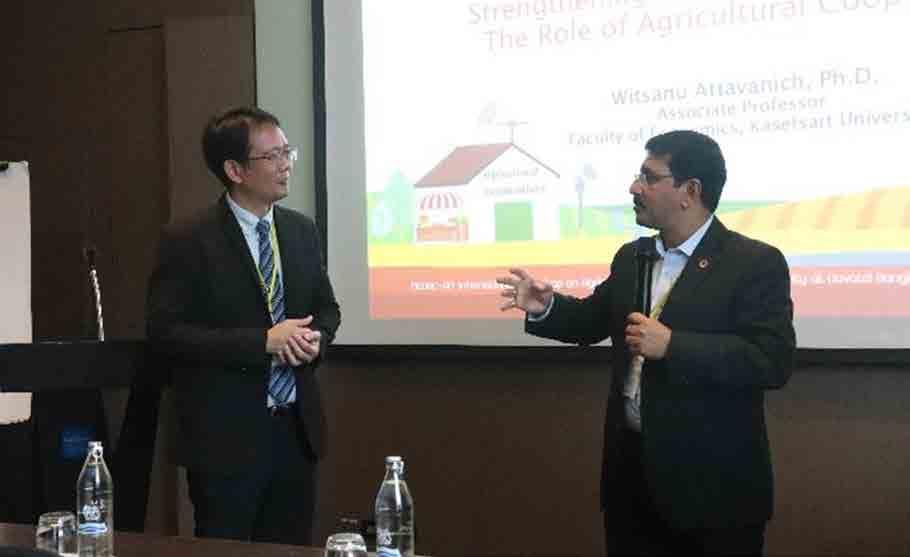
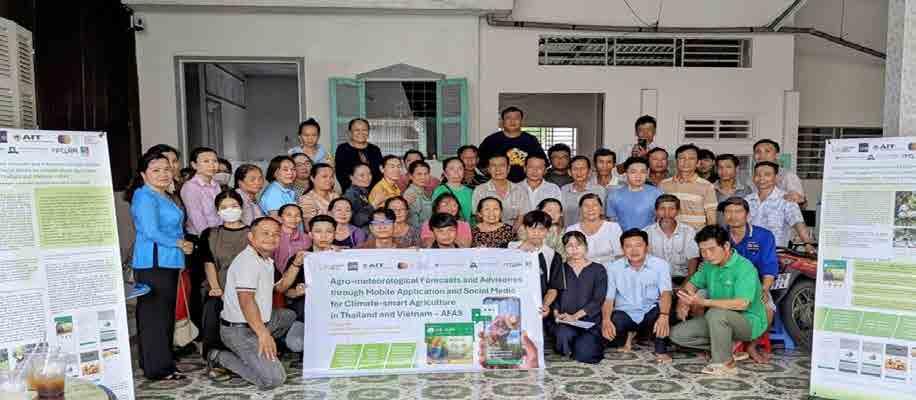
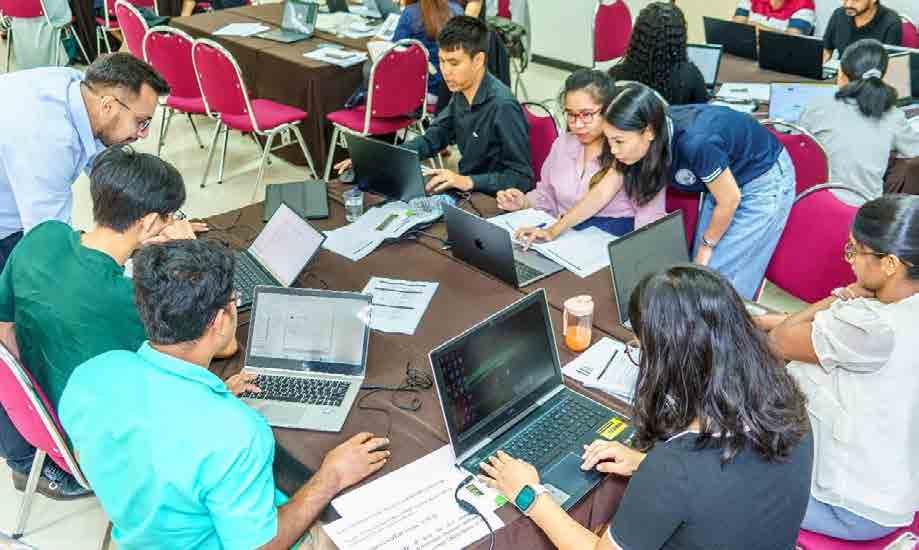
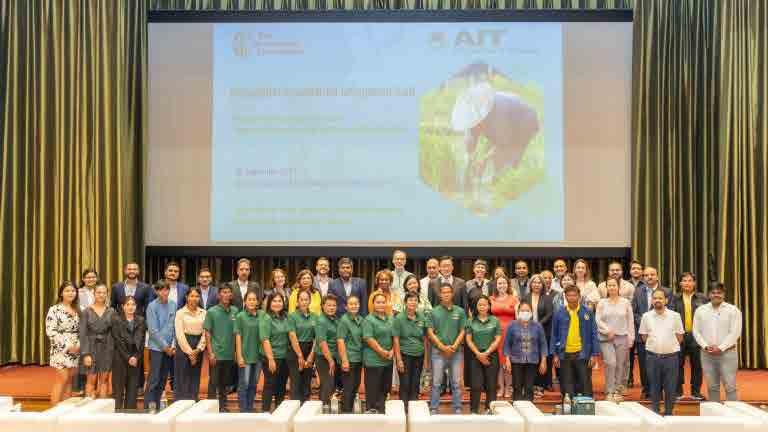
The NAFOS project concluded with a successful workshop at AIT from July 18-19, 2024, focusing on nature-based solutions to enhance food security in the Lower Mekong Basin. Over 40 participants engaged in discussions, training sessions, and presentations on integrating climate adaptation strategies into food security efforts. The event emphasized the importance of collaboration among various regional institutions and showcased the findings and methodologies developed during the project.
� https://ait.ac.th/2024/08/nafos-projectconcludes-with-successful-workshop-at-ait/
EFFECT OF PLANT GROWTH REGULATORS ON GROWTH PARAMETERS AND FRUIT YIELD OF CHERRY TOMATO IN A HYDROPONIC SYSTEM
Description:
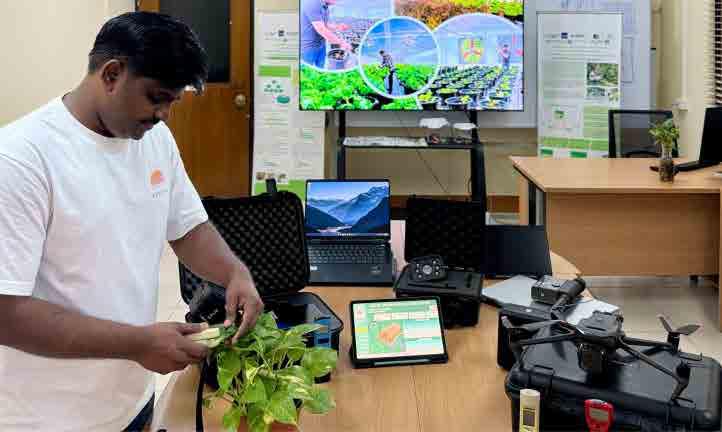
Mallappa J. Madolli, a PhD candidate at AIT, is carrying out research on the impact of plant growth regulators (PGRs) on growth and yield of cherry tomato under a hydroponic system. Supervised by Sushil Kumar Himanshu, the study explores how different doses of gibberellic acid (GA3) and naphthalene acetic acid (NAA) can enhance growth parameters and fruit yield. The research addresses challenges in hydroponic cultivation, such as low fruit set rates, by optimizing nutrient delivery and using advanced agricultural technologies. This study aims to provide insights for improving cherry tomato production, contributing to sustainable agricultural practices.
� https://ait.ac.th/2024/09/effect-of-plant-growthregulators-on-growth-parameters-and-fruityield-of-cherry-tomato-in-a-hydroponic-system/
ROCKEFELLER FOUNDATION DELEGATION VISITS AIT TO EXPLORE REGENERATIVE AGRICULTURE AND FOOD-ENERGY TRANSITION RESEARCH
Description:
On September 30, 2024, a delegation from the Rockefeller Foundation visited the Asian Institute of Technology (AIT) to discuss regenerative agriculture and food-energy transitions. Led by COO Natalye Paquin, the delegation explored AIT’s innovative research in sustainable agriculture and renewable energy. AIT President PaiChi Li emphasized the importance of collaboration for sustainable development. The visit included discussions on ongoing projects, such as a two-year initiative focused on nature-positive solutions for rice production in ASEAN countries. The event reinforced the partnership between AIT and the Rockefeller Foundation in addressing global challenges related to food security and climate change.
� https://ait.ac.th/2024/05/introducingpensemble-4-revolutionizing-maize-yieldprediction/
WORKSHOP EQUIPS FARMING COMMUNITIES WITH REGENERATIVE AGRICULTURE TOOLS FOR SUSTAINABLE RICE PRODUCTION
Description:
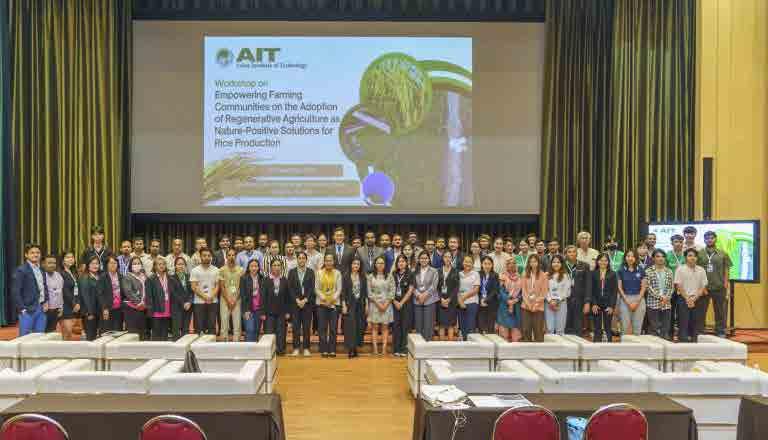
The Asian Institute of Technology (AIT) hosted a workshop titled “Empowering Farming Communities on the Adoption of Regenerative Agriculture as Nature-Positive Solutions for Rice Production” on 4 December 2024. Led by Sushil Kumar Himanshu of Agricultural Systems and Engineering under the School of Environment, Resources and Development (SERD) at AIT, the event aimed to equip farming communities with practical knowledge and skills through demonstrations and field trials of regenerative agricultural practices.
� https://ait.ac.th/2024/09/rockefeller-foundationdelegation-visits-ait-to-explore-regenerativeagriculture-and-food-energy-transition-research/
FROM FARM TO FORK: BLOCKCHAIN’S REVOLUTION IN FOOD SAFETY ASSURANCE
Description:
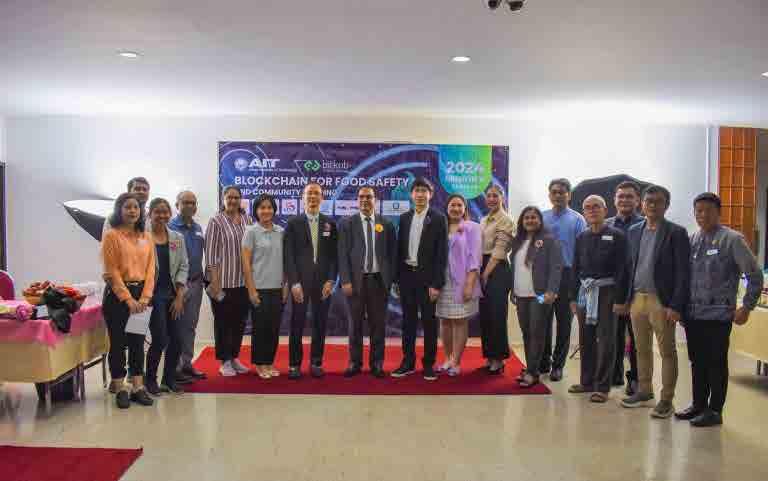
In an era where food safety and technology converge, the “GreenTech Seminar” held on January 31, 2024, stands out as a beacon of innovation and collaboration. Jointly organized by the Food Innovation, Nutrition, and Health (FINH) Academic Program under the Department of Food, Agriculture, and Bioresources (FAB), School of Environment, Resources, and Development (SERD) of the Asian Institute of Technology (AIT), AIT Entrepreneurship Center, and Food Passport Thailand, this seminar brought together leading minds in technology, academia, and agriculture to explore the future of food safety management. � https://ait.ac.th/2024/01/from-farm-to-forkblockchains-revolution-in-food-safety-assurance/
Projects:
CALCULATING EVAPOTRANSPIRATION USING GIS AND REMOTE SENSING TECHNIQUES FOR CALCULATING CROP WATER PRODUCTIVITY IN SINDH PROVINCE, PAKISTAN
AIT Research Theme: Climate Change
AIT Unit: Artificial Intelligence Technology Center
Project Duration: 15 Dec 2023 to 30 Apr 2025
Project Sponsor/ Client: The Asian Disaster Preparedness Center (ADPC)
Project Partner: 360 engineering and management solutions
Expected Social Impact: The project is expected to generate significant social impact by improving crop water productivity and efficiency, thereby enhancing agricultural yields, farmer livelihoods, and local food security. By identifying climate-resilient water use zones and promoting sustainable water management practices, it strengthens community resilience to climate change and reduces vulnerability to water-related risks. Furthermore, the project contributes to achieving key Sustainable Development Goals, including zero hunger, clean water and sanitation, climate action, and sustainable communities. Its integrated approach fosters informed decision-making, supports climate adaptation, and aligns with global sustainability objectives, ultimately benefiting both local stakeholders and the broader development agenda.
Description:
This project aims to address the critical water challenges in Sindh Province, particularly in the agricultural sector, by employing advanced remote sensing, GIS, and naturebased solutions (NbS). The comprehensive approach involves estimating evapotranspiration (ET), analyzing spatial and temporal variations in ET across different crops, assessing crop water productivity (CWP) and efficiency, identifying climate-resilient water use zones, and providing actionable recommendations for sustainable water management practices. By integrating these components, the project intends to enhance the understanding of water dynamics, promote efficient water use and contribute to climate resilience. The outcomes include spatially explicit maps, efficient water use zones, and a user-friendly IT-based dashboard, facilitating informed decision-making for stakeholders. The project aligns with key Sustainable Development Goals (SDGs) and seeks to create an enabling environment for climate adaptation and resilience in policies, planning, and investments. Through knowledge dissemination and collaborative learning, the initiative strives to inform future research endeavors and foster continuous improvement in water-efficient agriculture within Sindh Province.
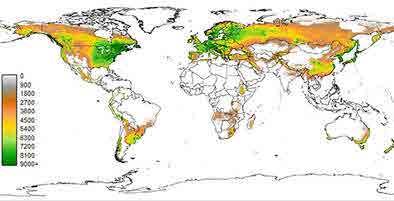
PYTHON SCRIPTS FOR MODULE 1, 2 AND 3 OF GLOBAL AGROECOLOGICAL ZONING VERSION 4 AND 5 WITH RELATED DOCUMENTATION (PHASE I)
AIT Research Theme: Climate change, Smart communities, Food-Energy-Water
AIT Unit: Geoinformatics Center, Natural Resources Management
Project Duration: 15 May 2022 to 31 Mar 2024
Project Sponsor/ Client: Food and Agriculture Organization of the United Nations (FAO)
Project Partner: International Institute for Applied Systems Analysis, Austria
Expected Social Impact: Food security, climate adaptation for agriculture, country planning and the broader development agenda.
Description:
The FAO HQ offers to engage us as a technical group in implementing Python scripts for modules 1, 2, and 3 of Global Agro-Ecological Zoning versions 4 and 5 with related documentation (Phase I) in support of FAO Strategic
Objective 2: Make agriculture, forestry, and fisheries more productive and sustainable. This is a continuation of the PyAEZ package (which was developed in earlier LOA with FAO) through collaboration with the International Institute for Applied Systems Analysis (IIASA), Austria. AIT GIC implements this project with the technical guidance of Rajendra Shrestha of AIT NRM, who has expertise in agroecological zoning.
CAPACITY BUILDING ON FOOD INNOVATIONS AND SUSTAINABILITY
AIT Research Theme: Food-Energy-Water
AIT Unit: Food Innovation, Nutrition and Health
Project Duration: 13 Dec 2024 to 31 Dec 2025
Project Sponsor/ Client: World Bank through ICARNAHEP, India
Project Partner: University of Agricultural Sciences Dharwad, India Indian Council of Agricultural Research, India
Expected Social Impact: Train young minds to understand the technology, emerging challenges, and enabling policies towards the production of safer and sustainable food produce for a healthier society. Finally, the students will have skillful knowledge of innovative technology and eco-friendly approaches to safe and sustainable food production.
Description:
This capacity-building project augments the quality and relevance of higher agricultural education through
enhanced learning outcomes through exposure to innovative technology, an application-oriented mindset, and entrepreneurship development for safer and sustainable food production. Students obtain knowledge and skills from classroom lectures, laboratory sessions, hands-on practices, and field exposures to learn innovative and advanced technology.
ONE WEEK PROFESSIONAL DEVELOPMENT PROGRAM ON PHILIPPINE AGRI-FOOD AND PROCESSING HUB LEARNING EXCHANGE
AIT Research Theme: Food-Energy-Water
AIT Unit: Yunus Center
Project Duration: 9 Dec 2024 to 30 Jun 2025
Project Sponsor/ Client: Food and Agriculture Organization of the United Nations (FAO)
Project Partner: International Institute for Applied Systems Analysis, Austria
Project Sponsor/Client: Taloy Farmers Multipurpose Cooperative
Expected Social Impact: This training aims to equip participants with the knowledge and skills to capitalize on emerging trends and opportunities in the Agrifood hub in the Philippines through sustainable and efficient development practices. Here are some key expected learning outcomes:
• Improved knowledge on vegetable consolidation, processing, and marketing, and the requirements for mechanization and other technologies
• Acquired technical information on the design, capitalization, setting up, operation, and management of an agri-food hub.
• Gained ideas for strategies on the establishment of an agri-food hub, including its capitalization.
Description:
Thailand, like the Philippines, is predominantly an agricultural country where the agricultural sector
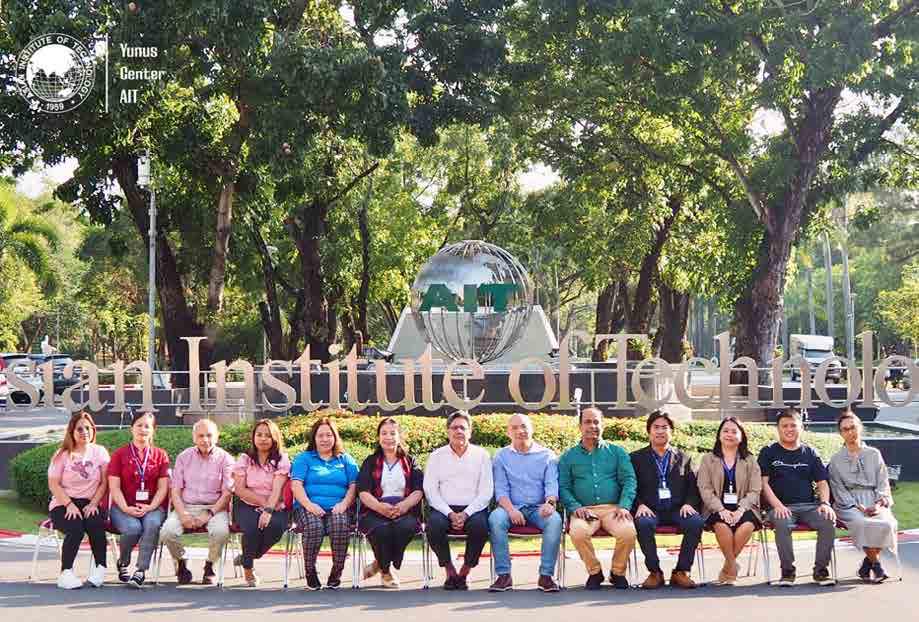
comprises two-thirds small farms. Farmer cooperatives in Thailand have a rich history dating back to the early 20th century and play a crucial role in supporting agricultural production and empowering rural communities. These organizations emerged as a response to the challenges faced by small-scale farmers, including indebtedness, low incomes, and limited access to markets and resources. These cooperatives offer various services and benefits to their members, including access to credit, inputs, technology, and markets. They also promote sustainable farming practices and contribute to rural development deemed relevant to the Philippines. This project with flexible instructional design combines online, in-class, and experiential learning, equips mid-career professionals, working executives, and aspiring entrepreneurs for careers in the corporate, development, public, or enterprise sectors.
GEOSPATIAL TRAINING WORKSHOP & STUDY VISIT FOR AGRICULTURE AND FARMING
AIT Research Theme: Food-Energy-Water
AIT Unit: Remote Sensing and Geographic Information Systems, SET
Project Duration: 02 Mar 2023 to 31 Mar 2025
Project Sponsor/ Client: Food and Agriculture Organization of the United Nations (FAO)
Project Partners: International Institute for Applied Systems Analysis, Austria
Project Sponsors/Clients: NAHEP-CAAST-VNMKV
Vasantrao Naik Marathwada Krishi Vidyapeeth, Parbhani (M.S.), India
Expected Social Impact: enhancing crop productivity by using Remote Sensing & GIS and its applications
Description:
Research methodology development for master’s students and interaction with faculty members. The program will cover geospatial technologies for agriculture
yield enhancement and also be linked to food technology concepts of precision farming and agriculture, involving UAV and high-resolution satellite data. Student training workshops for capacity building and enhancing research productivity for research consultations.
CAPACITY BUILDING ON FOOD INNOVATION AND SUSTAINABILITY IV
AIT Research Theme: Food-Energy-Water
AIT Unit: Food Innovation, Nutrition and Health
Project Duration: 01 Jan 2024 to 30 Jun 2026
Project Sponsor/ Client: Food and Agriculture Organization of the United Nations (FAO)
Project Partners: World Bank through NAHEP-ICAR, India
Expected Social Impact: Train the young mind to understand the technology, emerging challenges, and enabling policies towards the production of safer and sustainable food produce for a healthier society. The students will obtain the skillful knowledge of innovative technologies and eco-friendly approaches towards safe and sustainable food production.
Description:
This capacity-building project will augment the quality and relevance of higher agricultural education through enhanced learning outcomes through exposure to innovative, technology-application-oriented minds
and entrepreneurship development for safer and more sustainable food production. The students will obtain the knowledge and skills from classroom lectures, laboratory hands-on practice, and field exposures to learn about innovative and advanced technology along with entrepreneurial skills for safer and sustainable food production.
BENEFITS AND CHALLENGES OF DIGITALIZATION IN AGRICULTURE AND FOOD SYSTEM FOR ENHANCED RESILIENCE AND IMPROVED SUSTAINABILITY: PRELIMINARY ASSESSMENT
AIT Research Theme: Technology, Policy and Society
AIT Unit: SET-Water Engineering and Management
Project Duration: 01 Sep 2024 to 31 Jul 2025
Project Sponsors/ Clients: Economic Research Institute for ASEAN and East Asia and ASEAN Secretariat
Project Partner: ERIA staff ASEAN countries country consultants
Expected Social Impact: Improved agricultural productivity, thereby increasing the economic status of farmers.
Description:
A study conducted by ERIA last year showed that the diffusion of digital agriculture in the ASEAN region is limited, and there is a noticeable gap among countries. There are various possible causes for this situation, depending on the development degree of the country, geographical location, type of stakeholders, and so forth. For example, the causes could include insufficient digital infrastructure in rural areas, low digital literacy of farmers and related
stakeholders, untrusted data and cybersecurity, disparity between city and rural in terms of digital connectivity, lack of government initiatives, and so on. Further, the degree of digital penetration may be very different by subsector of agriculture (e.g., paddy, horticulture, livestock, aquaculture, etc.) and stage of the food value chain (e.g., production, aggregation, processing, distribution, retail, and consumption).
REDUCING THE EFFECTS OF MYCOTOXINS IN SHRIMP (REMS)
AIT Research Theme: Food-Energy-Water
AIT Unit: SERD-Aqua-Centre
Project Duration: 15 Mar 2024 to 15 Mar 2025
Project Sponsor/Client: BIÅŒNTE SL
Expected Social Impact: Millions of shrimp farmers around the world would benefit
Description:
A collaborative research project sponsored by BIŌNTE SL, Spain (www.bionte.com). BIŌNTE is a spin-off of Andrés Pintaluba SA (APSA), a company founded in 1978 in Spain with sales in 70+ countries and 6 production sites. BIŌNTE was born with the aim of providing specialized solutions to mitigate the effects of mycotoxins in animal production through specialization and technical service. The company has a new product, mycotoxin binder, named as BIŌNTE and they would like to assess its effectiveness in shrimp
Shrimp is a seafood item that is globally traded and valued at several billion dollars. Its culture is well established in Asia, which depends mainly on feed and management practices. Shrimp feed is often contaminated with mycotoxins, which hampers growth and survival. Therefore,
several feed supplements have been developed to bind it or reduce its impacts. Recently, a Spanish company, BIÅŒNTE, has developed a product named “BIÅŒNTE QUIMITÅŒX®” to bind the mycotoxins of the feed. They plan to test its efficacy in shrimp feed and carry out a scientific experiment with prominent members of the scientific, technical, and commercial community, among whom they have identified AIT as the best partner. We plan to conduct an experiment at our facilities and with the help of MSc/PhD students. We may also have a chance to publish a paper if the results are useful.
IMMERSIVE TRAINING ON INNOVATION, DESIGN THINKING AND TECHNOLOGY TRANSFER IN THE POSTHARVEST AND FOOD PROCESSING
AIT Research Theme: Technology, Policy and Society
AIT Unit: Food Innovation, Nutrition and Health
Project Duration: 01 Jan 2024 to 13 Dec 2026
Project Sponsor/ Client: UNIDO
Project Partners: CAPFISH Project, Cambodia Food Technology, Research and Innovation Platform (FTRIP), Cambodia
Project Sponsors/Clients: NAHEP-CAAST-VNMKV
Vasantrao Naik Marathwada Krishi Vidyapeeth, Parbhani (M.S.), India
Expected Social Impact: The Professionals of HEIs will receive in-depth knowledge and hands-on practice regarding innovations and design thinking procedures as well as understanding the principles and mechanisms of technology transfer and intellectual property along with copyrights. The enterprises will benefit from gaining similar knowledge, positively impacting the commercialization of the products.
Description:
CAPFISH Capture - Post Harvest Fisheries Development Project is part of the Cambodia Programme for Sustainable and Inclusive Growth in the Fisheries Sector (ACA/2019/408-424) and is co-funded by the European Union. The overall objective is to contribute to the achievement of the Royal Government of Cambodia’s longterm vision of social and economic development, food security, and poverty reduction. It is in this framework that the CAPFISH Capture Post-Harvest Fisheries Development project is designed with the specific objective to contribute to the development of post-harvest fisheries through the upgrading of the regulatory and institutional system, as well as the adoption of better practices and innovation by the private sector. This project will aim at developing an inclusive value chain for post-harvest fisheries, focusing on strengthening the institutional capacity of competent authority for establishing official control systems and subsequently supporting the development of postharvest fisheries through capacity building in terms of skills development, food safety system implementation, matching investment support, and building business support mechanisms. Under output 3 of the CAPFISH project, the Food Technology, Research, and Innovation Platform (FTRIP) has been established in partnership with Cambodian Higher Education Institutions (HEIs), the food production sector, and government organizations (including the Fisheries Administration of the Ministry of Agriculture, Forestry, and Fisheries (MAFF) and the Department of Innovation of the Ministry of Industry,

Science, Technology, and Innovation (MISTI). The main objectives of the platform are to harness and further bolster research and training capacities of higher education institutions (HEIs) in Cambodia and to promote innovation in the post-harvest fishery and food production sector. To enhance capacities of Higher Education Institutes (HEIs), UNIDO, in collaboration with FTRIP and the Fishery Administration, has been working with all relevant stakeholders to develop intellectual property (IP) policies for the universities. In order to support FTRIP, especially the member universities, in developing their own IP policy, establishing a technology transfer unit, and the IP policy operationalization, UNIDO is planning to support FTRIP to join trainings on Immersion Training on Innovation, Design Thinking and Technology Transfer in the Postharvest and Food Processing organized by the Asian Institute of Technology (AIT), Pathum Thani, Thailand . Through participation in the training, the participants will have the opportunity to understand the innovation in postharvest technology, food product development, and technology to be adopted for commercialization purposes. This training includes interactive lectures, practices for relevant case studies, and visiting some of the relevant industries. The main objective of this training is to enhance the capacities of Higher Education Institute (HEIs), government sectors, and enterprises in Cambodia related to postharvest and food technology, especially on fish-based products. The immersive training was organized to enhance the knowledge and capacity of Technology Transfer and Intellectual Property (IP) for the universities. Through the participation in this training program, the participants will have the opportunity to understand the innovation in post-harvest technology, new and innovative food product development, and technology to be adopted for commercialization purposes.
DESIGN
AND DEVELOP THE PROTOTYPE PROGRAM TO RECOMMEND FERTILIZER USE BASED ON SOIL ANALYSIS VALUES (ON THE DEVICE PROGRAM) LANDDEV2024
AIT Research Theme: Technology, Policy and Society
AIT Unit: Remote Sensing and Geographic Information Systems, SET
Project Duration: 01 Aug 2024 to 31 Mar 2025
Project Sponsor/Client: Land Development Regional 2
Project Partner: Design and Developed the Prototype Program to Recommend Fertilizer Use Based on Soil Analysis Values (On the device program) LandDev2024
Expected Social Impact:
• Enhanced Agricultural Productivity
• Environmental Sustainability
• Economic Benefits for Farmers
• Promotion of Sustainable Farming Practices
Description:
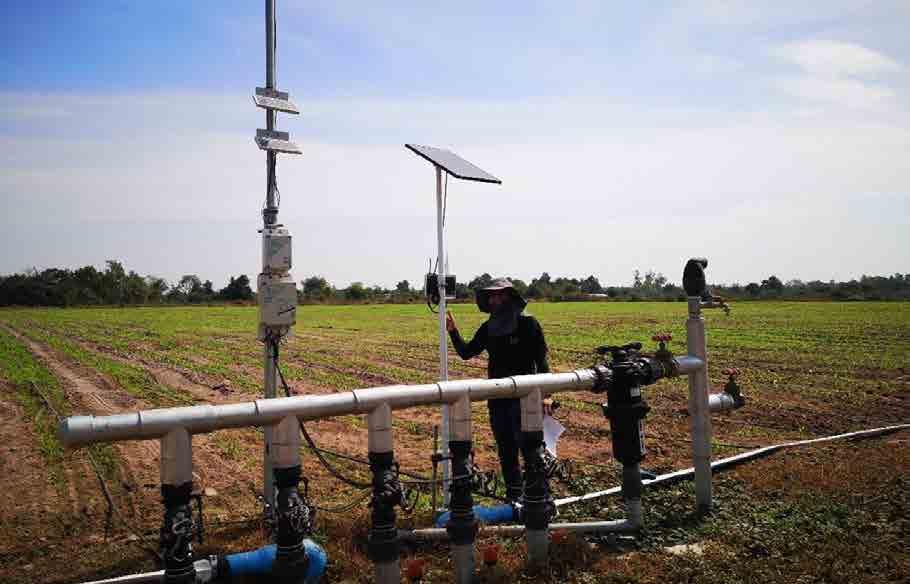
Designed and developed a prototype program for recommending fertilizer use based on soil analysis values (on-device program) for a prototype portable soil nutrient measuring device program. The program has the following basic features: On-device program system. The prototype program involves installing a portable prototype device to measure the nutrients and acid-base levels in soil. That is, when a signal transmission device consists

of ESP32 microcontroller that supports standard wireless communication and sensors to measure the amount of nitrogen, phosphorus, potassium acid base and electrical conductivity Measure the amount of nitrogen, phosphorus, and potassium base and electrical conductivity from the sensor. The system then processes the data, calculating fertilizer and displaying recommendations based on sensor values specific to the plant type. The prototype application displays the data on the device screen. The prototype application includes these modules: Read data, N, P, K, EC, and PH parameters. Calculate fertilizer and recommendations.
AIT Research Theme: Climate change
AIT Unit: AIT Extension
Project Duration: 04 Mar 2024 to 30 Sep 2024
Project Sponsor/ Client: Self/Participants’ Organization
Expected Social Impact: Improved decision-making on agriculture, sustainability, and climate change.
Description:
Professional capacity development of agriculturists, knowledge sharing, and exposure visits in Thailand.
EMPOWERING FARMING COMMUNITIES ON THE ADOPTION OF REGENERATIVE AGRICULTURE AS NATURE-POSITIVE SOLUTIONS FOR RICE
AIT Research Theme: Climate change and FoodEnergy-Water
AIT Unit: Agricultural Systems & Engineering
Project Duration: 15 Nov 2024 to 15 Nov 2025
Project Partners: AIT students and community; Thai Rice Farmers; National Science and Technology Development Agency (NSTDA); Rice Department of Government of Thailand; Kasetsart University; ReGreen Earth Co., Ltd.; Ministry of Agriculture and Cooperatives (MOAC) Thailand
Project Sponsor/Client: Asian Institute of Technology
Expected Social Impact: The workshop brings together farmers, agricultural experts, agribusinesses, and stakeholders to serve as platforms for learning, collaboration, and the exchange of experiences and insights.
Description:
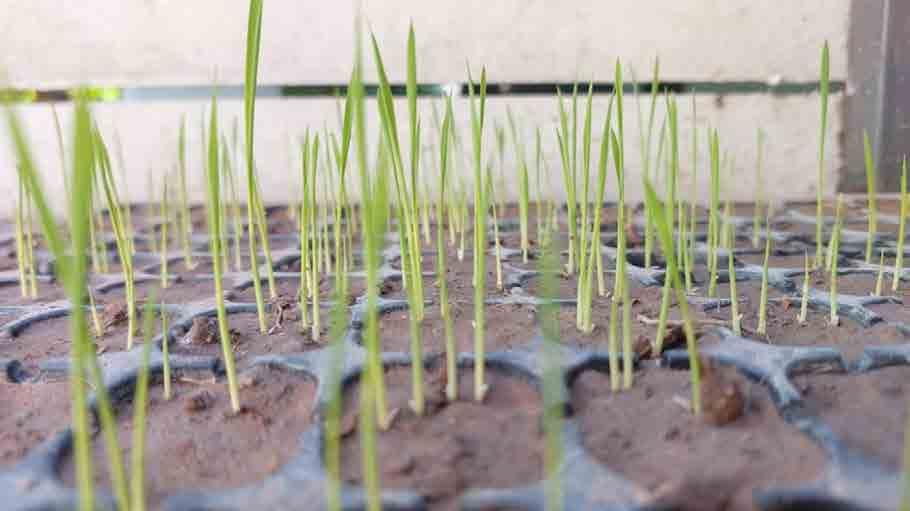
Rice plays a vital role in the economies of ASEAN countries, contributing to GDP, employment, exports, and food security. However, conventional rice farming methods often come with detrimental impacts on ecosystems, including soil degradation, loss of biodiversity, and increased greenhouse gas emissions. In light of these challenges, regenerative agriculture offers a promising alternative

that not only sustains but also regenerates the natural resources upon which farming depends. The workshop seeks to empower farming communities by fostering knowledge sharing and demonstrations of nature-positive and regenerative solutions through ongoing field trials, showcasing their process and applicability. By bringing together farmers, agricultural experts, agribusinesses, and stakeholders, the workshops will serve as platforms for learning, collaboration, and the exchange of experiences and insights. Finally, the workshop will explore scaling-up opportunities by highlighting the benefits of the proposed solutions to soil health, climate and water resources, soil biodiversity, ecosystem resilience, farmer profitability, and community empowerment.
TRAINING, WORKSHOP AND PROMOTION OF TILAPIA IN INDIA
AIT Research Theme: Food-Energy-Water
AIT Unit: SERD-Aqua-Centre
Project Duration: 01 Nov 2022 to 31 Oct 2026
Project Partners: MM-Aqua Genetics Technology & Research Pvt Ltd., India Others - to be determined later
Project Sponsors/Clients: MM-Aqua Genetics Technology & Research Pvt Ltd., India
Expected Social Impact:
1. Over 400 farmers and professionals trained in tilapia farming over the project period
2. Millions of people will receive information about the benefits of tilapia farming and consumption
3. Increased tilapia farming/farmers in India
4. Increased consumption of tilapia in India
Description:
Farming of tilapia for food and nutrition security has been the main focus of aquaculture since the 1980s. AIT developed hatchery, nursing, and grow-out technologies
through research. Technologies are being transferred to several countries around the world through training, seminars, and formal and direct collaborations. As a result, AIT has become well-known for its pioneering work in tilapia technologies, particularly among developing countries. It has played a key role in the food and nutrition security of the people, especially those residing in rural communities. However, India had been banning tilapia over the last 3 to 4 decades, fearing that it would replace its well-established carps. The Government of India (GoI) has changed its policy recently and opened up new opportunities, especially for the private sector, to start its business with tilapia. MM-Aqua Genetics Technology & Research Pvt. Ltd., of the MM Group of Companies (India), realized its potential and adopted tilapia farming as their main business. They have already started two hatcheries and need more support to promote tilapia farming by organizing a series of training workshops and seminars in India. The project team hopes to make positive impacts to accelerate the aquaculture industry in India through transferring the tilapia farming technologies.