semester 2 EDITION








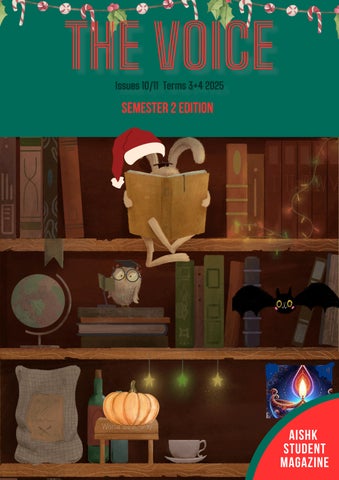
You will all remember that last term we had terrible weather...well that affected our magazine production because we had some days away from school. However, the good news is that this term we have a bumper edition for you.
Split into 2 sections, we will cover all things Books, as well as articles on Winter Festivals.
We have included big think pieces and fun pieces, so scroll through and enjoy all the hard work put in by our team.
We wish everyone a fantastic holiday season, wherever you spend it. If you are leaving AISHK, we wish you well on your new adventure. If you are returning in 2026, we look forward to seeing you when you get back.



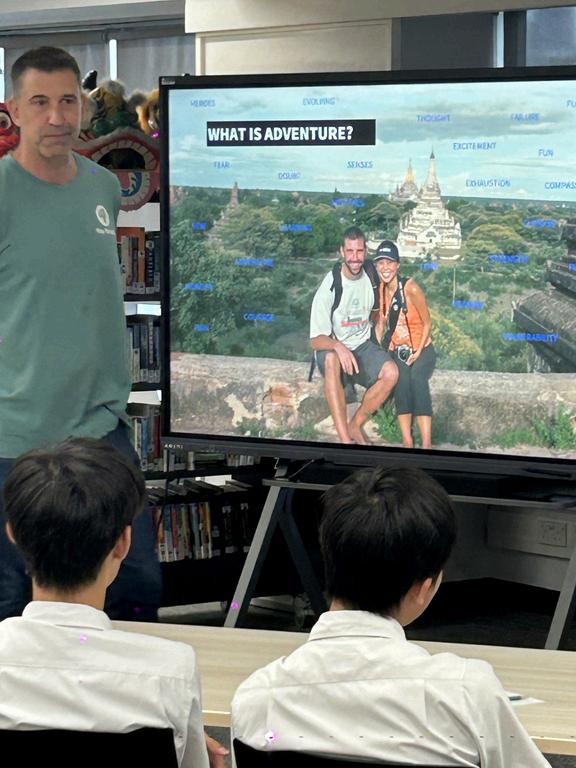
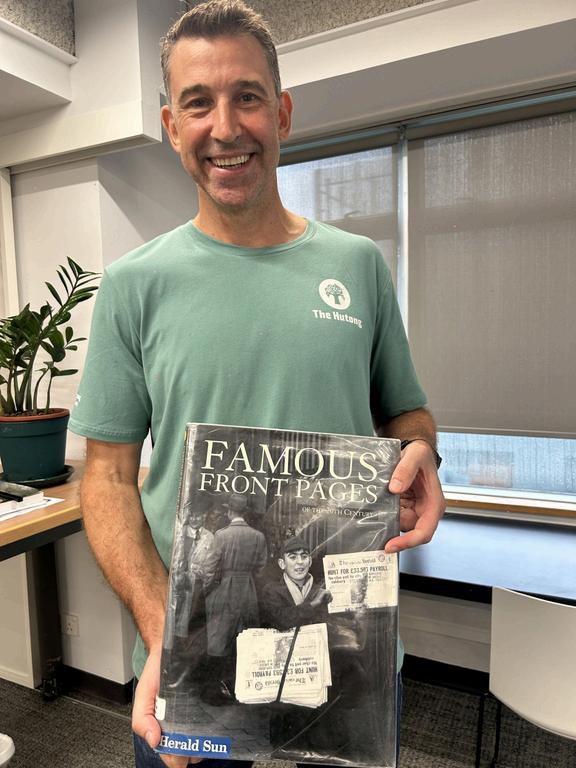
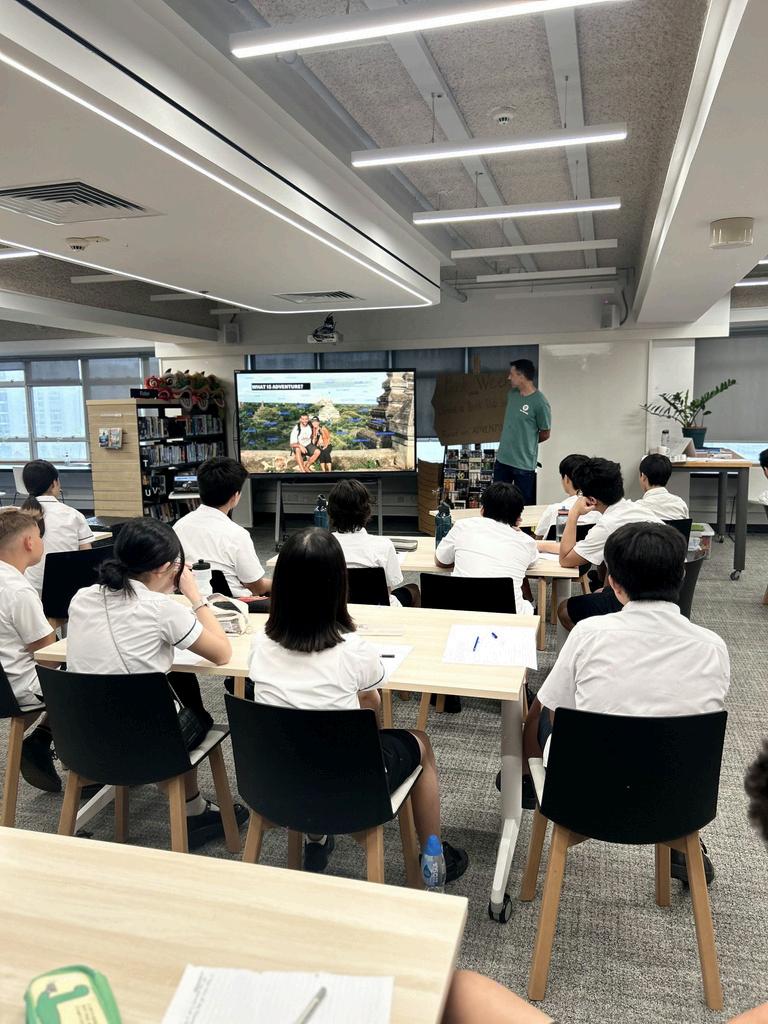
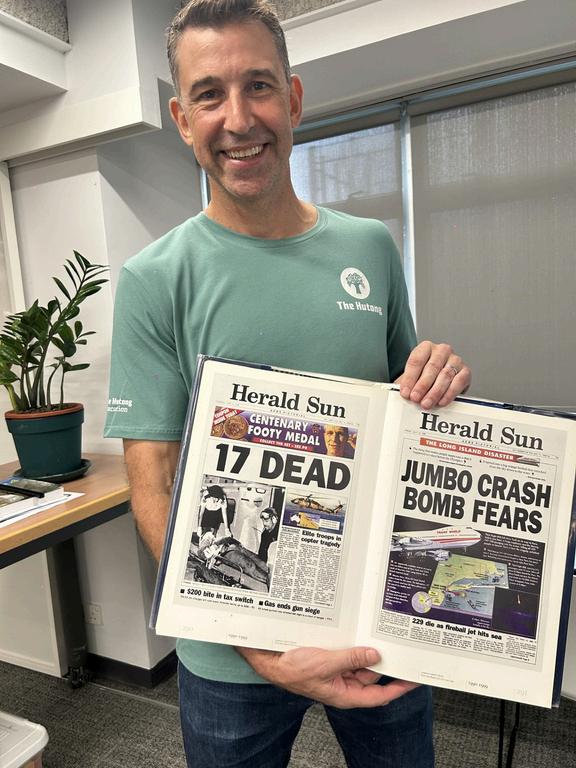
WeweredelightedtoinviteMrKarlMalakunas, parentand award winning multi-media journalist, in to work with our Year 8 students. He inspiredthemwithhistalesofadventure bothineverydaylifeandinhisincrediblecareer. Youcanfind out more about Karl, his environmental work, and his documentary, Delikado, here.
A captivating new literary movement has emerged to reflect our current times - the rise of BookTok. This book community was initially driven by Tik Tok as a space for book enthusiasts to share their reading experiences, start discussions and discover new books. However, in recent times, the tide has turned, and BookTok and its influence has expanded into unexpected areas.
What was once a positive force for book discovery has now turned into a concerning trend, with increasing explicit and mature content, leading many teenagers down a path where they are unknowingly exposed to steamy romance novels and graphic depictions far beyond what their parents or guardians may see as appropriate. The lack of age restrictions has raised alarm bells as the lines between literary exploration and unrestrained access to mature themes has become increasingly blurred.
As this digital book club continues to evolve, it is crucial that we strike a delicate balance between a love for reading and safeguarding the well-being of our youth, lest the tides of BookTok lead us down a path where genuine literary appreciation is seen as inferior to the shallow depths of unmonitored digital indulgence.
by June Hur
“Toenterthepalacemeanstowalkapathstainedinblood. ”
Asalongtimefanofcrime, historyandslow-burnromance, ‘The RedPalace’ byJuneHurcheckedallmyboxes. SetintheJoseon periodinKorea, thestoryfollowsapalacenursenamedHyeon, determined to solve a string of murders. Her mentor, Nurse Jeongsu, hasbeenfalselyaccusedofcommittingthesecrimes, andHyeonteamsupwithayoungpoliceinspector, SeoEojin, to findtherealmurderer.
The book is thrilling and emotional, leading our protagonists down a blood-stained path that risks more than their lives. HyeonandEojinarebothrelatableandcompellingcharacters, willingtosacrificethemselvesfortheonestheylovemost. They areheadstrongandintelligentwithanundeniableconnection. The relationship between these strong characters gives the storymuchofitsappeal. Anyonecouldfallinlovewithit.

Oldbooksmightseemdustyandirrelevant, buttheyareoftenpackedwith lessonswestillneedtoday. Literaturefromthepastdoesn’tjusttellstories itshowsushowpeoplethought, whattheyvalued, andhowtheydealtwith change. Inaworldfullofopinionsandhottakes, thesestorieshelpusslow downandthinkdeeply. Theyremindusthathistoryisn’tblackandwhite it’ s full of messy, complicated truths. That’ s why Book Week isn’t just about dressinguporpickingyourfavouriteread it’sachancetoreflectonwhat olderliteraturecanteachusaboutwhoweareandhowwe’veprogressed. Orhavewe?
Wearemoreinformedthanever, andevermoreignorantforit. Whilethe world is not famished for information it is depleted of understanding. Perhapswe’reinfinitelyricherinperspectives. Butnotwhenitcomestothe ‘dual perspective’ , the appreciation of both viewpoints. Yes, you may be ‘stayinginformed. ’ Butfailingtoexploredualperspectivesistheintellectual equivalent of surviving on a diet of spinach. You might survive, but not without ending up with kidney stones and the food safety department slidingintoyourDMs. Ignoringdualperspectivesisnotsustainableandit’ s notsmart.
However, one of the things we take on more readily than nutritional diseasesisgeneralisedviewpoints. Considerhowwetalkaboutpre-colonial Africa. Dependingonyourpoliticalposition, youmayseeitasalandofchaos oralostUtopia. Foryears, peoplesawAfricaasthe ‘DarkContinent’ , wildand uncivilised. Then, itwasreimaginedasacivilisationofdeepwisdomand nobletraditions. Butwhilebothideashaveoccupiedthelimelight, neither revealsthecomplexityofreality.
ThingsFallApart’ , publishedin 1958 byNigerianauthorChinuaAchebe, isa novelpositionedtorecognisetheperceivedatrocitiesofcolonisationaswell astakeahardlookatpre-colonialsociety.
Bewilderingly then, the first hundred-something pages do not mention colonisation. Whileupsettingforthefewexpectingto ‘bookanadventure’ about ‘ThePacificationofthePrimitiveTribesoftheLowerNiger’ (yes, thatis arealchaptertitlefromthe 1950s), Achebe’schoiceisthoroughlyjudicious. He wants us to sit with the culture of Umuofia, the village where the story unfolds, anditscomplexhero, Okonkwo. Heexposesmanyoftheirperceived flaws; superstition, brutality and a willingness to impose their culture on others.
Moreover, whatsets ‘ThingsFallApart’ apartfromothercolonialtexts, ishow Acheberendersthesamerepresentationwithoutthesentimentality. Throughoutthetext, Achebeapproachesthetopicwithabluntandscientific tone, strippingthetopicofitsveneers.
Andit’sthisfactualitythatletsAchebereconciletheconflictingperspectives onpre-colonialAfrica. Hedoesnotpickaside; hepaintsthefullpicture. PrecolonialAfricawasneverjustwiseeldersandbeautifulrituals. Italsohad flaws. Andcolonisationwasneverjustevilinvaders; itbroughtchange, both goodandbad. Achebeshowsusthatbothworldshadtheirvirtuesandtheir horrors. ‘ThingsFallApart’ isnotthetypicallybeautifulstory. What’ smore, itisnota storyoftriumphbutofthehumanexperience. Itteachesustolookbeyond theheadlines, thestereotypesandthesinglestories. Mostimportantly, itis remarkableinitsabilitytoreconciletwocontrastingviewpointsand assembleadepictionofreality.
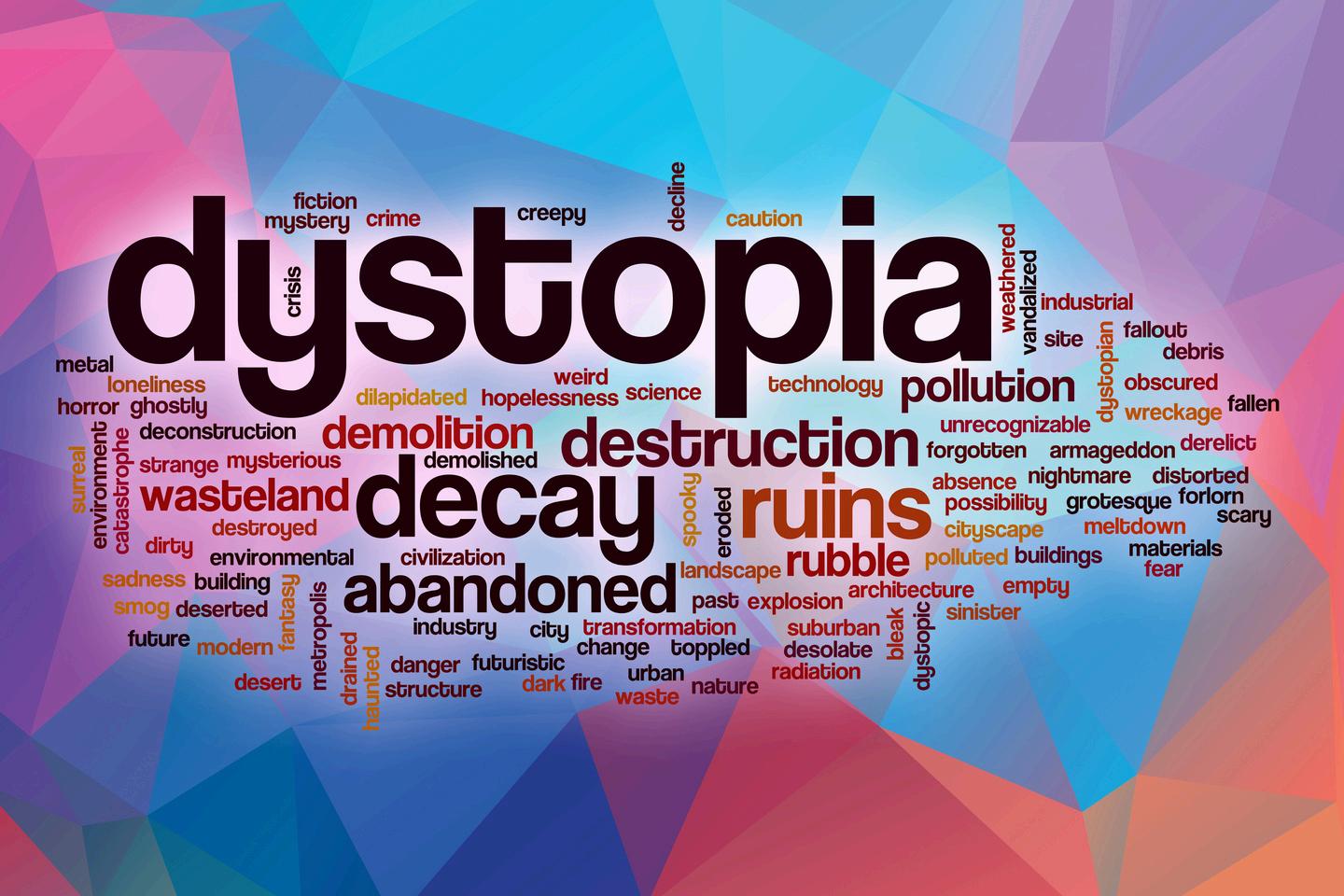
ClassicdystopiannovelslikeAldousHuxley' s "BraveNewWorld" andGeorge Orwell' s "1984" have long been praised as prescient, foretelling the rise of authoritarian control, pervasive surveillance, and the numbing effects of technology on human society. In these bleak visions of the future, the individualissubjugatedtothewhimsofthestate, personalfreedomsare eroded, and critical thinking is stifled in favour of a docile, complacent populace.
While these works were written decades ago, many of their darkest predictionshavesincematerialized, sparkingdiscussionsabouttheuncanny accuracywithwhichtheseauthorsanticipatedthetrajectoryofourmodern world. Aswegrapplewiththeerosionofprivacy, theproliferationof "fake news, " andthegrowingpowerofdigitalplatformstoshapeandmanipulate our thoughts and behaviours, it' s hard not to see the echoes of these dystopian nightmares. Perhaps these visionary authors, in their bleak imagination, wereholdingupamirrortothehumancondition, warningusof thedangersthatlurkwhenwesurrenderourautonomytotheseductionsof technologyandthelureoffalsesecurity.
Theirprescienttalesserveasacautionaryreminderthatthefutureisnotset instone, andthatvigilance, criticalthinking, andanunwaveringcommitment toindividuallibertyareessentialtopreservingthehumanitythatliesatthe heartofourcivilization

Bookbansincountriesacrosstheglobearenotnew. Aslongagoas 213 BCE, QinShiHuang, thefirstemperoroftheQinDynasty, orderedthe destruction of philosophical texts and history books from previous dynasties. Oneofthemostwell-knownbanswasthe 1933 massbook burningsinNaziGermany, targetingworksbyJewish, communist, and liberalauthors. Inthe 1960s, AustraliabannedJamesBaldwin’sAnother CountryandtheUnitedKingdombannedHubertSelby’sLastExitto Brooklyn. Inthe 1980s, India, PakistanandMalaysia, amongstothers, banned Salman Rushdie’ s Satanic Verses. Today, books are still bannedforthemesofrace, sexualcontent, politicsandreligion. More recently, thebanningofbooksinpartsofAmericahasbroughtthis subjecttotheforeonceagain. Somestatesaretryingtobancertain books. Where they have been unsuccessful at banning books, they have attempted to restrict them in public libraries and schools. So, whatdoesitmeantorestrictbooksinschools?
Consider this scenario: a middle schooler reads a book where charactersengageinharmfulactivitiesthatareportrayedasexciting or normal. Without the life experience to critically analyse these situations, some young readers might view these behaviours as acceptableorevendesirable. Perhapsthebookwillundulyinfluence theirbehaviour. Buttheproblemis, howdoweknowifitisthebook thatisinfluencingthepoorbehaviourorsomethingelse?

Kiran Esvaran
Probably, we can never know for sure. So, does that mean that parentsshouldhavemoresayoverthebookstheirchildrenread? Shouldparentsbeallowedtohavebooksbannedfromthelibrary? Shouldparentstrustthatasolideducationthatincludesbreadth anddepthandskillswillequipstudentswiththetoolstodealwith maturecontentortostopreadingabookthattheyarenotready for? Shouldschoolsbeself-censoringtoensurethatstudentsdo nothaveaccesstobookswithmaturecontent?
Asalways, therearedifferentperspectivesonthistopic. Ifparents or schools ban certain books, it may protect kids from darker themes that a child may not be mature enough to handle. Supportersofbookbanningargueit'saboutsafeguardingyoung mindsfromcontenttheyarenotyetreadytoprocess. Weshould keepthemawayfromcharactersmakingdangerouschoicesthat seemglamorousorconsequence-freeonthepage.
However, bookbanningisalsooftendoneasaformofcensorship. Books that address themes such as race, religion, rebellion, or gender are some of the most prone to being banned. Critics of bookbanningmaysaythatchildrenshouldbeexposedtosuch controversialtopicsastheyallowexposuretoabroaderworldview. Manysubjectsdiscussedincommonlybannedbooksaresimply ingrainedinourmodernlives. Itcanadditionallybearguedthat childrenshouldbeexposedtoviewsthat theirparentsaren't in agreement with, to allow said child to develop an individual viewpoint. For an individual viewpoint to be balanced, differing pointsofviewmustbetakenintoconsideration.
Kiran Esvaran
Allinall, bookbanning, likemanyissues, ishighlydouble sided, withmajorargumentsbothpromotingand discouragingbookbanning. Whattheissueseemsto encompassatitscoreistheamountofcontrolaparent shouldhaveoverachild’saccesstoinformationandthe varietyofviewpointsthechildisabletoaccess.
Weallknowaboutthedangersoftoomuchscreentimeand thedangersofaddictioningaming, butreadingwasalways seenasthemore ‘respectable’ medium. Itexpandsour knowledgeandimprovesourcriticalthinkingskills. Buthow doteenagersknowiftheirknowledgeandskillsarebeing fosteredoriftheirchoiceofbookwillleadtoanxiety? And, as parentalconsentisnotarequirementfortheborrowingof schoollibrarytexts, thiscouldleadtotheconsumptionof textsdeemedinappropriatebyparents.
Natasha Au

Reading a book is a one-of-a-kind experience. You get immersed in a worldthatisentirelynotyourownandthefeaturesofeachbookdeeply affecttheexperienceyouhaveasareader. Butwhenabookisadapted forthesilverscreen, thereareahundredwaysitcouldgowrong.
So, whatmakesagoodadaptation? Isa 100% faithfuladaptation “good”? Dothecharactersneedtolookandbehavethesame? Howaccuratedoes the setting need to be? There is no definitive answer to any of these questions, anditdiffersforeachstory. Ultimately, thegoalistohonour thesoulofthestorywhilereshapingitforanewmedium. Asuccessful adaptation doesn’t just retell, it reimagines. It understands the art of cinema, the visual language of storytelling, and the emotions that resonateonscreen.
Someofthegreatestmoviesarealladaptedfrombooks: TheGodfather, The Princess Bride, The Shawshank Redemption, Jurassic Park, Jumanji andsomanymore. Andyet, foreverymasterpiece, there’samisfire. Films thatstripawaythenuance, flattenthecharacters, ormisstheemotional heartbeatoftheoriginal. Thedifferenceoftenliesinintention: wasthe adaptation made to serve the story, or simply to capitalize on its popularity?
TakePercyJackson, forexample. Theoriginalmovieadaptationsagedup thecharacters, rewrotekeyplotpoints, andsidelinedtheemotionalarcs thatmadethebooksresonatewithyoungreaders. Fansfeltbetrayed, not becauseeverydetailwaschanged, butbecausethespiritofthestorywas lost. Incontrast, therecentDisney+ serieshasmadeaconsciouseffortto restorethatspirit. Withage-accuratecasting, authorRickRiordan’sdirect involvement, andaslower, morethoughtfulpace, theshowfeelslikea lovelettertotheoriginalnovels.
Casting choices often spark debate, especially when race or appearance diverge from the book. But if the actor captures the character’ s essence, their heart and voice, does it matter if they look different? Leah Sava Jeffries’ portrayal of Annabeth Chase in Percy Jackson and the Olympians challenged expectations, but her performance won over many sceptics. Fans felt as if she truly embodiedthecharacter, regardlessofherappearance.
This raises another question: how much creative liberty is too much? In Anne with an E, the writers didn’t rewrite Anne of Green Gables, they expanded it. By weaving in themes of feminism, racism, and trauma, they gave the story new relevance while preservingitshistoricalsetting. Someviewersfeltitstrayedtoofar; others saw it as a necessary evolution. The truth is, adaptation is interpretation, andinterpretationisalwayspersonal.
So, whilstthereisn’tadefinitiveanswerforthisquestion, weknow thatagreatadaptationdoesn’tcopy, butratheritadjusts. Itkeeps theheartofthestoryalivewhilereshapingitforanewaudiencein a new format. Whether it’ s faithful or fresh, what matters most is that it makes us feel something real. If the story still speaks to us, thentheadaptationhasdoneitsjob.
There are many Winter Festivals around the world. They are celebrated for many reasons, sometimes religious and often to help people stay cheerful during dark winter months.
Many of the reasons that we have these celebrations have been lost or evolved over time. We have focused on how the festivals began and what they look like today. In our ‘Christmas’ articles, we are looking at ways in which the festive season can positively influence people regardless of religion, and how we need to peek underneath the shiny consumer veneer to find the true meaning of Christmas.
Enjoy the articles! You can read them whilst listening to our Christmas playlist.
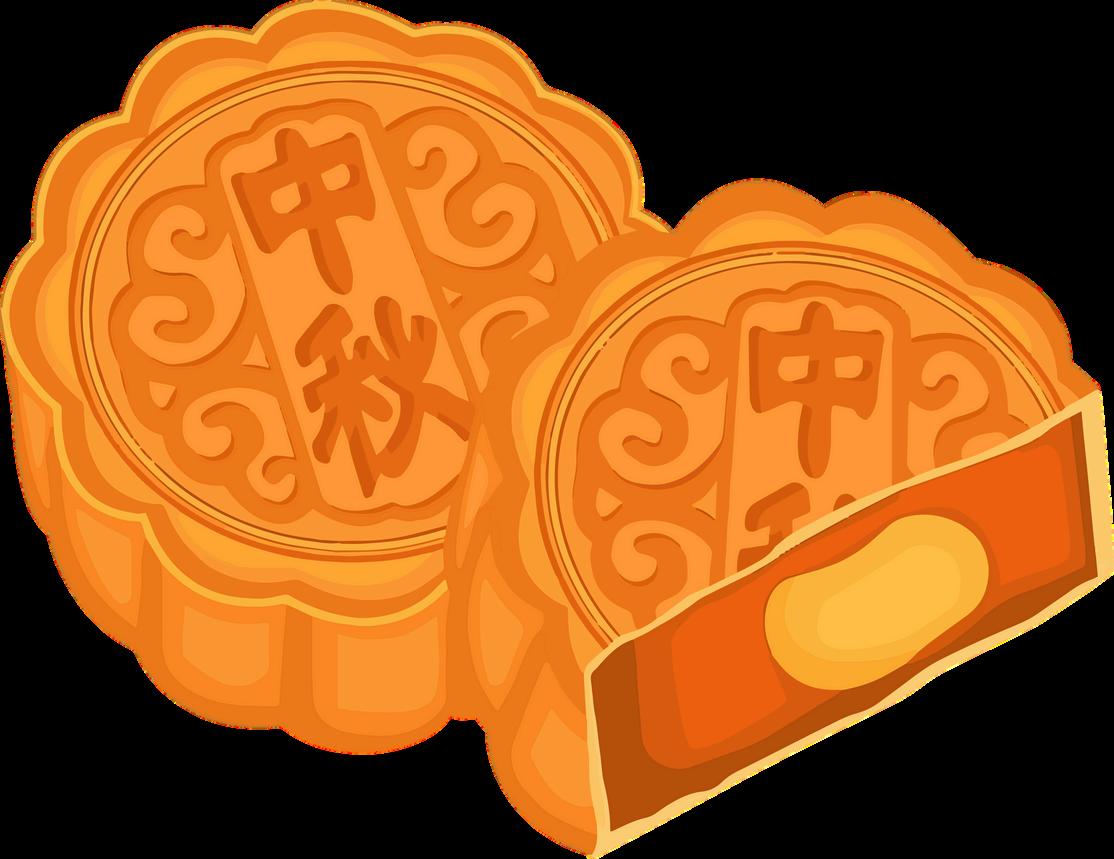
TheMid-AutumnFestival, alsoknownastheMoonFestival, is atraditionalcelebrationheldonthe 15thdayofthe 8thlunar month, whenthemoonisatitsfullestandbrightest. Families gather to enjoy mooncakes, light lanterns and admire the moon as symbols of reunion, gratitude, and hope for prosperity.


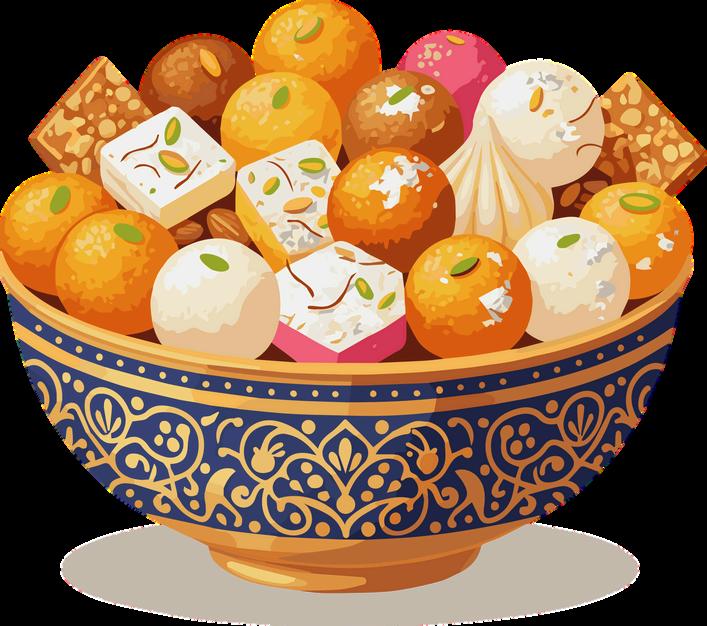
Diwali, alsoknownastheFestivalofLights, isoneofthemost important Hindu celebrations. It symbolizes the triumph of lightoverdarknessandgoodoverevil. Familiesdecoratetheir homes with oil lamps (diyas) and colorful rangoli, exchange sweetsandgifts, andenjoyfireworks. Thefestivalalsohonors Lakshmi, the goddess of wealth and prosperity, making it a timeforrenewal, joy, andtogetherness.

Diwali. Deepavali. Deepawali. Regardlessofwhatyoucallit, itisafestivalof light. Families decorate their doorsteps with colorful powdered designs knownas “rangoli” andclayoillampsknownas “diyas” . Thenameoriginates fromasanskritword, dipavali – translatedto “rowoflights” . Itisajoyfultime forall, withlargefamilygatherings, anddiasporicindividualssuchasmyself oftenusethefestivaltoreconnectwiththeirculturalidentity. InHongKong, manyinternationalschoolsalsoattempttohighlightthecelebration, with varyinglevelsofsuccess.
There are many regional stories surrounding the festival. The most wellknownstoryoriginatesfromNorthernIndiaandistiedtoHinduism. Theepic poem Ramayan is the main story you hear when Diwali is brought up. However, Iwillhighlightalesser-knownexample. InSouthIndia, acommon story also with Hindu origins, is that Diwali celebrates the defeat of Hiranyakshipu, ademon. ThisdemonwasslainbyNarasimha, oneofVishnu, thepreserveroftheuniverse’ s, manyincarnations. Hiranyakshipubelieved himselfinvincible, ashecouldnotbekilledatnightorday, orwithprojectile or handheld weapons – this was granted by Brahma, the creator of the universe. Narasimhacleverlykilledhimatduskwithhisclaws.
An interesting parallel is the slaughter of Macbeth in William Shakespeare’ s fictional work named after the titular character. Macbeth also thought himself invincible due to a set of prophecies granted by the three witches, which conversely ended up as his downfall.
But all of these stories share a common root: the notion that good triumphs over evil. A theme so ingrained in human nature that it transcends cultures, continents, and races. The firecrackers lit on someone ' s rooftop, the fireworks that illuminate the otherwise darkenedsky, theoillampsonthebalcony, allareexamplesoflight overtakingdarkness. Whydohumansofalltypeslovethisthemeso much? Perhaps it makes us feel safe, that good will always win, and thateverythingwillbefineintheendnomatterwhat.
Thomas Pulsford
It’ s easy to take holidays for granted. I mean they’ re excellentopportunitiestosleep, playandwateryourfiddleleaf figs. As such, their origins are rarely discussed. And whentheyare, theconversationrarelyprogressesbeyonda superficial boast of knowledge. The truth is, you can trace most holidays in Western culture through the same few processes: ambiguous origins, a gradual cultural suffocation and a capitulation to consumerism. Let’ s test thatoutwithHalloweenandEaster.
Academics believe holidays such as Halloween and Easter emerged from the basic human need for gathering and timekeeping. Theycoincidewithimportantpagandates: the end of the harvest and the spring equinox. In a time when youcountedyouragebythewintersyousurvivedandyour ‘ aura ’ was dictated by the barley you had, it was common practicetocelebratetheseoccasions.
However, both holidays have evolved so drastically since their origins that they’ re both unrecognisable from the original celebrations. Yet, both are the holidays they are now thanks to the same fundamental process, creolisation. Creolisation is the process by which cultures contact and fuse with each other to create something new. It’ s like smashing ingredients together and ending up with something very different from how it started out. In this context, it’ s Christianity grafted onto those pagan traditions. Easter and Halloween were placed alongside these festivals for symbolic purposes: those being the rebirthofJesusandthecommemorationofmartyrs.
But who knows that? Today, consumerism is rife. Every corporation and its dog runs down the steps giddy at the chance to exploit the occasion. Candy companies? They increase profits by selling branded confectionary. Wrestling promoters? They cash in by putting on themed events. ‘The Voice’? We will release a bumper edition saturated with festive content to entice lots of readers. The market inevitably finds a way to commodify any type of celebration. Theseholidaysareleveragedasmarketingpowerhousesand commercialismhasturnedthemintostrongholdsforprofit.
Halloween and Easter have similar roots. They come from times when celebrations were a way to get through the winter and mark the passage of time. They were then adoptedbyreligionandremouldedthemselvesintoreligious festivals. Over time, the roots of the celebrations and their religious associations have faded more and more into the background with the romance and mythology. Easter and Halloween are now commercial and cynical…but fun enterprises. They take our money but give us treats and entertainment in return. It’ s a shallow evolution that has gonefromservingbasichumanneedsandpurposetomostly beingaboutprofit.

WickedbyGregoryMaguireisafantasynovelthattellsthe story of Elphaba, the Wicked Witch of the West, from a differentperspective. Ratherthanascaryvillain, Elphabais portrayedasasmart, misunderstoodwomaninaworldfull ofunfairtreatment, lies, andpowerstruggles.
The book explores her childhood, her fight for justice, and revealsthatOzisn’tthemagicalplacewethought. Instead, it’ s a broken land where it’ s difficult to determine who is goodorbad.
Key characters like Glinda, Boq, Fiyero, Nessarose, the Wizard, and Madame Morrible shape Elphaba’ s journey. Some, like Fiyero, genuinely care for her. Others, such as the Wizard and Morrible, manipulate people through fear and deceit. Characters like Dr. Dillamond, Ama Clutch, Liir, TurtleHeart, andSarimaaddfurtherdepthtothestory.
Wicked illustrates that people aren ’t always what they seem. Elphabaisn’tevil, theWizardisn’tahero, andGlinda isn’t always correct. It’ s a powerful story about identity, justice, andthecomplexitiesoftheworld.
I recommend this book to fantasy lovers, fans of twisted fairy tales, and older teens or adults who enjoy deeper, moreseriousstories. Justaheads-up, it’smuchdarkerand moredetailedthantheWickedmusical.

ChristmasisafestivalcelebratedonDecember 25, markingthebirthof JesusChrist. Itisatimeofjoy, familygatherings, andtraditionssuchas exchanginggifts, decoratingChristmastrees, attendingchurchservices, andsharingfestivemeals.
Christmasisaseasonofgoodwill, atimewhenwepausetowishpeace andkindnesstoall. Atthistimeofyear, ourthoughtsturnespeciallyto thosewhohaveenduredhardshipandloss, particularlyinplacestornby conflict. WerecentlyspokewithMs. Toufeilli, whosharedherpersonal connection to Gaza, where many of her family live amidst ongoing struggles. Today, wethinkofthoseoneverysideoftheconflictinGaza. Wealsopausetothinkofthoseaffectedbyviolenceinotherareas, such asthepeopleofUkraineandthepeopleofSudan. Wehopeforpeace, safety, andopportunityforeverypersonenduringviolentconflict.
InHongKong, wealsorememberallthoselostandimpactedbythe WangFukCourtfires.




TheareaaroundGaza, nearBethlehem, isimportantintheChristmas story because it was part of ancient Judea, where Christians believe Jesuswasborn. ShepherdsinthefieldsnearBethlehemwereamong thefirsttohearofJesus’ birth. Thislandwashistoricallyacrossroadsof culturesandtrade, symbolizingconnectionandopenness, valuesthat resonate with the Christmas message of peace and goodwill. Today, evenamidconflict, itishopedthattherewillbepeaceandunityacross divides.
MsToufeili, ithasbeenhardtowatchwhatisgoingonintheMiddleEast betweenPalestineandIsrael. YouwereborninLebanon, whichispart oftheLevant (animportantareahistorically, thatincludesmodern-day Syria, Lebanon, Jordan, Israel, Palestine, andpartsofTurkey). Toremind usofthearea’svibranthistoryandculture, pleasetellusabitabout your family’ s Lebanese background and your memories and experiencesofbeingthere.
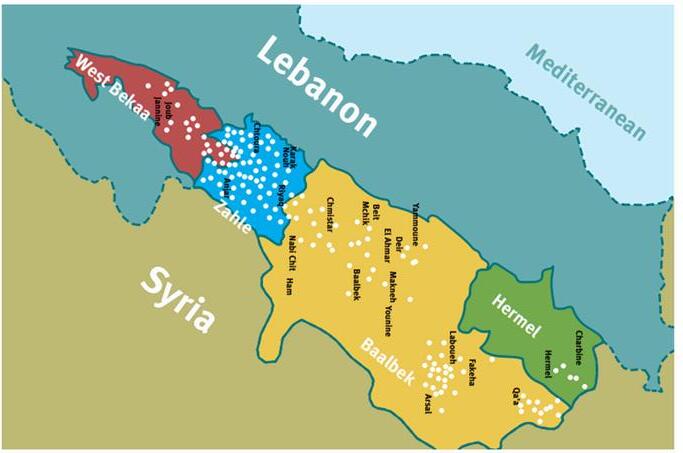
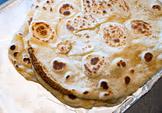
IwasborninBeirut, Lebanon, butspentmyearlychildhoodin Shmistar, avillagenestledbetweenBaalbekandZahlehonthe eastern slope of Mount Sannine. Mornings were magical the sun rising over the mountains, casting long shadows across fieldsofwheatandtobacco. Iwasknownasawanderer, often found sitting with the neighbour’ s chickens. The air was rich withthescentofwildthyme, dampearth, andfreshbreadfrom clay ovens. I lived there until I was four, when my family left Lebanon, crossingintoSyriaandeventuallyflyingtoAustralia.
Wherewereyourparentsborn?
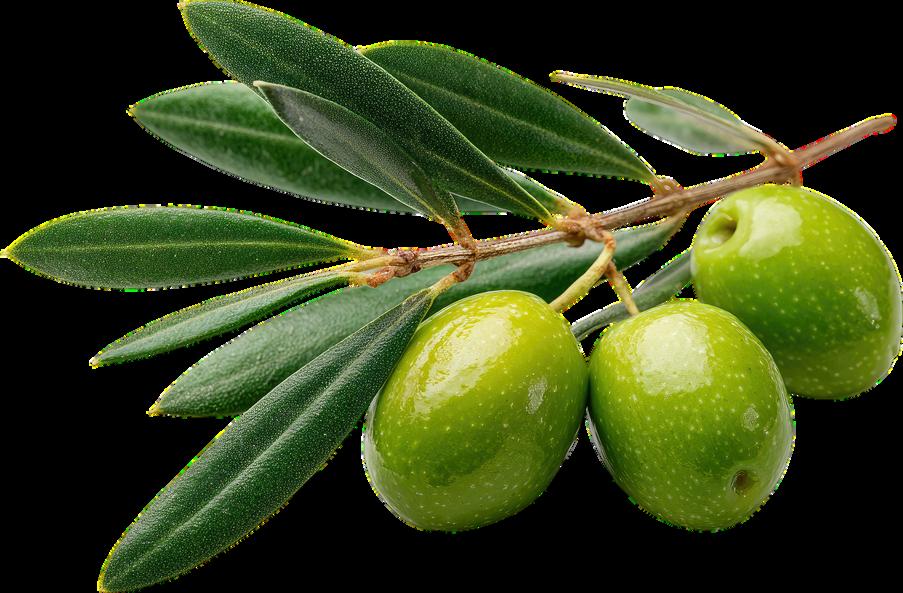
MyfatherwasborninShmistarandisLebanese, withatraceof Italianancestryfromgenerationspast. Mymotherwasbornin 1953 inTelal-Zaatar, arefugeecampinBeirut. Herparentswere originally from Alma, Palestine, and fled to southern Lebanon in 1948 withsixchildren. Theyoungest, myAuntFatima, wasjust a month old. They left behind their land, businesses and almond and olive trees that had been in the family for five generations. My grandmother used to tell stories of their escape, carrying only a few loaves of bread, believing they’d return in days once the British army retreated. My mother never became a naturalised Lebanese citizen and lived her adultlifeasaPalestinianrefugee.
Wholivedinyourhousewhenyouweregrowingup?
In Lebanon, I lived with my parents, two sisters and a brother in a modest home built by my grandfather on his land. My grandmother lived just down the dirt road, and my uncle had his own house nearby. It was a close-knit family community. If therewasawedding, everyoneinthevillagewasinvited.
Is being Lebanese different from being Palestinian in terms of culturalidentity?
Yes, while Lebanese and Palestinian cultures share language, food and traditions, they are distinct. Lebanese identity is rooted in national pride and history, and growing up I identified more with that, partly because it’ s tradition to take your father’ s nationality. Also, being Palestinian often sparked confusion or debate. So, I celebrated poets like Khalil Gibran, rolled Lebanese kebabs and proudlysharedstoriesaboutthePhoenicians, whoweresaidtohave invented numbers. This was all connected to my Lebanese identity. ButmyPalestinianidentitylivesthroughmymother, heraccent, her stories, her food. She would say, “This is my mother’ s food on the table, ” and taught us how to press olives, make yoghurt and appreciate the crafts of her homeland. She would embroider board games onto pieces of cloth and tell stories of a lost wealth and homelandshelongedfor.
Whatdoyoutreasuremostaboutyourheritage?
Being half Lebanese, half Palestinian, an Australian citizen, and a HongKongpermanentresidentforover 18 years, Icarryarichblend of cultures that shape how I see the world. What I treasure most is the tradition of education, the belief that learning is a legacy worth passing on. As the Lebanese poet Kahlil Gibran once wrote, “Perplexity is the beginning of knowledge. ” It reminds me that askingquestionsiswheretruelearningbegins.
I also cherish the beauty and depth of the Arabic language. Sometimes, Englishdoesn’thavethewordstodescribeaflavourora feeling the way Arabic does. It’ s a language full of emotion and poetry. People speak with passion, using phrases like “qalbi ma ʿak” “My heart is with you, ” or “damʿat alʿ ayn aghla min adhdhahab” “A tear from the eye is more precious than gold. ” In our culture, being emotional isn’t a weakness it’ s a way to connect deeply and show sincerity. And, of course, there’ s the hospitality. Even in times of hardship, families go out of their way to welcome guests with dignity. Kindness is seen as a sign of strength and honour, atruemeasureofwealth.
Doesstorytellingandmythologyplayabigpartinyourculture, andifso, whatisastoryormythyougrewupwith?
Storytelling is a vital part of Palestinian and broader Levantine culture it’ s how traditions, values, and history are passed down through generations. While some of the stories I grew up with weren ’t uniquely Palestinian, they were deeply rooted in the region’ s shared heritage. Tales like Ali Baba and the Forty Thieves were part of my childhood, filled with magic, cleverness, and lessons about justice and humility. I remember when Disney released Aladdin, it was exciting to hear Arabic words in mainstream media and see a strong character like Princess Jasmine, who challenged expectations. Beyond the fantasy, the story carried meaningful messages: don’t judge too quickly, and sometimeslawsandcustomsneedtochangeforthegreatergood. It also reminded us that those in power have a responsibility to bringaboutfairnessandchange.
Are there any books you would recommend people to read aboutPalestineanditsculture?
“Gaza Writes Back” , edited by Refaat Alareer, offers a rare and powerful glimpse into life in Gaza through the eyes of young writers, sharing personal stories of resilience, loss, and hope all written in English to reach a global audience and challenge stereotypes with authentic voices. My favourite book is “In Search ofFatima” byGhadaKarim. Amovingmemoiraboutidentity, exile, andgrowingupbetweencultures, itresonatesdeeplywithme, and IbelievemanystudentsinHongKongcanrelatetoitsthemes. Like Karmi, we often find ourselves navigating the complexities of belonging, with one foot in two or more cultures, trying to understandwherewetrulyfit.
Whatotherhobbiesandpastimesarepartofyourculture?
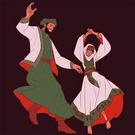
DanceisanotherjoyfulpartofPalestinianlife. Thetraditionaldance, dabke, is taught from a young age and brings people together in celebration. I remember many nights visiting aunts and uncles in the suburbs of Melbourne, where the dabke would carry on into the early hours, full of laughterandrhythm.

Thomas Pulsford
So, there you are in the gift shop, drenched in trepidation. It’ s there! A physical copy of “But the Regrets are Killing Me” by Midwestern emo band American Football. “Yes!” you proclaim, waving your arms and frolicking in your moist jerkin. Your mother willloveherphysicalcopyof “ButtheRegretsareKillingMe” justas muchasthatMadisonpresidencyChristmascard.
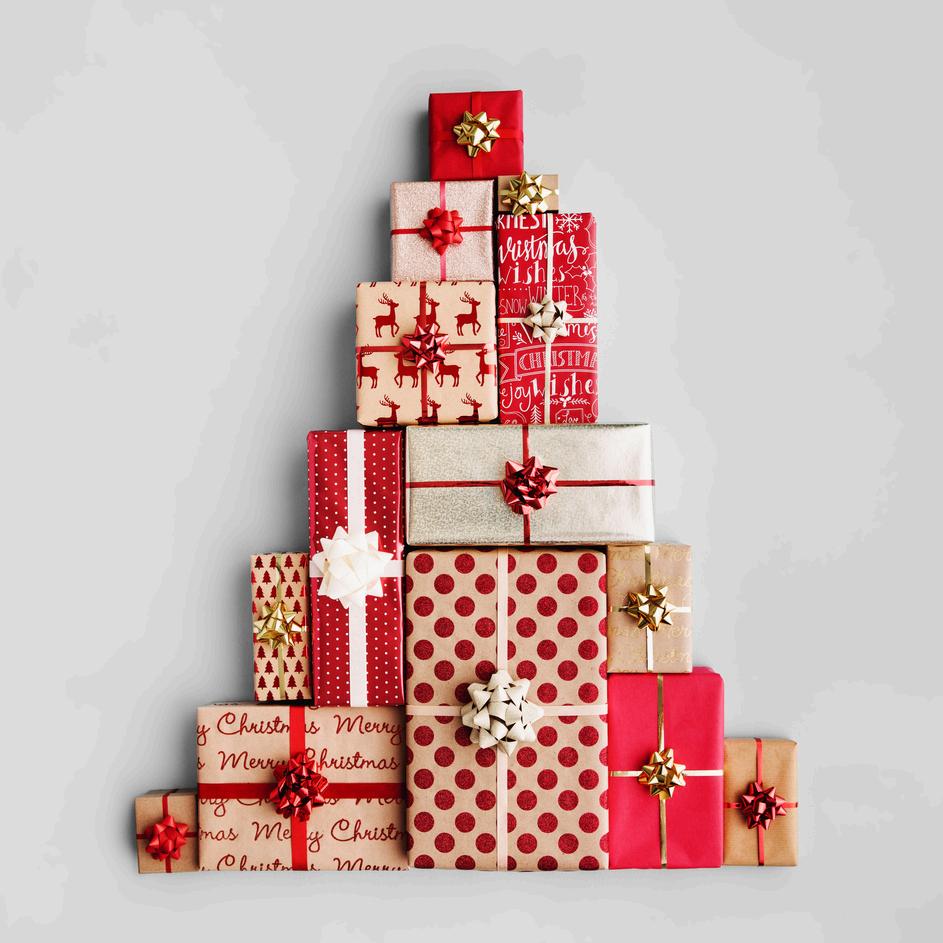
Unfortunately, your mother doesn’t appreciate the present or the gift-giving warpath you ’ ve blazed. And yet, the world seems determined to locate and bombard itself with an assortment of unappreciated and unwanted gifts. Surely, we all have that shirt, puzzle book or elaborate pen we could have done without. The system of Christmas giving is thus, fundamentally flawed. Without theabilitytodeterminewhatsomeonetrulywantswearereduced to mere guessing. Now there are obviously multiple explanations but think about how ridiculous the premise itself is: giving gifts whilstboundbysecrecy.
But for many, the suppressed dissatisfaction of receiving a gift is welloutweighedbytherushofgivingone. Comparedtothatother 52% whowanttoreceiveChristmasgifts, 78% claimenjoymentfrom foisting them on others. And while it’ s easy to understand this tendency, not only does it magnify the harms of gift-giving, but it engenders the very antithesis of Christmas spirit, a culture of materialism. Theobligationofgiftgivingismorelikeaquotathan an act of generosity. As such, we have collectively created the unspoken, yet ubiquitous expectation that others will partake in this process and meet the standards imposed by others one which encourages not only unhealthy competition but also continuedandsystematicmaterialism.
Regardless, the tendency is human. Unfortunately, so is that of shortsightedness. It’ s not like we ’ re filling out an environmental impactstatementeverytimewemakeapurchase. Resultingly, we see over $1,000,000,000 wasted in unused presents and 150,000 km of wrapping paper expended in Australia alone. Now that you may have known. The environmental impact of Christmas is obvious, especiallycomparedtotheunderappreciatedissueofslavery.
Yet worldwide, estimates predict that 27.6 million people may be engaged in forced labour. Moreover, indentured labourers make some of the most common Christmas gifts we buy: clothes, chocolate, consumer electronics. To illustrate, consider that 0.42% ofCoteD'Ivoire'sadultcocoaworkershavebeeninforcedlabour. Nowimaginebuyinganadventcalendarwhereeachboxhadthat same chance (0.42%) of containing ‘slave chocolate. ’ How many people would have to do this for the chance of buying slave chocolate to be more than 50%? Just seven. And we buy far more than seven advent calendars per year. I may be oversimplifying that calculation. But the truth is that unlike the presents themselves, it’seasytoappreciatethecostofourconsumerism.
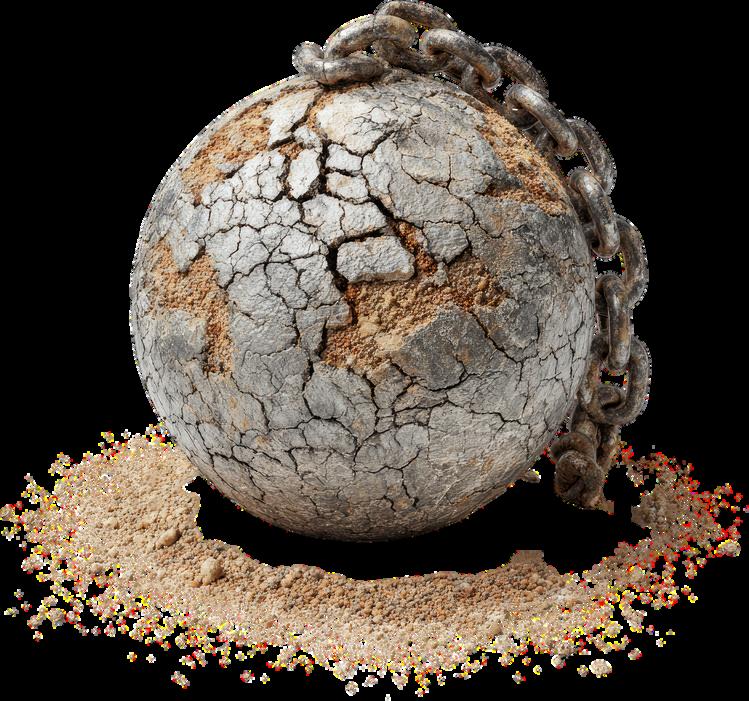
There may be no rainforests denuded or populations subjugated byourChristmascheer; thatisthedomainofthecorporation. But never mind that. The point is: our shortsighted obsession with giftsisnotonlycounterproductivetotheChristmasspiritbutalso a way of perpetuating modern slavery. The thankless materialism that dominates our Christmas gifts not only bores this hole deeper, itdefacesitsverymotivation: theChristmasspirit.



MostofusloveafestiveChristmassnack? Inthiseditionwe bring you the classic gingerbread man. It not only tastes amazing, but your house will also smell incredible, as the gingerandcinnamonwaftthroughtherooms. Andyouknow everythingtastesbetterwhenyoumakeityourself…
Whatwillyouneed?
Ingredients:
· 300gofall-purposeflour
· ½atspofbakingpowder
· 2 tspofgroundginger
· 1 tspofgroundcinnamon
· ¼tspofgroundnutmeg
· 1/8 teaspoonsofsalt
· 100gofroomtemperaturebutter
· 75gofbrownsugar
· 45gofgoldensyrup
· 1 egg
· 70gofroomtemperaturemilk
· Abagofwhitechocolate
Decorationingredients:
· Eggwhiteof 1 egg
· ½ateaspoonoflemonjuice
· 150goficingsugar

COMBINE DRY INGREDIENTS: IN A MEDIUM BOWL, WHISK TOGETHER THE FLOUR, BAKING POWDER, GROUND GINGER, CINNAMON, NUTMEG, AND SALT. SET ASIDE FOR LATER.
CREAM BUTTER AND SUGAR: USING AN ELECTRIC MIXER, BEAT THE SOFTENED BUTTER AND SUGAR UNTIL THE MIXTURE IS LIGHT AND FLUFFY
ADD WET INGREDIENTS: GRADUALLY ADD THE SYRUP, EGG, AND MILK TO THE BUTTER MIXTURE, BEATING UNTIL EVERYTHING IS JUST COMBINED AND SMOOTH.
INCORPORATE DRY INGREDIENTS: SIFT THE FLOUR MIXTURE INTO THE WET INGREDIENTS. ADD IT IN THREE SEPARATE BATCHES, MIXING ON LOW SPEED AFTER EACH ADDITION UNTIL JUST COMBINED
FORM THE DOUGH: SWITCH TO A SPATULA AND GENTLY MIX UNTIL A COHESIVE DOUGH FORMS. BE CAREFUL NOT TO OVERMIX.
CHILL THE DOUGH: DIVIDE THE DOUGH INTO TWO EQUAL PORTIONS. FLATTEN EACH PORTION INTO A DISC, WRAP TIGHTLY IN PLASTIC WRAP, AND REFRIGERATE FOR AT LEAST 1 HOUR
PREHEAT OVEN: PREHEAT YOUR OVEN TO 170°C (340°F). LINE A BAKING SHEET WITH PARCHMENT PAPER.
ROLL AND CUT: REMOVE ONE PORTION OF DOUGH FROM THE REFRIGERATOR. ON A LIGHTLY FLOURED SURFACE, USE A ROLLING PIN TO ROLL THE DOUGH TO ABOUT 0 3CM (1/8 INCH) THICKNESS USE GINGERBREAD COOKIE CUTTERS TO CUT OUT SHAPES.
TRANSFER TO SHEET: CAREFULLY TRANSFER THE CUT-OUT COOKIES TO THE PREPARED BAKING SHEET.
REPEAT: REPEAT THE ROLLING AND CUTTING PROCESS WITH THE REMAINING PORTION OF DOUGH
BAKE: BAKE IN THE PREHEATED OVEN FOR 12-15 MINUTES, OR UNTIL THE EDGES ARE JUST STARTING TO TURN GOLDEN.
PREPARE DECORATION: MELT THE WHITE CHOCOLATE IN A HEATPROOF BOWL OVER A PAN OF SIMMERING WATER (A DOUBLE BOILER) OR IN THE MICROWAVE IN SHORT BURSTS STIR IN THE DESIRED FOOD COLORING
DECORATE: TRANSFER THE COLORED CHOCOLATE INTO A PIPING BAG. SNIP A VERY SMALL HOLE AT THE TIP AND DECORATE THE COOLED GINGERBREAD COOKIES AS DESIRED.