



Elected Members and Stakeholders

The Climate Action Section acknowledges the continued commitment and support of service areas across Meath County Council, guided by the Senior Management Team, and the valuable contributions of Elected Members, the Climate Action Forum, the Climate Action, Environment and Emergency Services Strategic Policy Committee, and the Corporate Policy Group in advancing the Council’s climate ambitions. The Council also recognises the increasing engagement of communities, businesses and local stakeholders, whose collaboration remains essential to delivering effective and sustained Climate Action.
Sincere appreciation is extended to the Mid East Climate Action Regional Office (CARO) for its ongoing guidance and technical support, and to all those involved in progressing Climate Action during the reporting period—including the Climate Action Section, Climate Action Team, Energy Team, Navan URBACT Local Group and the Biodiversity Working Group. Their collective efforts continue to deliver meaningful and positive outcomes for County Meath.
Meath aims to be a climate resilient, biodiverse rich, environmentally sustainable and climate neutral economy that supports healthy lifestyles and jobs growth.
Meath County Council is committed to lead in translating the National Climate Policy into local actions through inclusive engagement, capacity building and leadership for the people of County Meath.
Meath County Council’s Climate Action Plan (CAP) 2024–2029 was adopted on 19 January 2024. The Plan sets out the Council’s strategic approach to reducing energy consumption, improving energy efficiency across its buildings, facilities and fleet, and strengthening climate resilience within operations and service delivery. It also outlines how the Council continues to lead, enable and inspire Climate Action across communities, sectors and partner organisations in support of wider climate goals.
This document presents the second Annual Progress Report on the implementation of Meath County Council’s CAP. It covers the period January–December 2025 and provides an overview of the Council’s Climate Action achievements during the year. The report highlights the scale and diversity of initiatives delivered, while underscoring the collaborative, cross departmental effort undertaken by staff and Elected Members across all local authority functions to drive positive Climate Action.
This Executive Summary provides an overview of Meath County Council’s progress in delivering its Climate Action Plan 2024–2029 during 2025. It highlights key achievements, headline statistics and the main challenges encountered over the year, offering a clear picture of how the Council is reducing emissions, improving energy efficiency, protecting biodiversity and supporting communities in the transition to a low-carbon future.
While the Council plays a central leadership role, delivering climate action is a shared responsibility. The progress outlined in this report has been supported by active communities, households, businesses and local organisations across County Meath. Continued public participation—through energy upgrades, sustainable travel choices, community climate projects and everyday actions to reduce waste and protect nature—will be essential to achieving Meath’s climate goals.
Councillors and the public are encouraged to engage with the Climate Action Plan, support local initiatives and play an active role in shaping a more resilient, sustainable and climate-ready future for County Meath.
Meath County Council continued to deliver its Climate Action Plan 2024–2029, with strong progress across mitigation, adaptation, biodiversity, community engagement and resource efficiency.
53 actions were completed, including 46 recurring actions embedded in day-to-day Council operations.
71 climate actions were monitored during 2025 18 actions remain in progress 0 actions were recorded as not started
7.41
Continued implementation of ISO 50001 Energy Management, with a successful surveillance audit completed.
Meath
7.9 hectares of native woodland planted, contributing to biodiversity and carbon sequestration. Progress advanced on Energy Performance Contracts for Navan and Trim Leisure Centres.
Biodiversity Action Plan 2025–2030 published, providing a strategic framework for nature protection and enhancement.
32% reduction in total CO2 emissions compared with the 2016–2018 baseline.
Countywide public lighting LED retrofit reached 64% LED coverage with approximately 3,500 public lighting lanterns replaced during 2025. Major decarbonisation upgrades delivered at the Windtown Unity Centre and Thrive Centre of Excellence.
improvement in energy efficiency compared with the 2009 baseline.
Extensive environmental inspections carried out, including farm, planning and discharge inspections.
35 Sustainable Energy Communities (SECs) active across County Meath.
Strong participation in the Community Climate Action Programme (CCAP):
D 19 Phase 1 projects completed.
D Phase 2 assessments underway.
Public facing engagement continued through initiatives such as Retrofit Expo Meath.
EcoGrow, EcoChic and the Toy Library continued to deliver measurable reuse and waste prevention benefits.
D 1,692 garments reused through EcoChic.
D 5,307 toys recirculated through the Toy Library.
D An estimated 3.3 tonnes of plastic avoided.
Climate Action Governance Structure
Meath County Council’s Climate Action Section receives funding from the Department of Climate, Environment and Energy (DCEE). The Section comprises the following core roles:
1. Climate Change Coordinator
2. Climate Action Officer
3. Community Climate Action Officer
In addition, the following supporting roles are provided internally by Meath County Council:
D Energy Officer
D Technician Grade 1
D Climate Action Graduate
D Clerical Officer
The Climate Action Section is supported by the Chief Executive and the Senior Management Team, who provide strategic guidance and oversight. The Climate Action Team (CAT) and the Energy Team consist of staff members from across all service areas of Meath County Council. These teams act as champions for Climate Action and energy efficiency within their respective departments and are responsible for implementing and reporting on actions set out in the Climate Action Plan (CAP).
The Climate Action Forum (CAF) plays a central role in promoting and supporting Climate Action initiatives. Comprised of Elected Members from across the political spectrum, the CAF fosters community leadership, strengthens public engagement and facilitates a two way dialogue on Climate Action between the Council and the wider community.
The Mid East Energy Unit (MEEU) provides advisory and technical services and manages Pathfinder Funding through the Sustainable Energy Authority of Ireland (SEAI). This supports the delivery of energy efficiency projects for Significant Energy Users (SEUs) and the development of feasibility studies, including district heating assessments.
Further information on Meath County Council’s Climate Action work is available at www.meath.ie
The Climate Action Regional Office (CARO) coordinates and supports local authorities in delivering transformative and measurable Climate Action. Meath forms part of the Mid East CARO region, which comprises four counties that share common challenges and opportunities in both climate mitigation and climate adaptation planning. More information is available at www.caro.ie

The Government collects data annually on local authorities’ performance in meeting their Climate Action obligations. Data is gathered under the themes of mainstreaming, mitigation, adaptation and internal behavioural change and capacity building. This data is compiled by the Local Government Management Agency (LGMA) in the Annual Key Performance Indicators (KPIs) Report. The most recent report is available here: 2024 Local Government Climate Action Key Performance Indicators Report | Local Government Ireland
The United Nations Sustainable Development Goals (SDGs) serve as a blueprint for achieving a better and more sustainable future for everyone. T Department of Climate, Energy, and the Environment (DCEE) has overall responsibility for promoting the SDGs. There are 17 SDGs, and the successful implementation of all of them is crucial for our sustainable future.
SDG 13 focuses specifically on Climate Action; however, achieving all the SDGs is essential for the sustainable development of County Meath. There is significant cross-departmental awareness of the SDGs, which are considered in the formulation of new policies, strategies, and service delivery.

Meath County Council delivers Climate Action through an integrated Lead–Enable–Inspire framework. This approach outlines how the Council acts directly within its own remit (Lead), supports and coordinates communities, businesses and stakeholders (Enable), and promotes awareness, engagement and behavioural change across the county (Inspire). Together, these interconnected roles demonstrate a whole system approach to Climate Action, ensuring that delivery, collaboration and public engagement are aligned to build resilience and drive meaningful local climate outcomes.
D Deliver on climate action within MCC's remit: including LA assets, services and infrastructure.
D Enable, facilitate and support sectors, business, communities and individuals, in the delivery of local Climate Actions.
D Co-ordinate efforts with all stakeholders e.g. Decarbonising Zones, communities and businesses on local Climate Actions.
D Co-ordinate efforts with all stakeholders to maximise effects and create interactions.
D Build resilience to the negative impacts of climate change, within our County, through the range of services and functions provided.
Meath County Council Functions and Operations
D Elected Members
D Increase awareness, communication and engage in open dialogues on climate related issues and responses.
The Council will provide reports to the Climate Action, Environment, and Emergency Services Strategic Policy Committee as needed. Each year, an end-of-year report will be made available to Elected Members. Additionally, progress reports will be communicated through the Council’s website.
Meath County Council will continue to report its emissions and energy performance annually to the Sustainable Energy Authority of Ireland (SEAI) through the Monitoring and Reporting (M&R) system.
Meath County Council will provide an annual report on its Climate Action performance using key performance indicators (KPIs). This report will evaluate the local government's effectiveness in addressing Climate Action as part of the DECA 2030 Strategy.
In accordance with Part 3(w) of the Local Authority Climate Action Charter, Meath County Council will report to the Department of the Environment, Climate and Communications (DECC) on its progress regarding Climate Action at the county level. This reporting will contribute to the achievement of the National Climate Objective, with all actions documented through the CARO reporting tool.
The Council is actively working to promote the Sustainable Development Goals (SDGs). Each action outlined in the Climate Action Plan is mapped to the corresponding goals and targets, with multiple SDGs being achieved through each action in the plan.
The format of this second Annual Progress Report aligns with the reporting requirements for Local Authority Climate Action Plans (LACAPs), the commitments set out in Meath County Council’s Climate Action Plan (CAP), recognised sustainability reporting frameworks and the Agenda 2030 United Nations Sustainable Development Goals (SDGs). The report is structured around the CAP’s thematic actions, providing context for mitigation and adaptation measures in support of the Council’s Vision and Mission.
Accordingly, this report provides updates on actions progressed, completed, or initiated during 2025, supported by case studies that demonstrate the practical delivery of Climate Action on the ground.
Meath County Council’s energy management and performance approach is reflected in key initiatives delivered in 2025 in support of Climate Action and sustainability objectives, including the implementation of ISO 50001:2018 and ongoing greenhouse gas reductions and energy efficiency measures supported through strategic projects, targeted campaigns and performance monitoring.
delivered during 2025:
D Windtown Unity Centre: Decarbonisation works replaced gas heating with heat pumps and a 20 kWp solar PV system, reducing annual CO2₂ emissions by 10 tonnes.
Leadership and Governance
Integration of climate mitigation and adaptation into governance processes. Built Environment & Transport Reduction of emissions through climate responsive planning and transport.
Natural Environment & Green Infrastructure
Protection and enhancement of biodiversity through nature based solutions.
Communities: Resilience & Transition
Strengthening community resilience through adaptation and just transition.
Sustainability & Resource Management
Efficient resource use through circular economy and waste prevention.
D Thrive Centre of Excellence: Full decarbonisation achieved during refurbishment, including removal of gas heating and installation of electric heat-pump air conditioning and a 45 kWp solar PV system.
D Buvinda House: New heating and cooling strategy implemented to reduce electrical and gas consumption, alongside IT equipment upgrades delivering significant reductions in electricity use.
D By December 2025, an Energy Performance Contract for Navan and Trim Leisure Centres was at tender evaluation stage, with an estimated 75% energy reduction anticipated on completion in 2026.
ISO 50001:2018 is an internationally recognised standard that provides a systematic framework for organisations to enhance their energy management practices and improve their energy use. It is designed to help organisations improve energy efficiency, reduce energy consumption, lower operational costs and minimise their environmental impact.
Following ISO 50001 Certification in 2024, NSAI conducted the first annual surveillance audit on Meath County Council’s Energy Management System (EnMS) in May 2025 to ensure ongoing compliance. The audit revealed no non-conformities, and the auditor commended the work being completed by Meath County Council and its staff. Auditor’s comments on the management system included “Well managed EnMS management system” and “a lot of progress being made and a lot of good plans in place”.
As part of our Energy Management System, Meath County Council Energy Team, (made up of staff representatives from our Significant Energy Users (SEUs)), meet on a quarterly basis to discuss the status of ongoing and planned energy projects.
Meath County Council is required to achieve a 51% reduction in greenhouse gas (GHG) carbon emissions, based on a 2016-2018 baseline, and a 50% improvement in energy efficiency, based on a 2009 baseline, by the year 2030. These targets are part of the Climate Action Plan 2023 established by the Government.
The Sustainable Energy Authority of Ireland (SEAI) Monitoring and Reporting (M&R) system offers a platform for tracking progress on these emission reductions and energy efficiency targets. It provides an annual assessment of the 'Gap to Target' necessary to meet these goals. Please note that the figures for 2025 have not yet been finalised by the SEAI. Final figures for 2025 are expected to be published by the SEAI by the end of QR2 2026.
This report summarises Meath County Council’s energy performance for the year 2024.
Total CO₂ Emissions Meath County Council
Meath County Council has created a Total CO2₂ Gap-to-Target graph that includes the baseline, 2024 progress, and the 2030 Climate Action Plan (CAP) targets. Currently, the Council's emissions are above the trajectory needed to meet these targets. However, a project pipeline is in place to address this issue, with the first decarbonisation project completed in 2025. For instance, in 2026, Meath County Council plans to implement Energy Performance Contracts aimed at significantly reducing energy consumption and CO2₂ emissions from our largest buildings.
5 Total CO₂ Emissions Target
In 2024, Meath County Council's total CO2₂ emissions were 32% lower than the baseline set from 2016 to 2018. This reduction is partly due to the decarbonisation of the national grid and a gradual transition from fossil fuel heating to electric sources. To meet the 2030 target of 2,566 tons of CO2₂₂, Meath County Council must reduce emissions by an additional 3,053 tons of CO2₂₂. This represents a 54% reduction from 2024 level, within six years.
In 2024, total fossil fuel CO2₂ emissions for Meath County Council were 15.1% lower than the 20162018 baseline. This was largely because of significant use of Hydrotreated Vegetable Oil (HVO) in our fleet operations. To meet the 2030 target of 1,408 tons of CO2₂₂, Meath County Council must reduce emissions by an additional 1,032 tons of CO2₂₂. This represents a 42% reduction from 2024 level, within six years. In 2024, Transportation, including fleet and staff travel, accounted for 1,026 tons of CO2₂, or 42%, of the total fossil fuel emissions.
In 2024, Energy efficiency performance improved by 31% since the 2009 baseline, but still above the trajectory required to meet 2030 targets. Meath County Council must improve by another 19% within 6 years to reach the 2030 target.
Public Lighting and traffic signal infrastructure remains one of Meath County Council’s most energy intensive service areas, accounting for approximately 38% of the Council’s total energy consumption and 88% of its electricity use. As validated energy data for 2025 is not yet available, reporting is based on the most recent confirmed figures (SEAI M&R 2024).
Meath County Council currently manages approximately 21,200 Public Lighting columns. The existing asset base comprises 64% LED lanterns and 36% non LED lanterns, predominantly halogen. To address this, the Council is implementing a countywide Public Lighting Energy Efficiency Project, which aims to replace all remaining non LED lanterns with modern, energy efficient LED units. Each LED replacement is expected to deliver average energy savings in excess of 50%.
Survey and design works for the full lighting inventory are largely complete, and retrofit works are underway. To date, approximately 3,500 non LED lanterns have been replaced. The remaining 7,500 units will be delivered through the Council’s Public Lighting maintenance contractor, with the majority of installation works forecast for completion by Q3 2027. In parallel, any faulty lighting assets identified through routine maintenance continue to be replaced with LED units.
To ensure that the full benefits of the transition are realised, the Public Lighting Team is updating asset inventories and billing registers to accurately reflect LED conversions completed through both capital retrofit and maintenance activities. This programme represents a significant contribution to Meath County Council’s decarbonisation pathway, delivering measurable reductions in electricity demand and associated operational emissions, while also improving lighting quality and asset condition across the county.
Energy Projects completed in 2025
Project Detail
Mid-East Energy Unit
Display Energy Certificates (DECs)
Public Lighting Upgrade Programme
Meath County Council, Kildare County Council, Louth County Council and Wicklow County Council continue to collaborate through the Mid East Energy Unit to advance shared climate mitigation objectives. Working closely with SEAI, the Unit supports the delivery of sustainable public sector energy projects and accelerates the transition to a low-carbon regional economy, contributing to 2030 and 2050 national targets.
DECs were completed for 18 publicly accessible Council buildings exceeding 250 m², in line with annual statutory requirements.
Meath County Council manages approx. 21,200 lighting columns, 64% of which are now LED. A countywide programme to replace remaining halogen lanterns is underway, delivering >50% energy savings. Approximately 3,500 of the 11,000 non-LED lanterns have been upgraded; full completion is scheduled for Q3 2027.
Meath County Council’s Climate Action Plan (CAP) contains 71 actions across 5 thematic areas with the following actions distribution across the areas:
Electric Vehicles (EVs)
EV Charge Points
Windtown Unity Centre –Decarbonisation
New EVs were introduced to the Housing and Facilities Management fleets in 2025. Several EV trials—including pickups and greenway maintenance gators—supported the Council’s wider fleet transition programme.
Six Transport Operations depots were equipped with double 22 kW charge points in Q4 2025, enabling further EV rollout across Kells, Navan, Trim, Ashbourne and Dunshaughlin. A 7-kW charger was installed at Nobber depot for greenway maintenance EVs.
Three cascading heat pumps and a 20 kWp solar PV array were installed to replace the existing gas boiler system, achieving estimated annual carbon savings of 10 tonnes.
Solar PV – Libraries A 2025 tender progressed solar PV installations at four libraries, with works scheduled for Q1 2026. These systems will reduce grid electricity demand at electrically heated sites.
UPS Switchover & IT Server Improvements
Navan & Trim Energy Performance Contract (EPC)
Multi Party Framework – Energy & Decarbonisation Works
Quick Wins –Energy Savings
Optimising Power at Work
Replacement of the UPS system in Buvinda House and decommissioning of the cooled UPS room, alongside server upgrades, resulted in an estimated 30,000 kWh/year electricity reduction.
An EPC has been established, with works commencing in Q1 2026. Preliminary designs indicate a 65–74% reduction in annual CO₂ emissions from operational activities at both sites.
A multi-party framework established in 2025 supports audits, design, installation and verification for Mid-East Energy Unit buildings. Meath County Council will draw from this framework for decarbonisation works commencing in Q1 2026.
Updates to the Buvinda House Building Management System (BMS) and heating strategy reduced heating and electrical loads during unoccupied periods in 2025.
The Council continues to collaborate with OPW under the Optimising Power at Work Programme to promote energy efficient behaviours within Buvinda House.
The CAP actions are categorised based on their focus on climate change mitigation, adaptation, or a combination of both. It was found that 30% (21 actions) are focused on mitigation, 14% (10 actions) are aimed at adaptation, and 56% (40 actions) address both adaptation and mitigation.
The Climate Actions outlined in the CAP are implemented by the designated sections within the organisation. Specific members of the Climate Action Team (CAT) are responsible for providing annual reports on these actions to the Climate Change Coordinator. Additionally, monitoring for the Strategic Environmental Assessment (SEA) and Appropriate Assessment (AA) is conducted, and there have been no negative impacts from the Climate Action Plan measures.
Actions completed in 2025 - 53 (45%)
Actions in Progress - 18 (16%)
Actions Recurring - 46 (39%)
A total of 71 CAP actions were monitored in 2025. Of these, 53 actions were completed (including 46 recurring actions), and 18 actions remained in progress. No actions were recorded as not started.
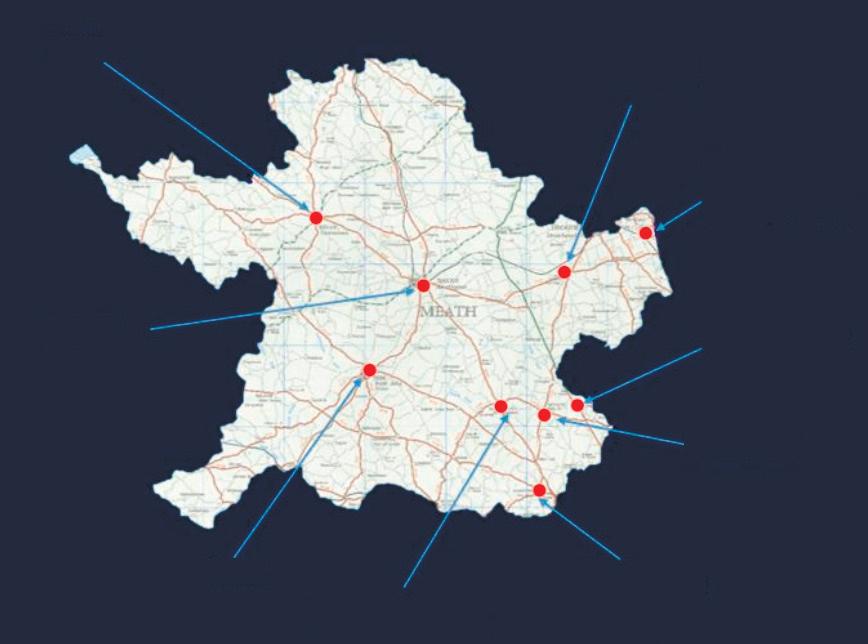
During 2025, preparatory work progressed to support implementation across Meath’s nine Decarbonising Zones. Key milestones included the finalisation of two implementation plans—Navan’s Integrated Action Plan (IAP) and the Dunshaughlin Town Centre First Plan—alongside early project development, public engagement and the establishment of operational structures to support accelerated delivery in 2026.
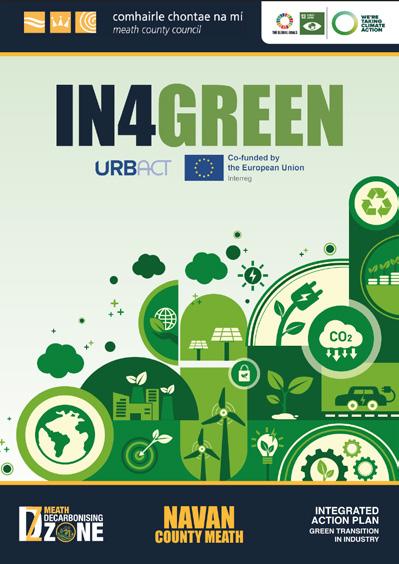
Navan’s Integrated Action Plan, developed through the EU-funded URBACT In4Green Programme, sets out a long-term pathway for the town’s transition to a low-carbon, climate-resilient and sustainable future. Developed over more than two and a half years with input
from communities, businesses, elected representatives and Council staff, the plan draws on European peer learning and climate best practice. It is structured around four thematic areas—energy efficiency and renewable energy; sustainable transport and mobility; biodiversity and green infrastructure; and circular economy and resource efficiency—and identifies nine targeted actions to support environmentally responsible growth and strengthen economic resilience. The IAP includes a phased implementation programme combining short-term community initiatives with long-term climate investments and will guide decision-making and public investment as Navan progresses delivery as a designated Decarbonising Zone under the Meath Climate Action Plan 2024–2029.
Refer to Appendix 1 MCC’S CAP Action Status - displays the status of Action Implementation Data for 2025

Thematic Area Strategic Goal Objective
Governance and Leadership Develop appropriate structure and processes for directing and managing effective Climate Action
1.1 Support the development and implementation of positive Climate Action across all services and operations of MCC, collaborating with others to enable and inspire endeavours to reduce their climate impact.
Action GL4 Mainstreaming of climate mitigation and adaptation considerations into all policies, strategies and plans adopted by the Council.
Meath County Council prioritises Climate Action across all functional and operational areas, as reflected in the Corporate Plan 2024–2029 and the Climate Action Plan.
Under Action GL4, climate mitigation and adaptation considerations—together with alignment to the United Nations Sustainable Development Goals (SDGs)—are embedded within policies, strategies and plans adopted by the Council to support sustainable development and informed decision-making.
During the reporting period, Climate Action objectives were integrated into several key documents guiding the County’s vision, functions and operations, with the aim of promoting sustainable social and economic growth. The following documents were completed or progressed in 2025 in line with Action GL4:
D County Biodiversity Action Plan 2025–2030 (completed)
D Annual Service Delivery Plan (completed)
D Meath County Development Plan (in progress)
D Digital and ICT Strategy (in progress)
D Corporate Procurement Policy (in progress)
D Dunshaughlin Town Centre First Plan (in progress)
The completion and progression of these documents demonstrates the practical mainstreaming of climate mitigation, adaptation and SDG alignment throughout Council policy and strategy, fulfilling the requirements of Action GL4 and strengthening the governance framework for Climate Action.
Of the 14 actions under this thematic area of governance and leadership, 10 actions were completed in 2025, with 4 actions remaining in progress. A total of 10 actions are recurring, reflecting the ongoing nature of governance related climate measures, while 4 actions are scheduled for completion beyond 2025.
Action GL11 Continue to support and expand the 'Bus It 2 School' Pathfinder Project.
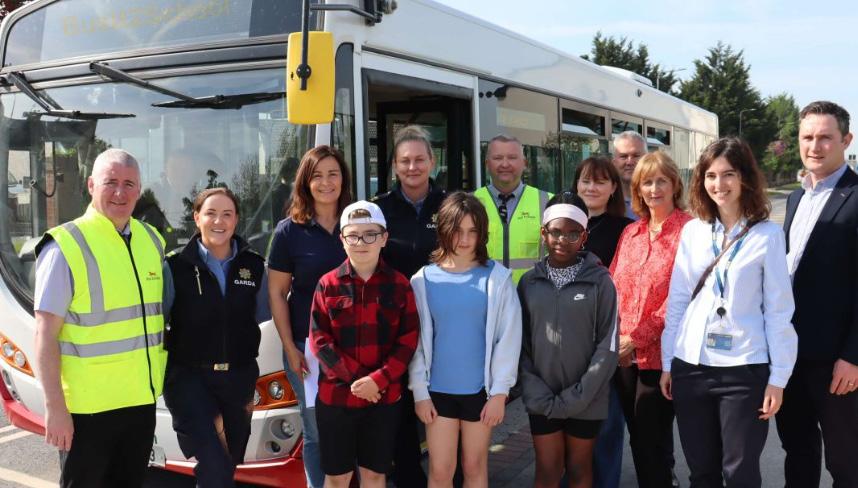
Meath County Council continued to support and expand the Bus It 2 School Pathfinder Project in partnership with three Navan schools located on, or adjacent to, the town bus network. The initiative aimed to encourage increased use of public transport for school journeys by highlighting the health, economic, sustainability and environmental benefits of bus travel, while promoting public transport as a safe, reliable and efficient alternative to private car use.
Participating pupils took part in supervised bus journeys designed to build confidence and develop practical travel skills. During these sessions, students were guided on:
D Safe embarkation and disembarkation
D Appropriate conduct on board, including courtesy to older and more vulnerable passengers
D Ticketing and use of Leap Cards
D How to respond appropriately to challenging or unfamiliar situations
The project also encouraged students and families to consider bus travel for non school journeys, supporting a broader modal shift towards sustainable travel habits.
The Bus It 2 School initiative delivered social, environmental and behavioural benefits, providing a safe, affordable and dependable transport option. It supported greater independence among students, reduced reliance on car travel and eased daily transport pressures on families. The project also strengthened social inclusion by enhancing equal access to education and extracurricular activities.
Overall, the Bus It 2 School Pathfinder Project demonstrates tangible progress under Action GL11 and contributes to national climate objectives by encouraging modal shift, reducing transport-related emissions and supporting the cultural change required to meet Ireland’s transport-sector climate targets.
Building organisational capacity is essential to embedding climate mitigation and adaptation across all Council services, operational areas and decision making processes. Training therefore forms a core component of the Council’s governance framework for Climate Action.
During 2025, Meath County Council delivered a structured programme of Climate Action and sustainability training across staff grades and service areas. The programme included modules on Climate Action awareness, carbon basics and a building capacity webinar series designed to strengthen understanding of statutory obligations and practical actions relevant to staff roles. A tailored training programme for the Fire Service was also delivered under the Delivering Action pillar to enhance sectorspecific preparedness and resilience.
Key outcomes included:
D 112 staff (indoor and outdoor) completed Climate Action and sustainability training
D 79 Fire Service personnel completed a dedicated Climate Action training programme
Training themes supported delivery of the Climate Action Plan, covering adaptation and resilience planning, nature based solutions and urban water management, biodiversity and regulatory compliance, green public procurement, and the effective use of weather warnings.
This comprehensive training programme reflects strong progress under Action GL14 and demonstrates Meath County Council’s commitment to embedding climate competence and capacity across the organisation.
Action
actions into the design and
Duleek Heritage Led Regeneration Plan
In January 2025, Meath County Council finalised a comprehensive Heritage Led Regeneration Plan for Duleek, supporting the revitalisation of the town through the integration of Climate Action and sustainability principles. The Plan aligns with the objectives of the Historic Towns Initiative 2025 and prioritises the conservation and adaptive reuse of historic buildings. By retaining and repurposing existing structures, the Plan reduces the need for new construction and associated carbon emissions, while reinforcing the town’s distinctive character and supporting long term environmental sustainability.
A central focus of the Plan is the reduction of dereliction and residential vacancy within the town centre. Bringing underused buildings back into productive use promotes more efficient land use, limits urban sprawl and supports shorter travel distances— contributing to lower transport related emissions and an enhanced quality of life for residents.
To support implementation, a Town Team was established in the second half of 2025 with support from Meath County Council’s Regeneration Officer. The team comprises 16 members representing community groups, organisations and Elected Members. Following the election of a Chairperson, Vice Chair and Secretary, the Town Team meets regularly to review the Plan’s findings, identify deliverable projects and explore potential funding opportunities.
Of the 17 actions under the Built Environment and Transport thematic area, 14 actions were completed in 2025, with 3 actions remaining in progress. A total of 14 actions are recurring, reflecting the ongoing delivery of built environment and transport related climate measures, while 3 actions are scheduled for completion beyond 2025.
The Town Centre First Plans aim to enhance the attractiveness and functionality of town centres by improving their design, accessibility and overall user experience in a sustainable and climate sensitive manner.
To date, two Town Centre First Plans have been completed—Enfield and Duleek— with a draft Plan under development for Dunshaughlin. These non statutory Plans outline proposed actions which may require planning permission. Meath County Council typically engages with Town Teams every two months, or more frequently as needed, particularly during funding announcements.
The Plans promote a transition from private vehicle use to more sustainable modes such as walking and cycling. This is achieved by prioritising pedestrian and cyclist safety, improving connectivity and providing dedicated active travel infrastructure. All greening and public realm projects incorporate planting, wildflowers, biodiversity measures and sustainable surface water management systems, including retention and attenuation features.
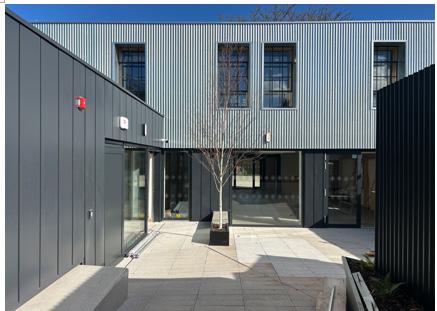
The Print Works Project in Kells involved extensive conservation and repair works at the former sawmills to accommodate a commercial letterpress workshop operating Victorian printing machinery alongside historical archives. The development will establish Kells Print Works as a new National Centre for Typography, supporting cultural heritage, skills development and creative enterprise.
The project places strong emphasis on adaptive reuse—retaining and repurposing existing structures rather than constructing new buildings. This reduces embodied carbon, minimises construction related emissions and extends the useful life of historic structures. The project also reinforces the character and heritage value of the site while supporting sustainable regeneration.
Kells Print Works will operate as a multi use community and cultural space and will partner with national educational institutions to deliver professional and skills based training. Through the combination of heritage conservation, education and community engagement, the project demonstrates how reuse of existing buildings can support both Climate Action objectives and long term social and economic sustainability.
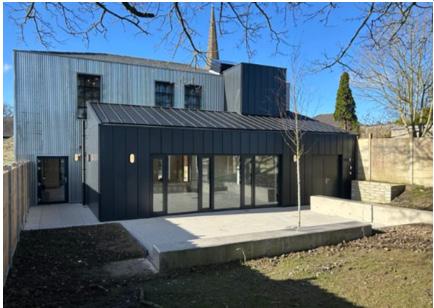
Action BET2 Continue to work with appropriate external stakeholders to deliver social housing at a BER B2 or cost optimal standard including provision of Energy Efficient Design, on-site renewable energy, EV Charging Facilities, SuDs, and nature-based solutions, as feasible.
Meath County Council continues to work closely with the Department of Housing, Local Government and Heritage (DHLGH), funding partners and delivery contractors to improve the energy performance and climate resilience of its social housing stock. In 2025, housing maintenance and retrofit activity supported national climate objectives through participation in the national retrofit programme, targeted energy upgrades and the integration of sustainable procurement and operational practices.
In 2025, the Council advanced a comprehensive programme of social housing retrofits and energy upgrades focused on improving building fabric and reducing operational emissions. Measures included enhanced insulation, upgraded windows and doors and the installation of air to water heat pump systems, ensuring all refurbished dwellings achieved a minimum BER of B2.
A total of 70 social housing units were retrofitted during the year, including 50 units delivered as part of pre let refurbishment works. These upgrades reduced carbon emissions, improved energy performance and provided tenants with greater comfort and lower energy costs. Works were supported by a combination of Council resources and grant funding, with significant recoupment from DHLGH.
Energy efficiency improvements were further embedded within wider housing maintenance and asset management activities. All void properties underwent detailed inspections prior to re letting to identify opportunities for energy upgrades. Major refurbishment works were undertaken where required to bring dwellings to B2 BER standard or above. In parallel, the Council progressed stock condition surveys, radon monitoring and fire, smoke and carbon monoxide safety upgrades—supporting safe, efficient and climate resilient homes.
Delivery of retrofit and upgrade works in 2025 demonstrates strong progress under Action BET2 and contributes to reduced emissions, improved energy efficiency and enhanced living conditions for tenants.
Action BET16 Increase active travel usage in town centres through improved sustainable active travel proposals and an enhanced pedestrian and public realm environment.
Meath County Council continues to prioritise delivery of active travel infrastructure to support modal shift, reduce transport related emissions and improve safety and accessibility in town centres. In 2025, progress was driven primarily by the Active Travel Investment Programme, administered by the National Transport Authority (NTA), complemented by the Safe Routes to School, Bus Stop Enhancement Programme and the Council’s annual Footpath Programme.
As of 31 December 2025, 50 active travel projects were at various stages of development across the county:
D 33 at design stage
D 7 under construction
D 10 completed
A total of €13.5 million was drawn down from the NTA Active Travel Programme to deliver 7.41 km of active travel infrastructure.
The 2025 NTA allocation to Meath County Council totalled €12 million, with approximately 60% directed to two major schemes:
D Navan 2030 Contract 5 – public realm upgrades at Fairgreen, Church Hill, Cornmarket, Bakery Lane and Preston Place, including new footpaths, utility upgrades, traffic calming measures, enhanced lighting and two new civic spaces.
D Martha’s Bridge to Circular Road Cycle and Pedestrian Scheme – construction commenced in September 2025, delivering segregated cycling infrastructure along the R147 (Dublin Road) connecting Johnstown to Circular Road. This marks phase one of a longer term programme extending to Blackwater Retail Park.
Complementary initiatives strengthened progress:
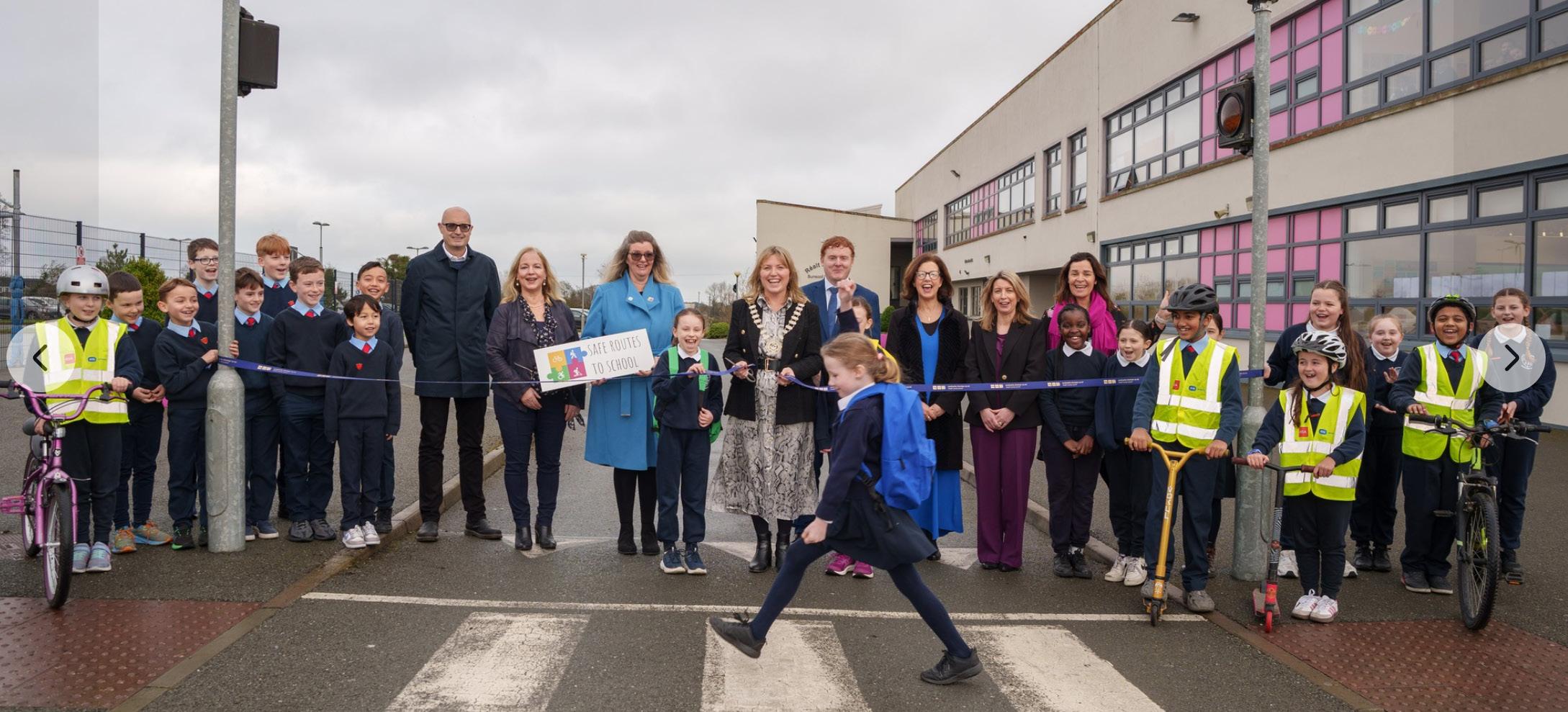
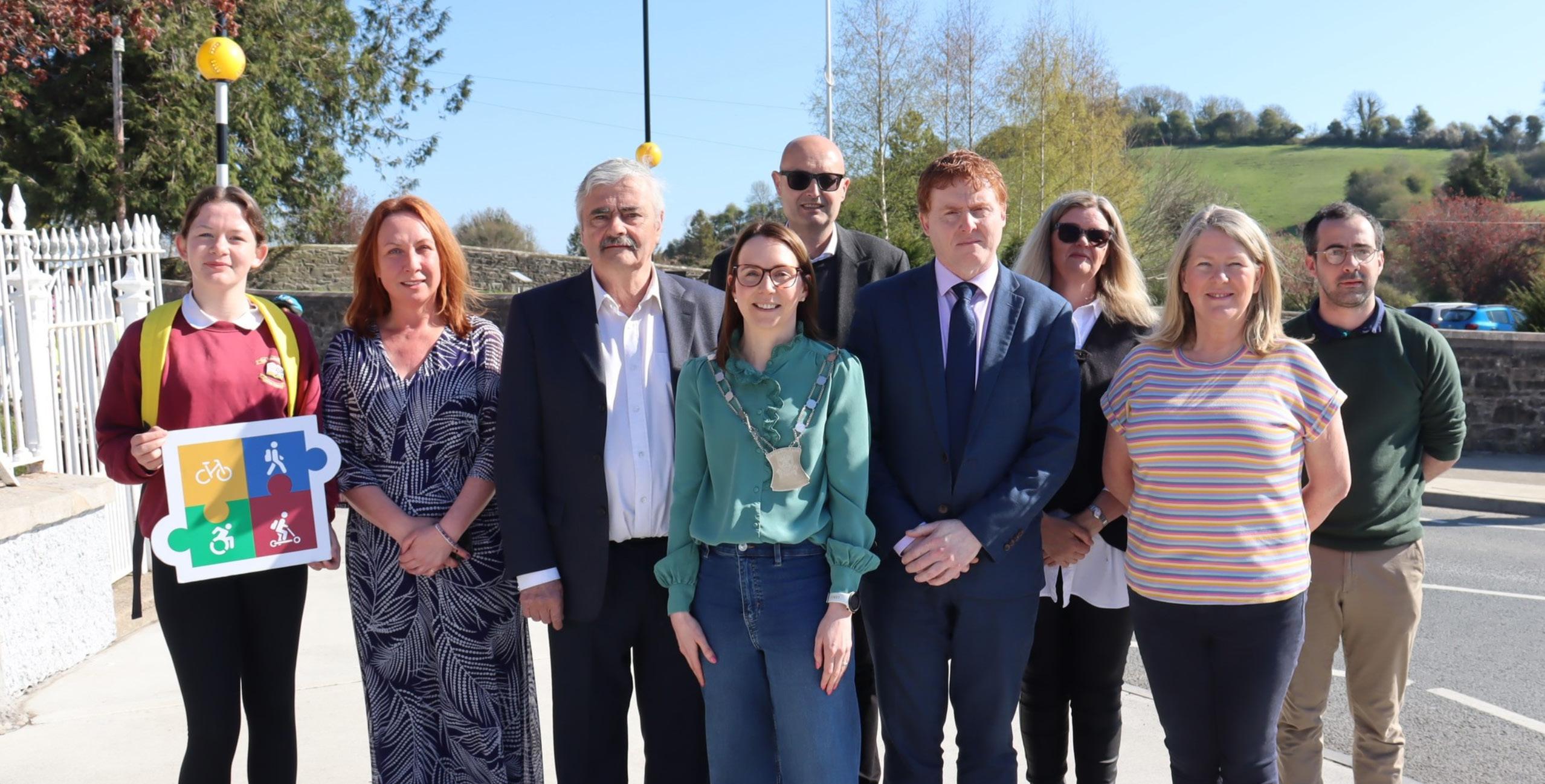
D Under Safe Routes to School, construction commenced at Our Lady of Mercy JNS, St Colmcille’s SNS, Beaufort College and St Stephen’s NS.
D The Bus Stop Enhancement Programme advanced with a €500,000 NTA allocation, enabling new bus stops in Johnstown and Blackwater Park and further design work at 40 locations.
D The Footpath Programme delivered pedestrian improvements across all Municipal Districts, including upgraded crossings, footpaths and lighting in Ashbourne, Kells, Laytown–Bettystown, Navan and Ratoath.
D These investments significantly advanced sustainable mobility infrastructure in 2025— improving public realm quality, supporting safer school environments, enhancing public transport integration and promoting healthier, low-carbon travel choices across County Meath.
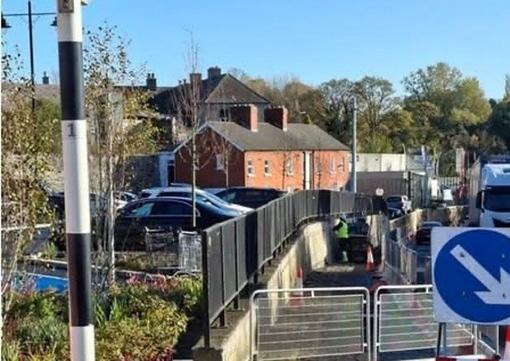
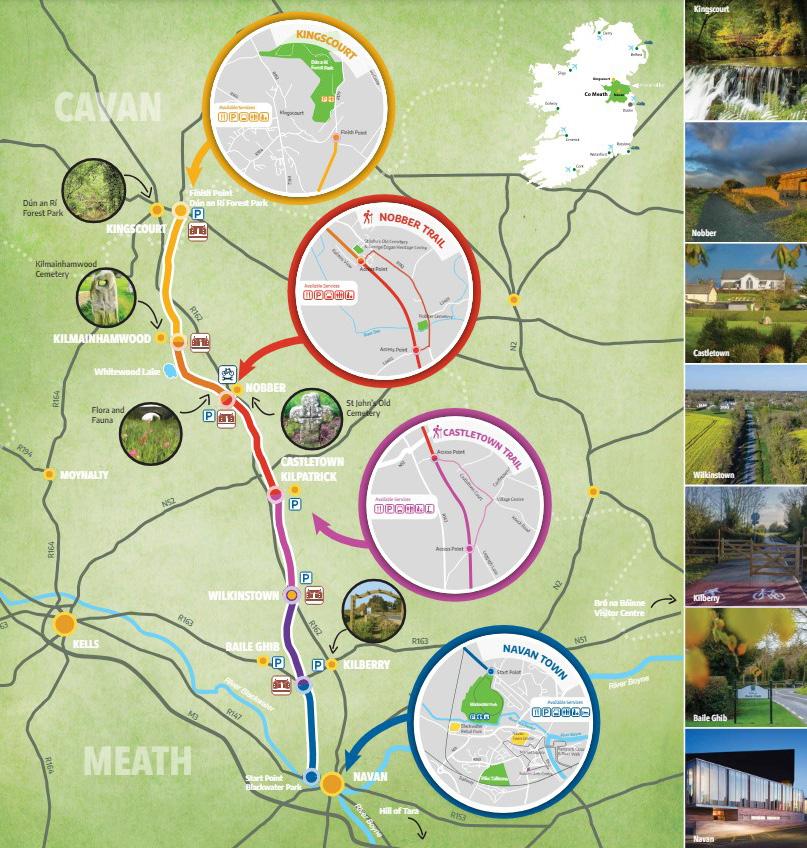
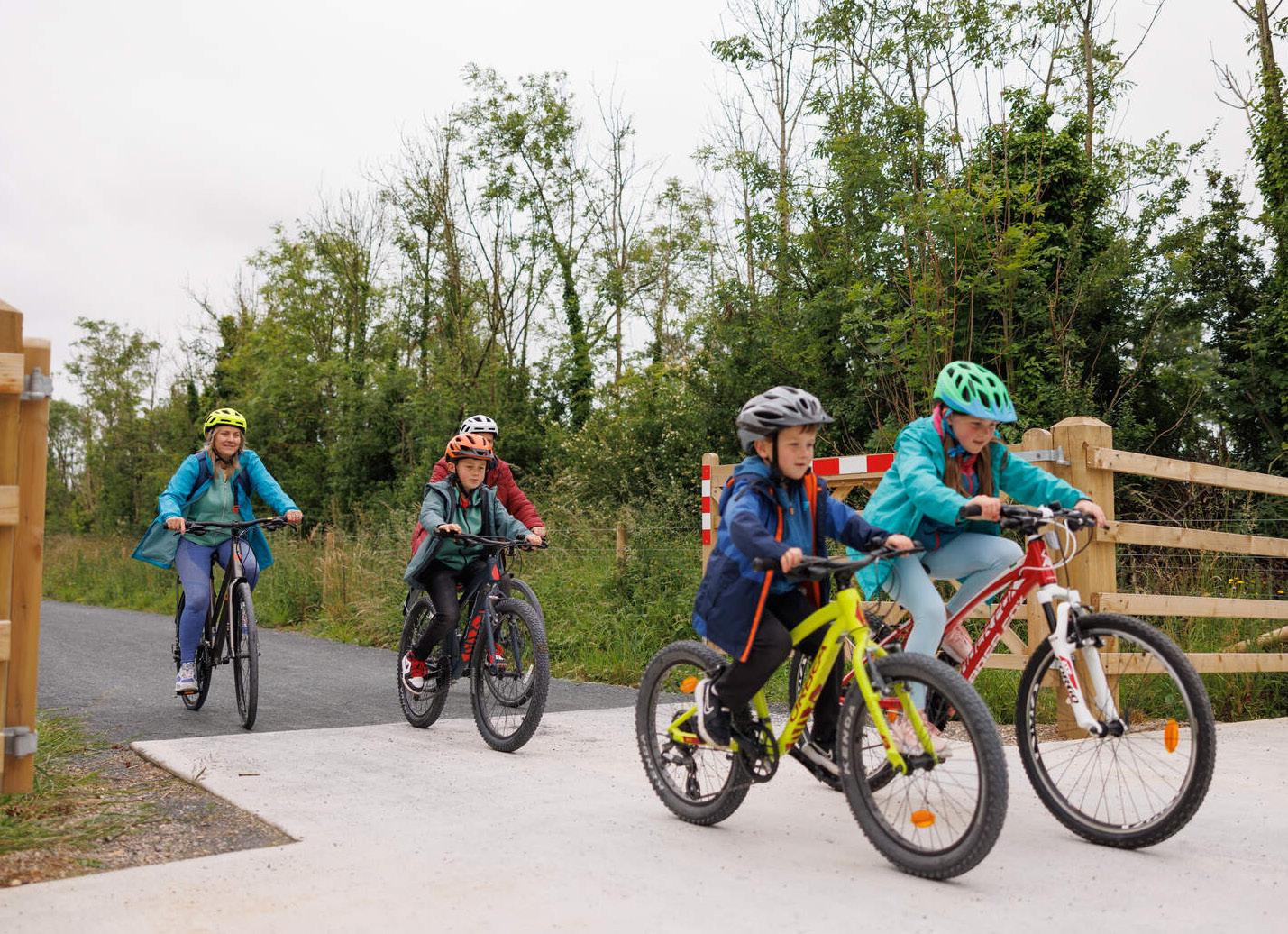
In 2025, Meath County Council continued to expand and enhance its Greenway network. Key achievements included:
D Installation of 1 km marker posts, pedestrian and cyclist counters, improved directional signage and upgraded mile markers
D New seating, picnic areas, litter bins, drinking water stations and bicycle repair stands
D Replacement of 7.5 km of surfacing with high quality bituminous materials for improved accessibility
D Development of new car parks in Gibbstown, Nobber and Ballinaclose
D Average of 8,684 monthly trips recorded on the Navan–Gibbstown section during peak season
The Boyne Greenway advanced significantly, with ground investigations, ecological assessments, traffic surveys and draft river/canal crossing options completed. A 3D model incorporating flood modelling data was developed to support design refinement. Further landowner engagement, environmental assessments and archaeological surveys will continue in 2026.
Action BET17 Explore the feasibility of sustainable energy and heating solutions in County Meath.
Duleek–Drogheda District Heating Corridor: Feasibility and Strategic Assessment
In 2025, Meath County Council progressed feasibility work on a proposed large scale district heating network linking Duleek to Drogheda. The project aims to harness approximately 80 MW of year round industrial waste heat from the Duleek waste to energy facility, providing a stable, low-carbon alternative to fossil fuel based heating for public, commercial and residential users.
The concept involves constructing a 10 km high temperature transmission main, with phase one prioritising public sector anchor loads such as healthcare and educational facilities. These anchors are essential for ensuring technical and financial viability and enabling future network expansion.
Initial feasibility findings indicate strong potential for:
D Significant emissions reduction
D Improved energy security
D Long term cost stability
Key challenges include capital investment requirements, long distance transmission needs and navigating environmental, archaeological and physical constraints.
Progress in 2025 focused on governance and stakeholder engagement, including early discussions with industrial heat suppliers, public sector users and regulatory bodies. Further technical, financial and regulatory analysis will inform routing options, connection clusters and delivery models throughout 2026.
Natural Environment and Green Infrastructure Protect and enhance Meath’s natural environment by supporting biodiversity and increasing climate resilience.
3.1 Support the responsible management, protection and enhancement of Meath’s natural heritage, biodiversity and natural environment.
Of the 11 actions under the Natural Environment and Green Infrastructure thematic area, 5 actions were completed in 2025, with the remaining actions continuing to progress. A total of 7 actions are recurring, reflecting the ongoing delivery of biodiversity and green infrastructure measures, while 3 actions are scheduled for completion beyond 2025.
Action NE3 Develop options for the delivery of a National Implementation Strategy for Nature-Based Solutions and interim guidance to the management of rainwater and surface water run-off in urban areas.
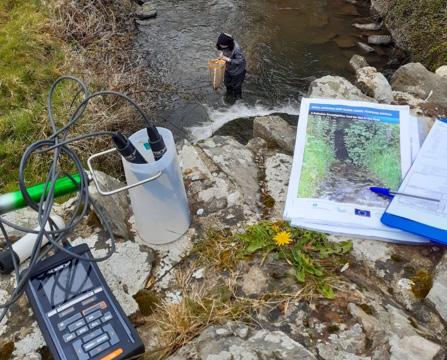
In 2025, Meath County Council advanced Action NE3 through a comprehensive programme of environmental inspections, regulatory activity and catchment based collaboration that collectively supports the development of nature based solutions (NBS) and improved management of rainwater and surface water run off. The Environment Department undertook 532 farm inspections in line with EU Good Agricultural Practice requirements, focusing on slurry storage, land spreading and on farm management practices to reduce pollution risks and protect water quality. This work was supported by ongoing regulation under Section 4 of the Local Government (Water Pollution) Act 1977–1990, with discharge licences issued and monitored to ensure that effluent limits reflect assimilative capacity and climate related pressures.
In addition, more than 1,000 planning inspections were conducted to ensure that new developments incorporated appropriate surface water controls and did not compromise local hydrology. Pollution complaints were investigated throughout the year, further strengthening oversight of receiving waters.
Meath County Council also continued to work closely with LAWPRO and the EPA through a catchment based approach aligned with the 3rd Cycle River Basin Management Plan (Water Action Plan), which commenced in late 2024. Assessment and monitoring programmes were delivered across several Areas for Action (AfA), including the Killary, Skane, Upper Nanny, Hurley and Boyne catchments. Investigative monitoring— supported by the best available scientific information—enabled the Council to identify high risk locations and apply targeted measures to address emerging water quality issues.
LAWPRO led assessments continued in Priority Areas for Action (PAAs) such as Moynalty, Blackwater (Kells) and Ryewater, informing the development of tailored interventions.
This collaborative evidence base directly supported the progression of NBS within both flood relief schemes and development related surface water strategies, including the incorporation of vegetative buffers, wetland features and natural floodplain management. Through this multifaceted approach, Meath County Council is contributing to the national direction on NBS by demonstrating practical, locally relevant interventions that strengthen climate resilience and protect natural water quality. Progress in 2025 lays essential groundwork for future guidance and for continued integration of NBS into urban planning, catchment protection and climate responsive water management.
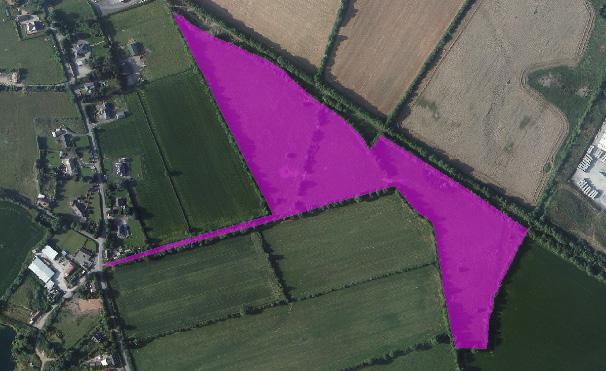
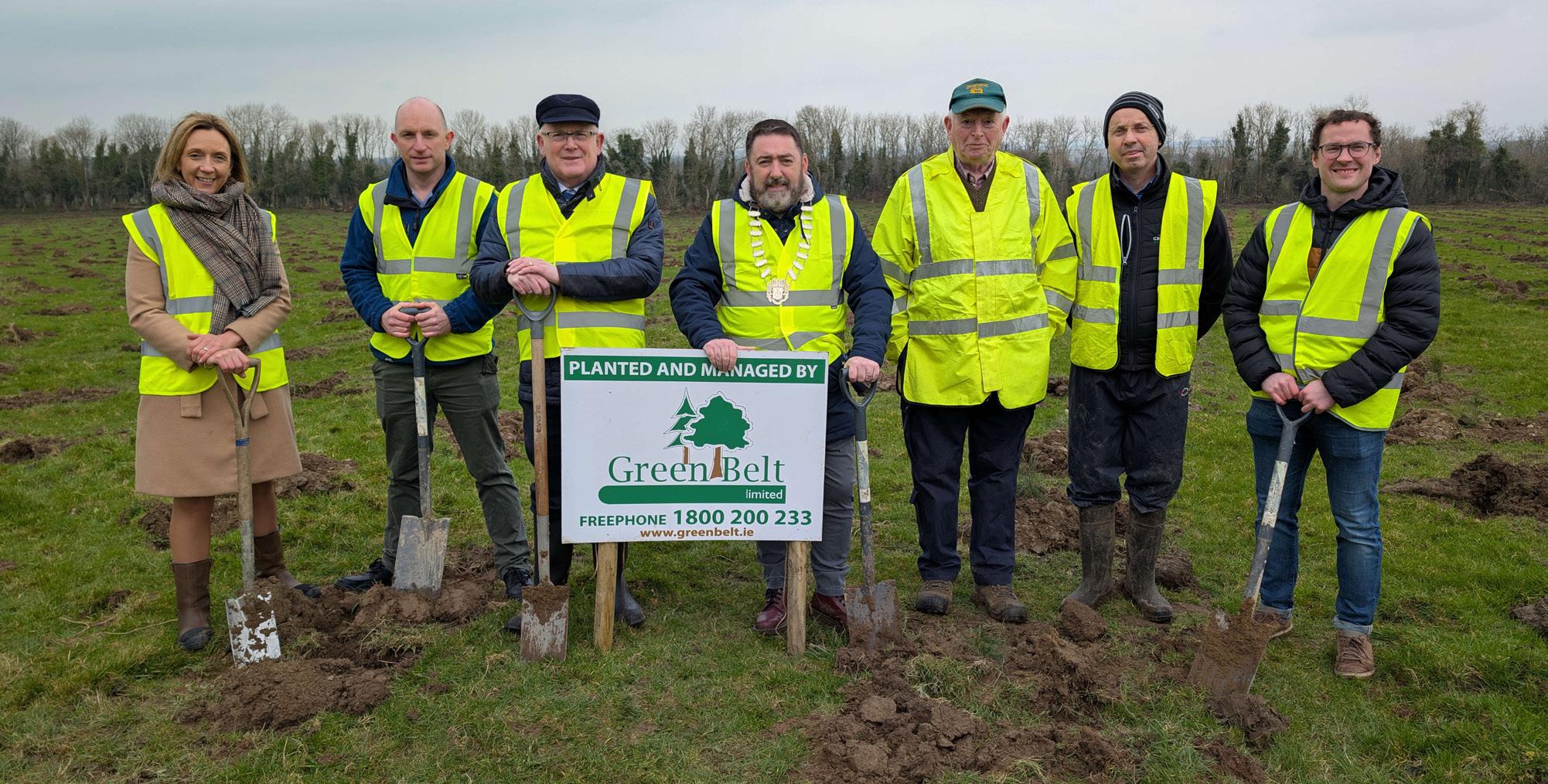
In 2025, Meath County Council progressed Action NE4 through the delivery of new native woodland on Local Authority–owned lands, supported by approval from the Department of Agriculture, Food and the Marine (DAFM). Planting began in February 2025 at the Liscarton site, where 7.9 hectares were approved for native woodland creation. Species planted include oak, beech, hazel and alder—selected to enhance long term habitat diversity and climate resilience.
Delivery of the Liscarton woodland site represents strong progress under Action NE4 and reinforces Meath County Council’s commitment to nature based climate solutions and ecological restoration across the county.
Action NE7 Develop and implement a County (Local) Biodiversity Action Plan, to protect and enhance local biodiversity, including climate-relevant measures
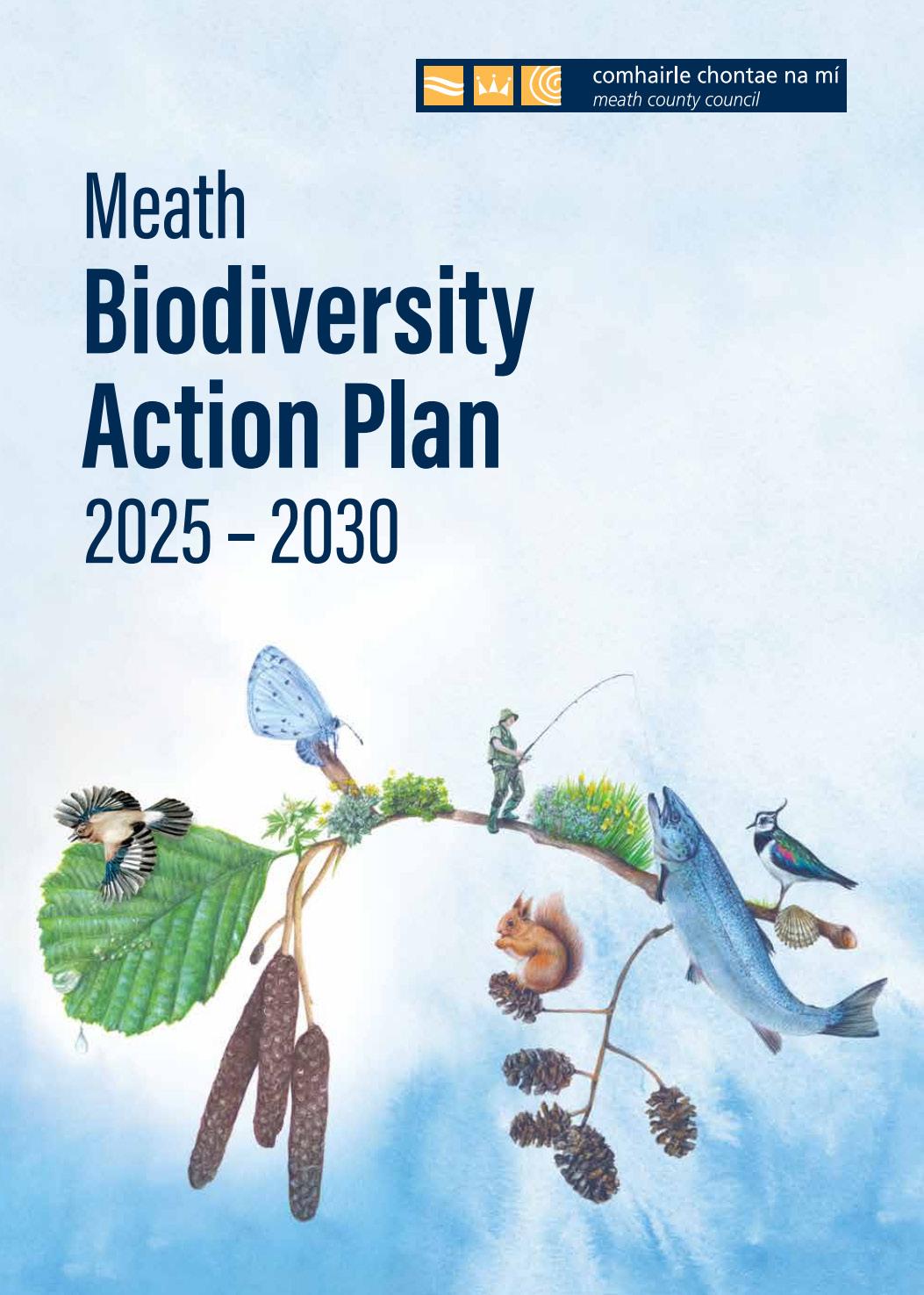
Meath’s Biodiversity Plan 2025 - 2030 Meath County Council launched the Meath Biodiversity Action Plan 2025–2030, setting out a coordinated, five year programme to protect, conserve and enhance the county’s biodiversity. The Plan contains 55 actions across five strategic objectives and operates alongside the Meath Climate Action Plan to address biodiversity loss, climate impacts and sustainable development at local level.
Key commitments include:
D Internal staff training
D Wider adoption of nature based solutions
D Strengthened alignment with the All Ireland Pollinator Plan
D Reduced pesticide use
The Plan was developed over a 20 month period in line with Heritage Council guidelines and informed by extensive collaboration with communities, landowners, farmers, statutory agencies, Council staff and biodiversity experts. Development of the Plan was supported by two public consultations.
Action CRT15 Guided by the Memorandum of Understanding signed between the GAA and CCMA, towards working together on sustainability and Climate Action projects, engage with the Green Club Programme through a nominated lead, working with the CARO and GAA, in the promotion and support of projects by participating clubs, to meet the objectives, and during key phases, of the programme to 2029.
GAA Green Clubs: Supporting Community Led Climate Action
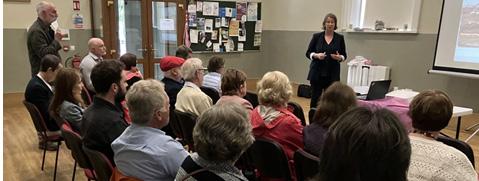
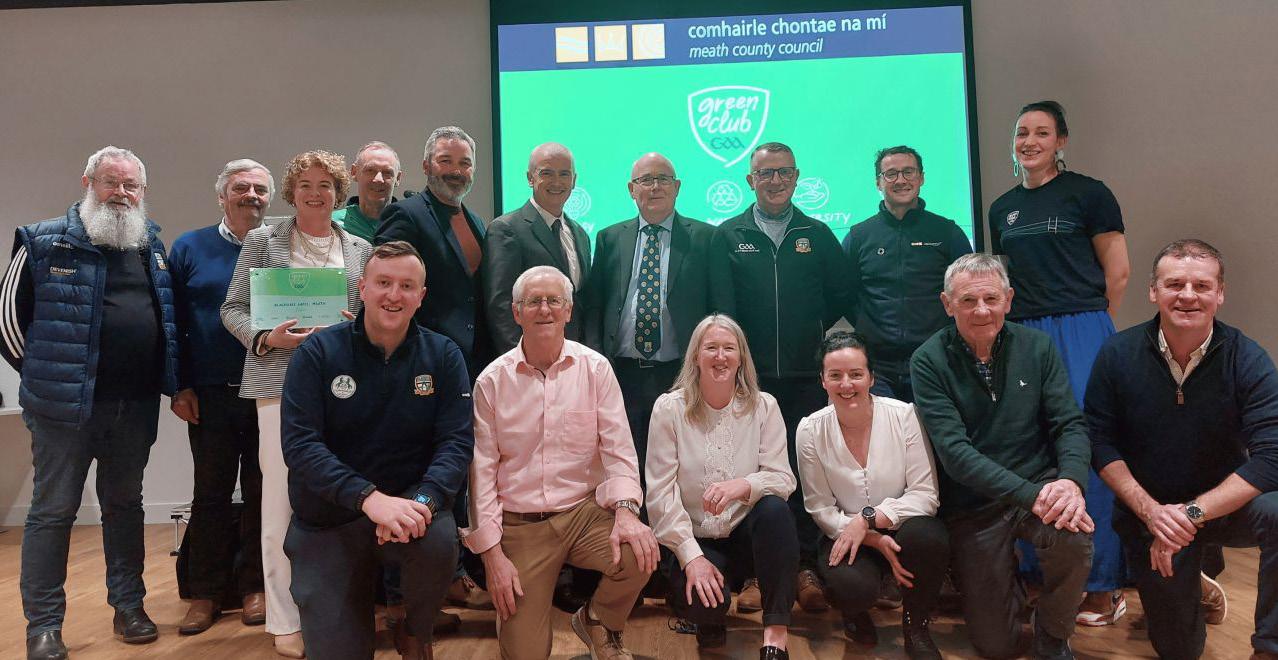
In January 2025, Meath County Council and the Meath GAA County Board hosted a Green Clubs information evening at Buvinda House to advance community led Climate Action under Action CRT13. The event supported local sports organisations to participate in the Community Climate Action Programme by outlining practical sustainability measures across energy efficiency, biodiversity, waste reduction and sustainable transport.
Presentations were delivered by the GAA Green Clubs Sustainability Adviser, Meath’s Sustainable Energy Community Mentor, the Council’s Biodiversity Officer and the Community Climate Action Officer.
Clubs also heard directly from Blackhall Gaels, Bective GFC and St Vincent’s GFC on their sustainability projects, including LED upgrades, bike storage facilities and water refill infrastructure.
The well attended event fostered strong engagement, peer learning and collaboration, reinforcing the partnership between the Council and sporting organisations. It demonstrates how Action CRT13 is enabling community groups to access supports, build capacity and deliver meaningful Climate Action across County Meath.
Of the 16 actions under the Communities: Resilience and Transition thematic area, 11 actions were completed in 2025, with 5 actions remaining in progress. A total of 14 actions are recurring, reflecting the ongoing delivery of community focused climate and just transition measures, while 3 actions are scheduled for completion beyond 2025.
and supports local economies.
Of the 16 actions under the Communities: Resilience and Transition thematic area, 11 actions were completed in 2025, with 5 actions remaining in progress. A total of 14 actions are recurring, reflecting the ongoing delivery of community focused climate and just transition measures, while 3 actions are scheduled for completion beyond 2025.
Action CRT3 Monitor implementation of flood risk management guidelines in planning applications, having regard to environmental sensitivities e.g., biodiversity, archaeology, amenity value.
In 2025, Meath County Council advanced Action CRT3 through proactive oversight of flood related considerations in the planning system and the integration of climate responsive design principles across development projects. The Council conducted over 1,000 planning inspections during the year, ensuring that proposed developments incorporated appropriate Sustainable Drainage Systems (SuDS) in accordance with best practice and with capacity to accommodate future climate change impacts. These inspections assessed applications for compliance with national flood risk management guidelines, regarding environmental sensitivities such as biodiversity, archaeological constraints and local amenity value.
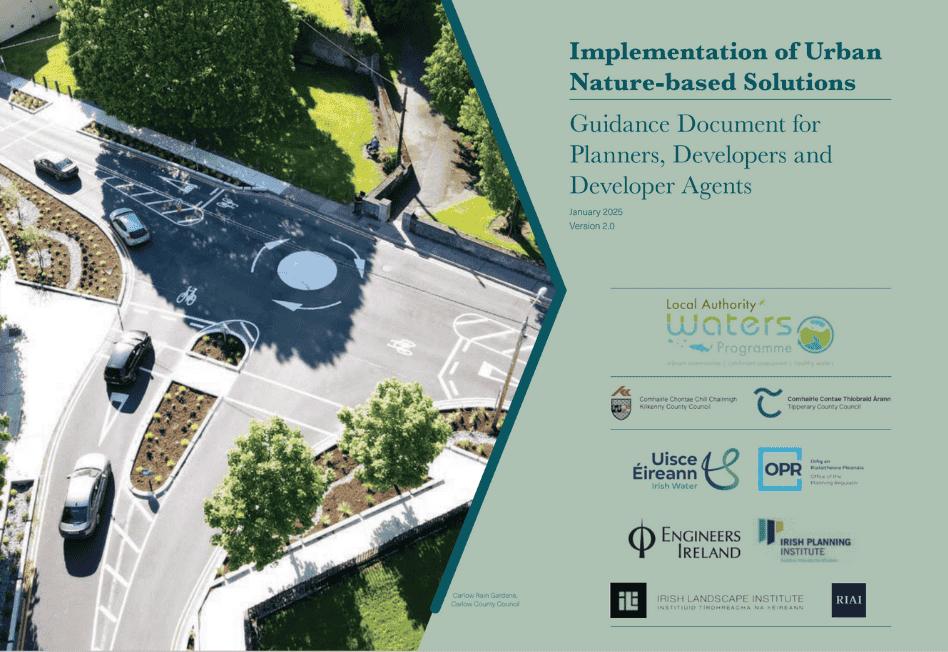
Beyond development management, the Council continued to embed flood risk mitigation and climate adaptation into its capital works programmes. As part of ongoing Flood Relief Schemes and the Coastal Flood and Erosion Risk Management Study, the Council required that nature based solutions (NBS) be examined and integrated into design options wherever feasible.
Measures such as wetland creation, enhanced vegetative buffers and naturalised drainage features were promoted to deliver co benefits for water quality, biodiversity and long term resilience.
To strengthen organisational capacity and support consistent implementation, Meath County Council hosted a dedicated presentation in early 2025 on the Implementation of Urban Nature Based Solutions. This session brought together technical staff from across service areas to build shared understanding of NBS principles and ensure their application in both planning assessments and the design of Council-led infrastructure projects.
Through this combined regulatory, technical and educational approach, Meath County Council continued to uphold robust flood risk management standards in 2025 while advancing nature based, climate adaptive solutions that protect communities and enhance environmental quality.
the Sustainable Energy Communities Programme and deliver workshops.
In 2025, Meath County Council continued to strengthen community led Climate Action by supporting Sustainable Energy Communities (SECs) across the county. Bridging loans enabled communities to prepare Energy Master Plans (EMPs) without upfront costs, with expenditure recouped from SEAI on completion. This has supported momentum and ensured wider participation in the SEC programme.
By year end, Meath had 35 active SECs: 10 completed EMPs, 2 in progress, 21 at the learning stage, and 2 new groups joining in 2025. Capacity building was further supported through nine SEAI led energy clinics, attended by 49 participants, providing targeted guidance on energy efficiency, renewable options and community energy planning.
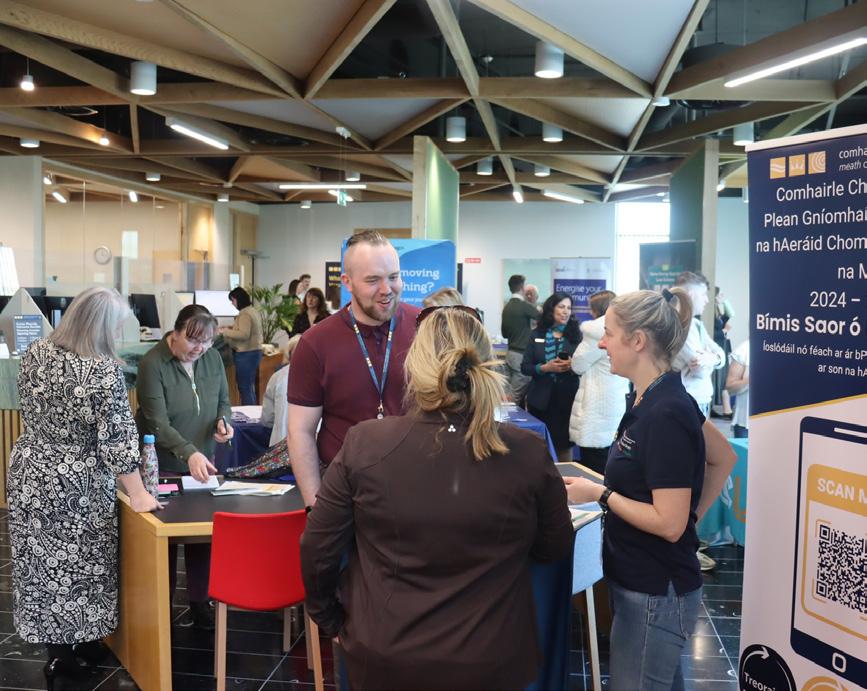
To enhance public awareness, the Council hosted a Meath Energy Evening, attended by 45 people, offering practical information on retrofit supports, NZEB aligned retrofit approaches, and financing options through local banks and credit unions. Attendees engaged directly with technical experts, enabling communities to progress their projects with greater confidence.
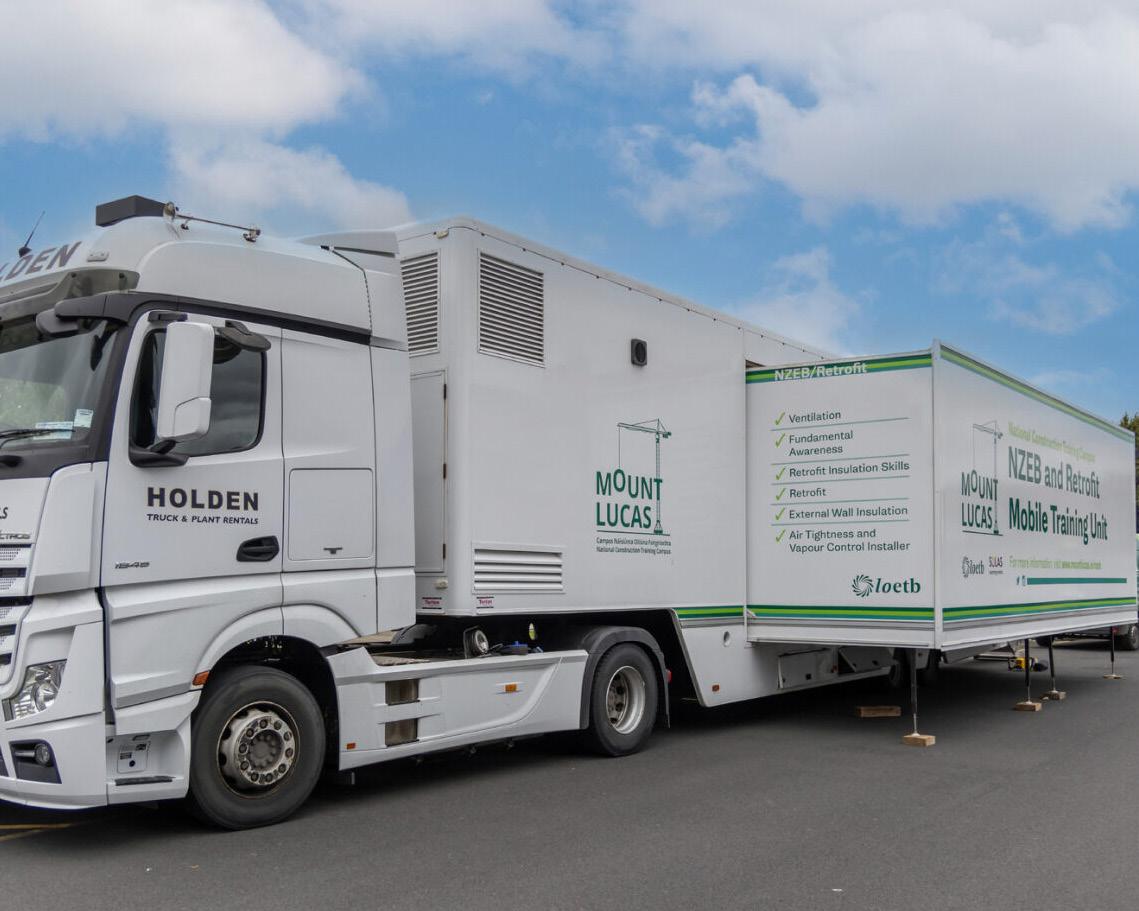
Meath County Council also delivered the Retrofit Expo Meath at Buvinda House, providing an accessible platform for homeowners, businesses and community groups to explore retrofit solutions. The event featured the Mount Lucas Retrofit Truck, expert consultations from SEAI and SEC representatives, and advisory support from the Business Energy Upgrade Scheme. Collaboration across the Climate Action, Housing, Vacant Homes and LEO teams ensured comprehensive guidance, while a live LMFM broadcast reached over 10,000 listeners. With 100+ people trained and 200+ expert consultations delivered, the Expo showcased the Council’s leadership in promoting practical, community focused energy efficiency.
Together, these initiatives demonstrate strong progress under Action CRT12, reinforcing the Council’s commitment to empowering communities to reduce energy use, cut emissions and advance the transition to a low-carbon, resilient future.
Action CRT13 Administer and support Strand 1 & 1A of Community Climate Action Programme to deliver selected Climate Action projects.
The Community Climate Action Programme is a Department of Climate, Energy and the Environment (DCEE) initiative supporting community projects that contribute to national climate and energy targets. A total of €811,000 has been allocated to Meath across both phases and is administered locally by Meath County Council. Demand for support has been strong countywide.
(September 2023 – May 2026)
Meath County Council received 64 applications (24 small, 24 medium and 16 large) with a combined value of over 2.6 million, resulting in oversubscription. DCEE approved 25 projects within Meath’s 811,000 allocation. Progress to date includes 19 projects completed and 7 projects in progress. Funding was reallocated to complete the 811,000 allocation as follows: Bettystown Tidy Towns (29,852.55) as a reserve project, and Athboy Celtic FC (9,508.11) for additional items to their approved project.
Phase 2 maintains the same requirements and allocation (811,000). Meath County Council received 75 applications (29 small, 25 medium and 21 large) with a combined value of over 3.1 million, again resulting in oversubscription. Following an internal assessment process, a cross-departmental panel (Climate Action, biodiversity, planning and community development) scored qualifying projects based on framework criteria and geographic distribution. Recommendations (23 projects for approval and 14 reserve projects) were submitted to the DCEE for final decision, with applicants advised to expect outcomes in April 2026.
green business opportunities.
Of the 13 actions under the Sustainability and Resource Management thematic area, all 13 actions were completed in 2025, with no actions remaining in progress. A total of 12 actions are recurring, reflecting the ongoing delivery of circular economy and resource management measures, while 1 action is scheduled for completion beyond 2025.
Action SR1 Increase use of recycling and recovery for bulky household items, hazardous waste, electrical waste, and green waste.
In 2025, Meath County Council advanced Action SR1 through an expanded programme of free bulky household waste collection events across the county. These events encouraged responsible disposal, increased recycling and recovery rates, and reduced reliance on illegal waste collectors—contributing to a more circular and environmentally compliant waste management system.
Targeted Halloween collections removed combustible materials that could otherwise be used in bonfires, reducing fire risk, preventing air pollution and improving public safety.
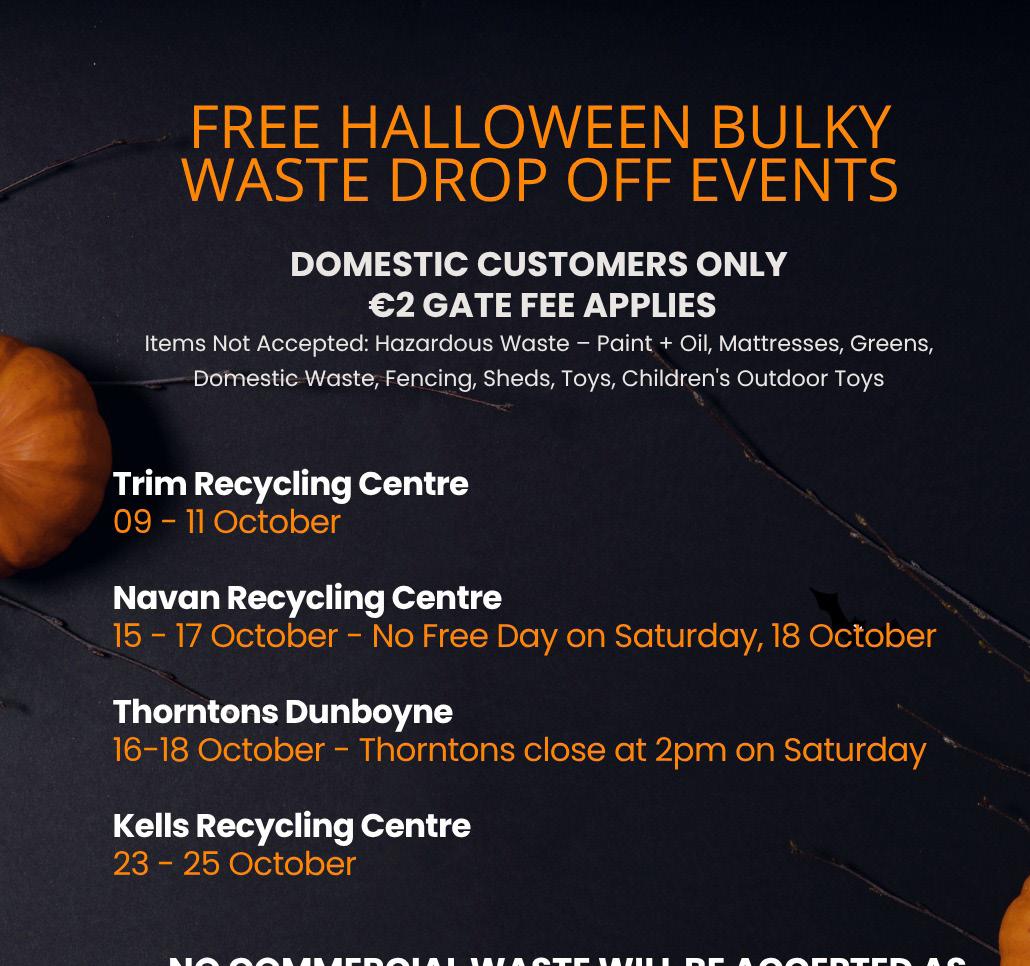
Across the year, the Council facilitated the collection of approximately 500 tonnes of bulky waste, including furniture, mattresses and other household items. In March alone, recycling centres in Navan, Trim, Kells and Dunboyne received 1,200 mattresses and 30 tonnes of couches, demonstrating strong public demand for accessible disposal options.
By providing these services free of charge, the Council strengthened public engagement with authorised waste infrastructure and reinforced its commitment to improving recycling and recovery rates for bulky, hazardous, electrical and green waste. Progress in 2025 highlights Meath County Council’s continued leadership in promoting responsible waste behaviour and supporting the county’s transition to a more circular, resource efficient system.
Action SR4 Engage with businesses and residents to support adoption of reused and recycled materials.
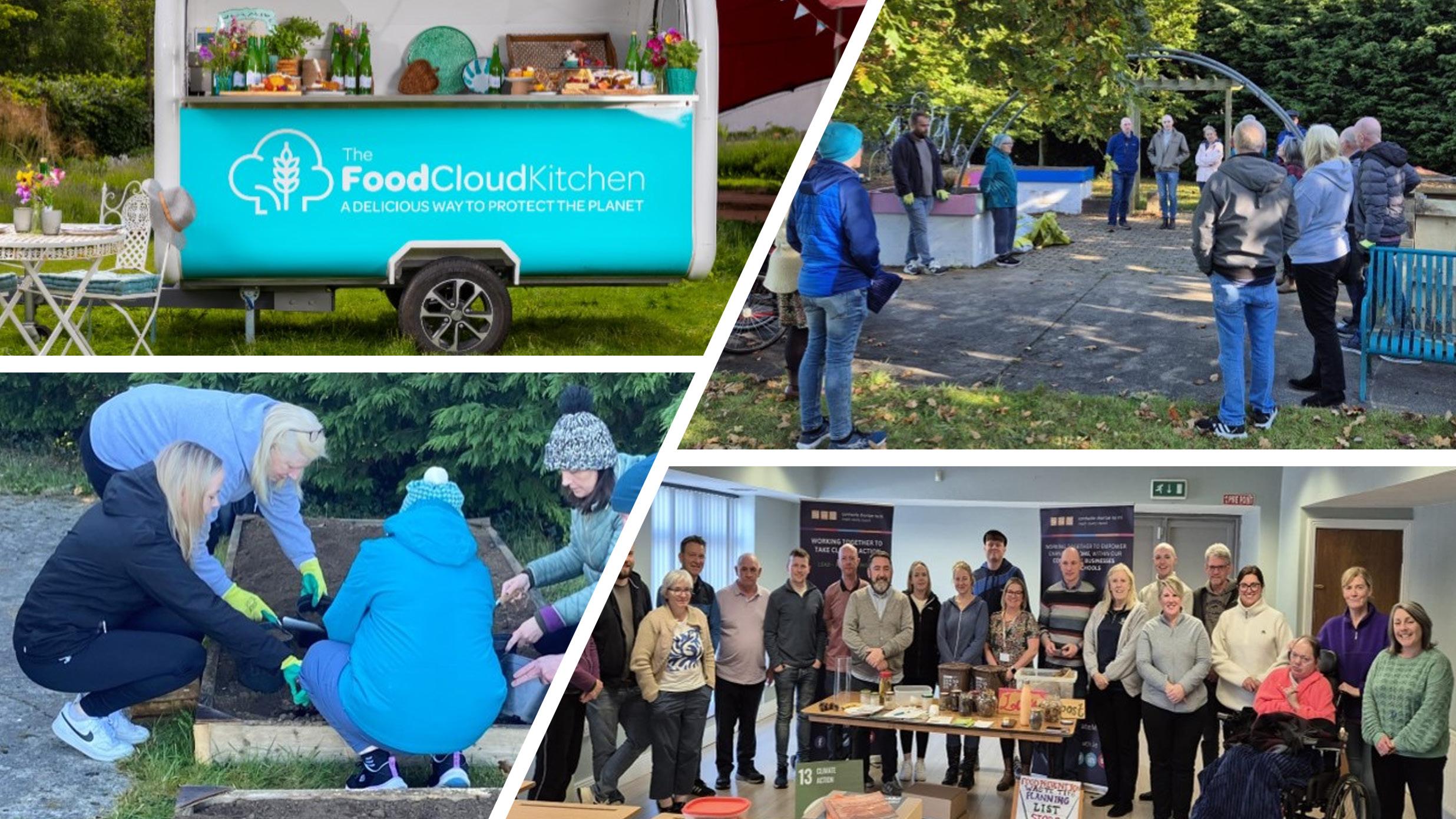
In 2025, Meath County Council advanced Action SR4 through a suite of circular economy programmes designed to promote reuse, reduce waste, and build community awareness around sustainable consumption. Three flagship initiatives—EcoGrow, EcoChic, and The Toy Library— collectively demonstrated how practical, community focused interventions can support residents and local businesses to adopt reused and recycled materials as part of everyday behaviour.
Through the EcoGrow programme, Meath County Council delivered composting, food growing and biodiversity workshops across all nine Decarbonising Zones. Led by specialist trainers, these sessions taught participants how to convert kitchen waste into compost, create homemade fertiliser, and grow food using sustainable methods.

The workshops reinforced the principle that organic materials are a valuable resource—promoting reuse through composting and reducing reliance on purchased synthetic products. More than 60 participants engaged across multiple towns, strengthening community confidence in adopting circular, low waste practices.
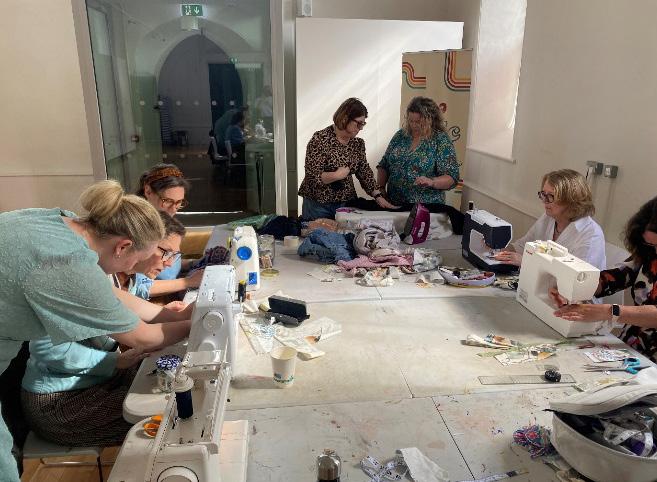
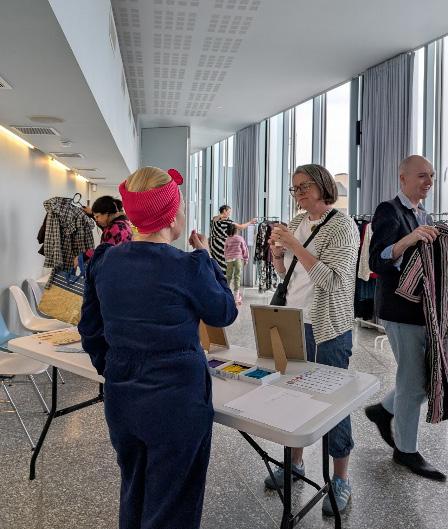
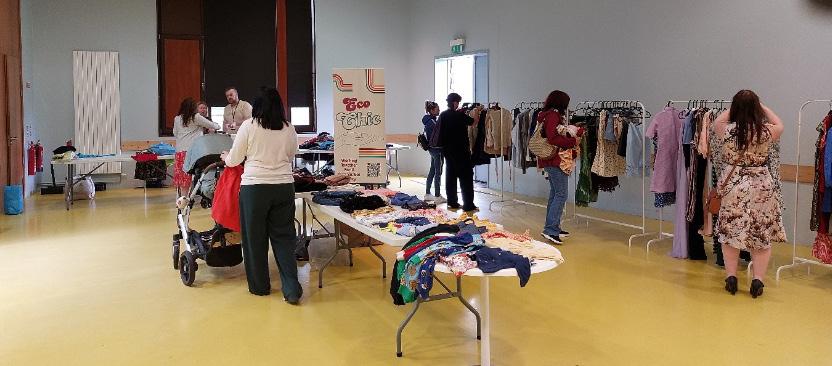
EcoChic: Reducing Textile Waste Through Reuse, Repair and Upcycling
The EcoChic Campaign empowered residents to reduce textile waste by embracing reused and recycled fashion. Clothing swap events, repair cafés, and upcycling workshops provided hands on learning in garment repair, fabric repurposing and sustainable wardrobe management.
The initiative diverted significant quantities of textiles from landfill—over 1,692 items recirculated—and achieved measurable environmental benefits, including reduced CO2 emissions, water savings and plastic avoidance.

By providing clothing swap kits through local libraries and partnering with designers and community organisations, EcoChic expanded access to sustainable fashion and supported behavioural change around reuse and repair.
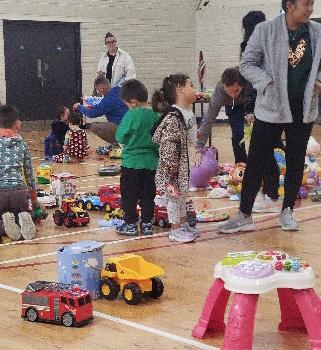
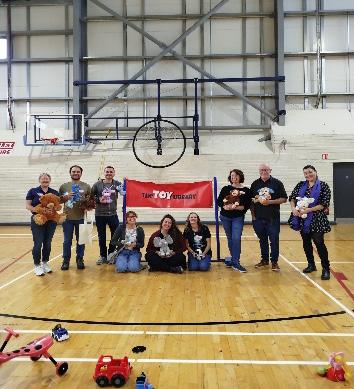
The Toy Library: Circular Play Through Sharing and Reuse
The Toy Library initiative demonstrated large scale community adoption of reused materials by encouraging families to borrow, exchange and rehome pre loved toys instead of purchasing new ones.
By the end of 2025, more than 3,087 users had joined the digital sharing platform, with over 1,418 toy listings and 628 rehomed toys. Swap and Play events facilitated further reuse, with 5,307 toys recirculated and 3.3 tonnes of plastic prevented from entering the waste stream.
These activities reduced household waste, extended product lifespans, and promoted community connections built around shared sustainability values.
Together, EcoGrow, EcoChic and The Toy Library provided residents with practical, accessible pathways to reuse and recycling. They increased the visibility of circular practices across the county, supported local organisations to adopt low waste initiatives, and delivered measurable environmental benefits.

Meath County Council’s support for these programmes demonstrates strong progress under Action SR4, showcasing how community led reuse, repair and recycling initiatives can reduce waste, build local resilience, and promote a vibrant circular economy in County Meath.

Action SR6 Provision of a 2 Day Green for Business Environmental Audit amongst small businesses in the County (1-50 employees) and Action SR7 Support business in their transition via Government initiatives e.g., green for micro.
Across 2025, the Local Enterprise Office (LEO) exceeded its targets through a strong programme of LEAN, Green and Digital supports that enhanced SME competitiveness, efficiency and resilience. LEAN consultancy helped businesses streamline processes and reduce waste, while Green for Micro, Energy Audits and environmental mentoring supported reduced energy use and preparation for emerging sustainability requirements. Digital Start and online trading supports further strengthened SME digital capability, enabling firms to adopt new technologies, improve cybersecurity and access wider markets.
Training and one to one mentoring remained central to LEO activity, offering practical guidance across finance, marketing, digital skills, HR, leadership, innovation and strategic planning.
High participation across all programmes demonstrated strong and growing demand for supports that help businesses adapt to a changing economic and regulatory environment.
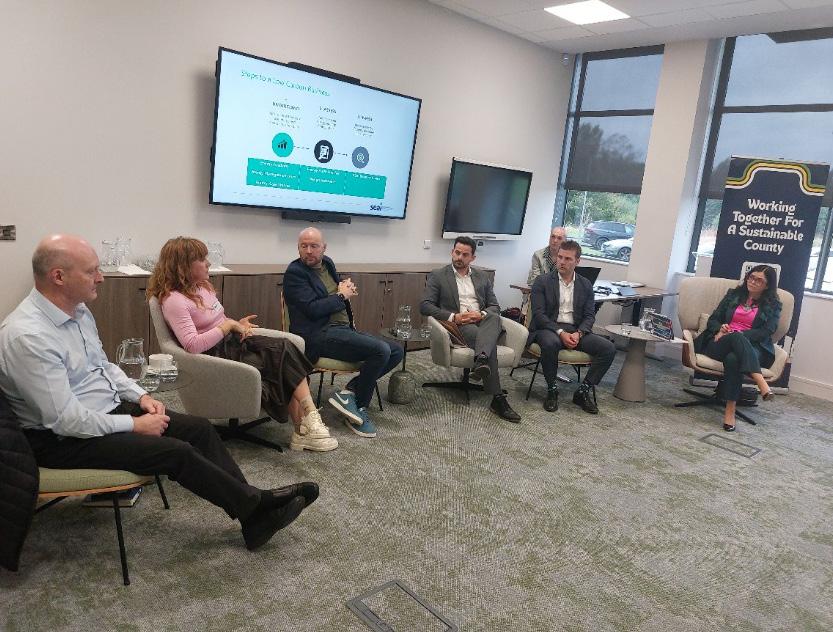
Meath County Council’s Climate Action Section, together with the Meath Local Enterprise Office and Meath Chamber, hosted the In4Green Business Networking Event at the newly opened Thrive Centre of Business Excellence in Navan. The event formed part of the URBACT In4Green Project, supporting collaborative, sustainable industry transformation across nine European partner cities and towns.
The session brought together national organisations and key Meath based businesses to explore practical approaches to sustainable leadership, including waste reduction, decarbonisation, renewable energy integration and community engagement. Contributions from SEAI, Emerald Park, Novelplast, Boliden Tara Mines and EirGrid highlighted both the challenges and opportunities for businesses transitioning to low-carbon operations.
The discussion emphasised starting with achievable actions, building staff engagement and strengthening cross sector collaboration. The event demonstrated Meath County Council’s commitment to supporting local enterprises on their sustainability journey and the value of shared learning in accelerating Climate Action within the business community.
(whichever is

The timing of SEAI Monitoring & Reporting means 2024 remains the latest verified performance year, with 2025 results not due until end Q2 2026. This creates a risk that decision making may rely on indicative rather than fully validated energy and emissions data, affecting the accuracy of trajectory assessments and interim reporting.
D Delivery Dependencies
Energy Performance Contracts for Navan and Trim Leisure Centres, together with the countywide LED retrofit, remain critical to achieving the Council’s emissions reduction pathway. Any slippage in these programmes would delay CO2 savings and postpone anticipated improvements in energy efficiency. Long lead infrastructure projects—including district heating feasibility work, greenway delivery and flood relief schemes—depend on multi-year funding streams and statutory approvals. External delays, capital profile constraints or resourcing gaps may slow delivery and impact the achievement of CAP milestones.
D Operational Load
Public Lighting continues to represent a major electricity demand until full LED conversion is achieved, while energy consumption across large buildings remains dependent on the sequencing of decarbonisation works. These operational loads present a risk of slower than planned reductions in overall consumption.
Sustained engagement from communities, residents and businesses remains essential to achieving behavioural change, supporting climate initiatives and progressing local level actions, particularly within the nine Decarbonising Zones. There is a risk that participation levels may vary across areas due to capacity constraints, competing local priorities, project complexity or limited volunteer availability. Inconsistent engagement could reduce the effectiveness of community led initiatives, hinder awareness efforts and affect the pace of delivery of Decarbonising Zone implementation plans.
D Funding & Resource Constraints (Including Decarbonising Zones)
Delivery of Climate Action—including the nine Decarbonising Zones—relies on adequate and predictable funding to support local projects, infrastructure development, community initiatives and staff capacity. There is a risk that delays in external funding announcements, competitive national and EU funding rounds, or limitations in internal resources could restrict project commencement or slow progress. Multi annual investment requirements for decarbonisation works, circular economy initiatives and community focused programmes may exceed available budgets, potentially impacting timelines and limiting the scale or ambition of planned actions.
In 2026, Meath County Council will accelerate delivery of its Climate Action Plan through a structured and co-ordinated programme of work across all service areas. A key priority will be the continued expansion of activity within the nine Decarbonising Zones, supported through the establishment of DZ specific taskforces, preparation of detailed implementation plans, and delivery of a full calendar of Climate Action events in each zone. This work will focus on local engagement, energy initiatives, circular economy demonstrations, and awareness programmes, ensuring each DZ advances as a community led platform for climate innovation.
The Council will also progress the Community Climate Action Programme (CCAP) Phase 2, including the evaluation of applications, allocation of funding, signing of MOUs, quarterly drawdowns and ongoing project oversight. Completion of Phase 1 projects will continue into early 2026, with a final drawdown due by June, ensuring full utilisation of Meath’s allocation and successful delivery of community led climate projects across the county.
Strengthening partnerships with communities and businesses will remain central in 2026. The Council will deliver a wide programme of community and business facing engagements, including SEC Energy Events, the Retrofit 2026 initiative, GAA Green Clubs supports, the In4Green IAP launch, DZ networking events, Climate Action Week, SDG Week, school programmes and collaboration with the Meath Chamber, LEO, PPN, Older Persons Council and other stakeholders. These activities will deepen participation, build capacity and support collective climate leadership.
Finally, the Council will maintain strong momentum across circular economy, biodiversity and energy initiatives. Planned activity includes delivery of EcoChic, Toy Library and circular economy events in each DZ; progression of forestry and tree planting programmes; continued ISO 50001 audits; advancement of EPC projects; solar PV rollouts; public building retrofits; water refill infrastructure; and development of policies such as SuDS guidance, glyphosate reduction, green event criteria and landscape/biodiversity management frameworks. Together, these actions will drive measurable progress in resource efficiency, nature protection, emissions reduction and local climate resilience throughout 2026.
GL1 Implement ISO 50001 Energy Management System.
GL2 Use green procurement where feasible in all procurement of good and services.
GL3 Prepare a Sustainable Development Goals (SDGs) Guidance Document to support the inclusion of the global goals in all plans, strategies and grant programmes published by the LA.
GL4 Mainstreaming of climate mitigation and adaptation considerations into all policies, strategies and plans adopted by LA.
GL5 Identify an appropriate monitoring and reporting protocol on the implementation of lowcarbon construction in public tenders and grant schemes.
GL6 Undertake annual audits of climate expenditure that considers cost effectiveness, efficiency, governance, relevance, coherence and impacts.
GL7 Identify and put in place appropriate business continuity measures to ensure continuity of service provision during severe weather events.
GL8 Conduct detailed study of staff modal split to identify measures to reduce staff travel emissions.
GL9 Organise awareness, information, knowledge sharing and capacity initiatives with staff on mitigation and adaptation measures.
GL10 Delivery of EV Charging Strategy for County Meath.
GL11 Continue to support and expand the 'Bus It 2 School' Pathfinder Project.
GL12 Develop strategic partnerships to assist in achieving emissions targets.
GL13 Ensure readily available information, advice, knowledge and awareness of climate friendly actions via LA Climate Action Website and social media posts.
LA staff to receive Climate Action training under Local Authority Climate Action Training Programme.
Incorporate biodiversity, mitigation and adaptation actions into the design and delivery of urban regeneration plans.
BET2 Continue to work with appropriate external stakeholders to deliver social housing at a BER B2 or cost optimal standard including provision of Energy Efficient Design, on-site renewable energy, EV Charging Facilities, SuDs, and nature-based solutions, as feasible.
BET3 Reduce and remove where feasible plastic waste generated, through removing single use plastics within LA owned buildings and services.
BET4 Switch to digital marketing and advertising materials wherever possible. Reduce production/waste on programmes and posters.
BET5 Switch out on cleansing products to eco-friendly products.
BET6 Introduce water usage conservation measures within LA owned buildings.
BET7 Management of municipal waste from LA owned buildings. Increase recycling/organise waste collection and reduce general waste.
BET8 Management of energy efficient LA fleet including implementation of driving efficiency software and associated eco driving training for all employees driving LA fleet.
BET9 Undertake deep retrofit and install renewable energy sources as appropriate on LA owned buildings.
BET10 Construct all new LA properties to A2 Energy Rating or higher including provision of Energy Efficient Design, onsite renewable energy, EV Charging Facilities, SuDs, and nature-based solutions, where feasible.
BET11 All Buy and Renew acquisition properties should be retrofitted to a B2 BER rating or higher including provision of Energy Efficient Design, on-site renewable energy, EV Charging Facilities, SuDs, and nature-based solutions utilised, as feasible.
Increase energy efficiency of ICT Infrastructure.
BET13 Deliver Public Lighting LED retrofit project under PLEEP (Public Lighting Energy Efficient Project).
BET14 New Building projects designed to nZEB standard including provision of Energy Efficient Design, onsite renewable energy, EV Charging Facilities, SuDs, and nature-based solutions.
BET15 Promote the reuse and refurbishment of vacant and derelict properties in town centres and simultaneously promote the sustainable use of these properties for appropriate active town centre uses.
BET16 Increase active travel usage in town centres through improved sustainable active travel proposals and an enhanced pedestrian and public realm environment.
BET17 Explore the feasibility of sustainable energy and heating solutions in County Meath.
NE1 Installation of water butts at public buildings, to aid tidy towns committees, staff and contractors access a sustainable water source for garden maintenance.
NE2 Commence a programme of auditing of LA lands to carry out ecological and habitat surveys and highlight areas at risk and those suitable for restoration and enhanced carbon storage.
NE3 Develop options for the delivery of a National Implementation Strategy for Nature-Based Solutions and interim guidance to the management of rainwater and surface water run-off in urban areas.
NE4 Plant native woodland on appropriate LA owned lands.
NE5 Major Emergency Plan - co-ordinate update of emergency response plans and revise based on learnings of response to events, having regard to environment sensitivities.
Development of Critical Infrastructure Routes for climate related extreme weather events.
NE7 Develop and implement a County (Local) Biodiversity Action Plan, to protect and enhance local biodiversity, including climate-relevant measures.
NE8 Undertake climate risk assessment of local authority owned heritage assets (natural, built and cultural). Carry out regular programme of inspection, maintenance and phased conservation works to develop climate resilience.
NE9 Carry out an assessment of Section 4 Discharge to Water Licences.
NE10 Support the creation of community gardens through partnership with local communities and external agencies.
NE11 Support and facilitate the planting of groups of trees within the boundary/built footprint of existing builtup areas.
Installation of water refill stations at public buildings/amenity areas, to reduce the use of single use plastics.
CRT2 Expand Trim Air Quality Project to other Decarbonising Zones.
CRT3 Monitor implementation of flood risk management guidelines in planning applications, having regard to environmental sensitivities e.g., biodiversity, archaeology, amenity value.
CRT4 Expand operation and availability of bike and car share schemes. Promote bike and car share scheme.
Identify and map areas most susceptible to climate related extreme weather events on the road network.
CRT6 Promote and publicise the benefits of using the Home Energy Kits from the Library.
CRT7 Increase number of safe routes to school scheme, where feasible.
CRT8 To liaise with the OPW in the identification of new, or the reinforcement of existing flood defences and protection measures.
CRT9 Review of flood events and flood susceptibility of infrastructure and liaise with relevant MCC Sections and Uisce Eireann to identify assets at risk from flooding/ extreme rainfall to inform and implement low-cost 'minor works' flood relief schemes.
CRT10 Carry out a Coastal Erosion and Flood Risk Study for County Meath and implement the recommendations whilst as feasible prioritise naturebased solutions.
CRT11 Develop and provide information on Sustainable Living to engage Council Tenants on how they can reduce consumption of energy, water, and waste.
CRT12 Promote and support the Sustainable Energy Communities Programme and deliver workshops.
CRT13 Administer and support Strand 1 & 1A of Community Climate Action Programme to deliver selected Climate Action projects.
CRT14 Encourage all events approved by MCC to incorporate sustainability and CRT 14 integrated consideration for biodiversity and other environmental sensitivities.
CRT15 Guided by the Memorandum of Understanding signed between the GAA and CCMA, towards working together on sustainability and Climate Action projects, engage with the Green Club Programme through a nominated lead, working with the CARO and GAA, in the promotion and support of projects by participating clubs, to meet the objectives, and during key phases, of the programme to 2029.
Develop and introduce a "Greening Festival" funding criteria for a selection of Meath-based festivals.
SR1 Increase use of recycling and recovery for bulky household items, hazardous waste, electrical waste, and green waste.
SR2 Increase kerbside collection of Household Organic Waste using Brown Bin Scheme. Countywide Awareness Campaign in relation to roll out of Brown Bin using Radio, Print and social media
SR3 Support the establishment of ‘Circular Economy Hubs’ that act as physical material hubs for the drop-off and recirculation of materials and products from and for both commercial and residential activities.
SR4 Engage with businesses and residents to support adoption of reused and recycled materials.
SR5 Support locally produced sustainable food products and promote sustainable farm practices.
SR6 Provision of a 2 Day Green for Business Environmental Audit amongst small businesses in the County (1-50 employees).
SR7 Support business in their transition via Government initiatives e.g., green for micro. Mitigation Q1 2024 Q4 2029+ Yes Completed
SR8 Encourage and promote projects that will contribute positively and grow the circular and bio economy to promote sustainable rural and urban low-carbon economic development.
SR9 Promotion of local jobs and local workspaces to reduce the amount of commuting outside of the county.
Combined Q1 2024 Q4 2029+ Yes Completed
CAF – Climate Action Forum
CAP – Climate Action Plan
CARO – Climate Action Regional Group
CAT – Climate Action Team
CCAP – Community Climate Action Programme
CCRA – Climate Change Risk Assessment
CPG – Corporate Policy Group
DECC – Department of Environment, Climate and Communications
DZ – Decarbonising Zone
SR10 Support development of enterprise hubs to facilitate remote working. Combined Q1 2024 Q4 2029+ Yes Completed
SR11 Implement improved management of construction and demolition (C&D) waste from LA activities.
SR12 In4Green Urbact Network Project: Complete the Integrated Action Plan for Navan.
SR13 Develop a waste management plan with particular attention to the circular economy principles. Promotion of the circular economy e.g., recycling facilities / repair hubs. and Bike repair days to be organised. On street waste segregation to be trialled.
Combined Q1 2024 Q4 2029+ Yes Completed
Combined Q1 2024 Q4 2025 No Completed
Combined Q1 2024 Q4 2029+ Yes Completed
EMP – Energy Master Plan
EPA – Environment Protection Agency
GAA - Gaelic Athletic Association
GPP – Green Public Procurement
HVAC – Heating Ventilation and Air Conditioning
IAP – Integrated Action Plan
IPCC – Irish Peatland Conservation Council
KPIs – Key Performance Indications
LACAP – Local Authority Climate Action Plan
LGMA – Local Government Management Agency
M&R – Monitoring and Reporting
MCC – Meath County Council
Meath LSP – Meath Local Sports Partnership
MEEU – Mid East Energy Unit
NTA – National Transport Authority
NZEB – Near Zero Energy Buildings
OPW – Office of Public Works
PAA – Priority Areas for Action
PLEEP – ER – Public Lighting Energy
Efficiency Project – Eastern Region
PNN – Public Participation Network
SDGs – Sustainable Development Goals
SEAI – Sustainable Authority of Ireland
SEC – Sustainable Energy Community
SECE – Social Environment and Science Education
SEU – Significant Energy User
SPC – Strategic Policy Committee
SWAT – Severe Weather Assessment Team
THRIVE – Town Centre First Heritage Revival Scheme
TII – Transport Infrastructure Ireland
ULG – Urbact Local Group
UN – United Nations