Aviation Insurance Industry Focuses on Safety at Atlanta Event
26
SAFETY REPORT
Artificial Intelligence Considerations in the Safety Landscape
Gathering Together in Changing Times
Ian Wrigglesworth, Global Head of Aviation and Aerospace Specialty, Guy Carpenter - a marsh business aia president 2025–2027
As I write this column, we are only weeks away from our AIA Annual Conference in the wonderful city of Dallas. I am especially looking forward to this year’s conference since, after 25 AIA conferences, I have the honour of being its president. The Omni Hotel venue was carefully chosen by your board 18 months ago. The preparation has been meticulous, led by Mary Gratzer, Ellie Wnek, and their colleagues. We are grateful for all the ideas to improve and modernise our conference. I particularly want to thank all our generous sponsors, without whom a conference of this scale wouldn’t be possible.
We celebrate your diverse roles in our industry, including those who come just to see old friends for a catch-up. This is a people business after all.
I encourage you to attend the AIA’s general session on Thursday morning at 9:00 am. We have scheduled a panel discussion with insurance industry professionals from the US and Europe, two other excellent industry speakers, our Certified Aviation Insurance Professionals (CAIP) awards, and the
presentation of AIA’s lifetime achievement award, the Pinnacle Award. Thank you to all the conference speakers — we appreciate your time and thoughtful content.
This Binder note is also a very good time to thank our Board of Directors and our Education Committee. These are unpaid positions, and all are experts and leaders in their fields who are willing to contribute yearround to the running and improvement of the AIA for all our benefit.
We welcome all of you who come to the conference.
We celebrate your diverse roles in our industry, including those who come just to see old friends for a catch-up. This is a people business after all. Yes, we increasingly use data and automation, but we all prefer to do business with those whom we trust, share our values with, and enjoy the company of. Many of these relationships are decades old.
PRESIDENT’S MESSAGE
Accordingly, I absolutely encourage all at the conference to meet new people, both from your own area of expertise and others; we have great people in our business. Please also bring your next generation this year; they need to know how well you do it, so they may replicate and perhaps even improve it.
Back to our business, we seem to be in unprecedented times — again — however weird that sounds.
As I write this, we are two weeks into changed times, particularly in the Middle East.
In my day job, we have April 1 reinsurance placements quoted and underway, providing annual reinsurance cover for our insurance clients’ aviation portfolios. The reinsurers have shown professionalism and continuity even though they have half their minds on the slightly softening original rating environment and the other half on the uncertain geopolitical situation, which may change the dynamics instantly.
I do hope we avoid the loss of life, planes, and infrastructure that may change and challenge us all in different ways. We have the experience and knowledge of what has gone before to do the right thing for our clients and our businesses going forward. We know how important the insurance industry is to the stability of the world’s economy. Let’s hope we are not called upon to prove it.
I look forward to seeing you all in Dallas for a fabulous conference, and as always, please don’t hesitate to contact me or any of the Board with ideas to improve AIA.
Ian Wrigglesworth
Ian Wrigglesworth currently serves as Global Head of Aviation and Aerospace Specialty at Guy Carpenter - A Marsh Business, based in London, U.K. As an active AIA member for more than 25 years, Ian has served in several capacities on the AIA Board of Directors. He assumed the role of AIA President in April 2025.
claims division
The Aviation CGL Explained: Practical Coverage Guidance for Claims Handlers
Stephanie Short, Divisional Vice President Aviation, Great American Insurance Company, interviewing Jon Stern, Partner, Victor Rane Group, Inc.
Aviation claims handlers routinely confront coverage questions under Aviation Commercial General Liability (Aviation CGL) policies. For practical guidance — including common pitfalls — I spoke with seasoned aviation coverage attorney Jon Stern about tips, tricks, and traps for the unwary in Aviation CGL claims.
Jon, how did you become so knowledgeable about the Aviation CGL?
I spent the first 10 years of my practice litigating aviation tort cases. In the late 1990s, I handled a significant coverage litigation in which an aerospace manufacturer first gave notice of a claim to the insurer after it had agreed to — but not yet documented — a $55 million settlement of a False Claims Act case.
We won summary judgment, and the Delaware Supreme Court affirmed. That led to the insurer sending me a constant flow of matters, most of which involved the
Aviation CGL policy, to assess for coverage and, in appropriate cases, to write declination or reservation of rights letters.
Since then, insurance coverage has increasingly become a larger part of my practice mix over the years.
What is the Aviation CGL and why does it exist?
Historically, the CGL policy evolved into a broad, general liability product. Over time, specialty markets like aviation began modifying that standard form to address their unique loss patterns, exposures, and regulatory environments. The Aviation CGL is one of those specialty adaptations.
It’s basically a customized version of the industry-standard CGL policy, reengineered by aviation underwriters for aviation businesses. It keeps much of the architecture of the ISO CGL, but it tightens the focus so the coverage applies to risks related to aviation businesses.
claims division
Unlike the standard CGL policy, the Aviation CGL requires a connection to an insured’s “aviation operations.”
What are “aviation operations”?
“Aviation operations” is a defined phrase, generally meaning all operations arising from the ownership, maintenance, or use of locations for aviation activities, including adjoining roads and other accesses, and all operations necessary or incidental to aviation activities. So it’s not just flying; it’s the whole ecosystem around aviation — airports, hangars, aircraft and parts manufacturers, aviation support services — as long as there’s an aviation nexus.
Do you have examples of circumstances where a court determined a loss was or was not related to “aviation operations” that a claims handler might find surprising?
Sure. Courts have treated things like gate-to-gate wheelchair escort services inside an airport terminal as aviation
operations because such services are necessary or incidental to aviation activities at that location. By contrast, an injury at a downtown crosswalk caused by a roadway light signal produced by a set of related companies that also sell aviation light signal products was held not to arise from aviation operations — no aviation location, no aviation activity, so the Aviation CGL was not triggered.
What Coverage A exclusions should claims handlers pay particular attention to?
Claims handlers will recognize many familiar exclusions from the standard CGL: expected or intended injury, contractual liability, care, custody or control, employers’ liability, your work, your product, impaired property. And these all warrant attention. But the Aviation CGL both drops some standard exclusions and adds some aviationspecific ones, so the mix is different.
claims division
Two added exclusions are the air traffic control exclusion and the special airportactivity exclusions. The air traffic control exclusion can remove an entire category of high-severity claims — on-the-ground or in-the-air ATC operations — completely outside the policy. And many Aviation CGLs have a “Special Airport Provisions” clause, typically added by endorsement, that knocks out things like air shows, parachuting, skydiving, and observation platforms, which can be exactly the kinds of events that generate catastrophic losses.
But one of the major structural changes to the CGL is the addition of hangarkeepers coverage, which overrides the care, custody, or control exclusion in the context of aircraft in the insured’s care, custody, or control.
What is Coverage B, and what should claims handlers know about it?
Coverage B is personal and advertising injury coverage. It’s about enumerated offenses like libel, slander, false arrest, malicious prosecution, wrongful eviction, privacy violations, and certain advertising-
Claims handlers also need to understand the interplay of the aircraft, auto, or watercraft exclusion in an Aviation CGL. Exclusion g. applies only when the bodily injury or property damage arises out of the ownership, maintenance, use, or entrustment of an aircraft, auto, or watercraft that is owned, operated by, or loaned to an insured. So the Aviation CGL covers aircraft accidents, but not when an insured owns, operates, or borrows the aircraft.
related intellectual property (IP) and idea claims. Unlike Coverage A, which is occurrence-based and focused on accidental bodily injury or property damage, Coverage B is offense-based and often involves intentional conduct, tempered by exclusions for knowing violations. As with Coverage A, in the Aviation CGL, there must be an aviation operations nexus.
claims division
Some aviation insurers add offenses to Coverage B — like misdirection of a person to an aircraft or discrimination and humiliation — though there’s very little case law on those add-ons, which means more uncertainty when a claim hits.
What are the emerging issues you foresee in Aviation CGL claims?
Drones are already here as an Aviation CGL issue. Once the FAA classified unmanned aircraft systems as aircraft, many insureds discovered that their standard CGL aircraft exclusions quietly pushed drone operations outside of CGL coverage.
In recent years, aviation insureds have frequently claimed under Aviation CGL policies because they often have much higher limits of liability than their aircraft policies.
That discovery has driven growth in either separate unmanned aircraft policies or Aviation CGL forms with modified aircraft exclusion language that more deliberately addresses drones. On the environmental side, many aviation insurers use the London Market wording for their pollution exclusions, and there is relatively little law construing that wording in the United States, which can make outcomes harder to predict.
excluded by the Aviation CGL’s Exclusion g. is generally covered by the liability component of the standard aircraft hull and liability policy. And the Aviation CGL does not provide first-party coverage, whereas the aircraft policy does. But there can be overlap at the periphery, such as premises liability coverage provided by an aircraft policy or overlapping medical expense coverage.
In recent years, aviation insureds have frequently claimed under Aviation CGL policies because they often have much higher limits of liability than their aircraft policies. These claims generally fail because of Exclusion g., but that exclusion has its limits. Some courts insist that the use of the aircraft be a substantial cause of the loss, not just the location of the injury.
What are the top coverage issues you see associated with Aviation CGL claims?
You must always read the contract and, in this case, two contracts.
Is there any overlap between the Aviation CGL and a standard aviation hull and liability policy?
You must always read the contract and, in this case, two contracts. In general, there should not be overlap, because what is
Many lawsuits do not qualify for coverage because they arise out of economic losses, not property damage or bodily injury. In the product liability context, claims against manufacturers and distributors often turn on the product, impaired property, and recall exclusions. Also common are injury claims by employees who have an argument around workers’ compensation exclusivity.
claims division
What are your top tips for aviation claims handlers when reviewing Aviation CGL coverage?
First, read the entire policy. What the company giveth in the policy, it may have taketh away in the endorsements, and vice versa.
Second, assess whether the insuring agreement applies to the claim. Remember that the insured has the burden of proof to demonstrate that a claim falls within the insuring agreement. Identify exactly what the insured is alleged to have done, where the loss occurred, and whether those activities and locations fall within “aviation operations.” Aviation operations is part of the insuring agreement, and the insured bears the burden of proving that the loss arises from its aviation operations.
Third, when you turn to the exclusions, the burden of proof flips to the insurer. Ask whether you have the facts necessary to prove the applicability of the exclusion.
Fourth, remember that the rule of contra proferentem applies. If a contract term is ambiguous — capable of more than one meaning — after interpretive tools have failed, it is construed against the party that drafted or supplied the language. In the insurance context, that usually means an unclear policy provision is read in favor of the insured and against the insurer.
Finally, keep in mind that insurance coverage analysis is not easy. The rules vary from jurisdiction to jurisdiction, and outcomes can be difficult to predict. If you need help, ask for it.
Stephanie Short is divisional vice president and deputy director of claims with the Aviation Division of Great American Insurance Company. Before joining Great American, Stephanie was an aviation litigator in private practice. Stephanie is a private pilot and a graduate of Tulane University and Lewis and Clark Law School.
Jonathan Stern, a member of the DC, MD, MS, PA, and VA bars, represents clients nationwide in aerospacerelated litigation, including crash cases, civil rights cases against airlines, and insurance coverage and claims handling matters. Jon brings his practical experience as an aviation research analyst, a flight instructor, and an air traffic controller to his law practice.
agent / broker division
In this edition of The Binder, we have the honor of sharing the following 2024 USGA article from Milliman, co-authored by Carl Ashenbrenner and S. Andrew Kline.
We’re especially excited to share that Carl, a regular contributor to The Binder, has graciously accepted our invitation to speak at this year’s Agent/Broker division meeting during the AIA Annual Conference in Dallas. He will discuss the state of the market, so this will be a division meeting you won’t want to miss!
Open to all agents and brokers attending the AIA Annual Conference, the Agent/Broker Division meeting will be held on May 7th from 2:30 pm to 3:30 pm at the Omni Dallas Hotel. Add it to your calendar now, before you’re fully booked with meetings. When you attend, please join us in extending our appreciation to Carl Ashenbrenner for sharing his market knowledge, which will help us better advise our clients in the coming months. Thank you, Carl!
milliman shares 2024 usga market financials
Carl Ashenbrenner, FCAS, MAAA, Principal & Consulting Actuary, Milliman, and S. Andrew Kline, Actuarial Analyst, Milliman
Reprinted with permission from the Milliman Report. We are pleased to summarize key year-end 2024 financial results for domestic U.S.
General Aviation (USGA) admitted market insurers. This review includes data from the “Aircraft (All Peril)” line of business within the statutory annual statement obtained from S&P Global Market Intelligence, along with other sourced information. We excluded insurers with surplus line eligibility or domestication, which comprise the majority of
the market for U.S. large aviation risk, such as airline and major product liability. As a result, we believe the data we reviewed provide the best publicly available snapshot for the performance of the USGA market. We have compiled various metrics for the industry, categorized by:
Written premium
Underwriting results
Incurred losses
As a note, “incurred losses” within this report includes both loss and defense and cost containment expenses (DCCE). Additionally, we modified the admitted market’s
— Kristen Suarez and Rachel Lewis
agent / broker division
incurred losses for select insurance companies that reported favorable development due to the takedown of reserves from the terrorist attack events on September 11, 2001 (9/11).
USGA written premium for 2024
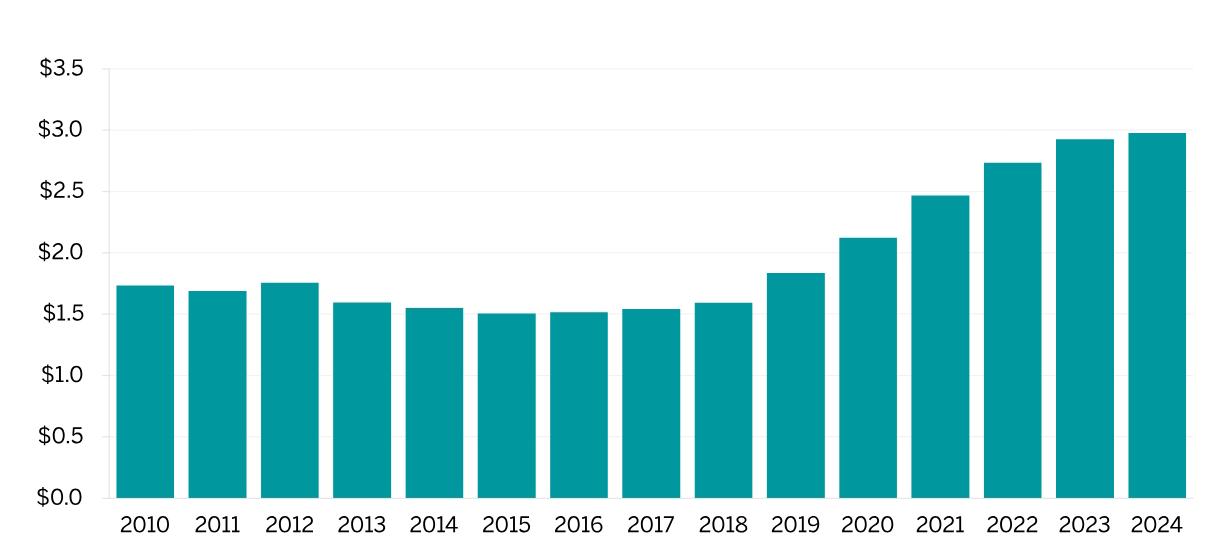
The USGA admitted market reported $3.0 billion in direct written premium in 2024 (see Figure 1). This is a 2% increase from 2023 and contributes to an 87% cumulative surge from the $1.6 billion reported by insurers in 2018. This growth period represents the largest increase in written premium for the USGA market since the era immediately following 9/11.
Although top-line revenue was once again higher, the 2% overall market growth in 2024 is the smallest percentage-point increase since 2017. Fiftyfour percent of admitted carriers who wrote at least $10 million in 2023 reported higher written premium in 2024, whereas over the past few years, the same metric has averaged over 80% which coincided with the market’s more notable expansion.
has continued beyond 2024, and our review of second-quarter statutory financial data shows that 2025 USGA premium volume is on pace with 2024 (i.e., 0% growth Q2 over Q2). We noted a slowdown in premium growth in last year’s review, and given the recent trends, we anticipate that full-year 2025 premiums could be flat compared to 2024.
The shrinking growth rate
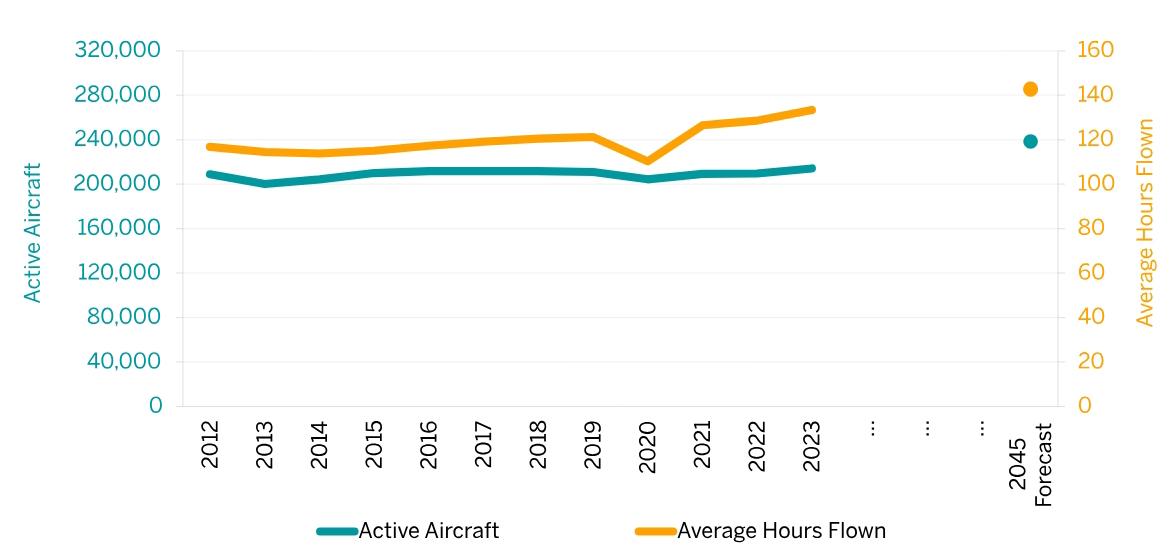
Federal Aviation Administration (FAA) data1 shows that although total estimated active aircraft has been consistent over the previous decade (see Figure 2), the active fleet is forecast to grow at 0.5% per annum through 2045. Not every segment is projected to grow at the same rate, as the FAA’s figures contemplate declines in the fixed-wing piston fleet, which are more than offset by increases in fixed-wing turbine, rotorcraft, experimental, and light sport aircraft fleets. The FAA also gathers data regarding the estimated number of general aviation hours flown, which we have converted in Figure 2 to be the average hours flown per active aircraft. Ignoring the 2020 pandemic year, this ratio has consistently risen over the
Figure 2: FAA estimated exposure — all aircraft types
Figure 1: Direct written premium ($ billions)
agent / broker division
previous decade and is expected by the FAA to continue its upward trajectory through 2045 at a rate of 0.3% per annum. The FAA forecasts that fixed-wing piston average hours will decrease (due to an aging fleet), whereas turbine (including rotorcraft) and jet aircraft are the drivers behind the prospective overall increase.
Going forward, the FAA’s forecast of modest annual exposure growth in both active aircraft (0.5%) and total hours flown (0.8% = [1 + 0.5%] × [1 + 0.3%] − 1) may provide insight as to the source of future USGA market growth − rate changes in response to the claims environment rather than a significant change in exposure.
The USGA market has always represented a small slice (less than 0.5%) of the overall property and casualty (P&C) insurance industry, which is dominated by homeowners, private passenger and commercial auto, and general liability lines of business.
Insurers with at least $1 million in annual aircraft premiums derive, on average, approximately 5% of their business from the USGA market, meaning that carriers in this space are principally multiline writers. In addition, as aircraft policies can protect against losses in the hundreds of millions of dollars, USGA insurers tend to cede a significant portion
of business (approximately 50% of premium) to the reinsurance market. These risk transfer mechanisms diversify the concentration of aircraft perils on any given insurer’s book of business, which can serve to reduce overall solvency risk.
USGA underwriting results
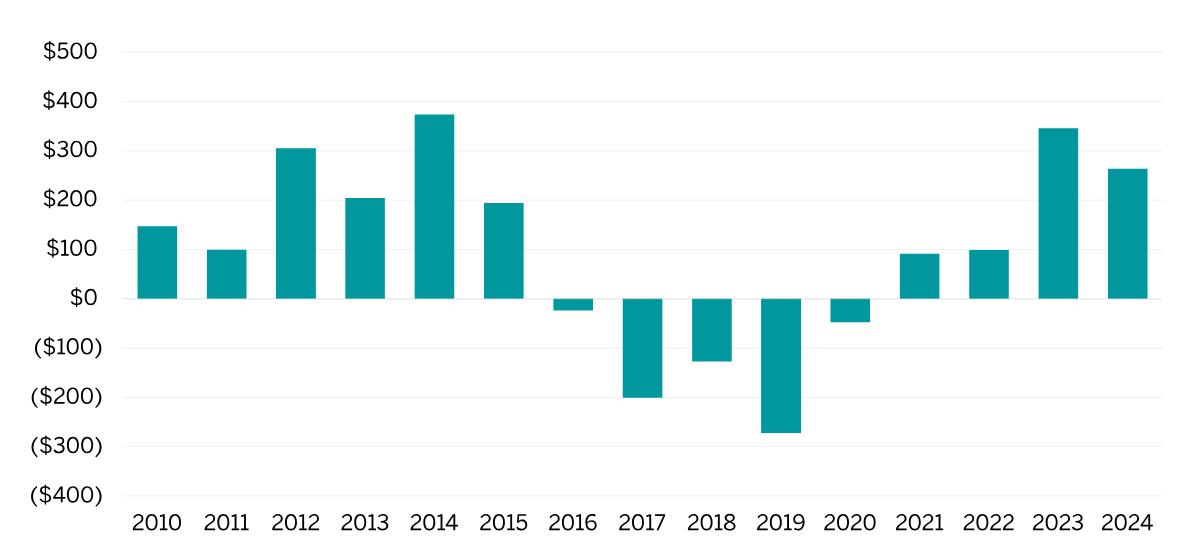
Poor underwriting results in the late 2010s were the catalyst for the USGA market’s recent firming. From 2016 through 2020, the market lost approximately $700 million on an underwriting basis (i.e., excluding investment income), as displayed in Figure 3. In 2019 alone, the market lost nearly $300 million on $1.8 billion in premium. The aforementioned rate increases toward the end of this period of unprofitability guided the USGA market to small underwriting profits each year since. The 2023 and 2024 underwriting income represents a return to the profit level experienced by the industry in the years leading up to 2016.
For a longerterm view, the post-9/11 rate increases led to 14 consecutive years of underwriting profitability for the market (2002 through 2015). Thus, after nearly $700 million in losses between 2016 and 2020, the underwriting profits in 2021 through 2024 have demonstrated that profitability may once again be trending in the right direction for long-term sustainability. It should be noted,
Figure 3: Underwriting results ($ millions)
agent / broker division
however, that the market’s 4% profitability level in 2021 and 2022 (measured as a percentage of earned premium) lagged materially behind the USGA admitted market’s post-9/11 historical average. After adjusting for premium growth, the 2023 and 2024 profit levels are relatively consistent with results from years prior to the period of underwriting losses.
From a market cycle perspective, multiple years of double-digit premium growth (see Figure 1) and a return to underwriting profitability (see Figure 3) are hard-market characteristics that typically entice new entrants into a market. Although some movement of companies in and out of various P&C lines of business is not abnormal, the USGA market includes some natural barriers to entry—most notably the need for a highly specialized underwriting team and expertise in placing sufficient reinsurance.
Our review of the USGA market shows that of the 28 companies writing at least $10 million of premium in 2024, a quarter of these insurers entered the market after 2019 and have a combined 2024 market share of just 6%. Some of these market gains, however, are attributable to insurers that left the market in the last few years, perhaps due to underwriting losses in the segment or better opportunities in other lines of business. Given the available data, it does not appear to us that new insurers have flooded the USGA market to date.
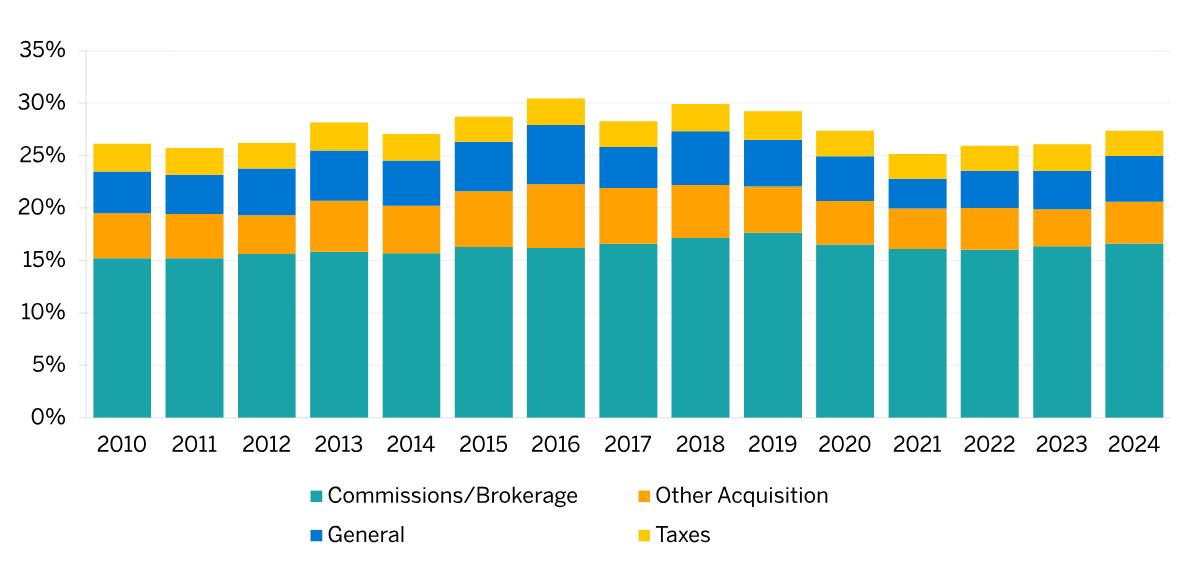
Underwriting expenses, measured as a ratio to premium, have remained stable, between 25% and 30% for over 15 consecutive years. We do note, however, that the ratio has been slowly increasing since the 2021 nadir, which coincides with the recent slowdown in premium growth. Certain of these expenses — agent commissions, brokerage fees, and taxes — are tied to premium volume and are more
agent / broker division
stable in ratio form. The recent deterioration is therefore attributable to other acquisition and general expenses, which have been consistently rising over time at a rate that is now higher than the slowing premium growth (see Figure 4).
USGA incurred losses in 2024
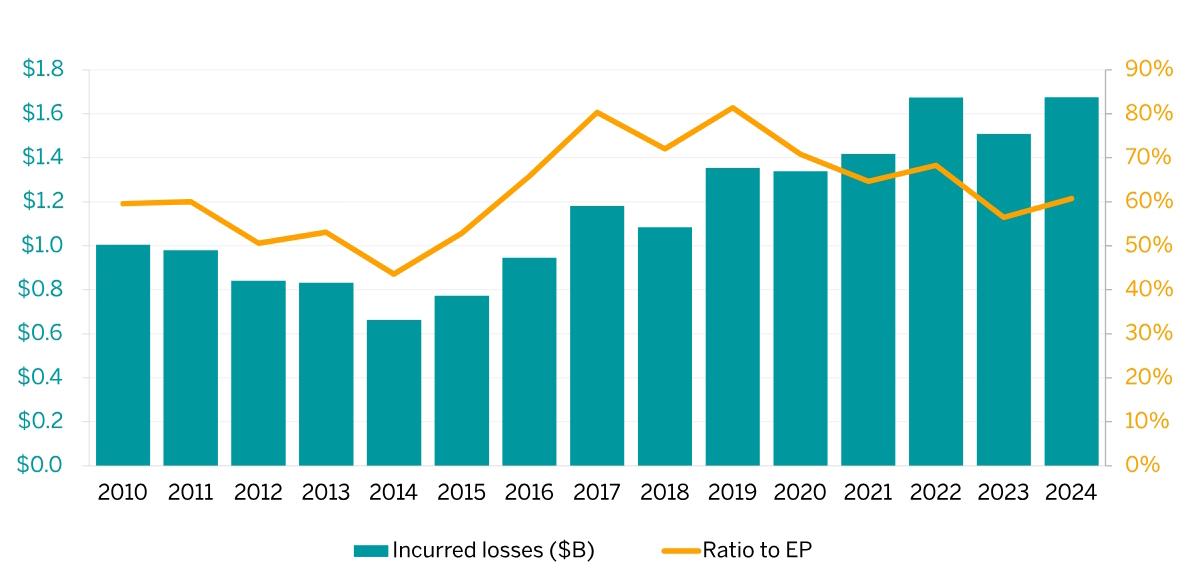
Incurred losses reached a 22-year high in 2024, coming in at $1.7 billion and continuing a general trajectory that has witnessed losses more than doubling since 2014 (see Figure 5).
As explained earlier, USGA written premiums and FAA-indicated measures of exposure held steady between 2014 and 2018. The rapid
rise in incurred losses was therefore indicative of a worsening claims environment (and not increasing exposure), leading to calendar year loss ratios that were well above pricing targets and necessitating rate increases. Figure 5 illustrates this jump in calendar year loss ratios while showing improvements in the loss ratio since the highwater mark of 2019. Although the 2023 and 2024 ratios are generally consistent with the post-9/11 years through 2015, claim costs continue to pose a challenge for the USGA industry. Rising losses are caused by increases in claim frequency and/or severity, so which component is driving the losses?
Figure 5: Calendar year incurred losses ($ billions)
Figure 4: Underwriting expense ratio
agent / broker division
Claim Frequency
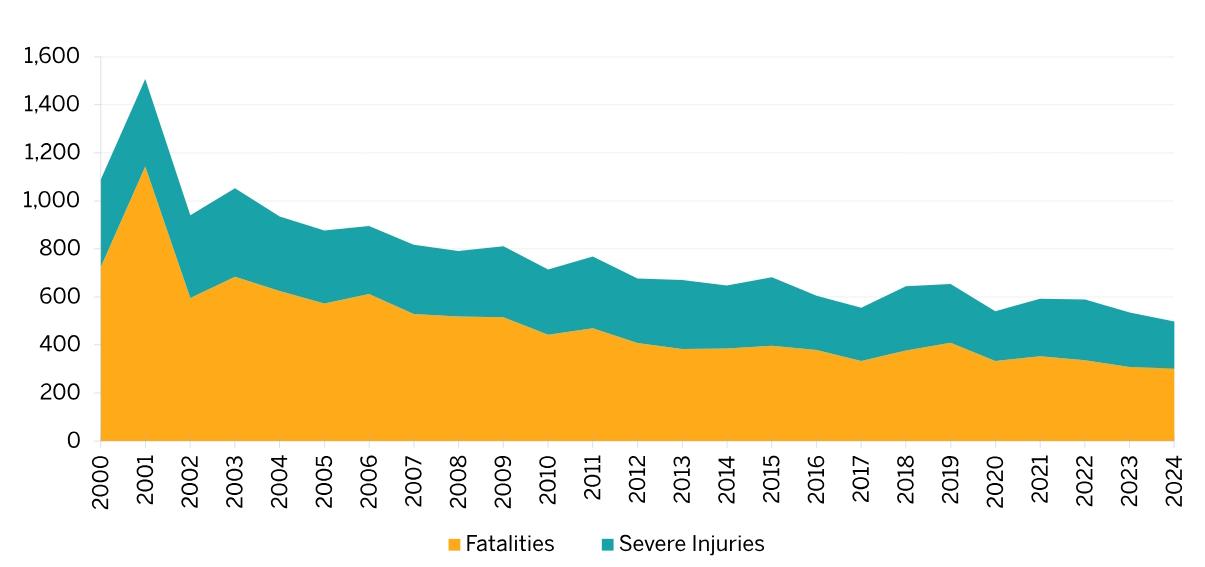
National Transportation Safety Board (NTSB) U.S. data2 shows that both fatalities and severe injuries have generally trended lower since 9/11 (see Figure 6). Combined fatalities and severe injuries reported in 2024 amounted to only 498, representing the lowest total in the entire 43-year dataset. The use of NTSB head counts as a proxy for liability-based frequency is reasonable, and this data suggests that the frequency of liabilitybased events is not driving the decade-long increases to incurred losses.
on the rise and may continue to increase in frequency, but alone, they do not explain the magnitude of the multiyear upward trend in incurred losses.
Severity on Liability Claims
Besides liability, USGA policies typically cover the cost of repair or replacement of aircraft due to adverse weather events, such as hurricanes, tornadoes, hail, wind, and heavy snowfall. Weather-related losses are
Claim inflation continues to be an increasing problem for the P&C insurance industry, and the aviation market is not immune to these trends. Given the relatively high policy limits provided in certain general aviation segments, the risks of social inflation (e.g., an increased tendency to both broaden contract interpretations and punish those who cause injury to others) and runaway verdicts are of particular concern. U.S. juries have been awarding significantly higher sums in recent years, which then have a spiraling effect, leading to higher plaintiff demands and increased costs of
Figure 6: NTSB number of aircraft fatalities and severe injuries
agent / broker division
settlements to avoid jury trials. USGA claims reserved using historical loss values may be under-reserved based on recent claim trends, which can impact profitability, as any adverse reserve development on claims in older accident years will suppress profitability levels in the current year.
Although we are not aware of a publicly available analysis specific to USGA claim severity trends, we have observed the unmistakable impact of social inflation within multiple liability lines of business, including commercial auto liability, commercial excess and umbrella, and medical professional liability. Of particular note is the timing of acceleration in these liability results, which closely mirrors the period in which USGA incurred losses saw rapid growth.
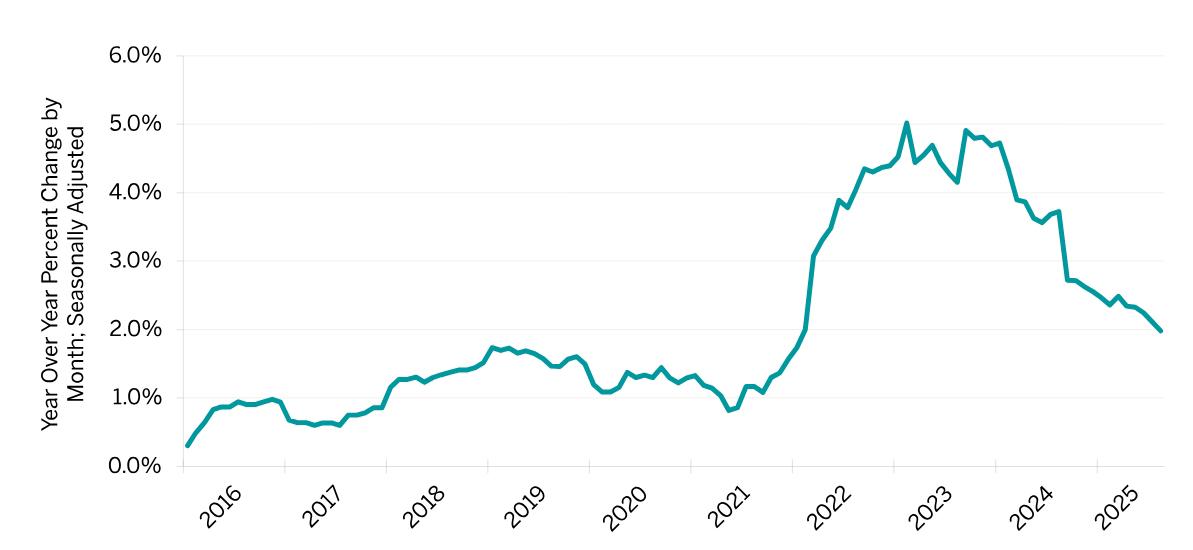
Newer-generation aircraft are made with composite materials that are much more expensive to repair than aircraft of previous generations. They require proprietary bonding techniques and specialized equipment, which significantly reduces the number of entities with the expertise or equipment to make the repairs. Recent inflation has impacted the aviation industry as well. Figure 7 displays the monthly increase in aircraft costs relative to 12 months prior.3 It should be noted that although the current inflationary level is lower than that experienced between 2022 and 2024, we remain in an environment above the levels experienced during the first several years of deterioration observed in USGA’s incurred losses.
Severity on Hull Claims
Working with the same FAA data referenced above, we have observed since at least 2006 that the average age of USGA active aircraft has been steadily increasing each year by approximately six months. Fixed-wing piston aircraft, both single-engine and two-engine, comprise the oldest average fleet age and are also the primary drivers of the aging, as active aircraft in this timeframe were not retiring at a rate that offset new deliveries.
USGA market: Looking ahead
The USGA insurance market had been highly competitive for a number of years, with USGA policyholders benefiting from reduced premiums and competitive rates until around 2019, at which point rates in the market began to harden. We see some indications that USGA insurers continue to progress through the market cycle — years of premium hikes beginning to
Figure 7: Producer price index for aircraft and aircraft equipment (relative to 12 months prior)
agent / broker division
stabilize, loss ratio relief, and a return to longterm profitability levels. However, the rising frequency and severity of weather-related events and the increasing uncertainty of the broader liability environment—both of which can disproportionately impact reinsurers’ bottom lines and future capacity—continue to be significant challenges for USGA insurers and may not be fully contemplated from a pricing perspective.
Although underwriting expense ratios have been relatively consistent within our review period, the recent slowdown in premium growth is putting pressure on the expense ratio, specifically general expenses and other acquisition costs, which for USGA carriers have risen nearly 50% since the pandemic. We tend to consider these “people costs,” and they have noticeably increased post-pandemic across the broader P&C industry as well.
All considered, our analysis indicates that the USGA insurance market has taken the necessary steps in recent years to return to profitability. Although premium growth may now be flattening, significant risks in both claim costs and reinsurance capacity have increased the uncertainty of this market and may ultimately lead to another period of rate increases.
Milliman is one of the largest independent consulting firms in the world and has pioneered strategies, tools, and solutions worldwide. We are recognized leaders in the markets we serve, including USGA for more than two decades, where we provide expertise in both reserving and rating plan development to assist clients with financial reporting and underwriting functions.
Clients know they can depend on us as industry experts, trusted advisers, and creative problem-solvers. Contact Carl or Andy to learn more.
Carl Ashenbrenner, FCAS, MAAA is a principal and consulting actuary with Milliman. Andy Kline is an actuarial manager with Milliman. Reprinted with permission from the Milliman Report
footnotes
1. FAA. (2025, July 29). General aviation and Part 135 activity surveys. Department of Transportation. Retrieved October 23, 2025, from https://www.faa.gov/data_ research/aviation_data_statistics/general_ aviation.
2. NTSB accident data retrieved October 21, 2025, from https://data.ntsb.gov/avdata/
3. Source: Federal Reserve Bank of St. Louis; see https://fred.stlouisfed.org/series/ WPS142
education committee
What’s the Difference? War vs. TRIA
Joe Williams, Executive Vice President/Managing Director, Marsh McLennan Agency SE, and Jason Little, Vice President, Old Republic Aerospace
This article discusses the difference between two very common terms and coverages that sound and look similar but are quite different. They do overlap to some degree, however. Let’s explore.
What’s the difference between:
War coverage TRIA
Let’s start with the basics: what is War coverage and why is it important? The term “War coverage” is a misnomer that can mislead our clients. There are seven exclusions at the Reinsurance Treaty level, six of which can be bought back with War coverage. Those six (written in simplistic form) are:
War
Strikes, Riots, Civil Commotion
Terrorism
Malicious Acts or Acts of Sabotage
or at least saying it before we did). For the sake of this article, we’ll continue to use the shorthand “War.”
Confiscation, Nationalization, Seizure, or Detention
Hijacking
Because “War” is so much more than that, we generally refer to it as “War/Malicious Acts” (thanks to Eric Barfield for originating,
Moving on to TRIA, this is where things get a little more complex as terrorism is clearly one of the six perils that can be bought back as listed above.
TRIA, or the Terrorism Risk Insurance Act, was passed into law in reaction to 9/11 in November, 2002. The intent was for the United States Government to ensure that Terrorism coverage had a backstop and that the private insurers (meaning, we the industry) continued to offer the coverage to our customers, keeping in mind that this was a frightening time in our industry and more broadly. There have been multiple reauthorizations of TRIA, referred to as TRIPRA, or Terrorism Risk Insurance Act Reauthorization Act, over the years. The 2019 reauthorization is largely unchanged from the previous reauthorization. TRIA creates a deductible & co-pay program that the United States Government backstops in
education committee
order to incentivize private insurers to continue offering Terrorism coverage. The “why” of TRIA could be written about for dozens of pages – so we’ll close the basics of TRIA with a couple of facts: The events of 9/11 cost private insurers around USD 32 Billion, of which around USD 1 Billion was in the aviation markets – these figures are from the time of the events of 9/11. Economic inflation, before accounting for the acute effects of social inflation, would put these figures in the neighborhood of USD 59 Billion, with aviation exposure around USD 2 Billion.
Onto the true purpose of the article. What’s the difference?
While War coverage is triggered based upon a given insurer’s policy provisions, TRIA requires a declaration of official certification by the U.S. government, and must exceed an aggregate loss threshold in order to apply.
TRIA is what’s known as a mono-peril coverage, applying only to certified acts of terrorism. War covers 5 additional perils, in addition to Terrorism:
1. War
Example: an aircraft is destroyed within the U.S. by a foreign military, or shot down while operating near a conflict zone internationally.
2. Strikes, riots, civil commotion, or labor disturbances
Example: tampering with critical systems in order to cause damage to the aircraft, or injury or death to the occupant(s).
4. Confiscation, nationalization, seizure.
Example: real or perceived actual or alleged violation of a foreign government’s laws, or political disputes between the U.S. and a foreign government, cause an aircraft to be impounded in a foreign country.
5. Hijacking or any unlawful seizure or wrongful exercise of control of the aircraft crew in flight (including attempts thereof).
education committee
Operators traveling to the EU and many other ICAO countries are required to carry, at a minimum, War Liability. However, since TRIA is a U.S.-specific provision, it is not required by foreign rule makers.
Cancellation is another example of a significant difference. Once TRIA is endorsed to a policy, it becomes subject to the cancellation provisions of the policy itself. Typically, 30 days’ notice of change or cancellation if initiated by the insurer, or 10 days for non-payment of premium. The provisions of War, however, include several triggers that allow coverage to be canceled or changed with little or no notice, including:
Seven days’ notice of cancellation or change in rate or geographical territory
In the event of nuclear detonation, automatically, 2 days’ notice for rate or territory change in Liability, or 7 days for Hull, Automatic, immediate cancellation in the event of outbreak of war (declared or not) between the United Kingdom, United States, France, Russia, and/or China
War & TRIA should not be viewed as interchangeable because they are not. They both have a role to play in our industry.
A quick note before we close this article — take note that we have not gotten into which policy form we’re discussing. This was intended to be a very broad conversation about the differences between War & TRIA
Thanks for reading the second edition of “What’s the Difference?” We hope you enjoyed and sharpened your knowledge. If you’d like to suggest a topic, have a question, or want to coauthor a future edition please reach out to the AIA Education Committee at info@aiaweb.org.
Joe Williams is an Aviation Insurance Broker and Managing Director of Aviation for Marsh McLennan Agency SE. Prior to that, he served as an aviation insurance underwriter at AIG and then Starr. In addition to serving on the AIA Education Committee, Joe co-teaches the AIA’s Core Principles and Introduction to Aviation Insurance courses. He is a former certified flight instructor as well as a former corporate pilot.
As Vice President of Underwriting at Old Republic Aerospace, Jason Little serves as the Product Line Manager for Corporate Aviation, and Branch Manager of the Premier Broker Services branch. Jason began his aviation insurance career as a broker in 2012, and joined the Old Republic Aerospace team in 2015.
Credit: U.S. Air Force
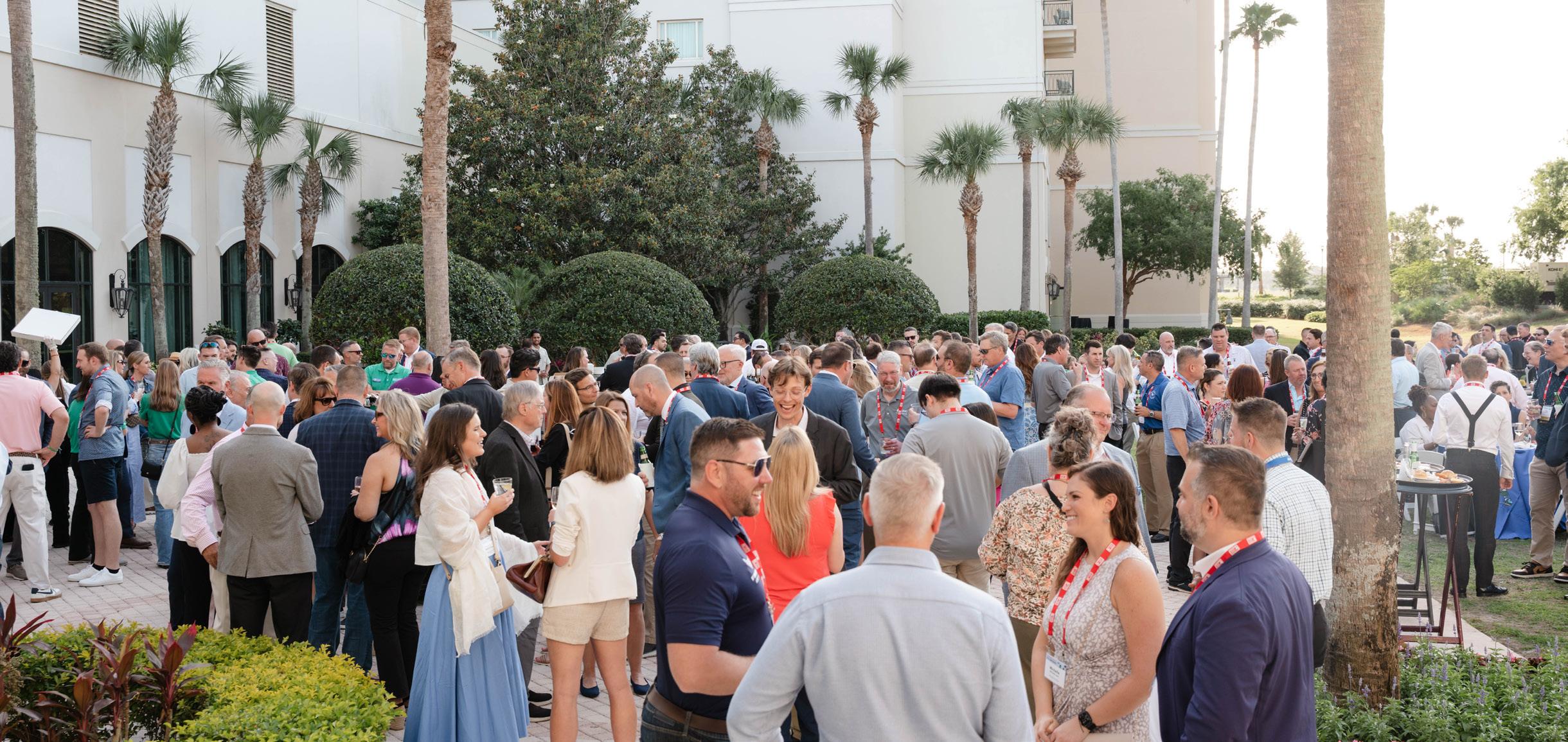
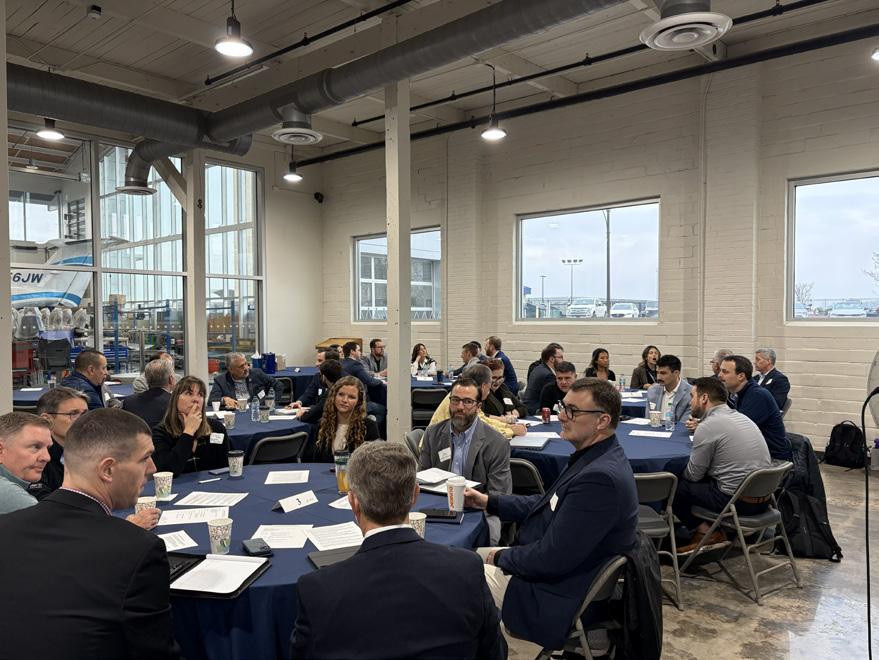
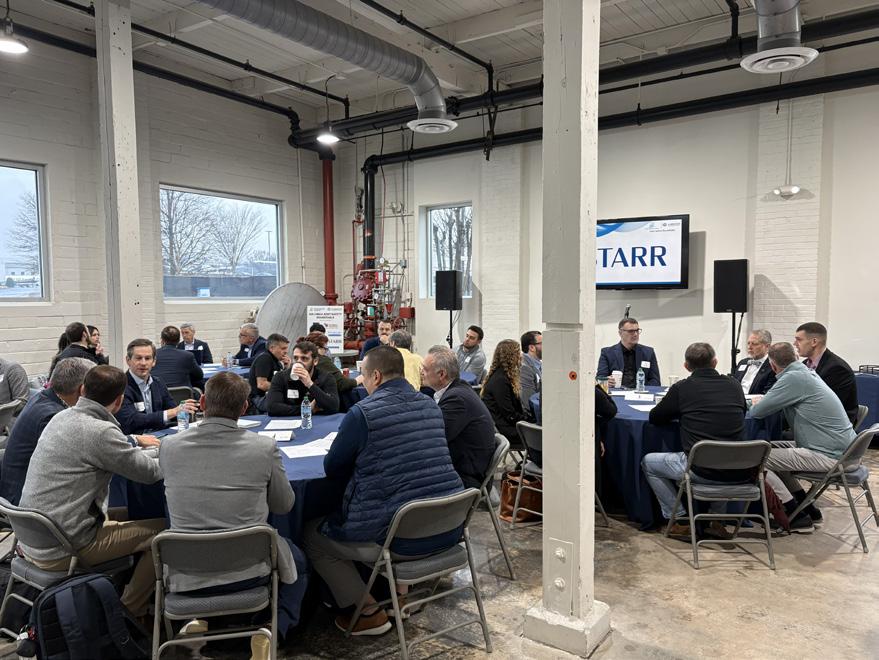
AVIATION INSURANCE INDUSTRY FOCUSES ON SAFETY AT ATLANTA EVENT
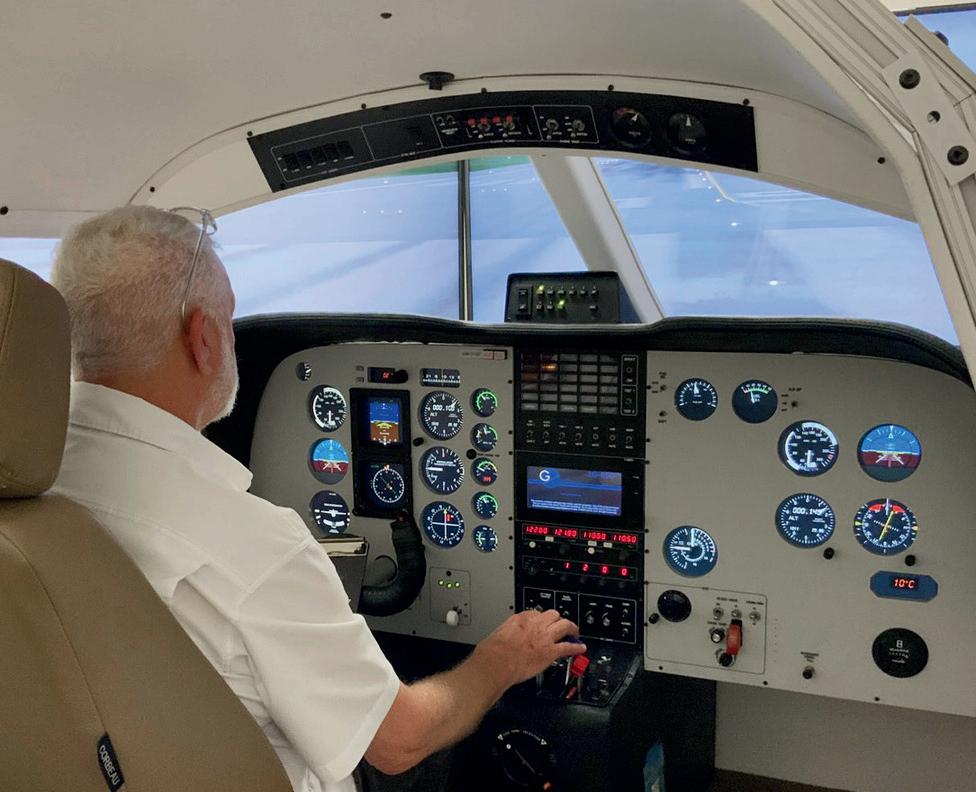
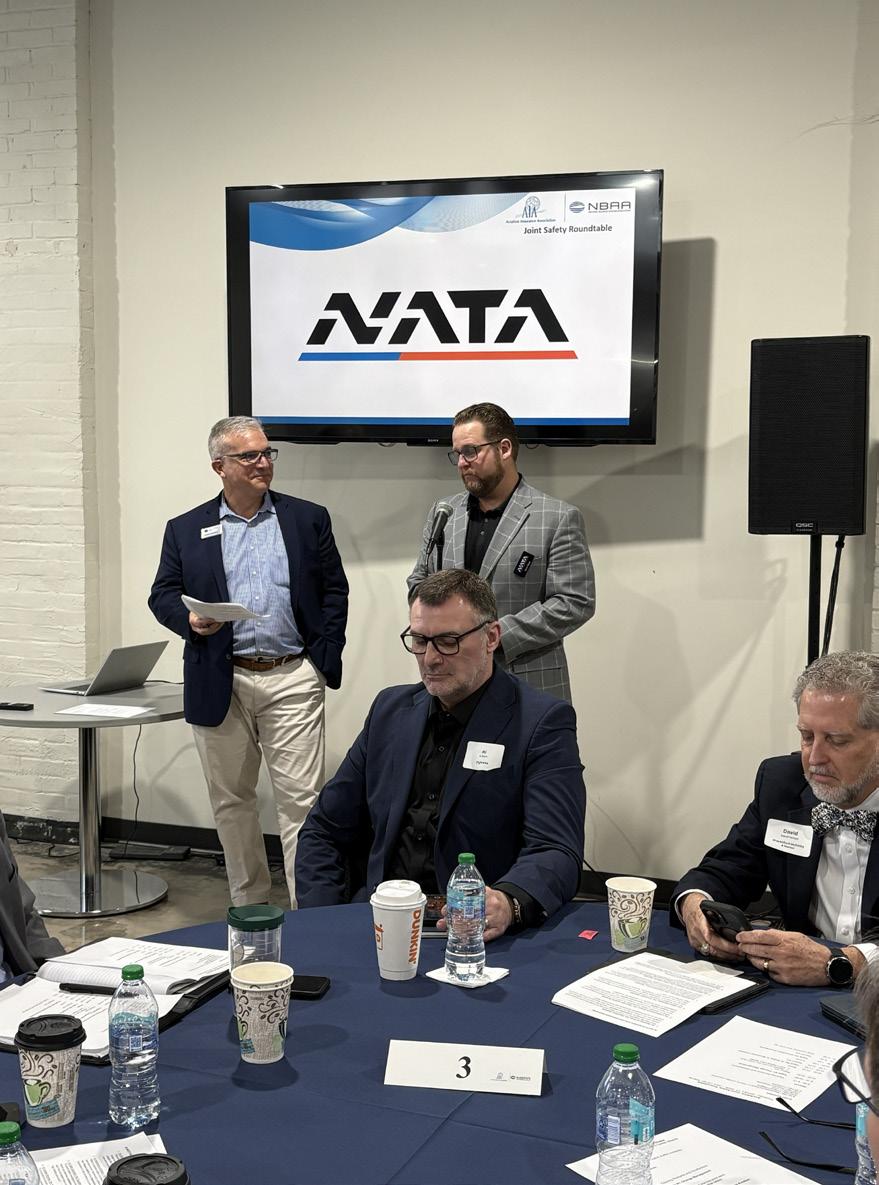
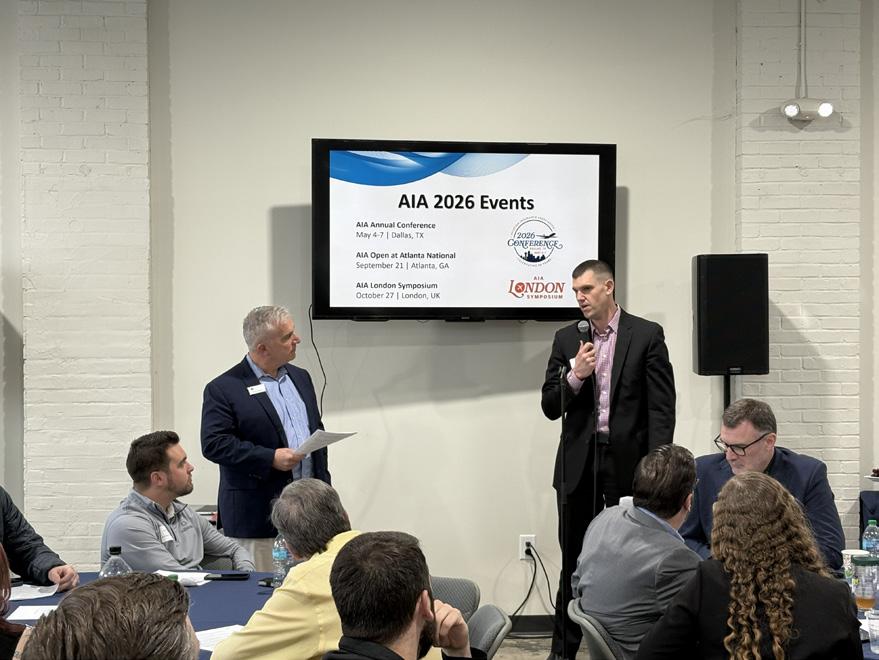
In January, aviation professionals from around the US met at Aero Center Atlanta for a series of roundtable discussions focused on safety.
Organized by the AIA Safety Committee in partnership with the National Business Aviation Association (NBAA), the event offered a unique opportunity for insurance experts, operators, and others in the industry to focus on specific topics, share challenges and ideas for solutions, and expand their networks.
This was the third offering of the Joint AIA/ NBAA Safety Roundtable Event, with the first event taking place at the same location in Atlanta in 2024 and at Million Air Dallas in 2025.
Limiting the discourse to three topics allowed ample time for discussion followed by reports on each issue to the entire group. The topics and key observations from event attendees are noted as follows.
Topic 1: Change Management
In business aviation, the transition to a new aircraft, a change in maintenance providers, or even a shift in hangar locations can introduce silent risks. When careful change management is bypassed, these risks often manifest as safety incidents or financial liabilities.
Points made during this discussion
A Safety Management System (SMS) is now considered a baseline for operators. From an underwriter’s perspective, receiving a submission with an SMS that hasn’t been updated for five years is a red flag; it may indicate the operator has a “paper” SMS rather than one that is reviewed, adapts, and integrates changes. An SMS should be a living document used throughout an organization.
Groups noted the importance of including primary stakeholders in discussions early when a change is being considered, and certainly before being implemented. Insurance brokers and attorney partners can share best practices early and throughout the process, easing disruptions and risk.
Change management is often viewed as a bureaucratic exercise, so don’t change for change’s sake. Be intentional when making changes. Change fatigue will creep in if changes disrupt processes without resulting in improvements.
Ensure training is appropriate so employees know how to incorporate the SMS in everything they do.
safety roundtable
Topic 2: Artificial Intelligence Safety in Business Aviation
Across all industries, many organizations are embracing AI for internal purposes, such as helping overcome writer’s block or summarizing data.
Observations of note
There are many simple and easy uses for AI that will save time, but all were cautioned to thoroughly review items before pushing out any AI-generated products or communications externally.
Always be mindful of and address any errors that result from inadequate or inaccurate information being fed into AI. How much trust should we put in AIgenerated content, and who is ultimately responsible for what AI provides? These questions remain unanswered.
One group discussion focused on the “handoff” to AI. The transition from current practices to future processes may lead to struggles comparable to those experienced with the onset of automation.
In reference to training, AI is a tool to reinforce human decisions, but should not be the device that makes the decision.
Topic 3: The Impact of Economic Uncertainty on Aviation Insurance and Safety
Discussions touched on everything from social inflation to economic strain on employees.
Key comments
Little can be done to directly combat social inflation as it pertains to aviation. Ultimately, legislation is needed to set parameters. However, we can educate people on the ripple effect these multimillion-dollar jury awards have on raising rates for everyone.
Cost-cutting can have a significant impact on safety in many ways. One example is deferred maintenance that leads to the need for replacement aircraft, increased repair costs, and lost revenue. Deferred maintenance can see short-term savings but lead to higher long-term costs.
safety roundtable
When companies downsize, one of the first places they cut is their safety program. An operator should speak to its insurance team before making any such decision to be fully aware of the implications.
Economic stressors are not just felt at the company level. External economic stress can significantly impact individual employees, increasing the likelihood of quality “escapes” and safety risks. Consider the human aspect of stress; foster a culture of trust in which a hurting employee can share that they need extra support for a short period of time to do their job well. Don’t penalize employees for doing the right thing.
Conclusion
The Joint AIA/NBAA Safety Roundtable once again demonstrated the value of open, collaborative dialogue across the aviation insurance community. By bringing diverse perspectives together, events like this help translate shared challenges into practical insights, strengthening not only individual operations but the industry as a whole.
thank you, sponsors
Artificial Intelligence Considerations in the Safety Landscape
Steve Bruneau, Chief Revenue Officer, Polaris Aero, and Danny Maco, Founder, AeroTelematics/trivector labs AIA Safety Committee
“AI will take over everything!”
At least that’s what the overwhelming volume of news coverage might lead you to believe. There is no doubt that AI is a fast-evolving technology with enormous potential. That potential will likely manifest itself across many parts of aviation, from maintenance diagnostics and safety reporting analysis to scheduling, documentation, and customer service.
But enthusiasm alone does not make a technology successful. When considering how AI might affect aviation safety, and therefore the risk profile of insured operations, it helps to balance excitement with a practical framework for evaluating adoption.
Turning on AI is not the endgame; using AI to achieve clear operational goals is.
For those in the aviation insurance ecosystem — whether working in safety, underwriting, brokerage, or agency roles — asking the right questions early can help determine if an operator’s AI adoption is thoughtful, controlled, and sustainable.
When discussing AI adoption with an operator, begin with these fundamental questions.
What specific business problem are you solving with AI?
There is no shortage of marketing material describing what AI can do. But understanding why it is being used is far more important. Is the operator trying to analyze maintenance trends faster? Identify safetyreporting patterns? Improve flight scheduling? AI for the sake of AI rarely produces meaningful outcomes.
What
outcomes do you expect from using AI?
Will it save time? Reduce manual work? Improve safety insights? Enable new capabilities? It is worth understanding both the expected benefits and the anticipated cost. Organizations that cannot clearly articulate expected outcomes may struggle to evaluate whether the investment was worthwhile.
safety report
How are you validating the AI approach before deploying it operationally?
Many AI initiatives stumble because change management is overlooked. No one plans to fail, but many fail to plan. Before implementation, organizations should assess impacts across departments, systems, and workflows. For example, if AI is being used to analyze safety reports, how will those insights be reviewed and integrated into existing safety management processes?
How are privacy and data sensitivity being addressed?
guidance help ensure the organization understands how AI outputs should be used and interpreted. These documents also become the foundation for training and accountability.
AI often raises concerns among employees about job roles and responsibilities.
AI systems depend heavily on data, which raises understandable concerns about where information is stored, processed, and reused. Operational data, personnel information, and customer records may all be involved. Being able to clearly explain how data is protected and where it is processed can prevent trust issues with employees, customers, and partners.
Are policies and procedures being updated to reflect the change?
Adopting AI is not simply a technical change; it is an operational one. Updated procedures, documentation, and internal
Is the technology ecosystem ready to support AI?
AI systems rarely operate in isolation. They often interact with scheduling platforms, maintenance databases, safety reporting systems, and operational software. If the surrounding technology environment cannot effectively support the new tools, even a well-designed AI system may underperform.
How will the workforce be prepared for this change?
AI often raises concerns among employees about job roles and responsibilities. Transparent communication and thoughtful training can help ensure the technology is seen as a tool that improves performance rather than a threat to the workforce.
Have legal and regulatory implications been reviewed?
Depending on the application, AI adoption may involve regulatory considerations,
safety report
intellectual property concerns, contractual obligations, or liability implications. Legal review of vendor agreements, terms of service, and regulatory obligations is a prudent step before implementation.
How will the AI system’s performance be monitored?
Unlike traditional software, AI systems can produce unexpected outputs. Monitoring accuracy, auditing results, and maintaining “human-in-the-loop” oversight are critical. In some organizations, this becomes an ongoing quality-control responsibility to ensure AI outputs remain reliable.
How will this change be communicated to customers and partners?
New technology can affect how an organization interacts with others. Operators may need to communicate changes to processes, expectations, or datahandling practices to external stakeholders.
AI has the potential to transform aviation operations in meaningful ways. But successful adoption rarely comes from excitement alone. When organizations approach AI with clear objectives, thoughtful planning, and ongoing monitoring, they significantly increase the likelihood that the technology will support both business success and safe operations.
For those evaluating aviation risk, asking these practical questions can provide valuable insight into whether AI adoption is a strategic improvement or simply a response to the latest technology trend.
As the Chief Revenue Officer at Polaris Aero, Steve Bruneau is responsible for expanding the company’s suite of safety management solutions through customer success, sales, marketing, and partnerships. Prior to joining Polaris, he was the Chief Operating Officer of Pulsar Informatics, delivering Fatigue Risk Management Systems. Steve is the Co-Chair of the AIA Safety Committee and has over 25 years of process consulting experience helping organizations meet regulatory requirements and achieve new levels of performance by blending people, process, and technology. Steve has a BS in Mechanical Engineering, an MS in Aerospace Engineering, and has been a leader of three successful startup companies prior to joining Polaris.
Danny Maco is the Co-Founder of TriVector Labs, an AI innovation lab created around the idea that breakthrough innovation often happens when different disciplines converge. He is also the Founder of AeroTelematics where he focuses on advancing aviation safety and operational insight through telematics, data analytics, and emerging technologies. He is a member of the AIA Technical Committee, contributing to industry dialogue on innovation, risk management, and the evolving role of data in aviation and insurance. Danny has over 30 years of experience as a technology executive, leading product innovation and data-driven initiatives across mobility, insurance, and connected-technology sectors. In addition to his work in aviation, he spends a significant portion of his time advising and supporting international companies entering the U.S. market, helping founders navigate market entry and technology commercialization. Danny holds Bachelor’s degrees in Mechanical Engineering and Computer Science from Cal Poly State University, San Luis Obispo.
Board of Directors
President
ian Wrigglesworth
Guy Carpenter - A Marsh Business London, United Kingdom
VICE PRESIDENT
Luke Uithoven
Kimmel Aviation Insurance Agency, Inc. Greenwood, MS
Treasurer
Nicole Wolfe Stout
Strawinski & Stout, P.C. Atlanta, GA
Secretary
David Hampson
Schrager Hampson Aviation Insurance Agency Bedford, MA
Director, Agent / Broker Division
Kristen Suarez
BWI Aviation Insurance Agency, Inc. Warrenton, NC
DIRECTOR-ELECT, AGENT / BROKER DIVISION
Rachel Lewis
Schrager Hampson Aviation Insurance Agency Bedford, MA
Director, Attorney Division
Mark Meyer
HFW
London, United Kingdom
Director, Claims Division
Jeff Sheets
Applied Underwriters Aviation Los Angeles, CA
DIRECTOR-ELECT, CLAIMS DIVISION
Stephanie Short
Great American Insurance Company Bellingham, WA
Director, Reinsurance Division
Raffaella Basile
Swiss Reinsurance Company Ltd Zurich, Switzerland
Director, Underwriter Division
Meghan Griffin
Sompo International Alpharetta, GA
International Director
nick redgrove
Price Forbes London, United Kingdom
Director-at-Large
Michael McGrory
Amundsen Davis, LLC Chicago, IL
Director-at-Large
Jeffrey t. Sutton
London Aviation Underwriters / Core Specialty Federal Way, WA
International Director-at-Large
Paul O’Ryan
Starr Aviation Toronto, Canada
IMMEDIATE PAST PRESIDENT
Christopher S. Morin
Murray, Morin & Herman, PA Tampa, FL
AIA General Counsel
Bob Williams
Victor Rane PLC Pittsburgh, PA
Executive Director
Mary Gratzer
Aviation Insurance Association Lexington, KY
Glossary of Common Aviation and Insurance Acronyms
AIA — Aviation Insurance Association
AOPA — Aircraft Owners and Pilots Association
ASAP — Aviation Safety Action Program (FAA)
ASIAS — Aviation Safety Information Analysis and Sharing system (FAA)
ASRS — Aviation Safety Reporting System (FAA)
CASA — Civil Aviation Safety Authority (Australia)
CAAC — Civil Aviation Administration of China
COPA — Cirrus Owners and Pilots Association
DPE — Designated Pilot Examiner
EAA — Experimental Aircraft Association
EASA — European Union Aviation Safety Agency
E6B — A type of manual or electronic flight computer
ESG — Environmental, Social, and Governance
EVTOL — Electric Vertical Takeoff and Landing Vehicle
FAA — Federal Aviation Administration (U.S.)
FBO — Fixed base operator (service station for aircraft and pilots)
FDM/FOQA — Flight Data Monitoring / Flight Operations Quality Assurance
GA — General Aviation
GAMA — General Aviation Manufacturers Association
GHSP — Ground Handling Service Providers
HUD — Heads Up Display
IATA — International Air Transport Association
IBAC — International Business Aviation Council
ICAO — International Civil Aviation Organization
IFR — Instrument Flight Rules
IMC — Instrument Meteorological Conditions
IS-BAO — International Standard for Business Aircraft Operations
IS-BAH — International Standard for Business Aircraft Handling
MRO — Maintenance Repair Organization
NBAA — National Business Aviation Association
NTSB — National Transportation Safety Board (U.S.)
P&C — Property and Casualty
SMS — Safety Management System
UAM — Urban Air Mobility
UAV — Unmanned Aerial Vehicle (also known as a drone)
VFR — Visual Flight Rules
VR — Virtual Reality
WAI — Women in Aviation International
This is an abridged list of aviation insurance terms that appear in current and previous editions of the AIA’s The Binder.