


By Tashi McQueen AFRO Staff Writer tmcqueen@afro.com
In the aftermath of mass layoffs in 2025, many Black women are turning uncertainty into opportunity by launching businesses, strengthening professional networks and being innovative. Through resilience, creativity and community support, they are carving paths to stability and success in a shifting economy.
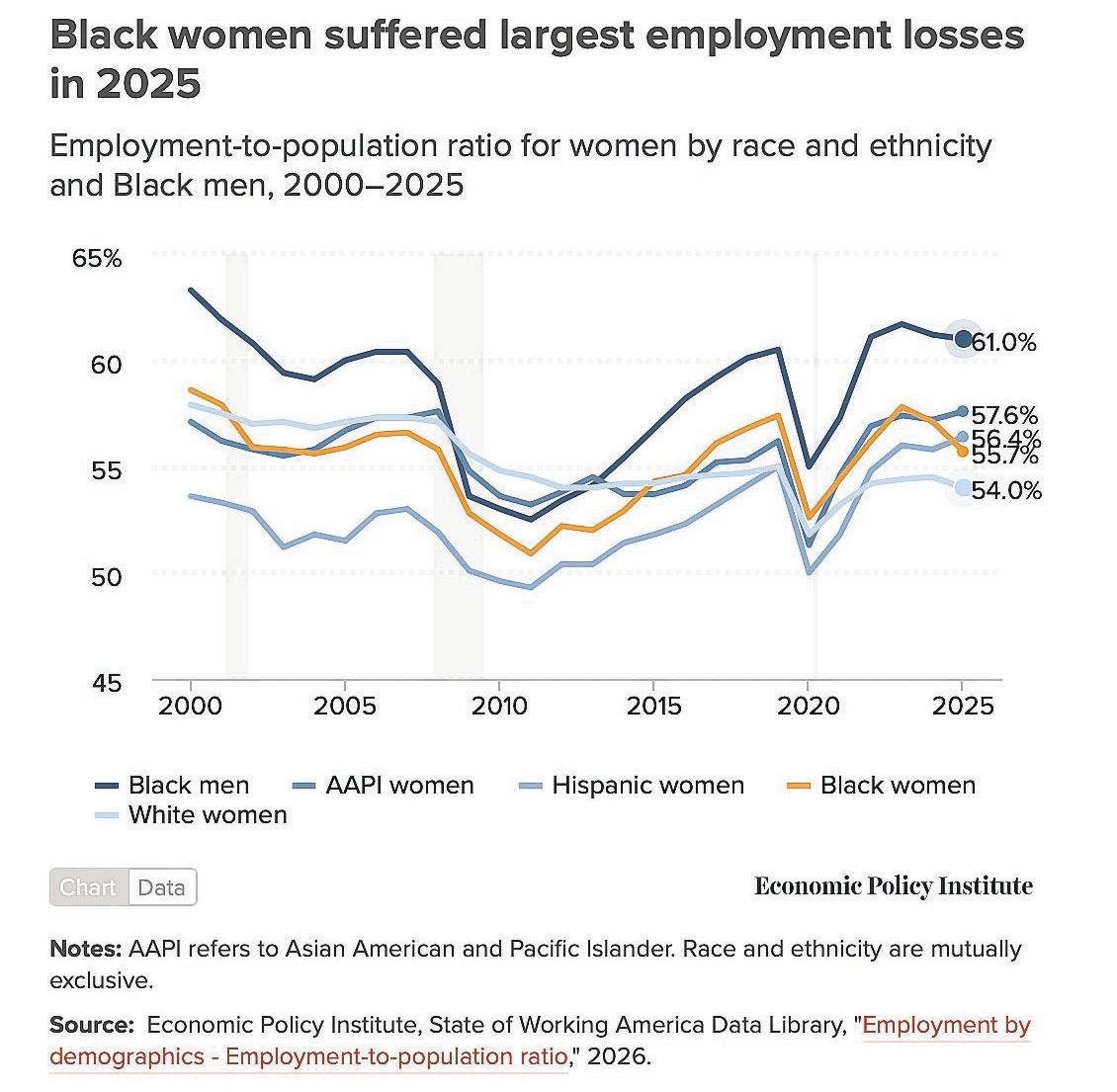
According to the Economic Policy Institute, in 2025, the employment rate for Black women decreased by 1.4 percentage points to 55.7 percent. The employment-to-population ratio for Black women with a bachelor’s degree dropped 3.5 percentage points over the past year, a larger decline than any other education group, including those without a college degree.
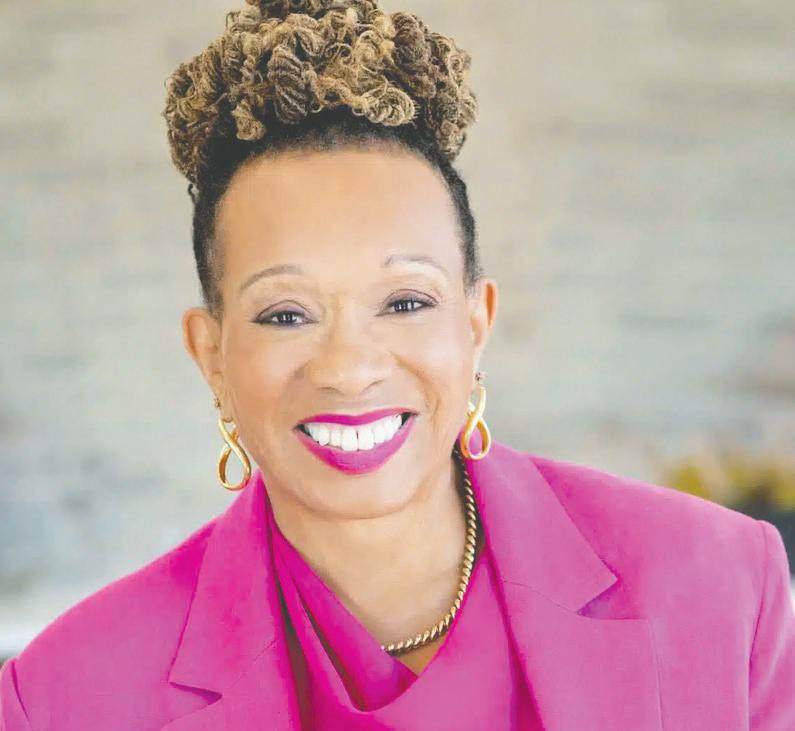
“Black women are in professions that have been targeted,” said Mary-Frances Winters, author of “Black Fatigue” and a former corporate
worker.
Winters noted that Black women disproportionately occupy diversity, inclusion and equity, human resources and government roles, which have been targeted and eliminated under the 47th president’s administration.
Since the federal ban on diversity initiatives, many organizations have cut chief diversity officer positions and related inclusion programs, leaving Black women in these roles suddenly jobless or facing insecure employment.
Winters, who still works in diversity, inclusion and equity, said entrepreneurship has been a key solution.
“What we find that Black women do is that they leave and start their own businesses,” she said.
According to the 2025 Wells Fargo Impact of Women-Owned Businesses report, Black women-owned businesses are a key engine of economic growth in the U.S., overseeing 2 million businesses that employ more than

Your History • Your Community • Your News
The Afro-American Newspapers
Baltimore Office • Corporate Headquarters
233 E. Redwood Street
6th Floor, Suite 600G Baltimore, Maryland 21202 410-554-8200
Customer Service, Home Delivery and Subscriptions: 410-554-8200
customerservice@afro.com
Founded by John Henry Murphy Sr., August 13, 1892
Chairman of the Board/Publisher - Frances Murphy Draper
(Publisher Emeritus - John J. Oliver Jr.)
President - Benjamin Murphy Phillips IV
VP of Marketing and Technology - Kevin E. Peck
Director Digital Solutions - Dana Peck
Receptionist - Wanda Pearson - 410-554-8200, ext. 246
Director of Operations
Andrè Draper - 410-554-8200
Director of Finance
Bonnie Deanes - 410-554-8242
Executive Director/Director of Advertising
Lenora Howze - 410-554-8271 - lhowze@afro.com
Director of Community & Public Relations
Diane W. Hocker - 410-554-8243
Editorial
Managing Editor - Alexis Taylor - 410-554-8257
Editorial Assistant - Ama Brown-Parson Evening / Weekend Editor - Zenitha Prince
Archivist - Savannah Wood - 410-554-8277
Baltimore Circulation/Distribution Manager
Andrè Draper - 410-554-8200
Creative Design and Content
Matthew McDonald
Washington Office 1140 3rd Street, N.E., 2nd Floor Washington, D.C. 20002-6723 202-332-0080
(Washington Publisher Emerita - Frances L. Murphy II)
Director of Operations - Andrè Draper - 410-554-8200

647,000 people.
Winters emphasized that these challenges predate the administration’s crackdown and are systemic.
“I could only stay in corporate for 10 years,” she said. “The microaggressions, the discrimination that I faced ... when people see a Black woman, the assumption is you’re not as good, you’re not as smart and you have to be twice as good.”
Winters added that this experience leads to burnout.
“Black women are at the bottom when it comes to salaries, getting promoted, being seen, being appreciated, being valued and recognized for their talent,” she said.
“I know several of the women who did occupy chief diversity officer roles left on their own,” Winters said, noting that some resigned because promoting inclusion in the current political environment became overwhelming. “Trump has the thing around it’s about merit … what’s the message there? That we aren’t of merit?”
Winters shed light on how some of these women are persevering.
consulting firms.
“Black women in general are fatigued,” said Winters. “We are tired of having to continually defend and prove ourselves.”
She also encouraged support for entrepreneurial Black women and highlighted the importance of community.
“Black women in general are fatigued. We are tired of having to continually defend and prove ourselves.”
“I live in Barbados parttime,” she said. “Here, we have a group called the Black Pax Group, it’s expats who are Black who have left England, the United States, Canada, and who are either semi-retired, taking a year off because they got a buyout from their organization or they are starting their own business.”
Many of these businesses are in the wellness market, providing services to support Black women’s wellbeing, while others are small
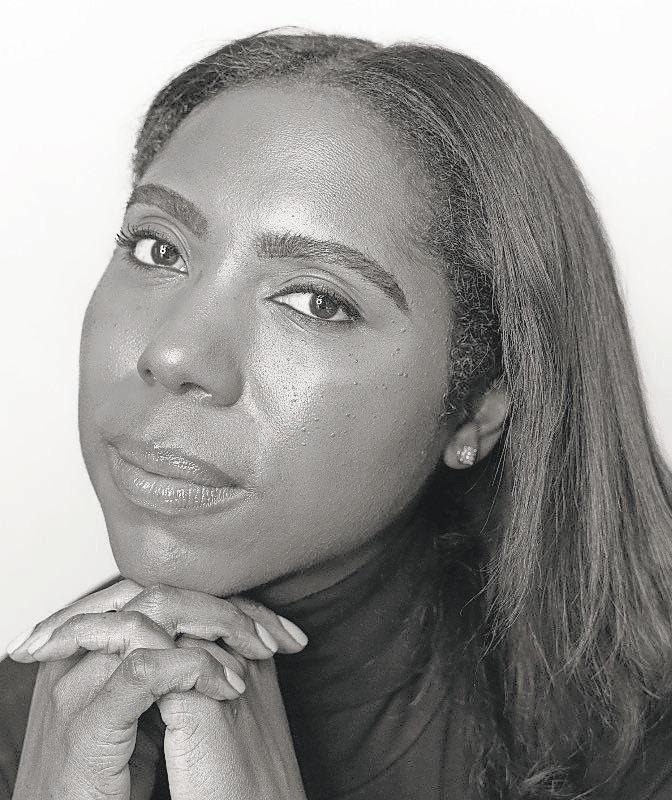
Denise Aguilar, a global marketing strategist, shared how she has turned layoffs into opportunities. Laid off in May 2025 after two years as global account director at Indigo Slate, she intensified her consulting practice, Denise Aguilar Consulting, and secured advisory roles with startups and the Latin Recording Academy Foundation. Aguilar, an Afro-Latina with more than 15 years at Microsoft, Amazon and Vogue, said layoffs are difficult, but the real challenge is
moving forward.
“I used to apply for 20 jobs a day because I needed to find a job immediately,” she said.
“I would go on Craigslist, I would knock on doors … and do everything in my power to land the next thing.”
Aguilar credits her resilience to a strong support network of family, friends and community. Her approach shows that even in uncertain times, determination, strategy and support can turn setbacks into opportunity.
By Megan Sayles AFRO Staff Writer msayles@afro.com
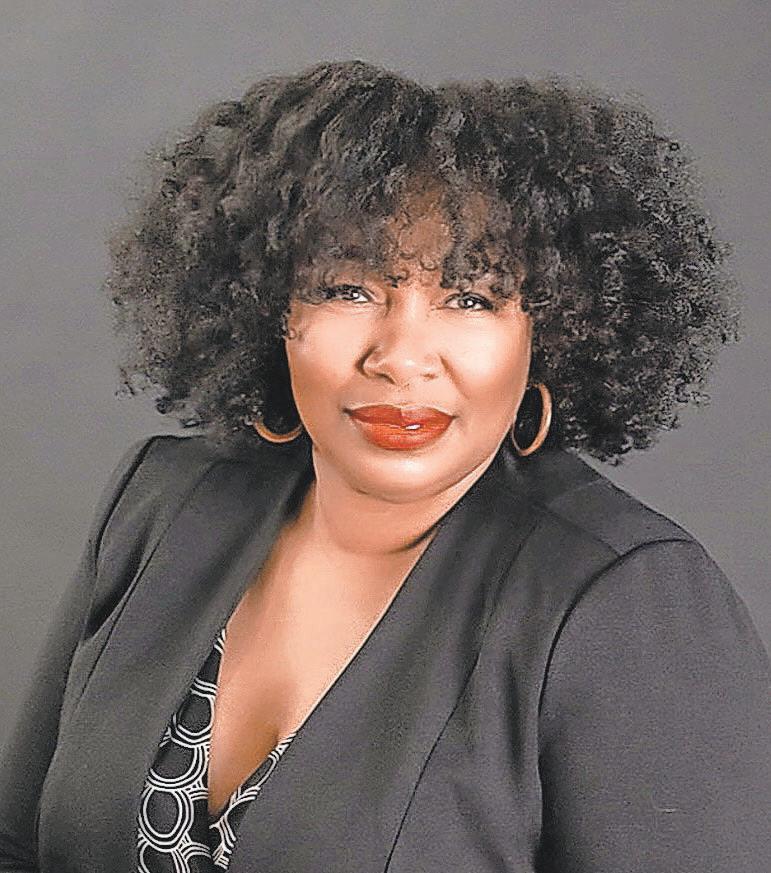
Back in 2008, Sherry Sims was in search of a mentor who looked like her—but it proved difficult. She started an online forum to find people in similar positions only to face little interest. Undeterred, she decided to create the support she needed.
Sims became a career coach, and in 2012, she launched the Black Career Women’s Network (BCWN), a national professional development organization dedicated to empowering Black women through culturally-competent mentoring, career management strategies and workplace advocacy skills. The network now provides guidance for Black women navigating everything from early-career challenges to executive leadership roles.
“I have a specific framework that I use when I work with women. We go through self-awareness and advocacy. We talk about workplace power skills, career security and strategic advancement,” said Sims. “These are what I call career anchors. There are certain times in your career where you may be using all four—or just one.”
These anchors, Sims said, are designed to help women understand their identity, stand up for themselves, and navigate the complexities of workplace politics and culture.
Across workplaces, Black women often face unique challenges, shaped not only by their gender but also their race. According to McKinsey and Company’s 2025 Women in the Workplace study, Black women are promoted at significantly lower rates than men—just 60 for every 100 men. Eight in 10 senior-level Black women also report experiencing burnout while worrying about job security.
Microaggressions – subtle, often unintentional slights or comments – can also be common in workplaces. Sims advised that when women encounter these behaviors, they should create a dialogue, letting colleagues know that their words or actions were unacceptable and expressing a desire to move forward differently.
“You always have to make sure you’re confident, able to advocate for yourself and that you’re not afraid to speak up and help others understand who you are,” said Sims. “I always say that we control the perception of how people see us in the workplace.”
One key to career advancement, Sims
highlighted, was self-assurance. She noted that Black women sometimes limit their own mindsets, waiting for external validation to confirm they are talented and prepared to take the next step.
Though workplace allies are important, Sims said Black women cannot perpetually wait for permission to pursue promotions.
“We cannot leave our careers to chance in someone else’s hands. We should not be waiting for a manager or someone to say, ‘Yes, you’re ready for this,’” said Sims. “If that op portunity is not happening where you are, then you should be looking for it somewhere else. If someone doesn’t see the value where you are currently, there is another opportunity out there that will see the value.”
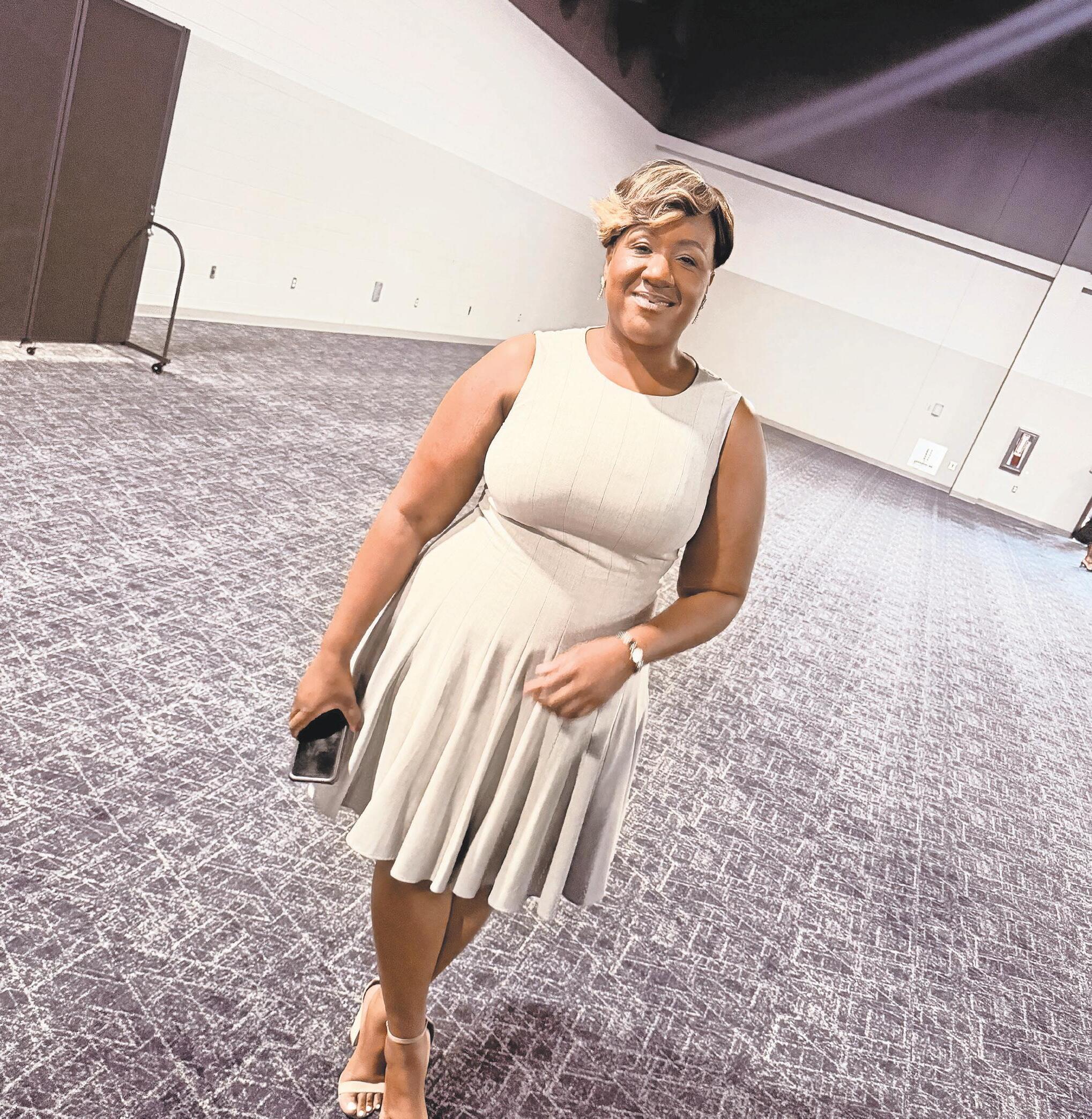
One woman who has sought Sims’ support is Domonique Broomfield. Earlier in her career, the Cincinnati resident said she encountered a workplace that tested her resilience.
“Like many Black women navigating leader ship spaces, there were moments where expec tations were high, yet the level of support and alignment did not always match the demands of the role,” said Broomfield. “Professionally, I remained committed to delivering results and maintaining excellence. Mentally and emo tionally, however, it required me to be very intentional about protecting my well-being while continuing to lead and perform at a high level.”
During that challenging period, Broomfield leaned on her training in mental health first aid, which allowed her to approach the situa tion with “intention” rather than “reaction.”
Through her work with Sims, Broomfield said she strengthened her leadership voice, refined her professional strategy and gained clarity about the type of workplace environ ments where she would thrive.
Today, Broomfield is a financial center manager, operations leader and bank officer at Fifth Third Bank, where she works to bridge gaps in banking access for community members and businesses.
“What once felt like a difficult professional chapter ultimately became a turning point that opened the door to new opportunities where my leadership, expertise and community impact are fully recognized and supported,” said Broomfield. “Sometimes the breakthrough in your career doesn’t come from avoiding the challenge, it comes from having the right community and leadership around you while you move through it.”

Personal checking and savings account options from United Bank are crafted to perform for you today and throughout your financial future. Our flexible options give you the features and benefits you need and expect, supported by outstanding customer service that meets you wherever you are.
By Kisha A. Brown
Black women are holding it down.
I know, I know—not a newsflash.
We often take Women’s History Month to honor how we as women transform lemons into lemonade. So let me share the story of a woman I recently had a call with a nonprofit CEO who built a much needed social impact organization in the heart of a state that incarcerates more Black men than anywhere else in the country.
That’s right—she’s in Baltimore. She built it all from scratch and secured funding for not only staff, programming but also capital improvements. Then she got sued.
She told me during our legal clarity session that even before the lawsuit she knew she needed to get legal guidance along the way, but one thing led to another.
The law shapes nearly every major decision we make—our work, our wealth, our families, our homes and our businesses. Yet too many people encounter the law only when something has already gone wrong. For Black women especially, that gap in legal awareness can quietly cost us opportunities, leverage, and peace of mind.
Below are five legal insights every Black woman should carry with her (fellas ya’ll pay attention too!).
1. Contracts govern more of your life than you realize.
Many people think contracts only exist in boardrooms or law firms. In reality, contracts show up in
everyday decisions: employment agreements, leases, business partnerships, service agreements and even online terms you click “accept” on.
The key insight is simple but powerful: a contract is not just paperwork—it is leverage. It determines who controls the money, who carries the risk and what happens if something goes wrong.
Before signing anything significant, pause. Read carefully. Ask questions. Seek counsel if a lot is on the line.
2. Intellectual property is modern wealth.
Black women are creators, innovators, educators and entrepreneurs at extraordinary rates. We must not underestimate the legal value of what we create even if we can’t see it fully yet.
Your brand name, logo, written content, course material, podcast, product design and original ideas may qualify for legal protection. Trademarks, copyrights and other types of intellectual property tools exist to ensure that the person who creates something can benefit from it.
Ownership matters–especially in the digital economy.
3. Estate planning is not only for the wealthy.
One of the most common misconceptions about estate planning is that it is reserved for millionaires.
In reality, estate planning is simply the act of deciding what happens
to your assets, responsibilities and loved ones if something unexpected occurs.
Without proper planning, state law—not you—decides how things are handled.
Estate planning can include a will, power of attorney, healthcare directives and strategies for protecting children, property, and family businesses. It is the key to building and preserving generational stability.
4. Your rights at work matter more than you think.
You are not condemned to a hostile work environment in order to make a living. It’s also okay to be unsure about what protections exist and if it’s worth making a formal complaint.
Issues such as discrimination, harassment, wage violations, retaliation and workplace policies often raise legal questions long before they become legal cases.
Understanding your rights—and documenting concerns early—can make a significant difference if problems escalate.
5. Legal clarity reduces stress and expands opportunity. Many people associate the law with conflict. In truth, one of its most valuable roles is providing clarity.
Clarity about risk.
Clarity about options.
Clarity about the path forward. When you understand the legal landscape surrounding a
decision—whether starting a business, negotiating a contract, planning your estate, or addressing a workplace issue—you move differently. Decisions become more intentional. Conversations become more confident.
Access to legal knowledge must be one of our tools in that tradition of strength and strategy.
And like any powerful tool, once you have it, you rarely want to move without it again.
Legal awareness does not eliminate uncertainty, but it transforms how you navigate it. Black women, we are leading our families, building up our communities, and driving economic growth all at the same time—often without the institutional support others take for granted.
Ten years ago, I made a decision that quietly transformed the way I lead, serve and show up for my community. As a working professional, mother and community advocate, I enrolled at Western Governors University to earn my bachelor’s degree in business marketing, and later my master’s in leadership.
That experience reshaped my understanding of access, mentorship and what becomes possible when education meets courage. It affirmed something I had long believed: when women are supported, they build pathways not just for themselves, but for the next generation.
Access changes outcomes
In many of our neighborhoods, girls are growing up with talent and ambition, but without consistent access to spaces that nurture both. That belief — that access changes outcomes — is the heartbeat
behind Yes Girls Create, the New York-based nonprofit I founded to empower girls ages 8 to 18 through creativity, mentorship and wellness programming.
Our mission is simple but urgent: to ensure girls have spaces where their voices are heard, their ideas are nurtured, and their potential is affirmed early. We bring girls together with women leaders across industries for hands-on experiences that connect imagination to real-world opportunity.
Creativity as confidence
At Yes Girls Create, creativity is a strategy for confidence and connection.
Each month, our participants engage in collaborative labs led by artists, entrepreneurs, engineers, wellness practitioners and educators. A session might involve designing a product, creating a personal fragrance, building a small-business concept or exploring STEM through tactile, engaging projects.
Whether the focus is financial literacy, leadership, mental health or technology, we infuse each experience with a creative component that helps girls process what they are learning and see themselves reflected in possibility.
We have learned that when girls create with their hands, they begin to shape their identities. They speak up more. They ask sharper questions. They imagine futures they may not have previously seen modeled.
Just as important, they build community with one another. Many of our participants come from neighborhoods where access to enrichment programs can be inconsistent. Yes Girls Create works to close that gap by providing safe, affirming spaces where girls can explore their talents without pressure or limitation.
The ripple effect
To date, we have served more than 500 youth.
Families now gather at our annual Create Her Well Girls Conference, where girls and their parents engage in a full day of mentorship, wellness conversations and career exploration. Parents also participate in a “Parent Academy” designed to strengthen legacy planning, financial literacy and personal growth alongside their children’s journeys.
We have watched mothers enroll in college after attending our sessions. We have seen girls who were once shy step into leadership roles, present their ideas, and mentor younger participants.
These moments remind us that when you invest in one girl, you often uplift an entire household — and sometimes more.
Making STEM feel possible
We also launched WISELY — Women in STEM and Engineering
Leading Youth — an initiative that connects girls directly with women working in science, technology, engineering and math.
When a girl meets a woman who looks like her in a field she has never considered, the distance between aspiration and achievement narrows. Our goal is to make those introductions early and often, so possibility feels familiar, not far away.
Building what comes next
We have seen increased confidence in our participants, stronger peer relationships and a growing network of women committed to mentoring the next generation. Our girls leave sessions with tangible projects and a renewed sense of belonging in spaces that once felt out of reach.
My journey as a graduate student taught me that leadership is about building bridges.
As we look ahead, our work continues to expand across New York City and beyond. We are forming new partnerships with schools, community organizations and corporate
leaders who understand that mentorship and creative development are essential.
This work matters now because the challenges facing our girls — from mental health pressures to economic uncertainty — show up in our homes and classrooms every day.
When I think about the future, I think about the girls who walk into our programs curious, cautious and hopeful. I think about the moment they realize their dreams are valid and their creativity is powerful.
One decision — one “yes” — can ripple outward in ways we may never fully know.
Yes Girls Create exists to ensure that ripple continues, reaching more girls, more families and more communities.
Because when girls are supported, their possibilities are limitless. And when a community invests in its girls, it invests in a future that is brighter for us all.
This article was originally published by Word in Black.
By Tashi McQueen AFRO Staff Writer tmcqueen@afro.com
Black women are breaking barriers in education, from the stage to the classroom.
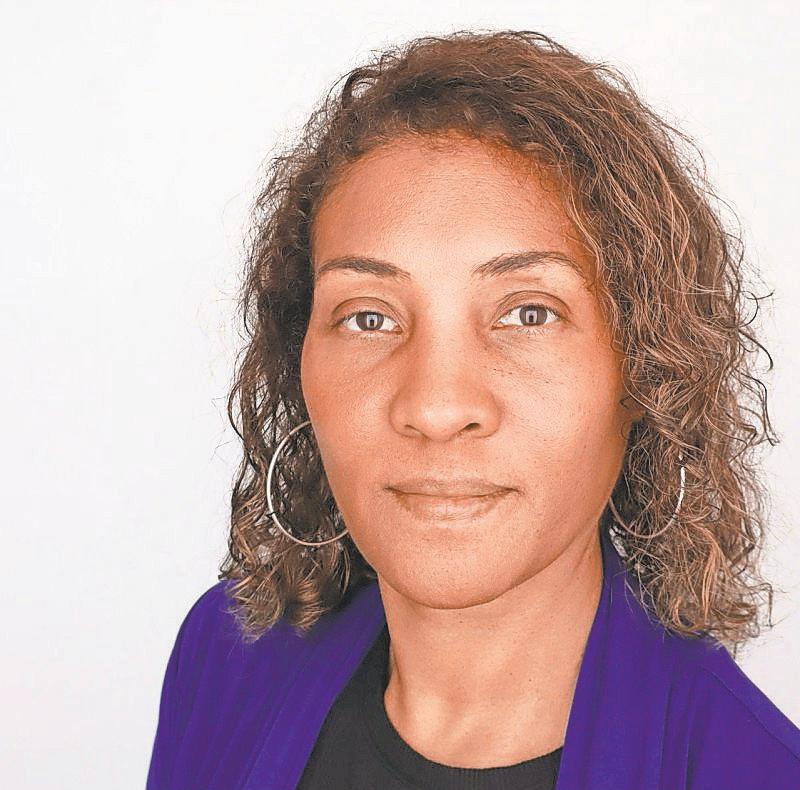
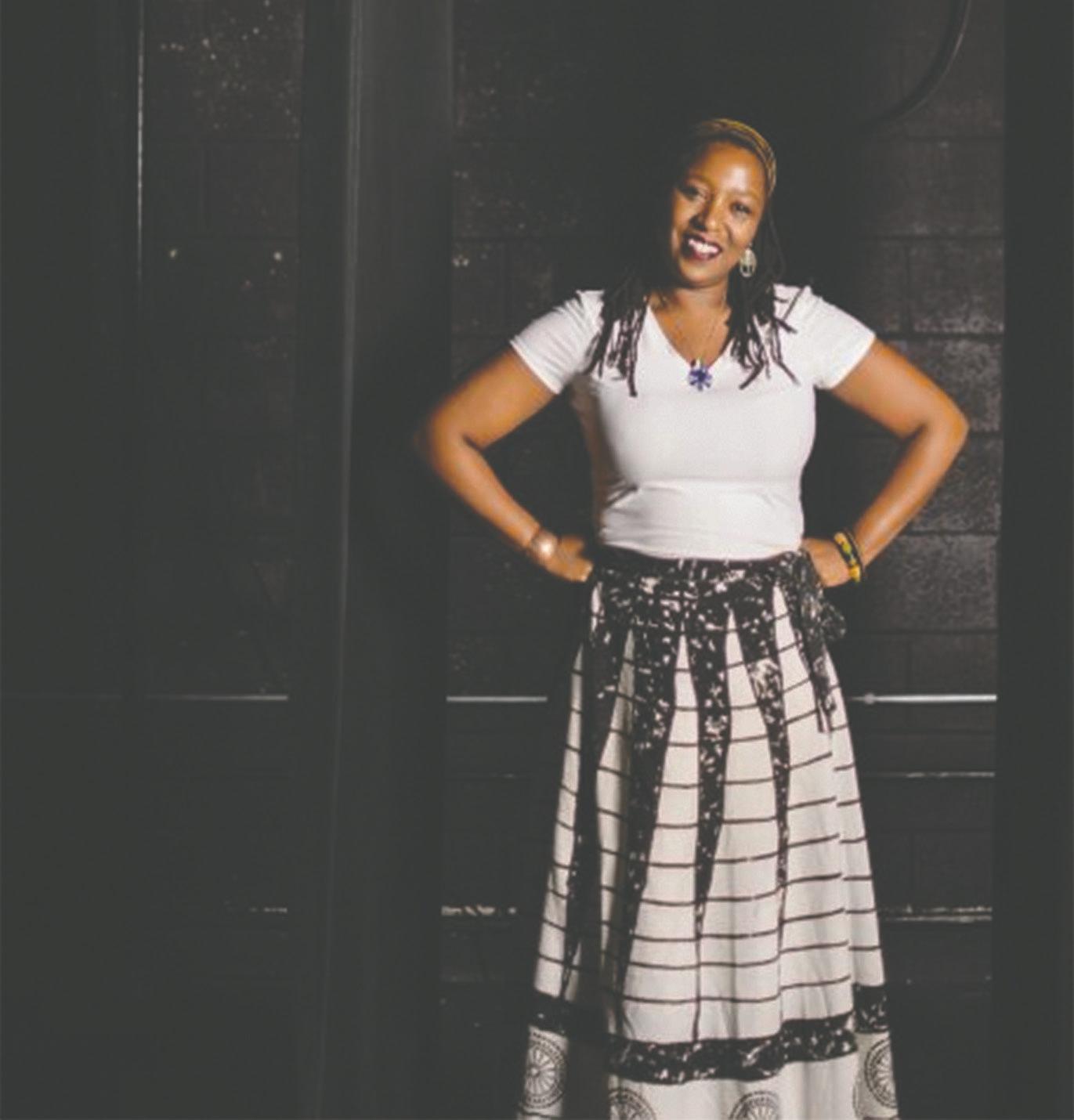
Rosalind Cauthen, executive director of the Baltimore School for the Arts (BSA), and Dr. Nicol R. Howard, an associate professor of mathematics education in the Schmid College of Science and Technology at Chapman University, are among those leading the way.
Both women embody resilience, leadership and empowerment through shaping the next generation of artists in Baltimore and advancing equity for fellow Black women educators. Their work underscores the vital role Black women play in inspiring students and shaping institutions that support and are inclusive of Black people. Cauthen is based in Baltimore, while Howard works in California.
“I’m making change by showing up every day for my students as my authentic self, willing to stand up for equity and fairness.”
Howard shared what sparked her interest in education and her desire to make an impact.
“When I was younger, I didn’t see myself going into the field of education, but I was always aware of inequities, not knowing how to call it out but just seeing that there was an imbalance in how certain students were treated,” said Howard. Howard spent many years in the entertainment industry, including at Paramount Pictures, while also teaching dance at Faithful Central Bible Church in Inglewood, California, before transitioning into education.
“I was working with young girls ages 6 to 13, and every weekend I was with them,” she said. “I was teaching them not just about dance but about life and how your dance and your movement was an extension of how you move through life.”
That experience prompted her to reflect on her
40-hour workweek job.
“I had greater fulfillment being with these youth on the weekends and sharing space with them than my main job,” said Howard.
“I decided to go back and get my teaching credentials.”
Howard later served as a K-12 teacher in Compton, Los Angeles and Santa Ana, California, before advancing into leadership and faculty roles at the University of Redlands and Chapman University. She has taught grades nine through 12 and special education in the Compton Unified School District and grades kindergarten through four in the Corona-Norco Unified and Santa Ana Unified school districts.
Howard received her bachelor’s degree from the University of California, Los Angeles, a master’s in educational technology from Azusa Pacific University and a doctorate in education from Chapman University. Her research has been published in educational journals including EDUCAUSE Review and Urban Education Journal.
“My work has really been about highlighting the nuanced way that we form, measure family, when we talk about our involvement of Black families with their children,” she said.
Cauthen became executive director of BSA in July 2021 after joining the school in 2016 as head of the theater department. During her tenure, she has led equity, diversity and inclusion work at BSA and prioritized healing and restoration in the classroom while developing an Equity Action Plan for the school.
Prior to BSA, Cauthen worked at Center Stage as director of community programs. She earned a master’s of fine arts in theatre from Towson University, where she also served as an adjunct faculty member and led Theatre Arts Mainstage productions.
Cauthen said her biggest inspirations are her students, colleagues at BSA, daughters, family and friends. She also credits Black theater artists such as Ntozake Shange, Amiri Baraka and August Wilson, along with men tors Joy Vandervort Cobb, Maria Broom and Julianne Franz.
“I’m making change by showing up ev eryday for my students as my authentic self, willing to stand up for equity and fairness,” she said. “I work hard to see the students that might be easily overlooked by others. I share leadership with students and staff. It’s import ant that they know this is their school and their input matters.”
“I’m also working to bring in more artists that look like them and represent their commu nities,” she added. “They need to see them selves reflected in the positions and careers
they aspire to attain. Once they see others like them can make it, it instills a sense that they can do the same.”
Cauthen said it is important for Black women to continue leading.
“We’ve worked hard,” she said. “We’ve earned the degrees. We’ve built movements


A NEW CHAPTER BEGINS: WELCOME TO BROADMEAD AT RIDGEBROOK
For over 45 years, Broadmead has been more than a place to live — it’s been a warm and welcoming Life Plan Community where neighbors become friends, creativity flourishes, and every voice is valued. Now, we’re thrilled to invite you to be part of our next chapter: our first-ever off-site expansion, Broadmead at Ridgebrook.*
It’s History in the Making at Broadmead… Curious to Learn More?
Visit Broadmead.org/Ridgebrook, or reach out to us at information@broadmead.org or 443-578-8008.

When we tell the story of the Civil Rights Movement, we tend to remember it through moments: the march, the microphone, the photograph frozen in time. But movements, not sustained by moments alone, are powered by people, daily labor, quiet decisions and acts of care that rarely make headlines. Much of that work was done by women, and much of the toil and outcomes were dismissed as ordinary. To tell the truth about how the movement endured, we have
to listen for the voices history often lowered.
Reclaiming Coretta Scott King’s legacy King’s legacy Even among the women we do remember, their leadership is often misframed. Coretta Scott King is frequently introduced as a wife or widow, rather than as an organizer, strategist and global thinker. Long before she became a national figure following her husband’s leadership and later assassination, she was already engaged in political work — connecting civil rights to peace, labor rights, women’s
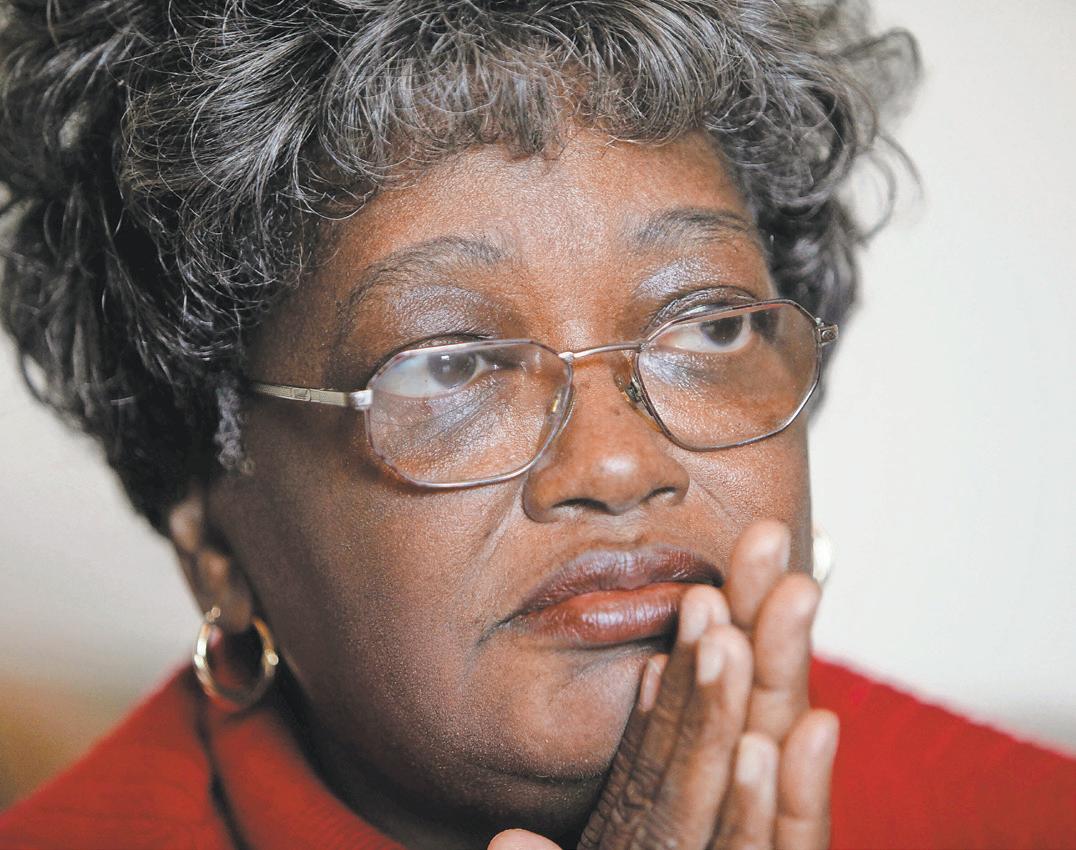
equality and international struggles against apartheid and war.
After 1968, she refused the expectation of quiet grief. Instead, she expanded the movement’s vision, ensuring that nonviolence and justice were not memorialized ideas but living commitments. Her work reminds us that movements don’t end when charismatic leaders are gone. They require people willing to carry them forward.
Claudette Colvin and selective visibility
Visibility has always been selective. Nine months before Rosa Parks’ arrest, a 15-yearold girl named Claudette Colvin refused to give up her seat on a Montgomery, Ala., bus. She did so not because she was trained or prepared, but because she knew the law was wrong and knew she was right.
Young Colvin’s arrest came with trauma, fear and lasting consequences. And yet, movement leaders decided she was not the face they wanted—too young, too poor, later deemed too complicated. Still, her courage mattered. Colvin became one of the plaintiffs in the federal case that ultimately dismantled bus segregation. Her story forces us to reckon with a hard truth: bravery has never guaranteed recognition, especially for Black girls
whose lives do not conform to respectability.
The truth about “Women’s Work”
That same sustaining work showed up in kitchens across the South, where “women’s work” quietly became movement infrastructure.
Georgia Gilmore, a cook and midwife in Montgomery, understood that resistance required resources. Through a collective known as the “Club from Nowhere,” she and other Black women sold fried chicken, pork chops and peach cobbler to raise money for the Montgomery Bus Boycott. Their cooking funded carpools, fed families and helped sustain a 382-day campaign that challenged segregation at its core. What might have been dismissed as domestic labor was, in reality, logistics — freedom financed one plate at a time.
Selma’s homes as headquarters In Selma, that same logic turned homes into headquarters. Amelia Boynton Robinson opened her house as a space for organizing, planning and refuge, while Marie Foster worked tirelessly to support voter registration efforts and sustain marchers through citizenship classes, meals and care. Shoebox lunches,
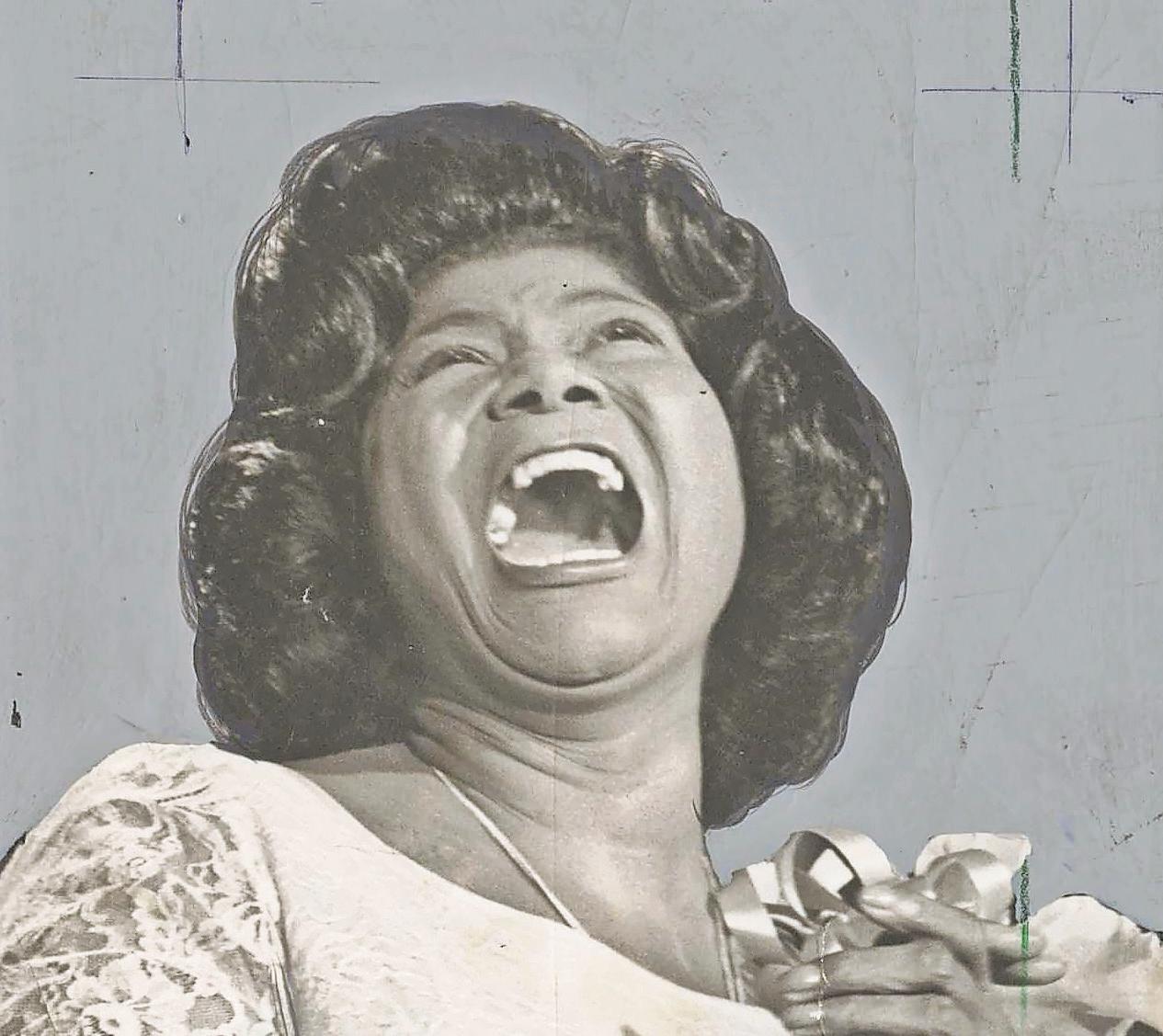
What sustained people through those exclusions, arrests and long nights was not resolve alone. It was also joy, faith and collective grounding. Mahalia Jackson’s voice provided that sustenance. In churches and mass meetings, her gospel singing did more than inspire — it steadied people’s nerves and reminded them why the struggle mattered. Music was not incidental to the movement; it was strategy. When fear crept in, song pulled people back into themselves and into each other. Jackson gave sound to a hope that words alone could not always carry.
spare bedrooms and open doors became as essential as protest signs. These women understood that people could not keep showing up unless someone was making sure they were fed, rested and held together.
Taken together, these stories remind us that the Civil Rights Movement was not only built on speeches and laws. It was built on labor deemed ordinary, care dismissed as secondary and
By J. Rydell
Having just been accepted at the University of Alabama, Autherine Lucy Foster was eager to continue her education by pursuing a master’s degree. She received a bachelor’s degree from Miles College, a private, historically Black liberal arts institution. But the year was 1952, and when administrators at Alabama discovered she and her friend were Black, their admissions were suddenly rescinded.
“Clearly she (Foster) was qualified, because they looked at her credentials and accepted her,” said Dr. Edwin T. Johnson, special assistant to the provost and university historian at Morgan State University. “But when you understand that most of what Blacks endured in this country is hinged on the fact that [Blacks are] supposed to be an inferior race [you can understand their decision]. So if she was indeed inferior, why was she qualified until she showed up?”
Two years later, Baltimore attorney Thurgood Marshall, chief counsel for the NAACP, played a pivotal role in persuading the U.S. Supreme Court to issue its historic Brown v. Board of Education ruling, which declared school segregation unconstitutional. By 1955, the NAACP helped secure a separate court order preventing the University of Alabama from barring Foster’s admittance based on her race. But her second attempt to attend classes in 1956 sparked an angry backlash by a mob of White students and adults. During the riot, her life was threatened, and the university president’s mansion was damaged. Fearing for Foster’s safety, the university’s board of trustees suspended and then expelled her.
Dr. Ida Jones, historian, author and university archivist at Morgan State University, reflects on the unrest: “Someone could have been shot, and they (protesters) didn’t care whether she was a woman or a man. It’s amazing … things could have been more volatile and she could have lost her life.”
During a televised interview with Mike Wallace in 1957, Marshall criticized President Dwight D. Eisenhower for not taking a more
“So you had to really beat this (segregation) down to get it off of the books and then to build a civil society in which people were judged by the content of their character, not the color of their skin,” said Jones.
active role in ordering states to abide by the high court’s ruling banning segregation in public schools and universities.
“The president should have shortly after the decisions gotten on the television network or radio and spoken as the chief executive of this government to the good people of the South, urging them to support the decision of the Supreme Court as the law of the land, whether they believed in it or not,” Marshall said then.
In 1967, President Lyndon B. Johnson appointed Marshall to the high court, making him the first African-American Supreme Court justice.
Foster’s struggle to pursue graduate studies at an all-White university occurred during a tumultuous time in the Civil Rights Movement. Jones points to the lynching of 14-year-old Emmett Till in Mississippi in 1955. That same year, Rosa Parks was arrested in Montgomery, Ala., for refusing to give up her seat to a White man in the front of the bus. Her arrest sparked a 13-month bus boycott by Black citizens and prompted the Supreme Court to issue a ruling, which declared segregated buses unconstitutional.
Foster’s struggle to attend the university came several years before the election of Alabama Gov. George Wallace. During his inaugural address in 1963, Wallace told cheering supporters: “Segregation today, segregation tomorrow and segregation forever.” His statements were seen as a rallying cry against federal government mandates to integrate public schools. In a symbolic move several months later, Wallace stood at the door of the university’s auditorium, briefly blocking two African-American students from enrolling. He only stepped aside after President John F. Kennedy mobilized the Alabama National Guard, allowing the two students to register to attend classes. That night, Kennedy delivered a televised address on civil rights and proposed legislation that would eventually become the Civil Rights Act of 1964.
Dr. Johnson said Foster’s notoriety adversely impacted her career as a teacher.
“She had problems getting employment because people knew who she was and didn’t want to hire a troublemaker and bring unwanted attention to their organizations or schools, so her family moved around three or four times for her to try to outrun her identity and get a fresh start,” the historian said.
It was not until 1988 that the University of Alabama formally rescinded Foster’s expulsion. She re-enrolled at the Tuscaloosa campus and in 1991, she received her master’s degree in elementary education. In 2010, the clock tower on the Tuscaloosa campus was named in her honor, in a ceremony which commemorated the first three Black students who helped desegregate the university. A campus dormitory was also named in Foster’s honor. The building was previously named for Bibb Graves, a former Alabama governor and local leader of the Ku Klux Klan.
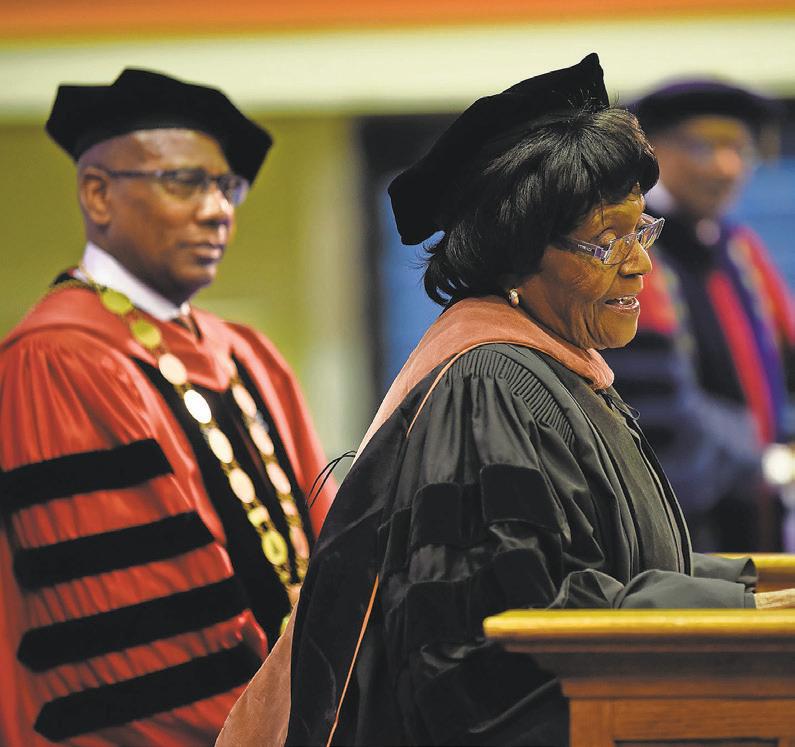
To celebrate her civil rights achievements, Autherine Lucy Foster was awarded an honorary doctorate degree in public service during
courage that didn’t always fit the narrative. Freedom was organized in living rooms, sung into crowded churches, cooked into survival and carried forward by women whose work made everything else possible. To honor them is not to add footnotes to history—it is to finally tell it honestly. Joshua Levi Perrin is a writer for Unerased | Black Women Speak. This article was originally published by Word In Black.
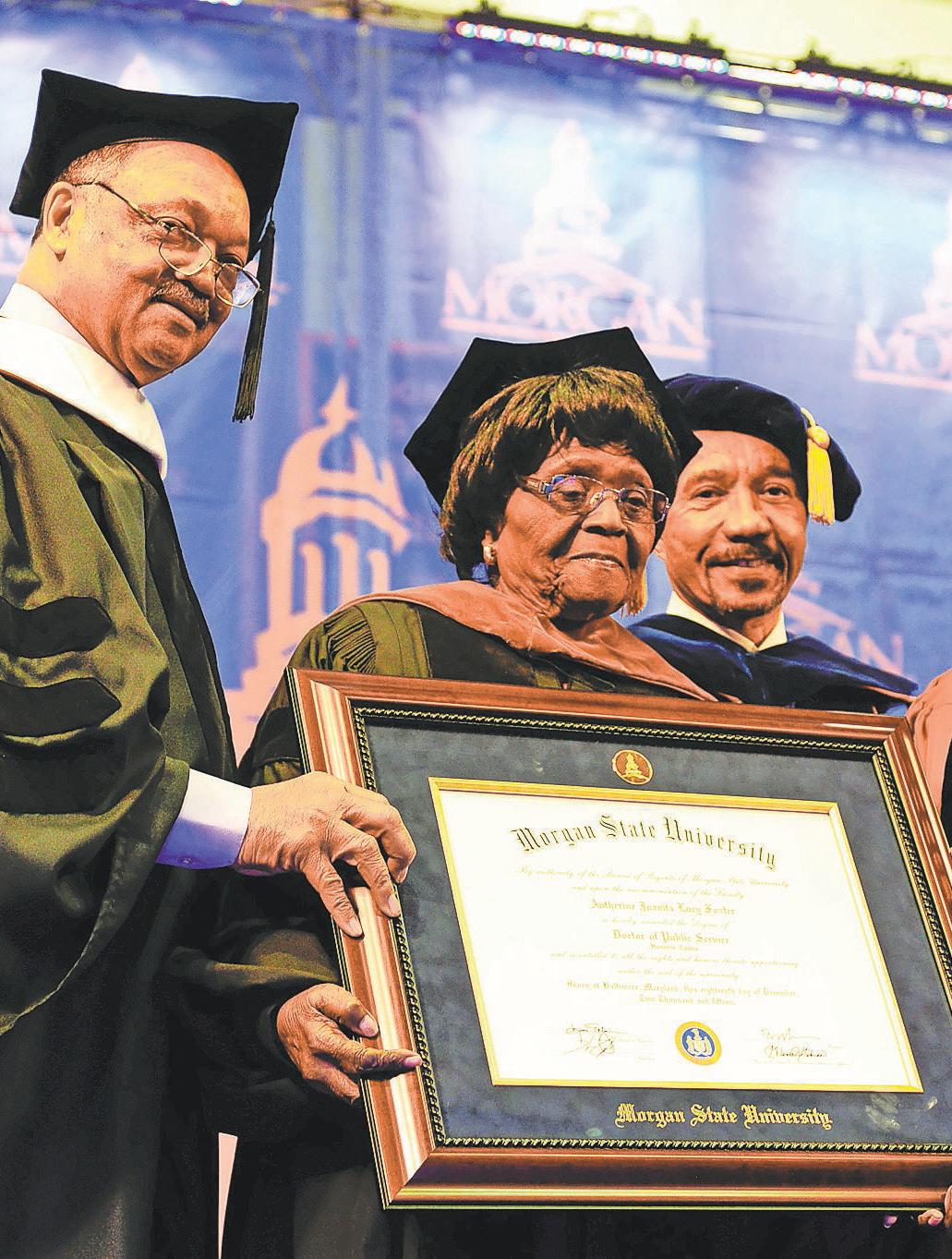
Morgan State University’s commencement ceremony in December 2015. She was invited by Morgan’s President David W. Wilson, who grew up in the same Alabama county as Foster. The Rev. Dr. Jesse L. Jackson Sr., who delivered the commencement address that day, said Foster “represents the best in us … a Black woman who refused to flinch, refused to back down, first in the doors of the University of Alabama.”
Dr. Jones said it is likely Foster did not set out to be a hero. “I don’t think she started out trying to be a trailblazer. I think her efforts were to just get her degree and become a good, educated citizen.”
Reflecting on Foster’s life, Dr. Johnson said it is a reminder of the lengths many African Americans have to go to obtain a higher education.
“Her journey was not only amazing, but it served as a reminder to what African-Americans experienced trying to make their way through American higher education, which should have been a right, but since its inception had been a privilege,” Johnson said.
The women of Howard University are taught to push boundaries. From novelist Toni Morrison and former Vice President Kamala Harris to fashion designer Kahlana Barfield Brown and actress Taraji P. Henson, Howard women show that Black women were never the afterthought of movements — we were often the architects of them. As a Howard alumna, I carry that legacy with pride.
That’s why I’m joining the growing outcry from students and alumni across the globe over the university’s new policy banning kneeling during the national anthem.
A long tradition of protest at Howard
The policy comes after Howard’s women’s basketball team kneeled during a game against the United States Military Academy at West Point, continuing a long tradition of protest on Howard’s campus. In 2016, Howard cheerleaders knelt in solidarity with former NFL quarterback Colin Kaepernick. Four years later, during the racial reckoning of 2020, Howard’s women’s basketball team carried the tradition forward — kneeling in solidarity with Black women, men, and children facing injustice across the diaspora.
Now the university says kneeling is no longer allowed.
Silencing Black women just after Black History Month and during Women’s History Month sends a troubling message — one that reflects a broader pattern in this country: the minimization of Black women’s voices, even when we are central to the movement.
When journalist Georgia Fort was arrested alongside Don Lemon
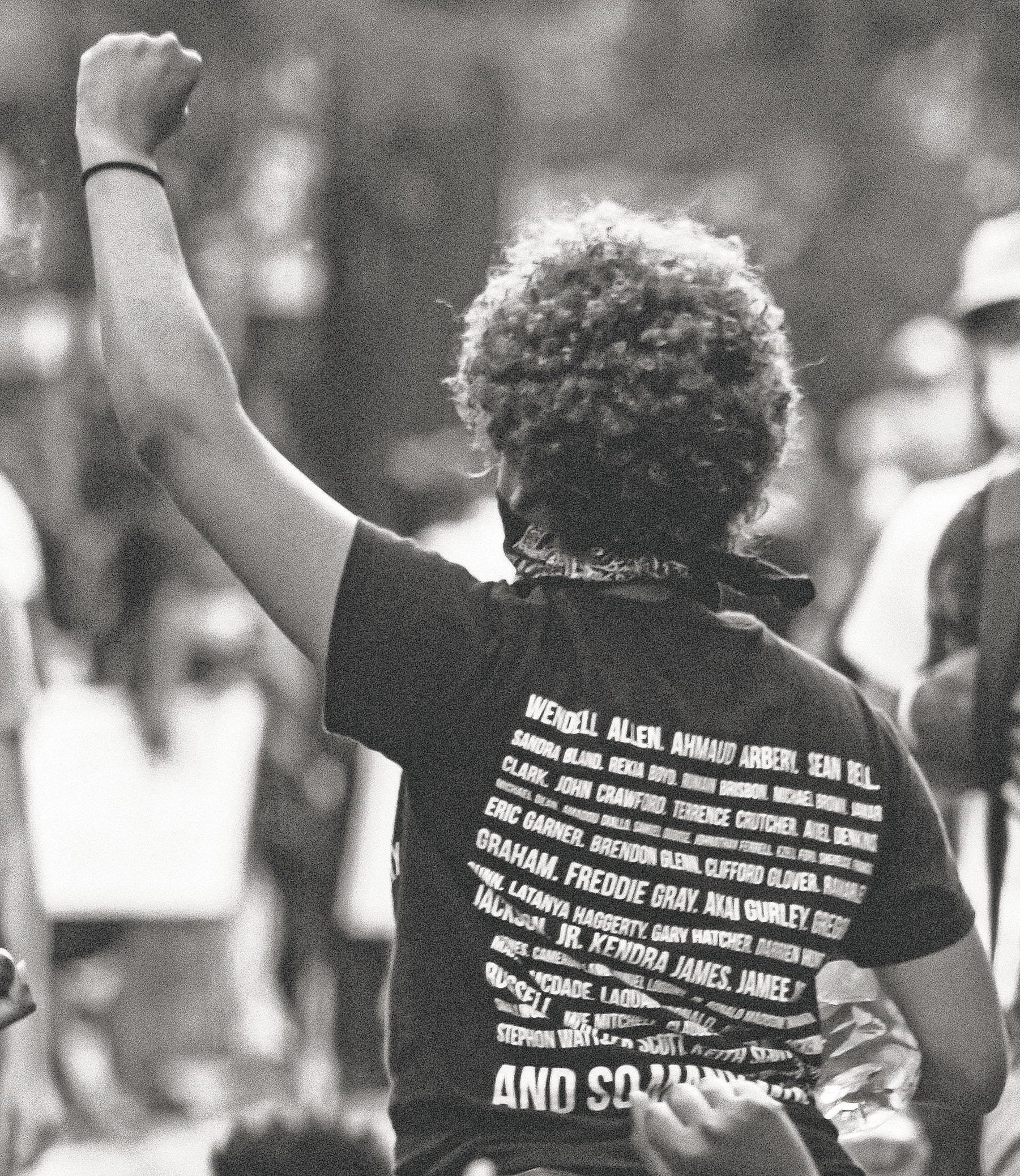
during protests, her name rarely trended. When Joy-Ann Reid lost her show months before controversies surrounding Jimmy Kimmel prompted national outrage, many boycotts only mentioned the latter. Black women are used to being erased. But being silenced by your own institution — one that claims to value truth and service — is a different kind of pain.
Sports have always been a platform for protest
Sports have long been one of the spaces where women learn to use
their voices. According to research from EY and espnW, 94 percent of women in C-suite leadership roles played sports growing up. Participation builds confidence, resilience, and leadership—skills that help women challenge systems that expect their silence. It’s why Black women athletes, in particular, have often stood at the intersection of sport and protest.
Tennis champion Serena Williams famously boycotted the Indian Wells tournament for 14 years after enduring racist booing and jeering there. In 2020, players across the
By
It started with a casual lunch conversation between a county governor and his cabinet ministers about a colleague’s menstrual pain. The discussion led to a first in Kenya: The right for female employees to take menstrual leave.
The new policy took effect in December 2025. It grants county government employees in the capital, Nairobi, two days off every month to deal with the pain and discomfort of menstruation, with the aim of improving productivity and well-being.
Gov. Johnson Sakaja told The Associated Press that Kenya’s national government has expressed interest in how it goes, and other county governors have as well.
“Your biggest asset is your staff,” said Sakaja, who shepherded the new practice and oversees a government where more than half the 18,000 employees are women.
“It starts with dignifying your own staff, for them to feel that they’re respected and dignified.”
Governor says ‘women’s rights are not anti-productivity’
There has been little public objection. Critics have said the policy could discourage employers from hiring more women, but Sakaja disagreed,
saying he believes that women perform better than men when they are supported.
Women currently lead the Nairobi county government’s business and health portfolios.
“A lot of labor policies were written many years ago by men,” the governor said.
“Women’s rights are not anti-productivity — they are an input that creates productivity.
It’s actually an investment in your workforce.”
He said there would be no financial impact, as the county has more than one person for each role.
“It will not be a train smash
WNBA — a league made up largely of Black women — wore “Say Her Name” shirts honoring Breonna Taylor and others lost to racial violence.
At Howard, that blueprint meets a long-standing expectation that students speak out — and the basketball team did.
Finding my voice at Howard
I know the power of sports firsthand. During my high school years as a member of two varsity teams, I learned self-advocacy — and the importance of advocating for others.
Our coaches had a phrase: one band, one sound. If one teammate made a mistake, the entire team ran extra laps in the New Orleans heat. The lesson was clear—we were responsible for one another.
Those lessons followed me to Howard.
On campus, I joined a legacy of women who refused to stay silent.
I joined my sorority because my founders fought for women’s right to vote at a time when they faced opposition from both white and Black men. Later, I helped coordinate events around the 30th anniversary of the Million Man March.
My classmates and I walked from Howard’s campus to the U.S. Capitol, reciting historical speeches and sharing our own demands.
We believed we had a responsibility to speak—to advocate—to be heard.
Years later, as a programming director at a nonprofit supporting girls with incarcerated parents in Louisiana, I saw how transformative those lessons could be. Statistically, these girls were among those most likely to experience teen pregnancy, drop out of school, or encounter incarceration within their families.
At the center of many of those challenges was self-esteem — shaped by repeated rejection from systems
recognize menstruation as a legitimate workplace health issue.
“The feedback we have gotten, especially from the staff that work in public service management, is that it’s very refreshing. And when they come back, they are able to work even better,” said Nairobi County Human Resource Manager Janet Opiata.
At least 12 women from her department, including a senior director, benefited from the leave in February, Opiata said.
The policy is a “no-questions-asked, no-forms-filled” arrangement and offers paid leave alongside the usual sick and annual paid leave enshrined in labor law. Nairobi has implemented the policy using a cabinet decree and an internal memo from the human resource office.
if three or four people in a department are not there for a day or two,” he said.
Japan was the first to adopt such a policy
Japan adopted a menstrual leave policy in 1947. The latest was Spain in 2023. Other countries include Indonesia and South Korea.
In Africa, only Zambia has nationwide menstrual leave policy. It allows female workers to take one day per month without having to provide a note from a health care provider.
Advocates say such policies
Stigma remains a barrier for some women
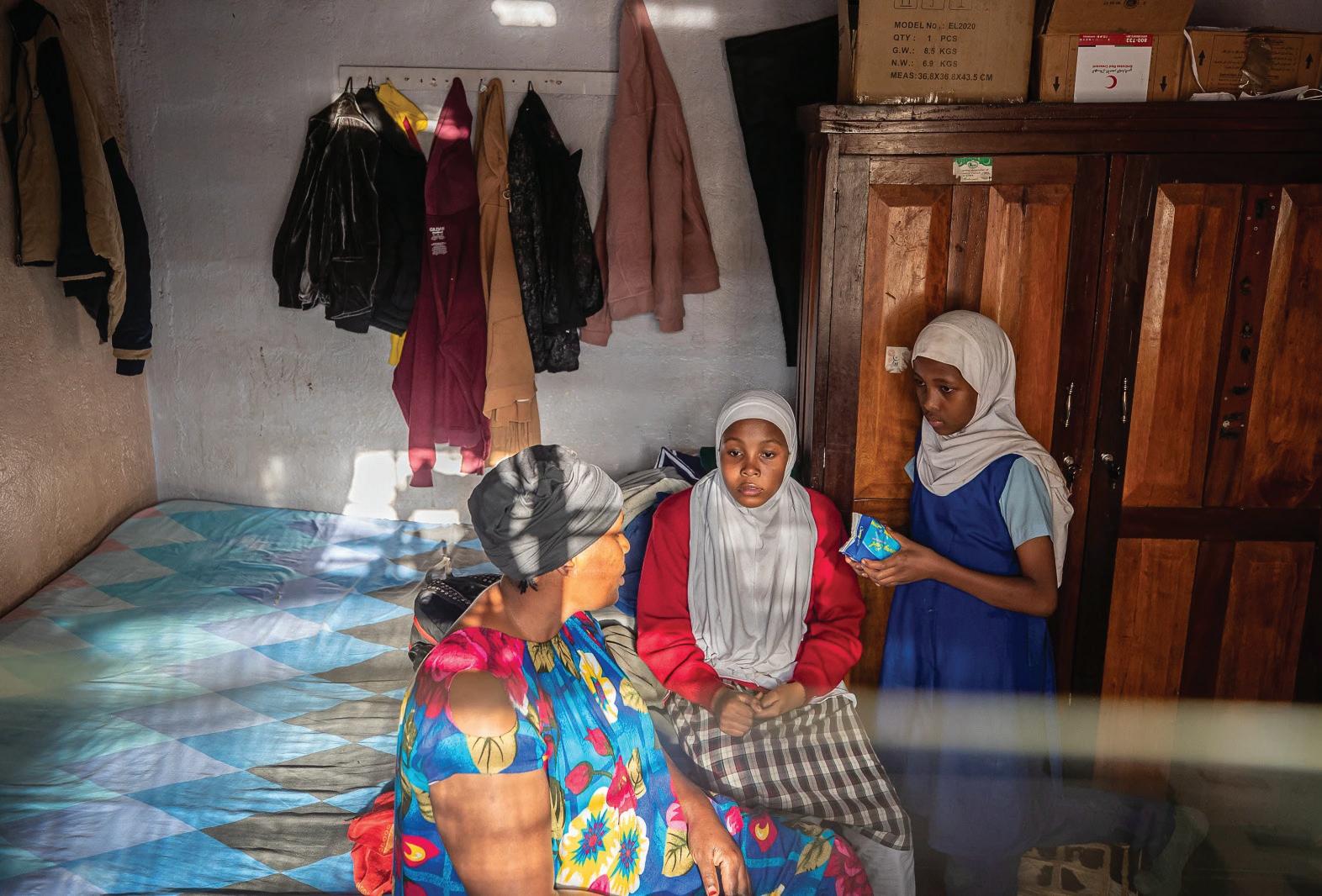
Marion Kapuya, a 25-yearold revenue officer with the county, said the policy has already made a difference.
“Working with pain or discomfort can lead to mistakes or low productivity,” she said. “When you take the break and you are relieved from the pain, your performance will be top-notch.”
She added that stigma remains a significant barrier in many workplaces.
“Before I get to a point of saying, ‘Excuse me, sir, I am
meant to support them.
Our programs helped them find their voices. As part of the program, I took five of those girls to Washington, D.C., where we met with lawmakers to advocate for children with incarcerated parents. During the trip, we also toured Howard University.
Walking across campus again, I remembered the sisterhood and purpose the university instilled in me. But I also remembered the protests — about dorm conditions, food safety, and national injustice. Many of them were led by Black women determined to demand better from the country and from Howard itself. Howard has never been perfect. But it was a place where I felt empowered, supported, and encouraged to speak truth to power. And I told the girls this: sports taught me community, and Howard empowered me to use my voice.
What Howard’s new policy means now
That’s why this moment feels so dissonant.
The team has chosen to continue its protest by remaining in the locker room during the national anthem for the rest of the season. Their decision reflects the courage the university has historically encouraged in its students.
But the policy banning kneeling sends a different message — one that risks muting the very voices Howard helped Black women create. When those young women look back on their time at Howard, will they remember the legacy of empowerment that shaped generations before them? Or will they remember that the place meant to nurture their voices was also the place that tried to silence them?
This commentary was originally published by Word in Black.
on my period and I don’t feel OK,’ it is so hard,” she said.
The Nairobi county governor said he received feedback that even with the policy, it could be embarrassing telling a manager that days off were for menstrual leave.
A Nairobi private-sector worker, Christine Akinyi, called two days a great start but said it should be increased to four days. She also expressed concern, however.
“People will prefer to employ more men because they don’t have these sick leaves,” she said.
Menstrual challenges include vomiting or severe headaches
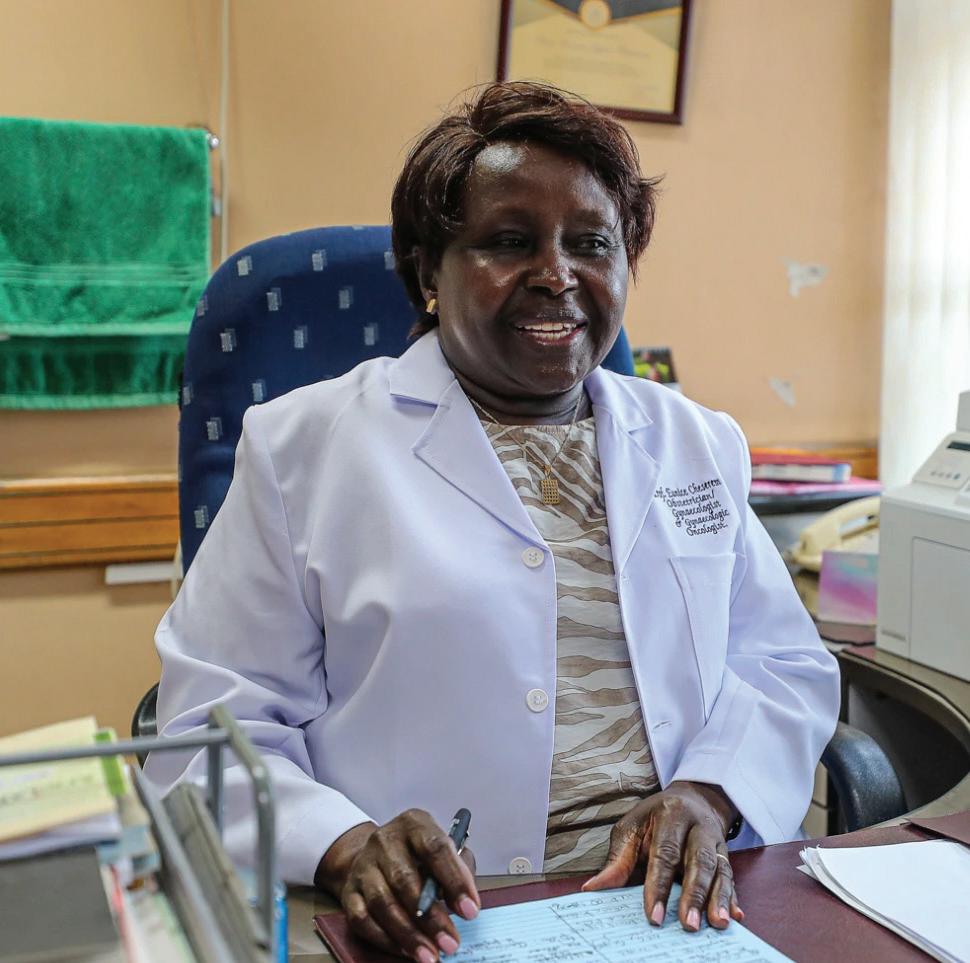
A Nairobi-based gynecologist, Eunice Cheserem, said severe menstrual pain is common in 50 percent of the women she sees at her clinic.
Kenya does not have national data on menstrual pain.
“If a woman gets severe
menstrual pain, she actually ceases to be functional. Some will get vomiting, severe headaches, they vomit everything, they have diarrhea, they have very terrible cramps,” she said. “Some respond to conventional analgesics, but very many need very, very strong analgesics for them even to be able to function.” Cheserem said the new menstrual leave in Nairobi county offers needed rest and a chance for women to take care of themselves. For more on Africa and development: https://apnews. com/hub/africa-pulse
The Associated Press receives financial support for global health and development coverage in Africa from the Gates Foundation. The AP is solely responsible for all content. Find AP’s standards for working with philanthropies, a list of supporters and funded coverage areas at AP.org.


By Alexis LaRue AFRO Intern alarue@afro.com
The media landscape has undergone a significant transformation, with shrinking newsrooms and financial instability forcing a necessary “pivot” for survival. This is where Natalie Wilson, a cofounder of the strategic public relations agency, PR Pivot, enters. The organization was founded by Wilson, Niyah Brooks, award-winning PR strategist; Chanelle Oliver, founder of Elle Oliver Media; and Takirra Winfield Dixon, founder of
In the heart of Bowie, Md., Nadine Vatel sits within the serene expanse of Sensory Sentiments Massage and Wellness Spa, a space she describes as a “vision brought to life.” But for Vatel, it took a lengthy journey to become the CEO and principal owner of the location.
One month after its grand opening in 2023, Sensory Sentiments faced a threat that could potentially have the business close its doors for good. Construction delays had drained Vatel’s initial resources, and lease agreements forced her to pay rent long before the doors could open to the public.
Unapologetic Communications in November 2025 and emerged to fill community needs—not grand ideas of wealth. Together, the ladies sought to address the displacement of 300,000 Black women in the workforce.
The founders’ primary goal was to spotlight and increase the visibility of Black women entrepreneurs who were actively building and promoting their businesses. But who would tell their stories with so many changes in the newsroom?
“We saw media platforms folding and people being let go,” said Wilson. “The reporters we
were tapping into to help bring visibility were no longer there. We wanted to help entrepreneurs get visibility for their cause.”
Initially, the effort was timed to coincide with Giving Tuesday and Small Business Saturday.
The PR Pivot founders wanted to offer a lifeline to women who had been laid off by the government and turned to side hustles as their primary source of income.
“Too many Black women have to pivot and they don’t have the network to help them,” said Wilson. “That’s where we jumped in.”
With the PR Pivot’s
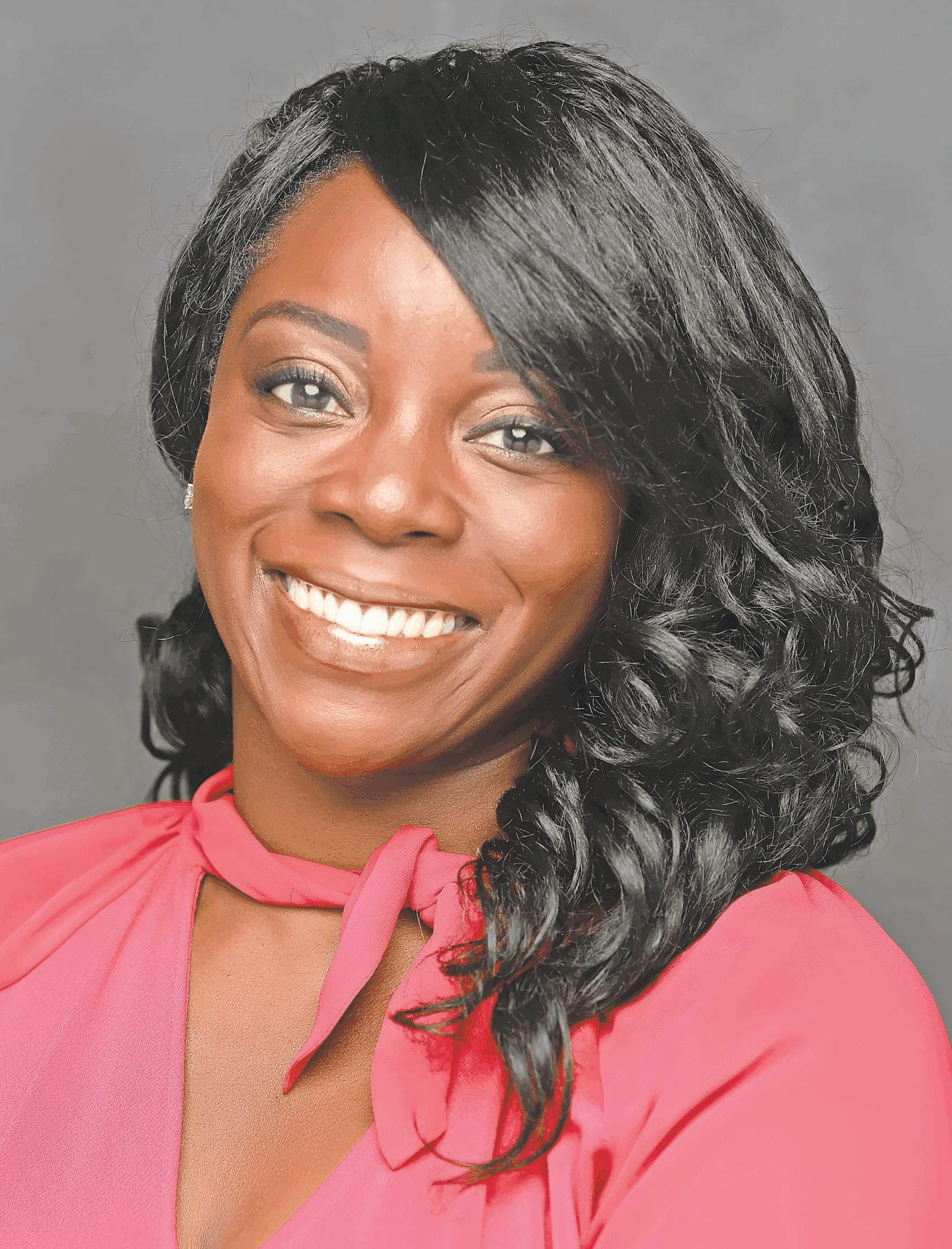
“Money disappeared before a single client could walk through our doors,” said Vatel. She took to social media, not just to vent, but to expose the difficulties of dealing with out-of-state property owners and the high costs of bringing
Trezell Ragas CEO and founder of Ragas Consulting
As the CEO and visionary behind Ragas Consulting, Trezell Ragas spent almost a decade turning a bold vision into a reality to empower overlooked communities across the region and across the Washington, D.C. area. However, it took more than just her drive to get to where she is today. At 12 years old, her life in Port Sulphur, La., was upended by Hurricane Katrina. Her family relocated to New Orleans, something that she said changed “the trajectory of her life.”
“Hurricane Katrina was the worst thing that happened to us because we lost everything, including some people,” said Ragas. “But it was the best thing for me personally as a 12-year-old girl who was
older buildings up to modern codes. The response was a grassroots uprising.
“Residents immediately said, ‘You are not closing
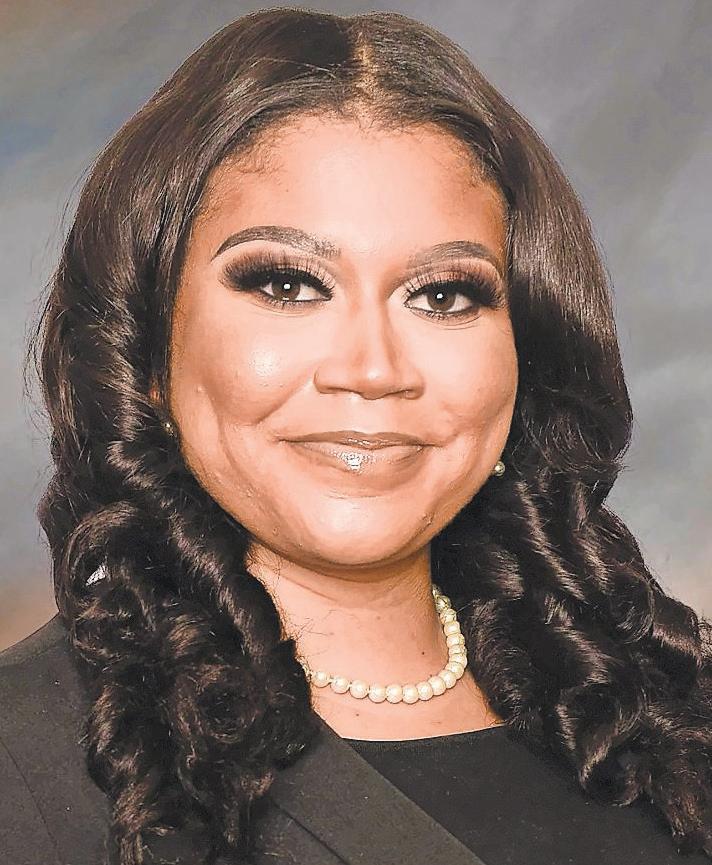
curious, eager to learn, always putting herself out there.” A graduate of Southern University with a background in law, Ragas uses her legal expertise to advocate for inclusive economic strategies. Currently, she serves as the
significant reach over social media platforms, they chose four women to be a part of a cohort in order to shed light on their businesses and what they’ve done as entrepreneurs within the community: Trezell Ragas, founder of Ragas Consulting; Keri Daniel, founder of Good Shots Med Spa; Tonja Paylor, founder of Purpose Point Strategies and Nadine Vatel, founder of Sensory Sentiments.
Read below to find out more information about these leading ladies who turned an unexpected layoff into an entrepreneurship journey.
Keri Daniel, a board-certified nurse practitioner, is establishing a distinct presence in the fast-paced field of medical aesthetics. As the founder and CEO of Good Shots Med Spa, Daniel focuses on weight management and wellness, shifting her career from general nursing to a specialty that emphasizes patient education over the pursuit of “miracle cures.”
As a U.S. Army veteran and California native, she began her clinical career at the University of Maryland, advancing from nursing assistant to Board-Certified Nurse Practitioner. Daniel initially began contemplating a business for herself in 2018. The idea was postponed due to the COVID-19 pandemic.
Still, she pressed forward
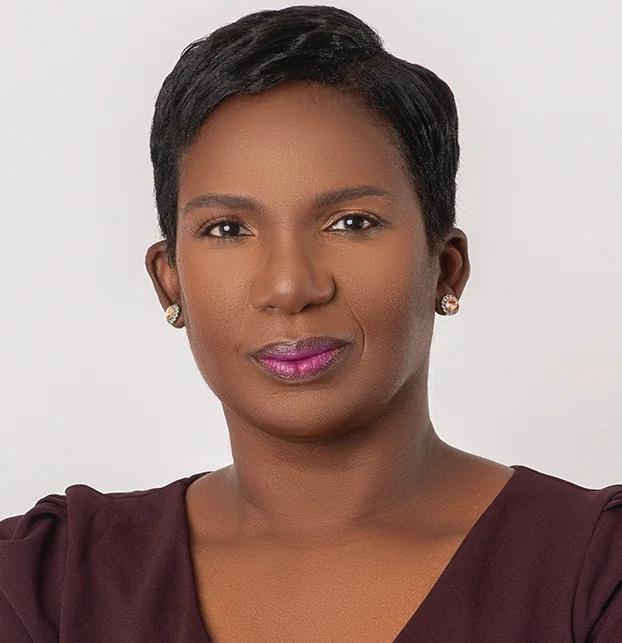
Tonya Paylor is a marketing and public affairs executive who has transformed more than 30 years of corporate leadership into a career focused on advocacy, community health and equity.
Paylor is founder and CEO of Purpose Point Strategies. She uses her expertise in brand strategy and stakeholder engagement to help organizations “communicate with clarity and act with purpose.”
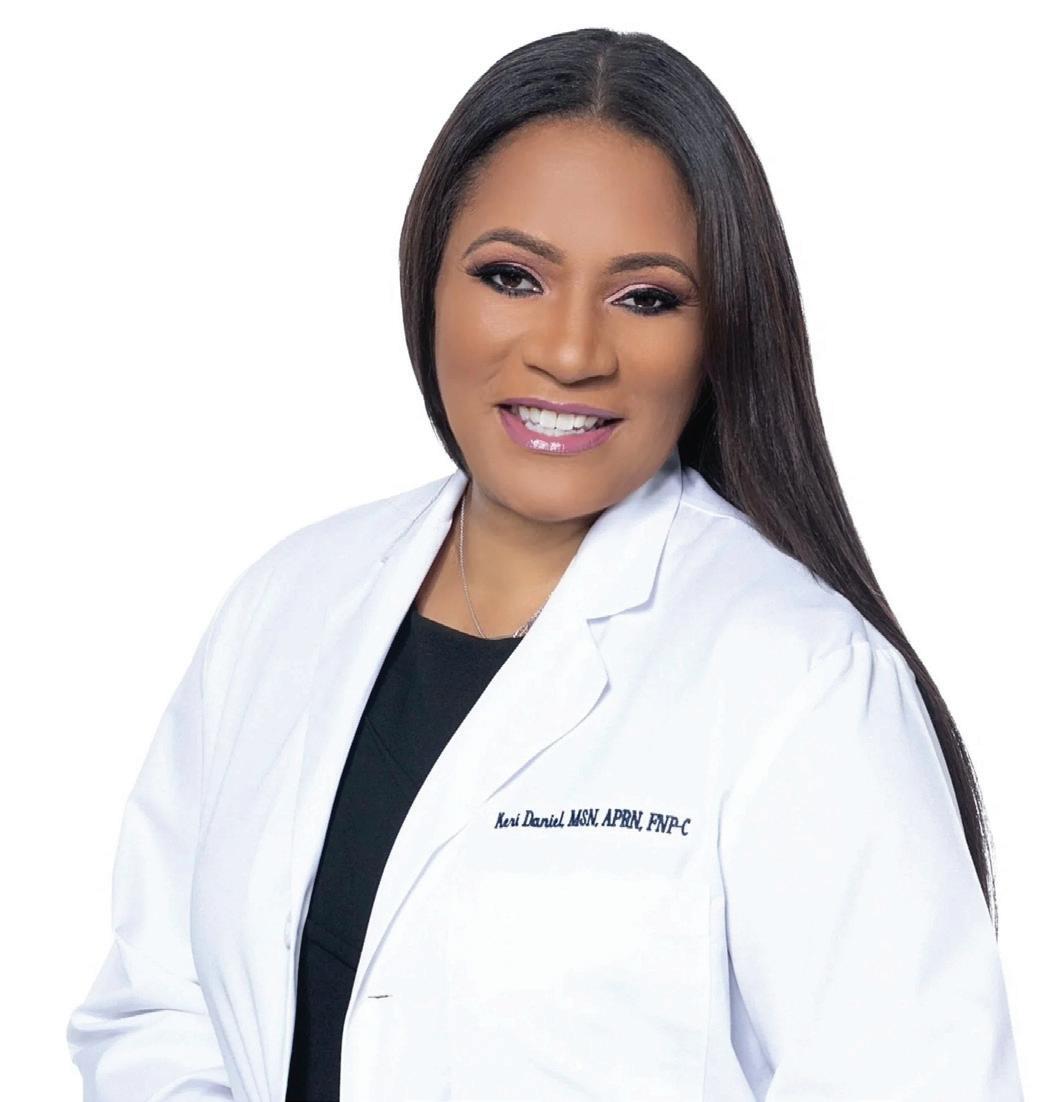
and launched Good Shots Med Spa with a focus on comprehensive wellness. The spa has gained a reputation for its specialized lifestyle change programs.
Daniel integrates weight management, IV therapy and injectable treatments within her services.
Her transition from traditional nursing to entrepreneurship was driven by a desire to offer more personalized
care. As a Black-owned, woman-owned and veteran-owned business, Good Shots Med Spa reflects Daniel’s numerous identities. As she moves further into 2026, she hopes to keep pushing her services as well as empower individuals to feel like their old selves. In a world filled with specific medical trends, Daniel will continue to bridge the gap between clinical safety and the luxury of self-care.
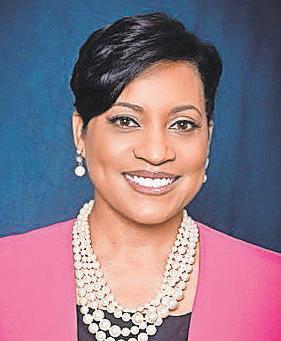
co-chair of the Economic Empowerment Committee for the National Coalition of 100 Black Women, where she works at the forefront
As a graduate of Hampton University with an MBA from the University of Phoenix, her career has spanned leadership roles at nationally recognized organizations and brands like Medifast, Cricket and MedStar Health.
But when her department
was abruptly eliminated in 2025, she found herself at a familiar crossroads for Black women who have been laid off. Instead of trying to find another position elsewhere, she chose to create her own opportunity.
By ReShonda Tate
Black women have always been at the center of the story—even when history tried to write us out. Thankfully, a brilliant group of contemporary African-American authors is giving our foremothers the spotlight, the mic and the flowers they deserve. From Harlem to Hollywood, sewing rooms to skyways, these novels bring the past to life through the eyes of women who refused to be background characters in anyone’s story.
So grab your tea, curl up in your favorite reading chair (or, let’s be honest, the front seat while waiting on kids) and dive into this list of 10 incredible historical fiction books that celebrate the brilliance, grit and legacy of Black women trailblazers.
These books aren’t just historical—they’re her-storical. They speak to the resilience, brilliance and boldness of Black women whose names you need to know. Add them to your reading list, gift them to your besties and keep turning the pages—because our stories are just getting started.
This article was originally published by the Defender Network.
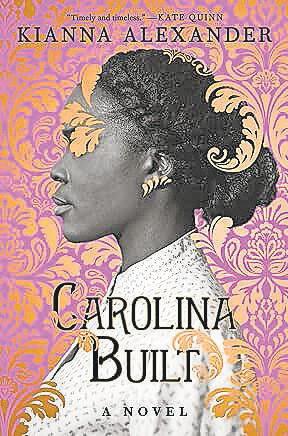
By Kianna Alexander
Meet Josephine N. Leary, a real estate mogul before it was sexy. Born into slavery, she built a property empire in North Carolina while juggling motherhood, marriage and microaggressions (before we had the word for it). Alexander gives us a heroine who’s smart, savvy and way ahead of her time.
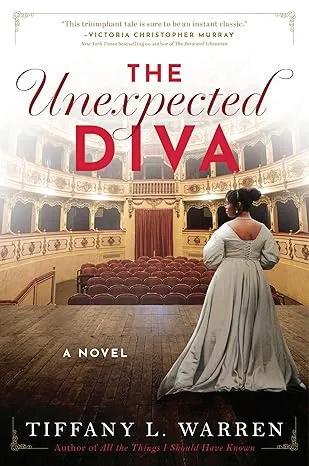
By Tiffany L. Warren
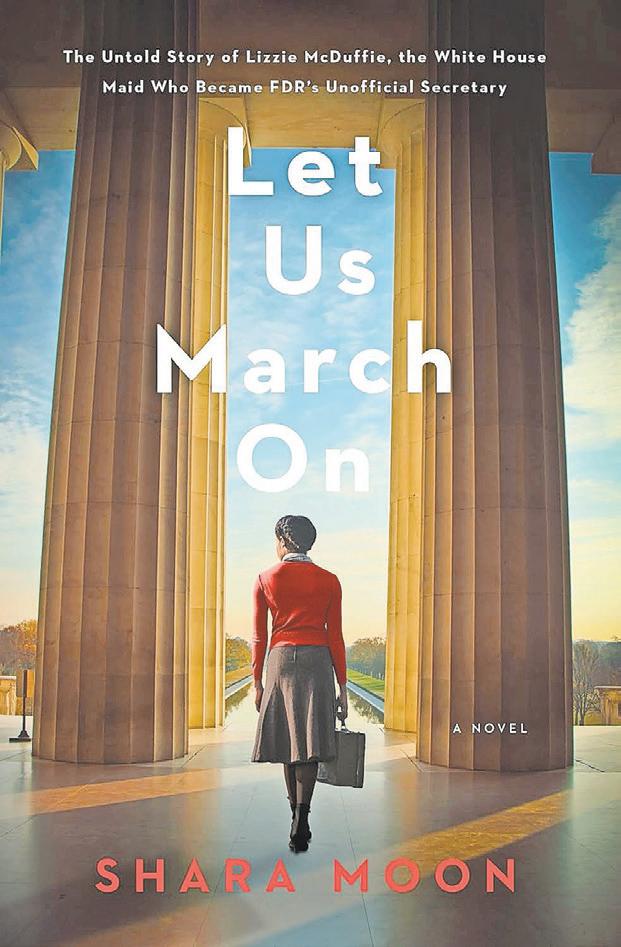
Set against the backdrop of the Civil Rights Movement, this lyrical debut follows Claudia “Cece” Washington, a student activist swept up in the Montgomery Bus Boycott. With poetic prose and heart-tugging moments, Moon gives us Cece’s voice, pride and courage— reminding us that change has always worn heels and a press-and-curl.
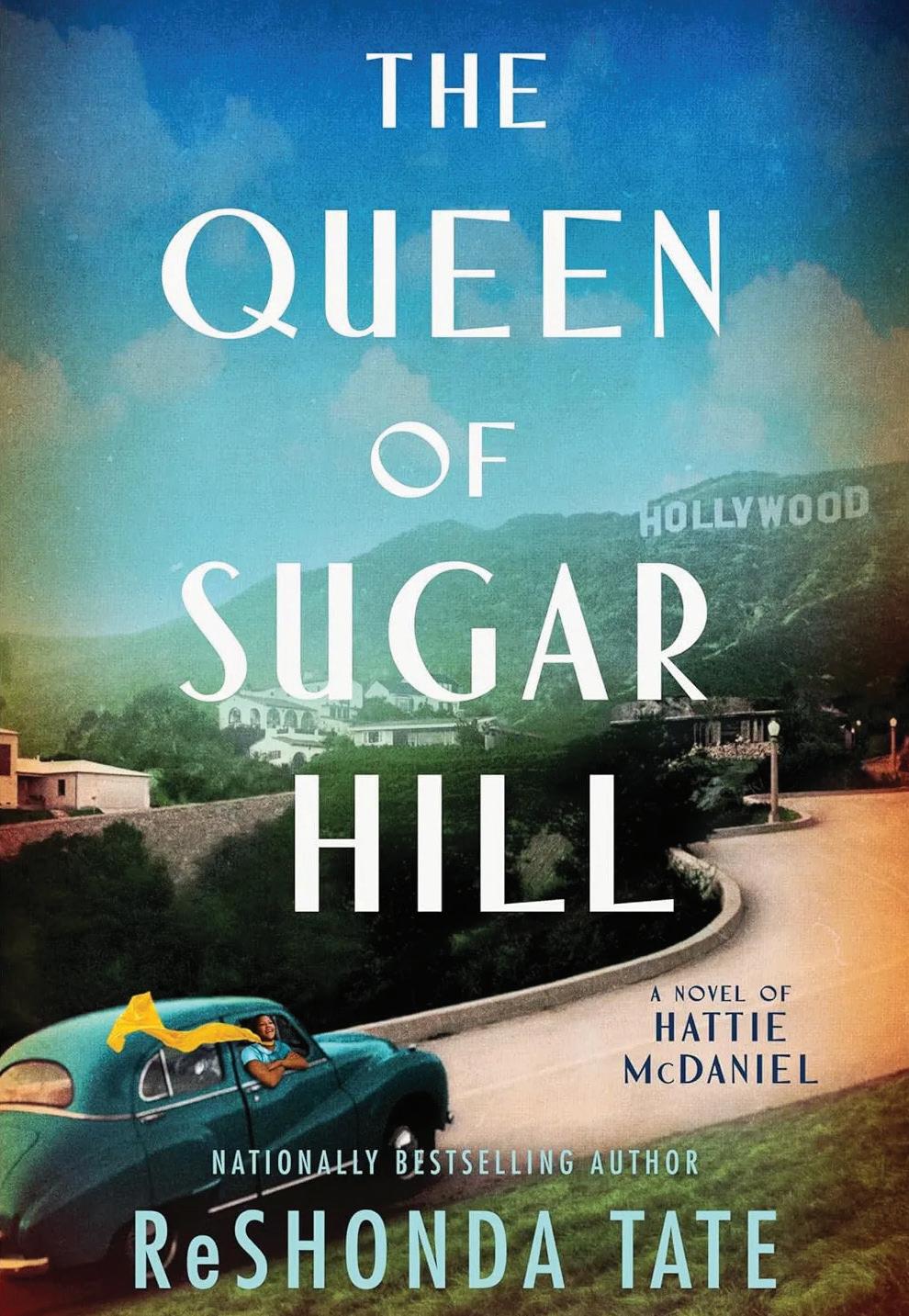
Yes, yours truly wrote this one—and I poured my whole heart into honoring Hattie McDaniel, the first Black woman to win an Oscar (and the first to have to fight tooth and nail just to sit in the room). This book dives into Hattie’s journey from maid roles to movie star, and the behind-the-scenes pain that came with her spotlight. Her story is as layered as her Sunday pound cake and just as rich.
Step aside, Aretha, Elizabeth Taylor Greenfield was snatching wigs with her soprano before the Civil War. Known as “The Black Swan,” Eliza was a tall, dark-skinned, full-figured opera powerhouse who didn’t fit the dainty European mold—but honey, when she sang, even the Queen of England had to stop and listen. From the churches of Philly to Buckingham Palace, Warren brings this nearly forgotten diva’s story to dazzling life, showing how Eliza stared down racism, kidnappers and critics with nothing but grit, grace and a voice that could bring the house down.
Continued from B1
extended beyond traditional marketing, focusing on health advocacy and addressing disparities affecting women. Which eventually turned into her own business, Purpose Point Strategies.
Launched in late 2025, the business focuses on executive visibility, public affairs and stakeholder engagement, creating the belief that “Every message has the power to move people, and every connection can create change.”
Paylor’s lasting and expanding career, which continues to flourish,
was launched with a strong media presence as a cohort member of The PR Pivot. This initial success created a lifelong foundation for her business’s continued growth and prosperity.
As a cohort member of The PR Pivot, she is dedicated to inspiring other women. Her goal is to encourage them to seek out community support from organizations like the PR Pivot, believing this is essential for their growth and success, just as it has been for her own journey.
“There are a lot of women out there doing some great things,” said Paylor. “They have very innovative businesses that they’re building and growing and scaling, and so to the
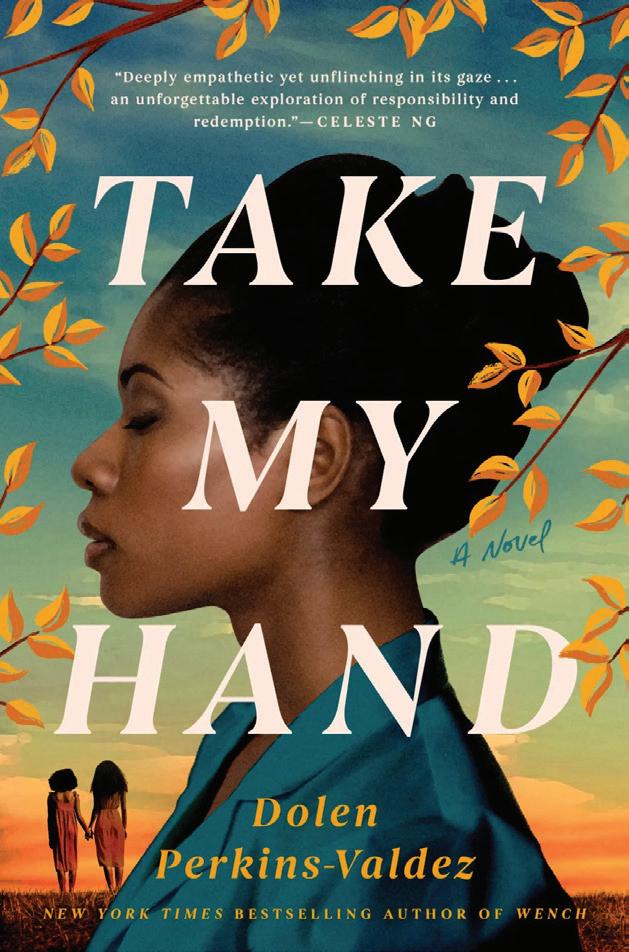
By Dolen Perkins-Valdez
Inspired by a true case that’ll make your blood boil, this story follows Civil Townsend, a young nurse in 1970s Alabama who uncovers a dark secret: Black girls being sterilized without consent. Based on the true story of Mary Alice and Minnie Lee Relf who, in 1973 at ages 12 and 14, were surgically sterilized without their consent in Montgomery, Ala., this novel is haunting, powerful and a reminder that the fight for bodily autonomy is far from over.
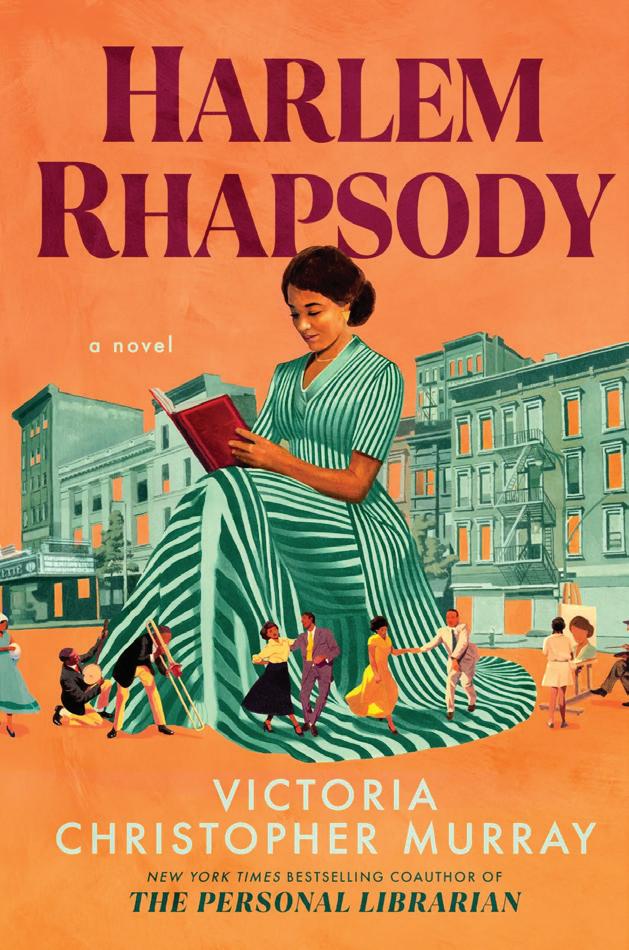
You may know the Harlem Renaissance, but do you know Jessie
Fauset? She was the first and only literary editor of The NAACP’s Crisis
and a literary queenmaker who helped launch Langston Hughes, Countee Cullen, Nella Larson and others. This novel dives into her life and secret love affair with W.E.B. Dubois (Yes, that W.E.B), painting a vibrant portrait of the editor, educator and unsung architect of Black excellence in the arts.
extent that I can support them, I’m looking to do that as well.”
While other entrepreneurs may want to expand elsewhere for their business, Paylor’s heart remains firmly in the DMV region. Yet as she continues to grow a team of individuals who will help her within her business, her goal still remains: To help organizations connect authentically with their stakeholders.
Paylor is reminding the communications industry that true power lies at the intersection of strategy and soul, a vital message in a world often focused on the bottom line. Through organizations like PR Pivot, Black women will always find tangible ways to elevate their businesses.
Continued from B1
these doors,’” said Vatel. “They thanked me for fighting to make sure our flagship location was here in Prince George’s County, Md., because they knew we could have gone somewhere else.”
Through a combination of county funding, community advocacy and media visibility, Vatel was able to get her business back on its feet.
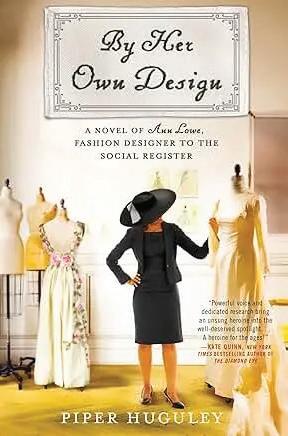
Before Gucci, Dior or McQueen, there was Ann Lowe—the Black fashion designer behind Jackie Kennedy’s wedding dress. Yep, that dress. Huguley stitches together Lowe’s untold story, revealing the creativity and quiet determination it took to thrive in a world that barely acknowledged her brilliance.
Vatel built Sensory Sentiments as a way for people in the Prince George’s County area to have a designated “safe space” for them to find peace, relaxation and have a feeling of renewal.
Continued from B1
Launched to help organizations scale their social impact, Ragas Consulting has become a heavyweight in workforce development and strategic planning. With her mission, she aims to help those between the ages twelve to twenty-four and really invest in the youth as her business continues to thrive.
With assistance from PR Pivot, Ragas successfully elevated her business and garnered community support for her essential services.
“It’s about giving people a platform to focus on self-care versus self maintenance. We have to show them that difference and give them the platform to do that,” said Vatel.
Now six months into operation, the spa has moved from a local “treasure” to a regional draw, attracting guests from Chicago, Florida and even overseas.
Her hard work and determination drew in PR Pivot. Leveraging the initial support from the organization, Vatel is now propelling her business to even greater heights. She aims to share that success with others and to make sure Black women are heard in the entrepreneurial space.
Moving forward, Ragas continues to champion equitable economic opportunities.
“There’s no limit to your greatness because we are magical, resilient people,” said Ragas, who emphasized “doing the research, putting in the work, finding people to mentor you and guide you.”
“It really will make you become the best thing that you can possibly be,” she said.
Whether she is mentoring younger entrepreneurs or giving advice to government leaders, her ultimate goal is to ensure that underserved communities aren’t just reacting to the changes being made, but also leading those changes.
By Shernay Williams Word In Black
For many Black women, having their “girls,” or their closest female friends in their lives, have served as a lifeline, helping them affirm their experiences, navigate life’s volatility and even mitigate discrimination.
In movies, television and pop culture overall, we have seen these Black female friendships centered and sometimes thoroughly examined.
Whether it’s art imitating life or vice versa, the bonds shown via film and television have inspired millions of Black women to cultivate their own crew of supportive sister-friends. Here’s a look at 12 iconic Black besties that have stood the tests of time– and Hollywood.
Khadijah, Regine, Maxine and Synclaire
This article was originally published by Word In Black. The AFRO News editorial team contributed to this report.
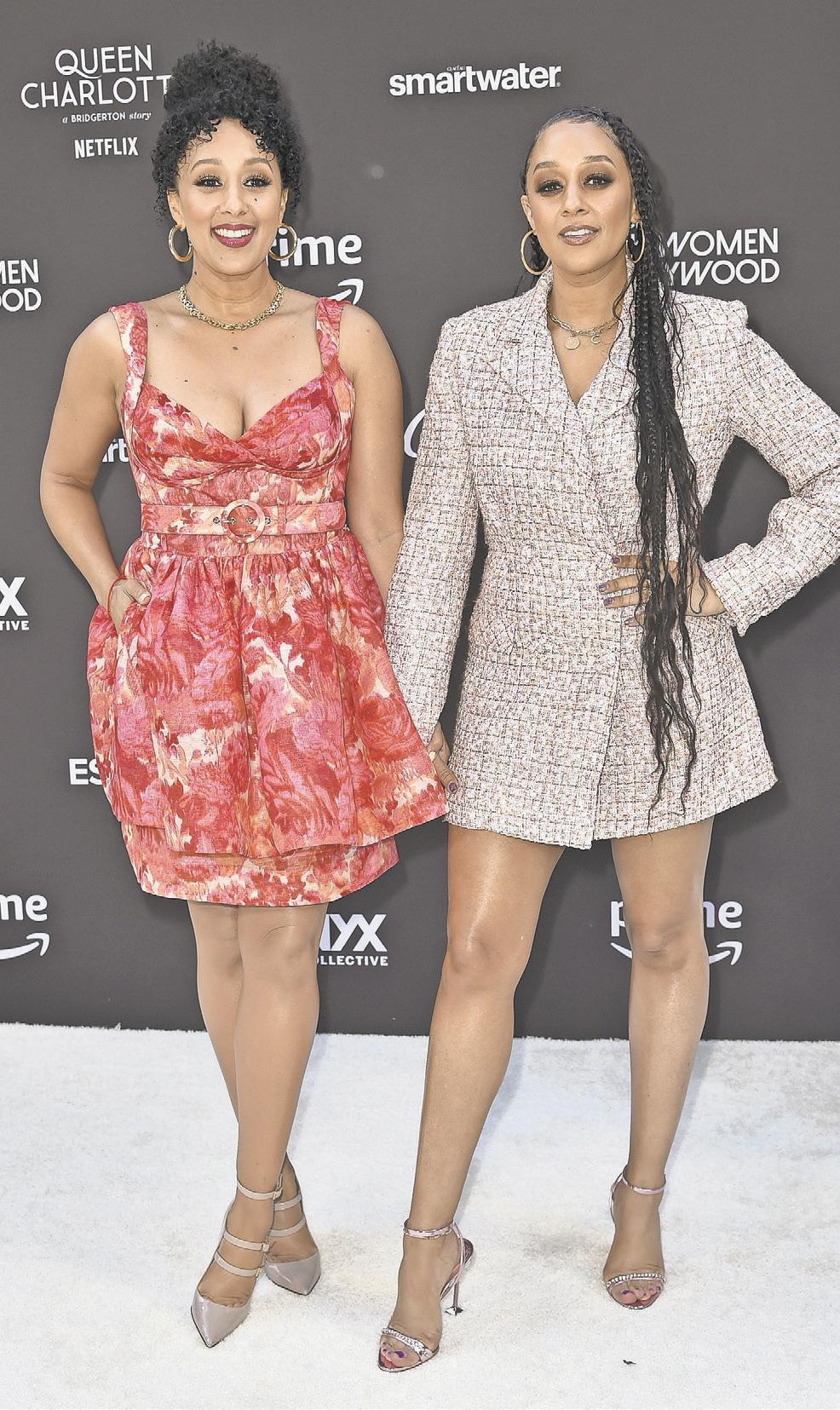
Tia and Tamera
“Sister Sister”
Real-life twins, Tia (left) and Tamera Mowry, showed us that even the blood sister you didn’t know existed can become your best friend. The show aired on television from 1994 to 1999.
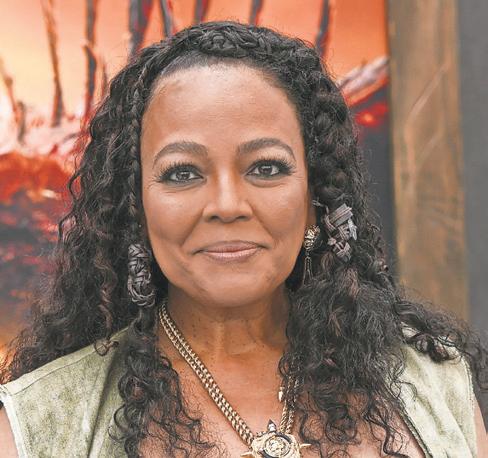
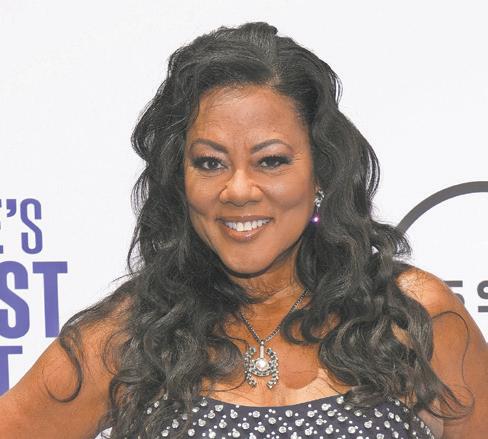
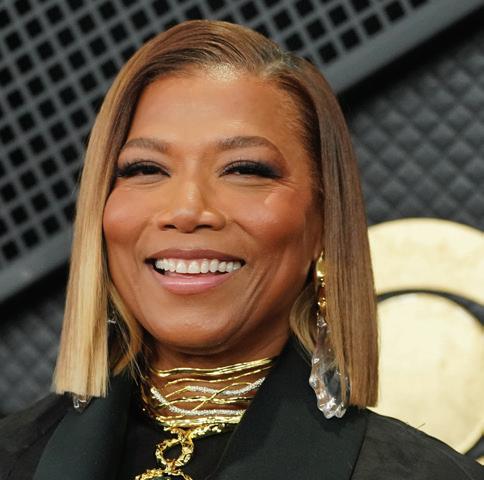
Khadijah, Maxine, Synclaire and Regine “Living Single”
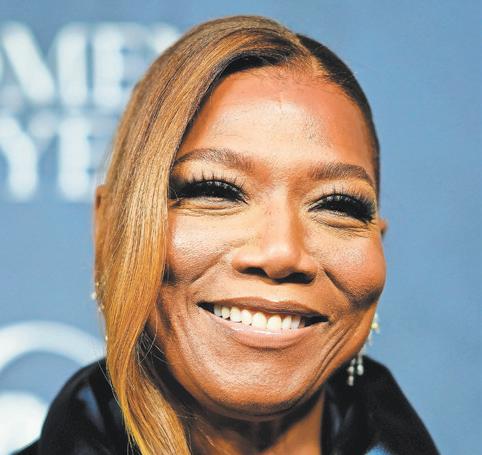
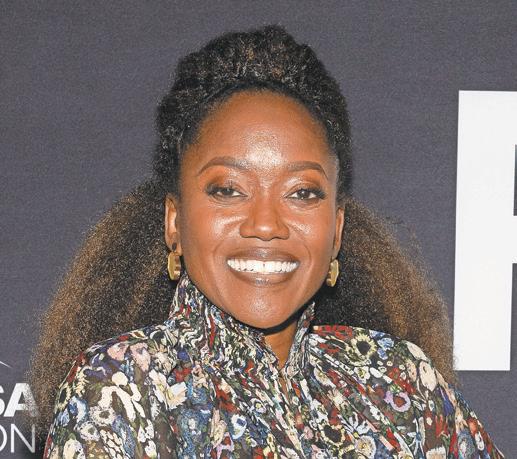
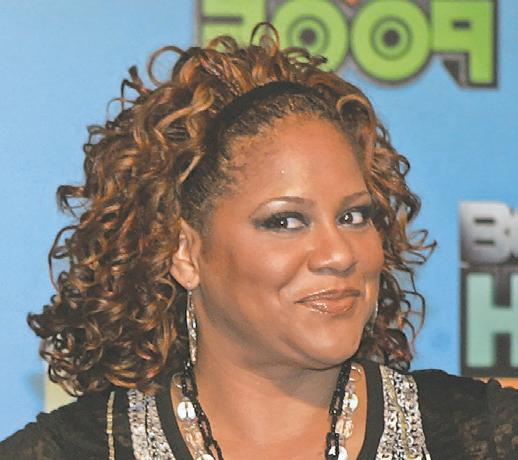
We start with the blueprint for television friendships — and the actual show “Friends” — which taught us how to navigate high profile careers, sisterhood and love. The show featured Dana “Queen Latifah” Owens (left) in the role of “Khadijah,” founder and publisher of her own magazine, “Flavor.” She was joined by actress Erika Alexander, in the role of “Maxine Shaw,” a prominent attorney; Khadijah’s cousin and coworker at “Flavor,” the quirky and upbeat “Synclaire James,” was played by Kim Coles, and the ultimate diva, “Regine Hunter,” the bougie wedding planner. Together, the women navigate the ups and downs of life, all the while showing that Black women are not monolithic beings. The show ran on television from 1993 to 1998.
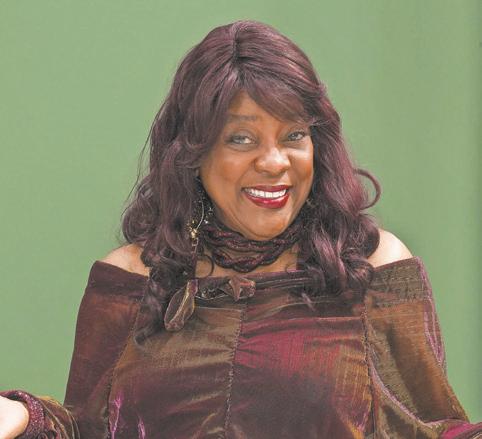
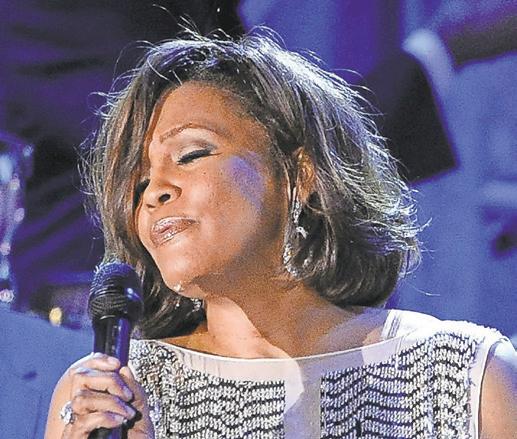
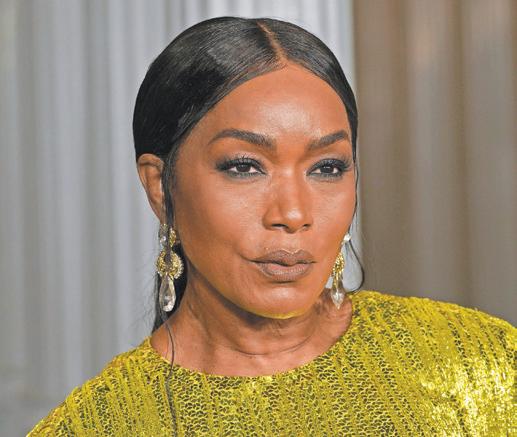
Savannah, Gloria, Robin and Bernadine “Waiting to Exhale”
A timeless movie that showcased the nuance and power of Black sisterhood on the big screen, the 1995 hit film, “Waiting to Exhale,” proved that having girlfriends is key to surviving the curveballs of life. Loretta Divine (left), leans on her crew as she navigates life as single mother “Gloria Matthews,” who is in search of meaningful connection after her son’s father reveals he is gay. Cultural icon Whitney Houston, in the role of “Savannah Jackson,” proved that your girls will always tell you the truth– even when it comes to dating a married man. Dedicated wife and mother, “Bernadine Harris,” portrayed by Angela Bassett, taught scores of Black women about handling -or, mishandling- the mental strain of divorce, while “Robin Stokes,” played by Lela Rochon (far right), explored stepping outside of your comfort zone to find love. Through it all, the women pull together, drawing on each other’s strength, courage and wisdom to make it through the tough times.
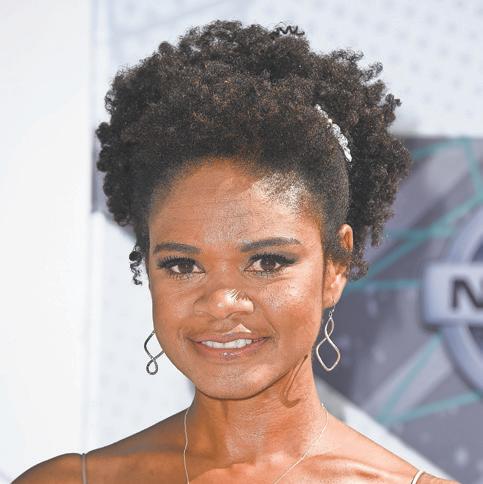
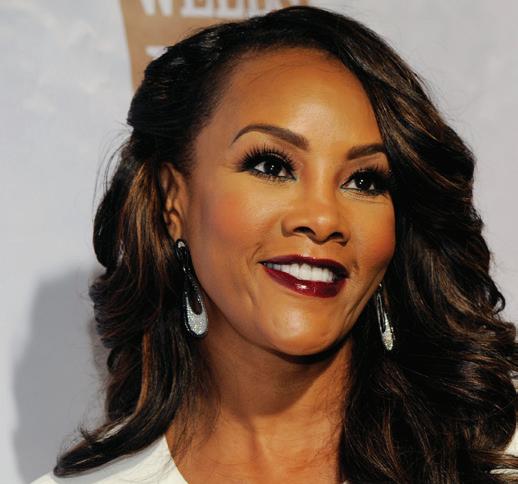
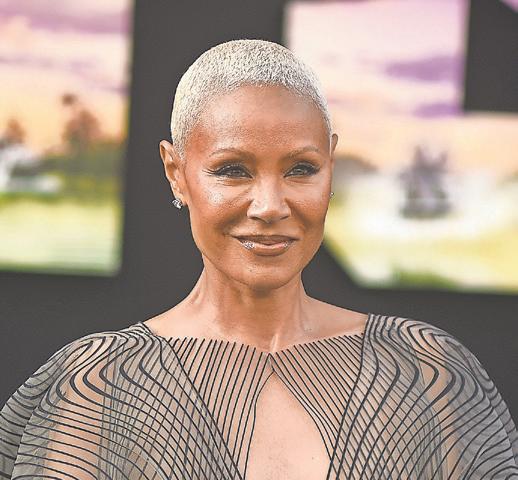
Cleo, Tisean, Frankie and Stony “Set it Off”
You say you’re ride-or-die for your friends, but are you willing to risk your life for them? In
Latifah” Owens (far left) (“Cleo”), Kimberly Elise (“Tisean”), Vivica A. Fox
right) (“Stony”) showed us what it
Pam and Gina “Martin”
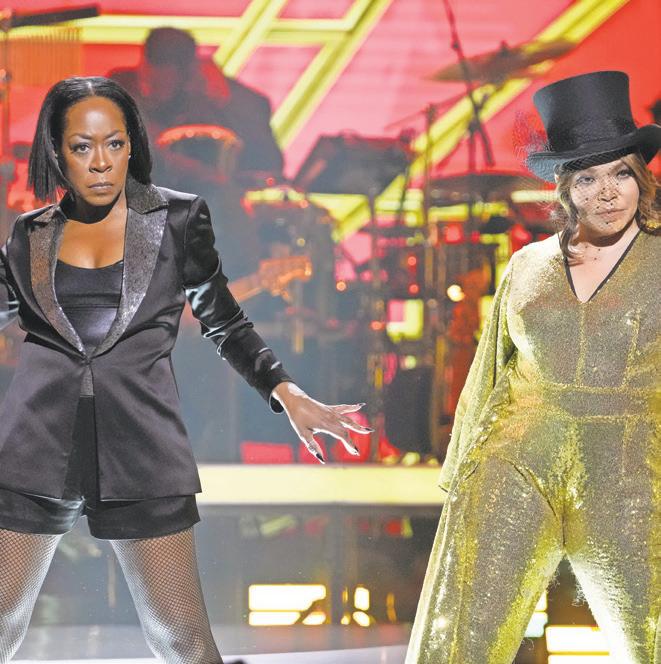
We may have been laughing at the comedic timing between Martin and Pam, but the real-life friendship between “Pam” and “Gina” on the show, “Martin,” was palpable. The friendship between friendship, played by Tichina Arnold (left) and Tisha Campbell....played by Tichina Arnold and Tisha Campbell, respectively, may have seemed natural because in real life, the two cut their teeth in the industry together after meeting on a set as kids. For over 40 years the two have helped each other navigate Hollywood careers with longevity.
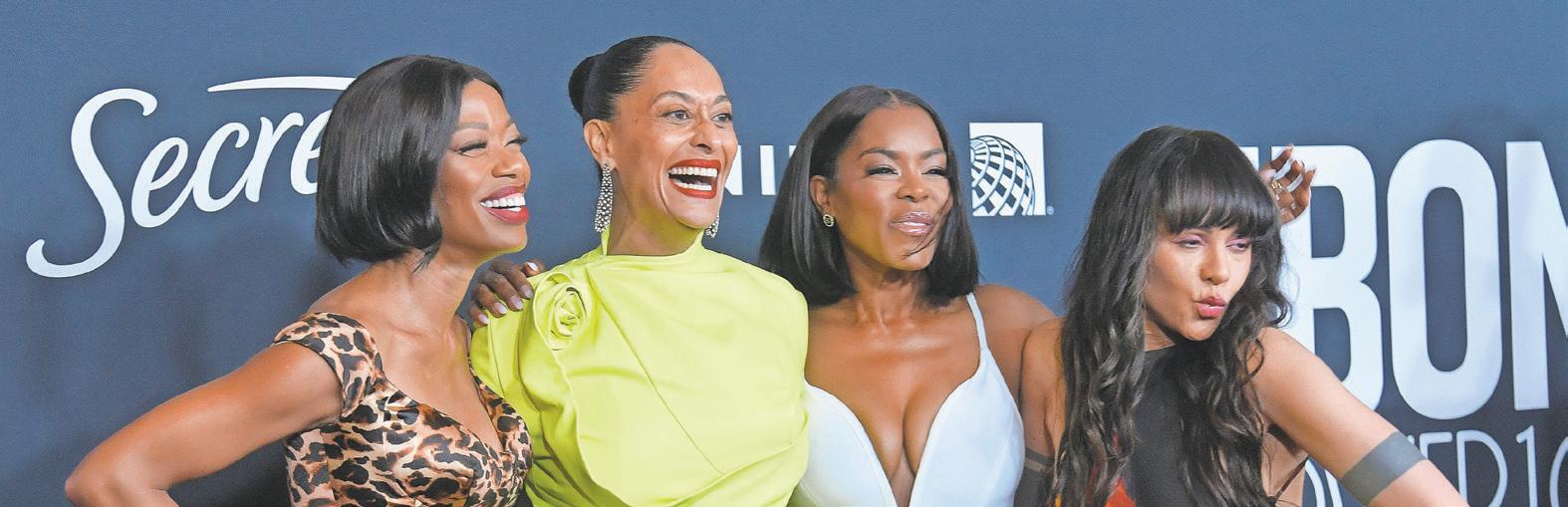
Toni, Joan, Lynn and Maya
“Girlfriends”
We laughed, cried and cringed watching these four navigate their bond and relatable ups and downs. “Antoinette ‘Toni’ Childs-Garrett,” played by Jill Marie Jones (far left); “Joan Clayton,” portrayed by Tracee Ellis Ross; “Maya Denise Wilkes,” played by Golden Brooks, and “Lynn Ann Searcy,” acted out by Persia White,” all changed how we see women in close friendships with each other. “Girlfriends” ran on television from 2000 to 2008.
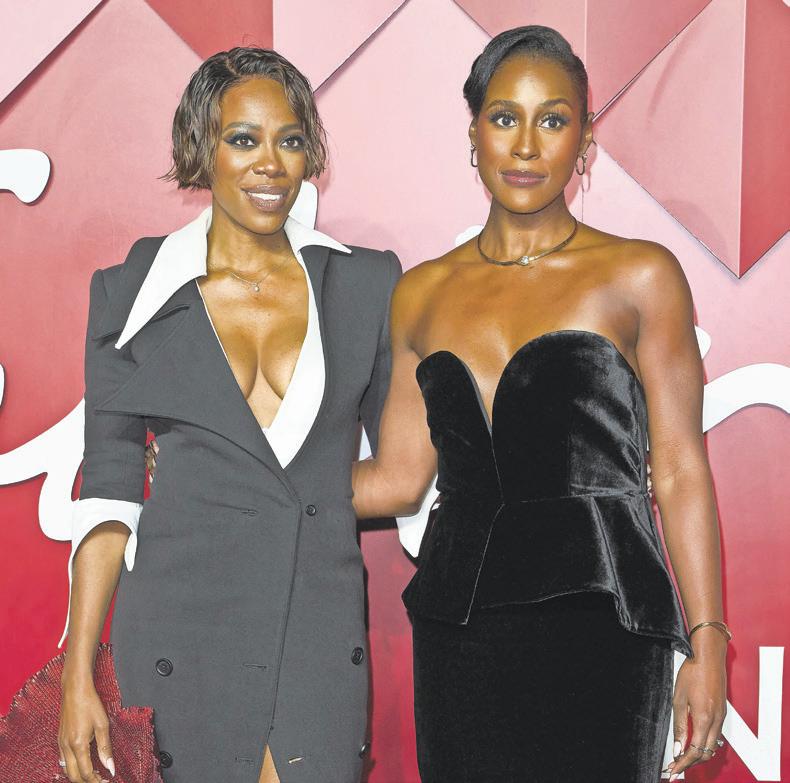
Quinn, Tye, Angie and Camille “Harlem”
For three seasons we watched this group of 30-somethings take on Harlem while having each other’s back. Shown here, the show’s characters of “Quinn Joseph,” portrayed by Grace Byers (far left); Jerrie Johnson, who played “Tye Reynolds” on the show; “Angie Wilson” played by Shoniqua Shandai and “Dr. Camille Parks,” played by actress Meagan Good.
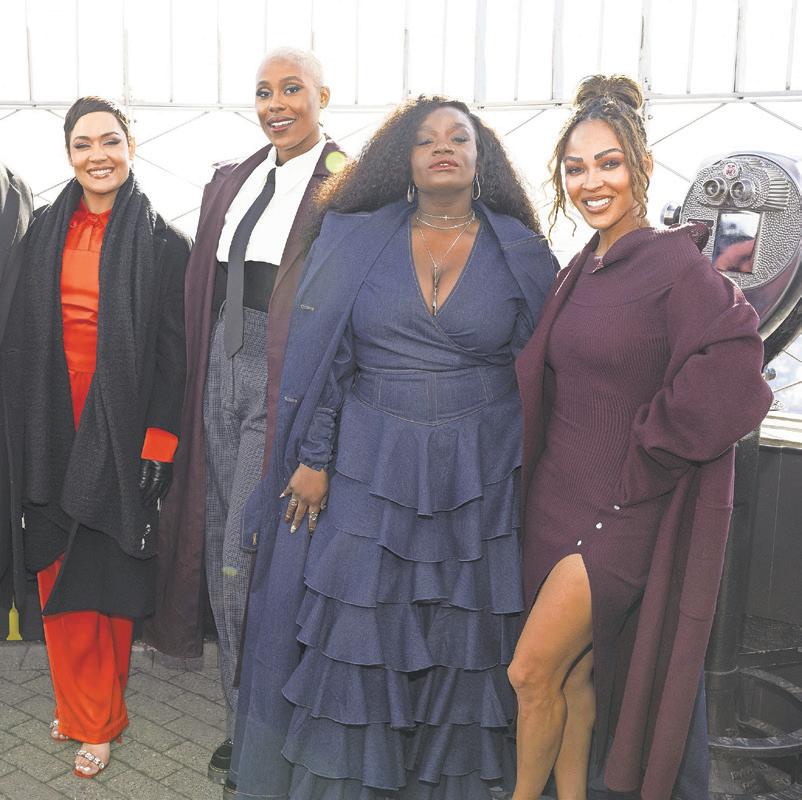
Molly and Issa
“Insecure”
When Yvonne Orji (left) took on the role of lawyer “Molly Carter,” in her friend Issa Raye’s show, “Insecure,” she had never acted on screen before. In fact, it was Raye’s insistence that Orji play her best friend on camera that secured the job. The show, which ran from 2016 to 2021, put on screen the joys of friendship, but also what happens when two women outgrow each other and lose connection.

By Victoria Mejicanos AFRO Staff Writer vmejicanos@afro.com
March 1 marked the beginning of Women’s History Month, a time to celebrate and honor women’s contributions to society as well as continue to advocate for their rights.
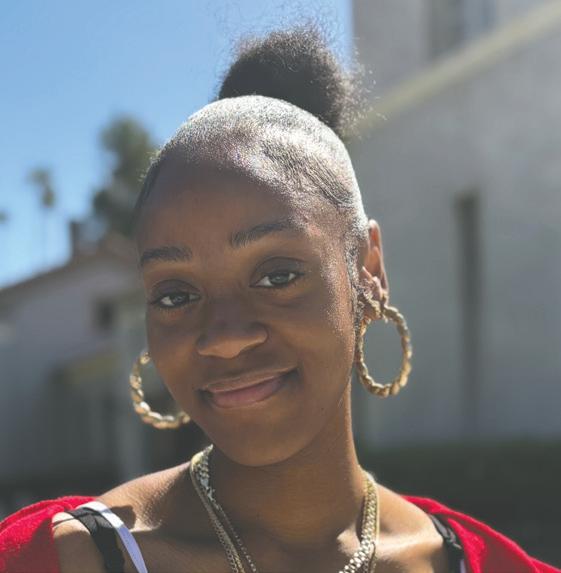
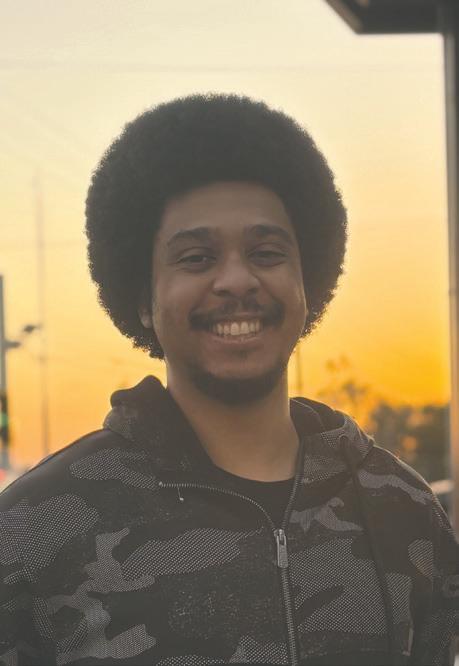
This week, the AFRO interviewed people asking the best advice they have ever received from women in their lives. Take a look below and be sure to thank the wise Black women who have shaped your life while you have the opportunity to do so. All AFRO Photos / Victoria Mejicanos
“The best advice I’ve gotten from a woman would probably have to be to just focus on myself and stay on track when it comes to school and my goals.”
Tramoiya Mitchell, 19 Student Riverside, Calif.
“The best advice I ever got from a woman was to not let anyone take my joy. I received that advice from my grandma. She tells me that quite often, it’s usually just a reminder to me. It helps me get through the day, it helps me get through life.”
Gavin Claiborne, 22 Student Ontario, Calif.
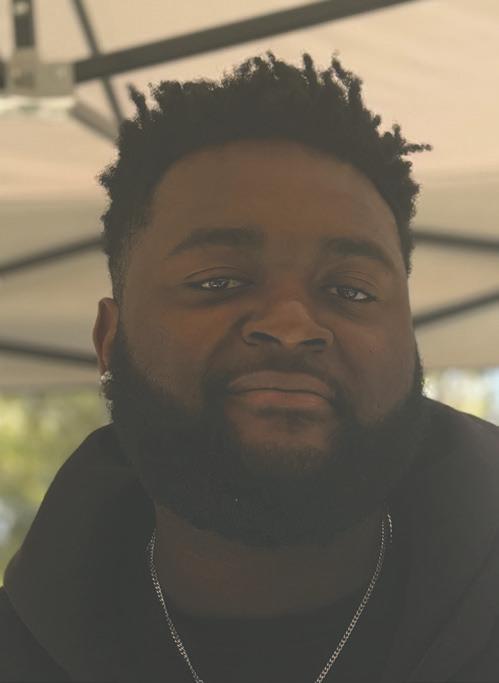
“The best advice I ever got from a woman was from my mom. It still sticks with me today. It’s better to have it and not need it than need it and not have it. She was telling me to take a jacket with me to school as a kid, but I take that for everything now. Anytime I can take an opportunity in a situation to get more out of it, I always think about it. It’s bled over into my school work in the best way possible, it’s bled over into my spiritual life and even down into things like making friends.”
Lamar Stephenson, 22 Behavioral Technician Moreno Valley, Calif.
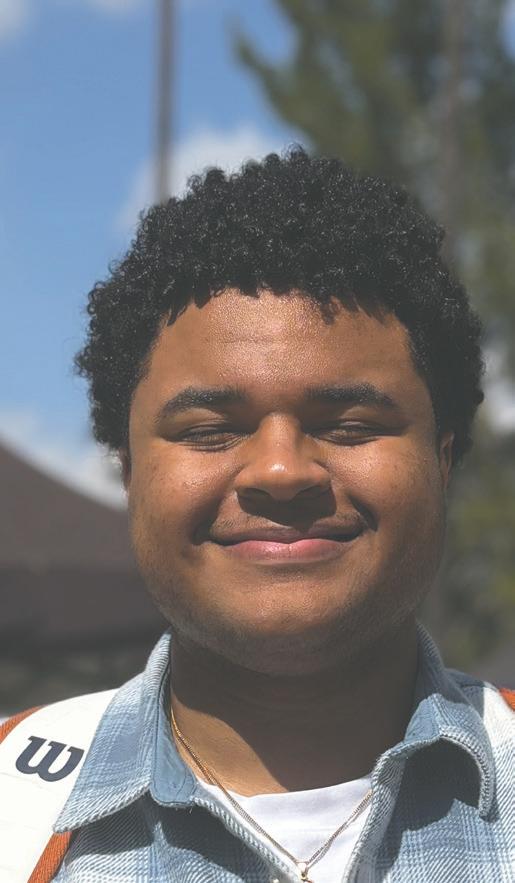
“My aunt told me I could do whatever I wanted as long as I was the best at it. It’s made me definitely try much harder at things. I used to be a pretty mediocre student, but now I’m excelling.”
Daniel Bratton, 22 Retail employee Ontario, Calif.
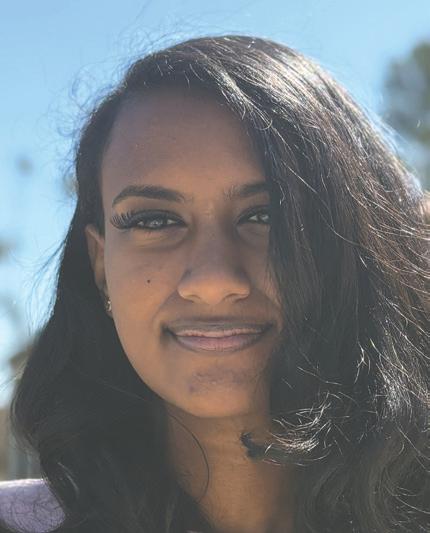
“The best advice I’ve ever gotten from a woman was to support other women in malecentered spaces. Even as a student, a lot of males tend to occupy classrooms, especially ones that are more STEM focused. In those classes, I tend to find other women, especially other POC (persons of color) women like me, to help each other pass the class and just give each other a support system.”
Heldana Matias, 19 Student Riverside, Calif.
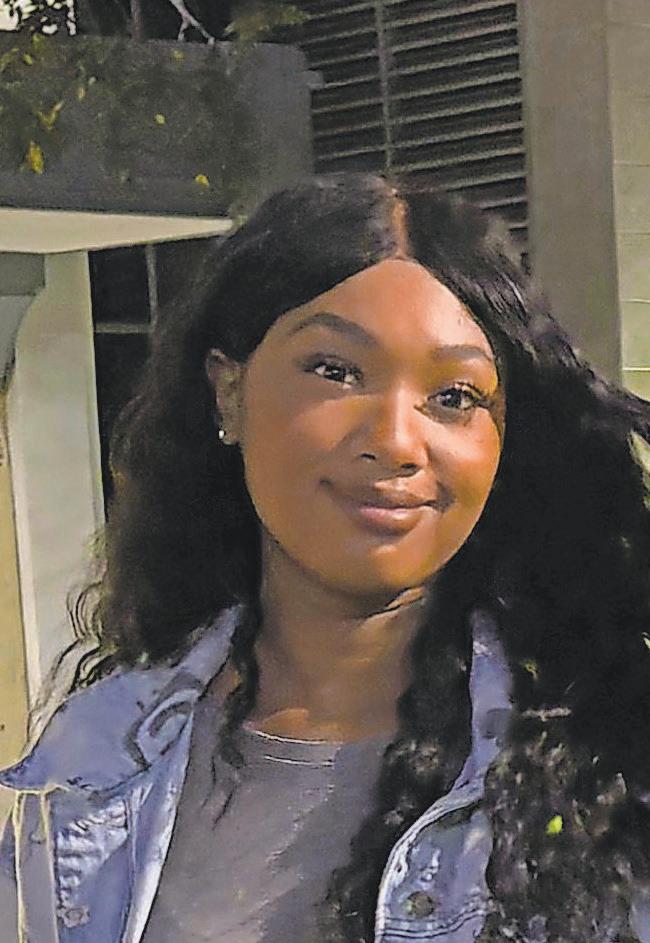
“I would say the best advice that I got from a woman would be my mother, and her teaching me to love myself. [She said] this world is a good teacher, but it can be really harsh. When I was younger I didn’t really understand her. Now that I’m older, I’m really grateful to her for instilling those things in me because now I’m able to apply them with my adult mind, so I appreciate that from her, it’s helping me grow now.”
Lahni Turner, 28 Amazon Employee Moreno Valley, Calif.


By Roz Cauthen
In communities across Baltimore, arts education is often treated as enrichment — something nice to have when budgets allow. But for many Black students and families, access to the arts is not a luxury. It is a lifeline.
As Maryland leaders debate how to close a state budget gap, arts programs are once again vulnerable. When funding tightens, enrichment programs are often the first to face reductions. Those cuts are not neutral. They disproportionately affect students whose families cannot afford private lessons, summer intensives, or after-school opportunities.
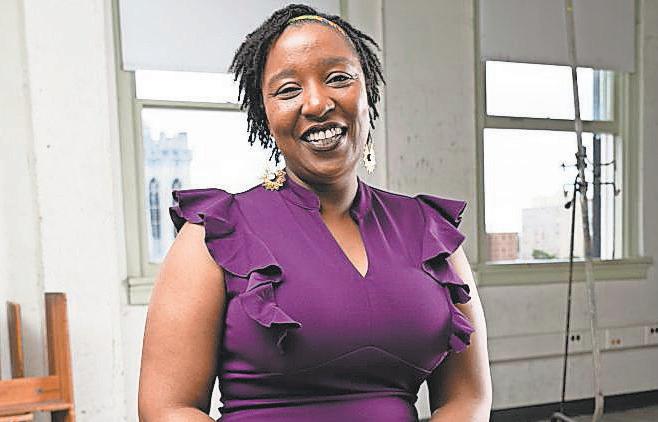
At the Baltimore School for the Arts, I have seen firsthand how early access to arts education transforms young people’s lives.
through rigorous creative training. They learn to collaborate, to take risks and to use their voices.
Programs like TWIGS, BSA’s free after-school and weekend arts program for elementary and middle school students, provide critical entry points. For many families, it is the first time a child has access to high-quality arts instruction without financial barriers. It is often the first moment a young person begins to see themselves as capable, creative and deserving of investment.
When those programs are cut, the message is clear: opportunity is reserved for those who can afford it. Arts education is directly tied to student engagement and attendance — two areas
where many districts are working to rebuild momentum. At BSA, where arts and academics are fully integrated, attendance remains in the high 90s and graduation is 100 percent. Those outcomes reflect what happens when students feel seen, challenged and connected to something meaningful.
If we are serious about equity in education, we cannot allow arts access to shrink when budgets tighten. For many students, especially those in under-resourced communities, arts education is not extracurricular. It is foundational. Access to the arts is not an extra. It is part of how young people discover who they are and who they can become.
mother.
Black women are paying close attention to this year’s Oscars — and we all have a stake in the outcome.
The stark contrast between the portrayals of Black women in two leading Best Picture contenders, “One Battle After Another” and “Sinners,” has lit a firestorm in both private and public conversations. We celebrate the recognition of Black excellence for actors like Teyana Taylor, Wunmi Mosaku, and Chase Infiniti. But these portrayals matter far beyond who earns a golden statue.
The cultural influence of how Black women are depicted on screen shapes what people believe we deserve — and those beliefs color policy debates, funding decisions, and whose pain gets taken seriously.
Hollywood’s long history of harmful tropes
Historically, the film industry’s narrative power to reward and repeat certain roles has too often reinforced harmful tropes: the Jezebel, the Angry Black Woman, the Mammy, and the Bad Mother.
These are not harmless caricatures. Like the “Welfare Queen” myth, they perpetuate beliefs that translate into policies that punish Black women. Policy
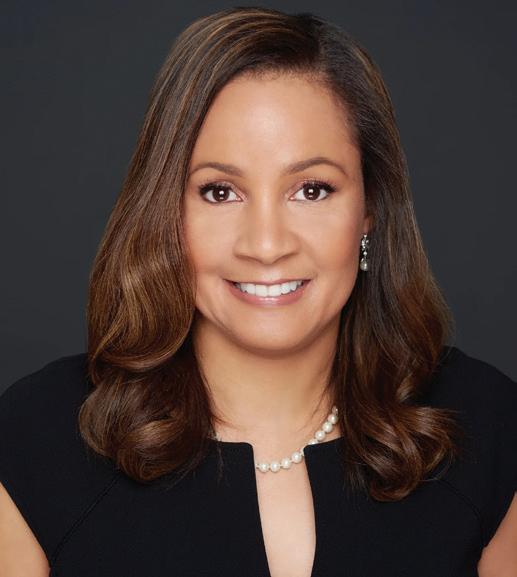
Dr. Regina Davis Moss is a narrative strategist, cultural leader and reproductive justice advocate whose research examines how stories shape public belief and influence policy. She is also president and CEO of In Our Own Voice: National Black Women’s Reproductive Justice Agenda.
does not exist in a vacuum. It moves when culture moves — and stalls when culture refuses change.
That is why the character of Perfidia in “One Battle After Another” is so divisive. Taylor’s electric performance brings genuine complexity to the role. But even as Perfidia rebels against societal dictates, her insatiable sexuality, domination of men, betrayal of comrades, and abandonment of her child land too neatly in the trope of the hypersexual, unfit Black
The scene of Perfidia exposing her pregnant belly to machine gunfire left an indelible impression on millions about how much compassion Black mothers merit. Even if intended as parody, the caricature was so offensive that some Black women walked out before the film ended.
This harm stems from the writers, producers and institutions that chose stereotype over substance — not the actress whose talent brought the role to life.
The power of seeing Black women fully human
Contrast that with “Sinners.”
Wunmi Mosaku’s portrayal of Annie — a Hoodoo practitioner with deep prescience and spirituality and the moral center of the ensemble — triggered near-euphoria among Black women across the country.
Our appreciation for Annie’s rich character development is matched only by the delight of seeing a dark-skinned, full-figured woman portrayed as both a community leader and someone worthy of romantic love.
The tragedy of Annie’s motherhood — losing her infant to early death — authentically explores an agony that remains devastatingly present today. In the United States, Black women lose our infants at more than
twice the rate of White women.
While Annie mourns her baby girl and serves as a spiritual protector of her community, Perfidia chooses revolution over motherhood. She condemns her rebel cadre to death, imprisonment, or life on the run — including her lover and their vulnerable child.
Why representation shapes policy
These are not simply competing aesthetic visions confined to a film reel.
As pregnant Black women face staggeringly high rates of maternal death, cinematic portrayals of Black mothers as irresponsible or hypersexual do more than distort culture. They help justify policy choices — like cuts to Medicaid funding that supports two-thirds of Black births.
When stories about us are narrow, punitive and lacking nuance, they quietly frame how little our lives are valued.
Black women are a powerful film audience
Beyond culture and policy, narrative content affects audience engagement — and the financial health of a film industry that is increasingly precarious.
Despite making up just 14 percent of the U.S. population, Black audiences — and Black women in particular — have an
By Laura Onyeneho
Let’s be honest, the societal expectations for Black women goes something like this: college, career, then get married and have kids by 30. But for many women, that happily-ever-after doesn’t involve a white dress and a veil. And guess what? That’s okay. In fact, it’s more than okay. The chorus of “When are you getting married?” from relatives and the pitying glances from acquaintances wear thin. Singleness is not a social faux pas nor a sign of impending doom. It’s a chance to rewrite the narrative and redefine success on your terms.
First, Black women are
excelling in all aspects of career and business. College graduation rates for Black women are soaring, and there is an increase in the number of Black women-owned businesses nationwide. However, that leaves some women with a smaller pool of potential partners who share their educational background. This isn’t a “picky” issue –it’s about seeking an equal intellectual partnership. Instead of lowering the standard, celebrate that you’re setting the bar. Black women deserve partners who challenge and inspire, who can keep up with your ambitions and celebrate your achievements. Isn’t all this self-work and development to prepare you for the next
level? Shouldn’t you be with someone also doing that same work so that two whole individuals can come together to build?
Being single also unlocks a world of freedom. You get to travel spontaneously, pursue hobbies with reckless abandon, and build careers with laser focus. You can explore your passions without compromise, indulge in selfcare guilt-free, and navigate the world on your terms. This isn’t to say that partnership isn’t fulfilling. But let’s move away from the tired trope that single women are lonely and incomplete. You can cultivate a rich and fulfilling life full of deep friendships, vibrant communities, and a chosen
family that celebrates your individuality.
Our 30s are a time of immense personal growth. We’re more comfortable in our skin than ever before, know what we want (and what we don’t), and are not afraid to go after it. This self-assuredness makes us even more magnetic when it’s time to choose to enter a relationship. I can attest that it works!
So, to the aunties with outdated advice and the well-meaning but misguided friends, Black women over 30 are thriving, building empires, raising voices, and redefining what it means to live a successful life.
This commentary was originally published in the Houston Defender.
outsized influence on a film’s success or failure. We are more likely than other audiences to drive opening-weekend attendance. As digital trendsetters, we amplify films through social media and shape the word-ofmouth that determines streaming demand after theatrical release.
Wiser studios will pay closer attention to which reflections of Black women’s lives we actually want to see.
Who controls the stories
As president and CEO of In Our Own Voice, the nation’s only alliance of Black women’s reproductive justice organizations, I can confirm that Black women across this country do not want others speaking for or about us. We are the authorities on our own lives.
Yet six powerful institutions — Disney, Comcast/NBCUniversal, Netflix, Amazon/MGM, Sony, and Paramount/Warner Bros. — control the vast majority of U.S. film production, streaming platforms, broadcast networks, cable channels, and major franchise intellectual property.
These gatekeeper corporations, controlled by billionaires and global investment funds, determine whose stories get told — and how.
That is narrative power.
Building narrative power for justice
This concentration of power is why I recently launched the Narrative Power for Justice Initiative, a project designed to strengthen the capacity of Black women to tell our own stories and influence culture, media and policy.
When our narrative power is fragmented, harmful tropes drown out even the strongest data and policies. When it is robust, authentic storytelling rooted in lived experience shapes the public imagination and creates durable, justice-aligned change.
Teyana Taylor herself brought nuance and depth to the role of an imperfect Harlem mother fighting impossible odds in her breakout film “A Thousand and One” — a character created, not incidentally, by a Black woman writer and director.
What’s really at stake on Oscar night
It matters to Black women which films win Oscars on March 15. This high-profile cultural imprimatur validates the stories we are told and helps define what feels possible in the real world. We are watching — and we know exactly what’s at stake.
This commentary was originally published by Word In Black.
Jane Bolin was the first Black American woman graduate of Yale Law School and the first Black American woman judge in the United States. After graduating from Yale, Bolin worked with her family’s practice before moving to New York. She continued to break barriers as the first Black American woman to work at New York’s corporation counsel office.
Once sworn in as a judge of the city’s family court in 1939, she changed segregationist policies, requiring child care agencies receiving public funding to accept children no matter their race or ethnicity. Bolin served for 40 years and retired at 70. Even after retirement, Bolin continued working with children, volunteering to tutor at New York City public schools and serving on the New York State Board of Regents. She died at the age of 97 years old on Jan. 8, 2007.
Nannie Helen Burroughs
Born in 1879 in Virginia, Nannie Helen Burroughs attended high school in Washington D.C., where she was taught by suffragists like Mary Church Terrell and Anna Julia Cooper.
After her application to teach at a D.C. public school was rejected, likely because of colorism—as the school seemingly preferred a lighter-skinned staff—she started working for the National Baptist Convention in Louisville, Kentucky.
By 1909, Burroughs (at age 26) opened the National Training School for Women and Girls in D.C. with the support of NBC. The school was unusual in that it emphasized both vocational and professional training, teaching women literature and history alongside practice skills that would help them earn wages. The school’s motto was: “Work. Support thyself. To thine own powers appeal.” At the end of the first year, the school had 31 students. After 25 years, it welcomed over 2,000 women.
In addition to advocating for Black women’s education, desegregation, and anti-lynching legislation, Burroughs was an active suffragist who later worked with Martin Luther King Jr. Three years after she died in 1961, the institution she founded was renamed the Nannie Burroughs School. The school is now a National Historic Landmark. Burroughs died in Washington, D.C. in 1961.
By Petruce Jean-Charles
For many years, school curricula have limited their scope to the same Black figures throughout history. While lectures on the legacies of Martin Luther King Jr., Rosa Parks and Harriet Tubman remain crucial, some educators and students are eager to learn about underrepresented trailblazers. There is a growing nationwide movement pushing for a broader Black history curriculum that reflects the richness and diversity of Black contributions.
However, this push faces significant challenges. As of 2025, states like Florida, Texas and Oklahoma continue to approve or suggest measures that limit race-related language in public schools. These efforts include bans or restrictions on books by Black authors that explore race, part of a larger wave of censorship connected to controversies over critical race theory. The academic concept of CRT— over 40 years old—examines systemic racism’s impact on laws and society, affirming that racism is a social construct upheld by power structures rather than biology.
Since 2020, more than 780 anti-CRT measures have been introduced across local, state and federal levels, with 18
states banning or restricting its teaching.
In 2023, Florida’s education department rejected the College Board’s AP African American Studies course as lacking educational value—a move widely criticized by scholars and educators. Despite these obstacles, educators, students and communities are creatively finding ways to teach and honor the full scope of African American history, recognizing that Black history is an essential part of American history that enriches us all.
This ongoing struggle over how history is taught reflects a broader fight for an inclusive education that empowers all students to understand their past and shape a more equitable future.
Despite the pushback on school curricula, many districts continue to push for Black history.
This Women’s History Month, take time to explore some of the Black women who have made change through the decades. Read more below to find out how the lives of these ladies shaped society today.
This article was published by Stacker Studios. The AFRO editorial team contributed to this report.
Frances Ellen Watkins Harper was born in Baltimore in 1825 to free Black parents. Orphaned at 3 years old, she was raised by her aunt and an uncle, an outspoken abolitionist. Harper fell in love with reading and literature at an early age and began writing poetry and fiction, a passion that would later blossom into a barrier-breaking career.
At around 20 years old, she published her first book of poetry. She moved to Ohio and then Pennsylvania to teach. In 1853, Maryland passed a law forbidding free Black Northerners from entering the state, an offense that would be punishable by enslavement—a law that made it impossible for her to return home.
Catalyzed into action, Harper threw herself into the abolition of slavery, moving in with her uncle’s friends, William and Leticia Still—one of whom (William) was a stationmaster for the Underground Railroad.
Harper became a writer and speaker for the cause and was well-known for her writing. Her short story was the first to be published by a Black woman.’
She also became an active member of the suffrage movement, advocating for Black women’s right to vote and ultimately splitting off from the likes of Susan B. Anthony and Elizabeth Cady Stanton over their lack of support for the 15th Amendment. Alongside Frederick Douglass and others, she helped co-found the American Woman Suffrage Association. She died in 1911.
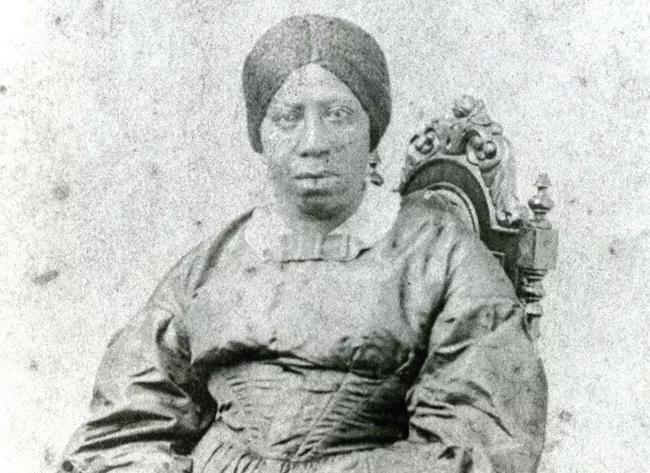
We’ve all heard the story of how Frederick Douglass escaped slavery by pretending to be a sailor, but did you know his daring move on Sept. 3, 1838 wouldn’t have been possible without the help of Anna Murray Douglass?
A native of the Eastern Shore of Maryland, Anna Murray was born to two parents, Bambarra and Mary Murray, who knew all too well the horrors of slavery. By 17, Anna Murray was on her own, making a living from domestic work in Baltimore, according to the Archives of Maryland.
It’s no coincidence that the man, then known as Frederick Bailey, successfully escaped slavery the same year he became acquainted with Anna Murray. It was Anna who stitched together the sailor’s uniform Douglass used as a disguise to escape to New York.
According to the Archives of Maryland, “Murray sold her feather bed to pay the expenses for Frederick’s escape. When Bailey fled Baltimore for New York in 1838, he wrote a letter to Anna informing her of his safe arrival. Bailey took on the alias Frederick Douglass, and she joined him in New York a week later.”
Anna’s freedom work didn’t stop with her husband. The couple moved around and finally settled in Rochester, N.Y. There, the archives report that “Anna made her home a comfortable passing spot for many fugitive slaves passing through on their way to Canada. In later years her daughter, Rosetta Douglass Sprague, wrote that Anna Murray Douglass was one of the first agents to work with the Underground Railroad.”
In 1872, the pair settled into the home Anna Murray Douglass purchased in the Anacostia area of Washington, D.C., called Cedar Hill. She lived in the home until the date of her death on Aug. 4, 1882.
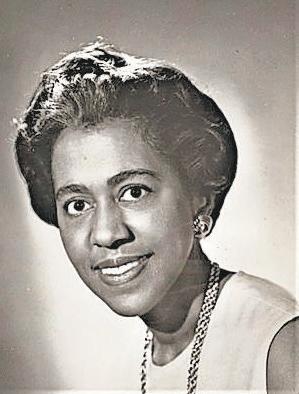
Marie Maynard Daly became the first Black American woman awarded a doctorate in chemistry in the United States. She earned her bachelor’s in chemistry from Queens College and fellowships to pursue her master’s at New York University. She received her doctorate in 1947 from Columbia University, becoming the first Black woman to earn such an honor in any subject at the university.
Despite the racial and gender biases, Daly conducted pivotal studies on cholesterol, sugars and proteins. In 1955, she returned to Columbia to collaborate on innovative rat studies measuring cholesterol levels and blood pressure to indicate the correlation between high cholesterol and clogged arteries, which can cause stroke or heart attack. Her research also extended to the damage smoking can have on lung health in both humans and dogs exposed to chronic cigarette smoke.
Beyond her research, Daly advocated for enrolling more Black students in medical school and graduate science programs, spearheading recruiting and training efforts for Black students at Albert Einstein College of Medicine. She died in New York on Oct. 28, 2003 at the age of 82.


Payment Policy for legal notice advertisements. Effective immediately, The Afro American Newspapers will require prepayment for publication of all legal notices Payment will be accepted in the form of checks, credit card or money order. Any returned checks will be subject to a $25.00 processing fee and may result in the suspension of any future advertising at our discretion.
CITY OF BALTIMORE DEPARTMENT OF PUBLIC WORKS OFFICE OF ENGINEERING AND CONSTRUCTION NOTICE OF LETTING
City of Baltimore Department of Finance Bureau of Procurement
Sealed proposals addressed to the Board of Estimates of Baltimore will be Received until, but not later than 11:00 am local time on the following dates for the stated requirements.
Aprl 1, 2026
MOBILE VIDEO SURVEILLANCE CAMERAS-BALLOT BOXES RFQ-000795 ENTIRE SOLICITATION CAN BE VIEWED AND DOWNLOADED BY VISITING THE WEBSITE: https://wd1.myworkdaysite.com/supplier/baltimorecity/SupplierSite
Sealed Bids or Proposals, in duplicate addressed to the Board of Estimates of the Mayor and City Council of Baltimore and marked for SANITARY CONTRACT NO. 1043R-Rehabilitation and Improvements to Sanitary Sewers at Various Locations in Baltimore City will be received at the Office of the Comptroller, Room 204 City Hall, Baltimore, Maryland until 11:00 A.M on April 15, 2026. Positively no bids will be received after 11:00 AM. Bids will be publicly opened by the Board of Estimates in Room 215, City Hall at Noon. The Contract Documents may be examined, without charge, at Contract Administration 4 South Frederick Street Baltimore, Maryland 21202 on the 3rd floor (410) 396-4041 as of March 20, 2026, and copies may be purchased for a nonrefundable cost of 100.00. Conditions and requirements of the Bid are found in the bid package. All contractors bidding on this Contract must first be prequalified by the City of Baltimore Contractors Qualification Committee. Interested parties should call (410) 396-6883 or contact OBC at 4 S Frederick St., 4th Floor, Baltimore, MD 21202. If a bid is submitted by a joint venture (“JV”), then in that event, the document that established the JV shall be submitted with the bid for verification purposes. The Prequalification Category required for bidding on this project is B02552- Sewer Construction. Cost Qualification Range for this work shall be $5,000,000.01 to $10,000,000.00. For further inquiries about purchasing bid documents please contact the assigned Contract Administrator latonia.walston@ baltimorecity.gov and dpwbidopportunities@baltimorecity.gov
**PLEASE EMAIL THE CONTRACT ADMINISTRATOR TO SCHEDULE A TIME TO PURCHASE/EXAMINE BID DOCUMENTS**
A “Pre-Bidding Information” session will be conducted via Microsoft Team Meeting. Vendor can join via Microsoft Teams. Meeting ID: 245 738 619 805 46 PASSCODE: tr3QG3F2 on March 27, 2026 at 10:00 AM. Vendor can call 667-228-6519 Phone Conference ID: 699 567 802#.
Principal items of work for this contract include, but are not limited to:
the Board of Estimates in Room 215, City Hall at Noon. The contract documents may be examined, without charge, on the 3rd floor at 4 South Frederick Street Baltimore, Maryland 21202 as of as of March 20, 2026 and copies may be purchased for a non-refundable cost of $100 Conditions and requirements of the Bid are found in the bid package. All contractors bidding on this Contract must first be prequalified by the City of Baltimore, Department of Public Works, Office of Boards and Commissions (OBC). Interested parties should call (410) 396-6883 or contact OBC at 4 S Frederick St., 4th Floor, Baltimore, MD 21202. If a bid is submitted by a joint venture (“JV”), then in that event, the document that established the JV shall be submitted with the bid for verification purposes. The Prequalification Category required for bidding on this project is B02552: Sewer Construction. Cost Qualification Range for this work shall be $5,000,000.01 to $10,000,000.00. For further inquiries about purchasing bid documents, please contact the assigned Contract Administrator sydnae@baltimorecity.gov and
• Sewer cleaning and closed-circuit television (CCTV) inspection; Open cut point repairs of sanitary sewers; Curedin-place pipe (CIPP) lining of sanitary sewers; Excavate and replace segments of sanitary sewers via point repairs; Manhole repair and rehabilitation work; Sewer house connection (SHC) repair and rehabilitation work; New manhole and cleanout installation work.
The MBE/ MBE goal is 11%

and/or

