
Hype and realities of genome editing
september 2024


years of advocating for food sovereignty in Africa
The African Centre for Biodiversity (ACB) is committed to dismantling inequalities and resisting corporate industrial expansion in Africa’s food and agriculture systems.
© The African Centre for Biodiversity www.acbio.org.za PO Box 29170, Melville 2109, Johannesburg, South Africa.
Tel: +27 (0)11 486-1156

Researched and written by Stefanie Swanepoel
Editorial oversight of the series and input from ACB executive director Mariam Mayet
Copyedit by Liz Sparg
Design and layout: Adam Rumball, Sharkbuoys Designs, South Africa
Acknowledgments
The ACB gratefully acknowledges the financial support of several donors though the views expressed may not necessarily reflect the views of our donors.
Please click here to read the full series.
Our time is cursed with the necessity for feeble men, masquerading as experts, to make enormously far-reaching decisions. Is there anything more farreaching than the creation of new forms of life?
Erwin Chargaff, Austro-American biochemist 1
Introduction
Genome-edited crops are in various stages of development in Kenya, Nigeria, Uganda, Ethiopia, and Ghana, often through publicprivate partnerships. These techniques, using CRISPR/Cas genetic engineering technology, are vociferously promoted on the African continent, as first-generation transgenic techniques have been.
As with the advent of transgenic genetically modified organisms (GMOs), promises are again made that genome editing will solve the continent’s multiple and complex agricultural challenges and crises. This is being done through lobbying, communication
campaigns, research funding, and policy development, including deregulation and multiple intellectual property regimes, in particular, patenting frameworks.
In this first factsheet in a series of four, we provide an overview of genome editing and delve into the veracity of the claims made about its potential, while bringing into sharp relief the agenda of agrochemical-biotech companies.
In a related briefing, we discuss the interlinkages between artificial intelligence and synthetic biology.2
1. Buchanan, K. The Ultimate Arrogance: genetic engineering and the human future. https://www.jstor.org/stable/43248162. 1988 Quoting the distinguished Austro-American biochemist
2. https://t2m.io/BlackBoxBiotech_post
Erwin Chargaff
Genome editing is not plant breeding
Genome editing techniques enable the deletion, insertion, or modification of specific genes or gene sequences in DNA or ribonucleic acid (RNA) (Ruder & Kandlikar, 2023). Genome editing aims to change how a gene or set of genes works (Agrotech, 2022). The goal is to add or remove genetic traits in crop plants to increase yields, nutritional content, and levels of proteins or oils; to enhance tolerance to environmental conditions like drought, or to make plants less susceptible to plant diseases (ISAAA, 2021). Genome editing is inextricably linked and enabled by the accessibility of digital sequence information. Genotyping assays, sequencing technologies, and bioinformatics are key to enabling scientists (as opposed to them being plant breeders) in the labs, to analyse and utilise genetic information in making selections and developing gene-edited varieties of crop plants. Reference pangenomes and the use
Genome editing cannot be called plant breeding because it is a laboratory technique that follows the same process as transgenic genetic modification.
3. https://acbio.org.za/gm-biosafety/two-simplified-briefingsintroducing-new-gm-technologies-and-biosafety-risks/
of high-throughput phenotyping technologies are also used in providing genetic and phenotypic information (Hickey et al., 2019).
Genome editing cannot be called plant breeding because it is a laboratory technique that follows the same process as transgenic genetic modification (GM): in the laboratory, foreign genetic material is introduced into the target gene or genes to allow further development of cells and into a whole plant (Sirinathsinghji, 2024).
There are different kinds of genome editing systems:
• Clustered Regularly Interspaced Short Palindromic Repeats (CRISPR), typically using a Cas9 protein (CRISPR-Cas9)
• Transcription activator-like effector nucleases (TALENs)
• Zinc finger nucleases (ZFNs)
• Homing endonucleases or meganucleases
See more details on these technologies and associated risks in ACB’s 2017 publications: Biosafety Risks of Genome Editing Techniques in Plant Breeding3 and Deception or Dishonesty? A critical review of the Academy of Science in South Africa’s (ASSAf’s) report on second-generation GMOs.4
4. https://acbio.org.za/wp-content/uploads/2022/04/ASSAF_Paper_Web.pdf
Cas9 ‘Cutting’ endonuclease
Guide RNA sequence
Synthetically made to target a gene of interest via sequencespecific recognition
CRISPR-induced DNA break
The most popular of these are CRISPR-Cas9 and TALENs. CRISPR-Cas9 inserts a Cas9 protein and an RNA enzyme (taken from bacteria) into the gene to be edited. The Cas9 protein cuts the DNA at the target site
(the gene determined to be responsible for a particular trait). To date, CRISPR is mainly used to delete genetic elements (called knockouts).
The bacterium Agrobacteriam teumefaciens transfers genes into the edited plant, or gold-
Cas9
GuideRNA
CRISPR
Target gene
Genes for CRISPR/Cas9 GM toolbox
Figure 1: CRISPR/Cas9 genome editing
To date, CRISPR is mainly used to delete genetic elements (called knockouts).
Figure 2: Transcription Activator-Like Effector Nuclease (TALEN) genome editing
plated DNA is projected at plant tissues at high speed and pressure to penetrate the cell wall. The CRISPR technology is also said to include a CRISPR-Combo that can simultaneously knock out genes while activating others or tweak specific genes without breaking the DNA strands (Innovative Genomics, 2022).
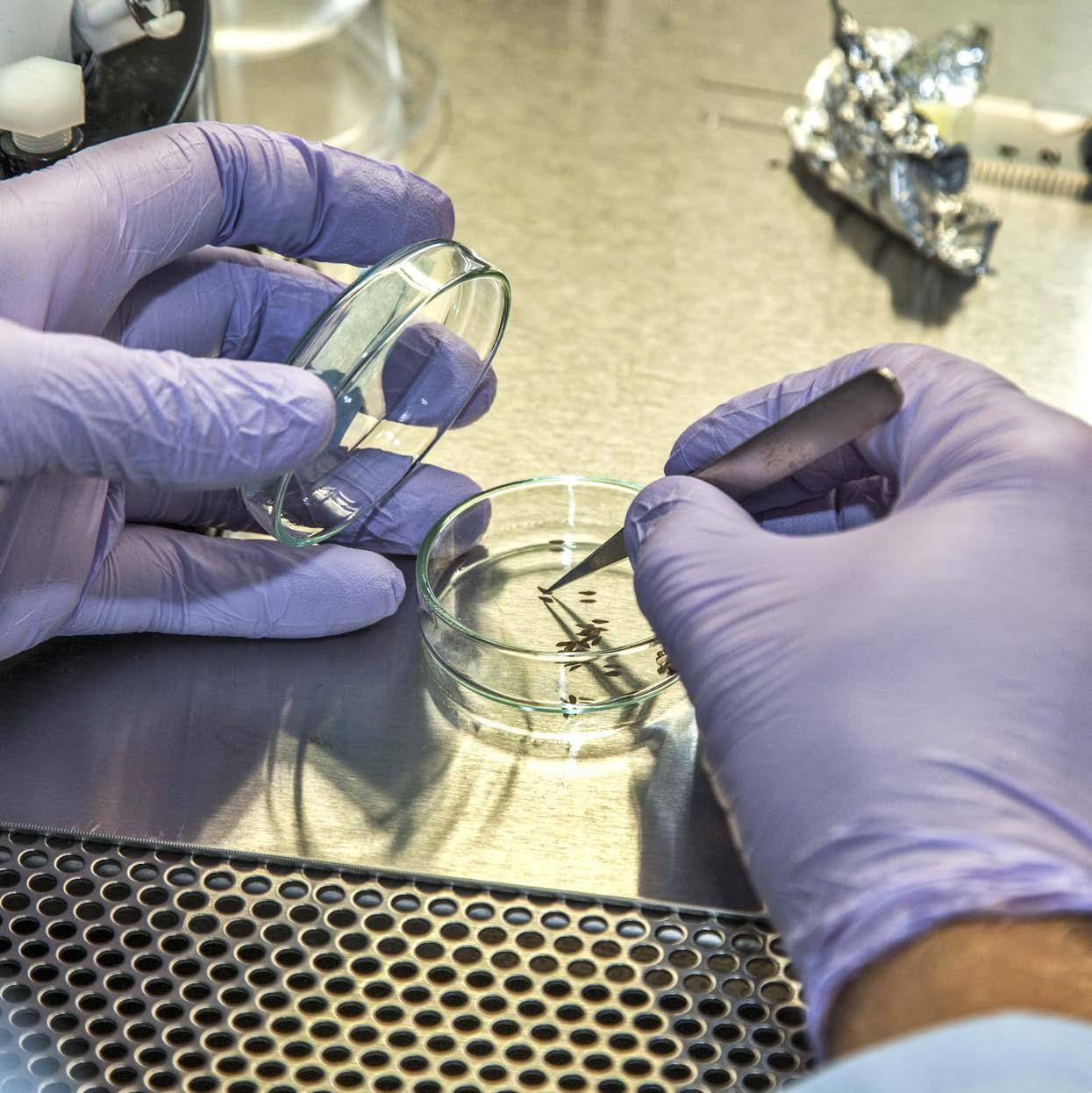
TALENs were developed by researchers at Martin Luther University in Germany and patented and licensed by the 2Blades Foundation. It is said to improve traits in rice and wheat, among other crops (ISAAA, 2021). TALENs use protein combinations to target a specific DNA sequence and to cut the DNA.
It is said to improve traits in rice and wheat, among other crops.
Transgenic GMOs or genome editing: the same hype
As with the hype created around the benefits of GMOs, the claims made about the potential benefits of genome editing are unsubstantiated by evidence, given that very few genome-edited products have to date been commercialised.
The hype attached to genome editing is based on the same assumptions and promises about introducing techno-fixes to complex and structural challenges in the continent’s food and nutrition security landscape. Since the 2000s, proponents of the Green Revolution have hailed genetic engineering as the technology that will solve Africa’s hunger and farmer poverty crisis, beating back common diseases and pests and producing superior crops and higher yields.
It has not done that. In the last 30 years, GM technology has not moved significantly past two primary traits: herbicide and insect resistance. Both traits have generated challenges for farmers in rapidly developing weed and pest resistance and the emergence of secondary pests (Sirinathsinghji, 2024). Very few crops are developed to be resistant to viruses or drought, or are biofortified (Rock et al., 2023), and there has been no successful commercialisation of complex traits, such as climate resilience or biofortification (Sirinathsinghi, 2024). This basic and antiquated two-trait technology is heavily tied to the lucrative herbicide market.
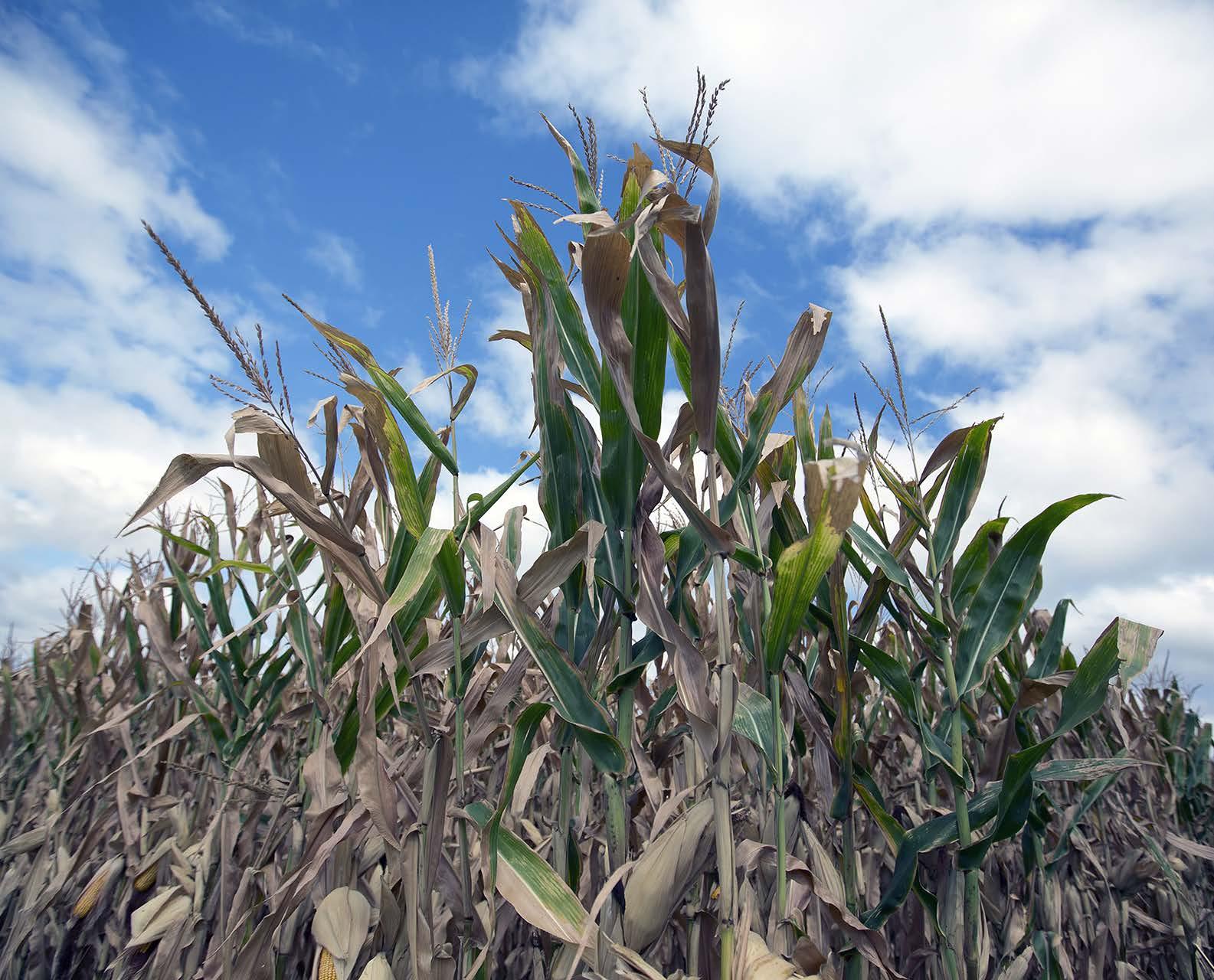
The hype attached to genome editing is based on the same assumptions and promises about introducing technofixes to complex and structural challenges in the continent’s food and nutrition security landscape.
Since the 2000s, proponents of the Green Revolution have hailed genetic engineering as the technology that will solve Africa’s hunger and farmer poverty crisis ...
© USDA/Dave Kosling, Flickr

False claims of ‘benefits’ of genome editing
Advocates for genome editing claim that crops can be edited to be:
• Climate-smart – able to withstand disease and changing climatic conditions (Idris et al., 2023).
• Longer-lasting, which would reduce postharvest losses and food waste (Idris et al., 2023; Ruder & Kandlikar, 2023).
• More nutritious, alleviating nutritional insecurity (Ruder & Kandlikar, 2023).
• Cost-effective technology offers scientists equitable access, thus ‘democratising’ molecular plant breeding (Idris et al., 2023; Ruder & Kandlikar, 2023). In this regard, it is alleged that a researcher only needs an RNA fragment and about US$30 for additional materials (Rock et al., 2023).
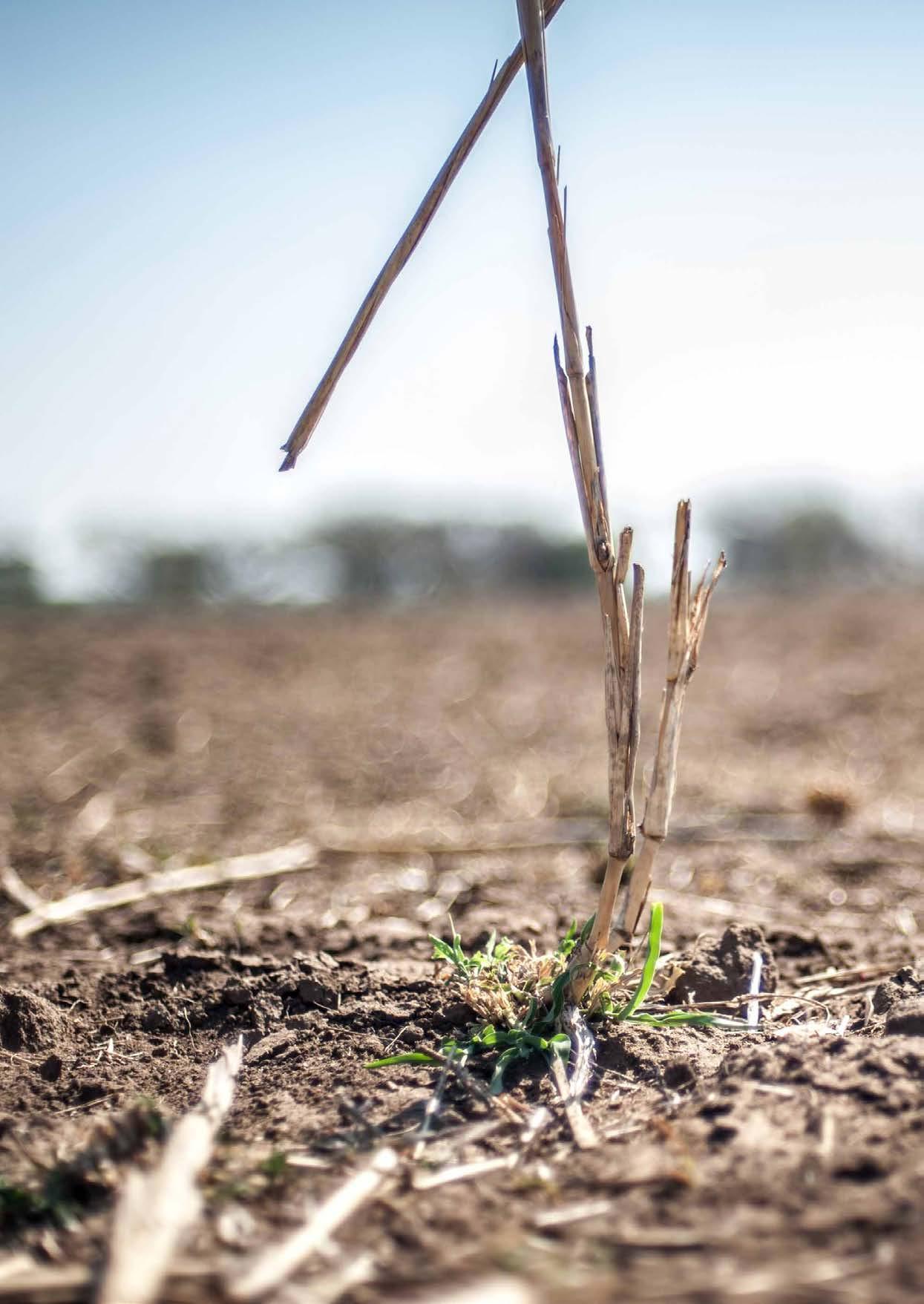
Advocates for genome editing claim that crops can be edited to be: More nutritious, alleviating nutritional insecurity.
Failures of transgenic GMOs
Similar claims were made for GM technology, but instead of reducing barriers, a profitdriven, patent-heavy biotech industry emerged. GM seed prices rose, with African farmers paying 30%–40% more than for conventional seed without corresponding yield benefits or insecticide savings (Rock et al., 2023).
Subsidies drove early adoption, but as these fade, farmers are left on a technological treadmill, facing degraded soils, reduced agricultural biodiversity, and worse financial conditions (ACB, 2024). By 2019, South African smallholders paid 10 times more for Bt maize than certified maize seed (Rock et al., 2023). Further to this:
• Farming systems have shifted to industrialised systems that degrade soils, pollute water and air, drive biodiversity loss, and contribute significantly to climate change (Dopell et al., 2019).
5. https://acbio.org.za/research-and-resources/tags-green-revolution/
• African scientists and farmers are largely marginalised from R&D processes, and public-private partnerships tend to prioritise donor interests over the genuine needs of farmers (Rock et al., 2023).
• Smallholder farmers have been placed on a technological treadmill of expensive, imported farming inputs and restrictive crop management regimes. The ACB has written extensively on these issues.5
• Pest resistance to the synthetic chemicals accompanying GMOs and reduced yields have resulted. A 2024 study into whether Bt maize had increased yields compared to conventional varieties in South Africa found that while yields increased initially, since GM maize introduction in 2004, there was a significant decrease over time because of increased pest resistance (Nalley et al., 2024).
• The economic burden of dealing with the consequences of GM crops has been put onto farmers (Sirinathsinghi, 2024).
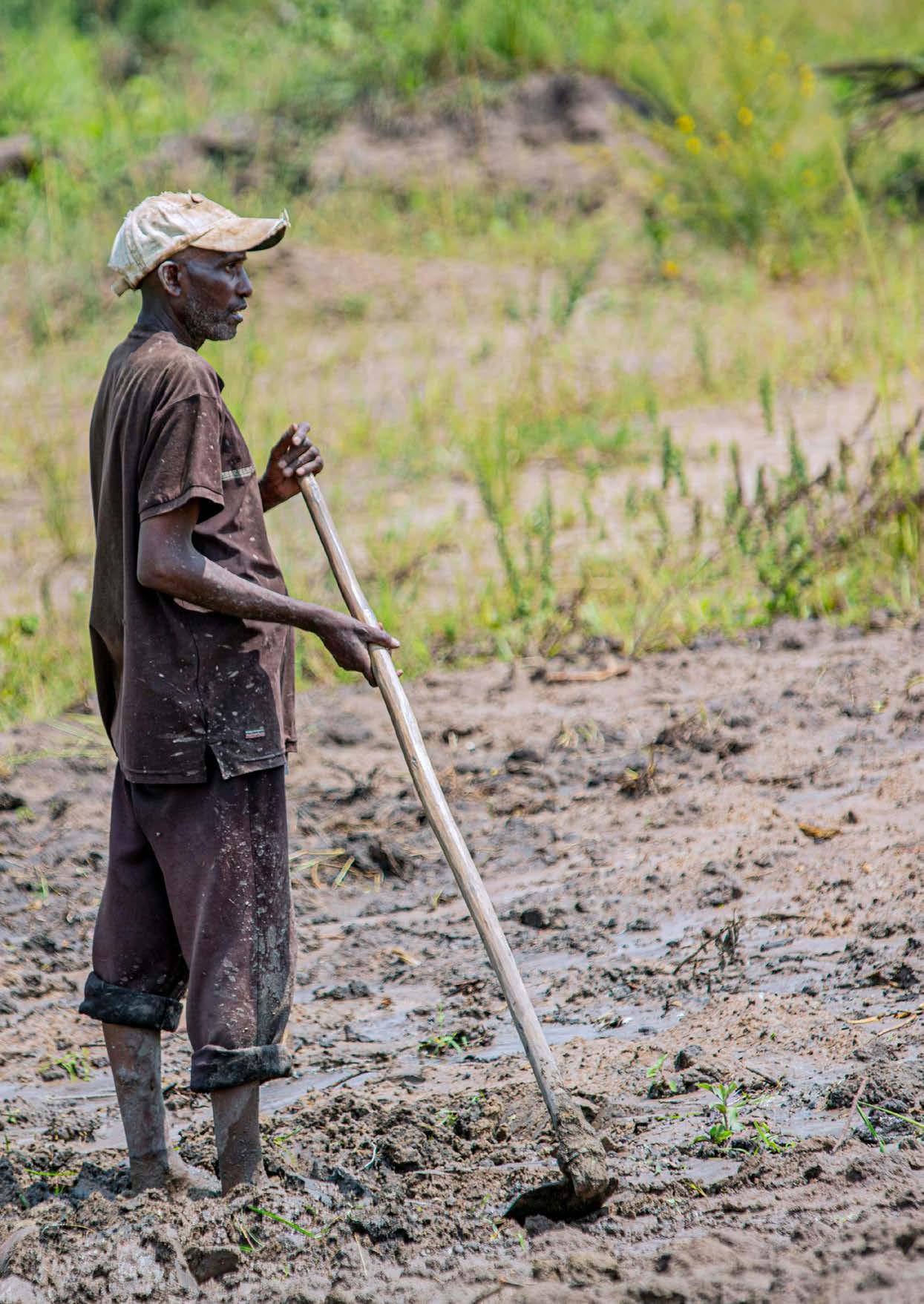
farmers are left on a technological treadmill, facing degraded soils, reduced agricultural biodiversity, and worse financial conditions.
Three key fallacies of genome editing
A collaborative review of literature and research focused on biotechnology was undertaken in 2021 by institutions in North America, Europe, and Africa, which identified three key fallacies of gene editing (Rock et al., 2023); namely, precision, cost, and speed of gene editing.
Precision
Genome editing supposedly enables targeted changes within genomes and hence the claim is made that it is very precise. This ignores the fact that plant traits have complex interactions between many genes and between genes and the external environment; they are not driven by just one gene set (Hilbeck, 2024). Scientists make dangerous and arrogant assumptions about the level of control they have over the outcome. Scientific understanding of DNA repair
Genome editing supposedly enables targeted changes within genomes and hence the claim is made that it is very precise.
pathways is limited (Sirinathsinghji, 2019). The gene or set of genes and how it functions determines the outcome, not the genetic modification. This includes how cells repair themselves after the modification, insertion, or deletion (Sirinathsinghji, 2019).
Any genome-edited crop plant that may make it to the commercial market will likely generate the same ‘unintended consequences’ as their transgenic GM counterparts (Sirinathsinghji 2019), including pest and disease resistance and the emergence of secondary pests. In addition, the genome editing process can intentionally introduce foreign DNA (like the Cas9 protein and the RNA enzyme) to add new traits to make the edit. This foreign matter has to be bred out and often remains in the final product, even unintentionally. The final product is, therefore, transgenic and a GMO rather than a gene-edited product (Rock et al., 2023). It is, therefore, misleading to describe genome editing as a process free of transgenes and thus completely different from GMOs. These processes have more similarities than differences (Rock et al., 2023).
Speed
Based on the fallacy of its ability to be precise, it is claimed that gene editing can speed up plant breeding, shaving years off of development timelines for new or improved
the genome editing process can intentionally introduce foreign DNA (like the Cas9 protein and the RNA enzyme) to add new traits to make the edit.
seeds. Conventional plant breeding can take up to 10 years; GM breeding has brought this down to about six years, and gene editing claims to be able to halve this time (Rock et al., 2023). This is based on the premise that regulatory frameworks will be removed or radically eased for this technology and that consumer approval will be given. This may not be the case, and gene-edited products could face similar opposition from civil society and consumers as their GM counterparts, including a countermovement to force regulation demanding transparency, safety, and equity (ACB, 2024 a).
Cost
There are claims that it is a cheaper and more accessible technology to use, but this is a flippant claim because huge costs are involved. These include the cost of a laboratory and skilled scientists/technicians, the CRISPR kit, and access to enzymes, DNA, and RNA, as examples. A return on investment is highly dependent on the deregulation of the technology, which would also reduce the costs involved in obtaining regulatory approval, recordkeeping, acceptance by the public, and being able to gain access to the tools and genetic material desired without paying exorbitant licensing fees derived from patents.
CRISPR CAS – an unsuccessful technology and dangerous distraction from real solutions
Over a decade since the global rollout of CRISPR-Cas protocols and tools –technologies used under synthetic biology – promises of economically viable end agricultural products have been unfulfilled.
A 2021 Greens/EFA report calls the agricultural biotech industry’s claims about gene editing techniques like CRISPR/ Cas misleading and deceptive. This report notes that gene editing is expensive, and a potentially dangerous distraction from real agriculture solutions; and that those few CRISPR products that had reached the market were not well received (Greens/EFA 2021).
A 2024 report by Bonita’s Research (2024) found that Cibus Inc., a United States agribiotech company had not produced any desirable crops for the market through its genome-editing applications. Its products – genome-edited rapeseed, rice, maize, potato, and wheat, among others – had not generated any meaningful revenue (Bonita’s Research, 2024). This report concludes that investors had been misled into buying into an over-hyped and unsuccessful fantasy.
Parting shots …
Genome editing is an underperforming GM technofix, designed to promote business models highly bent on profitmaking and further entrench the corporate hegemonic control over and privatisation of Africa’s food systems.
African governments should not be seduced by promises of capacity building, technology transfer, and knowledge sharing and thereby not allow the proliferation of risky technologies into African seed and food systems.
© CIMMYT, Flickr
References
African Centre for Biodiversity (ACB). 2017. Biosafety Risks of Genome Editing Techniques in Plant Breeding. https://acbio.org.za/gm-biosafety/two-simplified-briefings-introducing-new-gm-technologies-and-biosafety-risks/ ACB. 2017. Deception or Dishonesty? A critical review of the Academy of Science in South Africa’s (ASSAf’s) report on second-generation GMOs. https://acbio.org.za/wp-content/uploads/2022/04/ASSAF_Paper_Web.pdf
ACB. 2024. GMOs: two decades of laying out the facts. [Online] https://acbio.org.za/gm-biosafety/gmos-two-decades-of-laying-out-the-facts/. ACB. 2024 a. Game-changer for regulation of genome editing and new tech as SA’s Ag Minister overrules Industry and Appeal Board. [Online] https://acbio.org.za/gm-biosafety/game-changer-for-genome-editing-regulation/ Bonitas Research. 2024. CIBUS - $CBUS - Latest idea - Juen 2, 2204. https://www.bonitasresearch.com/
AgroTech. 2022. New plant breeding technologies for improving crop productivity and quality. https://theagrotechdaily.com/new-plant-breeding-technologies/ Dopell, K., Radon, P. & Davidovitch, N. 2019. Environmental effects of the livestock industry: The relationships between knowledge, attitudes and behaviour among students in Israel. International Journal of Environ Res Public Health 16(8):1359. DOI: 10.3390/ ijerph16081359
https://www.mdpi.com/1660-4601/16/8/1359
Greens/EFA in the European Parliament. Gene editing myths and reality. https://extranet.greens-efa.eu/public/media/file/9065/6768.
Hickey, L. T. et al. 2019. Breeding Crops to feed 10 billion. Nature Biotechnology, 37:7444-754. Hilbeck, A. 2024. Status of NGT products, business models, and biosafety concerns. Presentation at ACB Durban workshop 12 June 2024. Idris, S.H., Mat Jaluddin, N.S., Change, L.W. & 曾 立纬. 2023. Ethical and legal implications of gene editing in plant breeding: A systematic literature review. J Zhejiang Univ Sci B. 24(12):1093-1105. doi: 10.1631/jzus. B2200601. PMID: 38057267; PMCID: PMC10710910. https://www.ncbi.nlm.nih.gov/pmc/articles/PMC10710910/ Innovative Genomics. 2022. CRISPR agriculture. https://innovativegenomics.org/news/crispr-agriculture-2022/ ISAAA. 2021. Brief 56: Breaking barriers with breeding: A primer on new breeding innovations for food security. https://www.isaaa.org/resources/publications/briefs/56/default.asp
Nalley, L. L., Tack, J., Cooper, C. F., & Nhundu, K. (2024). The devolution of Bt maize yields in South Africa: A case study of potential resistance and its yield implications. Selected Poster prepared for presentation at the 2024 Agricultural & Applied Economics Association Annual Meeting, New Orleans, LA: July 28–30
Rock, J.S., Schnurr, M.A., Kingiri, A., Glover, D., Stone, G.D., Ey, A. & Fishcher, K. 2023. Beyond the genome: Genetically modified crops in Africa and the implications for genome editing. Development and Change 54(1):117-142. https://doi.org/10.1111/dech.12750
Ruder, S. & Kandlikar, M. 2023. Governing gene-edited crops: Risks, regulations and responsibilities as perceived by agricultural genomics in Canada.
https://www.tandfonline.com/doi/epdf/10.1080/23299460.2023.2167572?needAccess=true. Sirinathsinghji, E. 2019. Transferring the laboratory to the wild: An emerging era of environmental genetic engineering. https://biosafety-info.net/wp-content/uploads/2019/11/Biosafety-briefing_From-lab-to-wild.pdf. Sirinathsinghji, E. 2024. Introduction to new breeding techniques. Presentation at African Centre for Biodiversity Durban workshop 12 June 2024.