The Business of Afghanistan in 2025: Navigating Around The Reefs of Global and Internal Instability
The Business of Afghanistan in The Business of Afghanistan in 2025 2025
How Commerce Copes with Global Isolation, Internal Instability, and a Quest for Survival
Kabul, 2025 – In the heart of Central Asia, Afghanistan’s business landscape presents one of the world’s most complex paradoxes. Isolated internationally yet bubbling with informal activity, constrained by ideological edicts yet driven by sheer human resilience, the Afghan economy in 2025 is a testament to survival against staggering odds. Following the political transition of 2021, the nation's commercial sector has been navigating a perfect storm of frozen foreign reserves, collapsed formal banking, humanitarian crises, and internal security challenges. Yet, from carpet workshops in Herat to cryptocurrency traders in Kabul, a unique and adaptive business ecosystem is evolving. This article examines the mechanisms of coping, the sectors finding a path, and the stark realities facing Afghan entrepreneurs as they negotiate global and internal instability.
1. The Dual Realities: Formal Stasis vs. Informal Surge
The most defining feature of Afghanistan's economy in 2025 is the chasm between the formal and informal sectors. The formal economy, as recognized by international institutions, remains crippled. State coffers are depleted, the Afghan afghani experiences volatile fluctuations, and the formal banking sector’s links to the global financial system are severed due to sanctions and compliance fears. Major infrastructure projects funded by international donors are frozen.
Conversely, the informal economy has expanded into a vast, intricate network that facilitates most daily commerce. This includes:
Hawala 2.0: The ancient trust-based money transfer system has digitized and become the nation's de facto financial infrastructure. Using simple messaging apps, hawala dealers now
settle transactions across borders, often using alternative currencies or commodity-backed values.
Cross-Border "Grey Trade": With formal tariffs difficult to collect, a flourishing grey trade operates across borders with Pakistan, Iran, Tajikistan, and Turkmenistan. Everything from fuel and construction materials to consumer electronics and medicine flows through these channels, often with the tacit acceptance of local authorities who collect informal "facilitation fees."
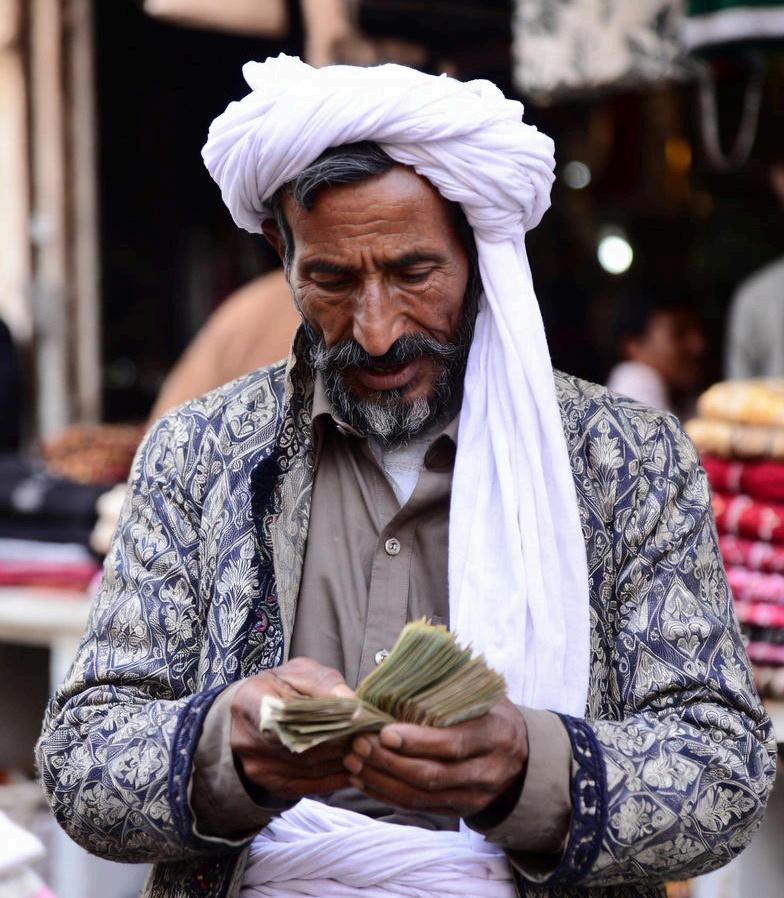
Subsistence Entrepreneurship: Faced with soaring unemployment, countless Afghans have turned to microentrepreneurship. Streets are lined with vendors; home-based tailoring, baking, and repair services have proliferated. This sector operates almost entirely on cash and barter.
2. Sectoral Deep Dive: Winners, Survivors, and Casualties
Agriculture & Extraction: The Primary Pillars
These sectors form the non-negotiable core of the Afghan economy in 2025. Agriculture employs nearly 60% of the population. With limited access to improved seeds or fertilizers, farmers focus on staple crops like wheat, maize, and water-intensive fruits. Opium poppy cultivation, while officially banned, remains a tragic but significant source of rural income due to its drought resistance and high value-to-weight ratio, feeding both internal addiction crises and regional illicit economies.
Mining represents both a current lifeline and a future hope. Small-scale, often illegal, artisanal mining for lapis lazuli, talc, marble, and chromite
Figure 1: The informal bazaar remains the lifeblood of Afghan commerce, facilitating trade and survival outside formal systems. (Illustrative Image)
provides immediate cash. The government is attempting to exert control and formalize agreements, notably with Chinese and regional entities, for larger coal and copper projects. However, these deals are mired in transparency concerns and provide limited fiscal benefit to the central state.
Key Resource:
For a detailed overview of active commercial sectors and local business listings, refer to the Afghanistan Business Directory on BizPages. This resource provides a ground-level look at registered and operating businesses across the country.
Telecoms & Digital Adaptation
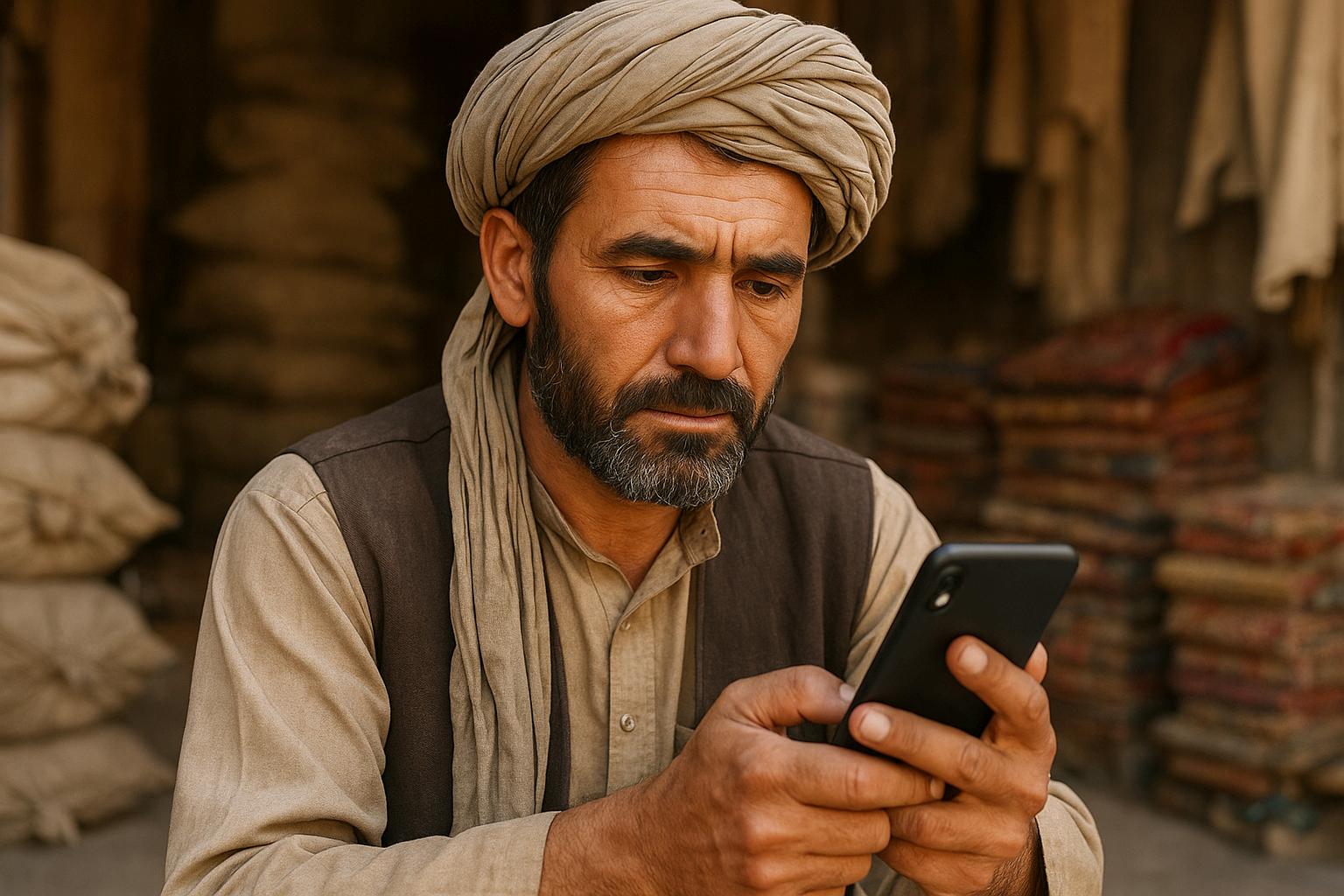
Paradoxically, the digital world has become a crucial escape valve. Mobile phone penetration remains high. While social media is restricted, messaging apps like WhatsApp and Telegram are indispensable for business coordination. A nascent, cautious digital entrepreneurship scene exists. Tech-savvy youths offer freelance services (coding, design, virtual assistance) to international clients, receiving payments through convoluted crypto or hawala routes. This sector is fragile but represents a critical connection to the outside world.
Construction & Real Estate: A Surprising Resilience
In major cities like Kabul, construction has not fully halted. Funded by a mix of returning diaspora investment (often from Iran, Pakistan, or the Gulf) and domestic capital seeking a tangible asset hedge against inflation, apartment blocks and commercial properties slowly rise. This activity is highly localized and not indicative of broad economic health, but it signals where limited capital concentration exists.
The Casualties: Banking, High-End Services, and Formal Manufacturing
Sectors requiring international integration have been devastated. Formal banking is paralyzed. The once-promising high-end services sector (luxury hotels, fine dining, international consulting) has collapsed. Manufacturing that relied on imported raw materials or exported finished goods has largely shut down, unable to navigate logistics and financial barriers. ~80%
of the economy is estimated to be informal -20% to -30%
GDP contraction since 2020 (approx.) >50%
of the population lives below the poverty line 60%+
workforce engaged in agriculture
3. The External Stranglehold: Navigating Global Isolation
Afghanistan's business environment is fundamentally shaped by its position as a global pariah in 2025. The primary mechanism of instability is financial, not just political.
Sanctions and De-Risking: Comprehensive international sanctions targeting the de facto authorities have created a massive "de-risking" effect. Global banks refuse to process any transactions with Afghan entities, fearing regulatory penalties. This has frozen humanitarian aid pipelines, stranded export revenues, and made importing essential goods prohibitively expensive and slow.
The Humanitarian-Development Nexus: The operational space for international NGOs is severely constrained. Their work, while vital for averting famine, exists in a gray zone, relying on time-bound sanctions exemptions. This aid injects liquidity into local markets (through rent, local staff salaries, and procurement) but does not constitute sustainable economic development.
Regional Relations: A Mixed Bag: Pakistan and Iran engage primarily through the lens of refugee management, security, and informal trade. China maintains diplomatic contact and shows interest in mining, but large-scale Belt and Road Initiative
investments are on hold. Central Asian states are focused on border security and limited electricity trade.
4. Internal Instability: Security, Governance, and Ideology
Beyond global pressures, internal factors create a complex operating environment.
Security: While large-scale warfare has ended, instability persists. The Islamic State-Khorasan Province (ISKP) carries out devastating attacks, undermining confidence. Localized conflicts over resources and antiestablishment militias add unpredictability for supply chains and physical assets.
Governance and Rule of Law: The business regulatory framework is in flux. Old laws coexist with new edicts. Corruption remains endemic, but its nature has changed from complex bureaucratic graft to more direct, localized imposition of fees and taxes. The lack of a predictable, transparent legal system for contract enforcement or dispute resolution is a major deterrent to any significant investment.
Social Policies and Human Capital: The prohibition on female education beyond primary levels and severe restrictions on women's employment have effectively halved the country's productive workforce and decimated sectors like healthcare and education. This represents not just a humanitarian catastrophe but a profound, self-inflicted economic wound, draining the nation of vital skills and stifling future growth.
Figure 2: Adaptation through technology: A trader uses a smartphone to coordinate via hawala or messaging apps, essential tools in a fragmented economy.
Strategic Analysis:
For an in-depth strategic analysis of the operational environment, the presentation "Navigating the Frontier: Afghanistan Business Guide" provides valuable insights into risks, entry strategies, and sectoral opportunities within the constrained landscape.
5. Coping Mechanisms and Adaptive Innovations
Afghan businesses survive through remarkable ingenuity and reliance on social capital:
1. Hyper-Localization: Supply chains are shortened dramatically. Businesses source whatever they can locally, recycle materials, and repurpose goods. This has spurred small-scale production of basic items like soap, simple tools, and clothing.
2. Currency Diversification: The US dollar, Pakistani rupee, Iranian rial, and Chinese yuan all circulate alongside the afghani. Prices for
large transactions are often quoted in USD. There is growing, albeit cautious, experimentation with cryptocurrencies like Tether (USDT) as a store of value and medium for cross-border settlement.
3. Diaspora as Lifeline: Millions of Afghans abroad send remittances, estimated to be one of the largest sources of foreign currency. These funds, transferred via hawala, keep countless families afloat and seed small business startups.
4. Trust Networks: Business is conducted almost exclusively within networks of family, tribe, and long-established trust (qaum and qawm). Credit is extended based on social standing, not formal collateral. This minimizes risk in the absence of a functioning legal system but also limits scalability and outsider participation.
6. The
Humanitarian Cliff and Future Scenarios
The Afghan economy in 2025 is walking a humanitarian tightrope. It is almost entirely dependent on subsistence agriculture, informal trade, and external humanitarian aid. Climate change-induced droughts and floods regularly disrupt the agricultural base, pushing millions into acute food insecurity. This fragility means the "business environment" is perpetually one shock away from catastrophe.
Looking forward, several scenarios are possible:
Status Quo of Managed Decline: The most likely scenario. The informal system continues to limp along, preventing total collapse but incapable of generating growth or development. Poverty deepens, human capital erodes, and the country remains aid-dependent and unstable.
Regional Integration by Necessity: If geopolitical tensions shift, Afghanistan could become a reluctant node in regional trade corridors (e.g., China-Pakistan, Iran-Central Asia), primarily as a transit route for goods, with limited local benefit beyond tolls and fees.
Internal Transformation: A less likely but pivotal scenario would involve a shift in internal social policies (especially regarding female education and work) and the establishment of a more predictable, inclusive regulatory environment. This could unlock dormant human potential and attract cautious diaspora investment, creating a foundation for endogenous growth.
On-the-Ground Perspective:
The article "The Informal Economy of Afghanistan: A 2024 Snapshot" offers a raw, ground-level perspective on the daily realities and coping strategies of Afghan traders and entrepreneurs, complementing this macro-analysis.
Conclusion: Resilience on the Brink
The business of Afghanistan in 2025 is, above all, a story of resilience within severe constraints. It is an economy that has been forcibly informalized, localized, and placed in a state of suspended animation by global isolation. Afghan entrepreneurs demonstrate incredible adaptability, leveraging centuries-old trust systems like hawala and modern digital tools to keep goods moving and families fed.
However, this resilience should not be mistaken for sustainability or growth. The economy is contracting in real terms, propped up only by humanitarian assistance and remittances. The twin shackles of international sanctions and internal restrictions on human capital (particularly women) ensure that any potential for recovery remains stifled. For Afghanistan to develop a truly functional business environment that can provide for its people, a fundamental change in both its external relationships and its internal social contract is required. Until then, the business of Afghanistan will remain the business of survival.
Sources & Further Reading:
BizPages: Afghanistan Business Directory - For sectoral and business listing data.
Slideshare: Navigating the Frontier - Afghanistan Business GuideFor strategic risk and operational analysis.
Justpaste.it: The Informal Economy of Afghanistan - A 2024 Snapshot - For ground-level, anecdotal reporting.
How We Survive In The Times of Crisis - Afghanistan's Economy in 2025
World Bank, UNDP, and FAO Situation Reports (2023-2024) - For macroeconomic and humanitarian data estimates.
Analyses from the Afghanistan Analysts Network (AAN) and International Crisis Group (ICG) - For political and security context.