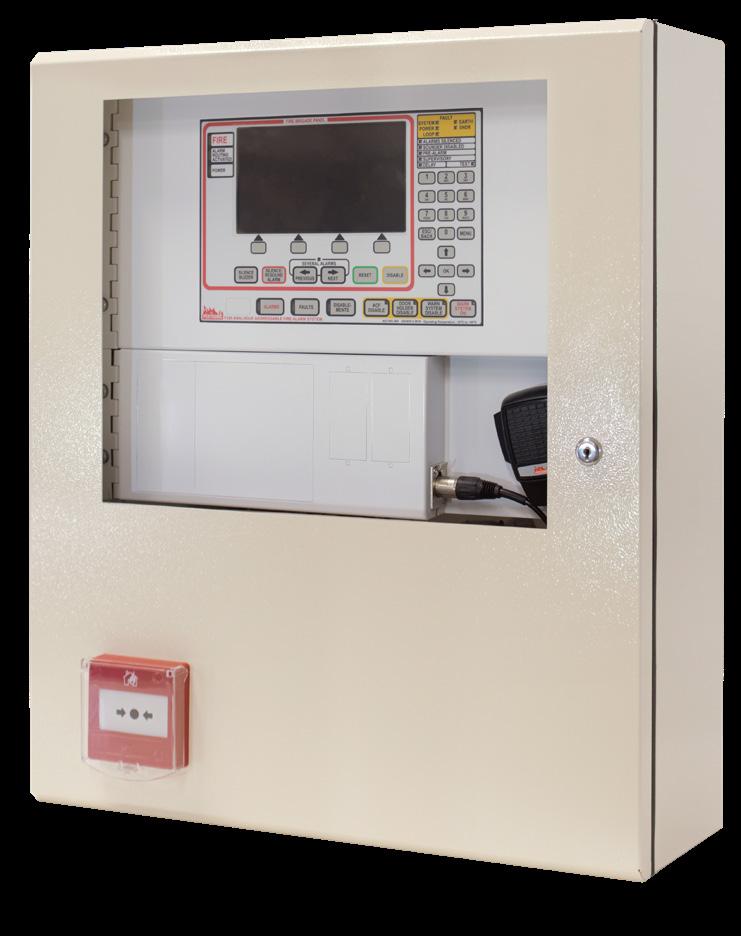
Advanced automatic fire detection for wind turbines
same Pertronic

Active, networked fire protection
Up to 160 Pertronic F220 panels can be networked, observed and controlled from a central point. Panels detect fire instantly and quickly trigger alarms and fire suppression systems, including:
• Aerosol-based
• Clean agent
• Carbon dioxide
• Water-based
• Wind turbine shut-down
www.pertronic.com.au
Turbine image via Freepik
BUILDING A SAFER FUTURE, TOGETHER
ROB WEBB CEO, AFAC
This year, AFAC25 powered by INTERSCHUTZ Conference and Exhibition travels to Perth, WA, from 26–29 August 2025. The conference theme, ‘From local to global: leveraging systems, capability and connection’ will explore the dynamic intersection between society, systems, and technology, and how we can capitalise on local and global connections to build a safer future together.

It is a privilege to once again bring Australasia’s emergency management sector together to network, learn, and strengthen our practices. We look forward to being hosted by WA agencies, the Department of Fire and Emergency Services, and the Department of Biodiversity, Conservation and Attractions. Their responsibilities across such a vast state allow us to explore a variety of local capabilities applied to managing and responding to the diversity of hazards that WA experiences. We look forward to the unique perspectives that will be shared at AFAC25 in Perth, as well as the range of learning opportunities that will provide valuable lessons that are beneficial to all.
We also look beyond our borders for these lessons. In this edition of Fire Australia we continue to unpack the LA fires that took place in January 2025. The intensity of the fires, coupled with dangerous weather conditions, challenged firefighting crews and continued the trend of extreme global events that stop us in our tracks. Our sector is examining how to evolve our response and, crucially, our mitigation and preparedness. Success will call for new and strengthened partnerships. Once again, we observed the dedication and professionalism of emergency services agencies under trying conditions.
Whether it be Los Angeles, Maui, Korea, or Australia, these are global issues. By working closely together, the fire protection industry and the fire and emergency services sector have an opportunity to make positive change and innovate to reduce the impact of disasters on both a local and global scale.
“Our sector is examining how to evolve our response and, crucially, our mitigation and preparedness. Success will call for new and strengthened partnerships. Once again, we observed the dedication and professionalism of emergency services agencies under trying conditions.”
Robb Webb, CEO, AFAC
To advertise in Fire Australia, contact: Samantha Brennan, samantha.brennan@fpaa.com.au FPA Australia, PO Box 1049, Box Hill VIC 3128, Australia
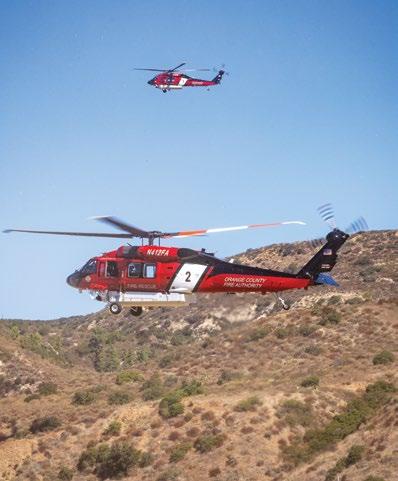
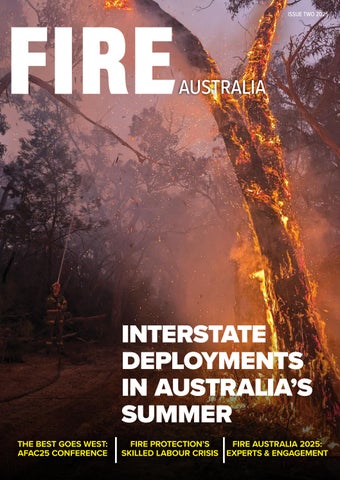
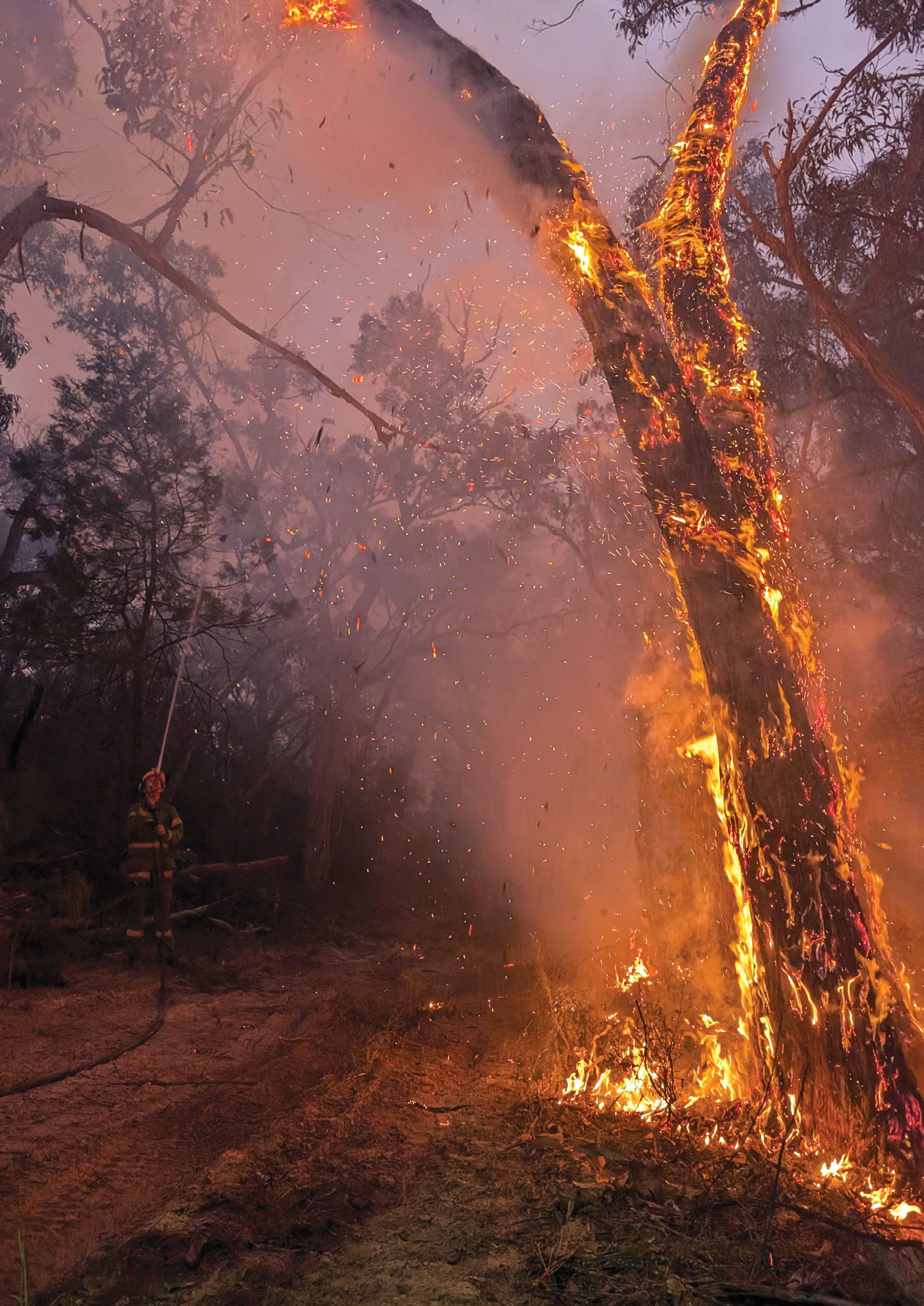
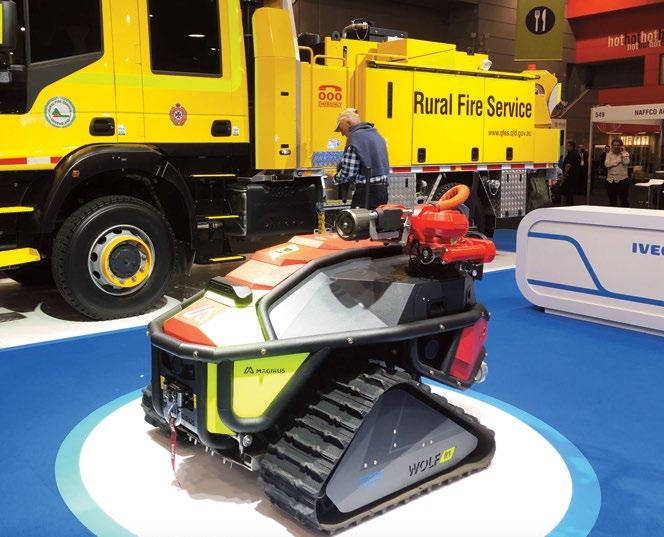
OUR COVER
IN THIS ISSUE
9 Fire Australia 2025: Two days of experts and engagement
14 Engagement physics: When attraction isn’t enough
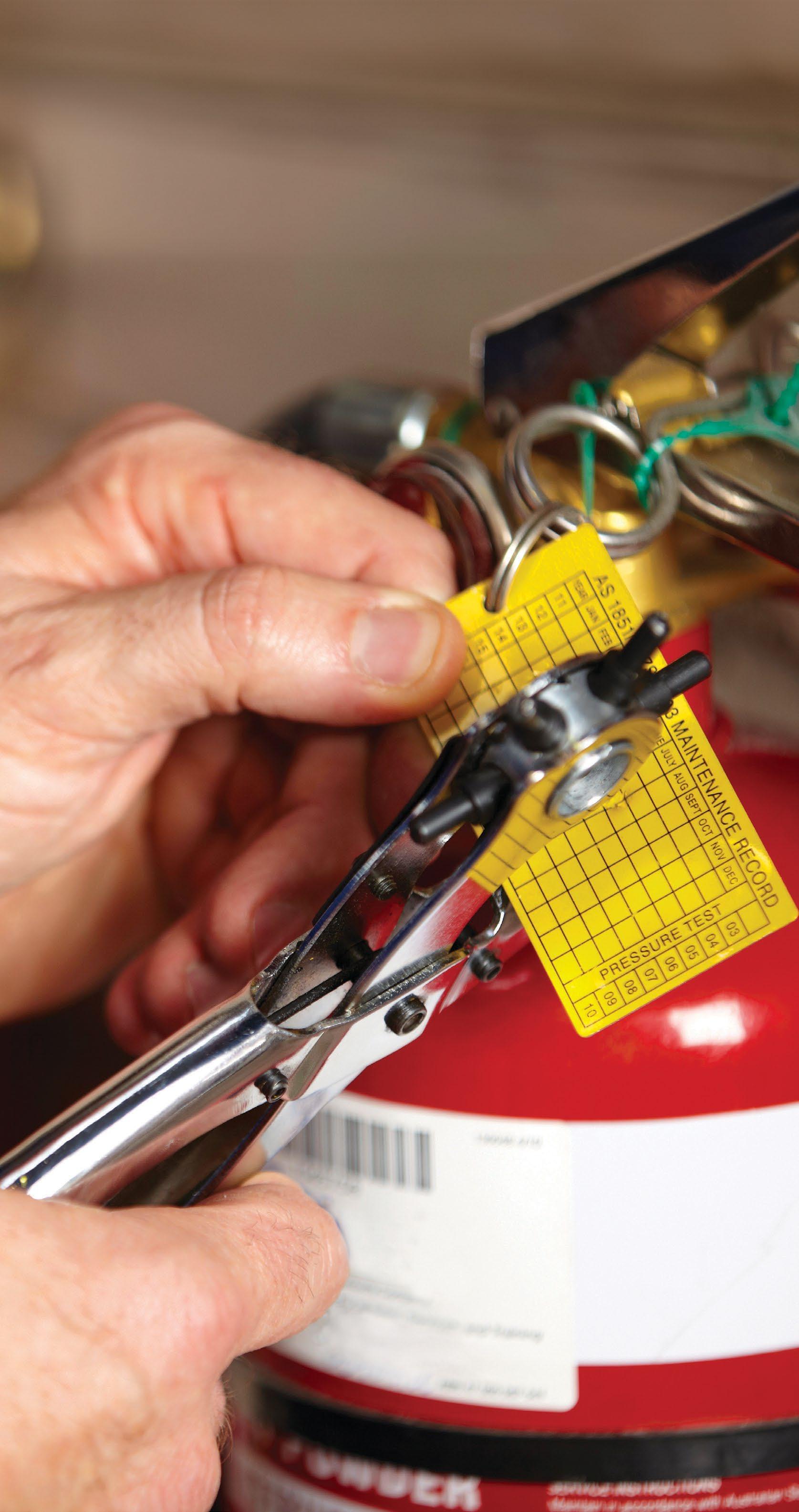
16 Obtaining baseline data for routine servicing to AS 1851
17 The importance of updating fire alarm systems
18 Urgent action needed: Mandating BPAD accreditation
21 Cable certifications essential to ensure compliance
22 Industry accreditation vs government licensing
24 Running on empty: Fire protection’s skilled labour crisis
26 The best goes west: AFAC25 Conference and Exhibition comes to Perth
29 The fight against industrial and waste fire risks in Australia
30 AFAC’s National Resource Sharing Centre coordinates interstate deployments during Australia’s summer
33 Why construction must continue down the certification path
38 When outdated building regulation stifles innovation
39 Bridging theory and practice
40 A sustainable future for fire protection: The rise of clean agent suppression systems
43 The ripple effect of meaningful support REGULAR FEATURES 5 News
34 Perspectives from the sector: Fire Chief Brian Fennessy, Orange County Fire Authority
42 Standards update
45 Burning Ambition: VICSES’s women in rescue goes from strength to strength
46 Blast from the past: School fire tragedy
47 Advocacy corner: Queensland makes progress on licensing issues
48 Movers and shakers
50 Calendar of events
ABOUT FIRE AUSTRALIA
Fire Australia is a joint publication of Fire Protection Association Australia and AFAC. We aim to bring the latest news, developments and technical information to the fire protection industry, fire and emergency services organisations, and hazard and emergency management agencies. Fire Australia is produced quarterly and distributed throughout Australia and New Zealand. Editorial submissions and letters to the editor are welcome and can be sent to magazine@fpaa.com.au. For more details on submitting a contribution, please contact the editors.
JOINT EDITORS
SAMANTHA BRENNAN (FPA Australia) Tel +61 431 900 712 samantha.brennan@fpaa.com.au
ALANA BEITZ (AFAC) Tel +61 3 9418 5233 alana.beitz@afac.com.au
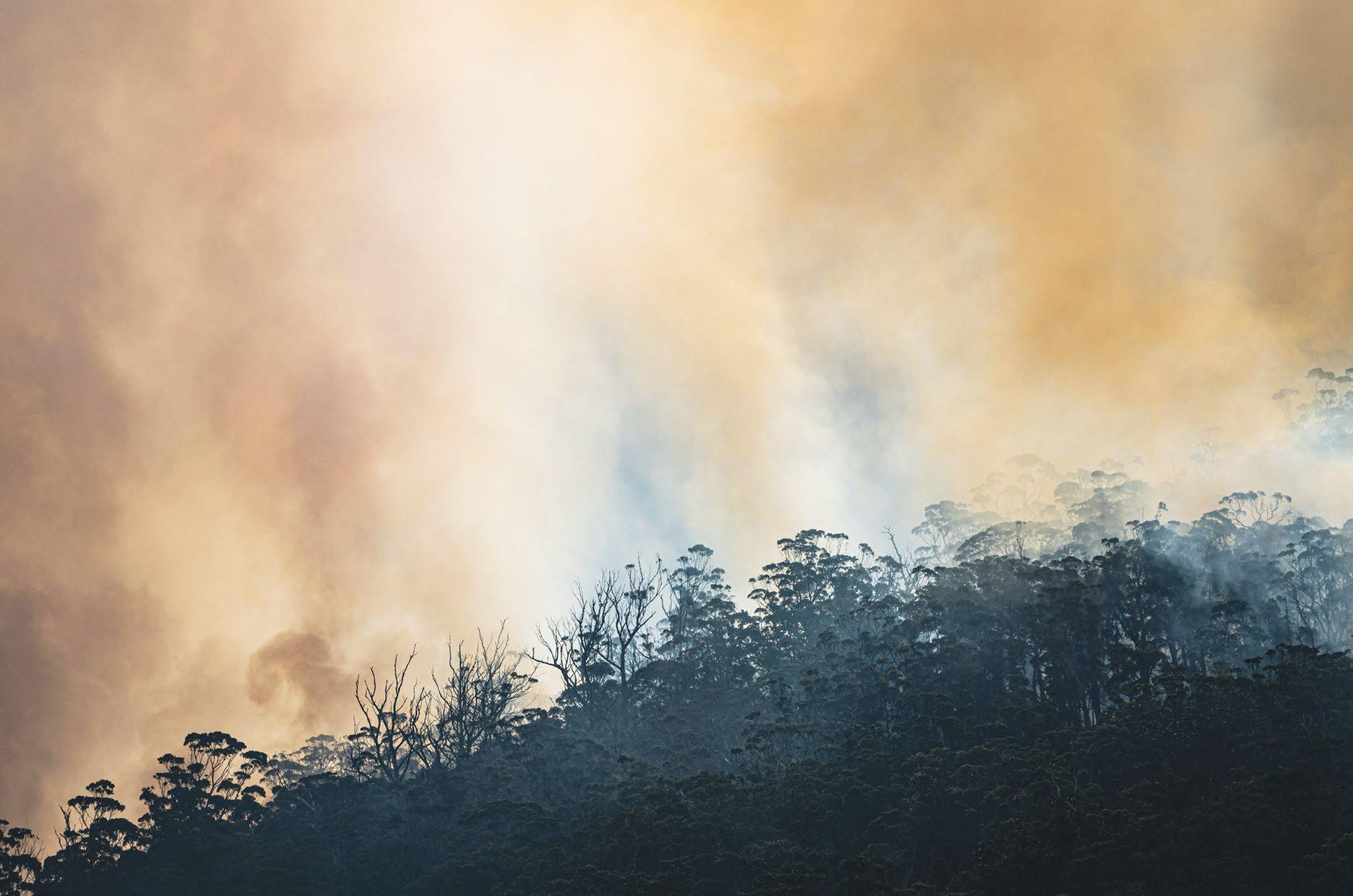
The AFAC National Resource Centre activated to support the provision of interstate personnel to the Grampians National Park bushfire.
PHOTO: STATE CONTROL CENTRE, VICTORIA



FPA Australia’s new bushfire qualification
We’ve got some great news— Fire Protection Association Australia has recently added the CPP51222 Diploma of Bushfire Protection Assessment to our scope of delivery. That means we will soon be able to offer this qualification across all states, and we’re just putting the finishing touches on our processes to make it happen.
Keep an eye out in the coming weeks as we launch our new web pages with all the details you need. In the meantime, feel free to email training@fpaa.com.au to be among the first to know when we roll out course info and open enrolments.
CELEBRATING 20 YEARS OF EXCELLENCE
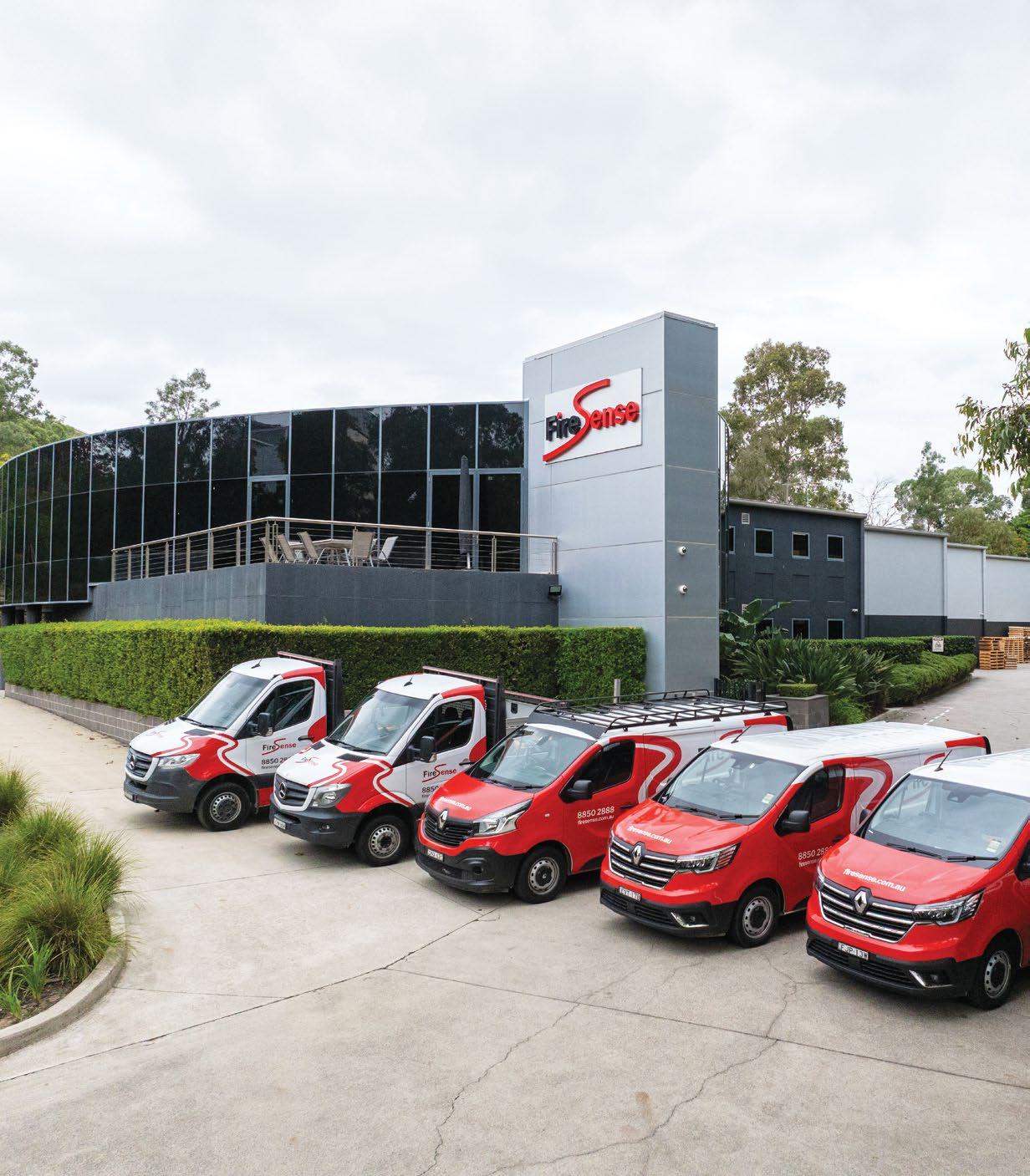
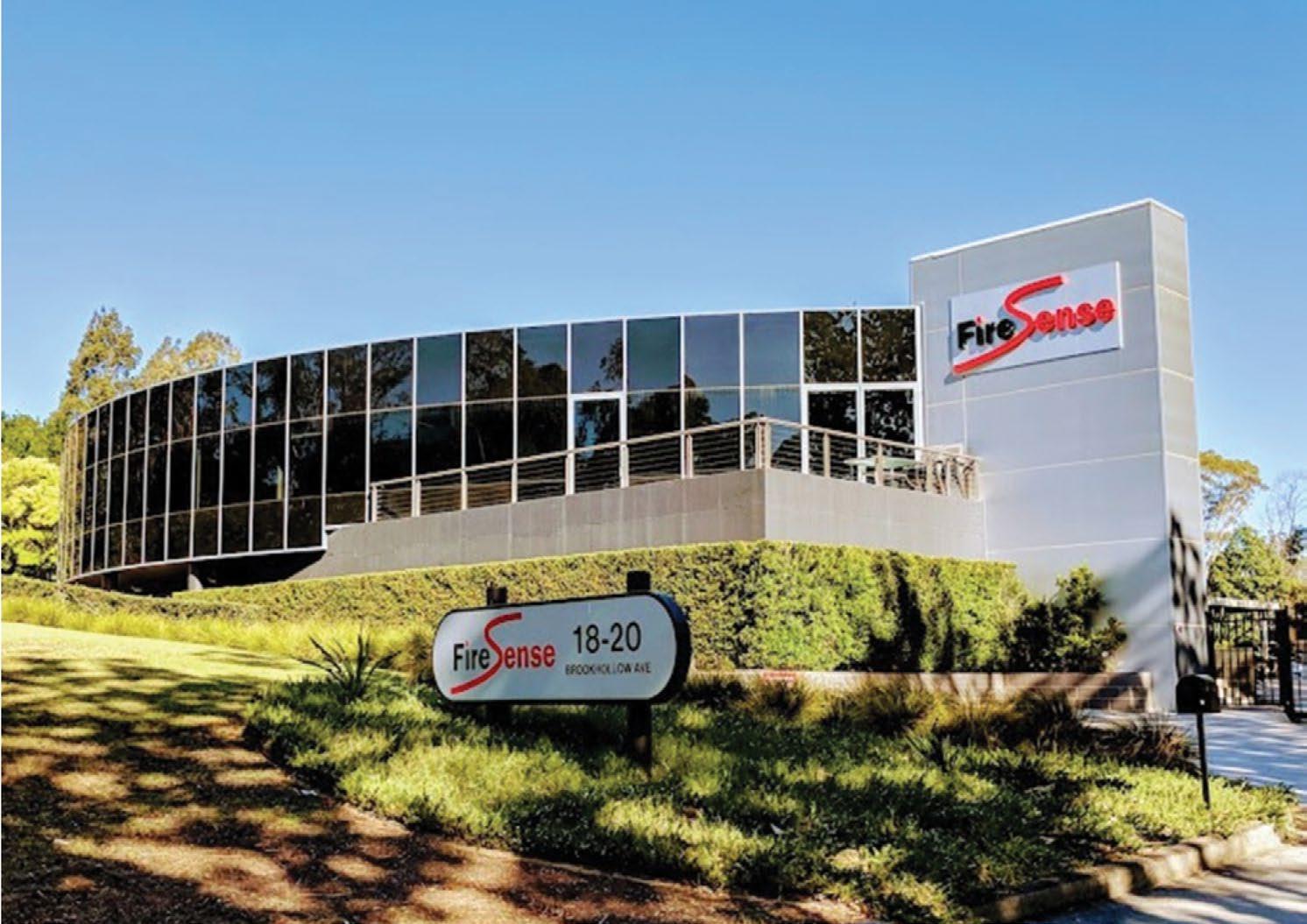
This year, FireSense is celebrating its 20-year anniversary. Since opening in 2005, the company has worked on some of Australia’s largest projects and with some of the biggest companies, including Sydney Metro, NorthConnex, Microsoft, Amazon, NEXTDC, Equinix Data Centres, TAFE NSW, and Ausgrid NSW.
The entire FireSense management team is highly experienced in delivering advanced fire system technologies and projects across many industries. With more than 80 experienced staff members across their Sydney, Melbourne, and Brisbane offices, and the largest technical team in Australia, FireSense is a trusted leader and specialist supplier of fire alarm systems and fire-rated cable to installers, wholesalers, and service companies.
For more information, visit firesense.com.au
PHOTO: FIRESENSE

HOME BUILDING APPROVALS UP IN 2025
The Australian Bureau of Statistics reports that home approvals grew by 6.3% in January 2025, as planning reforms start to make their impact on the industry.
The biggest rises were seen in Queensland at 4.6%, WA at 3.3%, and SA at 2.9%. Victoria and NSW were each down for the month, with dips of 1.2% and 0.8% respectively.
For more information, visit theurbandeveloper.com/ articles/abs-housing-approvals-january-2025
NSW GOVERNMENT DEFERS CHANGES TO SAFETY REQUIREMENTS
Earlier in the year, the NSW Government announced the deferral of two upcoming fire safety requirements:
a 12-month deferral to 13 February 2026 for compliance with AS 1851, which mandates the frequency of fire safety servicing and maintenance
a 24-month deferral to 13 February 2027 for requiring a fire safety certificate to only be issued following an assessment by an accredited practitioner (fire safety).
This means existing fire protection requirements in NSW will remain unchanged until February 2026. It’s crucial to highlight that although these requirements are not mandatory yet, building owners are still obligated to maintain their fire safety systems.
AS 1851 remains the national benchmark for fire safety servicing and maintenance, and there’s no reason it should not be implemented now in buildings across the state.
In recognition of the preparedness of our members and practitioners, FPA Australia will continue to support the immediate adoption of AS 1851 and is also rolling out the Fire System Certifier classification in the Fire Protection Accreditation Scheme as a voluntary commitment to improving fire safety standards.
MOU WITH FIRE & SECURITY ASSOCIATION OF INDIA
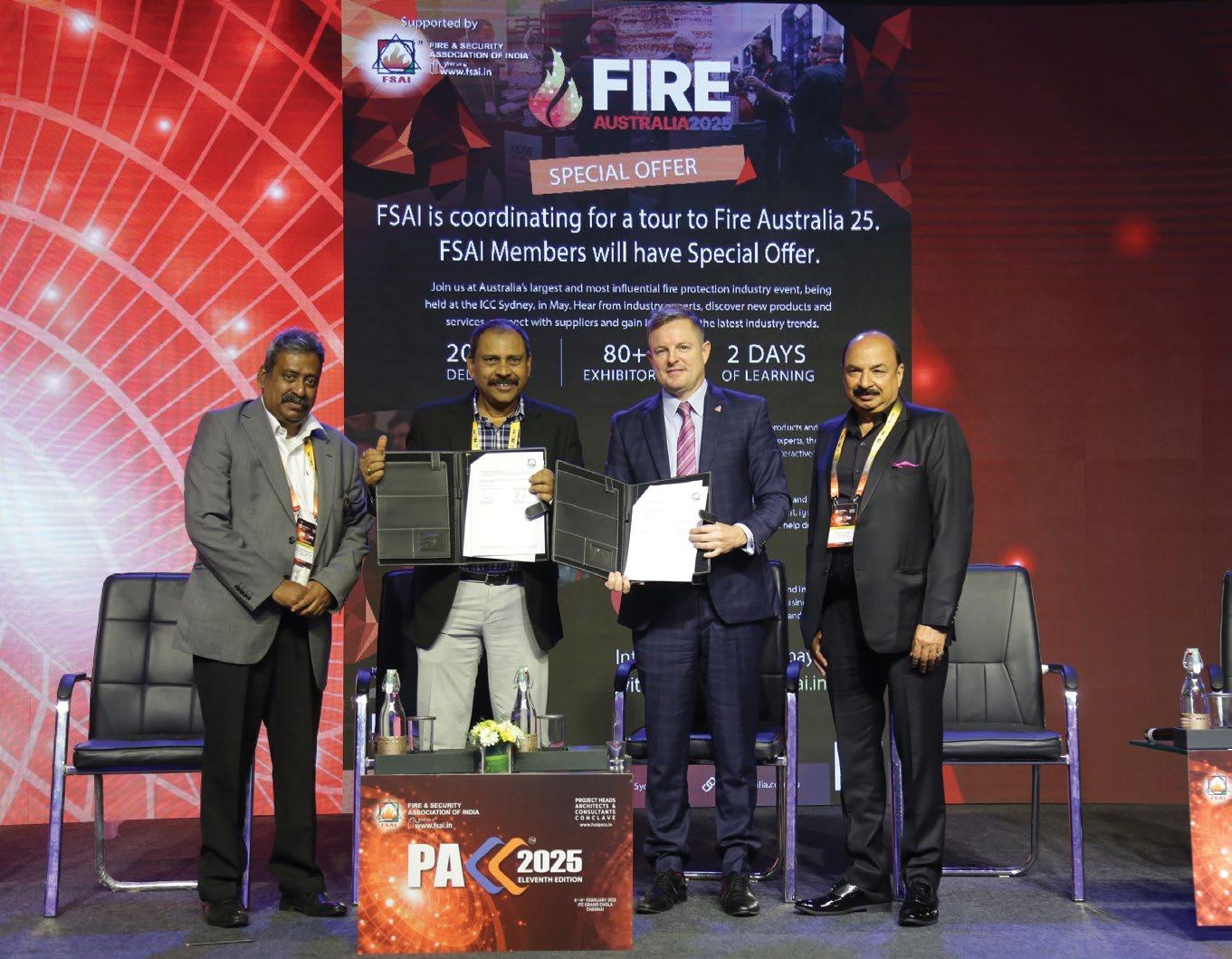
In early February in Chennai, India, FPA Australia formalised a Memorandum of Understanding (MOU) with the Fire & Security Association of India (FSAI), reinforcing our shared commitment to advancing fire safety across both regions.
Executive Officer Paul Hodgson (pictured) attended on behalf of FPA Australia CEO John Collie. The signing took place during the PACC 2025 conference hosted by FSAI.
We were pleased to share this moment with Ajit Raghavan, Srinivas Valluri, and Rakesh Arora from FSAI, whose warm hospitality and presence made the occasion memorable
For more details, visit https://www.pacc.fsai.in/
AFAC’S RECONCILIATION ACTION PLAN LAUNCH
On 18 March 2025, AFAC demonstrated its commitment to reconciliation through the launch of the AFAC Reflect Reconciliation Action Plan (RAP).
Within the RAP framework, there are four RAP types to allow organisations to continuously develop their reconciliation commitments—reflect, innovate, stretch, and elevate. AFAC’s Reflect RAP is the first step in strategically taking meaningful action to advance reconciliation within the organisation.
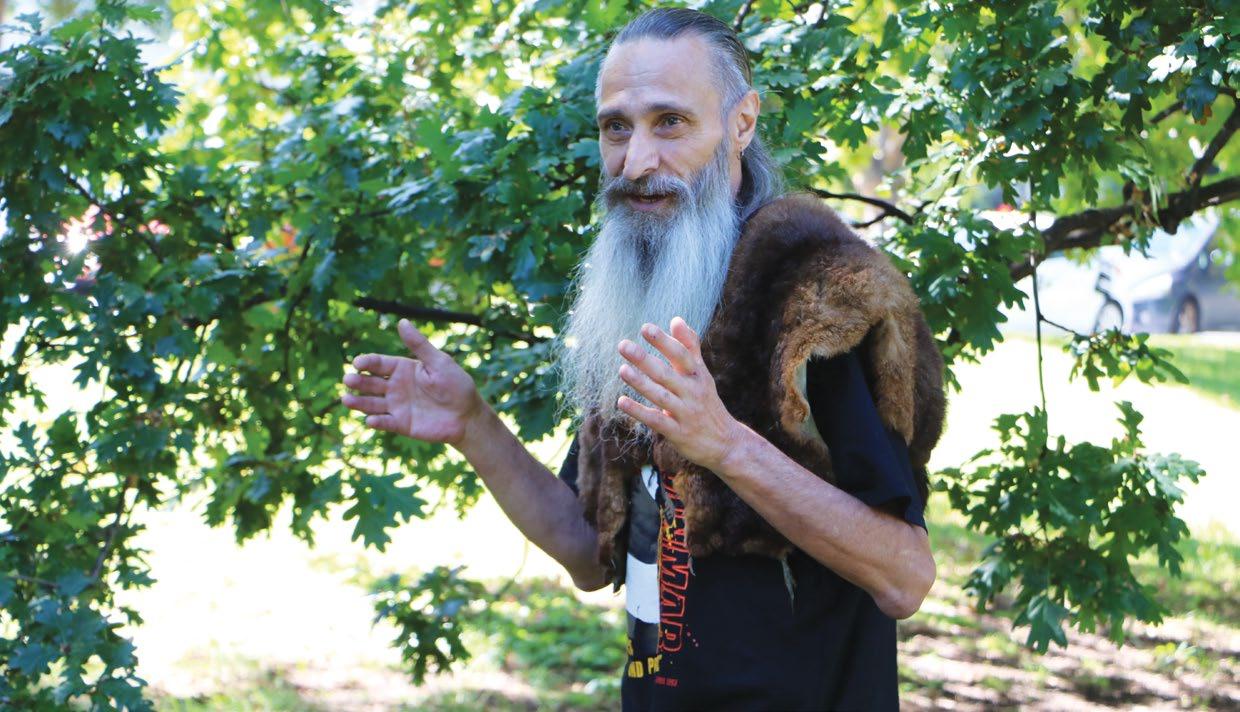
Uncle Colin Hunter Jr, a proud Wurundjeri Woi Wurrung Elder, gave a Welcome to Country in Fitzroy Gardens. He spoke about his family’s history, their stories, and the extent of their traditional lands from inner city Melbourne, south to the Mordialloc Creek, west to the Werribee River, and east to Mount Baw Baw.
Following the Welcome to Country, an afternoon tea was held at the AFAC office in East Melbourne. During the afternoon tea, Aboriginal artist Emma Bamblett presented her artwork Looking and healing over Country that was commissioned for AFAC’s RAP.
Emma spoke about her family connections to the Wemba Wemba, Gunditjmara, Ngadjonji, and Taungurung mobs, and about the meaning of her artwork and how it represents the journey of reconciliation action and healing for AFAC. The artwork highlights the importance of paying respect to Traditional Owners of the land and ensuring Country is healthy, as well as AFAC’s values, and the breadth of AFAC’s role supporting fire and emergency services.
As the RAP launch concluded, Sandra Whight, Executive Director of National Capability at AFAC, hosted a professional development session on Acknowledgement of Country.
The session provided attendees with a deeper understanding of Acknowledgement of Country, the significance of Country, and how acknowledgement can be personalised and delivered with sincerity.
AFAC would like to thank Uncle Colin Hunter Jr and Emma Bamblett for their participation in the RAP launch, and thank the RAP committee for their hard work and dedication to beginning AFAC’s reconciliation journey.
To learn more about AFAC’s RAP, visit www.afac.com.au/diversity-and-inclusion For more information about Emma Bamblett’s art, visit kinyalerrk.com.au
SUBMISSIONS NOW OPEN FOR THE 2025 RESILIENT AUSTRALIA AWARDS
The Resilient Australia Awards celebrate and promote initiatives that build wholeof-community resilience to disasters and emergencies around Australia, as well as capture and share examples of resilience in action. The awards recognise collaboration and innovative thinking across a broad range of sectors and initiatives that strengthen disaster resilience with communities, institutions, and the private sector.
AFDRS GRASS FUEL STATE EDITOR OBSERVER MOBILE APP NOW LIVE
Minderoo Foundation granted funds to the Australian Fire Danger Rating System (AFDRS) Program in 2024 to improve the technology behind the fire danger ratings.
A major aspect of the grant was the development of a dedicated mobile app aimed at enhancing the Fuel State Editor (FSE) Observer process, a key tool in monitoring grass fuel observations across Australia. In the past, grass fuel observations had to be made via the FSE web platform, requiring internet access.
The new mobile app, available on Android and Apple devices, allows users to capture grass fuel state data directly in the field, when there is limited or no internet connectivity. Observations are then uploaded when the device is back in signal range or connects to the internet.
This development will improve the way grass fuel state information is collected, as it eliminates the need for manual steps that often delay data entry in remote locations and take up valuable observer time. With the mobile app, observers can now submit vital data on the go, streamlining the process and encouraging more people to participate in grass fuel observations.
The FSE Observer process itself is designed to be user-friendly, consisting of just five simple steps:
1. Capture grass curing
2. Capture fuel condition
3. Capture fuel continuity
4. Capture fuel load
5. Take a photo.
Then simply review your observations and press ‘Submit’.
Those interested in becoming observers can contact their jurisdictional AFDRS User Manager to get started. Once onboard, individuals can easily contribute to a more accurate fire danger rating system, helping to improve communication to communities at risk of bushfire.
For further information about the app or information on how to contact your jurisdiction’s AFDRS User Manager, please email afdrs@afac.com.au
Submissions will be accepted in each state and territory for business, community, government, local government, schools, mental health and wellbeing, and photography award categories. The winners from each jurisdiction will be considered for two national awards: the Resilient Australia National Award, and the Resilient Australia National Collaboration and Partnership Award.
The awards are open to all Australians, including but not limited to individuals, not-for-profit organisations, small and
large businesses, all levels of government, schools, education institutions, research bodies, and emergency service agencies.
After a successful launch in 2024, the Resilient Australia National Research for Impact Award will once again feature as an award category in 2025. This award category is open to all jurisdictions; however, submissions will be judged exclusively by the National Panel.
For more information and to submit, visit www.aidr.org.au/raa
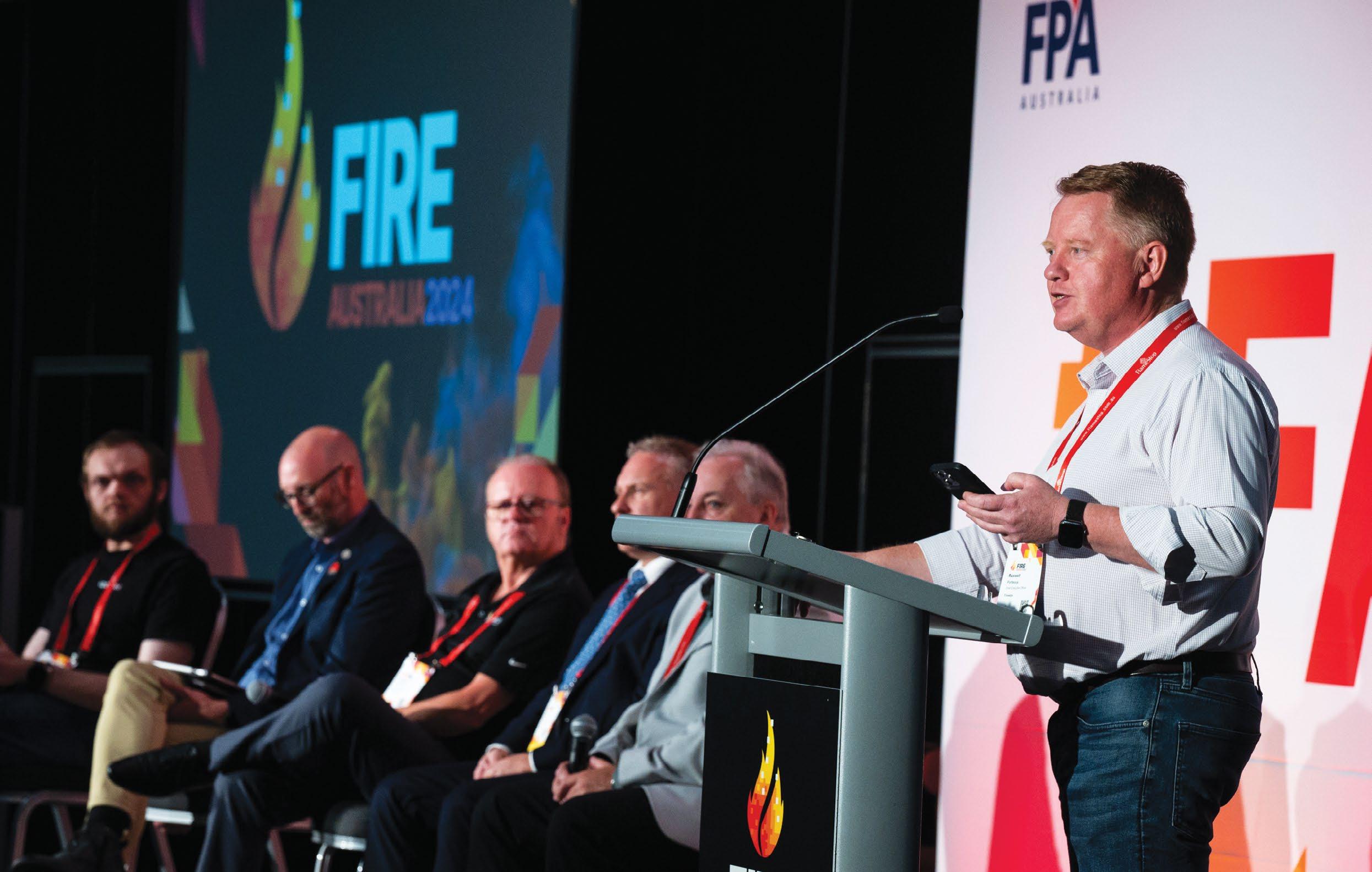
Leading experts in fire protection speak at last year’s Fire Australia conference. The event is set to inspire again this year on 13–15 May.
FIRE AUSTRALIA 2025
TWO DAYS OF EXPERTS AND ENGAGEMENT
International Convention Centre set to host impressive line-up of speakers and exhibitors at fire protection conference and trade show.
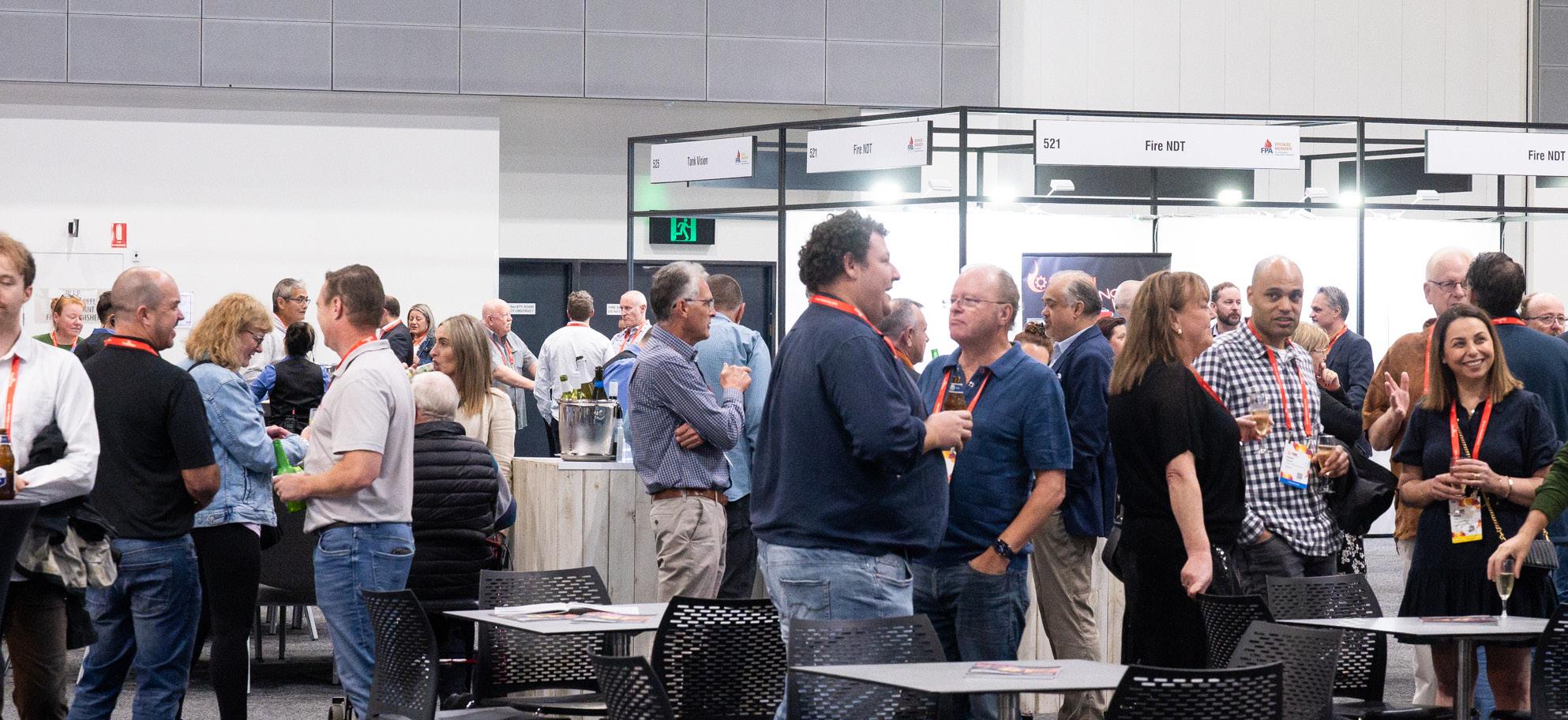
Australasia’s largest fire protection industry event is headed to Sydney, with more than 80 exhibitors and 2,000 delegates sharing knowledge from 13 to 15 May at the International Convention Centre.
With a program that offers different streams of content, from the political to the practical, delegates can learn new things and earn continuing professional development points in the process.
Highlights from the speaker line-up include:
Lt. Col. Dr Essa Al Mutawa, Dubai Civil Defence, speaking about the 1 Billion Readiness Initiative—the largest of its kind in safety and fire hazard prevention—with the aim to train and raise awareness among one billion people worldwide between 2025 and 2027
Professor David Bowman, Professor of Pyrogeography and Fire Science, University of Tasmania, Natural Hazards Research Australia, sharing
research and adaptation challenges on how to make the urban bushland interface safe
James Sherrard, NSW Building Commissioner, Building Commission NSW, discussing the Commission’s priorities for fire safety
Mark Fessenden, Managing Director, International Fire Suppression Alliance, exploring prescriptive design standards for water-based fire sprinkler systems
Fernando Palacios, Chief, Queretaro Fire Department, Mexico, presenting on the role of private fire departments when managing building fire safety approvals and maintenance standards
Chris Dubay, Vice-President and Chief Engineer, National Fire Protection Association (NFPA), US, discussing the NFPA fire and life safety ecosystem applications and lessons learned
Jamie Hansen, Assistant Chief Fire Officer Community Safety,
Fire Rescue Victoria, talking about expectations and ways that Built Environment Sustainability Scorecard installations are adopted across Victoria in a safe and consistent manner
Justin Leonard, Research Leader in Bushfire Adaptation, CSIRO, National Bushfire Intelligence Capability, leading a conversation on national datasets for understanding bushfire hazard potential at the local scale for the current and future climate.
This year, the Fire Australia Conference and Awards Gala Dinner will be held in the Grand Ballroom at the Fullerton Hotel Sydney, where we will celebrate the best in the fire protection industry. It will be an evening full of entertainment, surprises, and opportunities to network.
Register now at fireaustralia.com.au/registration
PHOTOS: FPA AUSTRALIA

Far
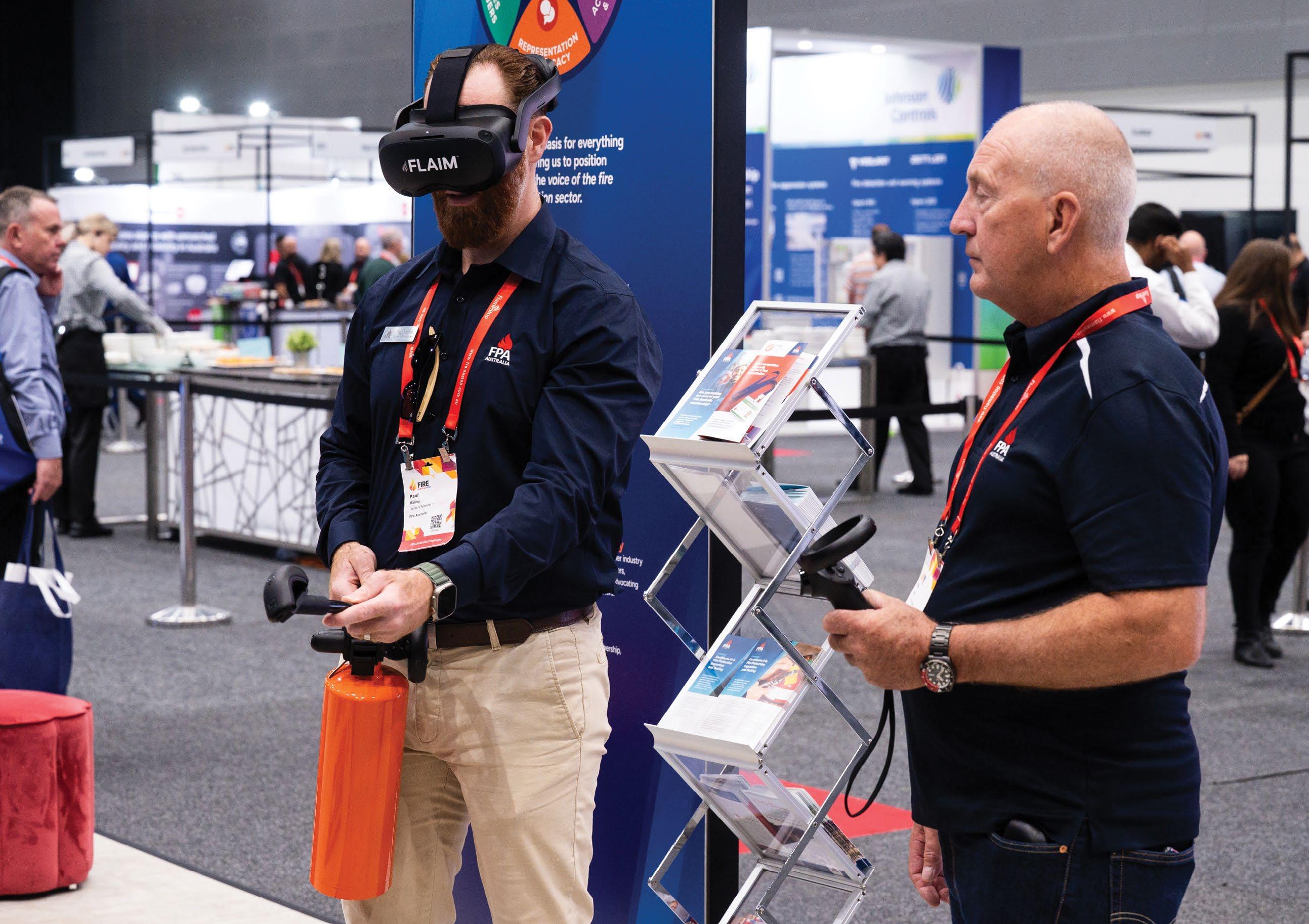
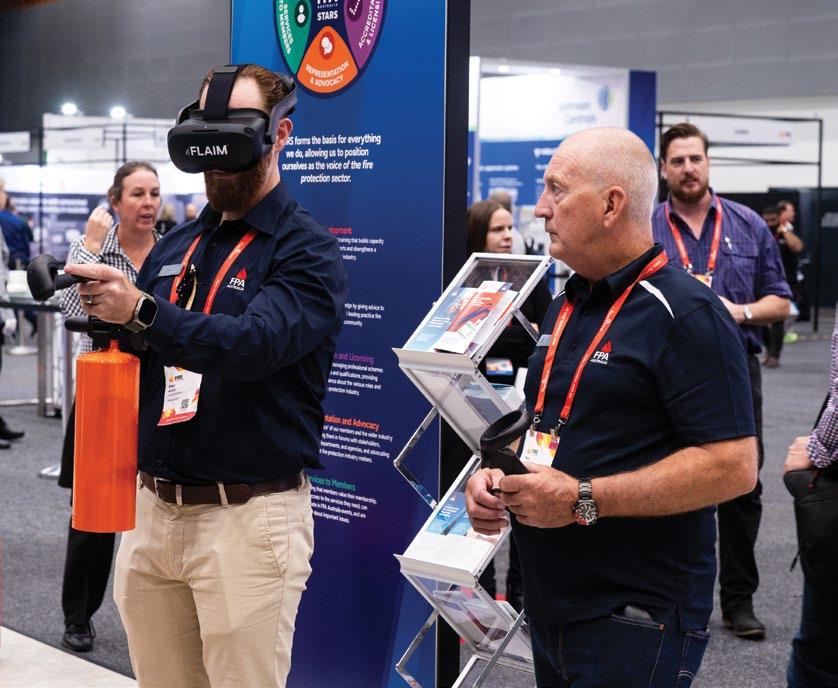
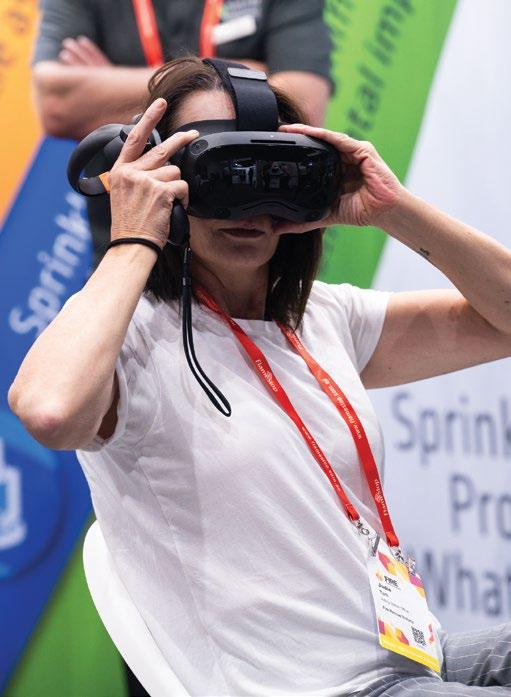
Left: See and experience innovations in fire protection up
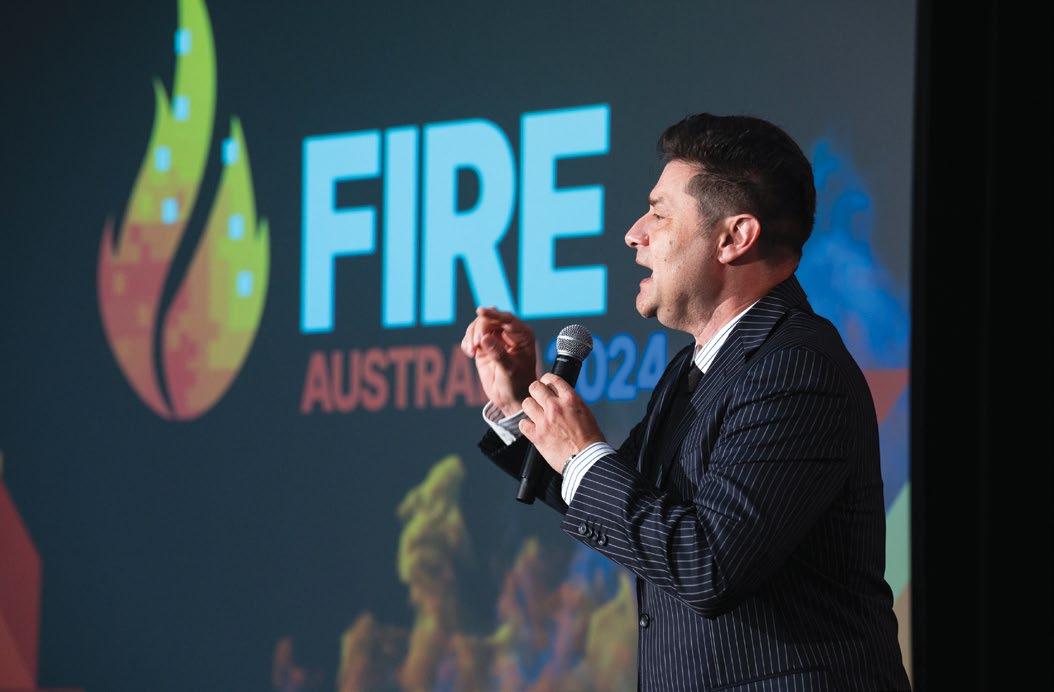
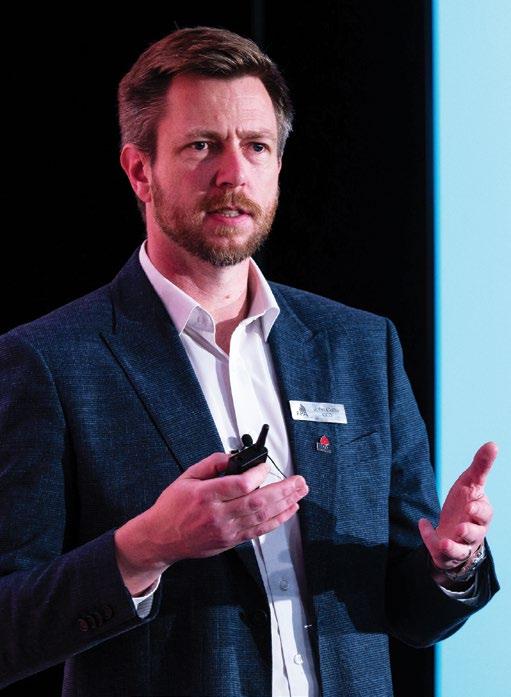
Right: FPA Australia CEO John Collie.
right: David Issac, Manager, Fire and Safety Technologies.
close.
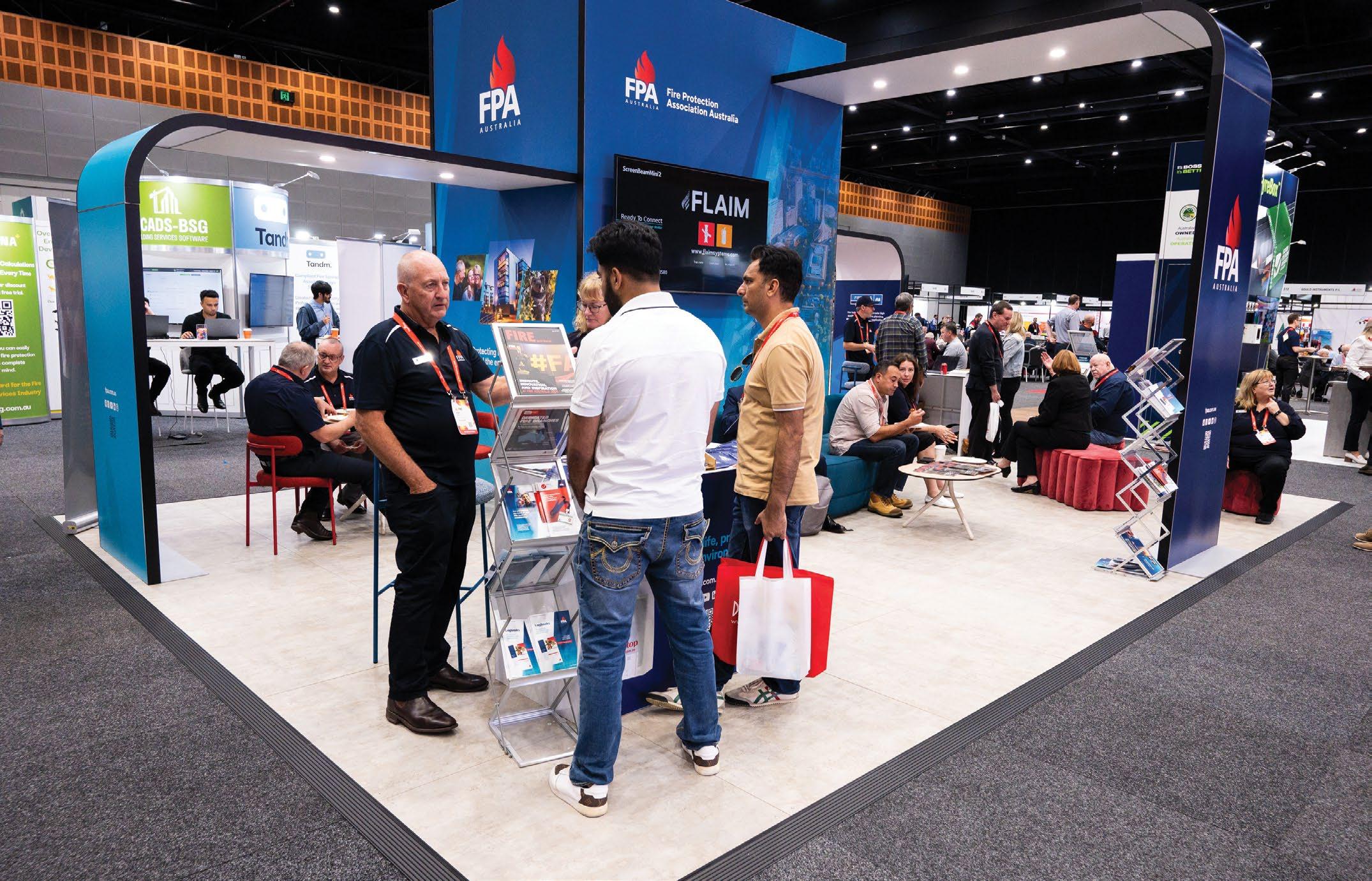
A huge line-up of exhibitors will be on hand to share their expertise at the conference.
Above: The conference includes a multitude of learning opportunities.
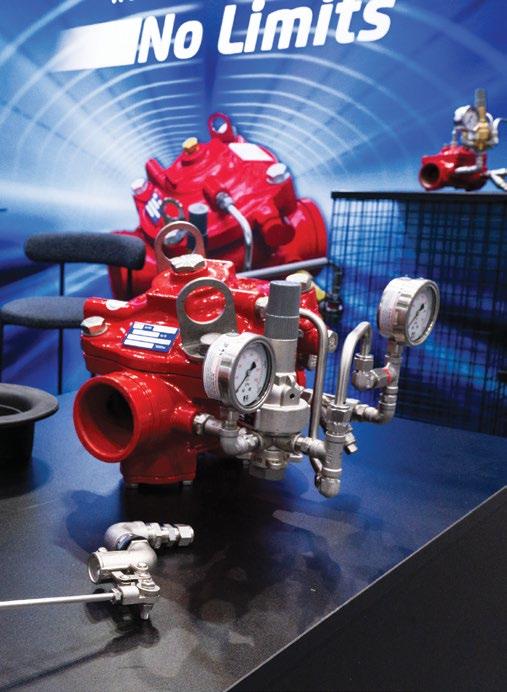
Above: There will be a variety of products on display.
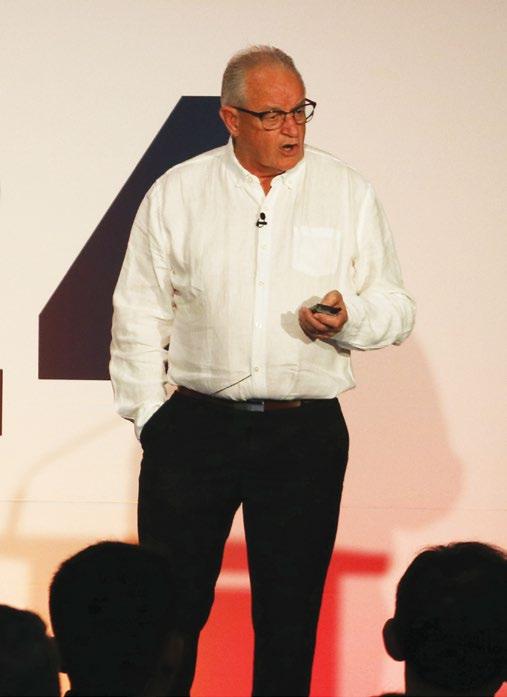
Above: High-calibre speakers are booked for the event.
Join us at the largest and most influential fire protection event in the Southern Hemisphere. Hear from industry experts, discover new products and services, connect with suppliers and gain insights on the latest industry trends. For more information visit the event website: fireaustralia.com.au
Key Industry Experts
Learn about new trends, products and services from key industry experts, through a variety of engaging and interactive formats.
Technical Tracks
Attend our technical CPD seminars and stimulate your professional development, ignite your business opportunities and help develop the fire protection industry.
Tradeshow Hall
Connect with our 80+ local and international Tradeshow exhibitors, showcasing hundreds of industry leading products and services.

by

Hosted
ENGAGEMENT PHYSICS: WHEN ATTRACTION ISN’T ENOUGH
How organisations can turn a passive audience into active participants.
JOHN COLLIE
CEO, FPA Australia
It’s a challenge almost every organisation faces: audience and customer engagement. We post announcements, host events, and build opportunities to connect with our markets, only to be met with lacklustre participation. And in membership associations, school councils, industry boards, and more all over the world, leaders often say: “People just won’t engage.”
But what if engagement is about more than creating opportunities? What if it’s about how we initiate the engagement process itself?
Much like physics, engagement follows predictable patterns, and two models in particular explain why some efforts succeed while others fail.
The first is the Gravity Model, which suggests that if you build a strong enough critical mass, people will be drawn into it. The second is the Feedback Loop Model, which dictates that the effort put into engagement determines the response—energy in equals energy out.
Understanding these patterns and leveraging the differences between attraction and activation can be the key to shifting from passive disengagement to active participation—and seeing the results work for your business.
The Gravity Model: If you build it, will they come?
Many organisations approach engagement as if it works like gravity. They assume that by creating a compelling offering, people will naturally be drawn in. This approach includes:
hosting events, initiatives and platforms that encourage participation
announcing opportunities via newsletters, websites and bulletin boards
making engagement easy and accessible.
This method works to an extent.
A well-designed event or initiative will attract those who are already motivated to engage. The problem is that the Gravity Model assumes people will take the first step on their own, but this is rarely the case. It doesn’t account for the hesitation that prevents people from getting involved, and most people need a nudge, a personal invitation, or a clear reason to participate. This is where the Feedback Loop Model becomes essential.
The Feedback Loop Model: Energy in, energy out
Engagement doesn’t just happen. It requires activation, and the Feedback Loop Model recognises that the effort an organisation puts into engagement determines the response it receives.
For example, instead of assuming people will volunteer for a working group simply because it has been announced, a more active approach would include:
1. Personalising the invitation. Instead of publishing a general call for volunteers, every committee or relevant-department staff member actively recruits one person they believe adds value. If 12 members each have four conversations, that’s nearly 50 direct, personal touchpoints.
2. Removing barriers to entry. Many people don’t engage because they don’t understand what’s expected. Instead of asking for broad participation, give your audience a clear and specific role. Instead of saying “We need more volunteers” try “Would you help us review our annual awards categories?”
3. Creating a self-sustaining cycle. Engagement is not a one-time event. When people do get involved, their participation should be acknowledged and valued. Recognising contributors, showing how their efforts made a difference, and using that momentum to draw others in helps sustain engagement over time by reinforcing participation and encouraging others to contribute. When engagement is seen as an active process rather than a passive expectation, it becomes something measurable and accountable.

Measuring engagement from the inside out
When an industry association launches an initiative, working group, event, or advocacy campaign, the first instinct is to measure success by external numbers. Traditionally, these are statistics such as event attendance, membership growth, survey responses, or content contributions. But by the time those numbers roll in, it’s often too late to course-correct.
Too often, organisations blame low engagement on a disengaged audience when the real issue lies in how well the engagement strategy was executed internally. The most effective associations don’t just track outcomes, they track the inputs that drive those outcomes.
The question we need to ask isn’t “Did members engage?” but “Did we do everything in our control to make engagement inevitable?”
Internal engagement as the leading indicator of success
Internal engagement metrics shift the focus from hoping members engage to (almost) guaranteeing they do. By tracking what is within the leadership’s control, such as personal outreach, structured follow-ups, and targeted invitations, the team gains a clearer picture of what’s working and what’s not well before the final attendance report comes in.
External engagement numbers are still essential, but they should be used as a validation of internal strategy rather than the only success measure. When internal actions are measurable, targeted, and consistently executed, external engagement ceases to be a guessing game and becomes the inevitable result of a well-executed plan.
Engagement isn’t only about setting the stage; it’s about pulling people into your orbit. A well-tuned feedback loop creates the initial spark, but real gravity comes from sustained outreach and connection. People don’t drift into engagement. They’re drawn in by meaningful interactions and kept in motion by continuous momentum. The best organisations don’t wait for engagement to happen. They generate the force that makes it inevitable.

FROM INVITATIONS TO ACTION: AN EVENT ENGAGEMENT CAMPAIGN
Let’s take a common challenge: encouraging strong participation at an annual industry forum. A traditional association might end an email campaign and track open and clickthrough rates, post about the event on LinkedIn, then report back on total attendance as a measure of success. If numbers fall short, the conclusion is often that people were too busy or not interested. But interest is rarely the problem. Engagement efforts are. A more strategic association would set internal engagement targets before the event to ensure that the right people are personally invited, reminded, and prepared to participate in a meaningful way. Better still, they’d be encouraged to bring others into the conversation.
Internal engagement goals
◆ Each team or committee member personally invites five contacts to the event.
◆ Leadership team ensures at least one in every five invitees is a firsttime attendee.
◆ Every executive committee member is assigned a list of 10 members to personally follow up at a predetermined interval before the event.
◆ Each prospective attendee is asked to bring a colleague.
◆ This may seem like a lot of work, but a few well-placed conversations can spark momentum, generating exponentially greater engagement than the effort it takes to make the calls.
Tracking internal execution
◆ Rather than waiting for the attendance report, the team tracks:
• number of personal invitations sent
versus number of responses
• number of invitees who confirm attendance after follow-ups
• number of first-time attendees registered based on targeted outreach
• leadership engagement at the event, such as how many introductions and connections were facilitated.
Measuring results
◆ Once these greater internal efforts are in place, traditional external success metrics, including attendance, participation levels, and post-event survey responses will reflect whether the strategy worked. And if external engagement still falls short, it’s no longer a mystery: you picked the wrong topic.
Beyond the event: Turning attendance into long-term engagement
◆ Engagement doesn’t end when an event is over. The same internally focused approach can be used to convert event attendees into ongoing association contributors.
◆ Rather than just sending out a post-event thankyou email, a strategic team would:
• assign leadership members to personally follow up with an allocated number of attendees after the event
• track how many attendees join a committee, working group, or advocacy effort within three months
• measure retention and how many first-time attendees return for a subsequent event.
Success can simply be about who showed up on the day, but it can also be who returns for another event.
OBTAINING BASELINE DATA FOR ROUTINE SERVICING TO AS 1851
SIMON RICKARD
National Technical Manager, FPA Australia
Baseline data is required to verify the results of routine servicing to AS 1851: Routine service of fire protection systems and equipment. Depending on the history of the building, this can be a difficult process.
Fire Protection Association Australia has developed a methodology that outlines potential sources of information and the suggested order for exhausting those sources before embarking on the process of re-establishing the data, when baseline data is not available.
Step 1: Search on-site system data
Attend site to seek documentation that may contain the missing data: drawings, specifications, diagrams, block plans, and so on. Check places such as the fire control room, sprinkler control valve room, fire pump room, fire detection control and indicating equipment, the building manager’s office, security control rooms, storerooms, etc.
Step 2: Search off-site system data
Search for the items listed in Step 1 in off-site locations, such as in the possession of the owner, the owner’s agent, or property manager.
Step 3: Search council records of the system design
In certain jurisdictions, an Authority Having Jurisdiction (AHJ) may provide the local council with a copy of the approved designs and other associated documentation.
While the council itself is an AHJ, FPA Australia notes that private AHJs also approve designs, so if the council does not have such records, they may be able to direct you to the relevant private AHJ.
Step 4: Contact the local fire brigade
There is a possibility that the relevant fire brigade had some involvement during the design, installation certification, or occupancy approval process and may have some records.
Step 5: Contact the system designer or installation contractor
Attempt to source details from system designers and installation contractors who have previously worked on the building. They may have information pertaining to the approved design or know where it might be found.
Step 6: Contact the previous owner and agent for system details
Attempt to source details from previous owners and/or property managers. Seek a copy of information relating to the approved designs or other information they may have in relation to other previous owners, agents, building consultants, engineers, architects, AHJs, installation contractors, builders, service contractors, etc. And if none of these steps provide required baseline data?
Step 7: If you know the year of installation ...
Use the year of installation to attempt to obtain the relevant regulations, codes, and standards applicable to building designs at the time. In conjunction with an inspection of the fire protection system, identifying and recording the occupancy use, pipe diameters, sprinkler spacing, sprinkler head type, heights, pipe length, etc, a competent person should be able to reverse-calculate the system close to that of the approved design.
It is unlikely that it will be an exact match to the approved design, but should be close, and the person reverse-engineering a system should detail any assumptions made and include a minor factor of safety.
Step 8: If you do not know the year of installation ...
Undergo the same process, but instead use the most relevant current regulations, codes, and standards. The methodology developed by FPA Australia provides a structured approach to verifying the results of routine servicing in accordance with AS 1851. Given the challenges associated with obtaining baseline data, particularly in older buildings with limited or potentially no historical records, the proposed methodology offers a logical framework for identifying potential information sources, before being required to re-establish the baseline data. By following the suggested FPA Australia methodology, service providers can work towards ensuring compliance and performance verification of the relevant fire protection systems.
For further details, please refer to FPA Australia’s Good Practice Guide (GPG-05)—Baseline Data for Routine Service of Fire Protection Systems
THE IMPORTANCE OF UPDATING FIRE ALARM SYSTEMS
Upgrades ensure asset protection, life safety, and compliance.
ROB KASLIK
Managing Director, FireSense
Upgrading fire alarm systems is an important investment for building owners. Ensuring fire safety systems are up to date not only enhances safety and compliance, but also safeguards assets and futureproofs buildings against evolving regulations and technological advancements.
Futureproof your asset
A modern fire alarm system integrates the latest innovations in fire, smoke, and heat detection and emergency response, providing confidence and reliability for the facility owner and service manager. Upgrading your system will ensure compliance with the latest government regulations and industry standards while aligning with best practices in fire protection, environmental sustainability, and health safety.
Reduce downtime and enhance performance
Older systems with outdated technology are more susceptible to faults, failures, and inefficiencies due to system degradation and often experience prolonged downtime due to the challenges of sourcing obsolete replacement parts. In contrast, a new system benefits from easy access to spare parts and fast repairs, as well as provides enhanced overall system efficiency and reliability.
If a system reaches the end of its life and is unrepairable, the building may face lengthy lead times before a new system can be installed, leaving it vulnerable and requiring temporary protection solutions in the interim.
Comprehensive system considerations
An optimal fire system upgrade should encompass more than just the fire alarm panel. It is essential to consider the facilities’ detectors, cables, and ancillary items such as connectors and
mounting trays. These components have stringent standards and require specific approvals and certifications to ensure optimal protection and performance during a fire event. Best practice is to ensure that all items have the relevant approvals, such as ActivFire® and SAI Global certifications, and appropriate fire ratings. During the upgrade, also consider scalability and ability to accommodate future needs, technological advancements, or regulatory changes.
The value of life safety system upgrades
Recognising the obsolescence of life safety systems early allows for more effective financial planning (capital expenditure for system upgrades) and significantly reduces the risk of leaving an asset unprotected. By staging the work and maintaining a clear understanding of the system’s current condition, businesses can ensure their fire alarm systems remain up to date, avoiding unexpected costs and mitigating potential risks.
THE VALUE OF EXPERIENCED PARTNERS
Upgrading fire systems, particularly in complex facilities, requires experience and technical expertise. FireSense is an Australian-owned specialist supplier of fire alarm equipment and Fire Rated cables to installers, wholesalers, and service companies. They have successfully delivered many of Australia’s largest projects, including numerous system upgrades across various industries.
Employing more than 80 staff nationwide and having the largest technical team in Australia (with more than 10 dedicated experts), FireSense uses advanced software, tools, and processes to ensure efficient operations and exceptional after-sales support.
FireSense also has a dedicated team specialising in system upgrades, offering support throughout the planning and delivery of projects. This team collaborates closely with customers to understand their unique challenges, to recommend the latest fire and life safety technologies, and provide solutions that futureproof systems and safeguard assets for years to come.
Visit firesense.com.au
URGENT ACTION NEEDED: MANDATING BPAD ACCREDITATION
Consistent planning, design, and construction by qualified professionals can help Australia move from reactive, piecemeal fire management to a proactive, life-saving approach to bushfires.
DR MARIA KORNAKOVA
National Bushfire Manager, FPA Australia
Bushfires in Australia are no longer rare, isolated natural hazards, but frequent, high-intensity disasters that significantly affect our communities. Scientific research confirms that bushfires are becoming more severe due to rising temperatures, prolonged droughts, and unpredictable weather patterns.
The 2019–20 Black Summer fires were a defining moment, demonstrating that existing risk assessment models and planning frameworks are inadequate. Urban expansion into fire-prone areas, combined with climate change, has made the threat even more severe.
The recent 2025 Los Angeles wildfires reinforce that even highly developed cities with advanced firefighting resources are not immune, and there is a strong need to address bushfire risks through various measures.
One of the most effective measures is urban planning policies and construction standards. From strategically placing communities out of harm’s way to providing site-specific design measures, planning offers tools suitable for risk reduction.
Constructions standards for bushfire-prone areas add a further layer of defence for property and human lives. Unlike the US, Australia has strong national building code and planning regulations addressing bushfire risks. However, despite having an industry of suitably qualified and trained bushfire planning and design (BPAD) practitioners that can apply these codes and regulations, there is a lack of consistent requirement for BPAD accreditation.
While accreditation is mandatory for aspects such as landscape planning,
developers and individuals are often allowed—or even encouraged—to sidestep using qualified professionals when it comes to bushfire planning and design. This inconsistency leaves communities vulnerable and undermines efforts to improve fire resilience.
Growing bushfire threat
Black Summer can be considered a costly wake-up call for Australia to address deficiencies in bushfire risk-reduction mechanisms, including lack of mandating use of accredited professionals to address planning and building measures. The 2019–20 bushfires burned more than 10 million hectares of our country, destroyed thousands of homes, and cost the economy more than $100 billion. Investigations revealed that outdated risk models, poor planning, and a lack of interdisciplinary coordination contributed to the devastation. If BPAD professionals had been required at key stages of planning and construction, better predictive models and fireresistant strategies could have reduced the damage.
We can draw a parallel lesson from the 2025 Los Angeles wildfires that burned more than 500,000 acres, causing more than US$3 billion in damages. Despite substantial investments in firefighting resources, weaknesses in urban planning allowed fire risks to escalate. Experts concluded that the absence of a coordinated, science-based planning framework made communities more vulnerable. Australia faces similar risks and, without mandated BPAD accreditation, it will continue to suffer avoidable losses.
Why mandating is essential
Mandating of BPAD, as well as any other accreditation scheme in any other area, eliminates dangerous
inconsistencies in planning and building regulations. A parallel can be drawn between BPAD practitioners and certified structural engineers in the planning and building space.
When constructing a building, we require the expertise of a structural engineer to ensure the design is safe, meets regulatory standards, and can withstand environmental stresses such as wind, earthquakes, and load-bearing requirements. However, when planning developments in areas where fire poses a direct and immediate threat to life and property, with few exceptions, there is no mandated requirement to involve accredited BPAD professionals. Instead, bushfire risk assessments can often be conducted by individuals without specialised training, or worse, left entirely up to developers and homeowners without expert guidance.
We mandate that structural engineers verify a building’s integrity against gravity and wind loads, yet we do not mandate that BPAD professionals assess and mitigate bushfire risk despite the known destructive power of fire.
Just as a poorly designed structure can collapse under stress, a poorly planned or incorrectly assessed development in a bushfire-prone area can lead to catastrophic loss of life and property. Therefore, the role of BPAD professionals is just as critical as structural engineers when it comes to safety and resilience. They analyse fire behaviour, assess risk, and develop design solutions to ensure that individual properties and communities are designed to withstand bushfire threats through strategic planning, design, and construction.
Policy recommendations
To address these challenges, the following policy actions must be implemented immediately.

Mandate BPAD accreditation nationwide.
Trust BPAD-accredited practitioners who are qualified and accredited to perform bushfire risk-reduction planning and design.
Require BPAD accreditation for all professionals involved in bushfire risk assessment, land-use planning, and fire-conscious construction.
Ensure that BPAD standards are applied consistently across all regions to eliminate discrepancies in planning and development practices.
Support growth of BPAD industry.
Encourage investment in the bushfire planning and design sector to expand the number of trained professionals available to meet demand.
Provide incentives for professionals to become BPAD accredited, ensuring that expertise in bushfire resilience is widely accessible.
Promote collaboration between government bodies, industry
experts, and research institutions to continuously refine and enhance BPAD standards.
Promote BPAD and job opportunities to students at schools and universities to expand the industry.
Provide incentives for working in rural and remote locations to address lack of practitioners in such areas.
Foster partnerships between universities, professional associations, and government agencies to integrate cutting-edge fire science into BPAD training programs.
Call for immediate action
A nationally standardised BPAD framework will harmonise planning practices, integrate scientific advancements, and enhance coordination between multiple sectors.
The economic, social, and environmental benefits make this policy an essential component of any long-term bushfire resilience strategy.
Policymakers, regulators, and stakeholders must act now to mandate BPAD accreditation across Australia. By ensuring that planning, design, and construction are informed by qualified professionals, Australia can move from reactive, piecemeal fire management to a proactive, life-saving approach that protects people, property, and ecosystems from devastating bushfires. Additionally, when BPAD solutions are proposed, they must be given due consideration and not dismissed or questioned unless the reviewer has the relevant qualifications and expertise in the field.
This will build trust in the established system, which is designed to enhance safety, resilience, and best practices in bushfire risk management.
In short, just as no building should be approved without structural engineering sign-off, no development in a bushfire-prone area should proceed without input from an accredited BPAD professional.
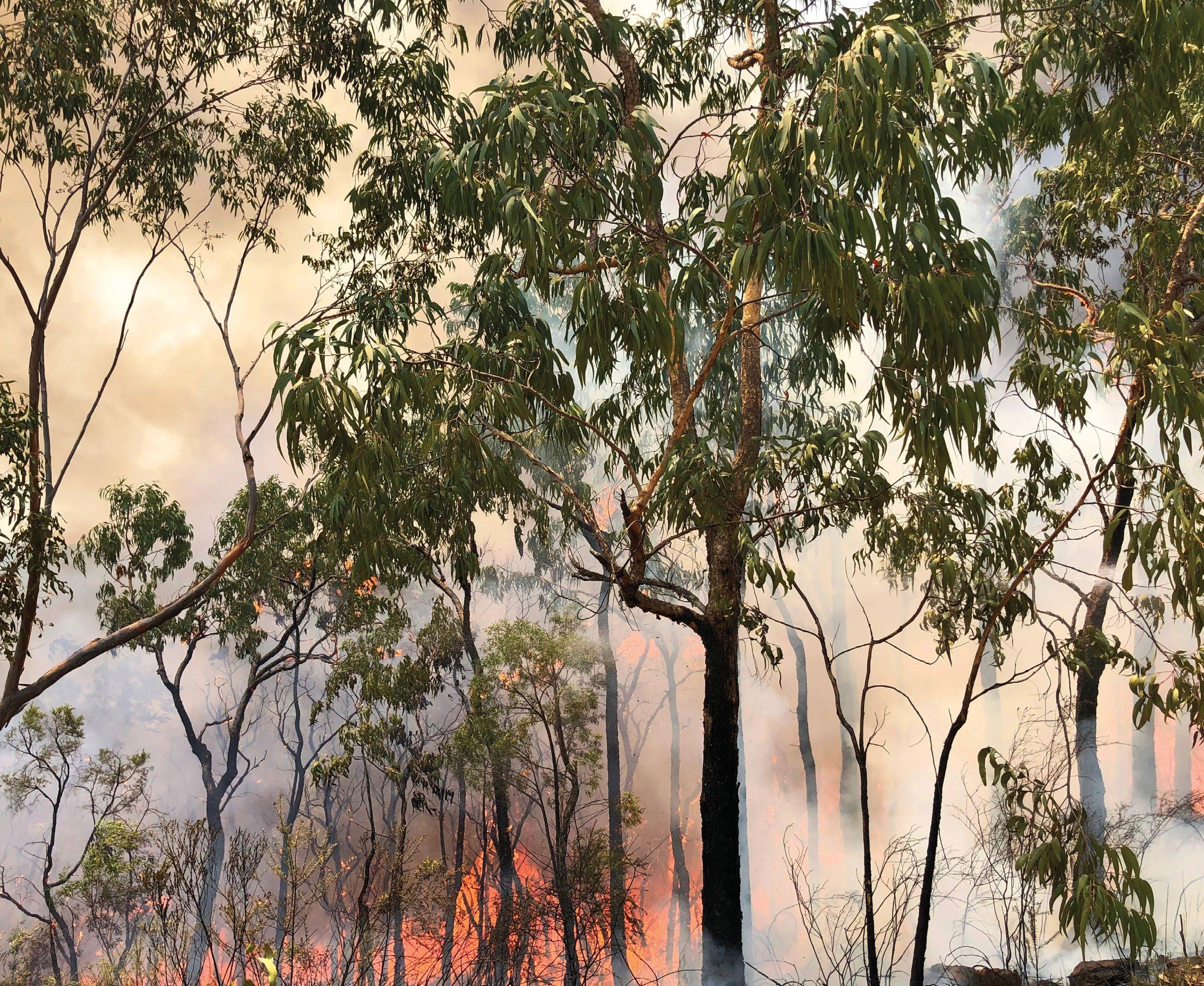
The Black Summer bushfires of 2019–20 demonstrate that current approaches to planning and preparedness are insufficient.
PHOTO: BUSHLANDER


“The
Patrick Markos Sales and Service Technician

CABLE CERTIFICATIONS ESSENTIAL TO ENSURE COMPLIANCE
ROB KASLIK
Managing Director, FireSense
Certifications and approvals play a crucial role in ensuring that cables meet stringent performance standards. Essential service cables are fundamental to ensuring safety, acting as the backbone of protection systems, and are subject to rigorous testing procedures to ensure their reliability during emergency situations.
Understanding and navigating the details can be overwhelming. You may have encountered terms such as WS52W, 2HR Fire Rated, LSZH, PVC Free, PVC Best Practice, ActivFire®, GBCA guidelines, and independent third-party certification versus self-certification.
Let’s take a closer look at some key terms related to cable.
ActivFire®
ActivFire® is an independently operated product certification and listing scheme. Most fire alarm system specifications list ActivFire® approvals as a base requirement to meet minimum Australian Standards (AS) and ensure independent certification on each project.
2HR Fire Rated
When exposed to fire, the cable continues to function for two hours. Mica tape is wrapped around the copper cores and, when exposed to fire, protects the cores from shorting, ensuring essential services continue to operate. The outer sheath is for mechanical protection only.
When sourcing a fire-rated cable, it is important to quantify that the cable has a two-hour fire rating—labelled 2HR Fire Rated—as cable with European Standard (EN) approvals may only have a 90-minute rating and cannot be used in AS applications where WS52W is a requirement. Refer to AS/NZS 3013, WS52W approvals.
WS52W
A WS52W rating indicates that all elements of a cabling system have passed tests defined in AS/NZS 3013 relating to Fire Resistance, Impact Resistance, and Water Spray Resistance. These tests ensure the cabling system will maintain circuit integrity for a specified time under fire conditions and from mechanical impacts during non-fire conditions. AS/NZS 3013 covers fire and mechanical performance of wiring system elements for electrical installations.
FIRE RATED CABLE SPECIALISTS
PVC Free—Low Smoke Zero Halogen (LSZH)
Halogen-free cables are required where the risk of exposure to harsh chemicals may be harmful to people (for example, in underground tunnels). All FireSense Fire Rated cables and Halogen Free TPS use LSZH materials, are completely PVC free, and have independent PVC Free certification, which can contribute to meeting Green Star target requirements.
PVC Best Practice
Products manufactured using PVC are using environmentally responsible processes and materials, and are disposed of in an environmentally friendly manner. The current highest standard is Best Environment Practice PVC v 2.0, to which FireSense TPS cables were the first in Australia to be licensed.
Producing compliant, quality cables requires a series of rigorous processes. It’s highly recommended to work with a trusted cable supplier that utilises independent certification to ensure you’re using the appropriate cable for your project and complying with the necessary safety standards.
What are the risks if I don’t use the approved and certified cables?
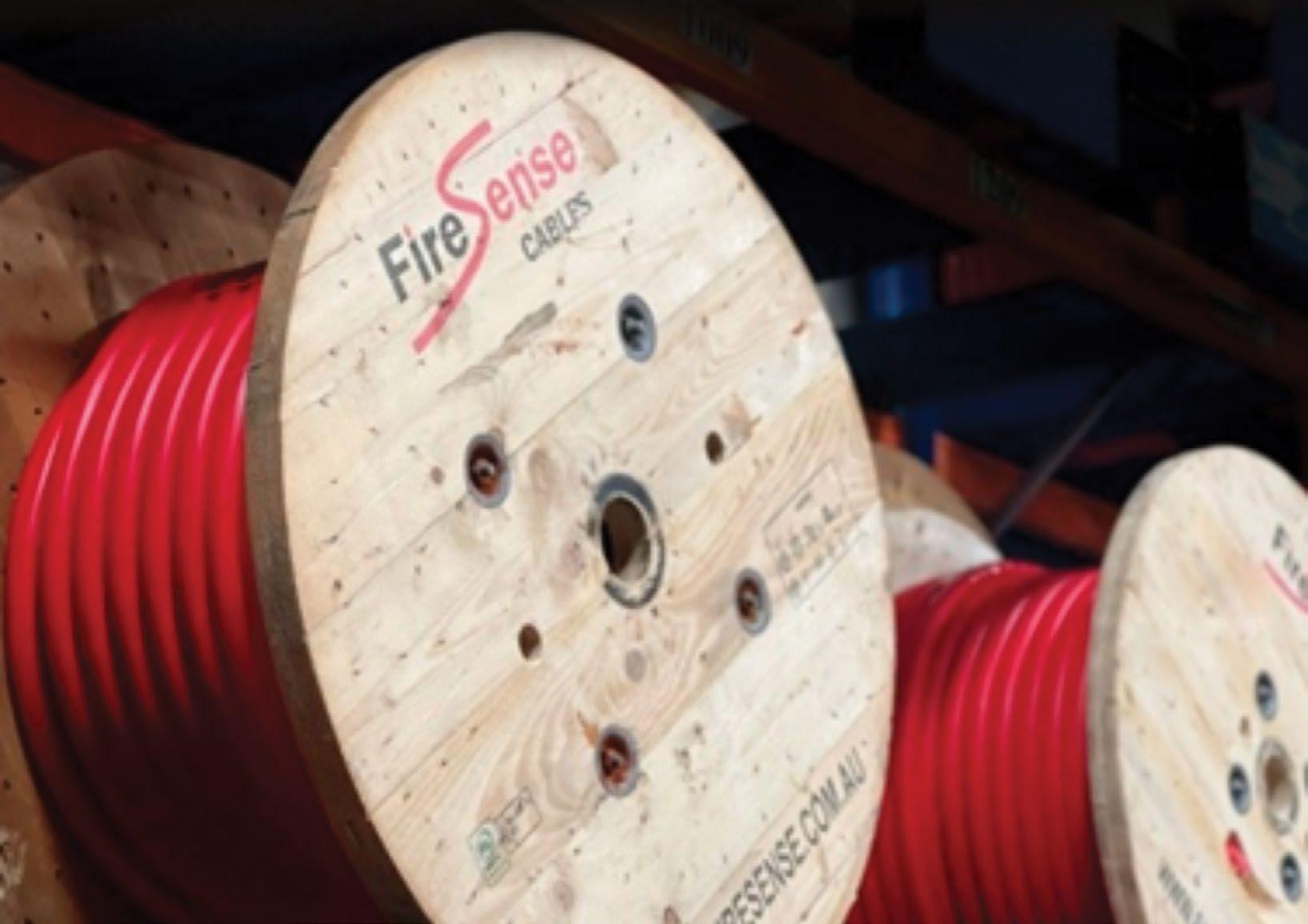
FireSense cables have all relevant certifications and approvals, are independently certified, meet Green Building Council of Australia guidelines, and are the only full range of ActivFire®certified fire cables in Australia. The FireSense cable range has been designed and manufactured by experts to meet the needs of the fire, electrical, and mechanical industries.
FireSense has supplied many government infrastructure projects (recently the Cross River Rail, Sydney Metro, and Westgate Tunnel) and is highly experienced in complex project requirements. The company delivers quality, expertise, high-level service, significant stock holdings, and next-day delivery.
Visit firesense.com.au for more information.
Quite simply, your project won’t be compliant and lives could be at risk. Non-compliant cables may fail during emergencies, leading to system malfunctions, injuries, or even fatalities. It also exposes businesses to liabilities and potentially expensive resolutions.
Who can I look to for help?
Cable suppliers are plentiful in Australia, with varying qualities and approval ratings available. We highly recommend using an independently certified cable supplier experienced within the fire and/or essential services industries to ensure they understand standards, the necessary cable approvals and certification requirements, and who can provide all necessary credentials.
INDUSTRY ACCREDITATION VS GOVERNMENT LICENSING
What’s the difference and which one is better?
STACEY FEIN
National Accreditation Manager, FPA Australia
Government licensing and industry accreditation serve to minimise poor workmanship and hold professionals accountable for the quality of their services. But what exactly is the difference between these two regulatory mechanisms and is one more effective than the other?
Accreditation, licensing, and registration seem to be used interchangeably these days, even though they have distinct meanings.
Licensing is issued by a government authority or regulatory body and it grants legal permission to operate, practise, or sell a product or service. Licensing is usually mandatory and involves meeting minimum standards.
Accreditation can be a compulsory or voluntary process of evaluation by an independent third-party organisation. It proves that an institution, program, or service meets higher quality standards beyond basic legal requirements.
Registration is the process of recording information with a governing body. It can be a prerequisite for licensing but doesn’t necessarily grant permission to operate. Registration is usually mandatory but involves less rigorous evaluation than licensing.

Government-administered licensing or registration
One of the key advantages of government licensing is its legal authority to mandate that anyone undertaking certain work hold the required licence. Those caught operating without a valid licence risk significant penalty, including fines or even imprisonment. Since licensing is a legal requirement, the government does not need to worry about individuals opting out due to stringent requirements or dissatisfaction with the licensing process.
While overly burdensome, licensing requirements may push some— particularly those nearing retirement— out of the industry; those who wish to continue working have no choice but to comply. This is not the case with voluntary industry accreditation.
Government licensing is typically more affordable for licence holders than independent accreditation, as it is often subsidised. However, despite having more authority, government agencies sometimes lack resources to enforce regulations effectively. Unlike independent accreditation programs, government licensing rarely mandates continuing professional development and random auditing.
Government bodies often lack the industry-specific expertise to make regulatory decisions. As a result, they rely on advice from industry experts and associations. Because licensing is
rooted in laws and regulations, it tends to evolve slowly, making it difficult to keep pace with the changing needs of industries and consumers.
Industry accreditation
Industry associations are uniquely positioned to understand both the technical complexities of their field and the evolving needs of the industry. This expertise enables them to effectively manage accreditation programs that align with industry standards and support its growth.
Unlike government licensing, industry accreditation is not bound by laws and regulations, giving it the flexibility to adapt to industry advancements and consumer demands. However, because some accreditation is voluntary, it can lack the legal authority to impose fines or take legal action against those who hold it.
For voluntary accreditation to be successful, it requires strong industry participation and consumer awareness. If members of the industry do not see value in obtaining accreditation and consumers do not prioritise accredited services or products, participation will be low. Additionally, the more industry and consumers support accreditation, the more significant the impact of revoking someone’s accreditation will be. Government support could contribute significantly to the success of industry accreditation.

Industry accreditation plays a vital role in fostering professional networking, ongoing education, and skills development within the sector. Unlike government licensing, which primarily serves as a regulatory requirement, industry accreditation is often driven by industry leaders and associations that actively promote collaboration, innovation, and continuous improvement.
Government licensing is often partially funded through taxpayer dollars or public funding. Industry accreditation is typically managed by independent industry bodies or associations and therefore tends to cost more, but the financial investment in accreditation should not just be a fee for a credential—it should be reinvested into maintaining the integrity of the accreditation system.
Which is better?
Government licensing and industry accreditation each offer distinct advantages and their effectiveness largely depends on the quality of the regulating body. Both systems play a valuable role in industry and, rather than operating in isolation, have the potential to complement and strengthen one another. What is clear, however, is that both regulatory approaches are far more effective when they work together. Government agencies rely on the expertise of industry associations to develop informed, practical regulations, while industry associations benefit from government support and oversight to enhance credibility and enforcement.
For industries seeking greater control over their regulatory environment, establishing a wellstructured, self-regulatory accreditation system that aligns with government standards can be highly beneficial. By working collaboratively with government, industry accreditation can ensure high standards and best practices. This partnership creates a more balanced, effective regulatory system that serves industry professionals and consumers alike.
For more information about FPA Australia’s accreditation and licensing programs, visit www.fpaa.com.au
RUNNING ON EMPTY:
FIRE PROTECTION’S SKILLED LABOUR CRISIS
Sector desperate for new workers before crucial knowledge and experience is lost.
JOHN COLLIE
CEO, FPA Australia
Australia’s fire protection industry is standing at a crossroads. With an ageing workforce and too few new recruits, the sector is struggling to meet demand. The implications are serious: crucial fire safety work is being delayed, costs are climbing, and the risk to lives and property is increasing. Fire protection isn’t just another trade. It’s an industry built on expertise,
responsibility, and trust. When systems fail, the consequences can be catastrophic. But despite its importance, the sector is facing a major talent drought. Young people aren’t entering the industry in sufficient numbers, training programs are limited, and the licensing process can be daunting. At the same time, construction, engineering, and mining are siphoning off skilled workers, offering lucrative alternatives to fire protection careers.
Why fire protection is losing the talent battle
At the heart of the issue is an ageing workforce. The fire protection industry, like many technical fields, is heavily reliant on seasoned professionals who have built their expertise over decades.
As they retire, they’re taking a wealth of knowledge with them, knowledge that isn’t being passed down quickly enough.
Another facet to the problem is awareness. Fire protection is rarely promoted as a career path to students or jobseekers, leaving many unaware of the opportunities it offers. The sector provides stable employment, career progression, and a critical role in public safety, but it often falls into the shadows of more widely known trades. Without direct industry engagement in schools and universities, the talent pipeline remains weak.
Then there’s the issue of training. Gaining qualifications in fire protection can take years, often requiring prior completion of a related trade, such as electrical, plumbing, or carpentry,
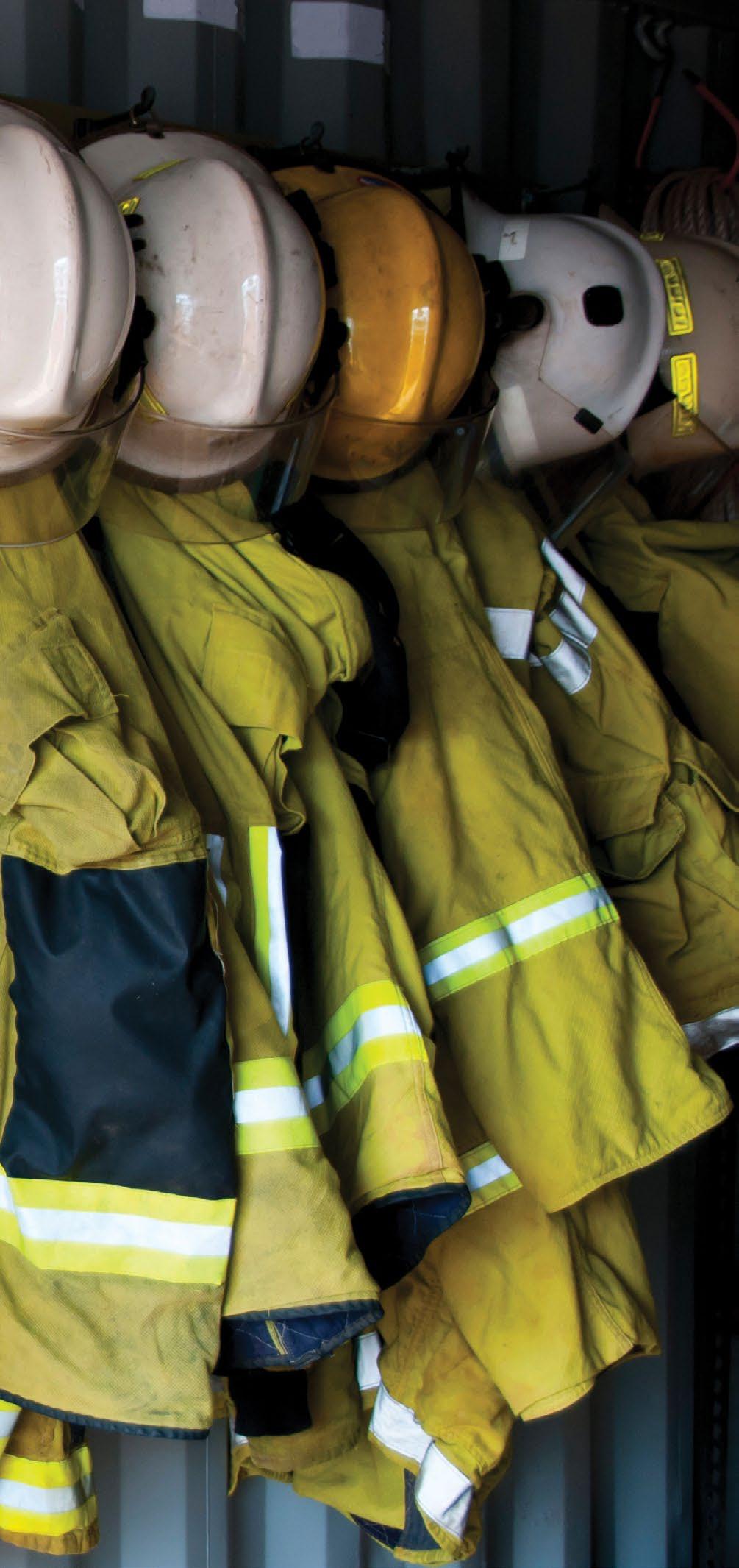
As seasoned professionals retire, they’re taking a wealth of knowledge with them, knowledge that isn’t being passed down quickly enough.
PHOTO: SHUTTERSTOCK
before entry into the field is even an option. Not only that, but the qualification process also varies between states, adding unnecessary complexity. Mutual recognition of trades and qualifications across states remains inconsistent, making it difficult for workers to move between jurisdictions. This lack of alignment means skilled workers who could fill shortages in one state are blocked by red tape from taking on roles where they’re most needed. This is particularly pronounced in border towns or within companies with a multi-state footprint. A nationally harmonised approach to mutual recognition would go a long way towards addressing workforce shortages while ensuring competency remains high.
The fire protection industry’s path forward
To solve this crisis, the industry needs to take a more aggressive approach
The fire protection industry, as individuals and as a collective, must take control of our future, advocating for reform, investing in training, and making this an industry of choice.
John Collie, CEO, FPA Australia
to recruitment and retention. That means working with governments to simplify licensing, expanding training opportunities, and ensuring that pathways into the profession are clear and accessible.
It also means making fire protection an attractive career choice. The industry must actively promote itself, showcasing real career success stories, offering competitive salaries, and emphasising the vital role fire protection plays in saving lives. Initiatives such as scholarships, career pathways, and industry partnerships with educational institutions are critical in drawing more young people into the field.
Retention is just as important. Experienced professionals need incentives to stay in the industry longer, whether through upskilling programs, flexible work arrangements, or leadership opportunities. Creating mentorship networks where veteran fire protection experts can guide newcomers would also help ensure that invaluable knowledge isn’t lost.
And finally, Australia must look beyond its borders. Skilled migration has long been a tool for filling labour shortages and fire protection should be no exception. FPA Australia has been advocating for fire protection occupations to be formally recognised in the Australian Bureau of Statistics Occupation Standard Classification for Australia (OSCA). OSCA replaces the Australian and New Zealand Standard Classification of Occupations (ANZSCO) for use in Australia and serves as the foundation for workforce planning, skilled migration policies, and national skills recognition.
Historically, fire protection professionals have been overlooked in national workforce classifications, leaving the industry at a disadvantage
when it comes to migration pathways and policy planning. Without recognition under OSCA, fire protection occupations are effectively invisible in the broader national skills agenda— missing out on critical funding and support. Meanwhile, recognised trades such as electrical, plumbing, and carpentry continue to dominate workforce investment, drawing resources and new talent away from fire protection.
Gaining formal classification isn’t just about bureaucracy; it’s about ensuring the industry has the backing it needs to attract skilled professionals, secure training subsidies, and establish clear pathways for both domestic recruits and international migration. Without it, fire protection risks being left behind, struggling to compete in an already tight labour market.
A critical moment for fire safety Fire protection is not an industry that can afford to fail. The stakes are too high. Every building, every home, every public space relies on the expertise of fire protection professionals to keep people safe. If the labour shortage isn’t addressed, the entire system is at risk of falling behind, jeopardising not just businesses and infrastructure, but lives as well.
The solution isn’t simple, but it is urgent. The fire protection industry, as individuals and as a collective, must take control of our future, advocating for reform, investing in training, and making this an industry of choice. Because fire doesn’t wait for paperwork, policy changes, or the next generation to step up. The time to act is now.
For more information on careers in fire protection, visit www.fpaa.com.au
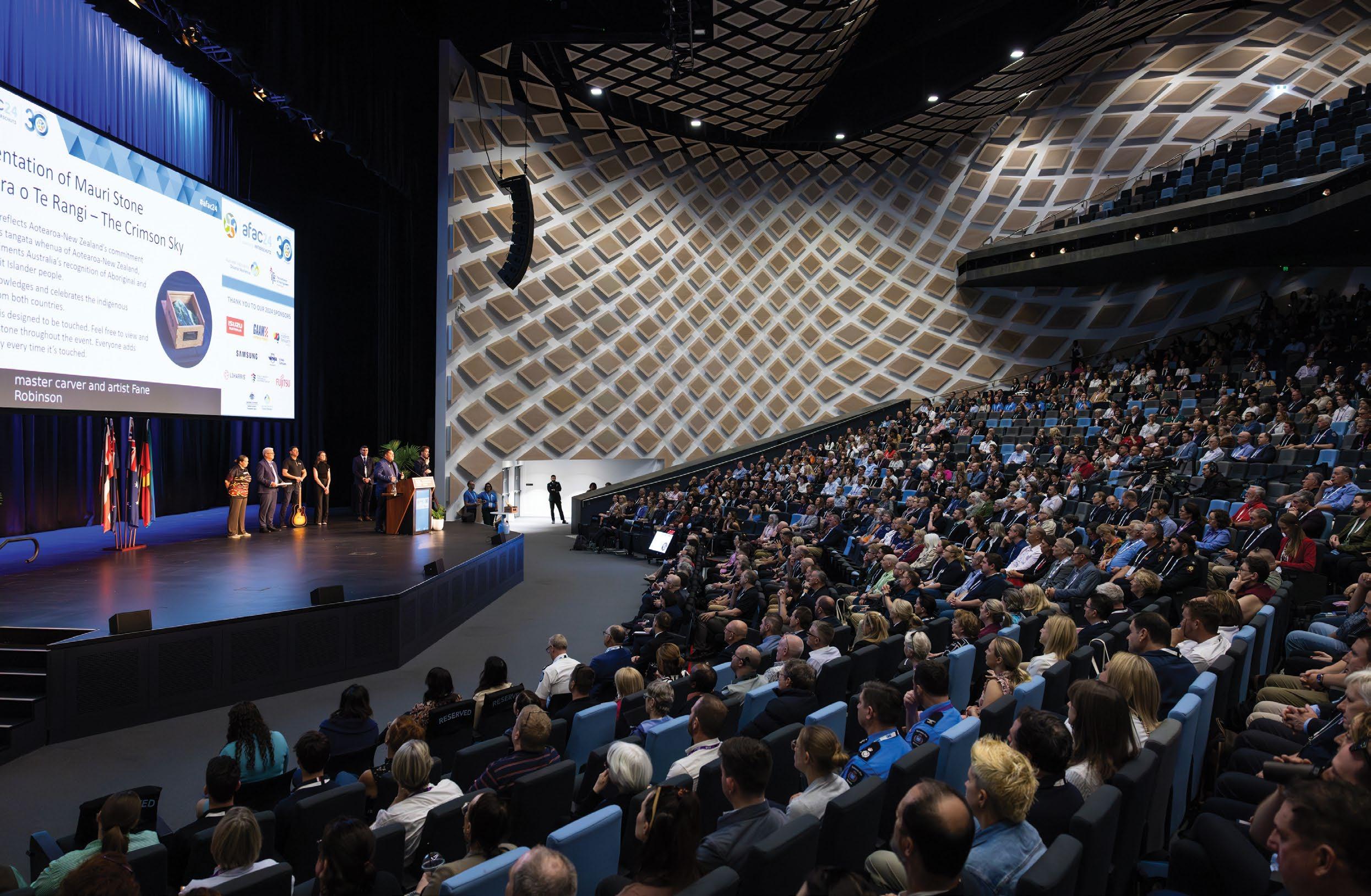
AFAC25 will provide a valuable professional development opportunity for the emergency management sector.
THE BEST GOES WEST: AFAC25 CONFERENCE AND EXHIBITION COMES TO PERTH
The award-winning AFAC powered by INTERSCHUTZ Conference and Exhibition returns to Perth in 2025 to deliver cutting-edge discussions, innovative solutions, and invaluable networking opportunities for emergency management and first responders.
Association Event at the EEAA Awards for Excellence in both 2019 and 2022.
AFAC
The AFAC25 powered by INTERSCHUTZ Conference and Exhibition is Australasia’s largest and most comprehensive event dedicated to emergency management and first responders. Scheduled for 26–29 August 2025, this premier event will take place at the Perth Convention and Exhibition Centre in Perth, WA.
Last year, AFAC powered by INTERSCHUTZ was recognised as the Best Trade Show and Best Event of 2024 at the Australian Business Events Awards. Previously, AFAC was also recognised as the Exhibition and Event Association of Australasia’s Best
This year, the success of the event will continue in Perth.
AFAC25 will offer unprecedented connectivity to Asia and Europe, thanks to its strategic location in Perth and the growing number of international partnerships being formed. As a gateway city, Perth provides direct links to key global markets, enabling greater collaboration and the opportunity to learn from international best practices. These connections will enhance the event’s ability to bring together a diverse range of perspectives, ensuring attendees gain valuable insights into global trends and solutions in emergency management.
AFAC25 is hosted in partnership with WA agencies, the Department
of Biodiversity, Conservation and Attractions, and the Department of Fire and Emergency Services. Supported by this partnership, the event will feature a dynamic program including keynote presentations, panel discussions, and hands-on demonstrations. Delegates will gain insights into critical areas such as technological innovation, disaster preparedness, and cross-sector collaboration.
The theme of AFAC25, ‘From local to global: leveraging systems, capability and connection’, underscores the importance of collaboration across borders and sectors. As the world faces increasingly complex emergencies driven by climate change, technological disruption, and global crises, the event will explore how local innovations and systems can
ALANA BEITZ
PHOTO: AFAC
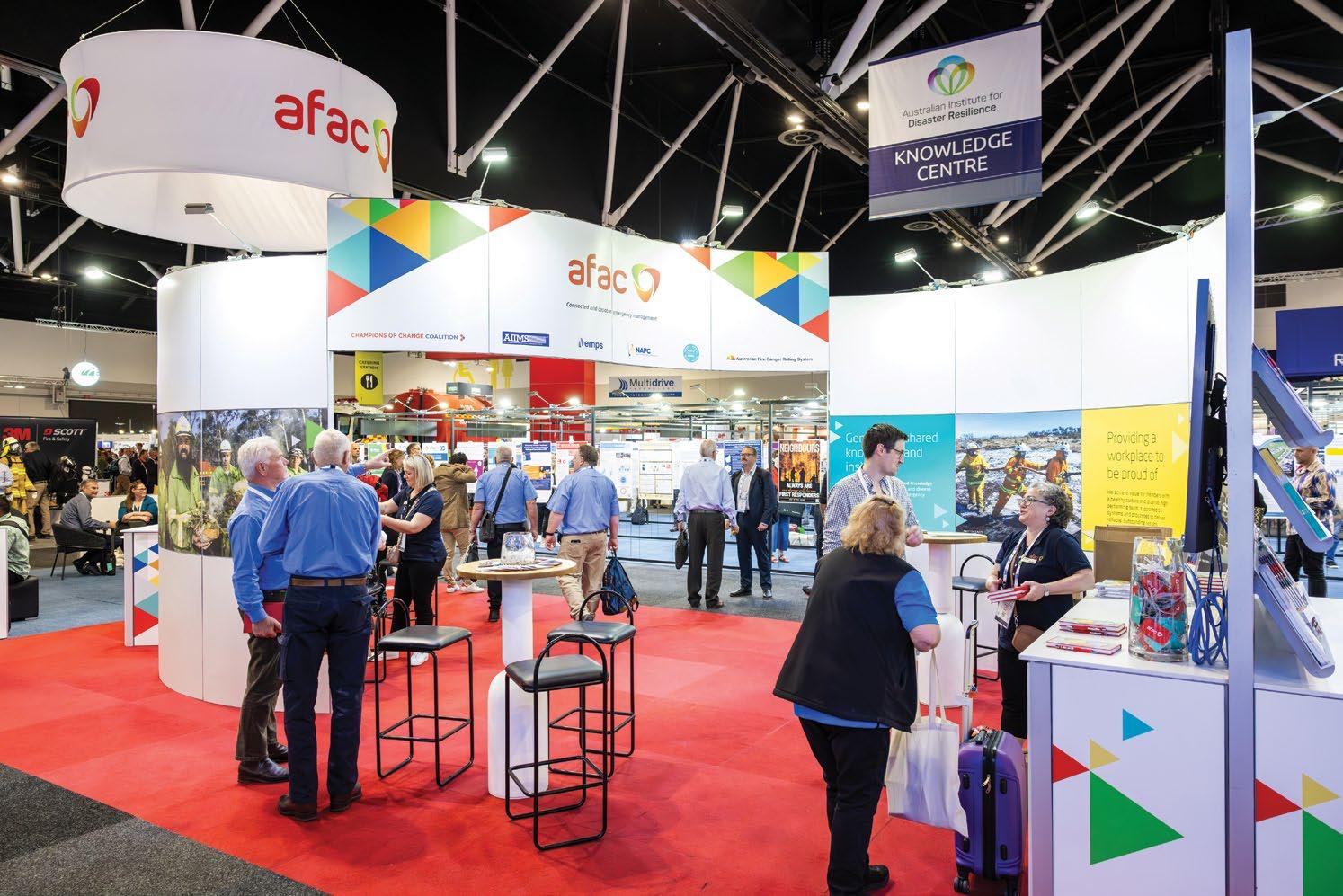
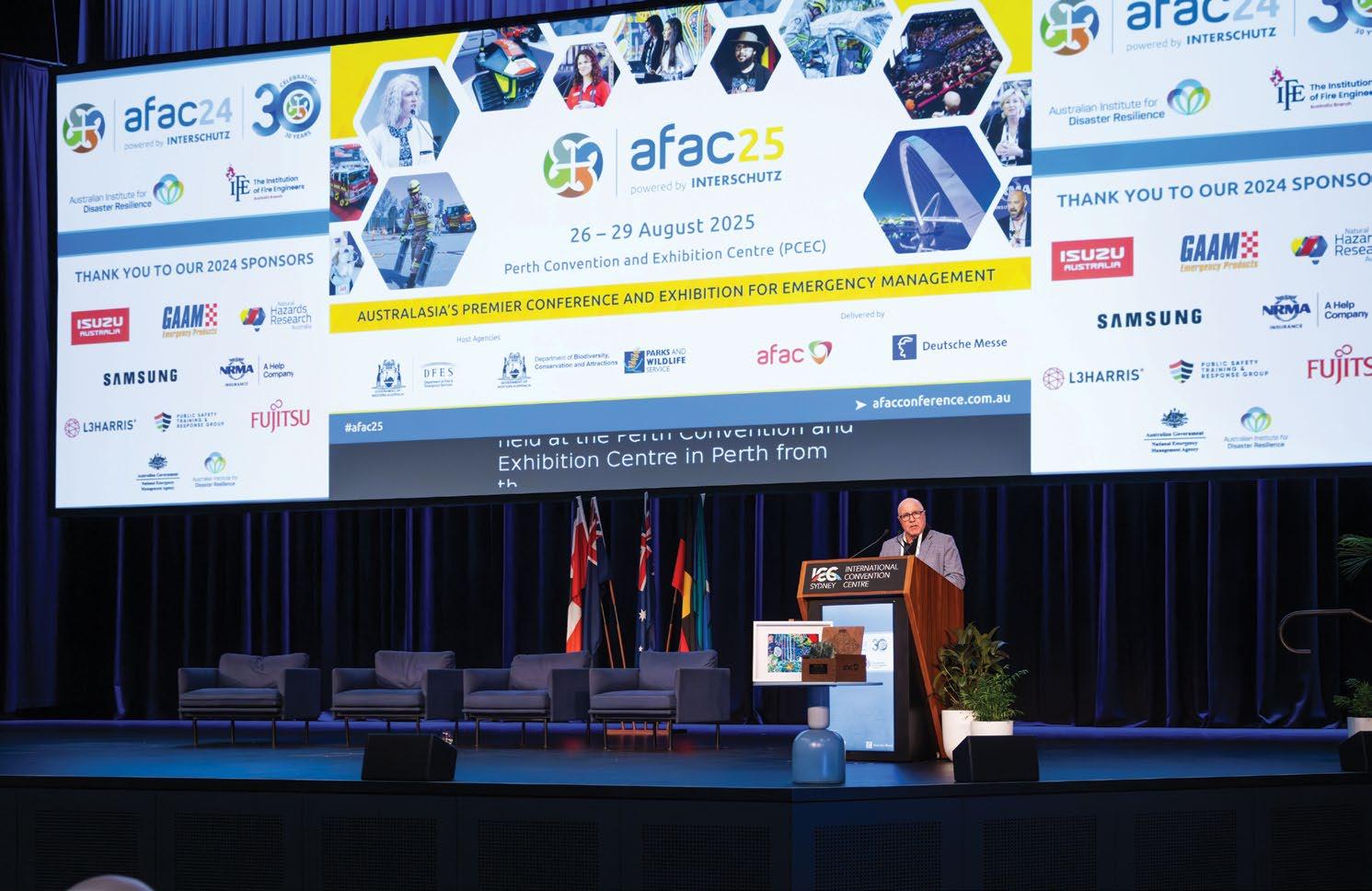
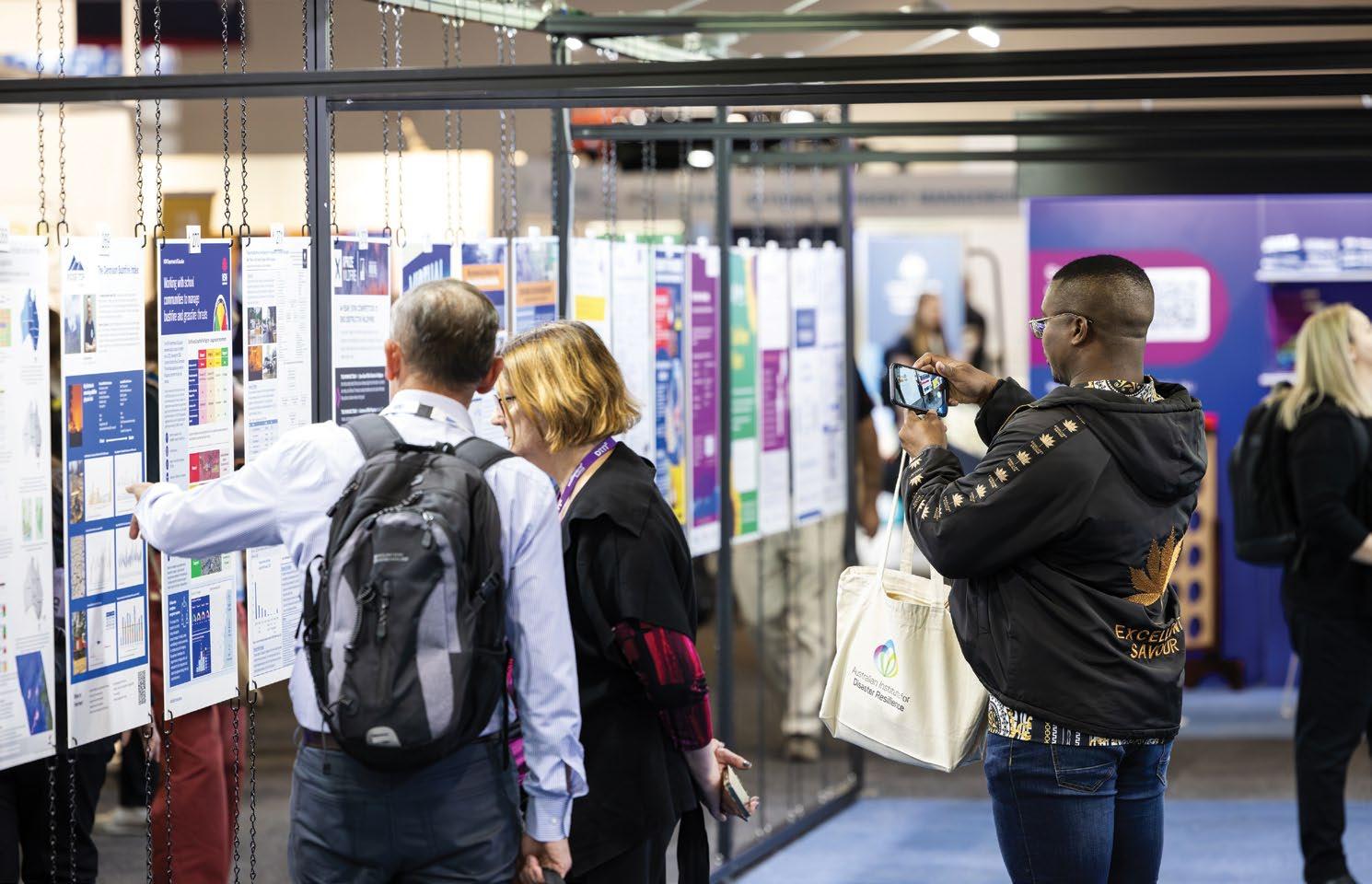
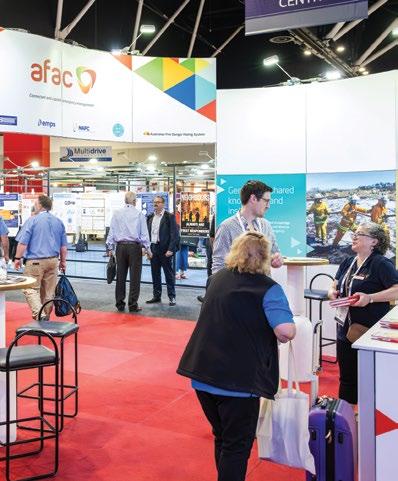
The AFAC25 Exhibition will be a lively space of connection and collaboration for professionals across the emergency management sector.
PHOTOS: AFAC
provide solutions with global impact. The conference aims to inspire collaboration and knowledge-sharing, ensuring emergency management professionals are prepared for current and future challenges.
AFAC25 will offer access to more than 100 conference presenters from across the sector. Hear from international and local thought leaders across our multi-streamed AFAC Conference, featuring the Australian Disaster Resilience Conference, the Women and Firefighting Australasia Conference, and the Institution of Fire Engineers (Australia) National Conference as concurrent streams.
The AFAC25 Exhibition will come to life from 26–28 August 2025 to showcase the latest equipment, technologies, and services available from hundreds of national and international brands, manufacturers, and suppliers. The ever-popular exhibition will showcase products, services, and solutions spanning the industry’s collaboration groups— capability, workforce, community risk reduction, response operations, and fire safety.
Whether you are part of the public sector, private industry, or a non- governmental organisation, AFAC25 offers an unparalleled platform for learning, networking, and innovation. This event is essential for professionals across key industry groups, including:
fire
emergency/rescue
first responders/police/ambulance
public safety/corrections
hazmat
fire prevention/built environment
critical infrastructure
resilience/recovery
mining.
Don’t miss your chance to be part of the conversation that shapes the future of emergency management. For more information and to secure your place, visit www.afacconference.com.au
DFES Commissioner and AFAC President Darren Klemm AFSM announces AFAC25 powered by INTERSCHUTZ will take place in Perth.
AFAC25 displays the latest research and initiatives to enhance emergency management in Australia, New Zealand, and beyond.



THE FIGHT AGAINST INDUSTRIAL AND WASTE FIRE RISKS IN AUSTRALIA
Limitations in traditional fire suppression systems lead businesses to smarter tech solutions.
Industrial and waste fires are a growing concern across Australia, with waste and recycling facilities particularly vulnerable.
According to national waste and recycling industry bodies, Australia experiences between 10,000 and 12,000 battery-related fires annually in the waste and recycling sector, posing significant risks to people, property, and the environment. Lithium-ion battery failures, combustible materials, and extreme weather conditions contribute to these thousands of fire incidents each year.
The challenges of fire prevention
Traditional fire suppression methods face limitations in high-risk industrial environments:
delayed response—many systems activate only after a fire has spread
excessive water use—conventional sprinklers rely on large volumes of water, causing damage and operational downtime
detection gaps—some systems fail to identify overheating or early stage fires, leading to catastrophic losses.
The need for smarter fire suppression
To combat these challenges,
businesses are turning to advanced fire suppression solutions and adopting proactive fire safety measures, including remotely operated suppression technology, which represents a significant advancement in fire prevention and reduces risk to workers, first responders, and businesses while ensuring environmental sustainability.
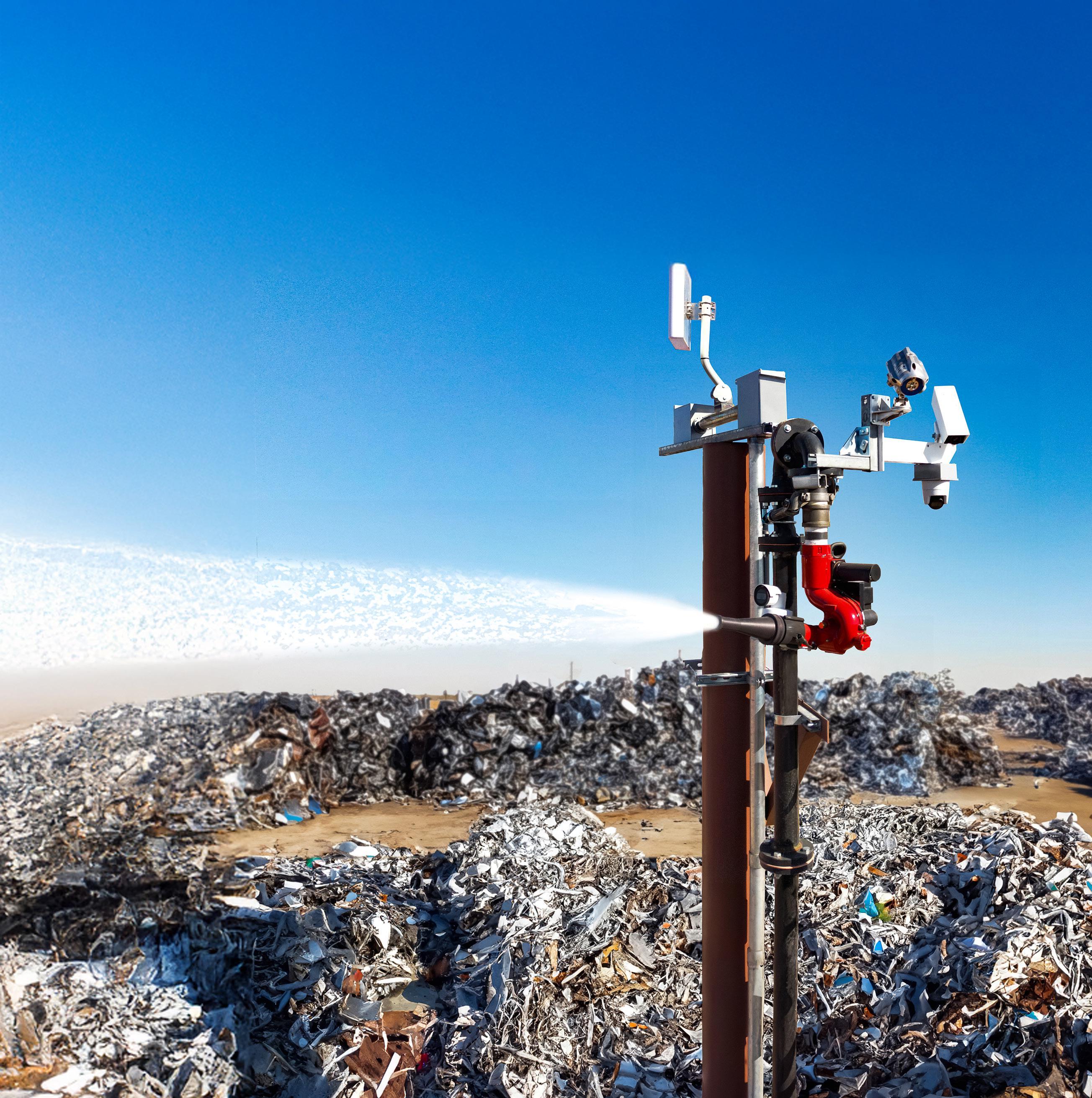
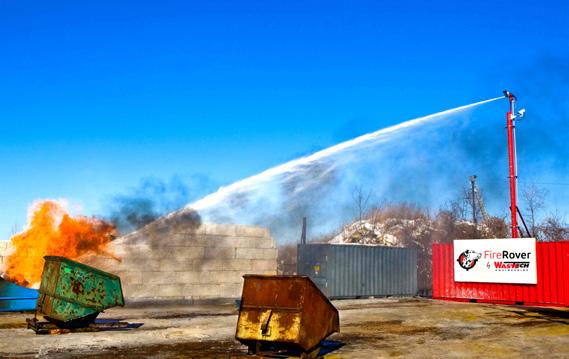
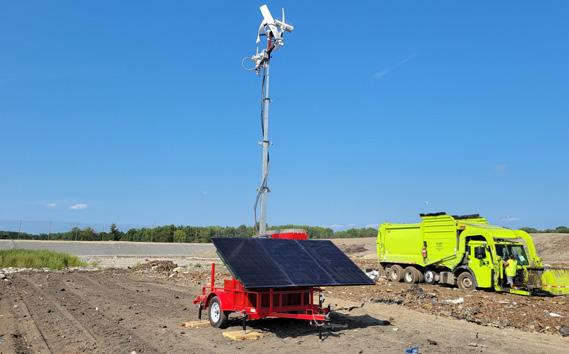
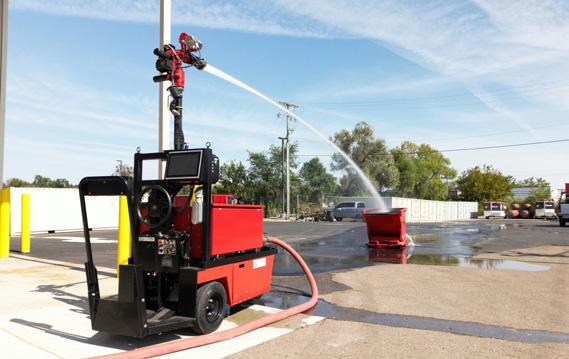
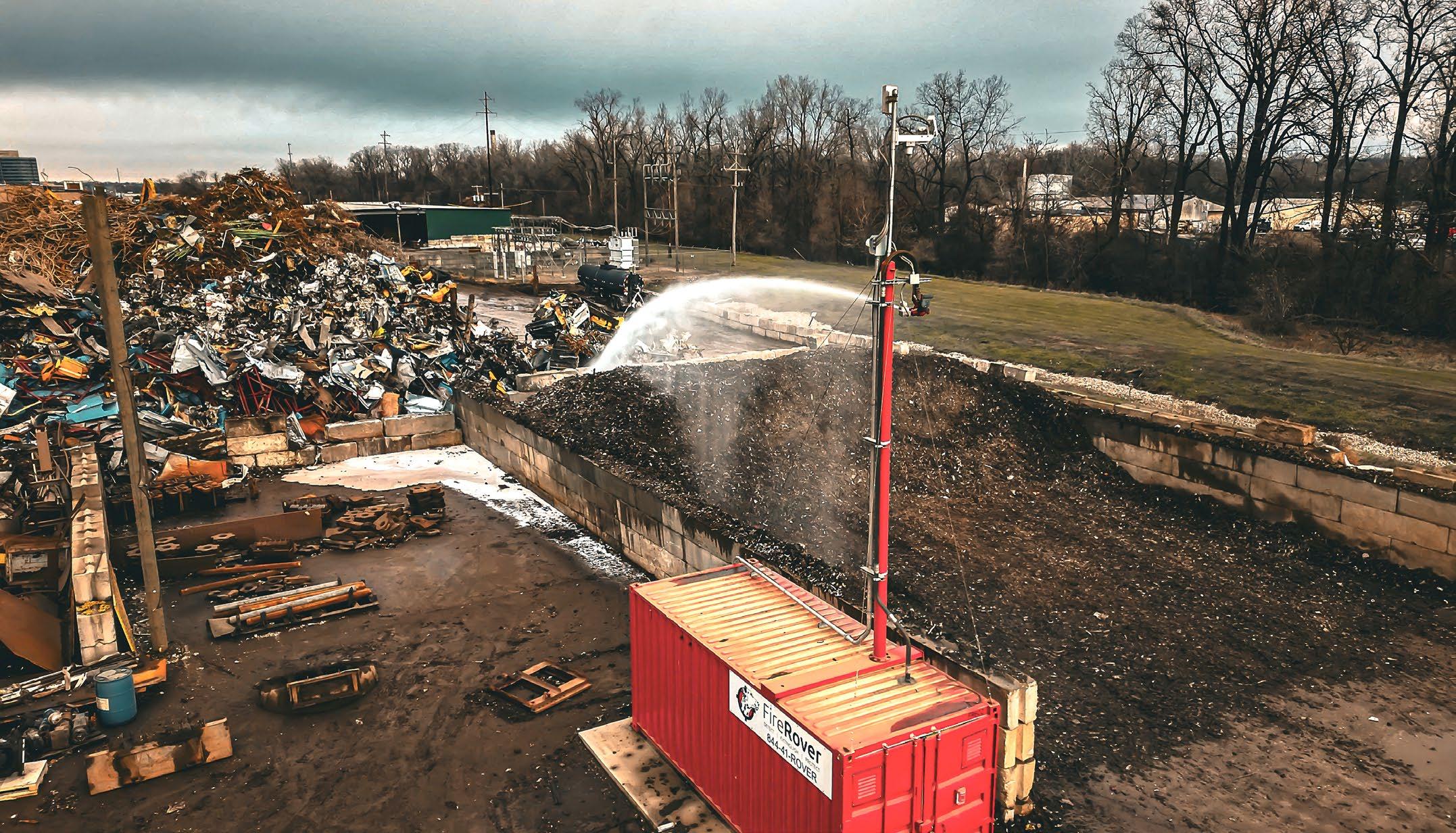
One such innovation is Fire Rover, a remotely operated fire detection and suppression system. Unlike conventional automated systems, this technology combines:
thermal imaging and electro-optical sensors to detect fire threats early real-time monitoring by trained personnel who verify risks before activation
targeted suppression to extinguish fires efficiently while minimising water usage.
A 2020 FM Global Study found that Fire Rover uses up to 88% less water than traditional sprinklers, significantly reducing environmental impact and operational downtime. Additionally, its rapid-response technology enables fire suppression within minutes, preventing escalation.
Case study: Re.Group’s approach to fire risk mitigation
As a leader in the recycling industry, Re.Group recognises that traditional fire prevention and control systems have limitations in early fire detection.
Re.Group has implemented Fire Rover as part of its commitment to exceeding the fire safety standards prescribed in the Building Code of Australia.
By embracing an advanced suppression system, the company aims to be at the forefront of technological advancements in fire mitigation. This approach not only strengthens fire management within its facilities but also instils greater confidence among customers and insurers.
Wastech Engineering is the exclusive distributor for Fire Rover in Australia and New Zealand, providing cutting-edge fire suppression technology to safeguard industrial facilities.
For more information, visit wastech. com.au/products/fire-preventionsystems
PHOTO: WASTECH
AFAC’S NATIONAL RESOURCE SHARING CENTRE COORDINATES
INTERSTATE DEPLOYMENTS DURING AUSTRALIA’S SUMMER
In late December 2024, Victorian emergency service agencies made a request to the AFAC National Resource Sharing Centre (NRSC) for interstate support in response to the Victorian bushfires and the upcoming high fire danger periods.
A total of 201 fire and emergency services personnel, including four arduous firefighting taskforces from NSW, ACT, Tasmania, and Queensland, supported by two incident management
teams from Queensland and NSW, as well as jurisdictional liaison officers and a radio tech team, travelled to Victoria to support bushfire operations in the Grampians National Park.
The taskforces travelled to Victoria on Boxing Day to help contain the fires in preparation for challenging weather conditions, before returning to their homes on New Year’s Day as a second rotation of personnel replaced them.
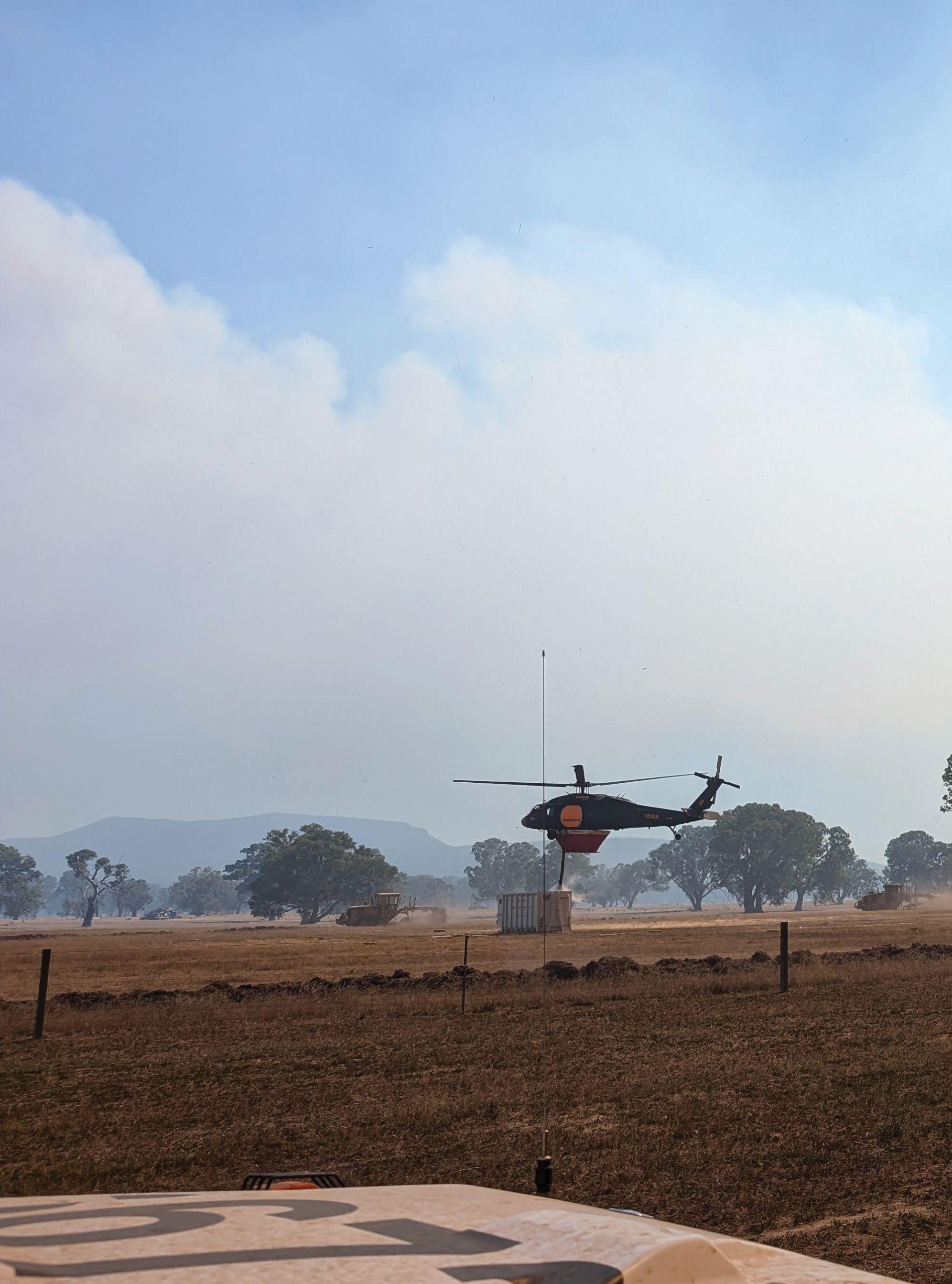
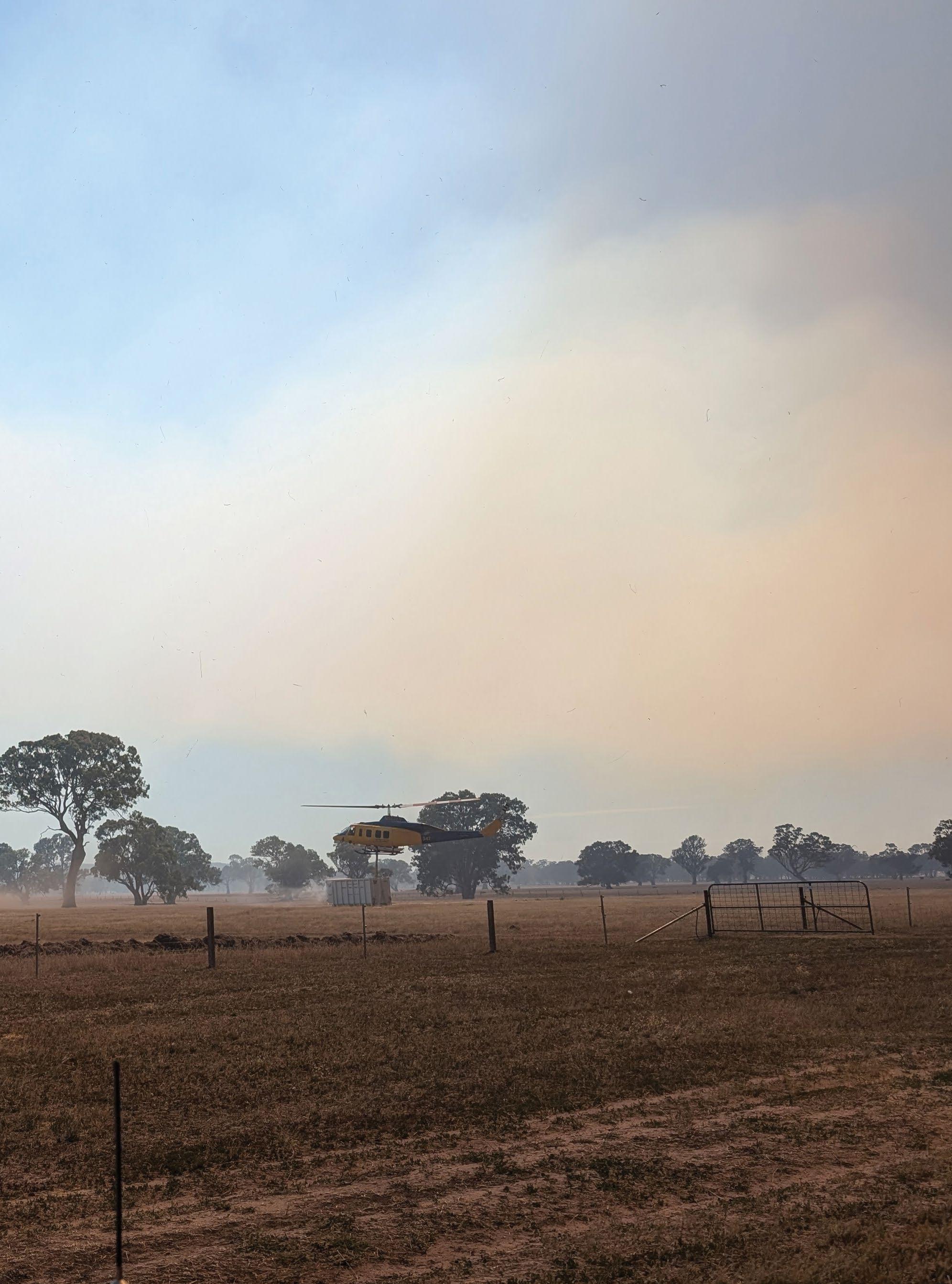
During this deployment, Victorian firefighting activities were supported by aircraft, including the National Large Air Tanker and other national assets.
LISA JAUNALKSNIS
AFAC
Aircraft supporting firefighting activities in the Grampians National Park, Victoria.
PHOTO: STATE CONTROL CENTRE VICTORIA
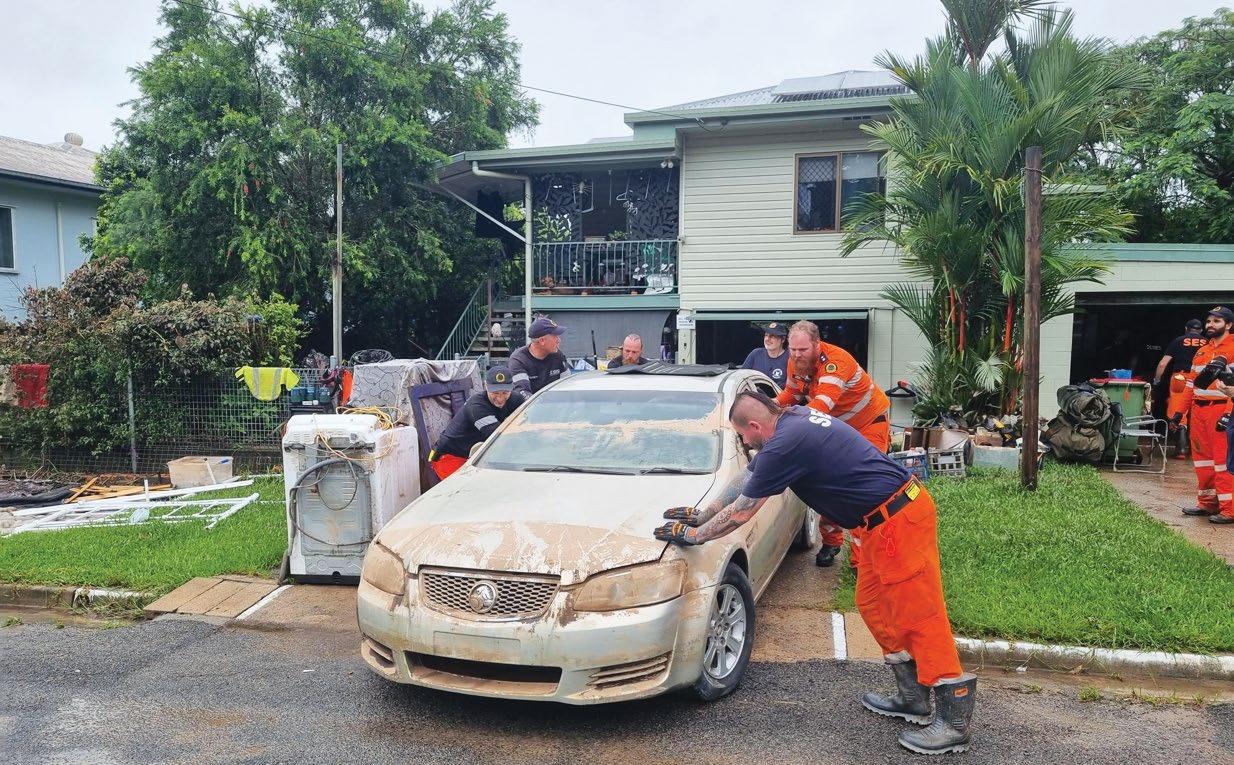
In February 2025, the northern Australian monsoon season had a destructive start with major flooding in parts of northern Queensland, resulting in damage to communities, housing, and other infrastructure. The AFAC NRSC received a request for assistance from Queensland’s State Emergency Service in response to these events.
Across three rotations, the AFAC NRSC coordinated 287 emergency services personnel from ACT, NSW, SA, WA, NT, and Tasmania, to supplement the efforts of local crews for two weeks in Queensland. The deployed personnel worked in Townsville, Ingham, Lucinda, Halifax, and Ayr, and assisted in debris removal, resupply, community engagement, and requests for assistance.
The interstate personnel not only worked collaboratively with emergency service agencies from across the country, but assisted local police and ambulance services as well. This level of collaboration highlights the important role of all emergency services personnel and their dedication to protecting our communities.
As the Queensland deployments were taking place, the AFAC NRSC received further requests for assistance in response to multiple natural hazard events across Australia.
Tropical Cyclone Zelia impacted communities in WA’s Pilbara Region but inflicted less damage than anticipated. In response, two incident management teams from SA and NSW were deployed to assist in the management of the storm and flood impacts.
Meanwhile, large fires started in the lower south-west region of WA near Manjimup, resulting in 55 personnel from NSW, NT, and Queensland travelling to assist in the containment of these fires.
Lightning strikes sparked new fires in western Victoria, resulting in 248 fire and emergency services personnel from ACT, NSW, NT, SA, WA, and Queensland travelling to the Grampians and Little Desert national parks to assist in bushfire suppression activity.
Concurrently, bushfires started burning in Tasmania, with that state receiving assistance from 143 emergency services personnel from from ACT, NSW, SA, WA, Victoria,
Queensland, and New Zealand. At the time of writing, crews were still deployed and working in the wilderness areas in Tasmania’s west. This severe weather season— since the first deployment to Victoria in December 2024—a total of 982 Australian and New Zealand fire and emergency services personnel have been deployed to help communities across Australia. The AFAC NRSC would like to thank all Australasian personnel for their assistance in the national deployments over the past few months.
Emergency services personnel help communities with flood damage in Ingham, Queensland.
PHOTO: NSW SES
AUSTRALASIAN PERSONNEL RECOGNISED FOR THEIR SERVICE FOLLOWING THE US AND CANADIAN WILDFIRES IN 2024
From July to September 2024, 383 Australian and New Zealand firefighting personnel assisted in wildfire suppression operations in Canada and the US.
The fire and emergency services personnel worked in challenging environments including above the snow line, alongside Mexican and South African teams, and lived in isolated base camps. The Canadian Interagency Forest Fire Centre (CIFFC) and the US National Interagency Fire Center (NIFC) acknowledged the value of Australian and New Zealand contributions by presenting the NRSC with tokens of appreciation. On behalf of the Australasian agencies involved, the NRSC received two pieces of artwork by local Canadian Indigenous artist Jason Carter, and a plaque that displays how the geographical areas of the US are divided to manage significant events.

Jensen Hughes Expands into the Pacific
Delivering world-class expertise in fire safety, accessibility, compliance, and sustainability.
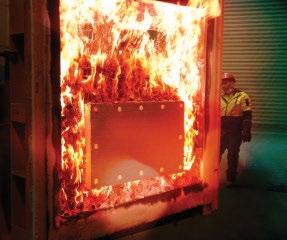
As a global leader in multidisciplinary engineering and consulting, we provide innovative, tailored solutions that safeguard people, property, and the environment. Our team of specialists brings decades of experience in fire engineering, fire testing, and regulatory compliance, helping businesses navigate complex safety challenges with confidence.
From high-rise buildings to critical infrastructure, healthcare to industrial facilities, we work across industries to deliver cuttingedge strategies that meet local regulations and best practices.

OUR SERVICES
+ Accessibility + Universal Design
+ Building Code Consulting
+ Environmentally Sustainable Design
+ Passive Fire Consulting + Design
+ Fire Protection Design
+ Fire Safety Engineering
+ Fire Testing
+ Fire Assessment
+ Jensen Hughes FireMark
Product Certification
jensenhughes.com/pacific
WHY CONSTRUCTION MUST CONTINUE DOWN THE CERTIFICATION PATH
Third-party certification for fire protection products will offer greater life safety, ensure compliance, and avoid costly remedial works.
OMAR SAAD
Market Lead, Jensen Hughes
The Australian construction market is growing. Right across the country, there are major demands for new buildings and public infrastructure.
There’s a significant opportunity to get all new buildings ‘right the first time’, as well as any upgrades to existing stock that will be part of this investment. This is particularly important when it comes to passive fire safety products, as they represent a critical aspect of upholding building and occupant safety while mitigating costly reworks down the line.
For architects, consultants, and all other building stakeholders, third-party certification is key. However, across the construction sector, certification is far from standard practice. It remains somewhat misunderstood, and the benefits have yet to be fully recognised or unlocked. All of this will need addressing as we move forward.
Risks of relying on test or assessment reports alone
While Australia’s built environment has grown exponentially in recent years, there remains significant traceability challenges around the building products used.
To illustrate this, typically, for passive fire protection (PFP) products such as fire doors, fire collars, seals, or door closers to be accepted, all that would need to be presented would either be a test report or assessment report that the product complies with the associated standard.
However, relying on a test report alone can present risks for building certifiers and those who have specified, procured, or installed the products.
This is because a test report is not a full representation of a manufacturer’s factory processes or quality control procedures. Rather, testing is a one-off snapshot of a product line and provides little to no traceability.
In some cases, what has been submitted for testing is not what ends up as the final, mass-produced product brought to market. For PFP systems and products like fire doors and fire collars, these issues may only come to light at scheduled fire risk assessments, or worse, when a fire event has occurred.
In addition to this, products that are sourced from overseas may not have been tested in ways that are compliant with the National Construction Code (NCC). This introduces further risk that may go unnoticed until it is too late. What’s more, because testing is a snapshot and could have been done many years ago, it may not encapsulate subsequent changes to the standards.
Specifying products with third-party certification
To combat these issues and provide added reassurance throughout the supply chain, it is imperative that the industry uses products that are third- party certified by approved bodies, like the Jensen Hughes FireMark certification scheme. Instead of viewing certification as a cost, it should be seen as a saving.
From a business perspective, arguably the biggest benefit is that of quality assurance and risk mitigation. By specifying a product that has achieved third-party certification, such as the Jensen Hughes FireMark certification scheme, stakeholders can be confident they are receiving a product that fits within the scope to which it should have been tested and is fit for purpose.
Alongside this, there is additional peace of mind that the product, or product range, has undergone an evaluation, that the manufacturer’s factory has been through a Factory Production Control audit, and that the product has been sampled and tested. This increases traceability and any defective products or issues with quality can be remedied.
Third-party certification also brings a level of risk mitigation. For products that only have first-party testing and assessment, the onus is on the building designer, specifier, or building certifier to understand the product. This means ensuring it meets the standard and NCC, before signing off on its use. This can often involve combing through lengthy test and assessment reports, which slows down decision-making and construction projects.
Certification equals a safer future Australia and the construction industry are in one of the most exciting, expansive, and progressive eras. As we head into these next five years, it’s important that those who have responsibility for our buildings do what they can to ensure they are safe for years to come.

Meanwhile, it’s essential to keep reducing unnecessary costs top of mind, whether by avoiding costly reworks or preventing delays. Thirdparty certification is critical to helping solve all these challenges.
For more information on the Jensen Hughes FireMark certification scheme, visit www.jensenhughes.com/pacific/ services/jensen-hughes-firemarkproduct-certification-scheme
PERSPECTIVES FROM THE SECTOR: FIRE CHIEF BRIAN FENNESSY, ORANGE COUNTY FIRE AUTHORITY
As Fire Chief of the Orange County Fire Authority, Brian Fennessy lent support to neighbouring Los Angeles during the devastating fire event of January 2025. In this edition, Chief Fennessy speaks with AFAC CEO Rob Webb about the extreme weather event and shares his reflections on the response to an incident that captured global attention.
RW: We watched in shock from a distance as the event unfolded and can only imagine the intensity of the LA fires for the communities and the response personnel on the ground. Now that the fire and smoke has cleared, how is your team going?
BF: Our people are starting to seek help a little bit more than we’d normally see this time of year. It’s been a long peak fire season for them and normally we don’t get fires in January, but we went seven to eight months without any rain here in Southern California.
We share a border with LA County, and we sent a few hundred firefighters into LA. I think we and other neighbouring counties got really lucky because the wind was blowing here just like it was in LA and we didn’t have any ignitions. We feel terrible about what happened in LA, but it could have been, if you can believe it, a lot worse.
When you spend your first 48 to 72 hours losing structure after structure, that’s hard. Those are people’s homes. For probably the first 48 hours, the weather conditions were such that very little success, if any, was going to happen. With a 40 to 50 mile an hour [64 to 80 km/h] sustained wind event, with gusts to 60 to 70 [97 to 113 km/h], we will lose a lot of homes.
But when it is sustained 60 to 70 mile an hour [97 to 113 km/h] winds, with gusts to 100 [161 km/h], those fires are just unstoppable.
If you’re a firefighter on the ground, and you’re in those conditions and you’re doing everything you can with no success, that’s tough. So, we are seeing folks reaching out for help. But we’re glad for that, because they have been through a lot and it’s year after year, so we know there is a toll, and we want our people to look after themselves and each other.
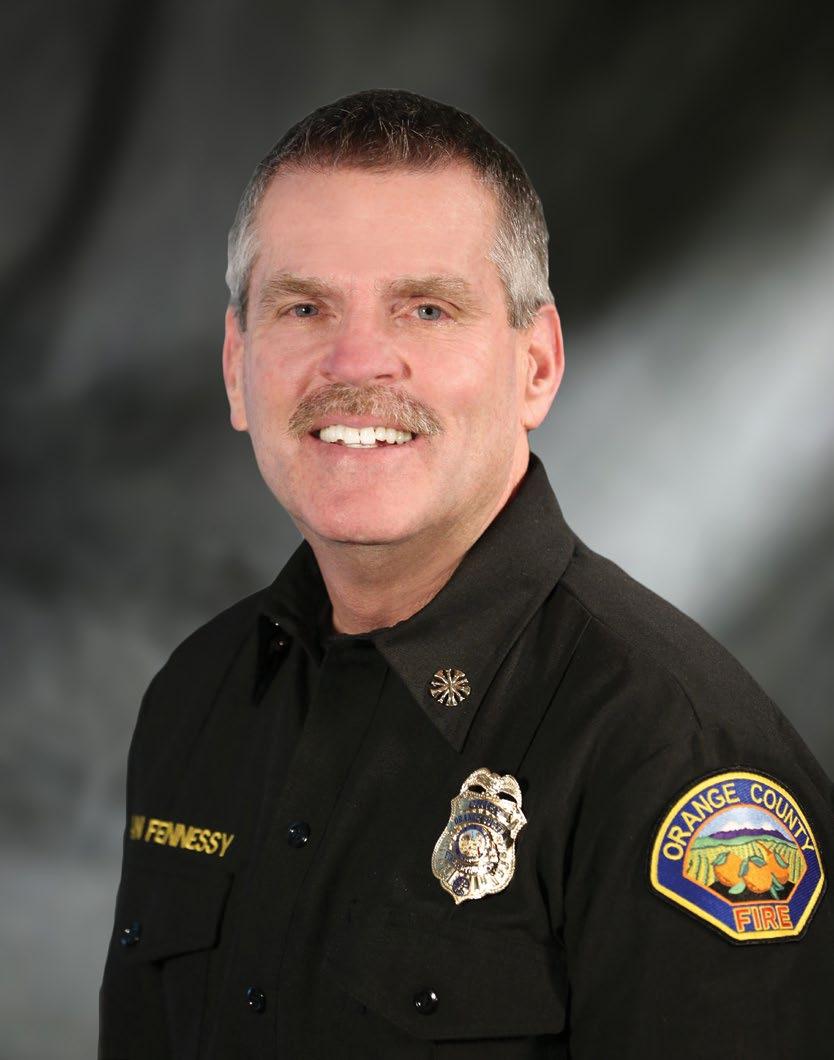
Brian Fennessy, Fire Chief of the Orange County Fire Authority.
RW: I was looking at the LA Times front page on the day the fires started and it was covered in strong preparedness messages. The forecast was accurate and the communication to communities was excellent. What difference do you think that made? And what were you doing that morning when you don’t know where the ignition is going to be?
BF: The messaging was very good and the meteorologists’ forecasts are continuously improving—they are much better today than they have been in decades past. Having this information on hand early really helps us to prepare and significantly enhances our response.
About 10 days out we started to see the high-pressure patterns that tell us a severe weather event is coming. And as we got closer, about four days out, the pattern was clear that we were in for life-threatening-velocity winds. By
the day of the incident, every news channel and media outlet was talking about this wind event.
For LA and neighbouring counties, we used this time to secure additional engines, additional aircraft, and bulldozers. We were prepared to surge should we get a fire, but we were still taken aback when the 100 mile an hour [161 km/h] gusts came through. I don’t think you can prepare for something like that.
When the Palisades fire started at around 10 am on 7 January, the four chiefs—the LA City, LA County, Ventura County, and myself in Orange County— commenced the response, and we knew we had to act together and act quickly. We sent aircraft, hand crew, and engines, but it wasn’t enough to bring the ignition under control before the winds caught it.
RW: Considering the number of properties that were lost during this event, the death toll is comparatively low. Although it is a tragedy to lose 29 people, other extreme fire events in the past—including here in Australia—have shown us it could have been far higher. What do you attribute this to?
BF: Losing anybody, or anybody being injured, is pretty horrible. I will always be grateful that we didn’t lose any firefighters, especially as it was a tough house-to-house battle in the urban environment.
It started out as a wildfire until it got into the community. But it didn’t creep in for a block or two—it reached in for miles and really became an urban conflagration. This kind of fire event is becoming more common, with Lahaina in Maui in 2023 and the Marshall Fire in Colorado in 2021.
In LA, people were aware for the most part that this extreme weather
PHOTO: SUPPLIED
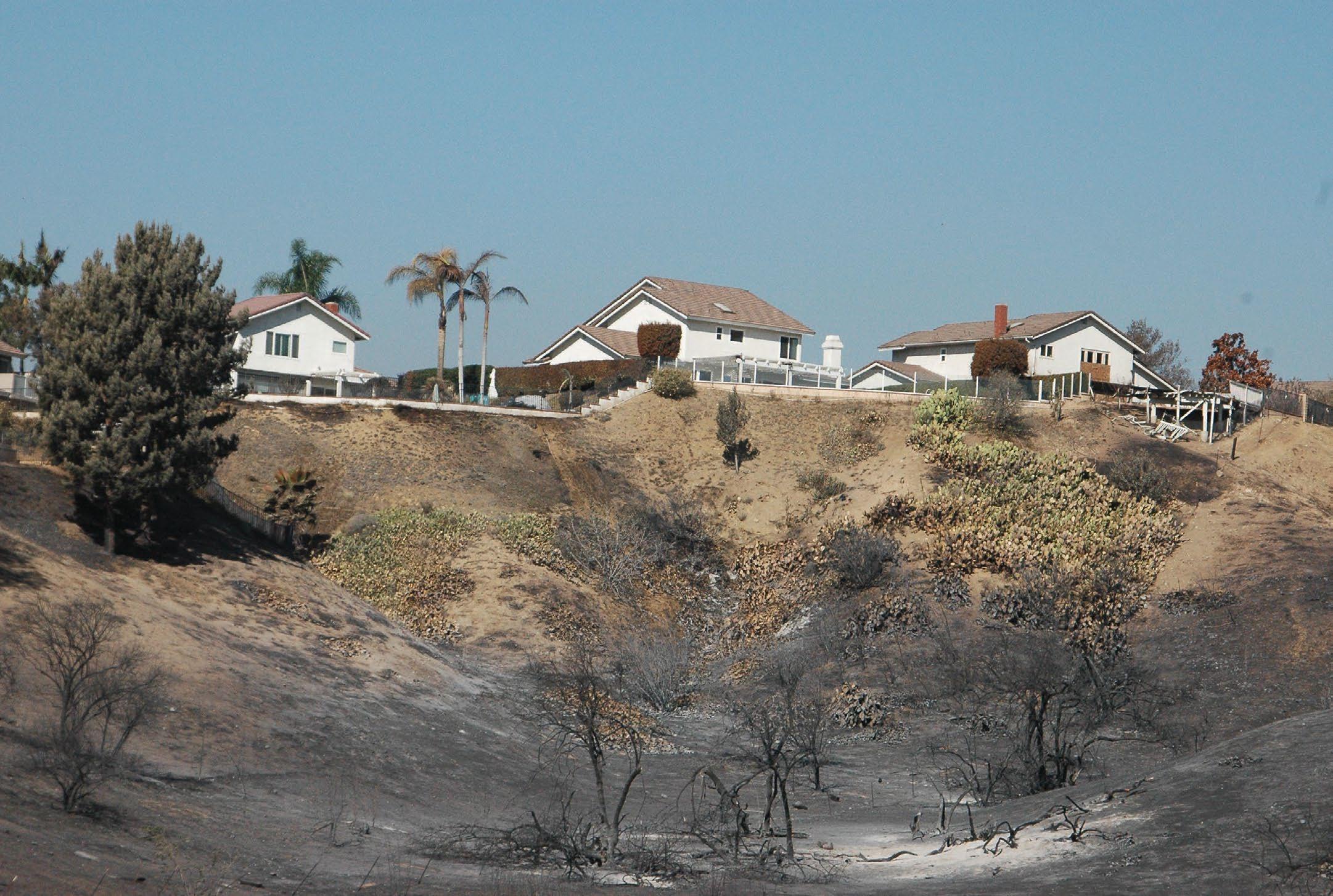
was going to be upon us, and the evacuations in Palisades went as well as they could. It helps when people are being told to go during the day rather than the middle of the night. But people didn’t necessarily need to be told either—they saw the fire and got themselves out. This decision-making by community members really makes a difference; we don’t want people to wait for an evacuation instruction to come to their door or their phone before they take action.
We have been amending our messaging to encourage this, to empower people to act instead of wait for instructions. If you feel like you need to go, or you see that you need to go, then just go.
RW: The LA fires brought the issue of urban conflagration front and centre. We do a lot of fire behaviour modelling in our fuels and different types of forest and grasslands, but what can we be doing differently in the urban space to understand how quickly a fire might track through the built environment?
BF: We’ve got some very good fire spread modelling and vegetation modelling that we draw upon, and the technology in this space is continuously advancing in really exciting ways. But once a fire gets into the built
environment and it is travelling house to house, we don’t have any models to capture that.
What does it look like when a fire travels through a 100-year-old neighbourhood driven by 50 mile an hour [80 km/h] winds? How does the spacing between buildings impact this? How would this compare with a newer development that was built to latest code? It’s a whole different type of modelling that’s got to take place and it’s definitely a gap we need to look at.
Part of that is also understanding and keeping across ember cast in an urban environment. Embers will send the starting fires well downwind, but under those conditions, and with low visibility due to smoke, you can lose situational awareness. There were times that we thought we were at the head of the fire, only to find out there’s houses behind us a quarter mile that are also on fire. It was very difficult for us to catch up from that.
RW: Building codes for bushfire are relatively young in Australia, but fire events such as this often bring up the debate about whether they are sufficient. What are the lessons for LA in terms of building standards, and what does it mean for these communities as they start to build back?
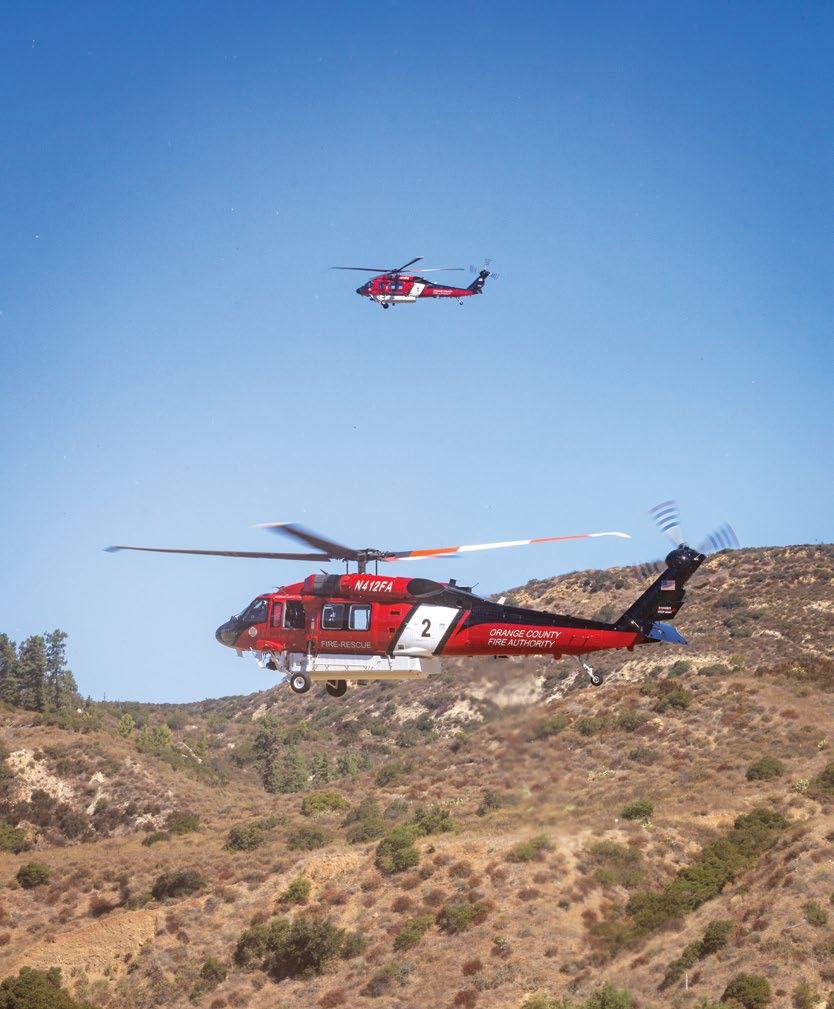
Once the wind decreased, aerial firefighting crews were successful in suppressing wildland fires.
BF: In California, major code changes for the wildland–urban interface occurred as a result of the 2003 and 2007 fires. We found that homes built to those codes were surviving much better.
The conversation between the fire services and our legislators is now looking at how we can address our vulnerabilities in the built environment. Our large prescribed fire programs certainly help to reduce risk in the
PHOTOS: SUPPLIED
landscape, but that doesn’t have an impact once it gets into the built-up areas. We need to be really intentional about mitigating the risk for our urban landscape too.
What we don’t want to see are people overlooking building codes to expedite the reconstruction of the properties that were lost in LA. To build back without building to code would be extremely problematic. We are also thinking about how we can strengthen this protection ahead of future events.
One example is a requirement being introduced for new developments within the CAL FIRE [California Department of Forestry and Fire Protection] Very High Fire Hazard Severity Zone that they must be ‘Zone 0’ compliant, meaning there can be nothing combustible within five feet of your home. This includes vegetation like potted plants, rose gardens, and hedges, and gates and for fencing to be made of metal rather than wood. Creating this non-combustible buffer around the home can give your house an almost 60% better chance of surviving.
But we also know that some 90% of our problems lie with the existing non-conforming buildings. And this isn’t necessarily out of residents’ ignorance or disregard for safety; some people just don’t have the money to replace a roof or to do some of these things. Tax incentives and grants will help to make this possible. This is the kind of investment we need to meet the emerging risk of fire spread in the built environment.
RW: What role did aerial firefighting play during this event? How did they help suppression, and what are the challenges for aircraft during events like this?
BF: It was a combined effort; there were local government aircraft from us and LA City and LA County and Ventura and others. There were also CAL FIRE resources and fortunately a few of the federal air tankers were still available.
Our pilots were having some success with suppression in some of the wildland areas, but once the fire gets into built-up areas, you’re not having much success with aerial suppression there, and dropping thousands of gallons over these
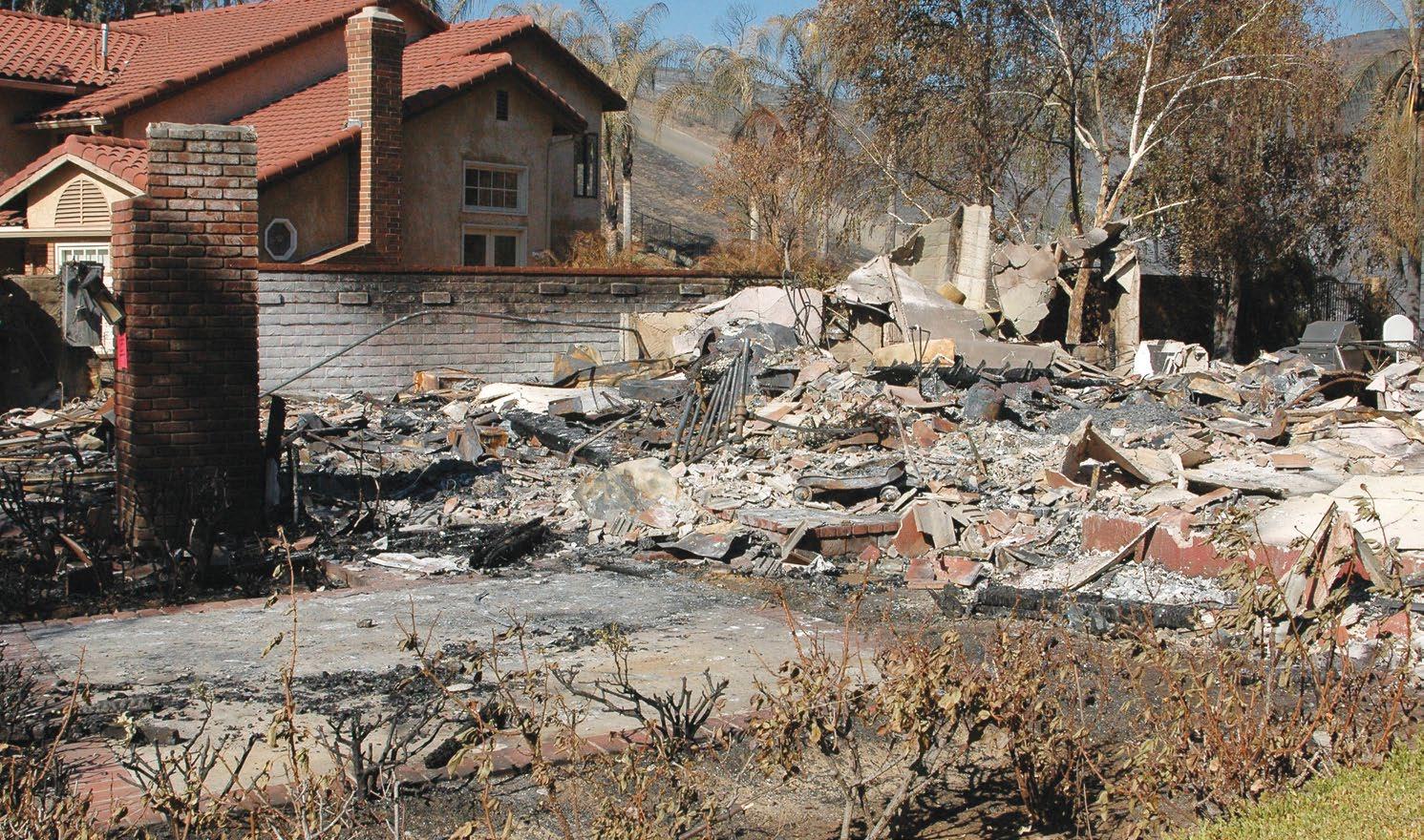
Fire services and legislators must focus on addressing vulnerabilities in the built environment to prepare communities for future fire events.
areas can seriously endanger those personnel working on the ground.
So while these 3,000-gallon [11,356 litres] Chinooks and other big aircraft may look impressive, in the conditions we had, they are just not effective. What we were really relying on were the people on the ground, and a change in the weather.
The intensity of the wind also grounded a lot of aerial activity. We had one stretch of 27 hours where we were unable to fly, and the folks on the ground were fighting the fire on their own.
Once the wind started to decrease we saw great success, mostly in the wildland areas, dropping retardant with the big helicopters and the large air tankers, and creating retardant lines along the edges of communities. But we didn’t see much aerial firefighting taking place over urban areas, because we know that dropping directly on homes that are on fire just doesn’t put them out.
RW: There are few fire chiefs in the world that have dealt with what you folk were dealing with in LA, and I am interested in your reflections as a fire chief in the aftermath of an extreme event. Where is your focus now?
BF: There is a similar cycle for every event. The fire service gets a lot of applause and compliments for the response, which is very deserved by all our personnel. But it’s usually not too long after that, even before the recovery begins, when the finger pointing and the blaming starts.
This was especially the case for LA City Fire Department Chief Kristin Crowley, who was sacked by the LA mayor in the aftermath of the fires. It’s tough to have to stand up and defend
yourself, even though we know that most fire departments are underfunded and under-resourced. But saying that, nobody’s ever going to have the resources to deal with that type of weather event no matter what you have on hand.
The perception of wildfire is different to other hazards. You don’t hear emergency responders being blamed for not stopping a hurricane that came onshore or a tornado that tore up a town. But firefighters are blamed for not stopping a fire that reached a town, when in reality what we experienced in LA was an unstoppable weather event.
Regardless, the questions will come in: Were you prepared enough? Did you respond fast enough? As a fire chief, you know you must answer. I have friends that are no longer in positions of leadership for things that really weren’t their fault. They’ve done everything right, but other factors still come into play.
As fire chiefs, all we can do is be honest, advocate for more support, and share the consequences of under-resourcing with the powers that be—we have an obligation to our community to do so.
That obligation to our community is also what drives us to take the lessons from each event and make improvements where we can. If something went wrong, we must acknowledge that and we learn from it. It’s hard for firefighters to see the kind of loss in front of them, hour after hour. It’s hard for all of us and we feel it deeply. I’ve been in this business for many decades and it still hurts to see people harmed and lose their homes. That’s what we shoulder, but it is also what motivates us to do better.
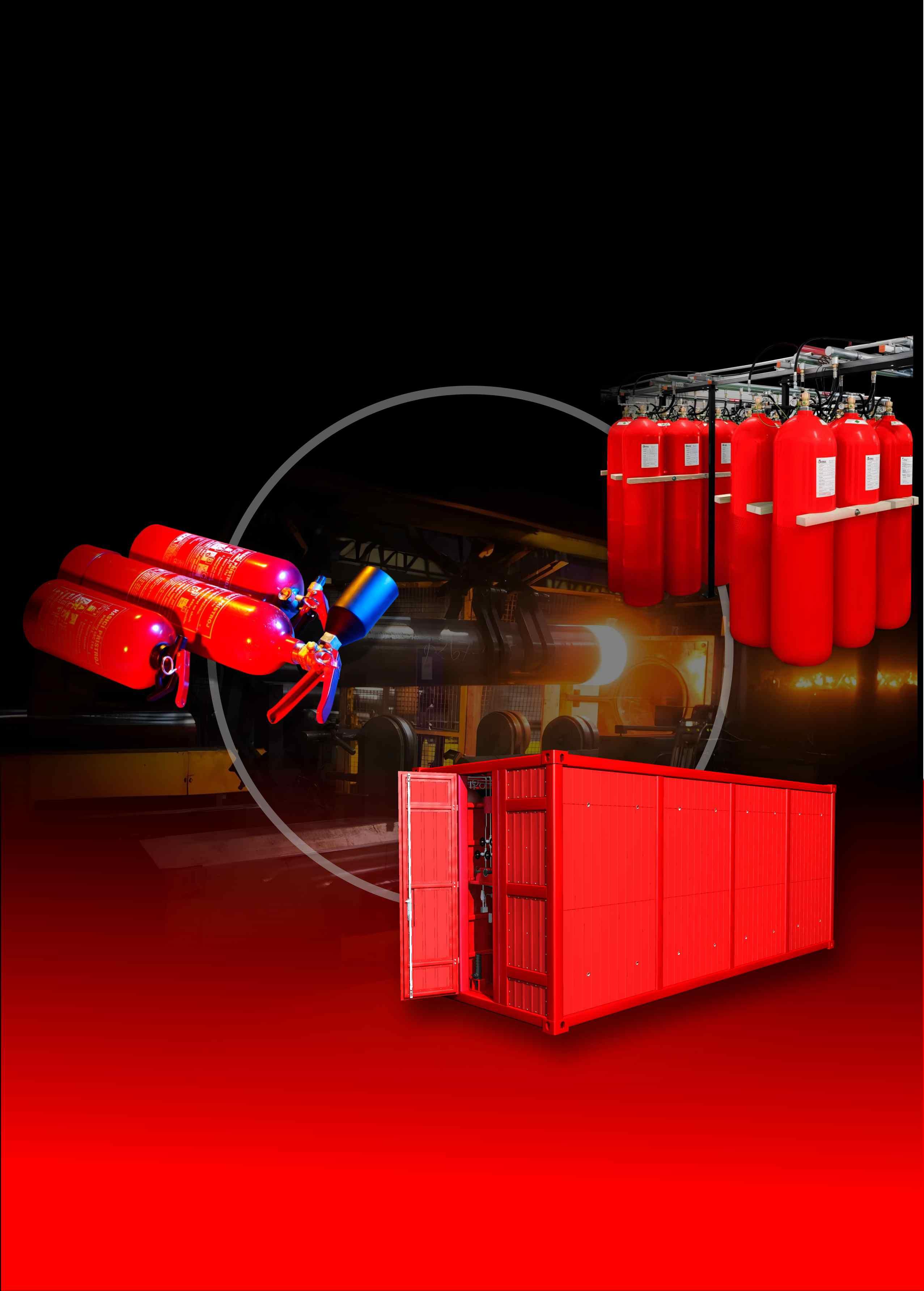
WHEN OUTDATED BUILDING REGULATION STIFLES INNOVATION
Regulation can only work if change comes from it.
Chair, Home Fire Sprinkler Coalition Australia; Adjunct Fellow School of Engineering, Design and Built Environment, Western Sydney University; and NSW and ACT Manager for Fire Protection Association Australia
Retired US Coast Guard Captain Kyle McAvoy, a safety expert specialising in investigating marine incidents, once said: “A lot of regulations are written in blood.”
Captain McAvoy’s insight, while stark and confronting, is arguably true. Good government requires legislators and practitioners to learn from tragedies and consider new ways to mitigate an emerged risk. Underpinning some of each jurisdiction’s laws, there will be watershed moments that have stirred a government to action. A catastrophic event, such as the 2017 Grenfell Tower fire in London, can mobilise industries, communities, markets, and governments around the world.
Too often, however, lessons could have been learned from someone else’s tragedy rather than waiting for a local traumatic experience. Think of the losses behind the staggered implementation across Australia’s states and territories of smoke alarms and fire sprinklers in residential aged care facilities. For fire sprinklers, Queensland and Victoria acted before NSW, after each had suffered a local major tragedy; however, NSW waited until after the 2011 Quakers Hill nursing home fire to take action and require automatic fire sprinklers to be retrofitted to all residential aged care buildings.
Governments have an unenviable task in properly managing the competing interests at play in the community and economy. Public safety is one lens through which problems are viewed, but there are other, sometimes more important, considerations. As well, there is the underlying inertia of the status quo—the reluctance to change: “This is the regulation I grew up with, the way we’ve always done it.”
Processes, positions, rules,
and regulations grow from an understanding of our world that can change rapidly when a new risk or solution emerges. In 2019, the National Construction Code of Australia (NCC) accepted an integrated domestic drinking water-fire sprinkler system as a Deemed-to-Satisfy (DtS) solution for mandatory automatic fire sprinklers in all new mid-rise residential buildings. This integrated solution—generally referred to as 101D—was approved as safe, reliable, cost-effective, and fit-for-purpose, and it was seen as a major improvement for community and building fire safety.
The Proposal for Change (PFC) was supported by a portfolio of evidence, including research papers, a water quality risk assessment, hydraulics reliability report, two cost–benefit analyses by KPMG, building/construction economic forecasts, and an Australian Building Codes Board (ABCB)-commissioned Regulation Impact Assessment. The PFC was reviewed and endorsed by ABCB’s Plumbing Code Committee and Building Codes Committee, the Environmental Health Standing Committee (enHealth), and the ABCB itself.
The process is understandably rigorous, ensuring that anything included into the NCC has stood up to this scrutiny and has been found to be satisfactory.
The ABCB consists of an independent chair and senior executives representing each state and territory government, supported by a handful of Australia’s pre-eminent industry specialists and representatives from peak stakeholder bodies. Like the state/territory representatives on the Plumbing Code and Building Codes Committees, government members of the ABCB are responsible for considering whether proposals to amend the NCC are worthy of implementation, from both the national perspective as well as for their own jurisdiction. Sometimes a local jurisdiction will differ from its counterparts, with the NCC including numerous state and territory variations to the NCC.
As well, government representatives have a responsibility to provide the heads-up to their jurisdictional decision-
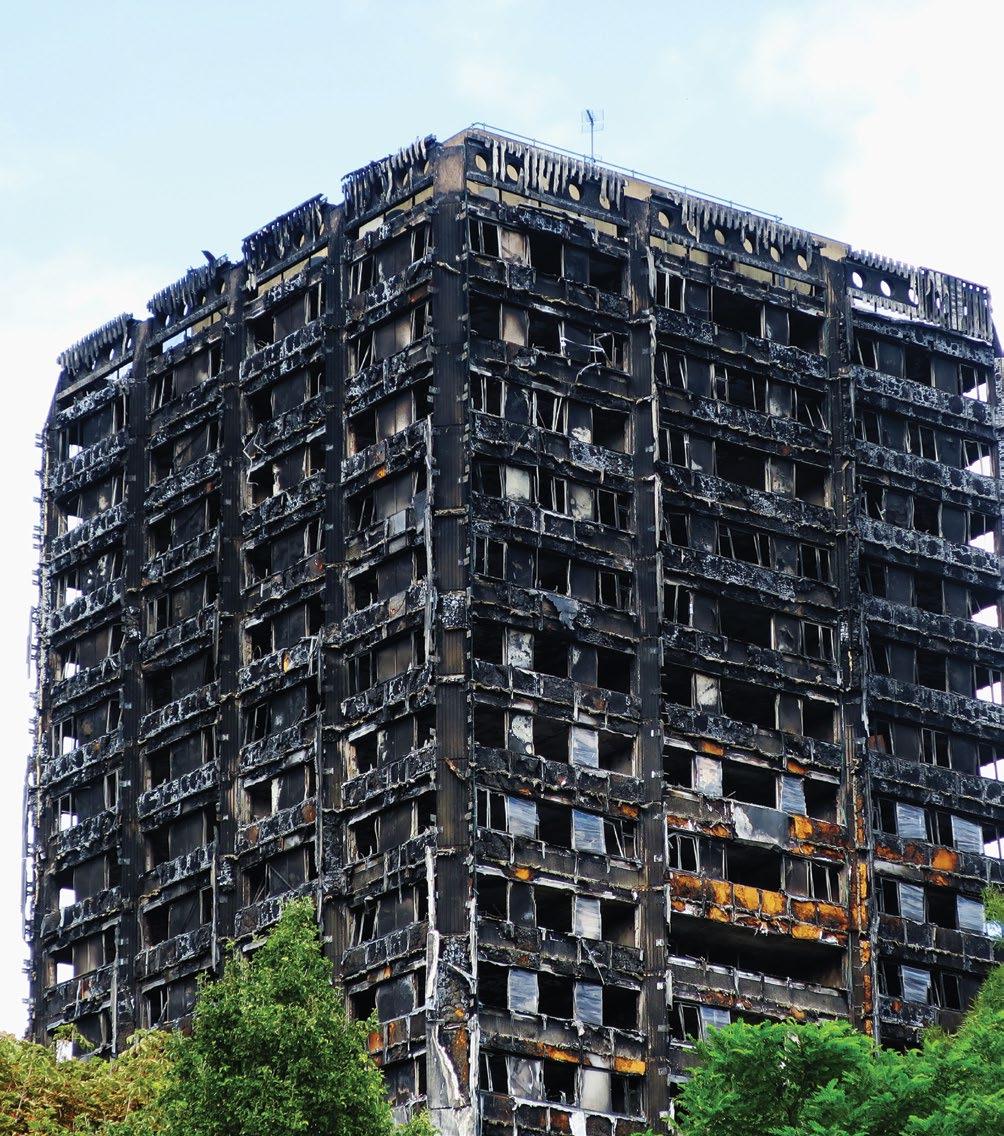
makers on coming changes, particularly when local regulatory accommodations or education/awareness initiatives are required to support new NCC provisions. For example, to assist with NCC’s acceptance of 101D systems, the NSW plumbing regulator published a ‘technical advisory note’ clarifying the regulatory administration of integrated domestic drinking water-fire sprinkler systems. Unfortunately, not all jurisdictions have ensured regulation has kept pace with change, with the result that processes that had grown with separate industries and markets remain unchanged, despite innovations that require consideration in regulation. People and organisations who operate across multiple states or nationally understand that our NCC is a patchwork. State and territory governments call up the NCC in their own regulations, but consistency across borders ends there. Not even the start date of a new edition of the NCC is the same across Australia.
Making new regulation is one thing; supporting the implementation of changes is just as important, arguably even more so if the change is meant to make a positive difference. Home Fire Sprinkler Coalition Australia, its partners and supporters, continue to work with governments to iron out these kinks—while we try to politely ignore the fact that a DtS solution of integrated fire sprinklers has been embedded in regulation since 2019.
For further information or queries on home fire sprinklers, visit www.homefiresprinklers.org.au or email info@homefiresprinklers.org.au
The burnt-out remains of the 24-storey Grenfell Tower block in West London, which burnt down in the early hours of 14 June, 2017 claiming the lives of 72 people and leaving many more unhoused.
PHOTO: ALEX DONOHUE/ SHUTTERSTOCK
MARK WHYBRO AFSM
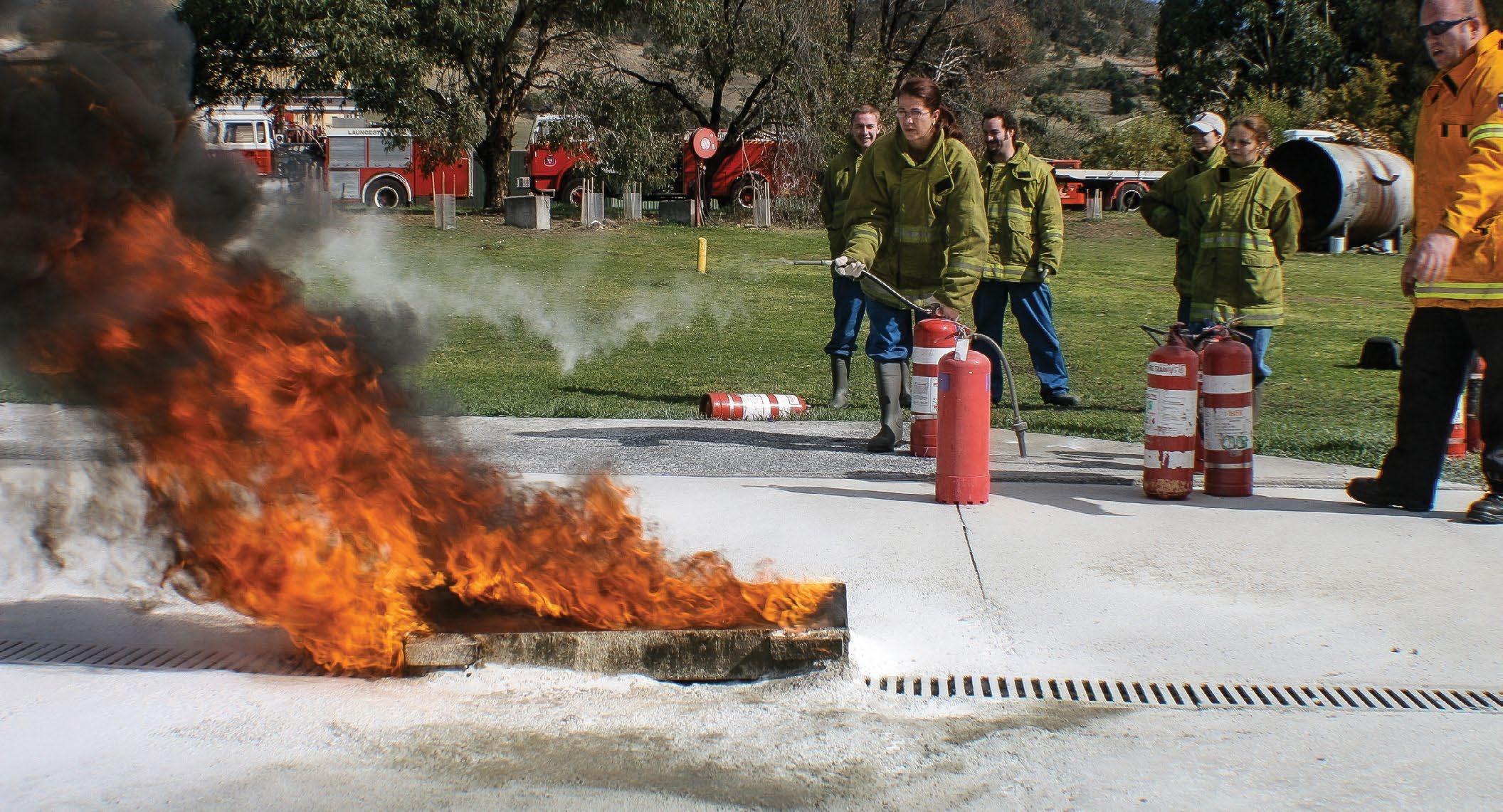
BRIDGING THEORY AND PRACTICE
DR MARIA KORNAKOVA
National Bushfire Manager, FPA Australia
The increasing frequency and severity of bushfires, both in Australia and around the world, have underscored the vital importance of robust training in bushfire planning and design. It is through comprehensive education that professionals are equipped to meet these challenges with empathy and precision, ensuring that communities are safeguarded by knowledgeable and innovative experts.
A key component of this educational framework is the synergy between tertiary education and vocational education and training (VET). Tertiary programs—typically offered by universities and specialised institutions— provide a rigorous theoretical grounding. They delve into complex subjects such as environmental science, risk management, and urban planning, offering in-depth perspectives on the mechanisms and implications of bushfire behaviour. This academic approach not only cultivates critical thinking but also fosters innovative research that can lead to improved strategies for mitigating and managing bushfire risks.
In contrast, VET is distinguished by its focus on practical, hands-on training. This pathway emphasises the development of tangible skills necessary for real-world application. Whether it involves the use of advanced modelling software or the implementation of on-ground fire
mitigation techniques, VET programs are designed to bridge the gap between theory and practice. This dual emphasis on conceptual knowledge and practical expertise is essential in an industry where effective decisionmaking under pressure can have profound impacts on community safety.
The diversity of educational pathways is critical to building a resilient and adaptable workforce. By providing multiple entry points into the bushfire planning and design industry, we create opportunities for a broad spectrum of individuals—each bringing their unique perspectives and experiences—to contribute to the collective effort of safeguarding lives and property. This pluralistic approach not only enhances individual career development but also enriches the industry by fostering an environment where continuous learning and practical innovation are encouraged.
Internationally, countries have observed and adapted these educational models to suit their unique landscapes and challenges, thereby affirming a global commitment to proactive bushfire management. The Australian experience has served as a blueprint for integrating both academic and vocational training methods, highlighting the importance of a well-rounded educational framework in addressing natural disasters.
In this context, the recent development of a new qualification by Fire Protection Association Australia represents a significant and encouraging
milestone. The introduction of the CPP51222 Diploma of Bushfire Protection Assessment into FPA Australia’s scope of delivery is a testament to the ongoing evolution of the field.
Soon to be offered across all states, this qualification will provide practitioners with a specialised, structured pathway to enhance their expertise in bushfire protection assessment. The meticulous process of integrating this qualification underscores a broader commitment to excellence and innovation within the industry.
This progressive move by FPA Australia not only enriches the available training options but also reinforces the need for continuous collaboration between academic institutions, vocational training bodies, and industry experts. Such collaboration ensures that training programs remain current, relevant, and responsive to the ever-changing dynamics of bushfire hazards.
The expansion of specialised qualifications like the CPP51222 diploma embodies a forward-thinking approach, paving the way for safer communities, and a more resilient society.
For more information on CPP51222 Diploma of Bushfire Protection Assessment, visit fpaa.com.au/Web/ Web/Skills/Diploma_of_Bushfire_ Protection_Assessment.aspx
FPA Australia Registered Training Organisation Code 20851
Integrated education set to transform bushfire planning.
PHOTO: SHUTTERSTOCK
A SUSTAINABLE FUTURE FOR FIRE PROTECTION: THE RISE OF CLEAN AGENT SUPPRESSION SYSTEMS
Companies transition away from traditional agents like FM-200 to eco-conscious alternatives like IG-541.
FIRE PROTECTION INDUSTRY (ODS & SGG) BOARD
Australia has intensified its focus on reaching net zero greenhouse gas emissions by 2050, transitioning to renewable energy and contributing to recovery efforts to restore the ozone layer. Sustainability has also become a key driver in reshaping the fire protection industry. In response, clean agent suppression systems are emerging as a viable solution to ozone-depleting substances (ODSs) and synthetic greenhouse gases (SGGs), which are currently used in the fire protection industry.
Since the ratification of the Montreal Protocol in the 1980s, the fire protection industry, in conjunction with relevant environmental legislation, has recognised the environmental hazards posed by certain scheduled extinguishing agents, particularly those containing chlorofluorocarbons (CFCs), halons, and hydrofluorocarbons (HFCs). In recognition that these chemicals contribute to ozone depletion and global warming, a search for more innovative fire suppression technologies has gained traction to offer enhanced protection while potentially reducing its ecological impact.
As sustainability becomes a growing priority across industries, environmental regulations and corporate responsibility initiatives are driving companies to transition away from traditional fire suppression agents, such as FM-200, towards cleaner alternatives.
Paull & Warner Resources
One such company is Paull & Warner Resources (PWR), which has been at the forefront of this shift to actively recommend and implement environmentally friendly fire suppression
solutions. Their recent collaboration with Rio Tinto exemplifies a broader industry movement towards safer, more sustainable fire protection practices.
PWR is offering its customers the ability to phase out FM-200 and transition to cleaner alternatives like Fike® ProInert IG-541. This agent consists of a blend of 52% nitrogen, 40% argon and 8% carbon dioxide. Unlike FM-200, which has an environmental impact due to its high global warming potential, IG-541 is composed of naturally occurring gases, with zero ozone depletion potential.
From a fire suppression standpoint, IG-541 is highly effective in enclosed spaces, reducing oxygen levels to inhibit combustion while remaining safe for human occupancy. While it does require a larger volume of gas compared to FM-200, its effectiveness, lack of toxic byproducts, and low maintenance costs make it a compelling alternative.
PWR Operations Manager
Ricardo Fonseca explained: “We need to remember that if human safety and the environment are real concerns and top priorities, then IG-541 is the best choice by far. It also provides great effectiveness in putting out fires and convenience by having interchangeable cylinders. There are also no licensing requirements, so spare cylinders can remain on-site.”
Rio Tinto
In recognition of the move towards cleaner agents, Rio Tinto has taken proactive steps to eliminate FM-200 from its fire suppression systems. Since 2023, PWR has installed more than 30 IG-541 systems at Rio Tinto sites, replacing 2,248 kg of FM-200 and installing more than 300 cylinders of IG-541. This transition aligns with Rio Tinto’s longer-term environmental goals, which align with the 2037 FM-200 phase-out deadline, under changes to the Montreal Protocol in 2016.
“Rio Tinto began highlighting this at the same time as the AFFF [aqueous film-forming foam] phase-out,”
Mr Fonseca said.
“Sites were encouraged to start looking at a five-to-10-year plan to remove as much FM-200 as possible and install IG-541 in its place. They wanted all systems converted well before the phase-out date.”
PWR has fully embraced this shift by ceasing new FM-200 installations as of January 2023.
“From January 2023, PWR no longer quoted on new FM-200 installs to any customer,” the company confirmed.
Industry response
Outside of PWR’s efforts, the broader fire protection industry is evolving in response to the growing demand for sustainable solutions.
“In my opinion, I think the fire protection industry is evolving significantly in response to environmental regulations and the broader push for sustainability,” Mr Fonseca said.
“Companies are focusing on sustainable manufacturing and responsible disposal practices, ensuring that fire protection equipment and extinguishing agents can be recycled or disposed of properly.”
Key trends behind this transformation also include more energy-efficient fire protection equipment, such as low-power fire detection systems and longerlasting battery technologies, as well as improved integration with green building initiatives. Modern systems are increasingly designed to work
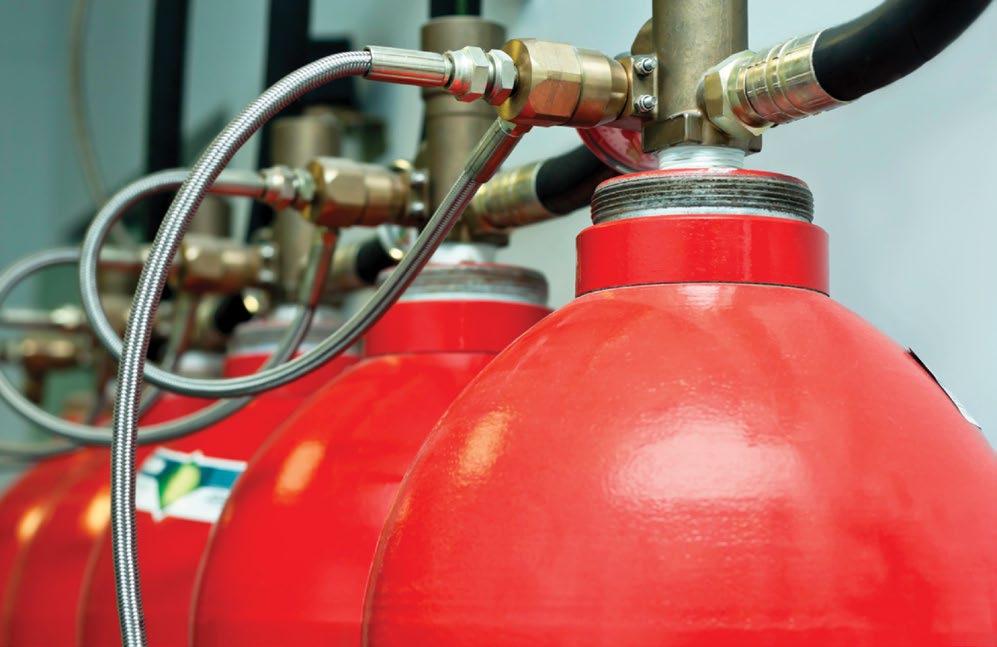

“Companies are focusing on sustainable manufacturing and responsible disposal
fire protection equipment and extinguishing agents can be recycled or disposed
Ricardo Fonseca, PWR Operations Manager
seamlessly with smart building and eco-friendly technologies, enhancing both sustainability and efficiency.
This also includes a greater focus on sustainable manufacturing and end-oflife disposal practices that ensure fire protection equipment and extinguishing agents can be recycled or disposed of responsibly.
Eco-friendly fire suppressants have been gaining traction as well, with alternatives to traditional agents like FM-200 and per and polyfluoroalkyl substance-containing firefighting foams becoming more prominent.
Of particular note are new inert gas and water mist hybrid systems, which combine the benefits of both technologies to provide highly efficient cooling and oxygen displacement. This efficiency makes them particularly effective for high-risk environments.
Fire Protection Technologies
Fire Protection Technologies is one company that has been a key player in this space, championing the technology for use in server rooms while advancing research and implementation of these hybrid systems to help industries meet
stringent environmental and safety requirements. Its efforts have focused on developing solutions that reduce water consumption while maintaining or exceeding the fire suppression capabilities of traditional systems.
Overall, the future of fire protection in Australia is undoubtedly leaning towards sustainability. Innovations in fire suppression technology, coupled with the phase-down of HFCs and CFCs under the Montreal Protocol, are driving the industry towards cleaner, more efficient solutions.
As fire protection professionals embrace these changes, they not only contribute to a safer environment but also play a crucial role in the broader effort to combat climate change. By prioritising sustainability, the fire protection sector can ensure that it meets the safety needs of today while contributing to the safeguarding of the planet for future generations.
PWR and Fire Protection Technologies’ recent commitments to cleaner agents reflect a broader industry movement towards more responsible and sustainable fire suppression systems. Recent collaborations with Rio Tinto also
practices, ensuring that
of properly.”
underscore the willingness of major corporations to commit to transition to cleaner alternatives, when shown the feasibility and effectiveness of such alternative agents.
The new standard
As regulations continue to evolve, companies across the fire protection industry feel confident in following both these companies’ leads in adopting innovative, eco-conscious solutions that balance safety with environmental responsibility, and help the transition away from scheduled agents like FM-200.
By championing the use of sustainable agents like IG-541 and hybrid systems, such as those consisting of inert gas and water mists, and by promoting best practices in life cycle management, these companies are not only ensuring compliance with regulations but are also setting a new industry standard for environmental stewardship in fire protection.
Visit the Fire Protection Industry (ODS & SGG) Board at www.fpib.com.au
PHOTO: FIRE PROTECTION INDUSTRY (ODS & SGG) BOARD
STANDARDS UPDATE
AUSTRALIAN STANDARDS AND TECHNICAL DOCUMENTS UPDATE
BD-012 Building commissioning
◆ AS 5342 Building commissioning is in drafting.
BD-111 Prefabricated building
◆ AS 5482 Pre-fabricated and modular building design and construction is in drafting.
CE-030 Maritime structures
◆ AS 4997-2024 Maritime structures closed for public comment on 17 December 2024.
EL-031 Alarm and electronic security systems
◆ AS/NZS 2201.1 Intruder alarm systems, Part 1: Client’s premises—Design, installation, commissioning and maintenance is in drafting.
FP-002 Fire detection, warning, control and intercom systems
◆ AS 7240.2 Fire detection and alarm systems, Part 2: Fire detection control and indicating equipment (ISO 7240-2:2017, MOD) closed for public comment on 3 January 2025.
FP-004 Automatic fire sprinkler installations
◆ AS 2118.4 Automatic fire sprinkler systems, Part 4: Sprinkler protection for accommodation buildings not exceeding four storeys in height is in drafting.
FP-011 Special hazard fire protection systems
◆ AS 6183 Fire protection equipment— Carbon dioxide extinguishing systems for use on premises—Design and installation (ISO 6183:2022, MOD), ballot closed on 23 December 2024.
FP-019 Passive fire protection
◆ AS 1905.1 Components for the protection of openings in fire-resistant walls, Part 1: Fire-resistant doorsets is in drafting.
FP-020 Construction in bushfire-prone areas
◆ AS 3959 Construction of buildings in bushfire-prone areas is resolving public comments.
◆ AS 5414 Bushfire water spray systems is in drafting.
◆ SA HB 208.1 Maintenance of construction in bushfire-prone areas, Part 1: Practitioners guide is in drafting.
◆ SA HB 208.2 Maintenance of construction in bushfire-prone areas, Part 2: Consumer manual is in drafting.
LG-007 Emergency lighting in buildings
◆ AS/NZS 2293.1 Emergency lighting and exit signs for buildings, Part 1: System design, installation and operation is in drafting.
◆ AS/NZS 2293.2 Emergency lighting and exit signs for buildings, Part 2: Routine service and maintenance is in drafting.
◆ AS/NZS 2293.3 Emergency lighting and exit signs for buildings, Part 3: Emergency luminaires and exit signs is in drafting.
ME-002 Gas cylinders
◆ AS 2030.1 Gas cylinders, Part 1: General requirements is in drafting.
◆ AS 2030.5 Gas cylinders, Part 5: Filling, inspection and testing of refillable cylinders is in drafting.
◆ AS 2337.1 Gas cylinder test stations, Part 1: General requirements, inspection and tests—Gas cylinders is in drafting.
ME-062 Ventilation and airconditioning
◆ AS/NZS 3666.1 Air-handling and water systems of buildings—Microbial control, Part 1: Design, installation and commissioning is in drafting.
◆ AS/NZS 3666.2 Air-handling and water systems of buildings—Microbial control, Part 2: Operation and maintenance is in drafting.
◆ AS/NZS 3666.3 Air-handling and water systems of buildings—Microbial control, Part 3: Performance-based maintenance of cooling water systems is in drafting.
◆ AS/NZS 3666.4 Air-handling and water systems of buildings—Microbial control, Part 4: Performance-based maintenance of air-handling systems (ducts and components) is in drafting.
JOINING TECHNICAL COMMITTEES
TECHNICAL DOCUMENTS
Below are the recently published technical documents that can be found on the FPA Australia website (www.fpaa.com.au):
◆ GPG-05 V1.1 Baseline Data for Routine Service of Fire Protection Systems
◆ GPG-04 V3 Fire Safety Statements— New South Wales
◆ IB-24 V1 External Doorways: FireResisting Doorset vs Normal Doors
◆ IB-20 V2 Emergency Plans—When Are They Required?
Previously published technical documents under review:
◆ GPG-01 V2 Specification and Application of Intumescent Coating Systems for Structural Steel
◆ IB-17 V2 Changes to note on AS 1530.4-2014 reference in the National Construction Code (NCC) 2019
◆ GPG-03 Adoption and Use of AS 1851-2012
◆ GPG-08 Residential Smoke Alarms.
New technical documents in progress:
◆ TAN-07 V1 Building Occupant Warning Systems and Intercom Systems
Product Standards—NCC DtS
◆ GPG-XX V1 Speaker Layout Guide
◆ GPG-11 V1 Fire Hydrant System
Ongoing Hydrostatic Testing
◆ GPG-XX V1 Emergency Planning and Training in Schools (including Kindergarten and Childcare Facilities)
◆ PS-10 Street Hydrants V1
◆ GPG-XX V1 Lithium Battery Energy Storage Systems (BESS) in BushfireProne Areas.
FPA Australia encourages members to join our Technical Advisory Committees. Engaging with these committees not only contributes to critical outcomes but also presents an excellent opportunity for professional growth and networking.
Are you interested in lending your expertise and insights on a committee?
Learn more on the FPA Australia website: www.fpaa.com.au
THE RIPPLE EFFECT OF MEANINGFUL SUPPORT
FPA Australia plunges to fundraise $20,000 for culturally safe guidance for Indigenous burn victims.
FOUNDATION
Burns are life-altering, causing immediate and long-term trauma to mind and body. They are among the most painful and complex injuries a person can endure. At the Fiona Wood Foundation, we know that every intervention from the moment of injury affects physical and psychological recovery. Through ongoing research, we strive to improve survival rates and longterm outcomes for burn survivors.
In 2024, our partnership with FPA Australia reached new heights as they formed their first-ever team for the Central Park Plunge. This challenge brings together 50 participants— including our research and clinical teams, burn survivors’ families, charity partners, and supporters—who abseil 130 m down Perth’s tallest building to make a difference.
We were thrilled to welcome six members—Pierrin Vogeli, Paul Waterhouse and Maria Kornakova (FPA Australia), Mal Cronstedt (Interchange WA), Kathryn Kinnear (Bio Diverse Solutions), and Jana Day (Windsor Management Insurance Brokers)—as Team FPA Australia. Some travelled across the country to participate, enjoying a unique aerial view of Perth before their exhilarating descent. Thanks to widespread support, they raised an impressive $20,000.
Funds from the Plunge directly support the development and distribution of 500 portable burn care orientation videos, providing culturally safe guidance for Aboriginal and Torres Strait Islander peoples in remote communities who need to be transferred to the Fiona Stanley Hospital (FSH) State Adult Burns Service.

Patient-driven mission
At the Fiona Wood Foundation, patients drive our mission. In partnership with the WA Burns Unit, we support initiatives that enhance accessible, culturally safe care and drive continuous improvements in burn treatment.
WA spans 2.5 million square kilometres—one-third of the Australian continent. Access to timely medical care remains a challenge in remote areas. Burn injury hospital admissions among Aboriginal and Torres Strait Islander peoples increased by 12.8% between 2021 and 2023. Limited specialist care can worsen burn severity, contributing to an injuryrelated mortality rate 1.5 times higher than in metropolitan areas.
For Aboriginal and Torres Strait Islander peoples, health encompasses physical, social, emotional, and spiritual wellbeing—interconnected with Country, kinship, and cultural knowledge. Culturally responsive burn care builds on these strengths, fostering resilience and improved outcomes.
Strengthening cultural safety
Tiffany and Karen support the State Adult Burns Service at FSH, ensuring patients’ perspectives, cultural strengths, and lived experiences are embedded in care. They shared the story of a woman from a remote north-east Kimberley community who suffered a severe burn but could not access treatment for three days due to limited local health services and transport.
When she finally reached a regional hospital, she was told she needed urgent surgery and would be
transferred to FSH in Perth. Having never heard of the hospital, she boarded the Royal Flying Doctor Service plane with only the clothes on her back. Multiple stops at regional centres prolonged an already distressing journey. By the time she arrived, her phone battery had died and she was physically exhausted, emotionally overwhelmed, and uncertain about what her care journey would involve.
Her experience, and those of others, highlighted the need to strengthen cultural safety during patient transfers. We developed an animated Welcome to Country and Burns Unit orientation video with the FSH Aboriginal Health Liaison and Social Work teams and Crawlin Crocodile.
To improve accessibility, we have purchased 500 portable video devices for distribution through Aboriginal Community Controlled Health Organisations, ensuring patients receive culturally appropriate information from the point of injury.
The initiative, Walban Nynoonang Maap Naar Nidjak—Heal Your Skin
Burn Here, is visually represented through Ron Gidgup’s artwork:
feet symbolise Mob’s journey to the Burns Unit at FSH
colours reflect the diverse shades of skin within Mob
wriggly lines represent changes in burned skin
the red line signifies blood flow, renewal, and healing.
For more information on the Fiona Wood Foundation, visit www.fionawoodfoundation.org.au
FIONA WOOD
Members of Team FPA Australia take the Central Park Plunge in Perth to raise funds for the Fiona Wood Foundation.
PHOTO: FPA AUSTRALIA

MAYMAY7-87-8 MAY 7-8
MAYMAY7-87-8 MAY 7-8

550+ TOP-LEVEL SPEAKERS
50+ CPD SESSIONS WOMEN IN CONSTRUCTION NETWORKING 550+ 550+ 550+
25,000+ ATTENDEES STAR-STUDDED SPEAKERS COCO-LOCATED CO-LOCATED -LOCATED
15 CONFERENCE STAGES

600 EXHIBITORS
LIVE MUSIC & ENTERTAINMENT NETWORKING PARTIES


SENIOR REPRESENTATIVES FROM ARUP | AECOM | 3XN | ARCADIS | AURECON | AUTODESK | ARCHITECTUS | ACCIONA | BESIX WATPAC | BRYDEN WOOD | BVN | BUILT | BUILDING COMMISSION NSW | CPB CONTRACTORS | FREYSSINET | GENSLER | GHD | HANSEN YUNCKEN | I2C ARCHITECTS | JACOBS | JOHN HOLLAND | LANDCOM | LENDLEASE | MACE GROUP| MCGREGOR COXALL | MOTT MACDONALD | NSW PUBLIC WORKS | RICHARD CROOKES CONSTRUCTIONS | RICS | RSHP | WEBUILD | WOODS BAGOT | WSP | WT AUSTRALIA & MANY MORE. ANANUNMISSABLE ANUNMISSABLE UNMISSABLE 22DAYS 2DAYS DAYS CONFERENCE & WORKSHOP STAGES 151515
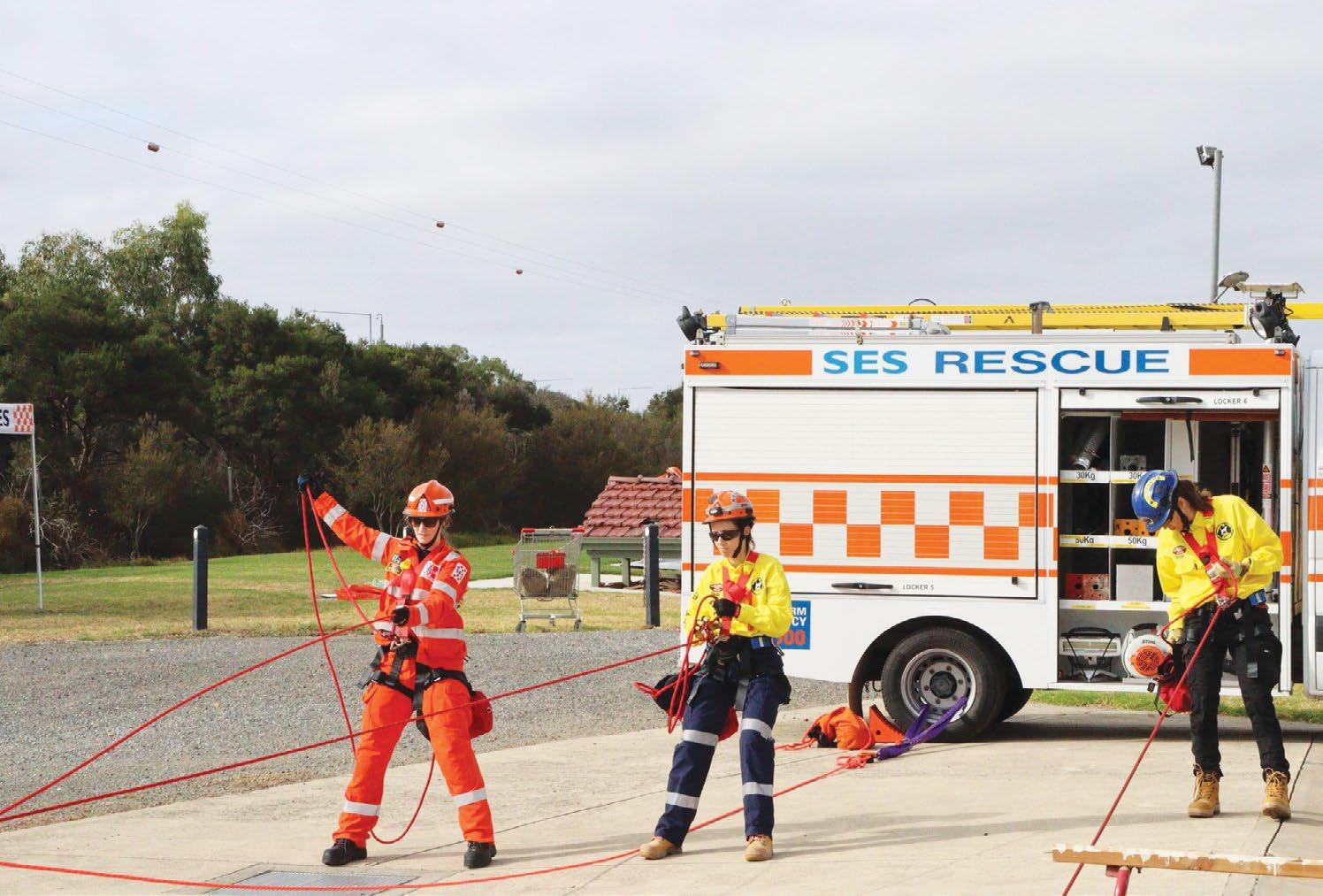
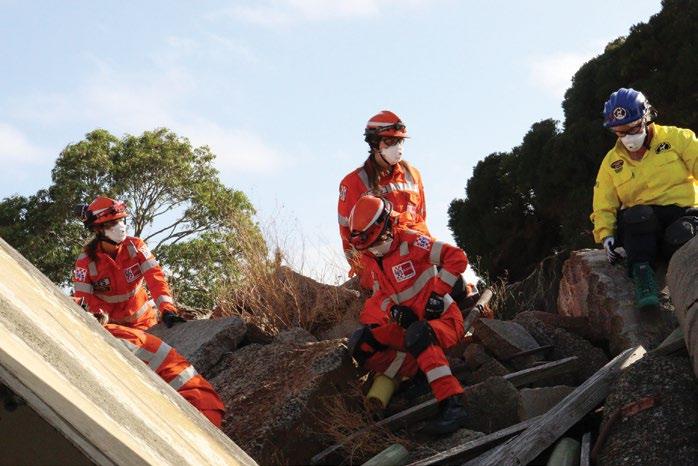
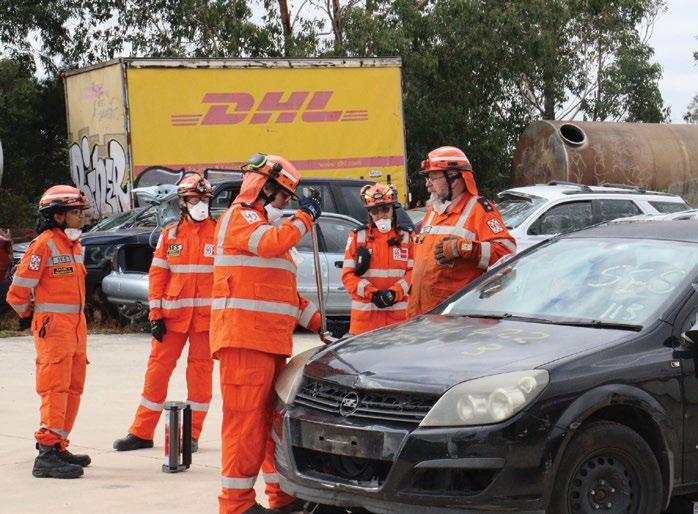
VICSES’S WOMEN IN RESCUE GOES FROM STRENGTH TO STRENGTH
Female and gender-diverse volunteers from Victoria State Emergency Service (VICSES) united on 1 March for seven simultaneous training events across the state as part of the ever-expanding Women in Rescue initiative.
Now in its eighth year, Women in Rescue was founded in 2018 by female volunteers for female volunteers, and has grown significantly, with this year marking its largest event yet.
Women in Rescue is a hands-on training event designed to empower women in emergency operations. Volunteers gain experience using tools and equipment, refine their rescue skills, build confidence, and collaborate in a supportive environment.
The event promotes gender diversity within VICSES while encouraging recruitment and retention of female volunteers. Currently, women make up nearly 34% (1,689 out of 5,002) of VICSES’s volunteer base, and the organisation aims to increase that number to better reflect the communities it serves.
VICSES Interim CEO Kate White said the event demonstrated how extraordinary female first responders handle highly complex and challenging incidents.
“Women in Rescue is all about
sharing knowledge and refining rescue techniques. The skills learned here will be taken back to units across the state, strengthening our overall capability,” she said.
“This year’s event is bigger than ever, and it’s fantastic to see more women and gender-diverse volunteers come together to train, collaborate, and build on their skills.” The focus of the day was practical, skills-based training, with exercises covering a wide range of emergency rescue response scenarios.
The Women in Rescue training events were held simultaneously in Bangholme, Knox, Huntly, Seymour, Ballan, Sale, and Penshurst.
The event followed a demanding 2024, where VICSES volunteers received a yearly total of 44,380
requests for assistance across the state on the back of a number of storms and road rescues.
VICSES takes pride in the dedication and expertise of its female and gender-diverse volunteers, who play a vital role in emergency response and community safety.
Overall, VICSES volunteer numbers have grown in Victoria in each of the past two years, but more are still needed to ensure we can meet the growing needs of our communities.
For those interested in joining VICSES or learning more about becoming a volunteer, visit www.ses.vic.gov.au/join-us
“Women in Rescue is all about sharing knowledge and refining rescue techniques. The skills learned here will be taken back to units across the state, strengthening our overall capability.”
Kate White, Interim CEO, VICSES
More than 360 VICSES members took part in Women in Rescue 2025 across seven different locations. PHOTOS: VICSES
BLAST FROM THE PAST
SCHOOL FIRE TRAGEDY
Students, teachers killed while attempting to flee burning building.
COLLINWOOD, OHIO, 1908
Lake View Elementary School was located in the village of Collinwood, just outside Cleveland, Ohio, near the shore of Lake Erie. It was the scene of one of the deadliest school fire disasters in US history, claiming the lives of 172 students and two teachers.
Construction of the building was typical of the day: brick piers with 300 mm exterior walls and 300 mm interior walls rising to the attic, ordinary timber and joist framework, lath and plaster walls, ceilings of tongue-andgroove boards, and a gable hip slate roof on wood sheathing. It stood by itself with no external exposures.
The primary exits were two separate winding stairwells 1.5 m wide that discharged on the ground floor through doors that led to the front and rear main doors. Significantly, the main doors were partly restricted by their own foyers, which contained partitions to support doors and doorframes. An exterior fire escape provided additional means of escape and served the lower floors and a third-floor gymnasium.
Fire drills were reportedly held regularly using the two primary stairwells but not the exterior fire escape. At least one fire drill had been held during the first two months of 1908.
About 9.30 am on 4 March 1908 (ironically, Ash Wednesday), a fire started somewhere below the front stairs, near a closet in which various supplies were stored. The closet had no electricity but there were steam pipes running through it. It was theorised that the fire was the result of prolonged contact between the main steam pipe and wood joists in an area
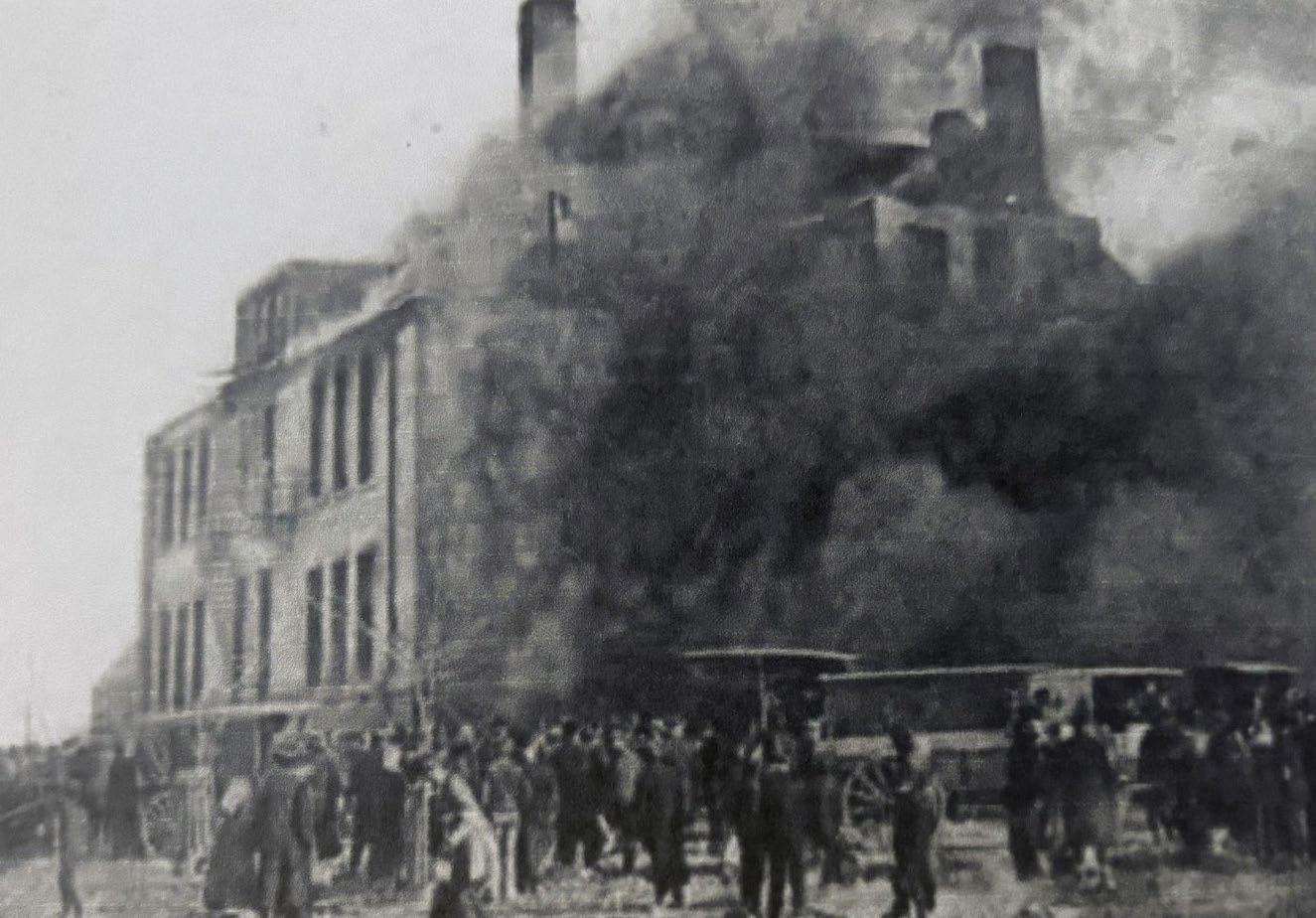
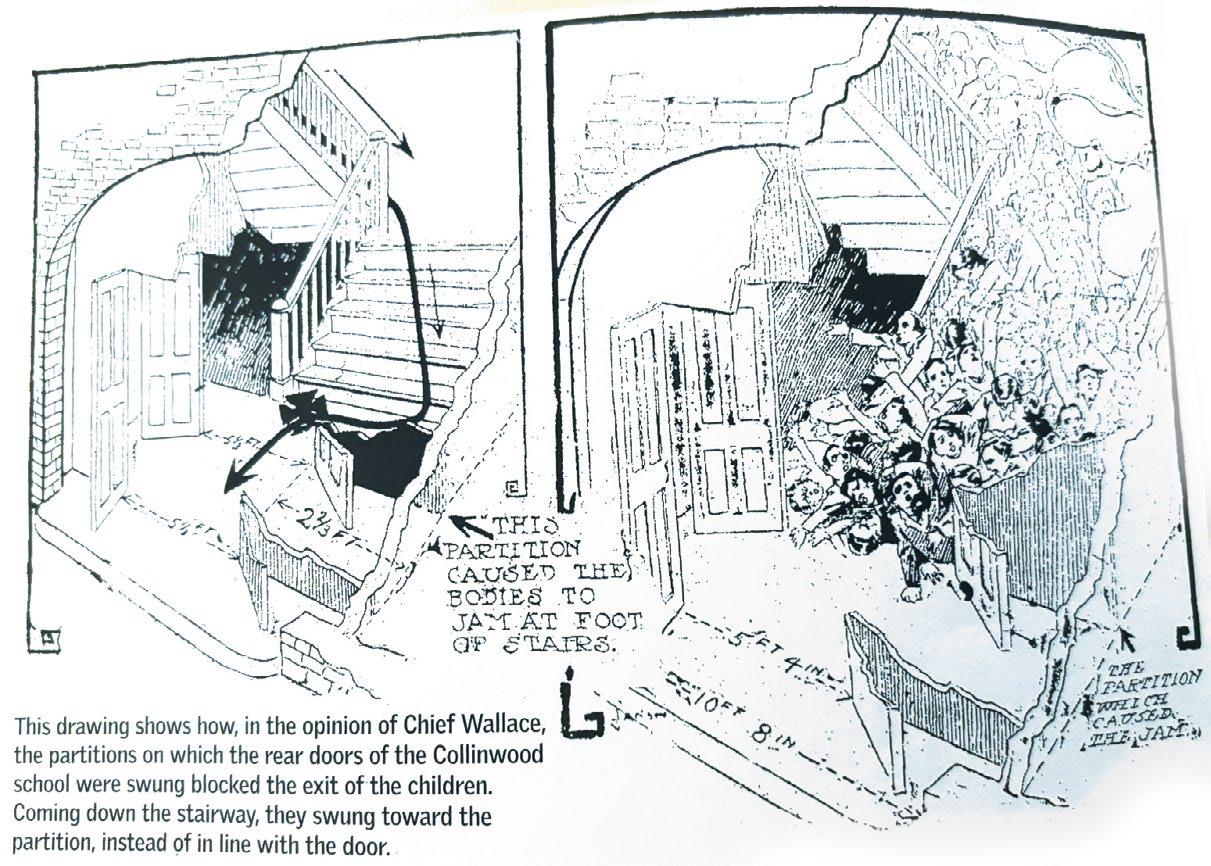
partially concealed behind the closet.
As the evacuation bells rang, the students lined up in each classroom to file out, as they had been trained to do in previous fire drills. Many thought it was just another drill, but when the classroom doors opened into common areas rapidly filling with smoke, they realised it was not.
As the growing heat and choking smoke quickly made the stairs impassable, the students’ orderly march began to disintegrate and they rushed towards the rear stairwell exit.
As more older students joined the rush, they quickly overwhelmed the rear stairwell’s capacity. With safety in sight, the younger students ahead of them stumbled and fell, causing a
pile-on that blocked the exit. The older students pushed forward and climbed over their schoolmates, leading to a tragic, tangled mass of bodies.
Many changes were made in the aftermath of this tragedy. In the US, one of the single greatest advances in modern fire protection was the development of the NFPA 101 Life Safety Code®, first published in 1912 as Exit Drills in Factories, Schools, Department Stores and Theatres
Although NFPA 101’s genesis is rooted directly in the Triangle Shirtwaist Factory fire in 1911, the need to respond to other disasters, such as the Lake View school fire, also had a strong influence, as reflected in the original title.
BARRY LEE OAM
1. Firefighters and horsedrawn engines were no match for the inferno.
PHOTO: CLEVELAND ARCHIVES
2. A vestibule narrowed by partitions created a bottleneck that became impassable when students fell.
PHOTO: NFPA
QUEENSLAND MAKES PROGRESS ON LICENSING ISSUES
More time to meet new fire protection licensing rules granted.
CHRIS LEES
Queensland and NT State Manager, FPA Australia
It has been a busy start to 2025 for Fire Protection Association Australia in Queensland.
Issues with licensing have long been a hot topic for our members in the Sunshine State and, with a new government in Queensland, we have made some headway.
Thanks to work from a large variety of people, including our Queensland state committee, several changes to the qualifications people need for their fire safety licences have been postponed.
Minister for Housing and Public Works Sam O’Connor MP announced on 10 February that the government would provide more time to meet new fire protection licensing rules to minimise disruption to important work.
This is welcome news for many people in the fire industry and FPA Australia will continue to advocate for a longer-term solution to this problem.
Building Ministerial Advisory Council
FPA Australia was also invited to take part in the first Building Ministerial Advisory Council, which was chaired by Mr O’Connor.
FPA Australia Queensland State Manager Chris Lees attended the meeting, which hosted many of the peak bodies in the building and construction industry.
The Department of Housing and Public Works confirmed during the meeting that all the impending changes to licensing requirements due to start in May this year had been postponed.
The forum provides an opportunity to hear direct from the government and other industry bodies about the challenges and opportunities for the sector, and gives FPA Australia and its members an important seat at the table to express our point of view directly to the government.
No date has been set for the next meeting, but we are continuing to actively engage with the government through ministers, relevant
departments, and the Queensland Building and Construction Commission.
Local government engagement
FPA Australia has also connected with the Local Government Association of Queensland (LGAQ) to ensure we are able to work together on maintaining and improving our relationships with councils throughout the state.
Much of the discussion centred around bushfire management plans and some of the concerns our members and state committee have raised.
Working together constructively is incredibly important, which is why FPA Australia will continue to engage with LGAQ moving forward.
Local government is also heavily involved in other aspects of fire protection, so we will continue to ensure we are working towards building a constructive relationship now and into the future.
Other advocacy work
We are continuing to work with Master Electricians Australia to ensure subcontractors’ payment security is addressed.
This is a real issue that impacts a large part of the building industry, including the fire safety sector.
We encouraged our members throughout Australia to fill out a survey run through Master Electricians Australia, which will be used to ensure relevant stakeholders are aware of any potential issues the industry is facing.
Legislation update
The Queensland Parliament debated the establishment of the Queensland Productivity Commission. This bill passed the parliament on 12 March and its first order of business is a review into the building and construction industry to identify opportunities to boost productivity.
The terms of reference for the review have not yet been released but this is expected to happen in the short term, along with the members appointed to the Queensland Productivity Commission.
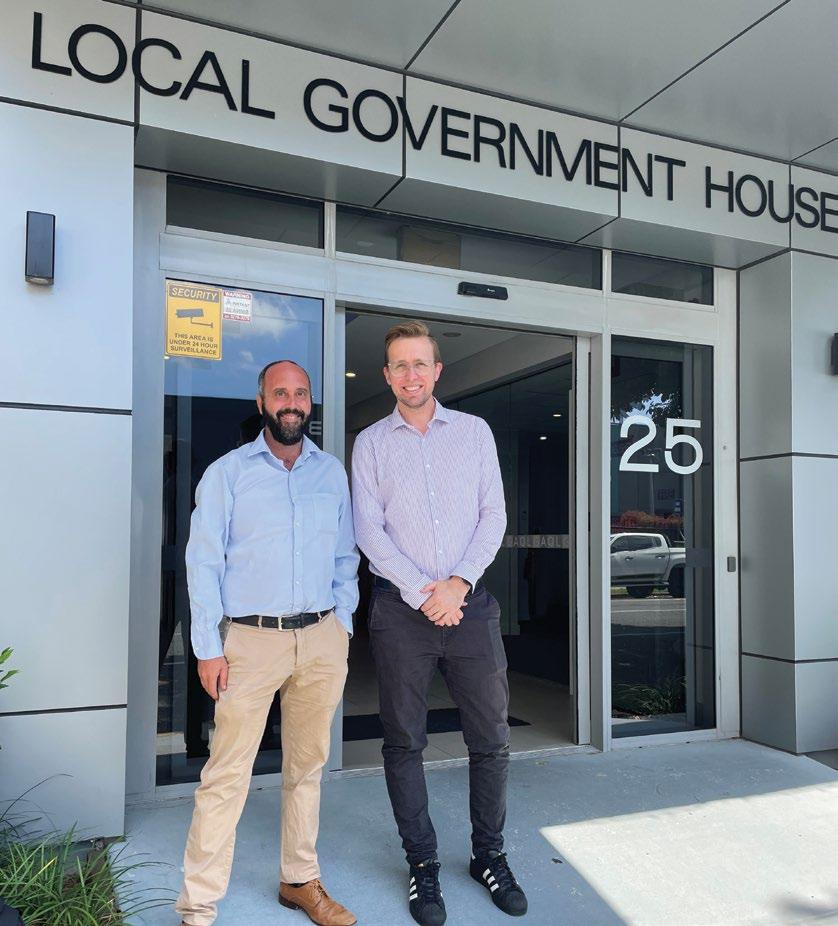
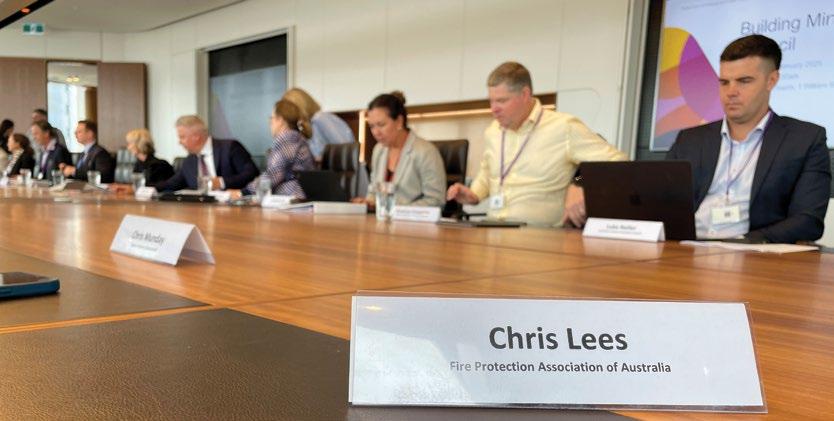
Queensland Committee established
The first meeting of the new Queensland Committee took place in the first week of February. We welcomed several returning members, as well as some new faces with a range of experiences and expertise.
Frank Passmore was returned as chair of the committee unopposed, as was David Hayes as deputy chair.
The Queensland Committee has resolved to meet once a month and FPA Australia will continue to work with its members to ensure we progress and address the issues that matter to our industry.
Top: Chris Lees from FPA Australia and Benton Wecker from LGAQ. Above: FPA Australia Queensland State Manager Chris Lees attended the Building Ministerial Advisory Council meeting, which hosted many of the peak bodies in the building and construction industry. PHOTOS: FPA AUSTRALIA
MOVERS AND SHAKERS

MELISSA HARRIS PSM
Melissa Harris was appointed CEO of Geoscience Australia in February 2025. She is an experienced public servant and was previously a senior executive with Land Use Victoria for more than six years.
Ms Harris was appointed Chief Executive and Registrar of Titles in 2020. She received a Public Service Medal in 2023 for outstanding public service and transformation of geospatial, planning, and land administration in Victoria.
PAUL SEAGER
Paul Seager has been appointed Deputy Chief Officer of the SA Country Fire Service, commencing April 2025. He is a former CFS volunteer in various locations around SA.
Mr Seager is currently an Assistant Commissioner with the NSW Rural Fire Service and has a long career working in fire response and management. His professional journey encompasses more than 30 years with the NSW Department of Planning, Industry and Environment and the SA Department for Environment and Water. He holds highly sought Incident Controller Major Incident accreditation and recently led a full Incident Management Team to Canada as part of an Australian contingent supporting that country’s authorities in managing wildfires.
KAYLENE JONES
Kaylene Jones has been appointed Chief Officer of the Queensland Rural Fire Service. Chief Officer Jones brings a wealth of experience and expertise to her new role, coming from the Country Fire Authority Victoria, where she held the role of Deputy Chief Officer for Operational Performance and Capability.
With more than 19 years of executive and operational leadership, she has held senior roles with the Victorian Department of Health, Emergency Management Victoria, and the NSW State Emergency Service, where she led significant projects such as the NSW SES Fleet Replacement Program and the Victorian Emergency Management Legislation Amendment reforms.
TREVOR HOWARD
Trevor Howard has been appointed President of the International Association of Wildland Fire (IAWF), replacing outgoing president Kelly Martin. He has held previous roles with IAWF, including Vice-President, and has been a Board member since 2022.
Mr Howard possesses a wealth of knowledge and expertise that spans various regions of Australia. His leadership as the National Manager of Prescribed Burning Strategy at AFAC has significantly advanced national capabilities in prescribed burning, showcasing Australia’s ability to drive positive change within communities and with practitioners.

ROB PURCELL
Rob Purcell has been appointed CEO of the Victoria State Emergency Service, commencing 11 March.
Most recently the Director of Emergency Management and Business Continuity at The Royal Children’s Hospital, Mr Purcell started his career at the Metropolitan Fire Brigade (now Fire Rescue Victoria) in 1989 and has held key leadership roles including Assistant Chief Fire Officer, Director of Community Resilience and Emergency Management, and Acting Deputy Chief Fire Officer. Mr Purcell was also previously the Head of Aerodrome Services and Chief Fire Officer of the Aviation Rescue Fire Fighting Service at Airservices Australia.
Wayne Snell has commenced the role of Chief Officer, NT Emergency Service (NTES), following an extensive merit-based selection process. His appointment brings stability and renewed energy to NTES, particularly following its transition to NT Fire and Emergency Services (NTFES) in 2024.
With more than 35 years of emergency management and leadership experience, Mr Snell has held senior management roles both nationally and internationally for more than 20 years. His career includes prominent positions at the Australian Civil-Military Centre, the North Atlantic Treaty Organization (NATO), and as Commander of the NSW State Emergency Service, State Operations.
Mr Snell succeeds Fleur O’Connor, who has made invaluable contributions to NTES during her time as Chief Officer.
WAYNE SNELL
NEW BOARD APPOINTMENTS
Meet the FPA Australia Board President and Vice-President

FPA AUSTRALIA BOARD PRESIDENT
Russ Porteous has been elected to the role of FPA Australia Board President. This comes after FPA Australia Board Director and Vice-President Tess Wardle offered her resignation to focus on personal and business interests. Her decision to step away, combined with emerging shifts in the most urgent needs of the fire protection industry, presented an unexpected opportunity for the Board to reconsider the role and responsibilities of its leadership team.
Mr Porteous brings 35 years of relevant industry experience, having served with Wormald International and Tyco before founding Melbourne-based fire safety consultancy Firewize. He combines deep technical and regulatory expertise with a passion for innovation and advancing the industry.
“As we navigate a rapidly changing landscape, FPA Australia must continue to lead with innovation, collaboration, and a steadfast commitment to fire safety,” Mr Porteous said.
“I look forward to working with our members, government, and industry partners to drive meaningful change—leveraging technology, education, and best practices to ensure a safer built environment for all Australians.”
The Board is extremely grateful to its immediate past president David Boverman for his contribution, and is pleased that Mr Boverman will remain on the Board as a director, advocating for members, industry professionalism, and diversity.
“As we navigate a rapidly changing landscape, FPA Australia must continue to lead with innovation, collaboration, and a steadfast commitment to fire safety.”
Russ Porteous, FPA Australia Board President

FPA AUSTRALIA VICE-PRESIDENT
Bob Grieve has been elected Vice-President of the FPA Australia Board. He brings a wealth of experience in the fire protection and electrical industries, with a career spanning several decades.
Mr Grieve is the founder of Delta Fire Australasia, which specialises in special hazards and pre-engineered systems. Under his leadership, Delta Fire has become a prominent player in the fire protection industry. Mr Grieve has also been a member of FPA Australia since 2001, contributing to the industry’s standards and development. With a proven track record in fire protection, project management and leadership, Mr Grieve continues to be a key figure in the sector, and is committed to providing innovative and reliable fire safety solutions.
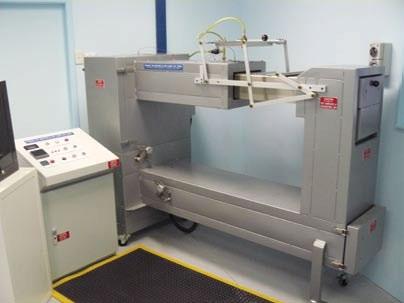
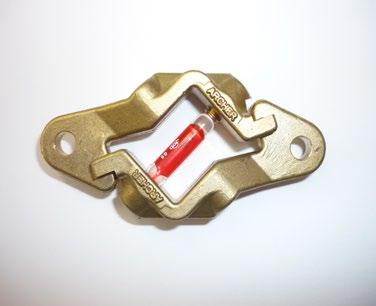
CALENDAR

FIRE AUSTRALIA 2025 CONFERENCE
13–15 May 2025
International Convention Centre, Sydney
One of the most important conferences on the fire protection industry calendar, Fire Australia, returns to Sydney on 13–15 May 2025.
This two-day event brings together leading presenters from Australia and overseas, offering some of the most up-to-date and inspiring content, highlighting innovative solutions to the industry’s challenges, and showcasing an impressive array of new services and technology.
The program offers different streams of content, from the political to the practical, giving delegates an opportunity to learn new things and earn continuing professional development points in the process.
The Tradeshow Hall will showcase some of the best fire protection solutions the industry has to offer, and exhibitors will be delighted to demonstrate their innovations.
In 2025 the Fire Australia Conference and Awards Gala Dinner will be held in the Grand Ballroom at the Fullerton Hotel Sydney, where we will celebrate the best in the fire protection industry. It will be an evening full of entertainment, unexpected surprises, and opportunities to share a drink, network, and maybe even a dance with your industry colleagues.
For more information, go to: fireaustralia.com.au
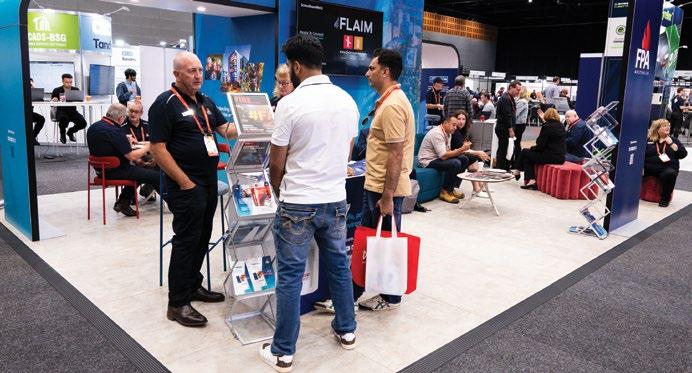
JOINT EDITORS
SAMANTHA BRENNAN
(FPA AUSTRALIA)
Tel +61 472 581 515
samantha.brennan@fpaa.com.au
ALANA BEITZ (AFAC)
Tel +61 3 9418 5233 alana.beitz@afac.com.au
LESSONS MANAGEMENT FORUM 2025
20–22 May 2025
Wellington, New Zealand
The Lessons Management Forum provides an opportunity for lessons management practitioners, those interested in this area, and those new to the area, to share good practice, learnings, and innovations.
Participants take part in a broad range of presentations and workshops from various jurisdictions and organisations, including military, health, and fire and emergency services. The program explores sharing lessons, including insights and lessons identified from experiences in an operational context. This may include outcomes from debriefs and outcomes from significant events.
AFAC25 CONFERENCE AND EXHIBITION POWERED BY INTERSCHUTZ
26–29 August 2025
Perth Convention and Exhibition Centre
AFAC25 Conference and Exhibition powered by INTERSCHUTZ is Australasia’s largest and most comprehensive emergency management conference and exhibition. It is brought to you by AFAC, Deutsche Messe, the Institution of Fire Engineers (Australia), Women and Firefighting Australasia (WAFA), and Australian Institute for Disaster Resilience (AIDR).
The AFAC24 Conference and Exhibition attracted record attendance of more than 4,600 emergency management personnel.
On rotation around Australia’s states, AFAC25 returns to Perth after seven years, hosted by the Department of Biodiversity, Conservation and Attractions, and Department of Fire and Emergency Services.
For more information, go to: afacconference.com.au

FIRE PROTECTION ASSOCIATION
AUSTRALIA (FPA AUSTRALIA)
ABN 30 005 366 576
PO Box 1049
Box Hill VIC 3128
Australia
Tel +61 3 8892 3133
Fax +61 3 8892 3132 magazine@fpaa.com.au www.fpaa.com.au

AFAC
ABN 52 060 049 327
Level 1, 340 Albert Street
East Melbourne VIC 3002
Australia
Tel +61 3 9419 2388
Fax +61 3 9419 2389 afac@afac.com.au www.afac.com.au
FPA AUSTRALIA EVENTS
FPA Australia runs technical events catering to the fire protection industry on a range of relevant and interesting topics. Covering the whole of the sector— wet systems, dry systems, passive fire, mechanical fire protection, special hazards, bushfire, and emergency planning— these seminars and webinars provide useful opportunities for practitioners to pick up continuing professional development points.
Presented by leading experts, our seminars and technical webinars provide all the information you need about relevant fire safety topics.
For a full list of upcoming events, visit: fpaa.com.au/events
To catch up on some of our previous events, visit FPA Australia+, where you can access technical content in your own time and at your own leisure, without having to interrupt your workday. Visit fpaaplus.com.au to browse our recorded webinars.
TO SUBMIT A CONTRIBUTION OR TO ADVERTISE IN FIRE AUSTRALIA, PLEASE CONTACT:
SAMANTHA BRENNAN FPA AUSTRALIA
TEL +61 472 581 515
samantha.brennan@fpaa.com.au
PRODUCTION AND DESIGN:
CORETEXT
Tel +61 3 9670 1168 www.coretext.com.au


Specialised insurance cover for Fire Protection Professionals
As a trusted partner of Fire Protection Association Australia, Windsor Management Insurance Brokers provides tailored insurance solutions for fire protection professionals like you.
In your line of work, having the right insurance is essential to protecting yourself, your team, and your business from the unique risks of the industry. At Windsor Management Insurance Brokers, we carefully review your business needs and recommend appropriate solutions to ensure you’re fully covered.
We offer a range of insurance options, including:
• Public liability
• Professional indemnity
• Contract works
• Management liability
• Business insurance
• Motor fleet
• Tools of trade
• BPAD-specific insurance
• Other industry-specific insurance
Gold Member of FPA Australia
Dedicated Insurance Team
NSW, ACT, WA, TAS, QLD & NT.
Jana Day Account Manager (02) 8732 8501 / 0499 224 024 jday@wmib.com.au
SA.
John Mangos Account Manager (03) 9320 8544 / 0438 333 886 jmangos@wmib.com.au
VIC.
Danny Gasbarro Account Manager (03) 9320 8542 / 0439 003 363 dgasbarro@wmib.com.au