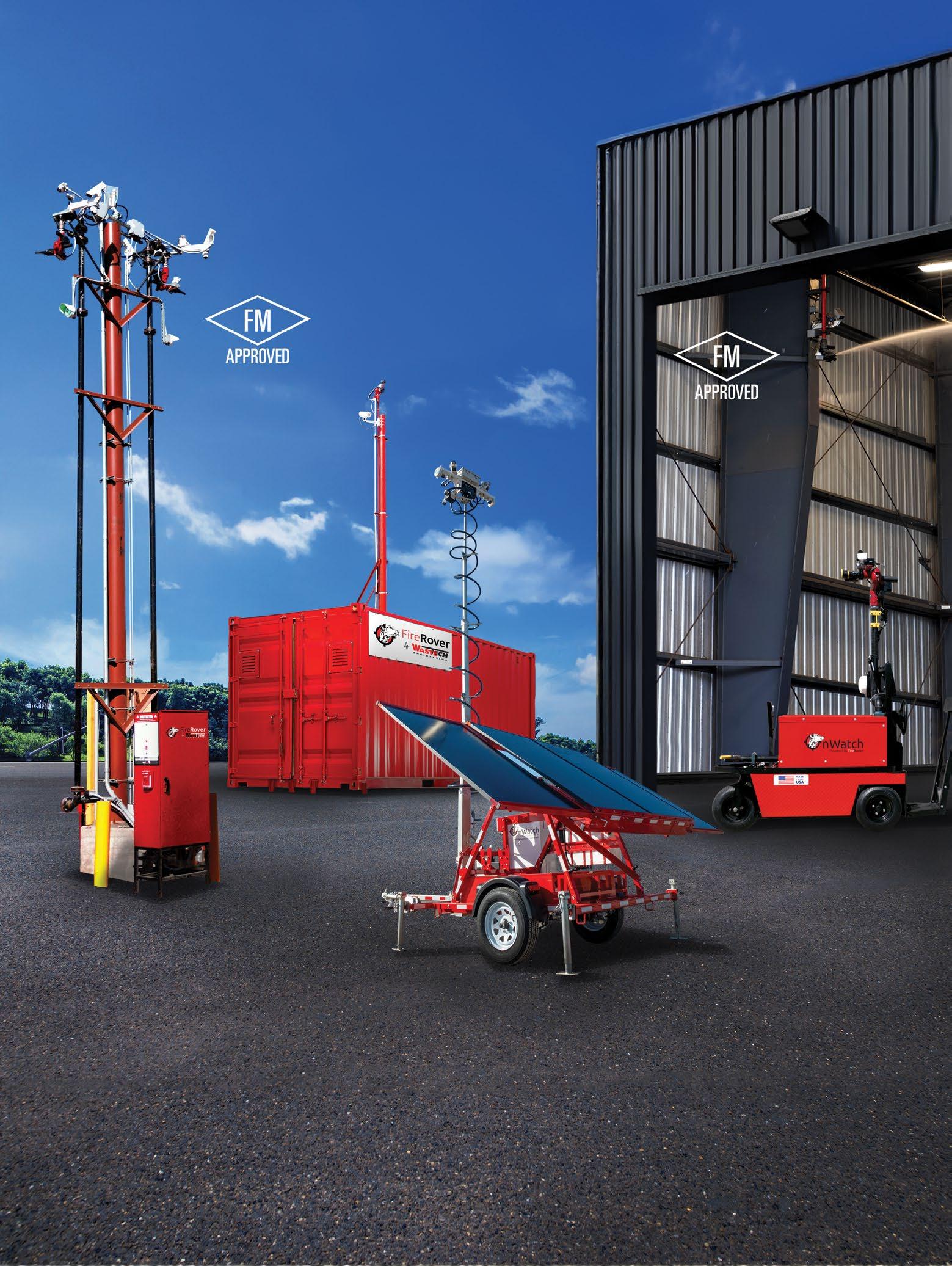


















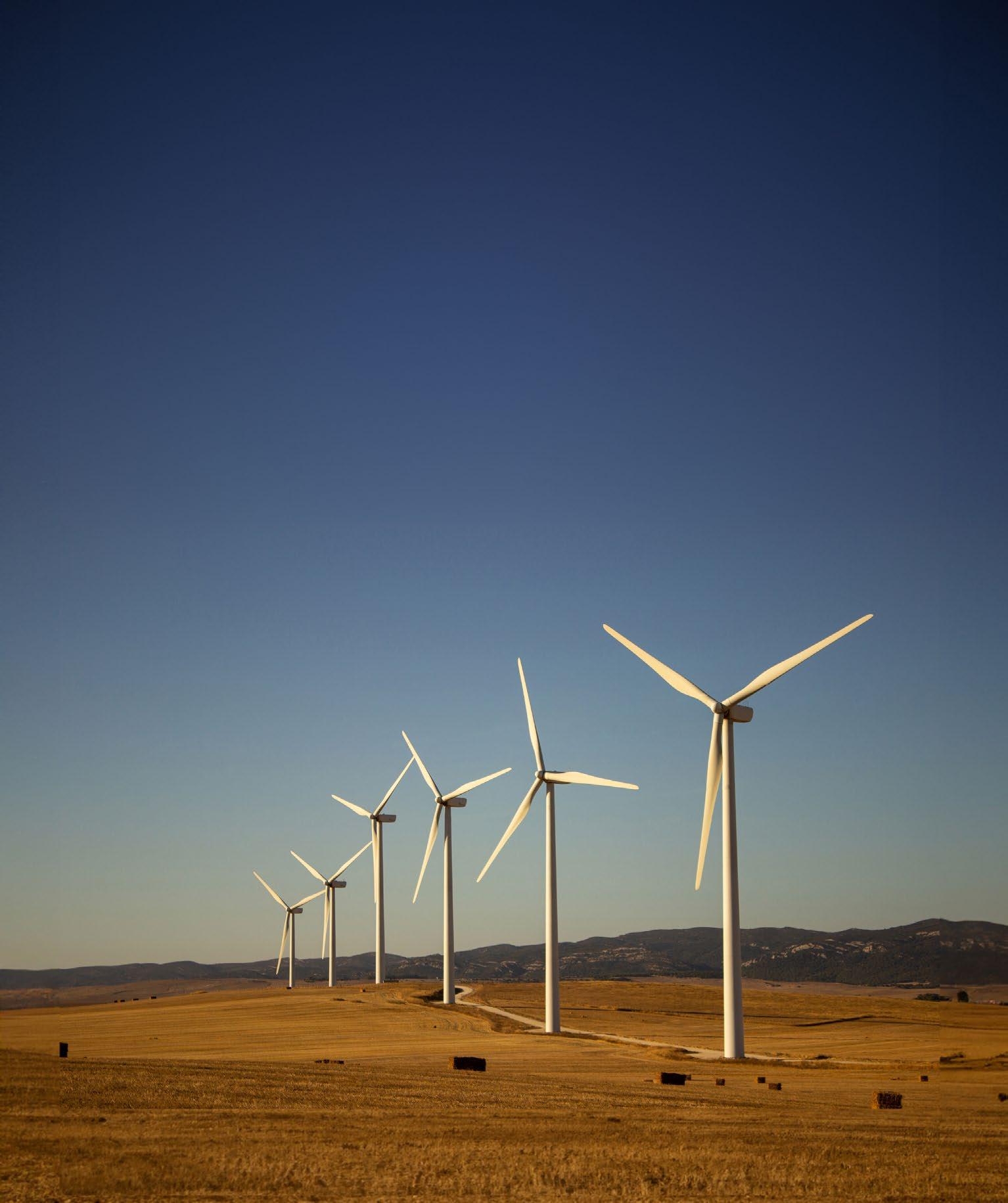
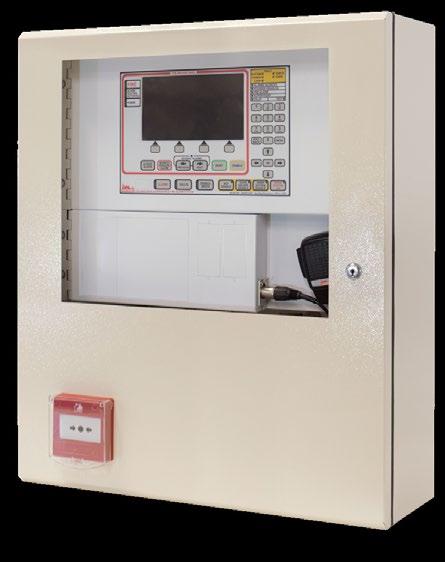
The same Pertronic technology that detects fire in commercial buildings, motorway tunnels and underground railways, also protects wind turbines. Now
Active, networked fire protection
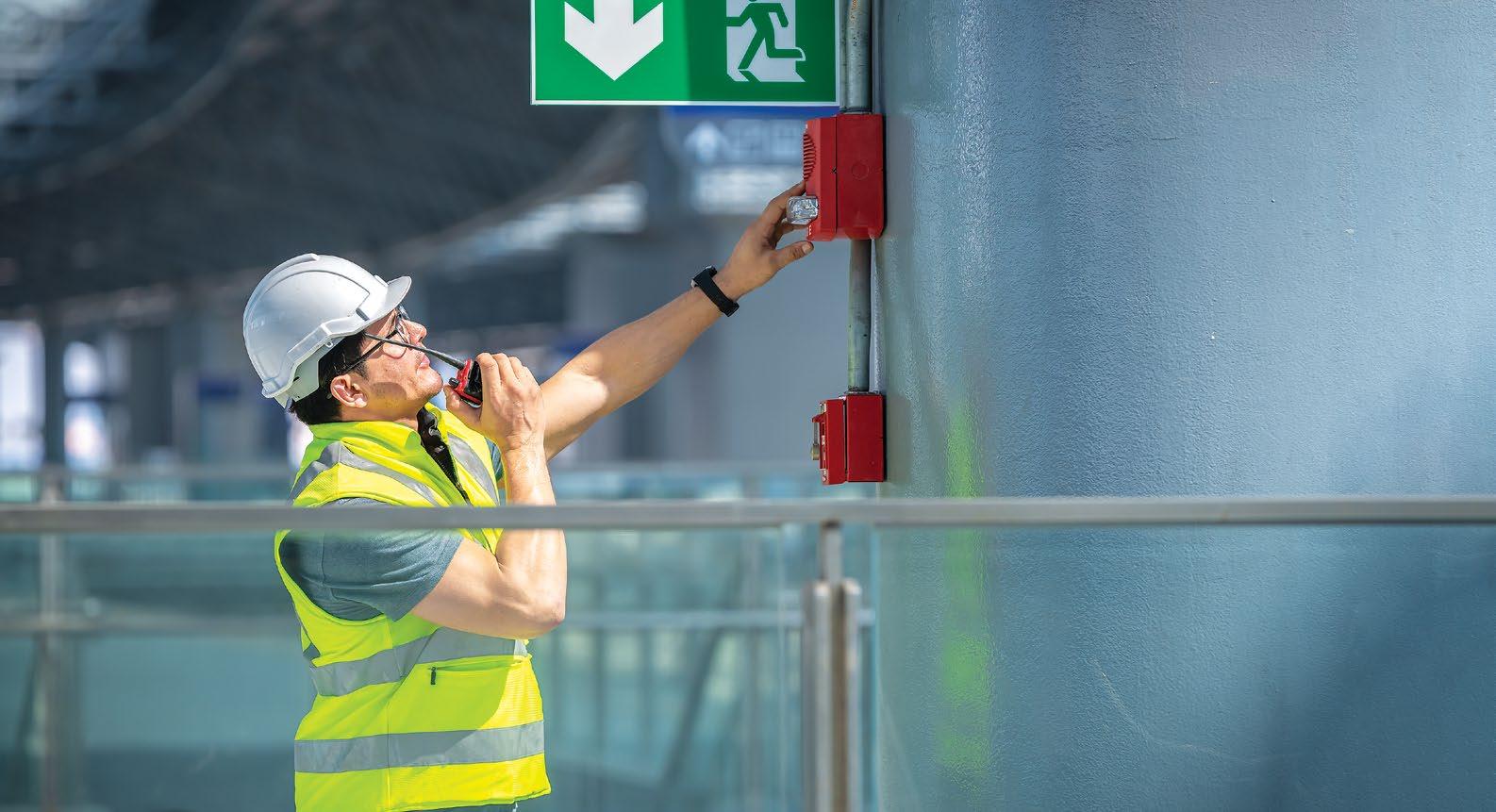
Up to 160 Pertronic F220 panels can be networked, observed and controlled from a central point. Panels detect fire instantly and quickly trigger alarms and fire suppression systems, including:
• Aerosol-based
• Clean agent
• Carbon dioxide
• Water-based
• Wind turbine shut-down
www.pertronic.com.au
As we move through the second half of 2025, it’s clear that conversations across our industry are shifting, and that FPA Australia is right where we need to be: driving that change and shaping the future of fire protection in Australia.

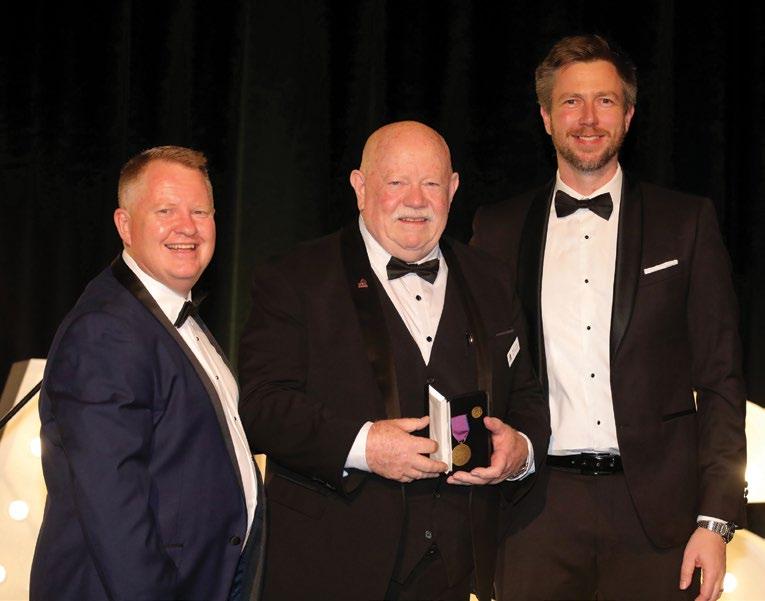
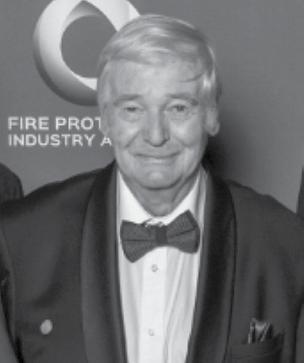
Fire Australia 2025 is now behind us, and what an event it was. We saw record attendance across the trade show, conference sessions, and gala dinner. A standout moment was awarding the Honorary Life Membership to Bob Grieve—a welldeserved recognition for a remarkable career dedicated to fire protection in Australia.
This year marks 65 years since FPA Australia was founded. It’s a legacy to be proud of, but it also carries responsibility to ensure our sector is prepared for future challenges and to continue advocating for a safer, more professional, and better-connected industry.
Over recent months, we’ve made significant progress. Our Have your say with FPA Australia roadshow took me across the country to meet hundreds of members face-to-face. The honest feedback and insights reinforced that improving competency, training access, and technical support is key to lifting standards and delivering better community outcomes.
Internationally, we’re strengthening our influence. I recently met with the US National Fire Protection Association (NFPA) leadership team to finalise the outcomes of our new Memorandum of Understanding (MoU). This partnership will provide FPA Australia members greater access to world-leading NFPA content, training, and expertise—ensuring Australian practitioners remain aligned with global best practice.
Our partnership with Natural Hazards Research Australia (NHRA) is also progressing. At the recent Natural Hazards Research Forum in Adelaide, we worked to align our collaboration with NHRA’s national agenda. It’s critical that industry knowledge informs research priorities, and equally essential that research outputs translate into practical outcomes for our members and the community.
At home, we’re evolving our offerings to reflect industry needs. This includes strengthening our Affiliate Program to drive fire safety awareness among building owners, managers, and end users, and supporting recognition of qualified providers. We’re also turning our MoU with the Firestop Contractors International Association into tangible benefits for Australia’s passive fire protection sector, with our first national Passive Fire Industry Roundtable held in July.
All of this contributes to our broader vision—one where FPA Australia stands as the trusted centre of expertise for fire protection. Through our Directions 28 strategy, we remain focused on services, advocacy, collaboration, and support that helps members navigate complexity and contribute to safer communities.
Thank you for your continued support.

Fire Australia is a joint publication of Fire Protection Association Australia and AFAC. We aim to bring the latest news, developments, and technical information to the fire protection industry, fire and emergency services organisations, and hazard and emergency management agencies. Fire Australia is produced quarterly and distributed throughout Australia and New Zealand. Editorial submissions and letters to the editor are welcome and can be sent to magazine@fpaa.com.au. For more details on submitting a contribution, please contact the editors.
To advertise in Fire Australia, contact: Huda Sharaia, magazine@fpaa.com.au FPA Australia, PO Box 1049, Box Hill VIC 3128, Australia
Building a robust construction industry
Affiliate community extends industry support
Eyes on the world
Reflections on transitioning from response to recovery
New registration requirements for WA fire systems engineers
A new approach to bushfire season 16
Transforming fire protection: how software is addressing industry challenges 18 And that’s a wrap: award winners 23
Celebrating 65 years of FPA Australia
Proud, but not finished 25 On board for a safer Australia 26 Proud to be lifers
28 Fire Protection Association Australia: a brief history 39 State committees
Bushfire Planning and Design 42 Our managers today
Huge change over 50 years
Fire protection in 2050 48 From local insights to global impacts: explore the AFAC25 program 51 National aircraft in action—Australia’s dangerous weather season 54 Maintaining smoke control systems: dampers 55 A new era in industrial fire protection
56 Our glorious pioneers
59 ‘Fastest water’ the best solution
60 Aus WTREX sparks global cultural exchange 62 BPAD a great start, but there’s more to be done
63 Partnership helps burn survivors recover and thrive 68 Milestones worth celebrating REGULAR FEATURES
Champions of change: AFAC attends the commission on the status of women 66 Blast from the past: Sainsbury’s superstore decimated
Advocacy corner: work group to aid AS 1851 transition 69 Movers and shakers 70 Calendar of events
HUDA SHARAIA (FPA Australia) Tel +61 477 268 972 huda.sharaia@fpaa.com.au
SAMANTHA BRENNAN (FPA Australia)
ALANA BEITZ (AFAC) Tel +61 3 9418 5233 alana.beitz@afac.com.au
to the material in this publication. It is not possible for FPA Australia to ensure that advertisements published in
and the provisions which apply to advertising. Responsibility lies with the person, company or agency submitting the advertisement
copyright. This publication may not be reproduced in printed or electronic form without permission. Contact +61 3 8892 3131



OWEN ZIEBELL
AFAC
The Fire Ignition, Suppression, and Impact Indices (FISI) represent an important step in the development of the Australian Fire Danger Rating System (AFDRS). They build on ongoing scientific advancements to enhance flexibility, incorporate newer data sources, and better characterise a broader range of situations. Moving forward, these elements will continue to be delivered as a suite of integrated modules within the system.
The FISI project team has conducted qualitative and quantitative research, which included face-to-face workshops with more than 250 agencies and industry stakeholders across Australia in early 2025. This engagement identified the benefits and gaps of the AFDRS. While it is not possible for the FISI project to address every gap, it will focus on feasible and achievable improvements that strengthen the core system.
Stakeholders said they need more and better data to make fire-related decisions. Preferred products included flammability, suppression, and impact indices, and specific data layers such as near-real-time lightning strikes, response times, and valued asset locations. Additional recommendations such as community–agency collaboration, training, and education were also identified as high priority.
From the workshops, the three highest priority products were identified for ignition, suppression, and impact. These priority products are illustrated to the right.
The FISI project will be running additional workshops with subject matter experts (SME) to further refine the findings from initial stakeholder feedback. The SME workshops will enable the project team to enhance indices ahead of the build phase in the second half of 2025.
For more information on FISI or AFDRS, please contact the AFDRS Project Management Office afdrs@afac.com.au
Accurate and timely community messaging and recommendations/ directives
Understanding impacts to the community of loss of business and infrastructure assets
Ignition products to inform resource allocation and preparedness planning
Education and training of users
Availability of data and access to products
Update, expand and promulgate risk registers and trigger values for community use
RECOGNISING THE 3 HIGHEST PRIORITY PRODUCTS WHERE MORE DATA IS REQUIRED
Communication, engagement and collaboration
Integrating data into common systems to streamline processes
Knowing when to stand up suppression resources
Mapping of critical infrastructure, schools and community assets
Objective and quantitative inputs to risk assessments
Flammability Index (gridded)
Real-time lightning strikes (point locations)
Thunderstorm activity level (gridded)
Suppression Index (gridded)
Response time data (gridded)
Identify areas of higher risk
Valued asset locations (gridded)
Impact Index (gridded)
Minutes to 5 hectares (ha)
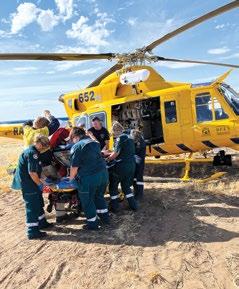
On 6–7 May, the National Aerial Firefighting Centre (NAFC) delivered Australia’s first National Air Desk Forum. This two-day event was attended by representatives from each state and territory and hosted by the NSW Rural Fire Service (RFS) State Training Academy in Dubbo, NSW. The forum included tours, networking opportunities, training sessions, and workshops designed to cover the specific challenges and opportunities faced by the sector.
With the reliance on aviation assets for emergency response increasing and the Australian Government having recently expanded the fully sharable and multi-capable NAFC-contracted national aviation assets, the aerial firefighting environment is becoming more complex. These complexities only highlight the growing need for knowledge sharing, collaboration, and exploring nationally consistent approaches to the management and sharing of aircraft.
Substantial work is already underway within agencies and through NAFC collaboration groups such as the Aviation Safety Group. However, air desk personnel have historically been an underrepresented group within this larger body of work.
NSW RFS Deputy Commissioner Ben Millington was instrumental in recognising this gap and requested NAFC, with the support of the NAFC Strategic Committee, to provide a platform for air desk personnel to share and collaborate.
The forum was positively received by attendees
On 2 June, the AFAC National Resource Sharing Centre (NRSC) received a request for assistance from the Canadian Interagency Forest Fire Centre (CIFFC).
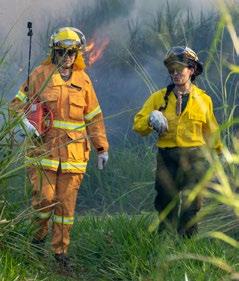
Canada is experiencing significant fire activity across many of its provinces including Ontario, Manitoba, Saskatchewan, Alberta, and British Columbia. An initial contingent of 96 Australian personnel from NSW, WA, and Victoria is supporting Canada’s fire suppression operations in Alberta.
Personnel from NSW Rural Fire Service, Forestry Corporation of NSW, NSW National Parks and Wildlife Service, Department of Energy, Environment and Climate Action Victoria, Department of Fire and Emergency Services WA, and Department of Biodiversity, Conservation and Attractions WA travelled to the fires on 12 June, commencing a 35-day deployment.
The deployment continues a strong resourcesharing relationship between AFAC NRSC and CIFFC, and international support and collaboration between the two countries.
The deployed teams are working closely to help our Canadian counterparts in wildfire suppression, but are also finding time to support and celebrate each other. The WA crew took time in June to celebrate
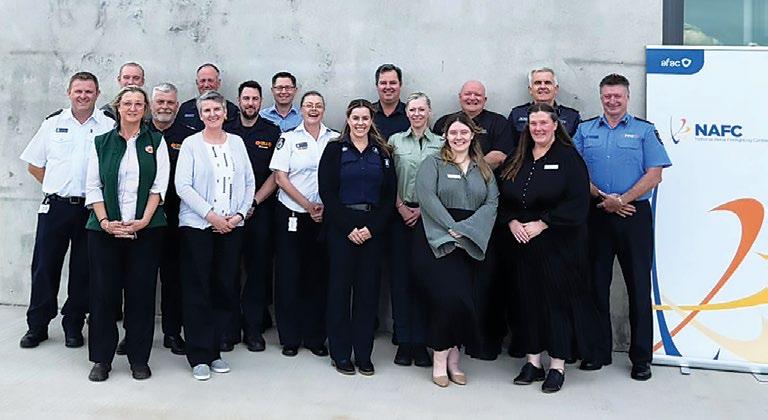
and was recognised as a valuable opportunity to improve the relationships and collaboration between different state and territory air desks, who were enthusiastically sharing doctrine, policies, and advice. Forum attendees requested the creation of a National Air Desk Community of Practice (COP) facilitated by NAFC, which would allow air desk personnel to continue to work together productively and build on the collaborative environment that was core to the forum.
NAFC is in the early stages of developing the National Air Desk COP and is excited to be pioneering the creation of such a valuable program. Above all, NAFC is committed to safety and is proud that the National Air Desk Forum resulted in such positive strides forward.
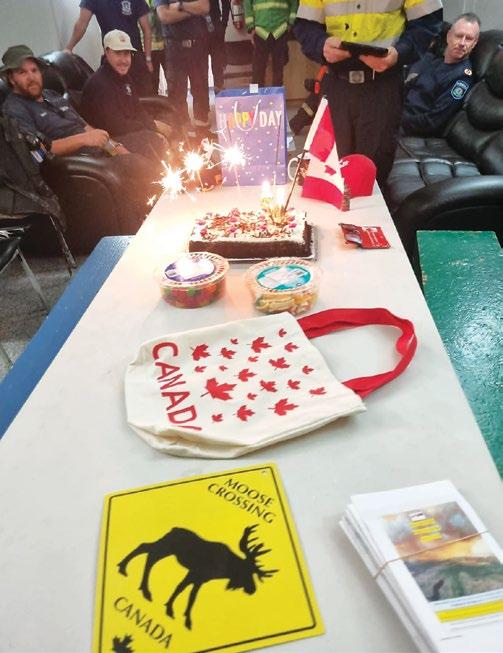
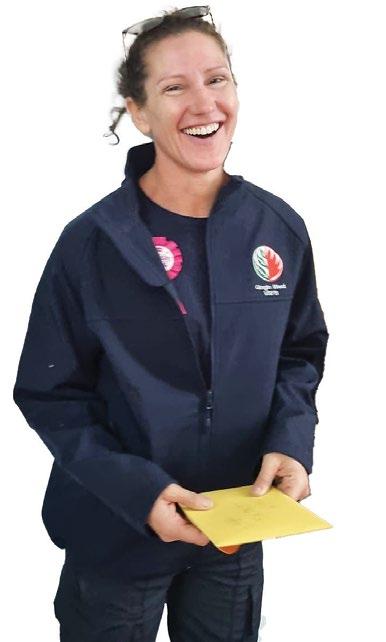
Kerrie Smith’s birthday, and Alberta Wildfire Agency made it possible to get a birthday cake into the remote base camp to recognise the occasion. As of the end of June 2025, 200 Australian personnel have deployed to Canada via AFAC NRSC.
Canadian and Australian agencies find time to come together to enjoy some cake and celebrate each other.
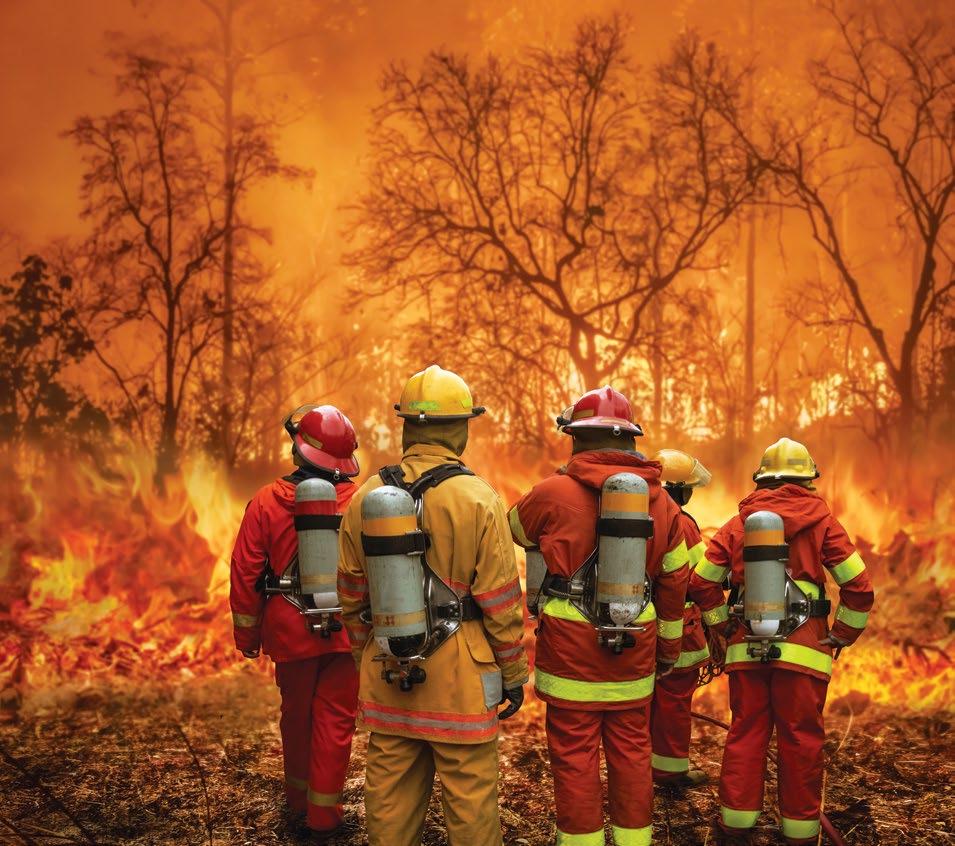
AFAC, in partnership with Emergency Management Victoria (EMV), is pleased to launch EMV’s National Leadership Educational eLearning Modules for Disaster Risk Reduction.
This online course comprises of seven foundational leadership modules designed to build self-leadership capability (i.e. non-technical skills) and enhance leadership in disasters.
This suite of seven foundational leadership modules will build self-leadership capability that can be used for the advancement of leadership skills in planning, preparedness, response, and recovery to disasters.
1. Building skills to thrive and reduce disaster risk
2. How to influence others and reduce disaster risk
3. Doing the right thing to reduce disaster risk
As part of the National Electric Vehicle Strategy, the Australian Government has recognised the need for world-leading guidance and targeted training of emergency response personnel. This is to ensure the safety of responders when dealing with electric vehicle (EV) incidents and fires involving high-voltage lithium-ion batteries.
To address this, AFAC has been commissioned to develop a nationally consistent online training package designed to equip emergency responders
with the knowledge and strategies required to manage a range of EV-related scenarios.
Developed in collaboration with TAFE NSW and subject matter experts from across Australia and internationally—and funded by the Australian Government— this training is now available to all emergency responders nationwide. Included with the training is: interactive and scenario based key hazards and safe response strategies
4. Why reducing disaster risk is a team game
5. Reducing disaster risk one strategic step at a time
6. Working better together to reduce disaster risk
7. Winning at work to reduce disaster risk
There are seven eLearning modules. Each module includes objectives in the course overview.
There are no course enrolment prerequisites.
This course is available to all Emergency Management Learning users and AFAC member agencies.
Proficiency in using a mouse and navigating web pages.
Requires a stable internet connection.
This course contains knowledge checks to assist with validating your learning progress.
There is no formal assessment for this course as it is an awareness module.
This is a non-accredited awareness course provided by Emergency Management Victoria.
This course is now freely available for enrolments at: https://emv-drr-leadership.afac.com.au
For further information please email learninganddevelopment@afac.com.au
delivered across eight modules. AFAC is pleased to be able to make this nationally consistent course available to all emergency responders across Australia and New Zealand at no cost until 19 December 2025.
Enrol online at: www.afac.com.au/ev-training
For more information or for any queries you can contact evtraining@afac.com.au
FPA Australia members had the opportunity to have their say on the future direction of the Association at our recent regional events.
Attendees received key organisational updates, financial and operational insights, and engagement opportunities with other members, and were given an open forum to provide feedback.
Members’ voices are a critical part of FPA Australia’s success. They help us to make informed decisions that reflect members’ needs and allow us to connect with members to foster collaboration and unity.
Events were held across the country. Keep an eye out for future events where together we can make FPA Australia the best it can be.
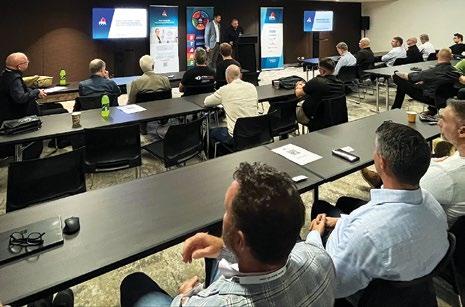
FPA Australia recently hosted the South Australian ‘Protect and Connect’ seminar, highlighting the final review of the Ministerial Building Standard 002 (MBS 002).
The event brought together a diverse group of professionals from across the fire protection industry, including South Australian members whose input was invaluable to the discussion.
We were also pleased to welcome Holly Hocking, representing the local council, and David Robinson, one of the lead consultants involved in the development of MBS-002. Both Holly and David generously shared their expertise and responded to a range of questions, offering deeper insight into the practical implications of the standard.
Thanks to the open and constructive dialogue, we now have a clear direction for the next steps. Our working group is actively reviewing the input gathered and is on track to finalise a proposal in the coming months.
The ‘Protect and Connect’ seminar, hosted by FPA Australia in SA, allowed for a constructive, successful discussion of the MBS 002.
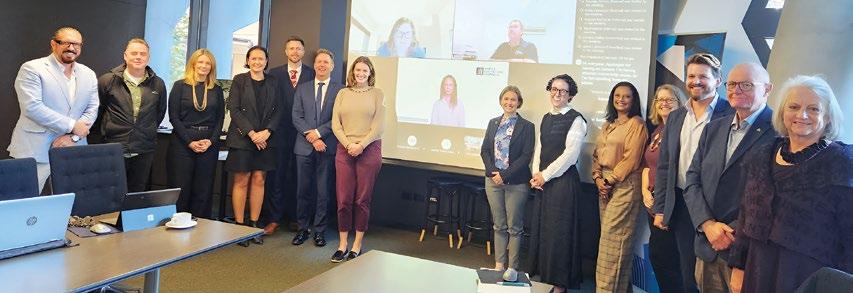
FPA Australia CEO John Collie is honoured to join the Board of the Australian Construction Industry Forum (ACIF), representing the Association at the national table where key decisions affecting the built environment are shaped. This role gives FPA Australia—and, by extension, our members—a stronger voice in the national conversation around construction policy, regulation, skills, and procurement. It ensures that the perspectives of fire protection professionals are heard alongside other peak bodies, helping shape the national construction industry agenda.
On 1 May 2025, the Queensland Government launched an inquiry into the safety and use of e-mobility in Queensland. The inquiry examines risks such as injuries and fires, as well as the storage and disposal of lithium batteries, and will consider potential mitigants and controls.
Community safety remains FPA Australia’s highest priority. In response to growing concerns about the fire risks associated with
FPA Australia had the privilege of hearing directly from Professor Fiona Wood at a recent event in Brisbane.
Dr Wood spoke about the Fiona Wood Foundation’s progress and its future direction. Her reflections on the foundation’s journey were both insightful and inspiring.

Queensland Committee Chair Frank Passmore and Queensland State Manager Chris Lees attended the event. They met Dr Wood and members of the Fiona Wood Foundation team
e-scooters in homes and unit complexes, we lodged a formal submission to the Queensland Parliament.
We welcome the opportunity to contribute to this important conversation and are ready to work with the Queensland Government to address these emerging safety challenges.
A recent Courier-Mail article highlights the seriousness of this issue, underscoring the need for immediate action.
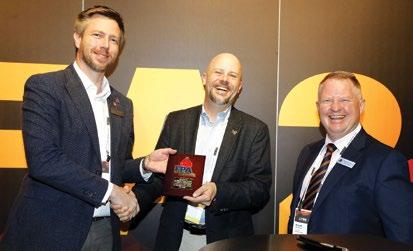
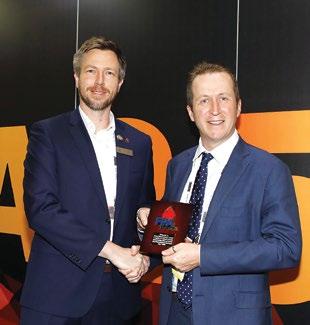
OFFICIAL BUSINESS AT THE FIRE AUSTRALIA 2025 CONFERENCE
Left to right: FPA Australia CEO John Collie, National Fire Protection Association (USA) Vice-President and Chief Engineer Chris
and FPA Australia President Russell Porteous have signed a Memorandum of Understanding to strengthen international fire protection collaboration.
FPA Australia CEO John Collie and Natural Hazards Research Australia CEO Andrew Gissing have signed an agreement to formalise FPA Australia’s status as a supporting participant.
ACIF focuses on advocacy, strategy, communication, and problem solving as the central liaison for industry leaders, government, and organisations.
DR JAMES CAMERON
ACIF Executive Director
The Australian Construction Industry Forum (ACIF) is the meeting place for leaders of the construction industry in Australia, and its trusted voice. ACIF facilitates and supports active dialogue between the key players in residential and non-residential building, engineering construction, other industry groups, and government agencies. ACIF is proud to have had Fire Protection Association Australia as a longstanding member.
ACIF provides a central forum for leaders of the construction industry to meet to discuss any industry issue. It acts as a liaison point for government and other organisations to meet with the Australian building and construction industry.
Together, ACIF identifies industry issues and negotiates policy and advocacy to encourage industry improvement and increased productivity. We work closely with the Government and its agencies to provide the industry with high-level strategic focus.
ACIF members are among the most significant associations in the industry, spanning the entire asset creation process from feasibility through design, cost planning, construction, building, and management. ACIF harnesses the resources of its members to research and develop initiatives that benefit businesses of all sizes, from the largest of construction companies to small consultancies.
ACIF seeks to develop a successful, strong, and sustainable construction industry that is a leader in building Australia’s prosperity.
ACIF’s policy and advocacy
The construction industry is one of the main drivers of the Australian economy, and its productivity and success is critical to the economy’s growth and success. ACIF meets quarterly to identify the most important issues on which to create policies and then advocates on those issues. This assists ACIF’s
members and increases productivity and efficiencies in the industry.
In 2025, ACIF is advocating the following six policy priorities:
1. drive cultural change to build fair, inclusive, and respectful workplaces
2. harmonise security of payment laws and provide better security of payment protections
3. address skills shortages in the construction industry
4. increase the affordability and accessibility of Australian standards
5. National Construction Code updates to remain at a three-year cycle
6. address the issue of professional indemnity insurance for professions in the construction industry.
ACIF Forecasts
ACIF Forecasts are rolling, 10-year projections for residential, non-residential, and engineering construction in Australia. Developed by leading economic modellers and overseen by industry expert—ACIF’s Construction Forecasting Council—they are trusted by thousands of professionals each year, from major organisations to small consultancies. The Forecasts are available through the
Australian Construction Market Report and the Customised Forecasts Dashboard.
The May 2025 release projects construction activity reaching $334 billion in 2024–25, growing by 1.6% with growth rising to 1.9% in 2025–26, buoyed by lower interest rates. However, the industry still faces challenges including high materials costs, planning delays, skills shortages, and subcontractor solvency risks.
Strong growth is expected from 2026–27, with activity reaching $351 billion (+3.1%), supported by further rate cuts, renewed business investment—particularly in data centres— and sustained demand from robust population growth.
Residential building is recovering, led by stand-alone houses, as expectations of lower interest rates boost approvals and commencements. However, the sector faces capacity challenges due to higher costs, and skill shortage. Growth is forecast at 1% this year, rising to 3% annually in the following year.
Non-residential building activity is set to contract by 5% in 2024–25 amid lacklustre business investment and declining building approvals. Sectors such as accommodation, education, entertainment and recreation, and retail remain vulnerable, now joined by offices and industrial. A rebound is expected from 2025–26, driven by improved demand and data centres projects (see Figure 1).
For more information on ACIF, visit acif.com.au
FPA Australia creates awareness, understanding, guidance through new program.
CHRIS MCALINDEN
Development Manager, FPA Australia
As Fire Protection Association Australia constantly strives to meet the demands and exceed the expectations of industry, we continue to experience a high number of enquiries from industry affiliates around the intricacies of fire protection practice.
Industry affiliates include strata managers, facilities managers, councils, government departments, property owners, and others with a commercial reliance on fire safety.
Although it is encouraging that these affiliate groups and individuals are seeking support from the peak industry body, there is a noticeable lack of understanding and awareness throughout, through no fault of their own.
To accommodate, FPA Australia has extended our reach and support by establishing an Affiliate community tailored to provide seamless and efficient access to key industry information, insight, and guidance. Through participation, Affiliates will gain invaluable knowledge and new-found confidence when navigating industry complexities to deliver peaceof-mind safety and compliance solutions to their clients and greater communities. With affiliate stakeholders relying so heavily on fire protection for safety and integrity, FPA Australia will assist, educate, and provide resources on fire safety requirements, including relevant legislation, compliance obligations, and best practices pertaining to each state and territory.
Subsequently, newly established partnerships will result in an expanded
Affiliate programs are beneficial for lending interested parties industry insight, knowledge, and guidance.
network comprising varying industry perspectives, allowing for deeper connection and more holistic approaches towards fire protection. Fire protection is critical for protecting life, property, and the environment. Together, we will elevate industry standards to where safety and compliance is well interpreted and always considered with utmost importance.
FPA Australia expresses gratitude and appreciation to those who offered their feedback to support development of the Affiliate community. We welcome contact for more details should your needs align. Stay safe, protected and compliant.
For more information, call us today on (03) 8892 3131 or email customerservice@fpaa.com.au

Five developments we’re watching closely for the future of Australian fire protection.

COLLIE
CEO, FPA Australia
The fire protection industry doesn’t stand still, so neither can we. Whether you’re on the tools, in the boardroom, or navigating regulation, staying informed is part of doing the job well.
At Fire Protection Association Australia, one of our roles is to scan the horizon. Scanning not just for risks, but for ideas, innovations, and system-level shifts that could shape our work over the coming years.
From policy-making in Brussels to ember attack mitigation in South Carolina, we’re tracking changes that could matter here in Australia sooner than expected.
Here are five developments we’re watching closely and why you might want to keep them on your radar too.
1 Europe’s fire safety focus in sustainable construction
In November 2024, the European Parliament enacted sweeping revisions to the Construction Products Regulation. These changes mandate digital product passports and stronger performance disclosure, especially in safety-critical areas like fire. The reforms coincide with the growing use of engineered timber and other ‘climate positive’ building materials. Why we’re watching: Australia’s use of mass timber is accelerating, particularly in mid-rise and commercial builds. Europe’s regulatory response underscores the importance of treating sustainability and fire safety as dual priorities, not trade-offs.
2 Artificial intelligence is quietly reshaping detection and maintenance
AI is no longer hype; it’s already deployed in fire protection. From Pano AI’s remote wildfire detection to AI-driven analytics monitoring fire system performance in high-risk environments like data centres, the technology is here. Some platforms are even predicting maintenance needs before faults occur.
Why we’re watching: If these tools prove reliable, they could transform inspection regimes and eventually influence National Construction Code (NCC) requirements or insurance standards. We should be ready to engage with both the promise and the risks of automation.
3
The science of ember attack is getting sharper International research into wildland fire behaviour is ramping up. The US Forest Service and Canada’s National Research Council are investing in better understanding of ember ignition, structure vulnerability, and vegetation interface. Meanwhile, Insurance Institute for Business & Home Safety’s report Wildland Fire Embers and Flames: Home Mitigations
That Matter has translated this science into actionable retrofit guidance, now being written into local wildland–urban interface building codes across the US. Why we’re watching: Much of this research applies directly to Australian conditions, yet our adoption of emberfocused mitigation in residential settings is still catching up. There’s an opportunity to learn and lead.
4 Asia’s digital leap in performance-based design
Performance-based fire safety is not new, but how it’s managed is changing. Singapore, Japan, and South Korea all operate formal performance-based design (PBD) pathways and are now moving towards digitised submission systems. Some authorities are experimenting with AI-assisted code checking and simulation verification. Why we’re watching: Australia helped pioneer PBD, but we now risk falling behind in terms of oversight, tools, and system integration. These early international pilots are worth paying attention to, particularly as our own system strains under regulatory complexity, shortages in designers, and jurisdictional inconsistency.
5
Suppression tech is still catching up to battery risk
Lithium-ion battery fires, from e-scooters to grid-scale battery energy storage systems (BESS) installations, are climbing globally. The problem isn’t just ignition, but also the lack of mature suppression systems that can stop thermal (or chemical) runaway once it starts. Researchers are trialling inert gases, water mist, and hybrid solutions, but none are widely deployed yet. Why we’re watching: The technology gap is now a regulatory challenge. The NCC does not yet classify BESS installations under a dedicated building use, complicating design and compliance. While interim guidance exists (such as from Energy Safe Victoria) and the Australian Building Codes Board is reviewing classification issues, there’s no nationally consistent solution. Fire protection needs a more defined role in battery infrastructure planning.
Keeping pace with change is no longer optional. These aren’t just international curiosities, they’re signals of where the industry is heading. FPA Australia will continue tracking global developments and translating them into context for our members and policy-makers. If you’ve got something we should be watching or you’re involved in innovation at the edge, let’s talk. We don’t just want to respond to change. We want to be ahead of it.
For more on the work of FPA Australia, visit fpaa.com.au
Post-flood deployment offers impactful insight into the life cycle of disaster management and adaptive, empathetic leadership during recovery.
CALEB
GEPPERT
Leading Firefighter, Fire Rescue Victoria
In emergency services, we often operate on the edge of crisis—fires, rescues, and critical incidents. As a firefighter with Fire Rescue Victoria (FRV), I am familiar with this environment.
But a recent volunteer deployment to Northern NSW with Disaster Relief Australia offered a new view—one focused not on immediate response but on sustained recovery.
Serving in the Incident Management Team as Operations Officer, I navigated the complexities of post-flood recovery. The role required shifting from urgency to coordination, highlighting the transition from response to recovery, and the handover from control agencies. Information flow was critical.
Damage assessments, community needs, and logistics had to be triaged into recovery strategies. Coordinating strike team deployments demanded structure, adaptability, intelligence, and empathy.
On the ground, I saw the human face of recovery: families searching wreckage for irreplaceable items— photos, military medals, wedding albums. These weren’t just objects; they were ties to memory, identity, and hope.
Some scenes I can’t describe, especially those involving animals: dogs, cattle, horses left behind in
rising floodwaters. Unable to escape, their cries were described to me by owners with tear-filled eyes. The heartbreak was real. Yet the resilience was incredible—a quiet strength that reminded us why we serve.
Volunteers gave their all. Agencies came together. Slowly, communities began to rebuild, though healing would take longer. Beyond the sirens and smoke, I witnessed the quiet power of coordinated recovery.
We slept in a cold, draughty hall—our base, kitchen, and sleeping space. No luxuries. Decontamination was a kids’ shell pool filled with cold, questionable water. Toilets and showers were muddy and basic.
But we weren’t after comfort. We wanted to share the experience of those who’d lost their homes—living without privacy or certainty. Even in a small way, we wanted to understand what it meant to lose everything.
Still, it wasn’t the conditions that defined the experience, it was the people—diverse in background, united in purpose.
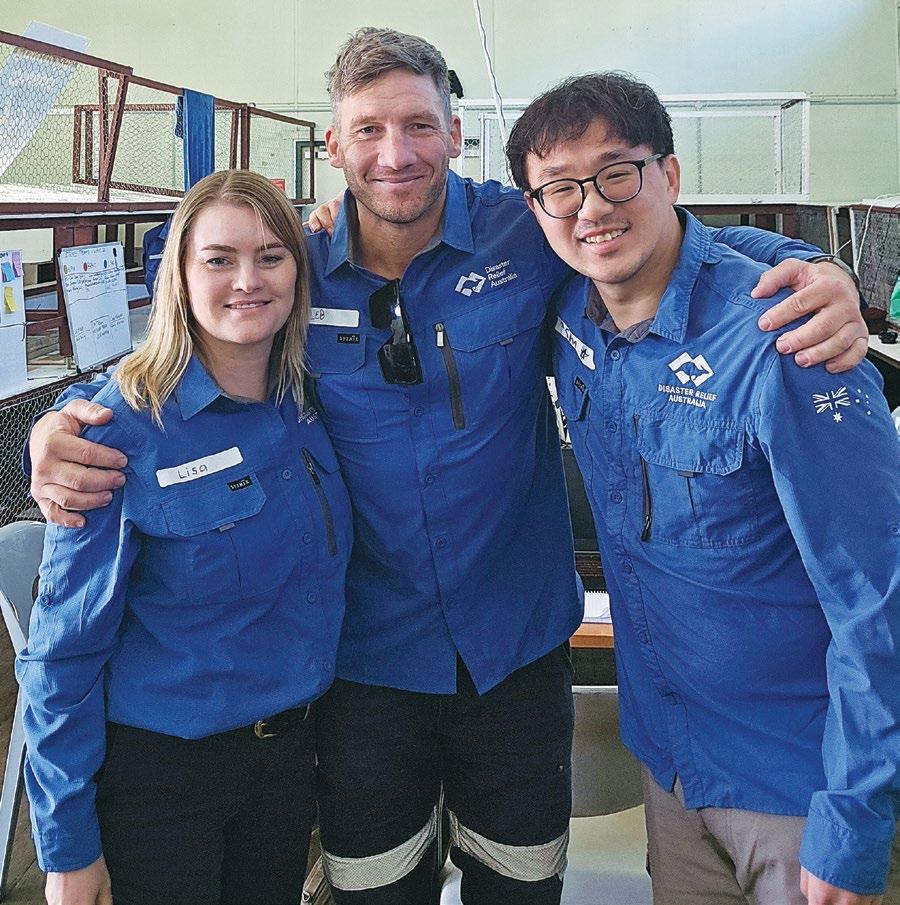
Caleb Geppert (centre) with Lisa Clout and Sam Kwey during their Northern NSW volunteer deployment.
This deployment deepened my understanding of the Australasian Inter-Service Incident Management System and the complexity of disaster recovery. It reinforced a mindset I carry into every challenge: seeing obstacles as opportunities, a chance to lead, learn, and lift others.
Each night ended not just in exhaustion, but also in shared insight— reflections by the fire and the unity of the Ode under the stars.
This experience reshaped my view of leadership not just as a title, but as a mindset grounded in empathy, adaptability, and resilience.
I return stronger, not only as a firefighter, but also as someone attuned to the full life cycle of an emergency. I’m more inspired than ever to continue my pursuit of leadership within FRV— resolute, empathetic, and informed.
HELPFUL LINKS
• Disaster Relief Australia—for volunteer opportunities and deployment information: www.disasterreliefaus.org
• Beyond Blue—for mental health support: www.beyondblue.org.au or 1300 224 636
• FRV Peer Support Program—a confidential internal support network available to all FRV staff and operational firefighters, providing mental health and well-being support: www.frv.vic.gov.au
Major compliance shift aims to boost professional standards—and applicants are advised to act now.
RAY MICHAEL
Western Australia’s fire systems designers should take note: significant regulatory changes are on the horizon.
Beginning 1 July 2024, engineers involved in fire system design are required to register with the Building Services Board. This marks a major shift in the compliance landscape, aimed at enhancing accountability and professional standards across the sector.
The new requirements were a central focus at the recent Protect and Connect industry panel (available for review on FPA Australia Plus), where stakeholders gathered to discuss the implications of mandatory practitioner registration. This move is considered one of the most significant updates in fire engineering regulation in recent years for WA.
Although a grace period extends until 1 July 2027, professionals are advised not to delay. According to Elizabeth Bazen of the Department of Energy, Mines, Industry Regulation and Safety, any unsupervised engineering work—whether in civil, structural, mechanical, or fire systems—will
For the specific requirements of someone working in the fire systems space, an individual needs to meet the following criteria for assessment:
three years of experience of building engineering in the past six years
a completed Diploma of Fire Systems Technologist with relevant units pertaining to prescribed fire systems.
Applicants can apply as a Fire Design Technologist with five years of experience in the past 10 years. Or they can apply as a Fire Systems Associate with three years of experience in the past six years in the following categories:
a) a hydraulic fire safety system including any of the following:
hose reels
hydrants
fire sprinkler systems
any type of automatic fire suppression system of a hydraulic nature
b) fire detection and alarm system
c) mechanical ducted smoke control system.
Two categories of registration will be available: practitioner and contractor. Each has specific criteria regarding qualifications, insurance, and business structure requirements.
Engineers will also need to ensure
In addition, a continuing professional development requirement will be introduced to ensure skills remain current and relevant.
FPA Australia’s Katie Penman outlined the WA Building Engineering Practitioner Registration application process. She highlighted the steps for applying, including preparing documentation, completing online submissions, and sitting required examinations via a secure browser system. Specialisations such as hydraulics, alarms, and smoke control are among the categories for which practitioners may seek registration.
If a candidate does not pass the exam on their first attempt, they can retake it after a mandatory four-week waiting period.
The main message from the panel is clear: early registration is advisable. Acting now can reduce stress, avoid future complications, and possibly save costs.
So, here’s the final word from the panel: “Be registered. Be ready. Be recognised.” This is a key step in maintaining professional recognition and operating within the law under the updated regulatory framework.
To view the Protect and Connect industry panel, visit fpaaplus.com.au
Engineers involved in fire system design are required to register with the Building Services Board.
Fire Systems Technologists: Technical fire systems engineering work for unlimited size and type of buildings.
Fire Systems Associates: Technical fire systems engineering work for low- and medium-rise buildings, which are:
◆ Class 1 and 10 buildings
◆ Class 2–9 buildings up to a maximum of three storeys above a class 7a storey, but not Type A construction except for class 2, 3 and 9 buildings.
Managing Director and Co-Founder, Flame Security International
Fires once again blazed across parts of Australia last summer, with the AFAC Seasonal Bushfire Outlook Summer 2024 warning of an increased risk in WA, the NT, SA, Victoria, and NSW.
While we await the outlook for summer 2025, perhaps it’s time we rethink our approach to bushfire. Instead of focusing solely on fighting fires, could we start planning better for living alongside them?
Growing threat to homes and lives
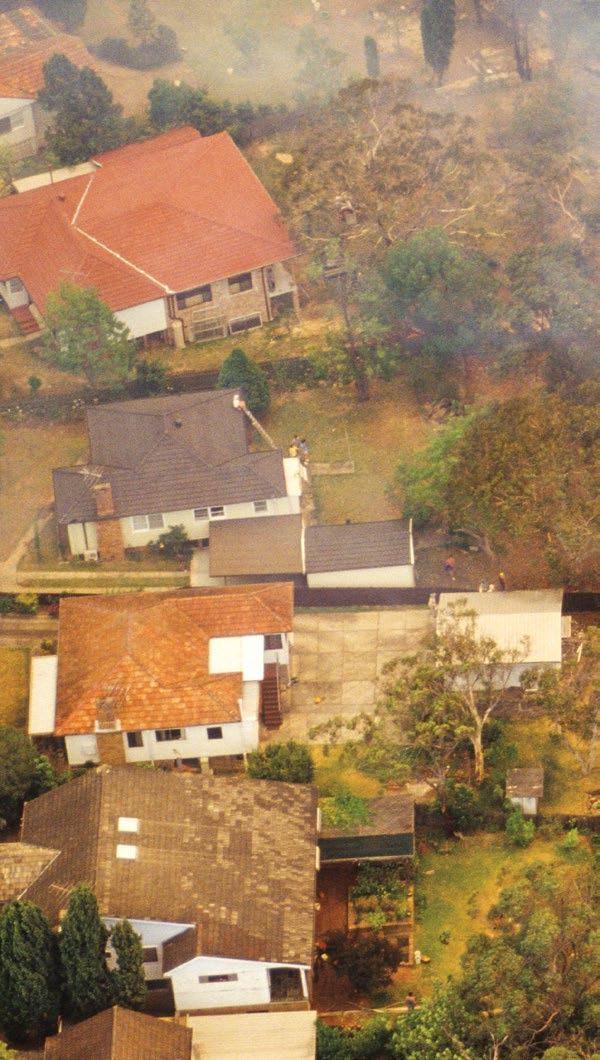
Australia’s increasing vulnerability to extreme weather and fire events, both natural and human-caused, poses a growing threat to homes in bushfireprone areas.
According to Professor Guan Yeoh, Professor of Mechanical Engineering at University of NSW (UNSW), this risk is exacerbated by urban expansion into high-risk zones.
“In Victoria alone, according to the Victorian Building Authority, more than one in five new homes approved for construction last year were located in bushfire-prone areas,” Prof Yeoh says.
“This reflects a broader trend of populations moving away from metropolitan centres and into areas where the danger of fire is significantly higher.”
These decisions carry enormous implications, not just for individual home owners but also for the nation.
A recent Domain report estimates that 5.6 million homes across Australia are at risk of bushfire, with a combined value of $4.66 trillion.
Benjamin Hughes-Brown, Fire Engineer and Managing Director at
Vortex Fire, an international fire safety consultancy, stresses the need for stronger, more resilient homes as bushfire risks grow.
“Bushfire conditions are dangerous and it’s rarely safe for home owners to defend their properties. That’s why it’s so important to make homes stronger and better prepared to withstand a bushfire,” he says.
Climate change as a catalyst
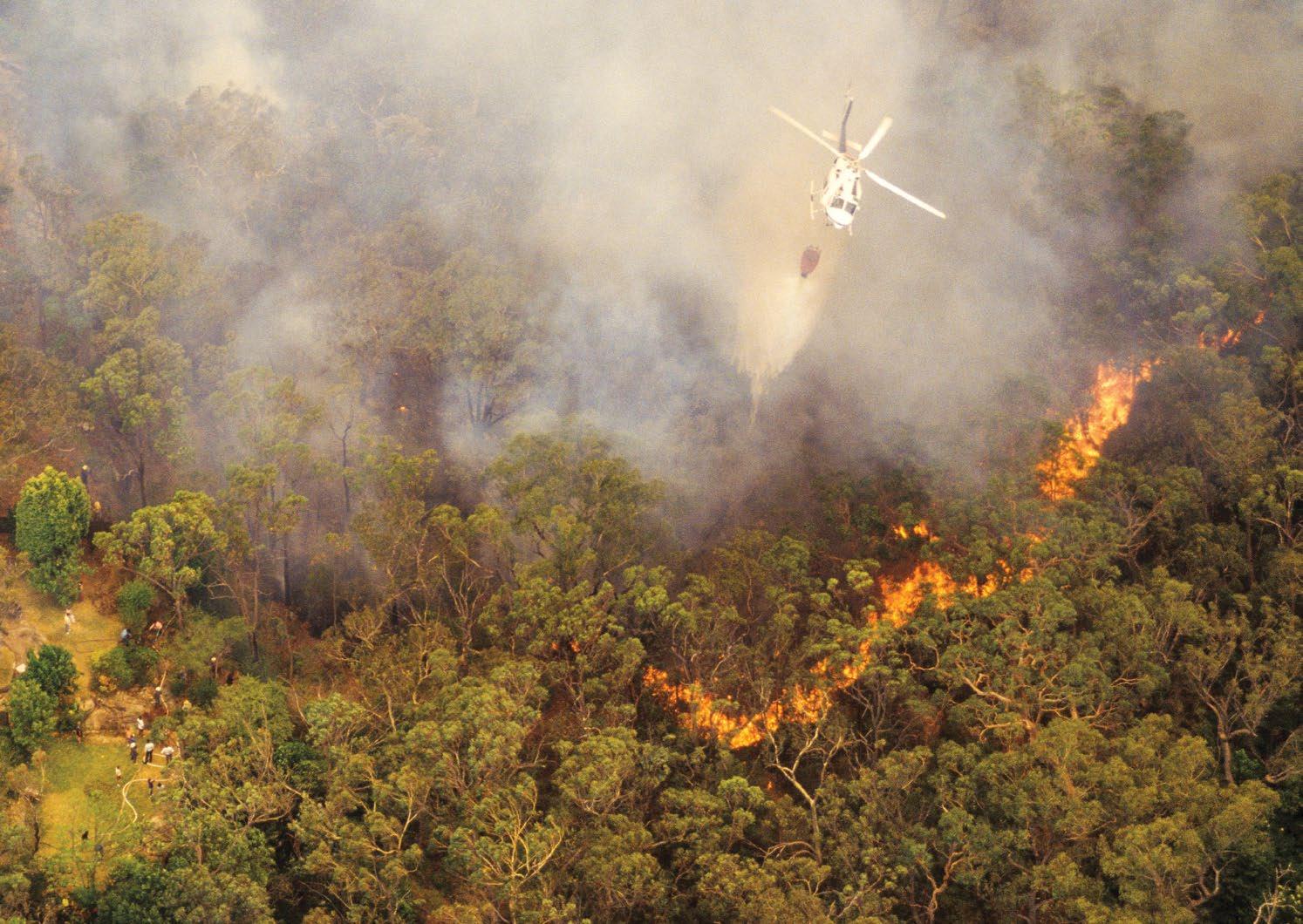
The 2019–20 bushfire season is one that few Australians will forget. Entire communities along the east coast were devastated, with nearly 8% of Australians affected either directly or indirectly by the fires, according to a Nature journal report. Around one billion native animals perished, and urban areas were covered with heavy smoke.
Was this an isolated event or a sign of what’s to come?
Experts warn it’s the latter. With a warming planet, catastrophic fire seasons like these are expected to become more frequent and severe. This raises a critical question: how do we adapt?
Urban encroachment is our problem
It’s easy to think of bushfires as nature intruding on our lives. But some experts suggest the reverse: we’re increasingly encroaching on fire-prone areas.
A 2021 report, Australia State of the Environment 2021: Land, revealed that land cleared for housing, farming, and infrastructure expanded by 30% in just five years, with South-East Queensland alone seeing up to 6% of bushland cleared for urban sprawl. The result? Not only are bushfires becoming more destructive, but also the economic impact is growing.
By 2030, it’s estimated that one in 25 Australian homes could become
uninsurable due to climate change, according to the Climate Council.
Building for a fire-prone future
As the inevitable reality of bushfires begins to sink in, how can we live with rather than fight fires?
Smarter design and planning are part of the answer. The University of Melbourne’s Faculty of Architecture, Building and Planning has outlined practical principles for bushfire-prone areas:
Justin Rooney is the Managing Director, Co-Founder and Board Member of Flame Security International. He is also involved with Solar Skin Pty Ltd, a subsidiary of Flame Security International, which offers an innovative clean energy delivery system developed by global experts in solar energy technology and fire protection.
keeping homes a safe distance from dense vegetation
managing nearby fuel sources, like dry leaves and undergrowth using fire-resistant materials and designs.
Some developers are already taking this seriously. For instance, home builder AV Jennings is integrating ember-proofing measures and exclusion zones into its projects.
The Bushfire Attack Level (BAL) rating has also become familiar to many Australians, offering guidance on how to reduce fire risks. But these measures often come with a hefty price tag, putting them out of reach for some.
Mr Hughes-Brown advocates for a shift from reactive to proactive fire safety measures.
“It’s extremely important for communities to move from reacting to bushfires to being prepared ahead of time,” he says.
“Innovations and technologies are making this easier by offering practical, affordable, and compliant solutions.”
One example is FIRECOAT, a fireretardant undercoat paint developed by engineers at UNSW Sydney and now available through Bunnings. It meets BAL-40 standards and works by expanding under heat, forming a
protective char that shields structures from fire damage. Once the fire passes, the char can be removed, leaving the underlying material intact.
Technologies like this make it easier and more affordable to protect homes. Other companion innovations, such as ember-proof window membranes and gutter foams, add further layers of protection.
Fire-retardant paints have been around for a long time, but commercial products began to appear only last century. They were expensive and time-consuming to apply and raised safety and environmental concerns. They also weren’t useful in bushfire conditions, which is now an increasing area of risk for built assets.
The fire-retardant paints available today, such as FIRECOAT, are more versatile, effective, and affordable, safer for people and the environment, and easy to use. They work for either existing properties or new builds. Quick-drying and suitable for use on many substrates, they offer almost instant protection for most areas of buildings. However, each project has its own unique considerations and compliance requirements, so it’s a wise idea to consult a qualified building surveyor or fire engineer, particularly if certification is required.
Learning
The 2019–20 NSW bushfire inquiry highlighted how traditional firefighting methods struggled against ‘megafires’. The report emphasised the importance of community education, better road design for access, sufficient water resources for firefighting, and clear evacuation plans.
Whatever combination of techniques we use, it is clear this is an issue that will not go away on its own.
In Australia and across the world, we are in desperate need of new ways to protect homes, communities, and lives from the threat of fire, particularly with our increasing incursion into bushland and use of flammable building materials and techniques.
At the end of the day, it’s important for more people to understand how to better protect their homes—whether it’s planning ahead, making smart changes, or using innovative tools. We have the knowledge and technology to make a real difference; it’s just about acting before it’s too late.
Watch a video of FIRECOAT in action here: www.youtube.com/ watch?v=_0rSH5pwbO4
AI holds the key to efficient, cost-effective, resilient and agile organisations.
PETER GLODIC
President and CEO, Tandm International Pty Ltd
In the complex and rapidly evolving landscape of the fire protection industry, one thing is clear: the challenges are real and they’re not going away anytime soon.
With fluctuating construction activity, rising costs, and increasingly stringent regulatory demands, the pressure to adapt has never been greater. Compounding these issues is a growing shortage of skilled fire designers and estimators, which has only intensified competition and driven up costs.
The 2024 Skills Priority List (now the Occupation Shortage List), published by Jobs and Skills Australia, identifies fire protection professionals, engineers, and technical trade workers as occupations in national shortage, underlining the pressing workforce challenge.
What if you could not only cope with these challenges, but also turn them into opportunities? Enter innovative software and tools designed to revolutionise how fire protection systems are estimated and designed.
The silent crisis: unseen challenges in the industry
At first glance, the fire protection industry might seem like a stable sector. However, a closer look reveals underlying issues that threaten its very foundation. The shortage of skilled professionals has reached a critical point, driving up salaries and squeezing profit margins for companies across the board.
Additionally, the fluctuating nature of construction activity has made it difficult for businesses to maintain steady operations, leading many to either outsource tasks or absorb additional costs internally.
These challenges are not just financial; they also impact the quality and reliability of installed fire protection systems. With fewer skilled workers available, the risk of errors in design and implementation increases, potentially compromising safety.
The turning point: recognising the need for innovation
For a long time, these challenges were seen as just another part of doing business. Companies adjusted by simply recruiting new staff, whatever the cost was. But as the cost of doing business is reaching a critical point, this approach is less viable.
This is where innovative software comes into play. Recognising the inefficiencies and risks inherent in the traditional design process, software utilisation can create solutions that would not only address these pain points but also set new standards for the industry. The Austrade Smart Cities and Infrastructure Initiative has identified digital design and automation tools as key enablers of smarter, safer buildings in Australia.
Blinkers off: the solution we didn’t know we needed
Imagine being able to undertake tasks in a fraction of the time that you or your team would normally. We have seen the application of artificial intelligence (AI), machine learning, and even ‘simple’ algorithmic solutions exponentially influence our lives over the past three years.
Think about the tasks in your own business. Which are laborious and repetitive? What can software do nowadays that a human traditionally did? What is lower-hanging fruit that is now costing your business too much time, effort, and money? Can your team members spend their time doing more important and higher-level tasks with a better return on investment?
There’s no doubt the fire protection industry is ready for change—and it’s needed now more than ever. Embracing change isn’t optional; it’s essential for progress. Often, these
changes uncover solutions to problems we didn’t even know could be solved. If we don’t adapt, we risk falling behind.
The early adopters, the forward thinkers, and the embracers of technology and software will benefit and be able to pivot their operations and businesses quicker than their competitors. This is of paramount import given the speed of change. The solutions via industry workflow change allows companies to free up valuable resources and focus on higher-value activities that drive growth.
Recent research by Standards Australia shows that AI-driven models can assess fire safety design components—such as smoke movement, tenability, and fire growth rates—with more than 95% accuracy in simulation environments.
Wide reach: benefits of software go far beyond efficiency
By ensuring outputs are accurate, compliant, and aligned with business metrics like reliability, software can significantly reduce risks to lives, businesses, projects, teams, and clients. It can ensure that every design meets the latest codes and standards, enhancing the safety and reliability of fire protection systems. This reduces the risk of costly errors and builds trust with customers and clients.
Fire Protection Association Australia has advocated for the broader adoption of digital design practices and standardisation across the sector to improve outcomes and consistency.
But wait: software is not the silver bullet
Let’s be clear: software is not a replacement for professional judgement. The adage ‘garbage in, garbage out’ has never been truer in the building and construction industry. While digital tools can streamline and enhance workflows, they rely on skilled operators to input correct data, review outputs, and apply regulatory understanding.
As highlighted in recent FPA Australia training sessions, technology must


work in tandem with experienced professionals to deliver the best outcomes. A hybrid approach— technology plus expertise—is what drives real progress.
As the fire protection industry continues to navigate these challenging times, some companies are leading the way by integrating cutting-edge technology and software into their operations. What sets these innovators apart is their commitment to not only addressing today’s problems, but also anticipating the needs of tomorrow.
By proactively embracing software, these organisations are creating more agile, resilient operations. The Australian and New Zealand Council for fire and emergency services (AFAC) notes that digital capability is essential for enhancing fire safety, especially as the built environment becomes more complex.
A forward-thinking approach ensures that the industry has access to the most advanced software tools available, enabling them to streamline their processes, reduce costs, and achieve greater operational efficiency— all at a fraction of the time and expense required by traditional and sometimes archaic methods.
The fire protection industry is at a pivotal moment. While the challenges are significant, the opportunities presented by new technologies are equally compelling. By embracing innovation, industry players—both small and large—can not only overcome current obstacles but also position themselves for long-term success and leave those that don’t embrace the change behind.
As we look to the future, it’s clear that technology will play a central role in shaping the industry. Software is at the forefront of this transformation, providing tools and solutions needed to navigate the complexities of today’s market while paving the way for a more sustainable and efficient tomorrow.
For more information, visit tandm.ai, omnii.com.au, acadsbsg.com.au
Peter Glodic is the President and CEO of Tandm, Executive Chairman of Omnii and Managing Director of ACADS-BSG. A Chartered Professional Engineer and Fellow of Engineers Australia, Mr Glodic also holds credentials as a Registered Professional Engineer across the Australian states and territories. With more than 30 years of experience across fire protection, fire safety engineering, and construction industries, he brings a rare blend of technical depth and strategic leadership. Mr Glodic is known for bridging the gap between industry expertise and innovation, leading the development of software tools like Tandm to support more efficient, accurate, and compliant design workflows.
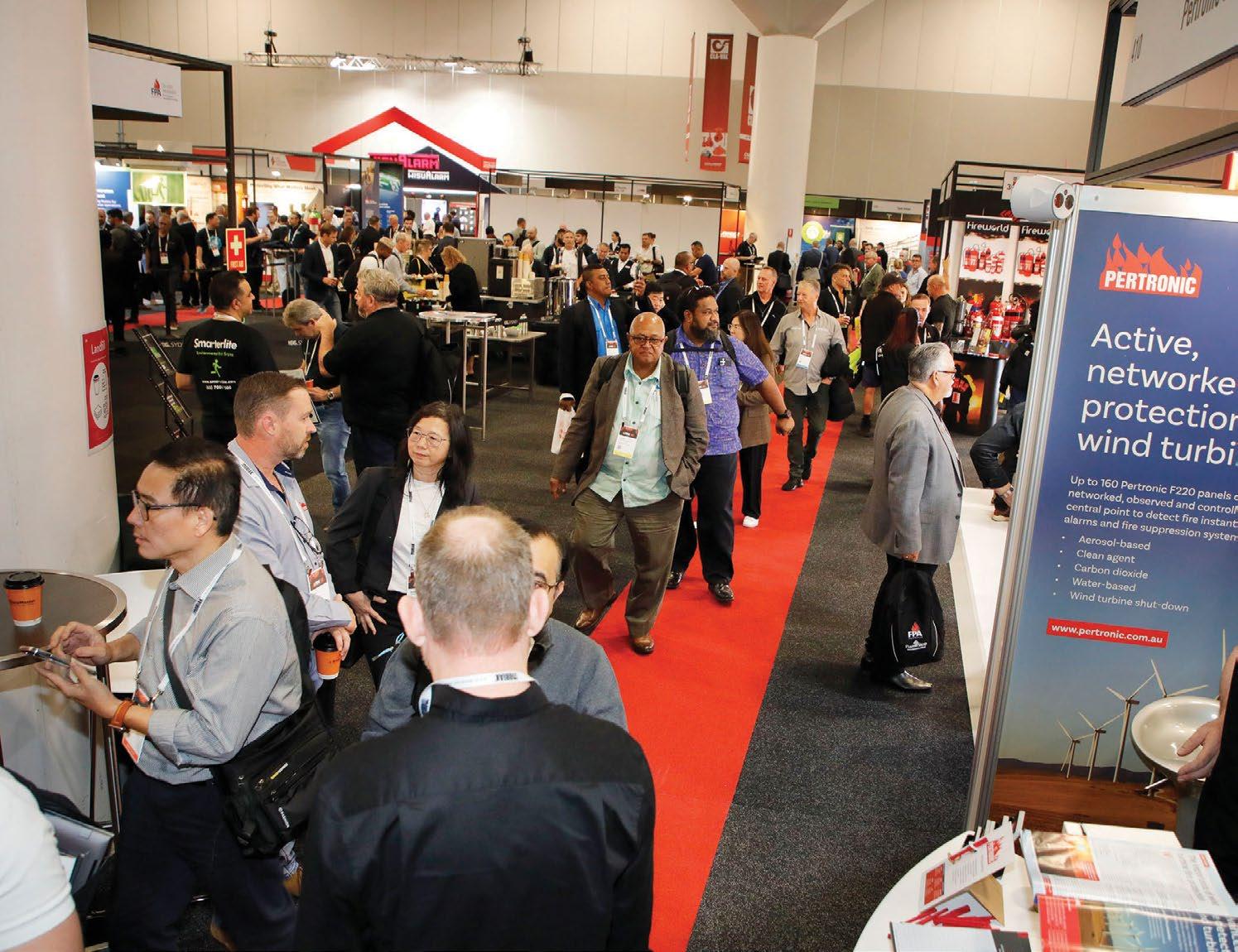
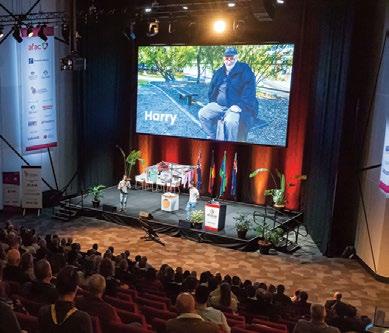
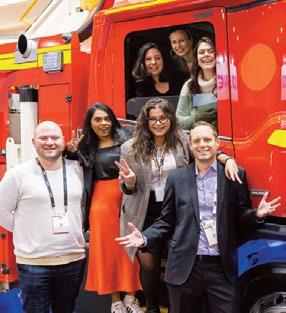
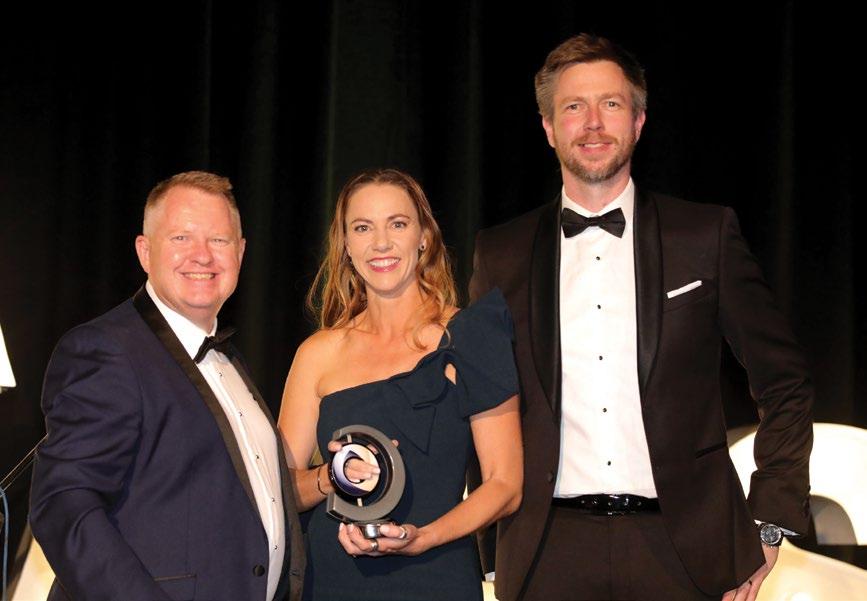
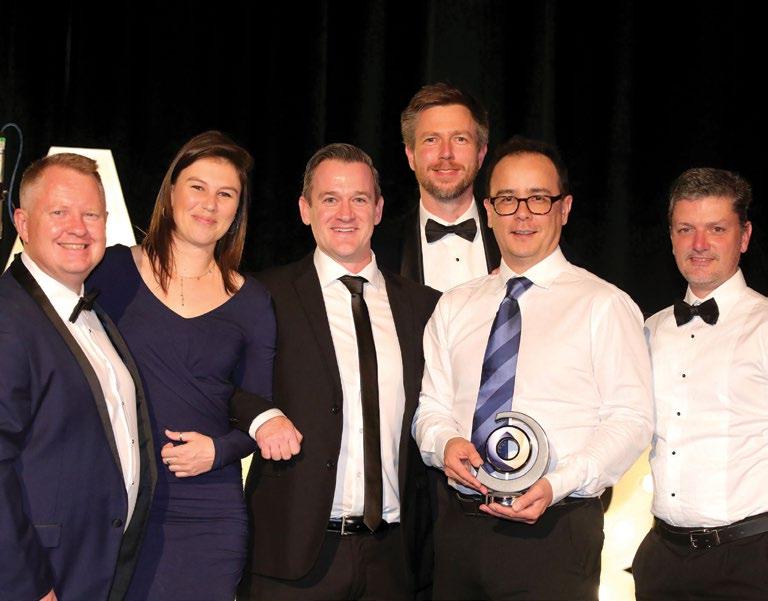
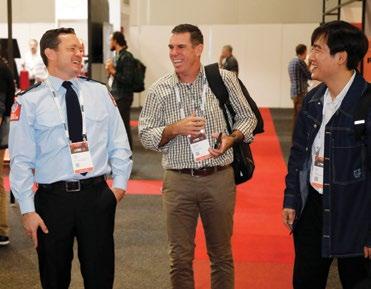
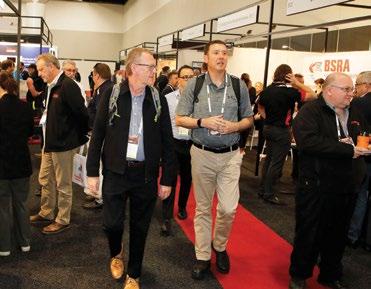
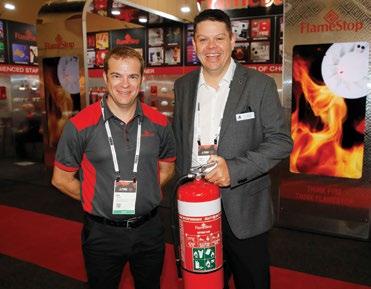
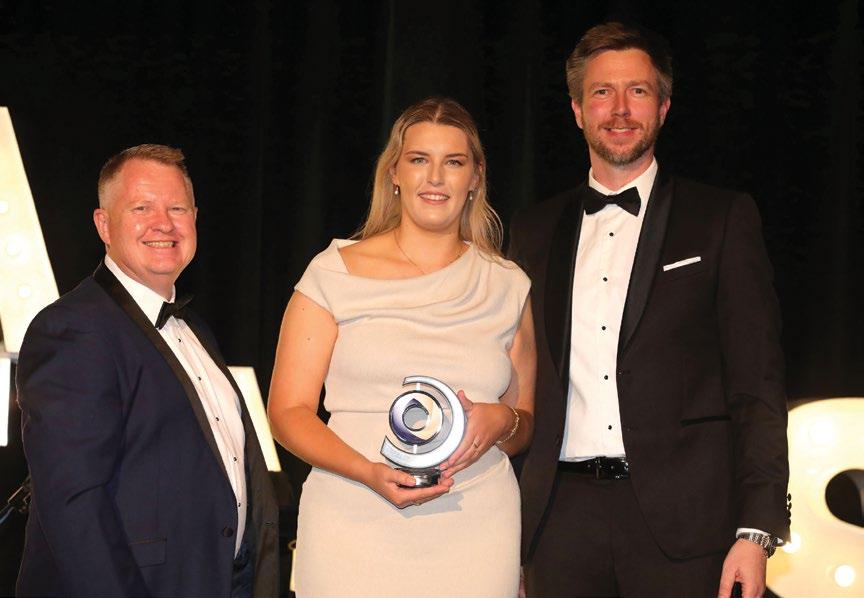
Fire Australia 2025 was a resounding success, sparking inspiration, conversation, and collaboration across the industry. Here are some of the best moments.
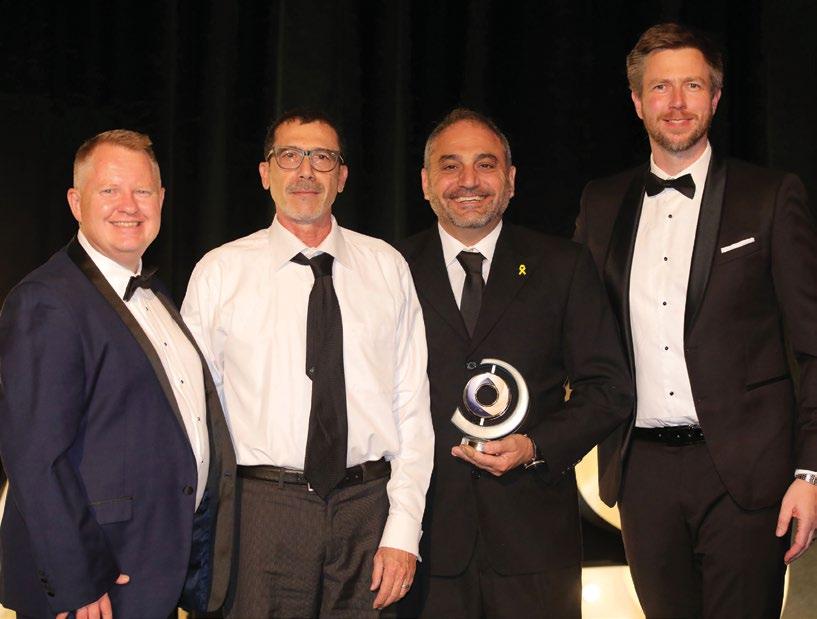
Winner: Fahrenheit Global Fire Engineers
Accepted by Managing Director Doron Levy
Fahrenheit Global won the award for their work on the Cootamundra meat-processing plant development and its upgrade to a state-of-the-art facility. The project presented unique challenges due to its remote location, specialised processing requirements, and the inherent fire risks associated with meatprocessing facilities.
Fahrenheit Global understood the needs of this complex industrial environment and applied their regional expertise to solve logistical and regulatory challenges. The company provided solutions that were not only compliant and effective but also optimised for cost efficiency, and their design team worked collaboratively with the construction team to ensure seamless integration of the fire protection systems into the overall project.
Their commitment to sustainability was evidenced by sustainable material selection, energy-efficient design, water conservation, life cycle assessment, integration of green building standards, and innovation and research.
Their dedication to best practice is not just a matter of compliance, it’s a core value that permeates their entire organisation.
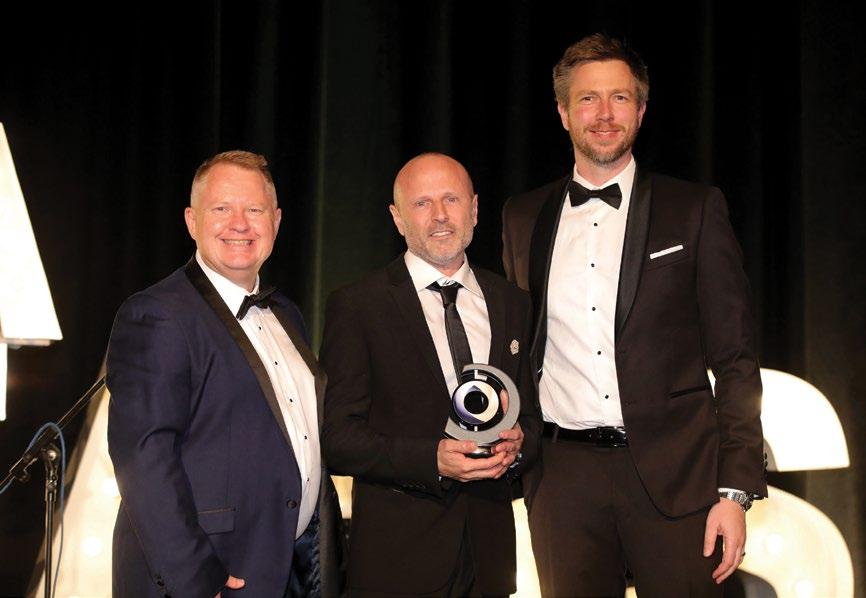
Winner: Adept Fire Protection Services
Accepted by New Business Manager Adam Hassan
Since its inception seven years ago, Adept Fire Protection Services has undergone rapid growth and expanded to a team of more than 60 staff. They established a structured internal training and development program spanning two years, and by investing in training and industry certifications, Adept Fire is building a skilled workforce and shaping the future of fire protection professionals.
Adept Fire embraces technologies that enhance safety, efficiency, and service quality, including integration of artificial intelligence and drone technology into fire safety audits, development of an in-house online booking system for residential customers, and Building Information Modelling for fire protection system design.
They developed custom compliance software for real-time transparency and traceability of projects. They use environmentally friendly vehicles where possible, digital service records to minimise paper usage, and sustainable disposal methods for expired fire safety equipment.
Their commitment to innovation, excellence, and safety sets new standards within the industry.
Winner: Shae Mete, Chief Engineer at FST Innovation
Shae Mete delivers training as a subject matter expert and as a registered training organisation trainer for Axiom Fire Protection and leads Home Fire Sprinkler Coalition Australia’s efforts to ensure workforce competence to design, install, and commission integrated systems.
Mr Mete was a leader in the development of two innovative Technical Specifications—FPAA101D and FPAA101H—that were approved by the 2019 National Construction Code (NCC).
Based on his designs and technical expertise, the NCC recognised for the first time an integrated domestic drinking water–fire sprinkler system. The system drastically improves the safety and cost effectiveness of installed water-based fire protection in mid-rise apartments. Mr Mete is leading the development of a similar design for Class 1 homes, to be taken as a Proposal for Change to the 2028 NCC.
He also continues to lead and co-author the development of supporting guidance material and discussion papers and contribute to studies that improve the professionalism of the industry.

Winner: Kathy Nastov, Company Director of Bushfire Prone Planning
Kathy Nastov is a Bushfire Planning and Design Level 3 Accredited Practitioner and Director of Bushfire Prone Planning—an organisation that recently celebrated its 10-year anniversary under her guidance. With a career spanning strategic planning, bushfire risk management, rural and townsite development, and policy engagement across all levels of government, Ms Nastov’s contribution to the field is both far-reaching and deeply impactful.
Holding a postgraduate degree in business and a graduate diploma in bushfire protection, she brings technical expertise and strategic insight to her work. Over the past year alone, she has assessed more than 100 developments across Western Australia— from individual proposals to large-scale subdivisions and precincts—ensuring compliance with rigorous bushfire management standards. What distinguishes Ms Nastov is her unwavering dedication to building the future of the bushfire planning profession. She is widely respected as a mentor, educator, and visionary professional.
Winner: Covey Associates and Cedaryn
Accepted by Dr Chris Walker, Director of Covey Associates and Cedaryn
Covey Associates and Cedaryn has reshaped the field of bushfire modelling by challenging conventional methods in land-use and building decision-making. By utilising software typically reserved for fire prediction efforts within fire agencies, They have developed Inferno, an innovative bushfire modelling software.
Inferno features three distinct modules: a radiant heat flux module, a fire weather analysis platform, and a wildfire simulator capable of executing dynamic and ensemble fire simulations.
The software allows users to assess key modelling inputs by integrating existing or hypothetical topography. It determines the most significant radiant heat flux (RHF) level with fine spatial resolution, evaluating thousands of potential RHF occurrences throughout the landscape that could impact any single point.
Innovation is about creating meaningful impact. Inferno stands out with its exceptional processing power that can analyse tens of thousands of structures within a minute. It provides unprecedented insights into wildfire impacts at the wildland–urban interface.
At 28 years old, Angela Fearnley has demonstrated an extraordinary level of achievement in the Australian fire industry, setting benchmarks for excellence through her technical expertise, leadership, and problem-solving. Her ability to integrate fire protection systems with fire safety design for complex projects while ensuring regulatory compliance and operational efficiency is demonstrated in her projects.
Ms Fearnley holds a master’s degree in fire engineering and has dedicated herself to leadership and mentorship roles through her positions as Board of Trustee Director of the International Institution of Fire Engineers (IFE) and Vice-President of IFE Australia. She plays a pivotal role in shaping fire safety engineering standards locally and internationally, helping organise the IFE Conference, facilitating podcasts for Smart Firefighting, and helping coordinate IFE webinars.
Ms Fearnley is committed to the broader community, volunteering at Australia Zoo to support animal welfare, and works to inspire and support the next generation of fire engineers.
• Best Exhibition Stand under 18 sq m: Wisualarm
• Best Exhibition Stand over 18 sq m: Mobiak
• Best Exhibition Stand (People’s Choice): Honeywell
• Fire Protection Industry (ODS & SGG) Board Award for Outstanding Ozone Practice: Wormald Australia
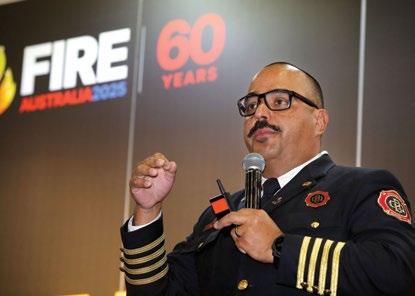
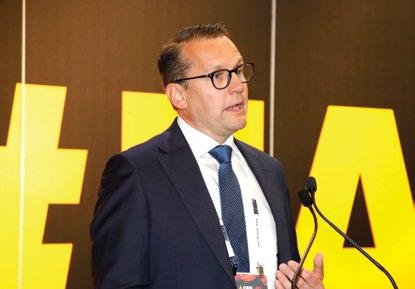
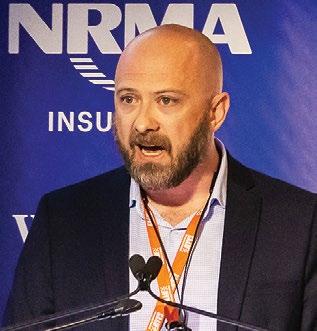
National Fire Protection Association (US) Vice-President and Chief Engineer Chris Dubay presenting a talk on ‘NFPA Fire and Life Safety Ecosystem Applications and Lessons Learned’.























FPA Australia steps into new era of safety leadership.
JOHN COLLIE CEO, FPA Australia
Sixty-five years is a significant milestone; of course it is. But the value of a legacy isn’t in its length. It’s in what you do with it.
There’s much to be proud of in Fire Protection Association (FPA) Australia’s history. We’ve helped shape standards and regulations. We’ve built our profession. We’ve stood up for public safety and for the people who make it happen. But, if we’re honest, the next 65 years won’t look anything like the last.
Fire risk is no longer just about faulty wiring or neglected maintenance. It’s about density, climate, battery systems, supply chains, skills shortages, and shifting liability. If we cling too tightly to how things used to work, we’ll miss what’s already changing around us.
The role of FPA Australia now is not just to respond, it’s to lead. We need to be the place people come for solutions, not just representation. We need to advocate with clarity, not volume. And we need to invest in systems, people, and knowledge that will



So yes, I’m proud of what we’ve done. But, more than that, I’m excited about what we can be. Because when someone writes the 130-year story of this organisation, I hope they say: this was the turning point. This was when FPA Australia stepped into its next role, not just as a voice for industry, but also as a trusted partner in shaping a safer Australia.


Visit fpaa.com.au















































If we cling too tightly to how things used to work, we’ll miss what’s already changing around us.”

























Member-led leadership has ensured integrity and professionalism more than 65 years.
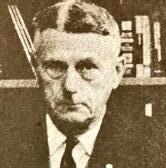


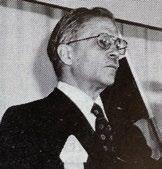

FPA Australia Board President


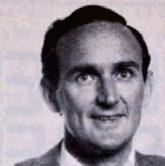



The Fire Protection Association (FPA) Australia leadership is drawn from within our membership. Since its inception, FPA Australia has been guided by members who step forward to serve, not for profit or recognition, but to support the organisation and improve fire prevention and protection for all Australians.


FPA Australia’s roots trace back to 1960, with the establishment of the Australian Fire Protection Association. This organisation focused on raising public awareness and advancing fire safety knowledge. Parallel to this, the Fire Protection Engineers’ Association of Australia, founded in 1926, evolved through name changes and expanded roles until becoming the Fire Protection Industry Association of Australia in 1990.
On 1 January 1997, these two bodies merged to form what is now FPA Australia, the national peak body representing all sectors of the fire protection industry. This merger brought together technical depth and strategic vision, unified under a single purpose: a safer Australia.






Since then, the Association has been led by a board of directors elected from among its members. These directors provide strategic oversight and governance, not operational management. Their role is to ensure that the Association adheres to its constitution, supporting members and delivering on our mission through long-term strategic planning and policy direction.



Importantly, any eligible financial member can nominate for the Board, offering all members a direct avenue to participate in and influence the future of the Association.






1965–75 H Marryatt


1975–79 GD Clark
1979–81 JP Dawson


1981–83 CR Baxter


1983–85 LG Lavelle

1985–87 KS Boyce
1987–89 MJ McKenzie
1989–91 EG Shearer
1991–93 BM Lee
1993–94 JH Paterson
1994–96 NG Bibby
1997–98 Barry Lee


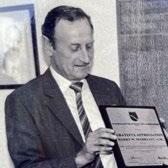


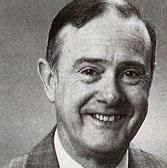
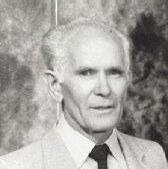

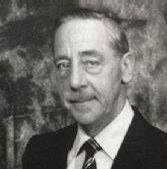

1998–2000 Neil Bibby



Over the years, FPA Australia has had 21 presidents, each building on the legacy of those before them. From Barry Lee in 1997 to Russ Porteous in 2025, this succession of leaders has supported the Board and guided the Association through significant change, growth, reform, and transformation.
Together, our leadership, reflects a deep commitment to professionalism, integrity, and community safety—foundational principles that continue to guide us into the future.
2000–02 R Llewellyn
2002–05 C Orr
2005–08 P Johnson
2008–10 C Orr
2010–12 G Talbot


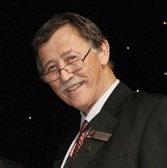
2016–18 C Orr
2012–16 T Voevodin
2018–18 T Voevodin

2018–21 W (Bill) Lea


2021–22 R (Bob) Grieve


2022–24 M Potter





2024–25 D Boverman
2025— R (Russ) Porteous










































, New South Wales, appointed in November 1996. , Victoria, appointed in November 2002. Robert Llewellyn appointed in August 2005. Peter Johnson, Victoria, appointed in November 2009. , New South Wales, appointed in May 2011. Bill Lea AFSM Wales, appointed in May 2022. David Isaacs, New South Wales, appointed Bob Grieve, Queensland, appointed in May 2025.






Fire Protection Association Australia’s Life Members reflect on their roles within the Association’s milestone.

BARRY LEE
FPA Australia’s 65-year anniversary of founding reflects a great deal of effort and perseverance on the part of dedicated volunteers and staff. I have derived considerable satisfaction from my interaction with many members and staff over the years, so 65 years of productive co-working means a great deal to me.
There have been many highlights for me since I co-signed the Australian Fire Protection Association (AFPA) into existence in May 1960 (I was officially member number six and I still have that membership card!) Five years later, the Association conducted its first national conference at Ormond Hall in Prahran, Melbourne. I presented a technical paper—‘Cryogenics and the Fire Protection Engineer’—to that assembly in the company of some first-class speakers and, thus initiated, followed this with AFPA presentations to the Confederation of Fire Protection Associations in Paris and the National Fire Protection Association in Washington, DC.
Amalgamation with the Fire Protection Industry Association of Australia (FPIAA) was seen as a pivotal development. Together with Neil Bibby (then-President of AFPA) and others, we worked long and hard to achieve the merger and I was privileged to be elected Charter President of FPA Australia.
In the late 1960s, Harry Marryatt completed an AFPA publication that remains the standard reference work on automatic sprinkler performance in Australasia (Fire: A century of automatic sprinkler performance in Australia and New Zealand, 1886–1986). I enjoyed proofreading the text, checking calculations and carrying out several supporting tests on an automatic sprinkler system in Sydney.
The demise of halons (ozone depletors), particularly Halons 1301 and 1211, and the need to safely capture substantial quantities in the field led to the Association working with the Australian Government (the so-called ozone-depleting substances and synthetic greenhouse gases recovery/ replacement effort), which proved to be a very good example of an effective government/non-government organisation partnership. It also meant problems for my peers and me. The rush to find acceptable alternative extinguishing agents proved difficult, but we ultimately succeeded with several candidate replacements—the inert gas mixture IG-541 being a good example. These largely solved the replacement issue, although testing and approvals involved considerable development and promotional effort.
As a final point, I would like to see FPA Australia continue to grow in stature as the premier fire protection industry trainer and accreditor, and the recognised point of reference for matters of fire protection management and technology.
Apart from boosting membership with some influential industry players, it led to the formation of TACs and SIGs, with direct input to Standards Australia technical committees concerned with fire protection.
I was elected to honorary life membership in 1996; an award I greatly appreciated.
... I was officially member number six and I still have that membership card!
— BARRY LEE

Receiving a Life Membership Award is a deeply humbling and significant milestone in my career and personal journey. It represents not only the culmination of years of hard work and dedication, but also the recognition from my peers, a testament to my impact, influence, and legacy within the fire protection industry.
Life membership is a special recognition that holds great significance. It represents a commitment to the Association for a lifetime, accompanied by a sense of belonging, respect, and responsibility. Being granted life membership is a unique honour, acknowledging my consistent contributions, dedication, and engagement over more than 35 years within the fire industry.
This award is not merely an accolade, but a symbol of my deep involvement and longstanding relationship with FPA Australia. It reflects the years of active participation, volunteer work and significant contributions to the organisation’s mission. It recognises the efforts that have been pivotal in shaping the Association, advancing its goals, and supporting its activities.
For me, the benefits of life membership go beyond personal recognition. It signifies the trust and gratitude from the Association, ensuring that my legacy continues within the organisation. It also provides an opportunity to remain an active voice, offering guidance and wisdom to future generations of fire protection professionals.
This honour reinforces my commitment to the values of the industry and I look forward to continuing to support FPA Australia in its mission for years to come.

PETER JOHNSON
I am honoured and proud to have been a member of FPA Australia for many years and a Life Member of this great Association.
In my professional life as a fire scientist and later a fire safety engineer, I have seen the Association grow from a small organisation with a small number of staff and limited range of members into a powerful organisation for advocacy, policy leadership, standards development, training, professional recognition, and many other aspects of fire safety and emergency management.
The organisation has grown to comprise a big office and many staff devoted to taking its place as the peak body for fire safety in Australia and recognised internationally.
I was privileged to have served on various standards committees and as a Board Member and ultimately President of this wonderful organisation. My hope for the future is that we will see national consistency and a requirement from all states and territories to require registration and accreditation of all those involved in fire safety engineering and design, installation, and maintenance of all fire safety systems, which, of course, is a key FPA Australia policy objective.
NORM WINN
In 1964, I met Mr Harry Marryatt, AFPA President (Emeritus), and Mr Barry Lee AO, AFPA Board Member, who is my friend and mentor to this day. Thus began my venture with FPA Australia.
Over the ensuing years, I have learned a lot—and am still learning today. So many things have occurred over the years: rising to be Junior Vice-President of the AFPA Board, then serving on the Victorian State Committee (VSC) and becoming Chairman of that committee for 18 years; representing AFPA and FPA Australia on numerous Australian Standards committees; and today serving as Independent Chair of FP 17 Emergency Planning.
In the early 1980s, the Board approved the VSC creation of an Industrial Section for Personnel in Industry, which conducted training for personnel. That committee, in conjunction with the Country Fire Authority, created the one-week Residential Industrial Fire Officers Course. A tie with the AFPA logo was created and presented to personnel who successfully completed the course.
At the same time, we must continue to push for a holistic approach to fire safety design for all buildings and infrastructure to ensure all fire safety measures are integrated and work effectively together to ensure community safety.
I wish all FPA Australia staff and members well in their pursuit of continuing to grow this great organisation.
During the mid-1990s came the amalgamation of the FPIAA and AFPA, creating FPA Australia as we know it today.
Around 2010, the Board approved the dissolution of state committees as an independent entity, now falling within the operation of head office. At that time, the VSC transferred more than $120,000 to FPA Australia’s head office.
I was honoured to be bestowed as a Life Member of FPA Australia in 2002 and to receive the Inaugural Meritorious Award in 2009. In 2022, the Board awarded me the Viscogliosi Award. I genuinely believe there are many others who are for more deserving of these awards than I.
My journey with the AFPA and FPA Australia—the good, the bad, and the indifferent—has been a privileged, learning, and growing experience for me, meeting people throughout Australia and the world involved in fire safety for the Australian community at large. That is a valued honour, thank you.
The organisation has grown to comprise a big office and many staff devoted to taking its place as the peak body for fire safety in Australia and recognised internationally.
— PETER JOHNSON
The Australian Fire Protection Association and the Fire Protection Industry Association merged in 1997 to form the Fire Protection Association Australia. The merged Association celebrates its 65-year anniversary in 2025.
The 1960s
In 1959 it was decided to investigate the possibility of securing a sufficiently diverse membership to establish an Australian fire protection association patterned along the lines of the US National Fire Protection Association (NFPA). Following numerous discussions with senior insurance people, fire brigades, Federal Government, and companies in the fire protection industry, it became clear the move would have general support.
Foundation
The inaugural meeting of the Australian Fire Protection Association (AFPA) was held in May 1960 with HW (Harry) Marryatt as the Chair. Mr AE (Ern) Campbell was appointed full-time secretary, and an office was rented in Queen Street, Melbourne. The Association was established as a non-profit technical and educational organisation to safeguard life and property against fire. It adopted a motto from Shakespeare’s Henry VI, Part 3: “A little fire is quickly trodden out; Which, being suffered, rivers cannot quench.”
The stated aim read in part: It will be the aim of the association to act as a clearing house for information and, through the careful recording of reports on fires in Australia and New Zealand, to make available authoritative information in regard to predominating causes of fire in any occupancy, the effectiveness of all types of fire protection, and to furnish information in regard to matters by which fire waste may be reduced.
Smokey Joe was adopted as the AFPA symbol for community effort against fire. It was agreed that national Fire Prevention Week should be held in October each year to coincide with Fire Prevention Week in the US and in advance of the summer bushfire season.
AFPA’s January–March Fire News no.6 reported that membership had passed 500 and that the Association’s office had relocated to Record Chambers, a sprinkler-protected building at 479 Collins Street, Melbourne.
The same year saw a visit to Australia by the legendary Percy Bugbee, General Manager of the US NFPA. He came at the expense of NFPA to support the work of AFPA. During a press interview he famously cited “men, women, and children” as the three principal causes of fire.
In the mid-1960s, it became evident that a greater emphasis was required on
the importance of Automatic Fire Sprinkler Systems. Wormald had maintained an accurate fire record of automatic sprinkler performance for every fire that had occurred in Australia and New Zealand from 1886 right through to the 1970s. Mr Marryatt of Wormald undertook the required research, and the book was launched by Sir Donald Anderson, Director-General of Civil Aviation. It was published by AFPA, and it soon became an international reference. It was followed in 1988 with the updated title A century of automatic sprinkler protection in Australia and New Zealand 1886–1986.
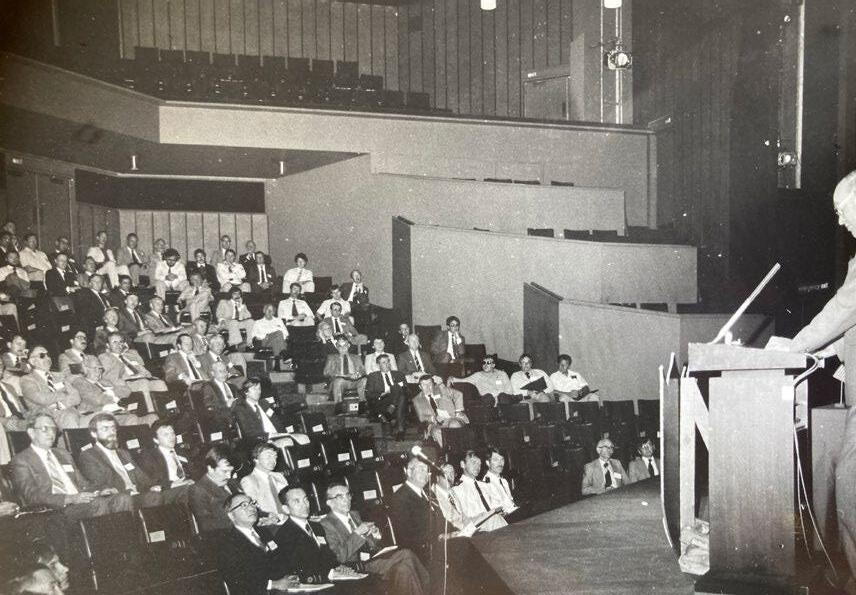
AFPA’s first national conference on fire was held in 1965. There were 346 attendees with all states, the NT, and New Zealand represented. Only 16% of the delegates came from the fire protection industry, demonstrating
the widespread concern about fire among governments, universities, industries including architecture, and organisations such as the National Safety Council and the Standards Association of Australia. Papers presented at the conference covered a wide range of topics, including:
• bush and forest firefighting cryogenics
• fire brigade equipment
• atomic energy
• burns and asphyxiation
• the petrochemical industry
• ports and harbours
• high-rise buildings
• plastics
• fire detectors
• liquefied petroleum gas standards
• power generation
• airports
• air conditioning systems
• high-piled storage
• automatic sprinkler systems.
Triggered by an AFPA proposal, the international Conference of Fire Protection Associations (CFPA) first met in Wiesbaden, Germany, in 1966. CFPA is now a significant force in fire protection and, following an AFPA initiative, CFPA Asia continues to grow in international stature.
Before the end of 1967, AFPA was able to proudly announce that the Rt Hon Lord Richard Casey PC GCMG CH DSO MC KStJ, Governor-General of the Commonwealth of Australia, had accepted an invitation to become patron of the Association. He was followed in 1969 by Sir Paul Hasluck PC GCMG KStJ. The Association has since enjoyed the patronage of successive governors-general, including the current Governor-General, Her Excellency the Hon Sam Mostyn AC.
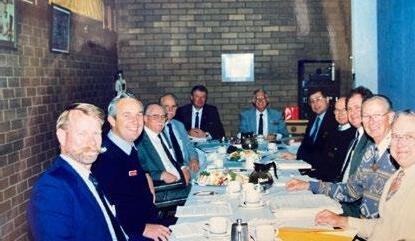
From inception, state committees have and continue to play a crucial role in advocating for the fire protection industry across Australia. These committees engage with local politicians, regulators, and stakeholders to address issues specific to their regions. They work to influence policy and regulatory changes, ensuring that fire protection standards are maintained and improved.
Each state committee focuses on building networks and expanding influence. They
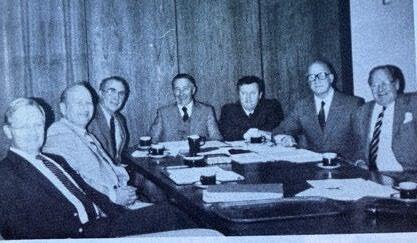
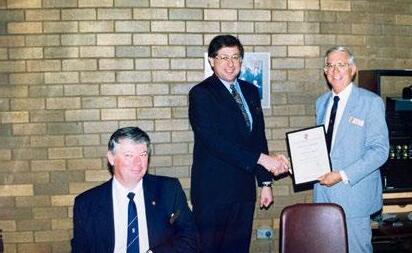
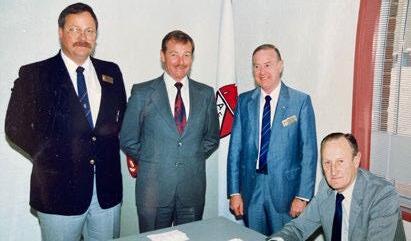
provide a platform for local members to voice concerns and propose solutions, which are then promoted to all levels of government. By offering accreditation as an alternative to licensing, these committees help professionalise the industry and ensure that fire protection remains a priority in public policy.
Overall, state committees are essential in driving advocacy efforts, addressing local issues, and enhancing the effectiveness of fire protection across Australia.
AFPA meeting
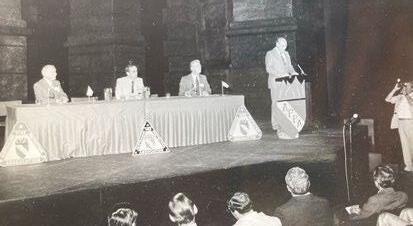
The inaugural meeting of the Australian Fire Protection Association was held in May 1960 with HW (Harry) Marryatt 1965
AFPA Conference
AFPA’s first national conference on fire was held in 1965.
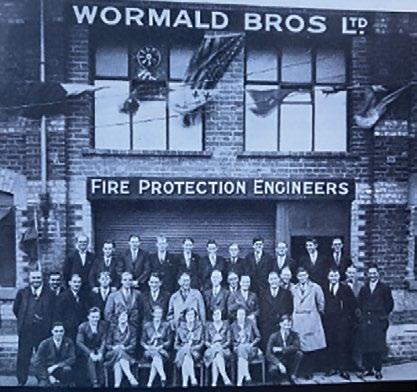
In the mid-1960s, it became evident that a greater emphasis was required on the importance of Automatic Fire Sprinkler Systems. Wormald Bros maintained an accurate record of automatic sprinkler performance in Australia and New Zealand since 1886.
By 1974, AFPA membership had grown to 12,151 and the New Zealand branch was hived off as a separate association.
AFPA’s 100th monthly bulletin was published in January 1970. The first monthly bulletin had been published in the Australasian Insurance & Banking Record in November 1961, just 18 months after the formation of the Association. It was titled ‘Fire escapes and safety to life’. Things that followed, all of which where widely distributed through the Associations network—including members and overseas affiliations—covered a wide range of topics. The subjects included the immediate practical problems of fire safety procedures in homes, industry, and commerce, as well as the special problems particular to Australia such as bushfires. They also included reports of major fires overseas— the lessons from which were important for Australia.
The first Fire Journal (now Fire Australia) was published in 1974.
The third national conference on fire was held at the National Science Centre, Melbourne, in 1971, with the theme ‘Fire and modern technology’. The introductory address was given by the celebrated US professor Julius Sumner Miller and the panel of speakers included DI Lawson, Director of the Joint Fire Research Organisation, UK, and Dr Vilhelm Sjolin of the National Swedish Institute for Building Research.
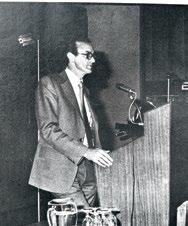
1971
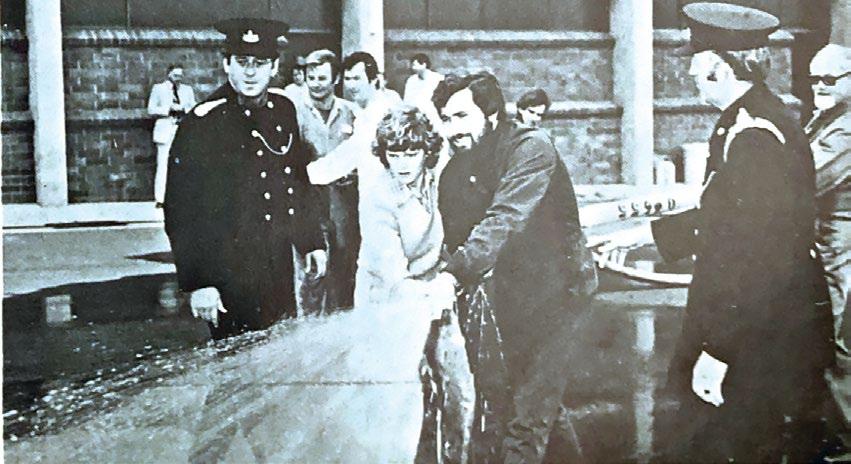
The fourth national conference, held in 1973, is worthy of mention, it was opened by Sir Donald Anderson CBE, then chair of Qantas Airways Ltd. The keynote address, ‘Moving mankind towards fire safety from fire’, was given by Charles Morgan, president of NFPA and a strong supporter of AFPA. There were three other important speakers from overseas: John G Lodge, Fire Service Officer of the Civil Aviation Authority, UK; Richard Hadley, Air Services Fire Marshall, Department of Transport, Canada; and BV Hewes, Air Line Pilots Association, US.
A series of one-day fire prevention courses for management were introduced
in 1979. They were held in all states and were well attended. In the same year, industrial fire officers’ training courses, already conducted successfully by AFPA’s Victorian State Committee at the Fiskville training wing of the CFA, were introduced in NSW.
Also in 1979, DE Smith was appointed Technical Director of the Association. He had been a guest speaker at the 6th Australian national conference on fire at Broadbeach, Queensland, and had previously been manager of the Fire Protection Association of Southern Africa.
1974
AFPA national conferences
Fire Journal published
During the 1970s national conferences attracted international speakers.
DE Smith was appointed Technical Director.
The first Fire Journal (now called Fire Australia) was published in 1974.
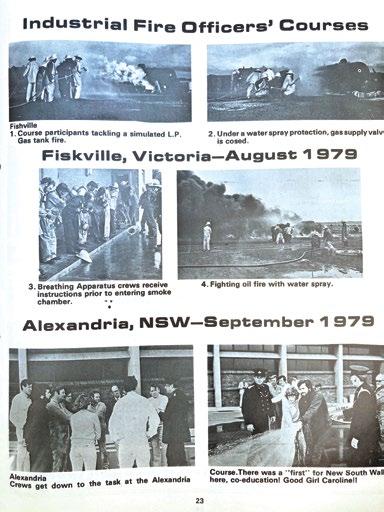
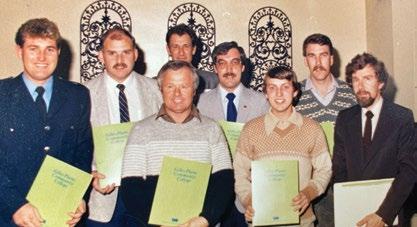
Fire prevention courses introduced
A series of one-day fire prevention courses for management were introduced in 1979. They were held in all states and well attended. In the same year, industrial fire officers’ training courses, already conducted successfully by AFPA’s Victorian State Committee at the Fiskville training wing of the CFA, were introduced in NSW (pictured above).
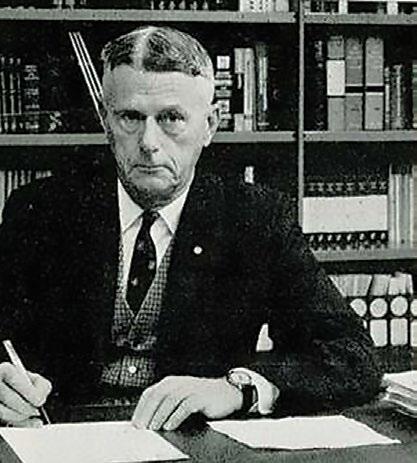
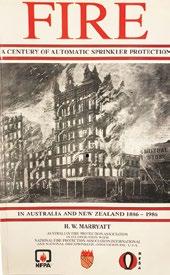
Fire: A century of automatic sprinkler protection in Australia and New Zealand 1886–1986 was published in 1988.
In 1960, Mr Harry Marryatt (above) founded the Australian Fire Protection Association (AFPA), now known as Fire Protection Association Australia. Eleven years later, the Association published a book by Mr Marryatt about the performance of fireprotection sprinklers: Fire, automatic sprinkler performance in Australia and New Zealand 1886–1986
Wormald Bros maintained an accurate record of automatic sprinkler performance in Australia and New Zealand since 1886, and APFA decided it needed to be properly documented and published. Mr Marryatt was approached to do this. He put in a great deal of research, culminating in the writing of a book, which became a standard reference work covering a century of sprinkler performance.
The Great Fire of London in 1666 led to the first set of building regulations in Britain, identified the need for passive fire protection, and prompted the emergence of fire insurance. It also gave impetus to the development of automatic fire sprinkler systems.
BY BARRY LEE OAM
Just over half a century after the Great Fire, London chemist Ambrose Godfrey patented a device comprising a cask of fire extinguishing liquid and incorporating a chamber of gunpowder. When ignited, a system of fuses exploded the gunpowder and scattered the extinguishant.
Some 80 years later, John Carey proposed a system of perforated pipes to extinguish fires. This idea was further developed by Sir William Congreve in 1812, who described it as “an apparatus for extinguishing fires which shall be called into action by the fire itself at its first breaking out, and which shall be brought to bear upon the precise part where the flames exist”. It elegantly summarises the state of the art as it exists today.
The book was acclaimed worldwide and helped form fire codes and regulations in many countries. The success of Mr Marryatt’s first book led to a sequel on the same topic. He was constantly in demand as a speaker in Australia and overseas. His last international speech was in Scotland at the age of 83.
Congreve’s invention ushered in a 70-year reign of perforated pipe systems, including the first in the US installed in a textile mill in Lowell, Massachusetts, during the 1850s.
It was followed by an improved model with a glass button valve seat in 1890, a feature that ran unchanged for decades.
1879 saw patenting of the first dry pipe sprinkler control/alarm valve (needed for sprinkler installations exposed to freezing conditions). A few years later, CJH Woodbury, Chief Mechanical Engineer of the Boston Manufacturers Mutual Insurance Company, conducted the first extensive series of sprinkler tests, which served to identify the performance characteristics of the various automatic sprinklers then in use. His findings were published in 1884.
In 1864, Major AS Harrison invented a complete fire sprinkler system far in advance of its predecessors but, for unknown reasons, it was abandoned without seeking a patent. Ten years later, Henry S Parmelee, a ‘Connecticut Yankee’, patented the first and, for a number of years, the only automatic sprinkler, which performed splendid service in America and England.
This was a productive period. Also in 1884, FH Prentiss of Boston patented a sprinkler that depended upon the expansion of ether and alcohol. The original version was an ‘on–off’ device. Known as the Draper in the US (and the DraperHetherington in Britain), it was apt to close prematurely and so was a commercial failure. The on–off concept was again explored in the 1970s and 1980s, but was abandoned because of persistent field issues.
The 20th century opened with the filing of the first patent applications for glass bulb sprinklers (mainly to avoid corrosion), with the first production commencing around 1922. Glass bulb technology remains an important factor in sprinkler design to this day.
An improved variant—a sensitive, metal-disc sprinkler with a toothed deflector to direct the water spray—was introduced by Frederick Grinnell in 1882.
1914 saw the first major ship installations in the Hamburg-Amerika Lines vessels Imperator and Vaterland, and many more
were to follow in British-built ships. Then, around 1953, the so-called ‘spray sprinkler’ effectively replaced the then ‘standard (conventional) sprinkler’. This now widely accepted sprinkler discharges all water downward, whereas the conventional sprinkler sprays 40% to 60% of the water upward at the ceiling.
The ubiquitous lift truck entered the scene during the 1940s, permitting ever higher piling of stored commodities and greater challenges for sprinkler protection. The sprinkler industry responded, first with intermediate storage level sprinkler layouts, then with the introduction of large-drop sprinklers (1971–80) and ‘early suppression fast response (ESFR) sprinklers’ (1983–89).
ESFR sprinklers proved able to suppress severe storage fires beyond the protection capabilities even of large-drop sprinklers.
The first sprinkler installation in Australia was completed in 1886 in the bedding factory of Laycock, Son & Nettleton, South Melbourne. It incorporated 1884-model Grinnell sprinklers, and pipework shipped largely prefabricated from the works of Dowson, Taylor & Co Ltd, Blackfriars Bridge in Manchester. This installation controlled its first fire on 21 December 1886 (only four years after Grinnell patented this sprinkler in the US). The first sprinkler system in
New Zealand came a few years later in 1889, and was installed in the Northern Roller Milling Co Ltd, Auckland.
A few Australian innovations are worthy of mention. First, in 1909, Wormald introduced the Kirkby automatic fire brigade alarm attached to sprinkler systems. This pioneering alarm worked well until it was superseded by the Metropolitan Fire Brigade (MFB) hydraulically operated alarm. Then, in 1936, the first automatic petrol engine-driven pumpsets were designed and installed in Australia, followed in 1955 by the first automatic diesel-driven pumps.
A landmark development in the history of automatic sprinkler protection occurred in 1885, when John (later Sir John) Wormald of the Mutual Fire Insurance Company, Manchester, wrote the first installation rules. In 1888, these rules were adopted by the Fire Offices’ Committee (FOC), London. The New England Fire Insurance Exchange adopted new rules in 1887. Finally, in 1896, the US’s National Fire Protection Association (NFPA) published the first edition of what is now known as NFPA 13, a standard for the installation of sprinkler systems.
In December 1968, the 29th edition of the FOC Rules for Automatic Sprinkler Installations was published, which took
account of the requirements for occupancies of extra-light, ordinary, and extra-high hazards. These new rules were adopted in Australia with the publication of the first edition of AS 2118.
The performance of automatic sprinklers in residential occupancies was thoroughly researched from 1976 to 1982. This work culminated in 1981 with the first approval of a residential sprinkler—the Grinnell FR-1—a quick-response, extended coverage, horizontal sidewall sprinkler.
As the NFPA observed, “the era of effective, efficient, affordable sprinkler protection for homes has begun”. FPA Australia’s cost-effective automatic sprinkler standards FPAA101D and FPAA101H for residential accommodation are the descendants of this innovation.
And there is surely more to come in the systems design context. As the NFPA puts it: “The technological boom continues across every industry imaginable: pencil skyscrapers, energy storage systems, cannabis production facilities, spaceports for the burgeoning commercial space industry, and electronically activated sprinklers are just a few of the emerging areas recently addressed by NFPA codes and standards, or that are under consideration for new standards …”
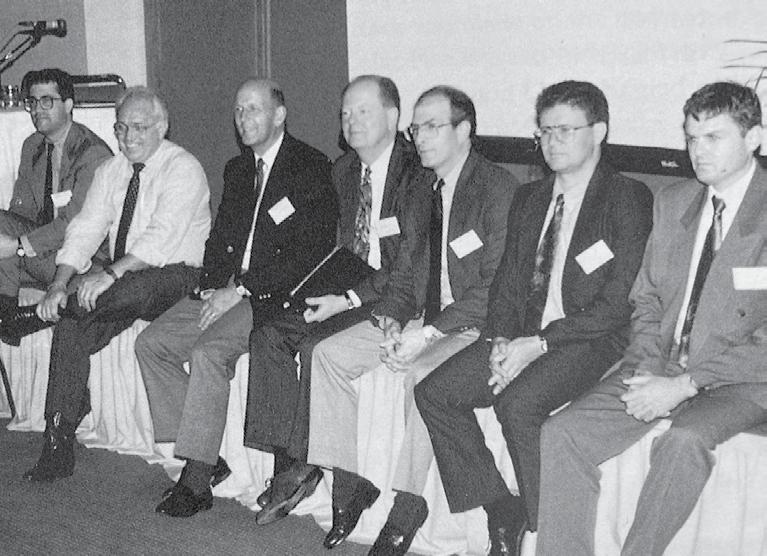
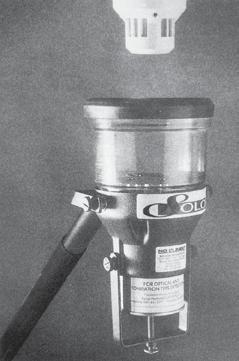
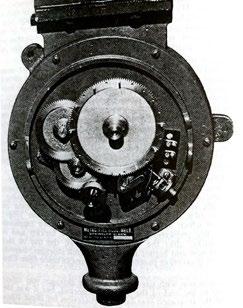
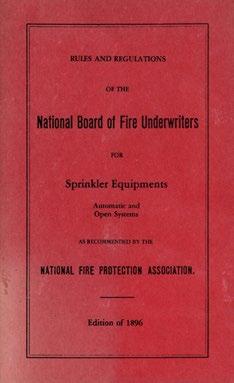
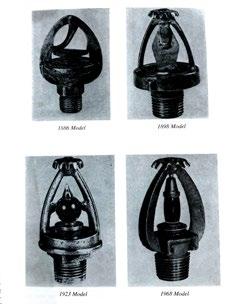


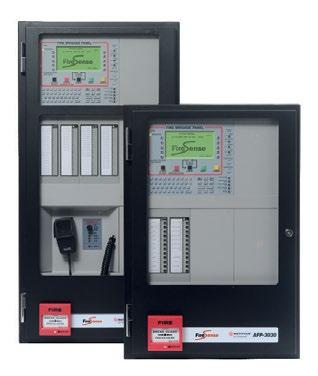
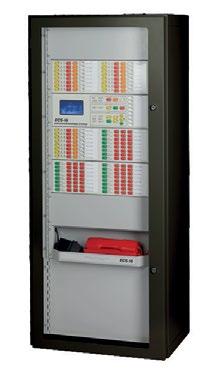
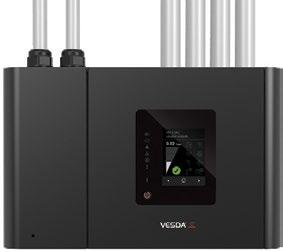
1985 was AFPA’s silver (25th) anniversary year, and it could claim to have increased public awareness of fire risk through the wide distribution of printed material, Fire Prevention Week publicity, and conferences and seminars.
It had achieved international recognition through its publications and played a leading role in the establishment of the international Conference of Fire Protection Associations. Its standing was demonstrated by vice-regal support both nationally and at a state level, particularly patronage from the successive Governors-General.
In 1980, the Association published its second book. This was Fire protection guide for industry and commerce by Denis Smith, the Association’s Technical Director. The 152-page volume was well received.
An interesting comment on the eighth National Conference in Adelaide (1982) was received from AP Van Bogaert, a Belgian speaker, who said in his report to the Ministerie van Nationale Opvoeding en Cultuur (Ministry of National Education and Culture): “As a conclusion, the conference covered so much in so short a time because it excelled in motivation, brevity, coherence, and clearness. Therefore, it may stand as a model for similar conferences. Therefore too, all those who cooperate in the AFPA National and state organising teams are to be congratulated on their joint achievements. The issues of this conference was not an end; it gave a start to the future.”
In June 1982, the Victorian industrial section of AFPA reported completion of the 15th residential training course at Fiskville in association with the Country Fire Authority. These five-day courses had attracted students from WA, Queensland, Tasmania, and the NT, as well as Victoria. The average
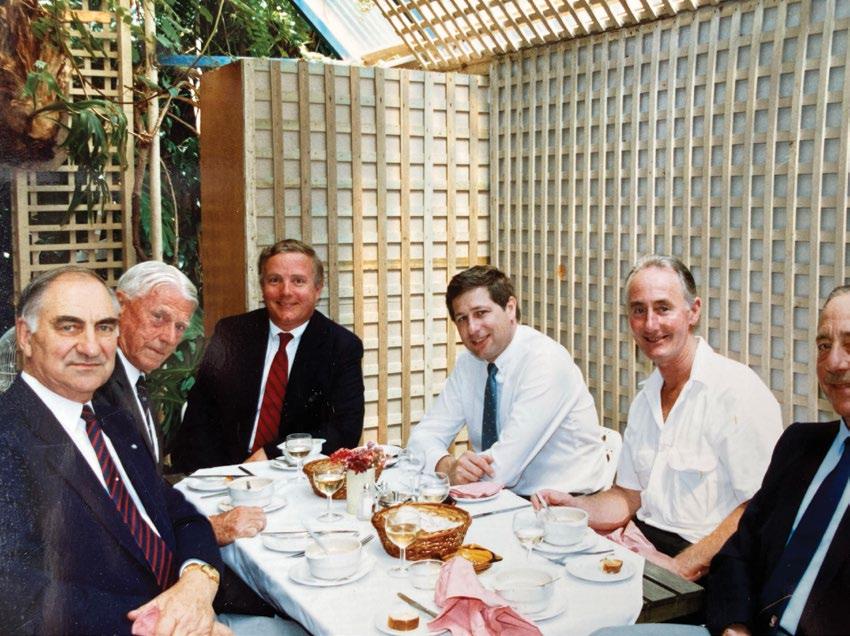
attendance was 30. In addition to these courses, the Victorian industrial section was then conducting an industrial fire squad competition each year during Fire Prevention Week.
The 9th Australian National Conference on Fire covered a wide range of important topics. One session examined fire safety in hospitals and institutional occupancies, special requirements for the handicapped and elderly, places of entertainment and public assembly, and the movement of people in buildings. Unfortunately, Dr John L Bryan, Professor and Chairman of the Department of Fire Protection Engineering, University of Maryland, was
taken to hospital as he was about to leave the conference. He recovered and his papers were presented for him by Edwina Juliette, Jake Pauls (National Research Council of Canada), and Bernard Levin (National Bureau of Standards, US).
Another people movement expert, JD Sime (Research Fellow, School of Architecture, Portsmouth Polytechnic, UK) completed the line-up of overseas speakers.
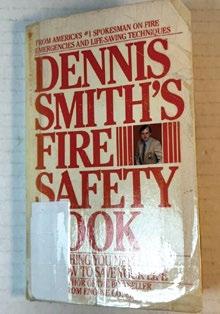
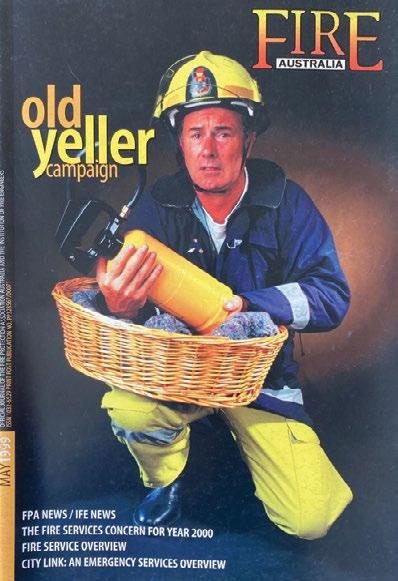
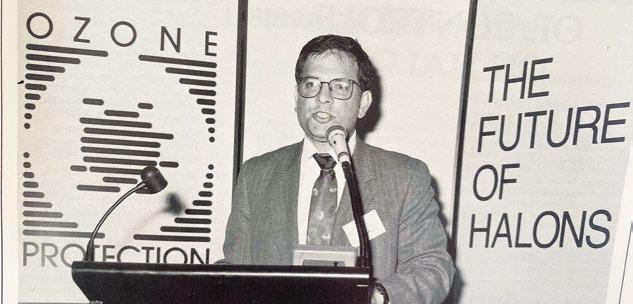
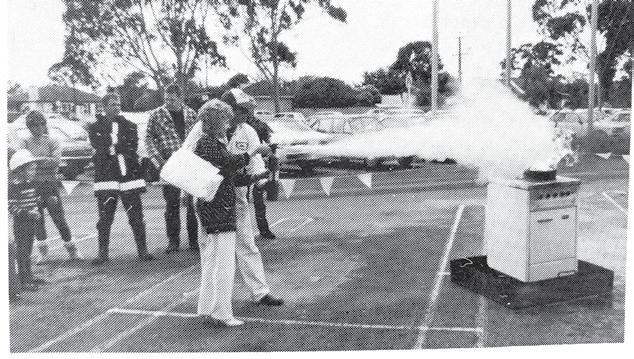
1980
1982
1983
Overseas guest speaker Brian Perry, from FPA, London, with Chris Baxter, then senior vice-president AFPA, later appointed president.

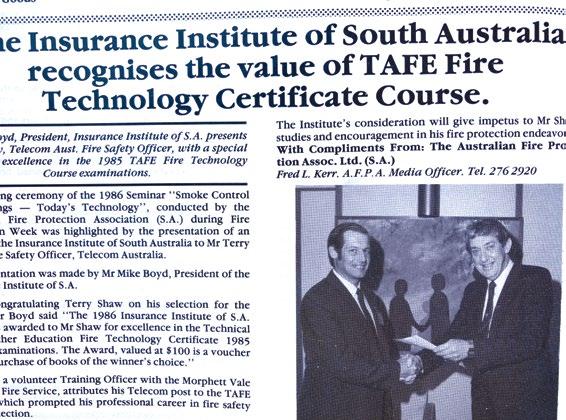
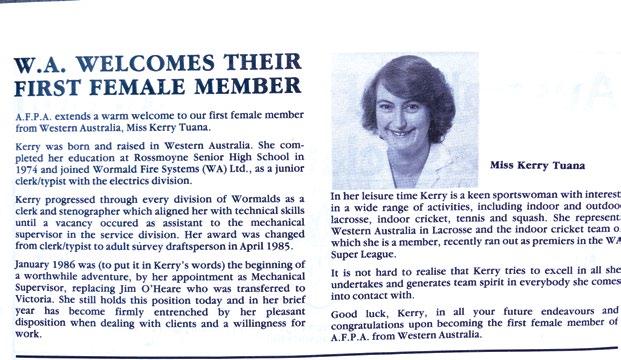
1985
1986
Fire protection guide
Second book published: Fire Protection Guide for Industry and Commerce by Denis Smith, AFPA Technical Director.
15th residential training course
Completed at Fiskville, Victoria, in partnership with the Country Fire Authority.
9th national conference
9th Australian National Conference: Covered fire safety in hospitals, public assembly buildings, and people movement; featured international experts from the US, UK, and Canada.
AFPA’s silver anniversary year (25 years)
Recognised for increasing public awareness via printed materials, Fire Prevention Week, and seminars.
First female member
Kerry Tuana was the first female member of AFPA in WA.
Moving to the 1990s, the first significant point was the development of an Australian standard on residential smoke detectors. That sounds prosaic, but it was an extremely important standard. Smoke detectors were not a practical possibility prior to the 1990s because there was not enough advancement to provide a unit detector that was sensitive or stable enough. Not only did the standard spawn a whole industry of home fire alarm systems being sold everywhere, but it’s also been responsible for saving lives. The standard was a quantum jump forward.
The amalgamation
In 1997, the Fire Protection Industry Association of Australia and the Australian Fire Protection Association merged to create FPA Australia, after lengthy negotiation between the founding partners. They asked: What’s the point in having a fire protection industry association and the fire protection association, both virtually doing the same kind of work? It would be better to combine those resources.
The new body was stronger technically and had good representation across the fire protection sector. There were a broad range of individuals, companies and organisations involved in fire protection, including:
• government
• fire and emergency services
• insurance
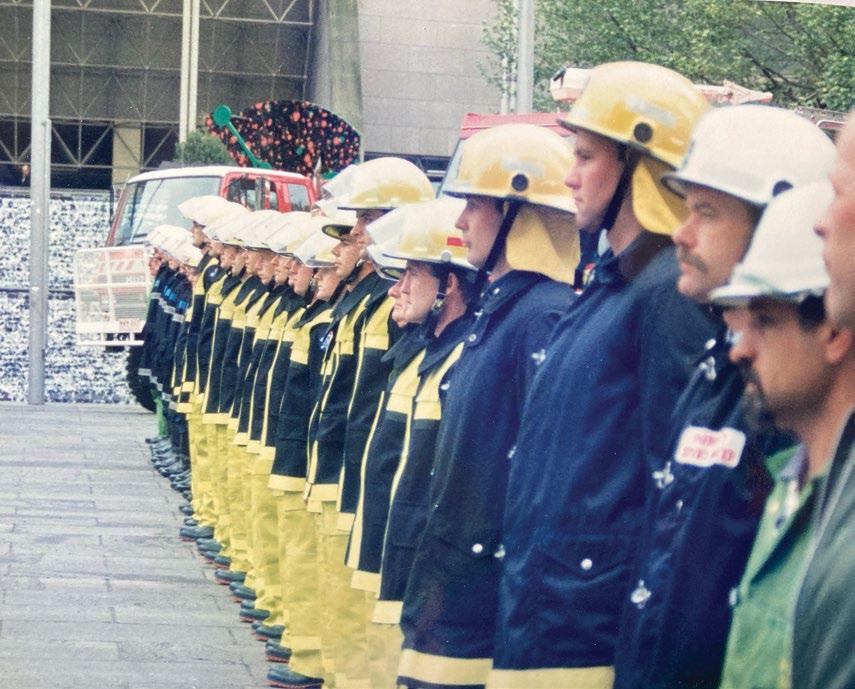
Fire awareness week.
• research
• engineering
• architecture
• building
• health
• education and training
• transport
• manufacturing
• mining
• those working in the design, manufacture, installation, and maintenance of fire protection systems.
The technical infrastructure was strengthened immensely by this merger.
In 1989 Barry Lee was honoured with the United Nations environment programme citation of excellence, in recognition of his outstanding contribution to the protection of the earth’s ozone layer. In 1990 he was also honoured with medal of the Order of Australia in the general division for services to industry, particularly in the area of Fire Protection.
The Australian Building Codes Board (ABCB) successfully introduced Australia’s first national performance-based building code, BCA96, in 1996, and it has now been adopted by the Commonwealth and all Australian states and territories.
The goals of BCA96 are to enable the achievement and maintenance of acceptable standards of structural sufficiency, safety (including safety from fire), health, and amenity for the benefit of the community. The code:
• reflects community expectations for building standards
• provides the underpinning for technical building regulations
• is nationally consistent, meeting the needs of the states and territories in the administration of building control.
The national adoption of the code has also provided an impetus for wider national uniformity in building regulations and innovations, as well as advancing the community’s need for a more cost-effective and efficient building and construction sector.
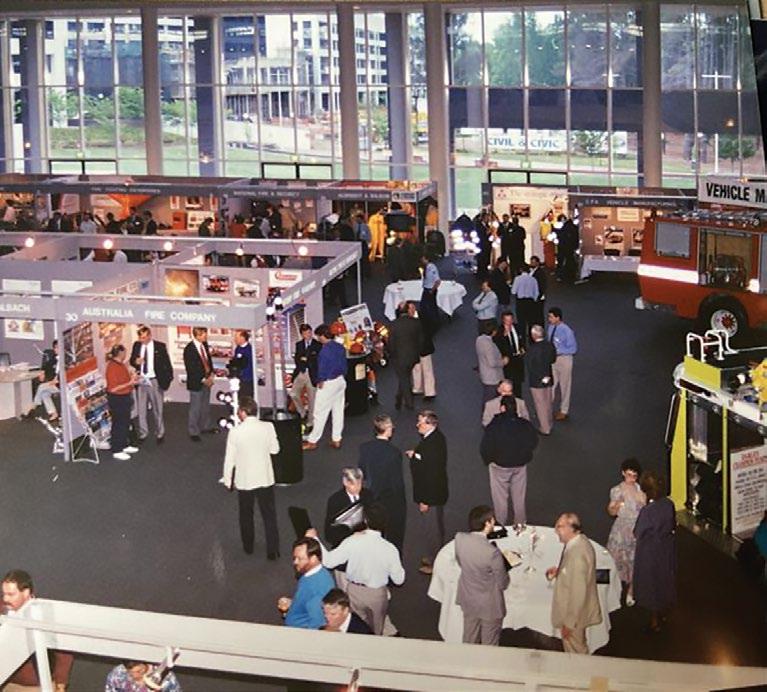
Developed two tailored home sprinkler standards, distinct from heavy industrial systems. Both standards were later adopted by Standards Australia.
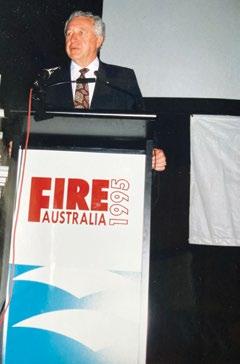
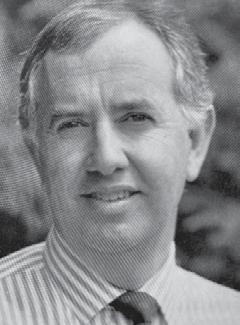
FPA Australia honorary life member Peter Sutherland was instrumental in the merger of the Fire Protection Industry Association of Australia (FPIAA) and the Australian Fire Protection Association (AFPA), which created Fire Protection Association Australia in the late 1990s. Mr Sutherland had a 40-year career in fire protection, mostly at Chubb Australia, and subsequently held the positions of Director, Junior Vice President, and Chair of various Board committees for seven years.
FPA Australia’s newly formed national advisory committee met for the first time on 4 April 1997. As well as members of the Board of Directors, the committee comprised representatives of state committees and outside bodies, plus selected individuals. Barry Lee told the meeting that the committee’s purpose was to provide broader communication between the Association, the state committees, and kindred bodies. Committee members were enthusiastic about the role they would play in the strategic development of the Association and in furthering the objectives of community fire safety. In particular, members saw benefits in obtaining the views of state committees, the education sector, and the broader fire industry. They were keen to see the committee achieve a range of goals by year end, and to develop a work plan for 1998. Mr Lee advised that the committee would proceed on a formal basis of quarterly meetings, and reports would be made to the Board and the membership. He identified a number of areas where the input of the committee would be particularly sought. Key among these was input into the development of the Association’s corporate plan.
FPA Australia is the largest participant in the development of Australian standards for fire protection insofar as it nominates more people to committees of standards than any other organisation. Through its work in this area, FPA Australia members play an important role in the development of Australian standards.
In the 25 years since the merger, the Association has:
• developed a registered training organisation to educate the industry
• implemented the National Advocacy Framework with four state managers— NSW, Victoria, Queensland, and WA
• created accreditation schemes for:
> bushfire (BPAD, 2006)
> inspection and testing (FPAS I&T, 2013)
> design (FPAS FSD, 2018)
> certification (FPAS FSC, 2018)
> assessment (FPAS FSA, 2019).
The FPA Australia registered training organisation (RTO) was formally registered on 23 June 2000 with the Victorian Registration and Qualifications Authority (VRQA). It then transitioned to national registration under the Australian Skills Quality Authority (ASQA) on 1 July 2011, where we maintain our current registration.
The introduction of the coat of arms was an important milestone for FPA Australia. It was instigated in 2007 by the Board of Directors for use on official FPA Australia documents.
The coat of arms is used on medals for new awards recognising membership longevity and meritorious service awards. FPA Australia would like to gratefully acknowledge Honorary Life Member Barry Lee OAM, who designed the original coat of arms.
About the coat of arms
The reptile depicted in the coat of arms is the salamander. The term salamander is given to tailed amphibians, but it formerly referred to a mythical lizard-like monster that had the ability to live in fire, quenching it with the chill of its body.
The name was later adopted by the scientist Paracelsus (1493–1541) to describe an elemental being inhabiting fire.
FPA Australia celebrates 50 years
FPA Australia and Fire and Rescue NSW (FRNSW) came together on 30 April 2021 to launch a unique facility.
The Barry Lee Training Room was the first of its kind—a dedicated room that showcases a range of equipment covering wet and dry fire systems.
Situated within the grounds of the NSW Emergency Services Academy, the room was a collaboration between the two organisations.
It provides facilities that enable training of fire protection practitioners and fire fighters alike on the types of equipment likely to be found within Australian buildings.
Since then, the RTO has navigated multiple training package updates and the implementation of the Unique Student Identifier (USI), and remained actively engaged in both the vocational education and training sector, and the fire protection industry. Through this continued involvement, FPA Australia’s RTO is proud to play a critical role in strengthening the skills, knowledge, and professionalism of the fire protection industry, ensuring the sector is well represented and advocated for at every level.
– by Pierrin Vogeli
The Latin motto ‘ignis non dominus’, featu red on the coat of arms, translates to ‘fire not the master’.
As part of the 65-year anniversary a refresh was applied to the Coat of Arms.
accredited NSW practitioner
The close working relationship between FPA Austrailia and Standards Australia, which has prospered over three decades, was enhanced in 2001 by the signing of a cooperation agreement between the two not-for-profit organisations. The agreement covers such matters as representation on technical committees, production of miscellaneous joint publications, and collaboration on joint seminars.
Daniel Kirk has become the first NSW fire safety industry practitioner to pass the Fire Systems Design assessment under FPA Australia’s Fire Protection Accreditation Scheme (FPAS). Mr Kirk, who has been in the industry for 11 years and is Associate Fire Engineer, NSW Team Manager at WSP Parsons Brinkerhoff, achieved accreditation in Fire Hydrant and Hose Reel Systems, Fire Detection and Alarms, and Fire Sprinkler Systems.
The Barry Lee Training Room was officially opened by the Hon. David Elliott MP, Minister for Police and Emergency Services, in the presence of:
• FRNSW Commissioner Paul Baxter AFSM
• Tanya Davies MP, Member for Mulgoa
• FPA Australia President Bill Lea AFSM
• Barry Lee OAM, after whom the facility was named.

“I’ve wanted to pass this because it proves I know what I’m talking about,” he said.
“Accreditation is becoming a major issue, especially in NSW right now (as the NSW Government moves to introduce reforms to the fire protection industry making accreditation for practitioners compulsory).”

In the month of September FPA Australia launched National Fire Protection Month (NFPM). This campaign aims to raise community awareness about fire protection and highlight the role played by the industry in protecting life, property, and the environment. During the month, FPA Australia hold over 20 events and activities. The inaugural event began with a reception at Admiralty House to launch the event, hosted by our Patron, His Excellency General the Honourable David Hurley AC DSC (Retd), Governor-General of Australia. Other activities will include face-to-face seminars and networking events in each state and territory, as well as webinars, tours and demonstrations. Unlike other FPA Australia events, most of the activities throughout the month are open to the public.
State committees and their impact on fire safety in Australia.
In the early 1960s, the AFPA Board made a directive to create a ‘state committee’ in each state to govern issues related to fire safety matters.
That committee would be a formal group consisting of elected chairman, deputy chairman, secretary, treasurer, and selected financial committee members. Each state conducted its administrative and financial matters, reporting to the Board on an annual basis. That report was a summary of highlights of the committee’s activities.
The National Fire Prevention Week was conducted annually by local fire brigades, both urban and rural. There were open days enabling the public to visit the fire station and learn home fire safety measures, fire displays, safety stalls in shopping centres, talks in schools (primary and secondary), state governors’ receptions, and educational sessions for AFPA members.
There is no doubt that this national activity improved community knowledge of fire safety and promoted the name of AFPA/FPA Australia.
Each committee consisted of up to (but not exceeding) 12 AFPA financial members, plus an invited member of each
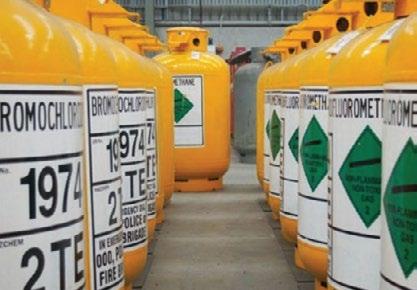
state fire service. The role and function of the committee was to encourage the development of people safety matters, including representation to relative parliamentary ministers and members, and to attend and contribute to government committees dealing with fire safety.
There is no doubt that contributions made by state committee members last century influenced legislative fire safety matters that have continued, in principle, to this very day.
Each state conducted an annual meeting, election of committee officers, and a presentation of an audited financial statement combined with an activity report for the Association’s Annual Report.
Technical development and industry training
Technical ‘seminars’ were conducted by the state committees for members and invitees to ensure they were kept up to date with any proposals for fire safety. When the Fire Australia Conference was conducted, the state committee was expected to assist with administration, manpower, and technical input.
The Board approved the Victorian Committee’s vision to create a separate ‘industrial section’ to concentrate on and conduct activities relevant to the everchanging industrial world. That then extended to the creation and development of training courses for those in industry. These courses became one-week certificated residential courses at the CFA Training College, Fiskville.
The 1990s and early 2000s attracted personnel nationally (and from the Pacific basin) in the oil, mining, and manufacturing industries, as well as air, land, and sea transportation and administration.
Structural changes and national integration
Due to the new state committee functions introduced by the Board in 2011, all state bank accounts were transferred to the FPA Australia main account, as state committees no longer administered their financial affairs. An annual budget approval system through Head Office removed the state committee initiatives.
The NSW Committee contributed to the voluntary National Registration and Accreditation Scheme for practitioners.
Both Victoria and NSW conducted members’ golf days, enabling great interface of industry personnel in a social atmosphere. Victoria conducted numerous annual dinner dances enabling great social activity.
State committees throughout Australia conducted seminars and practical training days for members and, at times, the public, with cooperation of respective state fire services, increasing the knowledge of FPA Practitioners and the public in general.
All state committees and their nominated members were represented on various state- based regulatory committees, having a positive impact on regulatory change throughout Australia.

Halons and other scheduled agents have long been valued in fire protection for their effectiveness in quickly suppressing fires, particularly in high-risk environments. However, these scheduled gases either have a potent ozone-depleting potential or have a very high greenhouse gas emission, and their environmental impact led to international action through the Montreal Protocol on Substances that Deplete the Ozone Layer, adopted in 1987. The protocol required the phase-out of ozone-depleting chemicals, including halon, prompting countries such as Australia to take regulatory action.
In response, the Australian Government established the Fire Protection Industry (ODS & SGG) Board in 2005 to support industry compliance with the protocol, manage the use of scheduled substances, and help the sector transition to environmentally safer fire suppression alternatives—while maintaining high standards of fire safety.
FPA Australia has proudly managed this contract since its creation, making this year the 20th anniversary of the Fire Protection Permit Scheme. www.fpib.com.au/about-us
On 1 August 2002, the NSW Environmental Planning and Assessment Act 1979 and the Rural Fires Act 1997 were both amended to enhance bushfire protection through the development process.
Bushfire-prone land maps were formulated to identify areas of bushfire hazard. Council local environmental plans and development control plans were considered a way of achieving bushfire protection at the development stage. Strategic planning considered bushfire issues at the planning stage, and local council and NSW Rural Fire Service (RFS) were given the responsibility of ensuring bushfire protection was considered at all stages of planning and development.
The local councils and the RFS relied on bushfire risk assessments from companies and individuals who had experience in bushfire risk management at the development stage.
To ensure a basic understanding of the risk from bushfire attack, a basic five-day course was available through the University of Technology Sydney. This course enabled participants to be recognised as having a basic understanding of how to provide written reports suitable for supporting development applications to local councils.
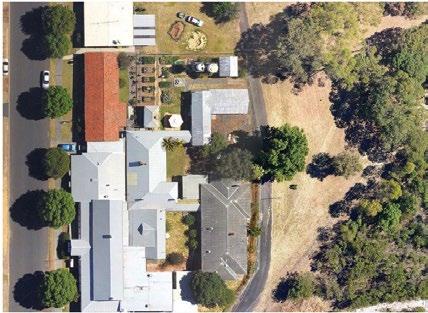
However, to truly understand the intricacies of planning and design to reduce the risk from bushfire attack on bushfire-prone land, a more comprehensive set of skills was needed from companies and individuals supplying advice for development on bushfire-prone land.
The NSW RFS asked the University of Western Sydney (UWS) to establish and oversee the formulation of a postgraduate university degree. In 2004, a course entitled Graduate Diploma in Design for Bushfire Prone Areas was established.
The first course included six subjects covering all aspects of preparing for and reducing the risk of bushfire attack.
Several practising consultants completed the first postgraduate Graduate Diploma in Design for Bushfire Prone Areas course in September 2005.
After 18 months of intensive study at UWS, the successful graduates met and, realising that we had achieved a high level of expertise in the study of bushfire behaviour, we discussed the possibility of having our newly acquired academic results recognised at a professional level. At this meeting, we agreed on the name Bushfire Planning and Design for professional recognition. The BPAD name was now established.
Fire Safety Engineer and FPA Australia life member Chris Orr suggested contacting FPA Australia to manage and administer BPAD.
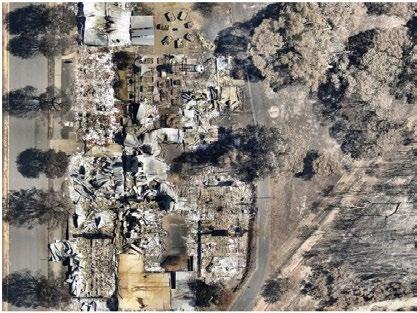
FPA Australia immediately responded and, after a meeting in Sydney, a plan was put forward by FPA Australia to establish an accreditation scheme to ensure a high level of professionalism in the planning for bushfire protection industry. There was, as discussed previously, a short course for those wishing to partake in bushfire risk consultancy, but it was plain to see that this was no more than a stopgap measure.
FPA Australia allocated a highly professional operator, and we worked for many months to set up an accreditation scheme that would be accepted by the NSW RFS and local and state governments.
After months of investigation and hours of work, the BPAD Accreditation Scheme was formulated. A meeting was held at NSW RFS headquarters. This was a pivotal moment in planning and design for development in bushfire-prone areas. NSW RFS endorsed the accreditation scheme and offered to work closely with FPA Australia and future accredited consultants.
The next step was to establish a peer review panel. The panel originally consisted of representatives from FPA Australia, NSW RFS, and local councils and shires, as well as an accredited consultant who could discuss experiences in the industry. Graduating members were invited to join FPA Australia and sit before the peer review panel, where the ability to provide accurate risk assessments in line with the expectations of the consent authorities were considered. This procedure also gave FPA Australia and the NSW RFS a chance to let the applicant know what was expected of them, as they now represented the Association as BPAD-accredited consultants.
A highly regarded accreditation scheme had now been established.
To assist with improving the development process, FPA Australia met with Australian Standards and the NSW RFS, and the State Environmental Planning Policy (Exempt and Complying Development Codes) Amendment (Housing Code) 2017 was formulated.
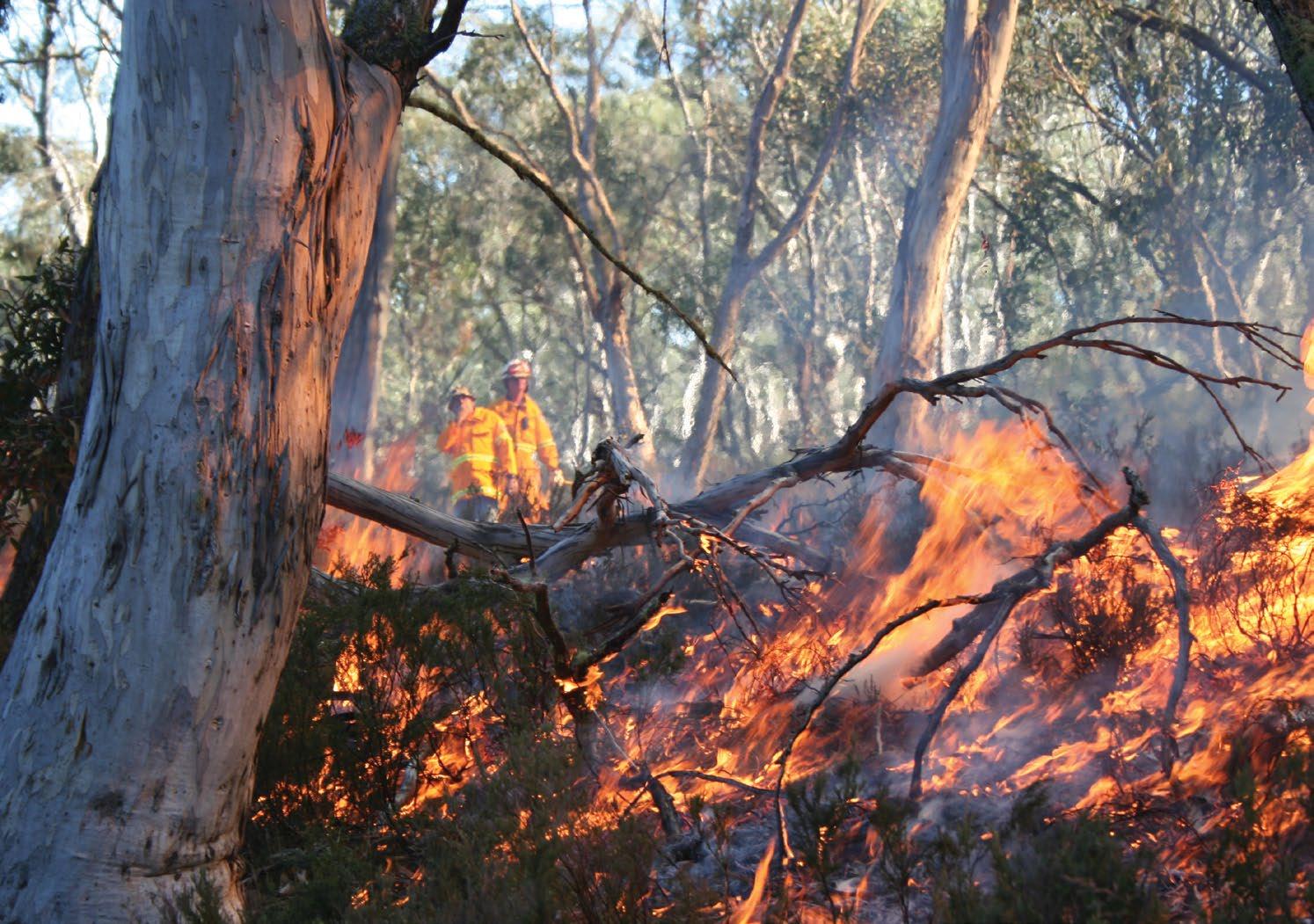
This was a major milestone for accredited consultants. A person who is recognised by the NSW RFS as a suitably qualified consultant in bushfire risk assessment could certify that a development met the required standard for the purpose of exempt development.
This accepted, in legislation, BPADaccredited consultants as recognised by the NSW RFS as a suitably qualified consultant in bushfire risk assessment.
Awareness of the importance of strategic planning for the protection of life, property, and the environment in bushfire-prone areas has grown substantially over the past two decades. This growing awareness can be traced back to 2002, when legislative reforms first began shaping how communities prepare for and respond to bushfire risk.
devastation across Victoria. In response, a Royal Commission was convened, leading to a comprehensive set of recommendations targeting planning, building regulation, and community safety. One key outcome was the formal recognition of the need for a qualified professional industry to support bushfire planning. As a direct response, the BPAD Accreditation Scheme was adopted in Victoria in 2012.
Another critical turning point came with the catastrophic Black Saturday bushfires in 2009, which tragically claimed 173 lives and caused widespread environmental and economic
The need for such a framework was further reinforced by subsequent events in WA. The 2011 Perth Hills fires caused injuries to 12 individuals, destroyed 72 homes, and resulted in significant economic and ecological damage. Investigations into these fires found critical gaps in WA’s bushfire planning systems. This led to the development and implementation of State Planning Policy 3.7 in 2015, followed by the formal introduction of the BPAD scheme in WA in 2016.
planning and preparedness. The Royal Commission into National Natural Disaster Arrangements recommended significant revisions to strategic planning and bushfire risk reduction, particularly in NSW. BPAD Accredited Practitioners have played a vital role in these reforms, contributing professional expertise to the development and future application of updated policies.
The devastating Black Summer bushfires of 2019–20 underscored the critical need for national coherence in bushfire
Today, thanks in large part to the leadership and advocacy of FPA Australia, the BPAD Accreditation Scheme is recognised nationwide. It has become a highly regarded standard within the fire protection and bushfire planning industries, and it continues to expand its presence in other jurisdictions. The scheme provides the essential professional backbone for implementing consistent, effective bushfire planning and design practices across Australia.
Fire Protection Association Australia’s management team is united in the goal of advancing the fire safety protection industry for the benefit of the wider community.

My name is Chris Lees, and I’m FPA Australia’s Queensland and NT State Manager. In this role, I advocate to government and other organisations about the issues that matter most to our members. This includes meeting with Ministers, fire and rescue services, educational institutions, and building regulators, ensuring I am part of key conversations about policy and regulatory changes as they occur.
Critically, this work begins by listening to our members—both directly and through the State Committees—to understand the impacts of these changes. There is a significant opportunity for FPA Australia to continue advocating for our industry and enhancing it for everyone involved. The more we engage with relevant stakeholders, the more we can strengthen the fire protection industry, ultimately improving community safety.
Note: Shortly before publication, Chris announced that he had accepted a new and influential position with a Federal Minister. While we are sorry to see him go, FPA Australia is proud of his achievement and wishes him every success. We are actively recruiting to fill this critical role as a priority.

My name is Chris McAlinden and I’m Business Development Manager. I’ve been with FPA Australia for nine months. My focuses include enhancing member engagement to increase awareness of the value and benefits of membership, and growing the membership base through acquisition and retention efforts. I support members by providing meaningful services and support, and by working to ensure the evolving needs of industry are understood and addressed. I’m excited about the continued enhancement of services, structures, and initiatives that support our members and strengthen the broader fire protection industry. These advancements will help drive greater value, connection, and impact for members, industry, and communities.

My name is Julia Barraclough, I’m Events Lead, and I’ve been with FPA Australia for three years. The events team is proud to deliver highquality conferences, seminars, and learning experiences that educate and connect our members. Through CPD-accredited events, expert-led sessions, and our annual National Fire Protection Month, we help professionals stay informed and engaged. Our on-demand webinar library on the FPA Australia website also ensures members can learn anytime. We’re a trusted source of industry knowledge and professional development. Looking ahead, I’m excited to expand our reach, innovate our delivery formats, and continue supporting a strong, informed fire protection industry into the future.

I’m Kayla Roks-Webb and I’m State Manager for Victoria, SA and Tasmania. I’ve been with FPA Australia for six months. I’m a conduit between FPA Australia and our members while supporting cross-department advocacy needs, building partnerships with like-minded organisations, advocating to government and key stakeholders, monitoring legislation and regulatory developments, and representing FPA Australia at our state and territory committees. I’m excited to see the continued development of our training and more adaptive accreditation schemes across the country.

My name is Maria Kornakova and I am the National Bushfire Manager at FPA Australia. I have been with the Association for more than six years. My team is responsible for advancing bushfire safety and resilience through advocacy, technical guidance, stakeholder engagement, and support for BPAD professionals. We help members by providing expert advice, promoting best practices in bushfire planning and protection, and ensuring their voices are heard in policy development. I’m most excited about the growing recognition of the bushfire sector’s importance and the opportunity to further strengthen national standards, improve community safety, and support our members in their critical work.

I’m Mark Whybro and I’m the ACT and NSW State Manager for FPA Australia. I’ve been in this role since January 2025, as well as previously from July 2021 to August 2023. I’m responsible for member engagement and representation, government and industry advocacy, stakeholder liaison, and general support for the wider FPA Australia team. I help members with prompt and accurate communication on what’s happening in NSW building regulatory reform, supported by education, technical advice, and professional guidance. I’m most excited about contributing to fire safety improvements for members, practitioners, industry, regulators, and the community.

Pierrin Vogeli
I’m Pierrin Vogeli and I’m the National Training Manager. I’ve been with FPA Australia for just over two years. I oversee and manage the delivery of training and assessment services, and project manage new training units and courses to meet the needs of the Fire protection industry, now and in the future. My team helps members by providing quality training to our industry to ensure quality skills, knowledge, and outcomes. I’m most excited about new opportunities to provide training for the industry across developments, new technologies, and products, as well as supporting other complementary skills.

I’m Ray Michael. I’m State Manager for WA, and I’ve been with FPA Australia for a little less than a year. I’m the voice of the local industry to government and other organisations, and I’m helping members by listening to their experiences on what they are encountering in the field and discussing how we can address this as an organisation. I’m most excited about continuing to improve the industry and educate the community about the fire protection industry.

Romel Sarmiento
My name is Romel Sarmiento and I’m Chief Financial Officer. I’ve been with FPA Australia for four years. The finance team supports the organisation’s operations and long-term sustainability. We are responsible for managing core financial functions, including financial reporting, budgeting, forecasting, payroll, accounts payable/receivable, as well as overseeing the annual financial audit to support FPA Australia’s statutory reporting obligations. We also ensure compliance with regulatory requirements and help maintain the financial integrity and sustainability of FPA Australia. Through accurate and transparent financial processes, we support the effective delivery of member services such as training, events, advocacy, and industry programs across Australia. We ensure members’ funds are used efficiently and responsibly, reinforcing trust and value in their membership. I am excited about the digitalisation of logbooks, the expansion of the RTO services, and the introduction of new membership categories, extending our reach to include stakeholders such as local councils and building owners, and broadening the scope of fire protection industry engagement.

Sharon Uncle
I’m Sharon Uncle and I’m Member and Customer Service Manager. I’ve been with FPA Australia for almost nine years. My team is responsible for the first point of contact—answering your questions, taking your payments, or directing you to the website for further information. If we cannot help, we will pass you on to the best person. We are also vital in the overall experience for members, working together to process new applications, renewals and enquiries. With new options for membership and affiliates, we are looking forward to the awareness and understanding of fire protection being shared with everyone who has a stake in fire safety.

My name is Simon Rickard. I’m the National Technical Manager, and I’ve been with FPA Australia for 18 months. My team coordinates TACs and SIGs, assists in the development of strategic policy, and responds to technical issues, benefiting members and industry. We help members through the provision of expert guidance, the development of resources, and ensuring members’ interests are represented. I’m most excited about advancing fire safety and industry professionalism through greater member engagement and strong advocacy, along with innovative technologies and work practices.

Simone Brennan

My name is Simone Brennan and I’m People and Culture Manager. I joined FPA Australia in May 2024 as Executive Assistant to John Collie, and in May 2025 I was promoted to head up our People and Culture department. I build and lead FPA Australia’s HR function, developing and embedding frameworks, policies, and practices that align with our mission and values. My role covers both strategy and daily operations, from recruitment, onboarding, professional development, and employee engagement to strategy and leadership, HR systems and processes, compliance, and industrial relations. I ensure members are supported by people who are aligned with our mission and passionate about delivering great service. A strong workplace culture means better outcomes for the members we serve. I’m looking forward to making a real difference in how people experience work, from onboarding to career growth, and driving positive change where people feel connected and supported.
I’m Stacey Fein, National Accreditation Manager, and I’ve been with FPA AUstralia for two and a half years. My team is responsible for the development, promotion, implementation, and management of the Fire Protection Accreditation Scheme that ensures accredited fire protection practitioners are competent, qualified, and meet industry and regulatory expectations. We help members by formally recognising their experience, qualifications, and other evidence of competency. Members apply for accreditation to either meet government requirements or to promote themselves to clients by being able to demonstrate competency. I’m most excited about proving our reputation with the fire protection industry through our actions and continued stability. I’m working towards regulation of the industry with the longterm goal of national consistency in fire protection regulation.

GORDON STALLEY Managing Director, Premier Services Group
Given that Fire Protection Association Australia’s 65th anniversary has coincided with my 50 years in the industry, I was approached to reflect on the changes that I’ve witnessed and provide some thoughts on the current state of the industry.
Firstly, to give some context, I began as an engineering cadet with Wormald in NSW, which provided me the opportunity to learn on the job while studying part-time. Different cadets had different experiences. Mine focused on the wet fire side of things, but as I progressed into project management and, later, contracts management, it quickly spread into dry fire, special hazards, and—to some extent—passive fire.
Some new entrants into the industry came via the trades system, while others started in the drawing office and were trained on the job.
To their credit, Wormald saw the benefit of having a strong technical base to their business model and they were, in many ways, the instigators of technical reform in Australia at that time. Their technical director, Barry Lee, seemed to be the driver of technical innovation in Australia (which I assume was the reason for him being granted an Order of Australia), which eventually became reflected in the codes, standards, and regulations that we work
There weren’t many competitors in the industry in those days. Work of all types— design and installation of systems into new buildings, modification of systems for tenancy work, and service and maintenance—was carried out by a handful of competing companies.
Today, of course, that model has changed. Instead of all work in the industry being carried out by maybe 10 companies, there are now hundreds. This has had a positive effect for building owners in many ways, particularly in relation to pricing and for servicing the smaller residential properties and regional areas. It has also, unfortunately, provided an opportunity for some unscrupulous practitioners to enter the market. More on that later.
As a practitioner Board member of the National Fire Industry Association (NFIA), I’ve been involved in regulation reform in NSW for 10 years. The Queensland Government was the frontrunner in regulation reform with the introduction of the Queensland Building and Construction Commission licensing system. Other governments started looking seriously at the industry after the Docklands fire in Melbourne in 2014, where (what we now know to be flammable) external cladding ignited and quickly spread from one floor to the others.
This fire event coincided with other significant building industry events in Australia and overseas, which resulted in significant losses for many owners of recently completed buildings and a loss of confidence in the industry.
The enquiry into the Docklands fire highlighted two things: on the good side, that the sprinkler system operated way beyond its design requirements, which prevented the fire from spreading throughout the building; and on the bad side, that a portion of the facade
incorporated highly flammable cladding. It was subsequently found that thousands of buildings around Australia contained noncompliant flammable cladding that had gone unrecognised for decades.
The question was, of course, how the hell could this happen?
All governments—state and federal— reacted as they should and commissioned the Building Confidence report, which made several recommendations, most of which were accepted in principle by all states and have been progressively implemented into legislation.
A key recommendation of that report was that all work should be carried out by practitioners with the required skills, knowledge, and experience.
A review of NSW regulation (see: Industry Report on Reforms to Improve Fire Safety in New and Existing Buildings) highlighted the extent to which key activities associated with fire protection could be carried out by a person with no proven skill, knowledge, or experience.
As little as eight years ago, a person could design a fire system, in many cases install it, commission it, sign it off, and test and maintain it without a licence, registration, or accreditation—or indeed any evidence they knew what they were doing.
This low bar to entry was seen for what it was: a problem that had to be fixed.
There is no doubt that the regulation reform that commenced in NSW and other states as a response to the Building Confidence report will continue until most activities associated with the fire industry will require some form of licence, registration, or accreditation (or whatever the government chooses to call it).
I think, based on where some sectors of the industry are currently placed, this is a good thing.
I’m often asked what’s changed from 30 years ago that has led to a reduction in quality.

The question itself may be disingenuous, in that it assumes there has been a significant reduction in the quality of fire protection work over the years.
It appeared that in the first instance, the fire protection industry was being blamed for the existence of flammable cladding. Clearly, it was beyond the sightline of the fire protection practitioners and, if fault was to be apportioned, it probably belonged to the building or facade designers and the suppliers and contractors who installed it. The certifiers, of course, were the ones who signed off on it all, so they probably received a disproportionate amount of criticism and consequence.
The evidence of a perceived high level of faults in fire systems in NSW is coming mostly from inspections that the Building Commission and Fire and Rescue NSW are conducting on buildings that have been flagged for significant breach issues. These buildings are the worst of the worst, and it is possible that the evidence criteria are skewed.
That said, from my own experience and reports from NFIA and FPA Australia members, when a company takes over the servicing of an existing building, faults and
non-compliances are often found. Some of these can be attributed to the lack of baseline data and an incorrect interpretation of the standards, while others can be attributed to poor servicing and maintenance.
There is also the problem that codes and standards are legal documents written by technical people, which are never subjected to case law analysis. Even experienced practitioners can have different views on the practical application of a particular clause of a standard, which makes the issue of ‘defect’ or ‘non-compliance’ more complicated. Ironically, once we ask the lawyers to provide their ‘legal’ interpretation of the words that are written, we may get a view that is a long way from what was intended.
My belief is that in the commercial and tier 1 and 2 residential spaces, the standard of installation has remained acceptably high despite the absence of practitioner regulation.
Poor outcomes (which include workmanship and non-compliances) are generally found in smaller residential projects, with a flow-on into tenancy work and smaller modifications in commercial buildings. This is especially obvious in regional areas.
It is within this market sector that the lack of skill, knowledge, and experience are the most obvious. The technical and compliance-driven business model of the 1980s, which resulted in compliant outcomes despite the lack of practitioner regulation, has been progressively replaced in some market sectors by a commercially driven business model that does not include forensic adherence to codes and standards.
To give the benefit of the doubt, this could have been due to individual contractors forming their own incorrect opinions on how a code or standard should be applied, but it may also have been a conscious decision to cut costs for commercial reasons. This latter category of contractor, I think we can agree, should either amend their ways or get out of the industry.
Whatever the reason, the industry has been compelled to accommodate significant regulation reform, with more to come. There must be a personal obligation on all practitioners to do the right thing, and the best way of ensuring that is for them to have some form of licence supported by an audit system to ensure compliance.
There must be a personal obligation on all practitioners to do the right thing, and the best way of ensuring that is for them to have some form of licence supported by an audit system to ensure compliance.”
GORDON STALLEY
If I had been writing this eight years ago, my thoughts would have been different to what they are now. It’s good to see the impact that regulation reform has already had on the quality of work. There is an energy within the fire system design community that now sees collaboration as an important element in their design decisions and in NSW the impact of the Fire Safety Assessor accreditation has produced demonstrably better outcomes for the annual fire safety statement process.
Looking through my ‘old man of the industry’ lens, I’m pretty happy with what I see. I would encourage all contractors to accept the regulation requirements that are yet to come, in the knowledge that the industry and our clients will be the better

JOE SMITH
CEO, National Fire Industry Association
A niche but integral part of our built environment, fire protection systems save lives and buildings. Yet what does the future of this critical industry look like?
Over the past century, fire protection has seen significant change through technological advancements, introduced regulation, industrial relations changes and, more recently, a focus on licensing and registration. The next 25 years are likely to see further development.
Fire protection has been recognised as its own industry by the Fair Work Commission since 1926 when the Fire Protection Engineers’ Association of Australia was first registered to represent the industry’s interest.
Since then, there have been several tragedies that have occurred both at home and abroad, causing a global reassessment of laws and regulations to further recognise the importance of fire protection work.
In June 2017 there was the Grenfell Tower fire in London, one of the UK’s worst modern fire disasters. A fire broke out on the fourth floor of the 23-storey tower block, and within minutes the fire had rapidly climbed the exterior cladding of the building, engulfing it in flames and resulting in 72 deaths. There were limited fire protection systems in the building and these weren’t properly maintained.
Off the back of incidents like these, the Building Confidence report (BCR)—also known as the Shergold Weir Report—was commissioned by the Building Ministers Forum (BMF) in 2017 and published in 2018. The BCR includes 24 recommendations to improve the effectiveness of compliance and enforcement systems for the building and construction industry across Australia.
On 18 July 2019, the BMF “agreed to a national approach to the implementation of the Building Confidence report” and all jurisdictions supported “a national framework to address the issues identified in the Shergold Weir Building Confidence report”.
While this national approach received commitment from all jurisdictions, there has been inadequate progress in the adoption and implementation of the 24 recommendations across the country.
Recommendations one and two of the BCR identify that, while fire safety systems are a critical component of commercial buildings, most states and territories do not have a requirement to register the practitioners who have expertise in fire safety system design, installation, or maintenance.
Recommendation 19 builds on Recommendation 1 by addressing the inspection and certification of fire safety system installations. It proposes making certification of the testing and commissioning of these systems mandatory.
Fire protection is a standalone, multidisciplinary industry encompassing numerous different systems, including fire detection, alarm and warning systems, emergency lighting, passive fire and smoke management systems, sprinkler and suppression systems, and portable fire equipment, to name a few. The fire protection industry, like many other industries, is experiencing a national skills shortage, with no immediate solution in sight. Will this still be the case in 2050? There are too many macroeconomic factors at play to offer a flippant response. However, there are things we can do to help protect from future skills shortages.
We must now clearly define and protect the work of the industry. To do this, we need to preserve and progress fire protection work as a standalone sector, separate from plumbing, electrical, and other trades. To compete with them for a skilled workforce, we must offer a career pathway that is equitable, not necessarily in rates of pay but in status and recognition.
Closer to home, the Childers Palace Backpackers Hostel fire in 2000 resulted in the deaths of 15 people. The fire alarms in the building had been disabled.
Fire protection is the first line of defence against serious and deadly fires. Correctly installed and maintained systems can slow or stop a fire from spreading, protecting inhabitants of the building and assisting firefighters.
To support the implementation of the BCR, the Australian Building Codes Board was tasked with creating the National Registration Framework for Building Practitioners, which provides a framework supported by government and industry for the registration of building-related occupations.
The foundations for trades in Australia are their occupational licences. I travel all over the country, and I have noticed there is a consistent message from fire protection practitioners. They are proud of their work to help keep Australians and our built environment safe, and they want their specialised work and expertise to be recognised by the government. Looking towards 2050, this must be at the forefront of our thinking. Fire protection work must stay as fire protection work; it cannot go backwards.
Yet Australian jurisdictions are in various stages of implementing the recommendations of the BCR, and occupation licensing for fire protection remains inconsistent across the country.
In due course, all fire protection licences should be underpinned by formal, audited, and world-class qualifications designed specifically for our industry. There should be occupational licensing classes for practitioners that design, install, maintain, and certify these systems. Essentially, any person working on these critical systems should be appropriately qualified. There has been progress made across the country since the BCR, but there must be greater alignment and consistency across the national frameworks—and it is up to the industry to lead this.
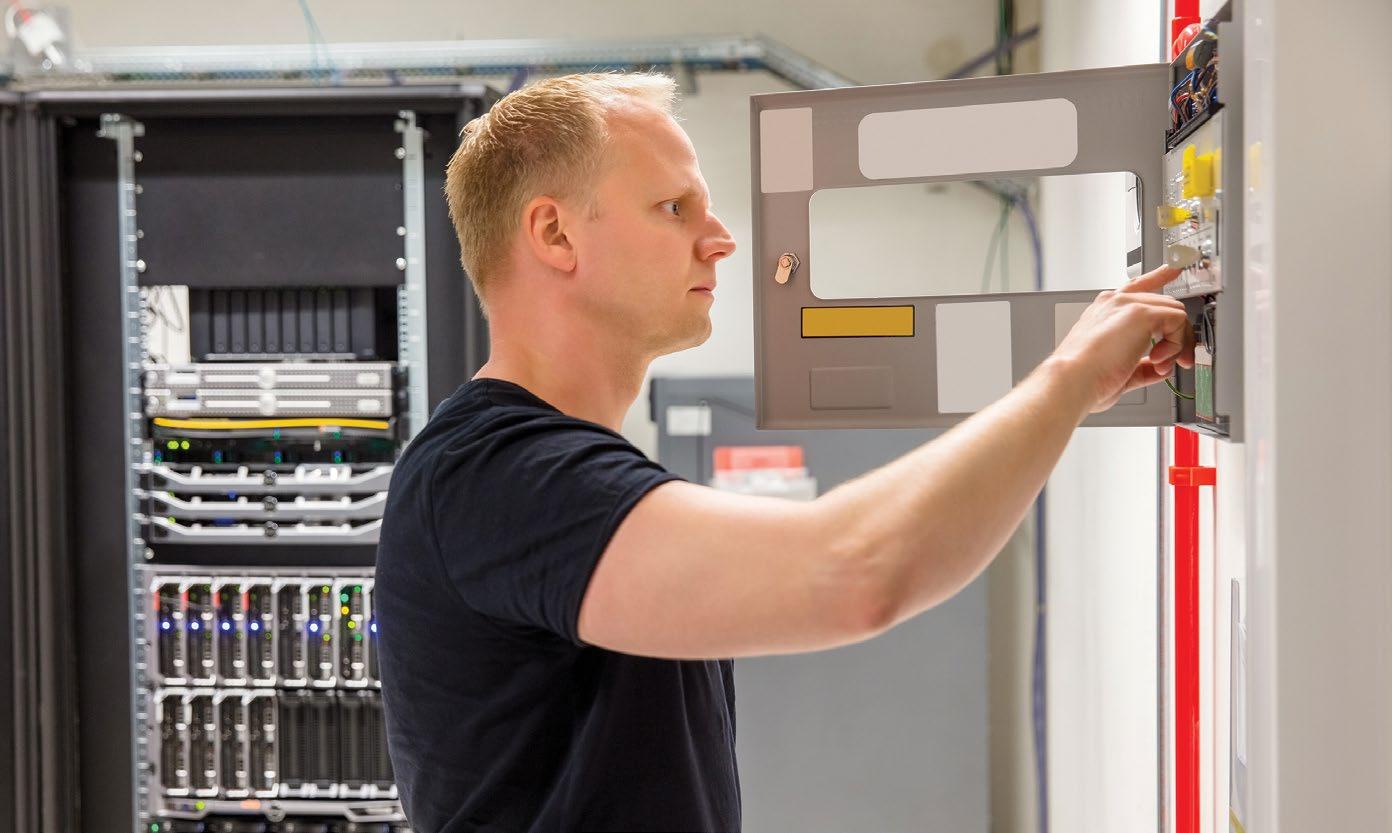
The future registration of fire protection in Australia must be in closer alignment across jurisdictions to make automatic mutual recognition (AMR) or national licensing possible. AMR has struggled since its introduction with these discrepancies, exacerbating the issues of skills shortage.
In March this year, Federal Treasurer the Hon Dr Jim Chalmers MP announced the design and implementation of a national licensing scheme for electrical trades through the National Competition Policy framework, with $900 million committed to drive the reforms. Productivity Commission modelling shows that reforming occupational licensing could provide significant benefits, including a boost to Australia’s economic output of up to $10.3 billion, making it a worthwhile activity for the Government as well as the industry.
The fire protection industry has an interesting relationship with innovation. Progress has been made at a rapid rate in some areas, yet fire sprinklers still look like those of the 1870s. We see now the opportunities with smart technology, the internet, and AI, and their increasing role in the built environment. Prefabrication, or Modern Methods of Construction, creates another opportunity and additional risk to be mitigated. New technologies, such as lithium-ion batteries and their associated fire dangers, mean the industry must be adaptable.
AMR for fire protection licensing is what the National Fire Industry Association (NFIA) is striving to achieve, and this must be in place for our industry before 2050.
A specialised fire protection industry, with national licensing or registration of qualified and specially trained practitioners with continuing professional development requirements, is the best way to ensure Australia continues as a leading nation in our industry come 2050.
For more information on the NFIA, visit nfia.com.au
A specialised fire protection industry, with national licensing or registration of qualified and specially trained practitioners with continuing professional development requirements, is the best way to ensure Australia continues as a leading nation in our industry come 2050.
JOE SMITH
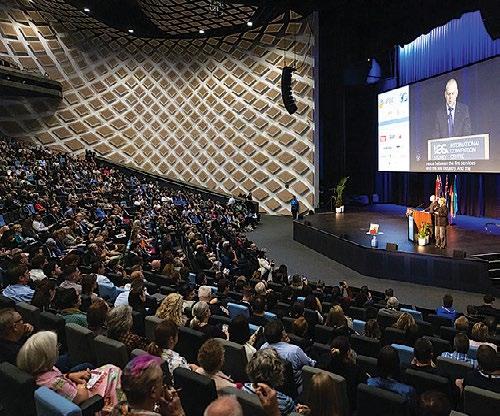
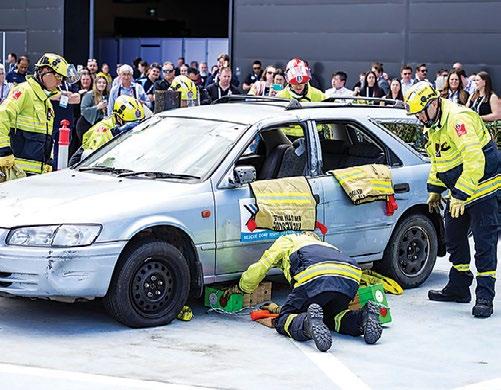
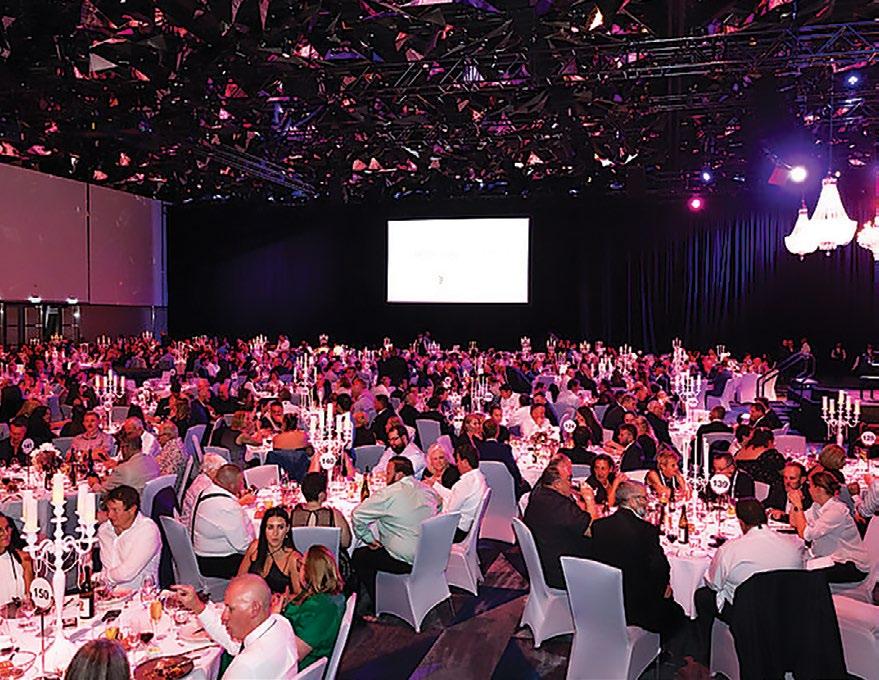
Don’t miss your chance to be part of the conversation that shapes the future of emergency management. For more information and to secure your place, visit www.afacconference.com.au
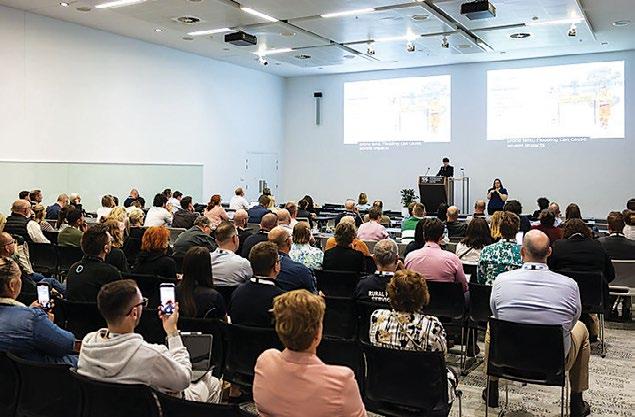
technology, and how we can capitalise on local and global connections to build a safer future together.
Following the record-breaking success of AFAC24, which welcomed more than 4,690 attendees, AFAC25 powered by INTERSCHUTZ returns to Perth on 26–29 August to explore the theme
‘From local to global: leveraging systems, capability and connection’.
In an era where opportunities for fire and emergency services transcend borders, it is imperative to find new connections and optimise systems to drive progress and innovation. AFAC25 will explore the dynamic intersection between society, systems, and
This year, AFAC25 will feature the Australian Disaster Resilience Conference, Institution of Fire Engineers Australia National Conference, and Women and Firefighting Australasia Conference, running as concurrent streams of the conference program. Hosting these conferences alongside AFAC25 brings together emergency management professionals from across the sector and offers a comprehensive conference experience that delegates can tailor according to their interests.
As AFAC25 is being held in Perth, the event will be hosted in partnership with Western Australian agencies, the Department of Biodiversity, Conservation and Attractions, and the Department of Fire and Emergency Services. This partnership provides valuable insight into the diverse hazards faced by Western Australian agencies, shaped by the state’s vast size and varied environments. This year’s gala dinner will reflect this with the theme ‘from outback to ocean’. AFAC delegates who attend the gala dinner will experience an evening packed with entertainment, food, and networking opportunities.
1. Kickstart your AFAC25 experience with cuttingedge ideas and groundbreaking science at the Research and Innovation Day.
2. Join us for a night of entertainment, great food, and networking with other delegates from across the sector at the AFAC25 gala dinner.
3. The AFAC25 program has been carefully curated to include industry-leading speakers, exploring issues that impact the sector both at local and global levels.
4. The AFAC25 Demonstration Zone will feature several showcases of the latest techniques, technology, and current best practice developments.
The program
AFAC25 will include a range of informative experiences, beginning with the AFAC Research and Innovation Day, followed by the multi-streamed twoday conference, as well as workshops and field trips offered through the Professional Development Program.
The first day of the conference will begin with keynote speaker Ingrid Ngoorlak Cumming, Honorary Fellow from Murdoch University, followed by keynote speaker Mami Mizutori, former Special Representative of the United Nations Secretary-General for Disaster Risk Reduction and Head of the UN Office for Disaster Risk Reduction.
The remainder of day one will consist of thought-provoking sessions exploring a broad range of topics including global partnerships, bushfire management, electric vehicles, cultural land management, aerial operations, and mental health.
Day two of the conference will begin with keynote speaker Mark Hardingham QFSM, former Chair of the National Fire Chiefs Council (UK), followed by a keynote panel discussion facilitated by Di Darmody from Di Darmody Media.
Following this, the second day of the program will be filled with presentations exploring volunteering, prescribed burning, information and warnings, and response to recovery, before all delegates can attend the closing keynote speaker presentation, delivered by Leigh Sales AM, from the Australian Broadcasting Corporation.
The exhibition
The AFAC25 conference is supported by the INTERSCHUTZ trade exhibition. This year’s exhibition features a variety of local and international exhibitors that will showcase their latest products, services, and solutions for operational and best practice outcomes. The AFAC25 exhibition floor will be packed with different stalls from organisations across the sector, but will also feature the Demonstration Zone, where live demonstrations will take place; the Solutions Theatre, where delegates can hear 20-minute practical and educational presentations from the exhibiting manufacturers and suppliers; and the Australian Institute for Disaster Resilience Knowledge Centre, where delegates can view conference posters and engage with conference presenters. Resilience Lane will once again return to the exhibition hall, showcasing up to 22 non-for-profit and community-focused organisations that are actively working to strengthen community resilience.
Honorary Fellow, Murdoch University
Ingrid is a proud Whadjuk Ballardong Noongar woman from Fremantle, WA. Ingrid was given the name ‘Ngoorlak’ by her Elders, which is the name for the Carnaby cockatoo, the bringer of rains, healing, and change.
Ingrid Cumming is a 100% owned and operated First Nations business certified by Supply Nation and member of the Whadjuk Corporation and Noongar Chamber of Commerce. With more than 15 years of experience working across government, Aboriginal-controlled organisations, and the corporate and not-for-profit sectors, Ingrid is a recognised young leader—within not only the First Nations community but also across many sectors—for her work in community engagement, strategic development and leadership, policy and program development, and training and education.
Leigh is a multi-award-winning author and journalist at the ABC and anchors the much-loved Australian Story program. Before that, she presented the network’s prime-time current affairs program 7.30 for 12 years.
She has been the face of the ABC’s major events coverage, including federal election and budget nights. Leigh has interviewed every living Australian Prime Minister and innumerable world leaders and celebrities from Hillary Clinton and Tony Blair to Paul McCartney and Elton John
She is the author of five books, including the national bestseller Any ordinary day, Well hello (co-written with Annabel Crabb), and her latest, Storytellers: questions, answers and the craft of journalism—a fascinating insight into the vital and much-misunderstood profession of journalism.
Former Special Representative of the UN Secretary-General for Disaster Risk Reduction and Head of the UN Office for Disaster Risk Reduction
Mami was the Special Representative of the UN Secretary-General for Disaster Risk Reduction and the Head of the UN Office for Disaster Risk Reduction from March 2018 until December 2023. From
2011, she was the Executive Director of the Sainsbury Institute for the Study of Japanese Arts and Cultures at the University of East Anglia, UK. Before moving to the UK, she had joined the Ministry of Foreign Affairs of Japan in 1983, where she served as Director of the United Nations Policy Division, the National Security Policy Division and the Status of US Forces Agreement Division, and Director of the Japan Information and Culture Centre at the Japanese Embassy in London. She is currently Adviser to Mitsui Sumitomo Insurance Co., Ltd, a member of the Advisory Board of the Centre for the Study of Existential Risk, Cambridge University, UK, as well as on the Board of Association of Aid and Relief, Japan.
Former Chair of the (UK) National Fire Chiefs Council
Mark has recently retired after a 35-year career in the fire and rescue service. In his last role he was the Chair of the National Fire Chiefs Council (NFCC) in the UK. The Council is the professional voice of the UK fire and rescue service and the membership body for all 50 UK fire and rescue services, Chief Fire Officers, and senior leaders. Mark was elected to the role of the NFCC Chair in 2021 and served until the end of his term in 2025.
In the role Mark provided advice to government, the Home Secretary, and the Minister with responsibility for the fire and rescue service. He worked closely with the government’s inspectorate of the fire and rescue service, national employers, and other national and international fire service bodies.
Across Australia, New Zealand, and the world, we look to an inclusive future where we innovate with intent, forge new understanding across the system, and drive progress together. The sharing of knowledge, advancements in technology, artificial intelligence, and decision support offers insights and data-driven solutions to improve outcomes. We are part of a diverse but connected system. What more can be done to embrace partnerships and collaboration to enable skills and capabilities of future workforces, industries and communities?

What could your company achieve with more financial support?
• Have you considered, a supportive business partner to share the load?
We are looking to join with professional fire protection and training companies through mergers or acquisitions. We understand the mindset of small - medium business and can provide the needed support to achieve corporate and personal Goals.
Lets have a chat about your needs and how we can assist. Our company valuations are very generous and well above market norms.


LISA JAUNALKSNIS
AFAC
Following the 2024–25 Federal Budget release, the Australian Government announced increased funding for aerial firefighting in recognition of the important role aircraft play in firefighting efforts. This funding includes the directive to procure new national aircraft to be made available for shared use between jurisdictions.
Five national aircraft were secured by the National Aerial Firefighting Centre (NAFC) under the funding package, with three Type-1 (Large) Rotary Wings procured, alongside the continuation and expansion of the national Large Air Tanker and Lead Plane contracts for longer
commitments, and a swap from the previous Boeing 737 LAT to a C-130Q Hercules, Tanker 132.
Additionally, NAFC welcomed the participation of helicopter providers in a time-limited, pre-qualified tender evaluation by agency aviation experts, resulting in the addition of two Blackhawks from SA’s Aerotech Helicopters, and one passengercarrying S-61N from Coulson Aviation Australia.
These aircraft provide all-hazard response support by firebombing through the Australian summer with the ability to assist with cargo carriage to aid in cyclone and flood relief almost year-round.
AFAC’s National Resource Sharing Centre (NRSC) also coordinated multiple deployments throughout the
welcomed South Australia’s Aerotech Helicopters, providing support in Australia’s high-risk weather season.
summer months, moving 1,318 fire and emergency service personnel all around the country to assist communities impacted by disasters. A total of 24 deployments provided support to communities and crews on the ground. Working alongside were the NAFC and NSW fleets offering their valuable contributions.
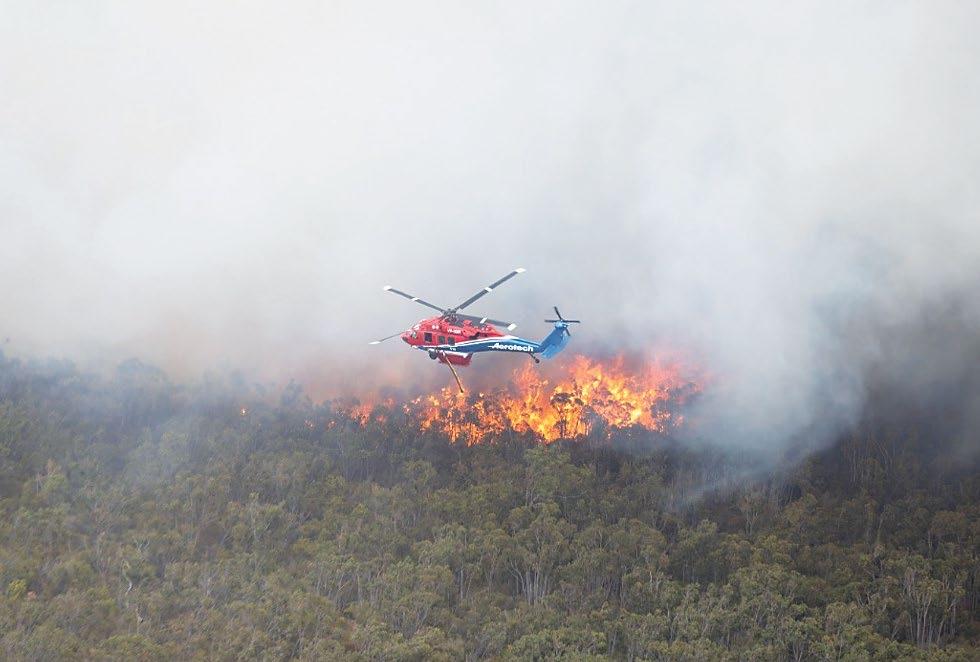
In December 2024 to January 2025, after dry lightning strikes started multiple fires in the Grampians National Park, the AFAC NRSC coordinated interstate deployments to assist in bushfire suppression. The national large aircraft (NLAT), national lead aircraft (NLEAD), and Blackhawk national assets were among the aircraft deployed to support firefighting efforts over the three-week burning period.
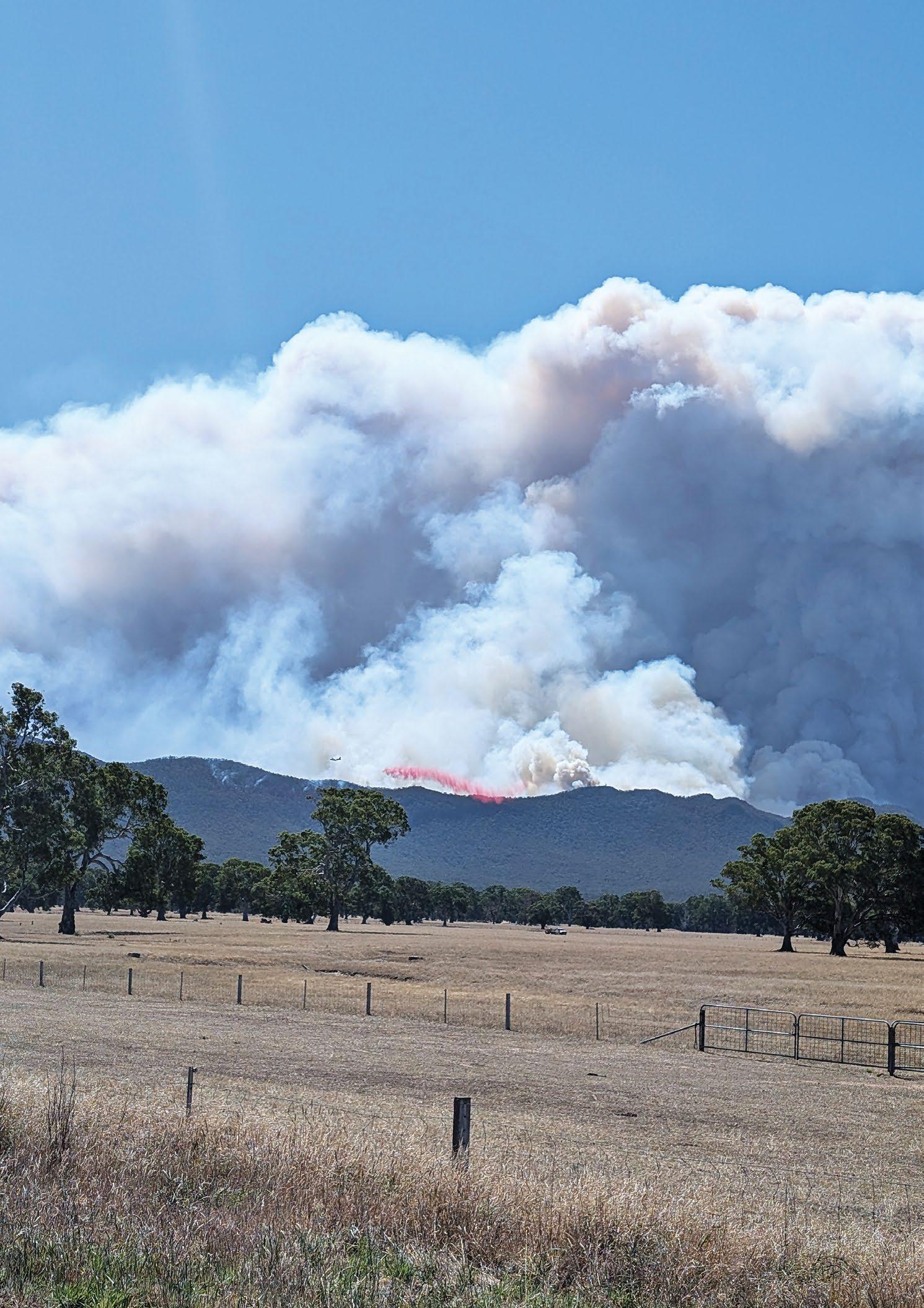
The extensive use of these national resources emphasises Australia’s growing need to invest in aerial firefighting at a time when Australia’s seasons are becoming longer, warmer, and less predictable.
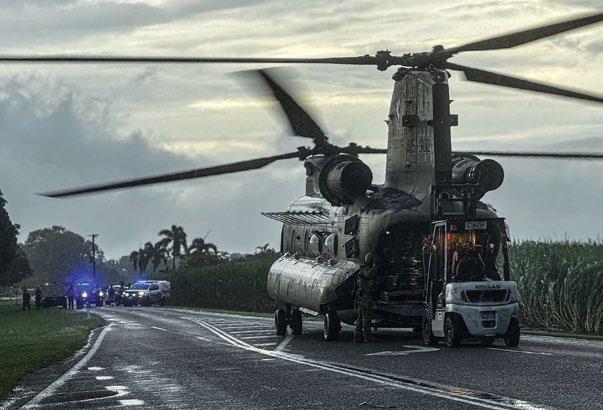
A few weeks later, in late January, dry lightning sparked new fires in the region, impacting the Grampians National Park and the Little Desert National Park, resulting in another deployment of personnel and aircraft.
Aircraft were deployed to northern Queensland to assist in flood rescue and to transport personnel and emergency supplies.
This deployment included the NLEAD, Blackhawk, and NSW Rural Fire Service (RFS) aerial assets, which played a pivotal role in containing the fires.
In February 2025, communities in northern Queensland were impacted by moderate to major flooding, with heavy rainfall continuing to raise floodwater levels. Emergency service personnel, alongside the national S-61 aircraft
and two rescue helicopters from NSW RFS, were sent to north Queensland to help with calls for assistance and flood rescue, and to transport personnel and emergency supplies to communities impacted by the floods.
As February continued, WA was hit with challenging weather conditions resulting in natural hazards. WA’s Pilbara Region was hit by Tropical Cyclone Zelia. The cyclone was followed by heavy rainfall, but no significant flooding was experienced. Although major damage was avoided, the national S-61 was deployed to assist with carrying personnel and cargo to troubled areas.
Around the same time, WA’s lower south-west region was impacted by large fires, resulting in aircraft being deployed to help contain the blaze.
Calls for assistance from Tasmanian fire agencies were also received in February as dry lightning started fires in north-western Tasmania, with challenging conditions spreading the fire quickly, impacting Tasmanian wilderness and World Heritage areas. Roughly 30 aircraft were sent to support firefighting efforts, including the NLAT, NLEAD, Blackhawk, and NSW RFS aerial assets, including winch helicopters and medium helicopters tasked for firebombing.
As the summer season ended, Tropical Cyclone Alfred threatened communities in south-east Queensland and north-eastern NSW. As the cyclone approached, one Blackhawk was stationed in Bundaberg and one S-61 was stationed in Coffs Harbour in preparation to assist in carrying cargo and flood rescue.
Over the summer period, the country experienced many disasters, highlighting the overlapping seasons and multi-hazard risks that are increasing in frequency.
Despite being faced with challenging circumstances—often occurring concurrently—NAFC, alongside Australia’s aerial firefighting industry, had enough aircraft available to assist where and when needed.
The extensive use of these national resources emphasises Australia’s growing need to invest in aerial firefighting at a time when Australia’s seasons are becoming longer, warmer, and less predictable.
NAFC would like to thank the aerial firefighting industry, AFAC NRSC, and all Australasian emergency service personnel and agencies who assisted in these disasters. The national aviation assets were on service until early May 2025.
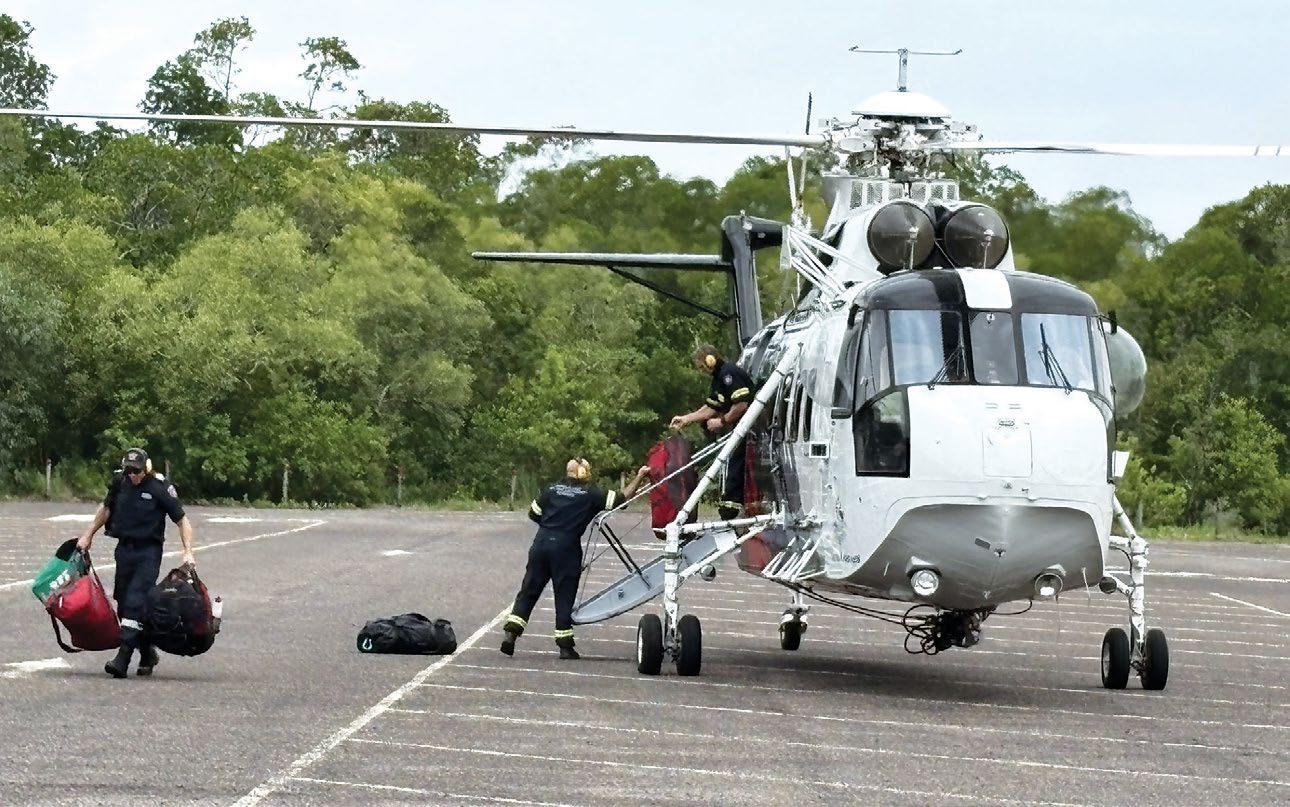
Vance Rowe, Life Safety Products Manager, Price Holyoake; Ivan Steed, Team Leader Essential Services, Grosvenor Engineering Group; Pat McManus, Managing Director, Stokes Safety
Fire dampers, smoke dampers, air dampers—what’s the difference? Understanding the specific function and application of each damper type is critical to maintaining an effective smoke control system.
Misclassification or misapplication can lead to non-compliance, reduced system performance, and compromised life safety. Let’s explore key differences and highlight common issues encountered during smoke control system maintenance.
Damper application overview
Fire dampers are installed at fire-rated supply air riser shafts. Designed to maintain fire compartmentation by closing automatically on detection of elevated temperatures, fire dampers may be installed wherever there is a duct or air movement through a fire barrier.
Smoke dampers are used where ducts penetrate smoke walls or at riser shafts in buildings with central plant and a height less than 25 m. Typically associated with shutdown-type systems that require compartment isolation during a fire event, smoke dampers may be installed wherever there is air movement through a smoke barrier or in conjunction with a fire damper.
Air dampers are located at fire-rated supply air riser shafts in buildings over 25 m in height. Commonly used in zone pressurisation systems and in central plant smoke control configurations, such as air handling units (AHUs).
Air dampers (smoke exhaust) are positioned at the intake to smoke exhaust riser shafts, including subduct arrangements. These may be directly connected to the intake or discharge ductwork of smoke
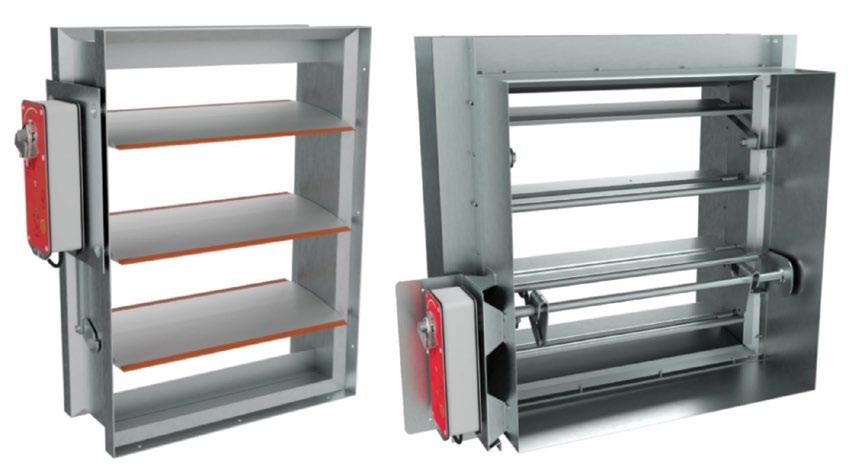
exhaust fans, particularly in systems designed in accordance with BCA Specification E2.2b.
Combination dampers are typically used in supply air risers and may serve dual functions (e.g. fire/smoke or fire/air damper combinations). The specific requirement depends on the system design intent and application.
Special dampers such as motorised fire/smoke dampers are used in lieu of traditional subduct arrangements. These typically omit a thermal release mechanism and are implemented as part of a performance-based solution per the Fire Engineering Report (FER).
Maintenance should follow the FER specifications.
Where the FER is silent or unclear, defer to the Deemed-to-Satisfy provisions for guidance.
Air Damper HCD-ET aluminium series (left) and HFS Steel series (right).
PHOTO: SUPPLIED BY PRICE HOLYOAKE
These dampers are subject to:
– fire damper component—20% inspection of installation details – smoke damper (air damper function)—six-monthly and annual routine testing in accordance with air damper requirements.
Damper identification
Mechanical curtain fire damper
Fire operational position: Closed.
Typical operation at: 71°C.
Intumescent fire damper
Fire operational position: Closed.
Typical operation at: 180°C.
Mechanical motorised fire damper
Fire operational position: Closed.
Typical operation: Closes at 71°C.
Fire/smoke operational position: Closed.
FP-002 Fire detection, warning, control and intercom systems
AS 7240.2 Fire detection and alarm systems, Part 2: Fire detection control and indicating equipment (ISO 7240-2:2017, MOD) public comment closed January 2025. Committee preparing for ballot.
ME-002 Gas cylinders
AS/NZS ISO 10286 Gas cylinders—Vocabulary, ballot closed 16 April 2025.
AS/NZS ISO 11114.6 Gas cylinders—Compatibility of cylinder and valve materials with gas contents, Part 6: Oxygen pressure surge testing, public comment closed 6 December 2024.
AS/NZS ISO 11118 Gas cylinders—Non-refillable metallic gas cylinders—Specification and test methods, ballot closed 9 April 2025.
AS/NZS ISO 7866 Gas cylinders—Refillable seamless aluminium alloy gas cylinders— Design, construction and testing, ballot closed 4 April 2025.
Smoke dampers can be steel or aluminium, depending on the design requirements. Steel dampers can be similar to mechanical fire dampers, with the exception of the fusible link, which is not required for smoke dampers.
Mechanical combination fire/smoke
Fire operational position: Closed. Combined fire/smoke dampers can either be a singular manufactured unit or a single fire damper with a smoke damper fitted up to 600 mm away from the fire or smoke barrier.
Air damper
Fire operational position: Open or closed.
Air dampers and smoke exhaust dampers have different performance requirements: 200ºC for sprinklered buildings and 300ºC for non-sprinklered buildings.
AS 1668.1-2015 defines an air damper as “a motorised damper that opens or closes to control air as part of a smoke control system”. Note that this definition affects dampers that are not temperature rated.
For air dampers in a smoke exhaust system, often these are motorised fire dampers with the fusible links replaced as a solid link as per AS 1668.1-2015 Appendix B–B4 Reliability Clause (a. In this instance it is imperative that the baseline data records are accurate in their description of the damper. Often these dampers are mislabelled as fire dampers, creating confusion. A fire damper must have a fusible link or thermal release device fitted).
Maintaining smoke control systems is not just about ticking boxes—it’s about understanding the function, classification, and application of each component. Accurate identification, appropriate tasking, and adherence to system design intent are essential for ensuring damper performance aligns with fire safety objectives.
Getting it right means life safety is upheld, compliance is achieved, and building systems function as intended when it matters most.
Are you interested in lending your expertise and insights on a technical committee? FPA Australia encourages members to join.
Learn more at fpaa.com.au
Remote detection meets real-time suppression in proactive, intelligent early warning system.
As industrial operations evolve to include outdoor storage, waste handling, and high-risk materials, traditional fire protection methods are being pushed to their limits. Facilities like recycling plants, logistics hubs, and open-air waste sites face increased fire risks—driven by factors such as lithiumion batteries, combustible materials, and spontaneous ignition.
Conventional systems like sprinklers and manual fire watches often react only after a fire is well under way. In many cases, that response is too late to prevent major damage, disruption, or risk to personnel. The shift towards smarter, more adaptive fire protection is not only a technological evolution, it’s also becoming a necessity.
A new generation of fire safety solutions is emerging, combining thermal imaging, AI-based analytics, and remote operator support to detect and suppress fire threats early. These systems offer continuous monitoring, real-time verification, and targeted suppression, reducing false alarms and avoiding unnecessary water damage.
This proactive model is particularly valuable in facilities where constant human supervision isn’t practical or where downtime from false alarms can cause significant operational setbacks. The ability to confirm threats and act quickly—without waiting for on-site personnel—has become a
key advantage in reducing risk and response time.
Industry standards are shifting
The fire safety landscape is also changing from a compliance standpoint.
A remote-operated fire suppression system recently received FM Approvals certification for both indoor and outdoor industrial use, signalling growing industry recognition of the need for certified, tech-enabled fire protection.
This sets a benchmark for how industrial facilities can strengthen fire readiness while aligning with insurance and regulatory requirements. Thirdparty certifications like this reinforce the reliability and credibility of intelligent systems and help businesses futureproof their fire safety infrastructure.
In today’s high-risk environments, fire protection is no longer just about ticking a compliance box. It’s about safeguarding people, equipment, and operations from disruptions that can have far-reaching impacts.
The integration of real-time data, automation, and human decisionmaking is reshaping how facilities respond to potential threats—and, in many cases, how they avoid them altogether.
As industries continue to automate and scale, the demand for agile, intelligent safety solutions is only expected to grow.
In Australia, Wastech Engineering is helping deliver intelligent fire prevention systems designed for high-risk industrial environments. With local integration support, technical expertise, and a deep understanding of regulatory requirements, Wastech enables organisations to adopt a more proactive and technology-driven approach to fire safety. To learn more, visit wastech.com.au
SOURCE: PARKERCOFFMAN/UNSPLASH

Meet the fire protection engineers who changed the game around the world.
BARRY LEE OAM
As FPA Australia celebrates our 65th birthday, it is instructive to recognise the pioneering work of many individuals who got us where we are today. These pioneers helped develop the great body of work that underpins the fire protection engineering profession today.
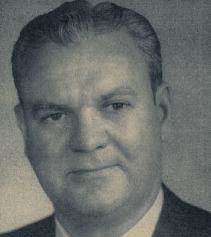
John Ahern has two claims to fame within fire protection engineering. First, as Professor and Director of the Department of Fire Protection and Safety Engineering at the Illinois Institute of Technology (IIT), he was asked in 1948 to consider the professional status of fire protection engineering and report back to the National Fire Protection Association (NFPA) Board of Directors on what action, if any, NFPA should take to recognise fire protection engineering as a profession. Second, he reached likely the highest industry position in corporate America when he became Director of Security at General Motors Corporation (GM). While with GM, he served as President and Member of the Board of NFPA; President and Chairman of the Board of the American Society for Industrial Security; and Member of the Board of Directors of the National Safety Council.
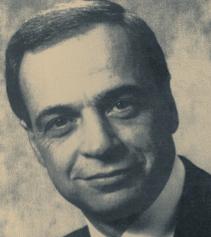
According to the History of fire protection engineering, “for a professional society of engineers to be truly recognised requires that the technology of the discipline be designed, replicated in practice, documented and disseminated”. The huge task of
documentation was undertaken by Phil DiNenno in the 1980s, when he edited the first edition of the Handbook of fire protection engineering. As President of Hughes Associates Inc. and in previous positions with Benjamin Clark Associates, Professional Loss Control Inc., and the University of Maryland, he championed the cause of applying science to fire protection engineering problems, including mathematical fire modelling.
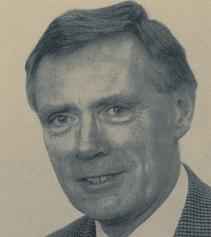
Considered to be one of a handful of worldwide authorities on fire dynamics (the study of how materials ignite and burn, how heat is transferred in fire, how smoke moves in a building, and how fire grows from ignition to full-room involvement), Dougal Drysdale travelled from the University of Edinburgh, Scotland, to Worcester Polytechnic Institute, Massachusetts, to teach the first graduatelevel course in fire dynamics and to write a textbook on the subject. Published in 1985, the first edition of An introduction to fire dynamics sold 45,000 copies.
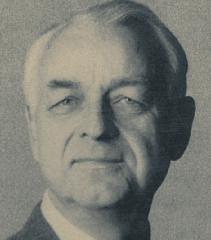
Gunnar Heskestad’s specific accomplishments include studies of optimum smoke detector placement for early detection; a model study of automatic heat and smoke vents for sprinklered fires; development of several specialised instruments and devices for use in fire testing; a concept, confirmed by largescale tests, for evaluating time delay in dry pipe sprinkler systems; development of the Response Time Index concept; research on turbulent flames and fire plumes; and
investigations with the Gas Research Institute to design water spray curtains to disperse flammable Liquid Natural Gas vapours. He joined Factory Mutual Research Corporation in 1969 after earning undergraduate and graduate degrees in mechanical engineering and a doctorate in mechanics, the latter from Johns Hopkins University.

An influential Life Fellow of the Institute of Fire Engineers, Ronnie Cox began his fire service career in South London in 1936. In 1939, he became Assistant HM Inspector of Fire Brigades for Kent, Surrey, and East and West Sussex, with responsibility for some 80 brigades. After World War II, he accepted a posting to Trinidad and Tobago, where, as Superintendent, he helped to expand the fire and ambulance service. He was awarded the George Medal in 1957 for his command of the response to a major fire on a ship laden with aviation spirit in the Port of Spain. He took up the position of Deputy Chief Officer in Hong Kong, overseeing major growth in personnel numbers from 500 to 3,500. He later served as Technical Officer and Consultant with Wormald, and later still, he served as a consultant to WA Fire Brigades Board and elsewhere. He was an all-round expert in fire and rescue matters.
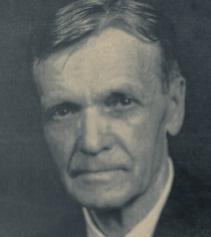
In 1914, the National Bureau of Standards (NBS) hired Structural Engineer Simon Ingberg. Under his leadership, NBS, UL, Associated Factory Mutual Fire Insurance Company, and the National Board of Fire
Underwriters jointly sponsored a major study at UL, Chicago, from 1917 to 1920. The study covered the fire performance (resistance) of building columns (concrete, steel, masonry, and composite materials). Results from the more than 1,000 fire endurance tests provided detailed hightemperature performance data that was previously unavailable. From this work and earlier tests at Columbia University came the standard temperature-time exposure— the basis for the classification and fire endurance rating of building construction elements for building codes.
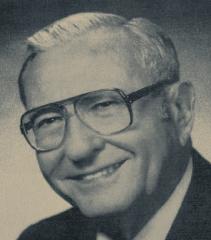
A mechanical engineering graduate from Oregon State College, Joe Johnson began his professional career in 1934 with Texas Automatic Sprinkler Company in Dallas, where he became Chief Engineer. From 1947 to 1963, he served as President and Chairman of the Viking Fire Protection Company Board, Kansas City, and from 1964 to 1979, he served as President of Pyrotronics. He developed and engineered the first large-scale water spray installations for chemical plants, developed the first water spray nozzle especially for use in fire protection systems, proposed the first use of hydraulic calculations for regular sprinkler systems, patented the first on-off sprinkler system, and pioneered the development of early warning smoke detection systems.
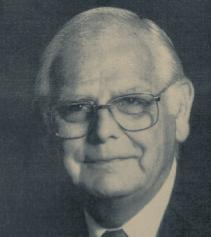
Rolf Jensen, more than anyone else, was responsible for the general acceptance of fire protection engineering as part of the design process. After 12 years with UL, rising to Associate Managing Engineer, in 1965 he accepted the position of Associate Professor in Fire Protection Engineering at IIT. He was promoted to Professor and Chairman of the department in 1966. He left IIT in 1976 to devote full attention to his fire protection engineering consulting firm, which became one of the largest and most significant factors in that segment of the profession. He served on the NFPA Automatic Sprinkler Committee for 37 years and chaired its New Technology
Subcommittee during the development of many of the 20th century’s major advances in sprinkler technology.

Margaret Law became a Senior Scientific Officer at the Fire Research Station (FRS), Borehamwood, England, in 1952 and stayed there until becoming Principal Scientific Officer for the Directorate of Research Requirements. In 1974, she joined Arup Research and Development Corporation. Responsible for numerous research reports, she authored the classic Technical Paper No.5, which became the basis for fire exposure requirements in UK regulations and NFPA 80A, Recommended Practice for Fire Protection of Buildings from Exterior Fire Exposures. She is also well known for developing a series of equations that predict temperature rise on exterior exposed steel.
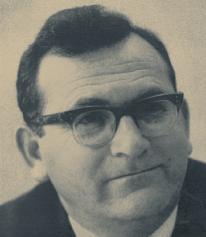
Following a distinguished career at the FRS, David Rasbash was appointed Professor of Fire Engineering at the University of Edinburgh, Scotland. He was responsible for setting up the first postgraduate courses on fire safety engineering and establishing the fire safety curriculum, which proved to be the foundation for similar programs worldwide. At the FRS, his special interests were pool fire dynamics, water spray fire suppression, and propagation and venting of gas explosions.
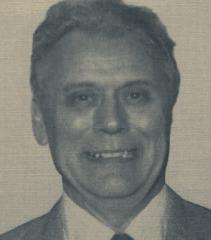
The late Dick Stevens was a good friend of the writer. For more than three decades, starting in 1950, he significantly influenced the engineering and codes and standards activities of NFPA. He was Secretary of NFPA’s Safety to Life
Committee from 1962 to 1972 during the transformation of NFPA 101 from the Building Exits Code to the Life Safety Code. He was Secretary-Treasurer of the Society of Fire Protection Engineers from 1962 to 1971, when it became an independent society. He was a major contributor to the Fire protection handbook and served as Chief Technical Consultant for the 14th and 15th editions. He is considered the principal architect of the NFPA consensus codes and standards development system as it exists today. He established the NFPA Standards Council and served as its first Secretary from 1975 to 1984. He retired from NFPA in 1984 as Vice-President and Chief Engineer after 35 years of service.

Chet Schirmer earned a degree in fire protection and safety engineering from IIT and joined Schirmer Engineering in 1952 as a Consulting Engineer, becoming Vice-President in 1957 and President in 1964. From 1971, for the next quarter-century, he chaired the NFPA Sprinkler Committee (NFPA 13: Standard for the installation of sprinkler systems), the first non-insurance industry executive to serve in that capacity. He was personally involved in the fire protection design of the first fully sprinklered high-rise building in the south-east US long before interest in such protection. The total fire protection and life safety system design for the Sears Tower, Chicago (at the time the tallest and largest privately owned office building in the world, now named Willis Tower), was his responsibility and was done prior to the promulgation of present codes for tall buildings. His detailed write-up on the Sears Tower fire protection systems was published in the September 1972 issue of the NFPA Journal
Several prominent Australian and New Zealand experts have contributed and are still contributing to the corpus of technology on which current fire protection practice is based. More about this industry and its professional pioneers may be outlined in a future Fire Australia article.

$350 per person per year
Covers you every year for 10 years.
That’s long-term protection, sorted now.
Why it Matters
· You may carry liability even after changing roles or employers.
· Practitioners can be held personally liable for AFSS & Designs that you sign o on for 10 years.
· Run-o cover can help shield your personal assets in the event of a claim.

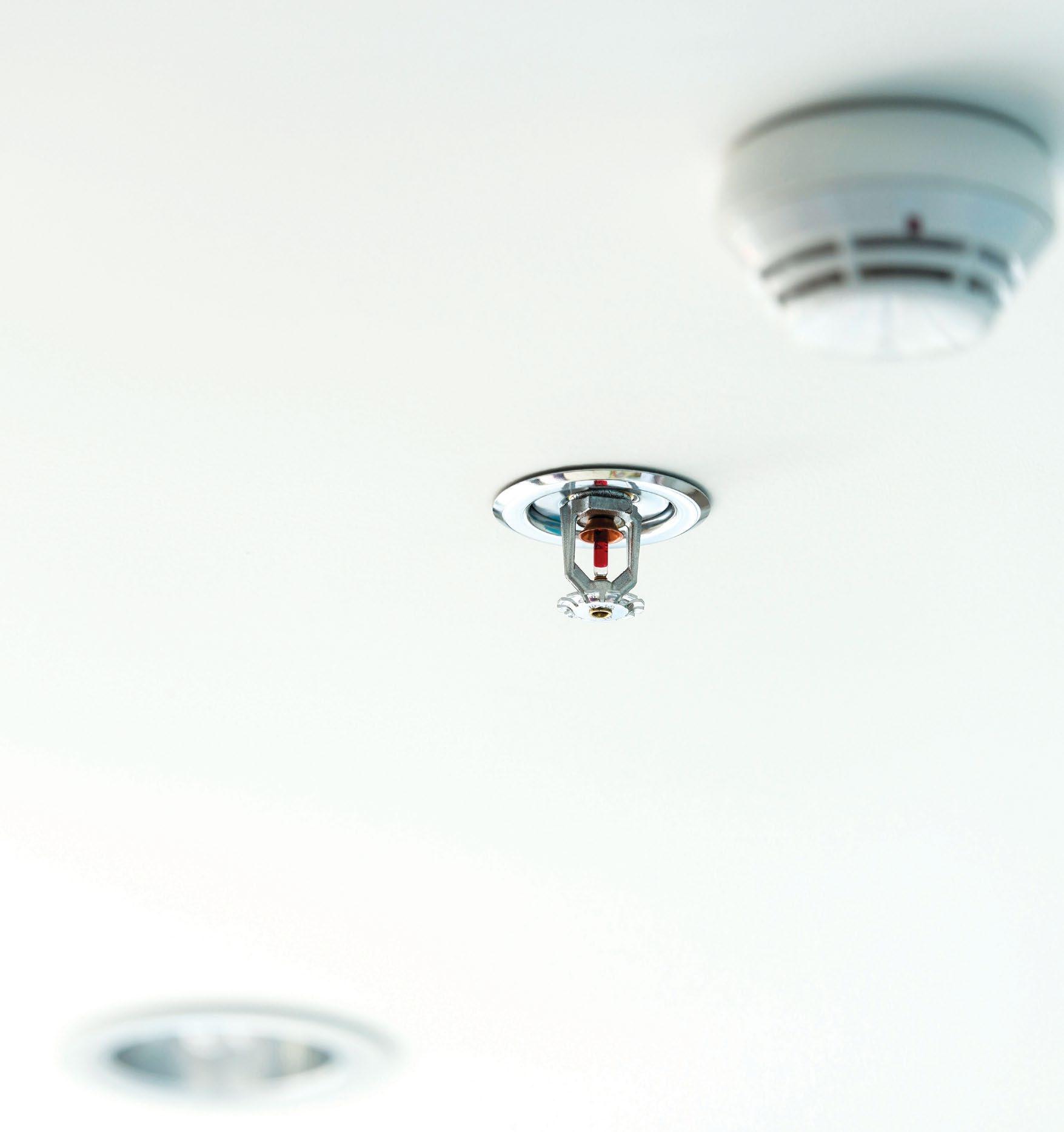
Home fire sprinklers significantly increase the chances of saving lives and property—so why aren’t they mandated in Class 1 homes?
MARK WHYBRO AFSM
Chair, Home Fire Sprinkler Coalition Australia; Adjunct Fellow, School of Engineering, Design and Built Environment, Western Sydney University; NSW and ACT Manager for FPA Australia
Although I’d studied chemistry and physics in the HSC, I really learned the science of fire as a recruit firefighter at the fire brigades’ Alexandria Training College. It was different from school learning; it wasn’t theory or desktop experiments, it was studying the enemy. Our focus was on the deadly, destructive risks of fire and how best to mitigate these: cool the temperature, remove the fuel, take away the oxygen, and disrupt the chemical process of combustion. For all the messroom banter, my class of bright and shiny—but raw—trainee firefighters took this all very personally. Being the one in harm’s way tends to focus your attention that way.
The lessons learned in initial training and practice on the trucks were reinforced later, during my fire incident management training. Members of the magnificent Brunacini family, Chief Alan Brunacini and his sons, who served with the Phoenix, Arizona Fire Department and ran their ‘Blue Card’ training for my agency’s fire officers, reminded us of what should be a self-evident fact: “The sooner you put out the fire, the quicker your problems start to go away.”
Public safety advocates around the world continue to remind us of this truism, advocating for the ‘fastest water’. Despite well-trained, wellequipped, and well-managed fire crews spread across our metropolitan areas in strategically located networks of fire stations, the average response time from the time of call to arrival at the fire incident—before recon, set-up, and commencing firefighting intervention— is still around seven to ten minutes. An average-sized room in an Australian
home can go to flashover in two to three minutes, so if you live in a regional, rural, or remote area, you are on your own for a lot longer, with the inevitable higher potential for adverse consequences. The ‘fastest water’ can come from a householder who identifies they have a problem, hopefully because their smoke alarm works and has given them early notification of the fire. This also depends on whether the householder is at home and has the capability to act. Do they have the physical and psychological ability, the understanding of what to do, and the equipment to do it—even if that’s just having a wet towel and the knowledge of how to safely use it? Many in our community lack these necessary skills and understanding, so you can see why fire agencies’ home fire safety messaging includes the clear ‘Get out. Stay out. Call Triple Zero (000)’.
Home fire sprinklers can also be the ‘fastest water’. They are automatic, so their activation has minimal dependence on humans, who are too often the weak link in the chain when it comes to home fire safety. Sprinklers are trusted, proven technology with accepted designs having been around for more than 150 years. Originally developed for property protection, fire sprinklers are now mandated in the National Construction Code (NCC) for pretty much all classes of building (with the notable exception of Class 1 homes, where the overwhelming majority of Australia’s preventable fire fatalities occur—a debatable public safety issue if ever there was one).
Home fire sprinklers are extremely effective in buying time for occupants to safely escape. International research consistently demonstrates their ability to quickly commence suppression, helping to limit damage to the area of origin, and often being able to extinguish
the fire. In 2021, the US National Fire Protection Association (NFPA) published the report US Experience with Sprinklers, which demonstrates that over the five years of fire incidents studied, sprinklers had a remarkable success rate of effectively controlling fires in 96% of the places where they operated—which they did 92% of the time. Fast water leads to better outcomes for life, property, and the environment.
Sprinkler benefits
While a Class 1 fire is in someone’s home, it also becomes a firefighter’s workplace. Sprinklers make the workplace for intervening firefighters significantly safer by reducing heat, the size of the fire, and possible structural damage. The NFPA report cites a reduction in firefighter injuries by 78% when home fire sprinklers are present compared to homes without sprinkler protection.
Championing the greater roll-out of home fire sprinklers seems a logical, legally sound, and morally necessary action for fire agencies to take. They are the best single solution for the protection of life in homes. They are not, however, the only solution. Together with multiple, interconnected smoke alarms in each bedroom, hallway, and living space, home fire sprinklers help establish a formidable safety system to protect Australians from fire in their homes.
AFAC, with Fire Protection Association Australia, one of Home Fire Sprinkler Coalition Australia’s strategic partners, is pushing for interconnected smoke alarms to be adopted in the NCC and in state/ territory regulation. Queensland already has this—maybe it could be the first jurisdiction to consider Class 1 home fire sprinklers?
For further information or queries on home fire sprinklers, visit www.homefiresprinklers.org.au or email info@homefiresprinklers.org.au
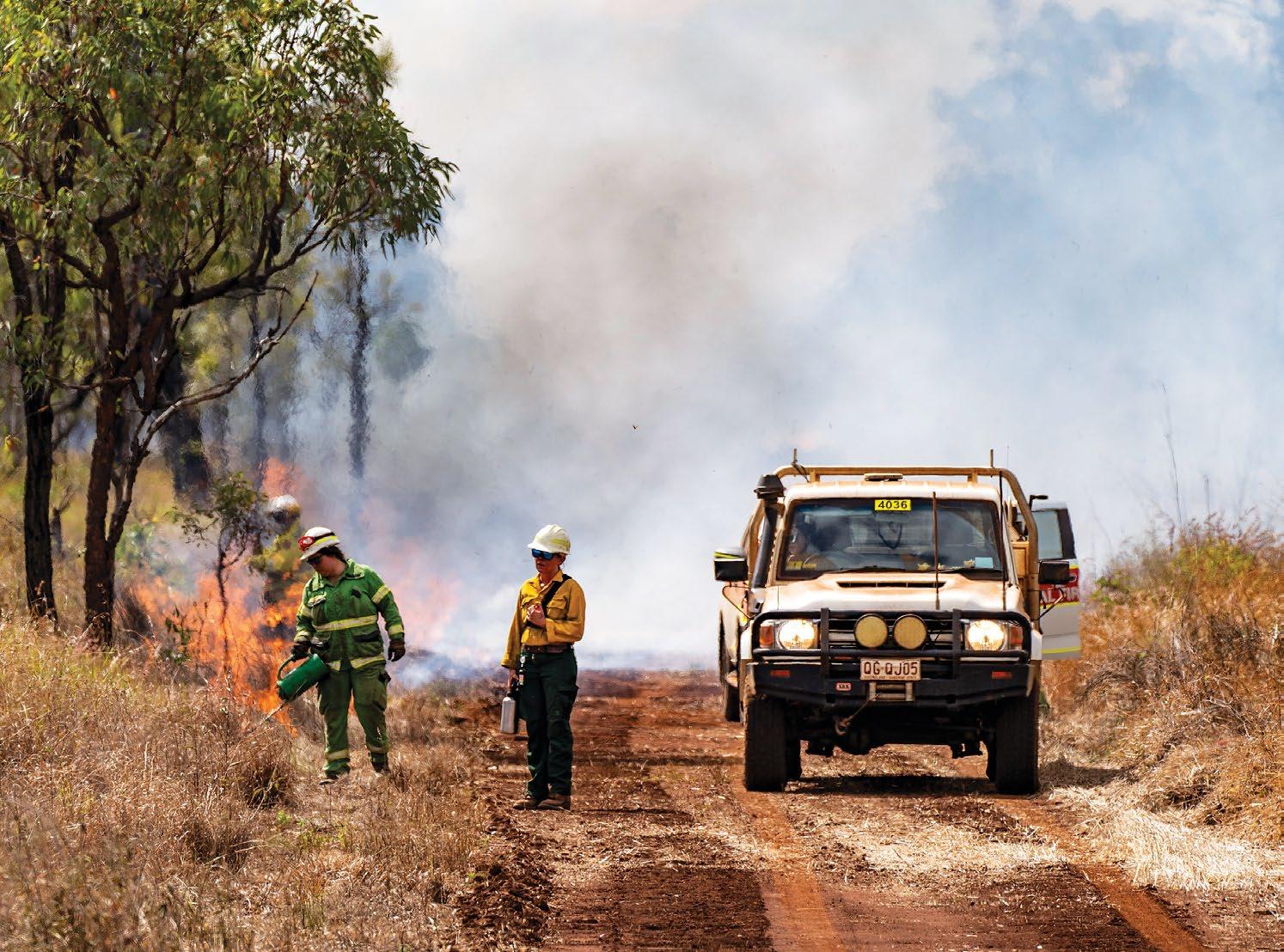
Effective wildfire management is globally recognised as complex and multifaceted, compounded by changing climate drivers and evolving sociopolitical pressures. As with any complex issue, a variety of perspectives is essential to finding workable, sustainable solutions. Women-in-Fire Prescribed Fire Training Exchanges (WTREX) support people working to strengthen and broaden this workforce, now brought to Australia for the very first time.
Queensland Parks and Wildlife Service
In an event fuelled by passion and a deep connection to Culture and Country, 38 fire practitioners from across the world have been given a once-in-alifetime intensive fire training and cultural exchange experience through the Australia Women-in-Fire Prescribed Fire Training Exchange (AUS WTREX).
AUS WTREX was jointly delivered by the Queensland Fire Department (QFD) and Queensland Parks and Wildlife Service (QPWS), with support from AFAC, WTREX and Fire Networks, as well as research partners Natural Hazards Research Australia and National Indigenous Disaster Resilience.
The 12-day exchange, held in Far North Queensland between 12 and 23 May 2025, was part of the international WTREX program, coordinated by American-based organisation Fire Networks. WTREX events bring a diverse group of fire practitioners together for live fire training with deeper learnings on fire ecology, policy, and social dynamics.
WTREX Director Lenya QuinnDavidson said every WTREX program contributes to a more supportive international community of firefighters.
“WTREX is for everyone. We have a focus on women and underrepresented folks in fire, but we want everyone involved because we all need to be making these big transformations together,” Ms QuinnDavidson said.
“We’re building a global network of leaders in fire and of empowered women and other allies who want to support a different vision and culture of fire management.”
This was the case for lead AUS WTREX program coordinators Chloe Swiney, Rural Fire Service Queensland (RFSQ) Far Northern Region First Nations Bushfire Safety Officer and AUS WTREX Project Manager; Kylee Clubb, Tinaroo Rural Fire Brigade Volunteer; and Alex Lacey, QPWS Undara Volcanic National Park Ranger.
The three women were inspired to bring WTREX to Australia following their own life-changing experience at the 12-day Karuk Women in Fire Training Exchange (K-WTREX) in the remote Klamath Mountains of California, US, in 2022.

“We’re building a global network of leaders in fire and of empowered women and other allies who want to support a different vision and culture of fire management.”
– Lenya Quinn-Davidson
When designing AUS WTREX, Chloe Swiney said she wanted to make sure that the Traditional Owners were involved in every aspect of the program.
“We wanted them to share as much as they wanted to share and teach the women as much as they could, and we wanted other Indigenous women here sharing knowledge as well,” Officer Swiney said.
“The ultimate goal is to have more of us welcome in these spaces and having a network of women behind us encouraging us to keep going. Hopefully it spreads from here.”
AUS WTREX integrated Indigenous Australian fire practices that have been used to care for Country for tens of thousands of years into the core training aspects of the program. This resulted in a bespoke experience that was truly unique to Australian fire management.
Of the 133 applications received to join AUS WTREX, participants from various fire departments, national parks services, Aboriginal Corporations, and land management organisations from across the globe, including Canada and the US, were selected to join the exchange. While they varied in ages, backgrounds, and experience, every participant brought with them a willingness to learn and share to build a supportive international network of women in fire, and most participants identified as Indigenous people of their respective nations.
Set against the backdrop of some of Australia’s most diverse and pristine landscapes, AUS WTREX opened on Gimuy and Yirrganydji Country (Cairns). Participants were greeted with a Welcome to Country performed by Aunty Jeanette Singleton, in-depth sessions on cultural protocols, emotional wellbeing, peer support, and safety, and speeches from program partners and leaders.
The group then travelled to Ewamian Country (Undara Volcanic National Park/ Yaramulla), south-west of Cairns, where they received a Welcome to Country and smoking ceremony performed by David Bindi Hudson.
For Ranger Alex Lacey, as an Ewamian woman and national park
ranger, inviting the AUS WTREX participants to learn and burn on Country was a significant personal achievement.
“We had the vision to bring AUS WTREX back somewhere and I thought, ‘why not Undara?’, because it’s not a landscape that many people get to experience,” Ranger Lacey said.
“I feel very privileged to be able to share and show people this diverse Country, but I also wanted to show people the challenges that come with burning Country like this.”
Over the following five days, AUS WTREX participants undertook live fire training in the form of a multiday planned burn, which began with Ranger Lacey lighting the first AUS WTREX ignition using a Buri (fire) stick gifted by David Hudson—symbolising the start of a shared journey in Australia. Woven throughout the fire training were expert-led discussions from guest presenters and the sharing of the Yaramulla’s history, story, and natural and cultural values, including the iconic lava tubes.
Next stop on the exchange was Bundaburra and Wadjanbarra Country (Atherton Tablelands), where participants experienced a Cultural burn and a hazard reduction burn, to learn different burn objectives and techniques, and joined a traditional weaving workshop led by Jitta Arts.
The final destination was Gunggandji-Mandingalbay Yidinji Country (Yarrabah), where participants met rangers from the GunggandjiMandingalbay Yidinji Peoples Prescribed Body Corporate Aboriginal Corporation, discussed local land management initiatives, and visited cultural burn sites.
Tinaroo Rural Fire Brigade Volunteer Kylee Clubb said watching the participants, mentors, and supporters build a connection throughout the program was something truly special to be a part of.
“It was an honour to share in this space with women from all over and to encourage Indigenous women to upskill and be in these spaces,” Officer Clubb said.
“This was a real first for us, but to empower Indigenous women from all over the world was something unreal.”
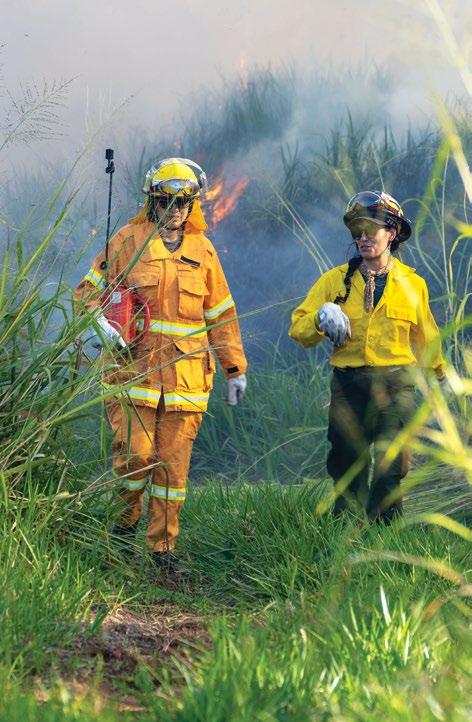
AUS WTREX was heavily supported by QPWS and QFD personnel, as well as Aboriginal Corporations and Ranger networks including the Ewamian Limited Aboriginal Corporation, GunggandjiMandingalbay Yidinji Peoples Prescribed Body Corporate Aboriginal Corporation, the Yaramulla Ranger group, Gambir Yidinji fire practitioners, and Gambir Yidninji Cultural Heritage and Protection.
The program was designed to enhance participants’ prescribed fire skills and foster a deeper understanding of cultural burning as a critical tool for land stewardship. The trust and deep sense of community that organically formed throughout the program was described as lifechanging by some participants.
“Even though you might not know your culture, you can still learn from others and reconnect through sisterhood,” one participant shared.
Another participant said, “[I learned that] it’s okay to be yourself, be soft and gentle, while still being a strong leader.”
By creating a space where traditional and contemporary fire knowledge intersect, AUS WTREX has shone an international spotlight on the valuable role of diversity and cultural knowledge in fire management. It has helped shape the future of inclusive fire leadership in the region and across the world.
Proactive shift needed for bushfire resilience planning into the future.
DR MARIA KORNAKOVA
National Bushfire Manager, FPA Australia
As Fire Protection Association Australia commemorates 65 years of advancing fire safety and protection, it is timely to reflect on the evolution of bushfire risk management and to consider the path ahead.
Among the most significant developments in this space is the Bushfire Planning and Design (BPAD) Accreditation Scheme. First introduced in NSW in 2006 to ensure a high standard of professional practice in bushfire risk assessment, BPAD now plays a central role in shaping how we plan, design, and build in bushfire-prone areas across WA, Victoria, and NSW.
In an era defined by climate volatility, where bushfires are increasing in frequency, intensity, and reach, the demand for evidence-based, professionally accountable assessment has never been greater. BPAD has provided a framework for consistent, standards-aligned analysis of bushfire risks, enabling better decision-making by planners, developers, and regulatory authorities.
Accredited practitioners are required to demonstrate technical expertise, adhere to strict ethical guidelines, and maintain their competence through ongoing professional development—an assurance that is vital in a high-stakes bushfire field. However, systemic challenges remain.
In many jurisdictions, the integration of bushfire risk assessment into statutory planning remains inconsistent. Some regions have yet to formally recognise BPAD within their planning frameworks, and even where it is recognised, the timing and weight of its input can be limited. As a result, critical opportunities for risk mitigation are missed and developments proceed without a fully informed understanding of bushfire exposure.
Looking forward, there is a clear need to embed bushfire resilience more deeply into land use planning and building processes.
This requires a shift from reactive, compliance-focused thinking to a proactive, risk-informed approach. National consistency in recognising and requiring the BPAD Accreditation Scheme and BPAD assessments in bushfire-prone areas would represent a major step forward.
Technological advances also offer promise with fire behaviour modelling and mapping tools, enhancing the capabilities of BPAD practitioners. Yet these tools are only as effective as the frameworks into which they are integrated. Policy-makers, local governments, and the private sector must collaborate more actively with the fire protection industry to translate scientific insight into practical, enforceable planning measures.
Equally important is public awareness. A key challenge for the next generation of fire protection professionals is to broaden the conversation to engage with home owners, insurers, developers, and community planners. Bushfire risk is no longer confined to the fringe; it is a systemic issue that affects urban design, infrastructure investment, and environmental management. As the profession matures, BPAD must continue to evolve through investment in education and research to attract new talent and advance best practice. The future of fire resilience in Australia depends on our ability to integrate technical expertise with policy innovation and community engagement.
FPA Australia’s commitment to setting standards, supporting practitioners, and advocating for safer communities remains as relevant today as it was at its founding. As we reflect on 65 years of progress, the imperative is clear: to build not just fire-safe buildings, but also fireadapted communities for the future.
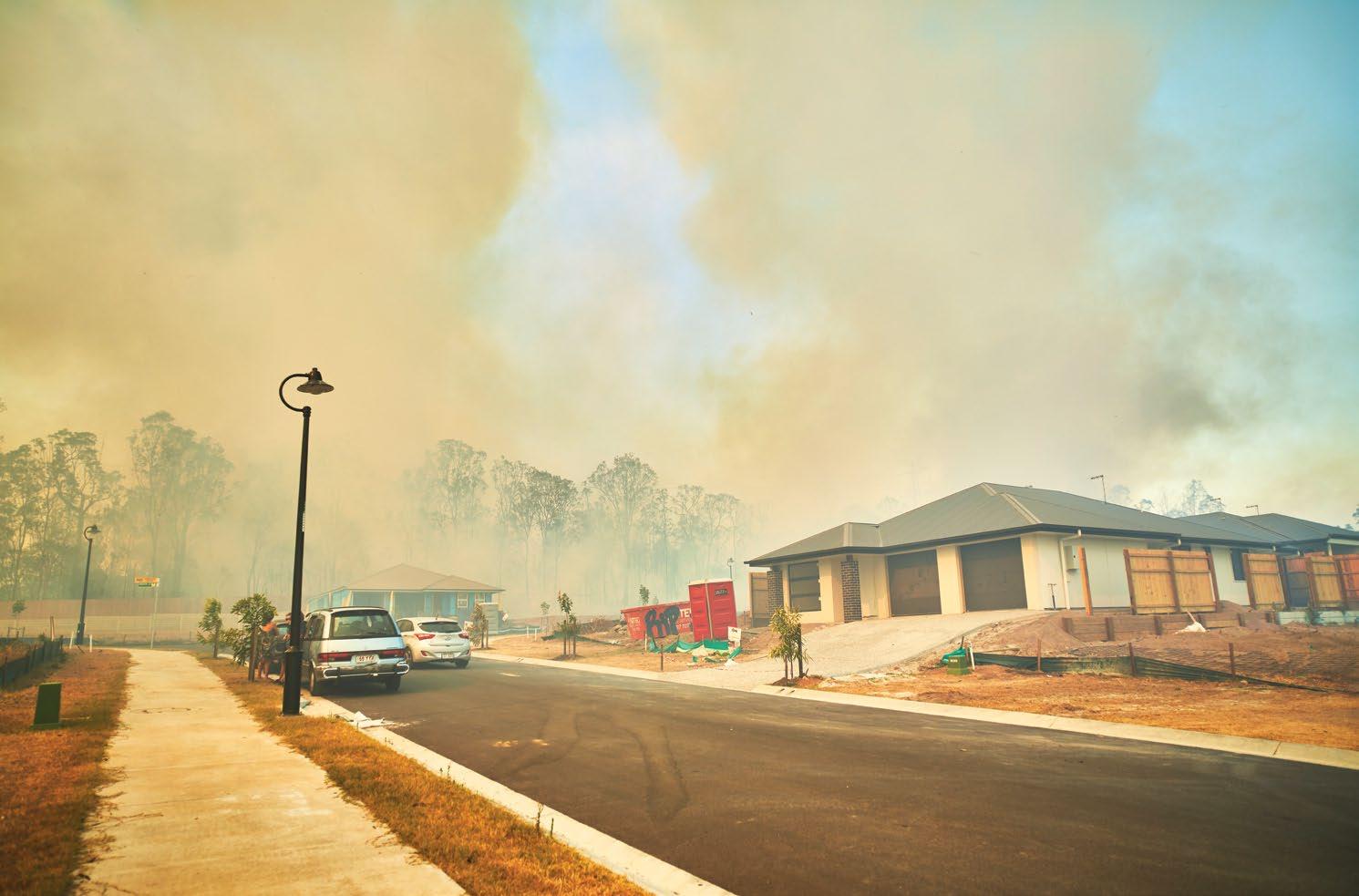
For more information on the BPAD Accreditation Scheme, visit www.fpaa.com.au
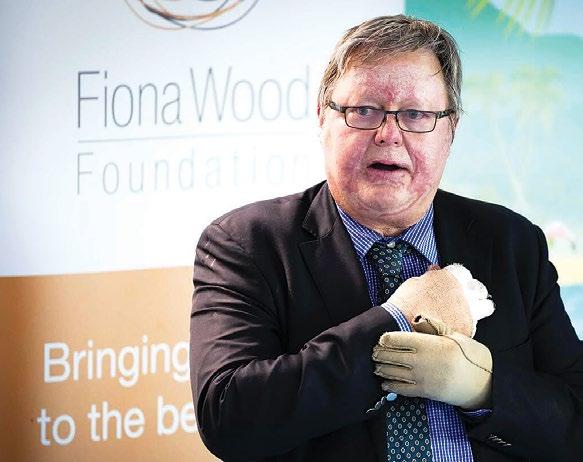
Above: At the event, foundation patient Tim shared his personal journey of recovery after sustaining severe burns—38% fullthickness, full-circumference burns to his arms, legs, and hands—in a fire on
farm just before Christmas 2023.
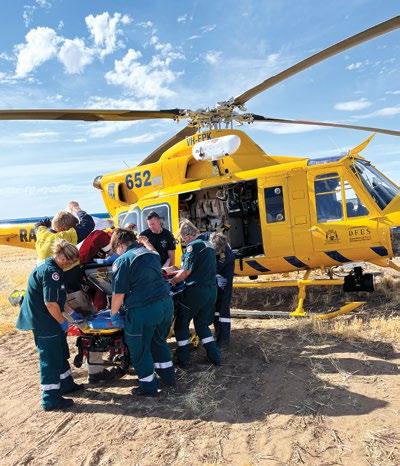
FPA Australia and Fiona Wood Foundation work together to raise funds, awareness, and lasting change.
In the face of increasingly complex fire-related challenges, building safer, more resilient communities depends not only on innovation but also on strong partnerships that drive connection, collaboration, and action.
The partnership between Fire Protection Association Australia and the Fiona Wood Foundation is built on this shared belief. It brings together people, systems, and knowledge to prevent harm, accelerate recovery, and inspire lasting change. Through joint efforts in advocacy, education, fire safety, and technological advancement, we are delivering vital messages that help prevent the devastating impact of fire and reduce harm to people, homes, businesses, and the environment.
As a proud charity partner, we are grateful for FPA Australia’s continued support and commitment to our vision of scarless healing. The FPA Australia Scholarship plays a critical role in this work, directly fuelling innovation and enabling our research team to translate scientific and clinical discoveries into
pioneering treatments that minimise scarring and improve recovery outcomes.
Behind every breakthrough is a team of researchers who are not only dedicated and skilled but also driven by the belief that a burn injury should not define a person’s life. With the support of partnerships like this, people can recover, rebuild, and thrive.
Events such as the Central Park Plunge are another powerful expression of this partnership in action. They raise essential funds and, just as importantly, amplify awareness of the long-term impacts of burn injuries and the urgent need for continued progress in prevention, care, and recovery.
Together, we are building safer communities, driving innovation in treatment, and helping to shape a future of care that offers greater hope and possibility for those affected by burn injuries today and into the future.
Our leadership in global burn research continues thanks to the legacy of those
Below:
Di from the Fiona Wood Foundation with Ray and Pierrin from FPA Australia at the Your Impact Research Celebration in December. PHOTO: SUPPLIED
who have supported our mission over time, as well as those who stand with us today. While we’ve made significant progress over the past two decades, much work remains.
As we enter a new era, we aim to advance understanding of the complex, interconnected impacts of burn injuries across three core domains: physical, psychological, and physiological.
Innovations like RECELL®, developed by Professor Fiona Wood and scientist Marie Stoner, have transformed acute burn care. This autologous cellharvesting technology, which uses a patient’s skin cells to accelerate healing and reduce scarring, has become a global standard and is increasingly applied in trauma, surgical, and reconstructive settings.
Our commitment to innovation spans all areas of research. In the physical domain, we’re advancing scar prevention and tissue regeneration through technology and bioengineering. In the psychological and physiological domains, we examine how trauma affects mental health, immune function, and long-term recovery, paving the way for more personalised care. With partners like CSIRO, digital tools such as MICE and eConsent are enhancing clinical decisions and improving access to specialist care, particularly in remote areas.
Education is key to translating research into practice. The Burn Management Program provides regional and high-risk clinicians with the skills to deliver timely, evidence-based care. Beyond the clinical setting, programs like More Than Skin Deep provide patients and their families with practical tools for scar care, mental health, and long-term recovery.
Together, making a difference
As FPA Australia celebrates 65 years of progress, we are proud to stand alongside an organisation that continues to lead with purpose, advancing fire safety through innovation, collaboration, and building whole-ofcommunity resilience and wellbeing. It is a privilege to be part of each other’s legacy, working together to create safer communities and building the knowledge, capability, and systems that will protect future generations.
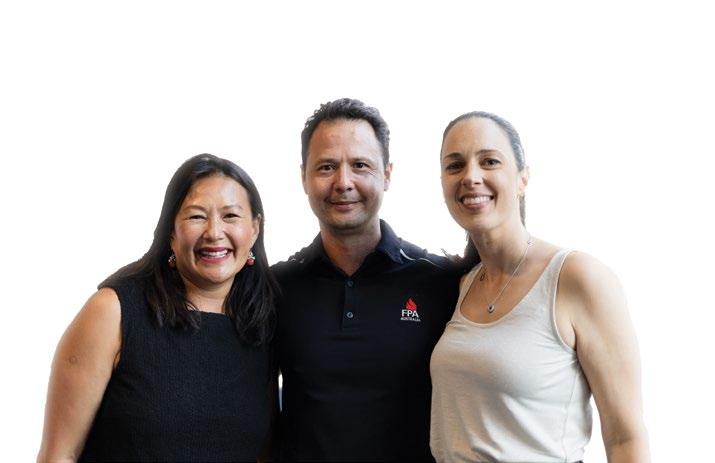
For more information on the Fiona Wood Foundation, visit www.fionawoodfoundation.org.au
STEPHANIE ANDRADE
Every year, the United Nations Commission on the Status of Women (CSW) brings together advocates, policy-makers, and change agents from around the world, with the intent of promoting and monitoring the political, economic, civil, social, and educational rights of women. The 69th session was held in New York in March 2025.
The Champions of Change Coalition (CCC) sends an annual delegation of its members to this event. It focuses on listening and learning from the collective voices of those driving forward gender equity globally, while also showcasing the opportunity presented by the CCC strategy of engaging leaders across sectors to drive change.
Through AFAC’s partnership with CCC, our Fire and Emergency Group has a strong focus on leading change to create a safe, diverse, and capable fire and emergency services sector.
AFAC at the CSW
This focus was reflected in the strong fire and emergency services representation on this years’ CCC CSW delegation. This included:
Jessie Fraser, Senior Manager, Diversity, Equity, and Inclusion from Fire Rescue Victoria
Emma McGrath, Project Manager, Tasmania Fire Service
Stephanie Andrade, AFAC Deputy Director, Diversity, Equity and Inclusion, Strategy and Performance
Jeff Swann, Chief Officer, SA Metropolitan Fire Service
Jeremy Smith, Fire and Emergency Services Commissioner, Tasmania Fire Service and Tasmania SES
Jason Heffernan, Chief Officer, Country Fire Authority, Victoria.
The group was supported by CCC Fire and Emergency Group Program Director, Cassie Lindsey.
The trip included a rich program of official United Nations CSW events, which focused on what progress has been gained and what gaps remain 30 years on from the Beijing Declaration on gender equity. It also included opportunities to learn from leading international human rights advocates and thought leaders about emerging challenges and trends in
gender equity progress, and a range of fire and emergency-focused stakeholder meetings.
Unsurprisingly, given this full program, there was a wealth of learnings and connections, and I’m sure I was not alone in returning from the trip with a renewed sense of purpose, drive, and some changed perspectives on how we tackle the global challenge of progressing gender equity in an Australian context.
Impactful reflection points
It was inspiring hearing from Nordic government ministers on the systemic policy changes they had implemented, even when there was pushback. They enabled greater equity across all genders, implementing universal childcare and gender-blind parental leave policies, and strengthened consent laws and sexual education with a behavioural focus.
Below: The CCC delegation attended the United Nations CSW to learn from those driving forward gender equity globally, to strengthen the diversity, equity, and inclusion of our fire and emergency services.
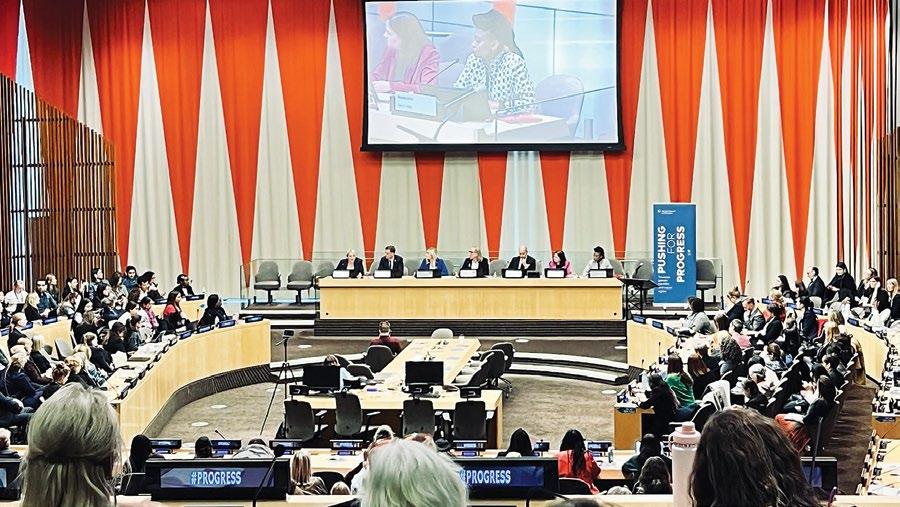
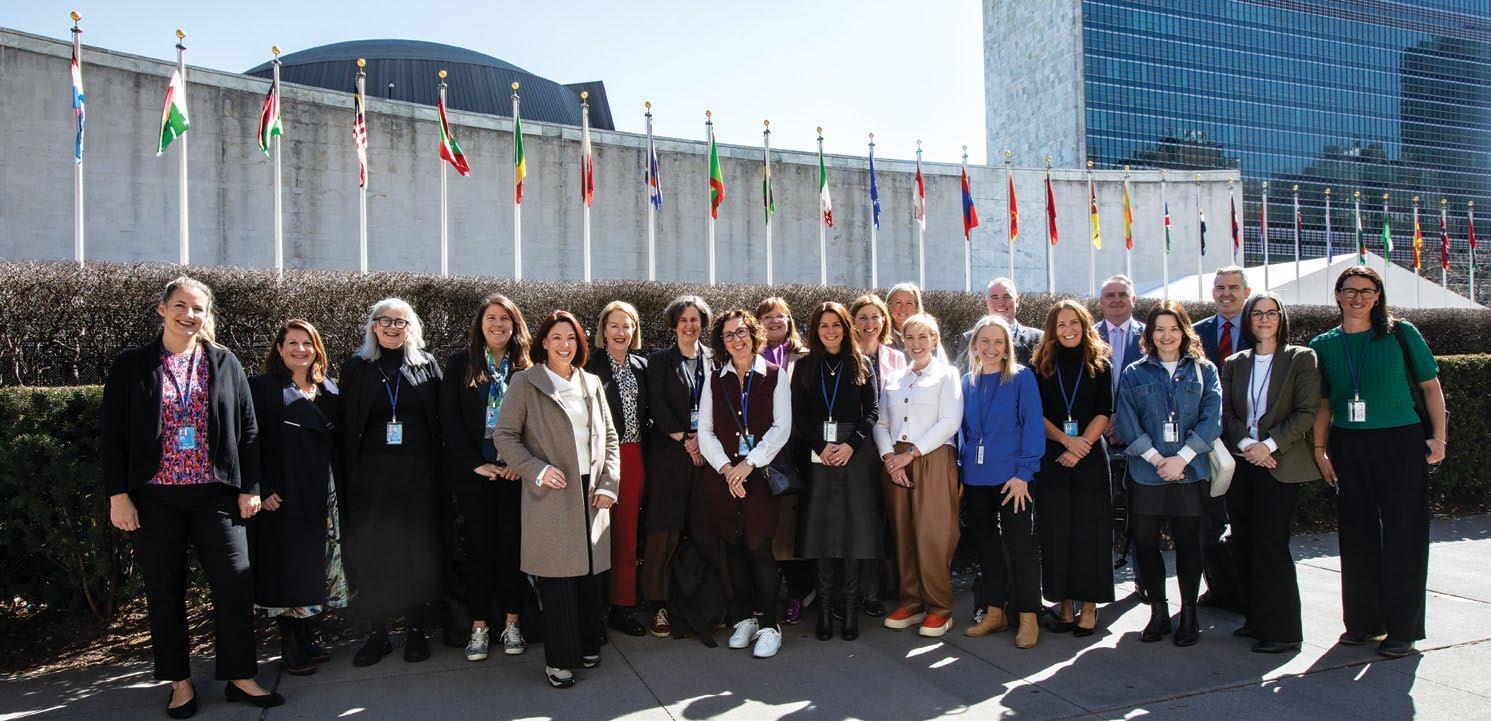
It was also thought-provoking meeting with Cody Ragonese of Equimundo to discuss their research into the experiences of men and boys in an environment where the ‘manosphere’ is creating increasing resistance to the concept of gender equality. This conversation highlighted how important it is to engage with men and boys in ways that connect with them, and to emphasise the shared benefits for all genders of a genderequal world. It’s a message particularly relevant for those of us working in traditionally male-dominated industries.
Hearing from the global speakers from various countries and political climates throughout the week was a highlight. There was a clear theme of ‘not taking progress towards gender equity for granted’ and ensuring that we work to protect this progress.
It was sobering to understand the very real, personal safety impacts experienced by many advocates working in this space across the world.
We learned the immense value of diverse connection and collaboration across countries and sectors. We had the opportunity to connect with key US fire and emergency stakeholders, including both the Fire Department of New York—who hosted us at their training facility at Randalls Island, New York—and a range of international agencies to discuss topics such as inclusive personal protective equipment/clothing and recruitment practices.
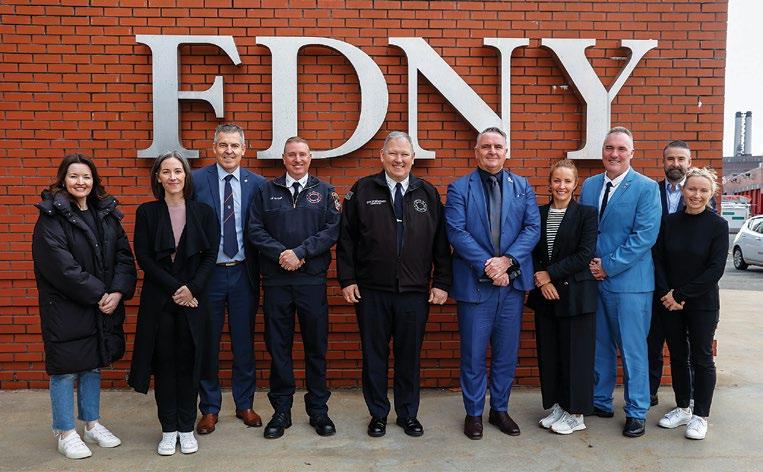
Connections were created across the breadth of sectors represented in the coalition delegation, including architecture, energy, property, sports, law, and more. Despite our differences in approach, context, and challenges, there were lessons to be taken away from each connection that will support the work we do in the fire and emergency services sector.
Two months on from the trip, the focus is now on how we can integrate these learnings into our work program with CCC, share these global perspectives, and build on the connections we have made across countries and sectors.
For more information about the work done by AFAC supporting diversity, equity, and inclusion, and our partnership with CCC via the Fire and Emergency Group, please visit: www.afac.com.au/public-resources/ bb3e3155-3472-4ba2-90d3f6c2c8ae27bc https://championsofchangecoalition. org/groups/champions-of-change-fireand-emergency
Lack of automatic sprinkler protection a major factor.
On 16 December 1993, fire destroyed a Sainsbury’s superstore in Chichester, UK. Thought to have started among potato chip boxes in a bulk storage area, it spread rapidly upwards through the stock and packaging to involve the roof. An automatic fire alarm call was received at 2.42 pm and first responders found some 200 staff and 300 customers in the car park assembly area following a swift and complete evacuation.
Initial inspection of the retail area found light smoke, but within 15 minutes of the original alarm, fire broke through the ceiling of the bulk storage area, took hold in the roof, and spread across the widest part of the store. Dense black smoke filled the retail area down to a metre above floor level and the smoke plume was visible 30 km away. At the height of the blaze, sections of the nearby A27 road were closed and 25 pumps, three hydraulic platforms, a hose layer, two breathing apparatus control units, and a heavy rescue tender were in attendance.
According to the February 1994 issue of the UK journal Fire: “Internal firefighting—always difficult because of the early and dense smoke logging of virtually the entire interior area, a series of major flashovers and rapid roof spread with its resulting showering of molten and burning bitumen—had to be halted by 3.25 pm and all BA teams withdrawn as the roof had then become totally involved and unstable. External firefighting continued, with a total of 15 jets, four ground monitors and three high-pressure monitors being employed.”
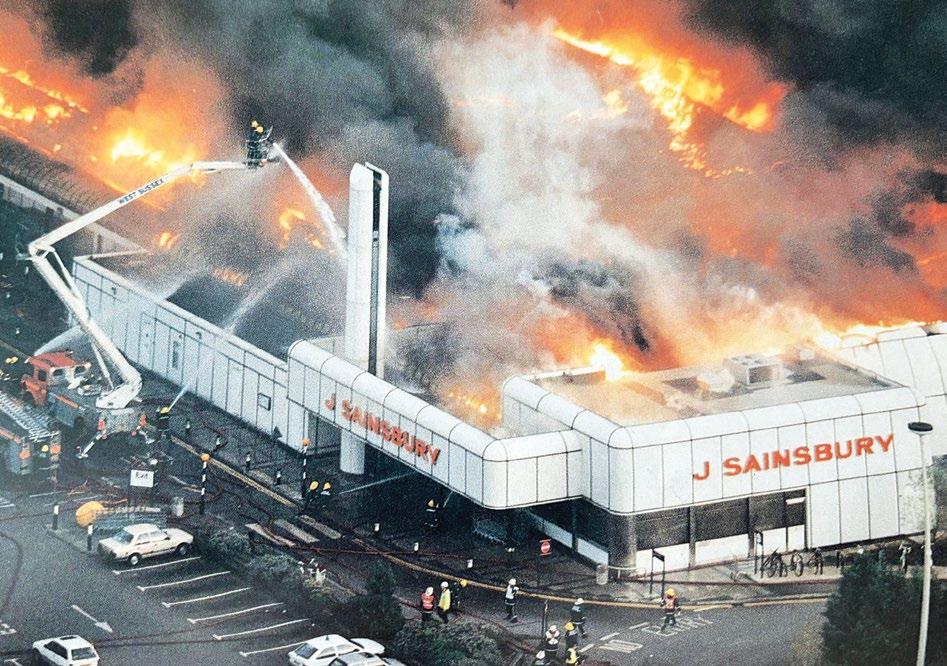
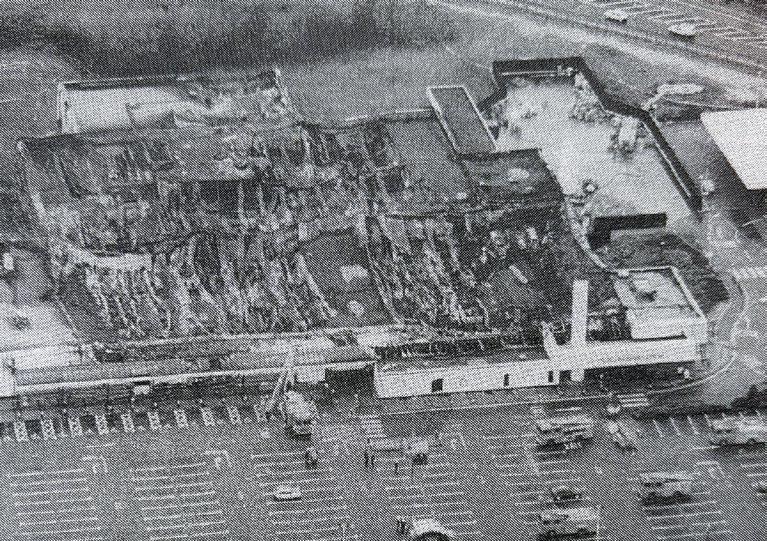
According to the FPA Australia publication Fire: A Century of Automatic Sprinkler Protection in Australia and New Zealand 1886–1986, 531 fires were recorded in sprinkler-protected shopping facilities during this period in the two countries. The average number of sprinklers operating was 2.75. There were no fatalities.
The ‘stop’ message was returned at 6.42 pm, by which time most of the roof had collapsed. Damping down continued until the following morning. The absence of automatic sprinkler detection was cited as a major factor in the rapid initial development of the fire, compounded by the lack of compartmentation, and the paucity of roof venting.
The Sainsbury’s blaze followed a serious outbreak a few months earlier at the unsprinklered Littlewoods store in Chesterfield, Derbyshire. It was
caused by a youthful arsonist igniting a garment in the menswear department and led to the deaths of two elderly people, plus injuries to 30 others suffering various degrees of smoke inhalation. The Littlewoods fire resulted in damage totalling £2 million.
History is replete with accounts of major store fires, noting the absence of automatic sprinkler protection. A classic example was the L’Innovation store fire in Brussels (see ‘Blast from the Past’ in Fire Australia, Issue 1, 2019), in which 325 people died.
The Fire Safety Industry Reference Group (FSIRG) seeks to demystify regulation in NSW so all parties are best placed for compliance and safety ahead of February 2026 start.
MARK WHYBRO AFSM
In 2020–21, current Assistant NSW Building Commissioner Matt Press and well-credentialled and respected public service executive Michael Lambert led a multidisciplinary work group to review and offer solutions to problems in the fire protection sector. Recommendations from this critical piece of public safety work included implementing AS 1851, the Australian Standard for servicing and maintaining fire safety equipment.
AS 1851 had been adopted in one way, shape, or form in other states and territories, with NSW a latecomer to mandating its use in building regulation.
AS 1851 details what a competent practitioner must do to maintain a building’s fire safety measures. This work is often known as ‘inspect and test’ and includes requirements for preventative maintenance. Fire sprinklers, occupant warning systems, fire pumps, fire and smoke detection systems, air and smoke handling, hydrants, and fire hose reels are all covered.
To support the community’s and industry’s acceptance of AS 1851, NSW Building Commission has established the Fire Safety Industry Reference Group (FSIRG) to answer some of the questions that delayed the initial implementation. The work group is the logical continuation of the original government–industry fire safety group, consisting of senior representatives from regulators (local government, Fire and Rescue NSW, Fire Protection Accreditation Scheme), respected industry, vocational training, and owners’ organisations.
Also led by Matt Press (clearly a glutton for punishment), the group consists of numerous repeat representatives, which is an advantage in understanding how we got here and where we should be going to improve public safety. The shared intent is to provide clarity and certainty to consumers and all who have a legal responsibility, in order to achieve consistency in understanding, regulatory compliance, and service delivery across the sector.
for delivering the best possible outcomes with AS 1851: Technical, Building Owners/Managers, Regulators/ Enforcement, and Practitioners. All four groups have a Fire Protection Association Australia officer and member representative, with two co-chaired by FPA Australia reps. As well, the great work over the past 18 months led by FPA National Technical Manager Simon Rickard means the association has been able to share with our FSIRG colleagues draft guides, summaries, and supporting documents. It means the subgroups are not starting from scratch and are better placed to ensure the seamless implementation of NSW’s new regulation.
With the group’s initial focus on AS 1851, there has been a need to differentiate between ‘inspect and test’ under AS 1851 and the already regulated work of the Accredited Practitioner (Fire Safety), recognised in NSW under the FPAS category of Fire Safety Assessor. To support practitioners undertaking AS 1851 work and the stakeholders who declare and regulate compliance, the FSIRG is jointly developing a ‘Good
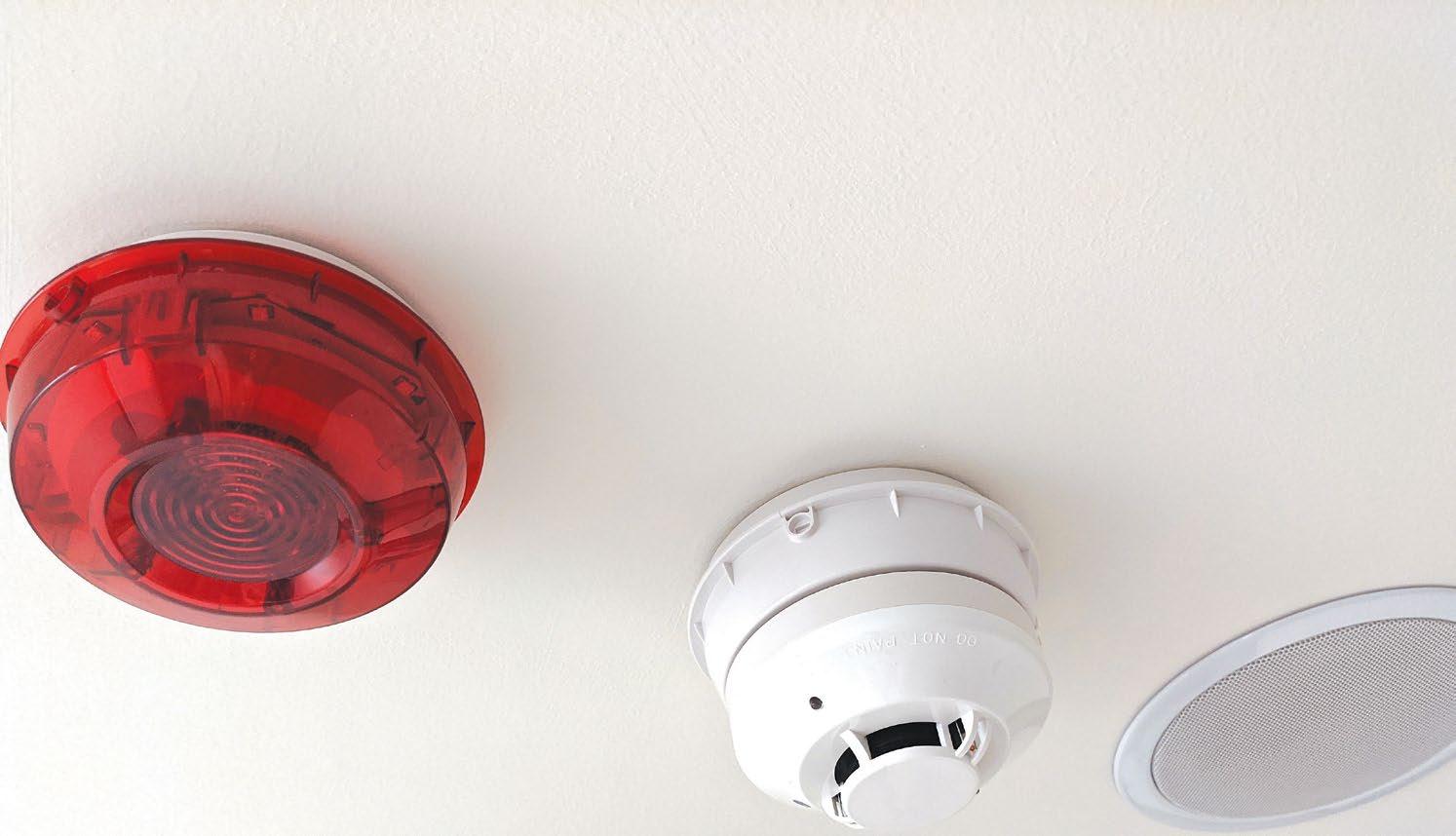
Marking the Vienna Convention’s 40th anniversary and the Fire Protection Permit Scheme’s 20th birthday in Australia.

While many in the fire protection industry focus primarily on public safety and saving lives, two significant milestones in 2025 offer an opportunity to reflect on the industry’s broader environmental contributions. As we approach the second half of 2025, two important anniversaries have been celebrated: the 40th anniversary of the Vienna Convention for the Protection of the Ozone Layer, and the 20th anniversary of Australia’s Fire Protection Permit Scheme.
These milestones mark important achievements in environmental protection and safety but also highlight the critical role of the fire protection industry in safeguarding our planet and its ozone layer.
The Vienna Convention, adopted on 22 March 1985, was established in response to alarming scientific evidence that man-made chemicals, particularly chlorofluorocarbons (CFCs) commonly found in fire suppression systems, were causing significant damage to Earth’s stratospheric ozone layer. This layer serves as our planet’s shield against harmful ultraviolet (UV) radiation.
The convention laid the groundwork for international cooperation, leading to the adoption of the Montreal
Protocol in 1987, which set legally binding targets for phasing out ozonedepleting substances (ODSs). Widely regarded as one of the most successful environmental agreements in history, the Vienna Convention has been ratified by every country, serving as an inspiring example of global collaboration in tackling environmental challenges.
The Montreal Protocol has since seen countries phase out the production of more than 99% of controlled ODSs. Scientific assessments indicate that, with continued global compliance, the ozone layer is on track to return to pre-1980 levels by the middle of the 21st century.
Many of the ODSs that have been phased out are also potent synthetic greenhouse gases (SGGs), meaning their elimination has avoided hundreds of billions of tonnes of CO2-equivalent emissions. Without the actions taken under the Vienna Convention and Montreal Protocol, scientists estimate that an additional 0.5–1°C of global warming could have occurred by 2050, jeopardising the goals of the Paris Agreement.
The global public health outcomes are equally impressive. Estimates suggest that the global health benefits secured through ozone layer protection could reach $1.8 trillion by 2060. This enormous sum comes from preventing skin cancers, cataracts, and other health outcomes that would have
impacted the global population due to UV damage from stratospheric ozone deterioration. Beyond health advantages are benefits to food security and biodiversity, which require a healthy ozone layer.
The fire protection industry in Australia has played a significant part in limiting ODS use and has led the way through the Fire Protection Permit Scheme. Now celebrating its 20th anniversary, the scheme, and the industry working with it, has been pivotal in ensuring fire protection professionals handle scheduled extinguishing agents with care and responsibility, limiting the discharge of ODSs and SGGs.
This proactive approach has not only promoted the adoption of environmentally friendlier alternatives but has also fostered innovation within the industry, encouraging the development of new technologies that enhance fire safety while minimising environmental impact. Increasingly, more organisations have transitioned to cleaner alternatives like FIKE ProInert IG-541 or new inert gas and water mist hybrid systems.
The Fire Protection Industry (ODS & SGG) Board’s permit scheme has been a remarkable success for Australia, playing a crucial role in phasing out ODS and SGG use and safeguarding the ozone layer. By implementing stringent regulations and requiring permits for the use of fire protection systems containing ODS & SGG, the scheme has effectively minimised the release of these harmful substances into the atmosphere.
The collaboration with the industry has strengthened the scheme, ensuring compliance and raising awareness about the importance of protecting the ozone layer. Australia has made significant strides in its commitment to environmental sustainability, demonstrating that effective collaboration can lead to positive outcomes for both public safety and the planet.
Paul Hodgson, Executive Officer of the Fire Protection Industry (ODS & SGG) Board, emphasised the scheme’s success: “Ensuring best practice within our sector and compliance with your permit continues to contribute significantly to the recovery of the ozone. The approach of the permit scheme over the last 20 years has clearly been working. Its 20-year anniversary really is something worth celebrating for our industry.”
Recent reports from the Scientific Assessment Panel to the Montreal Protocol, which found 99% of banned ozone-depleting chemicals had been phased out, highlight the success. This underscores the achievements of the Vienna Convention and Montreal Protocol while demonstrating what can be accomplished to manage other environmental challenges.
“These findings highlight the success of the global commitment to phase out ozone-depleting substances and underscore Australia’s contribution, including our nation’s fire protection industry and the success of the national permit scheme, which continues to be the global gold standard,” Mr Hodgson said.
As we commemorate these milestones, it’s important to acknowledge that work remains. The fire protection industry plays a vital role in this ongoing effort, and through continued collaboration and innovation, we can continue protecting our environment and ensuring a safer future for generations to come.
Kelly Quandt AFSM has taken the position of NSW Rural Fire Service (RFS) Deputy Commissioner People and Corporate Services to become the first woman appointed to a Deputy Commissioner role within the organisation.Ms Quandt’s dedication to the NSW RFS is exemplified by her longstanding volunteer service with the Waterfall Rural Fire Brigade and Sutherland District, where she has held various roles such as Brigade Captain and Group Captain.
Megan Stiffler has joined Fire and Emergency NZ as Deputy Chief Executive Service Delivery Operations/Deputy National Commander. Megan commenced her firefighting career with Queensland Fire and Rescue Service. She then spent 18 months as Executive Director Bushfire Recovery Victoria, where she assisted the communities of Victoria to recover from devastating fires in 2019–20. Ms Stiffler has most recently been with Fire and Rescue New South Wales where she was the Deputy Commissioner Strategic Capability.
The Victorian Government has appointed Tim Wiebusch ESM as Victoria’s Emergency Management Commissioner. Mr Wiebusch has extensive experience leading multi-agency and sector responses to major emergencies. Events he’s played a critical coordinating role in include the 2019–20 Eastern Victoria bushfires, the June 2021 floods and storms, the October 2022 Victorian floods, the 2024 severe weather events, and this year’s bushfires.
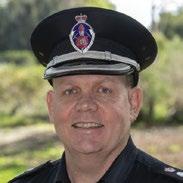
Peter Cleary has been appointed as the new Chief Officer of ACT Fire and Rescue. Peter will be making the move from Fire and Rescue NSW (FRNSW), where he has been working as a Chief Superintendent for Region North, overseeing more than 60 stations and ensuring their operational readiness, resource allocation, and strategic planning. Beginning his career with FRNSW in 1999, Mr Cleary has spent 25 years serving the community in various roles across the service. He spent 17 years on the frontline and progressed through the ranks, working in education and training, capability development, and operations.

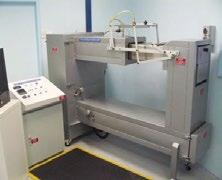
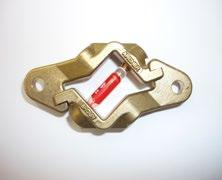

Member for Eden-Monaro Kristy McBain has been appointed Minister for Emergency Management. Prime Minister Anthony Albanese announced in May 2025 that Ms McBain would serve in the role, which was previously held by Senator Jenny McAllister. Ms McBain will also continue to serve as Minister for Regional Development, Local Government and Territories, which is a position she was first appointed to in 2022.

Kristy Phelps has been appointed to the position of SA State Emergency Service (SES) Deputy Chief Officer. She brings over 20 years of experience in the public sector, with a decade spent in senior leadership roles within the emergency services sector. For the past three years, Ms Phelps has been an integral part of the SA State Emergency Service (SES) team, serving as the Director of Corporate and Operational Support and General Manager. Before joining SA SES, she was the Manager of Capability and Planning within the South Australian Fire and Emergency Services Commission. She also held temporary appointments as the Manager of Governance, Board, and Executive Support.

26–29 August 2025
Perth Convention and Exhibition Centre AFAC25 Conference and Exhibition powered by INTERSCHUTZ is Australasia’s largest and most comprehensive emergency management conference and exhibition.
It is brought to you by AFAC, Deutsche Messe, the Institution of Fire Engineers (Australia), Women and Firefighting Australasia (WAFA), and Australian Institute for Disaster Resilience (AIDR).
The AFAC24 Conference and Exhibition attracted record attendance of more than 4,600 emergency management personnel. On rotation around Australia’s states, AFAC25 returns to Perth after seven years, hosted by the Department of Biodiversity, Conservation and Attractions, and Department of Fire and Emergency Services.
For more information, go to: afacconference.com.au
1–30 September 2025
September is National Fire Protection Month, a time dedicated to recognising and celebrating the critical role of fire protection in ensuring community safety. This year is especially significant as it commemorates the 359th anniversary of the Great Fire of London, which devastated the city in the first week of September 1666.
National Fire Protection Month serves as a reminder of the importance of fire safety measures and the ongoing efforts to prevent such tragedies from occurring in our communities.
For more information, go to: fpaa.com.au
HUDA SHARAIA (FPA AUSTRALIA)
Tel +61 477 268 972
huda.sharaia@fpaa.com.au
SAMANTHA BRENNAN (FPA AUSTRALIA)
ALANA BEITZ (AFAC)
Tel +61 3 9418 5233
alana.beitz@afac.com.au

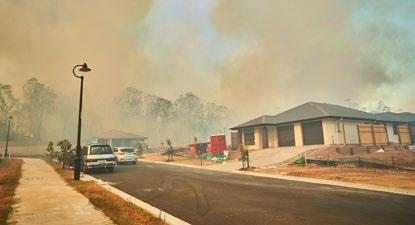
5–7 November 2025
Novotel, Geelong
The National Bushfire Conference 2025, presented by Fire Protection Association Australia (FPA Australia), is the nation’s premier platform dedicated to practical bushfire planning, risk reduction, and community resilience. Under the theme ‘From Risk to Readiness’, this conference will bring together experts from across Australia to address how we can prepare more effectively, respond more precisely, and design more resilient built environments.
For more information, go to: bushfireaus.com.au

FIRE PROTECTION ASSOCIATION AUSTRALIA (FPA AUSTRALIA)
ABN 30 005 366 576 PO Box 1049
Box Hill VIC 3128
Australia
Tel +61 3 8892 3133
Fax +61 3 8892 3132 magazine@fpaa.com.au www.fpaa.com.au

ABN 52 060 049 327 Level 1, 340 Albert Street East Melbourne VIC 3002
Australia
Tel +61 3 9419 2388
Fax +61 3 9419 2389 afac@afac.com.au www.afac.com.au
FPA Australia runs technical events catering to the fire protection industry on a range of relevant and interesting topics. Covering the whole of the sector— wet systems, dry systems, passive fire, mechanical fire protection, special hazards, bushfire, and emergency planning— these seminars and webinars provide useful opportunities for practitioners to pick up continuing professional development points.
Presented by leading experts, our seminars and technical webinars provide all the information you need about relevant fire safety topics.
For a full list of upcoming events, visit: fpaa.com.au/events
To catch up on some of our previous events, visit FPA Australia+, where you can access technical content in your own time and at your own leisure, without having to interrupt your workday. Visit fpaaplus.com.au to browse our recorded webinars.
TO SUBMIT A CONTRIBUTION OR TO ADVERTISE IN FIRE AUSTRALIA, PLEASE CONTACT:
HUDA SHARAIA FPA AUSTRALIA
TEL +61 477 268 972
HUDA.SHARAIA@FPAA.COM.AU
PRODUCTION AND DESIGN: CORETEXT
Tel +61 3 9670 1168 www.coretext.com.au


As a trusted partner of Fire Protection Association Australia, Windsor Management Insurance Brokers provides tailored insurance solutions for fire protection professionals like you.
In your line of work, having the right insurance is essential to protecting yourself, your team, and your business from the unique risks of the industry. At Windsor Management Insurance Brokers, we carefully review your business needs and recommend appropriate solutions to ensure you’re fully covered.
We offer a range of insurance options, including:
• Public liability
• Professional indemnity
• Contract works
• Management liability
• Business insurance
• Motor fleet
• Tools of trade
• BPAD-specific insurance
• Other industry-specific insurance
Dedicated Insurance Team
NSW, ACT, WA & TAS.
Jana Day Account Manager (02) 8732 8501 / 0499 224 024 jday@wmib.com.au
QLD & NT.
Bev Jacobsen Account Manager (07) 3230 9306 / 0437 554 594 bjacobsen@wmib.com.au SA.
John Mangos Account Manager (03) 9320 8544 / 0438 333 886 jmangos@wmib.com.au
VIC.
Danny Gasbarro Account Manager (03) 9320 8542 / 0439 003 363 dgasbarro@wmib.com.au