Issue 3.7 || November 2025
DISCONNECTED ROOTS
When we lose our way 6
SIR HENRY FRASER
An Independence Interview 10
Issue 3.7 || November 2025
When we lose our way 6
An Independence Interview 10
It's a marker that invites reflection, a moment to pause and consider not just where we've been, but who we've become. This issue of A DVOMagazine is our tribute to Barbados at 59—a nation that has shaped generations, scattered its children across the globe, and somehow managed to call them all back home.
The articles in these pages tell stories of continuity and change, of traditions fiercely protected and identities constantly reimagined. Sir
Henry Fraser sits down with us to share insights from a lifetime of witnessing this evolution and his own. We travel with a Bajan in Japan, discovering what it means to carry your island with you wherever you roam.
We examine what's at stake when traditions meet modernity—whether our traditional foods are thriving or merely surviving, how the keepers of our heritage are shaping the future while honoring the past. Caribbean storytelling takes center stage as we explore the narratives that connect us across the region, while
"Disconnected Roots" asks the harder questions about what happens when the ties that bind begin to fray.
But perhaps most fittingly, we celebrate the gathering— that quintessentially Bajan instinct to come together, to lime, to reconnect. Because that's what fifty-nine years is really about: the gathering of memories, the gathering of people, the gathering of a nation proud of its past and ready for its future.
Welcome home.






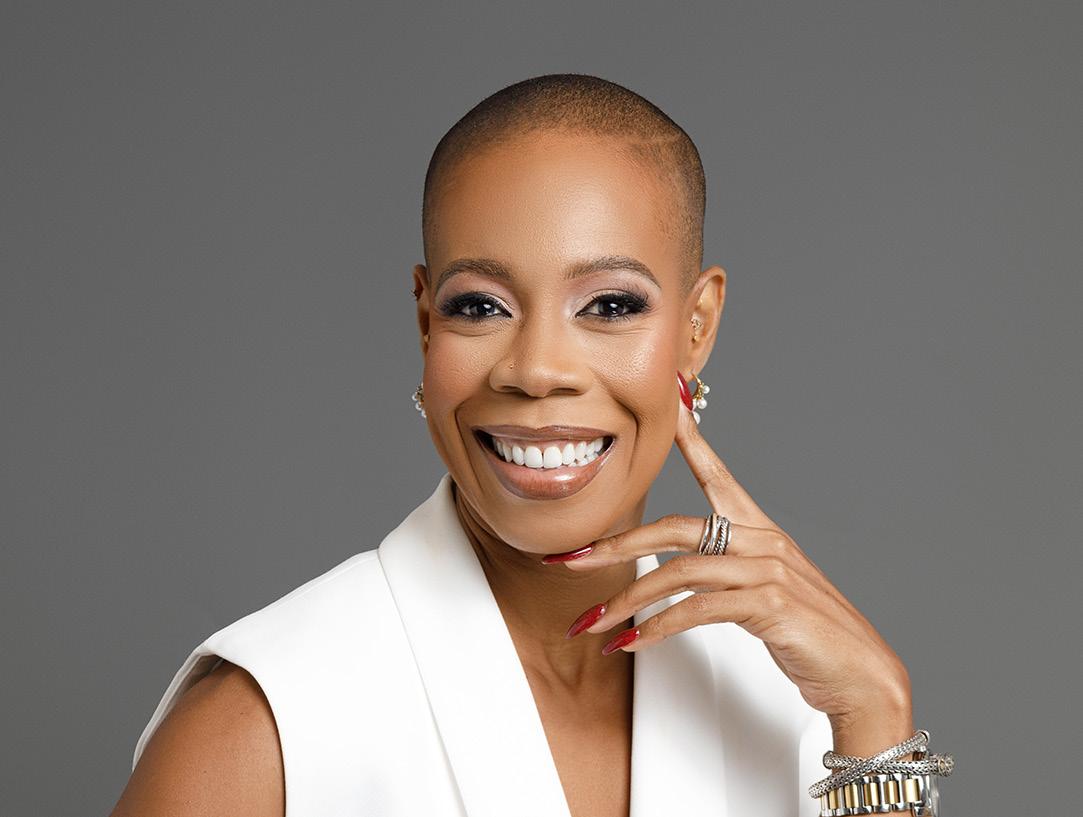
As Barbados celebrates another Independence Day, Economist Keisha Blades reflects on how disconnection from our roots may be costing us more than we realize and why it’s time to find our way back. Every November, Barbados shines with pride, flags on cars, tuk bands in the streets, and the familiar rhythm of celebration. Independence season always reminds us of our strength as a people and the courage it took to stand on our own.
But beneath the celebrations, I’ve been thinking about something deeper. Whether we’ve drifted so far from our cultural roots that we’re losing the values that once grounded us.
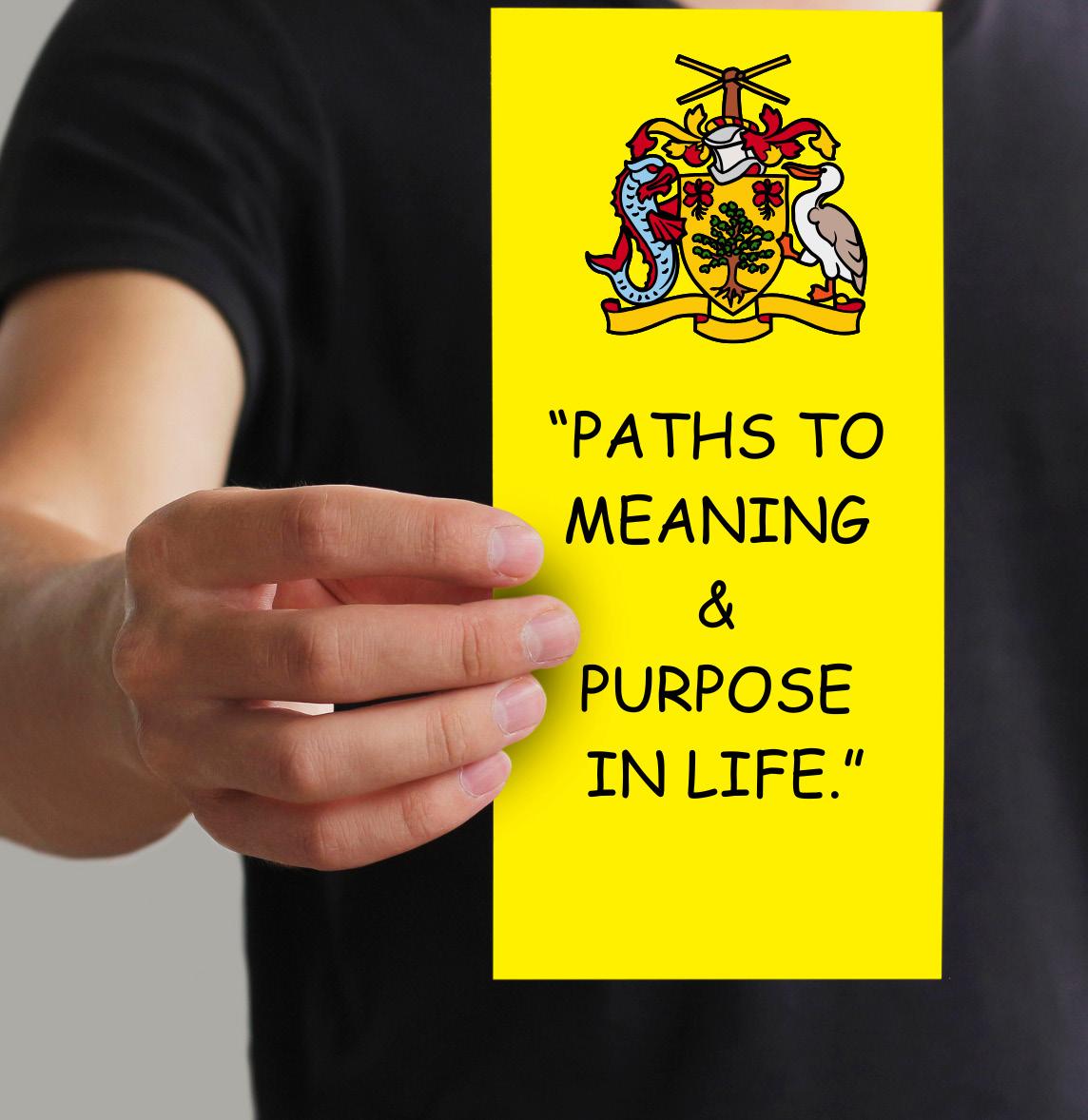
During a recent national survey, the surveyor handed me a small pamphlet titled “Paths to Meaning & Purpose in Life.” Inside, it highlighted five things young people often struggle to find today: significance, coherence, belonging, spirituality, and purpose. Reading it, I couldn’t help thinking, these aren’t just personal aspirations. These are the same pillars that once shaped Barbados as a nation, and they read:
» Significance — my life matters.
» Coherence — life makes sense.
» Belonging — I am connected.
» Spirituality — there is more to life than this.
» Purpose — I have a reason to live and act.
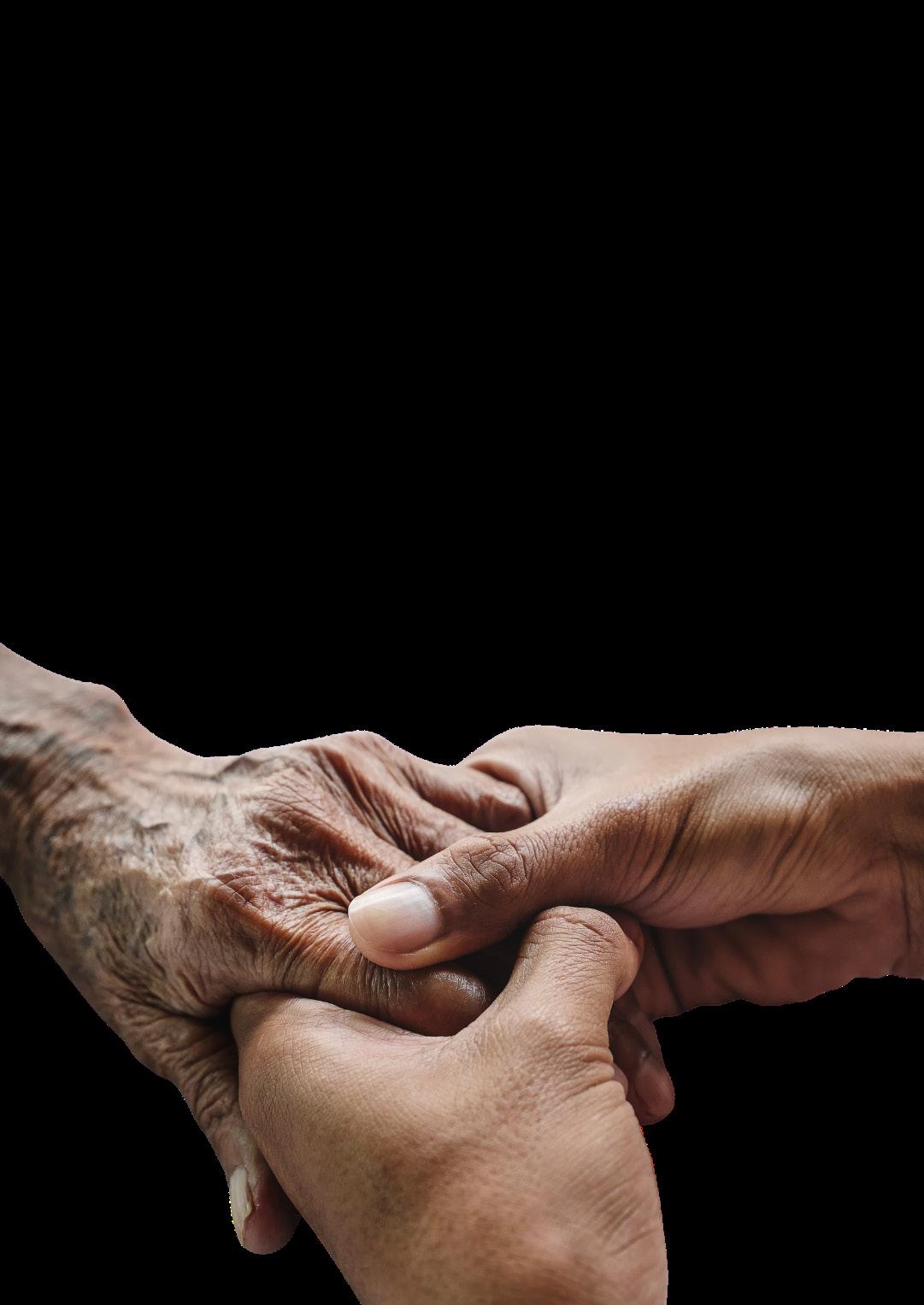
The more we lose these values, the more disconnected we become from ourselves, from each other, and from Barbados. And we’re seeing the consequences. Senseless shootings. The unsettling rise in violence against the elderly. Young people searching for identity and meaning in places that cannot truly ground them.
By Keisha Blades,
Economist
“ Independence was never meant to stay locked in 1966. It is something we renew generation after generation.”
This did not happen overnight. It reflects a slow shift away from community life, mentorship, discipline, and shared cultural identity. We have held on to the holiday of Independence, but somewhere along the way, we’ve let go of the meaning behind it.
Still, I’m hopeful. That little pamphlet reminded me that meaning and purpose are not luxuries; they are necessities. And as a country, we can help our young people rediscover them. By rebuilding community
spaces. By teaching our history not as memorization, but as understanding. By creating honest conversations, mentorship networks, and opportunities for belonging.
Independence was never meant to stay locked in 1966. It is something we renew generation after generation. And maybe this year, our task is simple: to look inward, reconnect, and remember who we are.
Because when we remember our roots, we grow stronger, together.
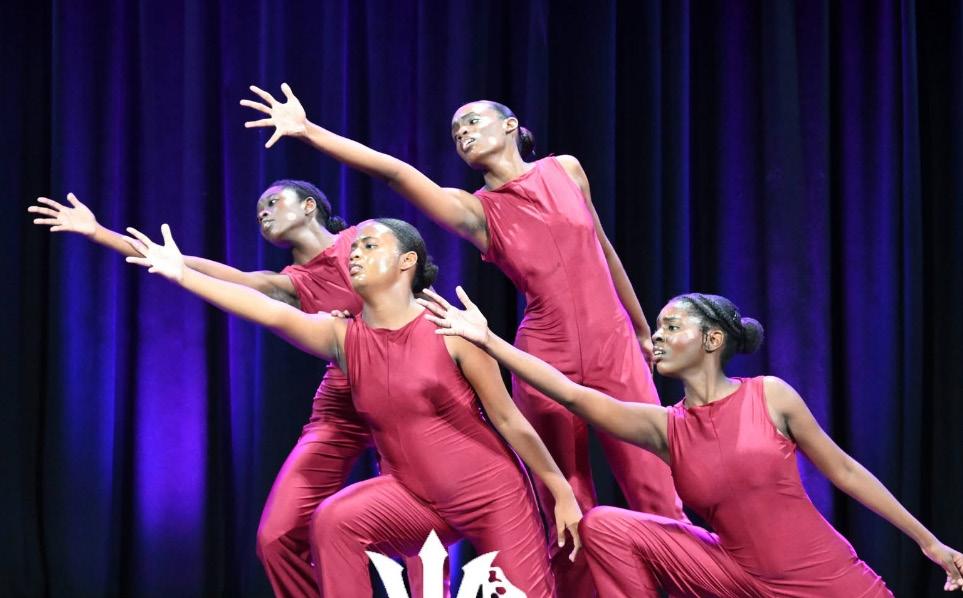
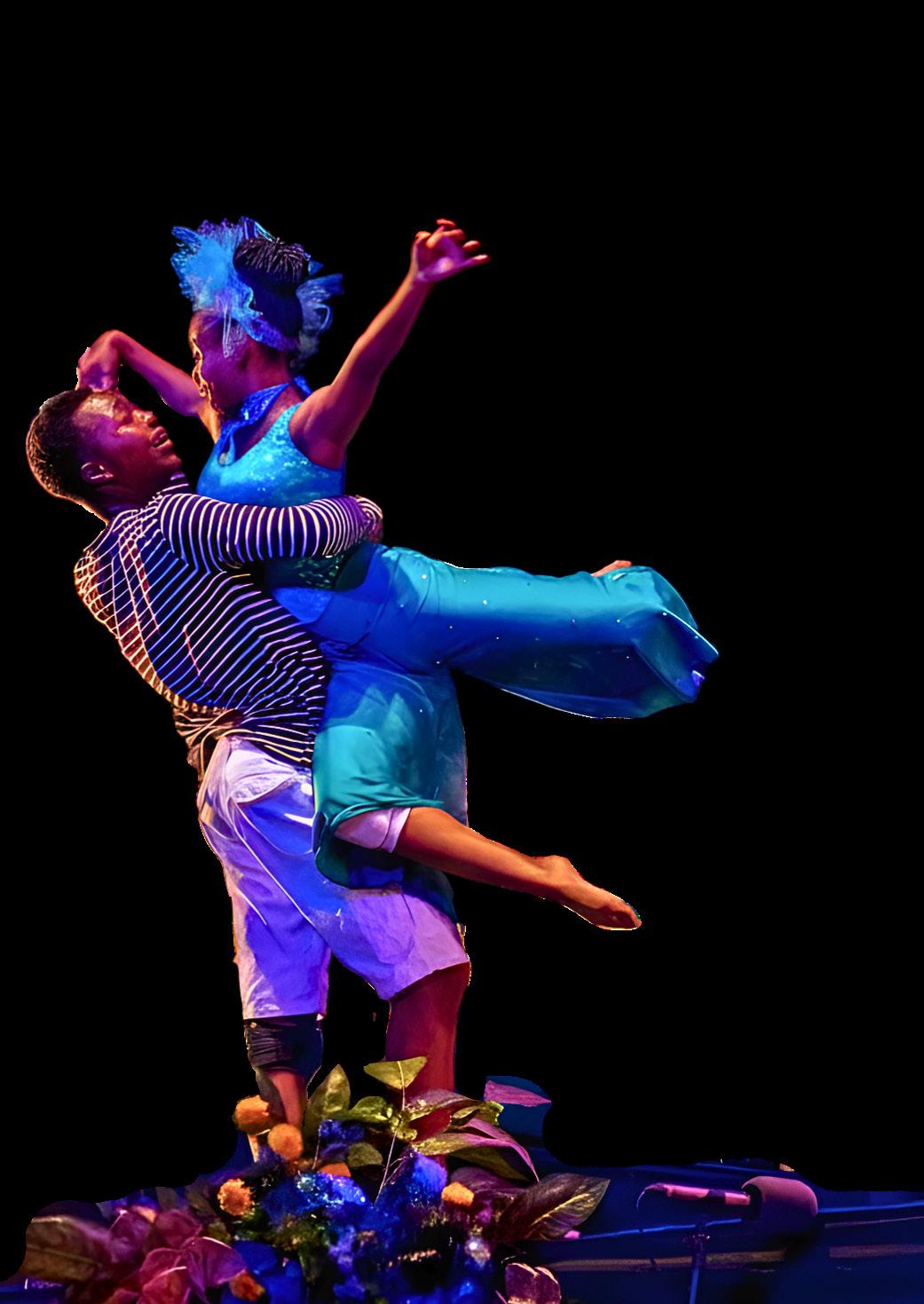
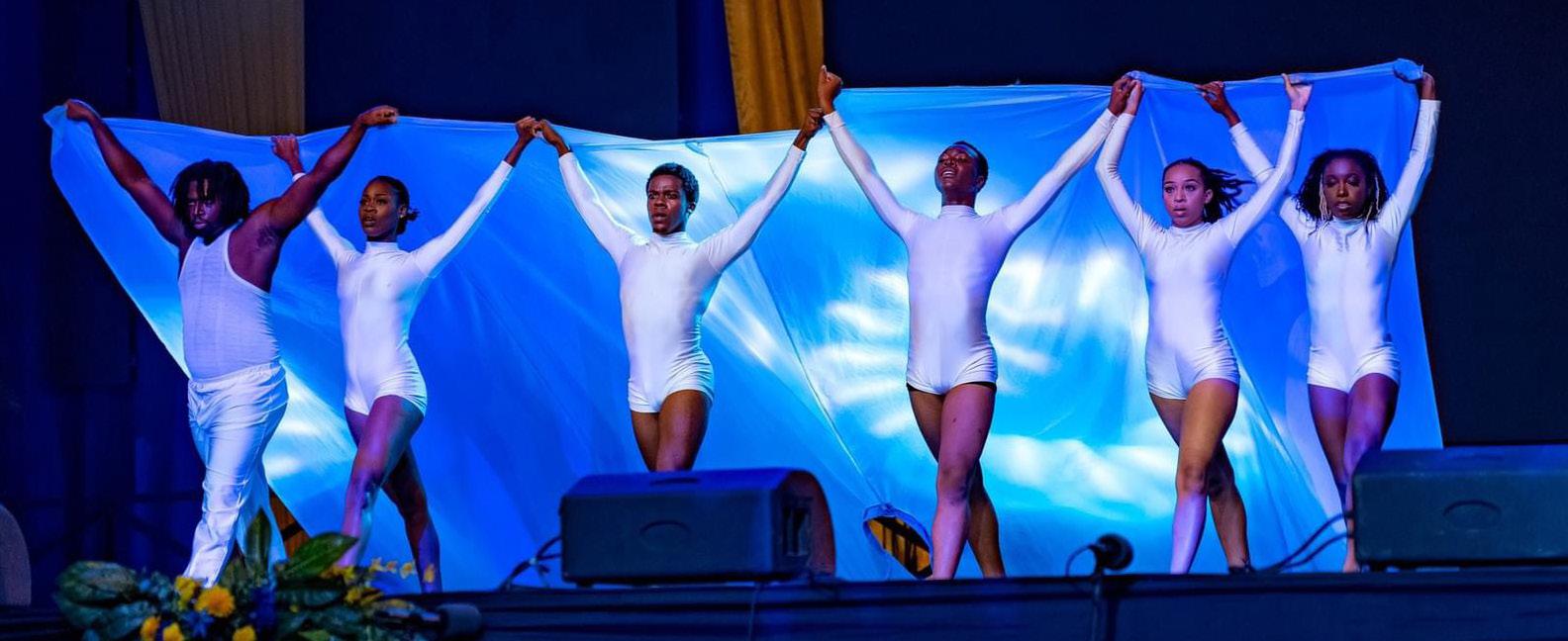
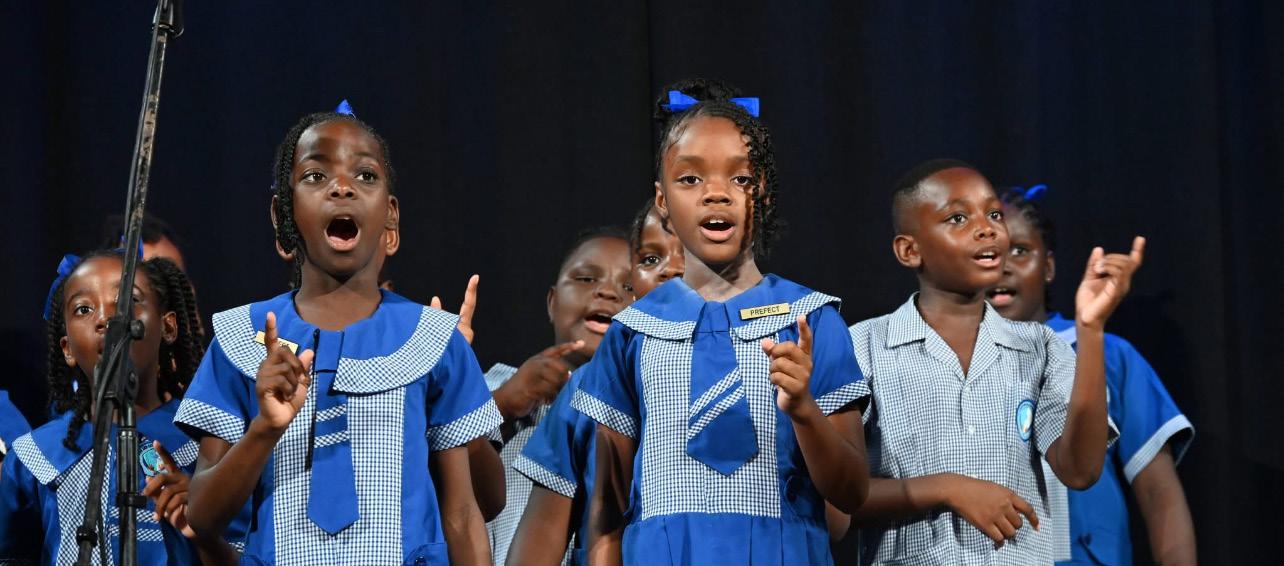
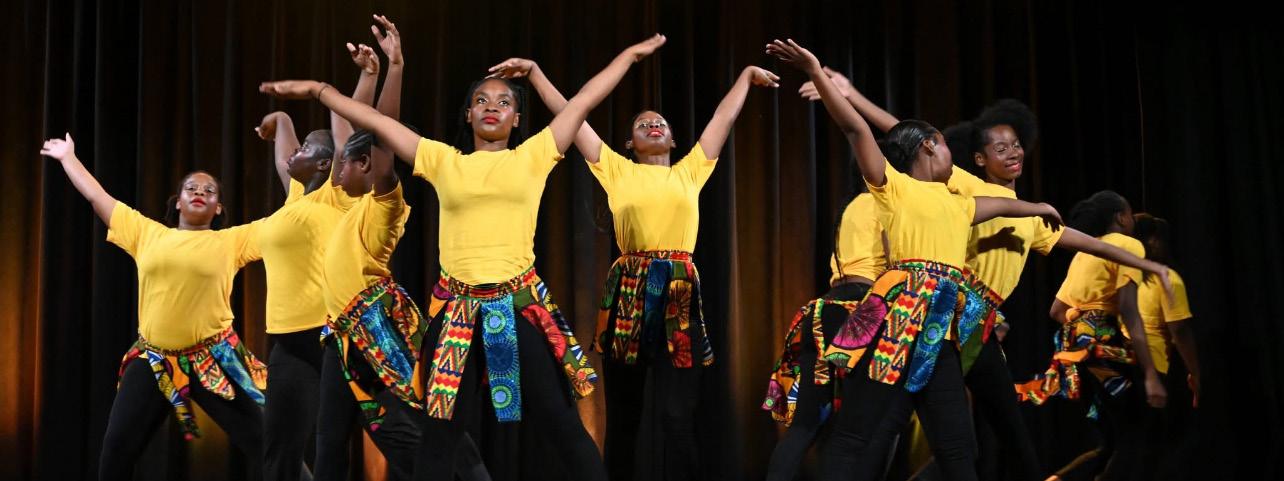
Performances at NationalIndependence Festival of Creative Arts (NIFCA), a cornerstone of the island’s Independence celebrations.
By Derek Thorpe
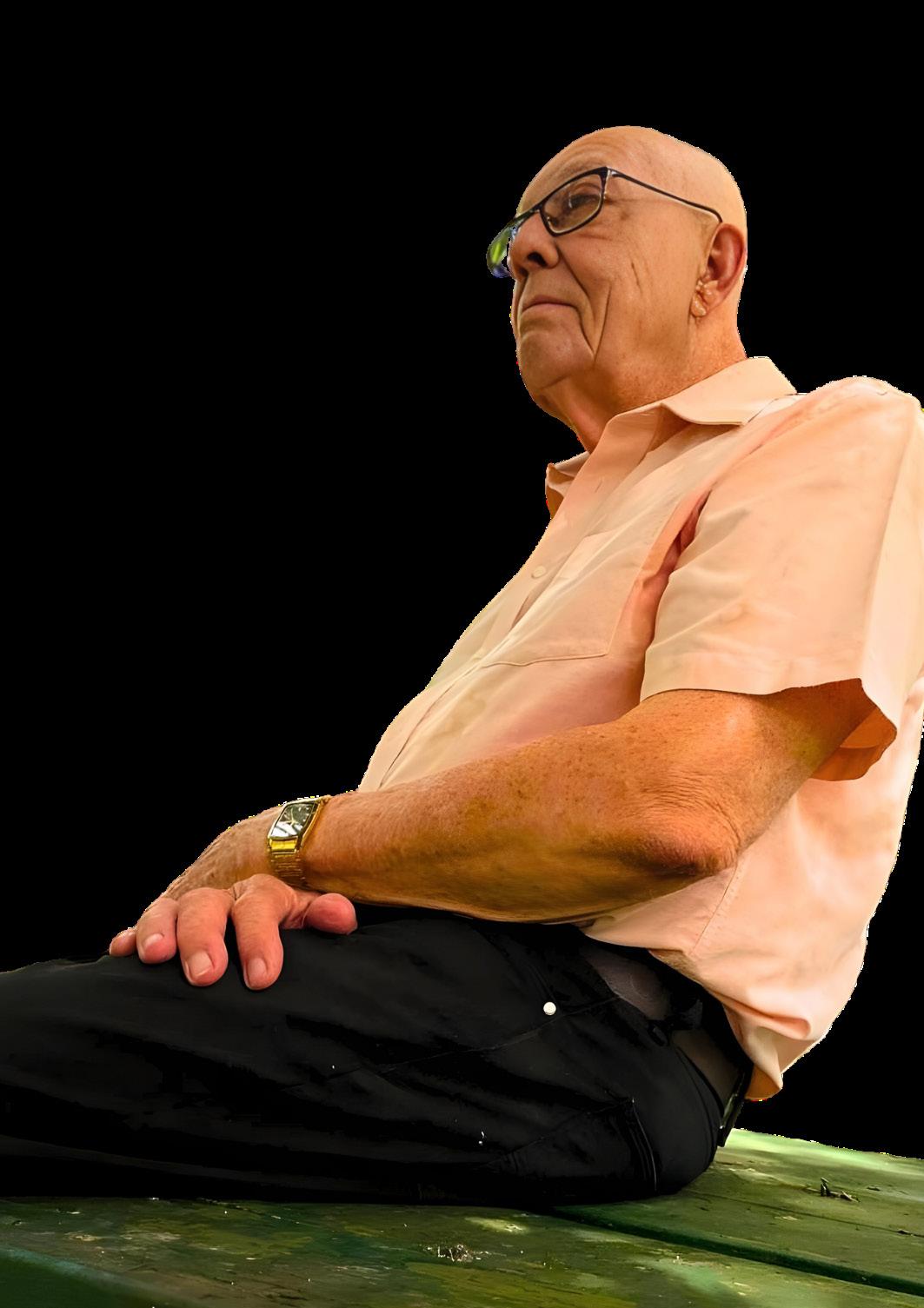
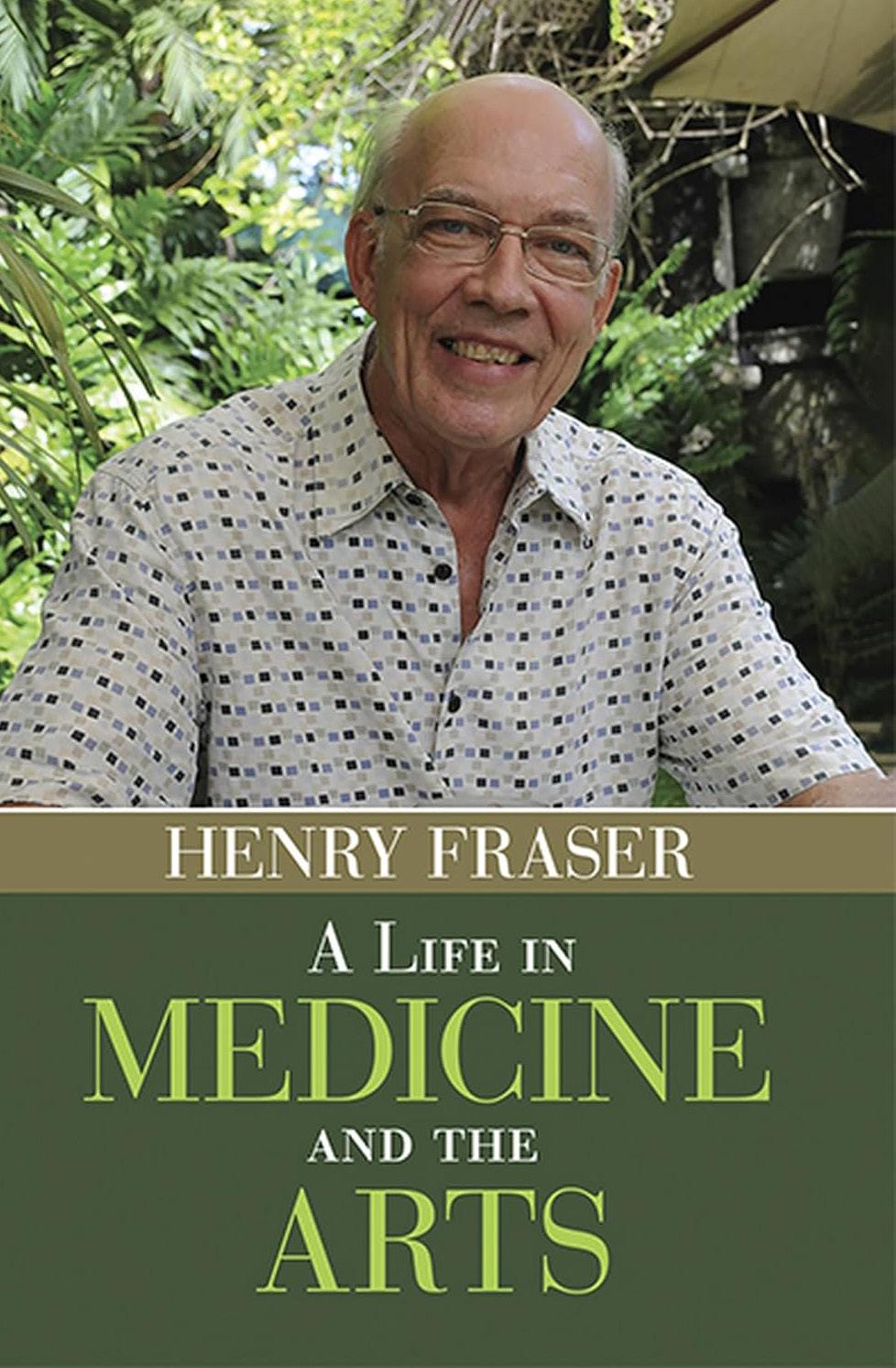
We sit at his residence under a modest portico of his own design, moments from the start of the interview. We are familiar with each other, so he is relaxed; beaming, arms stretched across the closest chair-backs, the highest buttonhole of his pastel peach-coloured shirt is not in use. Professor Emeritus Sir Henry Fraser is enthusiastic to recount a career studded with multiple facets,
each one just as brilliant as the next. This Lodge-schooled, Barbados scholar, initially had dreams of becoming an artist during his early years, but his mastery of the sciences charted him on an inevitable collision with medicine. He began his tertiary studies at The University of the
“Be ashamed to die without adding to the ledger of humanity.”
““I wrote for love, not for fame”
West Indies, Mona, then within a few years, matriculated at University of London, then University College Hospital for his clinical years. Indeed, if all of Sir Henry's titles, awards, prizes and achievements were medals pinned to his chest, he might have difficulty getting up from his chair. This is mere ridicule, of course, as it is common knowledge he knows his way around a gym weight room, even at 81 years old.
He no longer bristles when tossed the crown of being a true renaissance man of the Caribbean. He makes a gesture with his mouth and shoulders as if to say, ‘Young man, I am older than two mornings, if the cap fits, let them wear it.’
Professor Fraser can easily boast excellence in numerous categories. At the apex of the pyramid, he is a worldclass medical practitioner, educator and research scientist, he is a historian of superlative intellect with islands of brilliance in Caribbean and architectural
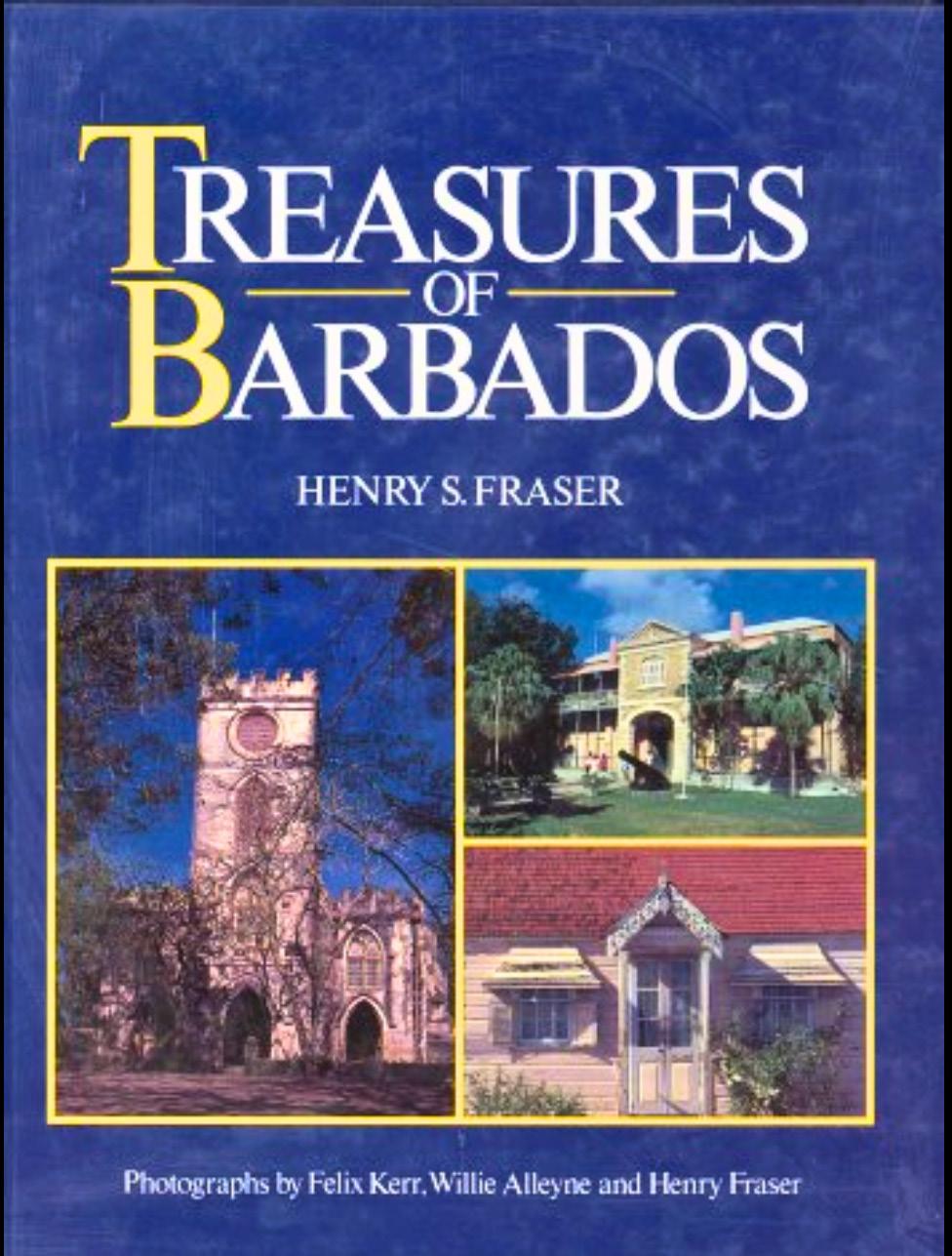
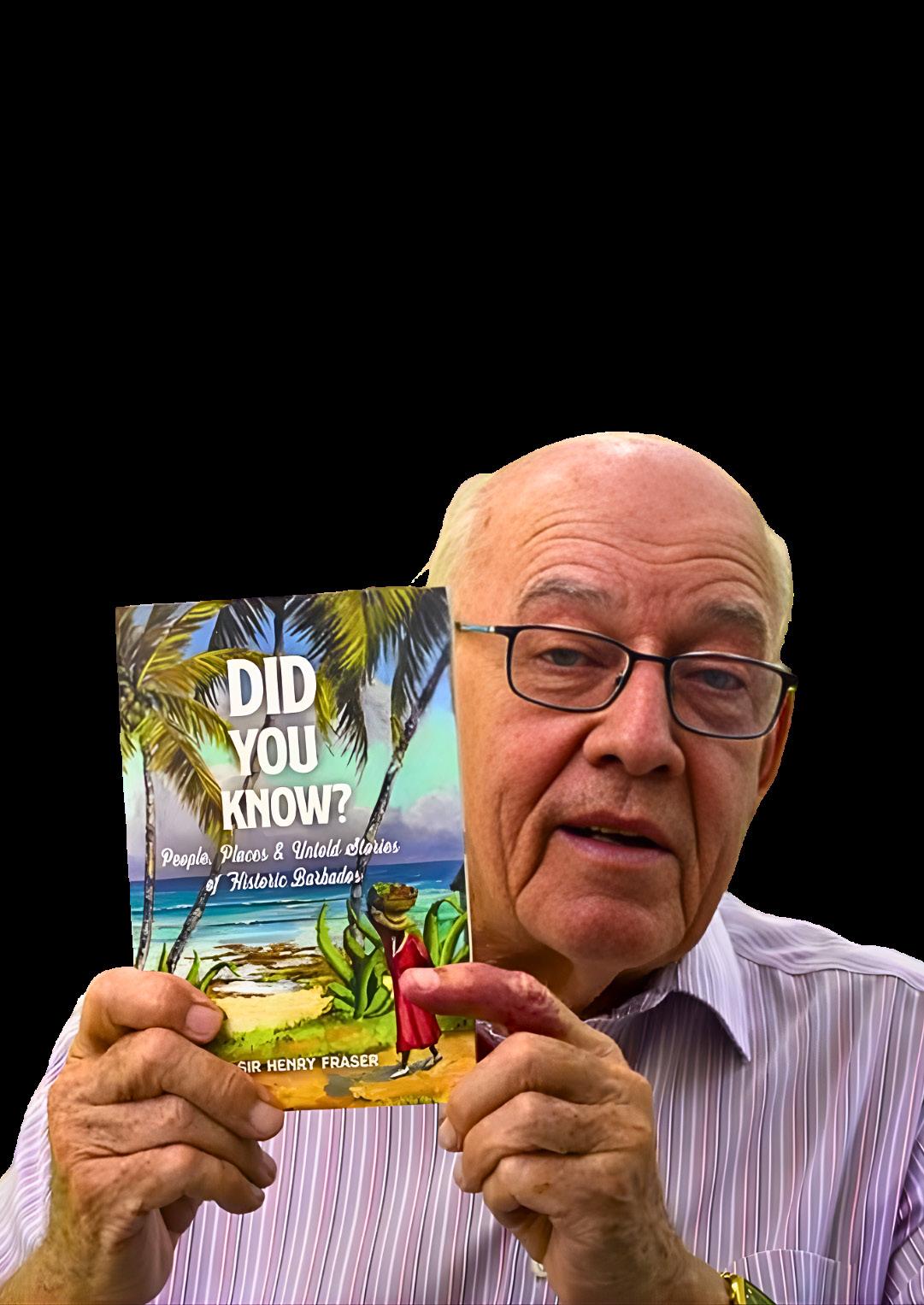
history. He is a prolific writer, the author of scores of books, articles, citations and research papers. A voracious reader with 5-6 thousand titles in his personal library alone. A public orator and lecturer of many a conference littered around the globe on topics from heritage tourism to pharmacology. He is an accomplished artist. A conservationist and a lover of all things flora. He concedes he a far better writer than he is a reader however and insists his tombstone read; ‘I wrote for love, not for fame’.
I ask which of these medals gleamed the brightest for him. Without hesitation he held aloft his initiation and stewardship of the Chronic Disease Research Center under the aegis of the
““Without hesitation he held aloft his initiation and stewardship of the Chronic Disease Research Center”
University of the West Indies. He rattles off the top five accomplishments of the CDRC over the decades, but modesty does not allow him to go further.
His brow knits into a forlorn expression. He concedes that Barbados had been falling behind in medical excellence. The Queen Elizabeth Hospital is simply not attracting and maintaining consultant level
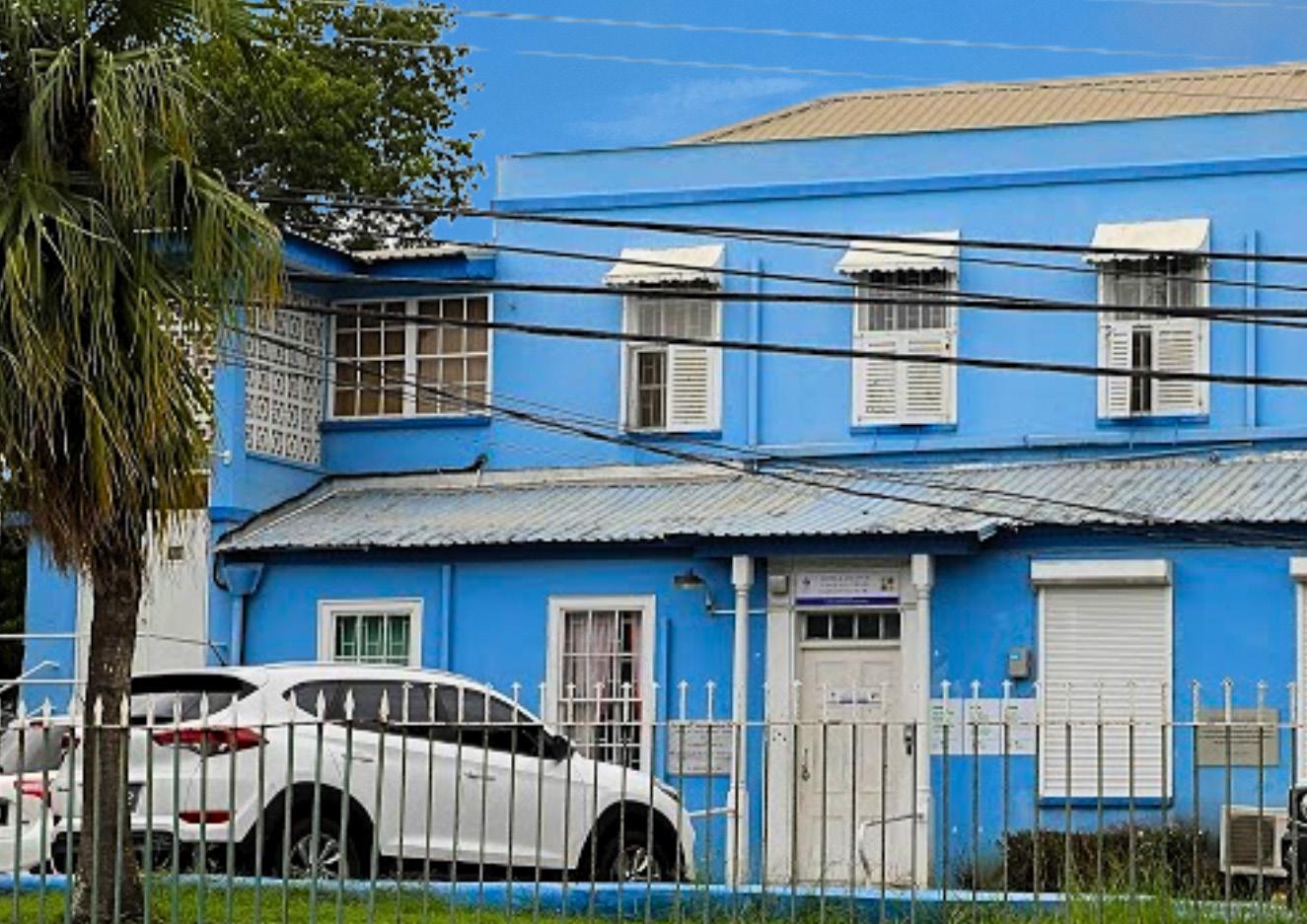
physicians in many of the key disciplines. He admitted there was legitimate cause for concern for maintaining the highest level of medical and surgical delivery we once enjoyed perhaps a decade ago.
His wife, Maureen, enters the portico from within the house and his mood soars again. She's curious about my lineage and I give her a brief glimpse of my family tree. The stories of their enduring romance are legend. He seldom misses an opportunity at speaking engagements to mention her significance in his success. I am privileged to witness their affection in real time. She says something, not for my ears, and his neck extends to allow his laughter a straight passage. She excuses herself and he escorts her retreat with his gaze until she is no longer in view.
I ask him right after if he recommends pursuing pleasure or happiness. In true professorial repartee, he muses that pleasure is most often fleeting but rather an investment in
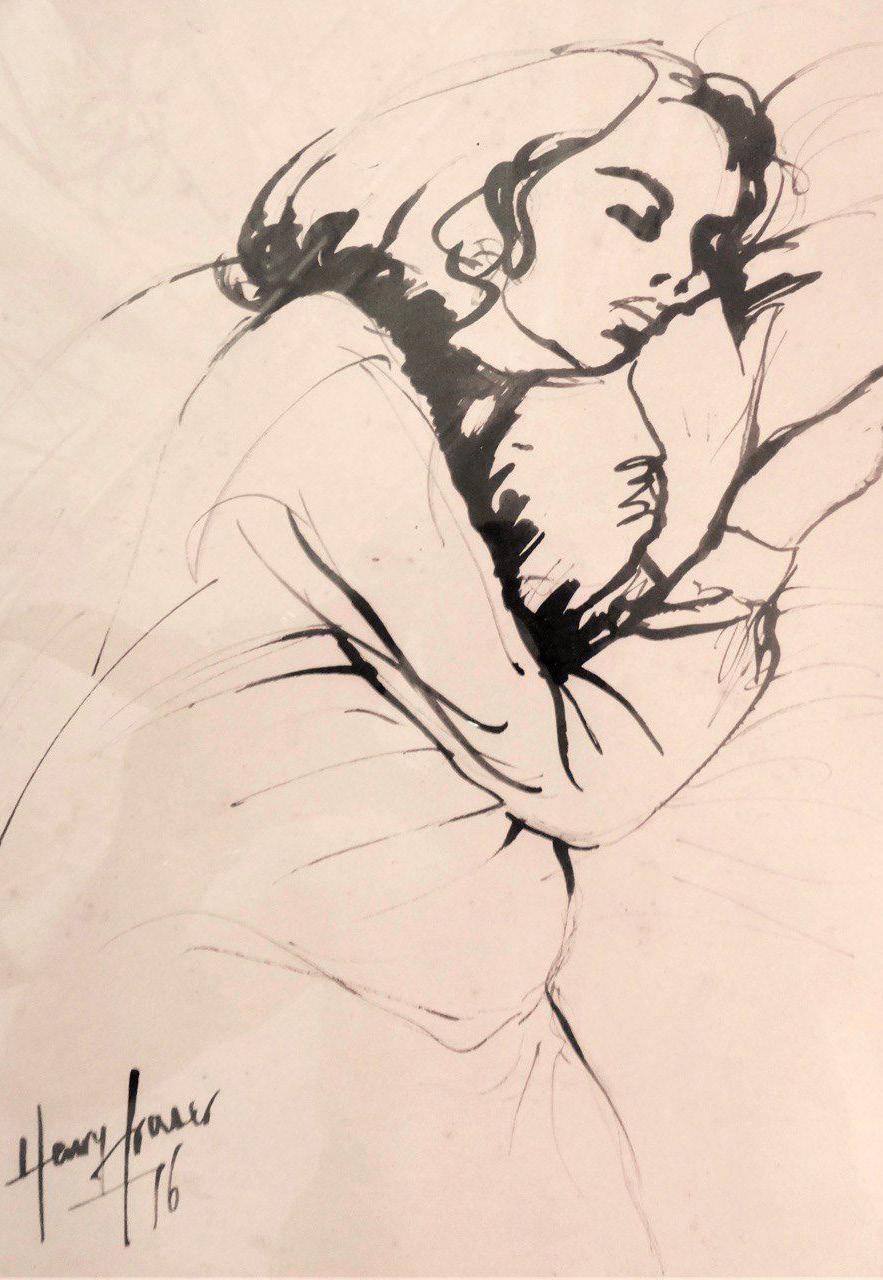
A simple sketch of Dr Maureen Fraser from 1976.
The centre, now officially known as the George Alleyne Chronic Disease Research Centre (GA-CDRC), is part of the Caribbean Institute for Health Research (CAIHR) at the University of the West Indies (UWI).
Dr. Henry Fraser (now Sir Henry Fraser) is directly credited as the founder and driving force behind the establishment of the centre.
happiness most likely grants you both, as one is a subset of the other.
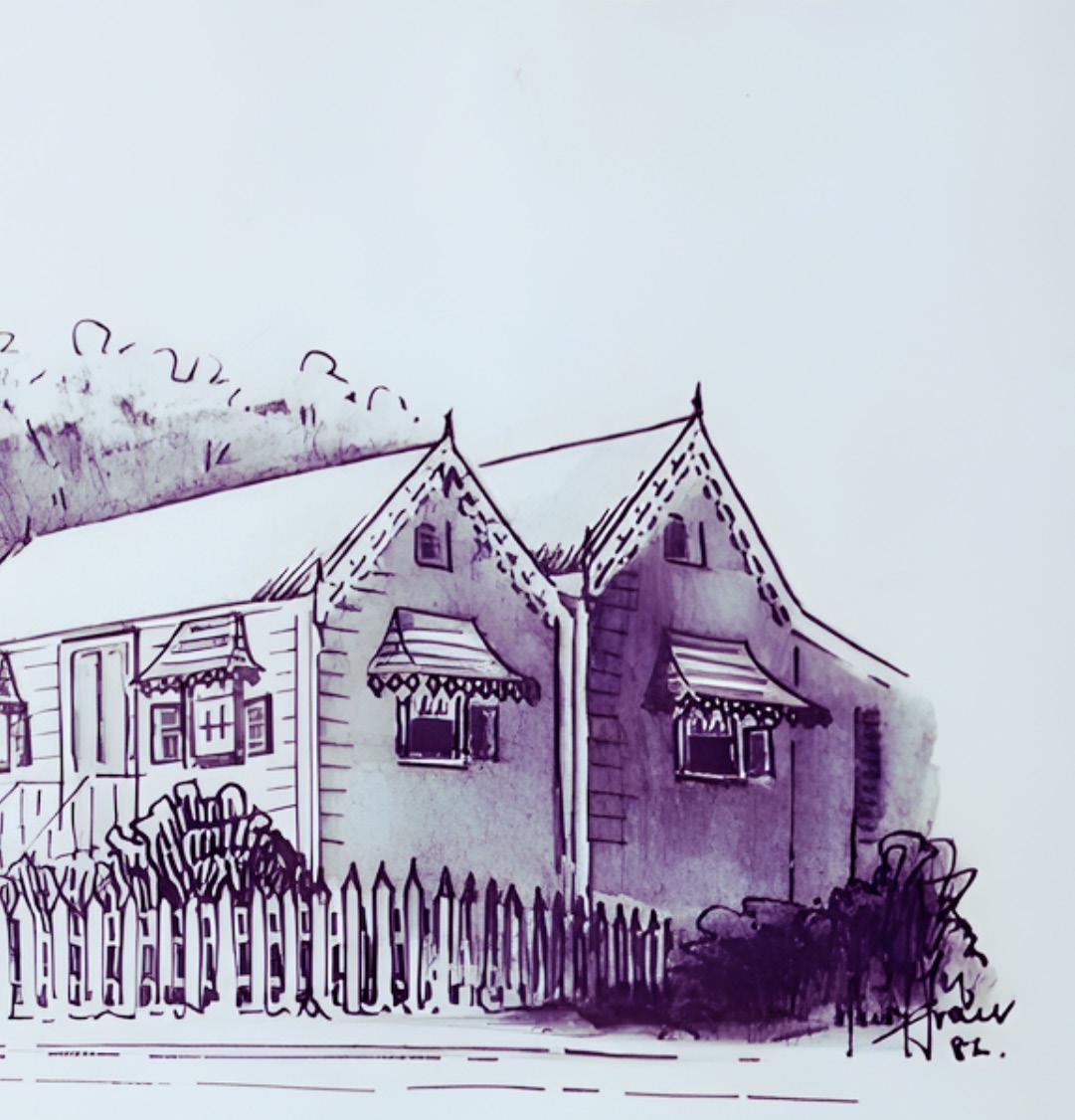
I challenge him with an odd question about our impending mortality and what would upset him the most at not being around to witness. I thought he might point to a yet unsolved mystery of quantum physics. Rather he confesses that he might not be present to see the full restoration of some of Barbados’ most treasured and
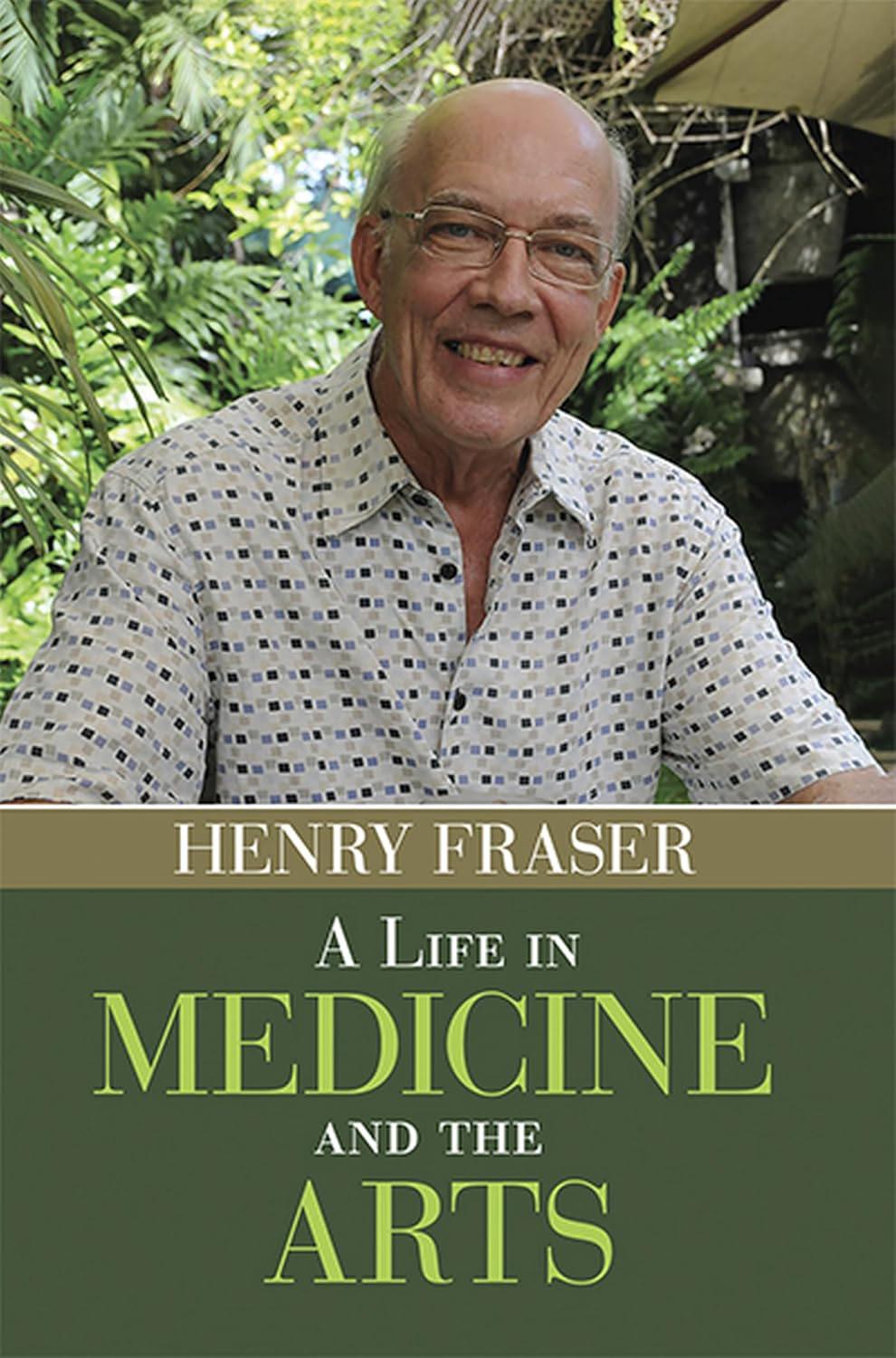
historically important heritage buildings. Sir Henry Fraser has been, no doubt, the most potent vanguard for heritage tourism and intelligent adaptive reuse of our architecturally significant sites.
The conversation drifts deeper into his non-medical pursuits. His love for architecture… being a practitioner and lover of structured design was a natural extension of his prowess with watercolor

on canvas. He credits his unique skill from a semester of apprenticeship under the renowned Barry Watson of Jamaica. He is rightly considered a professional artist, having had multiple gallery exhibits and purchase of his work
The interview is drawing to a close, but as we prepare for photos, he nudges me to a special section of his garden which is clearly special to him. His pace quickens and he dons a cherub-like smile such as
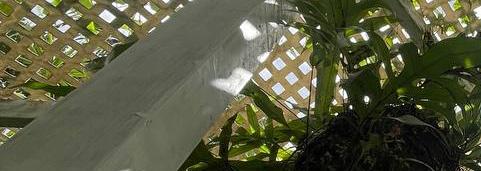
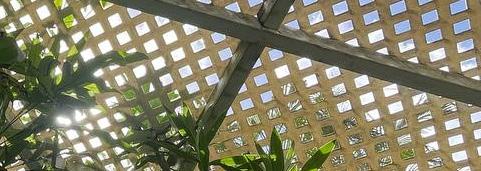
to indicate a treasure might be unveiled. He unlatches the door and invites me into his fernery; a discreet enclosure constructed of white trellis material for the sole purpose of fern cultivation and display of its varieties. His fernery no doubt, possesses some degree of horticultural magic. The space is small, almost intimate. Sporting a subterranean design, one feels almost immersed within the foliage. I'm convinced the fern fronds twist to greet him on hearing his voice. The angle of the

noon sun produces animated shadows through the trellis pattern and fern edges onto his bald dome, and he steals a second to inhale its natural serenity.
Time well spent: This island of Barbados, independent of 59 years and a Republic of four. Time well spent: This region, indebted to the excellence and contribution to humanity of Professor Emeritus Sir Henry Fraser.
Time well spent.
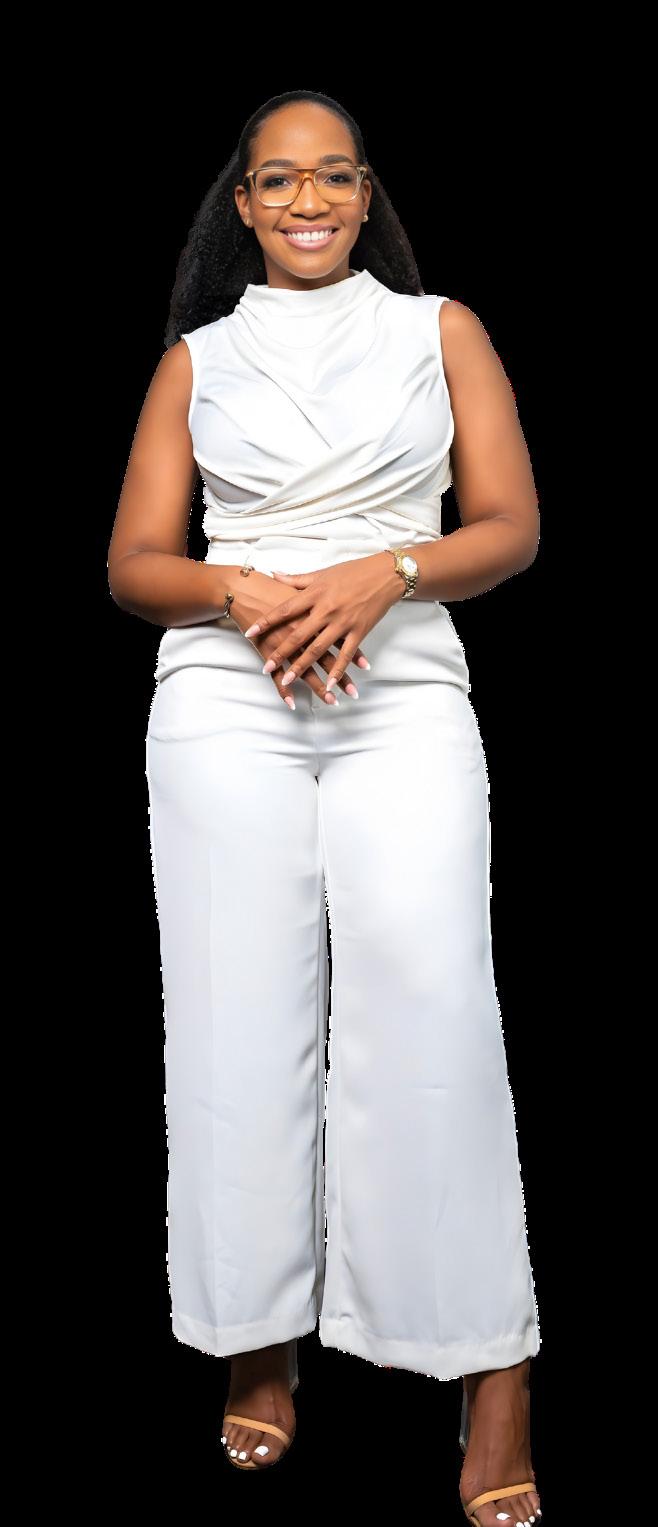
For years, Aprille L. Thomas was one of the behind-thescenes forces shaping how Caribbean organisations told their stories—especially in the tourism sector, where she helped craft narratives that reached audiences across the region and beyond. But after more than a decade working inside major institutions and partnering with global agencies, she began to notice a persistent disconnect: Caribbean stories were being told, but not always from a Caribbean perspective. That realisation set the foundation for Thomas.A Public Relations Limited, the agency she would eventually build to bridge that gap.
Thomas says the transition into entrepreneurship came at a point when she felt she had outgrown the traditional path. “Growing up, success meant getting a degree, landing a good job, and climbing the ladder,” she explained. “I did all of that—I reached the Director level—and still felt something was missing. I had ideas I wanted to explore, and I realised
Aprille L. Thomas steps into independence with Thomas.A Public Relations

my purpose wasn’t tied to a title. It was tied to using storytelling to move people and elevate Caribbean brands.”
Stepping out on her own allowed her to create something aligned with her personal standard of excellence, creativity, and cultural insight. “I had outgrown the walls around me,” she said. “I knew I could serve the region better from my own lane.”
The communications field is increasingly saturated, but Thomas sees her niche as fresh and distinct.
“The industry has become very executionheavy. There’s a lot of content, but not always strategy,” she noted. “My work sits in the space where cultural literacy, deep thinking, and clear translation of complex issues matter. I don’t compete
with noise—I stay focused on the work that actually moves people.”
“ I had outgrown the walls around me. I knew I could serve the region better from my own lane.”
Her ability to carve out that space stems from years spent navigating global markets. From the United States and UK to Latin America, the Middle East, Africa, and Asia, Thomas has worked on campaigns and productions across diverse cultural and commercial environments. Coupled with her grounding in regional tourism communications, those experiences sharpened her instincts long before she launched her own firm.
“Seeing how global teams approach
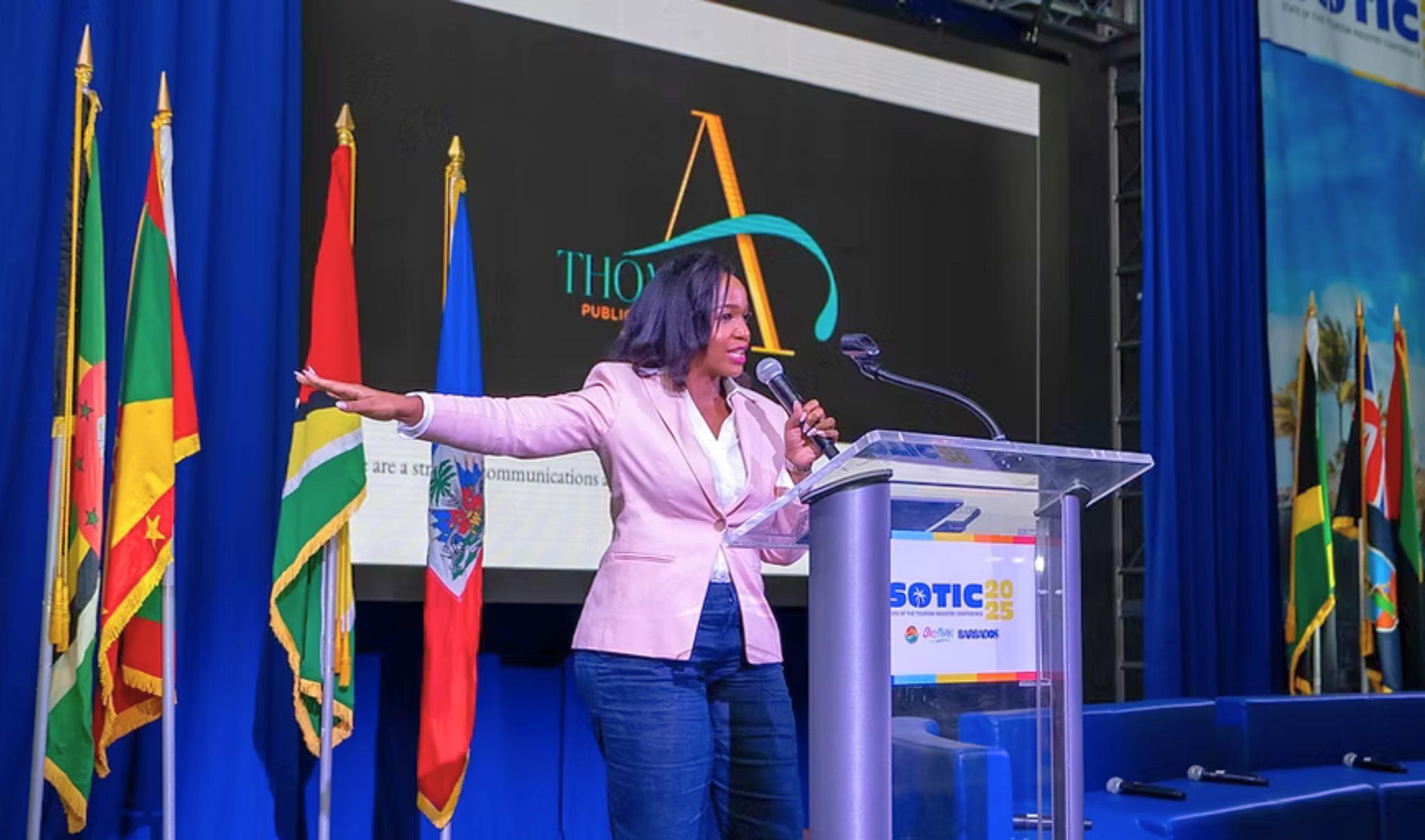
Aprille Thomas, CEO of Thomas.A Public Relations, speaking at
the Caribbean Tourism Organization’s SOTIC 2025 Conference
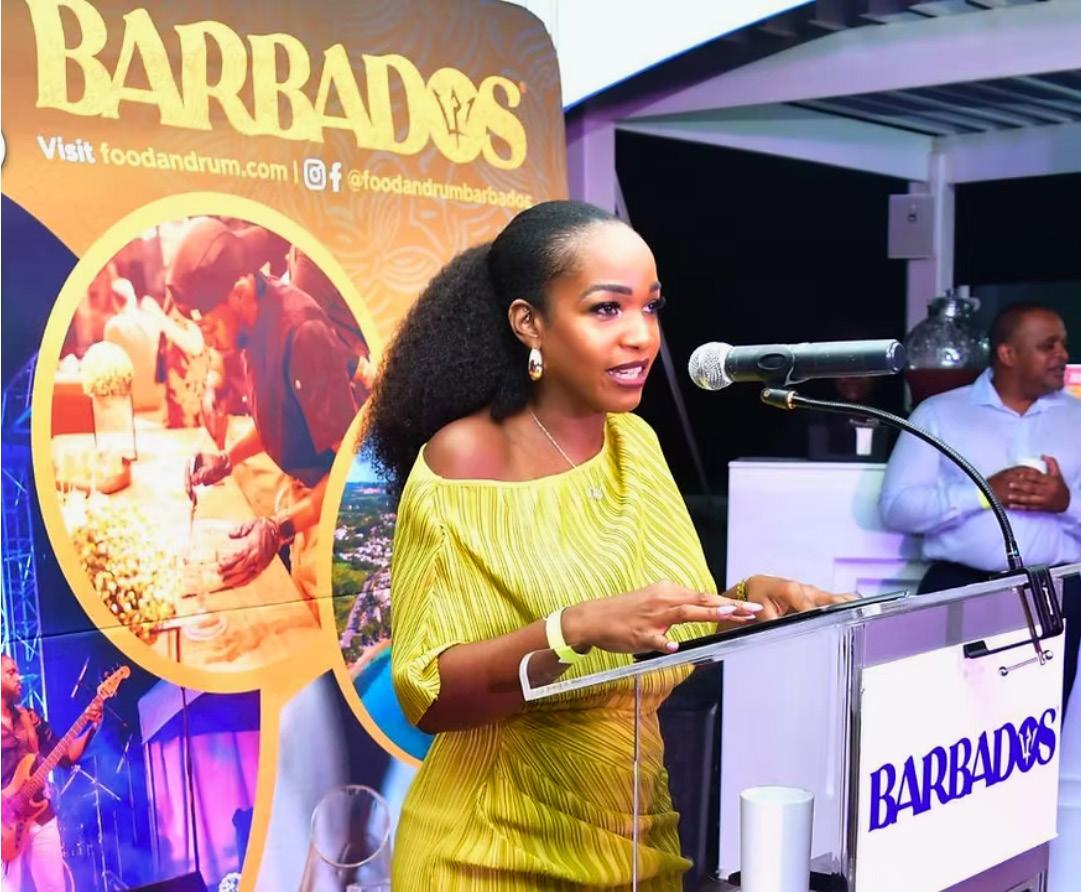
storytelling, how international media think—that shaped the way I operate. Bringing that back to the Caribbean has been one of my greatest advantages.”
Entrepreneurship, however, has come with its share of lessons.
“This industry rewards people who adapt,” she said. “You can’t cling to old playbooks. The landscape shifts too quickly.”
On a personal level, she said entrepreneurship has revealed strengths she didn’t know she had—resilience, selfdirection, and a capacity for learning that corporate life never demanded.
“Running a business stretches you. It exposes your blind spots. It forces you to sharpen your instincts.”
One of the biggest adjustments has been building structure around herself as the company grows.
“In an institution, the systems are already
there. When you go independent, you are strategy, you are operations, you are HR and finance—sometimes all in the same day,” she said with a laugh. “I’ve had to slow down, create systems, and lean on experts. Entrepreneurship is a team sport, even if you start alone.”
The emotional discipline of learning to say “no” has also been critical. “If it doesn’t align with the vision, I can’t take it on. That clarity has been one of the most important parts of this season.”
For Thomas, this moment represents more than the launch of a business— it marks a personal shift.
“For the first time in my career, my work, my values, and my creative instincts are moving in the same direction,” she said. “There’s no shrinking or performing. It feels like alignment.”
Professionally, it’s a season of intentional building—a chance to shape an agency that feels distinctly Caribbean while holding itself to global standards. Personally, it’s about designing a life she can enjoy, rooted not in proving herself but in purposefully choosing her spaces.
Since launching, Thomas.A PR has attracted clients across tourism, hospitality, financial services, manufacturing, government, and NGOs.
“For the first time in my career, my work, my values, and my creative instincts are moving in the same direction. There’s no shrinking or performing. It feels like alignment.”
“Knowing that organisations from so many sectors trust us with their voice—that’s the most rewarding part,” she said. “It’s confirmation that the vision is resonating.”
Looking ahead, Thomas is energised by the scale of what’s coming.
“I’m excited to build a regional footprint, to produce work that stands shoulder-toshoulder with global agencies, and to open doors for other Caribbean storytellers,” she said. “This is just the beginning.”

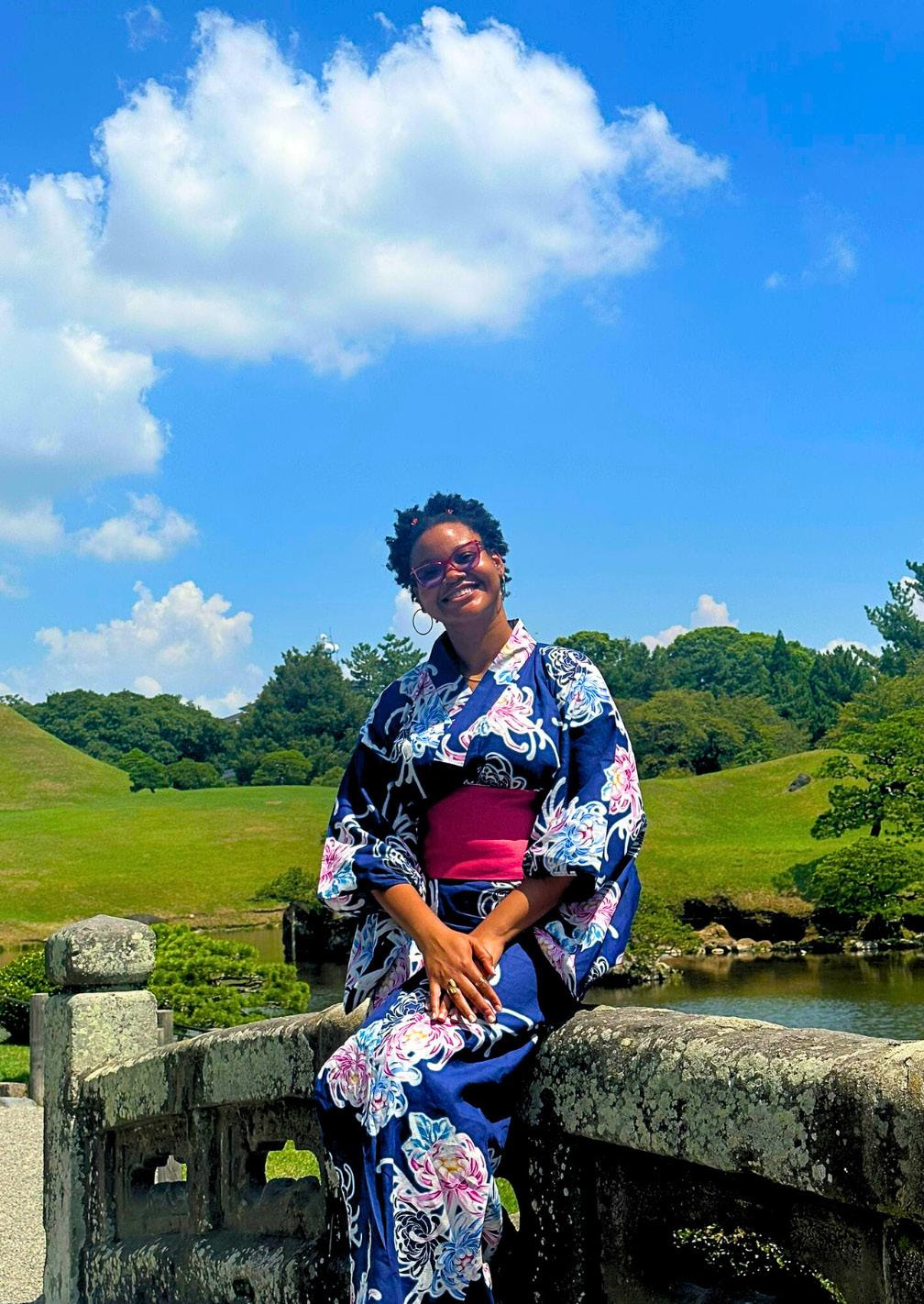
Katrina King traded the familiar sounds of Barbados’ newsrooms for the quiet mountains and bustling festivals of Kumamoto, Japan — a move she describes as both “challenging and enlightening,” but ultimately life-changing.
The former Barbados Today and LOOP News journalist left the island in 2024 to become an assistant language teacher (ALT), charting a new professional course thousands of miles from home. Speaking to Advo Magazine, King reflected on the transition that took her from covering local stories to standing at the front of Japanese classrooms.
She noted, “Delving into this uncharted path of being an English teacher in Japan has been both challenging and enlightening. It was not only a career change but also moving to another country with a completely different language and culture.”
King admitted that when she first arrived, the uncertainty was real. “I was apprehensive,” she recalled. “But that quickly dissipated as I was warmly welcomed by teaching staff and fellow teachers living away abroad. I’m extremely grateful and lucky that I was able to meet the people that I have met.”
She quickly realised that while many Japanese people had at least heard of the Caribbean, “most know mainly Jamaica.” Barbados, she said, was often unfamiliar — even when she tried mentioning
Rihanna. “A subsection of the population knows our national ambassador,” she laughed. “But my students and fellow teachers were open and eager to learn.”
“As the only Barbadian ALT in Kumamoto Prefecture, she often finds herself introducing her homeland to curious audiences. “Every time, I whip out Google Maps and people are shocked by the sheer size of Barbados”
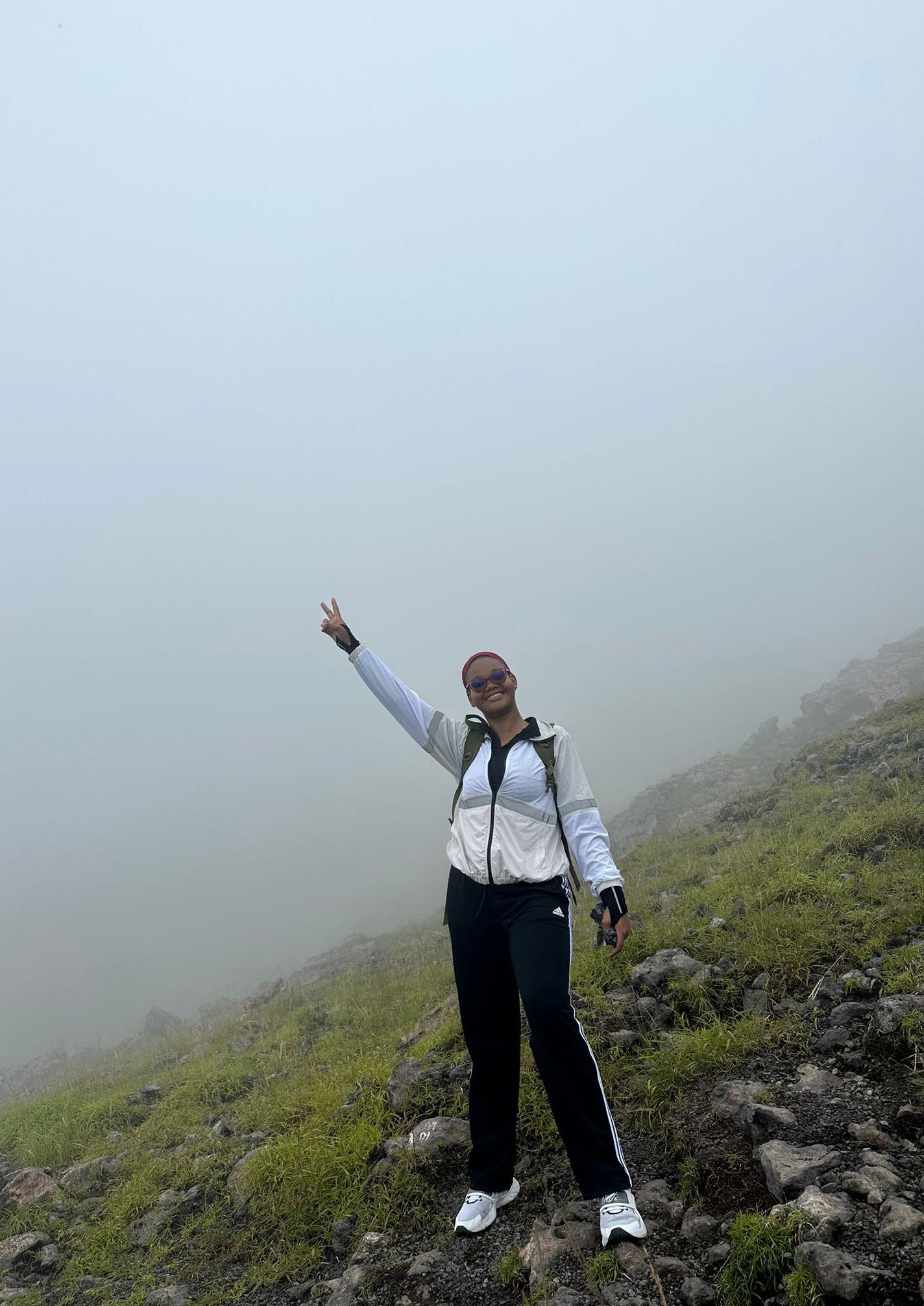
Her early months, she admitted, were “a blur,” as she adjusted from island life to one of Japan’s largest regions. Still, Kyushu proved a perfect fit. “Being placed in Kyushu was a blessing,” she said. “Though more than four times the size of Barbados, I’m able to experience all of the seasons. It has a pleasing combination of the bustling metropolis and calming countryside, with its mountains, active volcanoes, natural hot springs and beautiful beaches.”
Japan has offered her no shortage of firsts. “I’ve climbed Aso Mountain,” she said proudly. “I participated in the Hinokuni Festival where I danced in the streets, I’ve played Tanbo Rugby in the rice fields and I’ve eaten raw horse meat and chicken.”
But what has struck her most is Japan’s
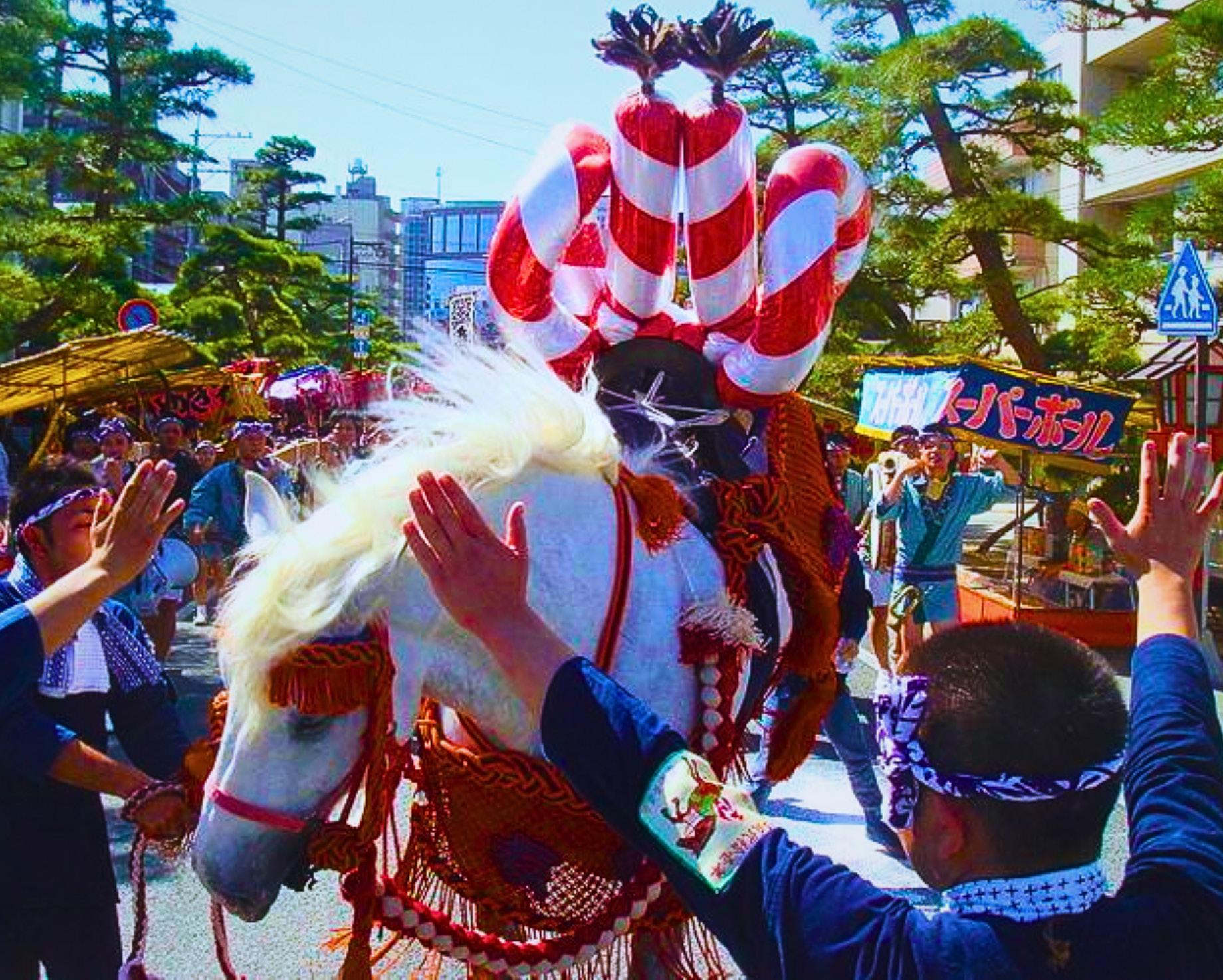
deep dedication to cultural preservation. “Throughout the year there are numerous festivals and you can find the young and the old engaging,” she said. Among them, none impressed her more than the Fujisaki Hachimangu Grand Autumn Festival. “The city is abuzz… horses are galloping and hundreds in the procession are chanting ‘Do-kai, do-kai!’ It is truly a spectacle to be revered.”
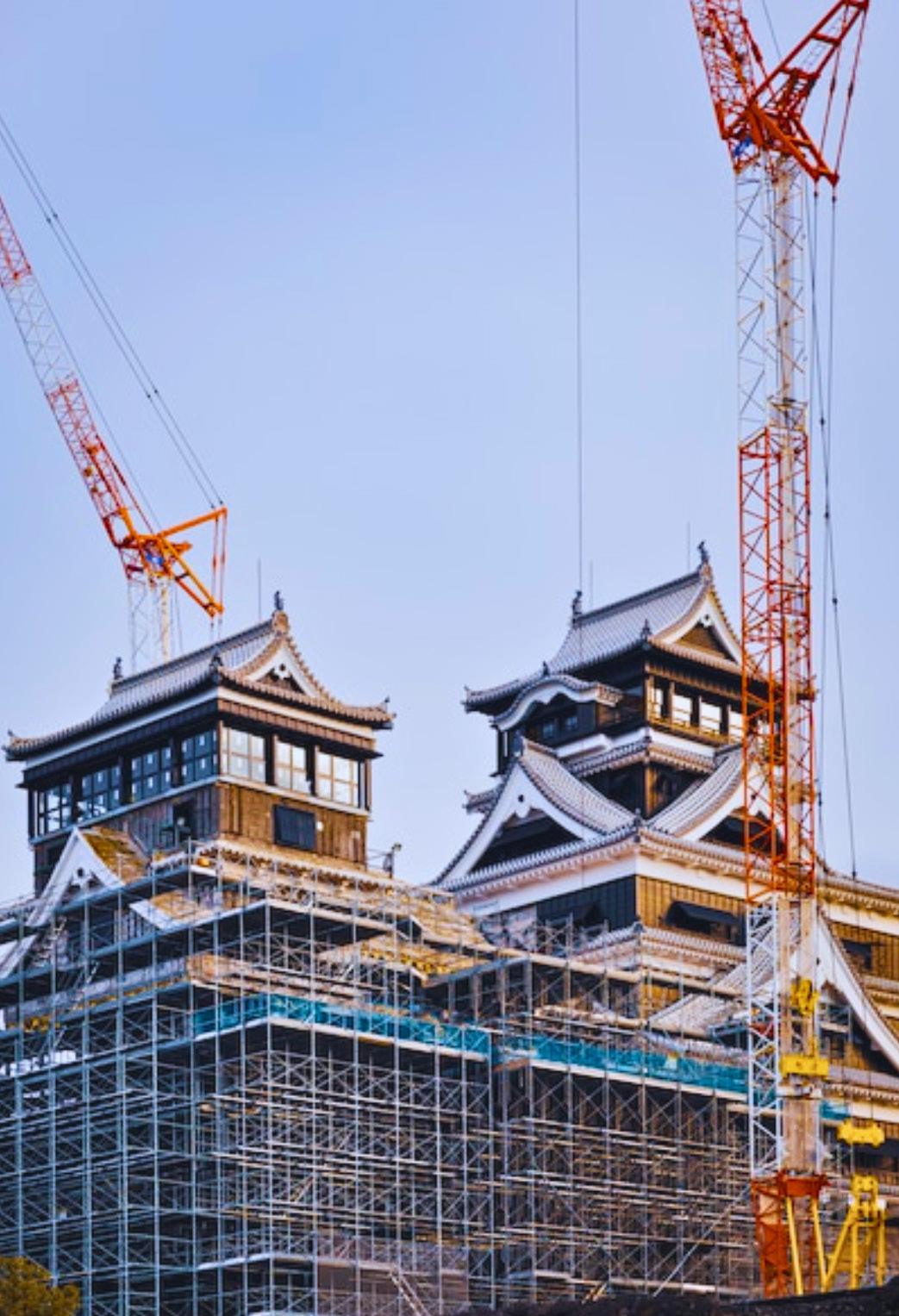

She also marvels at the painstaking restoration of Kumamoto Castle following the devastating 2016 earthquake, and even at the country’s meticulous waste-sorting system. “Every piece of trash must be separated,” she said. “It left me awestruck.”
Still, she carries Barbados with her daily. “I miss my family and friends. I miss fishcakes and conkies. I miss my mom’s Christmas sorrel. I miss the vibrancy and liveliness of Barbados.”
As the only Barbadian ALT in Kumamoto Prefecture, she often finds herself introducing her homeland to curious audiences. “Every time, I whip out Google Maps and people are shocked by the sheer size of Barbados,” she said.
And sometimes, Barbados finds her. “I met a British teacher who is a huge fan of Deejay Puffy,” she said. “And I met one die-hard Rihanna fan — when I mentioned I went to the same school as the pop princess, Combermere, she started crying.”
For King, it’s a reminder that even across the world, the Bajan flag flies high.
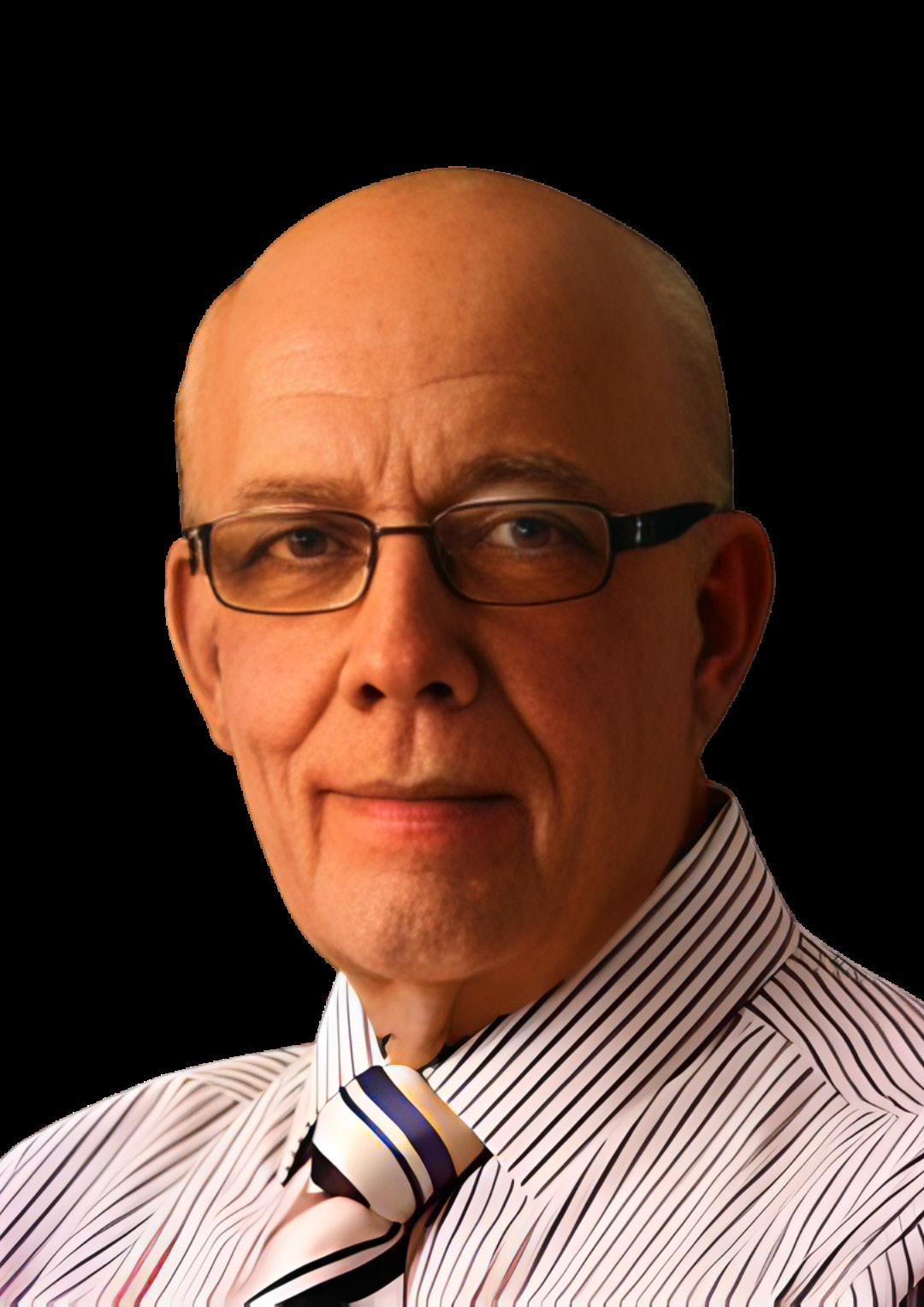
As Barbados celebrates its 59th Anniversary of Independence, we seek guidance from those who have shaped the nation.
Professor Sir Henry Fraser, the island’s polymath and former Senator, offers a unique perspective; one forged in medicine, history, and the arts. For Sir Henry, this period is a moment for profound “stock-taking,” urging the next generation of Barbadian professionals to embrace the core philosophy of stewardship. He believes national success rests on three interconnected pillars: Health, Heritage, and Education.
By Coretta Joe
Sir Henry’s career began with an ethical foundation: the classical ideal of a Christian doctor, one trained to look after both the body and soul. This ethic guided his work and his vision for national healthcare. He hails the polyclinic system as the “genius of Sir Frank Ramsey and others,” recognizing the post-independence move that brought accessible, universal primary care to every community. This success laid the foundation for Barbados’s high quality of life. His own medical passion, initially sparked by his hero, Dr. Harry Bailey, led him to found the Chronic Disease
Research Centre (CDRC), the very first institution of its kind in the Caribbean.
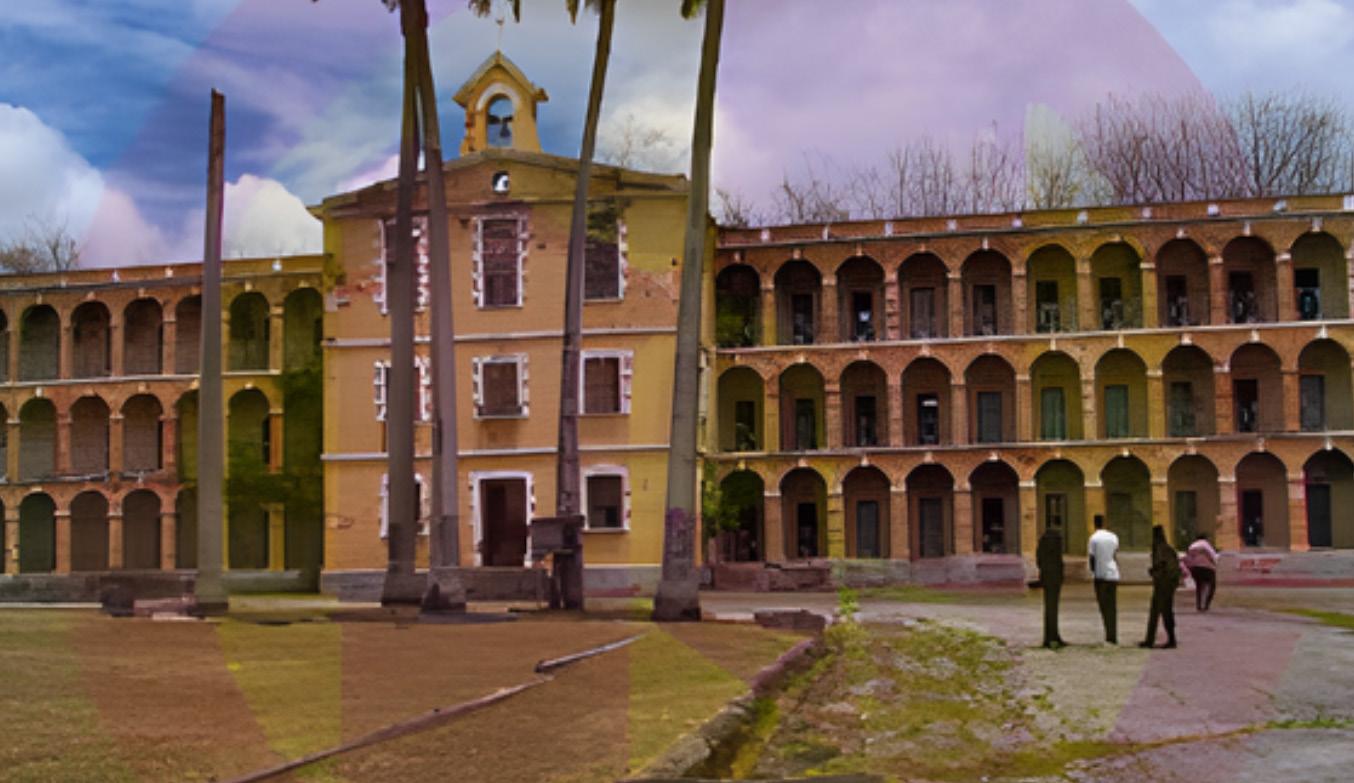
Sir Henry stresses that Barbados must learn to leverage its heritage as an active economic resource. As a leader who helped secure the UNESCO World Heritage Site designation for Historic Bridgetown and its Garrison, he understands the economic value of history. He champions the transformation of the defunct Glendairy Prison, calling the magnificent coralstone block a “gold mine.” He argues for its conversion into a prison museum and entertainment centre, citing that similar historical prison sites worldwide become major tourism draws.
To young people, Sir Henry delivers a powerful charge for lifelong success,
encapsulated in his Three E’s: Education, Exercise, and Enthusiasm. He provides the underlying secret to mastering these challenges: the habit of reading. He passionately maintains that reading “opens a huge world” to the mind, urging the current generation to resist the trend of short-form content and embrace longform reading once again to cultivate the deep, strategic thinking necessary for effective leadership. Sir Henry leaves the nation’s youth with the definition of true patriotism: “The message is simply stewardship. You are the steward of the land you inherit.”This call frames citizenship as an active, continuous responsibility, reminding every Barbadian that the quality of our collective commitment will define the nation’s success as we continue on the road to 60.
TBy Christopher Williams
here are only a few pre-independence Barbadians alive today, and that number continues to decline. These are the people who experienced—and helped shape—the transition from the Union Jack to the Broken Trident. It is on their shoulders that we now stand. Over time, many features of our Independence celebrations have changed, reflecting both the passing of generations and Barbados’s evolving sense of identity.



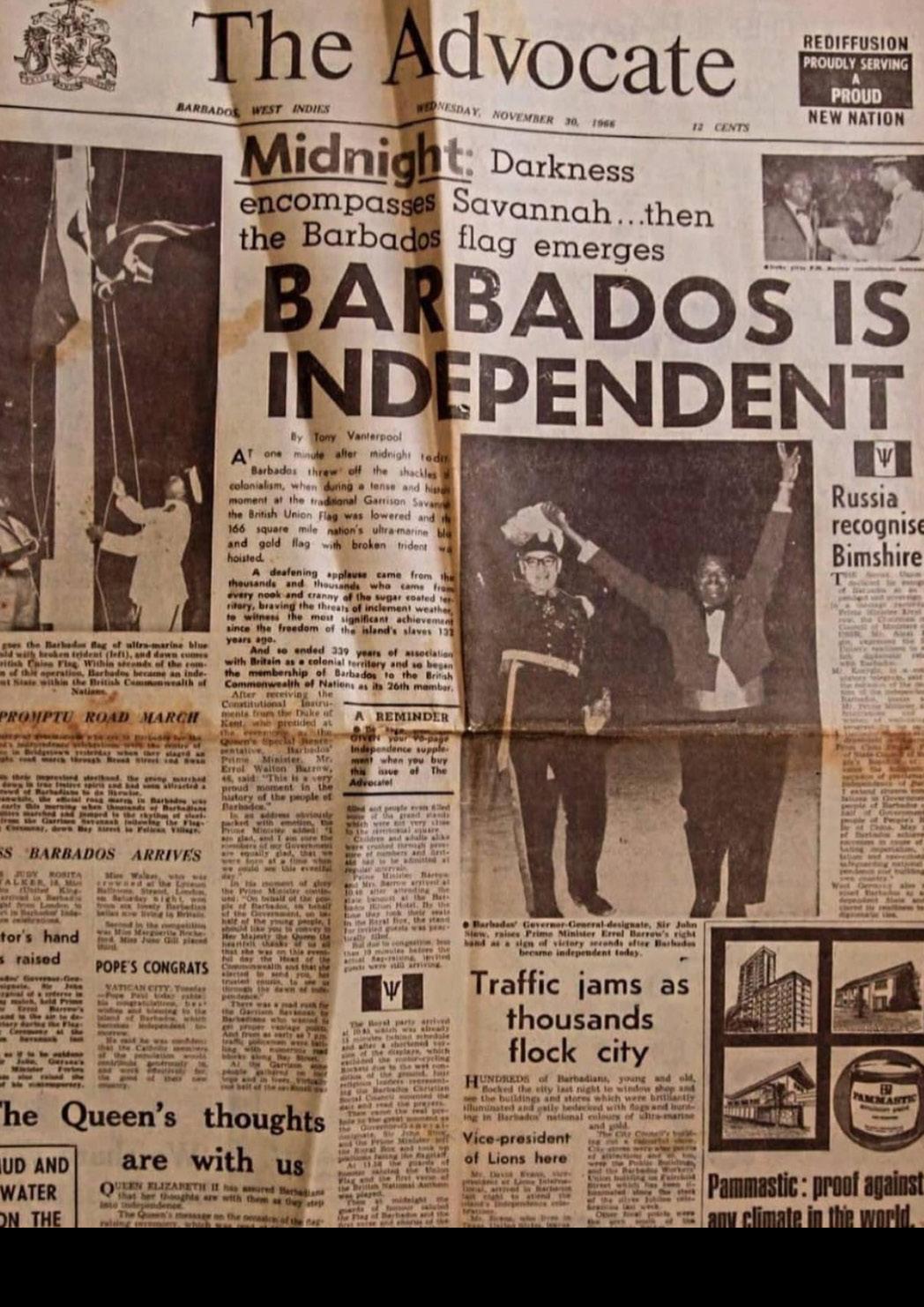
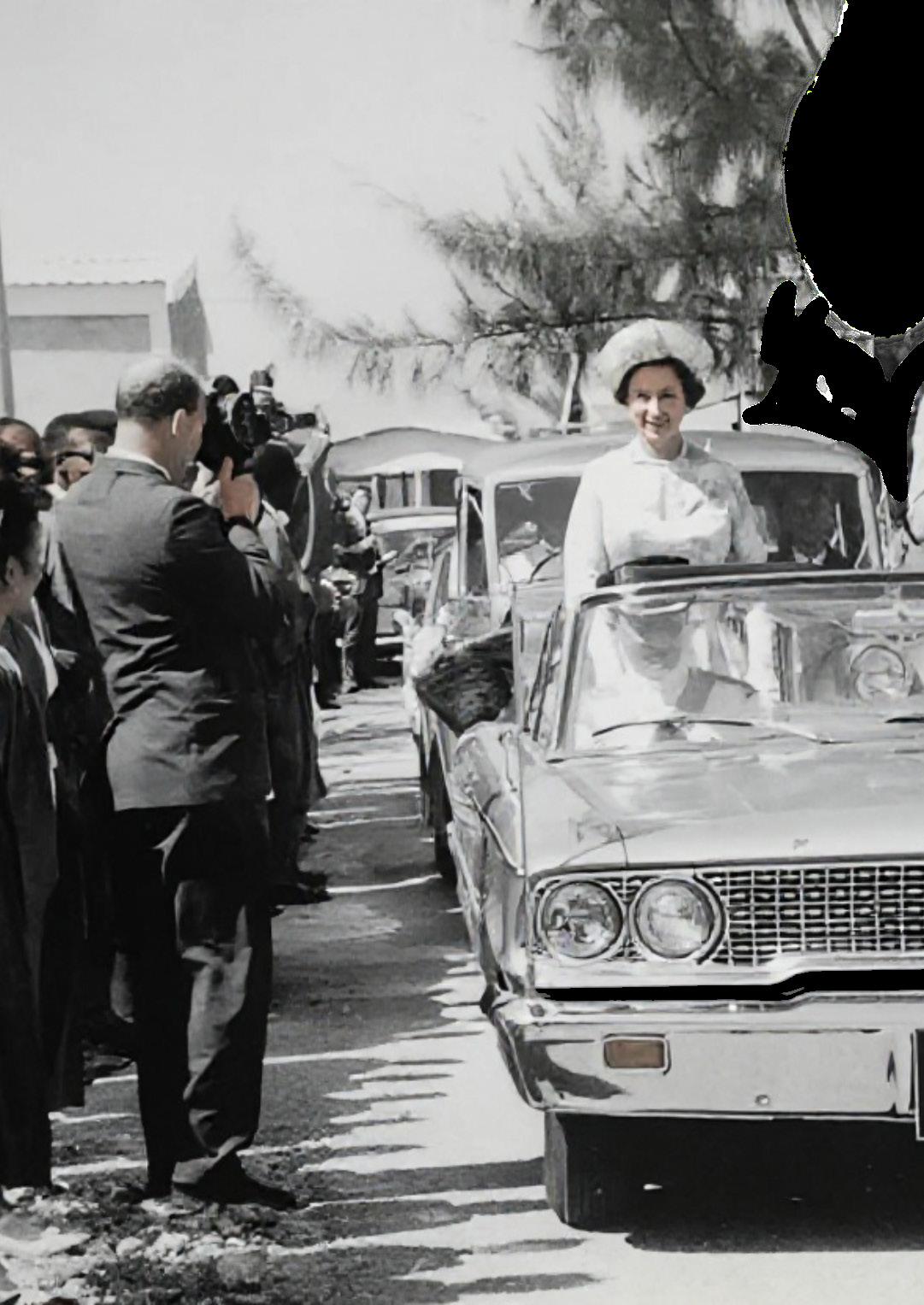
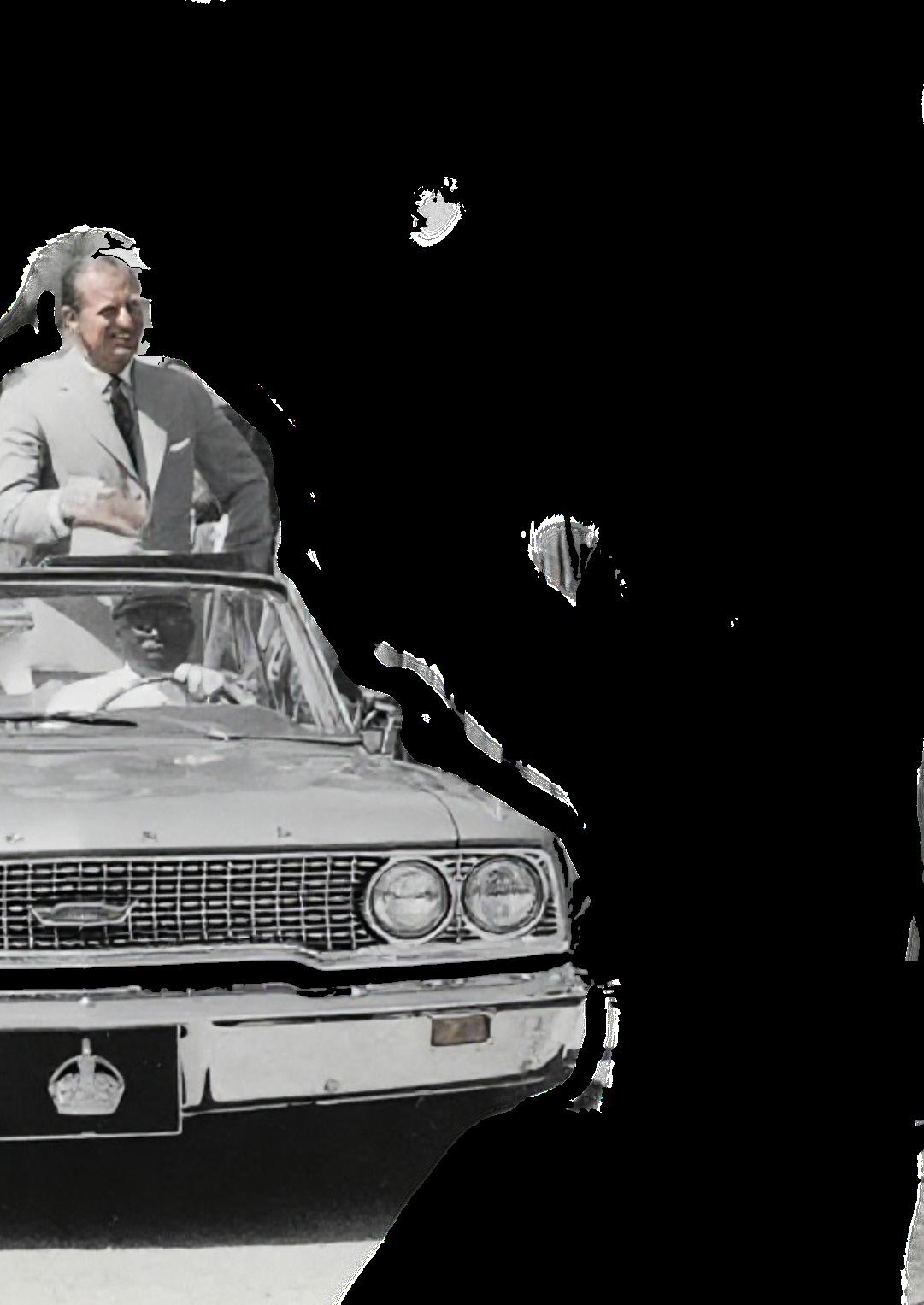
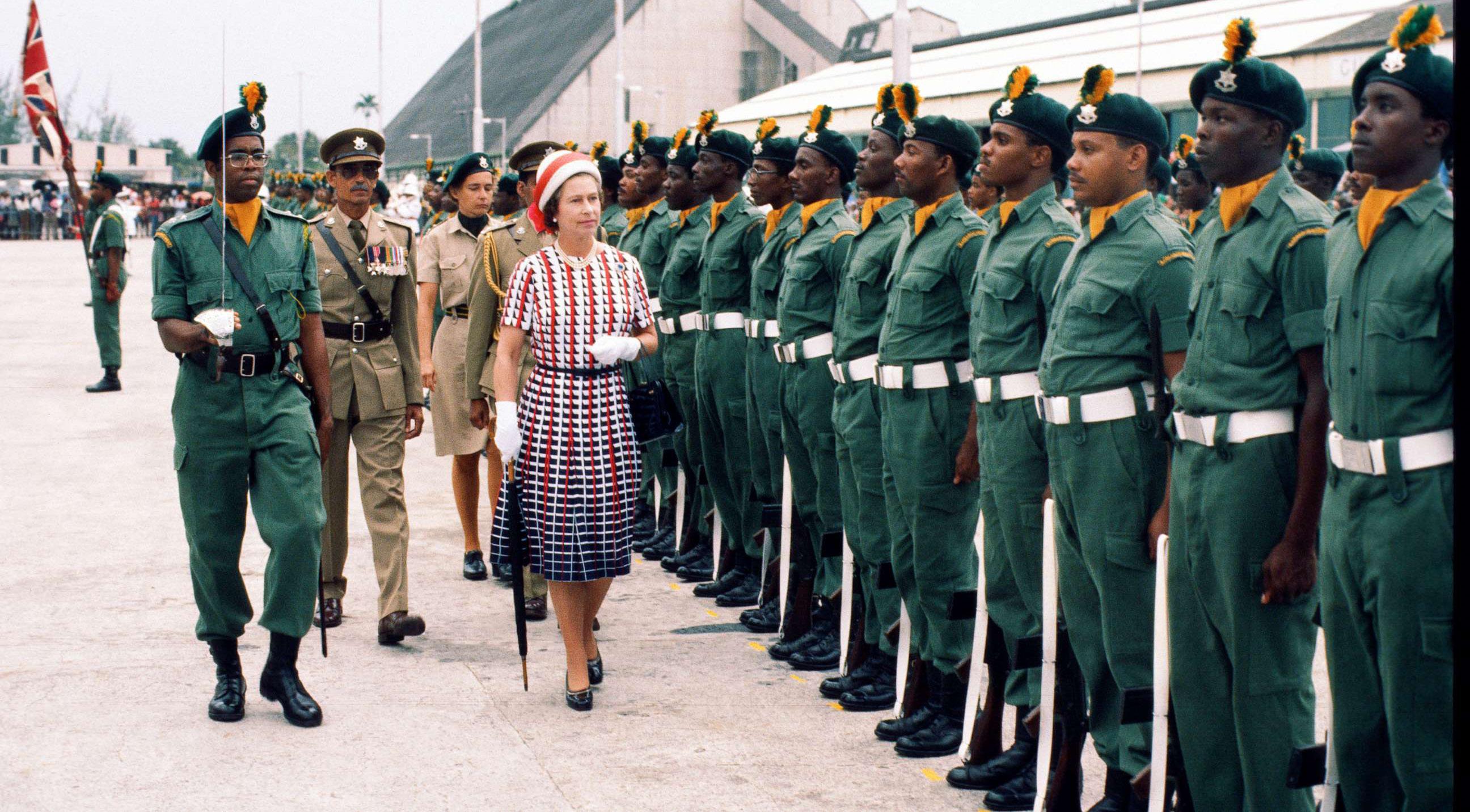
Britain Queen Elizabeth II and Prince Philip Duke Of Edinburgh, are pictured following their arrival in Barbados, February 1966
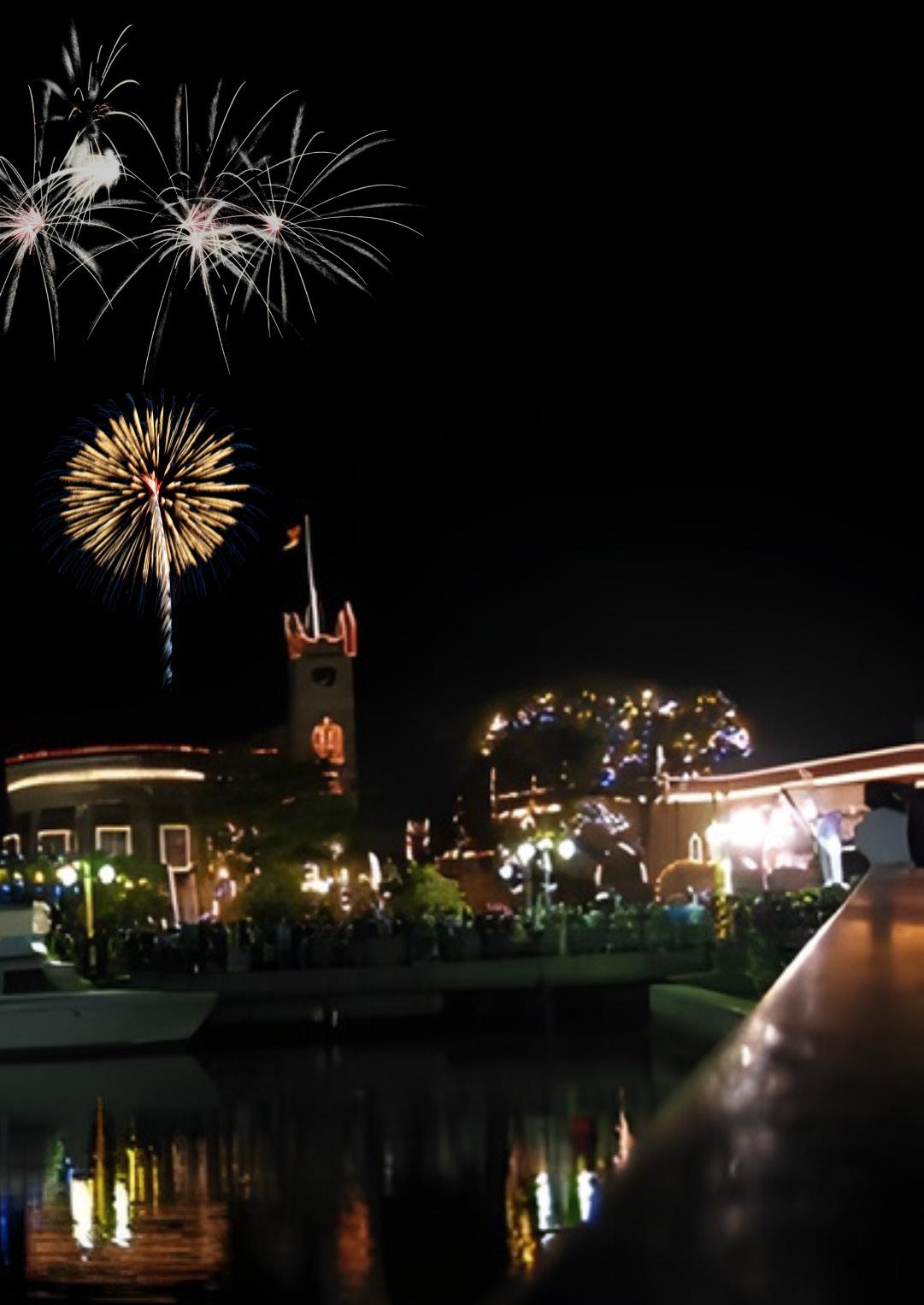
Before Independence, November in Barbados was marked not by national pride but by the colonial observance of Guy Fawkes Day—also known as Bonfire Night—on November 5th. This tradition, rooted in the failed Gunpowder Plot of 1605, spread from Britain to its colonies. Bonfires, fireworks, and the burning of Guy Fawkes effigies were once major annual events on the island. For a few years after Barbados became self-governing, fireworks remained part of the November landscape despite growing regulations that foreshadowed the eventual Fireworks Act.
Those who grew up in the early 1970s fondly recall nights filled with excitement, noise, and sparks. Parents would buy bombs, rockets, crackers, starlights, and other fireworks—many still imported from England long after 1966. Children even invented their own makeshift fireworks using everyday items, adding to the sense of adventure. For that generation, Independence simply did not feel complete without fireworks. But as awareness of the dangers grew—and as Barbados sought to distance itself from certain colonial customs—the practice was banned. Today, while spectacular displays still illuminate the night during national events, ordinary citizens no longer use personal fireworks.
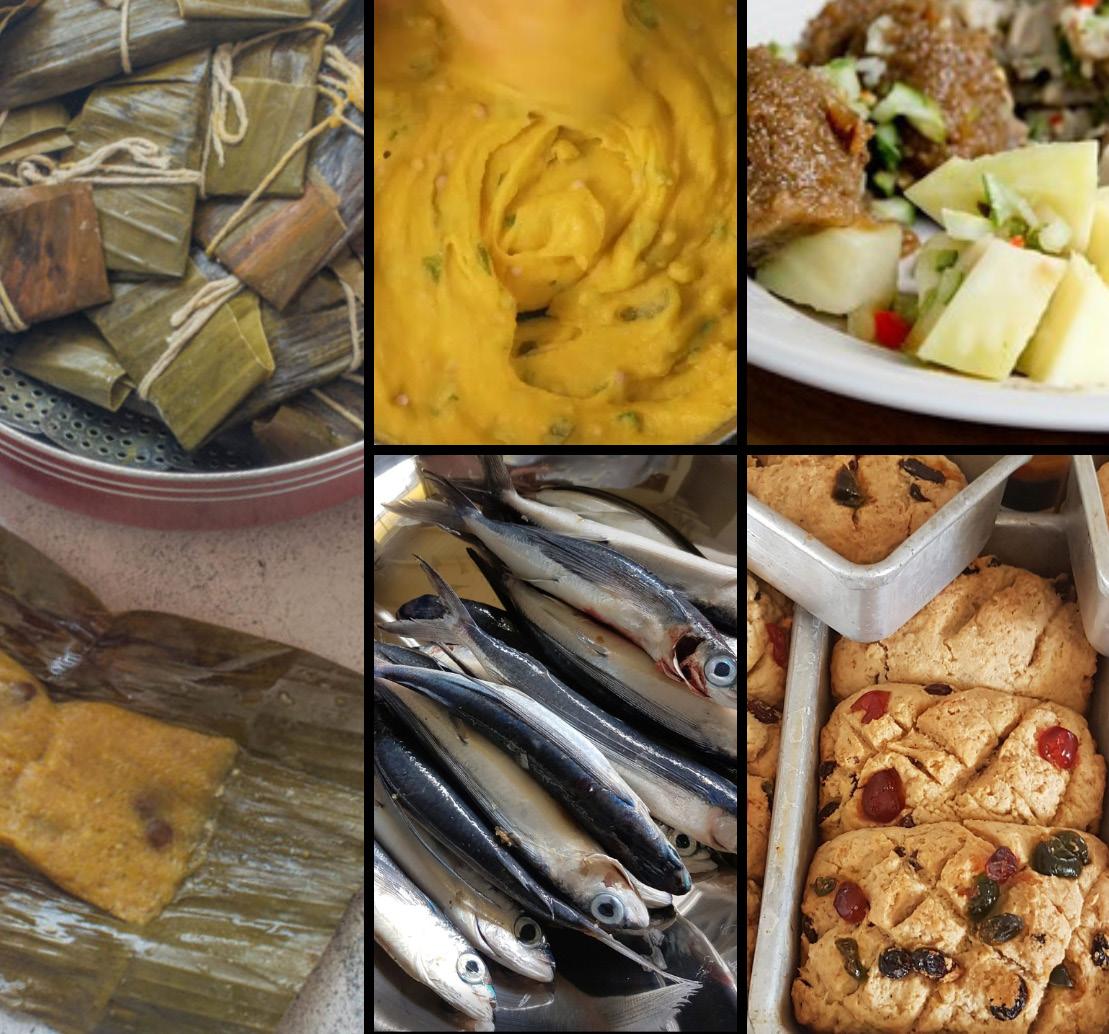
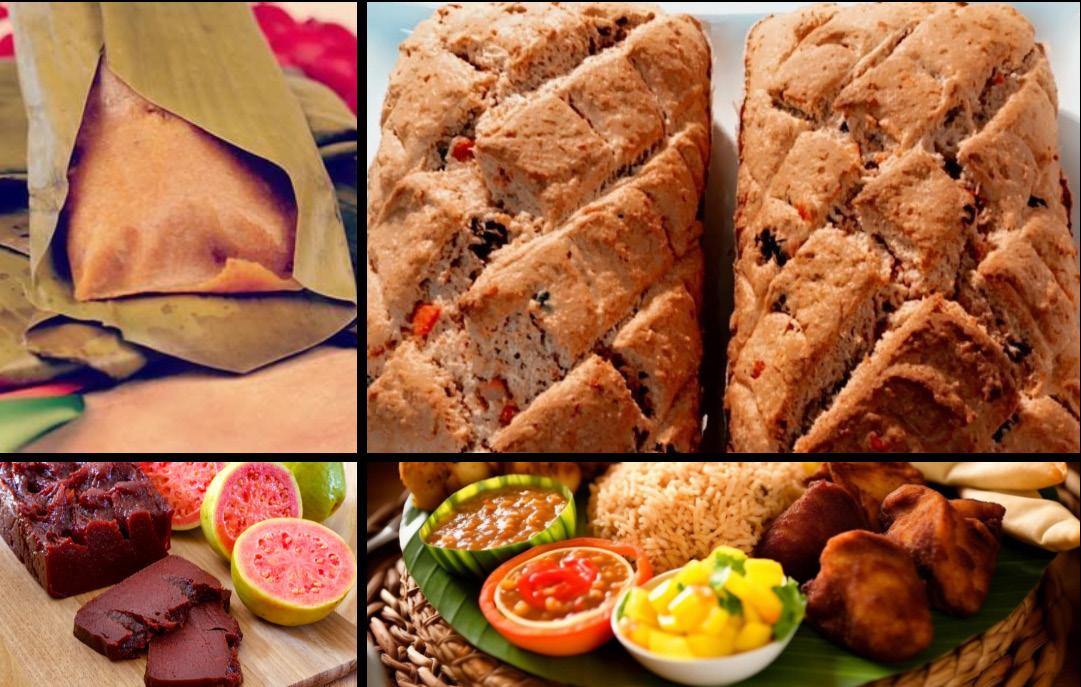
Culinary traditions have also evolved since Independence. Early Barbadian cuisine developed from what was
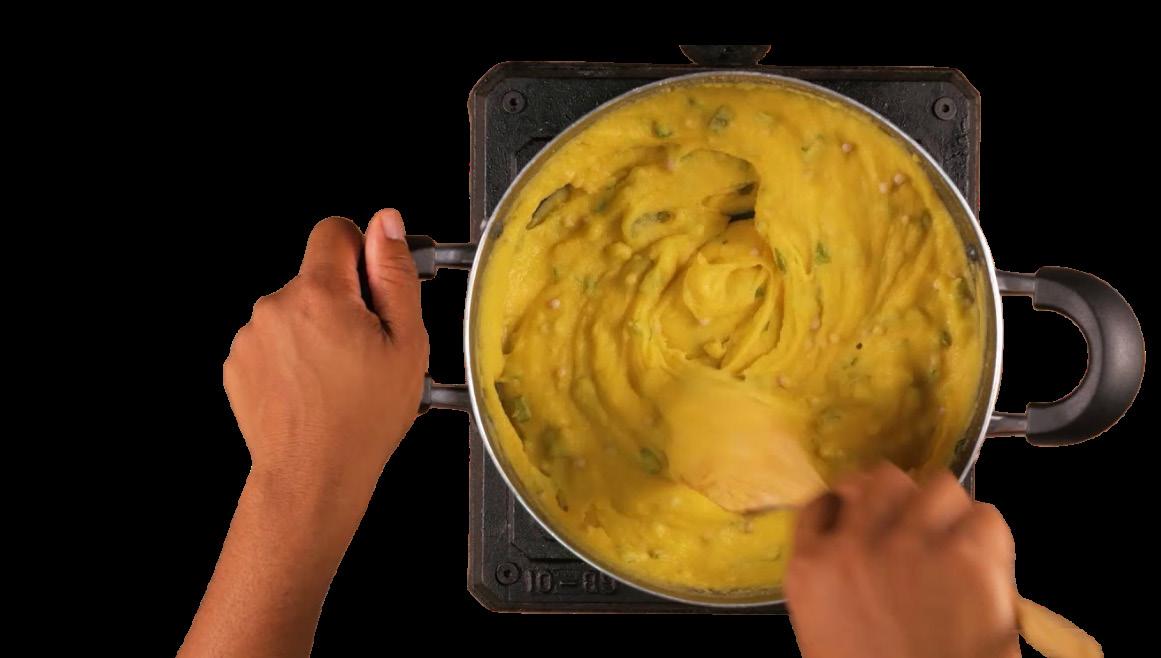
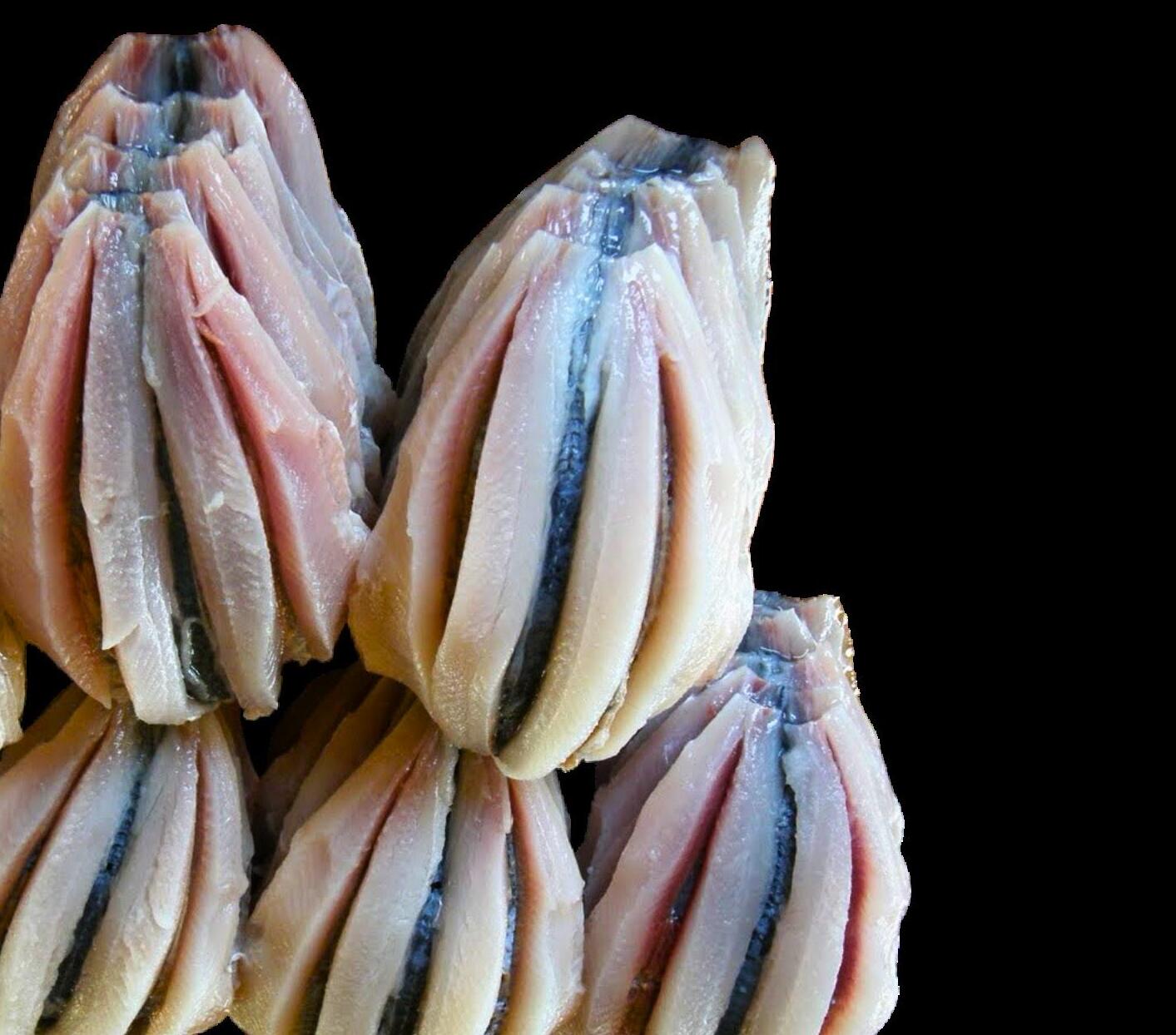
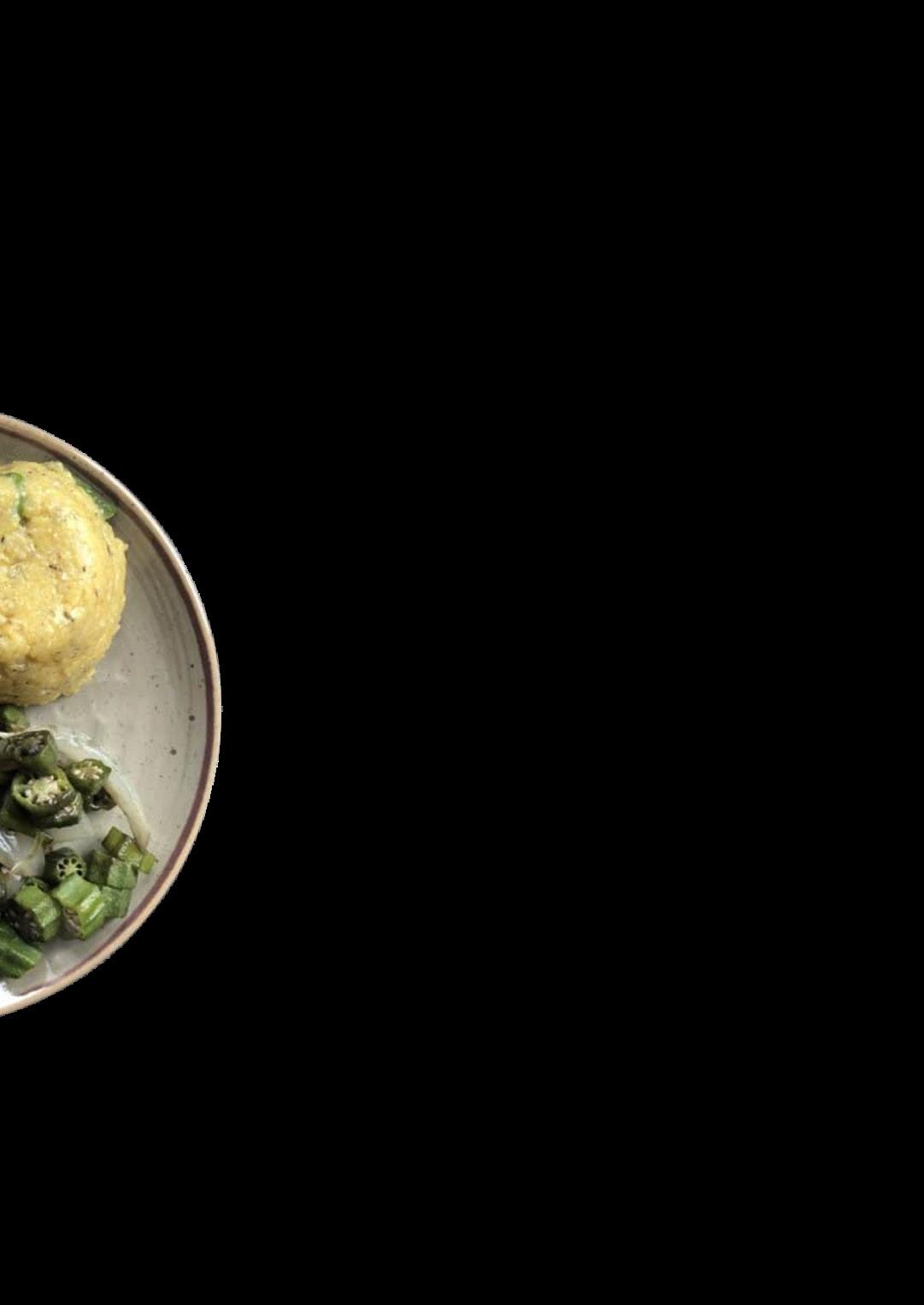
locally available, shaped by African influences, English cooking practices, and the resourcefulness of plantationera households. Dishes such as Pudding and Souse, Cou-Cou and Flying Fish, Conkies, and Jug-Jug have grown into powerful symbols of Barbadian heritage.
Pudding and Souse—once a practical use of various parts of the pig—has become a beloved Saturday ritual and a defining cultural marker. The national dish, CouCou and Flying Fish, resembles the
West African staple Fufu and remains a cornerstone of local identity despite its many modern variations. In November, Conkies take center stage. Made from cornmeal, grated pumpkin, sweet potato, coconut, spices, and sometimes raisins, then wrapped in banana leaves and steamed, Conkies embody heritage and continuity. Even as younger generations gravitate toward global flavors and international cuisines, the making and sharing of Conkies reinforces a deep sense of national belonging.
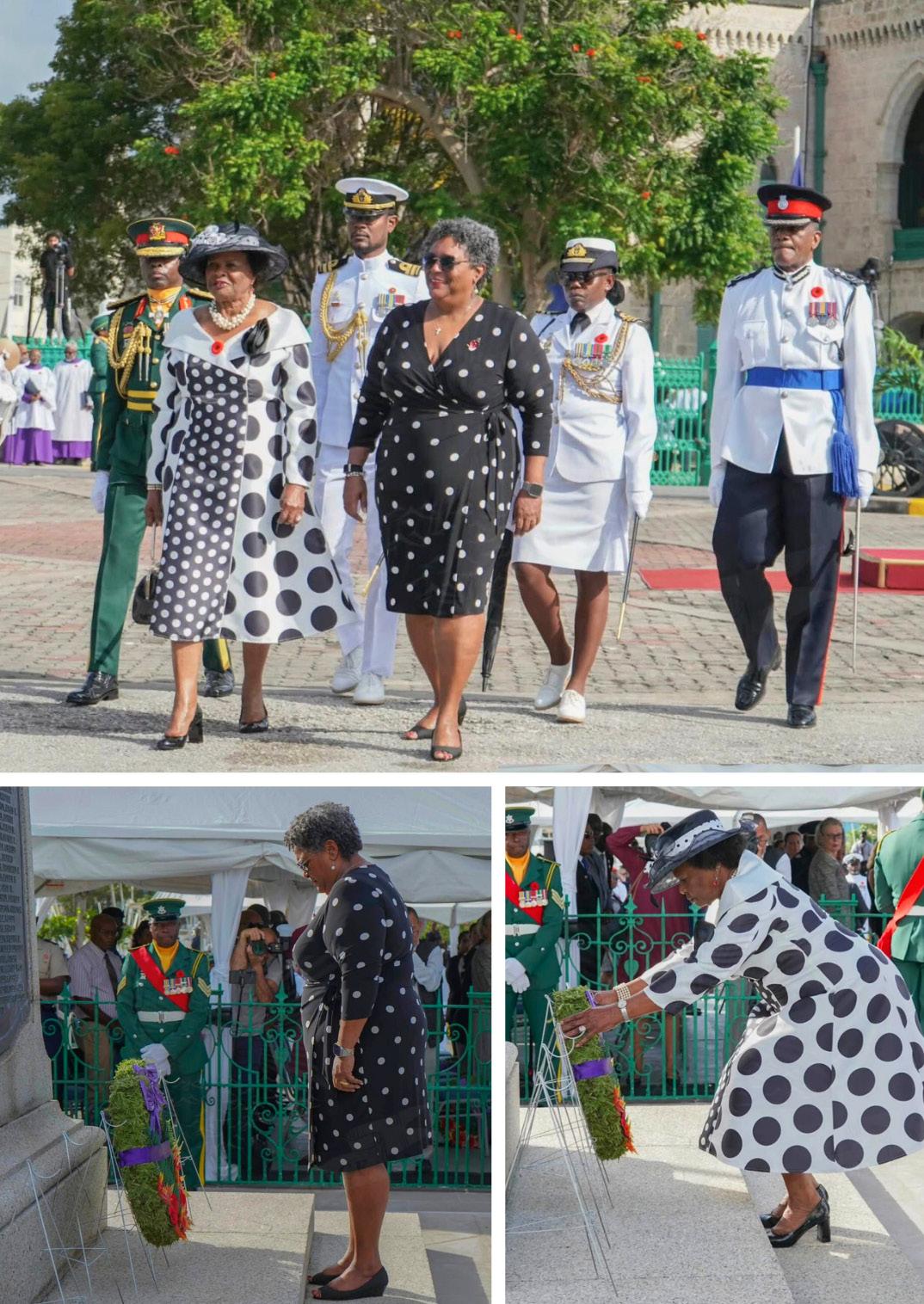
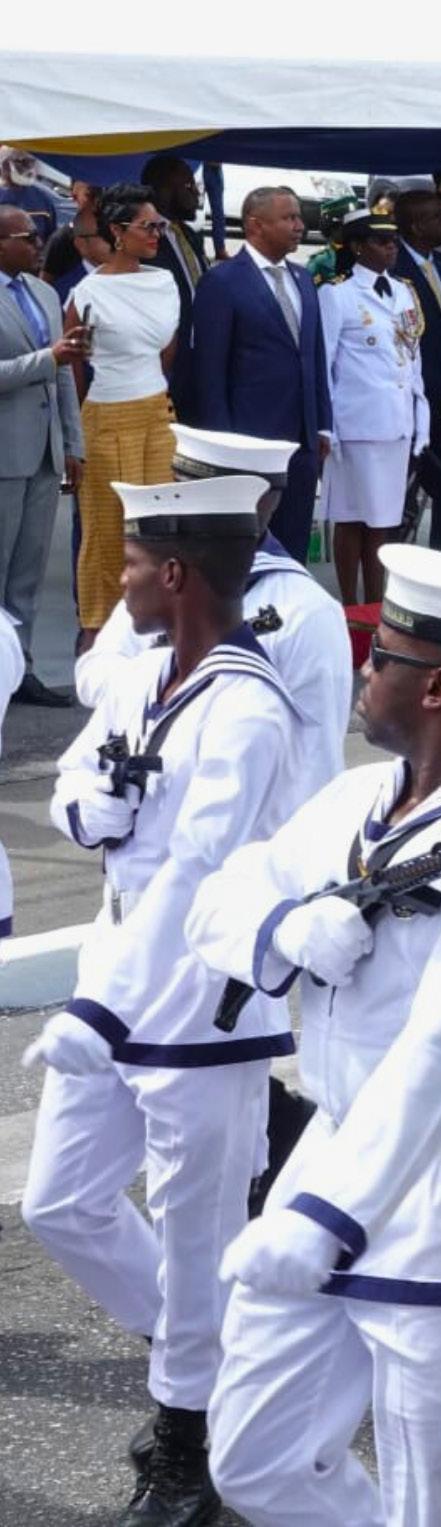
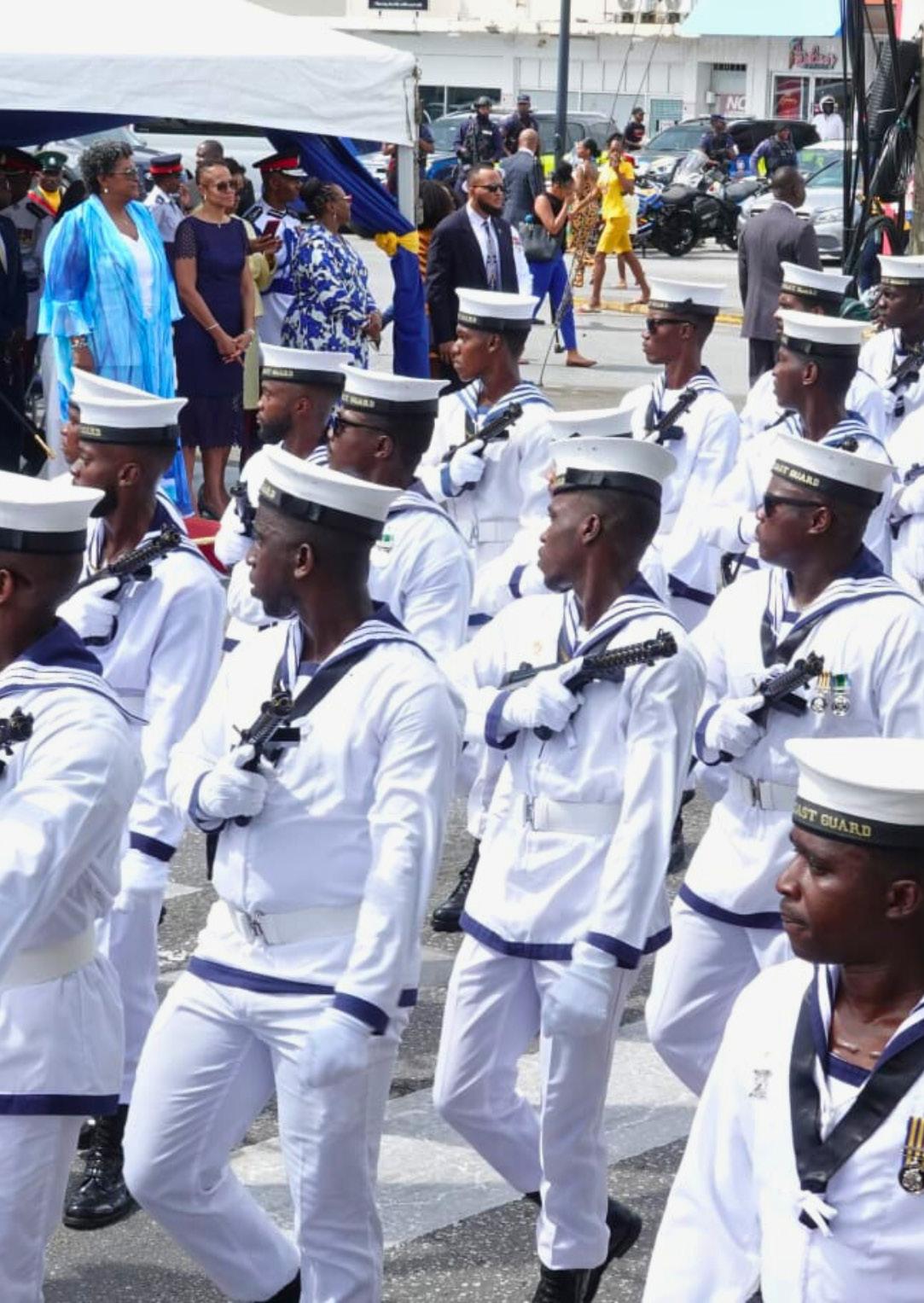
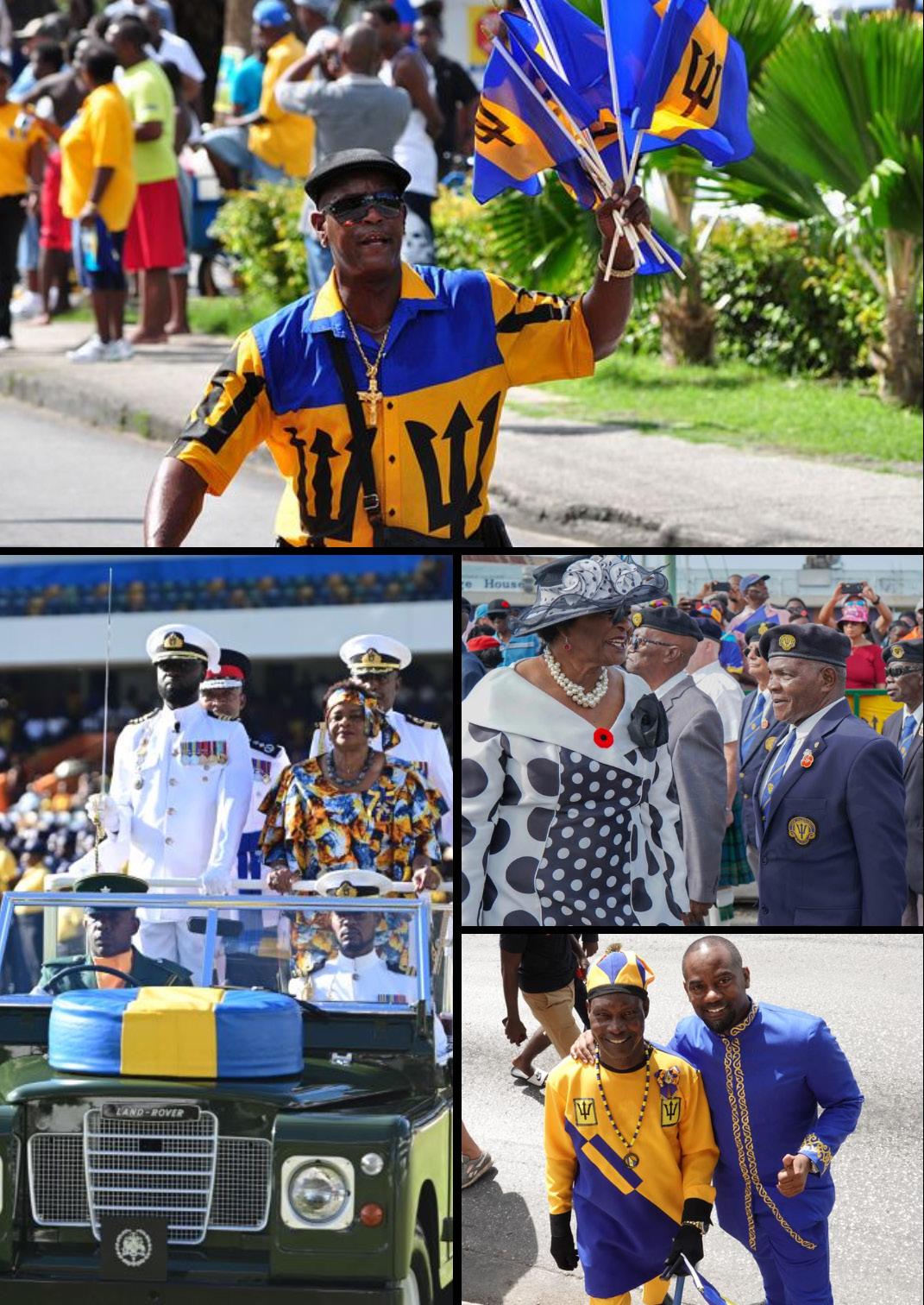
The Independence Day Parade remains the most anticipated event of the season. It features hundreds of participants from more than twentyfive organizations, including the Barbados Defense Force, Coast Guard, Police Service, Fire Service, Barbados Legion (Veterans), Landship, Cadet Corps, Scouts, Guides, and Seventhday Adventist Pathfinders. Traditionally held at the Garrison Savannah—the site of the very first parade—the event has, over the years, moved among the Bridgetown Port, the Usain Bolt Complex, and Kensington Oval. The Oval is now emerging as its new home, offering spectators the comfort and advantage of proper seating. While many appreciate these improvements, traditionalists argue that relocating the parade breaks with historical continuity and weakens its symbolic roots.
In 2020, another major symbol of Barbados’s colonial past was removed: the statue of British Admiral Lord Horatio Nelson, which had stood in Bridgetown for over two centuries. Its removal from National Heroes Square on November 16 symbolized a decisive step toward redefining national identity. It signaled a collective desire to center Barbadian history, values, and heroes rather than those of colonial rule.
As Barbados marks its 59th year of independence, change remains constant. Traditions cherished by one generation may fade, while new practices emerge. Yet amidst this ongoing transformation, there are cultural elements that deserve conscious preservation. Protecting these traditions is essential not only for honoring our past but also for grounding our national identity as we continue to grow into the future.
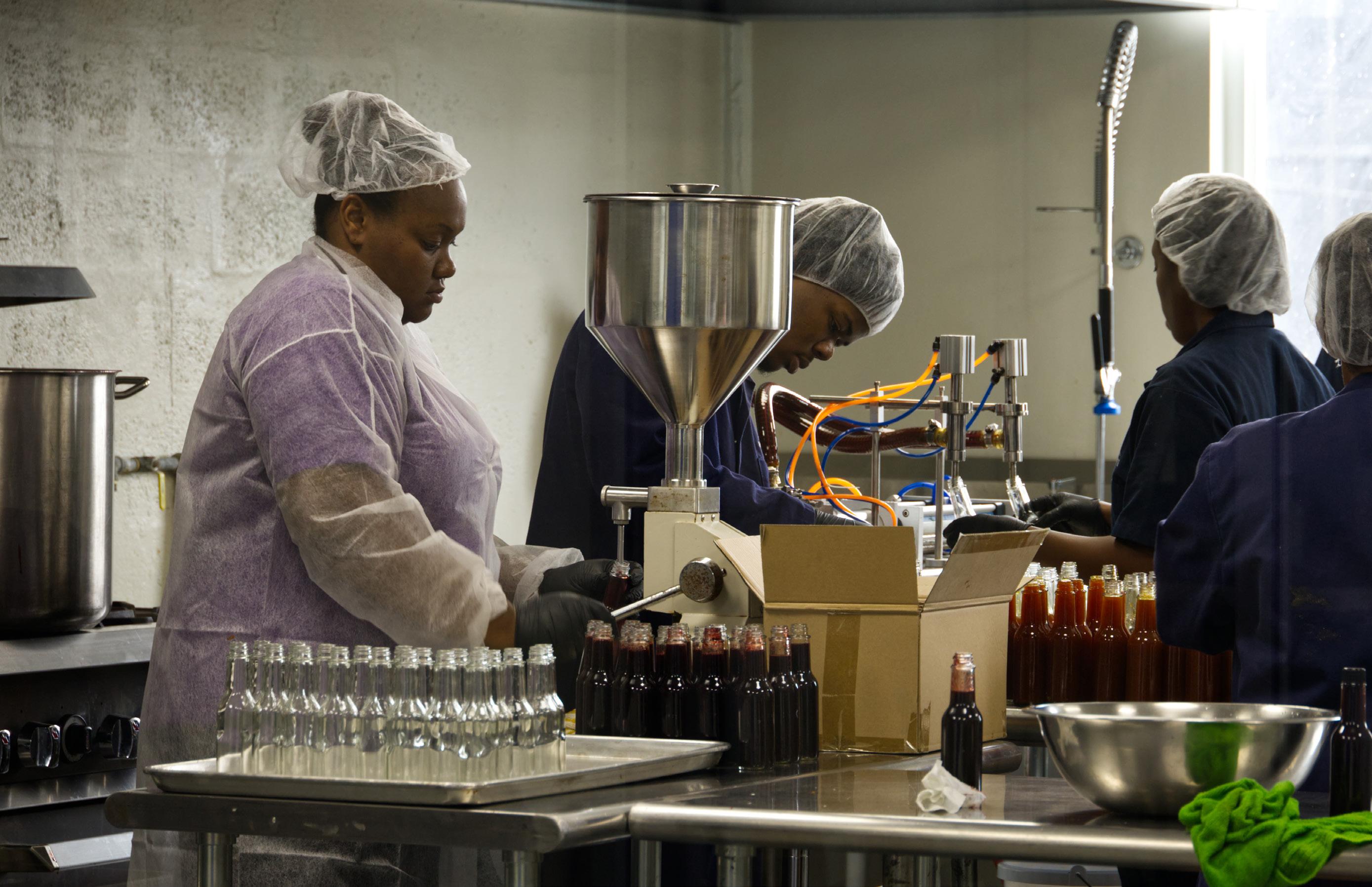
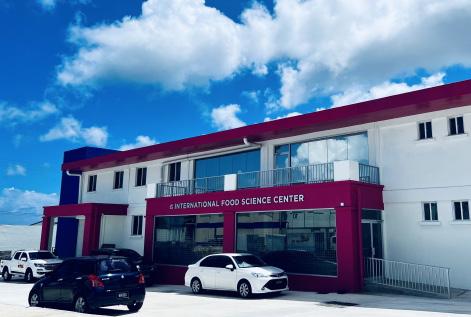
The revival of Barbadian industry is underway. It’s a movement built on GIGA (Green Industrial Gateway Advantage)—a national vision, championed by Export Barbados (BIDC) for investing in the advanced machinery, technology, and worldclass infrastructure our producers need to compete.
For years, our most innovative entrepreneurs were trapped by the limitations of a home-based operation—kitchen size, manual processes, and an inability to scale or meet international criteria. That era is over.
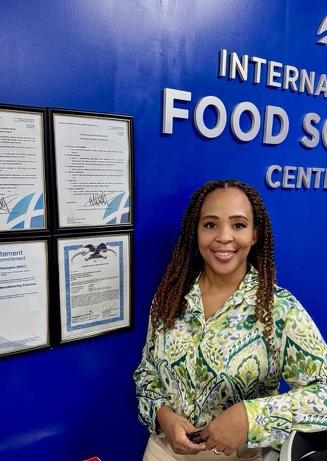
In March 2025, the International Food Science Center (IFSC) officially achieved Good Manufacturing Practices (GMP) certification from the National Sanitation Foundation (NSF), a globally recognized, US-
based organization.
This certification is the essential foundation, or “stamp of legitimacy,” that is now unlocking access to local supermarkets and global export routes. It is the prerequisite that allows the Center to guide our entrepreneurs through the HACCP (Hazard Analysis Critical Control Point) process, a “godsend” for any producer with global ambitions.
“Our products are of the quality and the taste... that can compete on international markets. The IFSC provides the expertise to get them over the finish line and onto the global stage.”
Dr. Carol Hull-Jackson, Chief Food Science Consultant –Safety and Quality, IFSC
The GIGA vision is built on investing in high-tech hardware. As Dr. Hull-Jackson explains, GMP certification is critical. GMP focuses intensely on equipment suitability, maintenance, hygiene, sanitation, allergen control and training among other procedures. It ensures that our advanced technology—from automated bottling lines to efficient, natural gasfired heating facilities—is used safely and sanitarily.
This integration of tech and safety:
• Guarantees a Consistent, Safe Product
with Safety.
• Drastically Reduces Production Costs & Time
• Provides the Documentation & RecordKeeping that Buyers Demand
• Simplifies Export Approval
By achieving this, the IFSC can now expertly guide manufacturers through their own HACCP plans, helping them identify and control all potential hazards. This is how we maintain the authenticity of “Made in Barbados” while proving our products meet the most stringent global standards.
GIGA is… Quality Control.

If you are a Barbadian entrepreneur, this certification is your single greatest asset. Here is what it unlocks for you, right now:
1. Access to All Markets
This certification is the key that unlocks doors. It provides the “stamp of legitimacy” required by local supermarket chains like Massy and is the non-negotiable first step for exporting to the UK, USA, and Europe.
2. World-Class Technology
You gain access to automation and equipment for a fraction of the cost of buying it yourself. This allows you to scale up, reduce production costs, and move beyond the physical limits of a home kitchen.

3. An Expert Partner in Innovation

The IFSC team helps you perfect your product to meet international standards for safety, quality, labeling, and nutrition, all while protecting your unique, authentic Bajan flavor.
4. A Focus on Your Genius
You can now stop being a manual labourer and focus on being a CEO. Let the Center’s certified facility and technology handle the production, while you focus on innovation, marketing, and building your brand.

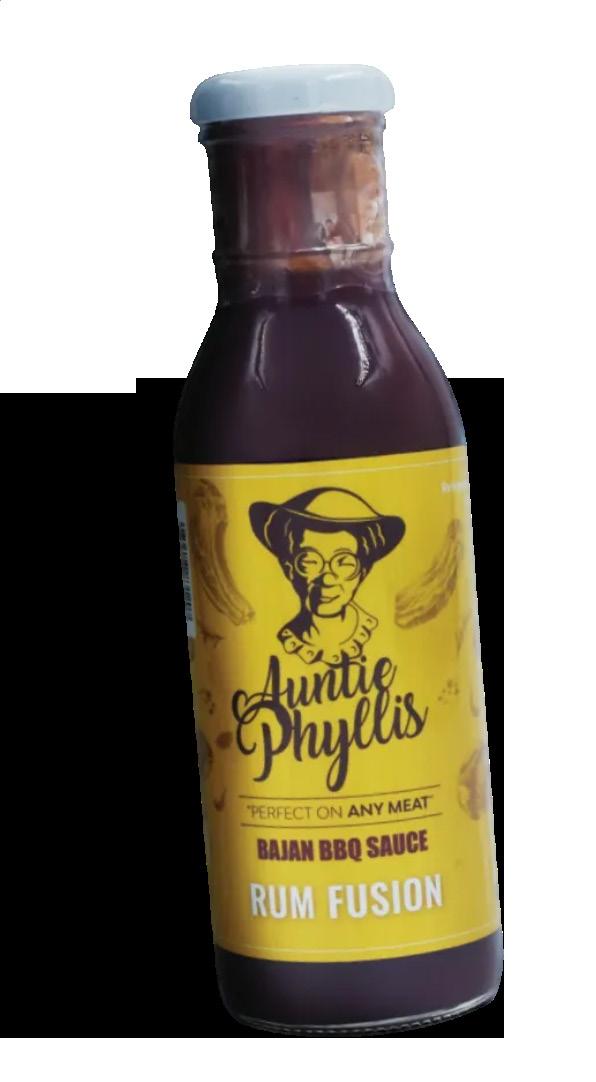
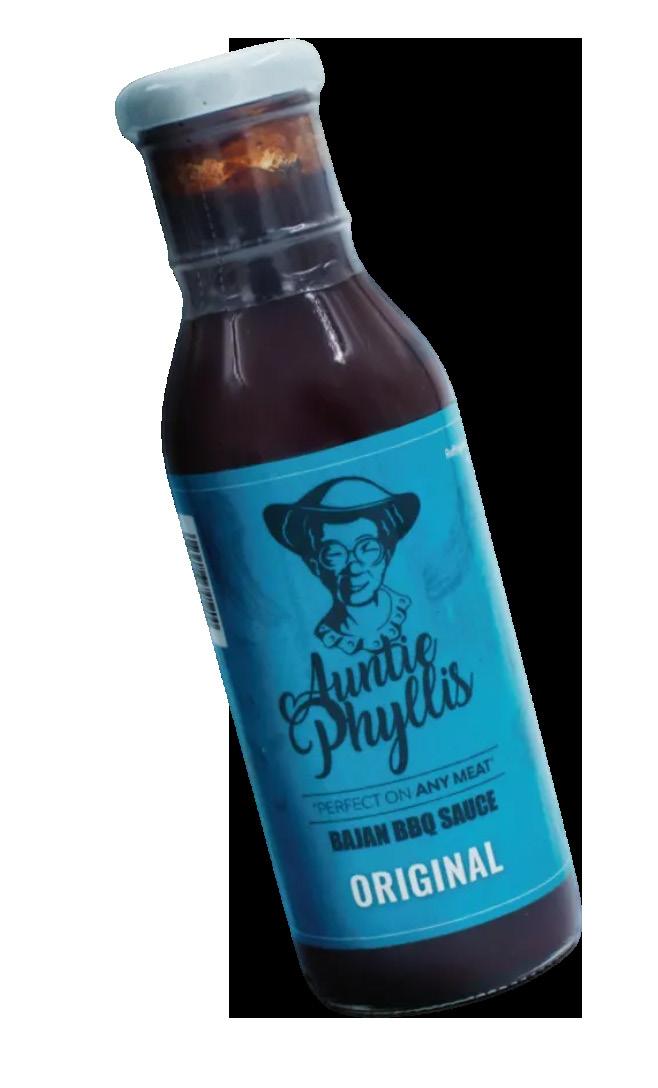
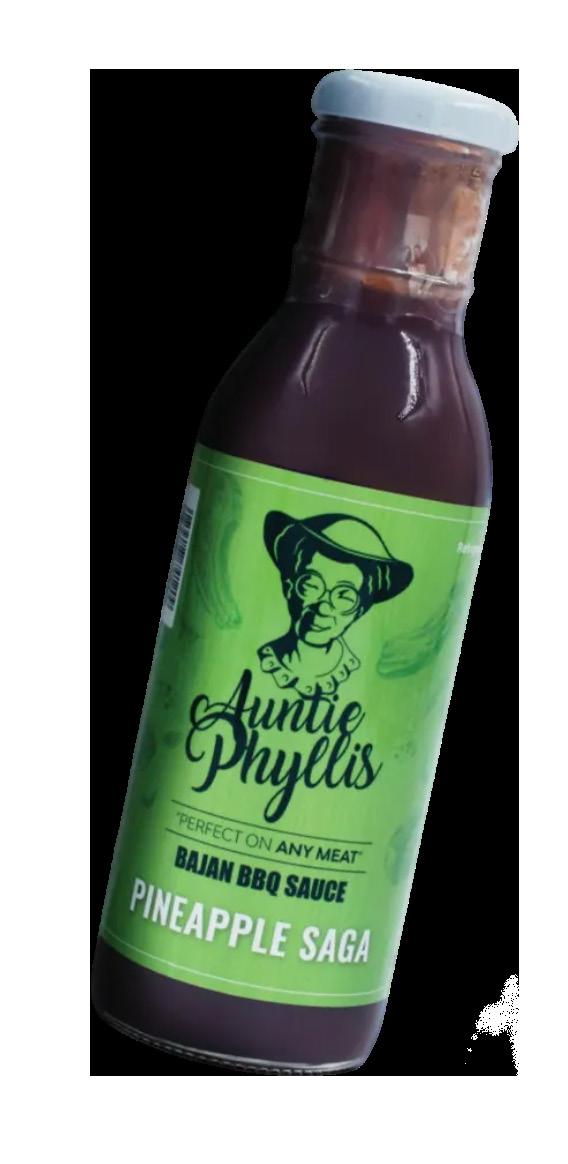
Wayne Ifill, Founder, Auntie Phyllis
“The certifications were a ‘godsend.’ As a home-based operation, export was impossible. The IFSC gave us a direct route into the UK market and the worldclass tech to scale up, reduce costs, and keep our product authentically ‘Made in Barbados’.”
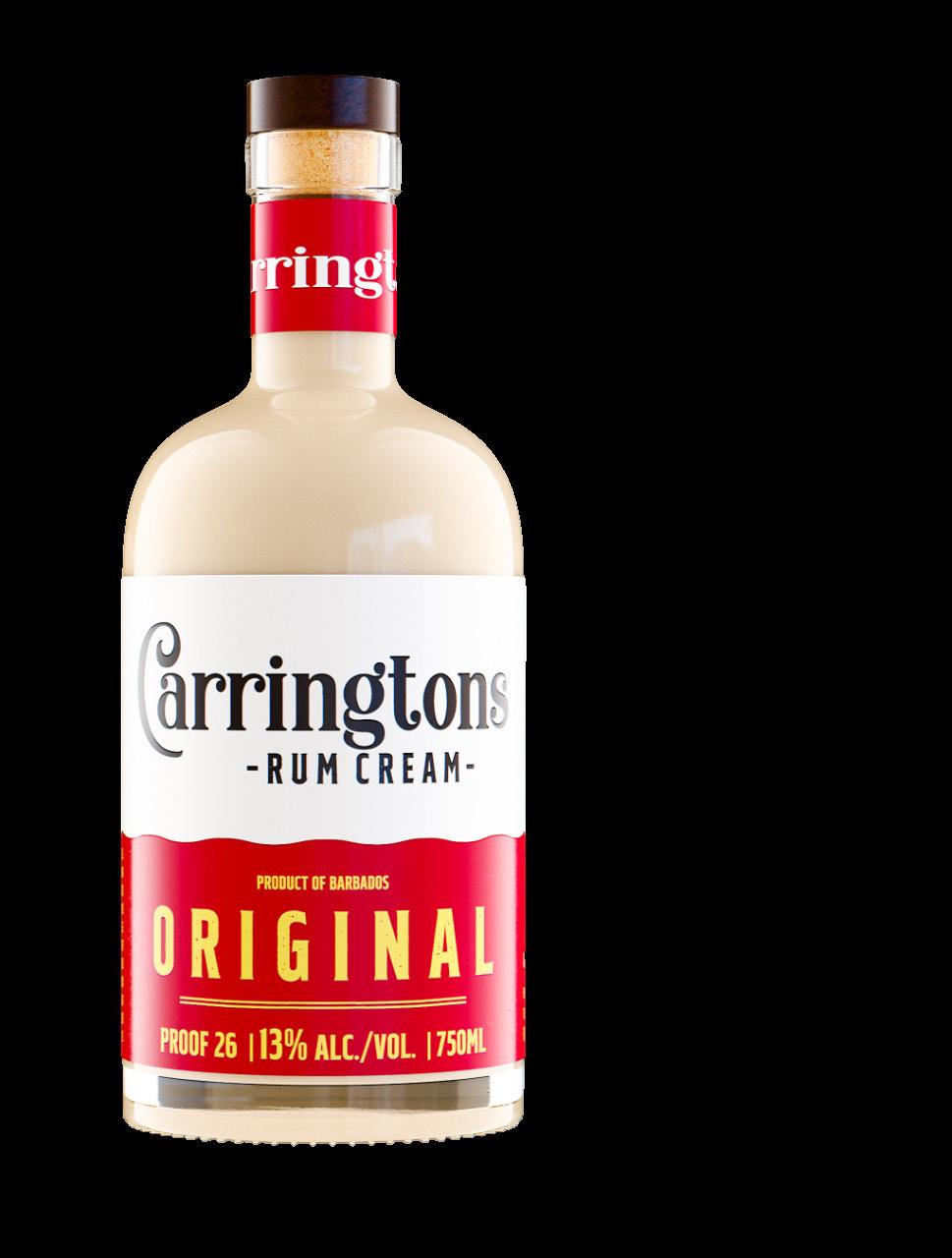
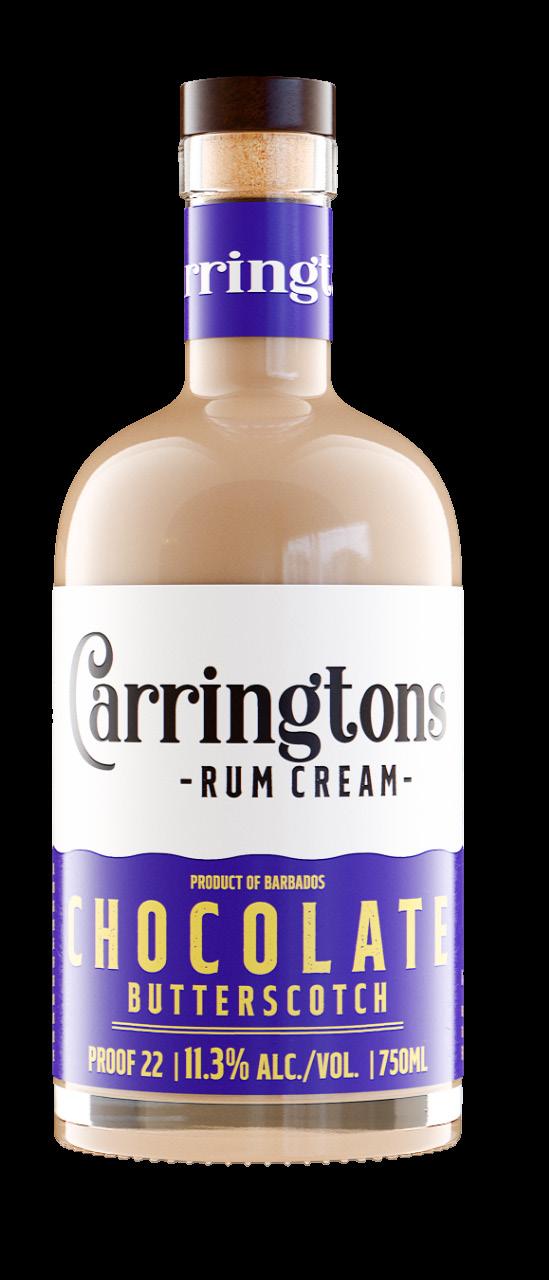
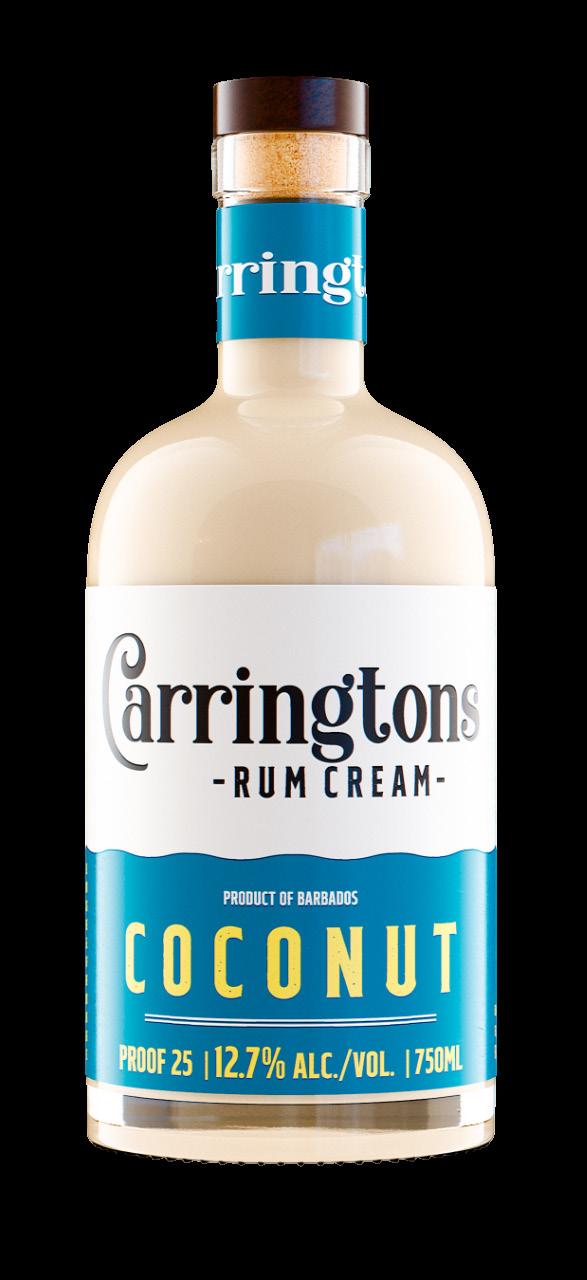
Tyrique Wilson, Carringtons Rum Cream
“Before, we were home-based, and production was 100% manual. We could make about 120 bottles in two days. At the Food Science Center, we’re automated and can produce 1,000 bottles in one day. The GMP certification was the stamp of legitimacy we needed to get onto shelves at Massy.”
What Message do you have for Fellow Entrepreneurs?
“My advice is to visit the Center and investigate the opportunities for yourself, instead of listening to naysayers. This allows you to scale up to levels you thought were impossible and bolster Barbados’ economy.”
What Message do you have for Fellow Entrepreneurs?
“Distributors and retailers, especially for export, want to see you are serious. You have to move beyond home production. Using a professional, certified facility like the IFSC isn’t something you do after you get a deal—it’s how you get the deal in the first
As Barbados celebrates another Independence season, one question simmers beneath the festivities: Are our traditional foods still thriving, or are they slowly disappearing from everyday life? The answer, much like our cuisine itself, is rich, layered, and full of flavour.
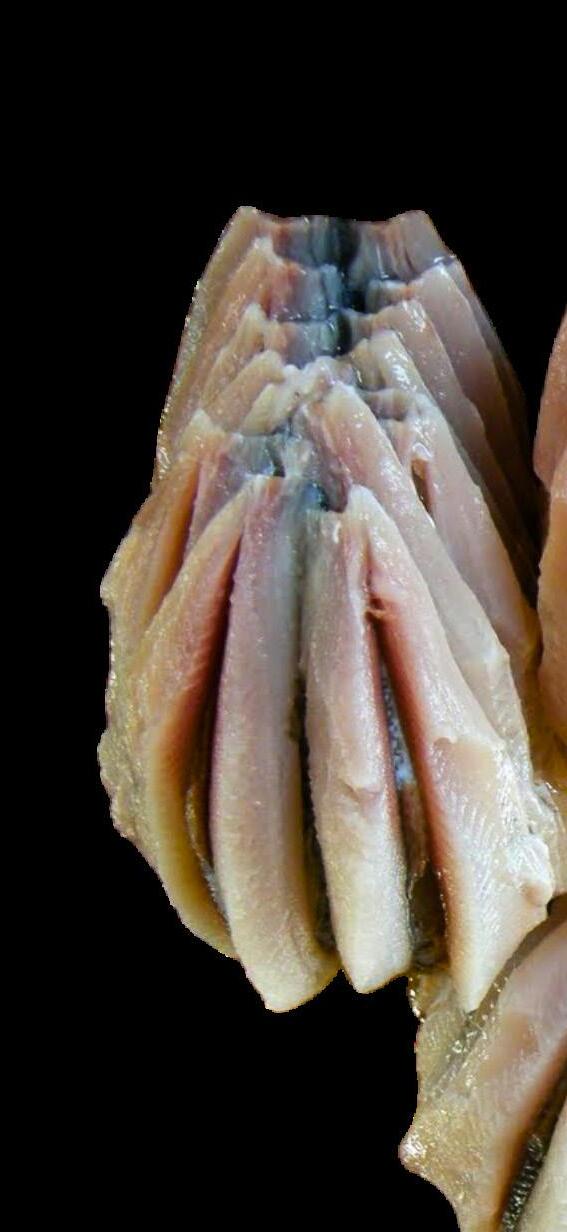
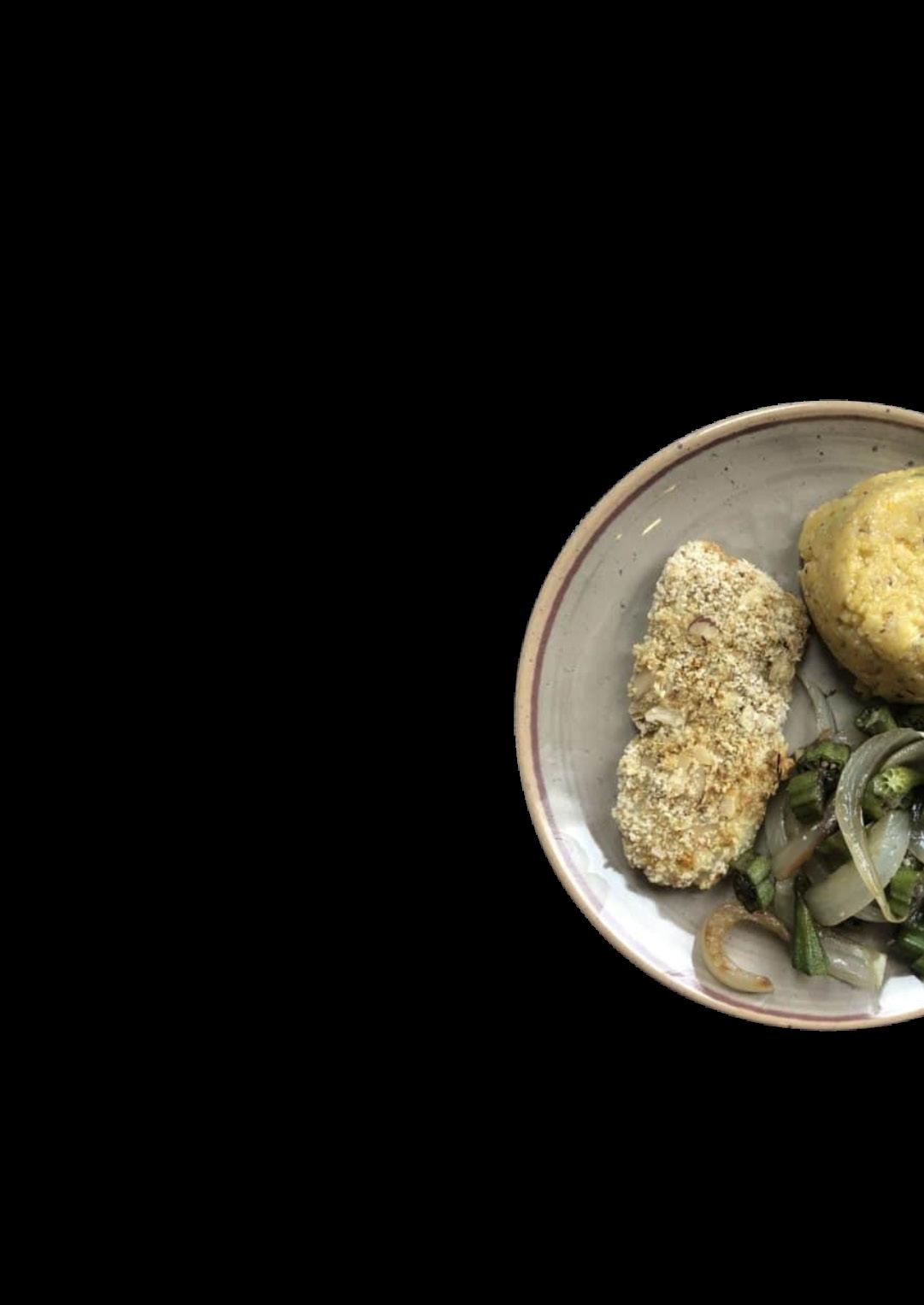
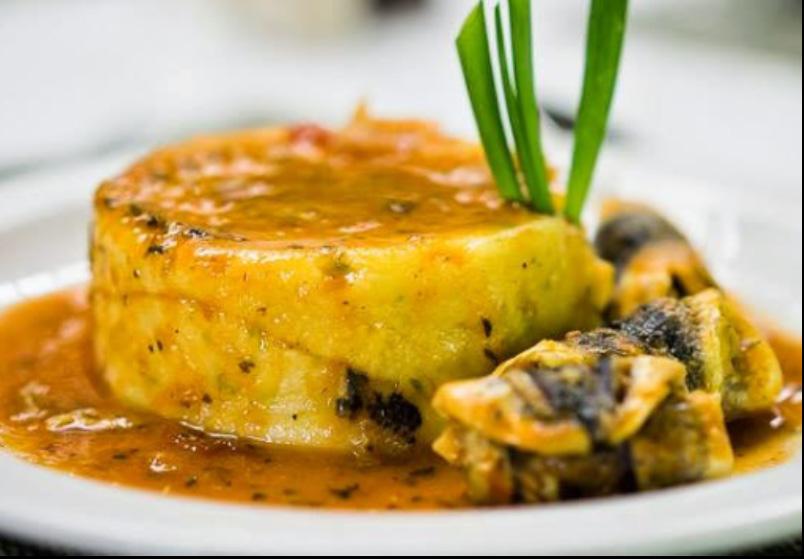
Some dishes remain timeless anchors of Barbadian identity. Cou-cou and flying fish, pudding and souse, cassava pone, sweet bread and th ever present fish cakes still hold pride of place on tables across the island. And during Independence, the aroma of conkies steaming in banana leaves reminds us that some traditions remain lovingly preserved. This endurance isn’t accidental. Community groups, food artisans, including advocates of the island’s slow-food movement — continue to champion local ingredients and historic cooking techniques.
But despite these bright
spots, traditional foods face undeniable challenges.
The pace of modern life means fewer families prepare labour-intensive dishes from scratch. Global fast-food chains and international cuisine heavily influence Barbados’ culinary landscape, especially among the youth. Some favourites such as flying fish, are under environmental pressure, are far to expensive for locals to purchase, while the island’s heavy reliance on imported food makes local dishes less central to the daily diet.
Even more concerning is the gradual loss of culinary knowledge — those unwritten recipes passed down by grandparents, shaped by memory rather than measuring cups. Without deliberate preservation, these could fade faster than we realise.
So, are Bajan traditional
They are alive — vibrantly so in some spaces — but also vulnerable, particularly as lifestyles shift and generations change. Barbados’ culinary heritage isn’t vanishing, but it is transforming. The future of our Independence flavours depends on how much value we place on preserving them, teaching them, and keeping them part of daily life rather than once-a-year nostalgia.
In the end, our traditional foods tell the story of who we are. Whether they flourish or fade will depend on all of us — cooks, consumers, cultural guardians — keeping that story simmering.
» Alive: Yes — many iconic Bajan foods are still very much in everyday life, celebrated in culture, and kept alive by chefs, community groups, and food movements.
» Vulnerable: Also yes — without continued, intentional efforts, some traditions could weaken. The pressures come from changing diets, environmental constraints, and generational shifts.
» Evolving: Traditional Bajan cuisine isn’t frozen in time. It’s adapting — both in preserving its roots and in being reimagined for modern contexts (sustainably sourced, restaurant reinterpretations, food education).
Musings of a Naturalised Bajan on the Road to 60
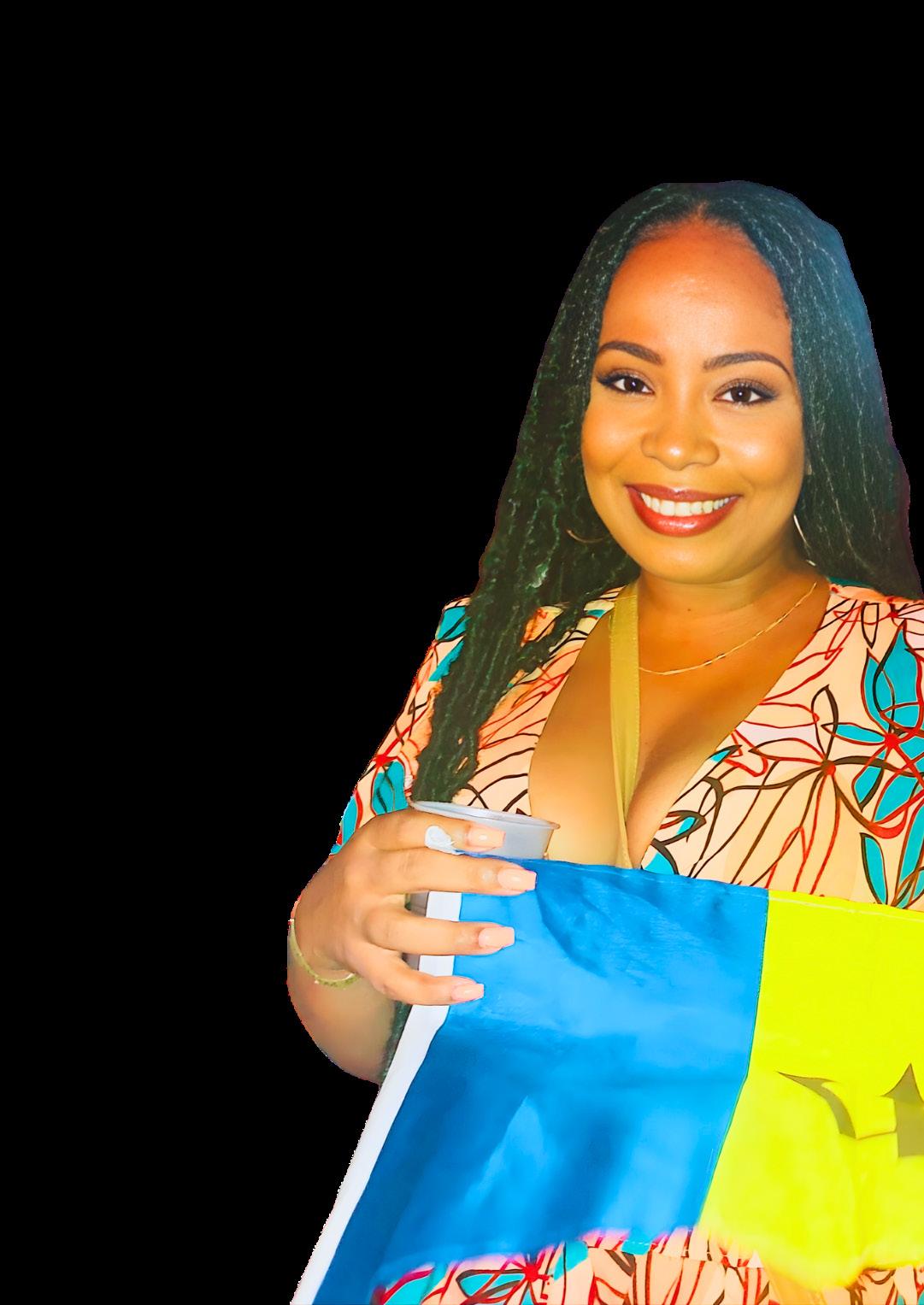
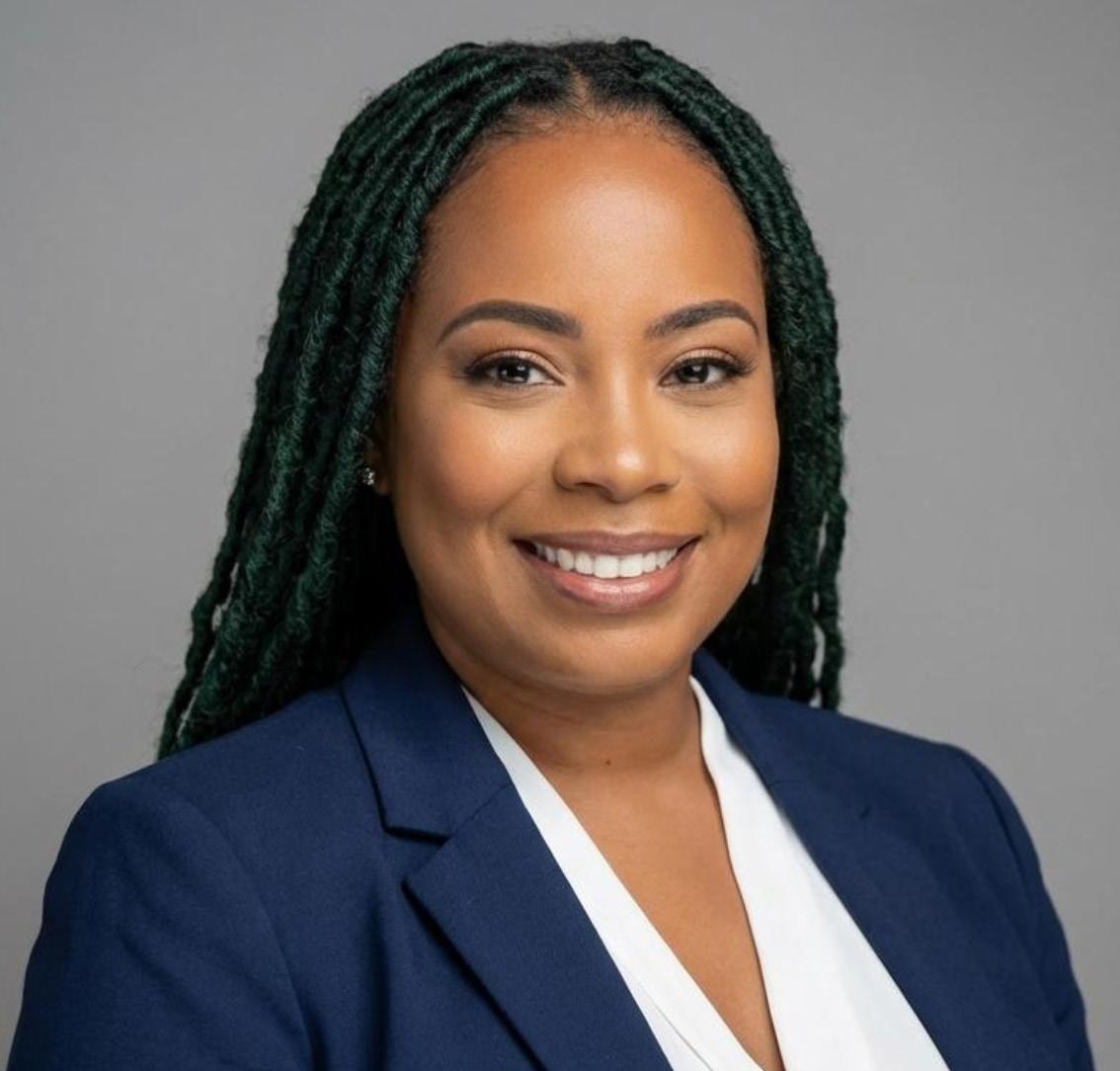
On January 1, 1999, when I first touched down in Barbados as a child, I was anxious, afraid, and unsure of the future. It was my first time travelling to another country, and even scarier was the fact that it was not just a visit; I was migrating.
I had bid bittersweet goodbyes to all I knew – friends, extended family and community members in the close-knit, rural village of Bachelor’s Adventure, East Coast Demerara. It was time to welcome new and
better prospects in this place that I had heard so much about. My parents drilled in my head for months that Barbados was the place to be, where we would thrive and access the best education and opportunities.
Life as an immigrant in those times had its fair share of ups and downs – mostly
downs. The climate at the time, even at school among my peers, was not particularly welcoming to "foreigners." However, I cannot remember ever feeling the urge to permanently return to my place of birth. For as long as I can remember, I had the mentality that Barbados is home. It is the place where I took the Common Entrance Exams, had my first sea bath, wrote CXCs, attended university, made lifelong friends and had my very first vacation job as a sales associate at one of the island’s oldest shoe retailers. It is the place that moulded me into who I am today.
It was a cold, wet and rainy night when I attended my first Independence Lighting Ceremony in November 1999, 10 months after I arrived here. That night will forever be etched in my memory. I had never witnessed such displays of patriotism before then. Later that month, I attended the Independence Parade, then held at the Garrison Savannah.
It didn’t take long to acclimate to Bajan food and drinks, particularly pudding and souse, fishcakes and a beastly cold Plus.
As a child, my favourite beach, Enterprise Beach, popularly known as Miami Beach, was my playground for hours on end on Sunday mornings. Those beach days, followed by a glorious Bajan Sunday lunch of peas and rice, stewed chicken, coleslaw, and potato salad, compliments of my Bajan stepfather, are some of the happiest memories of my childhood here.
As much as I felt Bajan, on paper I wasn't. It was not until 2022 that I finally decided I was ready to take that monumental step and become a citizen. As Guyana does not currently acknowledge dual citizenship, except in the case of marriage, it meant that I would have to give up my Guyanese citizenship. It was not a decision to be taken lightly.
Now, as a Barbadian citizen of three years, that sense of ownership has only

deepened. As a law student and writer, my commitment to this nation is a civic duty that gives me an established voice.
My ability to contribute and critique is now accompanied by tangible benefits that speak to the success of this small nation.
Firstly, there is the matter of health security. Being a Barbadian means that I now have access to free public healthcare via the polyclinic system, which remains the backbone of primary care. This public good allows Barbados to maintain a consistently high standard of well-being, evidenced by the fact that the island’s average life expectancy hovers around 79 years, one of the highest in the region.
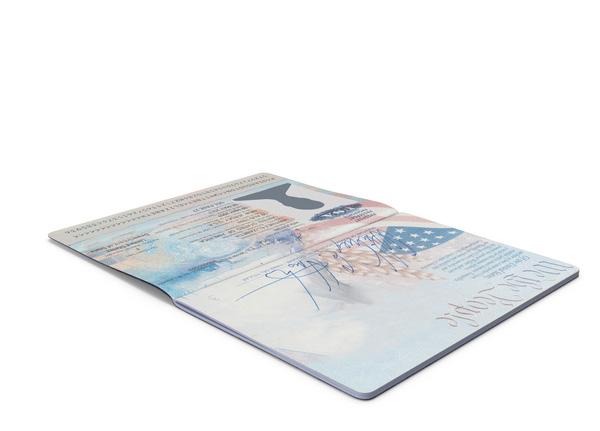
Secondly, the practical advantage of citizenship is undeniable. I have travelled quite a few times on my Barbadian passport, and I cannot deny the ease it offers. Consistently ranked as one of the most powerful Caribbean passports, it grants visa-free access to the Schengen area and numerous other countries. In this globalized world, that mobility is a huge advantage for trade, education, and personal exploration.
However, having an established voice also means acknowledging the hard work that remains. While our literacy rate is near 100%, we still face deep-seated challenges like the pervasive Non-Communicable Diseases (NCDs) crisis and the ongoing need for economic resilience following the national debt restructuring. My voice and vote matters in these discussions.
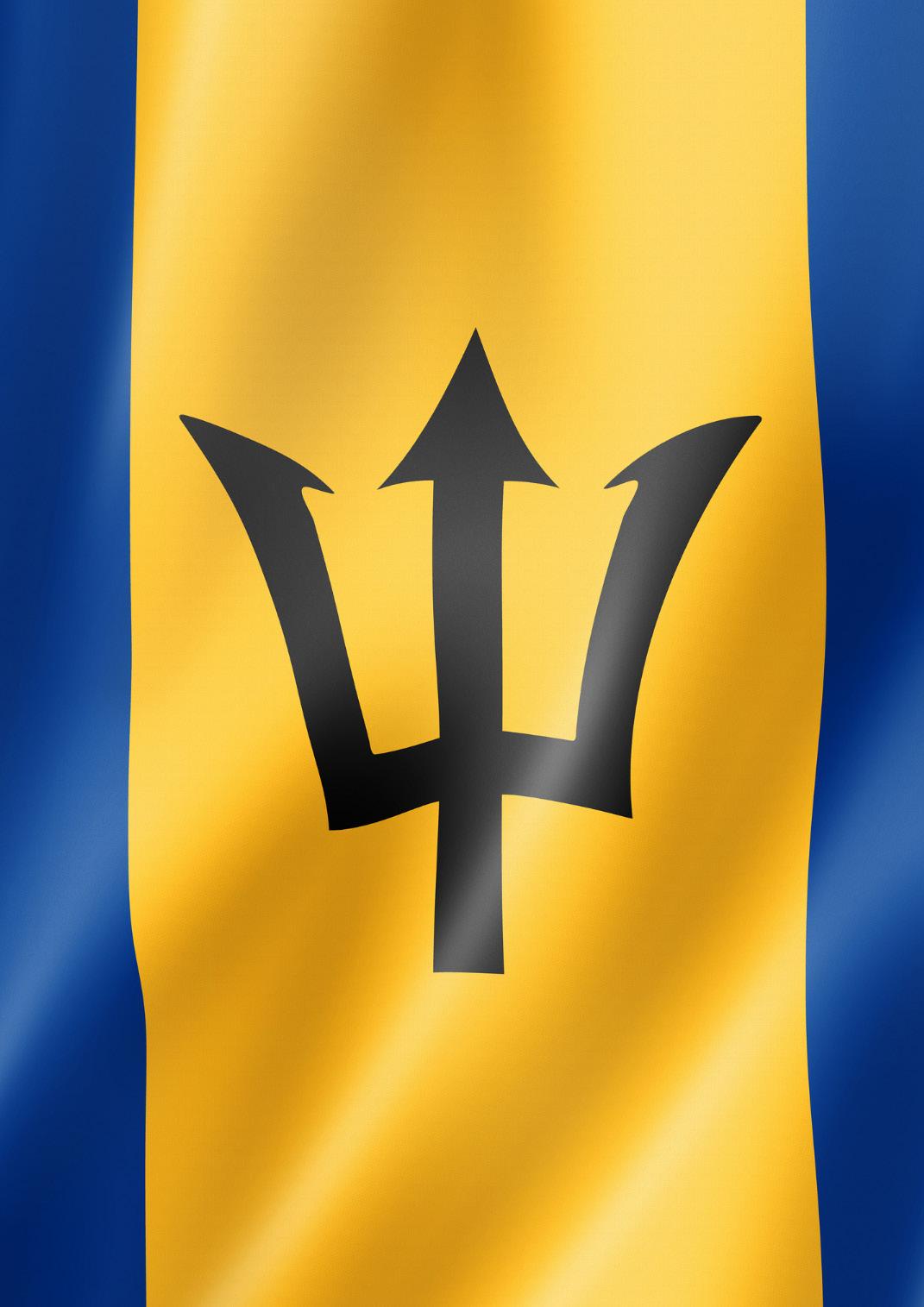
Being a Barbadian is a lot more than these statistics and advantages. It means there must be a willingness to work hard to continue to build and uplift the nation that is your own and foster a sense of community. It means representing the ultramarine, yellow and black proudly wherever I go and being a beacon of national pride.
As we celebrate our 59th anniversary of Independence, having witnessed the growth from 1999 to 2025, I can confidently say that I am proud to be a Bajan and committed to its future.
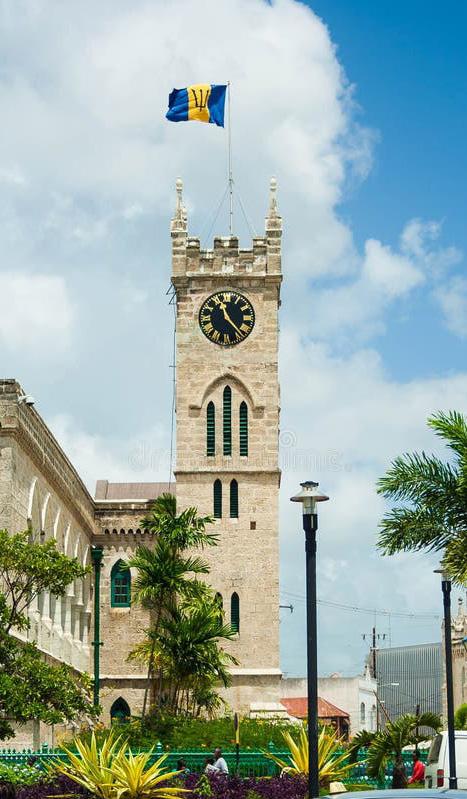
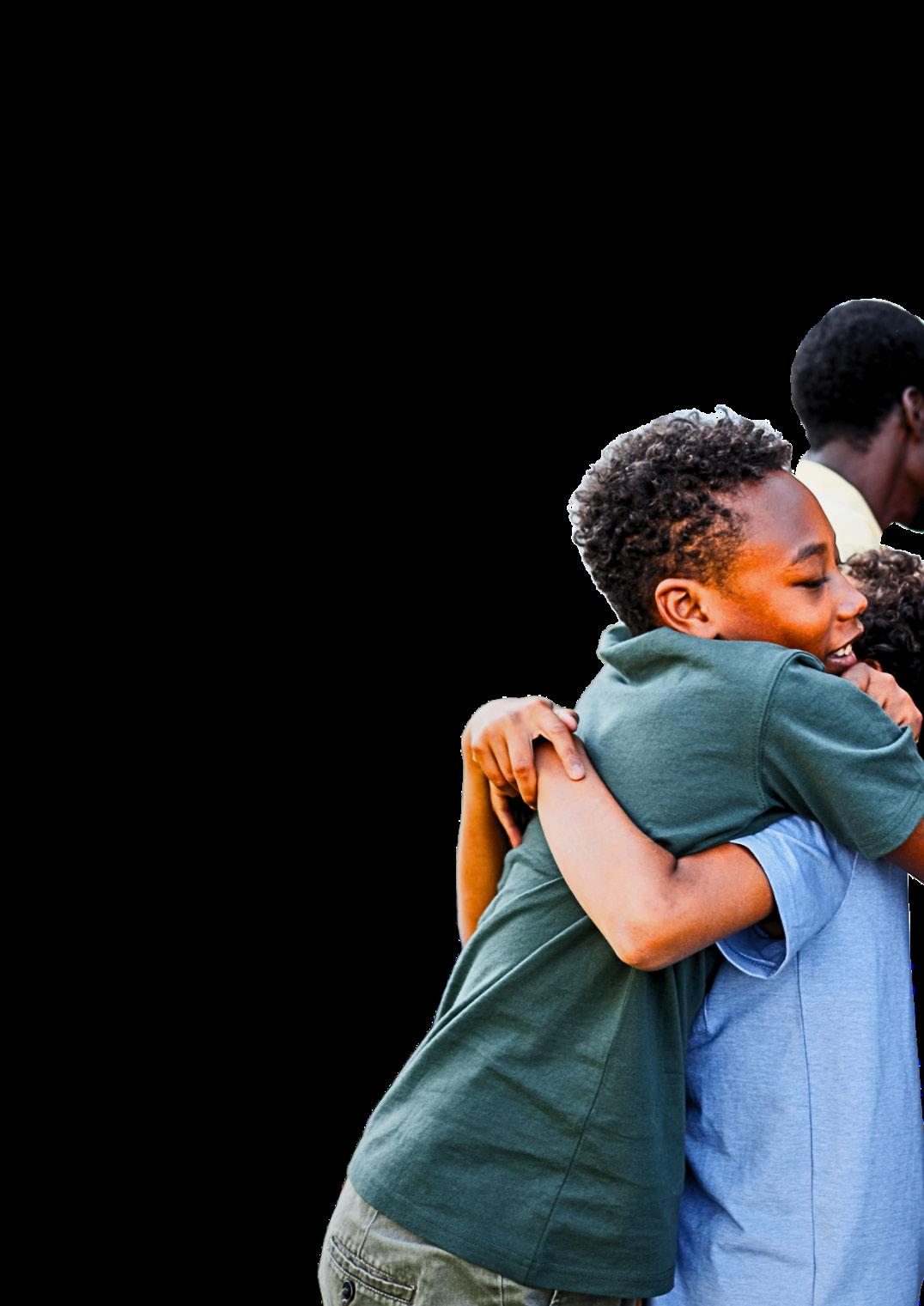
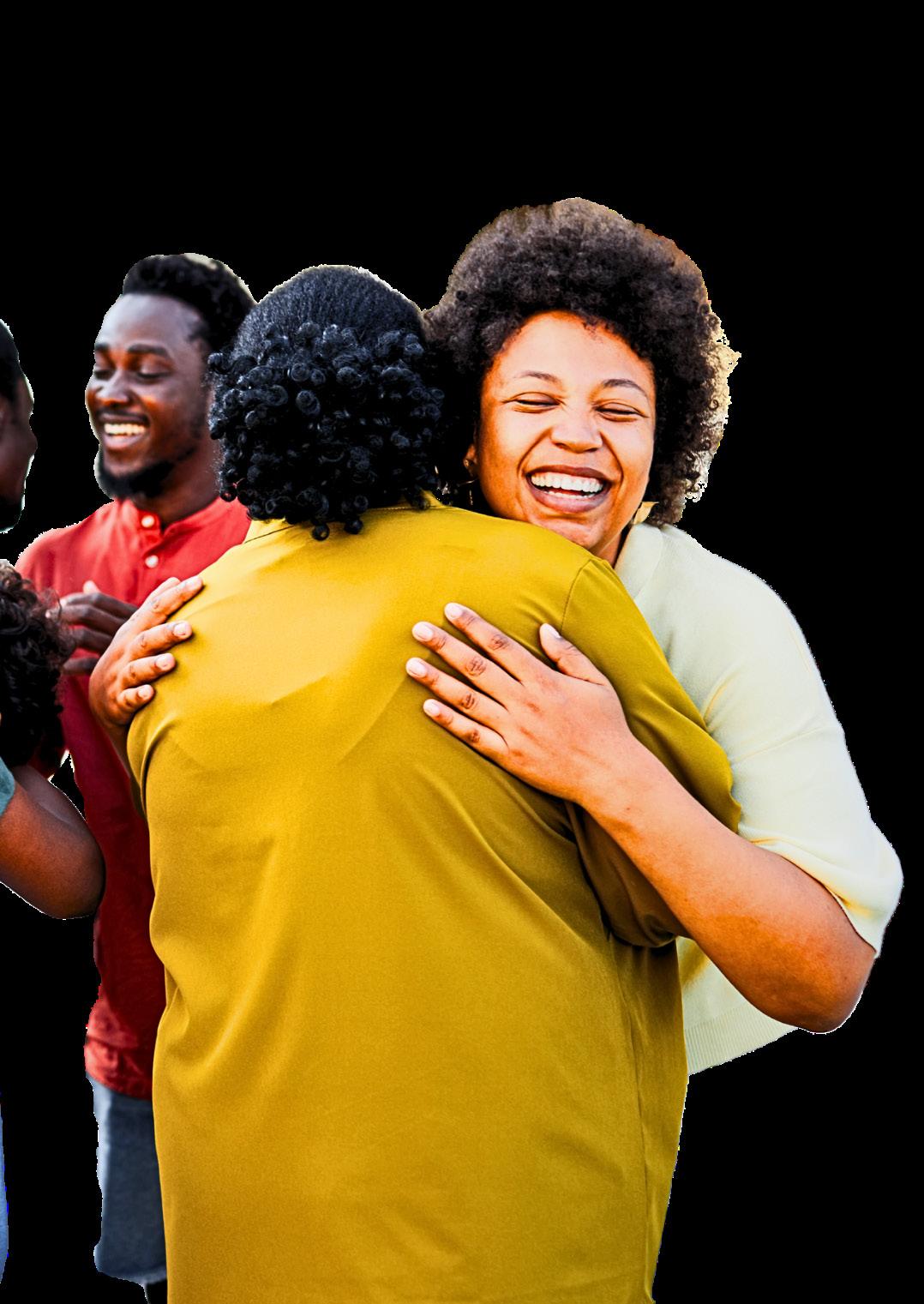
The sea breeze carries the rhythm of Tuk drums. The scent of baked ham and jug-jug lingers in the air. Across the island, Bajans are smiling a little wider, waving the flag a little higher, and opening their hearts a little more.
This Independence feels different, because this year, Barbados is celebrating not only freedom, but family through We Gatherin’ 2025.
It is a call that goes beyond geography, a call to come home, reconnect, and rekindle the bonds that define who we are as a people.
From St. Lucy to Christ Church, the parishes have come alive with music, markets, heritage tours, church services, and homecomings. And
whether you’re returning from England, New York, or the next village over yonder, the message is simple: This is our home. Let’s celebrate it together.
When We Gatherin’ was first launched, it was a bold and heartfelt invitation for Barbadians everywhere to come back to their roots, to invest, reconnect, and remember. Though the world was interrupted by a pandemic soon after, the spirit of the initiative remained alive in the hearts of many. Its return this year feels like a homecoming of its own.
Barbados has always prided itself on being more than a collection of parishes. It is a network of families, churches, schools, and communities woven together by shared values of discipline, hard work, and care. We Gatherin’ 2025 has reignited those values, reminding us that Independence is not only about political sovereignty, but about unity of purpose.
At every event, there are stories that tug at the heart. A grandmother seeing her grandson from overseas for the first time in five years. Schoolchildren
performing folk songs once thought forgotten. Parish leaders celebrating artisans and small businesses that carry forward the island’s cultural DNA.
Each gathering is a small act of nationbuilding. Each smile, a spark of pride. And as blue, yellow, and black fill the streets, there’s a renewed sense that Barbados’ strength lies not just in its beauty, but in its people’s ability to come together, no matter the distance or time apart.
This Independence, Barbados is not only marking 59 years of nationhood, it is also embracing a rebirth of community. We Gatherin’ has reminded us that we are strongest when we stand shoulder to shoulder, share what we have, and celebrate who we are.
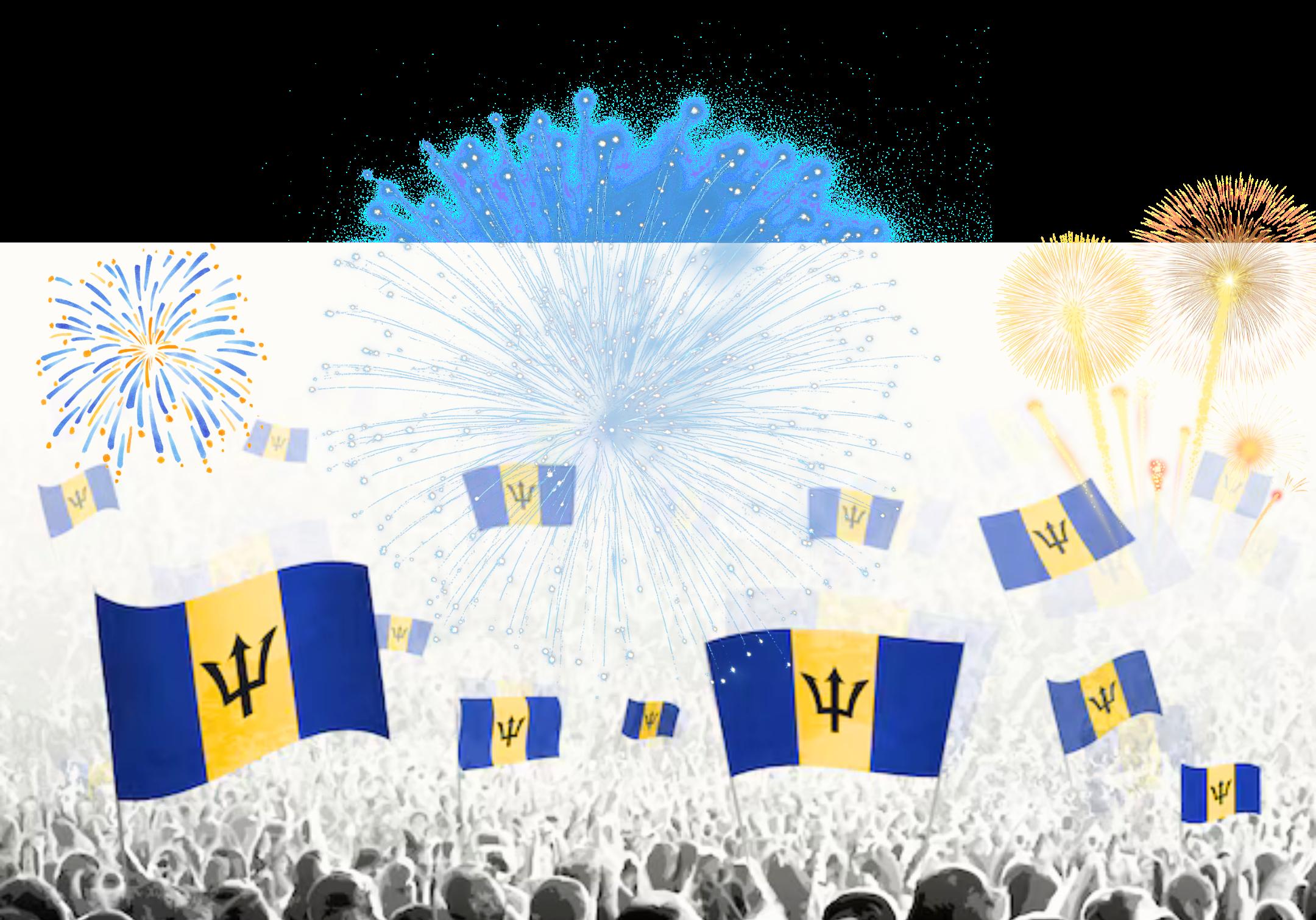
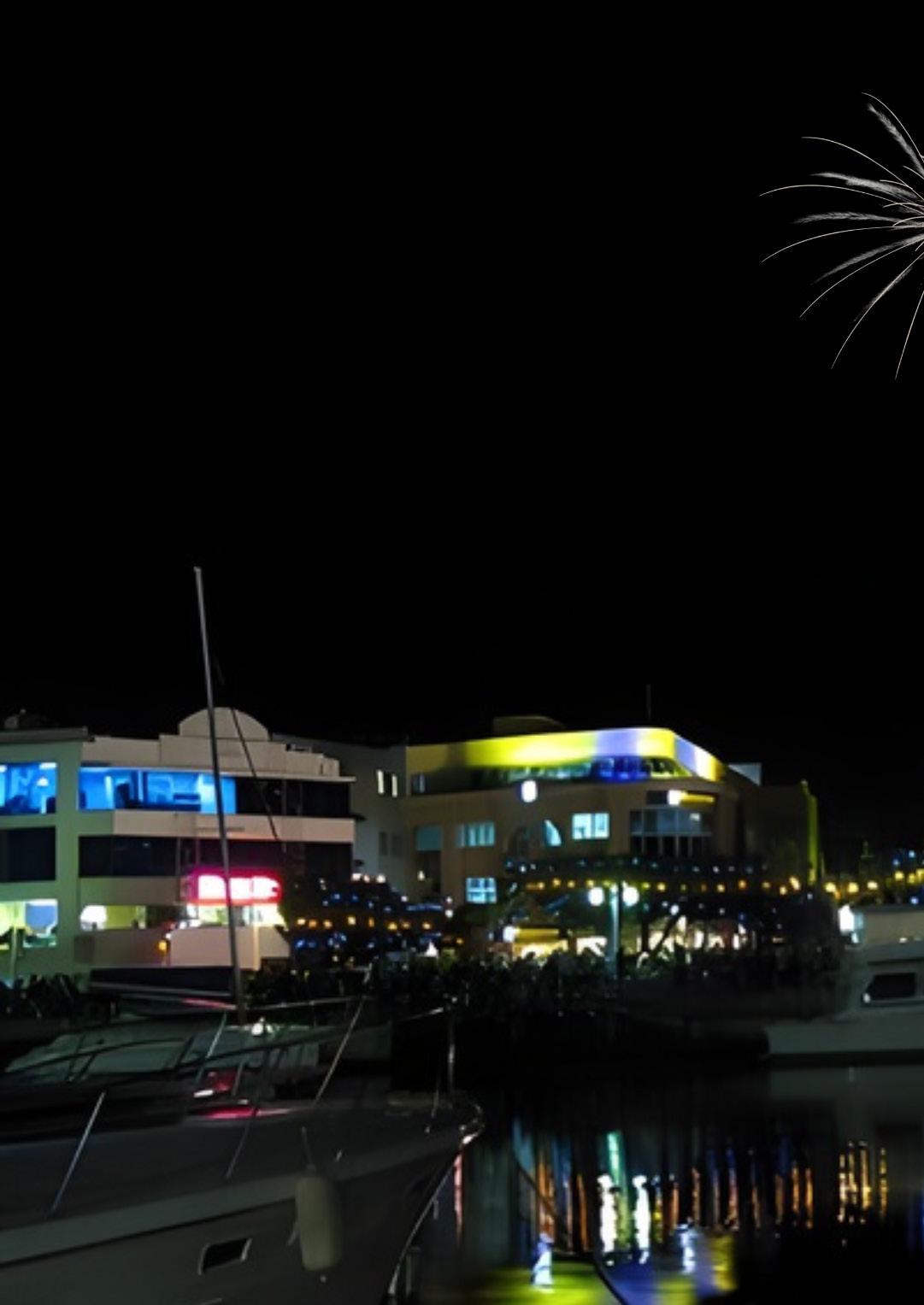
As fireworks light up the sky on November 30th, the truest celebration will not be the spectacle, but the feeling, of coming home, of belonging, of once again saying with pride:
“We is one people. We is Barbados.”
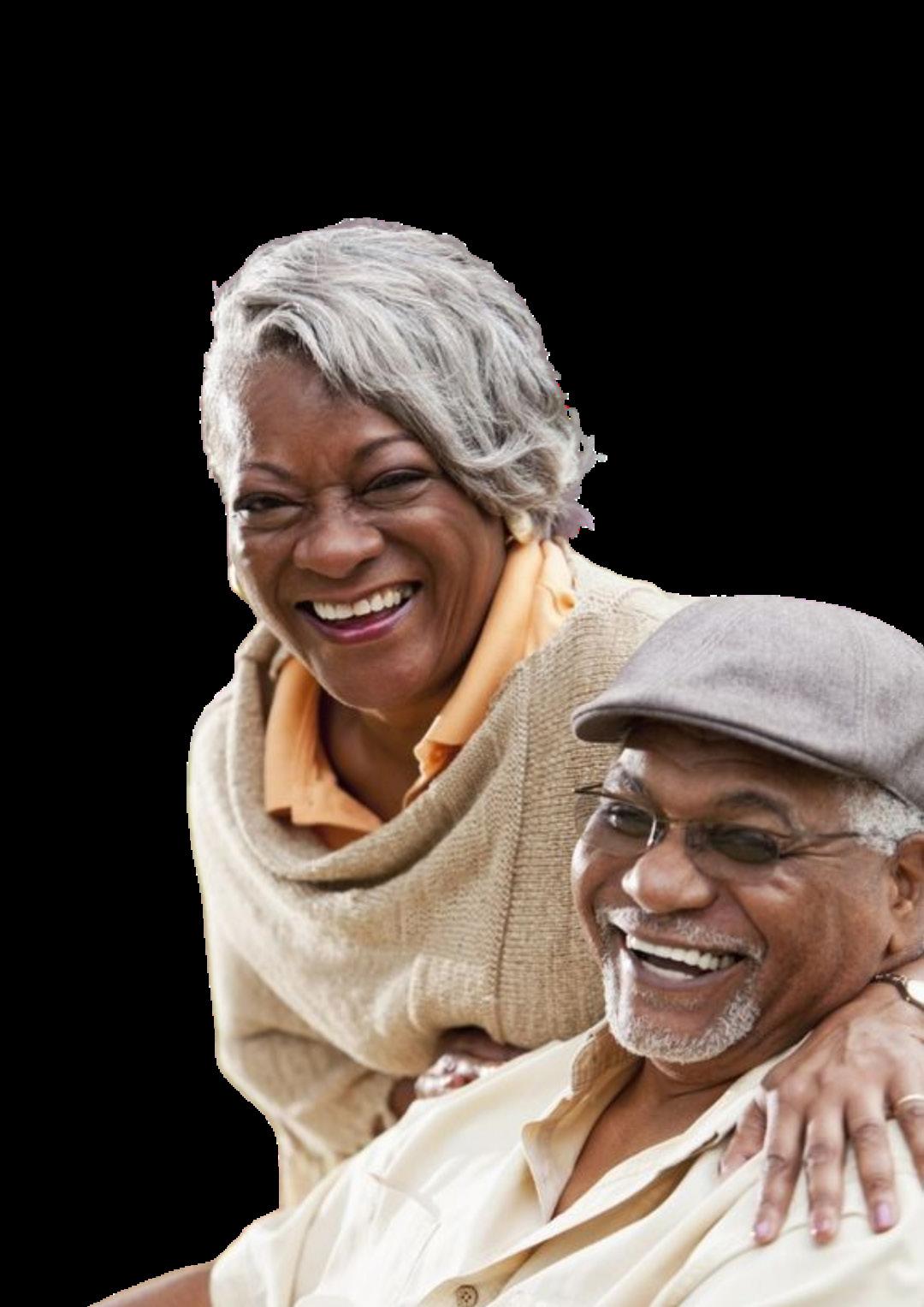
As you prepare for your retirement, the NIS is here to support you every step of the way. Our Old Age Contributory Pension provides longterm income security for both employed and self-employed persons.