APRIL 1, 2024 - MARCH 31, 2025
SPOTLIGHT: VOLUNTEER VETERAN GOES
SPOTLIGHT: CROSS-COUNTRY CONSERVATION
SPOTLIGHT: ALL HANDS ON DECK FOR EASTERN HEMLOCK
SCOUTING

APRIL 1, 2024 - MARCH 31, 2025
SPOTLIGHT: VOLUNTEER VETERAN GOES
SPOTLIGHT: CROSS-COUNTRY CONSERVATION
SPOTLIGHT: ALL HANDS ON DECK FOR EASTERN HEMLOCK
SCOUTING
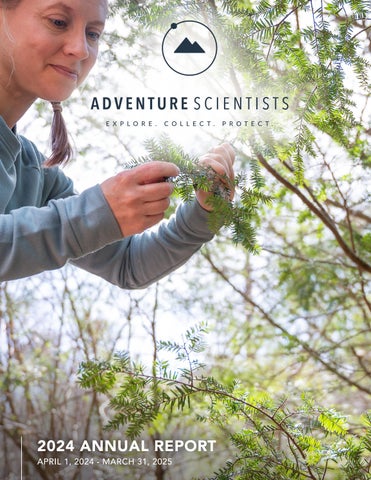
In 2024, Adventure Scientists continued to expand its impact on critical conservation projects, nurturing invaluable partnerships between innovative scientists, community members, and passionate outdoor adventurers.
In a time of great uncertainty for conservation, it has never been more important for the outdoor community to take meaningful environmental action. Likewise, as the effects of climate change continue to compound across the planet, the need for ambitious scientific decision-making draws ever more pressing.
We met this year’s challenge with the drive and passion only our Adventure Scientists Family can conjure, and we are proud to present the stories and impacts from another year of mission-driven partnerships.
We could not climb this mountain without the dedicated support of our community, and we are immensely grateful for the individuals, families, and organizations that choose to join us as partners as we carry out our mission.
Let’s keep climbing together.
Sincerely,
GREGG TREINISH Founder, Executive Director

For 14 years, Adventure Scientists’ partnerships have generated scientific breakthroughs, improved corporate accountability, influenced meaningful public policy, and advanced solutions to critical environmental issues, empowering public action and achieving generational impact.
We enable groundbreaking science by equipping researchers, agencies, and organizations with the power of the outdoor community. Through trained volunteers, we collect environmental data that would otherwise be too costly, complex, or time-intensive to gather. By removing these barriers, we help our partners expand the scope of their work, ask new questions, and take on the planet’s most pressing environmental challenges.
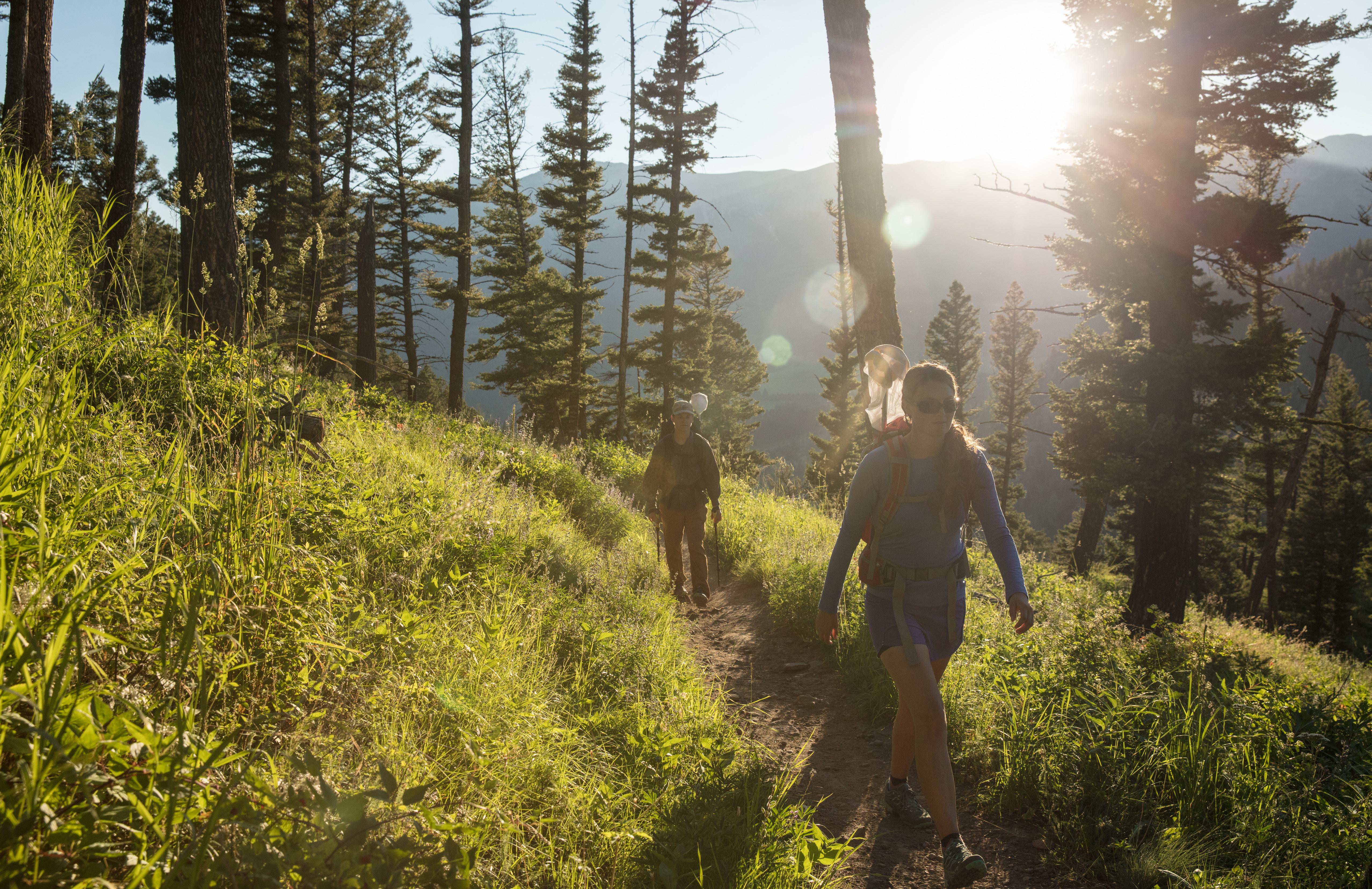
Working alongside our partners to build and manage ambitious data-collection projects, we tap into a global network of passionate Adventure Scientists' volunteers. Once projects are developed, volunteers are trained to gather high-quality data during their expeditions. From the wildest corners of the globe to day hikes, bike rides, backpacking trips, and scuba dives, volunteers give back during adventures of all shapes and sizes.
Over the years this work has helped drive conservation, inspiring tens of thousands of adventurers to take action for the environment, with many even altering the course of their lives after realizing they can make a difference through their experience with Adventure Scientists.
Through this proven method of partnership, we continue to advance solutions to the greatest conservation and ecological challenges of our time, including biodiversity loss, freshwater availability, wilderness conservation, forest health, and much more. Join us as we seek solutions to these challenges.
Adventure Scientists focuses strategic priorities across four impact areas:

Slow deforestation, protect existing forests, and support reforestation
Support research on threatened species, adaptation to climate change, and invasive species management
Measure water quality and quantity to improve management of critical waterways
Help mitigate the release of greenhouse gases and sequester them at higher rates
27% OF VOLUNTEERS REPORT
Taking major conservation actions after being influenced by participation in our projects, such as studying environmental science or changing careers
82 COUNTRIES
In which Adventure
Scientists volunteers have collected data, in addition to international waters around the globe
1,521
EASTERN HEMLOCK
Observations submitted for our Tracking Eastern Hemlock project, doubling our goal of 750
AS WE REFLECT ON 2024, WE’RE SHINING A LIGHT ON THE REAL STARS OF OUR PROJECTS: OUR AMAZING VOLUNTEERS AND PARTNER SCIENTISTS.

Camille Gontier is no stranger to adventure. A trained mountaineer, scuba diver, and pilot, the Frenchman lives for exploration as well as science. That drive propelled him into earning a master's degree in aerospace engineering, during which he served as a Supaéro Crew member on a simulated Mars mission at the Mars Desert Research Station. He then founded LIDE Space, an aerospace company offering a microgravity research platform on gliders, which won the 2019 $pace is Business Competition from the International Astronautical Federation.
With an already impressive resume, Camille did what exceptional scientists do: kept pushing himself further into the frontier of knowledge. He enrolled in a neuroscience PhD program at the University of Bern, completed his doctorate in 2023, and was awarded a two-year postdoc grant from the Swiss National Science Foundation to pursue neuroscience mobility research at the University of Pittsburgh.
Once in Pennsylvania, he continued his adventures, hiking local trails and completing a bike ride from Pittsburgh to Washington D.C. During this time he discovered Adventure Scientists and volunteered to collect tulip poplar data for our Tree Disease project.
So when he saw a three-month gap between the end of his postdoc and permanent university position, he saw an opportunity to accomplish another ambitious goal: hike a section of a long trail. Around this same time he learned we had just launched the California Biodiversity Project , a joint venture with the California Institute of Biodiversity to collect an all-taxa biodiversity inventory for the state. As a part of California’s 30x30 initiative to conserve 30% of the state’s lands by 2030, Adventure Scientists recruited and trained runners, hikers, backpackers, and bikers to collect soil samples. Warm and sunny California sounded great to Camille (he doesn’t love the rain of the eastern long trails), and suddenly he began to re-imagine his adventure as a weekslong trek along a legendary trail. We’ll let him tell the story below.

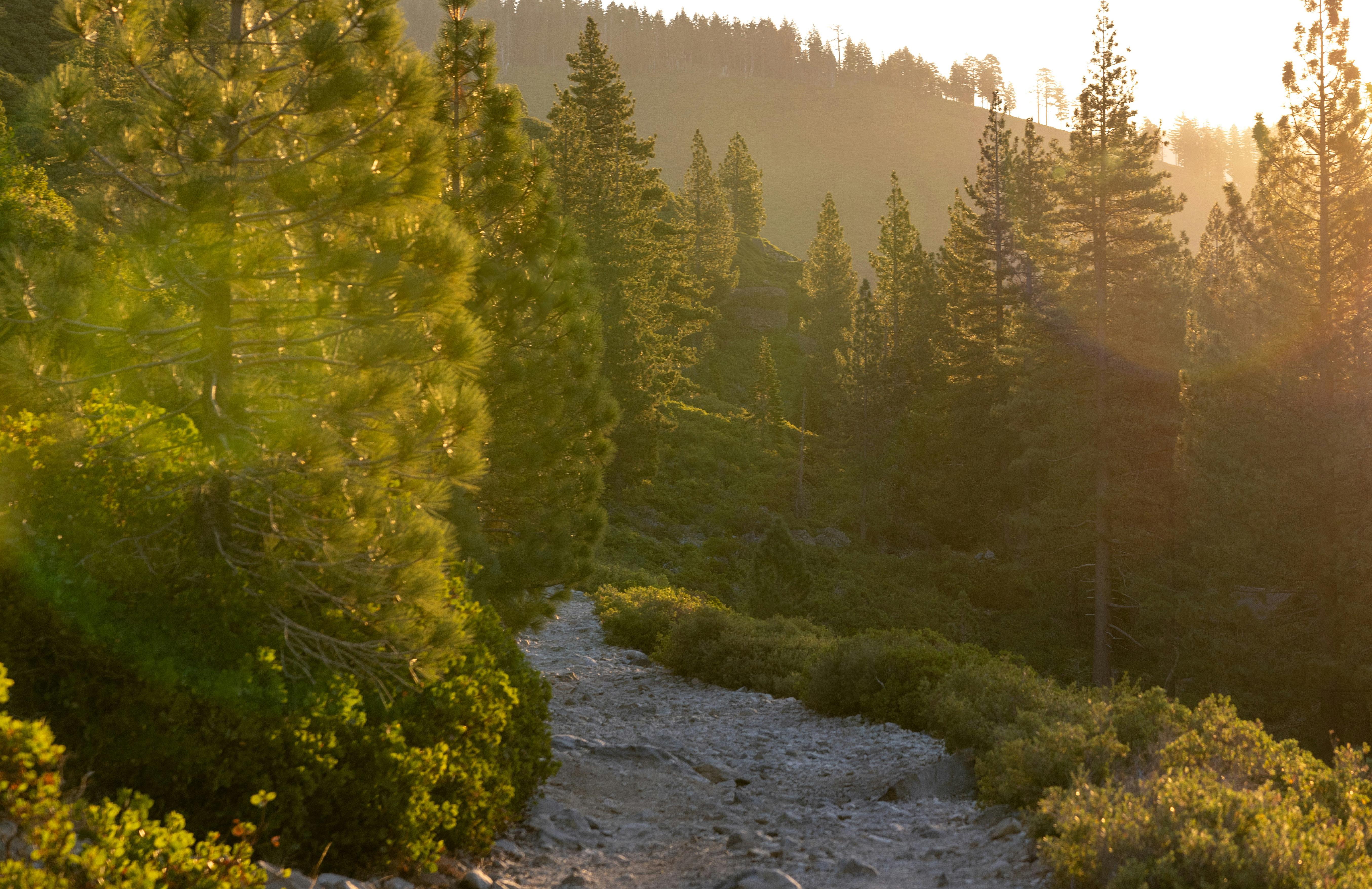
"Being an avid hiker and having a few months between the end of my postdoc at the University of Pittsburgh and the start of my new university position in Europe, hiking a section of such a legendary trail always seemed appealing to me. I was originally looking towards the Appalachian Trail, but Adventure Scientists and the California Institute of Biodiversity were launching the California Biodiversity project. Its goal is to map the environmental DNA of California through soil samples collected in different areas. Some of them cross the PCT, so why not hike while also contributing to this citizen science project?
Being a scientist myself, I know only too well how difficult good data can be to collect. And, when you are carrying 40 pounds of equipment and supplies, a few plastic vials are not going to make a huge difference. Besides, this time of year, as the sun begins to heat up in the SoCal desert, it sounded much more appealing than the spring rains of the Appalachian Trail.
I thus started my trip at the Mexican border in early March. For several weeks, I hiked between 15 and 20 miles a day while eating bags of dehydrated beans
and rice (and also decadent amounts of fries and ice cream whenever the trail passed by a town). Some noteworthy highlights from the trail:
• Braving the wind in the windmill farms of the Mojave Desert, which gave me an eerie sense of being desperately small and powerless
• Climbing the snowy summit of Mount Baden-Powell at 9,407 feet with my crampons and ice axe
• Waking up at 2 a.m. to walk the 25 miles of the Los Angeles Aqueduct before the desert heat set in
• Hitchhiking to a nearby town every week to resupply and try to get clean (or, more exactly, less dirty…I once saw a skunk north of Agua Dulce, he looked at me in disgust, pinched his nose, and ran away)
• Beating my own record at the 100-yard dash after a hidden rattlesnake loudly signaled I was unknowingly getting too close to him
• Setting camp by gorgeous sunsets in the San Gabriel Mountains and falling asleep under a sky so starry and colorful that constellations lost their meaning
Soil sampling in the Angeles National Forest was only authorized by the Forest Service at predetermined locations that I navigated to using provided GPS points. The sampling protocol was meant to ensure there is no cross-contamination between sampling areas. I learned these protocols via an online learning module provided by Adventure Scientists. Once I reached one of the predetermined locations, I followed the protocol meticulously.
Now that I have completed nearly 600 miles of the PCT and collected 30 samples, I am grateful for this opportunity to combine hiking in scenic locations with the feeling of being useful to science and the community. Adventure Scientists gives people a purpose in their outdoor adventure, and their projects elicit public interest to different issues that are often not well known. My main wish is that next time hikers are preparing their backpacks and tying their shoes they will also check Adventure Scientists’ list of ongoing
projects and see if their path will cross a location where data needs to be registered or samples to be collected.”
— Camille Gontier
Now back in France, Camille is working in a tenured position in neuroscience, specifically using AI and data analytics to create non-invasive neuromodulation treatments for mental health disorders. He still has ambitious adventure plans, including completing long trails in Corsica, Germany, Belgium, Luxembourg, as well as a full tour around the Mont Blanc massif. As he ticks more trails off his wishlist, he says he’ll continue to look for volunteer opportunities during his adventures, whether in Europe, USA, or elsewhere around the world.

With soil and insect samples provided by Camille and many other Adventure Scientists volunteers, partner scientists with the California Biodiversity Project and the Natural History Museum of Los Angeles County are assessing the areas most in need of protection and taking action to meet the state’s 30x30 goal.
For Megan and Jeff Emerson, it all started with a talk by world-renowned explorer, and Adventure Scientists volunteer, Mike Libecki. The couple saw the 2013 National Geographic Adventurer of the Year speak about his expeditions, humanitarian work, and passion for conservation at an Explorer talk near their home in Des Moines, Iowa. Since they are both scientists as well as avid bikers and hikers, they were inspired to take action. After the talk, Jeff asked Libecki how they could contribute to conservation in their adventures and he pointed them towards Adventure Scientists. They looked us up and promptly signed up for a project.
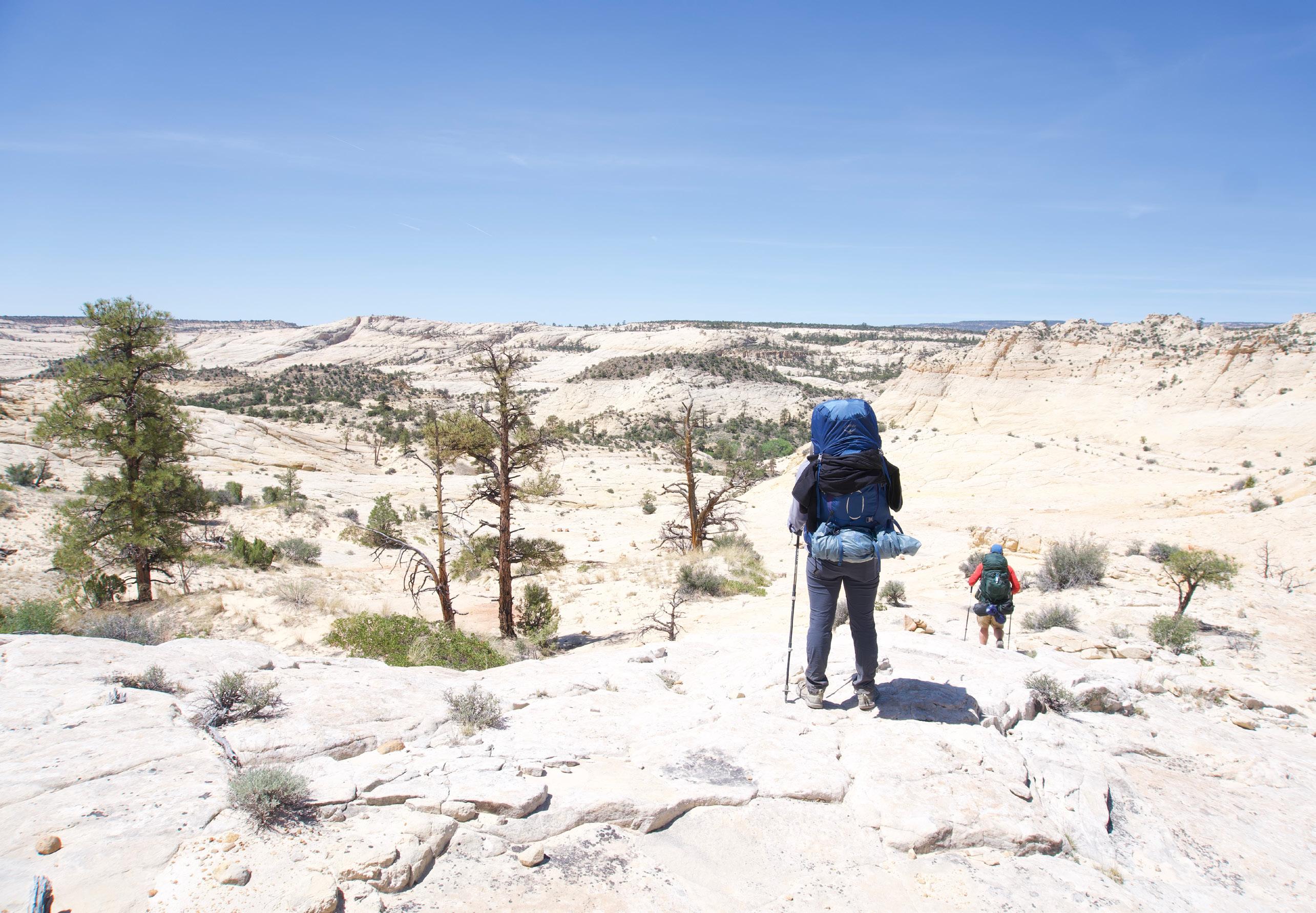
That project, Grand Staircase Escalante Wilderness Monitoring , was a few states away so they loaded up their backpacking gear and roadtripped from Iowa to Southern Utah. That sudden spark of inspiration soon became a weeklong trip into a vast, wild desert landscape.
Once in the town of Escalante, they met up with other project volunteers for two days of in-person training by Adventure Scientists and project partners Grand
Staircase-Escalante Partners (GSEP) and the Bureau of Land Management (BLM). They began learning the background, cultural importance, and history of the Grand Staircase-Escalante National Monument.
At 1.9 million acres, the national monument in Southern Utah hosts up to 85% of Utah’s biodiversity, impressive geological formations, significant paleontological sites, and extreme solitude. Partners at GSEP and the BLM both saw an opportunity with Adventure Scientists to gather hard-to-reach data to help preserve the monument going forward.
On the second day of training, the volunteer groups and project leaders headed into the field to practice surveying and documenting human impacts on the wilderness. During a training break on the trail, Megan explained, “We are practicing for our different survey monitoring areas to see what kinds of impacts we’re seeing. We’re collecting data to help the GSEP and BLM through the Adventure Scientists partnership to see how to best manage the land and move forward to make sure beautiful places like this are kept beautiful in the future.”
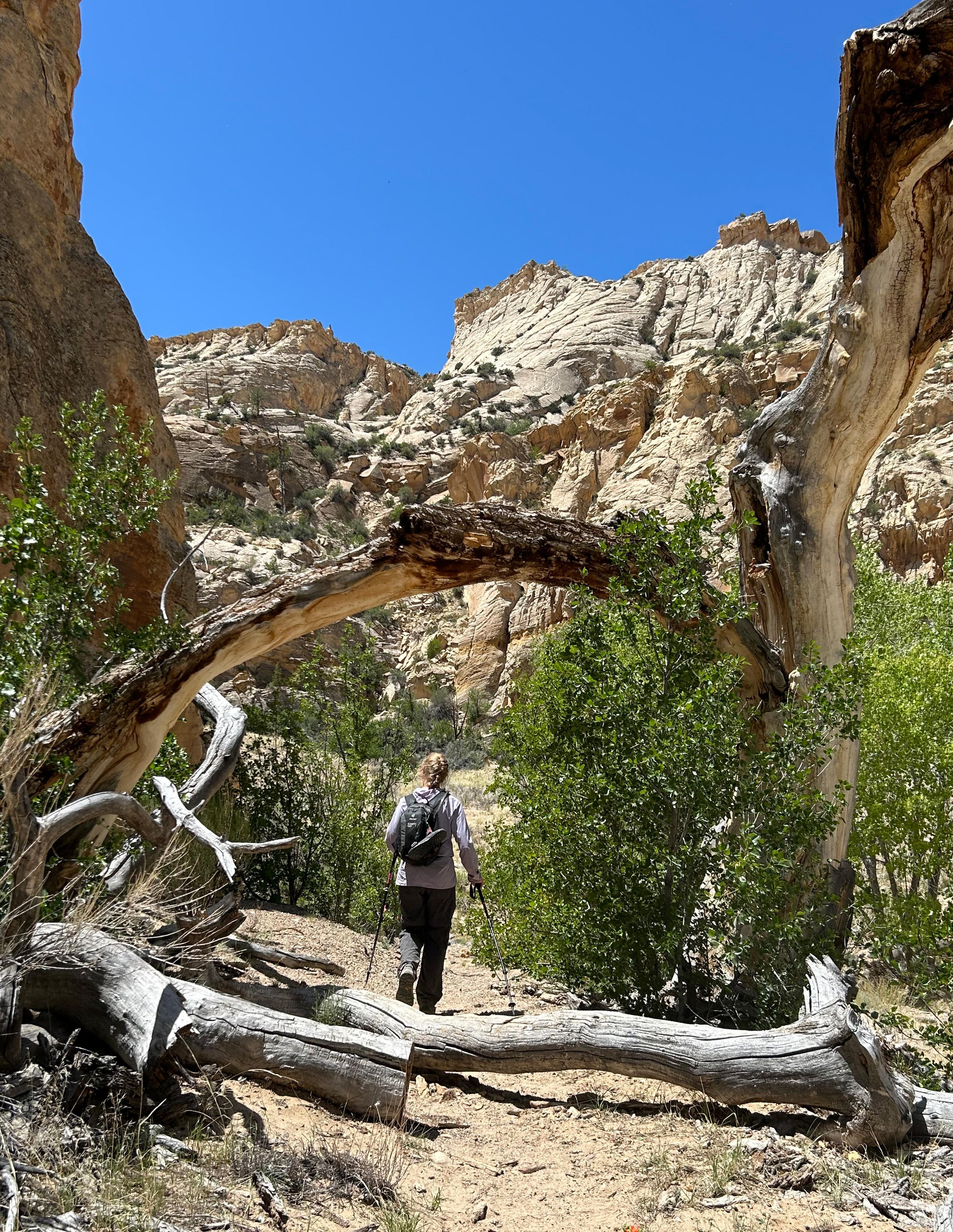
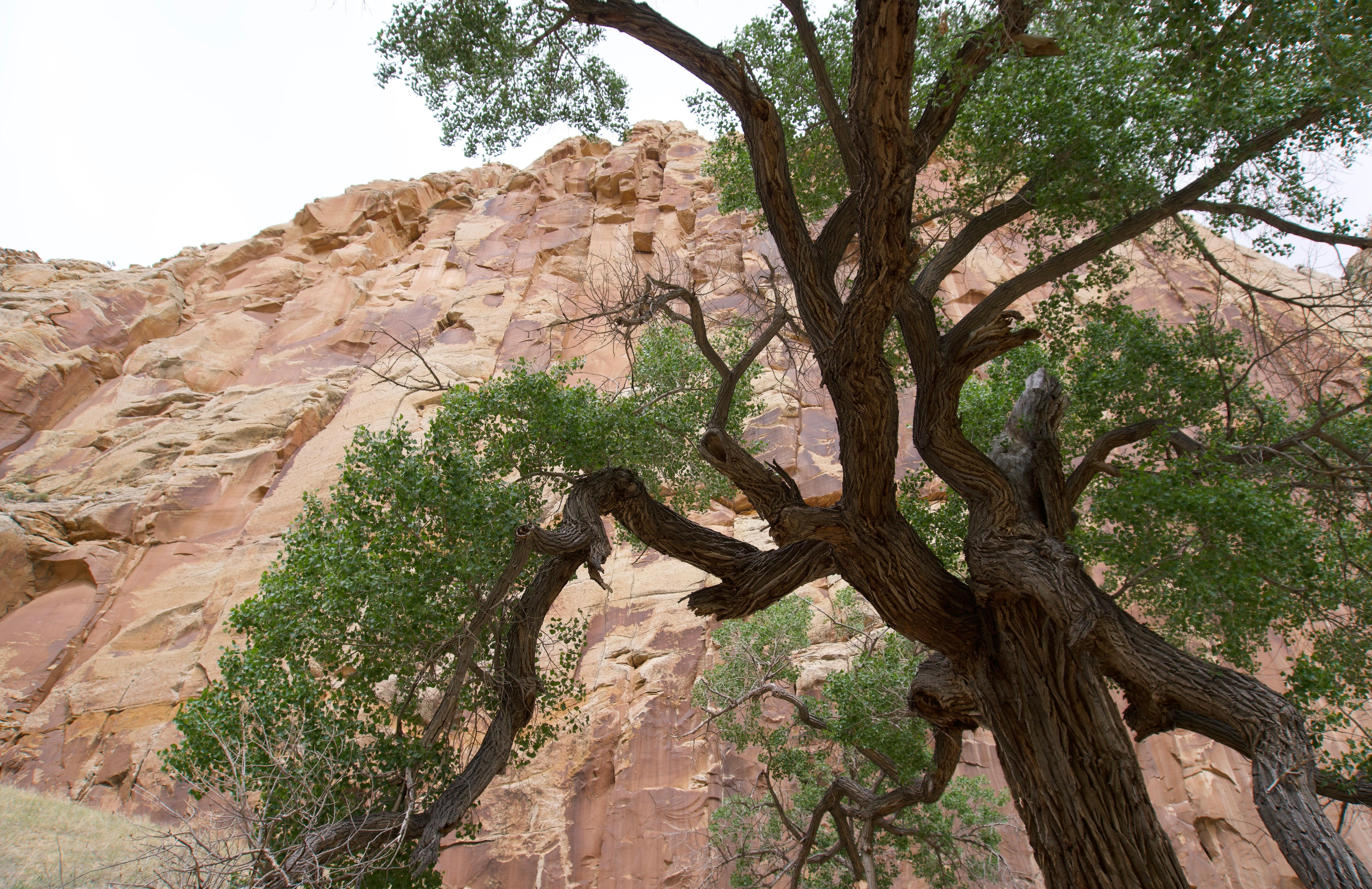
Once training was complete, Megan and Jeff hiked into their assigned wilderness area: the Boulder Mail Trail. For the next four days, they, along with other volunteer teams, navigated the monument’s remote and rugged desert canyons to document signs of disruption by off-road vehicles, dispersed camp areas, trash, and other human-caused impacts.
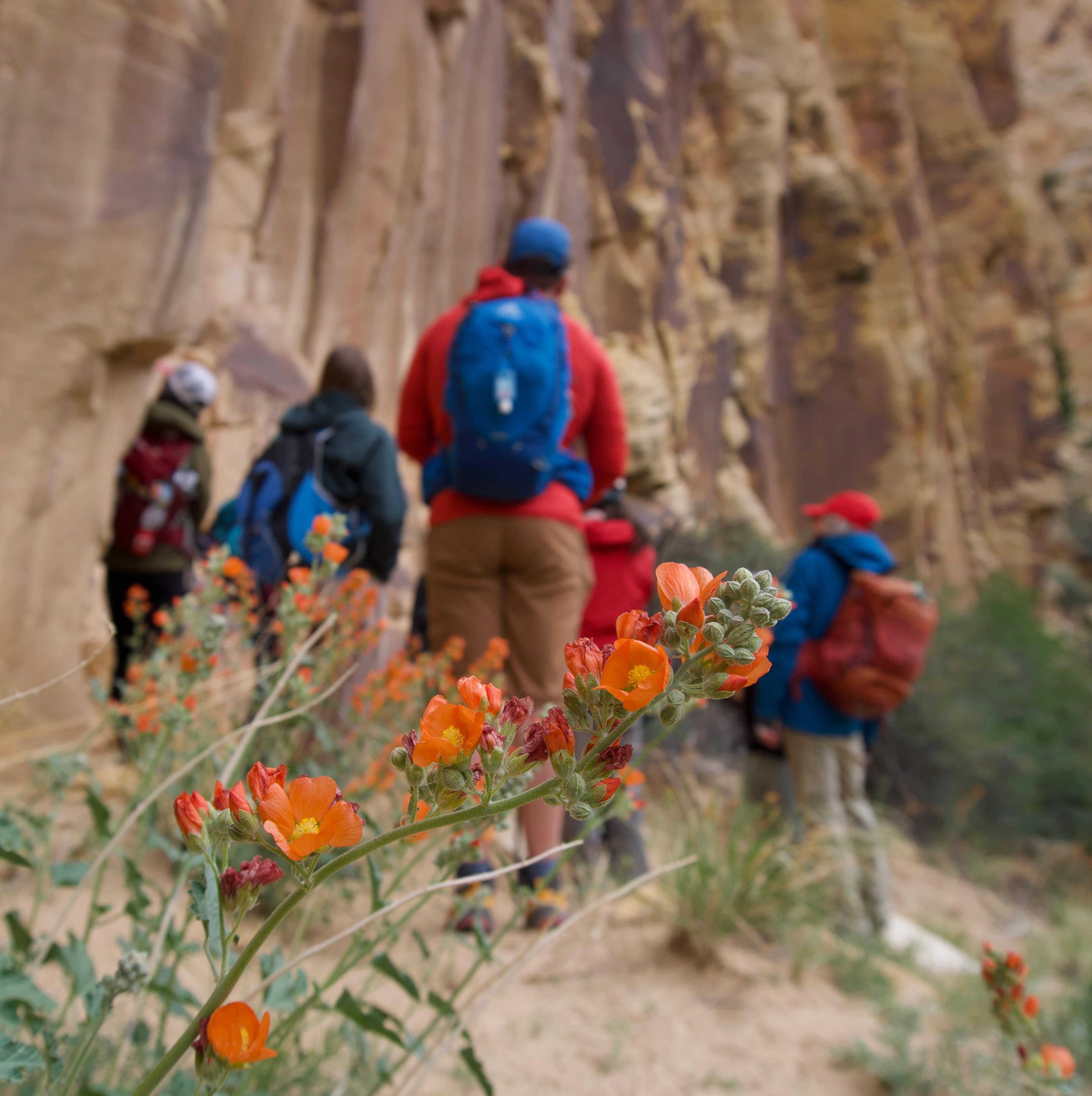
Adventure Scientists staff hiked the first few miles of trail with Megan and Jeff and their eagle-eyed focus was immediately apparent. In this sensitive desert landscape dotted with living cryptobiotic soil, even minor damage like footprints can disrupt the ecosystem’s delicate balance between soil, flora, and fauna. With massive rock walls lining a twisted maze of canyons, the team hiked onward with their eyes trained on the smallest and most subtle details of the environment. This is a well-known benefit of volunteering with Adventure Scientists: Precious details like flowers, bugs, and animal tracks seem to come into finer focus when our volunteers set out with purpose and mission. In this case, their mission was to document any small or large human- caused disruptions to this new world unfolding before them.
After a hot morning of surveying, the couple enjoyed a cold beverage at a scenic lunch spot and explained what this experience meant to them:
“Protecting the places we love, or are experiencing for the first time and are loving, means to keep it as we found it and other people 100 years from now can experience the same awe-inspiring immersion in nature that we’ve found here,” Jeff said.
“It is because of people many years in the past that decided these places were worth preserving, and that is the reason we are able to enjoy them today,” said Megan.
“And so we feel like it is our duty to do the same for generations in the future, because we love these places and want to continue going to them while also giving that gift to generations in the future.”
This sentiment, which we hear so often from our volunteers, reflects the vital role of volunteers in conservation and the overall mission of Adventure Scientists. Their perspective and enthusiasm to spend a week in the wilderness to protect a landscape for a future beyond their years is what drives conservation forward, and the concrete impacts of these projects continue to advance our mission, one step after another.
I live here in Escalante. I love the landscape so much and I’m out on it all the time, and you do see those impacts happening from visitors that maybe don’t know about Leave No Trace. This might be their first time in a landscape like this. It’s so exciting to be able to mobilize volunteers to address those impacts, and also to see that connection that volunteers make with the landscape through that reciprocity of making a difference on the landscape. It’s really just inspiring and something I love.
—Kaitlin Martin, Stewardship Programs Manager, GSEP
MEGAN & JEFF
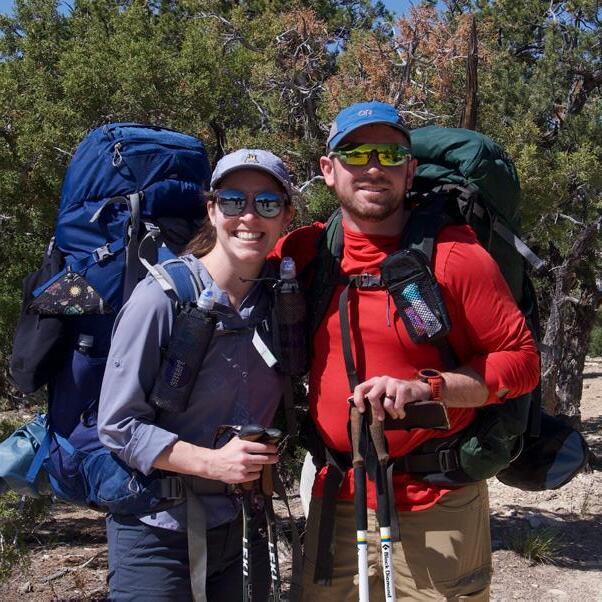
Thanks to data collected by Megan, Jeff, and other project volunteers, Adventure Scientists directly informed land management decisions by the Bureau of Land Management and GSEP, including adding new campsites along the Escalante River to reduce human impacts like fire rings, trash, and tire tracks. In addition to further negotiating these policies and protections for the monument, land managers will be able to use this project’s success as a scalable model for wilderness monitoring nationwide.

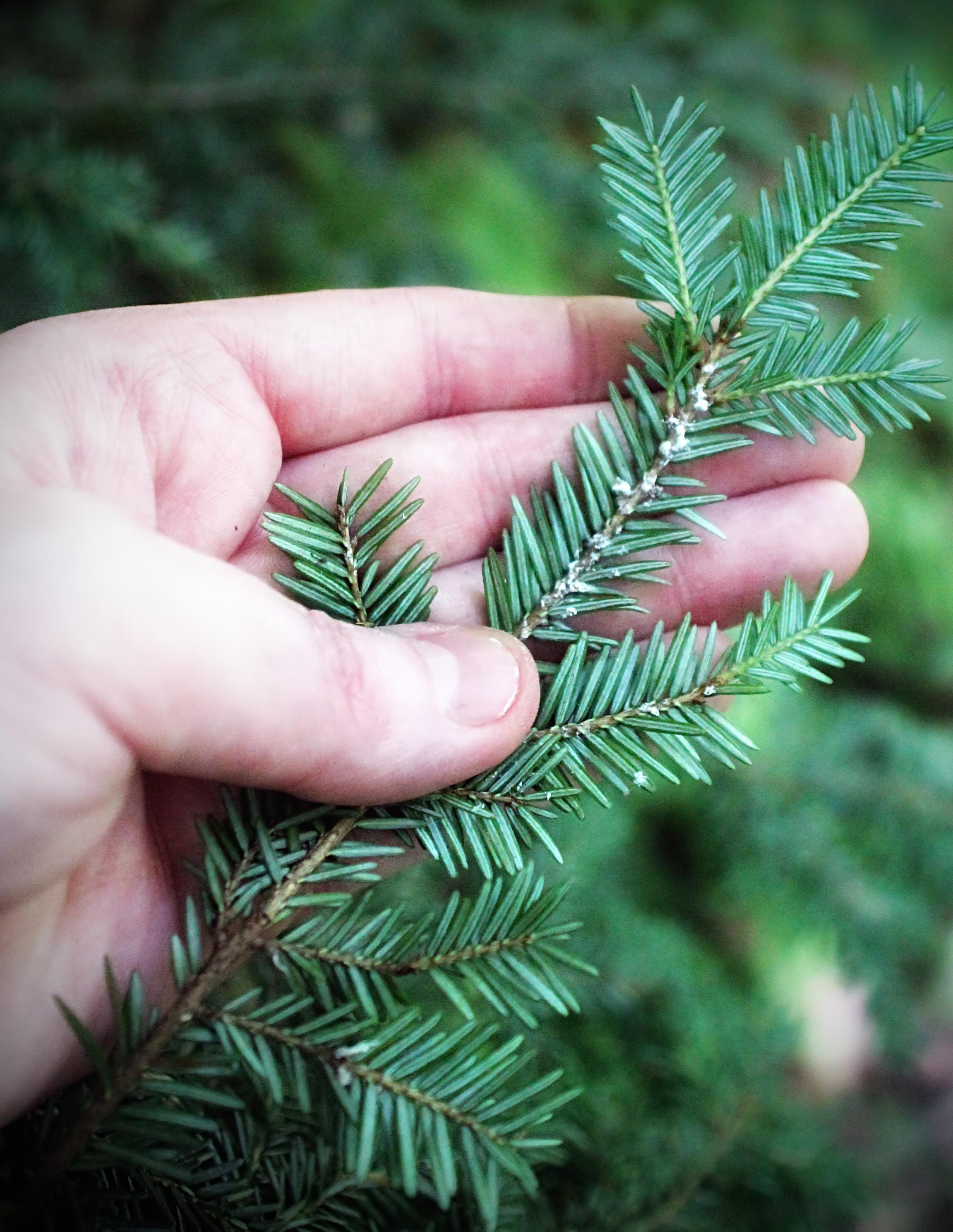
HOW A LOVE OF NATURE EVOLVED INTO A HANDS-ON APPROACH TO FORESTRY RESEARCH FOR PARTNER SCIENTIST BEN SMITH, AND HOW HUNDREDS OF HANDS HELPED PUSH HIS RESEARCH FORWARD
Ben Smith, partner scientist for our Tracking Eastern Hemlock Project , has been fascinated by the natural world for as long as he can remember. Growing up on a small farm in Wisconsin, there was plenty to discover between the creek, fields, and neighboring farms. And without a television in his childhood home, he spent all his time outside or reading. He is still thankful for the lack of distraction because his hobbies eventually evolved into an aptitude for science and interest in both botany and wildlife.
As he entered college, he was tracking towards a wildlife biology career until a botany professor inspired him to shift his focus to plants. After graduation and some work with the park service and in plant pathology, Smith decided he wanted to practice more applied science. So he looked into forestry management, where he could apply his biology degree along with his growing interest in Geographic Information System (GIS) data. That led him to a forestry graduate program at North Carolina State University, where his GIS interest and an enthusiastic advisor led him to statistical modeling with genetic tree improvement studies.
Smith’s first introduction to the eastern hemlock came during his postdoc with NC State’s Forest Restoration Alliance. While pursuing his doctorate, Smith was drawn to the early stages of tree improvement programs, where he could employ a more hands-on approach to selecting individual trees in the wild, early breeding, and propagation. His following postdoc focused on this hands-on work with both hemlock and balsam woolly adelgids. The position led him to NC State’s Mountain Research Station in Waynesville, where his work continues today.
Now a Research Scholar with NC State’s Department of Entomology & Plant Pathology, he is focused exclusively on woolly adelgid resistance in eastern hemlock. After collaborating for years with the local Hemlock Restoration Initiative (HRI), a former HRI colleague and now Forest Specialist at Adventure Scientists introduced Smith to Adventure Scientists and they began collaborating on the Eastern Hemlock Project.
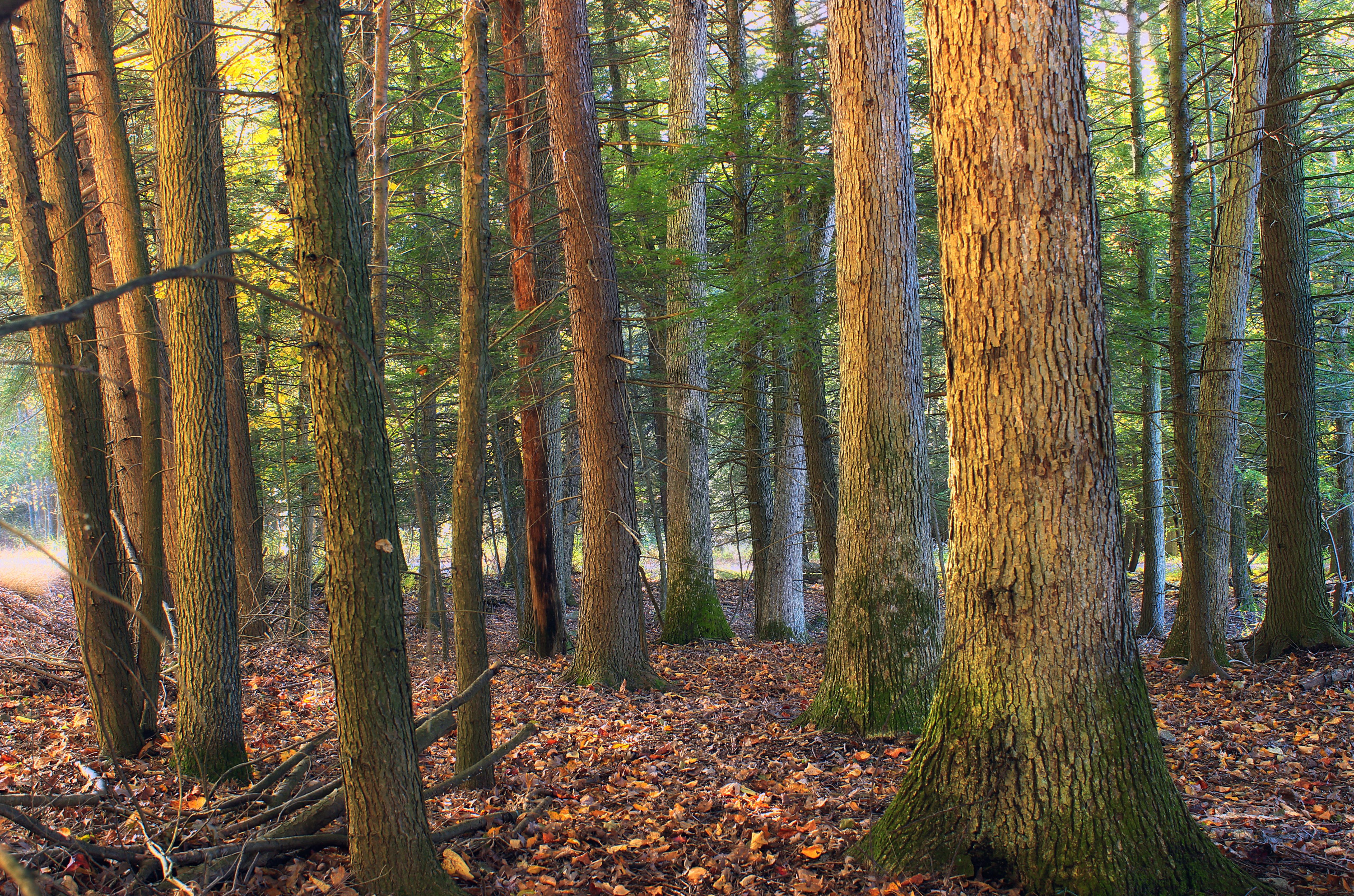
Eastern hemlock (Tsuga canadensis) is a keystone species in eastern North American forests as it anchors mountain soil, provides essential habitat, sequesters carbon as well as regulates freshwater quality, nutrients, and temperature. Unfortunately, this vital tree has been decimated over the last half century by the woolly adelgid (Adelges tsugae) , a small invasive insect that infests and eventually kills the trees, further threatening the greater temperate forest ecosystem.
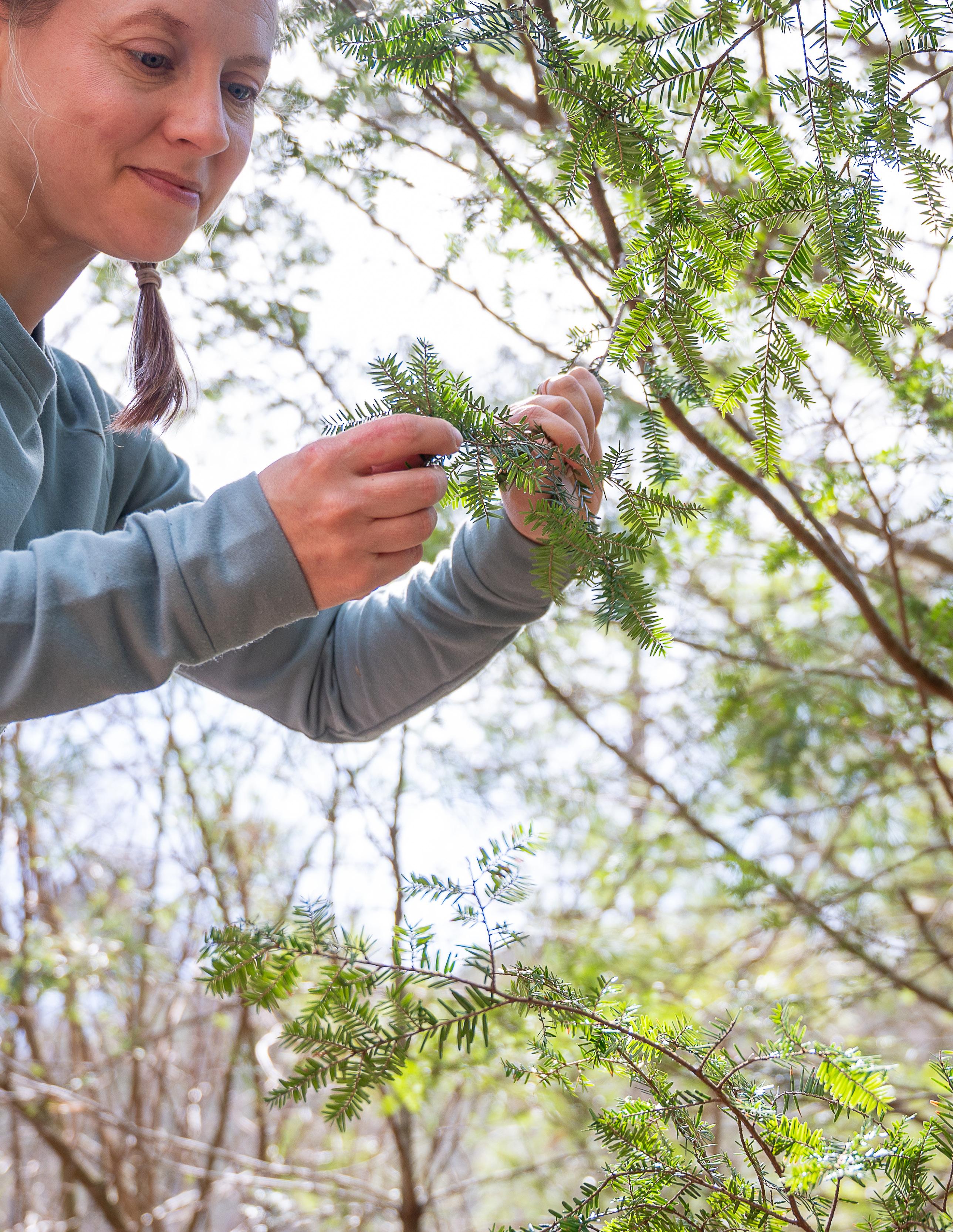
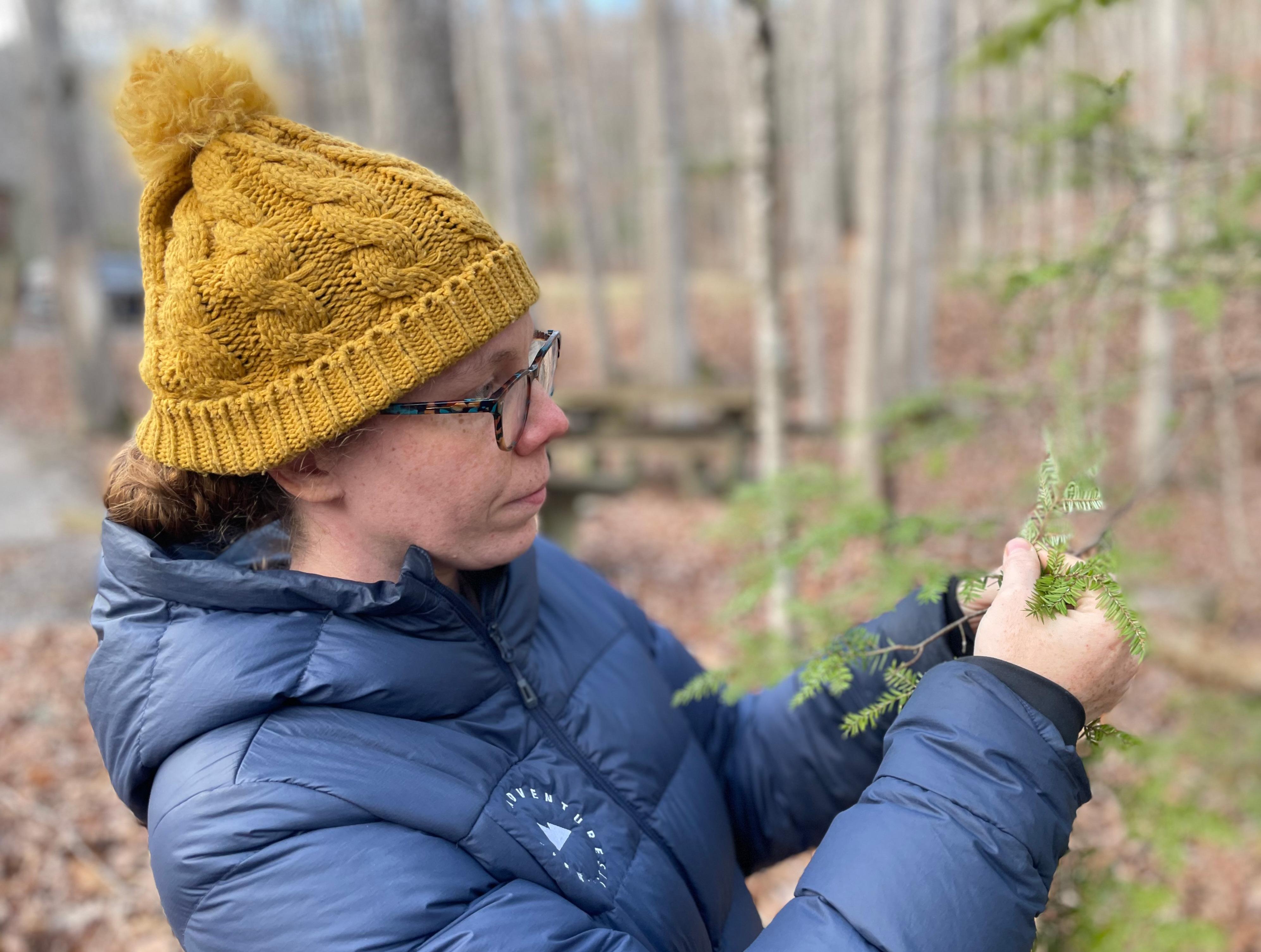
In winter 2024-25, we partnered with Smith and other partners to complete the Tracking Eastern Hemlock project. In the winter months, volunteers found and identified evergreen hemlocks against the otherwise bare hardwood trees in National Forests across six states. Hikers and backpackers were trained to find “lingering” eastern hemlock, or trees free from infestation, document tree and habitat health as well as assess signs of woolly adelgid infestation.
Smith joined a training day in Pisgah National Forest, which he recalls being one of the coldest days of the year with snowy trails and ghostly icefalls dotting the hillsides. That did not stop the impressive turnout of forest-loving volunteers in western North Carolina, who got to work surveying the area and documenting their findings in the TreeSnap app. This enthusiasm continued and by March, volunteers had rocketed above the project’s 750 observation stretch goal and submitted over 1,500 hemlock observations.
Smith was also blown away by the volunteer turnout, which resulted from a dedicated ground game by Adventure Scientists in the region: “Through the Tracking Eastern Hemlock project, volunteers have submitted a wealth of information that far exceeds what we could have collected without this assistance. The Forest Restoration Alliance at NC State University is currently using the data submitted to identify lingering hemlocks to propagate for [hemlock woolly adelgid] resistance screening and prioritize areas to search in the future.”
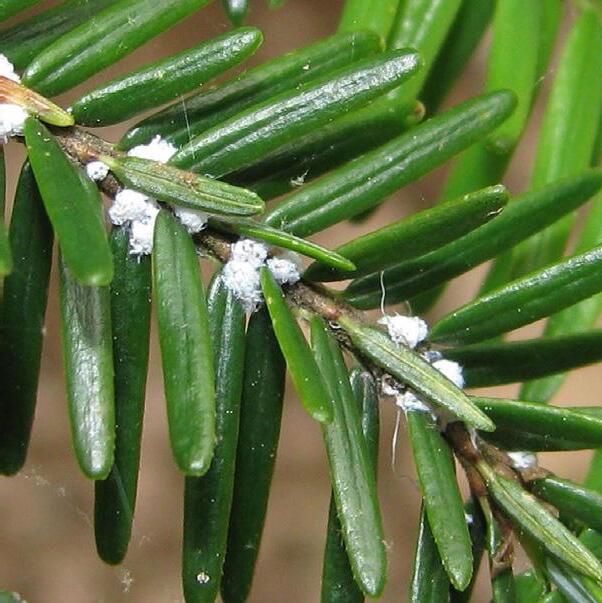
Volunteers collected a massive dataset across Kentucky, New York, North Carolina, Tennessee, Virginia, and West Virginia to help identify candidate trees free of infestation that may possess woolly adelgid resistance. This is an essential step towards restoring this ecologically critical species and improving overall forest health, and the data collected by our volunteers greatly accelerates these efforts.
This project helped me deepen my knowledge of and connection with the forests in western North Carolina and the ongoing conservation efforts in the community. I learned new data collection skills that were a gateway to more volunteer opportunities and was able to network with like-minded nature lovers.
—Kimberly C., Tracking Eastern Hemlock Volunteer
1521
EASTERN HEMLOCK
Observations submitted, which blew away our goal of 750 2024 TRACKING EASTERN HEMLOCK BY THE NUMBERS
125 SITES VISITED IN A SINGLE DAY
Along with the valuable dataset, another impact of this project was the wide-reaching awareness it brought to the issue. With that awareness came a new wave of volunteers, with 85% of volunteers new to Adventure Scientists. Additionally, this project inspired volunteers to act to protect forests they already love, with 195 sites visited along the Appalachian Trail and 28 continuous days of data collection by volunteers.
312 TRAILS SURVEYED
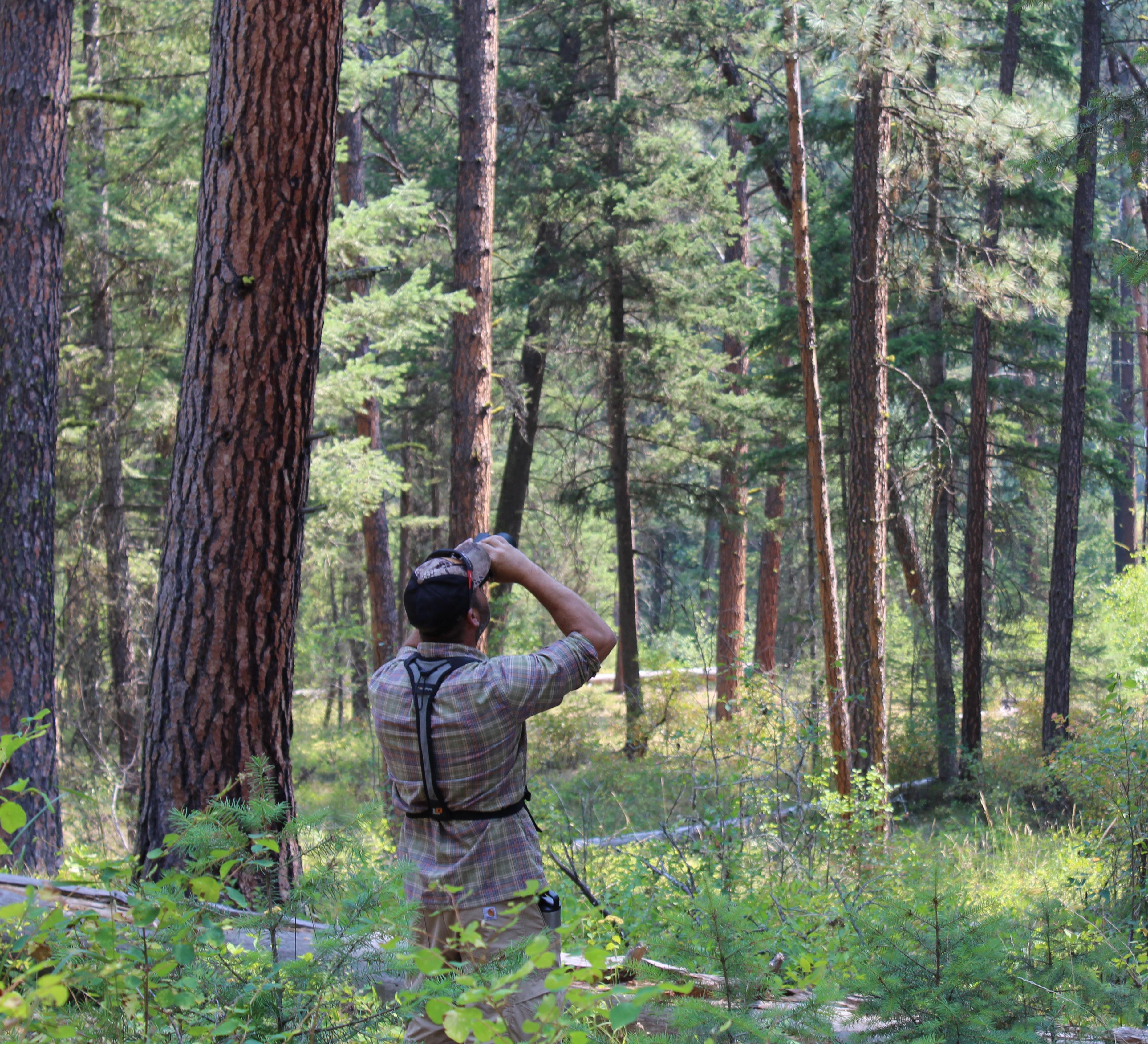
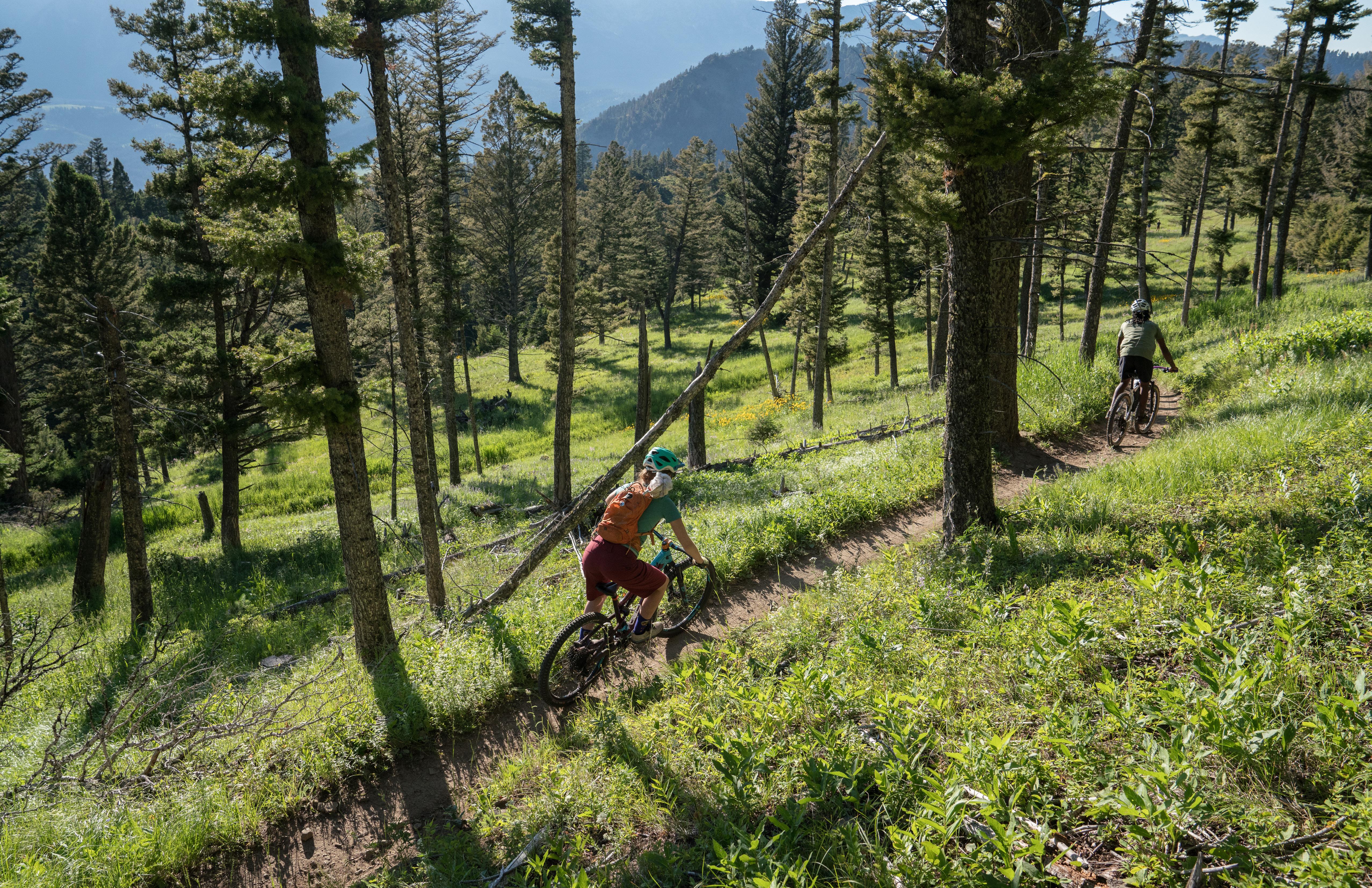
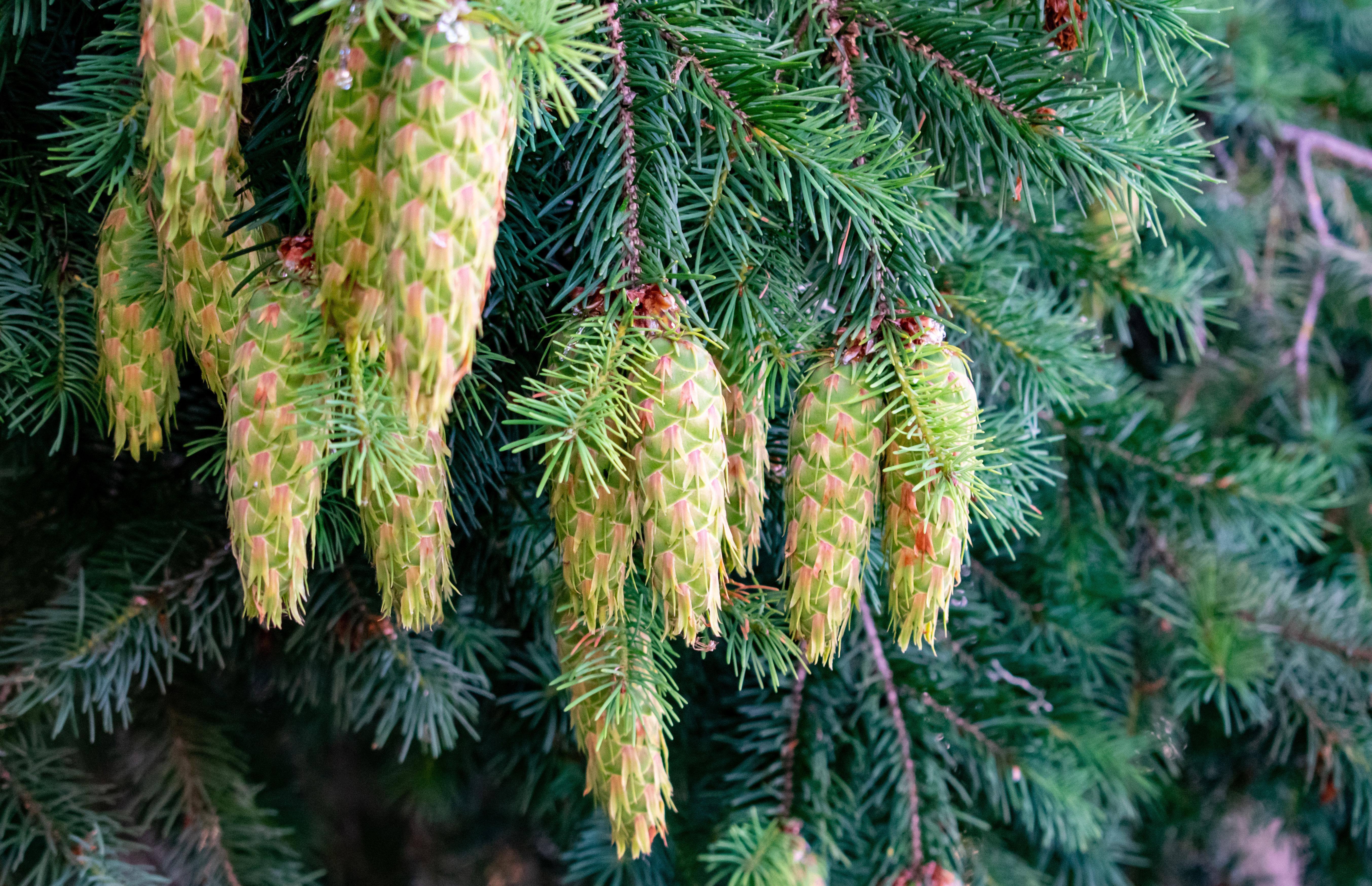
For the second consecutive summer, Adventure Scientists and our partner, Mast Reforestation teamed up to train volunteers to survey National Forests in California and Montana. Spread across seven National Forests in Montana and eight in California, volunteers hiked to scout target conifer tree species, gathering data on the presence and abundance of closed female cones on individual trees.
Disease, pests, wildfires, and other natural disasters brought on by climate change are devastating forests in the western U.S. In these extreme conditions, conifer species are no longer successfully reseeding themselves. Mast Reforestation is stepping in to fill the gap by using our high-quality field data to locate abundant cone crops and harvest the cones for replanting, ensuring conifer trees can grow and thrive in our forests for years to come.
The coverage of the data was critical. We can't cover all this ground by ourselves. It is really important that we have the ability to collect cone crop data across big landscapes. It's one of my favorite things about this partnership [with Adventure Scientists].
—Carson Herold, Seed Program Manager, Mast Reforestation
Volunteers provided valuable, landscape-level data that gives our partners an understanding of where conifers are “masting,” or putting out large numbers of cones, to improve their seed collection and replanting efforts. Also, data from both 2023 and 2024 helps the project partner further understand how cone crops fluctuate year to year, which will help them further optimize seed collection.

IMPACT AREA: BIODIVERSITY
In Summer 2024, Adventure Scientists partnered with the Xerces Society for Invertebrate Conservation to track bumble bees for their Xerces Bumble Bee Atlas project.
Bumble bees are vital pollinators for agriculture and ecosystems, but around a quarter of the 50 North American bumble species are in decline. Additionally, scientists lack quality data to determine which species are declining, where they are declining, and their preferred habitats. To aid this effort, Adventure Scientists trained hikers across North Carolina, South Carolina, Tennessee, Georgia, and Montana to survey bumble bees in their habitat. Volunteers surveyed throughout the summer and they used insect nets to capture bees, identify them, and then release them back into their habitat.
Participating in the Bumble Bee Atlas Project was an amazing experience. Not only did I learn about bumble bees and pollinators in general, but I was able to use my nature photography skills for scientific research, which was equally rewarding. After my first field day, I was inspired to share my experience, educate, and hopefully inspire others to participate in projects like this one!
These data tell researchers which habitats are most critical for bumble bee species and the conservation measures vital to their protection. These data provide an essential foundation on which to build state wildlife action plans and future bumble bee research.
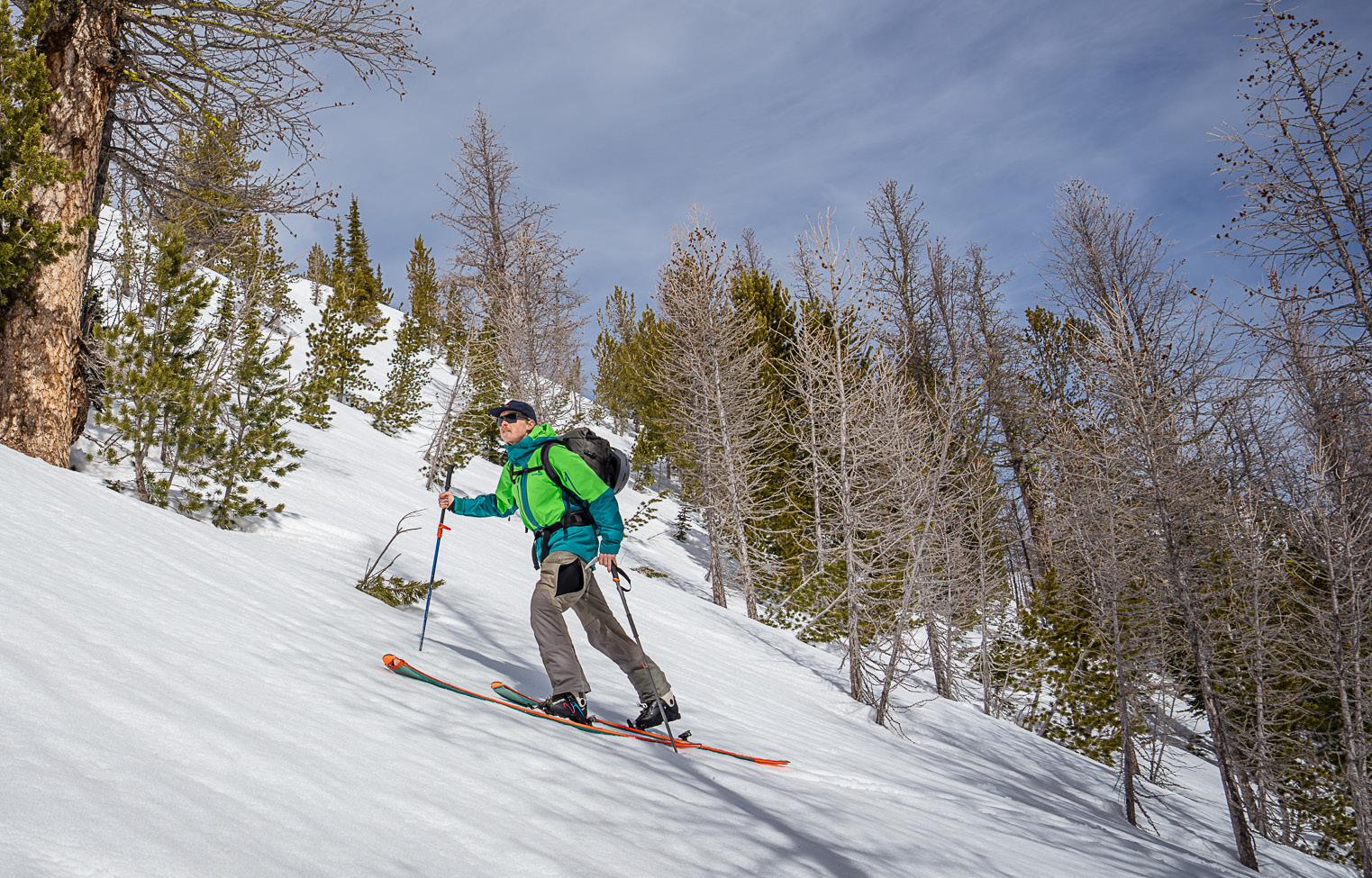
In spring 2024, we completed our Snow Flies Project , a partnership with the University of Washington. Skiers and snowshoers headed into the mountain backcountry to collect Chionea, or "snow flies.” This mystifying species survives down to -10°C (14°F) and seems to thrive on sunny, snow-caked slopes near the treeline, perfect for powder seekers. The data and specimens collected by Adventure Scientists volunteers shed light on the mysteries of the Chionea’s physiology, specifically how their brains and muscles operate well below freezing. This project will help researchers further understand cold tolerance and adaptation in other species, including humans, as well as advance the study of the Chionea’s ecology and ingenious adaptation.
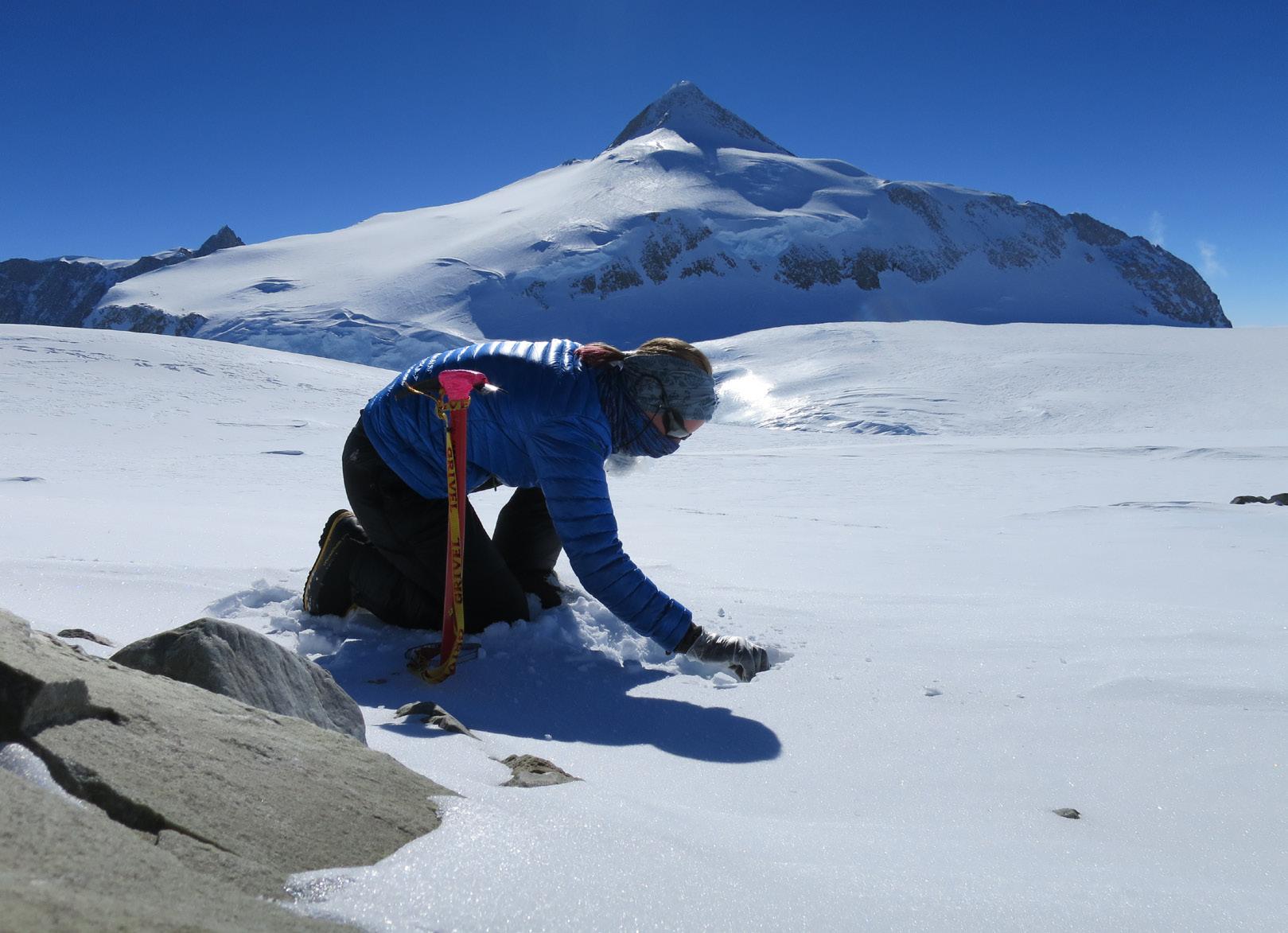
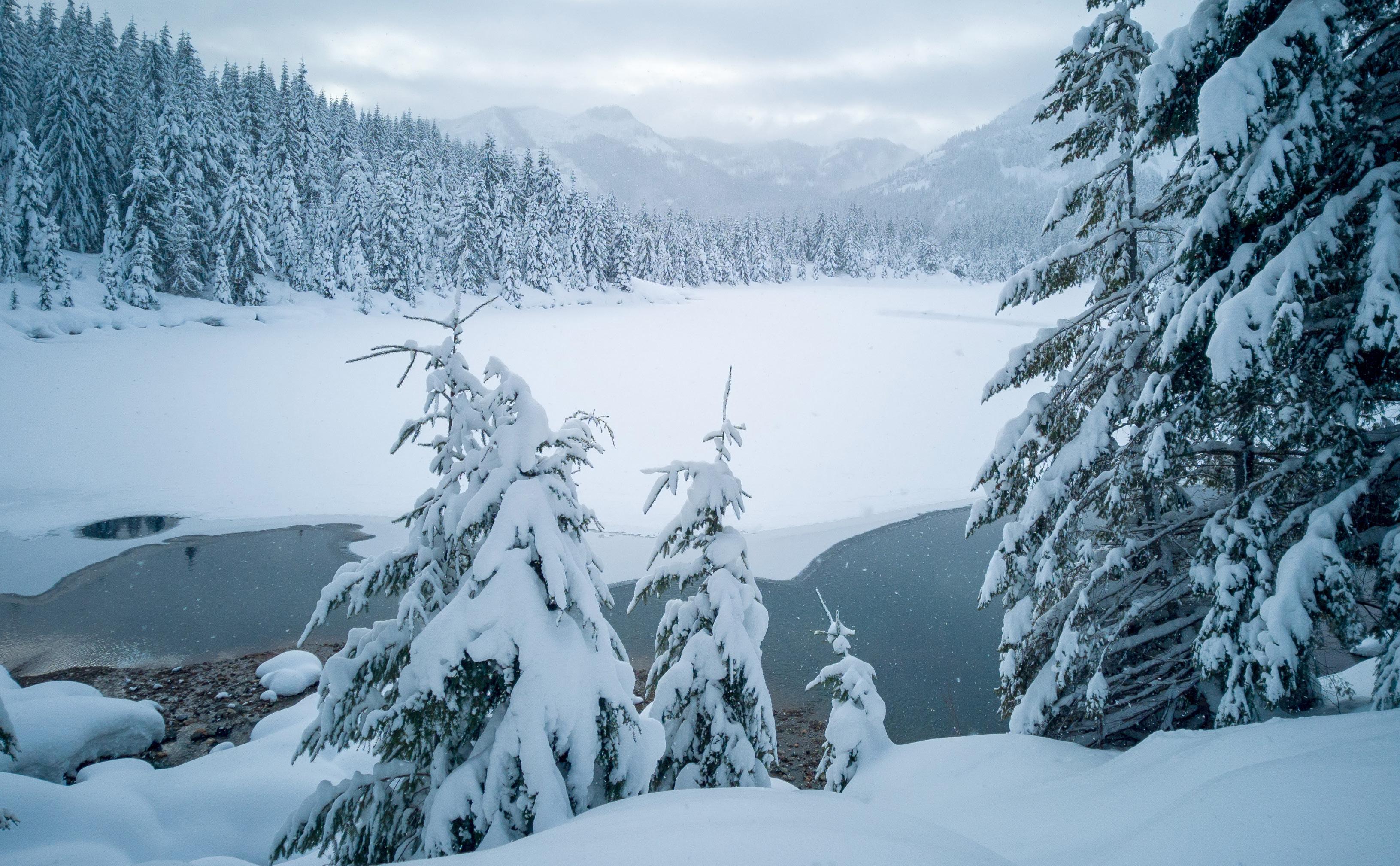

Adventure Scientists helped us to identify volunteer adventurers to collect snow flies while they were out backcountry skiing and mountaineering. These volunteers continue to support our research into understanding how snow flies are able to live and move at sub-zero temperatures that are fatal for other insects.
—John Tuthill, Partner Scientist on Snow Flies Project
In partnership with the Cahaba River Society, Adventure Scientists volunteers surveyed the central Alabama river basin for invasive wild taro . This large-leaved plant has taken over river banks and wetlands in the southeastern U.S., shading out native plants, sucking up nutrients, and impeding water flow. In an effort to save one of the most biodiverse rivers in the region, along with the endemic Cahaba lily, volunteers paddled the 194 mile river to survey wild taro infestation. These data direct wild taro removal projects and inform policy decisions around the devastating species.

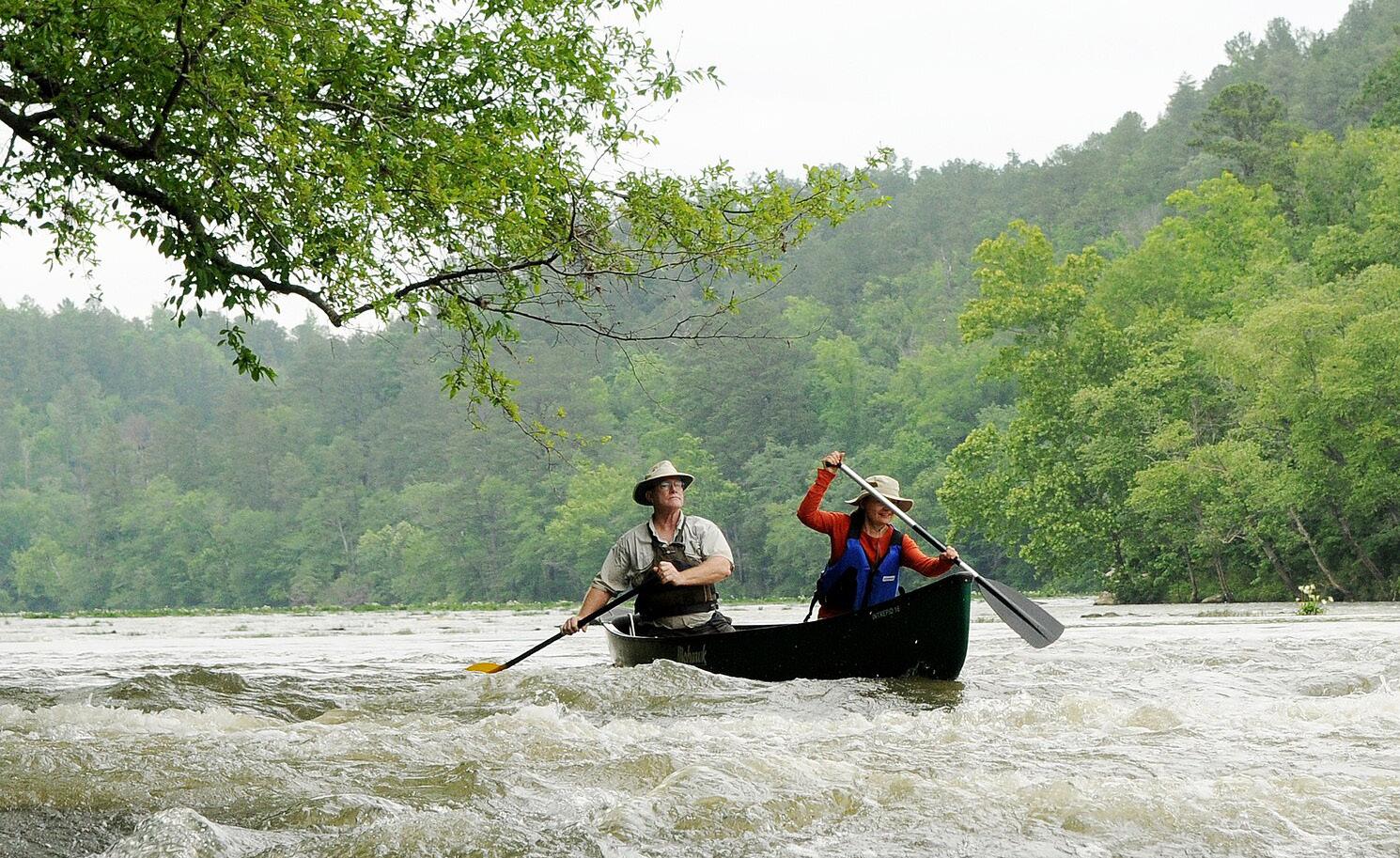

Being a part of this project helped me learn about nonprofit organizations and how to be a part of meaningful change. It gave purpose to my outdoor exploration. [It] also broadened my knowledge of other opportunities like Plastic-Free Parks, which then led me to be an ambassador for their program after being a part of the collaborative project with Adventure Scientists.
—Shawn H.,
Adventure Scientists partnered with 5 Gyres to collect trash in U.S. National Parks and federal lands throughout 2024. From the Chugach in Alaska to El Yunque in Puerto Rico and 56 other sites between, volunteers documented 12,646 observations of trash. Volunteers also recorded the product of origin as well as the brand and manufacturer for each piece. These hard data on litter in the wild inform policy on products sold in parks, how they mitigate waste, and also for regulating product packaging and manufacturing.
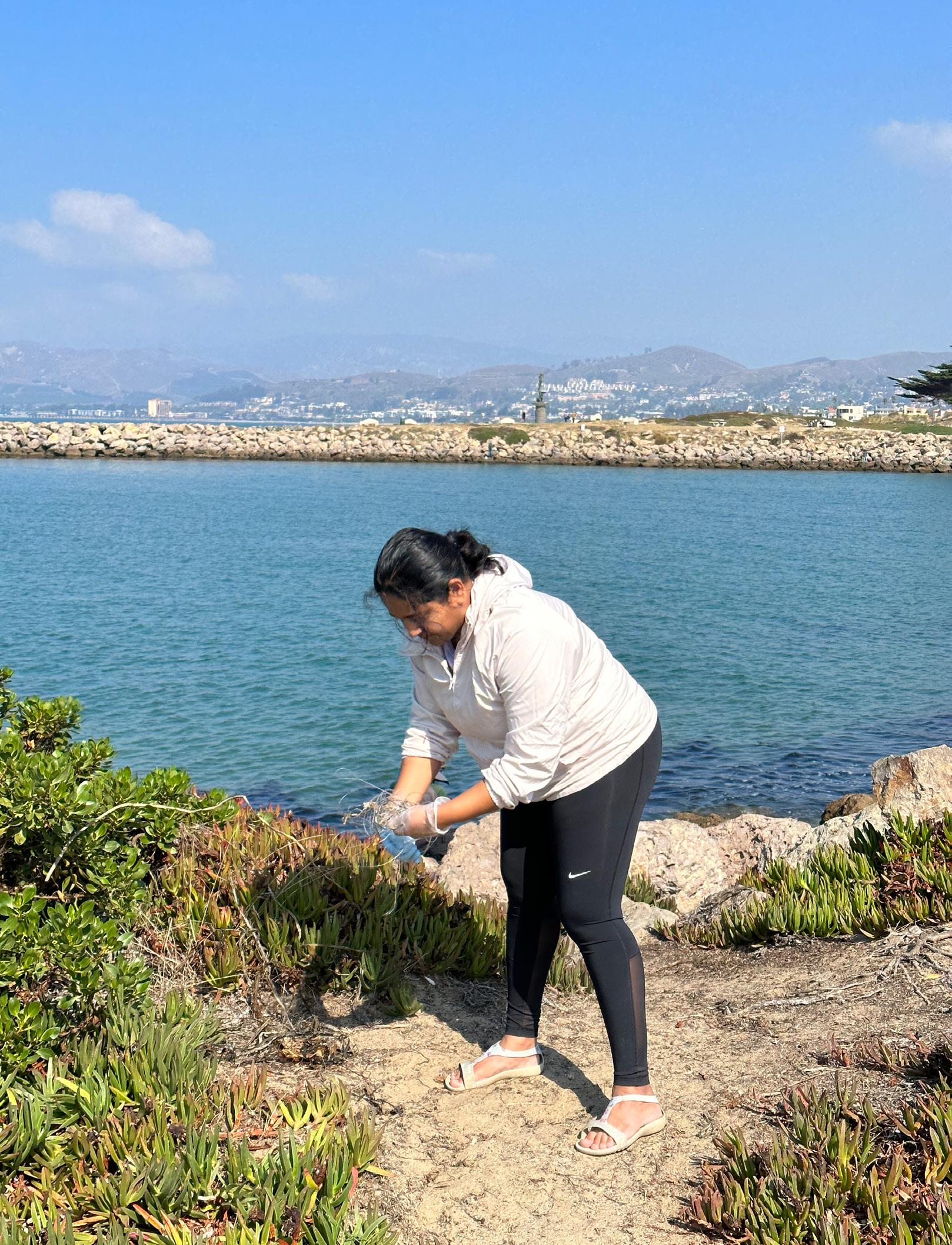
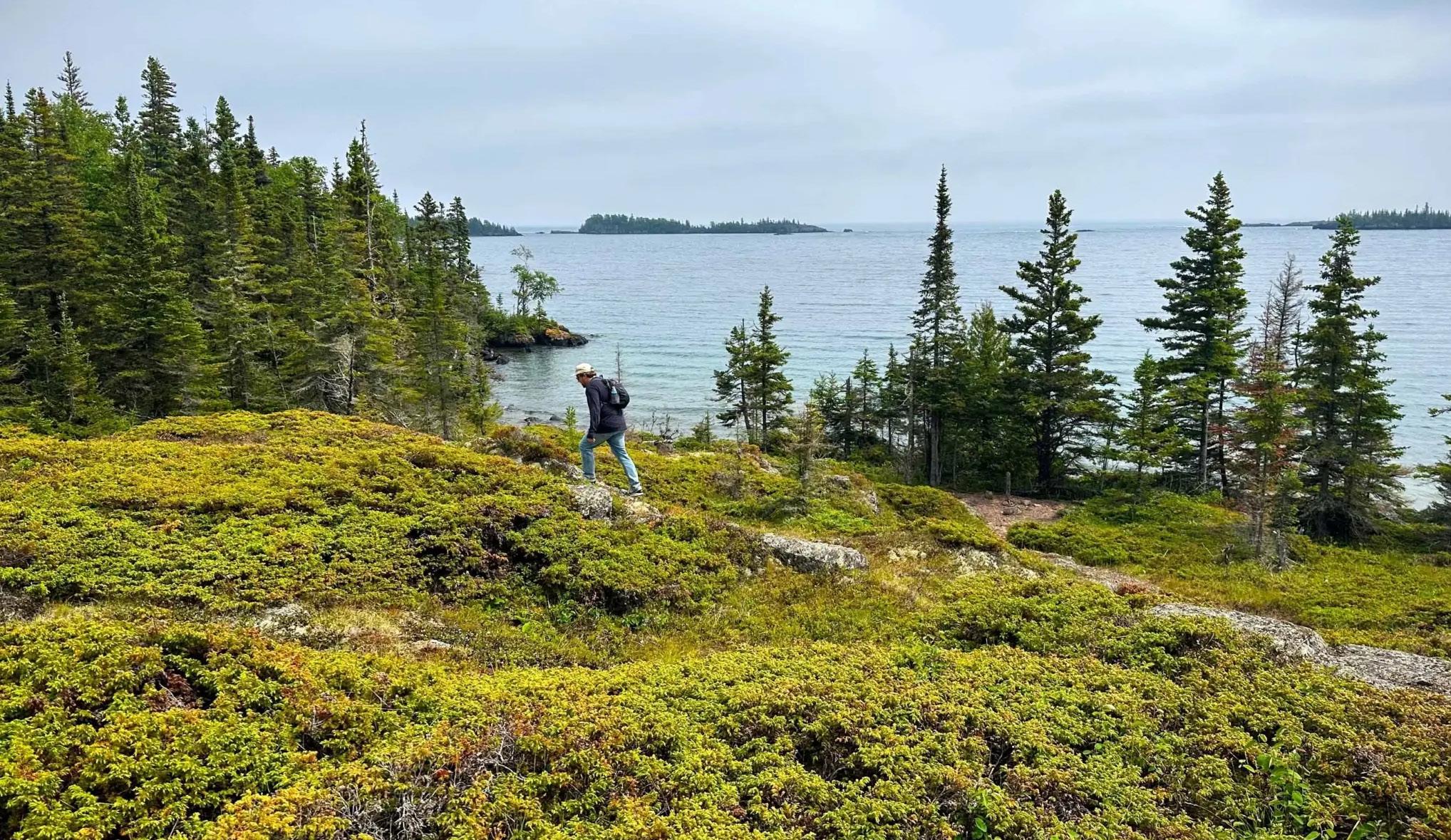
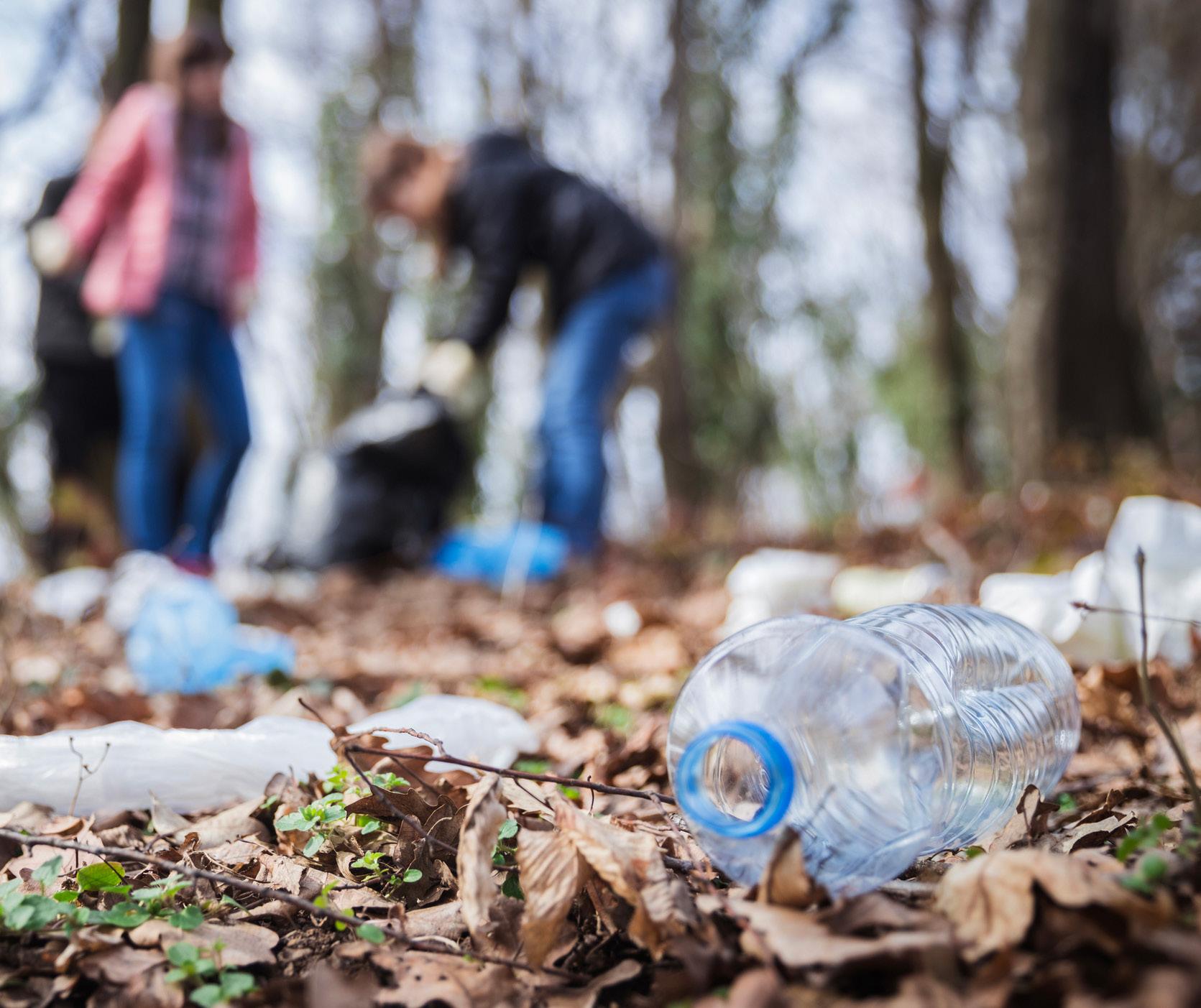
I signed up to collect data at one of the most remote and leastvisited National Parks: Isle Royale. Even in an incredibly wild and vast space I still found at least one piece of plastic every day. Instead of being disappointed, I told myself that the island was in better shape when I left than when I arrived. Helping to keep our wild spaces pristine and plastic free was an incredibly rewarding experience and I look forward to participating again in the future.

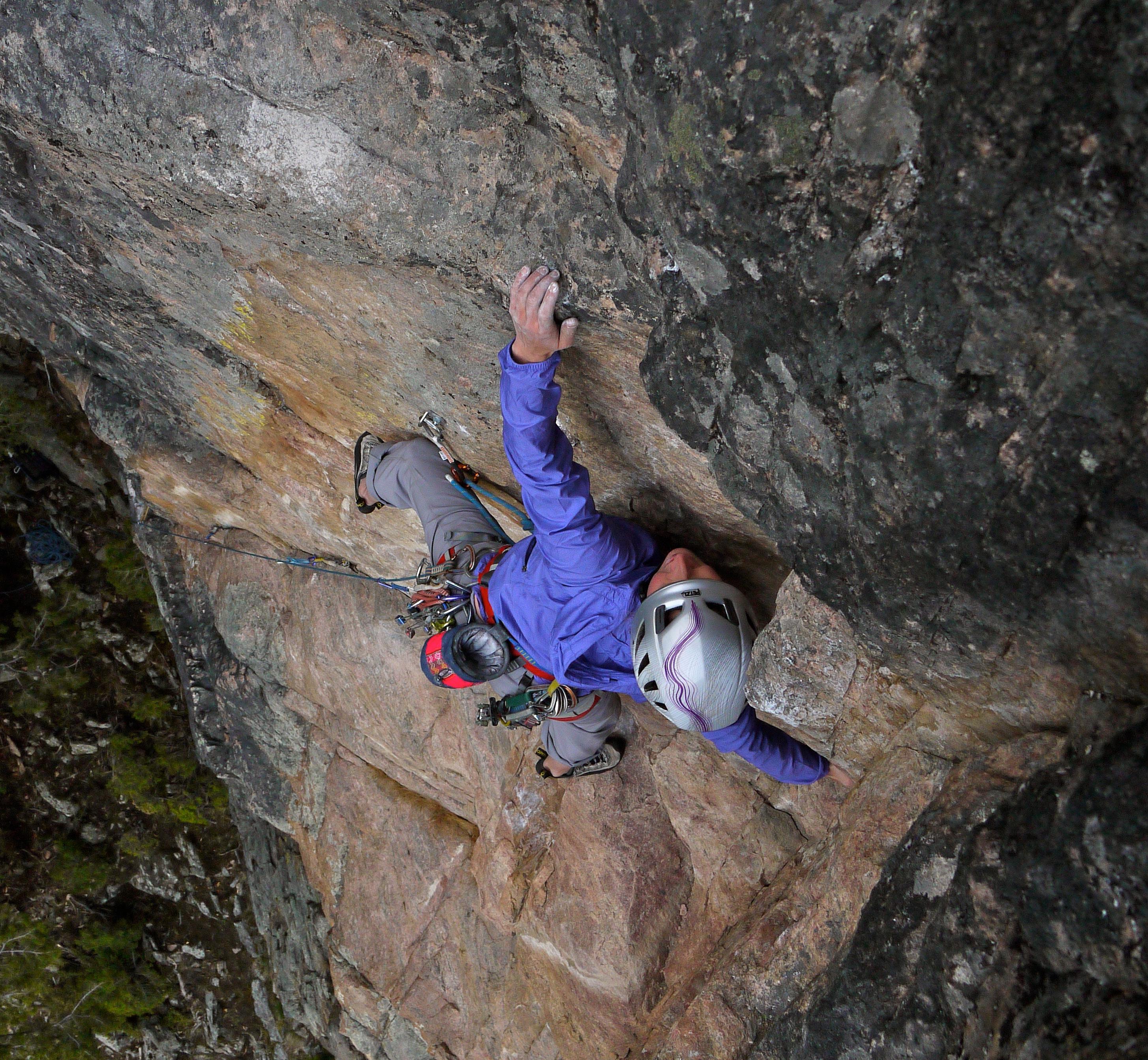
The mountaineers and hikers collecting data in extreme environments that scientists can't reach

Turning Outdoor Enthusiasts into Community Scientists

This explorer and conservationist is training citizen scientists to save the planet

Feeling powerless in the fight against climate change? Become a citizen scientist

A Nonprofit That Engages Outdoor Enthusiasts in Science

West Plains Man
Sentenced for Illegally Harvesting Trees in National Forest

Note: The Board of Directors voted to spend down reserve resources in FY2024 as a strategic investment in future revenue generation. Additional revenues were realized by the changing landscape of the federal government.
BOARD OF DIRECTORS
Katherine Maher – Chair
Ann Curry – Vice Chair
Mike Herring – Treasurer
Scott Amero – Secretary
Saleem Ali – Director
Peter Molnar – Director
Gregg Treinish – Founder, Executive Director
ADVISORY COUNCIL
Jon Bowermaster
Christy Chin
Alan Eustace
Sean Gerrity
Sy Kaufman
Anthony Lee
Steve McCormick
Christopher Michel
Frazier Miller
Gib Myers
Bo Parfet
Hon. Dr. Bill Unger
Dr. Brian Wee
Dr. Luis Pabon
Lindsey (Ford) Schwartz
SCIENCE ADVISORY COUNCIL
Dr. Enric Sala
Dr. Lauren Oakes
Dr. Tim McDermott