



Making Change Our Friend.”
That was something President Bill Clinton would say when he was running for that office. It is hard to believe it took place more than 30 years ago, and that the youthful governor who became president of the United States is now in his 80s.
19548 (610) 326-4610. www.myalleghenyeast.org
ALLEGHENY WEST CONFERENCE
MARVIN BROWN, PRESIDENT 1080 Kingsmill Pkwy. Columbus, OH 43229 (614) 252-5271. www.awconf.org CENTRAL STATES CONFERENCE
CRYSTON JOSIAH, PRESIDENT Trevor Barnes Jr., Communications Director 3301 Parallel Parkway Kansas City, KS 66104 (913) 371-1071. www.central-states.org
LAKE REGION CONFERENCE
DR. ABRAHAM HENRY, PRESIDENT
JeNean Lendor, Communication Director 19860 South La Grange Road Mokena, IL 60448 (773) 846-2661. www.lakeregionsda.org
NORTHEASTERN CONFERENCE
DR. ELDEEN KING, PRESIDENT Lavern Sturrup, Communications Director
115-50 Merrick Blvd. Jamaica, NY 11434 (718) 291-8006. www.northeastern.org
SOUTH ATLANTIC CONFERENCE
CALVIN B. PRESTON, PRESIDENT James Lamb, Communications Director 3978 Memorial Drive Decatur, GA 30032 (404) 792-0535. www.southatlantic.org
SOUTH CENTRAL CONFERENCE
BENJAMIN JONES, PRESIDENT Roger Wade, Communications Director 715 Youngs Lane Nashville, TN 37207 (615) 226-6500. www.scc-adventist.org
SOUTHEASTERN CONFERENCE
DR. MICHAEL OWUSU, PRESIDENT Arnaldo Cruz, Communications Director 1701 Robie Avenue Mt. Dora, FL 32757 (352) 735-3142. www.secsda.org
SOUTHWEST REGION CONFERENCE
DR. CARLTON P. BYRD, PRESIDENT
Leslie Soupet, Communications Director 2215 Lanark Avenue Dallas, TX 75203 (214) 943-4491. www.southwestregion.adventistchurchconnect.org
REGIONAL DIRECTORS/COORDINATORS ROSTER
Virgil Childs, Vice President Regional Ministries
Pacific Union Conference
2686 Townsgate Road Westlake Village, CA 91361 (805) 413-7100. www.puconline.org Cell: 909-225-6438
Jonathan Smith, Assistant to the President Black Ministries, Arizona Conference Cell: 769-232-6664 ismith@azconference.org
James Scarborough, Coordinator African American Ministries
Central California Conference (831) 262-3838
famar@sbcglobal.net
Oneil Madden, Coordinator African American Dept.
Nevada-Utah Conference Cell 702-875-5979
pastoromadden@aol.com
EuGene Lewis, Vice President North Pacific Union Conference
5709 N. 20th Street Ridgefield, WA 98642 (360) 857-7000. www.npuc.org
Dr. Andrea Trusty-King, Vice President Black Ministries
Southeastern California Conference (909) 202-0147
kinggm@seccsda.org
Lawrence Dorsey II, Director G.L.A.R.
Southern California Conference (503) 819-1498
I think what President Clinton meant back then when he talked about “making change our friend” was not to fight or resist change because some change was going to happen whether we wished for it or not. I think that he was telling us to embrace change and try to make it work for us instead of us working against it.
I thought about that when remembering that almost exactly eight years ago, that I accepted the call to become Executive Director of the Office for Regional Conference Ministries. That call came from the Regional Conference presidents.
They interviewed me one late January night, in northwest Florida eight years ago. Here are the members of that group:
• Elder Henry Fordham, President, Allegheny East
• Dr. William T. Cox, President, Allegheny West
• Elder Roger Bernard, President, Central States
• Dr. R. Clifford Jones, President, Lake Region
• Dr. Daniel Honore, President, Northeastern
• Elder William Winston, President, South Atlantic
• Elder Benjamin Jones, President, South Central
• Elder Gregory Mack, President, Southeastern
• Elder Calvin Watkins, President, Southwest Region
The President of the General Conference (GC) at that time was Dr. Ted N.C. Wilson. The President of the North American Division (NAD) then was Elder Daniel R. Jackson. And the President of Oakwood University was Dr. Leslie N. Pollard.
Eight years later, not a single person from those days still holds any of those positions. As the Bible would say, “No, not one.”
Four of those leaders, Elders Jackson, Fordham, Mack and Dr. Honore, have passed away. Three more, Dr. Clifford Jones, Elder Benjamin Jones and Elder Winston, have retired. The black leadership and those with whom they worked at the GC, the NAD and Oakwood University have all changed. There has also been a generational shift in leadership. A number of leaders born in the 1940s and 1950s are being succeeded by leaders born in the 1970s and 1980s. Four of the newest Regional Conference Presidents were born in more recent decades. Furthermore, one recently appointed leader, Oakwood University President, Dr. Gina Brown, brought change with a difference in gender.

This change in leadership is not new. When I left the presidency of the South Central Conference in 2016, an entirely different group of Regional Conference presidents were in place, different from those serving when I began seven years earlier.
The General Conference, the North American Division and the Oakwood University presidents had all changed over the course of those seven years. Ten years later, all those leaders have changed again.
Since the only constant seems to be change, how then can we embrace it and “make it our friend?” How can we become a little more proactive as it relates to change?
From my comfortable seat on the retirement sidelines, may I make a suggestion or two?
First, I think there is a way to prepare people for leadership before they become leaders. By the time I left office in 2016, the South Central Conference had an annual budget of $20 million-plus, with approximately 200 employees and multiple scores of millions of dollars in assets.
Taking over the leadership of an operation that size, with no previous training, would never seem to be the best way to go.
On the other hand, identifying leaders in advance, “grooming” specific individuals for leadership, seems to run counter to our culture. For various reasons, a Regional Conference president obviously preparing a successor, would really seem to be taking an obvious countermeasure. Regional Conference constituents tend to run from “anointed successors” as if their clothes were on fire.
Maybe there is a better method. Almost immediately after becoming the South Central president, I shared with the South Central staff that I would serve for a maximum of seven years,
and then I would leave. There was no mystery about the new president in 2016, when the count began. Every year at Camp Meeting, we would hold classes in church administration, focusing on the conference presidency. Those classes were open to whomever wanted to come.
We offered the classes for five years. Every year, one of those attendees was a pastor by the name of Elder Furman Fordham. Today, he is the South Central Conference president. Maybe those classes helped him. Maybe they didn’t. I never asked him if those classes were helpful, and by the time he became president, I had long since departed from the South Central administration. So, I don’t know if those classes helped him. But I do know that they were available to him. And he faithfully attended them.
In addition to preparing denominational leaders for service, I would also suggest that we do the same for young lay leaders. They need to understand how the church works; how it is funded; how to make it run smoothly. Because they absolutely will be (or, if they choose otherwise, they will NOT be), the workers and the “funders” of the church in the future.
I believe that there are ways to prepare our younger lay leaders for leadership. And we’ll delve more into that in our next edition. t
In this year of administrative transition, Elder Dana C. Edmond, former ORCM Director, has consented to maintain some editorial roles for Regional Voice magazine, including sharing his thoughts for this feature, the Publisher’s Commentary.


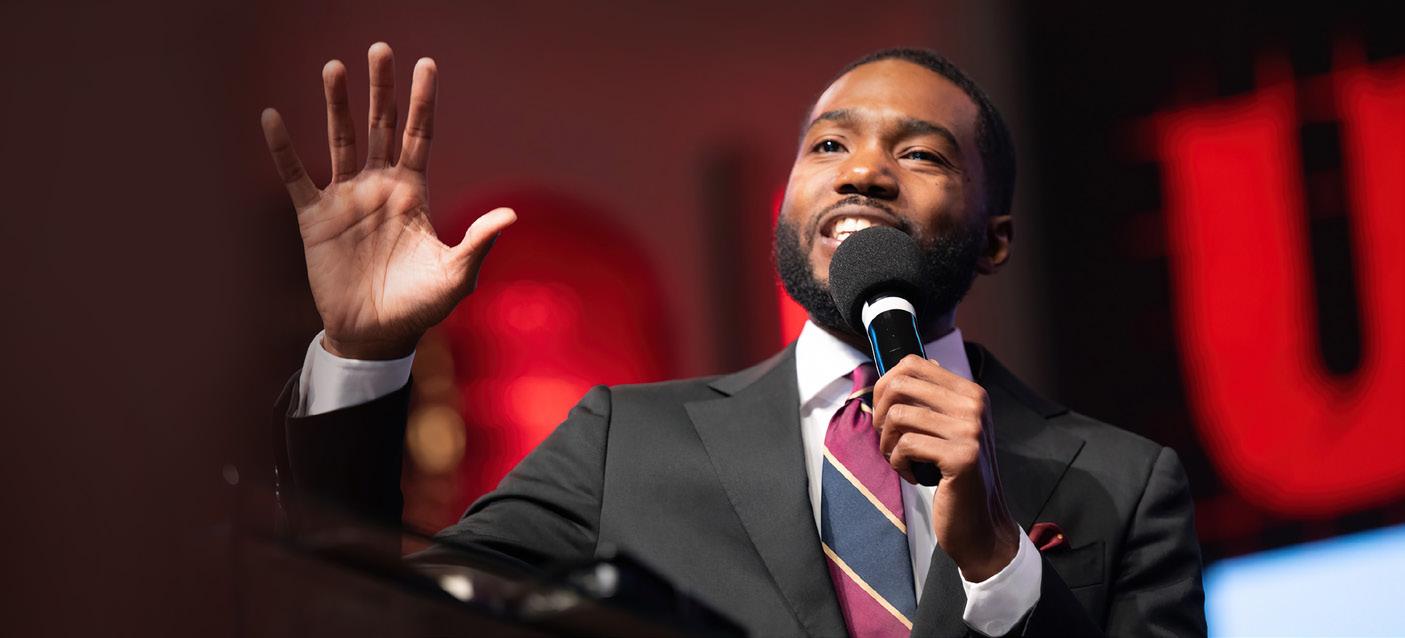
4
PUBLISHER’S COMMENTARY
Making Change Our Friend
Change in leadership is not new. Since the only constant seems to be change, how can we embrace it? How can we become a little more proactive as it relates to change?
By Dana C. Edmond
8 COVER STORY
South Atlantic and South Central Mark 80 Years
Back in January 1946, Elder Earl F. Hackman, Southern Union president, announced the organization of two new conferences in a Southern Tidings article. These new entities were the South Atlantic and South Central Conferences. This year, 2026, both conferences are celebrating 80 years of growth and ministry.
Historical Coverage by R. Steve Norman
14
CHANGING OF THE GUARD
Executive Committee Votes
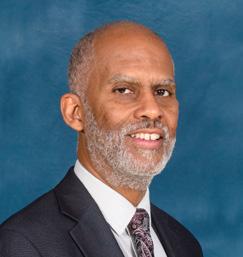
Dr. Abraham Henry, former Executive Secretary and Interim President, as of January 3, has been elected President of the Lake Region Conference on February 22, 2026.
By JeNean Lendor 16
CHANGING OF THE GUARD
Special Announcement
Elder Garth Gabriel tendered his resignation from the Presidency of the Lake Region Conference, effective January 2, 2026. By JeNean Lendor
26
OAKWOOD UNIVERSITY NEWS
Strategic Change Made in Enrollment Leadership
Dr. James Doggette Jr. becomes the new Vice President for Enrollment, in a move that reflects more than a personnel change. It signals a recalibration of how the university is approaching recruitment, reach, and long-term sustainability in the shifting landscape of higher education.
By C. Anslem Paul
28
18
CHANGING OF THE GUARD Return to Service
Elder Delbert Pearman began serving as Vice President for Finance and Trust Services Director for the Central States Conference of Seventh-day Adventists on December 1, 2025. He worked in the CSC Treasury earlier in his career. He has also rendered service around the globe, and at the General Conference.
By Trevor Barnes and Hugh Davis
20
GC/ORCM NEWS
President Erton Köhler and Regional Presidents Meet
This session focused on gospel mission, unity of purpose, and the continued role of Regional Conferences within the life and work of the Church in North America. Dr. G. Alexander Bryant, President of the North American Division, also contributed.
Text and Photos by C. Anslem Paul
24
OAKWOOD UNIVERSITY NEWS
Jermaine Jackson Accepts CFO Role
The recently appointed Vice President for Finance and Chief Financial Officer at Oakwood University brings decades of financial expertise and conviction that lasting change happens when each part of an institution understands its role in the larger game plan.
By Esther J. Smith
Coverage coordinated by Dr. Bryant Taylor
38 PELC REPORT
PELC’25 - “Unfinished Business and the Call for M.O.R.E.”
The 46th annual Pastoral Evangelism and Leadership Conference (PELC), unfolded under the theme “Unfinished Business: Mission, Outreach, Relationships, Evangelism,” a natural continuation of last year’s focus on Jesus.
Text and Coverage coordinated by LaTasha Hewitt
42
OAKWOOD UNIVERSITY IN MEMORIAM
Dean Camille Michelle Kibler
She talked, encouraged, insisted upon good behavior, chastised and soothed, answered questions, and took the brunt of anger, nervousness, and complaints. God allowed Camille to experience many journeys. He molded her into who He needed her to be.
The Kibler Family Coverage coordinated by Ms. Debbe Millet
30
GLOBAL NEWS
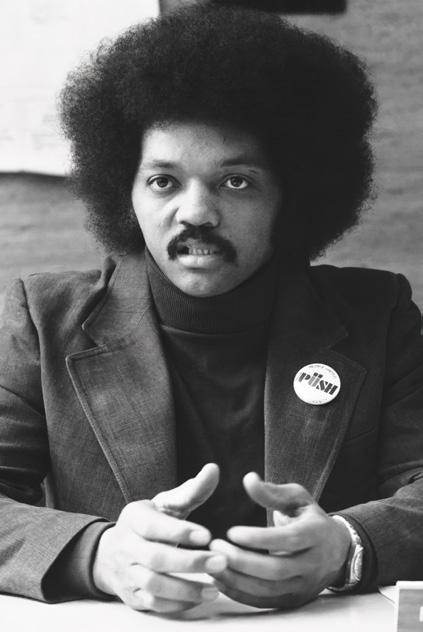
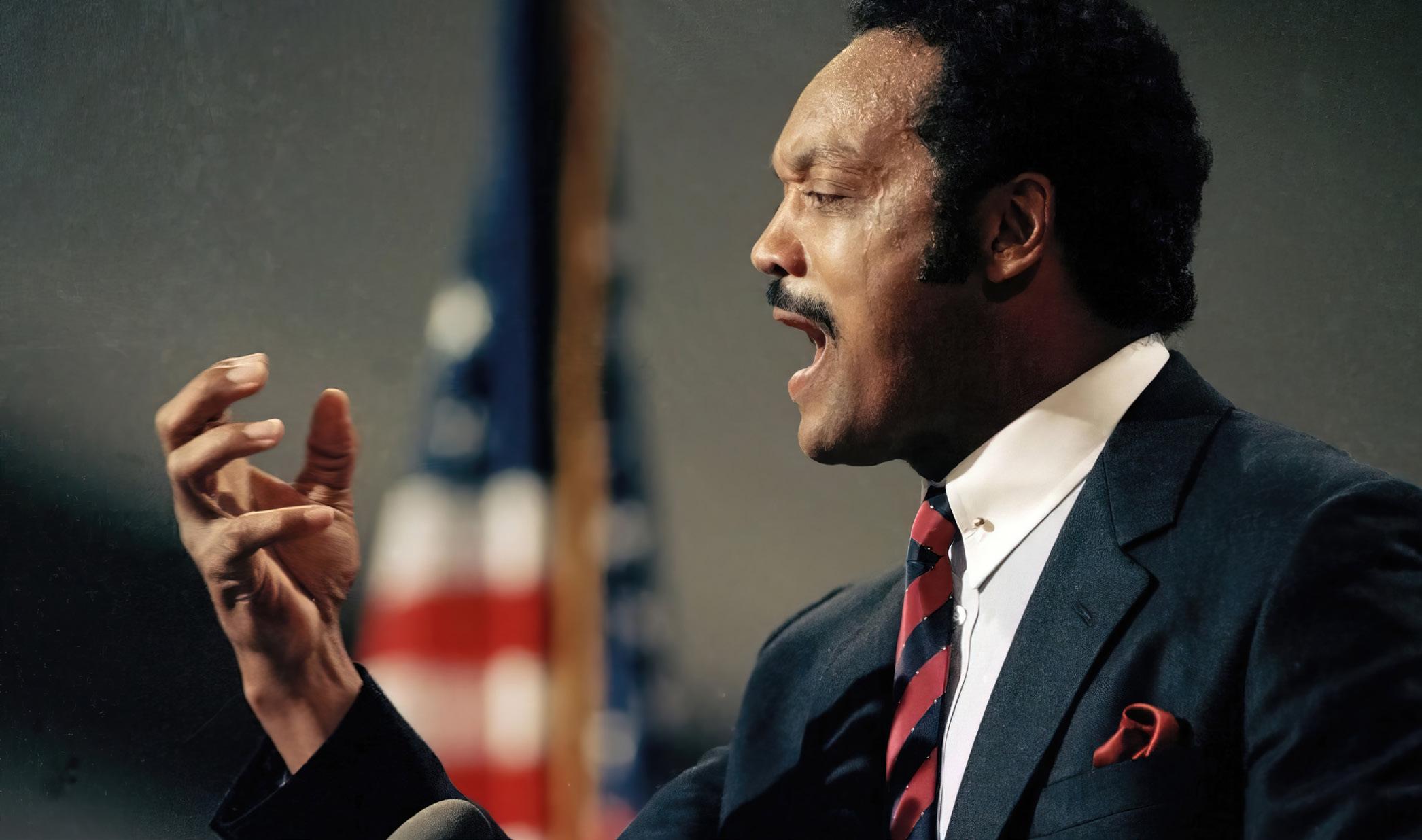
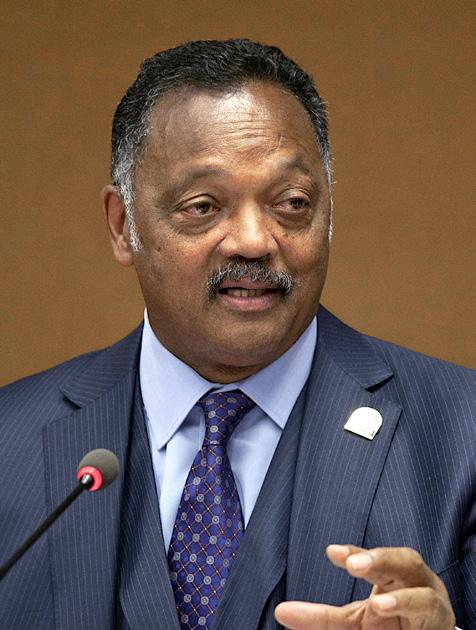
Tribute to Jesse Louis Jackson Jr.
It is an honor to join you today to celebrate the Reverend Jesse Louis Jackson, a man who, when the poor and the dispossessed needed a champion and a country needed healing, stepped forward again and again and again and said, “Send me.”
Memorial Remarks by President Barack Obama
34
GLOBAL NEWS
Tributes to Richard Smallwood
President Barack and Mrs. Michelle Obama; President Bill and Secretary Hillary Clinton, and Vice President Kamala Harris and Mr. Doug Emhoff sent their highest regards and deepest condolences to the Smallwood family.
(See Maryland Gov. Wes Moore’s in-person tribute on YouTube).
Official Presidential and Vice Presidential Greetings
50, 52, 54, 56 & 58 IN MEMORIAM
Elder Theodore R. Smith
Dr. DeWitt S. Williams
Mrs. Irene M. Bowden
Elder Billie C. Thompson
Mrs. Florence K. Blaylock

RV FEATURE PELC’25 HONOREES
Honorees included: Dr. Oswald Euell, Northeastern Conference; Pastor Ira Harrell, Southeastern Conference; Pastor Willie S. Lee and Mrs. Wilma Lee, Southwest Region Conference; Pastor Oscar S. Sherrod, South Atlantic Conference; Cleveland “Murphy” Wilson, Director of the First Church Inspirational Choir, Huntsville; and Elder Dana Edmond, former South Central Conference President and ORCM Executive Director.
By JeNean Lendor
44
Nashville Hillcrest Church Celebrates Member’s 105th Birthday
The Hillcrest SDA Church in Nashville, Tennessee, recently recognized the 105th birthday of Mrs. Gladys Rucker Owens, a baptized member of that church for 92 years. When asked to share the secret of her remarkable longevity, she said that she has no secret other than the fact that “God has been good” to her.
By Dana C. Edmond
46
RCRP FEATURE
The Moderation Mindset: Practical Key to Weight, Wellness, and Life Balance
The principle of moderation, what I call “The Moderation Mindset,” isn’t just a method for managing weight. It’s a biblical, time-tested way of intentional living that brings harmony to body, mind, and soul.
By Dr. Delbert W. Baker
These leaders, teachers and professionals have now gone to their rest. We honor them for their lifelong dedication to God and to humanity. Regional Voice magazine thanks the Smith, Merideth, Thompson, and Blaylock families for their tributes, along with the NAD Communication Department for the tribute to Dr. Williams, and we thank Elder Roger Wade for providing Elder Thompson’s information
60
EDUCATION FEATURE
Equitable Best Practices in Mathematics Education for Students of Color
Students of color, particularly Black, Latina, and Indigenous learners, often face limited access to advanced coursework, culturally affirming instruction, and opportunities for deep mathematical engagement—inequities not from student ability, but from systemic barriers embedded in educational structures and instructional practices. By Dr. Sheresa Perry-Woodson Coverage coordinated by Dr. Trevor Kinlock, President, AEC
66
GLOBAL NEWS
Middle East WAR!
As we prepare to take this issue to the press, the United States has gone to war against Iran. But it hasn’t stopped at national borders, as other nations are drawn into the deadly fray. Regional Voice Coverage by Kyna Hinson
68
HOPE SERIES
Courage, Collaboration, and Compassion Bring Transformation to Hampton.
The New Life Seventh-day Adventist Church in the historic city of Hampton, Virginia, was in a season of perpetual decline. In 2025, as the church approached its 25th anniversary, the leadership made several courageous decisions to help revitalize the congregation. Please, read on. By Geston Pierre
Follow the Development of the South Atlantic and South Central Conferences
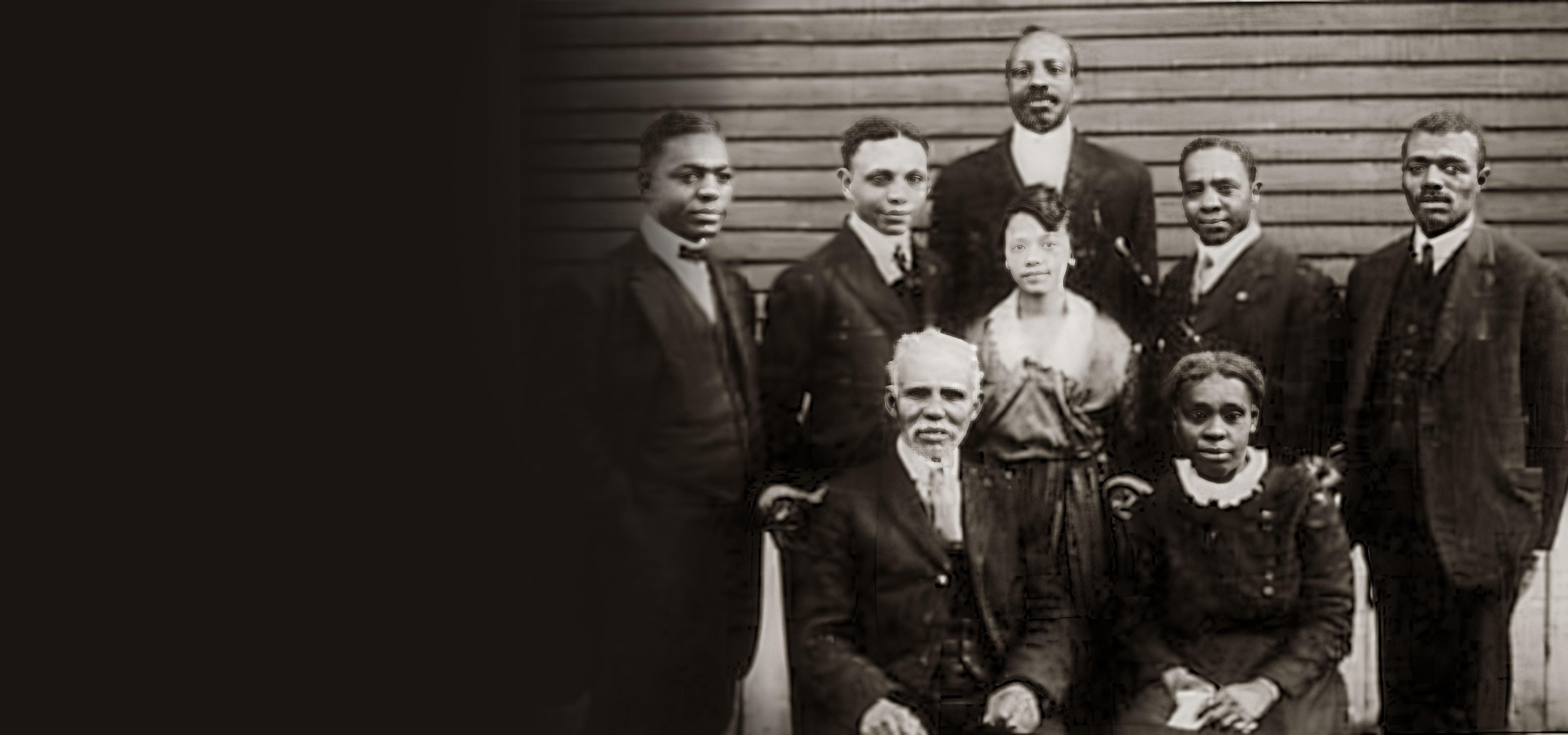
BY R. STEVEN NORMAN III
The January 2, 1946, issue of the Southern Tidings featured an article by Union president, Elder Earl F. Hackman, announcing the organization of two new conferences. These new entities were the South Atlantic and South Central Conferences. This year, 2026, both conferences are celebrating 80 years of growth and ministry. This article examines the situation of Black members and workers before 1946. It also discusses the organization and 80 years of growth of the South Atlantic and South Central Conferences in the Southern Union leading up to this historic celebration.
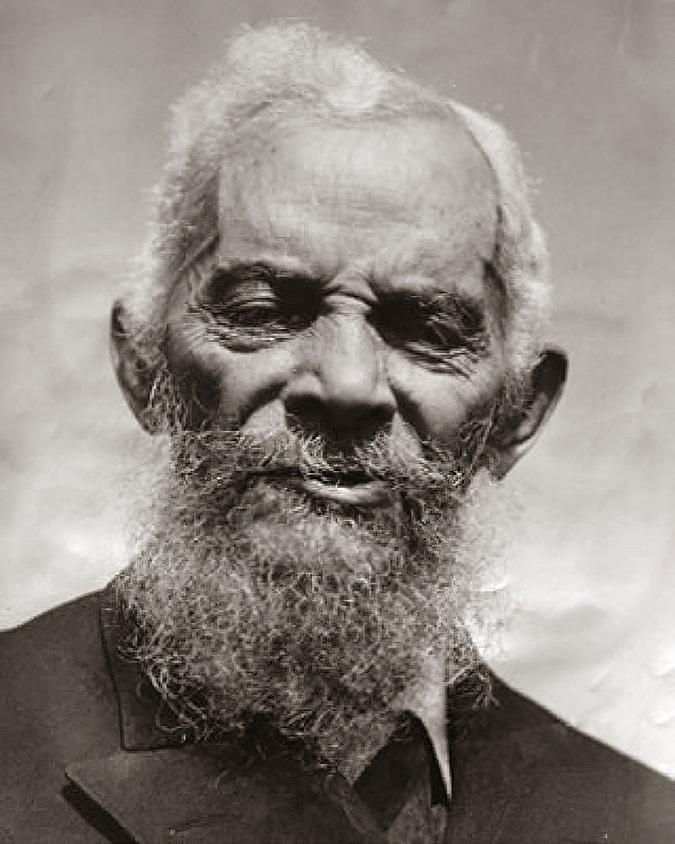
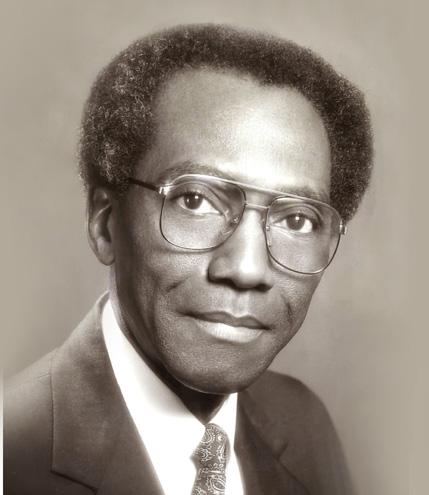
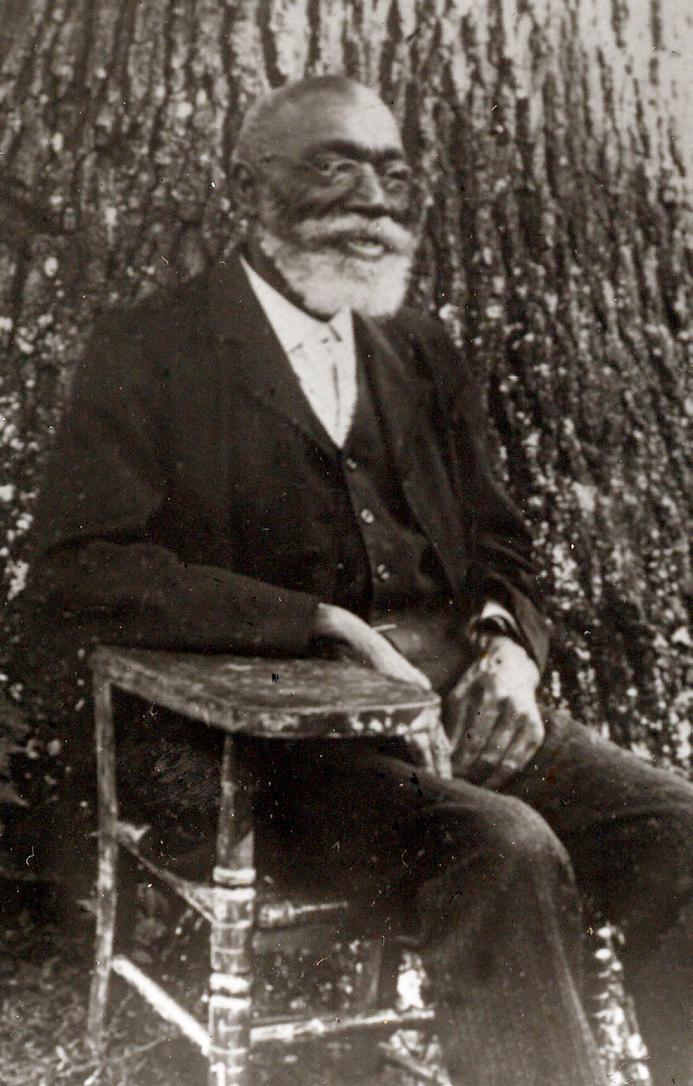
Early members, churches, and pastors (1871-1895) Harry Lowe, baptized by Elbert B. Lane at Edgefield Junction, Tennessee in 1871, is believed to be the first Black Seventh-day Adventist in the Southern Union territory. He was a member of the biracial church Lane organized in 1873. In 1883, due to increasing racial tensions in the South, Samuel Fulton, president of the Tennessee Conference, separated the ten Black members of the church into a separate company with Harry Lowe as their pastor (Reynolds, 1984, p. 109). Though disappointed by segregation, they held onto Jesus and, on November 9, 1886, became the first Seventh-day Adventist Church
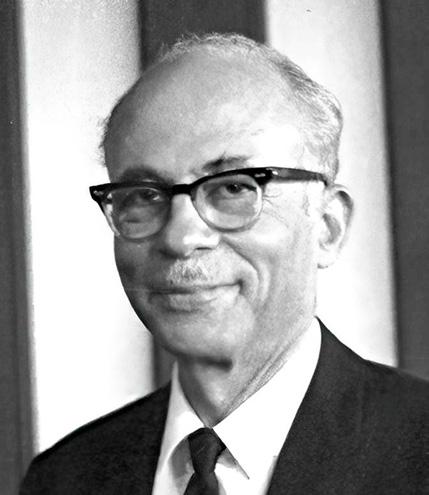
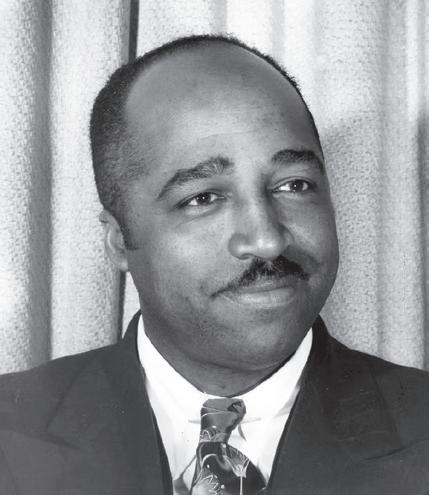
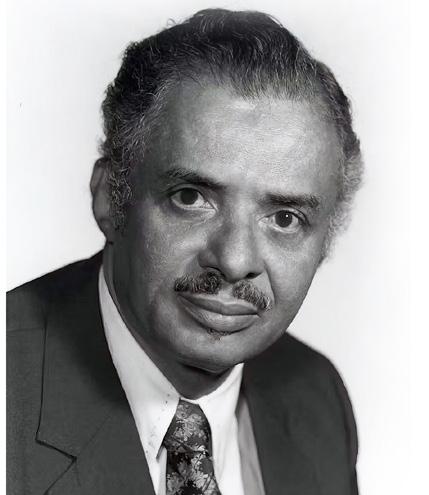
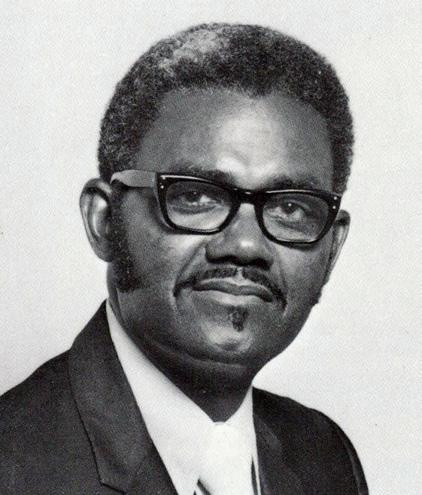
composed of African Americans (Reynolds, We Have Tomorrow 1984, p. 109).
Other Blacks in Florida, Georgia, and the Carolinas began to join the SDA Church. The minutes of the November 8, 1883, General Conference session report said, “Elder J. O. Corliss gave a statement of the condition and wants of the South Atlantic Mission. There are in this mission two hundred and sixty-seven white Sabbath-keepers and twenty colored” (GCB 1863-1883, p. 230).
In the late 1880s, pastors Charles M. Kinney and Alonzo Barry began preaching in Tennessee, Louisiana, and Kentucky. Later, in 1896, Pastor M. L. Ivory in Florida reported doing evangelism in Orlando, Sanford, Palatka, Windsor, Gainesville, Waldo, Jackson, and Punta Gorda (“South Atlantic Conference,” SDAE, 1996).
A handwritten note by Elder Charles M. Kinney lists the first five Black churches that were formed: Edgefield Junction, organized in 1883; Louisville, Kentucky, by Elder Alonzo Barry on February 16, 1890; Bowling Green, Kentucky, on June 13, 1891; New Orleans, Louisiana, on June 4, 1892; and Nashville on September 15-16, 1894 (Marshall and Norman, A Star Gives Light, 1984, p. 26).
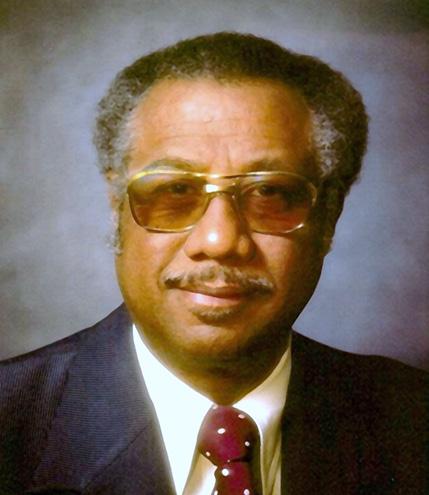
Over the next decade or so,
William H. Sebastian, Matthew C. Strachan, Franklin G. Warnick, and Thomas Murphy joined the ranks of Adventist pastors of African descent. These pastors worked diligently despite facing racism from social conservatives both in society and within the church. Elder Charles M. Kinney addressed this issue on October 2, 1889, at a meeting led by Robert M. Kilgore. He started his remarks and suggestions for resolving the problem by stating, “this question [of segregation] is one of great embarrassment and humiliation, and not only to me, but to my people also.”
He then shared his belief that the everlasting gospel preached under the Third Angels message “has the power in it to eliminate or remove this race prejudice upon the part of those who get hold of the truth.”
Kinney then presented 12 points that could lead to a solution that would “be pleasing to God ” (See Rock. Protest and Progress, 2018, pp. 13-16 and Appendix 5).
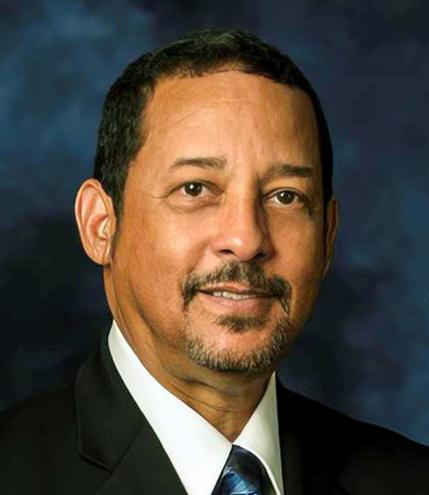
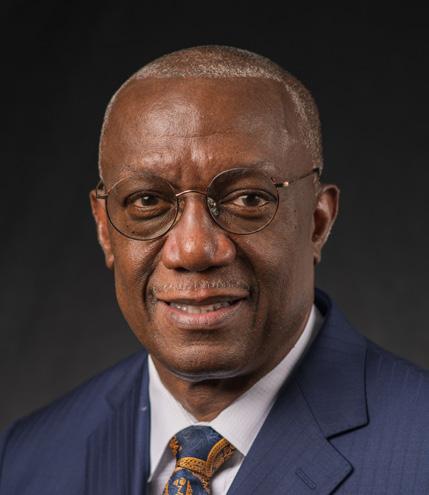
El-
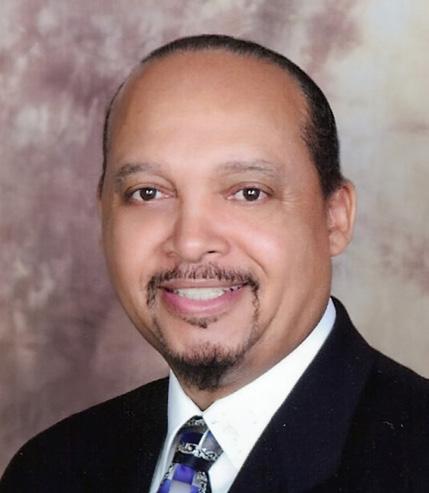
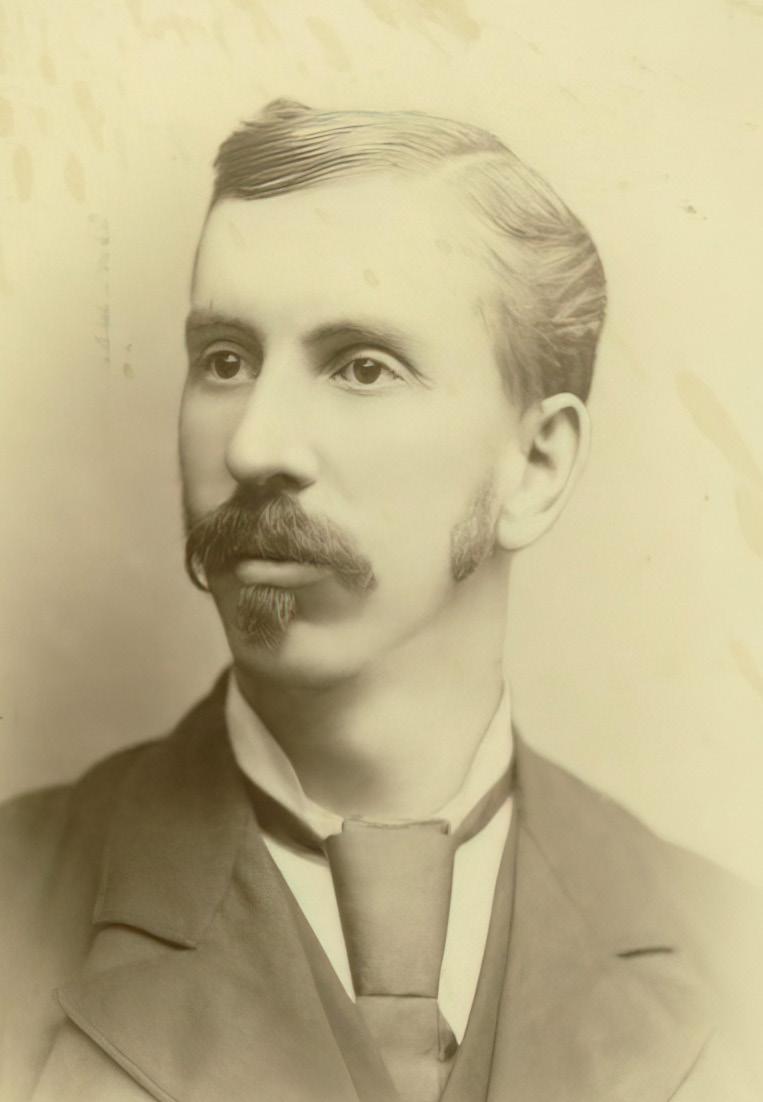

len White), traveled to Mississippi in 1895 aboard the Morning Star steamer and started schools to do evangelism among Black people. From these schools, he aimed to establish churches. The year after White's arrival, the United States Supreme Court ruled in the Plessy v. Ferguson case. This decision overturned an 1875 Civil Rights Act that made it a crime to deny the accommodations, advantages, facilities, and privileges of inns, public conveyances on land or water, theaters, and other places of public amusement based on race or color. It also upheld a Louisiana law that permitted "equal but separate accommodations for the white and colored races."
These challenging social conditions affected not only Black communities but also Edson White and his team. Even so, they faithfully worked to build and raise up schools and churches in Vicksburg, Yazoo City, Natchez, Columbus, and numerous other towns in Mississippi. To promote and oversee his work, Edson White, published the Gospel Herald and formed the Southern Missionary Society. By 1898, “The society, which had begun in Mississippi and had extended its activities to Tennessee, became responsible for the Black work in all the territory south of and including Kentucky and east of
the Mississippi River" (Gospel Herald, May 1898, p. 7).
Ellen White visited her son, Edson, in Vicksburg, Mississippi, where she dedicated the new Black church and school before attending the April 1901 General Conference. En route to General Conference, she stopped to see the members in Memphis, Tennessee, and toured Nashville. In Nashville, she met with local leaders and learned about the needs of General District #2, which covered nine Southern states (White, Arthur. Ellen G. White: The Early Elmshaven Years p. 65). The delegates at the 1901 General Conference Session voted to establish unions, which represented a new administrative level in the North American Division. The territory previously known as General Conference District #2 was voted to become the Southern Union. It became the first Union on April 9 and began operations on May 1, 1901.
Just after the turn of the century, meetings advertised as “colored camp meeting” began to be held in various locations. The first took place in Edgefield Junction in 1901, and another was held in 1903 at Plant City, Florida. Soon, most, if not all, the conferences in the
Union held separate annual colored camp meetings, often in the same city as the White camp meetings.
During these years, the Black work expanded to include the Oakwood Manual Training School (November 1896), the Nashville Colored Clinic (1901), the Rock City Sanitarium (February 1909), and the Oakwood Sanitarium (1911).
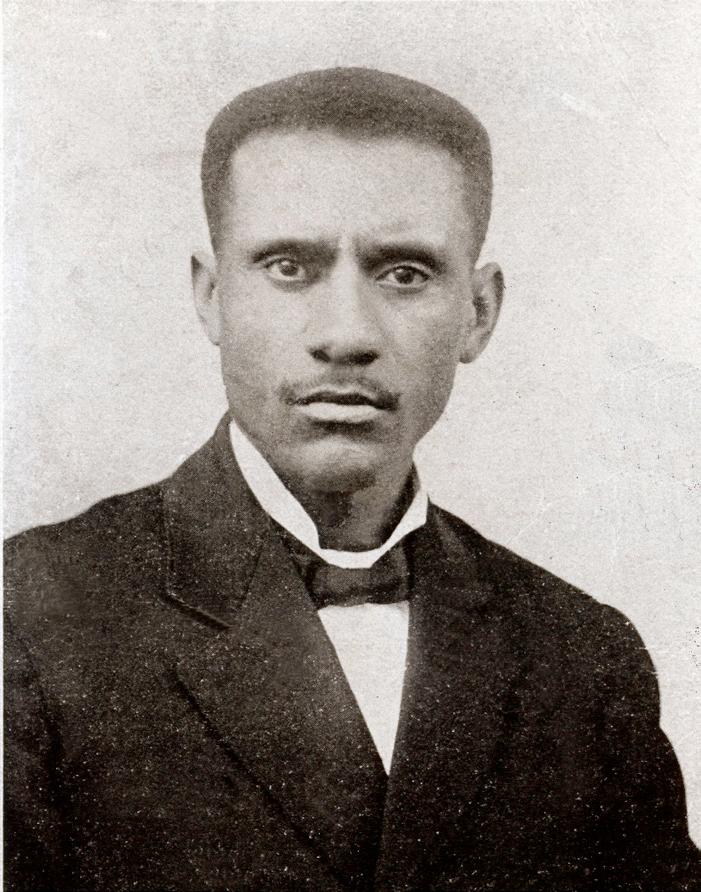
Conference divided in 1080 giving birth to Southeastern Conference
Reporting on the growth of the work for Blacks, Pastor Sydney Scott wrote in the Gospel Herald in July 1907, p. 26:
“Fifteen years ago, there were not over twenty colored Seventh-day Adventists south of the Mason-Dixon line, but today there are seven hundred. Twelve years ago, there was only one colored Seventh-day Adventist church; today there are fifty, not counting those in Africa or the West Indies. Fourteen years ago, there were only two colored ministers; today, there are forty-five in the United States, and counting those in Africa and the West Indies, the number will reach sixty.
The tithes of the colored people last year in the United States amounted to $5000; fifteen years ago, it was not over $50. One year ago, there was no sanitarium for colored people in the whole denomination where modern methods were used; today there is one in Birmingham Alabama, with Dr. L. C. Isbell as chief physician. Thirteen years ago, we had no colored Seventh-day Adventist physician; today we have five practicing using modern methods.”
The Southern Union Divides
In 1908, the Southern Union was divided into the Southeastern and Southern Union conferences. The territory of the new Southeastern Union included North and South Carolina, Georgia, and Florida. The Southern Union included Alabama, Mississippi, Tennessee, Kentucky, and Louisiana.
Negro Mission Department
At the 1909 General Conference session, the Negro Mission was established. The first leaders at the General Conference Negro Mission were J. W. Christian, A. J. Haysmer, and C. B. Stephenson, in that order. Under the Negro Mission, Black membership began to grow between 1909 and 1918 but saw significant increases when William H. Green became the first African American to lead the General Conference Negro Department.
The 1909 action also recommended the organization of Negro Missions within each Union and local conference of the Southern, Southeastern, and Southwestern Unions.
The Southern Union Conference, from which the Southeastern Union Conference had been separated in 1908, established the Southern Union Negro Mission, operating under the name of the Southern Missionary Society. This took “over all work and workers for the colored people heretofore maintained by the several local conferences and by the
Union Conference, excepting the school at Oakwood,” and received the tithe and other funds from all the Black churches in the area (Gospel Herald June 1909, p. 27; cf. November 1909, p. 45).
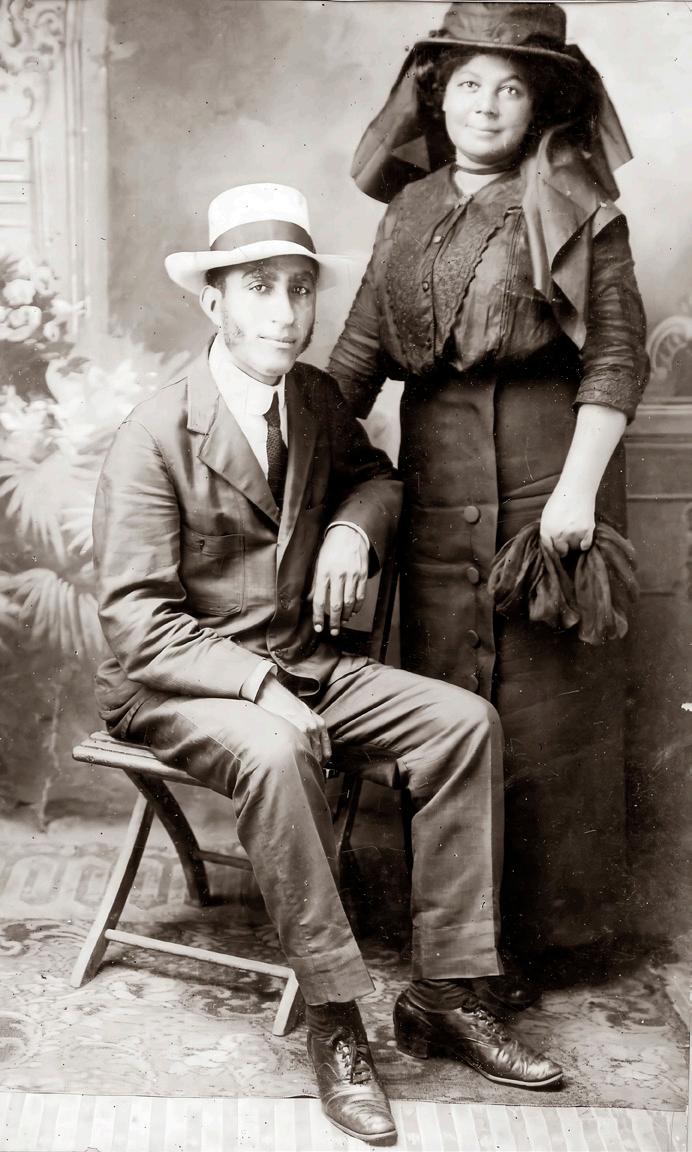
1909 - The Negro Department of the Southeastern Union was established with Matthew C. Strachan serving as field secretary. M. C. Strachan (South Carolina Conference), Sydney Scott (North Carolina Conference), J. W. Manns (Florida Conference), William H. Maynor (Cumberland Conference), and R. L. Williams (Georgia) were appointed as superintendents of local Negro missions within the state conferences (Field Tidings, Vol. 2 No. 6, March 2, 1910, p. 1. See also Field Tidings January 10, 1912, pp. 2-3).
The Negro Missions, later known as the Colored departments (1927), were separate parallel organizations within the three unions and state conferences that oversaw the colored members, churches, and pastors.
The Negro Missions had their own executive committee composed of White conference officers serving as ex officio members, along with selected Black pastors and sometimes other White or Black laypeople.
Because decisions regarding the Black work were often made by all-White executive committees and then communicated to the Black members, a resolution was adopted in
1912 recommending that at least one colored worker be included on the committees at the Union Conference sessions that address issues related to Negro Missions.
Some of the leading evangelists included John G. Thomas, who later became a Southern Union evangelist; Matthew C. Strachan; John F. Greene; George E. Peters, who baptized 232 in Tampa; John W. Manns, who baptized 125 in Savannah; Matthew Strachan; Sydney Scott; Joseph H. Laurence; Taswell B. Buckner; and Frederick S. Keitts. Several of these men were designated Union Mission evangelists. They included George E. Peters (1916-1918), John G. Thomas (1933-1937), and F. S. Keitts (1938-1941). Other early leading evangelists were Edward E. Cleveland and Eric C. Ward.
In 1932, the Southeastern and Southern Unions merged. After the merger, the Colored Department arrangement continued until December 1945, when the South Atlantic and South Central Conferences were organized.
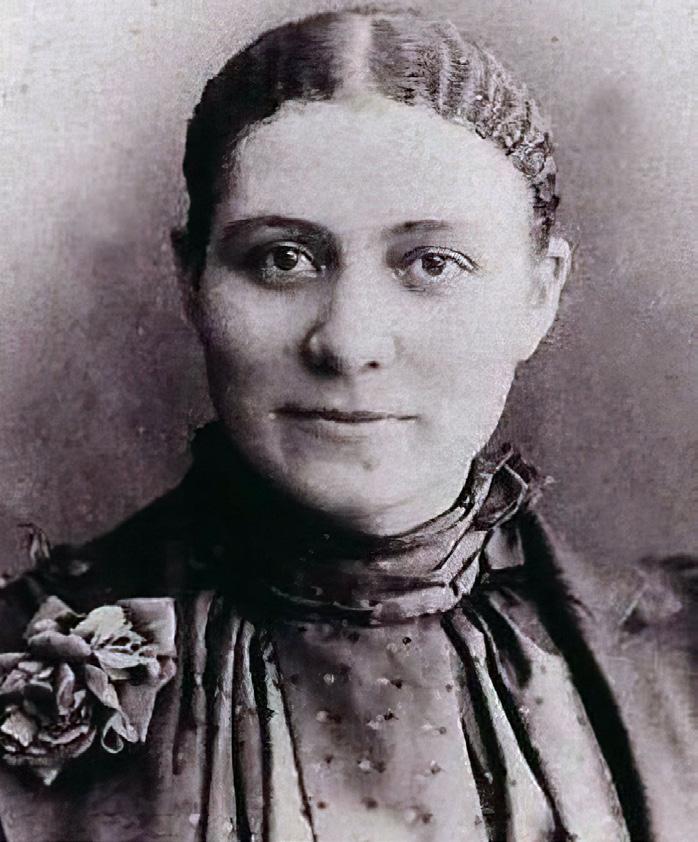
Miss Anna Knight, the first Adventist missionary to India, returned to Mississippi before moving to Atlanta to serve as a Bible instructor with Pastor William H. Sebastian. He was sent to Atlanta to establish what is now known as the Atlanta Berean Church. Miss Knight was soon asked to serve the Southeastern Union as Home Missionary Secretary (1915), then as Young People’s Sec-
retary (1917), Education (1919), and Sabbath School director. She held these positions until her retirement in 1945.
In 1932, the Southern Union hosted a large Youth Congress for White youth on the campus of Southern Junior College. Anna Knight, recognizing the benefit such an event could have for Black youth, hosted a Union Youth Congress that Black youth could attend at the Berean Church in Atlanta in 1933.
The following year, 1934, she hosted a National Youth Congress for Black youth on the campus of Oakwood in Huntsville, Alabama.
During this period, Black workers in the South expanded again with the opening of the Riverside Sanitarium and Hospital in Nashville, along with a missionary publication called Message in 1934.
In 1942, the Southern Union appointed a Union Secretary of the Colored Department. John H. Wagner Sr. became the first secretary of the Union Colored Department. He was succeeded by Harold D. Singleton (19431945).
At the Pre-Spring Council of the General Conference held on April 8-10, 1944 in Chicago, consideration was given to the question of whether to integrate the conference memberships, maintain the status quo, or form separate conferences. During the discussion, Lake Union President, J. J. Nethery, made a strong statement for separate conferences led by Black leaders (Pre-Spring Council Minutes, 1944). After this action, the Lake Region Conference in the Lake Union, the Allegheny Conference in the Columbia Union, and the Northeastern Conference in the Atlantic Union were organized.
Shortly afterward, the Southern Union formed a Colored Survey Committee to
examine the possibility of establishing regional conferences in this area. After careful consideration, they decided to organize two conferences because of the vast size of the Union territory.
On Monday, December 3, 1945, 398 delegates from Florida, Georgia, North Carolina, and South Carolina, gathered at the Berean Seventh-day Adventist Church on Ashby Street in Atlanta, Georgia. They voted to form a conference, chose the name South Atlantic Conference, and approved their constitution, bylaws, and officers. The conference started with 3,300 members across 70 churches.
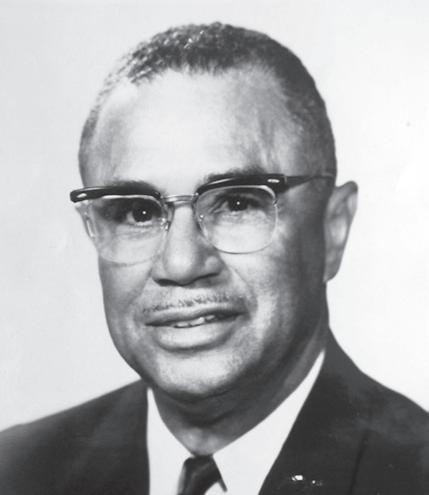
Hackman reported, "The following officers were unanimously chosen to serve during the next biennial term: President, H. D. Singleton; Secretary-treasurer, L. S. Follette; Book and Bible House manager, L. S. Follette; Educational and Missionary Volunteer secretary, F. H. Jenkins; Home Missionary and Religious Liberty secretary, H. D. Singleton, Publishing Department secretary, Richard Robinson; Associate Publishing Department secretaries, Silas McClamb, W. W. Jones; Sabbath School and Temperance secretary to be supplied by the new committee; Conference Committee, H. D. Singleton, L. S. Follette, W. S. Lee, F. S. Keitts, W. W. Fordham, F. H. Jenkins, N. B. Smith, A. J. Bailey."
The following day, Tuesday, December 4, delegates from Alabama, Mississippi, Tennessee, and Kentucky met in the Government Community Hall in Birmingham, Alabama, and voted to establish the South Central Conference.
Hackman reported, "The South Central Conference will comprise forty churches, with a total of 2,300 members. The following workers were chosen for the various offices:
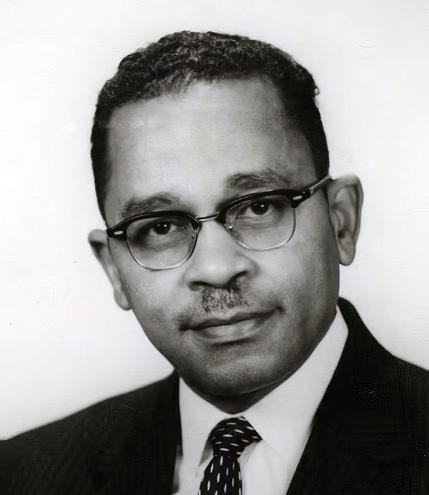
President, H. R. Murphy; Secretary-treasurer, V. Lindsay; Book and Bible House manager, V. Lindsay, Educational and M. V. secretary, Charles Dickerson; Home Missionary and Religious Liberty secretary, H. R. Murphy; Publishing Department secretary, W. E. Adams; Associate Publishing Department secretaries, B. H. Ewing, E. Brantley; Sabbath School and Temperance secretary to be supplied later; executive committee, H. R. Murphy, V. Lindsay, B. W. Abney, Sr., C. A. Lynes, J. G. Thomas, I. H. Hudson.
With the formation of these conferences, the Colored Department was dissolved in December 1945. Until this point, the Black members were in state conferences but were completely segregated. Integrated churches, schools, and camps would not begin to appear until after the Civil Rights Acts of 1964. These new conferences represented a different kind of organizational structure in two ways. They were called regional conferences because their territories covered multiple states. They were also unique because they were composed entirely of Black members, with Black leadership that for the first time held administrative authority. Also for the first time, Black leaders had a voice and a vote on the Southern Union Executive Committee and the President's Council. These elected leaders also attended the General Conference and North American Division Year-End Meetings as delegates at large. They were also able to nominate Black leaders to serve at the union, division, and General Conference levels of the church. God has blessed the regional conferences in the Southern Union. By the end of 2024, the South Atlantic Conference had 155 churches and a membership of 36,750. The South Central Conference had 143 churches and a membership of 29,240. The South-
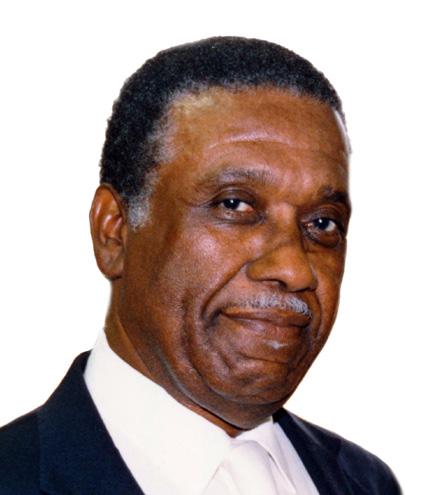
eastern Conference reported 46,697 members in 158 churches (Adventist Statistical Report 2024, p. 10).
The Presidents (1946-2026)
The presidents who have led these conferences are as follows:
South Atlantic Conference (1946-2026)
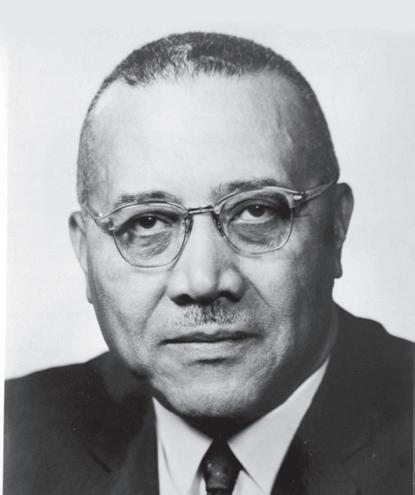
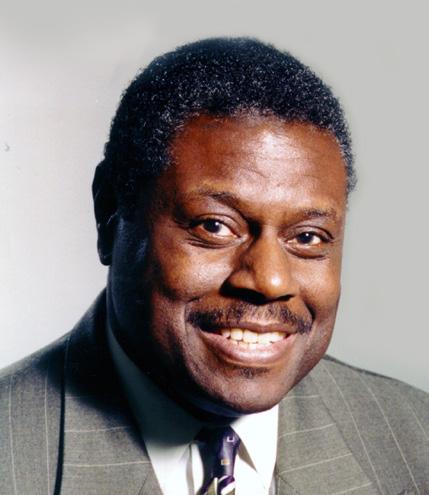
Harold D. Singleton who had served as the field secretary for the Southern Union Colored Department from 1943-1945 was elected to be the first president. He served from 1945–1954. Subsequent presidents were: John H. Wagner Sr., 1954–1962; Warren S. Banfield, 1962–1971; Robert L. Woodfork, 1971–1980; Ralph B. Hairston Sr., 1980–1988; Ralph P. Peay, 1988– Vanard J. Mendinghall, 1997-2011; William Winston 2011-2021; and Calvin Preston 2021.
South Central Conference (1946-2026)
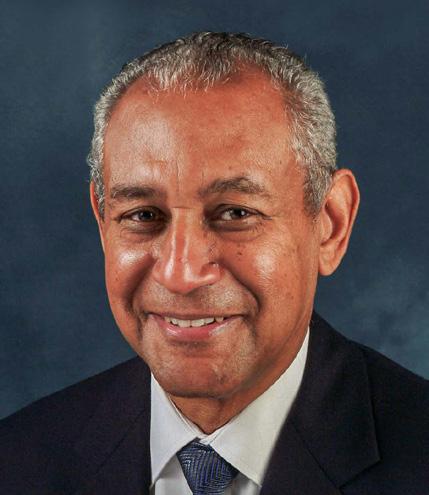
H. R. Murphy who served as an evangelist and on the Colored Department committee for the Alabama-Mississippi Conference was elected president and served from 1946–1954. His successors were: Walter W. Fordham, 1954–1959; Frank L. Bland, 1959–1962; Charles E. Dudley, 1962–1993; Joseph A. McCoy, 1993–2005; Benjamin P. Browne, 2005-2009; Dana C. Edmond, 2009-2016; Benjamin Jones Jr., 2016-2025; and Furman Fordham 2026 -.
By 1980, the South Atlantic Conference had become the largest conference in the Southern Union, with 21,959 members. A special constituency meeting was held on June 4 to consider dividing the conference.
The delegates gathered and voted to split the South Atlantic territory into two separate
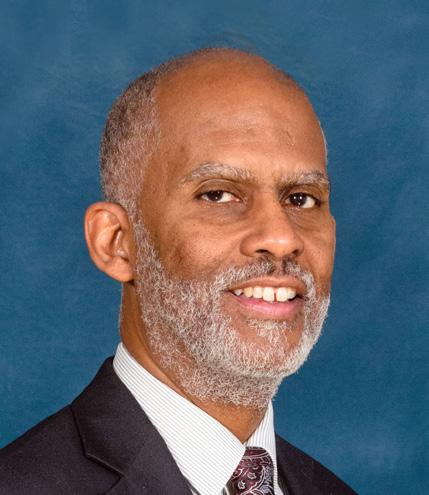
conferences starting January 1, 1981. The lower territory, which included Florida and South Georgia, became the Southeastern Conference, with James A. Edgecombe as president. The upper territory remained the South Atlantic Conference, with Ralph B. Hairston as president.
As we move into the future, Calvin Preston, president of the South Atlantic Conference, says, “The catchphrase from years past remains just as relevant in 2025: ‘Souls and Goals.’ Evangelism and church planting continue to be the lifeblood of the church, and fulfilling the gospel commission stands at the forefront of our mission. The goals of prioritizing Adventist education—as well as Children’s Ministries, Youth, and Young Adult Ministries—ensure that those who carry the work forward understand that we have nothing to fear for the future except that we forget how God has led us in the past.” t
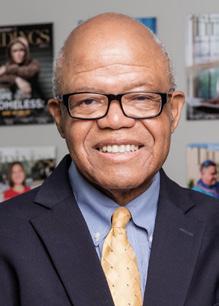
III, is the retired Editor of the Southern Tidings magazine (where this article first appeared), and is now Historian for the Southern Union.
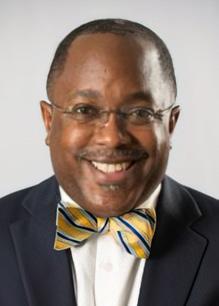
Dr. Bryant Taylor, Communication Director of the Southern Union, Editor of the Southern Tidings magazine (where this article first appeared), and Associate Editor of Regional Voice magazine, coordinated this coverage.

BY JENEAN LENDOR
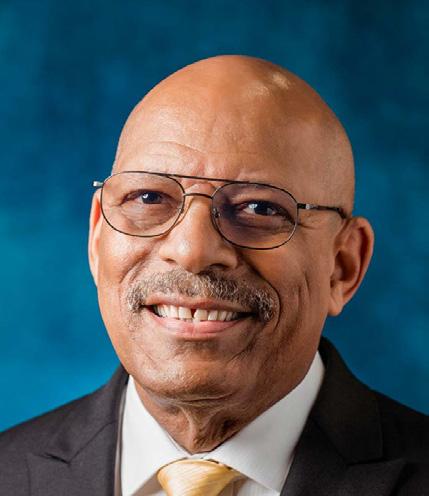
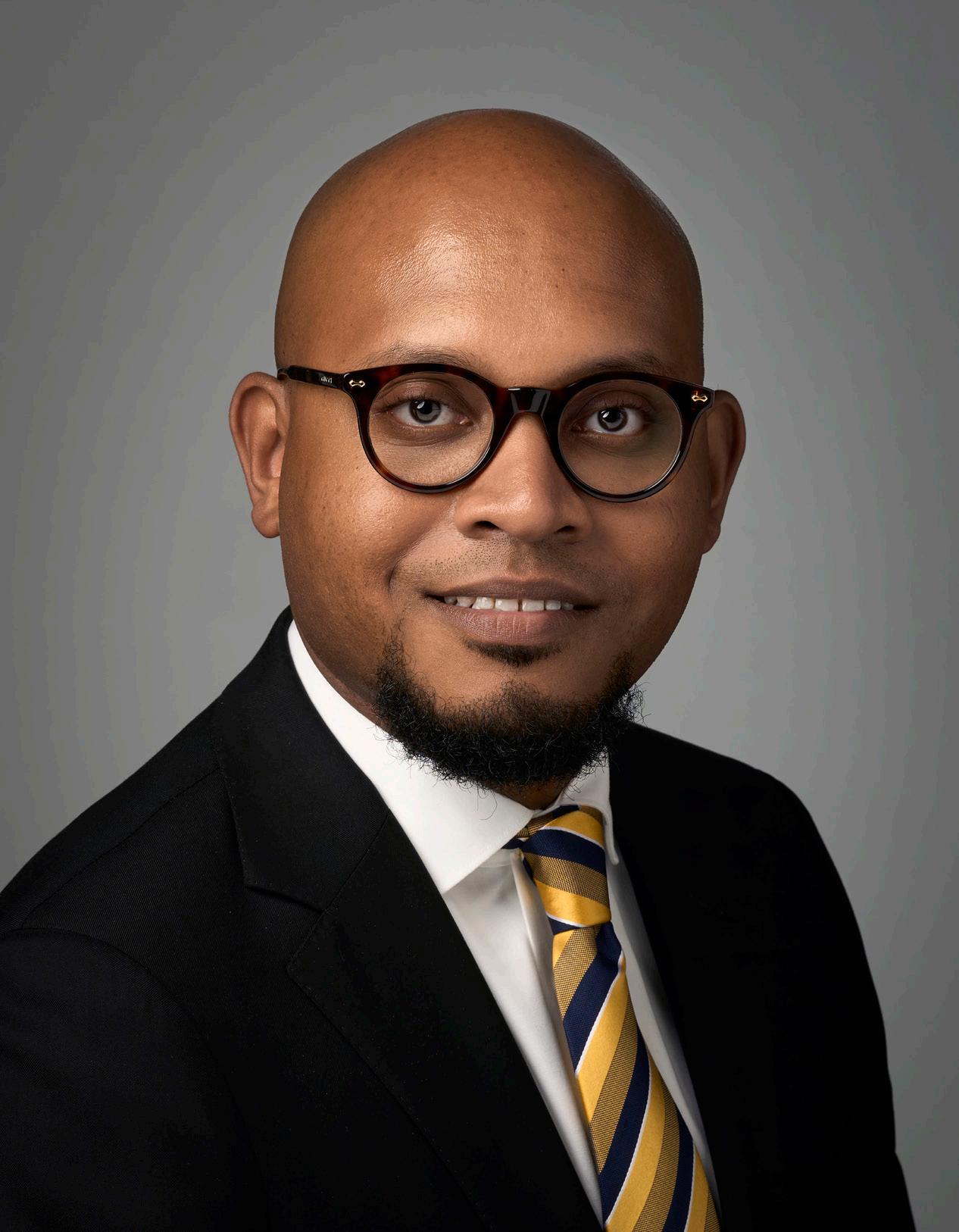
ASpecial Committee comprised of the Executive Committee and the surviving members of the last nominating committee of the Lake Region Conference of Seventh-day Adventists has officially voted Dr. Abraham Henry as President on February 22, 2026.
Dr. Henry assumed the role of Interim President on January 2, 2026, following the resignation of Elder Garth Gabriel, while continuing to serve as Executive Secretary. With this action, he now formally assumes the official role as president of the conference.
"I am honored and excited to lead in this new capacity," said Henry. "As someone who has served in the great Lake Region for the past six years, I look forward to mobilizing our members for mission; to be loving, serving, teaching and preaching as we work to-
gether and watch God expand the field."
Henry previously served in the Lake Region Conference as Youth Director from 2019 to 2022 and was later elected Executive Secretary in 2022. Prior to joining Lake Region, he served in the Central States Conference as senior pastor of New Beginnings Church in Wichita, Kansas. Before relocating to Kansas in 2016, he ministered within the Illinois Conference as pastor of New Jerusalem Seventh-day Adventist Church and also served Lake Region as Pathfinder Executive Coordinator.
Reflecting on his predecessor's leadership, Henry acknowledged Elder Gabriel's years of dedicated service. "It's been the honor of a lifetime to serve alongside someone as dedicated and resolute to the mission of the Seventh-day Adventist Church," said Henry. "Elder Gabriel's humility, his caring heart for lost souls, his steadfast promotion of evan-
"I am honored and excited to lead in this new capacity," said Henry.
"As someone who has served in the great Lake Region for the past six years, I look forward to mobilizing our members for mission; to be loving, serving, teaching and preaching as we work together and watch God expand the field."
gelism and making sure all hands were on deck, will long be remembered."
He pursued undergraduate studies in theology at Oakwood University and earned a Bachelor of Arts in Communications from The City College of New York. He holds a Master of Divinity from Andrews University and a Doctor of Ministry in Strategic Leadership from Claremont School of Theology. He also holds a Master of Business Administration with a concentration in Human Resources. In addition, he earned a Certificate in Human Resource Transformation from Cornell University and is a Senior Certified Professional (SHRM-SP) through the Society for Human Resource Management.
Dr. Henry approaches leadership as a sacred calling, shaped by prayer, Scripture, and communal discernment. He is deeply committed to personal spiritual disciplines that anchor his public leadership in a vibrant private faith. Guided by a theology of servant leadership and stewardship, he believes authority is entrusted for the purpose of empowering others, advancing God's mission, and cultivating Spirit-led movement rather than institutional maintenance.
The Lake Region Conference invites continued prayers and support as the Conference moves forward grounded in faith and committed to the mission of Christ. t
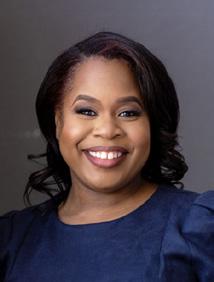
Mrs. JeNean Lendor, Communication Director for the Lake Region Conference of Seventh-day Adventists, produced this report.
BY JENEAN LENDOR
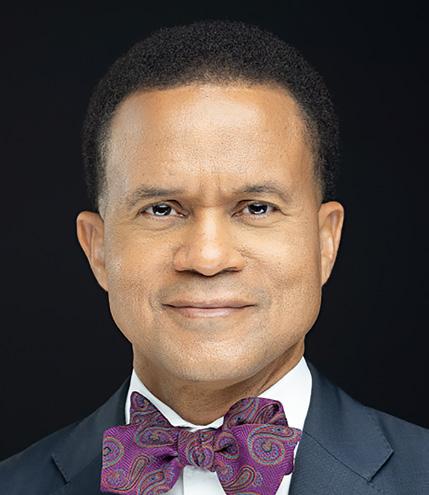
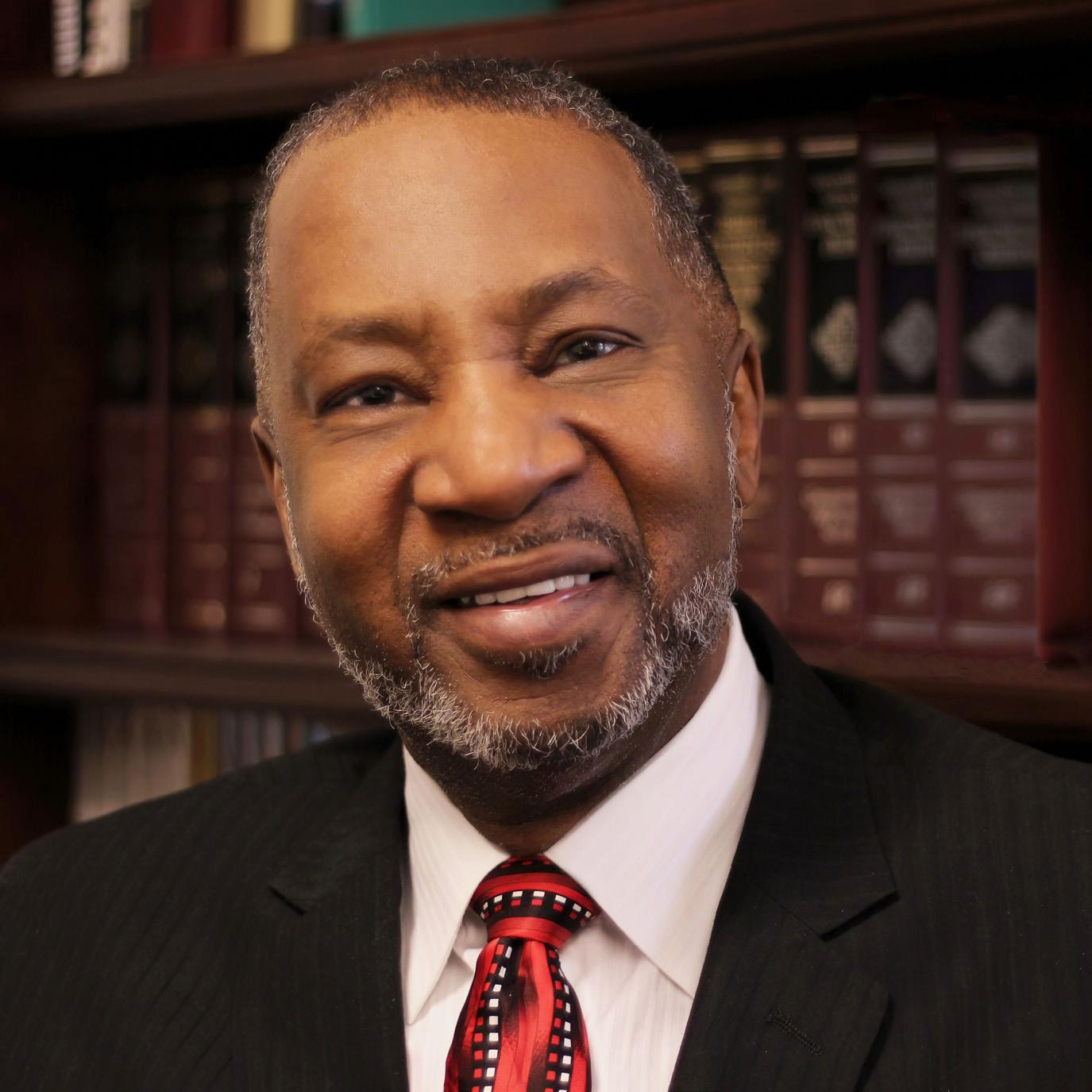
The Lake Region Conference of Seventh-day Adventists today announced that Conference President, Elder Garth Gabriel has announced his plans to resign effective January 2, 2026.
Elder Gabriel shared that his decision came after “careful prayer and reflection with my family,” expressing deep gratitude for the opportunity to have served and led the Conference in fulfilling its mission to share the gospel across the Lake Region Conference.
During his tenure, Elder Gabriel provided steady leadership and a deep commitment to advancing evangelism and unity within the body of Christ. The Lake Region Conference extends its heartfelt appreciation for his years of dedicated service and spiritual guidance.
Doris Gothard, a member of the Lake
Region Conference Executive Committee, says, “Elder Gabriel’s service to Lake Region Conference has been an inspiration, particularly through his leadership in promoting baptisms and fostering total member involvement.”
In accordance with the Conference constitution and bylaws, Dr. Abraham Henry, the current Executive Secretary, will begin serving as Interim President of the Lake Region Conference, effective January 3, 2026. Elder Gabriel shared his full confidence in Dr. Henry’s ability to lead during this transition, stating:
“Dr. Henry is a highly capable and spiritually grounded leader who has served this Conference faithfully. He knows all aspects of the operations of this Conference, from youth ministry on up, and I am confident that, under God’s
During his tenure, Elder Gabriel provided steady leadership and a deep commitment to advancing evangelism and unity within the body of Christ.
guidance and Dr. Henry’s leadership, the Lake Region Conference will continue to thrive and fulfill its divine mission.”
As per Lake Region Conference practices, the news of Elder Gabriel’s impending resignation has been shared with the conference administrative team, executive committee, employees
The Lake Region Conference invites continued prayers and support from members of Conference churches, friends and all people of faith as the Conference moves forward, grounded in faith and committed to the mission of Christ.
and now, with church members across the Lake Region Conference. The Lake Region Conference invites continued prayers and support from members of Conference churches, friends and all people of faith as the Conference moves forward, grounded in faith and committed to the mission of Christ. t
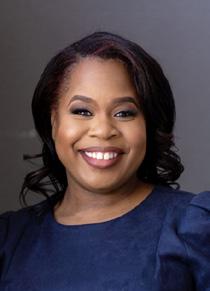
Mrs. JeNean Lendor, Communication Director for the Lake Region Conference of Seventh-day Adventists, produced this report.
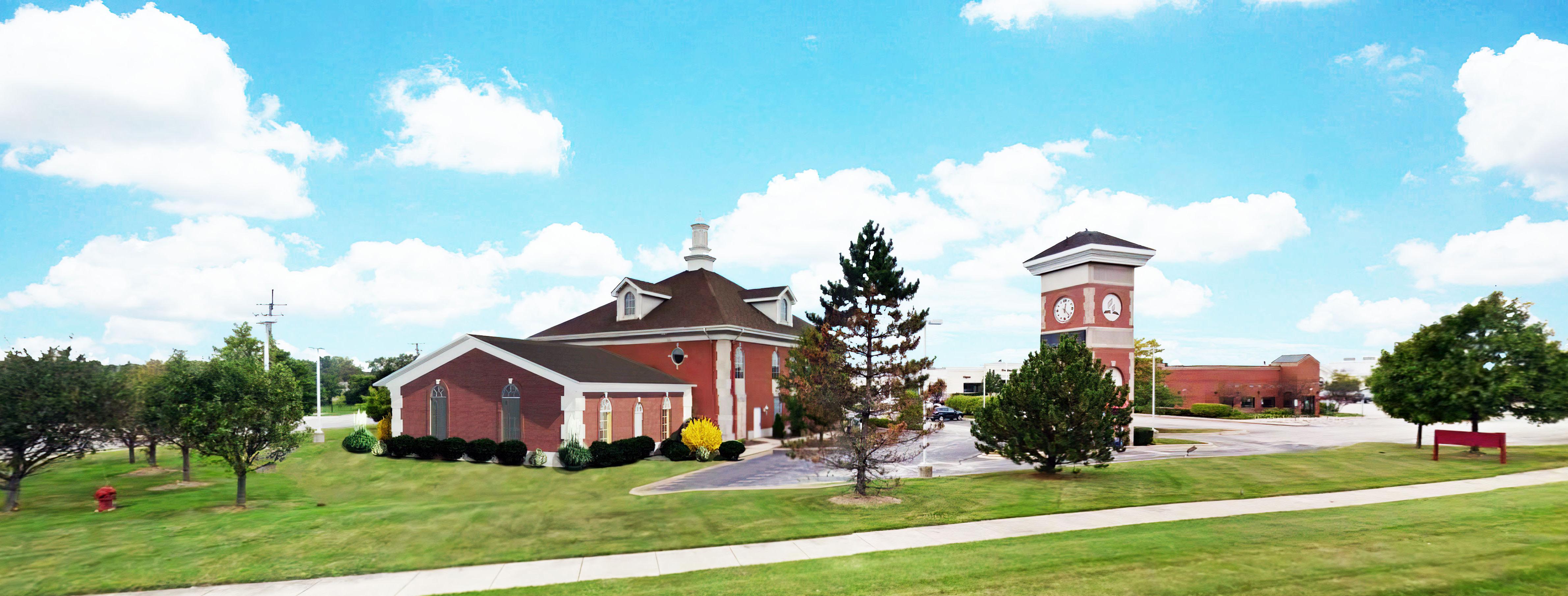
BY TREVOR BARNES AND HUGH DAVIS
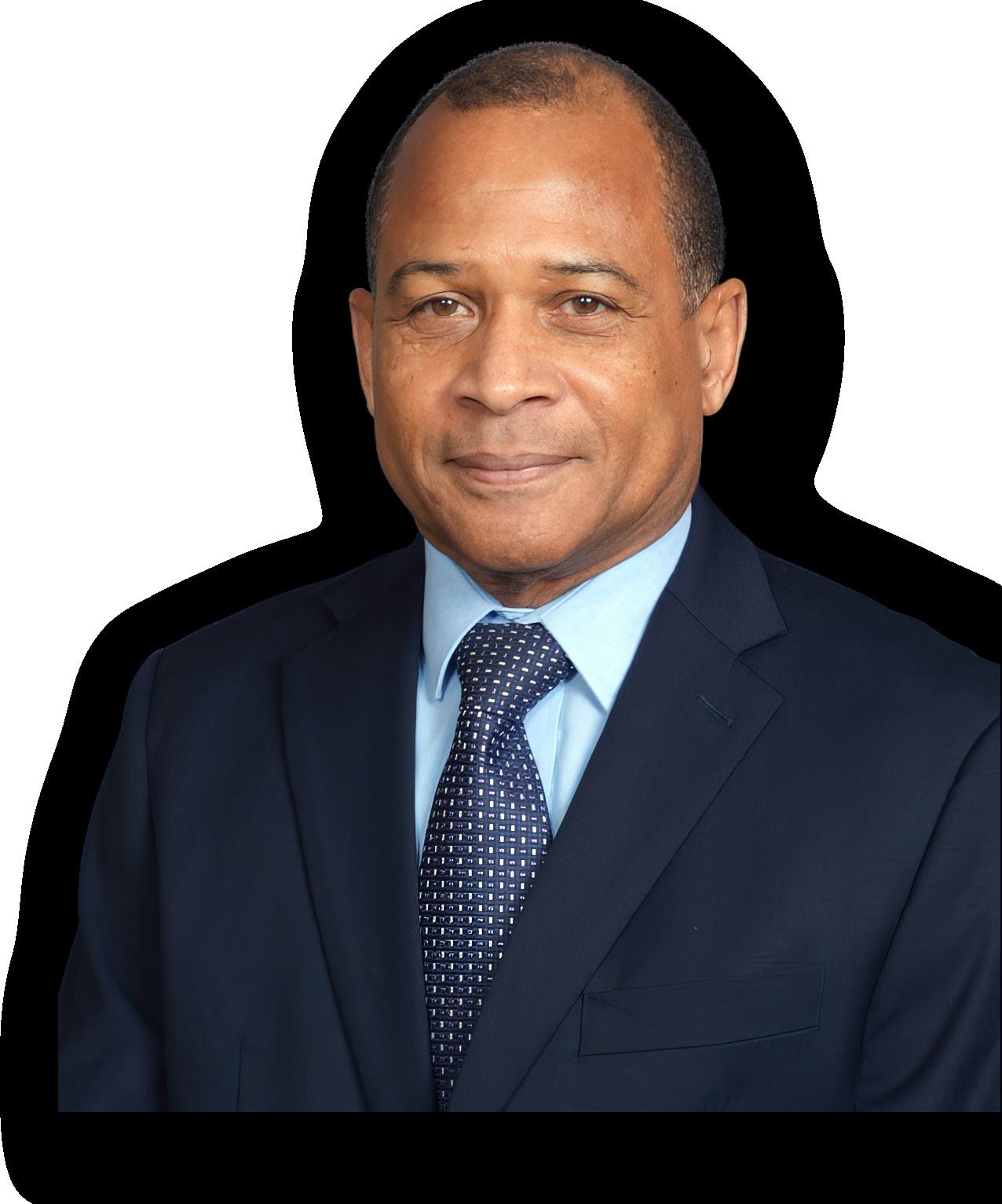
Elder Delbert Pearman began serving as Vice President for Finance and Trust Services Director for the Central States Conference of Seventh-day Adventists on December 1, 2025. In this role, he oversees conference finances, supports local congregations, and helps ensure that financial resources are managed with integrity and purpose in advancing the church’s mission.
For Elder Pearman, the assignment is also a homecoming. Earlier in his career, he served in Central States after receiving a call from Dr. G. Alexander Bryant, then conference president, to help strengthen the field. Shortly after his arrival, unexpected leadership transitions left the conference without a president or secretary.
“It was a steep learning curve,” Pearman recalled. “But the Lord prepared me.” During that season, he stepped in to help guide operations and stabilize the work, gaining valuable experience that would shape his future leadership. Now, after more than four decades of service to the Seventh-day Adventist Church across the globe, Elder Delbert Pearman has learned a simple but powerful truth:
“Money is for mission,” he said. “The mission doesn’t follow the money. The money follows the mission.”
Elder Pearman’s ministry journey began after graduating from Oakwood College (now Oakwood University) in 1983. His first assignment took him to Malawi, a country in southeastern Africa, where he served as an accountant.
“That’s where I realized my business training could support the mission of the church,” he said. “Finance is ministry too.”
From Malawi, God opened doors around the world. Elder Pearman served in Bermuda, Sri Lanka, the Middle East, and Ethiopia, later joining the General Conference of Seventh-day Adventists. Most recently, he returned to Sri Lanka to serve as president of the church organization there. Each assignment became a classroom, teaching him new lessons about stewardship, leadership, and trust.
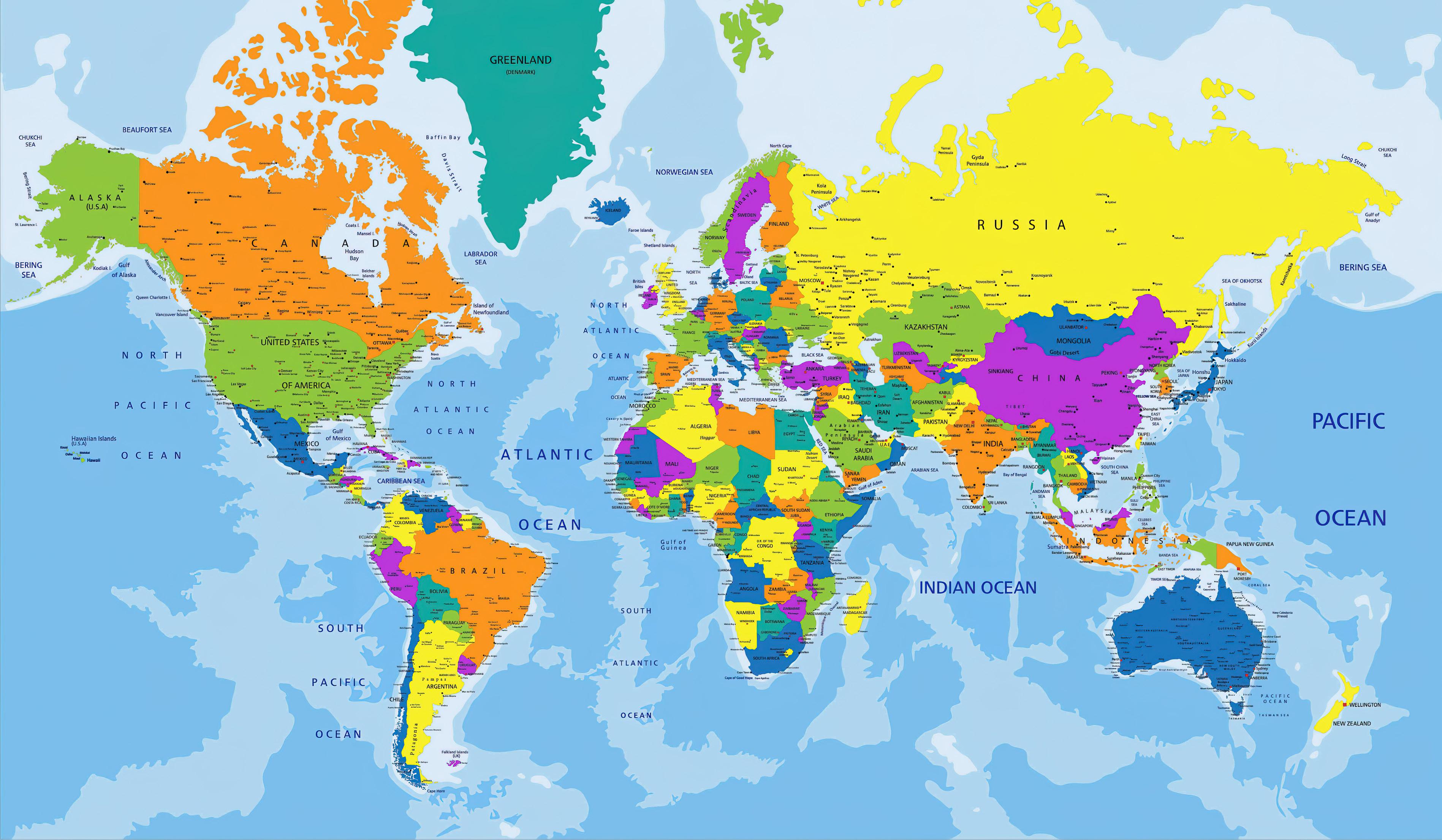
money are different everywhere,” he said. “But God always provides what His church needs.”
Working across cultures reshaped Pearman’s perspective on money. In North America, people tend to save. In countries with high inflation, money quickly loses value.
“In those places, you don’t want to hold money,” he explained. “You want to use it while it can still do good.”
Those lessons guide his approach today. “I’m not here just to save money,” Pearman said. “I’m here to spend it wisely for mission. We want to convert dollars into souls.”
Throughout his career, he has helped multiple church regions achieve their first clean audits. “When I arrived, [there were those in some places who] said they had never had one,” he said. “By God’s grace, we were able to get things in order.”
For Pearman, strong financial systems are ultimately about trust. “When members give, they deserve to know their resources are handled carefully,” he said. “Sometimes the challenge isn’t provision —it’s good management.”
Trusting God’s Direction
Reflecting on his journey, Pearman points to this guiding text: “Trust in the Lord with all thine heart… and He shall direct thy paths” Proverbs 3:5, 6, KJV.
“I can see now how the Lord has directed my path,” he said. “Every place prepared me for the next.”
After years of global service alongside his wife, Curdell, shaped by mission life while raising two daughters, Pearman says it feels right to serve locally again.
Following God’s leading across continents has brought him back to Central States—ready once more to help move the mission forward. t
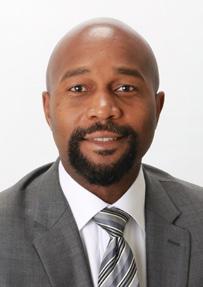
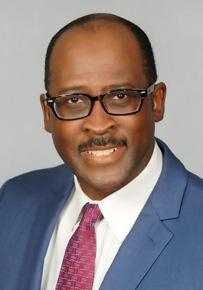
Pastor Trevor Barnes is Communication Director of the Central States Conference.
Hugh Davis is Communication Director of the Mid-America Union. Both of these are Seventh-day Adventist organizations.
C. ANSLEM PAUL
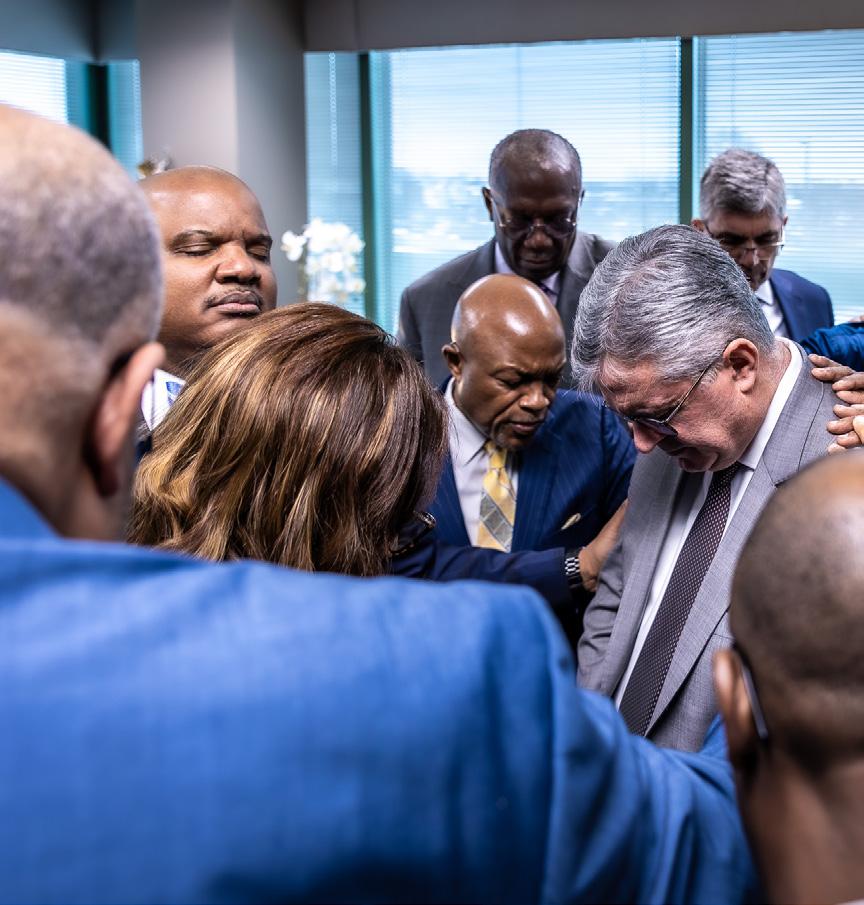
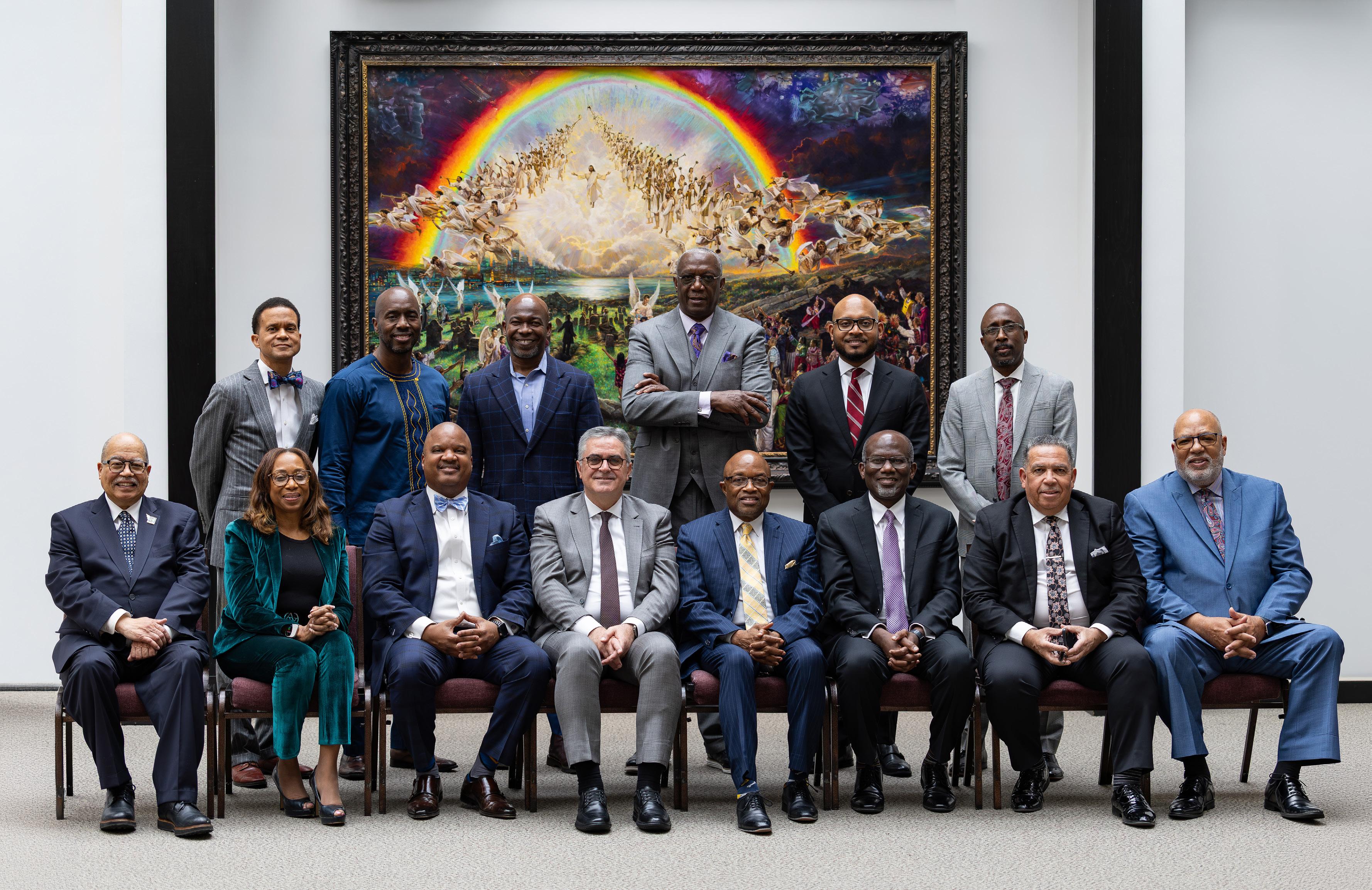
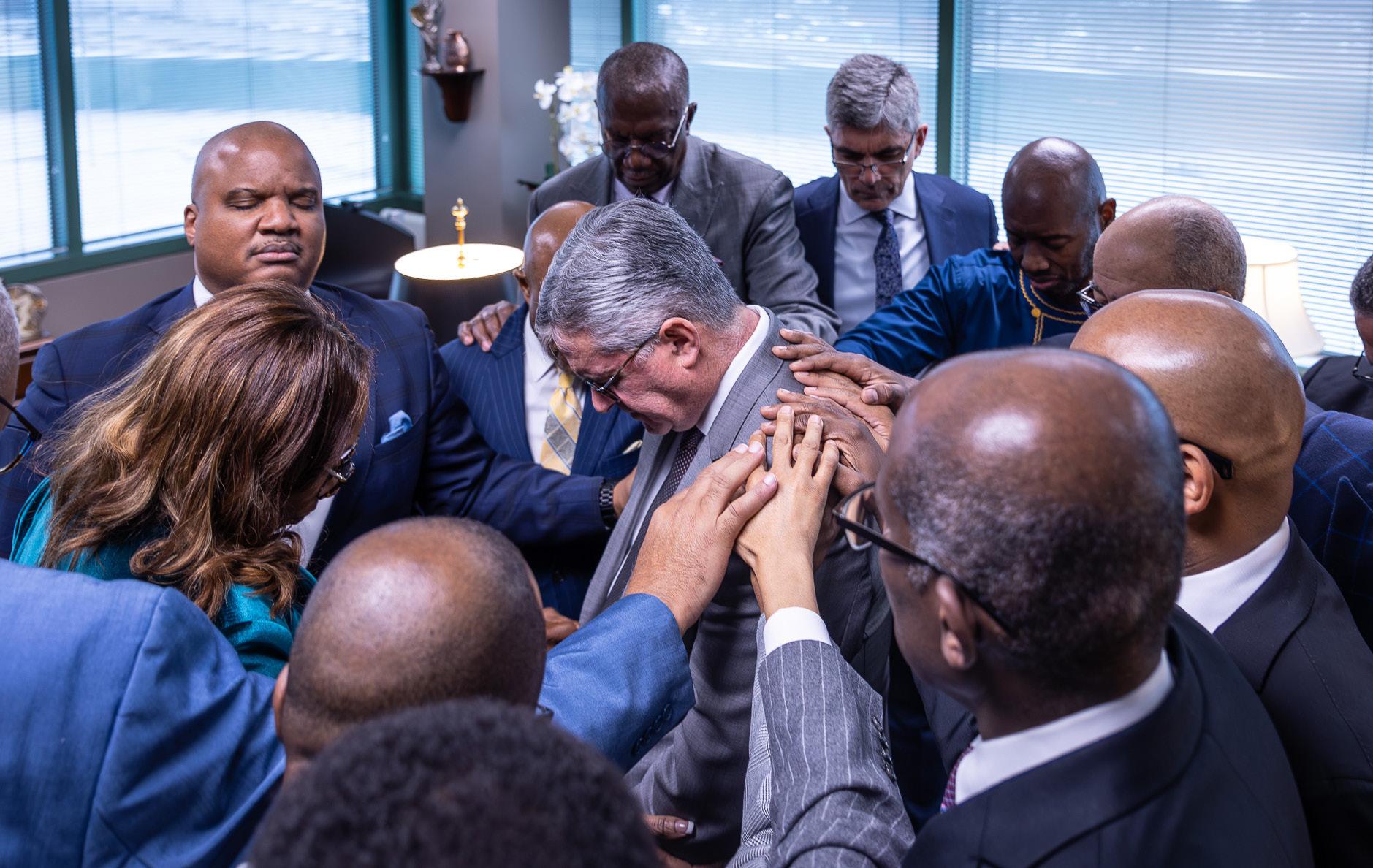
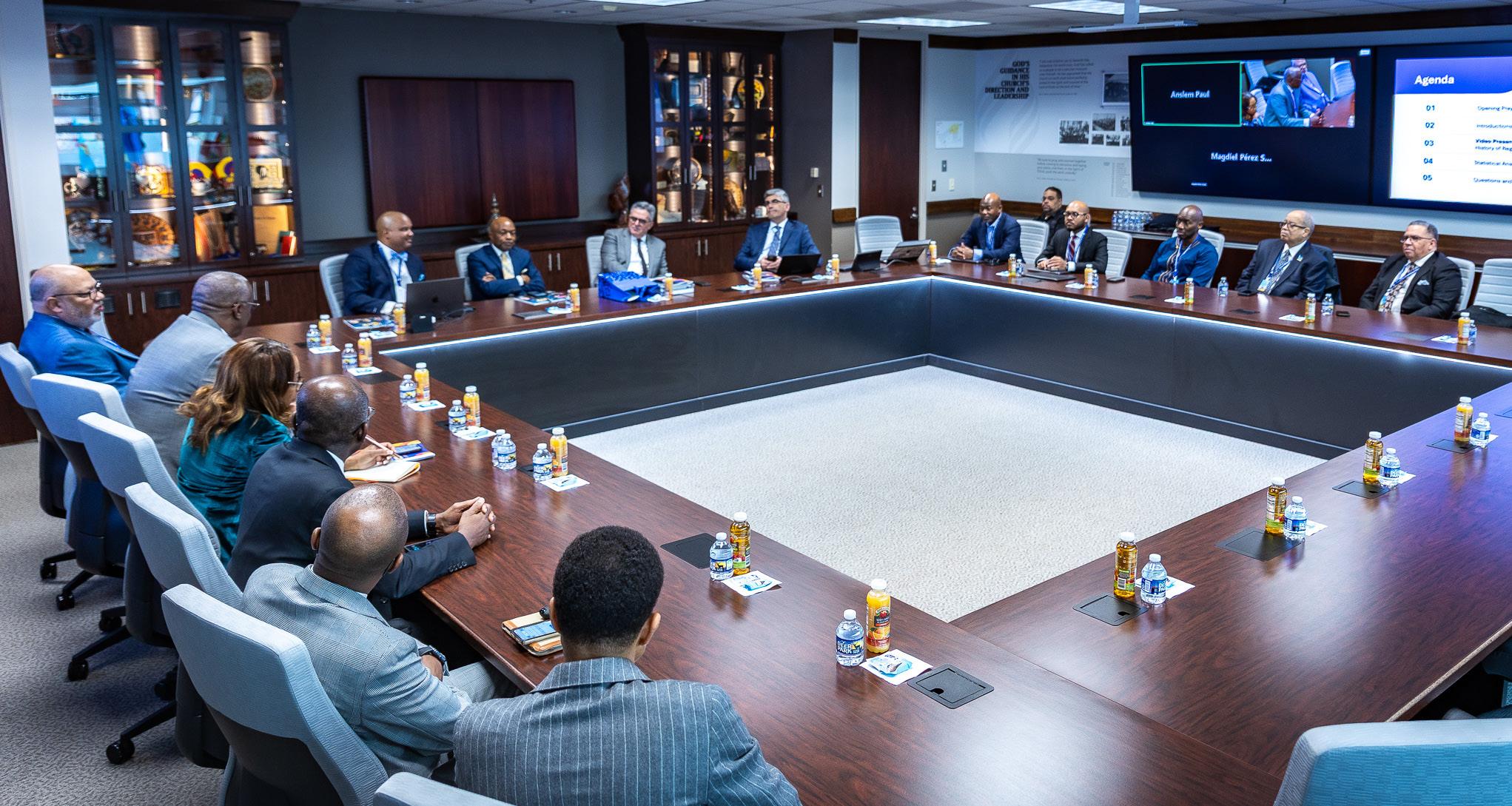
The Regional Conference Presidents met with General Conference President Erton Köhler, at the Adventist World Headquarters in Silver Spring, Maryland, on Wednesday, February 25, at 10:00 a.m.
The two-hour meeting centered on gospel mission, unity of purpose, and the continued role of Regional Conferences within the life and work of the Church in North America. Dr. G. Alexander Bryant, President of the North American Division, was also present.
Before formal remarks began, President Köhler established a warm and relational tone by personally greeting each Regional Conference President in the room, and welcoming each leader individually. A spirit of mutual respect and openness characterized the meeting throughout.
President Köhler opened the session by sharing his vision for the Seventh-day Adventist Church, grounding his remarks firmly in the gospel commission and the Church’s global mission. He emphasized that unity is sustained not merely through structure, but through shared commitment to mission. He summarized that conviction with a simple but resonant statement: “The mission is the medicine that can effect unity.”
President Köhler opened the session by sharing his vision for the Seventh-day Adventist Church, grounding his remarks firmly in the gospel commission and the Church’s global mission.
President Bryant followed with remarks framing the conversation within the North American context. He underscored the growing importance of Regional Conferences in contributing meaningfully to mission across the Division, noting that while many aspects of the Church have evolved over time, many of the conditions that led to the establishment of Regional Conferences continue today. His comments
President Bryant followed with remarks framing the conversation within the North American context. He underscored the growing importance of Regional Conferences in contributing meaningfully to mission across the Division, noting that while many aspects of the Church have evolved over time, many of the conditions that led to the establishment of Regional Conferences continue today.
also affirmed the continued relevance of Regional Conferences, not as relics of the past, but as active, necessary instruments in addressing enduring realities within the Church and the communities it serves.
The meeting then transitioned to the area of leadership, presented by Dr. Carlton P. Byrd, Chair of the Regional Conference Presidents’ Council and President of the Southwest Region Conference. Dr. Byrd offered formal introductions and presented an overview highlighting the history, progress, and ongoing necessity of Regional Conferences within the Seventh-day Adventist Church in North America.
Drawing from detailed data, Dr. Byrd emphasized three defining characteristics of Regional Conferences: Essential, Dynamic, and Mission-Driven. Region-
Over the past 80 years, Regional Conferences have been among the most effective mission structures within the North American Division, experiencing growth four times faster than the rest of the Church.
Adventist presence within the city limits of major U.S. cities, a critical reality given that approximately 80 percent of the U.S. population lives in urban areas.
lism and the strategic use of multiple media platforms.
al Conferences are:
1. Essential because they strengthen areas of ministry that might otherwise be overlooked and help ensure the Church remains faithful to its mission in every community.
2. Dynamic because they adapt to cultural realities and community needs while remaining fully aligned with denominational beliefs and policies.
3. Mission driven because they
focus on advancing the gospel through intentional leadership and contextual understanding that is imperative for effective evangelism.
The presentation also provided historical and statistical context. Over the past 80 years, Regional Conferences have been among the most effective mission structures within the North American Division, experiencing growth four times faster than the rest of the Church. Economically, the presentation noted that nine Regional Conferences operate within the same geographic territory as thirty State Conferences, illustrating a level of efficiency that strengthens the overall work of the Church.
Urban ministry featured prominently in the discussion. African-American Adventist churches are often the only
Regional Conferences, the presentation noted, have historically been positioned to engage these urban communities and to address social realities facing communities of color in intentional and contextual ways.
The Regional Conference Presidents represented the following conferences in alphabetical order: Allegheny East – Dr. Trevor Kinlock; Allegheny West – Pastor Marvin Brown; Central States – Pastor Cryston Josiah; Lake Region – Dr. Abraham Henry; (Northeastern Conference President, Dr. Eldeen King, was unable to attend.); South Atlantic –Pastor Calvin Preston; South Central –Pastor Furman Fordham; Southeastern – Dr. Michael Owusu, and Southwest Region – Dr. Carlton Byrd.
Together, the Presidents discussed and affirmed their commitment to advancing the General Conference’s One Voice 2027 Initiative, particularly through culturally responsive evange-
The following leaders also included in this meeting were: Dr. Gina Spivey-Brown, President of Oakwood University; Dr. Kenneth Manders, President of the Bermuda Conference; Dr. William T. Cox, Executive Director of the Regional Conference Retirement Plan, and Pastor C. Anslem Paul, Communications Director for the Office for Regional Conference Ministries.
Another important aspect of the conversation highlighted the diversity within Regional Conferences themselves. Beyond African-American congregations, Regional Conferences include Hispanic, Brazilian, Filipino, Korean, African, Haitian, and even predominantly Caucasian churches, reflecting a broad and multicultural mission field.
When asked what message he wished to send back to Regional Conference workers and constituents, President Köhler encouraged perseverance and focus. He quoted 2 Chronicles 15:7, NIV, “But as for you, be strong and do not give up, for your work will be rewarded.”
To this he added, “Keep the unity and the focus on the mission. You exist to keep the church united, and the Lord will open doors for you.”
The meeting concluded with all participants recognizing the value of ongoing dialogue and collaboration. A newly produced five-minute video on the history of Regional Conferences was also debuted and is now available on the Office for Regional Conference Ministry’s YouTube channel.
This meeting was constructive, affirming, and forward-looking. The leaders reflected a shared commitment to gospel mission and faithful service across the North American Division. t
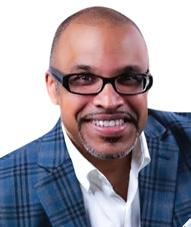
Pastor C. Anslem Paul, Communications Director for the Office for Regional Conference Ministries (ORCM), conducted live coverage of this session, on location, for Regional Voice magazine. We thank him for making his start by completing this in-depth report.
BY ESTHER J. SMITH
Jermaine Jackson, a native of Missouri, the “Show Me” State, has never believed that leadership happens in isolation.After earning a bachelor’s degree in Finance from Oakwood University, a Graduate Certificate in Accounting from DeVry University, and an MBA from Baker University, numbers are Jackson’s professional language. However, collaboration is his operating system. The recently appointed Vice President for Finance and Chief Financial Officer at Oakwood University brings decades of financial expertise. He champions a deeply held conviction that lasting change happens when each part of an institution understands its role in the larger game plan.
Before returning to his alma mater, Jackson served as an officer within the Lake Union Conference, where he led as Associate Treasurer and Stewardship Director. In this role, he oversaw the Lake Union Revolving Fund, established in 1976 to empower Seventh-day Adventist institutions. There, Jackson was immersed in the kind of financial governance that requires precision, trust, and long-term vision. These same skills now inform his leadership at Oakwood.
Jackson’s professional journey includes senior financial leadership roles from various points across the Adventist system. His experience involves service as CFO/Treasurer for the Allegheny West Conference and VP/CFO at Adventist Risk Management (ARM). During each assignment, his focus centered on building sound financial systems, strengthening accountability, and ensuring organizational sustainability. Yet, despite the breadth of his experience, Jackson
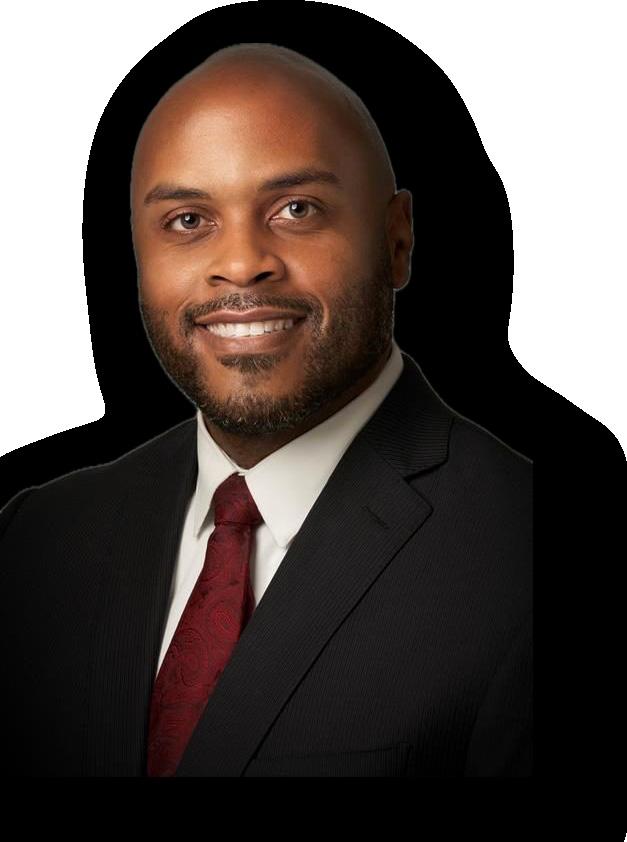
Before returning to his alma mater, Jackson served as an officer within the Lake Union Conference, where he led as Associate Treasurer and Stewardship Director.
describes his return to Oakwood as uniquely personal—it’s both a professional calling and a spiritual assignment. Helping to ground him through it all are his wife, Dr. D’Andria Anderson Jackson, and their two children.
As he sets priorities in his new role, Jackson shares his vision for Oakwood’s finances. An avid sports fan, he likens institutional and departmental success to a championship-seeking basketball team.
“Every championship team has a starting five,” Jackson explains. “There’s usually a star player, like Michael Jordan, whom I consider the greatest of all time. But even Michael couldn’t win championships by himself.”
Jackson admired Coach Phil Jackson’s skill in building around Jordan. He says strategically integrating players like Scottie Pippen and Steve Kerr developed the Bulls’ true element of genius in the late 90s. The lesson is simple: talent without teamwork doesn’t win championships.
Likewise, fiscal augmentation without coordination fails to achieve sustainable change.
At Oakwood, Jackson sees each department as a key player. He clarifies
Jackson is candid about the challenges Oakwood University faces, yet he’s confident about his alma mater’s journey toward excellence.
further: while the Division of Financial Administration sets strategy, achievement requires collaborative ownership over improved financial procedures. “If every department recognizes their role on the team,” he affirms, “I think that is the first step into realizing [success].”
This philosophy shapes Jackson’s approach as VP/CFO. He emphasizes transparent finances, disciplined budgets, and clear communication of institutional priorities. Rather than making the division a distant authority, Jackson prioritizes partnership. He looks forward to working alongside academic leaders, student-facing offices, and administrative teams to create sustainable pathways toward financial security and freedom.
Jackson is candid about the challeng-
es Oakwood University faces, yet he’s confident about his alma mater’s journey toward excellence. “Oakwood has gone through quite a bit,” he says, “but trouble don’t last always.” He credits President Gina Brown’s leadership in steadying the institution and believes her groundwork will lead to upward momentum. He agrees with Brown that the goal is readiness. And he knows that with God, it’s attainable. t
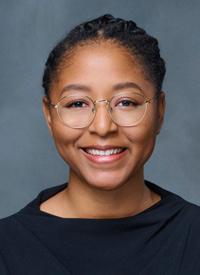
Esther J. Smith is a seasoned writer and author whose work explores purpose, faith, and the human experience. She currently serves as the Assistant Director of Communication & Annual Fund Strategist at Oakwood University.
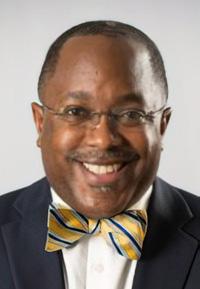
Dr. Bryant Taylor, Communication Director of the Southern Union, Editor of the Southern Tidings magazine, and Associate Editor of Regional Voice magazine, coordinated this coverage.
BY C. ANSLEM PAUL
Leadership changes often pass quietly. This one shouldn’t.
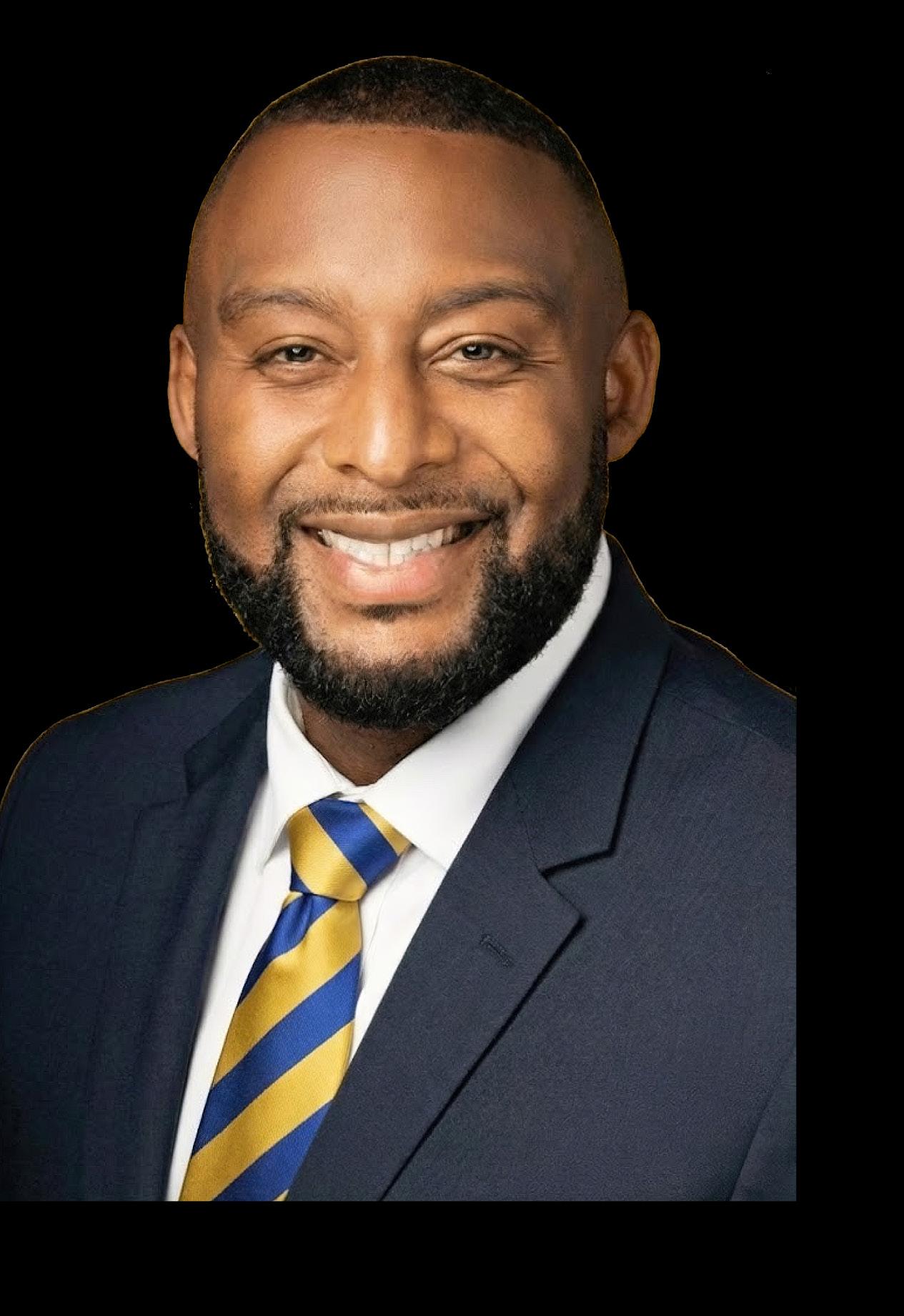
Oakwood University has appointed Dr. James Doggette Jr. as its new Vice President for Enrollment, a move that reflects more than a personnel change. It signals a recalibration of how the university is approaching recruitment, reach, and long-term sustainability in the shifting landscape of higher education.
Dr. Doggette steps into the role following Elder Robert Edwards’ transition earlier this year into the position of Vice President for Enrollment Services & Retention. Together, the two roles create a clearer distinction between attracting students and ensuring that they thrive once they arrive. Many institutions are now discovering that this separation is essential.
An Oakwood alumnus, Dr. Doggette returns with both familiarity and range. His academic journey includes degrees earned at Oakwood University and doctoral training in strategic leadership. His professional path has moved fluidly across ministry, public service, and military chaplaincy, experiences that shape a leadership style grounded in mission, structure, and people.
That combination matters.
Enrollment today is no longer just about numbers. It is about narrative, access, trust, and relevance, especially for institutions serving faith-based and historically black communities. Dr. Doggette’s appointment positions Oakwood to engage those challenges with leadership that understands both its heritage and its horizon.
At the same time, Elder Edwards’ focus on retention underscores a growing recognition across higher education: recruiting students is only half the work. Supporting them, listening to them, and helping them persist is where institutional credibility is built.
As Oakwood navigates demographic shifts, rising costs, and evolving student expectations, this leadership transition reflects an intentional move toward clarity and coordination. The momentum offers this reminder—how an institution organizes it-
self often reveals how seriously it takes the future, and its role in preparing students for it. t
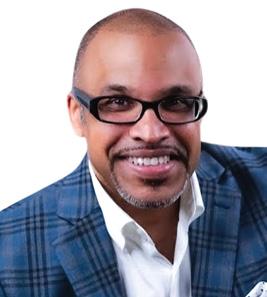
Pastor C. Anslem Paul, Communications Director for the Office for Regional Conference Ministries (ORCM), covered this “strategic shift” for Regional Voice magazine. We thank him for offering this insightful report.

Dr. Doggette steps into the role following Elder Robert Edwards’ transition earlier this year into the position of Vice President for Enrollment Services & Retention.
Beloved by God, Family, Students, Dormitory
Residents and Friends
1967 - 2026
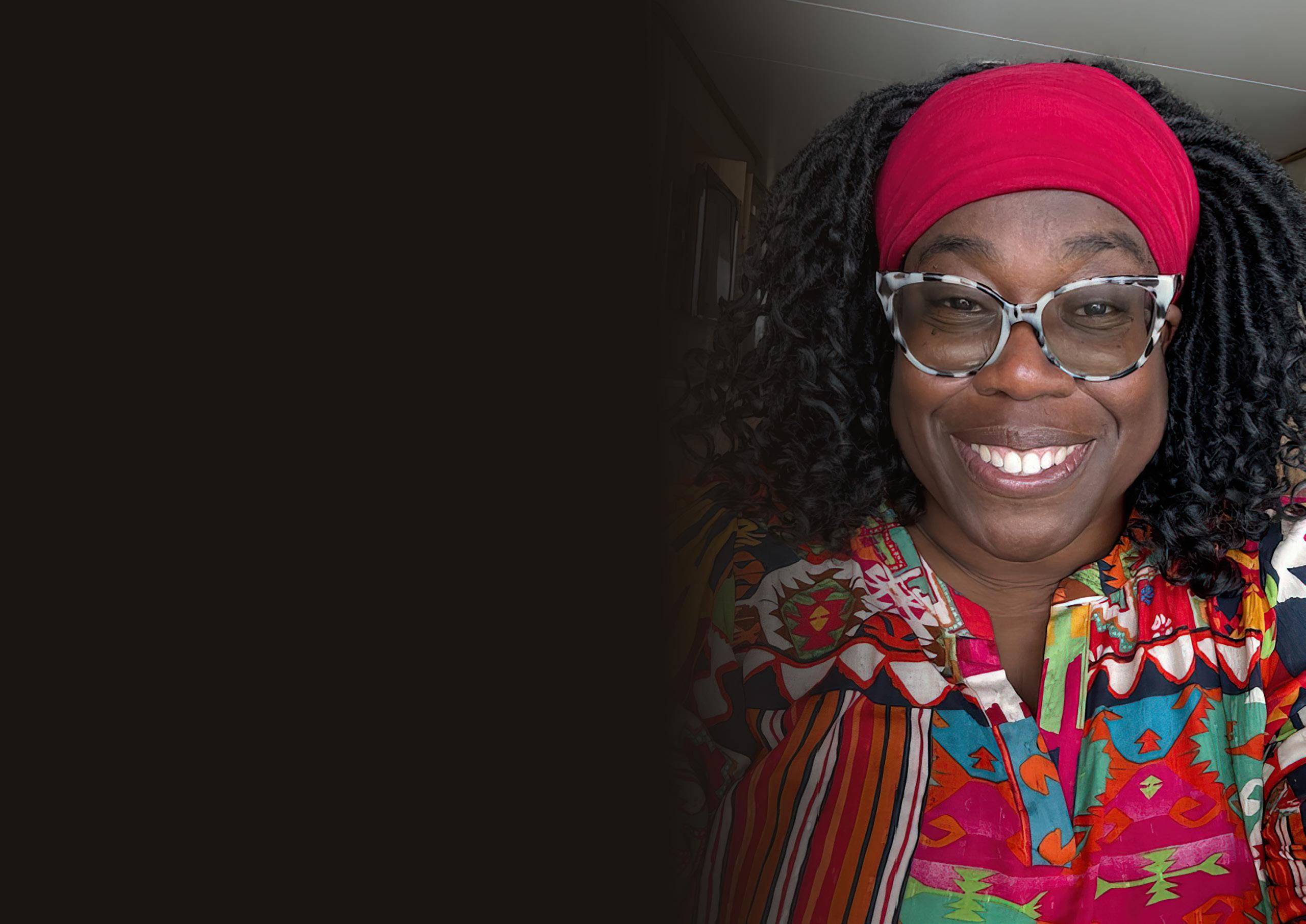
Camille Michelle Kibler was born at 10:40 p.m. on August 27, 1967, at Huntsville Hospital in Huntsville, Alabama. She was an active child, always moving about quickly during the first year of her life.
Camille wanted to learn and understand everything from the time she could walk and was soon introduced to Dr. Eva Dykes who loved her dearly, played with her often during the day, and left an indelible imprint that Camille carried with her throughout life. One of the most important events of Camille’s upbringing was her baptism at Ebenezer SDA Church in Philadelphia, Pennsylvania. Audrey and Vern Joyner were her faithful godparents early on, and God later on sent Camille a second set of godparents, Leroy and Genoice Hampton. Together they partnered to believe in Camille, trust in her incredible abilities, pray for her, and support her in all her endeavors.
Camille received her formal education from the Anna Knight Elementary School on the campus of Oakwood University before moving to Philadelphia with her family. It was there that she attended Larchwood SDA School before entering Pine Forge Academy in Pottstown, Pennsylvania, where she was recognized for her high grades. By God’s design after graduation, Camille returned to Oakwood University and lived with Regina Jacob and her husband who were beloved parental figures and mentors to her. Camille decided to become a student missionary for Oakwood during this time and owned every part of her experience. Her first stop was Korea
before she traveled to Japan, calling Osaka home for two years. The Pathfinders welcomed Camille home with drums and flags on display when she returned from her international journeys. Although she never lifted her head as a Japanese custom of respect, her celebrity stopped everyone in the airport as kids in Pathfinders uniforms heralded the return of the person who meant the most to them. She loved the Pathfinders and would travel often to lead and support them and prepare them for Camp Meeting. She loved to attend Camp Meeting at the Allegheny East and South Central Conferences. Her favorite event after the Pathfinder parade was the Ordination service where she would put on a favorite hat to attend the sacred service. Camille went back to Oakwood University before returning to Philadelphia where she received her Bachelor of Science degree in education from Cheney University.
Camille’s God-given gifts made room for her after graduating from Cheney. She became a teacher at Pennsbury Elementary School in Bucks County, Pennsylvania—the only black teacher in the entire county—and supported students and staff
Camille wanted to learn and understand everything from the time she could walk and was soon introduced to Dr. Eva Dykes who loved her dearly, played with her often during the day, and left an indelible imprint that Camille carried with her throughout life.
at Pine Forge Academy. Camille was assistant dean in the dormitory, helping to raise young ladies who reminded her of her own time there, along with her friends Lisa and Bunny. The three of them lived together and remained beautifully connected for decades. Lisa was one of Camille’s best friends. In fact, Lisa’s son, whom Camille helped raise, had a child of his own a few weeks ago. Camille was named godmother. Camille continued her education after her time as an elementary school teacher and dean, graduating cum laude with her master’s degree in education from the University of Phoenix. Although life in Arizona did not agree with Camille, the exciting things she did, the places she visited to teach, and her leadership at the elementary and grade-school levels showed God’s exceptional promises accomplished over and over.
From the time Camille was a baby until she became a grown woman, she loved almost everything but wouldn’t eat avocados. She loved nearly all vegetables, fruit, and juices. But these are the things a mother holds dear about her child. Every place during Camille’s journey —from Anna Knight to middle and high school, from Oakwood University to Cheney—reflected her determination to please the Lord. She made sure to get to know Oakwood students, instructors,-

professors, pastors, chaplains and leaders in every classroom on campus where she worked. Camille learned all the names and hometowns of her students, their parents, family and friends. She knew janitors, security and transportation employees, cleaners and electricians. Camille knew school bus drivers and the kids who drove their own cars. She talked, encouraged, insisted upon good behavior, chastised and soothed, answered questions, and took the brunt of anger, nervousness, and complaints.
“For I know the thoughts that I think toward you, saith the Lord, thoughts of peace, and not of evil, to give you an expected end” Jeremiah 29:11 KJV.
Her expected end is found in [this paraphrase of] 2 Timothy 4:7, 8 KJV: Camille fought a good fight, finished her course, and kept the faith: Henceforth there is laid up for her a crown of righteousness, which the Lord, the righteous judge shall give her at that day: and not to her only, but unto all them that also love His appearing.”
God allowed Camille to experience journeys abroad, and beyond limita-
tions. He molded her into who He needed her to be, exemplifying The Great Commission, “Go ye therefore and teach all nations” Matthew 28:19 KJV. Are you ready to meet Jesus with peace, love and joy? The time is rushing closer. Camille was ready. Her life seems short. We blinked and she was gone. But there was so much compacted into her 59 years [that ended on February 26, 2026], that blessed me indeed. Her memories, attention, hope, worth and joy will be with me always. t
Special thanks to the Kibler family from Regional Voice magazine, and especially to her mother for the beautiful reflections, for providing this wonderful tribute to the amazing, dedicated life of Dean Camille Michelle Kibler. May the works she has done speak for her. We also thank her program designer, Mr. Jerry Ross of 5 Star Creative Services, and good friend Ms. Debbe Millet for coordinating this coverage.
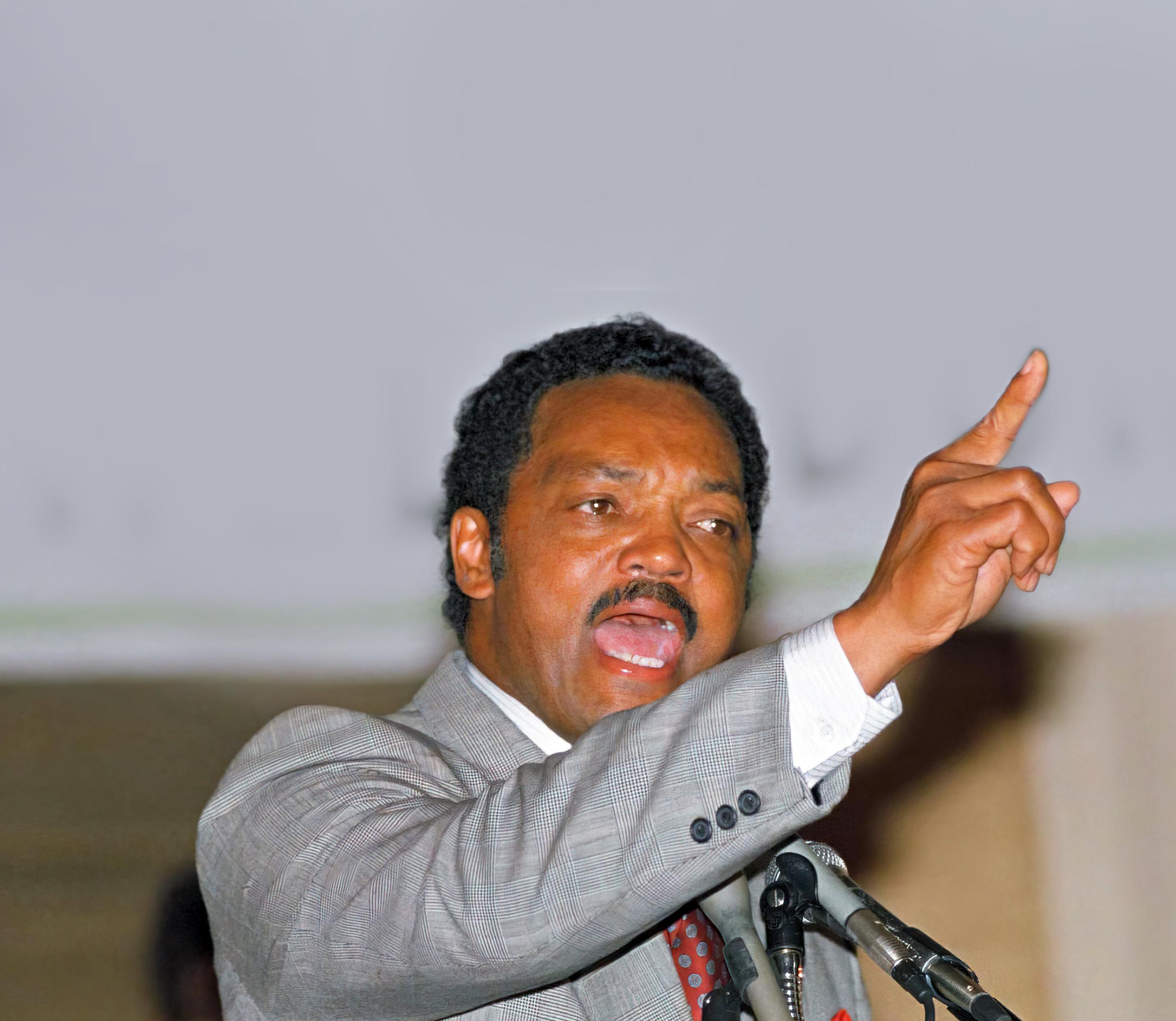
In the book of Isaiah, the Lord asks, “Whom shall I send, and who will go for us?”
To which Isaiah replies, “Here am I,” Lord, “Send me” (Isaiah 6:8 KJV).
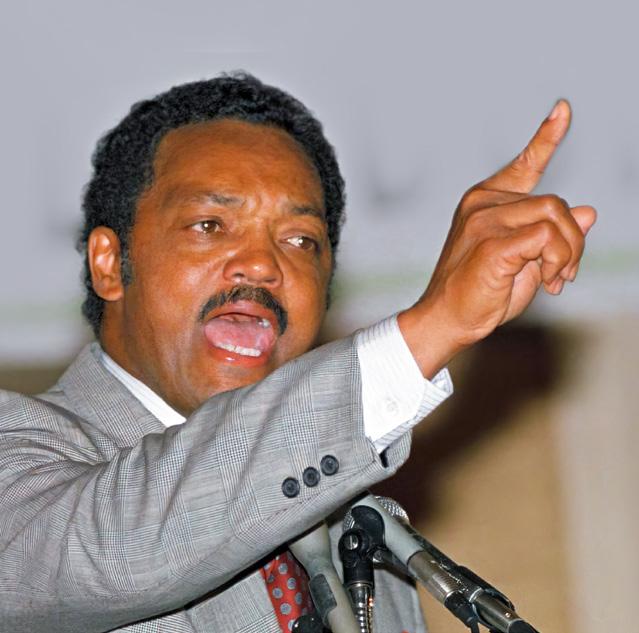
It is an honor to join you today to celebrate the Reverend Jesse Louis Jackson, a man who, when the poor and the dispossessed needed a champion and a country needed healing, stepped forward again and again and again and said, “Send me.”
Reverend Jackson’s immense gifts were apparent at an early age, even if his circumstances conspired to try to hold him back—born out of wedlock to a teenage mom, growing up under the oppressive cloud of segregation, confined to schools, sports facilities, movie theaters that were separate and unequal. It was a world where on Thanksgiving he’d have to wait for his mother to come home on the bus carrying leftovers from the dinner she had to cook for somebody else.
Young Jesse. . . was a born leader, an athlete, a talker, knew how to talk, star quarterback, student body president. He could have succeeded within the confines that were
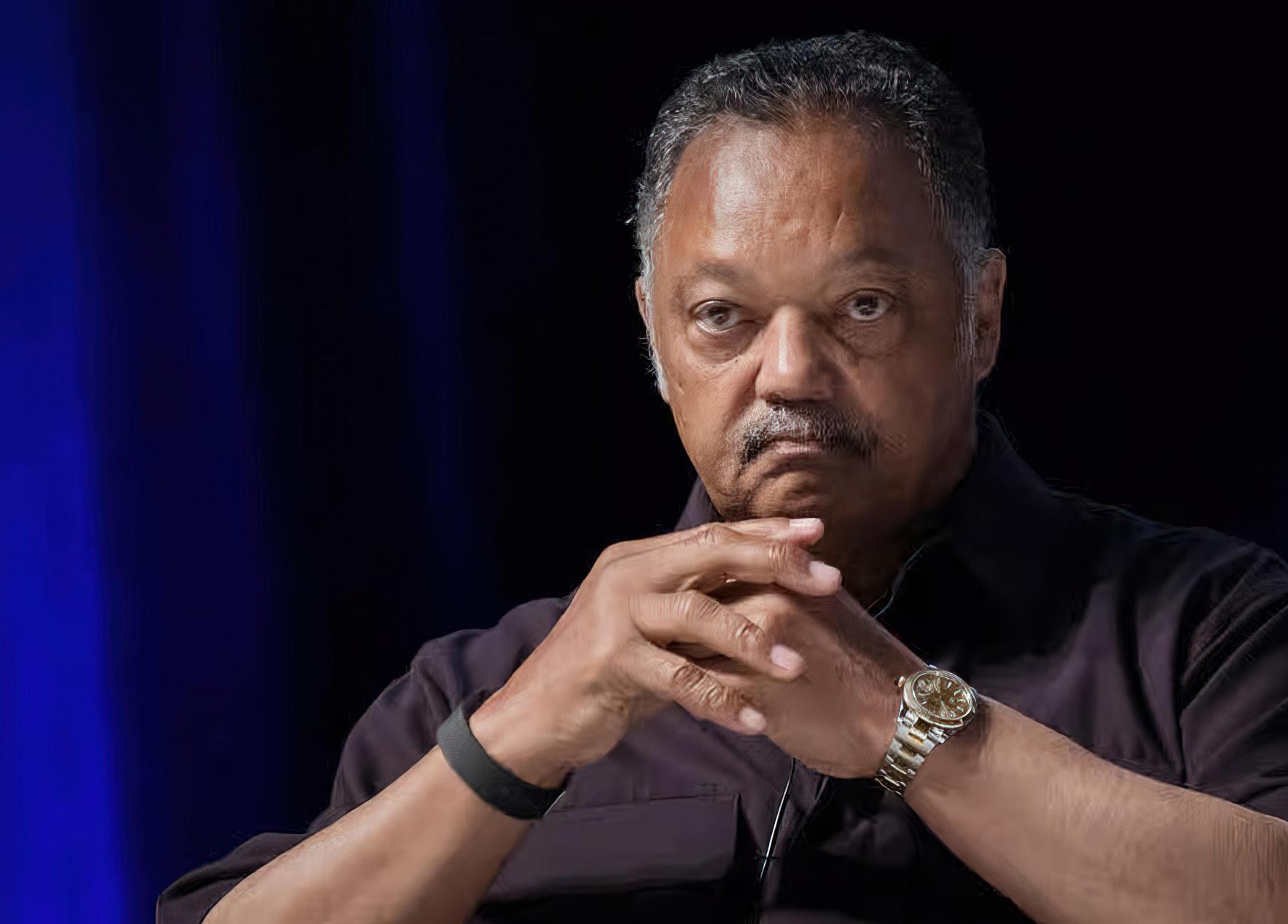
determined for him and had a successful life.
Reverend Jackson’s immense gifts were apparent at an early age, even if his circumstances conspired to try to hold him back—born out of wedlock to a teenage mom, growing up under the oppressive cloud of segregation, confined to schools, sports facilities, movie theaters that were separate and unequal.
But like so many of his generation, so many extraordinary civil rights leaders in the late 50s and 60s, that Joshua generation, he instinctively understood that individual success meant nothing unless everybody was free. So, he became inspired by the bus boycotts in Montgomery. He led seven black students into the whites-only library, sitting down and getting arrested for reading.
Think about that.
The library closed, but then it reopened. And when it did, it was open to everyone. “Send me,” Jesse said, even as a young man. And the world got a little bit better. By the time Reverend Jackson graduated from college, he had attended Chicago Theological Seminary, he knew the nature of his calling, and he became, as everybody knows, the youngest member of SCLC, assigned to lead Operation Breadbasket here in Chicago.
. . It was during this period, and especially after Dr. King’s death,
when the optimism of the early movement had begun to fade and leadership had begun to fracture; when the country seemed to have grown bored, gotten weary of the idea of justice and equality, and moved on to other concerns, that Reverend Jackson rose above despair and kept that righteous flame alive.
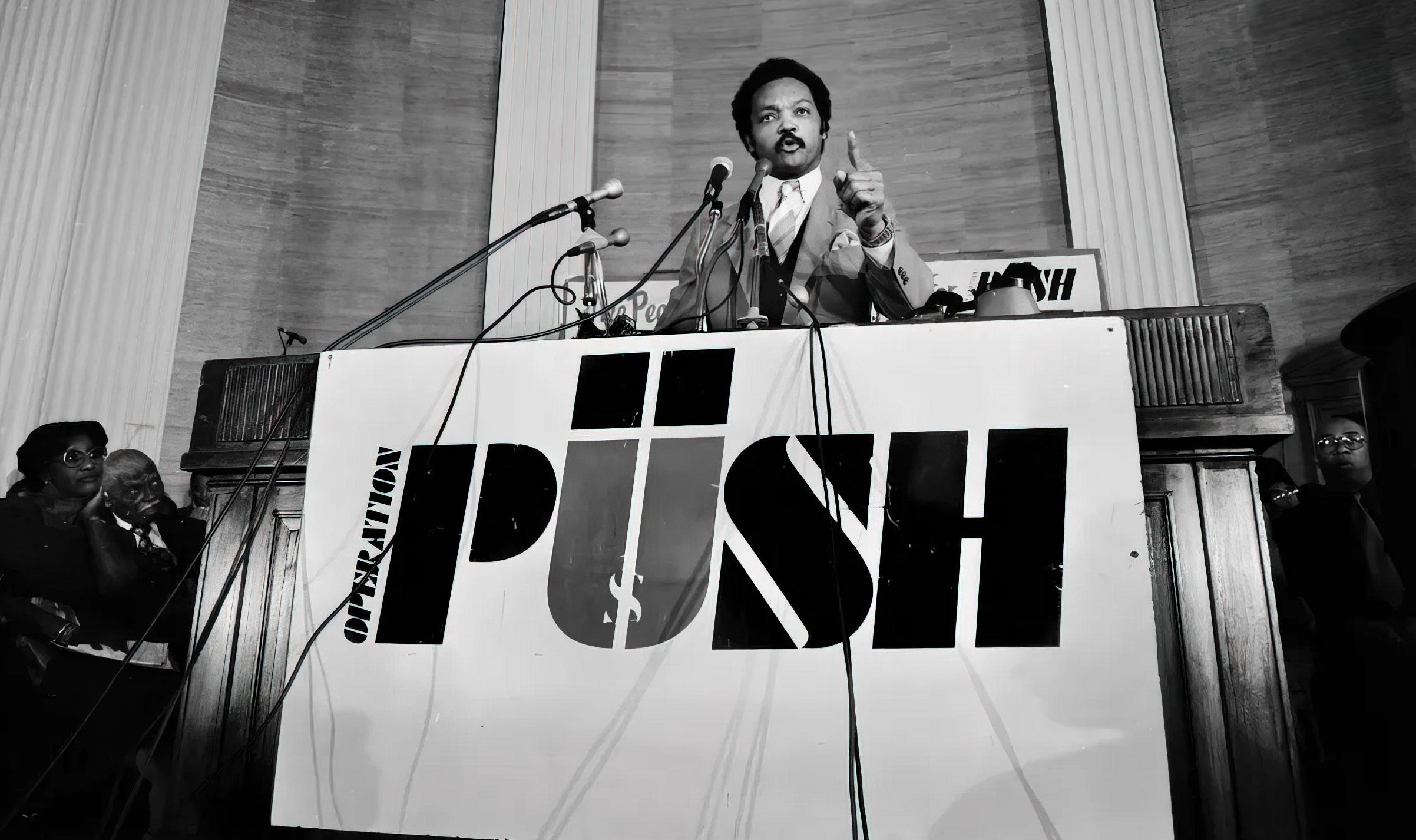
Through Operation PUSH, he led boycotts and challenged corporate policies around hiring and contracting, recognizing that civil rights without economic justice was an empty promise. He backed unions in their organizing efforts and activists in fair wage campaigns, understanding that if the have-nots and the have-little-bits ever learned to make common cause across racial lines, instead of fighting each other over breadcrumbs, everybody would benefit. He helped register millions of voters.
He fought against biases in the criminal justice system. He drew attention to local abuses of power and called folks at the national level to account. And by the early 80s, he was delivering that message of change and hope across the globe,
freeing hostages from captivity, fighting to end apartheid in South Africa.
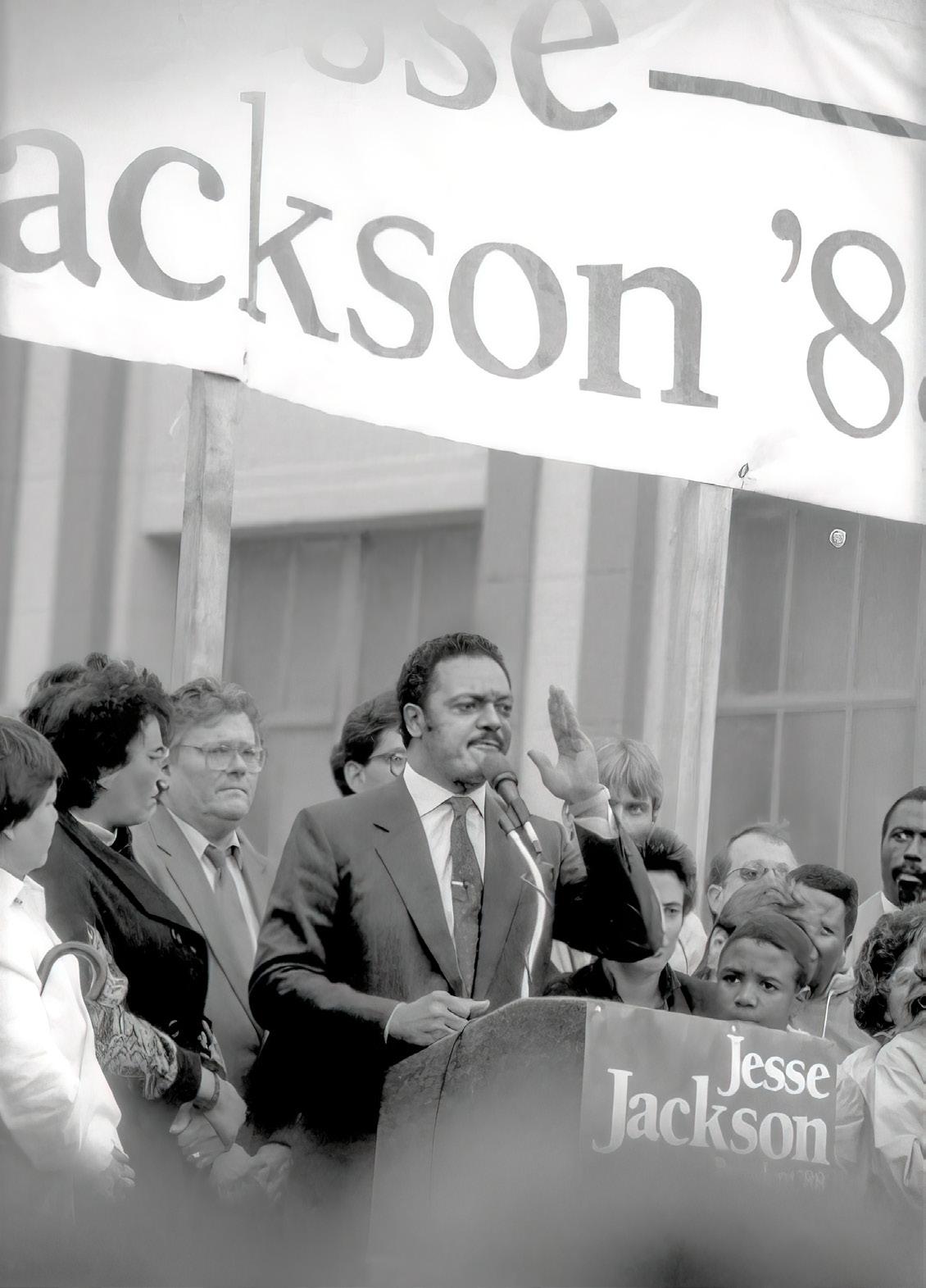
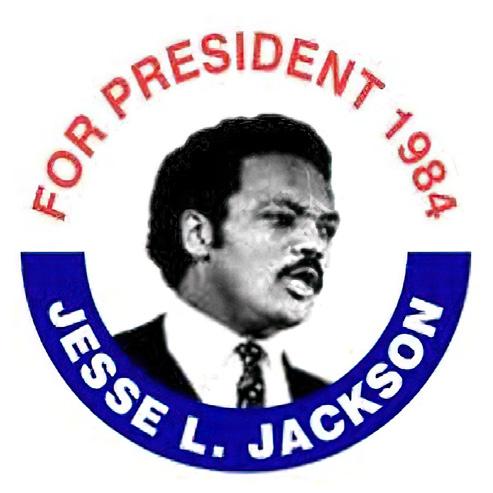
And then, in 1984, as the powers that be in Washington were rolling back hard-won progress, slashing the social safety net when more and more folks were getting left behind and greed was being trumpeted as a virtue (See, we’ve been there before) he stepped forward once again and said, “Send me.”
He ran for the presidency of the United States of America. I had just graduated from college during that first campaign. And I was living in New York at the time.
I was working to pay off my student loans, eating a lot of tuna fish and Campbell’s soup. (And if I went to a diner, you know, I’d grab some extra crackers, put them in my pocket.)
jiggering around and it’s about this big. (Gestures with hands.)
own power, to change America for the better.
I was inspired by the Civil Rights Movement.
I had in my mind to work for social justice. But even though I was full of good intentions, I was uncertain of how to serve and fighting off self-doubt. And I remember how, at the time, plenty of people, including, I’m sorry, plenty of black folks, were dismissing Jesse’s chances.
Suggesting, oh, he just wants attention; he can only get black votes. But then I remember one night sitting in my apartment. I got an old black and white TV with the rabbit ears and I’m kind of
And I’m watching the Democratic primary debate between him and Walter Mondale and Gary Hart. And I remember how, when that debate was over, I turned off that TV and I thought the same thing and I know a lot of people thought that night, even if they didn’t want to admit it. In his ideas, in his platform, in his analysis, in his intelligence, in his insight, Jesse hadn’t just held his own. He had owned that stage. He wasn’t an intruder. He wasn’t a pretender. He belonged on that stage. And the message he sent to a 22-year-old child of a single mother with a funny name, an outsider, was that maybe there wasn’t any place, any room, where we didn’t belong. And that message of fairness and dignity, of justice, and hope, that’s what the Rainbow Coalition was all about. In 1984, and then again in 1988, Jesse didn’t just speak to black folks, he spoke to white folks and Latinos and Asian Americans and the first Americans.
He spoke to family farmers and environmentalists. He spoke to gay rights activists when nobody was talking to gay rights activists. And blue-collar workers. And he gave them the same message, that they mattered, that their voices and their votes counted. He invited them to believe. He invited us to believe in our
.
. And it was because of that path that he had laid, because of his courage, his audacity, that two decades later, a young black senator from Chicago’s South Side would even be taken seriously as a candidate for the presidential nomination. I still credit that first run of Jesse’s and Harold Washington’s campaign for drawing me to Chicago. And I didn’t know anybody when I first arrived.
And it was hard work. And half the time, I didn’t know what I was doing. And progress was slow.
And I definitely didn’t know how I was going to survive these Chicago winters, because I grew up in Hawaii. But I do remember heading to the PUSH headquarters some Saturday mornings to listen and learn from Reverend Jackson.
. . Everybody would lean in. And over time, it was that same boundless energy that would emerge, and that same passion, and that same insight. And he’d offer you a master class in economics on a Saturday morning.
And he’d give you a seminar on American history and American politics. And he’d make complicated things plain. And he’d tell stories that would make you laugh one minute and cry the next.
And whether you were a bus driver, or a teacher, or a business leader, or a young organizer, you came away from those meetings with a better understanding of how the world worked, how power worked. And more importantly, he made
you believe that if we came together, we could make the world work better. Now, we’ve been talking about Jesse telling us we are somebody.
.
. He was talking about everyone who was left out, everyone who was forgotten, everyone who was unseen, everyone who was unheard. And in that sense, he was expressing the very essence of what our democracy should be – the ideals at the very heart of the Amer ican experiment.
.
. We’re all part of the American family. We’re all endowed with the same inalienable rights to life and liberty and the pursuit of happiness. We’re all obligated to answer the call and step forward and take responsibility for making wrongs right, and for caring for our neighbors, and bringing the reality of America a step closer to its glorious ideals.
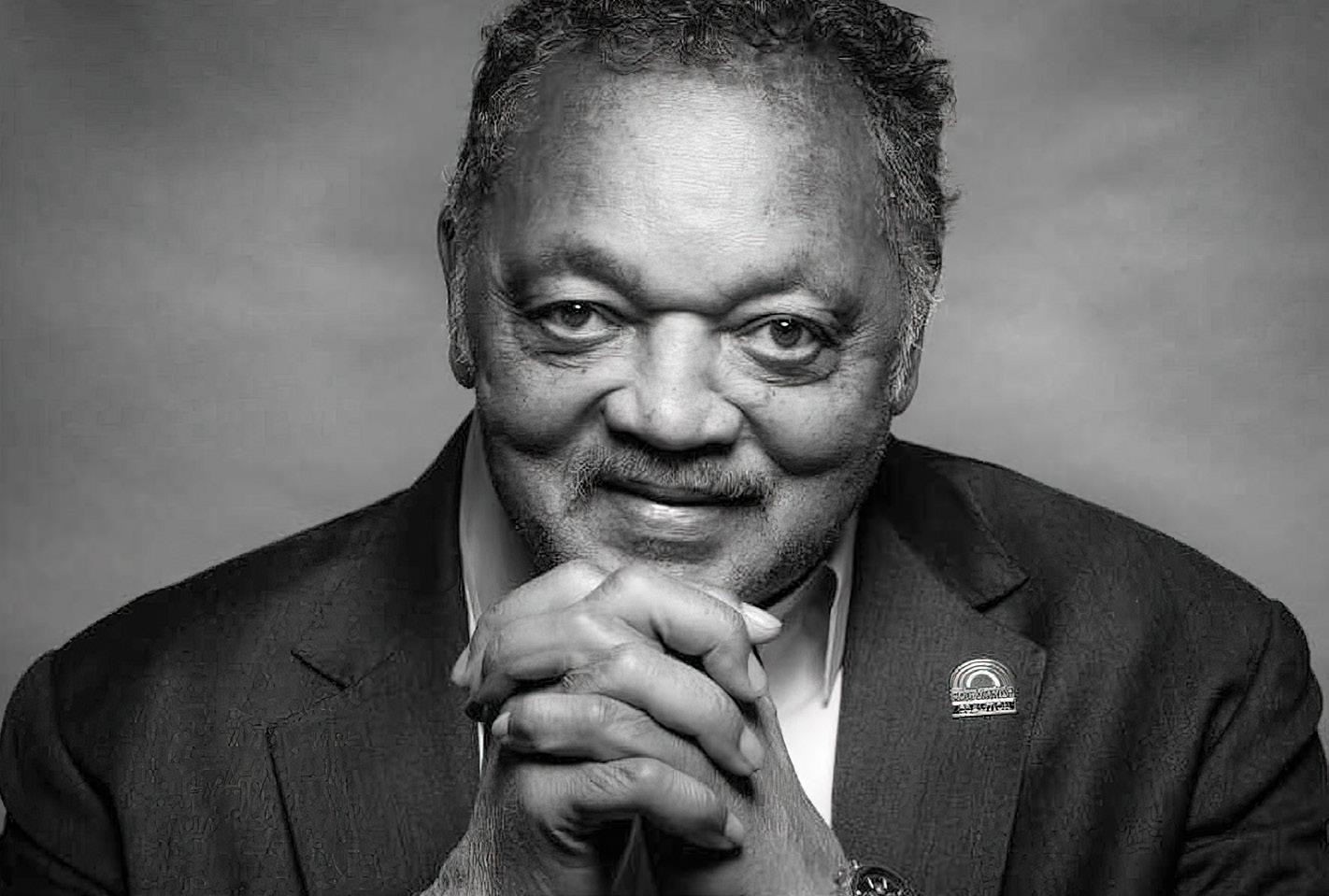
and his family over the years, and as I watched his children follow his example of service, I came to appreciate the conviction that drove him that he had passed on, the faith that guided him and that he had passed on. And it was a faith that didn’t waver, a flame that burned bright, even as his body began to fail.

. . And so that day, [during one of their last visits] I told him how much that meant to me and how much it had meant to so many lives that he impacted.
And I told him thank you because I’d always be grateful for that legacy of hope.
. . We are living in a time when it can be hard to hope. Each day we wake up to some new assault on our democratic institutions. Another setback to the idea of the rule of law.
And answering that call isn’t always easy. Reverend Jackson and his family knew that better than most. To do what he did, he would endure all kinds of hatred and setbacks and betrayals and doubters and death threats.
He would sacrifice, as Jim Reynolds pointed out, the leisure and comfort of what was available to him as a far more financially secure life. And those sacrifices were not his alone. They were shared by his wife and his children.
And they bore that burden with grace and strength. I got to know the Reverend
[It’s] an offense to common decency. Every day you wake up to things you just didn’t think were possible. Each day we’re told by those in high office to fear each other and to turn on each other, and that some Americans count more than others. And that some don’t even count at all. Everywhere we see greed and bigotry being celebrated and bullying and mockery masquerading as strength.
We see science and expertise denigrated while ignorance and dishonesty and cruelty and corruption are reaping untold rewards. Every single day we see
that. And it’s hard to hope in those moments.
So, it may be tempting to give in to discouragement. To give in to cynicism. It may be tempting for some to compromise with power. Or even for good people to maybe just put your head(s) down and wait for the storm to pass. But this man Reverend Jesse Louis Jackson inspires us to take a harder path. His voice calls on each of us to be heralds of change. To be messengers of hope. To step forward and say “Send me” wherever we have a chance to make an impact.
Whether it’s in our schools or our workplaces or our neighborhoods or our cities. Not for fame, not for glory or because success is guaranteed, but because it gives our life purpose. Because it aligns with what our faith tells us God demands.
And because if we don’t step up no one else will. How fortunate we were that Jesse Jackson answered that call. What a great debt we owe to him.
May God bless Reverend Jackson. May he rest in eternal peace. God bless you. t
In these words, President Barack Obama characterized Jesse Louis Jackson Sr. as a human bridge between the era of Dr. Mar tin Luther King Jr. and his own era as the 44th U.S. President. Special thanks from Regional Voice magazine to Associate Editor Dr. Bryant Taylor and to Dr. Lisa Hinson for their timely, precise IT research.
1948 – 2025
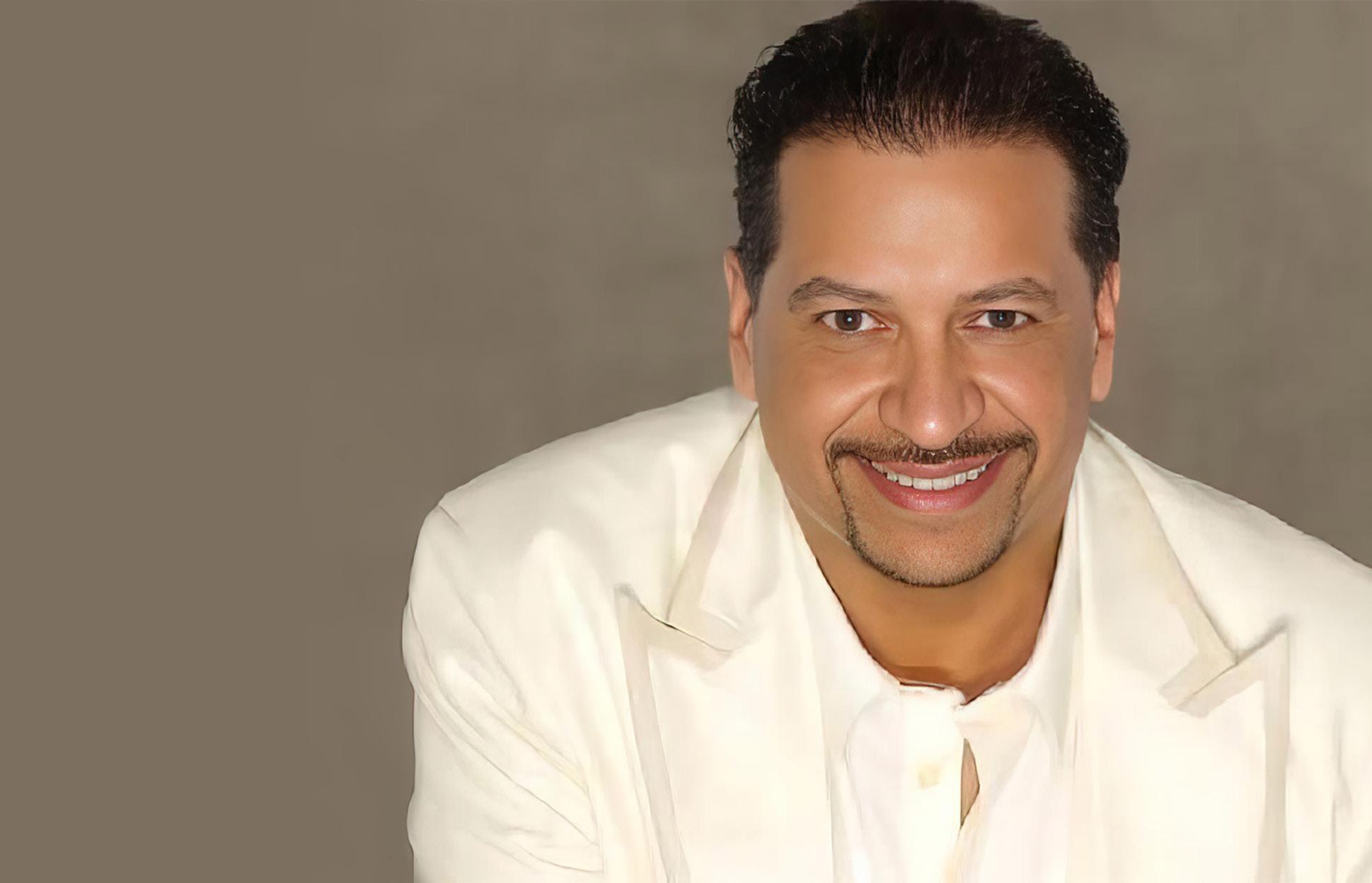

Dear Friends and Family of Richard Smallwood,
We were deeply saddened to hear of the loss of Richard, and we offer you our most sincere condolences. Our hearts are with you as you honor and commemorate his life today. Richard helped to shape our nation’s soul, through his passion for music, gift for performance, and love of life.
As a musician, his legacy spans nations and generations, and as a faithful friend and community member, his impact was only further cemented. We join you today in gratitude for the many ways he shared his life and talents with the world. May warm memories and the embrace of friends and family bring you comfort as you grieve. We are keeping you and all of Rich-
ard’s loved ones in our prayers during this difficult time.
Sincerely,
President Barack and First Lady Michelle Obama

Our hearts go out to those gathered in Maryland today, to celebrate the remarkable life and richly deserved homegoing of Richard Smallwood. Richard was a good man whose success was a testament not only to his strong, steadfast faith, and im-
"As
a musician, his legacy spans nations and generations, and as a faithful friend and community member, his impact was only further cemented. "
President Barack and First Lady Michelle Obama
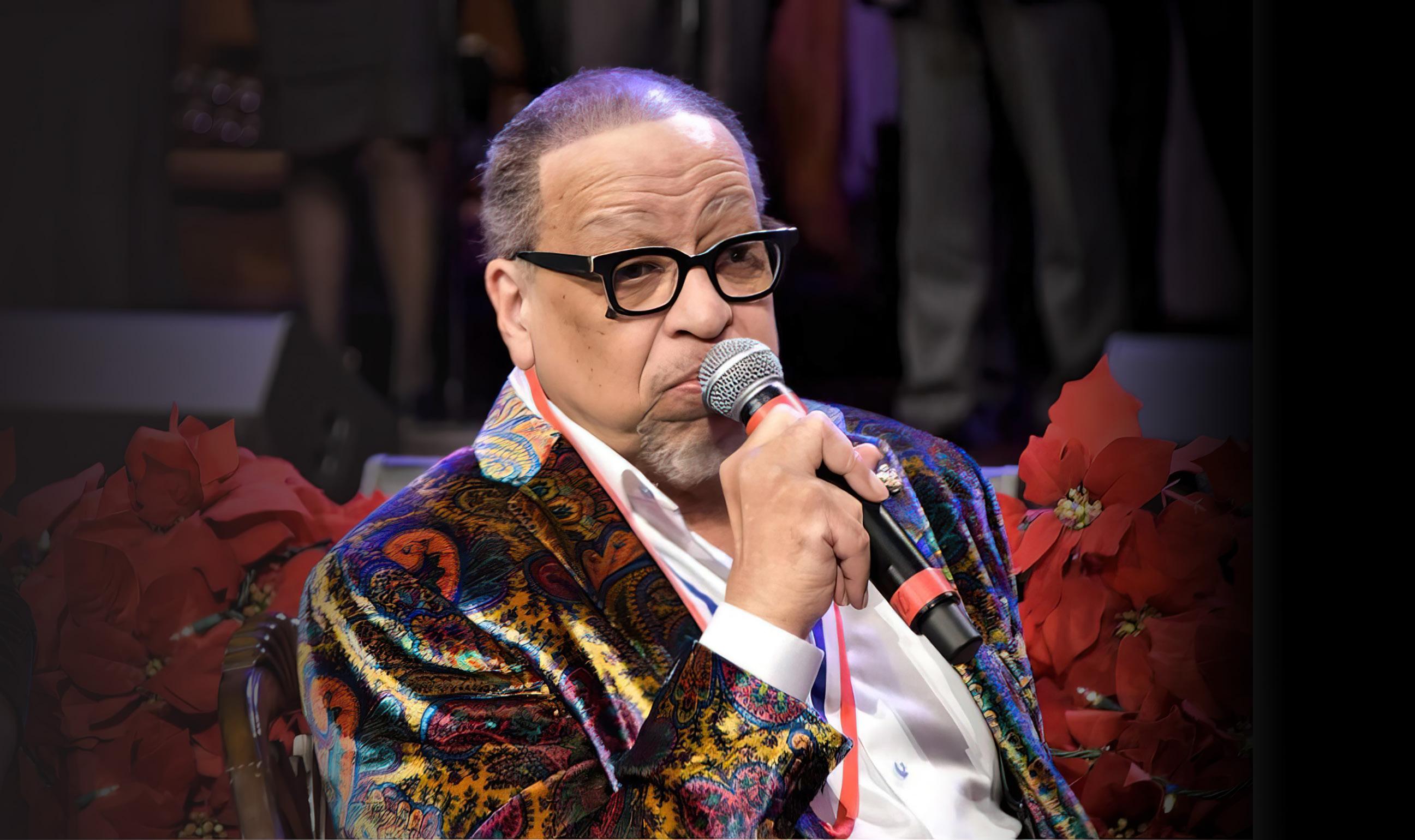
mense talents, but also to the power of music, and its ability to bring people together, open their hearts and minds, and instill a sense of belonging.
We will never forget his stirring performance at the White House, and know that we are among countless people who found his songs healing and inspiring. Our thoughts and prayers are with Richard’s family, friends, and everyone, loved ones and strangers alike, whose lives he touched.
President Bill Clinton and First Lady Hillary Rodham Clinton

The Family of Richard Smallwood Upper Marlboro, Maryland Dear Smallwood Family,
Please accept my heartfelt condolences for the loss of a legend and icon, Richard Smallwood. I was deeply saddened to hear the news of his passing. Throughout his life and career, Mr. Smallwood shared the power and beauty of gospel music with millions. His spirit, faith and talent were gifts to all those whose lives he touched, and he will be remembered for the light he brought to this world.
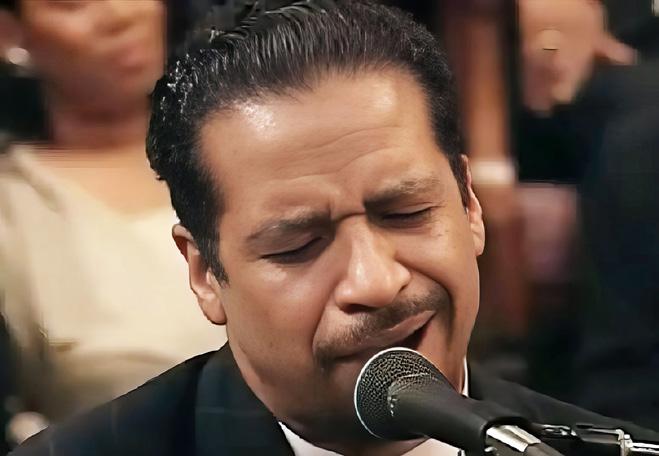
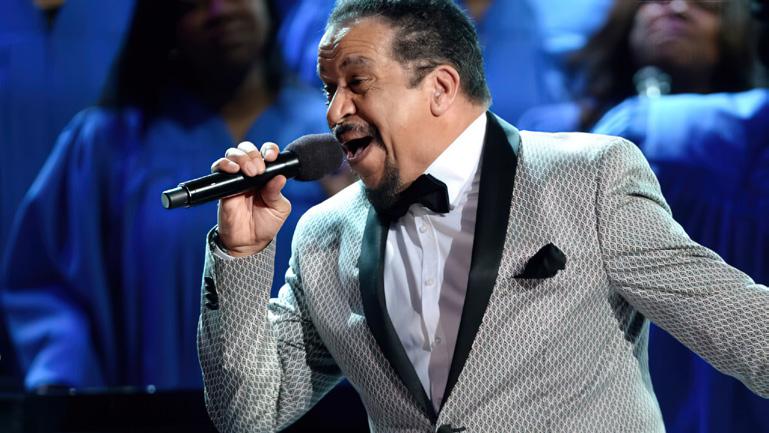
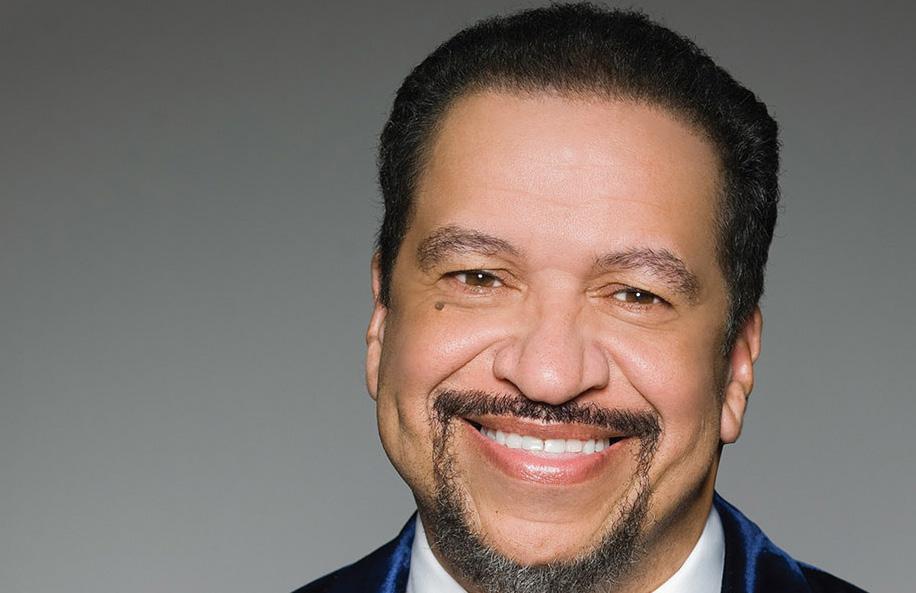
1. Total Praise (with the group Vision)
2. Anthem of Praise (with the group Vision)
3. Angels
4. My Everything (Praise Waiteth)
5. I Love The Lord (Performed by Whitney Houston)
6. Center of My Joy
7. Healing (Live in Detroit)
8. Trust Me (with the group Vision)
9. Thank You
10. Calvary (with the group Vision)
Mr. Smallwood left an indelible mark on our beloved alma mater, including as a founding member of the renowned Howard Gospel Choir. And I join our fellow Bison in mourning his loss. I am grateful for the profound impact he had on the lives of so many, and I know his legacy will live on through his family, his friends, and all those who continue to experience his music.
May the joy and love that you shared carry you through this difficult time. Doug and I will keep you all in our thoughts and prayers.
Sincerely,
Vice President Kamala D. Harris and Second Gentleman Douglas Emhoff

TEXT AND COORDINATION BY LATASHA HEWITT
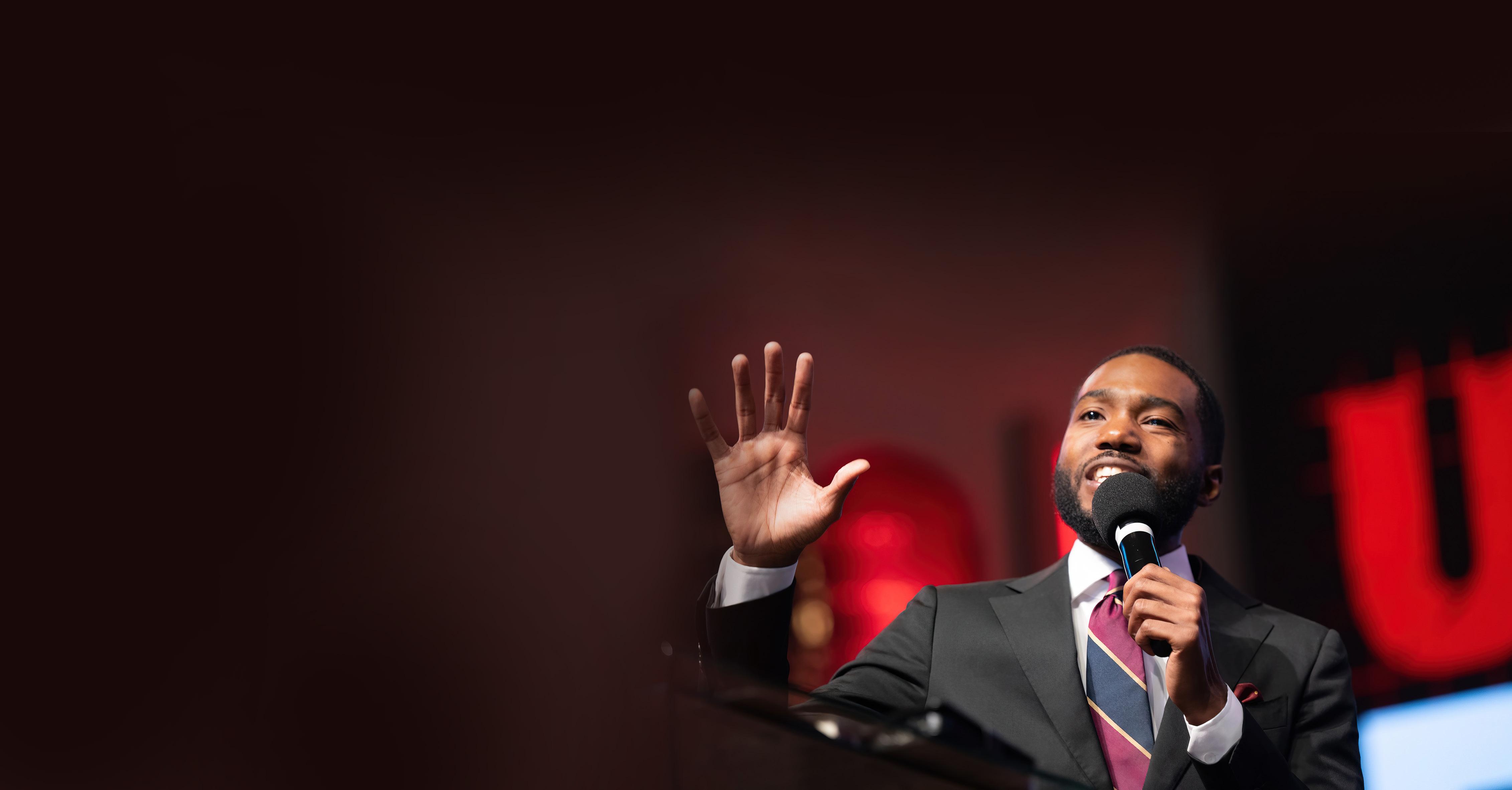
While PELC is designed to strengthen and equip ministry leaders, it is also a space to honor those whose faithfulness has left a lasting imprint on regional ministry.
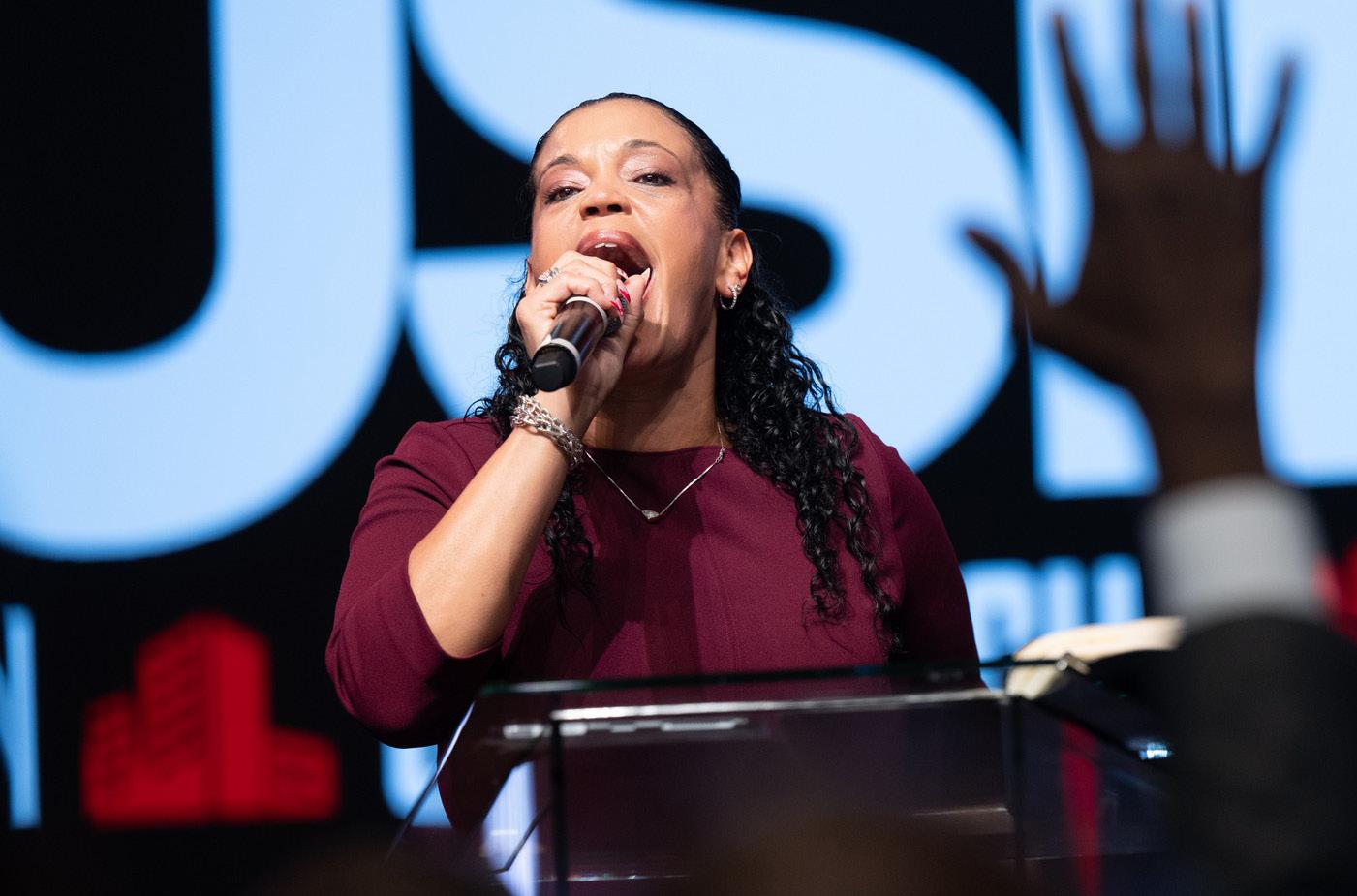
Another year has passed, and so has another powerful gathering of pastors, leaders, and ministry enthusiasts convened on the campus of Oakwood University in Huntsville, Alabama, for the 46th annual Pastoral Evangelism and Leadership Conference (PELC). This year’s conference unfolded under the theme “Unfinished Business: Mission, Outreach, Relationships, Evangelism,” a natural continuation of last year’s focus on Jesus. Over the course of the weekend, attendees quickly discovered that there was indeed M.O.R.E. to unpack—through sermons, seminars, worship experiences, and sacred moments of fellowship.
Pre-conference events have become a hallmark of the PELC experience, setting a worshipful tone before the formal sessions begin. The weekend opened Friday evening with the beloved “Songs of the Church” worship celebration at First Church in Huntsville, featuring musical guests Orville Brissett, Regina Jacobs, and Andrew “Benji” Young.
Sabbath morning worship took place at the Oakwood University Church during the annual Chaplain Appreciation Worship Experience, highlighted by a message from U. S. Senate Chaplain Dr. Barry Black. The day concluded with “Unfinished Worship,” a musical experience hosted by the Madison Mission Church and led by worship leaders Justin Davis, Damian Chandler, and Jessica Bulgin.
While PELC is designed to strengthen and equip ministry leaders, it is also a space to honor those whose faithfulness has left a lasting imprint on regional ministry. Sunday evening’s program recognized distinguished servants whose leadership and dedication have shaped the work across regions. The 2025 honorees included:
• Dr. Oswald Euell (Northeastern Conference)
• Elder Ira L. Harrell (Southeastern Conference)
• Willie and Wilma Kirk Lee (Southwest Region Conference)
•Oscar Sherrod (South Atlantic Conference)
• Dana Edmond (South Central Conference and Office of Regional Conference Ministries)
• Cleveland “Murphy” Wilson (South Central Conference, Musical Honoree)
Their recognition served as a reminder that effective ministry is sustained by consistency, sacrifice, and vision. Elder Dana Edmond, former executive director of the Office of Regional Conference Ministries, expressed his appreciation for the recognition, “My family and I are highly honored and very grateful for the honor bestowed upon us at PELC. I thank Dr. Carlton P. Byrd and the ORCM Board for submitting my name for this award.”
PELC Director Dr. Jesse Wilson Jr. opened the conference with a sermon that set the spiritual and thematic direction for the three-day experience. He was joined by a diverse lineup of preachers, each offering a unique lens on the conference theme. Speakers included Dr. Richard Martin (Bermuda Conference), Dr. Danielle Brown (Shiloh Baptist Church, Plainfield, New Jersey), Pastor Novella Smith (Allegheny East Conference), Dr. William Curtis (Senior Pastor, Mount Ararat Baptist Church,
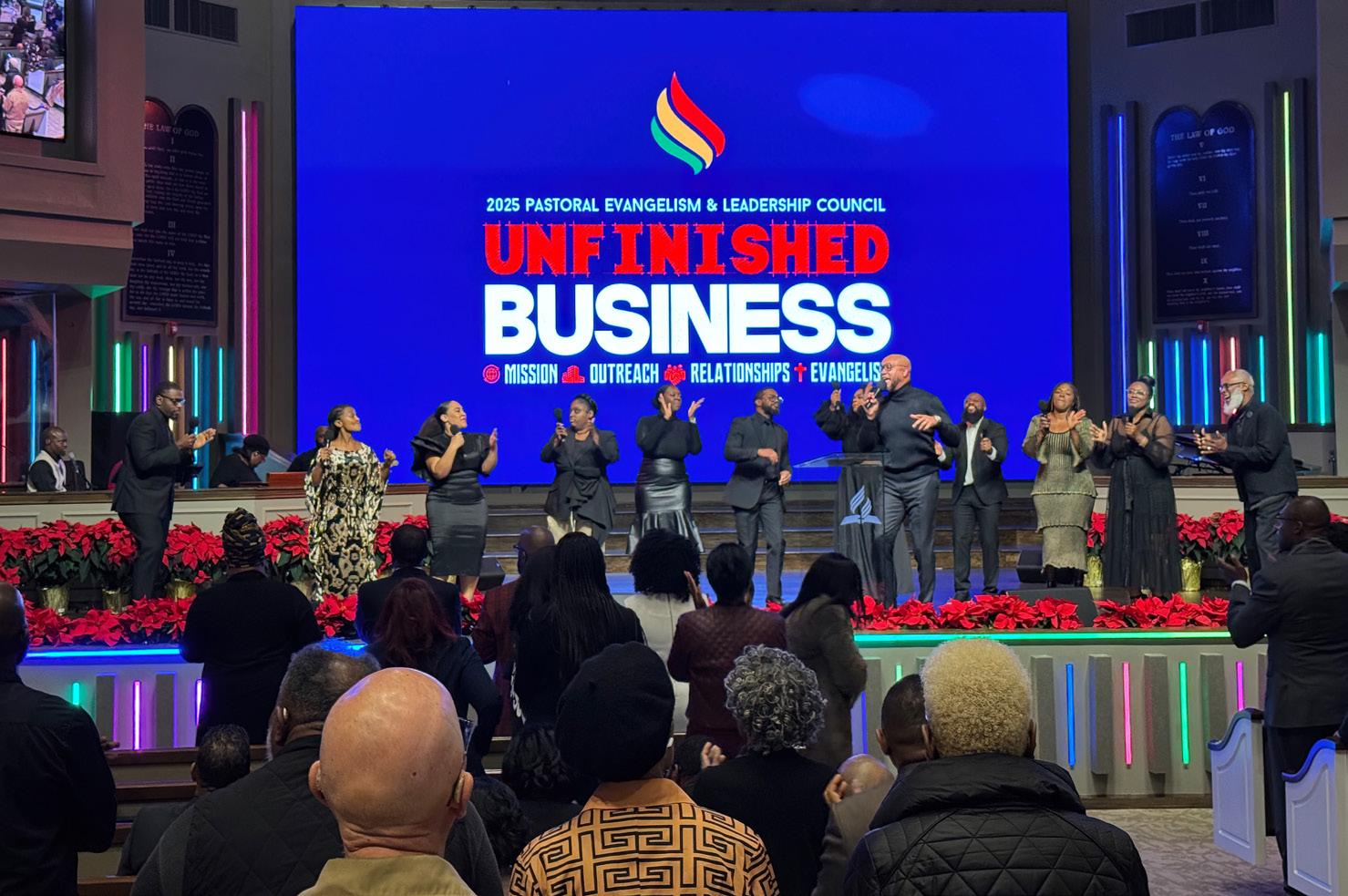
Pittsburgh, Pennsylvania), Eugene Lewis (North Pacific Union), Steven Gates (Southeastern Conference), and Dr. Dilys Brooks (Loma Linda University Chaplain).
One of the defining features of PELC is the diversity of preaching styles and approaches. Pastor Novella Smith, who delivered the message “He Came to My House,” explained her tactic, “My approach is to testify. It is through these lived experiences that the transforming power of Jesus Christ becomes real and attainable for any and everyone.”
The angle of my sermon, “Tailormade Drama,” highlighted a preacher’s resistance in fulfilling God’s will for their lives and ministry. When we are running from His will, God will lovingly tailor a fish, “a circumstance” to get us back on track to fulfill His mission for our lives and ministry,” shared Steven Gates (Southeastern Conference).
The conference’s seminar offerings addressed a wide range of ministry realities, from leadership sustainability to community engagement and generational ministry. Dr. Sydney Freeman presented a session geared toward regional conference executives and pastors, outlining “actionable approaches to advance institutional autonomy by elevating current ministries as exemplars of Black independent religious organizations.”
Youth ministry took center stage in Dr. Paula Fils-Aime Olivier’s presentation, which blended research with practical application. “We explored thoughtful ministry strategies, leaned into current Gen Z research, and exchanged practical ideas that speak to the realities young people are navigating right now,” she shared.
The Soundtrack of PELC
Music remains deeply woven into the fabric of the PELC experience, enhancing every worship service and gathering. This year’s special musical guests included Stephen Manders and Decree, as well as Lena Byrd Myles.
PELC 2025 also marked the conclusion of an 11-year chapter for the PELC praise team under the leadership of Pastor Damian Chandler. During the final evening worship service, Dr. Wilson honored Chandler and his team for their years of service, noting the challenge of leading worship across diverse musical tastes and traditions. Reflecting on his
role, Chandler shared, “When I look out and see the pastors, I know that there is a need for release, and I praise God for the opportunity to lead them to a place where their burdens are lifted.”
Ministry for Every Calling PELC continues to expand its reach by offering programming for multiple ministry groups. Sunday morning featured both a Local Elders Boot Camp and Bible Instructors Training. The Hispanic ministry track and ministerial spouses’ sessions convened Monday and Tuesday.
Pastor Rabiel Torres (Allegheny East Conference), who attended the Hispanic
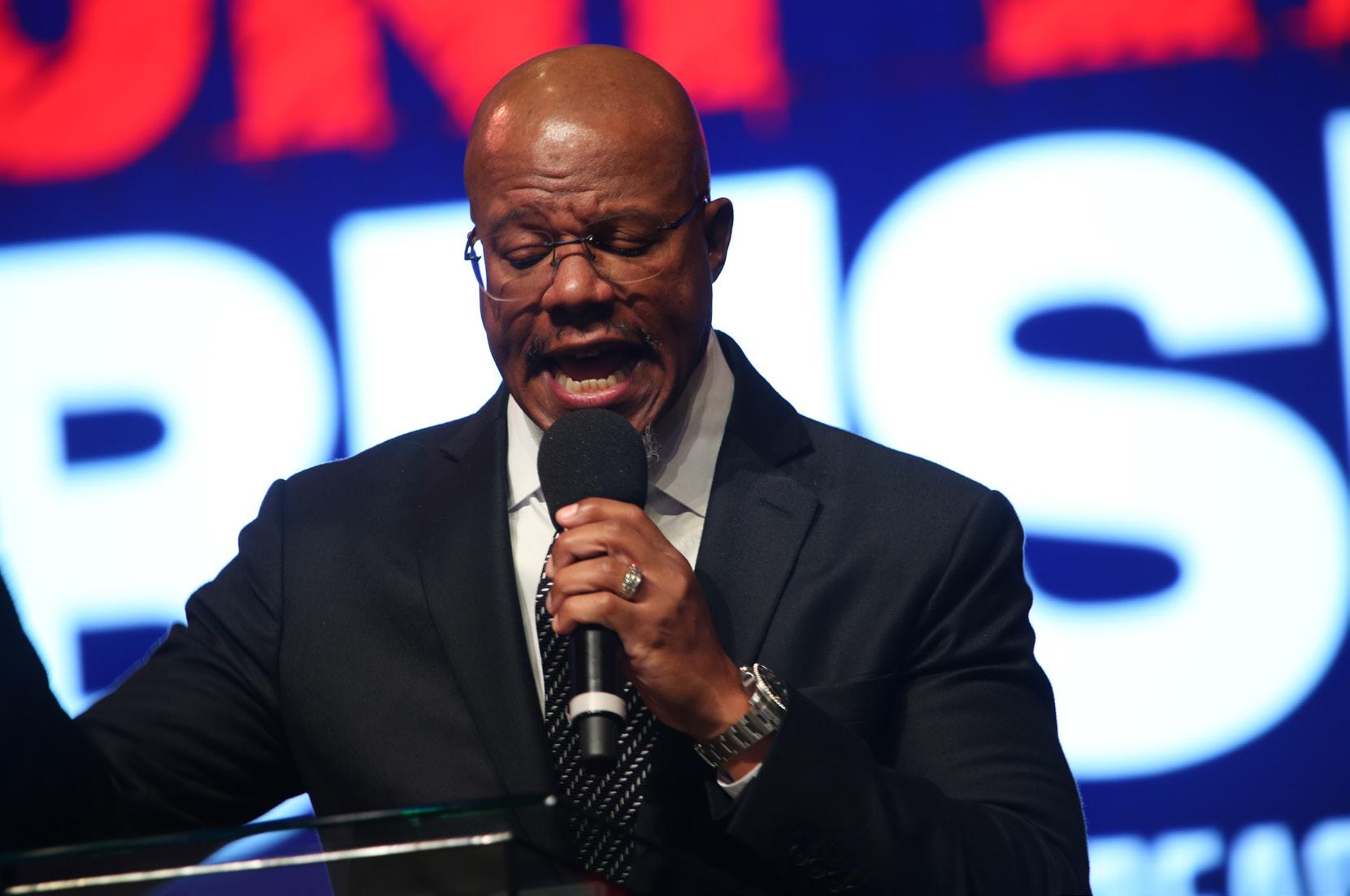
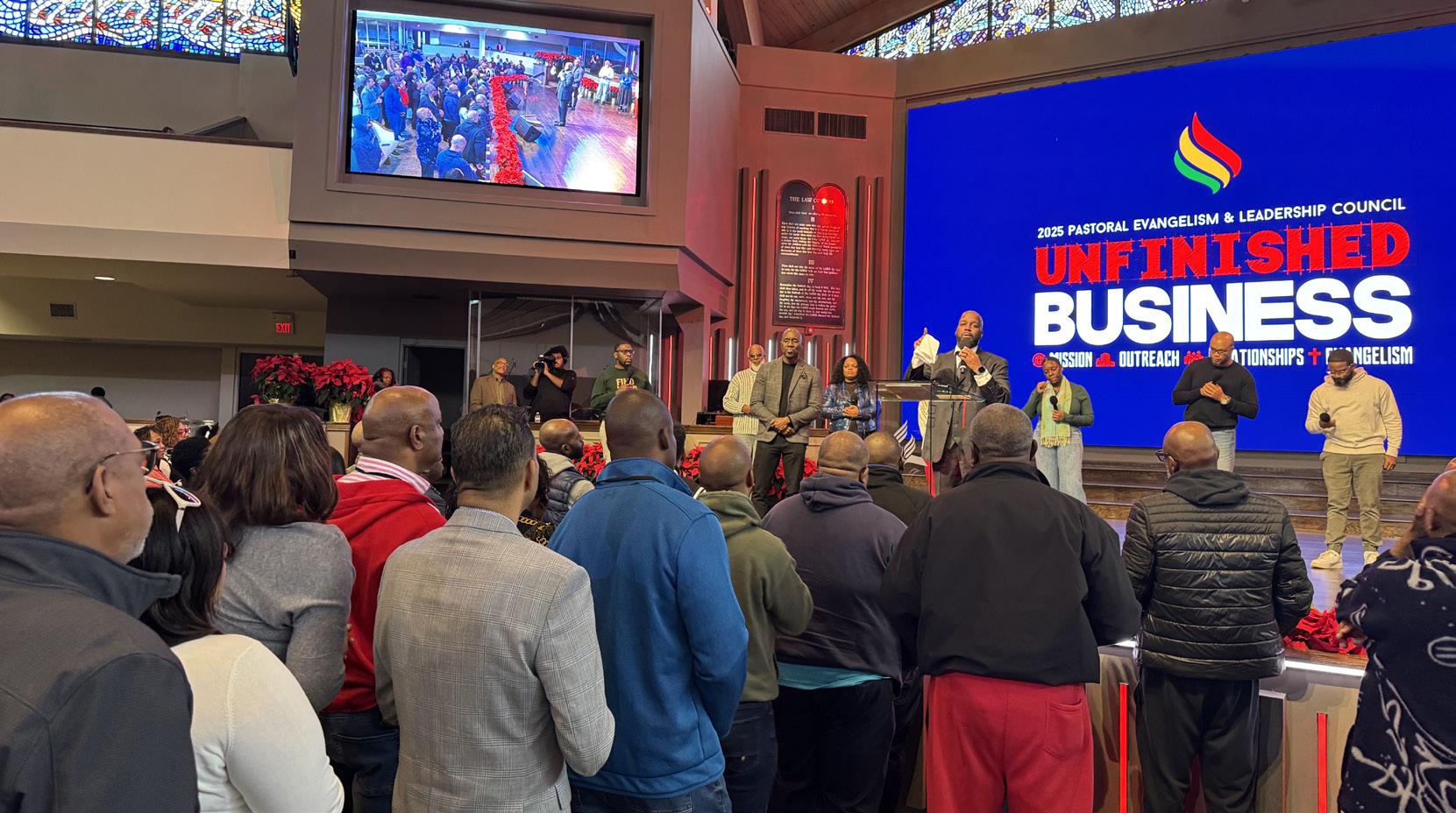
track, left with renewed clarity, sharing his commitment “to contextualize the gospel message for our Hispanic community without compromising biblical truth.”
Ministerial spouses were encouraged by guest presenter Desiree Bryant, North American Division Ministerial Associate Director. Reflecting on the experience, Chelise Johnson noted, “She reminded each spouse [to consider] the importance of recognizing that each person has a story worth hearing and sharing.”
Behind the seamless execution of PELC is a dedicated planning team. The PELC steering committee—composed of pastors from various conferences—begins planning nearly a year in advance. Dr. Vandeon Griffin, NAD Associate Youth Director and steering committee member since 2014, described the process, “It’s so exciting to see and hear the feedback in the planning room, and then through prayer, a theme emerges that guides us for the entire conference.”
Griffin also highlighted the intentional balance required in planning, “Most people don’t realize we have to balance the needs of pastors and leaders against the attendance of non-clergy members who view the programming from a layperson’s lens.”
M.O.R.E.
For many, PELC serves different, but equally meaningful purposes. Pastor
Year after year, the Pastoral Evangelism and Leadership Conference continues to meet its mandate which is leaving attendees inspired, equipped, and yearning for M.O.R.E.
Jimmie Gibson of the Potomac Conference called it “the annual pastoral reset with phenomenal worship and fellowship.”
Denise Johnson, a retiree, summed it up simply, “PELC 2025 was a tremendous experience — powerful preaching, soul-uplifting music, practical seminars, and likely my favorite: seeing friends.”
Year after year, the Pastoral Evangelism and Leadership Conference continues to meet its mandate which is leaving attendees inspired, equipped, and yearning for M.O.R.E.
Archived sermons from PELC 2025 can be purchased and accessed at pelcpower.com. Preachers and Title/ Catchphrases (Pull-Out)
Dr. Jesse Wilson- “I’m Too Called to Quit.”
Dr. Richard Martin - “The Privilege of Patmos.”
Dr. Danielle Brown - “They Are Invited to the Party Too.”
Pastor Novella Smith- “He Came to My House.”
Dr. William Curtis- “God’s Care for the Tired Preacher.”
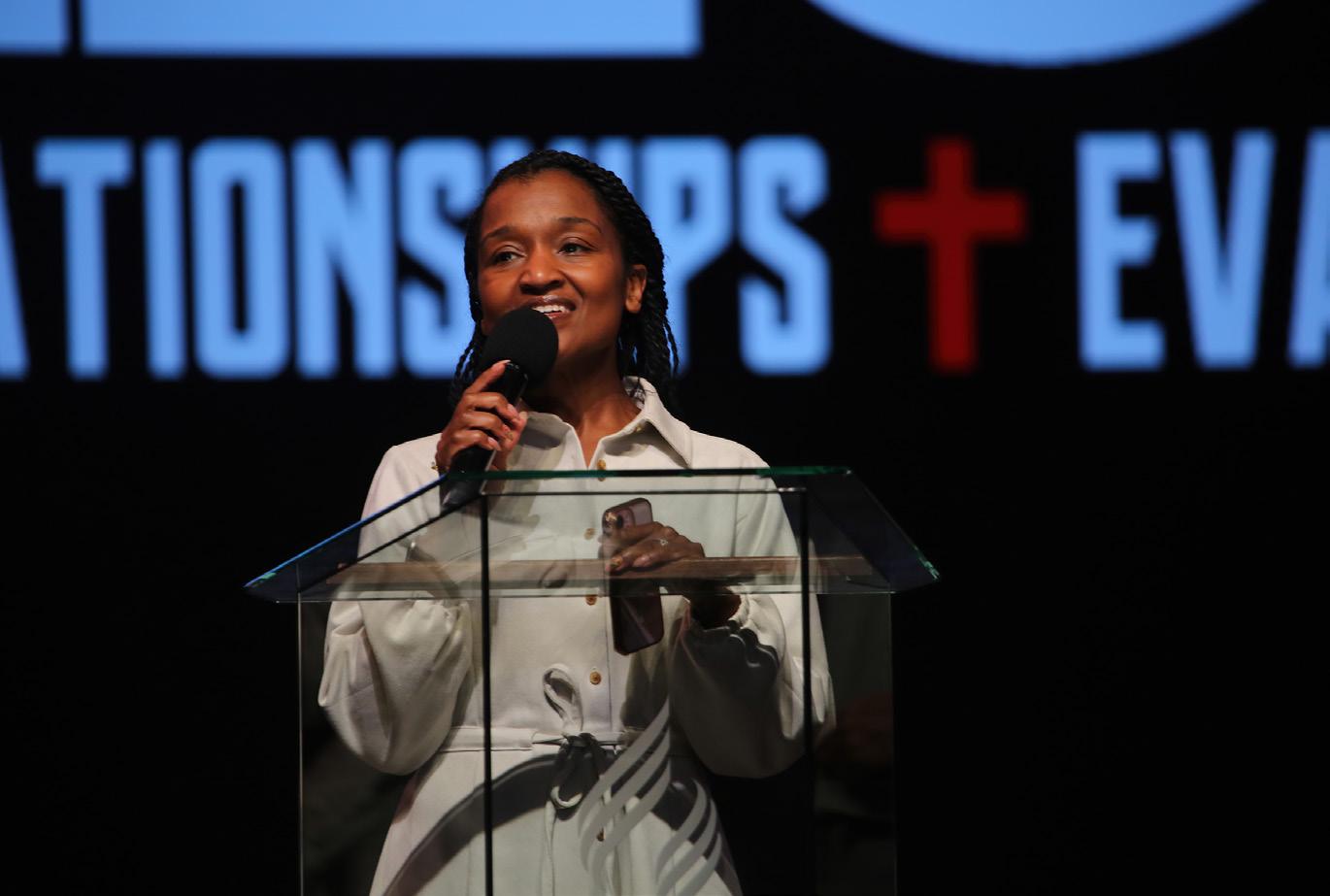
Eugene Lewis - “Downtown and Up town Grace.”
Steven Gates- “Tailormade Drama.”
Dr. Dilys Brooks - “Story Matters.” t
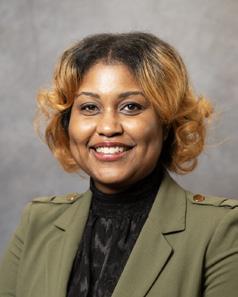
LaTasha Hewitt, Communication Director for the Allegheny East Conference of Seventh-day Adventists and veteran media specialist, wrote the text on location for this report, and coordinated this coverage for Regional Voice magazine, once again.
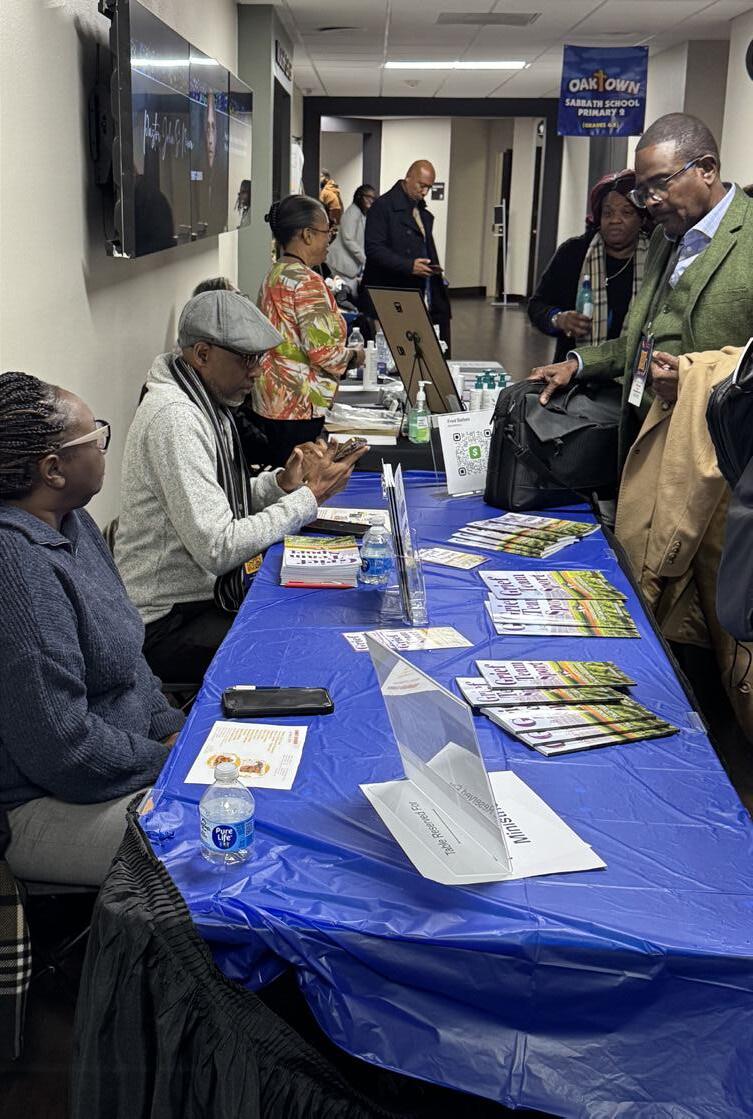
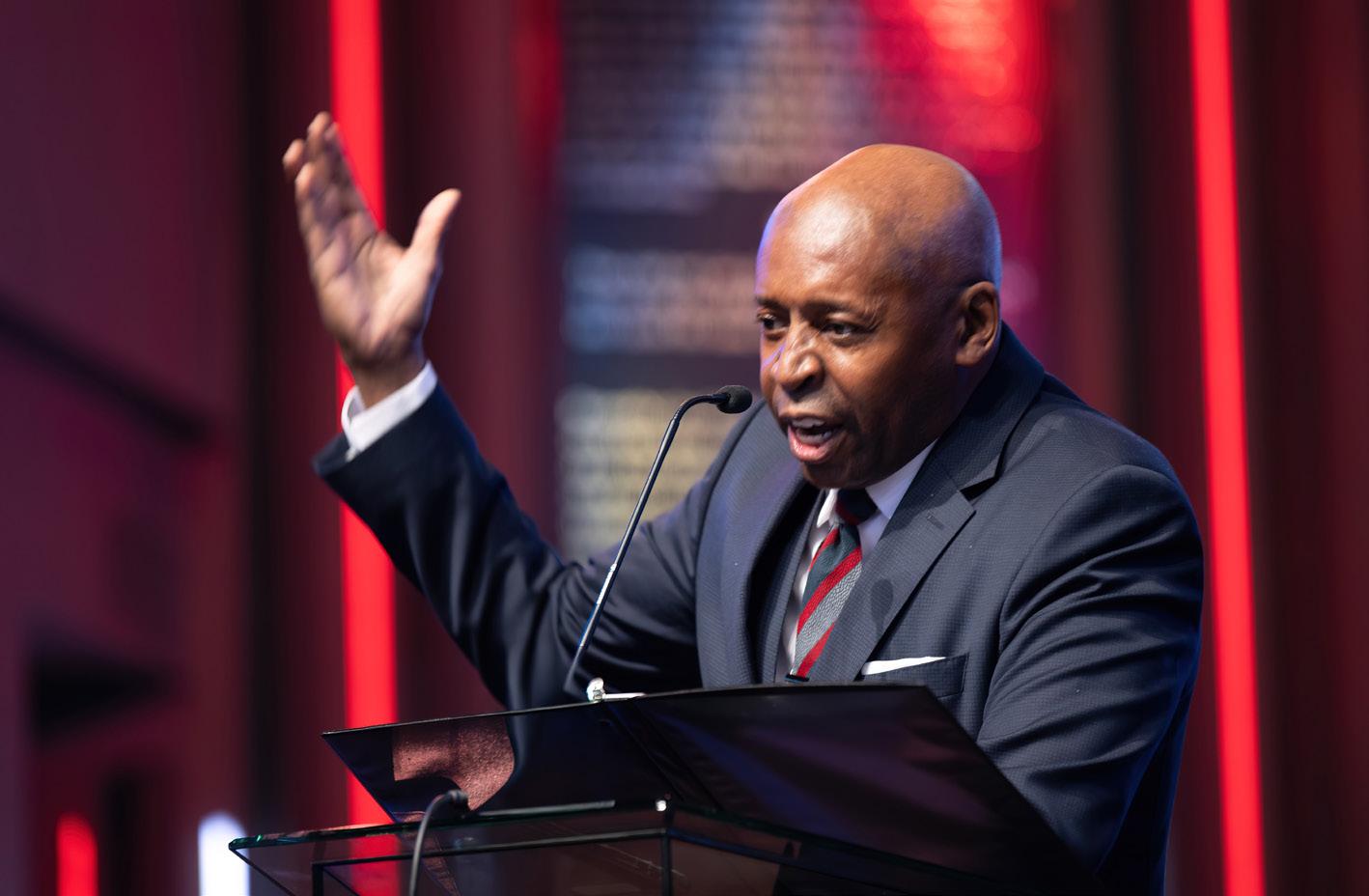
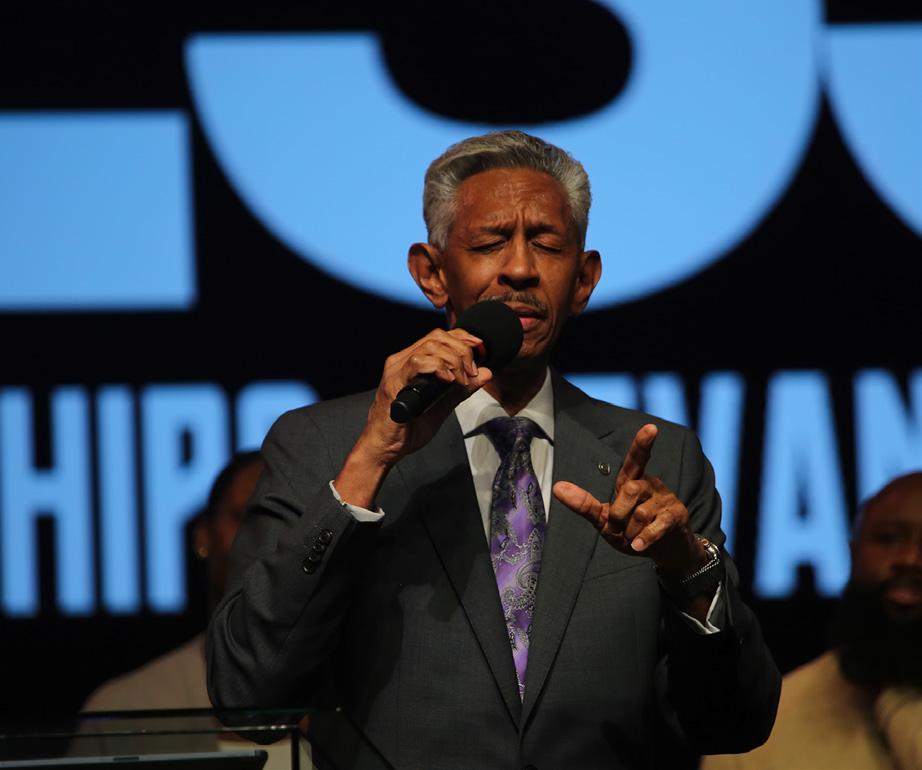
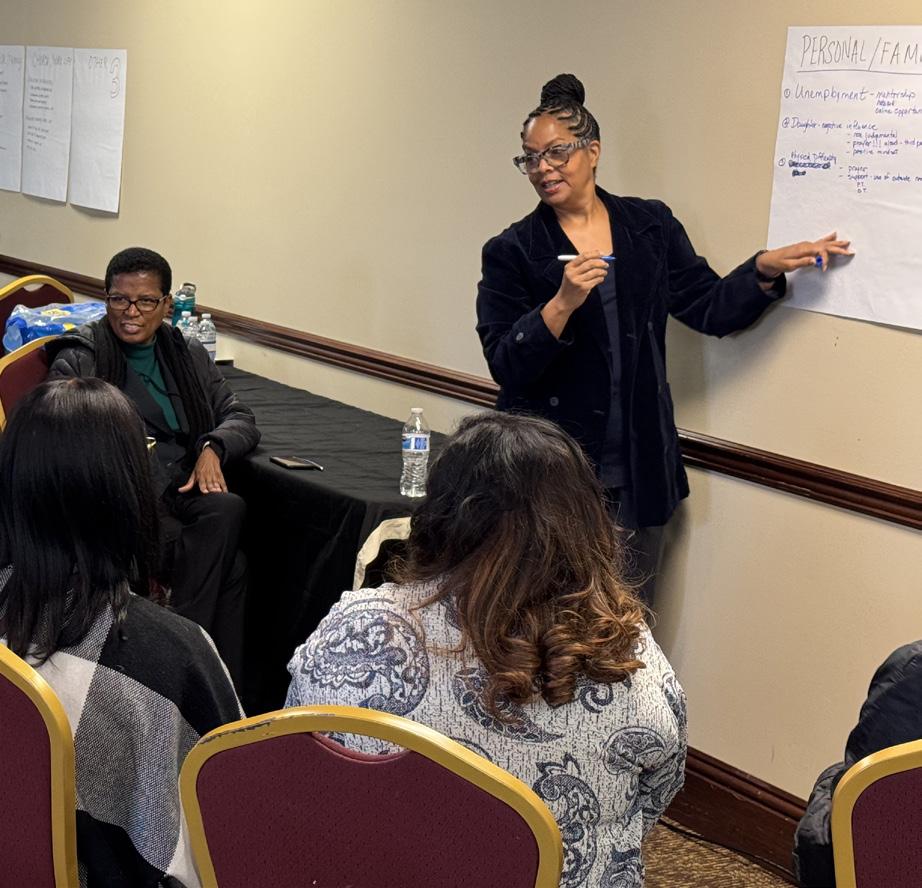
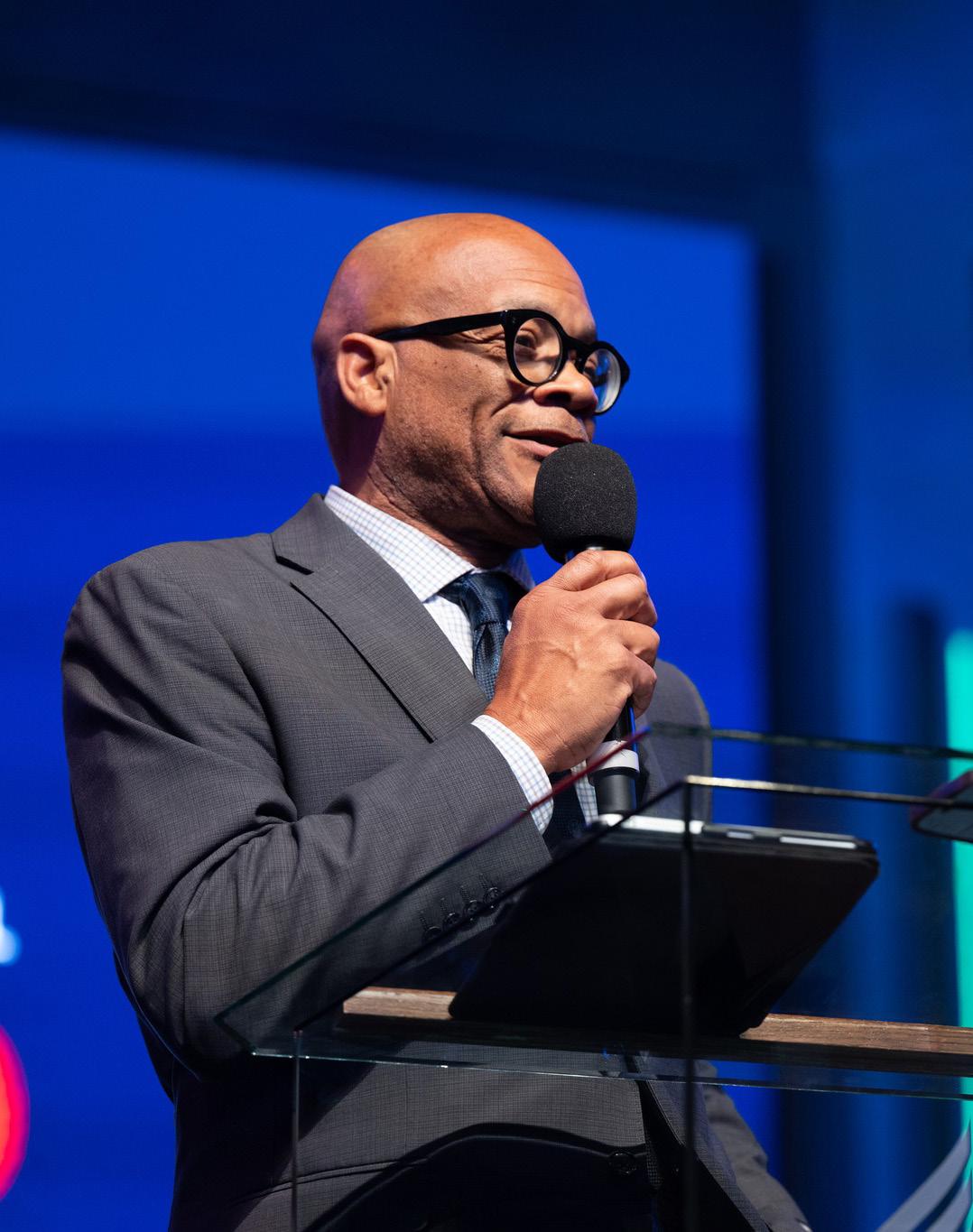
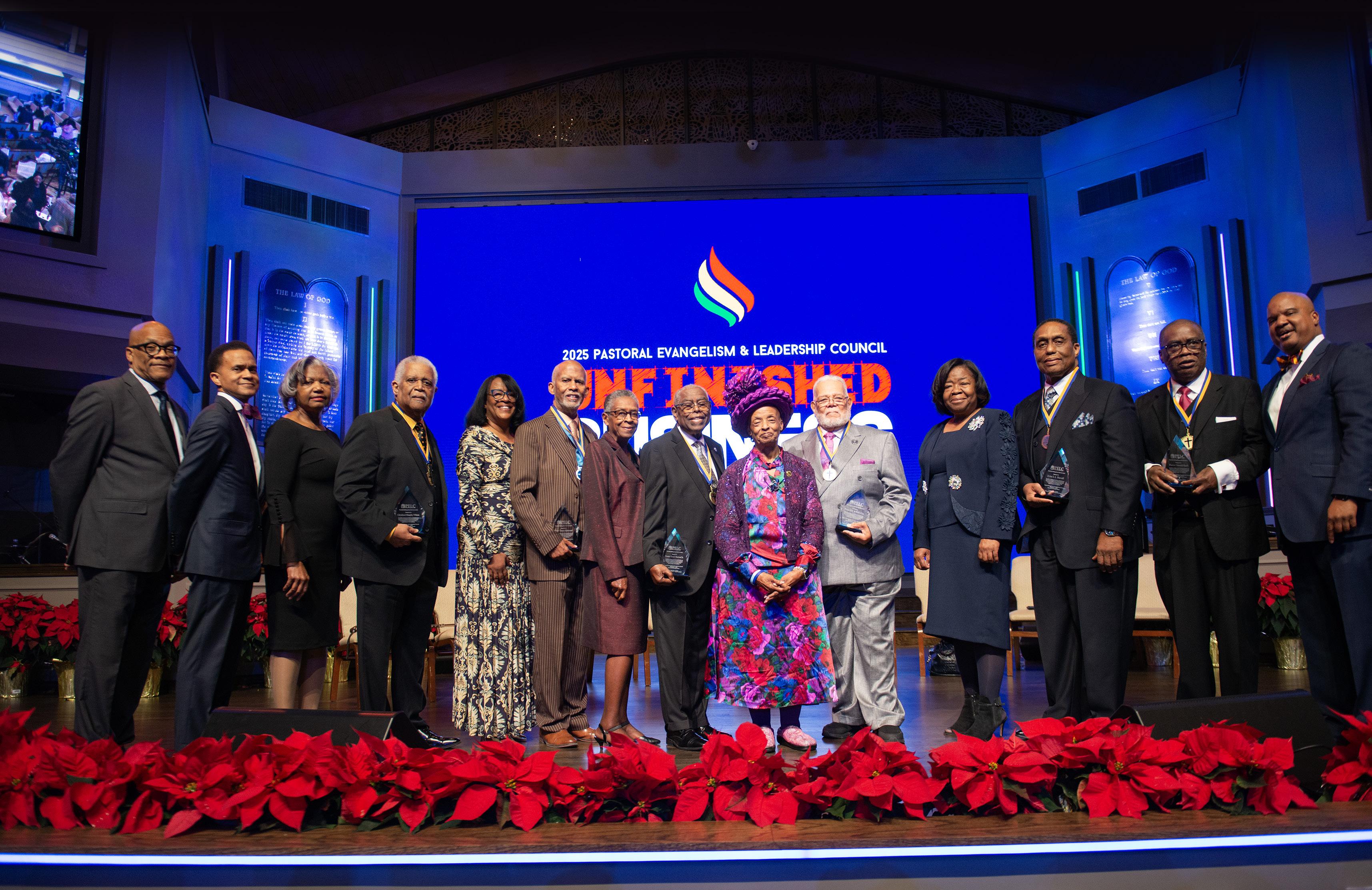
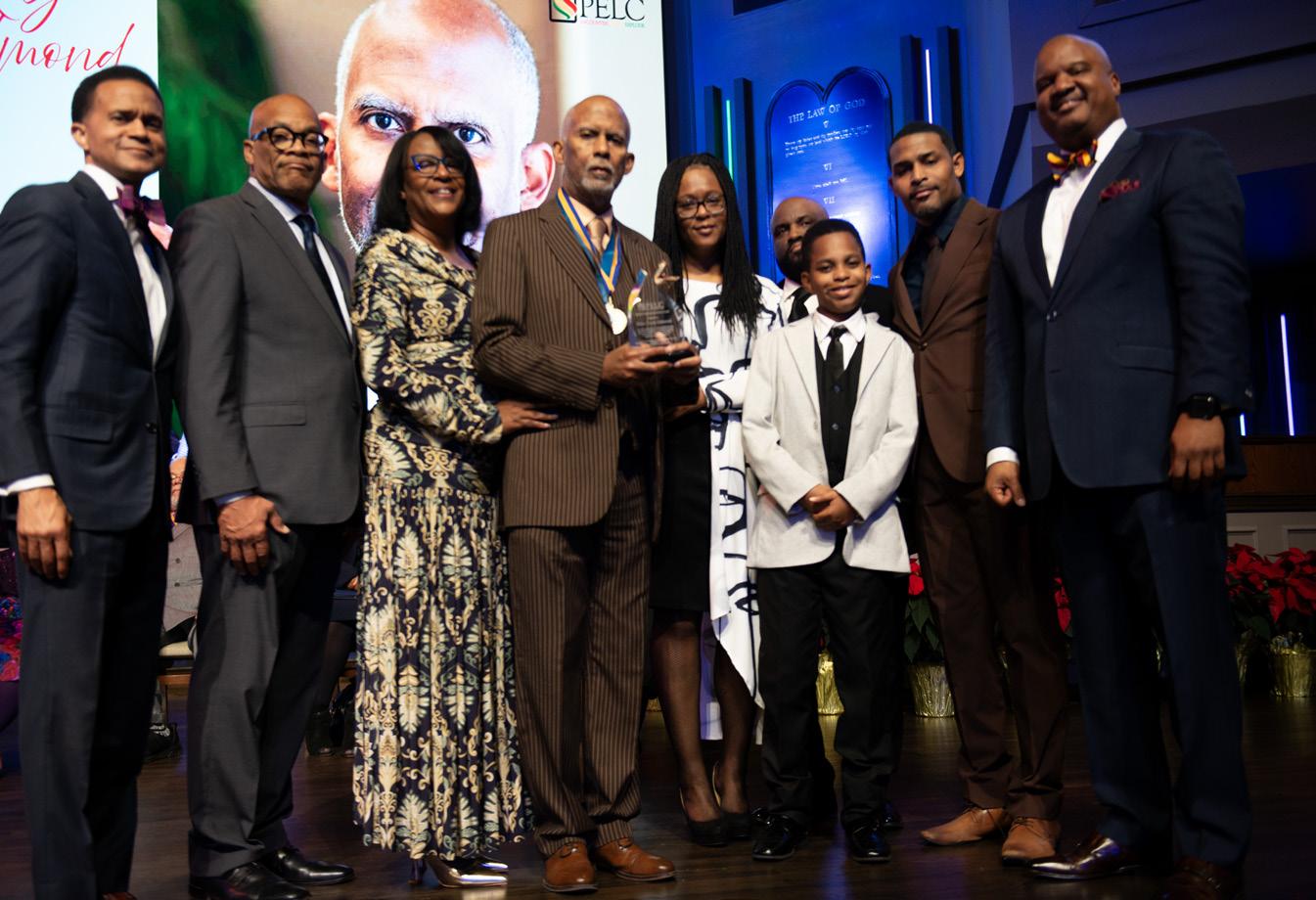
The Honors Program also provided a solemn and meaningful moment to remember those faithful servants who passed to their rest during the past year.
program demonstrated how faithful leadership continues to inspire new generations of pastors and church workers to answer the call to ministry. Pastor Willie Lee reflected on his ministry with these words: “ The uniqueness of ministry is to model before the people of God how you become one in Jesus Christ through the Holy Spirit.”
The 2025 Public Evangelism Leadership Council (PELC) Honors Service brought together pastors, evangelists, church leaders, musicians, and supporters for a powerful evening of recognition, reflection, and renewed commitment to the mission of evangelism. The ceremony highlighted individuals whose ministry, leadership, and dedication have made a lasting impact on their congregations and communities.
Those honored included:
BY JENEAN LENDOR
• Dr. Oswald Euell, Northeastern Conference
• Pastor Ira Harrell, Southeastern Conference
• Pastor Willie S. Lee and Mrs. Wilma Lee, Southwest Region Conference
• Pastor Oscar S. Sherrod, South Atlantic Conference
• Cleveland “Murphy” Wilson, Director of the First Church Inspirational Choir, Huntsville
• Dana Edmond, former South Central Conference President and ORCM Executive Director
Throughout the evening, honorees shared inspiring stories of their journeys in ministry. These testimonies reflected years of service marked by compassion, sacrifice, and unwavering dedication to the spiritual growth of others. Many honorees were recognized not only for their pastoral leadership, but also for their influence beyond the walls of the church. Their impact extended to strengthening families, mentoring young ministers, and building stronger communities through evangelistic outreach.
Speakers emphasized that the Honors Program was not simply about individual achievement, but also about recognizing a collective commitment to advancing the gospel. The
The Honors Program also provided a solemn and meaningful moment to remember those faithful servants who passed to their rest during the past year. Though they are no longer present, their influence lives on through the countless lives they touched, the leaders they helped shape, and the spiritual foundations they helped build.
As the ceremony concluded, Dr. Jesse Wilson, executive director of PELC, expressed gratitude for the faithful leadership represented by the honorees and reaffirmed the council ’ s commitment to supporting evangelistic leaders. The 2025 PELC Honors Program stands as a powerful testament to the enduring influence of ministry rooted in service, faith, and purpose. t
Mrs. JeNean Lendor, Communication Director for the Lake Region Conference of Seventh-day Adventists, offers a precise, capable and experienced approach in providing the live coverage required to capture the PELC HONORS and many other events for Regional Voice magazine.
\ BY DANA C. EDMOND
She attends faithfully each Sabbath with her son, Gene, the last survivor of her four children. Despite her 105 years, Sister Owens moves in and out of the house of God without assistance.
The Hillcrest SDA Church in Nashville, Tennessee, recently recognized the 105th birthday of Mrs. Gladys Rucker Owens, a baptized member of that church for 92 years.
Sister Owens was born to John and Gladys Rucker on January 22, 1922, in Nashville, Tennessee, the oldest of their five children. Her mother became a Seventh-day Adventist when Gladys was three years old. Her mother thoroughly embraced all of the teaching and tenets of the church.
Miss Rucker graduated from Pearl High School in 1939, a member of the first graduating class of this new school.
From Pearl, she attended what was then called the Tennessee Agricultural and Industry (Tennessee A and I – now Tennessee State University). She also received training at Meharry Medical College to become a nurse’s aide.
She married Leroy Owens in 1949. They later moved to Chicago, where Sister Owens became an active member of the church known today as the Independence Boulevard SDA Church.
Sister Owens became involved in the Youth Ministries of the church, particularly the Youth Choir. She directed the choir, served as their musician, and played for the church.
She lived in Chicago for approximately 35 years
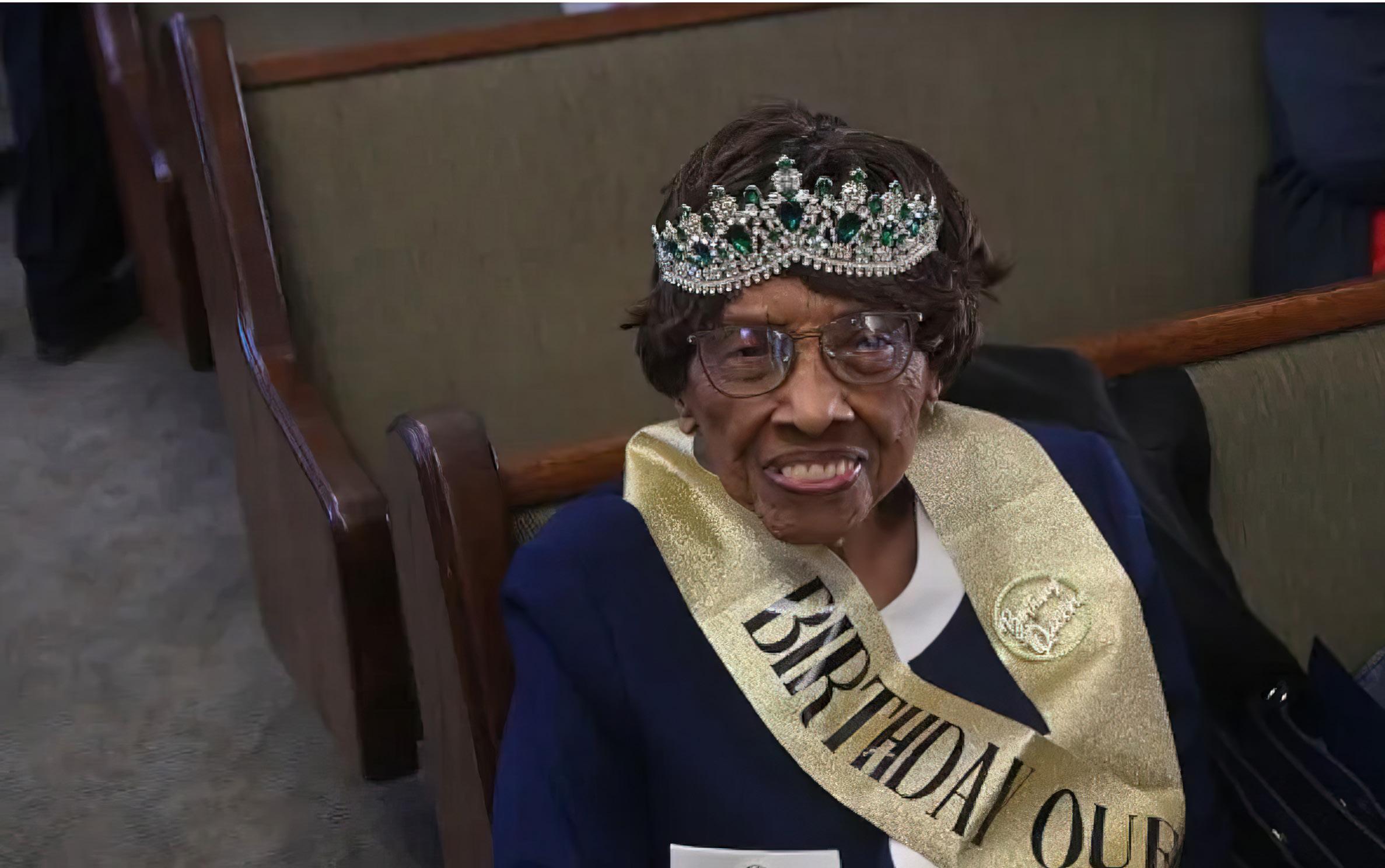
until returning home to Nashville in the late 1980s, to care for her ailing mother. She settled back into her home church, which was then the Meharry Boulevard SDA Church and today is the Hillcrest SDA Church.
She attends faithfully each Sabbath with her son, Gene, the last survivor of her four children. Despite her 105 years, Sister Owens moves in and out of the house of God without assistance.
She lives in the house where she grew up, having bought the house back when she returned from Chicago.
When asked the secret of her remarkable longevity, Sister Owens chuckled and said, “Everyone asks me that.” She said that she has no secret other than the fact that “God has been good” to her. t
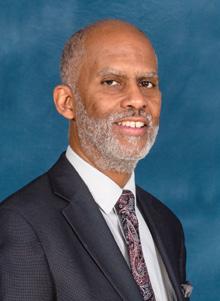
In this year of administrative transition, Elder Dana C. Edmond, former ORCM Director, has consented to maintain some editorial roles for Regional Voice magazine, including writing features such as this one.
A powerful, effective life approach to maximize personal success
BY DR. DELBERT W. BAKER
Aquiet wisdom and strength can come with experience—the realization that true success in life rarely happens through extremes. Whether it’s faith, leadership, or health, moderation is often the bridge between frustration and freedom. It has been repeatedly said that “moderation is the key to success and growth.” What do you think?
In my own journey toward health and wellness, I’ve discovered that the principle of moderation, what I call “The Moderation Mindset,” isn’t just a method for managing weight. It’s a biblical, time-tested way of intentional living that brings harmony to body, mind, and soul.
When I began my personal health improvement journey, I came to realize that portion sizes, not just food choices, were the real challenge. Like most people, I had fallen into the cultural trap of too much. Too much food, too much speed, too little reflection.
Our society normalizes excess. A “normal” meal at a restaurant can easily be two or three times what the body needs. So, I began experimenting with the moderate reduction of portions rather than restricting foods. I didn’t totally drop favorites. Instead, I began to conscientiously focus on how much I ate and why.
Those small shifts changed everything. I discovered that moderation allows freedom without losing discipline. Instead
of living under a rule of denial, I began living with a sense of balance and choice. I could enjoy a treat, stop at a reasonable amount, and keep moving forward, without guilt.
Our society normalizes excess. A “normal” meal at a restaurant can easily be two or three times what the body needs.

p. 562). That’s moderation in its purest form, the wise use of what blesses us and the avoidance of what harms us.
Psychology of Moderation
Over time, I realized that this wasn’t just a weight management principle. It was a life and leadership principle.
The Bible consistently presents moderation as a mark of wisdom and maturity. Paul counsels believers to “let your moderation be known unto all men” (Philippians 4:5, KJV). The Greek word epieikēs implies self-control, reasonableness, and balance, living neither in excess nor in neglect.
Moderation is embedded in the very fabric of creation. The cycles of day and night, work and rest, feasting and fasting, all reveal a divine rhythm of proportion. When we ignore that rhythm, our bodies, minds, and relationships fall out of tune.
Ellen White perceptively wrote: “True temperance teaches us to dispense entirely with everything hurtful and to use judiciously that which is healthful” (Patriarchs and Prophets,
One of the reasons diets can fail is because they operate in extremes. Total restriction may produce temporary results, but it also stirs rebellion. Tell yourself you can never have something, and suddenly, that’s all you think about. Moderation defuses that psychological trap. When you permit yourself to responsibly enjoy what you love, responsibly, you remove the emotional charge that leads to bingeing, guilt, and defeat. You learn that one cookie doesn’t destroy your progress; five might, but one is fine.
Moderation retrains the brain. It teaches you to savor rather than devour, to pause rather than react, to choose rather than crave. The longer you practice it, the easier it becomes. The result?



You begin to live in harmony with both your body’s needs and your inner peace.
Moderation Mindset: Five Working Principles
From both experience and study, I’ve found that a sustainable moderation lifestyle rests on five key pillars. These principles apply to weight management and to almost every area of life and leadership.
1. Awareness
Everything begins with awareness. You can’t change what you don’t acknowledge. Whether you track your meals, pay attention to hunger cues, notice how you are treating or responding to people or simply slow down long enough to notice what you’re doing, self-awareness turns mindless actions into mindful living.
fasting; there are many approaches that facilitate progress. Whatever your approach, the Moderation Mindset allows flexibility and allows you to find a rhythm that works for you.
5. Aim or the “Why” Factor
Ultimately, moderation is powered by purpose. It’s not about reaching a number on a scale but reaching a state of well-being. Your aim or why may be better energy, improved health, longevity, or spiritual clarity. Keeping that purpose in view helps you navigate temptation and setbacks with perspective.
The more I practiced moderation with
food, the more I realized how it mirrored other areas of life. The same mindset applies to time management, relationships, finances, leadership, and even spiritual devotion.
Moderation doesn’t mean mediocrity but measured excellence. It is a quiet strength that signals when to speak and when to listen, when to work and when to rest, when to push forward and when to pause for reflection.
Ellen White summarized it well: “True success in any line of work is not the result of chance, or accident, or destiny. It is the outworking of God’s providence, the reward of faith and discretion, of virtue and perseverance” (Education, p. 296).
B — Be Aware
Lasting change begins with awareness. Notice what you eat, when you eat, and why you eat. Pay attention to habits, emotions, and triggers. Awareness turns reaction into reflection and lays the groundwork for balance.
A — Adjust Portions, Not Pleasure
2. Amount
The simplest way to describe moderation is this: cut down and control. Instead of eliminating your favorite foods, enjoy smaller amounts. If you normally eat six cookies, try two. If your plate is full to overflow, serve yourself half that amount. This principle frees you from the emotional cycle of restriction and relapse.
3. Accountability
Change sticks when it’s shared. Whether it’s a friend, family member, or small group, accountability creates consistency. Supportive conversation, shared progress, or even a bit of friendly competition keeps motivation alive. In both faith and fitness, community sustains commitment.
4. Adaptability
There is no single path to health. Some people thrive with scheduled eating windows; others prefer small meals spread throughout the day, some intermittent
Don’t remove what you enjoy, reduce it to what’s healthy. Find satisfaction in smaller portions and celebrate control rather than denial. Half the portion, double the mindfulness.
L — Live Accountably
No one succeeds alone. Invite a friend, spouse, or small group into your journey. Share victories, setbacks, and goals. Accountability transforms private promises into public progress.
A — Adapt Gracefully
Your balance may not look like anyone else’s and that’s OK. Be flexible with your methods. If one approach stops working, be aware and quickly adjust.
N
— Nurture Your Why
Purpose powers perseverance. Keep your “why” visible, whether it’s vitality, peace, or spiritual clarity. When the reason is substantial, the resolve endures.
C
— Choose Consistency
Small, repeatable choices shape lasting results. Avoid the roller-coaster of quick fixes; aim for steady faithfulness. Progress, not perfection, creates permanence.
E
— Evaluate and Embrace Balance
Regularly take stock of where you are. Notice: What’s working? What needs adjustment? Whether through journaling, an app, or reflection, evaluation keeps you aligned with your goals.
Remember the BALANCE tips. They support your intentional design for living integral to the Moderation Mindset. Start small. Stay steady. Live a balanced life.
Practical Steps Toward a Moderate Life
1. Pause Before You Eat (or Act). Check your mental attitude by using the HALT Check: “Am I hungry, angry, lonely, tired” or am I just bored or stressed?
2. Simplify Your Portions, Don’t Overdo It. Read labels, measure servings, and train your eye to recognize “enough” and practice restraint.
3. Set Reasonable Boundaries. For example, stop eating after a certain time in the evening, not as punishment, but to give your body rest.
4. Check In Regularly. A brief journal entry, a fitness tracker, or a monthly health review can keep you grounded.
5. Celebrate Progress. Progress, not perfection, is the goal. Celebrate small victories and encourage yourself along the way.
Conclusion: Balance Is the Bridge Moderation is not a new discovery, to many it’s rediscovered and applied wisdom. It’s the art of living between extremes: avoiding indulgence without falling into deprivation, enjoying blessings without abusing them. For me, moderation has become a guiding life principle. It’s how I seek to approach eating, working, leading and living. So, whether your goal is to lose weight, reduce stress, or simply live and lead more intentionally, remember this simple maxim: Moderation means mindfulness within your reasonable measures.
Bottom-line, moderation is more than a diet; it’s a design for living and leading. It is a way to experience God’s gifts without excess, and to walk through life with balance, joy, and lasting peace. t
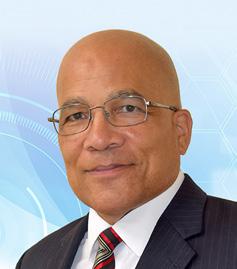
Delbert W. Baker, PhD, is an author, educator, administrator and pastor. He is Director of Research and Development at the Regional Conference Retirement Plan Office in the Charles Dudley Sr. Regional Conference Ministries Center in Huntsville, Alabama.
On August 5, 1930, a marvelous thing happened in Zebulon, Georgia. Theodore Roosevelt Smith, the eighth child of Marvin Sidney Smith and Viola (Leeks) Smith, was born! Soon after his arrival, his proud parents noticed some concerning health challenges he had. But to their joy, “Granny” came to the rescue. With her knowledge and skills of working with natural remedies, she lovingly cared for her tiny grandson. Theodore thrived and soon appeared to be on the road to excellent health.
It was not long before it became evident that Theodore’s physical, spiritual, mental, social, and intellectual abilities were exceptional. When he was in first grade at Broadway Elementary School, his teacher recognized him as a fast learner. Beyond the basic curriculum, Theo learned skills dealing with electricity, farming, bricklaying, carpentry, woodworking, painting, and public speaking. He loved learning! His hobbies included fishing, baseball, trapping, and hunting. Theodore attended Valley State College and later Zion College and Seminary in Chattanooga, Tennessee, where he received two honorary doctorate degrees.
Raised in a strong Baptist tradition, Theodore was influenced by the deep scriptural curiosity of his father, grandfather, and uncle. He too developed an interest in studying the Word. He and his girlfriend, Kenny, often studied, prayed, and searched the Scriptures together. They joined the Seventh-day Adventist Church.
Ted and Kenny were married in May of 1949. They had four children, son Kenneth, and three daughters, Clyde, Elaine and Elizabeth. His wife Kenny passed away in 1991, leaving a void in their family. Sometime afterwards, Theodore and Marion were married, and they continued working in the Lord’s vineyard until her untimely death.
He had become a full-time Literature Evangelist, finding great joy and success in sharing the Gospel through the printed page door-to-door.
His dedication and hard work led to his ordination and the appointment of leadership in several conferences. He served as Publishing Director of South Central Conference, Southeastern Conference, Southwest Region Conference, South Atlantic Conference, and Associate Publishing Director of the Southern Union Conference. He retired in 1999 from the Southern Union Conference of the Seventh-day Adventist Church. Following his retirement as a denominational employee, he founded and became the inaugural senior pastor of Mountainside SDA Church. Among those he led to Christ was his own brother Robert, who had originally been sent by their mother to challenge Theodore’s understanding of Scripture. Through the guidance of the Holy Spirit, the “Smith Brothers” reached the highest level of service in the Seventh-day Adventist Church. Ted was among the founding fathers of the Family Health Education Services (FHES).
On November 26, 2005, Theodore and

Pennie were united in marriage. They served together as Senior Pastor and Associate Pastor of the Mountainside SDA Church, touching many lives until his death on January 22, 2026. He closed his eyes in faith that he would be in the first resurrection.
Preceding him in death were his parents, nine siblings and his son Kenneth Jr. Cherishing his memory: his devoted wife, Pennie; his children, Clyde Choice (Donald), Elaine Henderson (Jimmy), and Elizabeth Smith; grandchildren, Ralita Pettway (Kelvin), Renita Tanoh (DeJuan), Jimmy Henderson Jr., Kenneth Smith Jr., and Lauren Smith; five great-grandchildren; his brother, Robert Smith (Mervetta); “Bonus children,” Michael and Christine Scott; and a host of nieces, nephews, cousins and friends.
The Celebration of Life service for Elder Smith was held at the church he established and nurtured through decades, the Mountainside Seventh-day Adventist Church, with Elder Oscar Sherrod, the Senior Pastor as Officiating Minister, and Dr. Ralph Peay, former President and Director of Senior Ministries for the South Atlantic Conference, Eulogist. t
Special thanks to the Smith family from Regional Voice magazine for sharing this tribute to the life of Elder Theodore R. Smith, faithful servant to God and family man, also fondly known as “Uncle Teddy” to a vast number who held him in their hearts. May his works speak for him through Eternity
He had become a fulltime Literature Evangelist, finding great joy and success in sharing the Gospel through the printed page door-todoor.

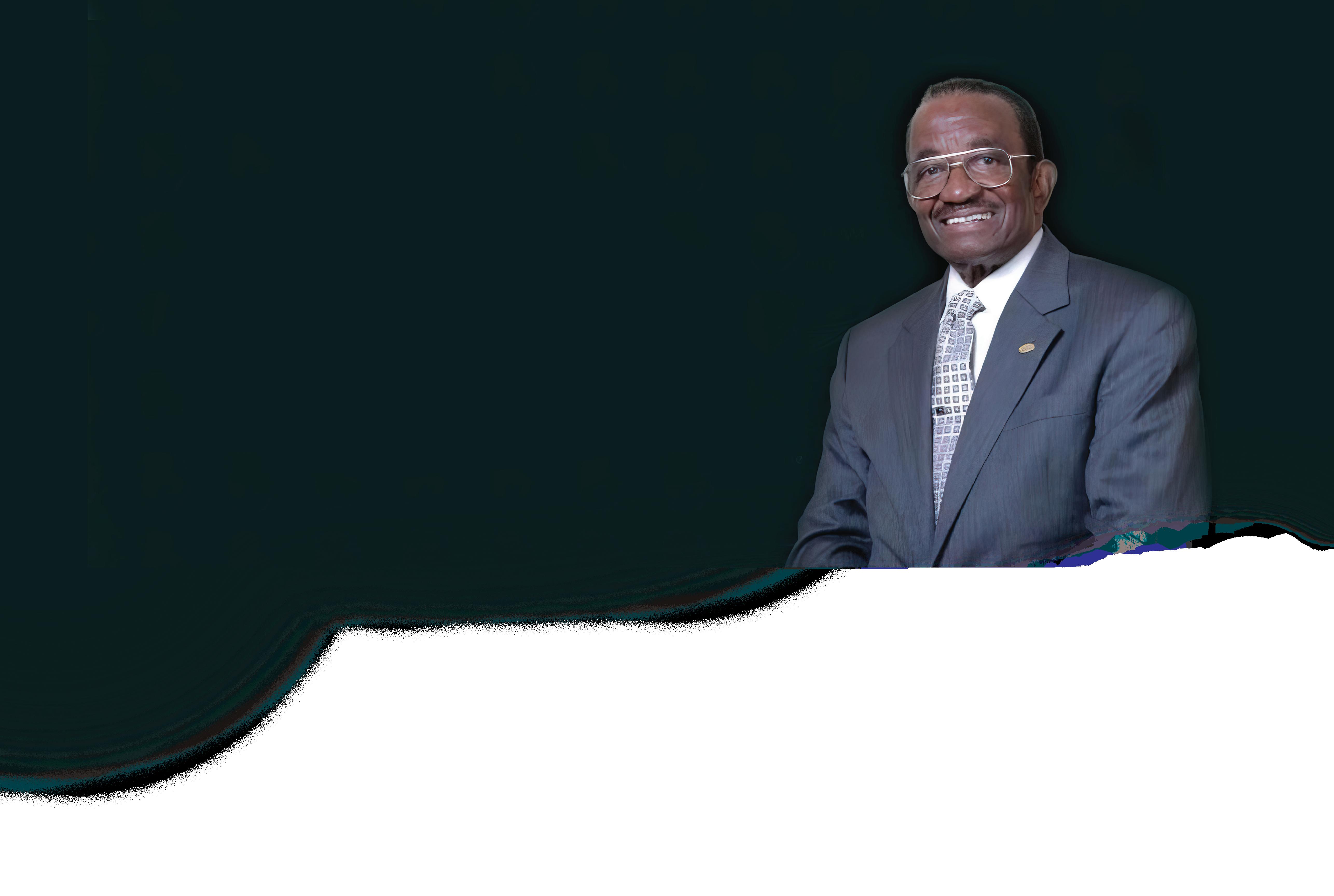
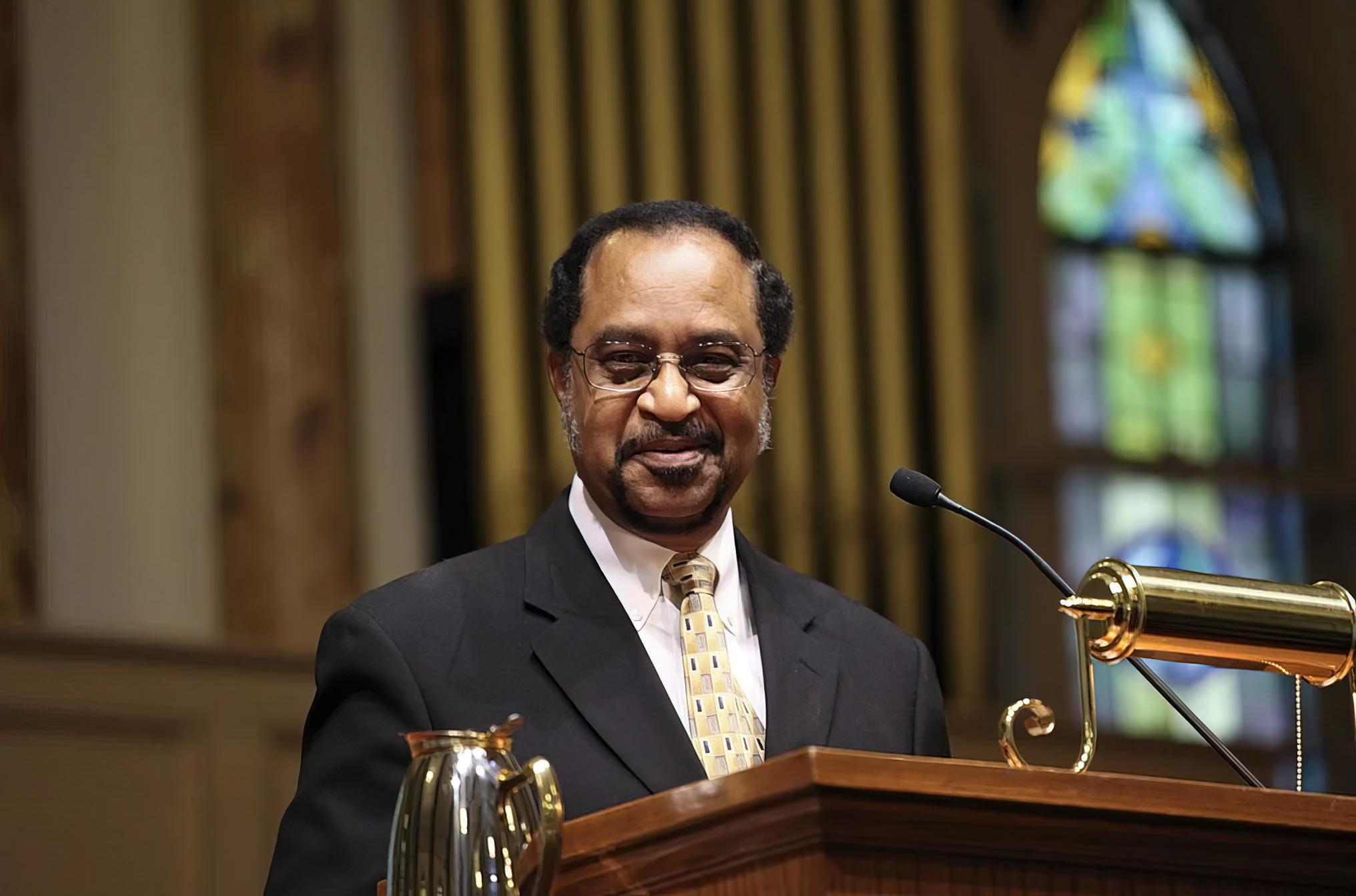
Over the course of his career, he traveled to more than 100 countries and all 50 states, lecturing about the importance of good health and adopting healthful habits.
DeWitt S. Williams, former director of North American Division Health Ministries, passed to his rest on November 17, 2025, about one month after being diagnosed with Acute Myeloid Leukemia. He was 86.
“Dr. Williams was the epitome of a Christian gentleman. He truly lived his faith. His impact on our Church and world through excellent and exceptional service will last for generations,” said G. Alexander Bryant, NAD president.
“His heart and soul were fully devoted to encouraging people to have healthier and spiritually fulfilling lives in this life. He will be greatly missed.”
Until recently, Williams continued to practice what he preached, including vegetarianism and walking two miles each day.
Williams worked for almost 50 years in the Seventh-day Adventist Church, serving as a pastor, missionary, and health director. Born into an Adventist family in 1939 in Philadelphia, Pennsylvania, he devoted his life to ministry, education, and health advocacy within the Seventh-day Adventist Church. Over the course of his career, he traveled to more than 100 countries and all 50 states, lecturing about the importance of good health and adopting healthful habits. Williams wrote or co-authored nine books, including She Fulfilled the Impossible Dream: The Story of Eva B. Dykes and Energized! Of note, Dykes was the first Black woman in America to earn a Ph.D. degree.
He retired from full-time work in 2010, after serving from 1990 to 2010 as NAD Health Ministries (then Health
and Temperance department) director. While there, Williams led initiatives that promoted vegetarianism, tobacco-free living, and community wellness across North America. Throughout his life, he also wrote many articles on these topics, encouraging people toward Adventism and spiritually and physically healthful lives. During his NAD tenure, Williams combined his passion for health and service as an advocate for public wellness in Philadelphia, advising civic leaders and witnessing President Barack Obama’s 2009 signing of the FDA tobacco regulation at the White House.
Earlier, from 1983 to 1990, he was associate director of the General Conference Health Ministries (then GC Health and Temperance department), traveling extensively to share health principles around the world. Williams previously served as president of the Central Africa Union in Burundi (1979-1982), associate director of the General Conference Communication department (19741979), and president of the West Congo Field in Kinshasa, where he became the first Black leader to hold that position.
Williams began his ministry as a pastor in Oklahoma City, Oklahoma, after graduating from Oakwood University (then Oakwood College) in 1962 with a bachelor’s degree in theology. He followed with a master’s degree in systematic theology from Andrews University. Williams was awarded a fellowship in African linguistics and completed a doctorate in education and linguistics at Indiana University in 1975. Later, he received a Master of Public Health from Loma Linda University, expanding his influence in the field of health education.
In 1962, he married Margaret Norman, and together they raised two daughters. Williams, an avid exerciser and marathon runner, significantly reduced his consumption of sugary, processed foods later
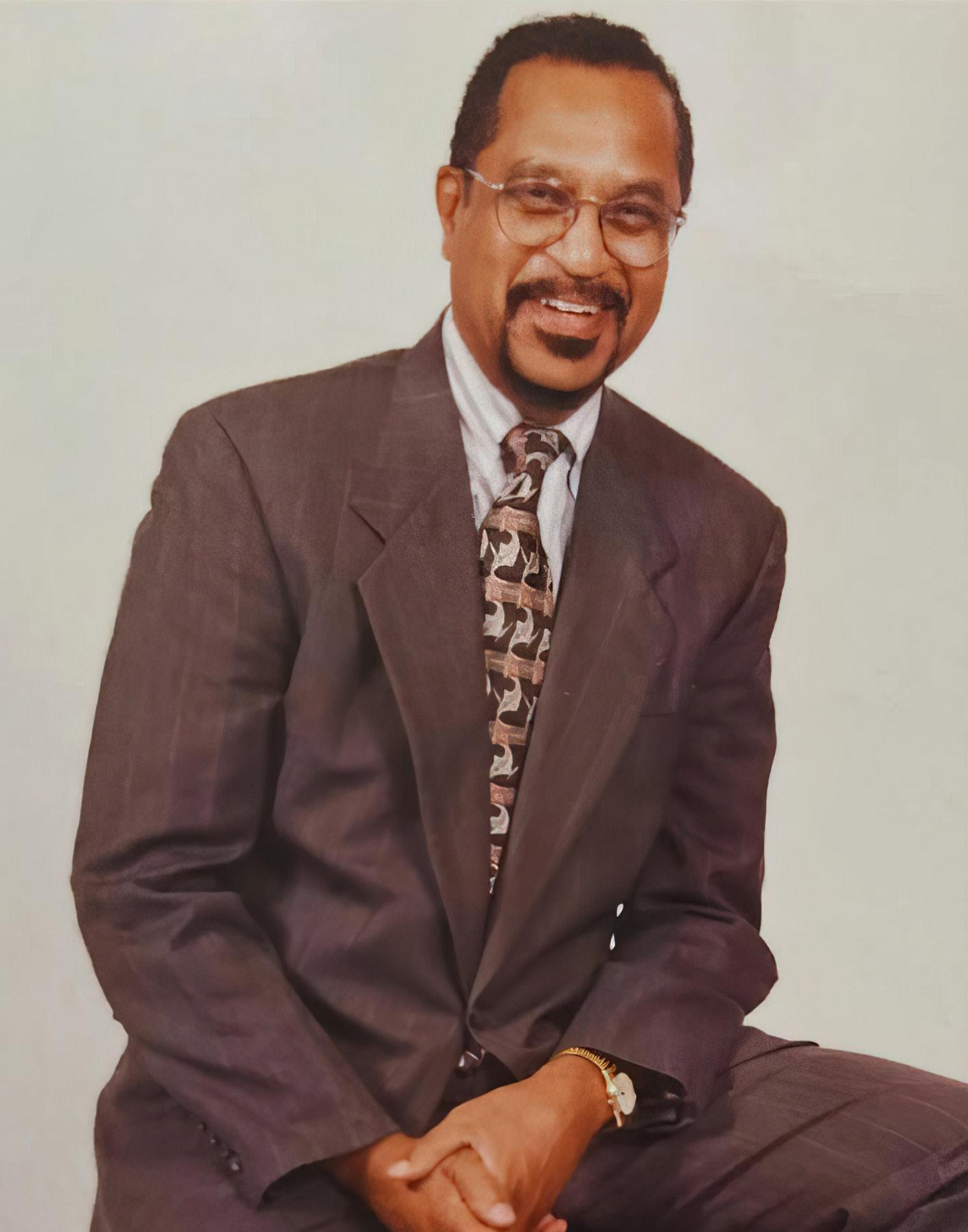
in his life and maintained excellent health until his recent diagnosis.
Williams lived this belief that he shared in a 2023 Adventist Review article, “Temperance or self-control is a fruit of the Spirit and a gift from God (Gal. 5:23). God is willing to give us this gift if we ask Him for it. We need a power that comes from above to help us implement our knowledge.”
Williams was preceded in death by Margaret (Nov. 7, 2015) to whom he was married for 54 years. He is survived by daughters Deitrice Chapman and Darnella Williams;
son-in-law Cedric Chapman; and grandson Neil Chapman. A memorial service was held Saturday, Dec. 13, 2025, at 6:30 p.m., at the Emmanuel-Brinklow Seventh-day Adventist Church located in Ashton, Maryland. The service was live-streamed on the Emmanuel-Brinklow channel. Please pray for the Williams family. t
Produced by the Seventh-day Adventist North American Division (NAD) Office of Communication.
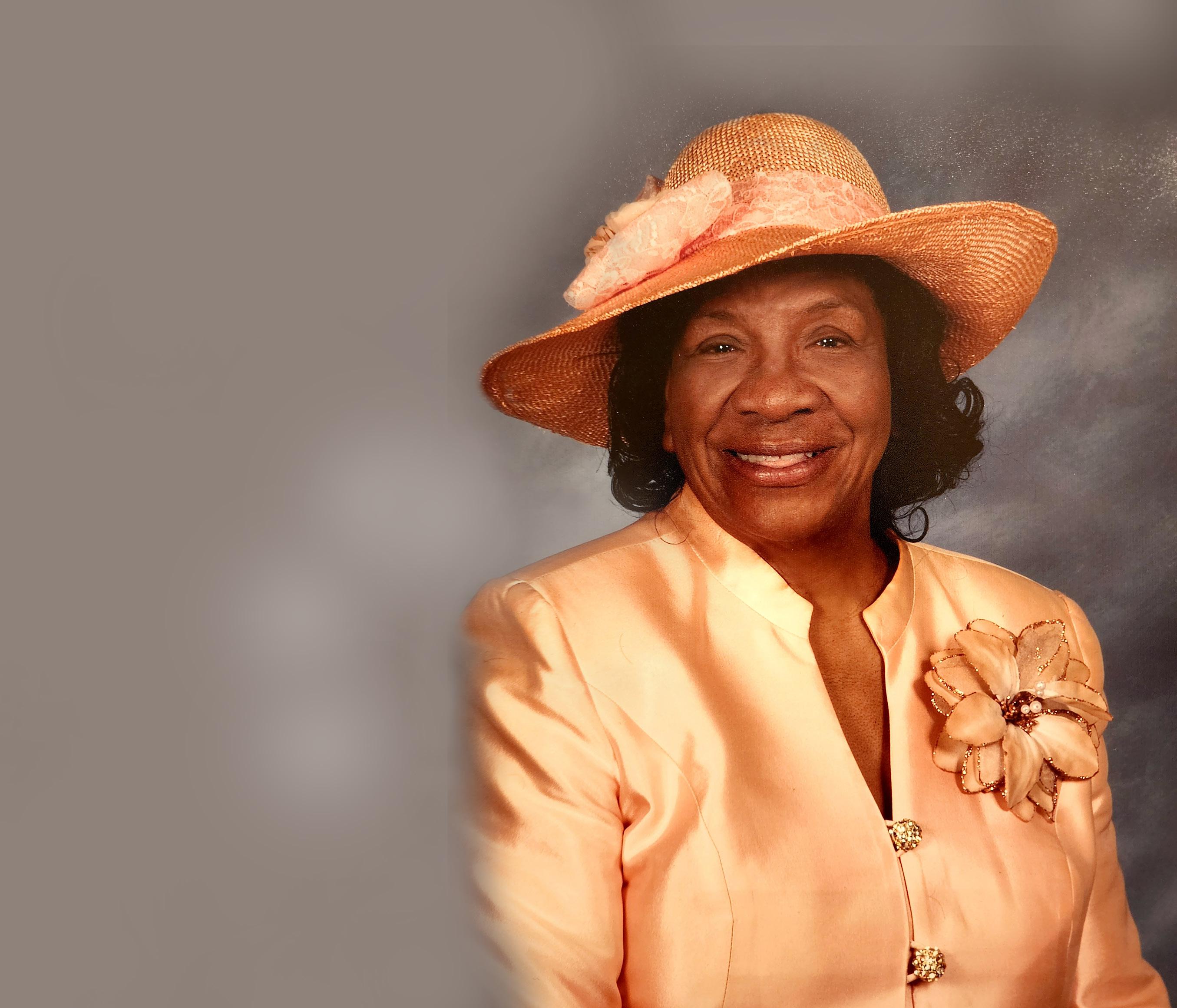
Irene Merideth Bowden lived a life that touched countless hearts and transformed the lives of generations through education, faith, and service. Her journey was defined by a steadfast commitment to learning, the nurturing of others, and an abiding devotion to God. She created a legacy that continues to inspire all who knew her.
On Monday, July 18, 1932, Irene Merideth was welcomed into this world. She was born to James Thomas Merideth and Annie Sue Gilbert Merideth in Atlanta, Georgia, into a loving family and into the fellowship of the Berean SDA Church. She was the youngest of six siblings: James, Maude, Sarah, Dorris, Thomas, and Irene. Sadly, their father passed away when she was only two years old, leaving their mother to rear the six children by herself. Irene’s early years were shaped by a deep sense of faith and community. She was baptized at a young age at the Berean SDA Church, then located on Ashby Street. This place became a lifelong spiritual home. Irene attended the church school, where her inquisitive mind, discipline, and determination quickly stood out. She later contin-
ued her education at the historic Booker T. Washington High School, graduating in 1950. Louis W. Sullivan was among her classmates. He would later become a pioneering physician, president of the Morehouse School of Medicine, and U.S. Secretary of Health and Human Services.
Booker T. Washington High School—the first black high school in Atlanta—served more than 4,000 students during Irene’s time there. Despite the social barriers of segregation, which denied black students access to Georgia’s public colleges and universities, Irene remained undeterred in her academic aspirations. Although the government offered support for black students to attend colleges in the North, Irene chose instead to attend Oakwood College (now Oakwood University) in Huntsville, Alabama. There, she pursued her passion for mathematics and science, graduating in 1954 —an early testament to her resolve and pursuit of excellence.
Following graduation, Irene began her teaching career at an Adventist church school in Orlando, Florida. Though her time there was brief, her impact was imme-
While at Columbia University, Irene developed a close friendship with Christine King, sister of Dr. Martin Luther King Jr. Their bond reflected Irene’s loyalty and compassion.
diate. Soon after, she returned to Oakwood College, this time as a faculty member, teaching mathematics and chemistry at both the academy and college levels. Irene served Oakwood for more than a decade and eventually became Chairperson of the Mathematics Department. She was widely respected for her mastery of subject matter, high standards, and deep concern for her students’ growth. During this period, she had the unique opportunity to attend lectures by Dr. Wernher von Braun, the renowned rocket scientist known as the “Father of Aerospace,” an experience that further fueled her love for scientific inquiry. The Von Braun Center in Huntsville bears his name today.
Irene’s devotion to education extended beyond the classroom. She consistently encouraged her students to strive for the “next” level. Committed to her own growth, she attended summer sessions at Rutgers University and Columbia University and later earned two master’s degrees, including one from Columbia.
While at Columbia University, Irene developed a close friendship with Christine King, sister of Dr. Martin Luther King Jr. Their bond reflected Irene’s loyalty and compassion. When Dr. King was tragically stabbed, Irene accompanied Christine to the hospital, remaining steadfast by her side during that frightening moment—an example of her character and enduring devotion to others. Amid her professional accomplishments, Irene’s personal life also flourished. She reconnected with her childhood friend, Roosevelt Bowden, whom she had known since grade school through church. They were married in December 1965 at the Berean SDA Church. At that time, Roosevelt served
in the U.S. Air Force, and Irene embraced life as a military spouse, moving to Minot, North Dakota. There, she remained active in the community and continued teaching at a local college.
Following Roosevelt’s retirement, the couple returned to Atlanta, where he pursued a law degree and Irene resumed her work at Booker T. Washington High School.
Irene once again distinguished herself at Booker T. Washington, serving as Chairperson of the Mathematics Department and leading a team of 26 mathematics teachers. Her influence fostered collaboration, high standards, and student achievement. Irene’s remarkable career in education spanned 54 years. Even after retirement, her expertise was so valued that she was frequently called back to serve. She and Roosevelt shared 37½ years of marriage before his passing in 2002.
Though Irene and Roosevelt had no biological children, their home overflowed with love. Over the years, Irene welcomed an “army” of students, mentees, and young people into her life— many of whom affectionately called her “Mom.” She mentored, tutored, prayed with, and encouraged countless individuals, leaving an indelible mark on every life she touched.ible mark on every life she touched.
Family remained central to Irene’s life. In later years, she served as primary caregiver for her mother and later for her sisters, especially her beloved sister Dorris, whom she cared for full-time into Dorris’s 99th year. Irene’s selfless devotion reflected her deep sense of responsibility and love.
Her service extended far beyond family and career. Irene was a pillar of Berean SDA Church, where she led the Community Services ministry for many years, served as an Elder, and supported numerous church initiatives. She also shared her musical gifts, singing in choral groups that performed Handel’s Messiah with Morehouse College and at Berean. Music, fellowship, and service brought her great joy.
On Tuesday, January 27, 2026, God gently closed Irene’s eyes to rest. She now sleeps, awaiting the blessed hope and the great trumpet call at Christ’s return.
Irene delighted in life’s simple pleasures. She loved traveling the world, exploring new cultures, solving Sudoku puzzles, and cherishing time with family and friends. Her life was a tapestry woven with faith, learning, service, and love. She leaves behind a legacy of excellence, compassion, and unwavering faith.
Those cherishing her memories include her beloved sister, Dorris Merideth Hill; nephews James Jr. (Gwen), Rodney (Deborah); nieces, Lillian (Donald), Dianne, Carole, Neva; niecein-law Joyce; Laurette; five great nephews; four great nieces; one niece-in-law Minh (Greg); eight great, great nieces and nephews, and a host of other relatives, extended family, friends, and loved ones.
Over the years, Irene welcomed an “army” of students, mentees, and young people into her life— many of whom affectionately called her “Mom.”
She was preceded in death by her parents, Annie and James Thomas; husband Roosevelt; siblings and their spouses, James, Sr. and Rosalie, Maude, Sarah and Jethro, and Thomas; nephew John, and nephew-in-law Laurence; and great nephew Gregory.
The final service for Mrs. Irene Merideth Bowden was held at the Berean Seventh-day Adventist Church, with Pastor Gregory Saunders, Associate Pastor and Officiant; Pastor Taurus Montgomery, Associate Pastor; Dr. Sherwin Jack, Lead Pastor, and Elder William Winston, retired President of the South Atlantic Conference, Eulogist. t
Special thanks to the Merideth family from Regional Voice magazine, and especially to her nephew Rodney Merideth, who composed this tribute to the inspiring, dedicated life of Mrs. Irene Merideth Bowden. She sleeps now, awaiting the great trumpet call of Christ’s return.
1950 – 2025

Billie Carl Thompson Jr., also known as Buzz, 75, a loving husband, father and grandfather, passed away peacefully at home on December 2, 2025, in Huntsville, Alabama. He was surrounded by his loving family after a long battle with Alzheimer’s disease.
He was born August 25, 1950, in St. Louis, Missouri, the second of 14 children to the late Billie Carl Thompson Sr. and Vera Mae Thompson. The family later relocated to Rochester, New York, where Bill was raised.
During his early years, Bill attended Catholic schools, then later accepted Seventh-day Adventist beliefs. He was baptized at the Jefferson Avenue Seventh-day Adventist Church in Rochester. After spending some time at St. John’s University, Bill felt compelled to transfer to Oakwood College to further his education and step into ministry.
While at Oakwood, he decided to spend a year in Tokyo, Japan, as a student missionary English instructor. He met his future wife, Patricia Ray, when he returned. After a year of dating, they were engaged to be married.
As newlyweds, Bill and Patricia moved to Cleveland, Ohio, to start their careers and family. During 20 years in Cleveland, Bill worked as an elder, youth pastor, social worker and counselor for families of troubled youth and those in women’s shelters. Briefly, he pastored in the Allegheny West Conference, in Canton and Twinsburg, Ohio. While wearing many hats, Bill was still moved to earn a Master of Divinity degree in Pas-
toral Counseling at the Ashland Theological Seminary in Ashland, Ohio.
The Thompson family moved again, relocating to Memphis, Tennessee. Bill continued his work as an elder, social worker and counselor for veterans. After a few years, he decided it was time to return to preaching. He was ordained in the South Central Conference, and pastored churches in Mississippi (Natchez, Fayetteville, Woodville, Yazoo City and Rolling Fork), and Alabama (Adamsville and Fairfield). After 11 years of service, Bill retired in 2022.
Bill is remembered as “the person who never runs out of jokes.” He made sure every person he met left with a smile and joke to pass along.
Bill is survived by his beloved wife of 45 years, Patricia Thompson; their two children, son Billie Carl Thompson III (Erica), daughter Stephanie Thompson, and three cherished grandchildren, Kaydan, Zekai and Nyla.
Bill is also survived by sisters: Joan Marie Davis (Bill), Deborah Fossitt, Regina Perry (Napolean), Marian Hill (Brian), Marguerite McFadden (Melvin), Veronica Sims (Reggie), and Joella Latimer; brothers: Richard, Michael Anthony, and Martin. He also leaves behind many nieces, nephews, great nieces, great nephews, and cousins.He was preceded in death by his parents and his brothers: Charlie, Robert and Joseph.
His funeral was held at the Oakwood University Church on Friday, December 12, 2025, with Pastor Robert Edwards officiating and Pastor Gregg Robinzine, Eulogist.
In lieu of flowers, the family encour-
During his early years, Bill attended Catholic schools, then later accepted Seventh-day Adventist beliefs. He was baptized at the Jefferson Avenue Seventh-day Adventist Church in Rochester.
ages donations to the Alzheimer’s Association, a local veteran service or homeless shelter. Pastor Billie Thompson leaves behind a legacy of grace and faith. His light will forever shine in the lives he blessed. t
Special thanks to the Thompson family from Regional Voice magazine, and also to Elder Roger Wade of the South Central Conference for providing this tribute to Pastor Billie Carl Thompson’s life of faith, inspiration, and dedicated service.
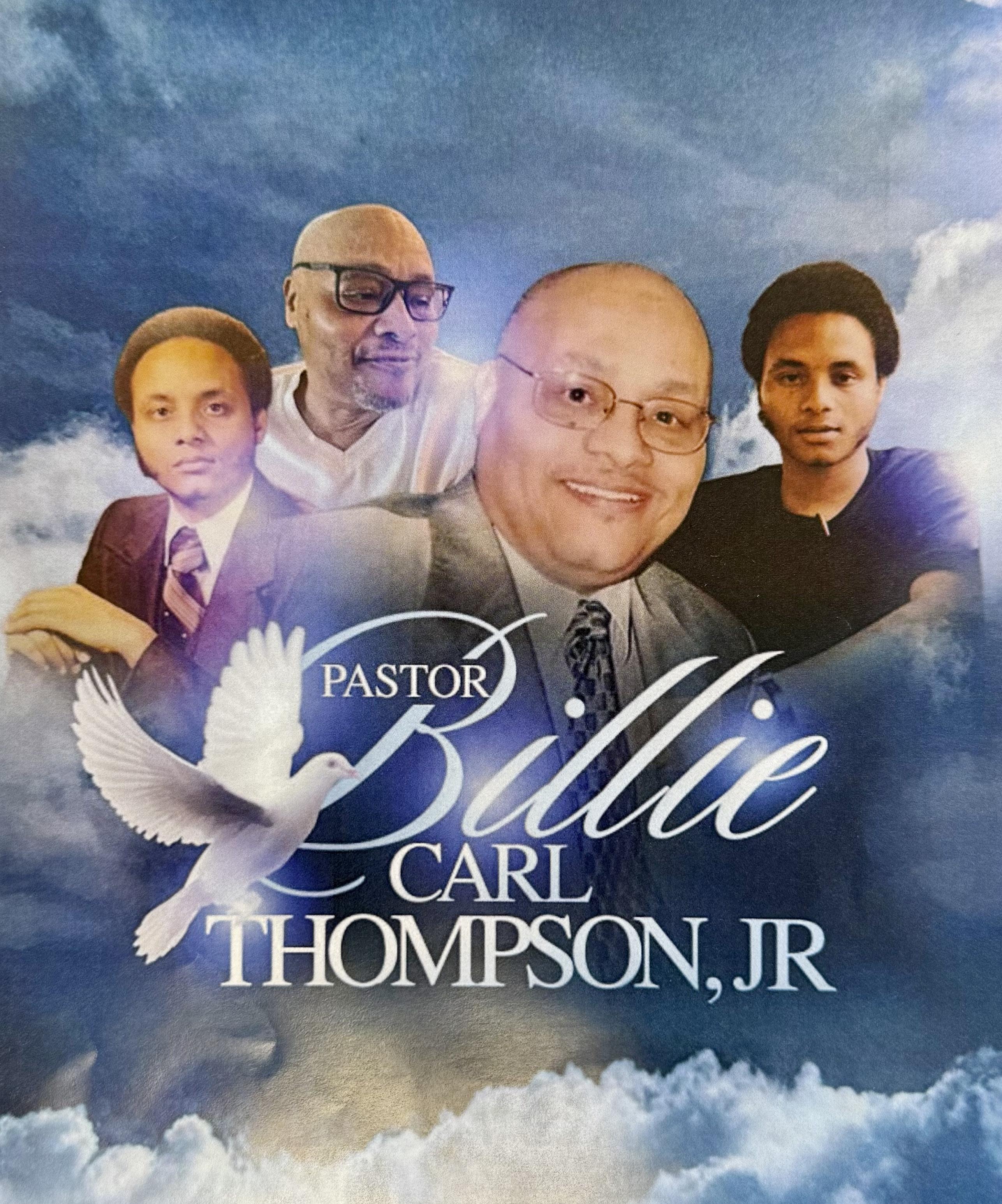
Florence Knight Blaylock was born on February 21, 1932, to Oree “Chief” Knight and Eddress (Booth) Knight in SoSo, Mississippi. Born into history, she went on to create a legacy of faith, service, and love. Florence met the love of her life, Eugene, on the back roads of SoSo, Mississippi—a moment he fondly recalled after seeing her riding a bike. What began as a chance encounter blossomed into a lifelong love story. The two were united in marriage on October 10, 1954.
Soon after their marriage, Florence and Eugene moved to Los Angeles, California, where they established their home and raised their family. Florence became an active and devoted member of the University Seventh-day Adventist Church. She was well known throughout the Los Angeles Pathfinder community, serving for many years as a Pathfinder Director. Her outstanding leadership led to her appointment as an Area Coordinator for the Southern California Conference of Seventh-day Adventists. With a deep passion for young people, Florence mentored countless youth and became a mother figure to many. In addition to her youth work, she faithfully served the church in various roles, including church treasurer. Her faith remained unwavering, and her love for the church never diminished.
Professionally, Florence worked for several physicians in Los Angeles, where she earned a reputation as a dedicated, dependable, and compassionate employee. Her employers consistently spoke with admiration about who she was and the positive impact she made on their lives.

Upon retirement, Florence and Eugene returned to her hometown of SoSo. Retirement, however was merely a word to Florence—affectionately known as “Flo Flo—not a lifestyle. Her days were filled with travel, caring for her grandchildren, organizing family reunions, volunteering with the Red Cross, serving as church treasurer, working as a voting marshal, and countless other acts of service she carried out quietly. She remained remarkably active until her health no longer allowed this.
Florence “Flo Flo” Knight Blaylock leaves to cherish her memory her children: Eddress of SoSo, Mississippi; Deborah

Her outstanding leadership led to her appointment as a Pathfinder Area Coordinator for the Southern California Conference of Seventh day Adventists.
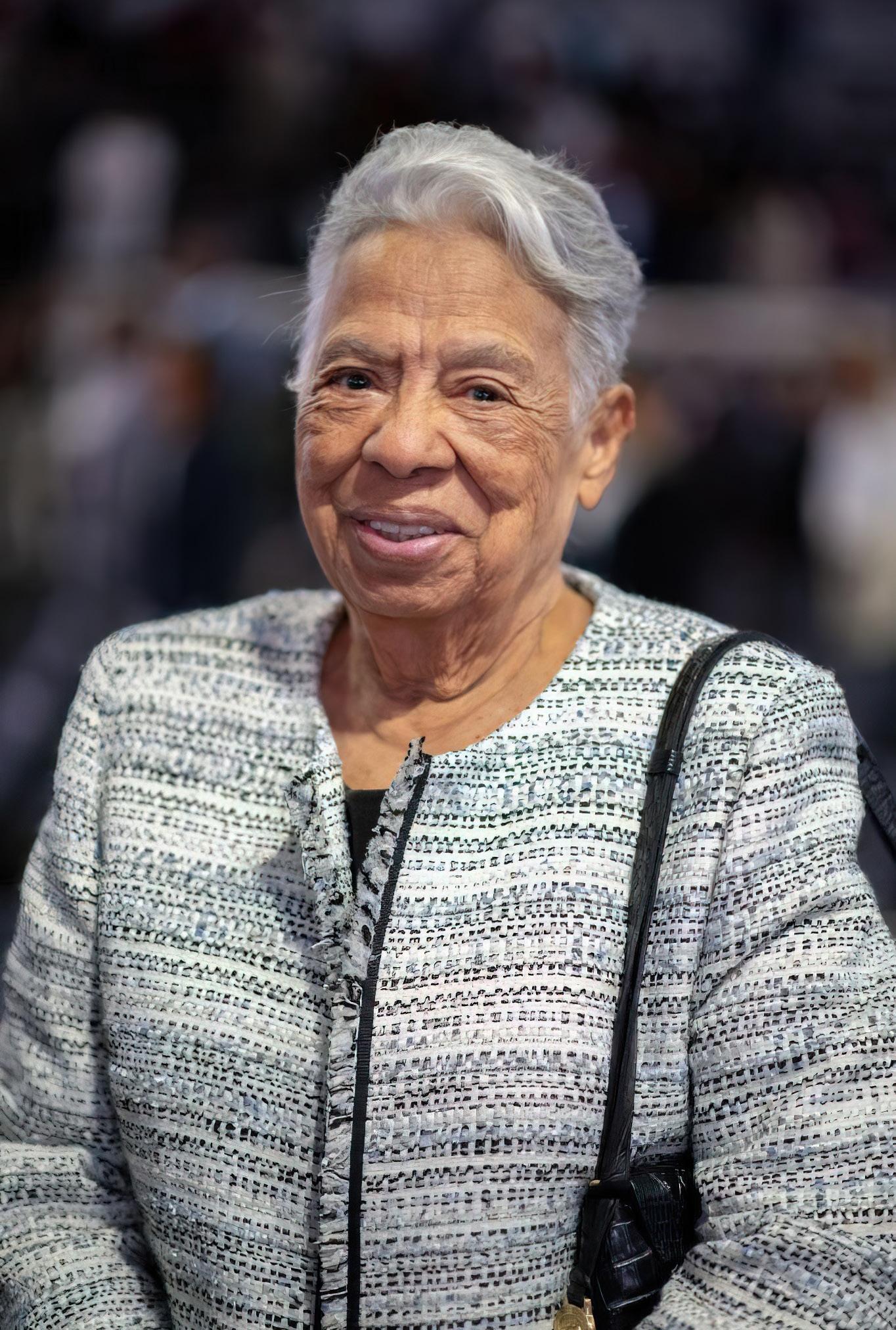

Her faith remained unwavering, and her love for the church never diminished.
Henri (Dunbar) of Beltsville, Maryland, and Russell (DeeDee) of Allen, Texas. She is also survived by four grandchildren: Cara Henri-Wright (Brian) of San Antonio, Texas; Christopher Henri (Ashley) of Bowie, Maryland; Trenton Blaylock of Plano, Texas; and Ethan Blaylock of Plano, Texas; and two great-grandchildren, Carter and Camryn Wright of San Antonio, Texas. She leaves one sister, Dorothy Knight Marsh (Elliot) of SoSo, Mississippi; two brothers, Benny Knight (Verlean) and Eugene Knight of Los Angeles, along with a host of cousins, nieces, nephews, and many “adopted” children across the country.
She was preceded in death by her parents; her beloved husband of 65 years, Eugene Blaylock; her brothers Curley, Shelton, and Bobby Knight, and her nieces deJuana and Shontielle Marsh.
Mrs. Florence Knight Blaylock’s Celebration of Life Service was held at the SoSo Seventh-day Adventist Church in SoSo, Mississippi, December 17, 2025. Elder Joshua Ward, pastor of the SoSo Church, presided, and former pastor, Dr. Carlton Byrd, President of the Southwest Region Conference, served as the Eulogist. t
Special thanks to the Blaylock family from Regional Voice magazine, and especially to niece Ayako Marsh Miranda for providing this tribute to Mrs. Florence Knight Blaylock’s faithful, service-filled life of love.
“Goodbyes are not forever, not the end; they simply mean we will miss you until we meet again.” Author Unknown

Across the United States and in culturally diverse learning environments worldwide, racial disparities in mathematics achievement persist. Students of color, particularly Black, Latina, and Indigenous learners, often face limited access to advanced coursework, culturally affirming instruction, and opportunities for deep mathematical engagement. These inequities stem not from student ability, but from systemic barriers embedded in educational structures and instructional practices.
Addressing these disparities requires evidence-informed best practices. This includes culturally responsive and sustaining pedagogy, high cognitive demand tasks, and intentional classroom environments that affirm students’ identities and promote belonging. When educators honor students’ cultural backgrounds, lived experiences, and intellectual strengths, mathematics becomes more accessible, relevant, and empowering.
This article explores research-based strategies that promote mathematical success for students of color. It highlights how these practices can be implemented in Seventh-day Adventist (SDA) classrooms, aligning with the mission to nurture intellectual, social, and spiritual development.
Foundations: Culturally Responsive Mathematics Teaching
Culturally responsive mathematics teaching (CRMT) recognizes students’ cultural backgrounds and lived experiences as assets for learning. It integrates culture into instruction rather than treating it as separate from academic content.
Key Elements of CRMT:
• Connects mathematical concepts to students’ everyday experiences.
• Rejects deficit-based narratives, affirming students’ strengths.
• Encourages learners to engage in both cultural and cognitive reasoning.
By making mathematics culturally relevant, educators increase engagement and understanding, helping students see themselves and their communities as integral to the learning process. Examples include using local data to explore ratios or incorporating cultural experiences in lessons on geometry, measurement, or algebra.
Equitable mathematics instruction emphasizes deep reasoning and conceptual understanding over rote memorization. High cognitive demand tasks:
• Promote richer mathematical thinking.
• Increase student agency.
• Provide equitable access to advanced mathematics.
Tasks should challenge students to analyze, justify, and explain their thinking, transforming mathematics into a meaningful problem-solving discipline. For instance, instead of asking students to simply calculate percentag-
Tasks should challenge students to analyze, justify, and explain their thinking, transforming mathematics into a meaningful problemsolving discipline.
es, a high cognitive demand task might require them to analyze real-world demographic data and justify equitable allocations based on their reasoning.
Developing a positive mathematical

identity is critical for students of color. Mathematical identity refers to how students perceive themselves as learners of mathematics, their confidence, sense of belonging, and belief in their ability to succeed. When students see themselves as capable mathematicians, they are more likely to engage deeply, take risks in problem-solving, and persist through challenges.
Key Elements of Positive Mathematical Identity:
1. Cultural Affirmation: Students develop confidence when instruction recognizes and values their
cultural knowledge. Lessons that incorporate students’ lived experiences, community data, or cultural practices help learners see mathematics as relevant and meaningful. For example, analyzing ratios using community demographics or exploring geometric patterns from cultural art allows students to connect abstract concepts to familiar contexts.
2. Representation and Role Models: Highlighting mathematicians and STEM professionals from historically underrepresented communities provide students with concrete examples of success. Sharing stories of Black, Latina, Indigenous, and other mathematicians demonstrates that excellence in math-
Reflection:
In SDA classrooms, mathematical identity can be reinforced through faithbased reflection. Linking problem-solving to biblical principles of stewardship, fairness, and service emphasizes that mathematics is not just an academic skill but also a tool for ethical action. Students see their mathematical competence as a way to contribute positively to their communities, reinforcing both intellectual and moral growth.
6. Feedback and Affirmation: Teachers’ feedback plays a powerful role in shaping identity. Constructive, strength-based feedback that highlights effort, strategy, and reasoning rather than focusing solely on correct
ematics is not limited by race or background, inspiring students to envision themselves in similar roles.
3. Identity-Affirming Tasks: Designing tasks that allow students to draw on their cultural knowledge and experiences communicates that their contributions matter. When students’ perspectives are intentionally incorporated into problem-solving, they internalize the message that their ideas are valuable in mathematics.
4. Encouraging Agency and Voice: Opportunities for students to explain, defend, and critique mathematical reasoning empower them to claim ownership of learning. Group roles such as facilitator, presenter, or examiner create equitable participation structures, ensuring all students can actively contribute and develop a sense of agency.
5. Integrating Faith and Ethical
cepts to students’ interests or cultural knowledge.
• Include biographies and contributions of mathematicians from diverse backgrounds.
• Design collaborative tasks where every student has a clear, valued role.
• Provide opportunities for students to present solutions, reflect on their thinking, and make connections to real-life or faith-based contexts.
• Celebrate successes publicly to reinforce competence and confidence.
By intentionally cultivating positive mathematical identities, educators create classrooms where students of color feel capable, valued, and empowered. This identity development is foundational to academic success and prepares learners to engage confidently with mathematics throughout their educational journeys and beyond.
Teachers must engage in ongoing reflection, professional development, and peer collaboration to sustain equitable practices. Strategies include:
• Journaling about instructional choices and student engagement.
• Reviewing participation and achievement data.
answers, encourages persistence, and reinforces students’ belief in their capabilities.
Impact of Positive Mathematical Identity:
• Increased Engagement: Students with strong mathematical identities participate more actively, ask questions, and persist through challenging tasks.
• Greater Equity: When students believe in their abilities, barriers of stereotype threat or low expectations are reduced, contributing to equitable outcomes.
• Long-Term Academic Success: Positive identity supports sustained interest in mathematics, including enrollment in advanced courses and pursuit of STEM careers.
• Begin lessons by connecting con-
• Collaborating with colleagues to refine culturally responsive lessons. Applying these strategies ensures mathematics instruction connects to students’ communities and experiences while providing rigorous, conceptually rich learning.
SDA education emphasizes biblical principles that affirm every learner’s value and potential (Proverbs 4:7; Micah 6:8). Mathematics lessons can incorporate stewardship, fairness, and ethical decision-making, connecting numerical analysis to service and moral growth. Faith-informed instruction helps students see mathematics as meaningful beyond grades, fostering purpose, agency, and engagement.


SDA education emphasizes biblical principles that affirm every learner’s valueand potential.


Implementing culturally responsive mathematics can be inconsistent due to limited resources, curricular constraints, and systemic barriers like tracking or implicit bias. SDA classrooms, however, provide natural opportunities to advance equity through professional development, mentoring, and integration of students’ cultural experiences into lessons.
Holistic education and service-oriented learning allow SDA educators to combine academic rigor with cultural relevance. This ensures that students of color have equitable access to mathematics, feel valued, and develop positive mathe-
matical identities.
Conclusion
Supporting students of color requires culturally responsive strategies, high cognitive demand tasks, collaborative learning, and reflective teaching. When mathematics connects students’ identities, experiences, and cultural strengths, learners achieve academically, build confidence, and develop a sense of belonging.
In SDA classrooms, these practices align with a mission to educate the whole child. Integrating faith, community engagement, and ethical reasoning ensures rigorous mathematics is mean-
Supporting students of color requires culturally responsive strategies, high cognitive demand tasks, collaborative learning, and reflective teaching. When mathematics connects students’ identities, experiences, and cultural strengths, learners achieve academically, build confidence, and develop a sense of belonging.
ingful, empowering, and culturally affirming. Through professional reflection and ongoing development, educators can sustain equitable practices, creat-

ing classrooms where all students thrive and see themselves as capable contributors to their communities and the broader world. t
Sheresa Perry-Woodson, Ed.D., is a career educator in the Allegheny East Conference with a passion for empowering students to reach their fullest potential. Her work centers on advancing equity and access for diverse learners, particularly in mathematics education. Dr. Perry-Woodson’s research and professional practice fo-
cus on culturally responsive pedagogy, positive mathematical identity, and high-impact instructional strategies that promote both academic excellence and holistic development. She is deeply committed to supporting educators in creating inclusive, rigorous learning environments that honor students’ cultural identities while aligning w ith faith-based educational values.
Trevor Kinlock, PhD., M. Div., currently serves as President of the Allegheny East Conference of Seventh-day Adven-
tists. He has more than 20 years of experience leading and supporting Black Adventist schools. He holds a PhD in Sociology and Criminology from Howard University, where he also teaches as adjunct professor. His specializations include race analysis, urban studies, social inequality and the sociology of education. Dr. Kinlock’s research and professional practice are directed toward ensuring equality and access for communities of color to quality systems of education. He coordinated this coverage.

BY KYNA HINSON

As we prepare to take this Regional Voice issue into production, America as a nation has been at war with Iran for five days under Operation Epic Fury. On Saturday, February 28, 2026, U.S. warships launched missiles deep inside Iran, bringing death to the Supreme Leader Ali Khamenei, members of his family, and top members of his staff.
The United States Army, the United States Navy, the United States Air Force, the United States Marines, and the Israeli Air Force carried out this joint mission. In retaliation, Iran has struck back at U.S. military targets, including those in Kuwait, and Israeli targets. The other Middle Eastern nations listed in the box have been drawn into this war.
Hundreds of thousands of Americans live in the Middle East, with many seeking to leave. With multiple air strikes in the region, thousands of flights have been cancelled and some airports are closed.
So far, here are the numbers, as of March 4, 2026. t
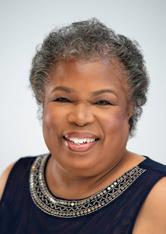

As
The United States Army, the United States Navy, the United States Air Force, the United States Marines, and the Israeli Air Force carried out this joint mission.

February 12, 2026
BY GESTON PIERRE
The New Life Seventh-day Adventist Church in the historic city of Hampton, Virginia, was in a season of perpetual decline, averaging 25–35 attendees at its weekly services since returning from the pandemic. However, in 2025, as the church approached its 25th anniversary, the leadership made several courageous decisions to help revitalize the congregation.
The first was prioritizing children. The pastor emptied his office and transformed it into a children’s suite. Every Sabbath, children ages 1–4 could now enjoy a worship experience filled with fun, snacks, and faith during the main worship service.
The second courageous move was changing the worship time from 11:00 a.m. to 12:00 p.m. This shift allowed the district pastor of two congregations to spend more time building momentum and relationships at the church from week to week. It also gave families with young children more time to prepare in the morning. These two changes alone helped attract several young families to the church in the second quarter of the year.
The third courageous shift was a disruption of routine. The community hosted an annual block party that usually disrupts the church’s worship experience, from limited parking to distracting noise levels. But instead of seeing it as a challenge, Pas-
tor Geston Pierre, or “GP,” led by the Spirit, made a bold announcement the week before: “Next week is Outreach Day. We will gather at 9:00 a.m. to volunteer with the Boys & Girls Club for the Community Block Party.”
The church quickly ordered t-shirts and spent the day serving at the block party—handing out water, engaging neighbors, and collecting trash. They connected with the community, appeared on the local news, and ended the day with a surprise baptism request from a young man named Angel, who later vanished without a trace, leaving many to wonder if they had unknowingly entertained one.
During the church’s 25th anniversary celebration, a bold vision was cast to renovate the building into a multipurpose space to better serve the community by providing room for connection and fellowship, as well as accessibility for all. Despite losing a few members along the way, the church pressed forward in faith, believing the vision, and completed the renovations debt-free. New Life celebrated its grand re-opening on November 1,
During the church’s 25th anniversary celebration, a bold vision was cast to renovate the building into a multipurpose space to better serve the community by providing room for connection and fellowship, as well as accessibility for all.
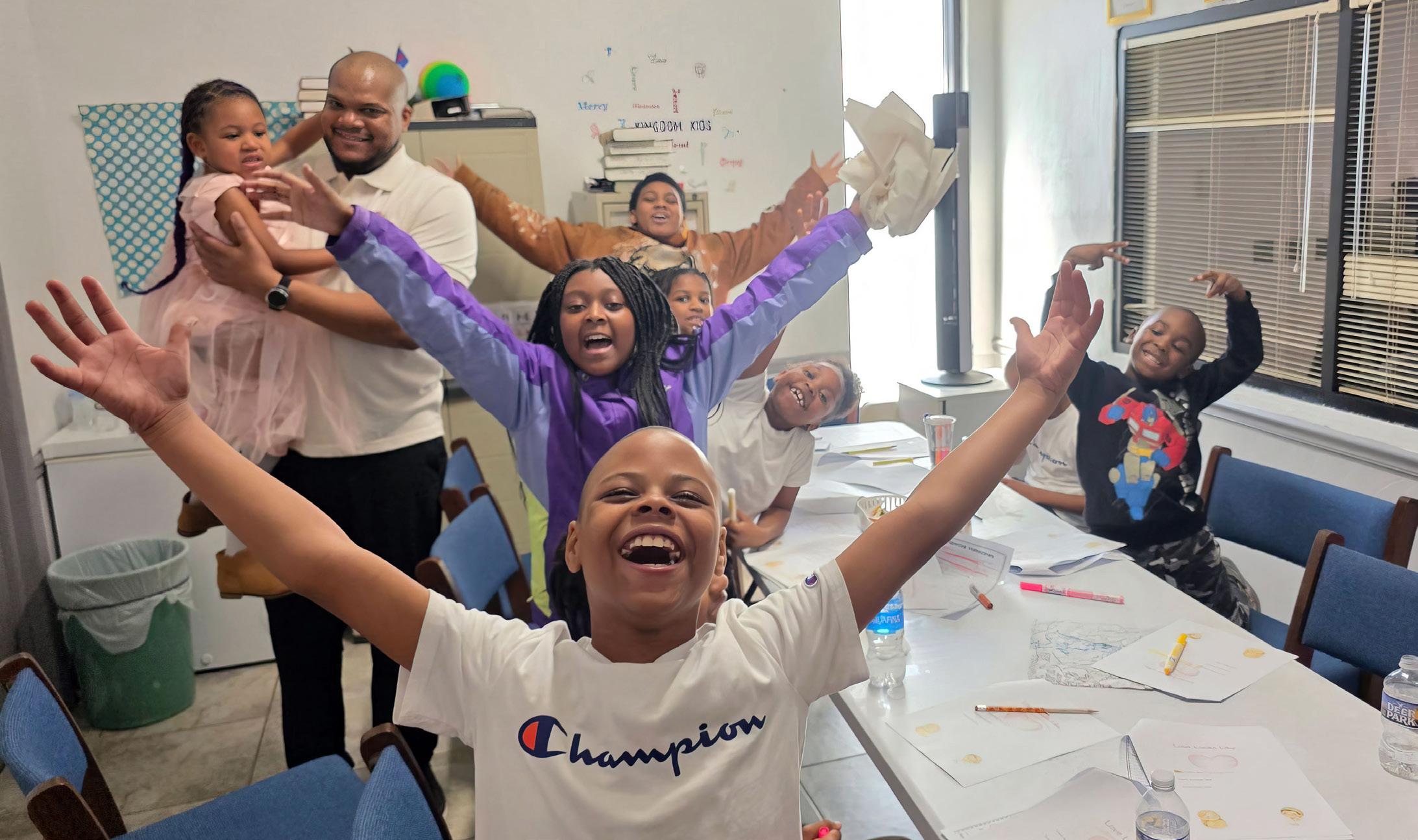
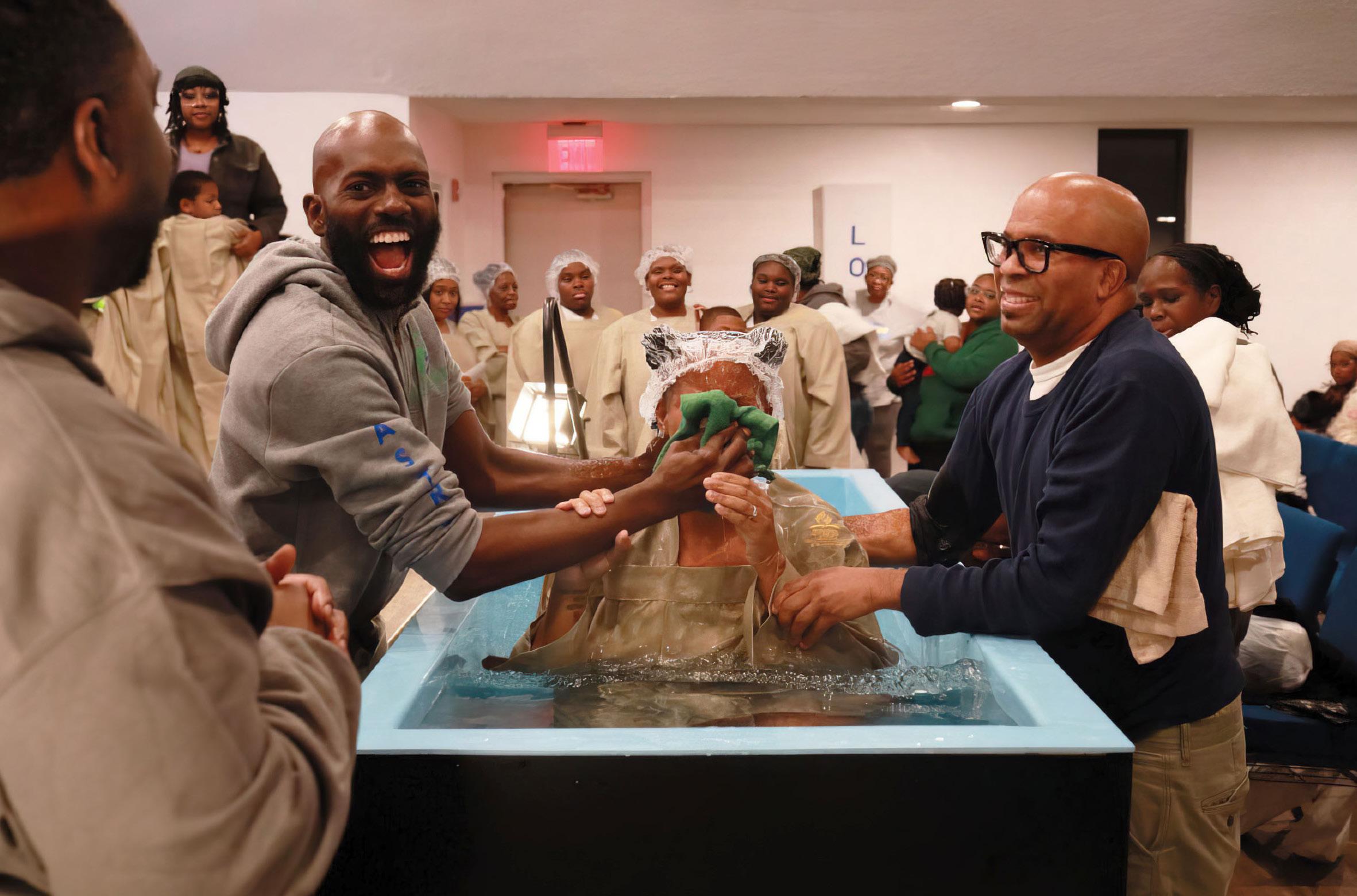
2025. A few days later, the church hosted its Compassion Project Revival for 10 days. Each night began with a community empowerment spotlight, followed by a Q&A, featuring community partners such as:
• The City of Hampton Vice Mayor
• The Department of Innovation
• The Department of Healthy Families
• The Department of Community Engagement
• The Department of Economic Empowerment
• The Hampton Fire Department
• The Boys & Girls Club of Hampton
• Calvary Adventist School
• The Community Outreach Coalition
• Virginia BLOC New Life SDA Church volunteered at Phoebus High School in Hampton, Virginia for the community Christmas party. Photo credit: Sheldon Bryan These partners engaged with more than 200 attendees each night before the revival services began. After the community empowerment spotlight, the nightly revival began with the song “Every Praise” by Hezekiah Walker, and evangelists Pastor GP and Pastor Eddie Guerrier preached the gospel, made appeals, and baptized those who made decisions. They then distributed the nightly giveaways. By the end of the revival, 154 people made decisions for Christ. Twelve weeks later, New Life is averaging a 55 percent retention rate for in-person attendance at Tuesday night Bible study and its Saturday services. Thanks to a very generous donation from the Allegheny East Conference and the church’s willingness, the community was blessed before the holidays in the following ways:
• Four hundred+ families with food.
• Three hundred+ children with toys.
• Two hundred+ children with brandnew Nike shoes.
• One hundred-fifty individuals with monetary gift cards.
• Fifty+ families with diapers.
• Twenty families blessed with $100 toward a 529 college savings plan.
• Twenty children with sponsorships into the Boys & Girls Club after-school program.
• Three new members with sponsorships for a phlebotomy training course. Since the revival, New Life is grateful
for its continued partnerships. The Department of Innovation, which provided surveys at the opening night of the revival with $30 gift cards, later returned to host another community survey at the church before Christmas, this time giving out $50 gift cards. Those survey engagement sessions will continue quarterly in 2026, with Pastor GP serving as a liaison for the historic Wythe community to recruit participants. In addition, New Life was invited to collaborate as volunteers for the
City of Hampton Community Christmas Giveaway at a local high school. And the compassion movement continues.
In December 2025, the church also baptized an employee from the Department of Human Services and celebrated a total of 190 additions to the church in 2025. The new phlebotomists are preparing to serve the local community with their new careers. One long-standing member of New Life is now employed by the Boys & Girls Club next door, and one of the new phlebotomists
By God’s grace, this story of revitalization is unfolding; not just for a church but also for a community and city discovering what is possible when people choose courage, collaboration, and compassion.
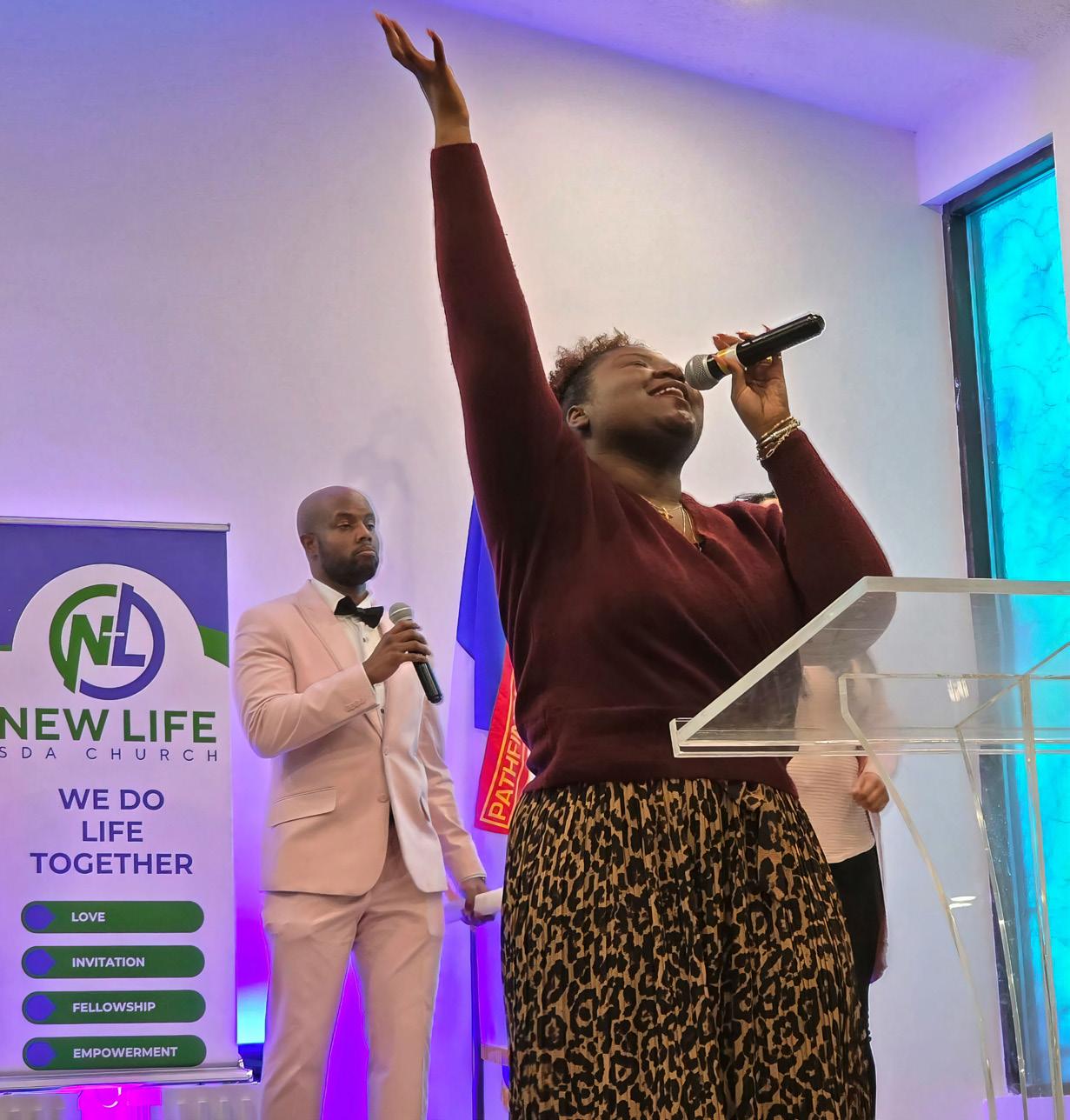
who joined the church during the Compassion Revival is training to become the church’s new outreach director. Courage lit the spark. Faith guided the vision. Collaboration built the bridge. Compassion changed lives, and the Holy Spirit is still at work.
By God’s grace, this story of revitalization is unfolding; not just for a church but also for a community and city discovering what is possible when people choose courage, collaboration, and compassion. And in Hampton, that story is only just beginning.
Stay tuned. t
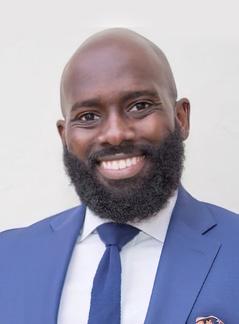
Geston Pierre is pastor of the New Life Seventh-day Adventist Church in Hampton, Virginia. When we see energetic, multi-faceted evangelistic campaigns such as this one, God brings great HOPE. Pastor Pierre can be reached at gpierre@aecsda.com
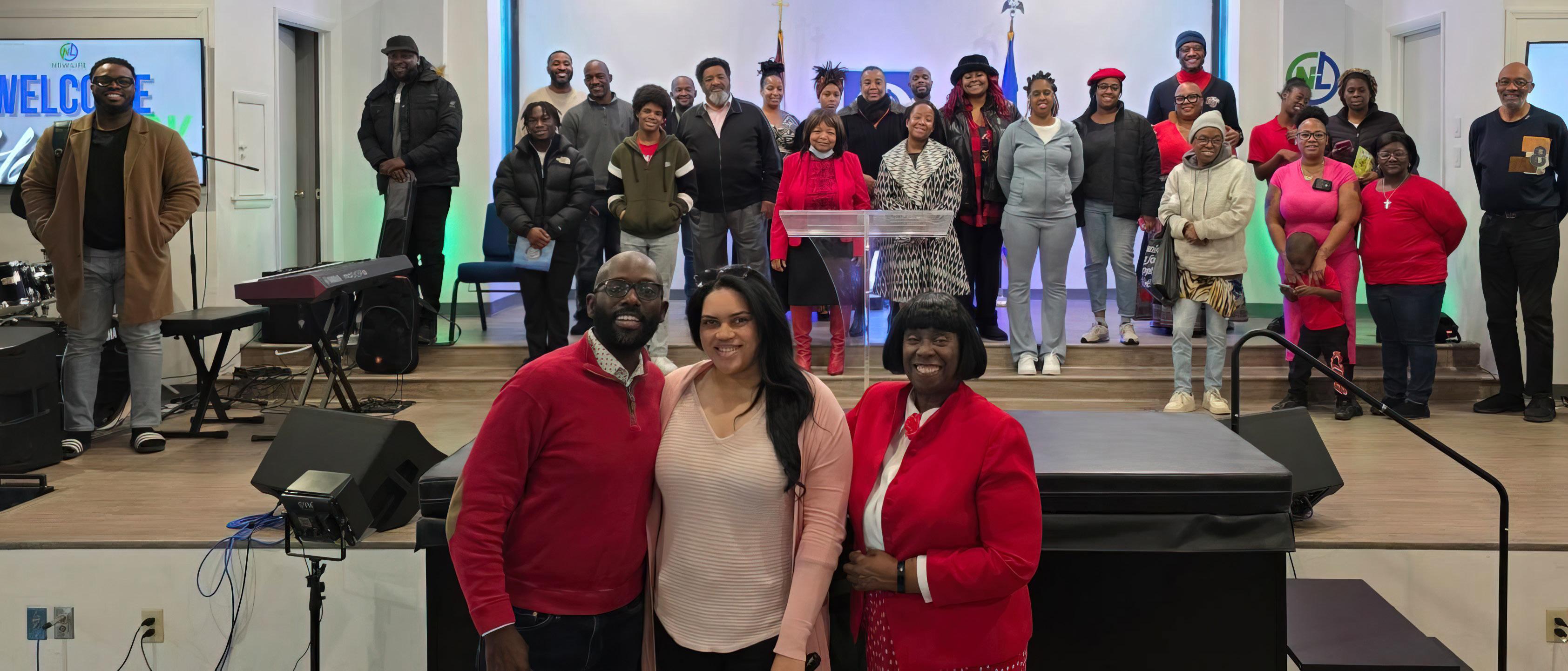
Searching for something more?
Jesus in the Seventh-day Adventist Church.
official website of the Seventh-day Adventist Church
IF YOU HAVE FINISHED A FOUR-YEAR COLLEGE OR UNIVERSITY WITHIN ONE YEAR, OR IF YOU ARE IN YOUR LAST SEMESTER AT A FOUR-YEAR COLLEGE OR UNIVERSITY, YOU MAY QUALIFY FOR A SCHOLARSHIP TO APPLY TO AN AUTO PURCHASE FROM KIA MOTORS OF AMERICA.


FOR MORE INFORMATION, VISIT YOUR LOCAL KIA DEALER.