We

We
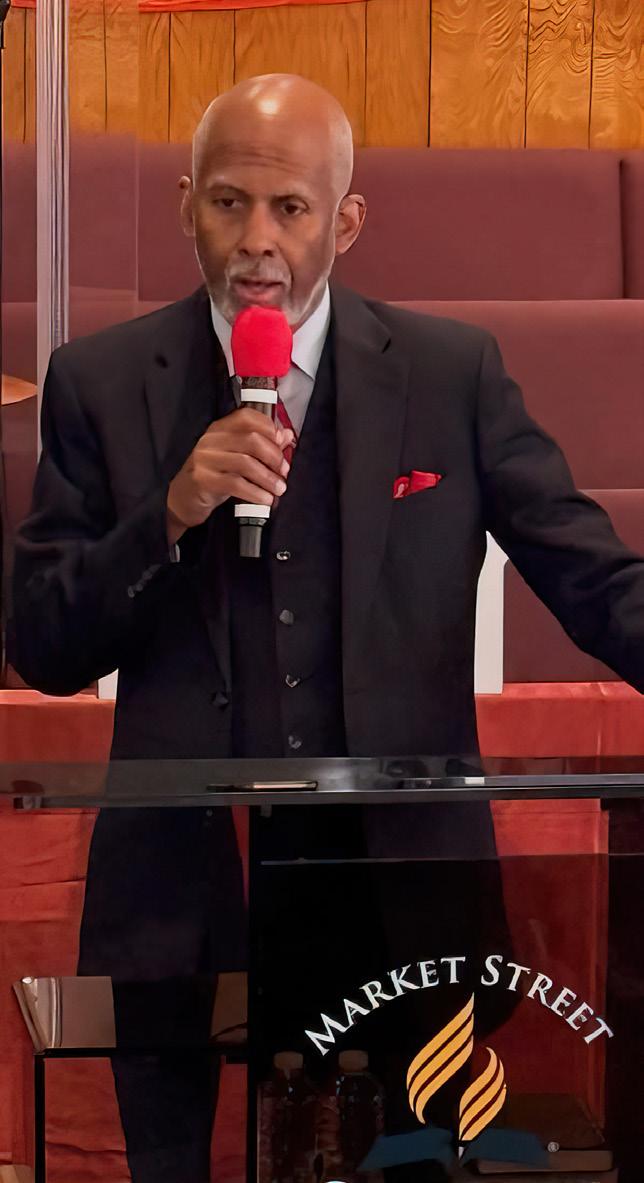
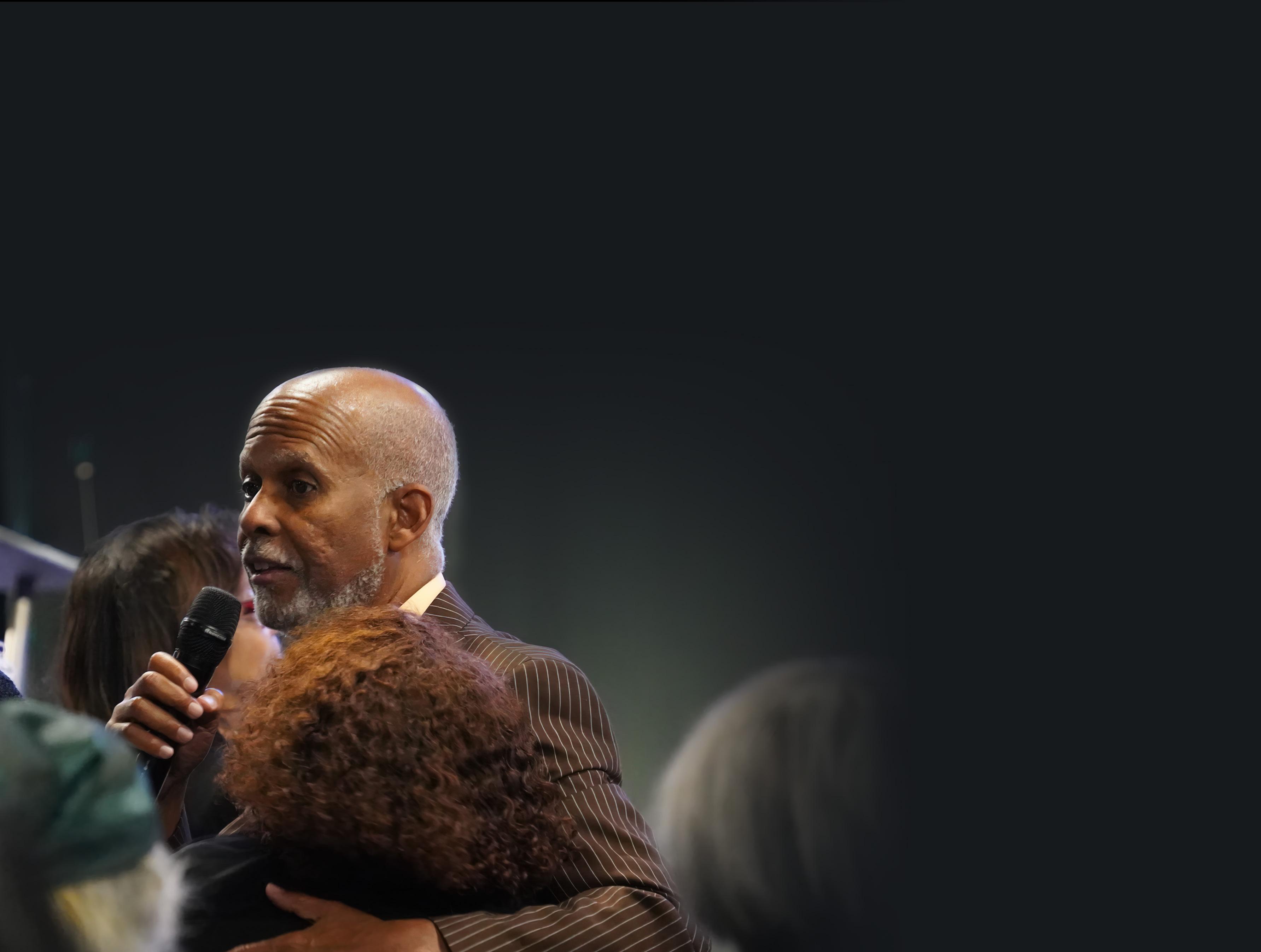
This column marks my final writing as Executive Director of the Office for Regional Conference Ministries. As most of you know by this time, I retire on December 31, 2025, after 47.5 years of ministry in the Seventh-day Adventist Church. It’s time.
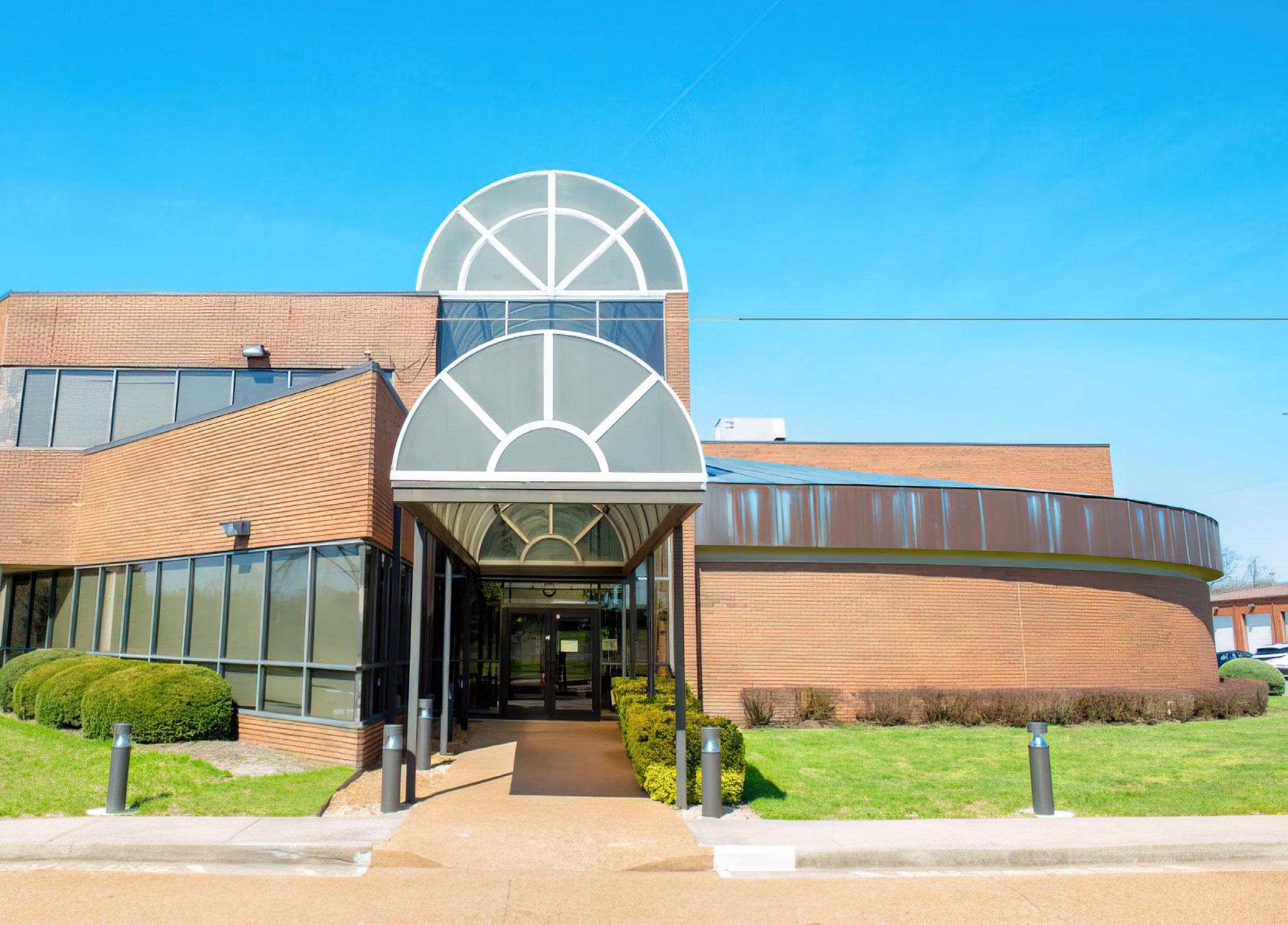
While I’ll leave my office on the second floor of the Charles E. Dudley, Sr. Center for Regional Conference Ministries (and one of the things that I shall miss is working in that office—it’s beautiful), I am not scheduled to leave Regional Voice. The new Executive Director for the Office of Regional Conference Ministries, Elder Roger Bernard, has kindly asked me to stay on with this publication for a year.
I get to meet new people every week. These last two weekends, I was in the Northeastern Conference, in Boston and New York City. That is our largest conference. It is heavily West Indian, which is the cultural community where I began my ministry.

REGIONAL CONFERENCE OFFICES
ALLEGHENY EAST CONFERENCE
DR. TREVOR KINLOCK, PRESIDENT
LaTasha Hewitt, Communication Director P.O. Box 266 Pine Forge, PA 19548 (610) 326-4610. www.myalleghenyeast.org
ALLEGHENY WEST CONFERENCE
MARVIN BROWN, PRESIDENT
1080 Kingsmill Pkwy. Columbus, OH 43229 (614) 252-5271. www.awconf.org
CENTRAL STATES CONFERENCE
CRYSTON JOSIAH, PRESIDENT
Trevor Barnes Jr., Communications Director
3301 Parallel Parkway Kansas City, KS 66104 (913) 371-1071. www.central-states.org
LAKE REGION CONFERENCE
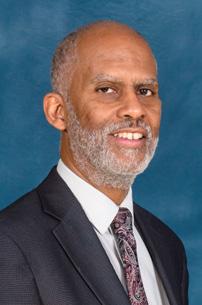
ABRAHAM HENRY, INTERIM PRESIDENT
JeNean Lendor, Communication Director 19860 South La Grange Road Mokena, IL 60448 (773) 846-2661. www.lakeregionsda.org
NORTHEASTERN CONFERENCE
DR. ELDEEN KING, PRESIDENT
Lavern Sturrup, Communications Director 115-50 Merrick Blvd. Jamaica, NY 11434 (718) 291-8006. www.northeastern.org
SOUTH ATLANTIC CONFERENCE
CALVIN B. PRESTON, PRESIDENT
James Lamb, Communications Director 3978 Memorial Drive Decatur, GA 30032 (404) 792-0535. www.southatlantic.org
SOUTH CENTRAL CONFERENCE
BENJAMIN JONES, PRESIDENT Roger Wade, Communications Director 715 Youngs Lane Nashville, TN 37207 (615) 226-6500. www.scc-adventist.org
SOUTHEASTERN CONFERENCE
DR. MICHAEL OWUSU, PRESIDENT Arnaldo Cruz, Communications Director 1701 Robie Avenue Mt. Dora, FL 32757 (352) 735-3142. www.secsda.org
SOUTHWEST REGION CONFERENCE
DR. CARLTON P. BYRD, PRESIDENT Leslie Soupet, Communications Director 2215 Lanark Avenue Dallas, TX 75203 (214) 943-4491. www.southwestregion.adventistchurchconnect.org
REGIONAL DIRECTORS/COORDINATORS ROSTER
Virgil Childs, Vice President Regional Ministries Pacific Union Conference 2686 Townsgate Road Westlake Village, CA 91361 (805) 413-7100. www.puconline.org Cell: 909-225-6438
Jonathan Smith, Assistant to the President Black Ministries, Arizona Conference Cell: 769-232-6664 ismith@azconference.org
James Scarborough, Coordinator African American Ministries Central California Conference (831) 262-3838 famar@sbcglobal.net
Oneil Madden, Coordinator African American Dept. Nevada-Utah Conference Cell 702-875-5979
pastoromadden@aol.com
EuGene Lewis, Vice President North Pacific Union Conference 5709 N. 20th Street Ridgefield, WA 98642 (360) 857-7000. www.npuc.org
Dr. Andrea Trusty-King, Vice President Black Ministries
Southeastern California Conference (909) 202-0147 kinggm@seccsda.org
Lawrence Dorsey II, Director G.L.A.R. Southern California Conference (503) 819-1498
We have not completely sorted out what that looks like, but it seems that I’ll still have a role in this publication for a little while longer. Other than that, as we used to say in my Youth Director days, come December 31, I shall “ride off into the sunset.” It’s time.
You will see some nice articles on my ministerial career in this edition. I did not have anything to do with that, but I am very grateful.
I have been incredibly blessed, and that is a major understatement. It was 47.5 years since I got on an Eastern Airlines jet in Huntsville, Alabama, bound for Miami, Florida. I connected in Miami for San Juan, Puerto Rico. In San Juan, I got on the smallest plane I had ever been on in my life up until that time (I think it carried about 16 passengers) and went on to St. Thomas, U.S. Virgin Islands, for my first pastoral assignment.
I had been hired by the North Caribbean Conference as the assistant pastor of the City and Shiloh SDA Churches.
I carried two or three suitcases, two or three suit bags, a trunk and $10 in my wallet. Two weeks previously, I had graduated from Oakwood. What I had with me were all the possessions I owned in this world at that time.
When I think back over all the blessings that the Lord has given me since that hot summer day when I said goodbye to my parents at the Huntsville airport, I can hardly believe what God has done. It is far, far more than I could have ever imagined or that I ever deserved.
And now, it is about to be all over. And there is a part of me that can hardly believe that either. But I do know this: it’s time.
I have had any number of people come up to me and say, “Are you really going to retire?”
I guess people are just used to seeing me run all over the place. For most of the last 35 years, I have had positions in the church that required traveling to one place or another, from 42 to 48 weekends out of a year.
Even my wife of 47 years, whose patience and support have allowed me to do what I’ve done all these years (and who, when our children were still at home, must have sometimes felt as if she were a single parent), has expressed some doubts that I will actually come home and stay home.
But I think I will come home and stay home. It’s time.
Let me tell you a few reasons why I think it’s time:
First, there’s the travel. It is one of the parts of my responsibility that I enjoy the most. My responsibility is to work with the administrators and churches of the nine Regional Conferences, the 2 Coast Unions and Bermuda. That’s almost 40 administrators and more than 1,200 churches. That means I am in a different church almost every week. And I love that.
It is very important that our Caribbean brethren, who do not come from a place where there are Regional Conferences, understand how we got those conferences and why we still need them.
I had a wonderful time worshipping and fellowshipping with the two church congregations I visited. I met some wonderful people and had a great time with the pastors of those churches. I cannot tell you how much I shall miss doing those kinds of things. But here is what I can tell you:
I arrived at my hotel in Detroit this past Friday night very late because my plane out of Nashville was late. We arrived in Detroit (where I was to connect for New York) just in time for me to run from one end of the airport to the other, only to get there just after my plane took off.
The airline put me in a hotel for the night and rebooked me for a plane for New York that left at 7:00 a.m. I slept for about five hours, got up at 4:15 a.m., showered, and got dressed to leave for the airport at 5:00 a.m. to go to New York.
I arrived in New York around 9:00 a.m., stood in line for my rental car, then went into the rental car bathroom to change into my Sabbath clothes because while I did not make my plane in Detroit, my luggage did.
That meant I had to go to the baggage office in New York, claim my luggage, and then change into my suit. (At least, this time, my luggage arrived. More than once, it didn’t, forcing me to preach in jeans and tennis shoes. The people in my office don’t believe that I even own any jeans. They think I literally came out of my mother’s womb wearing a suit and tie.)
I preached at the Linden SDA Church, did a seminar on Regional Conferences, and then drove to my hotel, exhausted.
The next day, I got up at 3:45 a.m. to get to the airport for my plane home. This arrive-late-Friday-work-all-day-Sabbathget-up-early-to-come-home-Sunday happens almost every week.
I love what I do; I do not love what doing it does to me at this stage of my life. So, I am turning this over to someone else. It’s time.
It’s also time to turn this over to someone who is more
technically skilled than I am. I was in a meeting recently and the person taking the meeting minutes said, “Our minutes for this meeting are being taken by AI.” I said to myself, “Wow! I am still figuring out how to use my Smartwatch.” It’s time. It’s time to go home to my wife. My office is in Huntsville, but I live in Nashville. During the week, I live in the home of my sister and her husband. Early most Mondays (around 6:30 a.m.), I pack up my car and drive to Huntsville. I stay until Thursday afternoon, drive home, stay home for a night and then head for my Sabbath appointment the next day. I return home on Sunday and the process begins all over again.
I tell people, “I have a house that I don’t live in, I have a wife that I don’t live with, and I have a home church that I don’t attend.” I want to change that. It’s time. I have had a wonderful life and a wonderful ministerial career, where I have wonderful opportunities and have met and worked with so many wonderful people. I shall say it again: I cannot believe how blessed I’ve been.
But now it’s time for someone else to have that career and those opportunities. It’s time.
I want to thank the fine people who have worked with me to bring this publication to you these past eight years: Our Editor, Professor Kyna Hinson; our Associate Editor, Dr. Bryant Taylor; our ORCM/RCRP Communications Director, Elder Gerson Pancorbo; our Art Designer, Mr. Howard Bullard; and my Executive Assistant, Mrs. Priscila Pancorbo.
I have greatly enjoyed working with them and I am glad that we shall be working together for a little while longer, even after I “ride off into the sunset.”
And because I have a deadline to get this to them, I shall close here. It’s time. t
Dana C. Edmond, Director of the Office for Regional Conference Ministry (ORCM) and publisher of Regional Voice magazine, has submitted this poignant text for the final time in this capacity. His faithfulness and consistent high quality have always been valued. He is also appreciated for his agreement to continue in his role as a veteran correspondent.
4
PUBLISHER’S COMMENTARY
It’s Time
This column marks my final writing as Executive Director of the Office for Regional Conference Ministries. I retire on December 31, 2025, after 47.5 years of ministry in the Seventh-day Adventist Church. It’s time.
By Dana C. Edmond
8
COVER STORY
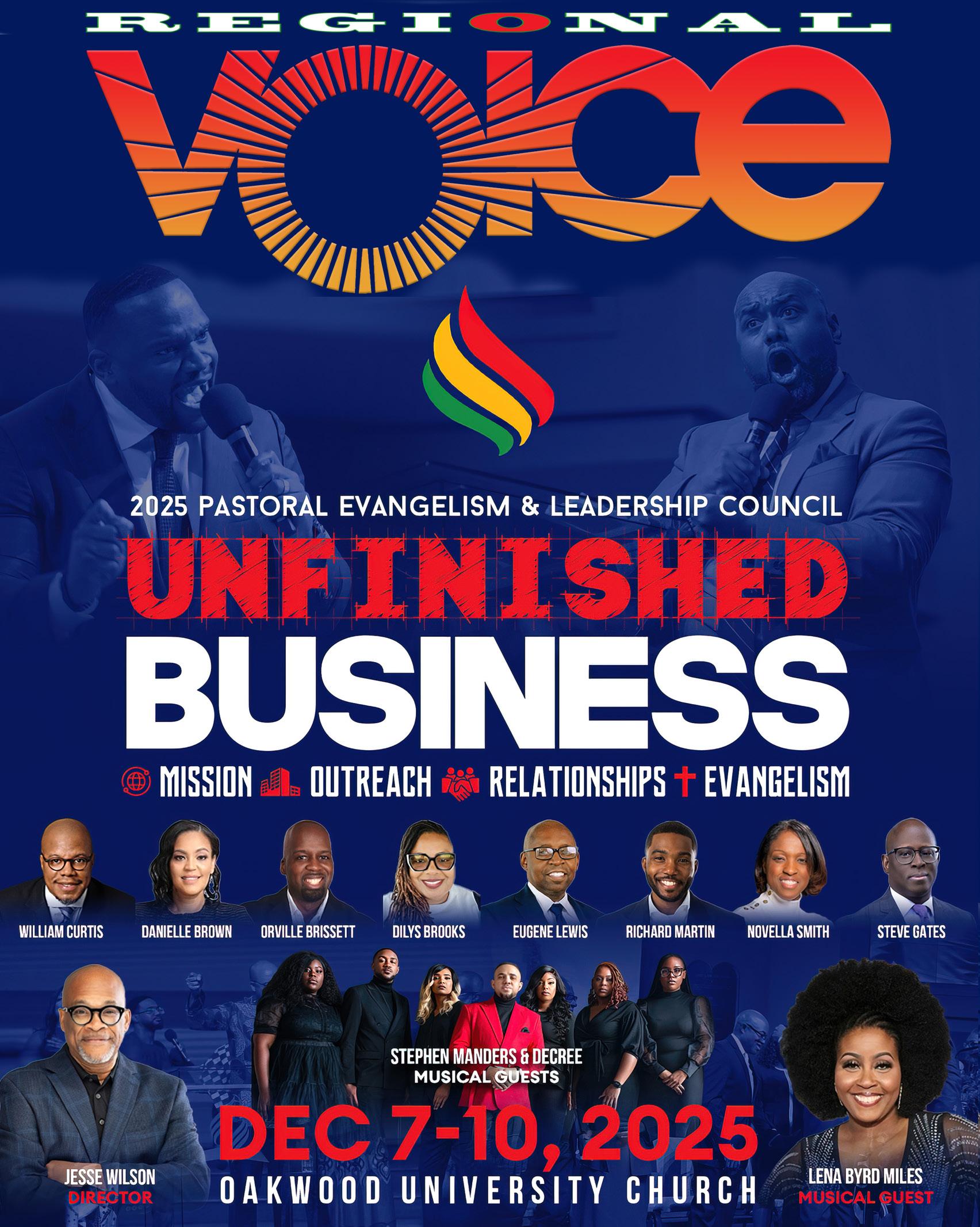
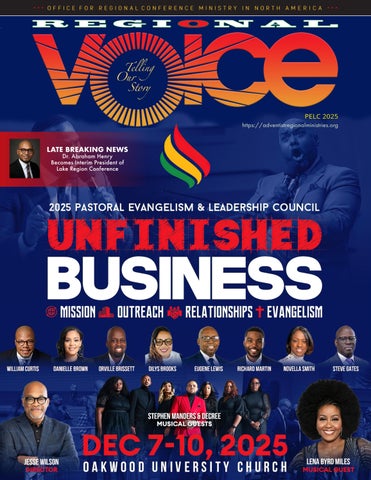
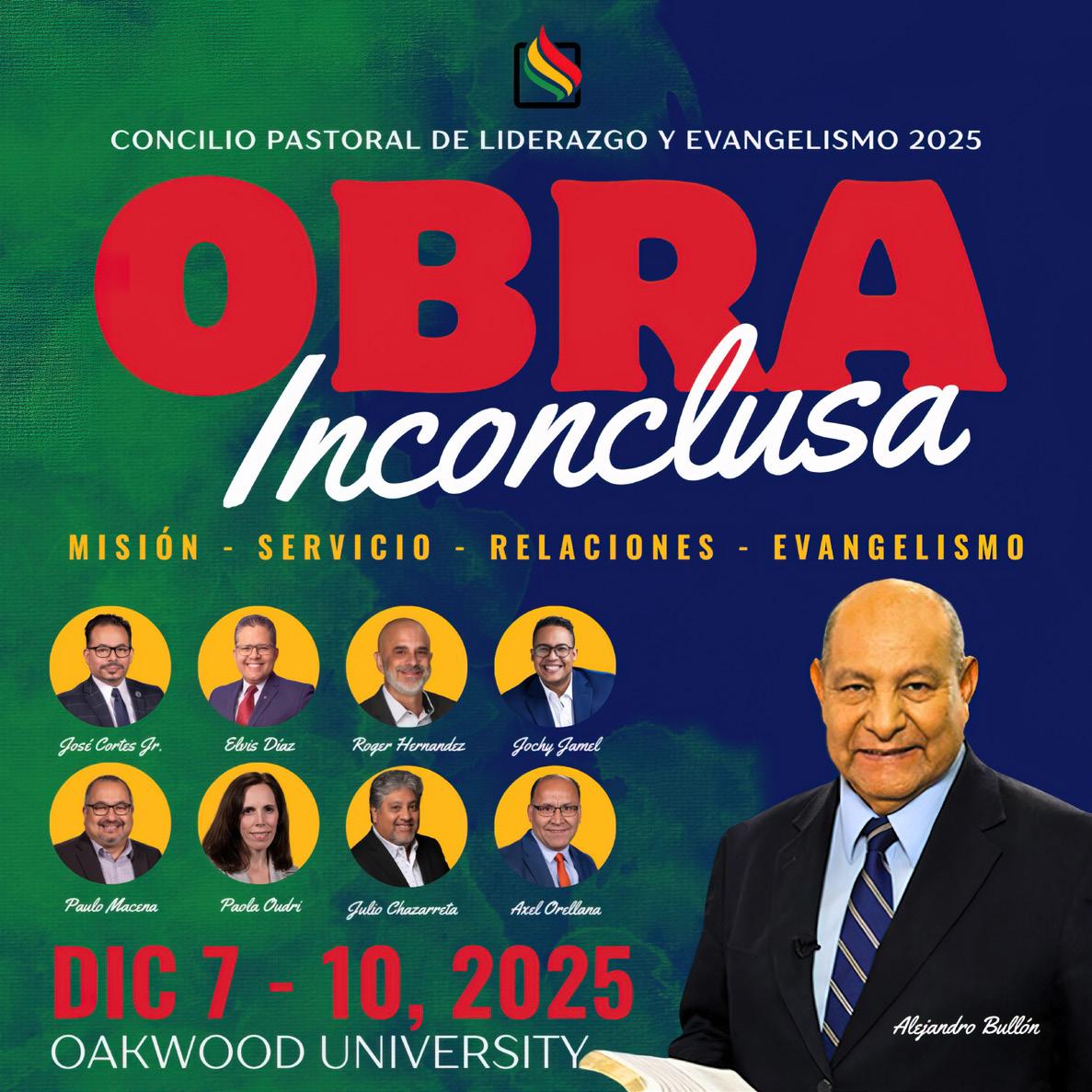
UNFINISHED BUSINESS
Mission, Outreach, Relationships, Evangelism
Come to enjoy the richest array of meetings, sermons and professional development. Plan your virtual or in-person schedule for PELC’25, and come away with new perspectives.
10
OAKWOOD UNIVERSITY
Visions of a Godly Campus – The Legacy of Dr. Gina Spivey-Brown
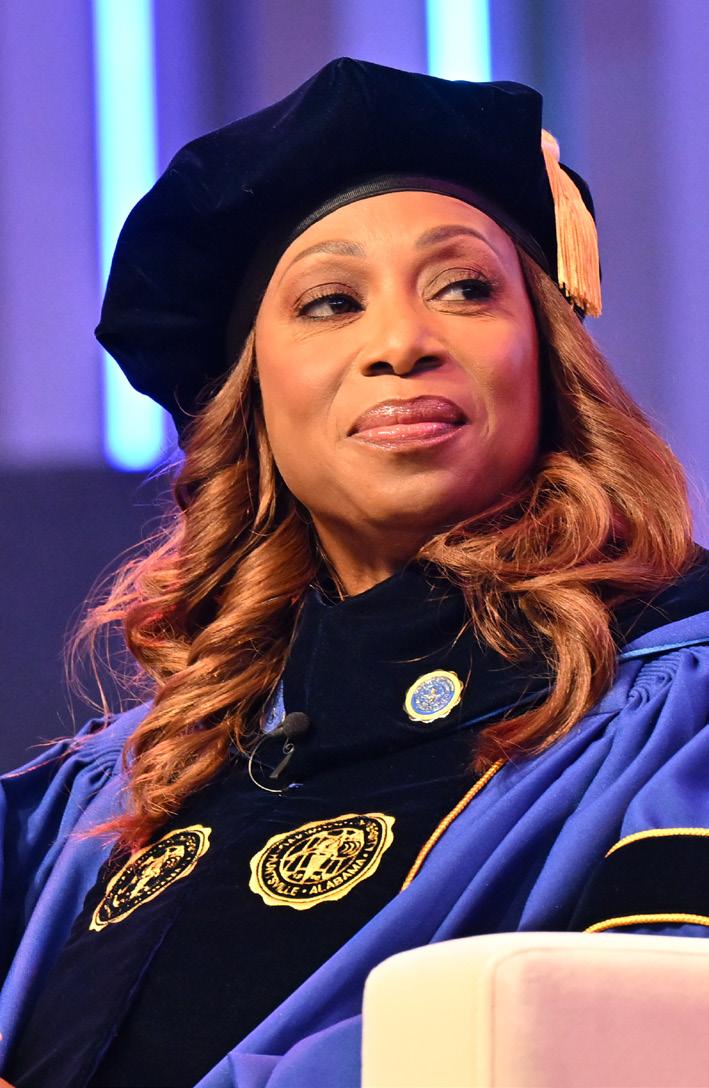
On a sunlit Friday morning, September 26, 2025, Oakwood University’s campus was alive with excitement. Students, faculty, alumni, and dignitaries from across the country gathered to witness history—the inauguration of Dr. Gina Spivey-Brown, the 12th president of Oakwood University.
By Olsen Perry
Coverage coordinated by Dr. Bryant Taylor
14, 16, 17, 18, and 20
CHANGING OF THE GUARD
FAITHFUL LEADERS DEPART, NEW LEADERS
ARRIVE
New directors, conference presidents, a departmental director and a theological dean will soon be in place at ORCM, Central States and South Central Conferences, the South Western Union, and the Oakwood University School of Theology. Reports by Gerson Pancorbo, Dana C. Edmond, Trevor Barnes, Roger Wade, and Oakwood University
22
ALLEGHENY WEST NEWS
How Ramah Academy Transformed a Community for 100 Years Teachers, families, and church members sacrificed in Cleveland, Ohio. Brick by brick, class by class, a resilient Christian
academy emerged, molded by adversity and held together by prayer.
By Gerson Pancorbo
LAKE REGION NEWS
The “Original Regional Conference” Celebrates
Camp Wagner, the historic campground of the Lake Region Conference (LRC), was filled with members, friends, and well-wishers celebrating the conference’s remarkable 80th anniversary on September 13, 2025. President Garth Gabriel, noted that this milestone was both historic and deeply meaningful.
By JeNean Lendor
26, 28
NORTHEASTERN NEWS
NEC Constituency Re-elects Leaders, and Pastors Join March on Wall Street
Delegates at the Sixth Regular Quadrennial Session of the Northeastern Conference reaffirmed their confidence in the administration led by Eldeen C. King, on September 28, 2025.
Reported by Lavern Sturrup, Communications Director
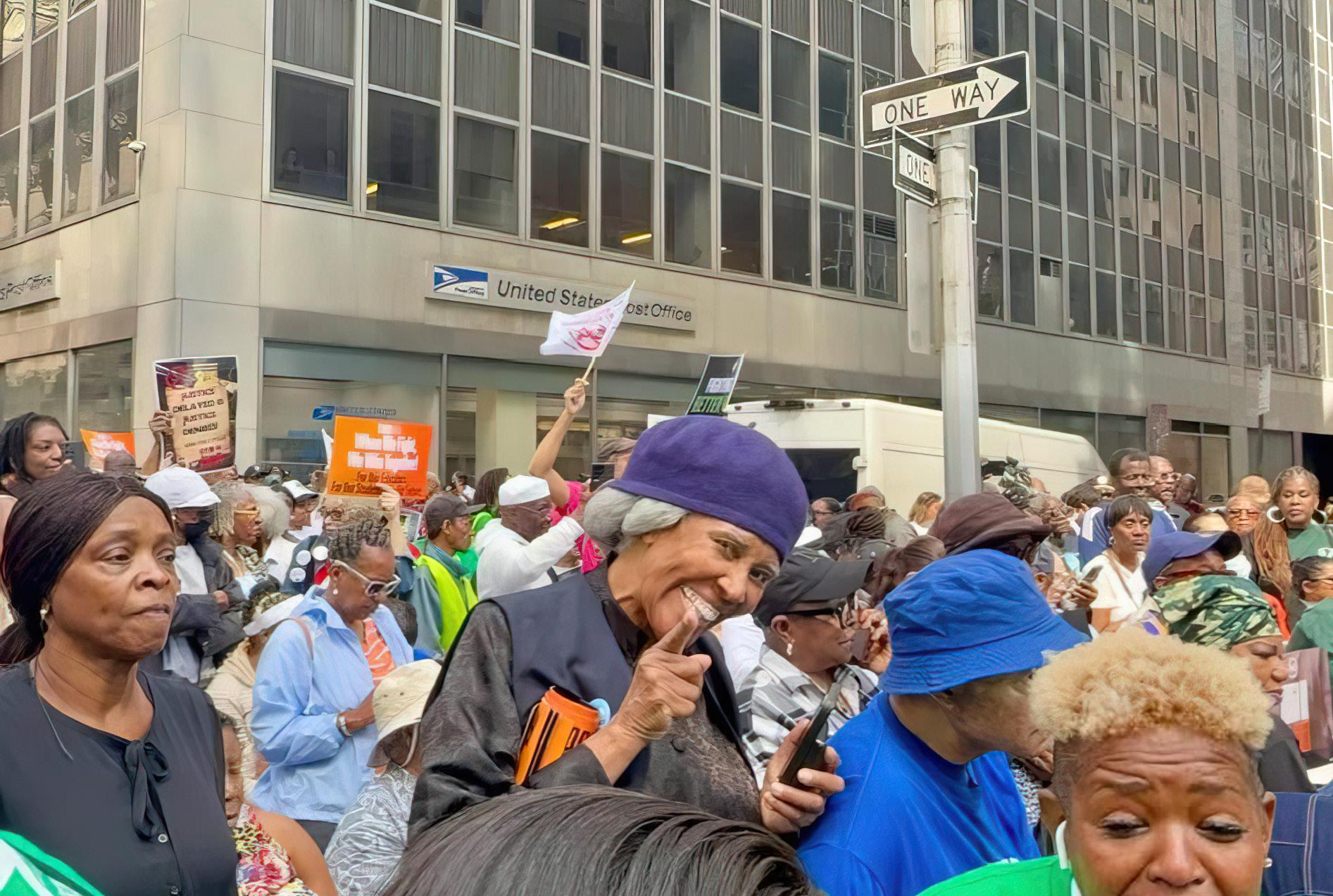
There are numerous challenges and problems facing society where we can offer insights. Northeastern Conference pastors and lay members recently made their way to the March on Wall Street to stand up for
DEI and other issues.
By Dr. Allen Martin
Coverage coordinated by Dr. Bryant Taylor
CONSCIENCE AND JUSTICE CONFERENCE
What Will You Tell Your Children?
For 10 years, the Council on Conscience and Justice (CJC) has been asking questions many prefer to avoid ─ about racism in church structures; about who gets heard and who gets silenced. Questions about following Jesus when the state demands loyalty. Hard questions.
By Gerson
Pancorbo
32
CAUCUS REPORT
NEXT GEN CAUCUS REAFFIRMS REGIONAL CONFERENCES
The Next Gen Caucus met for a focused discussion led by Elder Dana C. Edmond about the future of regional conferences and their continued mission. The group agreed that regional conferences are not relics of segregation but living testimonies of resilience and divine guidance.
Reported by Gerson Pancorbo
36
NAD REPORT
NORTH AMERICAN DIVISION HOLDS YEAREND MEETING
Of 304 executive committee members, 240 convened for day one of business meetings. Until Tuesday, November 4, they voted on business items, received reports, strategized, and fellowshipped with colleagues in ministry.
Reported by Dana C. Edmond 38
NAD YOUTH DIRECTORS MEET YOUTH DIRECTORS VISIT OU AND ORCM
The Office for Regional Conference Ministries (ORCM), headquartered on the campus of Oakwood University, hosted the NAD Youth Ministries Directors and the Youth/Young Adult Ministries from the Union Conferences of the North American Division, on October 1, 2025.
By Dana C. Edmond
40
ANNUAL REPORT
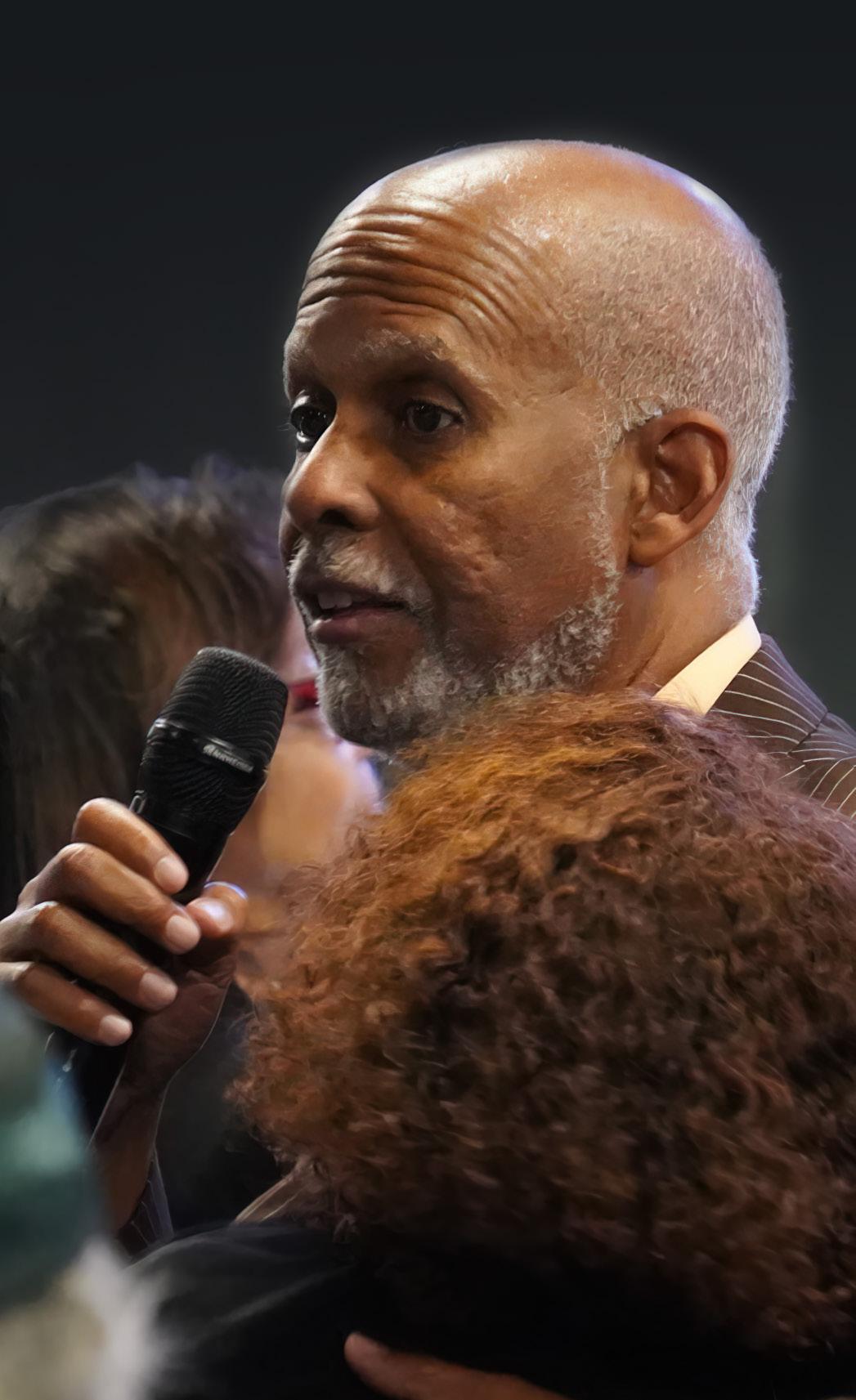
The State of Black Adventists
Here are the new numbers for 2025 in tithe and church membership. God’s people continue their faithfulness to Him. Data Compiled by Mrs. Phyllis Lee
42
ANNUAL REPORT
The State of Hispanic Adventists
Here is one more progressive report on Hispanic tithe, church membership, churches, companies and pastors in regional conferences. God’s blessings continue to pour onto those dedicated to Him.
Data Compiled by Elder Vanston Archbold Jr.
44
REGIONAL HISPANIC FEATURE
The Others . . .
I found out very early in my life what it means to belong to “the others,” to be on the outside looking in. My accent, my heritage and my family were…different. was a card-carrying member of “the others.”
By Roger Hernandez
Coverage coordinated by Dr. Bryant Taylor
46, 48 IN MEMORIAM
Mrs. Jacqueline “Jackie” Marva Cook Wright
This wife, mother, and administrative professional was also a Sweet Singer in Israel for generations. Her ministry with the BlendWright Trio blessed a vast multitude. May those songs echo throughout Eternity.
By The Wright Family
Coverage coordinated by Dr. Bryant Taylor
Captain Joseph Moxey Sr. service. His life was anchored in the Maritime Industry, as Chief Engineer and Captain, spanning some six decades. His leadership and steady hand inspired those who served alongside him, and earned him
48
respect far and wide.
By The Moxey Family
Coverage coordinated by Elder Roger Wade
50
MINISTRY CONNECTIONS 2025
“They Were Interviewing Us Too!”
Students and Presidents Connect at Oakwood
Ministry Connections returned to Oakwood University in 2025 with renewed momentum. Partnering with the Office for Regional Conference Ministries (ORCM), the event connected presidents, conference leaders, educators, and students around a pressing question: how do we prepare the next generation of ministry workers?
Coverage by Gerson Pancarbo
52
OU LIVE! 2025 Event Overview
This annual event immerses our guests in the day-to-day life of an Oakwood student. Activities include visits to academic departments, career fairs, volleyball and basketball games, and the highly-anticipated Oakwood Live! Concert. More than 500 high school and academy students attended with their 158 chaperones for this time of learning and fellowship.
Data Compiled by Debbe Millet
54
SPECIAL FEATURE
Finishing Faithfully: A Farewell
Interview with Elder Dana C. Edmond
Elder Edmond, Executive Director of the Office for Regional Conference Ministries
50
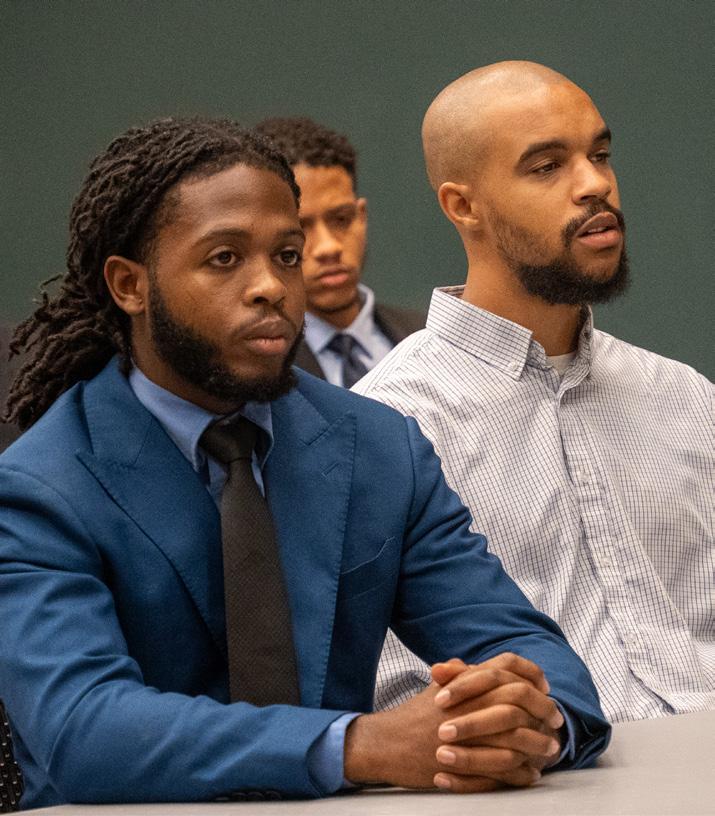
(ORCM), has announced his upcoming retirement, effective January 1, 2026. In this special Regional Voice conversation, he sits down with Dr. Delbert Baker for a candid and reflective dialogue about his ministerial journey, as he prepares to enter a new chapter of purpose and refocus.
Interview Conducted by Dr. Delbert W. Baker
58
EDUCATION FEATURE
The Case for a Regional Conference Department of Education
The Case for a Regional Conference Department of Education A Regional Conference Department of Education would allow us to build something that is culturally responsive, spiritually grounded, and academically rigorous—a system that truly reflects the brilliance and faith of the students it serves.
By Dr. Lakeisha M. Dickerson
62
NEWS FEATURE
The Charlie Kirk Conundrum: Can We Talk?
The killing of Charlie Kirk revealed that the same divisions that are so much a part of American society and American politics are also a part of the Seventh-day Adventist Church in America. It became clear that different people and leaders in our church looked at Charlie Kirk and saw two very different people.
By Dana C. Edmond
64
HOPE SERIES
“I Was in Prison, and You Came Unto Me”
These are familiar words of Jesus, and there are SDA Prison Ministries teams in Atlanta, Georgia, who successfully take His mission to heart, literally. Read their stories here.
Reported by Kyna Hinson

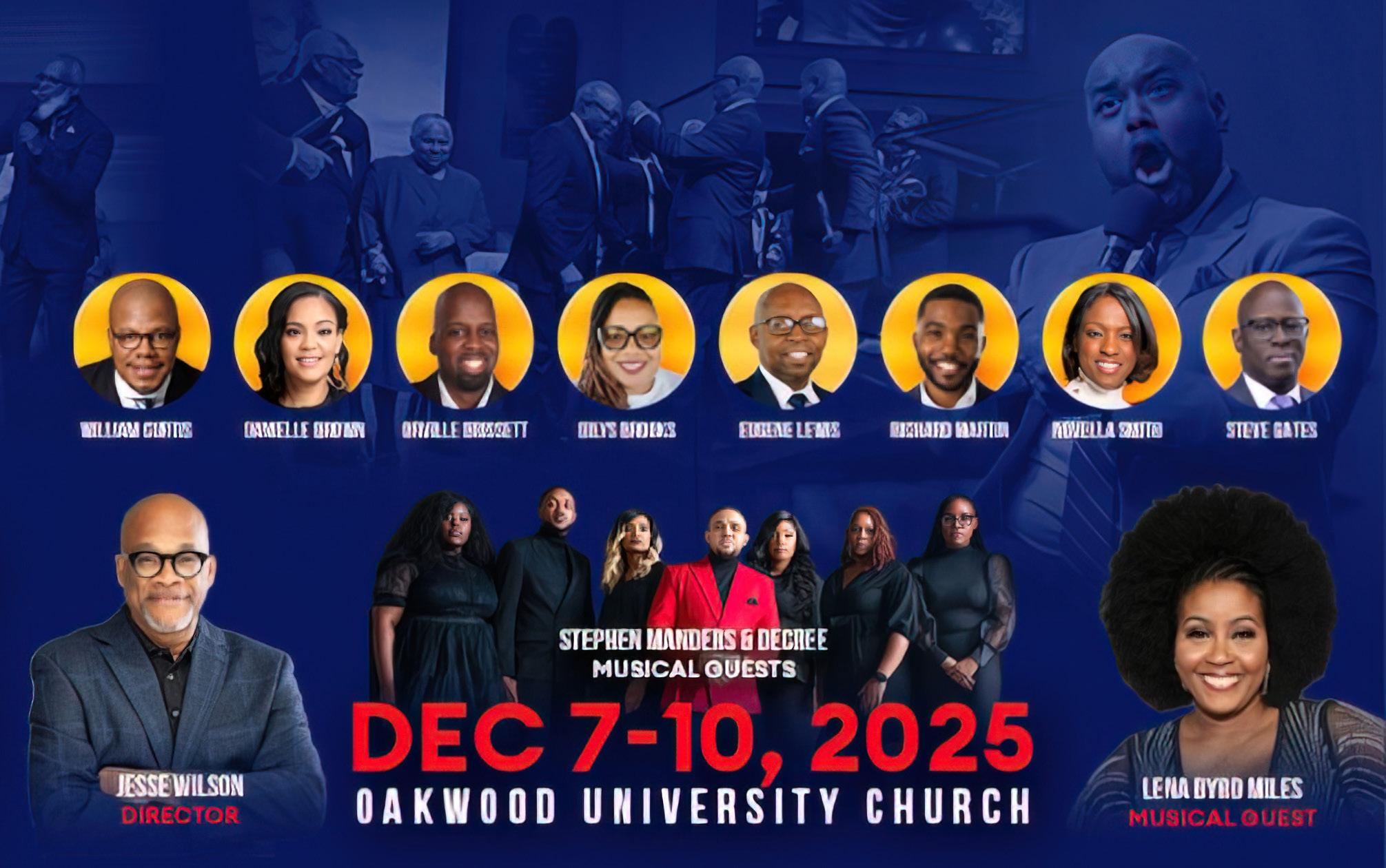
Live Stream location is on PELCpower website via 2025 registration login unless otherwise noted. All other workshops will be recorded and posted in archives within a few days after PELC (registration login required).
Sunday, December 7
• 9am to 3pm: Local Elders Bootcamp
Location: Mosely Chapel & (Live Stream TBD)
• 5:45pm: Service Awards Program
Location: Oakwood University Church
Sanctuary & PELC YouTube Channel
• 7pm: Evening Worship - Dr. Jesse Wilson
Location: Oakwood University Church
Sanctuary (PELC Live Stream)
Monday, December 8
• 8:00am: Morning Worship
Dr. Richard Martin
Location: Oakwood University Church
Sanctuary (Live Stream)
• 9:30am: Morning Plenary
Dr. Sydney Freeman
Location: Oakwood University Church
Sanctuary (Live Stream)
• 10:30am to 11:30am: Super Seminars
Prophetic Preaching
Dr. R. Clifford Jones
Location TBD
Jesus and the Marginalized
Pastor William Taliafaro
Location TBD
Discipleship Post Baptism
Dr. Donald Francis
Location TBD
Practitioner: Small Church; Big Impact
Pastor Claval Hunter
Location TBD
• 12:00pm: Noon Worship
Dr. Danielle Brown
Location: Oakwood University Church
Sanctuary (Live Stream)
• 5pm: Evening Worship Service I
Pastor Novella Smith
Location: Oakwood University Church
Sanctuary (Live Stream)
• 7pm: Evening Worship Service II
Dr. William Curtis
Location: Oakwood University Church
Sanctuary (Live Stream)
Tuesday, December 9
• 8:00am: Morning Worship
Pastor Eugene Lewis
Location: Oakwood University Church
Sanctuary (Live Stream)
• 9:30am: Morning Plenary
State of the Regional Conferences
Location: Oakwood University Church
Sanctuary (Live Stream)
• 10:30am to 11:30am: Media Lab (TBD)
• 5pm: Evening Worship Service I
Pastor Stephen Gates
Location: Oakwood University Church
Sanctuary (Live Stream)
• 7pm: Evening Worship Service II
Dr. Dilys Brooks
Location: Oakwood University Church
Sanctuary (Live Stream)
Wednesday, December 10
• 9am Morning Worship
Pastor Orville Brissett
Location: Oakwood University Church
Sanctuary (Live Stream)
• 10:30 to Noon
Pastor Darriel Hoy/Charde Hurst- Hollins
Location: Oakwood University Church
Sanctuary (Live Stream)
BY OLSEN PERRY SR.

“ONE DAY, I WAS CELEBRATING WHAT GOD HAD ALLOWED US TO ACCOMPLISH,” SHE REMEMBERS. “AND THE LORD SAID, ‘DON’T GET TOO COMFORTABLE. YOU MUST GO BACK AND WORK FOR THE CHURCH ONE DAY.’”

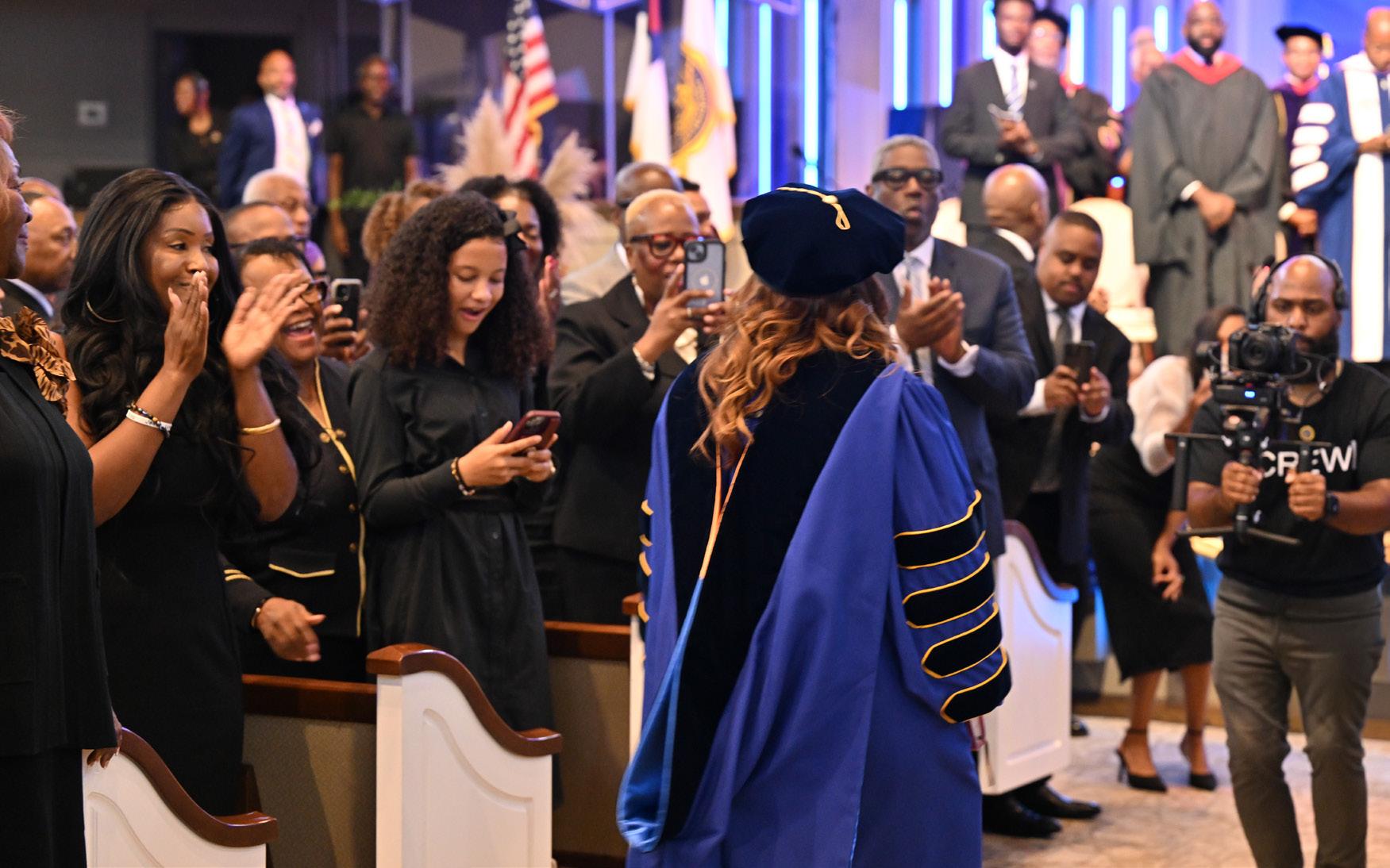
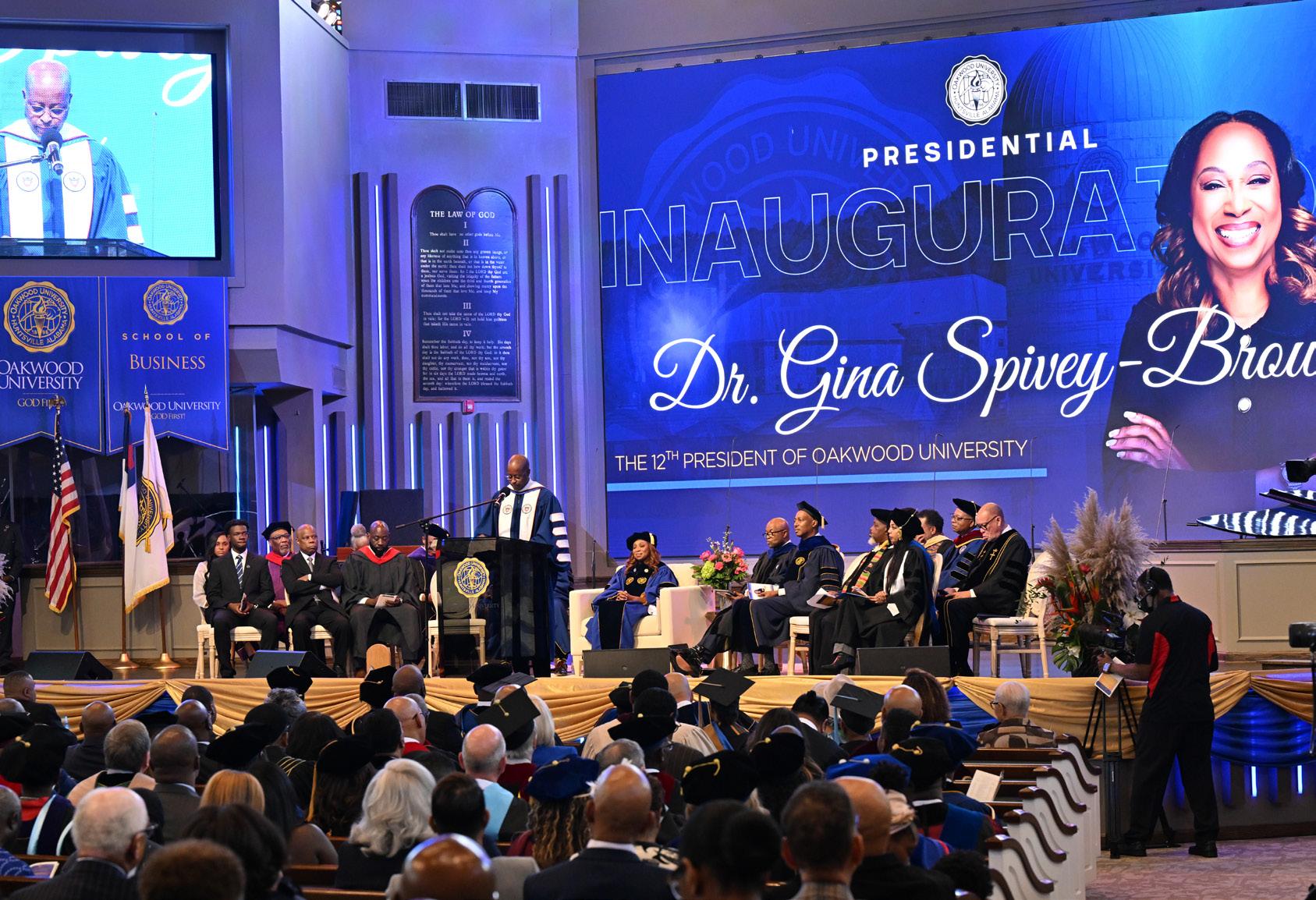
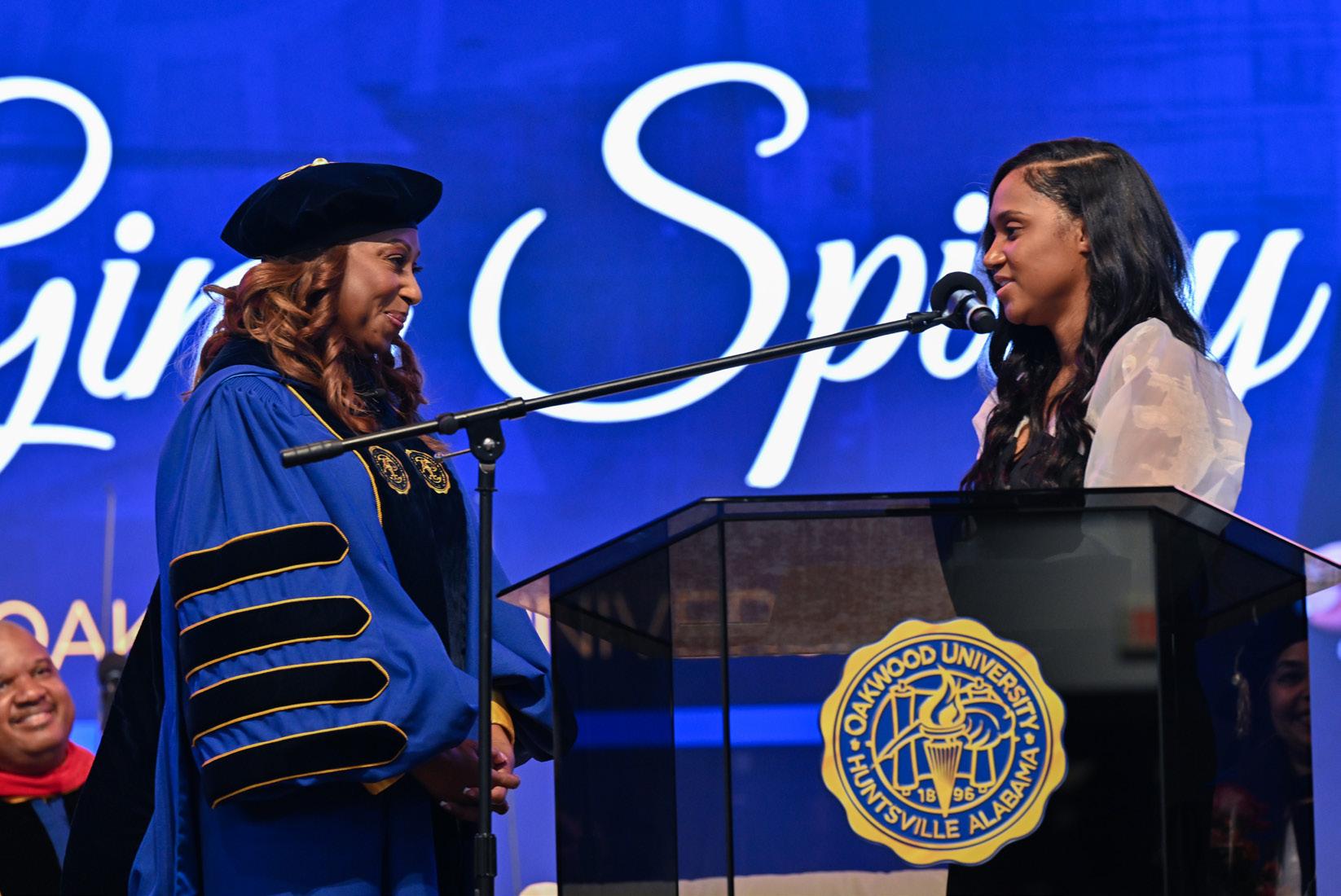
On a sunlit Friday morning, September 26, 2025, Oakwood University’s campus was alive with excitement. Students, faculty, alumni, and dignitaries from across the country gathered to witness history—the inauguration of Dr. Gina Spivey-Brown, the 12th president of Oakwood University. It was a moment rich in tradition yet filled with the promise of fresh vision.
The ceremony began with the solemn procession of faculty and administrators, their academic robes flowing as Mendelssohn’s “War March of the Priests” rang out. Symbols of centuries-old academic heritage—the mace, the medallion, the chain of office—were carried forward, marking the sacred transfer of authority. And when Dr. Brown stood at the podium, she did more than accept regalia. She embraced a calling.
For the first time in Oakwood’s storied history, the university entrusted its leadership to a woman. Yet, in her characteristically humble way, Dr. Brown brushed aside the emphasis on “firsts.” “It was never about setting a bar,” she told the audience. “It was always about asking God: Are You sending me back to serve my alma mater with the skills You have given me?”
Dr. Brown never set out to be a trailblazer. In fact, she often ran from opportunities to lead. Over the years, she was offered presidencies at hospitals and universities, but each time she balked. “I was like the runaway bride,” she laughs. “I would get right to the altar and then—no. I just couldn’t do it.” Her turning point came at Howard University, where she served as a dean. Howard, she recalls, was both a challenge and a gift: “It had all the complexities of an HBCU—funding struggles, structural issues, community demands—but it was also a place of progress. We doubled enrollment. We launched new programs. It was rewarding.”
Then came the nudge she could not ignore. “One day, I was celebrating what God had allowed us to accomplish,” she remembers. “And the Lord said, ‘Don’t get too comfortable. You must go back and work for the church one day.’”
The thought made her groan. She had already spent 15 years in Adventist higher education. She had moved on, thriving in new roles at Washington Adventist University and later at Loma Linda. But God’s whisper grew louder. Trusted colleagues and friends began encouraging her to step forward. When Oak-
wood’s presidency opened, she considered withdrawing her name from the final list of candidates. A close friend stopped her: Pray. Stay in the race. It’s not about you.
“And once the process was over,” she reflects, “God gave me peace. I clearly understand now the assignment.”
That assignment, as she describes it, is to preserve Oakwood’s spiritual foundation while raising its academic reputation to new heights. “I want Oakwood to be known for excellence in education,” she says. “Not just higher GPAs, but higher national rankings, more Fulbright Scholars, White House interns, and international programs. I want our students to succeed in the classroom, in the workplace, and in life. And I want them to do it unapologetically as who they are.”
Her goals are ambitious: expand graduate programs, prune academic offerings that no longer serve students well, and strengthen baccalaureate completion. But her vision goes deeper than numbers. “Our mission is not only to produce scholars,” she
explains. “It is to prepare students who are spiritually strong, emotionally healthy, and ethically grounded. Education, excellence, and eternity— those must go hand in hand.”
Dr. Brown is candid about her immediate priorities. “Clean up,” she says simply. “I inherited a beautiful house, but it has some cracks in the foundation. There are broken windows, shaky posts. The house needs repair.”
Her first year has already been filled with listening sessions—conversations with faculty, students, staff, and alumni. “You don’t change a campus from the top down,” she insists. “You change it by listening and serving.” That means reviewing programs, supporting faculty needs, and strengthening staff morale. It also means a renewed emphasis on spiritual life. “We must be a praying campus,” she adds. “Everything begins with God’s grace.”
Perhaps nothing energizes Dr. Brown more than engaging with students. She has begun meeting regu-
larly with the United Student Movement leadership and is forming a President’s Ambassadors group to provide direct input. But her style of leadership is also informal and highly visible. She pops into classrooms, lingers in the cafeteria, and shows up unannounced at Friday night worships.
“She’s everywhere,” one student remarked after inauguration week. “You don’t have to schedule an appointment to see her—she comes to you.”
That accessibility is intentional. “Students are at the center of everything we do,” Dr. Brown says. “If their voices are not shaping decisions, then we are missing the mark.”
As the leader of a historically Black university, Dr. Brown is passionate about continuing Oakwood’s legacy of educational empowerment. But she also recognizes a pressing need. “There is an attack on young Black men,” she says. “Our women are succeeding, but our men are struggling. My underrepresented group will be our young Black men. We cannot afford to lose them.”
Her vision is restorative, not punitive. “When a student arrives underprepared— maybe reading at a middle-school level— our job is not to send them home. Our job is to lift them up, to get them to college level. That is the mission of an HBCU: to bring out potential that others might overlook.”
No university president can avoid the reality of finances, and Dr. Brown is frank about Oakwood’s needs. “Money to fix things. Money for scholarships. Money for faculty support. Money for endowment. Money to make education affordable, es-
pecially for international students. That’s the challenge.”
But challenges bring opportunities. She sees alumni and community partnerships as vital to Oakwood’s future. “We must build bridges and keep everyone engaged—students, parents, board members, alumni, investors. If everybody feels like family, there are no ‘stepchildren.’
The only steps in the house,” she quips, “should be the ones you walk up and down.”
At the heart of Dr. Brown’s presidency is faith. “This is God’s school,” she reminds her colleagues. “It is not mine. I am only the caretaker. It will take all of us, working together, to uphold the mission.”
Balancing tradition with innovation is not always easy in a faith-based setting, but she insists that open communication can prevent divisions. “We must build bridges instead of walls. We may not always agree, but if we keep talking and keep praying, we will move forward together.”
When asked what she hopes to say ten years from now, Dr. Brown does not hesitate. “That Oakwood remained a godly campus. That we kept Christ at the center. That we grew, excelled, and reached higher than ever before—but always on a foundation of faith.”
The Woman Behind the Title Who, then, is Gina Spivey-Brown beyond the office of president? She is many things—nurse, educator, administrator, church leader, even a welder, marathon runner, skydiver, world traveler, and scuba diver. But those who know her best will tell you she is first and foremost a mother, sister, and grandmother. Fiercely protective of her family, she delights most in her grandson, Anderson, whom she calls her “greatest joy.”
That balance of professional drive and personal devotion reflects the essence of her leadership. She is a woman of vision, yes—but also a woman of warmth, humor, and faith.
As Oakwood University steps into this new chapter under her guidance, the community celebrates more than an inauguration. It celebrates a calling fulfilled, a mission renewed, and a leader determined to keep Oakwood a godly campus where excellence and eternity walk hand in hand.
“Dr. Gina Brown is an effective communicator and visionary in the context of higher education. Her active listening skills are superlative. Her ability as a visionary motivator has inspired thousands of students in different academic contexts. I am excited by her recent election as the 12th President of Oakwood University.”Dr. Ron Smith, Southern Union Conference President. t
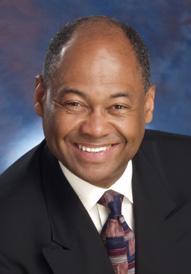
Olsen Perry Sr., is a veteran administrator, broadcaster, editor, reporter, professor and scholar. He serves as a professor in the Oakwood University Department of Communication and completed this coverage for Southern Tidings magazine.
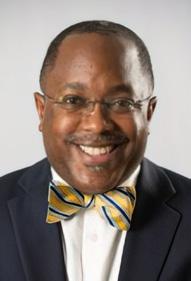
Dr. Bryant Taylor, Editor of Southern Tidings magazine, and Associate Editor of Regional Voice magazine, coordinated this coverage.
She dreams of the highest enrollment in Oakwood’s history, the strongest graduate programs, and national recognition for excellence. But more than statistics, she wants Oakwood to be a place where students encounter God and leave transformed.
CONDUCTEDY
BY
GERSON PANCORBO
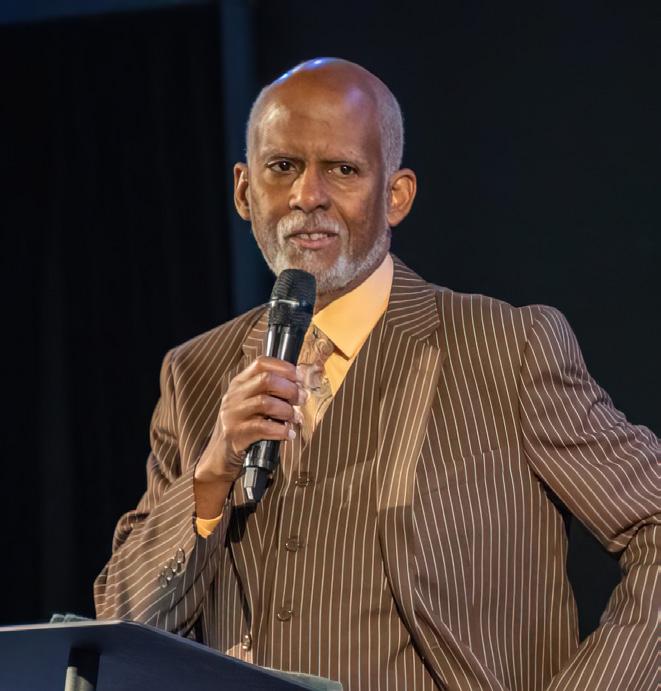
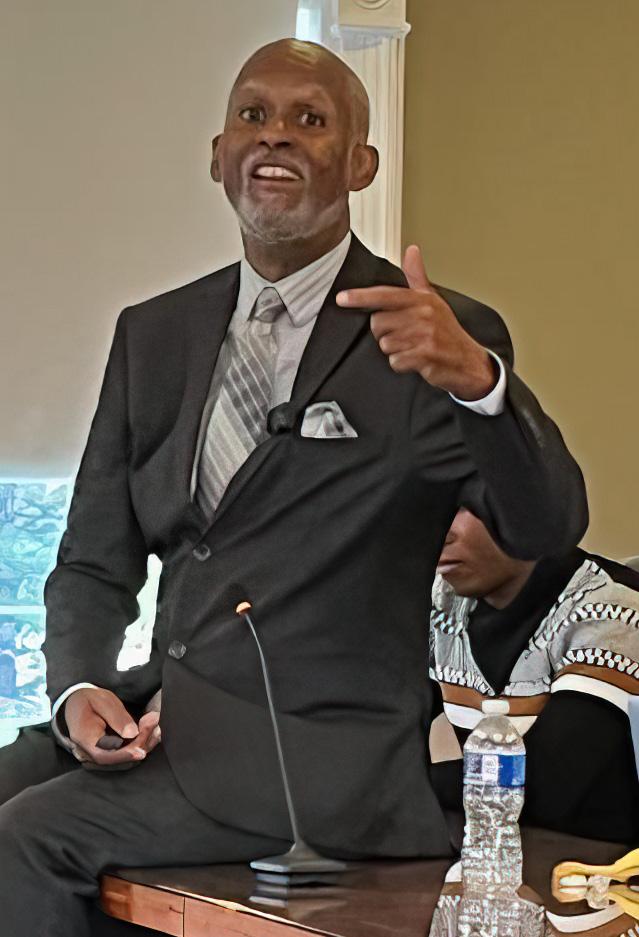
When the phone rang and Elder Dana C. Edmond answered, his voice carried the calm of someone who has lived deeply in God’s purpose. Before anything else, he paused and asked to pray. “Lord, into this space,” he said gently, “we invite Your presence.”
The prayer set the tone for this conversation. After nearly 50 years of ministry, his instinct is still to talk to God first.
The first question invited him far back into memory. Could he describe the moment he first felt God calling him into ministry?
“I am going to take you back, Elder Pancorbo, very far back,” he said. “I was five years old, sitting in the Glenville church (now called Present Truth) listening to the late Elder C. D. Brooks. He was the first pastor I remember. At five years old, I honestly felt that God was calling me to do what C. D. Brooks did. And I ran from that.” He described how he entered college as a pre-law student, trying to outrun a voice that kept following him. But even as a young boy, that seed was planted.
After almost 48 years of ministry, the question of how he remained passionate and faithful was important. His answer was
Islands, to the administrator he later became.
Each role contributed and prepared me for the next area of leadership,” he said. “Certainly, being conference president is significant, but those other roles prepared me for being a conference president and Executive Director for ORCM.”
simple and steady. “My unbending belief is that this is God’s Church.”
He did not say it dramatically. He said it as someone who has watched God work in board rooms, in churches, in financial crises, in baptisms, in youth retreats, and in funerals. That belief has held him together.
When asked what moments altered the direction of his leadership, he paused. “There are several seminal moments in my ministry that the Lord blessed me to experience,” he reflected. “But I think the thing that altered the trajectory of my ministry in a positive way was when, as a young pastor still in my 20s, the late Elder Charles Dudley, then president of South Central, sent me to Memphis to the Breath of Life Church.” His tone warmed. “Breath of Life was then one of the largest churches in South Central, and I was blessed to arrive at a time when the church needed some of the few things that I could do. It was almost a perfect match.”
He told stories about the strength of that congregation. “They paid off their mortgage seven years early,” he said. “Almost all the children in that church, and there were ‘a million,’ ended up in the church school. We ended up with close to 80 children in the church school from my church. The church paid half the tuition for almost all those children.”
He explained how having resources and support allowed him to operate in his areas of passion. “I was always interested in youth ministries. I started off as a youth pastor. And I got to Memphis when I was still young enough to have energy.”
He then described how every chapter that followed came out of that moment. “If I had not gone to Memphis, I would not have been youth director. If I had not been youth director, I would never have been conference secretary. If I had never been conference secretary, I would never have been conference president. And if I had never been conference president, I would not have ended up being Executive Director for ORCM.”
He emphasized that every role prepared him for the next. From associate pastor and youth pastor at the Shiloh and City Seventh-day Adventist Churches in St. Thomas, United States Virgin
He was asked about his work with young people and fellow leaders and what these experiences taught him about God’s plan for the next generation. “Everybody passes off the scene sooner or later,” he said thoughtfully. “You end up being replaced by somebody younger. So, we can embrace that inevitable change, we can fight that inevitable change, or we cannot be intentional about preparing for that inevitable change. But the one thing we cannot do is prevent it.”
He talked about a generational shift already happening among the last several elected regional conference presidents. “We are starting to see a generational shift in leadership,” he said. “The better thing to do is embrace that and pour into the next generation, while at the same time accepting the truth that we can learn from them as well.”
He listed younger leaders he has learned from, including Vandeon Griffin, Debleaire Snell, and Carlton Byrd. “It is this mutual pouring,” he said. “Those of us who are older have the privilege of pouring into people but also receiving what younger leaders pour into us.”
Speaking on lessons learned the hard way, he became honest. He described the difficulty of personnel conversations. “One of the lessons I have learned the hard way is the wisdom of addressing personnel issues with somebody else,” he shared. “For a long time, if there was a shortfall, I would have that discussion one-on-one.”
Through experience, he discovered how that could be misrepresented or misunderstood. “It is always better to take somebody with you and have that discussion. It protects me and the organization,” he said. “There is this human tendency in almost all of us to, instead of wanting to be told the truth, want to be told that we are right. And there is always somebody who will tell somebody who is wrong they are right.”
When asked who mentored him, he laughed softly. “This might take up your whole article,” he said. He began naming those who shaped him. “C. D. Brooks had enormous influence. Elder Dudley, of course. To this day, you have probably heard me say, ‘As Elder Dudley would say…’” He added, “He has been gone maybe 15 years, but he is still influencing us.”
Then he made a point to include something important. “Be sure and tell that Elder Dudley was ORCM before ORCM. He was a oneman ORCM” before anybody ever heard of this organization. He continued. “Joseph McCoy was a major influence. We are very different people, but he had an impact. Benjamin Browne had an enormous influence on me, even though we really only worked together for about four and a half years.”
He also named E. E. Cleveland and Alvin Kibble. “After I got into
church administration, Alvin Kibble was just a wonderful mentor and friend.”
Then his tone deepened. “Outside of my mentors, I owe everything to my parents, James (Buddy) and Marcelle Edmond, and my wife Jill,” he said.
When asked how ministry shaped him beyond the pulpit, he responded simply. “When you spend forty-seven and a half years doing something, and then four more years preparing to do something, that is a significant part of my life. It has impacted everything that I do. On some level, it is who I am.” He said he is thankful for how ministry has formed him as a husband, father, and friend.
The Legacy and the Next Chapter Now approaching retirement, his heart is full. “Just [because of] the wonderful privileges that the Lord has given me and the opportunities that God has given me,” he said. He quoted Elder Alvin Kibble. “I owe so much to so many.” Then he added his own reflection. “God has blessed me beyond what I can describe, or beyond what I deserve.”
Finally, he was asked the question he always asks guests at First Sabbath: If he could leave one message of peace and wisdom with the Church family, what would it be? He answered firmly. “I believe with all my heart that this is God’s Church and that it ultimately will triumph,” he said. “And I hope that everybody who hears this or reads this believes that too.” Before the call ended, he said “Thank you.”
His voice was soft, sincere. There was no long goodbye—just gratitude. “Thank you for everything you’re doing,” he said quietly. Then the line went silent.
I sat there for a moment in the silence, still thanking God in my mind for the privilege of speaking with a mentor who had shaped so many lives, including mine. In that silence rested memory, gratitude, history, mentorship, children’s laughter in Memphis hallways, late-night pastoral visits, millions of miles of travel, deep administrative decisions, and the steady reassurance that God still leads His Church.
On January 1st, 2026, someone younger, Elder Roger Bernard, will take his seat as Executive Director of the Office for Regional Conference Ministries and carry the work forward. And that is exactly how it should be.
Elder Dana C. Edmond never claimed to own the work. He only claimed the blessing of serving it. t
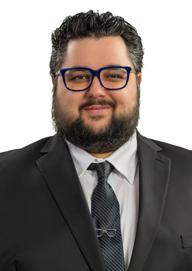
Gerson Pancorbo is the Communications Director for the Office for Regional Conference Ministries and the Regional Conference Retirement Plan. He conducted this live interview with Elder Dana C. Edmond to complete this report.
By DANA C. EDMOND
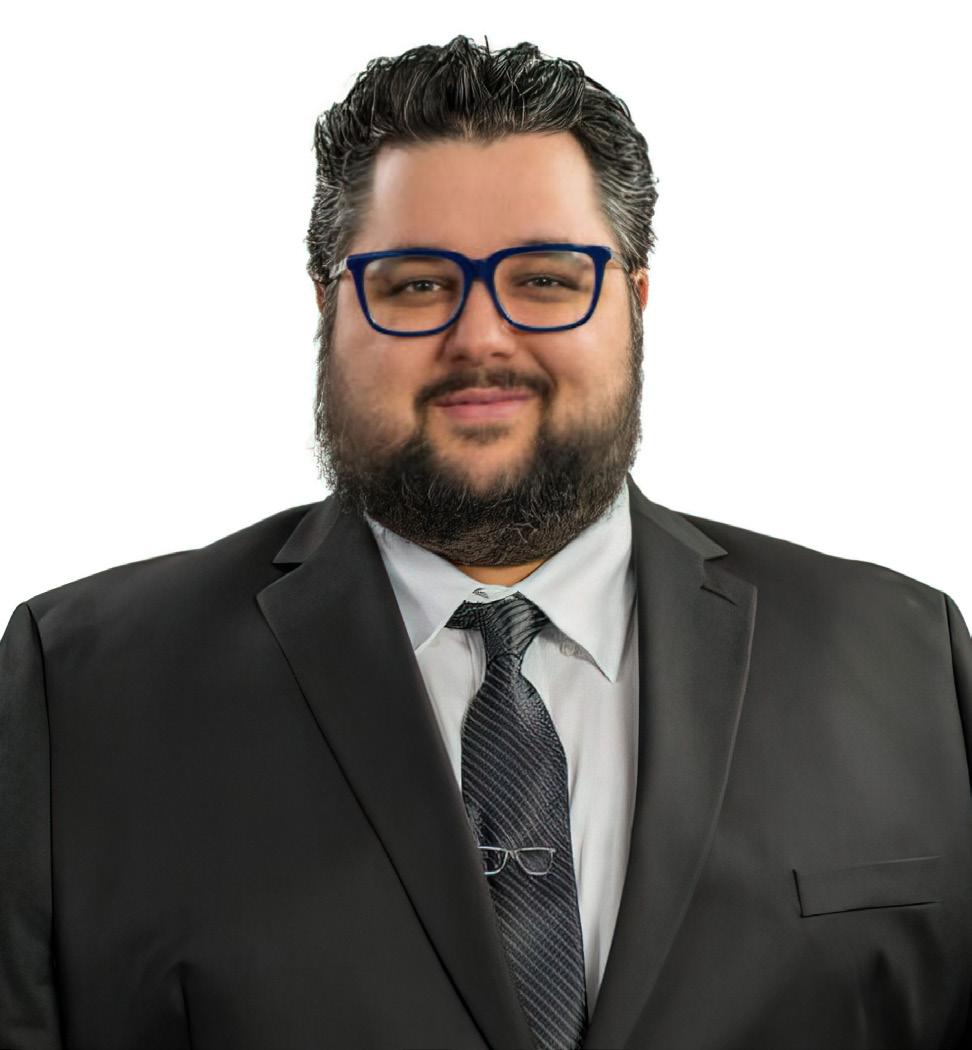
Elder Gerson Pancorbo, currently the Communications Director for the Office of Regional Conference Ministries (ORCM), and the Regional Conference Retirement Plan (RCRP), has accepted a call to become the Communications Director for the Southwestern Union Conference, with headquarters in Burleson, Texas.
Elder Pancorbo came to ORCM/ RCRP approximately three years ago from the Allegheny West Conference, where he served in their Communications Department in what was called “Visual Ministry.”
One of the main actions he took while working in Allegheny West, was to develop their media studio.
He later replicated that action at ORCM/RCRP, when the Lord led him to turn what had been a storage area into a full studio.
Another major, far-reaching accomplishment of his was to work with Dr. Rennae Elliott, then the Chair of the Department of Communication at Oakwood University, to develop an internship program.
Each semester, two to three students majoring in an area of Communication have served as ORCM/RCRP interns under the direction of Elder Pancorbo. They have been participants in weekly ORCM “Morning Media Meetings,” where the Executive Director, Executive Assistant and the Communications Director have planned methods and channels to distribute ORCM news and information about Regional Conferences to their constituents.
This has given the interns real world experience for their résumés that will resonate with potential employers.
Elder Pancorbo also designed the exhibit booth that was used at the North American Division Teachers Convention, the Gillette International Pathfinder Camporee, the BAYDA United Youth Congress and the General Conference Session that was recently held in St. Louis, Missouri.
Designing the booth, transporting it, setting it up, then taking it down and transporting it back to the office in Huntsville was an enormous undertaking, (even with help from his co-work-
ers), but it was worth it. Literally thousands of people at the aforementioned venues heard the story of the history of and the continuing need for Regional Conferences in the Seventh-day Adventist Church through his “SDA Heroes” animated series.
An additional gift that Elder Pancorbo brought to ORCM/ RCRP was one of being bilingual. This enabled him to assist the ORCM/RCRP administrators in communicating with the rapidly growing Spanish-speaking workforce and congregations in the Regional Conferences all over North America.
This gift was particularly valuable at the recent General Conference session in communicating with the many visitors who came to the ORCM/RCRP Exhibit from around the world who spoke only Spanish.
In addition to his extraordinary gifts and superb work ethic, Elder Pancorbo’s positive attitude and spirit of service made him a beloved figure at ORCM/RCRP. Unfailingly pleasant and polite, he greatly contributed to the culture of ORCM.
His wife, Priscila, the Executive Assistant to the ORCM Executive Director, is similarly gifted and dedicated. It is impossible to completely capture the positive impact that they have had on our office.
Elder and Mrs. Pancorbo and their children, Shiloh and Genesis, who were adopted into the ORCM/RCRP family, will be greatly missed.
We are enormously grateful for their ministry and wish them well in their next area of service. t
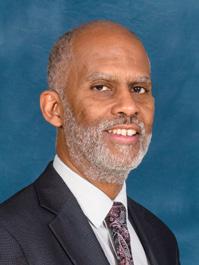
Dana C. Edmond, Director of the Office for Regional Conference Ministry, (ORCM), and publisher of Regional Voice magazine, produced this original report in tribute to Elder Gerson Pancorbo’s years of dedicated service. We at Regional Voice magazine join in wishing God’s greatest blessings upon this family as they take up new ventures in His vineyard.
By TREVOR BARNES
On August 3, 2025, delegates from across the five regions of the Central States Conference of Seventh-day Adventists gathered at the G. Alexander Bryant Youth Center in Kansas City, Kansas, for their Constituency Session. The purpose of the session was to receive reports, conduct church business, and elect new leadership to guide the conference into the future.
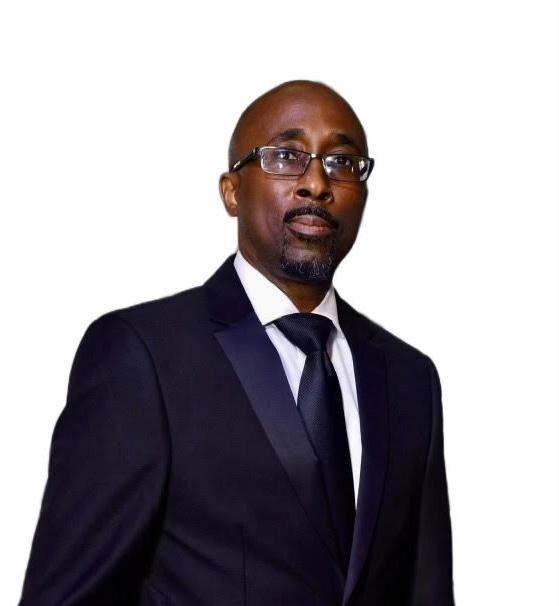
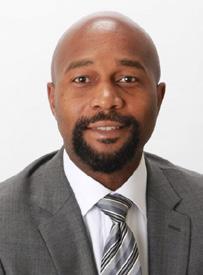
During this important session, delegates overwhelmingly voted to elect Elder Cryston E. Josiah as the new president of the Central States Conference (CSC).
Joining him in leadership are Elder Joseph Ikner, Vice President for Administration, and Elder Kelley Paris, Vice President for Finance.
Elder Josiah is no stranger to the Central States Conference, having faithfully served for 25 years in a variety of roles, including pastor, evangelist, Assistant to the President, and most recently, Vice President for Administration and Public Affairs and Religious Liberty (PARL) Director. His leadership journey has been marked by a deep commitment to mission, excellence, and spiritual growth.
Retirement Plan Board and the Conscience and Justice Council. His advocacy for religious liberty, justice, and fairness has made him a respected voice across denominational lines.
A lifelong product of Adventist Christian education, Elder Josiah earned an associate degree in Business Administration from Caribbean Union College (now the University of the Southern Caribbean) and a Bachelor of Business Administration in Marketing from Andrews University. Following a successful stint in the corporate world with Buick, GMC and Mercedes-Benz, he answered God’s call to full-time ministry, earning his Master of Divinity from the Andrews University Theological Seminary in 2000.
Throughout his pastoral journey, Elder Josiah has served congregations in Missouri and Kansas, including Emmanuel, Cornerstone, Agapé, and Beacon Light Seventh-day Adventist Churches. Known for his passionate preaching and evangelistic zeal, he has led hundreds to Christ through his ministry.
In addition to his conference roles, Elder Josiah has served on several North American Division and Regional Conference committees, including as Secretary for the Regional Conference
Elder Josiah is married to the former Karen Ward of Guyana, South America, and New York, his “wind beneath his wings.” Together they have four children—Nicholas, Faith, Priscilla, and Lydia—and one grandson, Liam. Their shared ministry mission is simple yet profound: to lift up Jesus so that all may be drawn to Him.
As Elder Josiah assumes the presidency, the Central States Conference family prays for God’s continued blessing, guidance, and power to rest upon his leadership and vision for the days ahead. t
Elder Trevor Barnes, the Communications Director for the Central States Conference of Seventh-day Adventists, produced this live report of their 2025 election.

By ELDER ROGER WADE
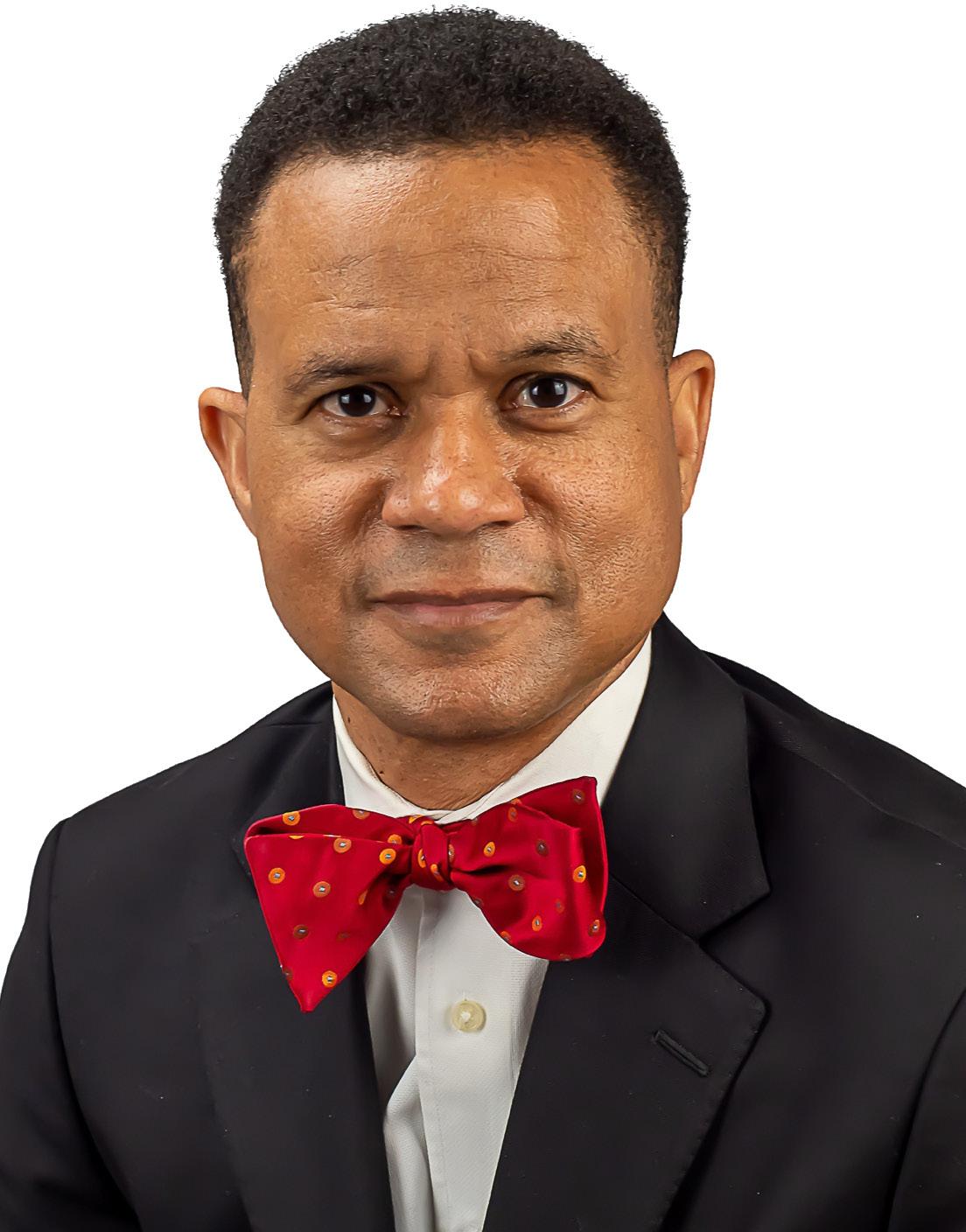
Nashville, TN — The South Central Conference of Seventh-day Adventists has announced the historic election of Pastor Furman F. Fordham II as its next president, marking a bold new chapter of mission-oriented leadership for the organization. Fordham, who currently serves as the Director of Church Ministries and Mission Development, will officially assume the role on January 1, 2026, succeeding Elder Benjamin Jones Jr., after a planned mentorship and transition period
The South Central Conference, which has over 30,000 members across Kentucky, Tennessee, Alabama, Mississippi, and the western Florida panhandle, approved Fordham’s appointment at its annual leadership meeting on September 14, 2025. As president, Fordham will lead 143 congregations in the region while promoting the conference’s focus on spiritual growth, impactful ministry, and meaningful community engagement.
Raised in Kansas City, Missouri, Fordham’s journey to leadership reflects a lifetime shaped by Seventh-day Adventist Christian education and service. After graduating from Pine Forge Academy, Oakwood University, and Andrews University, he earned degrees in Business Management, Theology, and a Master of Divinity, and is currently pursuing a PhD in Religion at Andrews University. His career began as a Youth Pastor in Melbourne, Australia, followed by pastoral appointments in Chicago, Illinois; Kansas City, Missouri; and Lincoln, Nebraska, where he led congregations across multi-church districts. In Nashville, Fordham served for 14 years as senior pastor of Riverside Chapel Seventh-day Adventist Church before transitioning to his current role in 2021.
Fordham’s leadership style has been characterized by innovation and teamwork. As Director of Church Ministries and Mission Development, he introduced new strategies to boost spiritual growth and outreach throughout the South Central Conference. According to Elder Jones, his successor demonstrates the principles of mission-focused leadership, grounded in faith and service. “Pastor Fordham exemplifies Christ-centered leadership,” Jones said. “I have full confidence that the Holy Spirit will guide him to continue the legacy of growth and mission that defines South Central.”
Fordham expressed sincere gratitude and humility for the
opportunity to serve. “Simultaneously humbled and honored, honored and humbled—I don’t know which one to put first because they’re both equally the same,” he said. “I am relying on the prayers of our conference as we transition together.”
During the coming months, Fordham will meet with congregations, pastors, and community leaders throughout the territory, fostering dialogue and building a collective vision for the future.
Outside of his ministry, Fordham has spent 29 joyful years
As South Central Conference prepares for this leadership transition, its members remain devoted to serving God, engaging communities, and developing impactful ministries. Fordham’s strategic vision and dedication to service position the conference to advance its mission in the coming years. t
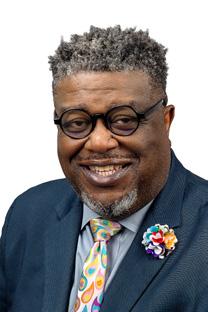

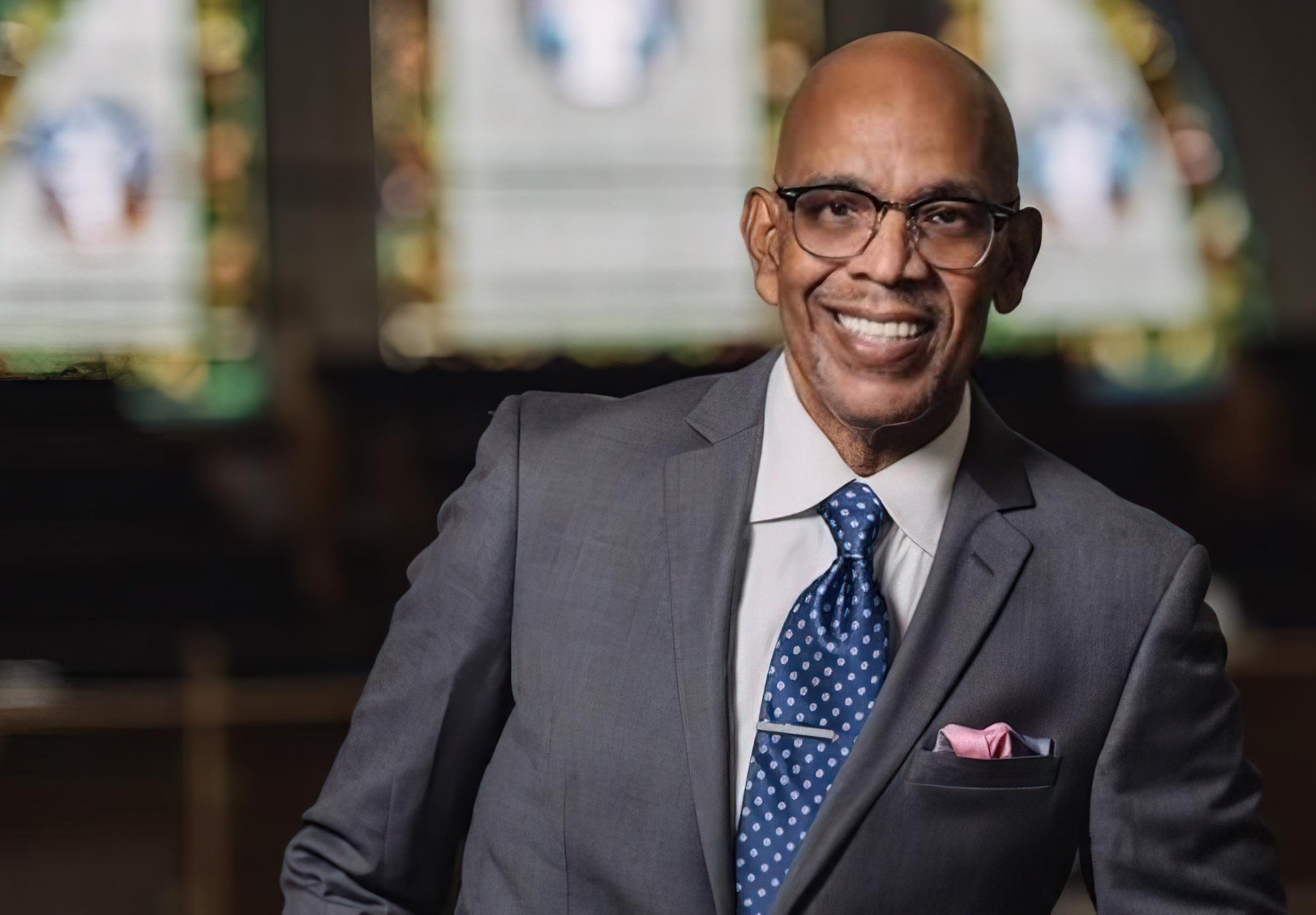
Huntsville, AL — October 13, 2025 — Oakwood Uni versity is delighted to announce the appointment of Dr. Emil Dean Peeler as the next Dean of Theology, effective January 2, 2026. Dr. Peeler brings to the role an outstanding blend of ordained ministry, ad ministrative leadership, and theological scholarship, grounded in nearly four decades of dedicated service. His min istry has spanned mentoring and coaching emerging ministers and evangelists, authoring resources on spiritual growth and discipleship, and leading with a consistent focus on nurturing individuals to advance God’s Kingdom. His proven achieve ments in curriculum development, program innovation, and collaborative engagement with students, faculty, church leaders, and community partners will strengthen Oakwood’s mission of preparing principled servant leaders for the church and the world.
Dr. Peeler’s experience encompasses executive pastoral lead ership, university-level teaching, and strategic evangelism. For the past nine and a half years, he has served as Senior Pastor of Capitol Hill Seventh-day Adventist Church in Washington, D.C., a congregation of over 950 members. In that role, he has guided staffand volunteer teams, championed transformative health and resource initiatives, and led the church to notable rec ognition —being named Best House of Worship in Washington, D.C. by the Washington City Paper in 2022. His collaborative work with nonprofits, government agencies, and faith-based or ganizations reflects a proven ability to translate vision into sus tainable programs that deliver tangible impact, aligning closely with Oakwood’s values of service, ethics, and community en gagement.
In higher education, Dr. Peeler has devoted nearly 20 years to teaching roles at Washington Adventist University and Loma Linda University, offering courses in religion, ethics, Pasto
His proven achievements in curriculum development, program innovation, and collaborative engagement with students, faculty, church leaders, and community partners will strengthen Oakwood’s mission of preparing principled servant leaders for the church and the world.
Reported By GERSON PANCORBO
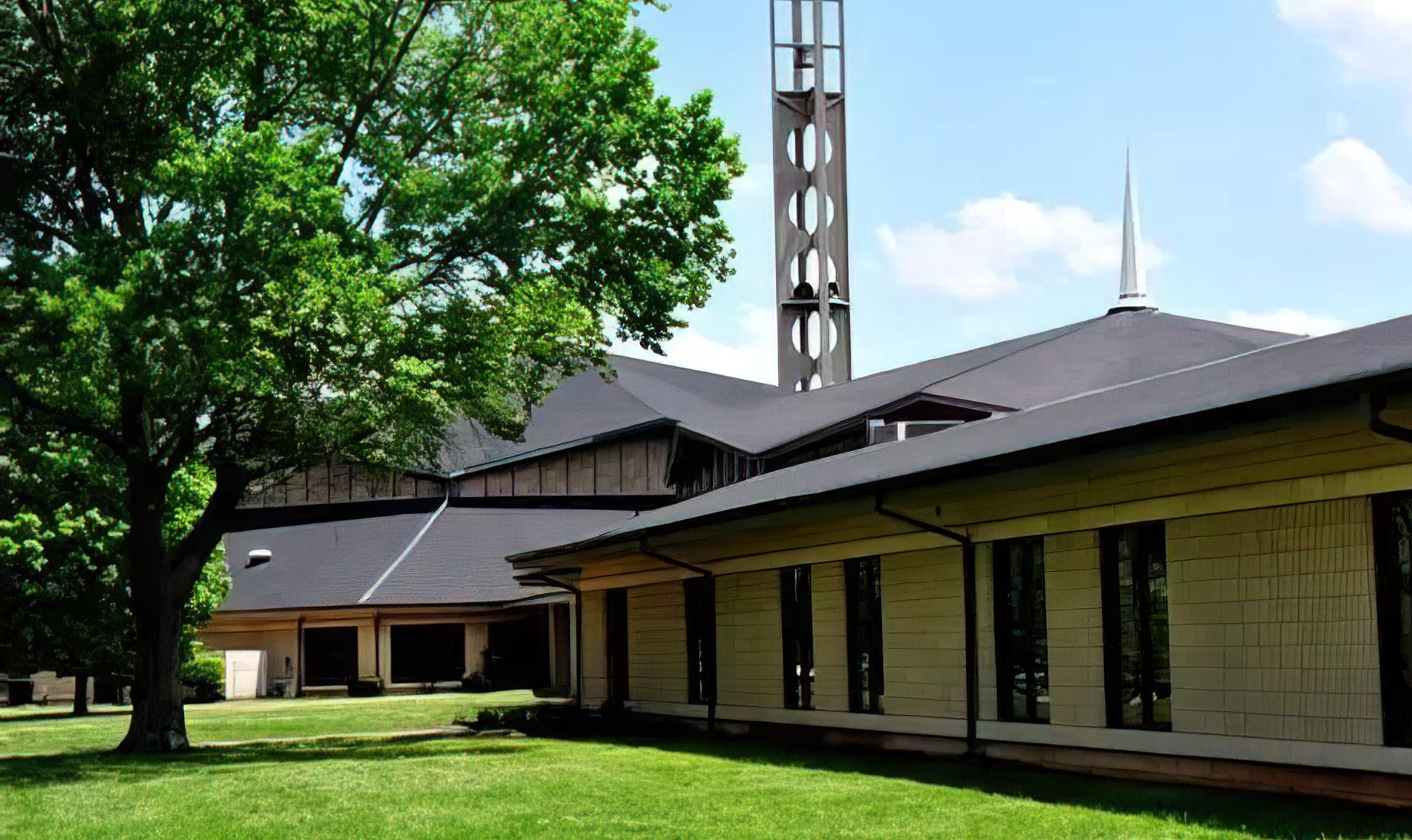
One hundred years ago, in the heart of Cleveland, Ohio, a courageous idea took root. It began with a congregation determined to provide their children with more than academics alone. Elder J. E. Cox and the members of the Second Seventh-day Adventist Church dreamed of a school where young minds could grow in knowledge, anchored by faith, character, and purpose. What started as Cedar Avenue Community School in 1925 was humble in resources but rich in conviction. The years that followed were far from easy. The Great Depression strained families, a devastating fire destroyed the school building in 1932, and cultural storms pressed hard against the black community. Yet, through every challenge, the school community refused to surrender. Teachers stepped forward with determination. Families sacrificed meals and wages. Church members opened their homes and wallets. Brick by brick, class by class, a resilient Christian academy emerged, molded by adversity and held together by prayer.
On May 18, 1939, the school reached a defining milestone. The institution was officially renamed Ramah Academy, inspired by the biblical city where prophets were trained. That renaming was not just administrative. It signaled that the mission would not stop with reading and arithmetic. It would shape character and train leaders. And now, as the Ramah family gathers in 2025 to celebrate a century of ministry, music, testimonies, and transformed lives, the meaning of that name feels more alive than ever. A weekend including worship services, reunions, and a gala reminded us that everything Ramah has become was planted in those early years of sacrifice and faith.
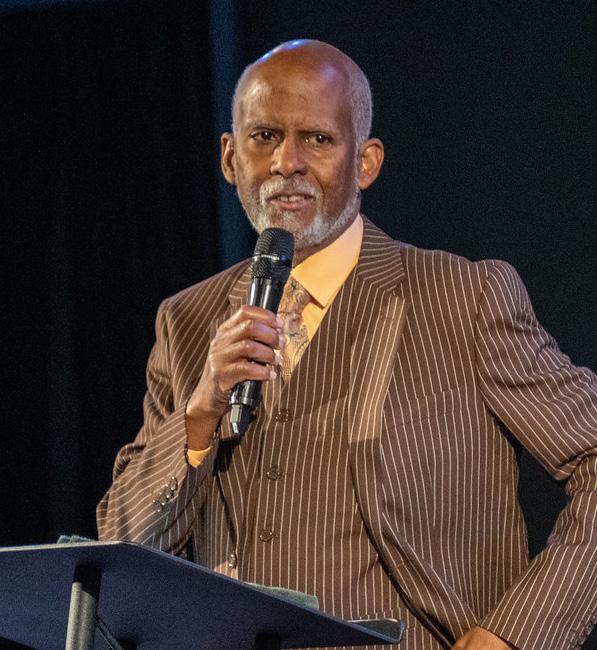
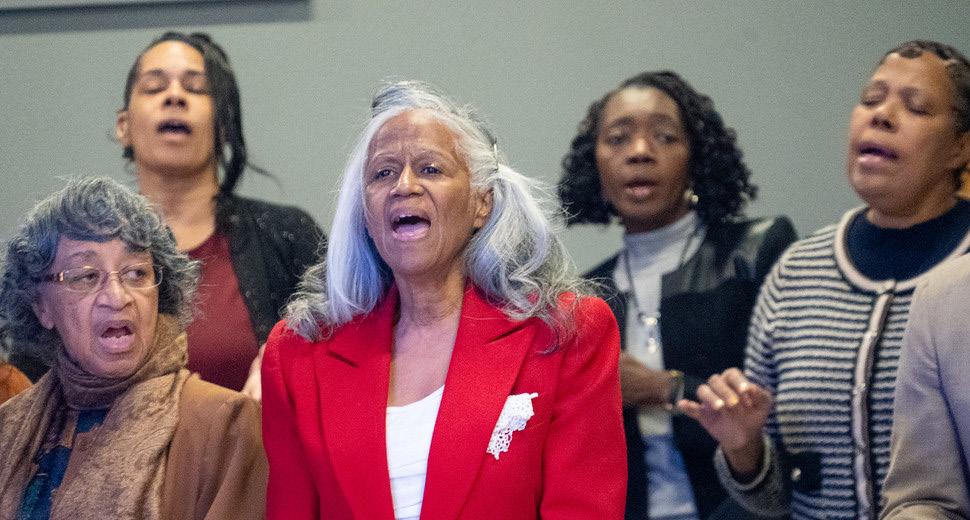
Friday evening began with a reunion concert at the Grace Community Seventh-day Adventist Church. The sanctuary was filled with songs familiar to generations. Hands Ministry, alumni performances, and children’s voices rose, honoring the God who carried Ramah through valleys and over mountains. But it was Sabbath worship that carried the weight of the weekend. Pastor Dana C. Edmond, ORCM Executive Director, stood in the pulpit with a message titled “I am the Last,” drawn from Joshua 2. He preached about Rahab, the woman whom ev-
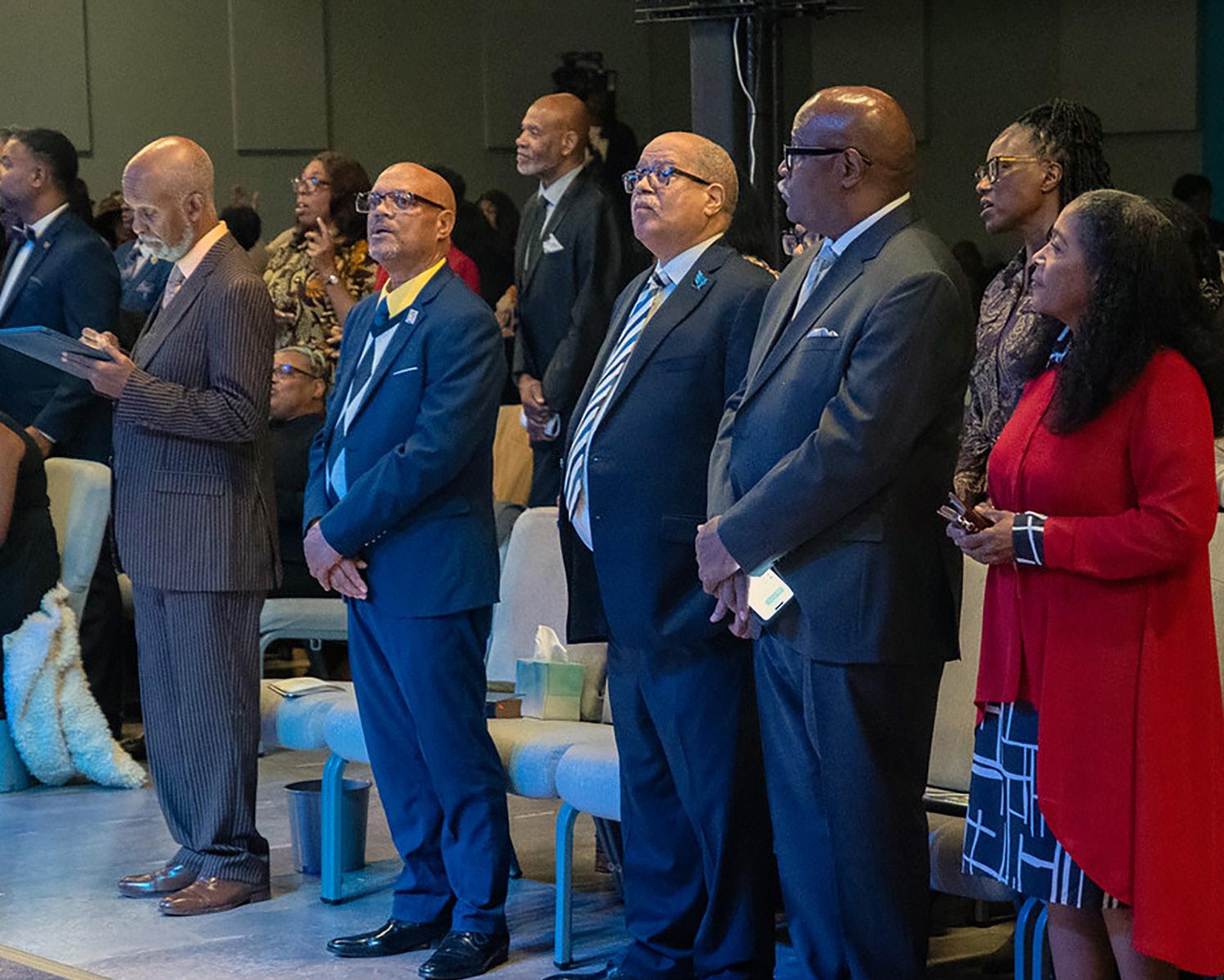
ery religious voice of the time would have counted out. A woman considered the last person anyone expected God to use. Pastor Edmond pointed to an uncomfortable truth: Sometimes the church forgets that God sees differently from us. We judge by the outward appearance, but God sees who we can become. We remember mistakes. God remembers mercy. We measure sin. God measures surrender. Like Rahab, many students walked into Ramah one way and walked out another. Some came from rough neighborhoods. Some carried broken hearts; heavy family burdens; academic struggles, or rebellion. But teachers poured into them anyway.
The sermon echoed Ramah’s story. Though sin earns death, Christ gives life. Though we paid for coach class, grace seated us in first class. It was a powerful illustration of what this academy has done for a century. Parents and educators who sacrificed, prayed, and taught upgraded children into leaders, nurses, pastors, artists, community organizers, and loving citizens. Ramah’s mission was never limited to academics. It was transformational.
After the worship service, testimonies circulated through program pages and hallway conversations. Parents spoke of teachers who saw potential where others saw problems. Students shared stories of how a single year at Ramah turned sadness into joy. Alumni recalled how Ramah did not simply train minds. It shaped identities. It made them proud of who they were and
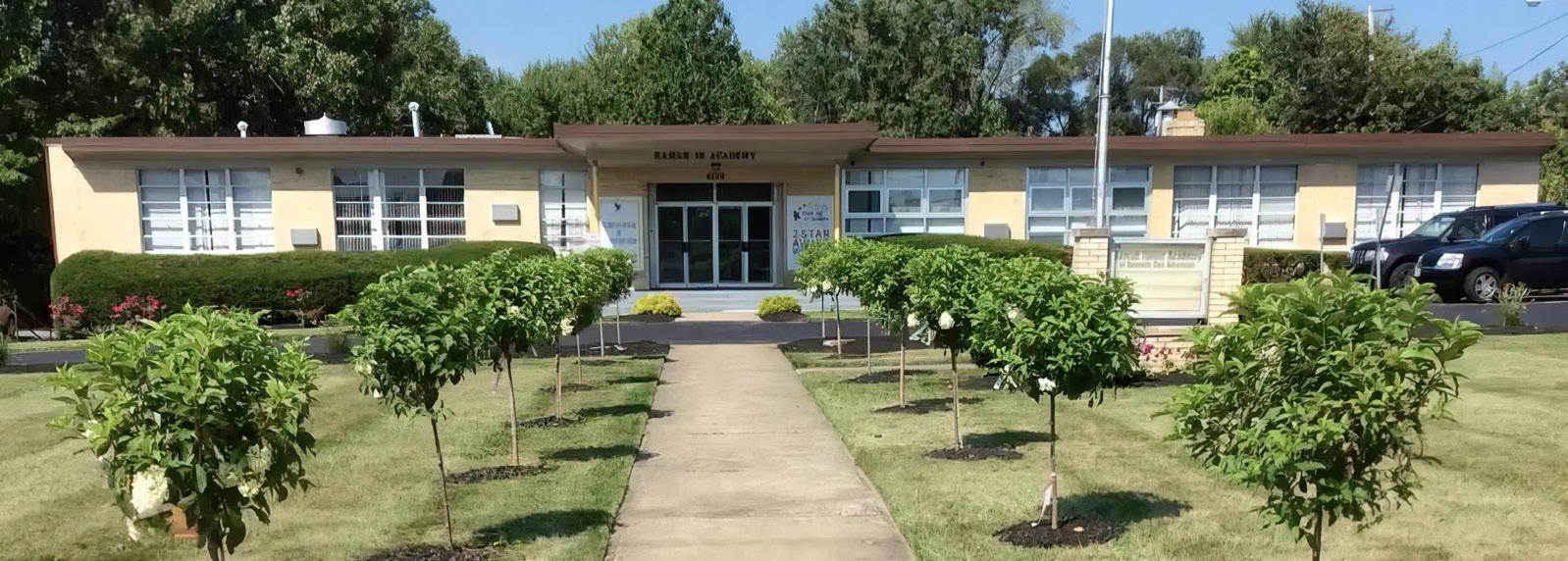
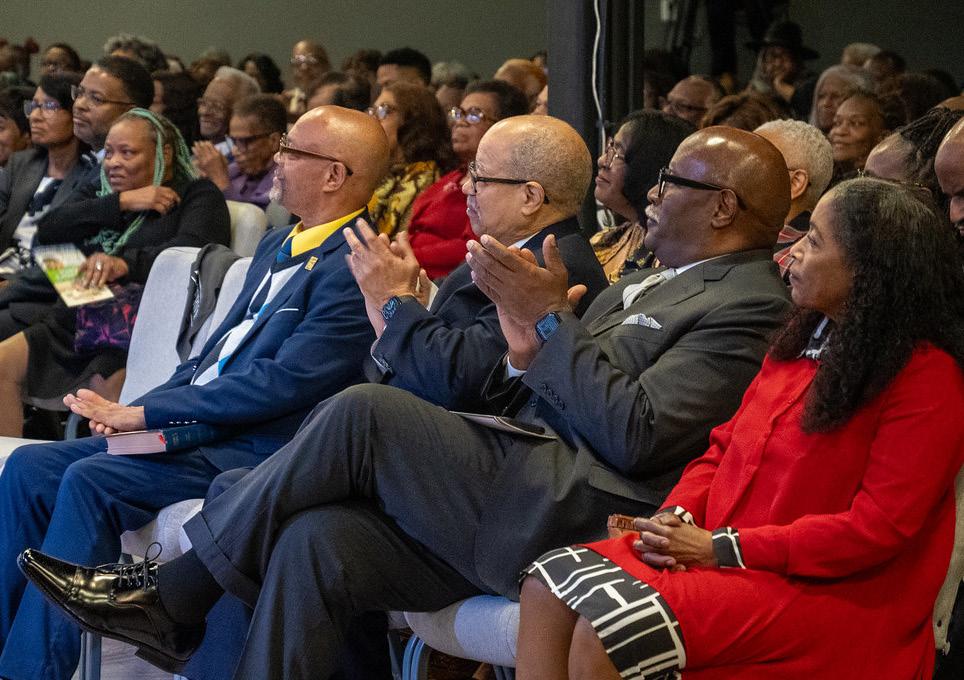
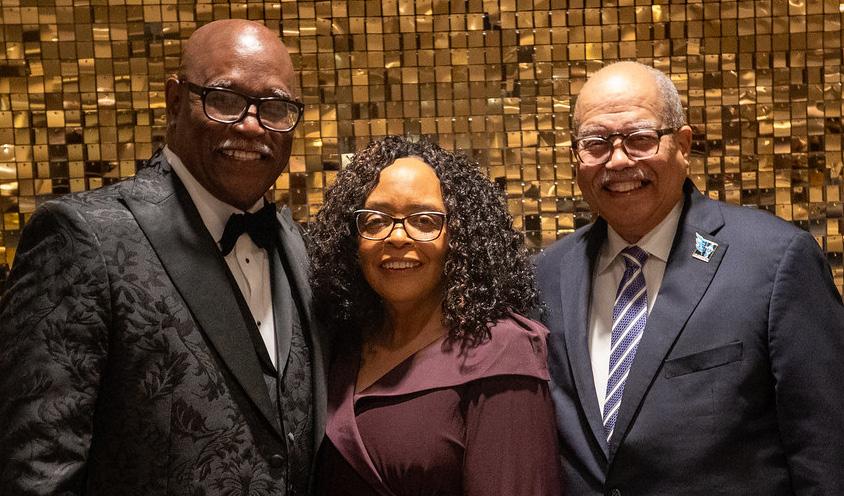

confident in Whose they were.
Saturday evening’s gala at the Embassy Suites in Independence honored both the visible heroes and the unseen ones.
Past principals were remembered with reverence. Teachers who graded papers late at night, and who prayed over names in empty classrooms, were celebrated through tears and applause.
What makes a place endure one hundred years? Buildings age. Neighborhoods change. There are curriculum shifts. Political climates shift. But family remains. And Ramah has always been a place where children were not only taught but deeply known; where parents were
not only guardians but partners; where teachers were not only employees but shepherds.
The weekend celebration offered more than memories. It offered vision. During the past hundred years, administrators expanded classrooms, embraced technology, and built scholarship programs. They redesigned early childhood spaces and safeguarded the integrity of Christian education during cultural storms. Principal Celeste Giles and Mrs. Juanita Walker, among others, carried torches through challenging eras.
Today, the school continues serving a largely non-Adventist enrollment. That reality speaks loudly. Ramah has become a light for children who may not hear the gospel elsewhere. Tuition vouchers from the state open doors that previous generations could not. But Pastor Edmond reminded the congregation that what the government gives, the government can take back. It is the faithfulness of families and alumni that must protect Ramah’s future.
Sunday’s Back to School Open House invited the next generation. Laughter filled the hallways. Children ran across the same floors where their grandparents once walked. It was a reminder that legacy is not just behind us. It is before us. One hundred years is not an accident. It is Grace. Grace in the form of teachers who refused to give up on difficult stu-
dents. Grace in the form of parents who tithed and labored to keep Christian education alive. Grace came in the form of pastors who preached with power; volunteers who decorated gymnasiums; donors who quietly carried burdens, and alumni who returned to give back.
Finally, Pastor Edmond’s sermon closed with a sobering plea. It is not enough to celebrate history. We must answer the invitation of salvation. Rahab was the last person anyone expected to be saved, but God saved her family through her faith. Someone in the building on that Sabbath may have thought they came for nostalgia. But heaven arranged the appointment. If anybody ought to be saved, he said, it ought to be us. That sentence settled deep into hearts, because it was true.
Hope for the Next Century Ramah has given so much. It has poured scripture, discipline, heritage, and opportunity into its children. It has carried them through storms. Now those children, grown and grateful, carry Ramah.
As the weekend celebration concluded, one emotion remained above all others: Hope.
Hope that God who began a good work will finish it. Hope that the next hundred years will produce leaders who lift communities. Hope that every child who sits here will stand out anywhere.
A century of Ramah. A century of praise.
And by God’s Grace, a century more. t
Gerson Pancorbo is the Communications Director for the Office for Regional Conference Ministries and the Regional Conference Retirement Plan. He conducted live coverage of the Ramah Academy 100th Celebration to complete this report.
By JENEAN LENDOR
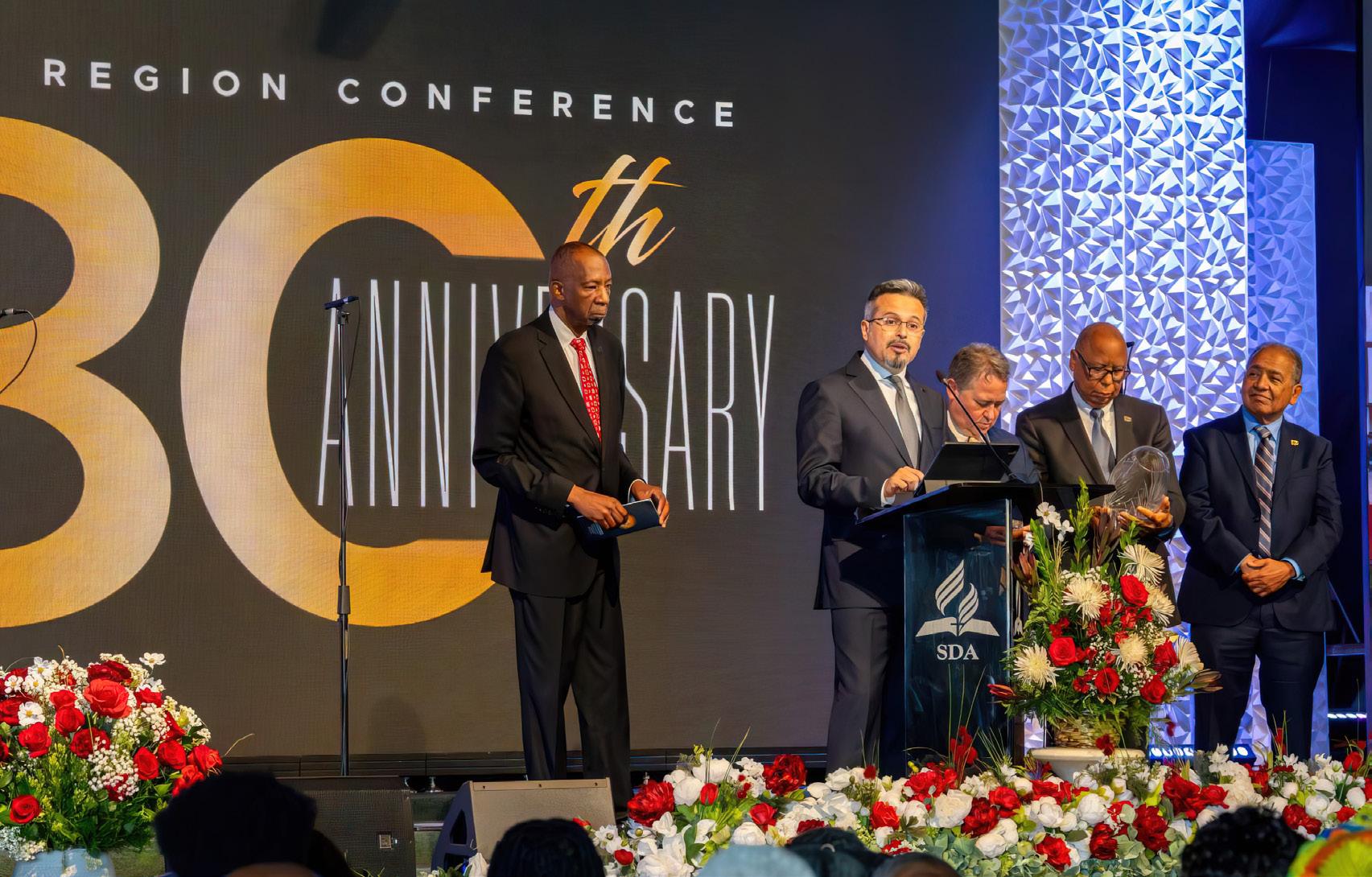
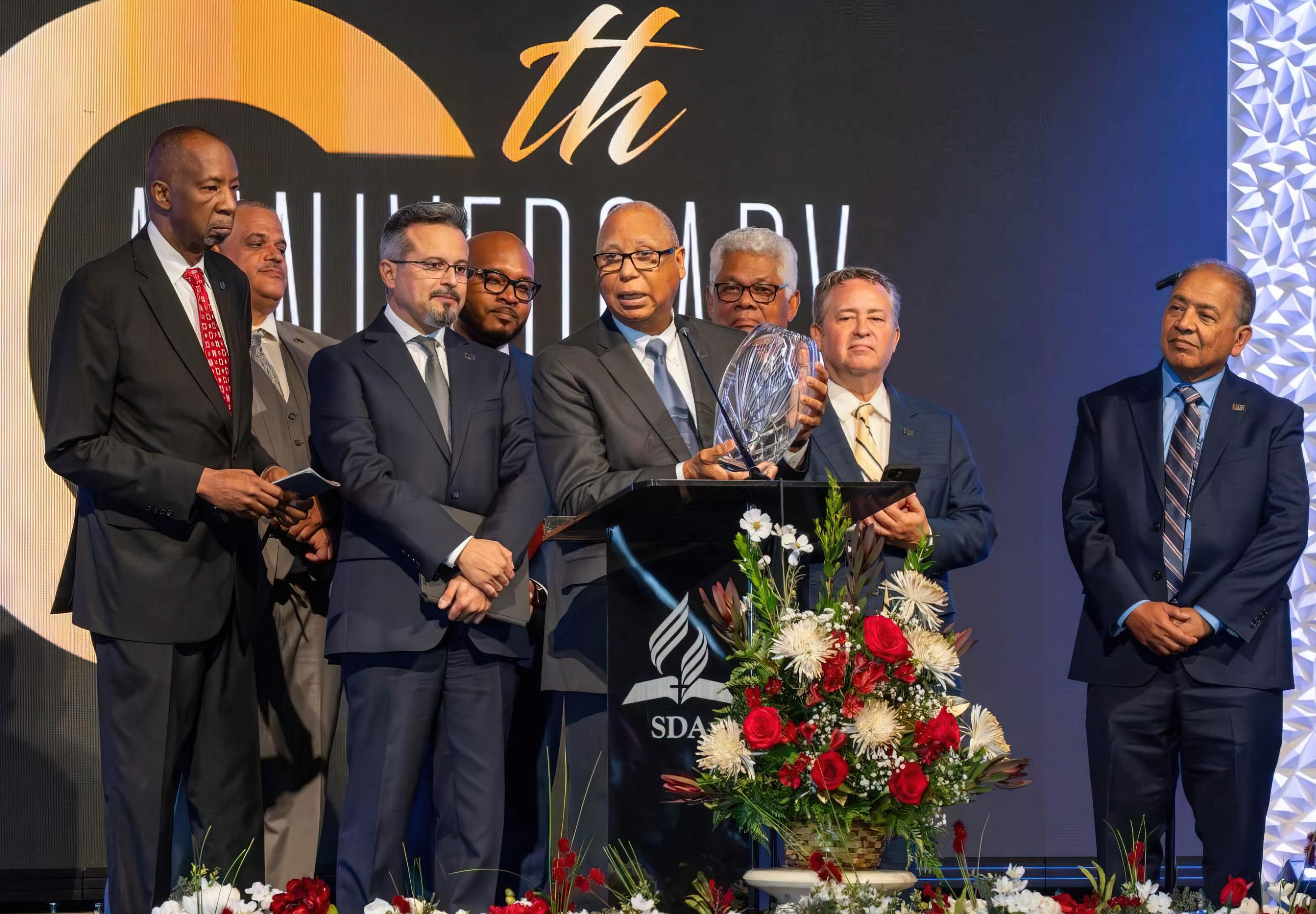
Camp Wagner, the historic campground of the Lake Region Conference (LRC), was filled with members, friends, and well-wishers celebrating the conference’s remarkable 80th anniversary on September 13, 2025. Coined by Elder Garth Gabriel, president of the Lake Region Conference, as “the original regional conference,” this milestone was both historic and deeply meaningful.
Voted on September 26, 1944, as the first regional conference in the Seventh-day Adventist Church, Lake Region has grown from its humble beginnings in Chicago, Illinois, to a thriving territory spanning five states, five schools, 103 churches, and more than 31,000 members. The weekend of celebration concluded with a formal banquet honoring long-standing members who have faithfully supported the conference through their gifts, service, and dedication.
worship message from Elder Henry Wright. In his sermon on unity, he said, “If you want oneness to come to the church, then you’ve got to think about Jesus and his character—forgiveness, mercy and love.”
dled cherished memories of classic camp meeting worship. “This is the best music I’ve heard on the campground in such a long time,” said Monique, a member of Shiloh SDA Church in Chicago. “I really miss hearing the choirs of our conference. This music was beautiful.”
beloved campground. Plans are underway to renovate the Camp Wagner pavilion and to improve the grounds through dedicated fundraising efforts. During the weekend, Kent Nichols, LRC treasurer, shared a visual rendering of the proposed upgrades, inspiring members to imagine the possibilities for a refreshed and revitalized facility that will continue to serve future generations.
The commemorative weekend was carefully planned by Elder Gabriel, conference administrators, departmental directors, and lay members. Reflecting on the process, Elder Gabriel shared, “We prayed fervently that this event would be God-led and a testimony to His grace and mercy upon our conference. We wanted to highlight how far the Lord has brought us and also cast a vision for where we believe He is leading us next.”
That prayerful intention was evident throughout the weekend’s activities. Friday evening’s vespers speaker, Claudia Allen, set a powerful spiritual tone. Sabbath morning featured a Sabbath School panel highlighting some of Lake Region’s pioneers; then came highlights from the current school year from the Education Superintendent, Deirdre Garnett; a drama presentation by members from LRC Hispanic churches; and a stirring divine
The afternoon included dynamic presentations by Elder Dana Edmond, executive director of the Office for Regional Conference Ministry, and Elder William Cox, director of the Regional Conference Retirement Fund.
Stirring music brought another high point to the celebration.
A conference-wide mass choir organized under the direction of Elder Gabriel and led by Enida Gabriel (Motor City), Ramona Minisee (Michiana), Enid Williams (Chicago), and Avonelle Dorant (Indianapolis) united singers from every state within the Lake Region territory. The musical selections were carefully chosen to reflect the diversity and richness of worship across the conference. From contemporary gospel to beloved anthems, there was music for everyone.
The choir, composed of both young members and the young at heart, blessed attendees with powerful renditions that rekin-
The weekend was thoughtfully designed to celebrate both legacy and faith. During Sabbath worship, special recognition was given to the spouses and families of conference staff members who recently passed away: Pastor Leroy Logan, Dr. Michael Horton and Elder Kenneth Elliott were honored for their years of service and dedication.
Dr. Abraham Henry, LRC executive secretary, shared these words during the moment of reflection: “These recognitions presented today remind us of the words, ‘Well done, good and faithful servant.’ And we believe that those who have passed will hear those words as they enter into the joy of His salvation.”
As the conference celebrates its eight decades of ministry, Lake Region is also looking toward the future with a renewed commitment to enhance and restore its
Also joining the weekend celebration were Elder Elden Ramirez, president of the Lake Union Conference, and other union administrators, who extended their congratulations and words of encouragement on this historic milestone and testament to God’s continued faithfulness, and to the enduring mission of the Lake Region Conference.
“At the 1944 General Conference Spring meetings in Chicago, the [GC] committee recommended that colored conferences be organized, administered by black officers and committees to carry the gospel more effectively. Delegates from across the Lake Union gathered at Shiloh Seventh-day Adventist Church in Chicago on September 26, 1944, and voted the Constitution and officers of the body, which began operations at the Lake Region Conference on January 1, 1945.
Today, 80 years later, the Lake Union Conference Administration and its executive committee remains steadfast in that same spirit with gratitude for God’s leading in the past and confidence in His promise for the future. We reaffirm our commitment to stand beside the Lake Region Conference so that the gospel of Jesus Christ and urgent Three Angels messages of Revelation 14 continue to be proclaimed with power across this vast territory and beyond.”
As Lake Region moves forward, members remain confident that the same God who guided the conference through its first 80 years will continue to lead in the years to come. With hearts full of gratitude and praise, the words of the weekend’s theme song capture the spirit of the celebration: “Glory to Your name.” t
Mrs. JeNean Lendor, Communication Director of Lake Region Conference, produced this original report of the 80th Anniversary Celebration.
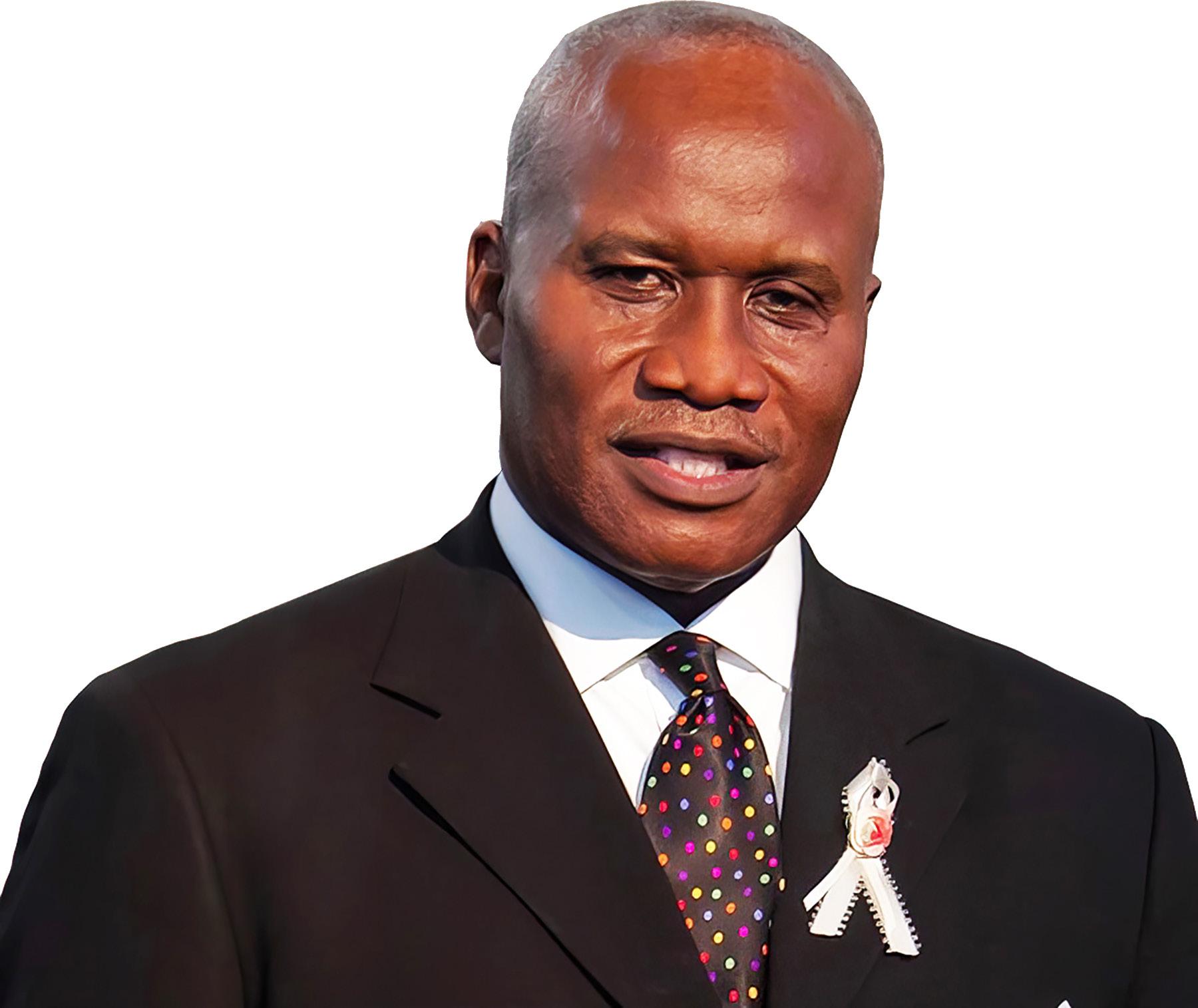
With more than 66,000 members, the Northeastern Conference is poised for continued growth, not just in numbers, but in spiritual depth and mission impact. On September 28, 2025, delegates at the Sixth Regular Quadrennial Session of the Northeastern Conference reaffirmed their confidence in the administration led by Eldeen C. King.
As a seasoned leader with more than 40 years of service in the Seventh-day Adventist Church, King faithfully pastored several congregations before stepping into executive leadership, where his heart for people and passion for spiritual revival were revealed. Since assuming the presidency in June 2024, he has served with resolve and humility.
During the conference session, it was evident that his reelection was more than a vote of confidence; it was a mandate to remain committed and focused on his divine calling. For the next four years, King will continue to serve the conference as president; Nicardo Delahaye as executive secretary; and Brian McDonald as chief financial officer/treasurer. A committed team of departmental directors and special assistants were also elected to serve.
The administration’s unwavering vision emphasizes spiritual renewal and prayer, evangelism, Christian education, youth and young adult retention, reclamation, and leadership development.
The beginning of the new term for the administration coincides with the Conference’s celebration of its 80th anniversary. This opportunity provides a powerful convergence of history and vision.
Reflecting on the significance of the 80th anniversary, King stated, “Eighty years ago, a small band of believers, united in conviction and strengthened by prayer, dared to believe that God could do something extraordinary in the northeastern
United States. Those pioneers could scarcely have imagined that their sacrifices would grow into a thriving family of more than 65,000 believers spread across seven states representing a tapestry of cultures, languages, and backgrounds. Today, we stand on their shoulders. The past gives us testimony, the present places responsibility in our hands, and the future calls us forward into new opportunities.”
Looking ahead, King remains hopeful and deeply mission-driven. After his reelection to office, he said to the delegates, “Together, we are not merely an organization; we are a family, bound by mission and united by hope. May our collective efforts rise as a sweet-smelling offering before the throne of God. With confidence in His promises, we will press forward, faithful in duty, courageous in mission, and steadfast in hope!”
As the Northeastern Conference enters its ninth decade, the reelection of Eldeen C. King and his leadership team begins a new chapter in mission under the theme, “Elevate.” t
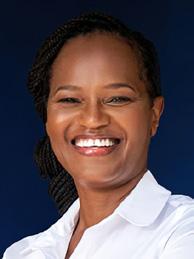
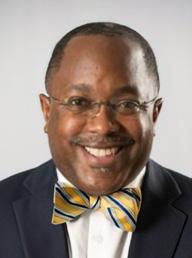

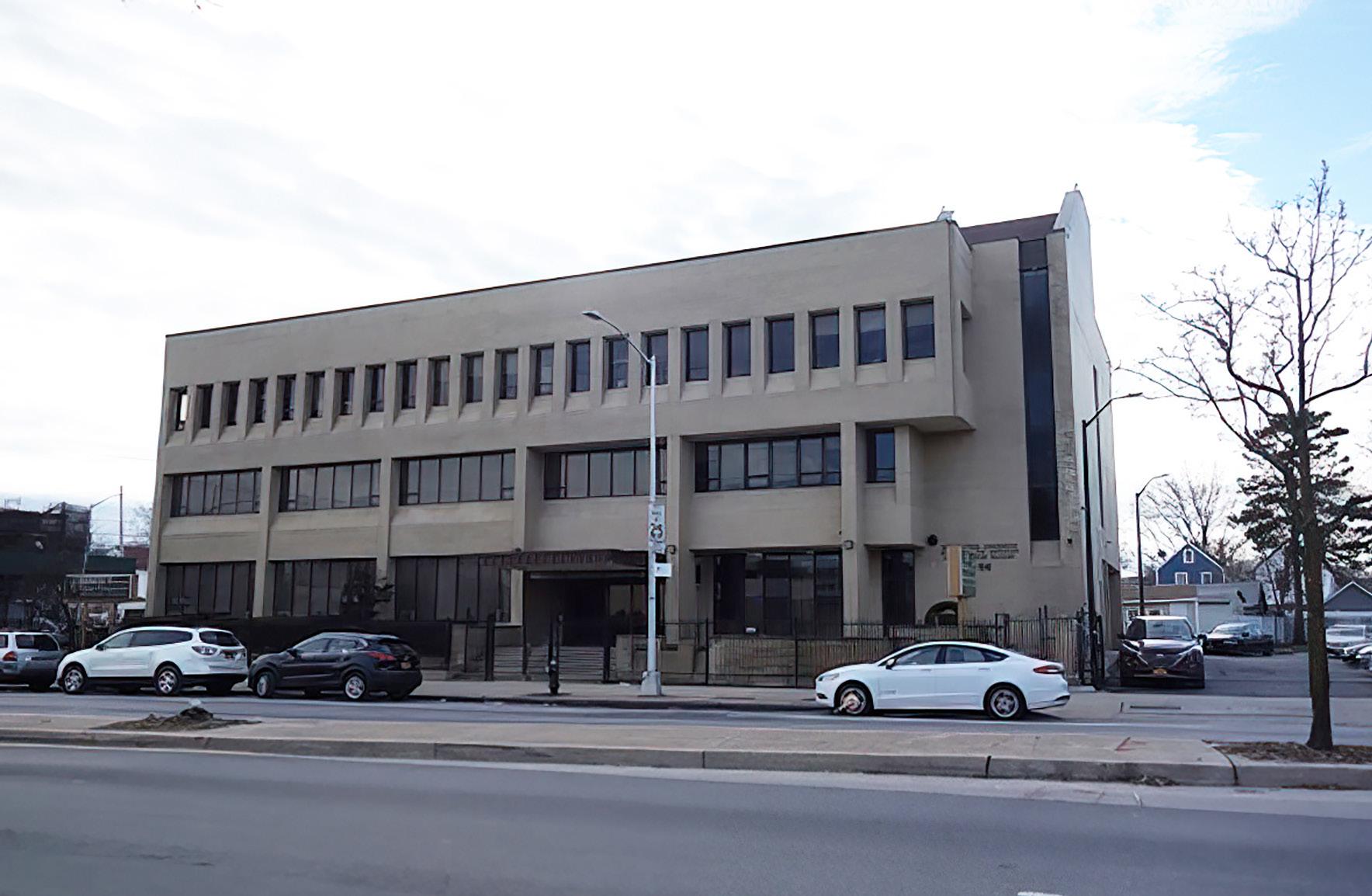
By DR. ALLEN MARTIN
The Public Affairs and Religious Liberty department in the Seventh-day Adventist church has not always been fully understood in terms of its purpose and its complete function. In many of our churches, it is simply termed the Religious Liberty Department and relegated to a marginalized ministry. Many of our churches don’t even have a designated leader for this valuable ministry. When rightly understood, the department has a dual purpose. The Religious Liberty aspect advocates for our members in regard to their religious freedom rights under the Constitution. The Public Affairs aspect focuses on developing constructive and meaningful relationships with the community.
Like never before, our voice and presence is needed to make a difference in society. I realized this when I was pastoring and spent a great deal of time forging alliances with community leaders and public officials. I discovered that some community leaders perceived our church to be a very insular organization. Unfortunately, they criticized and falsely labeled Seventh-day Adventists as introverts because of our lack of engagement in the public square. This is definitely not true, but this impression needed to be corrected in the community. Efforts are being made to change this narrative. In fact, some community leaders now strongly recognize our value, appreciate our counsel and are beginning to turn to us for much needed help. There are numerous challenges and problems facing society such as the migrant crisis, gun violence, joblessness and homelessness, where we can offer insights.
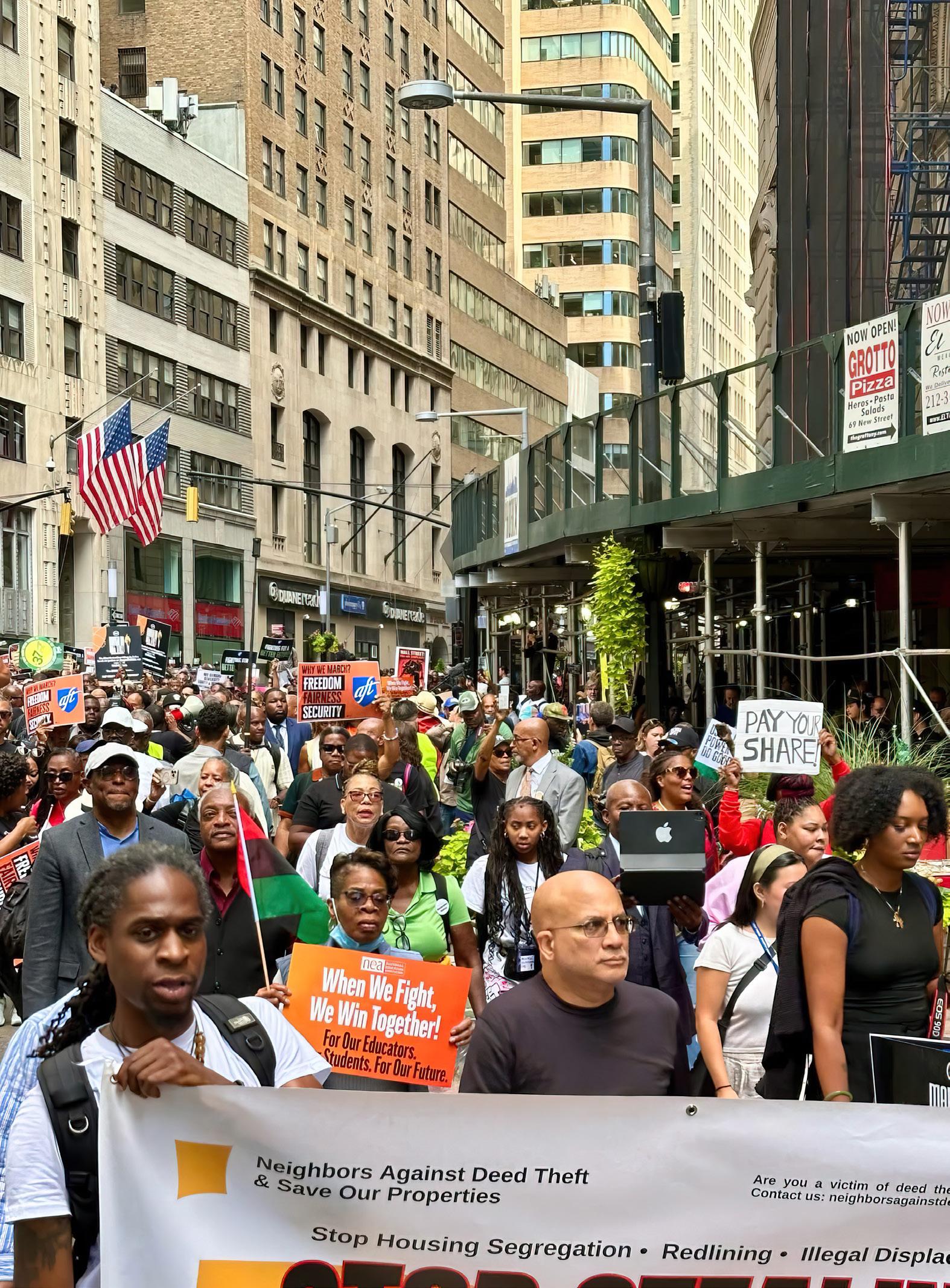
mission and ministry. I have made it my mission to join various community and interfaith organizations to create vital influential contacts. Earlier this year, the National Action Network, of which I’m a member, asked Clergy to unite with them for a his-
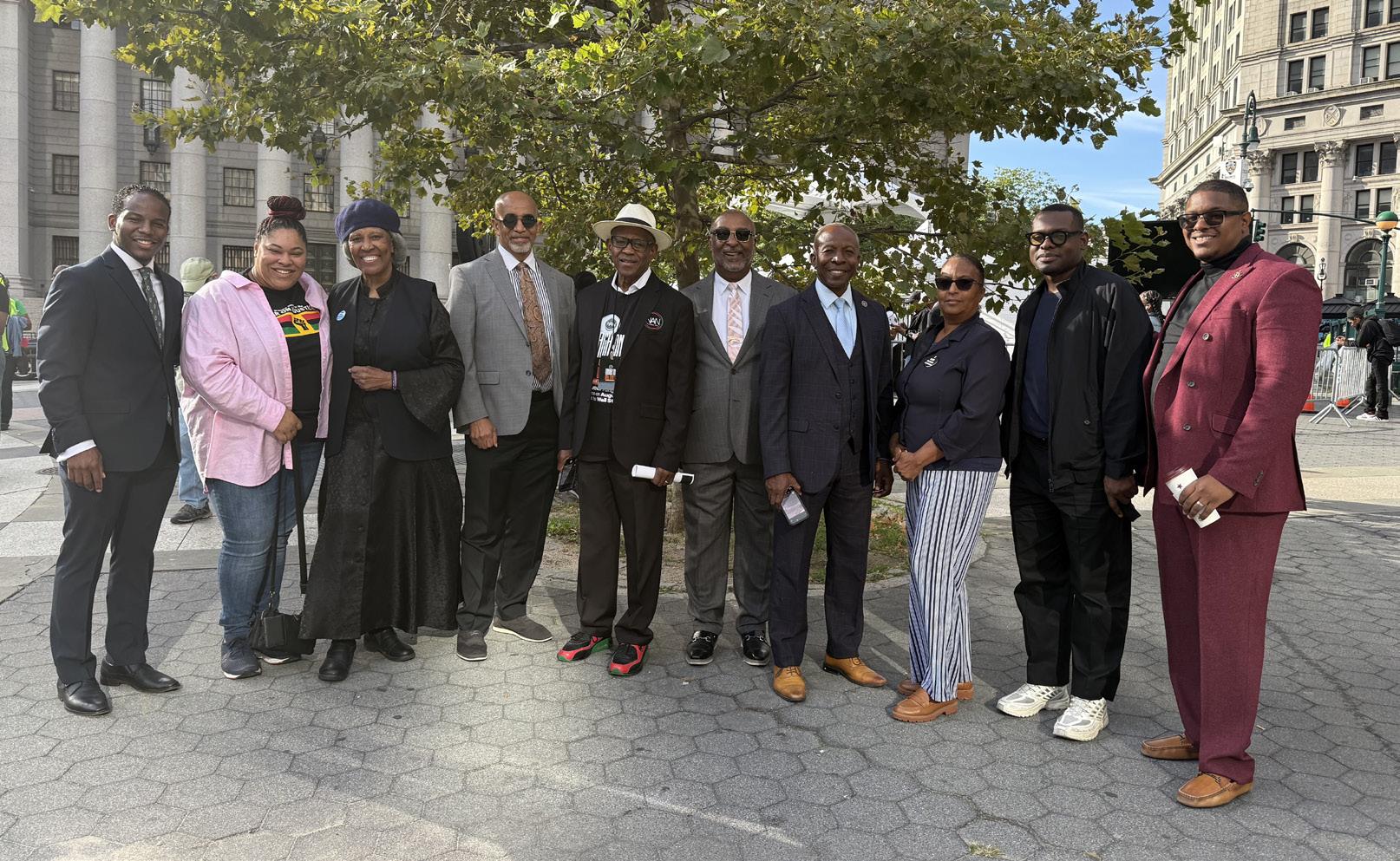
Like never before, our voice and presence is needed to make a difference in society.
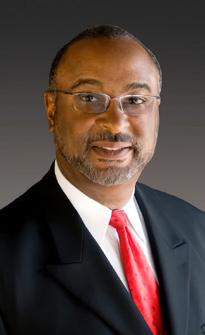
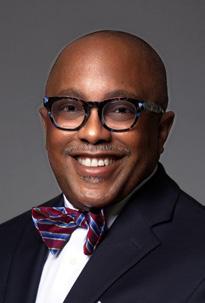
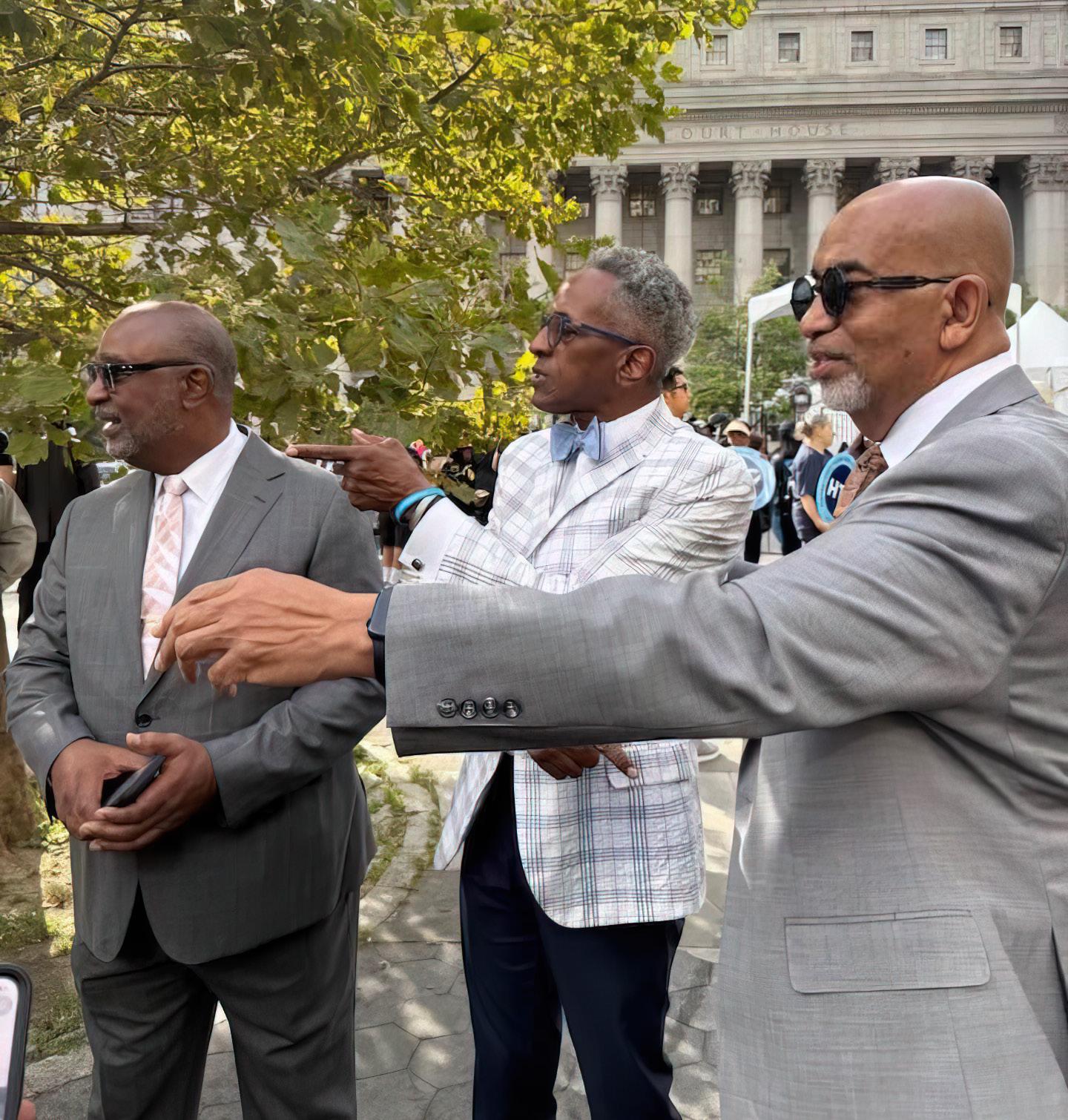
Read, Dr. Smith Olivier, Sister Nita Howlette, Pastor Tiffani Jackson, Elder Cynthia Cummins and I were all present for this amazing event.
It was thought to be a small march at first, but 30 to 40,000 people showed up and filled the streets. Our pastors represented Northeastern Conference well. Pastor Tiffani Jackson and Dr. Corey Marshal and I were interviewed by ABC News and other news media outlets. The Lord helped us to proudly represent our church during those spontaneous interviews, and our young pastors did a tremendous job when facing the national media for the first time. The photographs illustrate the highlights of us rubbing shoulders with community leaders and the luminaries of New York City. National Action Network was very pleased with our participation, which also opened doors for future joint ventures. t
Dr. Allen Martin, the Public Affairs Religious Liberty (PARL) Director for the Northeastern Conference of Seventh-day Adventists, produced this original report.
Dr. Bryant Taylor, Associate Editor of Regional Voice magazine, coordinated this coverage.
Community leaders also need our counsel and wisdom to better serve their constituencies. This presents a tremendous opportunity to secure resources and vital information to enhance our
toric March on Wall Street. The Northeastern Conference hosted a Zoom meeting with Reverend Al Sharpton and 70 plus SDA ministers joined the call and were invited to be a part of the Dr. Martin Luther King Jr. commemorative march on August 28, 2025. We planned to reflect on the 1963 Civil Rights March on Washington immortalized by Dr. King and his
“I Have a Dream” speech.
The Northeastern Conference pastors and lay members made their way to the March on Wall Street to stand up for DEI and other issues. Dr. Dedrick Blue, Dr. Richard Means Jr, Dr. Corey Marshal, Pastor Patricia Langley, Pastor Kyran John, Dr. Silburn
By GERSON PANCO RBO
“We really want to bring people together and not only do we want to support the oppressed, but we also want to make sure that the oppressor sees the love and the gospel of Jesus Christ.”
Dr. Edward Woods, Council on Conscience and Justice President
For ten years, the Council on Conscience and Justice (CJC) has been asking questions many prefer to avoid. Questions about racism in church structures. Questions about who gets heard and who gets silenced. Questions about following Jesus when the state demands loyalty.
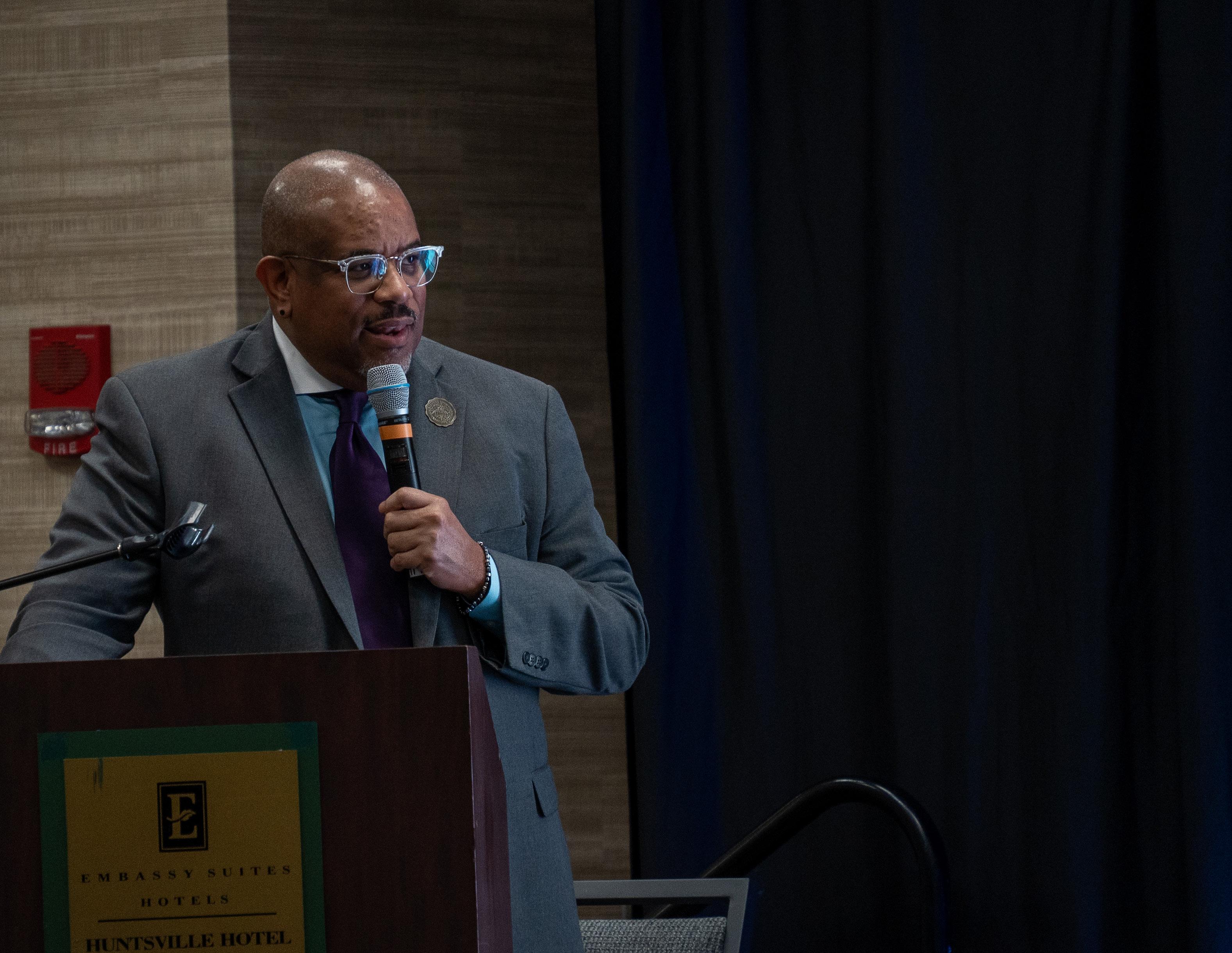
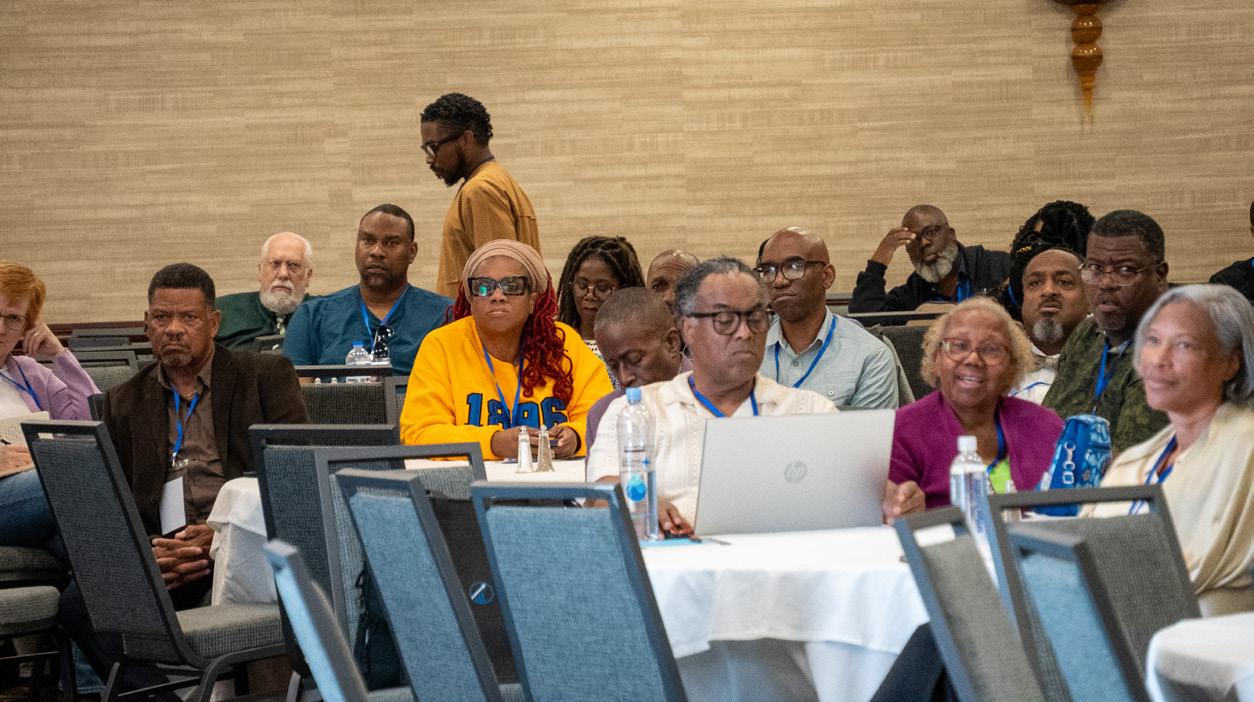
At the Embassy Suites in Huntsville, a decade of work came together in a convention that gave people a place to breathe, regroup, and remember they weren’t alone.
That vision sets CJC apart. This is not just another advocacy group or denominational committee. It’s a space where Seventh-day Adventists and people of faith can wrestle with hard truths the church often sidesteps.
Prophetic Witness in the Belly of the Beast
Woods outlined CJC’s framework: content based on Scripture, not opinion or social media; practical application of theology; networking for mutual support; and redemption for all. “The only authority that we’re concerned about is the Bible and the Bible alone,” Woods emphasized. But theology without action means nothing.
“This is not some place where we’re doing chest pumps,” Woods said. “We’re here to work, and we’re here to represent God [not only] in spirit and in truth but in action and in deeds.” The weekend’s programming backed up that vision. Thursday
opened with Tracey Gendron addressing ableism and ageism during the plenary session. Then Dr. Renita J. Weems brought the evening worship service. The Old Testament scholar preached from Jeremiah about maintaining prophetic witness when the world feels like it’s falling apart.
She was naming reality. “Every day brings another crisis, another headline that makes it near impossible to know where to turn or what to do. The sheer pace of cruelty, the attacks on institutions, the chaos in our politics, the constant churn of outrage and the real harm to our daily lives have all of us on blood pressure medicine.”
That’s why the Council on Conscience and Justice exists. To create space where people of faith can say out loud: this is hard, this is wrong, and we need each other to survive it.
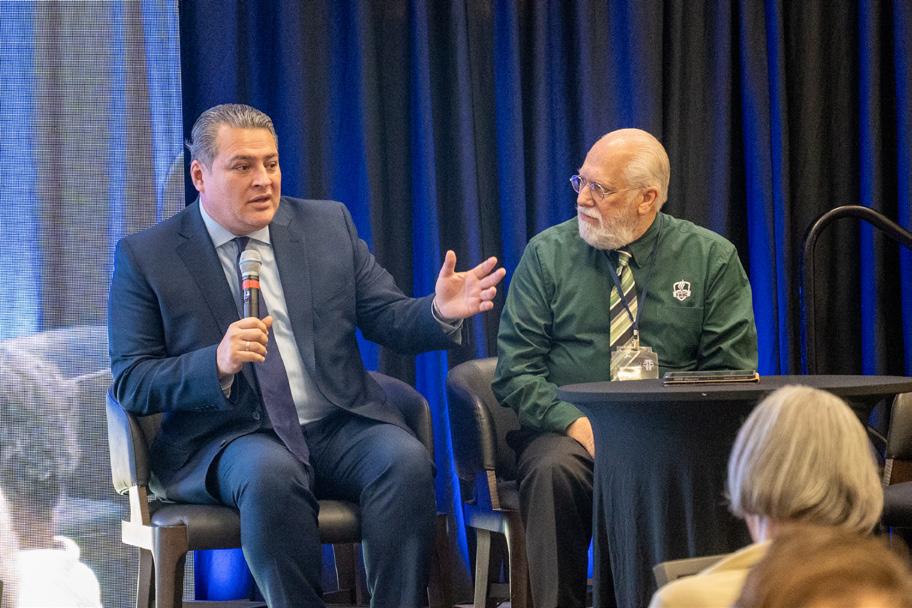
Roman Palomares, President of the League of United Latin American Citizens, followed with a presentation on coalition building between Black and Latino communities. “When one of our communities is denied something—whether it’s a quality education, a home loan, a fair court hearing—the other community is inevitably hurt by the same system of injustice,” Palomares explained. “We rise and fall together.” Woods emphasized that collaboration extends beyond the
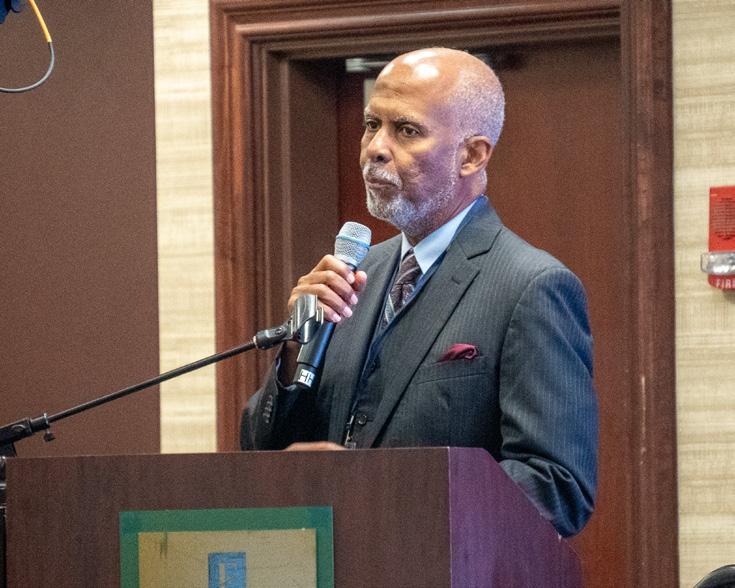
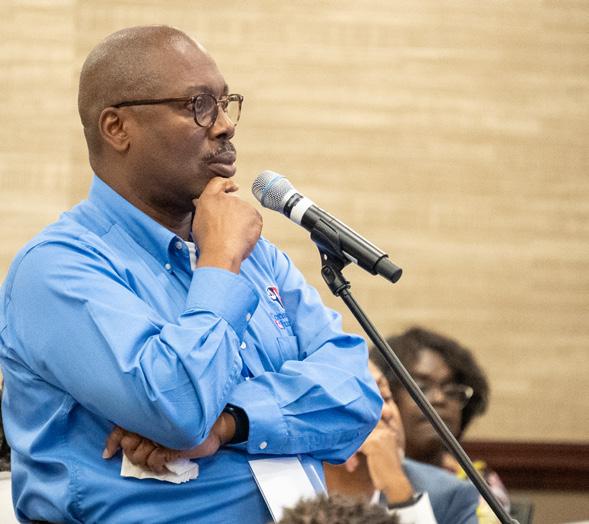
“If there was ever a need for an organization like this, it’s now. As we are literally seeing the things that we’ve talked about for so very long.”
Dana C. Edmond – Executive Director of ORCM
convention floor. Council on Conscience and Justice partners with organizations like the NAACP, the Urban League, and the Leadership Conference. This ecumenical approach matters. “This is not a regional work,” Woods stressed. “This is an inclusive work for every race, kindred and tongue or people, male or female, old or young.”
Reclaiming a Radical Heritage
Sabbath morning at Oakwood University Church brought another dimension to the conversation. Dr. MyRon Edmonds preached “Stay Woke: It’s the Dragon,” challenging Adventists to reclaim their radical roots. “The Seventh-day Adventist early adult movement was founded upon abolitionism,” Edmonds declared. “They called America the lamb-like beast because of slavery.”
That history matters. Council on Conscience and Justice exists partly because the denomination has drifted from
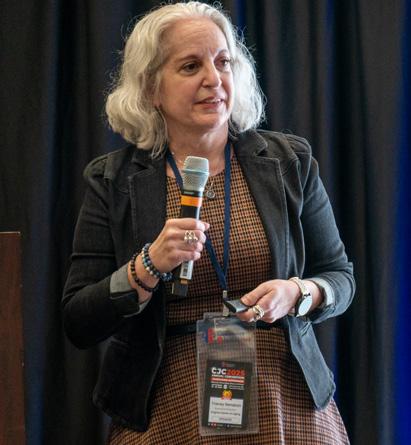
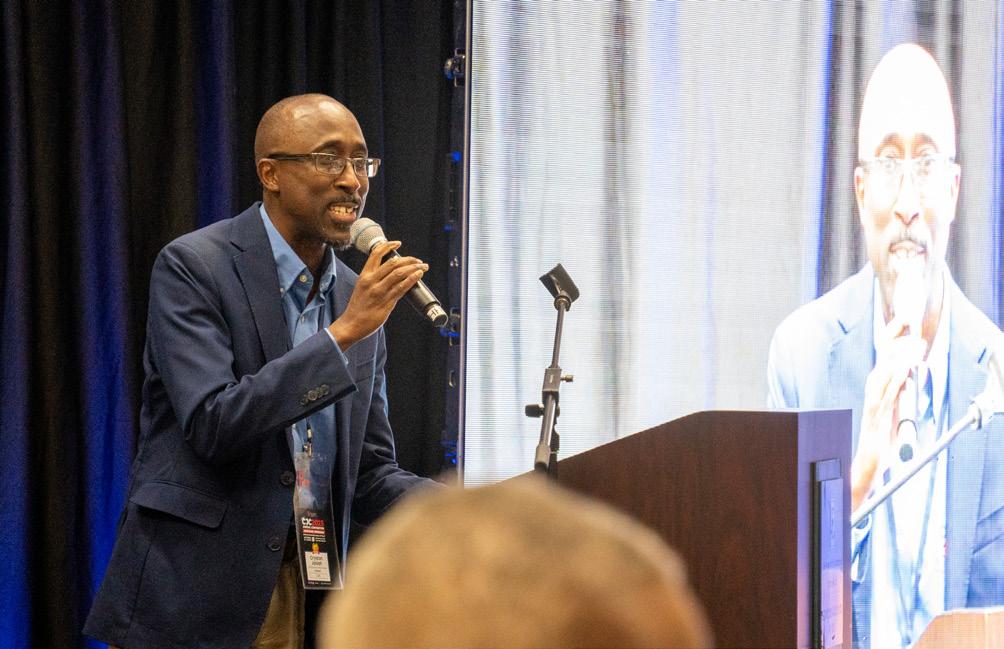
“When your children ask what did you do when that man was the president, what did you do when the immigrants were being carted off next door to you, what did your church do?”
Dr. Renita J. Weems
its prophetic origins. “We have many Adventists that have switched teams,” Edmonds said. “They say stuff like, ‘Don’t get involved in politics.’ Can I translate that for you? That means don’t help black people. Don’t help brown people.”
Council on Conscience and Justice offers more than inspiration. The organization provides concrete resources: a weekly newsletter, active social media presence, a YouTube channel with recorded sessions, and a podcast tackling issues other platforms avoid.
“We are not afraid to tackle the topics that are implicating the world, but also our church,” Woods stated.
Throughout the weekend, speakers returned to one challenge: What will you tell your children?
Council on Conscience and Justice exists so that when those questions come, and they will come, people of faith will have an answer. Not a perfect answer. But an answer that says:
“We gathered. We told the truth. We supported each other. We stayed woke
to the dragon’s deceptions. We kept faith with the prophets.”
Woods made the mission clear: “We want everyone to know that redemption is what we’re all about.”
After ten years, the Council on Conscience and Justice has proven it’s not going anywhere. The work is too important. The moment is too critical. And as Dr. Weems preached Thursday night, “Kings come and go. Emperors come and go. But the Word of the Lord lasts forever.” t
Gerson Pancorbo is the Communications Director for the Office for Regional Conference Ministries and the Regional Conference Retirement Plan. He conducted live coverage at the CJC Conference to complete this report.
By GERSON PANCORBO
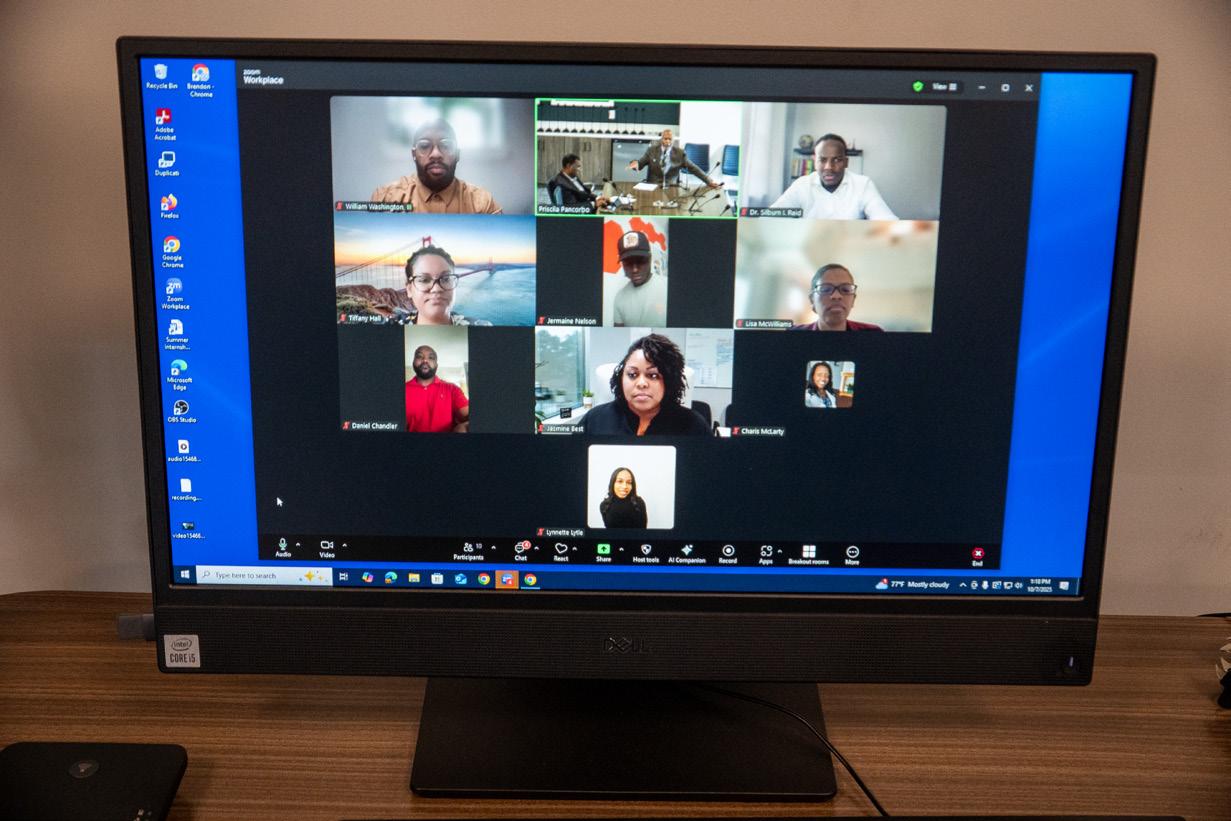
The Next Gen Caucus met for a focused discussion led by Elder Dana C. Edmond about the future of regional conferences and their continued mission. The October 7, 2025, Zoom meeting opened with prayer from Pastor William Washington and a reminder that the next chapter of regional leadership will depend on how well young pastors and professionals understand their history and purpose.
Elder Edmond presented several key reasons regional conferences still matter. They allow people of color to:
1. Manage their own resources.
2. Direct ministry where it is needed most.
3. Maintain a strong presence in cities often overlooked by other entities.
4. They also ensure fair representation in denominational decision-making.
5. They remain the most effective way to reach communities of color, growing four times faster than the rest of the Seventh-day Adventist Church in North America.
Elder Roger Bernard added that regional conferences are not only historically significant but also economically efficient. With fewer administrative levels, they accomplish more with fewer resources, while supporting Oakwood University, Breath of Life, and hundreds of local churches. He also mentioned that recent financial reforms send more support back to local fields.
Younger pastors raised thoughtful questions about transparency, giving habits, and how to strengthen local support. Elder Edmond noted that new generations give differently and that members are more generous when they understand where their funds
go and how they make a difference. Clear communication about mission and purpose remains essential.
The group agreed that regional conferences are not relics of segregation but living testimonies of resilience and divine guidance. They have built spaces for justice, evangelism, and community where others could not. Elder Edmond reminded everyone that the greatest risk is not outside opposition but forgetting the story that brought us here.
The meeting ended with prayer and a challenge to the next generation. The same spirit that built regional conferences must now sustain them. Young leaders are being called to carry the vision forward with innovation, integrity, and faith. The future of regional conferences will not simply be inherited. It will be shaped by those willing to lead, serve, and tell the story for a new season of mission. t
Gerson Pancorbo is the Communications Director for the Office for Regional Conference Ministries and the Regional Conference Retirement Plan. He conducted live coverage of the Zoom Next Gen Caucus session for this report.
The group agreed that regional conferences are not relics of segregation but living testimonies of resilience and divine guidance. They have built spaces for justice, evangelism, and community where others could not.
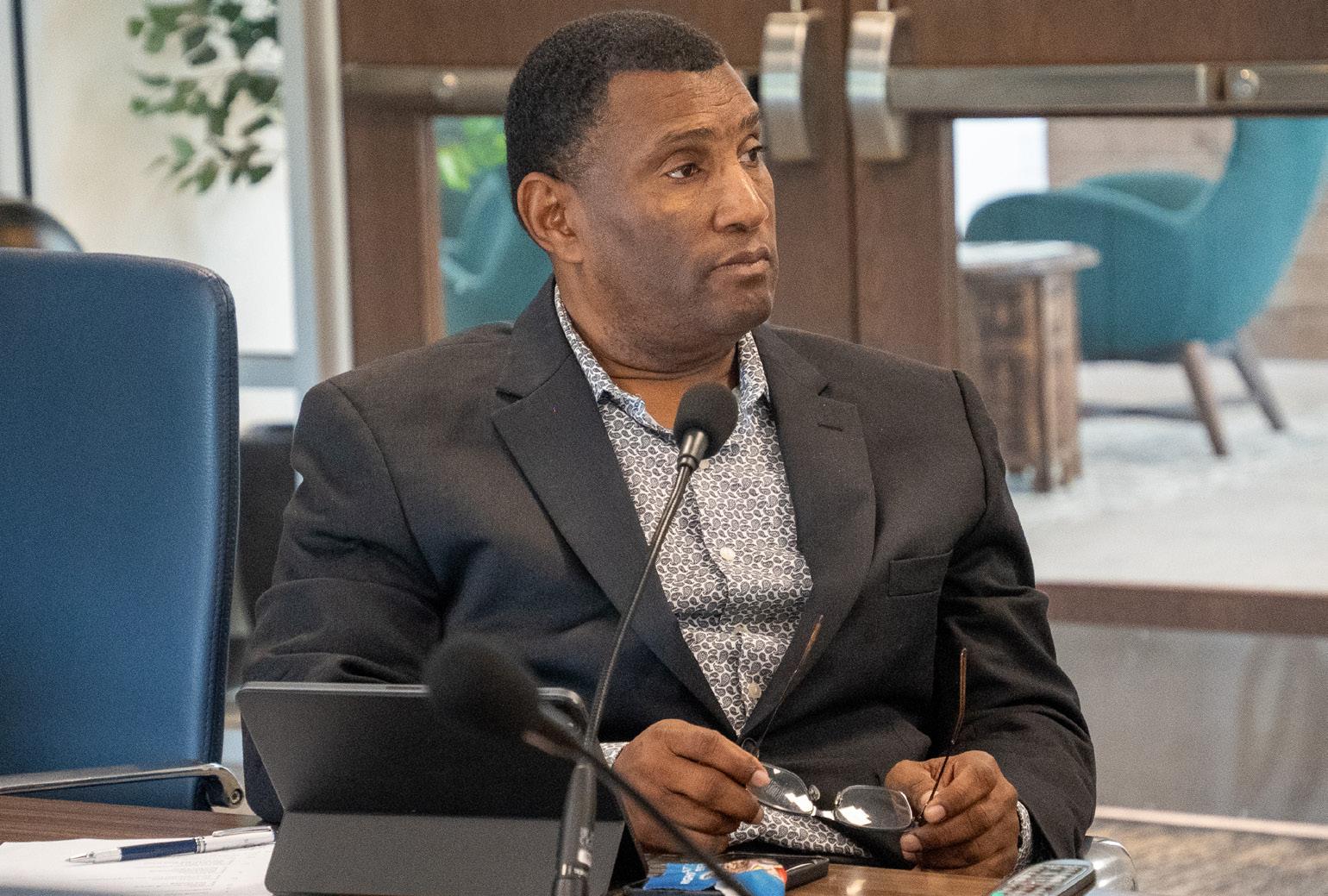
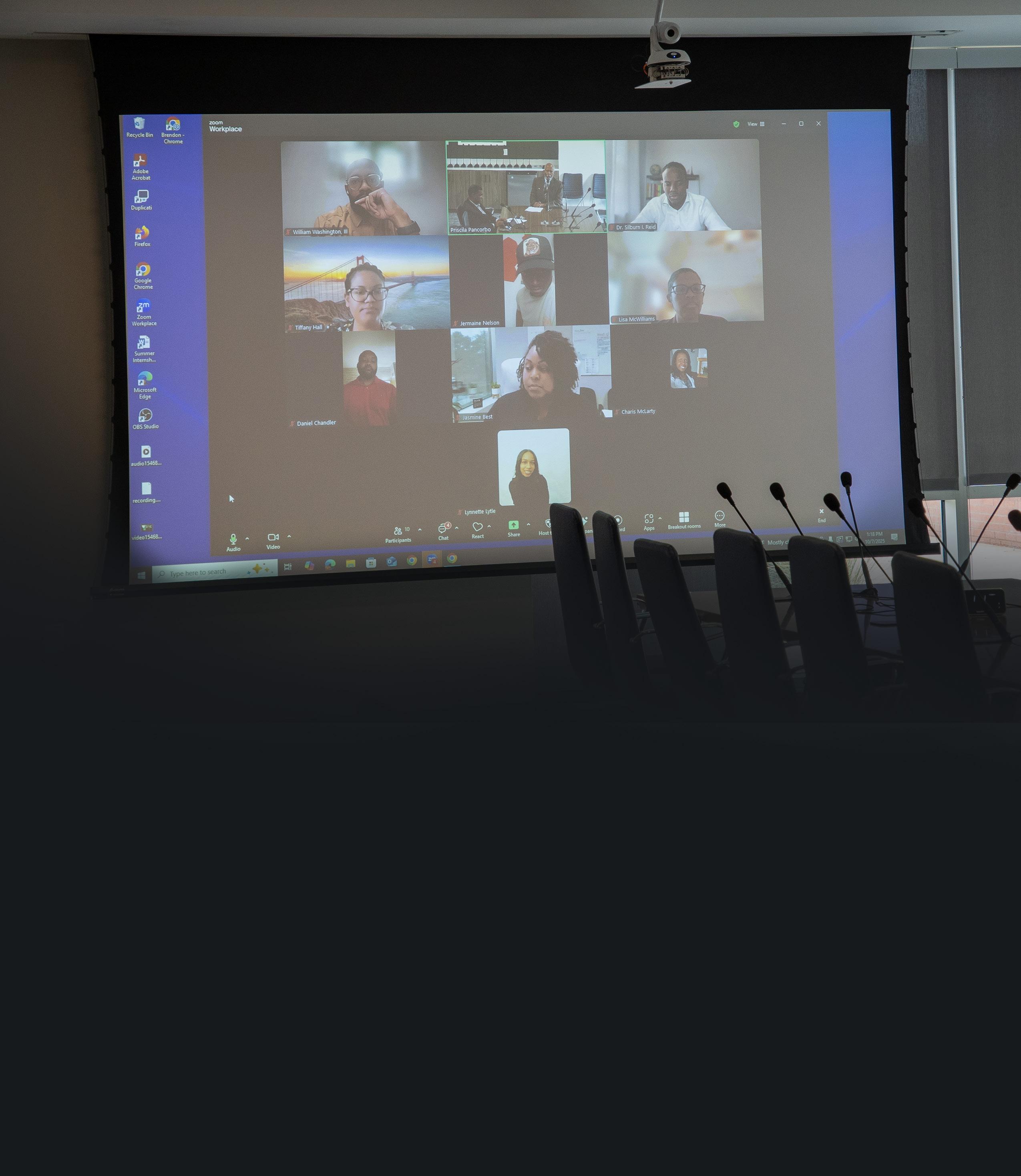
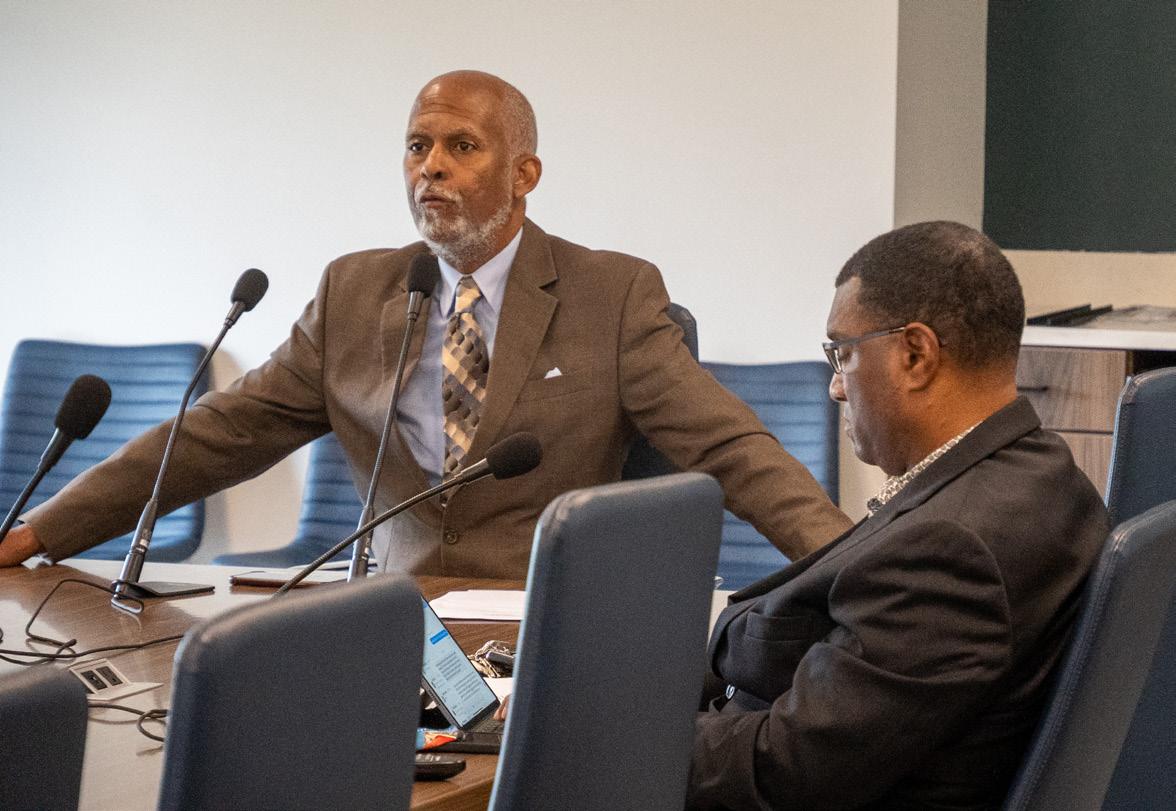
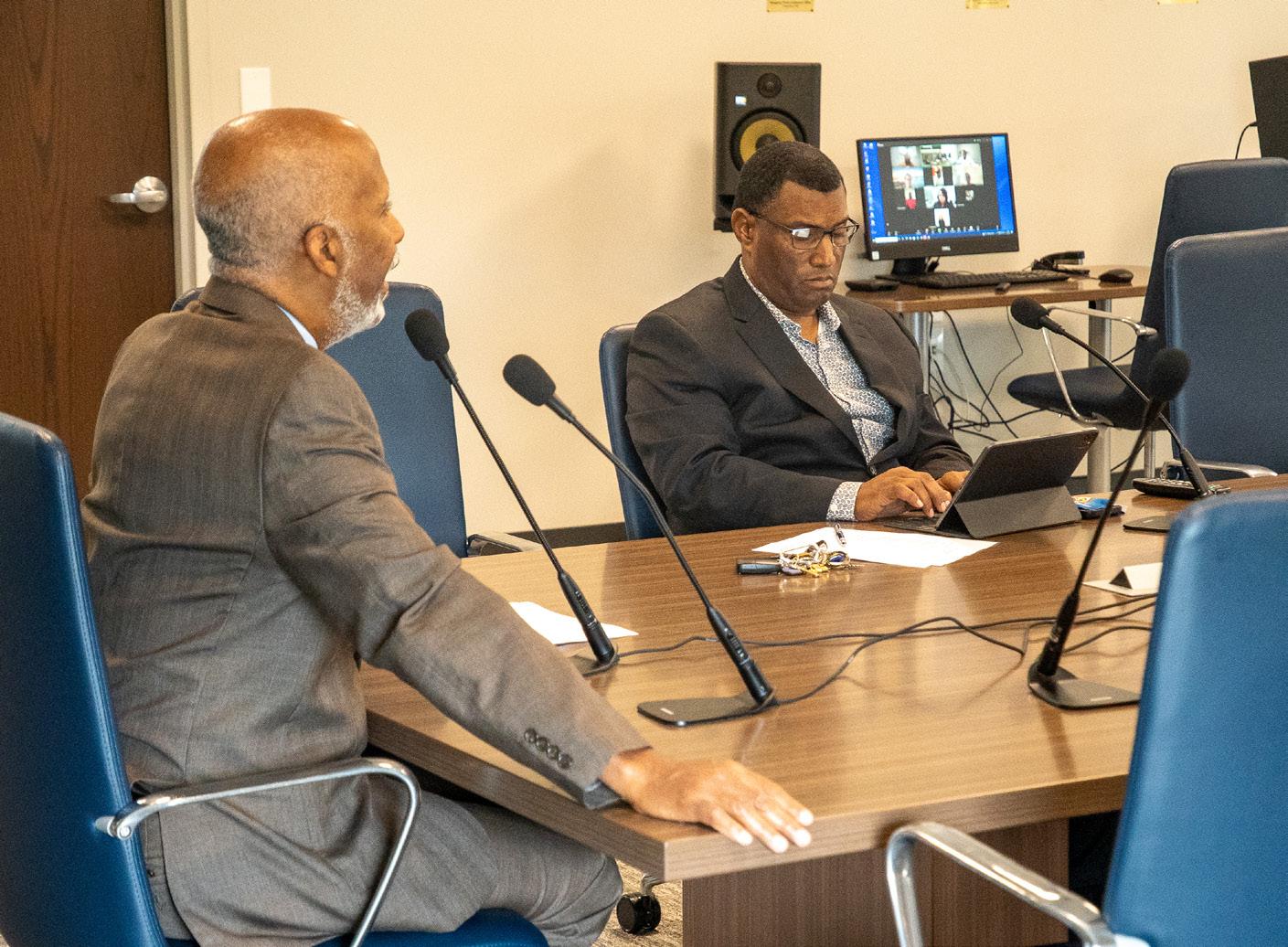

By DANA C. EDMOND
4, 2025
The 2025 North American Division (NAD) Year-End Meeting began at 3 p.m. on Thursday, October 30, at the NAD headquarters in Columbia, Maryland. Of 304 executive committee members, 240 convened for day one of business meetings. Until Tuesday, November 4, they voted on business items, received reports, strategized, and fellowshipped with colleagues in ministry.
For greater accessibility, the year-end meeting was also live-streamed on the NAD website, Facebook, and YouTube platforms.
G. Alexander Bryant, NAD president, opened his 2025 president’s report by acknowledging his election at the recent General Conference Session. “It’s always a pleasure to serve, and I was honored this past GC Session that the church, and you, my colleagues, gave a show of confidence and elected me for another five years,” he said to warm applause.
He then extended thanks to the delegates on behalf of Kyoshin Ahn, executive secretary, and Judy R. Glass, treasurer, who were also elected to serve another term. The directors and associates elected during these meetings are pictured here:
Dana C. Edmond, Director of the Office for Regional Conference Ministry (ORCM) and publisher of Regional Voice magazine, originally posted this report on the ORCM website.
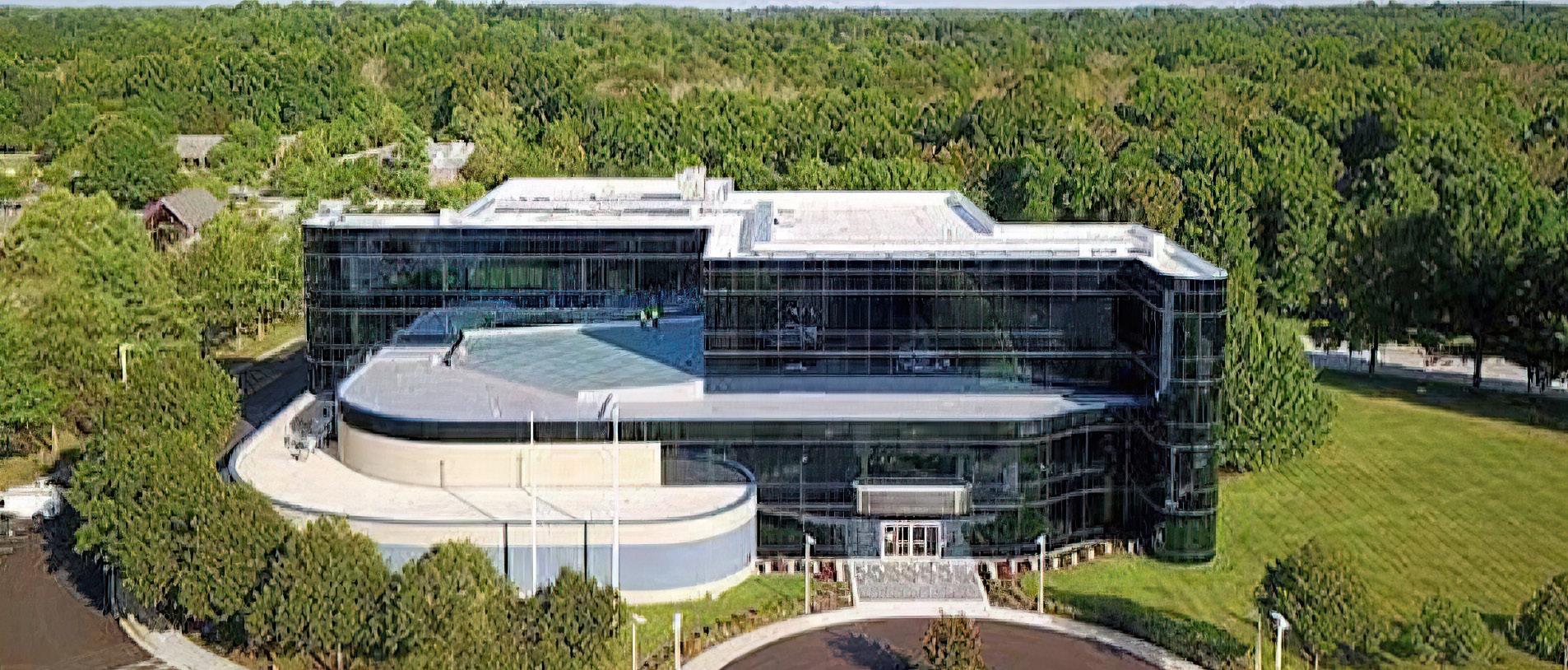

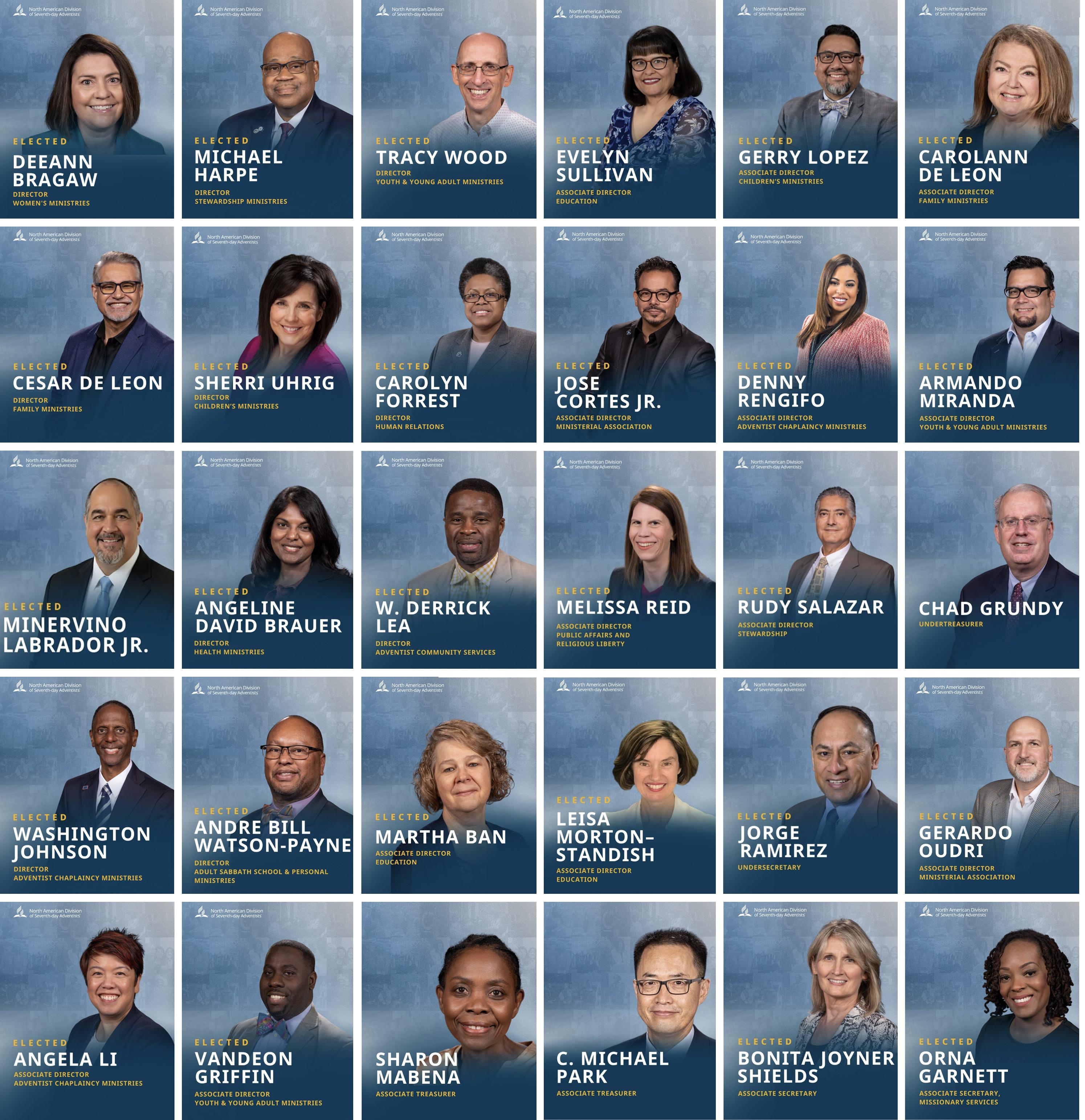
“It’s always a pleasure to serve, and I was honored this past GC Session that the church, and you, my colleagues, gave a show of confidence and elected me for another five years."
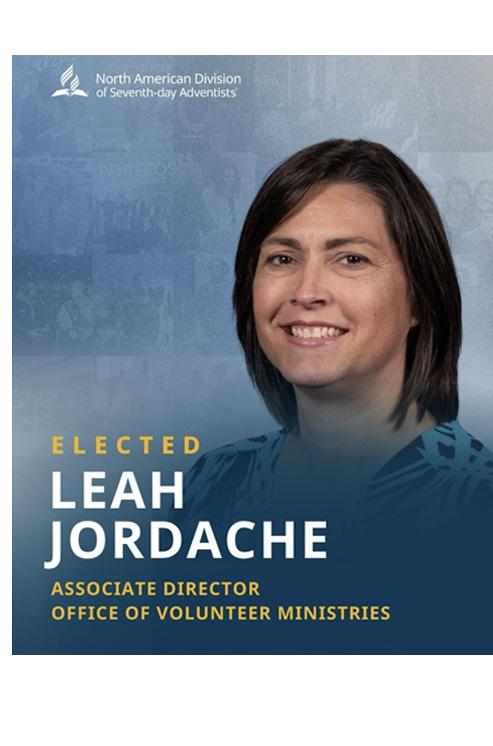
By DANA C. EDMOND
The Office for Regional Conference
Ministries (ORCM), headquartered on the campus of Oakwood University, hosted the NAD Youth Ministries Directors and the Youth/Young Adult Ministries from the Union Conferences of the North American Division, on October 1, 2025. Those in attendance were:
Dr. Tracy L. Wood, Youth Ministries Director, North American Division (NAD)
Pastor Armando Miranda, Associate Youth Ministries Director, NAD
Dr. Vandeon Griffin, Associate Youth Ministries Director, NAD
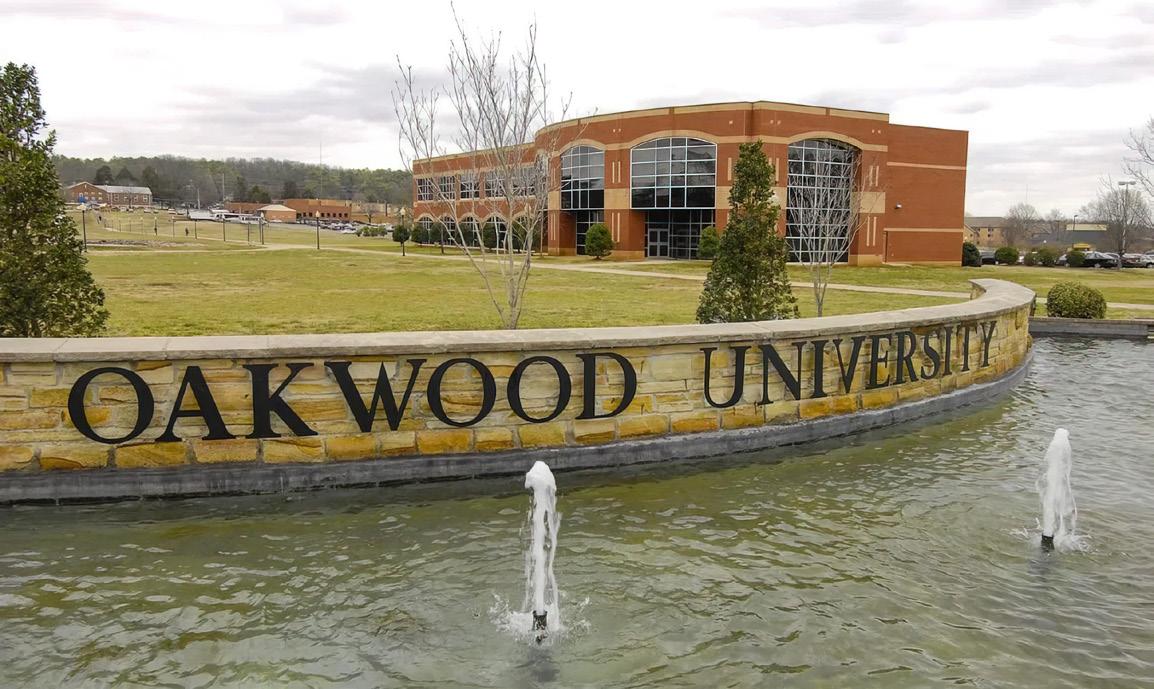
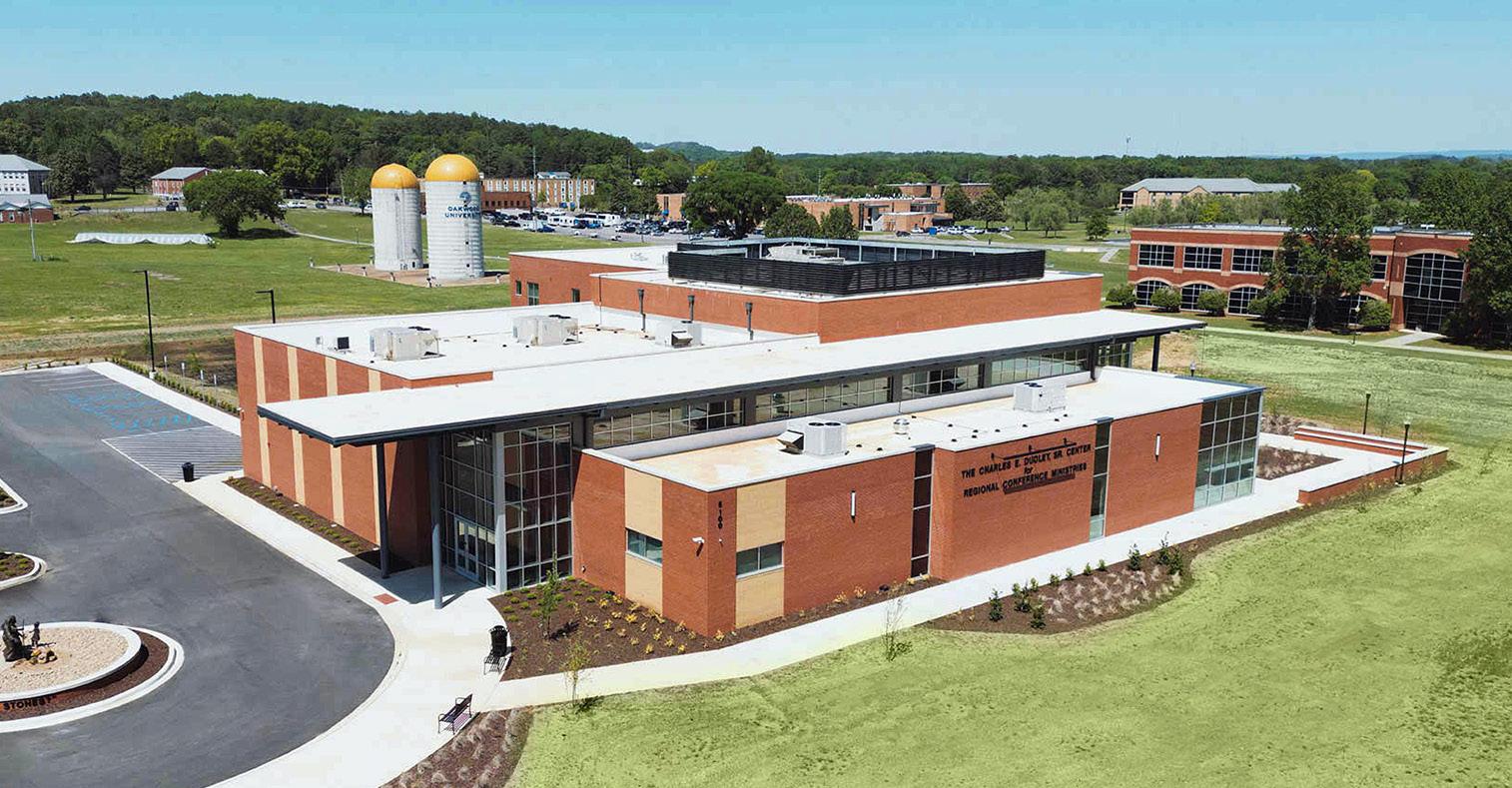
Dr. David McKenzie, Executive Secretary, Atlantic Union Conference
Pastor Helvis Moody, Youth Director, Southwestern Union
Pastor Robert Lang, Youth Director, North Pacific Union
Mrs. Velvet Lang, Children’s Ministries Director, North Pacific Union
Pastor Tyrone Douglas, Youth Director, Mid-American Union
Pastor Gregory Taylor, Youth Director, Southern Union
Mrs. Kimberly Taylor, Youth Coordinator, Southern Union
Ms. Carolina Ramos, Youth Coordinator, Columbia Union
Pastor Randy Hill, Youth Director, Pacific Union
Pastor Ron Whitehead, Youth Director, Lake Union
This group meets twice each year and the NAD Youth Ministries leadership wanted to connect their group to ORCM and the Regional Conference.
The group arrived at the ORCM offices at 10:00 a.m. at the
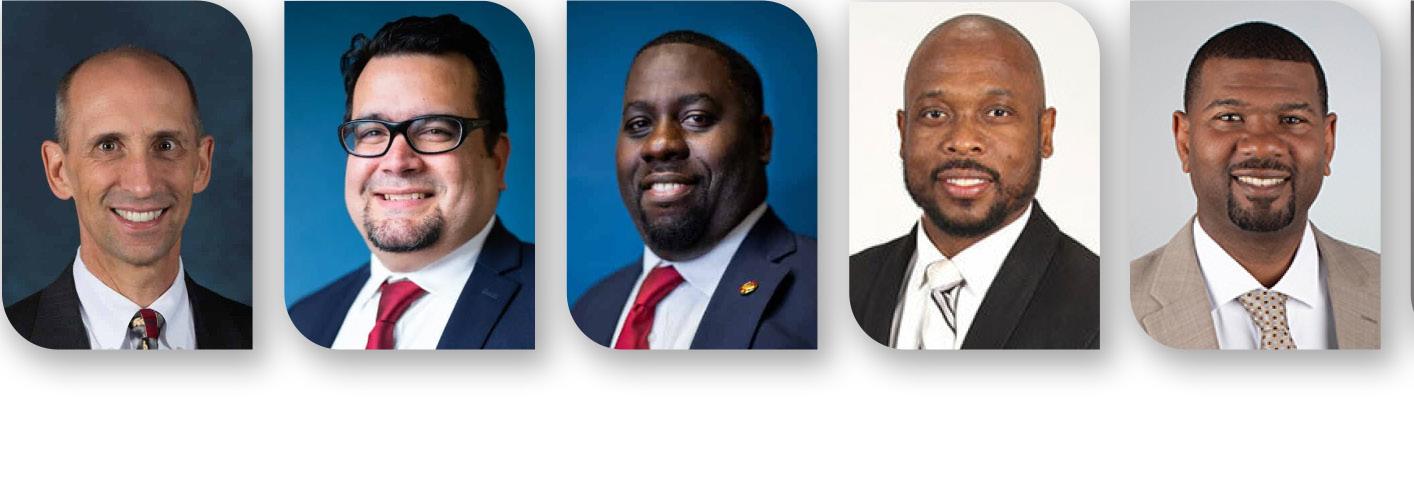
conclusion of the daily staff worship of ORCM and RCRP (Regional Conference Retirement Plan). This allowed the ORCM/RCRP staff and the youth leadership team to meet one another.
The day for the youth leadership team officially began with a tour of the threeyear-old, two-story, 32,000 square foot Charles E. Dudley Sr., Center for Regional Conference Ministries.
Of particular interest to the group was the Adventist African American History Museum—one of only two of such in North America. There, the group saw the history of Regional Conferences, then heard and read stories associated with the challenges that African American Adventists have sometimes faced.
Most of the group had never seen or heard this information before, and they were fascinated. On multiple occasions, the tour leader had to remind the group that they had a full day planned and that they were on a tight schedule in order to move them along in the museum.
After touring the building, the group met in the Frank L. Jones Boardroom for a presentation by ORCM Executive Director, Elder Dana C. Edmond, on the role of ORCM in the North American Division; the history of and continuing need for Regional Conferences in the SDA Church.
The presentation led to an unscheduled, lively and candid discussion on the subject of race relations in our church. It was acknowledged by all that though we are grateful for the significant progress, there is still more progress to come.
The group then adjourned to the Regional Conference Pres-
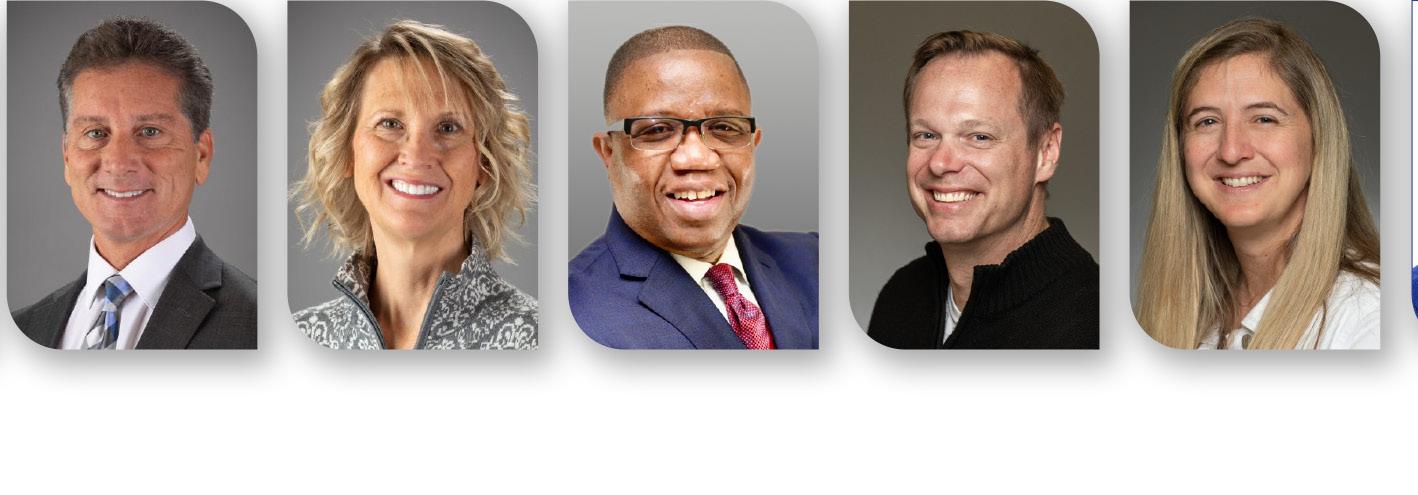
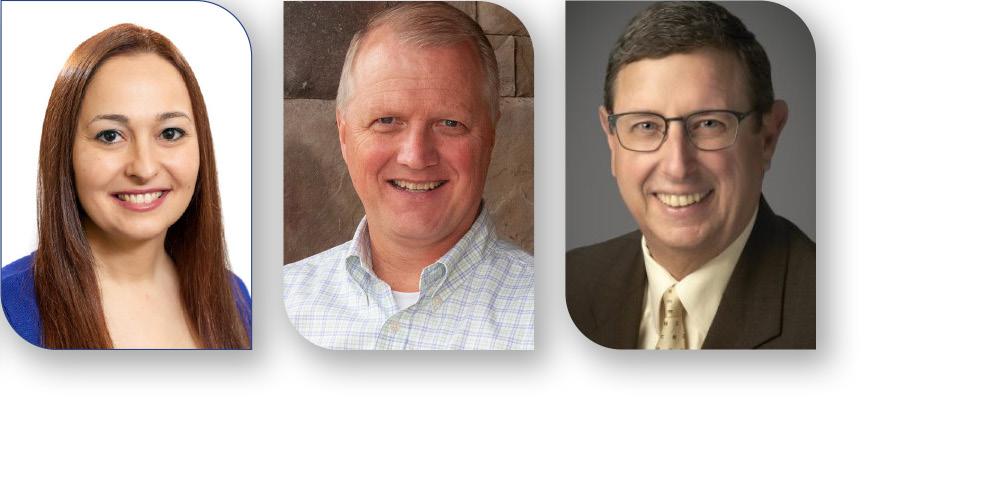
idents Dining Room, where they were served a tasty meal catered by the Adventist-owned restaurant, Tamarind Island. Afterwards, they returned to the boardroom to meet with the newly-elected President of Oakwood University, Dr. Gina S. Brown. The youth directors had three major points of discussion with Dr. Brown:
They were seeking her support as President of Oakwood.
They expressed their desire for Oakwood to increase their matching funds for students working in summer camp programs around the NAD.
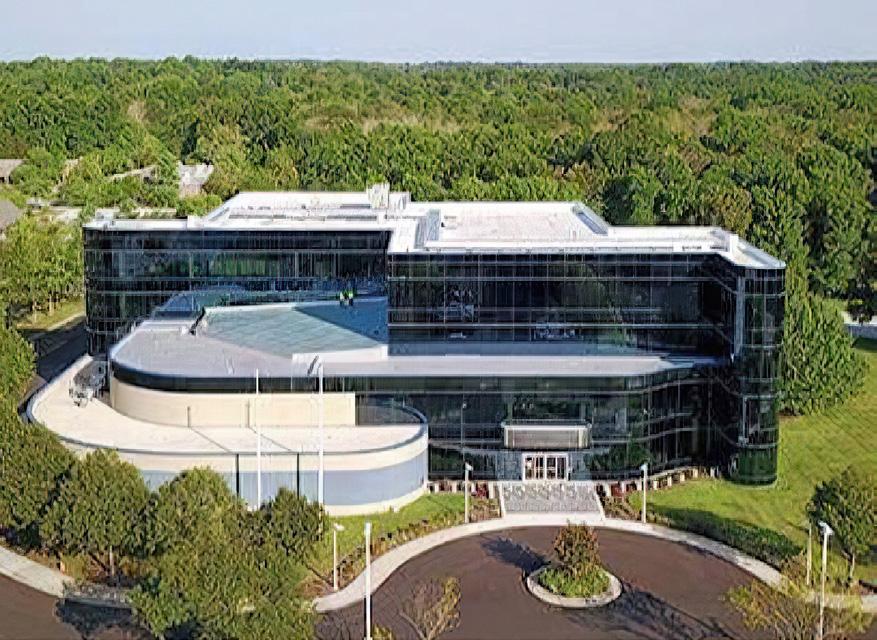
They wanted to know what Dr. Brown needed in terms of support from them.
Then the youth directors went across campus to the C.E. Mosley Complex to interact with the students from the School of Religion, where another lively discussion ensued.
They ended their time at Oakwood by attending the weekly chapel service for Oakwood University. Each of the youth directors were called up and introduced to the student population.
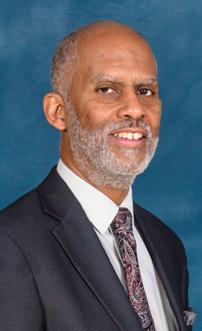
Dana C. Edmond, Director of the Office for Regional Conference Ministry (ORCM) and publisher of Regional Voice magazine, produced this original report.
These leaders consider their visit to Oakwood and the Regional Conference Headquarters an unquestioned success. It was “epic,” in the words of Dr. Griffin. They plan to use their time at this meeting as a template for similar meetings each year at other Adventist colleges and universities in the North American Division. t
Data Compiled by PHYLLIS LEE

Data as of August 31, 2025
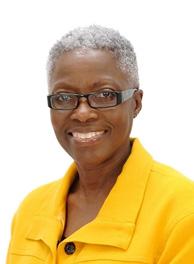
Mrs. Phyllis Lee has retired as Treasurer/CFO for Regional Conference Ministries and the Seventh-day Adventist Regional Conference Retirement Plan. Mrs. Lee compiled the data for this original report.
Data
by VANSTON ARCHBOLD J R.
Allegheny East Conference
Ramón Escalante – Hispanic Coordinator
(2024)
(2024)

South Atlantic Conference
Ismael Uribe – Hispanic Coordinator Category Details
Tithe $3,227,319.83 (as of September 2025) Pastors 11 Churches 32 Companies 7 New Church Plants 3
Membership 3,521 Hispanic Members Baptisms 578 (2024–2025)
South Central Conference
Cristian Borbón – Hispanic Coordinator Category Details
$1,015,795.50 (as of September 2025) $1,466,257.63 (2024)
Pastors 9 Lay Pastors 3
16
2,411 Hispanic Members
120 (as of September 2025) 277 (2024)
Southeastern Conference Reinaldo Ojeda – Hispanic Coordinator Category Details
Pastors 5
Central States Conference Tomás DeGyves – Hispanic Coordinator
(as of September 2025)
(2024)
164 (as of September 2025) 184 (2024) Northeastern Conference
Details Tithe
Pastors 14
Part-Time Pastors 3
38 Companies 8
(as of July 2025)
(2024)
of Faith 99
Southwest Region Conference
Vanston Archbold Jr. – Vice President for Multicultural Ministries Category Details
$1,473,415.55 (as of September 2025) $1,986,107.79 (2024)
Full-Time Pastors 9
Pastors 2
14
14
Church Plants 4
4,052 Hispanic Members
135 (as of September 2025) 144 (2024)
Regional Totals
Category Total (Approximate) Tithe (As of Sept/Oct 2025) $13.4 Million (Combined 2024) $16.2 Million Full-Time Pastors 87
/ Lay Pastors 45
185
84
Church Plants 31 Membership 19,000+ Hispanic Members
(2024–2025) 3,185+
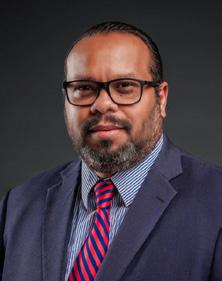
Vanston Archbold Jr., Vice President for Multicultural Ministries for the Southwest Region Conference of Seventh-day Adventists, compiled the data for this 2025 report of Hispanic Statistics
By ROGER HERNANDEZ
Ifound out very early in my life what it means to belong to “the others.” I remember being a Cuban immigrant living in the USA and then Puerto Rico, and being on the outside looking in. Since my dad was a pastor, we moved around 20 times before my 18th birthday. My accent, my heritage and my family were…different. They called me “Cubiche,” part pejorative and part nickname. I was a card-carrying member of “the others.”
We live in a culture that accentuates differences while diminishing humanity. We have fallen in love with labels and often offer easy answers for difficult questions. As one author put it, “The further removed you are from a complicated situation, the easier the solution seems to be.”
“Why don’t we just round them up and send them back?”
“We are under an invasion. Respond in kind!”
“I can tell when someone is undocumented.”
Immigration is a complicated issue. My fear is that in the process of addressing policy, we have forgotten people. Real humans. Made in the image of God, with dreams, desires and a destiny.
In a complex world, I would offer three points to ponder when thinking about “the others”:
1. Think individuals, not monolith. Jesus met often with individuals. We are saved individually. Taking the time to connect with the Hispanic community around a table will help us understand some basic and interesting facts. You will realize, for example, that in some Hispanic cultures, tortillas are the go-to; in others, it’s bread. Some Hispanics from specific countries had an easier time acquiring legal status. They look and sound very different to the trained ear. They vote, eat, worship, and express themselves very differently. The greatest blessing of connecting with folk is the humanization that occurs. Most of the tragedies in human history that resulted in the high cost of lives started with dehumanization. Resist it at all costs.
2. Stop being discipled by the 24-hour news channel and turn to Jesus and our prophetic and unique message. We need a refresher course in Revelation 13. I am afraid that the ever-present news cycle has discipled some of our members, even into assigning political meaning to the words of Jesus! More than ever, we are seeing people hungering for a Bible-centric approach to the Christian Walk above our political affiliation. God is too big to be encapsulated into a box and defined by a pundit or party.
3. Eliminate ethnic legalism from your life. One phrase I hear frequently when we refer to “the others” goes like this: “They don’t deserve it.”
Vulnerable populations are often at the receiving end of plans and policies that use that phrase as a launching pad. They…
I want to ask you: who are they?
Tragically, some of the most outspoken proponents of the marginalization of “the others” have come from a “the others” family, who should know better.
I ask again, “Who are they?”
They is me! Reminding myself that I am “they” every day helps me remember that I breathe, the most basic of human functions, because of grace. I deserve nothing, yet I have received everything.
One of the most significant characteristics of a grace-filled Christian is the ability to genuinely rejoice over the successes of other people. Grace is not being upset when others have it easier than you. As the parable of the prodigal son teaches us, grace is not fair. Contrast the attitude of the older son with that of the father. The son screams, “It’s not fair!”
Yet he forgets that he also was a debtor to the father, that it was his father’s riches which allowed him to have an inheritance in the first place.
This is where the church comes in. Most things in our world are based on works, a performance-based approach to life:
• Sports. You play well; you get paid. Endorsements, applause, and fans come to the winner. Sports are ruled by performance.
• Work . You work well, you get the bonus, promotions, accolades, the corner office, and the raise. Work is ruled by works (no pun intended).
• School. You put in the work, do well on your tests, you get on the dean’s list. Hard workers usually get the scholarships, the summa-cum-laude, and the parchment paper on the wall that says to everyone, “I earned this.” School is ruled by works. Our world has fallen in love with works. From the supermarket to the information superhighway, the principle is the same. You get what you work for, sometimes less. It’s impossible to buy a car by grace, or a house, or a computer. If you want to go to


the mall, get a bite to eat, or get a haircut, come prepared to pay for it. Credit cards supposedly have a “grace period,” but it usually lasts only 30 days and comes with strings attached.
The question remains: If we all have failed, and grace is the solution for that failure, where can we find grace? Where is the place where people can experience liberating, transforming, life-changing grace? I suggest a one-word answer: church.
Church is the place for grace. It’s the place where you can see love for “the others” even if they are undocumented. It’s the hospital where patients receive treatment and recuperation. It’s the place people can come just as they are and leave better than they were. Church, with all its imperfections, can be the vehicle that God uses to help His children learn about His grace. Church is the place God wants real people to come, where He’ll reveal real problems and provide real solutions.
A place where we can experience grace and love.
“Love cannot be commanded; it cannot be won by force or authority. Only by love is love awakened” (“The Desire of Ages,” p. 22).
The question is, once they come, will they find it?
Will we mirror the culture, the news or the Kingdom?
Will we love and minister to “the others” as Christ did?
I pray our churches will. t
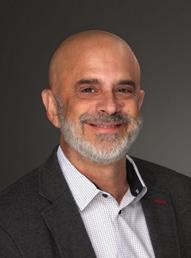
Roger Hernandez is presently the Ministerial and Evangelism Director for the Southern Union Conference of Seventh-day Adventists. He is a father of four, a husband of one, and a pastor to many. He has served in the ministry for more than 30 years. One of six pastors in his family, he received his B.S. de-
gree in Theology as a graduate of Columbia Union College, now Washington Adventist University. He received his M.Div. from the Adventist Seminary at Andrews University. Born in Cuba and fully bilingual, Pastor Hernandez has participated in events in both English and Spanish.
Roger Hernández - Actualmente es el Director Ministerial de la Unión del Sur, que provee recursos y liderazgo a más de 1,000 pastores (de la IASD). Pr. Hernández es padre de cuatro hijos, esposo de una maravillosa mujer y pastor de muchos. Ha servido en el ministerio durante más de 30 años. Uno de los seis pastores de su familia, el Pr. Hernández recibió su licenciatura en Teología como graduado del Columbia Union College, ahora Universidad Adventista de Washington. Recibió su MDiv. del Seminario Adventista de Andrews. Nacido en Cuba y totalmente bilingüe, el pastor Hernández ha tenido la oportunidad de participar en eventos tanto en inglés como en español.
“Don’t be afraid, for I am with you. Don’t be discouraged, for I am your God. I will strengthen you and help you. I will hold you up with my victorious right hand” (Isaiah 41:10, NLT).
Favorite Scripture
OCTOBER 1, 1935 – SEPTEMBER 2, 2025
Jacqueline “Jackie” Marva Cook Wright was born October 1, 1935, in Dayton, Ohio, to Elizabeth Glanton Cook and Rev. Charles Cook.
Raised in the Baptist church—her father as pastor and her mother as organist—Jackie grew up with a strong spiritual and musical foundation. From her earliest days, she loved to sing, and oh, could she sing! Her soulful, angelic voice brought joy to everyone who heard it and eventually carried her across the country and around the world.
As a teenager, Jackie’s life took a new turn when her family moved from Dayton to Germantown, Ohio. There she met her future husband, Walter Leon “Beeky” Wright, the youngest of seven children in the prominent Wright family. The move from city to rural life was more than just a change of scenery — it reshaped Jackie’s life socially, emotionally, and spiritually. From a small, close-knit family with deep roots in their community, Jackie stepped into the heart of a large, musically gifted family known worldwide for their gospel singing.
From the moment she and Walter married, Jackie became the newest and youngest member of the renowned Wright Family Singers. In time, she found her voice and confidence, blossoming with the support of her husband, her “big brothers and sisters,” and especially Audrey and Eleanor Wright. With The BlendWrights Trio, Jackie’s signature alto voice shone with sincerity and power. The songs “These Are the Hands,” “Cover Me,” “Courage,” “I Couldn’t Believe It,” and her unforgettable “Hallelujah! Home at Last” stirred souls, lifted hearts, and truly made heaven bend low to listen.
—her beloved Walter, and their four children: Walter Leon Jr., David Charles, Harold Jean, and Lisa Renae. For more than 40 years of Walter’s ministry as a pastor and church administrator, Jackie was his constant partner, supporting him faithfully while raising their children with love, faith, and strength.
Jackie also built a professional career. She took great pride in serving as an administrative assistant at Kettering College of Medical Arts, the Southwest Union, and Andrews University. She balanced her work with the responsibilities of wife, mother, and homemaker—while still traveling and performing with The BlendWrights. Jackie accomplished more in a lifetime than many could dream.
She was a woman of humility and grace, yet also a pillar of strength, a beacon of hope, and a source of inspiration. Guided
She was a woman of humility and grace, yet also a pillar of strength, a beacon of hope, and a source of inspiration.
by her unwavering faith, Jackie’s devotion to God and her family carried her through every season of life—its joys and its trials.
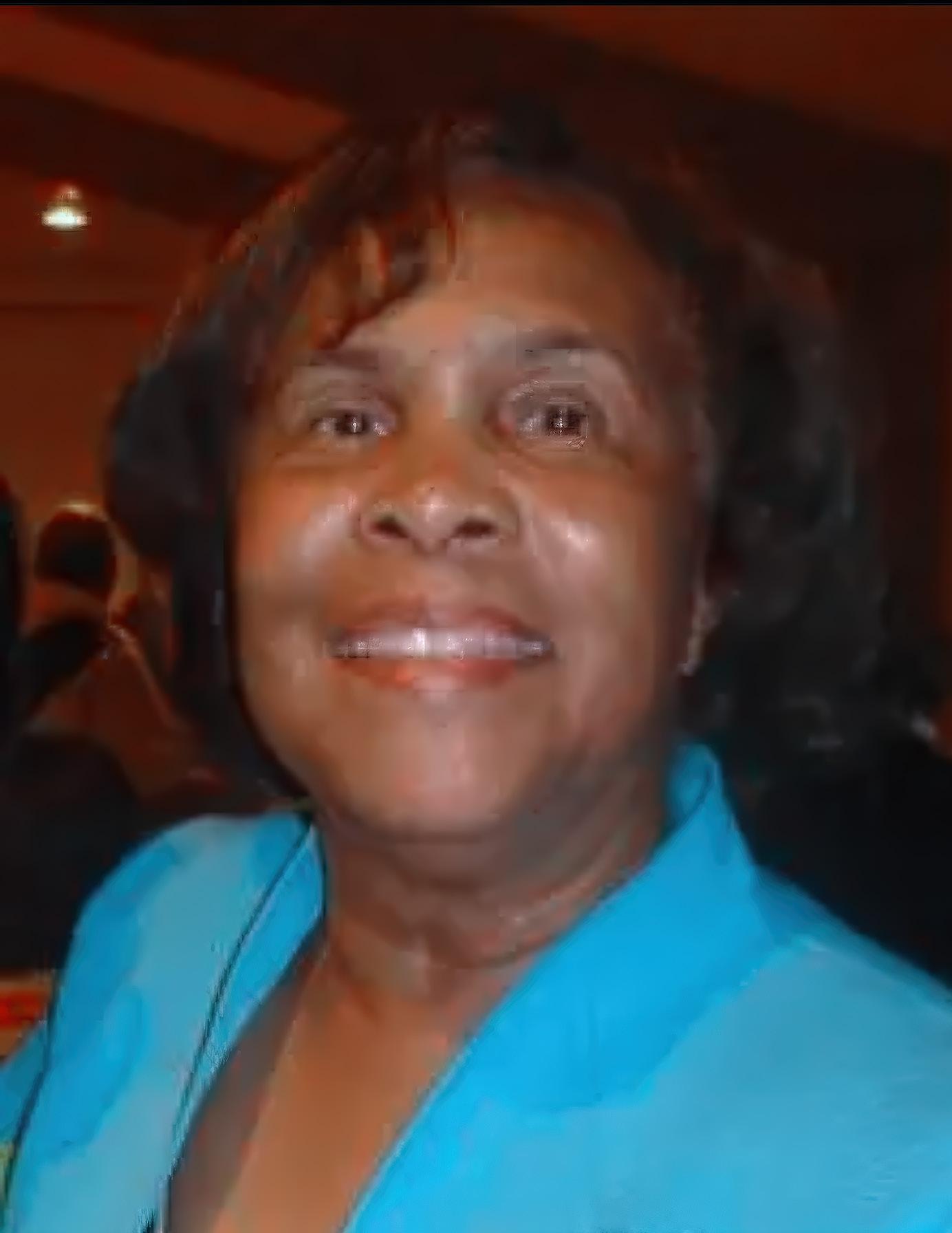
Daron (Dana) Raynor II, Kyle Raynor, Brandon McDowell, and Ethan Wright. She cherished her great-grandchildren Somaya Bernard, Nyana Harper, Marcus Williams, Langston Wright, Geneva Brooks, and Sir-Ermias Wright, and her great-great-grandchildren Milena and Sagan Boysel. Jackie also leaves behind her niece MSG (Ret.) Gail Nolan; great-niece Charlene McKnight-Worthy (James, Jr.); great-great nieces and nephews Phillip Worthy, James III (Angel), and Charniya Worthy; and great-great-great nieces and nephews Axtyn, Jaycee, and Anaya.

Yet for Jackie, as much as music meant, nothing compared to being a wife and mother. She poured herself into her family
Jackie’s legacy lives on through her children: Walter Leon (Lynn) Wright Jr., David Charles (Yvette) Wright Sr., Harold Jean (Tina) Wright II, and Lisa Renae Wright (Stan) McDowell. She was a proud grandmother to Shannon Harper, Ashley (Damien) Wright Stemley, Brooke Wright, Shane Wright, Richard Dante Barron Wright, David Charles Wright II (Evelyn),
She was preceded in death by her parents, Charles and Elizabeth Cook; her sister, Yvonne Cook McKnight; her niece, Sharon McKnight; and her beloved husband, Elder Walter L. Wright Sr.
Even after losing Walter, Jackie carried on faithfully for fifteen years, al-
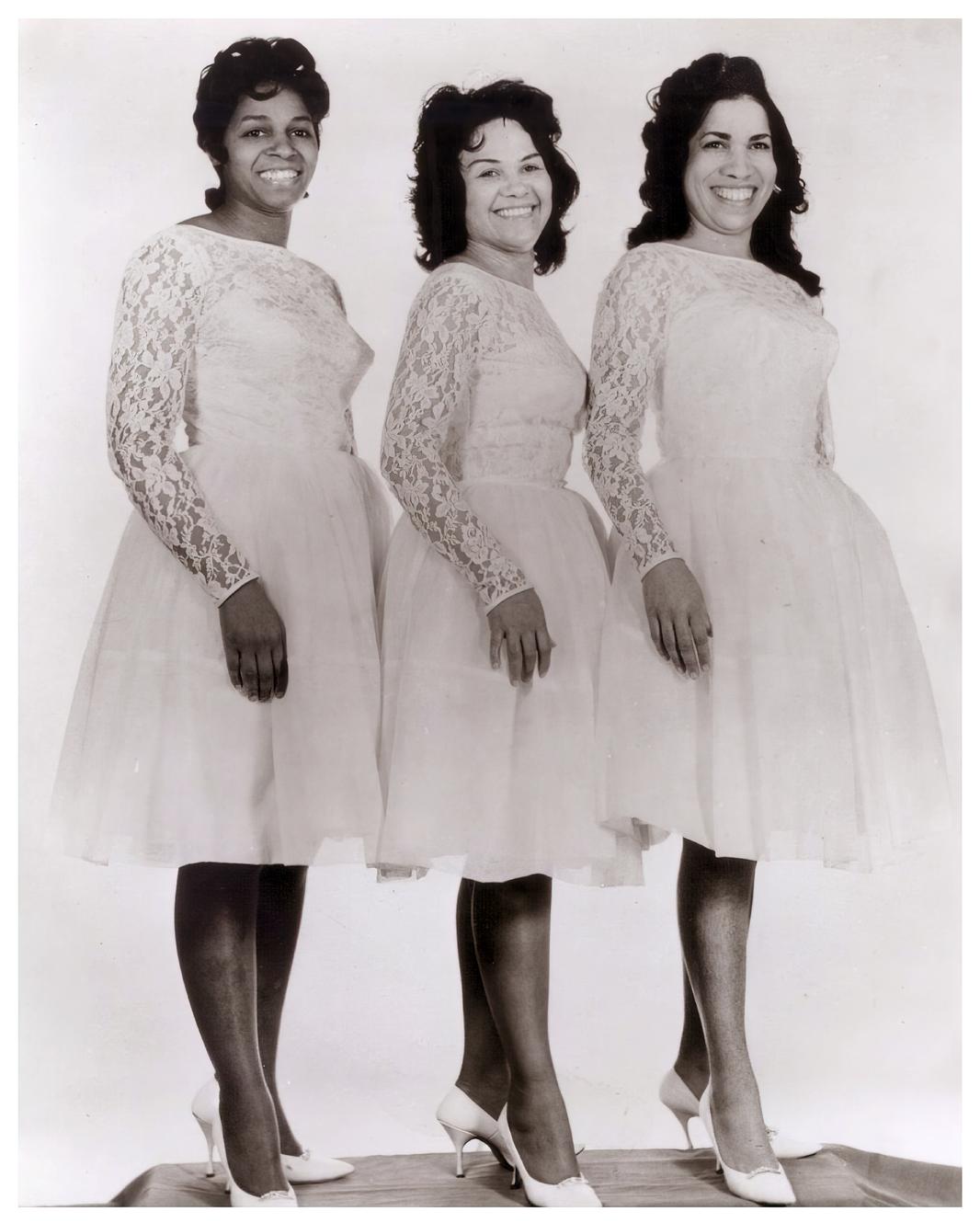
ways clinging to the hope of reunion. She trusted in the Lord’s promises and believed with all her heart that she would see her loved ones again “in that great getting-up morning,”
As she once sang with such conviction:
“Hallelujah! Home at last, the redeemed are home at last!
All heaven is filled with happiness, for the age of sin is past.
See the gates as they open wide, see the saints as they walk inside…
Hallelujah! Home at last! The redeemed are home at last!”
And now, she sleeps. Listen to her voice as she encourages each of us to meet her when Jesus returns.
“Now we do not want you to be uninformed, brothers and sisters, about those who are asleep, so that you will not grieve like the rest who have no hope” (1 Thes-
salonians 4:13, NET).
As we mourn Jackie’s passing, we also celebrate her life, her faith, her love, and her music. We invite you to share your memories, stories, and photos on her memorial page, so that her light and legacy continue to inspire us all. t
Special Thanks to the Wright family from Regional Voice magazine for sharing this tribute to Mrs. Jacqueline Cook Wright, wife, mother, professional and Sweet Singer in Israel for generations, whose ministry blessed a vast multitude. May the songs echo throughout Eternity. Dr. Bryant Taylor, Associate Editor of Regional Voice magazine, and former pastor of Mrs. Wright and her family, coordinated this coverage. al Voice magazine, and former pastor of Mrs. Wright and her family, coordinated this coverage.
On April 30, 1934, Joseph Moxey was born to Joseph and Victoria Moxey in Mangrove Cay, Andros. He began his journey as a bright, determined and adventurous boy. From an early age, he demonstrated a love for the sea and a deep respect for discipline and service. He dedicated his life anchored in the Maritime Industry, as Chief Engineer and Captain, spanning some six decades. His leadership and steady hand inspired those who served alongside him, and earned him respect far and wide. He taught many young men the rules of the sea. He was a seasoned navigator, distinguished seafarer, guardian of the waters, and fearless explorer of the deep. His love for the sea allowed him to set sail on the turquoise waters of The Bahamas, the United States, Haiti, Cuba, and other Caribbean Islands, charting a course that blended hard work with adventure. A true mariner at heart, he was most at peace in the open waters, where wind, waves and the horizon became his companions. For many years he was Captain of the yacht, “Lady Eve.” He sailed on the MN Mangrove Cay Express, MN Grand Master, and the Cavalier. He was also an avid sloop sailor, participating in many of the National Family Islands Regattas.
Beyond the helm and his professional achievements, Captain Moxey was a devoted husband, father, grandfather, brother, uncle, cousin and friend.
On June 26, 1966, Joseph and Delores were united in Holy Matrimony, and were married for 54 years, until the death of Delores in November 2020. This union was blessed with three children: Sophia, Sonja and Joseph, “Joey,” and six grandchildren.
As Captain Moxey sets sail on his final voyage, we are looking forward to reuniting with him. His life journey reminds us to be anchored in courage, faith and love. Though we mourn his passing, we celebrate a long life well-lived, and a legacy that will endure for generations.
Joseph’s life, love, and legacy will forever be cherished by his daughters: Sophia Moxey and Sonja Moxey Crayton, of Nashville, Tennessee; son, Captain Joseph “Joey” Moxey; son-in-law, Maurice Crayton of Nashville, Tennessee; daughter-in-law Tyrina Mozey; grandchildren, Neketa McLean, Andre and Aleah Crayton; Antonio, Tashan and Jodie Moxey; brother, Prince (Cecilia) Moxey of Freeport, Grand Bahamas; sisters who preceded him in death: the late Carmetta Moxey, Marguarit-
ta Greene and Sybil Greene; brothers-in law, Captain Cyril (Claudine) Joffre; Franklyn (Marsha) Thompson; sister-in-law, Dr. Alvira (Leon) Higgs; nephew, Dr. Deswell (Valorie) Forbes; nieces, Bessie Mae Russell, Mary King of Freeport, Grand Bahamas; Garnell and Jacqueline Greene.
Numerous Relatives and Friends:
Eunice Greene and Family, Leona McCartney, Camille Johnson, Janice Johnson and Family; Maudline Maycock and Family; The Rev. Carl Campbell and Family; the Family of the late Elva Moxey; the Family of the late Captain Arthur Moxey; Drs. Orville and Seliene Bignall; Steve and Kay Higgs; Drs. Earl and Hope Campbell; Toney and Rita Turner of Nashville, Tennessee; Pastor Benjamin and Dr. Janice Browne; Matthew and Donna Hanna; Chief Supt. Chrislyn Skippings (RBPF); the Riverside Chapel Seventh-day Adventist Church family; the staff of the South Central Conference; Pastor Valentino Campbell; Dr. Denotrah Archer-Cartwright, and the community of Mangrove Cay, Andros, and Caregiver, Janique Wallace.
Note from The Family
While it is not possible to list all relatives and friends, please know that we are grateful for all of your thoughts, love, prayers, support and kindness. t
Special Thanks to the Moxey family from Regional Voice magazine for sharing this memorable tribute to the life of Captain Joseph Moxey Sr., father of Elder Sonja Moxey Crayton, Treasurer of the South Central Conference. May God ever comfort the hearts of those with the blessed hope of reuniting with this inspiring patriarch. Elder Roger Wade, South Central Conference Communications Director, coordinated this coverage.
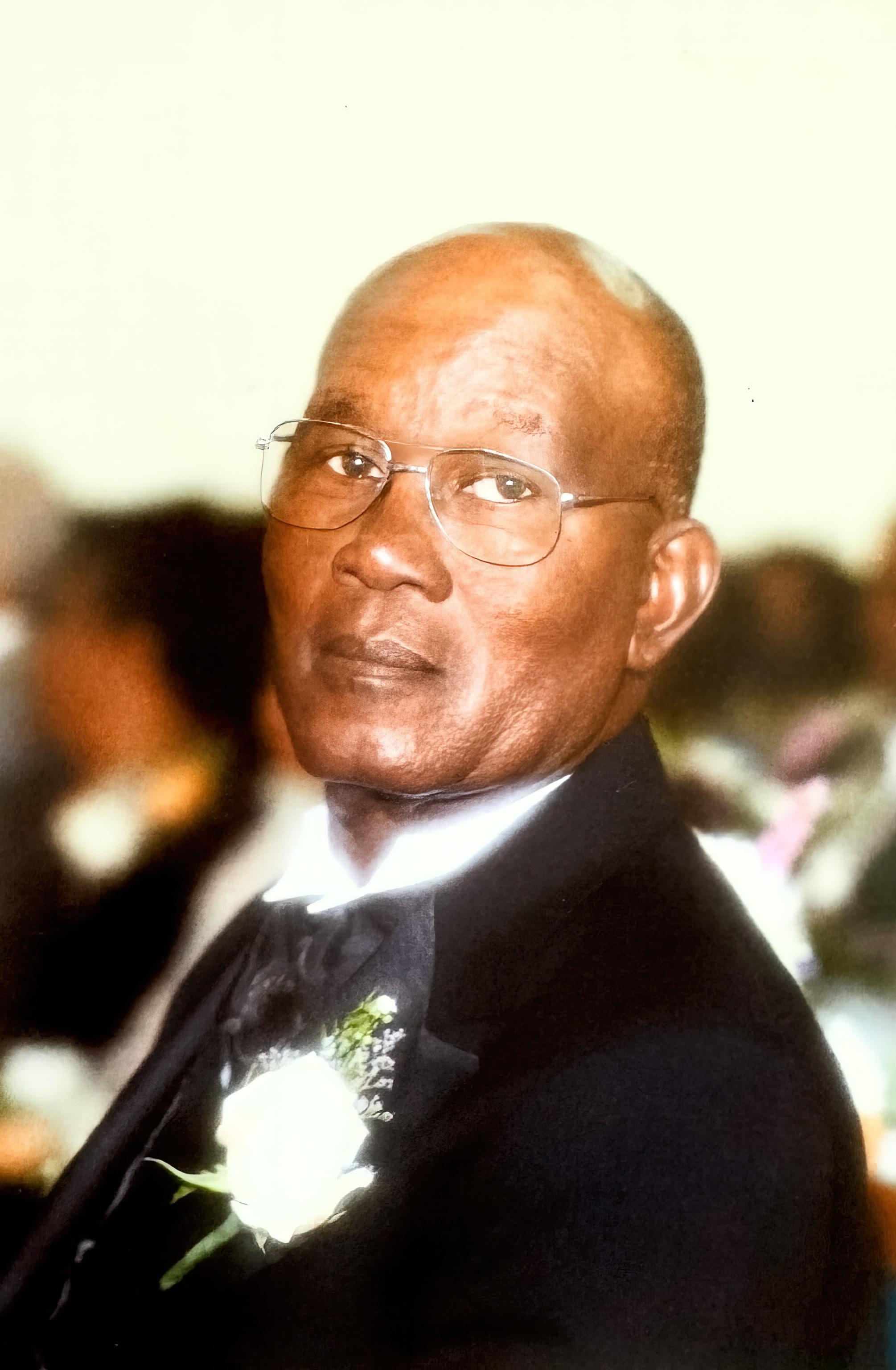
He was a seasoned navigator, distinguished seafarer, guardian of the waters, and fearless explorer of the deep. His love for the sea allowed him to set sail on the turquoise waters of The Bahamas, the United States, Haiti, Cuba, and other Caribbean Islands, charting a course that blended hard work with adventure.

Coverage By GERSON PANCORBO
The formal interviews happened Wednesday, but Ministry Connections really started the night before. On Tuesday evening, October 21, 2025, conference presidents sat down with students for an open Q&A: no résumés, no pressure, just an open conversation. Students asked about conference culture, ministry expectations, and what leaders actually look for in new hires. The presidents answered honestly, and the informal setting helped ease some of the nerves before the main event. By the time Wednesday morning arrived, students weren't walking in cold. They'd already heard these leaders speak, laugh, and share their hearts for ministry.
Ministry Connections returned to Oakwood University in 2025 with renewed momentum. Partnering with the Office for Regional Conference Ministries, the event connected presidents, conference leaders, educators, and students around a pressing question: how do we prepare the next generation of ministry workers? Following morning worship, the interviews began, and they were genuine two-way conversations. Presidents asked their questions, but students asked plenty of their own, turning the sessions into real dialogue about calling and career paths in ministry.
The morning started with worship and a message from Elder Furman Fordham, President-Elect of the South Central Conference. He preached from 2 Chronicles 20, focusing on the moment when King Jehoshaphat and Judah faced an overwhelming army. Elder Fordham pointed out something striking: Jehoshaphat had his own military, but he went straight to God first. The point hit home for students thinking about ministry: yes, get your education, build your skills, but don't let your credentials become what you trust most. Your confidence needs to be in God, not your résumé.
His devotion hit home powerfully with the purpose of Ministry Connections. Students attend Oakwood to receive theological education, leadership principles, pastoral formation, and spiritual discipline. However, the event exists to give them practical experience and personal contact with regional conferences, ultimately helping them transition into ministerial roles across the United States.
Several faculty members and administrators expressed the value of this bridge. Gloria Brooks, office manager in the School of Business and part of the coordination team, emphasized the importance of giving students real pathways. “We want them to feel comfortable in those spaces once they graduate, so that they do not go from classroom to an interview and say, I have not had any experience.” She added that even internships at small churches contribute valuable ministry confidence and workplace rhythm.
Kent Nichols, CFO of the Lake Region Conference, echoed this sentiment. He appreciated seeing seniors preparing to enter ministry and the energy that filled the room. For him, the event is both inspiring and practical. He suggested that conferences come prepared with brochures showcasing who they are. Many students do not actually know the unique identity and culture of each conference. Helping students understand the conferences would add greater clarity and confidence.
When it came to hiring, Dr. John Alberti, education superintendent from the Allegheny East Conference, was impressed with the level of preparedness among this year’s participants. He commented, “Every student that came across my desk, they all represented Oakwood very well.” He expressed hope that regional conferences would be able to hire them all.
Elder Furman Fordham later reflected on his experience as a first-time participant from the presidential perspective. He appreciated that the interviews were not only about conferences questioning students. Students had the opportunity to question leadership as well. “We are interviewing them, but they are interviewing us too,” he observed. For him, this was healthy and humbling. Ministry is a two-way relationship. Future pastors should evaluate mission, culture, and expectations before joining a team.
The students themselves expressed deep appreciation for the event. Senior theology major Hayden Collins reflected, “It exceeded my expectations. I think everyone was so welcoming.”
He observed that the interview slots catered strongly to seniors, which helped those preparing to graduate.
Senior ministry major Cameron J. Sanders described the experience as better than expected. He expected formality and
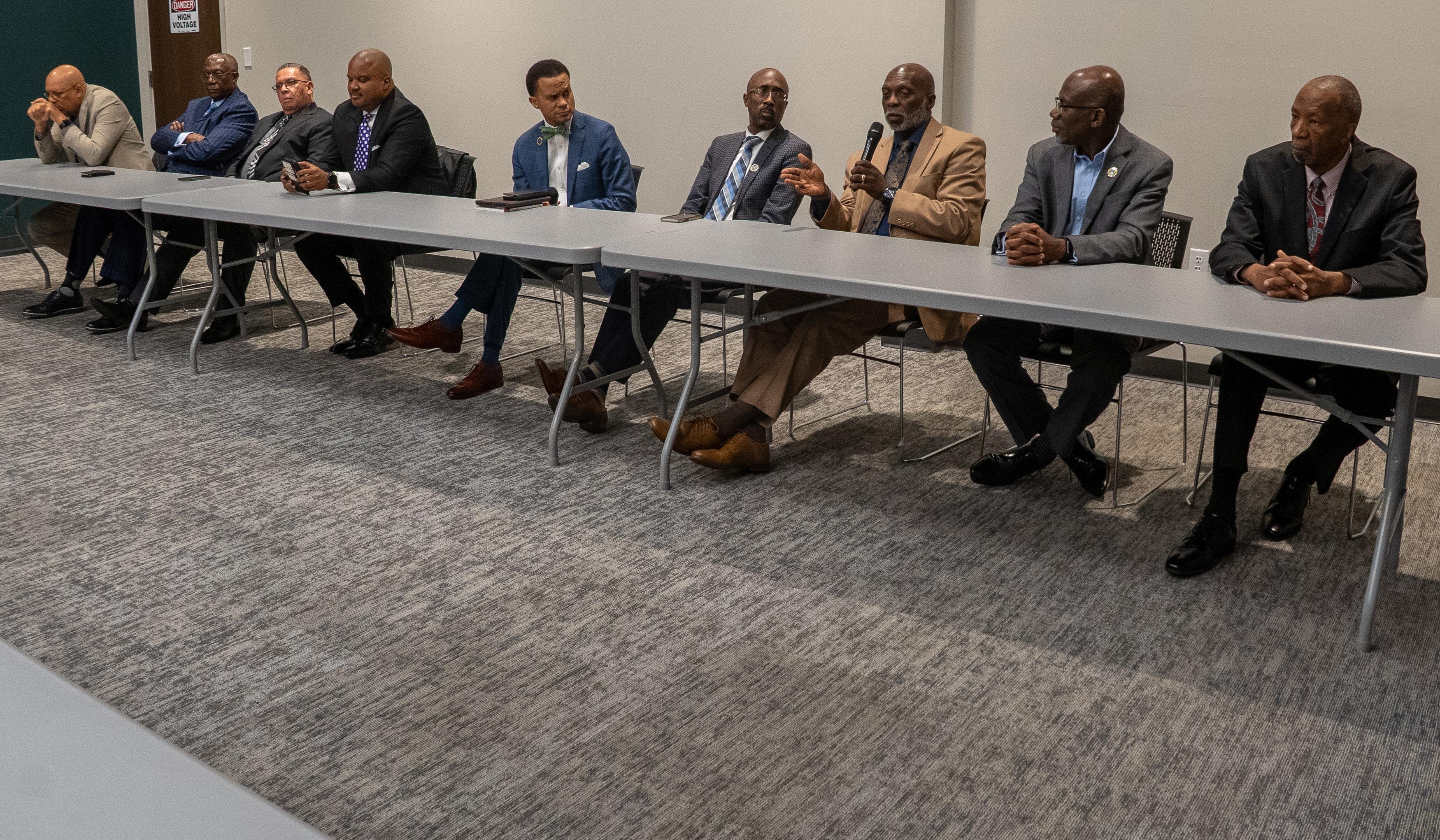
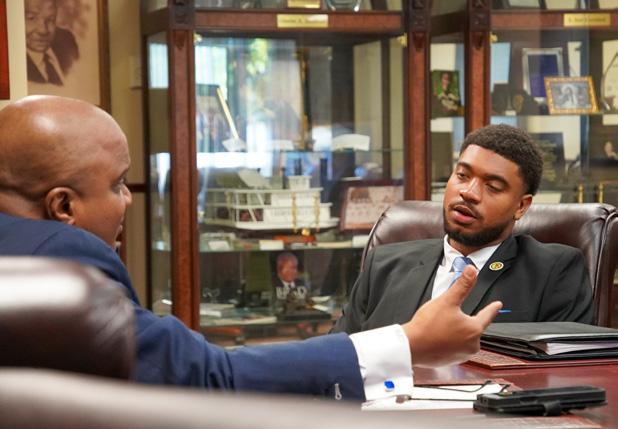
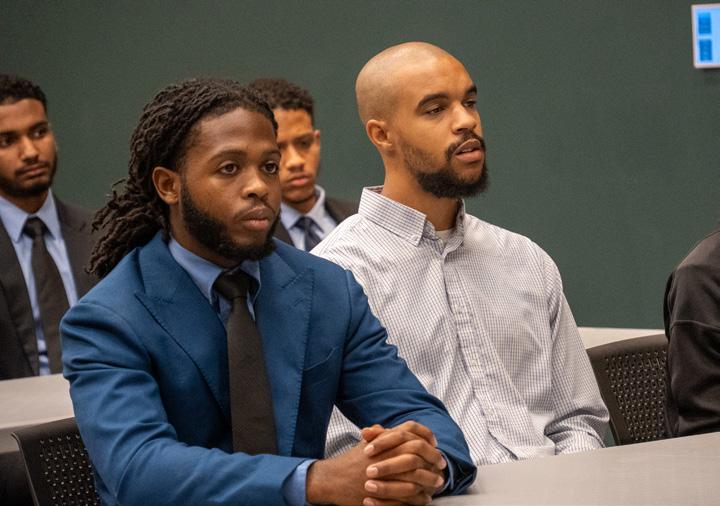
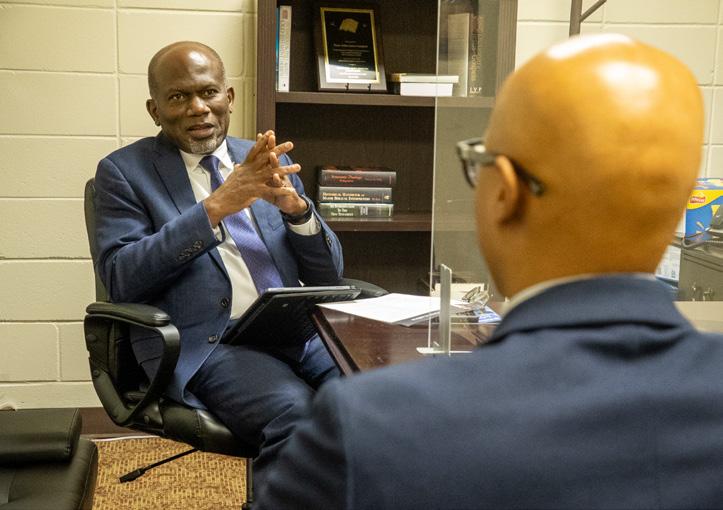
nervous energy but found something different. “They were down to earth and they really wanted to get to know you.” That relational posture calmed nerves and opened honest conversation.
Another junior, Gully Belizaire from Allegheny West, shared that the experience was less intimidating than expected. Interviewers were open and conversational. “It is very easy to go and talk to everyone. It really helped calm your nerves and your fears.” She appreciated how the event was organized. Her feedback reaffirmed the strong support environment built each year by Oakwood faculty and regional partners.
Throughout the day, faculty from the School of Business, the Department of Education, and the School of Theology were present to support their students. Conference presidents and officers interacted, evaluated, listened, and prayed. The event highlighted academic training, but it also emphasized the spiritual side of ministry calling. Prayer, mentorship, and confidence in God remain essential.
Administrators and pastors repeatedly pointed out an important truth. The church needs trained young leaders. Retirement waves, growing congregations, chaplaincy demand, and educational
ministries are opening doors nationwide. Ministry Connections helps place willing candidates in front of decision makers. It also encourages students to ask the right questions about purpose, placement, and spiritual fit.
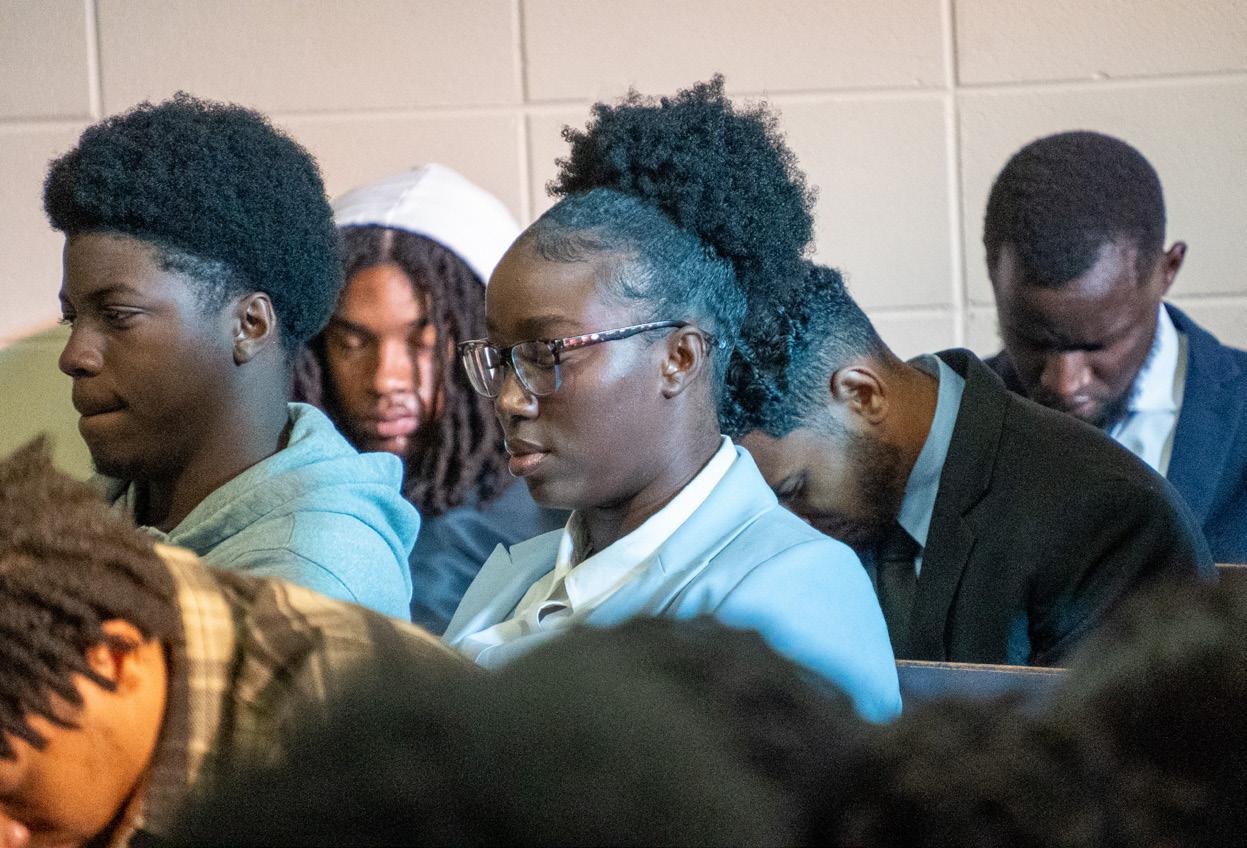
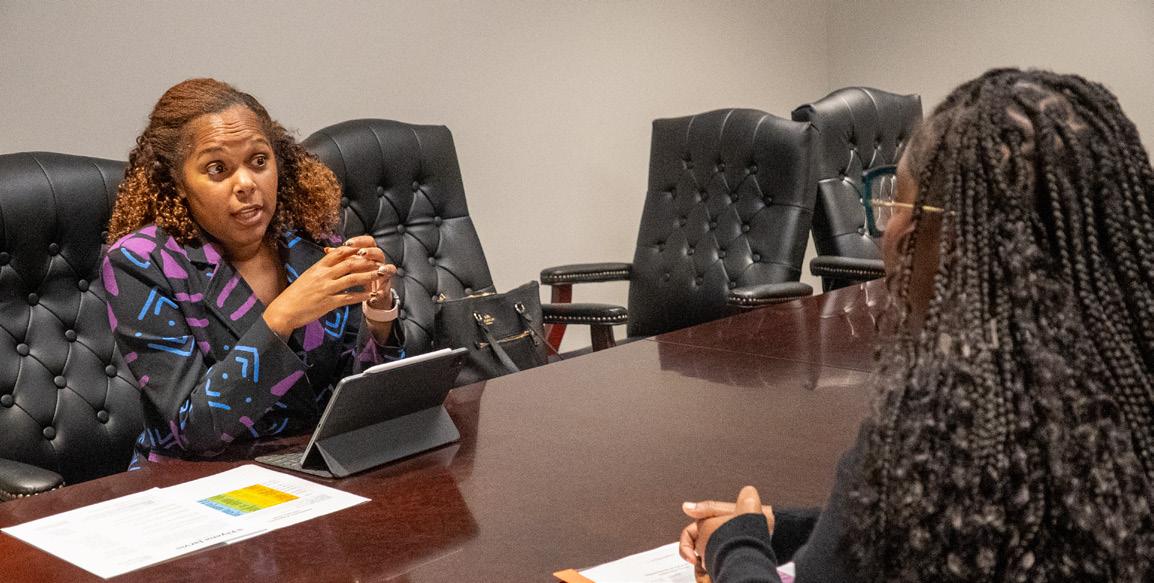
As the event concluded, the sentiment was clear. Oakwood University is producing capable, passionate, and spiritually grounded students. Regional conferences are ready and eager to hire them.
Ministry Connections is not simply a job fair. It is a strategic bridge between education and employment, between calling and fieldwork, and between the present and the future of the church.
It exists because the work of proclaiming hope continues. It exists because congregations need leaders. It exists because students long to serve. And it exists because the Lord continues to raise up young men and women for the cause of Christ.
Ministry Connections 2025 was more
than successful. It was a reminder that preparation matters, experience matters, relationships matter, and most importantly, faith matters. Students left encouraged. Conference presidents left hopeful. Faculty left proud. And the church gained a glimpse of tomorrow’s leadership today. t
Gerson Pancorbo is the Communications Director for the Office for Regional Conference Ministries and the Regional Conference Retirement Plan. He has conducted live coverage of this OU/ORCM Connect event since its inception.
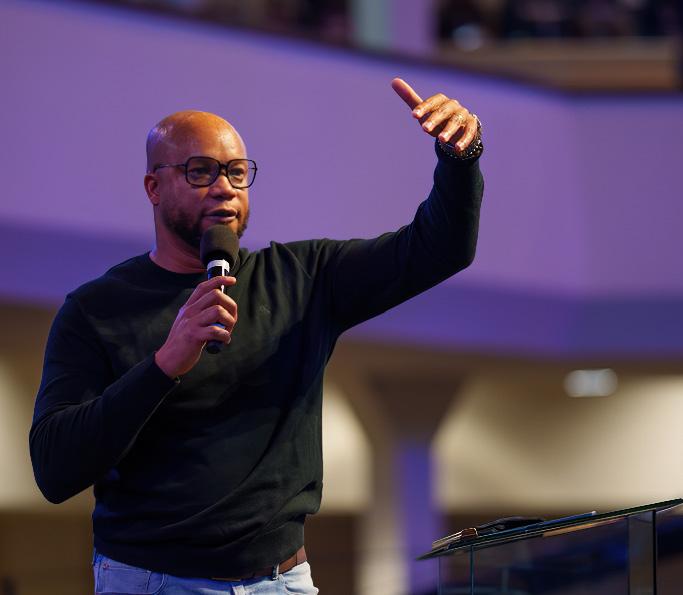
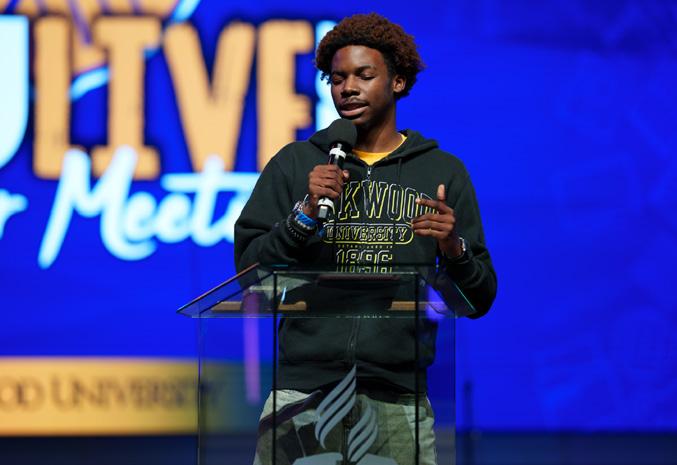
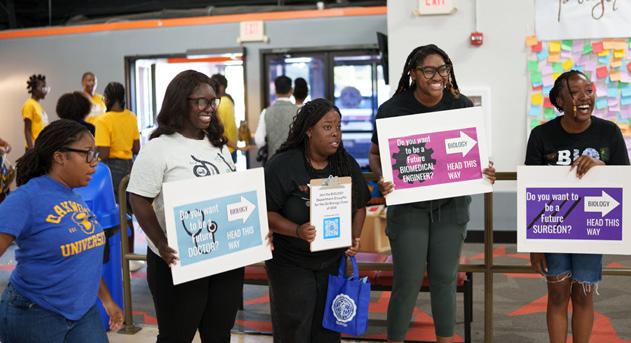
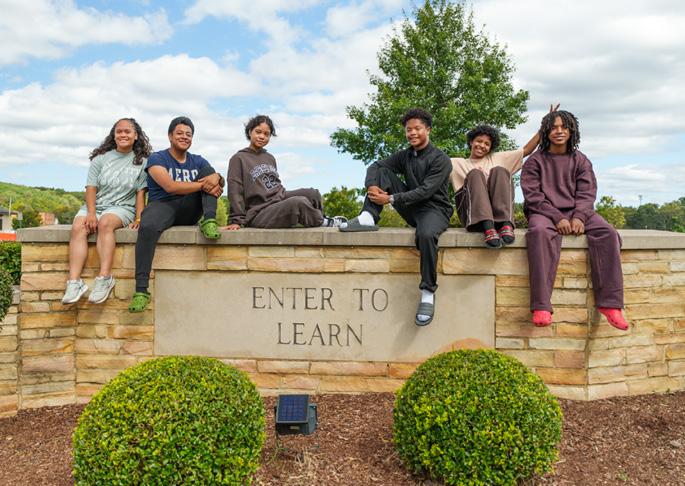
The campus of Oakwood University bustled a little more than usual October 1-4, 2025, as more than 500 prospective Oakwood students from high schools and academies around the country, and their 158 chaperones, arrived for Oakwood Live!
This is an annual event where our guests are immersed in the day-to-day life of an Oakwood student. Activities include visits to academic departments, career fairs, volleyball and basketball games, and the highly-anticipated Oakwood Live! Concert.
Guests were assigned to be roommates with 401 current students, who volunteered to serve as hosts. During the three-day event, 245 applications were submitted. More than $5,000,000 in academic scholarships were awarded.
Oakwood alumnus Dr. James Doggette, Jr., energetically delivered the Word of God during the Divine Worship service on Sabbath. Melvin Crispell, III shared his ministry during Oakwood Live!
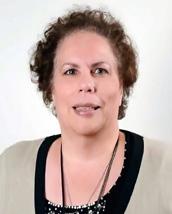
Debbe Millet, Managing Editor of Oakwood Magazine, works in Marketing Communications & Media Production for Oakwood University, Huntsville, Alabama.

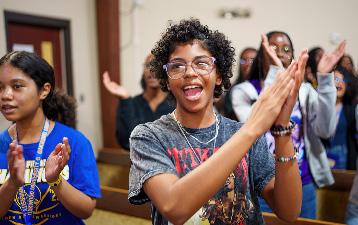
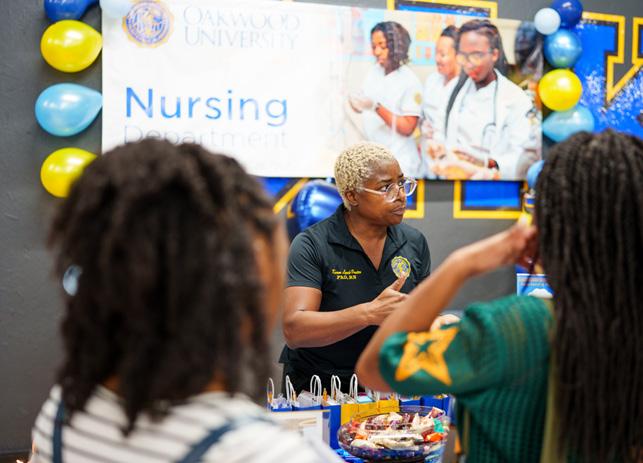
By DR. DELBERT W. BAKER
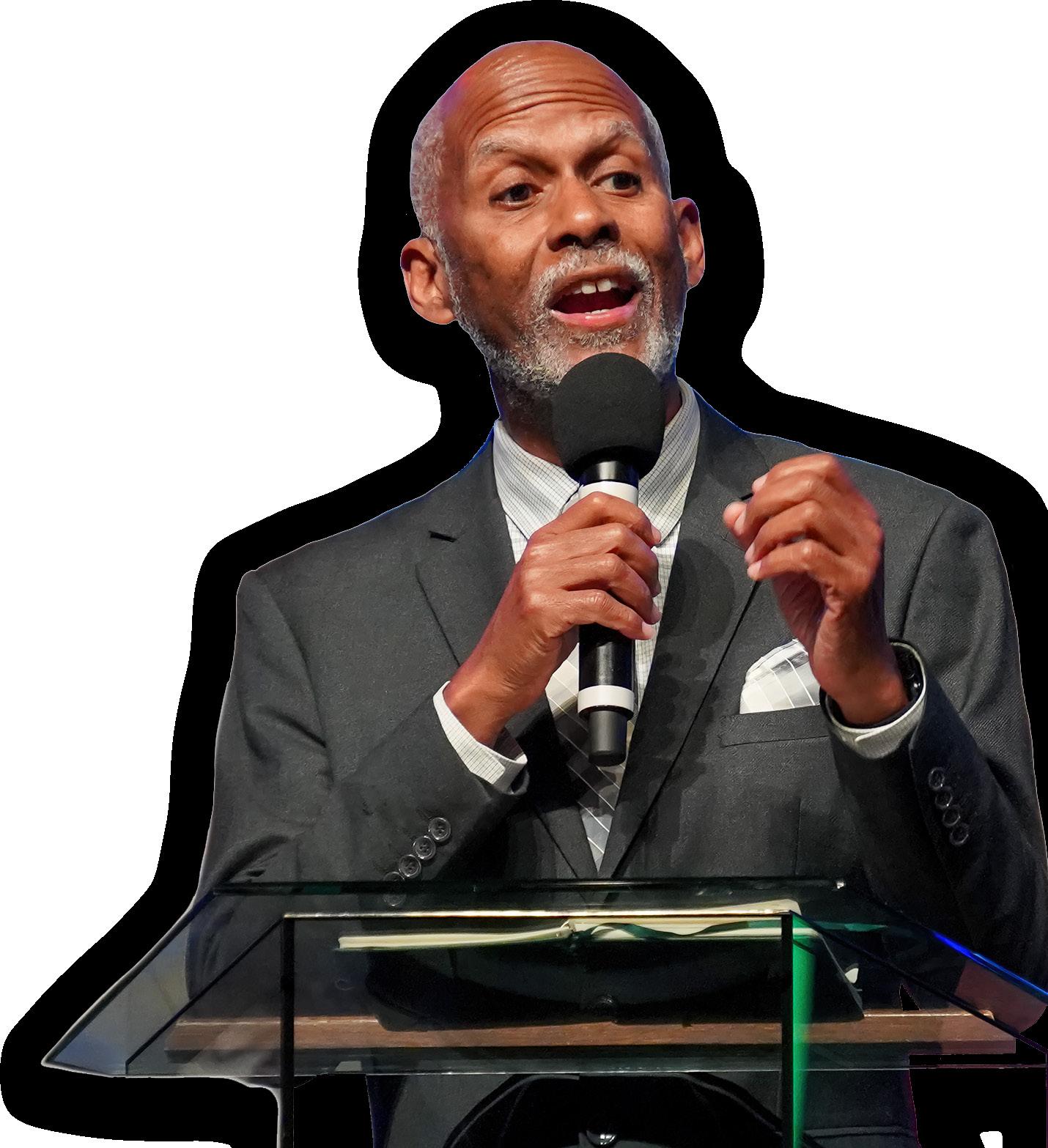
Elder Dana C. Edmond, Executive Director of the Office of Regional Conference Ministries (ORCM), has announced his upcoming retirement, effective January 1, 2026. He will continue to serve through December 2025, concluding an exceptional eight-year tenure of contributions, leadership, and service. In this special Regional Voice conversation, he sits down with Dr. Delbert W. Baker for a candid and reflective dialogue about his ministerial journey, thinking of the past, present and future, as he prepares to enter a new chapter of purpose and refocus.
Baker: Elder Edmond, when you look back over nearly five decades of ministry, what stands out most to you?
Edmond: The people. Ministry is really about relationships. I’ve served in big roles, but what I remember most are the faces of real people, church members, coworkers, young people. And many of these people I have the privilege of staying in contact with. God has given me opportunities I never could have planned. I’ve been blessed beyond measure.
Baker: You’ve led at every level: pastor, departmental director, president, and now executive director, helping to facilitate the work of the nine regional conferences. How did each season shape you?
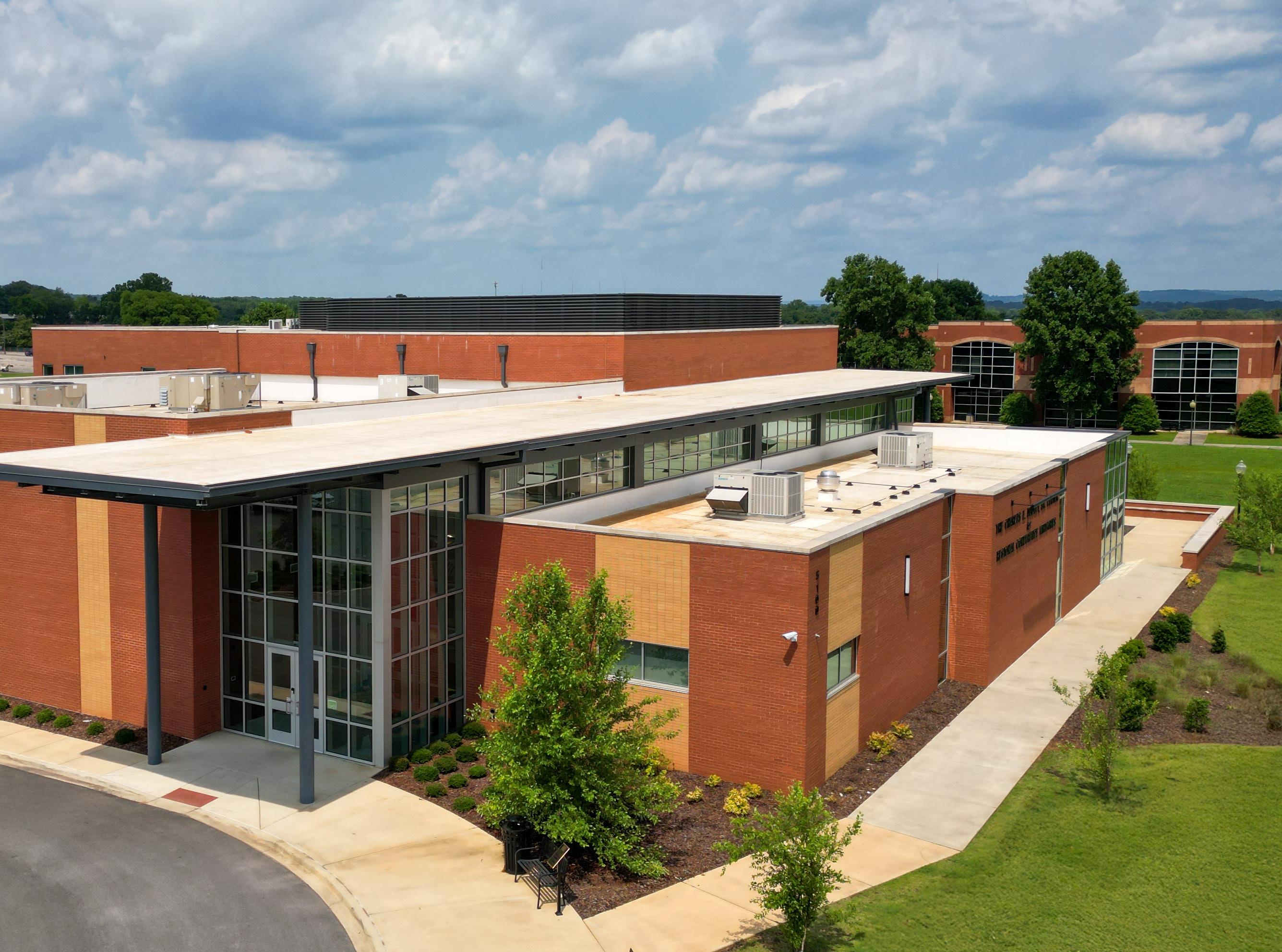
Edmond: Well, each season taught me something different but all vital. As a pastor, I learned to care for people personally. As youth director, I learned how to plan and follow through with big programs that demanded discipline. As president, I learned to balance vision with budgets and reality. And at ORCM, I’ve had to lean on the skills of collaboration, vision crafting and timing. Every stage prepared me for the next.
Baker: You’re known as a “finisher.” What does that mean to you?
That’s what the museum, this building, the Regional Voice, your Retirement AMP, this studio, our media outreach and even the Retirement Plan supporting regional retirees; that’s what all these things are about. We have a wonderful story of providence and progress, and we must tell it! That I have done, and will continue to do — tell our story!
Baker: You’ve often spoken about “the cost” of leadership. What do you mean by that?
Edmond: Over time, leadership takes a toll on you. It is not easy. You carry the weight of decisions, criticism, and expectations. The cumulative effect can wear you down. That’s part of why I know it’s time for me to step aside. I’ve given what I can give. But even the cost is part of the privilege; it’s what leadership demands.
The challenge in church work is that you have to take what you have and build the culture with the people you have, so you lead by consistency and example.
Edmond: I think one weakness of nonprofit work is lack of follow-up. In business, profit enforces accountability. In ministry, we must create our own systems. I’ve tried to always ask: Who will do it? When will it be done? How will we measure it? That discipline came from my years in youth ministry, and it’s made all the difference. I like to finish a task.
Baker: Let’s talk about the present. How would you describe the culture you’ve helped build at ORCM in the Dudley Complex?
Edmond: Culture is what an organization does and what it stands for, whether by design or by default. If you’re not intentional, it grows like weeds. There have been challenges but we’ve tried to build a culture of excellence, trust, and collaboration, and God has blessed. The challenge in church work is that you have to take what you have and build the culture with the people you have, so you lead by consistency and example. And you pay a price for that but I can testify that it’s worth it!
Baker: Share something about your love for history and telling the story of regional work.
Edmond: I’d love to. One of my greatest passions is to tell the story of the regional work and to show how God has marvelously blessed the Black SDA work. It has grown from a small beginning to now. Its tithe is comparable to that of the fourth largest World Division of the SDA Church. We have done so much with so little, and we continue to grow.
Baker: You’ve announced your retirement well in advance, with clear plans for transition. Many leaders struggle with that. How did you reach your decision?
Edmond: I’ve always believed leadership shouldn’t be a lifetime appointment. When I became youth director, I knew when I’d finish. When I became president, I told the committee I’d serve one full term and then step aside. The same here. There comes a time when you sense that you’ve taken the work as far as you can, and God supplies others to continue it. Elder Benjamin Brown, a former SCC president and mentor of mine, used to quote Ellen White: “When one has taken a work as far as he is qualified to take it, God appoints another” (Conflict and Courage, Page 275). I have found that to be a helpful way of looking at positions and transitions; that’s how I see this moment.
Baker:What are you looking forward to most in retirement?
Edmond: Simplicity, a shift and a new season. I’ll finally be able to serve in my local church. I’ve been an elder there for years but rarely home. I’m also planning to volunteer one day a week at the church school. I was a lunchroom monitor before. I’ll do that again, this time with my grandson there! I also plan to write more, study more, and keep growing. I see this as being a time of growth and service but then I will learn more about it as I experience it. I look forward to it. Baker: You’re known as a preacher and student of Scripture. Will that continue?
Edmond: Absolutely. In fact, I envision more time with the Word and with prayer. With the release of leadership and travel, I will have more time with things of the Spirit. Think about it: preaching comes from personal study, and study is for me, not just for the pulpit. My mornings start with the Sabbath School lesson, then a Spirit of Prophecy reading, and
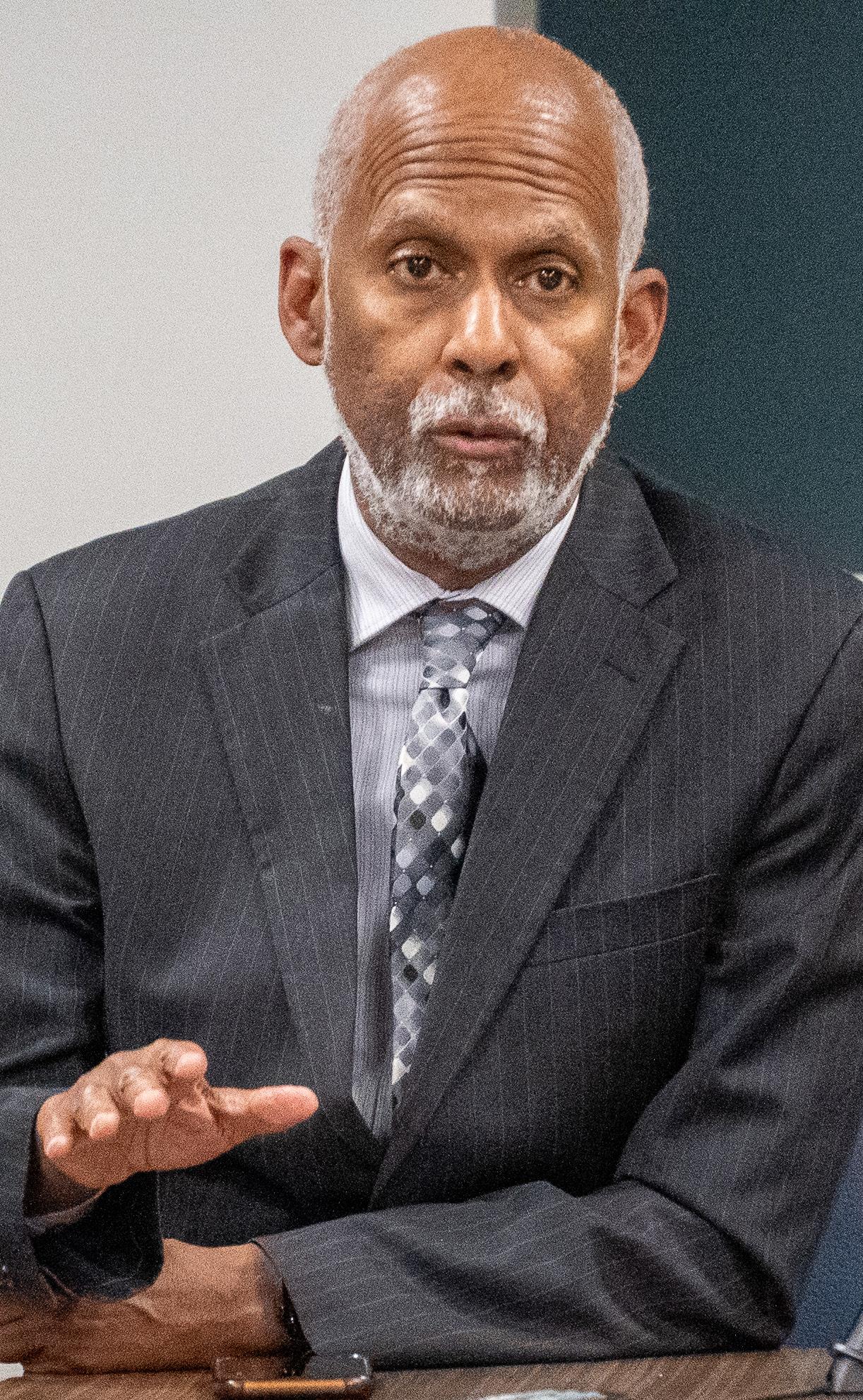
something for leadership development. That rhythm keeps me grounded.
Baker: As you look to the future, how do you view this new chapter of life?
Edmond: With gratitude and peace. I’m at ease with stepping out of the center because someone once did that for me. Leadership is borrowed space—you hold it for a time, and then you let it go. I’ve had the privilege; now it’s someone else’s turn.
Baker: What wisdom would you share with others approaching retirement or transition?
Edmond: Accept change gracefully. You can either fight it and wear yourself out or accept it and find joy in what remains. I’ve seen too many people resist the inevitable. As I tell others, when you’re young, you can do what you want without thinking; in middle age, you can still do it but have to think about it; later, you think you can’t do it; and finally, you really can’t. The key is to embrace each stage with peace.
Baker: Any final words for Regional Voice readers?
Edmond: Gratitude. Privilege. It’s been an honor to serve as publisher and to tell our collective story. The work continues. The best years for our retirees and our church are still ahead. And ultimately, the best retirement of all is the one God has planned for us in His kingdom. t
Author’s Note:
Gratitude. Privilege. It’s been an honor to serve as publisher and to tell our collective story. The work continues. The best years for our retirees and our church are still ahead.
As Elder Dana C. Edmond concludes his tenure at the Office of Regional Conference Ministries and as publisher of Regional Voice magazine, we salute his leadership, his faith, and his lasting contribution to the shared mission of the regional work. His ministry reminds us that finishing faithfully is not about slowing down, but about shifting gears and continuing in another compacity. It’s about passing the baton with grace, gratitude, and God’s peace. t

Delbert W. Baker, PhD, is an author, educator, administrator and pastor. He is Director of Research and Development at the Regional Conference Retirement Plan Office in the Charles Dudley, Sr. Regional Conference Ministries Center in Huntsville, Alabama.
Pastoral Ministry
North Caribbean Conference
St. Thomas, United States Virgin Islands
Shiloh SDA Church
City SDA Church
Associate Pastor and Youth Pastor
• South Central Conference
Covington, Kentucky
North Star SDA Church Pastor
• Frankfort, Kentucky
Capital City SDA Church Pastor
• Memphis, Tennessee
Breath of Life SDA Church
Pastor and Church School Supporter
• South Central Conference
Nashville, Tennessee
Youth Director
• South Central Conference Secretary
• South Central Conference President
• Office for Regional Conference Ministry
Huntsville, Alabama
Executive Director
• Opened Channels of Cooperation and Dialog between Regional Conference Leaders and African SDA Leaders and Institutions
• Constructed the Charles and Etta Dudley Regional Complex
• Envisioned the Regional Work Museum*
*This project was inspired when Elder Edmond visited the beautiful museum at the Adventist University of Africa (AUA) in Nairobi, Kenya. Then President Baker spearheaded the AUA project. Art Director Howard Bullard designed and oversaw the construction of the exhibits in both of these historic museum projects.
• Elder Edmond Completed Almost 50 Years of Dedicated Ministry
1. “Leadership is borrowed space. You hold it for a time, and then you let it go.”
2. “If you don’t know your own story, someone else will tell it for you and they’ll get it wrong.”
3. “You can make 99 good decisions, but some folks will only remember the one they didn’t like.”
4. “Finishing well means more than starting strong; it means following through until it’s done.”
5. “Culture doesn’t just happen. You either cultivate it on purpose or it grows like weeds.”
6. “When God says your work is complete, handing it off is not quitting, it’s obedience.”
7. “Leadership has a cost, but even the cost is part of the privilege.”
8. “In ministry, follow-up is faith in action. It’s how good ideas become God’s results.”
9. “You can fight the seasons of life or you can accept them gracefully. Only one brings peace.”
10. “The best retirement isn’t here on earth. It’s the one God has planned in His kingdom.”
By DR. LAKEISHA M. DICKERSON
When you look closely at the Pathways curriculum used in many of our middle schools, you might think you see diversity. But a deeper read tells another story. The texts chosen under the banner of inclusion still center dominant cultural identities.
Students of color appear, yes — but only on the edges, acknowledged but not affirmed. These brief nods to nonwhite existence do not confer value or voice. The deeper harm is that schools founded to correct inequity are required to use materials that perpetuate it — embedding in our students the quiet message that their stories are supplementary, not central. And yet, Regional Conference schools serve thousands of Black and Brown students across the U.S. How is it that these institutions — established to protect and promote the education of our children — have no direct control over the curriculum or professional development shaping their learning?
It’s time for that to change. A Regional Conference Department of Education would allow us to build something that is culturally responsive, spiritually grounded, and academically rigorous — a system that truly reflects the brilliance and faith of the students it serves.
Why Regional Conferences Were Created
Regional Conferences were born out of a cry for dignity, justice, and self-determination. Up until the 1940s, segregation was the unspoken law of the Seventh-day Adventist Church. Black and white members worshiped separately, and Black Bible workers were often paid less than half of what their white counterparts earned — keeping families in poverty despite faithful service.
When Lucy Byard, a beloved Black Adventist, was denied care at a Washington hospital because of her race [and sent to another hospital, where she died], her death ignited a move-

ment. The outcry was not just about her — it was about every Black Adventist who had been made to feel unseen, unheard, and unvalued in a church that preached equality. Out of that moral reckoning came the birth of Regional Conferences— not as a symbol of separation, but of empowerment and equity. They gave Black Adventists the freedom to build ministries, institutions, and schools that reflected their culture, faith, and community.
That same principle—the right to self-determination in pursuit of equity—now calls for the creation of a Regional Department of Education.
Even within one faith, several educational realities exist.
1. Funding and Resources
Regional schools, often serving lower-income communities, operate on lean budgets. They depend on the generosity and sacrifice of pastors, teachers, and families. Meanwhile, many State Conference schools benefit from larger constituent bases and stronger financial support, allowing for better salaries, updated technology, and modern facilities.
2. Staffing and Professional Development
Teachers in Regional schools wear every hat: instructor, counselor, coach, mentor, and spiritual leader. Professional development opportunities are limited and rarely reflect the unique challenges of culturally diverse classrooms. High turnover, small budgets, and burnout create instability — while State Conference schools enjoy greater staff support and institutional consistency.
3. Curriculum and Cultural Representation
The Pathways curriculum, though designed with good inten-
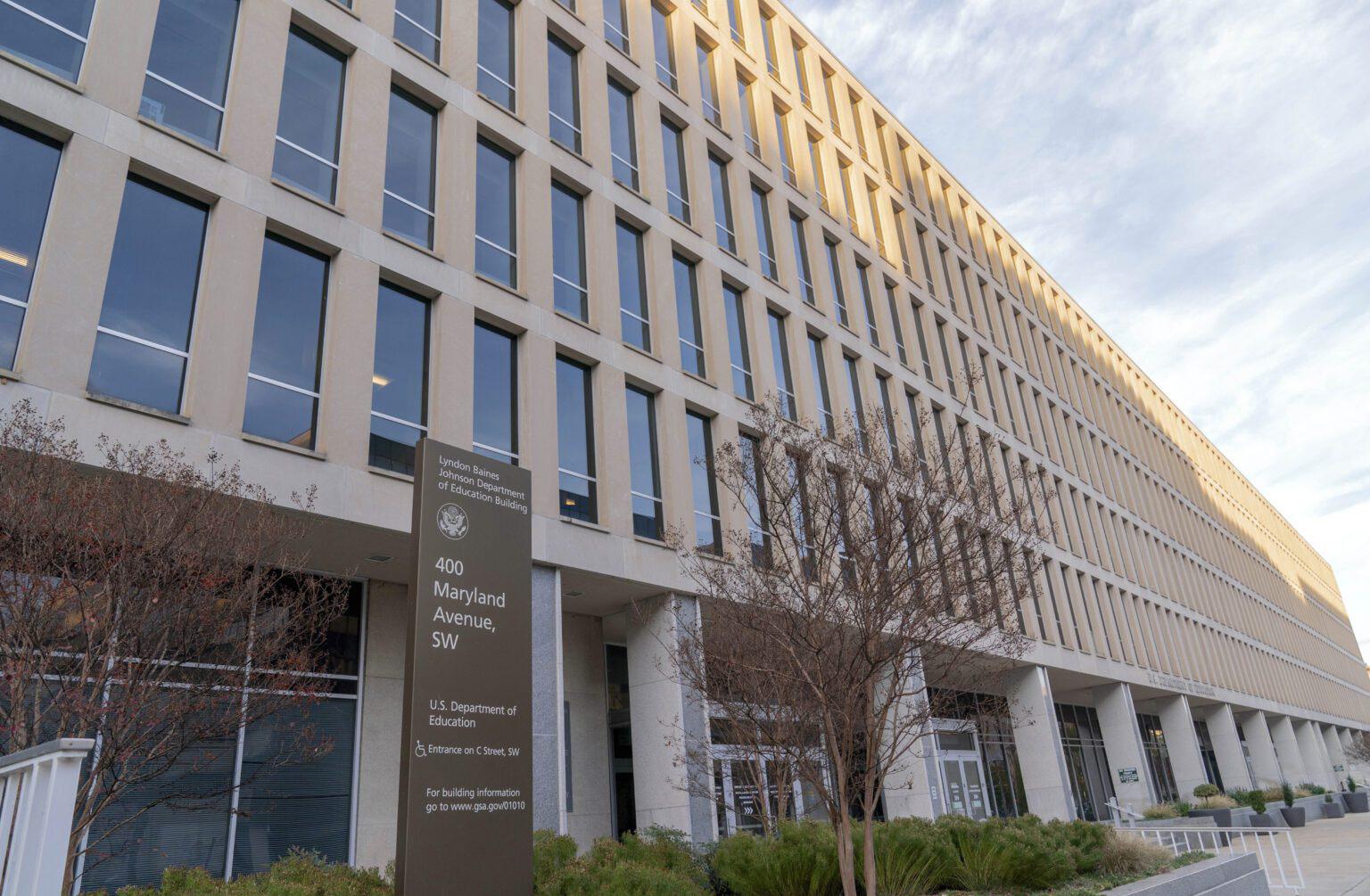
tions, often fails to see the very students sitting in our classrooms. The literature leans heavily Eurocentric, with few stories that reflect the joy, innovation, and excellence of Black and Brown lives. When our students never see themselves as the heroes, they begin to question whether their stories even matter.
This is not a question of effort or faith—it’s a question of structure. And structure determines access, opportunity, and identity.
The Pathways program presents a version of America where students of color are side notes to someone else’s story. It minimizes the achievements of African American, Hispanic, Caribbean, and Indigenous communities while centering whiteness as the norm. Research confirms what we see in the classroom: when curriculum fails to connect to culture, motivation and literacy performance suffer.
• Anyichie et al. (2023) found that students thrive when classroom instruction aligns with their cultural and social realities.
• Anderson (2025) showed that failing to implement culturally responsive literacy practices harms both literacy motivation and identity formation. Our children deserve literature that mirrors their realities, challenges their thinking, and affirms their place in God’s plan. A Regional Department of Education would have the power to curate texts and develop lessons that reflect the diversity of God’s creation—uniting scholarship, spirituality, and self-worth.
Too many of our students are taught stories where they are the helped, not the heroes. The Pathways and mainstream Adventist curricula often rely on White Savior narratives—stories where white characters rescue, teach, or civilize others, while Black and Indigenous people are portrayed as dependent or in need of moral correction. This framing undermines both truth and theology. It teaches our children that holiness looks like
whiteness, and that leadership and intellect belong to someone else. But the history of the Adventist church tells a different story. Charles Kinney, Anna Knight, Lucy Byard, and countless others built institutions, schools, and movements with faith and fortitude. Their stories deserve to anchor our curriculum. A Regional Department of Education could ensure that our students grow up reading stories of their own people’s leadership, courage, and creativity—reminding them that they are participants in God’s redemptive work, not spectators in someone else’s.
Autonomy and Accountability
Regional oversight is not about separation—it’s about stewardship. Under the current system, decisions about curriculum, assessments, and professional learning are often made by committees far removed from our classrooms. A Regional Department would give the educators and leaders within our communities the authority to shape the systems that serve them.
• Curriculum Design Rooted in Relevance: Lessons would highlight the intellectual and spiritual contributions of Black Adventists and other underrepresented voices, connecting faith to lived experience.
• Professional Development That Reflects Our Classrooms: Teachers would receive training rooted in culturally responsive pedagogy, trauma-informed care, and faith-based identity development.
• Assessment That Honors Growth: Students would be measured by holistic, culturally sensitive metrics that recognize intelligence, creativity, and progress—not just conformity to norms that overlook their context.
A Regional Department would decentralize control while strengthening accountability. It would allow us to teach from a place of cultural fluency and spiritual purpose—serving the whole child: mind, body, and spirit.
Responsive and Relevant Leadership
Our world changes daily. Issues like

racial justice, mental health, and digital ethics affect our students in real time.
But under the current structure, decisions must pass through multiple administrative layers before anything can be implemented. By the time approval comes, the moment has passed.
A Regional Department would make education nimble and responsive. It could update curriculum when national events demand discussion, pilot new literacy initiatives, and develop faith-based resources that address today’s realities. This isn’t about rebellion—it’s about relevance. Adventist education should be prophetic, not reactive—leading the conversation, not catching up to it.
The Vision Forward Regional Conferences were born from
necessity and sustained by vision. They remind us that faith without justice is incomplete, and inclusion without self-determination is shallow. A Regional Conference Department of Education is not just the next step in our legacy—it is the fulfillment of it.
It is time for our schools to teach with materials that reflect our children’s faces, affirm their genius, and speak their truth—so that every lesson, every classroom, and every voice declares the same message:
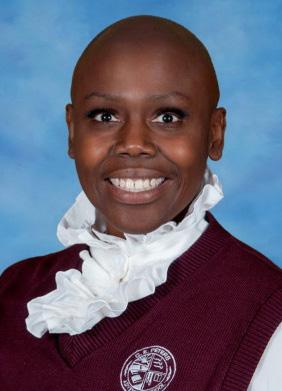
We are seen. We are valued. We are capable. We are His. t
Lakeisha M. Dickerson, MAT, Ed.D., i s
an
accomplished educator, instructional coach, and curriculum leader with over 25 years of experience in secondary edu cation within the Allegheny East Confer ence school system. She holds a Bachelor’s degree in English from Washington Ad ventist University, a Master’s in Teaching from Towson University, and an Ed.D. in Urban Educational Leadership from Morgan State University, where her re search centered on developing Afrocentric, culturally responsive curricula for urban learners. A Master Teacher, motivational speaker, playwright, and artist, Dr. Dick erson is passionate about “Teaching Up”— cultivating academic rigor, cultural pride, and creative excellence in every classroom she leads.
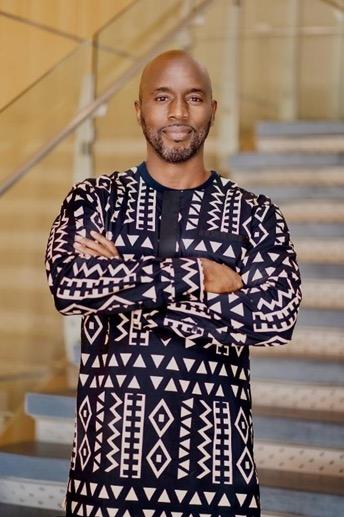
Kinlock, PhD., M. Div., currently serves as President of the Allegheny East Conference of Seventh-day Adventists. He has more than 20 years of experience leading and supporting Black Adventist schools. He holds a PhD in Sociology and Criminology from Howard University, where he also teaches as adjunct professor. His specializations include race analysis, urban studies, social inequality, and the sociology of education. Dr. Kinlock’s research and professional practice are directed toward ensuring equity and access for communities of color to quality systems of education. He coordinated this coverage.
By DANA C. EDMOND
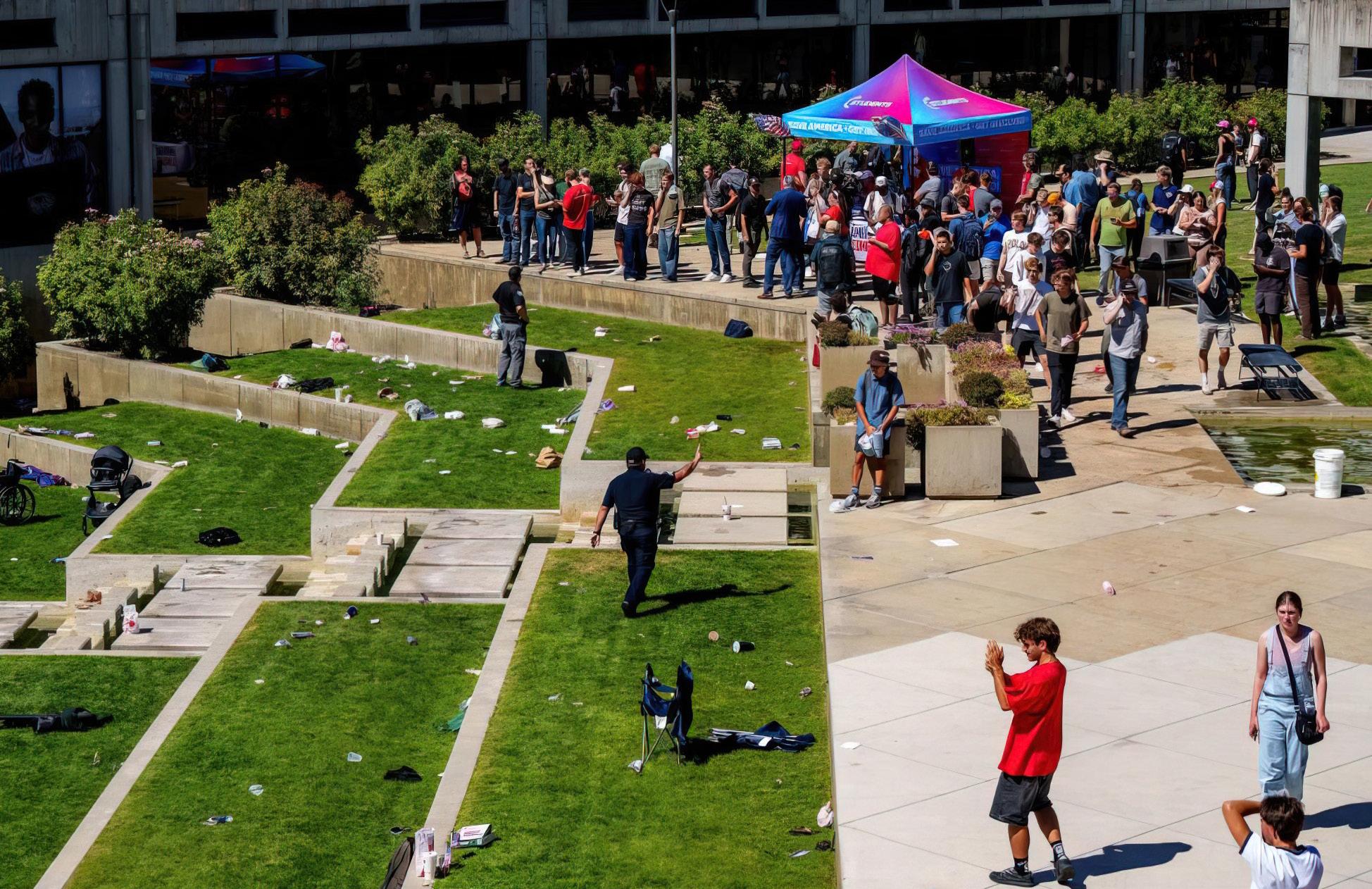
Years ago, there was a comedienne named Joan Rivers who got her start with live audiences, then on The Ed Sullivan Show on CBS, and on the NBC Tonight Show with Johnny Carson.
My senior memory frequently fails me, but I remember Joan Rivers as a blonde, brassy lady, with a distinctive New York accent, who used the signature line: “Can we talk?”
Joan Rivers passed away years ago, but she came to mind recently with all the drama and division in our country and in our church after the tragic killing of political leader Charlie Kirk. The Adventist Church too often reflects the society in which it lives as opposed to leading it. The fact is, it is hard for the church not to reflect society since we are a part of our society. But at the end of the day, Seventh-day Adventist Christianity is countercultural. We are called to affect our culture and not for culture to affect and infect us. Jesus says we are to be in the world but not to be “of the world” (John 15:19, KJV). However, the killing of Charlie Kirk revealed that the same divisions that are so much a part of American society and American politics are also a part of the Seventh-day Adventist Church in America.
It became clear that different people and leaders in our church looked at Charlie Kirk and saw two very different people. One group of people looked at Charlie Kirk and saw a person who stated a belief in the seventh-day Sabbath and in religious liberty. Another group of people looked at Charlie Kirk and saw someone who made a number of statements that seemed to suggest that he believed some things that were very problematic to their own liberty and dignity.
For several weeks in the aftermath of Kirk’s death, the focus on social media was not on our common mission but on our differences. The talk has been about what ministries should no longer be supported by which people and who will cancel whom, etc.
Though this may sound very naïve, I would like to reintroduce the phrase of the late Joan Rivers: “Can we talk?” Can we talk to each other, instead of about each other and at
each other? I would respectfully say to my brothers and sisters who seem to be the political right of the spectrum that some of the statements that are attributed to Charlie Kirk are, at the very least, problematic to the people who look like the people about whom he was speaking.
It became clear that different people and leaders in our church looked at Charlie Kirk and saw two very different people.
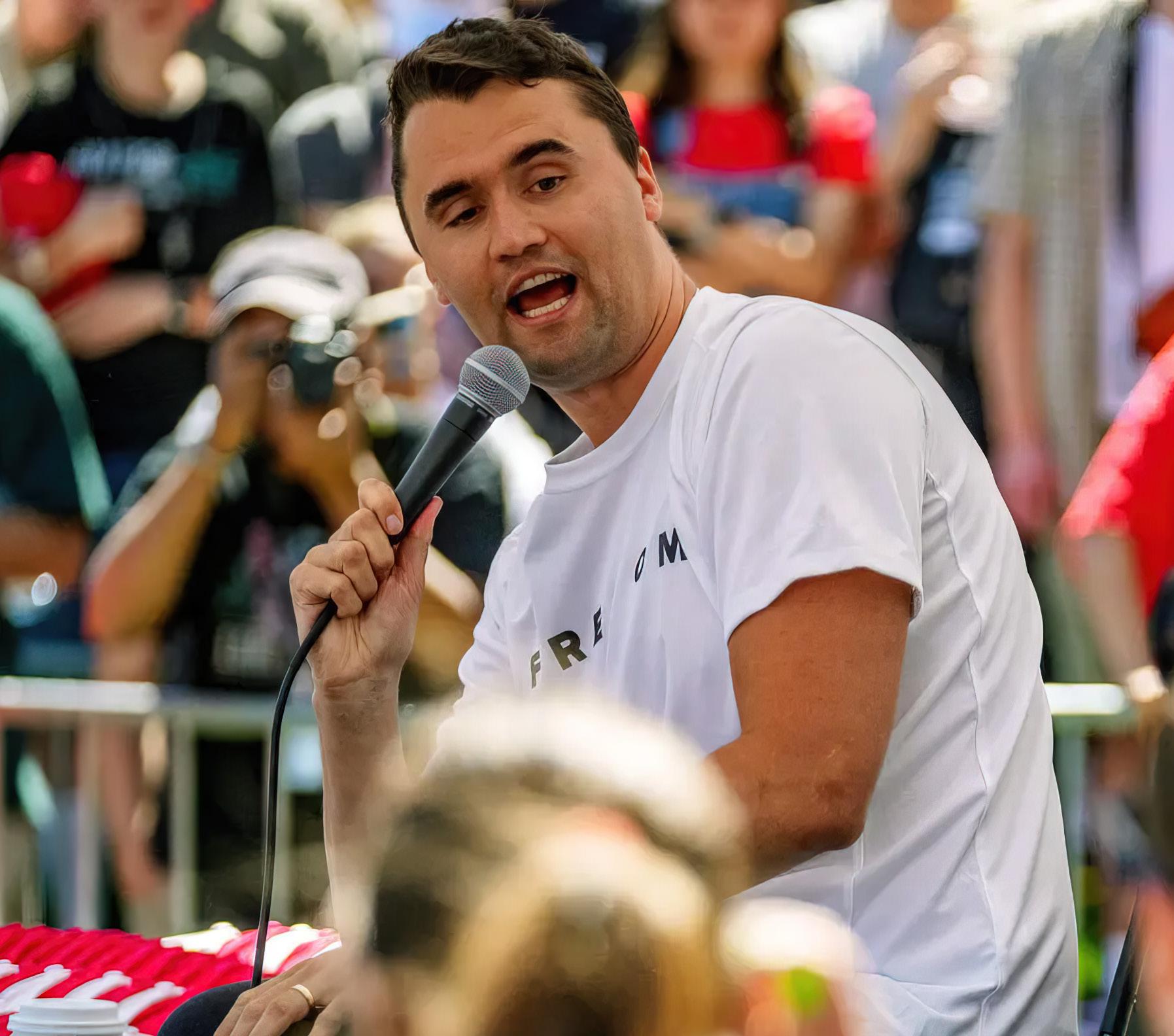
Dismissing statements that other people say are hurtful, responding with “Oh, that’s just the media,” or “He was taken out of context,” simply is not very helpful.
It is simply not credible to say that everything Charlie Kirk said was taken out of context. It is apparent that he said some things that offended people. It would seem that the Christian thing to do when one’s words offend someone else is to try to find out why the other person was offended and to say those things in a different way.
Furthermore, for our brothers and sisters in the church to defend some of the things that Charlie Kirk said that offend others is problematic. It just is.
On the other hand, I would just as respectfully say to the people who share the viewpoint on this matter that I do, that just as lionizing Charlie Kirk is going to be a problem, so is demonizing Charlie Kirk.
For one thing, he was brutally murdered. Obviously, no one deserves that. His wife is without a husband and his children are without a father. That is a terrible tragedy, one that will affect them for the rest of their lives.
The people who knew and loved Charlie Kirk are going to have the same sensitivity to how people speak of him as people normally have about their deceased loved ones. The tendency is to remember the good things that the deceased did and to overlook the bad. So, it just makes sense to be prudent relative to what is said about Charlie Kirk in the aftermath of his tragic death. Instead of yelling at each other on social media about whether Charlie Kirk was or was not a racist, how about conducting a more civil and constructive conversation? In other words: Can we talk?
And more importantly, can we listen?
For the Charlie Kirk supporters: Can you listen to those who say they are offended when someone speaks disparagingly about an African American leader? When they say that an African American is a “DEI hire” no matter what their qualifications are?
For those on the other side: Wouldn’t it be better to try to find out what is the appeal of a Charlie Kirk, especially his appeal to fellow Adventists? Are there any areas where we can find common ground?
I know it may sound naïve, but can we talk to each other? Because the fact is that as Seventh-day Adventist Christians, we have to talk to each other. It is possible that a sign of how far we may have advanced in our Christian walk is how well we relate to people who walk differently from us. We have to talk to those people, or at least we have to try.
At the end of the day, the real enemy is not the person who says things we do not like. The real enemy is Satan, the enemy of our souls. And in a war of Us against Us, the loser will be Us.
And over the last few weeks, there seems to be a whole lot more said on social media about Charlie Kirk than about Jesus Christ. There has not been much
has proven to be the case. Let me say this one more time: I am not naïve. There are some people who will not respond positively to being treated in a Christ-like manner. There are some people who we can treat the way we wish to be treated who will respond by mistreating us.
But at the end of the day, Christianity requires treating people as Christ would. There may not be any way to get the people who speak to us and about us in a denigrating and offensive manner to change, but we have to try to fix differences between us and those with whom we disagree, especially those, as the Bible puts it, who are “of the household of faith” (Galatians 6:10, KJV).
said about mission and spreading the gospel of Jesus Christ, which ultimately is not going to happen without a unity in our church that does not currently exist.
As my colleague Elder Debleaire Snell sometimes says in his sermons, “I do not want anyone to hear something I am not saying.”
I am not talking about papering over our differences and pretending something that is offensive is not offensive. What I am talking about are honest, civil conversations where people talk to each other and not about or at each other. Conversations where one really seeks to understand the feelings of the people on the opposite side of where they are. Conversations where one speaks to everyone the way they would like to be spoken to and treats others the way they wish to be treated. Conversations where we remember that calling someone names is not going to change their minds. Can we talk?
One of the things that I have tried to remind myself over the years when I have dealt with people with whom I have difficulty or with whom I have major disagreements is that it is possible that I am just as wrong about them as I think they are about me. And sometimes, that
We are not responsible for how people treat us but we are responsible for how we respond to them when they do. There are some people in our church who have responded to Charlie Kirk and the things he said while he was alive in ways that are challenging. But we have an obligation as Christians to try to engage them and bring about healing and reconciliation.
This office has already reached out through an intermediary to try to begin a dialog with some of those whose statements have been challenging. We have to at least try to talk. As fellow Seventh-day Adventists, we share a common mission with these individuals and, ultimately, we hope to share heaven with them as well.
Talking with certain of these individuals may not prove to be easy. If healing and reconciliation were easy, everyone would be healed and reconciled. But we have to try.
Can we talk? We have to try. Or we have to be prepared to explain to God why we didn’t. t
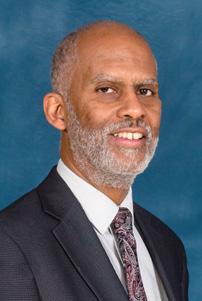
Dana C. Edmond, Director of the Office for Regional Conference Ministry (ORCM) and publisher of Regional Voice magazine, produced this original feature.
(Words of Jesus, Matthew 25:36 KJV)
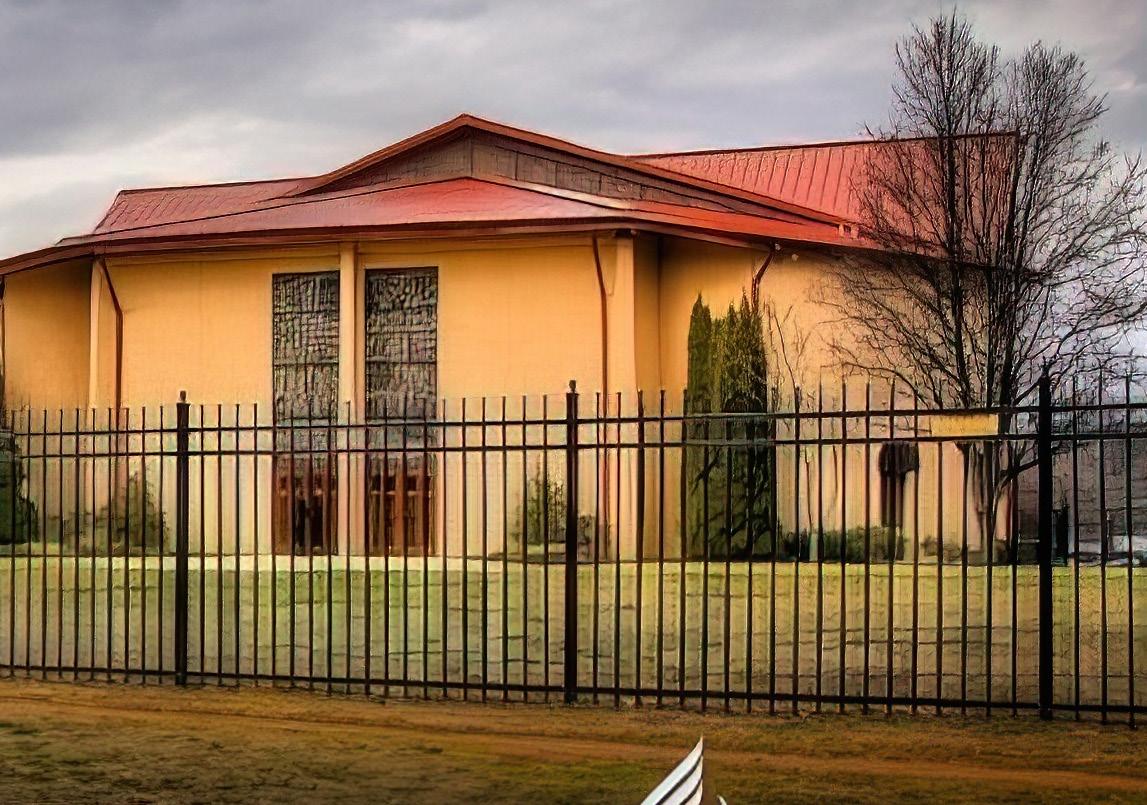
Reported by KYNA HINSON
It all began with singing. Five siblings, The Davis Brothers from Atlanta, Georgia, offered the gospel in song all over the city and beyond. One brother, Harold, was particularly influenced by his Personal Ministries leader at the West End SDA Church, Brother Johnny Howard. The Davis Brothers started singing at jails in the area. Then, encouraged by another SDA gospel singer, Ms. Teresa Morton, they branched out into prisons. They would sing about two or three times a year. Everything changed when they went to sing at the Pulaski State Prison in Hawkinsville, Georgia, a women’s prison about 130 miles from Atlanta. The Muslim chaplain, a lady, did not know this group. They actually went in another singer’s place who could not go that time. At any rate, their lively, sincere, beautiful renditions excited the chaplain and drew a response from the audience that was just as lively and enthusiastic. The chaplain made it clear – they would accept their choice of dates in their calendars when the Davis Brothers could visit. And they did just that.
Soon another leader heard of them. Baptist Preacher Ricardo Green was over all of the Prison Chaplains in Georgia, and he invited them to get certified. So many responded that Chaplain Green “cried like a baby” when these candidates followed through. Those certified included Harold Davis, the current senior pastor of West End, Dr. Patrick Carter, and South Atlantic President Calvin Preston. He was certified years ago while also serving as senior pastor of the West End SDA Church, before taking up administrative duties for the conference.
When the Personal Ministries leader, Brother Johnny Howard, passed away, Howard Davis took up the mantle of this work. He has served in Prison Ministries for more
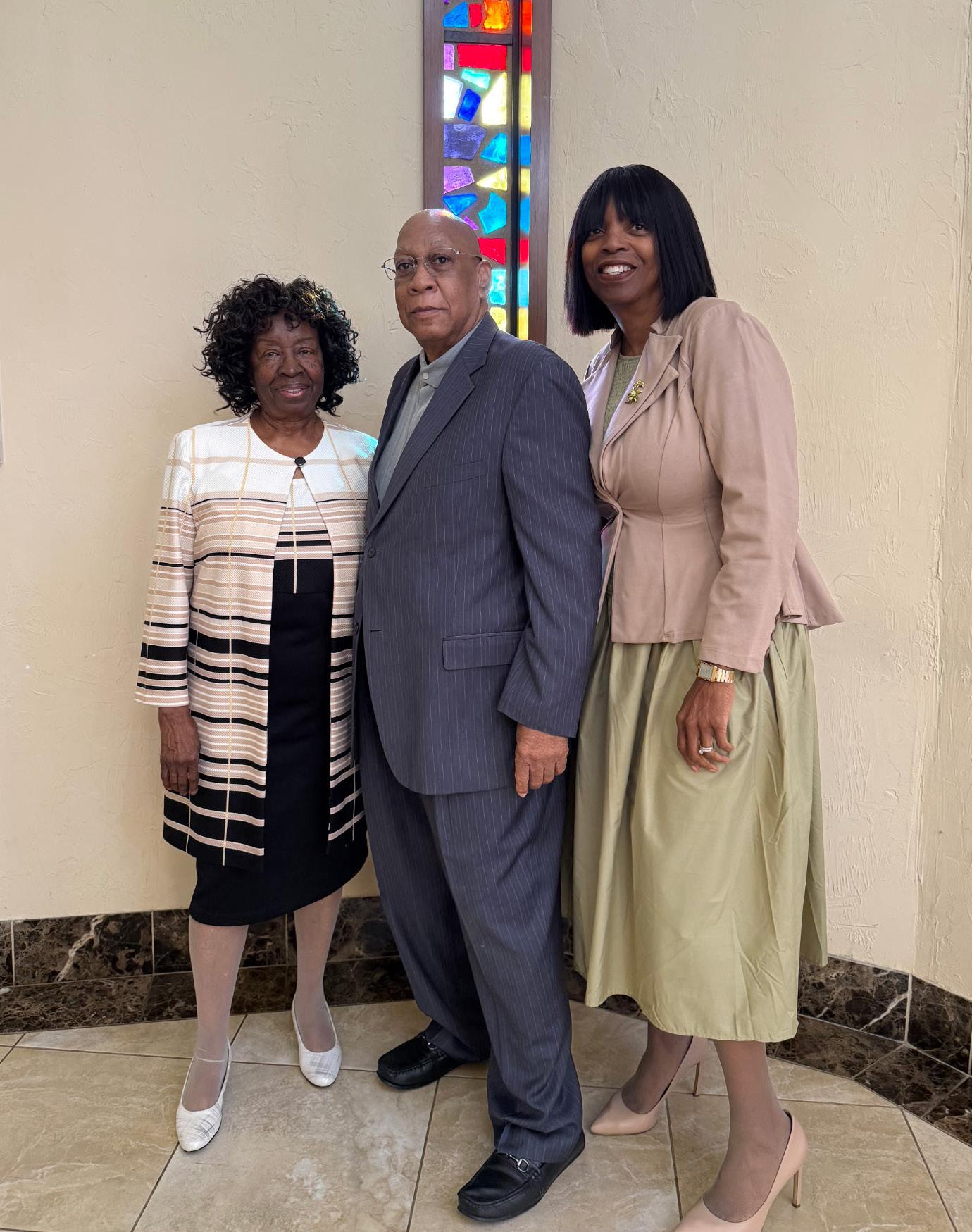
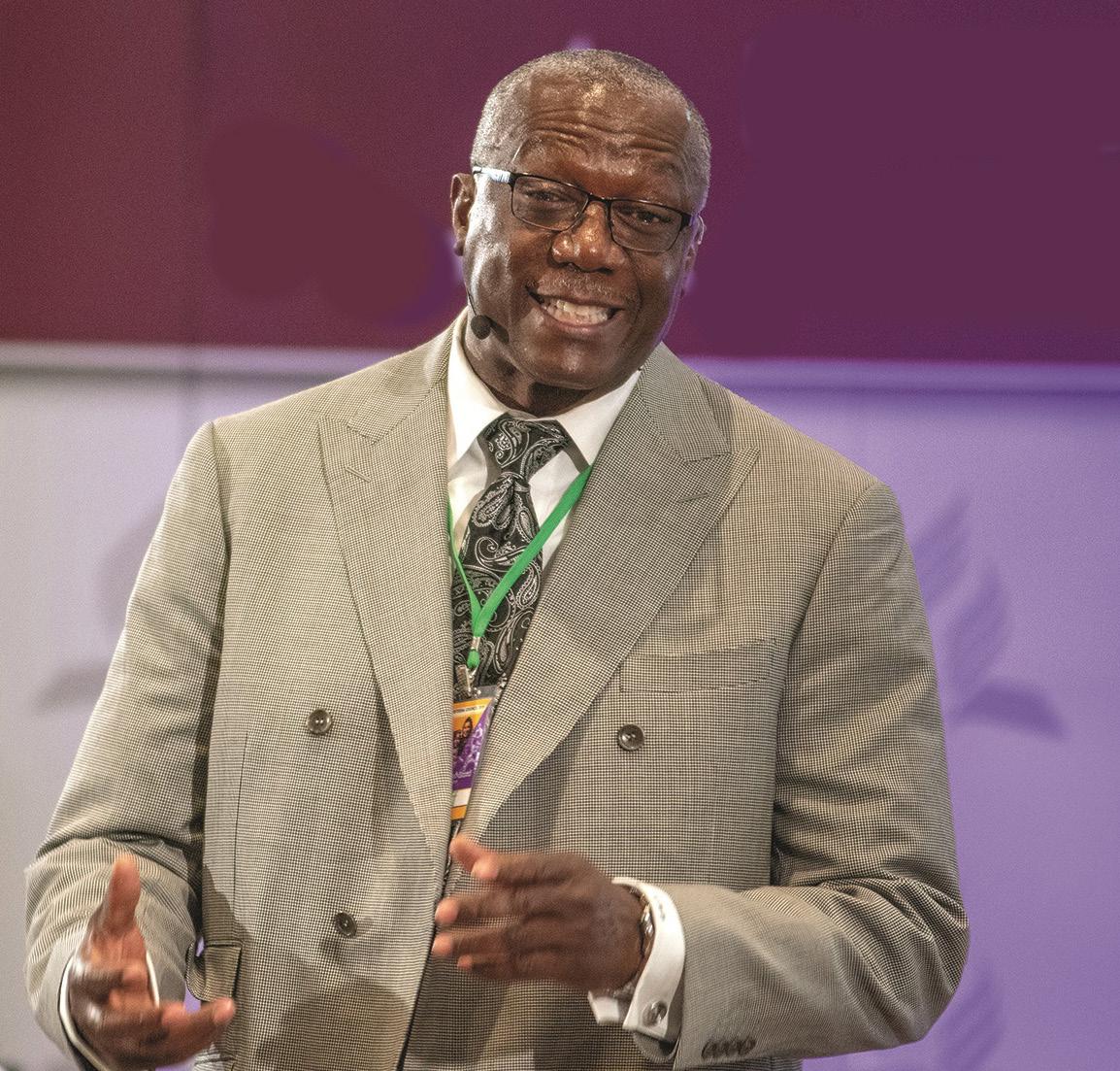
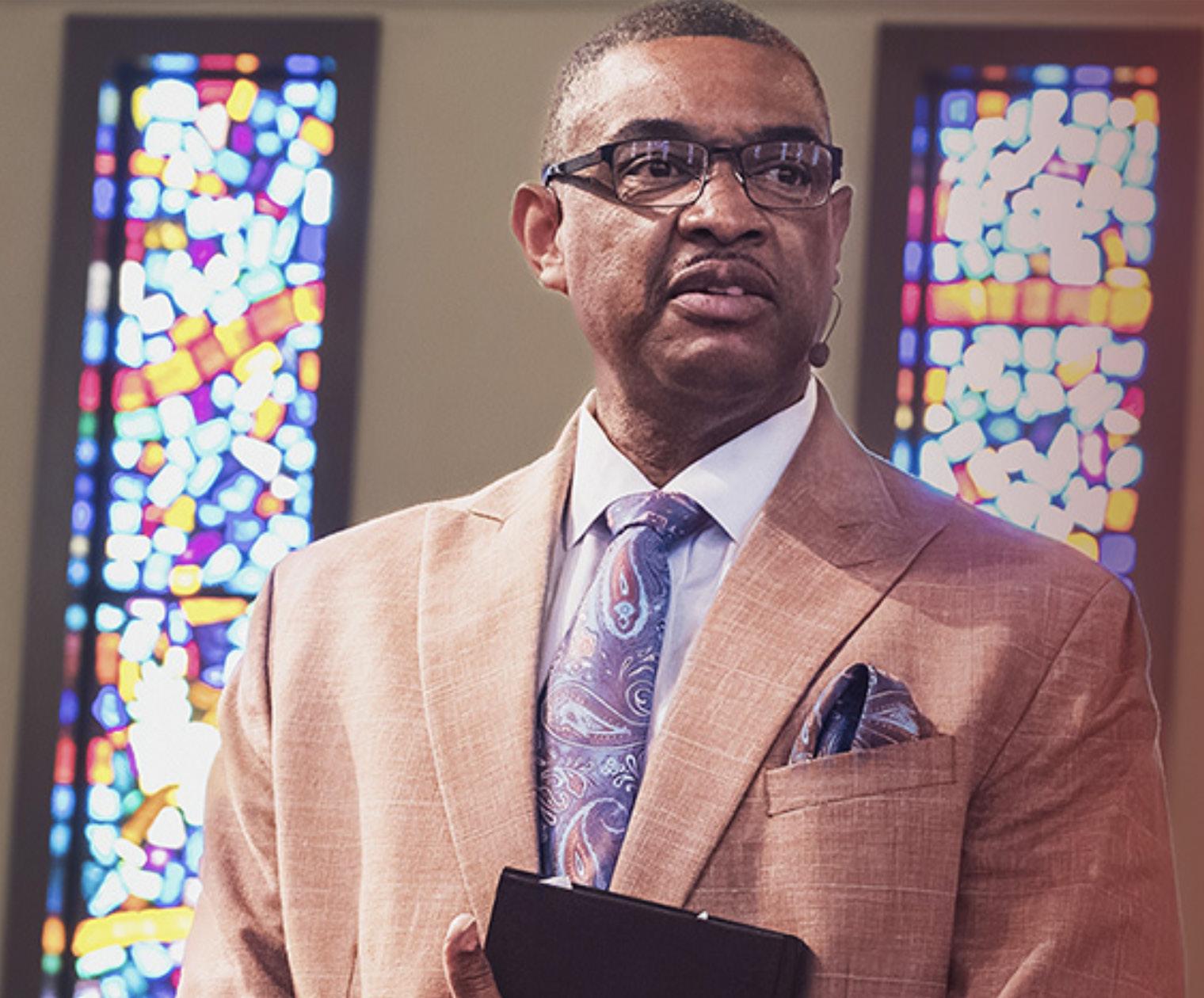
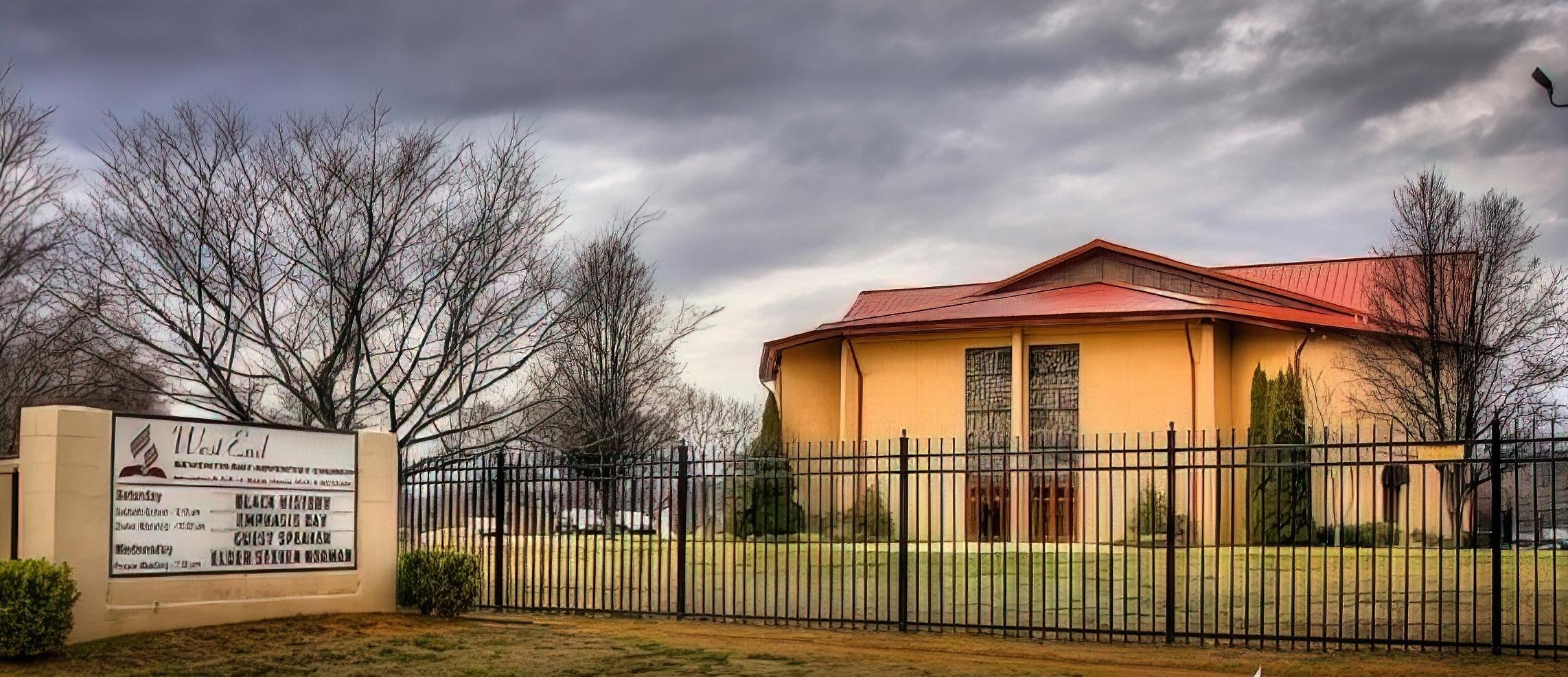
than 40 years, and has received awards and commendations for this ministry. He continued the work even when some of his own brothers and fellow singers passed away. And he has been wise enough to pass the leadership mantle on to others. Now, two teams go out in passenger vans on the first and third, then second and fourth Sabbaths. They carry out their own fundraising, but the West End SDA Church does support them with gas and upkeep of the vans.
Two assistant leaders, Lurlean Robinson and Deborah Smallwood, continue to work with Harold Davis for this ministry. While Brother Davis has shared a
rich flow of Prison Ministry history, Mrs. Smallwood shares an equally rich flow of data and statistics with us here.
The ministry is currently comprised of two SDA teams of 20 volunteers, certified by the Georgia Department of Correction, from the West End SDA Church and other Adventist churches, as well.
“Since the COVID-19 Pandemic, these teams have traveled primarily to three of the six Georgia state prisons, all occupied by males, where they have been approved to provide church services. One of these prisons is located in Metro Atlanta, and the other two are within two hours from Atlanta—in Perry, and LaGrange, Georgia.”
The SDA Prison Ministry covers three dimensions of ministry:
• Upreach — The directive to serve God, is captured on the tee shirts worn in the state prisons we visit. The words are from Isaiah 6:8, “Also I heard the voice of the Lord, saying, whom shall I send and who will go for us? Then said I, Here am I, send me.”
• Inreach— Each month, dedicated men and women prepare for ministry. They pray and ask God to give them a word in song, a testimony, and the spoken word to give to His children who are in the prisons. The SDA Prison Ministry also helps the West End Church meet its
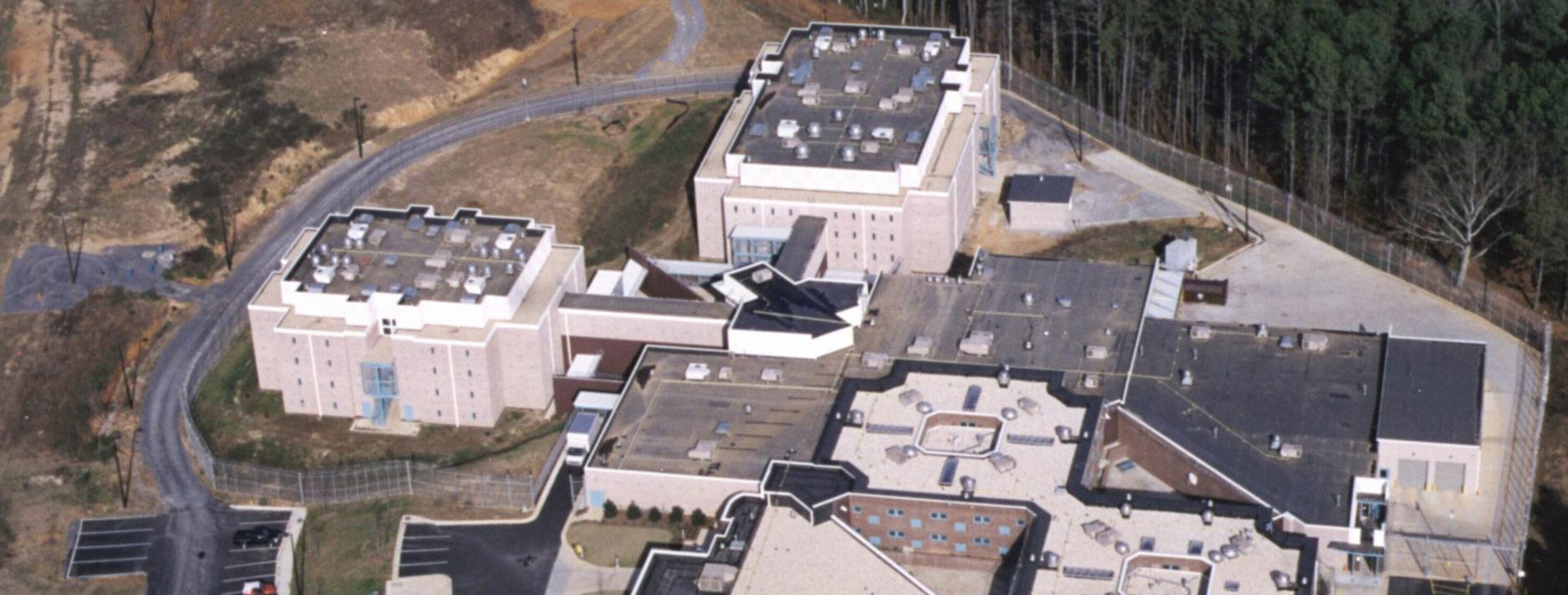
mission of soul winning, community service, by loving and helping people to make Heaven their goal.
Harold Davis and other Prison Ministry members have attended and participated in the Southern Union Prison Ministry Workshop Seminar, sharing with other prison and jail ministry teams gathered from across the union.
• Outreach — The statistical results of God directing His dedicated men and women of the SDA Prison Ministry from 2023 through August 17, 2024, are in a chart below. Two to five members of each team provide services that include
prayer, scripture, singing, and preaching; then engaging the inmates in singing and testimonies.
“To God be the glory, that 957 inmates attended our services during this time frame. Their testimonies included how the Lord blessed them to survive cancer, lightning strikes, violence where other friends lost their lives while God spared their lives. Not only are the inmates blessed with our church services, but we are blessed by hearing how the Lord loves us and wants all to be saved in His soon coming kingdom.”
The SDA Prison Ministry teams have
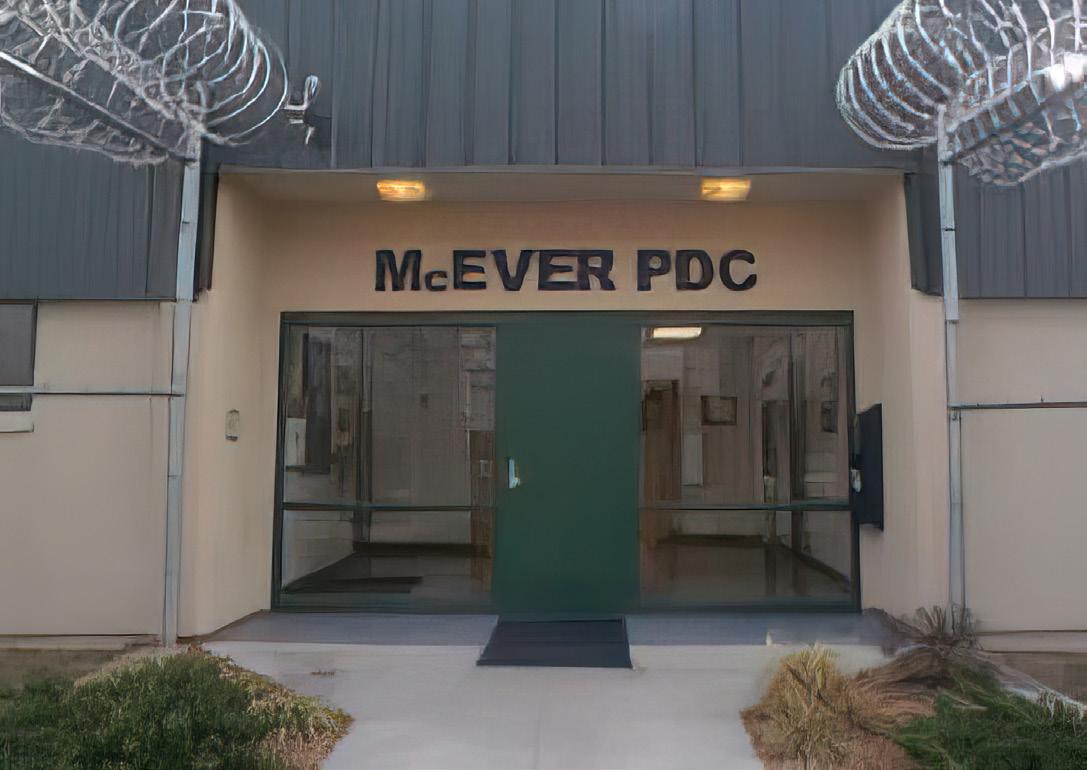
indeed seen good results. Many inmates would promise to visit the church upon their release, and some did come. Some embraced the truths learned behind bars, and applied them to new lives and even successful marriages once outside. God is able, and that gives us HOPE. t
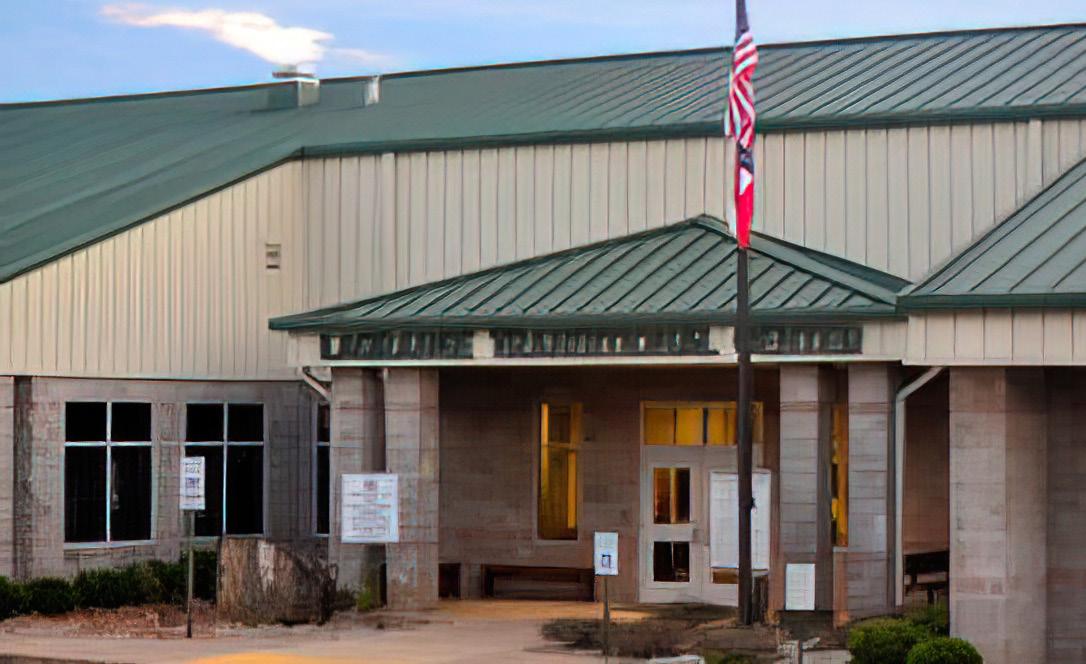
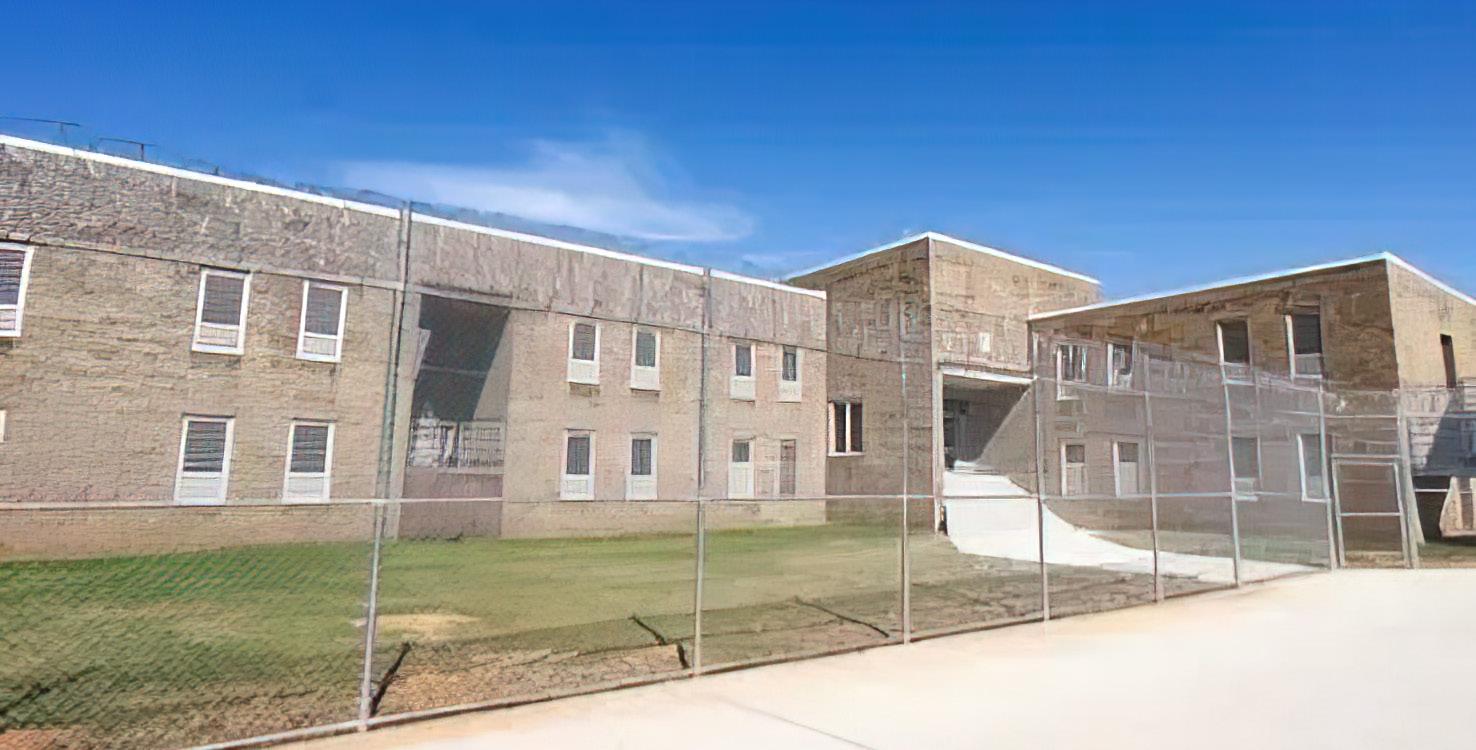

IF YOU HAVE FINISHED A FOUR-YEAR COLLEGE OR UNIVERSITY WITHIN ONE YEAR, OR IF YOU ARE IN YOUR LAST SEMESTER AT A FOUR-YEAR COLLEGE OR UNIVERSITY, YOU MAY QUALIFY FOR A SCHOLARSHIP TO APPLY TO AN AUTO PURCHASE FROM KIA MOTORS OF AMERICA. FOR MORE INFORMATION, VISIT YOUR