




By Chris Barber
Contributing Writer
The 37th annual Mushroom Festival will be back home on State Street this year, much to the delight of its longtime fans. It was away from its traditional site in the heart of Kennett Square for two years: In 2020, there was no festival at all due to COVID-19 precautions, and in 2021, when restrictions were loosened, there was a reduced version of the event at the former Genesis site on South Broad Street. The 2021 move was necessary because a detour around the Baltimore Pike bridge repair would have been awkward and difficult.
This year’s Mushroom Festival will run two days on Saturday, Sept. 10, from 10 a.m. to 7 p.m., and Sunday, Sept. 11, from 10 a.m. to 4 p.m., and many of the features that visitors are familiar with are returning.
Gina Puoci and Gale Ferranto are guiding the festival back uptown following the retirement of longtime volunteer chairperson Kathi Lafferty.
Puoci, the festival board president, and Ferranto, the festival coordinator, are optimistic about the event’s move back to the middle of town and the return to what has over


the years become one of Southeastern Pennsylvania’s most popular seasonal attractions. In recent years, the attendance over two days has been estimated at 100,000.
Upon its uptown return, the festival will showcase vendors, food, entertainment, souvenirs, music, a Cute-As-A-Button baby photo contest and a mushroom eating contest. The local restaurants will line the street with booths selling their own food specialties, and antique cars will invite inspection along South Broad Street.
Like almost all historical traditions, however, celebrations go through changes, and that is true of the Mushroom Festival as well. The most significant changes this year are the parking, the shortening of the festival site and the abandonment of the parade, which normally took place on Friday evening.
The parking
In the past few years, parking was held in the Exelon lot just to the east of the borough. That lot is now under construction The new parking site is at the Chatham Financial lot on McFarlan Road. The visitors will then be bused to the festival.
To access McFarlan from the west (Kennett Square), drive east out of town on Baltimore Pike, turn right onto McFarlan
Continued on Page 8


Continued from Page 6
at the medical center and drive about a mile. Coming west from Chadds Ford and other points east, exit Route 1 at the Kennett Square exit and turn left on McFarlan at the first stoplight. Drive about a mile to the parking lot.
In deference to the construction of the new Kennett Square Library along Willow Street, the site of the festival will start at Church Alley on the east and run to Lafayette Street on the west. In previous years, the soup-and-wine competition tent, which also housed the Mushroom Eating event, sat on the corner of State and Willow, but the library building work prevents that this year and for the future.
There will be new tent sites this year: two of them placed on Broad Street for mushroom growing and lecture events; the other one Union Street for entertainment.
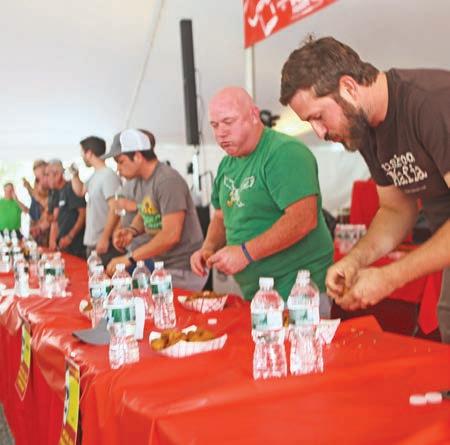
The rowdy Mushroom Eating Contest on Sunday will be in the Union Street tent.
The soup and wine gala that had previously been held at the Willow Street tent has been dropped for this year.
Continued on Page 11


Continued from Page 8
Mushroom soup, which was formerly produced and sold by the Kennett Square Masons at their headquarters on Center and Cypress Street, has been taken over by Sunny Dell Foods and will be sold from a booth outside on Broad Street.
“We are optimistic and excited to be back in town,” Puoci said, adding that as president she was pleased that last year’s event went so well in a small, enclosed space.
“It was successful. I think people enjoyed [the smaller space]. I’ve heard both though. I’ve heard some people say they want it back there again. The other feedback is that we need to get back to the charm of the town,” she said.
Those features include the popular growing exhibit, the cooking contest, musical entertainment, Cute-as-a-Button, the mushroom eating contest, children’s rides, painted mushrooms, souvenirs and a host of vendors.
“It’s chock full,” Ferranto said.
Visitors will enjoy plenty of what they remember from the past, but there are a few changes.
The organizers have made some additions, too.
The artistic painted mushroom competition that formerly
Continued on Page 12 Soup


Come

Residents have the comfort of knowing that they can receive personal care without having to move. Care is brought to them.
Quality of life, combined with a comfortable setting, makes Friends Home unique. It is the residents who fill the community with their vitality and spirit that make this a very special place, indeed.
to schedule a personal tour.

Continued from Page 11
featured 75-pound models has been reduced the size to 16 inches and 25 pounds, and they can be bid on. There will, however, be one very large one that will be raffled off.
Under a red tent and at several other locations along the route, a unique festival mushroom soup will be available in 8-ounce containers for consumption on the spot or to take home with a lid. The recipe was developed by Sunny Dell Foods and will likely be uniquely available at the festival, Ferrante said.
Both Puoci and Ferranto are lifelong Kennett Square area residents. Puoci grew up in Kennett Square and has for years served as the Kennett Fire Company administrator.
Ferranto is the daughter of mushroom growers Roro and Bear Ferranto, and she continues their Buona Foods mushroom company.
Both Puoci and Ferranto have been going to the Mushroom Festival for most of its 36 years, and the memories stir their hearts and guide the planning of this year’s event.
They recalled the founding days back in the late 1980s when the festival kicked off with a banquet, the selection of a queen and a one-block parade.


As the event grew, the parade expanded and included the arrival of television cowgirl Sally Starr riding her horse along the route. Miss America joined in another year. Several years featured a mushroom-picking contest, while former Mushroom Festival Coordinator Lafferty once brought in a Ferris Wheel for entertainment. An art show had a run for several seasons.
Continued on Page 12


Puoci and Ferranto let out a collective groan when they recalled the arrival once of a hurricane that forced the cancellation of the second day of the event.
Visitors through the years have included Philadelphia Mayor Ed Rendell, Pennsylvania Secretary of Agriculture Russell Redding, local legislators and a Mummer’s Band in the parade.
Ahead of the event, Puoci and Ferranto worked with the logistics of pulling the festival together and making it run smoothly.
Already Puoci has made parking arrangements and hauling all those guests from the off-site parking lot.
There are many more tasks for them as well. Puoci said she has a board of directors that are unanimously experienced in accomplishing their tasks. There are permits to be obtained, gates to be installed, permission from property and parking lot owners, security, police protection, financial arrangements, signs and publicity.
“The board made the transition easier,” Puoci said.
“It’s like a giant puzzle and everyone puts in their part,” Ferranto said.
Another aspect that Puoci and Ferranto want to assure the public is the support the Mushroom Festival brings to the community. In the years the event has been going on, it has contributed an estimated $1 million to local nonprofits. It also contributed content to boxes that are given out by Kennett Area Community Service at the holiday season.
Last year they contributed $65,000, and they expect that continue at least at that level. The festival generates income from sponsorships, vendors and the admission cost of $5 per person.
Ferranto said the festival carries its financial load. “People don’t understand we pay for police, public works and security. None of that is donated time because people need to be paid,” she said.
The Mushroom Festival is offering an App for personal cell phones so people can scan a QR code along the route and be informed of all that is going on for their visit.
The theme for the festival this year is “Growing Strong.”
“That applies to the festival and the community,” Ferranto said.

Kennett Square, Pennsylvania heralds itself as the Mushroom Capital of the World, and in fact, nearly two-thirds of all fresh mushroom production happens in and directly around the unique and vibrant small town.
But how did Chester County and Kennett Square become the center of mushroom production in the U.S.? After all, mushrooms are grown indoors, so they can be grown anywhere—and in fact, there are mushroom growing facilities all over the country. So, why Kennett Square?
To coin a phrase from “Joy of Painting” host Bob Ross, it was really a happy ‘not so little’ accident.
Sometime around 1885, according to local lore, William Swayne was a successful florist in Kennett Square. He was bothered by wasted space under the carnation beds in his greenhouses, and thought of growing mushrooms there. So, he steamed off to Europe, where people were already farming mushrooms, and brought back some spores—or spawn—needed to grow mushrooms. The results were encouraging enough that he built the first mushroom house in the area. His son, J. Bancroft Swayne, returning from college, took over the mushroom business and made it a commercial success, eventually developing a spawn plant and a cannery in addition to the growing houses. They were Kennett Square’s original mushroom farmers, and some of their descendants are still in business today.
chicken litter, cocoa shells, corn cobs, and more.

The farms hired laid-off workers from nearby stone quarries—mostly of Italian descent—to handle some of the hard physical labor. Soon, this group started their own farms, and then their sons and cousins joined in. By the 1950s, there were hundreds of mushroom farmers in Chester County, mostly of Italian descent. Today, if you have mushrooms on your pizza, in your salad, or blended into your burgers, there’s a good chance those mushrooms were grown in Chester County. According to the latest data, Chester County mushroom farms produced 317 million pounds of white button mushrooms—the most popular mushroom.
Mushrooms are big business in Pennsylvania. They are the number one cash crop in the state, with a total economic impact of $1.3 billion, supporting more than 9,300 jobs with $313 million in employee compensation. In addition to the direct, indirect, and induced impacts—meaning the industry impacts other industries like health care, retail, accommodations and food services, other ag segments, and more, the mushroom industry also generates considerable tax revenue to the state; more than $18 million annually.
Meet some of the Chester County mushroom farms.
Geography certainly didn’t hurt the new industry. Because mushrooms have a short shelf life and need to be stored in cool environments, getting mushrooms to large population centers like Philadelphia, Baltimore, and New York (before refrigerated trucks) was ideal. And, many of the ingredients used to create compost—the growing medium for mushrooms— could be found locally, including straw, stable bedding and

Gale Ferranto and Peter Ferranto are siblings who operate Buona Foods, which grows, harvests and packs local Pennsylvania mushrooms every day and ships them out to your local stores.
Buona Foods has spent nearly 50 years growing mushrooms in Chester County. Their family-owned and operated farm and processing facility has spent three generations supplying our retail and foodservice partners across the country the highest quality mushrooms available.
Forget about Harry and Sally. The story of Rosemarie “Roro” Ferranto and mushrooms is truly one of love at first sight. A daughter of Italian immigrants, Roro grew up working on her family’s farm and founded Buona Foods in 1975 by selling mushrooms to local grocers and restaurateurs.
While Roro’s love of mushrooms helped her business grow steadily, it was the other love of her life that helped Buona Foods become a premier East Coast mushroom supplier. Roro’s husband Robert “Bear” Ferranto joined Buona Foods in 1975, bringing 26 years of production management experience along with him. Together, Roro and Bear grew the business in size and scope.
Today, three generations of Ferrantos take a hands-on approach to ensuring Buona Foods packages and distributes fresh mushrooms from their PA farm to store shelves in the same day.
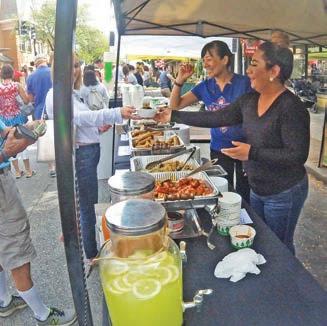
Buona Foods has a booth at the Mushroom Festival serving their famous breaded mushrooms.
In 1932, Joseph A. D’Amico was a stonemason by trade. In the early 1930’s he purchased a Stone Quarry in Avondale, which happened to include a small mushroom house located on the property. Shortly thereafter he began growing mushrooms on the farm, producing 50,000 pounds annually. Joe’s sons Alfred and Anthony J. “Tootsie” D’Amico took over farming operations in the 1950’s and expanded the farm to 550,000 pounds of mushrooms annually. Nearly 30 years

later, in 1980, To-Jo Mushrooms was formed when Anthony’s son John D. and Joseph D’Amico, Sr. split the business into JD Mushrooms, the growing operation; and To-Jo Mushrooms—the Sales and Marketing operation, naming the business after Joe’s sons Tony and Joe. Over the years, the company grows, and in 2007, Joe’s sons Tony and Joe Jr. take over the company.
Although To-Jo has evolved over the years its culture and success can always be traced back to the roots of the D’Amico family. Its name and logo are great examples of this; the name To-Jo literally means Tony and Joe, and the five mushrooms symbolize Joseph Sr., Louise, and their children Tony, Joe, and Anita.

In 1927, William Phillips started with a small mushroom growing business in Kennett Square. Before this time, mushrooms were a winter crop, in part due to temperature. William was one of the first to use ice for temperature control—making it possible for mushrooms to grow year-round—providing a significant breakthrough for the mushroom industry. Williams’s passion for growing top-quality mushrooms and his dedication to customers is what encouraged his drive for innovation.
Continued from Page 15
It inspired many in the area including his sons, Donald and Marshall.
The tradition of Phillips family innovators continued. In 1962, William’s sons, Donald and Marshall, formed a partnership and expanded the family growing operation into the packaging, marketing, and transportation of white mushrooms throughout New England.
In 1979, Donald and Marshall felt a need to diversify their business and began experimenting with shiitake mushrooms that were grown indoors on supplemented sawdust logs. Their commitment to this project enabled them to become the first successful indoor shiitake growers in the U.S. Additional mushroom varieties, innovative packaging and nationwide promotional campaigns expanded the specialty mushrooms division dramatically over the next 13 years.
Over the years, Phillips Mushroom Farms has expanded facilities, and today is the largest specialty mushroom farm in the country, in addition to their growing white button mushroom business.

Basciani Foods does everything. They grow all sizes of white mushrooms and specialty mushrooms, pack for national retail grocery store chains as well as for foodservice distributors, we have multiple processing and storage facilities in the U.S., all under the guidance of third generation Richard A. Basciani Sr., Mario J. Basciani Sr., and Michael J. Basciani Sr. Together they have more than 150 years of experience working in the production and wholesale of mushrooms and other produce, shipping more than 1.5 million pounds of mushrooms every week.
The family shares a vision of continued growth and success for the Basciani Family and the mushroom industry as a whole. With their persistent, unrelenting care and guidance, the Basciani brothers hope to construct more growing rooms


and expand Basciani Foods facilities to accommodate tens of millions of pounds of mushrooms more annually, over the next decade.

In 1980, Daniel Beltran, then 16 years old, left his family’s small dairy farm in Jalisco, just north of Mexico City, for opportunity here in the U.S.
Daniel first worked in agriculture in California but moved east for better pay. His first job was in Avondale, PA, laying down compost in the beds used to grow mushrooms. Then
he moved up to becoming a harvester with Avondale’s Elite Mushroom Co., where he eventually became a supervisor. But he aspired to do more, and in 1994, with the encouragement of his wife, he rented three standard mushroom houses, each with 8,000 square feet of growing beds. He farmed mushrooms part-time—sometimes full time—until the winter of 1995, when he left Elite to become a full-time mushroom grower.
Over the past 40 years, Daniel and his family have built a mushroom business with more than 600,000 square feet of growing space and more than 100 employees.
And speaking of family, MASDA is an amalgam of Beltran family names. “M” is for Daniel’s wife, Maria Beltran. “A” is for Alberto, Daniel and Maria’s son, “S” is for Sonya, who holds a master’s degree in business organization from Immaculata University and works at First Generation Farms, and “D” is for Daniel, the patriarch. For a decade or so, the “A” at the end of Masda was just there so the company name would be pronounceable. Then, a little over 15 years ago, the family was blessed with a baby girl whose name just happened to be Avril.





East West Label is one of the sponsors of the 2022 M a long history with the mushroom growers in the Ken


By Monica Fragale Contributing Writer
If you’ve ever bought a container of mushrooms from a supermarket, or if you’re buying fresh mushrooms at the Mushroom Festival this year, chances are good you’re looking at a label that East West Label Co. has printed.
East West Label is one of the sponsors of the 2022 Mushroom Festival and has a long history with the mushroom growers in both the Kennett Square area and in Berks County. The Conshohocken-based business prints many of the labels that area mushroom growers put on their products, according to Christina Wilson, the third generation of Wilsons to work in the family-based business.
The partnership between East West and the mushroom growers is a unique one.
“We support the industry and the growers,” Christina said. “Without them we wouldn’t be where we were today. We
hope to continue our partnership for years to come.”
“They’re not just customers,” said Chris Wilson, president of East West Label and Christina’s father, “they’re personal friends.”
East West Label began in 1973 in Sharon Hill, Pa., and was started by Bill Wilson, Sr., Chris’ father and Christina’s grandfather.
“Our original premise was to make pricing labels” for supermarkets, Chris said.
According to the East West website at ewlabel.com, “What started out as a supplier for local markets – supplying equipment, store signs and marketing labels – quickly evolved into a full-fledged print shop. From there, through word of mouth, referrals and reputation, the company started servicing the supermarket’s produce suppliers too.”
The partnership with the mushroom industry

can be traced back to the late 1970s, after East West Label, its three employees and one printing press had relocated to Conshohocken.
“We had a friend who was selling corrugated cardboard in Kennett Square, and he said there was a market for the overwrap,” Christina said.
When East West began transitioning from pricing labels into areas like prime labels (that feature multiple colors and appear on things like produce or meat), according to Chris, “Growers in Kennett Square were transitioning from canned to fresh. We just happened to be at the right place at the right time.”
In the 1980s, East West Label began printing on adhesive overwrap.
“We actually were one of the original ones to start printing on adhesive,” Chris said. “Because the film was clear, the consumer when they unwrapped it would see the nutritional information on the back (of the label).”
Continued on Page 24

Continued from Page 23
These days, the company has 33 employees and 11 printing presses and new digital press, according to Christina. East West specializes in high-end flexographic printing, converting and rerolling, serialization and custom coding, among other things, according to the company’s website.
“We are 100 percent in-house,” according to the website. “From conception through production, we are there with you every step of the way.”
When an order comes in, the journey begins in the in-house art department.
“Pretty much all images, specifications, nutritional facts, distributed-by statements, country of origin … all of this has to be gone through with a fine-toothed comb,” she said.
The next step is prepress and the plate-making department, and after plate making it goes right to the Flexo printing process and finishing inspection. Production begins when the plates get affixed onto the print cylinders, and the ink is mixed and prepared for the run.
“Some labels are very simple, and some are very complex (with multiple colors,)” she said.
Shipping and receiving is the last stop. The finished products are
Continued on Page 26


Continued from Page 24
then driven by East West employees to businesses within about 150 miles of its location.
“Our slogan is ‘Service Separates,’ and that’s what separates us from our competitors,” Chris said. “We are a service-first organization. Price is important, but service is way more important.”
Just as with mushroom growers, holidays are among the busy seasons for East West Label.
“Our employees are well-aware that we have to be ready to react,” Chris added. “The reason we’re so successful in the prepack produce industry is we understand the industry, and our employees who are our No. 1 asset understand the industry as well.”
East West Label will celebrate its 50th anniversary next year. It will be a bittersweet one, according to Christina, because her grandfather, who founded the business, and her uncle, Bill Wilson Sr. and Jr., have passed. Bill Jr. was the vice president, and he co-owned the company with Chris.
The company will also mark decades of being involved with the Mushroom Festival and its growers and suppliers.
“It’s a special friendship when you deal from one small business to the next,” Christina said, adding that she liked that many of the mushroom farms were family-owned. “The industry has always supported us over the last 40-plus years.”

“Our service and our location makes it very advantageous to deal with a lot of growers in Chester County and Berks County,” Chris said. “It’s a really tight community.”





By Chris Barber Contributing Writer
Probably the best way to savor the memory of the Kennett Square’s 2022 Mushroom Festival is to buy a jar of the soup, take it home and eat it for dinner the next day. Or, even better, freeze it and bring it out for lunch when the cold weather arrives.
As in the past, locally produced mushroom soup will be for sale at the upcoming festival, but this year there are some changes.
For the past 15 years, the soup was cooked, sold and dished out at the Kennett Square Masonic Lodge on West Cypress at Center Street. This year it will be provided at a booth uptown in the main State Street area at Broad Street where the culinary events, mushroom-eating contest and entertainment will happen near a red tent.

If you are perusing the festival and get hungry, you can purchase a jar and consume the contents sitting at the table and chairs provided at the booth. Whether you buy it to eat right away or take home, it will be warm and packaged.
According to Mushroom Festival Coordinator Gayle Ferranto, the soup will be sold in to-go closed containers with a lid. It can be eaten at the festival or taken home. Another change this year is how the soup is produced. Previously, the Kennett Square Masons cooked and served that the soup – small or large servings. They dished it out on site and engaged their customers in conversations. It was a convivial event all around.
This year, the soup will be prepared off-site at the Sunny Dell Foods plant in Oxford.
Sunny Dell is a food manufacturer in Oxford offering a wide variety of specialty products. The company has grown over the years but advertises that it always holds onto its roots of making quality marinated mushrooms.
Sara Caligiuri of Sunny Dell, who is overseeing this year’s mushroom soup operation for the festival described the product this way to Ferranto:
“[It is a] locally made savory, rich and creamy soup. It is loaded with fresh local portabella and white mushrooms. It has earthy flavor enhanced by carrots, herbs, onions and black pepper. The mushrooms are locally grown and the
Continued on Page 30

Deputy Grand Master Eric Downs talked about the years of cooking the mushroom soup.


MICHAEL R. PERNA, Esquire
JENNIFER ABRACHT, Esquire
RYAN BORCHIK, Esquire
Maggie Cannon, Paralegal
Continued from Page 28
soup contains milk from local dairy farms.
The Masons are still involved, however, in a lesser role. This year they will serve as the vendor and oversee the sales at the booth.
The tradition of selling homemade mushroom soup at the festival has a rich history that goes back about 15 years.
Masons’ District Deputy Grand Master Eric Downs, 48, described the anticipation and fellowship that accompanied the annual soup-production project in past years.
He said the original leader of the project was Al Marcus, who still participates but handed off the majority of the responsibility to Downs 10 years ago.
They got the needed 300 pounds of mushrooms from two local growers: Basicani and D’Amico.
Downs said they laid out the ingredients and equipment the Friday night preceding the festival and got up early on Saturday to do the cooking.
He said they steamed the mushrooms over a fire in batches of 10 pounds each, while cooking the onions, celery, butter, mustard and broth as well.
“The steaming kept them tender, and they smelled so good. When I would go home, my wife said, ‘You smell like onions.’” Downs said.
They dished the soup out for consumption at the hall, but the customers could also buy lidded bowls slipped in plastic
PERSONAL INJURY LITIGATION CRIMINAL DEFENSE DOMESTIC MATTERS AUTO ACCIDENTS WILLS AND ESTATES REAL ESTATE TRANSACTIONS EMPLOYMENT MATTERS COMMERCIAL MATTERS
Beatriz Merino, Bilingual Paralegal with concentration in : TEL/ 610-444-0933


Continued from Page 30
The customers could also pay in advance, and the Masons would store it in refrigeration with their names to pick up later.
They also sold juice and soda.
Downs said the recipe was not secret. In fact, they posted it on the wall so people with allergies would know if they had to exercise caution.
“It was a soup, but it was loaded with mushrooms. You could see them filling the bowl,” he said.
With the proceeds of sales, the Masons funded two $1,000 scholarships: one each for a graduating senior from Unionville and Kennett high schools.
This year, he said, the Mushroom Festival leadership is giving them $2,000 for the scholarships, inasmuch as they will not be receiving the profits for the soup.
Downs said it has always been a genial and festive event for the Masons – something they look forward to.
Continued on Page 34 bags to take with them.





Continued from Page 32
He said they usually sold out on Sunday, especially in good weather.
“We even had a woman who would come every year, she was a food critic from Chicago. She loved it and loved the recipe,” Downs said.
The success of the mushroom soup project has inspired the Masons to consider future applications.
“The New Year’s Eve Mushroom Drop has all those people thinking about the mushrooms on a cold night,” he said.
Still, for this year, he said he and his members will miss the Mushroom Festival project.
“There was fun and laughter. We had a ball,” he said.


by Eugenia Bone, Science Focus on behalf of the American Mushroom Institute
Mushrooms aren’t just a delicious pizza topping. They could help us colonise other planets, tackle plastic pollution and even rescue beleaguered bees.
Did you know there are 10 times more species of fungi than plants? That with every woodland footfall we are stepping on kilometres of fungal threads? Or that with every breath, we breathe in up to 10 fungal spores? If you don’t, you are not alone.
Most of us are ignorant about the fungi kingdom. Perhaps it’s because, for many people, these incredible organisms have the ‘ick factor’. A large number of fungi are decomposers: they get their food by harvesting nutrients from dead and dying organisms, and we often associate anything to do with decay as rather creepy. What’s more, toadstools have been credited with all kinds of mischief, from deflowering virgins (not possible) to melting your liver in a matter of days (very possible, if you eat certain species).
Nor has it helped that fungi are primarily microscopic. When we see mushrooms growing in the wild, we are only seeing the fruiting body of the organism, which produces spores for reproduction. The rest of it is a mass of fungal threads called ‘hyphae’, which are hidden from sight and forage for nutrients inside wood or soil. It wasn’t until we had powerful microscopes to see fungi clearly that we were able to understand their metabolism and finally get a sense of how huge the realm of fungi really is.
Fungi are present in the microbiomes of all living things and even exist in the atmosphere. But they mainly reside in soil and plants, where they are integral to the wellbeing of forest and field ecosystems, to the recycling of nutrients, and to the sequestration of carbon.
Fungi are responsible for countless duties in nature, and the molecules they have evolved to fulfil those duties represent a range of opportunities that may help us
solve some of the world’s most vexing problems. This is an exciting time, when bioprospectors, entrepreneurs and ecologists are all rethinking what the future could look like. And what they are seeing is that the future is fungal.

You probably don’t know it, but when you look at a plant, you are looking at fungi, too. That’s because most, if not all, terrestrial plants host thread-like fungi between their cells. The fungi feast on sugars the plant makes, and in exchange, they help plants tolerate stressful environmental conditions like salt inundation, drought and high temperatures.
When a plant is exposed to drought it suffers from oxidative stress – an imbalance of free radicals and antioxidants – which can hurt its cells. But unlike you and me, plants don’t produce helpful chemicals to counter the effects of that stress; instead, it’s the endophytic fungi living between the cells of the plants that do.
These impossibly thin fungal threads emit an arsenal of compounds that calm oxidative stress in plants, and also participate in the chemistry that makes plants use water efficiently. This helps plants with a drought problem, but also those suffering from extreme heat or salt exposure.
Researchers have found that stress-reducing endophytic fungi can be transferred from their host plants to crop plants in order to help them survive in a warming world. For example, the fungus that allows panic grass to grow in soil temperatures of up to 65°C also allows tomatoes to grow and fruit in similarly hot conditions.
To the fungus, panic grass and tomatoes are the same thing, and the implications are enormous: in a rapidly warming world, endophytic fungi have the potential to protect our food supply.
There hasn’t been a novel psychiatric medicine in decades. The majority of medications used today are next-generation versions of drugs developed in the 1950s. But in the last 15 years, an old class of drugs is new again, and one of the most promising of these is derived from a mushroom.
Fifty years ago, researchers worldwide began an intense investigation into the possibilities of psilocybin and LSD to help people with a range of mental disorders. The research was incredibly promising, but as these drugs seeped into the rowdy, anti-establishment youth culture of the 1960s, fewer and fewer scientists were willing to work with them. By 1968, the United Nations was urging countries to prohibit psilocybin and LSD.
But times change, rigid positions soften, and today those drugs are being researched again, with astonishing results. Researchers have found that when combined with therapy, psilocybin – a molecule present in some 200 species of the Psilocybe mushroom genus – may be effective at easing a host of disorders, including OCD, PTSD, depression, and anxiety due to life-threatening illness. There are also ongoing studies to investigate its effect on anorexia nervosa and Alzheimer’s.
Psilocybin may work by suppressing certain neural pathways in the brain and engaging others, and in the process, it disrupts rigid patterns of thought, as in the PTSD patient who replays traumatic experiences over and over. Psilocybin seems to lead to the rapid onset of antidepressant and anti-addictive effects that are persistent over time. With results like these, governments are paying attention. And so are patients.
• WARNING: LSD and psilocybin are Class A drugs according to UK law. Anyone caught in possession of such
substances could face up to seven years in prison, an unlimited fine, or both.
Take something as simple as polystyrene packing chips. We use them for keeping valuables safe during shipping, but they don’t biodegrade. But what if we replaced them with fungal chips? They’re just as good at protecting Mum’s china and you can toss them into the compost bin when you’re finished.
Continued on Page 37
Fungi have enormous potential as an environmentally sustainable material for product design and building components. That potential is based on the fact that you can grow mycelium – the non-fruiting part of the fungus, consisting of a network of fine threads – into any shape or size you want, then bake it like a pot in a kiln. The result is a strong, light material that has structural integrity, but as soft or rigid as you like. What’s more, the food source used to grow the fungus can lend particular attributes to the end product, like adding fire resistance.
The first company to explore fungi as a material was Ecovative in the US. They have produced a range of products, from packaging for companies like Dell computers to pleather-like textiles for fashion designers like Stella McCartney. And that’s just the beginning. Fungi have also been grown into soft foam alternatives, bricks, particleboard, electrical circuit boards, fire-resistant insulation, and household objects like vases, chairs, lampshades, even slippers.
But why think so small? At NASA’s Ames Research Center in California’s Silicon Valley, the myco-architecture project is working on technologies that could ‘grow’ fungi-based habitats on moons and other planets. When it comes to fungi, technology is mushrooming.
Continued from Page 37
Fungi don’t have chlorophyll like plants, so to get nutrients, they spread their long, thin hyphae through their food. Their cells will then seep out digestive enzymes, which break down the bonds that hold together their food, allowing them to absorb tasty molecules, like carbon, phosphorous, nitrogen and water. This power to break down complex molecules into simpler ones is the key to mycoremediation, the application of fungi in order to clean polluted sites. They can be employed in all kinds of ways, from the disassembly of polyaromatic hydrocarbons (think petroleum byproducts, sewage sludge and ash) to an array of nitroaromatic compounds like explosives, dyes, herbicides and insecticides, to ashtrays made of fungi that digest cigarette butts.


Basically, any carbon-based product is food for fungi. Fungi have co-evolved with natural materials so they know how to break them down, and now they are learning to do the same for plastics. In the last few years, researchers have identified a soil fungus that can break down polyurethane in a matter of weeks, and other species have been discovered with similar capabilities.
Applying these fungi in situ, and in a cost-effective way, is challenging. But there are exciting new approaches. Researchers in Canada have discovered a fungus living within the roots of dandelions growing on waste products on Canada’s Athabasca oil sands. When this fungus was introduced to other plants, it endowed them with its superpower, allowing them to exist on the polluted soil, but also clean it in the process.
Other innovations involve downstreaming industries, like the Onion Collective in Somerset. This biorecycling facility hopes to feed fungi with plastics and make useful products like leather replacement materials with the resulting mycelium.
Continued on Page 40
Continued on Page 38


Continued from Page 38
Honeybee pollination is important for many of our crops. But bee populations are in decline all over the world; in China, farmers have been forced to pollinate their apple trees by hand. This decline is credited to Colony Collapse Disorder (CCD), characterised by the sudden death or disappearance of worker bees in a hive.
Widespread in the U.S., Canada and Europe, CCD kills billions of bees each year. Why? One theory posits the bees’ immune systems are compromised by exposure to neonicotinoid pesticides. As a result, they can’t fight viruses spread by a parasitic hive mite. And that’s where mushrooms might come in.
In the mid-1980s, the mycologist and mushroom supplement producer Paul Stamets noticed that his honeybees were sipping droplets of liquid emitted by mushroom mycelium that had colonised a pile of wood chips.
For years, he assumed the bees were collecting sugar. And then it occurred to him, maybe the bees were collecting medicine. That concept was borne out in 2018 when Stamets, along with researchers at Washington State University, found that honeybees fed an extract from tinder fungus (Fomes fomentarius) and reishi mushroom (Ganoderma lucidum) experienced a significant reduction in their viral load, particularly the lethal deformed-wing virus.
The researchers are not sure yet whether the extracts are helping the bees’ natural immune system fight off the virus or actually destroying the virus, but future studies will tell. We may soon be putting out medicinal dispensaries for bees along with our bird feeders.


Mushroom compost is the remaining rich bedding material after growing a crop of mushrooms. High in organic matter, it is desirable for use as a soil amendment or soil conditioner. An engine of the regional agricultural ecosystem, it is made of recycled farm and other materials, such as hay, straw, stable bedding, poultry litter, cottonseed meal, cocoa shells, and gypsum.
Once the the mushrooms are removed for a mushroom house to be packaged and sold, this now “spent” growing medium, or “spent substrate” is steam-treated to eliminate any pest, pathogens and weed seeds, and then carefully removed from the mushroom house to start
its next chapter in sustainable agriculture or other applications. Marketed as Mushroom Compost, it is rich in organic matter and sometimes referred to as Pasteurized Mushroom Compost.
The Pennsylvania Department of Agriculture accepts mushroom compost as a soil amendment. Its high water and nutrient holding capacity supports pastures, cover crops, row crops, and plant growth in a variety of applications from the lawn and landscape, and also inhibits the Artillery Fungus.


Fall is the best time to seed new lawns and the best time to incorporate Mushroom Compost into your seeding plan. Prepare the seed area by covering uniformly with 1–2 inches (or 3–6 cubic yards per 1,000 feet) of Mushroom Compost, and till into the soil to a depth of 4–6 inches for maximum benefit.
Sow the grass seed uniformly over the soil surface at a rate recommended for your seed. Cover the grass seed with another 1/4 to 1/2 inch layer of Mushroom Compost (approximately 1–2 cubic yards per 1,000 feet). Rake the area lightly to ensure good seed-soil contact. Water well.
Post seeding care only requires daily watering to keep the soil uniformly moist until new grass seedlings have reached

1 1/2 inches in height, which is typically about three weeks after emergence.
Using Mushroom Compost in Established Lawns:
Renew an older lawn using Mushroom Compost by spiking the lawn for aeration, uniformly spreading about 1/2 inch layer of Mushroom Compost over the lawn’s surface. Spread seed and work into the lawn. A flexible rake is a perfect tool. Water thoroughly and often until the seed germinates.
Other Mushroom Compost Lawn Uses:
• Flowers and Shrubs: Use Mushroom Compost as a soil amendment when planting flowers, shrubs and trees. No other fertilizer is needed in the first year.
• Sod: The soil preparation should be prepared as for new lawns. The soil should be moistened before sod is laid. After laying sod, uniformly apply 1/2 inch Mushroom Compost on the seams for improved rooting.
• Artillery Fungus: Artillery Fungus lives in wood mulch and shoots black spores toward light surfaces, such as buildings, siding and cars. According to research studies at Penn State University by Dr. Donald Davis, when mushroom compost is mixed with mulch in proportions of just 20 to 50 percent, the Artillery Fungus is inhibited.
Top 10 Reasons to Use Mushroom
1. Suppresses sporulation of the artillery fungus in landscape mulch.
2. Decreases or eliminates the cost of liming with a low cost, consistently high-quality organic fertilizer amendment of mushroom compost.
3. Restores soil structure by improving soil quality, soil structure and beneficial soil microbial population and activity.
4. Improves soil water retention during drought conditions and in poor soils.
5. Mushroom compost’s organic qualities and values are verifiably consistent and available year-round.
6. It is a sustainable agriculture by-product and a (produced under a) good ecological stewardship practice, providing a rich soil amendment in a complete environmentally friendly recycling process.
7. Increases soil organic matter, facilitating improved turfgrass and plant production.
8. Stabilizes nitrogen and reduces nitrate leaching.
9. Improves water infiltration in clay soils.
10. Mushroom Compost is a PA Department of Agriculture accepted soil amendment and a PA Preferred product. It is an accepted PennDOT reclamation material in stormwater management basins


a mature, very large crimini mushroom, Agaricus bisporus. Portabellas are mature agaricus mushrooms where the veil has opened and the gills are exposed.


an edible, dark-brown mushroom with a rounded cap, Agaricus bisporus
The crimini is an immature portabella, picked before the gills are exposed. It is known by many names including baby portabella, baby bella, Roman mushroom, Italian mushroom and brown mushroom.
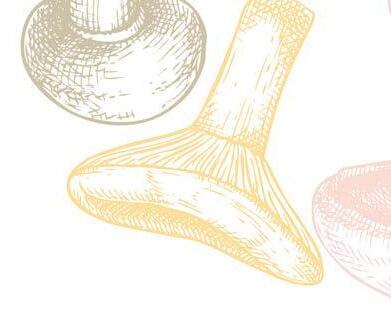


has a trumpet shaped tan cap and thick, white stem. Also called King Oyster, Pleurotus eryngii.
The Royal Trumpet mushroom is the largest species of the oyster mushroom.
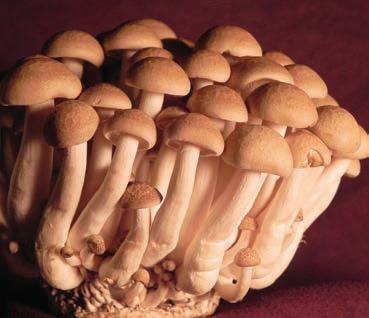

(beech):
crisp, firm fleshed fungi with short stems, Hypsizygus tessulatus.
In nature, the beech mushroom is found high up in the yokes of trees. It is cultivated on jars filled with corn cobs.
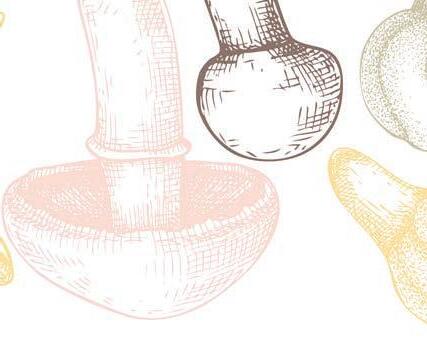
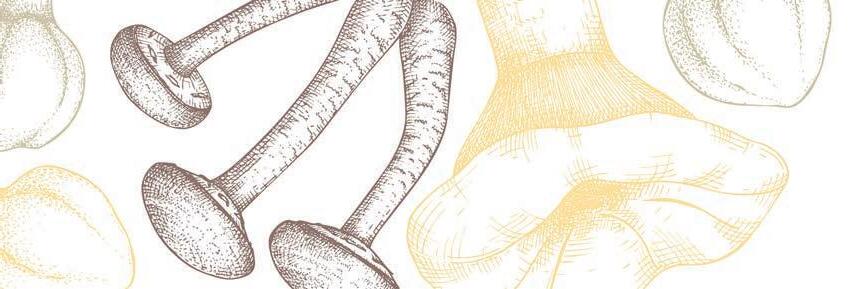
WEDNESDAY, AUGUST 31, 2022



Maitake (my-tah-key):
rippling, tan shaped mushroom without caps, also called Hen of the Woods, Grifola frondosa.
In Japanese, “maitake” translates to dancing mushroom. In other parts of the world this mushroom that grows at the base of trees in the wild is called Hen-of-the-Woods, Ram’s Head and Sheep’s Head.


Shiitake (shee-ee-tah-key):
a large, meaty, black or dark brown mushroom, Other common names are Golden Oak, Black Forest and Oakwood, Lentinus edodes.
As both food and medicine, the shiitake has been revered in Asia for thousands of years. It grows in the Far East on fallen broadleaf trees, include the “shii” tree in Japan.




Oyster (oi-ster):
an edible fungus having an oyster-shaped cap, Pleurotus ostreatus
The yellow oyster is described as delicate like a daffodil and could be used as a centerpiece.


Pom Pom (pom-pom):
white sphere fungi with soft spines and no stem, Hericium erinaceus


Button (buht-n):
a usually small white mushroom in which the pileus has not yet expanded, Agaricus bisporus


Continued from Page 47
Saturday, Sept. 10 and Sunday, Sept. 11
Street Fair
Nearly 175 vendors from all over the country will line the streets with arts, crafts, food and more. Restaurants in the downtown area will prepare their mushroom specialty dishes. The Street Fair spans from Willow Street to Lafayette Street.
Saturday, 10:00 AM to 7:00 PM
Sunday, 10:00 AM to 4 PM
Mushroom Growers’ Exhibit
See mushrooms come to life from the tiny spore to the mature, ready to eat fungi! Walk your way through the mushroom growing exhibit, where you will see how white button, shiitake, maitake, oyster, and royal trumpet mushrooms grow. 10 a.m. to 7 p.m.
**NEW**Mushroom Soup
This year the official Mushroom Soup
of the Festival will be sold on Broad St.
Dive into our locally made savory, rich and creamy mushroom soup. Loaded with fresh hearty portabella and white mushrooms. This soup offers earthy flavors enhanced by onions, carrots and black pepper. Our soup is made with fresh local grown mushrooms and milk from our local dairy farms, gluten free and vegetarian.
Painted Mushrooms
Silent Auction
Artists become very creative with these 20 lb. toadstools – perfect for your garden or home. Cash prizes are awarded to the top three artists. Everyone can vote for their Festival Favorite -- the winning artist receives a cash prize, too! Painted Mushrooms are displayed on Broad Street. There will be raffle tickets sold for $1 for a 108lb painted mushroom created by Jane Henry, raffle will be pulled Sunday @ 4PM Saturday, 10:00 AM. to 7:00 PM.
Sunday 10:00 AM
*All events are tentative. check the website: Mushroomfestival.org for up-to-date information
Last bid taken at 3:00 PM Sunday
Cute-As-A-Button (Mushroom)
Baby Photo Contest
Who do you think is the Cutest Button, Crimini and Portabella? Vote for your favorite contestant/photo with your pocket change in this baby photo contest on Broad Street All proceeds benefit the Kennett Area Food Cupboard..
Saturday, 10:00 AM. to 6:30 PM
Sunday, 10:00 AM to 3:30 PM
Mushroom Sales
All cultivated varieties of fresh mushrooms can be purchased at the Mushroom Sales Booth on Broad Street. Refrigerated trucks hold your mushroom purchases fresh until you are ready to leave the Festival.
Saturday, 10:00 AM to 7 PM
Last pick-up is 7:30 p.m.
Sunday, 10:00 AM to 4:00 PM
Last pick-up is 4:30 p.m.
Children’s Entertainment
There will be a Bounce Zone and Bungee jump for the children. Face Painting & Sand Art Happy Heart Clown ‘N Stuff will be twisting balloons on Saturday from 12:00-7:00 and on Sunday from 11:00 a.m.-4:00 p.m. in the parking lot at 300 W. State Street, behind the ticket sales.
Meet Fun Gus
Fun Gus, the Mushroom Festival’s mascot, makes a few appearances during the Festival. Keep your eyes open for an 8-foot, red-capped mushroom strolling down the street.
Saturday, Sept 10
11AM Look for FUNGUS at South Union Street
2PM Look for Fungus Strolling the Festival
5PM Look for FUNGUS by Letty’s Tavern
Continued on Page 48








Continued from Page 47
Sunday, Sept 11
11AM Look for FUNGUS at the Grower’s Tent
1PM Look for FUNGUS at South Union Street
3PM Look for FUNGUS’s Last appearance at the 2022 MUSHROOM FEST Strolling the Festival
Saturday, Sept 10
Antique and Classic Car Show
10:00AM
Shady and spacious Broad Street, with its numerous examples of Victorian architecture, provides the backdrop to our Antique and Classic Car Show. South Broad Street from Cypress to Mulberry Streets, 10 a.m. to 4 p.m.
The Main Stage located in the parking lot next to Liberty Place
Enjoy the following music at the Main Events stage on Saturday 10 AM Jack Marshall
Local artist, musician and legend Jack Marshall plays all manner of classic and contemporary rock. If you know how to play an instrument there is a good chance that you learned from Jack. They say those who can’t, teach, but in Jack’s case he can and he still does!
• 3:00 PM Kids Music by: MS. Maggie Sings
MISS MAGGIE SINGS! Peggy Gernerd is MISS MAGGIE SINGS!, a children’s performer who combines singing, guitar, ukulele, one of a kind puppets, movement and audience participation to “educate and entertain” children of all ages (adults, too!). A Kutztown University graduate, Peggy holds a B.F.A. in Related Arts (theater, music, movement and literature). She studied children’s theater and street theater with Bill George of Touchstone (formerly People’s Theater Co.), in Bethlehem. Peggy also studied the Meisner Acting Technique at Gately Poole, movement with The Actor’s Movement Studio and musical theater/ cabaret at HB Studios, all in NYC.
Peggy is also a singer songwriter with Maggie Spike and a jazz cabaret performer as Maggie Sings!
• 4:00 PM Maggie Spikes
Maggie Spike is Maggie and Eric Gernerd, an acoustic based singersongwriter duo from rural eastern PA. As an independent alternative folk band we enjoy writing, producing, and performing several different styles of music that includes: folk, rock, acoustic pop, traditional British Isles/ Celtic, jazz, and world rhythms. In live performance, Maggie Spike brings to the stage a variety of instruments – acoustic guitars, ukulele, Irish bouzouki, banjo, frame drums, and of course, vocal harmonies. So far we’ve produced 3 Maggie Spike albums – Dark Harbour (2019); Sol Paradise (2009); Passenger Station (2005.) To us, song writing and performing are endless sources of inspiration. We enjoy sharing our music with others in an entertaining and meaningful way. “We go where the music takes us.!”
• 5:30 PM The Dan & Dan Band
Drawing from their days as backliners in the jazz roots rock group
Marlon Spike, Dan Lyons and Dan Sarkission come together to create a unique spin on some popular hits.
If you like DMB, Mayer, Coldplay, Outkast (yeah, we said Outkast) then you’ll dig Dan and Dan! Combining Acoustic guitar, vocals and upright bass, Dan and Dan are gaining momentum as a crowd favorite with the Trolley Square, Newark and Chesapeake City areas. Dan and Dan do not dissappoint!
Cooking Demo by Leslie Bonci
Saturday 11:15 AM
Leslie J. Bonci, MPH, RD, CSSD, LDN, FAND is a registered dietitian, board certified specialist in sports dietetics and is the owner of Active Eating Advice- be fit, fed, fearlessa nutrition consulting company and co-founder of Performance365. She
is the sports nutrition consultant for the Kansas City Chiefs. Leslie is passionate about intuition in the kitchen- bringing the nutrish and delish to every dish. Demo begins at 11:15AM
**NEW**Chopped cooking competition 12:30 PM
Four contestants will square off in front of a LIVE audience to compete in the popular Food Network-themed
needed.
Chopped competition where each contestant will have 30 minutes to create a delicious mushroom-centric dish for four judges, to be judged on taste, presentation, creativity, and use of mushrooms. tioionn, , Contestants will have a shared pantry of ingredients like salt, pepper, oils, etc., as well as a few standard ingredients at the contestant’s workstation. And of course, a Mystery Bag of ingredients that MUST BE USED! Chopped Competition begins at 12:30PM


FESTIVAL PARKING
Festival parking provided at these locations for a $5 donation. Shuttle provided to and from the main festival area.
Chatham Financial (235 White Horse Lane)
Kennett High School (100 E. South Street) and 600 S. Broad Street
Scan QR code for more information.

Fried Mushroom
Eating Championship
2:00 PM
board certified specialist in sports dietetics and is the owner of Active Eating Advice- be fit, fed, fearlessa nutrition consulting company and co-founder of Performance365. She is the sports nutrition consultant for the Kansas City Chiefs. Leslie is passionate about intuition in the kitchen- bringing the nutrish and delish to every dish
• 2:00 PM The Steve Liberace Trio Steve delivers contemporary and alternative rock. He is a classic and modern, rock guitarist and vocalist. Performing acoustic solo, duo, or with his four-piece band, he rocks public venues, private parties, and special events. Some interesting career highlights for Steve include: WXPN 88.5 FM Philly
Local Pick of the Day for his tune, “Pearl of a Girl”, Winner of the Alka Seltzer jingle contest (Philadelphia, PA) judged by an All-Star Industry panel including Cyndi Lauper and the Steve Liberace Band was a Top 5 Finalist for Bon Jovi’s “Have a Nice Gig” competition.
vocal music to aggressive hard rock. His music has been described as “Liberated pop - ambitious long-form songs with harmonic freedom and emotional range unstymied by strict radio formats”
Playing with Andrew are Jennifer Boorum and James Finegan. Jennifer is a Philadelphia-based musician who plays acoustic and electric viola, and ukulele, and sings lead vocals with ESQ, and has played in the string sections for artists such as Michael Bublè. James is a member of the Delaware and Allentown Symphonies and is an active freelance musician in the Philadelphia area, performing with the Philadelphia Ballet, the Philly Pops, Opera Philadelphia, and other area groups.
FESTIVAL ADMISSION $5
Everyone 12 and older is required to purchase a festival organizations and cancer research.
This year, the Mushroom Festival awarded $63,000 in
Since 2000, the Mushroom Festival has given over $1 Bags are subject to inspection.
Buona Food’s The Original Breaded Fried Mushrooms are a Festival favorite every year! But only a few have the opportunity to eat copious amounts of the crunchy, mouth watering snacks during the National Fried Mushroom Eating Championship. The local amateur record was set at 4 pounds. Join us in the Special Events Tent to watch

the spectacle and cheer on the contestants as they challenge the 4-pound World Record! Contest begins at 2 p.m.
Sunday, Sept 11
The Main Stage located in the parking lot next to Liberty Place
Enjoy the following music at the Main Events stage on Saturday
• 10:00AM Just a Bit Outside
Leslie J. Bonci, MPH,RD,CSSD, LDN, FAND is a registered dietitian,
Steve has performed all across the U.S. as well as tours in the U.S. Virgin Islands and 2nd stage before Weezer, Stone Temple Pilots, Crosby, Stills, Nash and Young, AC/ DC, The Marshall Tucker Band, Bruce Springsteen, Creed, and Philadelphia sports teams (Flyers, 76ers, Phantoms, and Wings).
Steve’s latest albums, EPs, and singles are all available to download and stream on Apple Music, iTunes, Amazon Music, Spotify, and everywhere you find music
• 3PM Andrew Lipke & The Azrael String Quartet
Andrew Lipke is a Philadelphiabased, South African-born composer, producer, arranger, conductor, vocalist, multi-instrumentalist, and educator active in many styles across multiple genres. Lipke has released seven self-produced albums of original music encompassing a wide variety of musical styles from early madrigal

Cooking Demo by Leslie Bonci Leslie J. Bonci, MPH,RD,CSSD, LDN, FAND is a registered dietitian, board certified specialist in sports dietetics and is the owner of Active Eating Advice- be fit, fed, fearless- a nutrition consulting company and co-founder of Performance365. She is the sports nutrition consultant for the Kansas City Chiefs. Leslie is passionate about intuition in the kitchen- bringing the nutrish and delish to every dish. Demo begins at 11:15AM **NEW** Chopped JUNIOR (ages 13-17) cooking competition
Four contestants will square off in front of a LIVE audience to compete in the popular Food Network-themed Chopped competition where each contestant will have 30 minutes to create a delicious mushroom-centric dish for four judges, to be judged on taste, presentation, creativity, and use of mushrooms. tioionn, ,
Contestants will have a shared pantry of ingredients like salt, pepper, oils, etc., as well as a few standard ingredients at the contestant’s workstation. And of course, a Mystery Bag of ingredients that MUST BE USED! Competition begins at 12:30PM










In the ensemble cast of the produce aisle, finding a stand out player can sometimes be difficult. After all, each player has their own unique characteristics, whether it be taste, nutrition, or health benefits. And when it comes to mushrooms—which are grown in the dark in non-descript growing houses here in Chester County, PA, and across the country—it might seem they are averse to attention.
But mushrooms are increasingly taking a starting role on consumers’ plates. Often called the superfood in the produce section, mushrooms shine as the lead of a dish or take a supporting role in a recipe. These formidable fungi are a source of powerful nutrients and low in calories and sodium, and are fat, cholesterol, and gluten free.
Long celebrated as a superfood source of powerful nutrients, fresh mushrooms are a healthy addition to your plate. Mushrooms provide many of the same nutritional benefits as vegetables, as well as attributes commonly found in meat, beans, and grains and they can help fulfill some of the leading recommendations for a healthy diet from the 2020 Dietary Guidelines for Americans.
Just one serving of mushrooms provides a lot of power on the plate. With a similar texture to meat, mushrooms are not only hearty, filling, and satisfying, but they are a low-calorie, fat-free and cholesterol-free food, making them a great choice for those looking to manage their weight. Preliminary research suggests increasing intake of low-calorie, high-volume foods, specifically mushrooms, in place of high-calorie, low-volume foods, like ground beef, can be an effective method for reducing daily calorie and fat intake while still feeling full and satiated.
Few foods naturally contain vitamin D—and mushrooms
are the produce aisle’s only natural source of the Sunshine Vitamin. But that’s not the only vitamin associated with mushrooms, as the fungi also has riboflavin and niacin, which help to provide energy by breaking down proteins, fats, and carbohydrates. And, mushrooms can help in immune function. They are rich in selenium, a mineral that helps the immune system function properly. (Source, Mushroom Council).
So, what’s a serving of mushrooms?
5 medium white button mushrooms (90 g) 4 brown or crimini mushrooms (80 g) 1 piece whole portabella mushroom (84 g) 4 whole shiitake mushrooms (76 g) 6 oyster mushrooms (90 g) 1 cup diced maitake mushrooms (70 g) 17 large enoki mushrooms (85 g)
When it comes to the subject of health, researchers are increasingly turning their spotlight on mushrooms. There is ongoing research from Penn State University that shows mushrooms have the highest known single source of the antioxidants ergothioneine and glutathione compared to other non-mushroom food. Both of the antioxidants are associated with anti-aging properties, and when they are present together, work extra-hard to protect the body from the physiological stress that causes visible signs of aging and may also help prevent Parkinson’s and Alzheimer’s. And studies are showing it only takes a few mushrooms to increase ergothioneine and glutathione levels—about five button mushrooms a day.
While mushrooms provide many of the same nutritional benefits as vegetables, their savory umami flavor give them the quality and taste consumers are seeking in meat alternative proteins. According to a recent International Food Information Council survey, consumption of plant-based meat and dairy alternatives have increased over the past year with almost 30%

of consumers eating more plant-based proteins. Mushrooms, from the blended burger to mushroom Bolognese sauce and soups, provide the desired attributes consumers are seeking.
One of the easiest ways to incorporate mushrooms into your diet is through The Blend™, chopping up your favorite variety of mushrooms and blending them into your burgers, meatballs, taco meat, pasta sauces, and more to make your dishes more delicious and nutritious.
Why blend? Mushrooms’ umami taste means an entirely new flavor experience. Plus, making your burgers with at least 25% mushrooms means your adding veggies to the plate. Mushrooms are earth friendly and adding mushrooms can help extend portion sizes of your favorite meaty recipes without hurting your bottom line.
An area that is ‘mushrooming’ is functional mushrooms. Why now? There’s likely a host of reasons but the thinking is that there is a general trend toward open-mindedness, and where consumers may have been wary of trying more natural medicinal treatments, their thinking has changed—perhaps spurred by pandemic—and they are now guided by curiosity and willingness to try something new.
The new is a recipe that looks a little like this: start with base of data that supports long-standing beliefs that mushrooms
are indeed healthy, full of powerful vitamins and nutrients. Add creative and innovative companies eager for a slice of the ever-growing health and wellness supplement pie. Stir with a health-conscious consumer group who aren’t interested in their father’s dieting plan, and the result is a dish best served powdered. More simply, there is a growing interest in consuming healthy foods (mushrooms) in efficient and innovative ways (powdered foods/drinks), in the interest in overall wellness.
Of the thousands and maybe even millions of mushroom species, there are three main species that seem to have captured the interest of the consumers.
• Chaga mushrooms: Perhaps the most popular functional mushrooms, these fungi are known as immune system superstars. People often take Chaga to support their immune responses, but users have noted several other benefits too.
A January 13, 2022, Readers Digest article pointed to mushroom coffee made with Chaga and touted Chaga’s high levels of antioxidants, alkaline characteristics and help with gut health.
• Lion’s Mane mushrooms: Full of antioxidants and antiinflammatory properties, these mushrooms are fantastic for all-around wellness. Still, most people associate lion’s mane mushrooms with their potential ability to support brain health and improve cognitive functions. If a lion is the king of the
Continued on Page 54
Continued from Page 53
jungle, then the Lion’s Mane mushrooms are the kings of the mushroom kingdom, at least according to a recent piece on Yahoo.com. From describing it as ‘huggable’ to suggesting ways to use it (“Lion’s mane mushrooms make an outstanding chowder”), this piece ended by noting its medicinal properties, “In traditional and folk medicines, Lion’s Mane has long been associated with staving off dementia, and is known as the “smart mushroom” for its association with brain health.”
• Reishi mushrooms: For some people who want to relax at the end of a hard day, they often reach for Reishi as their go-to functional mushroom. Known as the ‘mushroom of immortality’ for more than 2000 years, and a long-used element of Chinese medicine, Reishi mushrooms are revered for their ability to help your body adapt to stress, which often earns them the classification “adaptogen mushroom.”
Maybe it’s because global supermodel Bella Hadid is part owner of a company that produces a functional drink with Reishi, or maybe it’s because CBD companies ae adding Reishi to some of their own products. Whatever the reason, Reishi is garnering the attention of a host of media outlets. A recent Business Insider piece listed Reishi as an herb that may help boost your immune system naturally pointing to its make up


of “…beta-glucans, which are believed to stimulate different types of cells in the immune system, including monocytes, natural killer cells, and dendritic cells. By stimulating these cells, they are better able to detect and fight off infections.” With so many varieties, tastes, and textures, it’s easy to incorporate mushrooms into a diet. The next time you’re in the produce section of your grocery store, pick up your favorite variety of mushrooms. In soup, on a pizza, stuffed, sautéed or sliced, jerky, powders, and more, chances are you’ll give these mighty mushrooms a round of applause. You might even say, “Encore!”


Without a serendipitous occurrence, Kennett Square—or more accurately the area within a ten-mile radius of Kennett Square—would have never become the “Mushroom Capital of the World.”
It all started around 1885 when mushrooms were popular in some parts of Europe where they had been grown since the 1700s, but not in the United States where they were still not grown. A gentleman by the name of William Swayne was making a nice living growing carnations in a large greenhouse. Carnations were, in fact, a very plentiful commodity in the Kennett Square area, and the Borough was known as “Carnation town.”
Carnations would soon be replaced by mushrooms the same way that Wally Pipp was replaced by Lou


Gehrig—permanently.
Swayne decided that he needed to do something with all the wasted space underneath the elevated beds where the carnations were grown. He imported some spawn from Europe and attempted to grow mushrooms in what had previously been just wasted space. By doing so, he introduced mushroom growing to the United States.
The experiment worked well enough so that soon other carnation growers in the area were doing the same thing.
Swayne or another Kennett Square man, Harry Hicks, is widely considered to be the first to construct special buildings for mushroom growing, but no matter who was first, soon many were doing it. By 1900, the popularity of mushrooms had, well, mushroomed Chester County thanks to the

birth of mushroom houses.
In these new specially designed mushroom houses, growers could control the temperature, humidity, and ventilation. Unlike other crops that depend so heavily on climate and soil, mushrooms needed to have the human touch. From the very start, mushroom growing was labor intensive.
Mushroom production in the Kennett Square area grew quite steadily during the first few decades. By the end of the 1920s, Pennsylvania was producing a vast majority of the mushrooms in the United States—thanks in large part to the contributions of Kennett Square growers.
Again, there was a little bit of good fortune involved for Kennett Square has it built a reputation as the Mushroom
Continued on Page 58


Continued from Page 57
Capital of the World. The good fortune was that its location to major cities. The mushrooms could be grown fresh here and shipped to Baltimore or Philadelphia. Move further out and there was New York City to the north and Washington D.C. to the south. Boston, Pittsburgh, and Detroit also –weren’t too far away for shipping. The next big development in the history of mushrooms was the

development of the canned mushroom sector of the industry. Canning mushrooms made it an international game.
Mushrooms grown right here in Chester County could be shipped almost anywhere. Of course, the opposite was also true, and for the first time Chester County mushroom growers found themselves facing international competition. This competition would naturally have a dramatic impact on how the industry evolved.
By the 1930s and 1940s, mushroom companies were being run by second-generation family members. This became an industry trend, and to this day many of the larger producers are family-owned. One obvious reason for that is because mushroom growing is so labor intensive—it takes an entire family to help take care of everything that needs to be done.
Mushroom production continued to grow through the 1950s and 1960s, thanks in part to the formation


of the American Mushroom Institute, which was initially based in Chester County.
The American Mushroom Institute helped the industry market its product, an important step for the growth that would follow.
started out as a sideline business for carnation growers was permanently transformed into a multi-million dollar agricultural business.
It was also during the 1950s that migrant workers—first from Puerto Rico and later (and in greater numbers) from Mexico— started to come to this area to find work in the mushroom industry. To this day, the workforce is still predominately comprised of migrant workers.
As the one-hundred-year anniversary of the birth of the mushroom industry approached, there were no signs that the importance of the crop were decreasing in Kennett Square. What

Like any other agricultural business, there have been good times and bad times. Facing increasing competition, the industry has needed to be innovative to find new and better ways of delivering a quality product. Through it all, Chester County’s mushroom industry has proven to be remarkably persistent and resilient.
Consider that the United States still ranks among the world’s leading producers of mushrooms. Pennsylvania is tops in mushroom production in the U.S. And if you zero in closer, Kennett Square is still the Mushroom Capital of the World.


By Steven Hoffman and Maggie Horgan
The Mushroom Festival is celebrating its 37th anniversary in Kennett Square in 2022 so to commemorate the special occasion, here is a list of 37 interesting facts about mushrooms.
1 Mushrooms have been eaten for thousands of years and can grow almost anywhere.
2 J.B. Swayne is credited with starting mushroom growing in the United States. Swayne started to cultivate mushrooms in Kennett Square which is, of course, the Mushroom Capital of the World.
3
Early Romans referred to mushrooms as the “food of the gods.”
4 Mushrooms love the dark. They thrive on it.
5 Mushroom production has becoming increasingly high-tech, with more and more computers being used to monitor production at each step.


6 A mycophile is someone whose hobby is to hunt edible wild mushrooms. .
7
One portabella mushroom has more potassium than a banana.
8 Mushrooms are the fruiting bodies of certain fungi—the equivalent of the apple, not the tree. Fungi, including those which produce mushrooms, are not plants. They are related to molds, mildews, rusts, and yeasts, and are classified in the Fungi Kingdom.
9 There are over 38,000 varieties of mushrooms available, over 3,000 in North America alone, with varying colors, textures, and flavors. There are so many varieties of mushrooms, both edible and toxic, that mass consumption is pretty much limited to those commercially grown varieties which can be trusted to be edible.
10 In ancient Egypt, only Pharaohs were allowed to eat mushrooms because it was believed that the mushrooms appeared magically overnight. It was speculated at that time that lightning may have created the mushrooms.
11
According to the United States Department of Agriculture, the average American eats about four pounds of mushrooms every year.

12 The first recorded effort to cultivate mushrooms occurred around 1700 in France.
13 Mushrooms are useful not only as food and medicine—there are new uses being discovered all the time. Some mushroom varieties are being used in bioremediation to absorb and digest substances like oil, pesticides and industrial waste in places where these substances threaten the environment.
14
In 1990, the Mushroom Promotion, Research and Consumer Information Act was
passed by the U.S. Congress to strengthen the mushroom industry’s position in the marketplace, maintain and expand existing markets and uses for mushrooms, and develop new markets and uses for mushrooms. In 1993, the Mushroom Council was established to achieve the goals of this act.
15 Almost any mushroom except for the regular white mushroom is considered to be an exotic mushroom.
16
Mushrooms can grow very fast. As a consequence, the term “mushrooming” has become a popular word that can be attached to almost anything that grows quickly.
17 Mushrooms are a fungus and, unlike plants, they do not require sunlight to make energy for themselves.
18 Penicillin and streptomycin are examples of potent antibiotics derived from fungi.
19 Mushrooms are a superfood. They are the only food in the produce section of the local grocery store that produce Vitamin D.
20 Mushrooms contain disease-fighting properties, antioxidants, and a wide variety of important nutrients.
21 Portabella mushrooms, which are known for their meat-like texture and flavor, can reach a size of six inches in diameter.
26 Mushrooms are one of the most difficult commodities to grow. It is very labor-intensive to produce a consistent, high-quality crop.
27 Fresh mushrooms don’t freeze well. If it is necessary to freeze them, first saute them with butter or oil in a non-stick pan. Then cool slightly before freezing them in an airtight container.
28 Mushrooms rank the highest among vegetables for protein content.
29
22 Mushrooms contain more protein than most vegetables.
23 The American Mushroom Institute, which is now headquartered in Washington, D.C., was founded right here in Chester County in the 1950s.
24 Mushrooms are comprised of 85 percent to 95 percent water.
25 Traditional Chinese medicine has utilized the medicinal properties of mushrooms for centuries.

Some of the oldest living mushroom colonies are fairy rings growing around the Stonehenge ruins in England.
30
Mushrooms are low in calories and contain no fat or sodium. Consequently, they are a very popular ingredient in salads.
31 In the Blue Mountains of Oregon is a colony of Armillaria solidipes that is believed to be the world’s largest known organism. The fungus is over 2,400 years old and covers an estimated 2,200 acres
32
Some mushroom spores can sit dormant for decades—or longer—and still grow if the conditions are right.
33
Mushrooms are available in fresh, dried, and in powder form.
34
Even the Bard, William Shakespeare, once waxed poetic about our favorite fungi, referring to “midnight mushrooms.”


35 Mushroom growing in the United States began after the Civil War and the growing seasons were very short at first. That has changed now, thanks to improved technology.
36 The stem of a mushroom is a good source of flavor and nutrients so there is no need to remove it. When you do need to remove the stem, chop it and add to stuffings, casseroles, soups and sauces.
37
New species of mushrooms are still being discovered each year.

Photos by Carla Lucas
Mushrooms are the only source of Vitamin D in the produce aisle
Flavor: mild; blends with anything.
Common preparations: raw, sauteed, fried, marinated
In a serving of 4-5 white buttons:
• 18 calories
• 0 grams of fat
• 3 grams of carbohydrates

• good source of the antioxidant selenium, the B vitamins riboflavin, niacin and pantothenic acid; and copper
• Approx. 300 mg of potassium
• 2.8 mg of the antioxidant ergothioneine
• 15 IU of vitamin D
Flavor: rich and woodsy, meaty texture
Common preparations: best when cooked in stir-fry, pastas and soups. Can be marinated and grilled.

In a serving of 4-5 shiitake mushrooms:
• 41 calories • 0 grams of fat • 10 grams of carbohydrates
• good source of the antioxidant selenium, providing 26 percent of the Daily Value. • a great source of B vitamins riboflavin, niacin and pantothenic acid; and copper
Sources: A Consumers Guide to Specialty Mushrooms and The Mushroom Council (www.mushroominfo.org)
Flavor: deeper, earthier flavor than whites, great addition to beef, game and vegetable dishes
Common preparations: saute, broil, grill, microwave

In a serving of 4-5 crimini mushrooms:
• 23 calories
• 0 grams of fat • 4 grams of carbohydrates • excellent source of the antioxidant selenium, the B vitamin riboflavin and copper • a good source of potassium, phosphorus and B vitamins niacin and pantothenic acid
• 4.9 mg of the antioxidant ergothioneine
Continued from Page 63

Flavor: very delicate.
Common preparations: sauteed or stir fried then used in pasta dishes, meat dishes, omelets and soups.
In a serving of 4-5 oyster mushrooms:
• 36 calories
• 0 grams of fat
• 5 grams of carbohydrates
• good source of B vitamins riboflavin, niacin and pantothenic acid; and copper.
• more than 2 grams of fiber, nearly 10 percent of the Daily Value.
• nearly 3 grams of protein, 6 percent of the Daily Value.

Flavor: mild, sweet taste.
Common preparations: slice and saute in butter, oil, or broth; can be used as a substitute for lobster or veal.

Flavor: deep, meat-like texture and flavor.
Common preparations: grilled, broiled, sauteed and roasted; can also be used as a meat substitute.
In one medium Portabella cap:
• 22 calories
• 0 grams of fat
• 4 grams of carbohydrates
• excellent source of the B vitamin riboflavin
• good source of the antioxidant selenium, potassium, phosphorus, the B vitamins niacin and pantothenic acid; and copper
• 4.3 mg of the antioxidant ergothioneine

Flavor: crisp with a mild nutty flavor. Common preparations: sliced or served whole in sautes. Soups, pasta dishes.

Flavor: delicate, chewy texture
Common preparation: grilled or used in stir frys. The stems can be substituted for baby scallops.

Continued on Page 63
Flavor: distinctive aroma and a rich, woodsy taste
Common preparations: sauteed lightly in butter or oil. Use in egg dishes, pasta sauces, soups, stews, and any recipe calling for mushrooms for a richer taste. In a serving of 4-5 maitake mushrooms:
• 31 calories
• 0 grams of fat
• 6 grams of carbohydrates
• good source of the antioxidant selenium; B vitamins riboflavin, niacin and pantothenic acid; and copper
• more than 2 grams of fiber
• more than 900 IU Vitamin D

White mushrooms owe their popularity to chefs from France who made them an essential part of French cuisine several hundred years ago.
“Mushroom” is defined by the Random House Dictionary as “any of various fleshy fungi including the toadstools, puffballs, coral fungi, morels, etc.”



Mushrooms are grown in the dark, but it’s not because they are adversely affected by light. Sunlight is not needed because mushrooms do not produce chlorophyll like regular green plants. Since it is not needed, the cost and inconveniences of providing light are removed.

Continued on Page 66


Chatham is proud to be an employer in the Kennett Square community

Ready for a rewarding career with our growing advisory and technology teams?
Continued from Page 64
Mushrooms have been around for literally thousands of years, and there are thousands of different mushroom species.


Only a small percentage of the total number of mushroom species are actually edible. And only about 100 different varieties are cultivated by growers. About twenty or so species are grown for commercial purposes. Just six species account for most of the mushrooms sold in the U.S.


Mushrooms have been around for so long that even the Bard himself, William Shakespeare, waxed poetic about our favorite fungi. In the lone mention that Shakespeare made of mushrooms (at least the only one that we could find), he referred to them as “midnight mushrooms.” That’s appropriate since mushrooms are, of course, grown in the dark.


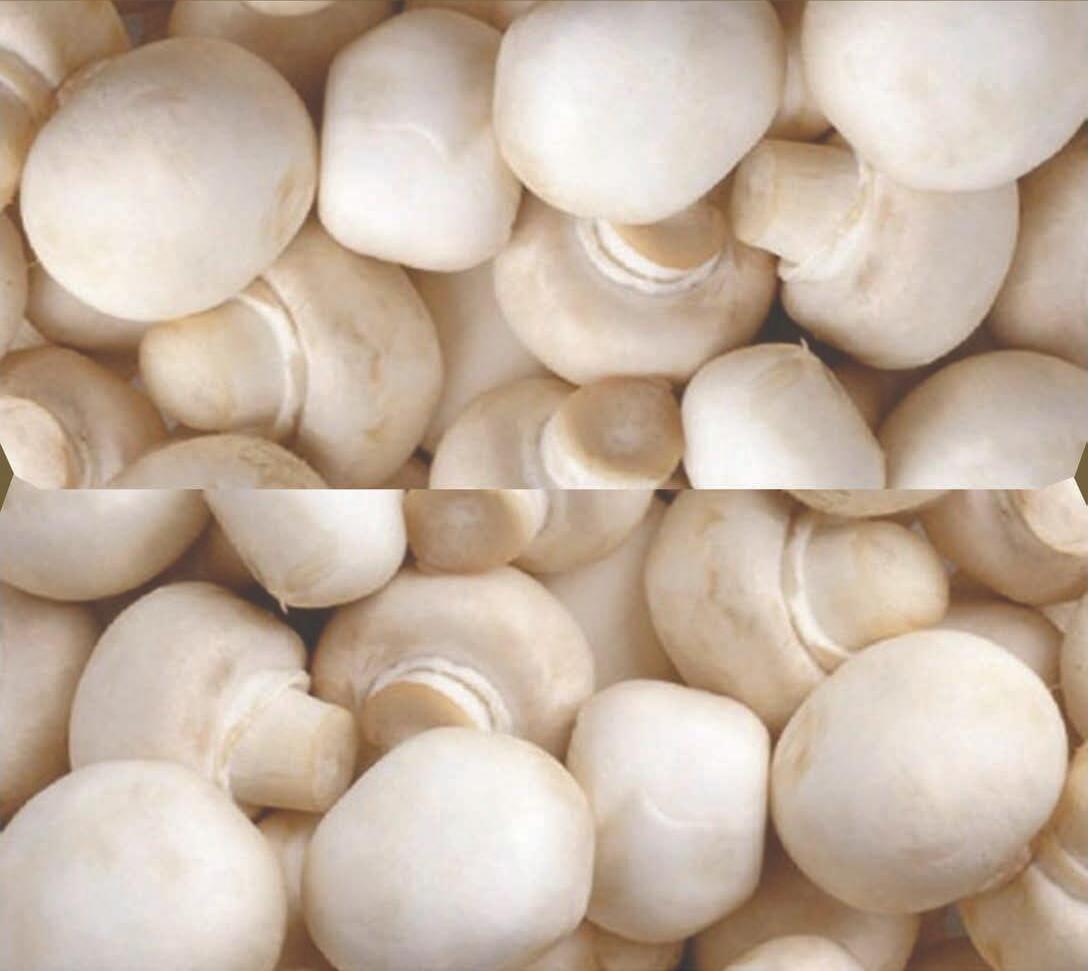
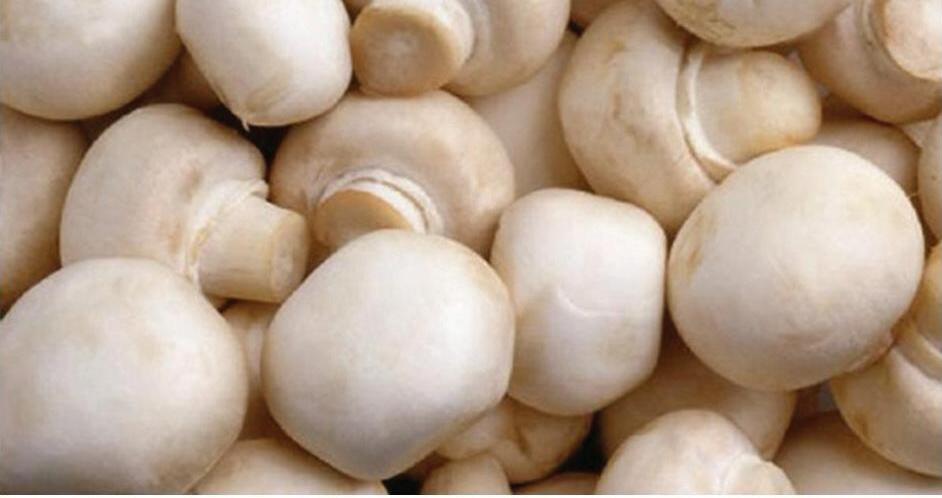

Everyone knows the best thing about mushrooms—they are a delicious and extremely versatile food. Here are some recipes to try if you’re looking for a great, new way to enjoy mushrooms.
Cut the stems off five large mushroom caps and parboil. (reserve ½ cup mushroom stock)
Stuffing:
One ounce minced garlic, one green pepper, three ribs celery, one red pepper, one carrot, six ripe olives, one medium onion, pinch of sage, rosemary and thyme

Preparation:
Finely dice all ingredients, then saute in two ounces of olive oil until onions are transparent. Toss into mixture ¼ cup seasoned bread crumbs. Stuff mushroom caps and place in a one inch deep baking dish. Cover with cheese sauce and bake at 350 degrees for 10 minutes.
Cheese Sauce:
½ cup mushroom stock from par-boiling two ounces roux (one ounce butter and one once flour), ½ cup milk. Salt and pepper to taste. Heat milk. Whip in roux until thick. Add cheese and blend until smooth.

Ingredients:
2 cups chopped onions
1 ½ cups chopped red bell peppers
1 ½ cups chopped green bell peppers
1 ½ cups chopped yellow bell peppers
1 cup chopped celery
5 pounds mixed mushrooms
1 pound can of diced tomatoes
1 pound tomato sauce
¾ cup vegetable oil
¾ cup all-purpose flour
Seasoning Mix:
3 whole bay leaves
3 teaspoons salt
1 teaspoon white pepper


1 teaspoon red pepper (preferably Cayenne)
½ teaspoon dried thyme leaves
½ teaspoon black pepper
½ teaspoon dried oregano
2 tablespoons garlic, minced
Preparation:
Combine all ingredients except mushrooms in a 5 quart saucepan and add water. Bring to a hard boil, then let simmer for 5 minutes. Then add the mushrooms and seasoning and simmer for 5 more minutes and serve.
Continued on Page 70

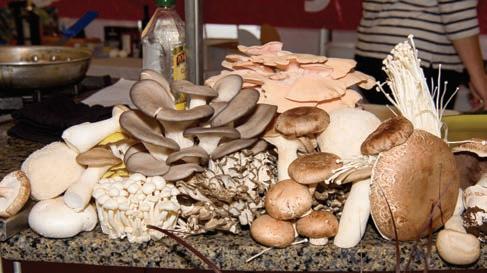


Continued from Page 69
Serve over Fettuccini, sauteed chicken or veal, etc. This sauce can be made the day ahead and reheated. 3 quarts of sauce goes over 3 lbs. Of pasta, enough for 12 to 15 people as a main dish.
Ingredients:
2 qts. heavy cream
¾ cup butter
1 lb. chanterelle mushrooms, sliced
1 lb. shiitake mushrooms, sliced
1 lb. oyster mushrooms, sliced
2 bay leaves
¼ cup soy sauce
1 clove roasted garlic, peeled and chopped
1 large tomato, skinned, seeded and sliced chopped finely

1 cup grated Parmesan or Romano cheese salt and pepper to taste
Preparation:
1. Place heavy cream and ¼ cup of butter in pot and bring to a boil. Turn down to a low boil in order to thicken the sauce. (About 20 minutes).
2. Saute mushrooms in hot butter with bay leaves. DO NOT overcrowd the pan, as this is causes mushrooms to boil instead of sear. Lightly salt and pepper each batch of mushrooms. After sauteing the last batch of mushrooms, de-glaze the pan (leaving that batch of mushrooms in the pan) with the soy sauce, garlic and the tomato. Sear for another minute. Remove bay leaves.
3. Add mushrooms, and soy mixture to the low boiling cream mixture.
4. Bring the whole mixture back to a boil and slowly add the grated cheese, stirring constantly.
5. Check for seasoning. Serve.





“Henry was assigned to our project along with Al. They spent two days installing a beautiful Kohler walk in bath/shower combination. The final result is of the highest quality. They were very skilled and professional at what they do. It was a pleasure to have them work in our home.”
- Eileen G., Clarks Summit PA


Home Smart Industries is the areas only Authorized Dealer of Kohler’s crushed stone shower wall system made of 70% real crushed marble and professionally installed at prices comparable to acrylic showers. Don’t cover your problem up with a tub or shower liner. Design your bathtub or shower replacement with our 4.9 Stars, 423 reviews on


Continued from Page 72
The Mushroom Festival is celebrating its 37th year this year. During that time, the event has evolved into one of the best food festivals in the United States. It achieved this status by building on tradition, changing with the times, and always finding new ways to celebrate Kennett Square, the Mushroom Capital of the World.
Since we all missed the Mushroom Festival (and so many other things) in 2020, we thought we’d offer a photo essay that takes a look back at the Mushroom Festival through the years. The Mushroom Festival started out as a small, one-day event in 1986. The idea at the time was to bring awareness to the mushroom industry and to Kennett Square. There were a lot of changes in the first few years of the festival. The name of the event changed. The location of the event changed. Organizers went through the process of finding out what worked, what didn’t, and what could be added to make the festival better.
Continued on Page 74




WEDNESDAY, AUGUST 31, 2022 MUSHROOM


Continued from Page 74
Continued from Page 72
Like the Mushroom Festival, Kennett Square itself has changed a lot in the last 37 years. It goes without saying that the festival wouldn’t be a world-class event that it is today if it didn’t have a world-class hometown. The extraordinary evolution of the festival is mirrored by the extraordinary evolution of Kennett Square.
Once the festival started attracting larger crowds, organizers of the event made the decision to start allocating proceeds to dozens of nonprofit organizations that serve the community. With additional funding, these organizations are now able to provide assistance, guidance and opportunity to many more people.
Continued on Page 76


Continued from Page 76
Continued from Page 74
While the Mushroom Festival may have a serious purpose—to educate local residents and visitors about how mushrooms are grown and harvested, and about the nutritional value of mushrooms—the event is also all about the fun. Thousands of people look forward to the festival each and every year.
There are many different events and activities that the organizers carefully plan out to make sure that there is truly something for everyone to enjoy at the festival. We hope we’ve captured some of the fun of the festival on the pages of this photo essay, and we hope you enjoy the 2022 Mushroom Festival!


By Elizabeth Pennisi, Science on behalf of the American Mushroom Institute
The red, orange, and spotted mushrooms that sprout up after it rains are doing more than adding color to the landscape. The fungi that produce them could be keeping the natural world productive and stable, according to a new study. Indeed, they may be critical to the health of Earth’s ecosystems, says Matthias Rillig, a soil ecologist at the Free University Berlin who was not involved with the work.
There are 70,000 known kinds of fungi. These include the yeast we use to bake bread, as well as molds, lichens, mushrooms, toadstools, and puffballs. They also include a wide variety of pathogens, from those that cause athlete’s foot in humans to those that inflict billions of dollars of damage on wheat, maize, and other crops.
Many of these fungi live below ground, but researchers have traditionally paid little mind to them. In the past few years, however, ecologists have realized that some—such as soil fungi called mycorrhizae—form vast underground networks that connect trees and supply them with nutrients, enabling a forest to thrive.
Might other soil fungi be playing a similar role aboveground? To find out, Manuel Delgado-Baquerizo, an ecosystem ecologist at the Spanish National Research Council, teamed up with colleagues around the world who had systematically collected and analyzed local soil samples—and the fungi they contained—for different projects. In total, the team analyzed nearly 700 samples from tropical, temperate, and polar climates.
Using DNA, Delgado-Baquerizo’s team identified what proportion of soil fungi at each site were pathogens, mycorrhizae, decomposers (such as mold), and fungi that live

inside plant roots. The researchers also examined satellite images that showed how much photosynthesis was going on in each area—and thus, how productive the vegetation was—and how much that productivity changed over the past 2 decades. “It is a clever combination of data,” Rillig says.
A clear pattern emerged. Across a wide variety of ecosystems, from grasslands to forests to deserts, the more species of decomposers, the more plant productivity stayed the same over time, Delgado-Baquerizo and colleagues report in Nature Ecology & Evolution. Having a wide variety of decomposers and to a lesser extent, root fungi, also helped keep the vegetation growing even in dry spells, the authors found. This diversity might ensure that no matter how conditions change, some fungi will still be able to supply the plants above them with nutrients. “Their role may be greater than mycorrhizal fungi,” says Sarah Sapsford, a fungal disease ecologist at New Zealand’s Ministry for Primary Industries who was not involved with the work.


In contrast, having a wide variety of pathogens seemed to compromise the health of the aboveground ecosystem. Plants grew slower and carried out less photosynthesis, productivity that helps fuel the rest of the ecosystem’s organisms. Pathogens may weaken plants and make them less able to withstand climate stresses.
The associations held up in every environment studied, the authors report.
“It is fascinating that, despite all the other variables changing from site to site, these patterns stand out,” Rillig says. He cautions, however, that the work doesn’t prove fungal diversity causes the stability (or the vulnerability). Other factors, such as the diversity of other types of microbes in the soil, he says, could be important as well.


The findings suggest promoting the diversity might be key to protecting our ecosystems as the climate warms and leads to more droughts, says Marina Semchenko, an ecologist at the University of Tartu who was not involved with the work.

No one really knows how to promote soil fungi diversity, but at the very least, by assessing that diversity “we may be able to pinpoint the ecosystems that may be ‘unstable’ and less resilient to disturbance,” Sapsford says. “It is an exciting time.”








Growing mushrooms is a unique blend of recycling, science and efficacy. This powerful combination makes them one of the most sustainably produced foods in the United States and around the world.
Mushroom growers in the United States are known as the ”ultimate recyclers“ for their ability to convert byproducts and waste such as unused hay, straw and corn stalks from other sectors of agriculture into the mushroom compost, or medium used to grow mushrooms. Because of this recycling of other agricultural crops and byproducts, mushroom farms have a smaller environmental footprint than almost any other farms, and a larger ecosystem service to the environment—they mitigate direct impacts of other agriculture on watersheds and airsheds.
In fact, when you go into the store and see white or brown “button” mushrooms, you are looking at an incredibly efficient food: Today’s growers use smart management and production practices that use less than 2 gallons of water to produce one pound of button mushrooms – that’s about 32 (8 oz) glasses of water to grow, harvest, and process an entire pound of mushrooms, compared with an average of 50 gallons of water per pound of other fresh produce items. Finding ways to control water usage and recycle the water that is available means mushroom growers can minimize how much of it they need and likewise minimize the impact their farms have on surrounding environments.
are grown, being smart about energy use is good for production AND good for the environment.
Growing that one pound of mushrooms is so efficient, in fact, that it generates just 0.7 pounds of CO2 equivalents. This means if you added up all the emissions of carbon dioxide (CO2, a greenhouse gas) from producing that one pound of button mushrooms – from the compost recipe all the way through to what you purchase in the store – it is the equivalent of just 0.7 pounds of CO2. To give some perspective of how small a carbon footprint that is, using one gallon of fuel in the U.S. emits nearly 20 pounds of CO2.
Mushrooms are grown year-round, across the nation, and don’t require much land. On average, one square foot of space in a mushroom bed can produce 6.55 pounds of mushrooms. One square foot is 144 square inches, or 4.5 red bricks in a patio – that’s a lot of production power in a small space!
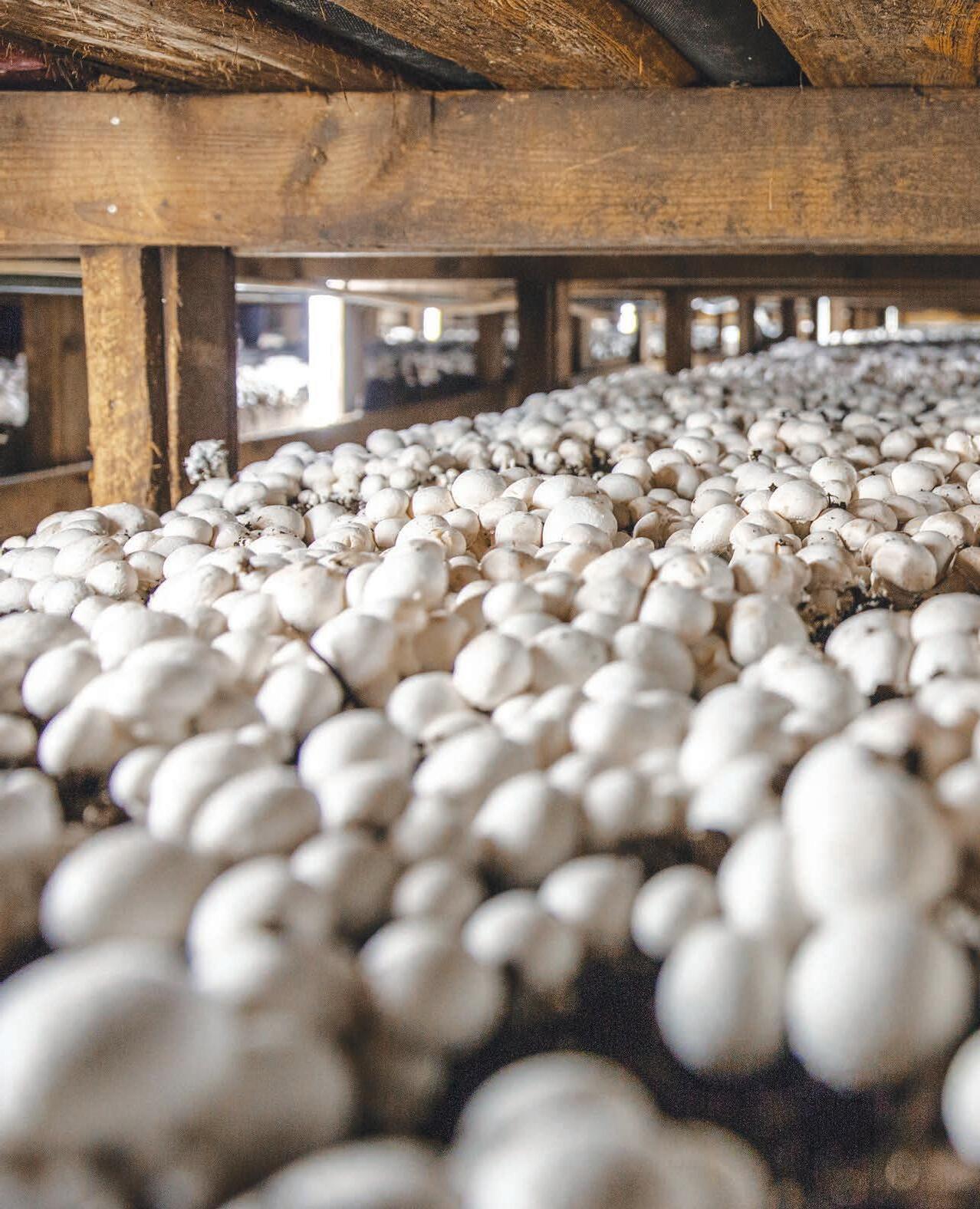

In fact, one acre of land can produce 1 million pounds of mushrooms annually. In 2020-2021, mushroom growers produced nearly 900 million pounds of Agaricus mushrooms. So what does 900 million pounds of mushrooms look like? Well, one acre of land can produce enough mushrooms each year to fill the length of nearly 4,700 football stadiums. Even more, 900 million pounds of mushrooms is enough to circle the circumference of the globe mushroom cap to mushroom cap 19 times!
Similarly, mushrooms are a fairly low-energy–footprint crop. Producing one pound of button mushrooms takes just 1.0 kilowatt hour (kwh) of electricity. This is the same amount of energy (1 kwh) as it takes to run a coffeemaker for one hour each day! Because of the way mushrooms

By any measure of water and energy inputs, and the low CO2 emissions, mushrooms are a nutritious food that have a very small environmental footprint. More than being the ‘ultimate recyclers,’ mushroom growers are providing a sustainable, smart food source for a growing world population.
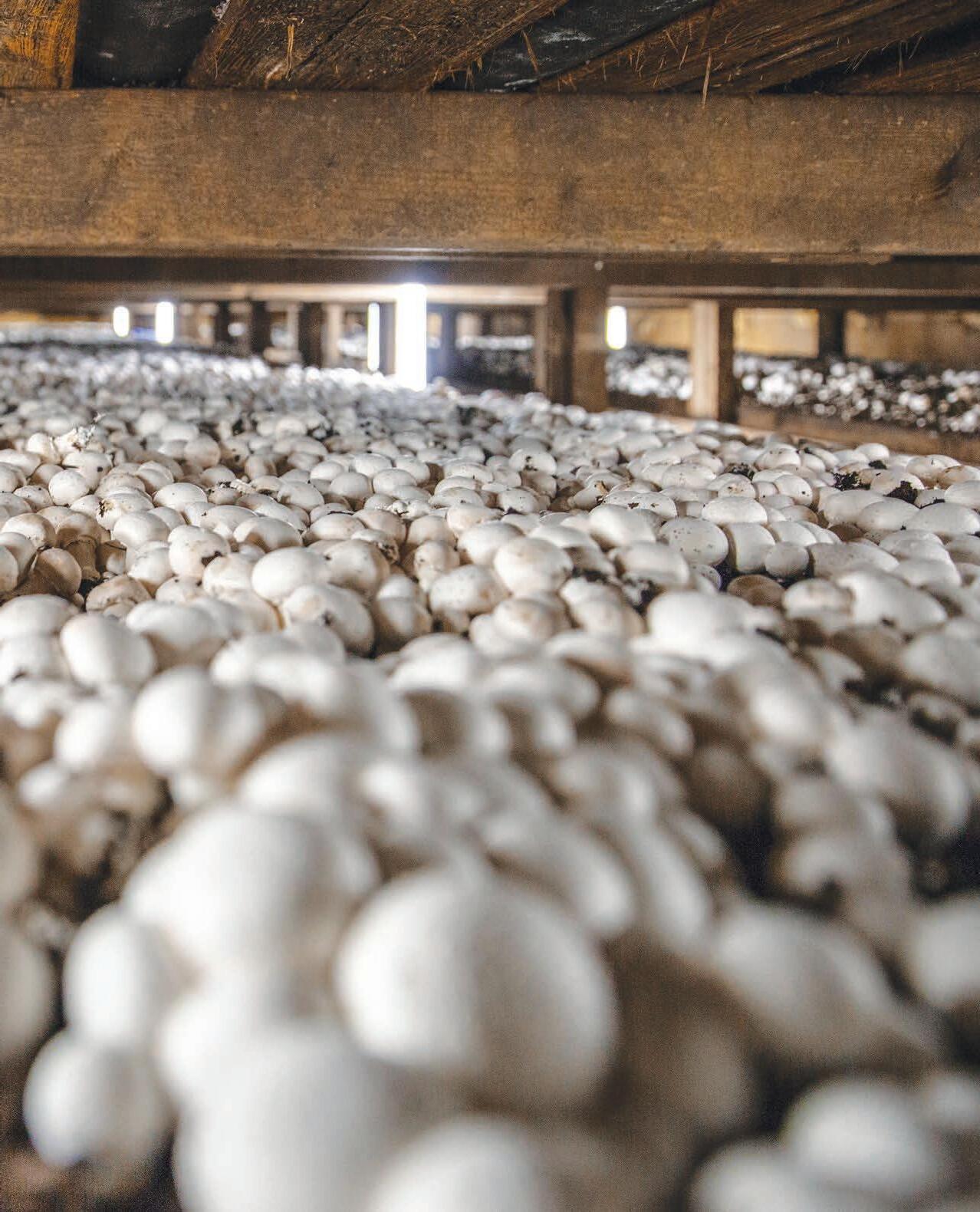


The Mushroom Festival awarded nearly $63,000 in grants to 28 local non-profit and community organizations at their annual Grants Reception, the Mushroom Festival Board announced.
While the Mushroom Festival is a weekend event, the impact continues all year. Each year, the Mushroom Festival
Adult Literacy Program at The Kennett Library
ALS Association Greater Philadelphia Chapter
Arts Holding Hands and Hearts, Inc (AHHAH)
Avondale Fire Company
Bournelyf Special Camp
Camp Dreamcatcher
Canine Partners for Life
Chester County Council, Boy Scouts of America
Domestic Violence Center of Chester County
Family Promise of Southern Chester County
Friends Home in Kennett
Good Neighbors Home Repair
Kennett After School Association
Kennett Area Community Service (KACS)
Kennett Area Senior Center
provides proceeds from the event to local charities and nonprofit organizations. Over the past 20 years, the Mushroom Festival has donated more than $1 million in funds to local organizations for things like books, playground equipment, food, transportation, healthcare services, and more.
Gale Ferranto, Buona Foods, Mushroom Festival Coordinator, explained the grant program this way. “Kennett Square is the Mushroom Capital of the World, in large part due to the support of the community. This is a way for the mushroom farming community to say thank you,” she said. Grants were awarded to the following community groups:
Kennett Square
Ambler
West Chester
Avondale
West Chester
Kennett Square
Cochranville
Exton
West Chester
Kennett Square
Kennett Square
Kennett Square
Kennett Square
Kennett Square
Kennett Square
Kennett Collaborative (formerly Historic Kennett Square)
Kennett Fire Company No. 1
Kennett Heritage Center
Longwood Fire Company
Meals on Wheels of Chester County, Inc.
Reins of Life
SILO- Serving, Inspiring, and Loving Others
SmartDrive
Southern Chester County EMS
Spanish Health Ministry
The Garage Community & Youth Center
Tick Tock Early Learning Center
Walk In Knowledge (WIN) Program
Kennett Square
Kennett Square
Kennett Square
Kennett Square
Kennett
West Chester
Landenberg
Landenberg
Oxford
New Castle, Del.
West Grove
Kennett Square
Kennett Square
Avondale
Kennett Square

Square Mushroom Festival Grant Award Recipients. Planning is underway for the 2022 Mushroom Festival. The event will be held on State Street in Kennett Square on Sept. 10 and 11. For sponsorship information and more, visit www.mushroomfestival.org.

As one of the top food festivals in the country, the Mushroom Festival makes for a fun-filled weekend and is certainly a good reason to visit historic Kennett Square. But a proper visit to enjoy all that the Brandywine Valley has to offer will take much more than a weekend.
Tourism is very important to Chester County and the entire Brandywine Valley, and there are plenty of fun activities to enjoy throughout the year.
The area is rich in history-- Revolutionary War buffs can enjoy a tour of the Brandywine Battlefield and the surrounding areas where U.S. history played out on Chester County ground. Outdoor beauty can be enjoyed at a number of parks and exquisite gardens, or on one of several top-rated golf courses. For those more interested in indoor activities, museums abound -- natural history, art and even helicopters are featured. Wineries are abundant, and offer tours, tastings and live entertainment throughout the year. For live theater, there are several community and professional theaters in the Chester County vicinity.
Why not extend your stay after the Mushroom Festival, or plan another trip to enjoy more of what we have to offer?
Here’s a quick look at some of the more popular attractions in Chester County.
1220 American Blvd., West Chester | 610-436-9600 www.helicoptermuseum.org
The American Helicopter Museum and Education Center is the nation’s premier aviation museum devoted exclusively to helicopters. They collect, restore and display historic aircraft and chronicle the origin and development of rotary wing aircraft. Fun for the whole family. Open to the public. Admission charged.
Route 1 in Chadds Ford | 610-388-2700 www.brandywinerivermuseum.org
Internationally known for works by three generations of the Wyeth family and its collection of American illustration, still life and landscape painting. Open daily. Admission charged.
Route 1 Chadds Ford | 610-459-3342
www.ushistory.org/brandywine
The Battle of Brandywine on Sept. 11, 1777 was the largest single-day land battle of the American Revolution. Tours include two historic houses: the Ring House, used by George Washington as his headquarters, and the Gilpin House.
632 Baltimore Pike, Chadds Ford | 610-388-6221 www.chaddsford.com
Tour the winery and enjoy special events. Visit website for information about upcoming events, locations of tasting rooms, and more.
Creek Road, one-quarter of a mile north of Route 1, Chadds Ford | 610-388-7376 www.chaddsfordhistory.org
Two early 18th-century house museums -- the John Chads House and the Barns-Brinton House -- are open for tours by costumed guides. The historic barn nearby hosts exhibitions about local history throughout the year. Admission charged.
225 N. High St., West Chester | 610-692-4800 www.chestercohistorical.org
Learn the stories of regional heritage through permanent and changing exhibits. Admission charged.
227 Bridge St. Phoenixville | 610-917-1228 www.thecolonialtheatre.com
The historic, single-screen movie house, known for its appearance in “The Blob” with Steve McQueen, shows art and independent films, as well as classic films and children’s films. There is also a schedule of live programs and concerts.
2301 Kentmere Parkway, Wilmington, Del. 302-571-9590 | www.delart.org
The museum’s collection focuses on American art and illustration, with permanent and changing exhibits. There’s an outdoor sculpture park, kids’ corner and café. Admission charged.
505 Market St., Wilmington, Del. | 302-656-0637 www.dehistory.org
Changing exhibits about Delaware history, as well as a permanent interactive exhibit that features 400 years of Delaware history. Admission charged. Call for hours of operation.
4840 Kennett Pike, Wilmington, Del. 302-658-9111 | www.delmns.org
Explore an African watering hole, marvel at a lifesized giant squid and dinosaurs, take the kids to a hands-on exploration area, and see a world-class collection of shells from around the world. Admission charged.
777 Delaware Park Blvd., Wilmington, Del. 800-41-SLOTS | www.delpark.com
Racing, slots and golf are offered, with live thoroughbred racing from April through November. Open 24 hours a day, except for Sundays.
700 Folly Hill Road Kennett Square www.galerestate.com | 484-899-8013
Galer Estate Winery is a prestigious award winning boutique winery located just behind beautiful Longwood Gardens in Kennett Square. Offering wine tastings, wine sales, art shows and live music.
Route 141,Wilmington, Del. | 302-658-2400 www.hagley.org
Tour the historic buildings of the original du Pont powder mills, estate and gardens. The library collects, preserves and interprets the history of American enterprise. Admission charged.
20 Herr Dr., Nottingham | 800-63-SNACK www.herrs.com
Take a free guided tour of this leading snack food manufacturer. Warm potato chip samples provided. Gift shop and café at the Visitor Center.
206 State St., Kennett Square | 610-444-6363 www.kennettsymphony.org
The professional community symphony offers concerts throughout the year. Visit online for an upcoming schedule of events.
Continued on Page 86
Continued from Page 85
Route 1, Kennett Square 610-388-2227
www.longwoodgardens.org
Longwood offers 1,050 acres of woodlands, meadows, indoor and outdoor gardens, 11,000 types of plants, fountains, performing arts events, family activities, special exhibits and and classes. Admission charged.
114 W. State St., Kennett Square 610-444-8484
www.themushroomcap.com
Fresh mushrooms from the family farm are shipped daily. Gifts and collectibles for sale. Open seven days a week.
Kennett Square’s most popular event 610-925-3373 | www.mushroomfestival.org returns for the 37th annual festival on Sept. 10 and 11. There will be plenty of attractions and activities for people of all ages to enjoy.
150 Park Rd., Nottingham | 610-932-2589
The park covers more than one square mile and has one of the largest serpentine barrens on the East Coast. Located near the Pennsylvania/Maryland line, the park has pavilions and hiking trails.
Oxford’s downtown is charming and rich with history. The commercial district includes dining, an art gallery, and numerous unique shops. More information about the downtown attractions can be found at www.oxfordmainstreet.org.
In Landenberg (610-255-5684, www.paradocx. com), tour the winery and enjoy special events throughout the year.
Home to dealers who specialize in glass, silverware, furniture, rare books, vintage toys and more. Call 610-388-1620 for more information.
124 Beaver Valley Rd., Chadds Ford 610-459-0808
Tour the winery and enjoy special events.
1200 Wilson Dr., West Chester | 800-600-9900 www.qvctours.com
A guided walking tour offers an informative look inside the world’s leading electronic retailer. Watch live broadcasts in action.
970 Spencer Rd., Avondale | 610-268-2153 www.stroudcenter.org
A global leader in freshwater research and public education of watershed restoration. Located along the banks of the White Clay Creek.
8822 Gap Newport Pike, Route 41, Avondale 610-268-2702 | www.valavineyards.com
The winery specializes in small batches of very unusual blends made from rare Italian and French varieties, and delicious local artisan foods.
5105 Kennett Pike (Route 52) Winterthur, Del. 302-888-4600 | www.winterthur.org
Henry Francis du Pont’s 175-room mansion is furnished with elegant antiques, surrounded by 1,000 acres of grounds and gardens. Mansion and garden tram tours are offered, along with special exhibitions, and The Enchanted Woods for families. Admission charged.
50 Wyncote Dr., Oxford | 610-932-8900 www.wyncote.com
An award-winning golf course modeled after the great courses in Scotland.


By Richard L. Gaw Staff Writer
While the Mushroom Festival remains Kennett Square’s largest event of the year, the borough’s social calendar is a chock-filled array of activities for everyone that lasts throughout the year.
Here is your invitation to come back soon.
Through the continued investment of Kennett Collaborative, business leaders, elected officials, non-profit organizations and a large volunteer corps, Kennett Square continues to be reinvented, reimagined and revisited – from restaurant row along State Street to a full line-up of festivals and traditions.
Here is a quick guide to what may become your next visit – or visits -- to Kennett Square this fall and winter.


Continued from Page 88
October 1, 2022 / 12:00-5:00 p.m.
600 South Broad Street
The Kennett Brewfest, the popular and annual nod to the craft of beer making, has over the past two decades emerged as one of the area’s premier craft beer festivals, and a roster of participating breweries proves it year after year.
The regular Brewfest session features beer from over 70 local and regional craft breweries as well as live music, food trucks, and vendors with beer-centric merchandise.
For tickets, visit http://kennettcollaborative.org/ event/kennett-brewfest.

Oct. 15, 2022 / 10:00 a.m.-6:00 p.m. Oct. 16, 2022 / 10:00 a.m.-4:00 p.m.
600 South Broad Street
In addition, the festival will also include live music, children’s activities, and a selection of local food vendors, including beer and wine.
To learn more, visit www.KennettArts.com.
Over the past several years, State Street in Kennett Square has become one of the most sought-after dining destinations in Chester County, and for good reason: While each restaurant offers its own signature of culinary delights, ambience and character, they share a sense of partnership and camaraderie.
On various Thursday evenings throughout the year, they all come together in the middle of State Street for an al fresco paradise of great food and good company. On Oct. 20, Third Thursday will extend yet another chef’s table of outdoor dining options that will also open up Kennett Square to live music, extended shop hours for its many small businesses and family-friendly activities. The following restaurants set up tables on State Street for Third Thursdays: Byrsa Bistro, GFG, Grain Craft Bar + Kitchen, Lily Asian Cuisine, La Verona, Portabellos, and Verbena BYOB.
Inside the Market at Liberty Place you’ll also find Travelers Eats and Sweets, Kaboburritos, Mary Pat’s Provisions, State Street Pizza, Liberty Place Pub, Buddy’s Burgers and Rump Roasters.
To ensure an outdoor table, reservations in advance are highly recommended and can be made by calling the restaurant of your choice.

Following in the long tradition of art in the Brandywine Valley, the Kennett Library is hosting its first annual two-day arts event, with proceeds benefitting the Kennett Library.The festival will showcase more than 100 local and regional artists’ work in an array of mediums, across palates and price points. Patrons may purchase artwork as well as artisans’ jewelry, wooden items, glass designs, and much more.


Continued from Page 90
October 23, 2022 / 10:00-4:00 p.m.
600 South Broad Street
Founded in 2010, the award-winning Clover Market has become one of the Philadelphia area’s most popular pop-up events of its kind, with shows in Ardmore, Chestnut Hill, Bryn Mawr, Collingwood -- and Kennett Square.
December 3, 4, 10 & 11, 2022 11:00-5:00 p.m.
401 Birch Street at The Creamery

To the thousands who have perused up and down the aisles of a Clover Market event, it is a discovery of riches and lucky finds for the home that features a lineup of over 90 antique, vintage and handmade vendors, as well as gourmet food trucks and live music.
To learn more about the Kennett Square show, visit www.clovermarket.com.

Recreating the magic of a German Christkindlmarkt, the Creamery comes alive again this December for the annual Kennett Square Holiday Village Market.
Throughout the entirety of this uniquely-designed beer garden, dozens of artists, artisans and shop owners showcase a broad selection of great holiday gifts and one-of-a-kind handcrafted items that are sure to delight everyone this holiday season.
The Village Market also features appearances by Santa Claus, ice sculpture demonstrations, food trucks, handcrafted and warming festive drinks, as well as selections from the Creamery’s extensive beverage list.


February 2023
his winter-warming craft beer event the last Saturday in February features dozens of local and regional craft breweries, food trucks, and live music.
The warm heart of the Kennett Winterfest has always been found in the community gathering together to

enjoy some of the region’s best craft beer and to meet and support local and regional brewers. The Kennett Winterfest, a perennial bright spot on the winter calendar, celebrated its tenth anniversary in 2022.

Over 60 local, regional, and award-winning breweries bring their best for Kennett Winterfest ticket holders to sample. In addition to longstanding favorites like Kennett Square’s own Kennett Brewing Company and Braeloch Brewing as well as Levante Brewing Company and East Branch Brewing Company, there are always a few newcomers. Brewers often create something new and special to bring to Kennett Winterfest. Live music, food trucks, and a great selection of beer-centric vendors round out the event.
To subscribe to Kennett Collaborative’s newsletter, visit http://kennettcollaborative.org.


