









You Can Pack Your Gardens With Plants That Are Edible To More Than Just Bees and Butterflies. With A Little Work, You Can Make Your Yard Beautiful Both Outdoors and On Your Dinner Plate.
YOUR
First, determine what kind of things you want to grow and how much work you want to put in. Are you comfortable on ladders, and do you have the room for fruit trees? Do you use a lot of herbs? What about edible flowers, such as viola?
ON MORE THAN YOUR PLATE
We know it’s healthful to eat the rainbow and a plate full of colorful veg looks tasty. But you also can take advantage of those bright, beautiful colors in your garden. Consider pairing bursts of colorful greens, such as species of cabbage or kale, with snowy white cauliflower. Take advantage of the tall, leggy shapes of beans and tomatoes. Alternate the shapes not only for optic interest, but also to prevent diseases from spreading.
IN MORE THAN PESTO
Mix and match herbs with ornamentals in your

garden. Some species even masquerade as ornamentals, especially if you leave some to bloom and go to seed. They also make a tasty meal for pollinators or even boost the smell in a bouquet of your homegrown blooms. Again, make sure to plan
for your location and color. There are species of basil, for example, that are deep, vibrant purple and oregano that turns a lovely soft silver.
If you’ve got a small space, never fear. Your local garden
center can point you to herbs, greens, tomatoes and even fruit trees that thrive in pots. Remember to consider how you’ll move the pots in case of a cold snap and how to feed and maintain these miniature produce aisles in your yard.

Gutters P rotect Your Home From Water Damage, Yet they’re often Overlooked Until A P roblem Arises.
Regular cleaning and maintenance can prevent costly repairs and structural issues. Hiring a professional service ensures the job is done safely and effectively. Gutters direct rain water away from your home’s foundation and prevent erosion, basement flooding and damage to siding and landscaping. When gutters become clogged with debris, they can overflow, leading to water damage, mold growth and pest infestations. In winter, clogged gutters contribute to ice dams, which can cause roof damage and leaks.
Regular maintenance helps extend the life of your gutter system. Neglected gutters can sag, pull away from the house, or develop rust and cracks, requiring costly replacements. Cleaning at least twice a year — typically in spring and fall — helps ensure gutters function properly year-round.
Knowing when to clean your gutters can prevent problems before they
escalate. Common warning signs include:
• Water spilling over the sides during rain.
• Sagging or detached gutters.
• Plant growth in the gutter.
• Staining on exterior walls.
• Pooled water around the foundation.
Ignoring these signs can lead to costly home repairs, so regular inspections are recommended.
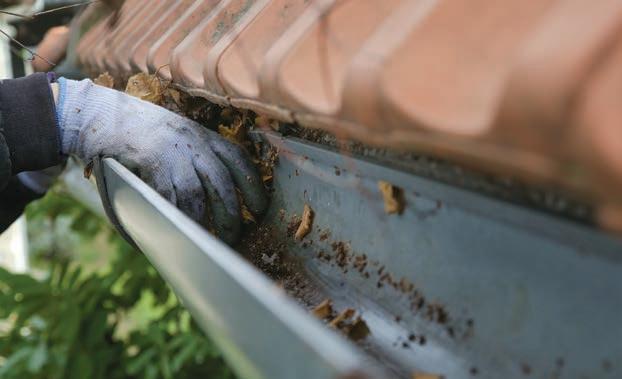
While some homeowners attempt to clean gutters themselves, hiring a professional offers several benefits. Professionals have the right tools and experience to complete the job safely and thoroughly. They can inspect for damage, ensuring minor issues don’t become major problems.
Gutter cleaning involves working at heights, which poses a risk of falls. Professionals use proper safety equipment and techniques to minimize hazards. Additionally, they can efficiently remove debris and check for leaks or
structural issues that may go unnoticed by an untrained eye.
Finding the right service provider ensures your gutters remain in good condition. Consider the following when hiring a professional:
• Experience and reputation: Look for companies with positive reviews and years of experience.
• Licensing and insurance: Ensure the service is licensed and carries liability insurance.
• Pricing and services: Compare quotes and confirm what’s included, such as debris removal and minor repairs.
• Guarantees: Some companies offer warranties on their work, providing peace of mind.
• References: Ask for recommendations from neighbors.
Regular gutter maintenance protects your home from costly water damage and structural issues. Hiring a professional ensures your gutters stay clear and functional, helping to safeguard your investment for years to come.

Hardscaping Can
Patios, pathways and edging stones help define outdoor spaces and make them easier to maintain through the spring and summer.
Patios often serve as the centerpiece of a backyard. They provide space for dining, entertaining or enjoying the outdoors without tracking dirt into the house. Beginners commonly choose concrete pavers because they are affordable, durable and available in many styles. Other patio materials include wood, poured concrete, natural stone and brick, each offering a different look and level of maintenance. Pathways are another useful hardscape feature. They help guide foot traffic, protect grass and connect different areas of the yard. Gravel, stepping-stone paths or paver walkways are popular choices for beginner projects. Gravel paths are easiest to install, while pavers offer a more polished appearance. Edging stones help create clean borders around garden beds, lawns or walkways.
They keep mulch in place, prevent grass from spreading into garden areas and give yards a more finished look. Edging comes in stone, brick, metal or composite materials, allowing homeowners to match their landscaping style.
Choosing the right materials is an important early step. Concrete pavers are widely used because they hold up well in most climates and are relatively simple to install. Natural stone offers a highend appearance but often costs more and may require more skill to fit and level. Brick provides a classic look and works well for patios or edging, though it can shift over time without proper base preparation.
Gravel is one of the most cost-effective materials and suits informal pathways or seating areas. It requires edging to stay in place and may need periodic replenishing. Composite edging and molded plastic borders provide a budgetfriendly option for defining

garden beds, though stone and brick tend to last longer. For any hardscape project, the base material matters as much as the visible surface. A properly compacted base of gravel or crushed stone helps prevent sinking, shifting or cracking. Skipping this step often leads to uneven surfaces and early repairs.
Many homeowners tackle small hardscape projects on their own. Installing edging stones or creating a simple gravel path can be done with basic tools and a free afternoon. DIY patios are also
possible, but they require more time, patience and precision, especially when leveling the base.
Larger or more complex projects may be better suited for a contractor. Curved patios, retaining walls or multi-level designs often need professional equipment and expertise. Hiring a contractor can save time and ensure long-lasting results.
Before choosing DIY or professional help, consider the project size, available tools, budget and how comfortable you are with physical labor and detailed measurements.

Regular chimney sweeping and fireplace maintenance contribute to safety and efficiency, helping to prevent fires, carbon monoxide buildup and costly structural damage. Hiring a professional chimney sweep ensures that your fireplace operates safely and effectively year after year. Over time, chimneys accumulate creosote, a highly flammable residue left behind by burning wood. If not regularly cleaned, creosote buildup can ignite, leading to dangerous chimney fires that may spread to the rest of the home. Even gas fireplaces require maintenance to ensure proper venting and to check for blockages that could cause carbon monoxide poisoning. Beyond fire hazards, moisture infiltration is another common issue. Cracks in the chimney liner or masonry allow water to seep in, leading to deterioration and potential structural damage. Regular inspections can identify these problems early, preventing costly repairs down the line. A
clean chimney also improves efficiency by allowing smoke and gases to exit the home properly, reducing backdrafts and indoor air pollution.
The National Fire Protection Association recommends having chimneys, fireplaces and vents inspected at least once a year. How often a chimney needs cleaning depends on usage. A household that burns wood frequently may need a cleaning every season, while occasional fireplace users might require service every one to two years. Even if a fireplace is rarely used, annual inspections remain important to check for animal nests, debris or deterioration.
Chimney sweeping is a specialized trade that requires knowledge of fire safety, ventilation and masonry. When hiring a professional, look for one certified by the Chimney Safety Institute of America (CSIA) or a similar organization. A reputable

chimney sweep will inspect the entire system, including the chimney liner, damper and firebox, ensuring all components are in good condition.
When interviewing a chimney sweep, ask about their experience, certifications and whether they provide a detailed inspection report. It’s also a good idea to check reviews and ask for references. Be wary of companies that offer unusually low prices, as some scammers advertise cut-rate chimney cleanings only to upsell unnecessary repairs.
Between professional cleanings, homeowners can take steps to maintain their fireplace and chimney. Burning seasoned hardwood rather than green or soft woods helps reduce creosote buildup. Using a fireplace screen prevents embers from escaping, while regularly checking the chimney cap ensures that animals and debris don’t create blockages. After each fire, removing ashes and ensuring the damper is properly closed when the fireplace is not in use can also improve efficiency and prevent drafts.



As
and
Sunshine, Many Homeowners Look For Ways To Manage Natural Light and Keep Indoor Spaces Comfortable.
Updating window treatments is an easy way to refresh a room while improving energy efficiency. With the right blinds, shades and fabrics, it is possible to enjoy the season’s sunlight without overheating the home or fading furniture. A few smart installation tips can help get the best results.
Spring is a good time to choose window treatments that filter or soften intense sunlight. Light-filtering roller shades are popular because they allow gentle daylight to enter while reducing glare. They come in a variety of colors and patterns, making them a simple way to brighten rooms without sacrificing privacy. Cellular or honeycomb shades are another strong option. Their layered design traps air and helps insulate windows, keeping indoor spaces cooler during warm afternoons. Many models offer top-down and bottom-up functions that let homeowners control light

flow throughout the day.
For homeowners who prefer blinds, faux wood and real wood blinds can provide good light control. Tilting the slats allows sunlight in while protecting furniture and flooring from direct UV exposure. Vertical blinds may
work best for sliding doors or large windows since they can easily adjust to changing light angles.
Window treatment materials play an important role in
keeping homes comfortable during spring. Solar shades are designed specifically for UV protection. They block a significant amount of the sun’s rays while still providing outdoor visibility. These shades are useful in south- or west-facing rooms
where afternoon sun is strongest.
Linen, cotton and other breathable fabrics are ideal for curtain panels during warmer months. Sheer curtains can soften bright light and add a fresh seasonal look, especially when paired with a secondary shade that handles UV control. Thermal-backed curtains add insulation and help reduce heat gain, making them a practical choice when temperatures rise.
Color also affects performance. Lightcolored fabrics reflect more sunlight, helping rooms stay cooler throughout the day. Darker shades absorb heat and may be better suited for spaces that need additional warmth.
Proper installation ensures window treatments work as intended. Measuring windows accurately is


essential, especially for inside-mounted shades or blinds. Measure each window individually since sizes can vary even within the same room.
Mounting options matter. Inside mounts create a clean, streamlined look, while outside mounts can make windows appear larger and block more light around the edges. For rooms that get strong direct sunlight, outside mounts often provide better
coverage.
Securely anchor hardware, especially for heavier blinds or layered curtains. If drilling into drywall, using the correct anchors helps avoid sagging brackets. For wider windows, adding a center support bracket can prevent bowing or cracking. Homeowners may want to consider cordless options; these are safer for households with children or pets and offer a modern, minimal appearance.




Outdoor P rojects, Maintenance Tasks and Seasonal Cleanup. Smart Home Technology Can Make Those Jobs Easier.
New tools help streamline routines, save energy and improve home safety. With the right mix of apps, sensors and automated devices, homeowners can stay ahead of spring chores while reducing time spent on upkeep.
Irrigation often becomes one of the first concerns of the season, and smart controllers can take much of the guesswork out of watering. These devices connect to home Wi-Fi and adjust watering schedules based on weather patterns, soil moisture and sunlight exposure. Some systems also use local forecasts to skip watering before or after rainfall, helping conserve water and avoid overwatering. Smart soil sensors can complement irrigation controllers by monitoring moisture levels in real time. They can alert homeowners
when the soil is too dry or too saturated, allowing for more precise care. For those growing vegetables, flowers or new lawns, sensors provide valuable information that helps plants get what they need without wasting resources. Many of these apps let homeowners control watering from a smartphone. This can be especially useful for people who travel during the spring or have large yards that require attention at different times.
Outdoor lighting plays an important role in security, usability and curb appeal. Smart lighting systems allow homeowners to set schedules, automate adjustments or turn lights on and off remotely. Motion sensors can illuminate walkways or entry points when someone approaches, improving visibility and
deterring unwanted activity. Smart bulbs and solarpowered fixtures are now more affordable and easier to install. They can be integrated into existing home systems or controlled independently through mobile apps. Many options offer adjustable brightness and color temperature, giving homeowners the ability to create different moods for gatherings, outdoor dining or quiet evenings outside. Some lighting systems connect with doorbell cameras or home security systems, making spring nights safer and more convenient. Automated timers also help reduce energy costs, ensuring lights run only when necessary.
Spring home maintenance involves everything from gutter cleaning to lawn care, and smart devices
can simplify many of these tasks. Temperature and humidity sensors can alert homeowners to conditions that may lead to mold or moisture problems. Leak detectors can be placed near air conditioning units, outdoor faucets or irrigation systems to catch small leaks before they turn into larger repairs.
Smart outlets and plugs let homeowners control outdoor appliances such as fountains, pumps or power tools. They can be scheduled to run only when needed, cutting down on energy use.
Homeowners can benefit from maintenance reminder apps that integrate with smart devices. These apps keep track of filter changes, HVAC checkups and seasonal tasks. Some link directly to smart thermostats, sending alerts when systems are working harder than usual or when temperatures fluctuate unexpectedly.

In a town like Kennett Square, the places that matter most are the ones that show up for you—on busy weekends, during surprise repairs, and when a project feels just a little bigger than expected. Kennett Square Ace Hardware has become one of those places: A hometown store rooted in community, knowledge, and a genuine desire to help neighbors take care of their homes and outdoor spaces. “Our team wins with speed and convenience, promising to go the extra mile everyday inside and beyond our doors,” said Andrew, Kennett Ace’s store manager.
Locally owned and community focused, the store reflects the spirit of Kennett itself. Walk through the doors and you’ll notice something different right away. It’s not just the breadth of products—it’s the people. The team at Kennett Square Ace Hardware is always ready to help.
The store carries an impressively wide range of products designed to meet everyday needs and seasonal projects alike. From hardware, tools, and paint to lawn and garden essentials and outdoor living solutions to parts, fasteners and problem solvers to keep your home running smoother.
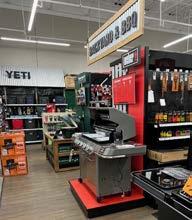
Kennett Square Ace Hardware is constantly refreshing its look— recently remodeling the store using Ace’s modern “Elevate” concept to create a brighter, more intuitive

shopping experience. “Keeping the inventory fresh, new and up to date is a very important aspect when running a successful store,” said Eric, Kennett Ace’s inventory manager. There are new and unexpected categories including trading cards and our new “sun and shade” area with sunglasses, speakers and water bottles.


In a world of big-box stores, this hometown store proves that expertise, friendliness and local pride still matter. The helpful place is right here in Kennett Square.
















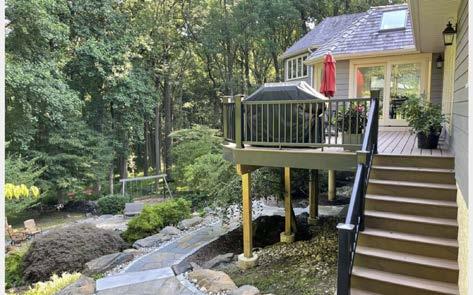
A kid-friendly backyard starts with safe, clearly defined play areas. Many families use rubber mulch, artificial turf or padded play mats to create softer landings under swings, slides or climbing structures. These materials help reduce injuries and stand up well to spring rain and frequent use. If the yard includes raised decks, patios or slopes, railings and barriers can help keep small children from wandering into unsafe spots. Fencing or gate latches around pools, ponds or fire pits are essential. For younger children, sightlines matter, so arranging play zones where adults can easily supervise helps keep activities safe and relaxed. Simple additions like chalkboards, outdoor easels or sandboxes provide creative outlets without requiring much space. Even a corner of the yard can become a designated play nook when equipped with age-appropriate equipment

and durable storage for toys.
Spring is a great time to
establish a child-friendly garden where kids can dig, plant and learn. Raised beds make it easier for children to reach and help
define a dedicated space for exploration. Easy-togrow vegetables like cherry tomatoes, snap peas or lettuce can give kids quick
rewards and encourage a sense of ownership. Herb gardens are another good option. Plants such as mint, basil and lavender are hardy and offer sensory experiences through touch and smell. Many families set aside a small “pollinator patch” with flowers that attract butterflies and bees, helping children learn about nature while supporting local ecosystems.
To keep gardens safe, avoid toxic plants and choose varieties that are sturdy enough for regular handling.
Check for thorn-free shrubs and nonpoisonous flowering plants when designing kidaccessible spaces.
Simple outdoor games can transform a backyard into a lively spring hangout. Many can be made with items already on hand. Painted stones or wooden discs can become pieces for tic-tactoe or matching games. PVC pipe, cones or string can build obstacle courses that encourage balance and
creativity. For older kids, homemade lawn bowling sets, beanbag toss boards or backyard scavenger hunts offer variety and help keep them active. These games can be rearranged or stored easily, making them ideal for families who want flexible play options as children grow.
Selecting the right plants is one of the most important steps when designing a childfriendly backyard. Avoid
plants with toxic berries, sharp thorns or irritating sap. Instead, choose soft-leaved shrubs, durable grasses and colorful annuals that can handle a little rough play. Popular child-safe options include sunflowers, marigolds, nasturtiums and zinnias. For shady areas, ferns, hostas and hardy groundcovers work well. Mulch pathways can help define borders and cushion falls, while natural stepping stones allow kids to explore without harming delicate plants.

It’s
It’s as much a part of a home’s infrastructure as the electrical system. When properly maintained, it provides years of reliable service, efficiently handling wastewater without issue. However, neglecting regular upkeep can lead to costly repairs, unpleasant odors and even health hazards. Knowing when to call in an expert for septic system maintenance or repair can prevent minor issues from becoming major problems. Septic systems rely on a combination of natural processes and mechanical components to treat and dispose of household wastewater. Over time, solid waste accumulates in the tank, and, if not pumped out regularly, it can clog pipes, cause backups and reduce the system’s effectiveness. Experts recommend having a septic tank inspected every one to three years and pumped every three to five years, depending on usage and household size. In addition to routine pumping, maintaining the drain field — the underground area where treated water is
absorbed into the soil — is equally important. Excessive water usage, tree roots and compacted soil can all interfere with its function, leading to slow drainage and potential system failure.
Even with regular maintenance, issues can arise. Some signs that indicate the need for professional septic service include:
• Slow drains and backups. If sinks, showers or toilets are draining slowly or backing up, it may indicate a full tank or a clog in the system.
• Foul odors. A strong sewage smell inside or outside the home could mean the tank is overflowing or leaking.
• Pooling water or lush grass over the drain field. If the area around the drain field is unusually wet or has excessive plant growth, it may signal a leak or poor drainage.
• Gurgling sounds. Strange noises from plumbing fixtures can suggest a blockage in the system.
• Sewage in the yard.
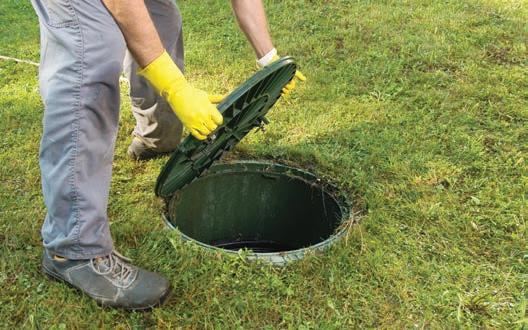
The most serious sign of a failing septic system is raw sewage surfacing near the tank or drain field, requiring immediate attention.
Because septic systems require specialized knowledge and equipment, it’s rarely a do-it-yourself job. Hiring a professional for maintenance and repairs is almost always your best bet. When choosing a septic service provider, look for a licensed and insured company with experience in inspections, pumping, repairs and system replacements.
When interviewing a
contractor, ask about their credentials, the services they provide and whether they offer emergency repairs. A reputable expert will assess the entire system, identify potential issues and recommend solutions that align with local health and environmental regulations. Homeowners can extend the life of their septic system by following best practices, such as conserving water, avoiding flushing nonbiodegradable items and keeping heavy vehicles off the drain field.
Regular maintenance, combined with professional inspections, helps ensure the system operates efficiently and safely for years to come.

More Enjoyable, But Maintaining It Through the Spring and Summer Can Take Time Homeowners Don’t Always Have.
Hiring a lawn care service can help your grass stay strong, green and well cared for. With many companies offering a wide range of services, choosing the right one starts with understanding what you need, what they offer and how to compare packages. Most lawn care services begin with basic maintenance. This usually includes mowing, edging and trimming. Many companies also offer fertilization and weed control, pest treatment, aeration and overseeding. Some handle additional tasks such as irrigation checks, small landscaping jobs or shrub trimming. Before comparing companies, make a list of the tasks you want help with and note any specific issues such as persistent weeds or patchy growth.
Experience and reputation matter when choosing a

lawn care provider. A good first step is to look for companies with trained staff, proper licensing and clear safety practices. Many states
require certification for anyone applying chemical treatments. If your lawn needs fertilizing, weed control or pest management, it is worth confirming the technician handling those materials is licensed. Online reviews and local recommendations can
also help identify which companies are reliable and consistent.
Comparing packages is often where the decision becomes more clear. Most lawn care services offer tiered plans ranging from basic mowing to full-season maintenance. A basic package may include weekly or biweekly mowing and edging. Mid-level packages might add weed treatments or fertilizing. Premium packages typically include a full schedule of seasonal services such as early spring fertilizing, late spring weed control, summer insect treatments and fall aeration.
When reviewing packages, pay attention to how often services are performed and what products are used. Fertilizers and weed control materials vary widely in quality and environmental impact. Some companies use slow-release fertilizers while others apply quickrelease varieties that may require more frequent treatments. Homeowners concerned about kids, pets or pollinators may want to ask about organic or lowimpact options. Understanding treatments is another key part of the process. Fertilization typically involves two
or more applications throughout the growing season. Weed control may focus on pre-emergent treatments that prevent weeds from sprouting or post-emergent treatments that target weeds already growing. Some packages include both. Pest control services can help manage grubs, chinch bugs and other insects that damage grass. If your lawn struggles with bare spots, overseeding or aeration may be included to help improve soil health and encourage new growth.
Before signing up, homeowners should ask several important questions. Confirm whether the company offers customized plans or uses a one-size-fitsall approach. Ask whether they provide free estimates and whether a lawn analysis is included. Clarify how long treatments last and whether follow-up visits are covered if results fall short. Find out about scheduling flexibility and what happens during weather delays. Finally, check the contract details. Some companies require a seasonal agreement while others allow month-tomonth service. Make sure the pricing is clear and that there are no hidden fees for extra treatments or reapplications.




Clutter Can Quickly Overwhelm A Home, Making It Difficult To Find What You Need and Adding Unnecessary Stress To Daily Life.
Whether you’re downsizing, preparing for a move or simply seeking a more organized space, a professional organizer can help. These experts offer tailored strategies to declutter, optimize storage and create lasting organization systems that fit your lifestyle.
While some people enjoy tackling clutter on their own, others may need extra guidance. A professional organizer is a great resource if you:
• Feel overwhelmed by clutter. If you don’t know where to start or feel stuck in a cycle of tidying and re-cluttering, an expert
can break the process into manageable steps.
• Are going through a major life transition. Moving, downsizing, welcoming a new family member or adjusting after a loss can create clutter challenges. An organizer can help you navigate the change.
• Struggle with time
management. Busy professionals and families often lack time to tackle cluttered spaces effectively. An organizer can streamline the process and offer solutions to maintain order.
• Want to create better storage solutions. If your home lacks efficient storage, an expert can recommend
and implement systems that maximize space and keep things accessible.
Organizers work with clients to create functional, personalized systems. They may help sort and categorize items, suggest storage solutions and teach organizing techniques to maintain order. Many also provide emotional support, especially when letting go of sentimental belongings. Some professionals specialize in specific areas, such as home offices, digital
organization or helping individuals with ADHD or hoarding tendencies. Others focus on preparing homes for sale or managing estates.
To find the right fit, ask potential organizers:
• What is your organizing philosophy? Some take a minimalist approach, while others focus on maximizing storage. Ensure their style aligns with your goals.
• What services do you offer? Some professionals provide hands-on decluttering, while others offer virtual consultations, packing assistance or digital
organization.
• How do you charge for your services? Organizers typically charge by the hour or offer package deals. Ask about pricing and potential additional costs.
• What experience and certifications do you have?
While certification isn’t required, many organizers hold credentials from groups like the National Association of Productivity & Organizing Professionals (NAPO).
• Can you provide references or testimonials?
Speaking with past clients can help gauge effectiveness and reliability.
Professional organizers can be found through referrals, online directories and local organizing associations. Reading reviews and scheduling a consultation can help ensure the person you hire fits your needs and personality.
Investing in an expert can save time, reduce stress and create a more functional, peaceful living space. Whether tackling a single room or your entire home, a professional organizer can help bring lasting order to your life.


Collecting Rainwater Is An Effective Way To Conserve Resources, Reduce Utility Costs and Support A Healthier Landscape.
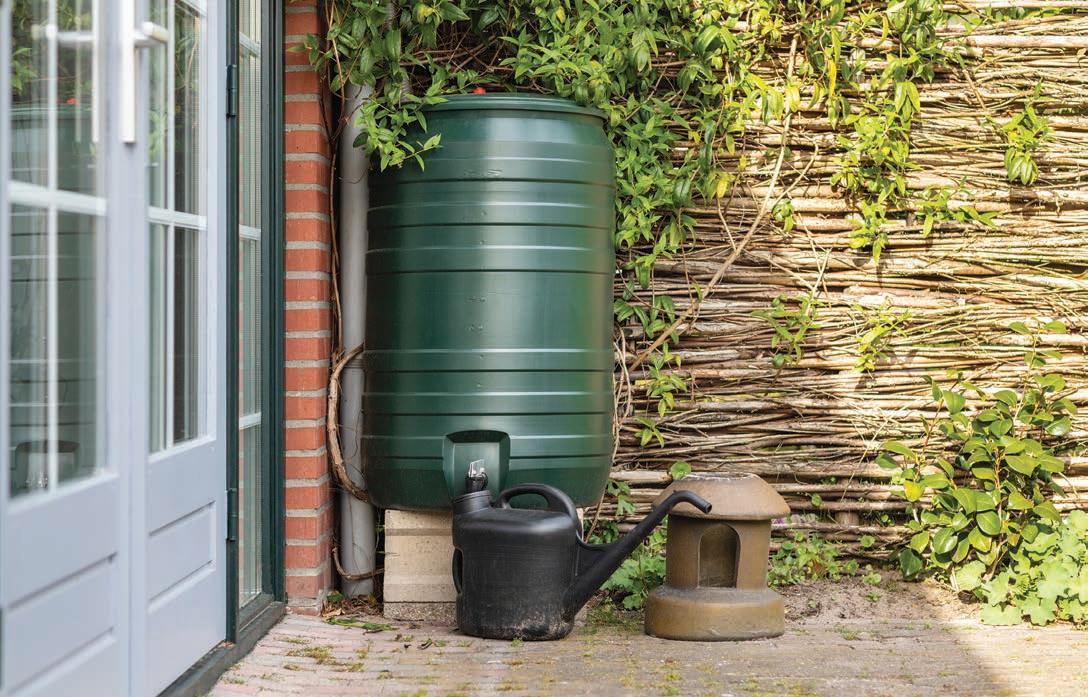
With spring rains on the way, homeowners can take advantage of natural precipitation by installing a simple rainwater harvesting system.
Rain barrels and collection tanks are easier than ever
to set up, and many local governments encourage their use.
Rain barrels come in a wide range of sizes and materials,
from basic plastic models to decorative barrels designed to blend in with garden landscaping. The most popular ones are between 50 and 100 gallons, though smaller or larger options are available depending on yard needs.
Installation typically begins with choosing a downspout that receives steady runoff from the roof. The barrel is placed on a flat, stable surface near the downspout, often on cinder blocks
or a platform to elevate it. This height improves water pressure and makes it easier to fill watering cans. A downspout diverter or flexible hose guides rainwater into the barrel. Overflow valves redirect excess water away from the home’s foundation. A mesh screen at the top can help keep out debris and insects.
Rainwater collected in barrels is ideal for outdoor tasks
such as watering gardens, filling watering cans, rinsing tools or cleaning patios. It can be especially helpful during dry spells when plants need consistent moisture. Harvested water is typically softer than tap water, which many gardeners find beneficial for flowers, shrubs and vegetables.
To maximize efficiency, consider pairing a rain barrel with drip irrigation or soaker hoses. These systems deliver water slowly and directly to plant roots, reducing evaporation and waste.
Homeowners can use mulch around garden beds to help retain moisture and make harvested water last longer.
Before installing a rainwater harvesting system, check local regulations. Some cities have rules about placement, mosquito prevention or connection to irrigation systems. A few communities require backflow prevention devices to ensure harvested water does not mix with
potable water lines. Some regions offer rebates or incentives to encourage homeowners to install rain barrels, so checking with local utilities or environmental agencies can be worthwhile. These programs sometimes include workshops that teach the basics of maintenance and installation.
Inspect barrels regularly for leaks, clogged screens or algae buildup. Emptying and cleaning the barrel at the end of the growing season can help extend its life.

Bees P roduce More Than Tasty, Sweet Honey.
We Owe Most of Our Food To the Hard Work of One of the Species of Apis. Seventy Out of the Top 100 Human Food Crops, About 90 Percent of the World’s Nutrition, Are Pollinated By Bees, Greenpeace Says. But Bees Are In Crisis.
Colony collapse disorder occurs when most of a colony’s worker bees disappear, causing the colony to slowly die off. CCD ran rampant starting in the mid-2000s, when beekeepers began reporting up to a 90 percent loss of their hives. The disorder has scaled off somewhat, but bees are also under attack from pesticides, global warming, habitat loss and diseases.
Start by looking at what pesticides you use and opting, if possible, for organic solutions that don’t harm bees. Then plan some plantings. When choosing new spring color for your beds, ask your nursery worker to point you toward flowering plants that bees like and that are native to your area, requiring less chemical care than other varieties.
Build or buy bee houses for your garden. North America is home to more than 4,000
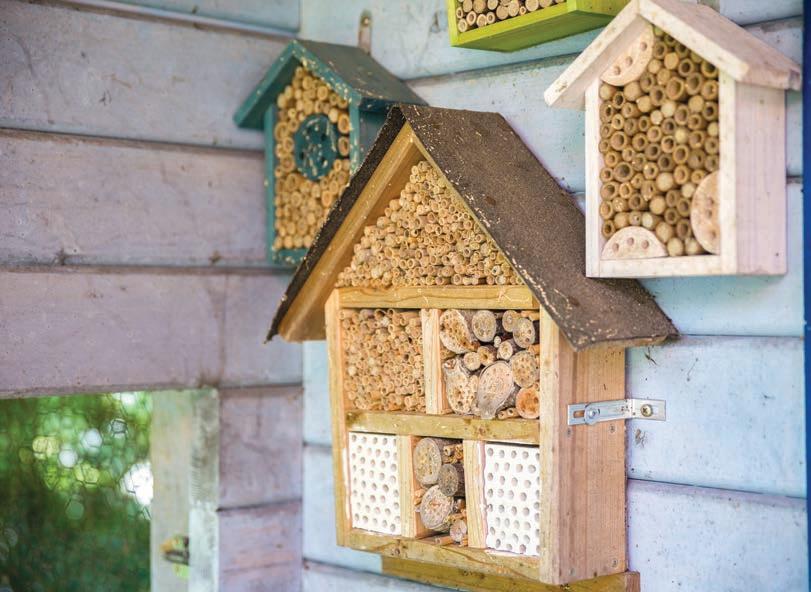
native bee species — honey bees were imported from Europe in the 1600s — and most of those don’t live in hives, the National Wildlife Federation says. Instead, they live in small nests carved into soil or wood. And, bonus, they rarely sting. Talk to your local nursery or
agriculture extension agent about what bees live in your area and how to create the best habitat for them.
Bees and other pollinators need water, too. Add a water feature to your garden. It
can be as simple as a bird bath you regularly refresh. Add rocks or pebbles that stick out above the water line to give bees and other insects a safe place to land. Dump the water every few days to kill any mosquito larvae, and stay away from chemicals.

Preparing ahead of time can help protect your home from damage and keep your family safe when storms roll through. A few practical steps such as inspecting the roof, clearing gutters, trimming trees and checking emergency equipment can make a big difference.
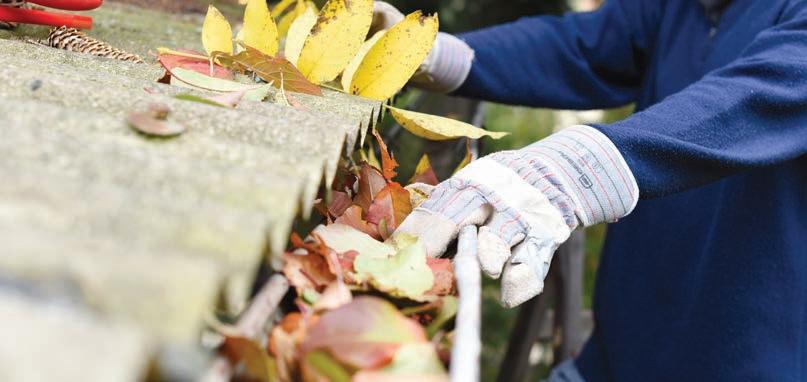
A secure roof is one of the most important defenses against spring storms. Look for loose shingles, cracked flashing or signs of wear that could lead to leaks. Binoculars can help with a ground-level inspection, but if you are unsure about what to look for, hiring a professional roofer is often the safest option. Early repairs prevent small issues from turning into major water damage during heavy rain. Gutters and downspouts need attention. Leaves, twigs and debris can block the flow of water and cause overflow that damages siding or foundations. Clearing gutters before the rainy season allows stormwater to drain properly away from the home.
Tree limbs that hang close to a roof, deck or power line can become dangerous during spring storms. Strong winds may break or weaken branches, putting structures at risk. Trimming limbs now helps reduce the chance of falling debris. A certified arborist can evaluate unhealthy or leaning trees and recommend whether pruning or removal is needed.
Secure outdoor equipment. Patio furniture, planters and lightweight decorations can become hazardous if winds pick up.
Heavy spring rains can quickly overwhelm basements or low-lying areas of a property. Test sump pumps before storms arrive to ensure they are working properly. Pouring a small amount of water into the pit can help confirm the pump activates and removes water as expected. Check exterior drainage. Ensuring soil slopes slightly away from the house helps direct water away from the foundation. French drains, swales or downspout extensions may help improve runoff in areas prone to moisture problems.
Every household needs a basic emergency kit for storm season. This typically includes flashlights, extra batteries, bottled water, nonperishable food, a first-aid kit and necessary medications. Portable chargers and a battery-powered weather radio can also help families stay informed if power goes out.
It is wise to gather important documents in a waterproof folder and keep them in an easily accessible spot. Families with pets should include food, carriers or leashes in their emergency supplies.





Many Perennial Plants Need A Spring P runing. Their Foliage May P rovide P rotection
During the Winter, But By Spring, It’s Time To P rune In order To Encourage New Growth. This Means P runing Is An Essential Part of Your Spring Gardening Plans.
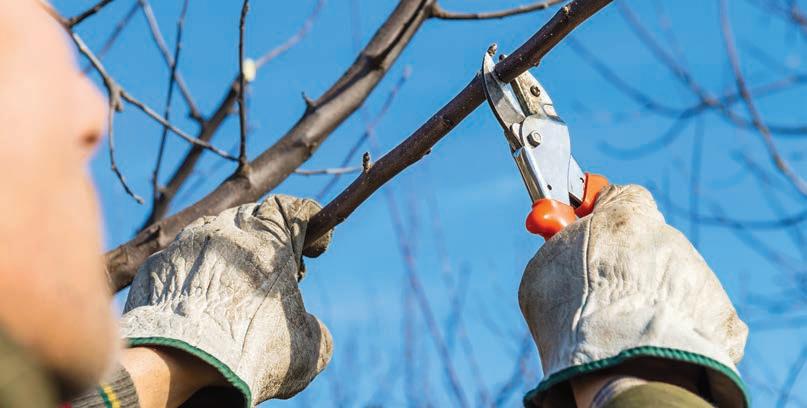
According to the Old Farmers Almanac, the timing of pruning a tree or shrub depends mostly on when it blooms and whether it blooms on old or new growth. In general, plants that flower after midsummer should be pruned in the spring, while those that bloom in winter, spring and early summer should be pruned soon after flowering.
Burger Farm and Garden Center reminds gardeners that while an ill-timed pruning may lead to fewer flowers and fruits, it is rarely fatal to the plant.
Fruit trees such as apple, cherry, peach and plum, and vines such as trumpet vine and wisteria, should be pruned in early spring. Spring-flowering shrubs such as lilacs and rhododendrons need to be pruned as soon as their earlyspring blooms have faded. This will help ensure a good bloom next year. According to TheSpruce.com, Black-eyed Susan, gayfeather, purple coneflower and globe thistle seed heads are great food
for birds, so leave them be until early spring, while coral bells, delphiniums, hostas, turtleheads and mums need the protection of their foliage during winter. Don’t cut them back until spring.
It’s important to keep your pruning tools sharp. While a plant can easily recover form a clean cut, a botched cut can weaken the plant and make the plant susceptible to disease. Sharpen shears and clippers, and oil moving parts to keep them working smoothly.
Some plants need more aggressive pruning than others. Consult the Old Farmers Almanac or your local extension service for particulars on how much to prune a particular shrub or plant.
In general, when pruning a tree, begin with removing any dead or dying branches, as well as any “suckers” — sprouts emerging from the base of the trunk. Make clean cuts flush to the branch, with no part of the growth remaining. Also remove “watersprouts,” which
are small, straight vertical shoots growing on the main branches.
Thin out the tree by removing branches that grow downward, toward the center of the tree or that cross paths with another branch, as well as any limbs along the trunk that are bigger in diameter than the trunk.
Then focus on evening out the branches and removing competing branches. Finally, prune the tree from the outermost growth to give it a pleasing shape, and promote the growth of shorter, thicker branches.




An
Hiring a professional pest control service is often the best solution. Here’s what to consider when selecting a pest control provider. Before contacting a pest control company, determine the scope of your problem. Are you dealing with an isolated issue such as ants in the kitchen or is there a recurring rodent problem? Some companies specialize in certain pests, while others offer comprehensive services. Identifying the problem will help you find the right provider.
A reputable pest control service will be properly licensed and certified. Most states require technicians to be trained and licensed to apply pesticides. Verify a company’s credentials by checking with your state’s pesticide regulatory office. Membership in professional organizations such as the National Pest Management

Association (NPMA) can also indicate adherence to industry standards. Experience matters when it comes to pest control. Look for companies with a proven track record in handling your specific pest issue. Read online reviews and ask for references to gauge customer satisfaction. Word of mouth can be a valuable tool, so
ask friends or neighbors if they’ve had success with a particular company.
Different pest control companies use different approaches. Some emphasize eco-friendly methods with minimal pesticide use, while others rely on chemical treatments. If you have children, pets or environmental concerns, ask about alternative solutions.
A good provider will explain their methods and why they are effective.
Reputable companies provide a written estimate detailing the type of service, cost and any follow-up treatments required. Be wary of companies that give quotes over the phone without an inspection. Pricing can vary based on the severity of the infestation, type of treatment and size of your home.
Many pest control services offer guarantees, but the terms can differ. Some companies provide free follow-ups if pests return within a certain timeframe, while others may require an additional fee. Read the fine print and clarify any guarantees before committing.
Be cautious of companies that pressure you into
signing a contract, quote unrealistically low prices or lack proper credentials. High pressure sales tactics or vague service descriptions are warning signs of an unreliable provider. Choosing the right pest control service requires research, but taking the time to vet providers will ensure effective and safe pest management. By following these guidelines, you can protect your home and family from unwanted invaders.



Your Roof Is One of the Most Critical Components of Your Home, P rotecting Against the Elements and Ensuring Structural Integrity.
Over time, wear and tear, weather damage and age can compromise its effectiveness. When issues arise, homeowners must decide whether to repair or replace their roof — and finding the right professional can make either job easier. Not every roofing issue requires a full replacement.
In many cases, a repair can extend the life of your roof while saving money. Consider these factors when deciding:
• Age of the roof. Asphalt shingle roofs typically last 20 to 30 years. If your roof is nearing the end of its lifespan, replacement may be the better long-term investment.
• Extent of damage. Isolated damage, such as a few missing shingles, can usually be repaired. However, widespread issues like curling shingles, sagging or extensive leaks may signal the need for a full replacement.
• Cost considerations. If repairs add up to half the cost of a new roof, replacing it might be more cost-effective in the long run.
• Energy efficiency. Older roofs may lack proper insulation, leading to higher energy bills. A new roof with modern materials can improve efficiency and reduce costs over time.
A quality roofing contractor ensures the job is done correctly, safely and in compliance with local building codes. Here’s how to find a reputable professional.
• Check credentials. Verify that the contractor is licensed, insured and bonded. Insurance protects you from liability in case of accidents, while licensing ensures they meet industry standards.
• Research reviews and references. Look for online reviews and ask for
references from past clients. A reputable contractor should be able to provide a portfolio of completed projects.
• Get multiple estimates. Request at least three written estimates to compare pricing, materials and warranties. Be wary of unusually low bids, which may indicate subpar materials or workmanship.
• Ask about experience and specializations. Some contractors specialize in specific roofing types, such as metal, slate or asphalt shingles. Ensure they have experience with your roof’s material and structure.
• Understand warranty options. A reliable contractor should offer both a manufacturer’s warranty (covering materials) and a workmanship warranty (covering labor). Clarify what is included and how long the coverage lasts.
• Review the contract carefully. Before signing, ensure the contract includes details on materials, project timeline, payment schedule and cleanup responsibilities. Avoid paying the full amount upfront — most reputable contractors require a deposit with the balance due upon completion.
Start by seeking recommendations from neighbors, local real estate agents or home improvement organizations. Online directories, trade associations like the National Roofing Contractors Association (NRCA) and local Better Business Bureau (BBB) listings can also help identify qualified professionals. Taking the time to hire a skilled, trustworthy roofing contractor ensures your roof remains a strong, durable shield for your home — whether it needs a simple repair or a full replacement.


The U.S. Department of Agriculture says native plantings are already adapted to your climate and soil conditions and provide important nectar, pollen and seeds to native fauna. They do not require fertilizers, need fewer pesticides, are less thirsty and can prevent erosion, may not require mowing, and promote biodiversity.
The first step to native planting is to know your planting zone. The USDA maintains the map, which is
available online. Before you leave for your local nursery or garden store, look up your address on the map and determine your plant hardiness zone.
LOCATION, LOCATION
Remember, this is a marathon. Native plants may take a year or so to get established and grow into their new habitat, the USDA warns. When you plant, you’ll also need to leave room for the plants to grow and propagate. If the gaps in your garden are killing you, ask your garden center about potted plants or small garden sculptures you can easily move to fill in.
Look around your yard. Observe the places where you want to plant and how many hours of sun and shade those spots get. Does water pool there? Is it dry? What’s the soil like? Is it close to your house or driveway? What native plants are around you? What’s your budget? These are all questions the plant experts at your local garden store will ask.
While you’re at the nursery center, talk to the experts there about weed control and invasive species to look for. Especially if you’re reusing beds that were planted with invasive species before, you may have your hands full for a couple of years. Weed control techniques to consider are pulling them by hand, using environmentally friendly mulches to suppress weeds among young plants, and the careful use of herbicides.

Homeowners Have More Options Than Ever For Automating and Integrating their Living Spaces.
From security systems to lighting controls, smart home installations can enhance convenience, security and energy efficiency. While many devices are designed for DIY setup, hiring a professional can ensure seamless integration and maximize functionality. A smart home installation can encompass a wide range of devices and systems designed to work together. Some of the most common features include:
• Smart security systems: Cameras, video doorbells, motion detectors and smart locks that allow remote monitoring and control.
• Automated lighting: Wi-Fienabled bulbs and switches that can be scheduled, dimmed or controlled by voice commands.
• Smart thermostats: Devices that learn your habits and adjust heating and cooling to maximize energy efficiency.
• Whole-home audio and entertainment: Integrated speakers and streaming devices that provide

seamless audio and video throughout the home.
• Motorized shades and blinds: Window coverings that can be scheduled or adjusted remotely for energy savings and privacy.
• Voice assistants and hubs: Systems like Amazon Alexa, Google Assistant and Apple HomeKit that serve as the control center for multiple devices.
• Smart appliances: Refrigerators, ovens, washing machines and other appliances that connect to mobile apps for remote operation.
• Irrigation systems: Smart sprinklers that adjust watering schedules based on weather forecasts and soil moisture levels.
While many smart devices are designed for simple installation, integrating multiple systems can be complex. A professional installer ensures that all components communicate effectively, minimizing connectivity issues and optimizing performance.
A professional installer can connect and synchronize multiple devices across different platforms, ensuring they function as a cohesive system rather than standalone products.
Smart home devices rely on a strong, secure Wi-Fi connection. An installer can optimize your network to prevent connectivity issues, reduce lag and enhance security against cyber threats. A pro can design a system tailored to your lifestyle, recommending the best devices and automation setups for your home. Incorrect wiring, poor device
placement or improper configuration can lead to malfunctions. A trained technician ensures everything is installed correctly and works as intended. Many smart home professionals offer troubleshooting, updates and maintenance services to keep your system running smoothly.
To ensure a successful installation, consider the following when hiring a professional:
• Check certifications. Look for installers certified
by organizations like CEDIA (Custom Electronic Design & Installation Association) or other industry groups.
• Review experience and specialties. Choose a pro with experience in the specific systems you want, whether it’s security, lighting, entertainment or full-home automation.
• Ask about compatibility. Ensure the installer is knowledgeable about crossplatform integration if you’re using multiple brands and devices.
• Request references and reviews. Look for customer feedback and ask for
examples of past installations.
• Understand costs and warranties. Get a detailed estimate upfront and inquire about warranties on both labor and equipment. A well-designed smart home system enhances comfort, security and efficiency. While DIY installations work for some, a professional can provide seamless integration, expert recommendations and ongoing support. By hiring the right pro, homeowners can enjoy a fully connected and automated home without the frustration of troubleshooting complex setups.



Now That Warmer Weather Its Here, It’s Time To Get Outside and Get Your Patio Ready For Morning Coffee, Solo Time With A Book or A Big Dinner With Friends and Family. Keep Reading For More Tips On Creating the Perfect Outdoor Space To Fit Your Needs and Your Budget.
After a long winter outdoors, you may need to freshen up your furniture a bit. First, try cleaning it. Try a mix of 2 cups of white vinegar to 2 tablespoons of dish soap. Spot test it first to make sure the solution doesn’t ruin any fabrics or finishes. If you’re good to go, work it into the hard surfaces with a stiffbristled brush and rinse well. You can also use this solution on cushions and umbrellas (again, spot test first) with a softer brush.
If a good wash doesn’t work, maybe it’s time for a fresh coat of paint. Take your cleaned furniture to an open, well-ventilated space and opt for an outdoor spray paint that’s appropriate to your furniture’s material. If you’re painting metal furniture, look for a paint that inhibits rust. For plastic, make sure the paint you pick will adhere to plastics. While matte finishes are in, glossy finishes are easier to clean. Your local home store offers a variety of
paints, colors and finishes to choose from.
Throw the best kind of shade — the kind you can sip a lovely beverage under. Look beyond the umbrella at sunsails, awnings, canopies and more. Some more complex installs, like a retractable awning, may require professional installation. But there are easier solutions you can do yourself, like a sail or a canopy. Just make sure your
shady solution is securely fastened so it doesn’t blow away in a summer storm.
Get creative with containers, textures and blooms in your patio space. Choose plants with leaves and blooms that complement the colors of your furniture and cushions. If your thumb is a lighter shade of green, ask the pros at your garden center to help you pick easy-care plants that can stand up to the weather in your area.
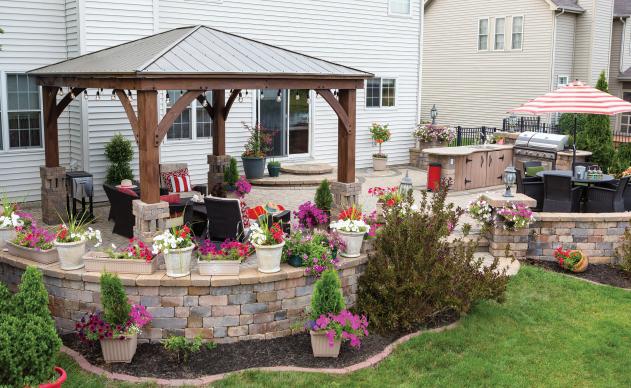

Even If You Don’t Have A Large Yard or Green Space To Work With, You Can Still Have A Beautiful Outdoor Space To Work Out Your Green Thumb. Here Are Some Hints For Making the Most of Your Little Slice of the Great Outdoors.
Just like in cities, the quickest way to get more space may be to go up. Line a fence or wall with artfully placed flower boxes and alternate color and greenery. Choose plants for leafy texture as well as blossoms, and remember to take into account the amount of sun your space gets. Not into a lot of elbow grease outdoors? Try shelves of succulents in a variety of colors and pots.
ADVANTAGE OF VINES
You don’t need a lot of room for flowering (or even fruiting) vines to grow. Instead, arrange them along shaped trellises or cages and take advantage of their natural propensity to spread. Keep the vines pruned to keep them from taking over.
Keep in mind that your containers will need to drain, be mobile and stand up to the elements. Once that’s covered, you can make almost anything into a flower pot with a little work. Get

creative and recycle (clean) tin cans and interesting containers. A lot of local garden centers and pottery shops may also offer up pretty pots at great prices.
If you’re planting edible plants, such as fruit trees, pair them up, if needed, so they bear fruit. Talk to the experts at your garden center about
varieties that need a mate and those that are self-pollinating. Many fruit trees are created to grow on patios, including apples, citrus, peaches and more.



Greenhouses and Indoor Gardens Means Gardening Is Now A Year-round Venture.
But For A Traditional Garden, April Is When People Should Start their Planting. Urban Farmer Walks Gardeners Through When To Plant Which Crops To Set Yourself Up For the Best Results.
Before you do, however, check the U.S. Department of Agriculture for your growing zone and know what weather patterns you’re likely to be working with.
While some vegetables do better when developed as seedlings and transplanted — such as peppers, herbs and tomatoes, which are the most popular vegetable in gardens — others do better when planted as seeds. These include beans, peas, corn, carrots, radishes, pumpkins and cucumbers. When you start planting, either seeds or seedlings, make sure the soil has been warm for several days in a row.
Gardeners who started growing plants indoors should start transplanting those to the garden, but it’s certainly not too late for people starting with seeds, even for tomatoes and peppers, according to Urban Farmer. Beans, beets, cabbage (one of the easiest

plants to grow), carrots, corn, cucumbers, lettuce, melons, herbs and onions all should be planted in April. Peas, if planted in April and with a little help from good weather, can be ready for harvest by May.
April can be the most difficult month. Many plants need the germinating time and should be planted in April, but a lot of Americans live in climate zones where a final freeze in April isn’t unusual. Be
prepared to cover plants in the event of bad weather.
If cold weather or a busy spring kept you from too much planting in April, there’s still time. Many of those same plants thrive in the consistently warm soil and air that gardeners are likely to see in May. Plants such as squash, beans, cucumbers and melons are good kitchen staples that can
be planted in May.
You can plant summer squash and zucchini in June to get a crop in late July or early August. That’s the same with lettuce, and carrots can be planted in June or even beyond. Some varieties of beans, like Contender, Kentucky Wonder and Topcrop, can be ready for harvest in just more than a month.