DEER PARK APARMENTS
Our Commitment Is To Help Our Clients Create And Preserve Wealth By Providing Them With The Best Real Estate Investment Sales, Financing, Research And Advisory Services Available
Cincinnati, Ohio
Our Commitment Is To Help Our Clients Create And Preserve Wealth By Providing Them With The Best Real Estate Investment Sales, Financing, Research And Advisory Services Available
Cincinnati, Ohio




Jordan Dickman
First Vice President Investments
Cincinnati Office
D. 513.878.7735
jordan.dickman@marcusmillichap.com
Nick Andrews
First Vice President Investments
Cincinnati Office
D. 513.878.7741
nicholas.andrews@marcusmillichap.com
Austin Sum
Senior Associate
Cincinnati Office
D. 513.878.7747
austin.sum@marcusmillichap.com


$43.6B $10.1B 7,546 1,076
For more than 50 years, Marcus & Millichap has worked tirelessly to help our clients create and preserve wealth through commercial real estate investment sales as well as debt and equity advisory. Since our founding in 1971, we have grown to more than 80 offices throughout the United States and Canada, including twelve offices here in the Midwest. We also assembled the industry’s largest and most qualified team of specialists to help provide real estate solutions that match your unique investment needs. Connect with an advisor today. We have the industry’s largest, most diverse collection of exclusive commercial real estate listings. Start receiving custom property alerts today.
Jordan Dickman
First Vice Presidents Director, Nmhg
Nick Andrews
First Vice Presidents Director, Nmhg
Austin Sum
Senior Investment Associate
Austin Hall
Investment Associate
Alden Simms
Investment Associate

Liz Popp Midwest Operations Manager
Josh Caruana Vice President Regional Manager
Indianapolis | Cincinnati | Louisville | St Louis | Kansas City
Peter Stanley National Director
National Multi Housing Group
Michael Glass
Senior Vice President
Midwest Division Manager
National Director, Manufactured Home Communities Group
Sam Petrosino
Valuation & Research
Brett Martin
Internal Accountant
Brittany Campbell-Koch
Director of Operations
Alex Papa
Marketing Coordinator
30
20
10
30

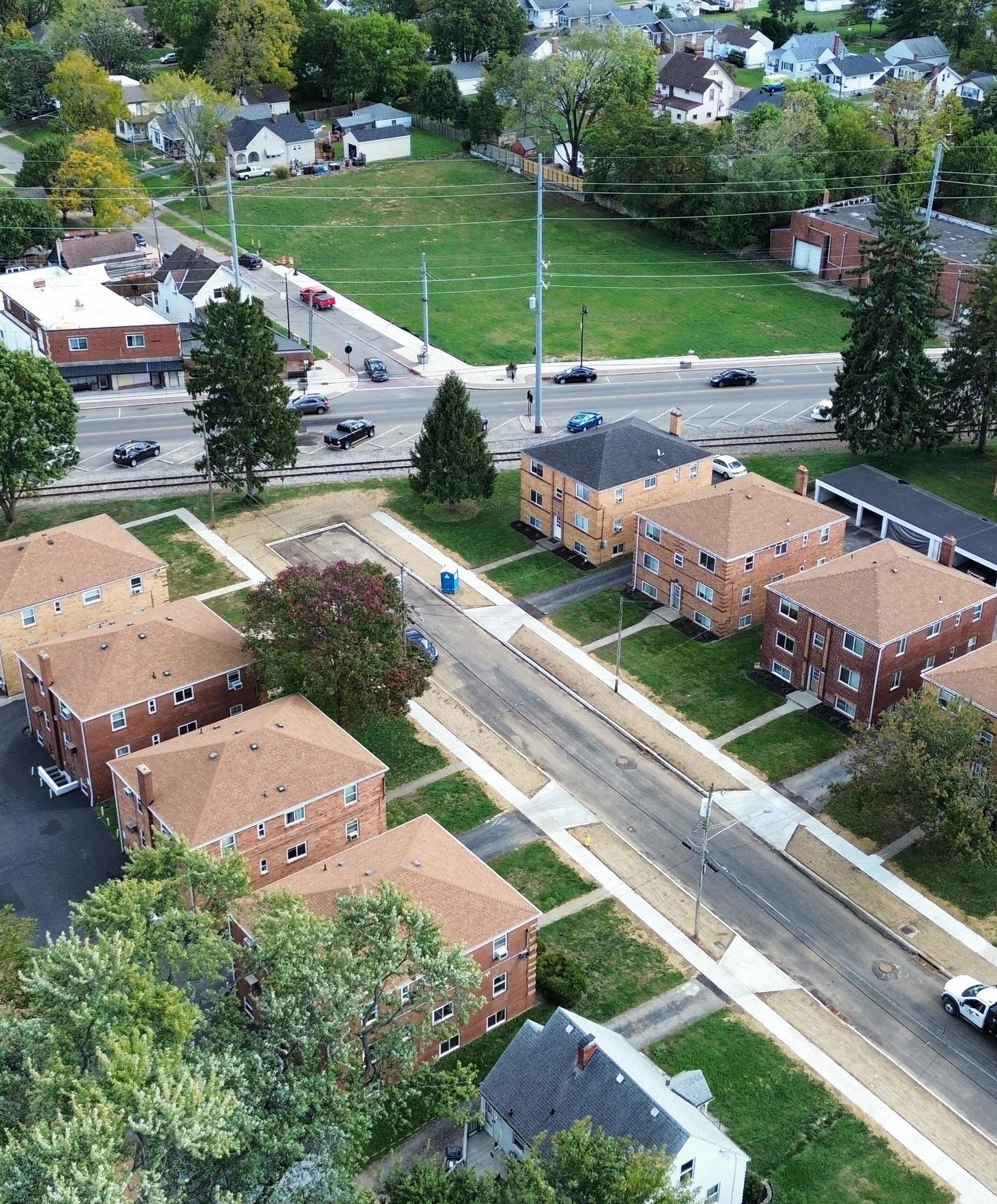
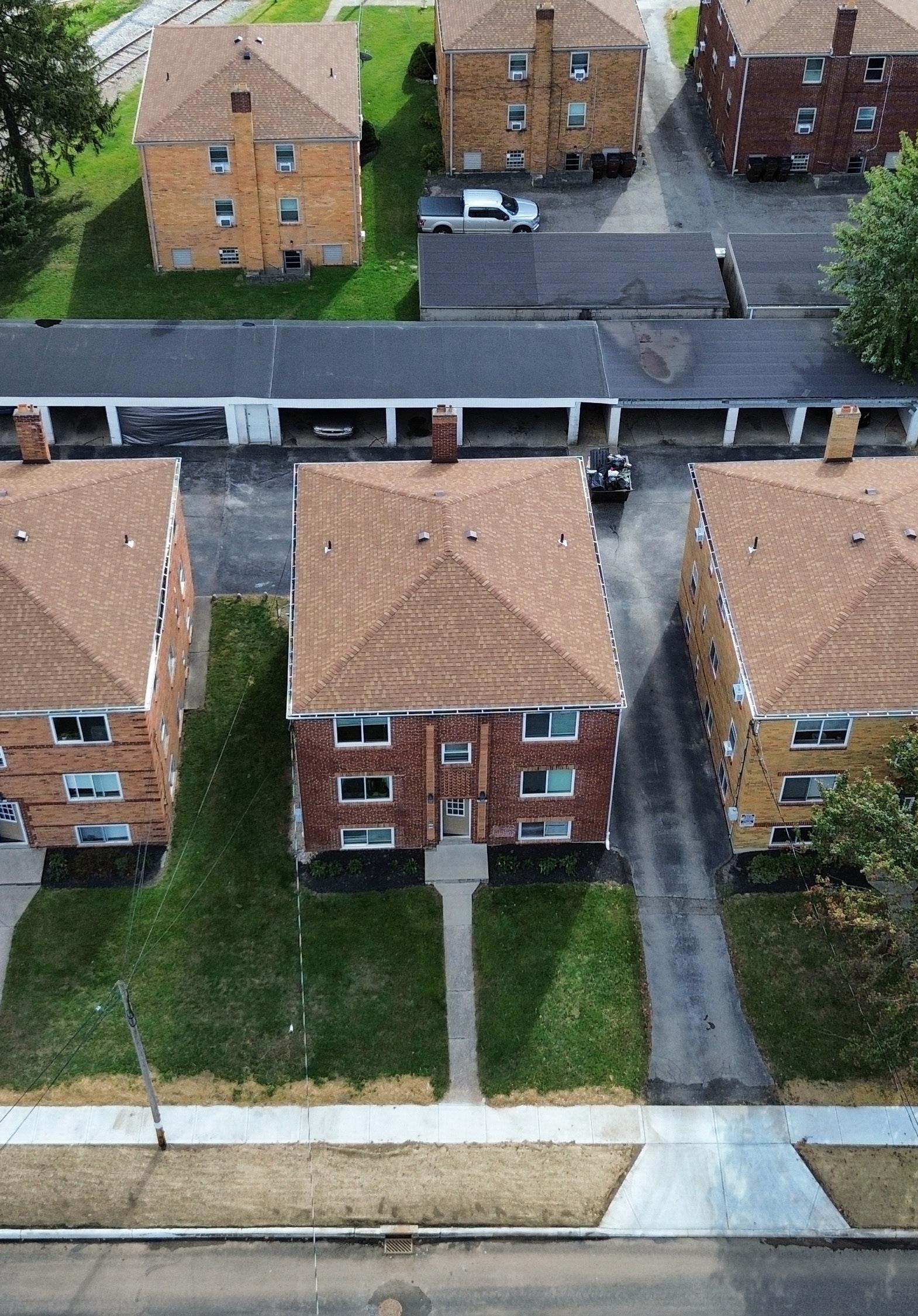
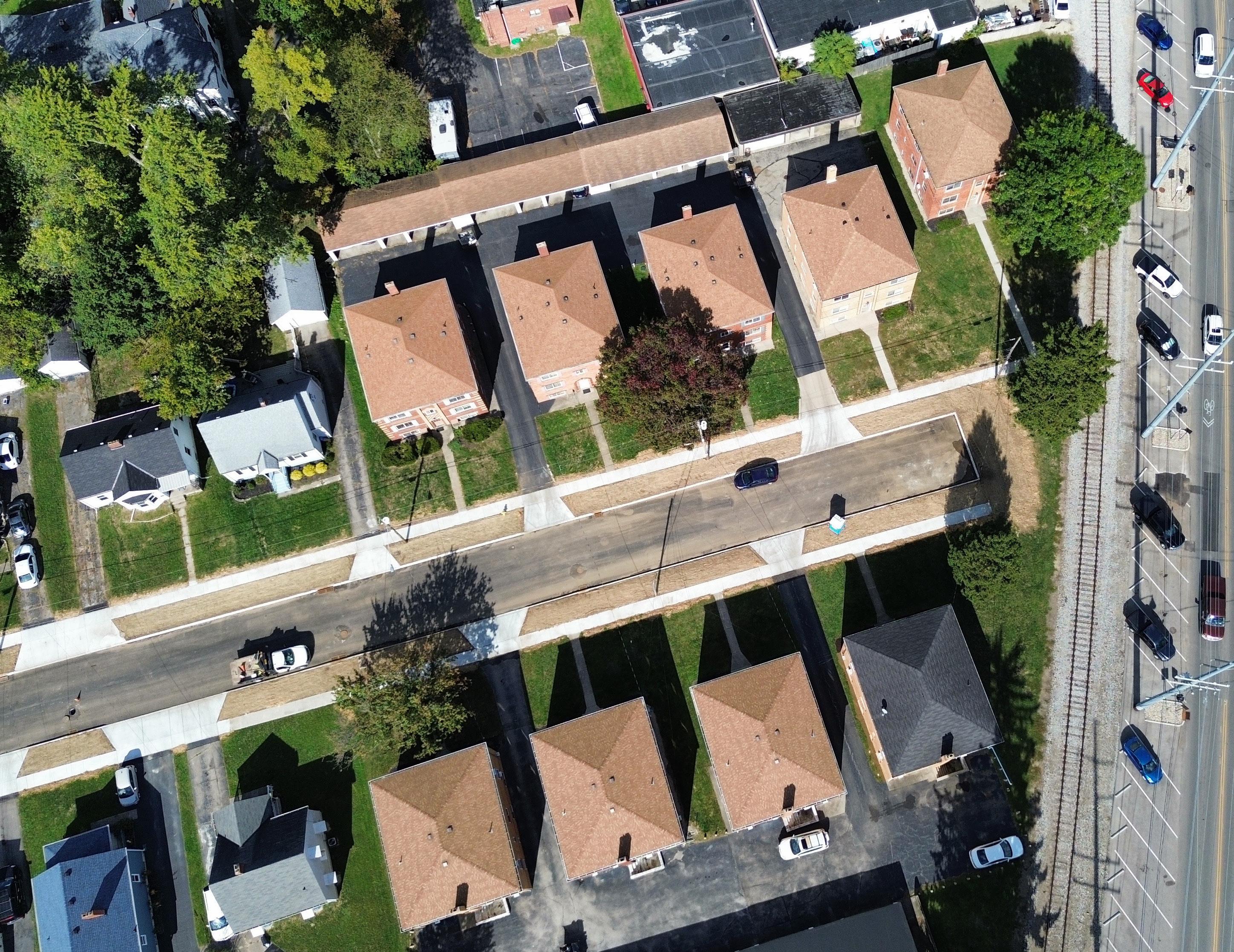
Property Address: 4323-4334 Oakwood Ave
City, State, Zip: Cincinnati, Ohio 45236
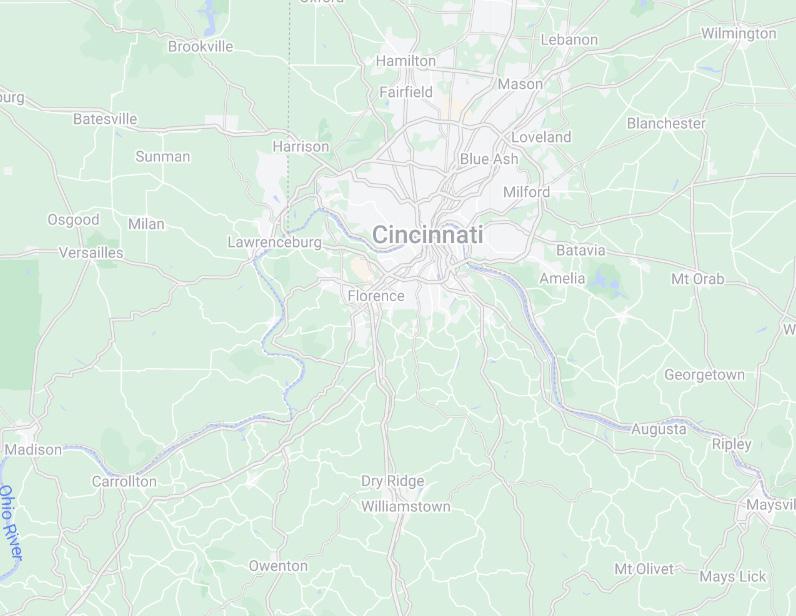
Submarket: Deer Park
County: Hamilton County
Year Built/Reno: 1949
Number Of Units: 30
Avg Unit Size: 650
Rentable Sqft: 19500
Number of Parcels: 2
Lot Size (Acres): 0.7
Density: 42.86
# of Buildings: 5
# of Stories: 3
Current Occupancy: 100%
Parking Type: Surface Lot
Parking Surface: Blacktop

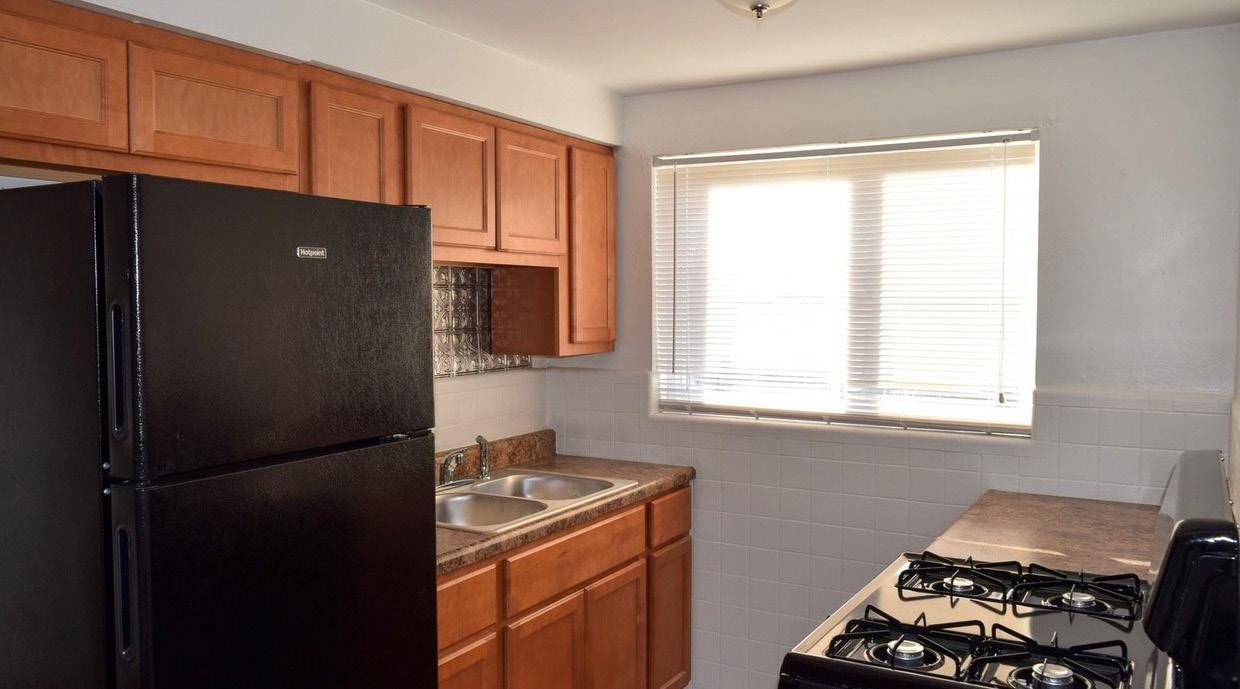

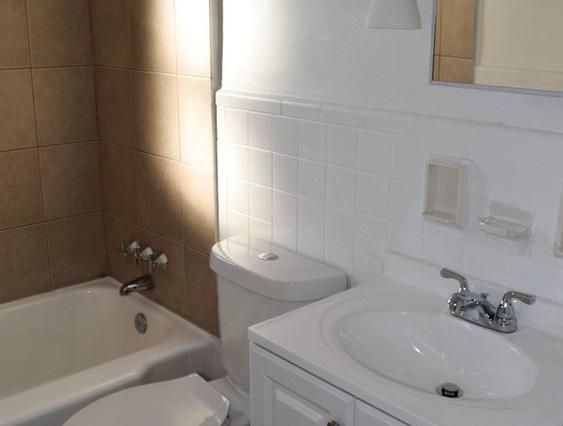
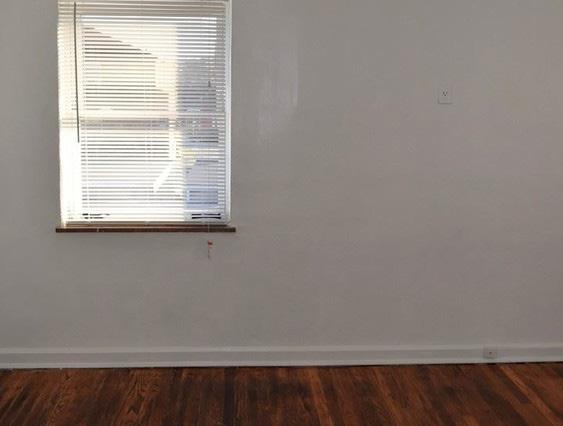
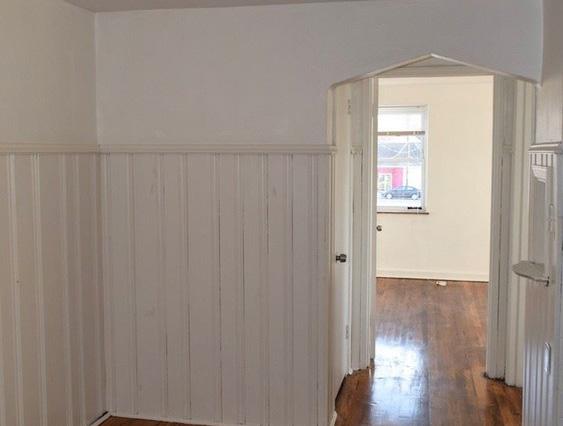
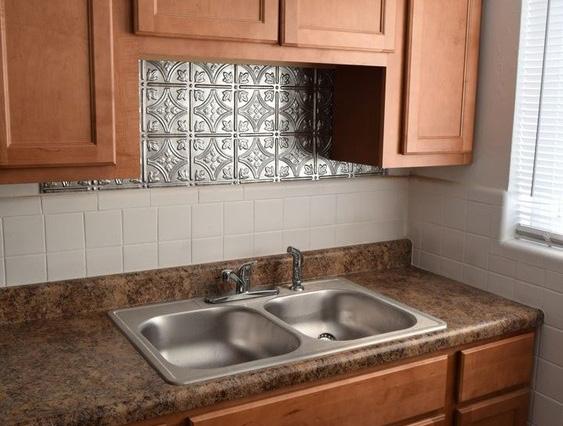
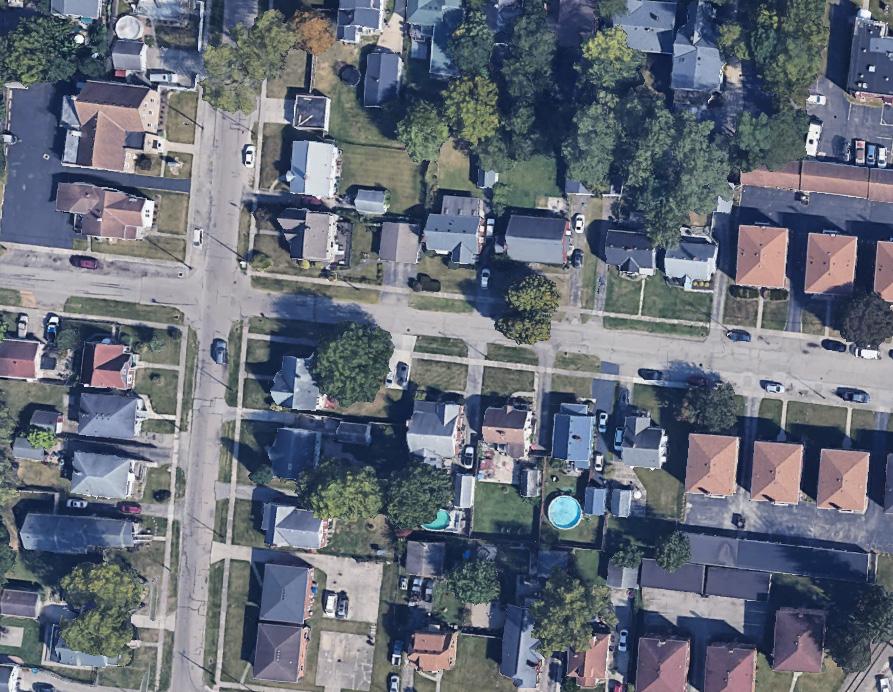
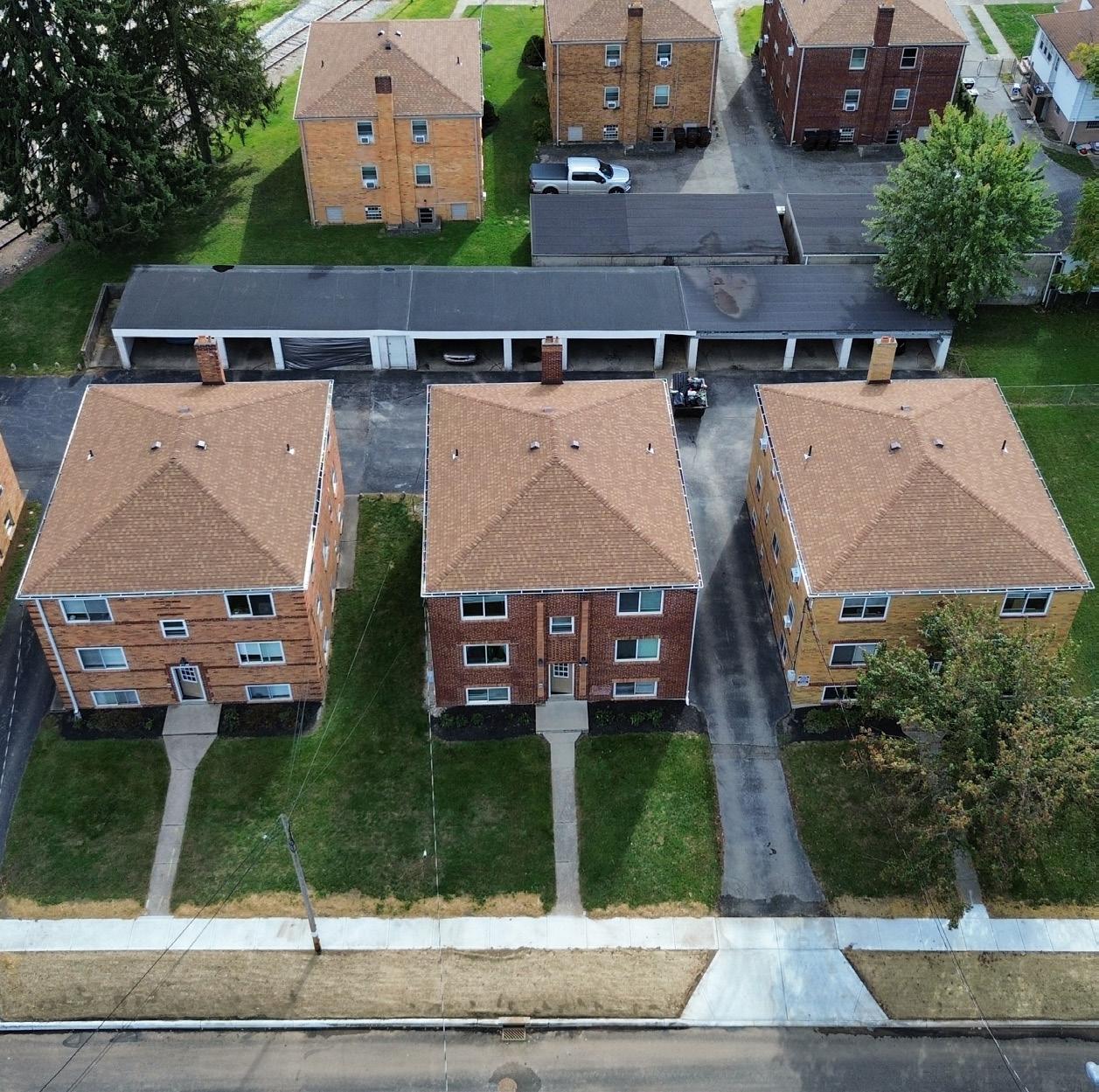
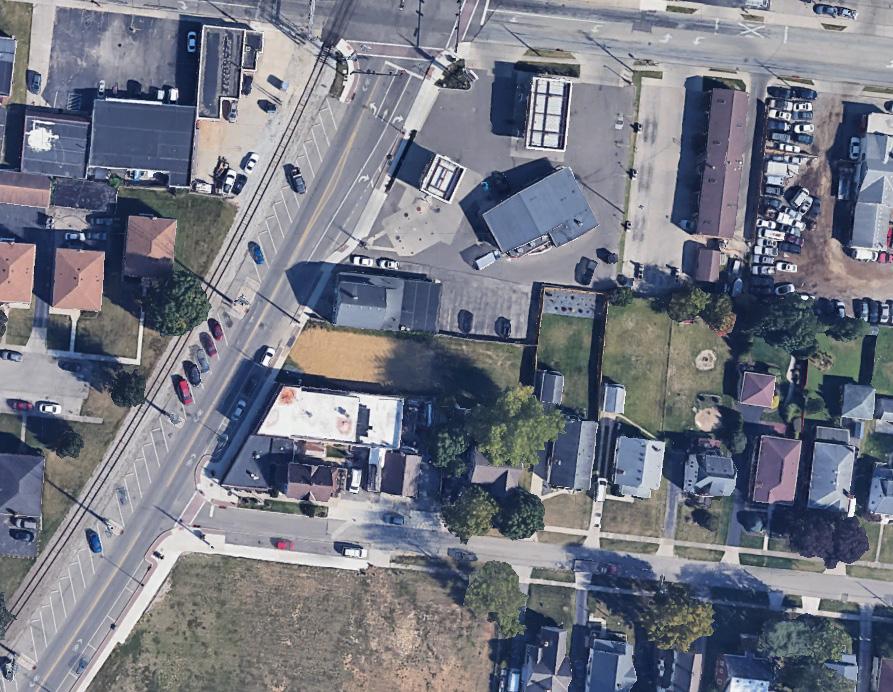

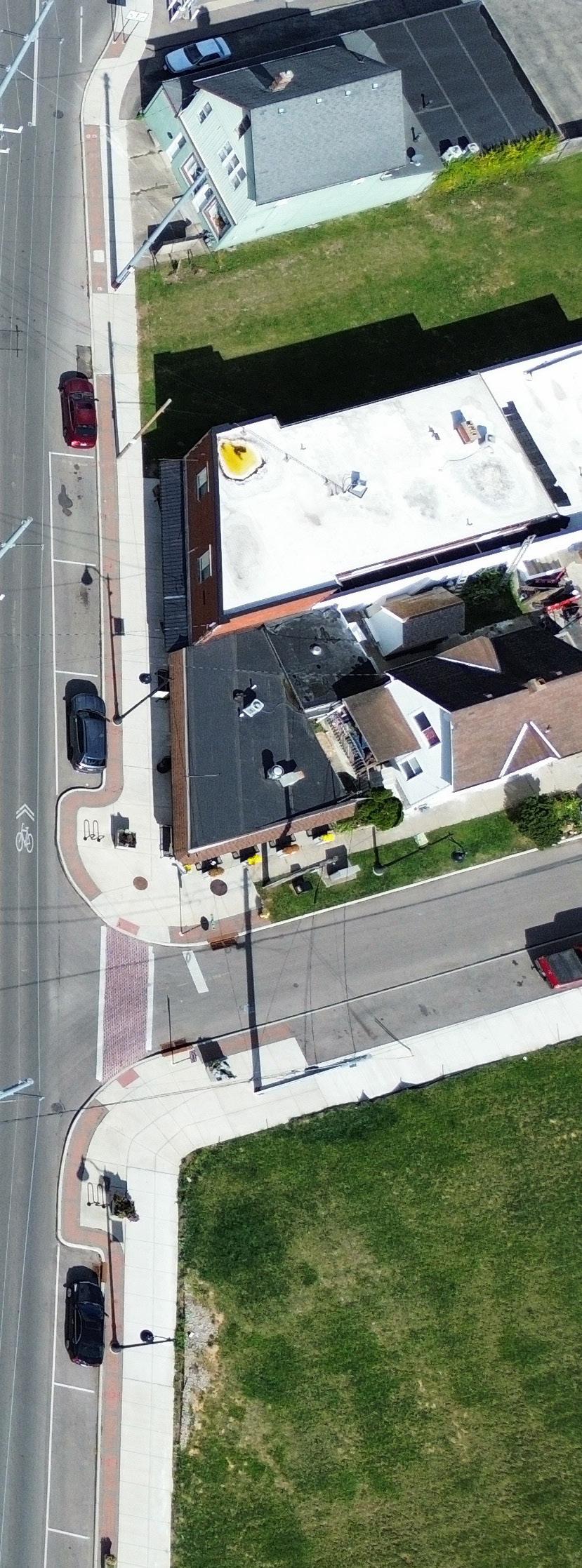
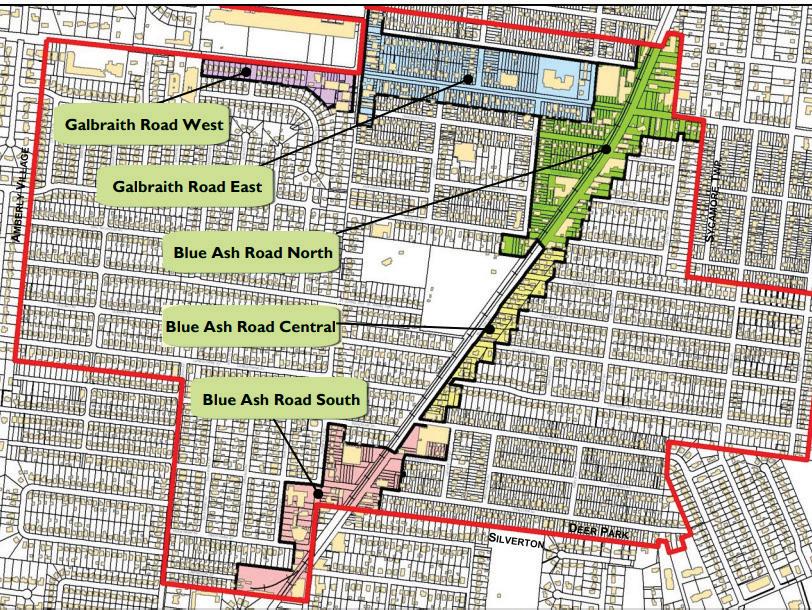
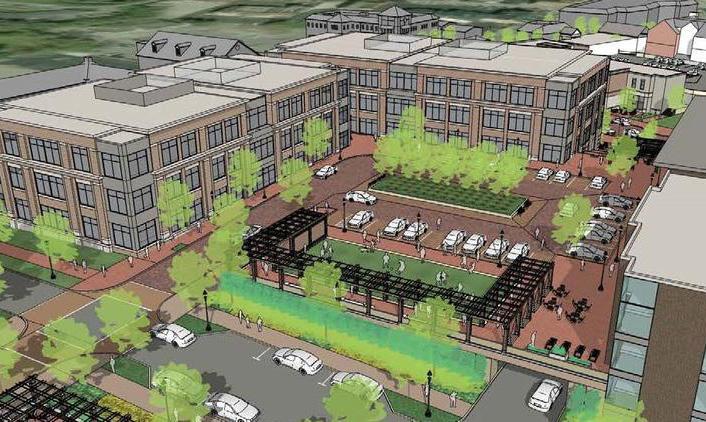
The Deer Park Business District is expected to redevelop as a destination shopping and entertainment area providing personal services, dining and entertainment options and mixeduse residential development. Residential development in these defined planning areas is expected to support urban scale multi-family projects at higher densities, consistent with the policies set forth in this chapter. Projects in the Business District are expected to incorporate mixed-uses including retail, office, residential, and service uses that support pedestrian transit and further the synergism of public and private sector activities. In the surrounding residential neighborhoods, infill urban scale townhouse and multi-family residential developments are anticipated. Site planning and streetscape infrastructure improvements will help promote a pedestrian scale environment and amenities.

The purpose of the Housing Element is to assess the housing status in the City of Deer Park in regard to its condition, availability and affordability and to develop goals and policies that will ensure that adequate housing is available to existing and future residents of the City. The City recognizes that if housing needs for its residents are addressed, it will contribute to the overall well being of the community. In planning for the future housing needs of the community, it is essential to maintain the integrity and quality of the existing residential neighborhoods. Included in this element is an assessment of existing housing conditions, goals and policies to address the housing needs of the community and strategies to maintain and provide adequate housing in the City of Deer
Park Housing is a basic need for all Deer Park residents. Housing opportunities and choices determine where we send our children to school, where we raise our families and where we will grow old. Maintaining a healthy and diverse housing stock is critical to the long term success for the City.
• Provide an adequate housing supply that meets existing and forecasted housing demand.
• Promote a range of housing choices for residents of varying iNcome levels, age groups and needs.
• Maintain and rehabilitate the City’s existing housing stock.
• Promote opportunities for mixed-use development including a residential housing component.
• Promote compact, residential redevelopment that provides efficient service delivery and remains in context with the existing neighborhood.
• Promote the availability of sites for development or redevelopment of targeted housing types.
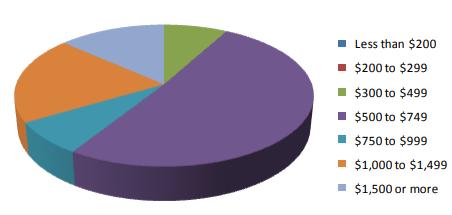
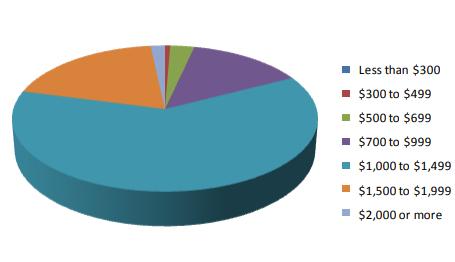
Given the age of the existing Deer Park housing structures, the City is experiencing a steady increase of the conversion of owner-occupied single-family dwellings into renter-occupied structures. All communities maintain some percentage of single-family rental properties. However, when the percentage of renter-occupied single-family dwellings steadily rises, it can be an indicator of a trend toward a sustained reduction of owner-occupied single-family properties. Based on the 2010 Census, approximately 24% of Deer Park’s residential housing stock was renter-occupied. Failure to reverse these conversion trends can lead to stagnant or negative property values within the City in addition to the increase of property maintenance issues. This chapter will address strategies to assist in promoting owner-occupied rates for single-family dwellings within the City. The City has successfully implemented a community-wide Community Reinvestment Area (CRA) program that provides for tax abatement to qualifying home improvement projects. Other strategies include targeted marketing toward young families encouraging them to make Deer Park their home. As demand rises, so will housing values. As this occurs, rental properties are more likely to convert to owner occupied structures to take advantage of the increased housing stock values.
Tenure by Units in Structure
(Detached and Attached)
To respond to the expected changes in the population, life-styles, and the rising cost of housing, Deer Park should provide opportunities for a mix of houing types including townhouses, duplexes,
small lot single-family cottages and mixed-use residential and commercial development. All new development must both meet the market demand as well as meet the City’s goal of retaining its small town atmosphere. Accomplishing this objective will be achieved in part by the creation and retention of integrated systems of open spaces and upgraded pedestrian oriented elements. Single-Family Detached Dwellings: This housing structure type represents the largest dwelling type within Deer Park. Given Deer Park’s location to key retail and commercial markets, the City should review the existing minimum house sizes for its single-family residential districts to insure those requirements are consistent with modern housing trends. Cottage style dwellings should be considered when appropriate within the context of the neighborhood proposed. Attached Town Homes: Attached owneroccupied town home style dwellings should be promoted for the Blue Ash Road Central SubArea in addition to the multi-family districts indicated on the future land use map. This dwelling style works well within compact infill site patterns and offers the type of density that is compatible with mixed-use neighborhoods. “Brownstone” walk-up designed town homes are specifically targeted for the Blue Ash Road Central sub-area to assist in creating the pedestrian friendly streetscape theme. Empty-Nester Options: The desire for increased options in “empty-neser” style dwellings is increasing in most communities. Deer Park has a segment of its population that currently has little or no down-sizing housing opportunities within the City. Consideration should be given towards promoting these specialized developments through the use of CRA tax abatements, zoning density bonuses or waived or reduced application and inspection fees. Providing this critical housing element is key to maintaining a truly balanced offering of housing choices in Deer Park.
The Mayerson Jewish Community Center of Cincinnati is looking at plans for a $20 million to $25 million expansion in Amberley Village.
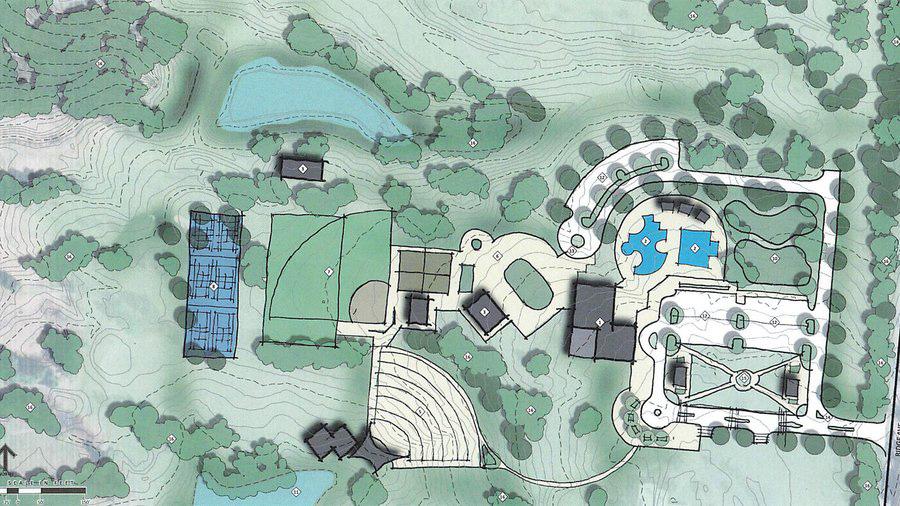
The Mayerson JCC, which sees more than 27,000 visitors to its facilities at 8485 Ridge Road, is working on plans to move some of its operations to a portion of Amberley Green. Marc Fisher, CEO at Mayerson JCC, said after the last development deal for the property fell apart about two years ago, the J started looking at plans to carve out a portion of the 130-acre property to figure out how to integrate the its needs to expand into Amberley Green.
Mayerson JCC is looking to relocate its day camp and outdoor recreation pool as well as playgrounds, play fields, basketball courts, tennis courts and some indoor space to Amberley Green. About 25 to 30 of the 130 acres would be renovated and improved by Mayerson JCC, with J members and Amberley Village residents able to enjoy the investment.
The total investment between the improvements at Amberley Green and the expansion at its main campus would be between $20 million and $25 million over the next several years.
$20M to $25M Investment
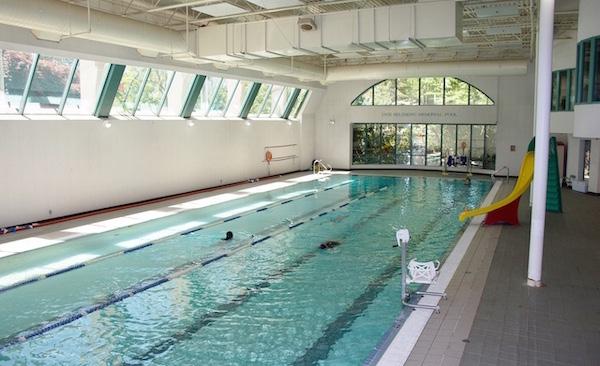
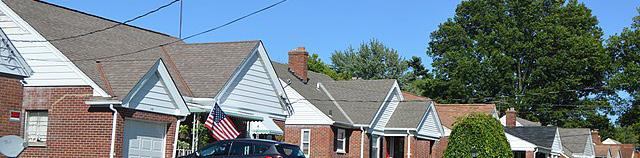
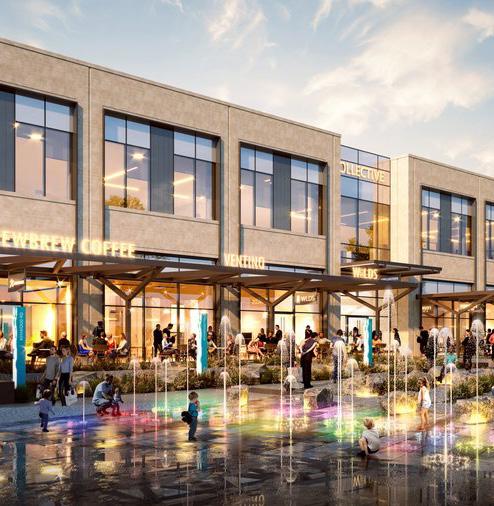
A local commercial real estate developer is working on plans to bring a mix of apartments, retail, restaurants and office space to a key corner in downtown Blue Ash. Circle Development, which developed the RED in Madisonville, is working with the city of Blue Ash to develop the BLUE, a mixed-use development located at the northwest corner of Kenwood and Cooper roads. The development is expected to be an investment of at least $80 million. A planned hotel has been removed and the amount of restaurant and retail space has doubled to 65,000 square feet, while the amount of office space also more than doubled to 35,000 square feet. In addition, the BLUE will have 250 market-rate residential units. Schneider plans to build two parking garages for the development with a total of about 700 spaces. This will provide dedicated parking for the apartment residents of the BLUE, as well as spaces for the public coming to the development. Dining and entertainment are expected to be a key focus of the BLUE to give the area an active streetscape. Schneider said he’s already been contacted by two potential tenants interested in learning more about being part of the development. The project is expected to create 653 construction jobs with $745,430 in total earnings tax revenue to the city, plus 569 permanent jobs, with annual earnings tax revenue of $485,178, according to a study by the University of Cincinnati Economics Research Center.
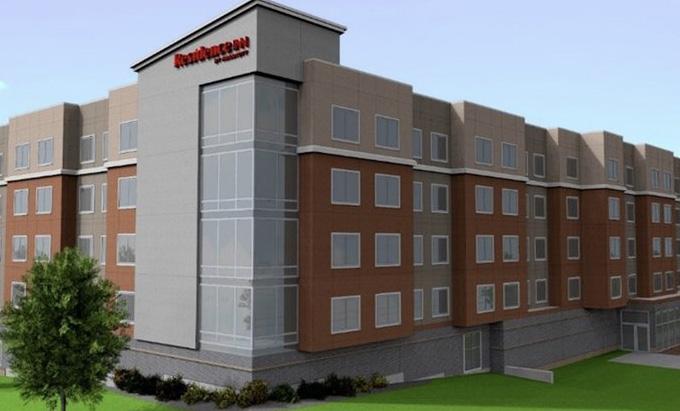
Corporex Cos., one of the region’s largest commercial real estate developers, will build a 134-room, five-story hotel at the $150 million Gallery at Kenwood project.
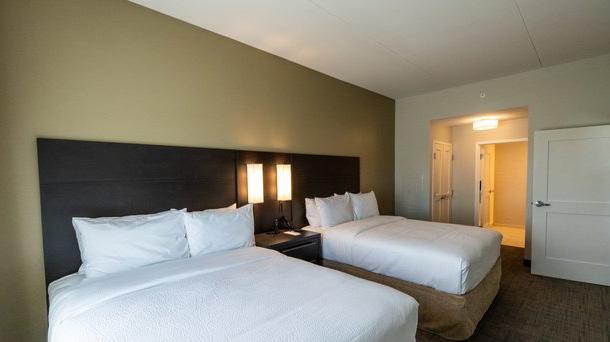
The Covington-based company will build a Residence Inn by Marriott hotel at the front of the development along Kenwood Road in Sycamore Township. Corporex declined to disclose the total investment for the hotel portion of the project. Heekin said as an upscale extended stay brand, the Residence Inn will not only pull from the Kenwood market, but Blue Ash as well. The hotel will have 134 all suite rooms, complete with full kitchenettes, and a mix of king rooms and queenqueen rooms. The Residence Inn also will offer guests a pool and full fitness center, as well as a to-be-named restaurant on the ground floor.
Gallery at Kenwood will include the 248-unit Aspire Kenwood apartment community, the Residence Inn hotel, two retail spaces, and a parking garage. CIG initially planned to have an office building on a portion of the development at the corner of Kenwood Road and Happiness Way, but the developer is still deciding what to do with that land.

$150M Investment
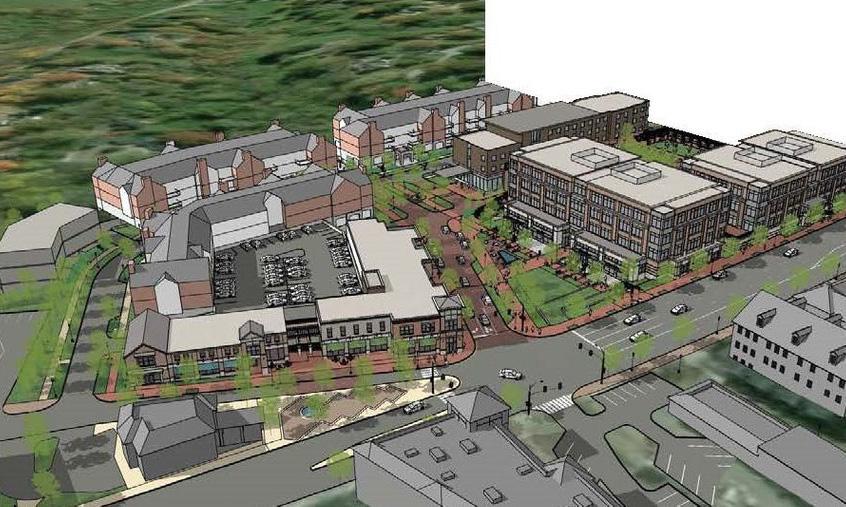
Montgomery approved a development agreement last week with the development team of Brandicorp, Neyer Properties and Casto for Montgomery Quarter.
The project is estimated to be a total investment of $130 million to $150 million and would bring a mix of office space, apartments, condominiums, a boutique hotel, retail and restaurants, and a public park to nearly 22 acres along Montgomery Road.
Montgomery City Manager Brian Riblet said the size and complexity of this project caused the delay in getting to a development agreement. The city had to work with the development team on the establishment of a tax increment finance district, text amendment changes to the zoning code, partnerships with Hamilton County and the city of Montgomery on a land transaction and partnering with Sycamore Community Schools on the TIF district. The project is expected to provide an economic boom to the city.
The project will include a boutique hotel and about 38,000 square feet of retail and restaurant space. Montgomery Quarter also will include 260,000 square feet of office space, 128 luxury apartments, and 48 condos. In addition to parking garage spaces, phase I will include on-street park and private parking garages for the residential portions of the project.

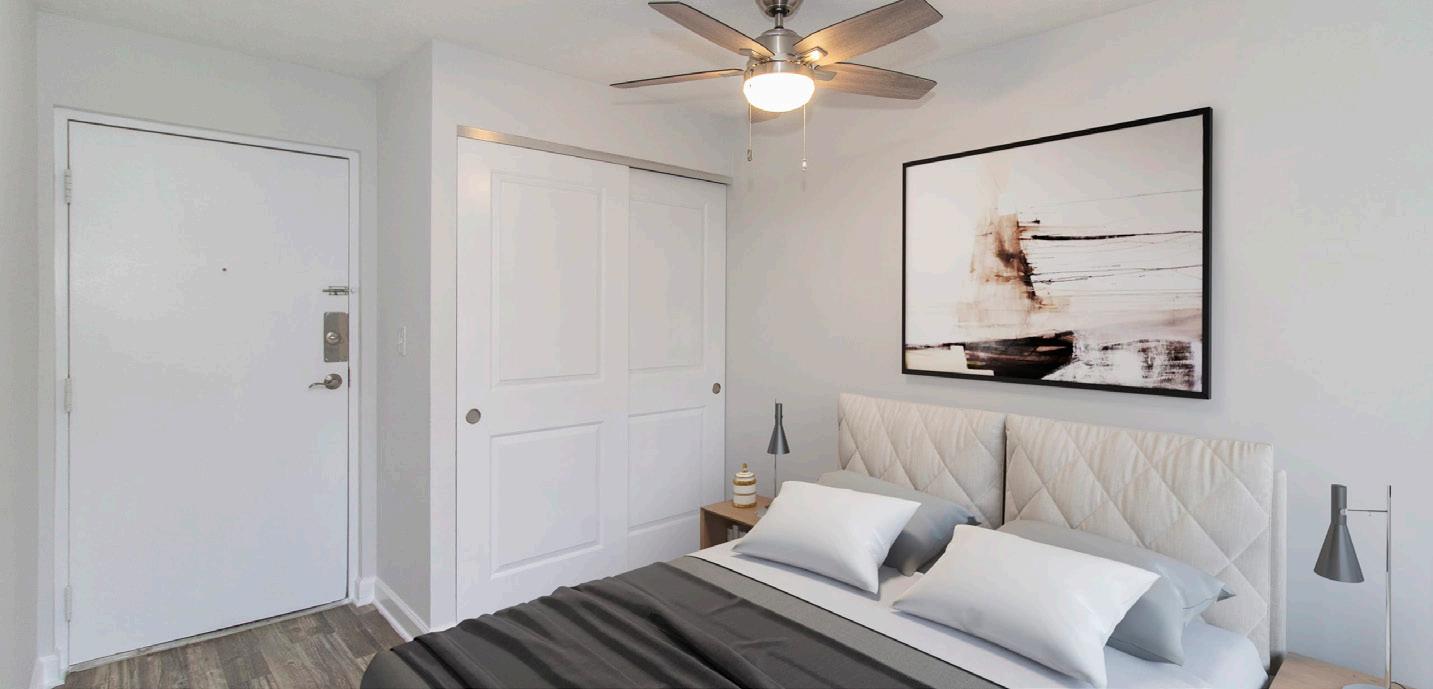
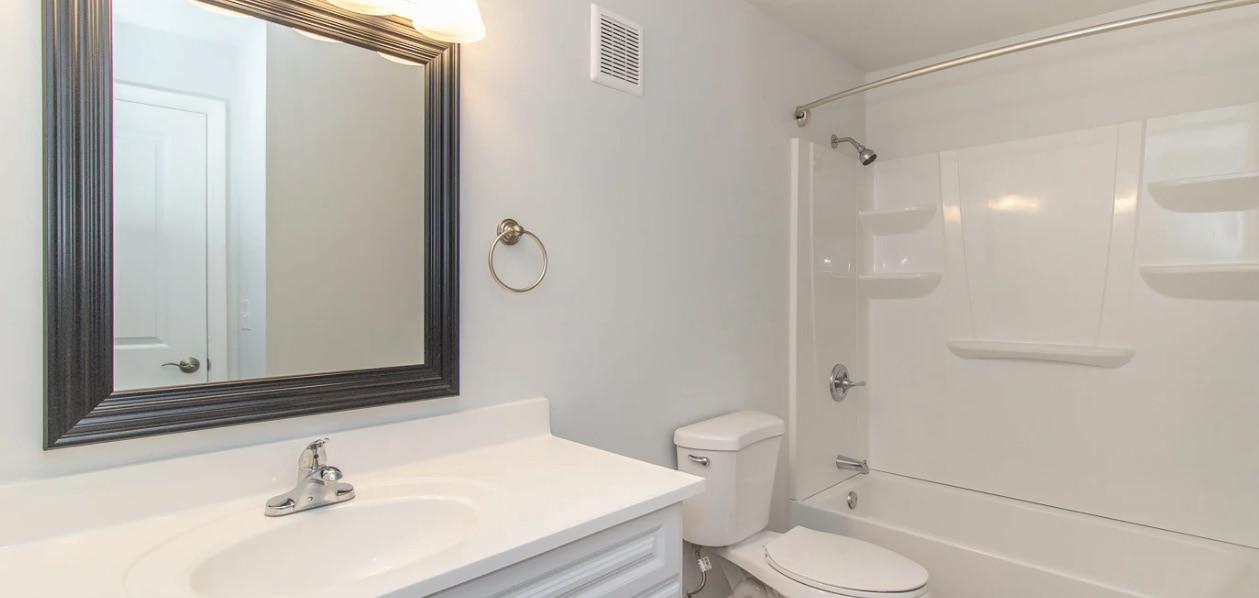
• Controlled Access • Laundry Facilities • Media Room
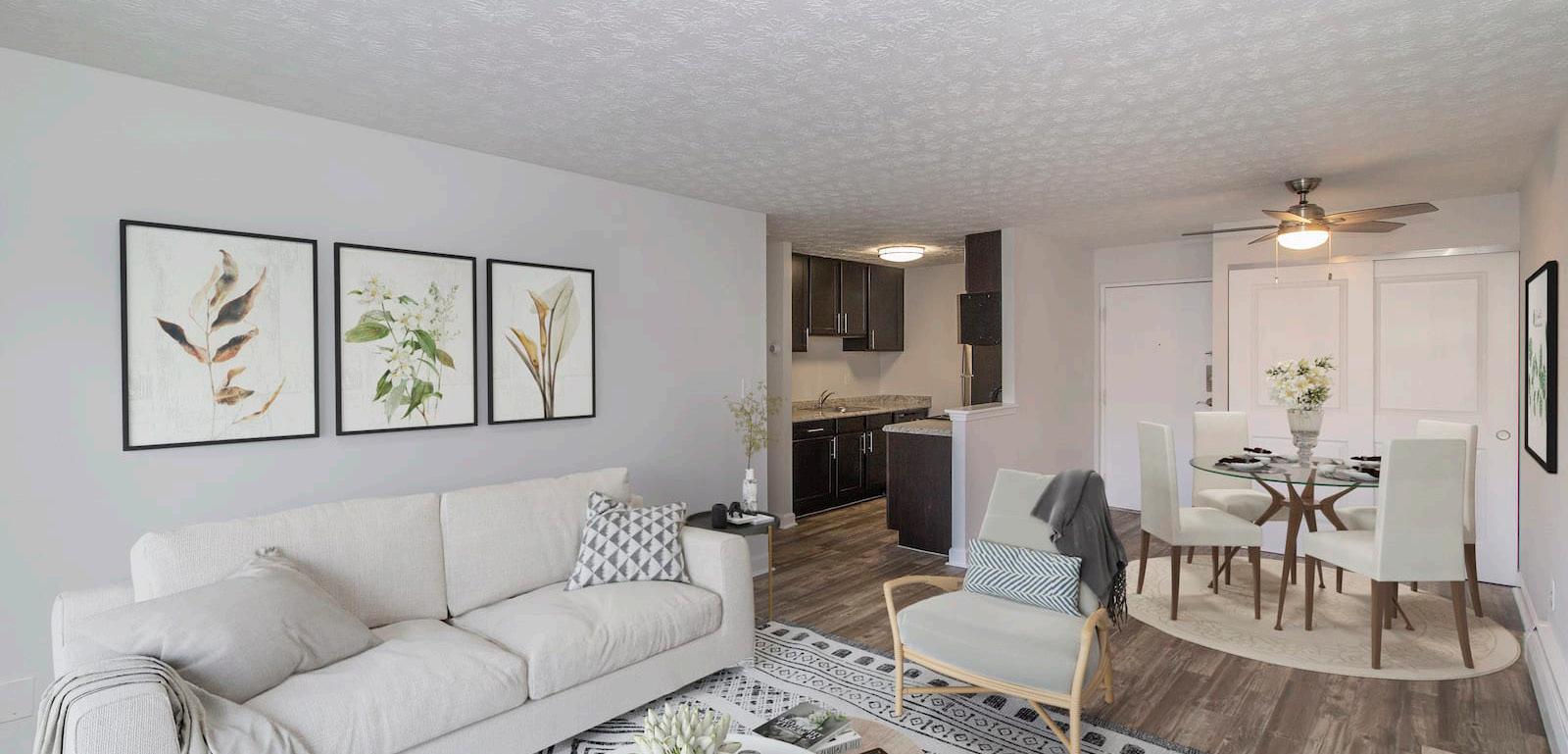
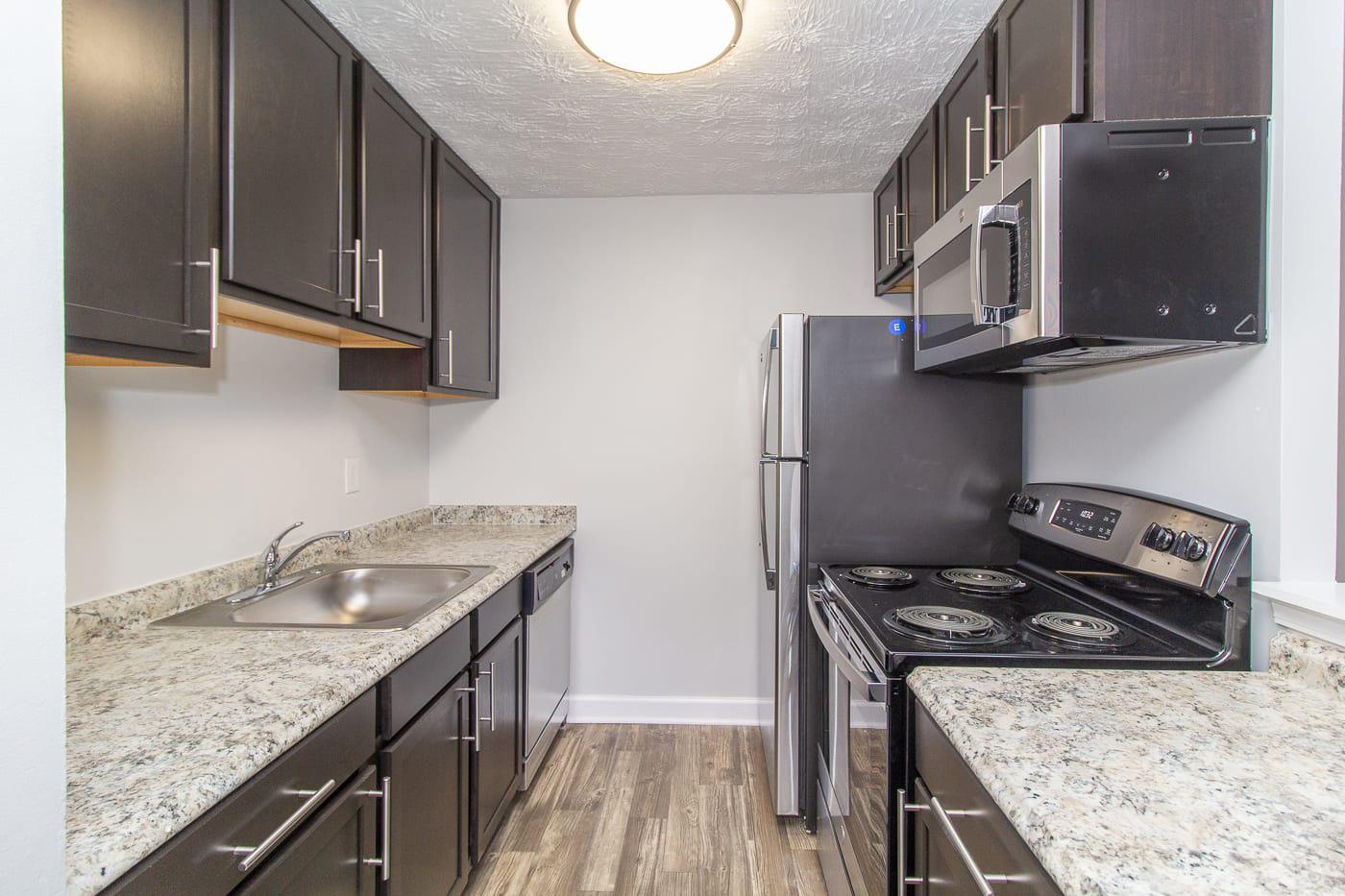
• Playground
• Swimming Pool
• Laundry Facilities
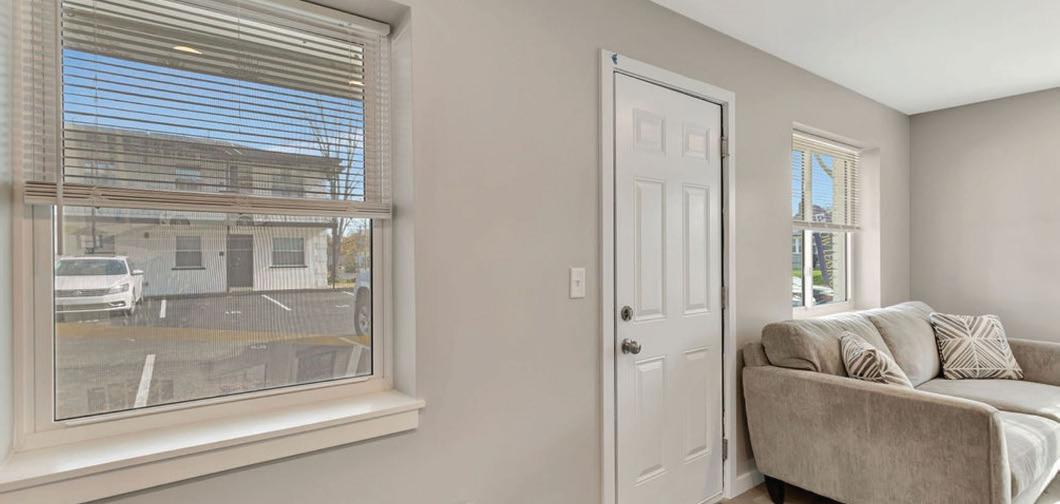
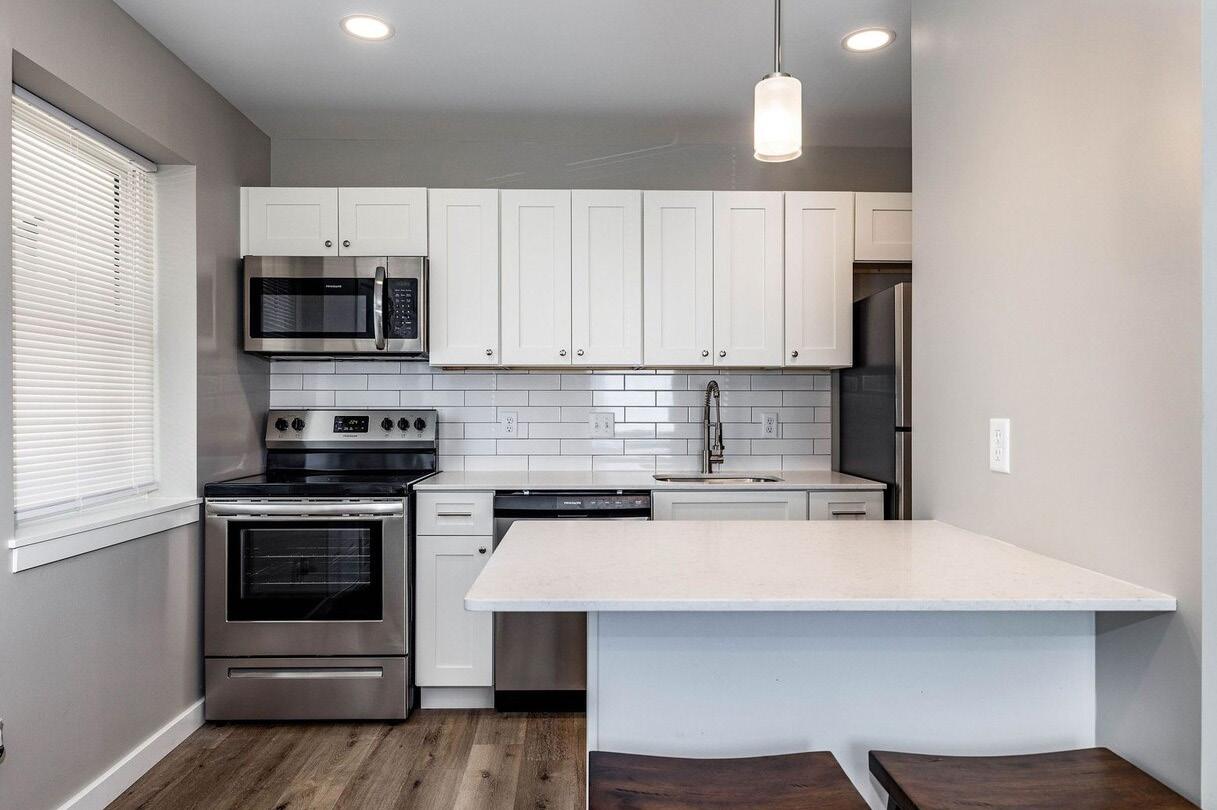
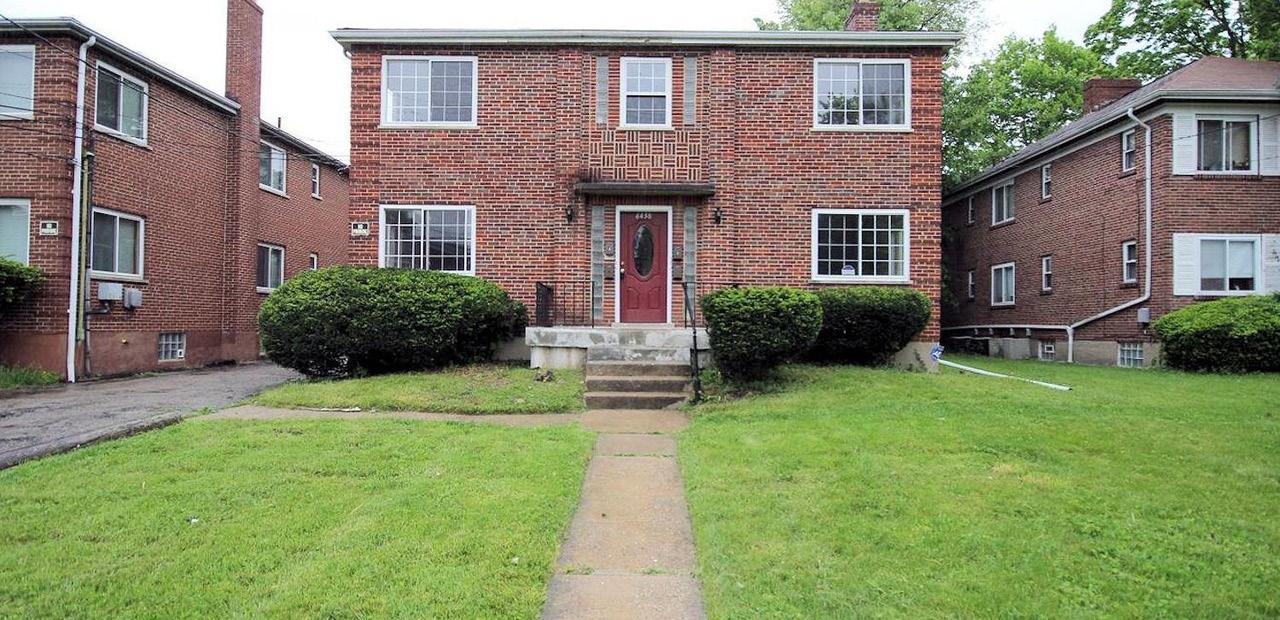
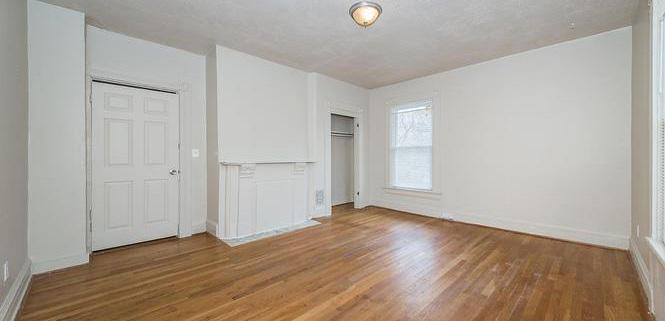


Sizes to about $1.56MM loan today, min 1.25x DSCR
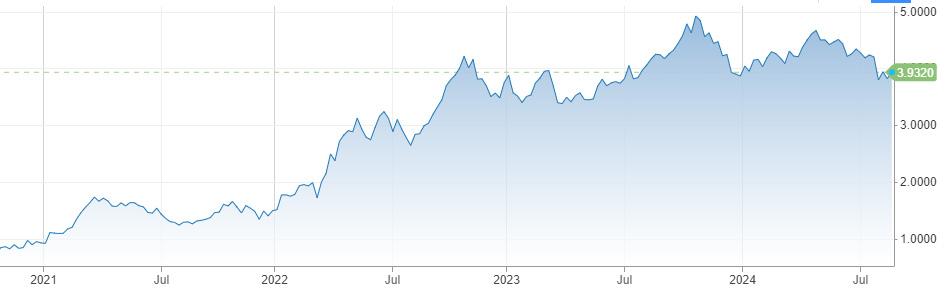
5, 7, or 10 year term
6.25 – 6.5% rate
1-3 years IO 30 year amort

njuran@northmarq.com
“* Rate buy downs available on deal by deal basis. Rates are general in nature and are for informational use only. Rates are subject to change at any time and the information provided is not a commitment to lend. For specific quotes based on your property, contact a local Northmarq office. Commercial Real Estate Debt + Equity Investment Sales Loan Servicing Fund Management”
Freddie Mae - Conventional

38
MEDIAN AGE
$76,400 $221K
Residence increased 3.4% in Cincinnati from 17’-22’
Young adults made up 20.0% of Cincinnati’s total population in 2022 Households grew 5.4% from 17’-22’
The total number of residents in Cincinnati increased 3.4% from 2017 to 2022, a change rate which exceeded the U.S. average of 3.1%. That five-year change took Cincinnati's total population to roughly 2.2 million in 2022, according to estimates from the U.S. Census Bureau. The fastest growing population niche in Cincinnati was the 55 years and over age segment which grew 12.6% from 2017 to 2022. Meanwhile, the metro’s 20- to 34-year-old cohort – a crucial component of the apartment market – grew 3.8% from 2017 to 2022, compared to 1.6% growth nationally. Young adults made up 20.0% of Cincinnati's total population in 2022, smaller than the national norm of 20.4%. As such, the median age in Cincinnati during 2022 was 33 , compared to the U.S. norm of 38.5. The number of households in Cincinnati grew 5.4% from 2017 to 2022, below the national rate of 5.8%. During that five-year period, median household incomes in the metro grew 28.5%, below the national growth pace of 30.3%. In 2022, about 36.1% of the working-age population in Cincinnati held a bachelor’s degree or higher, compared to 34.3% nationally. In turn, Cincinnati's median household in-

Kroger: No. 25 with $150 billion in revenue. Fell from No. 24 last year.
Procter & Gamble: No. 50 with $82 billion in revenue. Moved up from No. 51 last year.
Western & Southern Financial Group: No. 284 $14.8 billion in revenue. Moved up from No. 314 last year.
Cincinnati Financial: No. 393 with $10 billion in revenue. Moved up from No. 534 last year.
Fifth Third: No. 321 with $12.6 billion in revenue. Moved up from No. 411 last year.
Cintas: No. 437 with $8.8 billion in revenue. Moved up from No. 473 last year.
American Financial Group: No. 470 with $7.8 billion in revenue. Moved up from No. 510 last year.







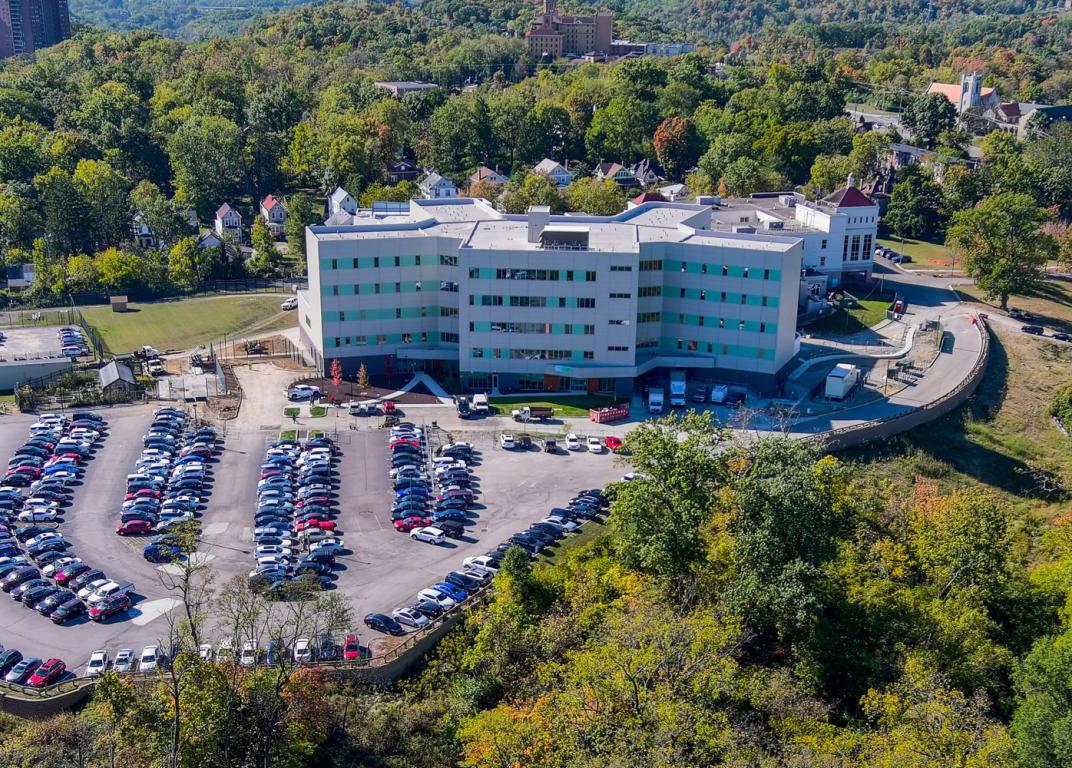
Good Sam ranks as the region’s fifth-largest hospital. It also ranks as the oldest health care facility in Greater Cincinnati. The master plan, as a whole, addresses the need for newer and larger operating rooms, with enhanced support functions, such as patient prep and recovery, family waiting and wayfinding. The facilities, he said, will better support Good Sam’s service lines, including neurosciences, cancer, women’s health and advanced surgery. Over time, the master plan will guide demolition of older, less functional buildings on the campus, as well as construction of new, state-of-the-art, environmentally friendly buildings. The plan will also continue to reorient the main entrance and primary access to the Good Sam campus from Clifton Avenue to Dixmyth/ Martin Luther King, with convenient access to Interstate 75.
Cost
$140,000,000
Estimated Completion 2026
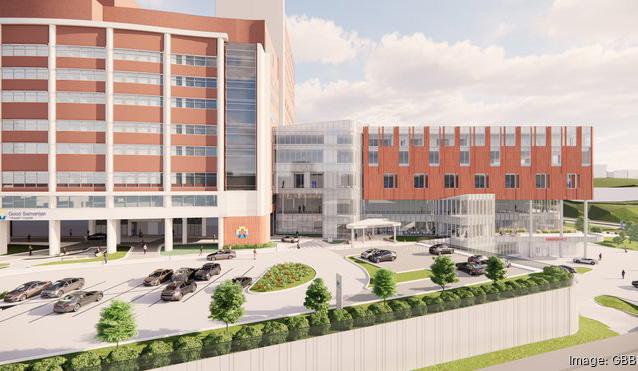
The new facility will make the majority of the rooms there private and create more therapeutic treatment spaces to tailor care and better meet the needs of patients, according to Cincinnati Children’s. A new five-story building that will add 170,000 square feet for bolster mental and behavioral health services for young kids and teens. On a daily basis, about 500 employees now work at the College Hill campus.
Cost
$90,000,000
Estimated Completion Q4, 2023
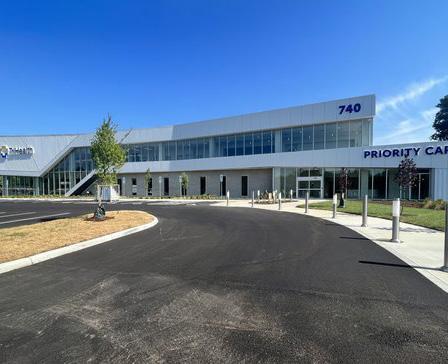
TriHealth’s built a new multimillion-dollar medical facility in Springfield Township, and officials in the Cincinnati suburb have pegged the project as the largest economic development effort in the community in decades. A 57,000-square-foot, two-story ambulatory medical campus on West Galbraith Road in Finnytown, near Ronald Reagan Highway. The Springfield Township site will offers primary care; priority, or urgent care, offered seven days a week; outpatient services, including laboratory, X-ray, CT and cardiac testing; specialty care including cardiology, gastroenterology, general surgery, ENT, physical medicine and rehabilitation, orthopedics and obstetrics.
Cost
$30,000,000
Estimated Completion Completed
The project will add 40,000 square feet of new space and renovate an additional 80,000 square feet to pave the way for the “largest, fastest-growing and best-performing heart program in the region”. Bethesda North, in 2020, was the only cardiac surgery program in the region to earn a three-star rating, considered the highest designation, from the Society of Thoracic Surgeons. Bethesda North Hospital was also named a Top 50 U.S. hospital last week by Healthgrades, placing it among the top 1% hospitals in the nation. The expansion will allow the hospital to accommodate around 30%-40% additional volume.
Cost
$85,000,000
Estimated Completion Q1, 2024
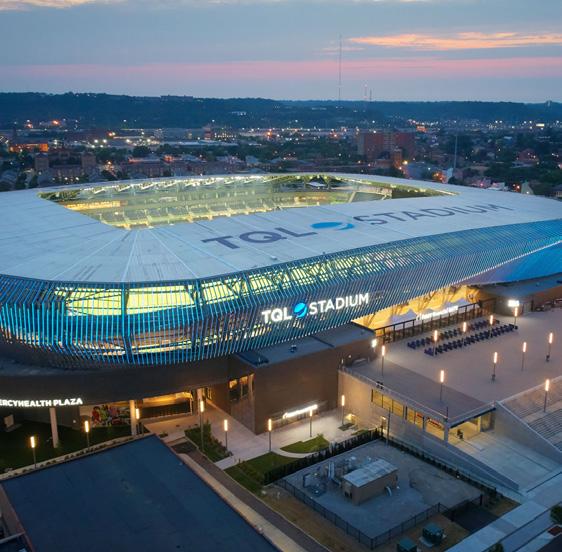

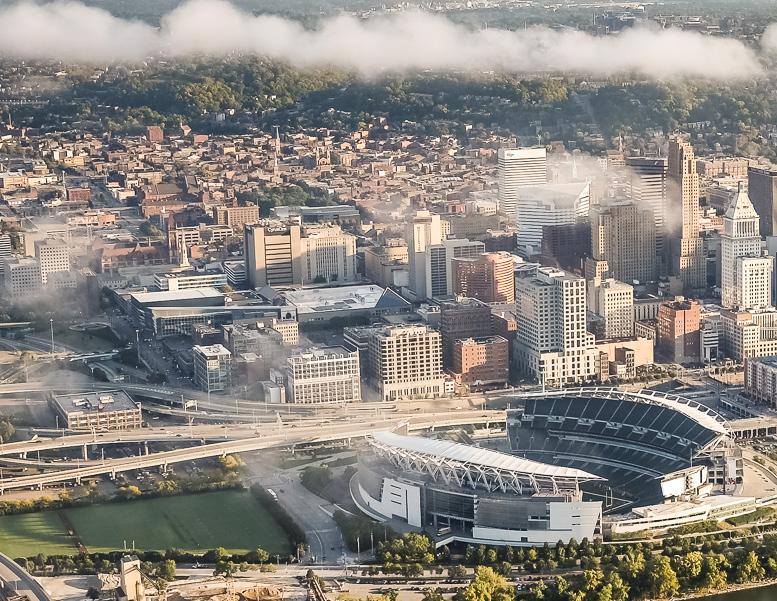
Cincinnati sports generate more than a year in economic impact on Greater Cincinnati

$550M

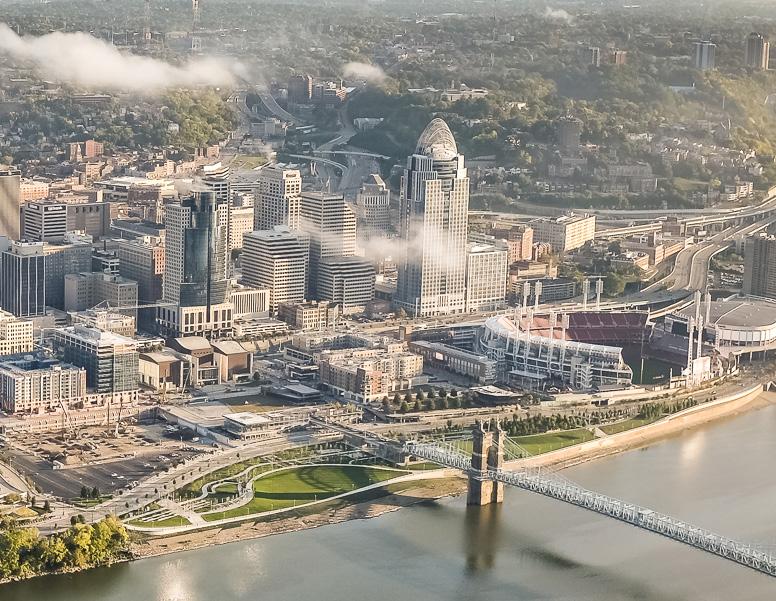
~$350M REDS


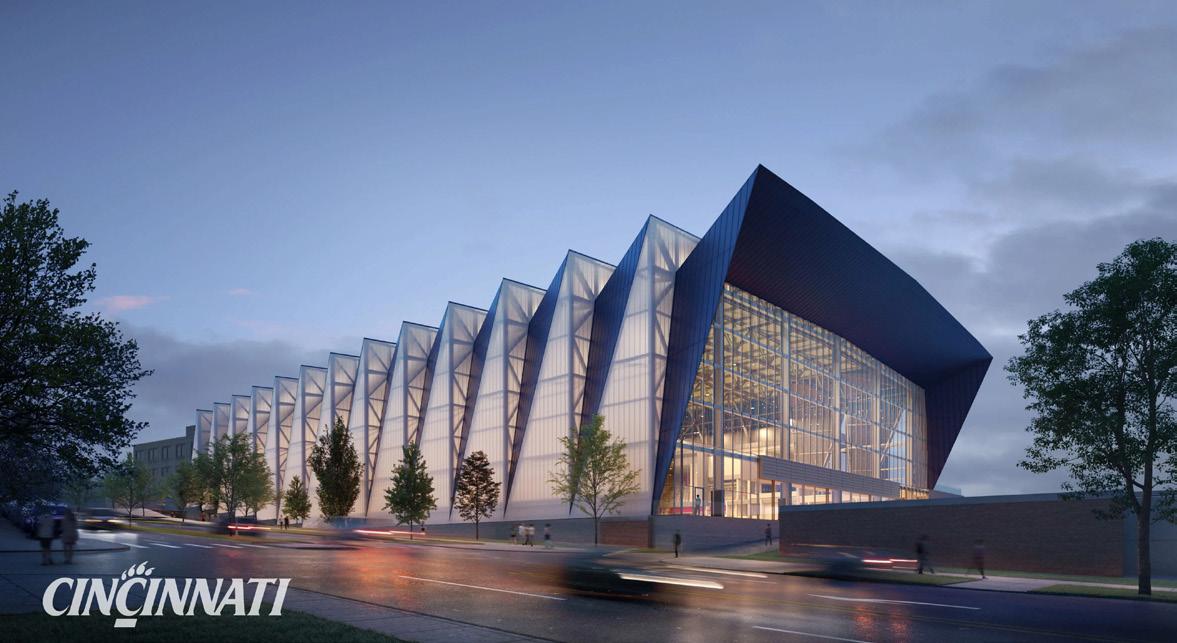
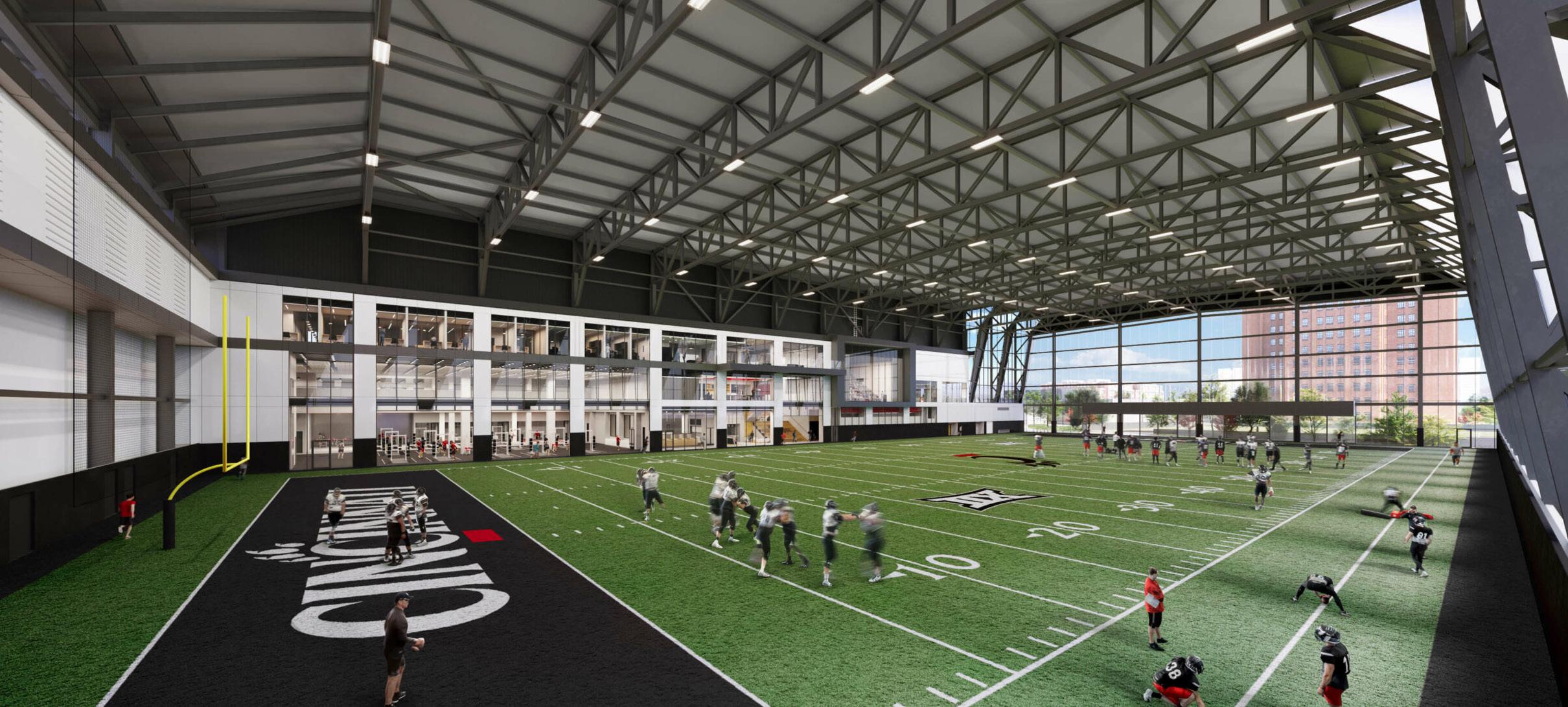
This facility will be designed for use by all athletic programs, as well as club sports and student recreational uses. The west portion will support an athlete performance center with strength and conditioning, locker rooms, physical therapy, offices, team meeting rooms and related functions to primarily support football operations.
Cost $134,000,000
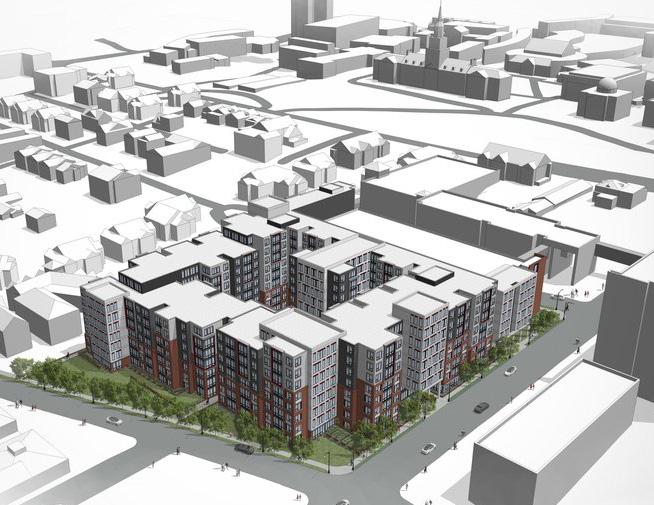
An Indianapolis developer is planning a more than $300 million redevelopment project next to the main campus of the University of Cincinnati.
Trinitas Ventures has the former Deaconess Hospital properties under contract for purchase. It plans to redevelop the Straight Street properties, just west of UC, into a more than 1,000-bed off-campus student housing community in the first phase, as well as retail, restaurants, a hotel, office spaces and other commercial uses in additional phases.
Brad Bennett, vice president of development for Trinitas, said the first portion of the project will be to construct a 351-unit housing development around an existing parking garage on the north side of Straight Street. This initial project is expected to be an investment of more than $100 million.
“We’ve had our eye on the Cincinnati market for four or five years,” Bennett told me. “We were attracted to the University of Cincinnati and the great growth on and around campus.”
Amenities for residents will include a pool, outdoor recreational space with fire pits and grilling stations and significant upgrades to the existing parking garage. Residents also will have access to a 22,000-square-foot club house with fitness center, study rooms, computer lounge and large screen TVs. The first phase is designed to exceed LEED silver standard.
Cost $300,000,000
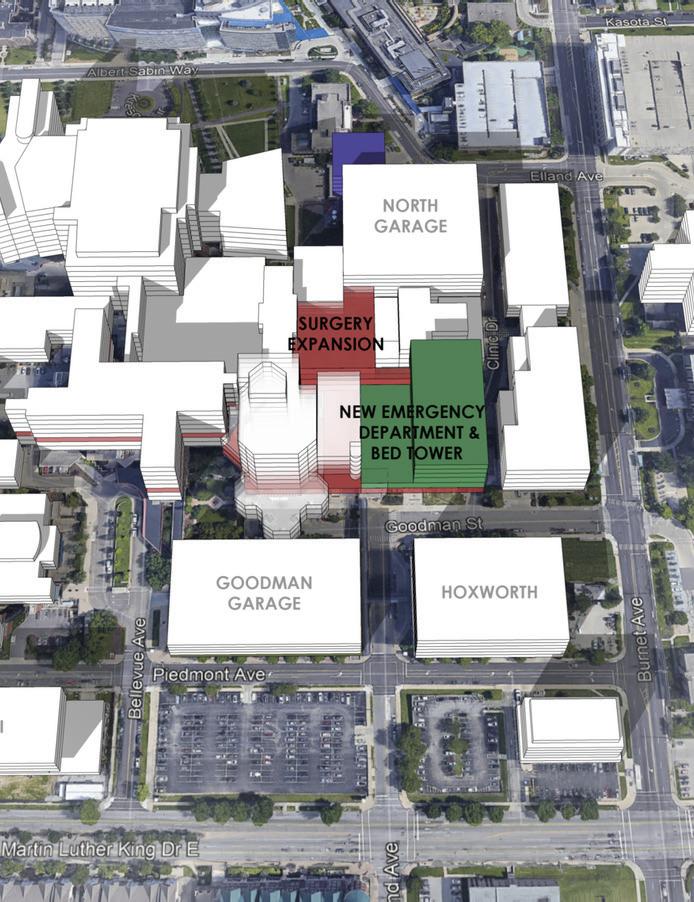
The University of Cincinnati will begin work on the $221 million project is to begin next year and be done by 2025. It will transform patient access and care across the 14-acre Clifton Campus. The project will include adding larger and better-equipped operating rooms, renovating the emergency department and constructing two new medical buildings plus two new garages. The UC Health board approved the multimillion-dollar project as the first phase of a long-term master plan to enhance facilities on the campus, which includes 17 buildings that encompass a total of 1.7 million gross square feet. Some buildings on the campus are 50 to 100 years old, and medical care may have evolved beyond the designs of what were often customized structures.
The UC Medical Center is the third-largest hospital in Greater Cincinnati based on annual expenses, and UC Health employs 10,175 staff members, 904 UC Health physicians, 837 clinical residents and fellows plus 444 advanced practice providers across four inpatient campuses and 58 outpatient locations.
Cost $251,000,000
Estimated Completion Q1, 2025

A 180,000-square-foot classroom building is planned where two modular structures currently stand at Clifton Avenue and Clifton Court Drive. It would include 24 classrooms and 230 faculty and staff offices.
Cost $93,000,000

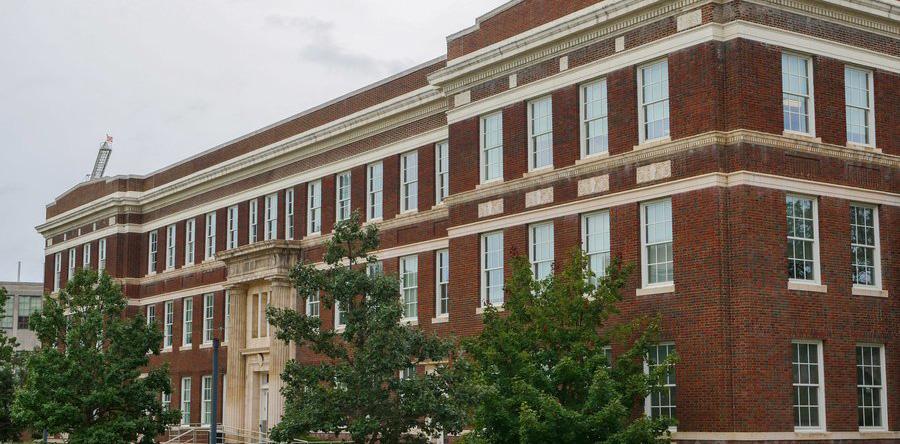
UC is renovating the campus’ original and historic 1917 portion of the Old Chemistry building and demolish the building’s 1930s-era addition, as well as construct a new lab wing in its place that will be connected to the 1917 building. The fully renovated 1917 building, with the additional new wing, is expected to support between 140,000 and 160,000 square feet of “future-forward” academic and research space.
Cost $190,000,000
HUB Cincinnati
A 14-story student housing tower that will have 380 residences with a total of 1,112 beds and a small commercial space.
Cost $143,000,000
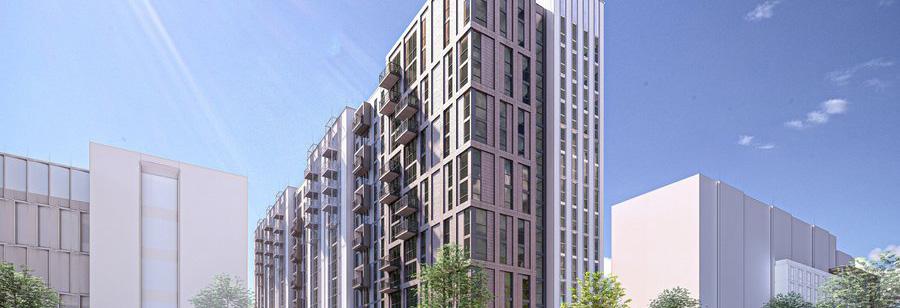
The project will be built at the southwest corner of Central Parkway and Liberty Street. The project also will include apartments, office space, retail, restaurants, a sports betting site with a sports bar and a privately owned public green space, Berding said.
“This district will create a community hub on the front steps of our home field,” Berding said, “rooted in history and legacy that aesthetically inspires and emotionally unites our city with a vision for the future.”
Berding called the overall project “best in class.” FC Cincinnati envisions the development as being inspired by high-level developments next to stadiums such as Gallagher Way, the Chicago Cubs’ development next to Wrigley Field; the Titletown District developed by the Green Bay Packers next to Lambeau Field and the Wharf DC near Nationals Stadium in Washington, D.C. All three involve multiple-use developments. FC Cincinnati officials have visited all three, including Gallagher Way as recently as early this week.
Cost $300,000,000

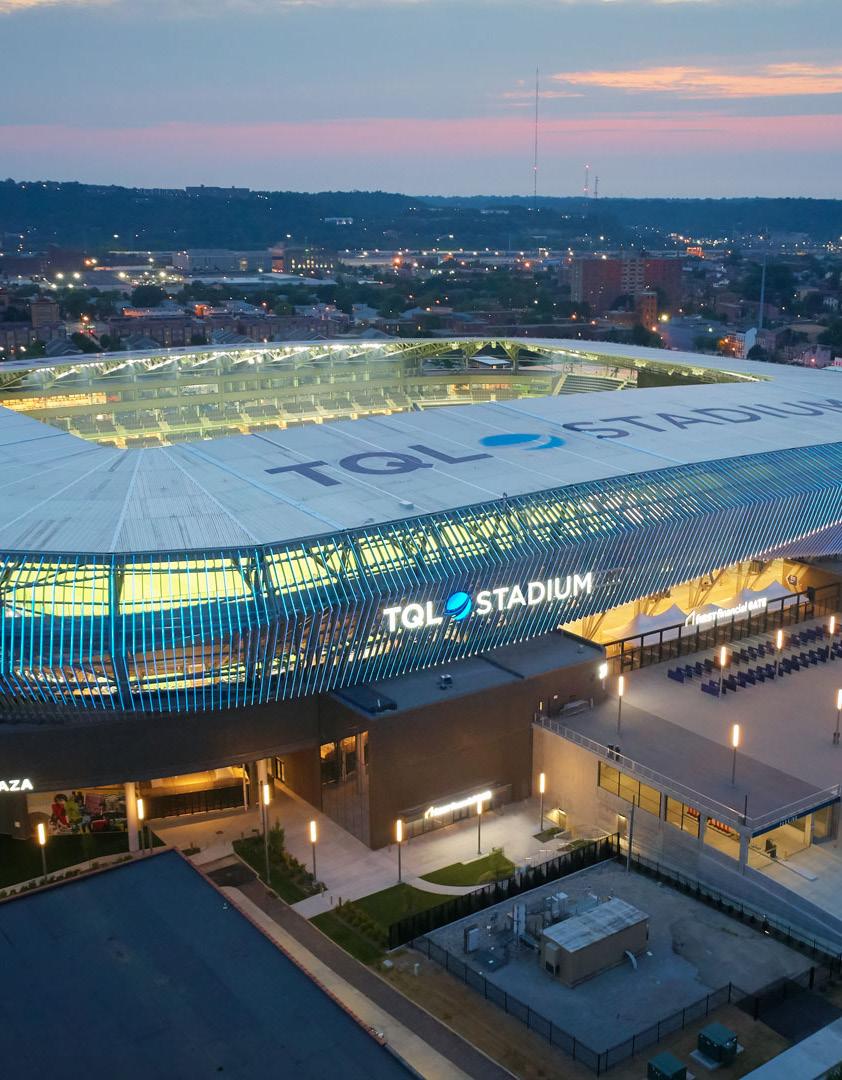
Ovation is a game changer for Newport, but a project this size in the heart of the urban core will ripple throughout the region. It will inject a dense, vibrant area near Covington and a short walk from downtown Cincinnati. With the region already experiencing an urban renaissance on both sides of the Ohio River, Ovation will add more fuel to that fire.
A phase of the planned $1 billion development, this portion of Ovation will start with a 2,000-space podium garage topped with about 400 residential units to start. Corporex plans to build a 125-room Homewood Suites hotel and a 100,000-square-foot office building just west of the under construction indoor/outdoor music venue at Ovation. Ovation, which is expected to be home to more than 900 residential units, restaurants, hotels and offices. Upon buildout, Ovation would be one of the largest developments in the region.
The indoor/outdoor music venue is expected to host 180 events a year, spread out over the entire year with a mix of indoor and outdoor concerts. Scott Stienecker, CEO of PromoWest, estimates the venue will draw 350,000 to 400,000 people every year. It’s the music venue that will allow Corporex to develop Ovation the way it originally intended.
Cost $1,000,000,000
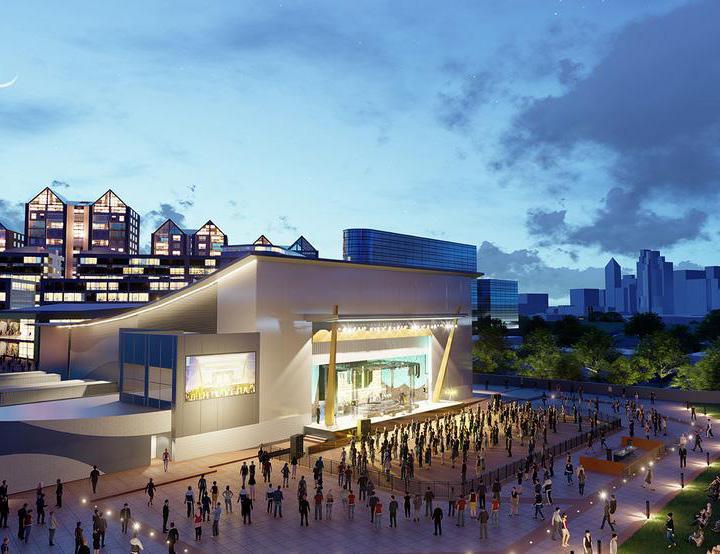
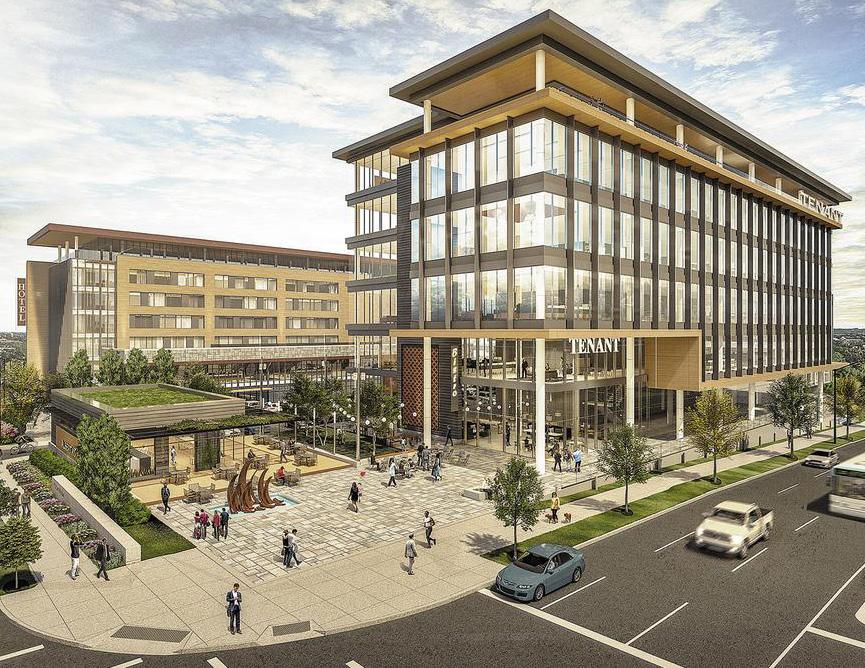
A roughly 20-acre, urban, mixed-use development that would include office, research, hotel, retail, apartments and parking. The first phase will start with 130,000 square feet of research/office space, a 160-room class
A hotel, 180 multifamily residential units and up to 10,000 square feet of retail and restaurant space.
Cost $500,000,000
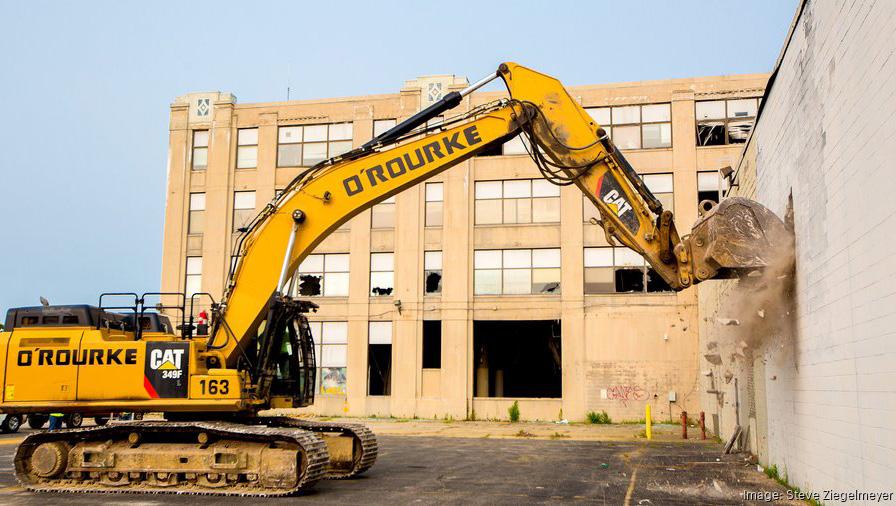
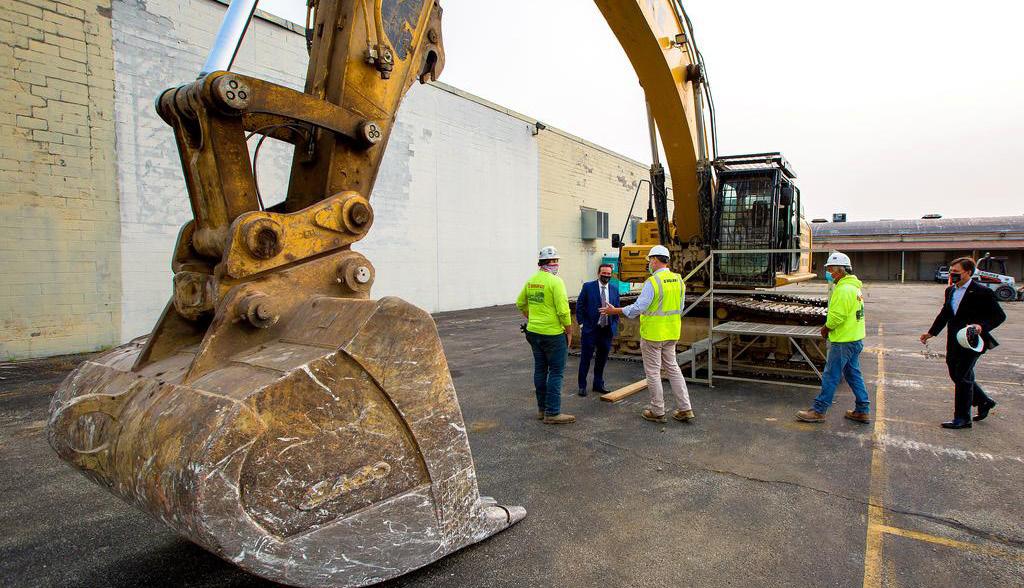
A roughly $200 million residential development in Oakley has started with the demolition of vacant industrial buildings.
Three Oaks, a 30-acre development that will transform a portion of the Cincinnati neighborhood, has begun with the demolition of the 800,000-square-foot former Kenner Toy factory. Neyer Properties is the master developer for the project, which will include a mix of single-family homes, apartments and senior housing.
Dan Neyer, president and CEO of Evanston-based Neyer Properties, said Three Oaks will be used as an example on how to enhance an existing neighborhood and community by adding a pedestrian-friendly approach for amenities within walking distance. The development “fits well with the active lifestyle approach that many people crave,” Neyer said.
Neyer Properties also is working with the community council on a pedestrian walkway under the railroad tracks to the north of the site that would connect the rest of Oakley with easier access to the amenities at Oakley Station.
Cost $200,000,000
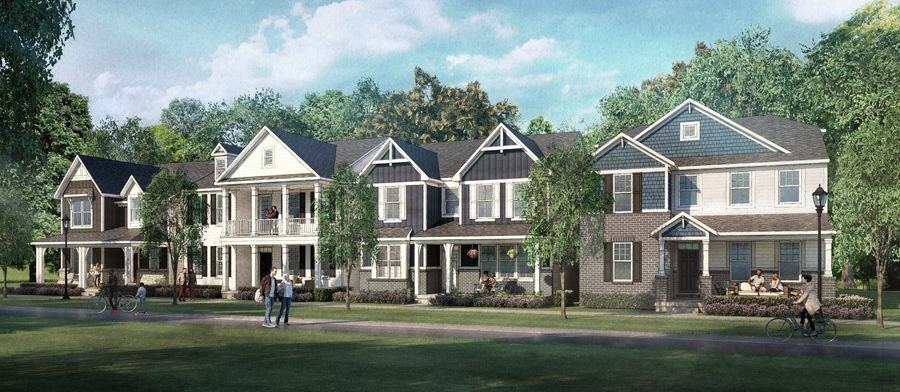
The 124-acre project will be completed over the next four to five years. Once completed, Trailside Village will feature 191 single-family housing units, with the potential for a future multi-family mixed-use component with about 150 additional units; 35,000 square feet of commercial space; and pedestrian and bicycle-friendly trails – all interconnected with nature and preserved ecosystems.
Cost $150,000,000
A $150 million nature-infused community in Green Township that will include an outdoor playground area; changes to the Green Township Bike and Walk Trail; and 24 new home sites.
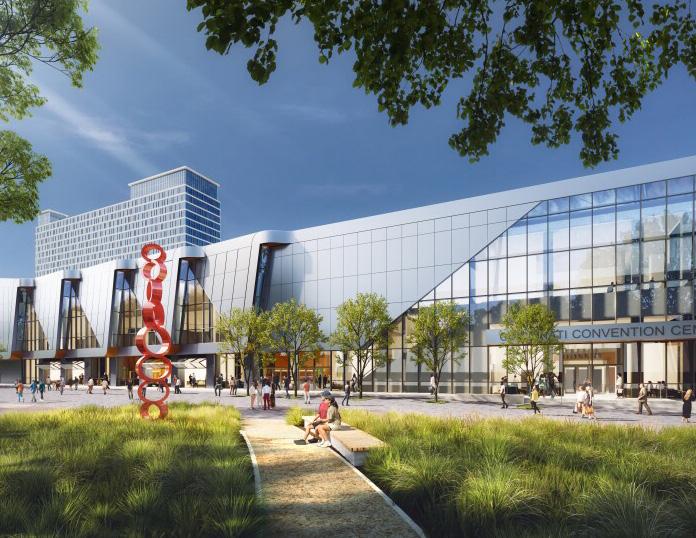
This is the first phase of a reimagined “Convention District,” which will also include more than 90,000 square feet of new space for the convention center. Highlights of the project include: outdoor event areas, creating opportunities for open-air meetings and events; energy-efficient exhibit and meeting spaces incorporating the latest in sustainable technology to reduce environmental impact and operating costs; revitalized ballrooms offering flexible spaces for a variety of events; a sunlit pre-function area for attendees; a rooftop terrace for events, affording views of the city. Construction is set to start July 1 and wrap up at the end of 2025.
Cost $240,000,000