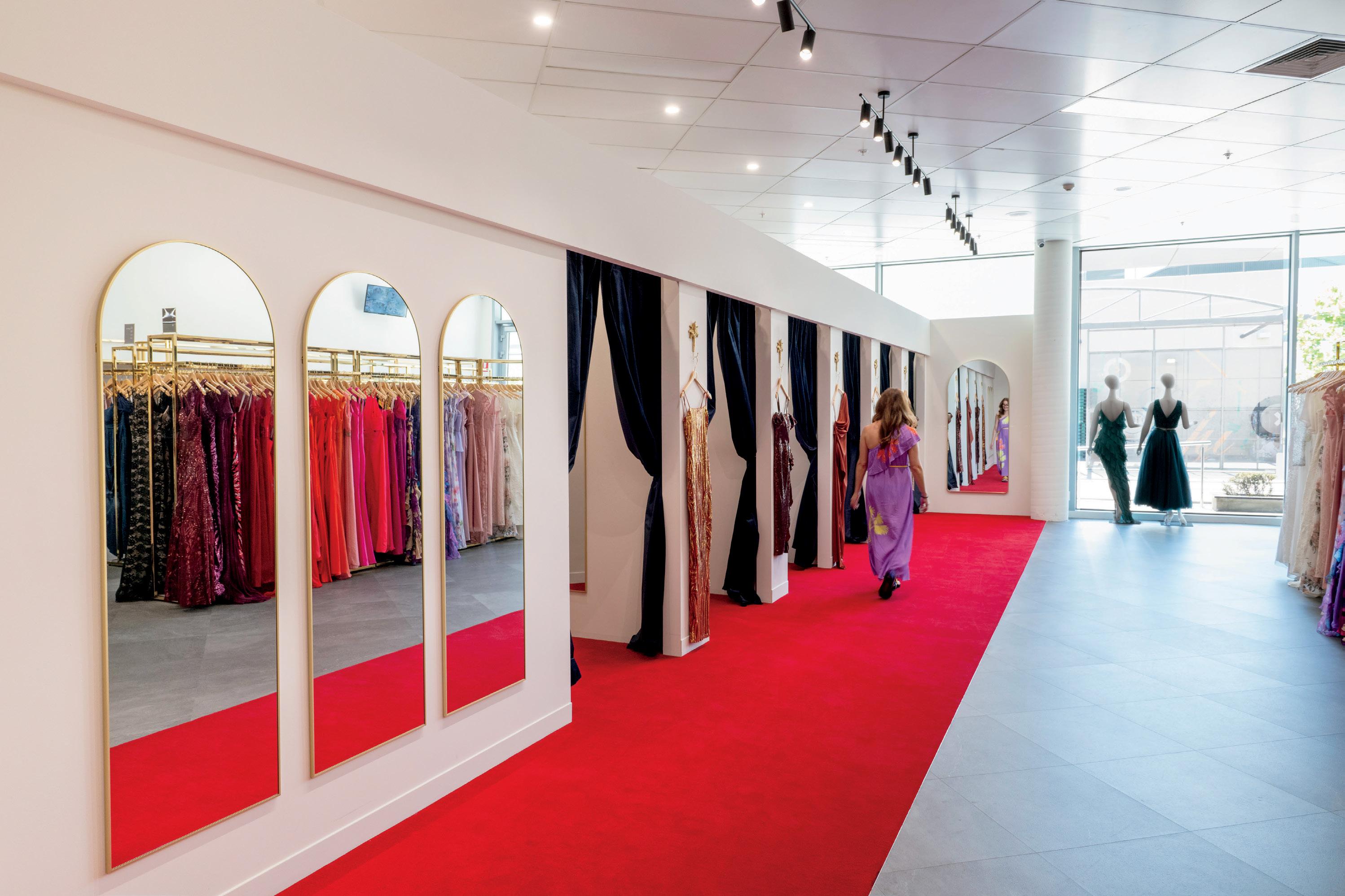
New-season and rare vintage designer dresses for your special occasion 100% of profits fund Vinnies WA services for women in need
As a lifestyle partner, we offer ADAWA members 10% discount on all hires
44 Station Street, Subiaco
Open for walk-ins 6 days a week
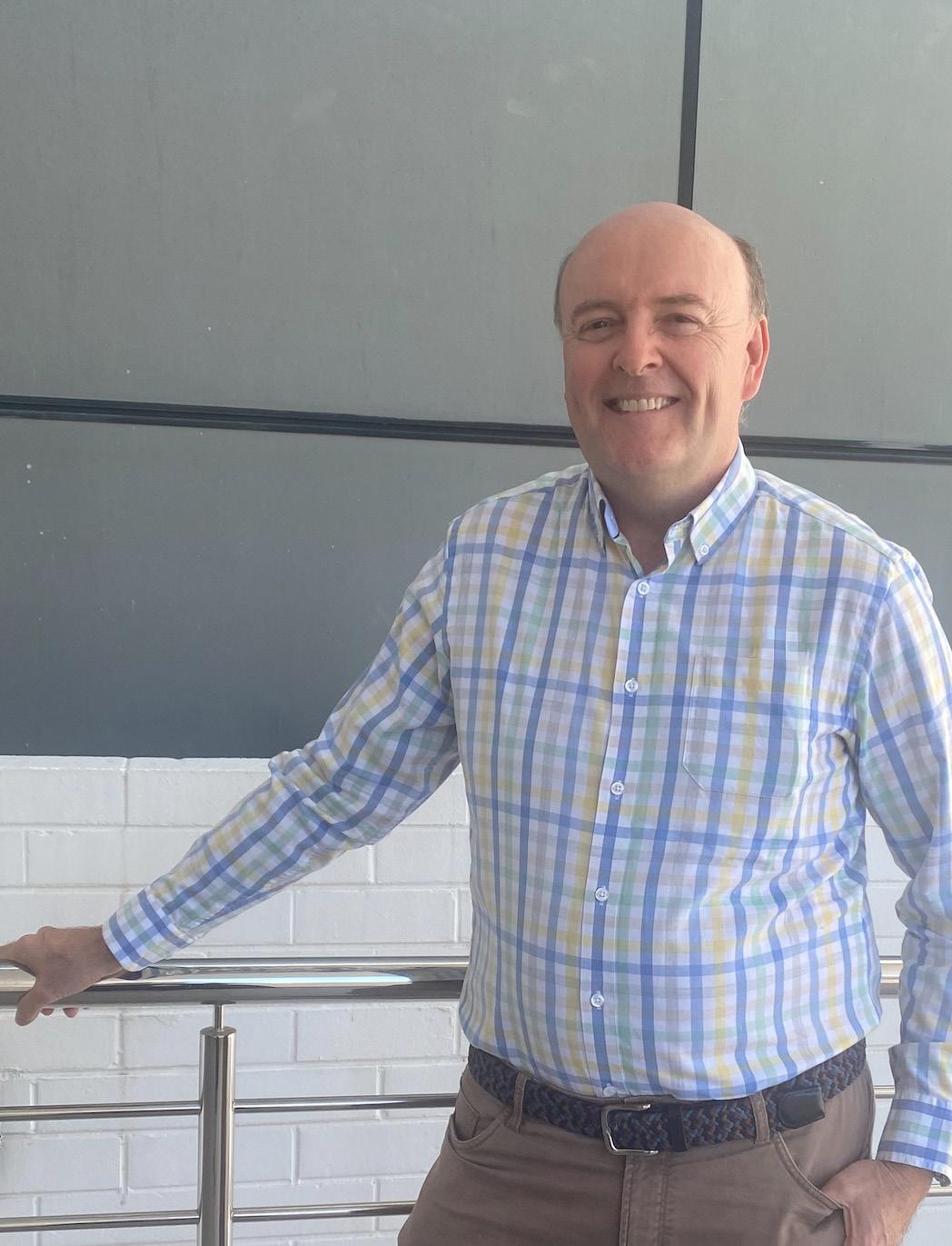
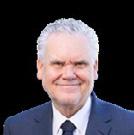
The President's report Dr Tim Crofts, ADAWA President
Welcome to 2026 for what should be an interesting ride.
Since the last edition, it has been a hectic end of year with many meetings, events and graduations. Congratulations to our new graduates. It was lovely to see the happy faces filled with both pride and relief that they achieved their goals. The Oath taken by the Dental students, is relevant to us all now in practice too.
Some big works in progress are the renovations to the office level of ADA House, which will modernise our facilities for your hard-working team, including a new Board Room.
I hope to get out and about to meet members at the many Affiliate groups, CPD events and Regional get togethers we have planned this year. I intend to promote living and working in Regional WA too. Please come and say hello and give me some feedback on how we are doing and how we can improve things.
CEO Trevor Lovelle President Dr Tim Crofts
DISCLAIMER
Our committees will also be working quietly to educate, promote, develop, volunteer, employ, finance, encourage, mentor, train, protect, advise and a myriad of other things! We have ten committees, so hopefully you are also on one for the year as its great fun and an education as to what is done behind the scenes. Thank you to our dedicated Chairs and committees.
Another emphasis this year will be to improve Federal and State ADA coordination and collaboration, which is already strong but needs improvement. We already enjoy the camaraderie that the ADA brings. I look forward to sharing ideas with our interstate colleagues and gain insight from them as to what works for them.
Anyway, I wish you a happy and successful year ahead.
DR TIM CROFTS
Editorial Brooke Evans-Butler Designer Michelle Walker Advertising Business Development Manager Shaden Kanaan
CEO comment
Trevor Lovelle
The Importance of Committees — And Why Your Association Needs You
As we step into the new year, one of the most important tasks is the appointment of our committees. I want to pause and reflect on just how important these groups are to ADAWA’s future. There’s always a sense of fresh energy at this time of year, and our committees are where that energy really turns into momentum.
Committees sit at the centre of our association’s work. They bring members together to share their experience, shape key initiatives, and help guide the direction of our organisation. When members put their hands up for these roles, our association becomes stronger, more responsive, and more connected.
Joining an ADAWA committee is one of the most meaningful ways to get involved. It gives you a genuine voice in policy discussions, the chance to collaborate with colleagues, and an opportunity to contribute your skills where they can make a real difference.
Committee work also builds leadership. By sharing responsibility across a wider group of engaged members, we ensure our association reflects the diversity, experience, and aspirations of our whole membership. Your perspective helps inform Council’s decisions and leads to better outcomes for everyone.
Most importantly, committees turn ideas into action. They research, plan, and deliver the initiatives that move our association forward. If you’ve ever wanted to help shape our direction or contribute your insight and enthusiasm to our shared goals, I encourage you to consider nominating for a committee when the next opportunity arises.
To all members who have already nominated — thank you. Your commitment strengthens our community, and we truly appreciate the leadership you bring.
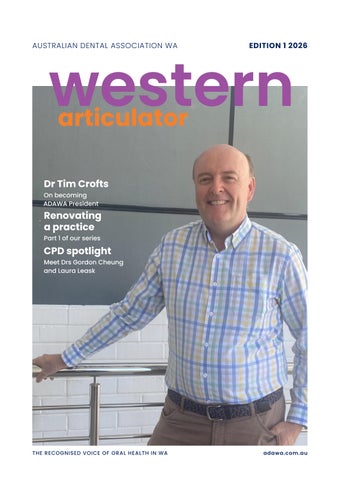
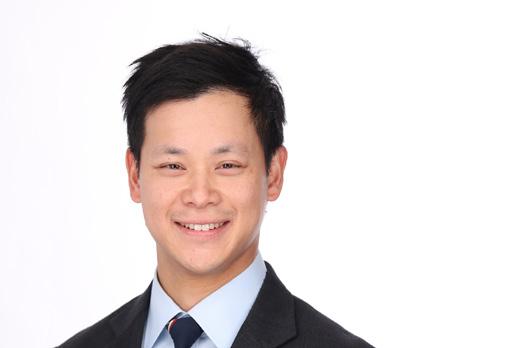
Meet Dr Tim Crofts, ADAWA President
Dr Tim Crofts was announced as the new ADAWA President at October’s AGM. We spoke
to him about his hopes for his term.
Dr Tim Crofts brings decades of experience and passion to the ADAWA Presidency.
As a child, Tim says he was treated by great dentists, which initially drew him to the profession.
“Dr Bruce Cole in Victoria Park looked after me and when I got into Dental School, he mentored me through that – he was a fantastic role model,” Tim recalls. “I also had two family members in nursing, so I was interested in the medical side of things, but dentistry appealed for its art as well as its science.”
He adds throughout his schooling at Trinity College, the students were encouraged to become men that served the community.
“There was an ethos of service and what better way to do that than through a health profession,” he explains. “My father was also a great role model of service to the community. He was involved in huge community events and projects and disability providers, as well as Perth City Council and sporting organisations.”
Dentistry
When asked about his passion for dentistry, Tim says it is all about the people. “It’s great learning the stories about my patients and getting to know their families,” Tim explains. “Also, the team we work with – we have great fun every day. Knowing at the end of the day we are helping the community is what drives me.”
Country practice
Tim is well-known in country dental circles – serving as the ADAWA Country Councillor for a number of years – flying his plane around the towns to visit country ADAWA members.
He decided on a country change back in 1999 and hasn’t looked back.
“My great friend Dr Chris Wholley was working in Collie, and he got an entry into the orthodontic master’s program in Melbourne,” Tim recalls. “I used to visit him in Collie quite often and so he needed someone to take over.
“We really enjoyed Collie – the place, the people, and the outdoor lifestyle, and we stayed there for 10 years.
Then we gravitated to the coast as people do once the kids hit high school and we lived in Australind, then Bunbury.
“Dentistry-wise, working in a country practice means I get to do a variety of work that I wouldn’t necessarily get to do in the city,” he adds. “I enjoy the variety instead of being stuck just doing certain procedures.”
Joining ADAWA Council
When Tim joined the ADAWA Council, it followed 15 years working with the South West Dental Convocation.
“We were involved in doing some advocacy trying to get fluoridation into the South West and trying to get more dentists to come to the regions and I just loved it,” Tim says. “I have also been addicted to volunteering my whole life through the State Emergency Service, Surf Lifesaving WA, and others. ADAWA invited me to
attend a strategic day many years ago because of my work with the Convocation, and that is when I first got that bug and interest in working with ADAWA.”
For Tim, he was glad to be giving back to an association who has always been supportive of him throughout his career.
“That is why I am a member and have been for my whole career because of the support and the advice you get, the benefits we give to members, keeping up-to-date and all the continuing professional development,” he says. “I love the networking as well.”
A country President Tim says that during his Presidency, he is hoping to promote living and working in regional Western Australia. “There are a lot of towns out there who are desperate for more dentists,” he says, adding that when he was the
Country Councillor, the number one thing dentists would speak to him about was trying to find a dentist because they were short staffed.
“It is not like these places are bad places to live,” he explains. “They are beautiful places to live but people don’t step outside their little square of Perth and take that leap of faith to try out these regional areas.
“The variety, the lifestyle, and the lack of traffic and parking fees are wonderful things about living in regional areas.”
During his term as ADAWA President, Tim says he thinks we can always improve upon things.
“Things are great with the services that are provided through ADAWA but I
think we can always improve things, which is why I always love networking and getting good feedback from members,” he says.
“The other thing I want to do is celebrate our heroes and our volunteers in dentistry,” he adds.
Message to members
Tim says he would like to thank ADAWA members for their overwhelming support of the association over the years.
“It is something to be proud of to be a member of ADAWA,” he says.
“Please get involved and come to our events – our continuing professional development, the Eat and Meets, the General Meetings and volunteer for one of our groups because it is quite addictive. You get so much energy out of helping others.”
Part one Renovating a practice
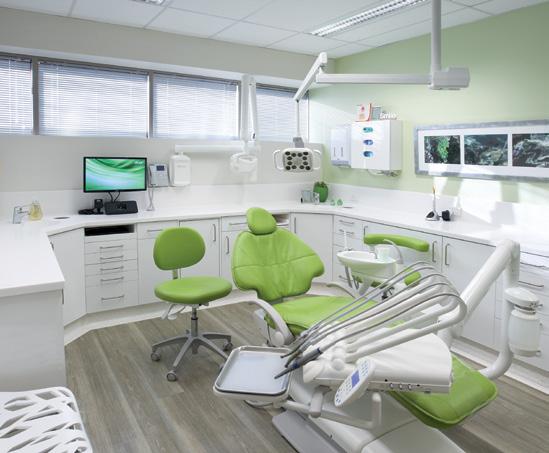
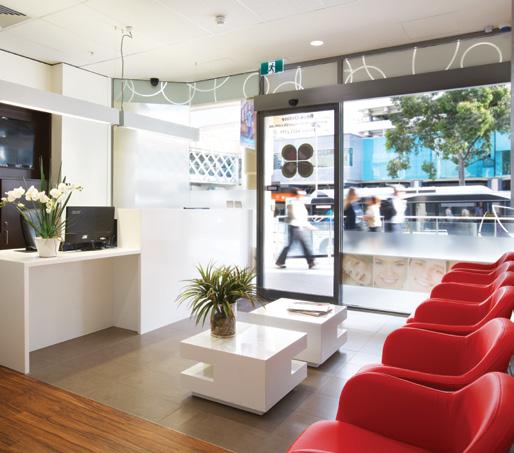
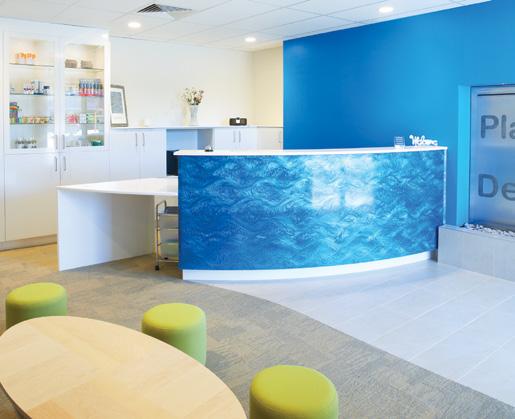
Whether taking part in a full renovation, or making small changes, renovating a practice is a big step. In this two-part series, we look at some practice renovation examples and advice from the experts.
Bega Dental, A Collaborative Upgrade
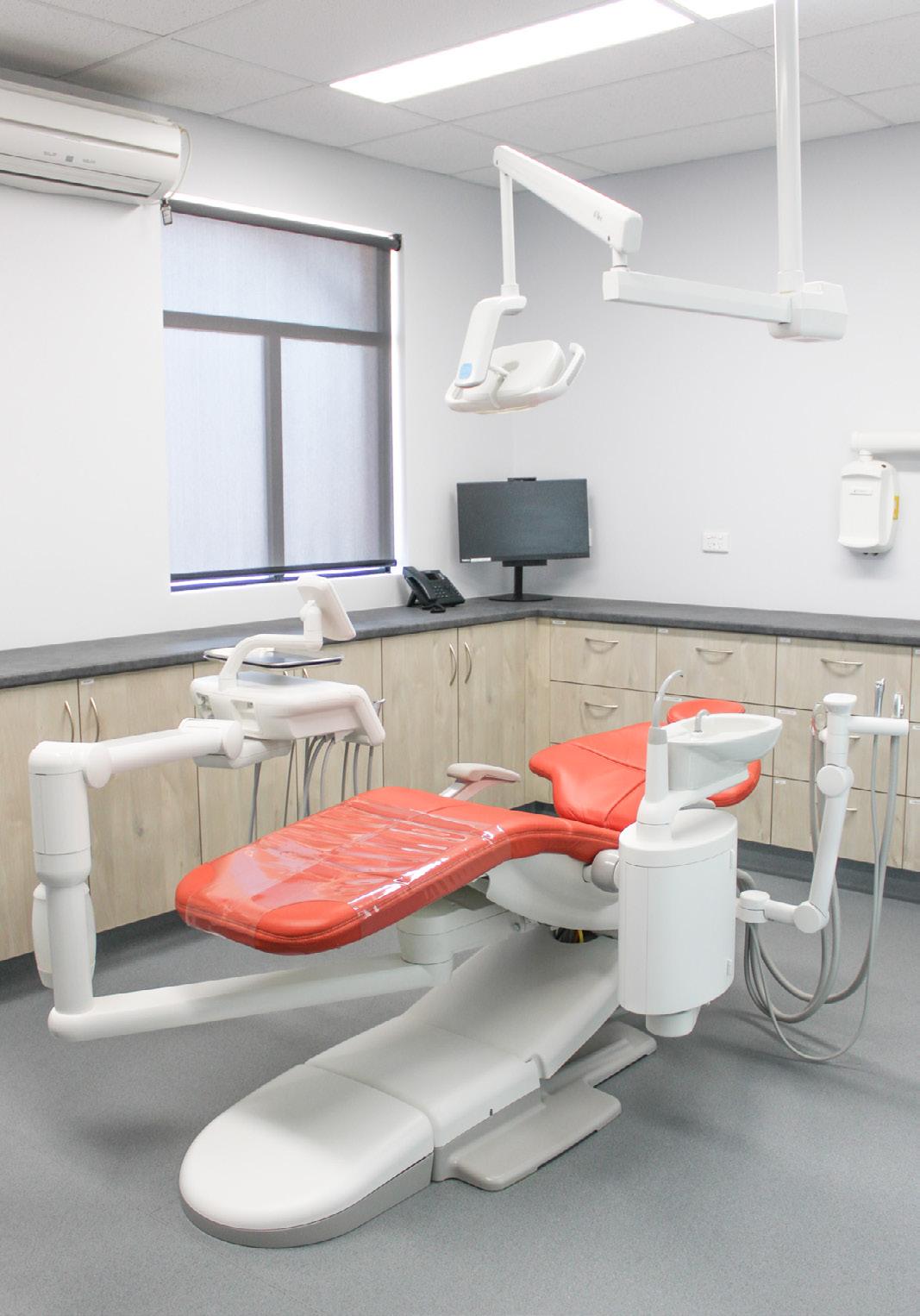
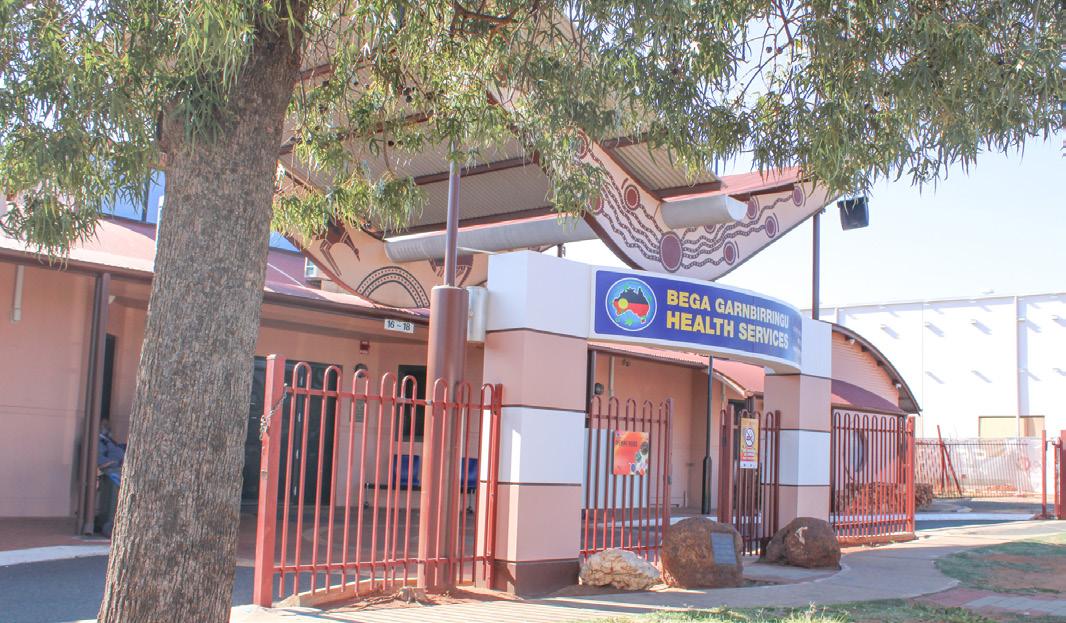
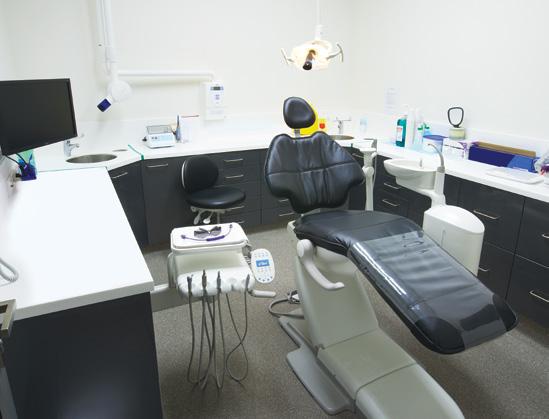
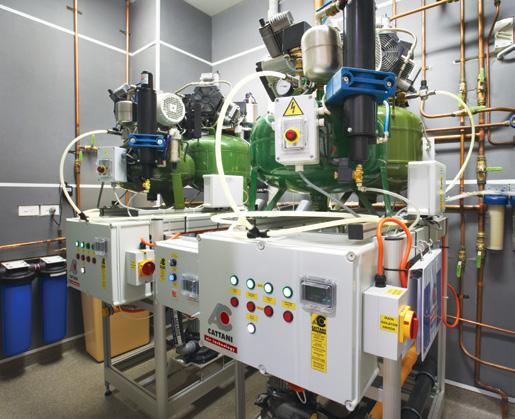
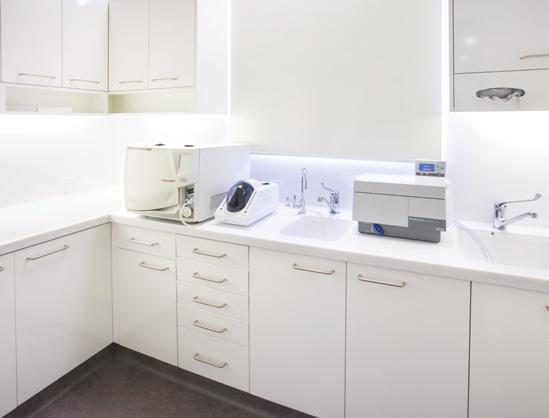
When the time came to renovate the dental surgery and sterilisation room at Bega, the responsibility fell to Shaun Thomas, ICT Coordinator for Corporate Services. Tasked with leading the project, Shaun recognised that a successful fitout required more than just new cabinetry and paintwork – it needed precision, compliance, and forward-thinking design to ensure the space would serve clinicians and patients for years to come.
Working closely with him was Practice Administrator | Clinical Services, Jessica Poke, who had already been with Bega for several years and provided valuable operational insight into the needs of clinicians and patients. Her experience ensured the design decisions went beyond aesthetics, aligning the fitout with the realities of day-to-day practice.
With a long-standing relationship with West Coast Dental Depot (WCDD) through equipment servicing, Shaun and Jessica called on Greg James and Wayne Young for their specialist knowledge of fitouts. Their expertise ensured that every service line, surface, and installation point was positioned correctly from the outset,
making the integration of new equipment seamless. The result? A complete transformation of the surgery and steri room, featuring a new A-dec chair, digital x-ray, sterilisation system, and auxiliary equipment – all installed with an eye for detail and full compliance with Australian standards. The new space is now home to RFDS dentist Dr Trish Elder, who brings critical oral health services to the community.
Why Compliance Matters in Dentistry
It’s easy to view fitouts as a matter of aesthetics – fresh flooring, new cabinetry, a modern chair. But true success in a clinical environment goes deeper. Behind every clean surface is a framework of compliance and maintenance designed to protect patients and practitioners alike.
The A-dec 55 Point Check Plan
Every new A-dec chair is supported by a rigorous 55 Point Check Plan, covering everything from chair motion to handpiece calibration, suction performance, and utilities hidden in the floor box. This isn’t just a box-ticking exercise – it prevents breakdowns, extends equipment life, and ensures the dentist’s workflow remains uninterrupted.
Waterline Safety
Dental unit waterlines can harbour biofilm, unseen but potentially dangerous. Routine flushing, treatment protocols, and regular microbial testing ensure that patients receive safe, clean water. At Bega, waterline management has been built into the servicing schedule to maintain accreditation standards and protect patients.
Upholstery Care
Patients often judge the professionalism of a clinic from the first thing they touch: the chair upholstery. Protecting and maintaining these surfaces with approved cleaning methods extends their life and reassures patients of the clinic’s hygiene standards.
Building to Code
The Standards Behind the Fitout
Behind the clinical polish, the Bega renovation adhered to the critical codes that govern dental surgeries:
• AS/NZS 3003:2018
Body Protected Areas
Every dental room must be certified annually to ensure patient safety against electrical faults. The fitout was designed with these protections in place from the ground up.
• AS/NZS 3551:2012
Testing and Tagging of Equipment
Every powered device – from chairs and x-rays to suction units – must be tested, tagged, and documented annually. At Bega, this ensures that hidden faults never compromise patient or staff safety.
Together, these standards create a safety net that goes far beyond visual appeal –they guarantee the surgery can withstand the daily demands of patient care.
Photos courtesy of Sellina Tucker
Wembley Dental, Unlocking Hidden Capacity Through Smarter Practice Design
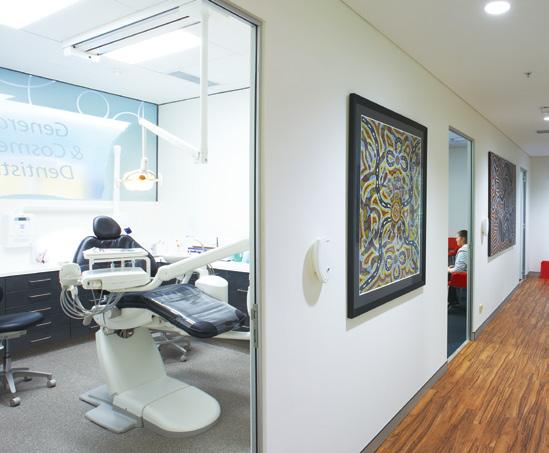
A recent dental fitout project undertaken by Medifit for Dr Rob Tyrell at Wembley Dental highlights how meaningful productivity gains can be achieved by optimising existing clinical spaces rather than expanding or relocating.
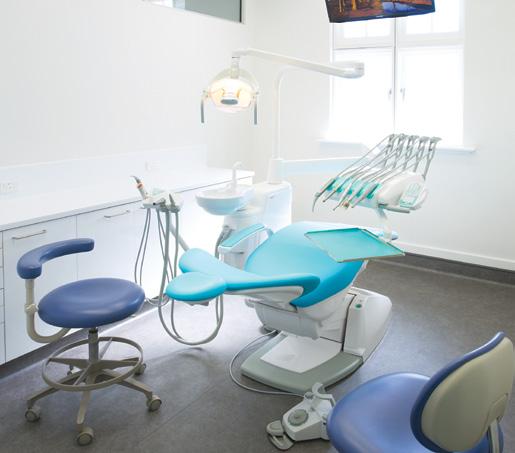
At the front of the practice was an original treatment room that had become outdated and increasingly constrained by modern clinical requirements. While still operational, the room no longer supported efficient workflows or contemporary equipment, limiting both comfort and productivity. Its location and footprint, however, presented a clear opportunity for improvement.
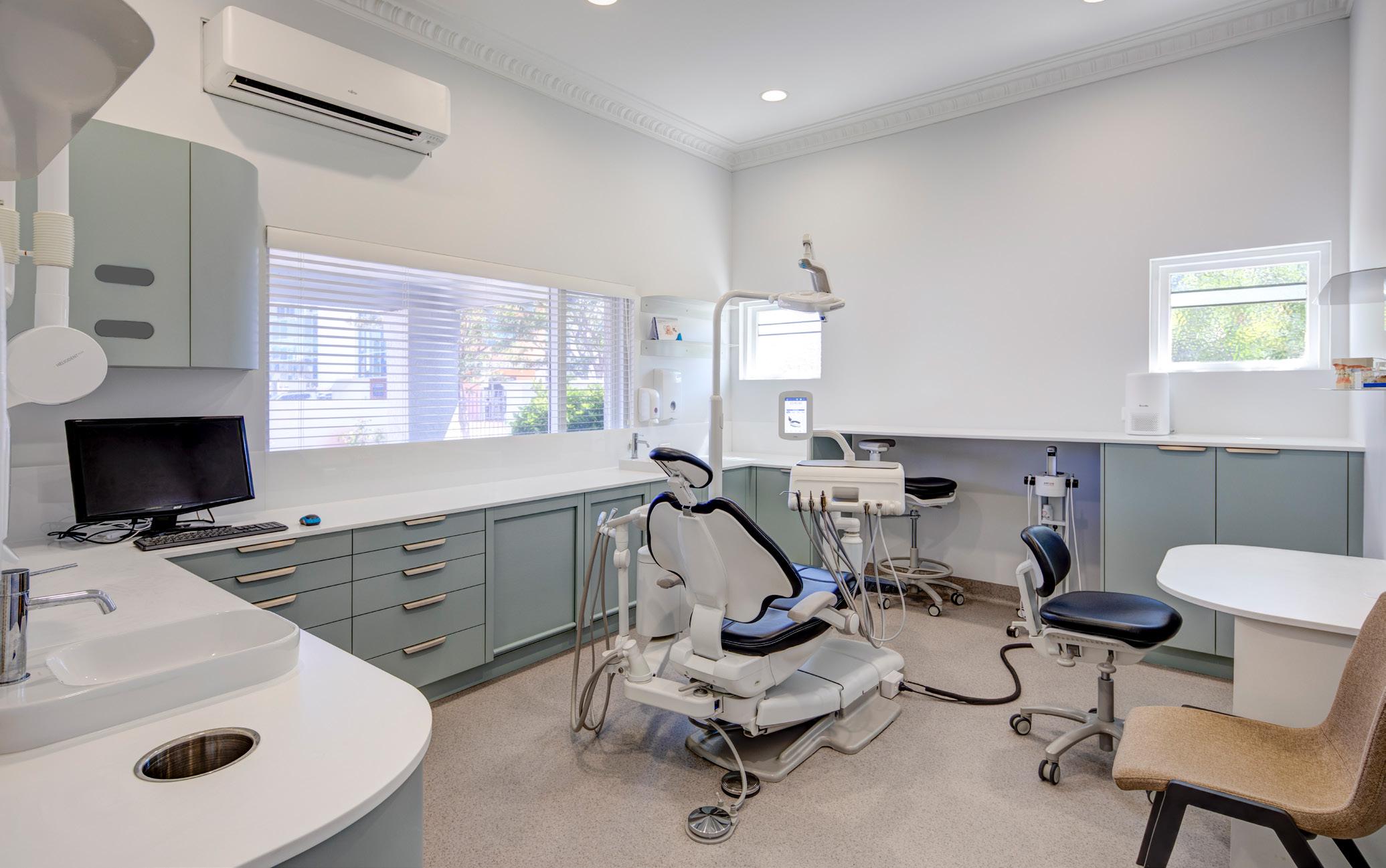
Medifit worked closely with Dr Tyrell to reimagine the space, focusing on functionality, ergonomics and compliance without increasing the overall footprint. Through careful spatial planning and detailed design development, the existing room was completely redesigned and
upgraded into a fully functional, modern treatment room. The fitout included a new dental chair, integrated services, compliant cabinetry and finishes that align seamlessly with the rest of the practice.
Despite the room’s modest size, thoughtful layout decisions ensured efficient circulation, improved sightlines and optimal equipment positioning. The result is a space that feels open, organised and intuitive to work in, supporting smoother clinical workflows for both practitioner and assistant while providing a more comfortable environment for patients.
The benefits to the practice were immediate. By modernising and optimising an underperforming treatment room, Wembley Dental increased its usable clinical capacity and improved appointment flow.
The upgraded space reduced pressure on other rooms during peak periods and allowed the practice to operate more efficiently, ultimately supporting higher patient throughput without increasing staffing levels or operating hours.
Photos courtesy of Babett Fekete
Top tips
To help ensure a smooth renovation or building process from Sam Koranis, Medifit Design and Construct
Prioritise compliance from the start
Healthcare design and construction come with strict regulatory requirements - from infection control and accessibility to radiation shielding and mechanical ventilation. Addressing these early in the design stage avoids costly redesigns and approval delays later. A specialist healthcare design partner understands these standards and integrates compliance seamlessly into both design and documentation.
Budget for quality, not just cost
The lowest quote isn’t always the best outcome. In healthcare environments, durability, hygiene, and long-term maintainability are just as critical as aesthetics. Invest in quality materials and experienced trades familiar with healthcare standards - it pays dividends in reduced maintenance and a longer-lasting, more professional result.
Engage the right team early
Choose designers and builders who specialise in dental practices and involve them from the outset. There is knowledge specific to dental design and construction that generalist builders and designers simply don’t have. We’ve been learning on this journey for 24 years now and have rescued plenty of projects where things were overlooked because generalist contractors just didn’t know they were required. Early collaboration between design, construction and equipment suppliers reduces surprises and ensures a compliant, coordinated outcome.
Top tips from Josh Van Bruchem, BOQ Specialist
When conducting a refurbishment, take this time to reflect on the flow of your practice to see if a reconfiguration could improve productivity and utilisation of the space. Once the refurbishment is decided, it can be beneficial to partner with a fit-out specialist to ensure minimal practice disruptions and the highest standard of works.
I then recommend getting a detailed understanding of the works required and to obtain a quotation upfront, to prevent any surprise cost overruns.
West Coast puts it all together
West Coast Dental Depot has over twenty years experience supplying and installing dental equipment. We have the range, knowledge and experience to ensure you and your surroundings work in perfect harmony. From design through to completion, we will make your surgery transformation an easy and enjoyable experience – all within your budget. Talk to West Coast Dental Depot, we know how to put it all together.
Draft Registration Standard: General Registration for Experienced Internationally Qualified Health Practitioners
By Dr Tony Poli, ADAWA Peer Advisor
The Australian Health Practitioner Regulation Agency (Ahpra) is reviewing registration standards for internationally qualified practitioners, with consultations closing in early February 2026.
Five professions (of the 16 National boards) have been prioritised for review: dentistry, medical radiation practice, occupational therapy, podiatry, and psychology. Psychology is undergoing a separate consultation due to distinct training and registration pathways.
Current Pathway for Dentists
Applicants must currently pass:
• A two-day written online exam ($2,122).
• A practical exam offered only in Melbourne ($4,775). Both are conducted by the Australian Dental Council (ADC).
Proposed New Pathways
Three new pathways are being considered to streamline registration for experienced practitioners:
Comparable Qualification and Work-Based Experience Pathway. Eligibility requires qualification in a Board-approved comparable regulator jurisdiction or another approved jurisdiction, plus evidence of at least 1,800 hours of clinical practice in the past 36 months within a comparable jurisdiction.
Comparable Pre-Registration Exam Pathway. Eligibility requires practice in a Boardapproved jurisdiction, completion of a preregistration exam there, qualification from a non-comparable jurisdiction, and 1,800 clinical hours in 36 months. Unlike the prior pathway, qualifications originate outside approved jurisdictions.
Comparable Work-Based Experience Pathway. Eligibility requires qualification in a non-comparable jurisdiction, current practice
in a comparable jurisdiction, and evidence of at least 3,600 hours of clinical practice in the past 48 months.
Key Features
These pathways aim to recognise qualifications and professional experience gained in comparable jurisdictions, reducing reliance on costly and geographically limited exams.
Applicants must provide proof of registration and certificates of good standing from relevant regulators.
Work experience requirements vary depending on the pathway, with higher thresholds for those qualified in noncomparable jurisdictions.
Assessment options may include employer checklists, written tasks, interviews, and reference checks, depending on circumstances.
Broader Implications
The proposed pathways are designed to address workforce needs by creating faster, more flexible routes to registration for internationally qualified practitioners. The aim is to balance recognition of overseas qualifications and experience with safeguards to ensure practitioners meet Australian standards. These pathways do not exclude other existing options; practitioners who are ineligible can seek alternative routes via Ahpra’s website. For further information and case studies, go to: Dental Board of AustraliaCurrent Consultations
Dr Tony Poli, offers confidential, oneon-one support to ADAWA members navigating professional challenges. Contact: tony.poli@adawa.com.au or phone 08 9211 5600.
Restoring teeth and faith
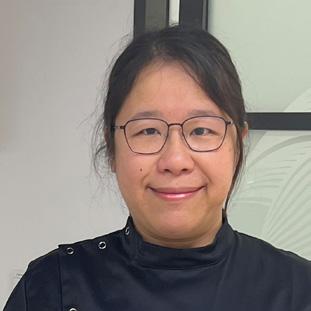
Dr Amy Lau is one of the dedicated dentists giving back with TIMA.
Dr Amy Lau has been giving back by volunteering with TIMA since 2019. “I was working with Dr Lydia See, one of the devoted organisers of the TIMA dental team,” Amy recalls. “She asked if I have some spare time and would I be interested in helping people with dental needs. She mentioned the clinic held in OHCWA once a month to help treating patients who are normally not eligible to be seen in the public system or who need to be placed on a long waiting list. As a previous public dental practitioner, I saw this as a great initiative and signed myself up to the next clinic held.”
Amy says her experience of volunteering with TIMA has been fantastic. “During my volunteering years with TIMA, I have met a great team of volunteers who have put themselves out there to assist with running the monthly dental clinic,” she says. “Many of them have no dental background but are executing their strength in administrative background preparation and supports.
We have some brilliant dental assistants who not only help the operators but also help to train up the first- and second-year dental students.
“I have also worked with dental students who are eager to return what they are learning back to the community (later returning for volunteering as operators after they are qualified) and many fellow colleagues, including general and specialist dentists.”
Amy’s main role in the clinic is to treat patients with missing dentitions – providing them dentures. “As dentists, we have made many dentures as per textbooks. However, the way they are received by different patients can be governed by so many factors, such as the usual anatomical defects, oral para-function and dietary requirements,” Amy explains.
“One of the cases I have been working on was a man who cannot speak English, who needed a full upper denture remake (he was referred to us from another organisation
as they couldn’t make another denture to meet his expectation). Each time he came to see me, he would write a long letter and get someone to translate it English, explaining what wasn’t working for his current denture.”
Amy says they took extra time on history taking and explaining to him what they were trying to do, and after nine months he had a functioning denture that he was very pleased with.
She adds volunteering has been a very rewarding experience. “To me the most rewarding part about volunteering is the fact that I have encountered patients who came through the door – many with gross dental neglect and were being very apprehensive –slowly transformed into individuals who can let go of their fear and relax in the dental chair and trust us enough to keep returning to each monthly clinic.
“Sometimes I feel we are not just restoring their teeth but also restoring their loss of faith in people. Maybe being a dentist is
not just about achieving a high standard of treatment outcomes but also to show the patients we care about their wellbeing too.
“In TIMA clinic, we treat patients who are unemployed, refugees, victims of crimes and domestic abuse, new migrants from different cultures, and some with mental illnesses or suffering from depression,” Amy adds. “Our volunteer team are always putting extra effort to greet them on arrival and help to ease their anxiety through casual chatting and introducing oral health education. I have met many dental colleagues who are passionate about dentistry and patient care in TIMA. You can always see many smiling faces (patients and volunteers) walking down the corridor at the clinic. I feel very fortunate to be working with such a great team of people.”
Amy urges anyone with a few Sundays free who would like to make a difference in another’s life to join the TIMA monthly clinic. To enquire about volunteering with TIMA, please email: tima.perth@tzuchi.org.au
ADVERTORIAL
Leverage Australia’s Growing Market. Financing Property Purchases for Dentists
With property prices continuing to change across Australia, many dentists are considering buying property either as a lifestyle upgrade or to improve their long-term financial position. The challenge is rarely the desire to buy. It is securing the right finance structure that reflects the unique income patterns and tax position of dental professionals.
Smith Coffey are mortgage brokers, tax accountants and financial planners specialising in the dental profession across Australia. This means your lending strategy is designed with your broader financial position in mind.
One of the key advantages available to Smith Coffey clients is access to loans requiring only a 5% deposit with no Lenders Mortgage Insurance.
This significantly lowers the upfront cost of buying property and allows you to retain cash for your practice or personal priorities.
We also provide access to 35-year loan terms exclusively for our clients, compared to the standard 30-year terms available elsewhere.
For many dentists this improves early year cash flow, which is particularly important when income fluctuates under service fee arrangements or during the early years of practice ownership.
As tax accountants, we are able to accurately project self-employed income. This is a critical difference for dentists, as lenders often struggle to assess variable earnings. Our projections ensure your true borrowing capacity is presented clearly. We also assist with structuring debt in a tax effective way by distinguishing between good debt and bad debt, so your borrowing supports long term wealth creation.
If you are considering purchasing property, speak with Smith Coffey to explore your finance options. Visit www.smithcoffey.com.au to arrange a confidential discussion.
EARLY STEPS TO STRAIGHT SMILES
COURSE OUTLINE
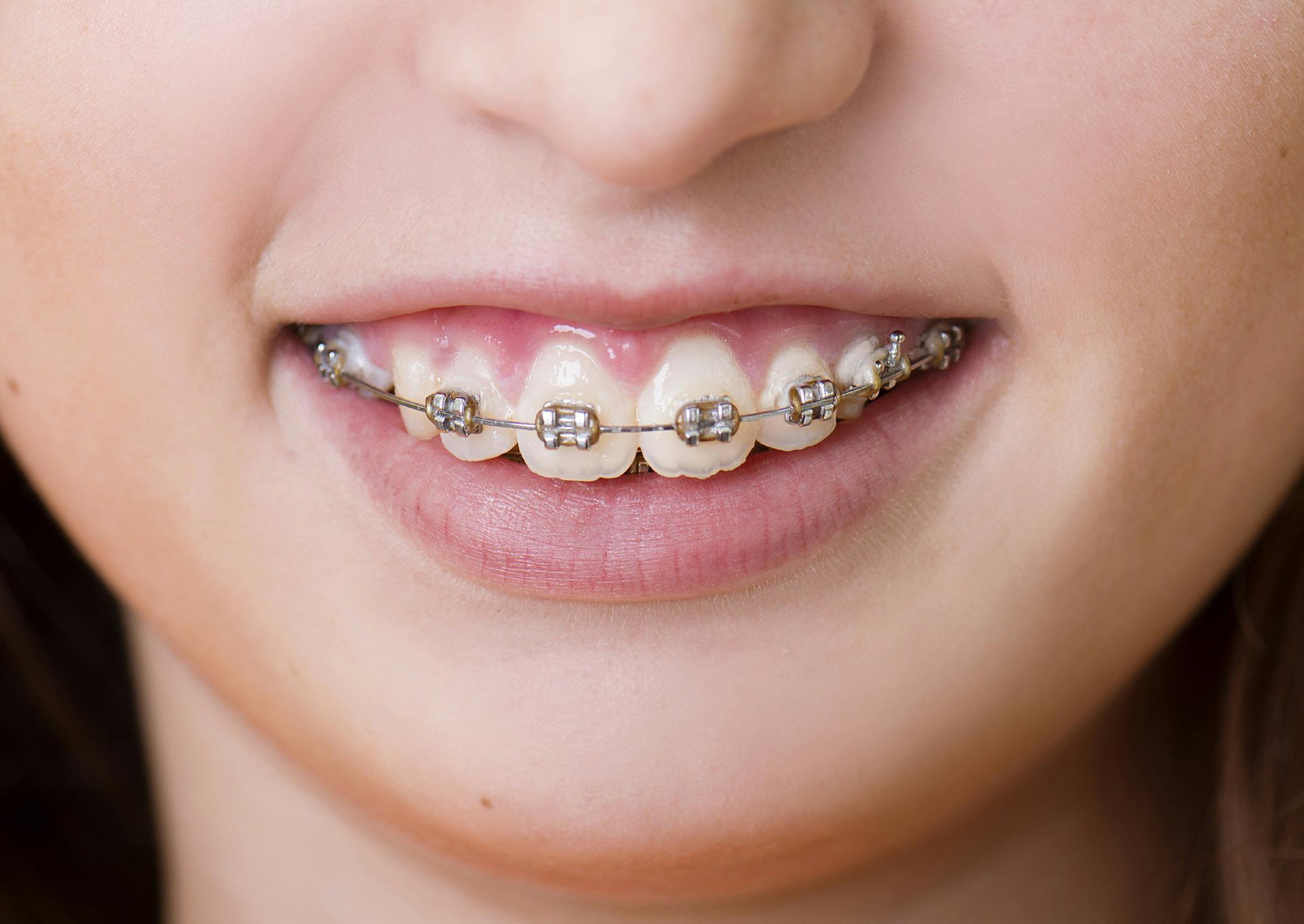
Interceptive orthodontics, also known as early or two-phase orthodontic treatment, is a proactive and preventative approach to address potential orthodontic issues in children while their jaws and teeth are still developing. This approach aims to guide jaw growth, create space for permanent teeth, and correct bite problems early on, potentially reducing the need for more complex treatments later in life.
LEARNING OBJECTIVES
• Define the concept and rationale of interceptive orthodontics.
• Demonstrate knowledge of normal growth and development.
• Recognise common orthodontic issues that can be intercepted early.
• Identify and address behaviours that may contribute to orthodontic problems.
ABOUT THE PRESENTERS
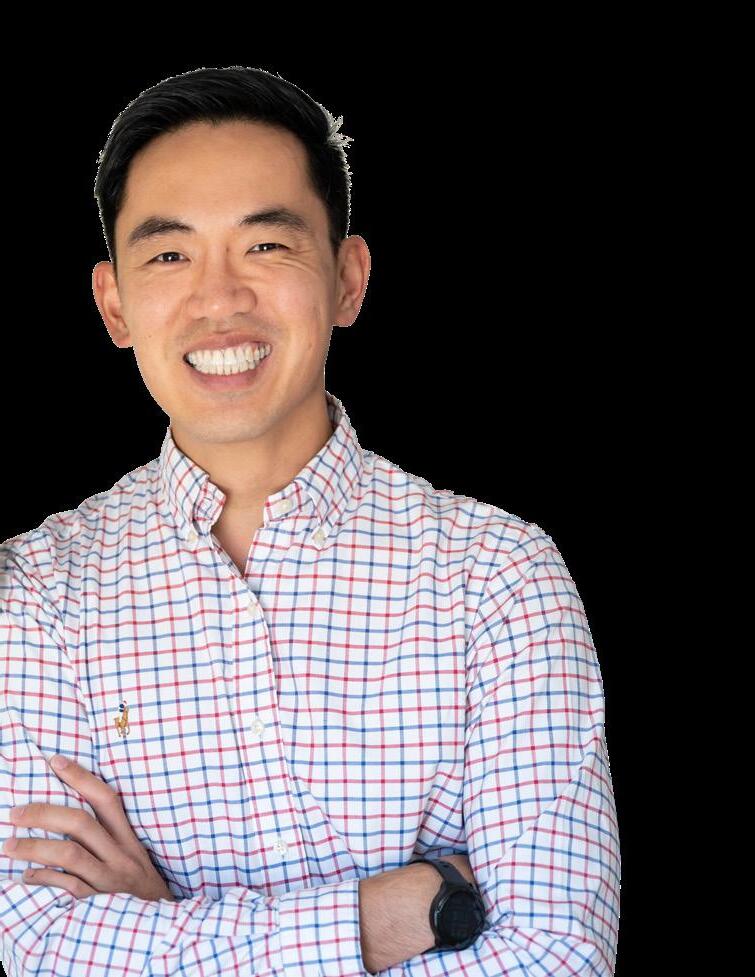
Dr Gordon Cheung is a Specialist Orthodontist. He earned a Bachelor's Degree in Dental Science from The University of Western Australia, followed by a Doctor of Clinical Dentistry in Orthodontics from the University of Sydney. Dr Cheung has contributed to Orthodontic publications on both a national and international scale. Additionally, he holds membership in the Royal Australasian College of Dental Surgeons for Orthodontics and presently holds the position of Vice-President for the WA branch of the Australian Society of Orthodontists (ASO).
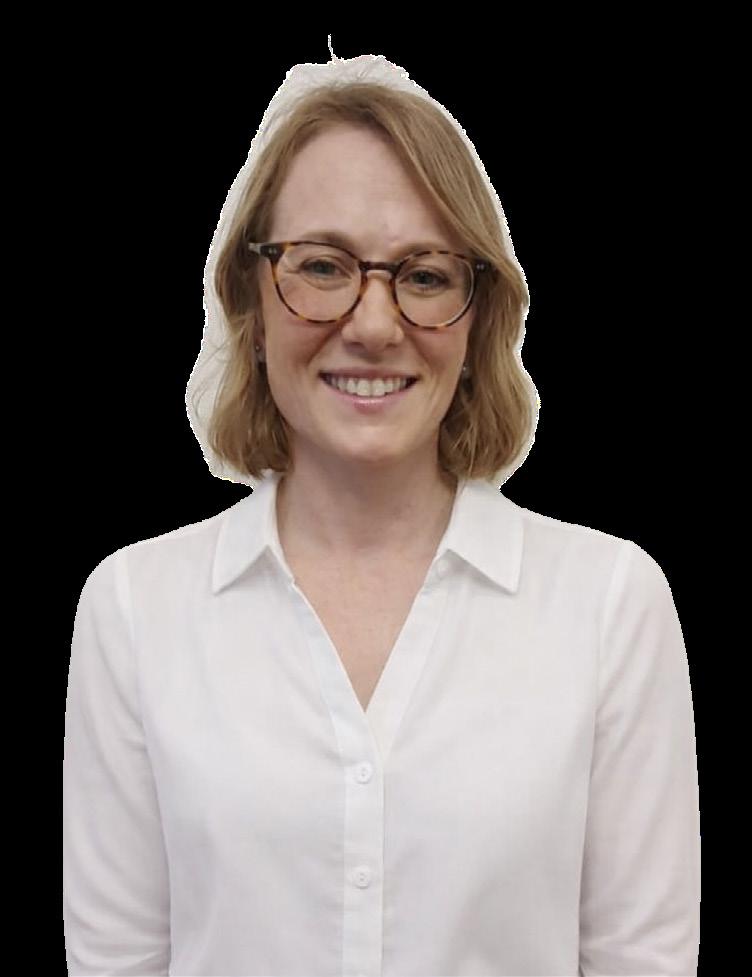
Dr Laura Leask is a Specialist Orthodontist. Laura completed her Bachelor of Dental Science with Honours at The University of Western Australia, followed by a Doctor of Clinical Dentistry in Orthodontics at the University of Sydney. Laura currently holds the position of Secretary for the Dental Specialist Society of Western Australia and is a member of Australian Society of Orthodontists, Royal Australasian College of Dental Surgeons (Orthodontics), Australian Dental Association, American Association of Orthodontists and the World Federation of Orthodontists.
Drs Gordon Cheung and Laura Leask Meet
In the lead up to their course ‘Early Steps to Straight Smiles’, we caught up with Orthodontists Drs Gordon Cheung and Laura Leask.
Dr Gordon Cheung says he has always been a curious person who loved figuring out the mechanics of things and how things work.
“As a teenager, I experienced substantial crowding and needed braces, and I was astonished by how much orthodontic treatment improved my smile,” he recalls.
“That transformation was so meaningful to me that it inspired a desire to provide the same impact for others.”
For Dr Laura Leask, she was always drawn to the combination of science, precision, and artistry that dentistry offers. “The ability to make a tangible difference in someone’s confidence and quality of life through their smile was a huge motivator for me,” she
says. When asked about what attracted her to the field of Orthodontics, Laura says: “In addition to the blend of science and artistry, I greatly enjoy the problemsolving dimension of orthodontics.”
Gordon and Laura will be presenting ‘Early Steps to Straight Smiles’ on Saturday March 14.
Gordon says attendees should expect to learn how to quickly assess patients and triage them in terms of urgency for orthodontic treatment and referral. “We will go through the basics of growth and development and how to use the best evidence-based interceptive orthodontic treatments available,” he says.
Learning objectives include
• Defining the concept and rationale of interceptive orthodontics.
• Demonstrating knowledge of normal growth and development.
• Recognising common orthodontic issues that can be intercepted early.
• Identifying and address behaviours that may contribute to orthodontic problems.
• Identifying appropriate patients for interceptive orthodontic treatment.
• Describing common appliances and techniques used in interceptive treatment.
• Understanding the important role of general dentists in interceptive orthodontics.
• Reflecting on the financial implications of interceptive orthodontic treatment.
Laura says the course is ideal for practitioners who want to recognise developing malocclusions and understand when and how to intervene.
“I hope the attendees come away from the course with some basic first principles as well as a diagnostic sieve that allows them to improve their accuracy in identifying orthodontic patients,” Gordon says.
“Previous attendees to my lectures will know that I like to keep things practical with lots of simple take home principles,” he adds.
“That’s what I would like when attending any course and hopefully everyone will take home something they can apply to their daily practice.”
“(The course is) designed to be very hands-on and clinically relevant,” Laura says. “We’ll cover real-world cases, simple techniques that make a big difference, and practical ways to apply interceptive principles in everyday practice.”
“I hope they leave with a practical framework for early assessment and a clearer understanding of what can and cannot be
achieved in the interceptive phase,” she adds. “Most of all, I want them to feel empowered to identify growth and development opportunities for their young patients.”
To book your seat for Early Steps to Straight Smiles on March 14, visit the ADAWA website, cpd.adawa.com.au/w/courses/ 50-early-steps-to-straight-smiles/58
5 minutes with
Drs Gordon Cheung and Laura Leask
What three words best describe you?
Gordon Reliable, loyal and adventurous.
Laura Curious, dedicated, and dependable.
What do you enjoy doing in your spare time?
Gordon I enjoy building LEGO, gardening and baking – anything that results in a satisfying end product!
Laura Spending time with family and friends, being outdoors, cooking.
What is your favourite book?
Gordon I love reading fantasy books, I have read too many to just pick one, but the Empire series by Jay Kristoff is one I’ve enjoyed recently.
Laura I really enjoy crime fiction. Henning Mankell, Lee Childs and Jane Harper are some of my favourite authors – difficult to pick one book!
What is your favourite place in the world?
Gordon Japan! I love the culture and the food – it is just an amazing place.
Laura Anywhere near the ocean – it’s where I feel most inspired.
ADVANCED DIGITAL IMPLANT RECONSTRUCTION: FROM SINGLE TOOTH TO
FULL ARCH
COURSE OUTLINE
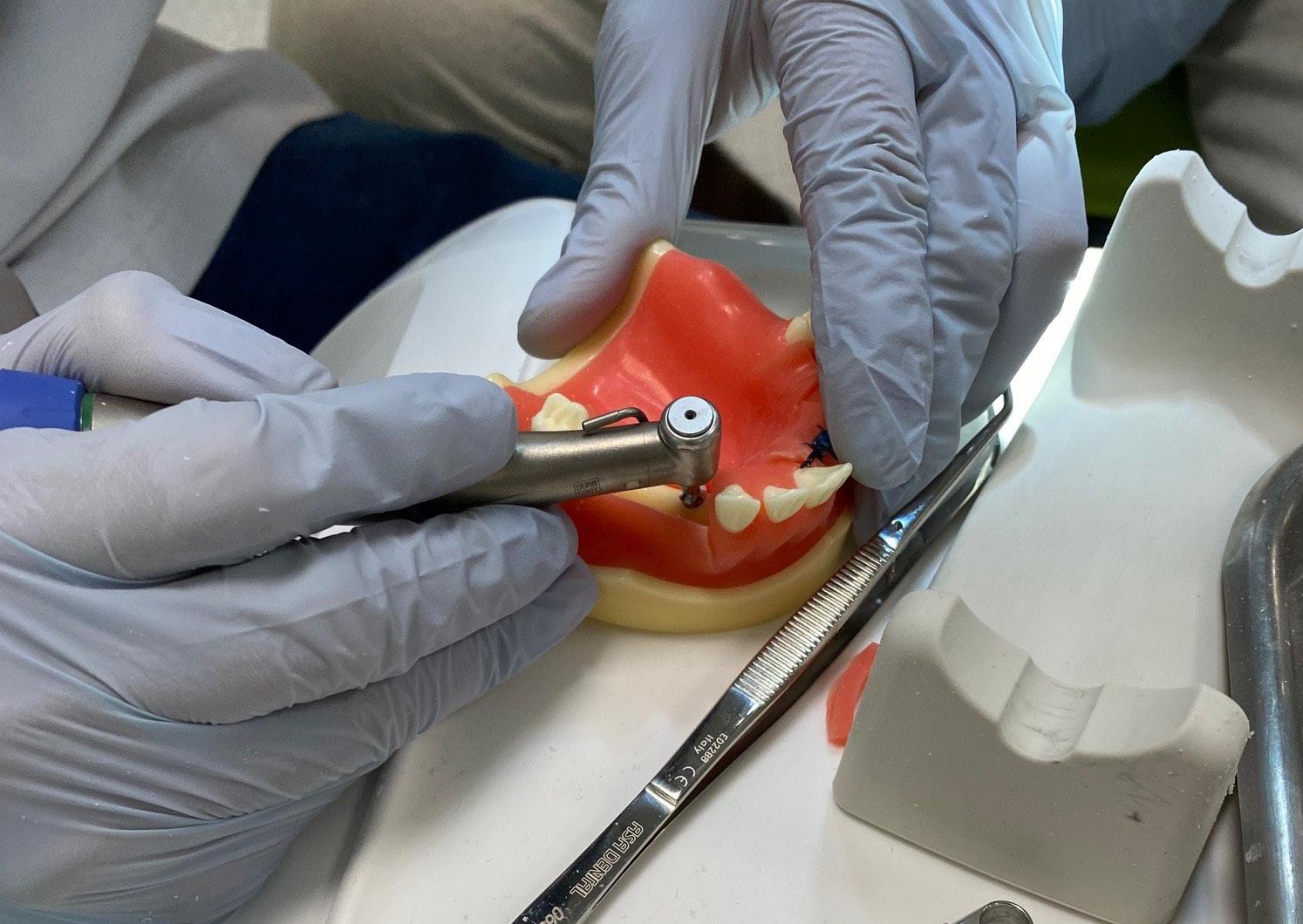
Join this immersive three-day digital implant dentistry workshop and master the complete digital workflow — from precise case planning to predictable prosthetic restoration. Through evidence-based teaching and practical sessions, you’ll learn intra-oral scanning, CBCT integration, digital implant planning, surgical planning, and surgical guide fabrication for both single and multiple implants. Gain confidence in guided surgery using the OneGuide system, and explore advanced prosthetic workflows, including screw- vs cement-retained restorations, custom abutment selection, and immediate provisional restorative techniques. The hands-on component includes comprehensive case planning, guided implant placement on models, and immediate provisional restoration, ensuring you develop practical, transferable skills. Whether for single-tooth or multiple implant cases, this program will equip you to deliver precise, efficient, and patient-centred implant outcomes.
ABOUT THE PRESENTERS
Dr Aqeel Sajjad Reshamvala is a specialist prosthodontist and implantologist based in Mumbai. He earned his Bachelor of Dental Surgery from Mumbai University (1997) and his Master of Dental Surgery in Prosthodontics from the University of Queensland, Australia (2001). He is the Global Ambassador for the Digital Dental Society, a Fellow of the International Congress of Oral Implantologists (ICOI), and a Fellow of the International Team for Implantology (ITI). As a key opinion leader he lectures internationally and conducts hands-courses on complete dentures, fixed and removable prosthodontics, full mouth rehabilitation, implant prosthodontics, digital dentistry and occlusion.
Dr Nishant Vaishnav holds a Bachelor of Dental Surgery and a Master of Dental Surgery in Periodontics, and is a Fellow of the International Congress of Oral Implantologists and the International College of Dentists. He focuses on restorative and implant dentistry, particularly periodontics, implants, and restorative procedures. He is a member of ADAWA, RACDS, ICOI) and ASP. Nishant maintains private practices in Perth.
CALENDAR 2026
Losing control How far can autonomy take us?
Patient autonomy is a pillar of the consent process, but does it ever become problematic?
The Dental Protection Advisory Team consider this in the context of a recent case.
The generation of patients imbued with the mantra of 'doctor knows best' are still present in contemporary practice. However, the social movements cultivated and grown by the 'flower power' generations of the 60s and 70s were a catalyst for widespread global social change. Following this, the tension between paternalism and autonomy finally gave way, and by the mid-80s, patient rights came to the fore. This means that we predominantly treat autonomous patients who are empowered to question us, who can choose and refuse our care, and even review us, and not always kindly.
Case study
Miss S was unhappy with her smile. She attended a specialist orthodontist for an assessment and was advised surgery would be essential for her to achieve an outcome that would meet her expectations. However, she could consider a two-year course of fixed orthodontics if she was willing to accept a compromised camouflaged outcome. Unhappy with both these options, Miss S sought an appointment with Dr Z, a GDP
who advertised aligner treatments. She expressed that she understood that she needed complex care, but reassured Dr Z that she was not looking for 'perfect'; she was just looking for 'better'. And, as her wedding was rapidly approaching, couldn't he consider providing her with something quick and easy to help?
Despite his reservations, Dr Z agreed to take records and assess what, if anything, he could do. Dr Z proceeded as far as a ClinCheck, and at that stage his reservations outweighed his desire to please. He called Miss S and advised her that he couldn’t proceed, as he could not achieve an acceptable outcome for her.
Miss S bombarded Dr Z with impassioned pleas, by email and by text. Surely, he would help! She understood the risks and limitations – wasn't it her money, her mouth and therefore her choice?
Dr Z agreed to one more consultation to show her the ClinCheck and outline his concerns. Miss S reviewed the proposed treatment and proclaimed it to be everything she wanted. She paid the full fee in advance on leaving the surgery and scheduled all her appointments.
Surely, Dr Z couldn't say no now, could he? Difficult as it may have been to decline to treat Miss S, Dr Z very quickly began to wish he had stood his ground. While the treatment progressed as anticipated from the ClinCheck, the outcome did not meet Miss S's expectations. She became difficult to manage and rude to the staff. Dr Z was pleased to reach retention so this nightmare could be over. Regretfully, although perhaps not unexpectedly, Miss S was unaccepting of her outcome, demanding a refund.
Dr Z had barely had time to consider how he felt about this request when a letter from AHPRA arrived. The notification was accompanied by an expert report from an orthodontist setting out why the aligner treatment wouldn't work in the presence of a gross-skeletal discrepancy, and a complaint from Miss S, alleging to have been unaware of this fact and accusing Dr Z of "misleading her for profit", soon arrived.
Dr Z is not alone in his plight. Patients attend daily demanding specific treatments, researched on Google with a preconceived outcome and price point. The critical consideration remains, however, that just because someone wants a specific treatment, it doesn't mean that you have to provide it to them – particularly, if (like Dr Z), you are uncomfortable because
you do not believe the treatment will be successful or in the patient's best interests.
Fortunately for Dr Z, his records accurately reflected the conversations that had been had, and critically those indicating Miss S's understanding and acceptance of the treatment and its limitations. DPL were able to assist Dr Z with his response and AHPRA dismissed the matter.
Learning points
Patient autonomy is one of the four underpinning principles of medical ethics and a vital component of patient consent. This does not, however, mean that the patient is in the driver's seat – dictating the nature and type of their treatment, and controlling all decisions.
It is important that practitioners are not bullied or coerced into providing treatment they do not wish to – regardless of whether they are uncomfortable because they are out of scope, because they do not believe it to be in the patient's best interests or for any other reason. The documentation of conversations we have with our patients in their clinical notes is a vital component – both to ensure continuity of patient care and, when required, practitioner defence in the event of a complaint or claim.
Endodontic Considerations in Orthodontic Treatment: A Comprehensive Multilevel Analysis
Part II: Diagnostic Framework and Clinical Integration
This paper represents Part II in a clinical series examining the biologic coordination between endodontics and orthodontics. While Part I illustrated individual interdisciplinary cases, this section expands the discussion into a comprehensive, evidence-based framework that stratifies diagnostic and treatment considerations across multiple biologic levels that range from patient and site factors to tooth, root, and interdisciplinary domains. The model aims to guide clinicians in identifying potential risks and optimising treatment sequencing for biologically sound orthodontic planning.
Abstract
Effective coordination between endodontic and orthodontic disciplines requires a biologic understanding of how systemic, anatomic, and tooth-specific factors influence treatment outcomes. Orthodontic forces applied to teeth with unresolved pulpal or periapical pathology can trigger root resorption, delayed healing, or treatment relapse. With the support of key contemporary literature, this article presents an evidence-based framework for evaluating endodontic risk at multiple diagnostic levels ranging from patient, site, tooth, root/canal, and interdisciplinary.
Comprehensive Multilevel Endodontic Factors
Patient-Level Factors
Systemic and behavioural variables strongly influence both endodontic healing and orthodontic tolerance.
• Medical Diabetes, bisphosphonate or denosumab use, immunosuppression, prior radiotherapy, pregnancy, and smoking each reduce periapical vascularity and bone turnover (Hamilton & Gutmann 1999; Fardi et al. 2022).
• Behavioural Oral-hygiene quality, compliance, anxiety, and appointment reliability affect infection control and soft-tissue recovery (Consolaro 2018).
• Historical Past trauma, previous orthodontic treatment, and parafunction such as bruxism alter root morphology and predict future resorption risk (Andreasen & Bakland 2018).
Site-Level Factors (Arch or Quadrant)
The biomechanical and periodontal environment dictates how safely orthodontic forces can be applied.
• Bone support Alveolar height, cortical density, and furcation bone morphology determine anchorage
stability and resorption risk (Reitan 1951; Weltman et al. 2010).
• Local anatomy Proximity to sinuses or the mental foramen, presence of impacted teeth, and inter-root distance influence space creation and apical stress (Tsukiboshi & Yamauchi 2019).
• Gingival biotype Thin phenotypes are more prone to dehiscence or gingival recession during expansion or torque movements (Patel et al. 2020).
Tooth-Level Factors
Each tooth must be individually assessed for pulpal vitality, structural integrity, and strategic significance.
• Pulpal status Vital, reversible, or necrotic pulp; chronic apical periodontitis; or healed post-RCT status influence timing and mechanics (Abbott 2011; AAE–AAO 2021).
• Restorability Remaining coronal dentine, ferrule height, and crack presence define whether retention or extraction is advisable (Mavragani et al. 2008).
• Strategic value A key anchorage molar may justify complex retreatment, whereas a short-rooted premolar with poor ferrule may not.
• Timing Endodontic healing should precede orthodontic loading by 8–12 weeks to permit resolution of inflammation and early bone fill (Abbott 2011).
Root- and Canal-Level Factors
Procedural feasibility and biologic repair potential are dictated by canal anatomy and apical conditions.
• Anatomy Curved, calcified, or C-shaped canals increase procedural risk; missed canals such as the MB2 are common sources of persistent pathology (Patel et al. 2020).
• Apical status The presence or size of a radiolucency, cortical perforation, or external resorption defines when orthodontic forces can be safely initiated (Vier & Figueiredo 2004).
• Latrogenic history Instrument separation, perforation, or over-extended obturation weaken the root and require lighter, intermittent orthodontic forces (Consolaro 2010; Jang et al. 2016).
Interdisciplinary and Systemic Outcome Factors
Endodontic findings must directly inform orthodontic and restorative planning.
Orthodontic interface
• Avoid tooth movement through unresolved periapical lesions.
• Reduce forces on short-rooted or previously traumatised teeth.
• Delay activation on newly treated teeth until radiographic healing is confirmed (AAE–AAO 2021; Cohenca 2010).
Restorative interface
• Plan definitive crown or implant positions before extractions or space closure.
• Ensure coronal seals are definitive before bracket bonding (Abbott 2011).
Surgical interface
• Coordinate apical microsurgery, ridge preservation, or crownlengthening within the orthodontic timeline.
Integrating the Levels – Clinical Reasoning Framework
Level Representative Factors Influence on Treatment Sequencing
Endodontic–Orthodontic Coordination Flow
1. Referral
2. Diagnostic Stage
3. Endodontic Decision
4. Orthodontic Action
5. Joint Review
The sequence (above) reinforces that orthodontic treatment should commence only after pulpal and periapical stability have been objectively confirmed.
Discussion
Diagnostic Precision
Cone-beam CT and microscopeassisted examination reveal hidden canal anatomy and residual pathology that may be aggravated by orthodontic stress (Patel et al. 2020). High-resolution imaging also enables objective evaluation of periapical healing before active movement.
Biologic Sequencing
Healing of apical lesions must precede mechanical force application. Ng et al. (2011) demonstrated that high-quality root fillings with sound coronal seals achieve over 90 % success; premature movement of such teeth compromises this outcome. Controlled loading after sufficient bone repair supports physiologic adaptation and prevents iatrogenic resorption.
Specialist Communication
Structured exchange of radiographs, reports, and clinical notes ensures alignment of diagnostic expectations and prevents medico-legal ambiguity. Transparent documentation satisfies AHPRA and QIP requirements for continuity of care and informed consent (Abbott 2018).
Conclusion
Endodontic-orthodontic coordination is fundamentally a biologic partnership rather than a mechanical sequence. When clinicians systematically evaluate each level, being patient, site, tooth, and root, the risk of complications diminishes, and outcomes become predictable and defensible. Through the verification of pulpal and periapical stability before orthodontic activation, clinicians can thus perform orthodontic planning without reactive compromise and with proactive preservation, enhancing both longevity and quality of treatment outcomes.
Collectively, the principles outlined in this multilevel framework provide clinicians with a structured method to evaluate and manage endodontic variables during orthodontic care. When applied systematically, they enable early identification of biologic risk, promote safer force application, and foster communication between specialists. This article establishes the theoretical foundation upon which Part III of the series will build, focusing on the monitoring and management of endodontic complications during and after orthodontic treatment.
Selected References
1. Abbott PV. Endodontics and Orthodontics: Biologic and Clinical Interactions. Aust Dent J. 2018.
2. Ng Y-L, Mann V, Gulabivala K. Outcome of Primary Root Canal Treatment: Systematic Review. Int Endod J. 2011; 44: 283–302.
3. Patel S, Durack C, Abella F et al. Cone Beam Computed Tomography in Endodontics. Int Endod J. 2020.
4. Andreasen JO & Bakland LK. Traumatic Dental Injuries: A Manual. 3rd ed., 2018.
5. AAE–AAO Joint Statements on Root Resorption and Trauma (2013–2021).
6. Fardi A, Topouzelis N, Panis V et al. Systemic Inflammation and Endodontic Healing: A Review. J Endod. 2022.
7. Reitan K. Tissue Behavior During Orthodontic Tooth Movement. Angle Orthod. 1951; 21: 193–255.
8. Weltman B et al. Systematic Review of Root Resorption in Orthodontics. Am J Orthod Dentofacial Orthop. 2010; 137: 462–476.
9. Mirabella AD & Artun J. Periodontal Support and Root Shortening. Am J Orthod Dentofacial Orthop. 1995; 108: 84–93.
10. Consolaro A. Orthodontically Induced Inflammatory Root Resorption: Biologic and Clinical Aspects. Dental Press J Orthod. 2018.
11. Cohenca N. Management of Orthodontic Patients with Compromised Endodontic Status. Dent Clin North Am.2010.
12. Vier FV & Figueiredo JAP. Histologic Response of Periapical Tissues Under Orthodontic Force. Int Endod J. 2004.
13. Jang GY et al. Apical Inflammation and Orthodontic Bone Remodelling. J Endod. 2016.
14. Iglesias-Linares A et al. Root Morphology and Resorption Risk in Orthodontics. Am J Orthod Dentofacial Orthop. 2012.
Academy of Dentistry International
By Dr Karin Alexander, Regent for the Australasia region and Treasurer.
ADI is an international, honorific Academy for dentists, dedicated to sharing knowledge and worldwide fellowship, which officially began on October 17, 1974. It is incorporated as a nonprofit organization in the State of California.
The first international meeting and convocation was held on May 14, 1976 in Nice, France. This occasion also marked the founding of the Africa, Europe and Middle East Section of the Academy. The Australasia Section was chartered on May 14, 1988, the Philippine Section on February 10, 1977, the Asia Pacific Section on March 26, 1981. Japan became a Section on June 23 and Canada on September 28, 1985. The South America Section and Central America Section were chartered on October 28, 1987. In 1998 the Africa - Middle East Section was created from the Africa, Europe and Middle East Section. In 2007 the European Section was restructured, forming the Northern European Section, the Southern European Section and the Eastern European Section. In 2016 the Africa & Middle East Section was separated into two Sections. In 2017 the Mexico Section was added. To date, the Academy has more than 3,400 fellows that reside in more than 86 countries.
What does ADI do?
ADI is devoted to the advancement of dentistry throughout the world and to the elevation of dental standards by continuing education. Along with the sponsorship of dental education, research and patient care projects, this Academy directly aids in the improvement of the dental and oral health and well - being of people worldwide.
In Australia the focus is on delivering grants to assist volunteer projects both here and in our neighbouring countries.
What does it mean to be inducted into the ADI?
ADI Fellowship is a distinctive honour bestowed upon dentists who, in the opinion of their peers, have contributed significantly to society in one or more ways, such as service to the profession, public, country, community and mankind.
WA members
There are around 40 members in WA. The dental community benefits from the collegiality of the academy and also is able to apply for grants to assist with volunteer projects both in WA and neighbouring countries. One example is the Kimberly Dental Team who use the grants to assist with the dental treatment they provide to remote communities.
Pierre Fauchard Academy
The Pierre Fauchard Academy is an honorary dental service organisation that was founded in 1936 by Dr Elmer S Best and named after Pierre Fauchard of France – recognised as the ‘Father of Modern Dentistry’.
The Academy recognises ethical dentists who are leaders in the profession.
With over 7000 Fellows worldwide, Pierre Fauchard Academy Fellows are recognised for their outstanding leadership in the dental profession. It is an honour to be inducted as a dentist, as it shows the Fellow’s colleagues have recognised them as one of the best.
A National Induction Ceremony and Emerging Young Lecturer competition is held every two years (which is in conjunction with ADA Congress). State based inductions are also held in the non-Congress years.
Scholarships are provided with the support of the PFA Foundation to outstanding student leaders at dental
schools. Grants are also available from the Foundation to support philanthropy.
What does it mean to be inducted into the Pierre Fauchard Academy?
Fellowship to the Academy is via nomination, with Fellows representing around 3 per cent of Australian dentists.
Dentists selected as Fellows are recognised for their outstanding leadership, service to the profession of dentistry and service to the general community.
Fellows have access to an online collection of leadership programs and receive Dental Abstracts and Dental World.
WA members
Region VIII of the Pierre Fauchard Academy (which comprises Australia, New Zealand and Papua New Guinea) has 534 Fellows – 69 of them from WA (including the new Section Chair, Dr Kang Kim).
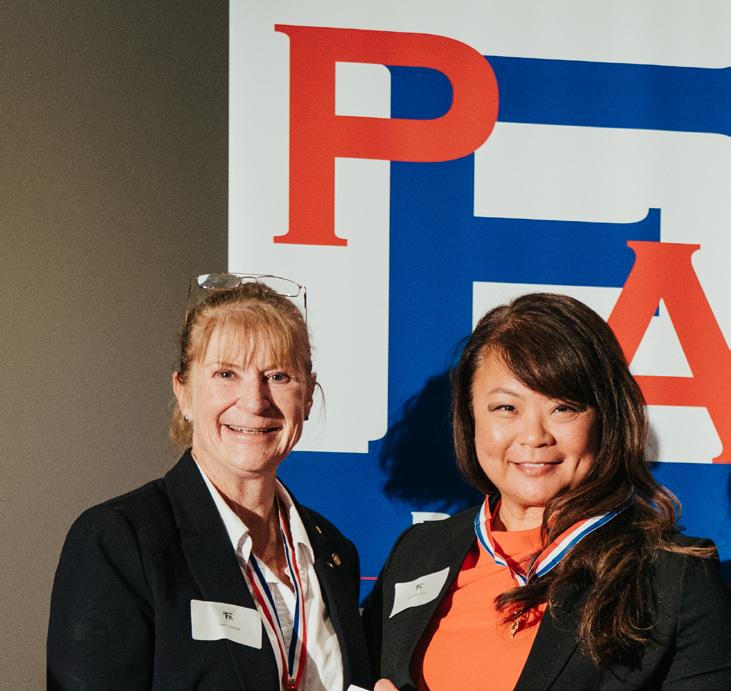
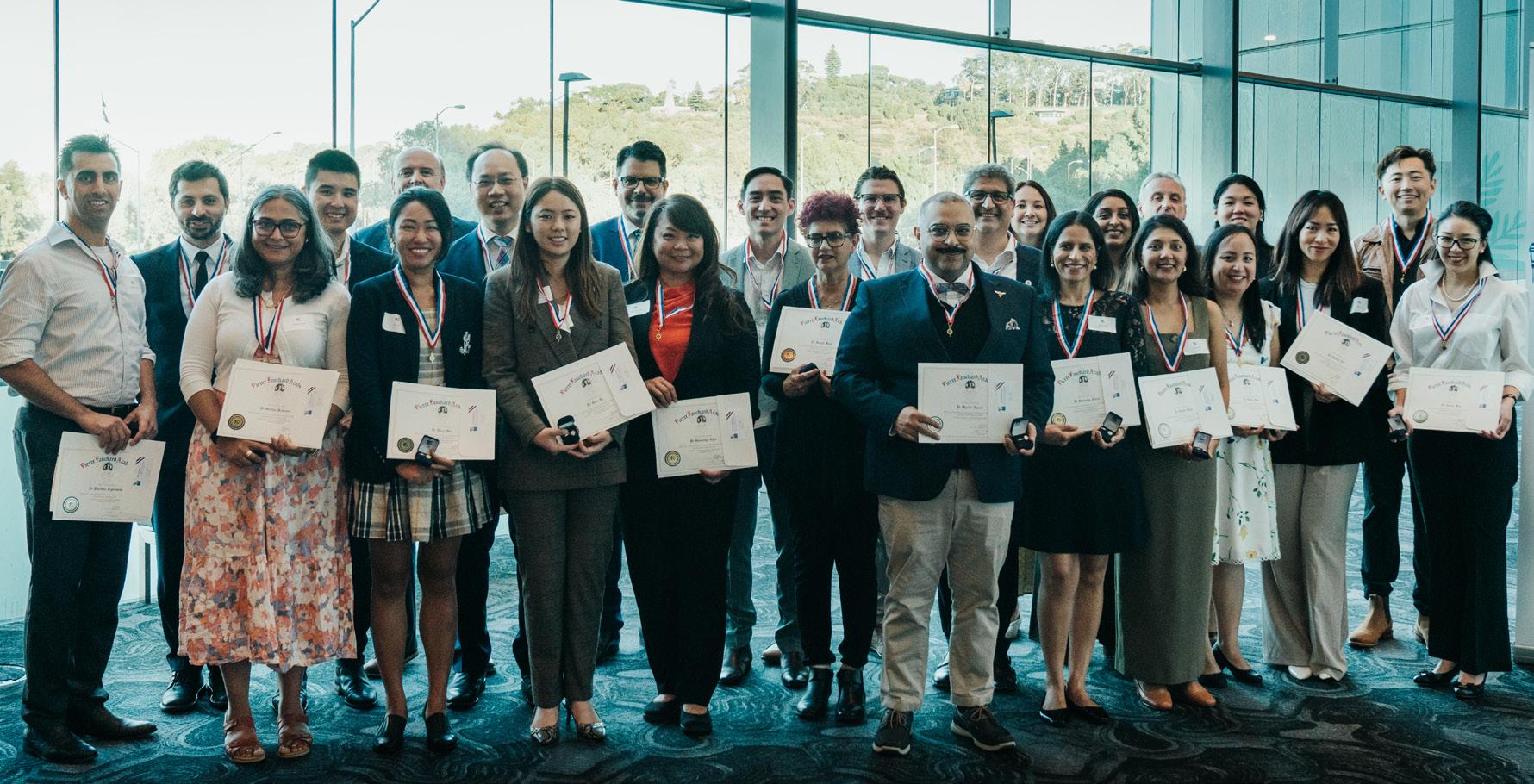
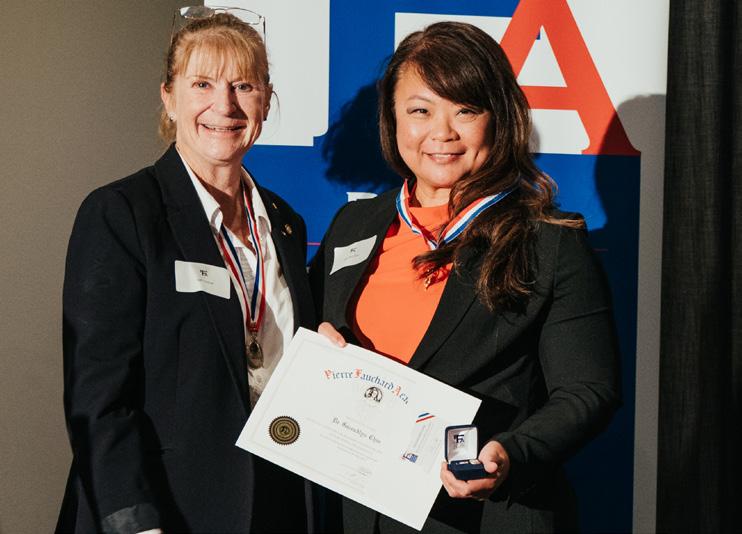
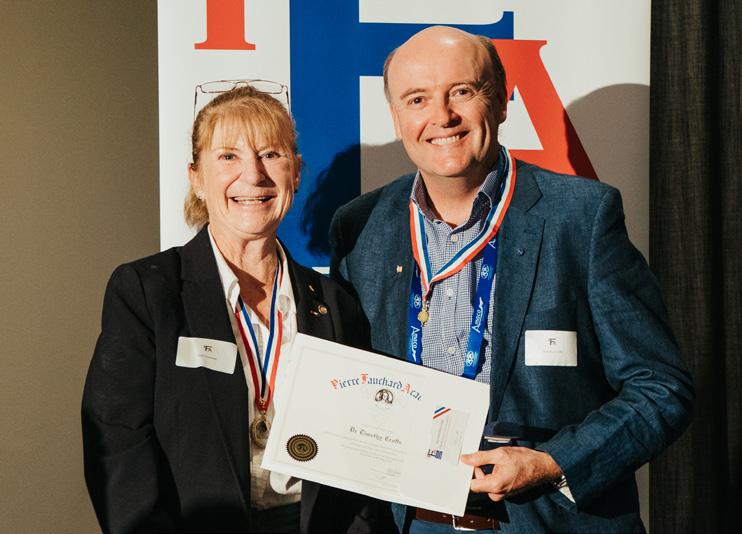
At the 2025 Congress, the following WA dentists were inducted as fellows: Drs Gwendlyn Chin, Timothy Crofts, Akshee Shah, Vincenzo Figliomeni, Justina Teo and Sonny Lee.
To nominate a colleague, the Pierre Fauchard Academy requires a CV and a completed nomination form available from the Pierre Fauchard Academy website, https://fauchard.org/sponsornomination-for-new-fellows/
member news
Dental Rescue Day
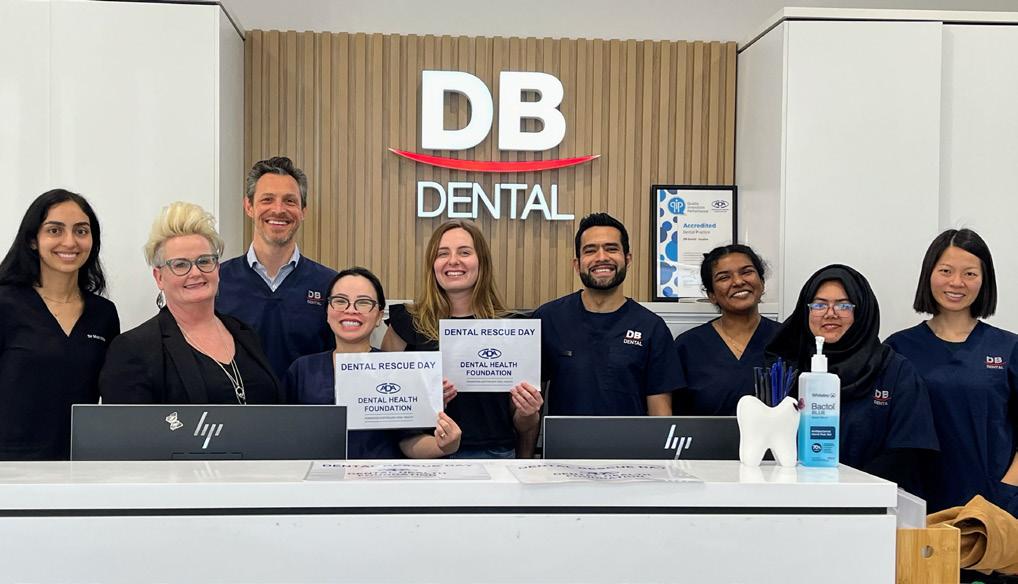
Thank you to the team at DB Dental Innaloo, who hosted their first Dental Rescue Half-Day last year. Thank you to Dr Chris Iles, Dr Lucy Beddows, Dr Masooma Hashimi and Dr Pavin Sura and their team, who treated 13 patients referred from Foundation Housing, CARAD, Rual Community Services, The Salvation Army and Workskil Australia.
Welcome to the Profession
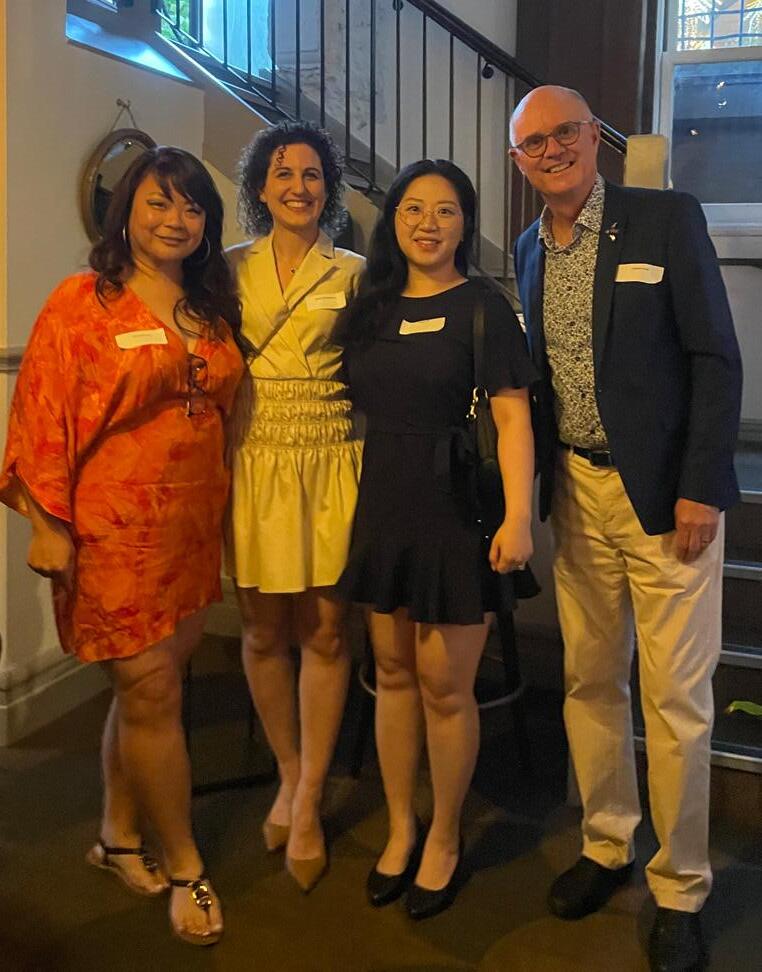
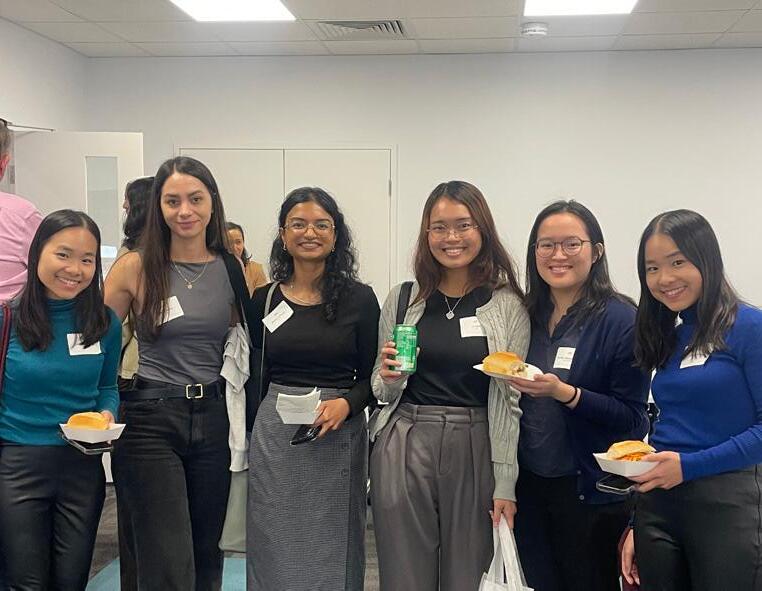
ADAWA hosted a dinner late last year to welcome WA’s newest dentists to the profession. The ADAWA team including President Dr Tim Crofts, Vice President Dr Janina Christoforou, Immediate Past President, Dr Gwen Chin and CEO Mr Trevor Lovelle, along with a group of respected dentists and specialists joined the new grads to share stories, advice and collegiality. The students also received a Year Book from ADAWA as a memory of their Dental School days.
Thank you to our Corporate Partners Smith Coffey and Medifit for sponsoring the event.
Young Dentists’ Conference
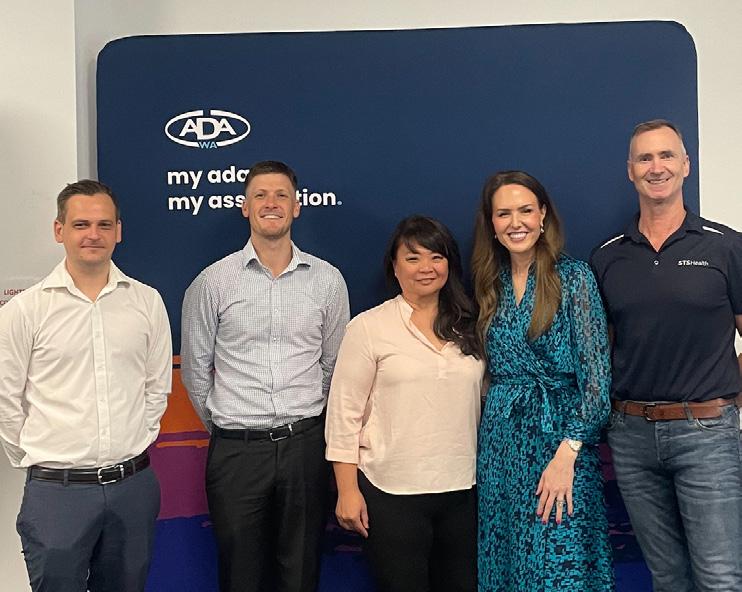
The 2025 New Practitioner Program finished with a bang with the Young Dentists’ Conference in November. Thank you to amazing speakers and our sponsors Panetta McGrath Lawyers, STS, and Smith Coffey. Also thank you to Dental Protection Limited Australia, as well as the organising committee for putting on such a great, free event for our members. And a big thank you to the enthusiastic attendees! Watch this space for another supportive and fun New Practitioner Program in 2026.
Congratulations My Implant Dentist
My Implant Dentist has been recognised amongst WA’s largest and top businesses, recently winning Medium Business of the Year at the WA Business News Awards and Customer Experience Excellence at the AIMS WA Pinnacle Awards.
Vale
Dr Peter Brand passed away in November. He practiced for nearly 30 years in Albany. Our sympathy goes out to his family and friends.
member news
Partner announcement
Oceanic Dental
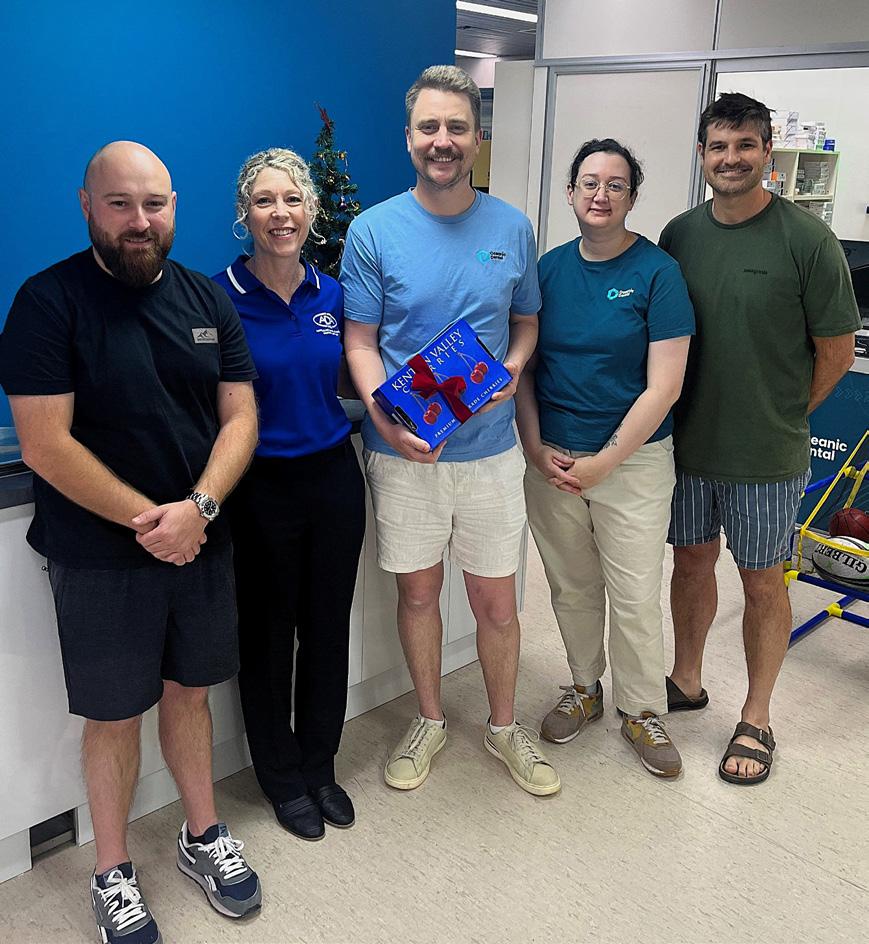
A huge thank you to Oceanic Dental – a long-term and ongoing supporter of the ADA Dental Health Foundation Program.
Oceanic Dental provides pro bono lab support and denture products for deserving patients in need.
Congratulations
Congratulations to the Central Great Southern Early Years Partnership (EYP) Dental Health Project team, who won the category for Best Practice in Health and Wellbeing, at the 2025 Institute of Public Administration Australia WA Achievement Awards.
After a fantastic year of partnership and collaboration in 2025, we are thrilled to announce that BOQ Specialist has renewed their partnership with ADAWA for another year.
BOQ Specialist has over 30 years of experience in dental finance, and offers a full range of finance products and services. We are looking forward to another great year with the BOQ Specialist team!
To find out more about BOQ Specialist, visit boqspecialist.com.au
WADA Golf Lake Karrinyup Country Club
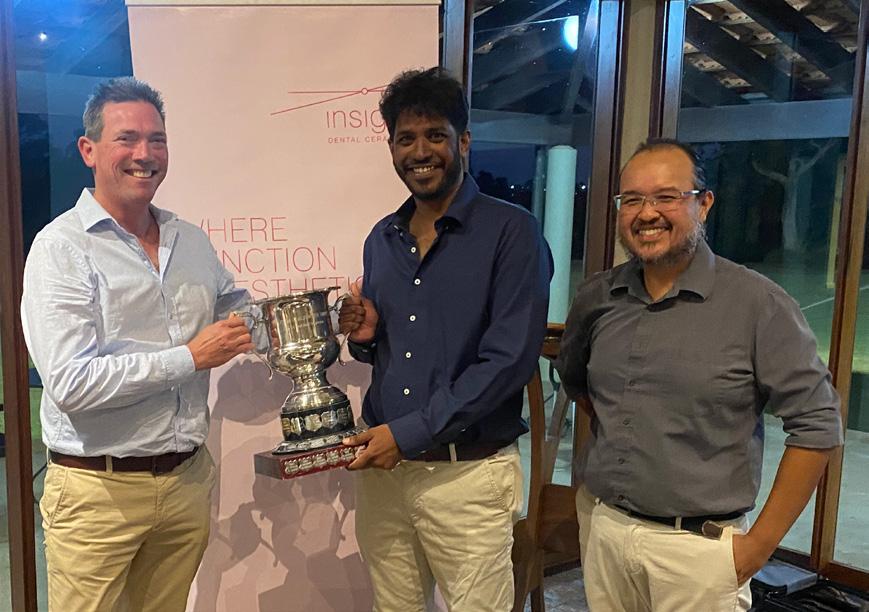
Our wind up for 2025 took us to Lake Karrinyup Country Club. Thanks to our major sponsor for the day, Angus Wilshaw and Andres Vivanco at Insight Dental Ceramics for hosting this event. Widely acknowledged as Perth's premier golf club, with a world class 18-hole championship course, featuring undulating fairways and lightningfast greens, it provided the perfect backdrop end our yearly competition. On this day, we had 27 participants in the field, with 2 competitions running concurrently.
The Lester Charlesworth Trophy is our annual 2 Ball Better Par event, and it came down to 3 teams who each had the same score of +6. On a count back, with a scintillating back 9 stretch, Michael Yuan and Naveen Mahendran came on top to win from Charles Angliss and Rooshab Malde.
Our final trophy presented is the Cec White Memorial Trophy, and is a points competition, taking into account all the rounds of the year. Previously it has come down to the wire - however this year’s winner just blew the field away. 2 wins and 4 placings through 9 rounds left him with double the points of the second highest competitor. Congratulations to Michael Welten for going back-to-back.
Novelty Prizes
Health Practice Brokers - Garry Bishop
Swan Valley Dental Lab - David Owen
Medpro Loan Solutions - Racheal Warne
Health Linc - Brad Potter
Med & Dent WA - Craig Botes
Insight Dental Ceramics - Andres & Angus
Individual Par Winner - Jun Liew
NAGA - Keenan Inderjeeth
Nearest the pin
3rd hole (Longest drive) Michael Welten
5th hole Richard Williams
8th hole Rooshab Malde
12th hole Michael Welten
15th hole Michael Whitford
17th Hole David Owen
WADA Golf has seen excellent growth in 2025 with many new members joining our events. In our stressful careers, having a monthly catch up to socialize has been a fantastic outlet to unwind.
I’d like to thank all the sponsors who have supported us this past year. Our 2026 fixture begins on the 20th of February at Hartfield Country Club.
Please direct all related enquiries to Paul Tan at dentistgolf@gmail.com. For more information on the fixtures, please connect with us on Facebook at the WADA Golf page.
Good golfing, Paul Tan
WADA Golf Captain
Professional notices
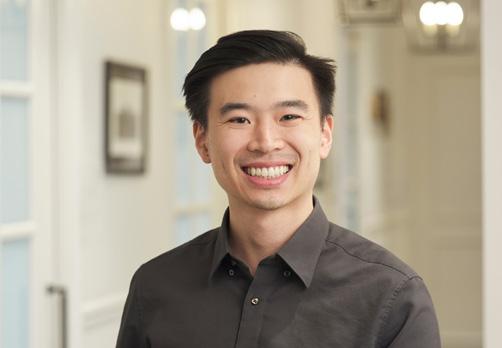
Dr Aaron Wong – New addition
Centre for Prosthodontics is pleased to welcome Dr Aaron Wong to our practice, commencing in February 2026. A proud West Australian, Dr Wong completed both his undergraduate dental degree and Doctor of Clinical Dentistry in Prosthodontics at UWA. He will be consulting at our South Perth location, bringing fresh expertise and a commitment to advanced restorative care to our community.
T (08) 9368 0888
E info@centreforpros.com.au
A 20 Lyall Street, South Perth W centreforpros.com.au
Dr Renae Alford - New addition
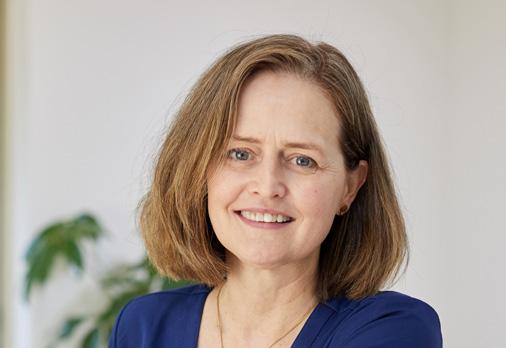
Western Oral Medicine Group is pleased to welcome Dr Renae Alford, joining specialist Dr Janina Christoforou. Dr Alford is committed to providing empathetic, patient-centred, and evidence-based care, with a strong focus on achieving optimal patient outcomes. She is now accepting referrals across the full scope of oral medicine.
T (08) 9257 8500
E admin@westernoralmed.com.au
A 47 Railway Parade Mount Lawley
A 182 Canning Rd Kalamunda W westernoralmed.com.au
Dr Lyndon Abbott – New addition
We’re delighted to share that Dr Lyndon Abbott has joined our paediatric dental team at Toothbuds. Dr Abbott brings a wealth of experience in paediatric dentistry, with a particular passion for preventive care and building trust with young patients and their families. His calm, empathetic approach and clinical excellence make him a wonderful addition to our values-led practice. Dr Lyndon is accepting referrals for our Canning Vale, Morley and Midland clinics.
Canning Vale (08) 6155 9899
Morley (08) 6155 9899
Midland (08) 6155 9899 W toothbuds.com.au
Dr Stephanie Chan – New addition
We are delighted to welcome Dr Stephanie Chan who is newest addition to The Endodontic Practice. Dr Chan will be taking new referrals. She is passionate about providing the best patient-centered care with a gentle and compassionate approach, and particularly enjoys working with children. Her expertise in advanced endodontic techniques, combined with a commitment to minimising discomfort and staying up-to-date with the latest innovations, ensures that patients of all ages receive the highest standard of care.
T (08) 6118 4567
E info@endopractice.com.au
A 811 Canning Highway, Applecross W endopractice.com.au
New orthodontic clinic
We are now taking bookings for our brand-new orthodontic clinic in Claremont. After many years as the only orthodontist in Albany, Dr Stewart Denize and his family have relocated to Perth where we are excited to serve the local dental community. Please consider giving us a try, we will look after your patients. Thank you!
T (08) 6288 7188
E hello@claremontorthodontics.com.au
A 7 / 355 Stirling Highway, Claremont W claremontorthodontics.com.au
Dr David Thean – New addition
It is with great pleasure that Dr Brent Allan would like to welcome Dr David Thean, Oral and Craniomaxillofacial Surgeon, to his team at Perth Oral and Maxillofacial Surgery. Dr Thean has recently returned from a craniofacial fellowship at Boston Children’s Hospital, one of the world’s leading institutions in paediatric craniofacial care. His advanced training has further deepened his expertise in the management of complex craniofacial conditions, cleft and craniofacial surgery, and global surgery. Dr Thean is accepting referrals relating to all oral and maxillofacial surgical and implantology needs of your patients.
T (08) 9388 3999
E reception@brentallan.com.au
A 26 McCourt, West Leederville W brentallan.com.au
Join us
General Meeting
Wednesday 4 March 2026
Wednesday 4 March 2026
Join us at the Annual General Meeting, with a lecture to follow by Oral and Maxillofacial Radiologist Dr May Lam on ‘Mastering the OPG’.
ADA House
54-58 Havelock St West Perth
6.15pm Eat and Meet
7.15pm Meeting Followed by Lecture
RSVP to adawa.com.au/adawa-general-meetings
RSVPs must be received one week prior to the General Meetings for catering purposes
Country members ONLY who would like to join via Zoom, please email: adawa@adawa.com.au
Directory
Premium Partners
Panetta McGrath Lawyers
We are excited to offer a member benefits program exclusive to ADAWA members. As a member of ADAWA, the member benefits program entitles you to an initial 30-minute consultation in person, by phone, or via video conference. ADAWA members are also eligible for a 15% discount on our standard hourly rates. ADAWA referral required pmlawyers.com.au
Medifit
Medifit is an award-winning dental design and construction company, providing a comprehensive solution for dentists and dental specialists looking to build new premises or renovate their existing practices. Established in 2002, the company has designed and built hundreds of successful practices across Australia from their Head office in Perth. Contact Medifit and get the practice you deserve. medifit.com.au
Smith Coffey
For over 50 years, Smith Coffey has specialised in providing financial services for dentists. We offer expertise in taxation, superannuation, mortgages, and personal risk insurance. Trust us to help you achieve financial freedom while you focus on patient care. Contact us today! smithcoffey.com.au
STS Group Australia
STS Group Australia is a family owned, WA business and industry leader in infection control and we have been serving the WA dental community for over 30 years. You’ll know us as Mocom Australia, offering a range of infection control and reprocessing equipment in Australia and New Zealand, STS Health, providing service and education throughout WA and STS Professional, manufacturer of infection control testing devices and related consumables. sts-group.com.au
BOQ Specialist
At BOQ Specialist, we understand that a highly personalised service is what dental professionals need. We offer a full range of finance products and services, tailored to your needs no matter where you are in your career. With over 30 years of experience in dental finance, our focus is on building long-term relationships with our clients so that you can make financial decisions that are right for you. boqspecialist.com.au
Commonwealth Bank
At CommBank Health, we’re focused on delivering financial services for Dental Professionals at every stage of their careers. Services designed to increase productivity and enhance the patient experience. Tailored banking by experienced Health Bankers ensure your ambitions are fully supported. Flexible lending and insights enable business growth, Smarter payments can unlock efficiencies. www.commbank.com.au/healthcare
We’re excited to announce the commencement of a new member service designed to support you through the complexities of dental practice. Meet your ADAWA Peer Advisor, Dr Tony Poli, here to provide confidential, professional guidance to fellow dentists.
How Dr Tony Poli Can Help You
As your Peer Advisor, Dr Poli offers confidential, one-on-one support to ADAWA members navigating professional challenges, including:
• Understanding AHPRA policies
• Interpreting DBA regulations
• Clarifying dental procedures
• Navigating Professional Indemnity Insurance
• Responding to Private Health Fund Audits
• Managing patient complaints
• and much more
Whether you’re facing a difficult situation or simply need a second opinion, Dr Poli is here to help – dentist to dentist.
Contact tony.poli@adawa.com.au or phone 08 9211 5600