ENGAGING THE NEXT GENERATION ACROSS QUEENSLAND UNIS

PI INSURANCE FOR NEW DENTAL PRACTITIONERS
INFECTION CONTROL GUIDANCE – WHAT YOU NEED TO KNOW
ENGAGING THE NEXT GENERATION ACROSS QUEENSLAND UNIS
PI INSURANCE FOR NEW DENTAL PRACTITIONERS
INFECTION CONTROL GUIDANCE – WHAT YOU NEED TO KNOW
Wellbeing initiative offers confidential one-on-one sessions for dentists and teams
EDITOR
Dr Paul Dever
EDITORIAL TEAM
Dr Kelly Hennessy
Dr Gary Smith
Ms Melissa Kruger
Mr Izak Jamieson
PRODUCTION
Published by the Australian Dental Association (Queensland Branch)
CONTACT
28 Hamilton Place Bowen Hills Qld 4006
PO Box 611, Albion Qld 4010 Phone: 07 3252 9866
Email: adaq@adaq.com.au
Website: adaq.org.au
ADVERTISING KIT
Information on advertising, deadlines and artwork specifications are available in the ADAQ Advertising Kit: adaq.org.au/advertising
GRAPHIC
Mr Martin Howard
DISCLAIMER
ADAQ Dental Mirror is published for the information of Members only and is not for general distribution. Copyright is reserved throughout. No part of this publication may be reproduced in part or whole without the written consent of the publisher. This publication is for the purpose of promoting matters of general interest to Members of the Association. The views expressed in this magazine do not necessarily reflect the views and policies of ADAQ or ADA. Publication of advertisements for products or services does not indicate endorsement by ADAQ. All material is positioned and published at the discretion of ADAQ.
CHAIR
Dr Kelly Hennessy
DEPUTY CHAIR
Dr Paul Dever
IMMEDIATE PAST PRESIDENT
Dr Jay Hsing
DIRECTORS
Dr Carl Boundy (Regional Queensland)
Dr Grace Sha (South East Queensland)
Dr Jelena Vlacic (Skills-based)
Mr Glen Beckett (Skills-based)
Dr Peter Jorgensen (Regional Queensland)
Dr Albert Tran (South East Queensland)
Dr Rachael Milford (Regional Queensland)
ADAQ SUB-BRANCHES
Bundaberg Dr Paul Dever
Cairns Dr Brian James
Gold Coast Dr Alexander McDonald
ADAQ COMMITTEES
Awards and Honours Committee
Convenor: Dr Kelly Hennessy
Volunteering in Dentistry Committee
Convenor: Dr Jay Hsing
Ipswich Dr Andrew Wong
Kingaroy Dr Man Chun (Simon) Lee
Mackay Dr Raghu Channapati
Policy, Advocacy and Advisory Committee
Convenor: Dr Norah Ayad
Rockhampton Dr Chloe Sturgess
Sunshine Coast Dr Peter Jorgensen
Toowoomba Dr Phoebe Fernando
DR KELLY HENNESSY
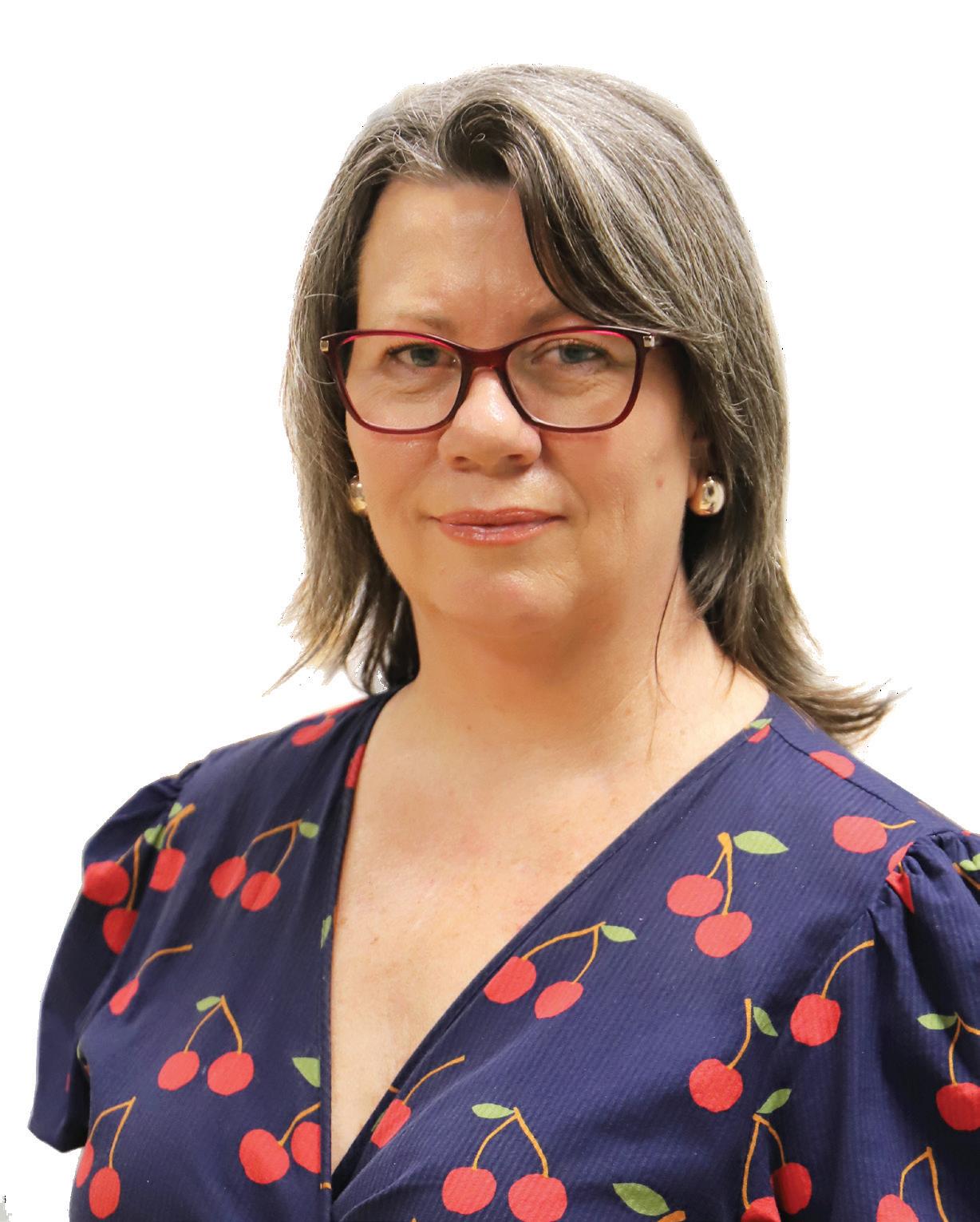
It is with great pride that I write to you in this edition of our Dental Mirror. As we move toward the end of the year, there is much to celebrate, much to prepare for, and much to look forward to as an association and as a profession.
Dentistry, at its heart, is about service and connection, to our patients, to one another, and to the broader community. The past few months have reminded me how essential these connections are, and I am excited to share several important updates with you.
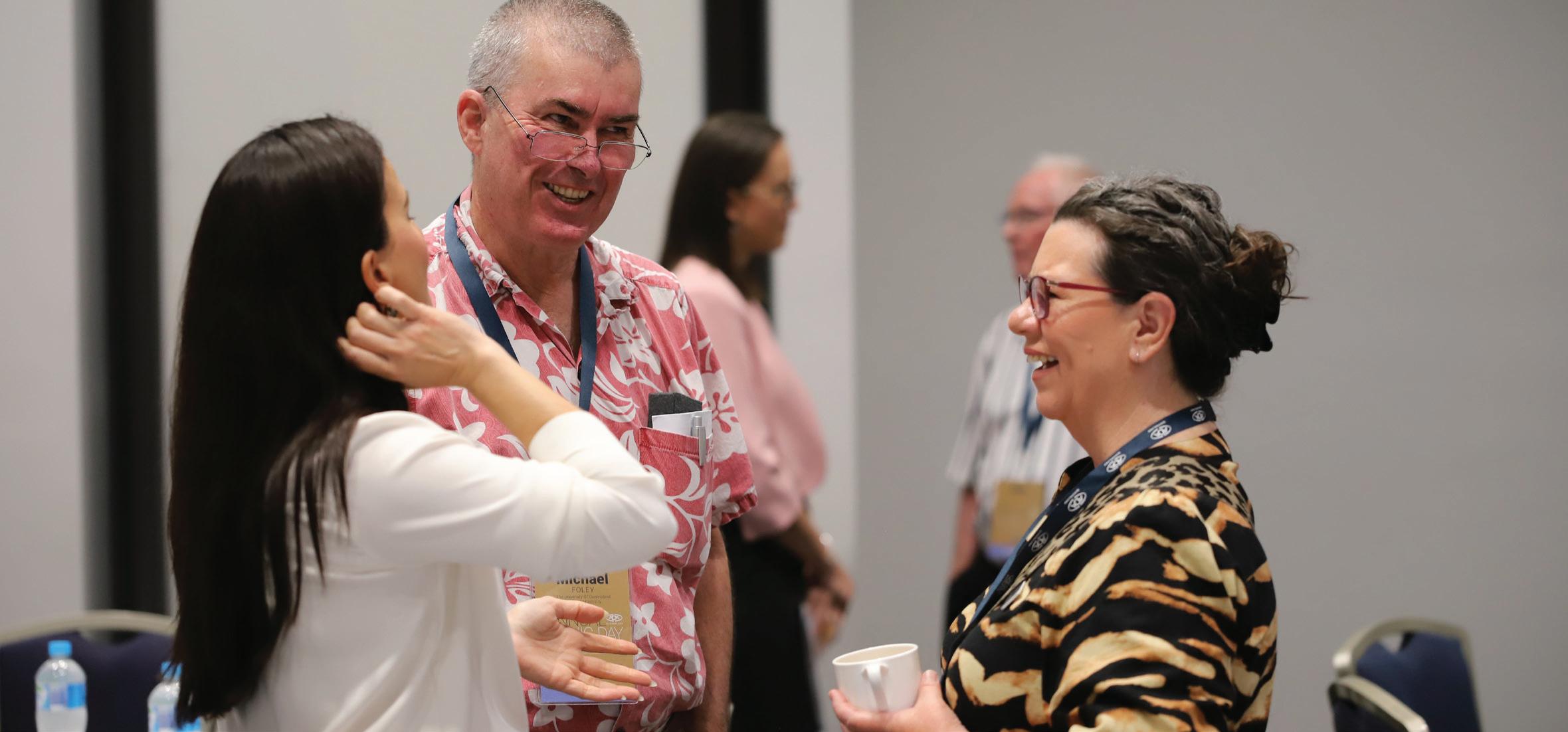
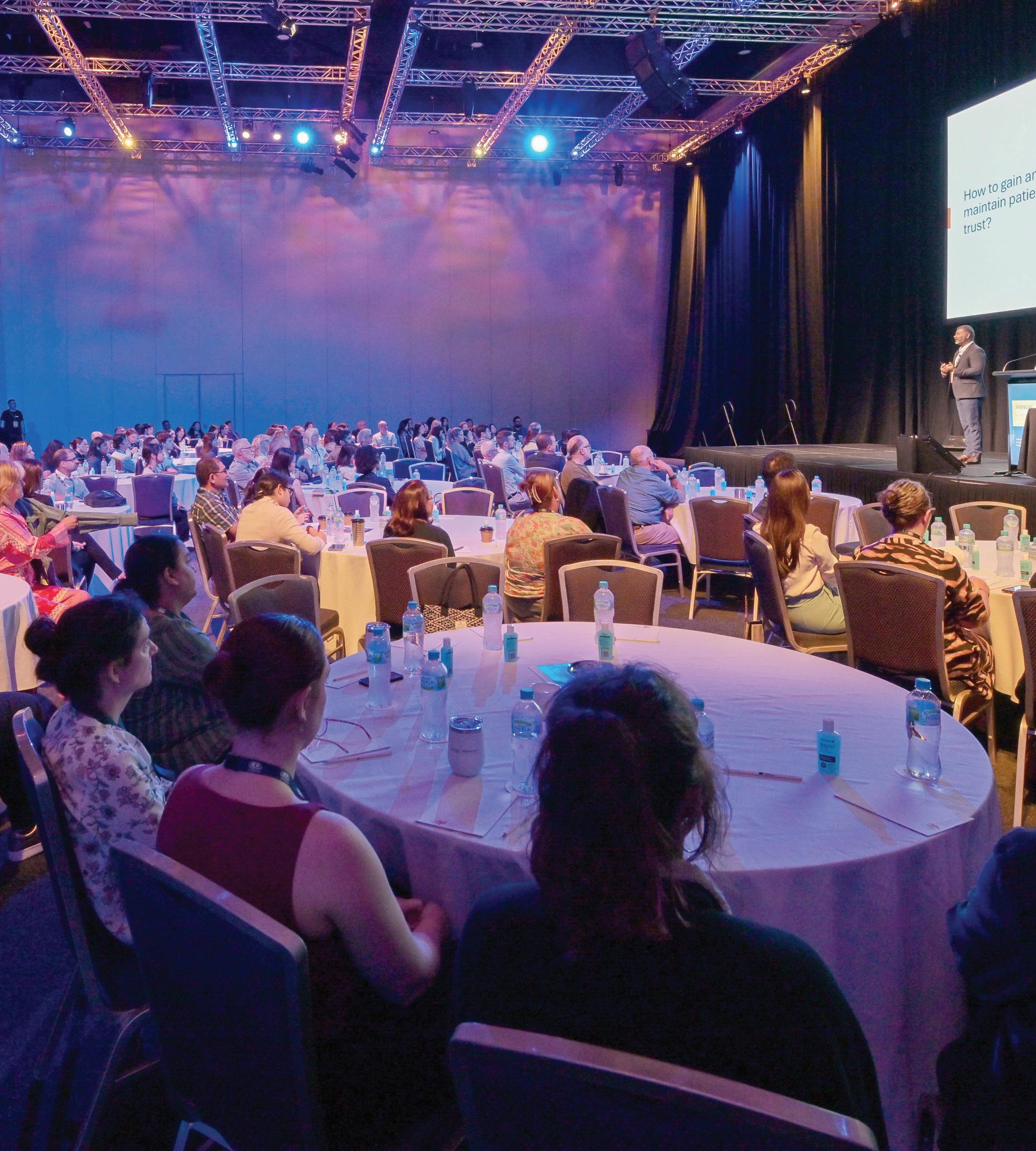
One of the most anticipated events on our calendar is our annual Clinic Day, which is now fast approaching. Each year, this flagship event brings together dentists, students, academics, and industry partners for a day of professional growth, networking, and shared celebration of dentistry.
Clinic Day is more than just CPD; it is an opportunity to immerse ourselves in the very best of our profession. This year’s program is shaping up to be particularly rich, with a wide variety of CPD sessions designed to strengthen both clinical knowledge and practical skills. From cutting-edge clinical sessions to specialised streams and future focussed innovations, there will be something for every practitioner, whether you are just starting out or have decades of experience.
Equally important are the opportunities Clinic Day offers to reconnect with colleagues, meet new peers, and be reminded of the collaborative spirit that makes dentistry in Queensland so strong. For students and early career dentists, it is also a chance to see firsthand the breadth of professional pathways available, and to feel welcomed into the wider professional community.
I warmly encourage all members to attend, not only for the educational value but also for the sense of belonging and professional renewal it brings.
As many are aware, we are approaching the end of the current CPD triennium. Compliance is not just a regulatory obligation, it is part of our commitment to providing safe, high-quality care to our patients. Lifelong learning is essential to professional growth and adaptability, and CPD ensures that we remain current in our practice and confident in our ability to deliver the highest standard of care.
At ADAQ, we are proud to support our members in meeting these obligations. Over the course of this triennium, we have delivered an extensive CPD program across a wide range of topics, formats, and delivery modes, from in-person workshops to online webinars. Our aim is to make CPD as accessible and relevant as possible, regardless of where you live or the stage of your career.
Clinic Day is more than just CPD; it is an opportunity to immerse ourselves in the very best of our profession.
As we approach the final months of the triennium, I encourage all members to review the CPD opportunities available through ADAQ. Whether it’s attending an upcoming course, joining Clinic Day, or completing an online session, there is still plenty of time to finalise your hours.
Looking beyond the triennium, we are also taking steps to refresh our CPD program with the guidance of the ADAQ CPD Advisory Panel. This group of experienced practitioners and educators is working closely with us to ensure our future CPD offerings are contemporary, relevant, and aligned with the evolving needs of the profession. Their insights are helping shape new directions, refine content delivery, and ensure that ADAQ remains the leading provider of dental CPD in Queensland.
This quarter also marks an important transition for ADAQ with the appointment of our new Chief Executive Officer, Ben Stockwin. Leadership changes of this nature are always significant, as they bring both continuity and renewal.
Ben joins ADAQ with a strong background in association leadership and a demonstrated passion for supporting professionals through education, advocacy, and community engagement. His vision aligns with our mission to be the trusted voice of dentistry in Queensland, and his appointment signals the beginning of a new chapter for our organisation.
I have no doubt that Ben will bring fresh perspectives, energy, and a collaborative spirit to his role. At the same time, he inherits the strong legacy of his predecessors, and the dedicated work of our staff and volunteers who ensure the success of ADAQ’s initiatives. I look forward to working closely with him and the Board as we
continue to strengthen our services, expand our influence, and build an even more supportive professional community.
To help shape our future, we will soon begin a series of membership surveys and member journey mapping projects. These initiatives will provide us with valuable insights into how ADAQ can best support you across every stage of your career. Your feedback will directly inform our strategic priorities and ensure that our services reflect the needs and aspirations of our diverse membership.
Ben joins ADAQ with a strong background in association leadership and a demonstrated passion for supporting professionals
Please join me in welcoming Ben to the ADAQ family. I encourage you to connect with him in the months ahead as he embarks on this important role.
This December marks an exciting first for ADAQ, the launch of our Graduate Breakfasts for fifth-year dental students. While we have long supported students during their studies, this is the first time we are formally bringing them together at the very end of their university journey to celebrate, connect, and prepare for the transition into professional life.

Graduation is both an ending and a beginning. It represents years of dedication, learning, and perseverance, while also opening the door to the responsibilities and opportunities of practice. The Graduate Breakfasts will serve as a bridge between these two worlds, giving students the chance to meet association representatives and understand the support available to them as they begin their careers.
What excites me most about this new initiative is the spirit of welcome it embodies. Entering the profession can be daunting, but being greeted by peers and mentors in a supportive setting helps new graduates feel grounded and confident. For ADAQ, this is not just a symbolic gesture, it is a demonstration of our ongoing commitment to walk alongside dentists from the very first step of their professional journey.
I encourage all members to celebrate this milestone with us. By sharing our experiences, offering encouragement, and welcoming our newest colleagues into the profession, we help ensure that dentistry in Queensland continues to thrive, innovate, and connect across generations.
Another exciting development is the launch of our new Rural Practitioner Peer Support Service. We know that dentists working in regional and remote areas often face unique challenges, from professional isolation to limited access to specialised advice. This new initiative provides our regional members with the opportunity, when required, to seek general guidance from a peer in a specialised area of practice.
president@adaq.org.au THE
Currently, members can access support in Endodontics and Oral and Maxillofacial Surgery, with a complimentary 30-minute discussion (per membership year) available to help answer general queries and provide practical insights to support everyday general practice.
By connecting rural practitioners directly with peers in specialised fields, this service strengthens professional confidence, fosters collegiality, and ensures that location is never a barrier to receiving timely, relevant support. It is another way ADAQ is working to ensure that all members, regardless of where they practise, feel supported and connected to the broader dental community.
As we move into the final quarter of the year, I am filled with a sense of optimism and gratitude. Clinic Day offers us a chance to learn, share, and reconnect. The end of the triennium reminds us of the importance of lifelong learning and professional responsibility. The appointment of Ben Stockwin as CEO heralds a new chapter of growth and renewal for ADAQ. And the upcoming Graduate Breakfasts remind us that the future of dentistry is in capable, enthusiastic hands.
Each of these milestones reflects what makes our profession so remarkable: our commitment to excellence, our dedication to service, and our sense of community. As your President, I am deeply honoured to serve alongside you and to represent the collective strength of our members.
Thank you for your ongoing commitment to your patients, your colleagues, and your profession. I look forward to seeing many of you at Clinic Day and to celebrating the successes of the year together.

Elevate your skills in dental procedures, patient care, and practice management. This nationally recognised qualification is ideal for experienced dental assistants aiming to broaden their scope and take on greater responsibilities within the dental team.
Enhance your expertise in infection control, oral health promotion, and clinical photography. Develop competencies in implementing individualised oral hygiene programs and taking impressions for study models. This course builds upon the foundational skills acquired in Certificate III, preparing you for specialised roles in dental assisting.
• Expand your professional capabilities – Gain advanced skills to support complex dental procedures.
• Flexible online learning – Study at your own pace while working in your dental practice.
• Expert tutor support – Guidance from experienced dental professionals throughout your course.
• Nationally recognised qualification – Gain credentials respected across the industry.

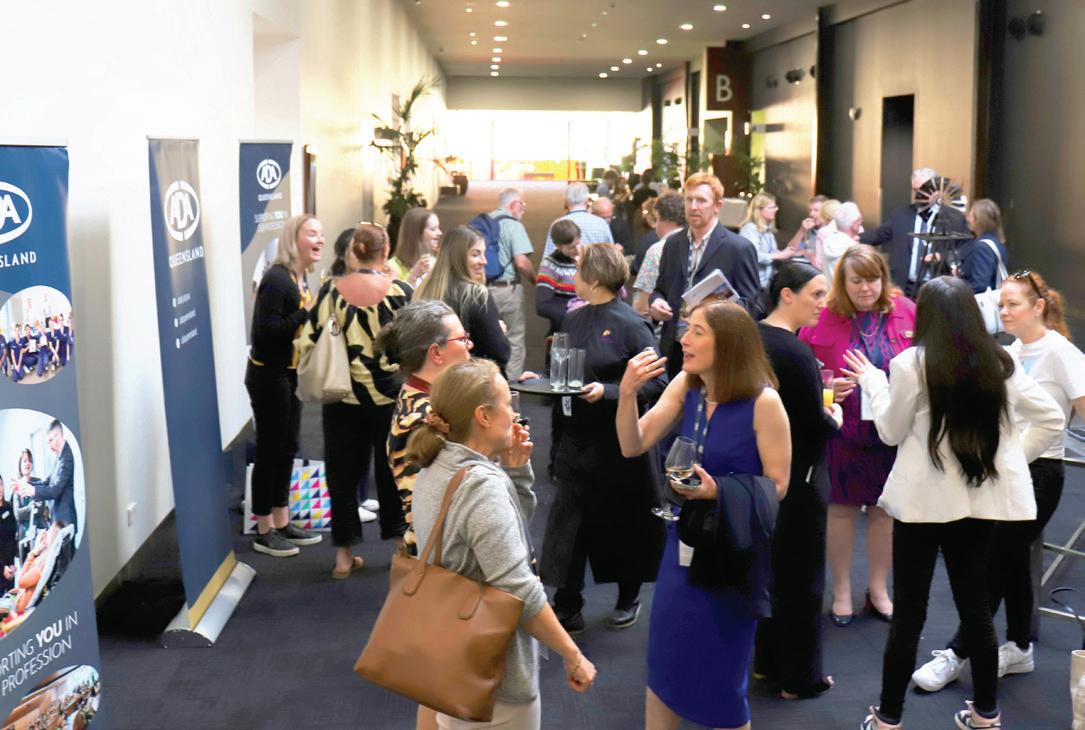
Across Queensland, ADAQ Sub-Branches connect members, deliver CPD, celebrate achievements, and build resilient professional communities—highlighted by Rockhampton’s standout Clinic Day.
Across Queensland, ADAQ Sub-Branches play a vital role in connecting members, delivering education, and building professional community. These local networks provide opportunities to learn, collaborate, and support one another, ensuring members can access meaningful engagement no matter where they are based.
This year has been an especially active and inspiring one, with a diverse calendar of dinners, meetings, educational sessions, and networking events across the state. From celebrating milestones to advancing clinical expertise, Sub-Branches have demonstrated once again how essential they are in nurturing a strong and resilient dental profession.
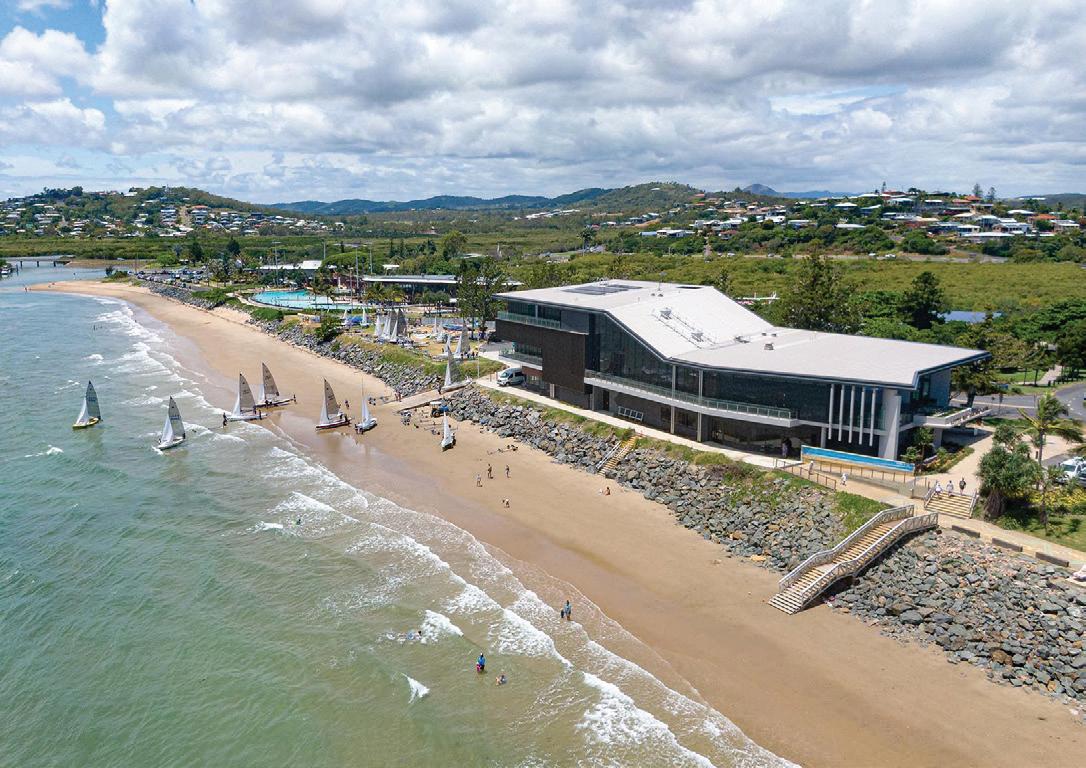
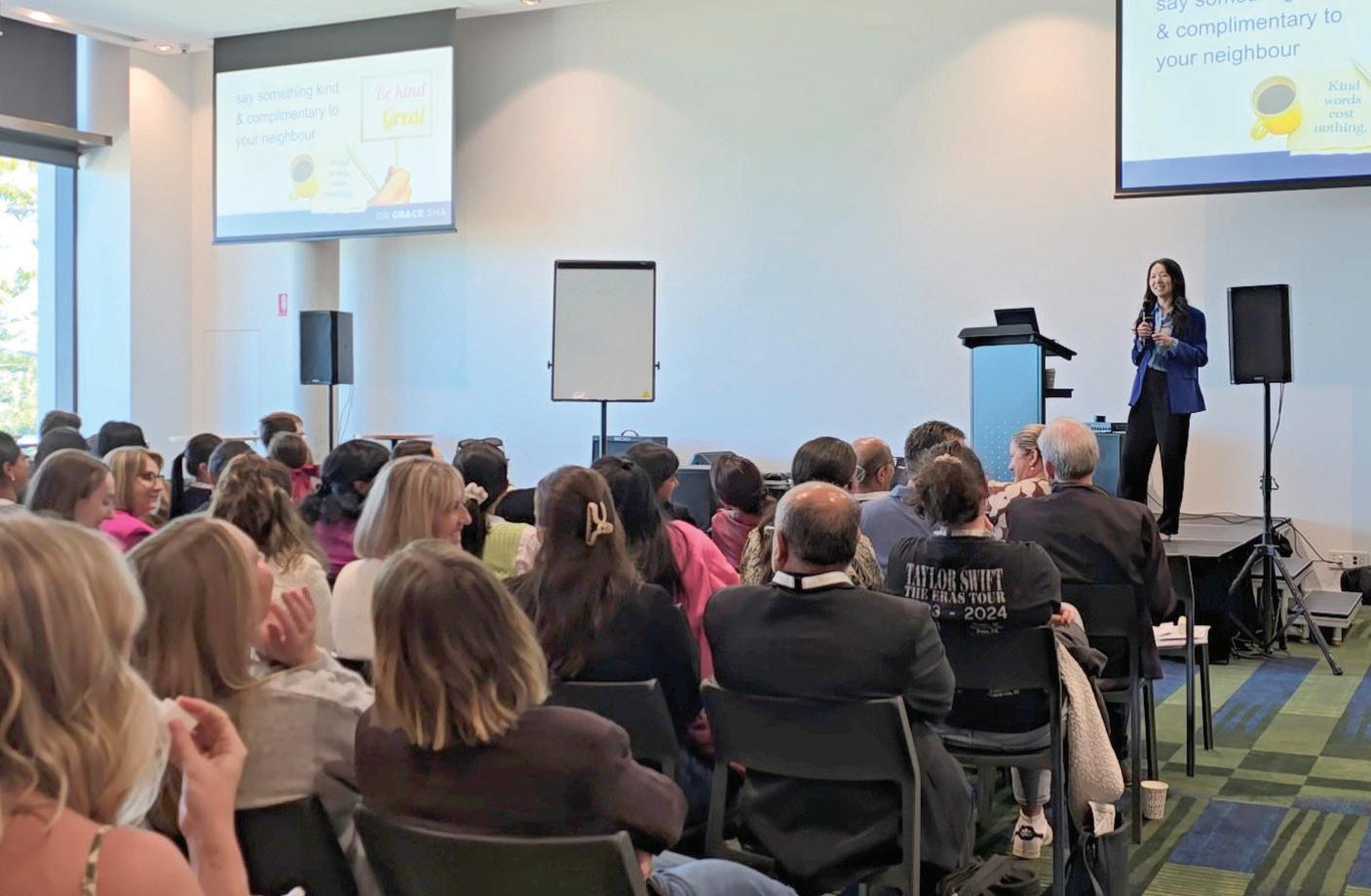
The Rockhampton Sub-Branch delivered one of the most comprehensive educational programs of the year with their recent re-invigorated annual conference. Members gathered for a full schedule of presentations covering a wide range of topics relevant to modern practice. The event struck an excellent balance between clinical training, team culture, and inclusivity. Highlights included:
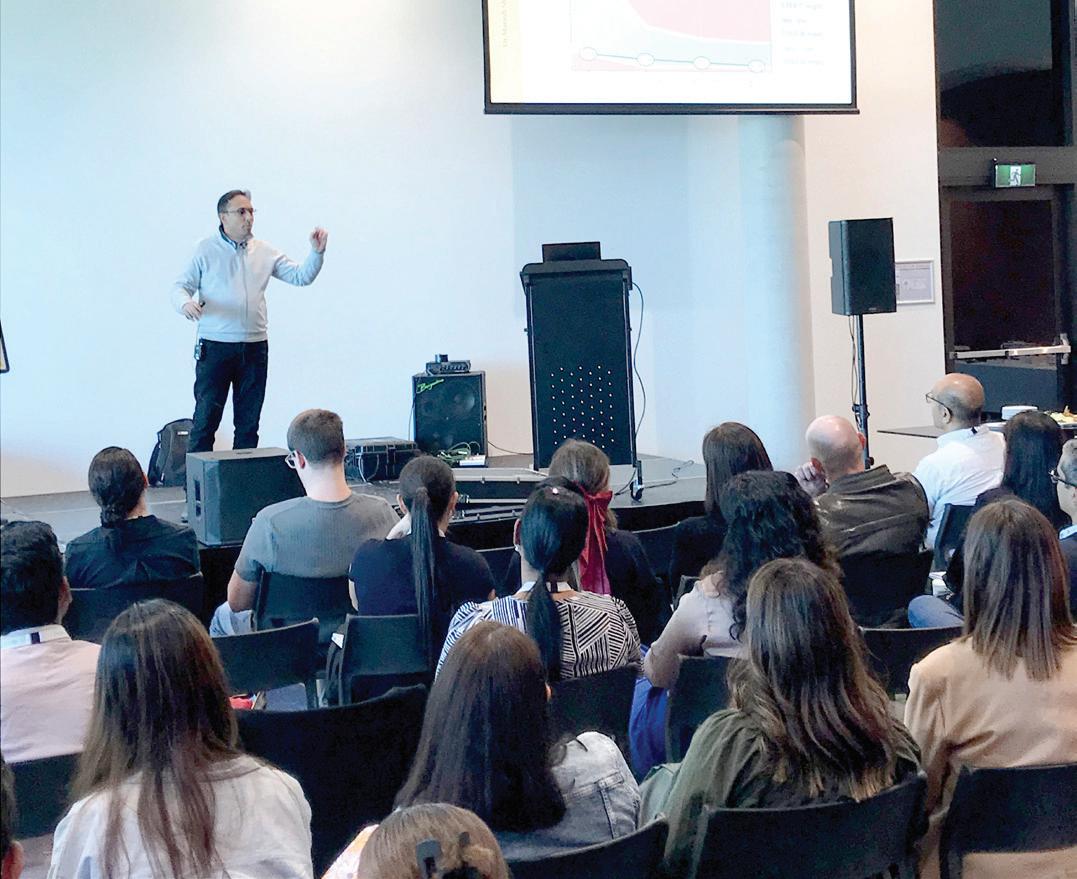
• Systematic and Practical Approach to TMD and Sleep Disorders – Dr Manish Shah provided members with a
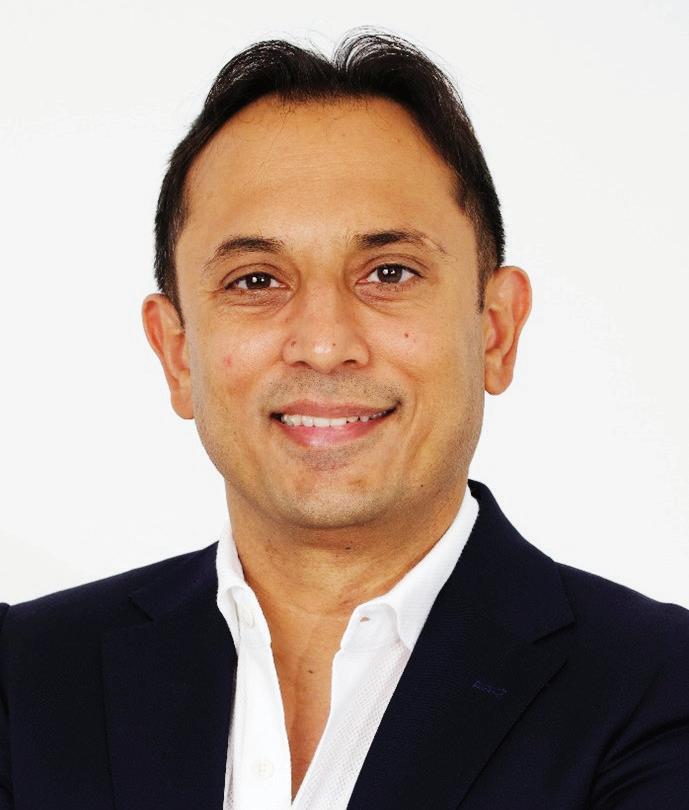
clear, structured approach to diagnosing and managing temporomandibular disorders and sleep-related conditions, giving practical tools that can be applied immediately in clinical practice.
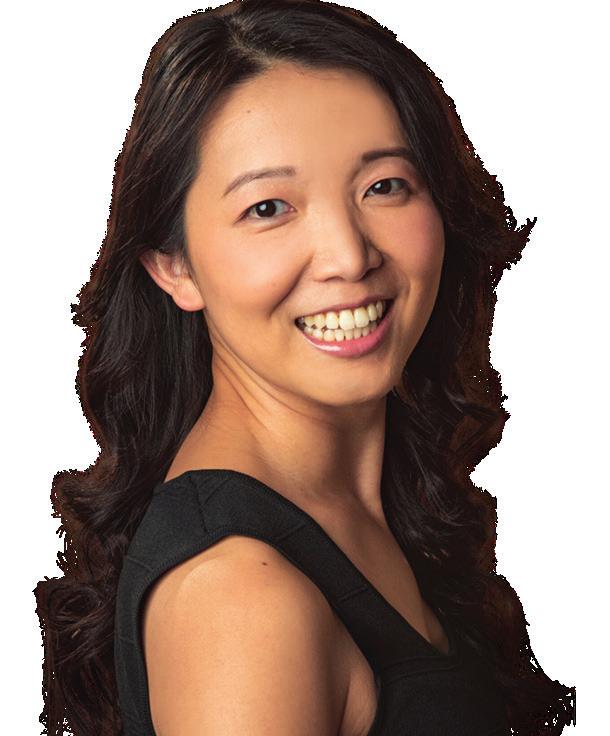
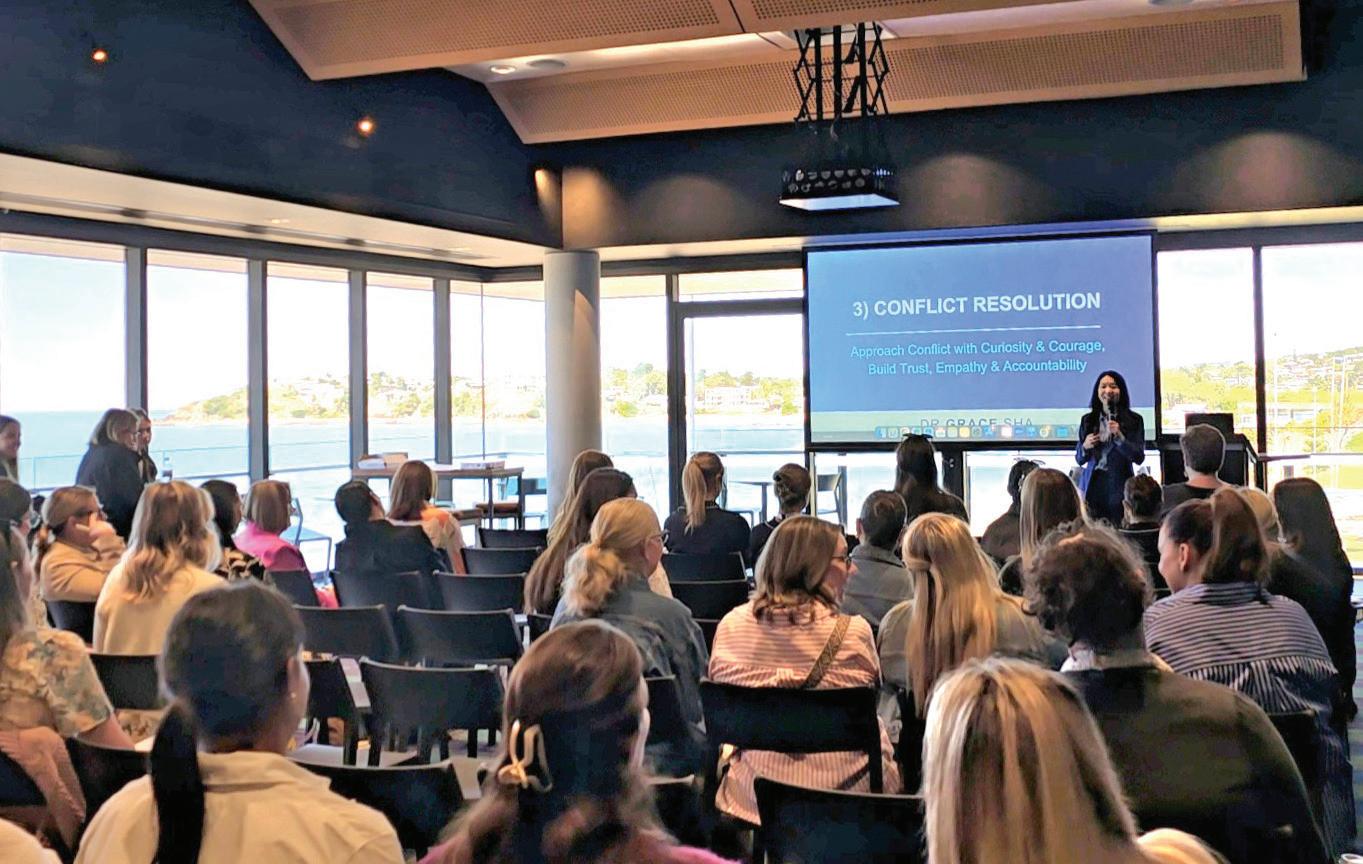
• Rejuvenating Dental Team Culture – Dr Grace Sha shared insights into building and maintaining a strong workplace culture. Her presentation emphasised how leadership and communication are key to staff satisfaction, retention, and overall practice success.
• Understanding the Use of Surgical Handpieces for Surgical Extractions – Dr Gregory Peek offered a detailed, handson perspective on how to maximise safety and efficiency when using surgical handpieces, ensuring members gained confidence in this important skill set.
• Infection Control Updates – ADAQ staff member Davina Barker delivered a session on current infection control requirements and best practices. The presentation reinforced ADAQ’s commitment to keeping members up to date with evolving compliance standards.
• ADA Federal HR Topics – Ilana Kaye explored key human resources considerations for dental practices, including compliance, employee engagement, and workplace relations, ensuring members had a strong grounding in the HR aspects of practice management.
• Getting to Know the Oral Health Therapist (OHT): Their Role and Impact in Dental Practices – Karen Smart provided a thoughtful presentation on how OHTs contribute to modern dental teams, and how their skills can be leveraged to improve patient care and practice efficiency.
• Effective Ways to Make Your Practice Accessible to LGBTQ+ Patients and Staff – Dr Chloe Sturgess closed the program with a powerful talk on inclusivity. She highlighted practical strategies for ensuring dental practices are welcoming and accessible, both for patients and for members of the dental workforce.
The Rockhampton Clinic Day was a resounding success, offering not only high-quality CPD but also fostering collegiality and professional pride. Attendees walked away with fresh insights, practical tools, and a renewed sense of connection to the profession.
At the heart of every Sub-Branch is a dedicated President who provides leadership, direction, and support for members in their region. These individuals play a crucial role in shaping the professional and social life of their local communities.
• Bundaberg – Dr Paul Dever
• Cairns – Dr Brian James
• Gold Coast – Dr Alexander McDonald
• Ipswich – Dr Andrew Wong
• Kingaroy – Dr Man Chun (Simon) Lee
• Mackay – Dr Raghu Channapati
• Rockhampton – Dr Chloe Sturgess
• Sunshine Coast – Dr Peter Jorgensen
• Toowoomba – Dr Phoebe Fernando
We extend our gratitude to each of these leaders for their dedication and service. Their efforts ensure that ADAQ members across Queensland remain connected, supported, and inspired.
As we look toward the remainder of the year and beyond, ADAQ Sub-Branches will continue to provide essential opportunities for professional development, peer connection, and celebration of our shared achievements. Whether through large clinical days,
milestone celebrations, or informal dinners, Sub-Branches remain at the heart of ADAQ’s mission to support members in every stage of their careers.
We encourage all members to take part in their local Sub-Branch activities, share their expertise, and contribute to the growth of their professional community. Together, we are stronger, and together, we celebrate the ongoing success of dentistry across Queensland.
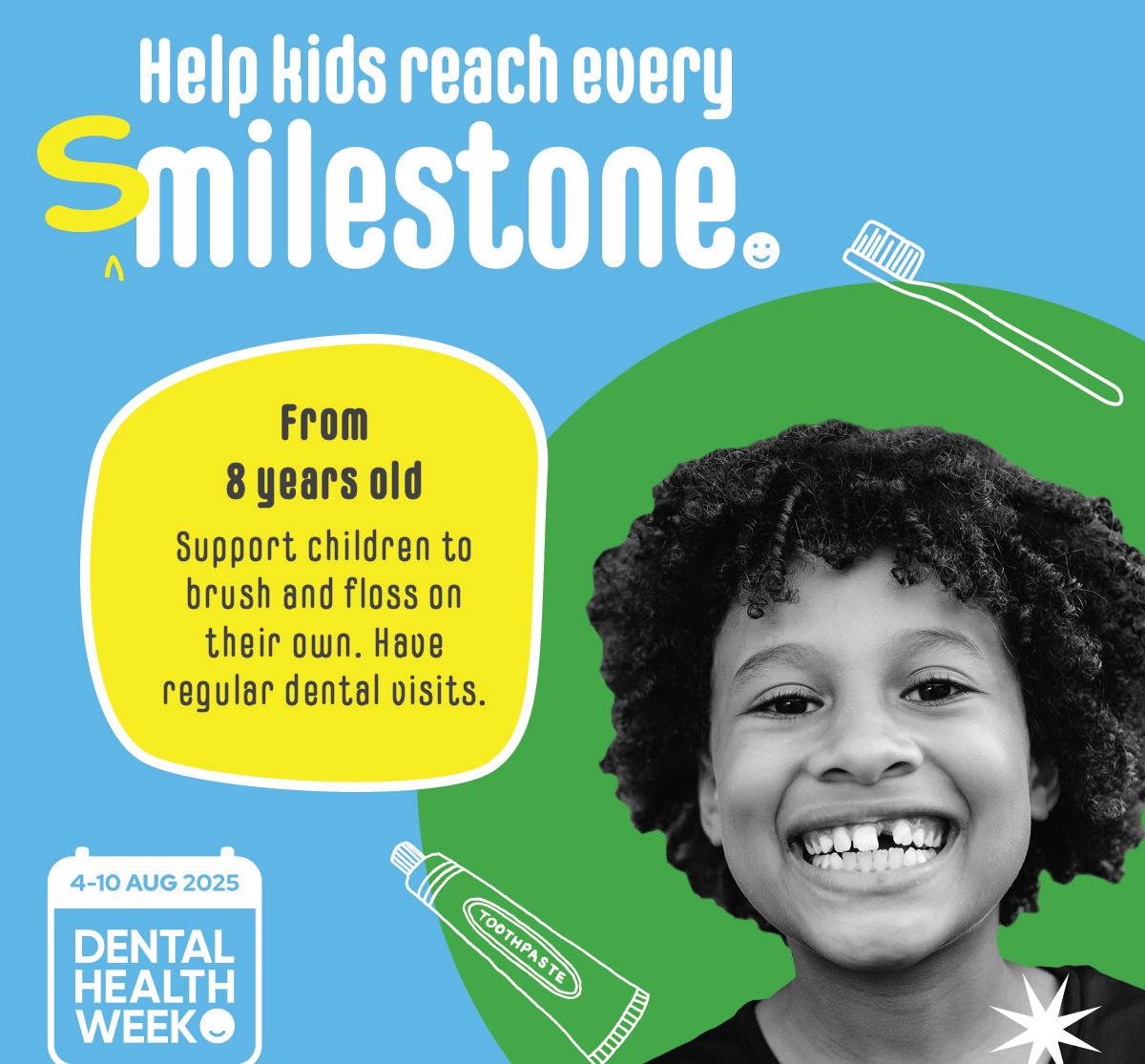
Dental Health Week is an annual event dedicated to promoting oral health and raising awareness about the benefits of good dental hygiene. In 2025, the focus was on helping children reach every S-milestone, encouraging young Australians to take small but meaningful steps toward better oral health.
Across Queensland, schools, workplaces, and local councils embraced the initiative with engaging activities, from interactive demonstrations on brushing and flossing to talks on diet and dental care. The enthusiasm shown by communities highlighted the collective commitment to healthier smiles.
At ADAQ, we were proud to support these activities. Our member dentists, dental teams, and volunteers delivered educational resources, hosted sessions, and provided practical guidance to patients of all ages. Their dedication reinforced the importance of regular dental check-ups and empowered communities to take control of their oral health.
We extend our sincere thanks to everyone who contributed to this year’s Dental Health Week. From dental professionals volunteering their time to families and individuals embracing the health messages, your participation ensures that oral health remains a priority throughout the year.
Dental Health Week is more than a series of events—it’s a chance to reinforce the message that oral health is vital to overall wellbeing. The knowledge shared and habits encouraged will continue to benefit communities long after the week has ended.
Looking ahead, ADAQ remains committed to supporting initiatives that promote oral health and engaging with communities across Queensland. Together, we are creating a healthier future, one smile at a time.
ADAQ was pleased to participate in the PBC Baby Expo, held at the Brisbane Convention & Exhibition Centre. This premier event brought together expectant and new parents from across Queensland, offering a unique opportunity to engage with families on the importance of early oral health.
During the two-day event, ADAQ provided evidence-based guidance on caring for young children’s teeth, including advice on teething, brushing techniques, and the timing of dental checkups. Our presence highlighted the significance of establishing healthy habits from the earliest stages of life and reinforced our commitment to promoting oral health across the community.
It was inspiring to see the enthusiasm and commitment of parents and caregivers in taking proactive steps toward supporting their children’s dental health.
We extend our sincere appreciation to the ADAQ members and volunteers who generously contributed their time and expertise, ensuring families received accurate and practical information in a welcoming environment. Your dedication reflects the association’s ongoing commitment to community education and professional service.
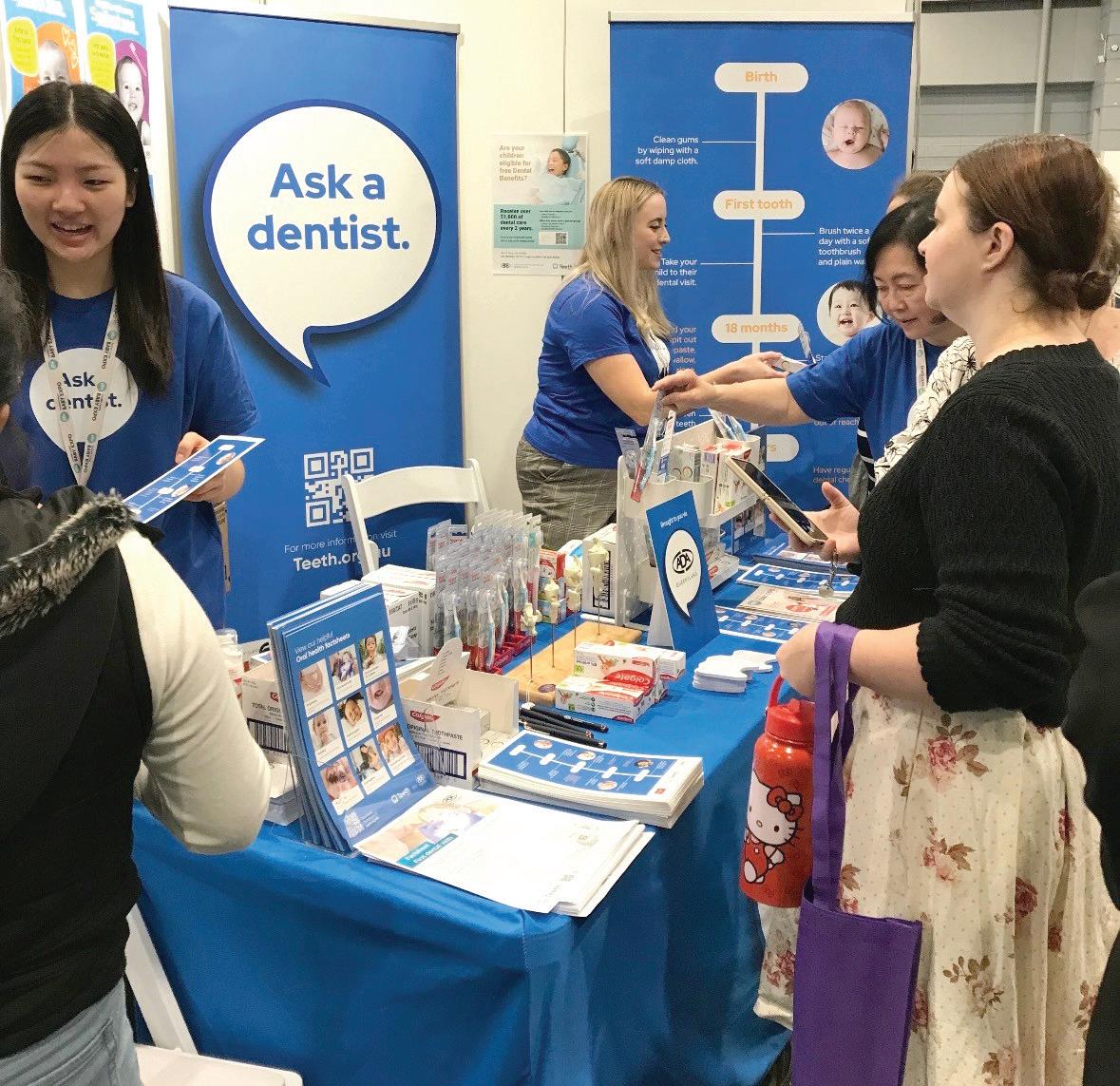
Participation in events such as the PBC Baby Expo underscores the critical role that ADAQ plays in fostering oral health awareness and supporting Queensland families. We thank everyone who visited our stand and engaged with our team, and we look forward to continuing to promote healthy smiles throughout the state.
June 3 marked 12 months since the Just 4 Kids Children’s Charity Paediatric Dental Program assisted with our first patient. In that first year, the program provided $23,500 in support, helping cover either dental or hospital costs for 20 children and relieving the financial burden for 20 families.
These patients have ranged in age from 3 to 15 years of age, from Airlie Beach, Gladstone and Rockhampton to Monto and Toowoomba, Sunshine and Gold Coast, Brisbane and even one little girl from Perth. We have covered planned treatment, urgent treatment as the result of immediate trauma and hospital costs, sometimes at an hour’s notice.
There is a general thought that primary (baby) teeth are not worth spending money on, as they’re going to eventually fall out. However, primary molar teeth remain in use until a child is 12-14 years old. Primary teeth also play important roles in facial development and in a child’s speech, their ability to eat and to guide permanent teeth into the correct position. A healthy smile also promotes confidence and better mental health.
Patients who are very young, in pain or have sensory issues may find dental surgery overwhelming. So sometimes the only option is to refer these children to a Paediatric Dental Specialist where, most of the time, treatment is performed under a general anaesthetic in hospital.
We are working with six paediatric dental specialists whose patients are very grateful for the assistance the charity has provided.
“Just 4 Kids is an incredible charity that has made a profound difference in the lives of our patients. By funding urgent paediatric dental treatments, they’ve provided critical care for children who otherwise might not have access to it.
We’ve seen first-hand how their support transforms smiles and changes lives, and we are deeply grateful for the invaluable help they offer to families in need,” said Dr Tim Keys, Children’s Dental Centre Minyama.
Our mission is to bridge the gap for those who fall between public waiting lists and private treatment costs, so that no child suffers unnecessarily due to financial barriers.
Earlier this year, charity supporters were in Monto and met
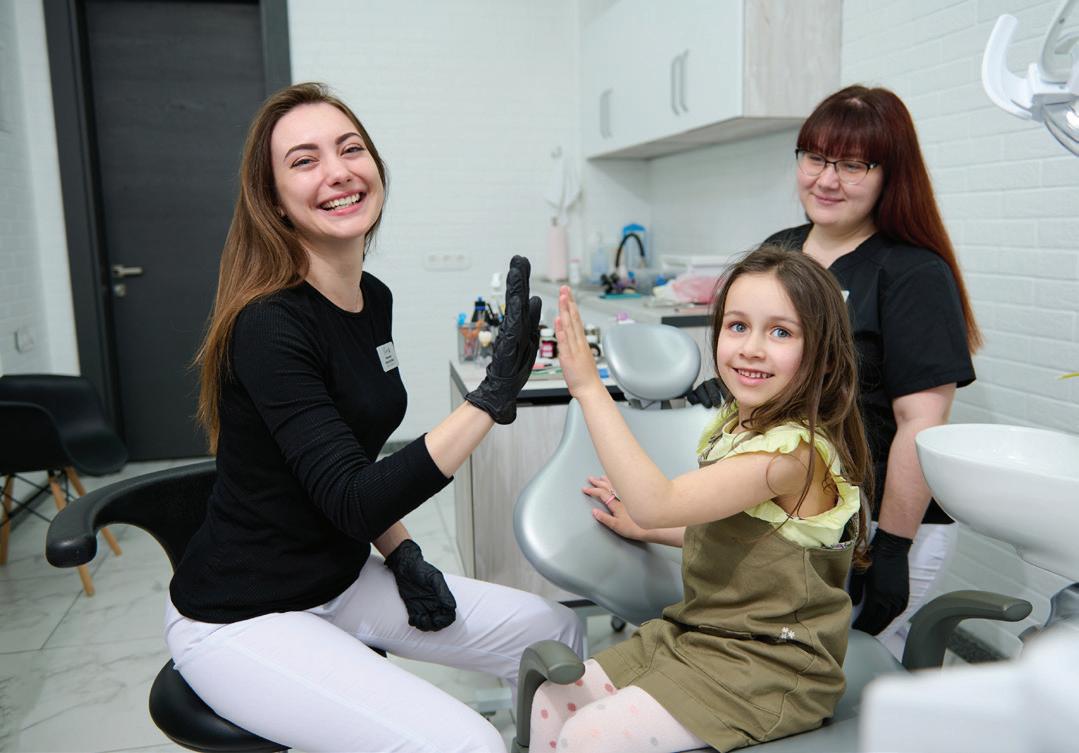
Just 4 Kids is not just funding dental work – we’re helping to restore childhoods, reduce parental stress and create healthier futures
the Vao family, whose son Meziah was one of the children our Paediatric Dental Program helped. Mum Courtney made herself very vulnerable by explaining to our group (and then her local newspaper) why they needed the financial assistance of the charity.
“We applied for a payment plan, credit card and bank loan and we didn’t qualify for anything. The dental practice then mentioned the charity and I just burst into tears at the thought there was possibly some help. After writing a small letter to the charity, I received a phone call from the dental practice saying Just 4 Kids would help and that the dental practice would heavily discount the balance of the treatment,” said Courtney. Meziah had seven
teeth removed, along with space maintainers and stainless-steel crowns inserted.
15-year-old Harlin is another case Just 4 Kids assisted with after he had a wakeboarding accident and knocked a permanent top front tooth clean out a week before school went back in January. This emergency treatment was out of the financial reach of his mum as she had not worked for over 12months while being treated for breast cancer.
Crissi, the practice manager from Bolsover Dental in Rockhampton sent this lovely message:
“We’d like to extend our heartfelt thanks to the incredible team at Just4Kids for stepping in at the very last minute to support one of our young patients recently. When little Frankie’s muchneeded dental procedure under general anaesthetic was on the verge of cancellation due to financial barriers, Joanne went above and beyond to make sure it went ahead. Thanks to this support, Frankie is now out of pain and back to enjoying the things every child should—without the burden of toothache. The phone call to her parents, letting them know she would get the treatment she needed, was deeply emotional for them and for our staff—who felt, just for a moment, like Oprah delivering life-changing news. To all the generous supporters of Just4Kids, please know that your donations truly change lives. You made a real and lasting difference to one little girl and her family, and for that, we are so grateful.”

Through this support, Just 4 Kids is not just funding dental work – we’re helping to restore childhoods, reduce parental stress and create healthier futures.
So how can you help children like Meziah and Harlin or Ari, Siena, Noah, Frankie and the other kids?
Visit our website - Just 4 Kids | Australian Children's Charity–find our beautiful tooth-fairy and make your donation. Whether it be a one-off donation or if your generosity stretches to becoming an on-going supporter, you can be sure that this money goes to children in need.
We thank you in advance for your support. All donations $2 and over are tax-deductible.
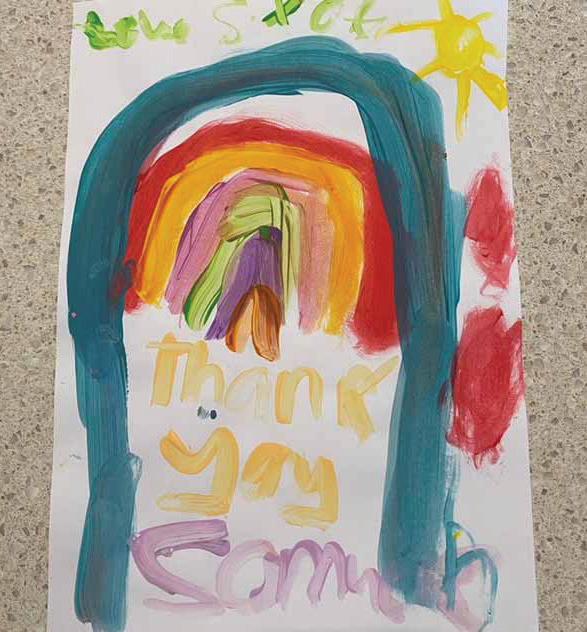
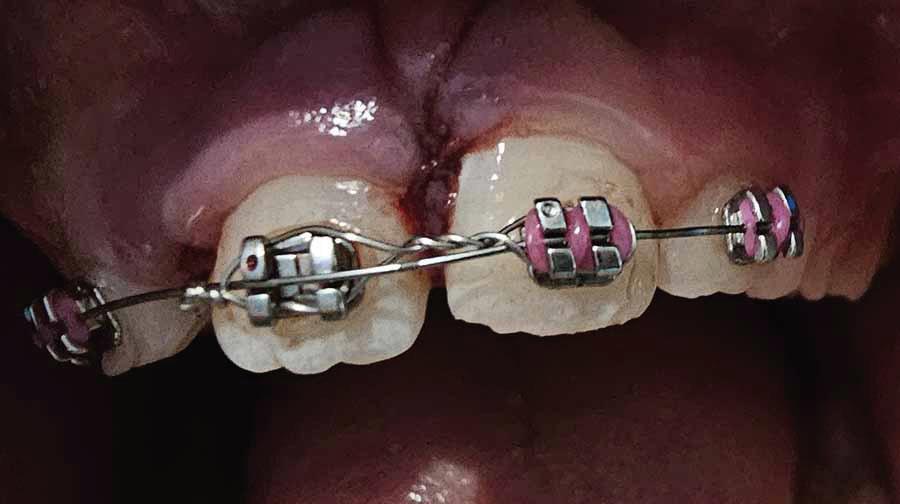
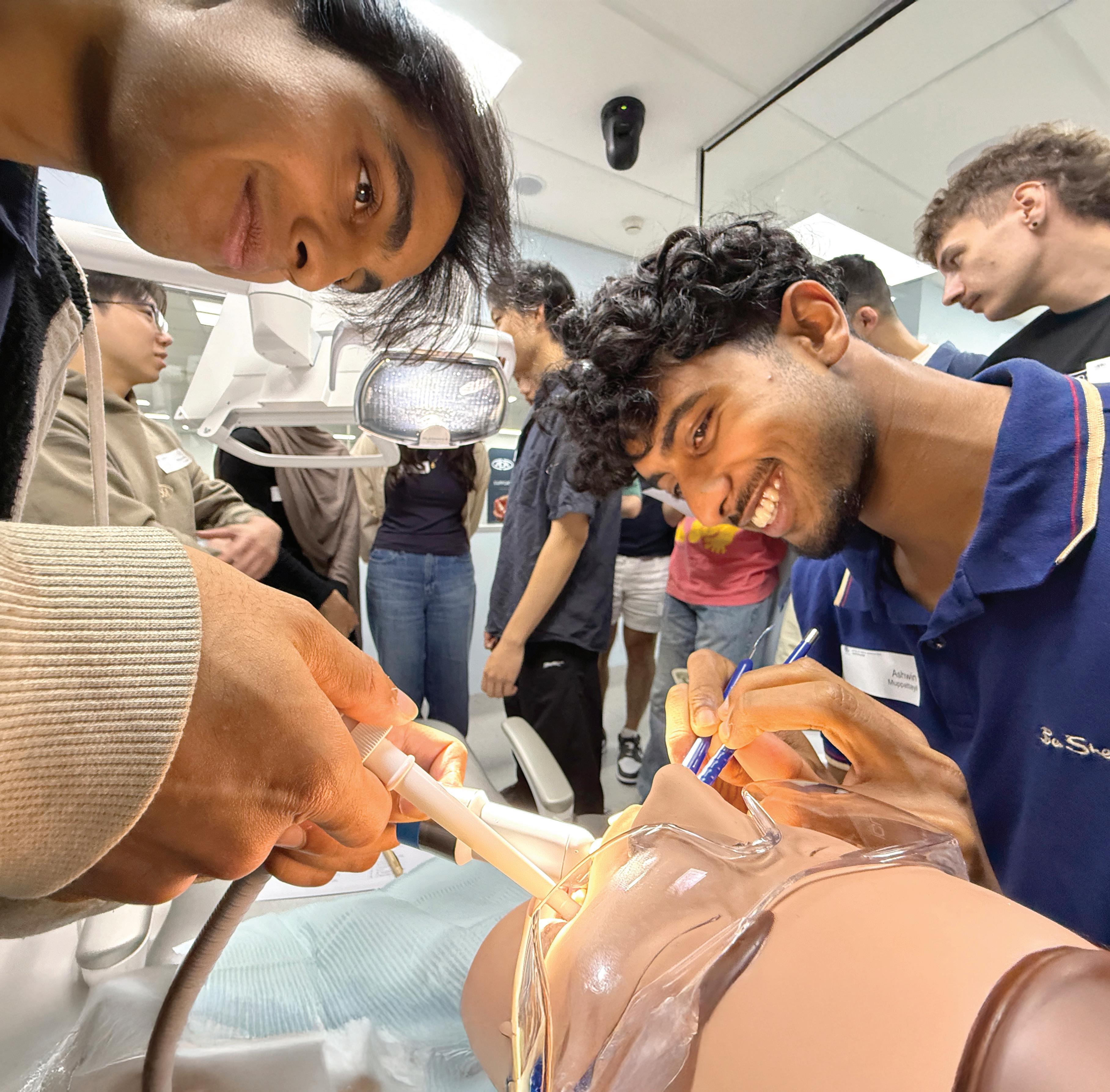
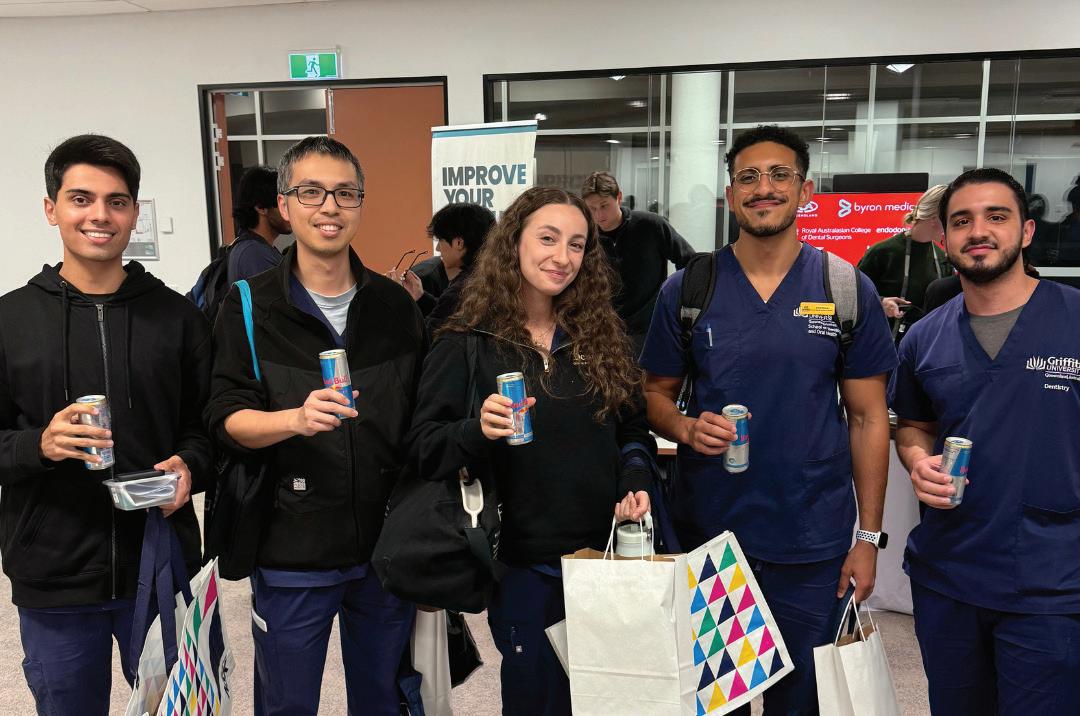
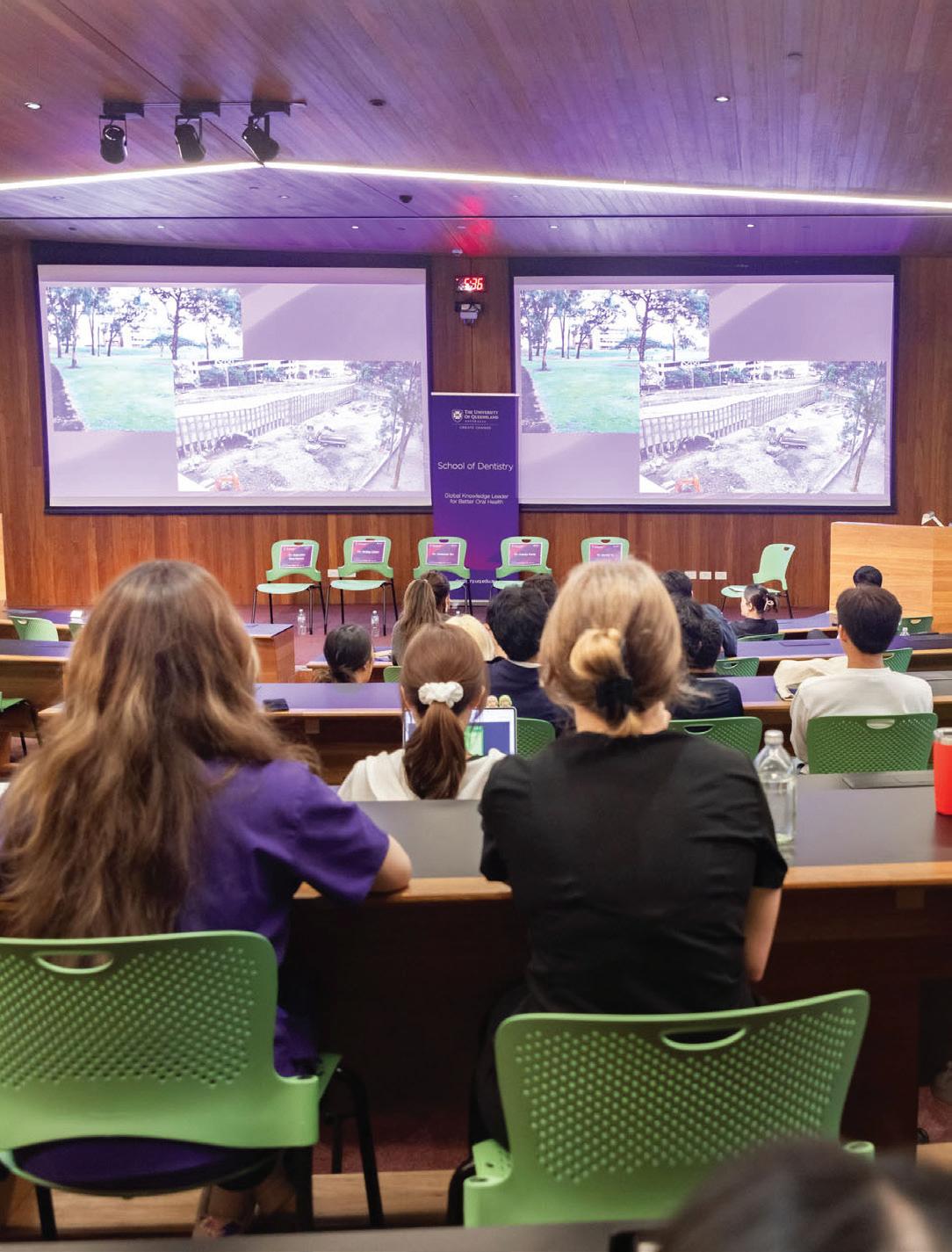
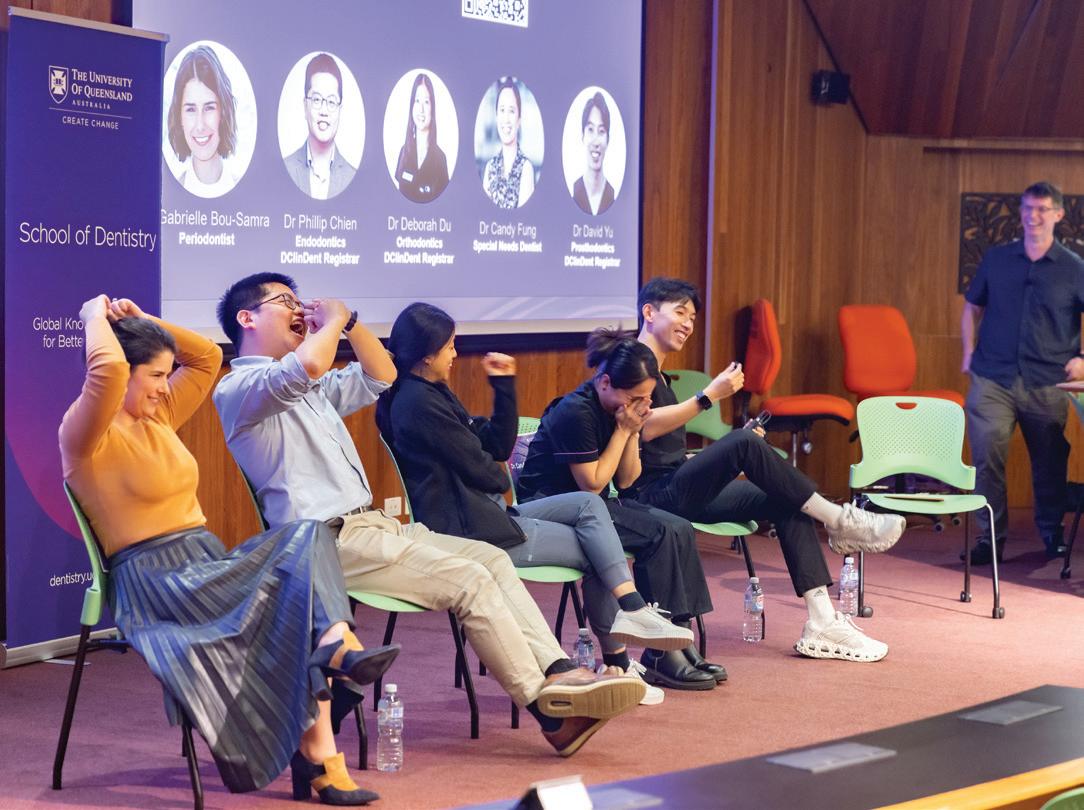
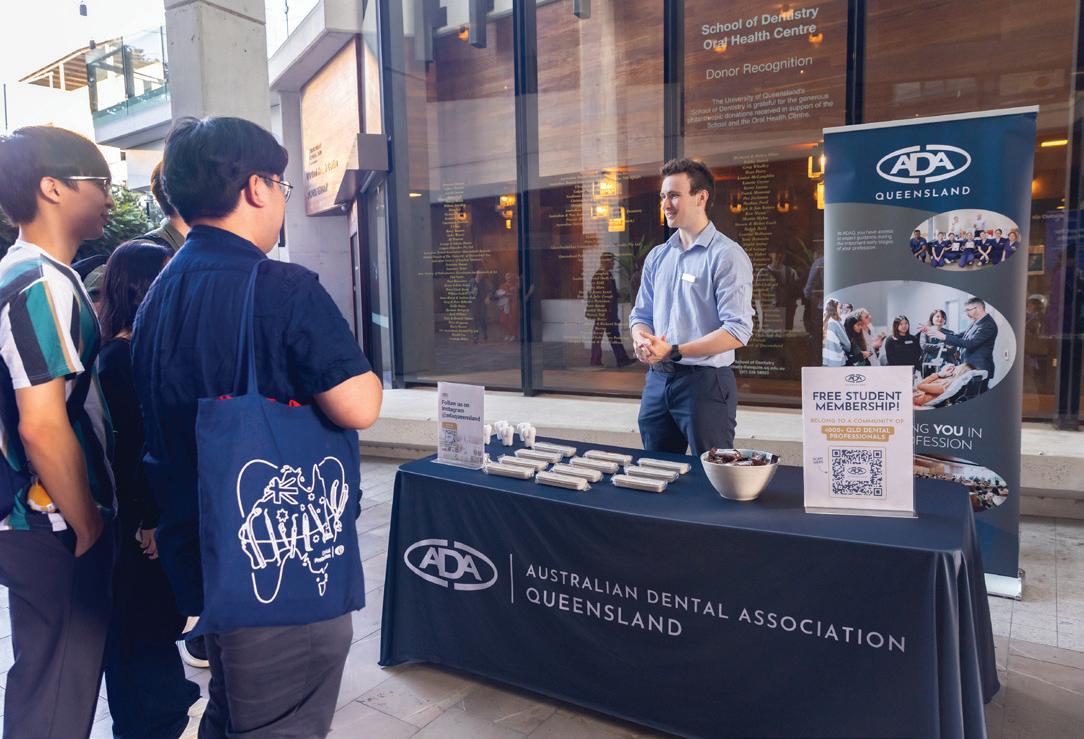
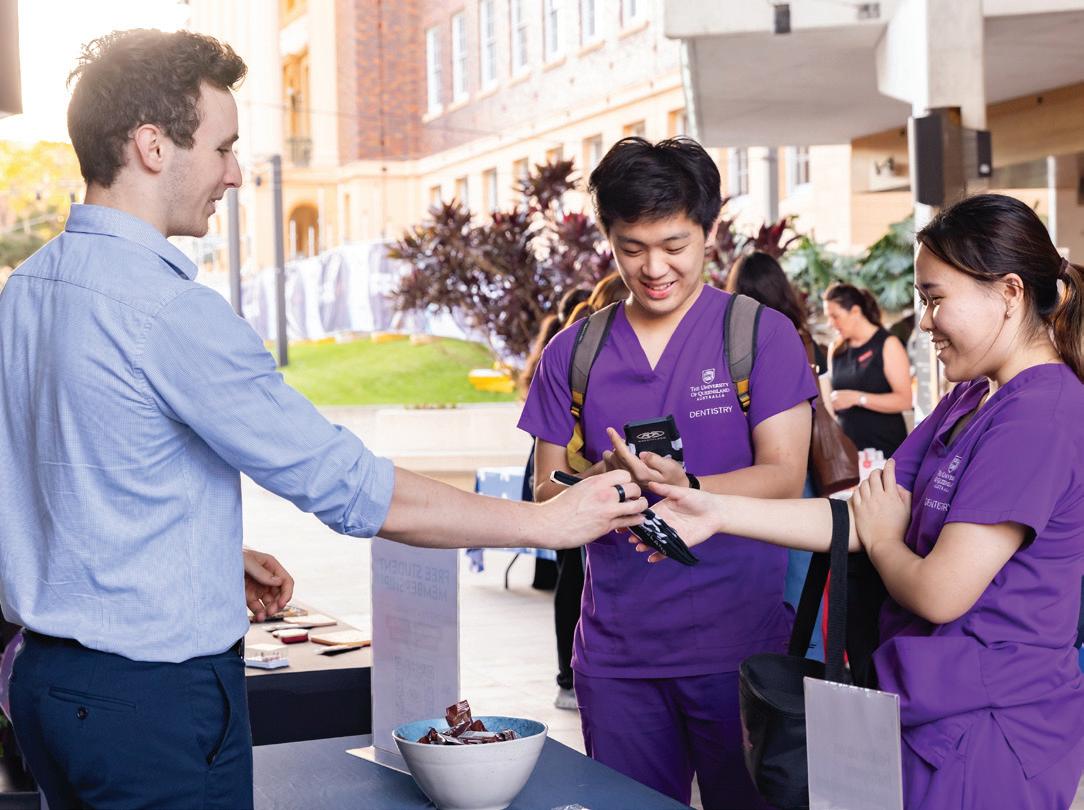
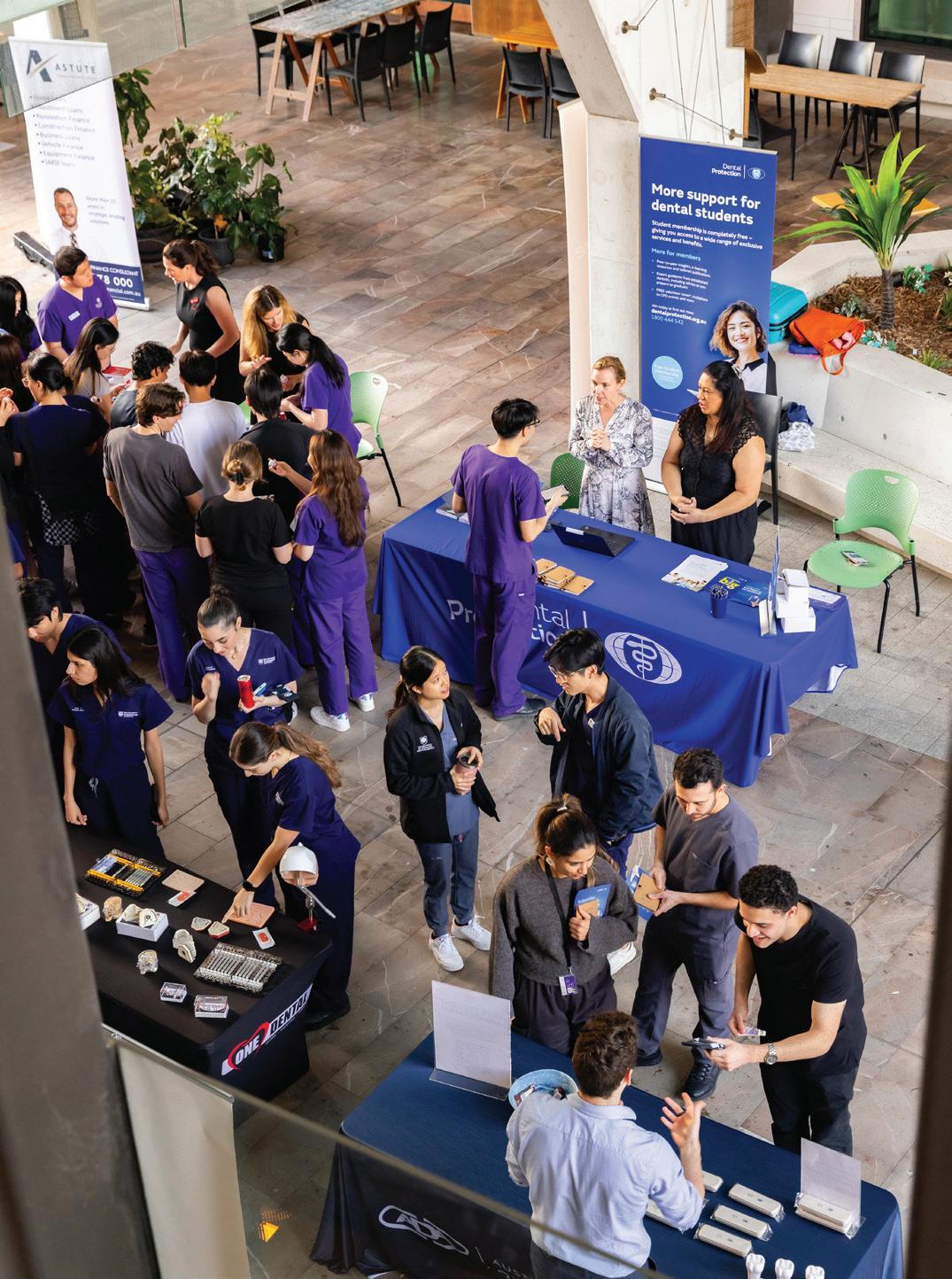
One of the key goals of our student program is to make engaging with ADAQ fun as well as valuable. Whether it’s orientation events, market days, or trade shows, we’ve had the pleasure of interacting with over 1,100 students so far in 2025.
At ADAQ, our commitment to supporting the next generation of dentists is at the heart of everything we do. This has been a particularly busy and rewarding time for our student engagement program, and as we approach the end of the year, we’re excited to reflect on the activities, initiatives, and experiences that have made it so memorable.
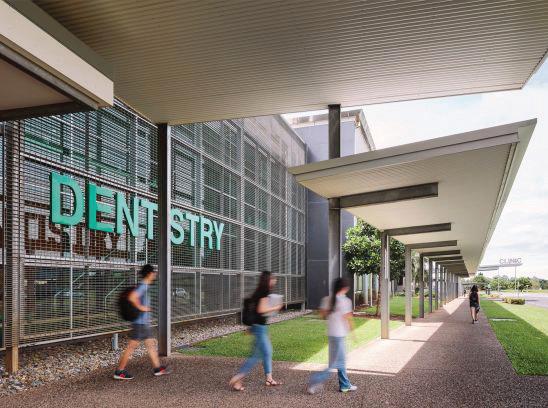
From the very start of the year, ADAQ has been active on campuses across Queensland, ensuring that dental students feel supported, informed, and connected to the broader profession. Our teams have visited James Cook University (JCU), the University of Queensland (UQ), and Griffith University (GU) for a wide variety of events designed to engage students at every stage of their dental education.
Whether it’s orientation events, market days, or trade shows, we’ve had the pleasure of interacting with over 1,100 students so far in 2025. These interactions have allowed us to share information about the benefits of joining ADAQ, the resources and support available to students, and the opportunities that exist for early career growth in dentistry.
Beyond traditional events, we’ve also attended loupes evenings, futures evenings, and student balls, creating spaces for
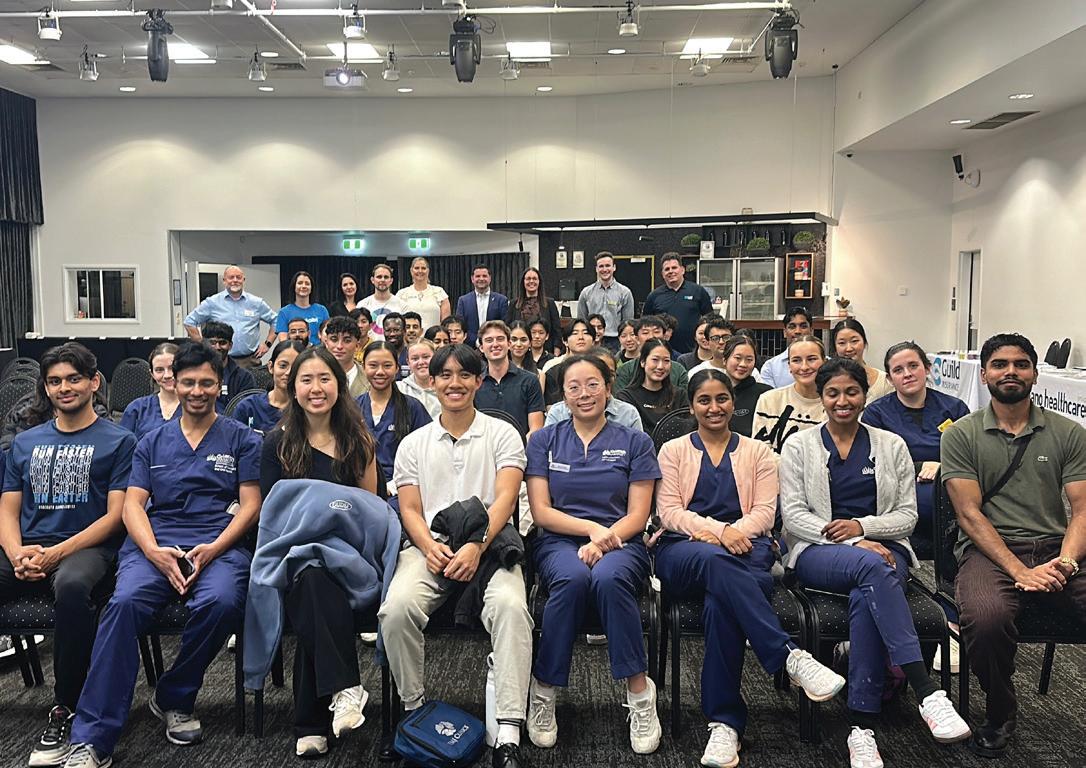
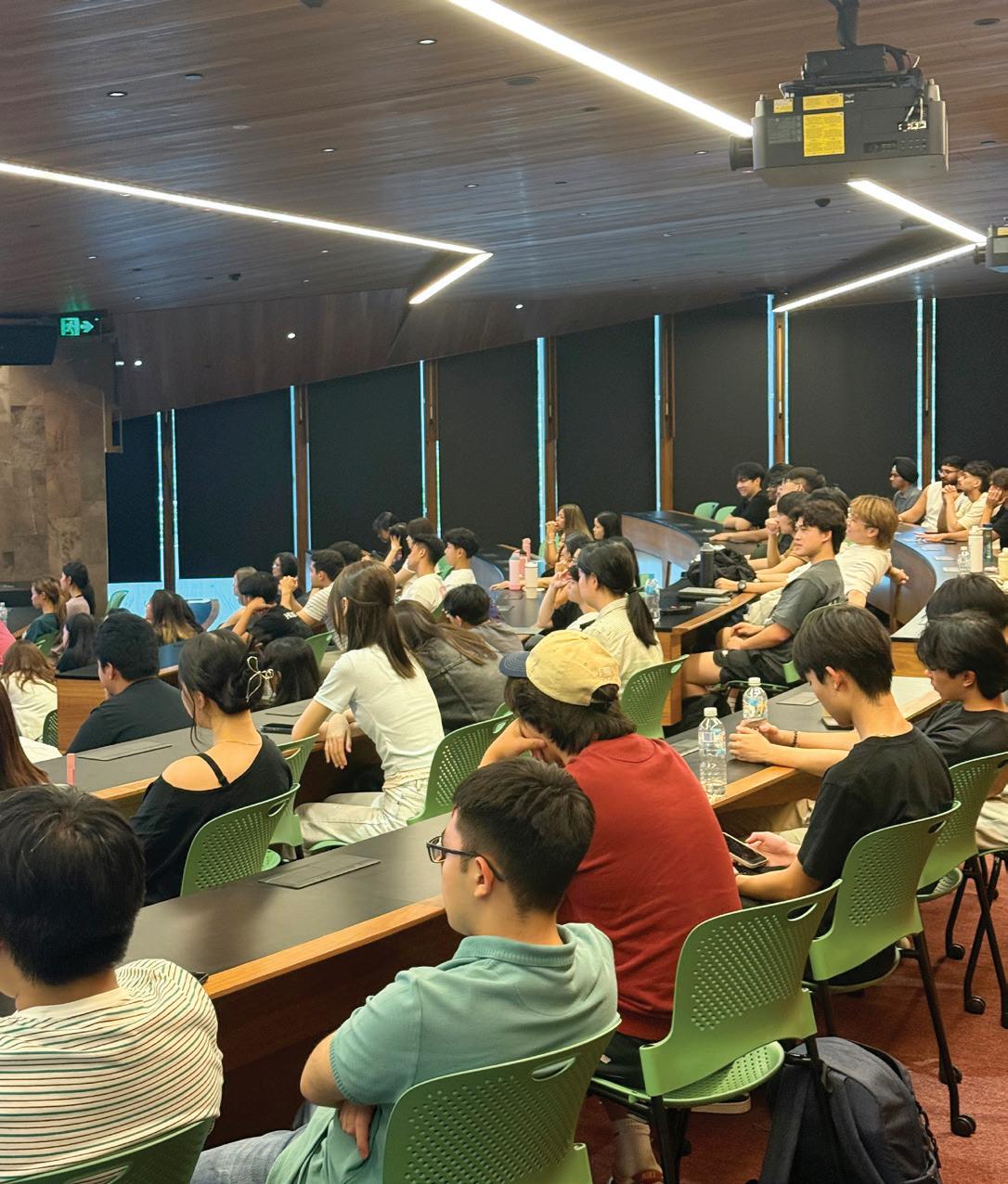
networking, professional development, and just plain fun. By attending events that are important to students, we are able to connect with them in meaningful ways, ensuring they feel included in the profession from the earliest stages of their careers.
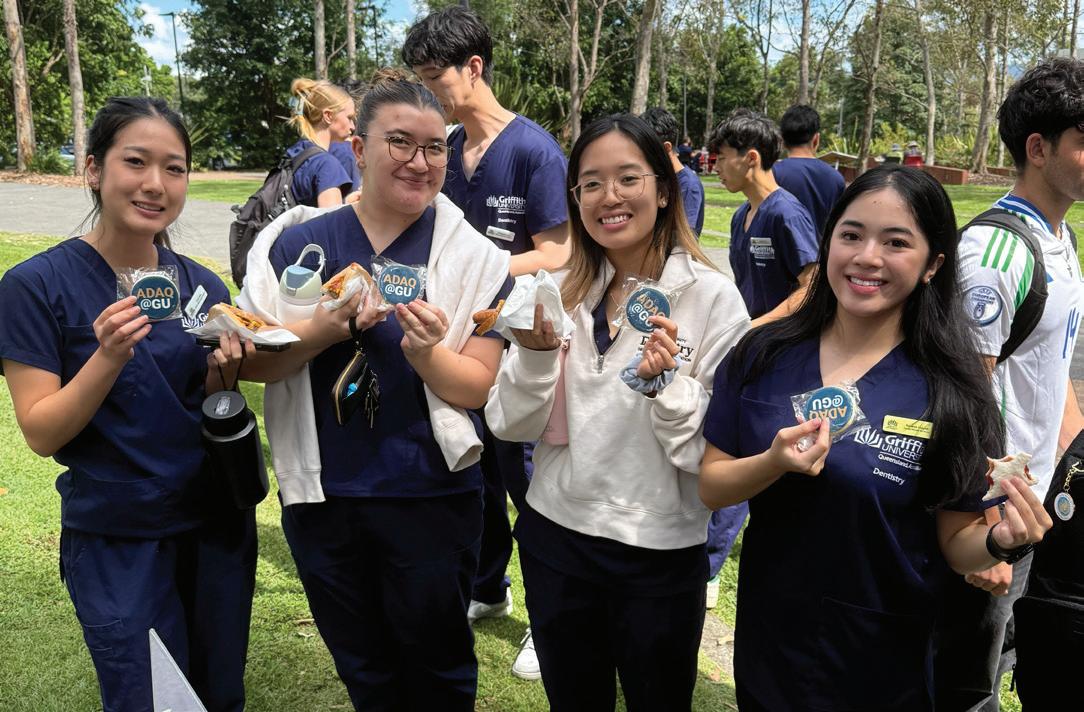
One of the key goals of our student program is to make engaging with ADAQ fun as well as valuable. We understand that dental school can be demanding, so we’ve worked hard to bring lighthearted moments to campus life. From ADAQ branded cookies delivered at the universities, to Red Bulls at GU, and other fun merchandise giveaways, our team has made it a priority to put smiles on students’ faces while sparking interest in the
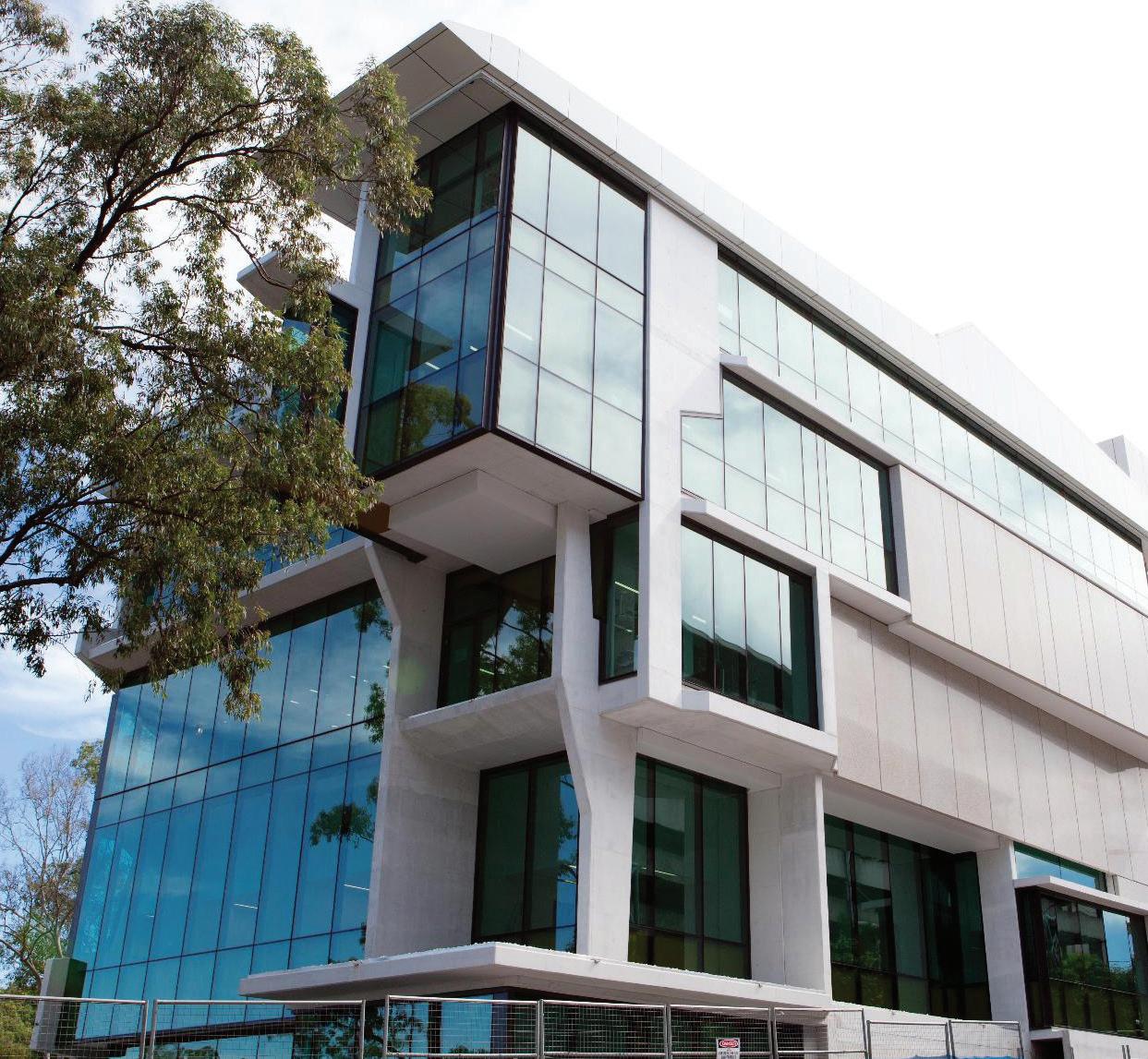
ADAQ offers resources and guidance to help students navigate the path from study to practice.
professional benefits that membership offers. These initiatives are more than just giveaways, they are opportunities to start conversations, build relationships, and demonstrate that ADAQ is here to support students both during their studies and as they transition into the professional world. Our goal is to ensure that students see membership as something that is valuable, enjoyable, and relevant from day one.
We know that being present at events is only one part of creating a meaningful student experience. At ADAQ, we strive to go beyond traditional sponsorship and ensure that our activities actually make a difference. We continuously review and adapt the way we engage with universities and student societies, looking
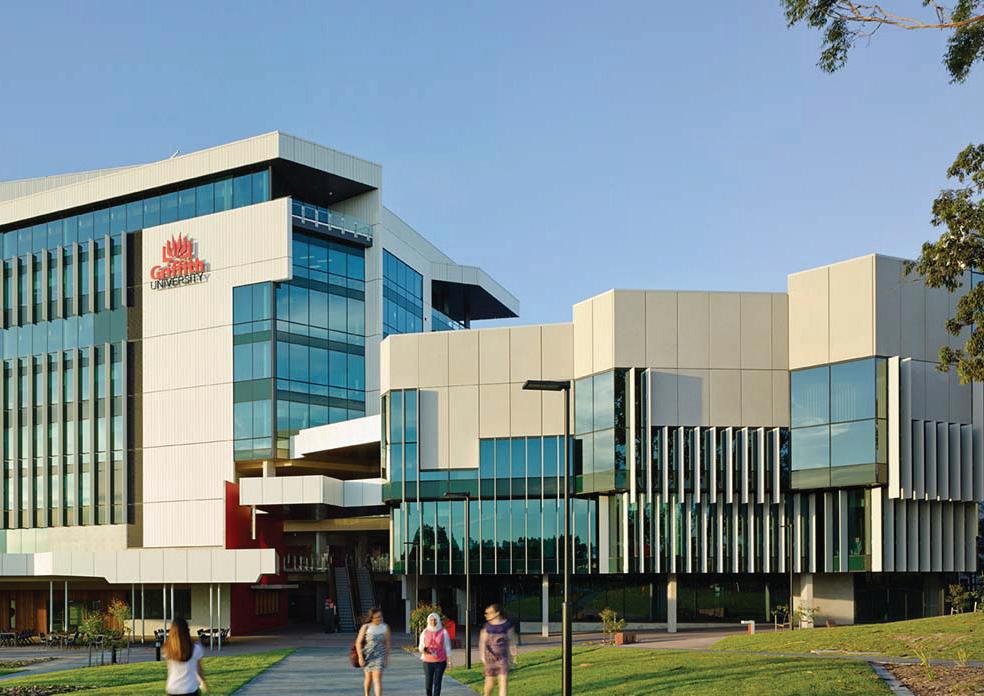
for new ways to create opportunities for learning, networking, and inclusion.
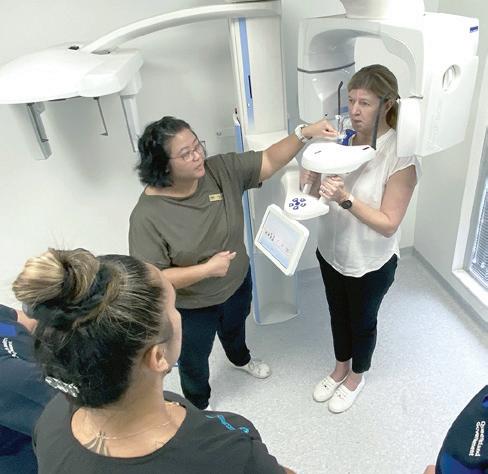
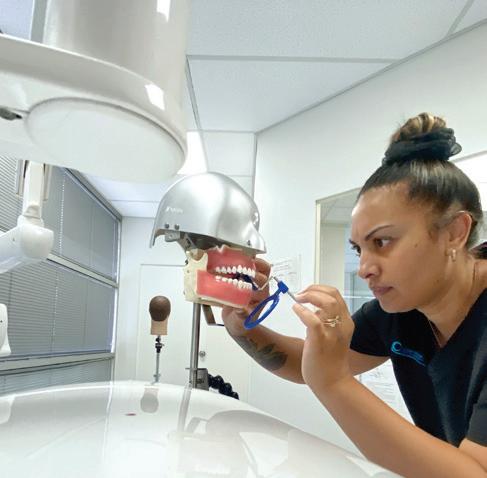
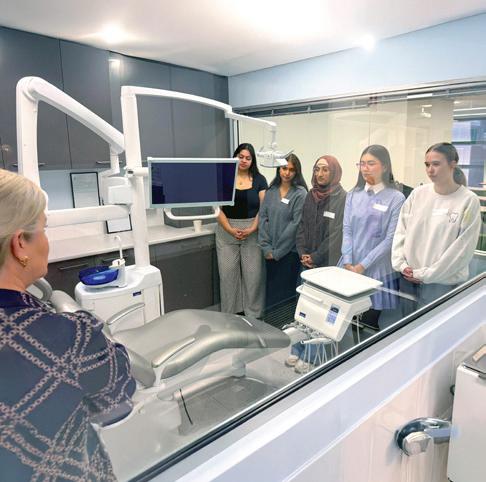
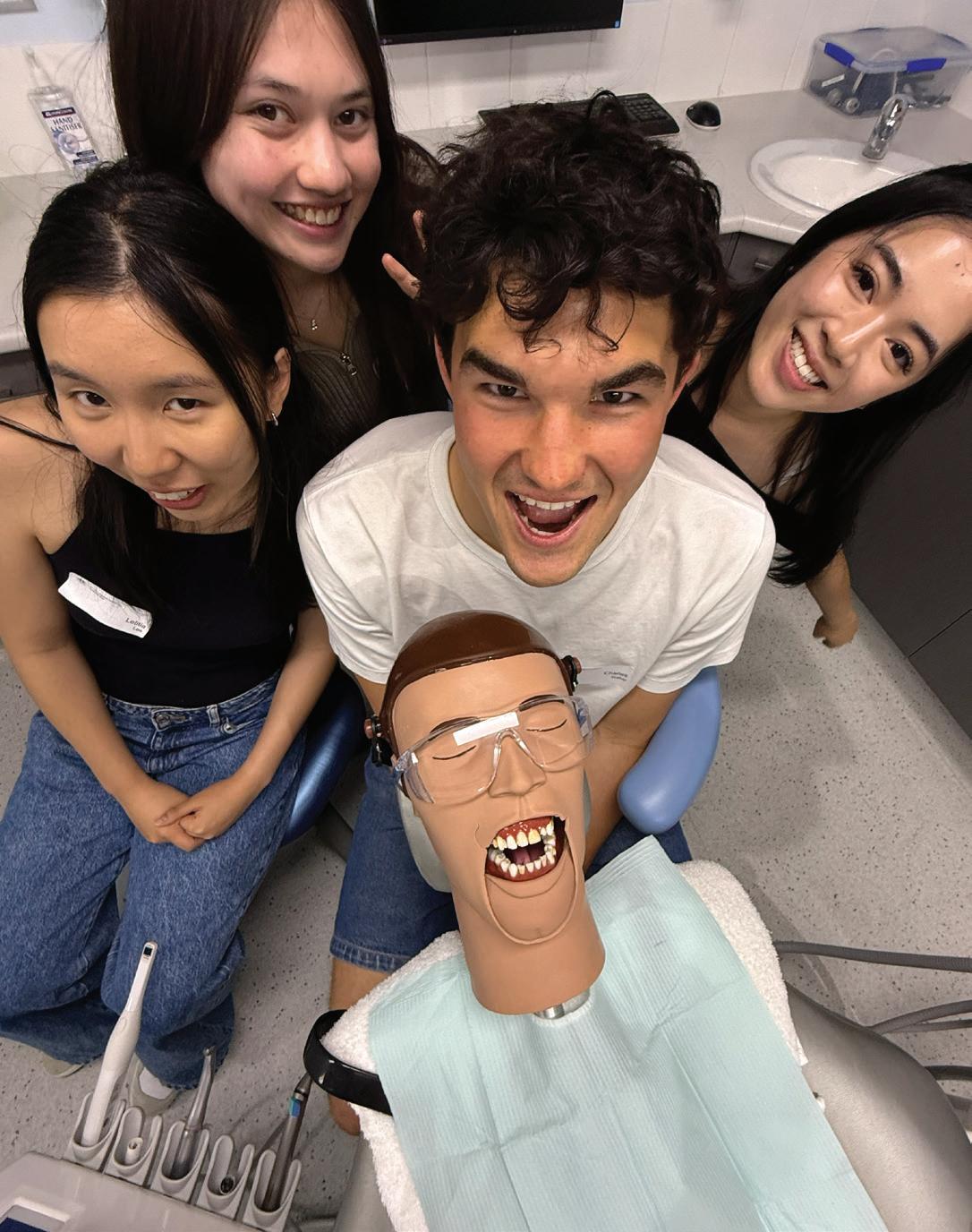
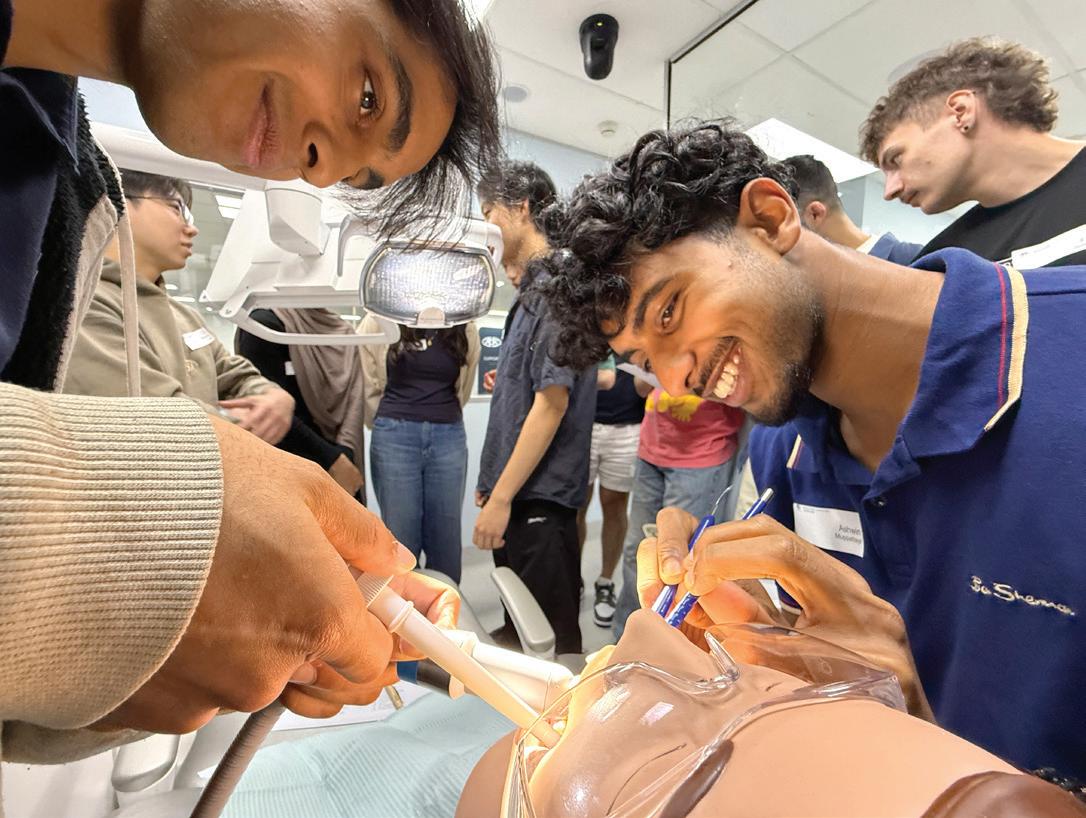
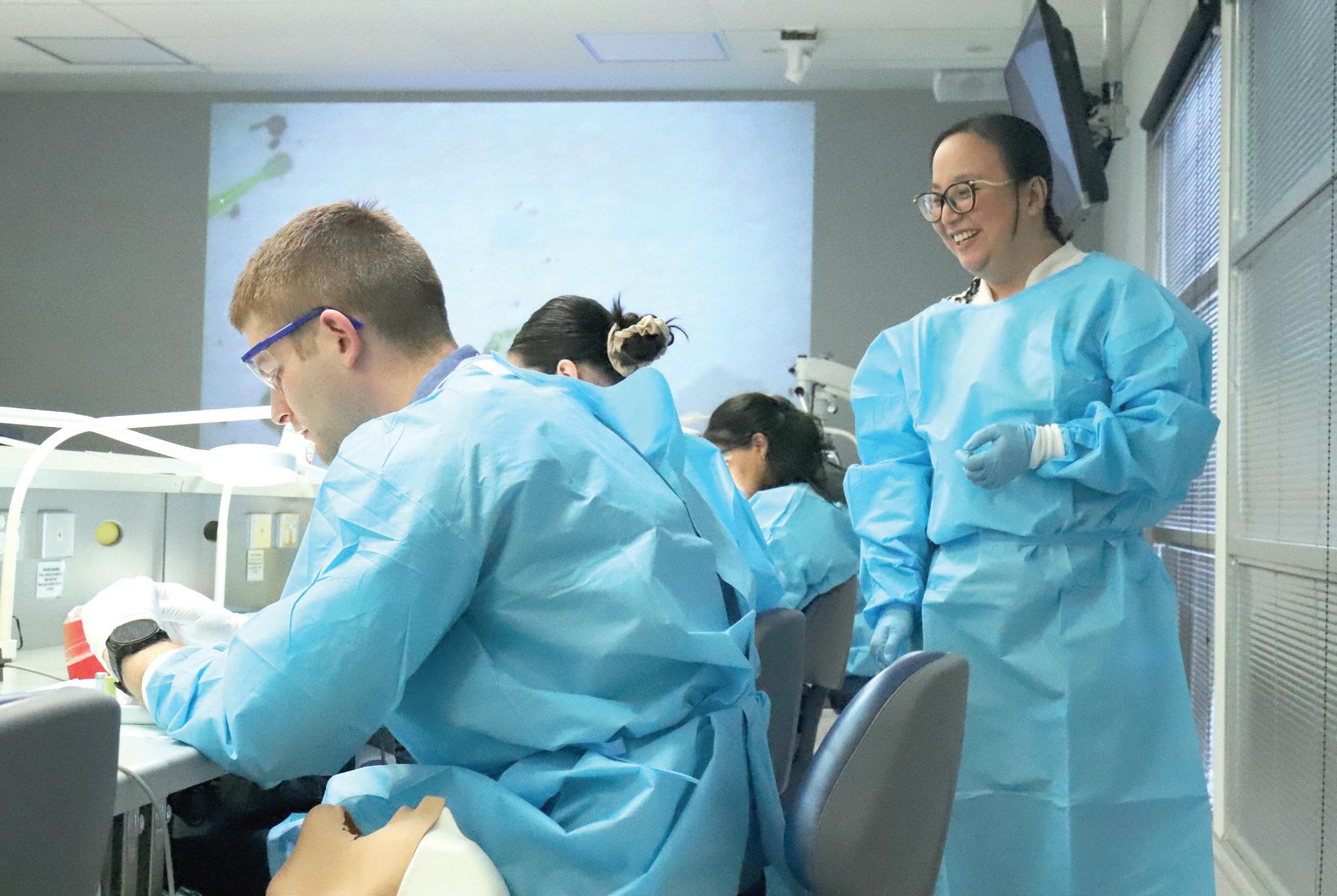
One of those ways was implementing our inaugural hands-on workshop event for the first-year dental students at GU. Students at UQ and GU traditionally have less hands-on opportunities in their first year of university, and we decided to open our doors to offer a chance for students to experience ADAQ in a new way: by coming to ADAQ and experiencing our facilities hands-on. It was an incredible event, and the students left feeling empowered and inspired, ready to tackle their simulation classes next year.
We want students to feel that they are part of a community and that their voices and needs matter. By fostering a sense of belonging, we hope to inspire students to see themselves as active members of the dental profession even before graduation.
Professional growth doesn’t start after graduation, it starts now. ADAQ offers resources and guidance to help students navigate the path from study to practice. From understanding the latest trends in dentistry to exploring career pathways and developing essential skills, we provide opportunities that give students a head start.
Our engagement at futures evenings and other career-focused events demonstrates our commitment to preparing students for life after dental school. We want them to leave university not only with strong clinical knowledge but also with confidence, clarity, and a sense of belonging within the profession.
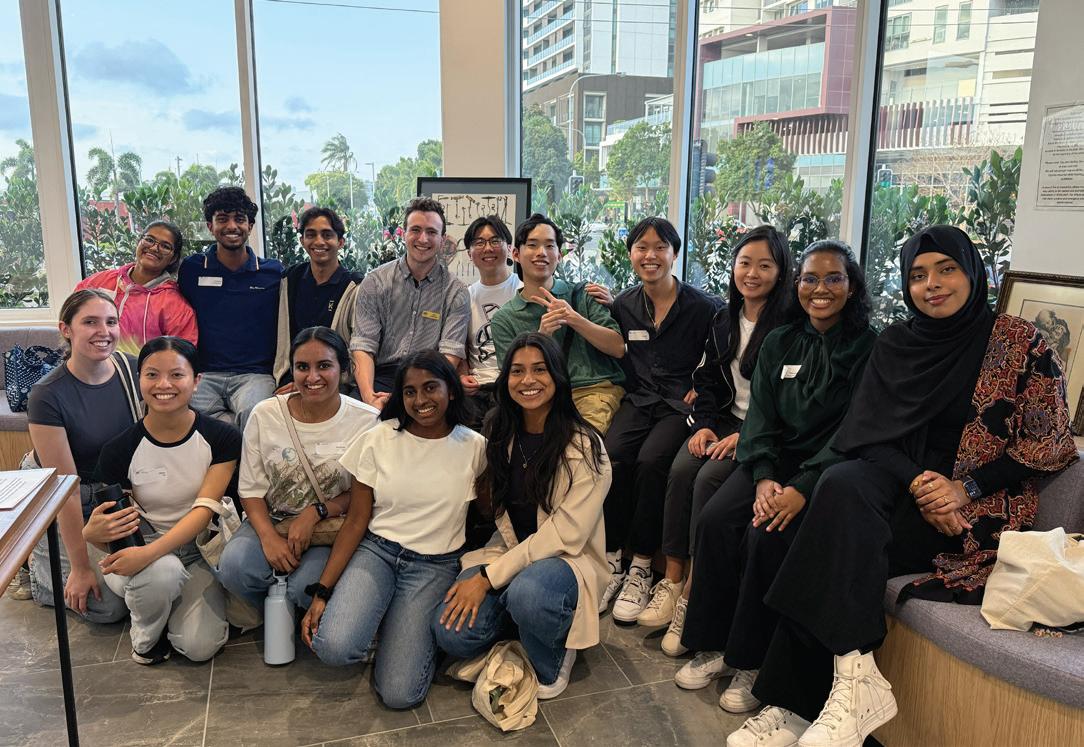
As we near the end of the year, one of the highlights of our student program is the upcoming Graduation Breakfasts, celebrating the achievements of 5th-year dental students from JCU, UQ, and GU. These complimentary events are a chance for students to be formally welcomed into the profession, reconnect with peers, and meet members of the dental community who will support them as they transition into their careers.
This is the first time ADAQ will be hosting these celebratory breakfasts across all three universities, and we are excited to make it a memorable milestone for our newest colleagues. We encourage all 5th-year students to register for their complimentary Graduation Breakfast, celebrate your achievements, and start your professional journey with ADAQ by your side.
2025 has been an extraordinary year for ADAQ’s student engagement program. From campus events to interactive workshops, fun merchandise, and professional development opportunities, our focus has been on creating a student experience that is enjoyable, inclusive, and meaningful. Meeting over 1,100 students across Queensland has reinforced the importance of staying connected, listening to student needs, and continually improving the way we engage.
We are proud of what we’ve achieved this year, but we know there’s always more to do. Looking forward, we remain committed to innovating our student program, deepening our connections with universities and student societies, and ensuring that every student feels supported, included, and inspired as they take the next steps toward a rewarding career in dentistry.
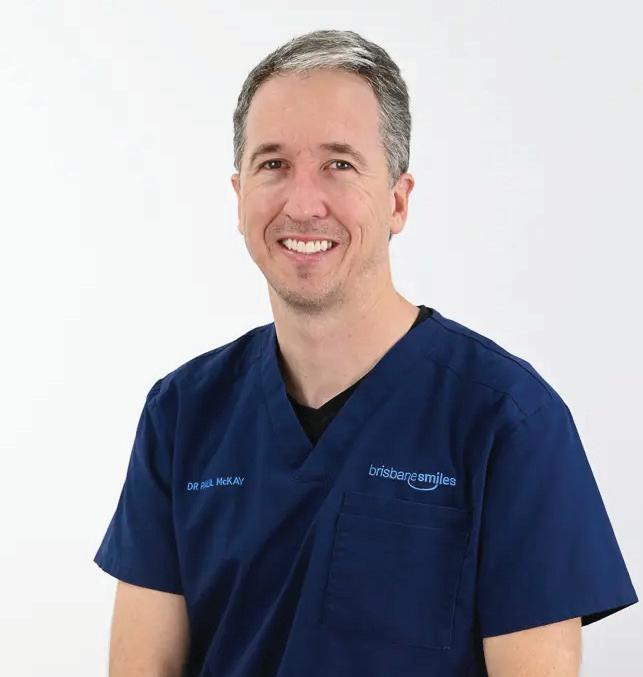
A five-year dedicated volunteer with the Rebuilding Smiles Program, Dr. Paul McKay joins us today. We discuss his passion for giving back through volunteer dentistry and how that commitment inspires his team to make a meaningful difference.
Dr Paul McKay is the Principal Dentist and CEO of Brisbane Smiles, one of Brisbane’s leading dental practices, and a dedicated volunteer with the Rebuilding Smiles Program for 5 years. We spoke with Dr McKay about his passion for giving back through volunteer dentistry, and how that commitment has inspired his team to get involved and make a meaningful difference in the lives of others.
What areas of dentistry are you most passionate about, and what continues to drive your commitment to the profession?
“While I thoroughly enjoy all aspects of day-to-day dentistry, I’m especially passionate about rehabilitative and reconstructive care, particularly for patients facing complex challenges who may have felt like there was no solution for them. Helping someone rebuild their smile can quite literally change their life. It’s about restoring confidence, improving function, and empowering people to engage more fully with their family, their work and socially. I’m also deeply committed to ongoing professional development, especially in Implant Dentistry. Advancements in full-arch and allteeth-replacement technology are incredibly exciting, and they’re opening more possibilities than ever before for patients with extensive dental needs.”
Tell us about your experience volunteering for the Rebuilding Smiles Program?
“Being able to give back to the Rebuilding Smiles Program with my time and expertise is super rewarding. We have been able to help those who need it most with general and restorative Dental care that they are otherwise unable to access. Rebuilding a smile can mean giving someone a second chance with their teeth and that’s an impact I’m incredibly proud to assist with. I hope to
continue giving back for many years to come.”
In what ways has your team found professional fulfilment through their involvement in the Rebuilding Smiles Program?
“Our entire team at Brisbane Smiles has embraced the Rebuilding Smiles Program with genuine enthusiasm. I’m proud to say that all of our longstanding dentists are actively involved and truly passionate about giving back. Many of our team members have shared how rewarding it is to care for patients who’ve come from difficult life circumstances or who may have missed out on dental care earlier in life. Being part of their journey, helping to restore their health, confidence, and quality of life, is deeply fulfilling. It’s a program we are proud to support, and one that reflects our values as a practice.”
From pioneering clinics to cutting-edge research, UQ Dentistry’s 90th year spotlights enduring excellence, collaboration, and future-ready oral health leadership nationwide.
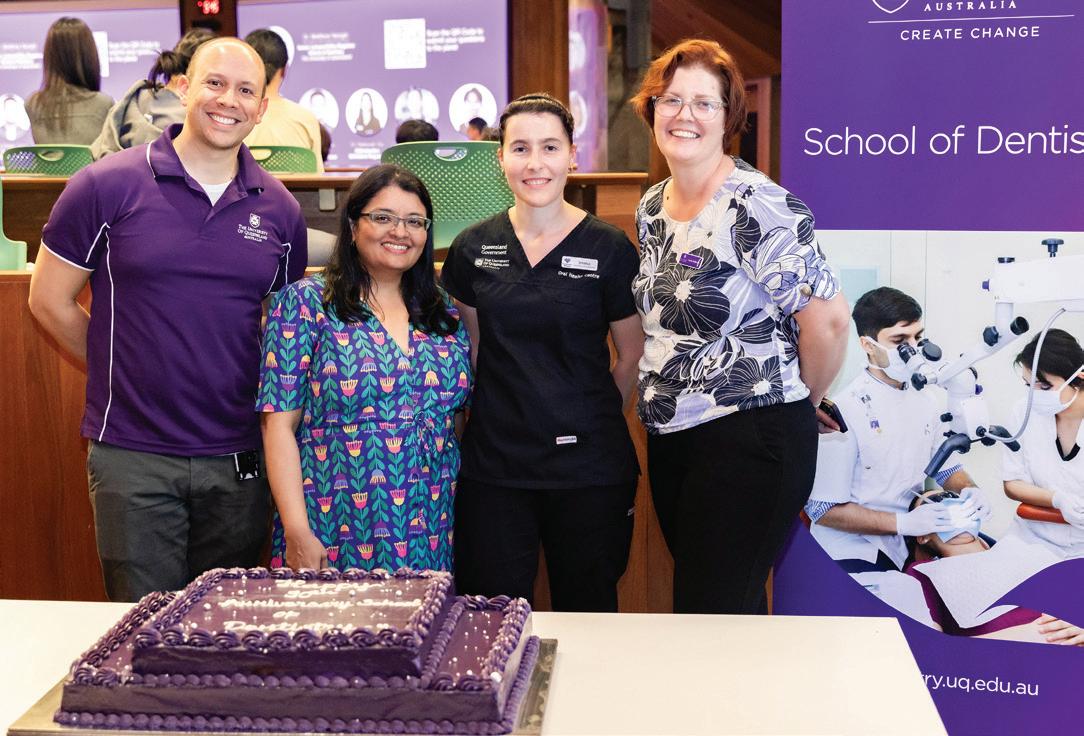
2025 marks an extraordinary milestone for the University of Queensland (UQ) School of Dentistry, its 90th Diamond Anniversary. For nearly a century, UQ has been at the forefront of dental education, research, and community service, shaping the careers of thousands of dental professionals who have gone on to make a significant impact both in Queensland and beyond.
This landmark anniversary is not only a celebration of the school’s rich history but also a testament to its ongoing commitment to excellence in dental education and innovation. Over the past nine decades, UQ Dentistry has established itself as a leading institution, renowned for fostering clinical expertise, advancing research, and cultivating the next generation of leaders in oral health.
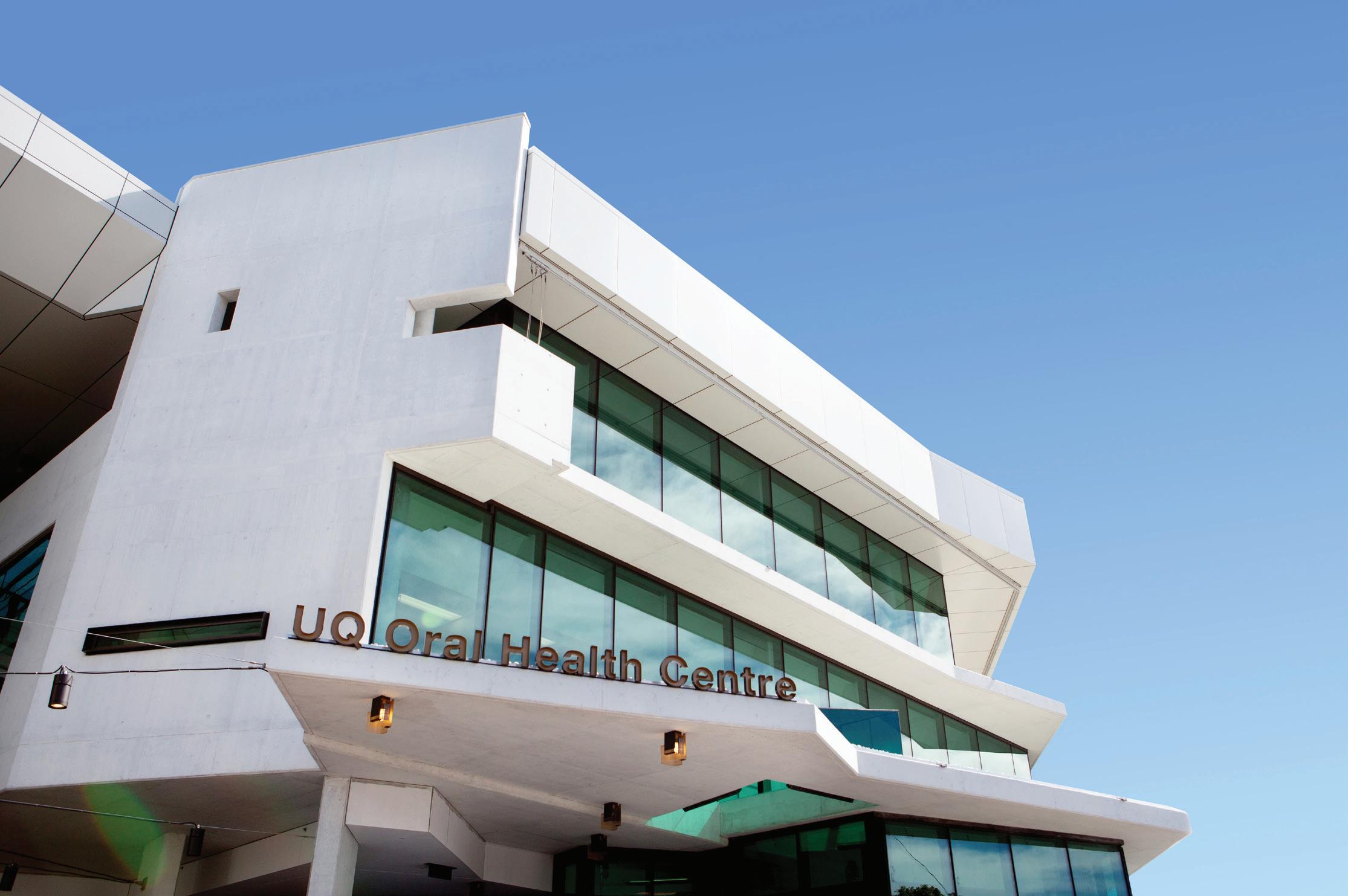
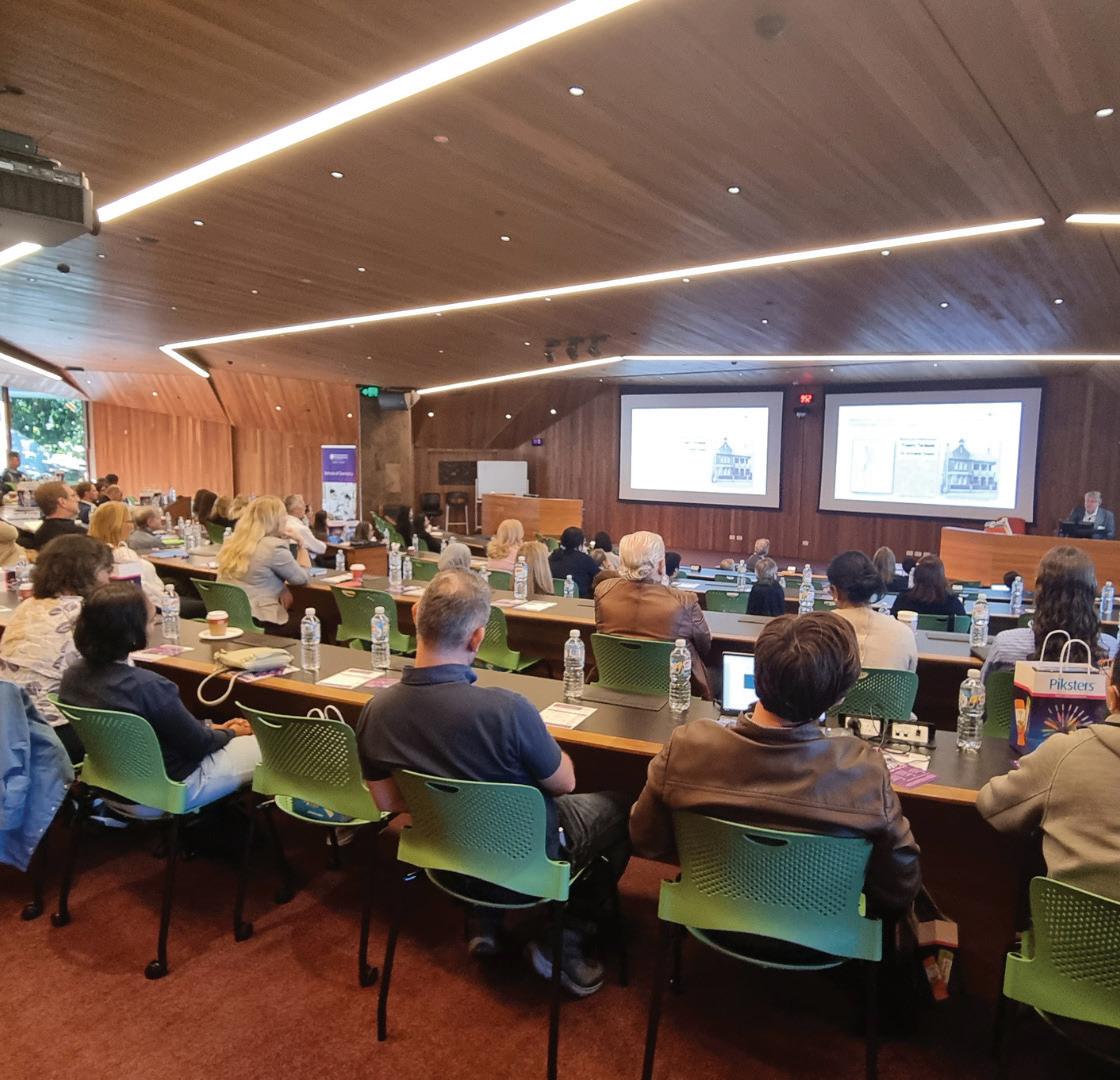
The anniversary celebrations kicked off earlier in the year with the CPD Symposium, held on 19 July 2025 at the Oral Health Centre, Herston. This full-day event brought together dental professionals from across Queensland for a program designed to inspire, educate, and enhance clinical skills.
Participants engaged in talks from leading specialists, attended interactive sessions, and explored the evolution of dentistry through a special focus on its history. ADAQ was proud to be in attendance, taking part in these discussions that reflected on the profession’s journey from early practices to modern advancements, and the importance of honouring this heritage while looking to the future.
The symposium offered 6 Scientific CPD hours and a unique opportunity to connect with peers, exchange ideas, and explore emerging trends in dentistry, reinforcing both the importance of lifelong learning and professional collaboration.

Following the symposium, UQ hosted a 3-Day Advanced Bone Augmentation Course from 21 to 23 August 2025 at the Otto Hirschfeld Building, St Lucia campus. This intensive program focused on contemporary techniques in dental surgery, including sinus bone augmentation, guided bone regeneration, and other advanced procedures.
Led by renowned experts such as Dr Jamil Alayan, Associate Professor Ryan Lee, and Professor Saso Ivanovski, the course combined lectures with hands-on training using human tissues, providing participants with practical, real-world experience. This initiative reflects UQ Dentistry’s commitment to equipping practitioners with cutting-edge skills that can be applied directly to patient care.
This milestone was also a celebration of the school’s ongoing role in nurturing future dental leaders
The highlight of the 90th anniversary celebrations was the Gala Dinner, which took place on Saturday, 8 November 2025 at Brisbane City Hall, Grand Auditorium. This black-tie event was an evening of reflection, celebration, and connection, bringing together alumni, students, faculty, and industry partners to honour UQ Dentistry’s legacy.
Attendees enjoyed inspiring speeches, entertainment, and the chance to engage with fellow members of the dental community in a truly memorable setting.

The Gala Dinner provided an opportunity not only to celebrate the school’s achievements over the past 90 years but also to look ahead to the future of dental education and practice.
Reaching 90 years is a remarkable achievement, reflecting the dedication, innovation, and passion of countless educators, clinicians, researchers, and students. From pioneering research and clinical excellence to shaping the careers of dental professionals across Australia, UQ Dentistry has made a profound impact on the profession and the communities it serves.
This milestone is also a celebration of the school’s ongoing role in nurturing future dental leaders. The programs, courses, and
events offered in conjunction with the anniversary demonstrate UQ’s commitment to providing opportunities for learning, development, and professional connection at every stage of a dental career.
We extend our congratulations to the University of Queensland School of Dentistry on reaching this significant milestone. Your dedication to excellence over 90 years is an inspiration to the entire dental profession.
BY LARISSA ALDERTON MANAGER | ADAQ COMPLIANCE & ADVISORY SERVICES
First job, first policy. Know PI insurance—claims-made cover, retroactive dates, and continuous renewal—so you stay compliant, confident, and audit-ready from day one.
Transitioning from student to practitioner is an exciting and significant step in your professional journey. As you embark on your career in dentistry, it is essential to understand your regulatory obligation which includes the requirement to hold Professional Indemnity (PI) Insurance.
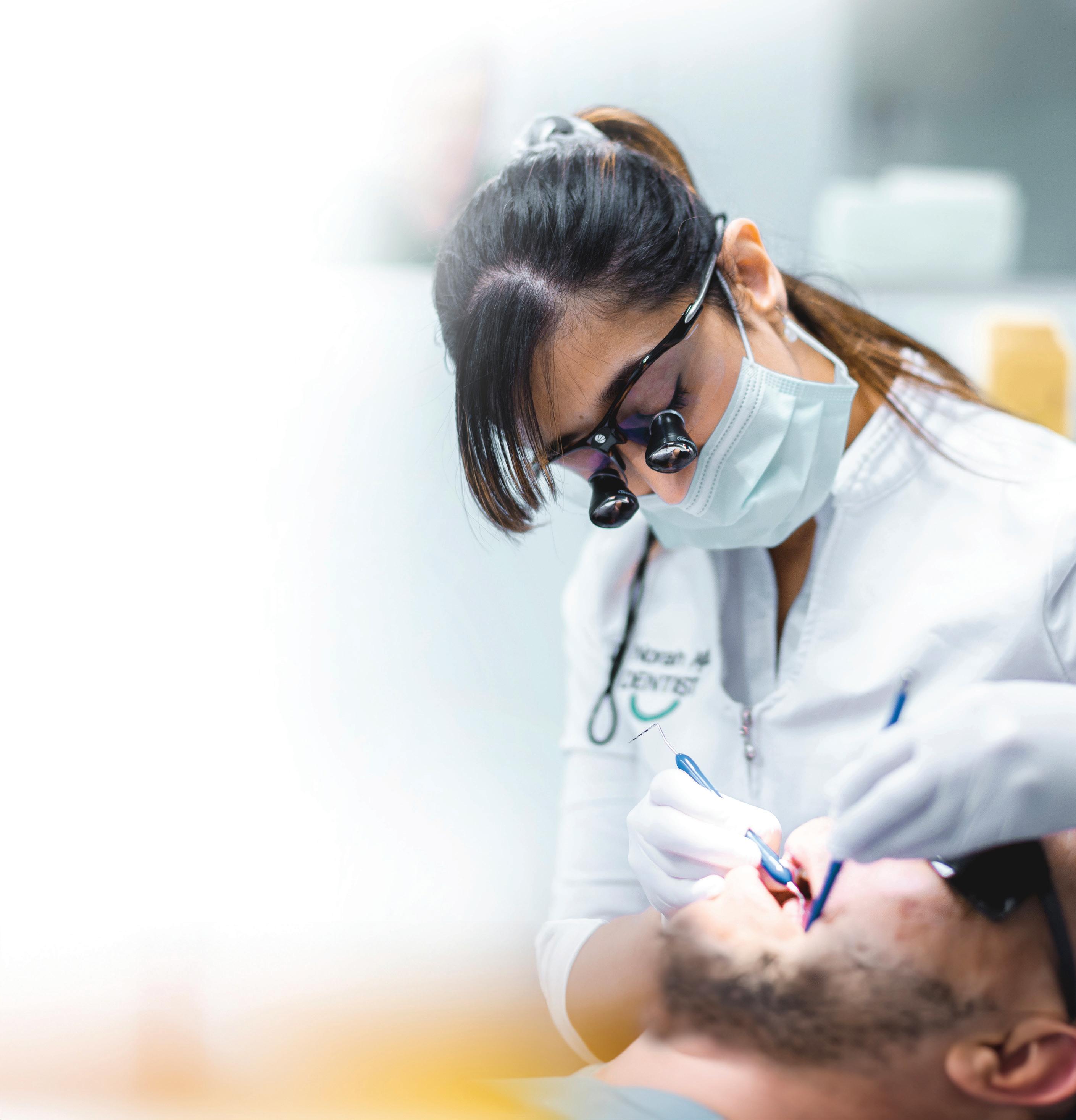
Dental practitioners have a mandatory obligation to maintain PI insurance as a condition of registration with the Australian Health Practitioner Regulation Agency (Ahpra). This insurance not only protects patients in the event of adverse outcomes but also shields you from potential financial, reputational, and legal risks associated with claims against you arising from your practice of dentistry.
PI insurance provides cover in cases where a claim is made alleging negligence in the course of providing dental care. It typically includes cover for:
• Legal defence costs
• Compensation or rectification costs, assessed on a case-bycase basis
• Protection against civil liability
• Retroactive cover, which ensures you are protected for your practice prior to the policy’s start date (depending on the policy terms)
PI insurance is issued on a ‘claims-made’ basis, meaning that the policy active at the time a claim is made, not when the incident occurred, is the policy that responds. Therefore, maintaining uninterrupted cover at all times is critical.
Your PI insurance policy must comply with the Dental Board of Australia’s Registration Standard for Professional Indemnity Insurance Arrangements. The full standard is available here: Dental Board Registration Standards
At a minimum, your policy should cover:
All areas of your practice
• All locations where you provide care
• All settings—public, private, non-government, or volunteer
• All types of engagement—full-time, part-time, self-employed, employed, or unpaid
• Civil liability
• Retroactive cover for prior practice
The standards do not specify a required amount of cover (e.g., $10 million), so it is recommended that you consider your needs and speak with a qualified insurance broker to assess the appropriate level based on your scope of practice if required. We do note some employers require or recommend a certain sum of cover, which then may be an employment requirement. ADAQ can assist our members with either $10 million or $20 Million coverage depending on your needs.
Most PI policies are annual and may align with either the calendar year, financial year, or the anniversary of the policy’s start date. It is important to keep track of your policy’s expiry date and renew it before it lapses to ensure continuous coverage.
Ahpra conducts random audits to verify compliance with your regulatory PI insurance requirements. Practitioners must be able to provide a valid Certificate of Currency upon request. It is your
Maintaining the appropriate PI insurance is more than just a regulatory requirement—it’s an essential safety net that protects both you and your patients.
In a disciplinary case published by the Dental Board, a dentist was found guilty of professional misconduct after practising without PI insurance from 2013 to 2017. He also falsely declared his compliance and failed to respond to multiple Board requests for information.
The result: suspension of his registration for four months and a formal reprimand.
Read the full case here
responsibility to maintain this documentation and ensure your cover is current. If you hold your PI policy through ADAQ, you can access your current PI insurance Certificate of Currency from your ADAQ member portal: www.adaq.org.au/signin
IS
Retroactive cover provides protection for claims arising from incidents that occurred before your current PI insurance policy started but were not known or reported at the time. The retroactive date will be specified in your policy documents.
Not necessarily. You should review your employer’s policy and seek independent advice to confirm whether:
• It meets Ahpra’s registration standards
• It provides adequate retroactive cover
• It covers all aspects of your work (including past practice or non-clinical duties)
WHAT DENTAL FIELDS DOES THE ADAQ POLICY COVER?
The ADAQ PI insurance policy covers dental professionals in the following roles:
• All registered dental specialties (e.g., orthodontist, periodontist, prosthodontist)
• General dentists
• Dental hygienists, therapists, and oral health therapists
• Clinical supervisors and auditors
• Those involved in practitioner training
DO I STILL NEED PI INSURANCE IF I WORK PARTTIME OR VOLUNTEER?
Yes. All registered practitioners must hold appropriate PI insurance, regardless of how many hours they work or whether the role is paid. ADAQ offers part-time PI insurance options (for those practising less than 20 hours per week) to suit various working arrangements.
BY
PI insurance will not cover claims involving:
• Intentional criminal acts
• Claims you make against others
• Business-related liabilities
• Employment disputes
• Property damage
• Any matters unrelated to the practice of dentistry
We recommend consulting with a qualified insurance broker for guidance on additional coverage needs.
WHAT SHOULD I DO IF I RECEIVE A COMPLAINT OR CLAIM OR IF SOMETHING GOES WRONG WHEN I AM PROVIDING PATIENT CARE?
We recommend you notify your PI insurance provider in the first instance, even if the patient has not specifically said they are making an insurance claim against you. It is important to notify your PI provider of circumstances that may give rise to a claim in the future or if a patient is already making complaint or claim. Your PI provider will be able to provide you with advice and assistance to manage the matter.
If you hold your PI insurance through ADAQ, you can contact us directly. The ADAQ Compliance & Advisory Services team can notify our insurer on your behalf and [provide you with advice and

support during this time. You can make a notification to us online here: www.adaq.org.au/Insurance or call us on 0732529866.
Failing to maintain adequate PI insurance while practising is a serious breach of your registration obligations. If you discover a gap in coverage, even if there has been no incident or claim made against you, you may have a mandatory obligation to self-notify Ahpra.
We recommend:
1. Seeking legal advice to understand the potential implications of a lapse.
2. Notifying Ahpra promptly to mitigate potential penalties.
Delaying notification or providing false declarations can result in more severe disciplinary action.

As part of our commitment to supporting new graduates, ADAQ offers up to 18 months of complimentary PI insurance upon graduation.
Learn more, read the T&Cs and apply at: adaq.org.au/Insurance
For more information about PI insurance from ADAQ, please contact the ADAQ Membership team: membership@adaq.com.au | (07) 3252 9866
If you already hold PI insurance with ADAQ and need to make a notification, claim or seek advice regarding a patient matter, please contact the ADAQ Compliance & Advisory Services team: assist@adaq.com.au | (07) 3252 9866

ADAQ recognises the unique challenges faced by regional practitioners. If you’re starting your career in a rural area, we offer a dedicated rural support service—including access to experienced peers for a complimentary 30-minute advisory session annually (non-patient-specific queries only).
Explore the Regional Practitioner Handbook or contact our Compliance & Advisory Services team for more information or to access this service:
assist@adaq.com.au | (07) 3252 9866
Maintaining the appropriate PI insurance is more than just a regulatory requirement—it’s an essential safety net that protects both you and your patients. As you launch your career, make PI insurance a priority to ensure your practice is compliant, protected, and confident.
Policy wording, the Financial Services Guide and Terms of Engagement from our broker and insurer, PSC Mediprotect and AIG, can be found here: www.adaq.org.au/Insurance
The Compliance and Advisory Services Team consists of clinical and compliance professionals who understand your profession.
You can rely on their expertise and experience to help you make sense of complaints, health funds, and other compliance matters, another benefit of ADAQ membership.
The latest suite of resources to help you identify hazards and potential areas where processes can fail - assessing the likelihood of problems arising - are now available on the ADA website.
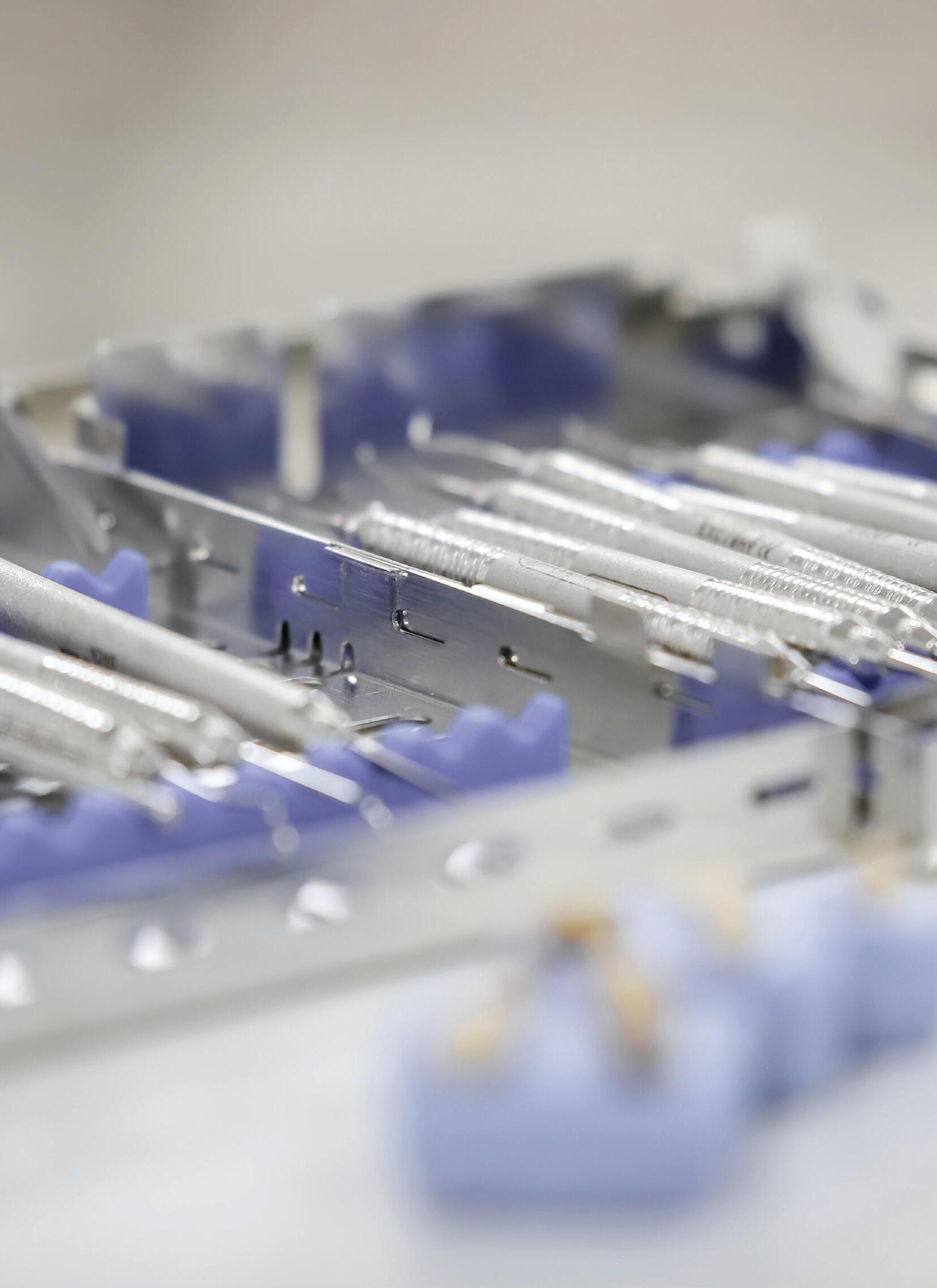
The Dental Board Australia “expects all practitioners to know how to use infection prevention and control systems to provide safe and effective patient care” In doing so, they should apply a riskbased approach, having regard to their practice setting.” The ADA have developed numerous risk assessment documents and tools to support practitioners maintain and enhances public health and safety by ensuring that the risk of the spread of infection is prevented or minimised.
The latest suite of resources to help you identify hazards and potential areas where processes can fail, assessing the likelihood of problems arising are now available on the ADA website.
Risk assessments in dentistry related to reprocessing Reusable Medical Devices
A reprocessing risk analysis has several elements, which include:
• Identifying possible sources of a reprocessing failure,
• Estimating the likelihood that such a failure will occur,
• Assessing the consequences if a failure does occur, and
• Assessing how to prepare the facility to manage the failure
Once completing the risk assessment which produces a rating of the risk and then managing the identified high priority risks by implementing suitable controls, following the hierarchy of controls process. The final step is then to evaluate the effectiveness of the controls which have been put in place and revising those as necessary to make sure they are achieving the desired outcome. For identifying potential points at which reprocessing can fail, a useful approach is known as failure modes and effects analysis (FMEA). This is then followed by "Effects analysis", which explores the consequences of those failures. Failures are then prioritized according to how serious their consequences are, how frequently they occur, and how easily they can be detected.
Based on the FMEA, the practice can then take actions to eliminate or reduce failures, starting with the highest-priority ones.
Defining the scope: The overall goal of instrument reprocessing

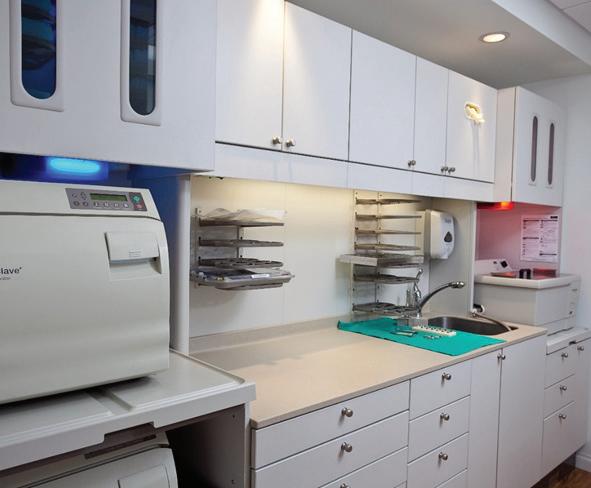
is to produce reusable medical devices (RMDs), such as dental instruments and handpieces, that are functional (fit for purpose) and free from microbial contamination, thus avoiding the transmission of infection from those items, and reduce the likelihood of healthcare associated infections when those items are used in clinical patient care. Public health regulators and the Dental Board of Australia expect that dental practices are conducted in a way that does not pose a risk to members of the public who seek treatment. Consequently, the reprocessing of RMDs is designed to remove microbial contaminants. In the case of critical RMD’s, the items must be rendered sterile, and then kept in a sterile state during storage, up until the point of use.
Reprocessing RMDs involves steps that must be completed in a specific order, from precleaning, transfer to the reprocessing area, cleaning, packaging, sterilising, and storage, through to batch

There is a pre-populated FMEA risk assessment tool that has been prepared as an ADA member resource.
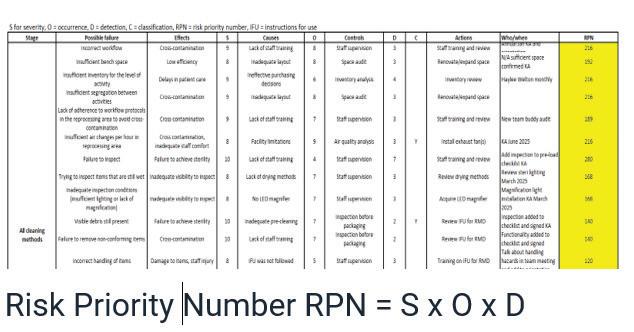
control identification (BCI), and record keeping elements. For each of the steps, it is possible to identify all the ways failure could happen. These are potential failure modes. For each failure mode, one can then identify all the consequences on the step and on the overall reprocessing procedure - as well as on the patients upon whom the items will be used.
Once those consequences are documented, one can then determine how serious each effect is.
This is the severity rating (abbreviated to S) and typically is rated on a scale from 1 (insignificant) through to 10 (catastrophic).
If this all sounds a bit complex, there is a pre-populated FMEA risk assessment tool that has been prepared as an ADA member resource. Like the ADA’s Infection Prevention and Control manual, this document can be edited by end users, to modify, take out or add in additional points. This tool covers the more common likely failures and their causes, and already includes mathematical values for S, O, D and RPN. These can be changed based on your local clinic situation. The FMEA tool highlights items that score over 100 of RPN and also includes suggested actions for the possible failure.
The example FMEA tool for risk analysis for dental reprocessing has been completed for you as an example. This is ideal to review prior to completing your own risk assessment along with a tutorial video which explains the easy steps for completion.
There are two versions of the documents you can choose to use (pdf or excel spreadsheet).
Log into the ADA website to view the resources and for more information.
Please contact the training and practice consultancy team at ADAQ if you have any questions or email – consultancy@adaq. com.au
Find More information at the ADA FMEA page https://portal.ada.org.au/infection-control-resource?resource=90
ADAQ is proud to share that our Training Team is now officially recognised as a Skills Assure Supplier under the Queensland Government’s subsidised training framework.
Becoming a Skills Assure Supplier is a significant milestone for ADAQ and reflects our ongoing commitment to supporting the profession with training that is practical, relevant, and accessible. Qualifying applicants can broaden their skills, enhance their career opportunities, and support the development of their dental team. This recognition ensures that ADAQ training will continue to be an affordable and trusted choice.
We look forward to sharing more details soon on the specific subsidised programs that will be available. In the meantime, members can be assured that ADAQ remains dedicated to delivering training opportunities that meet the needs of today’s dental assistants while supporting the future of the profession.
ADAQ’s Registered Training Organisation (RTO 30621) is pleased to announce that we have been approved as a Skills Assure Supplier under the Queensland Government’s subsidised training framework.
This recognition allows ADAQ to deliver the HLT35021 Certificate III in Dental Assisting through the Career Start subsidy, making high-quality training more accessible to eligible Queenslanders.
The HLT35021 Certificate III in Dental Assisting is an industryrecognised qualification that equips students with the skills to:
• Assist dentists, dental therapists, or hygienists during oral health procedures
• Support infection control practices
• Contribute to practice administration
For those beginning their career in oral health, this qualification provides the essential foundation to work confidently and safely in a dental practice.
Career Start is a core Queensland Government vocational education and training (VET) program managed by the Department of Trade, Employment and Training (DTET). It provides subsidised training pathways at Certificate III level to help individuals start their career, either through:
• General training pathways (direct enrolment, no training contract required)
• Employment-based pathways (apprenticeships or traineeships)
Under Career Start, individuals may access up to two subsidised training places. This could be a combination of a Certificate III general qualification and an apprenticeship/traineeship, or two

apprenticeships/traineeships at Certificate II or III.
To ensure equitable access, students cannot complete two general pathway qualifications under Career Start.
To access the subsidy, students must:
• Be aged 15 years or older (and not a school student for general training pathways)
• Permanently reside in Queensland
• Hold the appropriate Australian or New Zealand citizenship/ residency status
• Not already hold (or be enrolled in) a Certificate III or higher qualification completed within the last 10 years (excluding school-based and foundation skills qualifications)
For general training, students must also be employed in a dental practice for the duration of their course.
Through the Career Start subsidy, the Queensland Government contributes to course costs, significantly reducing out-of-pocket expenses. Eligible students are required to pay a co-contribution fee, which may be covered by their employer.
• Standard rate: $1.60 per nominal hour, per unit
• Concession rates apply for students with a Health Care Card or those who identify as Aboriginal or Torres Strait Islander.
Details of all fees will be provided as part of the student’s training plan at induction.
Employers supporting a trainee will be required to:
• Provide appropriate supervision, facilities, and workplace opportunities
• Negotiate a training plan with ADAQ
• Release and pay the trainee for off-the-job training
• Ensure workplace obligations such as WHS, wages, and entitlements are met
ADAQ will also conduct an assessment of the workplace to ensure the training requirements can be met.
For employment-based pathways, the first step is to select an Apprentice Connect Australia Provider. They will:
• Confirm eligibility for funding
• Arrange the traineeship contract
• Register ADAQ as your training provider
• Support you throughout the life of the training contract
To find a registered Apprentice Connect Australia Provider, visit the Australian Apprenticeships website or call 1800 020 108.
Once signed up as a trainee, contact ADAQ Training to complete your enrolment.

The Career Start subsidy provides a valuable opportunity for aspiring dental assistants to access industry-recognised training at a reduced cost, while gaining hands-on experience in practice.
For more information or to discuss eligibility, please contact the ADAQ Training Team at: training@adaq.com.au | 07 3252 9866
Leading Speakers 5.5
CPD hours
"Better Together – Multidisciplinary Care in Dentistry"
An essential event for dental professionals looking to stay at the forefront of industry advancements. Presenters: Tim Jack Adams / Dr John Sedgwick / Dr Kate Garnham / Dr Sue Taji / Dr Michael Mandikos / Dr Lydia See / Prof. Ian Meyers / Dr Rachel Hsieh / Dr Desmond Ong / Adj. Assoc. Prof. Geraldine Moses AM / E. Prof. Laurence Walsh AO / Libby Mason / Patrick Lin / Larissa Alderton / Bridget Wall / ADAQ TPC Team / Mick Hughes - BLS First Aid Training
BRISBANE | SATURDAY, NOVEMBER 22, 2025
Supporting Our Members with our multi-dimensional wellbeing initiative offers confidential one-on-one sessions for dentists and their teams, building skills, addressing pressures, and strengthening balance.

Dentistry is a rewarding profession, but it can also be challenging. From managing patient care and practice responsibilities to balancing financial pressures, study, or personal wellbeing, the demands can sometimes feel overwhelming. At ADAQ, we recognise that the health of our members goes far beyond clinical practice. That’s why we are excited to let you know about the new changes to the Member Assistance Program (MAP), delivered in partnership with The Wellness Workshop.
This initiative represents a significant step forward in supporting the health, wellbeing, and resilience of our members. It is also the first of its kind in Australia, a multi-dimensional assistance program designed specifically for dental professionals and their teams.
The ADAQ Member Assistance Program provides access to three one-hour sessions per year (per member or dental team staff) across a wide variety of services. These one-on-one sessions are delivered by experts in their respective fields, offering personalised support to help address the professional and personal challenges that our members face.
Our goal is simple: to give members a safe, confidential, and practical outlet to seek advice, build skills, and strengthen wellbeing.
The MAP offers an extensive range of options, far beyond traditional counselling, reflecting the diverse needs of today’s dental professionals.
For members navigating stress, mental health challenges, personal pressures, or burnout, counselling offers practical tools for managing emotions, resolving conflict, improving communication, and strengthening resilience.
Dentists often face complex financial decisions, whether it’s managing debt, purchasing a practice, or planning for the future. Financial coaching provides guidance on budgeting, investing, superannuation, salary packaging, and goal setting.
Dentistry can be isolating, and too often support services are reactive rather than preventative.
Nutrition plays a key role in energy, focus, and long-term health. Sessions with a dietitian provide tailored advice to manage chronic conditions, improve mood and energy, and build a healthy relationship with food.
Stress is a constant challenge in dentistry. Mindfulness sessions help members regulate emotions, prevent burnout, increase focus, and develop strategies to restore balance and clarity in both work and life.
Running a practice or leading a team requires more than clinical expertise. Workplace coaching can help members refine leadership, negotiation, conflict resolution, and time management skills, while also developing emotional intelligence.
For members looking to take an active role in improving lifestyle and wellbeing, health coaching offers personalised support to build better habits, set boundaries, increase confidence, and develop coping strategies for life’s challenges.
Each ADAQ member (and their dental team staff) is entitled to up to three one-hour sessions per membership year (1 July – 30 June). Sessions can all be taken in one service area, or spread across multiple, depending on your needs.
Booking is simple. Members can:
• Visit thewellnessworkshop.com.au/book-map
• Call 03 8338 4380 during business hours, or
• Connect directly with ADAQ for further guidance.
After completing a short registration form, The Wellness Workshop will match you with your chosen practitioner and help arrange a convenient time.
Sessions are delivered in multiple formats to suit busy schedules:
• Online video conferencing or telehealth
• Phone consultations
• “Walk and talk” sessions for those who prefer movement while they reflect
Practitioners are generally available Monday to Friday, 9am–6pm

and will work with you to arrange a suitable appointment.
The refresh of the Member Assistance Program reflects ADAQ’s ongoing commitment to caring for the whole professional, not just the practitioner. Dentistry can be isolating, and too often support services are reactive rather than preventative. By offering this program, ADAQ aims to:
• Normalise wellbeing support as part of professional life,
A student or new graduate navigating the pressures of exams, clinical placements, or job hunting
A mid-career practitioner managing the financial and personal responsibilities of practice ownership
A senior dentist looking to refine leadership skills or prepare for transition

• Equip members with tools to manage stress, finances, leadership, and lifestyle,
• Support dental teams as well as members, strengthening practices from the inside out,
• Demonstrate leadership within the wider health sector by providing Australia’s only multi-dimensional MAP.
Whether you are:
• A student or new graduate navigating the pressures of exams, clinical placements, or job hunting,
• A mid-career practitioner managing the financial and personal responsibilities of practice ownership, or
• A senior dentist looking to refine leadership skills or prepare for transition,
The refreshed ADAQ MAP has something to offer. With six distinct service areas, the program ensures that support is available for every professional challenge and personal stage of life.
Your wellbeing matters. At ADAQ, we believe that supporting the health and resilience of our members not only benefits individual dentists but also strengthens the profession as a whole.
A dentist who feels balanced, confident, and supported is better placed to deliver excellent care to their patients and lead thriving dental teams.
We are proud of the Member Assistance Program as part of our broader mission to serve, represent, and support Queensland
dentists at every stage of their career.
For more detailed information—including practitioner profiles, FAQs, and resources—members can visit:
• thewellnessworkshop.com.au/employee-assistance-program
• thewellnessworkshop.com.au/meet-the-team
Alternatively, contact the ADAQ Membership Team directly: 07 3252 9866
membership@adaq.com.au
Workplace coaching can help members refine leadership, negotiation, conflict resolution, and time management skills, while also developing emotional intelligence.

Support and pricing tailored to the profession. Special rate for ADA members.
• Dedicated Compliance and Advisory Services team
• In-house claims assistance
• Available for ADA members, across Australia

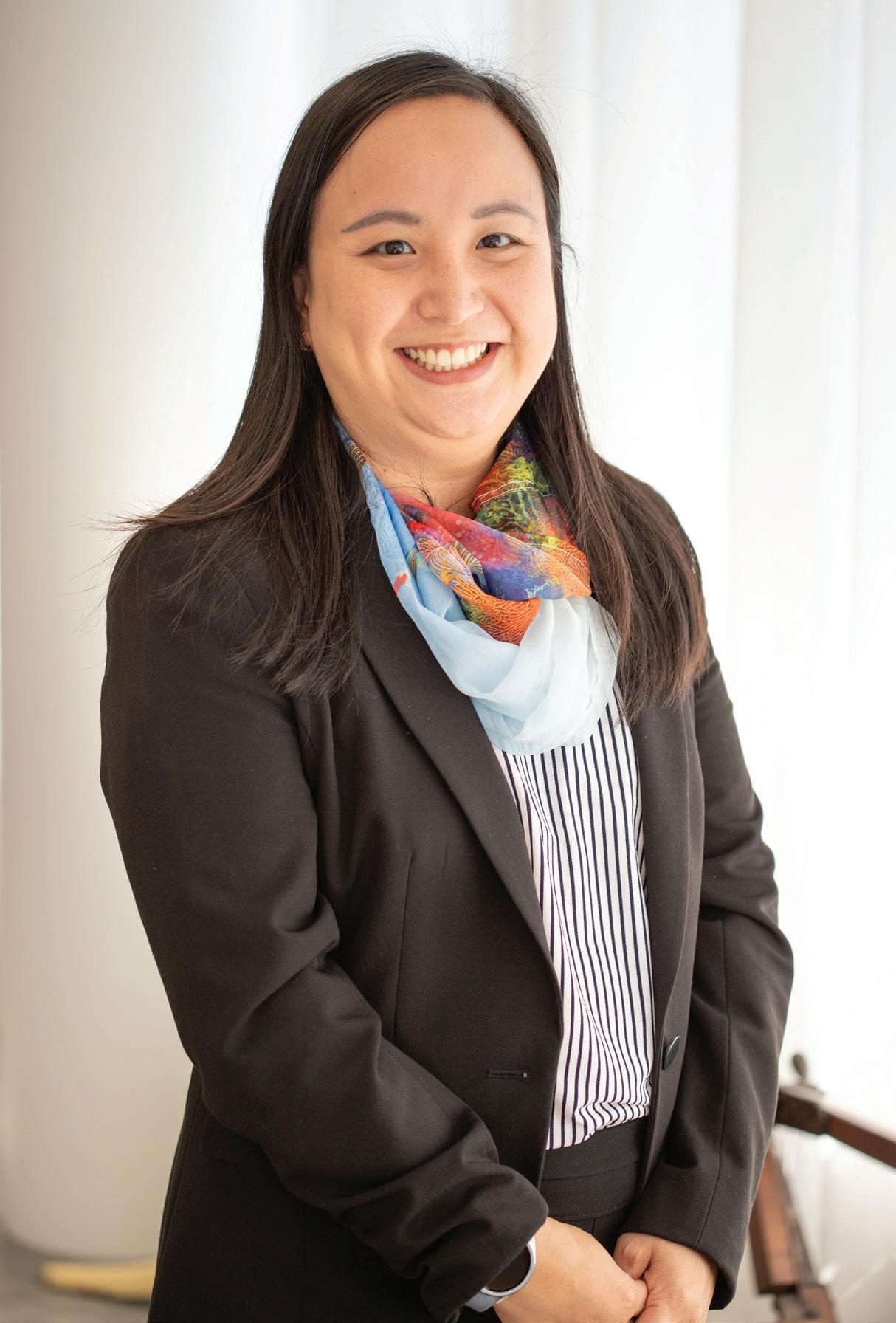
Lydia shares her personal journey and views on Special Needs Dentistry in this interview with the Dental Mirror. "I am grateful to the many mentors, colleagues, and teams who have shaped my path and continue to work alongside me in improving access to care. My hope is that these reflections spark conversation about how we can collectively support patients with complex needs."
Please introduce yourself and share a little about your professional journey into Special Needs Dentistry?
My name is Lydia, and I am a specialist in Special Needs Dentistry. I graduated from the University of Western Australia in 2010 and have been immersed in the special needs space ever since.
After graduation, I joined the Oral Health Centre of Western Australia (OHCWA) as a general dentist. Although I initially hoped for a hospital position, none were available at the time. This role turned out to be pivotal as I was surrounded by postgraduate students and specialist clinicians and exposed to complex cases from the outset.
Working alongside multiple specialties, I managed challenging cases and supported specialists in delivering comprehensive care. This environment helped me develop clinical skills, navigate complex treatment planning, and gain early exposure to medically and psychosocially complex patients. Looking back, I can see how these early experiences shaped my path toward Special Needs Dentistry.
Once I was comfortable with general dentistry, I completed a Master of Science in Geriatric Dentistry through the University of Southern California, exploring the intersection of ageing, medical complexity, and oral health. Around this time, I began working in hospital dentistry at Fiona Stanley and Sir Charles Gairdner Hospitals, treating inpatients and outpatients with complex needs and participating in head and neck cancer multidisciplinary teams.
Encouraged by colleagues and mentors, I later moved to Brisbane to formally specialise in Special Needs Dentistry at the University of Queensland, becoming a registered specialist in Australia.
What first drew you to this area of dentistry, and what inspires you to continue working with patients who have additional needs?
My journey into Special Needs Dentistry is closely tied to why I chose dentistry in the first place.
Before entering dental school, I studied engineering and arts while volunteering with the Buddhist Compassion Relief Tzu Chi Foundation. Initially, I helped with fundraising for the Southeast Asia tsunami, which later evolved into regular volunteering in aged care facilities and community projects. Even as a child, I visited nursing homes and a quadriplegic centre during Christmas entertainment events. These were experiences that shaped my understanding of volunteering and community.
During my application process to dental school, I mentioned my dream of establishing free dental outreach projects for vulnerable populations. This vision became reality through my volunteer work with Tzu Chi Foundation’s medical subgroup, Tzu Chi International Medical Association (TIMA).
Seeing a patient smile and knowing I played a role in making that possible is meaningful and rewarding.
My first formal exposure to Special Needs Dentistry came in my fourth year of dental school, when a guest lecturer presented on mobile dental care in nursing homes. I realised he was describing the very facility where I volunteered weekly. That moment cemented my desire to merge my professional skills with my passion for provision of oral health services to the vulnerable population.
What inspires me most today are my patients. They continually teach me about resilience and finding joy in life’s simplest moments. It is a privilege to be part of their journey. Improving someone’s oral health and seeing tangible improvements in their quality of life is very rewarding.
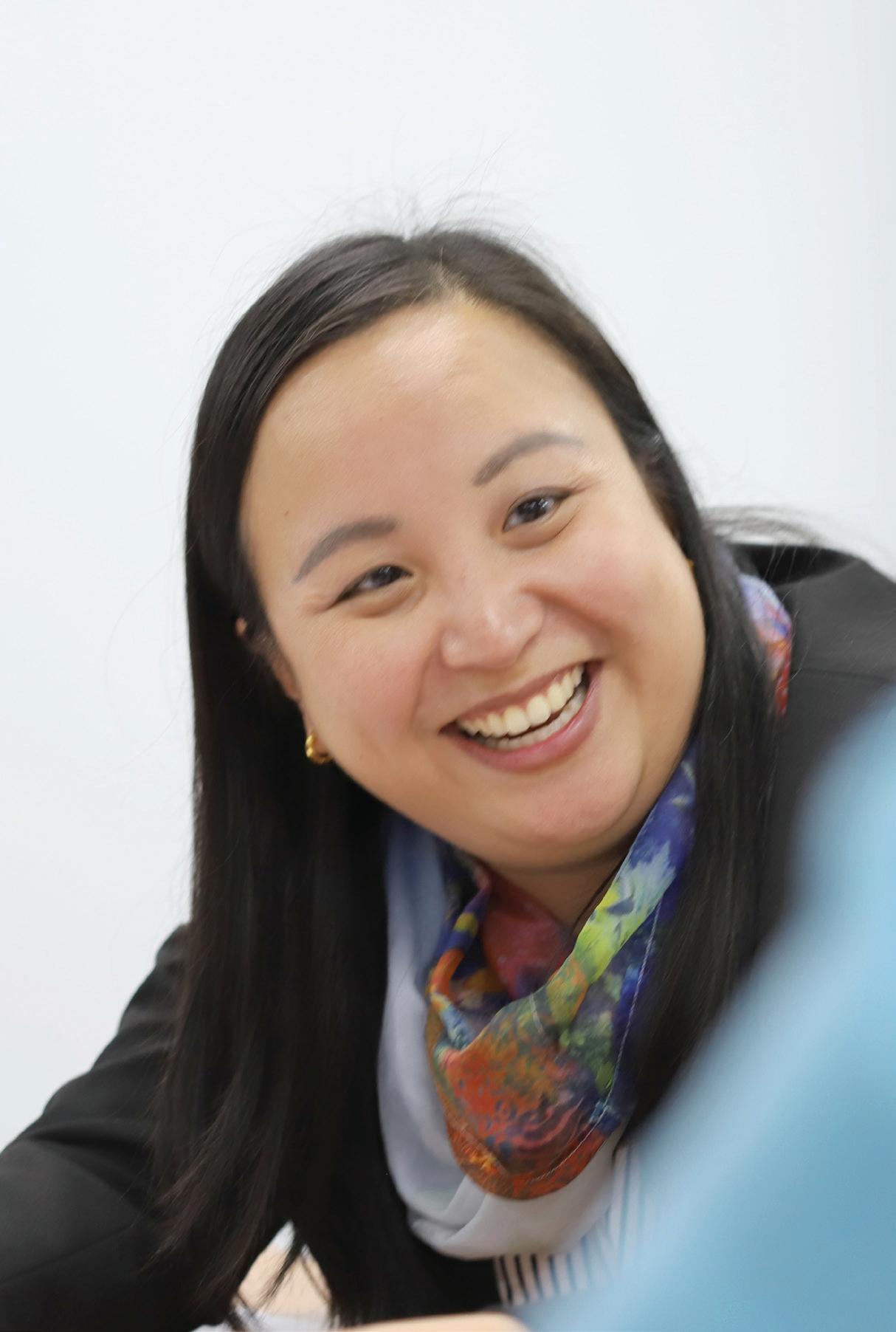
Were there particular experiences or mentors early in your career that shaped your decision to specialise in Special Needs Dentistry?
I’ve been fortunate to have guidance from many mentors, colleagues, and organisations throughout my career.
Early mentors introduced me to minimally invasive, patientcentred dentistry, laying the foundation for how I approach clinical practice today. Colleagues and professional networks encouraged me to take on new challenges, including specialist training and hospital-based roles, while supportive teams across public, private, and not-for-profit sectors provided opportunities to grow and collaborate.
The volunteer and non-profit sector has been especially influential, showing me how dentistry can go beyond the clinic to create meaningful social impact. These experiences reinforced
the importance of advocacy and service delivery in addressing oral health inequities.
Finally, the principles of holistic service delivery, compassionate and sustainable care continue to guide my efforts, not only in providing clinical care but also in influencing the systems and policies that shape the future of Special Needs Dentistry.
For members who may not be as familiar, can you explain what Special Needs Dentistry involves and why it is such a vital part of the profession?
The Dental Board of Australia defines Special Needs Dentistry as “the branch of dentistry concerned with the oral health of people with an intellectual disability, medical, physical, or psychiatric condition that requires special methods or techniques to prevent or treat oral health issues.”
For me, this field sits at the intersection of medicine, dentistry, social work, and advocacy. It requires a holistic approach where we are looking beyond teeth to consider the functional, medical, and psychosocial needs of each individual. It’s about delivering care with compassion and empathy, tailored to each patient’s unique circumstances.
What do you find most rewarding about working with patients who have complex medical, physical, or behavioural needs?
The most fulfilling part is seeing the positive impact on my patients’ lives. Whether it’s relieving pain, restoring function, or making dental care accessible, the reward comes from knowing my care has improved their quality of life.
Something as simple as seeing a patient smile and knowing I played a role in making that possible is meaningful and rewarding.
Are there misconceptions about Special Needs Dentistry that you would like to see addressed within the wider dental community?
Special Needs Dentistry is often thought of primarily in the context of intellectual or physical disabilities. While these are important aspects, the scope is much broader.
It also encompasses patients who are medically complex, socially vulnerable, or who face significant barriers to care, including those with chronic illnesses, mental health conditions, or socioeconomic challenges.
Ultimately, it’s about understanding and navigating the overlap between medical, dental, and psychosocial factors to deliver safe, compassionate, and effective care.
What challenges have you faced when transitioning from general dental practice into Special Needs Dentistry?
The greatest challenge has been in advocacy and access. With only 29 registered specialists in Australia, we wear multiple hats: clinicians, educators, researchers, advocates, and leaders while trying to upskill the broader workforce. As such, within our specialty, we have found balancing these roles while maintaining personal wellbeing and work-life balance has been one of the most demanding aspects of this specialty.
How do you approach building trust and rapport with patients who may experience anxiety or communication barriers in the dental setting?
Trust is at the heart of Special Needs Dentistry. My approach is to communicate with sincerity and genuine care, ensuring each interaction is patient centred. A key principle I follow is treating each patient with a clean slate, so that challenges from one appointment don’t carry over into the next. To make this possible, after particularly challenging cases, my team and I take a moment to decompress and reset before seeing the next patient. This pause allows us to be fully present and reinforces that each person matters. Over time, I have found this approach has been invaluable in building the trust and rapport essential to effective treatment.
Can you share a memorable learning experience that has shaped the way you care for your patients today?
As a youth volunteer with the Tzu Chi Foundation, I visited Tzu Chi Hospital’s Silent Mentor Program which is a cadaver-based anatomy program designed to instil respect and gratitude in medical students.
The philosophy of the program profoundly impacted me. It emphasised that true learning in healthcare goes beyond textbooks and lectures. Our greatest teachers are our patients, who entrust us with their care and, in doing so, shape both our clinical skills and our humanity.
This experience taught me to approach every patient encounter with humility and gratitude. It is through our patients’ challenges and stories that we grow as healthcare professionals.
Access to dental care for patients with special needs is often limited, especially in regional and rural areas. What changes or initiatives do you believe are most crucial for improving equity of care?
A key concept here is equity versus equality:
• Equality offers the same services to everyone, regardless of circumstances.
• Equity tailors services to meet the unique needs of individuals and communities, ensuring fair opportunities for good oral health.
Upskilling the dental workforce will be vital in providing access to dental care for our special needs population. Supporting general dentists, through education and collaboration, can help broaden access to care, while specialists continue to manage more complex cases. Just as GDPs gain foundational skills across specialties, they should also have the confidence to treat patients with special health care needs. This requires comprehensive education for the whole dental team, including dentists, oral health therapists, prosthetists, and auxiliary staff.
I believe education, research, and collaborating within multidisciplinary teams, hospital and community services are required to improving access. This also means reflecting on the core values of dentistry. I believe our profession is at its best when financial sustainability and patient-centred care work hand in hand. Both private and public models play vital roles in delivering care, and it’s about ensuring that all approaches align with improving patient outcomes. Ideally, this ethos guides how
we practice, mentor future generations, and engage with our communities.
Looking ahead, I hope to play a role in research and initiatives that inform clinical guidelines and policy, particularly in areas such as managing rampant caries in head and neck cancer patients and improving plaque control in geriatric populations. My aim is to see Special Needs Dentistry better integrated into dental education, continuing professional development, and healthcare systems so access improves for those who need it most.
How can the profession better support general dentists who may feel underprepared when treating patients with special needs?
Many general dentists feel underprepared when treating patients with special needs. The profession can address this by:
• Offering targeted continuing education that provides structured, practical frameworks to build skills and confidence.
• Encouraging peer networks and mentoring relationships to help general dentists develop competency in this area over time.
By fostering an environment of support and growth, more clinicians will be able to deliver inclusive, patient-centred care.
In your view, what role does collaboration with other health professionals play in delivering comprehensive care for these patients?
Collaboration is no longer optional, it is essential. Modern healthcare is increasingly complex, with greater recognition of how psychosocial factors influence both treatment and outcomes.
Dentistry should not exist in isolation. Instead, it needs to be integrated into multi- and interdisciplinary healthcare teams, where dentists work alongside medical professionals, allied health practitioners, and support services. This collaborative approach ensures that patients with special needs receive holistic care that addresses both their oral and overall health.
Looking back on your career so far, what achievement are you most proud of in the field of Special Needs Dentistry?
Two milestones stand out.
The first is establishing the Tzu Chi International Medical Association (TIMA) Perth dental volunteering projects with a group of dedicated volunteers. Together, we’ve built sustainable pathways to provide care for vulnerable communities.
The second is qualifying as a specialist in Special Needs Dentistry, a goal that represents years of growth, dedication, and commitment to serving patients with complex needs.
What keeps you motivated and inspired when working in what can sometimes be a highly demanding and challenging specialty?
What drives me is the impact I can have on a person’s life and, by extension, on society. Seeing a patient smile and knowing I’ve played a small part in improving their quality of life is incredibly rewarding. These moments of connection and transformation keep me grounded and inspired, even when the specialty can be challenging and demanding.
If you could offer one piece of advice to dentists or students considering a career in Special Needs Dentistry, what would it be?
My advice is threefold:
1. Find joy in dentistry and clinical practice, it’s the foundation for a fulfilling career.
2. Develop a broad base of knowledge, from biological sciences to materials science and the art of clinical practice.
3. Stay curious, always ask “why” and “how.” Curiosity drives innovation, deeper understanding, and better patient outcomes.
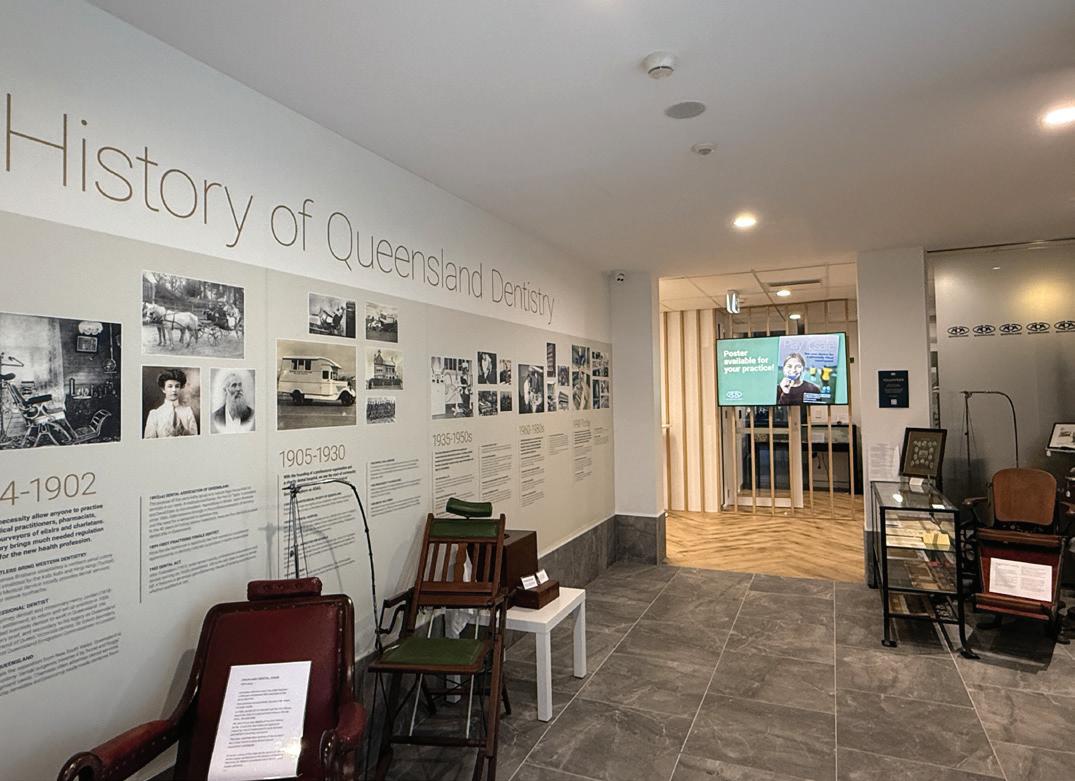
A family legacy becomes living history: at ADAQ House, the Wards’ donations—WWI kit, wartime letters, and a century-old lab lathe— reconnect Brisbane dentistry to its colonial and wartime roots.
At the recent Vintage Treasures event held at ADAQ in May, we had the pleasure to see Dr Alastair Ward and his sons.
The Ward family of Brisbane counts many dentists and chemists since the arrival of patriarch Moses Ward in the early days of the colony. Over the last few years, Alastair had donated many dental objects and family treasures to the ADAQ Museum of Dentistry for safekeeping: some examples of his donations include the iconic ivory handled extraction key [LINK] and a WW1 field dental surgical kit [LINK] belonging to his grandfather John Whittaker Ward.
They also include Ken Ward’s correspondence folder. Ken steered the ADAQ in the WW2 years. His letters show the concern and care needed by the profession in those years of hardship, equally by dentists who were enlisted, and by those who had remained to care for the civilian population, amid shortages of everything from aprons to handpieces.

Alistair is the great-grandson of Moses Ward, one of the earliest chemists to set up business in Brisbane.
Needless to say, we were thrilled Alastair and family could attend our showcase of the Museum of Dentistry historical collection. Little did we know we would end up with more significant donations from this very esteemed member, including a dental laboratory lathe which is over a hundred years old.
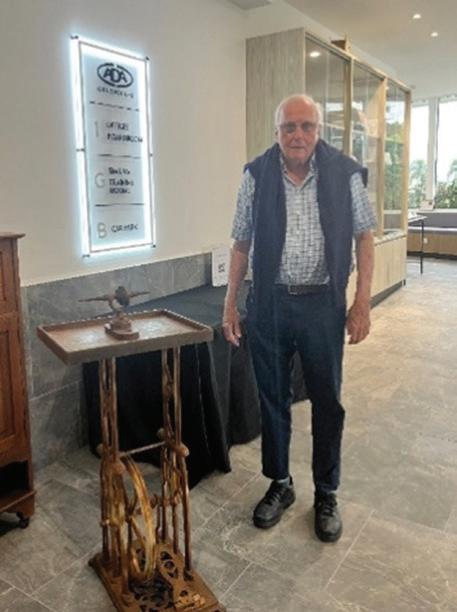
Pictured: Alastair Ward BDSc delivering the lathe at ADAQ House this year.
We found similar looking lathes in the 1880s Ash catalogues. From these catalogues we can see that laboratory lathes were customised for various applications, including grinding porcelain teeth and polishing vulcanite.
Lathe no. 4 pictured here is listed as a Lathe for grinding Mineral Teeth, with iron stand and oak top, corundum wheels and water apparatus. Ward’s lathe stand matches this one, however the lathe head itself is a later object and was used for polishing vulcanite.
Moses Ward (1828-1914) arrived in 1862 from England. A qualified chemist and druggist, he bought TC Drew’s pharmacy in Ann Street, Fortitude Valley and renamed it the Apothecaries’ Hall, still standing now as one of the oldest intact commercial buildings in the area.
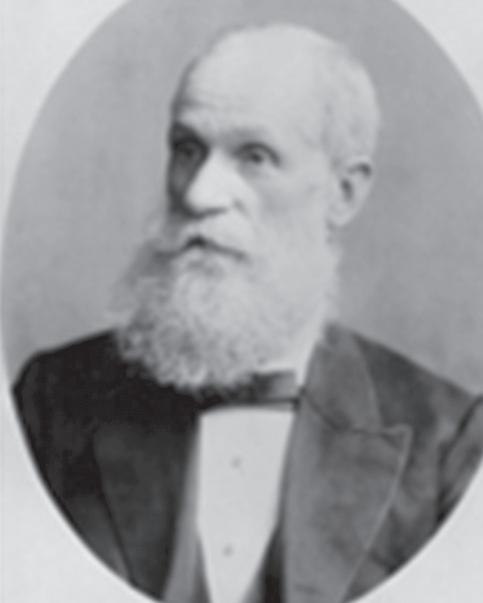
Ward’s business sold perfumes and stockings, carbonated drinks, functioned as postal receiving office, and also provided basic dental services. He was a very successful businessman and was instrumental in the enactment of a Pharmacy Bill for Queensland. Read more about Apothecaries’ Hall and Ward here: [LINK] and here: [LINK]
In 1874, Ward moved to a more central location in Queen Street. Newspapers report Ward had built the largest chemist shop in all of the colonies in Australia. Ward’s building was located roughly where the HSBC Bank building is located, adjacent Post Office Square and opposite the Post Office.
Two of Moses’ sons became dentists, and both worked in, and later took over, the Queen Street business. They were: John Whittaker Ward who managed the dental side of the business, and George William Ward, also a dentist, who managed the pharmacy.
The photo of the building shown dates from the 1920s according to Queensland historian John East, who has written extensively about the historical architecture of Brisbane. The dental surgery was on the upper level, the pharmacy at ground level, and the dental laboratory was in the cellar. This is where our dental lathe was likely in use.
The Telegraph described the Ward’s premises in 1892:
“ The shop facing Queen street is large, and is stocked with an extensive supply of drugs. In the centre of the shop stands a fine marble fountain and when the hot weather sets in the water will be put into play. He [Mr Ward] has also secured an ice drinking
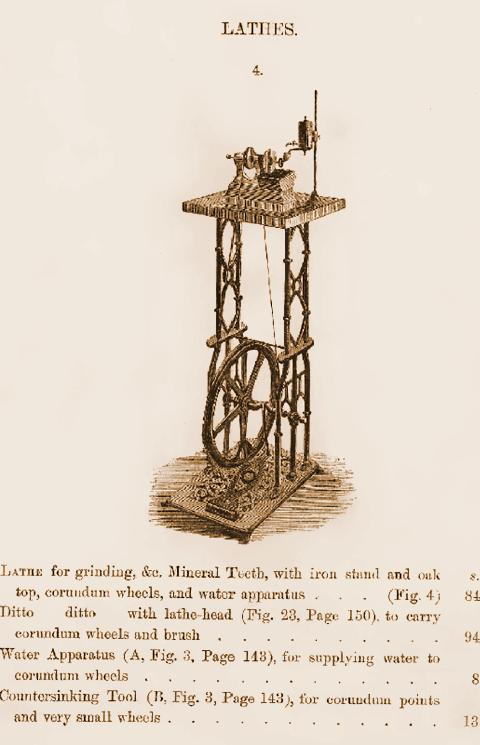
fountain from America […] At the back of the shop there is the dispensing room, where the dispenser can attend to his duties without interruption, a safeguard which minimises the chances of accident occurring through the mixture of the wrong drugs. Behind the shop the books are kept, but an aperture in the wall enables the person so engaged to see when a customers enters the shop. In this room there is a neat little apartment containing the latest and most approved instruments for extracting teeth, provided the patient is prepared to undergo the operation without the aid of gas; but for the more difficult cases there is a room upstairs, facing the street, where gas and chloroform are administered. This room is admirably adapted for the purposes, as the light is good and the patient is not liable to be disturbed during the operation. A portion of the basement is used for the mechanical department of the dentistry branch of the business, and here an experienced and competent workman is engaged making teeth for those whose ivory is missing.
Excerpt from: 24 Sep 1892 - Chemists' Shops. - Trove 1892 'Chemists' Shops.', The Telegraph (Brisbane, Qld. :
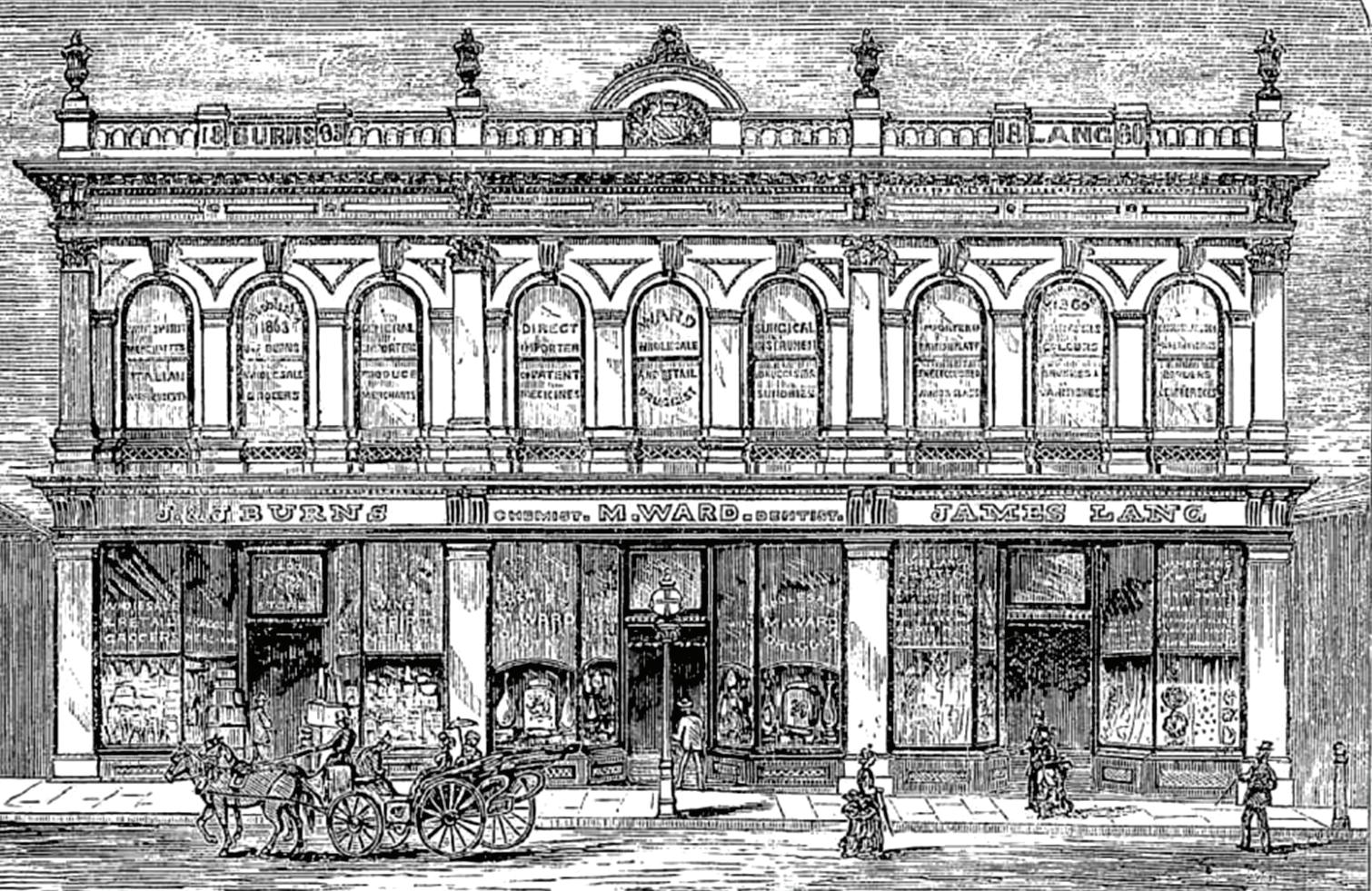
http://nla.gov.au/nla.news-article70491739
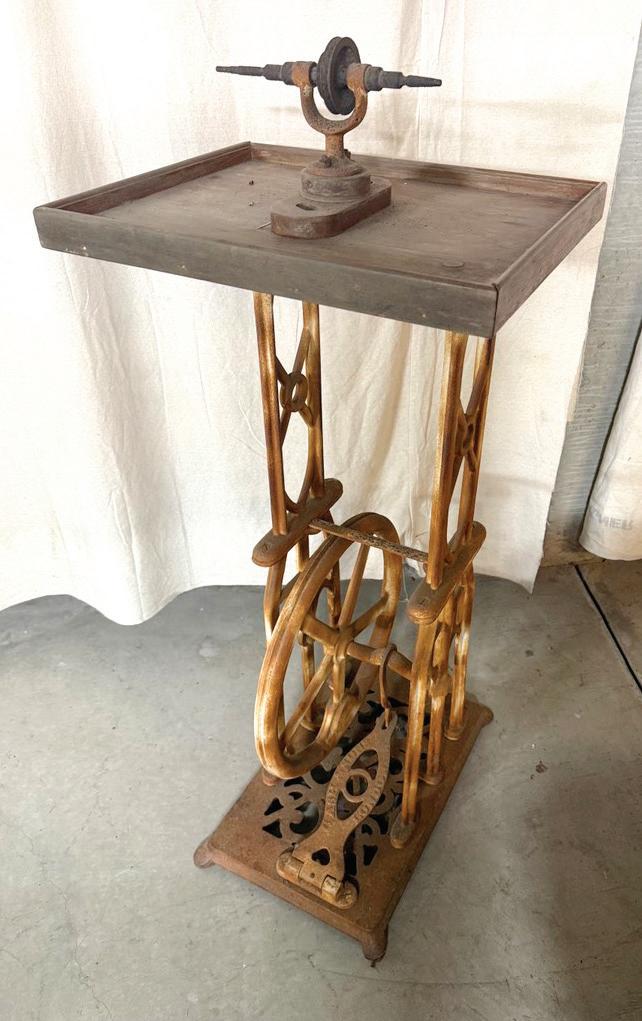
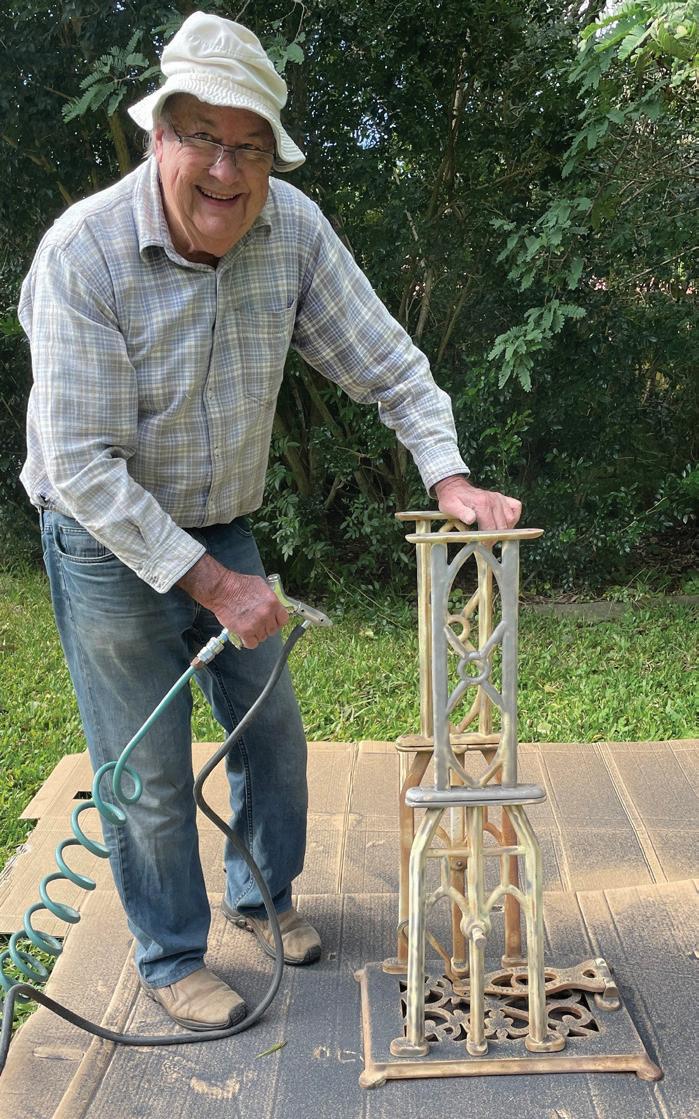
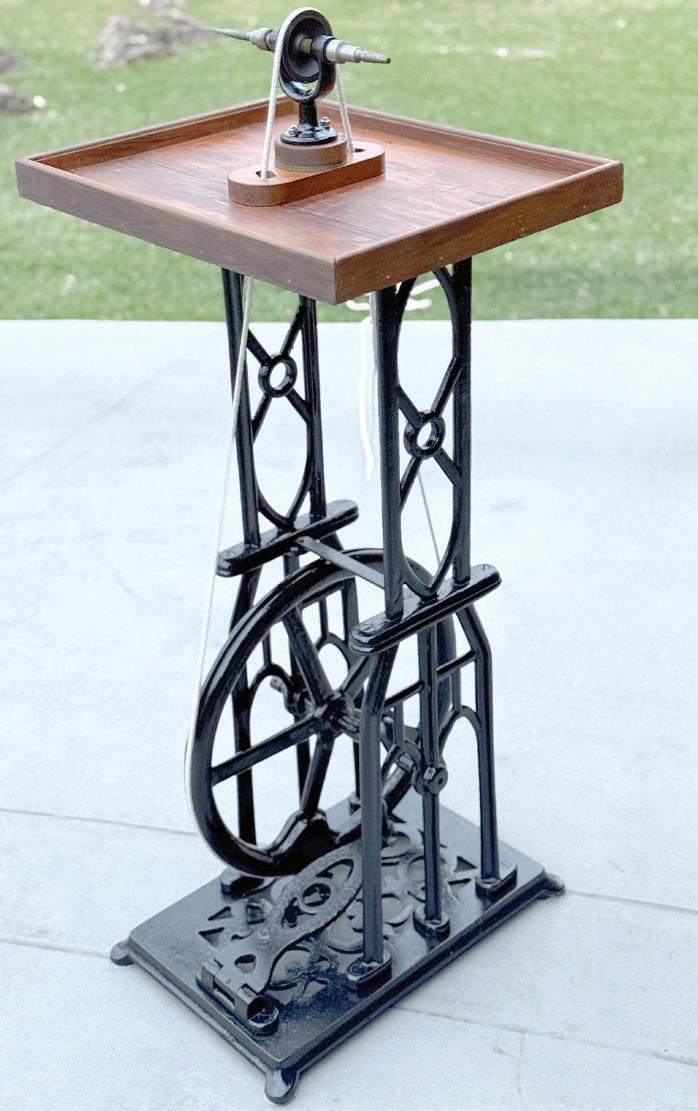
1872 - 1947), 24 September, p. 6., http://nla.gov.au/nla.newsarticle174094928
The machine needed some restoration. Dr Gary Smith undertook the challenge, enlisting the help of Dr Neil Savage for moving the item, and of Dr Ross Stewart for his mighty sand blaster skills.
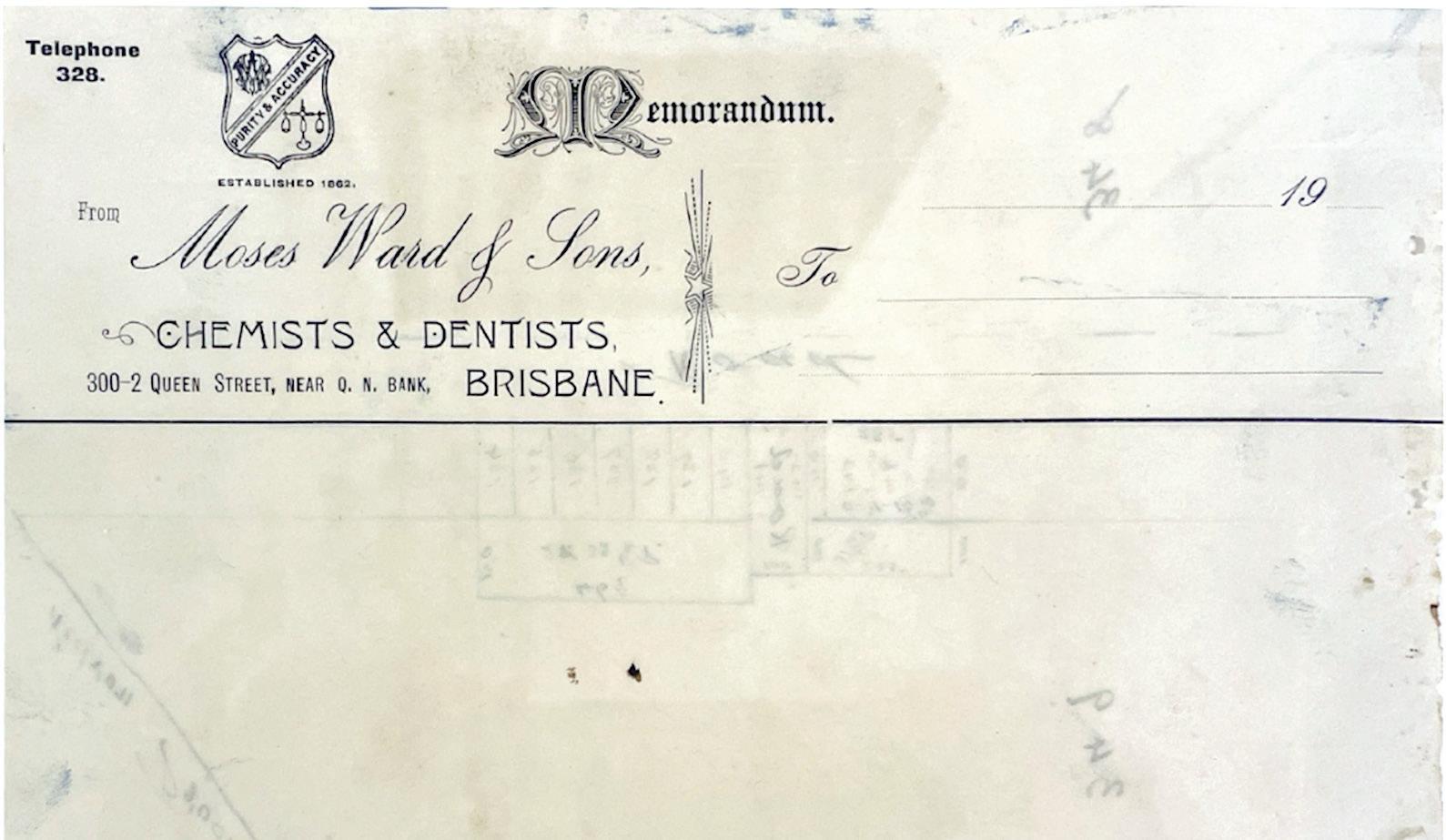
Not afraid to risk a slipped disk or two, Neil and Gary loaded the very heavy cast iron lathe onto Gary’s car in a matter of minutes. Then Gary and Ross tackled the job of removing rust and old paint off the base and the flywheel.
‘Smaller parts were left in an anti-rust solution for a couple of months’, Gary Smith tells us about the process. ‘I was then able to spray paint the cast iron to offer some future protection against
rust. I applied a concoction of 1/3 mineral turpentine, 1/3 boiled linseed oil and 1/3 brown vinegar to the Oak shelf. A 4 mm split in the shelf shrank to a 1 mm split as the timber absorbed the oil. ‘
The result is astonishing. The timber top is now quite vibrant. The iron is protected for (hopefully) another 100 years. The machine is missing a drive belt, but if we had one that fit, the lathe would still turn quite well.
Do you have time, tools and passion for the history of the profession? If so, get in contact with Alex: adaq@adaq.com.au We have many objects in need of TLC. We can’t guarantee sand blaster fun in the garden