
RECIPE Chocolate
COMMUNITY ADVANTAGE MAGAZINE FEB/MAR 23 EVERYTHING GRESHAM + A LITTLE BIT MORE!
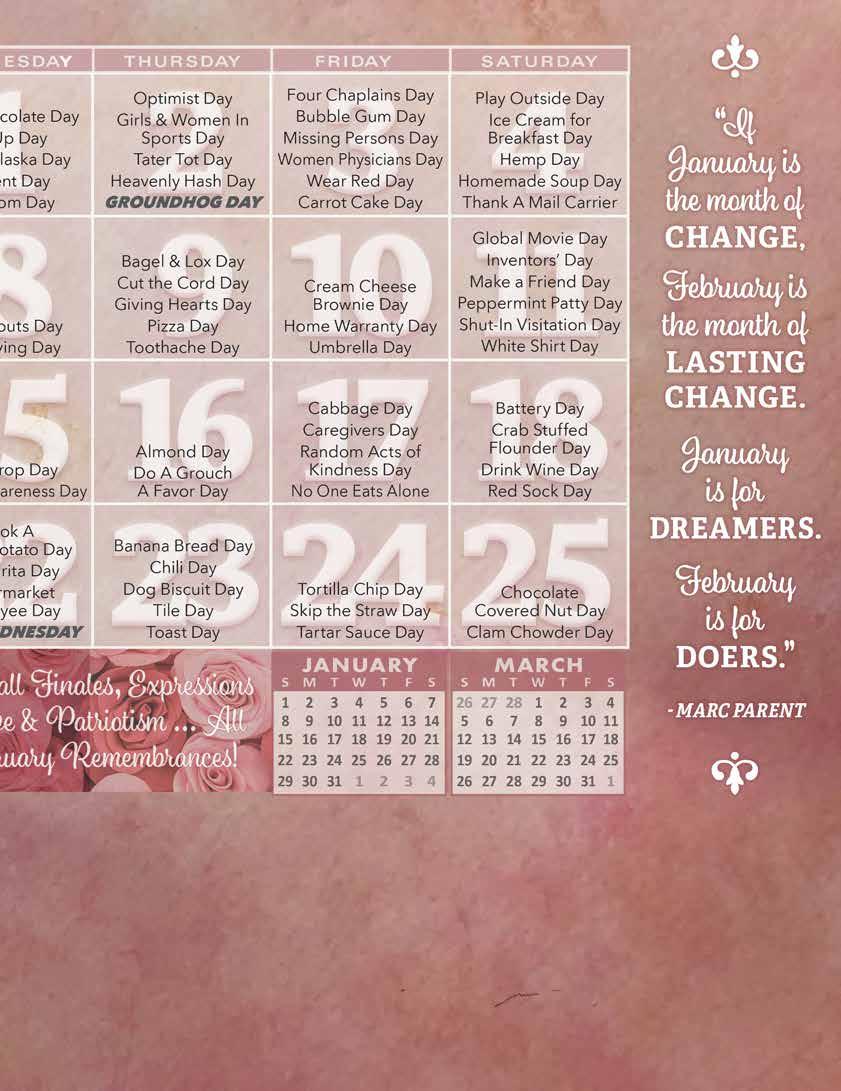
THE HISTORY OF The Tater Tot
Strawberry Shortcake S p o t l i g h t ON A LOCAL GEM SEE INSIDE
GRESHAM

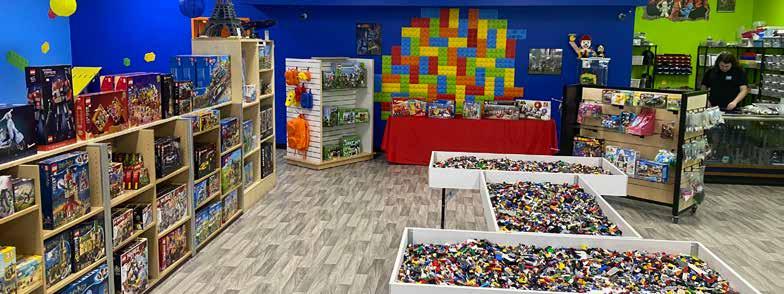






Our new & used LEGO selection is unmatched! SOME RESTRICTIONS APPLY SEE STORE FOR DETAILS. GRESHAM LOCATION ONLY EXPIRES 4/15/23 20% OFF ALL BUILT USED Lego Sets (Limit 1) SOME RESTRICTIONS APPLY SEE STORE FOR DETAILS. GRESHAM LOCATION ONLY EXPIRES 4/15/23 $25 OFF ALL BRICK PARTIES GREAT fOR BIRTHDAYS, yOUTH GROUPS & tEAM EVENTS Bricks & Minifigs Gresham is locally owned and an authorized LEGO Retailer. LEGO and the LEGO logo are trademarks of the LEGO Group. ©2021 The LEGO Group. All rights reserved, used with permission. Gresham 540 NW Eastman Pkwy - Gresham 503-328-8848 buy • sell • trade new & used Lego Sets, minifigures & Bulk pieces!









Let us open the door for you! Residential & Commercial Call For A FREE Quote 503-683-8442 For Garage Door Repair Cost! • Repair • Installation • Garage Door Maintenance • Emergency Garage Door Service www.oregoncitygaragedoor.com Licensed, bonded, and insured OR CCB # 193697 | WA # OREGOCG881QB $25 OFF Spring Replacement Only with coupon. Not valid with other offers or discounts. Some exceptions apply. Expires 4/15/23 $150 OFF Purchase of a New Door & Opener Only with coupon. Not valid with other offers or discounts. Some exceptions apply. Expires 4/15/23 $50 OFF Single Door OR $100OFF Double Door Only with coupon. Not valid with other offers or discounts. Some exceptions apply. Expires 4/15/23 $1200 OFF NEW DECK $700 OFF DECK RESURFACING Must present coupon. Not valid with other offers. Exp. 4/15/23 Must present coupon. Not valid with other offers. Exp. 4/15/23 Achieve Your Deck Dreams NEW DECKS RESURFACING PATIO COVERS FENCING 503-305-3965 www.granddecks.com Financing Available CCB #233423 Licensed, Bonded & Insured Transform Your Outdoor Space CommunityAdvantageMagazines.com 3


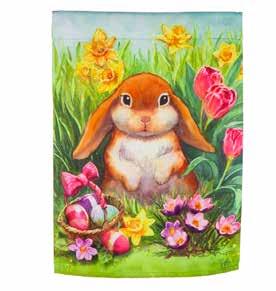



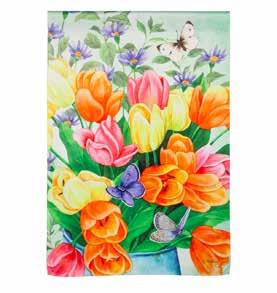


1332 NE Broadway, Portland 97232 elmersflag.com • 503.282.1214 NEW HOURS: M-F 8:30AM - 5:30PM SAT: 10AM - 4PM SUN: Closed An American Flag Store Family and locally owned since 1963 WeOffer: • Kites for the whole family • A huge selection of decorative house banners and garden flags • Free lifetime fly-end repair for flags bought from us • Custom flags and banners for your business or special occasion home exterior decorations kites banners flags weather vanes wind socks & spinners YOUR HOLIDAY GIFT HEADQUARTERS 20% OFF ANY IN-STORE PURCHASE OF $60 OR MORE Must present offer. Max discount $20. Expires 4/15/23 FREE IN-GROUND GARDEN FLAG STAND WHEN YOU BUY 2 IN-STOCK GARDEN SIZE FLAGS ($12.95 VALUE) In store only. Must present offer. Expires 4/15/23 4,000 sq ft of flags, whimsical windsocks, weather vanes, kites, flagpoles & more For All Of Your Flag, Banner, Flagpole & Kite Needs!ForOver59Years

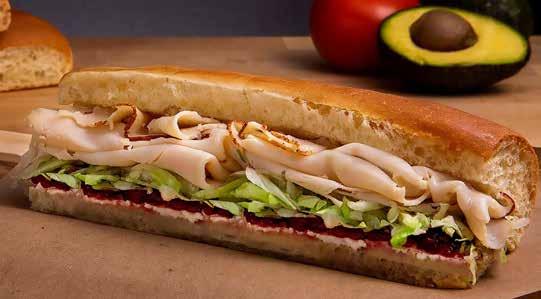




1334 NW CIVIC DR • GRESHAM (IN GRESHAM STATION) (503) 489-1980 BIGTOWNHERO.COM GET YOUR ULTIMATE SANDWICH JOIN US IN CELEBRATING EVERYDAY HEROES IN OUR COMMUNITY $5 OFF ANY PURCHASE OVER $25 See store for details. Gresham location only. Not valid with other offers. Offer expires 4/15/23 $10 OFF ANY PURCHASE OVER $40 See store for details. Gresham location only. Not valid with other offers. Offer expires 4/15/23 OWNER’S FAVORITE $3 OFF ANY SIZE TBA SANDWICH See store for details. Gresham location only. Not valid with other offers. Offer expires 4/15/23 MONDAY - FRIDAY 8AM–7:30PM • SATURDAY & SUNDAY 8AM–6:30PM ORDER ONLINE NOW SERVING BREAKFAST 10% OFF STUDENT DISCOUNT WITH VALID ID WE CATER! ORDER FOR YOUR NEXT PARTY FREE CHIPS & SODA WITH ANY FOOTLONG MON & TUES 3-6 See store for details. Gresham location only. Not valid with other offers. Offer expires 4/15/23
Chocolate Strawberry Shortcake
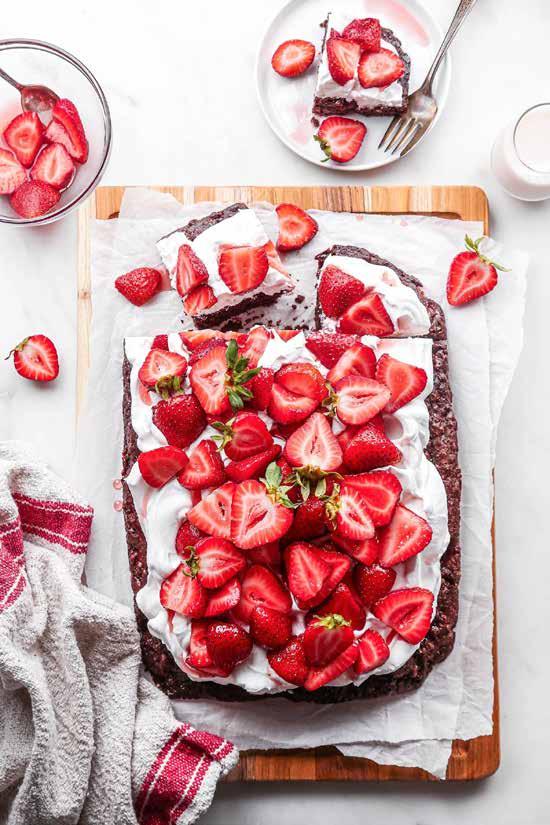
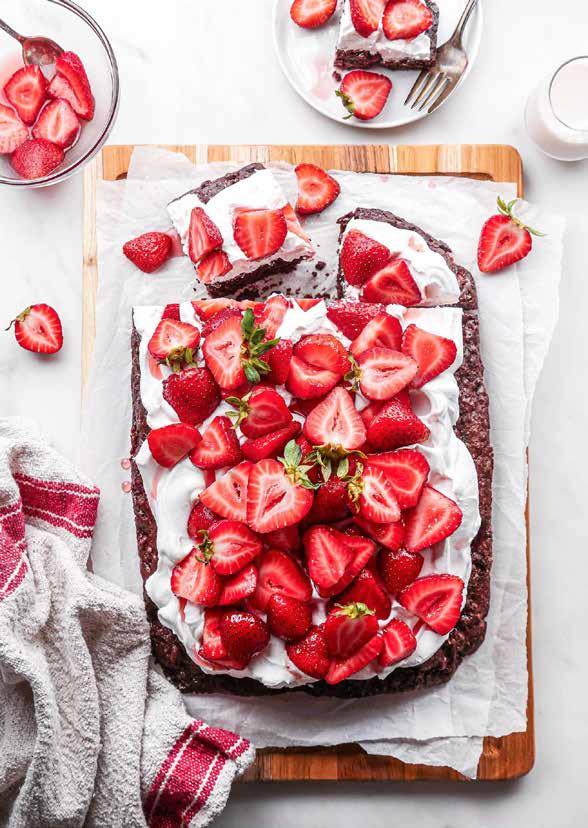
INGREDIENTS
2 cups all-purpose flour
1/3 cup white sugar
¼ cup cocoa powder
1 tablespoon baking powder


1 teaspoon baking soda
½ teaspoon salt

½ cup butter
1 cup milk
2 pints strawberries, sliced
¼ cup white sugar
1 (12 ounce) container frozen whipped topping, thawed


2 tablespoons chocolate syrup
DIRECTIONS
1. Preheat the oven to 400 degrees F (200 degrees C). Grease two 9-inch layer pans.








2. In a large mixing bowl, combine flour, 1/3 cup sugar, cocoa, baking powder, baking soda, and salt. Cut in butter until mixture resembles coarse crumbs. Add milk, mixing until just moistened. Spread batter evenly into the prepared layer pans.
3. Bake in the preheated oven for 15 minutes, or until a toothpick inserted in the center comes out clean. Cool.
4. Meanwhile, in a medium mixing bowl, combine strawberries and remaining 1/4 cup sugar. Let mixture stand for 10 minutes.
5. Remove shortcake layers from the pans. Place one layer on a serving plate; cover with 1/2 of the of strawberry mixture and 1/2 of the whipped topping. Place remaining shortcake layer on top, then remaining strawberry mixture and remaining whipped topping. Drizzle chocolate syrup over top.
RECIPE Serve this chocolate strawberry shortcake on Valentine’s Day. It’s delicious and looks beautiful.
allrecipes.com/recipe/16029/chocolate-strawberry-shortcake/
WANT TO BE IN THIS MAGAZINE? DIRECT MAIL = DIRECT RESULTS We publish 40+ local area magazines + direct mail collateral! Learn more at ActiveMediaUSA.com ADVERTISE WITH US! CALL 503.825.2111 6 Advertise With Us! Call 503.825.2111





The Custom Refacing Difference Free In-Home Design Consultation 503-832-6461 Learn more about the refacing process! Visit portland.cabinetcures.com Visit our Design Center in Sherwood! Open Mon - Fri: 11am-5pm & Sat: 10am-3pm 16008 SW Tualatin Sherwood Rd. 503-832-6461 • portland.cabinetcures.com 10% OFF Refacing Portion of Your Project License CCB# 198171 Must present coupon at time of estimate. Expires 4/15/23 • Endless modification options available. • Custom molding packages to fit any style. • Professional design services included with every project. 30+ Years in the Kitchen Remodeling Industry
THE HISTORY OF
Red Velvet Cake
 By Donovan Darling, Staff Writer
Cake itself dates back to the 13th century. And for hundreds of years, cakes were basically sweet bread or what we know today as fruitcake, with dried fruits and nuts, and pretty coarse as far as dessert goes. It took about 500 years for bakers to make better cakes, breaking down the flour for a more delicate and delicious cake. But where does the traditional red velvet cake come from?
Historians believe velvet cake was invented during the Victorian Era. In the 1800s, recipes using cocoa for gourmet cakes gained popularity, and the bakers called them “velvet” cakes and served them at fancy parties. To contrast how coarse cakes used to be, they specifically called them “velvet” so the guests would know how delicate and soft the cakes were. And it seemed that bakers were obsessed with trying to perfect the cake recipe. The ingredient cocoa–first imported from the Americas in the 17th century–broke down the coarseness of the flour, resulting in a soft and velvety cake. But where does the red come from? It’s said that the red color is due to a chemical reaction of acid and cocoa, as natural cocoa is high in acidity and functions well with buttermilk and baking soda, common ingredients in cake at the time. In addition to its delectable chocolate flavor, the cocoa is what makes the cake so “velvet.”
Later in the 1900s, cake recipes began using cocoa as the main ingredient. And bakers, home and professional, found recipes for cocoa velvet cakes, red cocoa cakes, and other types. Around 1943, a then successful cookbook, The Joy of Cooking, included a red velvet cake. Irma S. Rombauer, writer of the book, stated she never cared for the cake but felt compelled to include it. And this 1943 recipe was the first official mention of the red velvet cake in U.S. media.
At the outbreak of WWII, food and supplies were rationed to soldiers and civilians, including such baking ingredients as sugar and butter. This resulted in bakers, in lieu of using sugar, choosing beets and beet juice as a sweetener. Funny enough, modern red velvet cake recipes still call for beets! The bright and rich red color of beets made for a more appealing cake, at least aesthetically. Interestingly enough, the beets also made the cake soft and moist, preventing the cake from drying out so easily while being cooked. And during the trying times of war, civilians were actually quite happy to buy red velvet cake because it was different and somehow more special. The beets didn’t adversely affect the flavor, but rather created a soft and moist texture and the dramatic red color the cake is known for, impressing guests with a bright and rich red centerpiece on the dessert table. Still popular today, red velvet remains a wildcard in the baking world, and not just as cake anymore–there’s cupcakes, pie, cookies, and red velvet chicken and waffles! So, ultimately, who is credited as creating red velvet cake?
According to The Adams Extract company, they claim to be responsible for inventing the cake in the United States, as they made a fortune selling red food coloring (instead of beets and beet juice) to make the cake possible. The Waldorf Astoria Hotel also claims they are the inventors and birthplace of red velvet cake. However, in this writer’s opinion, like language itself, it took many years and mouths and minds to evolve what we know today as red velvet cake, and no one person could possibly be credited. Next time you’re enjoying a rich slice of red velvet cake, remember all these bakers who perfected this recipe over hundreds of years!
SEASONAL 8 Advertise With Us! Call 503.825.2111










670 S Pacific Highway W, Rickreall 503-831-4601 Community Advantage Magazine R3
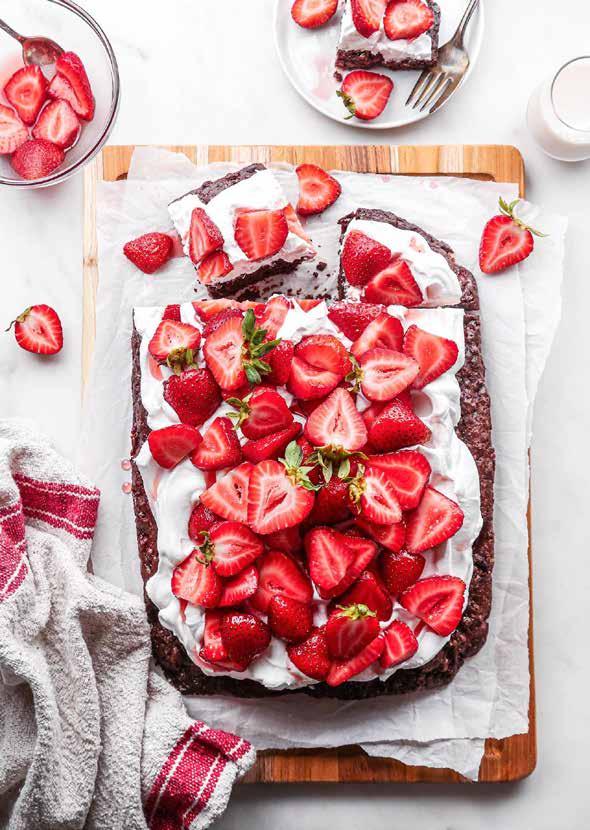
Chocolate Strawberry Shortcake
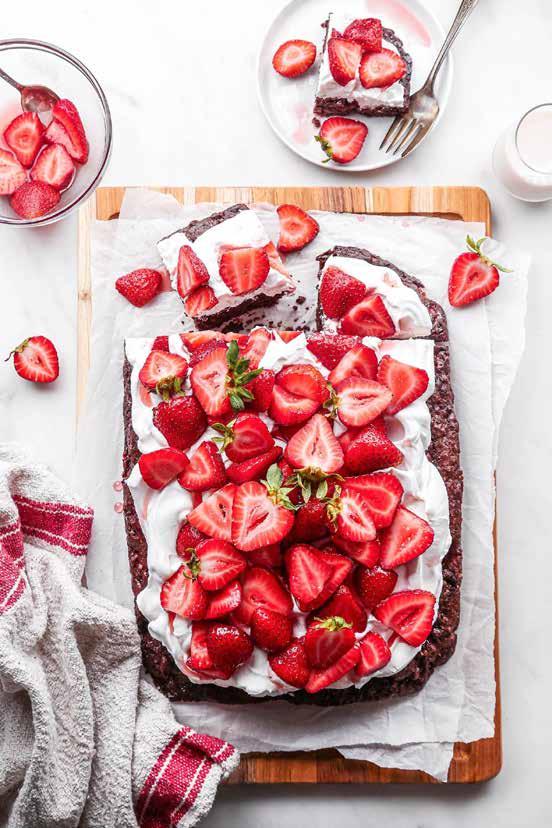
INGREDIENTS
2 cups all-purpose flour
1/3 cup white sugar
¼ cup cocoa powder
1 tablespoon baking powder
1 teaspoon baking soda
½ teaspoon salt

½ cup butter
1 cup milk
2 pints strawberries, sliced
¼ cup white sugar
1 (12 ounce) container frozen whipped topping, thawed
2 tablespoons chocolate syrup

DIRECTIONS
1. Preheat the oven to 400 degrees F (200 degrees C). Grease two 9-inch layer pans.



2. In a large mixing bowl, combine flour, 1/3 cup sugar, cocoa, baking powder, baking soda, and salt. Cut in butter until mixture resembles coarse crumbs. Add milk, mixing until just moistened. Spread batter evenly into the prepared layer pans.
3. Bake in the preheated oven for 15 minutes, or until a toothpick inserted in the center comes out clean. Cool.
4. Meanwhile, in a medium mixing bowl, combine strawberries and remaining 1/4 cup sugar. Let mixture stand for 10 minutes.
5. Remove shortcake layers from the pans. Place one layer on a serving plate; cover with 1/2 of the of strawberry mixture and 1/2 of the whipped topping. Place remaining shortcake layer on top, then remaining strawberry mixture and remaining whipped topping. Drizzle chocolate syrup over top.
RECIPE Serve this chocolate strawberry shortcake on Valentine’s Day. It’s delicious and looks beautiful.
allrecipes.com/recipe/16029/chocolate-strawberry-shortcake/
WANT TO BE IN THIS MAGAZINE? DIRECT MAIL = DIRECT RESULTS We publish 35+ local area magazines + direct mail collateral! Learn more at ActiveMediaUSA.com ADVERTISE WITH US! CALL TINA TONEY 503.991.4547








Powered by a Professional Truck Mounted Steam Cleaner Upholstery Specials Couch $55 • Love Seat $45 Recliners $40 Family Owned & Operated Since 1995 Call Josh Today at 503.956.6148 www.mightycleanonline.com Josh Vorderstrasse Owner/Operator Satisfaction Guaranteed! FOR ALL YOUR CARPET CLEANING NEEDS We Specialize In: • Pet Stain/Odor Problems • Deodorizer • Stain-Guard • Tile & Grout • Deep Soil Extraction $18995 ANY SIZE TWO LEVEL Not valid with any other offer. Offer valid on homes only. Expires 4/15/23 $13995 ANY SIZE ONE LEVEL Not valid with any other offer. Offer valid on homes only. Expires 4/15/23 WE CLEANALSOTILE & GROUT Free Appetizer With Purchase of 2 Meals $5 Off Any Order Of $25 Or More Must Provide Coupon At Time Of Service. May Not Be Used With Any Other Offer. Offer Expires 4/15/23 Must Provide Coupon At Time Of Service. May Not Be Used With Any Other Offer. Offer Expires 4/15/23 Sunday: 10am to 9pm Monday: 4pm to 9pm Tuesday & Thursday: 12pm to 10pm Friday & Saturday: 12pm to 12am OUR NEW HOURS Community Advantage Magazine R5



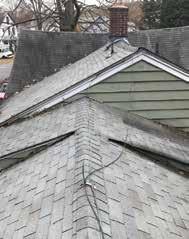

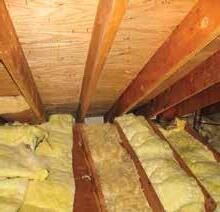


BEFORE AFTER ROOF REPAIR ROOF REPLACEMENT GUTTERS GUTTER GUARDS SKYLIGHTS ATTIC INSULATION $500 ANY FULL ROOF REPLACEMENT PROJECT. Restrictions apply. Call for details. Coupons must be presented and redeemed at time of sale. Cannot be combined with any other offer. Expires 4/15/23 OFF $200 ANY AIR SEALING & INSULATION PACKAGE Cannot be combined with any other offer. Not valid for prior work, must be presented and redeemed at time of estimate. Expires 4/15/23. OFF Josh Lowe OWNER ROOFING! 503-683-8282 KRSofOregonMag.com CCB #231578 IT’S NOT RIGHT! It’s wasting your money every month and making your home uncomfortable. If your ATTIC looks like this… THIS IS RIGHT! WHY WAIT? It pays for itself! And it’s what’s underneath that makes your whole house WARMER in winter and COOLER in summer. Call us for a free estimate and find out what it is! CCB #176741 Contact us for a FREE ESTIMATE 503-744-5004 DrEnergySaverPNW.com A NEW ROOF FOR AS LITTLE AS $175 A MONTH!* *Based on $15,000 Reroof
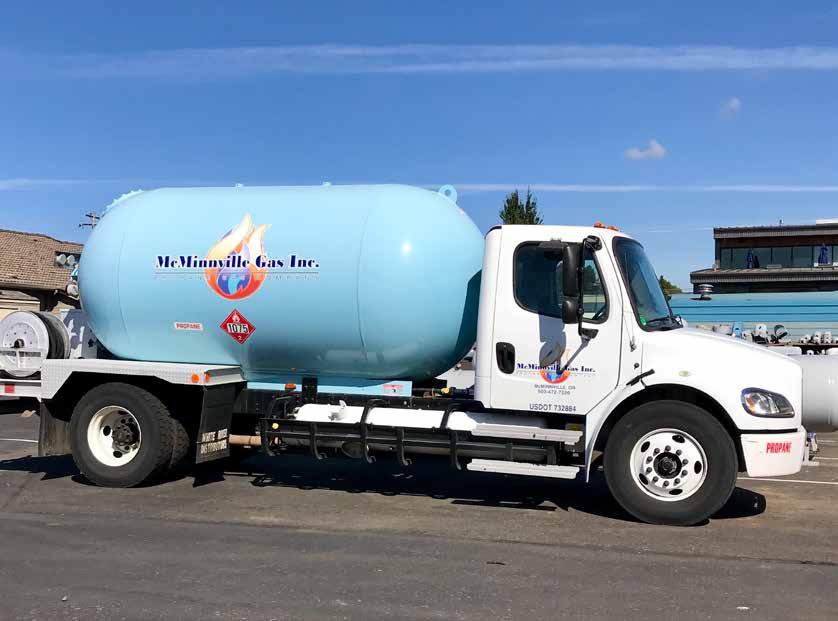








Call Today 503-852-5443 1384 N.E. Hwy 99W • McMinnville • McMinnvilleGas.com McMinnville Gas Inc. P R O P A N E GAS C O M P A N Y FREE TANK RENT For An Entire Year With The Purchase Of More Than 500 Gallons Of Propane Gas In A Year. Propane Sales, Service & Delivery Residential & Commercial Installation & Maintenance The Best Deal on Propane! Office: Davida Brenden, Susan Eder, Ro Paxton Owners: John Buller & Ryan Buller Family Owned & Serving the Willamette Valley Since 1946 Willamette Valley Commercial Valid for new customers only. Expires 2/15/23 $100 OFF FIRST TANK FILL New Customers Only Valid for new customers only. Expires 4/15/23 Step into a shower enclosure that was designed for you and your routine. From the shower walls that reflect your style, to the showerhead that delivers an indulgent drench, your new custom walk-in shower design is ready and waiting. NEW YEAR OFFER $2023 Off! Escape The Ordinary With a LuxStone Shower Installed in just 2 days or less! CALL NOW FOR A FREE IN-HOME CONSULTATION 503-744-6544 *All offers expire 2/28/2023, Available on NEW orders only. Other Restrictions May Apply. Cannot be combined with any other offers. Visit Pacificbath.com for complete details. OR#213202 | WA#PACIFBC810JJ | NV#0086030 | AZ#334398 | RCE-59346 Community Advantage Magazine R7





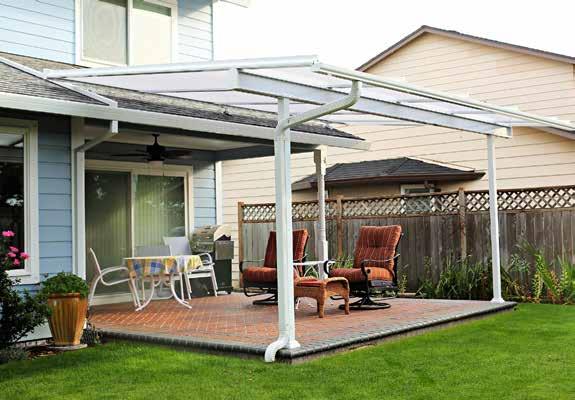
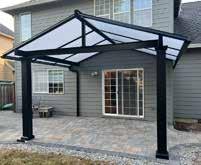


Fall in love with your patio! VISIT US ONLINE! 503-744-6394 Patio Cover People Are HAPPY PEOPLE! Call Pricing!For $300 OFF PATIO COVERS Get our FREE Estimate Then Present Coupon For Real Savings $500 OFF PATIO ROOMS Get our FREE Estimate Then Present Coupon For Real Savings Mention Frog Coupons Magazine when calling. With this coupon. Not valid with other offers or prior purchases. Expires 4/15/23 Mention Frog Coupons Magazine when calling. With this coupon. Not valid with other offers or prior purchases. Expires 4/15/23 Licensed • Bonded • Insured OR CCB#236429 • WA#DIRELSV795MB PATIO COVERS AND ROOMS
1332 NE Broadway, Portland 97232 elmersflag.com • 503.282.1214 NEW HOURS: M-F 8:30AM - 5:30PM SAT: 10AM - 4PM SUN: Closed An American Flag Store Family and locally owned since 1963 WeOffer: • Kites for the whole family • A huge selection of decorative house banners and garden flags • Free lifetime fly-end repair for flags bought from us • Custom flags and banners for your business or special occasion home exterior decorations kites banners flags weather vanes wind socks & spinners YOUR HOLIDAY GIFT HEADQUARTERS 20% OFF ANY IN-STORE PURCHASE OF $60 OR MORE Must present offer. Max discount $20. Expires 4/15/23 FREE IN-GROUND GARDEN FLAG STAND WHEN YOU BUY 2 IN-STOCK GARDEN SIZE FLAGS ($12.95 VALUE) In store only. Must present offer. Expires 4/15/23 4,000 sq ft of flags, whimsical windsocks, weather vanes, kites, flagpoles & more For All Of Your Flag, Banner, Flagpole & Kite Needs!ForOver59Years















LBPHOTOGRAPHY.INK@GMAIL.COM LAUREL BICE LB P hotography Ink IG: @lbphotography.ink R10 To Advertise With Us, Call 503.825.2111




Closets byDesign® Imagine your home, totally organized! Custom Closets, Garage Cabinets, Home Offices, and more... 40% Off Plus Free Installation 15% Off PLUS TAKE AN EXTRA Terms and Conditions: 40% off any order of $1000 or more or 30% off any order of $700-$1000 on any complete custom closet, garage, or home office unit. Take an additional 15% off on any complete system order. Not valid with any other offer. Free installation with any complete unit order of $850 or more. With incoming order, at time of purchase only. Expires 2/28/23. Offer not valid in all regions. Call for a free in home design consultation 503-966-8021 AM closetsbydesign.com SPECIAL FINANCING FOR 12 MONTHS! With approved credit. Call or ask your Designer for details. Not available in all areas Follow us Licensed and Insured. OR CCB #235345 Community Advantage Magazine R11
The
Origins of the Tater Tot

A Tasty Oregon Invention
By Robert Matsumura, Contributing Writer
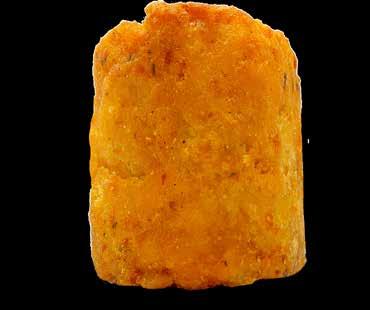
The Tater Tot. It’s hard to resist these crunchy golden-brown potato morsels piled high in a basket, or nestled on a plate accompanying our favorite burger or sandwich. For many of us, “Tater Tot” and “comfort food” go hand-in-hand. It’s ingrained in our culture—at least from a food perspective!
But did you know that these world famous potato nuggets were invented in Oregon, and that they were the creative byproduct of potato scraps originally used as cattle feed? The story of the Tater Tot traces back to two young Mormon entrepreneurs named Nephi and Golden Griggs who came of age during the Great Depression. Originally from Idaho, the Griggs brothers were potato farmers like most of their neighbors. Throughout the Great Depression and World War II, the Griggs survived by growing and selling potatoes, but during the postwar years as Americans increasingly turned to convenience foods—frozen foods in particular—the Nephi brothers were certain that their road to riches lay in servicing this growing demand.
Convinced that the future of produce resided in the frozen food section, the two brothers mortgaged their farms to purchase a flash-freezing plant in Northeastern Oregon for $500,000 (approximately $4.5 million today). As the factory was located on the border between Oregon and Idaho, they chose to name their new company Ore-Ida.
Corn and potatoes were Ore-Ida’s mainstay and the company soon became the largest distributor of sweet corn in the country, but the real profit lay in french fries. French fries, though immensely profitable, posed certain production problems. Nephi (the leader of the two brothers) described their challenge as follows: “We had a problem separating the fries from the slivers and small pieces of
potatoes that occurred when slicing the irregular shaped potatoes.” Instead of wasting the scrap pieces, the brothers had been feeding it to their cattle and other livestock.
Despite the fact that their potato scraps were being utilized as feed for farm animals, Nephi Griggs—always focused on efficiency and profit maximization—was bothered by their inability to derive any revenue from the constant flow of potato byproducts. In a letter to an OreIda colleague, Nephi vented his frustration at not putting to better use “product that has been purchased from the grower, stored for months, gone through the peeling process, gone through the specking lines and trimmed off defects, only to be eliminated into the cattle feed.”
An unexpected visit by a representative from an equipment manufacturing company, however, proved to be serendipitous. Although the company representative was there to demonstrate a prune sorter, Nephi and his plant superintendent envisioned utilizing the equipment in a different manner. Instead of sorting prunes, could the machinery be refashioned to sort irregular potato pieces from french fries? To their delight, it could.
It wasn’t long before the Griggs and their people at Ore-Ida devised a creative use for the supply of potato scraps. By smashing the bits together using new machinery, then blanching, forming the crushed potatoes into nuggets, and cooking them in oil, a completely new product was
HISTORY
R12 To Advertise With Us, Call 503.825.2111
created. These potato nuggets could subsequently be frozen, bagged, and distributed. Although the original idea was for the nuggets to be fried, it was soon discovered that baking them produced equally good results. According to Nephi, a man on their research committee who “traveled the markets playing a ukulele and demonstrating our product,” came up with the name. Unfortunately, the man’s name has been lost to history, though his talent for creative alliteration lives on. The name “Tater Tot” is iconic across the world for fun, palate-pleasing, potato goodness.
Nephi remarked in his notes (which are now housed at the J. Willard Marriott
“new product has about a three year
the “Tater Tot” name, purchased additional machinery, and began mass producing their tasty invention.

Despite the success of the Tater Tot, the process to create them was a bit of a sticky mess—literally. New equipment had to be fashioned to deal with the starchy potato product. Steel drums the diameter of a human torso rotated continuously filling tot-sized molds with potato. These molded potatoes would then be ejected onto a conveyor belt and sent down a line for seasoning and subsequent freezing.
Ore-Ida’s commitment to the Tater Tot, in spite of production difficulties, proved a gamble worth taking. The Griggs brothers’ promotion of their new product at the 1954 National Potato Convention was a huge hit, garnering interest in Tater Tots throughout the industry. The media was also quick to embrace Tater Tots as a convenient

new food for snacks and meals that was tasty and easy to prepare. So successful was the Tater Tot that Nephi referred to it as their “hero profit item,” and cited it as responsible for making Ore-Ida a household name. By the end of the 1950s, Ore-Ida had captured 25 percent of the domestic frozen potato market. A second plant was opened in 1960, and by 1961 Ore-Ida had gone public.
In 1964, despite generating an annual profit of $31 million, problems within the family necessitated the sale of Ore-Ida. The Griggs sold the company to H.J. Heinz in 1965 for $30 million. The Heinz purchase of Ore-Ida was the company’s first foray into the frozen food market. By the time Heinz merged with Kraft in 2015, the Tater Tot was so common of a product that few people realized the name was still trademarked to Ore-Ida. An advertising campaign was even created to differentiate OreIda tots from the competition. The campaign warned, “Don’t be fooled by Imi-taters,” because Ore-Ida Tater Tots were the “original and only.”
Today, as one of America’s cherished food items, Tater Tots have been incorporated in multitudes of home recipes and even elevated to culinary feature items at certain restaurants. There is no end of possibilities when it comes to something as versatile as the Tater Tot! So, next time you find yourself reaching for a crispy golden Tater Tot, think of the Griggs brothers and the Oregonian ingenuity that transformed cattle feed into a delectable treat enjoyed by millions.
Community Advantage Magazine R13
Nephi Grigg was the inventor of the Tater Tot


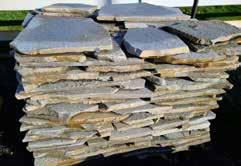



503-744-5336 5000 Salem-Dallas Hwy NW, Salem landscapeshoppe.com YOUR ONE-STOP SHOPPE FOR ALL YOUR LANDSCAPING SUPPLIES WE MOVED! 1/2 mile east toward Salem on Hwy 22 FREE DELIVERY* *MONMOUTH — FREE DELIVERY WEDNESDAY *DALLAS — FREE DELIVERY TUESDAY *MINIMUM ORDER OF $135 Must present coupon to delivery driver. Exp. 4/15/23 $5 OFF YOU-HAUL BARK, CHIPS AND MULCH Must present coupon to delivery driver. Exp. 4/15/23 Bark Products Decorative Rock Wall Rock & Boulders Flagstone Sand & Gravel Soil & Compost Hard-to-Find Landscape Products




$3 OFF LARGE SIZE PIZZA Discount off regular menu price. In-Store Orders Only Limited time offer. Limit 1. Excludes XLNY®, Tuesday and Friday pizza deals. Not valid with any other offers, specials, promotions or discounts. Valid at participating locations. Cannot be sold, transferred or duplicated. $4 OFF FAMILY SIZE PIZZA Discount off regular menu price. In-Store Orders Only Limited time offer. Limit 1. Excludes XLNY®, Tuesday and Friday pizza deals.Not valid with any other offers, specials, promotions or discounts. Valid at participating locations. Cannot be sold, transferred or duplicated. $12 LARGE COWBOY PIZZA In-Store Orders Only Pepperoni, Sausage, Mushrooms, Black Olives, Herb & Cheese Blend, Mozzarella, Red Sauce on Original crust. Limited time offer. Limit 3. Not valid with any other offers, specials,promotions or discounts. Valid at participating locations.Cannot be sold,transferred or duplicated. $12 LARGE GARLIC CHICKEN In-Store Orders Only Grilled Chicken, Roma Tomatoes, Green Onions, Cheddar, Herb & Cheese Blend, Mozzarella, and Creamy Garlic on Original crust. Limited time offer. Limit 3. Not valid with any other offers, specials,promotions or discounts. Valid at participating locations.Cannot be sold,transferred or duplicated. LARGE PEPPERONI $8 Limited time offer. Limit 3. Not valid with any other offers, specials,promotions or discounts. Valid at participating locations. Cannot be sold,transferred Order at PapaMurphys.com STAYTON • 1754 N First Ave • 503-767-7272 (located between Muchas Gracias & Ace Hardware) TUESDAY DEAL ANY LARGE PIZZA $12.99







CARPET CLEANING PROFESSIONALS HALLWAYS COUNT AS ONE ROOM STAIRS COUNT AS ONE ROOM $ 5 FEE WOW! WOW! ONLY $15 EXTRA per room for heavily soiled rooms no exceptions 1/2 OFF All Furniture WOW! 1/2 OFF Scotchgard® WOW! 1/2 OFF All Area Rugs WOW! Deep Steam Cleaning WOW! No Square Footage Limit! WOW! COUPON COUPON COUPON COUPON DEEP STEAM CLEANING DEEP STEAM CLEANING DEEP STEAM CLEANING $8995 $11995 24 hour cancellation or reschedule notice required. With this coupon. Not valid with any other offer. Expires 4/15/23. 24 hour cancellation or reschedule notice required. With this coupon. Not valid with any other offer. Expires 4/15/23. 24 hour cancellation or reschedule notice required. With this coupon. Not valid with any other offer. Expires 4/15/23. 24 hour cancellation or reschedule notice required. With this coupon. Not valid with any other offer. Expires 4/15/23. WOW! WOW! WOW! 3-4 ROOMS SPECIAL 5-6 ROOMS SPECIAL 7-8 ROOMS SPECIAL LUXURY 9-10 ROOMS SPECIAL $15995 $18995 DEEP STEAM CLEANING FREE Pre-Spotting FREE Oxi-Brighteners FREE Mild Deodorizers FREE Pre-Treatment 50% off Expert Pet Stain & Odor Removal ONLY $49 Covers Whole House Best Price BES TPRICE CARPET CARE 971.284.8375 IMPORTANT One Large Living/Dining Room & XXL Rooms Are Considered TWO Rooms - NO Exceptions Any 2nd Floor $20 Extra - NO Exceptions Any 3rd Floor $40 Extra - NO Exceptions $10 FUEL TRIP CHARGE LUXX-urious transportation for any occasion. 503-714-1112 | theluxxlimo.com hello@theluxxlimo.com Prom • Corporate Events • Wine Tastings • Weddings WINTER SPECIAL $ 100 OFF LIMO SERVICE call for details expires 4/15/23 CommunityAdvantageMagazines.com 9


We help people LOVE this Real Estate MARKET! Call for your professional evaluation! 1700 NW Civic Drive Gresham, OR 97030 Office: 503-665-0111 10 Advertise With Us! Call 503.825.2111


PortlandMetroOffice. Start Your Property Search At CommunityAdvantageMagazines.com 11
Wedding Singer



One of my alltime favorite Adam Sandler movies, this is absolutely drenched in ’80s pop culture–movies, cars, fashion, and music. The story follows a talented, funny, and likable wedding singer (Sandler) living in his brother’s basement and who’s terribly in love with the wrong girl. His heart gets broken (of course) and he plunges into a deep pit of despair but refuses to quit working–singing for couples in love–to much expected comedy. Eventually he meets his dream girl (a very cute Drew Barrymore) who’s in love with the wrong guy. Hilarity, flirting, and crossed signals abound, it also stars Alexis Arquette, Christine Taylor, Allen Covert, and more, plus a cameo by Billy Idol. It’s bright and cute and wacky. Rated a strong PG-13 for language and mature content, save this for the older kiddos.
Trolls

Eternal Sunshine Of The MindSpotless



With pure blissful technicolor and heartthumping pop music by Justin Timberlake, the Trolls movie skywrites in bombastic sparkly letters the message of love, joy, happiness, and positivity. A classic Us vs. Them, the meanie ogre Bergens threaten to capture the Trolls once for all–to eat the Trolls one-by-one and finally feel happy. Surely, there’s a better way to find happiness! And through conflict, trial-and-error, and lesson-learning, the Trolls teach the Bergens how to be happy WITHOUT eating others. On a smaller scale, there’s a classic love story: the untrusting hermit, Branch (Justin Timberlake), meets the happy-go-lucky girl-next-door, Princess Poppy (Anna Kendrick). Their relationship very much parallels the Bergens vs. Trolls in their quest to conquer grumpiness and trust. And shocker, they fall in love. There’s singing, dancing, love, good feelings, and colors you’ve never seen before! Rated PG for mild rude humor and the threat of being eaten (I did tell you). Stream these movies where available, or rent from your local movie store, library, or rental kiosk.

This mindblowingly original sci-fi drama romance came barreling out of the early 2000s with an Academy Award for Best Writing and a slew of other awards. One of Jim Carrey’s earlier dramatic roles, his and Kate Winslet’s characters have a bad breakup and opt to have their relationship erased from memory by an experimental doctor, played by Tom Wilkinson. Also starring Kirsten Dunst and Elijah Wood. It’s surreal, quirky, indie, funny, sad, and far too relatable. As chaotic as it is, it’s utterly human with a heartwarming ending. Rated R for language, drug and mature content

POP CULTURE VALENTINE’S MOVIES
(2016)
12 Advertise With Us! Call 503.825.2111
(2000)
(1998)

Come Experience Portland’s
NOVA PDO THREADS 50% off One Area
Nova PDO Threads is a great way to tighten sagging skin, reduce wrinkling, and create new collagen. The PDO Threads that we use are FDA approved and produced in the USA.
UPNEEQ EYE DROP $189 PER BOX
UPNEEQ is the only FDA approved prescription eyedrop for acquired ptosis (low-lying lids) that lifts your upper eyelids to open your eyes. UPNEEQ opens, lightens and brightens the eye.

OPUS PLASMA 50% off One Area
Opus Plasma represents the next generation of fractional skin resurfacing treatments for women and men of most skin types who want to minimize wrinkles and reverse damage caused by the sun and the natural aging process

CO2 FRACTIONAL LASER 50% off One Area




Fractional CO2 laser resurfacing is one of the most effective way to treat fine lines, wrinkles, sun damage, loose or sagging ski, as well as scars. In addition to treating the face, we can treat the neck, chest and even hands.


All injections are performed by licensed medical practitioners Located in Multnomah Village • 7887 SW Capitol Hwy www.soleilmedicalspapdx.com • 503-746-8744 ALL FILLERS $250 OFF FULL SYRINGE BOTOX, DYSPORT, JEUVEAU & XEOMIN
STARTING BEFORE AFTER $10 PER UNIT BEFORE AFTER BEFORE BEFORE BEFORE BEFORE AFTER AFTER AFTER AFTER (45 single patient use)
Portland’s Finest Medical Spa
AGNES RF 50% off One Area
Agnes RF is a non-surgical radio frequency device that treats eye bags, tightens and removes fat from the neck and jawline area. Cystic acne is treated by removing the sebaceous gland.
COOLSCULPTING 50% off
Non-surgical body contouring treatment that FREEZE & ELIMINATES FAT from your body.


VANQUISH BTL ME & CELLUTONE BTL
50% off One Area Vanquish BTL ME is a non-surgical FDA cleared fat reduction used to reduce 1 to 4 inches off your body. Cellutone is a FDA approved non-invasive cellulite reduction and body contouring treatment.
SECRET RF MICRONEEDLING $899
(including face, neck & chest)
The Secret RF Microneedling System is a powerful new technology that is ideal for facial rejuvenation, improving scars, celllulite, and plumping and tightening loose skin.
CHOICE OF IPL, LASER GENESIS, NIR, CLEAR LIFT, MICRONEEDLING OR CHEMICAL PEEL
$189 PER ONE TREATMENT (ANY AREA)


IPL: Removes sun spots, age spots, acne spots and any other skin pigmentation
GENESIS: Improves fine lines, skin tone & increases collagen production
NIR: Removes the appearance of sagging skin, wrinkles and fine lines


CLEAR LIFT: Improves Melasma, Lifts sun damage, pigmentation & dark or red scars


MICRONEEDLING: Tightens, lifts & rejuvenates the skin, Improves wrinkles and fine lines
CHEMICAL PEEL: Improve the appearance and texture of the skin by increasing cell turnover
SOLEIL SIGNATURE FACIAL
50 minute facial includes steam, extractions, medical grade Microdermabrasion, collagen mask, and LED light treatment
Only $99
GIFT CERTIFICATES AVAILABLE WE ACCEPT CARE CREDIT
COMPLIMENTARY CONSULTATIONS
BEFORE BEFORE BEFORE BEFORE AFTER AFTER AFTER AFTER





Advantage Magazine DIRECT MAIL • DIRECT RESULTS PO Box 672 ∙ Aurora, Oregon 97002 To Advertise, Call 503.825.2111 Postal Customer PRESORTED STANDARD US POSTAGE PAID ACTIVE MEDIA ROOFS • GUTTERS • WINDOWS • SIDING homemasters.com PORTLAND EAST CCB#201763 12 Months No Interest No Payments Financing ~ Call For Details! FREE ESTIMATES Call Today! 503-549-1220 TAX REFUND = HOME IMPROVEMENT Increase the value of your home with a new roof, gutter, window or siding repairs Now Offering 12 Months No Interest No Payments ~ Call For Details! ROOFS • GUTTERS • WINDOWS • SIDING NEW 50 YEAR ARCHITECTURAL ROOF $7650 TRANSFERABLE 25YR WORKMANSHIP WARRANTY $150-$ 250 OFF Roof Maintenance and Moss Removal UP TO $1000 OFF HardiePlank® Siding 20YR WORKMANSHIP WARRANTY $250-$ 500 OFF New Aluminum Gutters and/or Gutter Protection APPLIES TO WHOLE HOUSE INSTALLATION TRANSFERABLE LIFETIME WORKMANSHIP WARRANTY Any New Windows 15% OFF TRANSFERABLE DOUBLE LIFETIME WARRANTY Coupon valid at time of estimate only. Not valid on completed jobs or jobs in progress. Restrictions apply. Coupon valid at time of estimate only. Not valid on completed jobs or jobs in progress. Restrictions apply. Coupon valid at time of estimate only. Not valid on completed jobs or jobs in progress. Restrictions apply. Coupon valid at time of estimate only. Not valid on completed jobs or jobs in progress. Restrictions apply. Coupon valid at time of estimate only. Not valid on completed jobs or jobs in progress. Restrictions apply.
