
Act for Kids respectfully acknowledges the Traditional Custodians of the lands on which we work and gather.
We pay our deepest respects to Elders past, present, and emerging, who are the keepers of memories, traditions, cultures, hopes, and aspirations of Aboriginal and Torres Strait Islander children, young people and families.
We further recognise the grief and loss Aboriginal and Torres Strait Islander families and communities have experienced from colonisation, resulting in historical, cultural, and intergenerational trauma.
At the same time, we honour and celebrate the enduring strength, survival, and resilience of Aboriginal and Torres Strait Islander peoples — the world’s oldest living culture.
Act for Kids especially acknowledges First Nations children, young people, and families with whom we walk alongside. Act for Kids is committed to listening, learning, and supporting their journey in culturally humble and respectful ways and we stand in solidarity with them now and always.


This is Act for Kids’ second Environmental, Social and Governance Framework. From 2022 to 2025, we publicly reported against our ESG goals and made good progress in many areas. Measurement of some targets proved difficult and is still the focus of resources and effort.
We also focused more on impact and added a specific impact goal to create a carbon net zero target for our organisation. As a result, we now have a carbon net zero roadmap and are making significant changes.
In 2025 and beyond, achieving our purpose of helping keep kids safe, heal from trauma and lead happy lives must more than ever ensure we are acting in ethical, sustainable ways that foster a better future for children and young people.
The future for children and young people is concerning for a number of reasons including the growing divide between affluent and disadvantaged people, increasing costs of living and housing, negative impacts of climate change and growing social discord and incivility and the rise of extreme xenophobic and violent factions.
Climate change in particular has the potential to increase the severity of all the above-mentioned issues. The World Health Organisation estimates that more than 80% of the impacts of climate change will be borne by children, who had no part in creating the crisis.
Increased severity and frequency of fires, floods, heatwaves and storms threaten food supply, water, sanitation, infrastructure, destroy livelihoods and drive migration and conflict worldwide.
The impacts are greater on children, Indigenous peoples and the disadvantaged (UNICEF, 2021).
When faced with the growing evidence of the likely future, it is understandable that many people feel hopeless and that there is nothing they can do to influence change. We believe incremental change, by committed citizens is how things will improve – long before governments take action.
Children certainly believe we should be taking action now, listening to them and ensuring they participate.
From 2021-2024 Act for Kids’ Strategic Plan contained a commitment to environmental, social and ethical sustainability practices. The goals included developing our first ESG Framework and reporting against targets. We successfully achieved this and have been reporting against it for the last three years.
Our 2024-2027 strategic plan is focused strongly on the impact we create.
There are three pillars of impact: service, advocacy and environmental. Each pillar is aligned to our purpose.
The environmental impact goal outlines the steps we need to take to reduce our impact on the environment and to be a carbon net zero organisation.
That doesn’t mean our social or governance goals are not important to our impact. In fact, they are inextricably embedded into the impact we create through service delivery and advocacy as well as our organisational policies, planning and culture. We report on the targets annually.
We will still be reporting against the sustainable development goals for all our ESG targets.
Deliver national services to achieve our purpose and address the intergenerational nature of trauma and disadvantage.
Be a credible voice, thought leader, policy influencer and advocate for children, young people and families.

Strive for a carbon zero footprint and do our part to improve environmental outcomes to create a better future for children.
ESG stands for environmental, social and governance areas of operations within an organisation’s value chain. It is a method of defining and demonstrating that an organisation is operating sustainably, for the good of society and the environment.
ESG is also concerned with how an organisation creates value.
For Act for Kids and Youthrive, this ESG Framework has acting in the best interests of children and young people as its overarching objective.
The decisions about what to report within an ESG Framework are quite complex and dependent on type of organisation and purpose, regulatory and legislative requirements and identification of key priorities within a wide range of possible indicators.
Rather than developing ad hoc or idiosyncratic standards of our own, we have chosen to use the United Nations Sustainable Development Goals (SDG) using the SDG Compass and Global Compact (United Nations, sdgs.un.org).

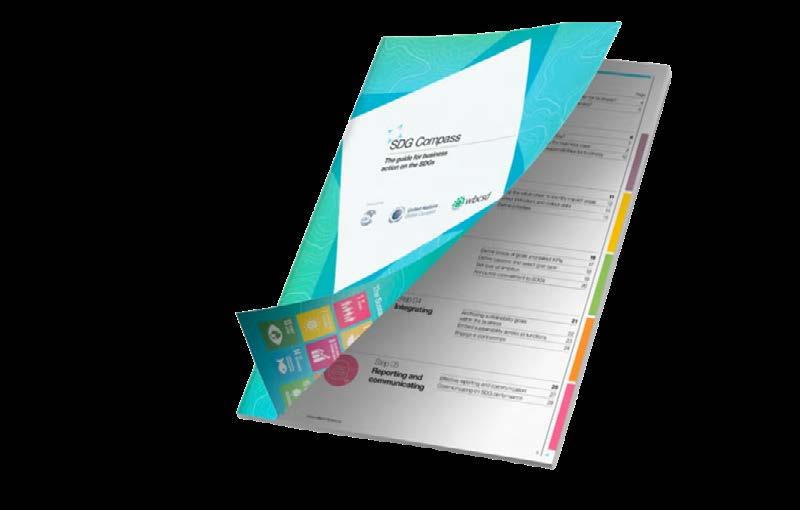

The SDG Compass recommends two principles for prioritising the SDGs to focus on with an organisation’s value chain.
The contribution to achieving SDGs by addressing potential and actual negative impacts to people and the environment that are linked to the value chain and operations.
Additional contribution to achieving the SDGs from applying knowledge, skills and capabilities to benefit people and the environment.
Our work with children and families directly contributes to nine of the 17 SDGs and is focused on SDG Target 16.2 end abuse, exploitation, trafficking and all forms of violence against and torture of children.
We can contribute more to reduce impacts on the environment.
We identified contributions we can make to SDGs 6, 7, 12, 13 and 14.
Summarised, these encompass reductions in waste and greenhouse gas emissions.
As a purpose-driven human services organisation, we already prioritise benefits arising from our services.
We record these actions and strive for positive outcomes but have lacked the capacity to appropriately measure and report on impact.
We can increase benefits by measuring and reporting outcomes and impact and increasing opportunities for stakeholders to participate in decision-making at Act for Kids and Youthrive.
Environmental targets
Social targets
Governance targets
Increase recycling across all 35 Act for Kids and Youthrive centres.
6 SDG 6 Target 6.3 Improve water quality by increasing recycling and safe reuse.
6 SDG 12 Target 12.5 Reduce waste through recycling and reuse.
6 SDG 14 Target 14.1 Prevent marine pollution through recycling.
Reduce total greenhouse gas emissions per annum. Carbon neutral by 2036.
6 SDG 7 Target 7.2 Increase share of renewable energy in global mix.
6 SDG 13 Target 13.2 Implement climate change measures and monitor greenhouse gas emissions.
6 SDG 13 Target 13.3 Improve education, awareness and human and institutional capacity on climate change mitigation, impact reduction.
Improve safety, health, opportunities, material basics and wellbeing for children, young people and families.
6 SDG 1 Target 1.2 By 2030, reduce at least by half the proportion living in poverty.
6 SDG 2 Target 2.1 Ensure access by poor and vulnerable people including infants to safe food all year round.
6 SDG 4 Targets 4.1 to 4.7 Promoting equal access to education for people of all ages.
6 SDG 5 Targets 5.1 to 5.5 Promoting gender equality, freedom from violence and opportunities for women and girls.
6 SDG 11 Target 11.1 Ensure access to safe, affordable housing and basic services for all.
6 SDG 16 Target 16.1 Significantly reduce all forms of violence and related deaths.
6 SDG 16 Target 16.2 End abuse, exploitation, trafficking and all forms of violence against and torture of children.
Improve safety, health, opportunities, material basics and wellbeing for Act for Kids and Youthrive team members.
6 SDG 1 Target 1.2 By 2030, reduce at least by half the proportion living in poverty.
6 SDG 3 Target 3.6 Halve the number of global deaths from road traffic accidents.
6 SDG 4 Targets 4.1 to 4.7 Promoting equal access to education for people of all ages.
6 SDG 5 Targets 5.1 to 5.5 Promoting gender equality, freedom from violence and opportunities for women and girls.
6 SDG 8 Targets 8.5, 8.6 & 8.8 Promoting productive work, equal pay, labour rights and safe and secure working environments for all including vulnerable women and people and youth.
6 SDG 10 Target 10.2 Empower and promote the inclusion of all irrespective of age, sex, disability, race, ethnicity, origin, religion or economic or other status.
6 SDG 16 Target 16.1 Significantly reduce all forms of violence and related deaths.
6 SDG 12 Target 12.6 Integrate sustainability information into reporting cycle.
6 SDG 16 Target 16.7 Ensure responsive, inclusive and participatory and representative decision-making at all levels.


WE WORK CONSTANTLY TO ENSURE THAT CHILDREN, YOUNG PEOPLE AND THEIR FAMILIES ARE SAFE, DEVELOPING WELL, HAVE SECURE HOUSING, ARE ABLE TO ACCESS FOOD AND OTHER MATERIAL BASICS AND LIVE IN HOMES FREE FROM ABUSE AND VIOLENCE.

We have three-year plans for environmental, social and governance targets across the relevant SDGs.
We will continue to report on achievement of the goals on our website, in our Annual Review and regularly to our Board and stakeholders to ensure we hold ourselves publicly to account.
We work constantly to ensure that children, young people and their families are safe, developing well, have secure housing, are able to access food and other material basics and live in homes free from abuse and violence.
We also work hard to ensure the safety and wellbeing of our team members and that they are supported at work, paid equitably and have equal access to opportunities.
We have undertaken a professional greenhouse gas emission assessment and engaged a consultant to assist us to develop a roadmap for our carbon net zero goal.
In our first ESG Plan, we aimed to achieve carbon net zero by 2030, but the work with the consultant shows that this won’t be likely until at least 2036.