Libraries of the Future
Beyond the Stacks

A white paper on the evolving role of public libraries.
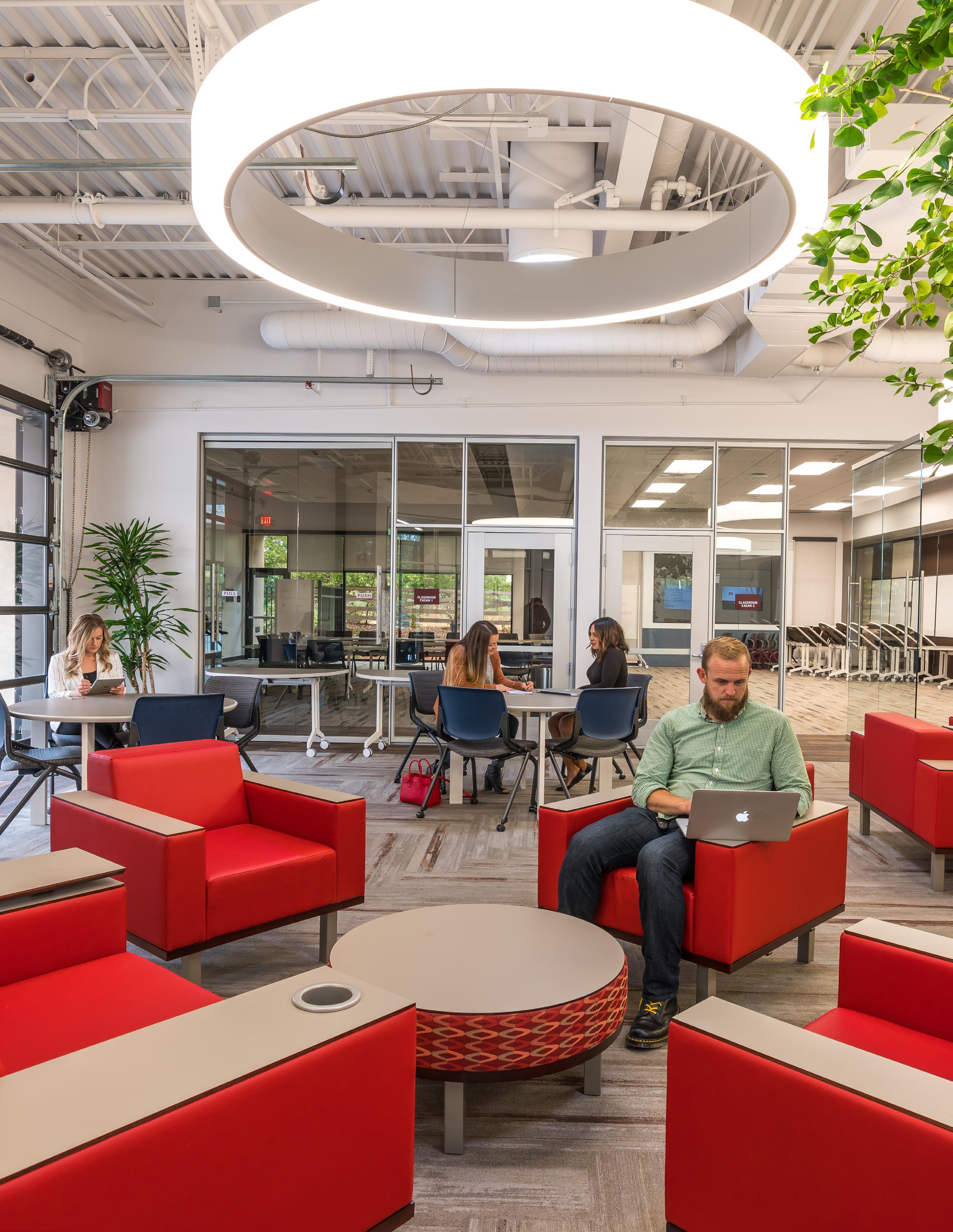
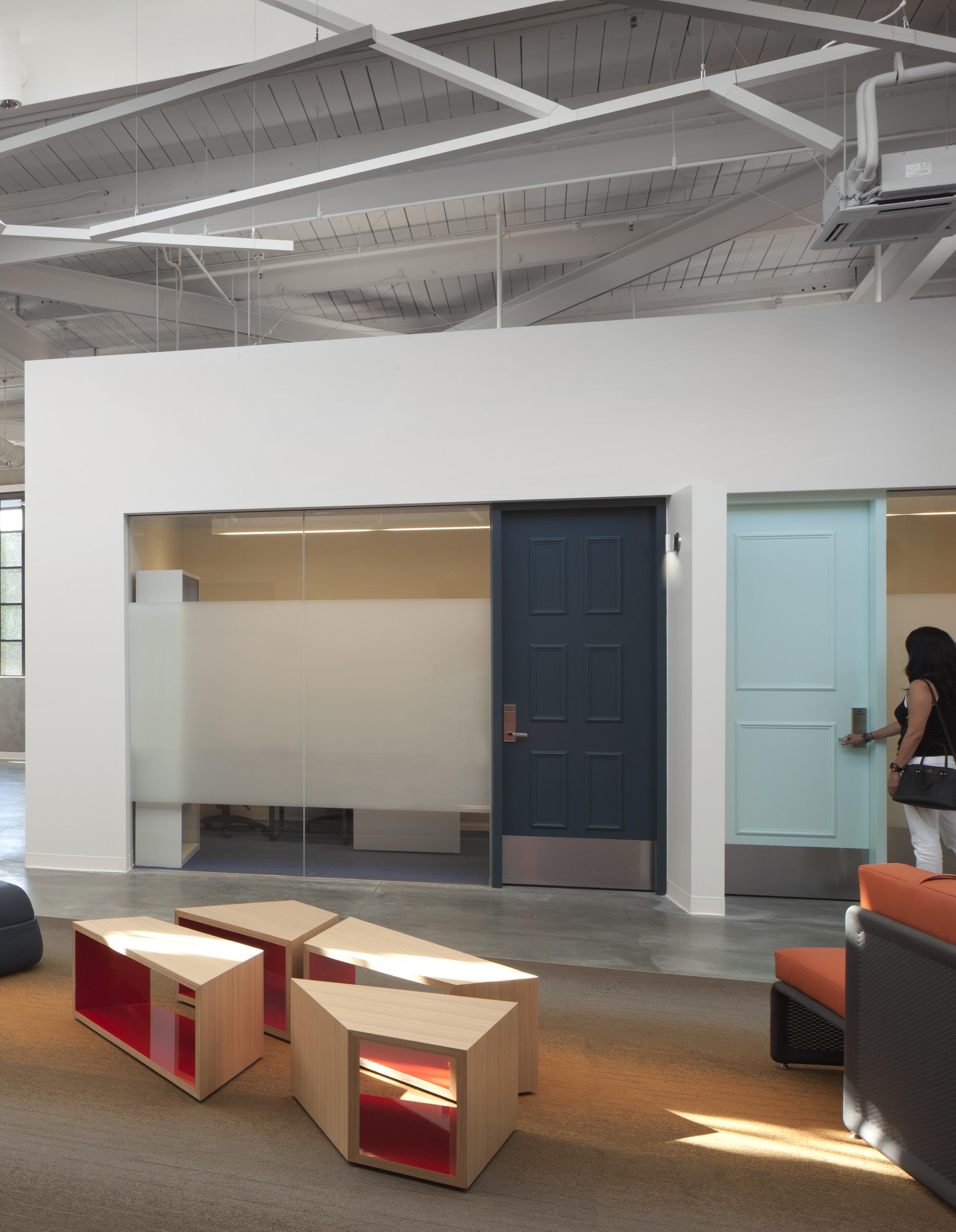
Sonoma County Office of Education, Teacher Learning Center, Santa Rosa, CA Libraries of the Future: Beyond the Stacks
A white paper on the evolving role of public libraries.
Libraries as Community Anchors
Hubs for Lifelong Learning & Opportunity
Platforms for Creativity, Innovation & Expression
Prioritizing the User Experience
Conclusion
For centuries, libraries have been pillars of civic life—monuments to knowledge, democracy, and public access. But as society evolves, so too must its institutions. Today’s libraries are at an inflection point. No longer is it enough to be a quiet repository of books and archives; the public library’s relevance hinges on its ability to adapt, respond, and lead in a rapidly changing world. Digital technology, shifting urban dynamics, and rising social inequities are forcing a fundamental rethinking of what a library is and what it does.
Forward-looking libraries are embracing this challenge, transforming into dynamic hubs of creativity, collaboration, and community resilience From makerspaces and job-training centers to wellness programs and civic forums, these reimagined spaces are proving that libraries can be much more than places to borrow books—they can be engines of social and cultural vitality.
In an era of information overload, social fragmentation, and growing distrust in public institutions, libraries have a unique opportunity— and an urgent responsibility—to remain essential. This paper explores how thoughtful programming and intentional design are critical to ensuring libraries not only survive but thrive as inclusive, future-ready civic anchors.
Affirm the Library’s Role as a Civic Anchor Position the library as essential public infrastructure—supporting health, education, and equity across all demographics.
Address Contemporary Community Challenges Respond to rising social isolation, support neurodiverse community members, and rebuild intergenerational connections through intentional design and programming.
Invest in Lifelong Learning Infrastructure
Support learning at every life stage, with particular emphasis on digital fluency, youth programming, and workforce readiness. Enable Equitable Access to Technology and Tools Expand availability of digital resources, studios, and maker technologies that democratize participation in the digital economy. Support Creativity, Storytelling, and Cultural Production Provide platforms for community expression, local histories, and collaborative innovation.
Forge Cross-Sector Partnerships Collaborate with schools, social services, workforce agencies, and local business ecosystems to maximize relevance and impact. Design for Flexibility, Wellness, and Inclusion
Create spaces that address social isolation, accommodate neurodiversity, and foster intergenerational connections while remaining adaptable to evolving community needs.
AC Martin
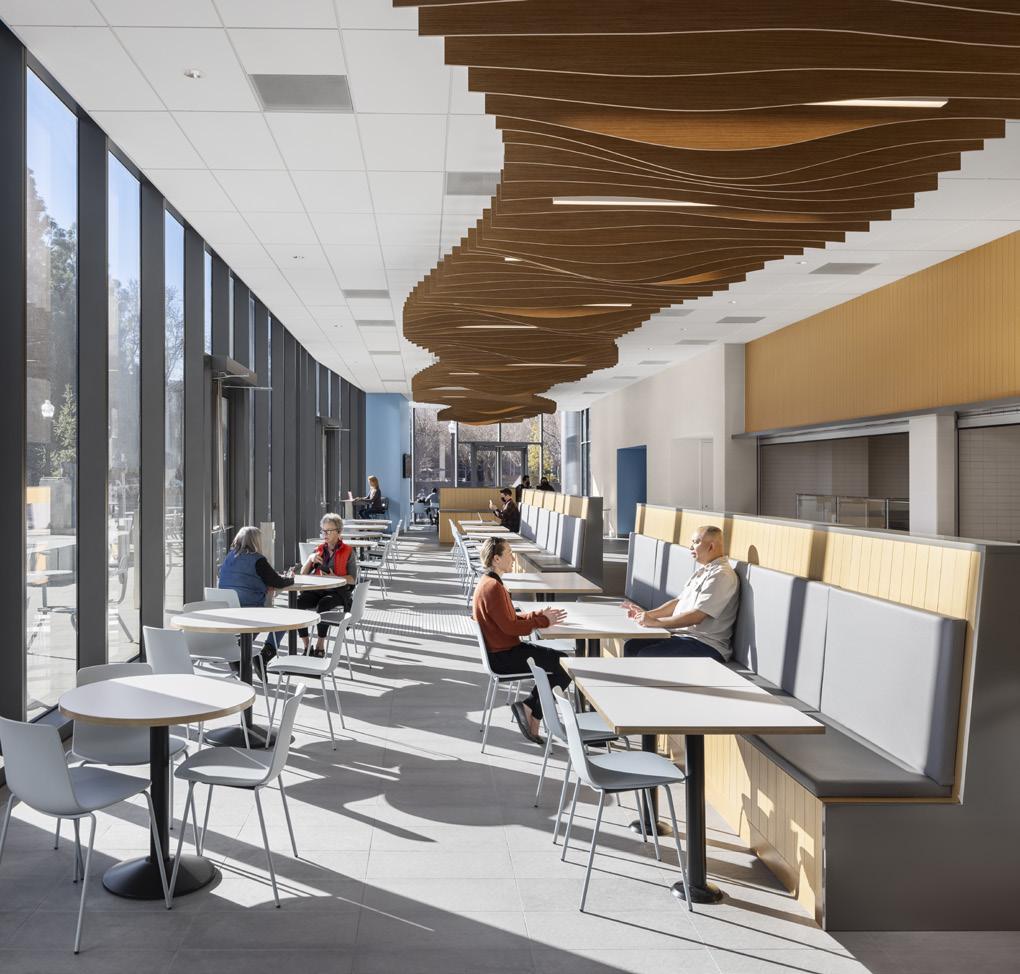
When Ray Oldenburg coined the term “third place” in 1989, smartphones, the internet, and even cable television had yet to become the dominant forces shaping our daily lives. In the decades since, these technologies have profoundly altered how we interact with the world and with one another. We’ve grown more isolated, more tethered to screens than to neighbors. Even Starbucks, once the quintessential third place, has been transformed by mobile ordering and drive-through convenience, reducing moments of connection to transactions. In this context of growing social fragmentation, libraries have a critical opportunity—and responsibility—to reassert their role as inclusive, human-centered third places.
Public libraries have become some of the most important civic stabilizers of our time. As trusted, accessible spaces welcome to all, libraries foster community engagement, strengthen social connection, and address critical societal challenges – including social isolation, digital inequities, and access to vital services. Library architecture must thoughtfully balance the need for quiet study with the energy of vibrant social
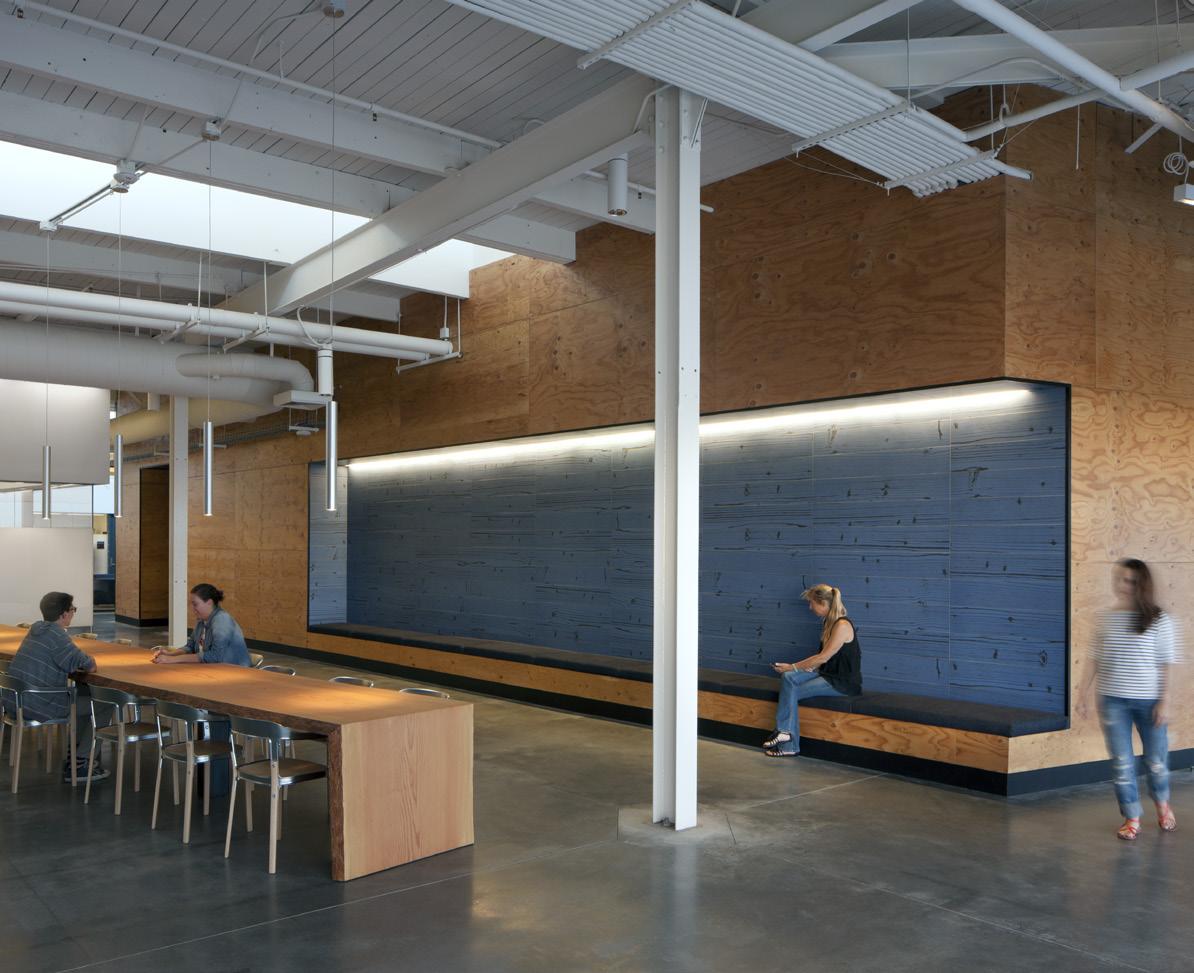
spaces. Working with library stakeholders, designers should prioritize flexibility, inclusivity, and a reflection of community values. Libraries today are dynamic social infrastructure that anchor community well-being and resilience.
Fostering Social Connection
As neutral, truly democratic “third places,” libraries offer rare environments where individuals from all backgrounds can gather voluntarily, free from the barriers of cost, status, or affiliation. These spaces foster both casual social interaction—through welcoming, living-room-style seating—and civic engagement through hosting forums, cultural exhibits, and voter education.
Achieving this balance requires open, flexible environments informed by librarians’ deep understanding of how communities navigate them. Features like movable furniture, multipurpose rooms, and transparent layouts allow libraries to transition seamlessly between quiet study and vibrant public gatherings, encouraging connection while honoring individual comfort.
“Building community is one of the most important things we can do for our health and wellbeing.”
U.S. Surgeon General, Vivek Murthy
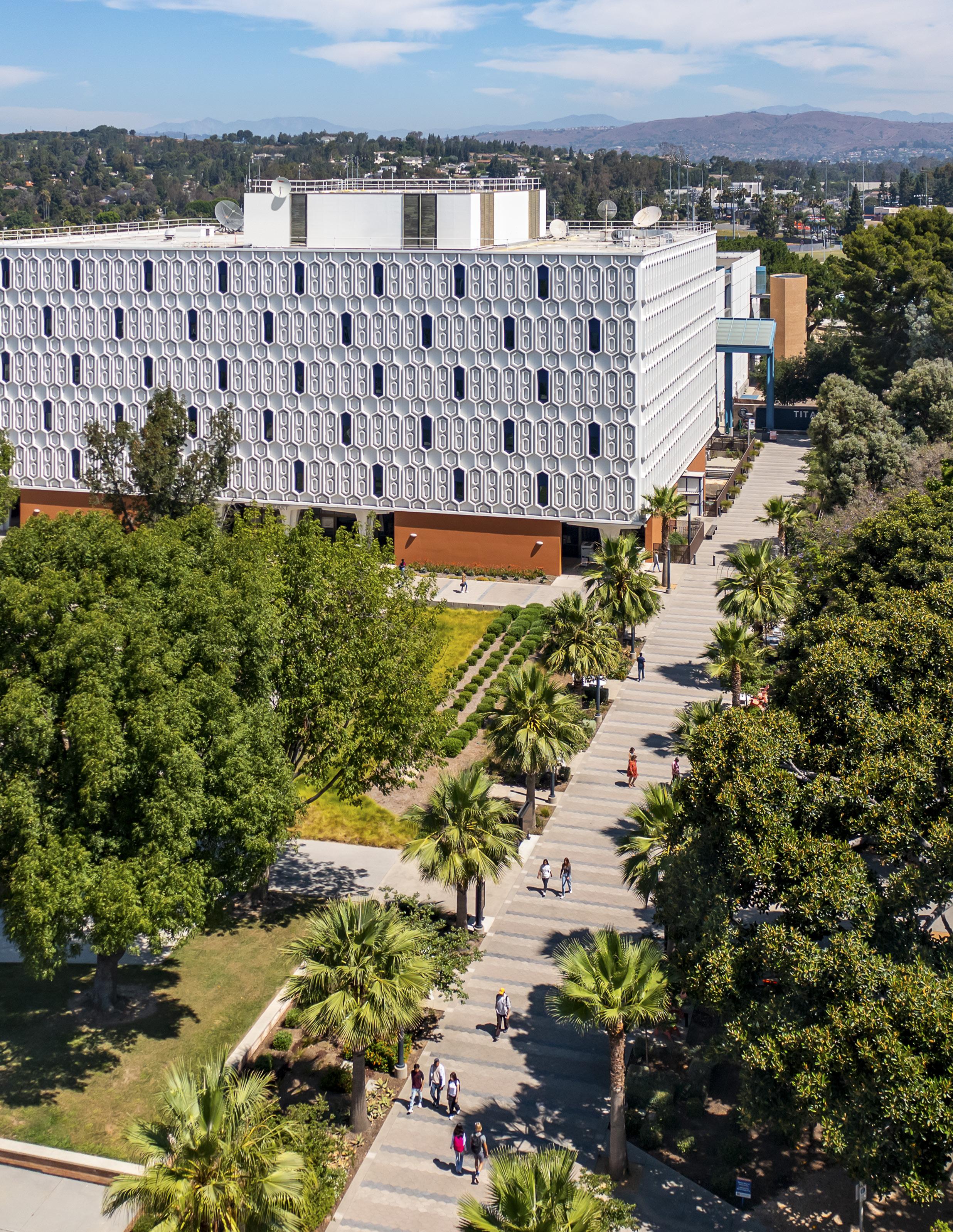
At Pollak Library on the CSU Fullerton campus, the library’s central location made it a vital campus hub. The university’s communter nature required a welcoming space for visitors between classes and events. Its placement reinforced the library’s role as a unifying element that fostered campus-wide connection and engagement. Biophilic design and sensory-responsive environments further enhance user comfort, creating atmospheres that invite lingering, dialogue, and cross-generational connection.
Addressing Social Isolation, Neurodiversity & Intergeneration
Disconnection through Design
Public libraries are uniquely positioned to address three interconnected challenges facing modern communities: pervasive loneliness across age groups, the need for neuro-inclusive spaces, and the breakdown of intergenerational connections. These challenges require integrated architectural solutions that go beyond traditional accessibility compliance.
Design that reduces isolation employs visual connections and zones with varying privacy levels, allowing users to control their engagement while still feeling part of a larger community. Neuro-inclusive design addresses sensory needs and provides users with choices about their environment, giving them agency over their library experience. Intergenerational programming integration creates shared learning spaces where different generations naturally exchange knowledge—from makerspaces where teens can teach older adults technology to storytelling areas where wisdom flows in multiple directions.
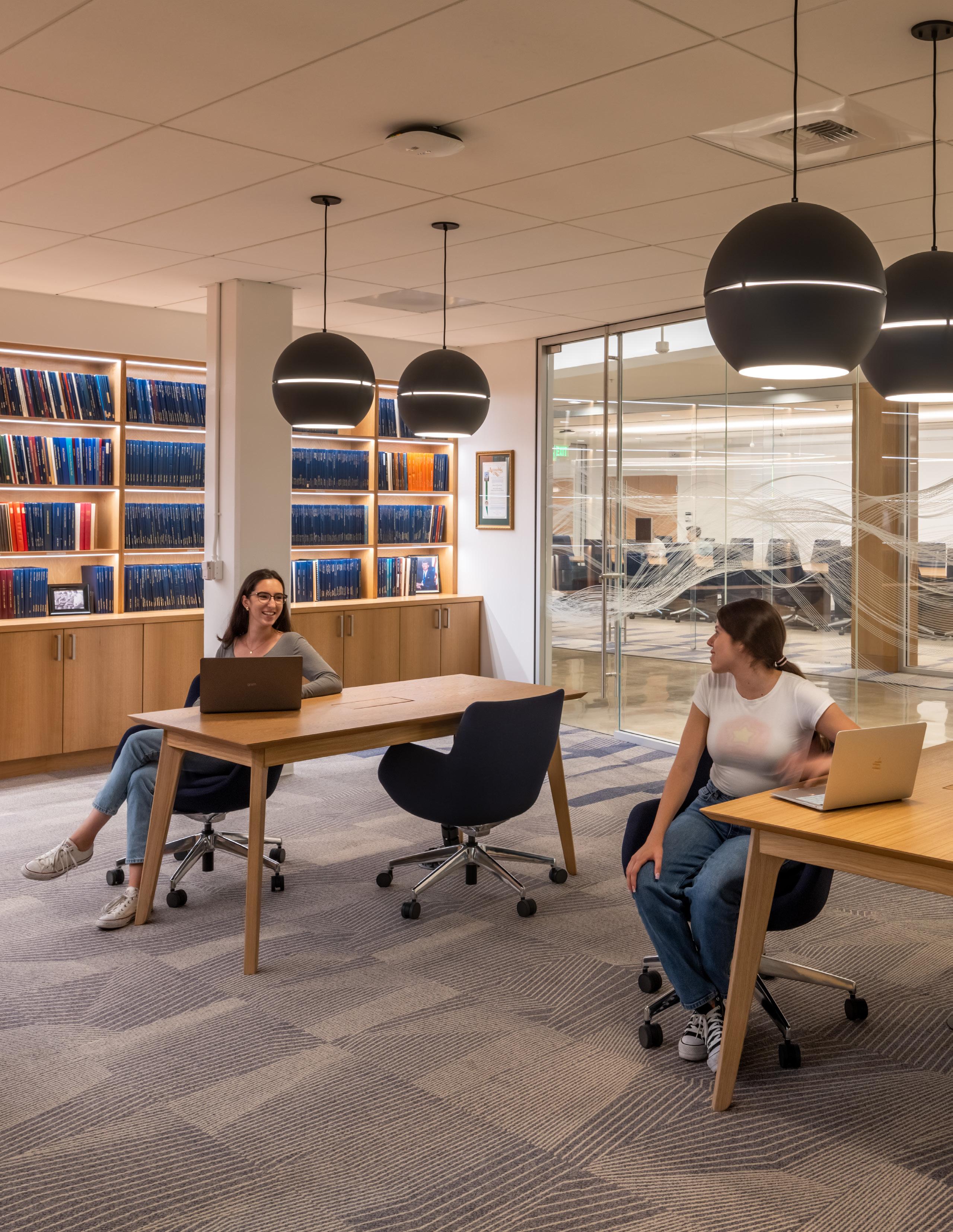
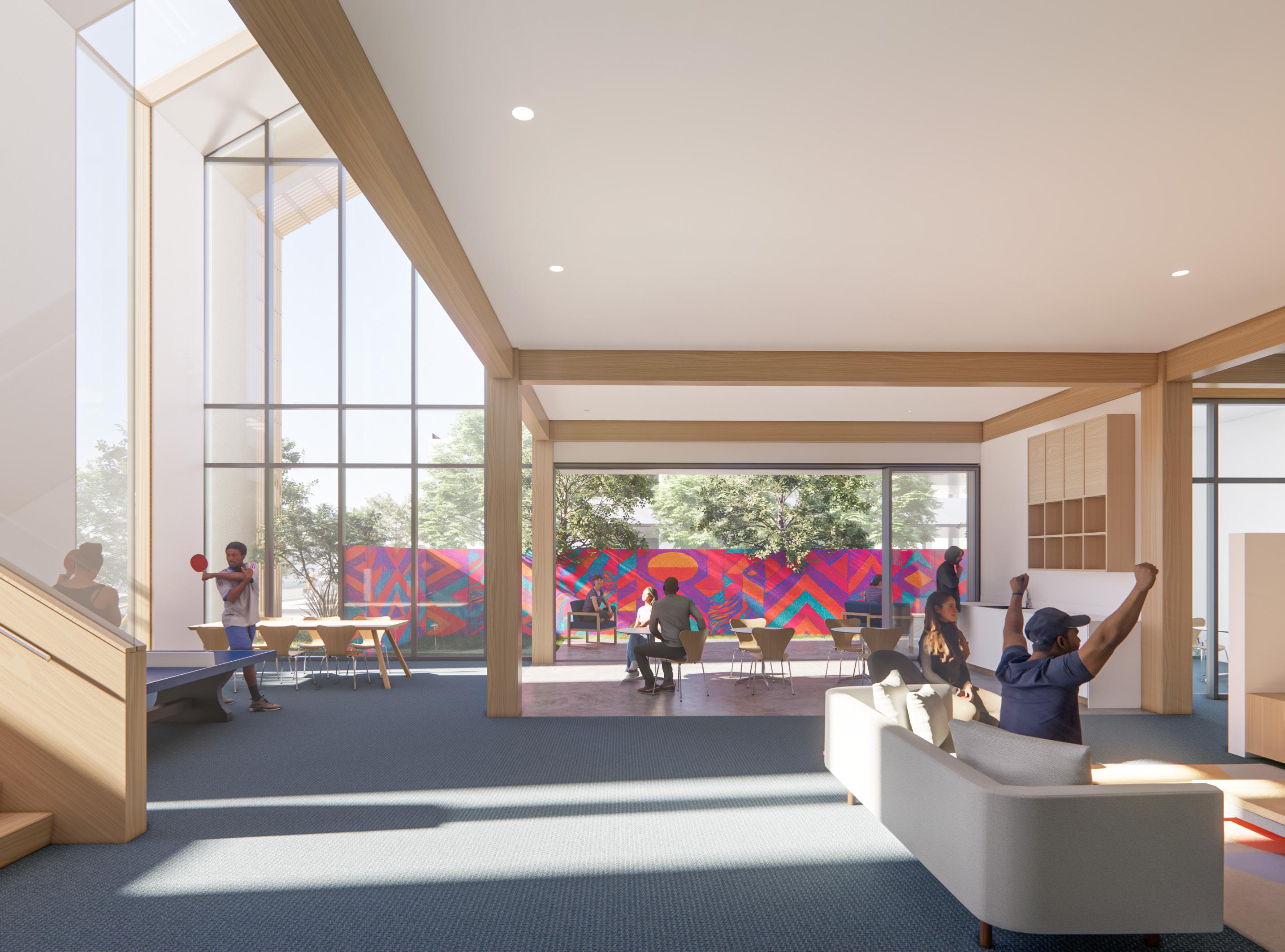
To support these interconnected needs, libraries must provide both strong technology access and spaces that adapt to different sensory needs, creating a welcoming environment for all neurotypes and ages. We call this approach “Inclusive Third Place Design.” These spaces provide choice and control, meaningful proximity without pressure, and natural interaction catalysts. This design strategy fosters organic connections across differences.
In our design for a Transitional Age Youth Drop-In Center, we created an environment that balances a sense of safety with opportunities for movement and engagement. Staff areas are strategically placed to maintain clear, unobtrusive sightlines throughout the space. Computer stations are intentionally positioned facing the back wall to provide screen privacy while remaining visible to staff. Transparent partitions, staggered desks, and layered public zones enable discreet supervision—fostering both trust and security.
Digital inclusion remains central to this mission, as libraries continue to bridge digital divides that often compound social isolation. For many, especially in underserved areas or among older adults, libraries provide the only reliable access to essential online services.
In increasingly diverse communities, libraries serve as vital cultural commons—spaces where multiple heritages are celebrated and meaningful dialogue around pressing social and community issues is fostered. As accessible and trusted institutions, libraries provide neutral ground for collective engagement, offering voter education sessions, public forums, and exhibits that encourage informed participation. By curating local stories and hosting conversations that bridge global perspectives with community experiences, libraries play a pivotal role in strengthening social cohesion, rebuilding civic trust, and fostering mutual understanding. An essential aspect of this work is creating spaces that reflect the values and aspirations of the communities they serve.
The future of libraries lies in their ability to act as platforms for civic life: spaces that bridge the gap and serve as archives, nurture social connection, and empower community engagement. Through flexible design, strategic public partnerships, and an unwavering commitment to accessibility and inclusion, libraries can continue to serve as vital civic stabilizers – responsive, resilient, and indispensable to the social fabric of 21st-century communities.
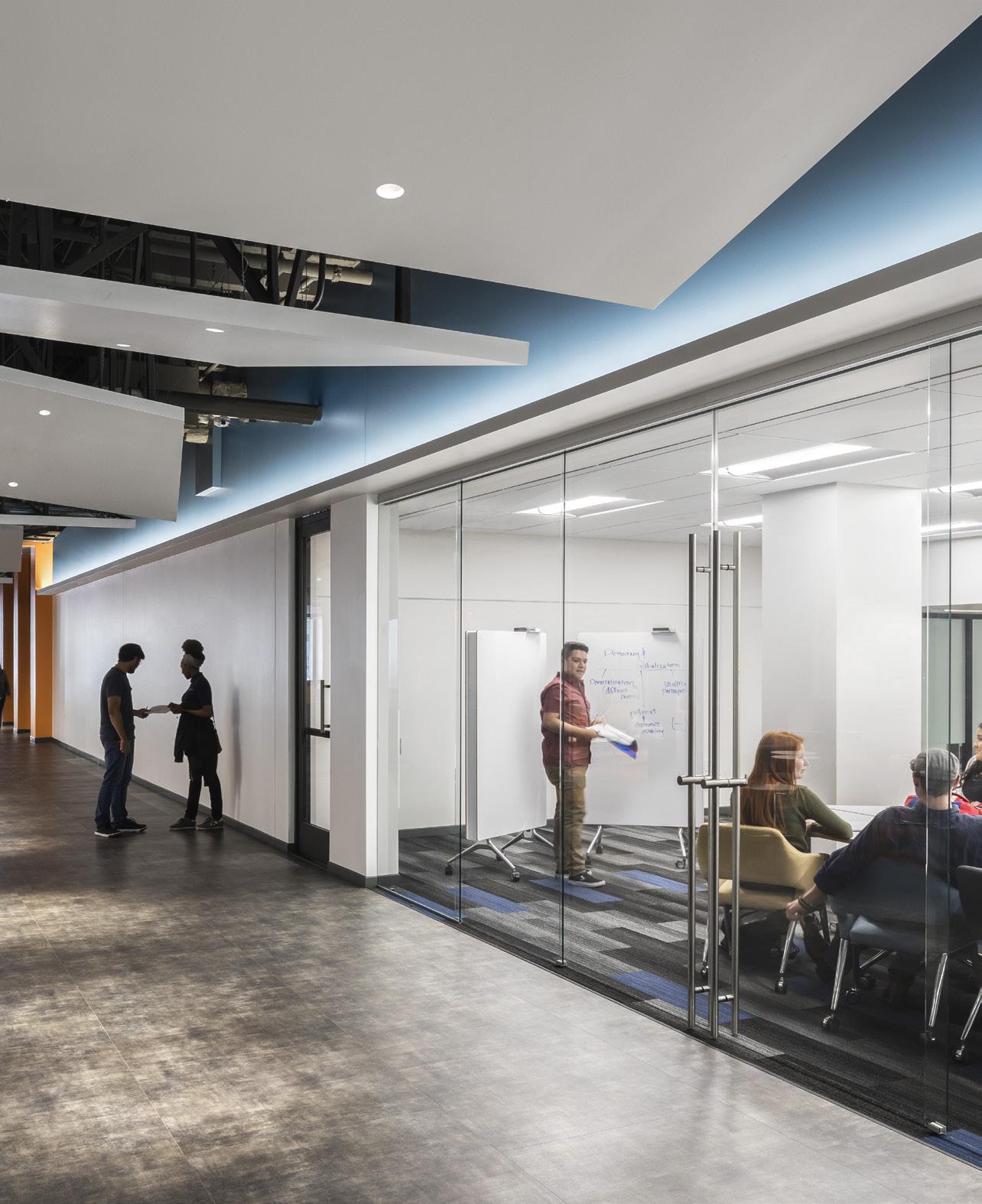
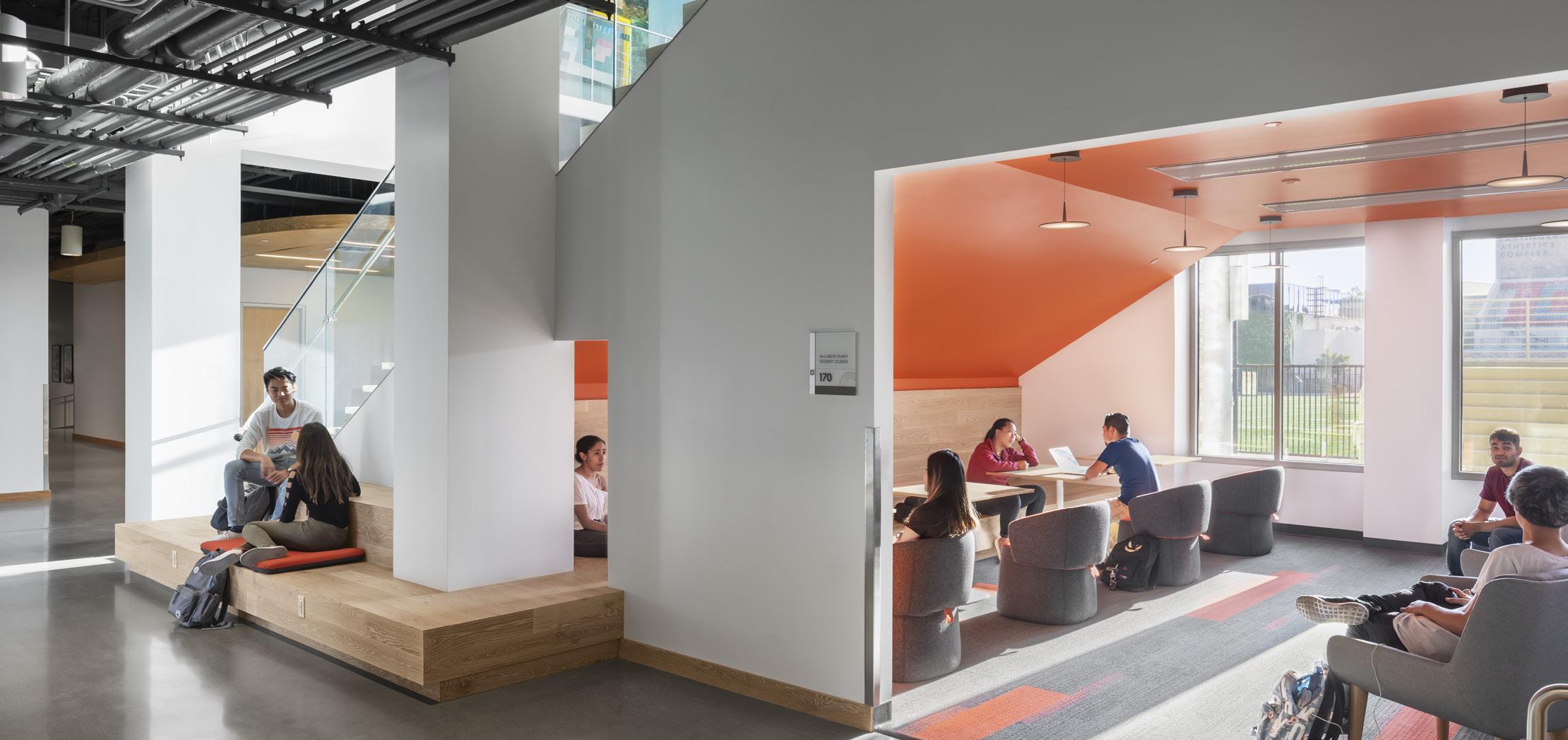
At Pollak Library, the vision took shape in the built environment through the unification of student cultural resource centers. Previously dispersed across campus, these centers were thoughtfully relocated to the first floor of the library—at the campus core—signaling their importance and fostering greater visibility, collaboration, and accessibility for all students. This approach exemplifies our commitment to Inclusive Third Place Design. By centralizing cultural resource centers within the library’s most visible and accessible location, we demonstrated how architectural placement can combat social isolation and promote cross-cultural understanding.
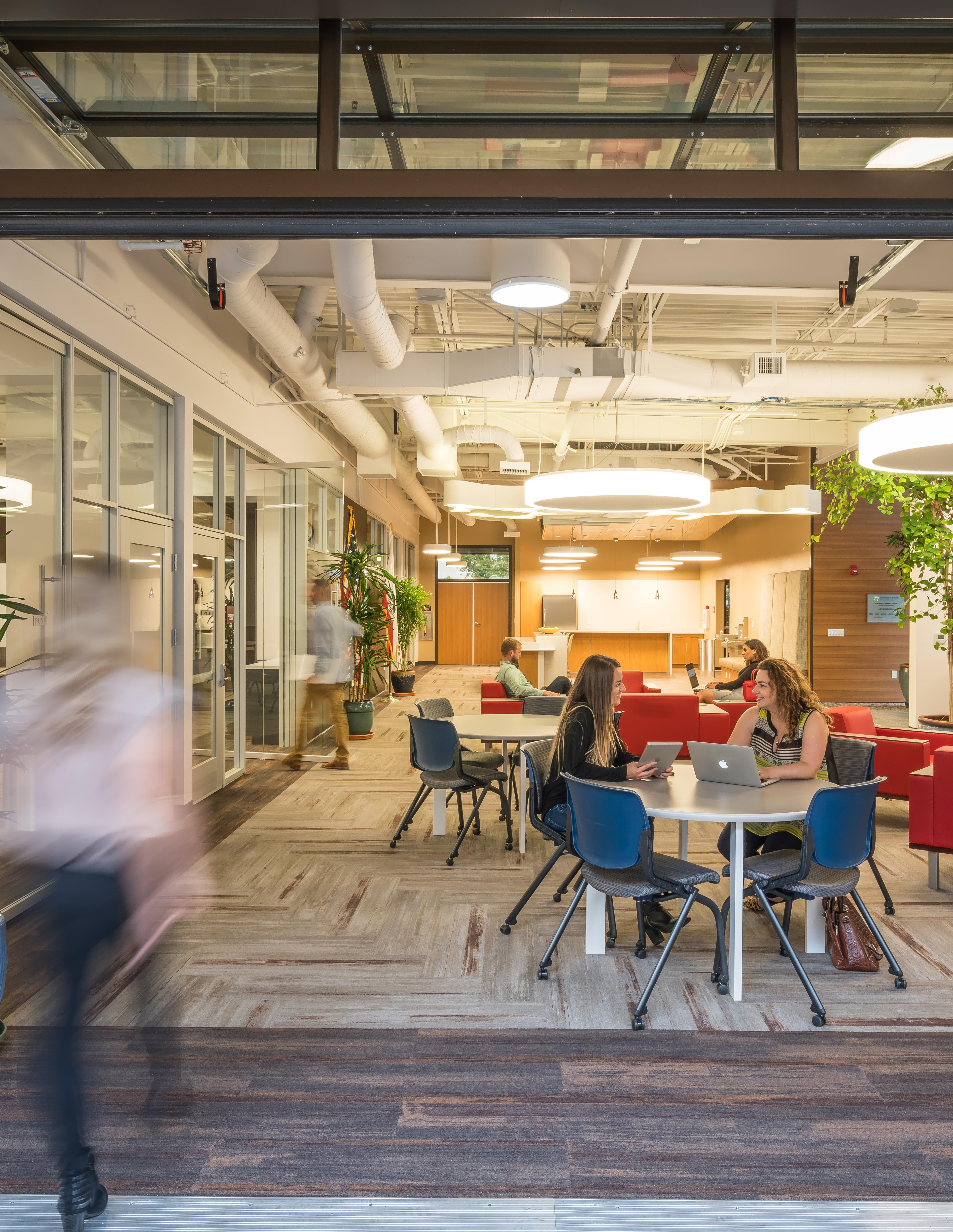
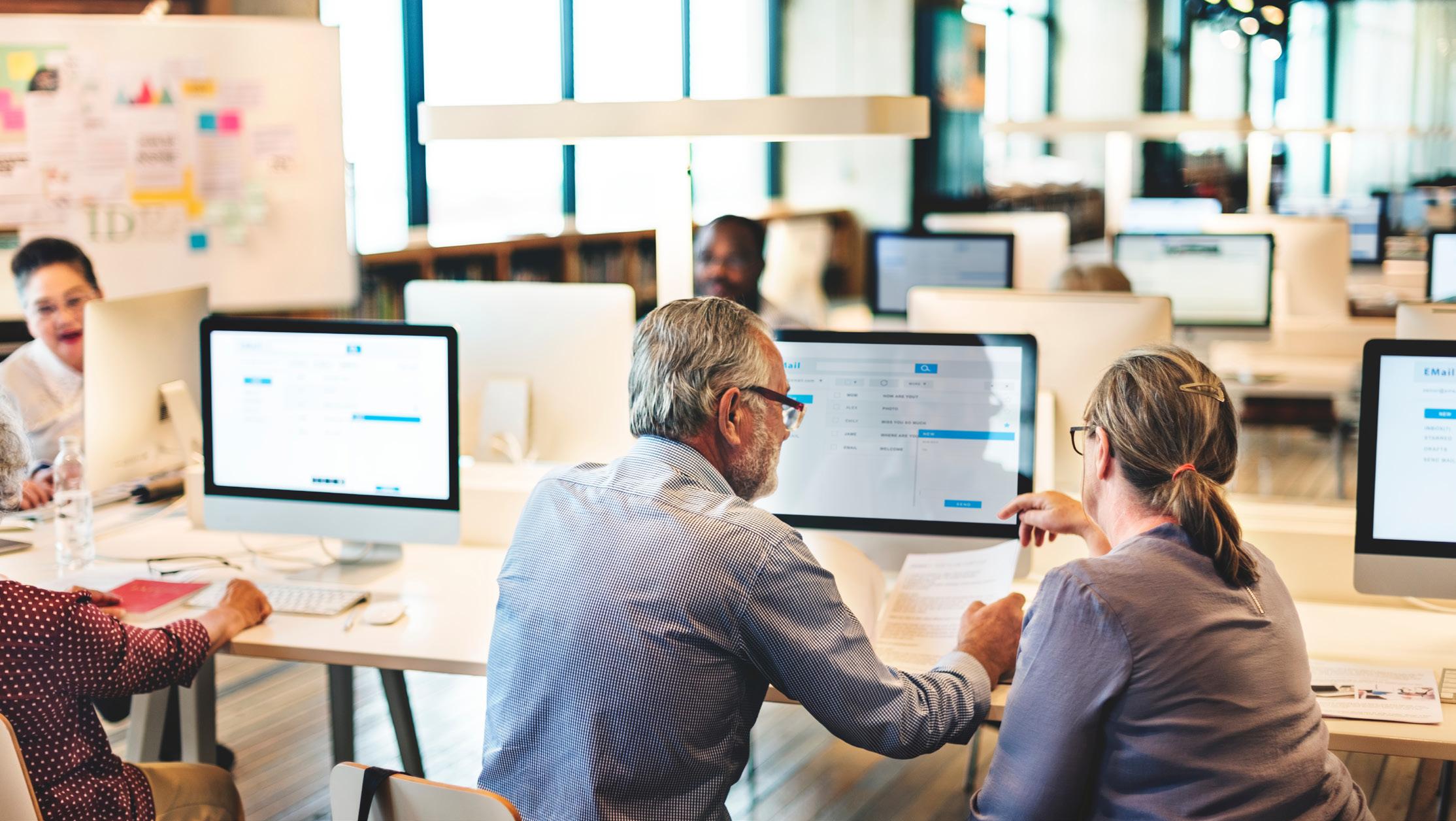
Since Benjamin Franklin established America’s first lending library, these institutions have steadily evolved to meet the educational needs of their communities. In today’s rapidly evolving world, libraries serve as critical infrastructure for lifelong learning—supporting individuals at every stage, from early literacy to adult reskilling and career transitions. They now extend their mission beyond traditional education; many libraries serve as adaptive platforms for equity, empowerment, and opportunity.
Similarly, librarians have evolved into educators, facilitators, and community connectors. With deep expertise in pedagogy, digital tools, and resource curation, they co-create learning experiences that respond to local needs. By offering safe, inclusive environments where patrons can build knowledge, confidence, and skills, libraries are uniquely positioned to help individuals navigate a complex, constantly changing world.
Intergenerational Knowledge Exchange represents a particularly powerful opportunity within immersive programming. Libraries can facilitate natural mentorship by pairing coding bootcamps where teens support older adults with traditional craft workshops where roles reverse. These exchanges combat age-based social isolation while honoring the expertise that every generation brings. Intentional spatial design with varied seating heights, acoustic considerations for different hearing needs, and technology interfaces that accommodate varying comfort levels ensure these intergenerational programs succeed architecturally, not just programmatically.
24%
58% 2022-2023 Room Reservations
*Still below pre-pandemic visits (about 35%). Adelakun & Goodrich, 2024 ULC Insights Report, 6–8. 2022-2023
Public libraries today are digital access points. By lending laptops, cameras, mobile hotspots, and creative software, they remove barriers to technology that was once only accessible in academic or professional settings. This democratization of tools supports learning, workforce development, and innovationparticularly for individuals who may lack reliable internet or personal devices at home. However, the role of libraries goes beyond access. In an era defined by information overload and misinformation, libraries have become trusted guides in the digital landscape. Librarians teach patrons how to navigate complex online environments, evaluate sources critically, protect their privacy, and become confident digital citizens. Through workshops, one-onone support, and curated resources, libraries empower users to engage meaningfully with technology and information.
Some modern libraries offer experiential learning environments where community members don’t just absorb knowledge—they engage, create, and connect. Through immersive programming such as makerspaces, digital visualization walls, STEM clubs, author talks, and hands-on workshops, libraries foster exploration and collaboration across generations. These interactive experiences are intentionally designed to meet a wide range of learning styles and community interests. Whether it’s a teen coding bootcamp, a toddler sensory play session, or a community storytelling night, programming activates the library as a participatory space for discovery and shared growth. Flexible spatial design enables these transitions, accommodating everything from solo study to collective performance.
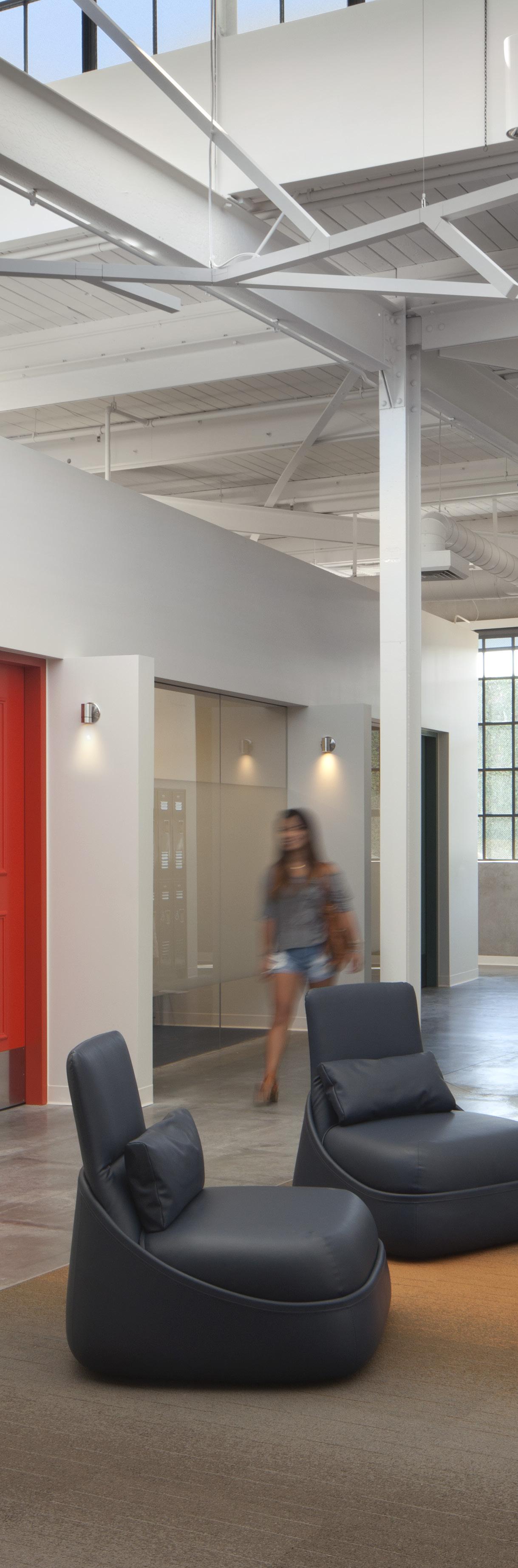
The renovation of CSU Long Beach’s Fine Arts Building (FA1), University Telecommunications Center (UTC), and Theater Arts Building (TA) brings together three essential arts programs into spaces tailored to their unique needs. By reimagining existing campus buildings, we created dedicated studios with specialized lighting and equipment—supporting programs that require dark rooms, sound stages, and controlled environments. At the same time, we strategically introduced natural light into shared areas, uncovering hidden clerestory windows previously masked by dropped ceilings. The result is a dynamic learning environment where students feel immersed in their craft, as though they are already working in professional industry settings.
Libraries are increasingly recognized as powerful engines for workforce development In response to shifting economic demands, many now offer targeted services for career development and skill-building. Programs such as ESL classes, resume building, digital upskilling, and small business support help patrons develop marketable skills and pursue new career pathways.
These opportunities are offered both in person and through digital platforms, enabling flexible, accessible learning for people with varied schedules, learning styles, and life circumstances. As patrons progress from consumers to creators of knowledge, libraries become launchpads –not only for employment but also for creativity, innovation, and self-determination.
By fostering skill-building in inclusive and supportive environments, libraries advance economic equity and empower communities to thrive in an unpredictable future.
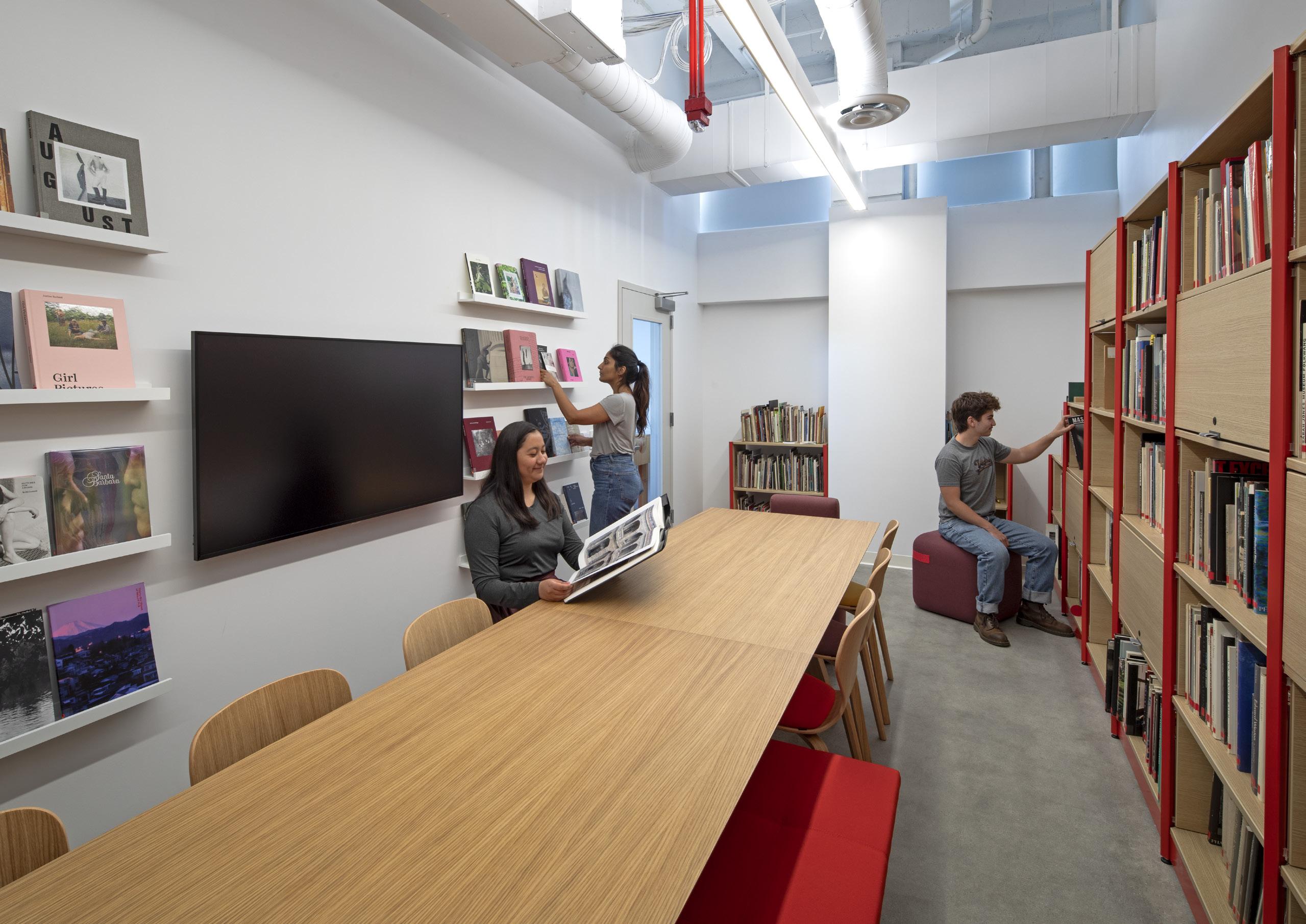
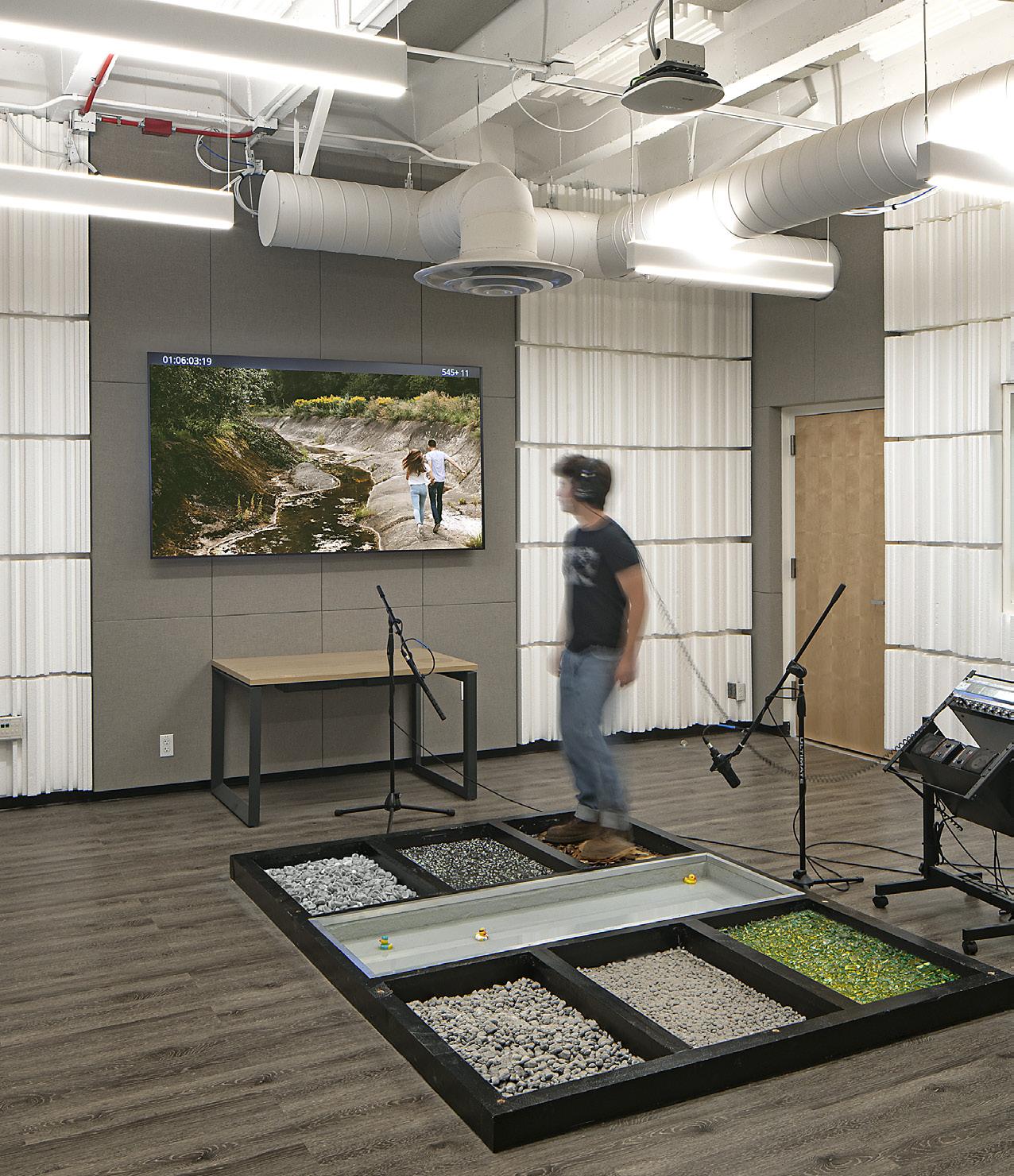
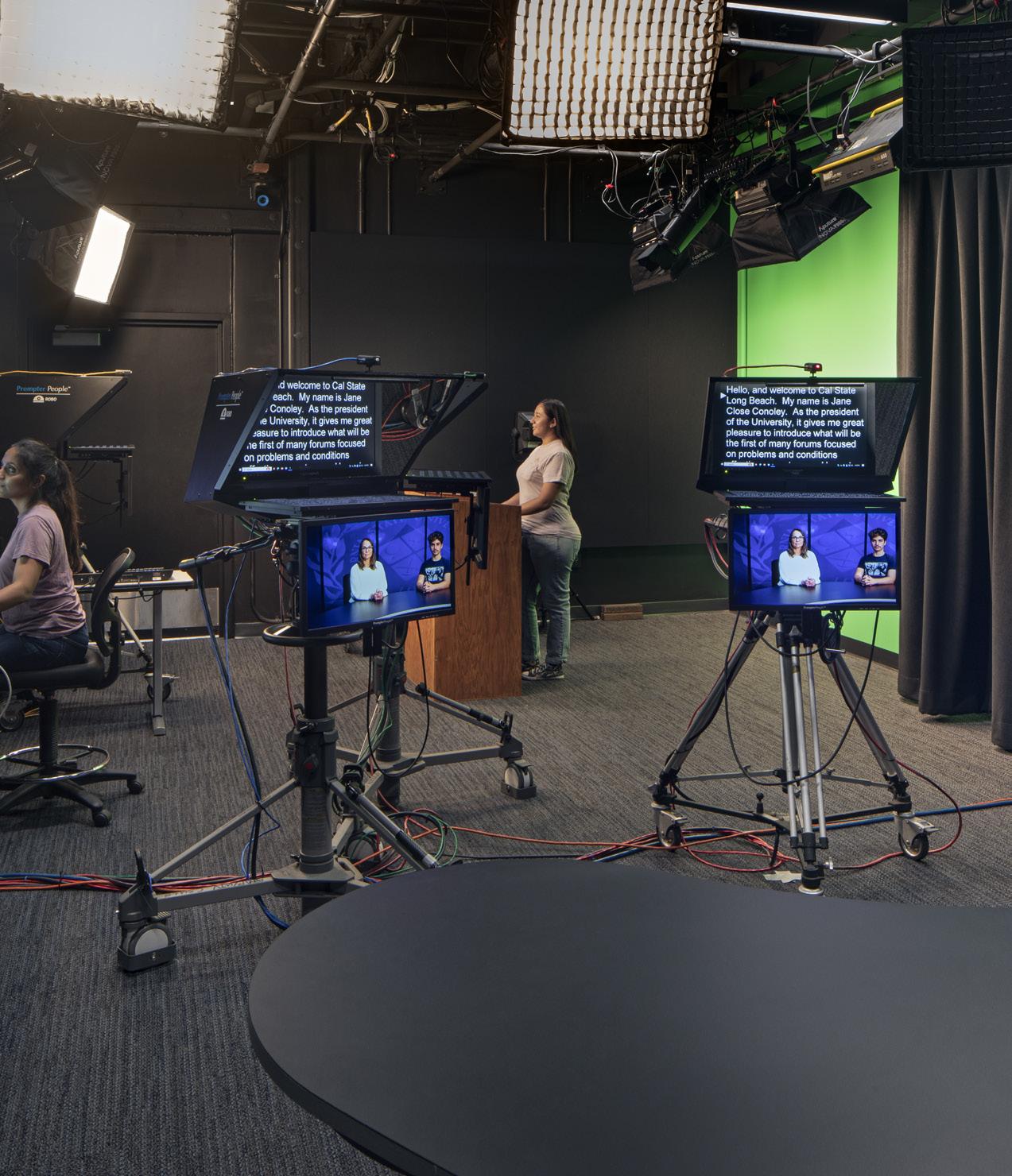
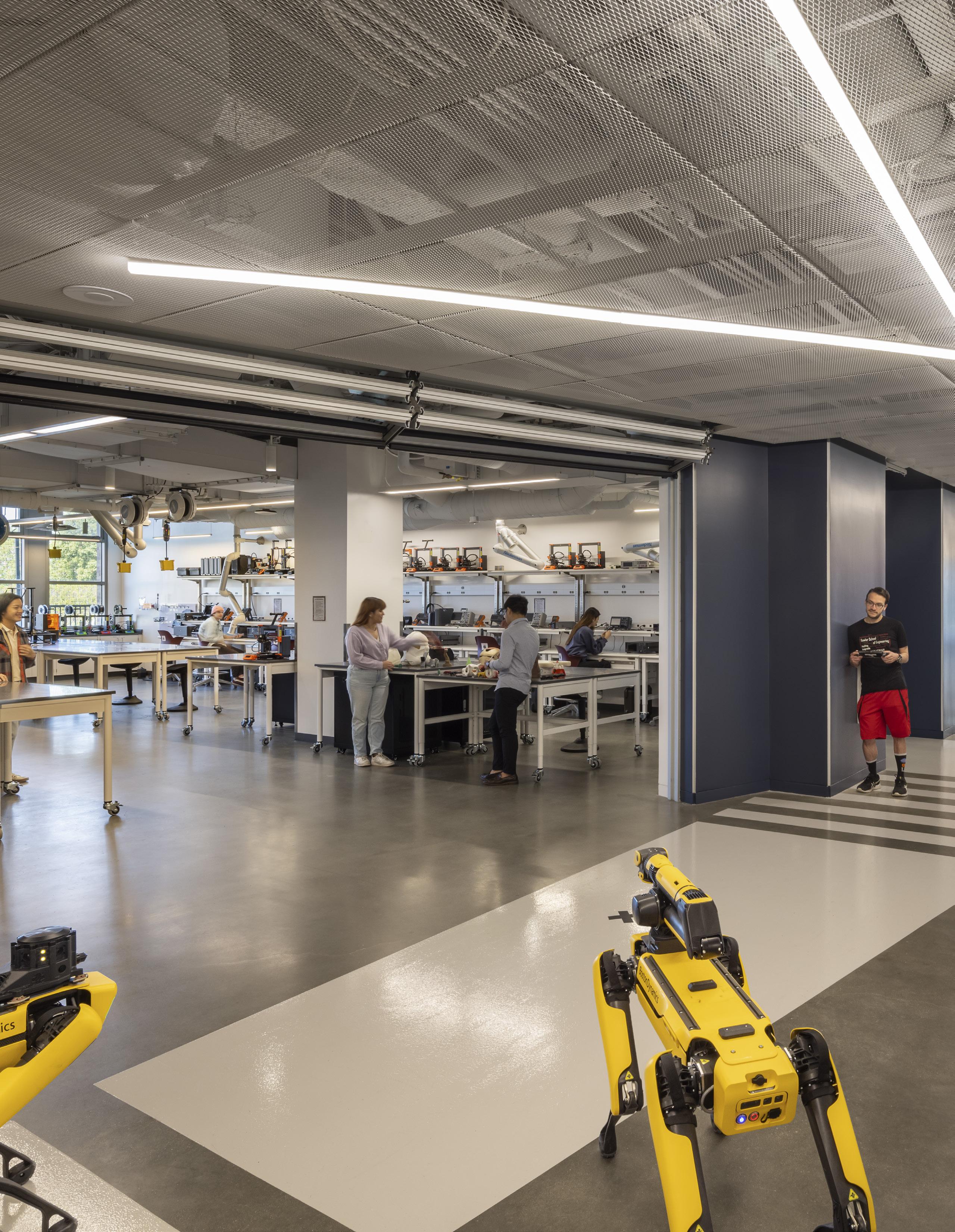
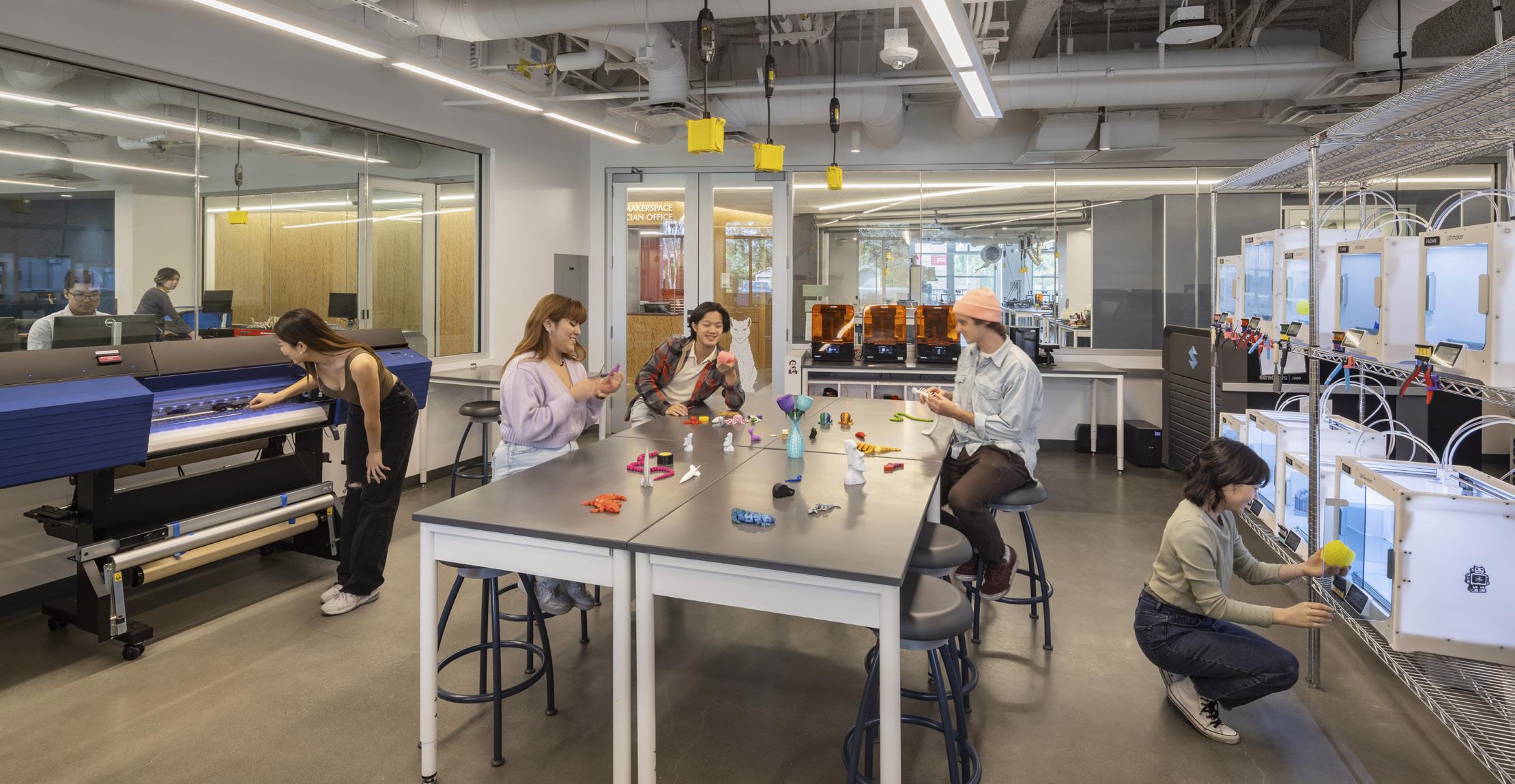
Libraries can serve as gateways to creative industries by offering community members opportunities to explore, experiment, and build confidence in their skills. As civic platforms for public expression, libraries democratize access to creative technologies, professional-grade tools, and environments where ideas can take shape.
Leading libraries provide access to a wide array of technical and creative resources: audio and video recording studios, podcasting booths, animation labs, sewing machines, 3D printers, tools, and makerspaces for do-it-yourself learning and exploration. These environments nurture creativity across all ages and experience levels, expanding who can participate in cultural production and creative economies.
Libraries increasingly support the creative economy, which is a vital driver of regional employment and innovation. According to the 2025 Otis College Report on the Creative Economy, California’s creative industries directly employ over 760,000 workers and offer an average annual salary of $191,000, more than twice the statewide average. Creative economy jobs account for nearly 10% of all employment in the state when indirect jobs are considered, underscoring their critical role in California’s economic vitality (Otis College, 2025).
By providing access to industry-standard tools and training, libraries bridge the gap between community talent and creative opportunities. They help emerging artists, designers, and entrepreneurs develop skills and connections necessary to participate in creative industries, particularly crucial in areas where traditional pathways to creative careers are limited.
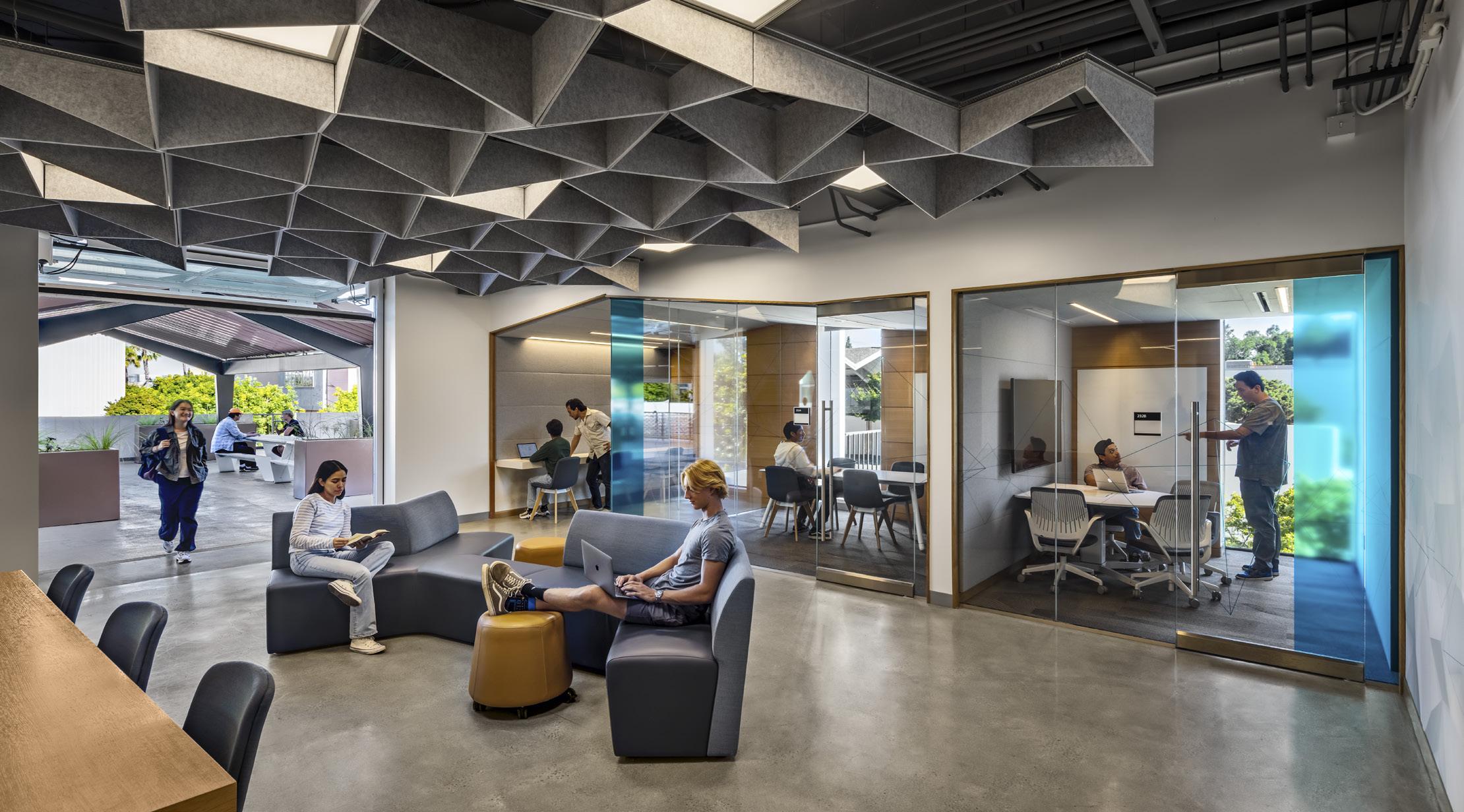
Public libraries have also emerged as strategic partners in entrepreneurship and small business development. Business and Intellectual Property Centers (BIPCs) embedded in libraries provide access to market research databases, patent support, business planning resources, and expert mentorship—critical assets often out of reach for early-stage entrepreneurs.
Coworking spaces, networking hubs, and flexible meeting rooms provide physical platforms for collaboration and professional development. By lowering barriers to entry, libraries create neutral, cross-sector spaces where artists, technologists, educators, and entrepreneurs can exchange ideas and launch new ventures.
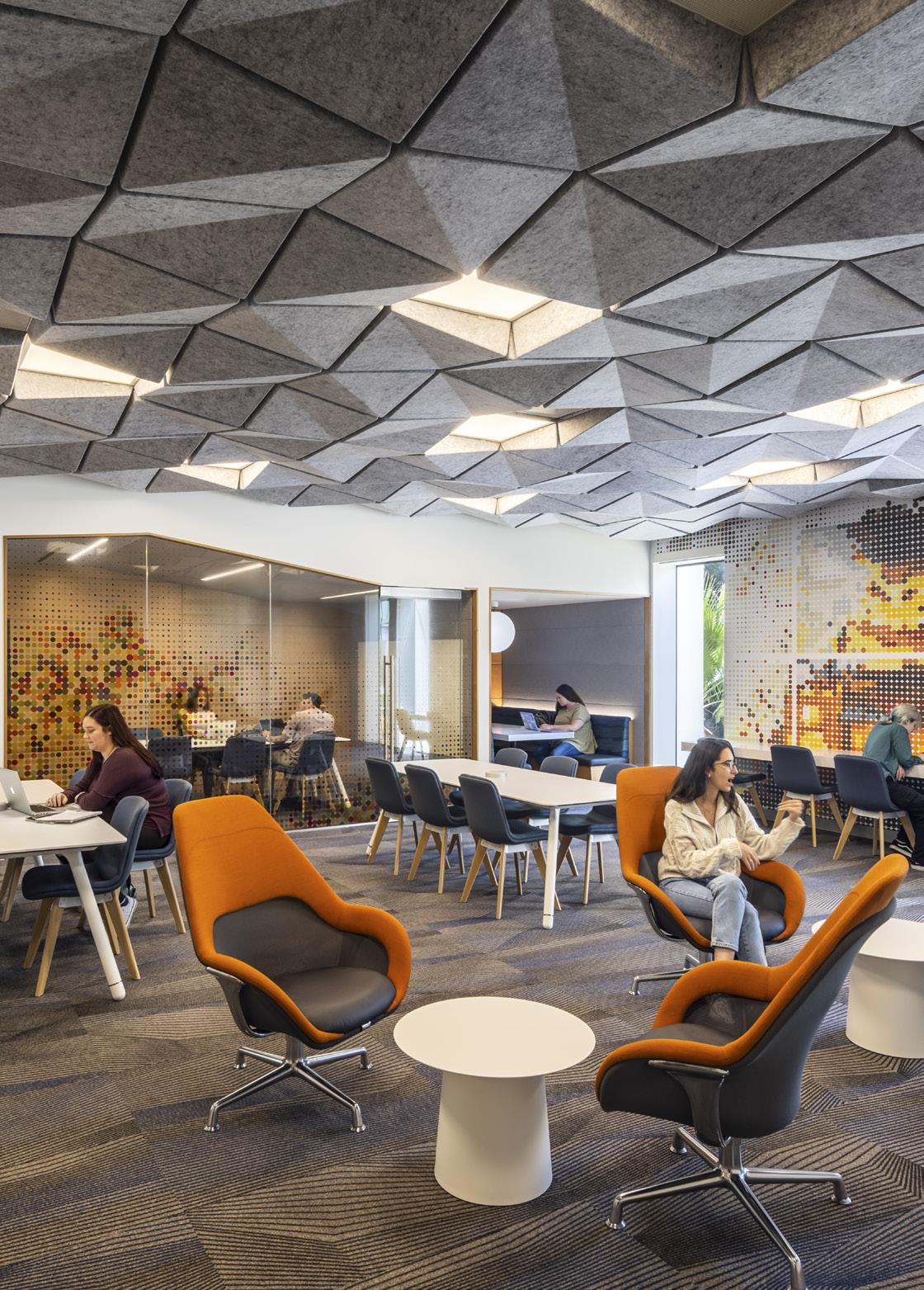
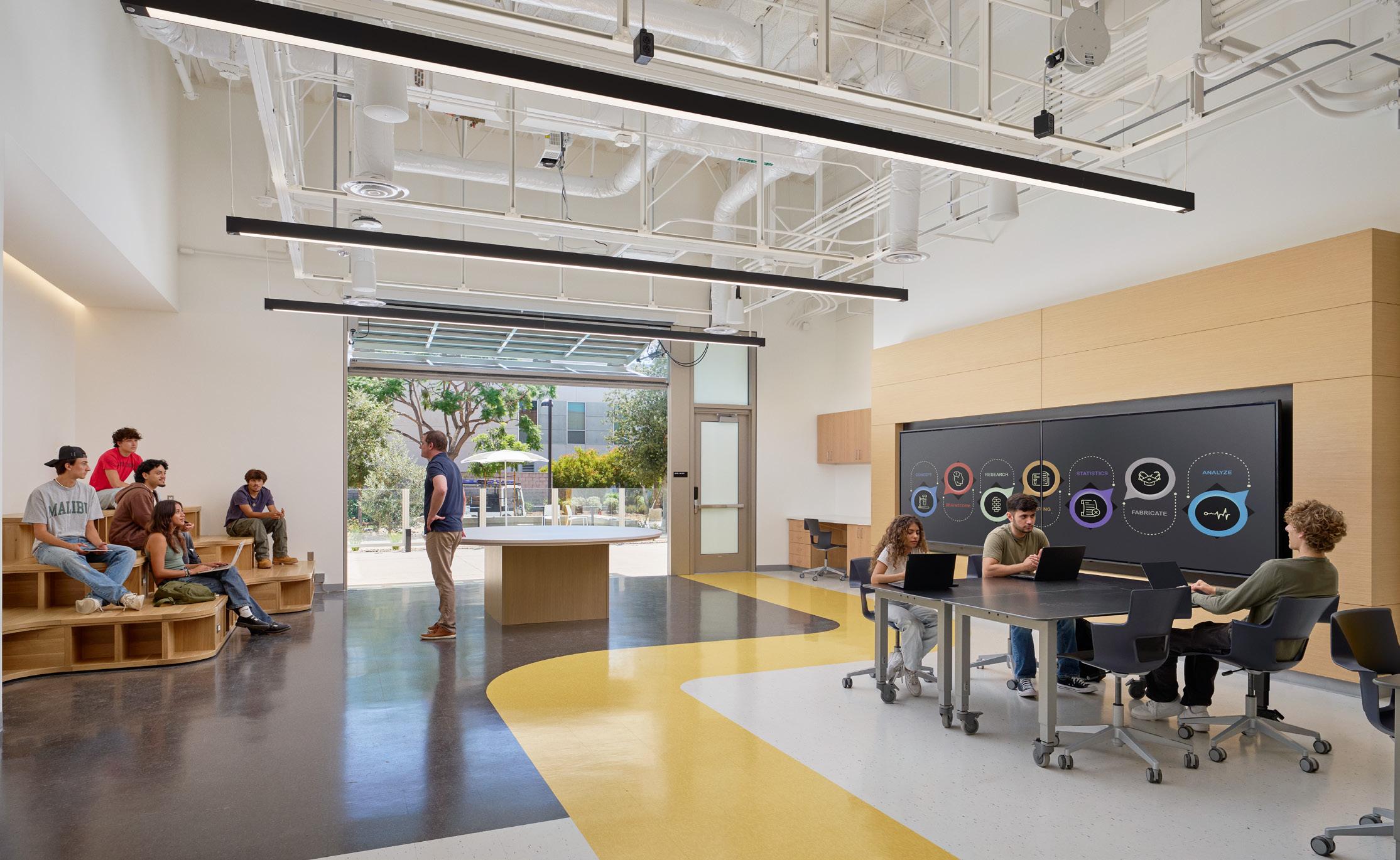
For our clients, incorporating makerspaces into our library and science projects delivers measurable returns. Libraries see increased visitor engagement beyond the makerspace, expanded programming capacity, enhanced community perception, and positioning as an essential 21st-century learning hub. These environments don’t just support individual skill development, they inspire lifelong learning and create the collaborative, innovative spaces that modern communities need to thrive economically and socially. Slated to open in 2025, CSU Northridge’s Equity Innovation Hub at Autodesk Technology Engagement Center has a makerspace focused on supporting STEM fabrication projects, with an emphasis on helping underrepresented minorities in STEM. It will be open to both college and local high school communities, giving students access to tools and opportunities they may not have had otherwise.
Future-ready libraries embody an entrepreneurial mindset—experimenting, iterating, and evolving their services to meet emerging needs. This approach mirrors the creative processes they support within their communities. Through knowledge-sharing events and interdisciplinary partnerships, they model the collaborative spirit essential for resilient communities and amplify their impact.
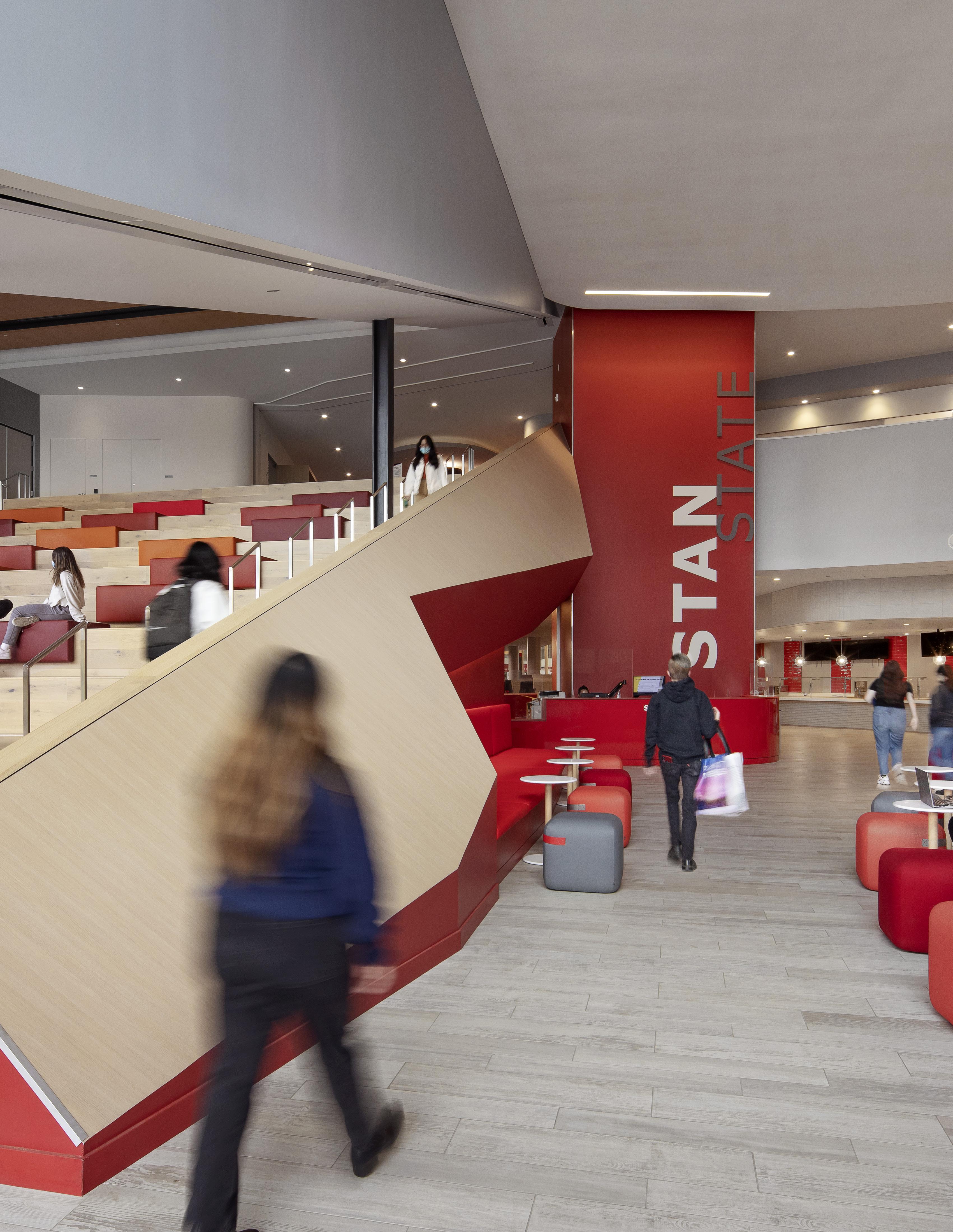
Union House Elementary School, Sacramento, CA
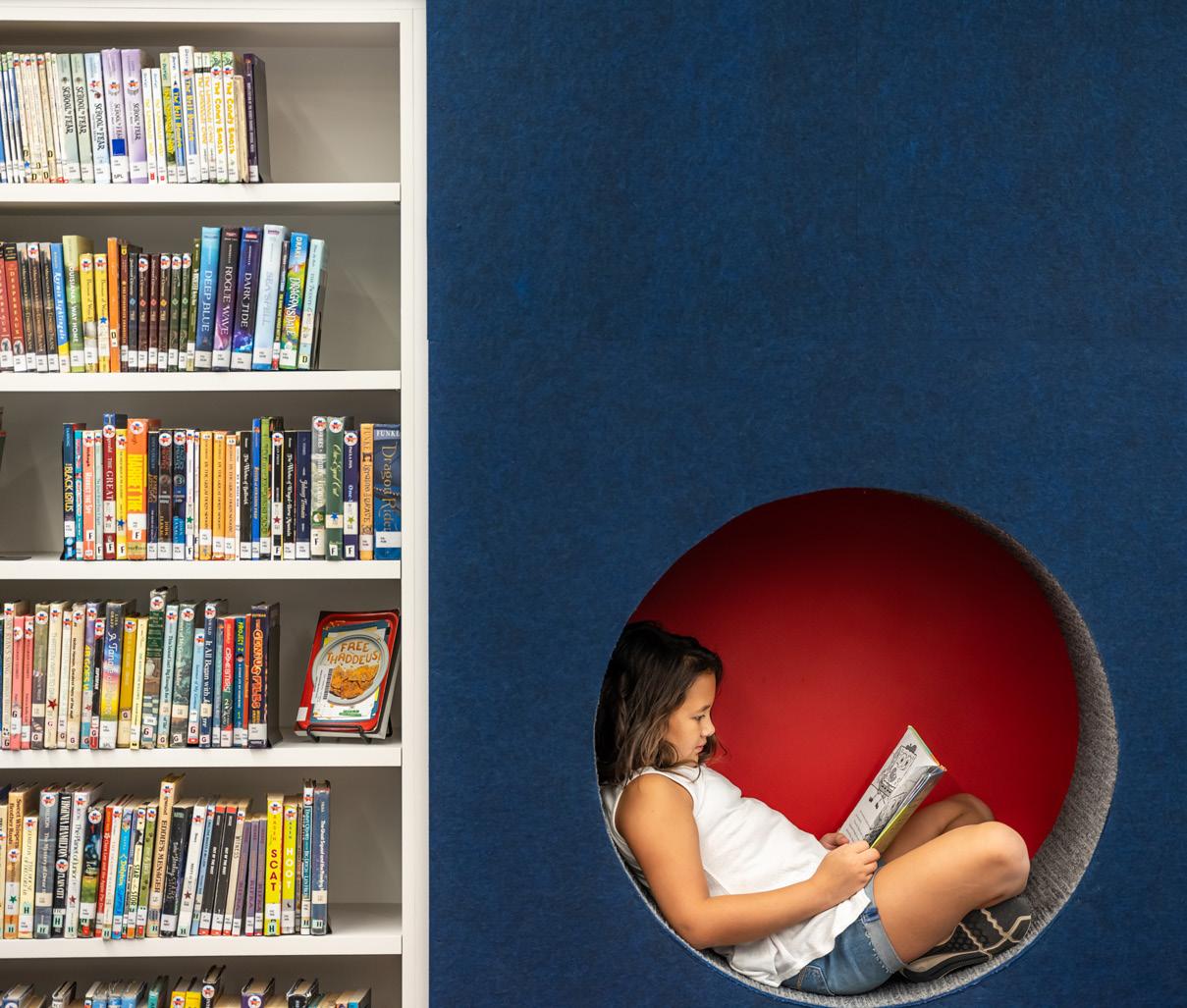
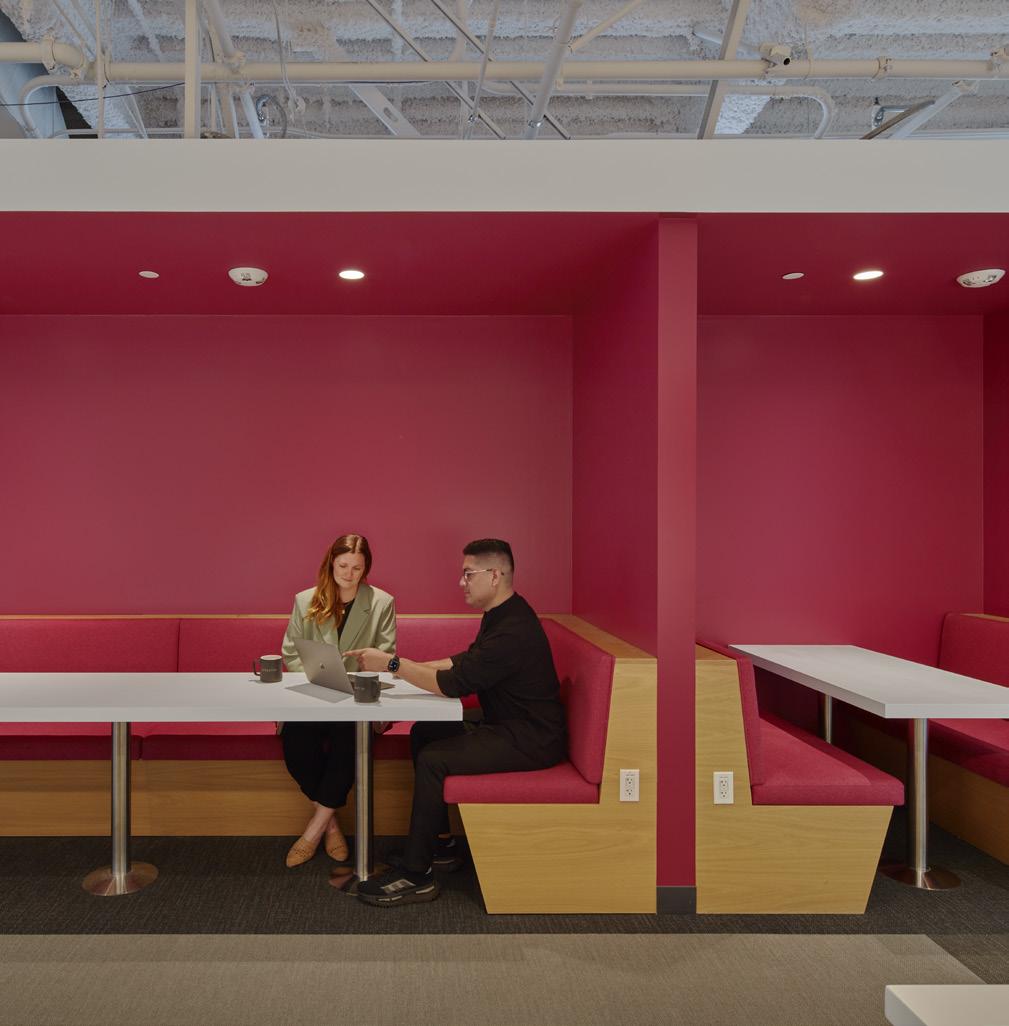
Future-ready libraries are built on a foundation of user experience that specifically addresses the convergent challenges of loneliness, neurodiversity, and intergenerational disconnection. Beyond basic accessibility, they incorporate trauma-informed approaches and sensory considerations for neurodiverse users, creating environments where everyone feels welcomed and empowered regardless of neurotype or age.
This can be achieved by incorporating neuroinclusive design elements such as sensory gradients throughout the library where space transitions from high-energy collaborative areas to calm, low-stimulation zones. Choice and control become fundamental design principles: users can modulate their sensory experience through varied lighting options, acoustic zoning, and visible pathways to quieter spaces. Meaningful proximity allows people to be near others without pressure
Providing
spaces that relieve sensory overload help visitors take mental breaks by giving them a safe space to lean back and recharge their batteries.
to interact, while natural interaction catalysts— shared activities around technology, creativity, or learning—facilitate organic connections across generations and neurotypes.
Simple interventions like adjustable lighting levels significantly impact the sensory experience for neurodivergent users – insights that library staff shared to guide our approach to different spatial goals within Payson Library. Isolation sensitive design ensures visual connections throughout the space while providing dignified retreat options for those who become overwhelmed.
Seamless Digital-Physical Integration ensures that technology enhances rather than replaces human connection. Beyond the technology access detailed in Section 02, the user experience also depends on smart building features like adaptive lighting and climate control that respond to occupancy and activity levels. Digital interfaces prioritize intuitive navigation for all users. Ergonomic furniture planning addresses the physical needs of all ages, from childheight surfaces to senior-friendly seating with proper support.
Adaptability is essential in library design. Spaces must transition seamlessly between functions— from informal gatherings to technology workshops to civic forums. Modular furnishings and flexible infrastructure allow libraries to evolve with their communities, ensuring facilities remain vibrant and relevant despite changing needs.
To support spatial adaptability without compromising access to physical collections, some libraries are exploring Automated Storage and Retrieval Systems (AS/RS). These compact, staff-operated systems allow materials to be stored densely and retrieved quickly, freeing up significant floor area for flexible use. By relocating books and multimedia into a high-density storage solution, libraries can create more room for collaboration, technology, and community engagement while improving environmental control and security for their collections.
AS/RS offers a forward-looking strategy that aligns with the evolving priorities of public libraries—preserving access while enabling transformation.
Foster cross-sector partnerships to expand community impact.
Invest in flexible, user-centered physical and digital infrastructure.
Support lifelong learning, creativity, and workforce development through programming and spaces. Align capital investments with evolving community needs and economic opportunities.
Libraries increasingly model sustainable public architecture through net-zero energy systems, biophilic design elements, and environmentally responsible materials. Beyond lowering operational costs, these approaches demonstrate environmental stewardship while creating spaces that enhance community wellness through connections to natural elements.
Libraries have an opportunity to lead in setting new norms for equitable public architecture. By embedding user-centered, inclusive, and sustainable design principles into every project, libraries can demonstrate what accessible, community-focused civic spaces should look like in the 21st century.
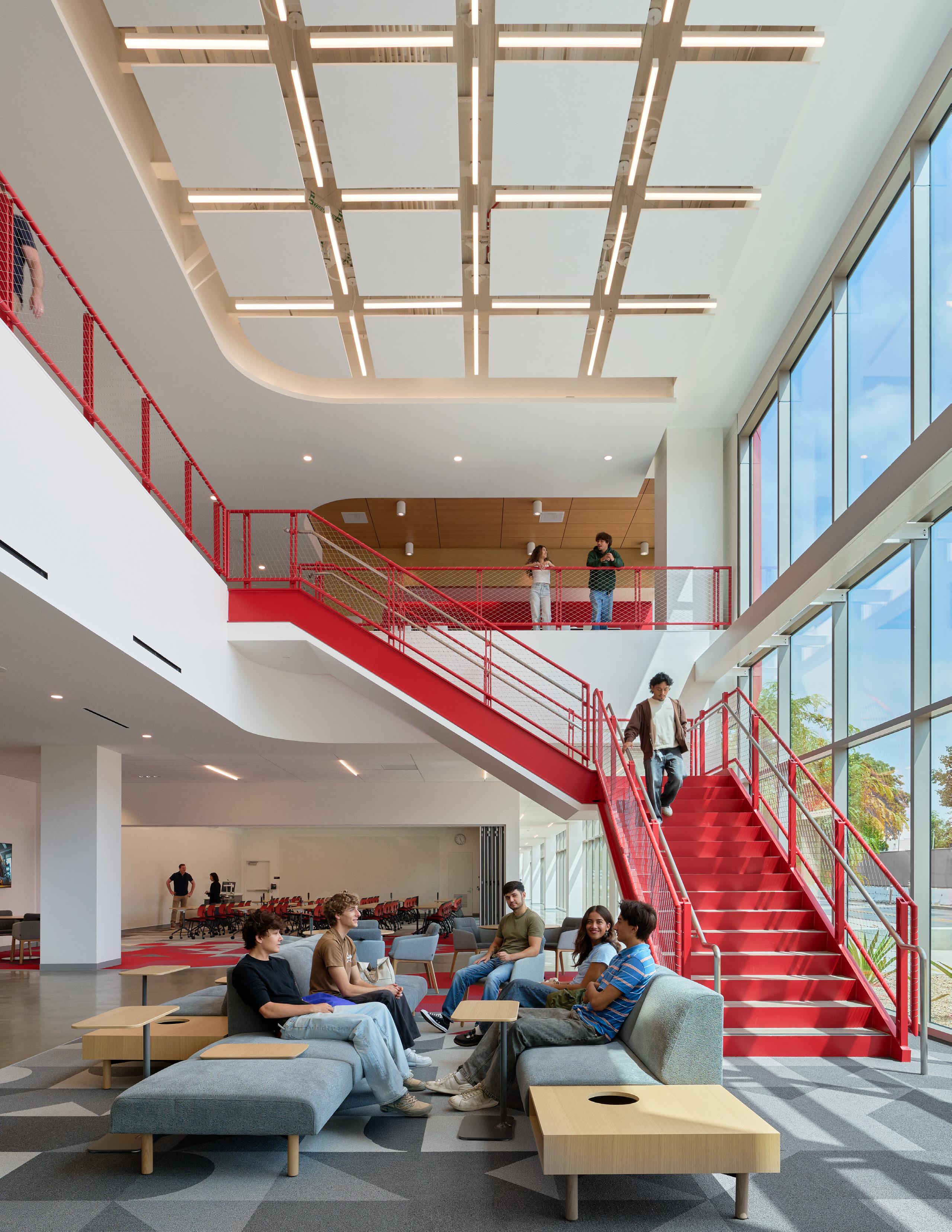
Our designs prioritize sensory-responsive environments and flexible spaces that accommodate diverse neurotypes and age groups. As early as the planning stage of our projects we introduce inclusive design concepts to our clients, incorporating graduated acoustic zones and varied lighting to support both collaborative learning and individual focus, while ensuring clear sightlines throughout maintain community connection even during quiet study.
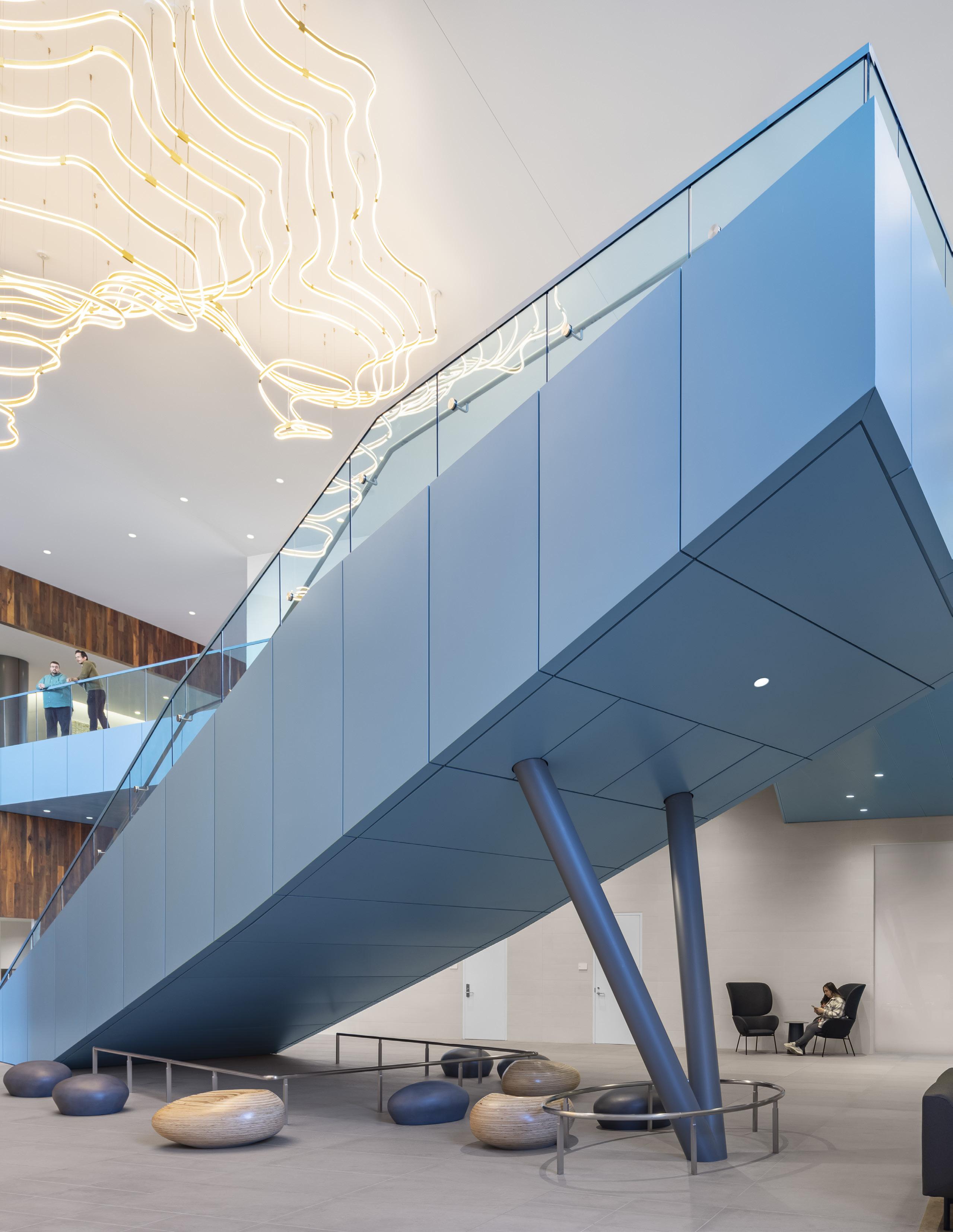
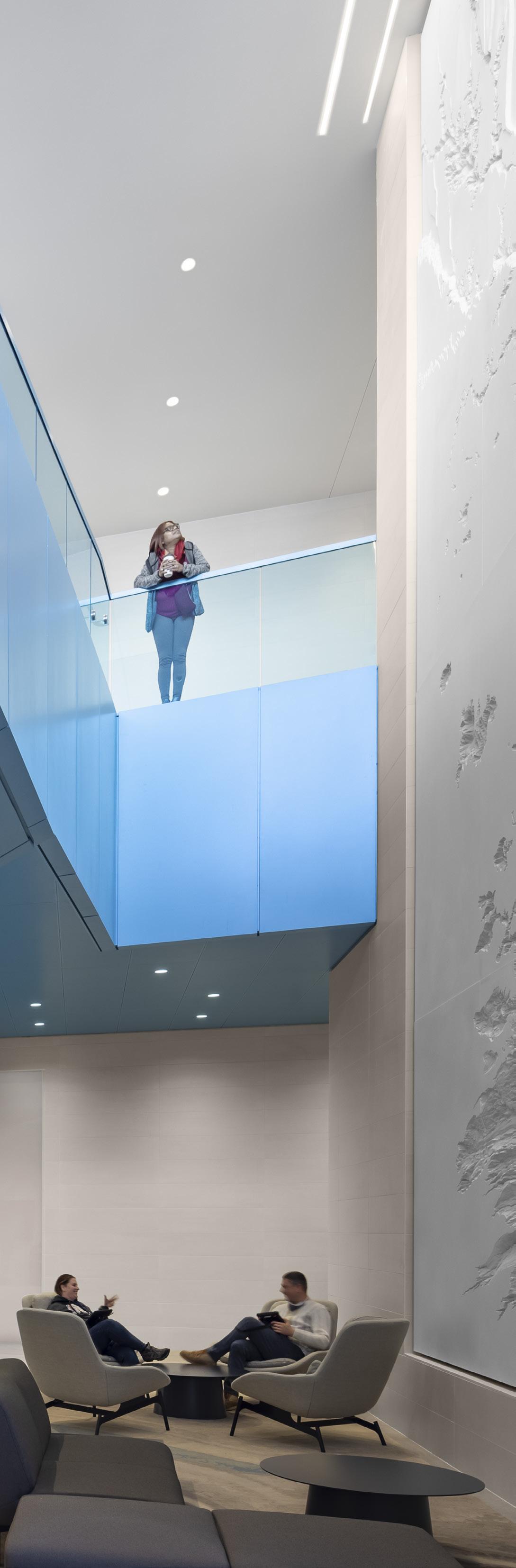
Public libraries stand at the intersection of tradition and transformation, institutions rooted in the timeless pursuit of knowledge, yet dynamically evolving to meet the shifting contours of contemporary life. Libraries increasingly support the urgent needs of society including social isolation, neurodiveristy support, and intergenerational connection. Design strategies that prioritize natural light, sensory awareness, and adaptable environments support individual and collective well-being. Programs and partnerships grounded in the creative ecology framework invite communities to engage not only as consumers of knowledge, but as creators, innovators, and agents of change.
The future-ready library is not a fixed destination, but a responsive, resilient ecosystem—one that evolves with its community, reflects its aspirations, and empowers all who enter to imagine, learn, and belong
The question that remains is how we measure success in creating these truly welcoming environments. Future research must develop new metrics that capture not just usage statistics, but the quality of human connection, the sense of belonging across difference, and the library’s role in rebuilding the social fabric of community life.
AC Martin
Contributors
AC Martin
Joseph Matthews, Library Consultant
Photography
AC Martin Office, Los Angeles, CA; Benny Chan
DMAC, Chapman University, Orange, CA; Tom Bonner
FA1/UTC, CSU Long Beach; Tom Bonner
Keck Center for Science & Engineering, Chapman University, Orange, CA; Lawrence Anderson
McCarthy Hall, CSU Fullerton; Lawrence Anderson
New Natural Resources Center, Sacramento, CA; Lawrence Anderson
Pollak Library, CSU Fullerton; Lawrence Anderson
Sonoma County Office of Education, Teacher Learning Center, Santa Rosa, CA; Justin Hesse
Swenson Family Hall of Engineering, Chapman University, Orange, CA; Lawrence Anderson
Union House Elementary School, Sacramento, CA; Justin Hesse
University Union, CSU Stanislaus; James Ewing
900 Wilshire Blvd., Suite 2800
Los Angeles, CA 90017
www.acmartin.com