OPEN SPACES
Inside Open Spaces
President & CEO
Cormac Collier
Vice President of Science & Stewardship
Karen C. Beattie
Director of Research
Danielle O’Dell
Coastal Wetlands Research Ecologist
Dr. Emily N. Junkins
Plant Research Ecologist/Botanist
Kelly A. Omand
Wildlife Ecology Project Manager
Tucker Taylor
Native Plant Propagation Manager
Stacey Cooper
OFFICERS
Chair
John G. Macfarlane III
Vice Chair
Todd M. Knutson
Secretary
James Meehan
Treasurer
Charles K. Gifford, Jr.
Clerk
Marianne R. Stanton
Restoration & Stewardship Project
Manager
Coleman Miller
Coastal Ecology Research Technician
Jisun Reiner
Ecology Project Manager Dr. Jennifer M. Karberg
Director of Advancement
Whitney Dayton Brunet
Development & Donor Relations
Manager
Mara Weiner
Community Outreach Manager
Samantha Denette
Finance & Operations Manager
Korilynn Adams
Advancement Systems Manager
Celia Cataldo
Administrative Coordinator
MaryAnn Bartlett
Interpretive Education Coordinator/ Ecologist
Neil Foley
Environmental Educator
Lindsey Balman
Director of Land Management
Nicholas J. Larrabee
Land Maintenance Manager
Donald J. Mack
BOARD OF TRUSTEES
TRUSTEES
Stephen Bartram
Colby Crenshaw
Charles K. Gifford, Jr.
Shelley Goldsmith
Ande Grennan
Karen Grip
Lindsey Gund
Laura Hanson
Patrick Hehir
David Kaytes
Katie Keith
Todd M. Knutson
Allan LaFrance
Isabelle Loring
John G. Macfarlane III
Jennifer Matthews
James Meehan
Karen Mehra
Daphne F. Mitchell
Sherwood Newell
Diane R. Pearl, MD
David Rattner
Bob Sommer
Marianne R. Stanton
Dr. Geoffrey C. Trussell
Rick Ulmer
Patrick S. Wayland
Properties Maintenance
Richard H. Mack
Facilities Manager
Gregory St. Aubin
Land Use Manager
Gerry Holmes
Land Management Assistant
John Beattie
Land Management Assistant
Alden Lentz
Cranberry Bog Foreman
Eli French
ADVISORS
David A. Champoux
Richard L. Menschel
Ann B. Oliver
Susan Rein
Susan R. Shapiro
Marcia Weber
Mary West
EMERITUS
Nathan R. Allen, Jr.
John H. Davis
Arthur Gosnell
Kate Miller
David B. Poor
David Ross
Message from NCF President & CEO A Vision for the Future
For over six decades, the Nantucket Conservation Foundation has been the island’s steadfast guardian—protecting open spaces, restoring vital ecosystems, and connecting our community to the land we love.
Today, we stand at a pivotal moment. As climate change reshapes our coastlines, as development pressure intensifies, and as ecological challenges grow more complex, our work has never been more critical.
The Milestone Center represents our commitment to meet this moment—to not just continue our work, but to strengthen it. This is our opportunity to ensure that the science guiding Nantucket’s conservation is as sophisticated as the ecosystems we protect. That our research doesn’t just respond to challenges but anticipates them. That the experts doing this work have stable housing to build careers here. And that the next generation inherits not just protected land, but the knowledge to steward it wisely.
A Foundation Built on Momentum
As we move through winter and look ahead to spring, the strength and momentum of this past year gives us confidence in what’s ahead. The work accomplished by our exceptional team— from the successful Windswept Wetland Restoration to the revival of our cranberry harvest at Milestone Bogs—demonstrates what is possible when dedication meets opportunity. These projects represent years of careful planning by our ecology staff and the skilled execution of our land management team, resulting in both ecological gains and meaningful community experiences.
Building Capacity for the Future
The Milestone Center represents a critical step forward. With dedicated laboratory facilities, expanded educational programming space, and improved infrastructure for our land management operations, we will be better equipped to preserve the trails you walk, the shorelines you explore, and the open spaces that define our island. This investment in our capacity will serve as a catalyst for research and education that will deepen our impact on the health of our island’s open spaces—benefiting not only NCF, but every resident, visitor, and island partner who shares our commitment to Nantucket’s future.
Looking Ahead
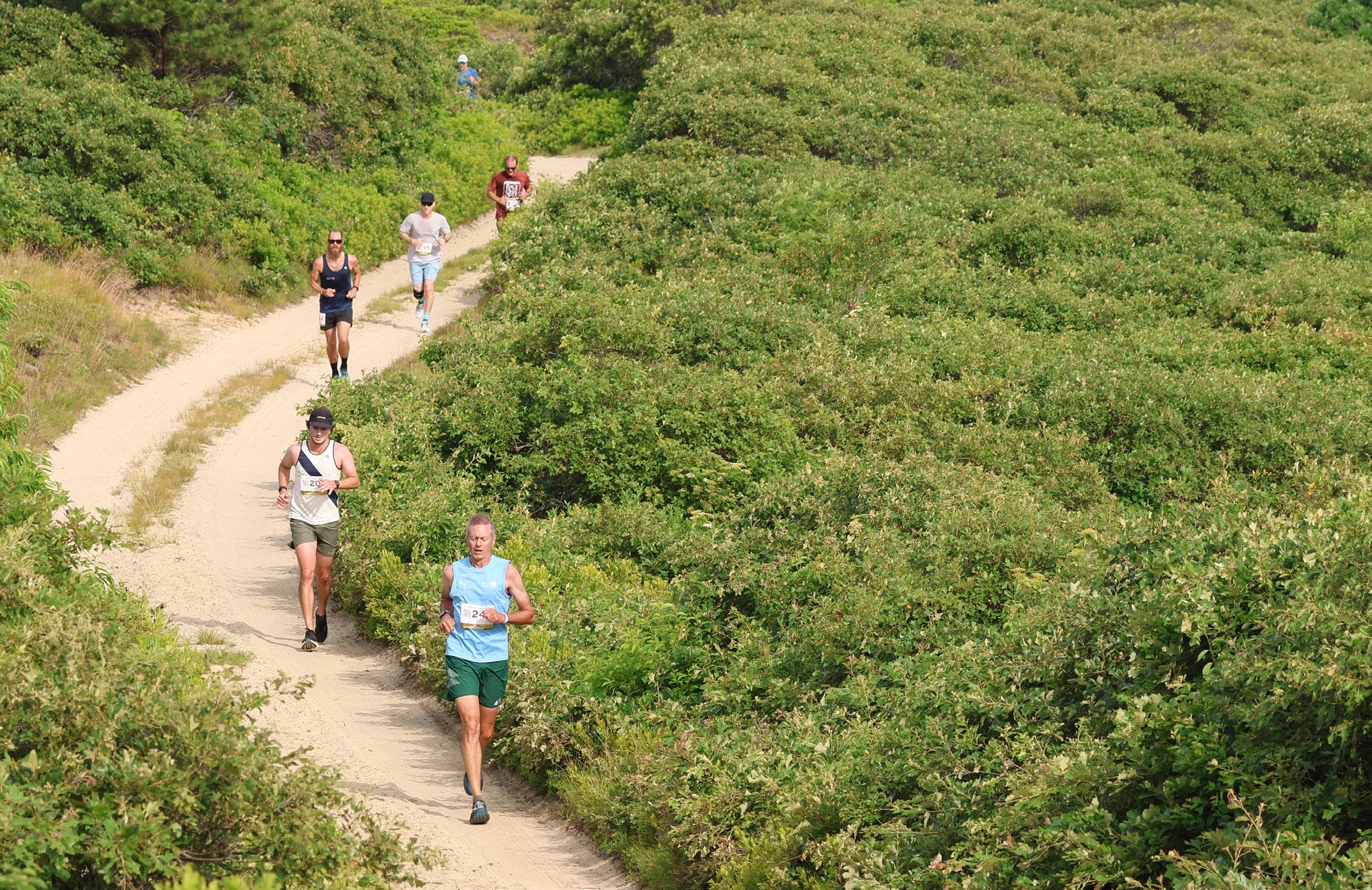
There is much to anticipate. In April, we will share our seasonal excursion calendar, packed with educational programming designed to help you experience and enjoy Nantucket’s open spaces. And this June, we will celebrate the 25th annual Race for Open Space, a milestone that reflects a quarter-century of our community’s support for conservation. This enduring commitment, along with your continued generosity, enables us to steward over 9,000 acres and advance our mission for future generations.
Thank you for your partnership in this essential work. I look forward to seeing many of you on the trails and at our events throughout the year.
With appreciation,

Cormac Collier, President & CEO

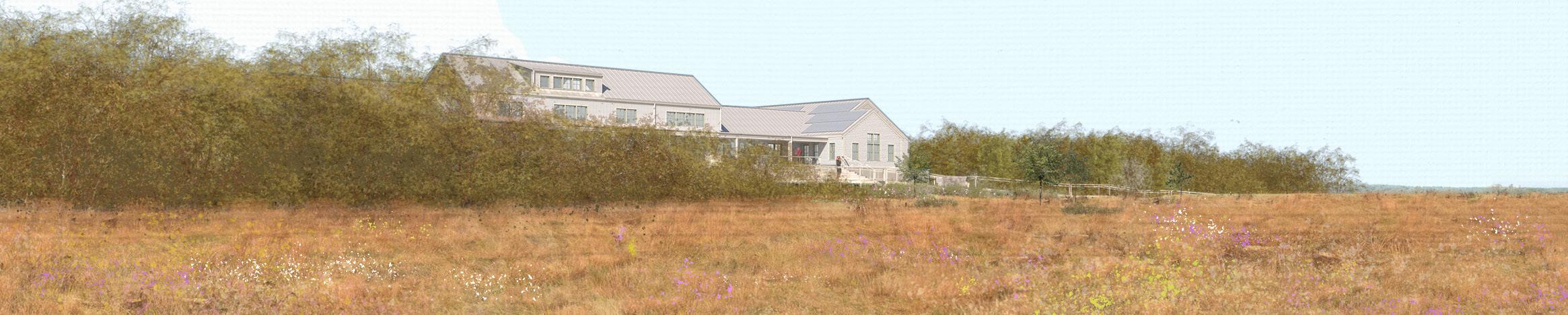
Rendering of The Milestone Center, a LEED-certified space for ecological research and environmental education for NCF.
Science in Real Time
Inside The Milestone Center’s Research Lab

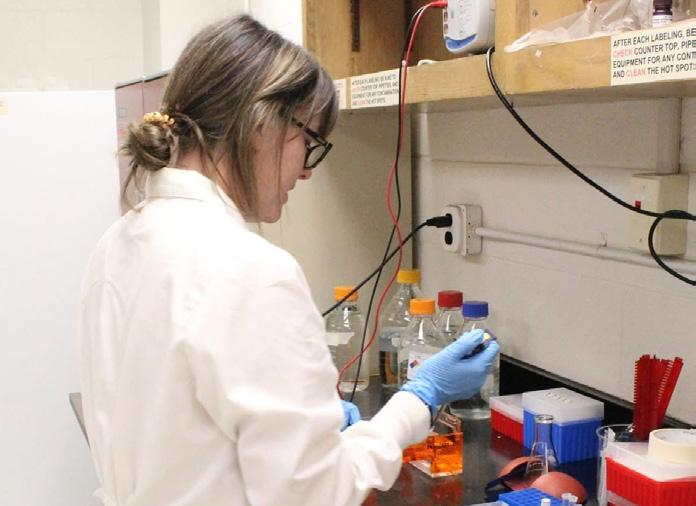
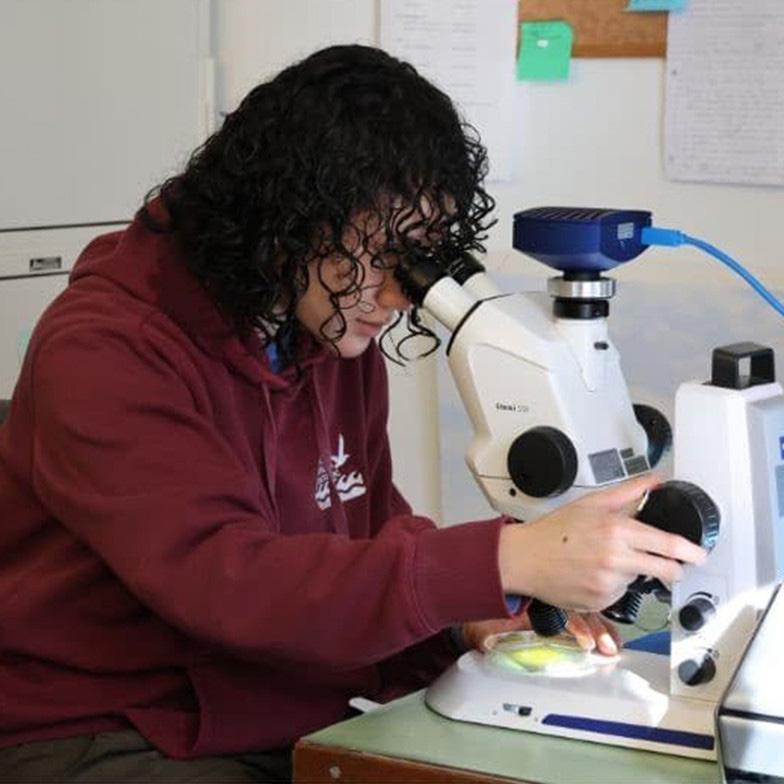
Today, NCF ecologists conduct extensive fieldwork but lack dedicated laboratory space for analysis. The Milestone Center’s Ecological Research Laboratory will unlock new potential. Specialized science facilities will expand the capacity of our ecology staff, on-island partners, and collaborating researchers to conduct analyses on-site, accelerate project timelines, and strengthen our efforts to address the environmental and climate challenges facing Nantucket.
SOIL AND WATER RESEARCH
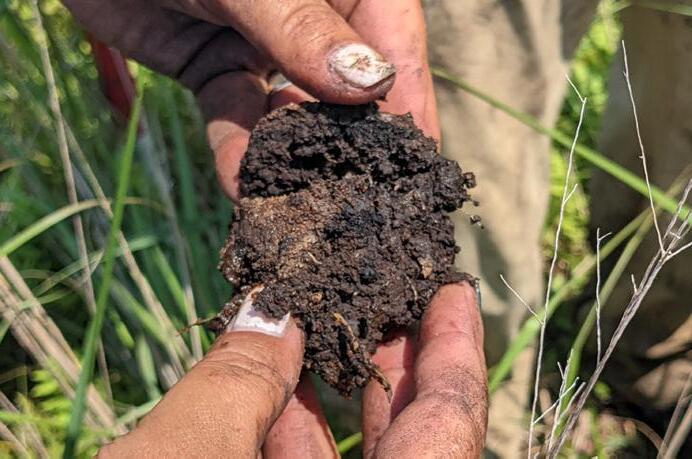
Understanding what’s in our soil and water reveals the hidden health of Nantucket’s ecosystems. These analyses track everything from pollution levels to nutrient flows, and measure how much carbon our landscapes are storing— critical data as the island responds to climate change. To protect these vital habitats and implement responsive management, NCF needs to know immediately when water quality shifts or pollution threatens a wetland.
DNA AND MOLECULAR ANALYSIS
Some species are too elusive to study through observation alone. Molecular tools allow scientists identify creatures from environmental samples, map genetic diversity in plant and animal populations, and investigate the microscopic communities of bacteria and fungi that power nutrient cycling in our coastal ecosystems. Having the capacity to document genetic diversity and analyze microbial function will allow NCF to better understand and manage these foundations that keep Nantucket’s ecosystems resilient.
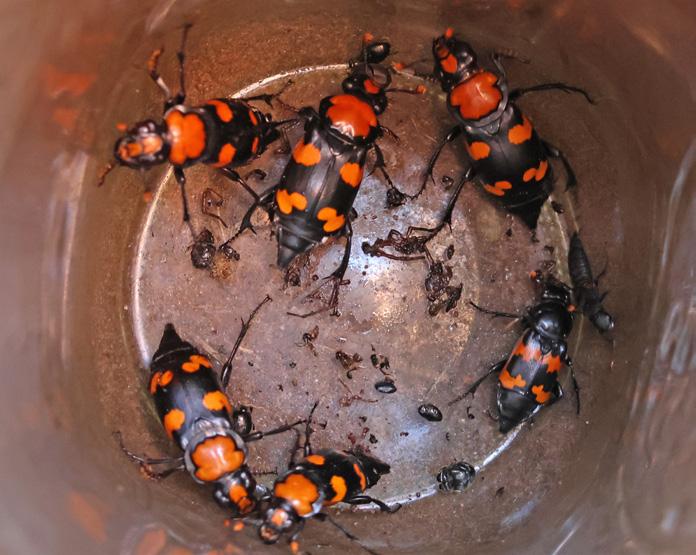
INSECT ECOLOGY AND BIODIVERSITY
Insects are nature’s early warning system. By documenting which species thrive and which disappear, researchers can detect ecosystem shifts across the island. The study of insects and other arthropods often requires specialized equipment difficult to use in the field—the lab provides microscope and dissection resources for definitive identification. This work includes tracking tick abundance and species distribution across NCF properties to inform public awareness. Monitoring these changes helps NCF identify which habitats need intervention before it’s too late.
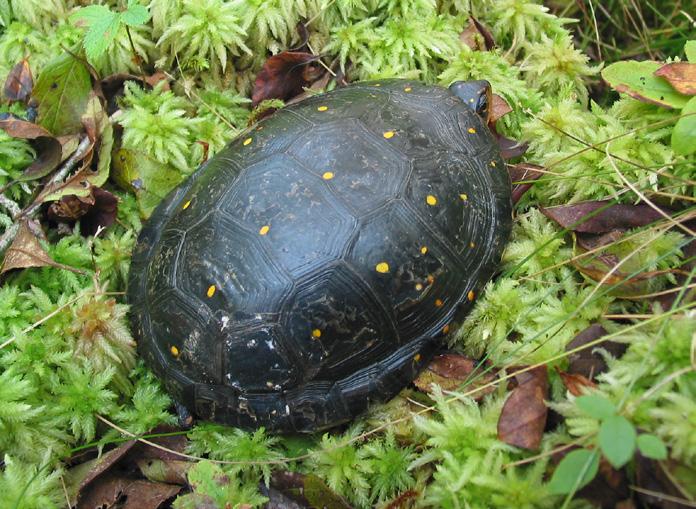
CONTROLLED ENVIRONMENT RESEARCH
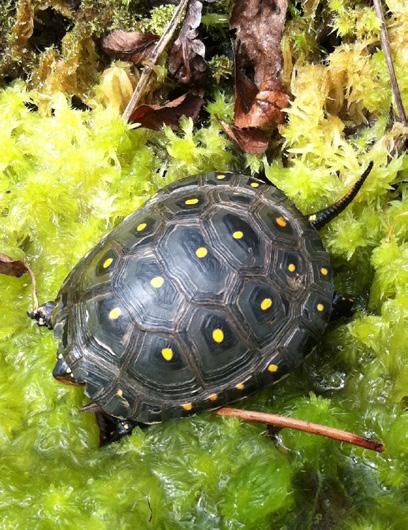
While most wildlife research happens in the field, the lab provides space for studies that require controlled environments. These habitats allow researchers to observe behaviors, growth patterns, and species interactions that are difficult to document in the wild. The lab also offers the potential to rear young animals— like head-starting turtles from disturbed nesting sites—to support struggling populations. For species at risk, these insights help NCF design targeted conservation strategies.
Expanding Our Expertise
New Faces at NCF
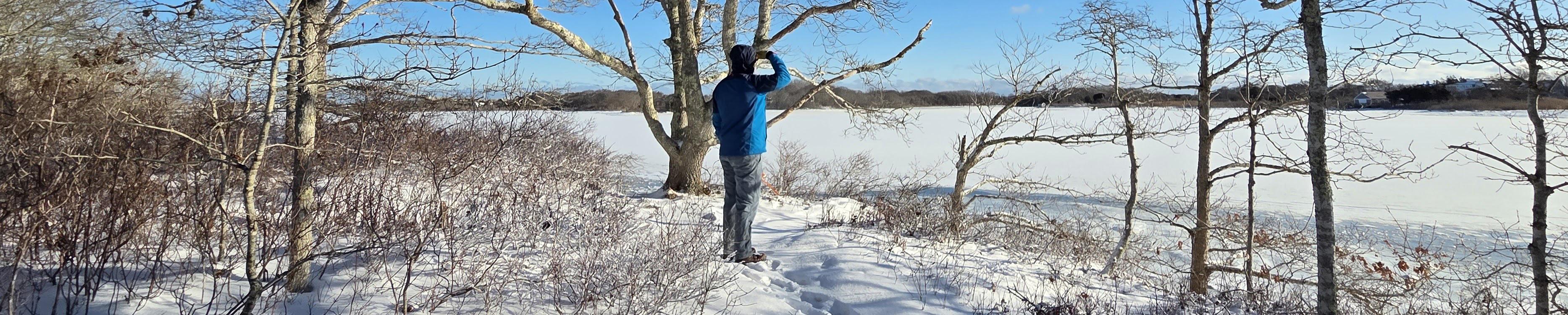
DR. EMILY JUNKINS
Coastal Wetlands Research Ecologist

“I am motivated by science that does not end at understanding but is actively used to guide how we steward and restore natural systems. Nantucket and the Nantucket Conservation Foundation offer a rare opportunity to do exactly that.”
What part of your work are you most excited to dive into at NCF?
I’m excited to use NCF’s coastal properties as living laboratories to understand how ecological and biogeochemical processes interact with coastal dynamics under a changing climate. My research focuses on identifying the conditions that support ecosystem recovery and long-term resilience as sea levels rise and climatedriven changes alter our coastlines.
“NCF has always impressed me with its broad approach in understanding the nuances of Nantucket’s rich biodiversity. I’ve been inspired by their commitment to education and outreach, which gives a real sense of purpose to their research endeavors and relationships with other organizations on island.”
What part of your work are you most excited to dive into at NCF?
With a MS degree in entomology, I want to address the many unknowns regarding lone star and Asian longhorned tick population changes on island. In tandem, island pollinators are a fascinating group which play a critical role in supporting our diverse, yet fragile, coastal ecosystems. Both these areas are wonderful jumping off points to explore understudied aspects of Nantucket!
TUCKER TAYLOR

Environmental Education for All
Inside the Milestone Center’s Educational Spaces
NCF offers free, year-round programming—guided walks, ecological workshops, wellness experiences, specialized seminars—all designed to connect people to our properties and Nantucket’s natural world. While our educators currently work with limited indoor space and facilities, the Milestone Center will transform our educational capacity. With dedicated classroom space, hands-on learning facilities, and year-round programming areas, we’ll be able to enhance offerings for all ages and experience levels. Conservation succeeds when our community understands and participates in protecting the island they call home.
DYNAMIC EDUCATION SPACES
The Milestone Center’s indoor education space will have flexible setup options to host missionfocused lectures, workshops, and collaborative programming with island non-profit partners.
HANDS-ON LEARNING OPPORTUNITIES
Lab space will not only enhance the capacity of our own ecological research, but also provide collaborating scientists with access to research equipment and conservation projects that will provide learning opportunities for Nantucket’s yearround students.
OUTDOOR LEARNING LABORATORIES
Native plant demonstration gardens and constructed water treatment wetlands at The Milestone Center will serve as living classrooms for environmental education programming for all ages.



Connecting Community to Conservation
Educational Programming for Island Students
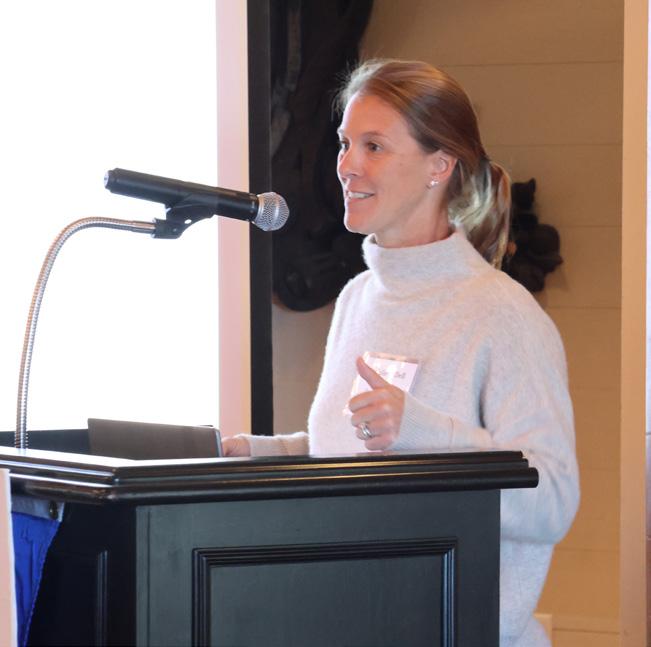
From toddlers taking their first nature walks to middle schoolers conducting field research alongside professional ecologists, NCF’s educational programs meet Nantucket students where they are—fostering curiosity, building scientific literacy, and nurturing the next generation of environmental stewards.
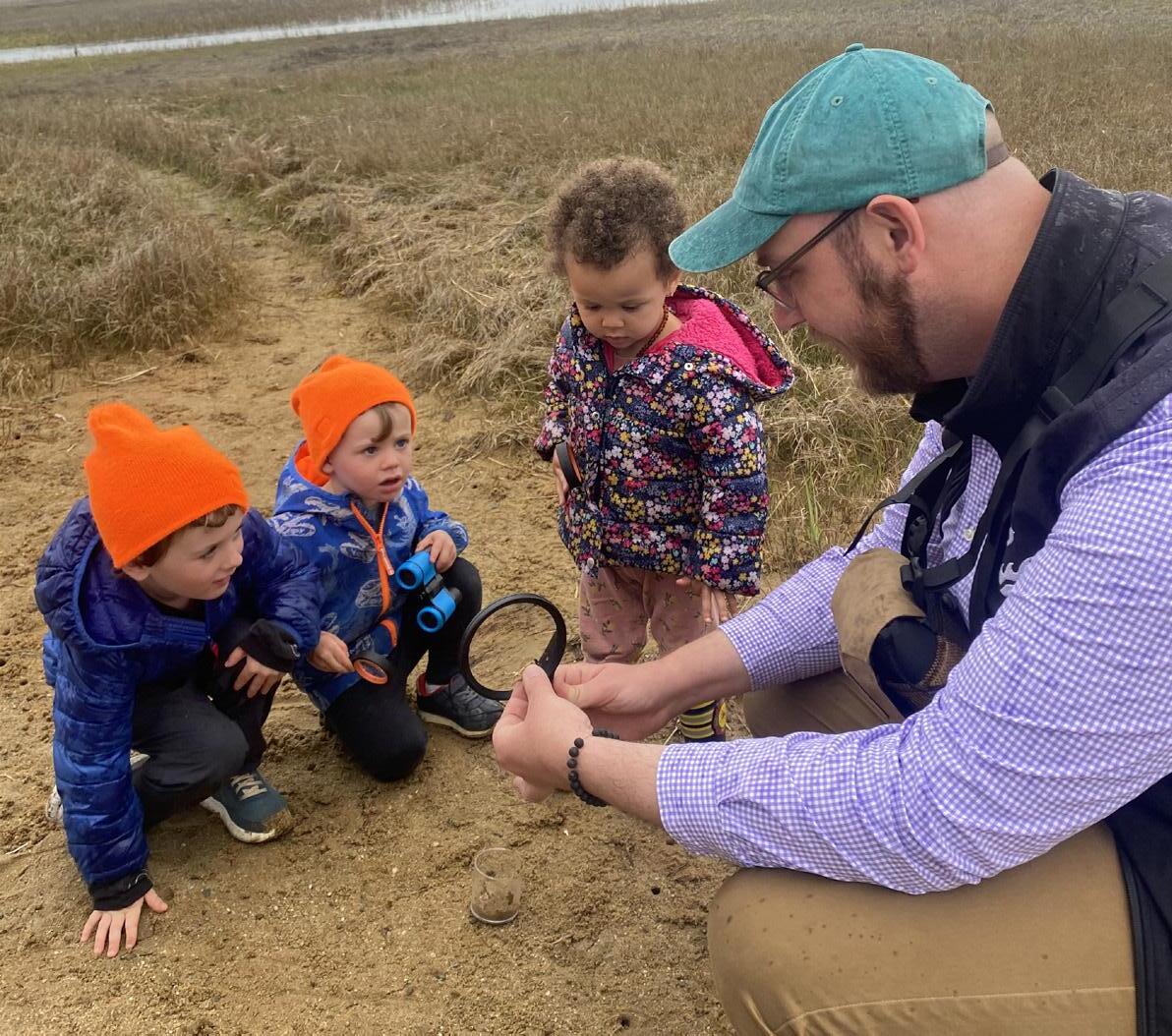
Community School, Little Nature Explorers invites families with children from birth to age six on weekly nature walks where wonder and discovery lead the way.
“NCF’s Milestone Center will be a transformational resource for Nantucket students. The scientific laboratory, education spaces, and native plant propagation facilities offer countless opportunities for hands-on, experiential learning.”
Anne Broadus Head of Lower School, Nantucket New School
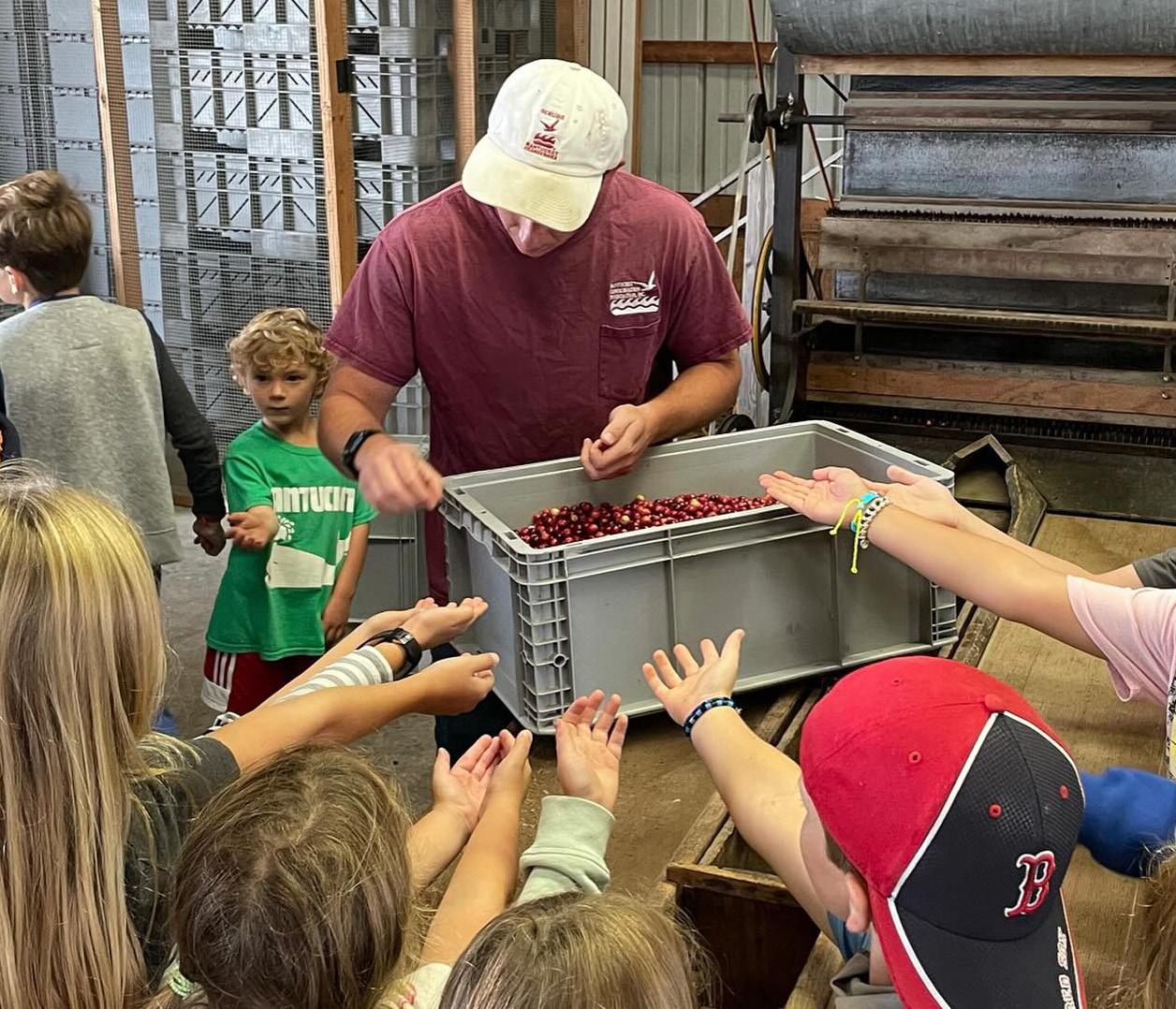
NCF hosts school field trips throughout the year, connecting students to both our environment and our island’s natural heritage. At Milestone Bogs, students explore the history and ecology of cranberry farming, learning how this cultural landscape fits into the broader story of conservation on Nantucket.
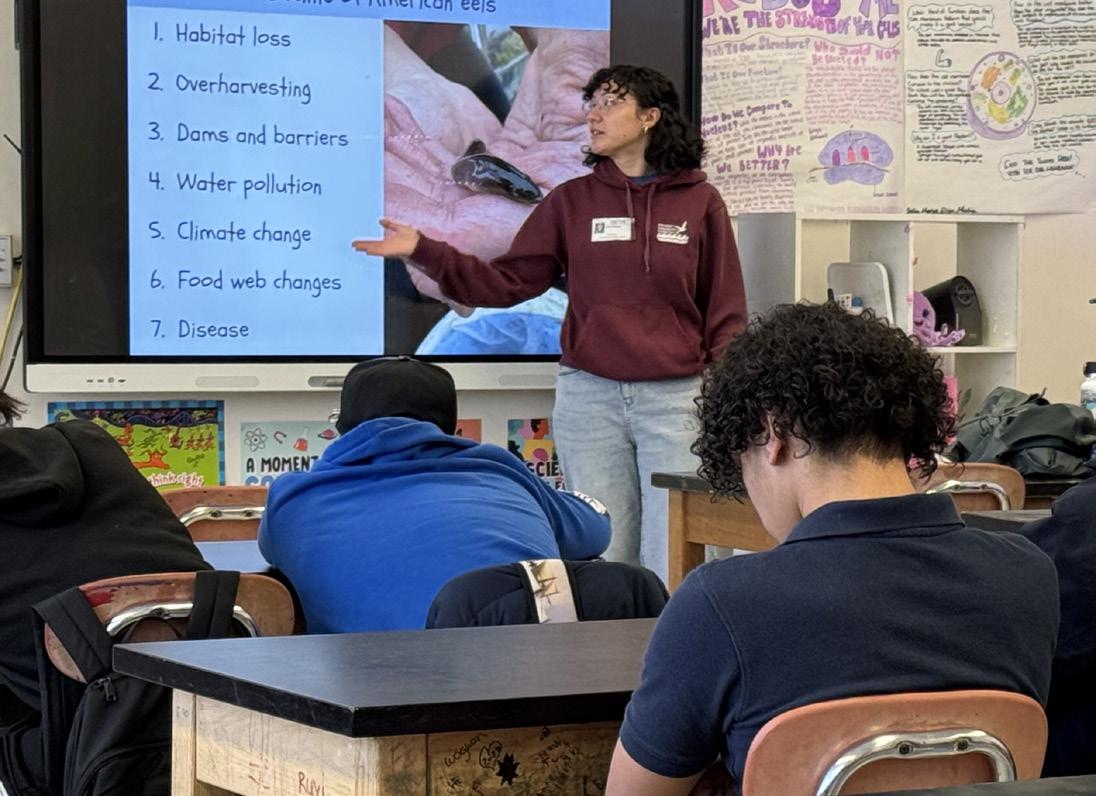
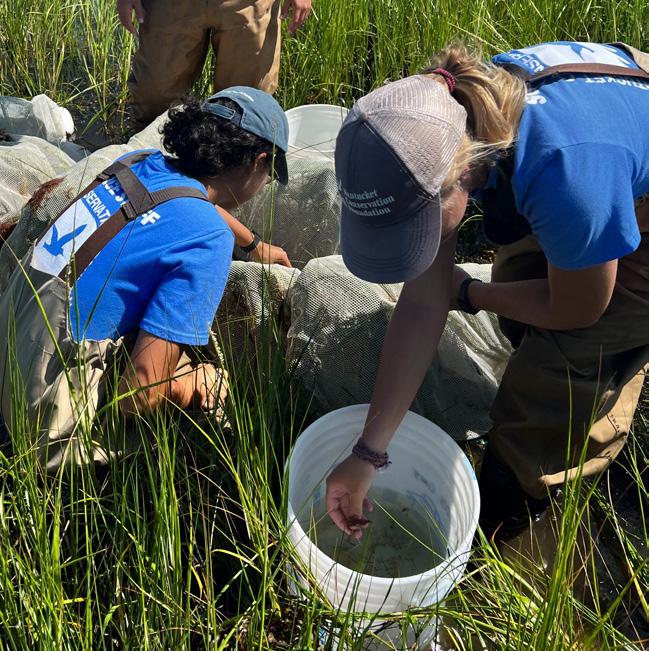
Nantucket students become citizen scientists through the Nantucket Eel Project, working alongside NCF’s coastal ecologists to study these elusive creatures and their place in our local ecosystem.
Where Land Meets Sea
Why Nantucket’s Salt Marshes Matter
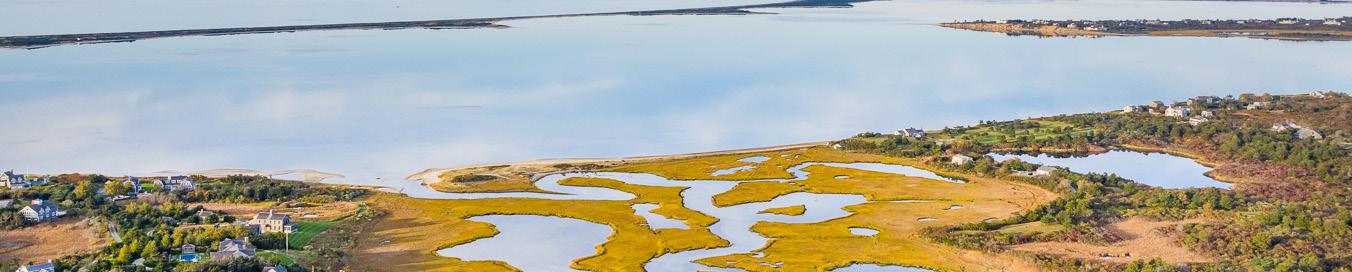
What Is A Salt Marsh?
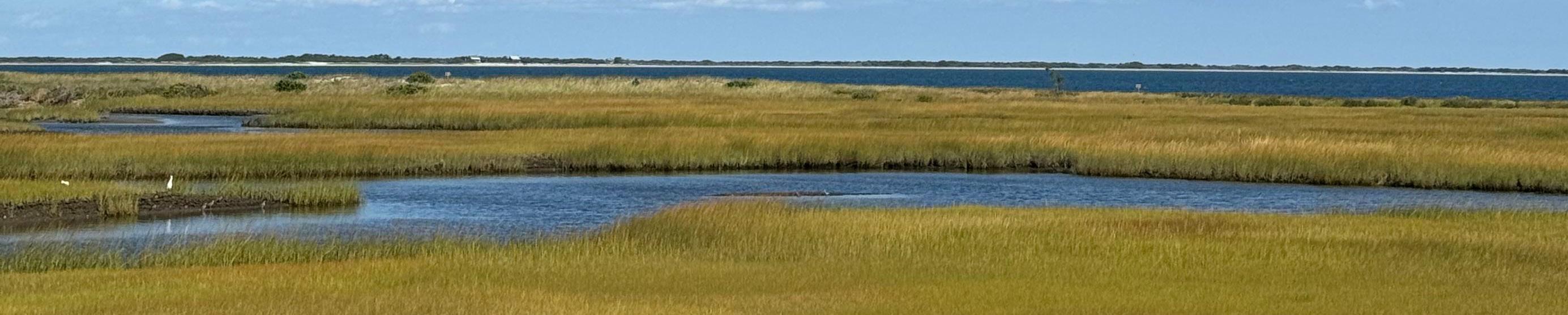
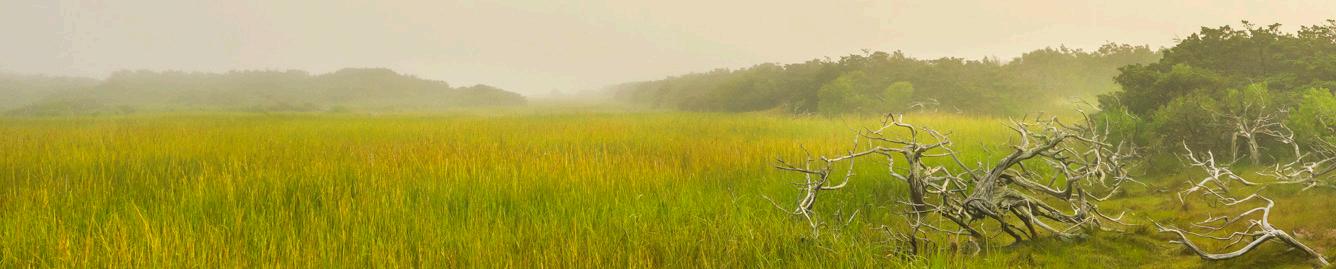
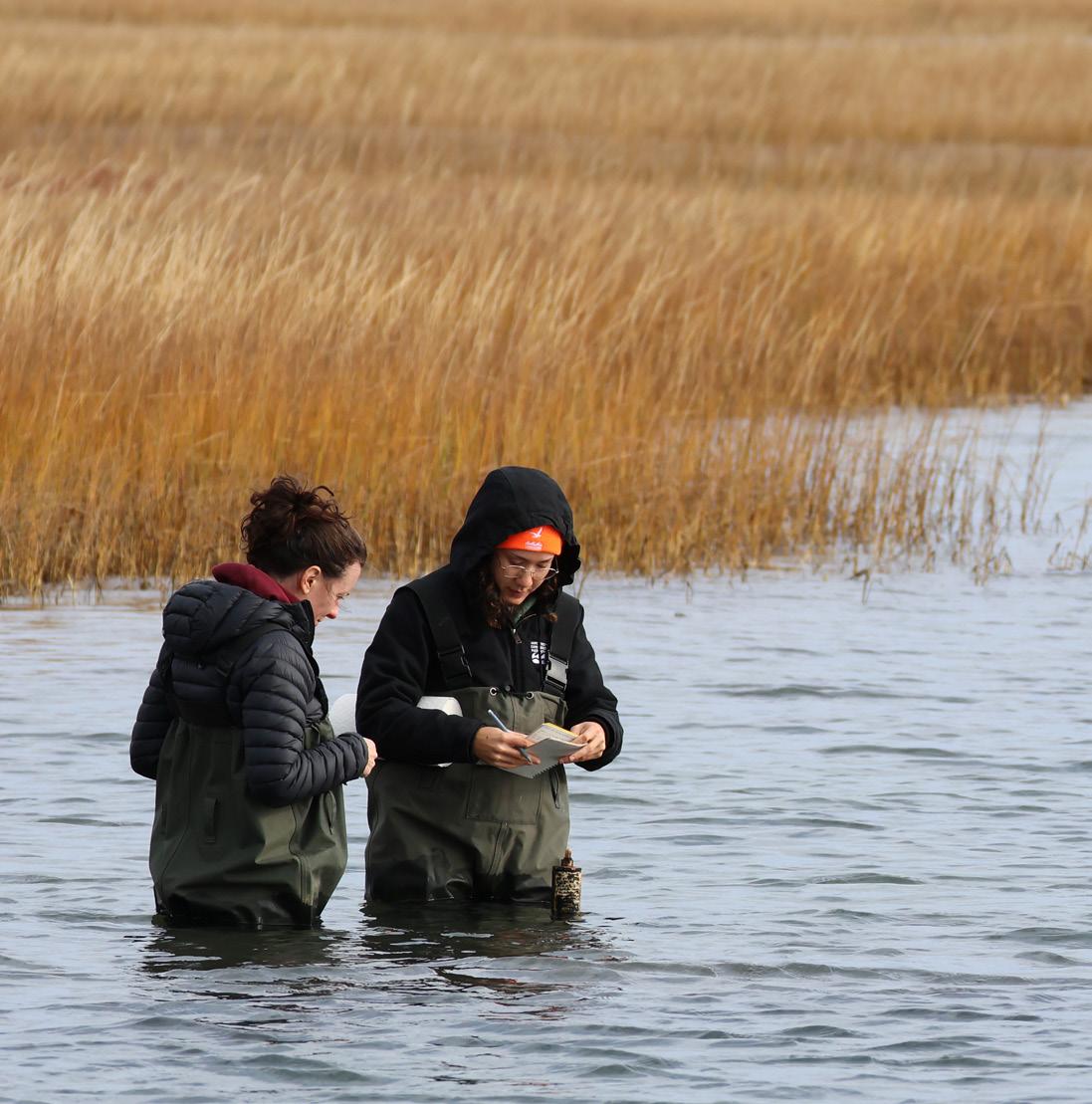
A salt marsh is a coastal wetland shaped by the daily rhythm of tides. Flooded and exposed twice daily, these ecosystems form in sheltered locations—harbors, creeks, and protected areas behind barrier beaches—where calm waters allow sediments to settle and plants to establish.
On Nantucket, salt marshes are relatively uncommon due to the island’s high-energy ocean shoreline. They thrive in protected pockets: Nantucket Harbor’s First through Third Points, Five-Fingered Point, Coskata, The Haulover, Quaise, Polpis Harbor, and the west end’s Eel Point, Jackson’s Point, and Hither Creek.
Why Salt Marshes Matter?
Salt marshes rank among Earth’s most productive ecosystems. Each tidal cycle exchanges nutrients and organic matter, creating vital nursery habitats for commercially and recreationally important fish species.
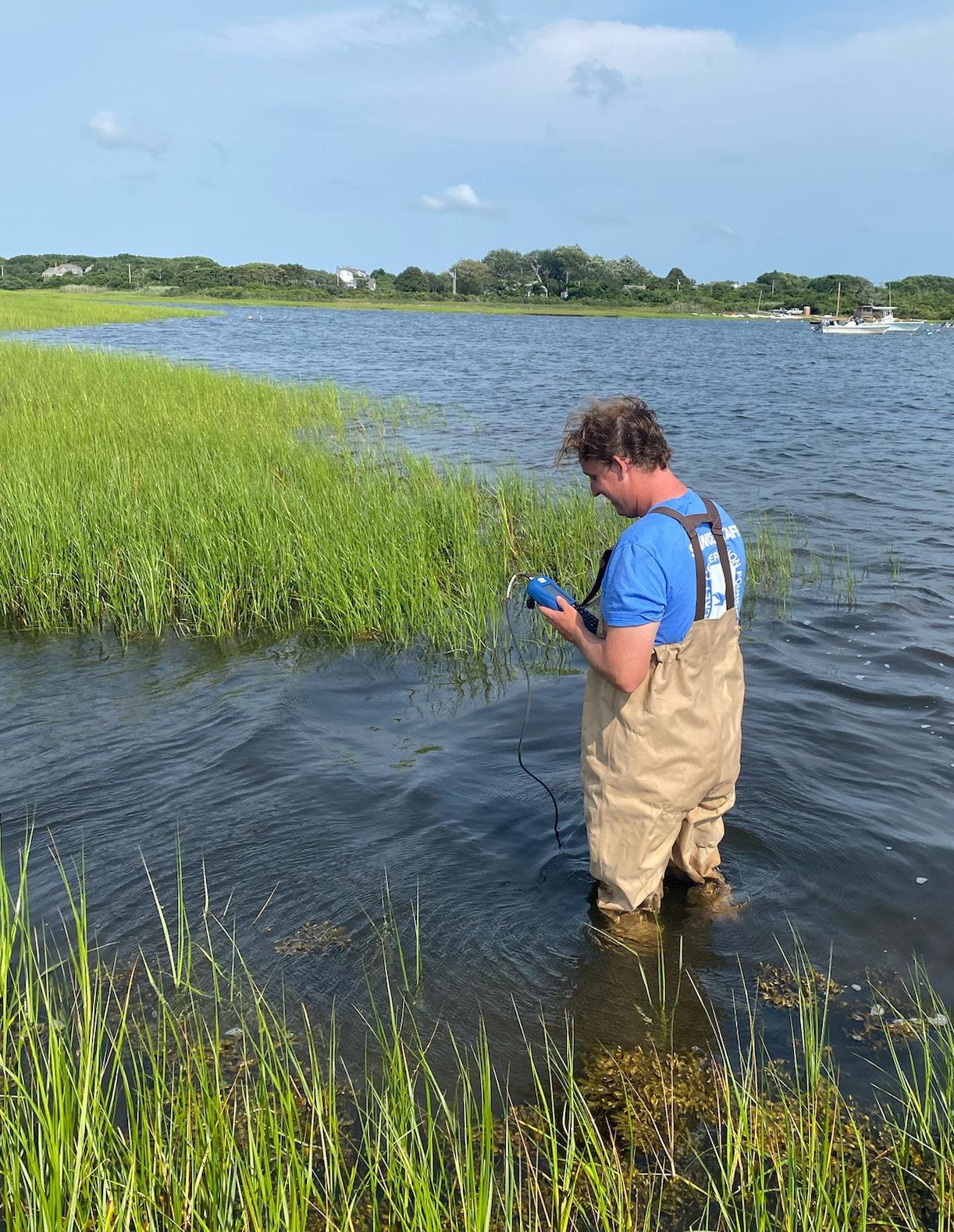
These wetlands function as natural water treatment facilities. Through sediment filtration, filter feeders, and vegetation, they absorb and transform excess nutrients and pollutants—including nitrogen—improving the water quality of our harbors and creeks while recycling nutrients back into the ecosystem.
Perhaps most critically, salt marshes are powerful climate allies. Their peat soils store atmospheric carbon dioxide and carbon-rich sediments for decades or centuries, reducing greenhouse effects. Meanwhile, their dense vegetation and root systems absorb wave energy and stabilize sediments, protecting shorelines from erosion, rising seas, and intensifying storms. This dual benefit—carbon storage and coastal defense—makes them indispensable for both climate mitigation and coastal resilience.
Why We Survey?
The Nantucket Conservation Foundation manages roughly 1,200 acres of salt marshes—approximately 75% of the island’s marsh lands—giving us a unique responsibility for protecting the island’s coastlines as sea levels rise and coastal storms intensify. Understanding ecosystem changes has become essential.
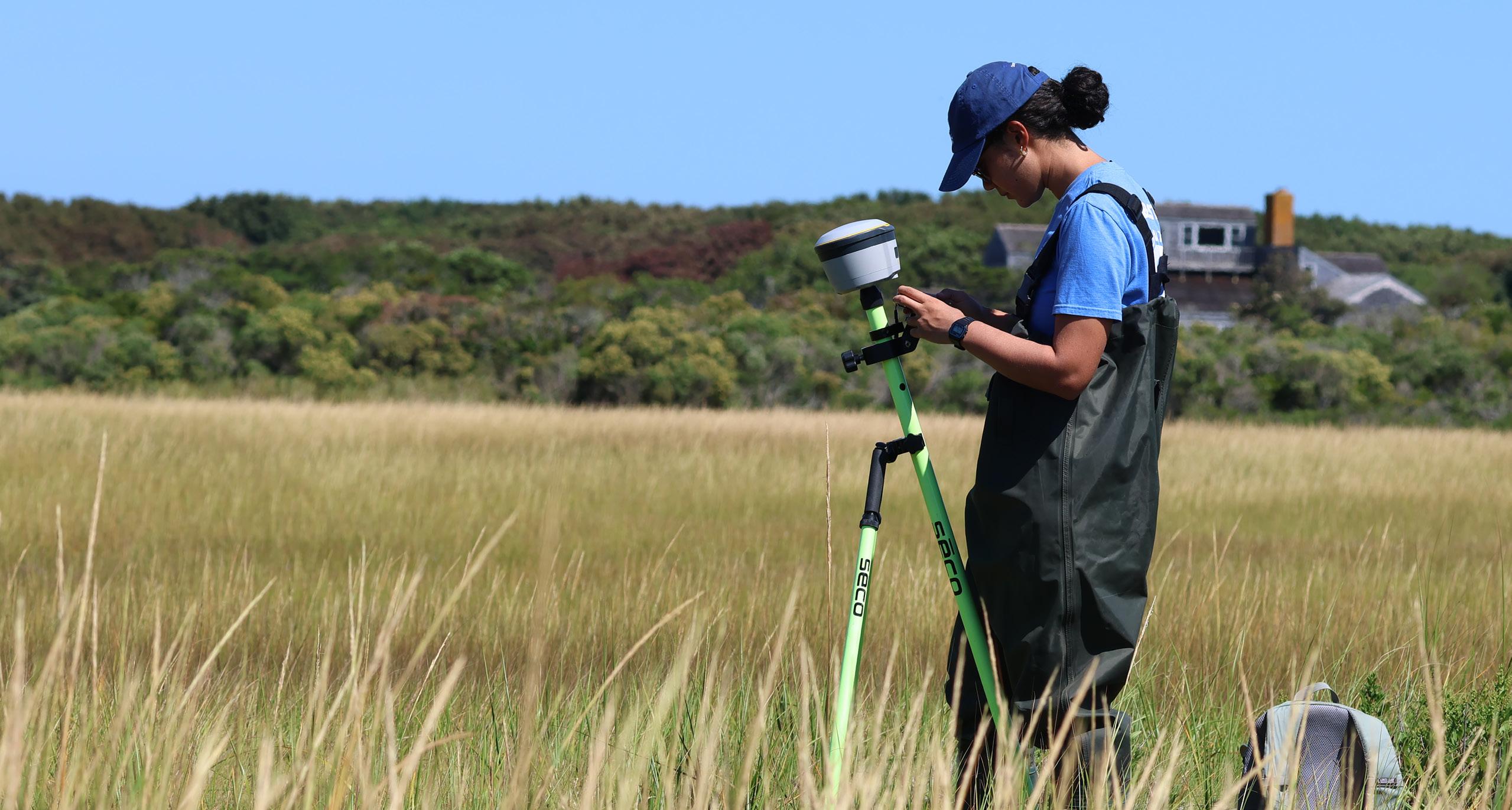
Our Coastal Ecology Team monitors vegetation changes, elevation shifts, and water quality to assess marsh health and identify at-risk areas. This information is used to develop important coastal resilience management efforts. These tidal landscapes are finely balanced systems under intense pressure from climate change impacts, and are in need of careful study and stewardship to enable them to endure into the future.
A New Way to Survey
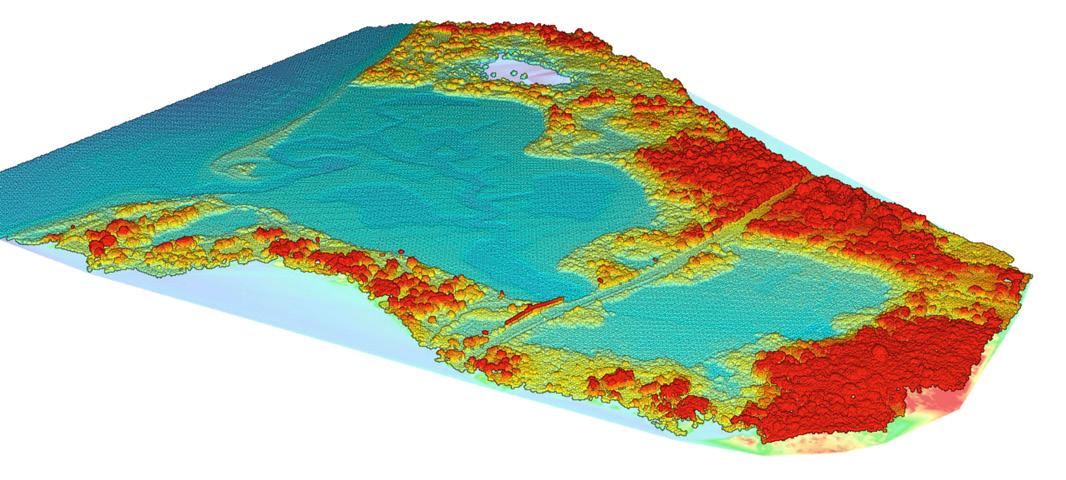
LiDAR (Light Detection and Ranging) uses light pulses from drones to measure the ground elevation with extraordinary precision, creating detailed threedimensional maps that show elevation changes down to the centimeter.
For coastal management, this technology is invaluable—it allows NCF to identify low-lying vulnerable areas at risk from sea level rise and erosion, track how the coastline is changing after storms or over seasons, and pinpoint exactly where restoration efforts like dune rebuilding or marsh plantings will have the greatest impact. Rather than relying on broad estimates or periodic surveys, LiDAR gives us an accurate picture of Nantucket’s evolving landscape, enabling smarter decisions about how to protect the diverse ecosystems and coastlines of the island we all call home.
A LiDAR point cloud map of Folger’s Marsh from 2025 coastal resilience planning work showing highly detailed elevation, funded by a generous grant from the Great Harbor Yacht Club Foundation.
Rare Plant Recap
Reflecting on 5 for 500
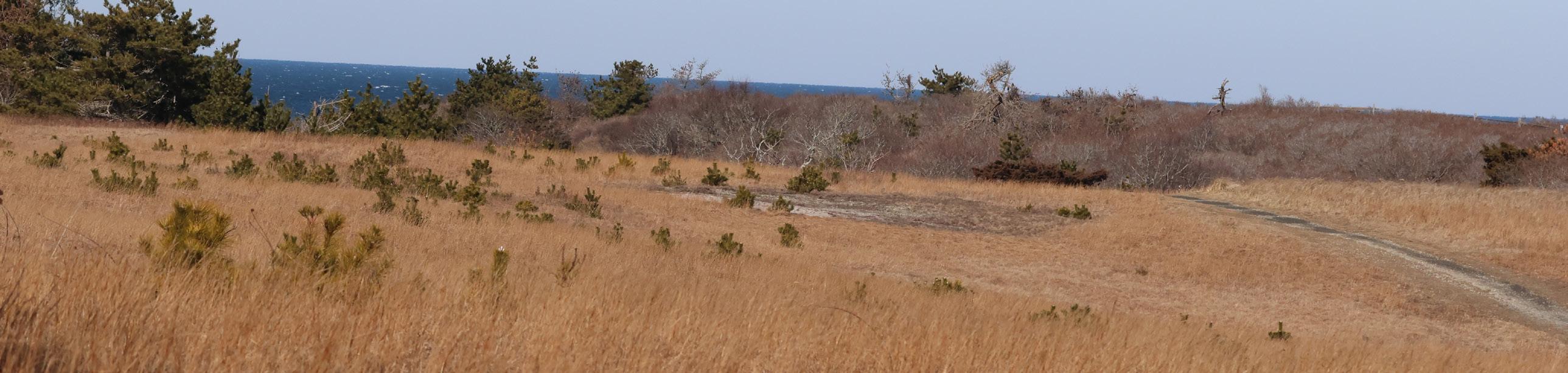
In 2025, NCF reached a major milestone by submitting our 500th rare plant survey to the Massachusetts Natural Heritage & Endangered Species Program after more than 20 years of dedicated fieldwork. This achievement reflects decades of monitoring that guide how we care for our 9,000+ acres of conserved land, helping protect and enhance habitats while contributing critical data used across the state. Protecting the habitats where rare plants thrive means protecting what makes Nantucket unique: the windswept dunes, trails around globally rare sandplain grasslands, and quiet pond shores that make this island unlike anywhere else. Below, meet five notable rare plant species of the many we monitor, and why keeping an eye on them matters.
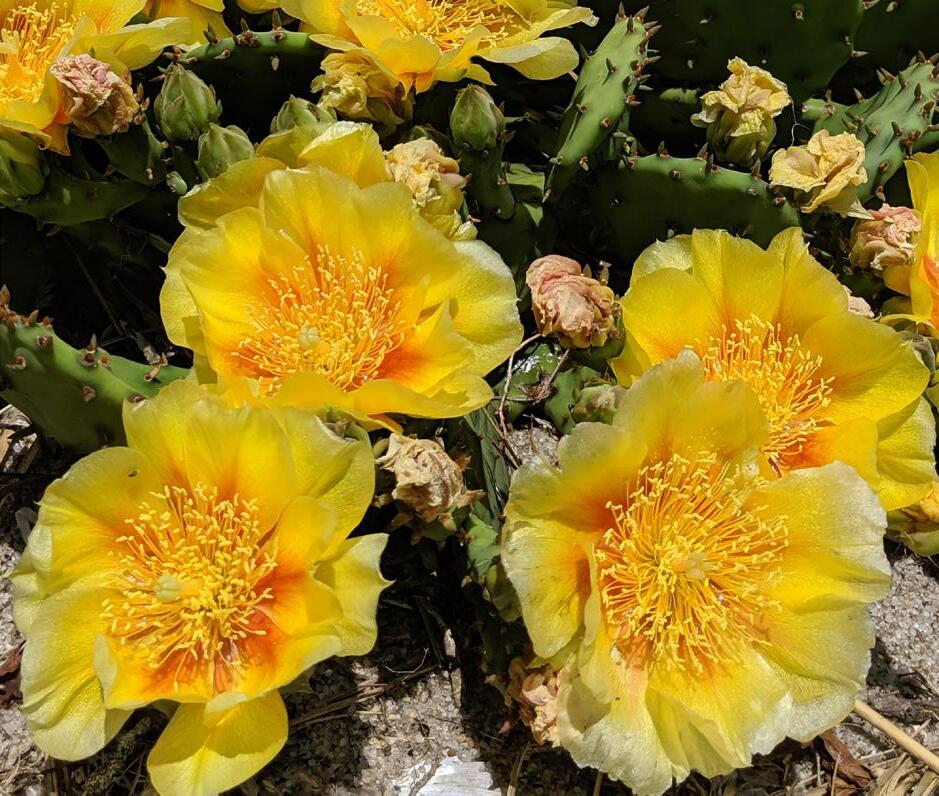
Prickly Pear Cactus
(Opuntia cespitosa)
You may not associate them with Nantucket, but we do have a native cactus! This species inhabits sandy dune environments in remote parts of the island. Recently the NCF Botany Team surveyed across the prickly pear’s island domain, reporting to the MA State Botanist; as a result, our Opuntia population has been documented as a different species from most populations in New England, and now has MA Endangered status. 1
2
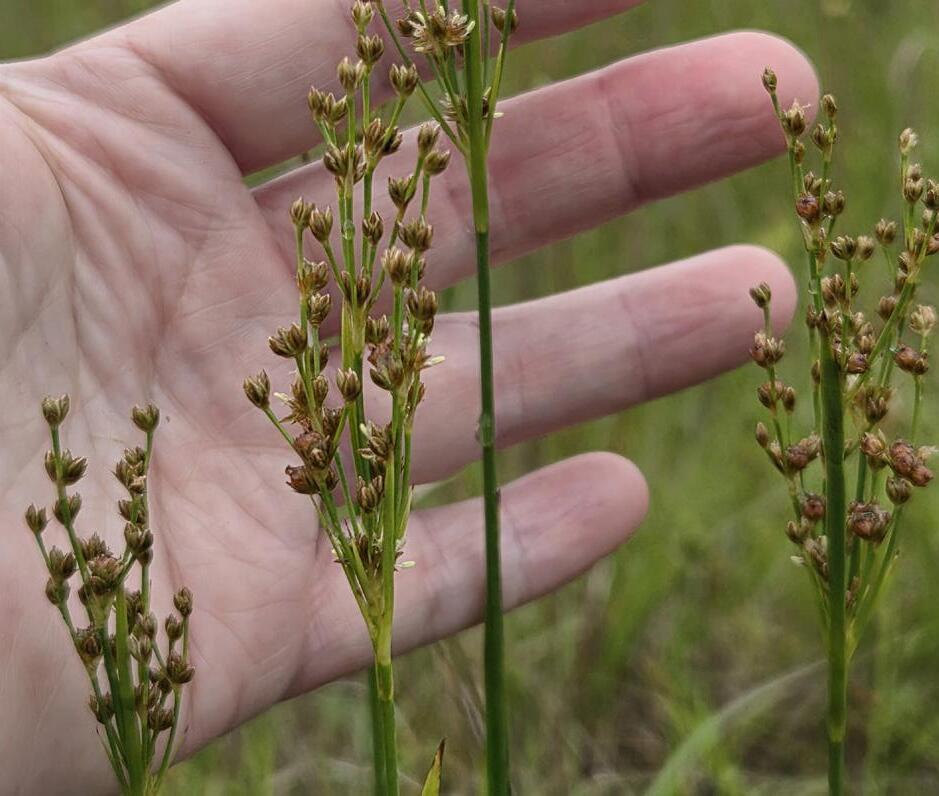
Two-flowered Rush
(Juncus biflorus)
Not all rare plants are showy: the two-flowered rush is a good example. Known only in two counties and listed as Threatened in MA, this species easily flies under the radar. Like slender rose gentian, it inhabits the Coastal Plain pondshore “bathtub ring”–dependent on periodically low water levels and exposed sandy-peaty soil. In 2025, visiting botanist Peter Grima and NCF Plant Ecologist/Botanist Kelly Omand sat down for lunch and discovered they had found a large clump of these plants, near a historically known site. By reporting this record to the state, the site will become one of our future re-survey locations.
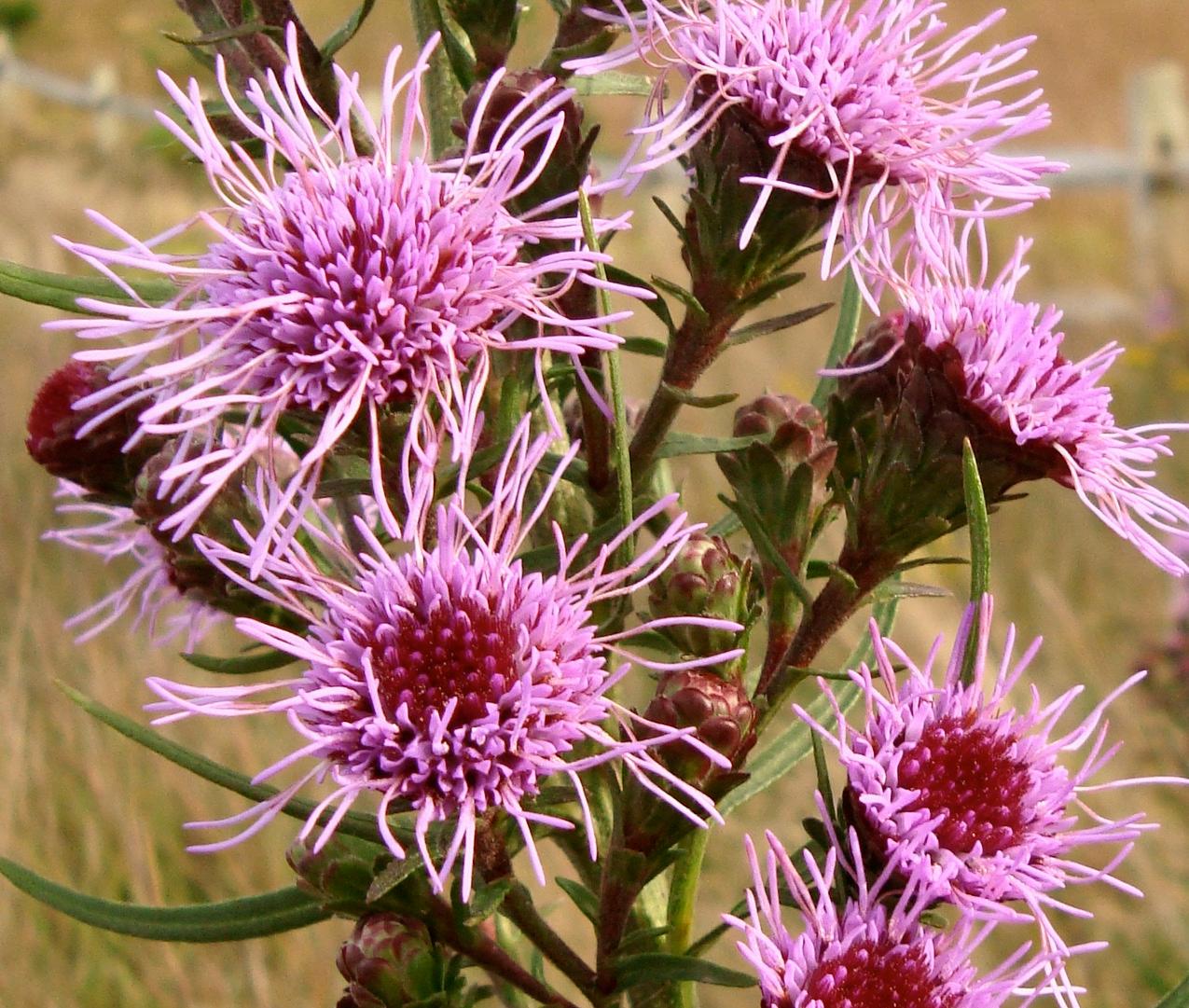
New England Blazing Star
(Liatris novae-angliae)
In late summer, bright purple spires of New England blazing star, a species of Special Concern in MA, dot the landscape in various parts of the island. Monitoring more abundant species like blazing star will hopefully help keep them from becoming MA Endangered. Reporting impacts like heavy deer browsing and human encroachment helps us protect these species. 3
4
5
St. Andrew’s Cross
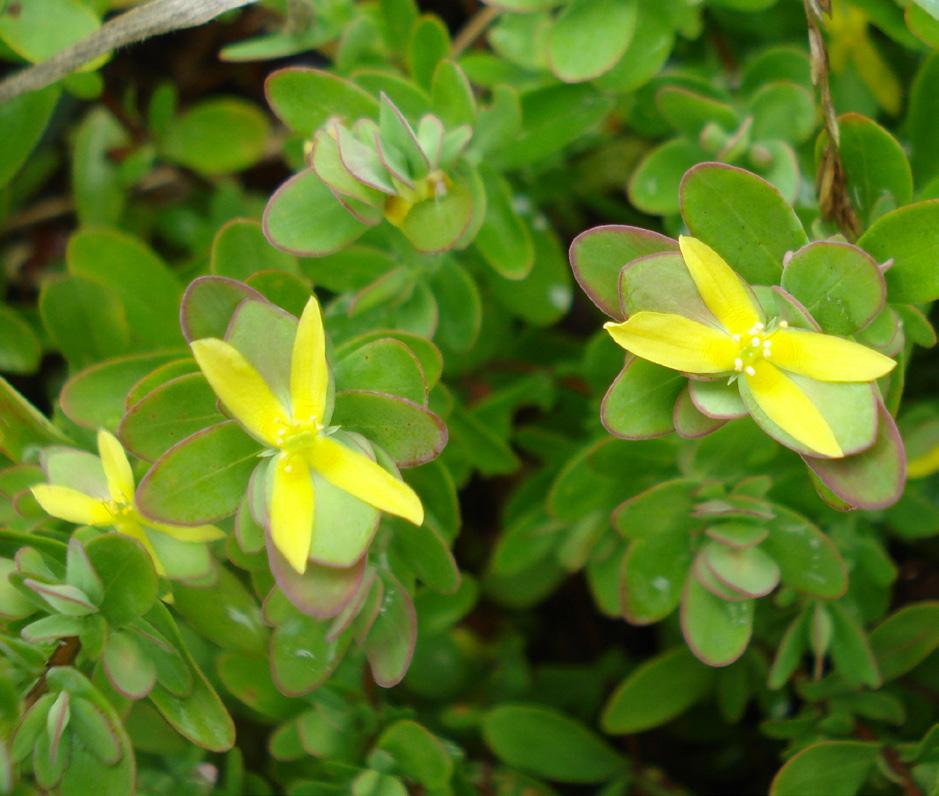
(Hypericum stragulum)
Across all of New England, this low growing, spreading shrub is only found on Nantucket! Considered MA Endangered, St. Andrew’s Cross is limited to the northeastern part of the island where it is actually quite abundant. Bright yellow, cross-shaped flowers may be seen along trail edges in open fields and forest openings, where it responds well to intermittent mowing or fire.
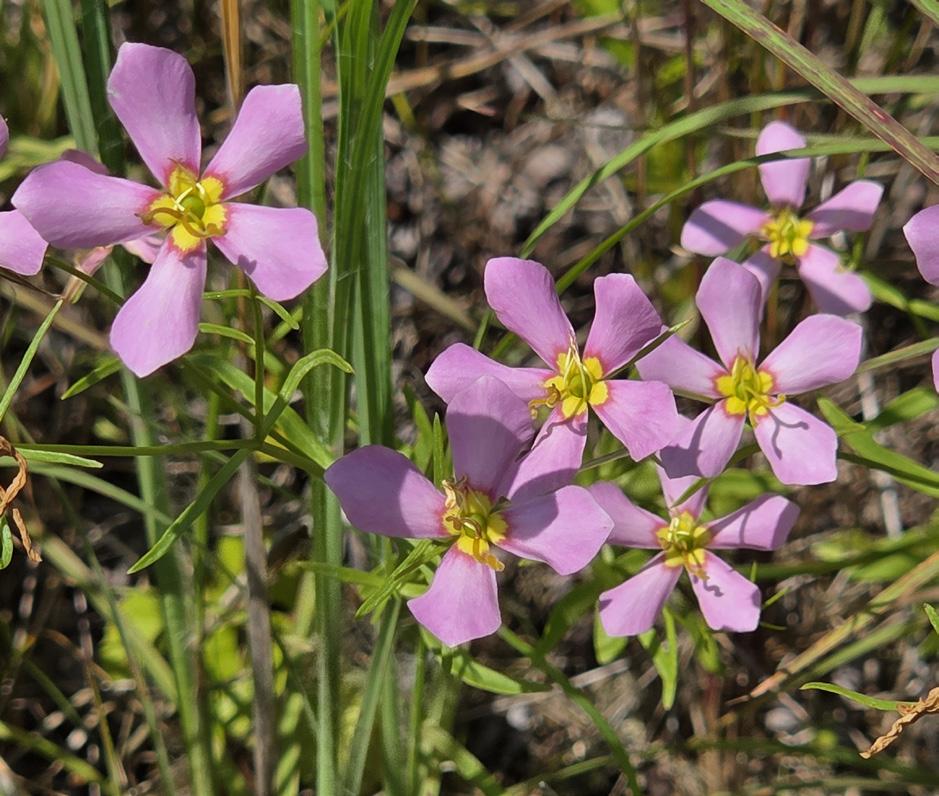
Slender Rose Gentian
(Sabatia campanulata)
This lovely, MA Endangered pink wildflower had not been seen in about 20 years, when it was reported by a member of the public at a repeatedly monitored site. Rare plants often appear to come and go, but it’s not a magic act—plants like slender rose gentian depend on shifts in pond water levels to emerge from seeds stored in the soil. For species like this, periodic surveys and botanical knowledge are crucial, but luck and timing play a key role too! The Nantucket site for this species is the only current location with rose gentian in MA. While it was once common in Coastal Plain pondshores on the Cape and Nantucket, it was over-collected and now suffers from changes in pond hydrology and deer over-browsing.
Habitat Projects for Wildlife
Building Homes for Winged Neighbors
Across NCF properties, our wildlife ecology and land management teams have been working together to create structures that provide habitats for species in need of alternative roosting and nesting sites. These species play vital roles in the ecosystem: controlling insect populations, pollinating plants, and contributing to the vibrant wildlife you encounter across the island. By providing nesting habitats in carefully chosen locations and monitoring their use over time, we are pairing hands-on conservation with long-term stewardship and support for biodiversity while learning how best to protect these important species on Nantucket into the future.
Tree Swallow Boxes
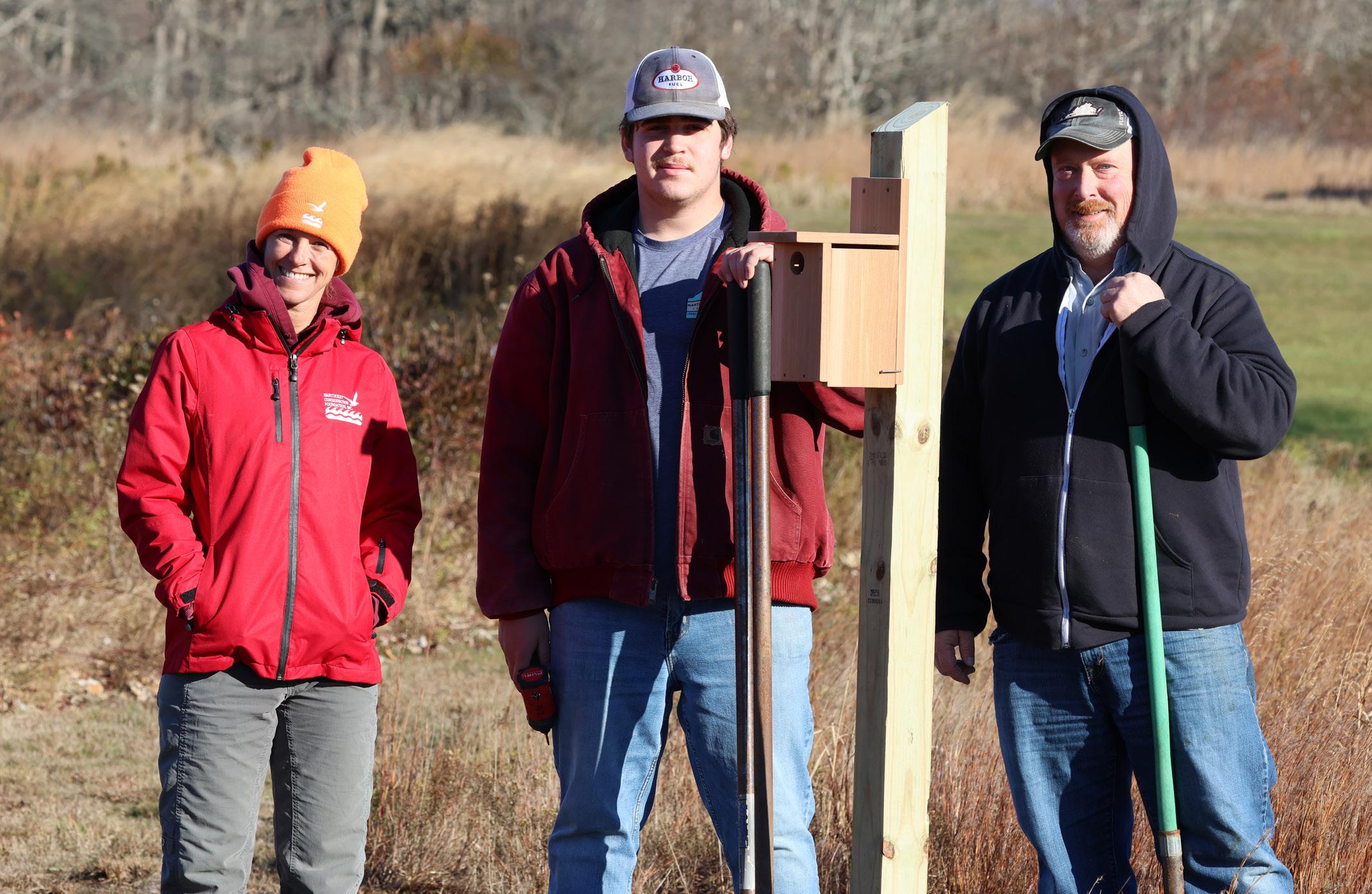
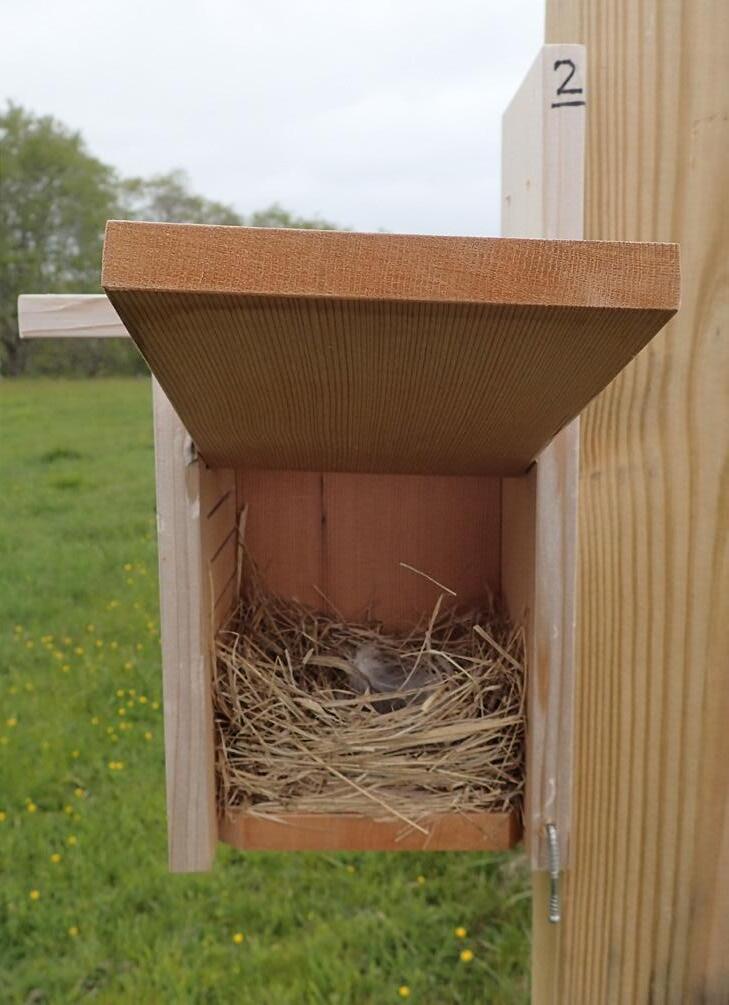
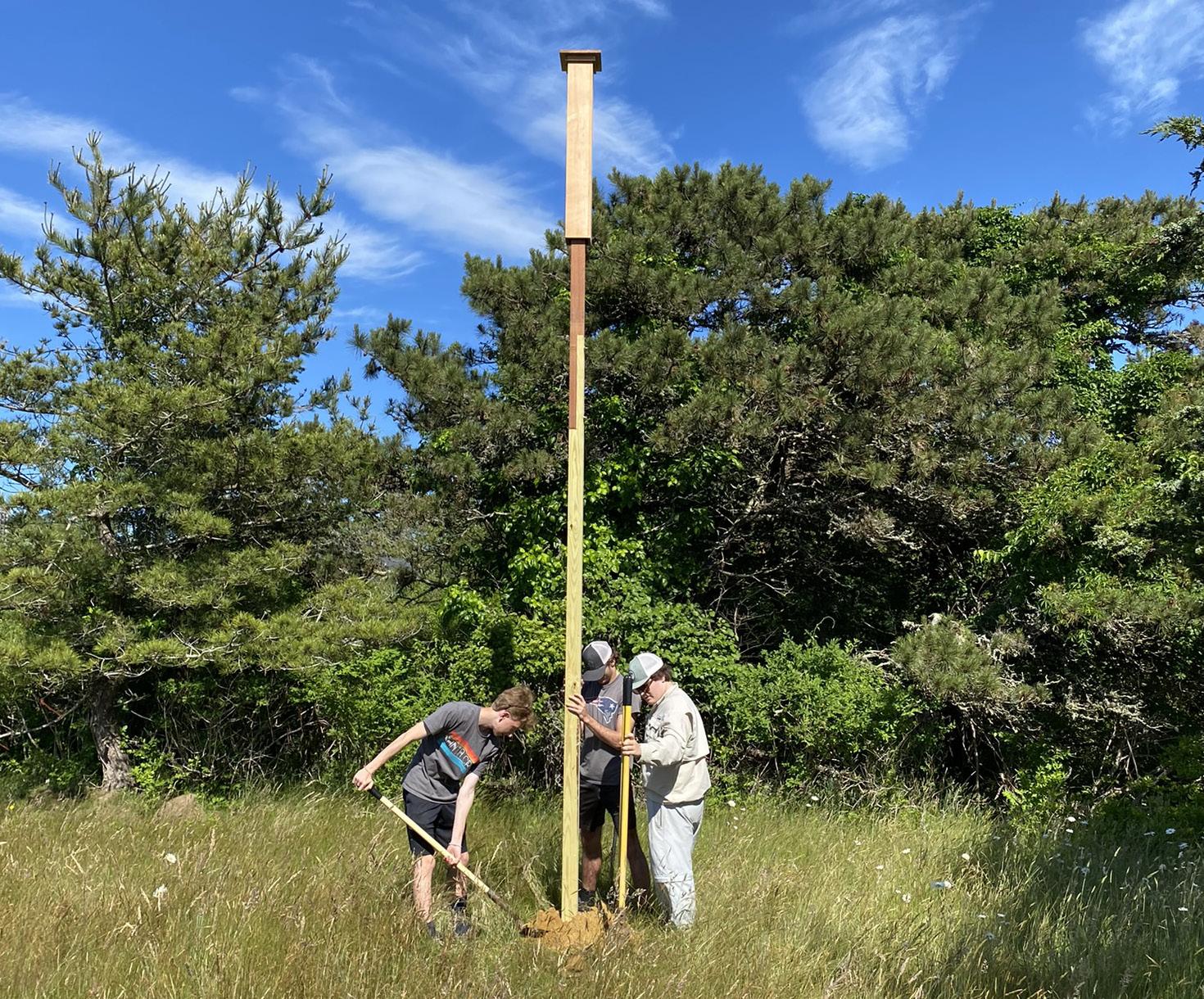
NCF has worked over the last three years to build and install over 30 boxes for tree swallows across three of our properties: Milestone Cranberry Bog, Squam Farm, and the Windswept Bog. If you’ve walked these trails in spring and summer, you may have seen these acrobatic birds swooping across open fields and wetlands. Tree swallows have been observed nesting in and hunting from the boxes in all locations, evidence of conservation in action. Thank you to Ben Zinser, who helped build boxes at Windswept for his Eagle Scout project.
Osprey Poles
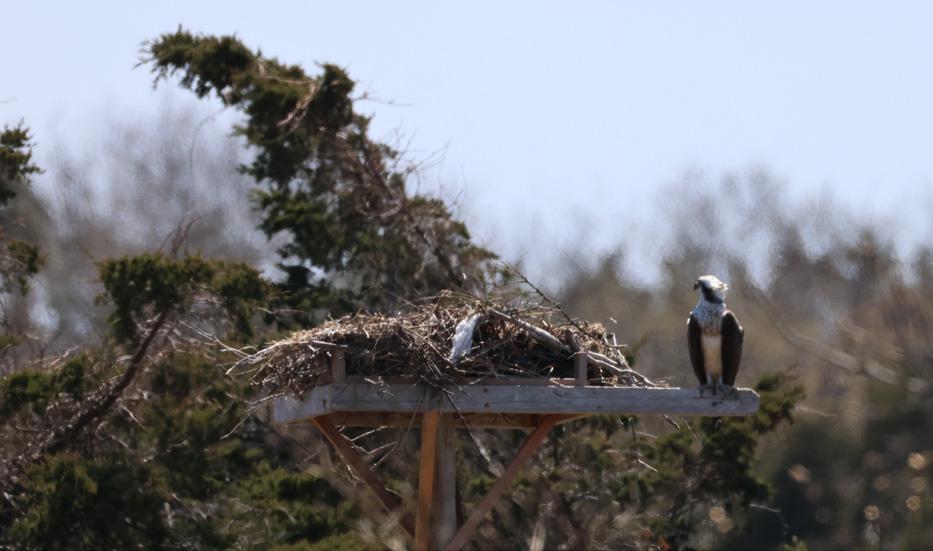
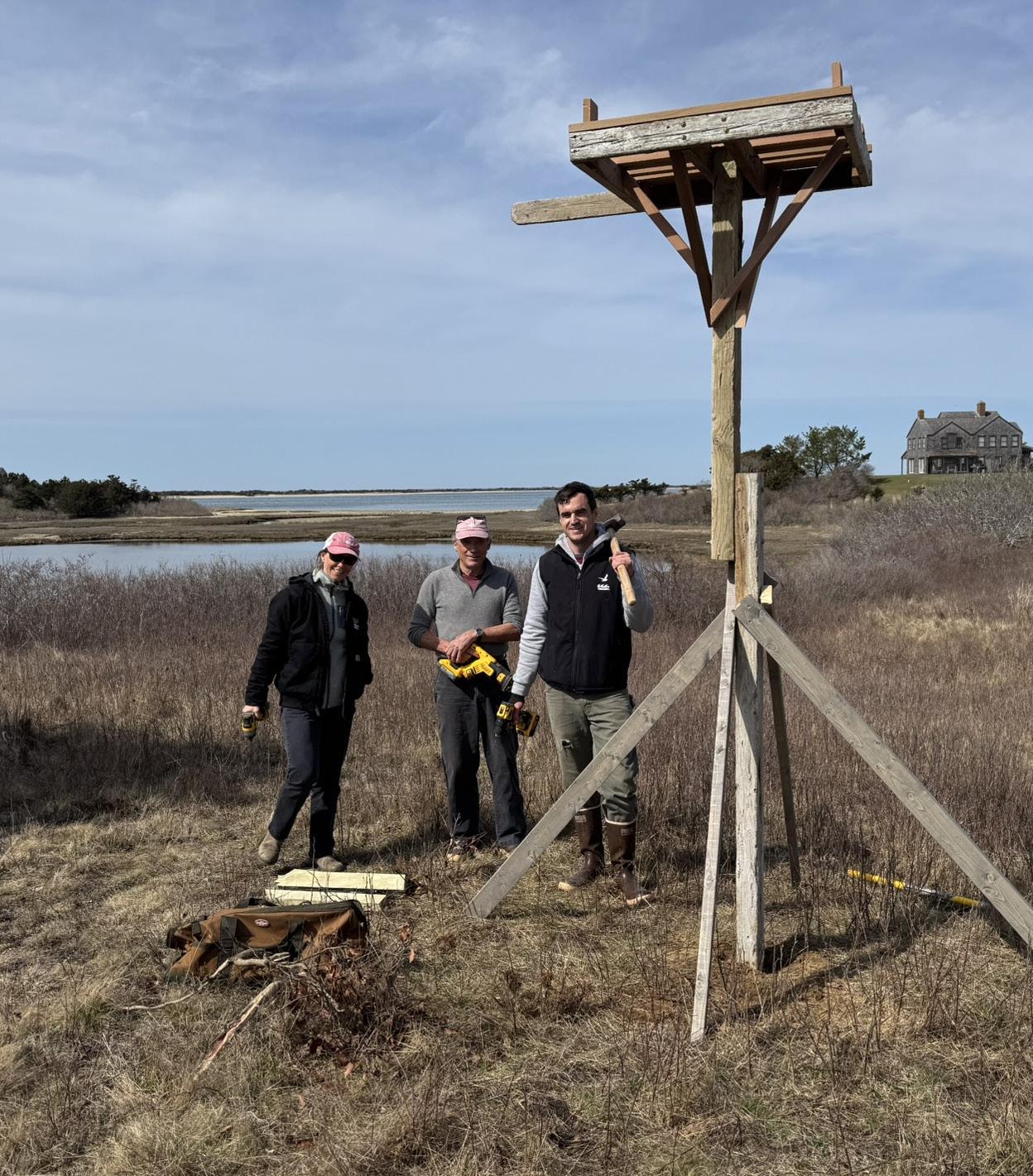
We install and maintain osprey poles across Nantucket to provide dependable places for these charismatic migratory birds to nest, some of which have been in use for decades. Just as many people return to the island each spring, so do the ospreys—their arrival a welcome sign of the changing seasons and summer ahead. Most recently, we added a new pole that encouraged an osprey to swap a neighbor’s chimney for a purpose-built nesting platform nearby!
Rocket Roost for Bats
Across the island, you can find six Rocket Roosts functioning as summertime roost locations for maternity colonies of Northern long-eared bats. These structures support bats that emerge at dusk—voracious eaters consuming moths and other flying insects each night. Where natural tree cavities are limited, this alternative habitat is critical to supporting healthy bat populations. You can find Rocket Roosts at Squam Farm, the West Gate of Ram Pasture, the NCF office at 118 Cliff Rd, Masquetuck Reservation, Windswept Bog, and the Milestone Forest Management site.
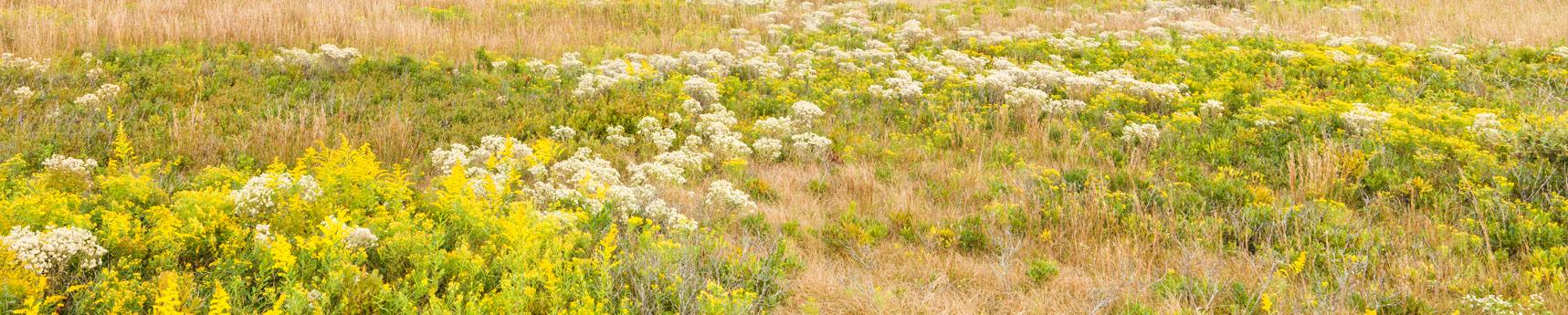
Preparing for Tick Season on Nantucket Spring Awakening
With the warmer weather on its way, many may begin dreaming of outdoor dining at our favorite restaurant and sunset walks on the moors, but it also brings back our least favorite eight-legged arthropod, the tick! Adult deer and lone star ticks will begin stirring from their winter slumber, even on early spring days in the low 50s.
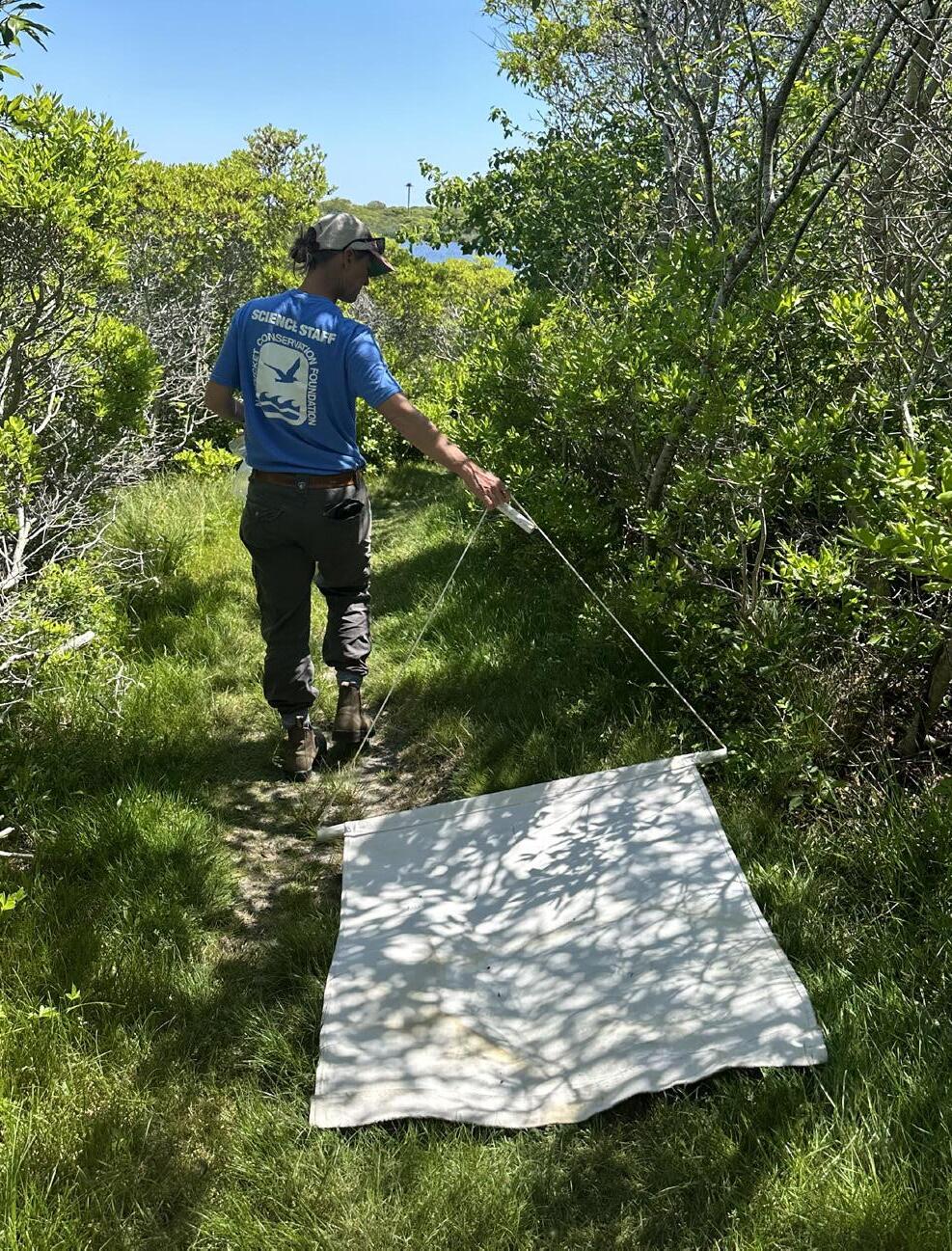
While collaborative tick research between NCF and other partners has been ongoing for years, new in-house research will better inform the public of tick-population dynamics. To spearhead this work, we recently hired Tucker Taylor, NCF Wildlife Ecology Project Manager, with an MS degree in entomology and experience studying ticks and the ecology of tick-borne illnesses.
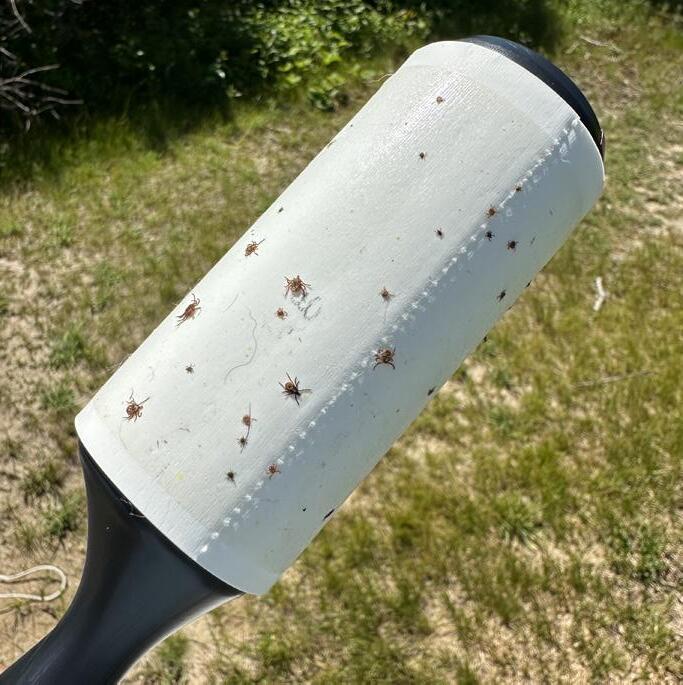
Our team of ecological experts will continue to build knowledge by sampling ticks across the island to deepen our understanding of tick ecology, prevalence on different properties, and how this relates to tick-borne pathogens on island. This research provides valuable information for the island community, helping everyone better understand tick populations and disease risk across the trails and properties they explore. Additionally, using our relationships with pathogen testing labs, we can deepen our understanding of tick-borne pathogens and subsequent illnesses on island.
For some tick-protection tips, take a look at the bullet points below! No method is 100% effective, but combining two or more methods greatly reduces the chance of getting bitten by a tick. If bitten, always contact your doctor for guidance on further steps.
There are many ways to effectively protect yourself and your companion animals from ticks while outside on trails:
• Wear light-colored clothes and tuck pants into long socks
• Stay away from un-mowed trails and overgrown path edges
• Consider wearing permethrin treated socks and pants
• Teach your family members about checking for ticks after walks—a tick-check buddy always helps!

NCF UPCOMING EXCURSIONS
Winter Wellness Pup
Walk at Tupancy Links
Saturday, March 21
1:00pm - 2:00pm
Embrace the quiet of the off season with this walk for wellness, connection, and community in a dog-friendly edition!
Part of the Winter Wellness Series in partnership with Fairwinds Behavioral Health Center.
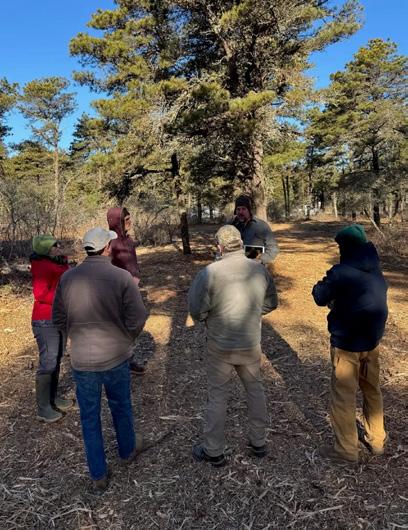
Winter Walk at Windswept Bog
Sunday, March 22
11:00am - 12:30pm
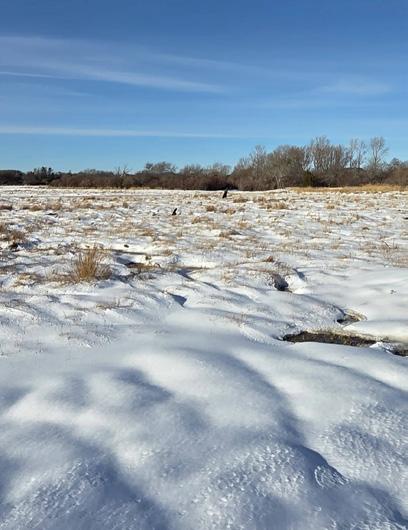
With a year since the wetland restoration wrapped up, see the progress made and how we are planning to monitor and manage the property and trail network here at Windswept.
Southern Pine Beetles on Nantucket
Saturday, April 4
11:00am - 12:30pm
See the effects of Southern Pine Beetle infestations up close. Learn the signs to look for and understand the significant impact this southern species could have on our island forests.
Wildlife of Windswept
Saturday, May 9
11:00am - 12:30pm
Our team has done years of research to understand the wildlife activity in and around Windswept Bog both pre- and post-restoration. Learn from our Wildlife Ecology team about the creatures that can be encountered in this beautiful wetland complex.
Saturday, June 27
Scan the QR code to register today!

Nantucket Conservation Foundation
Post Office Box 13
Nantucket, MA 02554-0013
OPEN SPACES Join us in protecting Nantucket’s open spaces!
The Nantucket Conservation Foundation protects and stewards over 9,000 acres of land, 100 miles of trails, and 17 miles of coastline.
Through ecological research, land management, and community education, we work to protect Nantucket’s natural resources while providing opportunities for our community to explore and appreciate the island.
Our work relies on the generosity of individuals who value Nantucket’s natural beauty and its future. Your support advances conservation efforts, funds meaningful research, and ensures that generations to come can experience the island’s natural beauty.
Every gift makes a difference. Thank you for your partnership in our work.