
Project #1: Looking Back: Think of a situation as an adult when you felt afraid yet chose to face your fear. (e.g., "I had to speak in front of 250 people at a conference.”)
What did you observe, think, and feel at the time? (e.g., "I saw the audience and felt butterflies in my stomach and tongue-tied. I was hoping that the stage would open and swallow me.")
What did you or the people around you say, think, and do to help you face your fear?
(e.g., "They clapped when I walked on stage.")
At what point did your fear start to go down? (e.g., "They smiled and cheered after my first statement.”)
How did you feel afterward? (e.g., exhilarated and proud)
b) Now, think back on a situation in childhood in which you faced your fear. How was it the same or different from the first situation? (e.g., "I was at an amusement park.”)
What did you observe, think, and feel at the time? (e.g., "I saw the roller coaster and felt butterflies in my stomach.")
What did you or the people around you say, think, and do to help you face your fear?
(e.g., "I told myself that if other kids could go on it, so could I.")
At what point did your fear start to go down? (e.g., "When I was locked into my seat, fear was replaced with excitement.”)
How did you feel afterward? (e.g., exhilarated and proud)
Finally, think of a situation you currently face that creates fear or anxiety. Do these situations relate to your childhood experience or a previous experience as an adult?
(e.g., "I've been asked to lead a team to develop a new service.”)
What are you most afraid of in your journey? (e.g., "My leadership of the team, and the failure of the new service.”)
Private property of Courage Consulting/ CB Bowman-Ottomanelli 2023© Written permission of use is required. Send request to info@courage-consulting.com
● Is there a way to apply the same skills you used in the two earlier situations to be more courageous in this situation? (e.g., gain team respect, gain team support)
● Remind yourself that you have these skills and have used them successfully.
● What mental or environmental barriers stand in the way of using these skills? (e.g., "I've never led a team; I'm not sure the new service idea will be supported.”)
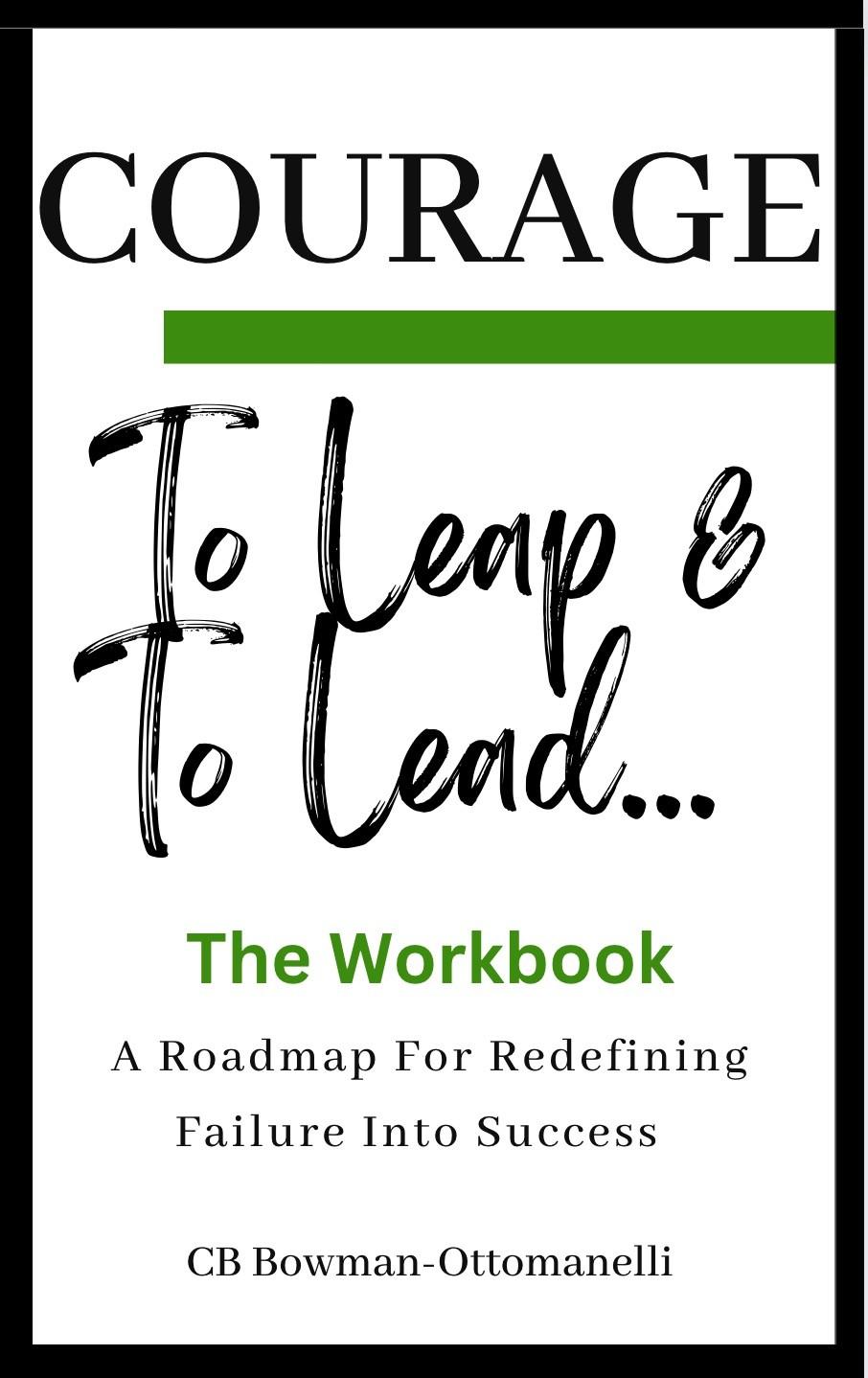
● How can you cope with or get rid of these barriers? (e.g., attend Microcourage™ University, obtain an executive coach, use the tools presented in the book Courage to Leap & Lead…A Roadmap to Redefine Failure Into Success) Project
#2: Create Make It Happen Team(s) (MIH)
These are teams that will support you in your courage project. Note that different courage projects may require other groups. Identify your MIH teams by starting with the following parameters to screen participants:
● Who should be on your team?
● Why are they on your team (what do you admire about them)?
● What is their role?
● How will you hold them accountable?
● How will they hold you accountable?
Private property of Courage Consulting/ CB Bowman-Ottomanelli 2023© Written permission of use is required. Send request to info@courage-consulting.com
Project #3: Looking Forward
1) Identify your "Courage Project."
● Thinking back over the last six months, what is the one thing you wish you dared to do but did not do? For Example:
o Launch a company
o Get a dog
o Get a degree
o Deal with a problem child
o Join a team
o Get divorced
o Launch a new service/ product
o Courage to go beyond past failures
2) What do you feel is holding you back, e.g.,
Fear
Education/ knowledge
Private property of Courage Consulting/ CB Bowman-Ottomanelli 2023© Written permission of use is required. Send request to info@courage-consulting.com
1. Which Microcourage™ tool will you use to start? (i.e., SWOT analysis)
2. How and when will you reward yourself?
3. Identify your MIH team.
4. Begin your journey using your roadmap!
5. Enjoy the adventure. Learn from your experience.
6. Identify lessons learned.
Private property of Courage Consulting/ CB Bowman-Ottomanelli 2023© Written permission of use is required. Send request to info@courage-consulting.com