Red Flags


He treats resistance as weakness and exhaustion as virtue. Every problem is met with more pressure, longer hours, and louder resolve. Reflection becomes delay, limits become excuses. He ignores warnings and people, reframes burnout as commitment, and sees collapse as acceptable fallout. Planning feels soft, rest feels suspect, and stopping equals failure.
“Sleep is for later.”
“We can rest after the deadline.
“Let’s push a bit harder.”
“This isn’t the moment to slow down.”
Slow the language down before you slow the work down.
Translate momentum words into measurable actions.
Watch how they react when clarity replaces speed.

Work expands without being named. Nothing is added openly, it seeps in through comments, side notes, and “quick thoughts,” until the project drifts, timelines vanish, and it’s still framed as “almost done.” When extras appear, stop the work. Treat every addition as a decision with consequences, close phases before opening new ones, and let silence enforce the boundary.
“Can we just add one more thing?”
“This was kind of implied, right?”
“It’s a small tweak.”
“We’re already so close.”
Pause work when additions appear.
Treat every ‘small extra’ as a decision point.
Close phases before opening new ones.
Let silence do the enforcing.
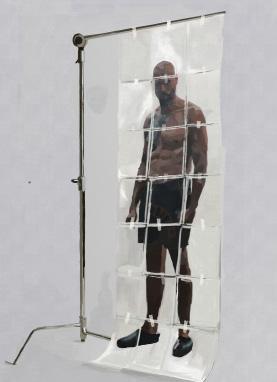
He speaks in absolutes, dressing dominance up as discipline and volume up as authority. When complexity, doubt, or vulnerability enter the room, he reframes them as weakness and exits behind a slogan. He explains emotion through biology or hierarchy, needs an enemy to stay coherent, and treats empathy as a flaw. Being “misunderstood” isn’t a failure to him, it’s evidence he’s operating on a higher plane.
“Most men today are lost.”
“I don’t do feelings. I do focus.”
“Weak times create weak men.”
“Discipline beats emotion.”
Do not debate masculinity. It’s a costume, not a theory.
Don’t take the bait. They feed on reaction, not truth.
Ask one calm follow-up question. Let them explain themselves into a corner.

They mistake immediacy for intimacy, oversharing early and turning disclosure into a shortcut to closeness. Personal history arrives without pacing or consent, framed as honesty. Trauma comes before trust, boundaries are skipped, and cues that say “not here, not now” are ignored in the rush to feel close fast.
“I’ve never felt this before.”
“You’re different from everyone else.”
“I just know things.”
“We’re the same.”
Slow the pace deliberately.
Match actions, not declarations.
Watch what happens when you say no.
Keep your own rhythm.
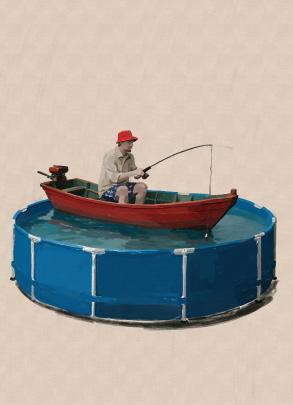
They don’t argue to persuade, they provoke to activate. Outrage is the product, attention the currency, and if you’re angry they’ve already won. Positions are framed in extremes and shift just enough to keep conflict alive. Backlash is treated as validation, not feedback, because resolution would end the performance.
“Seethe.”
“Cope.”
“Stay pressed.”
“Cry harder.”
Don’t respond emotionally. That’s the point of the word.
Ask for substance once. If none follows, disengage.
Name the move internally: dismissal, not argument.
Starve it of attention. “Cope” dies without an audience.

They don’t let go. Delegation becomes hovering, trust becomes surveillance. Nothing is ever finished, only temporarily out of reach. Approved work is quietly rewritten, trivial details are overmanaged, and constant involvement is mistaken for value. Control is presented as care, interference as leadership, and the steady presence slowly drains everything of momentum.
“Just a quick tweak.”
“I’ll do it myself, it’s faster.”
“Can you walk me through this again?”
“Let’s align on this.”
Document decisions so rewrites have friction.
Don’t over-explain. Brevity limits interference.
Redirect control requests back to outcomes.
If hovering continues, name it calmly and reset boundaries.
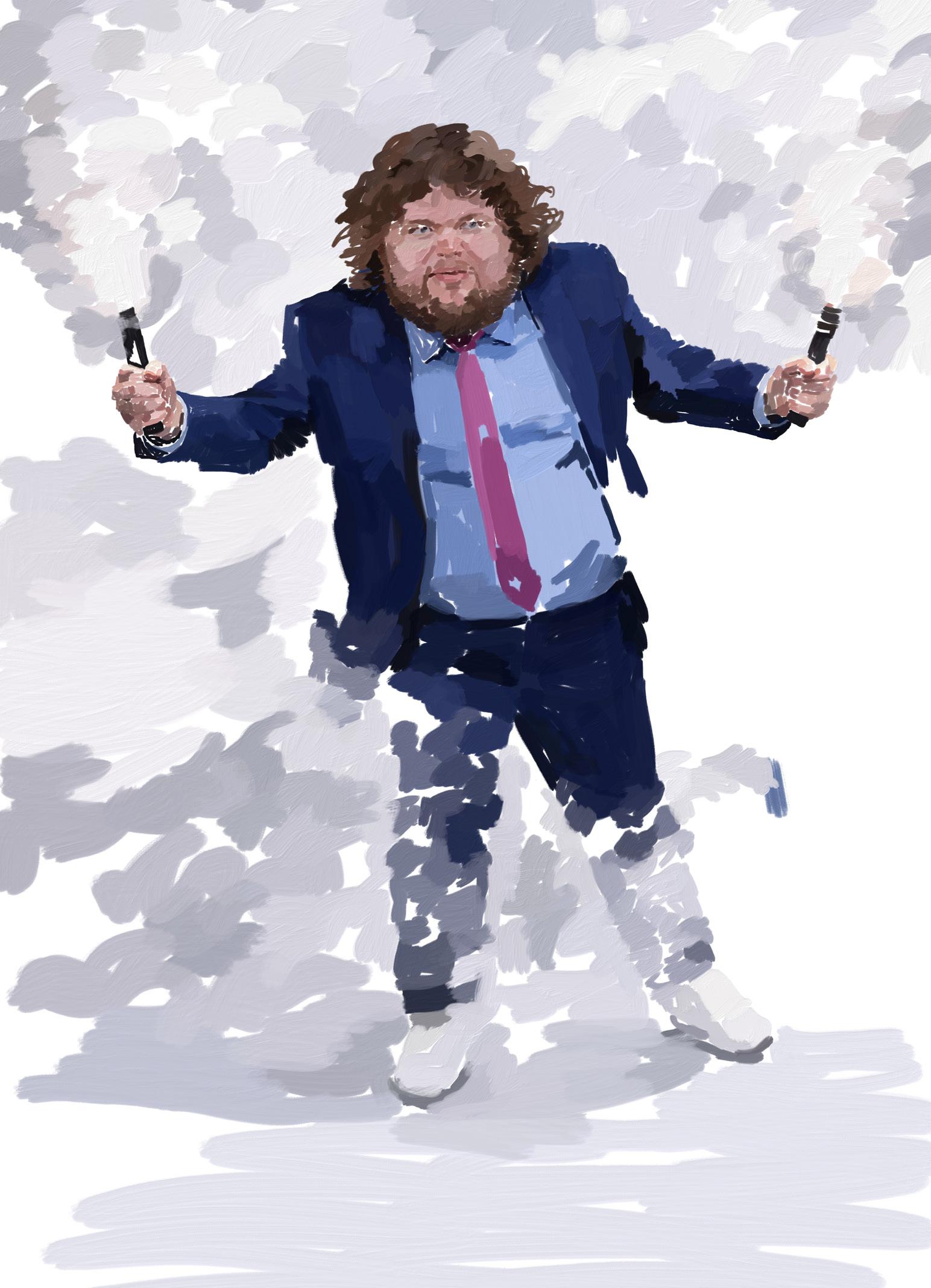
The Truth Muddler doesn’t confront reality. They light smoke. A small truth.A scary anecdote. A “people are saying.” Soon the air is thick with half-facts and suspicion. You can’t see what’s real, only that something feels wrong. They don’t need a clean lie. Just enough emotional smoke to hide the facts.
“I’m just asking questions.”
“People are saying…”
“It’s not that simple.”
“I’m not saying it’s true, but…”
Separate fact from feeling.
“What part of this is verified, and what part is speculation?”
Ask for sources, not vibes.
“Who specifically reported that?”
Name the tactic.
“This feels like a lot of suspicion without solid proof.”

Shrinkflation is when the price stays the same but the product quietly gets smaller. In people, effort, time, care, and attention slowly get reduced without ever being discussed. You still get something, just not what you used to, while expectations toward you stay the same. No big conflict, just gradual lessness disguised as being busy or “growth.”
“Streamlined product experience.”
“Better for you.”
“Portion-conscious.”
“We listened to our customers.”
Separate personal conviction from social control.
Push from “design” to lived outcomes.
Name when biology is being used as destiny.
Refuse nostalgia-as-proof arguments.
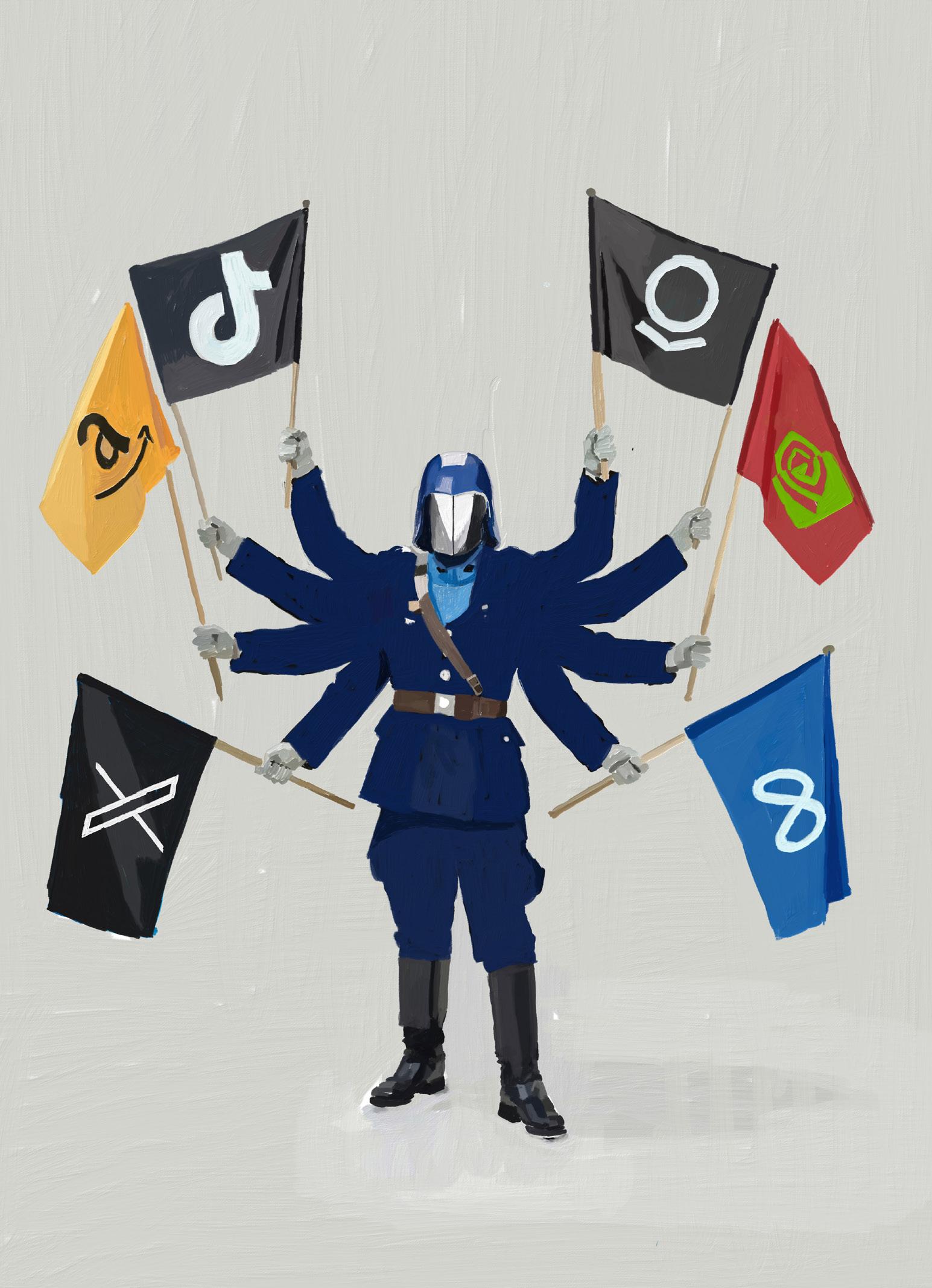
Power sits with platform companies that write the rules, enforce them unilaterally, and change them without notice. Visibility is granted or revoked by ranking systems, moderation policies, and monetization thresholds that function as law, court, and punishment rolled into one. There is no transparency, no due process, no appeal that matters.
“We don’t take editorial positions.”
“This violates our community guidelines.”
“We’re constantly improving safety.”
Design for exit. Never build your voice, income, or reach on a single platform. Redundancy is resistance.
Log off on purpose. Attention is the resource. Withdraw it.
Stop feeding metrics. No likes, no shares, no hate-clicks. Silence starves systems.
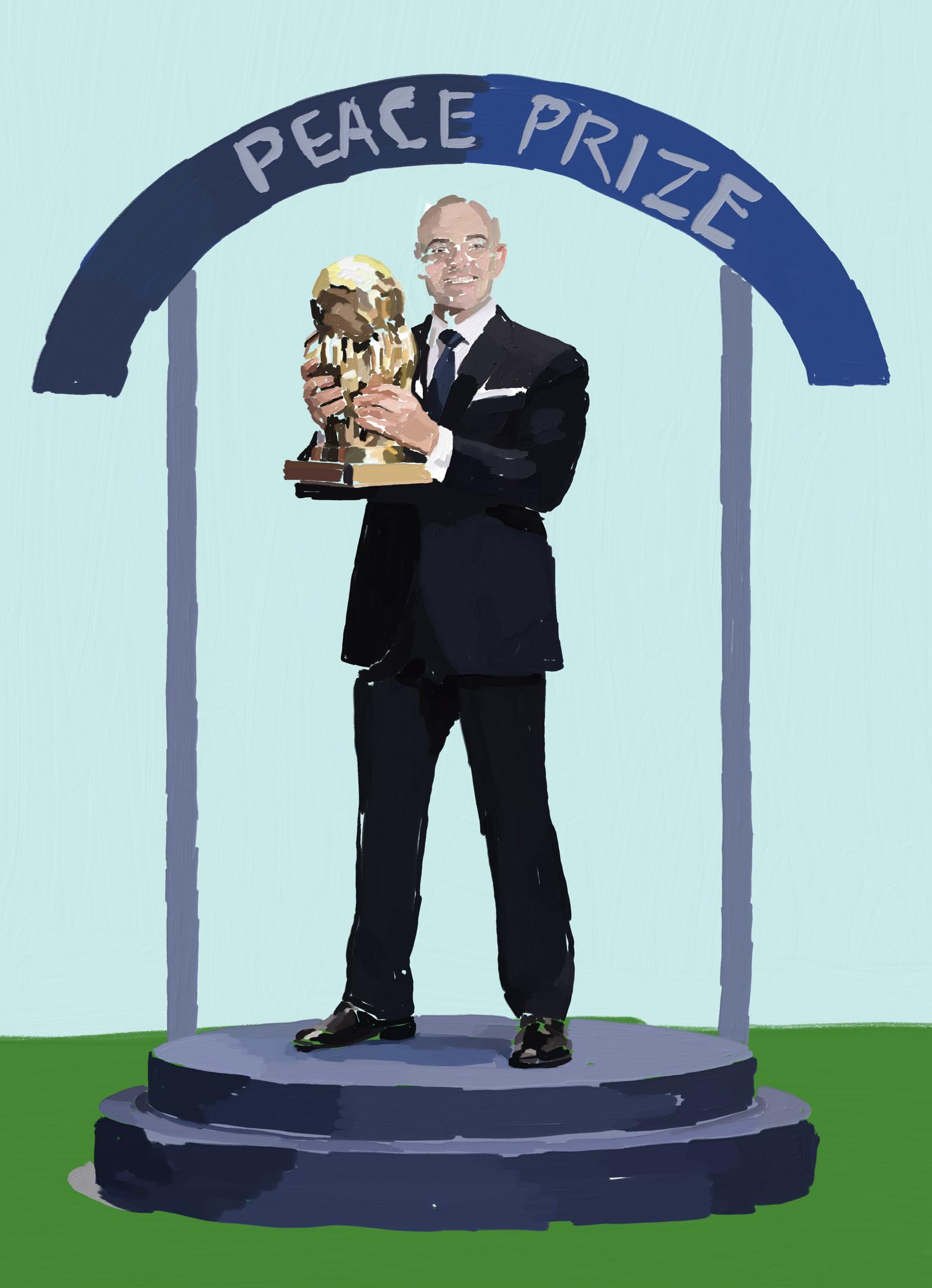
Power enters sport quietly, through repetition and access. FIFA tournaments turn systemic abuse into celebration. Oligarch club ownership shifts from scandal to strategy to background fact. Sport feels apolitical, so the politics slide through unchecked. Each event lowers resistance, each deal normalizes the contradiction. Nothing is confronted directly, it’s absorbed. By the time it’s noticed, it’s already treated as how the game works.
“Sport should unite, not divide.”
“This isn’t political.”
“Let’s focus on the game.”
“Ownership doesn’t affect performance.”
Follow the money, not the messaging.
Treat ceremonies and prizes as signals, not solutions.
Separate athletes from owners, sponsors, and institutions.
Refuse the “just sport” framing. It’s the shield.