ORO Editions
Of Limbs, Leaves, and Hope
A
Portrait of Philadelphia’s Urban Forest in Times of a Pandemic
ORO Editions
Novato, California
Ignacio F. Bunster-Ossa

Publishers of Architecture, Art, and Design
Gordon Goff: Publisher
www.oroeditions.com info@oroeditions.com
Published by ORO Editions
Copyright ©Ignacio F. Bunster-Ossa, 2022
Text and Images © Ignacio F. Bunster-Ossa 2022
All rights reserved. No part of this book may be reproduced, stored in a retrieval system, or transmitted in any form or by any means, including electronic, mechanical, photocopying of microfilming, recording, or otherwise (except that copying permitted by Sections 107 and 108 of the U.S. Copyright Law and except by reviewers for the public press) without written permission from the publisher.
You must not circulate this book in any other binding or cover and you must impose this same condition on any acquirer.
ORO Project Coordinator: Kirby Anderson
10 9 8 7 6 5 4 3 2 1 First Edition
Library of Congress data available upon request. World Rights: Available
ISBN: 978-1-954081-93-2
Color Separations and Printing: ORO Group Ltd.
Printed in China.
International Distribution: www.oroeditions.com/distribution
ORO Editions makes a continuous effort to minimize the overall carbon footprint of its publications. As part of this goal, ORO Editions, in association with Global ReLeaf, arranges to plant trees to replace those used in the manufacturing of the paper produced for its books. Global ReLeaf is an international campaign run by American Forests, one of the world’s oldest nonprofit conservation organizations. Global ReLeaf is American Forests’ education and action program that helps individuals, organizations, agencies, and corporations improve the local and global environment by planting and caring for trees.
ORO Editions
To Mallory, Carter and Leo, and all who have tilted skyward chasing sunbeams though familiar foliage..
ORO Editions
ORO Editions
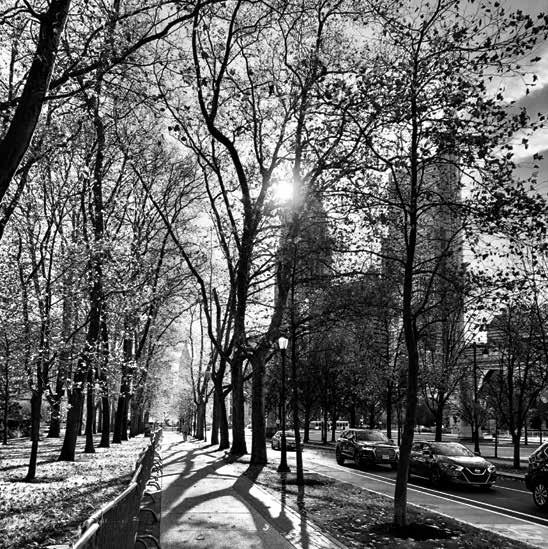
Benjamin Franklin Parkway
Table of Contents
Introduction
Places of Reflection
Amid Infrastructure
Rooms with a View
Standing Tall
Plantae
ORO Editions
Of Limbs,
Leaves, and Hope represents the unforeseen gain of biophilic relief from the coronavirus pandemic. Forced to work remotely because of COVID-19, daily walks and bike rides became an essential distraction from hours of uninterrupted screen time. Photography became a pastime, and as weeks turned into months the city began to present itself anew: streets, plazas, parks, church grounds, cemeteries, and untold nooks and crannies not before seen or recorded.
Trees soon began to dominate the compositions, as if beckoning to stand out against the gridiron construction. It was surprising; heretofore the inclination to singly and systematically focus on the green milieu had remained dormant.
And so the project began: to record the presence of trees as foreground actors of the everyday urban landscape. Beginning in the spring of 2020, hundreds of photographs were taken, often times of the same tree at different times of the day, under varying light conditions, and through the seasons. A sense of intimacy developed: of seeing how a plant breathes-in the city over time, silently, exhaling in return nurturing permanence and resilience.
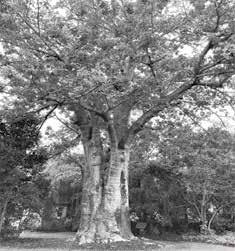
It brings to mind the African Baobab. Adansonia digitata is an extraordinary species. The tree’s massive trunk functions like a cistern, storing water and drawing elephants to chew on it during Sub-Saharan dry spells. Warthogs and monkeys eat its fruit, and bats suck on the fruit's nectar.
Birds nest on its branches and its canopy is home to reptiles and insects galore. 1 Rightly, the species is called the “tree of life”—an ecosystem all to itself.
ORO Editions
Photo Credit: Alejandra Bunster
The collection of plants that constitutes an urban forest, with canopy trees front and center, can be viewed in a similar way: like a protean organism providing an essential service to all who amble within.
According to the United States Department of Agriculture, there are approximately 2.9 million trees in Philadelphia, a little less than two per resident. From sequestering carbon to saving energy, their contribution as urban infrastructure has been well documented. 2 Yet the urban forest's greatest value may be biophilic; that is, the stirring link it provides to all forms of life. Communing with nature lifts and heals the spirit, especially in times of stress, such as people have experienced from the onset of the pandemic.
The photographs in this book are shared to inspire reverence for the forest in which we live, whether planted or naturally occurring. People are largely absent from the compositions; this is indicative of the chase for canopy effect, to be sure, but also of the emptiness the pandemic caused early on throughout the city. Black and white best seemed to capture the health-induced retrenchment. The medium also reveals the power of trees, like Baobabs, to command the landscape and embrace normality like lifeaffirming sentinels.
Most of the images are of single species. In some cases, multiple trees occupy the view. These are identified by their position within the frame: Left (L); Right (R); Front (F); and Back (B). The absence of positional definition indicates the occurrence within the frame of a single species. The stated locations are approximate but easy for the curious to find. It does not escape notice that many of the locations on city streets bear the names of trees.
1. https://www.nomadicexperience.com/baobab-iconic-tree-of-africa/ 2. https:// www.itreetools.org/documents/337/ PhiladelphiaUrbanForest.pdf
ORO Editions
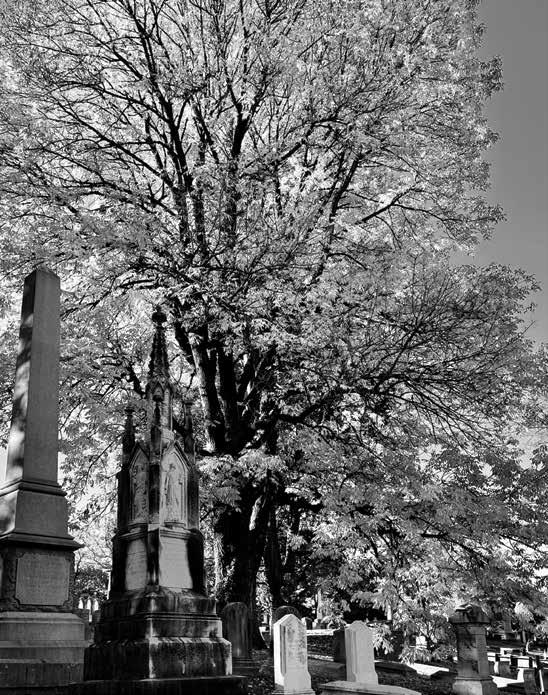
White ash / Laurel Hill Cemetery
Places of Reflection
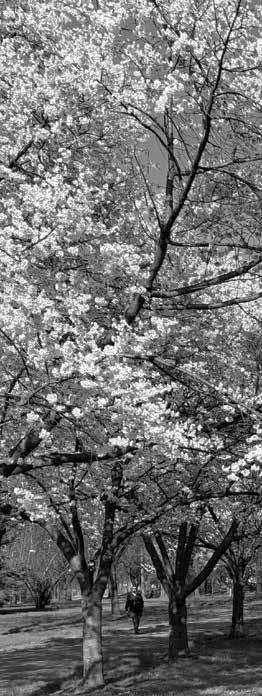
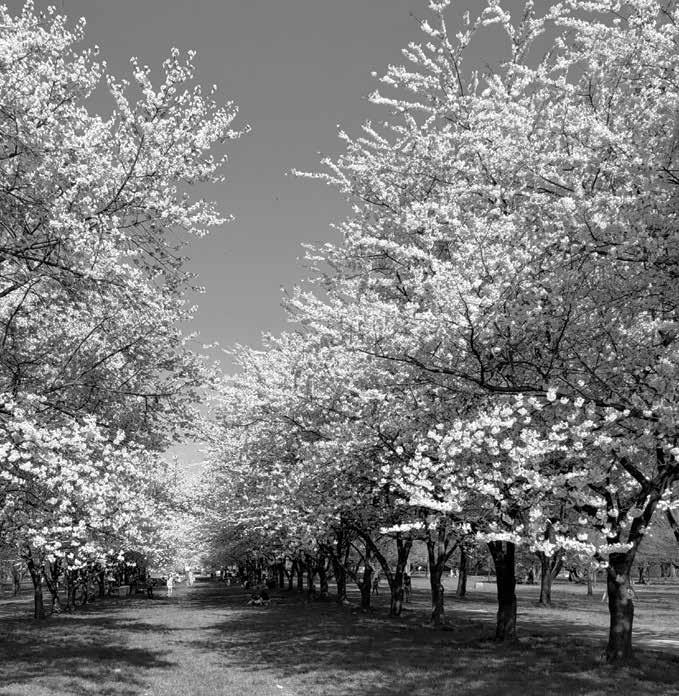
Churches and cemeteries are fertile ground for personal reflection— and for the urban forest to grow and thrive. So, too, are park buffers, where in springtime at FDR Park the arched branch of an old wetland tree can frame the light beyond, or where in early Fall at Bartram’s Garden trees can shade a seemingly exultant congregation of woodland shrubs. The cherry allée at the Fairmount Park Horticultural Center, where the rows of trees resemble a church nave, affords a similar reflective pause. Sometimes the spiritual lift comes from a single specimen, such as the Penn Treaty Elm at the University of Pennsylvania, a tree that in both age and Gothic detail seems to surpass the nearby Furness Library (a secular place of worship, if there ever was one). In Philadelphia, nature invariably accompanies holy architecture, augmenting hope and faith in the eternal.
ORO Editions
Equal in length to the National Cathedral in Washington, DC, the allée’s annual burst of white draws people from near and far. No one hurries, no one acts the stranger.
ORO Editions
ORO
Yoshino cherry / Fairmount Park Horticultural Center
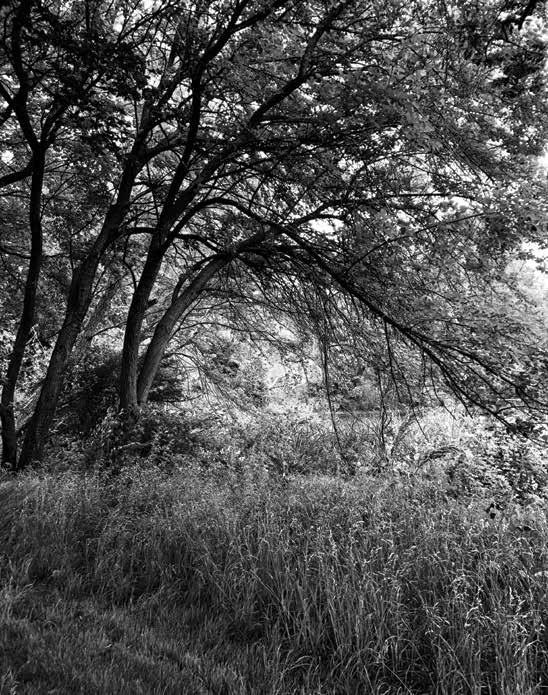
Alder / Pond near Pattison Avenue, FDR Park
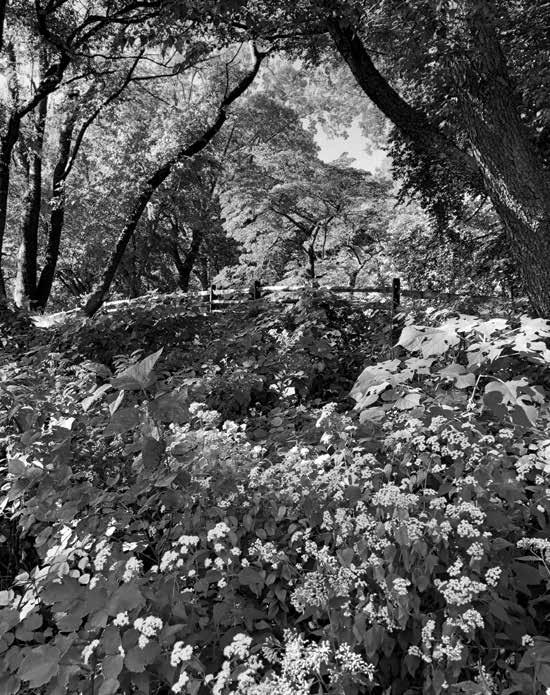
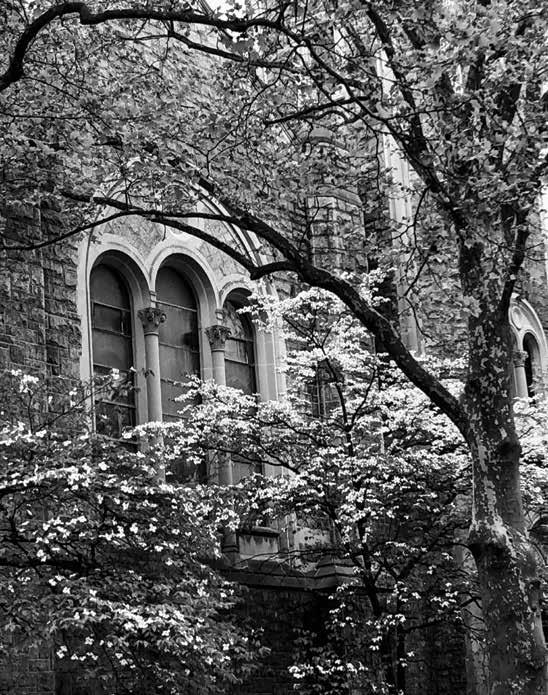
5.08.20 / 9a
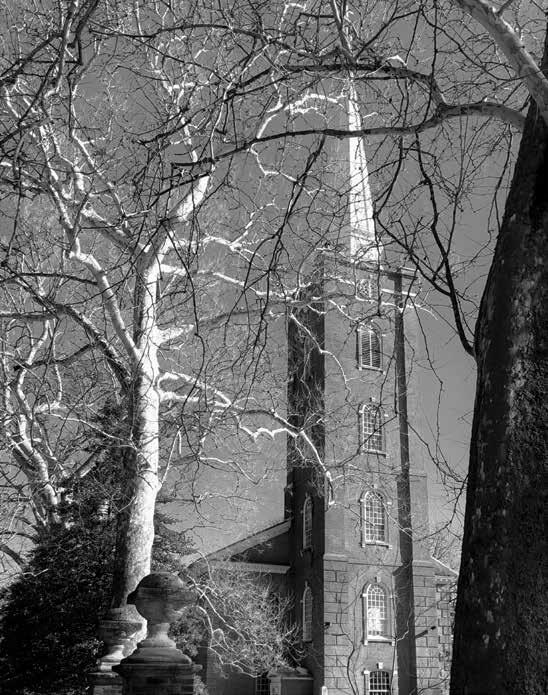
London planetree (F) Dogwood (B) / Saint Cyprian Roman Catholic Church, Cobbs Creek Parkway and Cedar Street
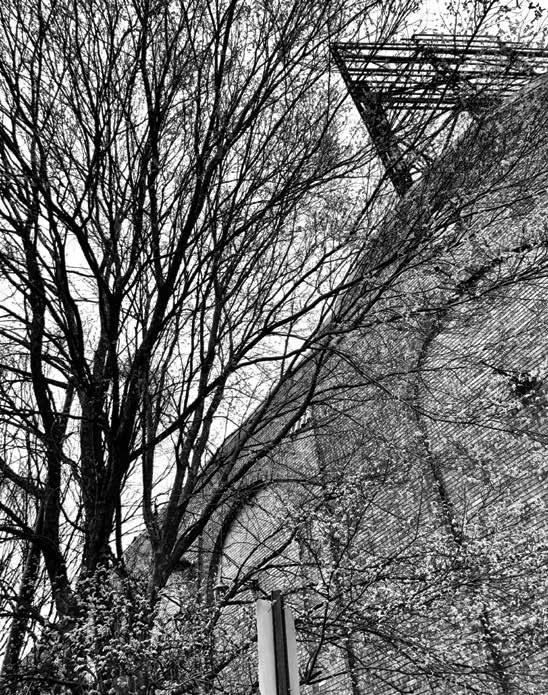
4.18.21 / 8a
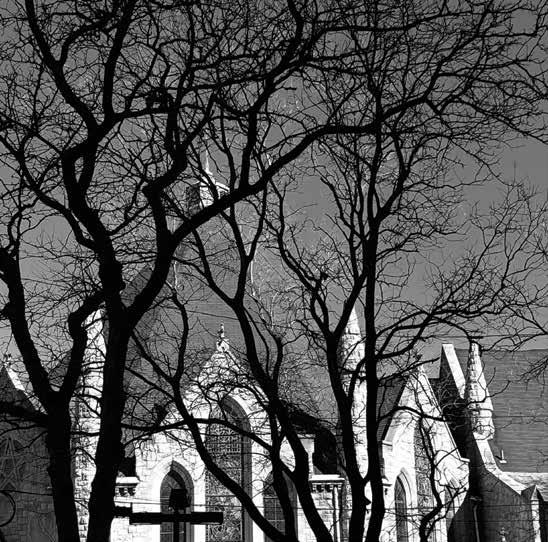
Chinese elm / Masjid Al-Jamia Mosque, Walnut and 43rd Streets
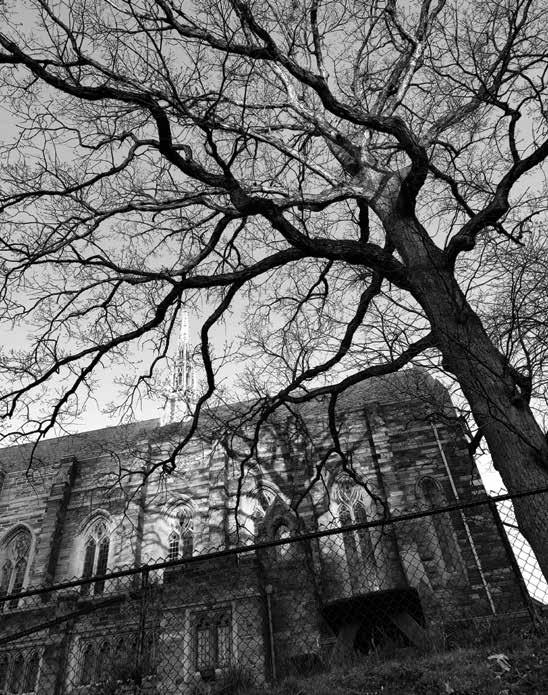
White oak / Chapel, Spruce and 42nd Streets
ORO
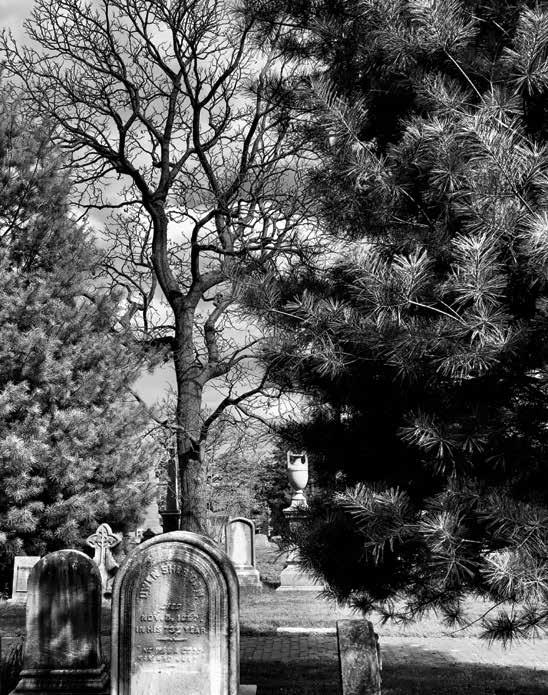
White pine (F) Kentucky coffeetree (B) / Laurel Hill Cemetery
ORO
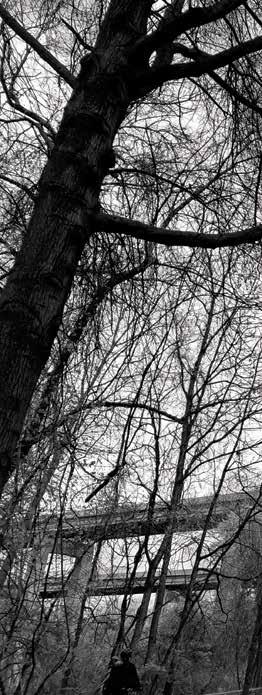
Above, mighty traffic; to the right, the rumble of a freight train, and to the left, the Schuylkill River. Where I stand, a tranquil gathering.
ORO Editions
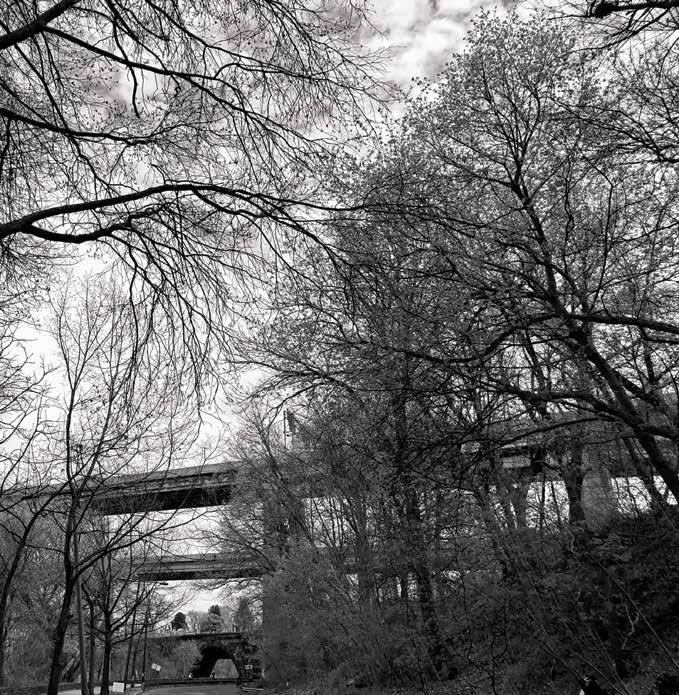
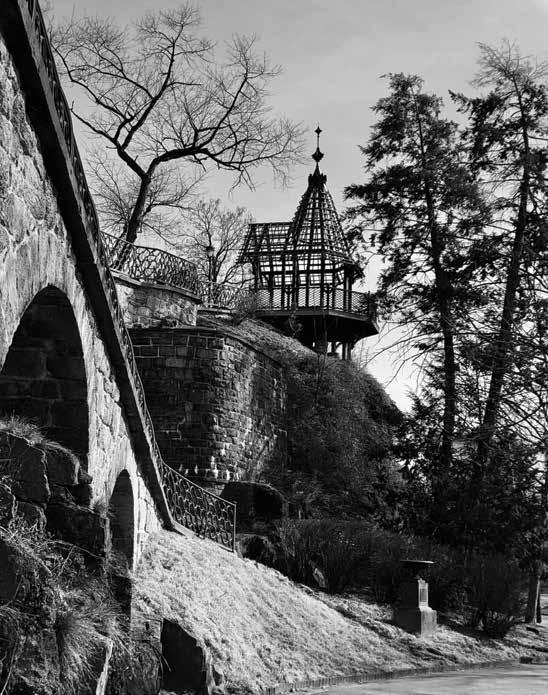
Black cherry (L) Eastern hemlock (R) / Schuylkill River Trail by the Fairmount Gazebo 3.09.21 / 3p
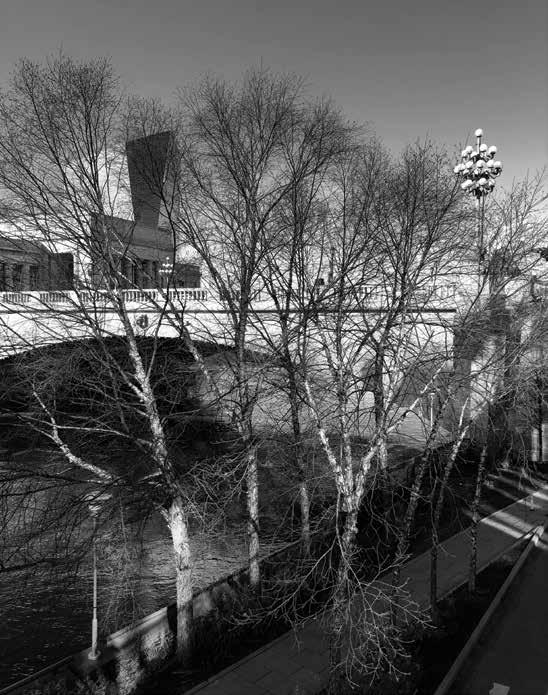
River birch / Schuylkill River Trail by the Market Street Bridge
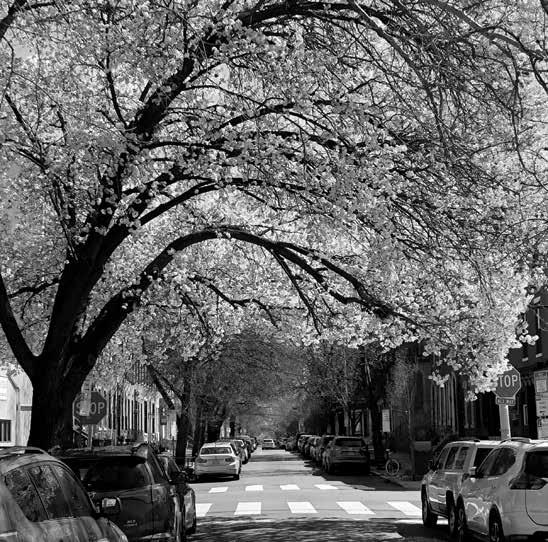
Callery pear / Green and 20th Streets
3.26.20 / Noon
ORO Editions
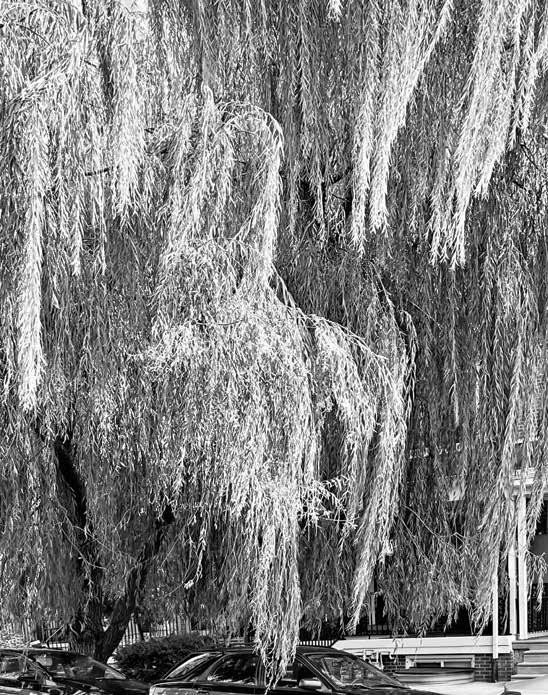
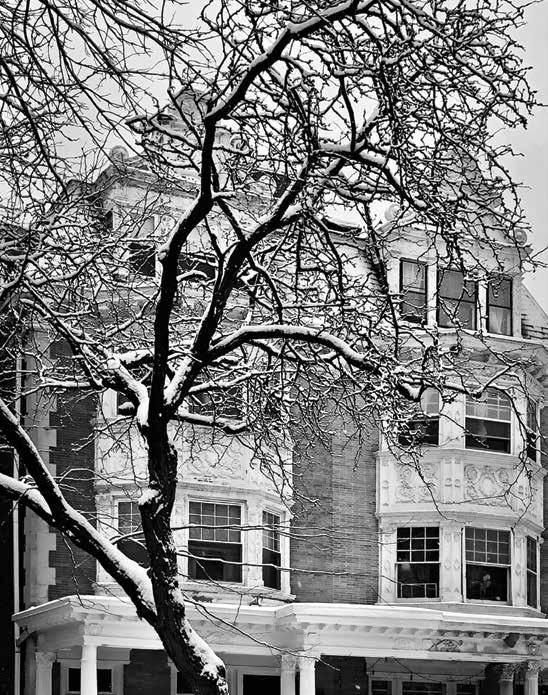
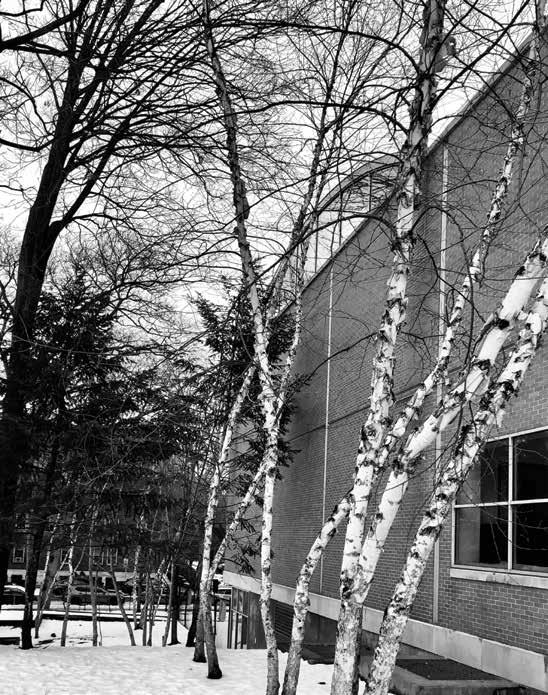
River birch / Penn Alexander School, Spruce and 43rd
4.02.21 / 5p
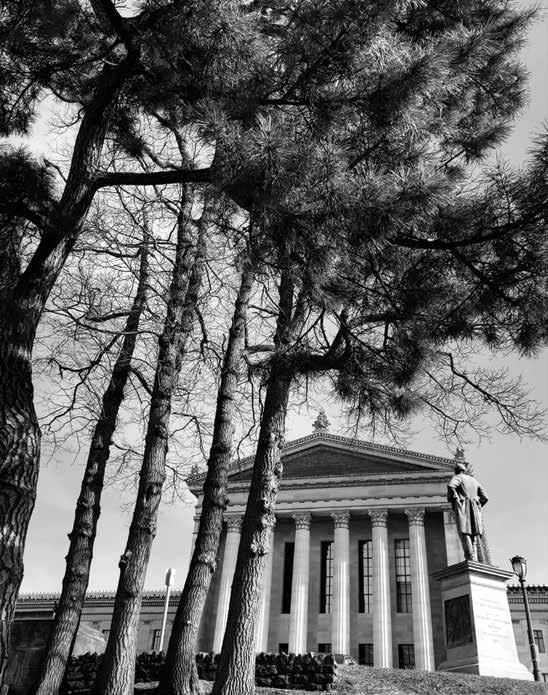
Red pine (F) Sassafras (B) / Philadelphia Museum of Art, Anne d'Harnoncourt Drive
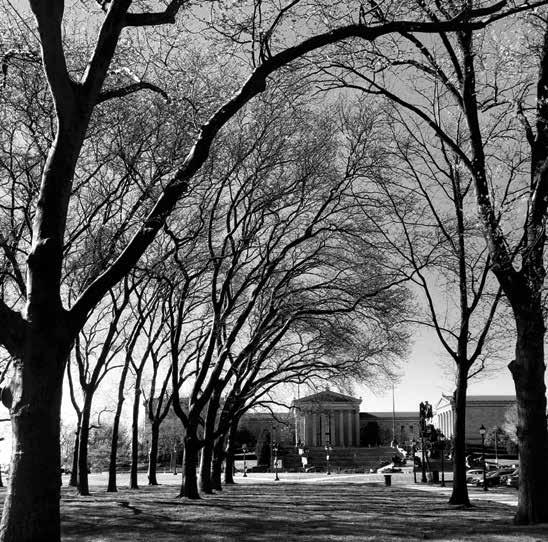
London planetree (L) Red oak (R) / Eakins Oval
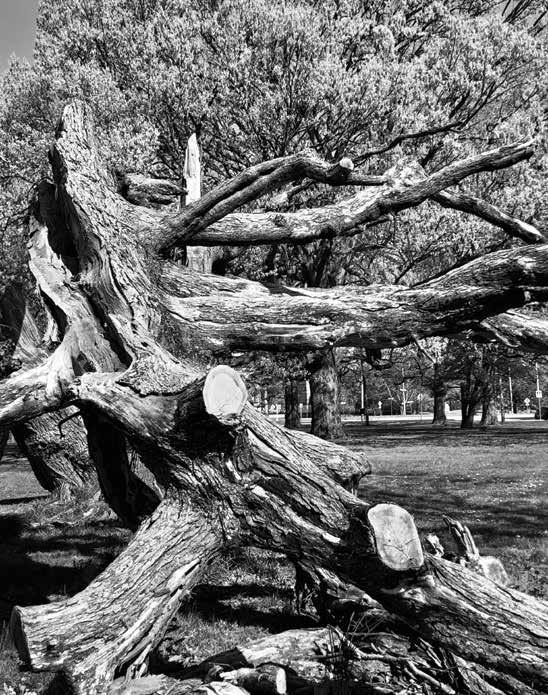
Red oak (front and back) / South Concourse and Lansdowne Drive, Fairmount Park
10.06.20 / 5p