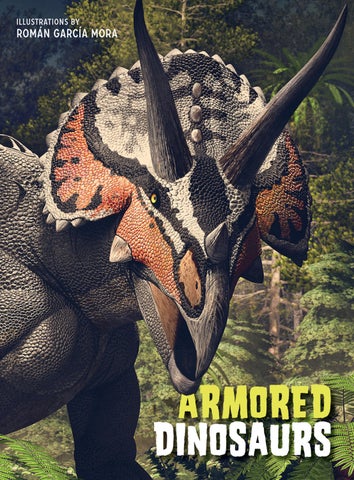
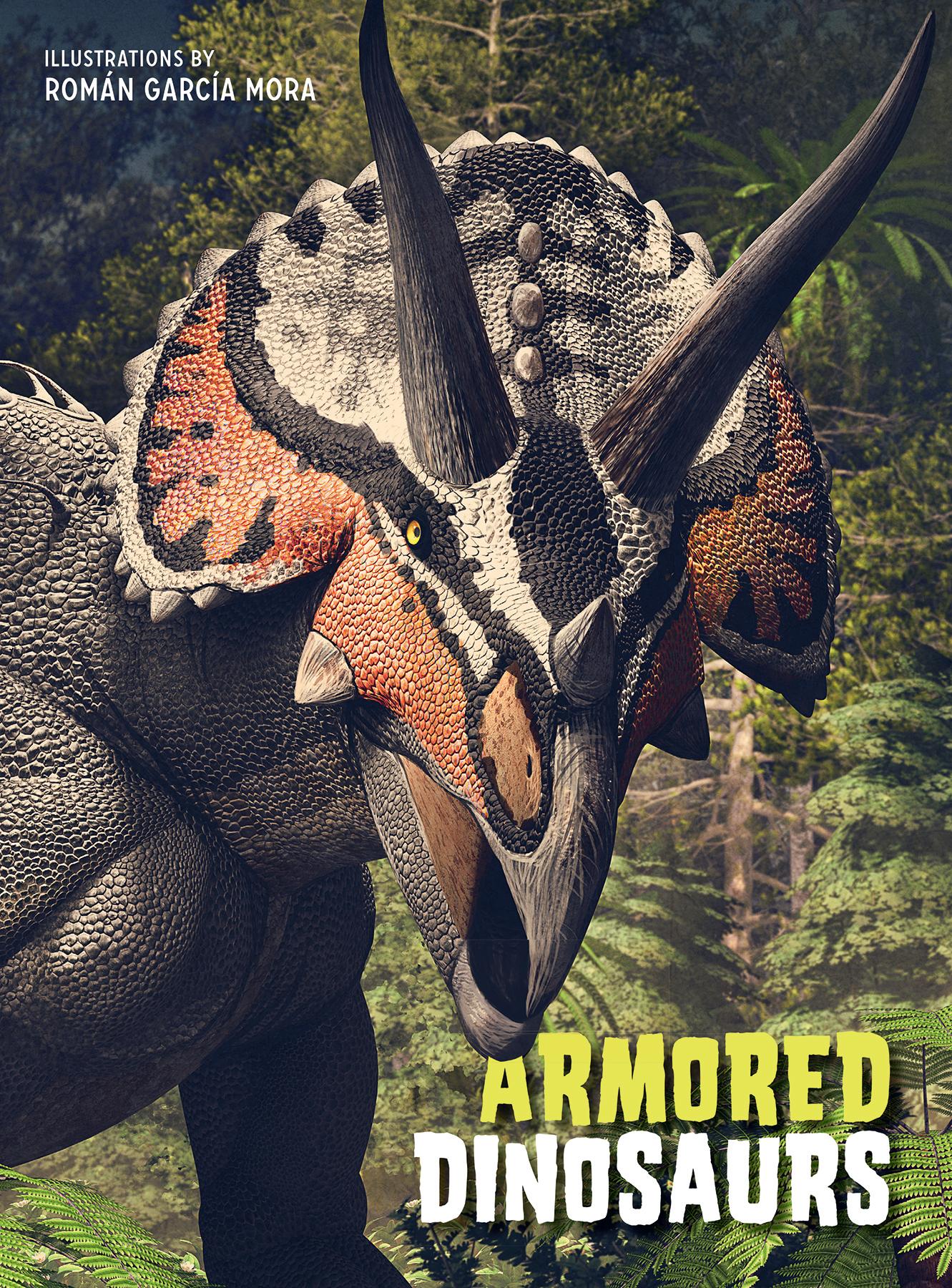
ARMORED DINOSAURS
ILLUSTRATIONS BY






ROMÁN GARCÍA MORA
TEXT BY GIUSEPPE BRILLANTE AND ANNA CESSA
Origin of Man
Ice Age mammals
Extinction of the dinosaurs
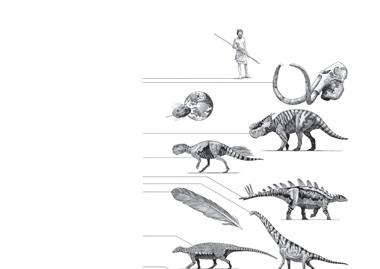
Diversification of Ceratopsians
Origin of Ceratopsians
First modern feather
Origin of Thyreophora
Origin of mammals
Reptiles similar to mammals
Origin of amphibians
Trilobites
First giant forests
First Stegosaurus
Giant dinosaurs, Brachiosaurus
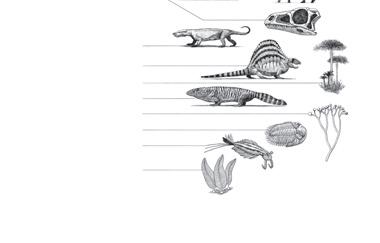
Origin of dinosaurs, Eoraptor
First terrestrial plants
Explosion of life in the Cambrian Period
TANKS ON FOUR LEGS
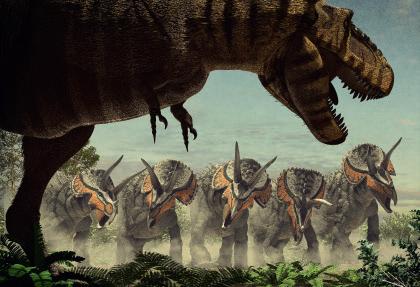
PICTURE THE SCENE: A HERD OF TRICERATOPS IS MOVING OVER A PLAIN, WHEN SUDDENLY PANIC BREAKS OUT. THE OLDER, WISER MEMBERS OF THE HERD HAVE SMELLED DANGER IN THE AIR. A LARGE T-REX IS COMING TO KILL AND DEVOUR THEM. THE ADULT TRICERATOPS QUICKLY FORM A LARGE CIRCLE, WITH THE YOUNG PROTECTED IN THE CENTER. THE OUTER PART OF THE CIRCLE IS A SOLID WALL OF POINTED HORNS.
HOW WILL IT END? IT’S HARD TO SAY. PERHAPS THE POWERFUL BITE OF THE T-REX WILL WIN OR MAYBE, THIS TIME, THE STRENGTH OF THE UNION WILL BE ENOUGH AND THE TRICERATOPSES WILL SURVIVE. THE PROBLEM IS THAT, UNLIKE ANIMALS THAT NOW INHABIT OUR PLANET, WE CANNOT SEE DINOSAURS IN ACTION. WE CAN ONLY IMAGINE HOW THEY LIVED, HOW THEY MOVED, HOW THEY ESCAPED FROM PREDATORS, AND WHAT THEY ATE. AND IT IS NOT AN EASY TASK.
LIKE A DETECTIVE AT A CRIME SCENE, PALEONTOLOGISTS STUDY EVERY BONE, EVERY FOOTPRINT AND EVEN FOSSILIZED FECES (COPROLITES) AS EVIDENCE TO TRY AND BUILD THE IDENTIKIT OF ALL OF THE DISCOVERED SPECIES AND ANSWER THE MANY, STILL ANSWERED QUESTIONS ABOUT THEIR EXISTENCE.
SURPRISINGLY, REALITY IS CONSTANTLY EXCEEDING OUR IMAGINATION, AS EVERY YEAR WE DISCOVER NEW SPECIES OF DINOSAURS. IT SEEMS THAT THERE IS NO END TO THE GALLERY OF BIZARRE DINOSAURS THAT NATURE CREATED. IF YOU WERE TO DRAW UP A LIST OF THE MOST SURPRISING ONES, THE WINNER WOULD CERTAINLY BE THE ARMORED DINOSAURS. ARMOR, HORNS, SPIKES, BUMPS AND HUGE BONY RIDGES: WHAT COULD THESE STRANGE PHYSICAL CHARACTERISTICS HAVE BEEN USED FOR?
THESE CHARACTERISTICS WERE THE ANSWER TO THE PERPETUAL BATTLE FOR SURVIVAL AGAINST PREDATORS. THE LARGER, FASTER AND MORE AGGRESSIVE THE PREDATORS WERE, THE MORE IT BECAME NECESSARY FOR ARMORED DINOSAURS TO FIND NEW STRATEGIES TO DEFEND THEMSELVES.
THIS IS HOW EVOLUTION CREATED ANIMALS ON THE PLANET THAT EVEN A WRITER’S IMAGINATION WOULD NOT HAVE BEEN ABLE TO INVENT. SOME REALLY BIZARRE TAILS APPEARED: ANKYLOSAURUS, FOR EXAMPLE, DEVELOPED A LARGE BUMP THAT COULD BE USED AS A BIG STICK TO HIT AND STRIKE ENEMIES, WHILE STEGOSAURUS DEVELOPED ONE WITH LONG SPIKES WHICH COULD INFLICT DEADLY STAB WOUNDS.
THERE WERE ALSO THOSE DINOSAURS THAT RESPONDED TO THREATS BY CHARGING THE ENEMY WITH THEIR HUGE HORNS, JUST AS RHINOS DO TODAY - ONE OF THE MOST STRIKING EXAMPLES WAS STYRACOSAURUS WITH A BIG HORN ON ITS NOSE, UP TO 3.3 FT (1 M) LONG, AND A GIANT CREST BEHIND ITS SKULL WITH AT LEAST SIX LONG, ENORMOUS POINTED BUMPS - AND THOSE LIKE THE TARCHIA, THAT WERE COVERED WITH ARMOR LIKE MEDIEVAL KNIGHTS. REAL TANKS ON FOUR LEGS!

BUT WHAT DID THEY FEED ON? WHERE WERE THEIR FOSSILS FOUND? WHAT HAPPENED TO THEM DURING THEIR EXISTENCE AS A SPECIES?
YOU WILL FIND MANY ANSWERS TO THESE QUESTIONS IN THE FOLLOWING PAGES. THE CHAPTER ABOUT ARMORED DINOSAURS IS JUST ONE OF MANY IN THE EXTRAORDINARY HISTORY OF DINOSAURS. THE “TERRIBLE LIZARDS”, THUS NICKNAMED IN THE NINETEENTH CENTURY BY BRITISH
PALEONTOLOGIST RICHARD OWEN, WERE THE UNDISPUTED MASTERS OF OUR PLANET FOR A LONG TIME. THEN SUDDENLY, THEY ALL DISAPPEARED. WHAT EXACTLY HAPPENED IS STILL NOT KNOWN.
PROBABLY THE LAST DINOSAURS, ALREADY IN A STATE OF DECLINE, WERE SWEPT AWAY BY A CATACLYSM. ACCORDING TO SCIENTISTS, ABOUT 65 MILLION YEARS AGO, AN ENORMOUS METEORITE CRASHED TO THE EARTH, CAUSING AN EXPLOSION EQUIVALENT TO THAT OF A HUNDRED MILLION NUCLEAR BOMBS. IT DESTROYED EVERYTHING WITHIN A RADIUS OF HUNDREDS OF MILES AND TRIGGERED TSUNAMIS, FIRES AND A STRONG DISTORTION OF THE CLIMATE WITH A SERIES OF ENVIRONMENTAL CHANGES THAT THE DINOSAURS COULD NOT ADAPT TO. THE FIRST TO DIE were THE LARGE HERBIVOROUS DINOSAURS, FOLLOWED BY THEIR FEARSOME PREDATORS, AND FINALLY WITH THE PASSING OF TIME, THERE wasn’t ONE DINOSAUR LEFT.
TODAY, THANKS TO FOSSILS, YOU CAN TAKE AN EXTRAORDINARY JOURNEY THROUGH TIME AND BRING THESE AMAZING CREATURES “BACK TO LIFE” FROM THEIR LONG DISTANT PAST.



TRICERATOPS

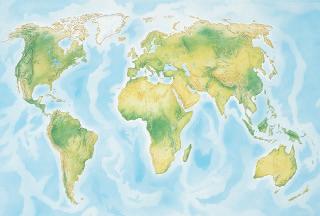
WHERE IT LIVED: North America
WHERE THE MOST IMPORTANT FOSSILS WERE FOUND: United States of America, Canada
WHEN IT LIVED: 67-65 million years ago
SIZE:
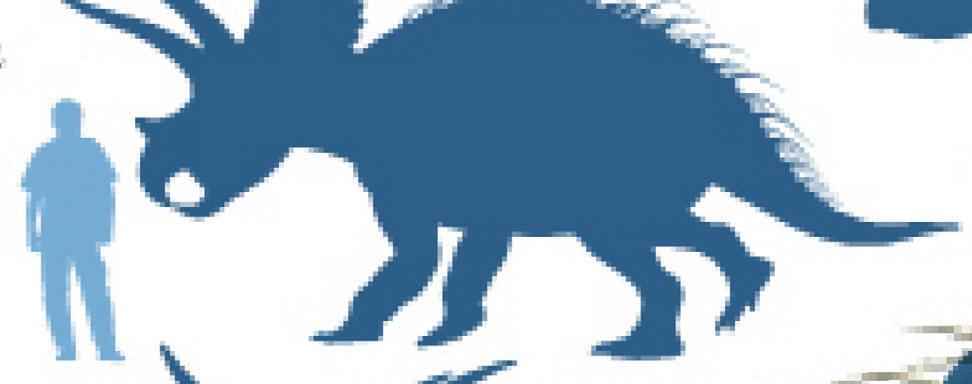
23-29.5 ft (7-9 m) long and 9.8 ft (3 m) tall
W EIGHT :
6.6-9.9 t (6-9 mt)
When the first TWO HUGE HORN FOSSILS were discovered in 1887 in Denver, Colorado, they were thought to have belonged to a giant extinct bison. No one ever imagined that shortly after the remains of this animal would pop up bit by bit everywhere: it was a large dinosaur . Since then, hundreds of Triceratops fossils have been found, all belonging, according to scientists, to two main species, TRICERATOPS
HORRIDUS and TRICERATOPS
PRORSUS .
TRICERATOPS roamed our planet at the end of the Cretaceous Period in what is now North America. Because of their size, they moved relatively slowly : according to some estimates, they reached a top speed of 5 mi/h (8 km/h) - in comparison, the fearsome Velociraptor could reach up to 38 mi/h (60 km/h)! They were herbivores and spent most of their day feeding on low plants
Their mouth, in the SHAPE OF A BEAK similar to that of parrots but much larger, was equipped with hundreds of thin, sharp teeth , able to grind up even the toughest plants. They were arranged in several columns, each made up of 3-5 teeth one on top of the other : when a tooth had been used up, there was already one underneath ready to replace it.
According to scientists, they would move in large herds , like other species of herbivorous dinosaurs, but sometimes also in SMALL FAMILIES , such as that one discovered in 2012 by paleontologist Peter Larson, who unearthed the remains of three Triceratops of different sizes :probably TWO ADULTS WITH A CUB that had been surprised and attacked by a Tyrannosaurus Rex. The remains of the largest specimen show the signs of bites from that terrible carnivore.
TRICERATOPS
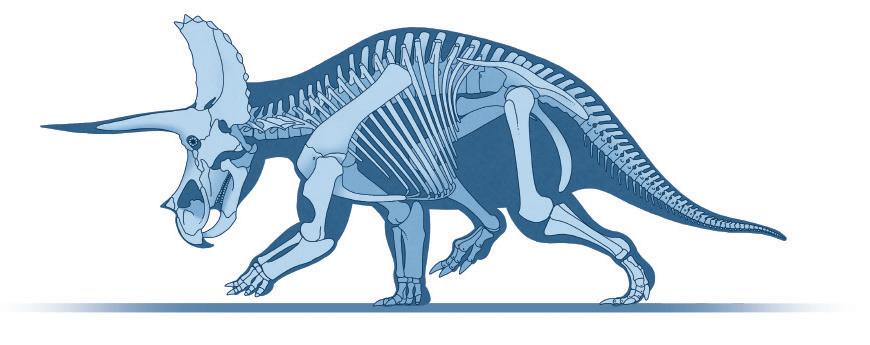
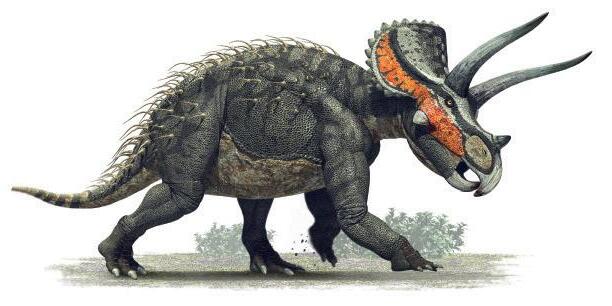
The most amazing thing about these dinosaurs was definitely THEIR HEAD : a skull that could measure up to 6.5 FT (2 M) , a large bony frill and three horns that gave them their name ( TRICERATOPS in ancient Greek means “THREE-HORNED FACE” ). The males used them to defend themselves from predators and to protect their young (when there was some kind of danger , a group of adult Triceratops probably formed a circle , with the cubs in the center, and formed an impenetrable wall, just as bison and musk oxen do today ). The horns were also used in duels between males for the conquest of females. As evidenced in the fossils, the fights were often violent, with serious wounds inflicted on the contenders, .
AND WHAT IF TRICERATOPS NEVER EXISTED? THIS IS A QUESTION THAT TWO IMPORTANT PALEONTOLOGISTS, JACK HORNER AND JOHN SCANNELLA , TRIED TO ASK: IN THEIR OPINION THE TRICERATOPS FOSSILS FOUND UP UNTIL NOW, COULD ACTUALLY BE THE OFFSPRING OF ANOTHER SPECIES OF DINOSAUR, TOROSAURUS , WHICH THE TWO PALEONTOLOGISTS HAVE STUDIED EXTENSIVELY. TOROSAURUS WAS ALSO EQUIPPED WITH HORNS AND A BIG FRILL LIKE TRICERATOPS.
BUT IF TOROSAURUS WAS ACTUALLY THE ADULT FORM OF TRICERATOPS, WHY ARE TOROSAURUS FOSSILS RARER THAN THOSE OF TRICERATOPS? MAYBE THE NUMBER OF YOUNG DINOSAURS WAS GREATER THAN THAT OF ADULTS. THE MORTALITY RATE WAS HIGH AND MANY DID NOT SURVIVE TO ADULTHOOD. HOWEVER, THE ANSWER COULD ALSO BE DIFFERENT: SOME SCIENTISTS ARGUE THAT TOROSAURUS WAS SIMPLY THE MALE OR FEMALE VERSION OF TRICERATOPS.





STYRACO SAURus
SSIZE:
up to 18 ft (5.5 m) long and up to 8.2 ft (2.5 m) tall
WEIGHT: 3.3 t (3 mt)
WHERE IT LIVED: North America
WHERE THE MOST IMPORTANT FOSSILS WERE FOUND: Arizona (USA), Alberta (Canada)
WHEN IT LIVED: 80-75 million years ago
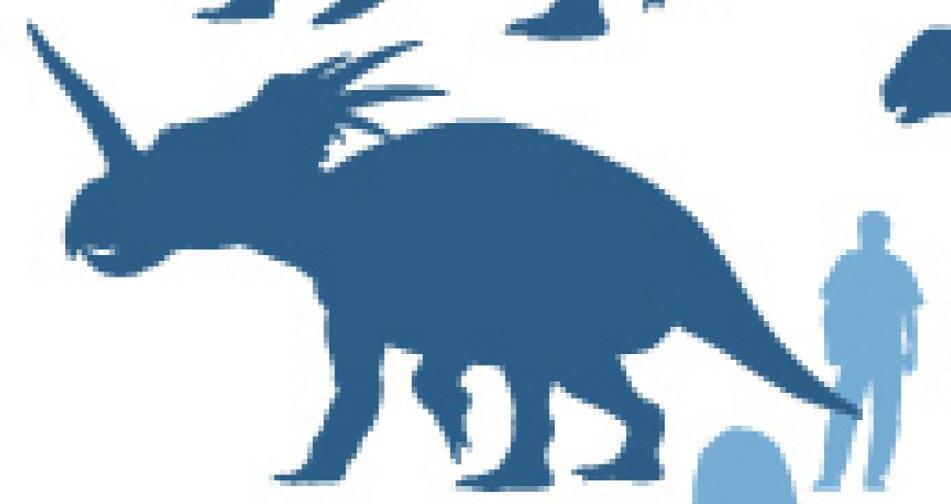
tyracosaurus means “lizard with spikes” and there could not have been a better name: its appearance was really strange! It had a LARGE HORN ON ITS NOSE , up to 3.3 ft (1 m) length, and a GIANT FRILL behind its skull with at least six long, enormous spiky bumps . What they were used for remains a mystery. Initially it was thought that they were used as a defense against predators, but today, another theory has been put forward: the bumps could possibly have been a sign of distinction that allowed different individuals to recognize one another from a distance.

Even the large bony frill surely had an important function. It was first of all a defensive tool against enemies; in addition, the blood flow changes transformed the
color of the skin that covered it , signaling the availability of the males to the females and discouraging potential love rivals. Fossil findings have allowed paleontologists to speculate that these ENORMOUS HERBIVOROUS DINOSAURS often gathered in herds of numerous individuals. Because “unity is strength”, this was a defense strategy against voracious carnivores like the giant Daspletosaurus, which towered at up to 29.5 ft (9 m) of height and like Styracosaurus wandered the area of North America during the same period.
DESCRIBED AS “BONE BEDS”, LARGE DEPOSITS OF STYRACOSAURUS FOSSILS HAVE BEEN FOUND IN ALBERTA, CANADA. THEIR DISCOVERY LED TO THE THEORY THAT THESE DINOSAURS MOVED IN HERDS. THESE PARTICULAR STYRACOSAURUS, PERHAPS IN AN ATTEMPT TO CROSS A BODY OF WATER, WERE SURPRISED BY A FLOOD. SWEPT AWAY BY THE CURRENT, THEY ALL DROWNED AND WERE DRAGGED TO THE PLACE WHERE THEIR FOSSIL REMAINS HAVE BEEN FOUND.



NODO SAURus



SIZE: up to 19 ft (6 m) long and up to 6.5 ft (2 m) tall
WEIGHT: up to 1.1 t (1 mt)
WHERE IT LIVED: North America
WHERE THE MOST IMPORTANT FOSSILS WERE FOUND: Wyoming, Kansas (USA)
WHEN IT LIVED: 95-90 million years ago

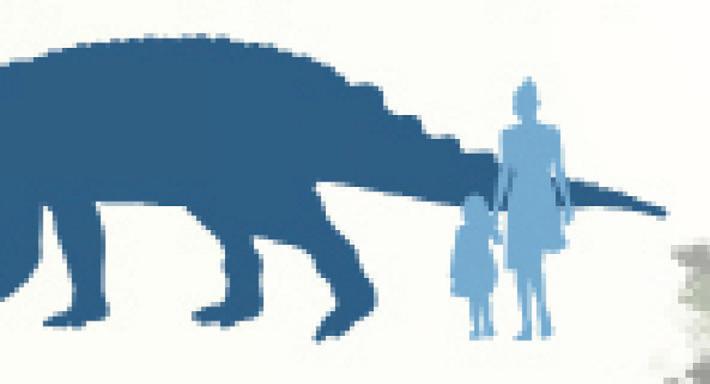
NODOSAURUS was one of the first armored dinosaurs to have been discovered. Its fossil remains were unearthed in 1889 in the US state of Wyoming. Since then, paleontologists have found very little further evidence, therefore what is known of this dinosaur is still quite uncertain and based on very incomplete specimens . It is thought, however, that this herbivore had a RELATIVELY SMALL HEAD compared to the rest of its body which was covered in bony plates and full of knots and bumps (its name actually means “KNOTTED LIZARD” ). When it was in danger, it reacted a bit like armadillos do: it flattened itself to the ground to protect its stomach that was not “armored” like its back and curled up as much as possible becoming an impregnable fortress At this point, the predator’s teeth, could not hurt it: a PASSIVE DEFENSE TECHNIQUE but a very effective one. On the other hand, it did not have many other defense options, considering its short, stubby legs that made it move slowly and clumsily.
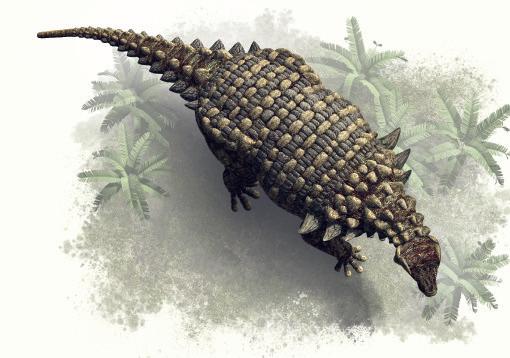
ONE OF THE UNANSWERED QUESTIONS ABOUT NODOSAURUS IS WHETHER OR NOT IT HAD A ROW OF SHARP SPIKES ON EACH OF ITS SIDES. OTHER DINOSAURS BELONGING TO THE SAME FAMILY OF NODOSAURIDAE, SUCH AS THE POLACANTHUS OR THE HYLAEOSAURUS, WERE EQUIPPED WITH THEM. THE SPIKES WOULD HAVE MADE ITS ABILITY TO DEFEND ITSELF FROM PREDATORS MUCH MORE EFFECTIVE, AS IT COULD HAVE STRUCK CARNIVORES AS THEY WERE ATTACKING, INFLICTING SERIOUS INJURIES.



STEGO SAURus
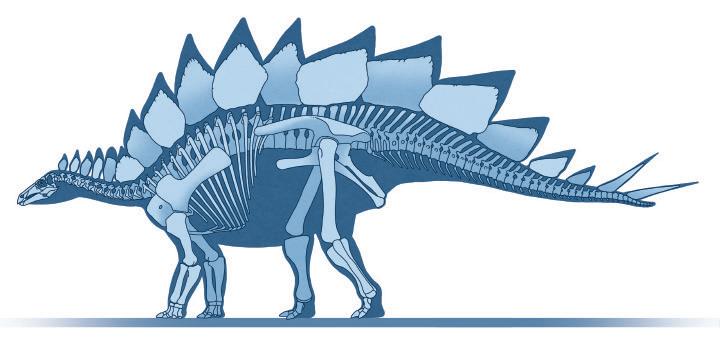
According to researchers, its bite was similar to that of sheep and cows today : it was therefore able to also feed on leathery plants and not only on ferns and equisetum as it was assumed up until a short time ago. Moreover, it is not entirely impossible that it had the ability to rise up on its hind legs using its TAIL AS A SUPPORT to reach higher vegetation, thus cutting out competition for food by other herbivorous animals that lived in its habitat.
THE MOST COMPLETE FOSSIL OF A STEGOSAURUS IN THE WORLD IS EXHIBITED AT THE NATURAL HISTORY MUSEUM IN LONDON. IT IS 9.8 FT (3 M) HIGH AND 19.6 FT (6 M) LONG AND WAS NICKNAMED ‘SOPHIE’ ALTHOUGH IT IS IMPOSSIBLE TO DETERMINE IF IT WAS A MALE OR A FEMALE.
THE SKELETON, WHICH ACCORDING TO SCIENTISTS IS 90 PERCENT COMPLETE, INCLUDES MORE THAN 300 BONES AND 19 DORSAL PLATES AND WAS FOUND IN THE AMERICAN STATE OF WYOMING IN 2003. WE KNOW THAT IT HAD TO HAVE BEEN A YOUNG INDIVIDUAL AND THAT IT LIVED ABOUT 150 MILLION YEARS AGO, BUT THERE IS NO PRESEREVD EVIDENCE TO HELP US UNDERSTAND THE CIRCUMSTANCES OF ITS DEATH.