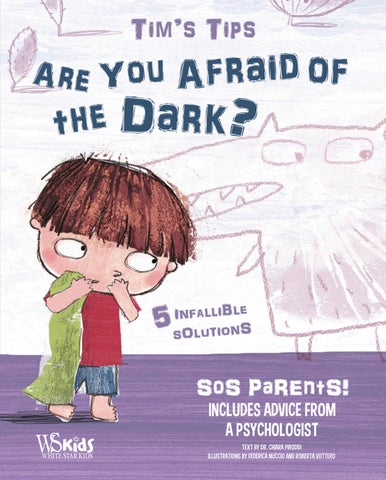
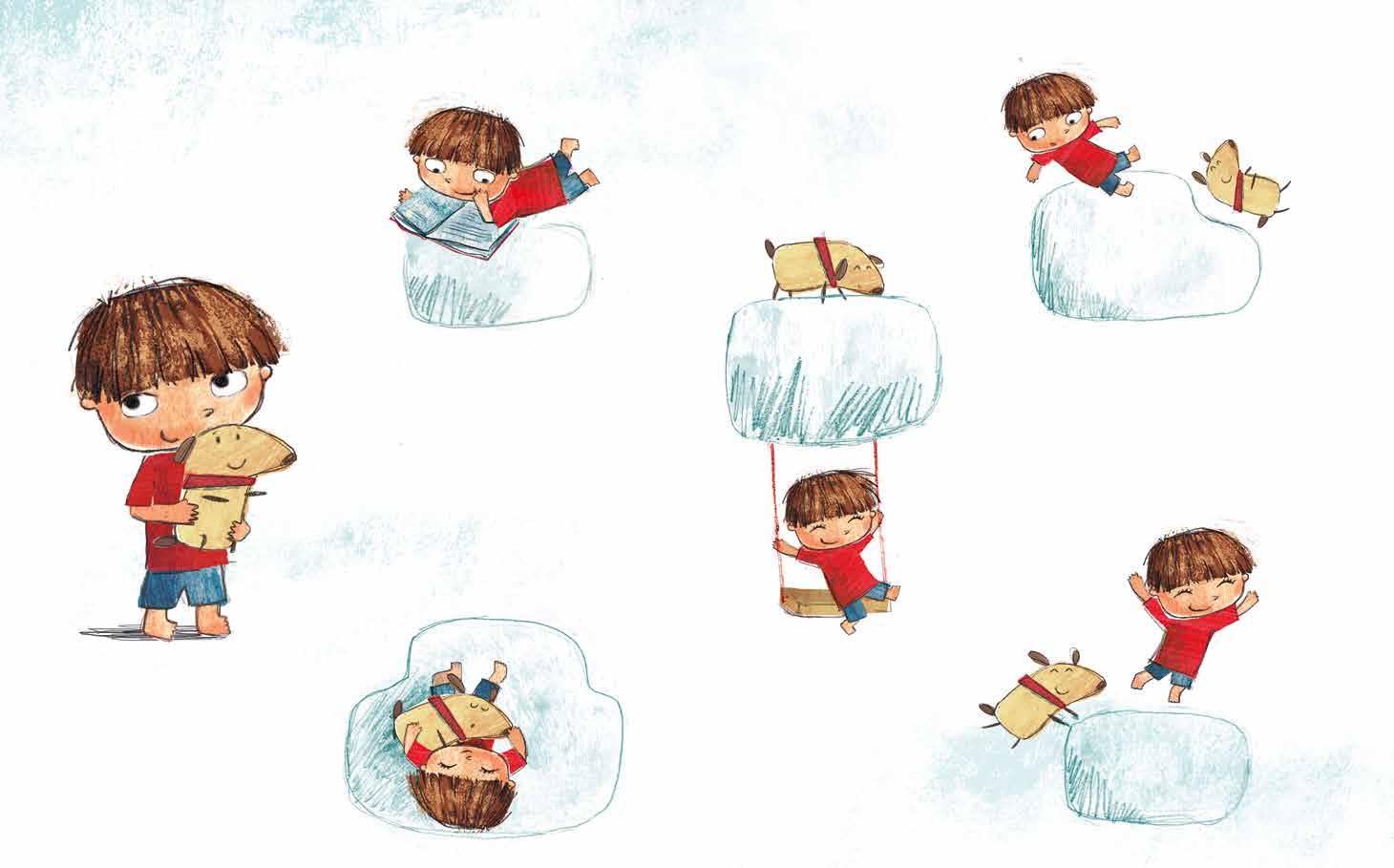
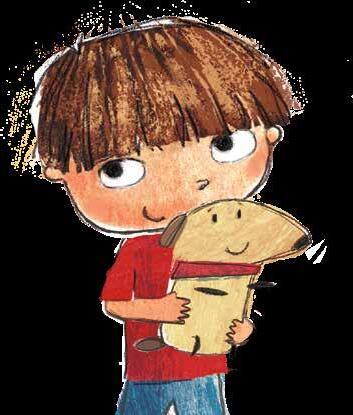
Hi, my name’s Tim, and this is my little dog Flea!
we read stories
. . . . . . we observe the clouds . . .
We do lots of things together . . .
. . . we play in the park . . . . . . we do somersaults . . .
. . . we are just happy!
But
one day . . .
Brrr
. . .
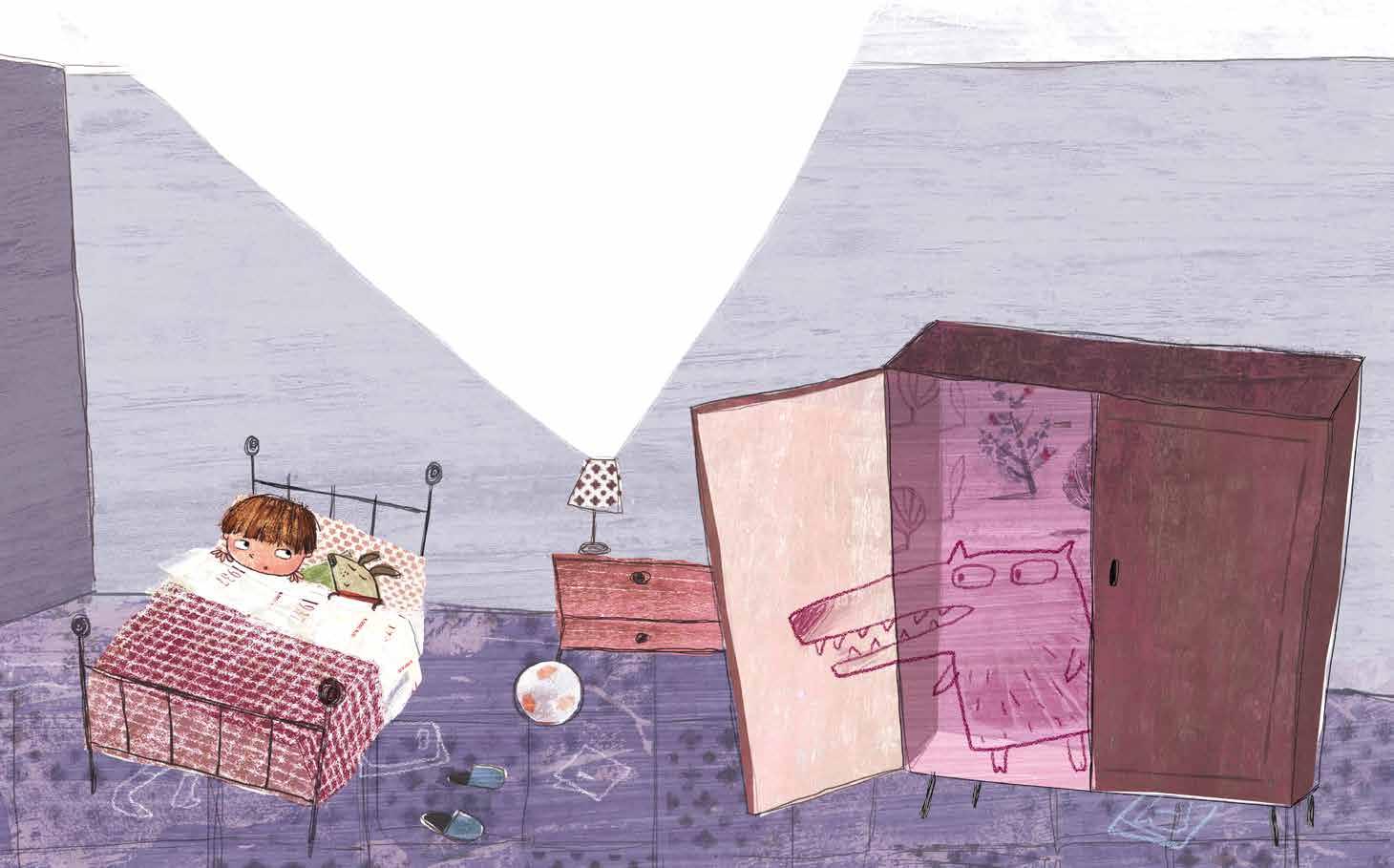
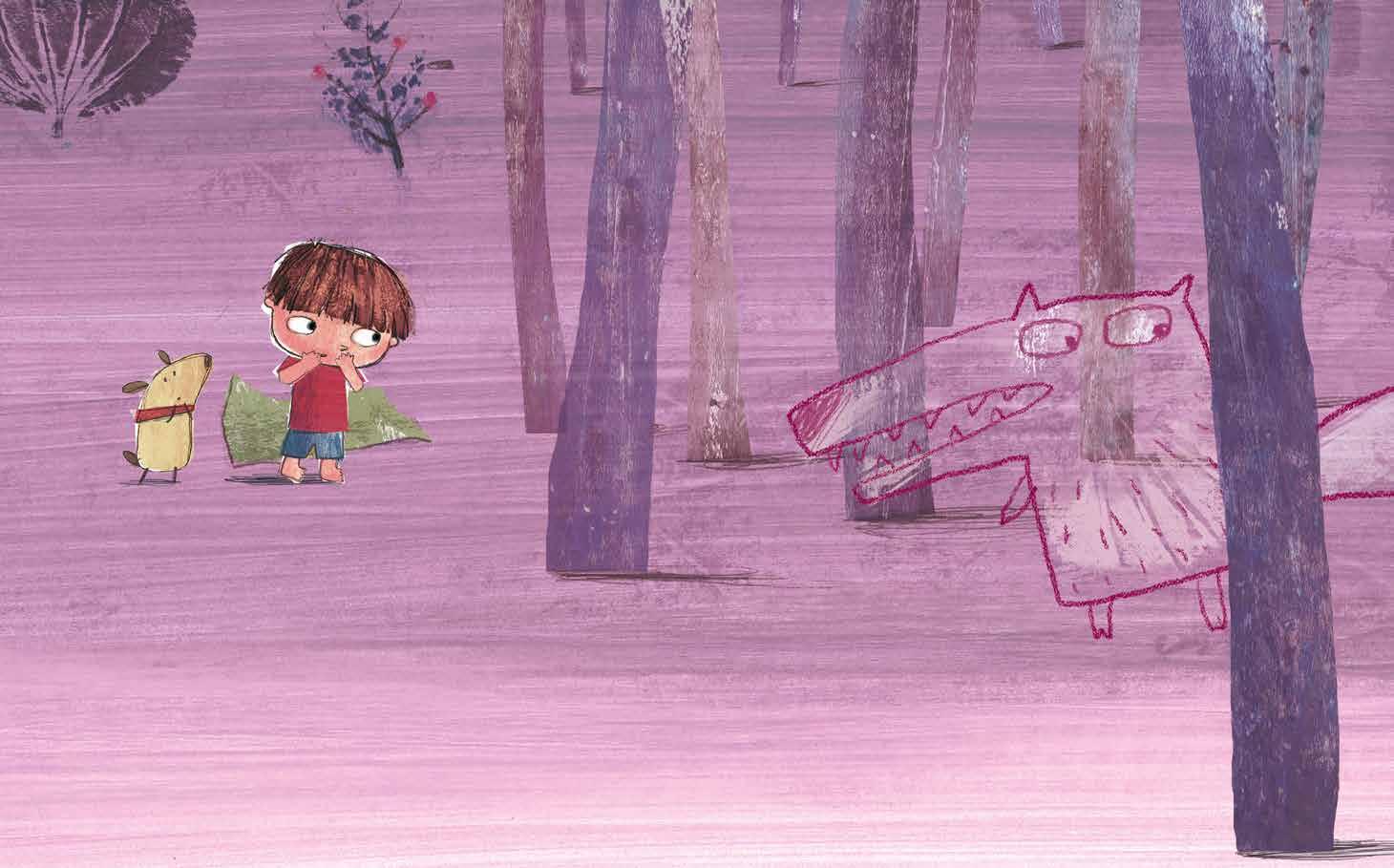
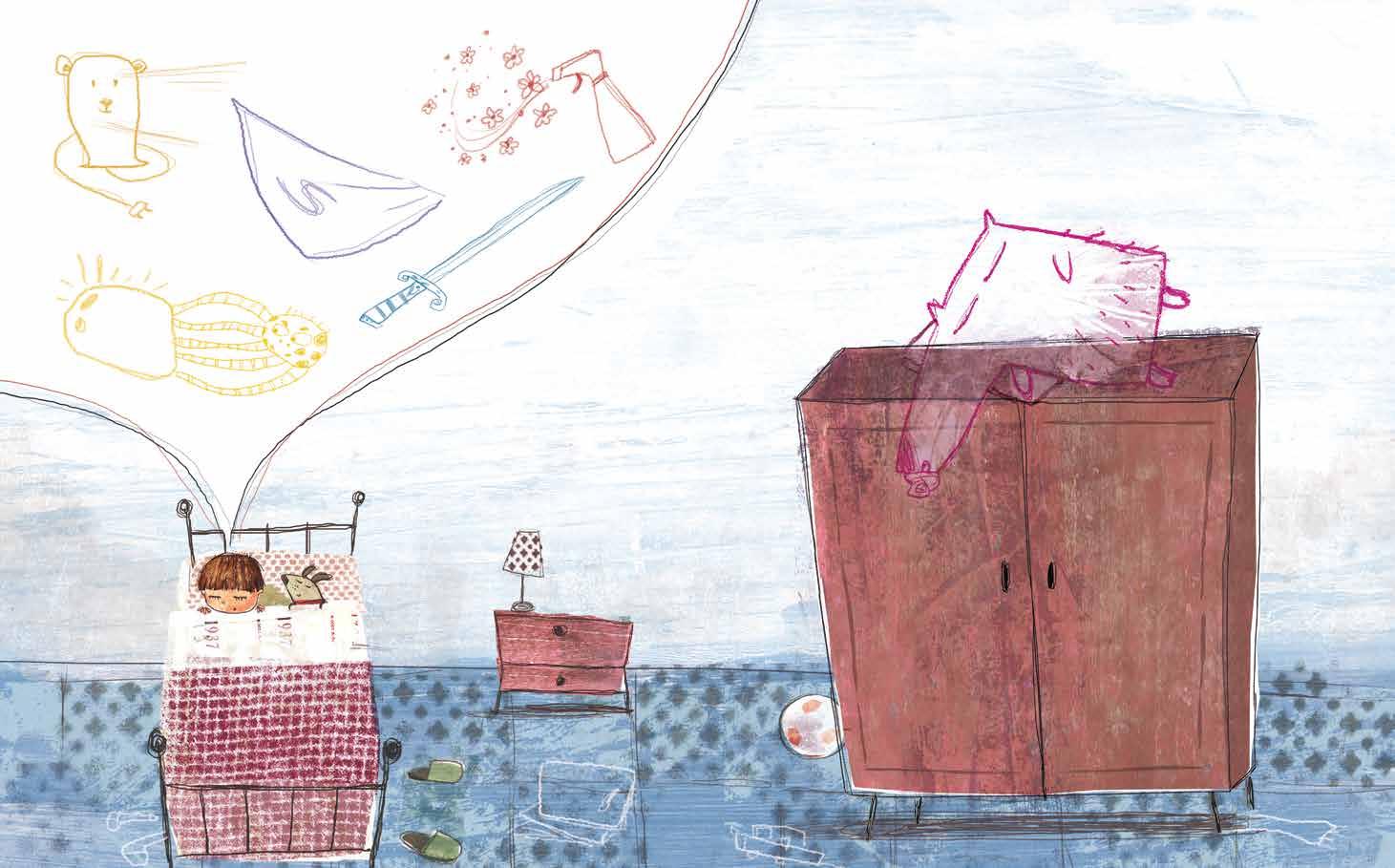
One day, well, one night, I heard strange, scary noises coming from my wardrobe. Brrr . . . it makes me shiver to think about it! It had to be a monster!
Zzzz . . .
After that, I had nightmares every night! By any chance, has it happened to you too?
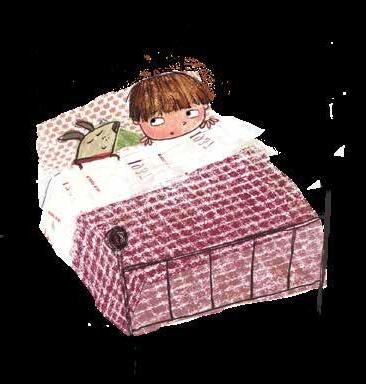
I hid under the covers with my eyes wide open. How strange: my hands were shaking like leaves, my teeth were chattering, and I was sweating just like I do when I ride my bike! All I could think was that I wanted to hide.
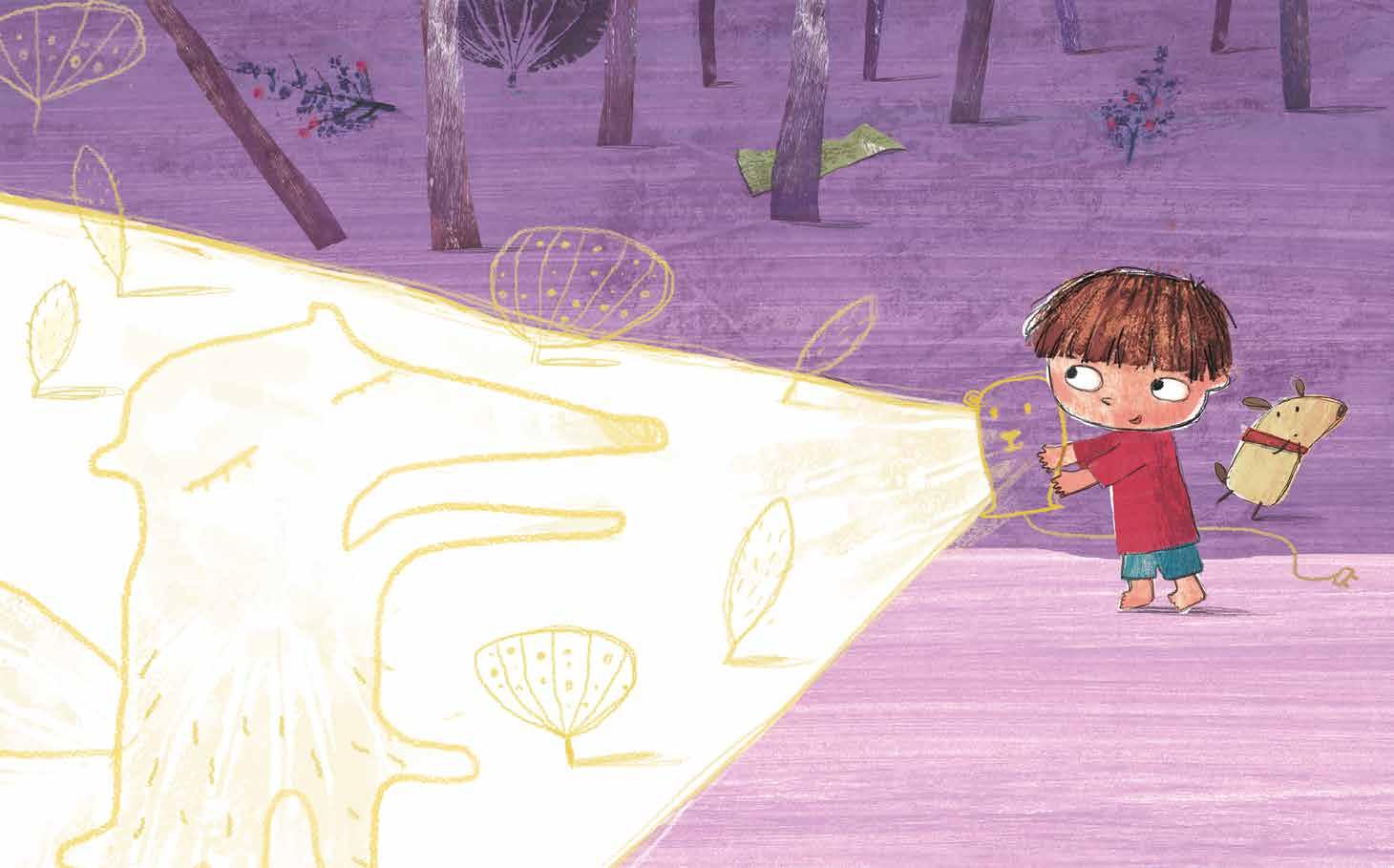
I turned on the bedside lamp that looks like a bear because monsters hate light and they crumble like a cookie when a ray of light strikes them.
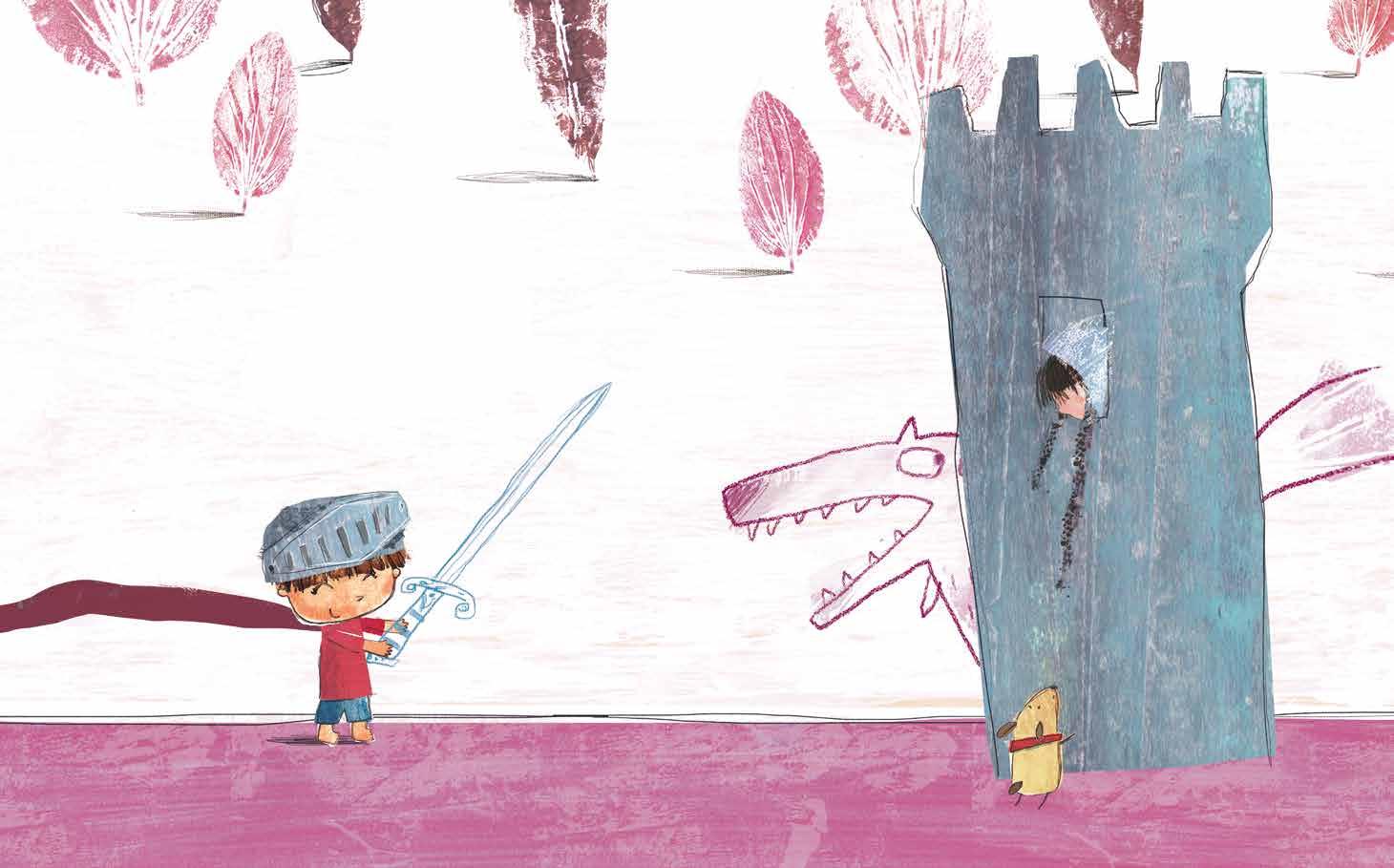
I asked Mommy to read me a story before I went to sleep because the story about the brave knight always makes me feel invincible, and I know my iron sword will keep the monster away.
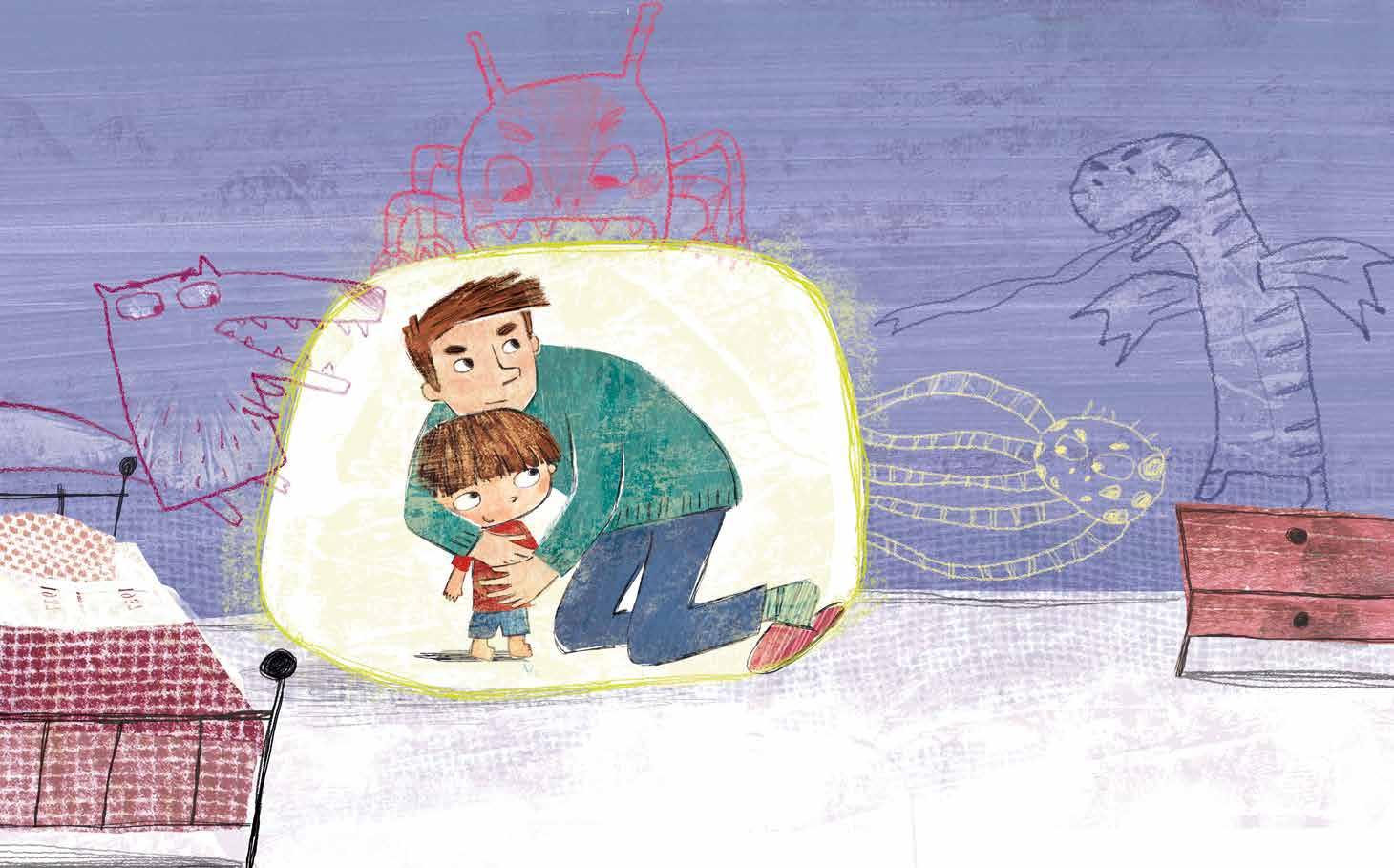
I asked Daddy to stay with me until I went to sleep because I know when his large, strong hands hold me, they protect me from any monster that walks the earth.
I even wore my superhero pajamas . . .
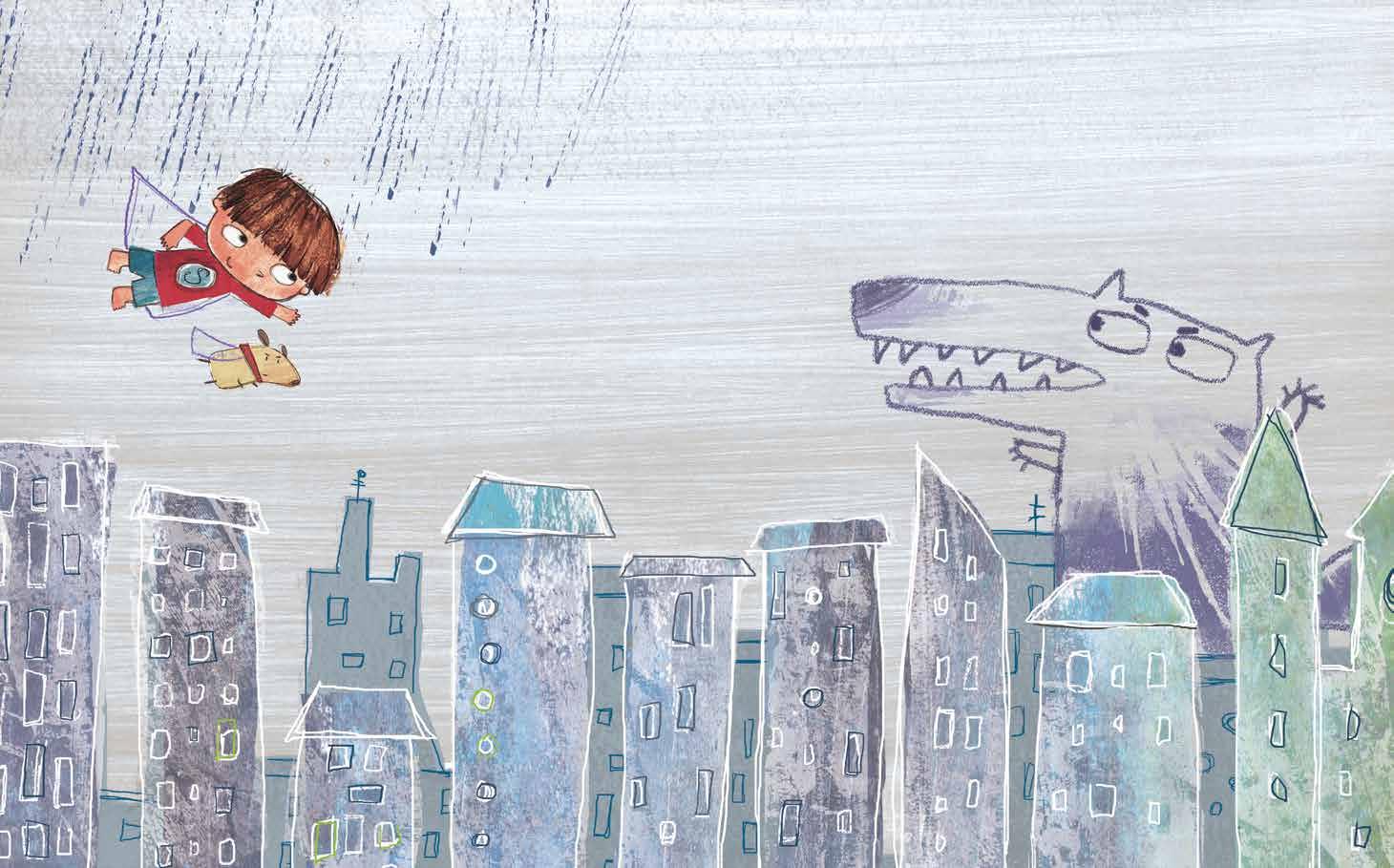
WOW! I can fly so high! From all the way up here I can see where the monster is hiding and frighten him with my superhero muscles!
I left my anti-monster kit on the bedside table.
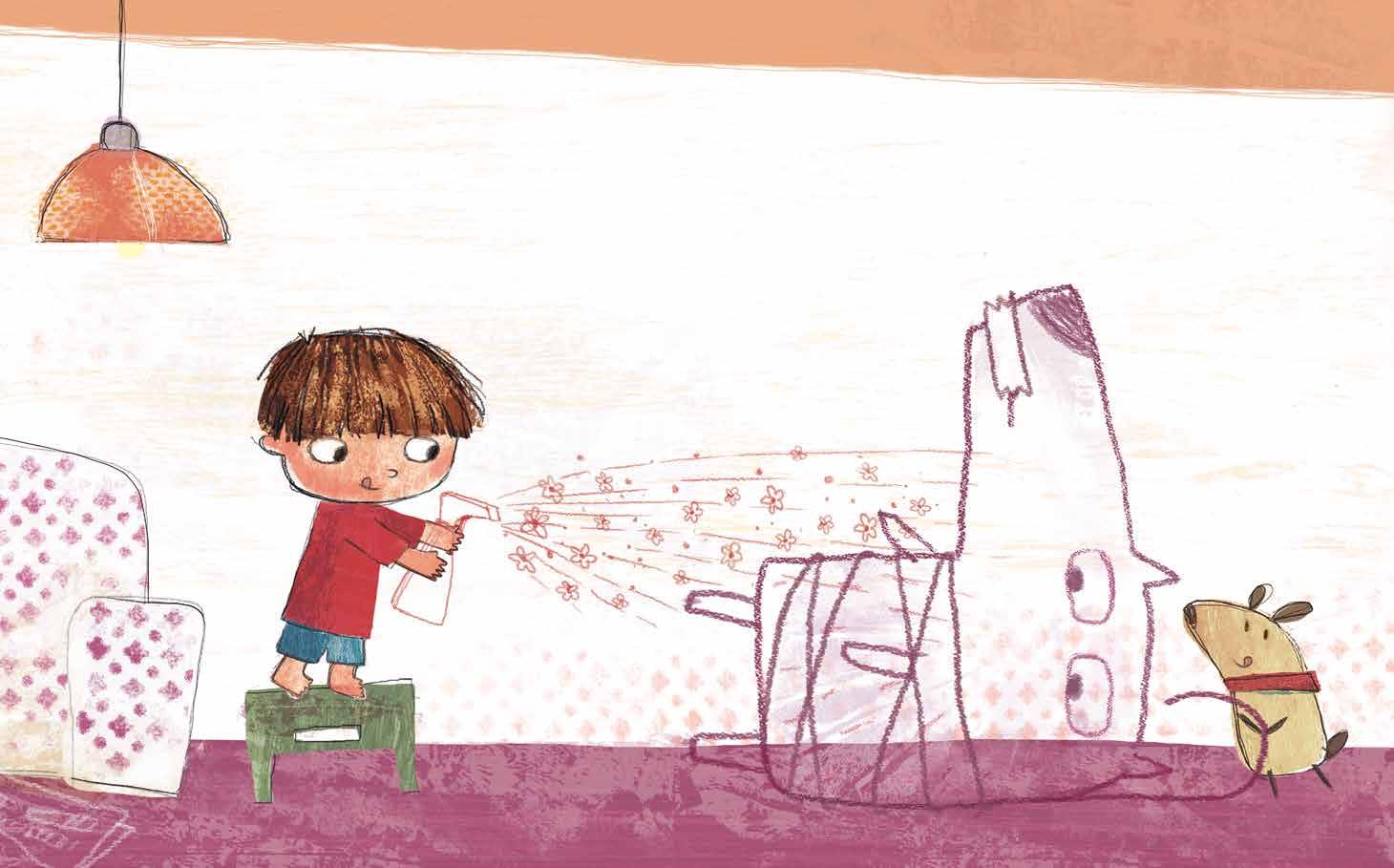
It has a jasmine deodorizer spray to stun him, string to tie him up, and sticky tape to put over his mouth.
I
tried . . . light on superhero pajamas knightsstoryabout
spray
inarmor
hugs from daddy anti-monster
In the end it worked; the monster doesn’t scare me any more.
When Mommy and Daddy say goodnight, I am not afraid. Now I know that there are only T-shirts and socks in the wardrobe.
Why don’t you try my 5 ideas and you’ll see that the dark is not so frightening after all!
ADVICE FROM THE PSYCHOTHERAPIST
How should you handle a frightened child? Encourage them? Explain their fear? Play it down? Fear is a fundamental emotion, as it allows us to develop our ability to recognize danger and learn to protect ourselves from it. Moreover, children’s fears are often a way of communicating things that they otherwise would be unable to verbalize. It is therefore vital that children are allowed to experience and share their fears. Here are some suggestions on how to help children overcome their fears.
The first thing you should do is listen to your child. Ask them to take a deep breath and then get them to tell you every detail of their fear. Give them all the time they need to tell you what they imagine, what goes on in their head, and what they are feeling.
EMBRACE
Show genuine interest in what you are hearing, without playing it down or ridiculing, regardless of how irrational the fear may seem. Give importance to the fact that they are opening up about how they feel and that they see you as a safe reference point, someone that makes them feel protected. Don’t try to find an immediate solution. Share your child’s emotion with them. You can cuddle them, stroke their hair, or tell them that you are there for them.
Tell your child that what they are feeling—a racing heart, shaking hands, crying, and even sweating—is called fear. Tell them that everyone gets scared and that fear is an important, useful emotion. Tell them of a time when you were once afraid. A brave person is not someone who never gets scared, but someone who knows how to recognize fear and lets themselves feel it, and someone who therefore is able to develop mechanisms to deal with all situations.
NORMALIZE ENCOURAGE
You can spend time together looking for a solution, encouraging your child to find their own coping mechanisms. Remind them of other times they have been afraid but were able to deal with it. Show them that you believe in them, that you trust in them. Then try to rationalize the characteristics of fear: How big can a monster really be? Do you really think it could fit under the bed or in the closet? Should we measure the space? And how could the monster possibly know our house better than we do since we live here?
RESPECT
Give your child the freedom to decide when to let go of their emotion, without forcing them. They have to feel ready to move beyond fear; they must not do it to make you happy. Stay with them patiently; it will pass!
Now, enjoy Tim and Flea’s anti-monster strategies together!