Foreword
Unexpected spark
Sometimes a great story begins with a small gesture. In 2020, it was a letter written by museum visitor Pieter Spanjersberg that landed like an unexpected spark on the desks of Chief Curator Annemiek Rens and then General Director Harry Tupan. A quiet prompting that pointed us towards an artist’s body of work, still outside our field of vision, yet one that would soon never leave our thoughts.
What followed was a journey that, ironically, began at a time when travelling was impossible. While the world fell silent under the weight of the pandemic, the first outlines of a new project were taking shape elsewhere. Through the warm, open connections with the Indian Embassy in the Netherlands, a bridge was built to the National Gallery of Modern Art in New Delhi. The Dutch Embassy in India joined soon afterwards, as though the threads were weaving themselves naturally into a single story.
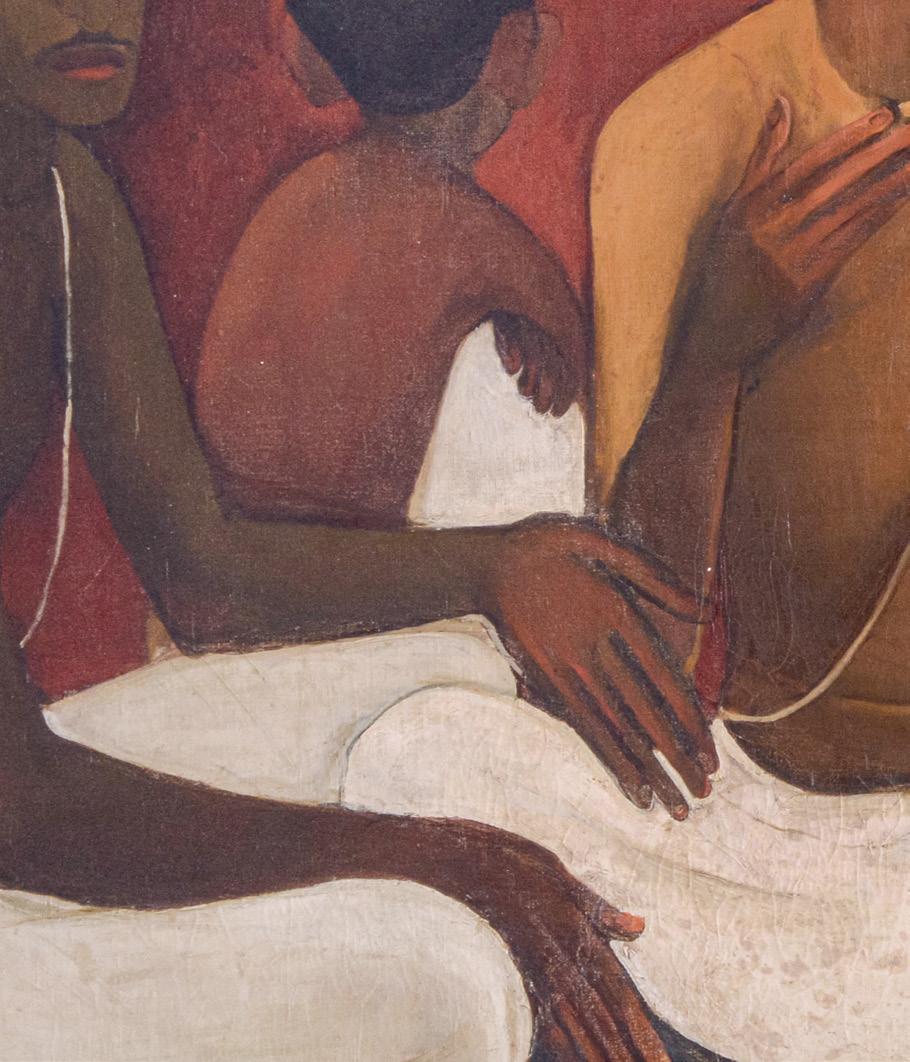
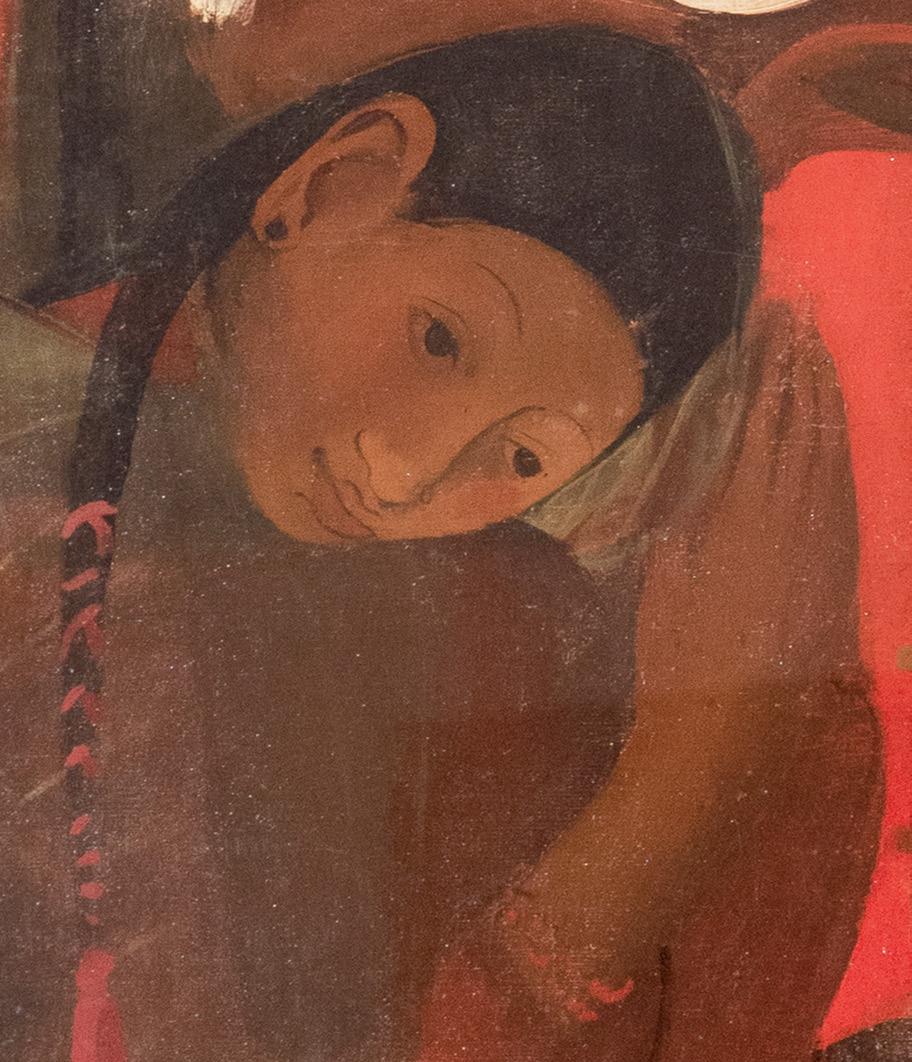
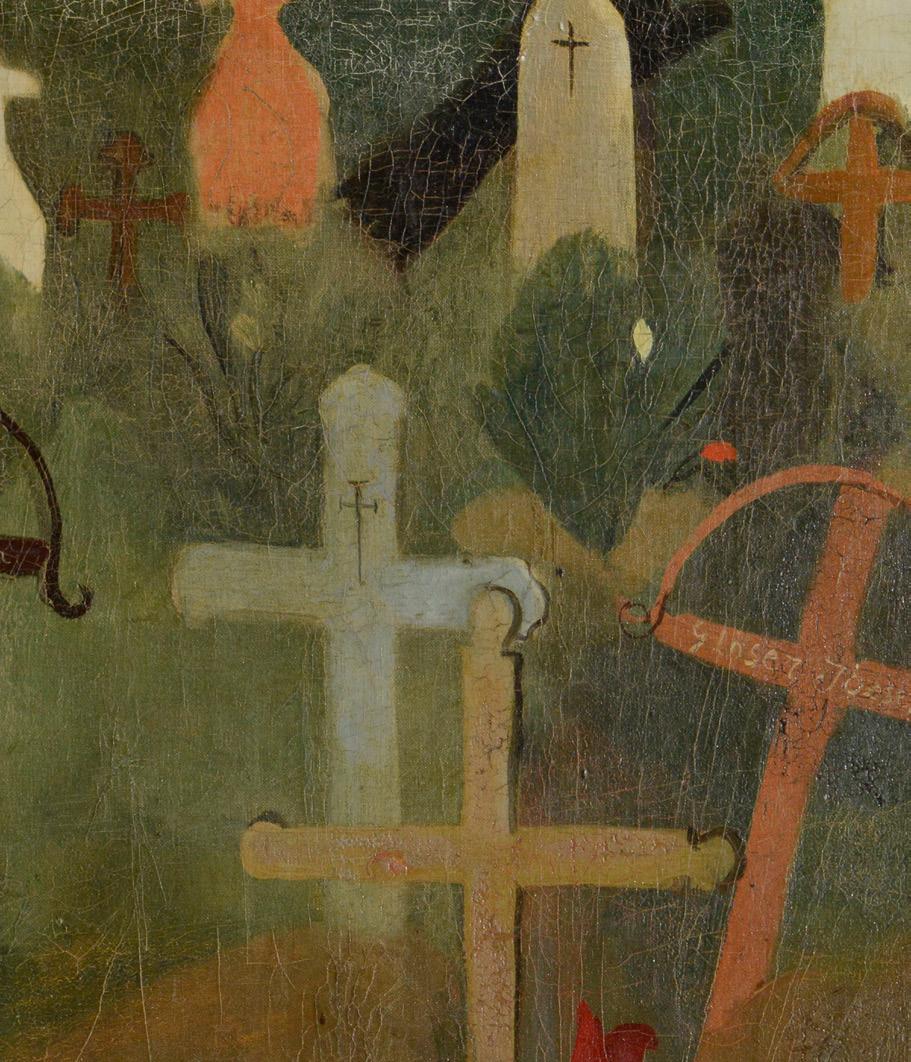
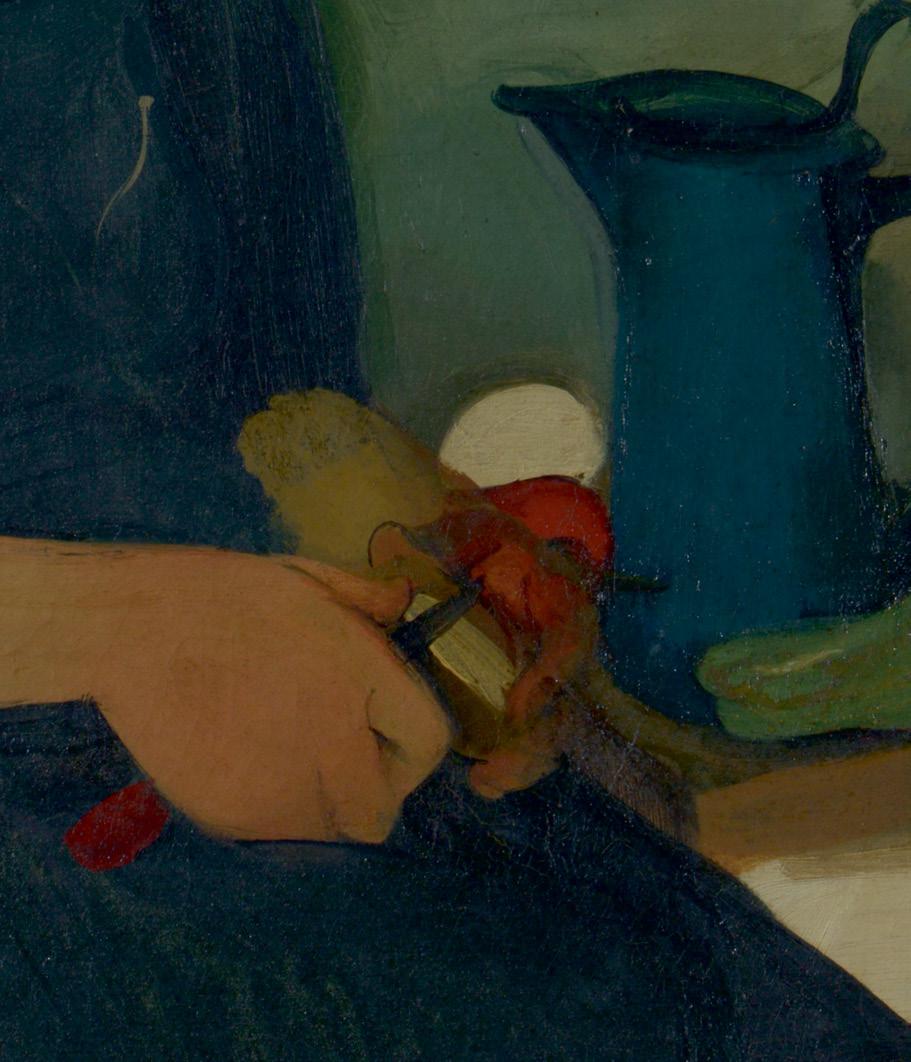
When Harry and Annemiek first saw the work of Amrita Sher-Gil – at a distance, yet strikingly close – it was as if a door had opened somewhere. The power of her paintings, and the profound authenticity of her imagery, left no room for doubt. This was art that deserved a new audience. Art that needed to find its way to the Netherlands, to an exhibition, to a book. To people willing to be touched by her artistic gaze. But Sher-Gil’s work is national heritage in India, carefully protected and cherished. It may only leave the country with special permission. As a result, exhibitions outside India have remained rare: only a few solo presentations in Budapest (2001), Munich (2006–2007) and London (2007) mark those exceptional moments.
That we will be able to present the first exhibition in the Netherlands in 2026 therefore feels both a privilege and a promise. A moment in which years of preparation, dedication and mutual trust come together. A new encounter between India and the Netherlands, between present and past, between a powerful artistic voice and an audience that has yet to get to know her.
Within our museum, Amrita Sher-Gil’s work resonates effortlessly with the narratives we hold dear: art from the early twentieth century, artists who broke open the boundaries of their time, and voices that – as in our earlier exhibitions, including that of Frida Kahlo – continue to inspire generations.
Acknowledgements
With profound gratitude, we wish to thank all those who have made this journey possible. In particular, the National Gallery of Modern Art in New Delhi, including General Director Sanjeev Kishor Goutam, Director Pooja Hali, and curators Sushmit Sharma, Meghna Vyas Arora and Aprajeeta Singh. We also thank Shri Vivek Aggarwal, Secretary, and Lily Pandeya, Joint Secretary of the Indian Ministry of Culture.
We are especially grateful for the invaluable support of the embassies, with warm thanks to Ambassador Marisa Gerards and Cultural Officer Shweta Kaushik of the Dutch Embassy, and Ambassador H.E. Mr Kumar Tuhin and First Secretary Tara Pathak of the Indian Embassy. Former King’s Commissioner Jetta Klijnsma played an important role in the realization of this project. Thanks to Devika Daulet-Singh of Galerie PHOTOINK and Geeta Kapur, we are able to present a large number of impressive personal photographs of Amrita Sher-Gil.
This book was written by Annemiek Rens in collaboration with the curatorial team of the National Gallery of Modern Art and junior curator Berber van der Veer of the Drents Museum, and was published by Marloes Waanders and Stefanie Klerks of Waanders Publishers. The design was created by Loes Claessens.
We would also like to extend special thanks to Pieter Spanjersberg, who, with a single letter, opened a path that led to this remarkable exhibition.
Dr. Robert van Langh
General Director - Drents Museum and Drents Museum De Buitenplaats
Amrita: artist, cosmopolitan, free thinker
The story of an icon
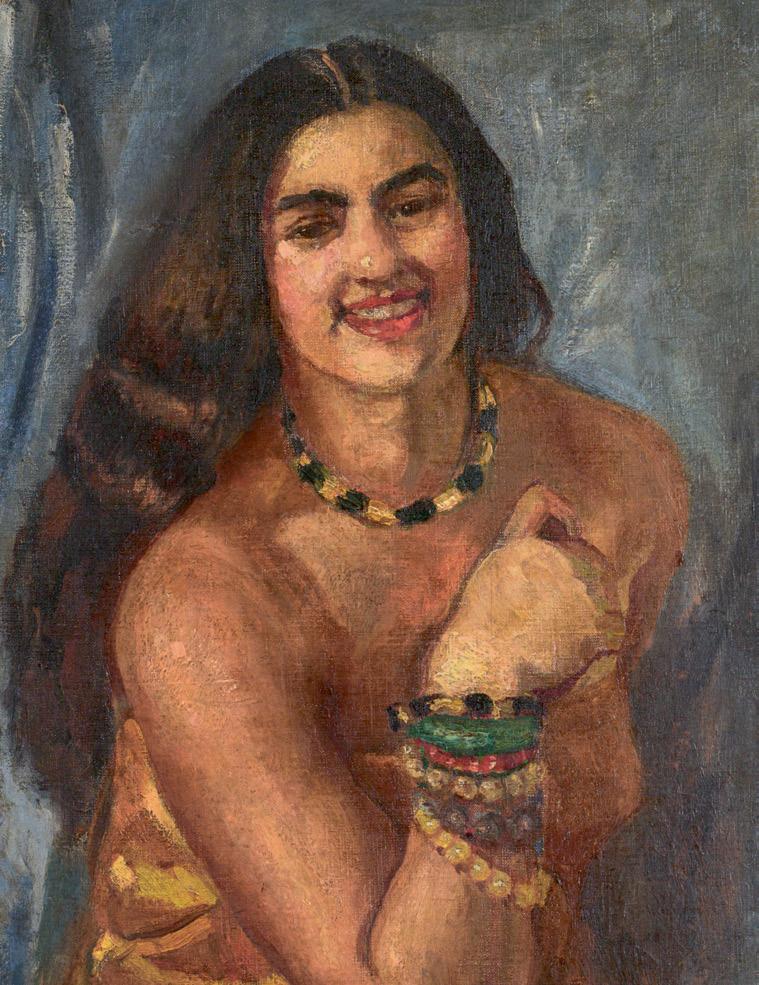
With her outspoken and progressive ideas on art, faith, politics, love and equality, Amrita Sher-Gil made a striking impression. In her numerous self-portraits and nude studies she presented a new image of womanhood, and through her art she also became a voice for the people of India. In her short life she combined a rebellious spirit with boundless creativity,
leaving an indelible mark on art. She has inspired generations of artists after her. Her IndianHungarian heritage connected different parts of the world. In her work, Western modern art and traditional Indian art merge into an entirely new style through which Sher-Gil has claimed her own place in history.
'Europe belongs to Picasso, Matisse, Braque, and many others. India belongs only to me.' With these confident words, Amrita Sher-Gil (1913-1941) positioned herself in the international art world. She lived only 28 years, but left behind an impressive and influential body of work. Yet Sher-Gil remains surprisingly unknown outside India. She is considered the founder of modern Indian art, and her work is regarded as national heritage in India. Her art is therefore rarely seen outside the country.
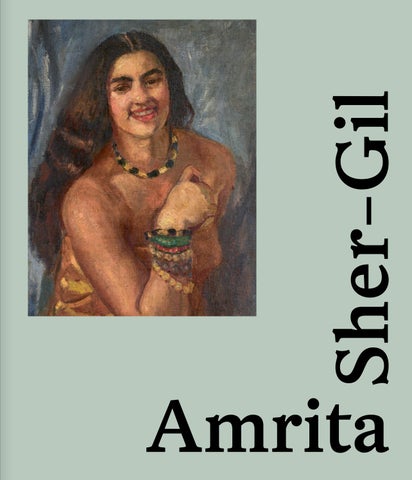
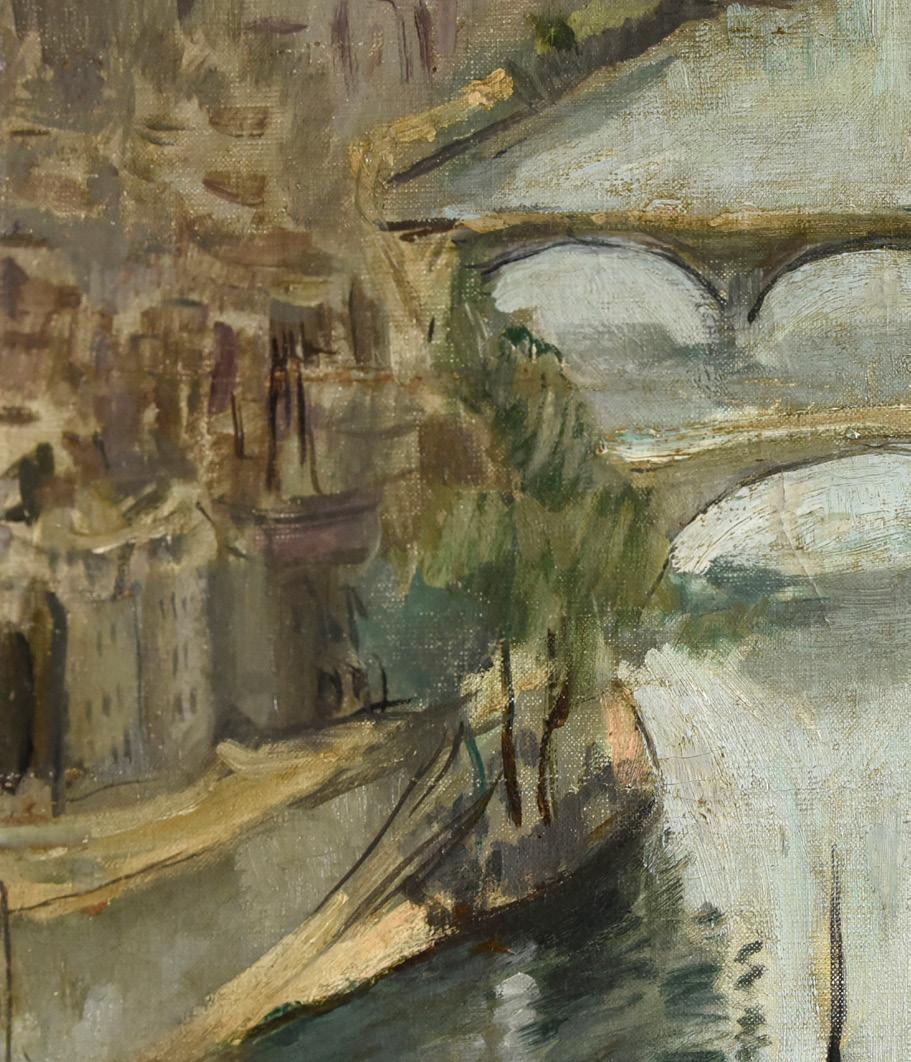
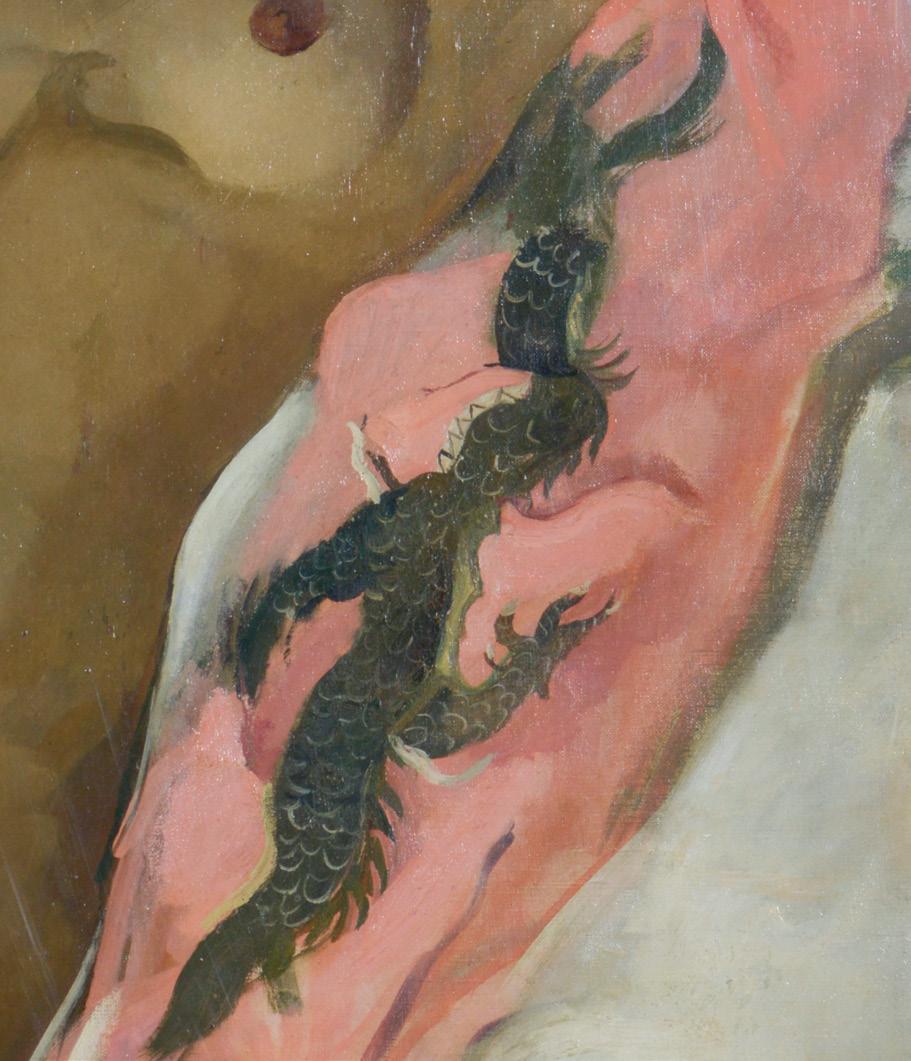
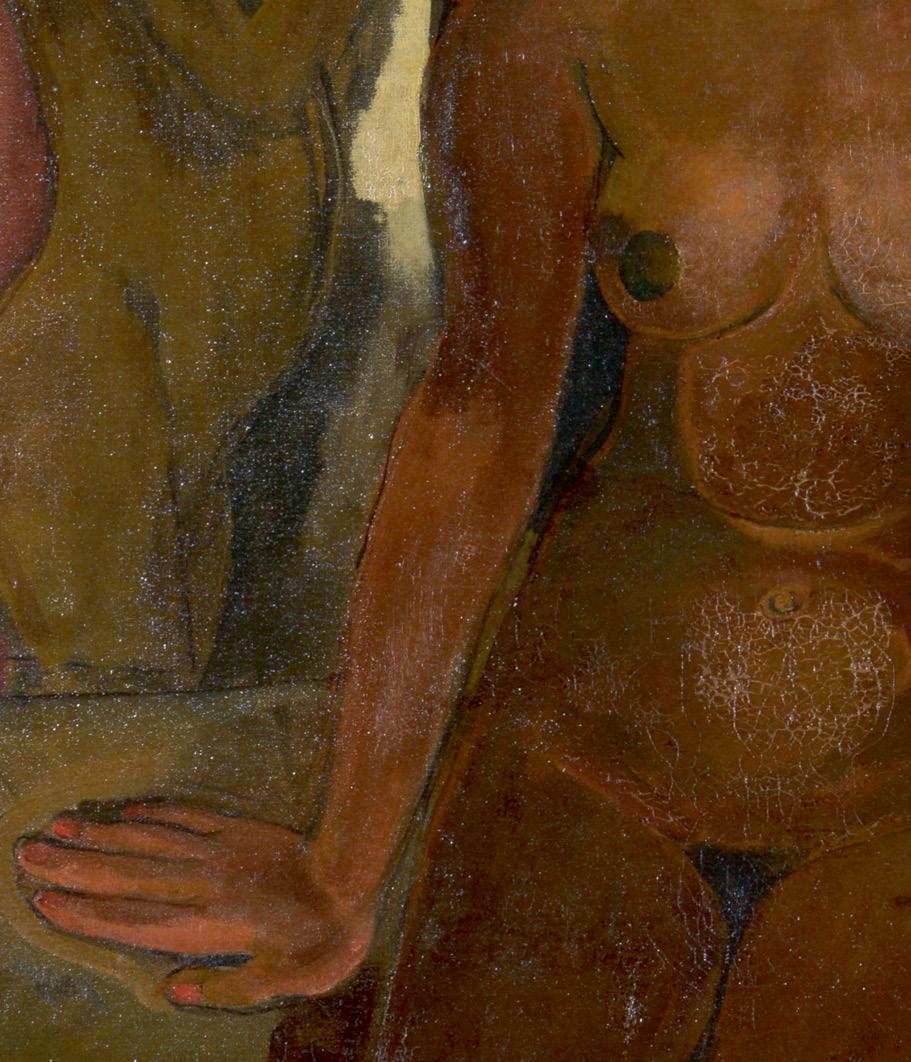
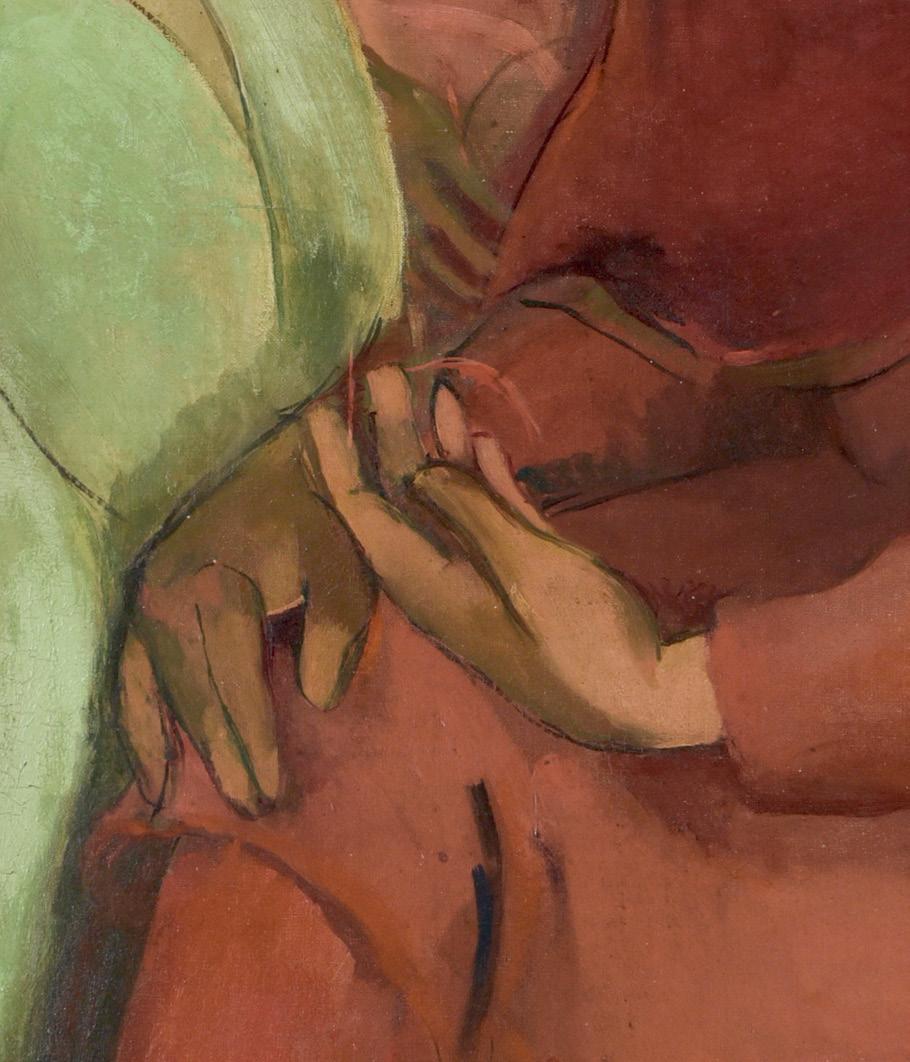
This book tells the story of the Hungarian-Indian Amrita Sher-Gil: her art and her life. Born in Hungary and educated in France, Sher-Gil's artistic quest ultimately led her back to India. She managed to connect Western modern art with Indian traditions, inspiring generations of artists. On the occasion of the first major retrospective exhibition in the Netherlands, this book offers a wonderful overview of her work.