
Published by Accelerate Learning Inc., 5177 Richmond Ave, Suite 800, Houston, TX 77056. Copyright © 2025, by Accelerate Learning Inc. All rights reserved. No part of this publication may be reproduced or distributed in any form or by any means, or stored in a database or retrieval system, without prior written consent of Accelerate Learning Inc., including, but not limited to, in any network or other electronic storage or transmission, or broadcast for distance learning.
To learn more, visit us at www.stemscopes.com.
Scope Overview
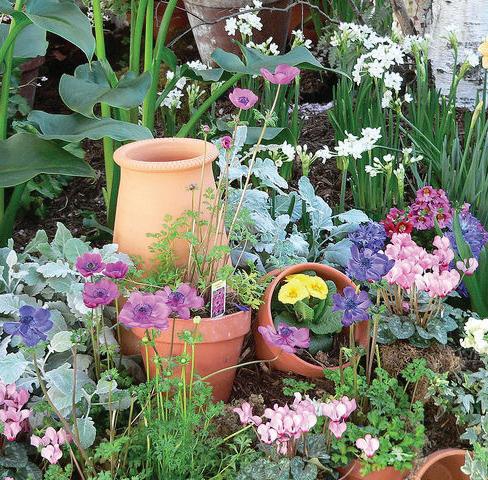
This unit builds foundational understanding of living and nonliving things through direct observation, comparison, and simple data representation. Students use their senses and tools to note characteristics, identify basic needs (air, food, water), and apply these criteria to classify objects and organisms, including evaluating tricky cases. They record findings, create basic graphs to communicate patterns, and connect their work to how scientists study the natural world. Instruction centers on evidence-based reasoning to meet the expectation of distinguishing living from nonliving by observable characteristics.
The student is expected to demonstrate an understanding of living and nonliving things by using observations to define characteristics that make them different.
• Living things have basic needs that must be met in order to live, while nonliving things do not. These basic needs include air, food, water, and the environment in which we live.
• We can sort and classify living and nonliving things based on whether or not they have basic needs and the ability to produce offspring.
• Scientists use observations to learn about living things.
Scope Vocabulary
The terms below and their definitions can be found in Picture Vocabulary and are embedded in context throughout the scope.
Characteristic
A feature that helps identify something Environment
Everything that is around a living thing
Nonliving
Anything that is not living
Observe
To use the senses to examine or inspect
Organism
A single living thing
Requires energy, grows, can produce offspring, and dies
Notes
Students compare observable characteristics to distinguish living from nonliving things.
• Observe and describe a classroom pet for two minutes, then a rock for two minutes, using their senses.
• Discuss observable differences (e.g., movement, breathing) and identify basic needs of living things and what happens if those needs aren’t met.
• Brainstorm additional examples of living and nonliving things.
Scientific Investigation - It’s Alive! Or Is It?
Students investigate how to distinguish living from nonliving things by collecting, analyzing, and representing data.
• Rotate through workstations to observe objects and organisms, use simple tools, and record observations tied to basic needs.
• Apply the rules (needs air, food, and water) to classify each item as living or nonliving and evaluate special cases (e.g., moving toys, chemical reactions).
• Create a simple bar graph in their journals to display and compare their conclusions.
Research - Scientists That Make a Difference
Students explore how scientists observe the natural world and document their learning.
• Listen to read-alouds about Carl Linnaeus, John James Audubon, and Jane Goodall to learn what each studied
• Discuss why observation matters and connect examples to living vs. nonliving
• Create a three-page research booklet by writing each scientist’s name and drawing the organism they observed (plant, bird, chimpanzee) using reference images
Notes
Estimated 15 min - 30 min
Students use their senses to differentiate between living and nonliving things.
Materials
Reusable
● 1 Classroom pet (per class)
● 1 Large rock (per class)
Consumable
● Food for the classroom pet (per class)
SEP Connection
Analyzing and Interpreting Data
Have classroom pet and the food in a place visible to all students. (If you do not have access to a classroom pet, there are multiple free animal webcams that you can access.)
During this activity, students will analyze and interpret data by recording and sharing their observations of a classroom pet and a rock. They will use these observations to describe patterns and relationships in the natural world, helping them answer the scientific question of why some things grow and change while others stay the same. Students will compare their predictions based on prior experiences with their observations to understand the differences between living and nonliving things.
Notes
CCC Connection
Patterns
Structure and Function
During this activity, students will plan and conduct an investigation collaboratively to produce data that serves as the basis for evidence, as they use their senses to differentiate between living and nonliving things. By observing the classroom pet and a rock, students will make observations and measurements to collect data that can be used to make comparisons, addressing the phenomenon of why some things grow and change while others stay the same forever.
1. Students observe the classroom pet and describe what they see for 2 minutes.
2. Next, students should observe and describe a rock for 2 minutes.
3. Lead students to understanding with the following questions:
● What differences did you notice between the animal and the rock? The animal moves, and the rock does not. The animal breathes, and the rock does not.
● What does the animal need in order to remain alive? The animal needs air, food, water, and shelter.
● What will happen to the animal if its needs are not met? The animal will not survive.
● Can you name three additional living things? Humans, dogs, cats, and fish are also living.
● Does the rock have basic needs? No, the rock does not have any needs. Why not? It is not living.
● Can you name three additional nonliving things? Air, stars, and clothes are all nonliving things.
Why do some things, like animals, grow and change, while others, like rocks, remain the same?
1. What characteristics allow living things to grow and change, and why don’t nonliving things exhibit these characteristics?
2. How do the needs of living things, such as food and water, contribute to their ability to grow and change?
3. In what ways can observing the differences between living and nonliving things help us understand the phenomenon of growth and change in the natural world?
Notes
Help students focus by defining scientific observation; quickly review the five senses scientists use to make observations.
Record the list of living and non-living things. If students are unsure or not everyone agrees on some things, create a third list for unknown. Return to these lists throughout the scope.
Estimated 1 hr - 2 hrs
In this activity, students examine and classify objects at workstations into the living or nonliving categories based on basic needs. After the workstations, students will analyze, evaluate, and graph data.
Printed Material
● 1 Student Guide (per station)
● 1 Student Journal (per student)
● 1 Student Journal KEY (per teacher)
Reusable
Per Station
● 1 Seashell, feather, and tree branch
● 2 Green markers
● 2 Red markers
Plant Station:
● 1 Plant seedling in a clear cup with soil (per class)
Water Station:
● 1 Water fountain/sink (per class)
Class Pet Station:
● 1 Class pet (If you do not have access to a class pet, you may access a free animal webcam, or you may use a picture of a pet.) (per class)
Toy Station:
● 1 Windup or battery-operated toy that moves and makes noise (per class)
Baking Soda and Vinegar Station:
● 1 Teaspoon
● 1 Squirt bottle, 16-ounce (per class)
● 6 Plastic clear cups, 4–6 ounces (per class)
● 6 Safety goggles (per class)
Roly-poly Station:
● Roly-poly bug in closed container (per class)
● 6 Hand lenses (per class)
Consumable
Vinegar Station:
● 1 Box of baking soda (per class)
● 10 ounces Vinegar (per class)
1. The plant station includes a plant seedling. You will need to plant this a few weeks ahead of time in order for the plant to grow.
2. Gather material. You can substitute materials as necessary. (Note: If you change materials, the Student Journal will need to be changed.)
3. Set up student workstations and management (number, transition, simple directions, etc.).
During this activity, students will analyze and interpret data by recording observations and using pictures, drawings, and writings to describe patterns and relationships in the natural and designed worlds. They will compare their predictions, based on prior experiences, to the observable events at each workstation. By examining and classifying objects as living or nonliving, students will explore the phenomenon of why some things grow and change while others stay the same forever. They will use their observations to answer scientific questions and solve problems, ultimately determining if their predictions align with the actual outcomes.
1. Divide the class into six groups.
During this activity, students will plan and conduct investigations collaboratively to produce data that serve as the basis for evidence to answer the question of why some things grow and change while others stay the same. They will make observations and measurements to collect data that can be used to make comparisons between living and nonliving things. By analyzing and evaluating this data, students will develop an understanding of the basic needs that distinguish living organisms, thereby addressing the phenomenon.
2. Explain the workstations. Note the tools that are used during this investigation include safety goggles, hand lenses, and measuring spoons.
3. At each station, students fill in the circles on the chart for that item.
4. At Station 5, each group of students combine baking soda and vinegar. Make sure the teacher goes over science safety rules before beginning. The teacher should demo this for the class before beginning so students are aware of what they should be doing at this station. There is a new plastic cup for each group to use.
5. Have student groups place a teaspoon of baking soda in the small cup, and then use the squirt bottle to spray the vinegar onto it. Students will see a reaction happen. This is what they should be looking at as living or nonliving.
6. After students have completed workstation rotations, students return to their seats.
7. Explain how scientists, like biologists, distinguish between living and nonliving things, using certain rules. (For kindergarten, the three rules noted in the Student Journal are the focus and include the basic needs of air, food, and water.)
FACILITATION TIP
For Station 5, consider only doing the teacher demonstration unless there is active adult supervision to maintain student safety with the vinegar.
FACILITATION
Consider doing three stations at a time rather than all six at once to simplify management of supplies and students.
Students use chart data recorded and the living things rules to decide if each item is living or nonliving. Living Organisms Rules: needs air, needs food, and needs water.
Return to the living vs. non-living chart created in the Engage. Add the items from this Explore. Post the Living Organism Rules and refer to them throughout the school day for different things (pencil, principal, stuffed animal).
Students create a simple bar graph in their Student Journals. Explain how to color in a bar for each item either in the living column or the nonliving column.
After the students finish exploring through the investigation, play a quick game about living and nonliving things with them.
● First, tell them that every time anyone says “living,” they have to wiggle their arms up and down.
● When anyone says “nonliving,” they have to stand very still.
● Make sure to model each response and practice before you begin to play the game.
● Your students should say the answer out loud and move to the answer they give.
● Examples:
○ "I say BALL, you say…" will result in a spoken answer of nonliving and everyone standing still.
○ “I say BIRD, you say…" will result in an answer of living and everyone wiggling their arms.
In this activity, students may be tempted to use the various station materials for things other than what is instructed. To reinforce the verbal directions, demonstrate how the student should act at each station. Ask the student to repeat or summarize how they should act at the stations. When they begin, monitor that they comprehended the directions. Read more strategies for students who do not follow verbal directions in the Interventions Toolbox.
Connection Statement with Posing Question: How do we determine if something is living or nonliving, and why do some things grow and change while others stay the same forever?
Class Discussion Questions:
1. Based on your observations, what characteristics did you use to classify objects as living or nonliving?
2. How do the basic needs of air, food, and water help us understand why some things grow and change while others do not?
3. Can you think of any examples outside of the classroom where something might appear nonliving but is actually living, or vice versa?
Estimated 1 hr - 2 hrs
In this activity, students, with teacher guidance, will make a research booklet after studying three different scientists: Carl Linnaeus, John James Audubon, and Jane Goodall.
Material
Printed Materials
● 1 Student Journal (per student)
● 1 Student Journal KEY (per student)
● 1 Pictures (per group)
Reusable
● 3 Children’s books about Carl Linnaeus, John James Audubon, and Jane Goodall
● 1 Pencil (per student)
● 1 Pack of crayons (per group)
● 1 Stapler (per teacher)
SEP Connection
Analyzing and Interpreting Data
Preparation
1. Gather the necessary materials to complete this lesson.
2. Print the Attachment: Pictures (or project pictures for the whole class to view) containing the pictures of the plant, bird, and chimpanzee for each group.
3. This is a three-part lesson which can be done over three days depending on time. Make a copy of the Student Journal for each student and staple the three pages together to make a research booklet.
4. If your library does not have a book of one of the scientists, you can use another resource, read about the scientists online, or view a short video about each of the scientists.
During this activity, students will analyze and interpret data by recording and sharing their observations through pictures and writings in their research booklets. By studying the work of Carl Linnaeus, John James Audubon, and Jane Goodall, students will use firsthand observations and media to describe patterns and relationships in the natural world, addressing the phenomenon of why some things grow and change while others stay the same. They will compare their predictions based on prior experiences with the observable events documented in their journals, enhancing their understanding of living and nonliving things.
Notes
CCC Connection
Patterns
Structure and Function
During this activity, students will plan and conduct investigations collaboratively to produce data that serve as the basis for evidence, as they explore why some things grow and change while others stay the same forever. By observing and drawing plants, birds, and chimpanzees, students will make firsthand observations to collect data that can be used to make comparisons and support explanations about living and nonliving things in the natural world.
1. Explain to the class that today they will be learning about a famous scientist, Carl Linnaeus.
2. Read aloud the children’s book about Carl Linnaeus. Stop throughout the book to point out that Carl Linnaeus observed plants to learn more about them.
3. Discuss with students why it is important to pay attention to the natural world around us. Students might say that we can learn about plants or that we can discover things we didn’t know before.
4. Connect the discussion to living and nonliving. Ask students if Carl Linnaeus was observing something living or nonliving in the world. Carl Linnaeus observed plants, which are living things in the natural world.
5. On the board, write down “Linnaeus” at the top. Ask students to copy down the name to their Student Journal page 1.
6. Tell students to write Carl Linnaeus’s name down on the Student Journal page 1 and draw a picture of something that Carl Linnaeus observed and learned more about. Ask students what they think they should draw a picture of. Carl Linnaeus observed plants.
7. When the students are finished writing down Linnaeus, explain that they will draw a picture of a plant on their Student Journal page 1. Tell them that they can use the plant picture at their table to help them.
8. Allow all students time to write down Linnaeus’s name and draw a picture of a plant.
Part II: John James Audubon
1. Explain to the class that they will be learning about another famous scientist, John James Audubon.
2. Read the children’s book about John James Audubon. Stop throughout the book to have students understand that John James Audubon observed birds to learn more about them.
3. Remind students why it is important to pay attention to the natural world around us. Students might say that we can learn about plants, we can learn about birds or animals, and we can discover things we didn’t know before.
4. On the board, write down “Audubon” at the top. Ask students to copy down the name to their Student Journal page 2.
5. Tell students to write Audubon’s name down on the Student Journal page 2 and draw a bird to show what John James Audubon observed.
6. When the students are finished writing down Audubon, explain that they will draw a picture of a bird in their Student Journal page 2. Tell the students that they can use the bird picture at their table to help them.
7. Allow all students time to write down Audubon’s name and draw a bird.
Notes
FACILITATION TIP
Refer back to the Engage to help students focus on how these famous scientists made observations. Note how the scientists use their five senses and record observations just like the students did in the Engage.
FACILITATION TIP
Provide a living plant for students to observe while they draw. Support students by projecting and modeling how to sketch the plant.
FACILITATION TIP
Challenge students to properly pronounce all of the scientists’ names. Writing the names down correctly may be a challenge for some students; encourage them to write the first initials or few letters and say the names aloud.
FACILITATION TIP
Provide a sketch of a bird for students to observe while they draw, or model how to draw the parts of a bird.
Part III: Jane Goodall
1. Explain to the class that they will be learning about another famous scientist, Jane Goodall.
2. Read the children’s book about Jane Goodall. Stop throughout the book to have students understand that Jane Goodall observed chimpanzees to learn more about them.
3. Remind students why it is important to pay attention to the natural world around us. Students might say that we can learn about chimpanzees or animals, we can learn about plants, or we can discover things we didn’t know before.
4. On the board, write down “Goodall” at the top. Ask students to copy down the name to their Student Journal page 3.
5. Have students write Goodall’s name down on the Student Journal page 3 and draw a chimpanzee to show what Jane Goodall observed.
FACILITATION TIP
Provide a stuffed chimpanzee for students to pass around while you read the children’s book. Provide a coloring sheet of a chimpanzee for students who need extra support.
6. When the students are finished writing down Goodall, explain that they will draw a picture of a chimpanzee on their Student Journal page 3. Tell them that they can use the chimpanzee picture at their table to help them.
7. Allow all students time to write down Goodall’s name and draw a chimpanzee.
● After the students have had time to explore the lesson, provide them with a sheet of construction paper.
● Have the students fold the paper in half, “hamburger style,” and draw a line in the middle to create two sections, labeled Living and Nonliving.
● Ask them to draw an item under each tab, and provide them with a sentence stem to guide their writing.
● On the back have them write the name of the three scientists they learned about on one side of the fold and then write down one fact they learned about them on the other side of the fold.
● Ask them to share their graphic organizers with the class, and encourage them to read their sentences out loud.
My picture of a ______________ is an example of a living element.
My picture of a ______________ is an example of a nonliving element.
Notes
Phenomenon Connection
How do the observations and studies of scientists like Carl Linnaeus, John James Audubon, and Jane Goodall help us understand why some things in nature grow and change while others remain the same?
1. What characteristics did Linnaeus, Audubon, and Goodall observe in plants, birds, and chimpanzees that indicate growth and change over time?
2. How do the environments of plants, birds, and chimpanzees influence their ability to grow and change?
3. Can you think of examples in nature where some things stay the same while others change? What might be the reasons for these differences?
STEMscopedia
Reference materials that includes parent connections, career connections, technology, and science news.
Linking Literacy
Strategies to help students comprehend difficult informational text.
Picture Vocabulary
A slide presentation of important vocabulary terms along with a picture and definition.
Content Connections Video
A video-based activity where students watch a video clip that relates to the scope’s content and answer questions.
Math Connections
A practice that uses grade-level appropriate math activities to address the concept.
Reading Science - Mrs. Smith’s Class Field Trip
A reading passage about the concept, which includes five to eight comprehension questions.
Notes
Claim-Evidence-Reasoning
An assessment in which students write a scientific explanation to show their understanding of the concept in a way that uses evidence.
Multiple Choice Assessment
A standards-based assessment designed to gauge students’ understanding of the science concept using their selections of the best possible answers from a list of choices
Open-Ended Response Assessment
A short-answer and essay assessment to evaluate student mastery of the concept.
Guided Practice
A guide that shows the teacher how to administer a smallgroup lesson to students who need intervention on the topic.
Independent Practice
A fill in the blank sheet that helps students master the vocabulary of this scope.
Extensions
A set of ideas and activities that can help further elaborate on the concept.
Use this template to decide how to assess your students for concept mastery. Depending on the format of the assessment, you can identify prompts and intended responses that would measure student mastery of the expectation. See the beginning of this scope to identify standards and grade-level expectations.
Student Learning Objectives What Prompts Will Be Used?
Living things have basic needs that must be met in order to live, while nonliving things do not. These basic needs include air, food, water, and the environment in which we live.
We can sort and classify living and nonliving things based on whether or not they have basic needs and the ability to produce offspring.
Scientists use observations to learn about living things.
Does Student Mastery Look Like?
Student Expectations
The student is expected to demonstrate an understanding of how animals use their body parts and senses to learn about their environment.
Scope Overview
This unit builds understanding that animals use specific body parts and senses to gather information and survive. Through discussion and hands-on modeling, students identify senses, link them to structures, and connect form to function in movement, feeding, protection, and communication. Learners compare human and animal senses, consider impacts of missing senses, and analyze how hearing supports locating family and detecting predators. By synthesizing observations, students show how structures and senses guide behavior in varied environments.
Scope Vocabulary
The terms below and their definitions can be found in Picture Vocabulary and are embedded in context throughout the scope.
Animal
A living thing that can move on its own and that gets its energy from food
Body Parts
• Animals have different body parts that they use to get food, protect themselves, and move from place to place.
• Animals use their senses to learn about the world.
• Animals’ sensory body parts include eyes to detect light and movement, ears to detect sound, skin to detect temperature and touch, a tongue to detect taste, and a nose to detect smell.
Different parts of a living thing
Environment
Everything that is around a living thing
Food
What animals eat to get energy
Movement
A change in position
Resource
Something that we can use and is valuable
Senses
Different ways we observe things, including sight, smell, touch, taste, and hearing
Notes
Students explore how senses support survival in humans and animals through guided discussion.
• Compare human and animal senses and why each relies on them to navigate, find food, and avoid danger.
• Identify body parts associated with each sense and describe their functions.
• Consider real-world consequences of lacking one or more senses.
• Analyze how animals use hearing for survival and communication, including detecting predators and locating family members.
Students construct and use a simple model to explore how a goldfish’s body parts help it survive.
• Build a goldfish model from a toilet paper roll and paper fins/tail, adding features like eyes.
• Observe and discuss how specific parts function for movement, obtaining food, and protection.
• Demonstrate tail movement to represent swimming and connect senses (eyes, nose, mouth, ears) to behaviors.
• Complete a Student Journal by filling in blanks and identifying/circling body parts.
Students construct and use a simple model to explore how a goldfish’s body parts help it survive.
• Build a goldfish model from a toilet paper roll and paper fins/tail, adding features like eyes.
• Observe and discuss how specific parts function for movement, obtaining food, and protection.
• Demonstrate tail movement to represent swimming and connect senses (eyes, nose, mouth, ears) to behaviors.
• Complete a Student Journal by filling in blanks and identifying/circling body parts.
Notes
Estimated 15 min - 30 min
Students discuss the importance of an animal’s senses to its survival.
SEP Connection
Developing and Using Models Constructing Explanations
During this activity, students will develop and use models to represent how animals use their body parts and senses to explore and understand the world around them. By comparing models of human and animal senses, students will identify common features and differences, and construct explanations based on evidence to understand the role of senses in survival. This will include making observations and using ideas to construct evidence-based accounts of how senses help animals find food, communicate, and avoid danger.
Notes
Structure and Function Cause and Effect
During this activity, students will explore the structure and function of animal senses and body parts, observing how these structures are related to their functions in survival. They will also investigate cause and effect by discussing how the absence of certain senses could impact an animal’s ability to interact with its environment, thus generating observable patterns in behavior and survival strategies.
Hold a class discussion among students about their own senses and the senses of animals:
1. Why do humans need their senses? Humans need their senses to help learn about the world around them and sense danger.
2. Do animals need their senses? Yes. However, they need and use them in different ways. They need to find food by smelling, hearing, etc.
3. What parts of our bodies are associated with our senses, and what is the function of each body part? We see with our eyes, hear with our ears, touch with our skin, taste with our tongue, and smell with our nose.
4. What would happen if we didn't have our senses? We might walk into walls, eat stuff that is not good for us, not be able to find our friends, or locate danger. We would not be able to tell if something is too hot or cold, and we wouldn't be able to smell food, fire, etc.
FACILITATION TIP
Create a visual with the title: Senses. Guide students to identify the five senses and body parts associated with those senses. Record and post to refer to throughout the scope.
FACILITATION TIP
Phenomenon Connection
How do animals use their body parts and senses to explore and understand the world around them, and how does this compare to human sensory experiences?
1. How do different animals rely on their senses for survival, and what might happen if they lost one of their senses?
2. In what ways do animals’ sensory abilities surpass those of humans, and how does this benefit them in their natural habitats?
3. How might an animal’s environment influence the development and reliance on certain senses over others?
5. Animals may hear the sound of a predator, or they may hear their family members, which allows them to find one another. How else might animals use their sense of sound and hearing? An animal's hearing is a way for parents to communicate with their offspring. Notes
Some students may have very specialized knowledge about different animals and their senses. Allow time for students to share. Consider recording their questions or facts about unique animal sensory adaptations.
Estimated 30 min - 45 min
The students create a goldfish model to show how they use their body parts to obtain food, protect themselves, and move.
Materials
Printed Material
● 1 Student Journal (per student)
● 1 Student Journal KEY (per teacher)
● 1 Goldfish (per class)
Consumable
● 1 Toilet paper roll (per student)
● 1 Orange construction paper, pack (per class)
Reusable
● 1 Glue stick (per student)
● 1 Tape, scotch (per teacher)
● 1 Marker, orange (per student)
● 1 Marker, black (per student)
Gather the necessary materials from the Materials List. Collect recycled toilet paper rolls for each student from home, from around the school, or have students bring some in from home. Print a Student Journal page for each student. Print or project the picture of the goldfish for the class to view. Precut a fin and a tail for each student, using the orange construction paper. The fin goes on top of the goldfish, and the tail goes at the end. You also need to precut a triangular piece out of the toilet paper roll to represent where the mouth of the fish will be. Be sure to set up one goldfish model as a teacher example. You may need to secure the fish model with tape.
Developing and Using Models
Constructing Explanations
During this activity, students will develop and use models to represent how animals, like goldfish, use their body parts and senses to explore and understand the world around them. By constructing a goldfish model, students will distinguish between the model and the actual goldfish, identify common features and differences, and use evidence to explain how the goldfish’s body parts help it obtain food, protect itself, and move. This hands-on experience allows students to make observations and construct evidencebased accounts of the natural phenomenon of animal behavior and adaptation.
● 1 Pair of scissors (per teacher) Notes
Structure and Function and Cause and Effect
During this activity, students will explore the structure and function of a goldfish by creating a model to understand how its body parts are used to obtain food, protect itself, and move. This hands-on experience will help students observe the relationship between the shape and stability of the goldfish’s structures and their functions. Additionally, students will investigate cause and effect by considering how the movement of the goldfish’s tail generates the observable pattern of swimming, and how its senses contribute to its survival in its environment.
1. Project or walk around the room displaying the picture of the goldfish to the class. Explain that today they will be creating their own model of a goldfish.
2. Pass out one toilet paper roll to each student. Explain to students that this will be the goldfish’s body. Ask the students what color the goldfish is. Goldfish are orange.
3. Have students use an orange marker to color the body of the goldish orange.
4. Once students are finished coloring the goldfish, pass out one fin to each student.
5. Have the students glue on the fin to the top of the toilet paper roll.
6. Once students are finished gluing on the top fin, pass out the tails.
7. Have the students glue the tail to the back of their fish. The students pinch the back of the roll and glue the tail to the end of the fish.
8. With a black marker, add an eye on both sides of the goldfish’s head.
9. Allow time for the glue to dry.
10. Ask the students to observe their goldfish. Ask the students what the goldish does in order to move or swim. The goldfish moves its tail in order to swim.
11. Have students pick up their model and move it in the air. Show that in order to move, the goldfish’s tail would have to move.
12. Ask the students what parts the goldfish would use in order to eat food. Tell the students to think about what they use when they eat food. The goldfish would have to use its eyes to see the food, its nose to smell the food, and its mouth to eat the food.
13. Ask the students what parts the goldish would use in order to protect itself. The goldfish would use its tail to swim away, its eyes to see the predator, and its ears to hear the predator swimming up.
14. Fill in the blanks on the Student Journal page together as a class.
15. Ask students what different parts of the goldfish are. Circle the correct parts on the Student Journal page. Notes
Have students draw the eyes on the roll before step 4.
Consider hanging the completed goldfish in the classroom where the air might move them so that students can see them “swim”.
Be prepared to answer questions about the goldfish body parts and how they work under water; especially the nose and ears. Students may have experience hearing under water, but not smelling.
Layering Vocabulary
In addition to naming the functions of the different animal parts, point to each part of the goldfish and have students name the part to reinforce the vocabulary of animal parts. Once all building of models is complete, this vocabulary can be reviewed by creating a class chart. Since all students used the same materials, list the types of materials across the top of the board (for instance, as column headings). Ask groups to report what functions they used each type of material for in their models.
How do animals, like goldfish, use their body parts and senses to interact with and adapt to their environment?
4. How do the body parts of a goldfish help it find and consume food in its environment?
5. In what ways do the senses of a goldfish contribute to its survival and ability to protect itself from predators?
6. How might the movement and sensory capabilities of a goldfish compare to those of other animals in different environments?
Estimated 15 min - 30 min
Students use their sense of smell to identify substances that remind them of food versus smells that are unpleasant or dangerous.
Materials
Printed Material
● 1 Student Journal (per student)
● 1 Student Journal Key (per teacher)
Consumable
● 10–12 Small cotton balls (per group)
● 12 2-inch squares of foil (per group)
● 12 Rubber bands (per group)
Food Smells
● Vanilla extract
● Orange
● Cinnamon
● Coffee grounds
● Chocolate
● Mint Nonfood Smells
● Rubbing alcohol
● Iodine/Mercurochrome or liquid medicines
● Fingernail polish remover
● Car oil
● Vinegar
● Pine-scented cleaner
Reusable
● 10–12 Small plastic or glass canisters (per group)
● 1 Permanent marker (per class)
● Before preparing the lesson, review student allergies to ensure students are not exposed to something that could be unhealthy for them to come in contact with in the classroom.
● Choose 5–6 food smells and 5–6 nonfood smells. Each container is marked with a number to identify the scent. (Example: the vanilla extract is labeled #1, and the alcohol is labeled #2.) Alternate the kind of scent when labeling and filling the containers so that there is an even assortment of food and nonfood smells. Before class, place each scent on a cotton ball and place it in its pre-labeled container. Secure foil on top of each container with a rubber band. Poke a hole in the middle of the foil for students to be able to waft the scent.
During this activity, students will develop and use models to represent how animals, like goldfish, use their body parts and senses to explore and understand the world around them. By constructing a goldfish model, students will distinguish between the model and the actual goldfish, identify common features and differences, and use evidence to explain how the goldfish’s body parts help it obtain food, protect itself, and move. This hands-on experience allows students to make observations and construct evidencebased accounts of the natural phenomenon of animal behavior and adaptation.
Cause
During this activity, students will explore the structure and function of a goldfish by creating a model to understand how its body parts are used to obtain food, protect itself, and move. This hands-on experience will help students observe the relationship between the shape and stability of the goldfish’s structures and their functions. Additionally, students will investigate cause and effect by considering how the movement of the goldfish’s tail generates the observable pattern of swimming, and how its senses contribute to its survival in its environment.
Part I
1. Explain to students that they use their sense of smell to help them determine which smells make them think of food.
2. Instruct students to keep in mind that animals also use their sense of smell to find food to help them grow and survive. Remember, once an animal associates a smell with something like food or a predator, it uses that information to help it respond appropriately. Animals use their senses the same way humans do to find each other and to keep them safe from danger and to explore their environment.
3. Students should be instructed on how to waft the scent instead of smelling items directly with their nose close to the container. Wafting is the safe way to smell a scent by not putting it directly under their nose. To waft, the student holds the container about four inches from their nose. They use the palm of their hand turned perpendicular to the container to push the scent in the air from their container towards their nose. A smart scientist NEVER puts a container directly under his or her nose and sniffs!
Notes
Carefully review the list of non-food items for safety issues. Cleaners, removers and alcohols can produce strong reactions. Consider using only food items and edit the Student Journal so that students record or draw matching lines to the food items.
Post a visual to reinforce the importance of wafting. This is a lifelong lab safety skill. Have several student volunteers model how to waft properly. Ensure students that you would not place anything dangerous for them to waft in the classroom. However, review that some things at home and even at school can be very dangerous to smell.
Part II
1. Divide the class into small groups. Closely monitor all students.
Use the numbers on the containers to set up a timed rotation for students. Consider 30 seconds of wafting time and 30 seconds to record on the data table. Assign partners so students can discuss their guesses as they waft and record.
FACILITATION TIP
Show the original containers of the scents so students can see them.
2. Each group has all 10–12 scent containers available to them. Have students waft the scents with eyes closed.
3. After each scent, students use an "X" to record on the data table of the Student Journal page whether it smelled like a food item or a nonfood item.
4. Students continue to do the same for each container.
5. Once everyone has smelled the scents, the class guesses what they think each scent might be.
6. At the end of the activity, students tell you what each scent is.
7. Optional Extension: Allow students to brainstorm other scents that could have been included in the lesson as either food items or easily identifiable nonfood items.
Allow students to discuss their reasons and justifications and work out disagreements on their own. If a group is stuck, ask guiding questions without giving away the answer.
Some students may have difficulty with the variety of smells in this activity. Allow students to remove themselves from the activity if needed, and have their peers describe the smells in each container. Read more strategies for students who experience sensory overload in the Interventions Toolbox.
Different Perspectives
Have students complete the activity with their group. Before the class discussion at the end of the activity, have each student select a partner from a different group (or you can assign one, depending on the needs of your class). They should discuss with their partner what observations they made and the data recorded in their data table (on the Student Journal). Have them then come together and participate in the class discussion.
How do animals, like goldfish, use their body parts and senses to interact with and adapt to their environment?
1. How do the body parts of a goldfish help it find and consume food in its environment?
2. In what ways do the senses of a goldfish contribute to its survival and ability to protect itself from predators?
3. How might the movement and sensory capabilities of a goldfish compare to those of other animals in different environments?
STEMscopedia
Reference materials that includes parent connections, career connections, technology, and science news.
Linking Literacy
Strategies to help students comprehend difficult informational text.
Picture Vocabulary
A slide presentation of important vocabulary terms along with a picture and definition.
Content Connections Video
A video-based activity where students watch a video clip that relates to the scope’s content and answer questions.
Career Connections - Eye Doctor
STEM careers come to life with these leveled career exploration videos and student guides designed to take the learning further.
Math Connections
A practice that uses grade-level appropriate math activities to address the concept.
Reading Science - Exploring the Beach
A reading passage about the concept, which includes five to eight comprehension questions.
Notes
Claim-Evidence-Reasoning
An assessment in which students write a scientific explanation to show their understanding of the concept in a way that uses evidence.
Multiple Choice Assessment
A standards-based assessment designed to gauge students’ understanding of the science concept using their selections of the best possible answers from a list of choices
Open-Ended Response Assessment
A short-answer and essay assessment to evaluate student mastery of the concept.
Independent Practice
A fill in the blank sheet that helps students master the vocabulary of this scope.
Guided Practice
A guide that shows the teacher how to administer a smallgroup lesson to students who need intervention on the topic.
Extensions
A set of ideas and activities that can help further elaborate on the concept.
Use this template to decide how to assess your students for concept mastery. Depending on the format of the assessment, you can identify prompts and intended responses that would measure student mastery of the expectation. See the beginning of this scope to identify standards and grade-level expectations.
Student Learning Objectives What Prompts Will Be Used? What Does Student Mastery Look Like?
Animals have different body parts that they use to get food, protect themselves, and move from place to place.
Animals use their senses to learn about the world.
Animals’ sensory body parts include eyes to detect light and movement, ears to detect sound, skin to detect temperature and touch, a tongue to detect taste, and a nose to detect smell.
Student Expectations
The student is expected to demonstrate an understanding of how living things, such as plants and mammals, change in form as they go through the general stages of a life cycle using observations and models.
How does a tiny seed turn into a big tree or a small baby animal grow into an adult?
Key Concepts
• Plants and animals undergo changes during the stages of their life cycles.
• A plant life cycle includes germination, growth, reproduction, and death.
• An animal life cycle includes birth, growth, adulthood, and death.
• Some plants and animals look very much like their parents, but they can also look very different in many ways.
Scope Overview
This unit develops foundational understanding of life cycles by engaging students in observing, comparing, and modeling how living things change form over time. Students document seed germination and connect seeds, seedlings, plants, and fruits; analyze visual traits to match offspring with parents; and sequence animal life cycle stages. Through evidence-based discussion and hands-on modeling, they recognize inherited similarities and natural variation, use observable characteristics to justify relationships, and build accurate, ordered representations of plant and animal development aligned to the life cycle standard.
Scope Vocabulary
The terms below and their definitions can be found in Picture Vocabulary and are embedded in context throughout the scope.
Adult
A fully grown plant or animal
Animal
A living thing that can move on its own and that gets its energy from food
Explain
To make something easy to understand
Form
The shape or nature of something
Germination
When a seed begins to grow and put out shoots
Life Cycle
The way that living things continuously grow, make new living things, and die
Mammal
Warm-blooded animal that feeds milk to its young and that usually has hair or fur covering most of its skin
Observe
To use the senses to examine or inspect
Parent
A living thing that makes a new living thing
Plant
A type of living thing that gets its energy from the Sun and is unable to move from place to place on its own
Young
A living thing that was recently made by its parents
Notes
Students analyze visual characteristics to understand how offspring resemble their parents and how they can differ.
• Work in small groups to match adult animals with their offspring by observing shared traits and features.
• Discuss and justify matches using evidence from physical characteristics and behaviors.
• Compare similarities and differences between adults and offspring to deepen understanding of inherited traits and variation.
Scientific Investigation - Plant Life Cycle
Students investigate how seeds develop into plants and explore where seeds are found.
• Observe and dissect soaked lima beans to identify seed parts (seed coat, embryo) and record observations.
• Set up and monitor bean germination in damp paper towels over several days, documenting changes in journals.
• Match seedlings to their adult plants and note observable similarities, recording examples.
• Examine common fruits to find, count, and draw seeds, reinforcing the seed–plant–fruit relationship.
Students investigate animal life cycles by identifying, sequencing, and modeling the stages of development.
• Match and group life cycle cards to assemble complete, correctly ordered cycles
• Discuss similarities and differences between adults and their young (e.g., chicken and chick)
• Create a four-part paper plate model illustrating each stage and the directional flow of the cycle
Activity - Are You My Parents?
Students explore how observable traits help identify relationships between animal parents and their offspring.
• Cut, sort, and glue animal parent and baby cards into a journal to create matched sets.
• Use visual traits (fur color/length, size, facial features) to justify which baby belongs to each parent pair.
• Repeat matching for multiple families, then discuss similarities and differences between parents and explain the clues used.
Notes
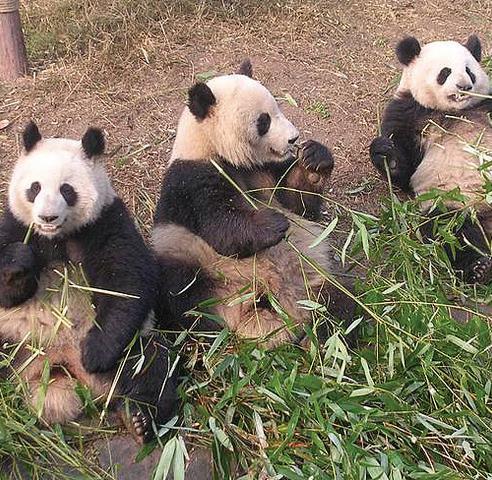
Estimated 15 min - 30 min
Students match adult and offspring picture cards together based on their traits and characteristics.
Materials
Printed Material
● 1 Set of Picture Cards (per group)
Reusable
● 1 Plastic, zip-top bag or envelope (per group)
● 1 Pair of scissors (per teacher)
Consumable
● 2 Pieces of cardstock paper (per group)
Print out one set of Picture Cards on cardstock paper for each group. Cut them out, mix the cards well, and place them in a zip-top bag or envelope prior to this activity.
During this activity, students will develop and use models by matching adult and offspring picture cards to represent the growth and development of living organisms, distinguishing between models and actual organisms, and comparing models to identify common features and differences. This helps them understand the phenomenon of how a tiny seed turns into a big tree or a small baby animal grows into an adult by observing traits, characteristics, and patterns in the natural world.
Notes
Patterns Stability and Change
During this activity, students will observe patterns in the traits and characteristics of adult animals and their offspring, using these patterns to describe the phenomenon of growth and development from a tiny seed to a big tree or a small baby animal to an adult. They will also explore the concept of stability and change by identifying which traits remain the same and which change as the offspring grow into adults.
1. Divide the class into groups of four.
2. Distribute the bags or envelopes containing the adult/offspring animal cards to each group.
3. Tell the students to take out the cards and match the adult animal to its offspring by looking closely at the pictures to see similar traits, characteristics, and features.
4. Students discuss why they matched certain pictures together.
5. Discuss:
● How did your group decide which adult and offspring belonged together? I noticed that they had the same color fur/feathers, skin and eyes, and their mouth/beak looked alike. They looked alike. They both have similar bodies. They move the same way.
● In what ways are the adult and offspring similar? They have the same color fur/feathers/skin/eyes and look alike.
● In what ways are the adults and offspring different? They have different eyes. One has longer legs. Their fur is different colors. They are different sizes.
How do the traits and characteristics of offspring compare to those of their adult counterparts, and what does this tell us about the process of growth and development in living organisms?
1. What similarities did you observe between the adult and offspring animals, and how might these similarities contribute to the survival of the species?
2. In what ways do the differences between adult and offspring animals indicate the changes that occur as they grow and develop?
3. How do the traits and characteristics that you matched in the activity help explain the process by which a tiny seed can grow into a big tree or a small baby animal can grow into an adult?
Estimated 1 hr - 2 hrs
The students observe the parts of a seed, the change from seed to seedling, and the relationship between seed, plant, flower, and fruit, and they locate seeds in fruit.
Materials
Printed Material
● 1 Student Guide (per group)
● 1 Student Journal (per student)
● 1 Student Journal Key (per teacher)
● 1 Seedling Adult Cards (per group)
Consumable
● 2 Lima beans (per student plus a few extra)
● 1 Plastic bag, sandwich, zip-top (per student)
● 1 Paper towel sheet (per student)
● 1 Cup water (per group)
● 1 Orange (per class)
● 1 Banana (per class)
● 1 Apple (per class)
● 1 Grape (per group)
● 1 Paper plate (per student)
● 1 Toothpick (per group)
Reusable
● 1 Hand lens (per student)
● 1 Tweezer, optional (per class)
● 1 Knife/cutting board, optional (per teacher)
● 1 Permanent marker (per teacher)
● 1 Glue stick (per student)
Part I
Soak seeds overnight.
Part II
Gather materials. Mark student names on plastic bags. Make each student’s paper towel damp.
Part III
Print Seedling Adult Cards (one image per student).
Part IV
Gather the orange, apple, grape, and banana.
Notes
During this activity, students will develop and use models to represent the transformation of a seed into a seedling and eventually into an adult plant, as well as the growth of a baby animal into an adult. By observing and documenting the changes in seeds and plants, students will distinguish between models and actual objects, processes, and events. They will compare models to identify common features and differences, and develop simple models based on evidence to represent the growth patterns and relationships in the natural world.
During this activity, students will observe and identify patterns in the growth of plants from seeds to seedlings and eventually to adult plants, using these patterns as evidence to understand the phenomenon of how a tiny seed turns into a big tree or a small baby animal grows into an adult. They will also explore the concept of stability and change by observing that while some aspects of the plant remain constant, others change gradually over time.
Procedure and Facilitation
Part I
1. Give each child a soaked lima bean, paper plate, and a hand lens.
2. Have each child remove the seed coat (skin) off of the seed. Be sure students understand that a bean is a seed.
3. Gently separate the two parts of the seed (bean).
4. The baby plant (embryo) is located inside. Have students observe what this looks like with their hand lens.
5. Complete the Student Journal observations.
1. Provide a damp towel to each student. The towels should not be dripping wet.
2. Have each student place a lima bean on a damp paper towel.
3. Each student places the paper towel in a plastic bag.
4. Tape the plastic bags containing the beans and towels to a window that receives a lot of sunlight.
5. Have students begin recording the seed’s appearance on Day 1.
6. Observe and record the changes over the next few days (or longer).
7. Continue watching your plant grow. Let students guess how long it will take to produce a bean as an adult plant.
8. As an extension beyond the time allotted for this individual activity, give students the opportunity to observe the pattern of plant growth from “seed to seedling.” Plant lima beans in small pots of soil and monitor growth. Provide water as needed. Students can observe the growth that occurs and possibly even the formation of seeds from the adult plant. They can then predict how the growth pattern will continue.
Before distributing the seeds, provide students time to practice with the hand lens. Identify the different parts and model how to hold the lens and how focus. Have them practice with simple items at their desks.
FACILITATION TIP
Review science lab safety measures. We never taste anything in a lab. Ensure that students do not put the tiny seed anywhere but on the plate. Consider modeling removing the seed coat, separating the parts and locating the embryo under a document camera or teaching microscope.
FACILITATION TIP
Demonstrate how to set up the specimens and explain the purpose of the paper towel, plastic bag, and sunlight.
FACILITATION TIP
Rather than have every student place lima beans on towels and in bags, provide small groups with a seed specimen already set up. Have student groups record observations daily for their plant.
FACILITTION TIPS
Print the baby plant cards and adult plant cards on different colored paper to help students differentiate between the two categories.
FACILITTION
If time and space are limited, complete Part IV during a class circle time and/or use a projector to magnify the fruits and seeds.
FACILITTION
Have extra fruit for students to eat with clean hands before or after Part IV and reinforce that students are never to eat anything in a science lab.
Part III
1. Have students work as a group to match the baby plant card (seedling) to the matching adult plant card.
2. Have the students glue one of their matches in their Student Journals.
3. Discuss the similarities between the seedling and adult plants.
4. Draw examples of one of the similarities in their Student Journals.
Part IV
1. Separate the students into small groups.
2. Cut each piece of fruit and distribute it among groups.
3. Let the groups find and observe seeds.
4. Have the students count and draw a picture of the seeds of the apple and orange into their Student Journals.
In this activity, students must be able to remove the seed coat and cut the seed. For students who struggle with this task, provide a variety of instruments or grips. You may also want to precut the seed for the students. Find more strategies to help students who have difficulty with fine motor control in the Interventions Toolbox.
Students sit in a circle and roll a ball to each other and create a class summary of the activity or concept being discussed. Demonstrate how the ball should be rolled to minimize off-task behaviors.
● Choose a student to go first.
● That student starts by giving a one-sentence response to summarize the investigation.
● Students who wish to go next raise their hands.
● The first student rolls the ball to a student that has their hand raised.
● Continue until a well-thought and thorough summary has been discussed.
What are the necessary conditions and processes that enable a seed to grow into a mature plant?
1. Based on your observations, what similarities and differences did you notice between the seedling and the adult plant, and how do these changes relate to the overall growth process?
2. How do environmental factors such as sunlight and water impact the growth of a seed into a seedling and eventually into an adult plant?
3. In what ways do the seeds found in fruits like apples and oranges contribute to the continuation of plant life cycles, and how might this relate to the growth of a seed into a mature plant?
Estimated 1 hr - 2 hrs
The students identify and draw different stages of an animal's life cycle.
Materials
Printed Material
● 1 Student Journal (per student)
● 1 Student Journal Key (per teacher)
● 1 Life Cycle Cards (per student)
● 1 Life Cycle Cards Laminated (per class)
Consumable
● 1 Paper plate (per student)
Reusable
● 1 Pack of crayons (per student)
● 1 Pencil (per student)
● 1 Laminator (per teacher)
● 1 Pair of scissors (per teacher)
● Gather all necessary materials.
● Copy, cut, and laminate Life Cycle Cards. Make sure that each student will have one card.
● Make sure each type of life cycle has a mark on it, such as a number, letter, or shape, so students can self-check.
Developing and Using Models
During this activity, students will develop and use models to represent the stages of an animal’s life cycle, allowing them to understand how a tiny seed turns into a big tree or a small baby animal grows into an adult. By distinguishing between their models and the actual life cycle events, students will compare models to identify common features and differences, and develop a simple model based on evidence to represent the life cycle stages and patterns in the natural world.
Notes
Patterns
Stability and Change
During this activity, students will observe and identify patterns in the life cycles of animals, recognizing how a tiny seed turns into a big tree or a small baby animal grows into an adult. They will use these patterns as evidence to describe the phenomenon and understand the concepts of stability and change, noting how some aspects remain constant while others change gradually or rapidly.
1. Mix up the Life Cycle Cards and give one card to each student.
2. Students walk around and find the other three parts of their life cycles.
3. Monitor and give assistance as needed.
4. Once students have found their groups, discuss how they found the other parts of their life cycles.
5. Ask students if the order matters in their life cycles and check of accuracy. The order does matter. The animal starts as an egg and grows larger.
6. Have students look at the adult chicken and the baby chick.
7. Have students discuss similarities between the adult and its young. They both have two webbed feet, a beak, and feathers. The color of the chick and the chicken are different. The chicken is much larger than the chick.
1. Students create paper plate life cycles, using their Life Cycle Cards.
2. Fold one plate in half, and then fold it in half again to create fourths.
3. Trace along the folded edges with a pencil.
4. Students draw their egg(s) in an accurate environment (nest, water, sand).
5. In the next triangle (clockwise), draw the next stage.
6. Continue until all four stages are complete.
7. Draw an arrow showing the direction the life cycle goes.
After students have a chance to explore the investigation, give them an opportunity to write down the stages an animal goes through as it develops.
The first stage is __________.
The second stage is __________.
The third stage is __________.
The fourth stage is _________.
Phenomenon Connection
How do living organisms transform and grow through different stages of their life cycles, and what factors influence these changes?
1. Based on your observations of the life cycle stages, what are some key factors that contribute to the growth and development of an organism from one stage to the next?
2. How do the physical characteristics of an organism change as it progresses through its life cycle, and what might be the reasons for these changes?
3. In what ways do environmental conditions impact the growth and development of an organism throughout its life cycle?
FACILITATION TIP
Use one set of Life Cycle Cards at a time and have students form groups of four. Identify, list and post the four stages. If you do distribute all six sets of Life Cycle Cards at once, clarify the different animals. The frog, fish and salamander eggs may look very similar to some students.
FACILITATION TIP
If time is limited, provide a copied paper template rather than have students fold and draw the fourths on a plate.
FACILITATION TIP
Have the class vote on their favorite life cycle and guide students who need support through steps 4-7 with that animal. Students who need a challenge can choose their own animal to draw.
FACILITATION TIP
As an extension, compare and contrast the human life cycle to these animal life cycles. Ask “How are the stages the same? How are they different?”.
Explore 3: Activity - Are You My Parents?
Estimated 30 min - 45 min
Students match animal babies to their parents based on their traits.
Materials
Printed Material
● 1 Student Journal (per student)
● 1 Student Journal Key (per teacher)
● 1 Set of Animal Parent and Baby Cards (per student)
Reusable
● 1 Glue stick (per student)
● 1 Pair of scissors (per student)
Print a Set of Animal Parent and Baby Cards and a Student Journal page for each student. The cards need to be cut and glued into the Student Journal pages during the lesson. You can precut the cards ahead of time, or have students cut the cards out.
Developing and Using Models
During this activity, students will develop and use models to represent the relationships and traits between animal babies and their parents, allowing them to distinguish between models and actual animals, and to identify common features and differences. This process helps them understand the phenomenon of how a tiny seed turns into a big tree or a small baby animal grows into an adult by observing patterns and relationships in the natural world.
Patterns
Stability and Change
During this activity, students will observe patterns in the traits of animal parents and their babies, using these patterns as evidence to understand the phenomenon of how a tiny seed turns into a big tree or a small baby animal grows into an adult. They will also explore the concept of stability and change by recognizing which traits remain the same and which change as the animals grow.
Notes
1. Explain to the whole class that the puppies at an adoption center got separated from their parents. The puppies must be matched back with their parents before they can be adopted.
2. Pass out the Set of Animal Parent and Baby Cards and a Student Journal page to each student.
3. Have students cut out the Mom and Dad 1 pictures and glue them onto the Student Journal page.
4. Have students look at Baby A, Baby B, and Baby C. Ask the students which baby they think belongs to Mom and Dad 1. Baby A belongs to Mom and Dad 1 because it has the same color of fur, short fur like the Dad, and the same eyes and nose as the Mom.
5. Have students cut out Baby A and glue it into the Student Journal page.
6. Repeat steps 4–5 for Mom and Dad 2 and Mom and Dad 3.
7. Discuss:
○ How are the Mom and Dad dogs the same? They are both about the same size, same color, and their faces look alike.
○ How are the Mom and Dad dogs different? They have different color fur, they are different sizes, one has longer fur.
○ What clues did you use to match the baby to the right parents? I picked the dogs that look the most alike. I picked the ones that have similar faces and colors.
Look Alike
Have students turn to their shoulder partner and give at least one example of a time when they saw a young animal or a plant that looked similar to its parent plant. Tell them to explain it in great detail to the partner. Then have them draw what they think their partner described. Have them show it to their partner, and their partner can tell them if they were correct.
How do the traits of animal babies help us understand how a tiny seed can grow into a big tree or a small baby animal can grow into an adult?
1. What traits do baby animals inherit from their parents that help them survive and grow into adults?
2. In what ways do environmental factors influence the growth of a baby animal or a seed into a mature adult?
3. How can understanding the growth process of animals help us understand the growth process of plants, like a seed turning into a tree?
FACILITATION TIP
Be aware of your students’ families. Be sensitive regarding adoption and other separation situations that may come up during this lesson. Encourage students to focus on the puppies.
FACILITATION TIP
If needed, scaffold this activity by showing students the already paired parent animals. Students can merely select the baby animal they think goes with these matched parent animals.
STEMscopedia
Reference materials that includes parent connections, career connections, technology, and science news.
Linking Literacy
Strategies to help students comprehend difficult informational text.
Picture Vocabulary
A slide presentation of important vocabulary terms along with a picture and definition.
Content Connections Video
A video-based activity where students watch a video clip that relates to the scope’s content and answer questions.
Math Connections
A practice that uses grade-level appropriate math activities to address the concept.
Reading Science - Lauren’s Garden
A reading passage about the concept, which includes five to eight comprehension questions.
Notes
Claim-Evidence-Reasoning
An assessment in which students write a scientific explanation to show their understanding of the concept in a way that uses evidence.
Multiple Choice Assessment
A standards-based assessment designed to gauge students’ understanding of the science concept using their selections of the best possible answers from a list of choices
Open-Ended Response Assessment
A short-answer and essay assessment to evaluate student mastery of the concept.
Guided Practice
A guide that shows the teacher how to administer a smallgroup lesson to students who need intervention on the topic.
Independent Practice
A fill in the blank sheet that helps students master the vocabulary of this scope.
Extensions
A set of ideas and activities that can help further elaborate on the concept.
Use this template to decide how to assess your students for concept mastery. Depending on the format of the assessment, you can identify prompts and intended responses that would measure student mastery of the expectation. See the beginning of this scope to identify standards and grade-level expectations.
Student Learning Objectives
Plants and animals undergo changes during the stages of their life cycles.
A plant life cycle includes germination, growth, reproduction, and death.
An animal life cycle includes birth, growth, adulthood, and death.
Some plants and animals look very much like their parents, but they can also look very different in many ways.
Prompts Will Be Used?
Does Student Mastery Look Like?
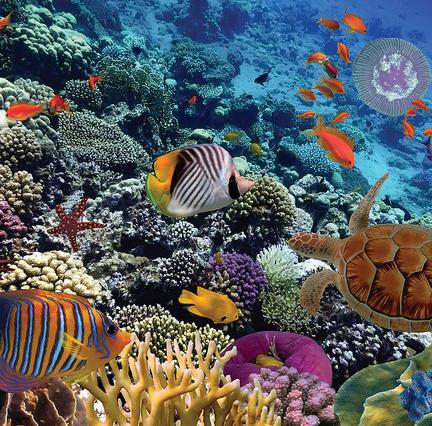
The student is expected to demonstrate an understanding that plants and animals have basic needs, including land, water, and air to live and grow. Student Expectations
How do plants and animals find what they need to live and grow in their homes?
Key Concepts
• Living things have basic needs that must be met in order to survive.
• Plants need water, light, and a place to grow in order to live.
• Animals need food, water, shelter, and space in order to live and grow.
This unit builds understanding that plants and animals require land, water, and air to live and grow. Students compare human, animal, and plant growth stages to identify shared needs, then gather and analyze data from a controlled watering investigation to determine water’s role in plant growth. They apply content to authentic decisionmaking by planning appropriate care for an animal within constraints, justifying choices with evidence. Across activities, students observe, measure, record, and communicate claims, reinforcing how environments provide essential resources for survival and development.
The terms below and their definitions can be found in Picture Vocabulary and are embedded in context throughout the scope.
Animal
A living thing that can move on its own and that gets its energy from food
Compare
To see what is the same and what is different
Determine
To decide because of facts
Food
What animals eat to get energy
Grow
To increase in size
Light
The type of energy that the eye can see
Measure
To determine the amount or size of something
Observe
To use the senses to examine or inspect
Plant
A type of living thing that gets its energy from the Sun and is unable to move from place to place on its own
Shelter
Protection from the environment
Space
Area needed to survive
Water
A liquid that all living things need to survive
Notes
Students explore how humans and plants grow and what they need at different stages.
• Work in small groups to observe and sequence photos showing the human life cycle from youngest to oldest.
• Discuss observations and identify needs (e.g., food, water, shelter, care) at each stage of human growth, noting patterns shared with animals.
• Repeat with plant growth photos, ordering stages and identifying needs, then synthesize why living things grow and what supports their development.
Scientific Investigation - Water Me
Students investigate how varying water availability affects plant growth and survival.
• Set up four similar seedlings receiving equal light but different weekly water amounts (0 mL, 10 mL, 50 mL, 100 mL) over three weeks.
• Measure plant height with linking cubes and document weekly observations and drawings in journals.
• Discuss observed changes and use collected data to write a claim supported by evidence about water as a basic need for plants.
Activity - Dinner Time!
Students investigate animal needs and practice decision-making by planning care for a specific animal.
• Work in pairs to analyze a scenario, identify their animal’s dietary needs (including water), and plan five days of care.
• Use a constrained “shopping” experience (budget, one trip, item aisles) to select appropriate foods and water that the animal can actually eat.
• Record choices on a shopping list and create a poster showing the animal, its name, and purchased items.
• Present and justify selections to peers, explaining feeding decisions and responding to questions about diet types and quantities.
Notes
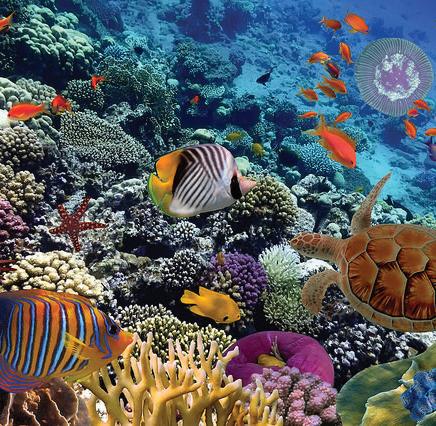
Estimated 15 min - 30 min
Students make observations and address the needs of a human and plant as they grow and develop.
Materials
Printed Material
● 1 Plant Pictures set (per group)
Reusable
● 1 Set of four human life cycle pictures (per group)
Consumable
● 2 Envelopes (per group)
SEP Connection
Constructing Explanations
Analyzing and Interpreting Data
● Print out or copy a set of pictures of yourself (include a baby photo, elementary photo, high school photo, and current photo) and put each set in an envelope for each group. If you do not have pictures of yourself from each stage of life available, you can search for pictures to print.
● Make sure the pictures are all of the same person at different stages in his or her life.
● Print out and cut apart the Plant Pictures for each group and put each set in an envelope for each group. Make sure the pictures are of the same plant growing.
During this activity, students will make observations and use evidence to construct explanations for how plants and animals find what they need to live and grow in their homes. By organizing and analyzing pictures of human and plant life cycles, students will identify patterns and relationships in growth stages and needs, which will help them generate solutions to the problem of how living organisms meet their needs in different environments.
Notes
CCC Connection
Patterns
Cause and Effect
During this activity, students will observe and identify patterns in the growth and development of humans and plants, using these patterns as evidence to understand how plants and animals find what they need to live and grow in their homes. They will also explore cause and effect by discussing how the needs of humans and plants at different stages of growth lead to observable patterns in their development.
Have students work in groups of two or three. Mix up the order of the pictures before giving them to the students.
1. In small groups, look at all six pictures of the human.
2. Discuss:
● What do you notice about the person in the pictures? In one photo, the person is a baby. In another photo, the person is a kid. In that photo, the person is really big and grown up.
● Can we organize these photos in a certain order? Yes, from youngest to oldest.
3. Put the pictures in order with your group.
4. Discuss:
● How did you decide to put the pictures in this order? I know I was a baby first and now I am bigger. When I grow up and become an adult, I am going to be really big.
● Animals grow, too. How do animals grow? Do you see a pattern? I noticed that my puppy was little at first. Then she got bigger and had baby puppies!
● Look at each stage of the human life cycle. Talk about what humans need at each stage. I noticed that the baby will need milk, a crib, and a parent to take care of it. I noticed that the elementary student is like me and needs food, water, and a home. The person now needs food, water, and a place to live too.
5. After group discussion, conclude with information about why animals grow and share with the class.
● We grow because we eat food. Is food the only thing we put in our bodies every day? No, I also drink milk and orange juice and water from the water fountain!
Phenomenon Connection
FACILITATION TIP
Use the human photos to model the process of placing the pictures in order. Consider using life cycle photos of other favorite staff members like the principal or the school office administrator in addition to your own.
FACILITATION TIP
Print one set of plant pictures for each student and let them glue them in order rather than sort in a group.
Connection Statement with Posing Question: How do plants and animals find and utilize resources in their environments to support their growth and development?
Class Discussion Questions:
1. Based on your observations, what similarities and differences do you notice in the way plants and humans meet their needs as they grow?
2. How do the needs of a plant change as it progresses through its life cycle, and how does this compare to the changing needs of a human?
3. In what ways do plants and animals adapt to their environments to ensure they have access to the resources they need to survive and thrive?
6. Repeat steps 1–5 with the plant pictures. Notes
Estimated days 15-30
Students observe how taking away the basic need of water affects plant growth and survival.
Materials
Note: This activity requires preparation of materials two to three weeks prior to classroom implementation.
Printed Material
● 1 Student Journal (per student)
● 1 Student Journal Key (per teacher)
Reusable
● 4 Clear cups (per class)
● 1 Graduated cylinder (per class)
● 1 Box of crayons (per student)
● 20 Linking cubes (per class)
Consumable
● 4 Lima beans (per class)
● 4 Cups potting soil (per class)
● 500 mL water (per class)
SEP Connection
Constructing Explanations
Analyzing and Interpreting Data
1. The seedlings need to have grown prior to starting the investigation and should be close to each other in size.
2. Set up the seedlings so each one has its own clear cup containing potting soil.
3. Label each cup as Seedlings A, B, C, and D.
4. Print the Student Journal: Water Me for each student. Data could also be kept as a class on a large piece of chart paper or on the board.
5. Plan a place for the seedlings to grow where they will get adequate light.
Connections
During this activity, students will construct explanations and design solutions by making observations of plant growth under different watering conditions to develop evidence-based accounts of how water affects plant survival, addressing the phenomenon of how plants find what they need to live and grow. Students will record data, analyze patterns in plant health, and use their findings to generate solutions for optimal plant care, thereby deepening their understanding of the natural world and enhancing their problem-solving skills.
Notes
Patterns
Cause and Effect
During this activity, students will observe patterns in plant growth related to the availability of water, using these patterns as evidence to understand the phenomenon of how plants find what they need to live and grow in their homes. They will explore cause and effect by designing simple tests to gather evidence on how varying amounts of water affect plant health, supporting or refuting their ideas about the necessity of water for plant survival.
1. Discuss basic needs to activate students’ prior knowledge.
● What are some things that we need to survive? Food, water, shelter, and air to breathe.
● Plants need things, too. What do you think plants need? Plants need the air and sunshine from outside. Plants need rain to get water and soil to get food.
2. Explain that students will be doing an investigation to see if plants really need water.
1. Place all four seedlings in the same area, so they are getting the same amount of light.
2. Choose one day of the week, and have students water each seedling on that weekday for three weeks, using the following guidelines:
● Seedling A gets no water.
● Seedling B gets 10 mL of water.
● Seedling C gets 50 mL of water.
● Seedling D gets 100 mL of water.
3. Students measure each plant with linking cubes, record their observations, and draw the seedlings once a week for three weeks on their journal page.
4. Discuss:
● Do you notice any changes in the plants? Can you describe what you see? The leaves on Seedlings A and B are turning yellow. Seedling A looks sad because it is bending over.
● What could we do to make the plant healthier? The plant needs more water.
5. After students complete their task, they use their data and observations they gathered in the investigation to write a scientific explanation that includes a claim supported by evidence.
This is an investigation that takes a number of days to complete. Students may have a hard time remembering and comprehending information day-to-day or week-to-week. It may be best to review and discuss with them one-on-one the changes observed in the plant. Remind students of what the plant looked like in the past. Constantly reviewing information in a concise manner will help students better retain knowledge and master the goal of this lesson. Read more strategies for students with limited memory in the Interventions Toolbox.
Notes
FACILITATION
Help students generate the list of Basic Needs. Record and post. Allow for discussion about the difference between animal, human, and plant basic needs.
FACILITATION TIP
To save time and ensure all seedlings are as similar as possible, use purchased seedlings. Consider having more than one plant for each group to allow for error.
FACILITATION TIP
If time is limited, allow students to take photos of the plants rather than draw them.
After completing the scientific investigation to see how water affects plant growth, students discuss why water is an important need for plants. Provide water droplets cut out of construction paper so students can use them to write on and glue in their science notebooks. Students should write down and discuss why plants need water and what happens when they don't get water.
How do plants and animals find what they need to live and grow in their homes, and how does the availability of resources like water affect their survival and growth?
1. Based on your observations, how does the amount of water each seedling received affect its growth and health?
2. If plants need water to survive, what might happen to animals that rely on plants for food if there is a drought?
3. How do you think plants and animals adapt to changes in their environment to find the resources they need to survive?
Notes
Estimated 1 hr - 2 hrs
In this task, the students understand the various needs of different animals and make appropriate decisions to take care of them.
Materials
Printed Material
● Story Problem (per class)
● Animal Picture Cards (1 card per group)
● 6 Sets of Grocery Cards (per class)
● 1 Copy Shopping List (per class)
● Student Journal (per student)
Consumable
● 1 Piece of cardstock, 8 ½ x 11 (per group)
Reusable
● 1 Set of crayons (per group)
● 1 Roll of clear tape (per group)
SEP Connection
Constructing Explanations
Analyzing and Interpreting Data
1. Read the story problem to the class.
2. You may choose to print the pages and hang them on the board for easy reference and redirection for students off task.
3. Prior to the project, the teacher sets up the food product pictures at a designated table and have them separated into “aisles” (i.e. water aisle, fruit and vegetable aisle, protein aisle, and dessert aisle). The dessert aisle is a distracter since the students are required to only purchase items their animal needs.
4. Students should be put in groups of two.
During this activity, students will construct explanations and design solutions by making observations and using evidence to determine the dietary needs of different animals, thereby understanding how plants and animals find what they need to live and grow in their homes. They will analyze and interpret data by recording and sharing observations through pictures and drawings, and use these observations to describe patterns and relationships in the natural world, ultimately generating and comparing multiple solutions to ensure their animal’s needs are met.
CCC Connection
Patterns Cause and Effect
During this activity, students will observe and identify patterns in the needs of different animals for survival, using these patterns as evidence to understand how plants and animals find what they need to live and grow in their homes. They will also explore cause and effect by designing simple tests to determine the appropriate food and water for their assigned animal, supporting their ideas with observable patterns in animal behavior and dietary needs.
You are an animal rescue worker and a new animal needs your care. It is important that you know how to care for this animal.
Your job is to plan and shop for the food supply your animal needs while he stays with you for five days.
● Your team must complete a shopping list before they can go to the store.
● Your team must not spend more than $10 on food and water.
● You may only go to the store once.
● Your animal needs one food product and water every day.
● You must choose food your animal can eat.
● You must create a poster showing the picture of your animal, its name, and what you bought to care for it.
● You will have only 30-45 minutes to plan, shop, and prepare your presentation.
Each group needs a copy of the shopping list. Before shopping, groups should discuss and agree upon which items to purchase. The shopping list should match the items the group bought for their animal and should be used in the evaluation rubric. The items bought should be displayed on the poster.
Allow time for each group to present their poster. They should discuss that their animal needs food and water, and explain what food items they chose for their animal to eat. Groups should be able to answer questions from the audience. Sample questions include:
● Was your animal a plant eater, meat eater, or both a plant and meat eater? Since our fox eats plants and animals, it is a plant and meat eater.
● Did your animal only need food? No, our animal needed to have water each day.
● What kind of food did you feed your animal? Why? Answers may vary.
● How much food/water did you give your animal? Answers may vary.
● Does your animal eat the same thing as another animal? Yes, the elephant and the cow both eat grass. The raccoon and the fox both eat fruit.
Print and post The Challenge and the Criteria and Constraints to remind students of the expectations.
FAILITATION
Consider allowing students to glue the food items on the poster.
If time is limited, have partner pairs present their posters to another partner pair.
Dinner Time!
For emerging Language Acquisition Strategies, have the materials translated into their native language as a reference for them to use during the activity.
The students can complete the following sentence stems verbally or as a writing activity in their journals.
● Animals need ______ to eat and ______ to drink.
○ The elephant eats _____.
○ The cow eats _____.
○ The shark eats _____.
○ The snake eats _____.
When considering how animals find what they need to live and grow in their environments, how do they decide what to eat and how to obtain it?
1. How do different animals in the wild ensure they have enough food and water to survive, and how does this compare to the choices you made for your animal in the activity?
2. What strategies might animals use to find food and water in their natural habitats, and how do these strategies differ among various species?
3. How do the dietary needs of animals influence their behavior and interactions with other species in their environment?
STEMscopedia
Reference materials that includes parent connections, career connections, technology, and science news.
Linking Literacy
Strategies to help students comprehend difficult informational text.
Picture Vocabulary
A slide presentation of important vocabulary terms along with a picture and definition.
Content Connections Video
A video-based activity where students watch a video clip that relates to the scope’s content and answer questions.
Career Connections - Arborist
STEM careers come to life with these leveled career exploration videos and student guides designed to take the learning further.
Math Connections
A practice that uses grade-level appropriate math activities to address the concept.
Reading Science - Mr. Green’s Farm
A reading passage about the concept, which includes five to eight comprehension questions.
Notes
Claim-Evidence-Reasoning
An assessment in which students write a scientific explanation to show their understanding of the concept in a way that uses evidence.
Multiple Choice Assessment
A standards-based assessment designed to gauge students’ understanding of the science concept using their selections of the best possible answers from a list of choices
Open-Ended Response Assessment
A short-answer and essay assessment to evaluate student mastery of the concept.
Independent Practice
A fill in the blank sheet that helps students master the vocabulary of this scope.
Guided Practice
A guide that shows the teacher how to administer a smallgroup lesson to students who need intervention on the topic.
Extensions
A set of ideas and activities that can help further elaborate on the concept.
Use this template to decide how to assess your students for concept mastery. Depending on the format of the assessment, you can identify prompts and intended responses that would measure student mastery of the expectation. See the beginning of this scope to identify standards and grade-level expectations.
Student Learning Objectives
Living things have basic needs that must be met in order to survive.
Plants need water, light, and a place to grow in order to live.
Animals need food, water, shelter, and space in order to live and grow.
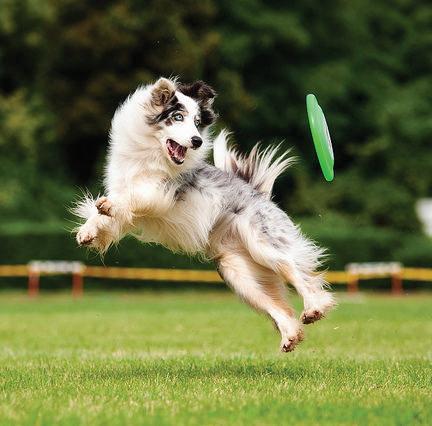
Student Expectations
The student is expected to demonstrate an understanding that there is an interdependence between living things and the environment in which they live through observation and the creation of a model habitat.
Scope Overview
This unit develops students’ understanding of interdependence among living things and their environments. Learners identify personal and community dependencies, then extend to plants and animals by observing real-world evidence of how organisms meet their needs. Students document observations, connect examples to food, shelter, and resources, and discuss consequences when links are disrupted. The unit culminates in designing, constructing, and evaluating a model habitat (terrarium/aquarium) to meet organisms’ basic needs, reinforcing systems thinking through ongoing monitoring and iterative improvement.
• Living things can only survive in areas where their basic needs are met.
• Animals get food from plants or other animals.
• Plants make their own food and need light to live and grow.
The terms below and their definitions can be found in Picture Vocabulary and are embedded in context throughout the scope.
Animal
A living thing that can move on its own and that gets its energy from food
Environment
Everything that is around a living thing
Food
What animals eat to get energy Grow
To increase in size
Interdependency
When the well-being of two or more things is linked together
Light
The type of energy that the eye can see
Living Requires energy, grows, can produce offspring, and dies
Plant
A type of living thing that gets its energy from the Sun and is unable to move from place to place on its own
Notes
Students explore interdependence by modeling how people rely on each other and their environment.
• Brainstorm personal needs and supports to build a shared list of dependencies.
• Create individual paper chains linking self to key people, places, and resources.
• Combine chains to visualize community interdependence and discuss consequences when links are removed.
Activity - Interdependency Nature Hunt
Students investigate interdependence by examining how animals and humans rely on trees and plants.
• Discuss examples of interdependence after a read-aloud/slideshow.
• Illustrate on a tree template how animals use trees for food and shelter; note human reliance on trees.
• Collect outdoor evidence of interdependence during a nature walk using hand lenses.
• Analyze and record observations in student journals, connecting collected items to interdependent relationships.
Engineering Solution - Build My Habitat!
Students build a classroom terrarium and/or aquarium to investigate how habitats meet the needs of plants and animals.
• Collaboratively select materials and design a habitat that supports living organisms.
• Construct the habitat, add organisms (e.g., fish, plants, seeds, invertebrates), and monitor basic needs.
• Record observations by drawing and labeling the habitat, then evaluate how well it functions.
• Propose and illustrate improvements to optimize the habitat for the organisms.
Notes
Estimated 15 min - 30 min
Students identify how humans and animals depend on each other and the environment to survive.
Materials
Printed Material
● 1 Slide (per class)
Reusable
● 1 Pencil (per student)
● 1 Pair of scissors (per teacher)
● 1 Glue stick (per student)
Consumable
● 1 Pack of construction paper (per class)
● 1 Chart paper, sheet (per class)
SEP Connection
Developing and Using Models Planning and Carrying Out Investigations
Gather the necessary materials to complete this lesson. Precut the construction paper into 1-inch wide strips the length of the paper. Cut enough for each student to have six strips to make the chain link and one extra for the teacher model.
During this activity, students will develop and use models to represent the interdependence between plants, animals, and humans, illustrating how they help each other live in their environments. By creating a chain of interdependence, students will distinguish between the model and the actual relationships it represents, compare models to identify common features and differences, and develop a simple model based on evidence to represent these relationships. This hands-on experience will also involve planning and carrying out investigations to answer questions about interdependence, making observations to collect data, and making predictions based on prior experiences, thereby deepening their understanding of the phenomenon.
Notes
CCC Connection
Systems and System Models Energy and Matter
During this activity, students will explore the concept of interdependence by creating a chain of connections, illustrating how plants and animals help each other live in their homes. This activity aligns with the CCC statement on Systems and System Models, as students will understand how organisms can be described in terms of their parts and how systems in the natural world have parts that work together. Through constructing their chains, students will also observe how objects can be put together into larger systems, reflecting the CCC statement on Energy and Matter.
Before beginning, project the slide as a means for initial student interest and engagement. Spend a few moments in discussion before starting the activity. If projection is not available, consider printing a copy for each group.
1. Ask students to identify something in class they depend on or need in order to have a good day at school. Offer suggestions such as specific foods, certain people, or shelter. Guide students through this questioning.
2. On the chart paper, brainstorm things that students need to have a good day. Write down simple words on the anchor chart as a reference for students. For example, write words like food, sleep, friends, mom, dad, etc.
3. Give each student six of the precut strips of construction paper.
4. The student begins to create their chain of interdependence by placing their name on the first link.
5. Create a teacher model by writing your name (Mrs. Smith) on one of the strips.
6. Pick five items from the list you created, and write the items down on the paper strips. Glue the paper chains together to show how they are all connected.
7. Students add a link for each dependent object. Each object link should be interdependent upon the link that follows it.
8. Examples:
● Student to mother
● Student to school bus to school to classroom
● Student to teacher to science
9. By helping students connect all of their chains together, the teacher is demonstrating how we are all dependent on each other for survival.
10. Lead students to understanding with the following questions:
● What does interdependence mean? Interdependence means relying on each other, needing each other, or affecting each other.
● How does it help us? It helps us have good days and get what we need.
● What would happen if some of the links in the chain were to disappear? It would affect everything it was connected to, someone or something will not get what they need.
Notes
If time is limited, give each student fewer than six strips. Consider having each student write their name on one strip and then one thing they need to have a good day on another strip. Have students bring their strips to an adult who can glue the strips to a chain while students observe the chain growing.
When discussing interdependence, guide students by breaking the word into parts. Ask, “What does dependent mean?”. Follow up by looking at the prefix “inter-” and guiding students to the meaning: among or between. Post this vocabulary word on a word wall.
In this activity, students may have trouble waiting their turn to list the needs. Assist students in developing strategies to remind them not to shout out the answer, such as crossing their arms or counting to five silently. If students are still struggling, ask them to assist you in creating the anchor chart or leading discussion. Read more strategies for students that blurt out answers in the Intervention Toolbox.
How do plants and animals rely on each other to survive in their environments, and what happens when one part of this interdependent system is disrupted?
1. In what ways do plants provide for animals, and how do animals, in turn, support plant life?
2. How might the removal of a key species in an ecosystem affect the survival of other organisms within that system?
3. Can you think of an example where human activities have disrupted the interdependence between plants and animals, and what were the consequences?
Estimated 1 hr - 2 hrs
Students analyze and record how living things depend on other living things. Students create a tree to record evidence of animals’ dependence on plants for food and shelter, and they also participate in a nature walk.
Materials
Printed Material
Part I
● 1 Tree Template (per group)
● 1 Slideshow: Sergio’s Tree, optional (per class)
Part II
● 1 Student Journal (per student)
● 1 Student Journal KEY (per teacher)
Consumable
Part II
● 1-quart Plastic bag or brown paper lunch bag (per student)
Reusable
Part I
● 1 Book: The Great Kapok Tree by Lynne Cherry (per class)
● 1 Computer with projector, optional (per class)
Part II
● 1 Hand lens (per student)
● 1 Pack of crayons (per partner pair)
SEP Connection
Developing and Using Models
Planning and Carrying Out Investigations
Part I
● Print one Student Reference Sheet: Tree Template per group. Locate the book The Great Kapok Tree by Lynne Cherry, or project the Slideshow: Sergio’s Tree for the class to view.
Part II
● Print a Student Journal for each student. Look ahead at the weather to plan the activity on a day when the weather is nice. Make sure there is a baggie and hand lens for each student. Students can share packs of crayons in partner pairs.
During this activity, students will develop and use models to represent the interdependent relationships between plants and animals, as they analyze and record evidence of how living things depend on each other for food and shelter. By creating a tree model and participating in a nature walk, students will distinguish between their models and the actual objects or events they represent, compare models to identify common features and differences, and make observations to collect data that supports their understanding of the phenomenon of interdependence in nature.
CCC Connection
Systems and System Models
Energy and Matter
During this activity, students will explore systems and system models by analyzing and recording how plants and animals depend on each other, illustrating the interdependence within natural systems. They will observe and document how objects and organisms, such as trees and animals, are composed of parts that work together, demonstrating how energy and matter can be transformed as they interact within their environment.
Part 1
1. Read aloud and discuss the story, The Great Kapok Tree, or the Slideshow: Sergio’s Tree to the whole class. Relate the story to the chain game with emphasis on interdependence.
2. Have students give specific examples of interdependence that were noted within the story.
3. Provide each group with a copy of the Student Reference Sheet: Tree Template.
4. Have students identify and illustrate how animals depend on trees for various forms of shelter within the tree (i.e. nests, bark used as shelter for ants, hollow or holes for birds, and leaves for caterpillars or other insects.) Animals also depend on trees for food (leaves to eat, source of insects to eat, etc.)
5. Have students discuss how humans depend on trees to survive (i.e. bananas, apples, and coconuts).
Part 2
1. Students go on a nature hunt. Each student takes a hand lens and a plastic or paper bag to collect outdoor treasures, such as leaves, bugs, dirt, or bark, that are evidence of interdependence.
2. Guide students to explore trees, plants, grass, bushes, etc.
3. Students use the contents of their bags to analyze the interdependence of one object to another.
4. Students record their findings and draw observations on the Student Journals.
English Language Proficiency
I wonder…
After the students have explored the investigation, provide them with construction paper to play a game called "I wonder. . . ."
● Provide them with statements such as: I wonder how a bird depends on a tree?
● They should then create a drawing that shows how a bird depends on a tree, and they should also complete the following sentence stem on the bottom of the picture.
○ A bird depends on a tree for _________________________.
● When they are finished with their drawing and sentence, provide them with a partner so they can share their picture and read their sentence stem out loud to them.
Phenomenon Connection
How do plants and animals rely on each other to survive in their environments, and what evidence can we observe to understand this interdependence?
1. What examples of interdependence between plants and animals did you observe during the nature walk, and how do these examples help both survive?
2. How might the removal of one species from an ecosystem affect the other species that depend on it?
3. In what ways do humans rely on the interdependence of plants and animals for their own survival?
FACILITATION TIP
Project a picture of a familiar local tree or take students out to visit a tree on school grounds. Look for signs of animal and plant interdependence.
FACILITATION TIP
Facilitate step 4 and 5 by projecting images of fruit trees, habitat trees, and trees used for lumber.
FACILITATION TIP
If access to a safe space to gather nature items is limited, provide a curated collection of items. Distribute them in an open space (gym or cafeteria) for students to hunt and gather. Alternatively, display them one at a time to the whole group for students to analyze together.
Estimated 1 hr - 2 hrs
The class builds either a terrarium or aquarium for students to observe how different types of habitats meet the needs of plants and animals.
Materials
Printed Material
● 1 Student Journal (per student)
● 1 Student Journal Key (per teacher)
Reusable
● 2 Clear, plastic, bucket-type containers with lids (second container optional) (per class)
Aquarium Material
Reusable
● 1 Small collecting net (per class)
● 1 Pair of scissors (per teacher)
● Note: a clear, plastic, bucket-type container serves as the “aquarium”
Consumable
● 1 Fish (goldfish, betta, danio) (please keep in mind that the goldfish and danio cannot be permanently kept in a tank of less than 10 gallons, and the betta should have a 1 gallon minimum)
● 1 Bag of aquarium gravel (per class)
● 1 Container of fish food (per class)
● 2 (or more) Water plants (elodea) (per class)
Terrarium Material
Reusable
● 1 Spray bottle (per class)
● Note: a clear, plastic, bucket-type container serves as the “terrarium”
Consumable
● Selection of potting soil, sand, and gravel (enough to cover the bottom of the containers, amount will vary)
● 5 Lima bean seeds, radish seeds, pea seeds (per class)
● 2 Cups of leaves, sticks, rocks (per class)
● 5 (or more) Pill bugs or earthworms (per class)
● Decide if you are doing a terrarium, aquarium, or both. Discuss with the class what habitats can be brought inside the classroom. Brainstorm plants and animals, and ask students what they need in order to survive. Poke holes in the container lids, using scissors.
● It is recommended that the teacher research the proper way to build the terrarium and aquarium before class. Here are some basic steps.
Aquarium
1. Add ½ to 1 inch of aquarium gravel to the bottom of the clear, bucket-type container.
2. Fill the aquarium container with water, about 2 inches from the top. Allow the water to sit out for 24 hours before adding the fish. This will allow the water to come to room temperature and dechlorinate.
3. Before adding the fish to the water, you need to acclimate it to the temperature. You can do this by floating the fish for 15–20 minutes in the bucket.
4. Remove the fish with a net and place it in the aquarium container.
5. Place the water plant into the water. The plant doesn't need to be “planted.”
6. Cover with a lid.
Terrarium
1. Place a mixture of sand and gravel in the bottom of the clear buckettype container, about ¼ of the container.
2. Add about 2 inches of potting soil.
3. Plant some seeds.
4. Add leaves, rocks, etc.
5. Place the insects in the terrarium.
6. Spray with water, but do not soak.
7. Cover with a lid.
During this activity, students will develop and use models to represent the relationships and interactions between plants and animals within their habitats, addressing the phenomenon of how plants and animals help each other live in their homes. By building a terrarium or aquarium, students will distinguish between the model and the actual habitat it represents, compare models to identify common features and differences, and develop a simple model based on evidence to propose improvements. Through planning and carrying out investigations, students will make observations and collect data to evaluate the effectiveness of their habitat models, using this evidence to make predictions and propose design solutions for enhancing the living conditions of the plants and animals.
Part I
Energy
During this activity, students will explore the concept of systems and system models by constructing a terrarium or aquarium to observe how plants and animals interact and support each other in their habitats. This handson experience will help students understand that these habitats are systems with parts that work together to meet the needs of living organisms. Additionally, students will observe changes in matter as they manipulate and assemble different components of the habitat, such as soil, water, and plant materials, to create a balanced environment for the organisms.
Inform the students that they are to create a classroom terrarium and/or aquarium that meets the needs of the fish and plant. The terrarium and aquarium must meet all the needs of the living things within the habitat.
1. Show the whole class the available materials and together design the habitat.
2. Build a classroom habitat.
3. Draw the habitat in their Student Journal and label the parts.
4. Ask the students how well the habitat works. Tell students to shade in how well they think the habitat works in their Student Journal.
5. Next, have a class discussion about how you could change the habitat to make it better. It could be bigger, it could have more gravel, it could have less water, it could have more leaves etc.
6. Have students draw a picture of what they would do to improve the habitat in their Student Journal.
Notes
FACILITATION TIP
Ask, “Who has fish at home? Who has a friend or neighbor who has a small animal for a pet?” Have students share what they observe about these small habitats and how they meet the different needs of each animal.
FACILITATION TIP
Consider showing a how to video about creating terrarium or aquarium. Use these examples to complete Steps 2-6.
FACILITATION
Have students vote on which habitat they would like to have in the classroom; terrarium or aquarium.
Sentence Stems
For emerging Language Acquisition Strategies, have the materials translated into their native language as a reference for them to use during the activity.
When the students can complete the following sentence stems verbally with a partner, allow them to use their journal as a writing activity. Encourage the students to request assistance as needed during the process. Due to their writing development, students may benefit from the following sentence stems being printed for them, allowing them to fill in the blanks.
The student can complete the sentence stem and share their sentence with the class.
● Our terrarium is meeting the bugs’ needs of _______, and _______. Our aquarium is meeting the fish’s needs of _______, _________, and _________.
Expanding/Bridging
The student can complete the sentence stem and share their sentence with the class.
● Our terrarium is meeting the bugs’ needs of _______, _______, and _______.
● Our aquarium is meeting the fish’s needs of _______, _______, and _______.
● Something we could add to the terrarium to meet the bugs’ needs is _______.
● Something we could add to the aquarium to meet the fish’s needs is _______.
In what ways do the components of a terrarium or aquarium demonstrate the interdependence of plants and animals?
1. How do the plants in the terrarium or aquarium contribute to the survival of the animals, and vice versa?
2. What changes could be made to the terrarium or aquarium to better support the needs of both plants and animals?
3. How might the removal of one species from the terrarium or aquarium affect the entire habitat?
Notes
STEMscopedia
Reference materials that includes parent connections, career connections, technology, and science news.
Linking Literacy
Strategies to help students comprehend difficult informational text.
Picture Vocabulary
A slide presentation of important vocabulary terms along with a picture and definition.
Content Connections Video
A video-based activity where students watch a video clip that relates to the scope’s content and answer questions.
Career Connections - Zoologist
STEM careers come to life with these leveled career exploration videos and student guides designed to take the learning further.
Math Connections
A practice that uses grade-level appropriate math activities to address the concept.
Reading Science - Don’t Eat My Lettuce
A reading passage about the concept, which includes five to eight comprehension questions.
Notes
Claim-Evidence-Reasoning
An assessment in which students write a scientific explanation to show their understanding of the concept in a way that uses evidence.
Multiple Choice Assessment
A standards-based assessment designed to gauge students’ understanding of the science concept using their selections of the best possible answers from a list of choices
Open-Ended Response Assessment
A short-answer and essay assessment to evaluate student mastery of the concept.
Guided Practice
A guide that shows the teacher how to administer a smallgroup lesson to students who need intervention on the topic.
Independent Practice
A fill in the blank sheet that helps students master the vocabulary of this scope.
Extensions
A set of ideas and activities that can help further elaborate on the concept.
Use this template to decide how to assess your students for concept mastery. Depending on the format of the assessment, you can identify prompts and intended responses that would measure student mastery of the expectation. See the beginning of this scope to identify standards and grade-level expectations.
Student Learning Objectives
Living things can only survive in areas where their basic needs are met.
Animals get food from plants or other animals.
Plants make their own food and need light to live and grow.
Scope Overview
Students design and monitor simple habitats to investigate how plants’ and animals’ basic needs are met, then evaluate and suggest improvements. They analyze ageappropriate information about extinct organisms and compare them with living counterparts, using sorting and discussion to distinguish “extinct” from “living.” Through observation, recording, and collaborative reasoning, students connect survival to adequate resources and conditions, building understanding that when basic needs go unmet, some groups of plants and animals no longer survive and become extinct.
The student is expected to demonstrate an understanding that some groups of plants and animals are no longer living (extinct) because their basic needs for survival were not met.
Why do you think some animals and plants that lived a long time ago aren’t around today?
• When animals do not get their basic needs met, they die.
• Some plants and animals are now extinct because they could not adapt when their environment changed.
• Some present-day animals are similar to extinct animals, such as the elephant and the woolly mammoth.
Scope Vocabulary
The terms below and their definitions can be found in Picture Vocabulary and are embedded in context throughout the scope.
Animal
A living thing that can move on its own and that gets its energy from food
Extinct
When a type of plant or animal no longer lives on Earth
Needs
What a living thing must have to stay alive
Observe
To use the senses to examine or inspect
Plant
A type of living thing that gets its energy from the Sun and is unable to move from place to place on its own
Survive
To stay alive
Notes
Students build a classroom terrarium and/or aquarium to investigate how habitats meet the needs of plants and animals.
• Collaboratively select materials and design a habitat that supports living organisms.
• Construct the habitat, add organisms (e.g., fish, plants, seeds, invertebrates), and monitor basic needs.
• Record observations by drawing and labeling the habitat, then evaluate how well it functions.
• Propose and illustrate improvements to optimize the habitat for the organisms.
Research - Extinct or Living?
Students explore how present-day animals resemble extinct species and why extinction occurs.
• Engage with age-appropriate texts/media to learn about extinct plants and animals and review the concept of extinction.
• Collaborate in groups to match picture cards of extinct animals with similar living animals.
• Sort matched pairs into “extinct” and “living” categories on a chart and justify choices through discussion.
• Complete a Student Journal activity to record observations and understanding.
Notes
Estimated 15 min - 30 min
Through observation and class discussion, students create a definition for the term extinct. Students and teacher brainstorm a list of reasons why they think some plants and animals are extinct and why some plants and animals are not extinct.
Materials
Printed Material
● 1 Extinction (per group)
● 1 Teacher Materials Page (per teacher)
Consumable
● 2 Pieces of chart paper (per teacher)
Reusable
● 1 Plastic dinosaur toy, optional (per group)
● 1 Marker (per teacher)
● 1 Roll of tape (per teacher)
SEP Connection
● Collect materials for the lesson, including chart paper and tape.
● Print one copy of the Extinction document for each student group.
● Print one extra copy of the Extinction document and cut out the picture of the dinosaur for use during the lesson.
● If using plastic dinosaur toys, collect enough toys for each student group to have one plastic dinosaur.
● Print out the Teacher Materials Page and cut apart the pictures.
Obtaining, Evaluating, and Communicating Information
Constructing Explanations
During this activity, students will obtain, evaluate, and communicate information by observing and documenting how different types of habitats meet the needs of plants and animals in a terrarium or aquarium. They will read and use media to gather scientific information, determine patterns, and support their understanding of why some animals and plants that lived a long time ago aren’t around today. By constructing explanations and designing solutions, students will make observations and use evidence to account for natural phenomena, such as extinction, and propose improvements to their habitat designs.
Notes
CCC Connection
Stability and Change Structure and Function
During this activity, students will observe the stability and change in habitats by creating terrariums or aquariums, noting how some elements remain constant while others change over time. They will also explore the structure and function of these habitats, understanding how the shape and stability of the terrarium or aquarium relate to the needs and functions of the plants and animals within. This will help them consider why some animals and plants that lived a long time ago aren’t around today, as they observe how changes in habitat can affect survival.
1. Divide students into groups. Place a plastic dinosaur or an Extinction document with a picture of a dinosaur, at each group. Allow a few moments for students to make observations.
2. Ask the class, “Do you know what this (object/picture) is?” A dinosaur. Some students may even be able to identify the type of dinosaur in the photo as a Stegosaurus.
3. Ask students to recall what animals need to live and survive. Record student responses on chart paper. Answers should include animals need food, water, and shelter. Some student responses may mention animals need energy from food and water.
4. Ask the class, “Do dinosaurs still live on Earth?” No. “Why not?” Have students discuss with a partner why dinosaurs no longer live on Earth. Share responses with the whole class. Highlight student answers that suggest dinosaurs no longer live on Earth because the food and shelter they need to survive is no longer available.
5. Tell students:
● When animals do not get what they need to survive, they die.
● If the place where certain kinds of animals live undergoes change, then those animals must also change to survive and live.
● When all of a certain kind of animal dies out (like the dinosaurs), then no more of this kind of animal will be born again and live on Earth.
● Some types of animals are now gone forever and will no longer live on Earth because they were unable to change or adjust when their environment changed.
● When this happens to a group of animals, and there are no more living members of its kind on the planet, we say this kind of animal is extinct.
● Extinct means when a type of plant or animal no longer lives on Earth. Animals that are now extinct will never live on our planet again.
6. Record the term extinct and its definition at the top of a piece of chart paper. Draw a T-chart below the definition and label one column ‘Animals’ and leave the other side blank. Place a picture of a dinosaur under the ‘Animals’ column.
Notes
Use the Picture Vocabulary to review words from previous scopes and introduce the term “extinct”.
Be sensitive to student concerns about extinction and animal survival. Reassure students that many scientists are working on ways to protect animals and plants from extinction.
7. Tell students that like some animals, some plants are extinct and no longer live on the planet. Ask students why a plant might become extinct. Possible answers might include:
● Plants also have needs to live.
● When plants don’t get their needs met.
● If their environment changes and the plants don’t change and they all die out, then these types of plants become extinct.
● Plants need air, water, nutrients, sunlight, and space, and when they don’t get these needs met, they are not able to survive and make more of the same kind of plants.
8. Ask students if they know why some animals and plants are not extinct. Answers may vary and might include:
● Animals and plants that are not extinct are getting their needs met to survive.
● Animals have food, water, and shelter.
● Plants have air, water, nutrients, sunlight, and space.
● When the environment changes, these animals and plants are able to change and survive.
FACILITATION TIP
Engage students by having them chorally identify each extinct plant and animal from the Teacher Material Page. Students may enjoy learning to say “Glossopteris Seed Plant Tree”.
9. Ask students if they know of any other types of animals or plants that no longer live anywhere on Earth. Answers may vary. Students may or may not recall any extinct animals (dinosaurs, woolly mammoths, dodo birds, sabertoothed tigers) or extinct plants (certain groups of trees and plants from the age of dinosaurs.) Show the class the picture of an extinct plant from the age of dinosaurs, and add it to the chart paper under the column titled ‘Plants.’
10. Display the images cut from the Teacher Materials Page of other extinct animals such as a woolly mammoth, a dodo bird, and a saber-toothed tiger.
11. Ask students to determine in which column each photo belongs. Call on students to add the photos to the correct column, ‘Extinct Animals.’
How do the needs of plants and animals in a habitat relate to why some species from the past are no longer around today?
1. What factors in a habitat might cause certain plants and animals to thrive while others do not, and how could this relate to the extinction of species?
2. How might changes in an environment over time affect the survival of plants and animals, and what evidence can we see of this in our terrarium or aquarium?
3. In what ways can human intervention in natural habitats impact the survival of species, and how does this relate to the phenomenon of extinction?
Notes
Estimated 1 hr - 2 hrs
Working with the teacher, students use informational text to learn about different plants or animals that are extinct. Students observe and report how some present-day animals resemble extinct animals.
Materials
Printed Material
● 1 Student Journal (per student)
● 1 Student Journal Key (per teacher)
● 1 Attachment: Animals Now and Then Chart (per group)
● 1 Attachment: Animals Now and Then Cards (per group)
● 1 Attachment: Animals Now and Then Cards KEY (per teacher)
Reusable
● 1 Children’s book about extinct animals (per teacher)
● 1–2 Websites about extinct animals (per teacher)
● 1 Video about extinct animals (per teacher)
● 1 Computer with internet, optional (per teacher)
● 1 Projector, optional (per teacher)
● 1 Anchor Chart from ENGAGE session
● 1 Pair of scissors (per teacher)
● 1 Glue stick, optional (per group)
Consumable
● 1 Plastic baggies, sandwich (per group)
1. Locate age-appropriate informational text or media about extinct animals or plants. Check your school or public library for books on the topic of animal extinction. One suggested title is Almost Gone: The World’s Rarest Animals by Steve Jenkins (ISBN 10: 0439860571). National Geographic Kids online is a recommended website. Enter woolly mammoth or stegosaurus into the search bar to retrieve developmentally appropriate information regarding extinct animals.
2. Print a copy of the Animals Now and Then Chart for each group.
3. Print a copy of the Animals Now and Then Cards for each group. Cut the cards apart, and place the cards into a plastic baggie for each group.
4. Collect a glue stick for each group (optional).
5. Print a copy of the Student Journal for each student.
Obtaining, Evaluating, and Communicating Information
Constructing Explanations
During this activity, students will obtain, evaluate, and communicate information by using informational texts and media to learn about extinct plants and animals. They will observe and report on patterns by comparing presentday animals to extinct ones, constructing evidence-based accounts of why some species are no longer around. Students will communicate their findings through models and drawings, supporting their explanations with evidence gathered from various sources.
During this activity, students will explore the phenomenon of why some animals and plants that lived a long time ago aren’t around today by observing the stability and change in species over time. They will examine how the structure and function of present-day animals resemble those of extinct species, understanding that while some characteristics remain stable, others change due to environmental shifts, leading to extinction.
1. Read a book, use a website, or show a video to the class about the woolly mammoth or other extinct animals. Review the term extinct and the reasons animals and plants become extinct. Extinct means when a type of animal or plant is no longer alive on Earth. Plants and animals become extinct when their needs are not met. The environment changes, and a type of animal or a type of plant is unable to change. Food, water, and shelter are no longer available.
2. Point to the picture of the woolly mammoth (from the ENGAGE Teacher Materials) displayed on the Anchor Chart from the ENGAGE lesson and ask students if this extinct animal reminds them of another animal that is alive today? Accept reasonable answers such as an elephant.
3. Afterward, explain many animals alive on Earth today that resemble, or look like, animals that are extinct or no longer living. Tell students, “Now you will work with others to determine which animals alive today look like extinct animals from long ago.”
4. Divide the class into groups of 3–4 students.
5. For each group, provide a plastic baggie containing one set of the Attachment: Animals Now and Then Cards.
6. Instruct students to look at the picture cards carefully. Let them know some of the cards show extinct animals, and the other cards show animals still alive on Earth. Work with your group and discuss which animal cards ‘match’ or look alike, and place the matching cards side by side.
7. Circulate around classroom and listen to student conversations. Provide groups assistance if needed.
8. Check groups to see that they have correctly matched animal cards.
9. Distribute a copy of the Attachment: Animals Now and Then Chart to each group. Read aloud the headings ‘extinct’ and ‘living.’
10. Challenge students to determine which animal in each card pair is extinct and which animal is still alive (extant). Students sort each card from matching pairs under the correct heading.
Provide criteria for comparison. Generate a list of specific things to look for on the animals like nose, feet, claws, eyes, and body size to help students find ‘matches’.
After students have completed matching the animals with their groups, bring the whole group together to complete sorting into extinct vs extant. Collect the cards. Guide the discussion and help students complete the Student Journal as a class.
11. Circulate around classroom and monitor group progress. Offer guidance as needed.
12. Student groups share why the cards were sorted in this manner.
13. Ask students, “Why do animals become extinct?” Animals become extinct when their environment changes and they are not able to change. Sources of food run out and/or shelter no is longer available.
14. Teacher can either distribute a glue stick to each group and have students glue cards onto the chart or direct students to return animal cards to plastic baggies and collect materials.
15. Distribute a copy of the Student Journal to each student. Read directions aloud and have students complete the activity.
Students may have difficulty perceiving the similarities in the images in order to make pairs. Allow students to have extended time or time before the activity to preview the images. Decrease extra time as students demonstrate success. Find more strategies to assist students with difficulty with visual perception in the Inteventions Toolbox.
For emerging Language Acquisition Strategies, give all students access to materials that are written in their native language while researching. This will allow them to understand the lesson and its deeper meaning. Have the students complete the research portion before moving on.
When the students can complete the following sentence stems verbally with a partner, allow them to use their journal as a writing activity. Encourage the students to request assistance as needed during the process. Students may benefit from the following sentence stems being printed for them and simply filling in the blanks due to their writing development.
● Extinct means _______________ .
● An animal goes extinct because ________ .
● A present day animal that resembles an extinct animal is the _____________.
When considering why some animals and plants that lived a long time ago aren’t around today, how do changes in the environment impact the survival of species?
1. Based on your observations and comparisons, what are some reasons that might cause an animal to become extinct?
2. How do the animals we see today resemble those that are extinct, and what does this tell us about their ability to adapt to environmental changes?
3. What role do humans play in the extinction of species, and how can we prevent further extinctions in the future?
STEMscopedia
Reference materials that includes parent connections, career connections, technology, and science news.
Linking Literacy
Strategies to help students comprehend difficult informational text.
Picture Vocabulary
A slide presentation of important vocabulary terms along with a picture and definition.
Content Connections Video
A video-based activity where students watch a video clip that relates to the scope’s content and answer questions.
Career Connections - Archaeologist
STEM careers come to life with these leveled career exploration videos and student guides designed to take the learning further.
Math Connections
A practice that uses grade-level appropriate math activities to address the concept.
Reading Science - Hiking Trip
A reading passage about the concept, which includes five to eight comprehension questions.
Notes
Claim-Evidence-Reasoning
An assessment in which students write a scientific explanation to show their understanding of the concept in a way that uses evidence.
Multiple Choice Assessment
A standards-based assessment designed to gauge students’ understanding of the science concept using their selections of the best possible answers from a list of choices
Open-Ended Response Assessment
A short-answer and essay assessment to evaluate student mastery of the concept.
Guided Practice
A guide that shows the teacher how to administer a smallgroup lesson to students who need intervention on the topic.
Independent Practice
A fill in the blank sheet that helps students master the vocabulary of this scope.
Extensions
A set of ideas and activities that can help further elaborate on the concept.
Use this template to decide how to assess your students for concept mastery. Depending on the format of the assessment, you can identify prompts and intended responses that would measure student mastery of the expectation. See the beginning of this scope to identify standards and grade-level expectations.
Student Learning Objectives
When animals do not get their basic needs met, they die.
Some plants and animals are now extinct because they could not adapt when their environment changed.
Some present-day animals are similar to extinct animals, such as the elephant and the woolly mammoth.
Does Student Mastery Look Like?
Scope Overview
In this unit, students build conceptual understanding of solids and liquids and practice classifying materials by observable physical properties. Through prediction, hands-on investigation, and simple measurements, they explore texture, sound, weight, volume, and behavior in water to identify patterns. Students observe how adding or removing heat changes water between solid and liquid states, collect and analyze class data on floating and sinking, and use evidence to justify classifications.
The student is expected to demonstrate an understanding of the solid and liquid states of matter, and classify materials based on their physical properties.
• Matter exists in different states, including solid and liquid.
• A liquid can become a solid, and a solid can become a liquid.
• Objects can be compared and sorted by their observable characteristics or physical properties.
• We can observe and describe objects using their physical properties, including size, weight, shape, color, texture, solid or liquid, and sinkable or floatable.
Scope Vocabulary
The terms below and their definitions can be found in Picture Vocabulary and are embedded in context throughout the scope.
Characteristic
A feature that helps identify something
Compare
To see what is the same and what is different
Describe
To tell about something
Difference
A way that things are not alike
Investigate
To gather information about a certain thing
Liquid
A material that has no set shape and can flow and drip
Materials
Equipment and supplies for doing or making things
Matter
Stuff that everything is made of
Property
A single part of the way something is
Solid
A material that has a set shape that does not change
Notes
Students investigate how adding or removing heat changes water between solid and liquid states.
• Predict what will happen to stacked ice cubes exposed to a heat source, then share ideas.
• Build an ice tower and observe, describe, and record melting over time using drawings or technology.
• Discuss observations to connect heat energy with phase changes between solid (ice) and liquid (water).
• Optionally collect melted water and refreeze to confirm that removing heat returns liquid to solid.
Students investigate and compare physical properties of common materials using multiple senses.
• Observe and describe texture and sound, using touch and hearing to classify items as rough/smooth and noisy/quiet.
• Predict and test relative weight with a pan balance to determine heavier/lighter objects.
• Compare volume by filling paired containers with sand or water to see which holds more/less.
• Sort objects by color/shape and classify samples as solids or liquids based on how they behave in containers.
Students investigate how observable properties relate to whether objects float or sink.
• Predict, test, and record whether paired objects float or sink using water-filled stations.
• Observe and compare physical properties (size, shape, material, weight) to identify patterns in items that sink versus float.
• Analyze class data to reason about “heavier/lighter than water,” discuss exceptions (e.g., shape effects), and connect findings to properties of matter.
Notes
Estimated 15 min - 30 min
Students predict, observe, and record what happens to an ice cube tower when it is exposed to heat. Through investigation, students generate questions and conclude adding or subtracting heat can change water’s state of matter (from a solid to a liquid and from a liquid to solid).
Teacher Note: Consider asking students to bring in their own colored ice from home to build an ice structure outside. A Parent Letter is included in the Printed Materials section.
Materials
Printed Material
● 1 Parent Letter, optional (per student)
Consumable
● Water (per class)
● Food coloring; assorted colors, optional (per teacher)
Reusable
● 2–3 Ice cube trays (per class)
● 1 Heat lamp, optional (per class)
● 1 Cooler for ice, optional (per class)
● 1 Refrigerator with freezer, optional (per class)
● 1 Cake pan, optional (per class)
● 1 Lab journal (per student)
For each student group, prepare six ice cubes using water and food coloring to create different colored ice cubes. If you want students to bring in colored ice, print a class set of the Parent Letter. Send the letter home with students a few days prior to this lesson. Secure a cooler to store and transport ice.
Planning and Carrying Out Investigations
Analyzing and Interpreting Data
During this activity, students will plan and conduct an investigation collaboratively to produce data that serves as evidence for understanding the phenomenon of a chocolate bar melting in the sun. By observing and recording what happens to ice cubes when exposed to heat, students will evaluate different ways of observing and measuring the melting process, make predictions based on prior experiences, and analyze data to describe patterns and relationships in the natural world, thereby explaining why a chocolate bar changes from a solid to a liquid when exposed to heat.
Structure and Function Cause and Effect
During this activity, students will explore the phenomenon of how heat affects the state of matter by observing the melting of ice cubes, which parallels the melting of a chocolate bar in the sun. They will learn about the cause and effect relationship between heat and the change from solid to liquid, and understand how the structure and function of ice (and chocolate) are related to their states of matter. Through this, students will design simple tests to gather evidence and support their ideas about the causes of these changes.
1. Divide the class into groups. Take students and a cooler with colored ice outside on a sunny day to a place on the concrete. (Inclement weather option—build the ice cube towers on a cake pan and use a heat lamp clipped to the back of a chair.)
2. Tell students they will work in groups to build an ice tower on the sidewalk. The teacher builds an ice tower inside a cake pan for use as an optional activity (see step 6). Students predict what will happen to the ice cubes. Share predictions. Accept all student answers. Distribute ice cubes to groups, and have students build an ice tower by stacking cubes of ice on the sidewalk.
3. Students observe and describe what they see happening. Have students record their observations by drawing pictures in their lab journals. If all students have access to technology, they can record and describe the investigation using an iPad.
4. Lead students to an understanding of the investigation’s concepts with the following questions, allowing time for students to discuss within their small groups before sharing with the whole class:
● What happened to the ice cubes as they sat in the Sun? Accept all reasonable answers such as the ice cubes melted, the ice disappeared, the ice turned into water, the blocks got smaller, the ice went from a solid to a liquid, etc.
● Is this what you thought would happen? Why/why not? Accept all student answers.
● Why did the ice cubes melt? Accept all reasonable student responses such as it is hot outside, the Sun’s energy changed the ice into water, the Sun’s heat caused the ice to melt, heat was added to the ice, etc.
● How are ice cubes and water alike? How are ice cubes and water different? Ice cubes and water are alike because they are made of the same material. Ice cubes and water are different because they have different shapes, they have different temperatures, an ice cube is a solid and water is a liquid, etc. Accept any reasonable similarity or difference.
● Is there a way we could have caused the ice to melt faster? Accept any reasonable student ideas that include adding heat or reducing the size of each block of ice.
● Is there a way we could have slowed down the time it took for the ice to melt? Accept any reasonable student ideas that include removing heat such as providing shade, placing the ice in the cooler, etc.
● Is it possible for us to turn the water from our ice sculptures back into ice? How? Yes, we could collect the water and place it in the freezer (remove the heat), and it will turn back into ice.
Notes
FACILITATION TIP
If supplies are limited, this lesson can be completed without the food coloring.
FACILITATION TIP
If students are working in small groups, be sure to apply roles to facilitate cooperation with the ice cubes. Alternatively, give each student one ice cube in a clear cup and allow them to make observations independently.
FACILITATION TIP
To help students record observations of the change of state from solid to liquid, consider capturing video of the activity to play back for students. Students can draw their observations while they view the video back in the classroom.
FACILITATION TIP
Print and project the guiding questions, and preview them before the activity.
5. Show a piece of ice and a cup of water. Remind students the ice and the water are made of the same stuff. The ice is considered a solid, and the water is considered a liquid. By adding heat, solids turn into liquids. By subtracting heat (cooling down), liquids turn into solids.
6. Optional: Place the melted ice cube tower (now a liquid) inside a school freezer overnight. Predict what will happen. The next day, retrieve the tray with the ice cube tower from the freezer (now a solid) and show students. Explain by subtracting heat (making the water colder), we turned the liquid (water) back into a solid (ice).
Connection Statement: When a chocolate bar is left in the sun, it changes from a solid to a liquid due to the addition of heat. How does the addition or removal of heat affect the state of matter in different substances?
Posing Question: How does the process of melting an ice cube relate to the melting of a chocolate bar in the sun?
Class Discussion Questions:
1. What similarities and differences can you identify between the melting of ice cubes and the melting of a chocolate bar when exposed to heat?
2. How does the energy from the sun cause both ice cubes and chocolate bars to change states, and what role does temperature play in this process?
3. In what ways can we manipulate the environment to control the rate at which a chocolate bar or ice cube melts, and what does this tell us about the properties of different materials?
Estimated 2 hrs - 3 hrs
In this activity, students describe and compare the properties of different materials. Students also use their senses to classify materials based on physical properties such as weight, volume, and states of matter (solid or liquid).
Printed Material
● 1 Student Journal (per student)
● 1 Student Journal Key (per teacher)
● 1 Set of Station Cards (per teacher)
Consumable
● 1 Chart paper, piece (per teacher)
● 1 Paper towels, roll (per class)
● 6 Card stock, pieces (per class)
Reusable
● Investigation Hook
● 1 Marker (per teacher)
● 1 Cafeteria tray or baking sheet (per teacher)
● 1 Towel or piece of material, large enough to cover the tray (per teacher)
● 12–15 Items (per teacher); small enough to fit on the tray. Suggestions include:
○ Rock
○ Apple
○ CD
○ Pencil
○ Marble
○ Quarter
○ Sticky note pad
○ Index card
○ Water bottle
○ Coffee cup
○ Metal key
○ Toy car or truck
○ Paper clip
○ Toothpick
○ Plastic spoon
Texture Station
● 6 Tube socks, black or dark color (per group)
● 6 Plastic cups, 16 oz. (per group)
● 6 Texture items (3 rough and 3 smooth per group); Include items made of plastic, wood, metal, paper, and/ or cloth. Items must be small enough to fit inside cups. Suggestions include:
○ Rough items: small square of sandpaper, an orange, pinecone, walnut, piece of tree bark, dry scrub sponge
○ Smooth items: glass marble, metal key, small square of silk cloth, small square of laminating film, plastic spoon
Sound Station
● 1 Cafeteria tray or baking sheet (per group)
● 6 Items (per group); select items that will and will not make noise when dropped onto a table or scratched with a fingernail. Suggestions include:
○ Coin
○ Metal bottle cap
○ Pink eraser
○ Small plastic comb
○ Metal key
○ Pencil
○ Cotton ball
○ Index card
○ Dry scrub sponge
○ Button
○ Toothpick
○ Silk cloth, small
Weight Station
● 1 Pan balance (per group)
● 1 Cafeteria tray or baking sheet (per class)
● 1 Box dot stickers, optional (3 assorted colors) (per teacher)
● 3 Pairs of items (per group). Suggested pairs include:
○ Ping-pong ball and golf ball
○ Baseball and tennis ball
○ Box of crayons and dry scrub sponge
○ Plastic drinking straw and pencil
○ Plastic spoon and metal spoon
Volume Station
● 3 Cafeteria trays or baking sheets (per group)
● 3 Pairs of items (per class). Suggested pairs include:
○ School milk carton and crayon box
○ Water bottle (16 oz.) and coffee cup
○ Soda can and soup can
○ Soup pot and gallon milk jug
○ Cereal box and shoe box
● 1 Pitcher of water (per class)
● 1 Pitcher of sand or dried rice (per class)
● 1 Roll of tape, masking (per teacher)
● 2 Funnels (optional)
Items for Shape/Color Station
● 1 Cafeteria tray or baking sheet (per class)
● 1 Container of attribute shapes; assorted colors and/or size (per class)
● 1 Set of bear counters; assorted colors and/or size (per class)
● 1 Package of assorted buttons (25 count); assorted colors and/or size (per class)
● 1 Package of pom-poms (25 count); assorted colors and/or size (per class)
Items for States of Matter Station
● 1 Cafeteria tray or baking sheet (per group)
● 5 Plastic cups; clear, 9 oz (per group)
● 100 mL Water (per group)
● 1 Clear plastic container of dish soap (per teacher)
● 1 Clear bottle of maple syrup (per teacher)
● 3 Graduated cylinders (250 mL)
● 1 Wooden block; small enough to fit inside plastic cup (per group)
● 1 Rock, small enough to fit inside plastic cup (per group)
● 4 Pom-poms (per group)
1. Print a copy of the Student Journal for each student. On cardstock paper, print one set of Station Cards to label each station. Fold cards in half. If conducting more than one investigation at a time, place appropriate Station Card at each station.
2. Hook Activity: Collect chart paper, marker, towel, cafeteria tray, and 12–15 small items. (See materials list for suggested items.)
3. Texture Station: Collect suggested testing items, 6 plastic 16 oz. cups, and 6 dark tube socks. Place a plastic cup into each tube sock. Add one item with a smooth texture to each of three cups. Add one item with a rough texture to the remaining three cups.
4. Sound Station: Collect suggested testing items. Place 6 items (be sure some of the items will make sound) onto one tray per student group.
5. Weight Station: Collect suggested testing items, one tray, and one pan balance for each group of students. Organize testing items into pairs which have similar shapes but different weights. Place three pairs of items onto a tray for each group of students. (You may want to label sets of items with small colored dot stickers so that the sets do not become separated. For example, place a green dot sticker on the ping-pong ball and the golf ball. Put a red dot sticker on the plastic spoon and the wooden spoon.)
6. Volume Station: Collect one pitcher filled with water, one pitcher filled with either sand or dried rice, two funnels (optional), and three trays for each student group. Collect suggested testing items. Clean and empty the containers. If necessary, add tape to reinforce cardboard containers. Organize testing items into pairs which have similar shapes but different volumes. Place a pair of testing items on each tray. Each student group should have access to one pitcher of water, one pitcher of sand or dried rice, two funnels for easy pouring (optional), and three trays, each with a pair of testing items. (You may want to label sets of items with small colored dot stickers so that the sets do not become separated. For example, place a green dot sticker on the cereal box and the shoe box. Put a red dot sticker on the water bottle and the coffee cup.) Have a roll of paper towels handy to clean up any spills.
7. Shape/Color Station: Collect testing items and one tray for each student group. Place different testing items with various colors, shapes, and sizes onto each tray. For example, if using attribute shapes and bear counters be sure to include a collection of the following: large and small triangles of similar colors, large and small squares of similar colors, large and small bear counters of similar colors. Selected items must lend themselves so that students can sort by color, shape. and/or size.
8. States of Matter Station: Collect testing items and one tray per student group. Place one wooden block, one rock, four pom-poms and five clear plastic cups onto each tray. Pour 100 mL of each liquid (water, dish soap, and syrup) into each of the three graduated cylinders and add to the tray. Have a roll of paper towels handy to clean up any spills.
NOTE: This investigation includes six activities and can be managed in several different ways. The teacher may elect to manage one station per day with the whole class, two stations a day, three stations a day, or all six stations in one day.
Planning and Carrying Out Investigations
Analyzing and Interpreting Data
During this activity, students will plan and conduct investigations collaboratively to produce data that serves as the basis for evidence, allowing them to evaluate different ways of observing and measuring the phenomenon of a chocolate bar changing from a solid to a liquid when left in the sun. They will make firsthand observations and measurements to collect data, compare predictions based on prior experiences, and analyze data to describe patterns and relationships in the natural world, ultimately understanding the properties of materials and how they change under different conditions.
Structure and Function
Cause and Effect
During this activity, students will explore the properties of materials to understand the phenomenon of a chocolate bar changing from solid to liquid when left in the sun. They will observe how the structure and function of materials are related, and learn about cause and effect by designing simple tests to gather evidence on how heat causes changes in the state of matter.
Hold up a towel-covered tray, which hides items used for this activity. Tell students you have a challenge for them. Explain you will remove the cover from the tray and give them 20 seconds to look at the objects. Their task is to remember as many of the objects on the tray as they can.
1. Remove the towel from the tray. After 20 seconds, cover the tray and ask students to recall the objects. Use chart paper to list the items. Ask students how they knew what was on the tray? Acceptable answers include "I used my eyes." "I saw…." "My brain helped me remember." etc. Share with students that they used their sense of sight to make observations about the items on the tray. Our eyes help us learn about the properties of an object, such as its color, shape, and size. Ask, “Did you see a red object on the tray?” “Was there anything shaped like a square?” “Were the items larger or smaller than a basketball?” Accept all reasonable answers based on displayed items.
2. Tell students, “Scientists often study common items to learn more about them. They use not only their sense of sight, but their sense of touch and even their sense of hearing to make new discoveries about the properties of items. Today, we will use our eyes, our hands, and even our ears to observe some common objects. Then we will describe and compare the properties of these items.”
3. Explain station activities (see station directions below). Distribute copies of the Student Journal for children to record observations. Monitor, assist, and question students as necessary during station investigations.
1. Students use their hands to explore how different items feel.
2. Students reach into the sock-enclosed cups and feel items.
3. Ask students, “What does the item feel like? Is it rough or smooth? What does it remind you of?” Accept all reasonable answers. (Do not allow students to remove item from sock.)
4. Students use the Student Journal to record and organize their data.
FACILITATION TIP
Place the corresponding Student Journal pages at each station. It may be easier for some students to manage one page per station. The pages can all be stapled together after students complete all of the stations.
FACILITATION TIP
Allow some students to respond verbally to the Student Journal prompts.
Sound Station
1. Students use their ears to explore how different items sound.
2. Students scratch each item with a fingernail and listen for the sound it creates. Next, hold each item about 12 inches above the surface of a table. Drop the item and listen for a sound.
3. Ask students, “Did the item make a sound when you scratched it with your fingernail? When you dropped it? Was the sound loud or soft? What did it remind you of?” Accept all reasonable answers.
4. Students use the Student Journal to record and organize their data.
Weight Station
FACILITATION TIP
Post visual directions for each station using the Station Cards. Post a photo of what the station supplies should look like at the beginning and end of each student rotation.
1. Students use their sense of touch to compare the weight of objects (heavier/ lighter).
2. Show pairs of testable items. Ask students, “Which item in the set do you think is the heaviest? Which item is the lightest? How can you tell?" Accept all reasonable answers.
3. Students predict which item in each set is the heaviest/lightest and test their predictions with a pan balance. Ask students, “Did your answer change after you tested the items using the pan balance?” Either "Yes" or "No."
4. Students use the Student Journal to record and organize their data.
Volume Station
1. Students use their sense of sight to compare the volume of objects (holds more/less).
2. Display a pitcher of sand, a pitcher of water, funnels to assist with the pouring of water or sand (if needed), and trays with pairs of testable items.
3. Ask students, “Which item in the set do you think has the most space inside it? Which item will hold the least amount of (sand/water)? Accept reasonable answers.
FACILITATION TIP
Find a location for the Volume Station near a water supply and preferably outdoors. Students will need to be able refill the water pitcher once the water is mixed with the sand. Consider using only sand or only water at the Volume Station to start.
4. Students test their predictions by filling pairs of items with either sand or water and compare amounts (which item holds more/less).
5. Ask students, “Which item in the set do you think has the most space inside it? Which item will hold the least amount of (sand/water)? Did your answer change after you tested the items by filling them with sand/water?” Answers will vary based on items tested.
6. Students use the Student Journal to record and organize their data. Shape and Color Station
1. Students use their eyes and hands to organize items by either shape and/or color.
2. Display a tray holding colored attribute shapes, bear counters, buttons, and/ or pom-poms.
FACILITATION TIP
The Shape and Color Station could be included in a math lesson; consider integrating.
3. Ask students to sort objects. (Most students will sort by color or by shape. Some students may sort by color and shape.) Ask students, “How did you sort the items? Which items are the same color? Same shape? Do you see any items that are the same color and shape?” Accept reasonable answers based on how students sorted materials.
4. Students use the Student Journal to record and organize their data.
States of Matter Station
1. Students use their eyes and hands to organize items by state of matter (liquid/solid).
2. Students view tray with syrup, dish soap, water bottle with water, wooden block, rock, and pom-poms. Ask students, “How are these items alike/ different?” Accept all reasonable answers.
3. Students pour a small amount of liquid from each bottle to a clear plastic cup. Teacher places the cotton balls, a rock, and the wooden block into clear plastic cups. Students pour each item from its cup into a clear plastic cup. Ask students, “What did you notice?" The syrup, dish soap, and water each poured easily from the bottle to the cup. The rock, pom-poms, and block each fell into the cup. "Did the substance change shape?” Students should comment that the rock, pom-poms, and block did not change shape; whereas the syrup, dish soap, and water took the shape of the cup.
4. Tell students to try and stick a finger through each item. Ask, “Which items will your finger pass through easily?” Milk, water, and syrup “Which items did your finger not pass through?” Wooden block, rock, and pom-poms and transfer items from one container to another.
5. Tell students the syrup, dish soap, and water are called liquids. A liquid takes the shape of its container, can be easily poured, and allows a finger to move easily through it. The wooden block, pom-poms, and rock are called solids. A solid keeps its shape, regardless of its container and does not allow a finger to move easily through it.
6. Students use the Student Journal to record and organize their data.
After the students have had time to explore through the investigation, have them play a quick game with you. Explain to them that you will hold different objects up, and they are supposed to shout out a property of the category you choose, such as size, mass, shape, color, or texture. For example, if you hold up an orange and say color, students will respond with orange. If you say shape, students will respond with round. You can use different items to review different properties.
How do different materials react to heat, and what does this tell us about their properties?
1. Based on your observations, what properties of the chocolate bar change when it melts, and how do these changes compare to the changes observed in other materials during the activity?
2. How does the concept of states of matter help us understand why the chocolate bar melts in the sun, and how can this be related to the materials you explored in the activity?
3. What factors could influence the rate at which the chocolate bar melts, and how might these factors apply to the materials you tested in the activity?
Post clear expectations at The States of Matter Station about mixing the liquids with liquids and liquids with solids. Alternatively, this could be two separate stations or a teacher demonstration.
Estimated 1 hr - 2 hrs
In this activity, students observe properties of objects and then predict and test the items to see if they float or sink.
Materials
Printed Material
● 1 Student Journal (per student)
● 1 Student Journal Key (per teacher)
Consumable
● 5 Plastic bags, gallon-sized, zip-top (per class)
● 1 Water, 12 ounces (per class)
● 5 Water, 3 quarts (per class)
Reusable
● 5 Plastic shoe boxes; 6 quart-sized, without lids (per class)
● 5 Cafeteria trays (per class)
● 1 Drinking glass, 16 ounces, clear (per teacher)
● 1 Penny (per teacher)
● 1 Cork (per teacher)
● 1 Tennis Ball (per class)
● 1 Baseball (per class)
● 1 Golf ball (per class)
● 1 Ping-pong ball (per teacher)
● 1 Straw, plastic (per class)
● 1 Pencil (per class)
● 1 Spoon, plastic (per class)
● 1 Spoon, metal (per class)
SEP Connection
Planning and Carrying Out Investigations
Analyzing and Interpreting Data
Print one Student Journal page for each student. Collect the testable items. Group the items into pairs (tennis ball and baseball, ping-pong ball and golf ball, straw and pencil, plastic spoon, and metal spoon) and place each set into a gallon plastic bag. For the fifth float/sink station, collect an assortment of unusual items for students to test. Some suggested items include various citrus fruits, toothpick, CD, glue stick lid, or a flower bloom. Be sure to include items that both float and sink. Place the items inside a plastic gallon bag. Place one plastic shoe box on each tray, and fill each plastic shoe box with 3 quarts of water. Locate a 16-ounce clear drinking glass and fill with 12 ounces of water. Set aside a penny and a cork to be used with the glass of water.
During this activity, students will plan and conduct investigations collaboratively to produce data to serve as the basis for evidence. They will make observations and measurements to collect data that can be used to make comparisons, similar to how they would observe the changes in a chocolate bar when left in the sun. By analyzing and interpreting data, students will describe patterns and relationships in the natural world, such as understanding why certain objects float or sink, and why a chocolate bar changes from a solid to a liquid when exposed to heat.
Structure and Function
Cause and Effect
During this activity, students will explore the concept of cause and effect by observing how the structure and properties of objects, such as weight and shape, determine whether they float or sink. This understanding will help them relate these observations to the phenomenon of a chocolate bar melting in the sun, as they learn that the structure of materials and their interactions with the environment can lead to changes in state, such as from solid to liquid.
1. Ask students what will happen when a penny is dropped into a glass of water. Why? Accept all reasonable answers such as the penny will sink because it is heavier than the water. Drop the penny into the glass to show it sinks to the bottom of the glass.
2. Ask students what will happen when a cork is dropped into a glass of water. Why? Accept all reasonable answers such as the cork will float because it is lighter than the water. Drop the cork into the glass to show it floats on the surface of the water.
3. Tell students they will test the items from a previous matter lesson in which they compared objects to see which weighed more and which weighed less.
4. Divide the class into five groups and provide each group with a tray holding a clear plastic shoebox filled with water.
5. Ask students to observe the tub of water and share findings with the group. Ask the class what groups discovered about the water. Acceptable answers include the water is clear, the water is cold, I can see through the water, etc.
6. Tell students each group will be provided two different items. They will discuss the properties of both items (color, size, shape, weight) and predict which item will sink and which item will float when placed in the water. Show students how to record predictions and testing results.
7. Allow time (about 5 minutes) for student groups to predict, observe, and record data. Groups will then rotate through the remaining four stations (about 20 minutes). Circulate among students and assist with group discussions about physical properties and data collection.
8. Once all groups have rotated through the stations, ask the students to use their collected data to answer the following questions:
● Which items sank in water? Golf ball, baseball, pencil, metal spoon. Answers will vary for the free choice station depending on the items selected
● What do the golf ball, baseball, pencil, and metal spoon have in common? They are all heavier than water. They all sank to the bottom. The golf ball and baseball share the same shape. Accept any reasonable answers.
● Which items did not sink in water? Ping-pong ball, tennis ball, straw, plastic spoon. Answers will vary for the free choice station depending on the items selected.
● What do the items which float have in common? They are lighter than water. The tennis ball and the ping-pong ball have the same shape. The straw, plastic spoon, and ping- pong ball are all white.
● Can you think of an item that will both float and sink? Why? Depending on its shape, a piece of aluminum foil will either float or sink. Accept any reasonable answers, test if needed.
9. Share with students that testing an item to see if it floats or sinks is another way scientists can learn about the properties of matter.
Review safety rules for water spills and expectations for handling small items like the penny. Clarify the procedures for what students are to do if a ball escapes a station.
This experiment lends itself well to a teacher demonstration using a large fish tank rather than small clear shoe boxes in small groups.
Clearly demonstrate and post expectations for how every station should look at the beginning and end of each rotation. Use laminated photos.
A fun extension for this activity is to demonstrate how a full diet soda can vs a full regular soda floats or sinks in water.
In this activity, students may have trouble waiting their turn to list properties of objects. Assist the student in developing a strategy to remind them not to shout out the answer, such as crossing their arms or counting to five silently. If the student is still struggling, ask them to assist you in creating the anchor chart or leading discussion. Read more strategies for students who blurt out answers in the Interventions Toolbox.
Example Ball
After the students have the chance to explore the investigation, instruct them to stand in a circle. Write the following sentence stems on a beach ball:
● A ___________ is large.
● A ___________ is small.
● A ___________ is heavy.
● A ___________ is light.
● The ball will sink/float ___________ in the water.
● The colors of the ball are _____.
● The shape of the ball is __________.
Have students toss the ball to each other, and complete the sentence stem that his or her right hand touches when he or she catches it. In preparation, practice each sentence stem with the students before playing. You can also improvise by placing pictures on the beach ball rather than sentence stems. If you choose to do this, remind students to answer in complete sentences and use the appropriate vocabulary words.
Connection Statement: When a chocolate bar is left in the sun, it changes from a solid to a liquid. How does this transformation relate to the properties of matter, such as density and buoyancy, observed in objects that float or sink?
Posing Question: How do the properties of matter, like density and weight, influence whether an object will float or sink, and how might these properties relate to the melting of a chocolate bar in the sun?
Class Discussion Questions:
1. How does the density of a chocolate bar change as it melts, and how might this relate to the density differences observed in objects that float or sink?
2. In what ways do temperature and heat affect the state of matter, and how can this be compared to the process of a chocolate bar melting in the sun?
3. How can understanding the properties of matter, such as weight and buoyancy, help us predict and explain the changes in state, like the melting of a chocolate bar?
STEMscopedia
Reference materials that includes parent connections, career connections, technology, and science news.
Linking Literacy
Strategies to help students comprehend difficult informational text.
Picture Vocabulary
A slide presentation of important vocabulary terms along with a picture and definition.
Content Connections Video
A video-based activity where students watch a video clip that relates to the scope’s content and answer questions.
Career Connections - Civil Engineer
STEM careers come to life with these leveled career exploration videos and student guides designed to take the learning further.
Math Connections
A practice that uses grade-level appropriate math activities to address the concept.
Reading Science - Scavenger Hunt
A reading passage about the concept, which includes five to eight comprehension questions.
Notes
Claim-Evidence-Reasoning
An assessment in which students write a scientific explanation to show their understanding of the concept in a way that uses evidence.
Multiple Choice Assessment
A standards-based assessment designed to gauge students’ understanding of the science concept using their selections of the best possible answers from a list of choices
Open-Ended Response Assessment
A short-answer and essay assessment to evaluate student mastery of the concept.
Independent Practice
A fill in the blank sheet that helps students master the vocabulary of this scope.
Guided Practice
A guide that shows the teacher how to administer a smallgroup lesson to students who need intervention on the topic.
Extensions
A set of ideas and activities that can help further elaborate on the concept.
Use this template to decide how to assess your students for concept mastery. Depending on the format of the assessment, you can identify prompts and intended responses that would measure student mastery of the expectation. See the beginning of this scope to identify standards and grade-level expectations.
Student Learning Objectives What Prompts Will Be Used?
Matter exists in different states, including solid and liquid.
A liquid can become a solid, and a solid can become a liquid.
Objects can be compared and sorted by their observable characteristics or physical properties.
We can observe and describe objects using their physical properties, including size, weight, shape, color, texture, solid or liquid, and sinkable or floatable.
Does Student Mastery Look Like?
Student Expectations
The student is expected to demonstrate an understanding of how solid objects can be constructed from a smaller set of parts, and how they may not work if some of those parts are missing.
How can a toy car be built from different pieces, and what happens if one of the pieces is missing?
Key Concepts
• Objects can be built from a smaller set of pieces, like blocks or construction sets.
• Objects can be broken down into their pieces.
• If an object has damaged or missing pieces, the object may have different properties or may not work the same.
Scope Overview
This unit develops students’ understanding that solid objects are made of smaller parts whose arrangement affects function and stability. Through hands-on building, disassembly, and reassembly, students observe how identical pieces can create multiple larger structures, and how patterns of construction influence strength. Sketching and discussion help them document designs, compare outcomes, and reason about why a structure or device may not work when parts are missing or misarranged. Collaborative investigations align directly to the expectation of constructing and evaluating objects from component parts.
Scope Vocabulary
The terms below and their definitions can be found in Picture Vocabulary and are embedded in context throughout the scope.
Environment
Everything that is around a living thing
Explain To make something easy to understand
Objects
Things that can be touched and seen
Set A group of things that go together
Shape
The outline of something
Solid
A material that has a set shape that does not change
Notes
Students explore how everyday objects are composed of smaller parts by examining and reassembling a flashlight.
• Work in small groups to inspect disassembled flashlight parts and sketch their observations.
• Reassemble the flashlight to restore function, discussing why it doesn’t work initially.
• Reflect on how complex objects are built from smaller components and draw the reassembled flashlight.
Making a Model - Building Blocks
Students investigate how identical pieces can be combined in multiple ways to form larger structures.
• Build a variety of structures using a shared set of 20 blocks in small groups.
• Sketch each build in individual journals to document design variations.
• Iterate through at least four different designs, disassembling between attempts, then discuss how different assemblies are possible with the same pieces.
Activity - Building Blocks of Matter
Students investigate how assembling and removing smaller parts affects the stability and representation of a larger structure.
• Collaboratively build a rectangular prism from stacked wooden blocks, noting the alternating orientation of layers.
• Record observations by drawing the complete structure in their journals.
• Take turns removing individual blocks until the structure collapses, observing changes in stability.
• Draw the collapsed structure and discuss how construction patterns and missing pieces impact overall strength.
Notes
Estimated 15 min - 30 min
Students observe the parts of a flashlight and explore how to put the flashlight back together.
Materials
Printed Material
● 1 Flashlight Assembly (per student)
Reusable
● 1 Flashlight (per group)
● 1 Flashlight battery (per group)
● 1 Plastic zip-top, sandwich baggie (per group)
SEP Connection
Developing and Using Models Constructing Explanations
Take apart each group’s flashlight and place the parts in a zip-top baggie before distributing to the students. Print a Flashlight Assembly document for each student.
During this activity, students will develop and use models by observing and assembling the parts of a flashlight to understand how individual components come together to form a functioning device. This process allows them to distinguish between the model and the actual object, compare models to identify common features and differences, and develop a simple model based on evidence to represent a proposed object or tool. By reconstructing the flashlight, students will also construct explanations and design solutions, using evidence and ideas to solve the problem of reassembling the flashlight and exploring what happens if a piece is missing, similar to building a toy car from different pieces.
Notes
CCC Connection
Scale, Proportion, and Quantity Structure and Function
During this activity, students will explore the phenomenon of how a toy car can be built from different pieces and what happens if one of the pieces is missing. They will use relative scales to describe the parts of a flashlight and observe how the shape and stability of its structure are related to its function. By assembling the flashlight, students will understand the importance of each component and how the absence of a piece affects the overall function, connecting to the concepts of scale, proportion, and structure.
1. Divide the class into groups of three or four.
2. Distribute a disassembled flashlight to each group.
3. Have students observe the pieces in the bag and draw them on the Flashlight Assembly document.
4. Discuss: What is in the bag? I see batteries, a light bulb, and plastic tubing. It looks like the parts of a flashlight. Will the flashlight work the way it is right now? Explain. The flashlight will not work right now. It needs to be put back together.
5. Challenge the class to assemble the parts and get the flashlight to work again.
6. Discuss: We needed to put these pieces together to make the flashlight work correctly. The flashlight is not just one solid object; it is made up of several smaller pieces! Can you think of anything else that is built from smaller pieces? My grandpa built a treehouse from a bunch of wood. My house was built with a lot of small red bricks.
7. Have students observe the flashlight and draw it in their Flashlight Assembly document.
Phenomenon Connection
Connection Statement with Posing Question:
When assembling a flashlight, how do we ensure that all the necessary parts are present and correctly put together to make it function, and what happens if one of the parts is missing?
Class Discussion Questions:
1. Based on your experience with the flashlight activity, how does each part contribute to the overall function of the flashlight, and what happens if a part is missing or incorrectly assembled?
2. How does the process of assembling a flashlight compare to building a toy car from different pieces, and what are the similarities and differences in ensuring both function properly?
3. In what ways can missing or incorrectly assembled parts in a flashlight or toy car affect their performance, and how can we identify and solve these issues?
Notes
FACILITATION TIP
Clearly review safety expectations for how to handle batteries to prevent short circuits and other concerns.
FACILITATION TIP
Some students may need to be guided through drawing the parts. Consider allowing some students to use initials to list the items; b for battery, lb for light bulb, t for tube, and so on.
FACILITATION TIP
Post clear criteria for how to handle the parts. Some students may be curious how to disassemble the parts further.
FACILITATION TIP
Consider pairing students with supportive older mentor students to reassemble the flashlights.
Estimated 30 min - 45 min
Students explore how smaller pieces can be assembled in more than one way to create a larger object.
Materials
Printed Material
● 1 Student Journal (per student)
● 1 Student Journal Key (per teacher)
Reusable
● 20 Blocks (per group)
● 1 Plastic container (per group)
● Print a Student Journal page for each student.
● Put groups of 20 blocks in separate containers for easy distribution to the groups.
During this activity, students will develop and use models by constructing various structures with blocks, allowing them to distinguish between the models they create and the actual objects they represent. They will compare these models to identify common features and differences, and use evidence from their observations to construct explanations about how a toy car can be built from different pieces and what happens if one of the pieces is missing. This process will help them understand the relationships and patterns in the designed world, and generate multiple solutions to the problem of assembling a toy car.
Notes
During this activity, students will explore the phenomenon of building a toy car from different pieces and understand what happens if one piece is missing. They will use the concept of Scale, Proportion, and Quantity by comparing the size and arrangement of blocks to create different structures, and apply the concept of Structure and Function by observing how the shape and stability of their assembled structures relate to their intended function.
Procedure
1. Have students construct a structure using the blocks.
2. Students should draw their structure on the Student Journal pages.
3. Students should attempt to build and draw four different structures using the blocks.
4. Discuss:
● How was each structure built? We had to stack the blocks and put them together to make a larger structure.
● What did you have to do before building a new structure? We had to take the old structure apart.
● Is there only one way to assemble the blocks? No, there are several ways to assemble the blocks. You can build many different structures with the same amount of blocks.
Students may see the blocks used in this activity as toys instead of materials to learn science. This could distract them from learning. Give students an opportunity to play with the blocks before the activity begins so the desire to play during the investigation is not as strong. Alternatively, provide incentive to complete the activity by offering the opportunity to play with the materials when finished. Read more strategies to correct off task behavior in the Intervention Toolbox.
Notes
Set a timer for the construction of each structure. Provide students sufficient warning before they need to take the old structures apart. Set clear expectations for how the structures are to be disassembled.
Encourage students to use specific vocabulary when describing their structures. List words like height, width, length, perimeter, face, and vertex for students to refer to as they build.
Think, Pair, Share
● After the students have time to complete the activity, group them with partners to discuss possible answers to the following question:
○ Why is it important to use materials in different ways?
● Allow the students to think, pair, and share with each other.
○ Sentence Stem: It is important to use materials in different ways so
When constructing a toy car from different pieces, how does the absence of one piece affect the overall structure and function of the car?
1. Based on your experience with building different structures using the blocks, how might missing a piece affect the stability or functionality of a toy car?
2. If you were to remove a piece from your block structure, how would you modify the remaining pieces to maintain the structure’s integrity?
3. In what ways can the concept of assembling blocks into various structures help us understand the importance of each component in a complex system like a toy car?
Estimated 15 min - 30 min
Students explore how smaller pieces can be assembled to create a larger object.
Materials
Printed Material
● 1 Student Journal (per student)
● 1 Student Journal Key (per teacher)
Reusable
● 21 Wooden blocks or a Jenga game (per class)
● Print a Student Journal page for each student.
● Gather the 21 Wooden blocks or Jenga game.
During this activity, students will develop and use models to represent the construction and deconstruction of a toy car, exploring how different pieces contribute to the overall structure and stability. By assembling and disassembling a block structure, they will distinguish between the model and the actual object it represents, identify common features and differences, and understand the importance of each component. This hands-on experience will enable them to construct evidence-based explanations for the phenomenon of how a toy car can be built from various pieces and what occurs when a piece is missing, ultimately designing solutions to maintain structural integrity.
Notes
During this activity, students will explore the phenomenon of building a toy car from different pieces and observe what happens if one piece is missing. They will use the concept of scale, proportion, and quantity by describing the size and arrangement of the blocks, and apply the concept of structure and function by observing how the shape and stability of the block structure relate to its ability to remain intact or collapse when pieces are removed.
1. Explain to the whole class that today they will be playing a game as a whole class.
2. Set up the structure by placing three blocks or pieces side by side.
3. Place another three pieces on top of the original three at a 90 degree angle. The edges should completely line up.
4. Continue to switch the placement of the blocks until you have a rectangular prism as a structure.
5. Have students draw the structure with all of the pieces in place in the Student Journal page.
6. Call out students to come up one by one and remove one piece of the structure without letting it fall down.
7. Continue to let students pull out pieces until the structure falls over.
8. In the Student Journal page, students should draw the structure after it has fallen down.
9. Discuss:
● How was the structure built? The structure was created by placing three pieces right next to each other and then turning them the opposite way.
● Why did the structure fall over? The students kept taking away pieces of the structure until it fell apart.
● Was the structure the same if pieces were missing? No, the structure was not as strong or sturdy.
Notes
FACILITATION TIP
If possible, set this game up for students to do a partner station with an adult supervisor or older student to monitor.
FACILITATION TIP
Some schools may have an extra large set of blocks that would make doing this activity with the whole class work well. Collaborate with staff or resource a set.
FACILITATION TIP
Provide guidance for drawing the rectangular prism. Drawing 3D figures is a STEM skill that students will use frequently.
● After the students have a chance to explore through the hands-on activity, place them in a circle in an open area.
● Explain to them that you will make a statement about the activity out loud. If they agree with the statement, then they should walk to the inside of the circle and stand facing someone who does not agree with the statement. Then, they can discuss why they agree and/or disagree with the statement.
● Be sure to model the game before beginning.
● Examples:
○ Once you assemble an object, you cannot take it apart.
○ We can take our structure apart and make something new.
○ The blocks we used are the only materials that could be used to make the structure.
How does the stability of a structure change when pieces are removed, and what does this tell us about the importance of each component in a system?
1. How does the removal of a single block affect the overall stability of the structure, and what does this imply about the role of individual components in a system?
2. If we were to rebuild the structure with different materials or shapes, how might that change its ability to remain standing when pieces are removed?
3. In what ways can we relate the concept of missing pieces in our block structure to real-world systems or objects, such as a toy car or a machine?
STEMscopedia
Reference materials that includes parent connections, career connections, technology, and science news.
Linking Literacy
Strategies to help students comprehend difficult informational text.
Picture Vocabulary
A slide presentation of important vocabulary terms along with a picture and definition.
Content Connections Video
A video-based activity where students watch a video clip that relates to the scope’s content and answer questions.
Career Connections - Welder
STEM careers come to life with these leveled career exploration videos and student guides designed to take the learning further.
Math Connections
A practice that uses grade-level appropriate math activities to address the concept.
Reading Science - Will It Work?
A reading passage about the concept, which includes five to eight comprehension questions.
Notes
Claim-Evidence-Reasoning
An assessment in which students write a scientific explanation to show their understanding of the concept in a way that uses evidence.
Multiple Choice Assessment
A standards-based assessment designed to gauge students’ understanding of the science concept using their selections of the best possible answers from a list of choices
Open-Ended Response Assessment
A short-answer and essay assessment to evaluate student mastery of the concept.
Guided Practice
A guide that shows the teacher how to administer a smallgroup lesson to students who need intervention on the topic.
Independent Practice
A fill in the blank sheet that helps students master the vocabulary of this scope.
Extensions
A set of ideas and activities that can help further elaborate on the concept.
Use this template to decide how to assess your students for concept mastery. Depending on the format of the assessment, you can identify prompts and intended responses that would measure student mastery of the expectation. See the beginning of this scope to identify standards and grade-level expectations.
Student Learning Objectives
Objects can be built from a smaller set of pieces, like blocks or construction sets.
Objects can be broken down into their pieces.
If an object has damaged or missing pieces, the object may have different properties or may not work the same.
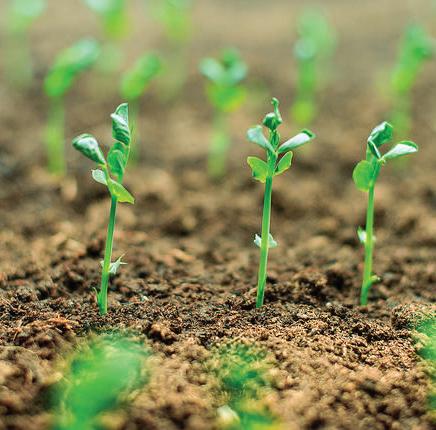
The student is expected to demonstrate an understanding of the pattern of seasonal changes on Earth using evidence from observations. Student Expectations
This unit engages students in observing and discussing weather evidence to recognize the four seasons and their predictable, repeating order. By sorting realworld representations (clothing, weather, thermometers), sequencing seasons, and justifying choices, students use concrete observations to distinguish seasonal characteristics. Collaborative conversations, visual models, and quick checks reinforce how weather patterns unfold across months. Building and referencing a class seasons chart and personal artifacts supports students in demonstrating the seasonal pattern and anticipating the current and next seasons, aligning with the expectation to use evidence from observations.
Scope Vocabulary
The terms below and their definitions can be found in Picture Vocabulary and are embedded in context throughout the scope.
Earth
Key Concepts
• The seasons change in a repeated pattern.
• The seasons change as Earth orbits the Sun.
• Seasons, which include summer, fall, winter, and spring, have different characteristics due to the tilt of Earth around the Sun.
The planet we live on.
Environment
Everything that is around a living thing
Evidence
Information that supports an idea Observe
To use the senses to examine or inspect
Pattern
Something that repeats
Season
A period of time that has a certain type of weather
Notes
Students explore seasonal patterns by sorting clothing and identifying the season each set represents.
• Work in groups to examine clothing piles and discuss which weather and season each set fits.
• Match season labels to the correct boxes and justify choices to the class.
• Sequence the seasons and respond to quick-check questions about the current and next seasons, reinforcing the idea of patterns in weather over months.
Students explore observable weather changes to understand that the four seasons occur in a repeating, predictable order each year.
• Sort images (weather, clothing, thermometers) into the correct seasons and discuss seasonal differences.
• Create simple seasonal drawings on color-coded squares and match them to the appropriate season.
• Build a class Seasons Chart to sequence winter, spring, summer, and fall, emphasizing the repeating pattern.
• Reinforce learning by reciting the seasonal sequence and completing a brief Student Journal activity.
Notes
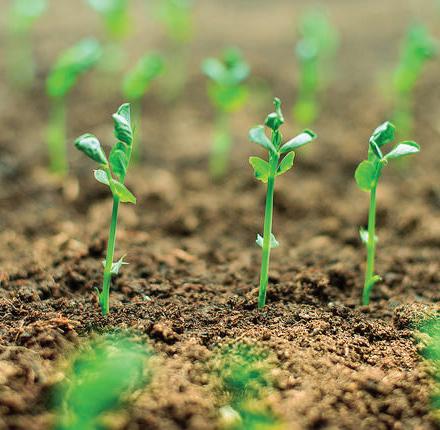
Estimated 15 min - 30 min
Students select appropriate clothing based on each season and explore the pattern of seasonal changes.
Materials
Consumable
● 4 Index cards (per teacher)
Reusable
● 1 Scissors (per teacher)
● 1 Roll tape (per teacher)
● 4 Cardboard boxes or laundry baskets (per class)
● 1 Marker (per teacher)
● 1 Winter clothes pile (sweaters, long pants, heavy jackets, hats, gloves, scarves) variety per class
● 1 Spring clothes pile (short-sleeve shirt, shorts, umbrella, raincoat) variety per class
● 1 Summer clothes pile (tank top, shorts, swimsuit, sunglasses) variety per class
● 1 Fall clothes pile (long pants, long-sleeve shirt, light jacket) variety per class
SEP Connection
Planning and Carrying Out Investigations
Constructing Explanations
Engineering Design
Find the suggested clothing items for the season clothing piles. Collect four cardboard boxes or laundry baskets. Based on seasons, separate the clothing into the containers so that each box of clothing represents a specific season. Label each index card with one season. Do not attach the index cards to the containers. The boxes will be labeled with the correct season AFTER students have discussed the contents of each box.
Patterns
Cause and Effect
During this activity, students will plan and conduct an investigation collaboratively by sorting clothing into seasonal categories, which will serve as the basis for evidence to understand why leaves change color and fall off trees in some seasons but not in others. They will make observations to construct an evidence-based account of the natural phenomenon of seasonal changes, using their prior experiences to make predictions about the weather and its impact on nature.
Notes
During this activity, students will observe and identify patterns in seasonal clothing choices, which will help them understand the phenomenon of why leaves change color and fall off trees in some seasons but not in others. By recognizing these patterns, students can use them as evidence to describe the phenomenon and explore the cause and effect relationships that lead to observable seasonal changes.
1. Ask students about how they decided which clothes to wear today. (Some students might share that their parent or caregiver told them what to wear.)
2. Lead students into a discussion on how the weather (or how it feels outside) often helps us decide which clothes to wear each day, and that the weather changes throughout the year.
3. Ask, “Did anybody wear a ski jacket today?” (Be sure to name an article of clothing that is NOT appropriate for the current season.) “Why?” Accept reasonable answers such as it is too hot outside, or it is not winter. “That’s right. We select what to wear based on the season.” “Does anyone know what season it is now?” Students may or may not know the current season. If nobody mentions the correct answer, share the current season and tell students a season is when we have several months with the same weather. There are four seasons. We are in summer (insert correct season) now. Ask, “What are some other seasons you know?” Accept student answers which include winter, spring, summer, and fall (or autumn).
4. Explain today students are to work as teams to solve a problem. State, “I was cleaning out the school’s lost-and-found closet and discovered all these items of clothing. Your job is to determine which season is represented by each box of clothing.”
5. Organize students into four groups and assign each group to a different clothes pile (winter clothes, spring clothes, summer clothes, and fall clothes).
6. Tell students to look through the pile of clothes and talk among themselves about what clothes they would need in certain types of weather and why and when they would wear the clothing in each pile. Ask students to figure out which season their assigned piles of clothes represents.
7. After students have finished the task, each group will share with the class what they noticed about their assigned pile of clothes. Each group identifies which season is represented by their box of clothing. If you live in a part of the United States where seasonal changes are insignificant, you may need to clarify any misconceptions about daily weather changes versus seasonal weather changes.
8. Show the index cards to the class. Read aloud the season on each label and ask on which box does each label belong. Once students have matched the correct label to its box, tape the label to the container.
9. Organize the boxes in the following order: winter, spring, summer, and fall (or autumn).
FACILITATION TIP
Engage students with visual examples of seasonal activities, clothing, and weather. Ask students what they notice about the visuals.
FACILITATION TIP
Be aware of student experience with seasons. Ask, “How much snow have you seen? What is one of the hottest days you remember?” and so on.
FACILITATION TIP
If time is limited or four groups will be too large, hold up the items from the baskets to show the class and encourage students to respond with what they notice.
10. As a class, recite the seasons they learned about today–winter, spring, summer, and fall (or autumn). Ask the following questions:
● What season is it now? The correct response is the current season.
● How many seasons are there? Four
● Do you know what season comes next? The correct response is the next season after current season.
● What is your favorite season? Why? Accept reasonable answers.
Use the STEMscopedia as a visual resource to reinforce this definition.
● Toward the end of summer, the temperatures begin to cool and leaves turn colors and fall to the ground. What do we call this season that happens after summer? Fall (or autumn)
11. Remind students that a season is defined as several months with the same weather. Seasons change in the patterns we observe.
How do the changes in weather and temperature throughout the year affect the natural world around us, such as the changing colors of leaves and their falling from trees?
1. How do the different seasons affect the types of clothing we choose to wear, and what does this tell us about the changes in weather and temperature?
2. In what ways do you think the changing temperatures and daylight hours in each season might influence the trees and plants around us?
3. Why do you think some trees lose their leaves in the fall while others do not, and how might this be related to the seasonal changes we experience?
Estimated 1 hr - 2 hrs
Students will view pictures to identify changes in the environment based on seasons, and use this evidence to explain how Earth’s seasonal changes occur in a particular pattern. Students will explain seasons happen in a repeated order each year and include winter, spring, summer, and fall (or autumn).
Materials
Printed Material
● 1 Student Journal (per student)
● 1 Student Journal Key (per student)
● 1 Seasons Card Sort (per group)
● 1 Seasons Chart (each page contains 2 charts) (1 chart per group)
Reusable
● 1 Paper, white—8.5” x 11” (per teacher)
● 1 Paper, green—8.5” x 11” (per teacher)
● 1 Paper, yellow—8.5” x 11” (per teacher)
● 1 Paper, orange—8.5” x 11” (per teacher)
● 1 Marker (per teacher)
● 1 Stapler with Staples (per teacher)
● 1 Scissors (per teacher)
● Assorted Crayon colors (per student)
● 1 Glue stick (per group)
Consumable
● 1 Gallon plastic bag (per group)
● 1 Sandwich plastic bag (per group)
● 1 Paper, white—2.5” x 2.5” (per group)
● 1 Paper, green—2.5” x 2.5” (per group)
● 1 Paper, yellow—2.5” x 2.5” (per group)
● 1 Paper, orange—2.5” x 2.5” (per group)
Print enough copies of the Seasons Card Sort for each student group to receive one copy. Cut apart the Seasons Cards and place each set in a gallon plastic bag. Print enough copies of the Seasons Chart for each group to receive one copy. To save paper, the Seasons Chart contains two student copies on one page and will need to be cut apart before student use. Print a Student Journal for each child. Use a marker to draw the following seasonal pictures on each of the four sheets of 8.5” x 11” paper. (White=snowman; green=flower; yellow=Sun; and orange=leaf falling from tree). Cut enough 2.5” x 2.5” paper squares for each group to have one of each color-white, green, yellow, and orange. Place one of each of the colored squares into a small plastic baggie.
Notes
Planning and Carrying Out Investigations
Constructing Explanations
Engineering Design
During this activity, students will plan and conduct investigations collaboratively to produce data that serves as the basis for evidence, allowing them to construct explanations for the phenomenon of why leaves change color and fall off trees in some seasons but not in others. By observing and sorting seasonal changes, students will evaluate different ways of observing and measuring these changes to determine patterns and make predictions based on prior experiences.
Patterns
Cause and Effect
During this activity, students will observe and identify patterns in the natural world by examining seasonal changes, such as why leaves change color and fall off trees in certain seasons. They will use this evidence to describe the phenomenon and understand that these events have causes that generate observable patterns, reinforcing the concept that seasons occur in a repeated, predictable order each year.
Procedure and Facilitation
1. Remind the class that a season is defined as several months with the same weather. Seasons change in the patterns we observe. A season is a particular time of the year that has a certain kind of weather. There are four seasons on Earth:
● Winter: coldest
● Spring: warming up
● Summer: hottest
● Fall: cooling off
2. Divide class into groups of four students and distribute the Seasons Card Sort baggie to each group.
3. Instruct students to work with their group members to sort the season pictures, clothing pictures, and thermometers by the appropriate seasons.
4. Discuss the groupings. Brainstorm the ways weather is different during different times of the year, such as the beginning of the school year, during holidays, on their birthdays, etc.
5. Next, display the four colored pages with seasonal drawings and discuss which season each paper represents:
● White=Winter (snowman)
● Green=Spring (flower)
● Yellow=Summer (Sun)
● Orange=Fall (leaf)
6. Provide each group with a plastic bag containing four different colored 2.5” x 2.5” squares of paper. Each group will draw an appropriate seasonal picture or symbol based on the color of the paper. If necessary, refer to the displayed colored pages.
Use the Accelerate Learning Visual Glossary resource in the Teacher Toolbox to teach the four seasons with video and images.
FACILITATION TIP
Post these season words and preview before beginning the Explore. Students will need to read the terms to be successful at the game.
FACILITATION TIP
Project a visual of a thermometer or demonstrate with a real one. Knowing how to read a thermometer is a scientific skill that students will use in future STEM courses. Show students how it works so they are prepared to interpret the thermometer cards in the game.
FACILITATION TIP
Consider allowing students to choose which season they want to draw. If appropriate, create a bar graph with the squares to represent how many students chose each season.
7. Share the student created pictures by holding the following discussion with the class:
● (Select a group to share a picture on the white paper.) What season does your picture represent? Why? Winter, because temperatures are typically cold, and sometimes there is snow.
● After winter, the temperatures warm up, and plants begin to grow. Hold up your group’s drawing which represents this season. (Groups should share the drawing on the green paper.) What is the name of this season which happens after winter? Spring
● As temperatures continue to rise, and the days get longer, we experience the season which comes after spring. What season is this? Summer
● Next, temperatures begin to cool, and the leaves on trees start to change colors. Which colored paper represents this season? The orange paper
● When the leaves have fallen off most trees and the temperatures outside require us to wear a jacket most days, we return to the season called winter.
8. Distribute a copy of the Seasons Chart to each group. Instruct groups to match each colored drawing under the correct season. Circulate among students, ensuring each group has the correct answers. Provide assistance as needed.
9. Once all groups have the correct answers, distribute glue sticks, and direct groups to glue the pictures onto the Seasons Chart.
FACILITATION TIP
Support student recitation of the seasons in order with a curated interactive song.
FACILITATION TIP
This Student Journal could be used before the lesson to assess students’ prior knowledge. Some students may need support to cut out and glue the shapes.
10. Select a group to bring a completed Seasons Chart to the front of the class, and instruct students to recite the seasons in order from left to right, (Winter-white, Spring-green, Summer-yellow, and Fall-orange) as teacher points to the pictures. Attach the chart to the wall with tape or staples.
11. Repeat the step above with each group. Be sure to attach the charts to the wall horizontally, forming a continuous line of repeating seasons.
12. After all group charts are displayed, have a student come forward and select a favorite picture. Based on child’s selection, ask the class the following questions:
● What season does this picture represent? Answer will vary based on student’s choice.
● What season comes after? Answer should be the season after student’s initial selection.
● What season comes before? Answer should be the season before student’s initial selection.
● What do you notice about the order of the seasons? The order is always in a pattern.
● (Point to a picture on any yellow paper.) What season does this picture represent? Why? Summer
● (Point to a picture on any yellow paper.) Let’s say the seasons together starting with summer. Summer, Fall, Winter, Spring, Summer, Fall, Winter, Spring, etc. What do you notice? Answers may vary, but might include ‘a pattern,’ ‘the seasons follow a particular order,’ or even ‘every four seasons makes a year.’ Accept any reasonable answers. Point out to students it doesn’t matter which season we start with as the seasons follow each other in a particular order or pattern.
13. Distribute a copy of the Student Journal to each student. Read directions aloud and have students complete the activity.
Students may have a hard time working in a group and may become frustrated with their peers. Allow students to take a break from creating the picture in order to collect themselves and then return to the group to continue working. They may need to finish their portion of the sorting or picture after the other students have finished theirs in order to prevent arguments or frustration. Read about more strategies to help argumentative students cope in the Intervention Toolbox.
Seasons
Create a class chart. Draw four sections and label them summer, fall, winter, and spring. If you have pictures of your students, glue each student's picture under the season in which they celebrate their birthday. For example, if you have a student born on the 20th of January, glue their picture under “winter.” If you do not have pictures, you can simply write each student's name under the season in which their birthday occurs.
After the students have explored the investigation, have them find their picture and identify the season in which they celebrate their birthdays. Practice the following sentence with them:
● Did you know that my birthday is during the ______________ season? If you have a picture of yourself, use yourself as an example.
As we observe the changing seasons, why do leaves change color and fall off trees in some seasons but not in others?
1. How do the changes in temperature and daylight during different seasons affect the color and life cycle of leaves?
2. What role does the pattern of seasons play in the life cycle of trees and their leaves?
3. How might the changing seasons impact other living organisms in the environment besides trees?
STEMscopedia
Reference materials that includes parent connections, career connections, technology, and science news.
Linking Literacy
Strategies to help students comprehend difficult informational text.
Picture Vocabulary
A slide presentation of important vocabulary terms along with a picture and definition.
Content Connections Video
A video-based activity where students watch a video clip that relates to the scope’s content and answer questions.
Career Connections - Astronomer
STEM careers come to life with these leveled career exploration videos and student guides designed to take the learning further.
Math Connections
A practice that uses grade-level appropriate math activities to address the concept.
Reading Science - Season after Season
A reading passage about the concept, which includes five to eight comprehension questions.
Notes
Claim-Evidence-Reasoning
An assessment in which students write a scientific explanation to show their understanding of the concept in a way that uses evidence.
Multiple Choice Assessment
A standards-based assessment designed to gauge students’ understanding of the science concept using their selections of the best possible answers from a list of choices
Open-Ended Response Assessment
A short-answer and essay assessment to evaluate student mastery of the concept.
Guided Practice
A guide that shows the teacher how to administer a smallgroup lesson to students who need intervention on the topic.
Independent Practice
A fill in the blank sheet that helps students master the vocabulary of this scope.
Extensions
A set of ideas and activities that can help further elaborate on the concept.
Use this template to decide how to assess your students for concept mastery. Depending on the format of the assessment, you can identify prompts and intended responses that would measure student mastery of the expectation. See the beginning of this scope to identify standards and grade-level expectations.
Student Learning Objectives
The seasons change in a repeated pattern.
The seasons change as Earth orbits the Sun.
Seasons, which include summer, fall, winter, and spring, have different characteristics due to the tilt of Earth around the Sun.
Student Expectations
The student is expected to demonstrate an understanding that the Sun provides Earth with heat and light, and develop a device to reduce this heat.
• The Sun provides energy, light, and warmth for living things to stay alive.
• Day and night happen in a repeated pattern.
• The heat from the Sun can change the temperature of Earth’s natural resources, including sand, rocks, and water.
Scope Overview
This unit builds students’ understanding that the Sun provides Earth with light and heat and that its position causes day and night. Learners conduct sensory observations indoors and outdoors, use a model to connect sunlight to daytime and darkness to nighttime, and collect temperature data for common materials before and after sun exposure. They apply findings in a simple engineering challenge by designing, testing, and iterating a device intended to reduce heat from sunlight.
Scope Vocabulary
The terms below and their definitions can be found in Picture Vocabulary and are embedded in context throughout the scope.
Day
The time between sunrise and sunset
Earth
The planet we live on.
Heat
The type of energy that makes things warm
Light
The type of energy that the eye can see
Natural
Comes from Earth
Night
The time between sunset and sunrise
Pattern
Something that repeats
Resource
Something that we can use and is valuable
Sun
The star that Earth moves around and that gives energy to Earth
Sunlight
The energy from the Sun that plants need to make food
Surface
The part of something that can be touched or seen from the outside
Temperature
How hot or cold something is
Notes
Students explore the Sun as a source of light and heat through outdoor sensory observations and a simple follow-up task.
• Observe outdoors, compare indoors vs. outdoors, and identify the Sun as the source of warmth and brightness.
• Engage in a whole-group discussion to connect observations to light and heat energy, including contrasts between daytime and nighttime.
• Complete a brief fill-in and coloring page to record understanding, then share responses with the class.
Making a Model - Day and Night
Students explore how the Sun provides Earth with light and creates day and night through demonstration and model-building.
• Observe a teacher-led lamp-and-globe demonstration to see one side lit as day and the opposite side as night.
• Label day and night on the globe and complete initial Student Journal prompts to connect the model to Earth.
• Construct and decorate a simple Sun–Earth display, showing which side of Earth faces the Sun (day) and which does not (night).
• Share and discuss how we know it is daytime or nighttime, reinforcing observations with their models.
Scientific Investigation - Effects of the Sun
Students explore how the Sun affects different materials and apply their learning through a simple engineering task.
• Measure and record the temperatures of sand, soil, rocks, and water indoors, then after sun exposure, to observe changes.
• Compare inside vs. outside data and discuss how sunlight increases temperature by transferring heat energy.
• Design, build, and optionally wear a hat prototype intended to keep a character cool; evaluate effectiveness and suggest improvements.
Notes
Estimated 15 min - 30 min
In this activity, students use their senses to observe the Sun’s heat and light energy.
Materials
Printed Material
● 1 The Sun (per student)
● 1 The Sun, Key (per teacher)
Reusable
● 1 Pack of crayons or colored pencils (per group)
Print out a copy of The Sun document for each student. Check the weather and make sure that the Engage activity will be conducted during a warm and bright day with lots of sunshine.
Planning and Carrying Out Investigations
Developing and Using Models
Constructing Explanations / Designing Solutions
During this activity, students will plan and conduct an investigation by using their senses to observe the Sun’s heat and light energy, which will serve as the basis for evidence to explain the phenomenon of why we feel warm in sunlight. They will make firsthand observations to collect data that can be used to compare the differences between being outside in the sunlight and being inside. Additionally, students will develop and use models to represent how the Sun provides Earth with light and heat, and they will construct explanations based on their observations to understand the natural phenomenon of sunlight warming us and explore solutions to keep cool.
Notes
CCC Connection
Cause and Effect
Energy and Matter
During this activity, students will explore the phenomenon of feeling warm in sunlight and investigate how to stay cool by observing and discussing the Sun’s heat and light energy. They will engage with the concept of cause and effect by identifying the Sun as the source of warmth and light, and they will consider how these energies impact their environment. Through this exploration, students will gather evidence to support their understanding of how the Sun’s energy causes observable patterns, such as warmth and brightness, and how these patterns change when the Sun is not present.
1. Tell the students that today they will be doing some observing outdoors!
2. Have the students line up to go outside, and review the classroom procedures for going outside.
3. When you get outside, have the students observe what they notice about being outside using their senses. Ask students to think about the differences between being outside and being inside. Is it light or dark? Is it warm or cool?
4. Ask the students to look up into the sky and name what they see. Be sure students do not look directly into the Sun.
5. Instruct the students to close their eyes and stand very still then ask them to focus on what they feel on their faces and arms. Students might say they feel warmth or it feels hot. Ask students to think about where that heat comes from. The Sun
6. Tell the students to open their eyes and have students think about what helps them see when they are outside. Students might say they are able to see because of the light from the Sun.
7. Walk the students back to the classroom to hold a whole group discussion about what they observed. To give students a visual of how the Sun provides Earth with light and heat, pictures and examples can be drawn and/or written on the board during the class discussion.
8. Pass out the Engage: The Sun document and read the directions aloud to the class.
9. Have students fill in the blanks and offer assistance if necessary. Encourage students to try their best and help with reading as needed. Allow students to color the page.
10. Review the page as a class. Ask for student volunteers to share their answers.
● What were some differences you noticed about being outside versus being inside? Students could say there are more trees, noises, it is warmer, it is brighter, and there is a Sun and clouds in the sky. Make sure to emphasize that the Sun in the sky provides us with light and heat whereas indoors we often use electricity to provide us with light (light bulbs) and heat (heater). Clarify any misconceptions here.
● When we were outside and you felt warm or hot, where did that heat come from? Students should say they felt warm or hot because of the Sun shining. Clarify any misconceptions here.
● When we were outside observing, we noticed that it was bright, where did that light come from? The Sun
● How would it be different outside if you went outside in the middle of the night? Students might say it would be cooler and darker because the Sun does not shine at night. Lead students to understand that there is less light and heat energy when the Sun is not shining.
FACILITATION TIP
Bring a clipboard outside to jot down student observations and responses to your prompts. Consider previewing and posting the guiding questions before going outside.
FACILITATION TIP
Review the five senses to help focus student observations.
FACILITATION TIP
Use the Teacher Toolbox: Resources: Visual Glossary to provide images and video of Sun, Earth, Solar, Radiant and more to support this discussion.
FACILITATION TIP
Use Sun document scale reference as an opportunity to model the Sun and Earth. Illustrate the comparison using a meter stick to approximate the diameter of the Sun and a centimeter sized ball to approximate the diameter of the Earth.
FACILITATION TIP
Some students may have questions about the stars at night and whether the Sun is a star. Post any topical student questions and answer them throughout the scope.
Students may be overwhelmed, overstimulated, or overexcited by going outdoors for this activity. Provide a place in the classroom or outside that is removed from the activity where the student can go to calm down and relax. Read more strategies for students overstimulated by classroom activities in the Interventions Toolbox.
How does the Sun’s energy affect our temperature and comfort, and what can we create to stay cool under its rays?
1. What are some ways we can use materials or technology to protect ourselves from the Sun’s heat while still enjoying the outdoors?
2. How does the Sun’s position in the sky throughout the day affect the amount of heat and light we experience?
3. If we were to design a shelter or clothing to keep us cool in the sunlight, what materials or features would be most effective?
Estimated 1 hr - 2 hrs
The students observe a teacher demonstration modeling how the Sun provides Earth with light and heat. Then students will build a Sun-Earth model to represent day and night.
Materials
Printed Material
● Student Journal 1 (1 per student)
● Student Journal 1 Key (1 per teacher)
Consumable
● 1 Sticky notes, pad (per class)
● 1 Yellow construction paper, pack (per class)
● 1 White construction paper, pack (per class)
● 1 Glue stick (per student)
Reusable
● 1 Pair of scissors (per teacher)
● 1 Globe (per class)
● 1 Light source (lamp, flashlight, etc., per class)
● 1 Pack of crayons (per group)
SEP Connection
Planning and Carrying Out Investigations
Developing and Using Models
Gather the necessary materials from the Materials List. Precut a Sun, a moon, clouds, and stars for each student. Using the white construction paper, cut out one moon and two clouds for each student. Using the yellow construction paper, cut out one Sun and two stars for each student. Be sure to set up the lamp and globe demonstration ahead of time to ensure that the light source works and will illuminate one side of the globe in order to represent day.
Constructing Explanations / Designing Solutions
During this activity, students will plan and conduct an investigation to understand why we feel warm when we stand in the sunlight and how we can create something to keep us cool. By observing a teacher demonstration and building a Sun-Earth model, students will collect data to serve as evidence for understanding the phenomenon. They will make observations and use models to represent the relationship between the Sun and Earth, distinguishing between day and night. This hands-on experience will allow students to construct explanations and design solutions, using evidence and ideas to address the natural phenomenon of sunlight and warmth.
Cause and Effect
Energy and Matter
During this activity, students will explore the cause and effect relationship between the Sun’s position and the Earth’s day and night cycle. By observing and modeling how the Sun provides Earth with light and heat, students will gather evidence to understand why we feel warm in sunlight and how this knowledge can be applied to design solutions for staying cool.
1. Show the class the globe and the lamp. Discuss how the globe represents Earth, the planet we live on.
2. Turn on the lamp and direct it toward part of the globe. Ask the class what they think the light from the lamp represents. Students might answer the Sun. Explain how this is correct. Since the Sun shines down on Earth.
3. Next, turn off the lights in the class.
4. Direct the light toward part of the globe. Share with students that the part of the globe that is lit up represents day and the part that is not lit up represents night. You do not need to spin or move the globe.
5. Ask the students to observe the difference in the different parts of the globe. The students might answer that one part has light on it and the other part does not.
6. Guide students to label one side of the globe day and the other side night using the sticky notes.
7. Go over the first page of the Student Journal with the students.
8. Turn students attention to the second page of the Student Journal and carefully read the directions to each student. Be sure the students recognize that the circle represents Earth and that one side represents day and the other side represents night.
9. Pass out the crayons, pieces of construction paper, and glue sticks to each student.
10. Have students decorate their models of Earth, cut out Earth, and glue it on a piece of construction paper.
11. When all students have completed their Earth, have students draw or write which side the Sun is facing. Students should draw a Sun facing toward the dayside of their Earth model.
12. Display the student Sun-Earth models around the classroom.
Discussion Questions
1. How do you know it is daytime? When the Sun is facing Earth. Students might say they see the Sun, clouds, and sometimes the Moon during the day.
2. How do you know it is nighttime? When the Sun is facing away from Earth. Students might say they see the Moon or stars at night.
Notes
FACILITATION TIP
Many schools have a 3D model of the solar system. Collaborate with staff to resource a model.
FACILITATION TIP
Help students understand the model by placing a small figurine on the globe to represent your location.
FACILITATION TIP
Reinforce to students that they are to draw items that they see outside (not inside) in the day / night.
FACILITATION TIP
When reading the directions on page 2 of the Student Journal, clarify specifically which Earth students are to cut out.
Four-Square Vocabulary
Have students create a set of index cards over the following vocabulary terms: (1) day, (2) night, (3) Earth, (4) Light, and (5) temperature.
Divide the class into groups of five. Have the students in each group number off from one to five.
Give every student an index card. Instruct students to draw four equal sections on the card.
Tell students that the four sections of the card represent an assigned vocabulary term, the term’s definition, and an illustration and one fact that they remember from what they learned.
Assign one of the vocabulary terms to each student (number one students use day, number two students use night etc.).
Students should have a chance to switch cards or discuss with a partner after they have completed the assignment.
When the Sun shines on Earth, how does it affect the temperature and our perception of warmth, and what can we create to help us stay cool?
1. How does the Sun’s position in the sky influence the temperature we feel during the day?
2. What materials or designs could we use to create a device or structure that keeps us cool when exposed to sunlight?
3. How does the Earth’s rotation affect the distribution of sunlight and temperature across different regions?
Notes
Estimated 1 hr - 2 hrs
In Part I, students will investigate the Sun’s effect on natural resources by collecting the temperatures of samples of sand, soil, rocks, and water. In Part II, students will design a hat to provide protection from the Sun.
Materials
Printed Material
Part I
● 1 Student Journal (per student)
● 1 Student Journal Key (per teacher)
Part II
● 1 Student Journal 2 (per student)
● 1 Student Journal 2 Key (per teacher)
Consumable
Part I
● 1 Paper towel, roll (per class)
● 1 Index card or scrap paper (per teacher)
Part II
● 4-5 Pipe cleaners (per student)
● 1 Paper plates (per student)
● 1 Strip of yarn, 12 inches (per student)
● 1 Pack of construction paper (per class)
● 1 Stickers/jewels/foam shapes, optional (per group)
Reusable
Part I
● 4 Clear plastic cups (per class)
● 4 Plastic spoons (per class)
● 1 Measuring cup, cup (per class)
● 1 Cup of sand (per class)
● 1 Cup of soil (per class)
● 1 Cup of rocks (per class)
● 1 Cup of water (per class)
● 1 Thermometer (per class)
● 1 Document camera/projector (per teacher)
● 1 Permanent marker (per teacher)
● 1 Box or tray (per teacher)
Part II
● 1 Package of crayons (per group)
● 1 Pair of scissors (per teacher)
● 1 Hole puncher (per teacher)
● 1 Clifford the Big Red Dog book (per class)
Gather the necessary materials for Part One of this lesson. Make a copy of the Student Journal 1 for each student and an extra copy as a way to model filling in the Student Journal. You can use a document camera to project the Student Journal and fill in the information as a class to demonstrate how to fill in their Student Journal 1 page. With spoons and a measuring cup, collect 1 cup sample of each: sand, soil, rocks, and water and pour them into clear plastic cups. Label the outside of the plastic cups with a marker to signify what sample it contains. Use a paper towel to wipe off the inside of the measuring cup between gathering different samples. Use another paper towel to wipe off the thermometer during the lesson.
Make sure that it is a warm sunny day so that the items will quickly heat up in the Sun. Also, make sure that when you record the temperature, you record the temperature in whole numbers (no fractions or decimals) and record the degrees in Fahrenheit or Celsius.
Make a copy of the Student Journal 2 for each student. You will need to check out a Clifford the Big Red Dog book from the library. Gather the materials for Part Two of this lesson. Cut the yarn into about 12 inch strips. Hole punch two opposite sides of the plate. After students have created the hats, the yarn will be attached through the holes as a strap to secure the hats under the students’ chin so the student could wear their hat design if they wish. Extra yarn pieces could be used to decorate the hats.
Planning and Carrying Out Investigations
Developing and Using Models
Constructing Explanations / Designing Solutions
During this activity, students will plan and conduct investigations to explore the phenomenon of why we feel warm when standing in sunlight and how we can create something to keep us cool. They will collect temperature data of various natural resources to understand the Sun’s effect and use this evidence to design and build a hat that provides protection from the Sun. Through this process, students will develop and use models to represent their design solutions, make observations to construct evidencebased accounts of the phenomenon, and evaluate and improve their designs based on their findings.
Cause
Energy and Matter
During this activity, students will explore the cause and effect relationship between sunlight and temperature changes in natural resources, gathering evidence to understand how the Sun’s energy affects different materials. They will apply this understanding to design and test a hat that mitigates the Sun’s warming effect, thereby engaging with concepts of energy and matter as they observe how materials can be combined and shaped to achieve a desired outcome.
1. Ask the students in a whole group, how does the Sun help us? Students should answer the Sun provides Earth heat and light.
2. Tell the students that today they will be investigating how the Sun affects the temperature of sand, soil, rocks, and water.
3. Pass out a copy of Student Journal 1 to each student.
4. Using the projector and copy of the Student Journal 1 page, show students the word "temperature." Explain that the temperature is how hot or cold something is.
5. Hold up and show the students a thermometer. Ask students where they might have seen a thermometer before. Students might say at home or at the doctor. Explain to students that a thermometer is a tool that is used to measure the temperature of something. Make the connection that they have probably have seen a thermometer when they go to the doctor since the doctor uses a thermometer to measure your body’s temperature.
6. Show students the samples of sand, soil, rocks, and water. Review the items in the column on the chart paper and on the Student Journal page. Read the journal page aloud to the class as they follow along.
7. Explain that you will measure the temperature of each item and then you will record the temperature of each item in the “Inside Temperature” column.
8. Begin by measuring the temperature of the sand. Record the temperature of the sand in the “Inside Temperature” column and have students do the same.
9. Wipe off the thermometer with the paper towel.
10. Repeat step 7 for soil, rocks, and water.
Curate a visual to compare the many different types of thermometers.
Many schools have digital infrared thermometers that would speed up the data collection.
FACILITATION TIP
Before going outside, engage students by asking about their experiences with different substances and heat. Ask, “What does it feel like when you walk on the grass in the sun on a hot day? What does it feel like to walk on black asphalt, light colored sidewalk, or a wet surface?”
FACILITATION TIP
Using a digital infrared thermometer on these different surfaces will provide more accurate data. Consider the color of the substances; a light colored sand may not absorb as much heat as a very dark sand.
FACILITATION
Resource a heat lamp and set up the items inside if the weather is not sunny enough to create significant change in temperature.
11. Discuss the information with the students. Ask the students what they notice about the temperature. The students should say that the temperature of all of the items should be very similar or the same.
12. Tell the students that they are going to go outside and see how the Sun impacts the temperature of each sample.
13. Gather the needed items: thermometer, an index card or scrap paper with marker, and the 4 cups with each of the four samples paper towels, and put the items in a box or tray to carefully transport them and outside. Lead the class outside.
14. Explain to students that the samples in the cups will need to be set in the Sun for a few minutes before the temperature is read. Allow the students to play for 10-15 minutes then have them gather around the items.
15. Measure the temperature of the sand, soil, rocks, and water again using a paper towel to wipe the thermometer between each reading and record the temperatures of each of the samples on the index card or scrap paper using a marker.
16. Bring the students back inside and use the recorded outside temperatures to fill in the Student Journal pages.
17. Ask the students to compare the inside and outside temperatures and share how the temperatures changed when the items were outside in the Sun. The students should notice that the temperature increases.
18. Explain to the students that when the temperature becomes a larger number it means it got warmer. Ask the students why the temperature of the items became warmer. The students should say that the Sun gave heat energy to the items.
Part Two
1. Read your favorite Clifford the Big Red Dog book to the whole class or reference the character Clifford the Big Red Dog if your students are familiar with the character.
FACILITATION
If time or supplies are limited, consider allowing small groups to design a simple shelter for Clifford rather than individual hats. Students can use blocks or other manipulatives in the classroom. Extend the activity by allowing students to design an outdoor space that would keep Clifford cool in summer and warm in winter.
2. Tell the students during the summer Clifford gets really hot from being outside in the Sun’s heat.
3. Tell the students that they are going to design a hat that will keep Clifford cooler in the summer and protect him from the Sun.
4. Pass out the Student Journal 2 page to each student and read the directions aloud to the class.
5. Ask the students if Clifford gets too hot or too cold during the sunny, summer months. The students will answer too hot. Have the students circle “too hot” on their Student Journal 2 page.
6. Tell students that they are going to use pipe cleaners, paper plates, yarn, markers, and construction paper to make a hat for Clifford. Allow students time to work together and draw their design on their Student Journal 2 page.
7. Let students create a model of their hat design using the materials they choose.
8. Once students are finished, students can wear their hats if they wish using the yarn to secure the hat to their head.
9. Ask students to think about how well their hat design will work in protecting them from the Sun.
10. Let students talk together and decide how well their hats work. Tell students to rate their hat design on in the Student Journal 2 page, and they will shade in their answer.
11. Ask students how they would change and improve their hat design to make it an even better hat to provide even more protection from the Sun. Students might say I would make it bigger, I would add more paper, etc.
12. Allow time for students to draw a picture on their Student Journal 2 page of how they would change their hat design.
Keep it Cool
Have sentence stems printed out for your Language Acquisition Strategies students to use during the Engineering Solutions activity. Sentences to include are:
● I think __________ will work best.
● Let’s try __________ instead of __________.
● We go in the shade because it is ___________.
● The temperature of all of the samples were __________.
● We could improve our design next time by ___________.
How does the Sun’s energy affect the temperature of different materials, and how can we design something to protect ourselves from its heat?
1. Based on your observations, which material (sand, soil, rocks, or water) absorbed the most heat from the Sun, and why do you think that is?
2. How did the temperature changes you observed relate to the design of the hats you created to keep Clifford cool?
3. What other materials or design features could you incorporate into your hat to improve its effectiveness in blocking the Sun’s heat?
Use a light source to measure how well their hats work. Shine a light to illuminate how much shade the hat provides. Have students share observations and suggest improvements to the design based on the data.
STEMscopedia
Reference materials that includes parent connections, career connections, technology, and science news.
Linking Literacy
Strategies to help students comprehend difficult informational text.
Picture Vocabulary
A slide presentation of important vocabulary terms along with a picture and definition.
Content Connections Video
A video-based activity where students watch a video clip that relates to the scope’s content and answer questions.
Math Connections
A practice that uses grade-level appropriate math activities to address the concept.
Reading Science - Energy in Action
A reading passage about the concept, which includes five to eight comprehension questions.
Notes
Claim-Evidence-Reasoning
An assessment in which students write a scientific explanation to show their understanding of the concept in a way that uses evidence.
Multiple Choice Assessment
A standards-based assessment designed to gauge students’ understanding of the science concept using their selections of the best possible answers from a list of choices
Open-Ended Response Assessment
A short-answer and essay assessment to evaluate student mastery of the concept.
Independent Practice
A fill in the blank sheet that helps students master the vocabulary of this scope.
Guided Practice
A guide that shows the teacher how to administer a smallgroup lesson to students who need intervention on the topic.
Extensions
A set of ideas and activities that can help further elaborate on the concept.
Use this template to decide how to assess your students for concept mastery. Depending on the format of the assessment, you can identify prompts and intended responses that would measure student mastery of the expectation. See the beginning of this scope to identify standards and grade-level expectations.
Student Learning Objectives
The Sun provides energy, light, and warmth for living things to stay alive.
Day and night happen in a repeated pattern.
The heat from the Sun can change the temperature of Earth’s natural resources, including sand, rocks, and water.
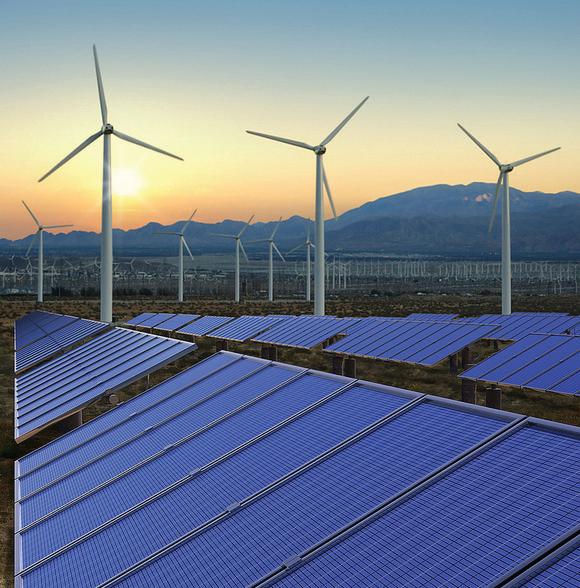
Student Expectations
The student is expected to demonstrate an understanding of how humans use Earth’s resources, determine ways to conserve these resources, and create a product reusing materials.
How can we turn trash into treasure to help save our planet’s resources?
Key Concepts
• We use Earth’s natural resources for everything we do.
• The choices we make can reduce our impact on the environment.
• Recycling, reusing, and reducing the use of natural resources can help protect our environment and conserve resources.
Students build understanding of how humans use Earth’s resources and how recycling conserves them through discussion, media, and observation. They classify common materials, record and interpret simple data displays to compare recyclable categories, and connect choices to environmental impact. Learners investigate real school examples of reducing, reusing, and recycling to identify practical conservation strategies. Applying the engineering design process, they design, test, and refine a stable pencil holder made from reused materials, demonstrating resource-conscious problem solving and meeting criteria and constraints while reflecting on outcomes.
Scope Vocabulary
The terms below and their definitions can be found in Picture Vocabulary and are embedded in context throughout the scope.
Chart
A drawing that contains information
Earth
The planet we live on.
Humans People
Materials
Equipment and supplies for doing or making things
Record
To put in writing
Recycle
To properly dispose of used resources so they can be changed into new products
Resource
Something that we can use and is valuable
Notes
Students explore human impact on the environment and the purpose of recycling through discussion and media.
• Observe a photo of a littered beach and share observations in whole-group and partner discussions using guiding questions.
• Synthesize ideas in a class debrief while the teacher records key points for a shared visual reference.
• View a video of the recycling process to build understanding of how materials are sorted and repurposed.
• Discuss practical actions, define recycling, and identify recyclable items from the image and students’ daily environments.
Students practice classifying recyclables and using simple data displays to discuss their findings.
• Sort collected items into paper, plastic, metal, and glass, then label bins and discuss why recycling matters.
• Count items in each category and record totals.
• Build a class graph with a spreadsheet by coloring one cell per item, then compare categories (most/least, equal amounts).
• Transfer the class data to individual Student Journals to reinforce interpreting the graph.
Students explore how to conserve natural resources by applying the three Rs: reduce, reuse, and recycle.
• Investigate real examples around the school by identifying resource misuse and instances of conservation.
• Use photos to document findings, then generate questions and answers about how to conserve resources in each scenario.
• Share and discuss group ideas with the class to reinforce strategies for conserving water, energy, and materials.
• Complete journal tasks by recognizing and categorizing actions that demonstrate reducing, reusing, or recycling.
Students apply the engineering design process to build a stable, visible pencil holder from recycled materials.
• Define the problem, criteria, and constraints; analyze why a sample design tips.
• Brainstorm and sketch solutions, including color choices and stability features.
• Construct prototypes, test for tipping with pencils, and iterate to improve performance.
• Share designs, demonstrate outcomes, and reflect using the Student Journal.
Estimated 15 min - 30 min
Students view and discuss a picture of a littered beach shore. Then students watch a video on recycling.
Materials
Printed Material
● 1 A Littered Beach Shore (per student)
Reusable
● 1 Computer with Internet access (per teacher)
● 1 Projector (per teacher)
SEP Connection
Print one copy of A Littered Beach Shore document and, using a projector, display the image for the class to view. Using a computer with Internet access, in a search engine type “A Visit to the Local Recycling Center,” or something similar which shows materials going through a recycling center.
Obtaining, Evaluating, and Communicating Information
Planning and Carrying Out Investigations
Constructing Explanations and Designing Solutions
During this activity, students will obtain, evaluate, and communicate information by observing a picture of a littered beach and discussing recycling processes. They will use media to gather information about recycling, helping them identify patterns and evidence about how recycling can turn trash into treasure. By planning and carrying out investigations through discussions and video analysis, students will make observations and predictions about recycling’s impact on conserving Earth’s resources. They will construct explanations and design solutions by generating ideas on how to recycle effectively, thus addressing the phenomenon of turning trash into treasure to help save our planet’s resources.
Notes
CCC Connection
Cause and Effect System and System Models
During this activity, students will explore the cause and effect relationship between human actions and environmental impact by examining a littered beach and discussing recycling. They will understand how systems and system models, such as recycling processes, involve parts that work together to turn trash into treasure, thereby conserving Earth’s resources.
1. In a whole group setting, use the photo from A Littered Beach Shore document and call on student volunteers to share what they see in the picture.
2. Have students get with a partner to discuss the Guiding Questions at the top of A Littered Beach Shore document. Write the questions on the board and read each question aloud, if possible.
3. After partner discussions, conduct a whole group discussion and have students share what they discussed in partner pairs. Write and/or draw student ideas on the board if the class needs a visual.
4. Show a video clip of the recycling process then review the questions below with the class.
5. Have a discussion with the class:
● What can you do to help clean the messy beach? Answers might include clean up the beach by throwing away trash and recycling items. If recycling items is not mentioned, ask students what else could be done besides throwing away all the trash found on the beach.
● What do you think it means to recycle an item? Recycle means to sort an item based on the material of which it is made. Paper, plastic, cardboard, glass, or metal can be sorted and used or made new again. By recycling items, we reduce the use of materials and help conserve Earth’s resources.
● Do you recycle at home? At school? Discuss the benefits of recycling.
● Where have you seen recycling bins? School, mall, park, etc.
● How can you help recycle at home? Sort items
● Which items in the picture could be recycled and why? Items like water bottles, old beach toys, soda cans, and cardboard boxes can be recycled because these items are made of paper, plastic, cardboard, metal, or glass. Recycled items can be made into new items.
Students may have difficulty understanding what the picture is illustrating. Before the activity begins, work with students to identify familiar objects in each picture. Discuss visual clues to help students understand what is being shown. Find more strategies for Difficulty with Visual Perception in the Intervention Toolbox.
How can we transform waste materials into valuable resources to conserve our planet’s resources?
1. Based on your observations, what strategies could we implement to reduce the amount of trash ending up on beaches?
2. If we collected all the recyclable materials from the beach and processed them, how could they be transformed into new products?
3. What are some innovative ways to encourage more people to participate in recycling and reduce waste in their communities?
FACILITATION TIP
In addition to the Littered Beach Shore document, curate images of local natural areas. If possible, include visuals of local clean up efforts.
FACILITATION TIP
Provide students hopeful examples of local organizations that are working to limit negative human impact. Look for groups that are creating positive human impact on the environment.
Estimated 1 hr - 2 hrs
Students sort items into different recycling groups such as paper, plastic, metal, or glass and discuss the significance of recycling. With teacher assistance, students communicate the results of the collected data using a spreadsheet to build a graph.
Materials
Printed Material
● 1 Student Journal (per student)
● 1 Student Journal Key (per teacher)
● 1 Recycling Bin Labels (per class)
● Recycled Materials Class Graph Template (1 per class)
Consumable
● 1 Recycled item (per student): Paper, Plastic, Metal, or Glass
● 1 Plastic milk jug (optional, per teacher)
Reusable
● 4–5 Recycling bins or cardboard boxes (per class)
● 4 Recycling labels for the recycle bins to be used at the end of the activity (per class)
● 1 Computer with Internet access (per teacher)
● 1 Projector (per class)
● 1 Crayon (per student)
1. A couple of days prior to this lesson, gather from around your home and at school recyclable items which might be found on a littered beach. Students could also collect items from home and bring them in before this lesson.
Examples:
● Paper items: newspaper, paper cups, and cardboard containers
● Plastic items: variety of plastic bottles (water bottles, empty juice bottles, sunscreen bottles), plastic cups, straws, frisbees, or other plastic beach toys
● Metal items: soda cans, aluminum foil, or foil gum wrappers
● Glass items: jars and bottles
2. Organize four boxes for sorting and use the remaining box to hold all of the items.
3. Place the four boxes in front of the students. Do not label boxes at this point; you will do this during the lesson. If glass is not used as a material, then only three boxes are needed; however, the option of recycling glass should be discussed during the activity.
4. Using a computer, open the spreadsheet template or create a blank spreadsheet template to build a class graph of the recycled materials data collected by students.
5. Print a copy of the Student Journal for each student. Print the Recycle Bin Labels, cut them out, and set them aside for use toward the end of the lesson.
Obtaining, Evaluating, and Communicating Information Planning and Carrying Out Investigations
Constructing Explanations and Designing Solutions
During this activity, students will obtain, evaluate, and communicate information by sorting recyclable materials into categories such as paper, plastic, metal, and glass, and discussing the significance of recycling. They will use observations and data collected to create a graph, which will help them identify patterns and evidence about recycling’s impact on the natural and designed world. By engaging in this process, students will make observations and use tools to design solutions that address the phenomenon of turning trash into treasure to help save our planet’s resources.
Cause and Effect
System and System Models
During this activity, students will explore the phenomenon of turning trash into treasure to help save our planet’s resources by sorting items into different recycling groups and analyzing the cause and effect relationships of recycling. They will understand how systems and system models work by describing objects in terms of their parts and recognizing how these parts function together within natural and designed systems.
1. Tell students they will be beach buddies today and help the planet by sorting and recycling waste items which might be found on a littered beach. Show students the box containing trash from the beach but do not explain how to sort the items.
2. Divide the class into two groups, as if you are getting ready to have a race.
3. A student from each line walks quickly to the box filled with items, selects one item, and places it inside one of the four boxes. Once the first two students return, the next two students go, and so on. Continue like this until all students have had a turn.
4. Once all the items have been sorted, take the items out of the first box to show the class.
5. Class discussion: Is there an item that does not belong in this box? Example: All the items are made of paper except one plastic bottle. The students should recognize that all the items in the box are made of paper and tell the teacher to place the plastic bottle into another box. At this point, the teacher can prompt students to decide what all the items have in common (made of paper) and place the label on the box. Repeat this process for each box until all are labeled (Paper, Plastic, Metal, Glass).
6. Explain to students that when we recycle, we can sort (classify) items into categories: metal, plastic, and paper.
7. Help the students attach recycle labels to the correct boxes.
8. Continue the class discussion:
● What materials do people recycle? Paper, plastic, metal, glass
● What items do you recycle at home? Paper, boxes, cans, etc.
● If a paper cup is recycled, what could it be made into? Writing paper, a paper straw cover, etc.
● Why is it important to recycle? Answers will vary and may include: recycling helps limit waste and trash we put back into Earth, so we don’t use up as much new materials, so we can use things over and over again before getting more new ones, and so we will use less materials from Earth.
● If everyone on Earth recycled, what changes might we see? Answers will vary and may include more resources, clean landscapes, and less pollution.
9. Explain to students about the importance of sorting recyclables before taking them to a recycling center.
NOTE: Students might sort by color or another criteria; however, that is not correct for this activity. If this happens, use it as a teachable moment at the end of the activity before having the class do the activity again by asking them how the items could be sorted another way.
Reassure students that the collected items are all clean and safe for them to sort; consider providing plastic gloves for sensitive students.
Post these guiding questions and include information and details about your school recycling program. If there are bins in the classroom, clarify the procedures. Motivate students to reduce, reuse, and recycle as much as possible during the school day.
1. Today students create a graph and analyze the collected data from Part I by counting the number of items in each recycled category.
2. Make the following statement, “Wow, class, we sorted several items for recycling based on different materials. Now we need to count how many items we have in each box.”
3. Divide the class into groups based on the number of recycled boxes. Have each group count the number of recycled items found in their assigned box. Help students label each box with the number of items.
4. Use a computer-generated spreadsheet to help students graph data for the number of collected recycle pieces for each category. Call on students to click and color one cell per collected item. Display spreadsheet and discuss collected data using the following questions:
● What do you notice about the amount of materials we collected in each category? Student answers will vary.
● Which category has the most items? The least items? Student answers will vary.
● Can you put the categories in order from least to greatest? Greatest to least? Do any categories have the same amount?
● Hold up a plastic milk jug and ask, “If you found a milk jug on the beach, which recycle bin would you place it in? Why?” I would place it in the recycle bin labeled "plastic" because the milk jug is made of plastic and can be recycled.
Many communities have waste management outreach available for school visits. Alternatively, access the local services website, show students the visuals, and discuss the details for local recycling options. Notes
5. Project the graph created with technology. Students use the data to complete the Student Journal graph. Read the directions and model coloring one block for each collected item in each category. If developmentally ready, students can write the total number for each recycled category below each picture label.
6. Restate why it is important to recycle materials, whether the items are found on a beach, on the playground, or in a park.
After completing the activity, students write a reflection. This is done as a shared writing experience, with the students helping the teacher write the story of how the activity went in their class. The reflection should include:
● What they did in the activity.
● What they learned from the activity.
● How it applies to their everyday lives.
Consider typing up the reflection and printing it out for the students’ science journals.
How can sorting and recycling everyday items help us transform waste into valuable resources, contributing to the conservation of our planet’s resources?
1. Based on your experience with sorting recyclables, what are some creative ways we could repurpose these materials to create new, useful products?
2. How does recycling help reduce the need for extracting new raw materials, and what impact does this have on the environment?
3. What challenges might we face in encouraging more people to recycle, and how can we overcome these obstacles to make recycling a more widespread practice?
Estimated 2 hrs - 3 hrs
Students learn the best way to conserve, or save, natural resources is to follow the three Rs: reduce, reuse, and recycle. With the teacher’s help, students conduct an investigation and create questions to discover ways to conserve Earth’s resources. Their findings are shared through pictures or photos.
Printed Material
● 1 Student Journal (per student)
● 1 Student Journal Key (per teacher)
Reusable
● 1 iPad or digital camera (per class)
● 1 Computer with projector, optional (per teacher)
● 1 Crayons, pack (per group)
● 1 Marker (per teacher)
Consumable
● 1 Empty 16-ounce plastic water bottle (per teacher)
● Water, 4 ounces (per teacher)
● 1 Empty soup can
● 6-–8 Pencils (per teacher)
● 1 Plastic gallon milk jug (per teacher)
● 1 Cup sand (per teacher)
● 2 Sentence strips (per group)
● 1 Set of photos from the class investigation (per group)
1. Prior to the lesson, scout out appropriate locations which demonstrate areas where a resource could be conserved. If no locations are available, stage some locations such as an empty classroom with the lights left on (reduce electricity), a playground with litter on the premises (recycle plastic and reuse items), an area with a dripping faucet (reduce water), and a cafeteria or art room with empty paper milk cartons (reuse or repurpose an item).
2. Fill a 16-ounce water bottle with 4 ounces of water and replace the lid.
3. Prepare a repurposed item such as a pencil holder made from an empty soup can OR a sand scoop made from an empty plastic gallon milk jug cut in half, filled with one cup of sand.
4. Print a copy of the Student Journal for each student.
Obtaining, Evaluating, and Communicating Information
Planning and Carrying Out Investigations
Constructing Explanations and Designing Solutions
During this activity, students will obtain, evaluate, and communicate information by using observations and media to identify patterns in resource conservation practices. They will describe how specific images, such as photos taken during their investigation, support scientific ideas about reducing, reusing, and recycling. Students will also plan and conduct investigations to gather data on resource misuse and propose solutions, using tools and materials to design devices or strategies that address these issues. Through this process, they will construct explanations and design solutions to the phenomenon of turning trash into treasure to help save our planet’s resources.
Cause and Effect
System and System Models
During this activity, students will explore the phenomenon of turning trash into treasure to help save our planet’s resources by understanding the cause and effect relationships of their actions. They will investigate how reducing, reusing, and recycling can conserve resources and create observable patterns of resource conservation. Through this exploration, students will also learn to describe objects and systems in terms of their parts and how these parts work together in both natural and designed systems.
1. This lesson may require two teaching sessions to allow time for printing the photos for student groups.
2. In a previous lesson students learned about the term recycle. Today, students learn about the other two Rs in conserving resources: reduce and reuse. Students conduct an investigation by answering questions in which they determine the best way to conserve, or save, natural resources by following one of the three Rs: reduce, reuse, and recycle.
3. (Recycle) Remind the class that we learn about recycling to help save our planet’s resources. Ask the class, "What does it mean to recycle?" To sort items by materials and place into bins so the items can be collected and reused in a new way.
4. (Reduce) Show a half-empty water bottle to the class. Explain that you have a problem. You are finished with the water and you know how to recycle the plastic bottle, but you do not want to throw away the water. Is there something else you could do with the extra water? Have students brainstorm and share ideas. Ideas might include water a plant, save and drink it later, use it for a pet, etc.
5. After a few responses, ask students how else they use water throughout the day. (Shower, swim, water lawn, wash car, etc.) Tell students water is a resource we use a lot of every day and we must be careful not to waste it. When we use water or resources sparingly, we conserve or reduce the amount we use so the resource is not wasted. Explain to students that while some resources can be recycled, we can also reduce or use less of our resources.
6. (Reuse) Show an empty metal can such as a soup can repurposed as a pencil holder or a plastic milk jug cut in half and used as a scoop. Ask students to identify the original use of the item. (To hold soup or hold milk, depending on the item used.) Ask how the item is now being used. (To organize pencils or scoop sand, depending on the item used). Can you think of another way to reuse the container? Accept any reasonable answers. Explain that like recycling or reducing resources, sometimes we can help save our planet by reusing an item.
7. Tell students they will conduct an investigation by taking a tour around the school, identify how resources are being misused, and determine ways they can conserve Earth’s resources.
8. Visit various parts of the school (pre-staged, if necessary), such as
● an empty classroom with lights left on
● the playground and notice trash on the ground or leaking faucets
● the cafeteria or art room and look for items which could be reused for another purpose
9. As you visit various locations, ask students how resources are being misused. If they do not mention things like litter on the playground, running water, lights left on, and outside doors left open, then redirect the conversations to include these types of things. Ask students if they have any questions about what they see. If they do not ask how to conserve a resource, then ask questions such as
Create a three column visual for Reduce, Reuse, and Recycle. As students respond to the guiding questions, list student ideas and refer to the chart throughout the scope.
If a school tour is not possible, take pictures around the school grounds and create a slide show. Use the photos to ask students what they notice about each one. Have students look for opportunities to reduce, reuse, and recycle.
● How can we save the water? Varied answers based on observations such as turn off water when not in use.
● When we turn off water that is not being used, are we reducing, reusing, or recycling the water? Reducing water usage
● What can we do with the litter on the playground? Some materials made of paper, plastic, metal, or glass can be recycled. Some items such as an old tire might be repurposed into a planter.
● We saw lots of plastic water bottles on our tour. We have learned plastic water bottles can be recycled and even be reused by refilling the plastic bottle. How can we reduce the amount of plastic water bottles? Bring water in a reusable container.
10. While touring the campus, students use technology, such as an iPad, to photograph the misuse of resources at each location. If students discover resources being reduced, reused, or recycled, they can take pictures of these events as well.
11. After the tour, hold a class discussion about the three Rs and the importance of conserving resources. Ask the following questions:
Post these guiding questions and preview them before the tour or slideshow.
FACILITATION
Engage students by helping them write a letter to the principal about what they learned about the campus resources. Encourage them to ask questions and provide advice for how to improve conservation habits in your building.
● What are the three Rs we learned to conserve resources? Reduce, reuse, and recycle
● What is a way we can save water? We can fix leaky faucets or turn off water when not in use.
● How are we saving or conserving water when we turn it off? We are reducing the amount we use; we are using less water.
● How can we save electricity/energy? We can turn off classroom lights when not using them.
● How could we reuse the paper milk cartons in the cafeteria? Answers will vary based on student ideas, but might include creating a holder for desk items, decorating a box to create a piggy bank, etc. Accept any idea that shows the item being repurposed for another use.
● How could you save Earth not only at school, but at home as well? Reuse items for other things, like cereal boxes for book or paper holders. Save cans and turn them into the recycling center.
● From our observations, do you think our school is doing a good job of conserving resources? What can we do as a class to help our campus? Answers will vary based on observations.
● Why is conserving resources important to people and Earth? Answers will vary, but may include it saves our resources, it decreases pollution, it keeps our planet clean, it creates less waste, etc.
12. Divide students into groups. Give each group a photo taken during the investigation. Each group looks at the picture and develops a question and an answer for how to conserve the misused resource. Write each group’s information onto a sentence strip. Example: for the picture of an empty classroom with the lights on, the question might be, “How can we save electricity?” The answer might be “Turn off the lights when not in a room.” Groups share their ideas with the class. Alternatively, this step could be a whole group activity using a projector to share the photos and student comments.
13. Distribute Student Journal pages. Students circle pictures which show resources being conserved by reducing, reusing, or recycling materials.
Reduce,
After completing the scientific investigation, students can record the following sentence stems in their science journals. You may want to have the sentence stems already typed up so that all students have to do is fill in the blanks. Consider writing the answers to the sentence stems on the board and having students copy the information into their notebooks.
● We pollute the land by ____________.
● We pollute the air by ___________.
● We pollute the water by ___________.
● We can conserve resources by __________.
Emerging
Instead of writing the sentences, these students can draw the answers to the stems.
How can we creatively transform waste materials into valuable resources to conserve Earth’s natural resources?
1. What innovative ways can we think of to reduce the amount of waste we produce daily?
2. How can we encourage our community to participate in reusing items instead of discarding them?
3. What are some unique recycling methods that could help turn trash into treasure and benefit our environment?
Estimated 2 hrs - 3 hrs
Using recycled materials, students work in small groups to create a pencil holder which will not tip over when filled with pencils. Students use an engineering design process to define the problem, design, construct, evaluate, and improve the product.
Materials
Printed Material
● 1 Student Journal (per student)
● 1 Student Journal Key (per teacher)
Reusable
● 1 Timer (teacher)
● 1 Pair of scissors (per group)
● 1 Pack of crayons (per group)
● 1 Pack of markers (per group)
● 1 Hole puncher (per group)
Consumable
● 1 Paper towel tube or toilet paper tube (per student group, plus extras if needed)
● Various cardboard scraps
● 1–2 Index cards (per group)
● 1 Tape, masking (per group)
● 1 Glue, bottle (per group)
● 1–3 Rubber bands (per group)
● Assorted stickers (per group)
● 1 Bag cotton balls (per class)
● 2 Cups small pebbles or rocks (per class)
● 1 Bag dried beans (per class)
● 1 Cup marbles (per class)
● 1 Cup pennies (per class)
● Collect the necessary materials to complete this lesson and print a copy of the Student Journal for each student.
● Encourage students to bring in paper towel tubes or toilet paper tubes from home a few days prior to this lesson.
● Students should have access to a variety of materials to build and test their designs. Be sure to include some items that might not work as well as others. Placing items such as cardboard scraps, dried beans, marbles, pennies, pebbles, and stickers in a central location allows groups access to explore with different materials.
● For each group, place the following items on a tray or inside a gallon plastic bag: a paper towel or toilet paper tube, 1–2 index cards, 1 roll of tape, 1 bottle of glue, 1-3 rubber bands, 1 pair scissors, 1 box of markers or crayons, and 1 hole puncher.
● Create a sample pencil holder from a discarded paper towel or toilet paper tube. Make sure to cut the tube so that the pencils will show from the top.
● For the bottom of the holder, trace the tube’s base onto an index card, cut out and secure to the bottom with masking tape. Do not decorate it. The holder should hold pencils, but tip easily.
The Problem
Teachers are always losing their pencils and pens. When teachers help other students they sometimes leave pencils on desks and forget where they put them. Let’s work together and create pencil holders for some of our teachers so that they will have a place to store their pencils.
The Challenge
When I suggested this idea to the other teachers, they were excited about the project, but reminded me about a few things they would like to include in the design. First, they want a pencil holder that won’t fall over or tip when it is full of pencils. The pencil holder also needs to be bright and colorful because teachers say even when their pencils are inside a holder it is sometimes hard to find the holder on a messy desk.
Criteria and Constraints
● Groups have a limited time (set by the teacher) to brainstorm and discuss a design process.
● Groups may not change their design ideas after the time is up.
● Groups must draw pictures of their design ideas, including color and how they will keep the holder from tipping over.
Obtaining, Evaluating, and Communicating Information
Planning and Carrying Out Investigations
Constructing Explanations and Designing Solutions
During this activity, students will obtain, evaluate, and communicate information by using recycled materials to design and construct a pencil holder that won’t tip over when filled with pencils. They will read and use media to gather information about stability and design, and communicate their ideas through drawings and models. By planning and carrying out investigations, students will test their designs, make observations, and use data to refine their solutions. This process allows them to construct explanations and design solutions for the phenomenon of turning trash into treasure, thereby helping to save our planet’s resources.
Cause and Effect
System and System Models
1. Introduce the problem to the students. Show the pencil holder model made prior to the lesson. Add pencils or pens to the holder until it tips over.
2. Discuss the challenge with the students. Emphasize their designs must be colorful so that the pencil holder is easily spotted on a messy desk, and the holder must be stable so that it won’t tip over when full of pencils.
3. Show the class the pencil holder model which tips and ask the following questions:
● What color(s) might stand out on a messy desk? Why? Accept any reasonable answers.
● How can you change the design of the pencil holder so that it won’t tip over when full of pencils? Students might suggest making a wider base for the tube to rest on; adding some sort of weight such as dried beans to the bottom of the tube; adding cotton or a lid with small holes to distribute the weight. If students do not mention these ideas, DO NOT provide students these answers. Some listed materials were purposefully selected not to work with the design. For example, if you put cotton in the bottom of the tube it might displace the pencils, but the container may still fall.
4. Students each work with a partner(s). They have five minutes to brainstorm a design and discuss needed materials.
During this activity, students will explore the phenomenon of turning trash into treasure to help save our planet’s resources by using recycled materials to design and construct a stable pencil holder. Through this process, they will engage with the concept of cause and effect by observing how different design choices impact the stability and visibility of their pencil holders. Additionally, they will understand systems and system models by recognizing how various parts of their design work together to create a functional and aesthetically pleasing product. Notes
Project and post any constraints and design expectations. While students are engineering, guide their focus to the posted criteria.
FACILITATION TIP
Students may still have limited experience with the engineering and design process. Make time to illustrate the process and provide real world examples of successful engineering and design.
● Assign each student a partner or have students work in groups of three, and set five minutes on a timer for brainstorming.
● After brainstorming, groups share ideas with each other. If needed, allow a few extra minutes for partners to modify initial design ideas.
● Distribute page 1 of the Student Journal to each student. Students draw and color their design ideas for the pencil holder. While students are drawing, visit with the different groups. Ask partners to tell about their design ideas and any needed materials. At this point, you may elect to stop the lesson. Continue the next day so that students may bring in additional design supplies from home.
Build, Test, and Refine
FACILITATION TIP
Use Accelerate resources in STEMcoach in action > Engaging Students in Scientific & Engineering Practices > Developing Engineering Solutions, Resources: “Using Design Processes in the Classroom”.
● Display the provided supplies to the class. Each group receives one paper towel tube. Students may use any of the other materials or supplies brought in from home.
● Allow time for students to build the pencil holders based from their design plans. Monitor student groups to ensure they are remaining within their design parameters.
● Remind students to test their holders and redesign holders if necessary. Students may need assistance with testing their designs.
● Provide time for redesigning models.
Share and Critique
● Each group shares their solution to the design challenge. Students demonstrate how their pencil holder designs do not tip when full and how the pencil holder is noticeable on a messy desk. Invite other students/groups to ask questions.
● Distribute page 2 of the Student Journal. Students evaluate their pencil holder designs.
Notes
Pencil Holder
After completing the activity, the students write a reflection with the class or group as part of shared writing. Students reflect on the building a pencil holder activity and include answers to the following questions in their story:
● How did you build the pencil holder?
● What items did you use to build your pencil holder?
● Why do you think you used recycled materials?
● Which design worked the best? The least?
In what ways can we transform everyday discarded items into useful products that benefit both individuals and the environment?
1. How does using recycled materials for creating a pencil holder contribute to reducing waste and conserving resources?
2. What challenges did you face in ensuring the stability of your pencil holder, and how did you overcome them using the materials provided?
3. How can the principles of this activity be applied to larger-scale projects aimed at turning waste into valuable resources?
STEMscopedia
Reference materials that includes parent connections, career connections, technology, and science news.
Linking Literacy
Strategies to help students comprehend difficult informational text.
Picture Vocabulary
A slide presentation of important vocabulary terms along with a picture and definition.
Content Connections Video
A video-based activity where students watch a video clip that relates to the scope’s content and answer questions.
Career Connections - Farmer
STEM careers come to life with these leveled career exploration videos and student guides designed to take the learning further.
Math Connections
A practice that uses grade-level appropriate math activities to address the concept.
Reading Science - Earth Helpers
A reading passage about the concept, which includes five to eight comprehension questions.
Notes
Claim-Evidence-Reasoning
An assessment in which students write a scientific explanation to show their understanding of the concept in a way that uses evidence.
Multiple Choice Assessment
A standards-based assessment designed to gauge students’ understanding of the science concept using their selections of the best possible answers from a list of choices
Open-Ended Response Assessment
A short-answer and essay assessment to evaluate student mastery of the concept.
Guided Practice
A guide that shows the teacher how to administer a smallgroup lesson to students who need intervention on the topic.
Independent Practice
A fill in the blank sheet that helps students master the vocabulary of this scope.
Extensions
A set of ideas and activities that can help further elaborate on the concept.
Use this template to decide how to assess your students for concept mastery. Depending on the format of the assessment, you can identify prompts and intended responses that would measure student mastery of the expectation. See the beginning of this scope to identify standards and grade-level expectations.
Student Learning Objectives
We use Earth’s natural resources for everything we do.
The choices we make can reduce our impact on the environment.
Recycling, reusing, and reducing the use of natural resources can help protect our environment and conserve resources.