GRADE 2

K-8 SCIENCE
Student Workbook
Grade 2
Published by Accelerate Learning Inc., 5177 Richmond Ave, Suite 800, Houston, TX 77056. Copyright © 2025, by Accelerate Learning Inc. All rights reserved. No part of this publication may be reproduced or distributed in any form or by any means, or stored in a database or retrieval system, without prior written consent of Accelerate Learning Inc., including, but not limited to, in any network or other electronic storage or transmission, or broadcast for distance learning.
To learn more, visit us at www.stemscopes.com.
This Student Notebook is designed to be used as a companion piece to our online curriculum.
The pages of this book are organized and follow the 5E model.
A short activity to grab students’ interest
EXPLORE Student Journal
A formative assessment in which students write a scientific explanation to show their understanding ENGAGE
Hands-on tasks, including scientific investigations, engineering solutions, and problem-based learning (PBL)
Claim, Evidence, Reasoning (CER)
STEMscopedia
EXPLAIN
ELABORATE
A reference material that includes parent connections, technology, and science news
A reading passage about the concept that includes comprehension questions
EVALUATE
Claim, Evidence, Reasoning (CER)
A summative assessment in which students write a scientific explanation to show their understanding
Open-Ended Response (OER)
A short answer and essay assessment to evaluate mastery of the concept
Only student pages are included in this book and directions on how to use these pages are found in our online curriculum. Use the URL address and password provided to you by your district to access our full curriculum.

L.2.3B
L.2.4
Classifying Animals

Classification of Organisms
1. What characteristics distinguish a reptile from an amphibian?
2. What characteristics distinguish a fish from a reptile?
Explore 2
Scenario
Classification Debate
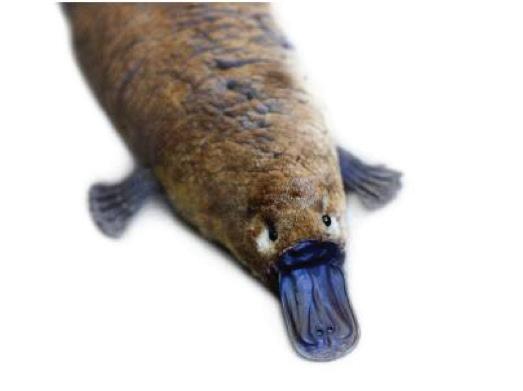
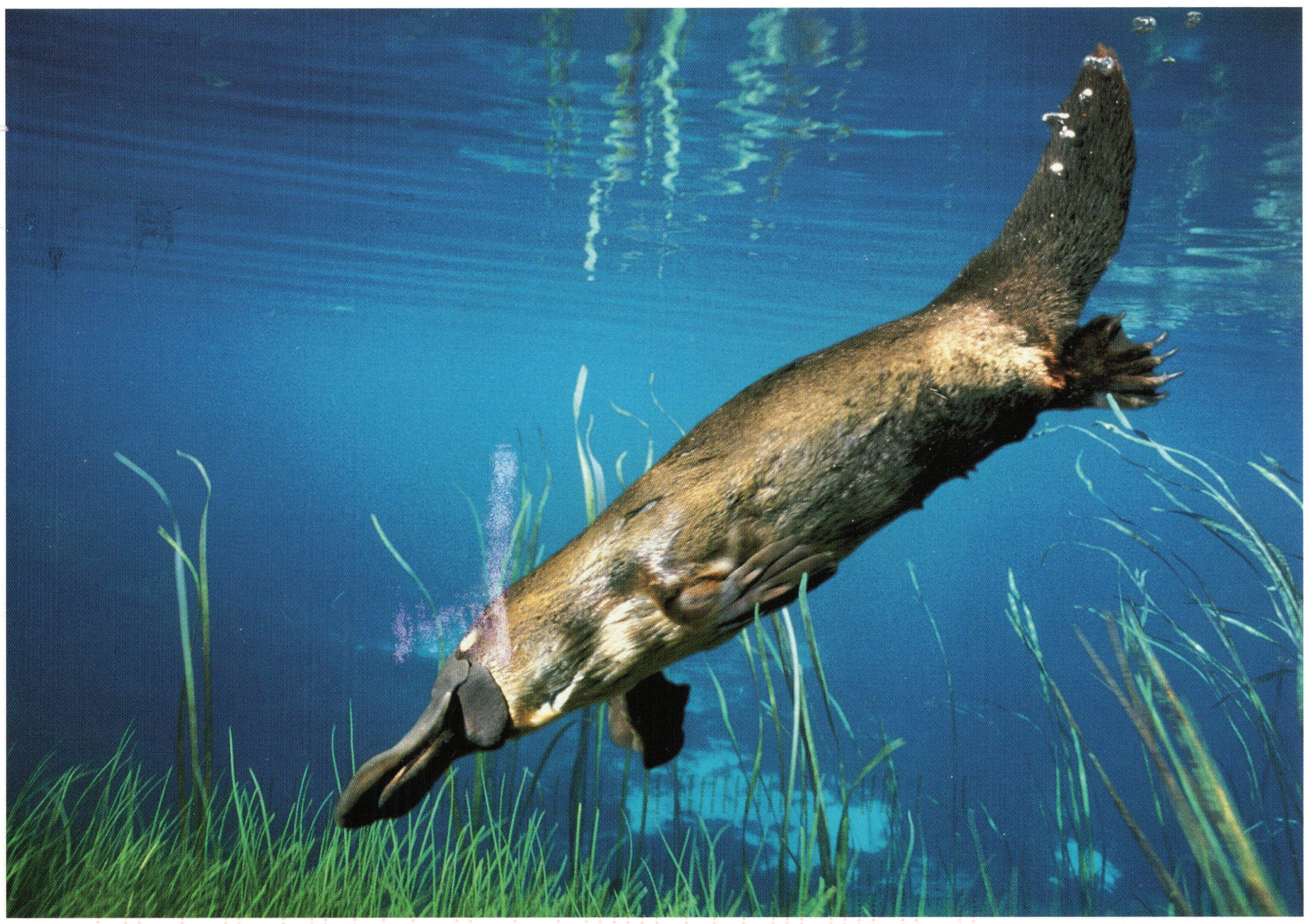
Scientists are having a debate on how to classify a duck-billed platypus, which is pictured below.
Prompt
Thinking like a scientist, make a claim that explains which category (mammals, fish, birds, amphibians, or reptiles) the duck-billed platypus belongs in.
Claim:
Evidence:

STEMscopedia
Reflect
Animals live in all parts of the world, in and around all landforms, and in all bodies of water. All animals are living things, but they can be classified, or organized, into smaller groups based on their characteristics. Classification helps us organize our world. We organize our shoes, socks, books, and many other things. Organizing animals is a little different. Animals live in different places around the world. Some fly, swim, crawl, slither, or walk. Some use legs, while others use fins, scales, or wings. So how do we decide which characteristics to classify?
Backbone or no backbone?
All animals can be classified as either vertebrate (having a backbone) or invertebrate (not having a backbone). For example, you have a backbone, so you would be a vertebrate. However, the worm in your garden does not have a backbone, so it would be classified as an invertebrate.
vertebrate: animal that has a backbone
Vertebrates
invertebrate: animal that does not have a backbone
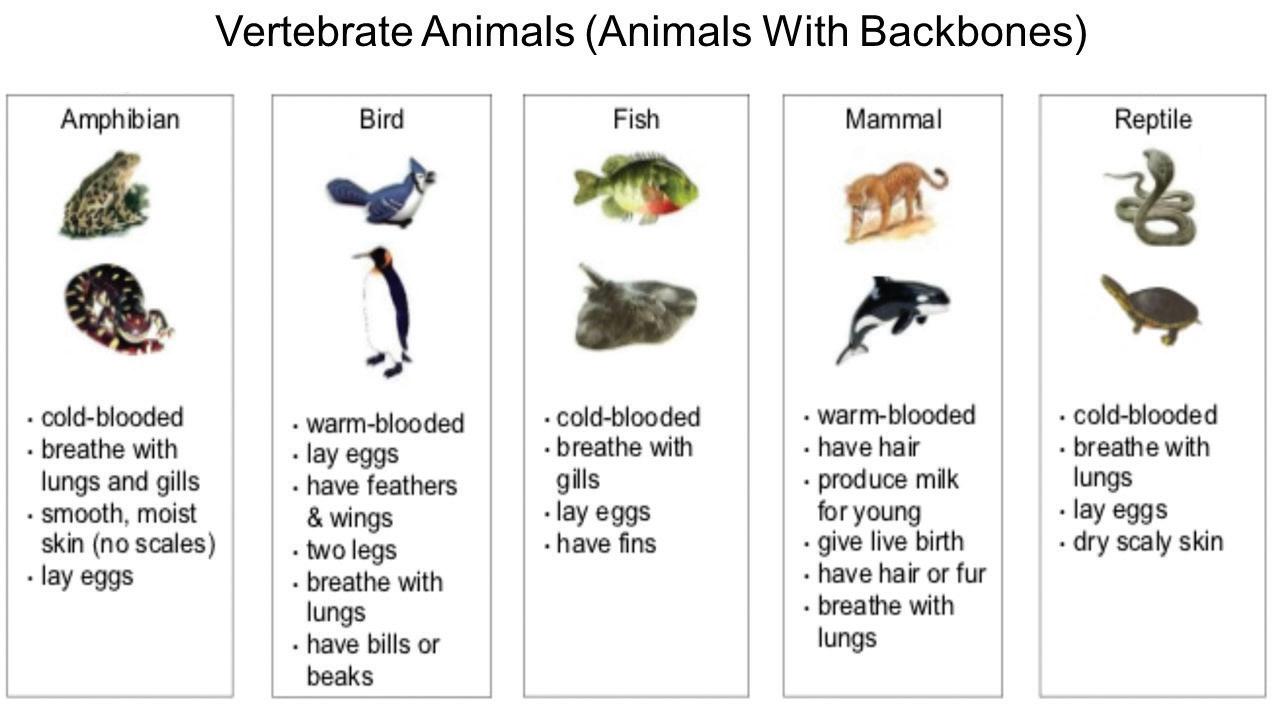
Animals with backbones are called vertebrates. These animals have a backbone made of vertebrae, or small bones that surround and protect the spinal cord and internal organs such as the brain and the heart. Mammals, fish, reptiles, amphibians, and birds are all examples of vertebrates. Let us find out which animals are classified as vertebrates.
STEMscopedia
What Do You Think?
Mammals are classified as warm-blooded vertebrates that have hair or fur covering some part of their bodies. Warm-blooded animals keep a constant body temperature. Mammals give live birth to young (not in hard-shelled eggs like birds). They also give milk to their young. Human beings are classified as mammals. So are dogs, bears, lions, and squirrels. Mammals have teeth to eat meat (carnivores, like lions), to eat plants (herbivores, like rabbits), or to eat both meat and plants (omnivores, like humans or bears). Most mammals live on land. Some mammals, like whales and dolphins, live in water. These characteristics are what make mammals unique and help us separate mammals from other animals. From lions in the savannas of Africa, to polar bears in the Arctic, mammals can live in many environments.
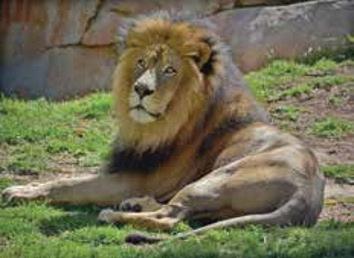
A lion is classified as a mammal. It has fur on its body and gives live birth to its young. Lion cubs drink milk from their mothers.
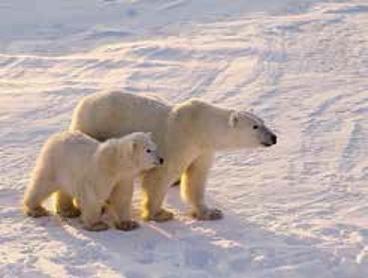
A polar bear is a mammal. It has fur on its body and gives live birth. Bear cubs drink milk from their mothers.
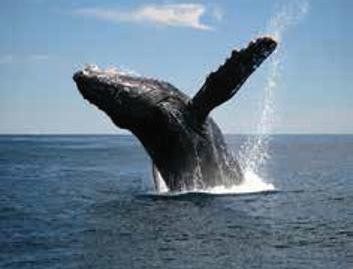
A humpback whale is a mammal. It gives live birth, and a young whale drinks milk produced by its mother.
Birds are also warm-blooded vertebrates, but their bodies are covered in feathers. Birds live all over the world. All birds lay hard-shelled eggs, which they protect in nests built out of twigs and grass. Birds also have toothless beaks to crack open seeds or eat berries and insects. Many birds can fly. Some, like penguins, cannot. What birds have you seen flying in the sky?
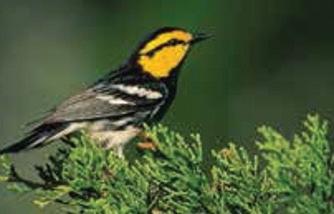

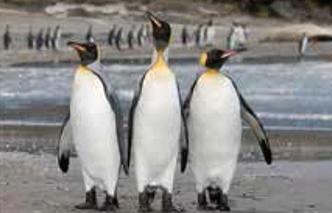
Golden-Cheeked Warbler Eagle Penguins
STEMscopedia
Reflect
Fish are legless, cold-blooded vertebrates that swim with fins in water. Fish breathe oxygen in the water through gills. This special characteristic allows them to breathe while living underwater.
Cold-blooded: a characteristic of animals that are unable to regulate their body temperature but depend on the environment for warmth or coolness
Most fish have scales and lay eggs without shells. A small number of fish give birth to live young. Fish usually live in either salt water or fresh water, but some can live in both.
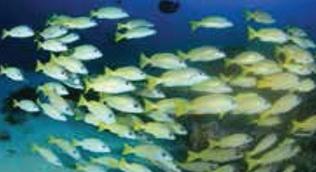
These are fish that live in salt water, such as the ocean.
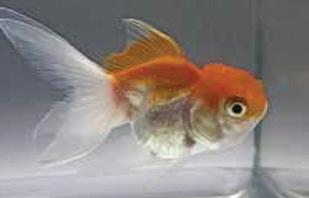
Here is a type of fish that lives in freshwater lakes.
Reptiles are cold-blooded vertebrates classified by their dry, leathery skin or scales. They have lungs for breathing and spend most of their life on land. Did you know that some reptiles lay eggs with leathery shells but others give birth to live young? Some examples of reptiles are alligators, snakes, and turtles.
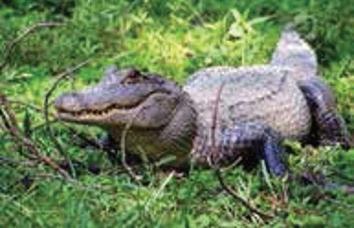
Alligators are reptiles that have dry, leathery skin. Alligators breathe using lungs. They lay eggs with soft, leathery shells and spend most of their time on land.
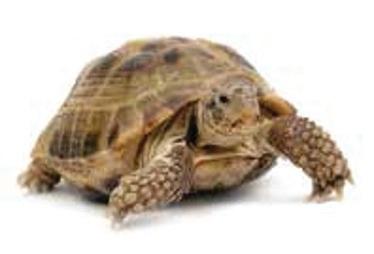
Turtles have scaly skin, breathe using lungs, and lay eggs, so they are classified as reptiles.
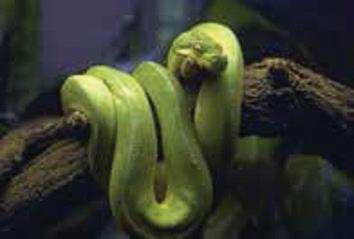
Snakes are reptiles that have scales. They breathe using lungs, and most lay leathery eggs on land. Some snakes give birth to live young.
STEMscopedia
Amphibians are cold-blooded vertebrate animals. They are classified as amphibian because they usually have smooth, moist skin so they can live both on land and in water. They are born with gills and live in the water when they are young. They breathe using these gills, and when they mature, they develop lungs and move onto land to live as adults. Usually found in fresh water, amphibians always stay close to water and are careful to not let their smooth, moist skin completely dry out.
Amphibians lay eggs. They usually lay them in water, and unlike the eggs of other animals, amphibian eggs do not have shells. Salamanders and frogs are examples of amphibians.
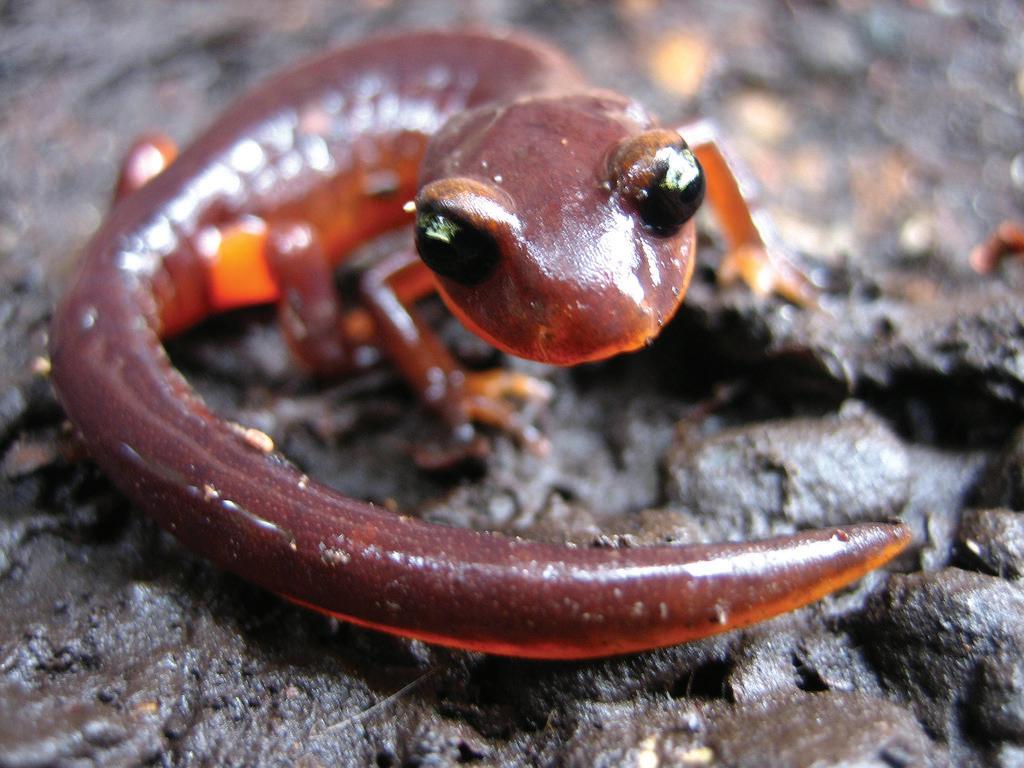
Salamanders are classified as amphibians because they have smooth skin and live both on land and in water.
What Do You Think?
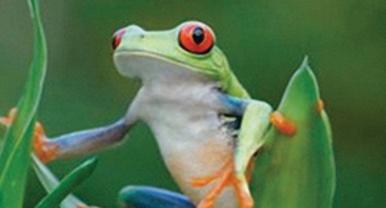
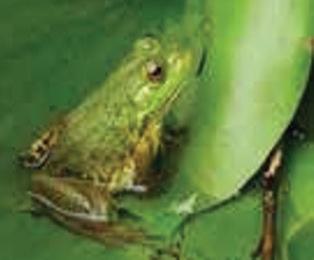
Frogs have smooth, moist skin, so they are classified as amphibians. They live both on land and in water.
How would you classify this strange animal called the platypus that lives in Australia? It has webbed feet, a duckshaped bill, and fur, and it lays eggs. You might think it is a bird, but it is not. Because it has fur and gives milk to its young, the platypus is classified as a mammal.
STEMscopedia
Reflect
Invertebrates
Invertebrate animals do not have backbones. These animals have simple body plans. Some invertebrates (for example, earthworms, jellyfish, slugs, and octopuses) have soft bodies without any hard parts. Some soft-bodied invertebrates live in water, and others live on the land.
Other invertebrates (clams, mussels, oysters, scallops, snails) have hard outer shells. Those shells protect the soft body inside. Most of the animals with hard shells live in water. One exception is the garden snail, which lives on land.
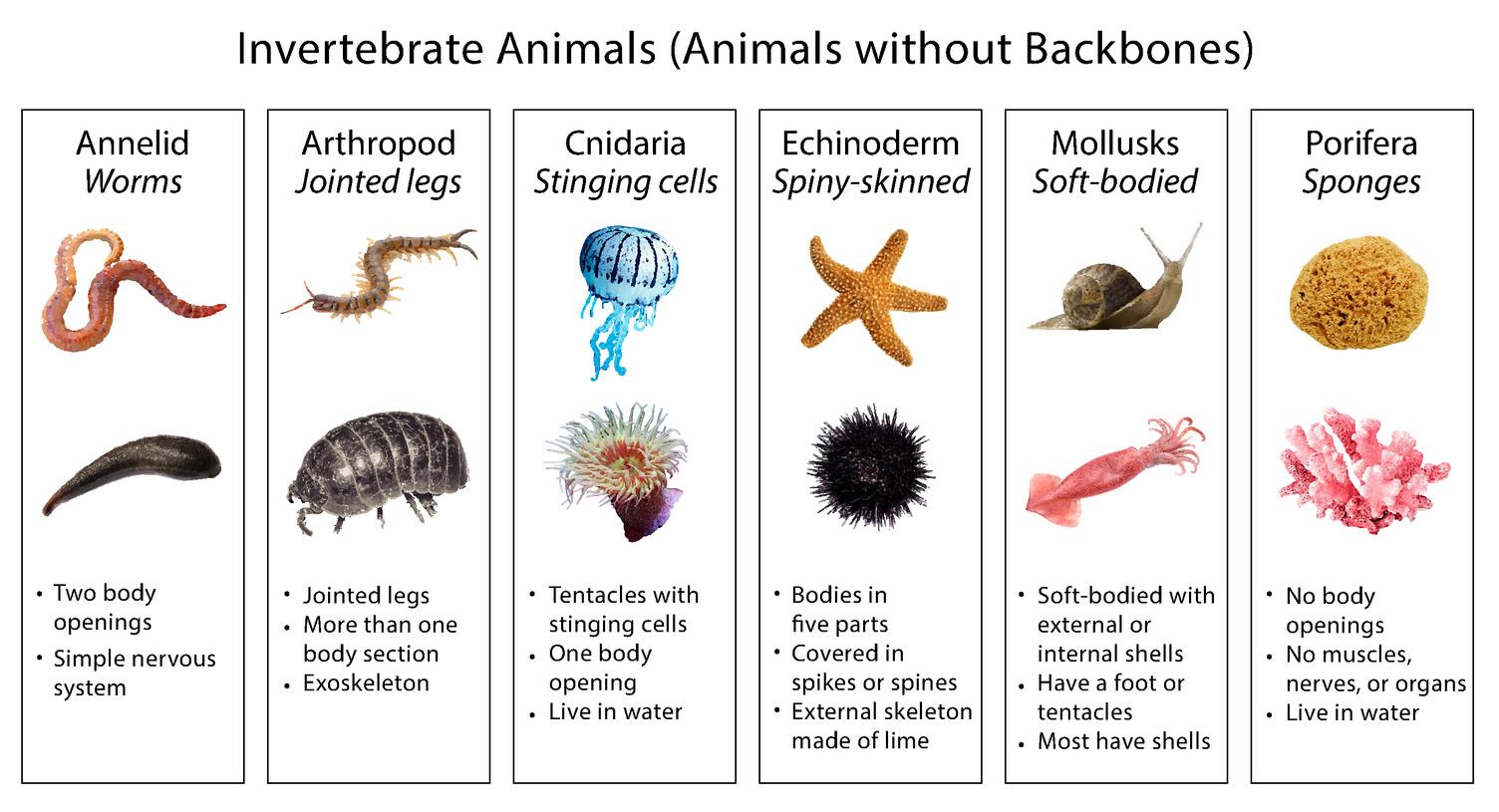
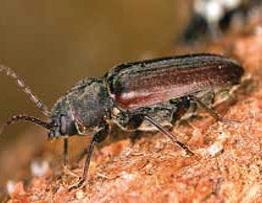
Arthropods, such as insects (butterflies, ants, flies), spiders, lobsters, and crabs, are the largest group of invertebrates.
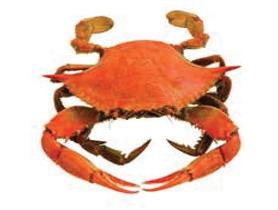

crab
beetle
spider
STEMscopedia
Try Now
What do you know?
Classify the animals below. Decide whether each animal is a vertebrate or an invertebrate. Remember that a vertebrate has a backbone, but an invertebrate does not. Circle the correct classification of each animal.
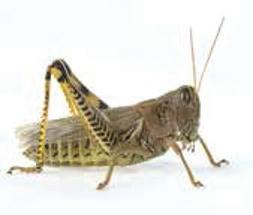
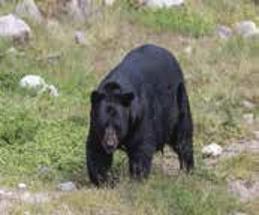
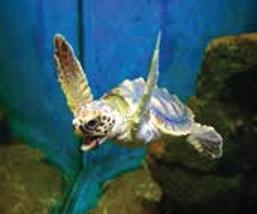
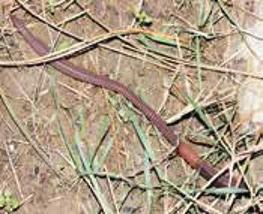
vertebrate or invertebrate vertebrate or invertebrate vertebrate or invertebrate vertebrate or invertebrate
Now, try this. Each of the animals below is a vertebrate. Each can be further classified as a mammal, fish, reptile, amphibian, or bird. In each box, write one of the following letters:
M for mammal
F for fish
R for reptile
A for amphibian
B for bird
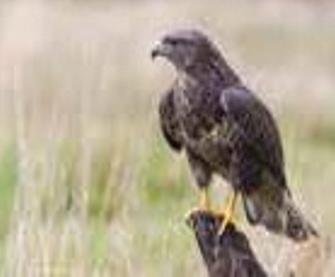
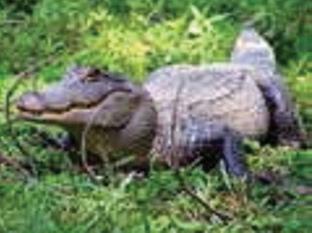
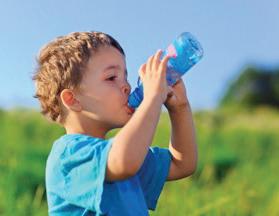
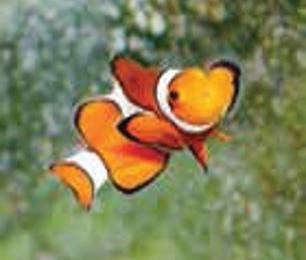
STEMscopedia
Connecting With Your Child
Classifying Animals
To help your child further understand animal classification, take a trip to the zoo! Have your child identify each animal as vertebrate or invertebrate and then further classify it as a mammal, reptile, amphibian, fish, or bird. Read the information provided by the zoo for each animal with your child, and discuss other ways each animal might be classified, such as by habitat or food source.
If you do not live near a zoo, take a walk through nature! Have your child identify each animal he or she sees as vertebrate or invertebrate and then further classify it as a mammal, reptile, amphibian, fish, or bird.
Here are some questions to discuss with your child:
1. What type of animal do you see?
2. Is it a vertebrate or an invertebrate? Does it have a backbone?
3. Does it have fur, give live birth, and produce milk for its young?
4. Does it have feathers, have a toothless beak, and lay hard-shelled eggs?
5. In what type of habitat does it live?
6. Does it have lungs or gills? Does it live in water, on land, or both?

Reading Science
Animal Classifications
Lexile 430L
1 Grace was not happy when she came in the house. The screen door banged behind her. “Mom, Adam said I was wrong, and I know I am not! I told Adam that there are either people or animals on Earth. Isn’t that right, Mom?”
2 Adam came running through the door. “Mom, tell Grace that I am right! I studied this in school. I know there are more than two groups.”
3 Grace rolled her eyes at Adam. “You mean like Bigfoot or something?” Grace was teasing her brother.
4 Their mom put a hand on each of their shoulders. She answered, “Well, you both are right. Here, let me show you.”
5 She reached for a magazine and turned to an article. It was called “Animal Classification.” They all sat down and read the article.
Page 1: Vertebrates and Invertebrates
The animal kingdom is divided into two groups. The Vertebrates
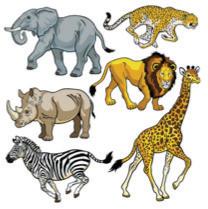
Vertebrates are animals with a backbone inside their bodies. Fish, dogs, and humans are a few examples.
Reading Science
Page 2: Invertebrates
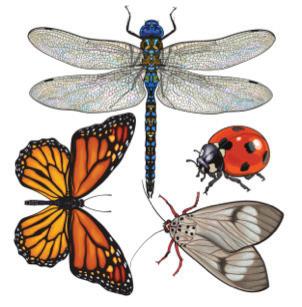
Invertebrates don’t have skeletons. Some examples include spiders, flies, and caterpillars.
Vertebrates are often larger and have more complex bodies than invertebrates. However, there are many more invertebrates than vertebrates.
Page 3
Class Main Features Examples
Amphibians Moist Permeable Skin Frog, Newt, Salamander
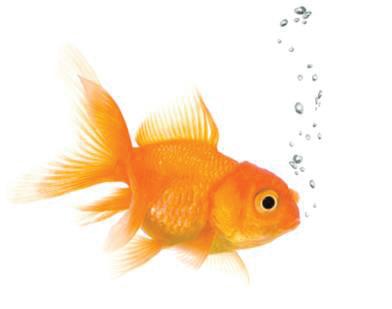
Fish Gills, Wet Scales Goldfish, Shark, Cod
Reptiles Dry Scales Crocodile, Lizard, Snake
Birds Feathers, Beaks Budgerigar, Sparrow, Ostrich
Mammals Fur, Produce Milk Rabbit, Kangaroo, Human, Dolphin
Reading Science
6 After they had all finished reading the article, Grace turned to Adam and said, “Well, at least I was kind of right. There are two major groups, just not the ones I thought!”
7 Adam gave Grace a pat on the back. “And I was also right. Scientists break down vertebrates and invertebrates into even more groups based on their characteristics.”
8 Their mom smiled. It sure is nice when both kids can be right at the same time!
Reading Science
1. Which best describes the change in Grace and Adam’s relationship from the beginning of the story to the end?
A. Teasing each other to being mad at each other
B. Being jealous of each other to liking each other
C. Liking to spend time together to not wanting to be together
D. Arguing with each other to understanding each other
2. What can the reader infer about Grace and Adam’s mom?
A. She was frustrated with Grace and Adam.
B. She was patient with Grace and Adam.
C. She did not like helping Grace and Adam.
D. She got mad when Grace and Adam fought.
3. On what page of the article would you find information about vertebrates?
A. Page 1
B. Page 2
C. Page 3
D. Pages 1 and 3
Reading Science
4. How does the magazine article organize information?
A. By topic: each page gives details about one main idea.
B. Cause and effect: the text describes events and gives reasons why the events happened.
C. Problem and solution: the text describes a problem and gives one or more solutions.
D. Sequence and time order: the text tells events from beginning to end.
5. Which sentence from the story best supports the idea that Adam is a caring brother?
A. Adam came running through the door.
B. Grace rolled her eyes at Adam.
C. Adam gave Grace a pat on the back.
D. “Adam said I was wrong, and I know I am not!”

Open-Ended Response
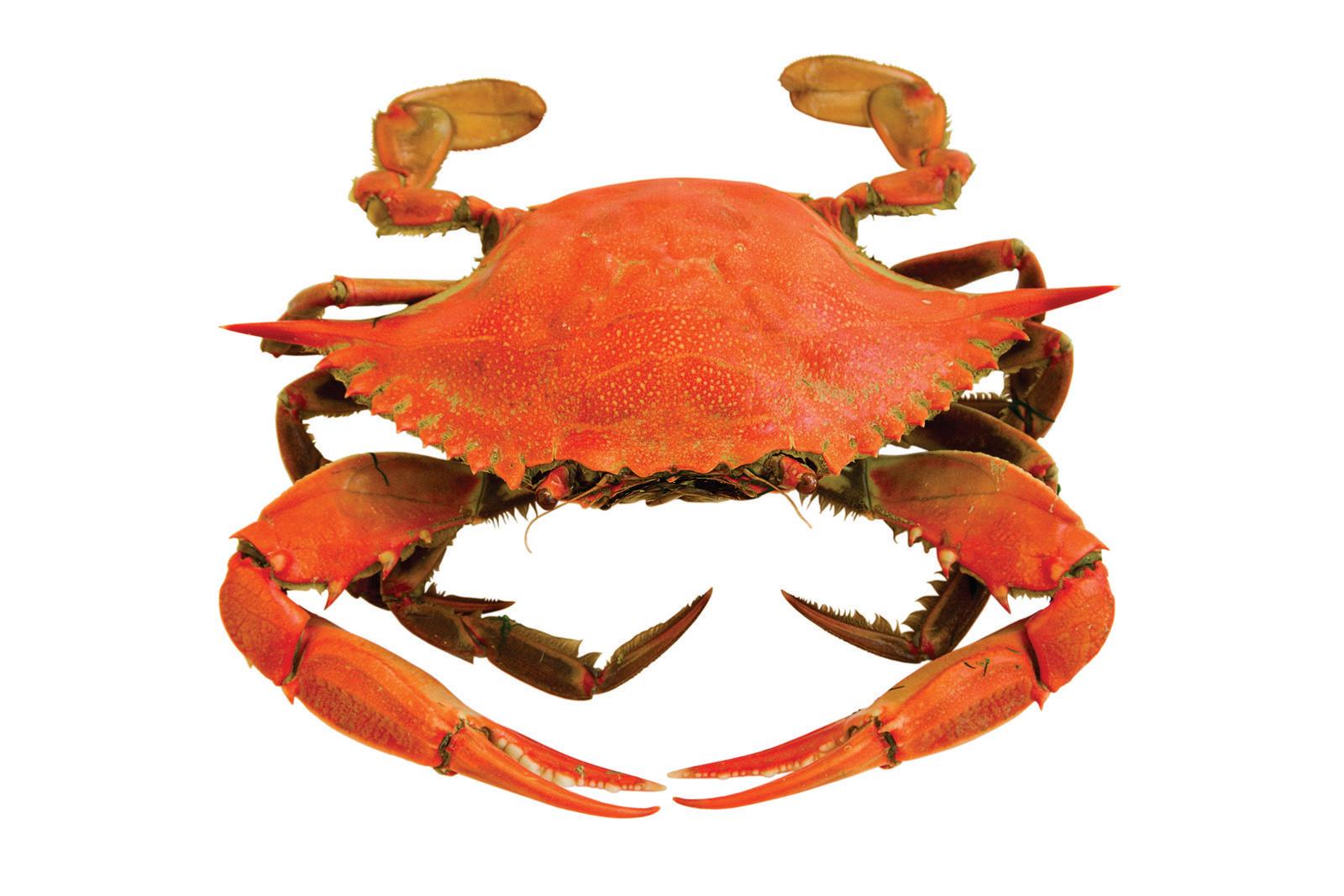
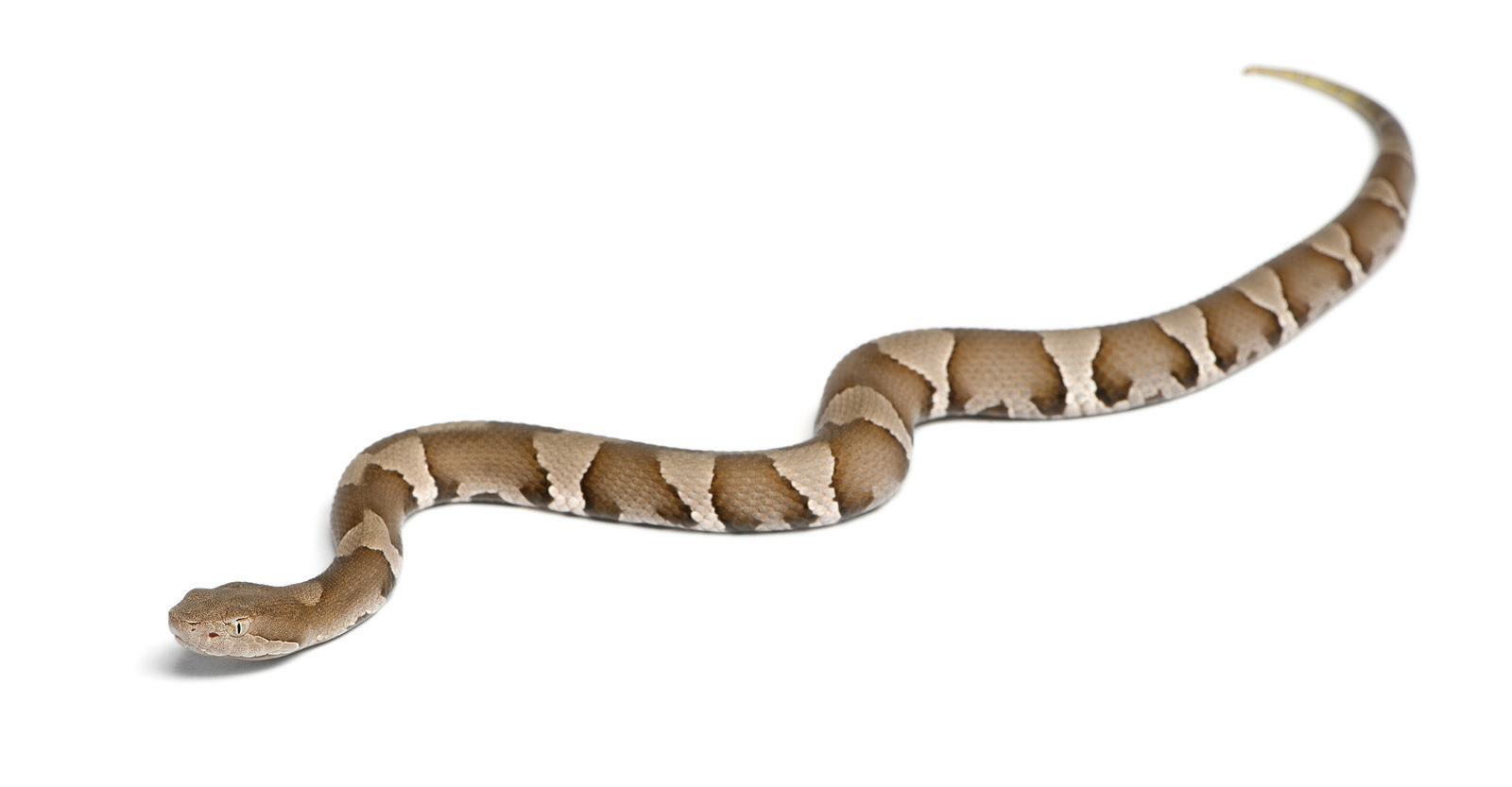
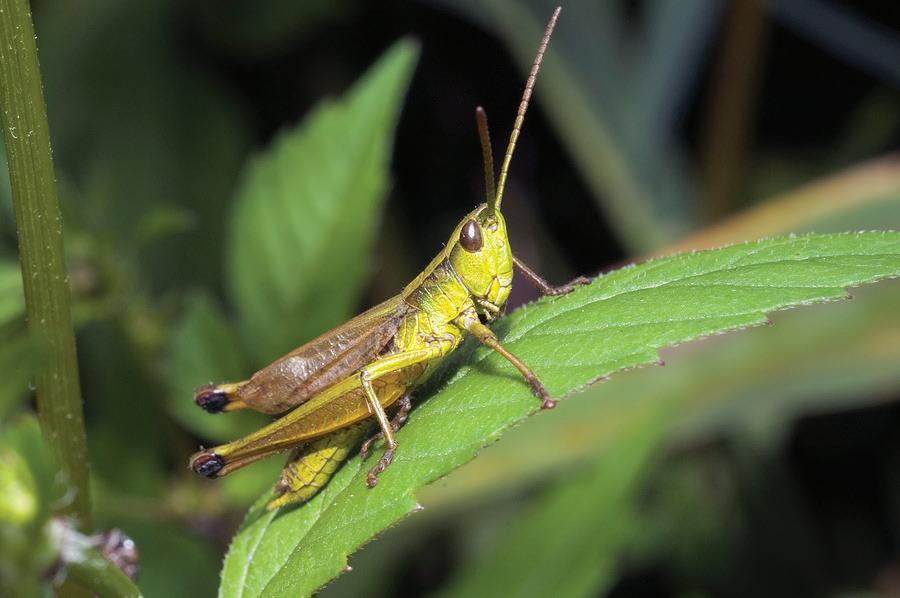
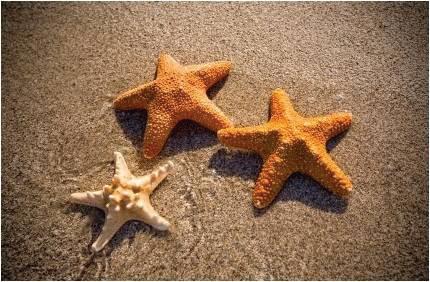
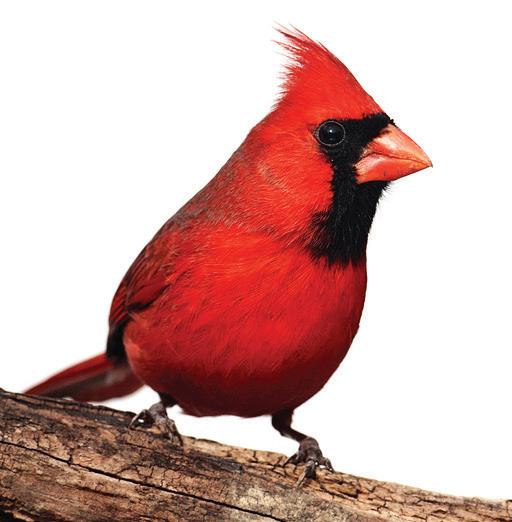
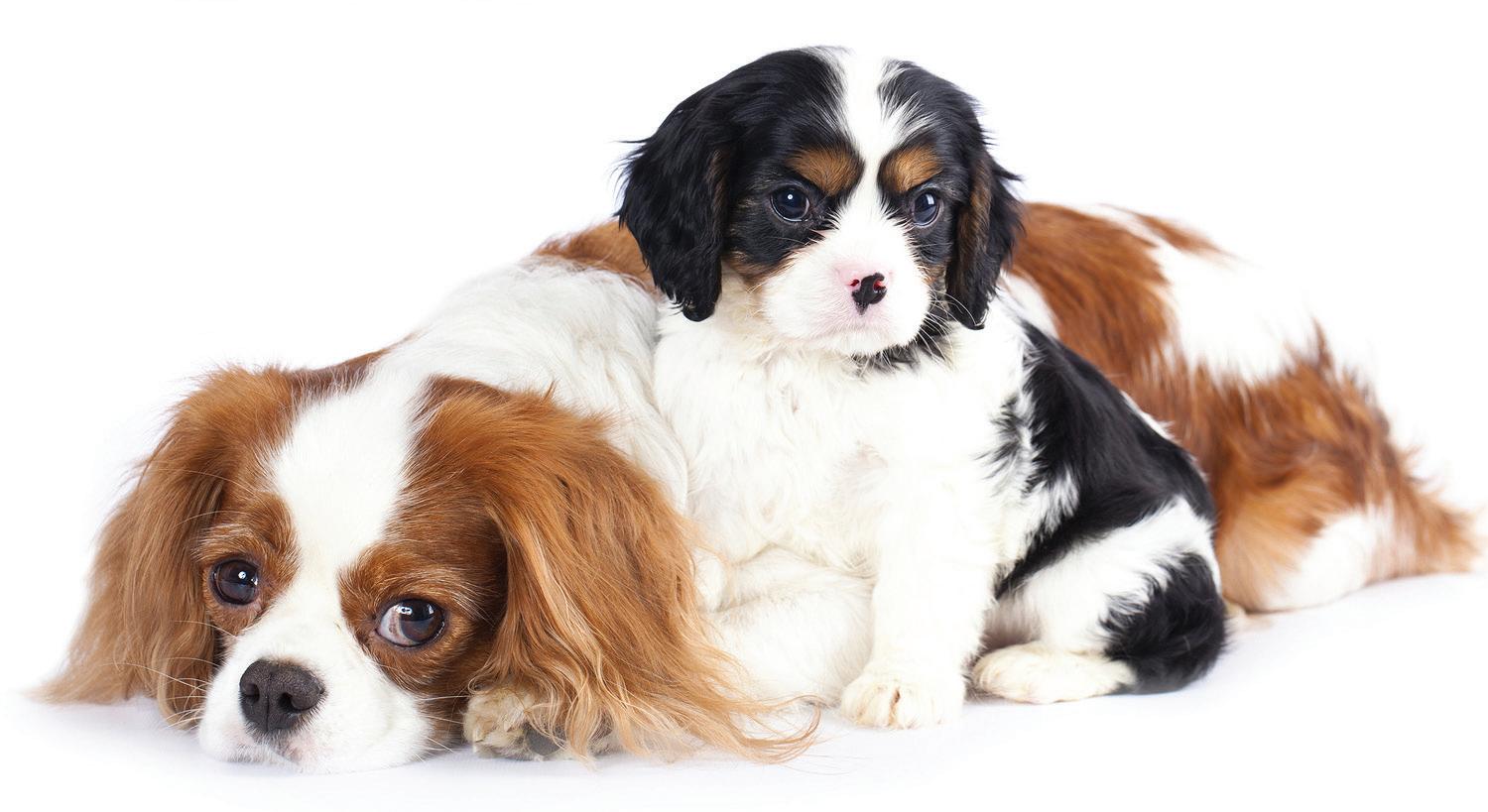
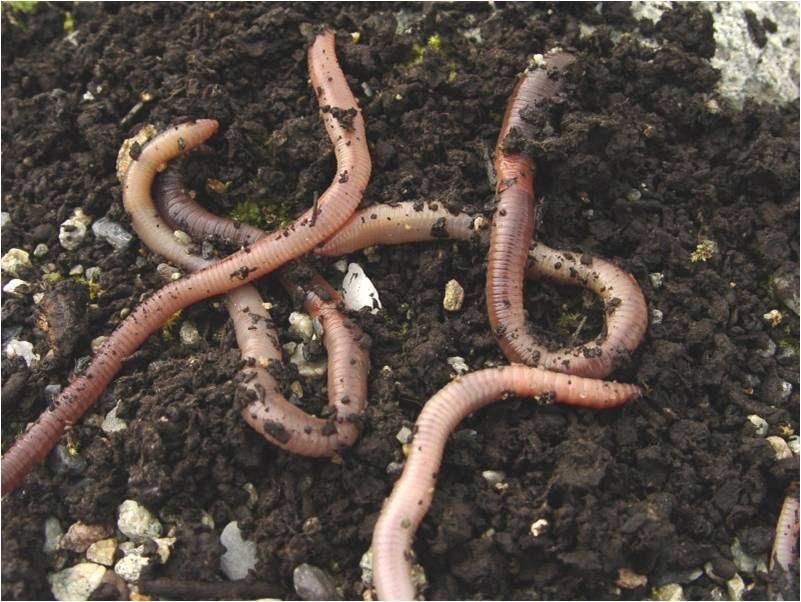
1. Look at the pictures above. Which of these animals are vertebrates? How are they different from the invertebrates pictured?
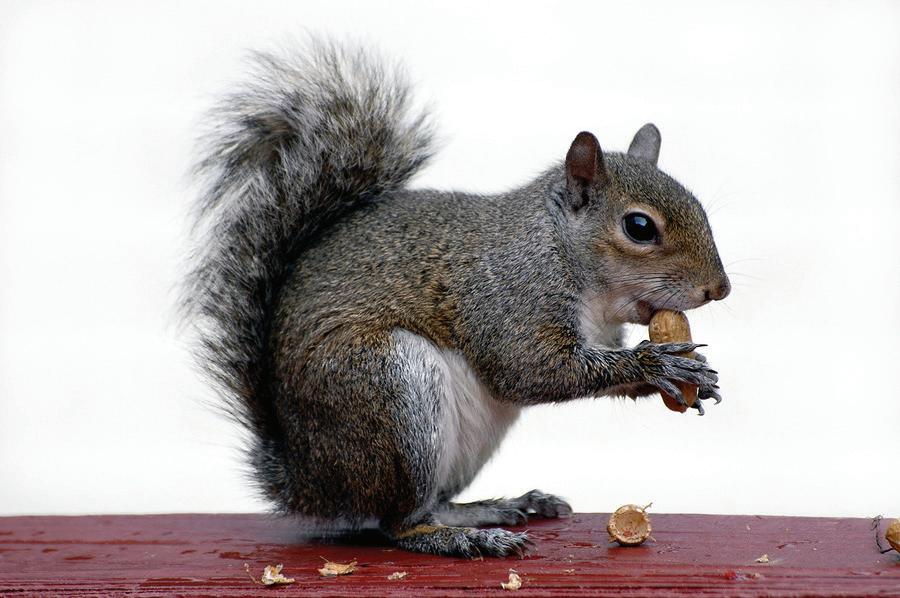
2. Scientists classify a squirrel as a mammal. What characteristics of a squirrel make it a mammal?
Open-Ended Response
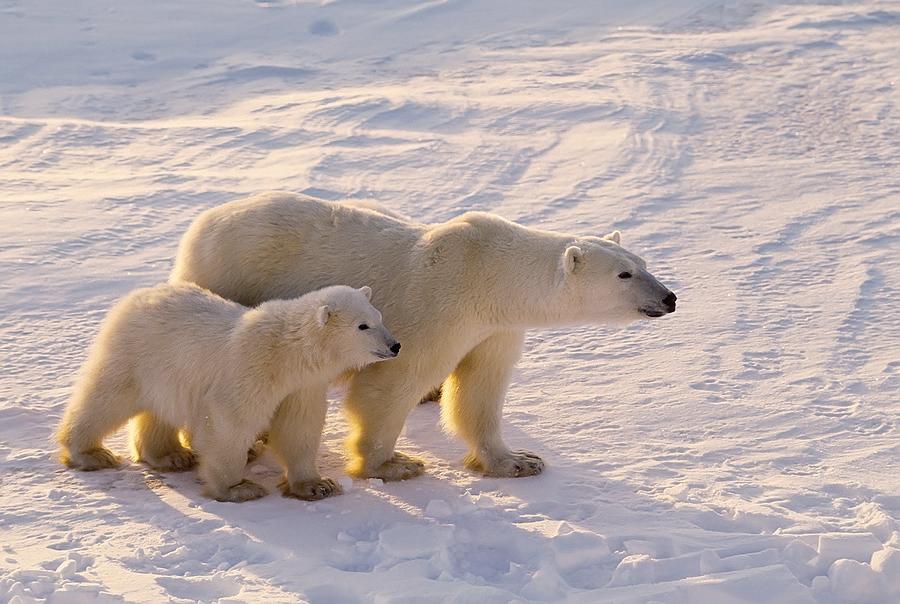
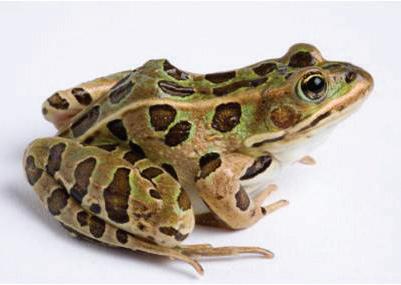
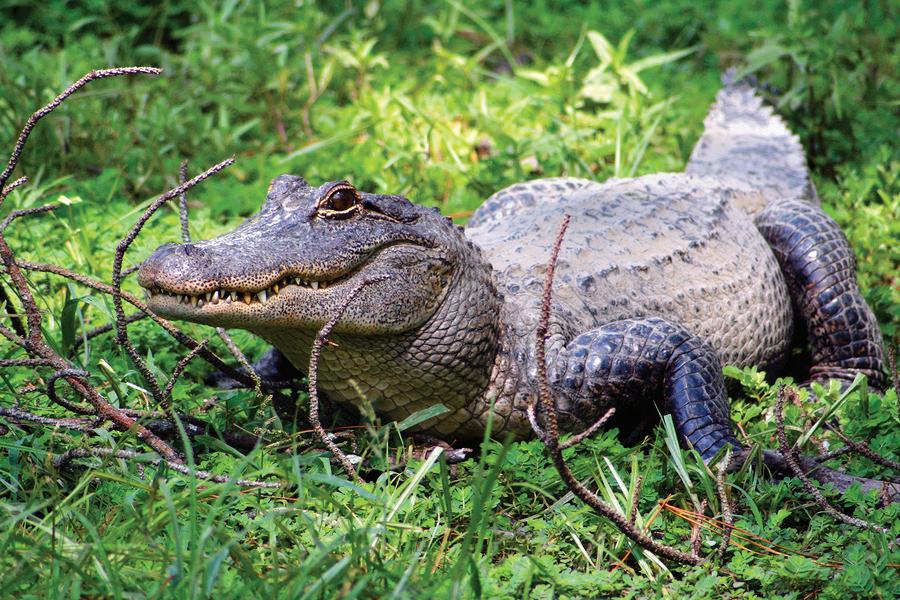
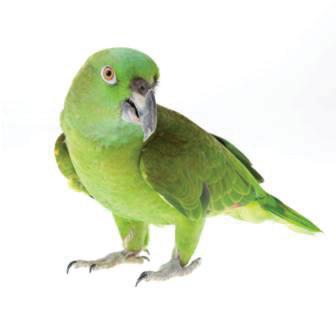
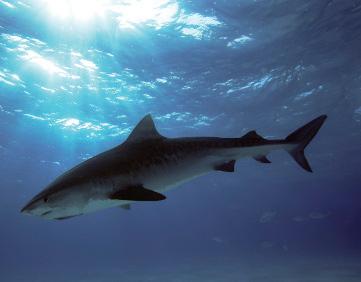
3. Look at the five pictures above. Match each animal with its classification. Then tell what characteristics each animal has that help classify it.
Animal Classification (bird, reptile, fish, mammal, or amphibian)
Characteristics
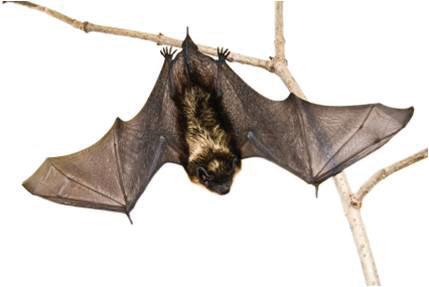
4. A bat has wings like a bird or an insect. Why is a bat classified as a mammal?
Polar bear Frog
Crocodile
Parrot
Shark

Scientists classify organisms according to different characteristics. These characteristics may relate to how they move, breathe, and reproduce. The following organisms are grouped differently.
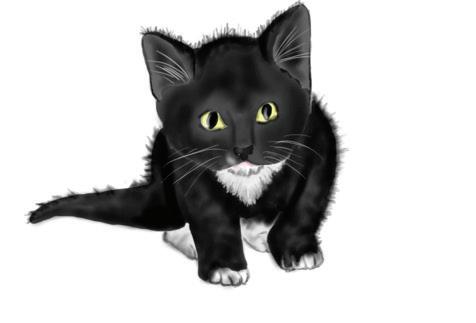
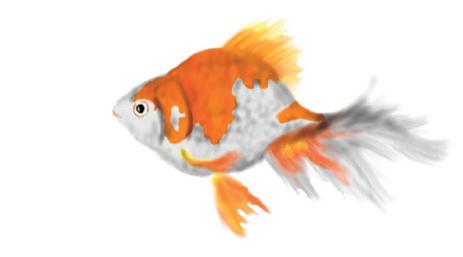
Write a scientific explanation that describes how the above organisms are classified into different groups.
The cat is classified as a _________________, and the fish is classified as a
Cycles
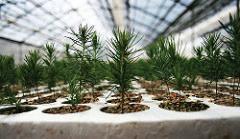
Life Cycles
How do the life cycles of different organisms compare?
Draw and label your life cycles.
Life Cycle 1:
Life Cycle 2:
Compare the life cycles you observed.
How are they alike?
How are they different?
Explore
Draw and label your life cycles.
Life Cycle 1: Life Cycle 2:
Compare the life cycles you observed.
How are they alike?
How are they different?
1. How did the trees change throughout their life cycles?
2. Did the adult amphibians resemble their offspring? Why or why not?
STEMscopedia
Reflect
Did you ever collect acorns that had fallen from an oak tree? If you did, you probably beat the squirrels! Animals love to eat acorns. Acorns are the seeds that grow into oak trees. How does that little seed become that huge oak tree?
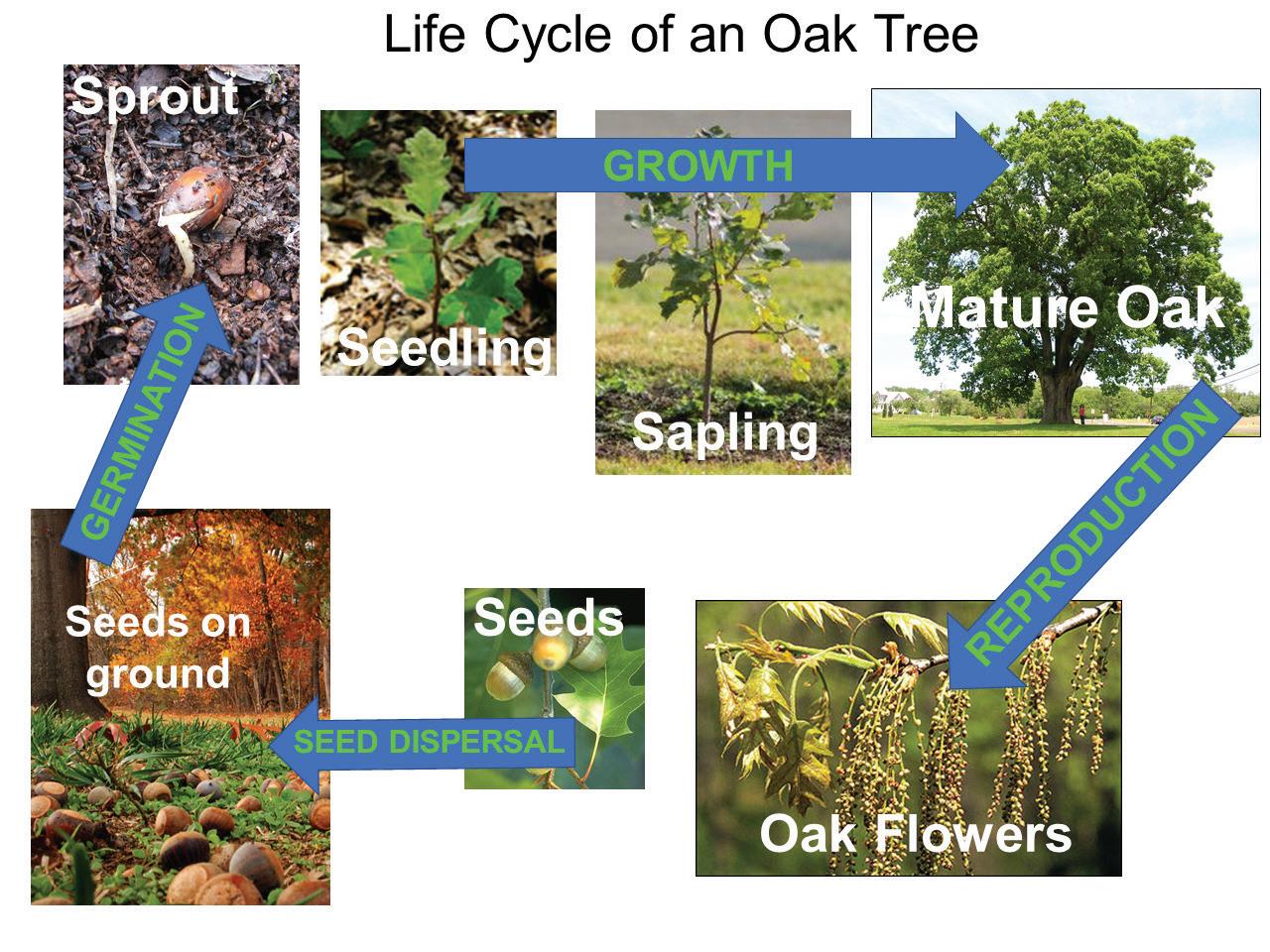
Trees, like all living things, have a life cycle from germination (when seeds sprout their first roots and leaves), growth, and reproduction (making seeds for new trees), to seed dispersal. Let us take a close look at how an oak tree grows from that little acorn.
Look Out!
Life Cycle of an Oak Tree
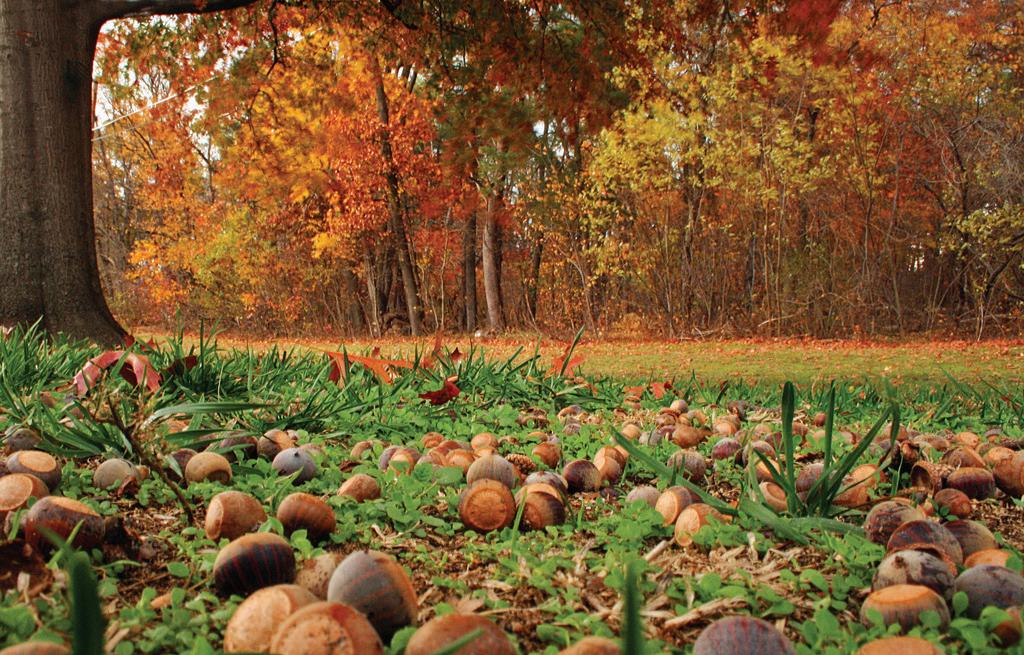
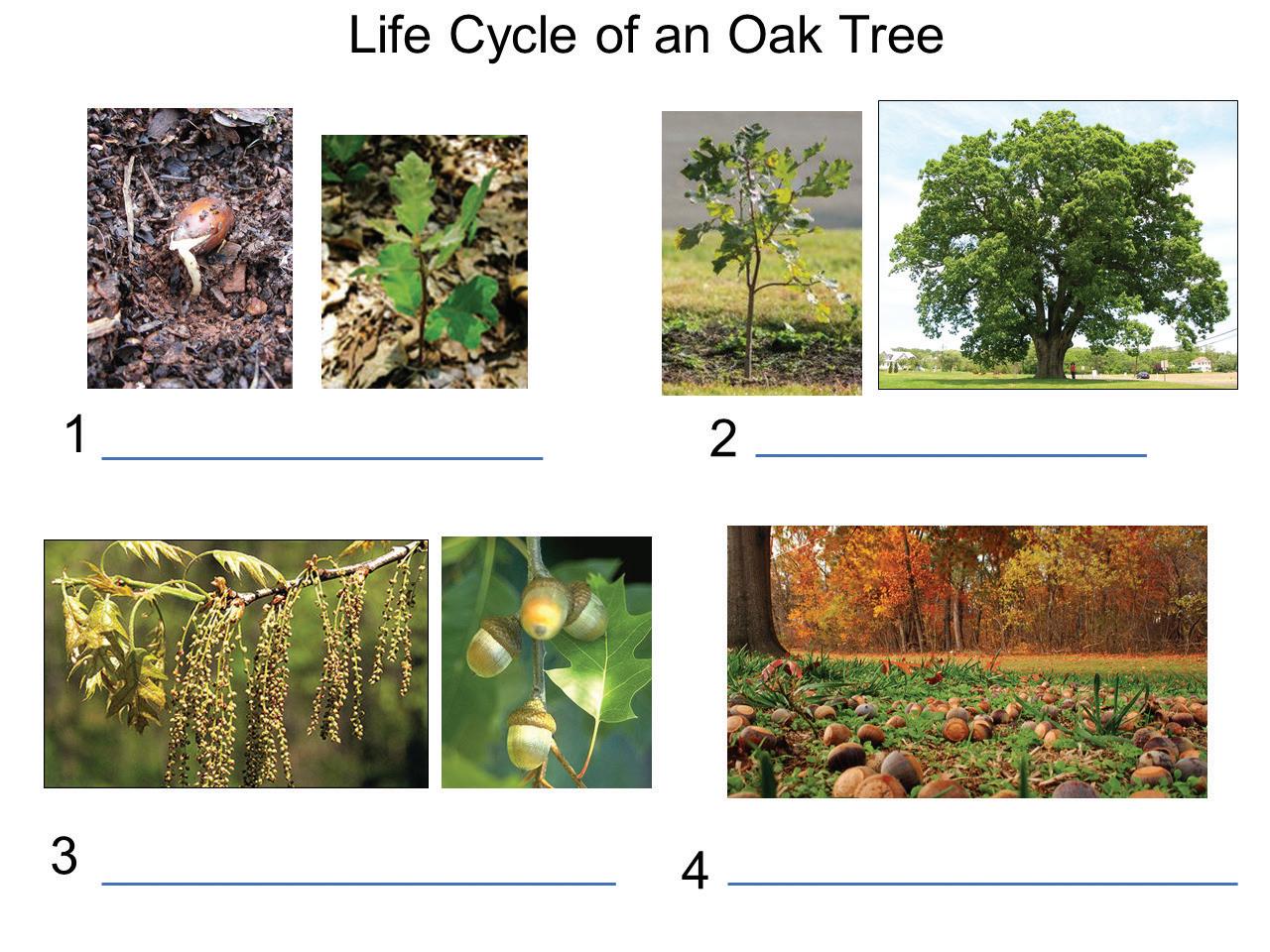
Trees do not have soft stems like a daisy or a tulip. Trees are plants with woody stems and branches. Many trees grow a thick woody covering called bark on their tree trunks. Like many plants, trees begin their life cycle as a seed. Look at the picture of the life cycle of an oak tree below. What changes do you see?
STEMscopedia
What Do You Think?
Acorn Reproduction
The adult oak tree makes two kinds of flowers on the same tree! On one side of a branch, the tree grows a long, narrow strip of male flowers that have the pollen. Pollen is needed to fertilize the female flowers. On the other side, tiny female flowers grow at the base of a stem. They look like buds. The female flowers are the ones that produce the acorns. It takes 20 years before an oak tree produces acorns!
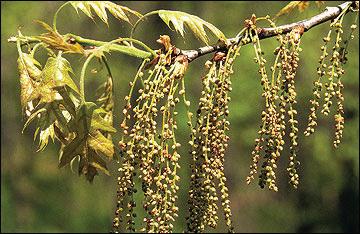
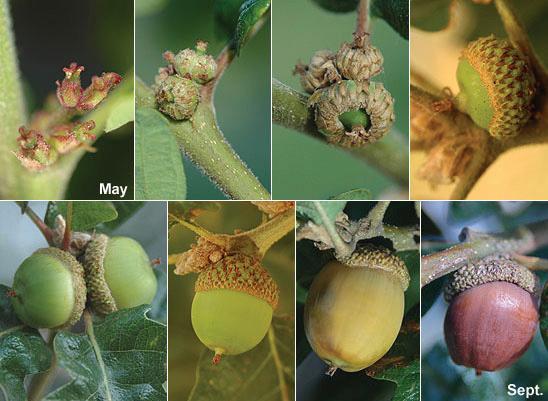
Female flowers have to be fertilized by pollen from the male flowers in order to produce acorn seeds. The acorn takes about four months to grow.
Tiny female flower
Male flowers with pollen
STEMscopedia
Life Cycle of the Pine Tree
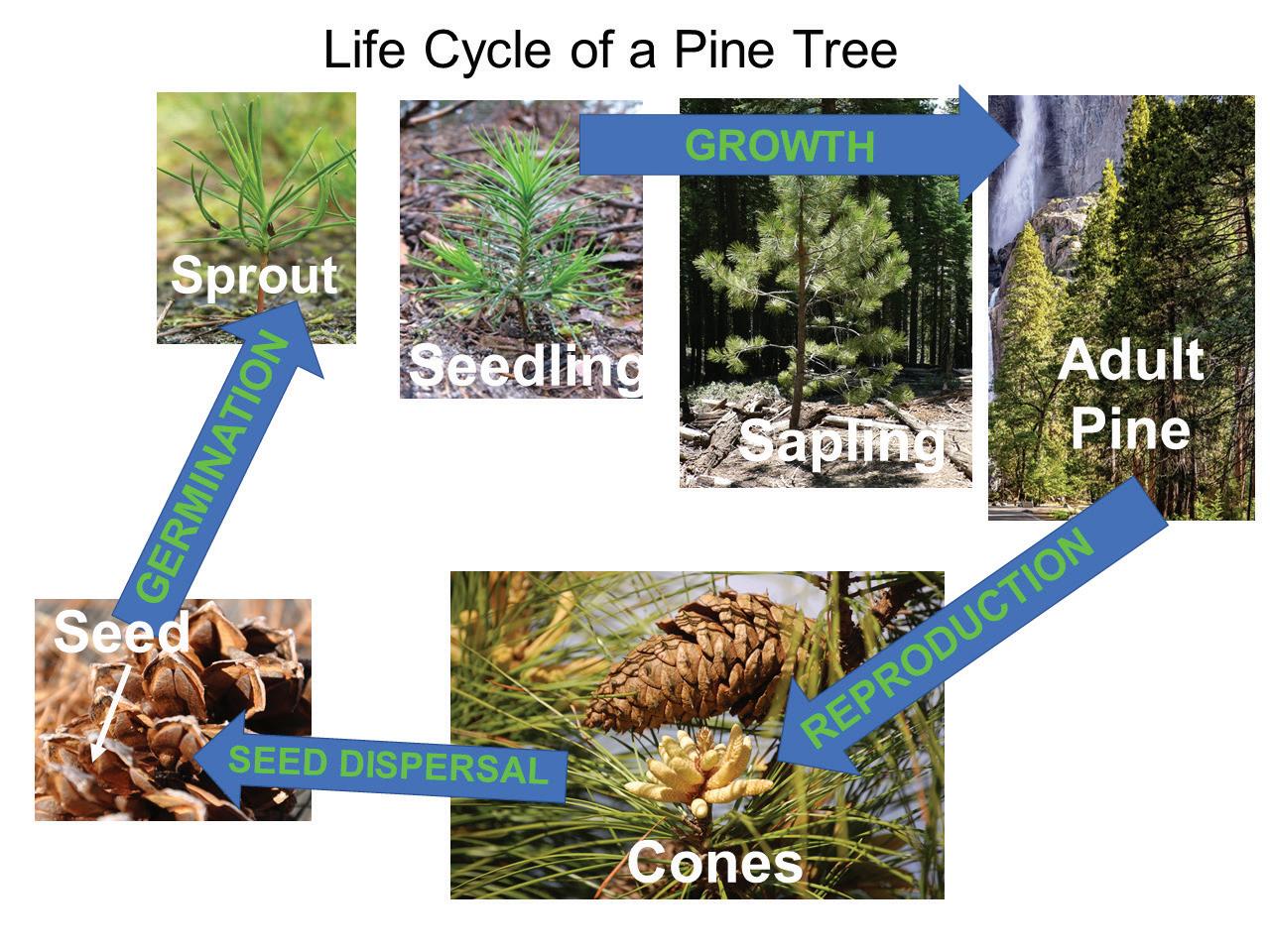
Some trees, like pines, stay green all year long and can live in cold winters. Pine trees have a life cycle like that of the oak tree, beginning with germination (when seeds sprout the first roots and leaves), and then growth, reproduction, and seed dispersal. However, the way pine trees produce their seeds is different.
Pine trees protect their seeds inside the scales of pine cones until the seeds are mature. It takes about two years for the seeds to be ready inside the pine cone.
As you look at the picture below of the life cycle of a pine tree, compare it to the life cycle of an oak tree. How do you think the life cycles are alike? How do you think they are different?
STEMscopedia
Look Out!
Let us take a look at another life cycle. Frogs are amphibians (living both in water and on land). Frogs begin as jellylike eggs in water. Not all animal babies look like their parents. Frogs are examples of animals that change a lot from birth to adulthood. Follow the pictures below, starting at the top.
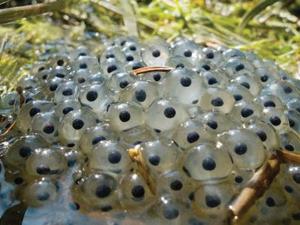
A mother frog lays eggs in wet places. This mass of jellylike eggs is called frogspawn.
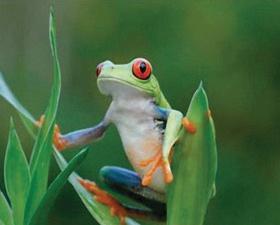
This adult frog now has lungs and breathes air. She cannot breathe underwater. She will find a wet place to lay eggs. Then the tadpoles can slide into water when they are born.

As the tadpole grows, skin covers its gills. Tiny legs and arms sprout. Its tail becomes shorter and eventually disappears. It is time for the frog to climb out of the water and breathe air. This is a froglet.
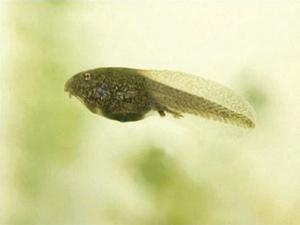
Baby frogs, or tadpoles, hatch from these eggs. Like fish, tadpoles breathe through gills. They have long tails but no arms or legs.
STEMscopedia
Reflect
Now it is your turn to identify the stages in the life cycle of an oak tree. Use the word bank to label each picture on the line underneath it.
Word bank: Seed dispersal, Growth, Germination, Reproduction
The four pictures below, showing the life cycle of a frog, are out of order. Write a number from 1 to 4 in each box to put the pictures in the correct order.
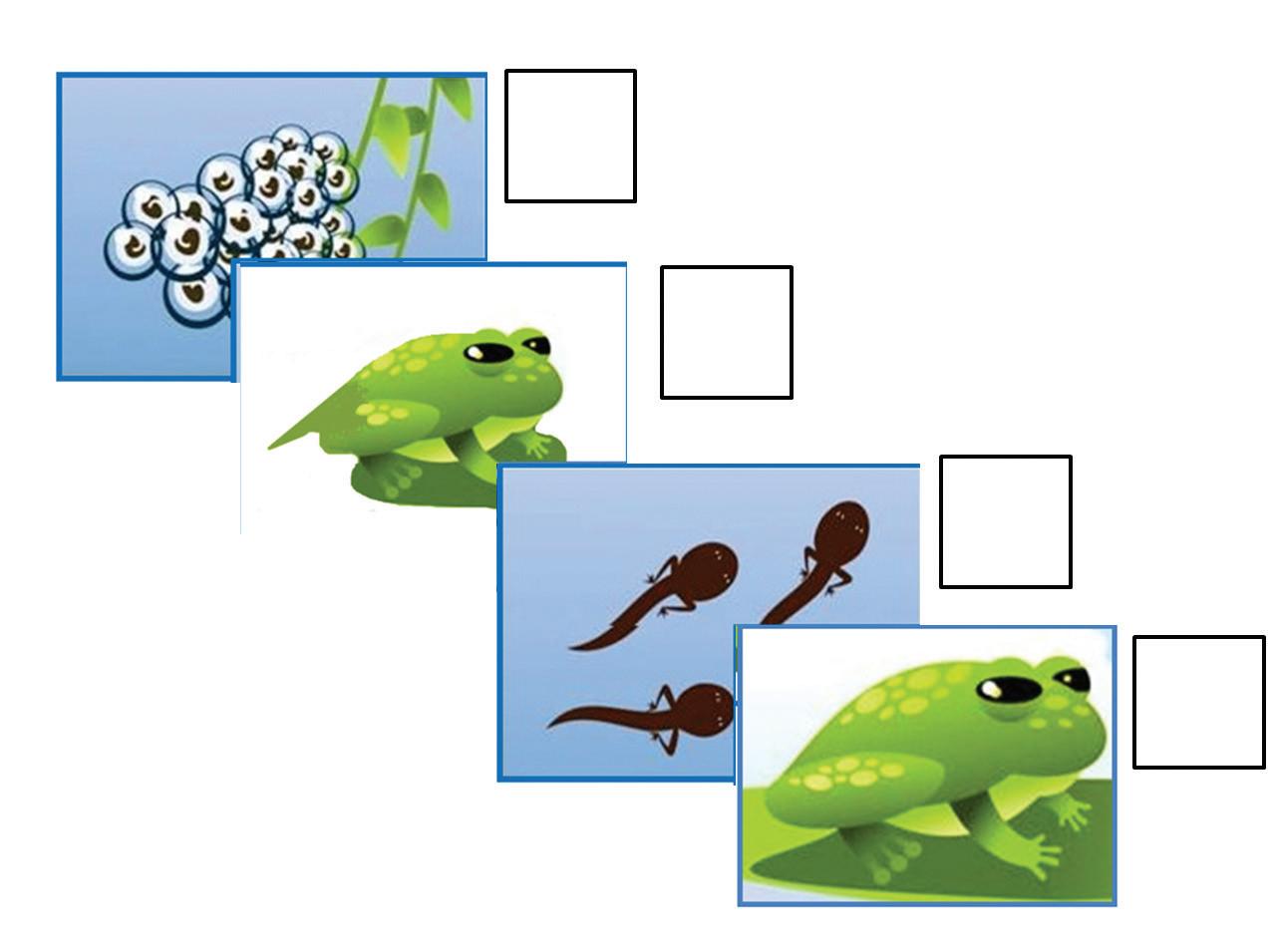
Life Cycle of a Frog
STEMscopedia
Connecting With Your Child
Make a Tree Journal
To help your child learn about the life cycle of trees, help him or her take a photo or make a drawing of trees in the park. First, visit your library and gather books on tree identification. If you have a portable computer or cell phone, you can access tree identification websites while you are doing this activity.
Be careful. Some parks do not allow people to collect materials found on the ground, so be sure to check the regulations. If allowed, your child can collect fallen leaves, seeds, and seedpods as part of the project. You can also take pictures of the trees with a camera or cell phone. Be sure to get close-ups of leaves, flowers, and nuts or other seedpods.
Trees that lose their leaves for winter are called deciduous trees. The oak tree is a deciduous tree and loses its leaves every year. Trees that remain green all year are called evergreens. The pine tree is an example of an evergreen tree.
Here are some questions to discuss with your child:
1. What stage in its life cycle is this tree? What evidence do you have for that answer?
2. Is the tree deciduous or an evergreen? How do you know that?
3. Is there more than one kind of flower or cone on the tree? Which do you think is the male flower or cone that provides the pollen? Which do you think is the female flower or cone that provides the seeds that will become the nut or fruit?
4. How are the trees alike?
5. How are the trees different?
6. If you found a dead tree, what evidence is there that the tree has become important to other living things?
The Life Cycle of a Frog
Lexile 500L
1 A tiny, green frog swims across the pond back to land. She has just laid a cluster of eggs. She laid them in a calm section of water. They look like black spots inside a clump of clear jelly. The mother frog will never go back to these eggs. The young ones will be on their own when they hatch.
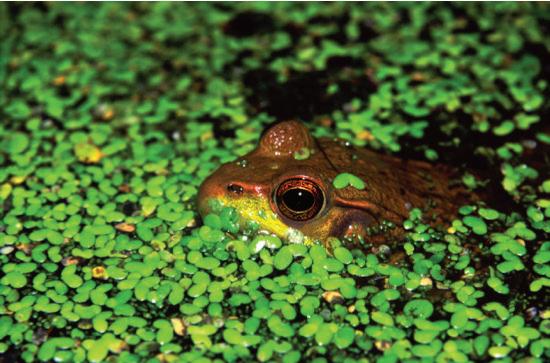
2 The frogs that hatch will go through many changes before becoming adults and living their lives before death. The series of changes that a living thing goes through is known as its life cycle. Cycle is another word for circle. These changes happen over and over again the same way. That is why we call these changes a cycle, or circle.
3 All living things have life cycles. Some go through small changes. But frogs go through some major changes during their life cycles. Let us take a closer look at the life cycle of a frog.
Stage 1: Egg
4 Most frogs lay many eggs at once. The more eggs the frog lays, the better chance that the eggs will survive. There are many dangers that could hurt the eggs. Other animals might eat them. Also, a storm could cause rough waters. If the eggs survive, it usually takes between 6 and 21 days for them to be ready to hatch and be born.
Reading Science
Stage 2: Tadpole
5 You may have seen tadpoles swimming around in a pond or a puddle. They are fragile, or weak, when they first hatch. The tadpole tries to find a piece of grass or a weed to stick to. It will stay there until it grows strong enough to swim on its own. The tadpole is ready to explore after about 10 days. It has gills just like a fish. The gills allow it to breathe underwater.
Stage 3: Froglet
6 The tadpole goes through many changes. Skin grows over the gills. The head gets longer. Its legs begin to pop out. It looks like a frog with a long tail. The froglet will start to eat different types of food, like small insects or plants.
Stage 4: Adult Frog
7 Once the tail disappears, the frog is a true frog that breathes with lungs. The adult frog will look for a mate so the two can produce eggs for reproduction. Then, the circle of life, or life cycle, will start all over again. After a frog becomes an adult frog and has lived its life, it will die.
Reading Science
1. Which of the following things does not have a life cycle (third paragraph)?
A. A tomato plant
B. A butterfly
C. A rock
D. A person
2. What goes in the empty box? A tadpole hatches.
The tadpole is now a froglet.
A. The tadpole becomes an adult frog.
B. The tadpole grows legs.
C. The tail disappears.
D. The egg hatches.
Reading Science
3. What would happen to a tadpole if you took it out of water?
A. It would grow legs.
B. It would not be able to breathe.
C. It would eat small insects.
D. It would lay eggs.
4. If something is fragile (paragraph five), it is–
A. strong.
B. young.
C. easily destroyed.
D. fierce.
5. An example of a subheading is as follows:
Stage 1: Egg
The author uses subheadings to tell the reader–
A. the main idea of the next paragraph.
B. how to pronounce important words.
C. the meaning of important words.
D. the main idea of the entire passage.
Open-Ended Response
1. Draw and label the life cycle of an oak tree.
Open-Ended Response
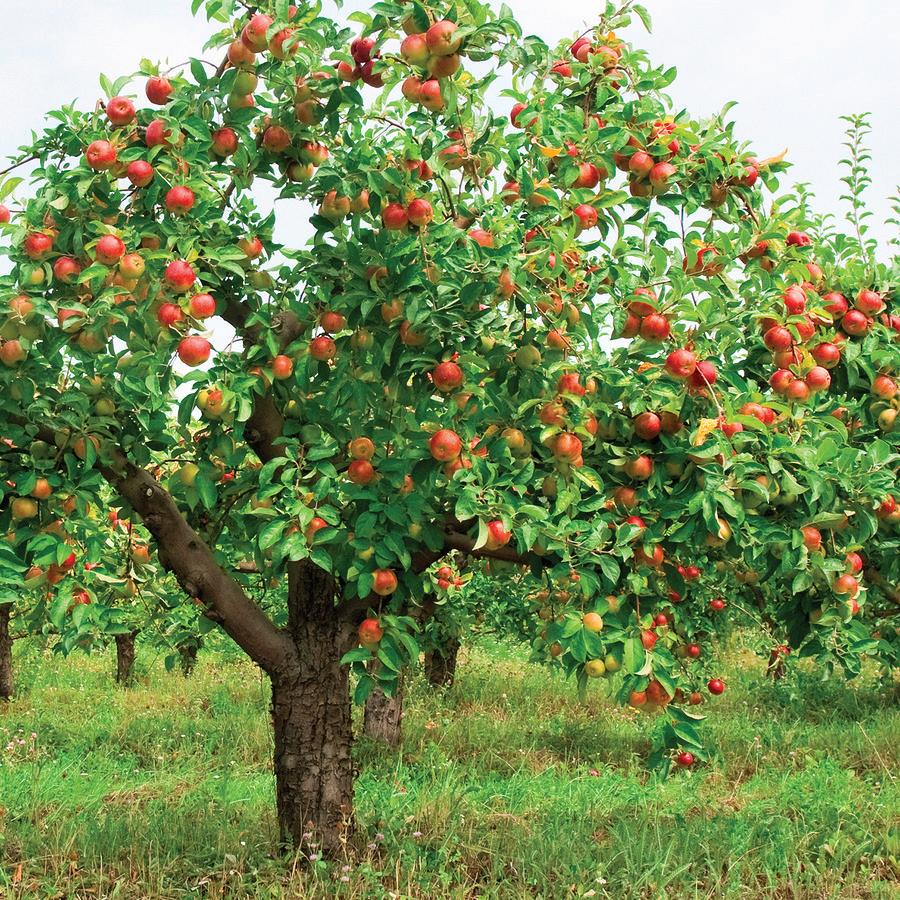
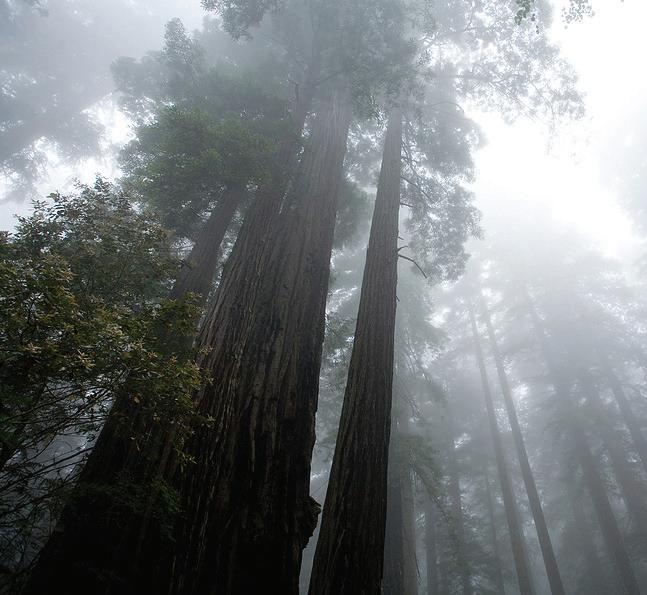
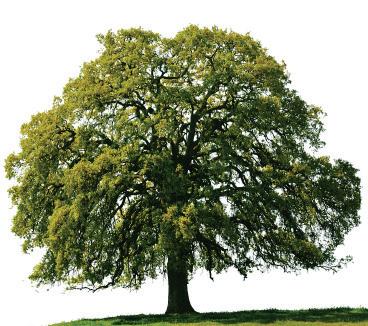
2. During the mature tree stage, what are some differences that you notice between the apple tree, the redwood tree, and the oak tree?
Open-Ended Response
3. A frog is an amphibian. Draw the life cycle of a frog, and label each stage. After you draw it, explain what happens at each stage.
Plants and animals go through life cycles, which allow their species to survive. Biologists are scientists who study living things. Scientists often use models to help them understand information.
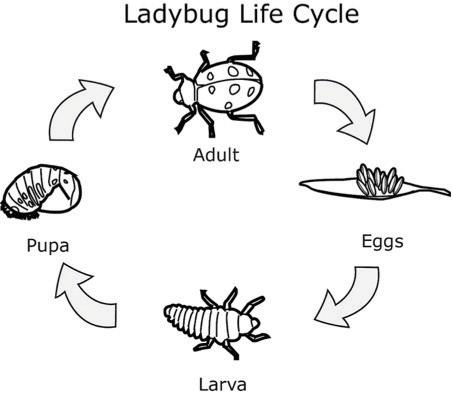
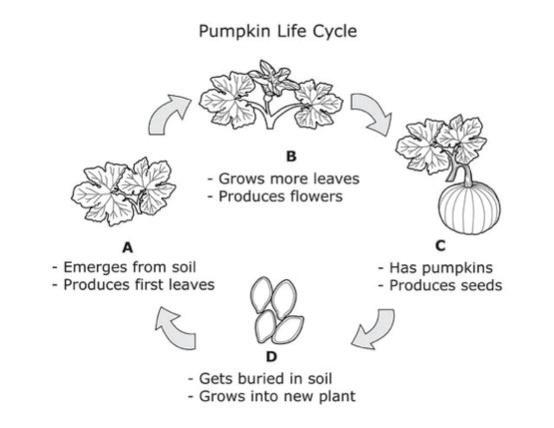
Thinking like a scientist, determine whether the life cycles of a ladybug and a pumpkin are similar in any way.
L.2.3A Environmental Changes and Effects
Environmental Effects
Part I: Changing Environments
Sentence
Explore 1
Part I: Changing Environments, continued
Sentence3
Explain:
Explain:
Sentence 4
Part II: What Is Your Behavior?
The organism I chose was _______________________________________________________. Tell how the organism was affected because of the environmental change.
Animals Changing Their Environment
Part I: Organism Match
Beavers
Deer
Ants
Crawfish
Moles
Explore 2
Part II: Animals Reshape Our World!
Claim: Beavers change their environment.
Evidence: (How does the organism change its environment?)
Reasoning: (Why does the organism change its environment?)
Claim: Deer change their environment.
Evidence: (How does the organism change its environment?)
Reasoning: (Why does the organism change its environment?)
Explore 2
Part II: Animals Reshape Our World!
Claim: Ants change their environment.
Evidence: (How does the organism change its environment?)
Reasoning: (Why does the organism change its environment?)
Claim: Crawfish change their environment.
Evidence: (How does the organism change its environment?)
Reasoning: (Why does the organism change its environment?)
Explore 2
Claim: Moles change their environment.
Evidence: (How does the organism change its environment?)
Reasoning: (Why does the organism change its environment?)
STEMscopedia
Reflect
Think about a sunny day at the park. Children are playing soccer on the grass. A squirrel is eating in a tree. What do the children, grass, squirrels, and trees have in common?
They are all living things. Something that is alive is called a living thing. Scientists describe a community as a group of living things that share an environment. Your community includes all the living things around you! People, animals, and plants are all part of your community. This means that the trees, grass, pets, and wild animals in your neighborhood are all part of your community.
Individual groups of living things are called populations. For example, humans in a certain area are a population. Rabbits in the same area are another population. Maple trees in the area are a third population. Together, these populations make up parts of a community.
Environments have specific parts that support communities. What are these parts of an environment? How do these parts support communities?
What are the parts of an environment?
environment: everything around a living organism
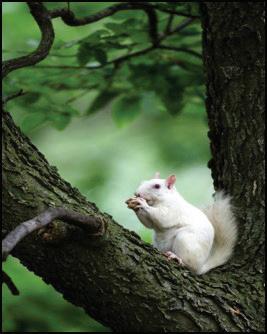
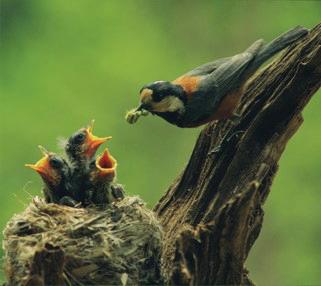
Everything around an organism is part of its environment. Think about a tree. The dirt around the tree and the air around its leaves are part of the tree’s environment. So are the animals that climb on it and nest in its branches. Even the rain that falls is part of the tree’s environment.
Everything around an organism makes up its environment. If there is a change to the environment, it can affect all the organisms that live there. If the trees in the park are cut down to build a new parking lot, all the populations in the community will be affected. What do you think the squirrels, deer, birds, and rabbits will do if their environment is changed?
organism: a living thing Squirrels are only one part of a community.
STEMscopedia
How do the parts of an environment support living things in an ecosystem?
All organisms have basic needs. These needs must be met in order for the organism to survive. Air, water, food, and shelter are basic needs of most organisms. An environment provides the organisms in a population with these basic needs.
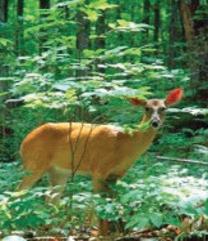
In a forest habitat, deer breathe air in the forest, drink water from streams or rivers, and eat plants in their environment. To hide from predators and stay safe in bad weather, deer often use trees and bushes as shelter. Each part of the environment provides exactly what is needed by each organism in order to survive
habitat: an area in an ecosystem in which organisms live
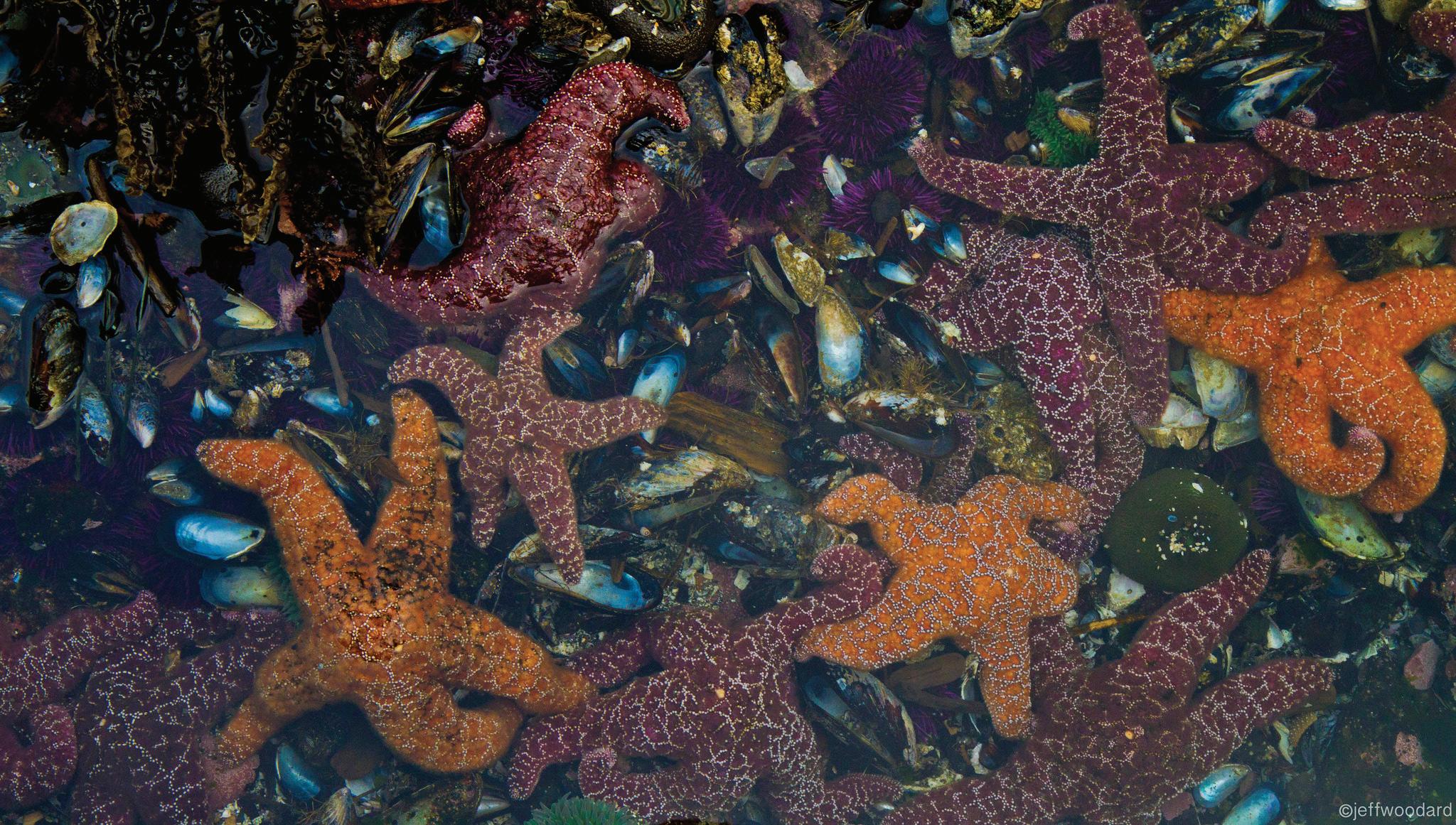
predator: an animal that hunts and eats other animals
survive: stay alive
In a tide pool habitat, ocean water from the incoming tide gets trapped between beach rocks and provides a home and food for starfish and mussels. As the tide comes and goes, the animals respond to the changing water levels.
How does a habitat change affect the organisms that live there?
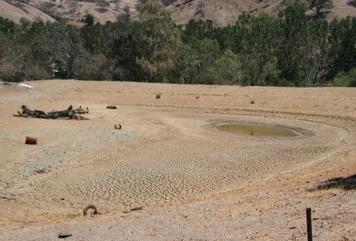
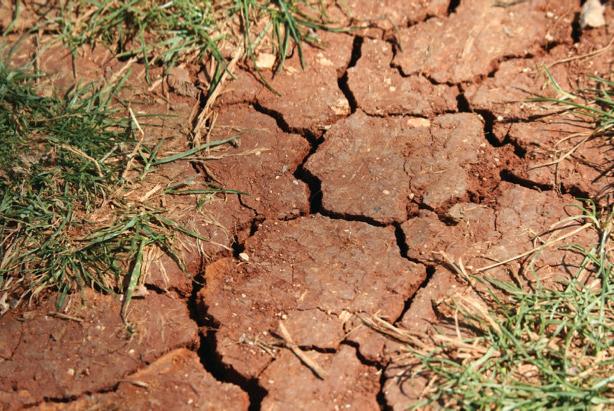
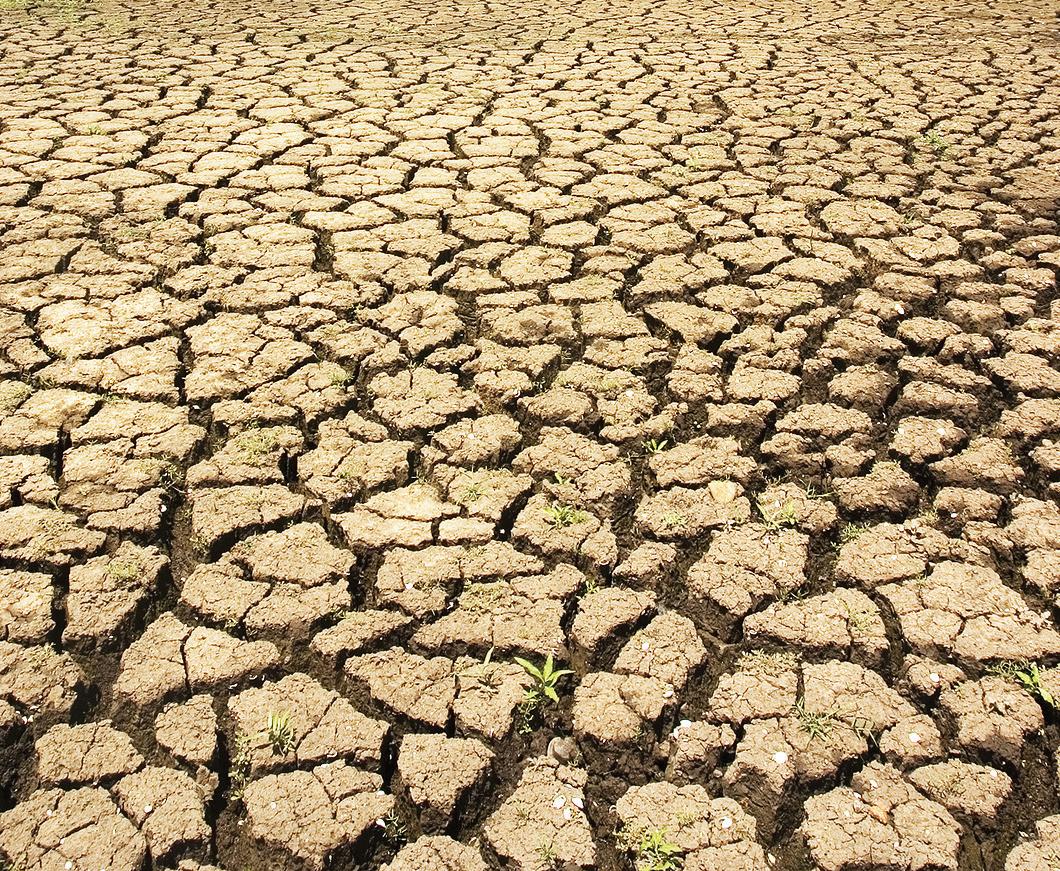
Sometimes habitats experience unexpected changes, such as droughts. Droughts happen slowly over a period of time. In a drought, many plants cannot get enough water. The plants that remain are those that are able to survive with less water. Animals are also affected by drought. Some animals can survive by moving to new areas to find the water they need to survive.
drought: a period of little or no rain
Look Out!
STEMscopedia
Reflect
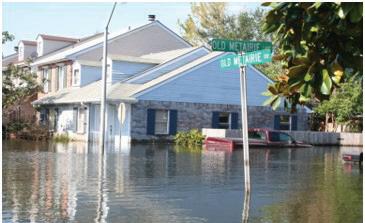
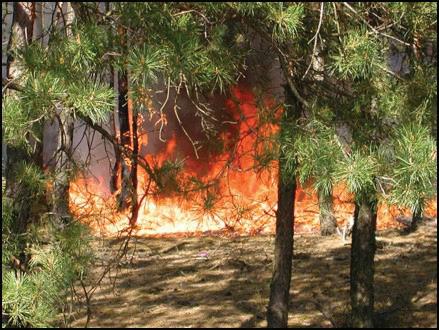
Events such as hurricanes, fires, and floods can quickly change a habitat. These changes may cause organisms to die or move to another area. They may also cause new organisms to move into the area. For example, when an area floods, many land animals are forced to move away. If the flood creates a new habitat, such as a lake, animals such as frogs and fish will survive and grow in the area.
How do organisms change the environment?
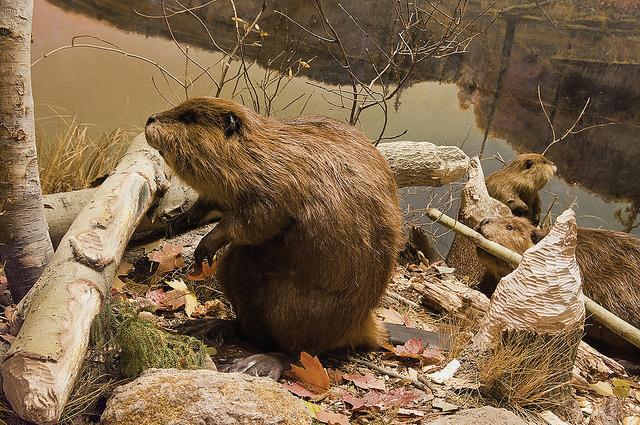
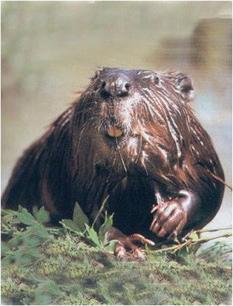
Animals and plants can also cause changes to their environments. Beavers pile up materials across streams to build dams. The beavers build a lodge, or den, inside their dams. They live in the lodge, store food in it for the winter, and raise their babies in it. The dams block water flow in the streams. This causes flooding and can form lakes. The lakes can provide new habitats for plants and other animals.
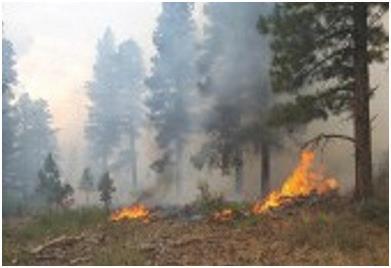
Look at the pictures on the left. The top one shows a forest fire. Many animals have to flee or perish.
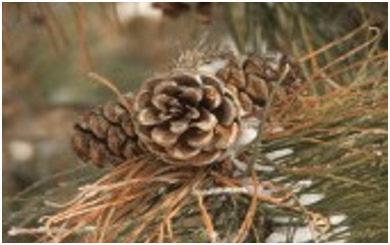
Now look at the next picture. This is a picture of cones on a jack pine. The cones need heat in order to open. They need the kind of heat that only comes from a fire.
Without a fire, the cones would not open. The seeds would not get out. New jack pines would not grow. Can you think of other ways that a forest fire might be helpful to a habitat? How might a flood be helpful?
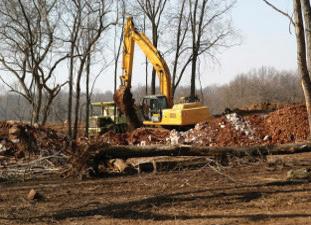
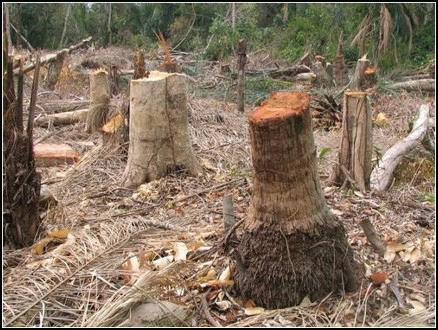
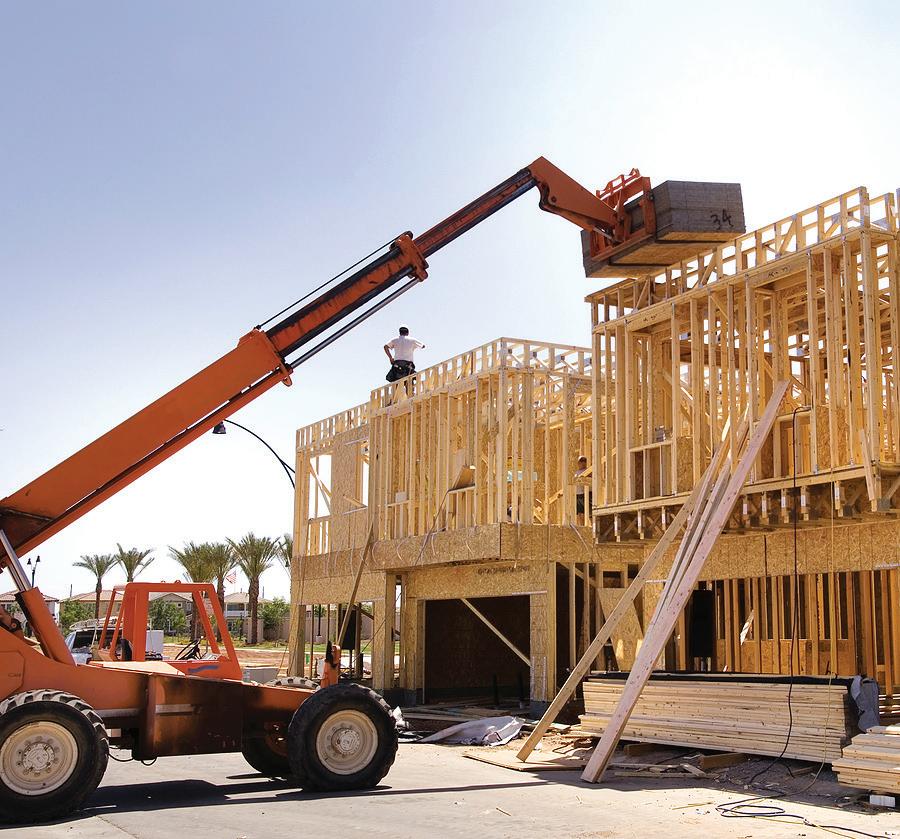
Humans also change habitats. One change happens when people cut down trees to make room for buildings. Many people know that habitat changes can harm organisms. We should remember to fix what we can when we cause a change to happen. If we cut trees down in one area, we can plant new trees nearby.
STEMscopedia
What Do You Think?
What do you think happens when an animal changes an environment?
Life on Earth is a delicate balance. When something in an environment changes, it has an effect on the organisms living in that environment. Sometimes a change that is good for one organism might be bad for other organisms.
An example is the deer population in the United States. Deer have become a problem animal. Humans used to hunt the animals that ate deer, such as wolves, coyotes, and mountain lions. A decrease in the number of predators was good for the deer.
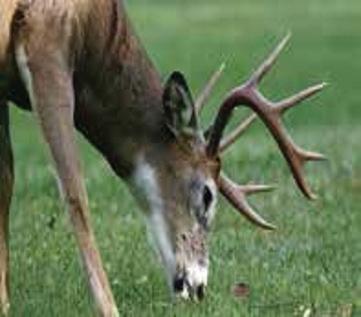
More deer survived each year, and their population grew. But other organisms suffered as a result. Deer like to eat grass, short bushes, and young trees. Sometimes they may eat all the plants in an area. There is little food left over for other animals. Those animals may starve. When the deer eat young trees, they prevent the trees from growing and replacing old, dying trees. The forest can become bare. Crowded populations of deer also make it easier for disease to spread and infect other deer.
Examples of other animals that can have an impact on their environment are ants, crayfish, and moles.
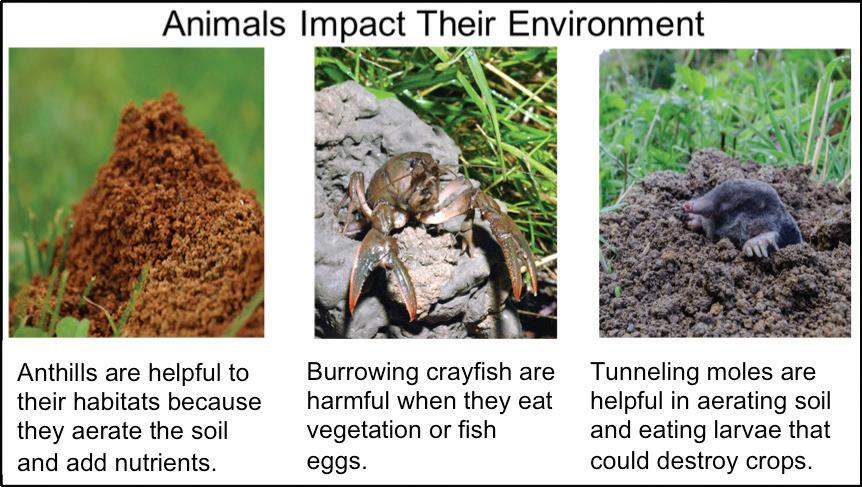
STEMscopedia
Try Now
Show what you know!
Parts of a habitat support organisms within that habitat. Changes to a habitat affect organisms. Read the descriptions of habitat changes in the chart below, and then read the events below the chart that happened as a result of the changes. Match each event with the most likely habitat change. Write answers on the right side of the chart. What happens to an organism if the habitat is changed?
Habitat Change
Seasons of heavy rains flood an area and create new ponds.
A hurricane brings a large amount of salt water from the ocean into rivers and streams.
Humans cut down many trees in a forest.
A fire moves through a grassland ecosystem.
Events
• Dead plants are cleared to make room for new plant growth.
• Blue jays lose their nesting sites.
Resulting Effect
• New animals move to the area because more drinking water is available.
• Freshwater organisms perish.
STEMscopedia
Connecting With Your Child
A Small Habitat
Take your child to a nearby ecosystem to learn more about the environment. This could be a park, a forest, a pond, a playground, or even your own backyard. An ecosystem includes the living and nonliving things in a habitat that interact with each other.
For this activity, you and your child take a 3-square-foot hike. Rather than focusing on everything around that your child can see, take a closer look at a small area. Explain to your child that a single drop of pond water can contain hundreds of tiny microscopic organisms.
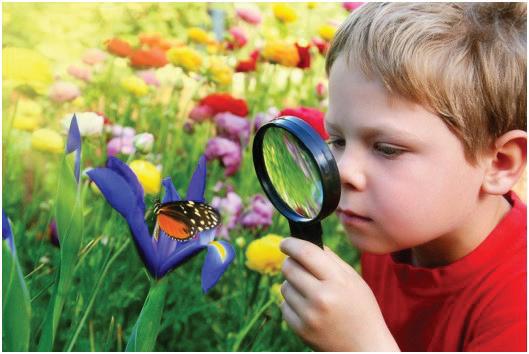
If you have a magnifying glass, take it with you on your exploration. If you go to an aquatic area, you can use a tall, clear container to carefully peer down below the surface of the water. If you explore a land environment, you can gently turn over rocks to find tiny organisms such as worms and insects. The key is to encourage your child to observe and scrutinize a small area and see the vast amount of diversity, even in a tiny part of an environment. Make sure to emphasize with your child that you should not permanently disturb the habitat but should leave it the way you found it.
Here are some questions to discuss with your child:
1. Is an environment always a large area?
2. What populations did you observe in the habitat you explored?
3. How does the environment support these populations?
4. What kinds of changes might happen to the habitat? How might these changes affect populations?
5. Where can you find changes to the environment made by plants or animals?
6. Where can you find changes to the environment made by people?
Reading Science
1 Ted and Sarah are park rangers. They took the Jeep out to see what was going on where they work. They work at the state park. They felt nervous about what they saw.
2 During spring, it usually rains for days in their park. The rain makes the flowers bloom. It also makes the leaves turn green. This year was different. The park had not had rain in over a month. It was a real drought. A drought is a shortage of water. It is usually caused by a lack of rain.
Drought
Lexile 370L
3 Sarah and Ted started to get into the Jeep. They saw a family of deer. The deer were near the station. They were eating the grass in front of the building. That grass was still green because humans had watered it.
4 Ted remembered seeing the doe and her fawns. A doe is a mother deer.
5 “I have never seen them so close to buildings and cars,” he said. “The drought must be making it hard for them to find water and food. They are trying to find it close to people.”
6 Sarah agreed. “You know they like to hide in the bushes and tall grasses. Those normal hiding places are probably disappearing. So many plants are dried-up.”
7 “Yes, this drought is affecting their water supply. It is also disturbing their food and hurting their shelter,” said Ted.
8 Sarah and Ted drove down one of the forest trails. They wanted to see what the drought was doing to the rest of the park. They saw plants that had dried up. They were dying. The pond was shrinking and muddy. This is where the animals came for water.
Reading Science
9 They took pictures of what they saw. They wanted to tell the other rangers. They were concerned about the dry plants. The plants are producers. They use soil, water, air, and energy from the Sun. They use these to produce food. The other animals eat the producers. Consumers are the animals that eat the producers. They do not have anything to eat if the plants do not make food.
10 Sarah and Ted stopped. They got out of the Jeep. They wanted to look at some tracks they saw. Sarah looked closely.
11 “Uh-oh, Ted! These are mountain lion tracks! The meat eaters are coming closer. They are getting close to the ranger station!”
12 “They must be following the deer. The carnivores will follow the herbivores,” said Ted.
13 “We will have to warn the park visitors,” said Sarah.
14 The two rangers got back to the station. They were ready to tell the other rangers what they saw. They saw their friend Jos when they walked into the station. He held up the newspaper.
15 “Guess what?! The forecast predicts rain all next week!” said Jos.
16 Ted and Sarah smiled. The drought might not be totally over, but a week of rain would be a great start!
Reading Science
1. What is an effect caused by a drought?
A. Ponds and streams dry up.
B. Animals travel farther to get food.
C. Plants dry out and stop producing food.
D. All of the above
2. Why were the deer close to the ranger station?
A. They knew the rangers would feed them.
B. Deer are never afraid of humans.
C. The rangers were watering the grass at the station so it was good food for the deer.
D. The deer were hiding from mountain lions.
3. The word concerned (ninth paragraph) means–
A. excited.
B. angry.
C. sad.
D. worried.
Reading Science
4. Which of the following is a producer (ninth paragraph)?
A. Grass
B. Deer
C. A mountain lion
D. A park ranger
5. What do you think Ted and Sarah would have done if the newspaper had not predicted rain?
A. They would have quit their jobs because the park was in danger.
B. They would have talked to the other rangers to come up with a plan to help the park.
C. They would have closed the park.
D. They would have tried not to think about the drought.
Open-Ended Response
1. How might animals respond if there is a drought in their habitat?
2. A neighborhood has just been built with new homes and paved roads. As a solution to the sudden habitat destruction, a tree has been planted in every yard, and a small park with a trail was created. What are your thoughts about this solution? Will this lessen the impact on the animals that inhabit this area?
Open-Ended Response
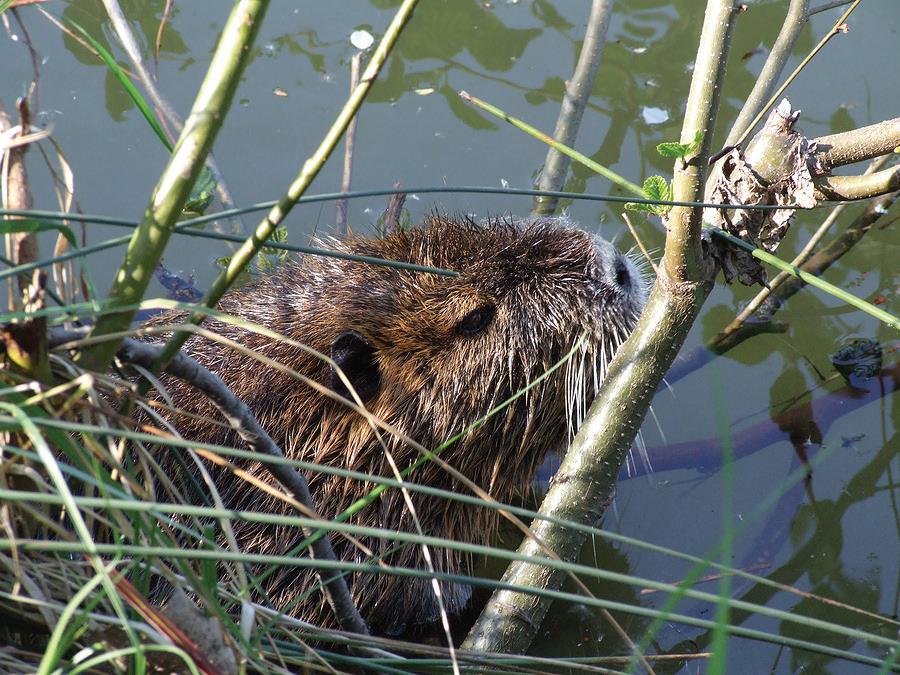
3. How might this animal make major changes to its environment? Draw what it builds, and discuss the effects.
Open-Ended Response
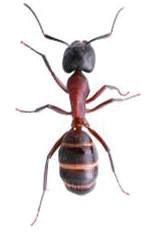
4. All animals, even tiny animals, make changes to their environments. Draw and explain how ants change their environment. Are the changes helpful or harmful?
The Woodson Logging Company is cutting down trees in a snowy forest in order to build new homes in a nearby city. The company wants to be responsible and replace the trees that were cut down, so they are planting new trees. Use the data to decide which tree would be the best choice for restoring the forest. Make a claim and state your evidence.
L.2.3B Animal and Plant Dependence
Animal and Plant Dependence
Part I: Can You Tell What I Eat?
Definition:
Definition:
Teeth Shape
HERBIVORE
Definition:
Teeth Shape
Why are the teeth shaped like this?
Organism example:
CARNIVORE
Why are the teeth shaped like this?
Organism example:
OMNIVORE
Teeth Shape
Why are the teeth shaped like this?
Organism example:
Explore 1
Part II: Let’s Eat!
Herbivores
Omnivores Carnivores
Explore 2
Survival!
Record the number of organisms after the end of each round.
Round 1
Hawks Mice
Round 3
Foxes Hawks Mice
Round 2
Hawks Mice
Round 4
Hawks Mice
Round 5
Hawks Mice
Foxes
Foxes
Foxes
Foxes
Explore 2
1. At the end of the first round, which organism had the greatest number?
2. At the end of the second round, which organism had the greatest number?
3. At the end of the third round, which organism had the greatest number?
4. At the end of the fourth round, which organism had the greatest number?
5. At the end of the fifth round, which organism had the greatest number?
6. What did you notice about how the number of predators and preys changed?
7. What would happen to the prey if there were no predators?
8. What would happen to the predators if there were no prey?
STEMscopedia
Reflect
Having a pet is fun. Having a pet also means you have to make sure it has water and food. The pet needs your attention and depends on your care. In return, you depend on the pet for companionship and for helping you enjoy life. The pet and you depend on each other.
In the same way, plants and animals depend on each other to survive in their environment.
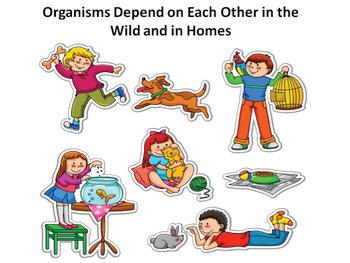
When two or more things interact with each other, this is called dependence. In fact, all living things in an environment interact with each other.
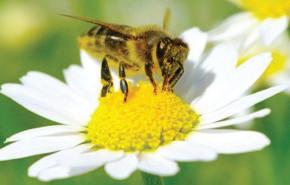
How do living things interact?
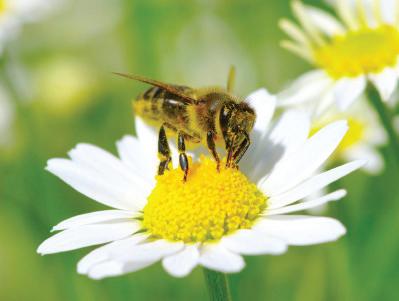
Look at the bee on the daisy. The bee needs the nectar and pollen from the flower to make honey. Nectar is the liquid in the flower, and pollen is the yellow in the center. The daisy needs the bee to spread the pollen to fertilize the daisy seeds. Bees and flowers depend on each other.
Look Out!
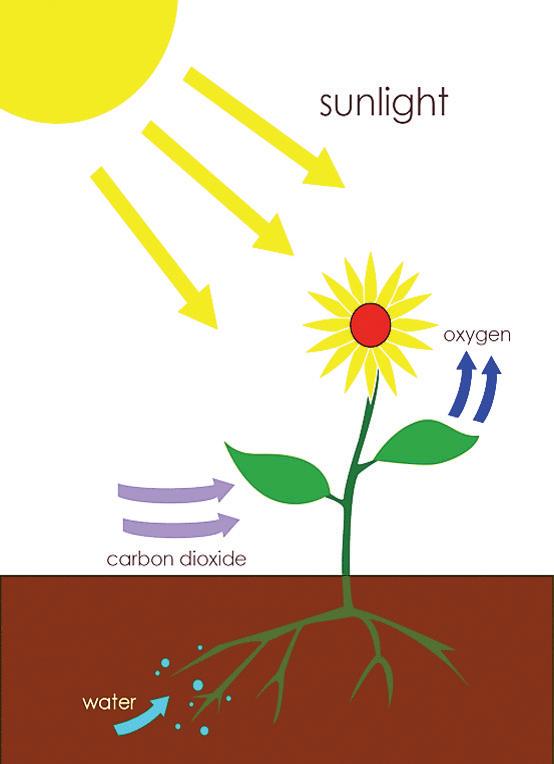
Plants make their own food using sunlight, water, and a gas called carbon dioxide, which is in the air. Plant food is called glucose, which the plants need for energy and growth. Where does the carbon dioxide in the air come from? Animals breathe out the carbon dioxide that plants need. The dependence does not end there. Plants also release oxygen into the air, which animals need to breathe.
The next time your family takes a drive, look at all the green grass, trees, shrubs, and flowers that cover the surface of the land. All of those plants are releasing the oxygen into the air that animals need. And all the animals on the planet are releasing the carbon dioxide that plants need!
STEMscopedia
Animals need plants and other animals for food.
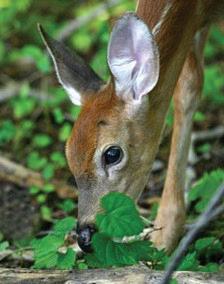
Animals cannot make their own food like plants do. Animals need to eat food for energy to grow and live. Not all animals eat the same thing. Some animals eat just plants, and other animals eat just meat. Some animals eat both plants and animals. You can group animals by the kind of food they eat.
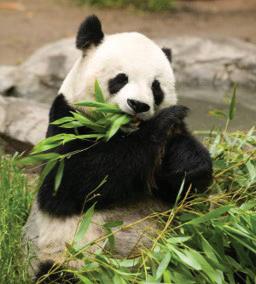
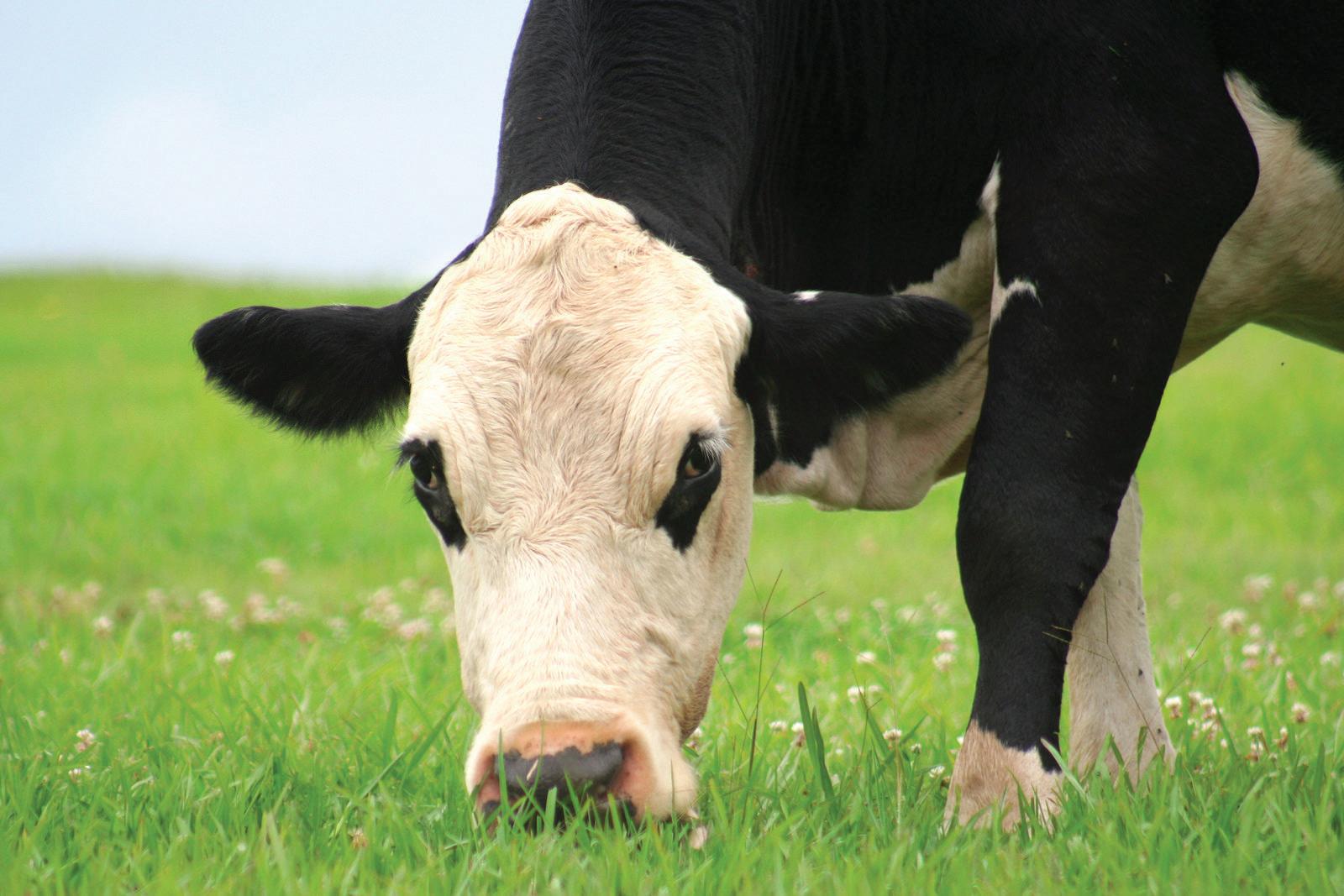
Herbivores are animals that eat only plants. Examples are deer, pandas, and cows.
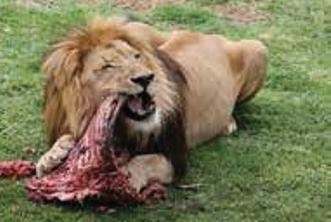
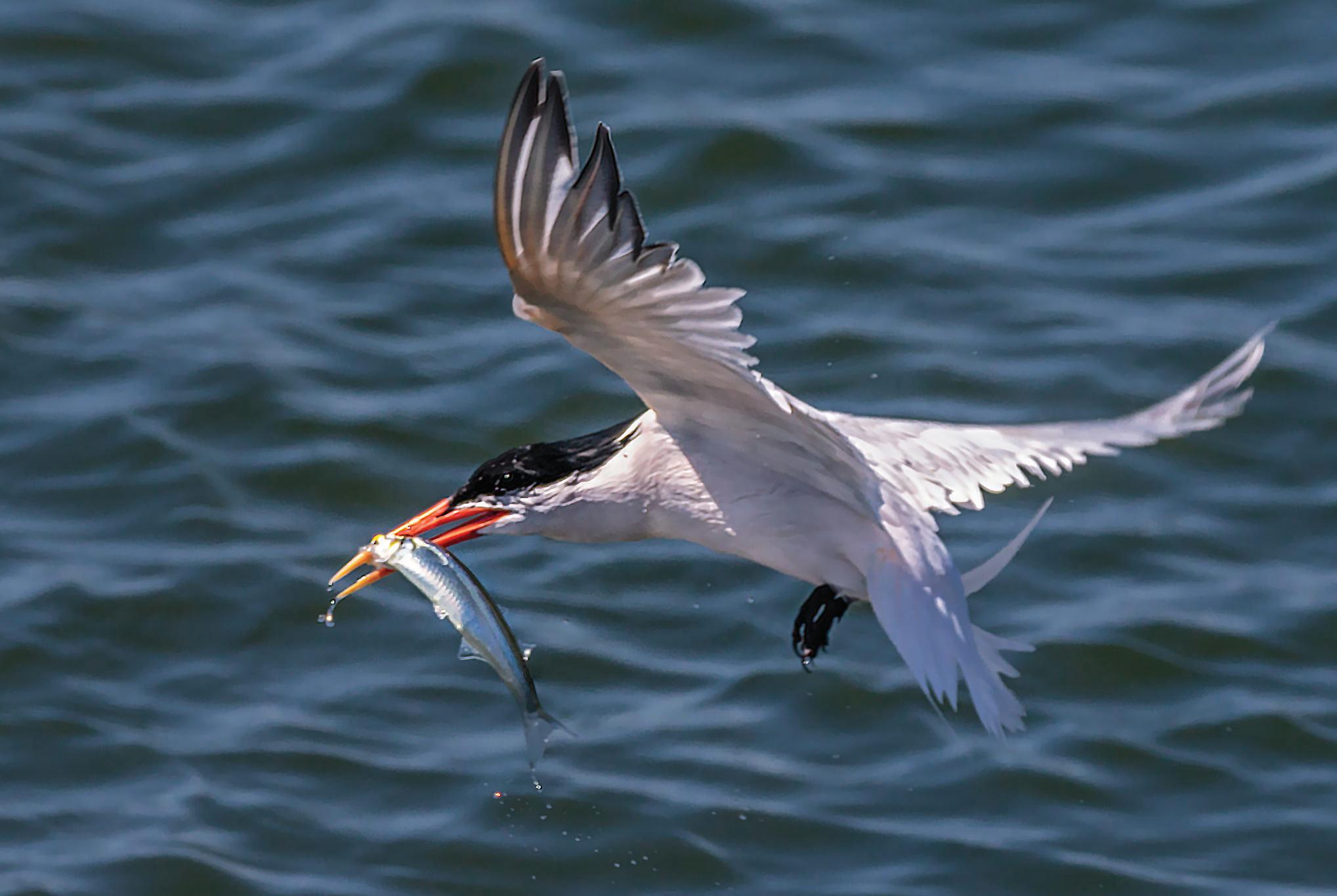
Carnivores are animals that eat only other animals. Examples are lions, some birds, and wolves.
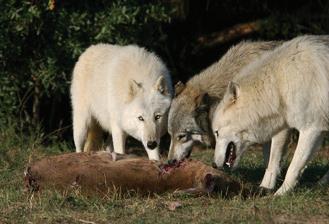
Predator vs. Prey
Scientists use special names for an animal that is a carnivore and for the animal that the carnivore hunts and catches. For example, in the picture above, the white bird is called a predator because it hunts fish (the prey) and catches it for food. The wolves are the predators, and the deer they are eating is the prey they caught. Reflect Look Out!
STEMscopedia
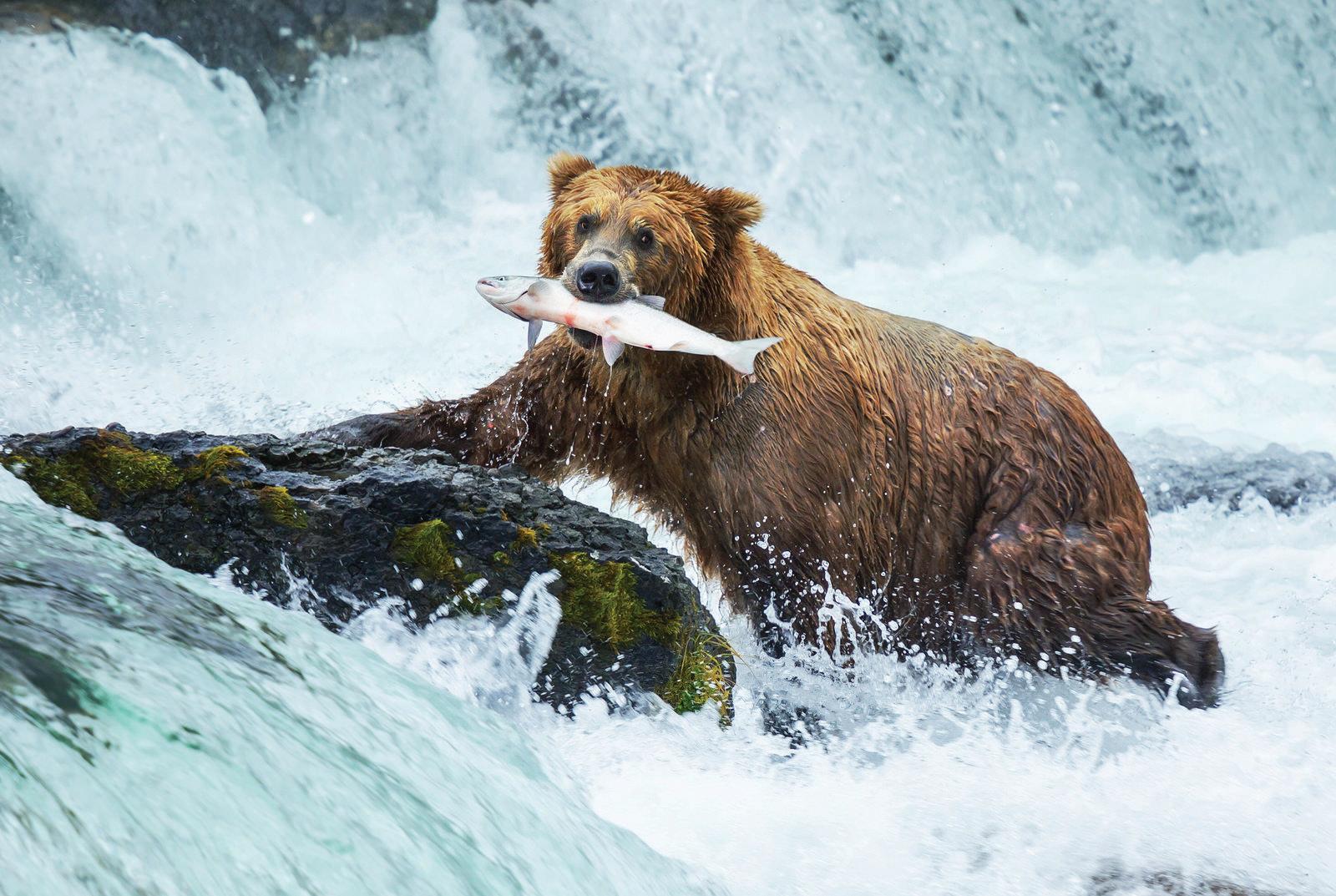
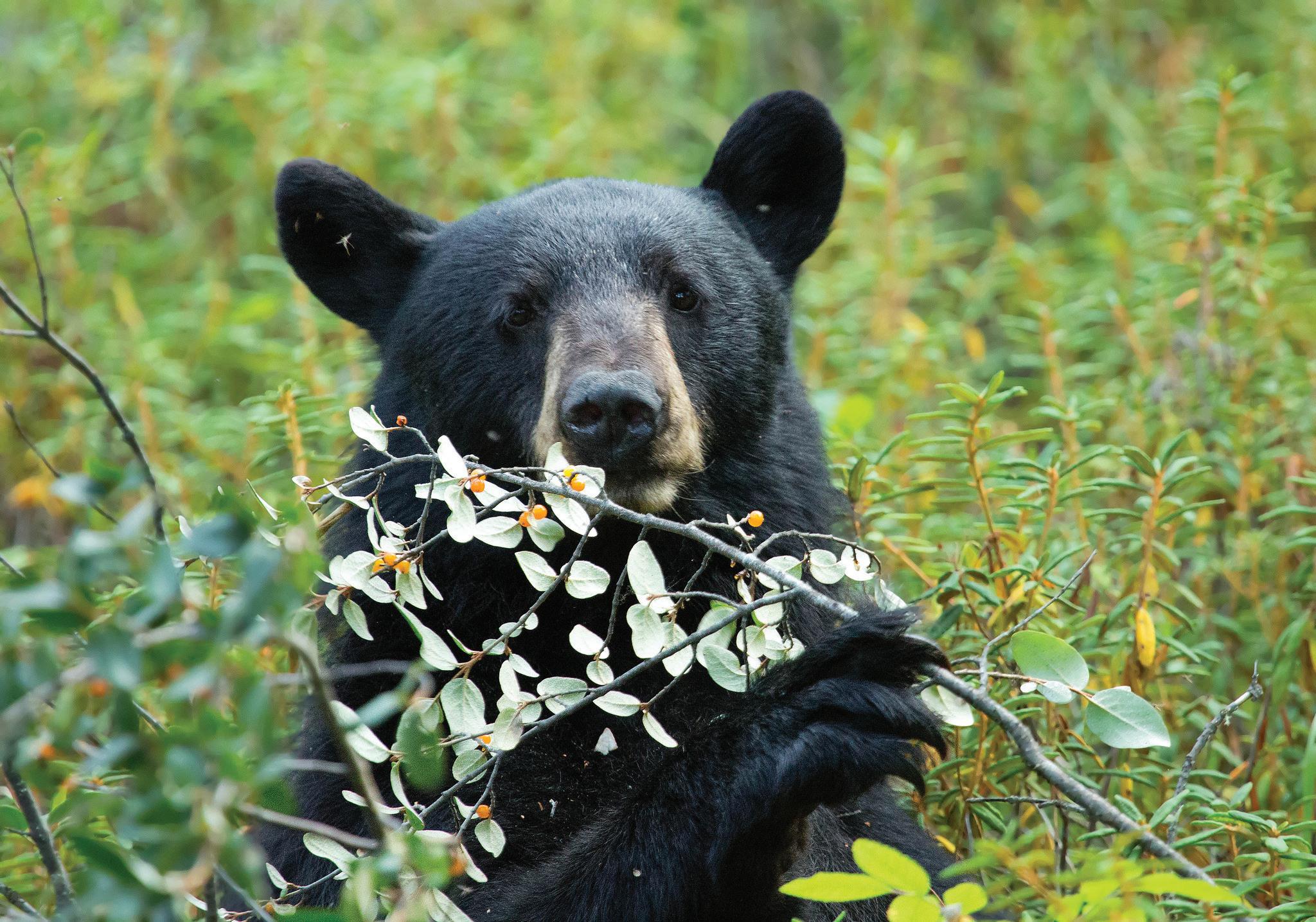
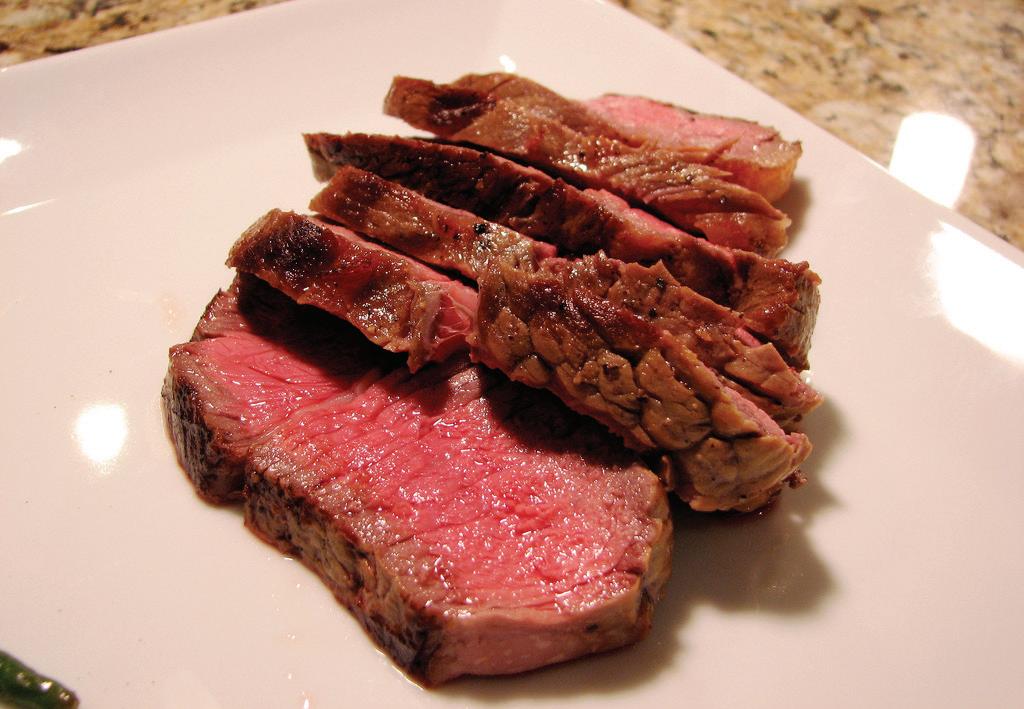
Omnivores are animals that eat both plants and other animals. For example, bears eat fish and berries. Raccoons eat berries, insects, and small mammals. Humans are also omnivores because we eat meat and vegetables (plants).
What Do You Think?
Competition or cooperation for resources?
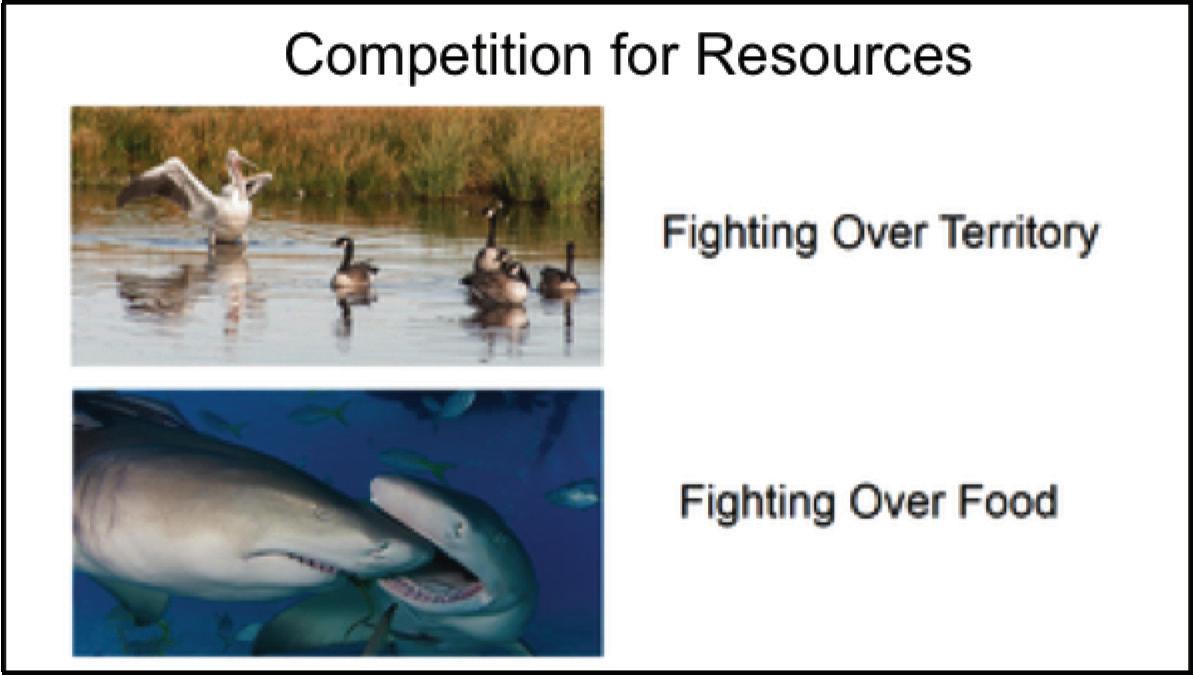
Do you think plants and animals cooperate or compete for food and space? Do all plants and animals have enough food and space? Actually, both competition and cooperation can be found among living things.
Living things must compete when resources are limited. Only the fittest will survive. Look at the sharks fighting for food. If one shark eats enough fish to survive, but the other shark cannot get enough fish to eat, the one that does not have enough food may die.
Reflect
Bear Food
Human Food
STEMscopedia
Do plants compete?
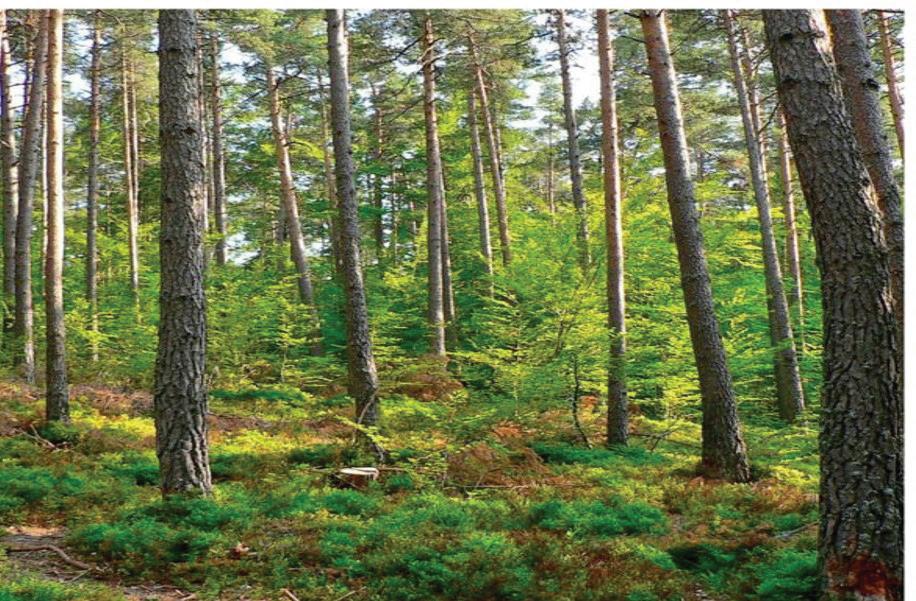
Animals are not the only organisms that compete for the resources around them! Plants also compete. Suppose a fire destroys a forest. A short while later, many young plants begin to grow there. Some plants, such as trees, absorb more water and nutrients, so they begin to grow taller. As they grow, they block the sunlight from reaching the smaller trees. Without enough sunlight, the smaller trees cannot produce enough food to live, so they die.
How do organisms work together?
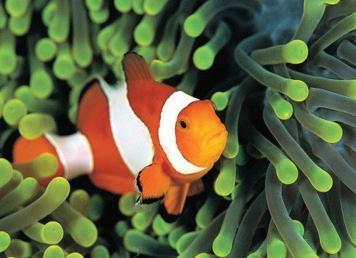
Some organisms survive because they have paired up with a different organism to cooperate. Each organism provides something that helps the other to survive. For example, the clownfish lives among the tentacles of the sea anemone for shelter. The clownfish is not hurt by the stinging tentacles of the anemone. So the clownfish gets a home in exchange for keeping away fish that might eat the sea anemone.
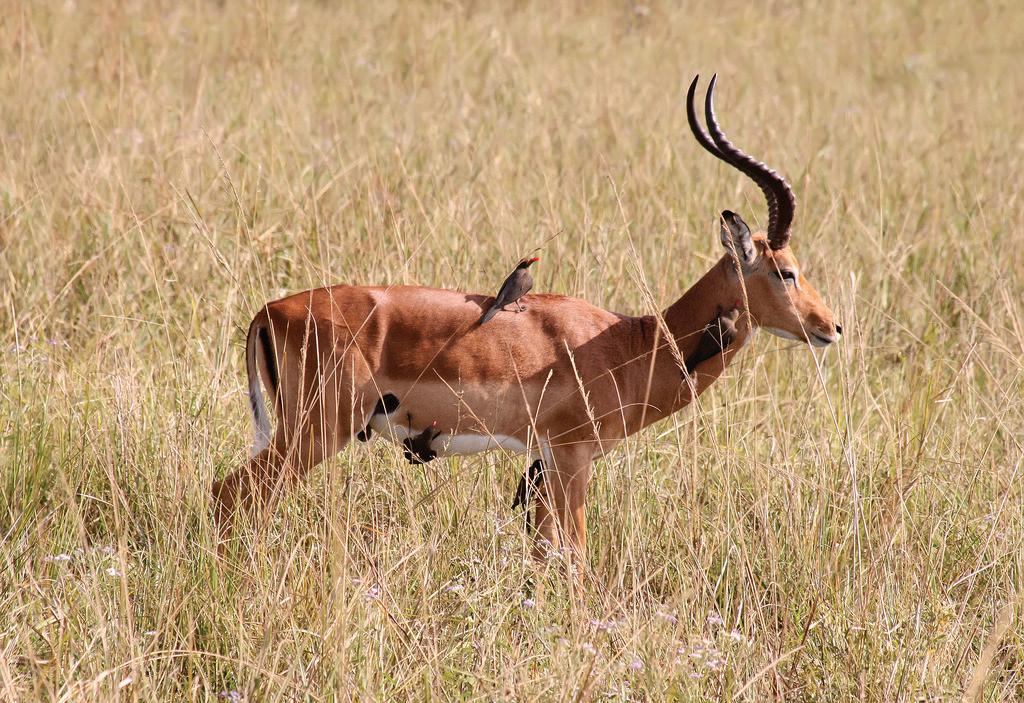
Another example of animal cooperation is the relationship between antelopes and birds. The birds can ride on the antelope and get a free meal while they eat insects off the antelope’s skin. The antelope benefits by having the birds get rid of pesky insects.
STEMscopedia
Try Now
Competition Experiment
You can explore how plants compete for space and light. You need these items:
1 package of crinkly cress (peppergrass) seeds
4 small, clean plastic tubs (like the ones margarine comes in)
1 small bag of potting soil
Water
1. Label each container with a different letter: A, B, C, or D.
2. Fill each container ⅔ full with potting soil.
3. Water the soil until it is moist but not soggy.
4. Place the following number of seeds in the containers: (A) 5; (B) 10; (C) 20; and (D) 30.
5. Cover the seeds with a thin layer of soil. Moisten the soil.
6. Keep the soil moist by spraying with water every 2 or 3 days.
7. As soon as the seeds begin to sprout, start to write about or take pictures of what you see.
8. Count the number of leaves and measure the height of each plant every 2 or 3 days.
Conclusions
After looking at your data, compare container A, which had the fewest plants, with container D, which had the most plants. Do you see any patterns among the other containers? Did competition for space and light affect the number of plants, their height, or the number of leaves they had?
STEMscopedia
Connecting With Your Child
Observing Dependence
To apply what your child has learned about dependence, take your child to a natural area nearby. Work with your child to select an organism to observe. It could be an animal such as a deer, squirrel, or fish. Keep in mind that smaller animals such as insects can be found in grass and under rocks. Insects often make fascinating subjects for observation. Whatever you observe, be safe and do not touch or otherwise disturb the organism.
Write down ways in which the organism is interacting with the living and nonliving components of the ecosystem around it. For example, a beetle may interact with nonliving components by digging in the soil or drinking water. It may interact with living components by eating plants, or it may be prey for birds or other insects.
With your child, convert your list into a visual representation of these connections. Use a piece of poster board or butcher paper. Write the name of the organism at the center, and draw a picture of it. Draw lines from the organism to all the living and nonliving components it interacted with. Label each interaction on the line between the organism and the component.
Feel free to draw lines between many different components. You may connect a beetle with a plant it ate and then draw a line between the plant and the soil the beetle dug in. On the line between the plant and the soil, you can write that the plant obtained nutrients and water from the soil. The goal is to illustrate that the living and nonliving components of an ecosystem are highly interconnected.
Here are some questions to discuss with your child:
1. How is your organism dependent on the living components in its environment?
2. What components are needed by almost all organisms in the environment?
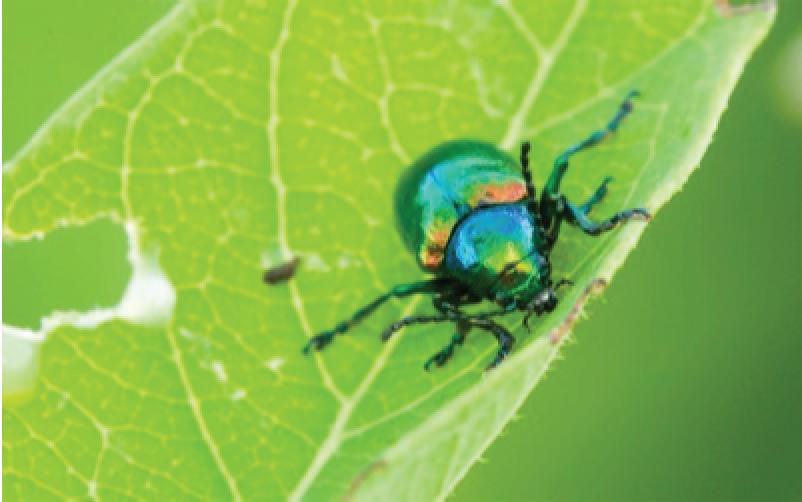
A Fight for Life in the Tropical Rain Forest
Lexile 760L
1 It is morning in the tropical rain forest. Rain falls from high in the sky. It drips down through the many layers of the rain forest. The rain hits the first layer. It is the highest layer of the rain forest. Drops splash off the leaves of the Brazil nut tree. Harpy eagles and butterflies are some of the first animals to feel the rain. The plants and animals that live here are adapted to survive in the difficult environment. They must be able to tolerate high temperatures, plentiful sunlight, and high winds. The trees that grow in this level have large leaves with a waxy coating that helps them keep water to survive.
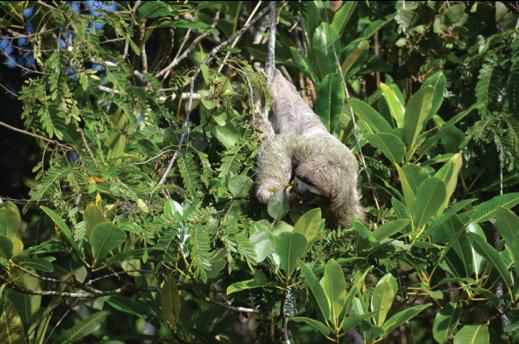
2 The next level down is the canopy level. This level contains most of the rain forest’s living organisms. Toucans, sloths, monkeys, and tree frogs are animals found in the canopy level. This makes competition for resources fierce here. Plants and animals are usually in constant competition for resources like sunlight and even good soil. Also at this level, the plants create an umbrella of branches and leaves. Each plant needs to get enough sunlight to live. Water is plentiful. Most of the competition is for sunlight and nutrients. The canopy-level plants form a very thick covering of branches and leaves. Very little sunlight filters down to the understory layer.
3 The understory gets far less light than the canopy of the rain forest. This layer of the rain forest is home to most of the insects. This level is also home to many species of monkeys, birds, and sloths, as well as the jaguar and the ocelot, which feed on the birds and other animals. Plants include orchids, ginger, and passion flowers.
Reading Science
4 Plants are not the only organism that struggles to survive. The animals of the rain forest must compete to eat plants as well as each other. Many animals of the rain forest eat fruit. There is plenty of fruit here all year. It is hard to survive with such a high population in the ecosystem. To help their chances, most animals have carved out a specialized role for themselves. Sloths, for example, do not compete with many animals for food. They eat a food that most animals cannot live on: leaves. Their large digestive system allows them to get nutrients from leaves.
5 The lowest level of the rain forest is the forest floor. This level of the rain forest gets very little light. It is usually open enough to easily walk through. It is covered by the roots of trees and plants. Nutrients are quickly washed out of rain forest soil by rain. Trees use a shallow root system to grab the nutrients found at the ground’s surface. Sloths spend most of their lives in one tree. The sloths give their tree nutrients that are hard to come by on the rain forest floor. This is another example of rain forest symbiosis.
6 The rain forest holds a large variety of living species. These organisms are in a constant fight for life. They must compete for sun, shelter, and food, just like all life on planet Earth.
Reading Science
1. Which of these is an example of a nonliving factor?
A. Plants
B. Sunlight
C. Food
D. Animals
2. What can the reader get from this passage?
A. Animals in the rain forest are independent.
B. Animals in the rain forest have found a way to beat competition and can survive.
C. All animals in the rain forest have the same adaptations.
D. Animals in the rain forest all need the same amount of Sun.
3. In this passage, what does canopy mean?
A. Covered by trees
B. No trees
C. A lot of soil
D. A lot of animals
Reading Science
4. Which of the following is the best summary of the passage?
A. Many different plants and animals live in the rain forest. They all find it difficult to live there.
B. Many different plants and animals live in the rain forest. The sloth lives in the rain forest.
C. Different plants and animals live in the rain forest. They must compete for sunshine. Trees will kill other trees.
D. Different plants and animals live in the rain forest. Although there is fierce competition for sunshine, species have adapted to the environment and have found ways to thrive.
5. Rain forest organisms do not usually have to compete for which resource?
A. Shelter
B. Sunlight
C. Nutrients
D. Water
Open-Ended Response
1. Draw and explain an example of a predator-prey relationship.
2. Think of the predator and prey from question 1. What would happen if there were no predators? What would happen if there were no prey?
Open-Ended Response
3. Draw an example of a herbivore, a carnivore, and an omnivore. Tell what each animal eats.
Open-Ended Response
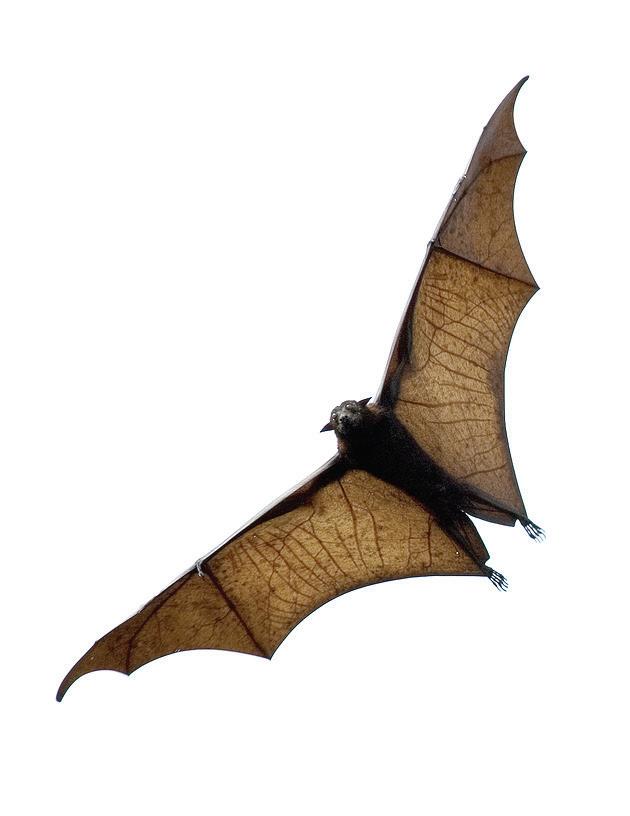
4. When animals such as bees and bats get nectar from flowers, they also move pollen around. How does this help plants?
5. Explain what would happen if apple trees were not able to attract pollinators such as bees.
Claim: Evidence: Scenario 1 External Data 2
During a really hot summer, the forest near Brazos Elementary caught fire. The fire burned much of the forest down before the fire was put out. Over time, the forest has had much new growth. Some plants are the same as before, and some are new. Since the students know that no one has planted anything in the forest, they are trying to figure out how all the plants got there.
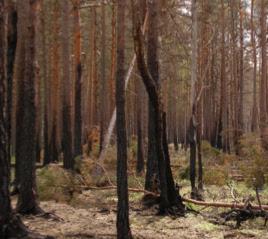
Right after the fire
Prompt 3
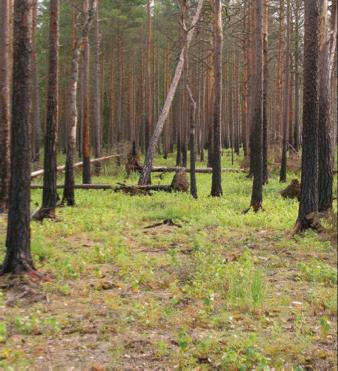
Nine months after the fire
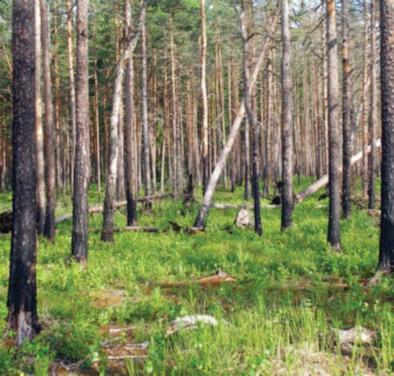
Two years after the fire
Explain what has caused the changes in the forest over the last few years.

Adaptation
Which student do you agree with most? Why?
Student A: Plants have special characteristics that help them survive in their environment.
Student B: Animals have special characteristics that help them survive in their environment.
Student C: Both plants and animals have special characteristics that help them survive in their environment.
Where Do I Live?
Explore 1
Where Do I Live?
Student Journal
How did you decide where to put each organism?
What are some adaptations of one of the organisms?
Speed It Up
The Problem
A student has been practicing with his swim team and is wanting to increase his speed. Design and construct a mechanism that will help the student become a faster swimmer.
Criteria and Constraints
The mechanism must be designed and constructed for the sole purpose of increasing a swimmer’s speed. The mechanism must be waterproof. A short report must be written on why specific materials were chosen. The mechanism must not exceed the size of a large tissue box.
Design Your Mechanism
List the steps in your plan and design. Make sure you identify any scientific tools or other materials you will need.
STEMscopedia
Reflect
Do you think a giraffe could live underwater? Do you think sea kelp could survive in the desert? Why or why not?
Why do organisms live in certain environments? Could they switch over and live in a different environment?
Organisms have characteristics and behaviors, called adaptations, that allow them to survive in a specific environment.
What is an adaptation?
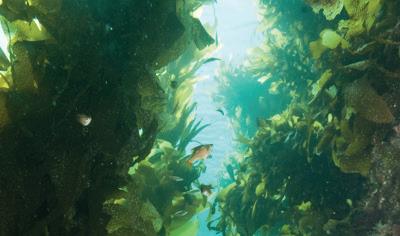
An adaptation helps a living thing survive in its environment. A cat’s ability to see well in low light is an adaptation that helps it hunt for food. A hawk’s good eyesight is an adaptation that helps it hunt small creatures on the ground while it is flying high in the sky. The wing feathers on an owl are an adaptation that allows it to fly silently and approach its prey without warning. The sunflower has an adaptation that allows it to turn and follow the movement of the Sun to absorb the most light.
Are adaptations always helpful?
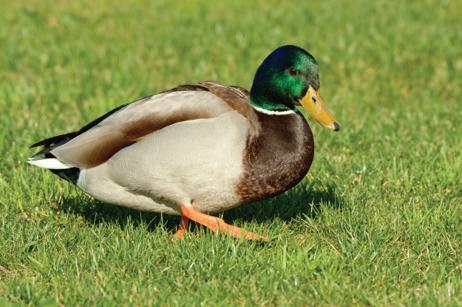
All plants and animals have basic needs that must be met for them to survive. An adaptation is helpful if it allows the organism to meet those basic needs in its environment. Look at the duck on the left. It has slick feathers that repel water and webbed feet that help it swim. The duck has adaptations that help it survive in a pond habitat.
Would those adaptations be helpful somewhere else? If the duck were placed in a forest, its webbed feet would not help it survive. The duck would not survive as well in a forest as it does living near a pond. The structure of webbed feet helps so much in swimming that humans have created swim fins with the same shape.
STEMscopedia
What adaptations are best for certain environments?
Animals come in all shapes and sizes. Some animals have a lot of fur, while others have very little. Some animals have long legs, and others have short legs. Some animals have large ears. Others have very small ears. Why are animals so diverse?
Animals are so diverse because they have adapted to their environment. Different animals have different physical traits with different functions. Each trait and function helps the animal fit into its environment. Look at the Arctic environment to the right. What traits would an animal need to survive here?
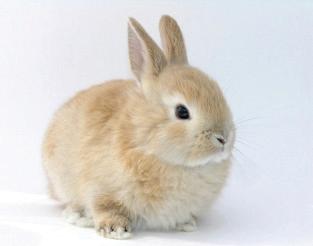
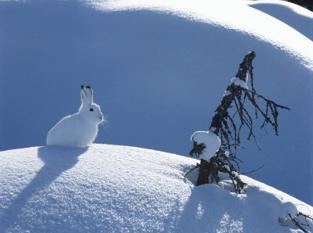
Animals that live in the cold may grow thicker fur to provide protection from the weather. The fur keeps them dry and helps trap heat next to their body. An example of this type of animal is a rabbit. Many rabbits also have fur on the bottoms of their feet to protect them from the cold. When the weather warms up, the animal may shed some of its fur so it does not overheat. A similar adaptation to cold by humans is putting on coats to keep warm.
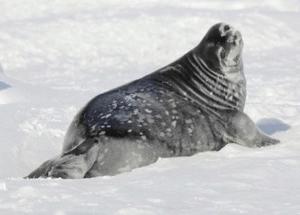
A seal is another animal that lives in cold places. A seal has a layer of blubber, or fat, that traps heat to warm the seal’s body. The rabbit’s fur and the seal’s blubber provide insulation, or protection, from the cold. Do you think the seal could survive in a hot environment? It would need very different traits in order to survive!
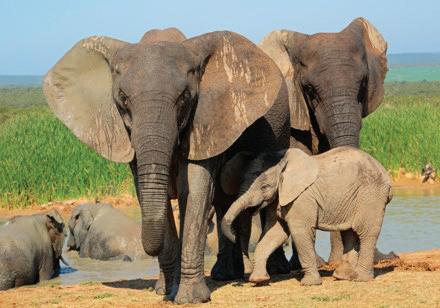
Think of a hot African grassland. What types of adaptation would be helpful here? Animals that live in hot environments usually have an adaptation that helps them stay cool, such as large ears! The elephant has large ears that release heat and help it stay cool. It also has a long trunk it can use to drink large amounts of water or to pour water over itself.
STEMscopedia
Reflect
It is easy to look at a furry animal and see that it has an adaptation to live in cold weather. But do plants have adaptations? Yes, they do!
Have you ever seen a plant with very large leaves? Some plants that live in rain forests have large leaves to catch sunlight. These plants may live under many trees, where much of the sunlight is blocked. Having large leaves helps these plants catch as much sunlight as possible!
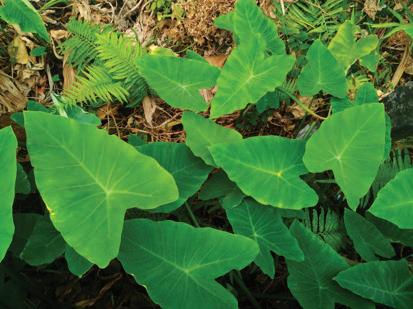
Plants have adaptations, too.
The plant in the picture above is sometimes called elephant ear. Some people plant elephant ears in their gardens because of their unique shape and bright color. However, most people do not live in the same habitat where these plants usually grow! These plants will not survive as well in some garden habitats unless they are well cared for. The gardener needs to make sure the plants get some shade and lots of water.
How can plants survive in hot, dry conditions?
Plants, like animals, have adaptations that help them survive. Root structure helps a plant stay connected to the soil and not fall over. Roots also adapt in order to reach water. If the water is deep in the soil, the roots grow downward. If the water is closer to the surface, the roots spread out.
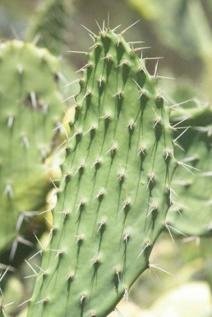
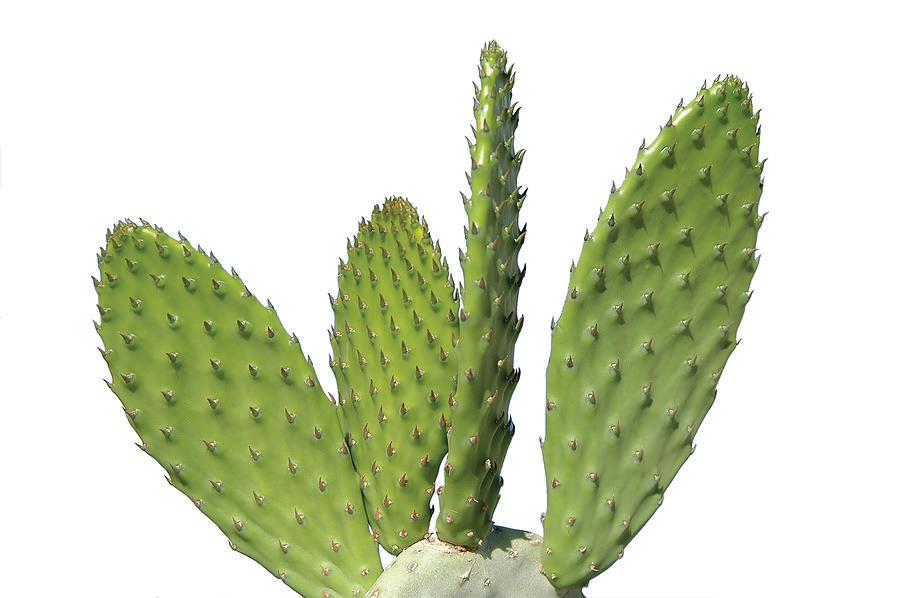
The structure of cactus roots, stems, and leaves (spines) helps it survive in hot and dry climates.
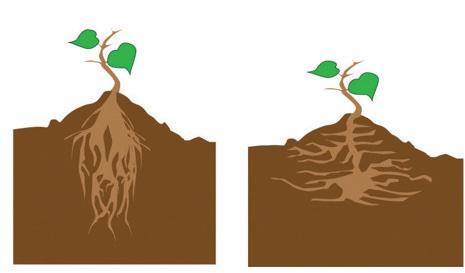
The direction that plant roots grow depends on the location of water and the type of soil.
Large leaves can help a plant survive on the floor of a rain forest, but what about in the desert? In a hot and dry environment, a plant needs to hold on to its water. Some plants have thick, waxy stems and spines instead of the leaves that we are familiar with. A cactus is an example of this type of plant. It takes a great amount of energy for a plant to produce a flower. Why do you think many cactus plants bloom only right after a rainfall?
STEMscopedia
Reflect
People can adapt to changes quickly. If it starts raining, you can decide to stay inside or you can put on a raincoat and grab an umbrella to go outside. Plants and animals cannot make quick changes to their bodies or behaviors. Animals have to move to a more suitable environment or die.
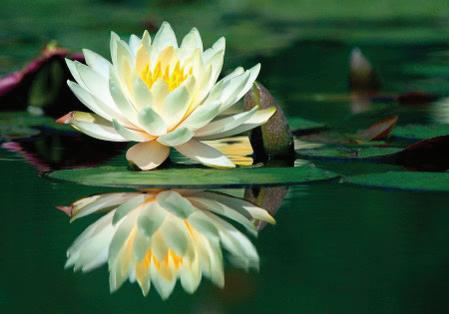
This is a lotus flower. It has adapted its roots so it can grow in lakes and ponds. If you planted a lotus flower in your yard, would it survive? What kind of environment would you have to provide for it to survive?
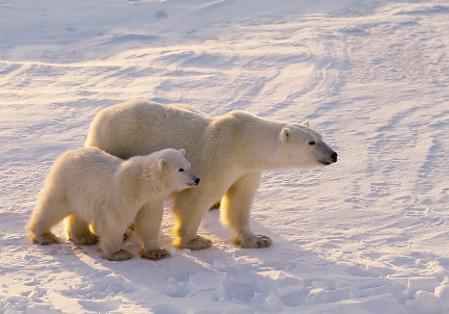
Polar bears have wonderful adaptations that allow them to survive in the very harsh environment north of the Arctic Circle. If a zoo brought these polar bears to your state, would they survive? What kind of environment would need to be built for them to survive?
What Do You Think?
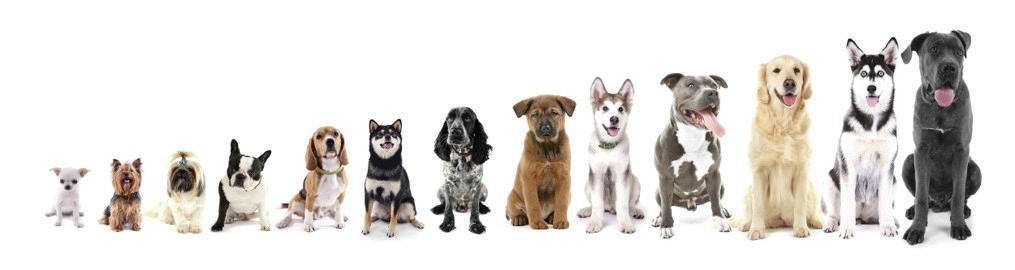
What is your favorite pet? Maybe it is a dog. What adaptations does your pet have to help it survive? What have you done in your home to change the environment so your pet is happy and healthy living there?
STEMscopedia
Try Now
Part 1: Plant Adaptations
Take a few minutes to examine plant structures.
1. Bring several different plants to your classroom. Perhaps you can bring plants from home or borrow plants from other teachers.
2. Assemble the plants on a large table.
3. Look at the plants; use a hand lens if you have one. Think about the structures each plant has.
4. Rearrange the plants into groups that have the same structures. For example, put all the plants with thick, waxy stems together. What other structures do you see that are similar? How have the plants adapted to their environment?
Part 2: Comparing Adaptations
Living things have adaptations for living in their environments. Read the adaptations in the following lists, and then examine the two environments shown below. Which adaptations would help an organism survive in environment A? Which adaptations would help an organism survive in environment B? Write your answers in the spaces beneath the pictures.
Adaptations
• Thick fur on body
• Thick, waxy stems
• Fur on bottom of feet
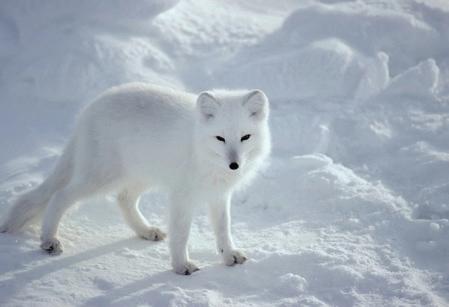
• Short legs and ears to prevent heat loss
• Roots that spread out
• Thick layer of fat
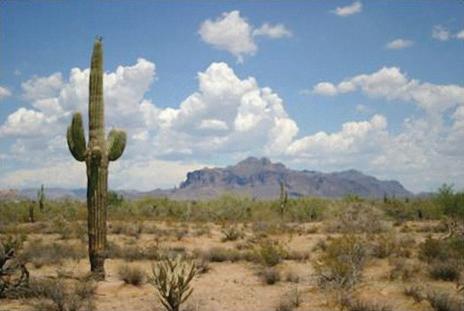
Environment A Environment B
STEMscopedia
Connecting With Your Child
Adaptations You Can See
To help your child learn more about adaptations, talk about the adaptations of a family pet. For example, if you have a cat, talk about how its fur can keep it warm, even when the weather is cold. Consider how a cat uses its whiskers to determine whether it will fit through a space, and discuss how that could help a cat survive in the wild. Sharp claws are another clear advantage to a cat in the wild, though not so much for an indoor cat.
Point out how the cat uses its tail for balance; again, discuss the advantages such a structure would have for an animal in the wild.
These kinds of discussions and connections can be made with any pet. If you do not have a pet, use the internet to find pictures and videos of cats, dogs, birds, fish, or other common pets.
Here are some questions to discuss with your child:
1. How are the structures we see in pets the same as, or similar to, those of a wild animal in the same animal family?
2. Why do you think this animal has developed these adaptations?
3. How do structures differ between the pet and an animal from the same species in the wild?
Reading Science
Plant Adaptations
Lexile 500L
1 Have you ever noticed that the leaves of plants look different? They have all different sizes, shapes, and colors.
2 Plants have adaptations. These help a plant survive in its natural environment. You can learn a lot about a plant’s environment just by looking at its leaves and stems.
3 For example, let us look at a freshwater lake or a swamp. You may have seen plants floating on top of the water. The parts that float on top of the water are the leaves. They float on top to help the plant get enough sunlight. The rest of the plant is down below. This part has also adapted to its environment. For instance, many water plants have soft, bendable stems. That way they are able to move with the water currents. If they had stiff, straight stems, they would break off in strong currents.
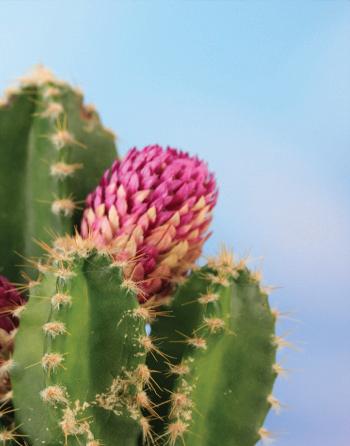
4 But what about desert plants? Those plants look different than water plants because desert plants have adaptations that help them save their water. Cacti are desert plants that have a waxy coating. This keeps the water from evaporating into the dry desert air. Cacti also have spines that keep animals from chewing on the plant to get to the water inside.
5 In places where the winters are cold, you will see trees that grow new leaves in the spring. These trees then lose their leaves in the fall. These leaves spread wide to get lots of sunlight. The tree trunks are very hard and strong. These adaptations help a tree to stand up high. This is to get enough sunlight during the warmer months. That way it can produce enough food for the winter.
6 Tropical rain forests have neat types of plants, too. For example, some vine plants grow up tree trunks to reach the tops of the trees. This adaptation helps them reach high to get sunlight.
7 So look around you. How are the plants you see adapted to the environment?
Reading Science
1. Which sentence is the best summary of the passage?
A. Plants have adaptations that help them grow in their natural environments.
B. That is because desert plants have adaptations that help them protect their water.
C. In places where the winters are cold, you might see trees that grow new leaves in the spring.
D. Tropical rain forests have neat types of plants, too.
2. The author arranged this passage by–
A. telling how environments cause plants to adapt.
B. describing the common adaptations found in several different environments.
C. comparing and contrasting plants in wetlands to those in deserts.
D. sequencing the different ways plants have adapted throughout time.
3. Which of the following plants is probably found in a place where there is a cold winter season?

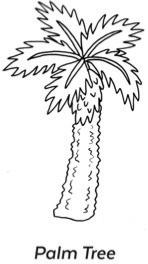


A. Saguaro cactus
B. Maple tree
C. Water lily
D. Palm tree
Reading Science
4. What do hard and strong tree trunks help a tree do?
A. Stand up high
B. Grow flowers
C. Get water
D. Feed animals
5. If someone gives you a cactus, where should you put it?
A. In a pond in the backyard
B. In a place with lots of shade
C. On a windowsill that gets plenty of sunlight
D. In damp soil
Open-Ended Response
1. A cactus has waxy skin and spines. How do these adaptations help the cactus survive in the desert?
2. What is one of your favorite animals? Draw and describe two adaptations that help it survive in its environment.
Open-Ended Response
3. Can you think of an animal that is a speedy swimmer? Think of the adaptations that animal has to help it swim fast. Based on those adaptations, design a piece of equipment that people can use to go faster in the water. Draw and explain how your design works.
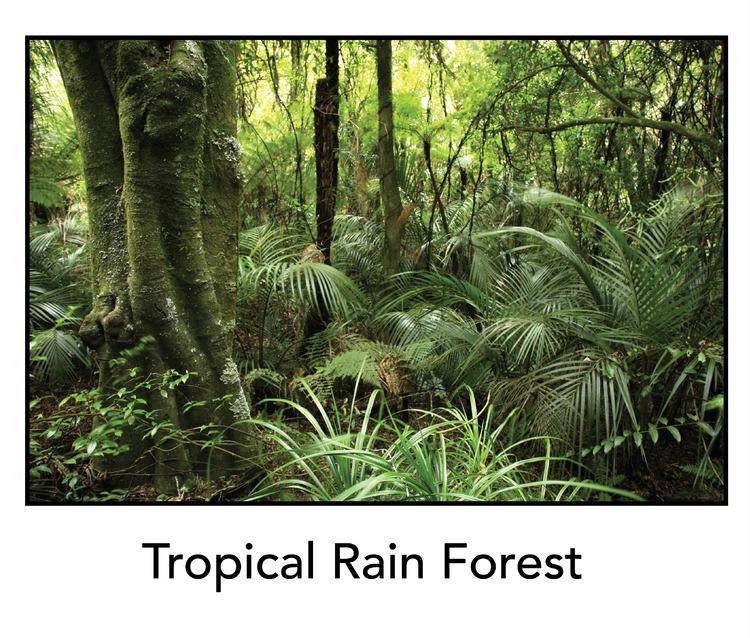
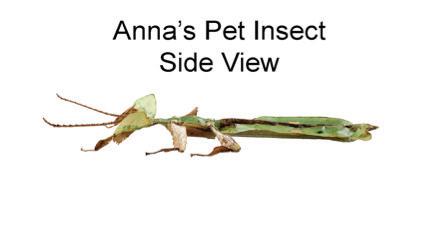
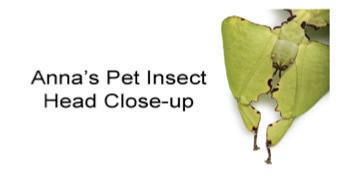
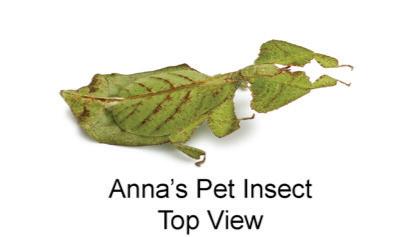
The insect pictured below was Anna’s pet. She decided the insect would survive better in an environment that resembled its natural habitat, so she took it to the zoo. The entomologist must now decide which environment would be the better home for the insect. Look at the pictures of the insect and the two different habitats. Think about what you would do if you were the entomologist.



Classifying Matter
Sharing Properties
Observe the items provided by the teacher. Think of words you can use to describe each object, and record them in the data table. During the class discussion, answer the questions below the table. Item Description Eraser Pom-pom Spoon Bag of Water Hand Lens
1. Which item is most like the ball? What properties do they share?
2. Which item is most like the CD case? What properties do they share?
3. Which item is most like the bottle of liquid? What properties do they share?

Classifying Matter
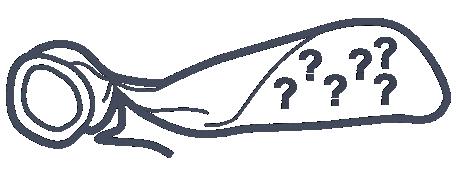
Observe the physical properties of the objects inside each balloon and guess the objects. Record your observations and your guesses in the table below.
1. Which balloons do you think contain solids, and which balloons do you think contain liquids?
2. What helped you decide which were solids and which were liquids?
Explore 2
Length (cm)
Turn Up the Volume!
Weight (g)
Volume
1. Did the mass of the object affect the volume? Explain.
How Can Heat Cause Matter to Change?
Part l: Adding Heat
Fill in the first two columns before adding heat. Fill in the last column after adding heat.
Draw three of the items before heating.
Draw the same three items after heating.
Explore 3
Part II: Removing Heat
Predict what will happen when the heat is removed from each item.
Draw the same three items after removing the heat.
What happened when the heat was removed? Why?
Item 1
Item 2
Item 3

STEMscopedia
What is the difference between snow and water? Think about holding a snowball. A snowball feels cold. It is solid to the touch. It is hard, but you can change its shape by squishing it in your hands.
Water is a bit different from the snowball. It can be hot or cold, and it feels wet. If you spill water on your desk, it will flow and form a puddle.
We have seen how snow and liquid water are different. What are some things that are similar to snow? Can you think of other things that are similar to water? Why do scientists need to be able to compare things in this way?
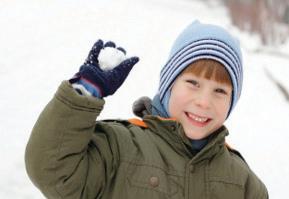
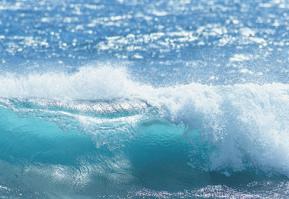
Matter has physical properties we can describe. Matter is anything that has mass and takes up space. Snow is matter. Water is matter. You are matter! In fact, everything on Earth is made up of matter. All the stuff in our world is matter. With so many things, how can we classify matter?
When we classify things, we group them based on their similarities and differences. To help classify things, we look at their physical properties, which describe how the object looks, feels, or acts. Reflect
STEMscopedia
Try Now
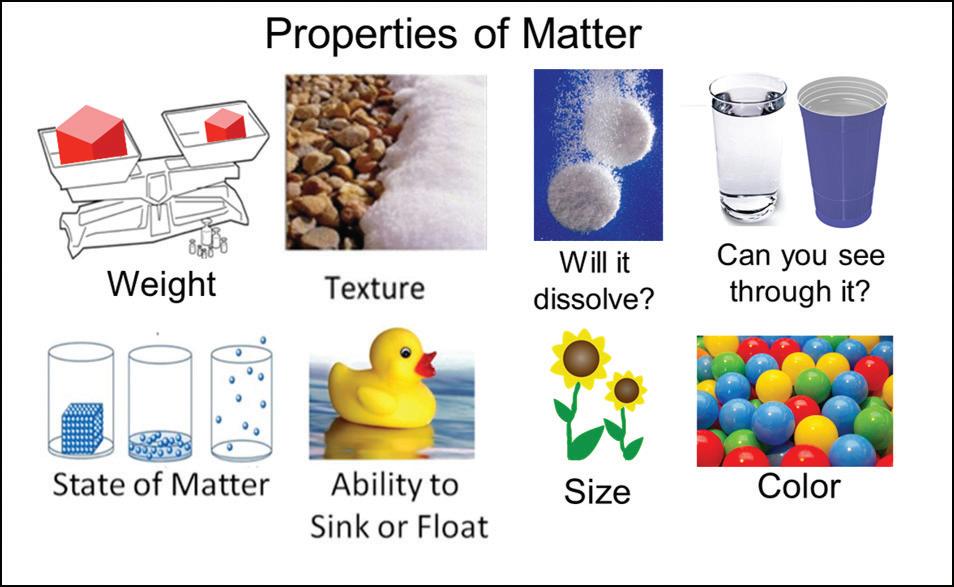
Properties of Matter
Weight—Some objects, like a rock, are heavy. Other things are light, like a feather or a leaf. You can use a balance scale to tell which is heavier. The side with the heavier object goes down, while the side with the lighter object goes up.
Texture—Touch the object. Does it feel rough, smooth, bumpy, sticky, or sharp? Glass is smooth. Sandpaper is rough. Rocks are bumpy. Cotton is soft.
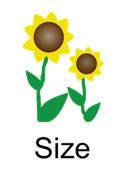
Size—When you compare objects, which one is bigger? Which one is smaller? Which one is taller? Which one is shorter?
Color—Some objects have a color or a combination of colors. Try to be exact when describing colors. Some things are clear and have no color.
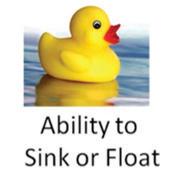
Sink or float? Some objects are heavy and will sink in water. Other objects are light and will float in water. Rocks sink. A toy duck floats.
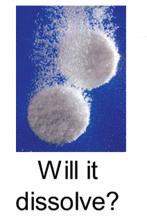
Will it dissolve in water? Some objects, like an antacid tablet or sugar, will dissolve in water. Other objects, like sand, will not dissolve. Sand just sinks to the bottom of the glass.
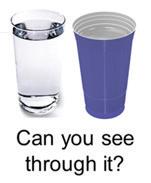
Can you see through it? Clear objects, like glass, allow all light to pass through. Other objects, like books, are opaque and do not let light pass through. Some objects are frosted, like shower glass, and let only some light pass.
State of matter—Is the object solid like a brick (does not flow), liquid like water (does flow), or a gas like air (expands everywhere)?
STEMscopedia
Reflect
Measuring Length
We can classify matter using observation and measurement. To find the length of an object, use a ruler or meterstick. Look at where the object stops and read the number from the ruler. On a metric ruler, the whole numbers are centimeters (cm). If the length is halfway between two whole numbers, then use .5 with the numbers (for example, 7.5 cm). One centimeter is about the width of your thumb.
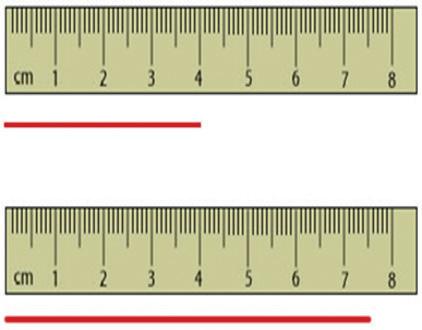
Measuring Volume
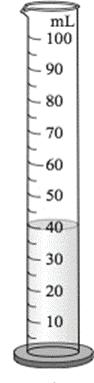
The amount of space that matter takes up is called volume. The volume of smaller amounts of liquids can be measured with a graduated cylinder (larger containers called beakers can be used to measure larger amounts of liquids). Graduated cylinders have numbers that measure milliliters. A milliliter is about the amount of liquid in an eyedropper. Here is how to find the volume of a liquid in a graduated cylinder:
1. Place a graduated cylinder on a flat surface.
2. Pour the liquid into it.
3. Use the scale printed on the graduated cylinder to find out the volume of the liquid. To be accurate, make sure to be at eye level with the top of the liquid. Small volumes are measured in milliliters (mL).
There are 10 marks between each milliliter. So halfway between 3 mL and 4 mL is 3.5 mL. The volume of the liquid shown on the right is 40 mL.
volume: the amount of space that matter takes up; the amount of liquid a container can hold
STEMscopedia
What Do You Think?
Melting and Freezing
Matter can change if you heat it. Some changes can be reversed, such as melting ice, and some changes cannot, such as burning. If you burn a piece of paper, it is gone. You cannot reverse the change and get paper!
On Earth, solids can turn into liquids when you add enough heat
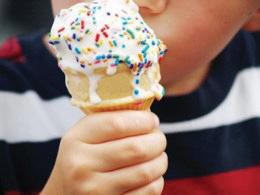
Imagine you are holding an ice cream cone outside. What do you think will happen if you stay out in the Sun? You better eat it before the Sun melts all your ice cream!
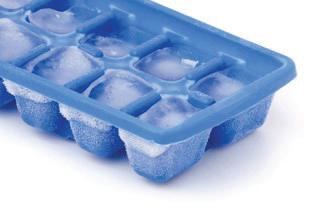
Liquids can turn to solids when you take away heat. When you put water in your freezer, it turns to ice. Do you think you can reverse this and turn ice into water? Yes! Just let the ice cube melt.
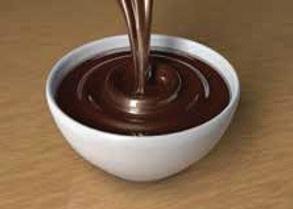
We can use physical properties to classify matter. Remember that classifying means grouping objects together based on their properties. Think about chocolate. There are different types of chocolate. Chocolate can be sweet or bitter. It can be solid or liquid. It can be light or dark. Those are all properties we use to describe, or talk about, different types of chocolate.
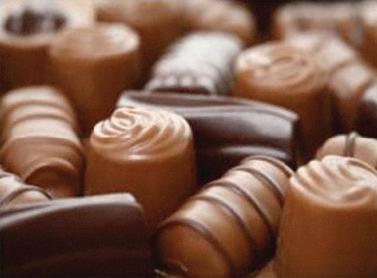
We classify these chocolates as solids. Some are light in color and some are dark.
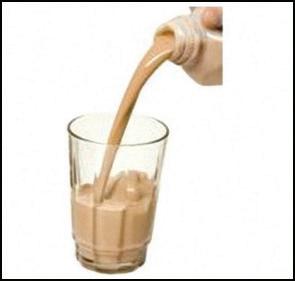
We classify chocolate milk as a liquid. Like water, it is wet and takes the shape of its container when poured.
STEMscopedia
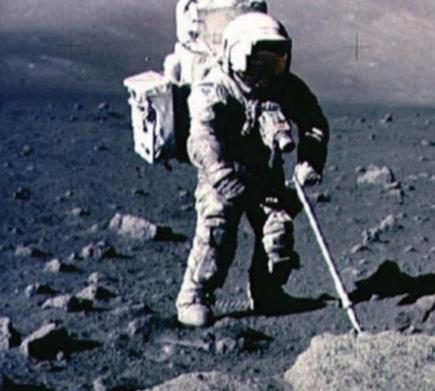
Scientists classify objects to make it easier to study them. For example, different types of rocks have different properties. Astronauts found rocks on the Moon. Those rocks were dark and had many holes. Scientists used these properties to classify the rocks as basalt.
Basalt is made from cooled lava. This observation told scientists that lava once flowed from volcanoes on the Moon. How objects are the same or different helps scientists make discoveries.
Everyday Life: What is there to drink?
Classification is useful in everyday life, too. When you are thirsty, you want something to drink. Look at the table below. What would you choose?
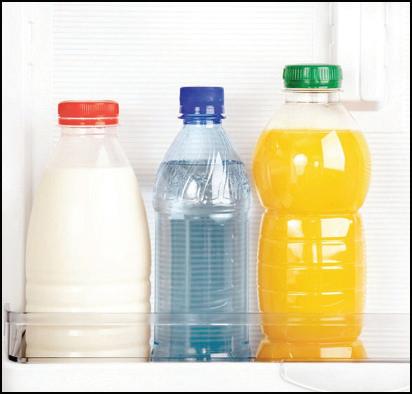
There are different types of drinks. Soda is sweet. Juice is also sweet, but it has more nutrients Water is not sweet, and it is clear. Milk is white. Milk has nutrients, but it also has fat in it. All these liquids have different properties. Depending on what your body needs, the different properties help you decide what to drink when you are thirsty.
STEMscopedia
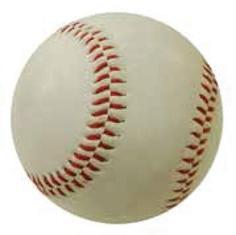
Part 1: The type of ball used in a sport determines the way the sport is played. You can see this by trying a simple experiment to find out what sinks or floats.
1. First, collect these balls: table-tennis ball, racquetball, golf ball, tennis ball, bouncy (rubber) ball, marble, baseball.
2. Fill a container ⅔ full of water.
3. Place each ball in the water to see whether it floats or sinks.
4. Record your results on a piece of paper.
5. Which balls are less dense than water?
6. Which balls are more dense than water?
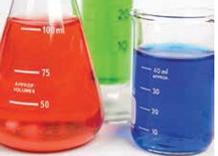
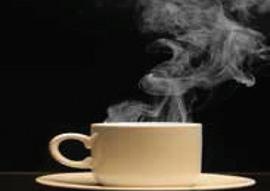
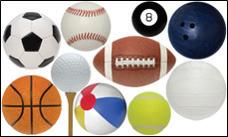
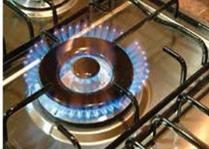
Part 2: You can classify objects as solids, liquids, or gases. Observe how different objects respond when you move them to another container. A solid will keep its shape. A liquid will fill the bottom of the container. A gas will move in all directions to fill the entire container. Think about the objects below and identify each one's state of matter: solid, liquid, or gas. Try Now
STEMscopedia
Connecting With Your Child
Classifying Matter
Children learn to classify objects at an early age. As they grow older and their vocabulary expands, their classifications become more complex and refined.
Take a trip with your child to a local natural history or science museum with a dinosaur exhibit. Start by reviewing a map of the museum with your child. Discuss the different classifications of artifacts in the museum, using the map as a reference.
You might ask these questions:
• Why are the dinosaurs in a different area than the other animals?
• Walk to the dinosaur area of the museum. While viewing the dinosaur exhibits with your child, ask questions about the relationship between physical properties and the process of classification. For example:
• Did all dinosaurs move around in the same way?
• Which dinosaurs in the exhibit can be classified as walkers? Which were fliers? What characteristics are used to make this classification?
The dinosaur exhibit exercise reinforces the idea of classifying objects based on physical appearance and use. Reinforce the concept of the physical properties of matter by finding a “touch-and-feel” or “fossil dig” area in the museum. If the museum lacks a hands-on fossil activity, find a dinosaur fossil that is close enough for observation. (Do not touch the fossil unless the museum allows you to.)
Discussion questions may include the following:
• What are the physical properties of the fossil?

Reading Science
A Summer Experiment
Lexile 500L
1 Joey and Connor were neighbors. The pair liked to have cool treats in the summer. Joey liked lime Popsicles. Connor liked ice cream bars. One day, they took their treats outside. They wanted to eat them in the Sun. They were enjoying their snacks. But soon, they saw that their treats were melting.
2 Joey frowned. He saw his melting Popsicle. “I wonder why it is melting so fast,” he said. “Most of the time I can eat the whole thing before it really melts.”
3 Connor said, “Most of the time we eat in the kitchen. It is hot out here! Maybe it is melting faster because the temperature is different.”
4 “Connor, you may be right,” said Joey. “We can do a science experiment to find out for sure!”
5 Joey’s mom let them use her kitchen. They could do the experiment there. But she wanted them to use ice cubes. She did not want them to use Popsicles. She did not want them to waste food. The results would be close. Ice cubes and Popsicles are both frozen liquids. The boys understood. They got to work. They got three bowls. They put an ice cube in each bowl.
6 “All of the ice cubes are solid now,” said Joey’s mom. “They keep their shapes when you take them out of the ice cube tray.”
7 Joey and Connor put one bowl in the Sun. They put one bowl in the shade. They put one bowl in the kitchen. They would check on each sample. They would check them every five minutes. They wanted to see which environment would cause the frozen treats to melt fastest. They made a hypothesis, or educated guess. Joey and Connor thought the bowl outside in the Sun would melt the fastest. But they were not sure which one would melt the second-fastest. It could be the one in the shade or the one in the kitchen.
Reading Science
8 The first time they checked, the ice cube in the Sun was melting fastest. The other cubes were both starting to drip a little.
9 Joey and Connor checked the samples after ten minutes. Joey checked the bowls outside. He saw that the cube in the Sun was totally melted. It had become a liquid. It no longer kept its shape. Instead, it had spread out to fill the bowl it was in. The cube in the shade was melted, but not all the way. There was still a solid lump. The lump was in a pool of liquid. Connor checked the bowl inside. He saw that the cube still had most of its shape.
10 They checked a third time. The ice cubes outside were both melted. But the one in the kitchen still held some of its shape.
11 Joey’s mom told the boys to leave the bowls a few more hours.
12 “But why?” asked Joey. “They are already liquids.”
13 She thought something neat would happen.
14 Joey and Connor went to play video games. They came back a few hours later. They saw that the two bowls outside were both empty. But the one in the kitchen had some water left.
15 “Are you tricking us, Mom?” asked Joey.
16 “No. You boys are good scientists! You found that heat can turn a solid like ice into a liquid. But heat can also turn a liquid into a gas. This is called evaporation. The liquid from the melted ice cubes is now in the air.”
17 “Cool!” said the boys. Then they ran off to think of some more experiments they could try.
Reading Science
1. The author probably wrote this passage to–
A. tell how to do an experiment with ice cubes.
B. explain the states of matter.
C. persuade readers that experiments can be fun.
D. tell a story about two boys who learned something about heat.
2. Why did the boys use ice cubes instead of Popsicles for their experiment?
A. Joey’s mom did not want them to waste food, and ice cubes are frozen like Popsicles.
B. Popsicles would not melt fast enough.
C. Joey’s mom thought Popsicles would be too messy, but she wanted them to be able to try the experiment.
D. They ran out of Popsicles.
3. What caused the ice cube in the Sun to melt fastest?
A. Wind
B. Water
C. Heat
D. Clouds
Reading Science
4. The boys made a hypothesis (seventh paragraph). A hypothesis is–
A. a wild guess.
B. a guess made with some evidence.
C. an untrue statement.
D. a question to ask.
5. What would happen if the boys returned the bowl in the kitchen to the freezer?
A. The water would evaporate and become a gas.
B. The water would stay in liquid form.
C. The water would become ice.
D. The water would turn into a Popsicle.

Open-Ended Response
1. Draw and label two solids, two liquids, and two gases.
SOLIDS
LIQUIDS GASES
Open-Ended Response
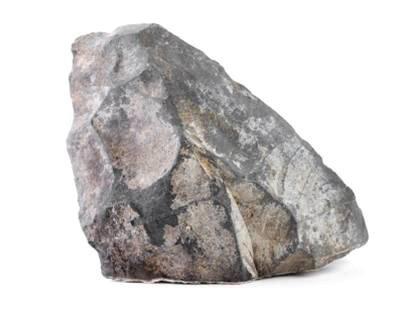
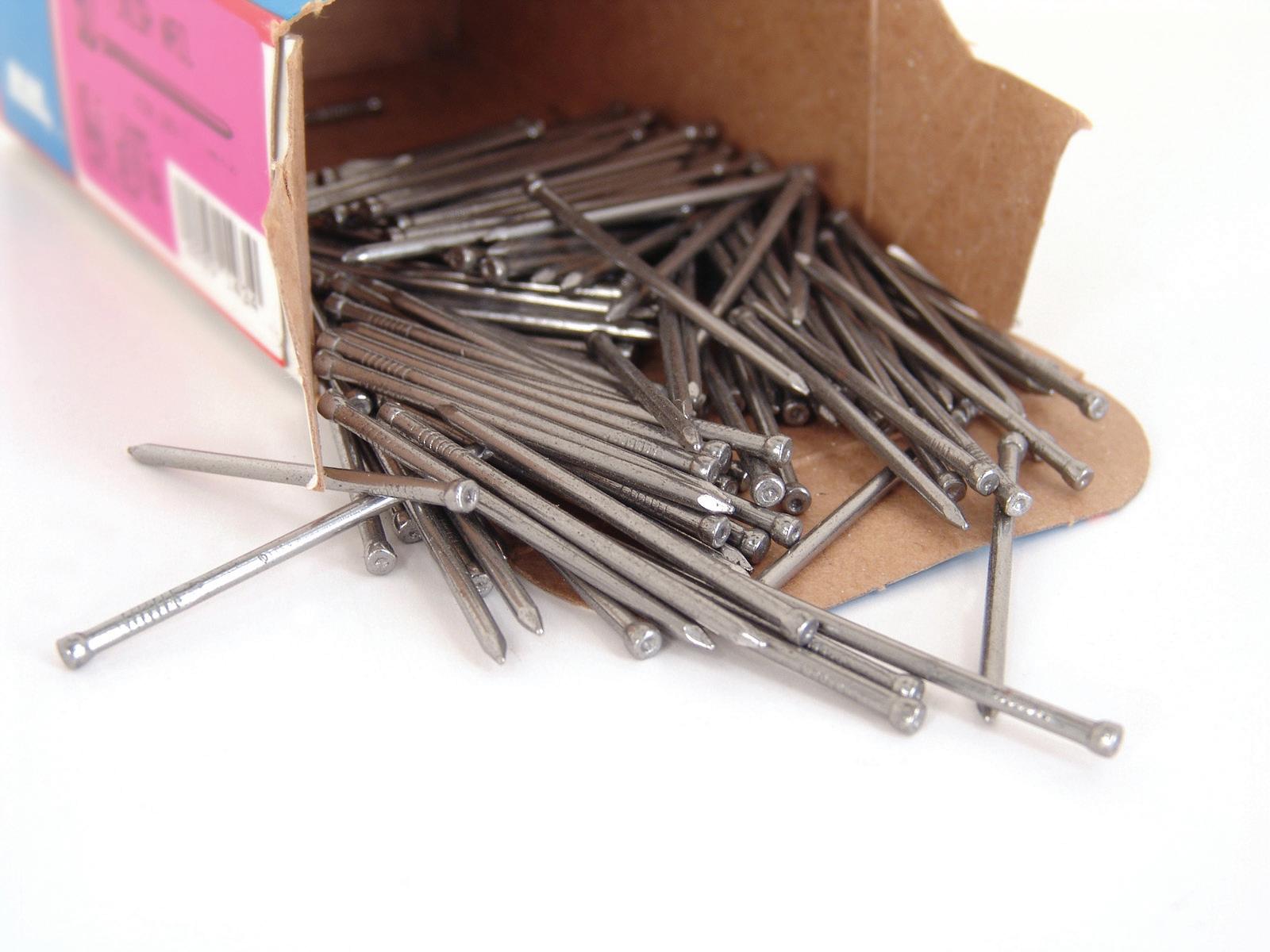
2. You need to sort these objects into two groups. Write the property you will use for each group. Draw the objects where they belong in your chart.
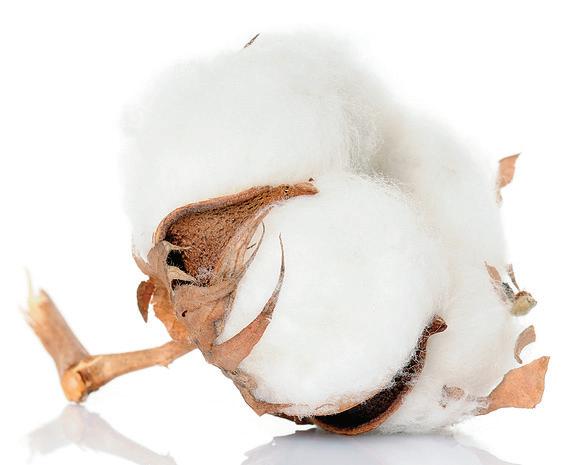
Open-Ended Response
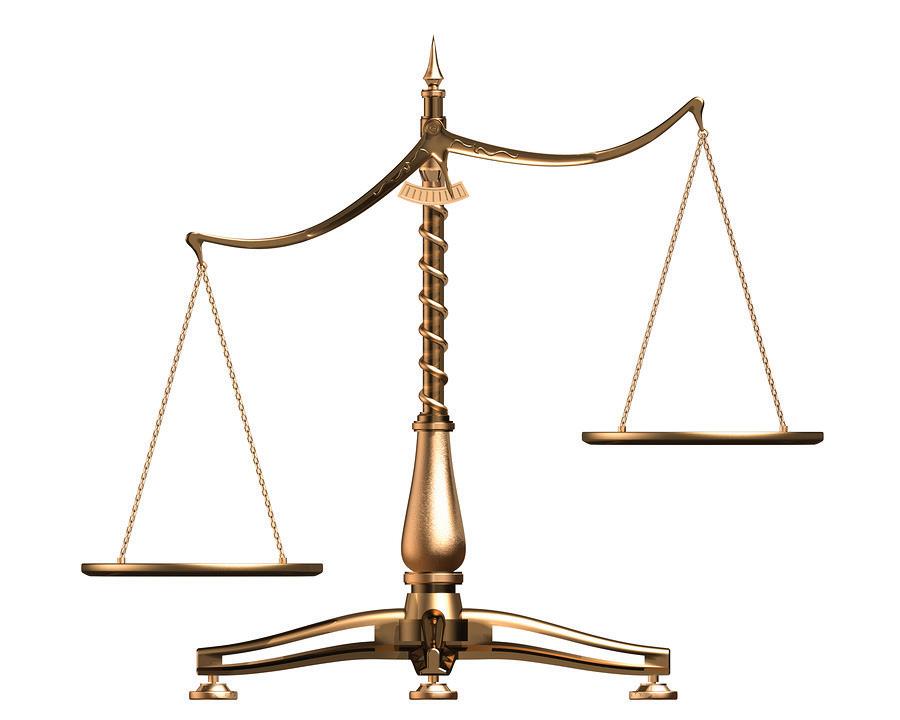
3. Which object weighs more? How do you know?
POPCORN
Open-Ended Response

4. Which measuring tool contains the greater volume of water? How do you know?
Open-Ended Response
5. Heat changes objects. Some changes are reversible, while others are not. Choose two different objects that are changed by heat, one in which the change is reversible and one in which the change is irreversible. Draw a before and after picture of each change. Then tell why the change from heat is reversible or irreversible.
OBJECT BEFORE AFTER
(Reversible)
(Irreversible)

Claim-Evidence-Reasoning
Scenario 1
Ben’s class was walking around outside, collecting items to investigate in science class. The class has been studying how different forms of matter have different physical properties. Students will be measuring and recording information about an object in nature to determine if it is a solid, liquid, or gas. Ben picked up the object shown below.
External Data 2
After returning to class, Ben measured and recorded information about his object to determine its matter type. He recorded his findings in the chart below.
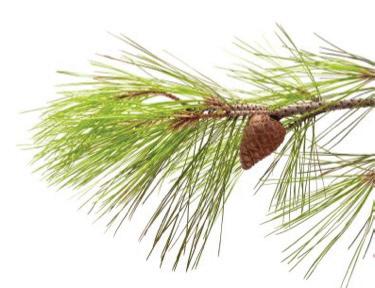
Prompt 3
Thinking like a scientist, write an explanation describing why Ben’s object is classified as a solid, based on its physical properties.
Claim:
Evidence:
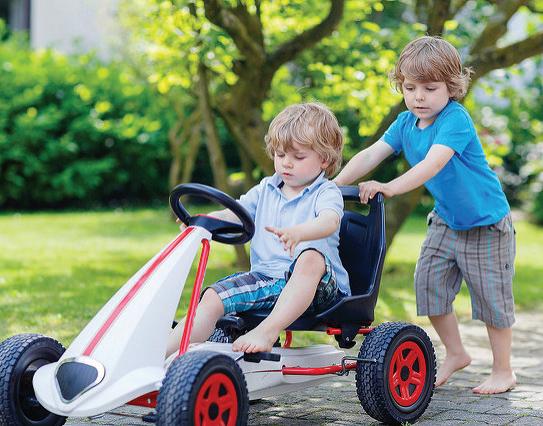
Explore 1
Station 1: Swinging High
Force Stations
Data Recording Tables
Plan and conduct an investigation that answers the question: How does the distance a washer system is pulled back affect the number of swings once released?
Number of Swings Trial 1
Number of Swings Trial 2
Number of Swings Trial 3
Station 2: Make It Move
Plan and conduct an investigation that answers the question: How does the strength of the push force affect the distance the ball pushes the crayon box?
Explore 1
Force Stations, continued
Station 3: Go, Go, GO!
Station 4: Direction Magic Plan and conduct an investigation that answers the question: How can a push of an object change the direction of the object?
As you performed each station task, what did you notice about force and how it affects an object?
Name: ____________________________ Date: ___________
Explore 2
Part I: Where Is the Heat?
Materials Used
Eraser and paper
Two pens Hands
Sandpaper and tongue depressor
Crayon and paper
Friction
What physical changes did you notice? Was heat produced?
Pencil and paper
Explore 2
1. Why do you think some materials produced heat while others did not?
2. What other objects in the classroom can you rub together to produce heat?
3. What would happen if you rubbed the objects together for longer than 10 seconds? Would they all end up producing heat?
Explore 2
Part II: Watch It Go!
I think the track made from _________________________________________________ will allow the toy car to roll farther.
Our Track Design:
Data:
Wax Paper
Cardboard
Carpet
Sandpaper
Explore 2
1. Which material allowed the toy car to move farther?
2. Why do you think this material allowed the toy car to roll the farthest?
3. What suggestions do you have for the toy company?
STEMscopedia
Reflect
How can you move an object?
How can you move this toy? A force, such as a push or a pull, is needed to move an object.
Push it! Pull it!
force: a push or pull
Pushing or pulling can change motion in several ways:
• Speeding up
• Slowing down
• Changing direction
Pulling on the wagon moves it in a different direction.
direction: the way something is headed
Pushing the sled speeds it up.
STEMscopedia
Try Now
Pushes and pulls can have different strengths and directions. When you play tug-of-war, you and the other person are pulling in opposite directions.
A bigger push makes things speed up more. A soft push would make the marble roll slowly. A big push would make the marble roll fast!
A bigger pull makes things slow down more quickly. When the lady pulled her dog’s leash, he slowed down.
How can you change motion or direction?
You can use different amounts of strength to push or pull an object to change its motion or direction. The more force applied to an object, the greater the change in its motion.
Pushing a toy car would not take a lot of strength. The car would move forward easily.
Pushing a real car would take a lot of strength. The car would move forward slowly, because it is so heavy.
STEMscopedia
What Do You Think?
What stops motion?
What do you think would make a car stop? What would stop a baseball player when sliding into home? What force slows down both of these things? The answer is friction!
Friction is a force that slows motion and releases heat when objects rub together. Friction makes it difficult for an object to move across a surface. Friction happens when surfaces move against each other. Friction also releases heat. When you rub your hands together, they begin to feel warm because of friction.
Have you ever seen a car chase in the movies? When the speeding car turns suddenly, the tires begin to burn up on the road. What causes the tires to get so hot? A lot of friction happens when the tires rub hard on the road, and motion energy is transferred or changed to heat. The greater the friction, the more heat is released.
Does the force of friction stay the same?
The amount of friction depends on the surface type. Picture yourself trying to slide on a shiny kitchen floor and compare that to sliding on carpet in the living room. Which is easier to slide on? The waxed kitchen floor produces less friction than the carpet. Friction depends on the force pressing the surfaces together. Heavier objects are harder to move than lighter objects. Which is easier to pull: a wagon filled with bricks or an empty wagon?
We need friction to do many things. We could not drive without friction. Tires need to grip the road to keep the car moving in the right direction. Pencil lead needs to rub the paper in order to leave its marks. Even walking needs friction. Without your shoes grabbing the surface beneath your feet, you would not be able to push forward on the next foot. It would be like walking on ice!
STEMscopedia
Try Now
Part 1: Remember, if you throw, shove, or kick an object to make it move away, that is called pushing. If you yank on something to bring it closer or tug it along behind you, that is called pulling.
Pushing or Pulling?
You have to use force to play some fun games. You can pull or push on an object in a game, such as pushing a bowling ball or pulling a yo-yo string. Look at the games below and decide if a push or a pull is causing motion. Write your answer on the blank under each picture.

Part 2: Read the following sports scenes. Sometimes friction is helpful. At other times, it makes a sport more difficult. Write Yes on the line if you think the scene describes people using friction to help them. Write No if you think the people do not want friction.
1. Gymnasts use chalk on their hands when they are swinging on bars so that they do not lose their grip. _______
2. Swimmers often shave the hair off their arms and legs to swim faster through the water in races. ______
3. Football players use metal cleats on the bottoms of their shoes to grab the damp grass when they run so they do not slip. ______
4. During the Winter Olympics, bobsled riders want to slide quickly on the icy track. _____
STEMscopedia
Connecting With Your Child
Pushing and Pulling Are Forces
A force is needed to move an object. Your child has explored how the forces of pushing and pulling can change an object’s position, make it go faster or slower, and change its direction.
At home, take a walk through and around the house. Have your child identify objects that can be pushed, pulled, or both. Make a list of those objects or draw pictures.
Explore the effect the surface material has on how an object moves. Give your child an object to push or pull across different surfaces. Have your child brainstorm different surface materials: carpeting, tile, wood, fabric, towels, etc. Push or pull the object over each surface.
Why was it easier to push or pull on some surfaces? Why were some surfaces more difficult for pushing or pulling? Introduce friction, a force that slows down moving objects by rubbing against another object, such as carpet. Talk about how friction is useful in our daily lives, such as how the friction between our shoes and the ground lets us walk rather than slide.
Discuss with your child which activities are best done with a pull (brushing hair, using a wagon) or best done with a push (using a spoon or a wheelbarrow). Have your child brainstorm different activities for each category.
• Where do we find pushes and pulls in games and sports?
• What type of object requires the most energy to push or pull? Why?
• What activities are made difficult by friction?
• What activities are helped by friction?
Both Pushing and Pulling
Some objects are both pushed and pulled to make them work. For example, a vacuum cleaner can be pushed forward and pulled backward to clean a surface.
Challenge your child to think of other objects that are used by both pushing and pulling. Using a toothbrush, wiping a surface, and using a pencil are examples that use both pushing and pulling to create the right motion.
Reading Science
The Camping Trip
Lexile 340L
1 Madeline said, “Brr! I am so cold! When will the fire be started?” She put her sweatshirt on.
2 Dad said, “Just a few more minutes.” He was sweating as he was trying to start a fire. He forgot his matches at home. But he was not worried. He knew that rubbing two sticks together makes friction. There is normally heat when friction is made.
3 Her dad kept rubbing the sticks together. He was starting to get fatigued. A lot of friction is needed to start a fire with two sticks.
4 Madeline asked, “How is it going, Dad?” She rubbed her hands against the sides of her arms. She was trying to warm herself up. Rubbing her hands on her arms made some heat.
5 Dad said, “Just a few more minutes. Will you go find some dry pine needles? We will need them when I start the fire.” Dad got a drink of water.
6 Madeline searched for pine needles. She did not go too far from her dad. She found a big pine tree. Underneath it were light brown needles. She got a whole grocery sack full of needles. Then she took them back to her dad.
7 Madeline said, “I got the needles!”
8 Dad said, “Great! I am getting close. Bring them here and hold them where the sticks meet. There is a spark.”
9 Madeline did what she was told. She was getting much colder. Helping her dad made her warm up a little.
Reading Science
10 Dad said, “I am exhausted. There is one more thing we can try.”
11 “What is that?” asked Madeline.
12 Dad said, “Let’s see if we can find two rocks. I can hit them together. That will make a spark. Then we can light the pine needles on fire.”
13 Madeline looked for two rocks. She was lucky. She found one with a point that would make it easy to get a spark. She brought them to her dad. After grabbing a drink of water, her dad took the two rocks. He began hitting them together hard until sparks could be seen. Soon, smoke started coming from one pine needle. Dad leaned down and blew very gently on the pine needle. The other thing a fire needed was oxygen. Soon, the fire grew larger and spread to other pine needles. With a little more oxygen, Madeline and her dad had started a fire. Dad placed some small branches on the fire and then some larger logs.
14 Madeline rubbed her hands together. They were standing around the fire warming up. Dad put his arm around Madeline’s shoulder.
15 “Great teamwork!” he said. “This is going to be a great weekend. Now let’s get some hot dogs for roasting!”
Reading Science
1. What is the main problem in the story?
A. Madeline is very cold.
B. Dad cannot start the fire with sticks.
C. Dad and Madeline forgot their fire starter at home.
D. They forgot their tent.
2. In which way did Madeline not try to warm up?
A. By rubbing her hands near the fire
B. By rubbing her hands on her arms
C. By putting on her sweatshirt
D. By rubbing her hands together
3. Another title for this selection could be–
A. “The Camping Disaster.”
B. “Trouble wIth Fire.”
C. “Madeline’s Cold Night.”
D. “How to Start a Fire.”
Reading Science
4. What evidence helps the reader understand the meaning of fatigued?
A. He forgot his matches at home.
B. He knew that rubbing two sticks together makes friction.
C. He was sweating as he was trying to start a fire.
D. Her dad kept rubbing the sticks together.
5. The story takes a turn when–
A. Madeline puts on her sweatshirt.
B. Dad starts the fire with sticks.
C. Madeline locates pine needles.
D. the fire is started with rocks.
Open-Ended Response
1. One student pulled the pump on the rocket up about halfway and then pushed the pump down. The rocket flew up in the air about one meter. How could a second student get the rocket to fly higher? Explain your answer.

2. Which surface would produce more friction between a floor and a ball rolling across it, carpet or granite? Explain why.
Open-Ended Response
3. Give an example of how friction can produce heat. Draw and explain.
Open-Ended Response
4. How could you reduce the friction on a slide to make it faster?
The class took a field trip to a bowling alley. The students noticed that the pins moved and fell over when the bowling ball hit them, and these falling pins knocked over other pins. Pins that were untouched by the bowling ball or other falling pins did not move.

What Can You See?
Moon as seen with the naked eye
Moon as seen with a telescope on Earth
Moon as seen with a telescope in space
My Sky Observations and Predictions
Part I: Observing Objects in the Sky
1. Before going outside with your partner, predict what you will see in the sky.
1
2
Explore 2
2. Go outside and record everything you see in the sky at that time of day and where that object is in the sky. Remember where you stand to make your observations as you will need to stand in the same spot for the rest of the days.
3. Repeat Steps 2 and 3 every morning, noon, afternoon, and night for the next three days. Make all observations from the same place you were on Day 1.
Observations
4. What did you notice about the sky during the day?
5. What did you notice about the sky during the night?
Explore 2
Part II: Moon Phases
Does the Moon change a lot or just a little at a time?
Have you ever seen the Moon up during the day?
What happens when you get to the end of the cycle?
E.2.8 Sun, Moon, and Stars
Space Stars Matchup
Draw a line from the important space discovery to the scientist or technology involved in that discovery.
Built four of the world’s largest telescopes
Used to learn more about what is in outer space
Made improvements to the telescope so that planets could be seen
Uses math to show an object’s behavior
Developed ways to look for life on other planets
Developed ideas about how the planets moved around the Sun
Astronauts live and work on the space station
Makes objects far away appear closer so they can be seen better
Galileo Galilei Johannes Kepler
George Ellery Hale
Jill Tarter Telescope Detection
Name:
Explore 4
The Problem
Sunrise, Sunset Student
Journal
Does the Sun actually move across the sky?
The Challenge
I will create a model that will show why the Sun appears to move across the sky.
Criteria and Constraints
• The “Earth” should be able to spin.
• The model should be finished within one class period.
• Only the inside of the paper plate should be colored.
Brainstorm and Research
Show what you know about what the Sun looks like at different times of the day.
Explore 4
Design Plan
1. Color the center of the paper plate yellow to represent the Sun.
2. Color the Earth circle green (land) and blue (water) to represent Earth.
3. Put the brad through the center of the Earth circle.
4. Put an “X” on the edge of the Earth circle. Tell students this is where they are standing on Earth.
5. Place the Earth circle on the edge of the white part of the paper plate, and put the brad through the paper plate.
Example:
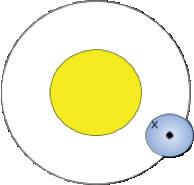
Build and Test
Build your design and test it. Does it meet all the criteria and constraints? Use the space below to list what problems you need to fix in your design.
Refine and Redesign
How could this model be improved? Use the space below to draw your new design that should solve the problems.

STEMscopedia
Reflect
What do you see when you look up at the sky? If it is day, you see the Sun.
If it is night, you see stars and the Moon. You might also see the Moon during the day.
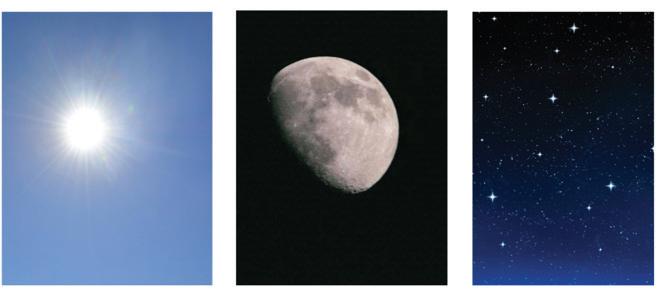
Why do we see some objects in the sky during the day? Why do we see other objects in the sky at night? What are their motions? Why do they look like that?
The Sun
The Sun is a star that looks like a big ball of fire because it is close to Earth. The Sun lights and heats Earth during the day.
Other stars also shine during the day, but we cannot see them from Earth: the Sun is too bright, and the other stars are very far from Earth. The Sun is our closest star.
Distance makes other stars look small and hard to see from Earth.
We can only see them at night, when the Sun is not shining. Have you seen many stars on a clear night?
STEMscopedia
Look Out!
Objects in the sky move over time.
The Sun seems to move across the sky during the day. It rises in the morning and sets at night. This happens in a pattern every day.
pattern: something that repeats
Sunrise
In the morning, the Sun starts to rise on one side of the sky. It looks like it is really close to the ground. It slowly gets lighter outside as the Sun rises.
During the Day
Look at the pictures on the left. Did the Sun stay in the same place? Do you see it shifting across the sky as you look from one picture to the next?
The Sun continues to get higher in the sky after it rises. The Sun looks like it moves across the sky during the day.
The Sun moves in the same direction every day. This is a pattern, because it repeats over and over! When we know a pattern, we can use it to predict what will happen next.
predict: to say what will happen in the future
STEMscopedia
Look Out!
Sunset
The Sun starts to move toward the ground again later in the day. After it moves all the way across the sky during the day, it finally starts to set.
The Sun sets on the opposite side of the sky from where it rose in the morning.
The Moon and stars follow the same pattern! They rise in one part of the sky, move across the sky, and then set on the opposite side of the sky.
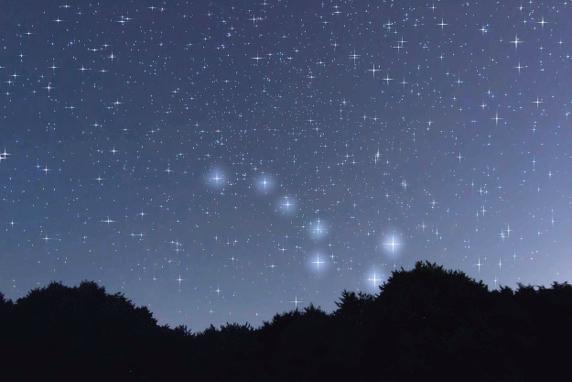
Try Now
Choose a place outside to stand and observe where the Sun is in the sky. Do not look right at the Sun! Draw where the Sun is now.
In the next box, draw where you think the Sun will be in a few hours. Go outside and check. Were you correct?
Star patterns, such as the Big Dipper, move across the sky during the night, just like the Sun moves during the day.
Current Prediction
STEMscopedia
Reflect
The Moon
If you look up at the sky on most nights, you will see the Moon. You may have noticed that sometimes the Moon looks like a circle or a half circle. On some nights, you cannot see it at all. Even though it looks different, the Moon does not really change. It looks like it changes because it orbits Earth. The Moon orbits Earth while Earth orbits the Sun.
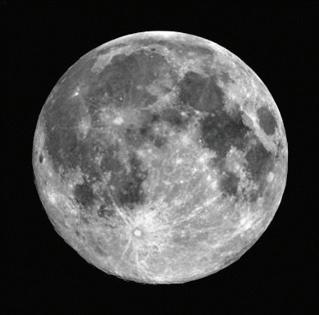
The Moon is a satellite, which is a natural object that orbits a planet.
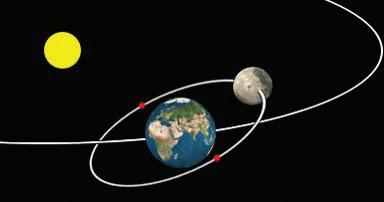
Earth orbits the Sun as the Moon orbits Earth once every 28 days.
How do the Moon and Earth move through space? Both the Moon and Earth are spheres, or balls, of rock. Unlike the Moon, Earth is a planet. A planet is a large, sphere-shaped object that orbits a star. The star that Earth orbits is called the Sun. Earth’s orbit around the Sun is much longer than the Moon’s orbit around Earth. How do we know that? Well, it takes about one year for Earth to orbit the Sun.
Look Out!
The Moon does not make its own light. It is lit up by the Sun, meaning it reflects the Sun’s light back to us. The half of the Moon facing the Sun is always lit up.
As the Moon orbits Earth, you can see different parts of the lighted half.
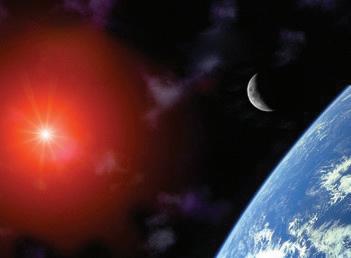
STEMscopedia
Look Out!
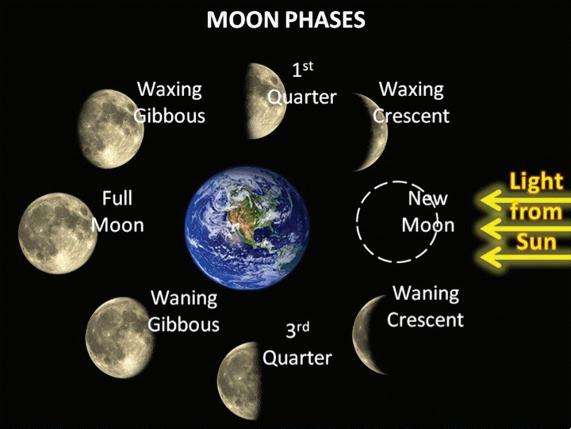
The Moon does not really change. We just see different amounts of sunlight reflecting off its surface as it orbits Earth. As the Moon orbits Earth, the shape of the Moon looks different to people on Earth. They can see different parts of the lighted half of the Moon.
How can we use models to represent the orbits of the Moon and Earth?
model: an idea or a physical structure that describes or represents something else
Studying how Earth, the Sun, and the Moon move can be a little tricky. After all, you cannot place them on your desk to look at them. What would happen if you tried to bring the Sun into your classroom? Pretty difficult, right? One useful way to study them is by making a model. You can use everyday objects to represent each space body and show how it moves.
Keep in mind that no model can show Earth, the Sun, or the Moon perfectly. Earth is much bigger than the Moon. About four Moons could fit inside Earth. The Sun is even larger. About one million Earths could fit inside the Sun.
To make a good model, you need to choose objects that are useful for showing what you want. Suppose you decide to make a model out of balls. You would need to choose the largest ball to represent the Sun. Maybe you would use a beach ball.
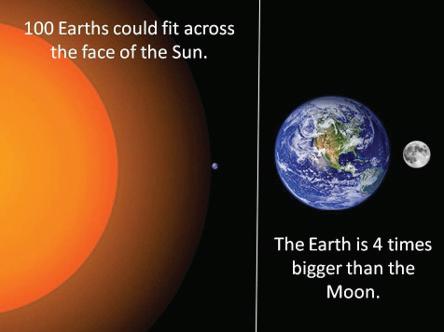
STEMscopedia
Stars
When you look up at the night sky with the naked eye, you are looking at stars in the Milky Way galaxy. If you are lucky, sometimes you can see the closest planets like Mercury, Venus, Mars, Jupiter, and Saturn moving against the background constellations. In the image on the right, Mars appears near the constellation Leo the Lion.
Look Out! Reflect
Appearance
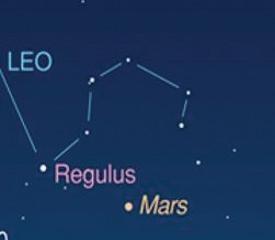
Stars are enormous balls of hot, dense gas that give off their own light. Stars are also very, very far away, so even though they are huge, they appear as tiny points of twinkling light. Stars twinkle because tiny movements in the atmosphere refract (bend) the points of light every millisecond. Our closest star is the Sun. Light from our Sun takes only eight minutes to arrive at Earth. Through a telescope, stars appear as white, blue, or red points of light.
The Sun is the only star located in our solar system. All of the other stars are beyond the solar system. The next nearest star in the Milky Way is far beyond our solar system. Its light takes about four years (called light-years) to arrive at Earth.
The light from most stars in our galaxy comes from much farther—from thousands to hundreds of thousands of light-years away. The more distant or fainter stars are only visible with binoculars or a telescope. There are other stars in galaxies far beyond our Milky Way.
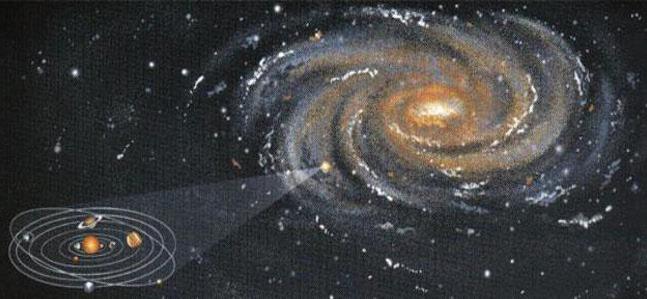
STEMscopedia
Look Out!
When Earth rotates, it gives the illusion that the stars move across the night sky. From Earth, stars appear in patterns called constellations, which move across the sky from east to west. The Big Dipper constellation appears to stand on its handle early in the evening. As Earth continues to rotate, the Big Dipper appears to shift its position from east to west in a big arc.
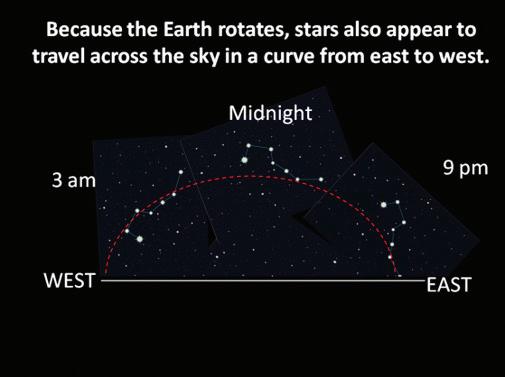
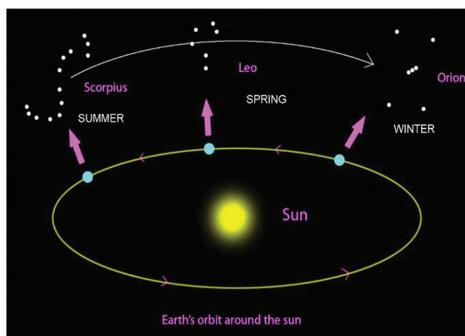
Number of Stars
Those constellations change with the seasons. As Earth moves in orbit around the Sun, it is pointed at night to a different direction in space with each season. Imagine you are Earth walking around the edge of your living room. Each wall is a different season. As you pass each wall, you notice different things hanging on that wall, just like you see different constellations each season.
With the naked eye, an observer on Earth on a clear night, away from the pollution of city lights, can see about 6,000 stars. That is a very tiny portion of all stars. Our Milky Way is a large galaxy with 300 billion stars. The Milky Way is only one of billions of galaxies. Scientists put the estimate of known stars at 100 billion trillion!
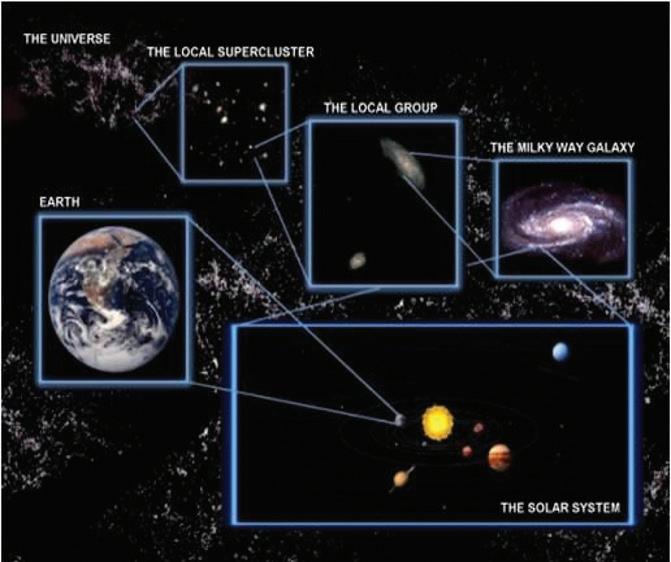
STEMscopedia
Reflect
Spotlighting Scientists Who Use Telescopes
Scientists who study the universe are called astronomers. Several famous astronomers have used observations and experiments to make discoveries about space:
• Galileo Galilei: This 16th-century Italian scientist was the first to use a telescope to look at the night sky. Before Galilei, telescopes were useful for looking at things on Earth only. He discovered that the Milky Way was made of stars, and he could see moons orbiting Jupiter. At the time, people thought everything orbited Earth.
• Johannes Kepler: This 17th-century German scientist observed planets and figured out their orbits and the patterns of their movement.
• George Ellery Hale: This 20th-century American astronomer built one of the world’s largest telescopes, the Hale 200-inch reflecting telescope at Palomar Observatory in California.
• Jill Tarter: This 20th-century American astronomer is famous for her research to find life beyond Earth. This research is called the Search for Extraterrestrial Intelligence, better known as SETI.
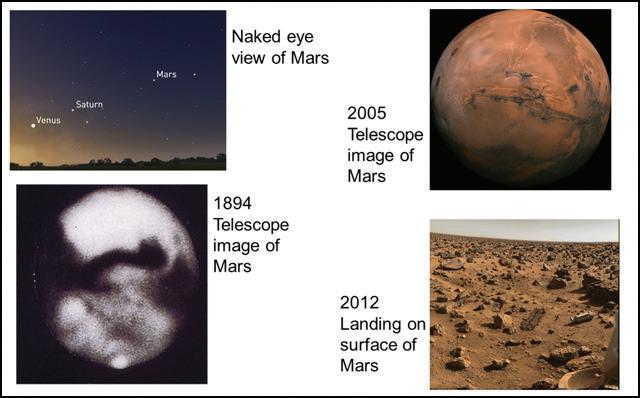
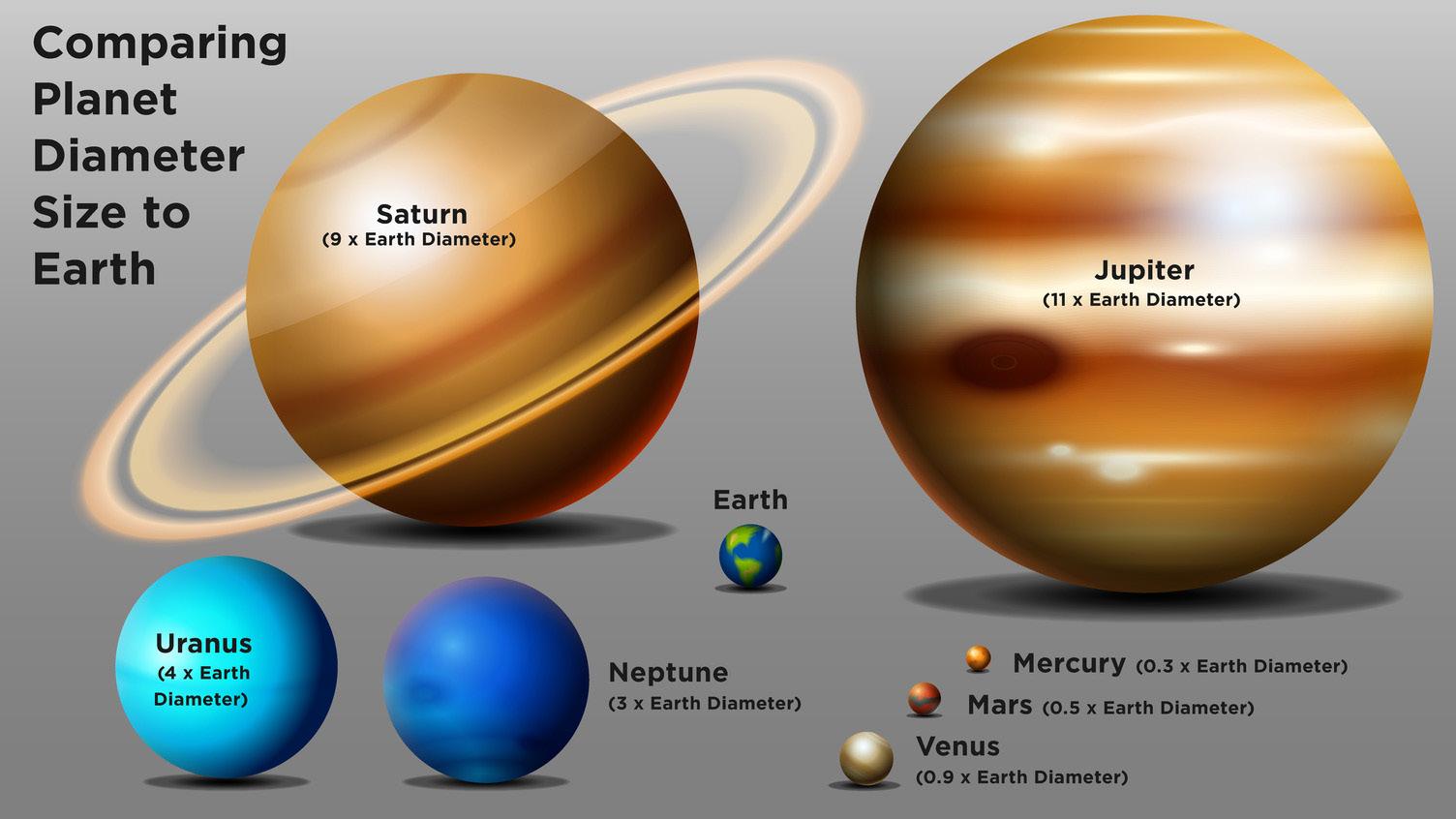
Telescopes have changed our view of the solar system. To the naked eye, planets appear as points of light wandering amid the backdrop of constellations. Today, robotic spacecraft have ventured into our solar system and returned detailed, close-up images of the planets.
The upper image shows Mars viewed with the naked eye compared to an early black and white view through a telescope in the late 1800s. Better telescopes and missions that have landed on Mars show the iron oxide soil of a dry, dusty, lifeless desert. The bottom image is a collection of modern images of the planets.
STEMscopedia
Try Now
Splatter Paint Night Sky
To make a model of the night sky that shows stars and planets, you need these items:
• Black construction paper
• Old toothbrush or 1-in. paintbrush
• White poster paint
• White paper and colored pencils or markers to make drawings of Jupiter and Saturn
• Paper punch circle for Mars
• Piece of chalk
• Glue stick
• Old shirt to wear for protection
• Goggles to protect eyes
1. First, on scrap paper, practice making tiny splatters of paint rather than big blobs to depict stars.
2. Dip just the tips of a toothbrush or small paintbrush into the paint. Point the bristles toward the paper. Drag your thumb across the bristles, aiming the splatter onto the paper in a band pattern as you go. Re-dip the brush in paint as needed to make a starry sky.
3. Cut two 1 cm circles of the planets Jupiter and Saturn. Color each with stripes of colored gases like in the images on the previous page. Color the paper punch circle red for Mars.
4. When your starry paint is dry, use chalk to make a thin dotted line in a gentle arc going from the right to the left side of your paper. That line is the ecliptic, the path along which the Sun, the Moon, and the planets travel.
5. Now take your planet circles and glue them anywhere on the ecliptic line.
Answer these questions about your model:
1. Look at the picture of the stars in the night sky. How is it like your painting? How is it different?
2. Are the stars scattered evenly in the night sky? Or on your painting?
3. Why do you think tiny spattered dots of paint are better to show stars than the paper circles used for the planets?
STEMscopedia
Connecting With Your Child
Stargazing with Your Child
Children always learn better if they can watch a phenomenon instead of just reading about it. You can give your child a memorable stargazing experience while enjoying a mini vacation, particularly if you live in an area with many artificial lights, such as a city.
Take your child camping, or go for an evening ride somewhere away from the human-made lights. Before you go, help your child look up the times for sunset and moonrise in the newspaper or online. Choose an evening when there will be no Moon in the sky. That way, there will be no light reflecting off the Moon to interfere with your stargazing. The night before you go, take your child outside your home to examine the night sky in your neighborhood. Try to count the stars in the sky.
The next day, leave home well before the Sun sets and set up a campsite or viewing chairs in a good location. Then watch the sunset together, and ask your child why the Sun is setting. Watch the stars appear, and ask your child to count them again. Counting the stars this time will likely be much more difficult, because many more stars will be visible than during the previous night. Ask your child if this is because there are more stars in the sky.

Reading Science
The Stars at Night
Lexile 810L
1 “Are we finally here, Dad?” asked fiveyear-old Jimmy as he impatiently kicked the back of the car seat. Jimmy and his dad had left their house for a camping trip four hours ago, and Jimmy was anxious to get out of the car. Jimmy’s dad peered out the window and, after spotting their campsite, pulled into their parking spot and put the car in park.
2 “We’re here!” his dad declared. Jimmy climbed out of the car and gazed up at the night sky full of twinkling stars. “How about we grab some blankets from the back of the car and look at the stars before we get unpacked?”
3 Jimmy definitely did not want to unpack, so he agreed and quickly brought out some blankets from the car. As his dad spread the blankets on the ground, Jimmy stared up at the stars in astonishment. Back home, the sky seemed to contain so few stars, but here, Jimmy saw so many. They looked like millions of holiday lights flickering; they decorated the night sky.
4 Jimmy and his dad fell back on the blankets and stared up at the night sky. He saw all the different shapes the stars made up. He could see an outline of a tree, an apple, and a pyramid, which Jimmy pointed out to his dad, who soon found outlines of his own. Jimmy’s dad explained that groups of stars that form a pattern are called constellations. Jimmy’s dad told Jimmy that they were like amateur astronomers studying the night sky.
5 “Look, Jimmy, that group of stars over there looks like a tent! Speaking of that, we should probably get ours set up soon; it is getting late,” Jimmy’s dad said. Jimmy sighed and started to unpack. That meant no more time to look at stars. His dad patted him on the back and said, “Don’t worry, son! They will be here tomorrow. We can look for more shapes then.” Knowing he had more stargazing to look forward to, Jimmy smiled and started to get his camping gear out of the car. Soon, the tent was up and Jimmy laid out his sleeping bag.
Reading Science
6 “I am tired. Can we go to sleep?” Jimmy yawned as he climbed into his sleeping bag. His dad nodded and turned off the lantern. Jimmy quickly fell asleep to the sound of crickets chirping while the images of stars flashed in his head.
7 Sunshine washed into the tent the next morning and woke up Jimmy. He rubbed his eyes, and seeing that his dad was already up making breakfast, he climbed out of the tent and joined his dad.
8 “Good morning, Jimmy! Did the bright Sun wake you?” Jimmy nodded as he looked up at the sky. All he could see was the bright, yellow Sun and the clear, blue sky. Even though it was a beautiful morning, Jimmy looked disappointed.
9 “Wait, where are all the stars? I thought you said there would be more today,” Jimmy questioned, shielding his eyes from the radiant Sun. He walked over to his dad and started eating a piece of bacon that his dad had finished preparing.
10 “Oh, we have to wait until the nighttime to see those stars, Jimmy,” his dad answered. “So, there are no stars at all during the day?” Jimmy wondered. As if he was reading his thoughts, his dad continued, “There is one star that you are guaranteed to see every day: the Sun. The Sun is, in fact, a medium-sized star.”
11 Jimmy glanced at the Sun but quickly turned away from the brightness. “But why is it so bright? I was able to look at the stars last night, but the Sun burns my eyes!”
12 His dad laughed. “The Sun is so bright because it is closer to us. That is why we cannot even look at it,” his dad said. “The stars last night are millions or maybe even a billion miles away from us. Since they are so far away from us, the stars are not that bright to our eyes.”
13 Jimmy grabbed another piece of bacon off the plate. He looked at his dad thoughtfully and said with a grin, “I guess that is why we do not need to wear star glasses!”
14 His dad laughed. “That is right! The Sun is much closer to us; therefore, we can see it better. It is around 90 million miles away from us, which I know seems far, but for a star, that is actually close. During the day, the Sun makes our sky so bright that we cannot see the much dimmer stars. At night, when the sky is dark, we are able to see the light of the other stars.” Jimmy finished his second piece of bacon.
Reading Science
15 “So, for our hike today, I will need to wear your hat because I do not want my eyes to burn!” His dad chuckled and put his hat on Jimmy’s head. “And maybe your sunglasses too,” Jimmy added with a smile.
16 “Sure! And do not worry, we will be able to look at all the other stars tonight,” his dad replied as he gave Jimmy a piece of toast. Jimmy smiled; he was not worried. Now he knew that once the sky was dark enough, he would be able to see all those stars again. He could not wait!
Reading Science
1. What will probably happen at the end of Jimmy and his father’s day?
A. They will go home since they have a long drive ahead of them.
B. Jimmy will be tired from his hike and go to bed early.
C. Jimmy and his father will stargaze and find more star shapes.
D. Jimmy’s father will finish unpacking and setting up camp.
2. Read this sentence from the selection: They looked like millions of holiday lights flickering; they decorated the night sky.
The imagery used in this line appeals most to the reader’s sense of–
A. sight.
B. smell.
C. taste.
D. hearing.
3. Which sentence best supports the idea that the Sun is Earth’s closest star?
A. The Sun is, in fact, a medium-sized star.
B. The Sun is much closer to us; therefore, we can see it better.
C. Jimmy glanced at the Sun but quickly turned away from the brightness.
D. The stars last night are millions or maybe even a billion miles away from us.
Reading Science
4. What is the best summary of this story?
A. Jimmy and his father were on a camping trip. Jimmy noticed all the stars in the night sky. He found groups of stars that made shapes. The next day, Jimmy was disappointed that the stars were gone. Jimmy’s dad explained that there is a star that is visible—the Sun. Jimmy learned why people see the Sun during the day. He was excited for nighttime so that he and his dad could see the night stars again.
B. Jimmy and his father drove hours to reach their campsite. Once there, they decided to look at the stars before they unpacked and set up camp. Jimmy could not believe how many stars were in the night sky. Jimmy and his father found groups of stars that made shapes. Finally, Jimmy grew tired, and Jimmy and his father went to sleep in their tent.
C. Jimmy and his father were camping. The first night, Jimmy and his father stargazed before setting up their camp. The next morning, Jimmy and his father ate breakfast and then got ready to go on a hike. Jimmy wanted to wear his father’s hat because the Sun was so bright. Jimmy was looking forward to nighttime so he could look at the stars again.
D. Jimmy and his father were camping. Jimmy did not understand why he saw so many stars at night but not during the day. Jimmy’s father explained that the stars seen at night are billions of miles from Earth but that the Sun is a star that is visible during the day because it is our closest star. Jimmy tried to look at the Sun but realized it was too bright. He asked to wear his dad’s hat to help keep the Sun out of his eyes.
5. All of these statements support the idea that Jimmy was confused about stars except–
A. “So, there are no stars at all during the day?” Jimmy wondered.
B. “But why is it so bright? I was able to look at the stars last night, but the Sun burns my eyes!”
C. “Wait, where are all the stars? I thought you said there would be more today,” Jimmy questioned.
D. Now he knew that once the sky was dark enough, he would be able to see all those stars again.

Open-Ended Response
1. Why can’t you count the stars in the night sky? Why can you only see one star in the day sky?
2. How is the Hubble telescope different from other telescopes?
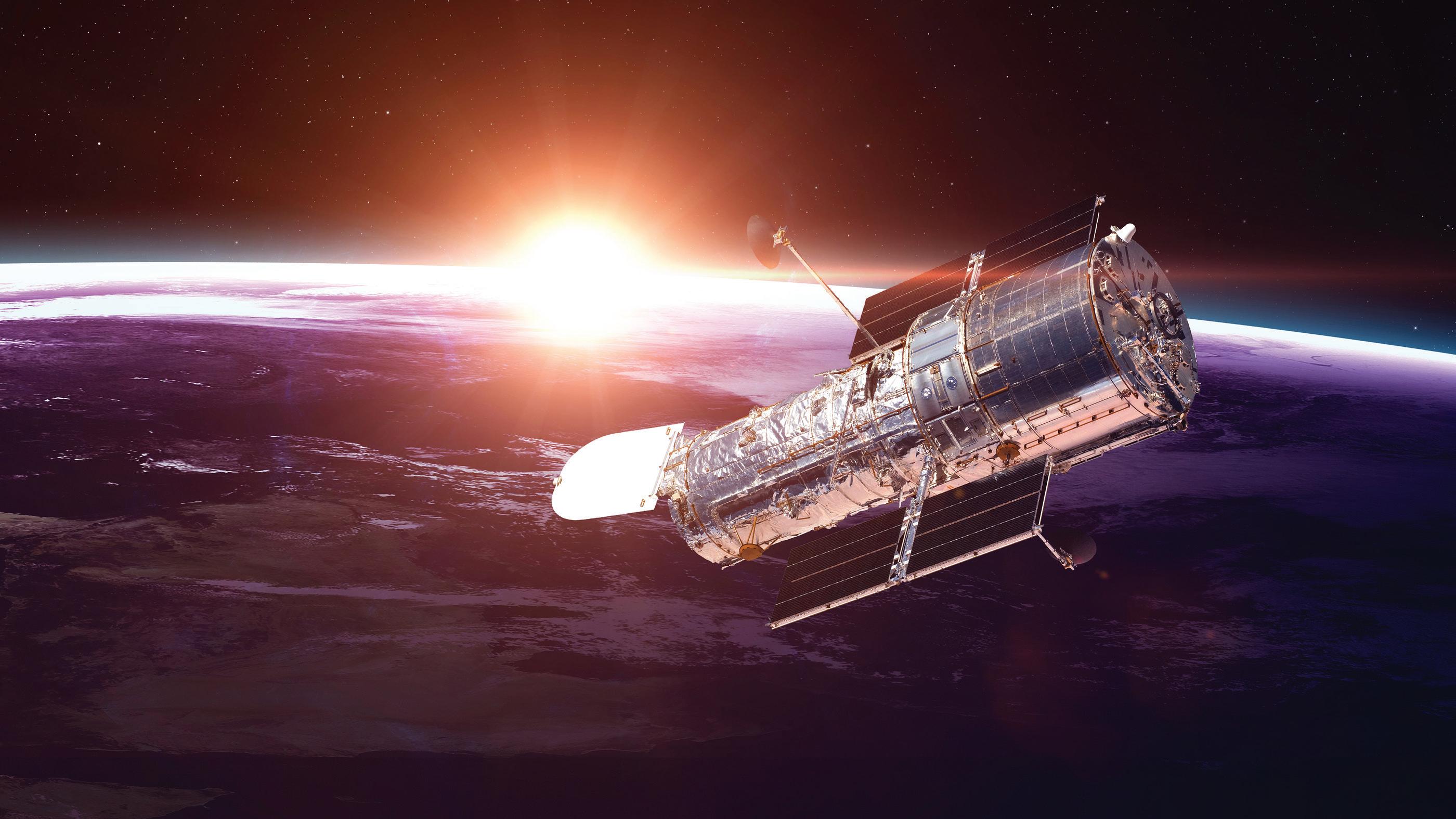
Open-Ended Response
3. Draw a picture of what the Moon looks like with each of the following pieces of equipment: the naked eye, an ordinary telescope, and the Hubble telescope.
NAKED EYE
4. Why does the Sun rise earlier and set later in the summer?
Open-Ended Response
5. Label the phases of the Moon. Why do the phases change?
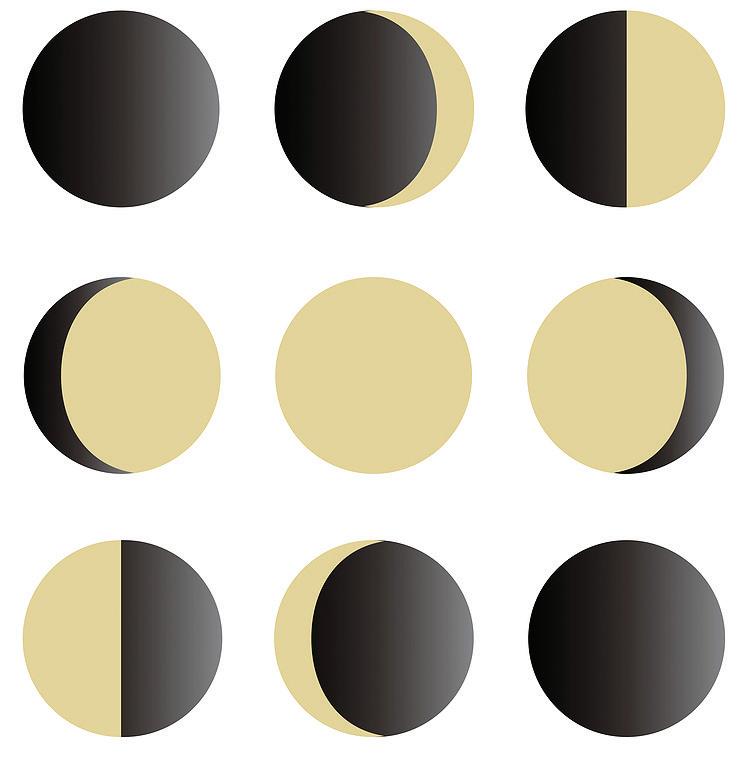

Claim-Evidence-Reasoning
Erika recorded what was in the sky during the morning, afternoon, and night for four days. Help Erika decide which objects follow a pattern and which ones do not. Scenario 1




Claim-Evidence-Reasoning
Prompt 3
Claim: Which object or objects in the sky do not follow the same pattern every day and night? Which object or objects in the sky do follow the same pattern every day and night?
The ______________________ do/does not follow the same pattern every day and night. The __________________________ do/does follow the same pattern every day and night.
Evidence:
Write how you know.
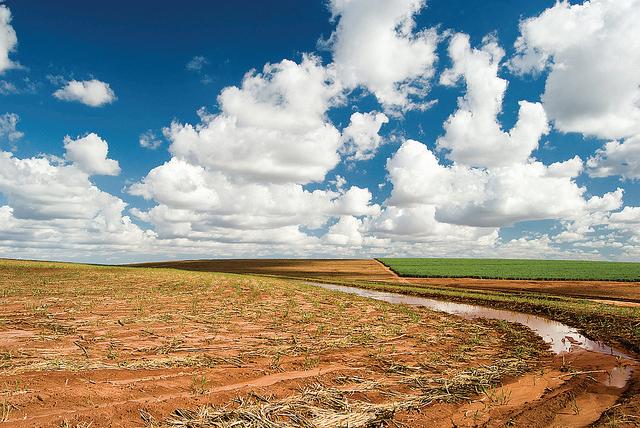

Explore 1
What are Earth’s resources?
Earth’s Resources
How do we use water?
How do we use rocks?
How do we use soil?
How do we use sand?
Explore 1
OBJECT
EARTH’S RESOURCES USED
ANOTHER USE FOR ONE OF THE RESOURCES
Log Cabin Grass
Window Glass
Pencil Paper Road
Which Is It?
Part I: Renewable and Nonrenewable Resources
What is a renewable resource?
What
Explore 2
Part II: Everyday Objects
Our group’s everyday object is
1. Draw a picture of your object below:
2. List the materials needed to make your everyday object.
3. If a material listed in number 2 is a renewable resource, circle it with a blue colored pencil.
4. If a material listed in number 2 is a nonrenewable resource, put an “X” through it with a red colored pencil.
5. After your classmates share their findings, determine whether their everyday objects are made mostly from renewable or nonrenewable materials.
Explore 3
Part I
1. Draw and label the soil before
2. Draw and label the soil after Wash Away!
3. What did the spraying water represent?
4. What changes did you notice about the water at the bottom of the tray?
5. Why do you think this happened?
6. In real life, the soil is not washed to the bottom of a tray. Can you think of where the soil is washed away on Earth?
7. What do you think could be done to help prevent soil erosion?
Explore 3
Part II
Complete the recording table below.
Structure Before Drawing After Drawing Does it prevent soil erosion?
Dike (rocks)
Windbreak (wood sticks)
Living groundcover (moss)
Explore 3
Stop the Erosion!, continued
1. What did the layer of rocks do?
2. What did they represent?
3. What did the twigs do?
4. What did they represent?
5. What did the moss do?
6. What did it represent?
7. Once soil erosion occurs, what are some ways it could be repaired?
STEMscopedia
Reflect
Have you ever splashed in some mud after it rained? You might have even made mud by mixing dirt and water. Did you know that some people make their homes out of mud? Others make homes out of rock.
Plants like to live in rocks, dirt, and water, too. The dirt in which plants live is called soil.
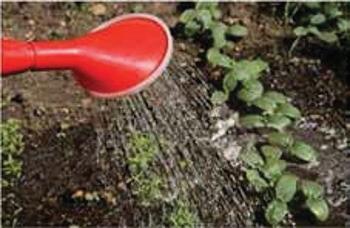
Earth is made of materials that humans can use as resources, such as rocks, soil, water to drink, and wood to build homes. A resource is something that we use. Can you think of where you might have seen rocks, soil, and water? Do you think we can use these resources? You bet! Let us figure out how we can use rocks, soil, and water.
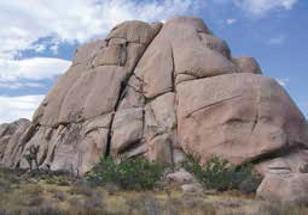
Some rocks are very large. Some rocks are bigger than houses!
What Do You Think?
Other rocks are small. These rocks are called pebbles.
How would you describe the texture of the rocks to the right? Use the words Rough, Smooth, and Sharp
There are different types of rocks. Rocks are hard objects made from parts of the planet. They come in many different colors and sizes. Have you collected rocks? Rocks can also feel different when you touch them.
Some rocks are smooth, and others are rough. How a rock feels is called its texture.
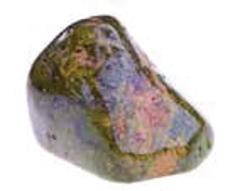
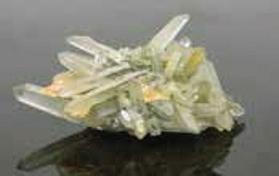
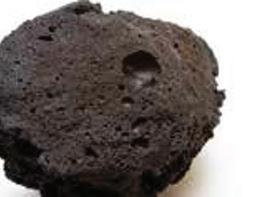
STEMscopedia
Rocks have many uses. Rocks can be turned into bricks to build houses. Rocks can be crushed and mixed with other materials to make cement for sidewalks or for roads. Rock countertops, fireplaces, walls, and sculptures are other ways rocks are an important resource.
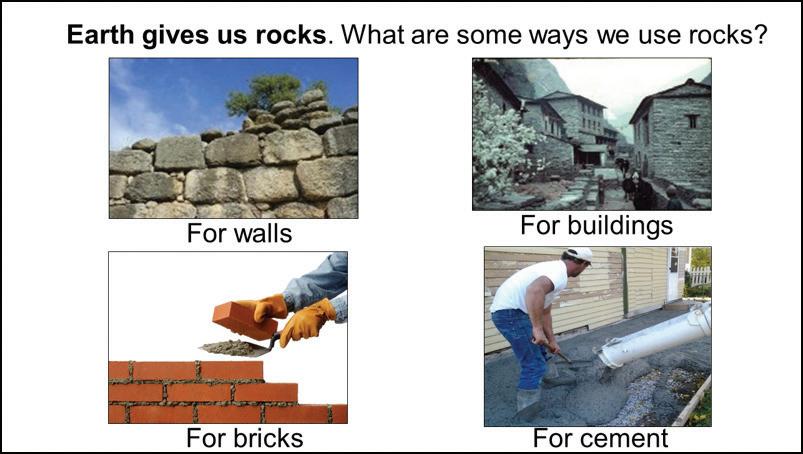
We also use soil. The soil or dirt on the ground actually comes from rocks! Over a very long time, the weather outside breaks down rock into tiny pieces. Dead pieces of plants and animals get mixed in, and it all becomes soil.
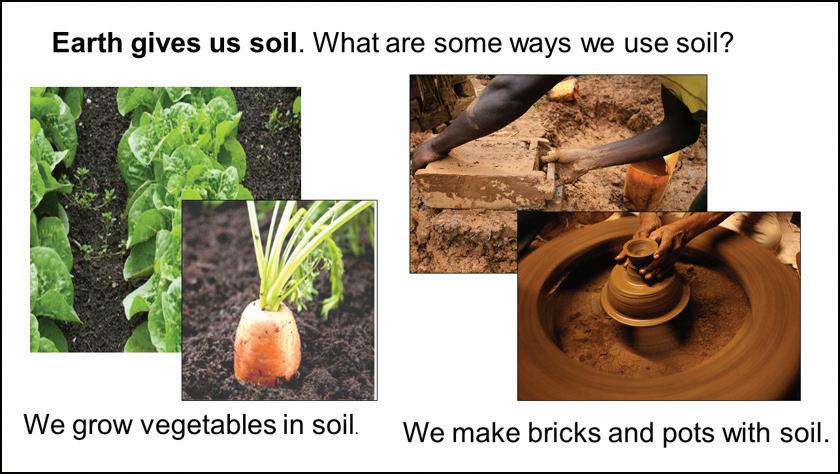
STEMscopedia
Soil can also be sorted by color, texture, and size. Soil covers the land on Earth. It is made of many different things. Soil can be smooth or rough. It can be made of large bits or small bits. Sandy soil is made of sand and is used in building materials and in making glass. Clay soil is used to make ceramic pots and dishes. Topsoil has big and small bits mixed together. It feels soft and squishy. It is also good at holding water. Lots of plants can grow in topsoil. Many creatures live in topsoil, too. Topsoil has many good things in it for plants and animals. These good things are called nutrients.
Soil erosion is a big problem. It occurs when topsoil is washed away by rain. Farmers try to prevent erosion by planting on different levels. Beaches can erode away, too. Preventing erosion is an important way to protect our soil resources. Can you think of ways to stop soil from eroding?
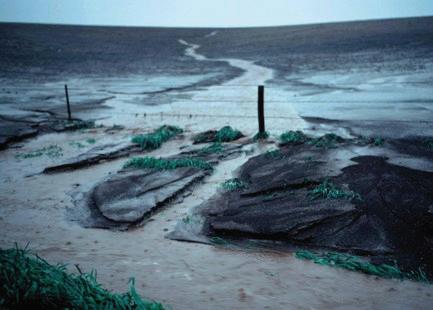
Water is an important resource. How important do you think water is? How do we use water? Reflect What Do You Think?
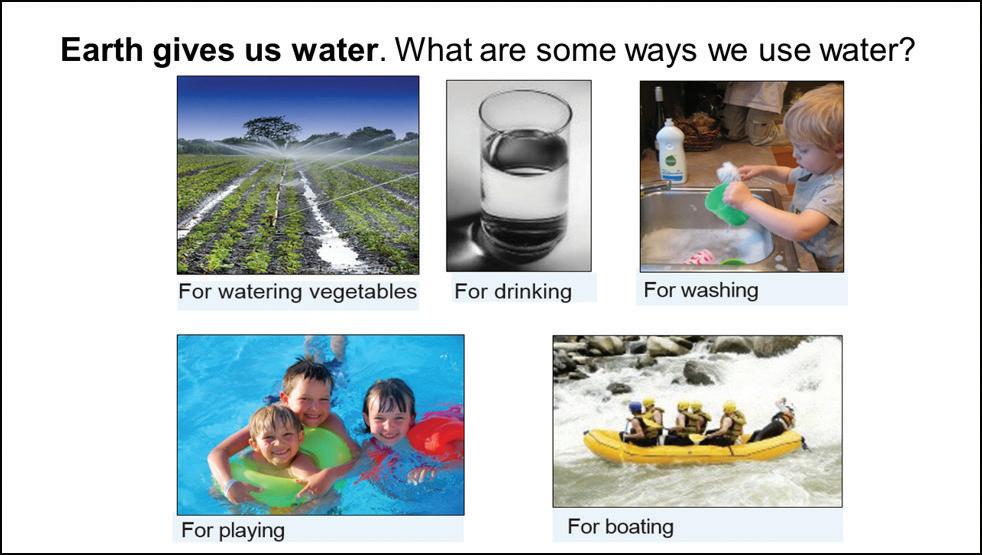
STEMscopedia
Reflect
Rocks, soil, sand, and water are important Earth materials. The materials we use from Earth are called natural resources. A natural resource can be anything from food, to water, to building materials, to energy.
We often use these resources to provide fuel for burning or to make electricity. Scientists group the energy resources into two categories: those that are plentiful and those that are limited. We can use some kinds of natural resources over and over. Other kinds of resources can run out. Earth’s two types of resources are renewable and nonrenewable.
What are renewable resources?
Renewable resources can be replaced in our lifetime through natural processes. What are some of our renewable resources?
• Sunlight: The Sun will continue to shine for billions of years. We can use energy from the Sun in many important ways. Solar panels capture sunlight and turn it into electricity.
• Air or wind: Air or wind can be used to create electricity, too. Large windmills, called turbines, spin in fast-moving wind. The movement of the turbine’s blades helps produce electricity.
• Water: Moving water can be used to generate electricity. This can occur with dams or with waves from the ocean.
• Geothermal: Earth’s own heat can be used directly for heating and cooking, as well as for generating electricity.
• Biomass: Wood can be burned to heat homes and to generate electricity.
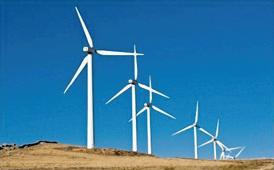
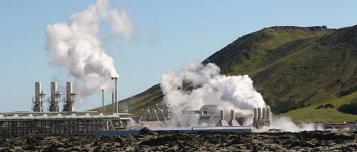
STEMscopedia
What are nonrenewable resources?
Nonrenewable resources are in limited supply. These resources cannot be replaced in a human’s lifetime. They form over hundreds of millions of years. A group of nonrenewable resources called fossil fuels includes coal, oil, and natural gas. They are named fossil fuels because they form from organisms that died long ago. Another type of nonrenewable resource is nuclear energy.
• Coal: Coal comes from plants that died hundreds of millions of years ago in ancient swamps. Thick layers of rocks and soil covered the dead plants and turned the plants into a solid called coal. Humans dig coal out of the ground. Burning coal releases its energy. We can use this energy to produce electricity.
• Oil: Oil comes from tiny animals that died in the ocean millions of years ago. Layers of mud pressed down on the dead animals. The pressure from the mud turned the layers into liquid, called oil. Oil can be turned into gasoline and other kinds of fuels. Oil is also called petroleum and can be used to make many products, such as plastics, DVDs, paints and dyes, fabrics, and tires.
• Natural gas: Natural gas is formed in the same manner as oil. Over millions of years, tiny dead animals are pressed down by mud and rocks. The pressure forms tiny bubbles of gas. Natural gas is used to heat homes and cook food.
• Nuclear energy: Uranium is the fuel used in nuclear power plants. A nuclear reactor splits pieces of uranium apart. This process releases energy, which is used to produce electricity.
fission: a piece of uranium is split apart to produce energy
Coal comes from plants that died millions of years ago.
This machine pulls oil up from deep under Earth’s surface.
nuclear
STEMscopedia
Consequences of Human Use of Resources
Human use of both renewable and nonrenewable resources can have consequences for the environment. Look Out!
CAUSES EFFECTS
Drilling for oil and transporting oil can cause spills in the ocean.
Burning coal to generate electricity releases gases and smoke into the atmosphere.
Nuclear waste, which stays radioactive for thousands of years, is created at nuclear power plants.
Effects of oil spills can include destruction of habitats and injury to, and death of, animals in the area.
Effects of air pollution include acid rain, poor air quality, and toxic habitats for living things.
Effects of nuclear waste include pollution of habitats and sickness and death for organisms that come in contact with the waste.
Even clean and renewable sources of energy can have some unfortunate effects on the environment.
Building wind turbines can disturb ecosystems where the turbines go.
Building dams to harness hydroelectric power changes landscapes.
Effects of building wind turbines include loss of habitats for living things in the area, especially during construction.
Effects of building dams include loss of habitat for many living things. Pollution can be another effect if reservoirs are used for activities such as boating.
STEMscopedia
Look at the photographs below and sort each image by whether it is an example of renewable energy or of nonrenewable energy. Write R for renewable or N for nonrenewable next to the labels. Try Now
Wind turbines
Nuclear power plant
Cooking with natural gas Geothermal power plant
Biomass wood pellets used for heating Solar energy
Hydroelectric power
Coal that has been mined
STEMscopedia
Connecting With Your Child
Conserving Our Resources
People use energy resources from Earth every day. Both renewable and nonrenewable resources provide you with the energy you need to live. If every person in the world committed to changing a few habits, the impact on the environment would be huge! Work with your child to create a list of ways to conserve energy resources. Make a pledge to become an Energy Saver.
Here are some guiding questions:
• Can you walk or ride a bike somewhere instead of driving?
• Can you combine errands to reduce driving trips and save gas?
• Can you save electricity by turning off lights or technology?
• Can you save natural gas by setting your thermostat differently?
• Can you use renewable energy sources (for example, drying your clothes on a clothesline)?
Brainstorm a list of tasks that your family could perform to become better Energy Savers. Choose three tasks and commit to carrying them out for a month.
Answer the following questions:
• Do these tasks seem difficult or manageable?
• Why do you think you have not tried these energy-friendly ideas in the past?
• What do you think could happen if everyone in the world committed to performing three new habits that would help conserve our energy resources?

Reading Science
Save the Yard!
1 Rachel was excited. She was going to visit her grandparents. They lived in Rockport on a bay.
2 A bay is a body of water partially enclosed by land. It has a wide mouth that gives access to the sea.
3 It was fun to visit Rockport. Rachel liked to fish. She liked to kayak. Sometimes, her grandpa took her for a ride on the boat. She could see dolphins. There were lots of fun things to do and see at the bay.
Lexile 220L
4 Rachel got to her grandparents’ house. She ran to the back deck.
5 She wanted to see the bay. She wanted to look for fish. She saw a fish right away. She also saw a bird. It was floating on the water. She watched the bird. It was moving with the waves of water. It was a windy day. The bird was moving fast. The bird floated to the house next door.
6 Rachel looked at the bird. She looked at the yard next door. She was confused. That yard was small. Her grandparents’ yard was big. She did not know why. She looked at the yards. They were different.
7 Rachel’s grandparents had a bulkhead. A bulkhead is a wall along a waterfront. It acts as a protective barrier. The other yard did not have a bulkhead.
8 There was nothing between the other yard and the bay water. There was nothing to protect the yard.
Reading Science
9 The wind and water were changing the shape of the land.
10 Rachel looked around the bay. She looked at the houses. Some had bulkheads. Others did not.
11 The houses with bulkheads had yards that were big. They were protected from the wind and water. The houses with no bulkheads had small yards.
12 The small yards were being washed away. The wind and water were eroding the land.
13 Rachel was happy. Her grandparents’ yard was protected. They had a bulkhead. She was worried about the other yards. What if the wind and water kept eroding the land? The yards would keep getting smaller. How could they save these yards?
14 How could they protect the land from the wind and water?
Reading Science
1. What is a bay?
A. An ocean
B. A body of water partially enclosed by land but with a wide mouth that affords access to the sea
C. A small stream of water
D. All of the above
2. What did Rachel see floating on the water?
A. A fish
B. A crab
C. A bird
D. A boat
3. What was protecting her grandparents’ yard from the wind and the water?
A. Grass
B. A deck
C. A bulkhead
D. Nothing
Reading Science
4. What is a bulkhead?
A. A wall along a waterfront that acts as a protective barrier
B. A fish
C. The name of the bird Rachel saw on the water
D. A fence
5. What was changing the shape of the land in the yards with no protection?
A. Rocks
B. Fire
C. Wind and water
D. None of the above
Open-Ended Response
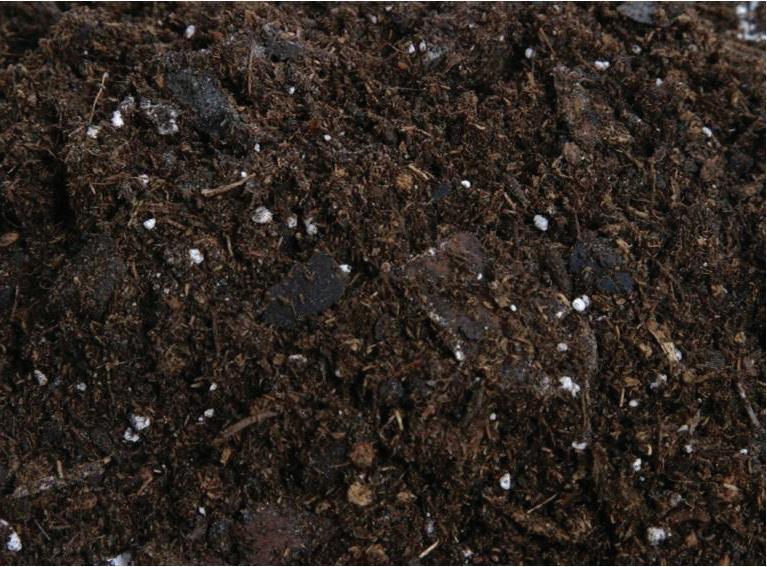
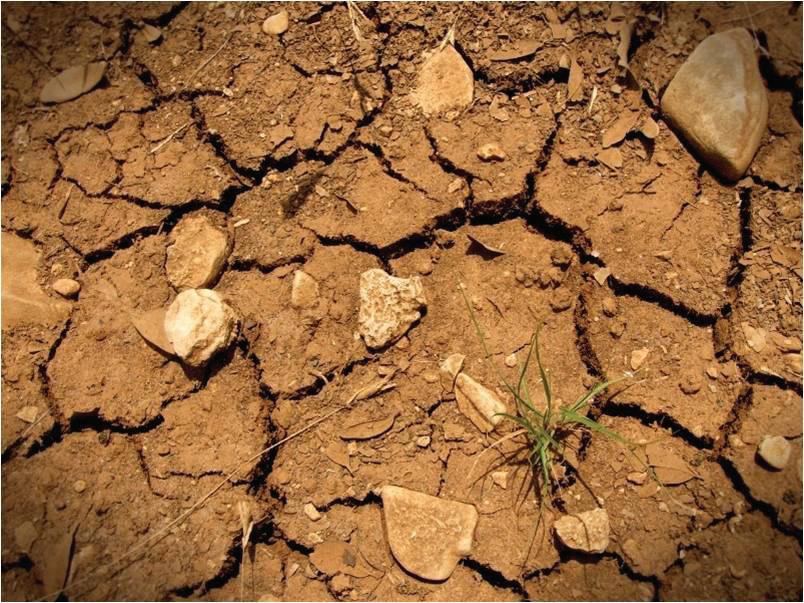
1. Observe the two different soil samples. Write a sentence about how the soil samples are the same. Write a sentence about how the soil samples are different.
Soil #1
Soil #2
Open-Ended Response
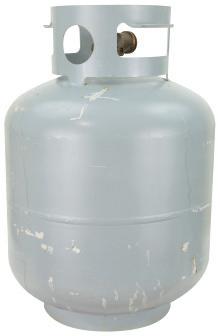
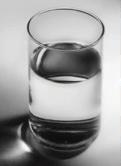
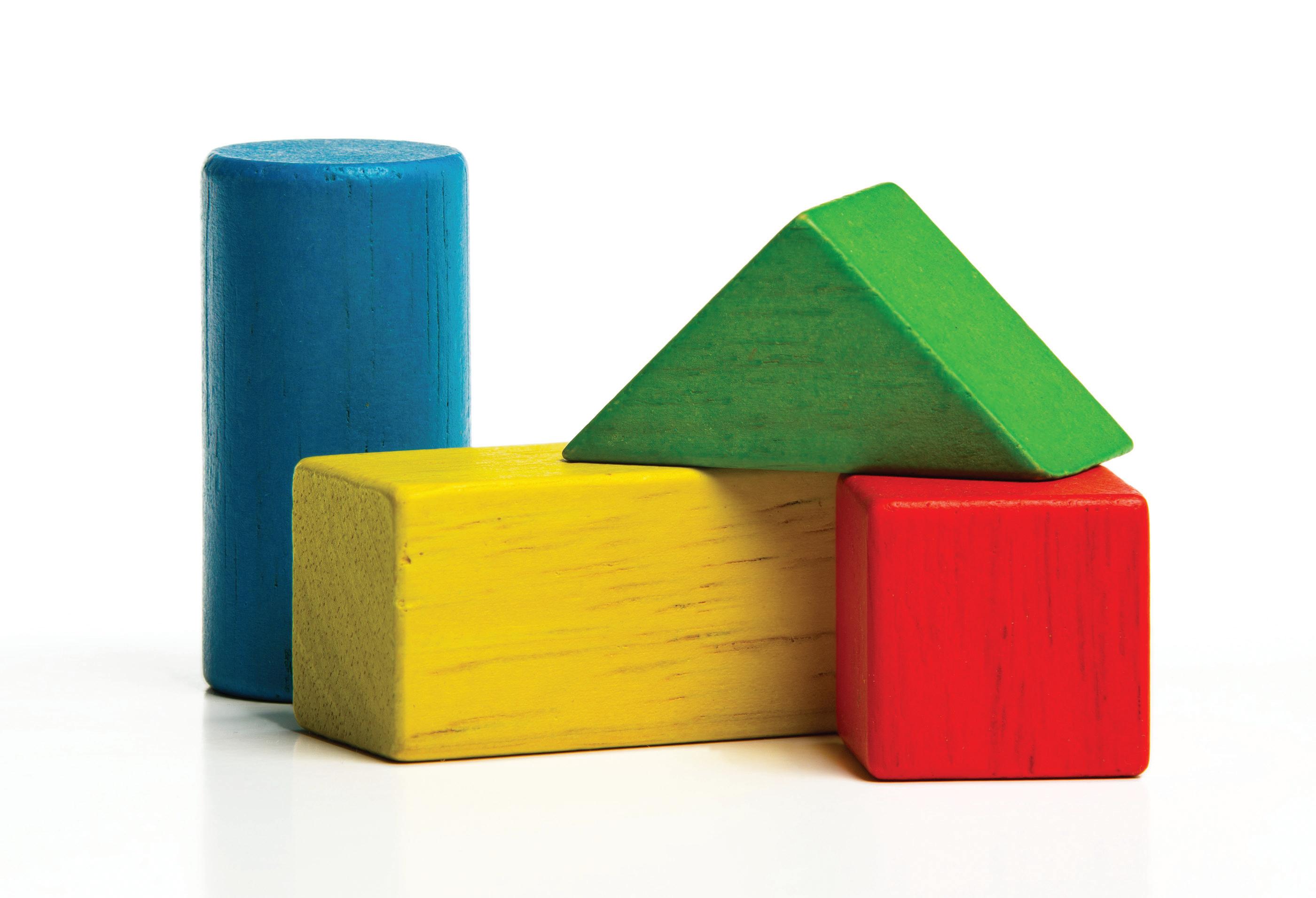
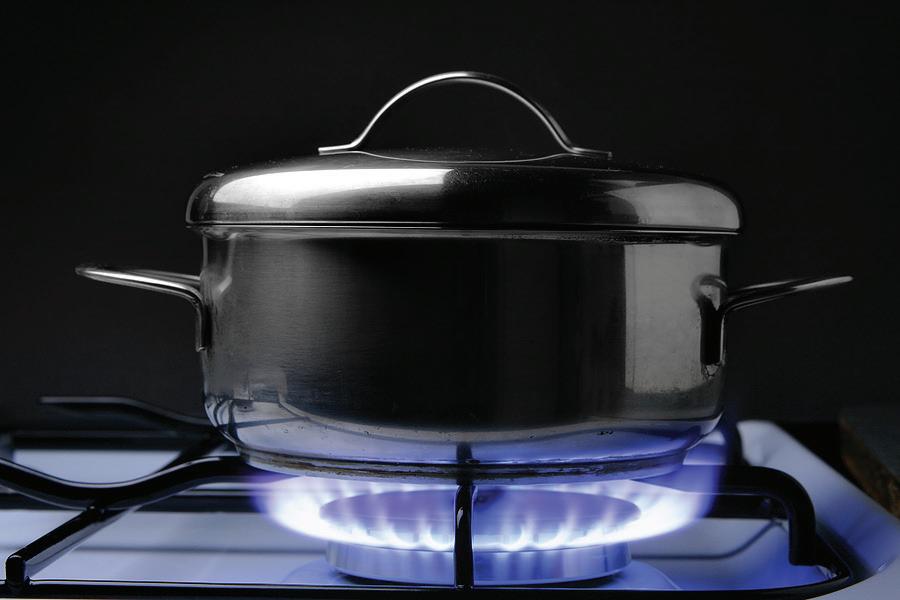
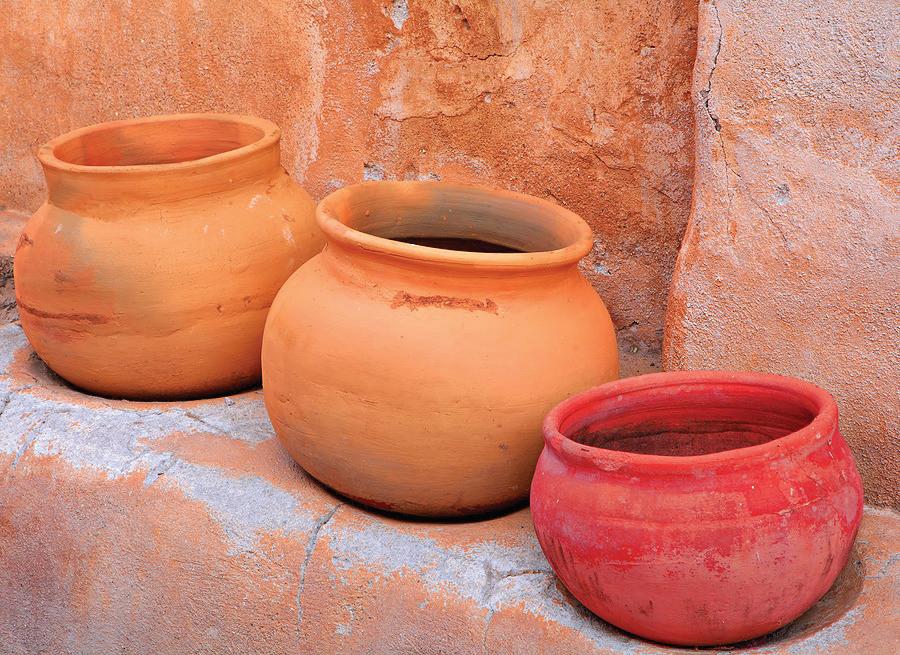

2. Look at each everyday item above. Is it made from a renewable or a nonrenewable resource? Classify each item into the appropriate category. Then give the definition of a renewable and a nonrenewable resource.
RENEWABLE RESOURCES NONRENEWABLE RESOURCES
Open-Ended Response
3. Rocks are used to build many things. Draw a picture showing how rocks are used to build something. Write an explanation of your drawing.
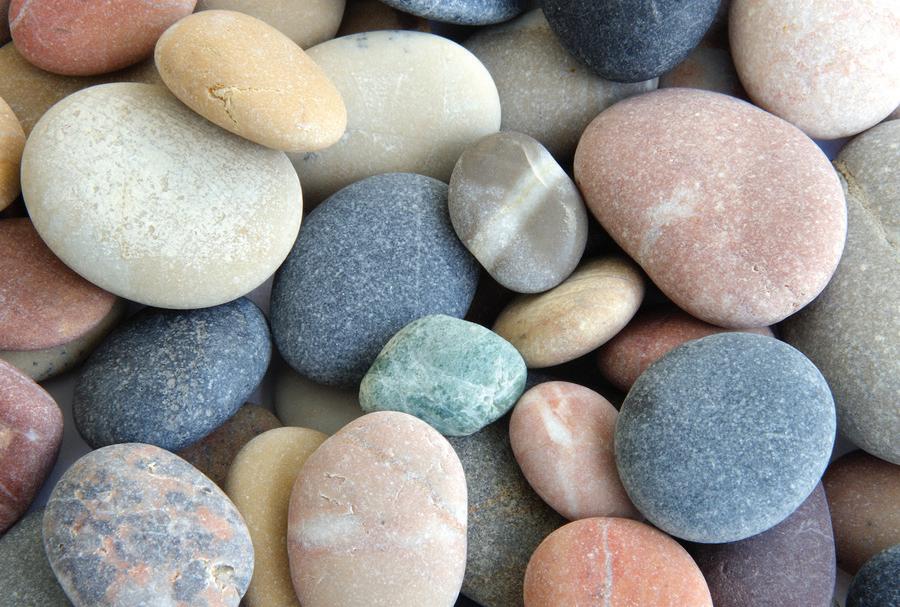
Open-Ended Response
4. What can happen when soil erodes? How can people help prevent erosion?
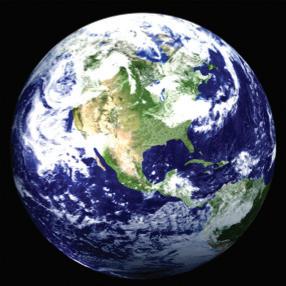
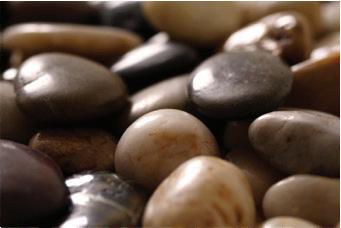
GLOSSARY
adaptation Earth
adaptation: any characteristic that helps a plant or animal survive
amphibian: an animal that spends part of its life in the water and part of its life on land
animal: a living thing that can move on its own and that gets its own food
appearance: the way something looks
behavior: what a plant or animal does
beneficial: something that is good for you and has a positive effect
bird: warm-blooded animal that has wings, two legs, feathers, and a beak
carnivore: an organism that eats animals
change: to make or become different
characteristics: features that help identify something
classify: to put something in a group of similar things; to group similar things together
color: the shade you see
communication: how living things give information to each other
compare: to see what is the same and what is different
data: information that has been collected
describe: to tell about Earth: the planet we live on
GLOSSARY
environment living
environment: everything that is around a living thing; the space and all the living and nonliving things
erosion: the gradual wearing down of something by wind, water, and other natural forces
eyes: organs that sense light
food: what plants and animals use for energy
force: what causes things to move
form: the shape or nature of something
friction: a force that resists the motion of two surfaces sliding across one another
gas: material that is not a liquid or a solid
growth: an increase in size
grow: to get bigger or older
heat: the type of energy that makes things warm
herbivore: an organism that eats plants
humans: people
interdependency: when the well-being of two or more things is linked together
invertebrate: an organism that does not have a backbone
life cycles: the way that living things continuously grow, make new living things, and die
liquid: can be felt with your hand and takes the shape of the container when poured
living: requires energy, grows, can produce offspring, and dies
GLOSSARY
living organisms predator
living organisms: has basic needs and can reproduce
mammal: a type of animal that feeds milk to its young and that usually has hair or fur covering most of its skin
material: things needed for doing or making something
matter: stuff that everything is made of
measure: to determine the amount or size of something
Moon: an object that circles Earth and appears as a pale disc in the night sky
motion: how an object moves from one place to another
nonrenewable resource: materials from Earth that cannot be replaced within a reasonable amount of time; for example, oil, coal, and natural gas
object: something that can be touched and seen
observe: to notice something with your senses; to use the senses to examine or inspect
omnivore: an organism that eats both plants and animals
pattern: something that repeats
physical characteristics: what your senses can tell you about something
plant: a living thing that can produce its own food
predator: an animal that eats other animals
GLOSSARY
prey space
prey: an animal that is hunted as food
problem: something people want changed; something that needs to be solved
property: a single part of the way something is
pull: to use force to move toward
push: to use force to move away
reproduce: to make a new living thing
reptile: cold-blooded
animals like turtles, snakes, lizards, crocodiles, alligators, and dinosaurs
resource: Thing that has value and can be used to support life
rock: a solid piece of Earth’s surface
sand: a component of soil made by the weathering of rocks into tiny grains; has rough, gritty texture
season: a period of time that has a certain type of weather
size: how large or small something is
sky: the area above Earth
soil: dirt that helps plants grow
solid: something that has a definite shape
sort: to put like objects in separate groups
space: area or volume for placement of something; the distance between Earth and the Moon or other planets
GLOSSARY
star weight
star: a ball of gas in space that produces its own heat and light
Sun: the star at the center of the solar system that provides heat
sunrise: when the Sun first appears above the horizon
sunset: when the Sun first disappears below the horizon
survive: to stay alive
texture: how rough or smooth something is
volume: how much space something takes up
water: a liquid that all living things need to survive
weight: the heaviness of an object