GRADE 3

K-8 SCIENCE
Student Workbook
Grade 3
Published by Accelerate Learning Inc., 5177 Richmond Ave, Suite 800, Houston, TX 77056. Copyright © 2025, by Accelerate Learning Inc. All rights reserved. No part of this publication may be reproduced or distributed in any form or by any means, or stored in a database or retrieval system, without prior written consent of Accelerate Learning Inc., including, but not limited to, in any network or other electronic storage or transmission, or broadcast for distance learning.
To learn more, visit us at www.stemscopes.com.
This Student Notebook is designed to be used as a companion piece to our online curriculum.
The pages of this book are organized and follow the 5E model.
A short activity to grab students’ interest
Student Journal
Hands-on tasks, including scientific investigations, engineering solutions, and problem-based learning (PBL)
EXPLORE
EXPLAIN
Claim-Evidence-Reasoning (CER)
A formative assessment in which students write a scientific explanation to show their understanding
STEMscopedia
A reference material that includes parent connections, technology, and science news
ELABORATE
Reading Science
A reading passage about the concept that includes comprehension questions
EVALUATE
Claim-Evidence-Reasoning (CER)
A summative assessment in which students write a scientific explanation to show their understanding
Open-Ended Response (OER)
A short answer and essay assessment to evaluate mastery of the concept
Only student pages are included in this book and directions on how to use these pages are found in our online curriculum. Use the URL address and password provided to you by your district to access our full curriculum.

Plant and Animal Parts

Explore 1
Animal Structures
Fill in the boxes below with what you learned from the classroom presentations about each animal structure and how it supports the white-tailed deer. Circle whether it is an internal or external structure. Make sure to tell whether the part helps support the animal’s survival, growth, or behavior.
Explore 1
Appendages
1. Give an example of a structure that supports an animal’s survival.
2. Give an example of a structure that supports an animal’s growth.
3. Give an example of a structure that supports an animal’s behavior.
Explore 2
Plant Parts
Draw a picture and label the plants and the parts that you see. Make sure to include thorns, leaves, stems, roots, and colored petals. Write down what you think each part does in order to help with survival, growth, behavior, and reproduction.
1. What did you notice about the thorns of the plant? What do you think is the purpose of the thorns?
2. What did you notice about the roots of the plant? What do you think is the purpose of the roots?
Explore 2
3. What did you notice about the leaves and colored petals of the plant? What do you think the purpose of the leaves and roots are? Do they do the same job?
4. What did you notice about the stem of the plant? What do you think is the purpose of the stem?
Hibernation and Migration
Study the data maps and look for relationships between where the animals are spotted and the temperature in that area. Record all observations in the table below.
Animal Temperature Range Where Spotted
Monarch Butterflies
Observations
Hummingbirds
1. What do the monarch butterflies and hummingbirds have in common?
2. Were they spotted in the same places all year? Explain.
3. What is the relationship between the animals’ locations and the temperature in their areas?
Explore 3
Study the data maps and look for relationships between the animal’s activity level and the temperature in that area. Record all observations in the table below.
Observations
1. What do the box turtles and bullfrogs have in common?
2. Were they spotted in the same places all year? Explain.
3. What is the relationship between the animals’ activity levels and the temperature in their areas?
Box Turtles
American Bullfrogs
Explore 3
Estivation
Research estivation in white-tailed deer, and answer the following questions:
1. What is estivation?
2. Why is it important for the white-tailed deer to go through estivation?
3. What is the relationship between the animal’s activity level and the availability of food?

STEMscopedia
Reflect
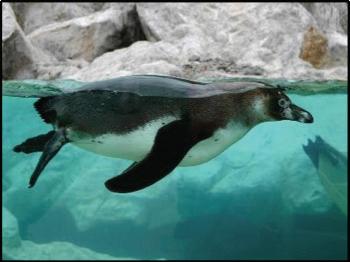
A penguin swims through icy water. It has special tightly packed feathers that are layered like shingles on a roof. Those feathers keep out cold water and keep in the penguin’s body heat. The penguin also has special eyes with lenses that help it see above and below the water. Its flippers help it swim through the water, and its feet help it steer as it swims.
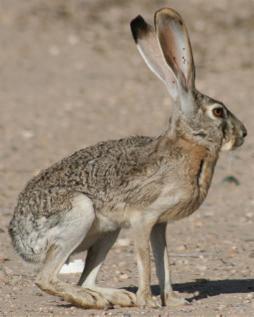
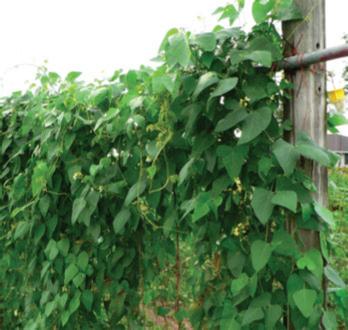
Being able to stay warm, see well, and swim quickly helps the penguin find food and avoid predators. What are some other characteristics that help animals survive in their environment? Look at the organisms below and think about how their structure helps them survive.
predator: an animal that hunts and eats other animals
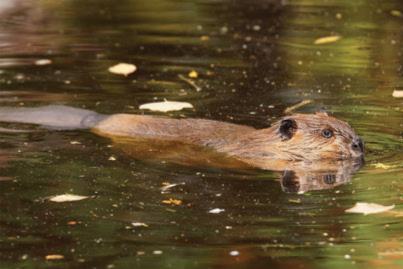
How do external structures help animals survive in their environment?
A penguin’s strong flippers are an external structure. External means “on the outside,” or something you can see.
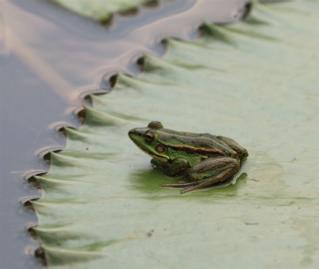
Look at the frog in the picture. What external structures do you see? It has large back legs that help it make big jumps. Its skin keeps out water and bacteria. The frog’s skin color matches the colors of its environment. This helps it blend in with its surroundings. The frog has large eyes to be able to see predators. All these structures are on the outside of the frog. They help the frog survive in its environment.
STEMscopedia
Reflect
Animals have a variety of external structures that help them survive. Here are a few examples:
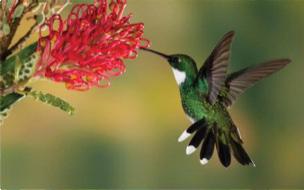
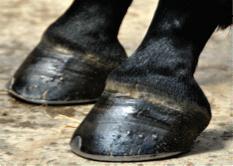
• Beaks—A bird uses its beak to collect and eat food. A bird’s beak is adapted to the type of food it eats. Beaks come in all shapes and sizes. For example, a hawk has a sharp, curved beak to tear its food into small pieces. A hummingbird has a long, thin beak to reach into flowers and suck up nectar. A pelican has a long beak with a pouch to scoop fish out of the water.
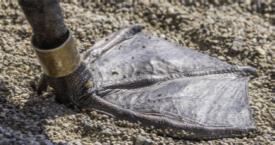
• Feet—Different animals have different types of feet. Ducks and other birds that swim have webbed feet. If you have ever worn flippers while swimming, you can understand the advantages of webbed feet. Thin flaps of skin connect a duck’s front toes. This webbing helps the duck swim through the water. Other animals such as horses and cows have solid hooves for walking on hard ground and fighting predators.
Look at the picture on the right. It shows a bird that lives in a cold, snowy place. What are some external structures that allow this bird to survive? Do you think this bird could survive in a hot, dry, sandy desert? Explain.
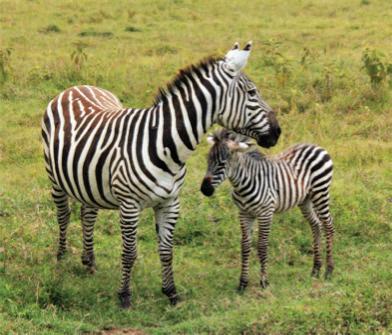
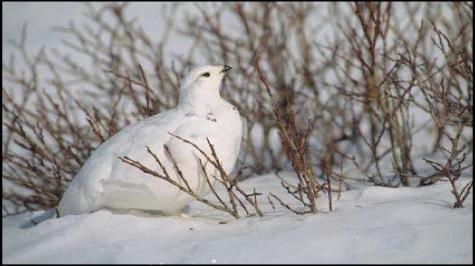
Organisms cannot choose their structures. For example, an animal living in a cold environment cannot just choose to grow thick fur. Animals that have the structures needed to survive pass these structures to their young. What structures did this mother zebra pass to her baby?
STEMscopedia
Look Out!
How do internal structures help animals survive in their environment?
Living things also have structures that you cannot see. They are called internal structures.
The lungs in an animal help it breathe. They take in oxygen and get rid of carbon dioxide. The body needs oxygen to survive.
The heart in an animal helps blood flow through the body. When blood flows through the body, it carries oxygen and other nutrients to every part of the body.
All animals have a stomach. The stomach helps animals digest food and get nutrients to the body. Have you ever heard your stomach make noises after you eat? That is the sound of your body digesting and taking energy from your food!
Some animals, called vertebrates, have bones that give them support, protect their internal organs, and help them move. Animals have brains for thinking and controlling the body. These structures work inside the body to help animals survive and thrive.
Some animals have unique internal adaptations!

Bony fish have a special internal organ called a swim bladder that helps them float and stay at the depth they want in the water.
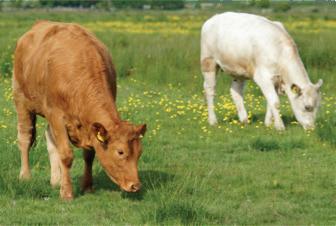
Did you know that cows have four stomachs? Two of the stomachs are used when the cow first eats, and the other two are used later in the digestive process.
STEMscopedia
Reflect dormant: inactive
Some plants go dormant to survive environmental changes. Trees are one example. Some trees go dormant during certain seasons. The trees do not get as much sunlight when days get shorter. They lose their leaves. Their growth slows down. These changes happen in winter. They grow new leaves in the spring.
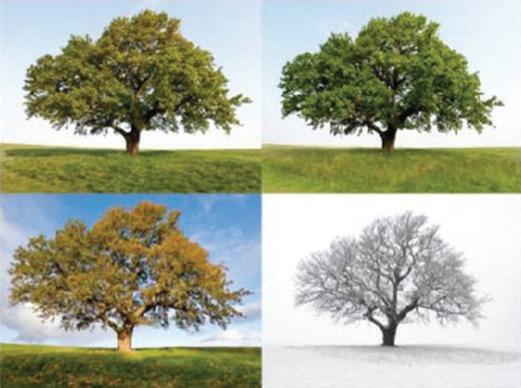
Plants may also go dormant when it is very hot or dry. They stop growing for a while, or they grow very, very slowly. When it cools down and rains, the plants grow again.
When plants die or go dormant, animals can run out of food. If there is no food, animals might go dormant too. They stop moving around. Hibernation is a way of going dormant during winter. An animal finds a place to rest. It does not eat. It uses stored energy in its body to survive. Some animals estivate or go dormant during the heat of summer. Frogs, tortoises, snails, and crocodiles can estivate.
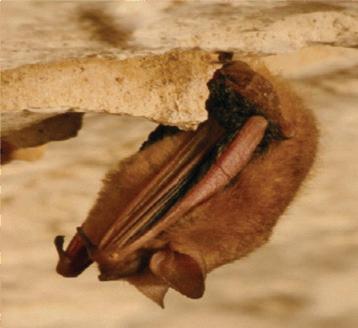
Bats hibernate. They wrap their wings around themselves. They do not move until spring.
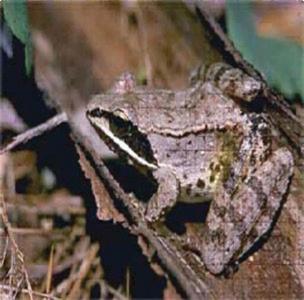
Frogs hibernate during winter. Some frogs can even freeze solid, then thaw out in the spring!

Frogs can estivate during summer. They burrow or dig down in the mud to escape the summer heat.
STEMscopedia
Reflect
Some animals migrate to survive environmental changes. If the weather changes, some animals leave the area. Some animals fly. Others walk miles and miles. They go to a warmer area during colder seasons. They return in the spring.
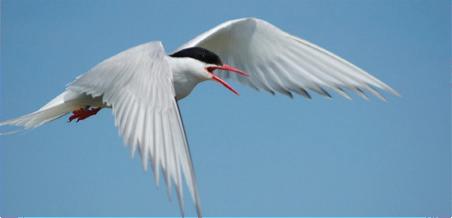
This bird migrates from the North Pole to the South Pole. It travels more than 22,000 miles every year!
Look Out!
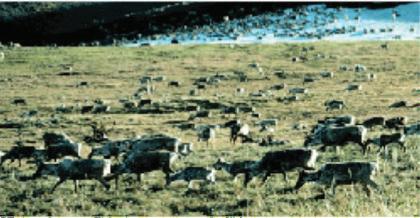
These animals are called caribou. They migrate each year. They travel up to 3,000 miles.
Think about how animals might react to cold weather. Some do not just shiver or something similar; they can actually go dormant. Like plants, they can go dormant because of hot temperatures or little rainfall. Others migrate to cooler places. Some animals migrate when a fire or bad storm kills the plants in the area.
Looking to the Future: Butterfly Migration
Temperatures on Earth change. They go through natural high and low cycles. But many scientists think Earth is slowly getting warmer. This could change animal migration.
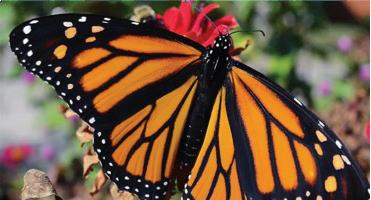
For example, monarch butterflies migrate south in the fall. They lay eggs in Mexico. Some years in Mexico have been warmer than others. One day, it might be too warm for the butterflies to lay eggs. Butterflies would have to change their migration pattern to survive. They might have to get there earlier in order to be able to lay eggs.
What if the butterflies could not survive? How might this affect other animals? Hint: Think about other animals that eat butterflies. Write your answer below.
STEMscopedia
What Do You Think?
Look at the pictures. Decide how the plants or animals will react to the change. Write go dormant or migrate in the blanks. The first one is done.
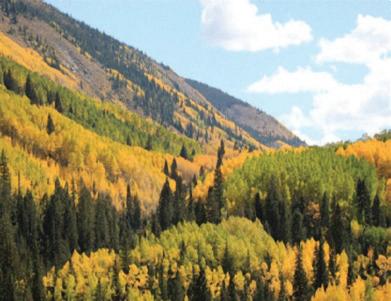
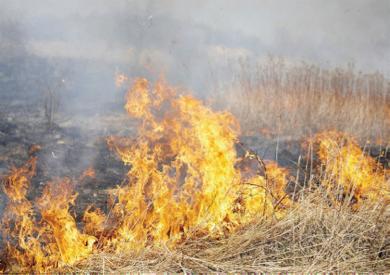
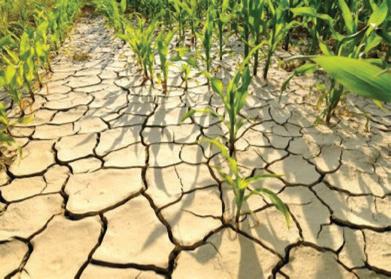
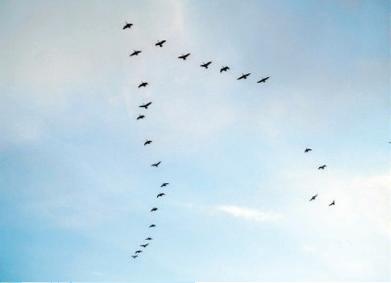
Days are getting shorter. Temperatures are getting cooler.
The trees will likely go dormant.
A fire destroyed most of the plants in the area. Most of the animals will likely
There has been very little rainfall. The corn plants will likely
It is winter. Most plants are dormant or have died. Some birds will likely
STEMscopedia
Reflect
Plants have internal and external structures, too.
Leaves
Leaves come in many shapes and sizes, but they all have one purpose. Leaves capture sunlight and make food for the plant!
Flowers and Fruit
Many plants have flowers. Flowers are where the plant creates new seeds that can grow into new plants! In some plants the flowers turn into fruit. The fruit holds the seeds and protects them until they have a chance to grow.
Roots
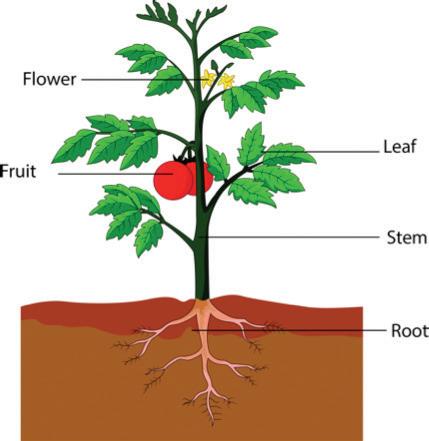
The roots of the plant help absorb water and nutrients from the soil. They also help the plant stay in place!
Stem
The stem holds the plant up. Tiny tubes in the stem carry water and nutrients from place to place within the plant. Some plants, like roses, have thorns that protect the plant.
Try Now
Plants that live in dry and hot climates, such as the cactus, have thick, waxy leaves and stems. The wax prevents water from leaving the plant. This activity demonstrates how wax protects a plant leaf. You will need these materials:
• Two small pieces of white construction or notebook paper
• A bowl of water
• A crayon
1. Draw on both sides of one piece of paper with the crayon. Try to cover as much of the surface as you can, leaving none of the paper showing.
2. Leave the other piece of paper exactly as it is.
3. Put both pieces of paper into the bowl of water. Observe what happens to the pieces of paper as they touch the water. Did water soak into both pieces?
4. Crayons are made from wax. How did this activity model how wax prevents plant leaves from losing water?
STEMscopedia
Connecting With Your Child
Hunting for Hidden Animals
To help your child learn more about animal structures, have him or her and some friends practice hunting “prey” that have different structures and functions. The children can pretend to be birds hunting prey in your backyard or local green space.
1. You will need string, pipe cleaners, or yarn of four different colors. Three of the colors should be bright, loud hues that are easy to see on the grass. The fourth color should be similar to the color of your lawn or green space. You will also need a stopwatch or timer and a bag for each child participating.
2. Cut the string, pipe cleaners, or yarn into 4-inch pieces. Scatter the pieces in a large area of your yard, such as a 10 meter by 10 meter area. This will be the hunting zone. Try to make sure the four colors are equally distributed in the hunting zone. Make sure the children are not watching you as you spread out the items.
3. Tell the hunters they will have 30 seconds to hunt for as many of the “prey” items as they can and place them in the bag. While they hunt, they must move constantly through the hunting area, except for when they stop to pick up an item. After 30 seconds, count how many of the brightly colored prey items they were able to pick up.
4. Next, give the hunters 30 seconds to hunt for the prey items that are the same color as the yard or the green space. As before, they must move constantly through the hunting area, except for when they stop to pick up an item. After 30 seconds, count how many of these items they were able to pick up.
Here are some questions to discuss with your child:
• What kind of structures or characteristics allow animals to blend into the environment around them?
• Which color represented camouflaged animals?
• Which type of “prey” were you able to catch the most of?
• How does camouflage help animals avoid being eaten?
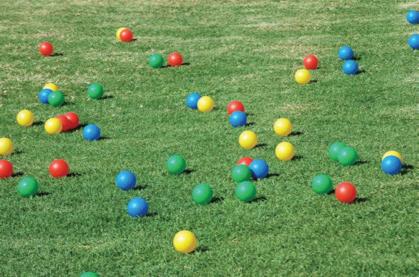
You can use other kinds of colored objects, such as these playground balls.

Reading Science
Leti’s Garden
1 Mother’s Day will be here soon. Leti wants to surprise her mom. She wants to make a flower garden. She finds a spot in the yard for her garden.
2 She knows her mom loves sunflowers and roses. Her dad takes her to the garden store. They buy seeds and seedlings. When she gets home, Leti gets the soil ready for planting.
3 Every day after school, she comes home and waters her garden. After a few days, she sees little sprouts. They are coming up out of the ground.
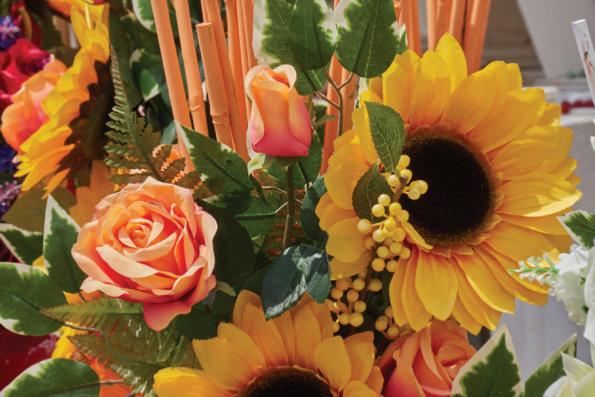
4 Leti knows that sunshine and water will help grow healthy plants. The roots will soak up nutrients from the soil and the leaves will help the plant take in plenty of sunshine so it can make its own food. The stems of the sunflowers will need to be strong. They will need to be strong because sunflower plants grow very tall!
5 One day when Leti comes home from school, she is surprised at how tall the plants are getting. They have buds on top of the stems. She knows the buds will soon open to become flowers with colored petals. Those colored petals will attract bees and other insects to help make new flowers.
6 Soon, all the flowers have bloomed. Leti is proud of how tall her sunflowers are in her garden. Leti reaches out to smell the roses. Ouch! Something pokes her. The roses are beautiful and smell good, but they have thorns. The thorns help protect roses in the wild from being eaten.
7 Leti is so excited about her flower garden. She decides to pick some flowers to make her mom a bouquet. Mom will be so surprised!
Reading Science
1 Why do you think Leti finds a sunny spot for her garden?
A Her mother is already growing plants in the shady part of the yard.
B Leti likes to garden in the Sun so she will stay warm.
C Leti’s whole yard is sunny.
D Leti knows that plants need sunlight to grow.
2 Why do you think Leti is so excited about her flower garden?
A Because her mother loves flowers and she will surprise her
B Because the roses grew thorns
C Because she can sell the flowers and earn money
D Because her flowers grew without sunshine
3 What do you think would happen if the sunflowers did not have strong stems?
A They would tip over.
B They would never bloom.
C They would not grow.
D Birds would eat them.
Reading Science
4 What do you think is the reason that roses have thorns?
A Thorns look pretty, even though they are sharp.
B Thorns help the roses soak up sunshine.
C Thorns protect the rose plant from animals that might try to eat it.
D There is no reason.
5 The word nutrients in Paragraph 4 most likely means:
A Sunshine
B Food
C Roots
D Soil

Open-Ended Response

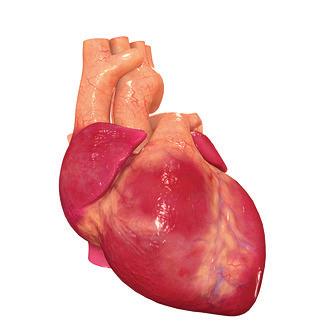
1. What functions do fur and a beating heart provide to a mammal? Which is the internal and which is the external structure?
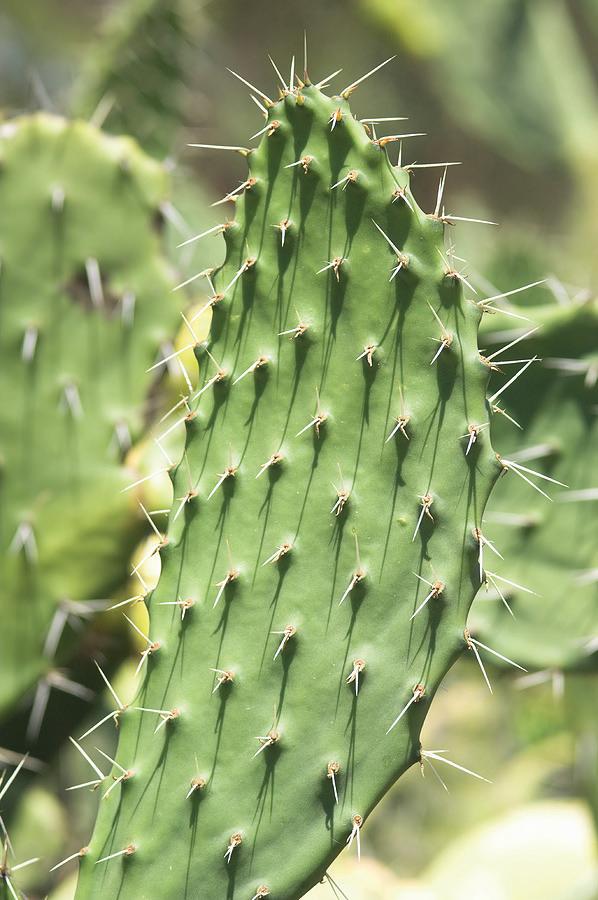
2. Describe one internal and one external structure on a cactus that helps it survive.
Open-Ended Response
3. A favorite food of robins is earthworms, but they also eat fruit. In the winter, the ground in the North is frozen and robins are unable to get enough of their favorite foods. What kind of behavior do they perform in order to survive—hibernation, migration, or changing their diet? Draw and explain your answer.
Open-Ended Response
4. The arctic fox is an animal that stays active in the North all year. Draw and describe some physical features that allow the arctic fox to survive even during extreme winter temperatures.

Veronica has been learning about the different structures and functions of living things and how they help animals to survive. When her mother takes her fishing, she admires the beautiful scales of the fish she catches. Later, as her brother prepares the fish for dinner, she sees the different, intricate structures that allow the fish to live.
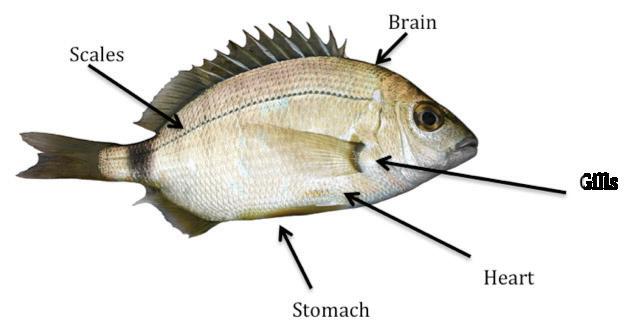
Write a scientific explanation for what structures you see that support this fish in its ability to survive, grow, and reproduce. How? List at least three pieces of evidence to support your claim.
L.3.2
Inheritance and Variations of
Traits


Trait Hunt
Find a classmate who fits one of the descriptions in the boxes below. Write his or her name in the box.
Has curly hair Can do a cartwheel Has a scar Speaks another language
Has broken a bone (past or present) Has freckles Can skip Has a hitchhiker’s thumb
Can juggle Can eat with chopsticks Is left-handed Has green eyes
Has a widow’s peak Can roll tongue Can whistle Has pierced ears
Explore 1
The Problem
Puppy Type
The Harrison family wants a new puppy. The Harrisons can choose among several dogs to breed. The breeders have identified some traits that offspring would inherit from their parents: fur type, fur color, body size, leg length, and ear length. Every dog has different traits, and each trait has pros and cons. The Harrisons need help predicting the appearance of the offspring and the pros and cons of their traits.
The Challenge
Working in pairs, help the Harrison family decide which dogs to breed by describing and illustrating one possible offspring from two of the dog breeds.
Inheriting Traits
Select two dogs from the dog pictures to breed. Males and females of each breed are available. Record the traits of the parent dogs. Use the fur color and fur pattern pictured for each breed. Select a trait from either the mother or the father for the puppy to inherit. Record your results below.
Criteria and Constraints
• Only two breeds may be combined.
• The puppy must have traits from both parents. The presentation must include the pros and cons of the puppy. Color does not have pros and cons since it is based on preference.
*Focus on the physical inherited traits, not behaviors.
Explore 1
Draw and color your puppy here. Be sure to color any fur patterns the puppy inherited.
What are the pros and cons of the traits of your puppy?
Name:
Explore 2
Inheritance and Variations of Traits
Single Parent Organisms
Part I
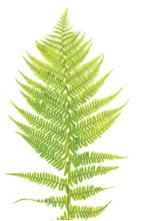
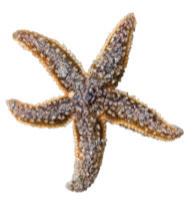
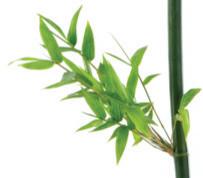
Some organisms reproduce from a single parent. The offspring is an exact replica with the same traits as the parent organism. Read about the different organisms that reproduce from a single parent. Given a picture of the parent organism, describe the traits of the offspring.
Parent Organism Offspring
Fern
The parent fern releases spores that eventually grow into a new fern.
Starfish
If an arm is broken off, a new organism will grow from it.
Bamboo
Parent plants self-seed and produce new plants in clusters.
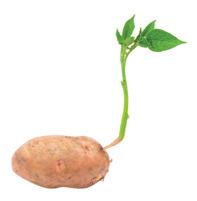
Potato
A sprout grows from the potato and produces a new plant.
Explore 2
1. What is single parent reproduction?
2. What are some different organisms that reproduce from a single parent?
3. How did you know what physical traits would be present in the offspring?
4. What are some traits that are identical in parent and offspring?
5. How are traits from single parent reproduction different compared to traits from two parent reproduction?
Explore 2
Part II
Trait
Random Variation
Variation of Traits Guide
Plant A (HEADS)
Plant B (TAILS)
Flower Size Large Small
Stem Length Long Short
Leaf Width Wide Thin
Petal Color Red Pink
Directions
1. Take turns flipping the coin with your partner so you can determine the traits for your plant’s offspring. Only one of you will flip the coin for each trait. Take turns going from trait to trait!
2. If you or your partner flips heads, your offspring will inherit the trait from Plant A. If you flip tails, your offspring will inherit the trait from Plant B.
3. Repeat this process for each of the four traits, and circle the traits that result for your offspring on the Variation of Traits Guide shown above.
4. Use the templates to cut out the resulting traits for your offspring.
5. Glue the parts of your offspring together on the next page, and record the results for each trait.
6. Post your offspring under the poster that lists the traits that match your offspring. Then answer the questions below.
Questions
What do you notice about all the offspring?
Which combination of traits was the most common?
Why are the offspring different from each other?
Explore 2
Glue your offspring together on this page. Color appropriately: remember that your flower petals will be either red or pink.
Flower Size:______________
Petal Color:______________
Leaf Width:______________ Stem Length:______________
Name: ____________________________
Explore 2
Date: ___________
L.3.2
Inheritance and Variations of Traits
Random Variation Student CER
Write a scientific explanation telling why the offspring do not all look alike. Make a claim, and state your evidence and reasoning.
Claim:
Evidence:
Reasoning:
Explore 3
Traits and the Environment
The environment can cause changes in the physical traits of organisms. You will be assigned a trait that has been affected by the environment. Research the environmental cause of the trait effect. Record your findings in the table.
Trait Effect
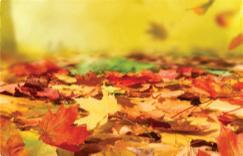
Oak leaves turn red, orange, and yellow in the fall.
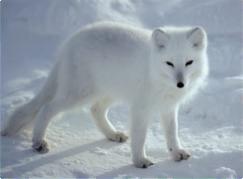
The brown fur of the arctic fox turns white in the winter.
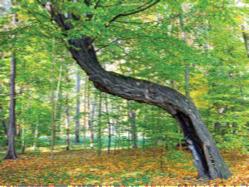
This tree trunk is crooked.
Environmental Cause
Explore 3
This plant’s growth is stunted. It has brown spots on the leaves.
Trait Effect

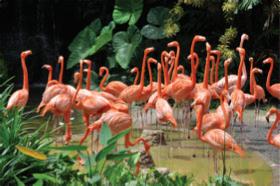
Flamingo feathers turn pink.
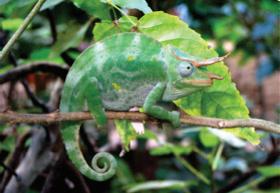
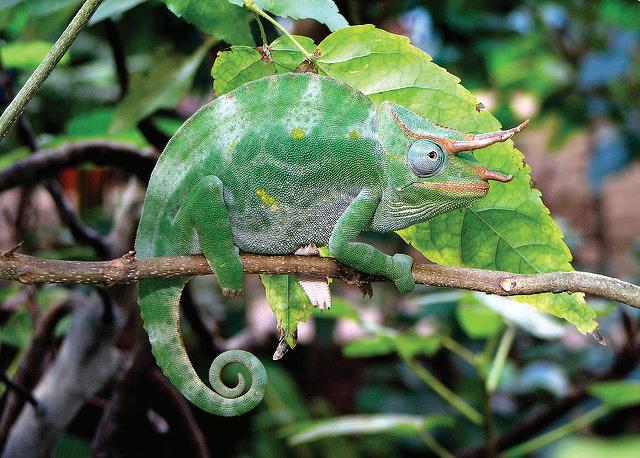
A chameleon changes its colors.
Environmental Cause
Explore 3
1. Which environmental changes most often cause changes in physical traits?
2. What are some trait changes that animals have in common? What are some trait changes that plants have in common?
3. Which physical trait changes benefit an organism? Why?
Explore 3
4. Which physical trait changes do not benefit an organism? Why?
5. How is a change in physical traits different from a change in behavior, such as migration or hibernation?
STEMscopedia
Reflect
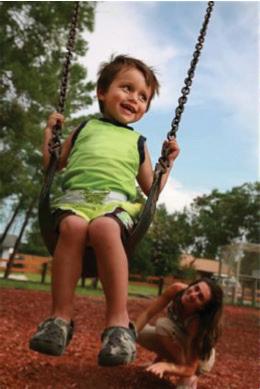
Take a moment to think about the child shown in the picture on the right. His name is Juan. What are some things you can say about Juan by looking at the picture? He has brown hair. His hair is straight. His eyes are also brown. He has 10 fingers. These characteristics are called inherited traits.
Juan has other characteristics you cannot see by looking at the picture. Maybe he knows how to swing by himself. Perhaps he can ride a bike or play an instrument. These characteristics are called learned behaviors. Juan learned how to do these things; these behaviors were not inherited.
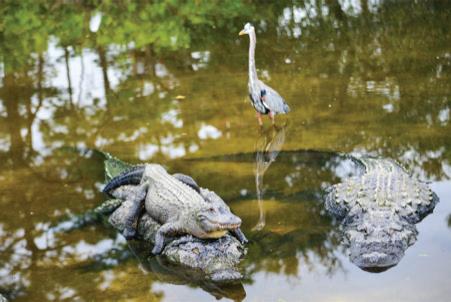
The baby alligator looks a lot like its parents. The baby alligator’s traits are inherited.
What does inherited mean?
If something is inherited, it means it was passed on from a parent to its offspring. A trait is an internal or external characteristic. So inherited traits are characteristics that are passed from parent to offspring. This passing of traits happens during reproduction
reproduction: making more of the same kind of living thing
offspring: the child or offshoot of a parent
Most physical traits are inherited, but some are not. For example, many people change their hair color with dye. These people do not pass the new hair color on to their children. Suppose a deer has a broken antler. This physical trait will not get passed on to the deer’s offspring.
physical: of the body
Look Out!
STEMscopedia
What characteristics of animals and plants are inherited?
Traits can be inherited by the offspring of both plants and animals. The color of a flower is a trait passed from parents to offspring. Eye color and fur color can be passed on, too. The size and shape of a body are also traits passed from parents to offspring. Other inherited traits include characteristics such as fins on a fish or stripes on a tiger. A plant can inherit the shape of its flower, the number and pattern of its petals, and the size of its leaves.
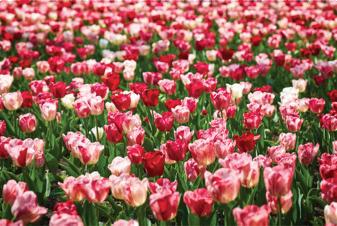
The tulips inherited their petal shape and color from their parents.
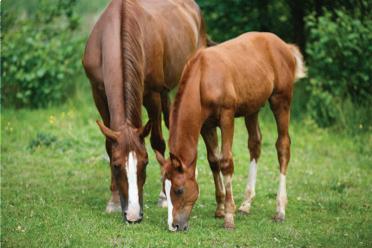
The young foal inherited the white stripe on its face from its parent.
Sometimes the environment can change the traits of a plant or animal. If a tall flower does not get enough water, it can grow short instead. Another example is an arctic fox. Usually it has white fur, but the fur turns brown in summer!
What are variations?
Look at the tulips above. Are they exactly the same color? What about the foal and its parent? Do they have exactly the same color of hair? They look a little different! This happens because groups of organisms have variations.
Variations are differences in traits that can be found in groups of plants and animals.
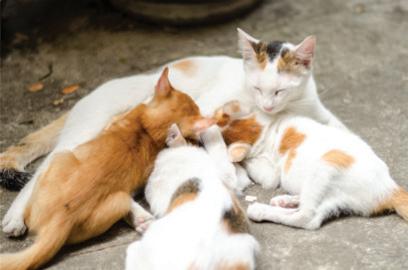
Look at the kittens to the left. Do they all look alike? Do they look like their mother? These kittens have the same parents but look a little different from each other. Each kitten inherited different traits from the parents. Inheriting different traits causes variations between groups of the same kind of animal.
STEMscopedia
Reflect One Parent versus Two Parents
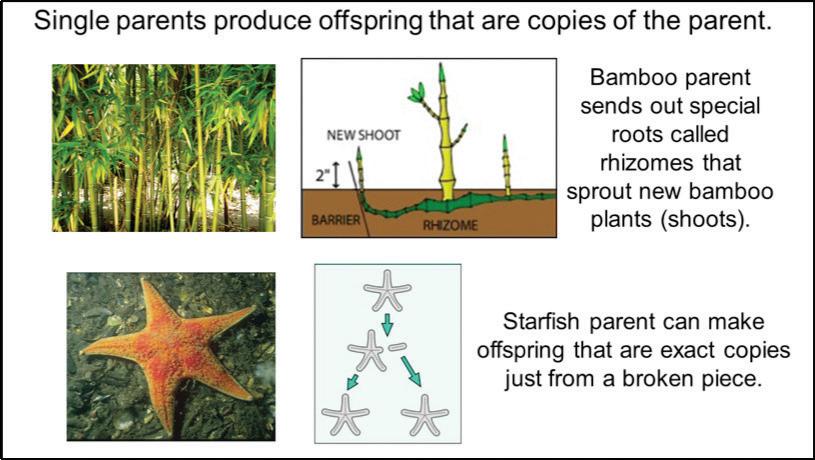
Not all reproduction creates a variation in traits. When one parent produces offspring by itself, the offspring are a replica of the parent. There is no variation in traits when one parent produces offspring. For example, bamboo reproduces new plants with just one parent. The bamboo sends out special underground branches called rhizomes. From these rhizomes, new bamboo shoots grow up that are identical to the parent plant. In animals, the starfish is an example of a single parent reproducing offspring that are replicas of that parent. When a starfish breaks off an arm and part of the central disk, a new starfish forms that is identical to the parent starfish. No variation in traits occurs.
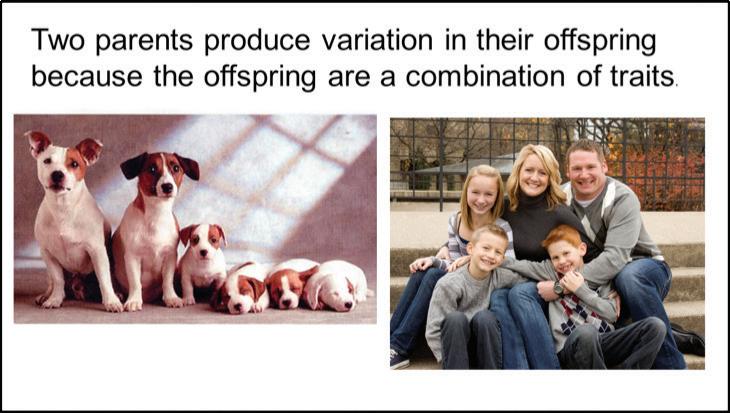
Two parents produce offspring with a combination of traits, providing variation.
Look Out!
STEMscopedia
Plant Inheritance and Variation
Plants also inherit traits from the parent plants. The shape of the leaves, the texture of the stem, the number of petals, and the color of the flower are all inherited traits.
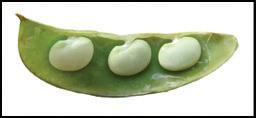
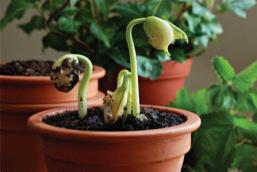
Baby plants grow from seeds produced by a parent plant. The lima bean seedlings in the pot grew from seeds.
The three baby plants inherited leaves shaped like the leaves of the parent plant.
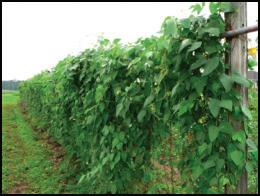
When the lima bean plants are fully grown, they will produce more seeds that can grow more baby plants.
The plants can have variations, too. There may be a difference in how tall they grow or in how many seeds they produce.
What Do You Think?
Use the words below to complete each sentence.
WORD
BANK different, variations, trait, same, parents
1. Something you observe about an organism (the way it looks or acts) is called a ________________________________________________________________________.
2. Differences in traits, such as petal color or fur pattern, are called _____________________.
3. Tiger offspring resemble their parents in having stripes and four legs. Resemble means their traits are the ______________________________________________________________.
4. The puppies in a litter do not always have exactly the same fur color. This means their traits are______________________________________________________________________.
5. Offspring get traits such as height and petal shape from their ________________________________________________________________________.
Lima bean seeds
Lima bean seedlings
Lima bean plants
STEMscopedia
Connecting With Your Child
Using Family Pictures
To help your child understand variation in traits, you can use family pictures to identify traits that have remained the same over time and those that have varied (or changed).
Gather photo albums that have several generations of family pictures. Start with easy traits, such as eye color, hair color, shape of the nose, shape of the mouth, and curliness of hair. How many members of the family inherited each trait from parents, grandparents, or greatgrandparents? Some traits can be passed down through many generations.
If your family’s situation does not lend itself to following traits back several generations or you do not have family albums that go back several generations, you could use a famous family that may have pictures on the Internet. For example, choose a president’s family or a famous historical figure’s family. Then search the Internet for that family’s photographs.
Remember to talk about traits (looks and behavior) that are passed down and those that are not. For example, if a relative got a scar from an accident or learned how to fly, those traits are not passed down to offspring. However, a grandparent or parent with dimples or curly hair could pass those traits down to the children and grandchildren.

Reading Science
Inherited Traits and Learned Behaviors
1 Do you think you look like your mom? Perhaps you look like your dad. I am sure you have seen a puppy or kitten that looks like its mother. Offspring look like their parents because all living things pass on traits from one generation to the next. Animals are not stuck with the traits they have when they are born. They also have the ability to learn.
2 Let us look at dogs as an example here. There are several kinds of dogs in this world. Each has traits of its own. Dachshunds have a long slender body with short legs. They have inherited these traits. This build helps them to hunt in tunnels for badgers. If two dachshunds have puppies, the babies will look a lot like their parents. These traits are called inherited because they are passed on from parent to child.
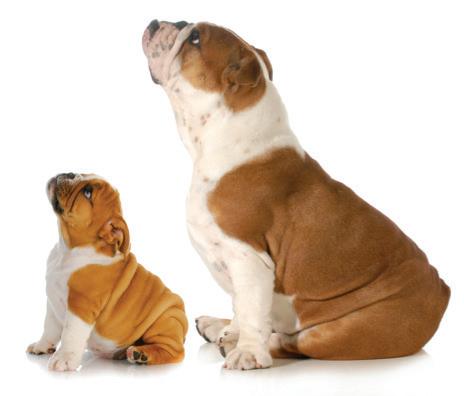
3 Animals can also inherit behaviors. For example, most dachshunds display interesting behaviors. They are curious and have a love for exploration. They are social and like to be with other dogs of their breed, or kind. These behaviors are inherited because they are passed from parents to offspring. Other breeds of dogs are known for other kinds of behaviors. Some dogs are great at herding animals like cattle or sheep. Other dogs like to dig. Still others are brave and loyal. They are good at protecting those who care for them.
4 We do not think of plants as having parents, but they do! Plants inherit traits from their parents. For example, a rose has thorns and so did its parents. A sunflower has pretty yellow petals, and that is a trait found in all sunflowers. Although all sunflowers are yellow, not all roses are red and not all carnations are the same color, either. That is because variations exist in those plants, which is what causes some living things to look alike but still have differences.
5 All animals, including people, have inherited traits. They also learn behaviors, mostly for survival. Remember this if you ever want to teach an old dog new tricks!
Reading Science
1 The word offspring in Paragraph 1 means–
A a season.
B an inherited trait.
C a child.
D a parent.
2 Which of the following is an inherited trait?
A The color of your eyes
B Reading
C The style of your clothes
D Your haircut
3 The author probably wrote this passage to–
A describe the inherited traits of dogs.
B tell a story about a dachshund.
C explain how plants and animals get their traits.
D persuade the reader to train dogs.
Reading Science
4 The word variation in Paragraph 4 means–
A all the same.
B a lot.
C differences in the same type of living thing.
D color.
5 What is an inherited trait of a plant?
A How tall it is
B The color of its petals
C Where it grew
D How much Sun it gets
Open-Ended Response
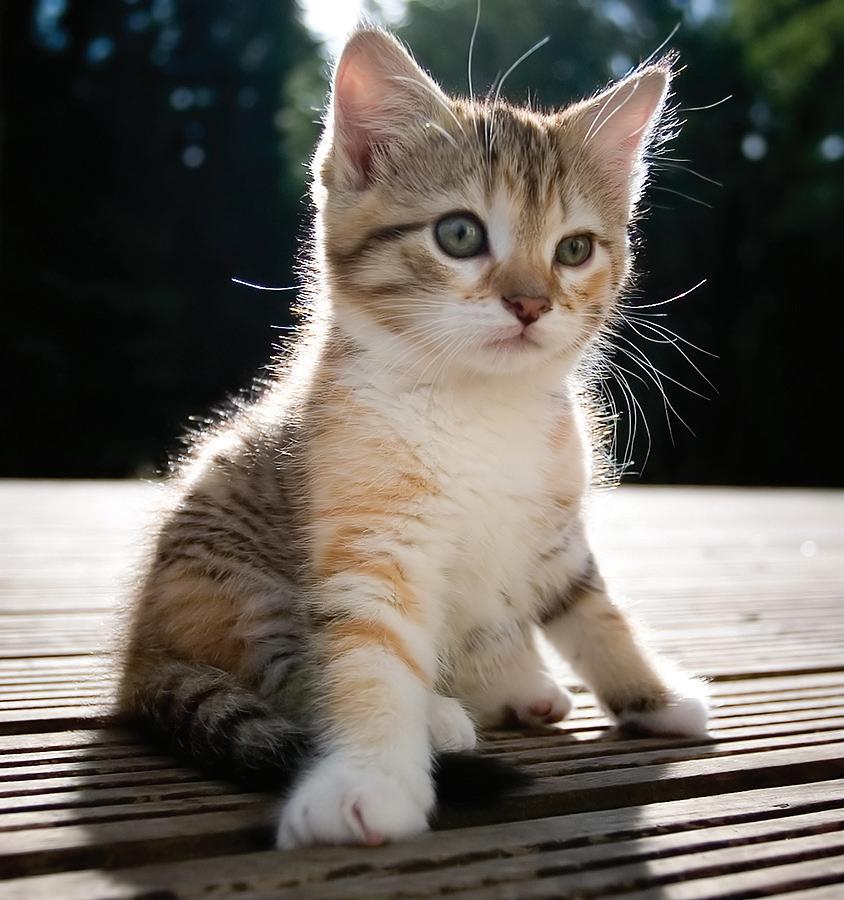
1. Inherited traits are passed from parents to offspring through reproduction. Write two traits a kitten would inherit from its mother or father and one trait that it does not inherit.

2. The shoestring fern reproduces asexually. What do you know about the parent fern and the offspring fern?
Open-Ended Response
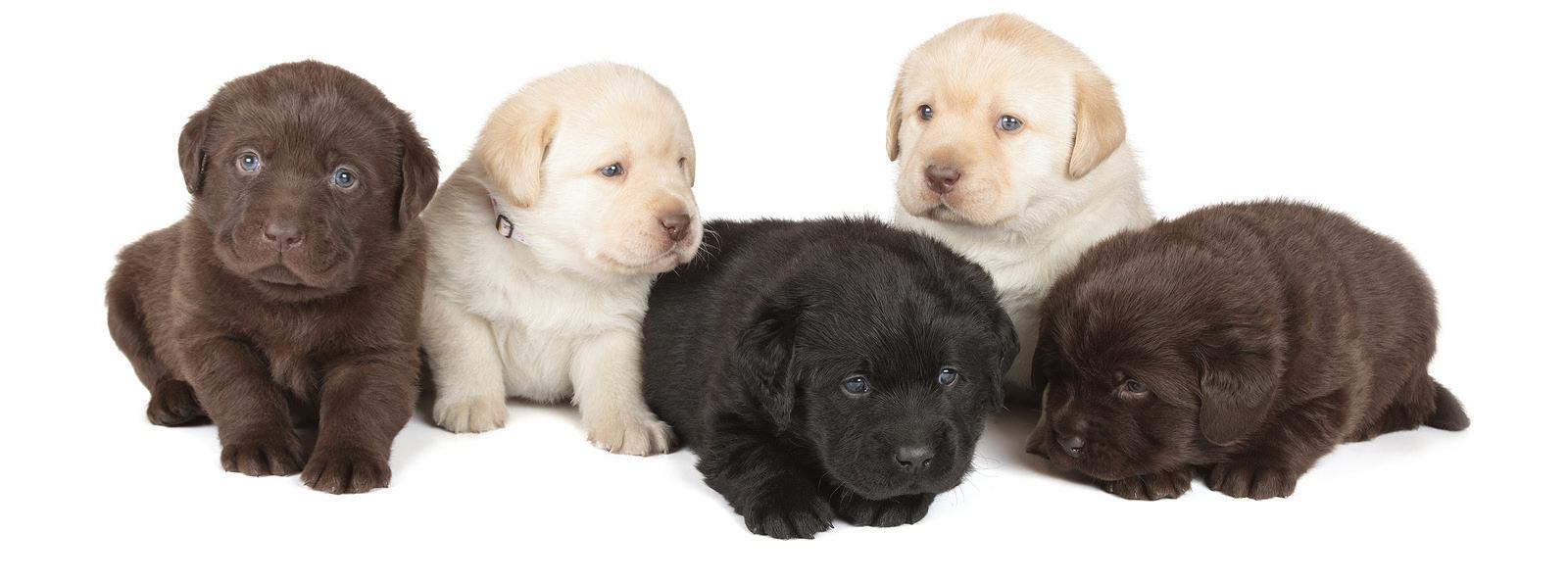
3. Explain how these different colored puppies all came from the same two parents.
Open-Ended Response
4. Sometimes traits are not inherited, but they are influenced by the environment. For example, an arctic fox changes between a white fur coat and a brown fur coat seasonally depending upon the number of hours of light in a day. When there are many hours of light, its coat is brown; when there are few hours of light, its coat is white.
Draw and explain an example of a trait in a plant or animal being influenced by its environment.
Inheritance and Variations of Traits
Scenario 1
You are purchasing a hamster pup (young hamster) from a pet store. You pick out the perfect hamster pup and wonder which of the adult hamsters are the parents. You have been learning about inherited traits in school. You collect data about the adult hamsters and your hamster pup.
External Data 2
Trait
Father A Father B
Fur Color Solid tan Solid black Black with white spots Tan and white
Tail Length Short Short Long Short
Size Regular size Dwarf Dwarf Dwarf
Fur Length Long Long Short Long
Help Me Find My Parents
Traits
Baby
Fur Color Tan, black, and white
Tail Length Short
Size Dwarf
Fur Length Long
Claim-Evidence-Reasoning
Write a scientific explanation about which mother and father hamsters are most likely the parents of the hamster pup (young hamster). Using the data table above, make a claim and state your evidence. Prompt 3
Claim:
Evidence:
Part I: Fish in Danger!
Read the informational article about how drought and heat have affected fish in the West. Answer the questions below.
1. How did the drought and heat change the environment?
2. How were salmon and trout harmed by the change?
3. What were some man-made changes to the environment that harmed the salmon?
4. What were some man-made changes to the environment that benefited the salmon?
5. How did people benefit from the change in the environment?
6. How were people harmed by the change?
Explore 1
Part II: Trouble in Paradise
Game Data
Copy the data from the game in the table below.
Number of Mice Remaining
Interview Questions
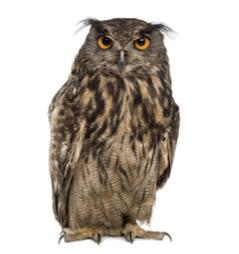
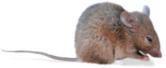
With a partner, take on the role of a reporter or a naturalist. The reporter will interview the naturalist about how the flood will affect the mice and owls in the habitat. Record the questions below.
Flood:
Switch roles. The reporter will now interview the naturalist about how the highway will affect the mice and owls in the habitat. Record the questions below.
Highway:
Explore 2
Save the Wallops!
Role-play a wallop collecting food on the planet Klops. Record the number of each type of wallop at the beginning of each round. Answer the questions below.
1. Which wallops survived the most over time? Which survived the least?
2. Why did a variation in mouth type give an advantage to some wallops but not others?
3. What effect did the variation in mouth type have on reproduction?
Clothespin Spoon
Tweezer
Chopstick Straw
Explore 3
The Problem
Highway Help
A highway has been constructed in a forested area. Animals are being struck by cars as they cross the highway in search of food, water, or shelter. Wildlife biologists have observed many dead animals along the highway. They have concluded that animal populations are decreasing in the habitat.
The Challenge
Design and construct a model of a structure to help the animals cross the highway from one side of the habitat to the other without harm.
Criteria and Constraints
• Build a way for animals to safely cross the highway.
• Structures must support the weight of a modeling clay ball of one inch in diameter.
• Structures must have a minimum of four and a maximum of six pillars, and they must be at least two inches tall with bases at least four inches wide.
• You will have one hour to draw, build, test, and refine your structure.
• Use a variety of materials provided or approved by your teacher.
• Create a poster or slideshow with pictures to share your solution.
Brainstorm and Research
Write down any ideas you have about how you could master the challenge. If you need more information, write down what you need to know, and gain permission from your teacher to research the answer.
Explore 3
Design Plan
Use the ideas you wrote down while brainstorming to develop a final design plan. Draw your plan and label the parts. Be sure to list what each part is made of.
Build and Test
Build your design and test it. Does it meet all the criteria and constraints? Use the space below to list what problems you need to fix in your design.
Refine and Redesign
How could you solve the problems you found during testing? Use the space below to draw the new design that should solve the problems.
Explore 3
Retest and Finalize
Build and test your new design. Does it meet all the criteria and constraints? If not, repeat the refine and redesign process. If so, move on to planning your presentation.
Presentation Plan
Use the space below to plan how you will present your final product. Be sure to include who will speak and what you want to say. Your presentation should include the scientific ideas used to solve this design challenge.
Explore 4
Fossil Dig
You are a paleontologist on a fossil dig. Observe the fossils and imprints in the layers of the rock record. Use the Fossil Key to make inferences about the characteristics of the environment that formed that layer. Start at the deepest layer and work your way up to the younger layers. Record your evidence and conclusions below.
Characteristics of the Environment
1. What types of evidence did you use to infer the characteristics of the environments?
Explore 4
2. Why are the oldest fossils located on the bottom and the youngest fossils located near the top?
3. Are the fossils found at 100 meters more similar to the fossils found at 90 meters or 80 meters? Explain.
STEMscopedia
Reflect
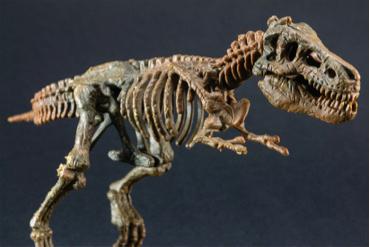
For hundreds of millions of years, dinosaurs roamed the planet. Some weighed up to 80 tons. Some were taller than a six-story building. Then, about 65 million years ago, the dinosaurs started to go extinct. Today, not a single one remains. We only have fossils of their bones. What can fossils tell us about the environment long ago? What killed off the dinosaurs? Scientists do not know for sure, but changing conditions on Earth probably played a big role.
extinct: describes a species that has completely died out
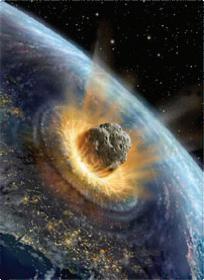
About 65 million years ago, a huge asteroid hit the planet. Also around that time Earth was covered in volcanoes. Events such as asteroid impact and frequent volcanic eruptions likely threw large clouds of dust and ash high into the air. Those clouds could have blocked sunlight from reaching the planet’s surface for months, or possibly even years. Temperatures would have dropped around the world. Many plants would have died, followed by the deaths of plant-eating animals, followed by the deaths of meat-eating animals. Could a chain of events such as this have doomed the dinosaur?
As the dinosaurs died out, however, another group thrived. These animals—the mammals—included the ancestors of modern cats, dogs, whales, elephants, and human beings. These early mammals were small and withstood the climate changes long ago. Why do you think some organisms survive changes to their environment, while others do not? What does this have to do with adaptation?
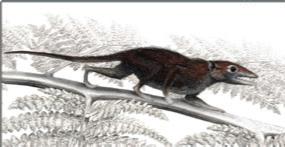
An early mammal was the size of a rat.
What is adaptation? How does it help organisms survive? An adaptation is an inherited characteristic that provides a specific advantage to individuals that have it. An adaptation becomes more common or pronounced in a population because of the advantage it provides. To scientists, an adaptation is any characteristic that helps an organism survive or reproduce. Reproduction is the act of making copies or similar versions of something.
Reflect
STEMscopedia
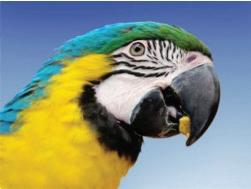
Adaptations can be physical or behavioral. Most adaptations happen slowly—they are traits that are inherited over many generations. Examples of traits include the size and shape of a bird’s beak. In any generation, some birds are born with more powerful beaks. Birds with stronger beaks can eat seeds with harder shells.
Those birds have access to more food than birds with weaker beaks do. They are more likely to survive and reproduce, and some of their offspring will inherit the strong beak trait. Like their parents, these birds will be more likely to survive and reproduce. In each generation, more birds will have stronger beaks. In this way, the adaptation spreads through the population.
trait: an internal or external characteristic or feature of an organism
What Do You Think?
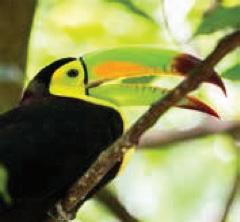
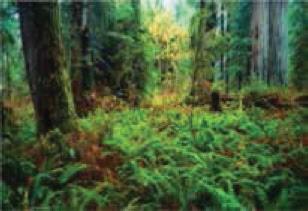
Take a look at the following photographs. How do you think each plant has adapted to survive in its environment?
Organisms inherit many traits from their parents. However, few of those traits become adaptations. Changes to the environment may cause certain traits to be advantageous. Organisms with those traits are more likely to survive and reproduce. Changes to the environment can also make certain traits less advantageous. Organisms with those traits are less likely to survive and reproduce. For example, a rabbit born with a brown coat in a snowy environment will have trouble hiding from predators because it has no camouflage. Only traits that make organisms more likely to survive are truly adaptations.
Two redwood trees in a California forest
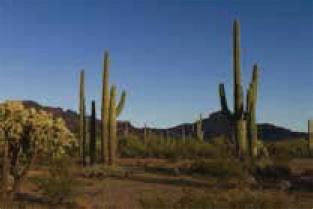
A cactus in an Arizona desert
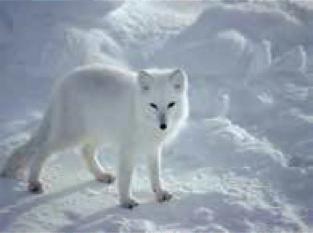
This white arctic fox is camouflaged against the white snow. Look Out!
STEMscopedia
It is important to remember that animals do not choose the traits they inherit. Birds cannot choose to have stronger beaks. Plants cannot choose to grow longer roots. Traits become adaptations only over many years.
What Do You Think?
camouflage: characteristics that blend in with the surrounding environment and increase the chances of survival
What are some examples of plant and animal adaptations?
Plants and animals have specific structures and functions that help them survive in their environments. A structure is a body part—for example, a tail or a leaf. A function describes how something works or what it can do. Monkeys have tails that can grasp tree branches. Plants have leaves that can open to capture moisture from the air.
Animal Behaviors
Animals have to adapt to the changing weather in order to survive. Migration is when an animal moves from one place to another place to survive during a particular season. Describe what you think is happening in the picture on the right. The birds are flying south because it is too cold in the north during the winter months. Birds do not have warm fur to help them survive the winter, so they relocate to adapt.
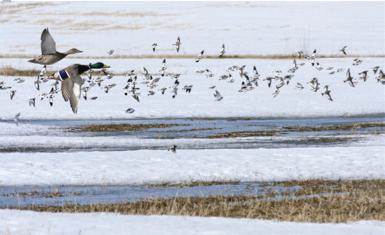
migration: the seasonal movement of animals from one place to another
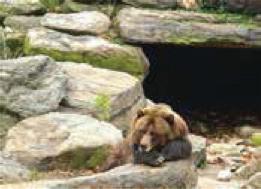
In the photo on the left, the bear is preparing to hibernate, or sleep through the winter. Did you know that bears can hibernate for several months without eating or going to the bathroom? Bears hibernate to survive the winter. Squirrels also hibernate during the winter to keep warm.
mimicry: when an organism copies a characteristic of another organism to increase its chances for survival or reproduction
hibernation: a process by which an organism slows its life functions for an extended period to preserve energy or resist harsh conditions
Adaptation is so important that, in order to survive, some animals will act like another animal or organism to blend in. This is called mimicry, which comes from the word mimic, which means to copy. Mimicry helps prey ward off predators that want to attack or eat them. For example, animals mimic specific actions, sounds, and behaviors of organisms around them to distract or hide from predators.
predator: an organism that hunts prey: an animal that is hunted as food
Reflect
STEMscopedia
Physical Adaptations: Animal Feet
Let us take a closer look at physical adaptations of animals by looking at a specific structure: the foot. How do foot adaptations help animals survive in their environment?
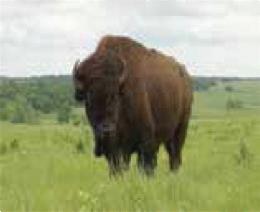
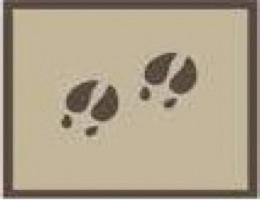
Bison, also called American buffalo, can weigh more than 2,200 pounds. They need strong, sturdy feet to support their great bodies. But bison hooves have other uses. Bison live on the prairies of midwestern America. In the winter, they use their hooves to clear snow from the ground. They can then eat the grasses underneath. Bison also use their hooves as weapons against predators. A swift kick can cripple or even kill a wolf or a bear.
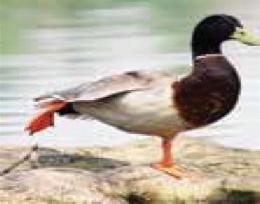
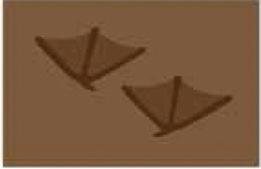
Ducks, like other birds that swim, have webbed feet. If you have ever worn flippers while swimming, you understand the advantages of webbed feet. Thin flaps of skin connect a duck’s front toes. This webbing helps the duck to propel itself through the water. Some ducks also spend time perched in trees. Those ducks use their sharp claws to grip tree branches more securely. Have you ever wondered how ducks can walk on icy surfaces? Birds have very few blood vessels or nerves in their feet. Therefore, their feet do not get as cold as human feet do.
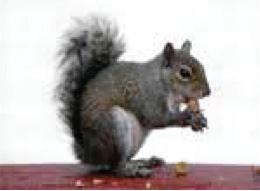
Squirrels spend much of their time in trees searching for food and hiding from predators. They must be able to climb up and down quickly and leap from branch to branch. Squirrels do these things with help from their feet. Squirrels have five claws on each hind foot. They also have very flexible ankles. A squirrel can press its hind feet flat against a tree trunk, digging its claws into the bark as it climbs. On each front foot, squirrels have four long fingers with claws and a short thumb. A squirrel uses its thumbs to hold nuts and other food as it eats.
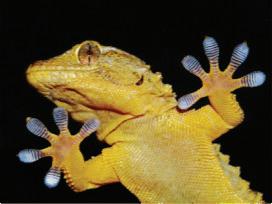
Geckos are small lizards that have unusual feet that can stick to vertical surfaces.
Reflect
STEMscopedia
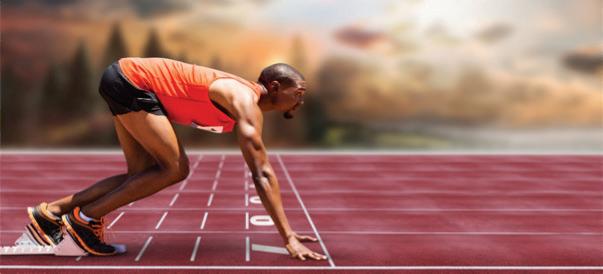
Look at the racer in the picture. If you raced against this runner, who would win? Do you think you can run faster than he can? The runner in the picture has some advantages over you. He is taller, stronger, and probably faster. He is more likely to win the race.
Animals within a group can have advantages, too. Some members of a group may have traits that are slightly better than other traits. These small differences in traits may help those organisms survive and reproduce. When those organisms reproduce, the best characteristics and behaviors are passed on to their offspring and future generations.
What Do You Think?
What characteristics and behaviors help the fittest to survive?
Being the biggest, strongest, or fastest is very important to the survival of animals. This is true for both the hunter and the hunted.
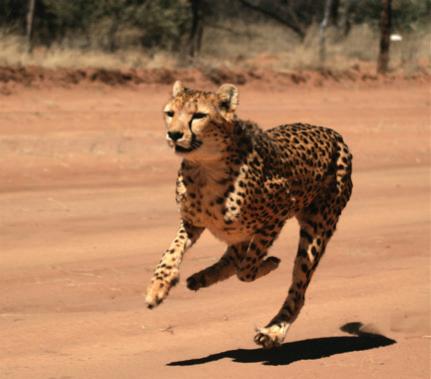
When this cheetah hunts, its average speed is 40 miles per hour (mph), but in short sprints it can run up to 70 mph. The cheetah’s body is perfect for running. It has a small head, a sleek build, and a long tail that helps it keep its balance. The animal the cheetah is chasing has to run at least that fast or be caught.
Do you think the cheetah will chase the fastest gazelle? Not likely! The cheetah will probably chase a slower, weaker gazelle to have a better chance of catching it. If that happens, the faster gazelles will survive the attack and have a chance to produce offspring.
When an animal reproduces, it passes on its traits to its offspring. If it is a strong, fast animal, passing on those traits will help keep the species healthy. The slower cheetahs and gazelles will not be as successful and will die out, leaving the healthy animals to reproduce.
Reflect
STEMscopedia
How do animals choose mates?
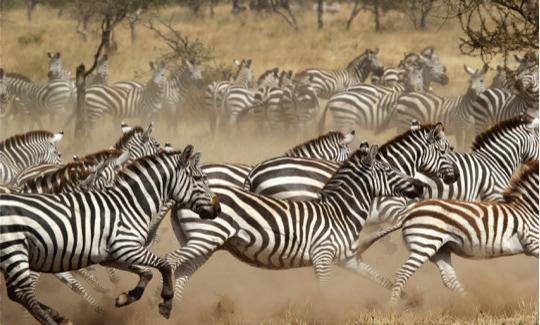
Size and strength are important characteristics of successful hunters. Those characteristics are also important for male animals when it comes to finding and keeping mates. In many species, the males must prove that they are strong and healthy. The females want to mate with the fittest male they can find so they can have healthy offspring. If a male zebra is strong and fast, he will likely pass those traits on to his offspring. Passing on adaptations designed to attract mates is good for the future of the zebra.
Try Now
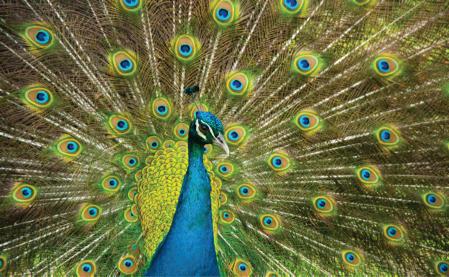
In some species of birds, it is not the size or strength of the male that wins a mate, but its appearance and behavior. The peacock has to impress the females with his colorful tail and his ability to display feathers. Some male birds have to be the best singers or dancers to find a mate.
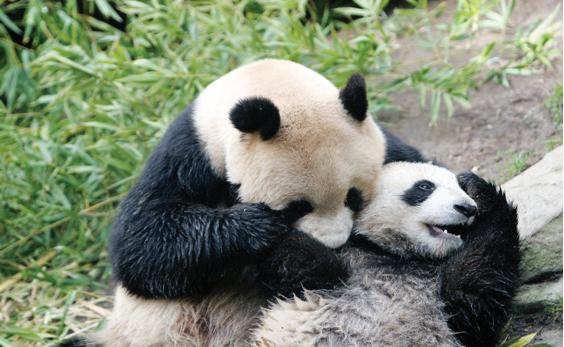
What is your favorite animal? Use the Internet to find answers to these questions:
• Does your favorite animal have any special characteristics or behaviors that help it survive?
• Does it have any special ways of winning a mate?
• What type of home does it have in the wild?
• How does it protect and feed its offspring?
Look Out!
STEMscopedia
Occasionally, baby animals are born without their natural coloring. This can be a survival problem because they do not have the natural camouflage. Here you see a white lion cub. Compare it to the two lion cubs with their mother in the other picture.
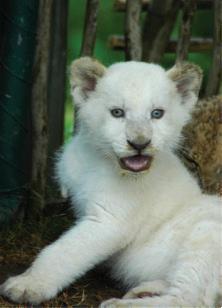
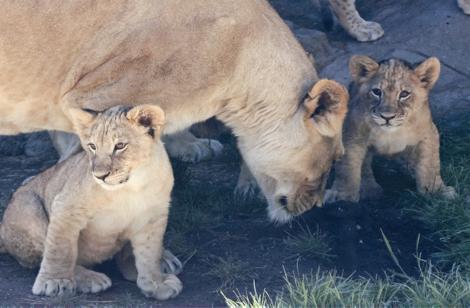
What problems can this color change cause for the young lion? If the cub survives to adulthood, what problems will its coloring cause when it hunts? Do you think other lions would want to mate with a white lion? Why or why not?
What Do You Think?
Even plants have characteristics and behaviors that help them survive.
Plants are often food for animals. Some plants have developed thorns or spines as protection from animals—the larger the thorns or spines, the better chance the plant has of surviving. Common plants with thorns or spines are roses and many varieties of cactus.

In dark tropical forests, several kinds of plants known as “strangler figs” have developed a way to get the most sunlight. Their seeds are dropped in the treetops by birds and monkeys. When the seeds sprout, the roots grow down to the jungle floor. The host tree is wrapped in the roots and sometimes dies as the leafy part of the strangler grows upwards toward the light.
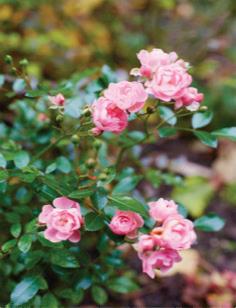
The creosote bush lives in desert environments in southwestern North America where water is scarce. To make sure it gets enough water, the creosote bush keeps other plants from growing nearby. Its root system is so good that other plants cannot successfully take root near the creosote bush.
Try Now
STEMscopedia
An adaptation is a characteristic that helps an organism survive in its environment. Study the photographs of the four environments below. Then read the characteristics in the boxes. Decide which characteristics are common adaptations for plants or animals in each environment. Write your answers in the spaces beneath each photograph.
Characteristics
• Good sense of balance
• Broad, flat leaves
• Ability to absorb oxygen from fresh water
• Leaves that remove excess salt
• Strong, sturdy roots and trunks
• Thick, white fur
• Ability to absorb oxygen from salt water
• Roots that cling to narrow gaps in rocks
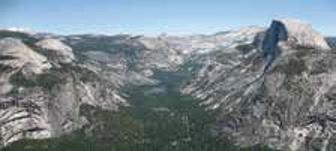
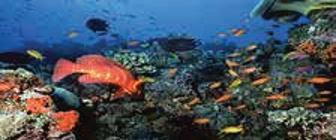
Arctic Forest Pond
Adaptations for Plants Adaptations for Animals Adaptations for Plants Adaptations for Animals
Mountain Coral Reef
Adaptations for Plants Adaptations for Animals Adaptations for Plants Adaptations for Animals
STEMscopedia
Connecting With Your Child Adaptations Close to Home
To help your child learn more about adaptations, go on a hike to a nearby ecosystem (field, forest, pond, stream, park, etc.). Instruct your child to describe the nonliving parts that make up the ecosystem. (Nonliving parts of an ecosystem are called abiotic features.) For example, a stream is made up of water, rocks, soil, mud, sticks, and dead leaves. Encourage your child to be specific and to describe as much of the ecosystem as he or she can safely explore. For example, your child may note how quickly the water in a stream is flowing or how cool or warm it feels.
Then instruct your child to describe the plants there and to hypothesize, or guess, how the plants are adapted to survive in the ecosystem. Finally, instruct your child to hypothesize what kinds of animals live in the ecosystem and how those animals are adapted to survive there. (Plants, animals, and other living parts of an ecosystem are called biotic features.) If you see any animals while exploring, remind your child not to approach or touch them. In addition, remind your child to not disturb the ecosystem while exploring. Make sure your child does not take anything home.
When you return home, research together the ecosystem online to compare your child’s hypothesized plants and animals with the plants and animals that actually live there. You may be able to find this information on the website of a local government or conservationist group.
Here are some questions to discuss with your child:
1. How are the plants that live in the ecosystem adapted to survive there?
2. How are the animals that live in the ecosystem adapted to survive there?
3. Select an adaptation that you observed. How long do you think it took for this adaptation to spread through the population of organisms?
4. Imagine that the ecosystem changes in some way. For example, suppose the water level in the stream falls. What traits would make plants and animals more likely to survive in that changed environment? What traits would make plants and animals less likely to survive?
Reading Science
Lone Star Dinosaur
1 Dinosaurs lived many millions of years ago. Once, a female dinosaur went in search of food. She walked along a streambed in a particular area. That region is now known as the state of Texas. She had the company of other dinosaurs. Some time later, she and the other dinosaurs decided that it was time to eat food. Their young wandered off in search of plants close by. The adults surrounded them by making a circle to keep them safe. They did not want predators to harm them. When it was time to leave, the dinosaurs walked through the soft mud of the streambed. They had no idea that they were leaving tracks behind them.

2 The footprints left by the dinosaurs lasted for a long time. About 110 million years later, scientists made a discovery. They found tracks near Glen Rose, Texas. They also found dinosaur bones. They studied the tracks and bones closely. They gave this dinosaur the name Pleurocoelus [PLOOR-oh-SEEL-us]. Later, they found the tracks of another dinosaur. To them, it seemed that this dinosaur was chasing Pleurocoelus!
3 We cannot be sure of what exactly happened. Scientists called paleontologists study dinosaurs. Scientists would be excited if they could see a living dinosaur. They would know for sure what it ate and how it behaved. Unfortunately, this is not possible. The best that they can do is gather clues that dinosaurs left. These give scientists information about what dinosaurs’ lives were like.
Reading Science
4 Scientists use clues to understand dinosaurs. Tracks in the mud can tell them about this kind of animal. The size of the footprint gives an idea about the size of the dinosaur. The distance between their tracks can tell if it was walking or running. If scientists see many footprints, they can tell for sure that the animal lived in a group.
5 Paleontologists use other clues as well. They can figure out what dinosaurs ate. The Pleurocoelus, for example, had weak teeth. Scientists can say for sure that the animal was an herbivore, or plant eater. The dinosaur’s teeth were not strong and sharp like those of a meat-eating carnivore.
6 Dinosaur bones and tracks have given paleontologists a good picture. They can tell for sure that the Pleurocoelus was a quadruped. This means that it had four legs. They can be certain that the female weighed close to 20 tons. That is about the same size as 10 small cars. They concluded that the front legs were longer than the back legs. It had a long neck like a giraffe. The head was small and narrow. In other aspects, the dinosaur was different from a giraffe. She had a bulky body with a long tail.
7 These findings of dinosaur tracks and bones were very interesting. The state of Texas passed a bill that led to Pleurocoelus being made the official Lone Star State dinosaur. The place on the streambed where they found dinosaur tracks is now Dinosaur Valley State Park. Many visitors go there to see the footprints for themselves. In fact, this park is one of the best places to see dinosaur footprints. You can visit this place to check out the tracks for yourself. Make sure to call in advance. The tracks are in the riverbed. When the river is too high, it is not possible to see the tracks.
Reading Science
1 Which of the following was not true of Pleurocoelus?
A It had weak teeth.
B It had a long neck.
C It had four legs.
D It did not have any predators.
2 How do you think scientists know the carnivore was chasing Pleurocoelus?
A The carnivore tracks came behind the Pleurocoelus tracks.
B The carnivore’s teeth were found near the Pleurocoelus.
C The Pleurocoelus was protecting its young.
D The carnivore was small.
3 Why did the author probably write this passage?
A To tell a story about a mother dinosaur
B To describe how clues from fossils can tell us about the past
C To persuade the reader that the Pleurocoelus should be the state dinosaur
D To give information about Dinosaur Valley State Park
Reading Science
4 Which of the following is a quadruped?
A A human
B A parrot
C A horse
D A tree
5 What is something a paleontologist probably would not do?
A Look at fossilized bones
B Try to use dinosaur tracks to find out what the dinosaur weighed
C Hide fossils so no one else could find them
D Measure the distance between dinosaur tracks
Open-Ended Response
1. When people build a dam, it changes the habitat around the dam. Draw and explain how that change can be harmful to organisms. Draw and explain how that change can be helpful to organisms. Be specific.
HARMFUL HELPFUL
Open-Ended Response
2. Changes in habitats cause animals to respond. How might animals respond to days becoming shorter and temperatures becoming colder as winter approaches? Draw and explain two different animal responses.
Open-Ended Response
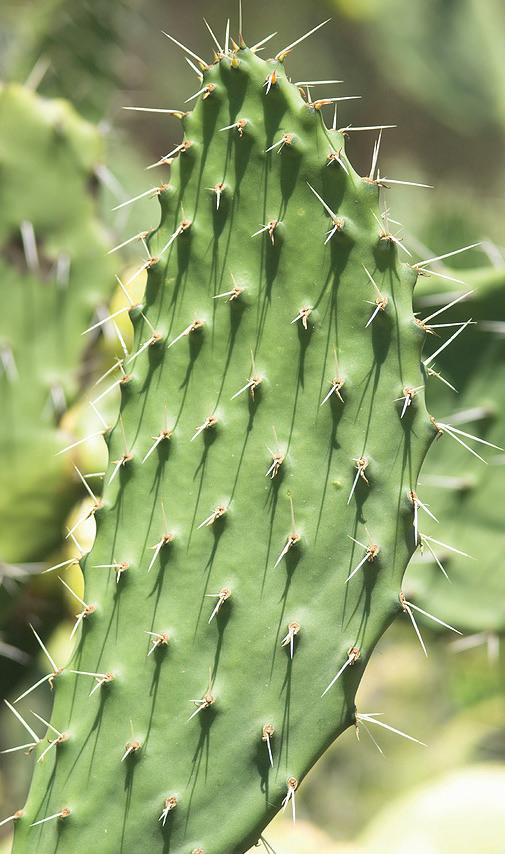
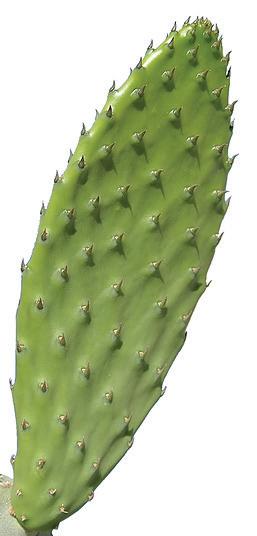
3. These prickly pear cacti show variation in the length of their spines. Which cactus (1 or 2) would be most likely to survive and pass on its characteristics to its offspring? Why?
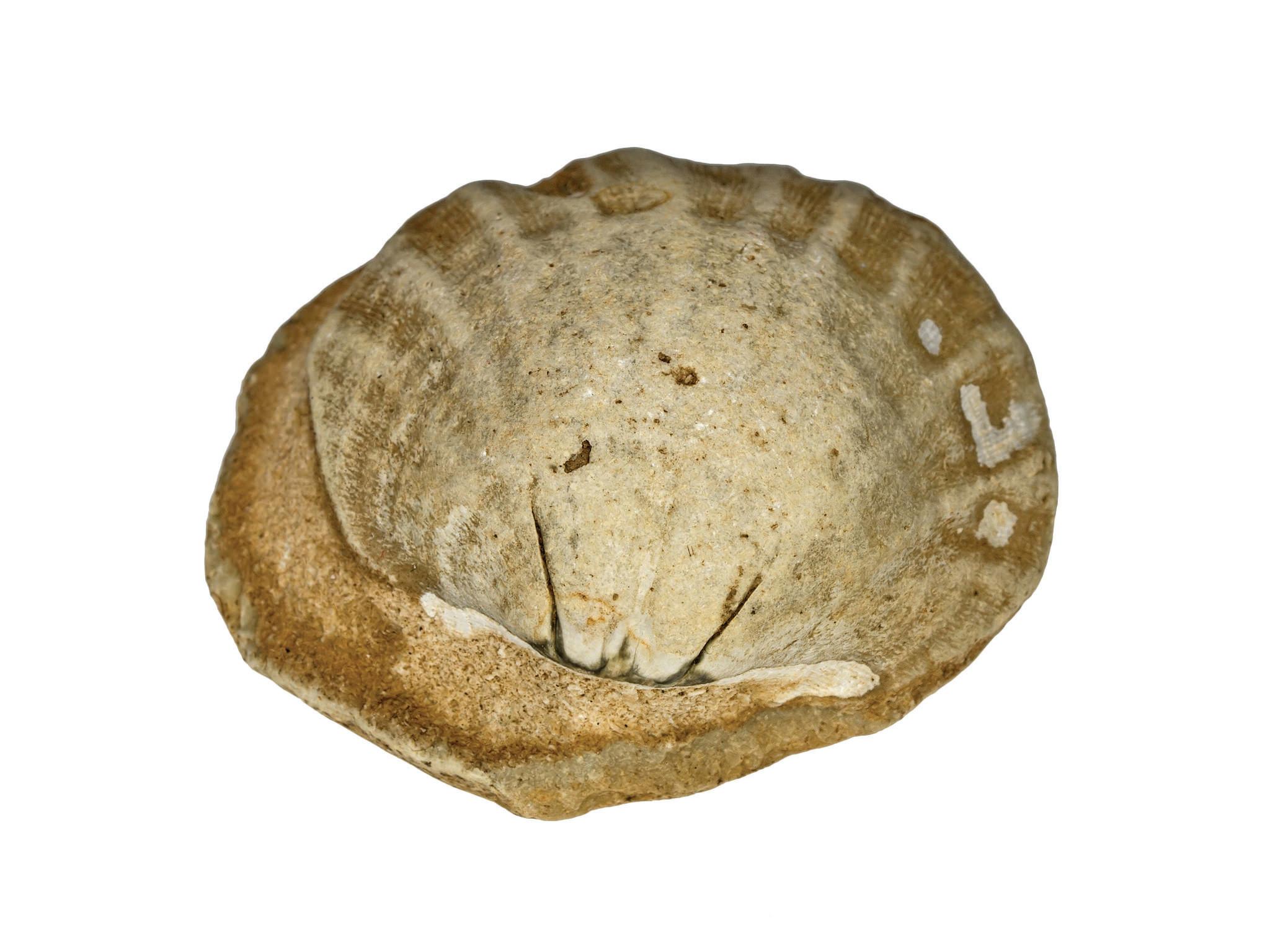
4. Environments face changes over time. This fossil was discovered in the middle of a desert. What does the fossil tell us about the early environment of the location in which it was found?
Claim-Evidence-Reasoning
Scenario 1
A species of moths live in a forest and are a food source for birds. The bark on the trees is light in color, but the moths themselves can be light or dark in color. A factory was recently built near the forest. The factory releases a black ash from its smokestack during production. The nearby trees now have a dark coating of black soot on them. An entomologist, or scientist who studies insects, observed and tracked the changes to the moth population for one year after the factory was built. Below is the entomologist’s data. Use the data table to make your claim.
External Data 2
Claim-Evidence-Reasoning
Prompt 3
Claim: Write a scientific explanation that describes how the population of moths changed after the factory was built. Make a claim and state your evidence and reasoning.
Evidence:
Reasoning:

Explore 1
P.3.5 States of Matter
Changing States
Fill in the first two columns before adding heat. Fill in the last two columns after adding heat. Item Current State of Matter Predict Change State of Matter after 5 Minutes Change in Particles
Ice Chocolate Chips Marshmallows
Glue Stick
Gummy Candy
Draw three items before adding heat.
Draw the three items after adding heat.
Explore 1
Predict what will happen when heat is removed. Record what happens after heat is removed.
Item Predict Change State of Matter after 5 Minutes Change in Particles
Ice Chocolate Chips
Marshmallows
Glue Stick
Gummy Candy
Draw the three items after heat is removed.
What happened to the particles when you added/removed heat? Why did this happen?
What would happen if heat were added/removed for 30 minutes instead of 5? Why?
Explore 2
Explaining Something That Cannot Be Seen
PART I
1. Using the first piece of straw, taste the water in your cup by placing the straw in the cup and covering the top hole with your finger. While keeping the hole covered, lift the straw and release the water into your mouth.
2. Record your observations in the data table below. Throw the used straw in the trash.
3. Use tweezers to put a small amount of sugar on your finger and taste it. Record your observations in the data table below.
4. Measure 5 mL of sugar into the medicine cup.
5. Pour the sugar into the clear plastic cup.
6. Measure 250 mL of water into the graduated cylinder.
7. Slowly pour the water into the cup with the sugar.
8. Have one student stir the water and sugar until the sugar is dissolved.
9. Taste the solution with your second piece of straw. Record your observations in the data chart below.
Explore 2
PART II
Draw and explain particles and their behavior for each state of matter.
Draw your model for each state of matter. Think about what materials you will use to build it and what materials you will use to represent the particles in each state.
What makes an object solid?
Explore 2
Liquid
What makes an object liquid?
Gas
What makes an object gas?

STEMscopedia
Reflect
What do ice cream, root beer, and carbon dioxide gas have in common? These ingredients not only combine to make a root beer float on a hot summer day, but also exist in different states: solid, liquid, or gas. Matter can be found in many shapes, sizes, and forms. For example, the ice cream is solid, the root beer is liquid, and the stuff that makes the root beer fizz is a gas. The particles inside the solid, the liquid, and the gas are moving at different speeds and take up different amounts of space. In a solid, there is very little space between the particles, which are just vibrating in place. However, in a liquid, the particles are farther apart and moving freely. In a gas, the particles are the farthest apart and are moving more quickly.
What is matter?
Simply put, matter is the stuff that every physical thing is made of. Anything that has mass and takes up space is matter. Matter can be described and classified by its properties. A property is a characteristic or feature of a substance or an object. One of those properties is its state of matter—solid, liquid, or gas.
What Do You Think?
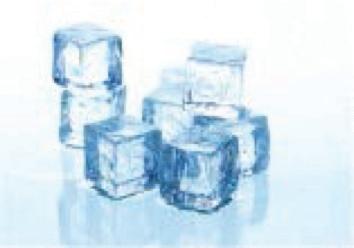
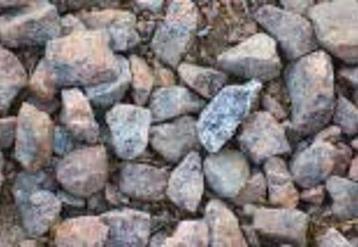
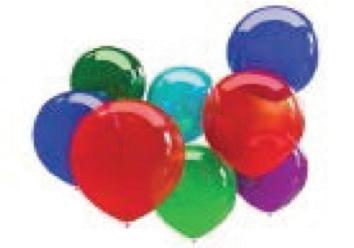
Take a look at the following things. Describe the properties of each. What does it look like? How do you think it would feel in your hands? What other senses can you use to describe it? Imagine you have a strip of paper 10 feet long, and you cut it in half. Then you cut one-half of that paper strip in half. You keep cutting each half into halves. Would you ever run out of paper to cut?

Look Out!
STEMscopedia
The answer is no. Your scissors might be too big to keep cutting, but there would always be matter left that you could cut in half. All matter is made of particles that are too small to be seen individually. Even when you have cut the tiniest sliver of paper possible with your scissors, there are paper particles left to be cut in half.
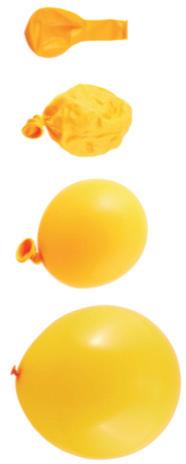
We may not be able to see the particles in matter, but we know they are there. Gases in the air are difficult to work with because they are invisible. We can tell there is air in a balloon because we can feel it escape when we open the end. We don’t have to see it to know it is there. If we add air to a basketball or soccer ball, the ball will expand. This tells us there is air in the ball. We may not be able to see air, but we can see evidence of it by observing how it affects objects.
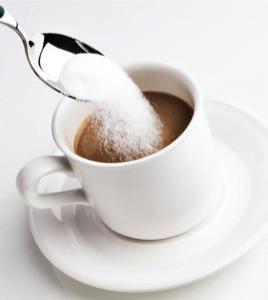
Some matter seems to disappear into other matter. Putting sugar or salt in water will cause the sugar or salt to dissolve. We know that the sugar or salt is still in the water, even though we cannot see it. The particles are now very small, but we can taste them. If we allowed the water to evaporate, or turn into a gas, the sugar or salt would be left behind. Look at the sugar being poured into the coffee. How will the coffee taste?
Reflect dissolve: to spread out evenly in a liquid; to make a solution
Try Now
Choose a small, everyday object and observe it under a microscope. What do you see? Describe your observations below.
Reflect
STEMscopedia
How is matter classified?
Physical properties can be observed and measured. You can observe some physical properties of matter—such as size, color, and shape—by using your senses. You can use science tools to measure other physical properties of matter. Matter can be in one of three states: solid, liquid, or gas.
• A solid has its own shape and takes up a specific amount of space. The particles in a solid just vibrate. A book and a pencil are solids.
• A liquid also takes up a set amount of space, but it does not have its own shape. It takes the shape of whatever container it is in. The particles in a liquid move about freely. At room temperature, milk and water are liquids.
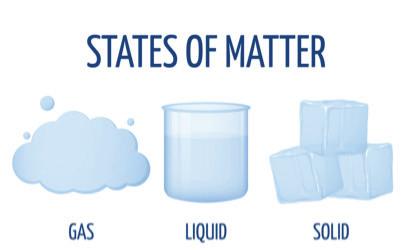
• A gas has no definite shape. Gas particles move quickly and fill up any available space. A gas takes the shape and fills the entire space of whatever container it is in. When you blow up a balloon with air, the shape the balloon takes is due to the air that is inside it—the more air, the bigger the balloon is.
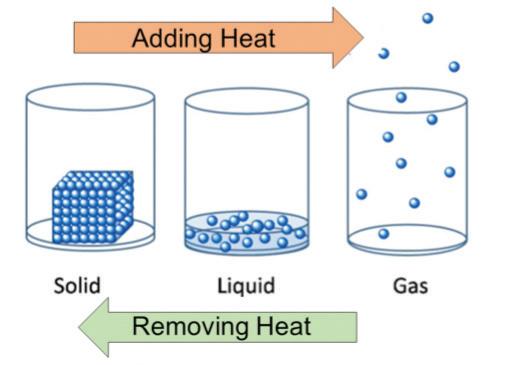
Matter changes states because heat is added or removed! A common mistake is to think that “cold” is added when the temperature goes down. Actually, heat is being removed when something gets cold. We know that all matter is made up of tiny particles that we cannot see. Did you know that those particles are moving? The characteristics of each state of matter depend on how its particles move.
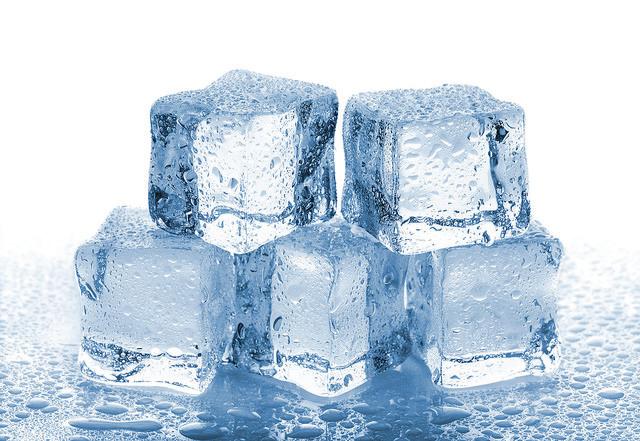
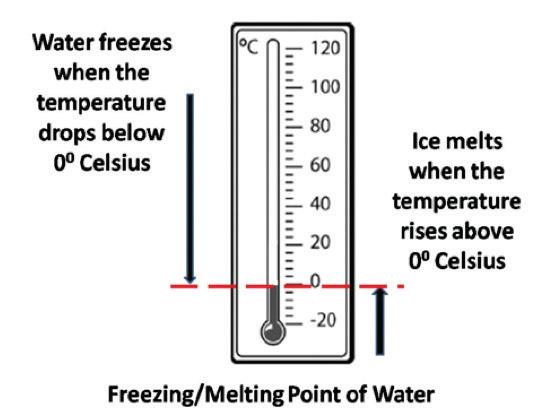
Think about an ice cube made of water particles. When heat is added, the ice melts. It becomes a liquid when the temperature rises to the melting point (above 0°C). The particles in the liquid are still water particles, but they are moving around more than they were when they were in ice. If more heat is added, the water becomes a gas (water vapor). The gas is still made of water particles, but the particles are moving around quickly and filling up whatever space they are in.
Look Out!
Reflect
STEMscopedia
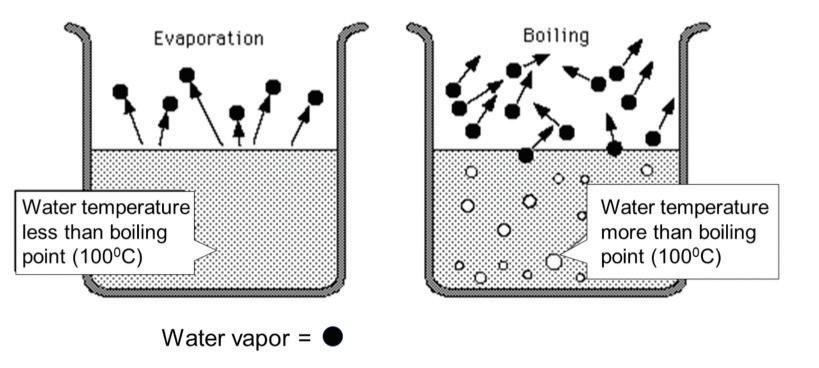
Adding Heat
When heat is added to water so that the temperature is less than 100°C, particles of water vapor (gas) can escape at the surface. This process of a liquid becoming a gas is called evaporation. However, if you add enough heat to make the temperature reach 100°C, you have arrived at the boiling point of water. Little bubbles start to form throughout the water. The bubbles of water vapor rise and rapidly escape into the air in a process called boiling.
Removing Heat
Heat can also be removed from a water vapor (gas). The cooler temperature slows down the particles until they become a liquid. The process of a gas becoming a liquid is called condensation. You have seen little droplets of water form on the outside of a cold glass containing ice and a beverage. This is condensation. The water vapor in the air condenses onto the cold glass. Usually you put the glass on a coaster to absorb the extra moisture. When enough heat is removed from water so that the temperature is less than 0°C, the water freezes and becomes a solid. A freezer has to have cold enough temperatures to reach the freezing point of water.
Try Now
STEMscopedia
What Do You Know?
Matter can change state from solid to liquid to gas. Adding or removing heat causes these changes to happen.
1. Decide whether each picture shows melting, freezing, evaporation, or condensation.
2. Describe the change of state taking place.
3. Decide whether heat is added or removed in the process.
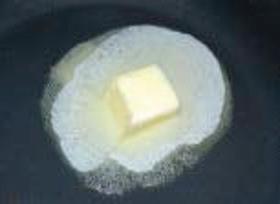
_____________________ . 2. The change is from ______________to_______________. 3. Heat is _________________________.
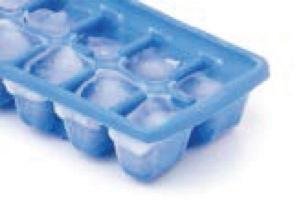
This shows _____________________ .
2. The change is from ______________to_______________.
3. Heat is _________________________.
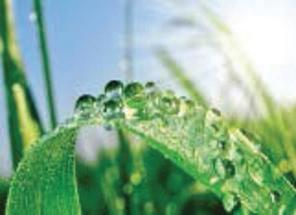
This shows _____________________ .
The change is from ______________to_______________. 3. Heat is _________________________.
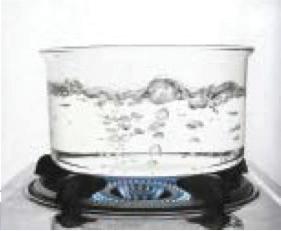
1. This shows _____________________ . 2. The change is from ______________to_______________. 3. Heat is _________________________.
1. This shows
1.
STEMscopedia
Connecting With Your Child
Changes from Cooking
To help your child learn more about changes from heat, cook with him or her in the kitchen. Prepare a few simple dishes that involve changing food into different states of matter. For example, a simple pasta dinner includes several opportunities to observe changes from heat. Help your child boil water for pasta. Encourage your child to predict what will happen when heat is added to the water.
Then have your child observe and describe what he or she sees. Point out that the bubbles in the water indicate that gas is forming through evaporation. Also, if there is a lid on the pot, point out the condensation occurring on the inside of the lid when the hot vapor touches the cooler lid.
To learn more about freezing, make juice Popsicles for dessert. Have your child pour juice into ice cube trays, cover them with foil, and then poke a toothpick into each square to make the handle. Place the trays in the freezer to solidify. Have your child check on the Popsicles as they freeze and observe how they gradually solidify. Have your child predict what will happen when you eat the Popsicles. Encourage your child to describe the changes of state that occur in the mouth when we eat frozen foods and how heat is transferred between a warm tongue and cold food.
Here are some questions to discuss with your child:
• How does cooking cause a change of state?
• Which changes of state required the addition of heat? Which needed heat to be removed?
• Where else can we observe melting, freezing, condensation, and evaporation around the house or in our daily lives?

Reading Science
The Great Ice Challenge
1 The third-grade class at Eagle Lake Elementary was learning about the states of matter. They learned that matter was anything that contained mass and had volume. Their teacher, Ms. Jones, also told them that matter could change state, or form, depending on the temperature.
2 “That does not make any sense,” said Ivan. “A chair will always be a chair, air is always air, and I am always Ivan. I have never seen any of these change state.”
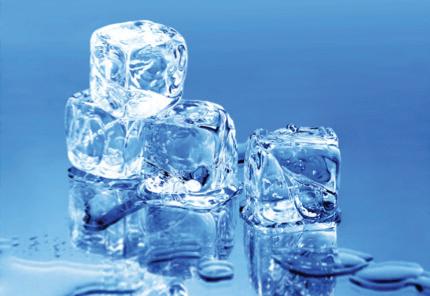
3 “Hmm,” said Ms. Jones. “What if I can prove you wrong?”
4 The kids were excited because this sounded like an interesting challenge.
5 Ms. Jones showed them an ice cube on a tray. “Is this ice cube matter?” she asked them as she held up one of the ice cubes.
6 “Sure,” said Tamara. “It definitely has mass because we can weigh it, and it also has volume because it takes up space. That ice cube is in a solid state of matter.”
7 “Great. So we all agree that this is matter,” Ms. Jones said. “I removed it from the cafeteria freezer, so let us observe what happens as it warms up.”
8 The third-graders got out their observation notebooks and watched closely. They took notes as the ice cube began to drip, creating a small puddle in the middle of the tray. Tamara guessed that the ice cube might melt even faster if they raised the temperature.
9 “That is an interesting idea, Tamara,” Ms. Jones said. “Can you think of a way that we might test your guess?”
10 “I know!” said Tamara. “The overhead projector always heats up when we are using it. Let us place the tray on there and watch what happens.”
Reading Science
11 Ms. Jones put the tray on the overhead projector. The increase in temperature did make the ice cube melt faster, just as Tamara guessed. In the short amount of time since the ice had been removed from the freezer, the ice cube melted completely, and all that remained was a puddle of water.
12 “OK,” said Ivan. “I understand what you are saying. Melting is one way that matter can change state.”
13 “Yes,” said Ms. Jones. “Even the chair can change state. It is made of metal and plastic. If I heated it to a high enough temperature, the metal and plastic would melt and become liquid, just like the ice.”
14 Connor said, “OK, so any type of matter can change its state.”
15 “You said even air can change,” said Ivan. “You still have not proved your point.”
16 “Just wait until tomorrow,” said Ms. Jones.
17 The kids packed up to go home and Ms. Jones left the tray of water out on the table overnight. The next morning when the students returned to school, they noticed that the tray that had contained the puddle of water was dry!
18 “What happened?” asked Tamara.
19 “I bet I know!” said Ivan. “Heat caused the water to evaporate, and the liquid became a gas.”
20 “Right. So where is the water now?” asked Ms. Jones.
21 “It is . . .” Ivan realized he had been beaten. “The water is in the air. So now the air contains more water vapor than it did yesterday, and we lose the bet.”
22 “Yes,” said Ms. Jones. “The ice cube was in a solid state and then, due to adding heat, it melted into a puddle of water, which is a liquid state. Then overnight, the temperature in the room caused the liquid to evaporate and become water vapor, which is a gas.”
23 “However, the most important thing is that you are thinking like scientists, so I am going to give you that extra recess anyway.”
24 All the kids cheered.
Reading Science
1 Here are some dictionary definitions of the word state:
1 A nervous feeling 2 A territory of the government
3 The forms of matter
4 A part of the United States of America
Which definition is closest to the way the word state is used in the following sentence from Paragraph 1?
Their teacher, Ms. Jones, also told them that matter can change state, or form, depending on the temperature.
2 Which term should be placed where the arrow is?
Reading Science
3 What was Tamara’s hypothesis (guess)?
A The ice cube would evaporate.
B The ice cube would refreeze if they put it in the freezer.
C The ice cube would melt faster if they put it outside.
D The ice cube would melt faster if the temperature was raised.
4 Why did Ms. Jones give the students recess even though they lost the bet?
A She was proud of their thinking.
B She wanted to take a break on Friday.
C She always let them have extra recess on Fridays.
D They had behaved well.
5 In this story, what did Ivan learn?
A Always bet against Ms. Jones.
B Ms. Jones never keeps her promises.
C Matter can change its state, even though you may not be able to see it happen.
D Matter never changes.

Open-Ended Response
1. What will happen to the water in the beaker if it is heated to a temperature of 100°C?
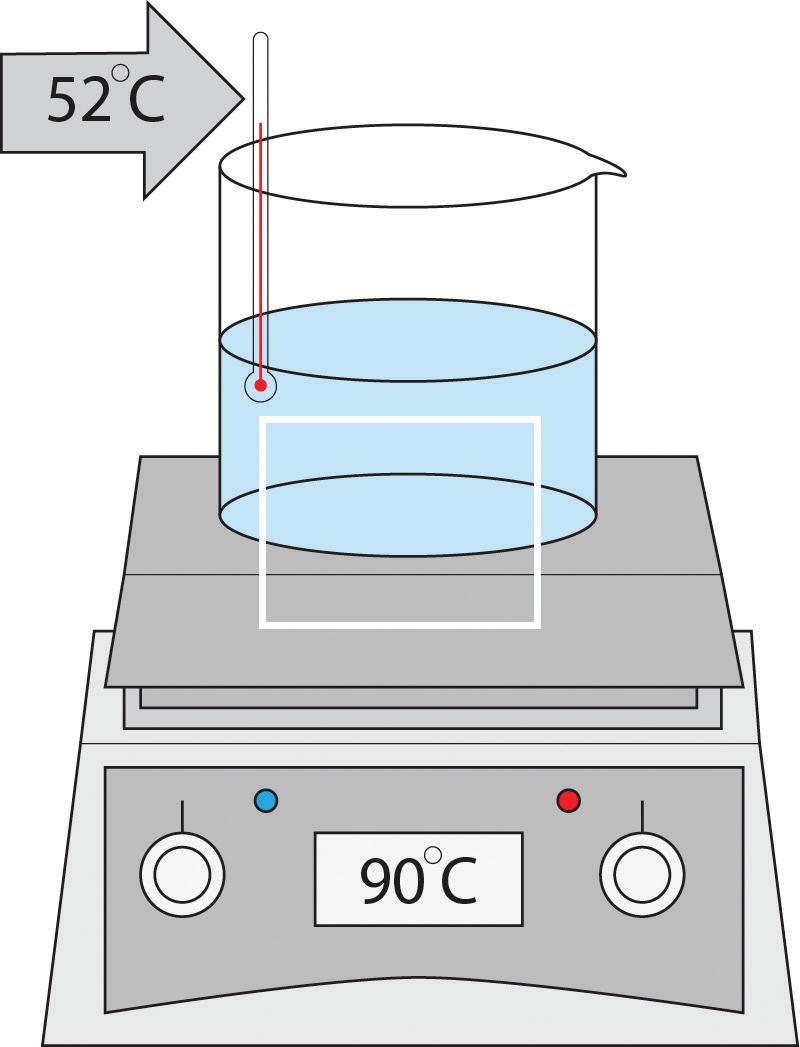
2. A teacher placed an ice tray filled with cold water and an ice tray filled with warm water in the freezer. At what temperature will each tray of water freeze? Explain.
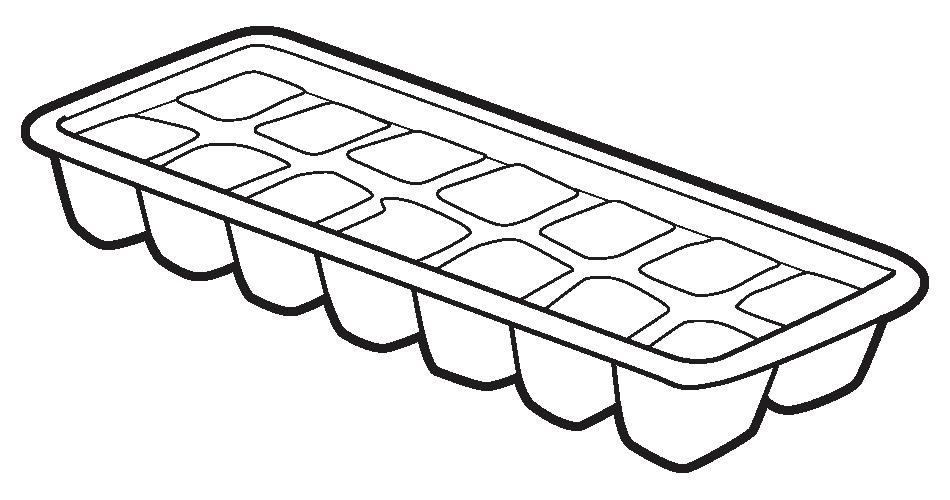
Open-Ended Response
3. How does a balloon change shape when it is blown up? Explain what is happening inside the balloon.
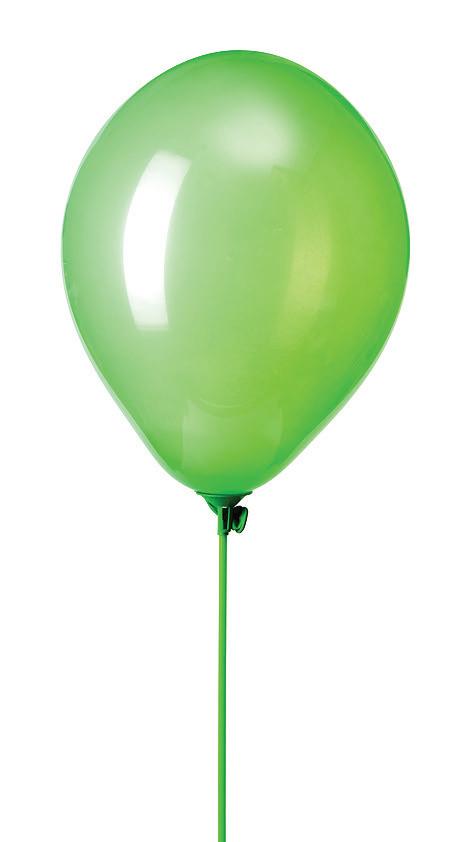
4. Describe how the particles of water move when it is ice, liquid, and vapor. What do you notice happens to the motions of the particles as heat is added?

In science class, Jamie is learning about the states of matter: solid, liquid, and gas. The teacher explains that states of matter change when heat is added or taken away. For example, when heat is added to a solid ice cube, it will melt into a liquid state.
Jamie’s teacher shows the class a pot of boiling water. The burner beneath it is giving off heat, causing the water to boil.
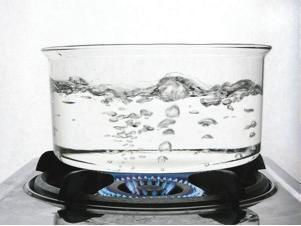
Write a scientific explanation for what will happen if the water is left to boil for a long period of time. Where will the water go? What will be its state of matter?
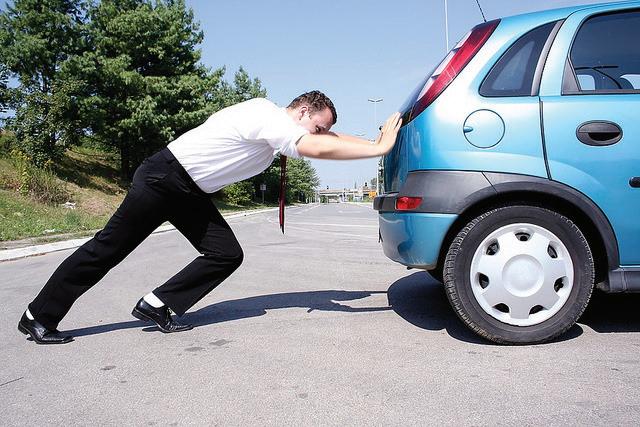

Student Handout
Lift the ruler parallel to the ground. Draw and describe the direction in which the objects hang.
Lift the ruler at three different angles. Draw and describe how the objects hang.
Hook
Wave your magnet wand over the objects. Draw your observations below.
How did the magnet affect each object differently? Why do you think this is?
Reflection
1. Did the tilt of the ruler affect how the objects hung from the ruler? Explain which force causes this?
2. Why aren’t humans affected by magnets in the same way as the objects on the ruler?
3. Give three examples of evidence of gravity and magnetism in your everyday life.
Explore 1
Magnets and Gravity
Station I: Marshmallow Catapult
Measure and draw the distance of the path the marshmallow took when you launched it using different amounts of force.
Launch on Desk
Draw Draw
Measurement/Description
Launch on Floor
Measurement/Description
1. Compare and contrast the differences in the paths the marshmallows took when launched using different amounts of force.
2. What is happening each time the marshmallow is launched toward the ground? Onto the desk?
Explore 1
Station II: Exploring Magnets
1. What did you discover about the way magnets interact with each other?
2. In the box below, draw what happened when you tried to move one magnet with the other magnet without them touching.
3. What happens if the north pole on a magnet is close to the north pole on another magnet?
4. What happens if the north pole on a magnet is close to the south pole on another magnet?
5. Did you find any items that used magnets today that surprised you? Why or why not?
Explore 1
Station III: Friction
1. Draw ramps with different surfaces.
2. Predict which surface type will come in first, second, and third and the time it will take .
Predict: _________________ Predict: _________________ Predict: _________________
3. Which ramp/surface type came in first, second, and third place?
Result: _________________ Result: _________________ Result: _________________
4. Why do you think each ramp type placed first, second, or third?
Explore 1
Reflection
1. Lola is new to softball. She is practicing pitching a ball. She notices that the ball is falling to the ground before reaching the batter. What is wrong? What does she need to change? Use what you know about force and gravity to help her get the ball to the pitcher.
2. Shawn’s dad puts sand on the icy driveway. What effect does the sand have? Why can’t he leave the ice on the driveway as is?
3. Draw new ways of using magnets. Use your imagination to find new ways to use magnets in the real world.
Explore 2
Magnets
Research
Write down which profession your group will research.
Name three different sources you will use to gather information on how someone in this profession uses magnets every day.
Record and draw different ways in which magnets are used every day in this profession.
Explore 2
Interview
Write down 5–10 interview questions you would ask a professional in this job about how they use magnets every day. Write the answer to each question below.
Explore 2
Reflection
1. Write down how three other professions use magnets every day.
2. What new or surprising information did you learn in doing this research project?
3. Explain how you think you will use magnets in your future as a professional.
Explore 3
The Problem:
Keep My Cabinet Closed!
People are having issues keeping their kitchen cabinets closed at all times. As a result, their pets are getting into the cabinets and eating the food. The people have tried several ways to keep the cabinets closed, but their pets continue to open the cabinets and eat the food.
The Challenge:
Design and construct a prototype using common household items, including magnets, to keep the cabinets closed.
Criteria and Constraints
1. Must use items provided by the teacher
2. Must design, construct, and revise within one hour
3. Must not be longer than six inches and must not be wider than three inches
4. Must be able to allow humans to open the cabinets with ease but not allow pets to open the cabinets
5. Must include at least one magnet
Brainstorm and Research
Write down any ideas you have about how you could master the challenge. If you need more information, write down what you need to know, and get permission from your teacher to research the answer.
Explore 3
Design Plan:
Use the ideas you wrote down while brainstorming to develop a final design plan. Draw your plan and label the parts. Be sure to list what each part is made of.
Build and Test:
Build your design and test it. Does it meet all the criteria and constraints? Use the space below to list what problems you need to fix in your design.
Explore 3
Refine and Redesign:
How could you solve the problems you found during testing? Use the space below to draw a new design that should solve the problems.
Retest and Finalize:
Build and test your new design. Does it meet all the criteria and constraints? If not, repeat the refine and redesign process. If so, move on to planning your presentation.
Explore 3
Presentation Plan:
Use the space below to plan how you will present your final product. Be sure to include who will speak and what you want to say. Your presentation should include the scientific ideas used to solve this design process.
STEMscopedia
Reflect
Imagine that you had two “superpowers.” Both powers allow you to move things without touching them. You can even move things located on the other side of a wall! One power is the ability to pull anything toward you without touching it. This force acts on objects near or far, but it pulls harder on close objects. The other power allows you to pull and push objects. However, this force acts only on things made of certain materials like iron.
Do these powers seem familiar? If so, it is because you have seen both forces in action. You can feel one of them right now: the force of gravity pulling you down to Earth. The second force you have seen is a magnet attracting things that contain iron.
force: a push or a pull
gravity: force of attraction between objects
A force is a push or a pull. You probably know what it feels like to push a cart or pull a rope. If you have ever played tug-of-war, you also know what happens to you if you are pushed or pulled. What does force have to do with motion? Nothing changes its motion unless a force acts on it. The act of pushing or pulling changes motion. Motion can change in several ways:
• speeding up
• slowing down
• changing direction
magnet: piece of metal that attracts objects made of iron

Speeding up includes starting to move from a standstill. It takes force to change the direction of motion. This is true even if speed stays the same. Suppose you are running and someone bumps into you from the side. Your speed may stay the same, but your direction will change. This is because a force acted on you. Changing the strength of a force can change the speed.
STEMscopedia
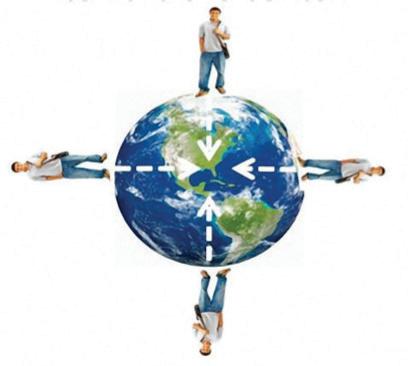
Why do people not float away into space? The force of gravity pulls them toward Earth’s center.
What is gravity? You are probably sitting in a chair as you read this. What keeps you there? Why do you not float away into space? The answer is the force of gravity. This is one of the superpowers mentioned earlier.
Gravity is a force that pulls every object toward every other object. That means we all have our own gravity! However, the force of attraction is very weak unless one of the objects is very large.
Because Earth is very large, you can feel it pulling on you. This pull is called your weight. You cannot feel the pull between you and smaller things, such as other people, because the force is too weak. Gravity is always a pull (it never pushes).
Instead of saying Earth is large, we should say it has a lot of mass. Mass is the stuff that makes up all things in the universe. The more mass an object has, the harder it is to move. Gravity is the attraction between any two masses. The force of gravity is stronger when the masses are greater. If you move farther away, the force gets weaker.
What Do You Think?
Gravity: helpful or not? What do you think the invisible force is that is pulling those books down in the picture on the right? It is the same force that makes you come back down to Earth when you jump up or that pulls water downhill. That force is called gravity. Gravity pulls things down to Earth.
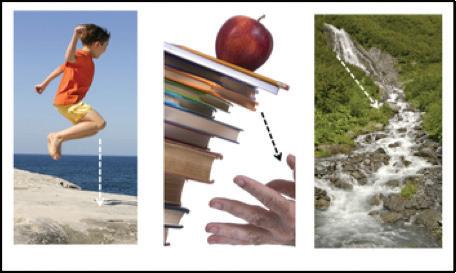
Sometimes gravity pulls down so hard that surfaces can rub together, causing friction and heat. Look at the tire on this race car burning up as it rubs against the track. Sometimes friction is a good thing. You need to have friction between your shoes and the floor or you would slip like you were on ice!
Reflect
Magnets
STEMscopedia
Look at the picture of the refrigerator with all sorts of things stuck to the metal door. Do you hang photos, artwork, or notes on your refrigerator with magnets? What is a magnet? How does it work? Magnets help objects stick together.
Magnets give off a special force. This force attracts, or pulls on, certain objects. What this means is that some things stick to the magnet. But do not forget that magnets do not work on everything!
magnet: piece of metal that attracts objects made of iron
force: a push or a pull
Magnets are attracted to many metals. Most refrigerator doors are metal; that is why magnets stick to them. Magnets are especially attracted to the metals iron and steel. Aluminum and copper are metals that do not stick to magnets.
Look Out!
Not all objects are magnetic. Not all metals are magnetic. An object that sticks to a magnet is magnetic. Iron nails, screws, and safety pins are magnetic. A nonmagnetic object will not stick to a magnet. Copper, aluminum, wood, and plastic objects are not magnetic.
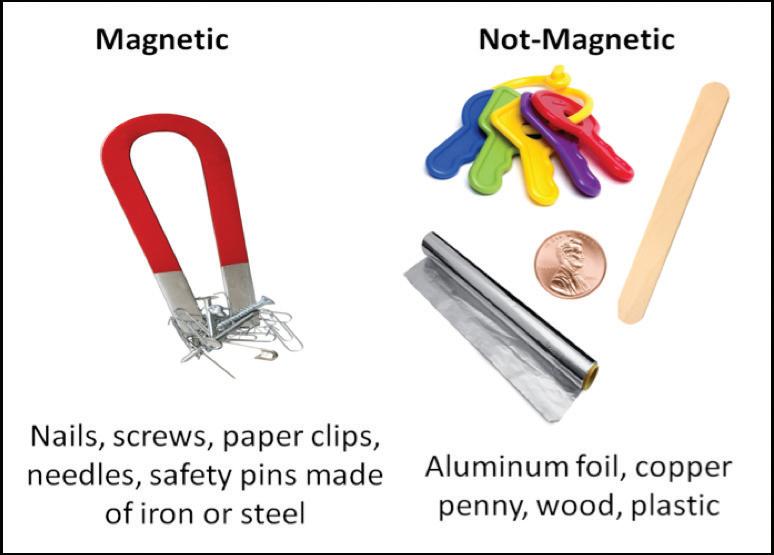
Reflect
STEMscopedia
Magnets create magnetic fields that attract objects. A magnetic field is an invisible force around the magnet. In the image on the right, a piece of clear plastic was placed over a magnet. Then little pieces of iron, called iron filings, were sprinkled on top. The iron filings lined up exactly on the magnetic field.
Where do you see the most iron filings? The areas with the most iron filings are at both ends of the magnet.
Same ends repel.
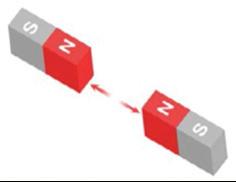
Opposite ends attract.
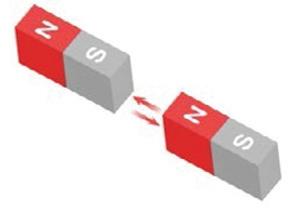
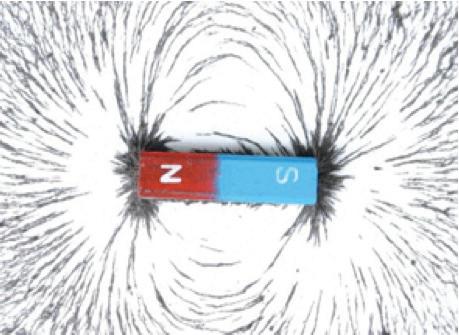
Magnets have different ends. One end is called the south pole (S), and the other end is called the north pole (N).
Magnets attract each other or pull together when opposite poles are next to each other. Magnets push apart, or repel, when the same poles are next to each other.
attract: cause objects to be pulled closer repel: cause objects to move away
What Do You Think?
Magnets have different shapes, sizes, and strengths. Some are shaped like horseshoes. Others look like sticks. Sometimes, larger magnets are stronger than smaller magnets. A large magnet can lift a larger and sometimes heavier object. No matter what their shape or size, magnets attract or repel objects.
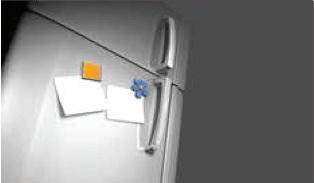
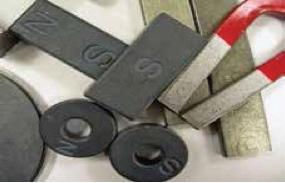
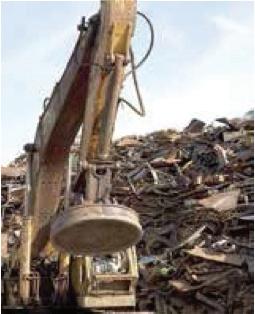
Huge junkyard magnet
Medium-sized lab magnets
Small, round magnets
Reflect
STEMscopedia
How do we use magnets in real life?
Magnets are everywhere, even if you cannot see them. Magnets help doorbells ring. Magnets are in phones and speakers. They are in the motors of some cars. We can turn some metals into magnets by running electricity through them. These powerful magnets are called electromagnets. We use electromagnets to move large objects, such as junk cars.
In houses, magnets can be found inside can openers, to grab the cut lids; on refrigerators, to hold photos and notes; on small cabinet doors, to keep them shut; and on desks, to hold paper clips.
Magnets also help store information on credit cards. Never place a magnet near a credit card. The magnet can erase the credit card information.

Even our planet is a big magnet! Earth has a north pole and a south pole. A compass is a tool with a magnet that points toward Earth’s north pole. People use compasses to find out which way is north.
Magnets can be found in doorbells, speakers, compasses, phones, and electric motors.
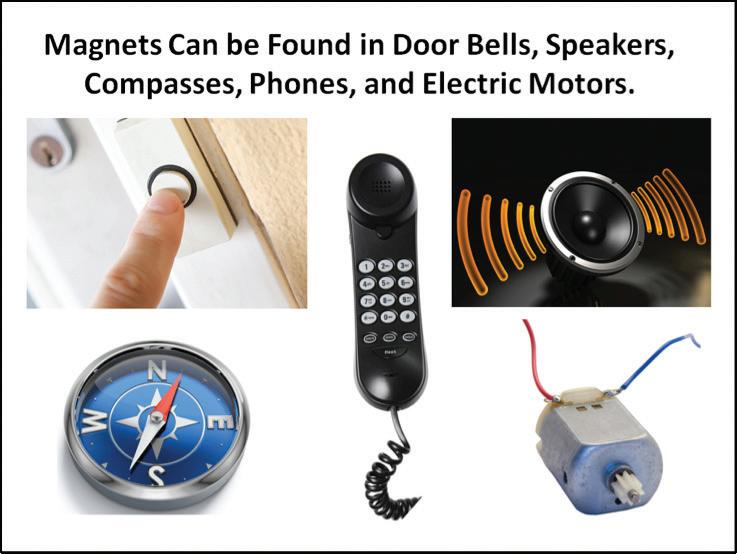
Try Now
STEMscopedia
1. Circle the magnetic object(s). Put an X over the nonmagnetic object(s).
2. Magnets attract some objects but not others. Draw a line from the magnet to each object that will stick to the magnet. Put an X through each item that will not be attracted to a magnet.
Iron paper clip
Iron nails
Copper penny
Plastic cup
Wooden bat
Aluminum can
STEMscopedia
Connecting With Your Child
Playing with Magnets
One way to help your child understand how magnets work is to create a magnetic “treasure chest.” Find a clear plastic box about the size of a shoebox. Fill the box with uncooked rice and a dozen small magnetic objects.
The magnetic objects could be paper clips, small metal cars, and small metal washers. Do not add sharp objects, such as nails, safety pins, or needles. Add a dozen small nonmagnetic objects, such as pennies, plastic toys, and crumpled pieces of aluminum foil.
Give your child a magnet strong enough to pick up the small magnetic objects. Your child should dig through the rice, using the magnet as the “treasure finder.” Magnetic objects will stick to the magnet.
As objects are found, remove them from the box to create a pile of “magnetic treasure.” Nonmagnetic objects should also be removed and added to a “junk pile” as they are found.
As you search for magnetic treasure, you may wish to discuss the following questions with your child:
1. What types of object will the magnet attract?
2. What types of object will the magnet not attract?
3. What other magnetic and nonmagnetic objects could you add to the box?
Where Are Magnets?
1 Magnets are used all around us. We do not even see most of them, but they are there! We use magnets all the time in our everyday life! Let us take a closer look at where we can find them.
2 Do you see a magnet in this picture? It is pulling the little magnetic balls toward it. That is how we normally think of magnets working, but there are a lot of other ways!
3 Did you know that the black strips on the back of bank cards are magnets? They can tell us about people.

4 Speakers use magnets. Televisions use magnets. Computers and laptops use magnets. Magnets help keep doors closed. A lock can have small magnets inside. Magnets are also used outside our homes.
5 Motors use magnets. They help roller-coasters move and stop. Magnets help other rides stop and move, too. Have you been on a ride before and noticed the magnets?
6 Magnets can also help us when we are lost. A compass has a magnet inside of it and can help us find our way home if we get lost.
7 Can you think of other ways we use magnets?
Reading Science
1 This text is mostly about–
A the many uses of magnets.
B rides.
C laptops.
D magnet games.
2 The text says that speakers, televisions, and laptops use magnets. What is something else that you think uses a magnet?
A A bed
B A ball
C A teapot
D An MP3 player
3 Which of these would not work without a magnet?
A A bank card
B The motor in a car
C A roller-coaster
D All of the above
Reading Science
4 What do you think would happen if roller-coasters did not have magnets?
A The ride would be more fun.
B The roller-coaster would fall apart.
C The car would not be able to stop moving.
D Nothing would happen.
5 Another good title for this text would be–
A “Rides at the Amusement Park.”
B “Useful Magnets.”
C “Magnets in Your Home.”
D “Manny’s Magical Magnet.”
Open-Ended Response
1. Describe what is happening in the picture. What force is working to make the kids move up off the ground into the air? Predict what will happen next. What force will cause that to occur?
2. Look at the pictures of three different types of ground surfaces. Predict which surface would stop a rolling ball first. Why? What force would be acting on the ball to slow it down?
Open-Ended Response
3. Name three ways magnets are used at home or at school.

4. Think of a household item that could be improved by using magnets. Design and draw your item. Explain how it works and why the magnet makes it better.
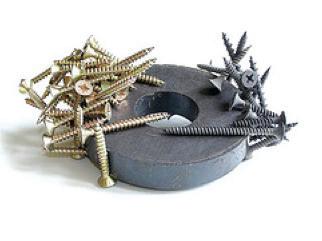
Mary, a student in Mrs. Pope’s third-grade class, explored magnets during science class. She learned that magnets are used for a variety of purposes. When Mary got home, she observed how magnets were used around her house. Thinking
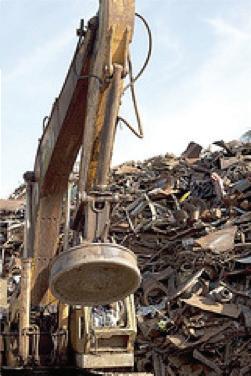

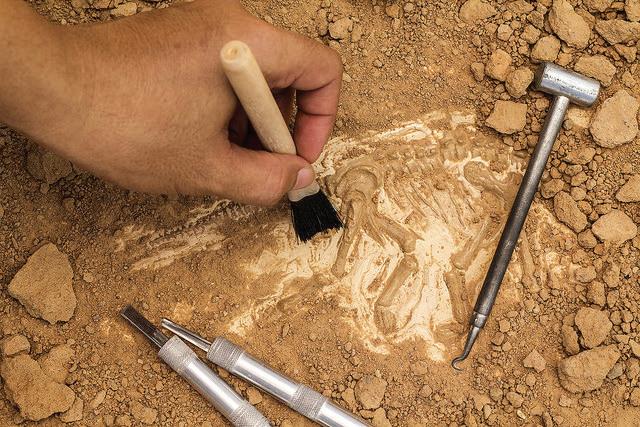

Explore 1
Part I: Rock Formation
It’s All About the Rocks
Weathering
Make some observations in the space below.
Draw and color what you see from the top. Draw and color what you see from the side.
Sedimentary Rocks
Make some observations in the space below.
Draw and color what you see from the top. Draw and color what you see from the side.
Explore 1
Metamorphic Rocks
Make some observations in the space below.
Draw and color what you see from the top. Draw and color what you see from the side.
Igneous Rocks
Make some observations in the space below Draw and color what you see from the top. Draw and color what you see from the side.
Explore 1
1. What did your group do to model weathering rocks?
2. What are sedimentary rocks made of?
3. What did your group do to make the sedimentary rocks stick together?
4. What did your group do to make the metamorphic rocks stick together?
5. How are metamorphic rocks formed?
6. What did your group do to make the igneous rocks?
7. How are igneous rocks formed?
Explore 1
Part II: Rock Types
Mystery Rock 1:
Group Hypothesis:
Rock Type:
Why?:
Mystery Rock 2:
Group Hypothesis:
Rock Type:
Why?:
Mystery Rock 3:
Group Hypothesis:
Rock Type: Why?:
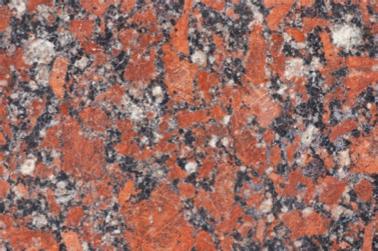
Explore 1
Mystery Rock 4:
Group Hypothesis:
Rock Type:
Why?:
Mystery Rock 5:
Group Hypothesis:
Rock Type:
Why?:
Mystery Rock 6:
Group Hypothesis:
Rock Type: Why?:
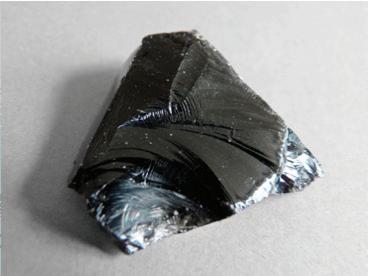
Explore 1
Compare the three types of rocks in the chart below. For each of the three rock types, describe how each rock forms and list its characteristics.
Sedimentary Metamorphic Igneous
Explore 2
Part I: Superposition
Modeling Rock Formations
Model rock formations by constructing the four layers described in the Layer Cards. Construct in the order you choose. Use building materials to represent the rocks and fossils in each layer. Build each layer once. Draw and describe each layer below. Event Drawing
Top Layer
Bottom Layer
1. Which layers were formed first, and which were formed later?
2. How is the model similar to or different from what happens in nature?
3. What evidence in the rock layers gives clues to Earth’s past?
Explore 2
Part II: Folding
Pick up the layers from the bottom. Take care to support the layers with your hands. Fold the layers upward and inward from the bottom. Place the model back on the table. Draw and describe the forces that created this formation below.
Event Drawing
Part III: Faults
Your teacher will cut neatly down through the middle of the layers. Move one side of the model up, and place a layer of modeling clay under it to support it. Draw and describe how this pattern was created below.
Event
Drawing
1. What events on Earth could create the formations in your model?
2. After the layers were moved, how did you know which layers were laid together?
Explore 3
Background
Fossil Imprints
Long ago, organisms left traces in their environments, such as footprints, impressions, and tunnels in soft mud. These traces were buried by sediment and fossilized over time. Paleontologists today use these fossil imprints to learn about past events.
Objective
Compare the formations of trace fossils buried in different soil types.
Observations
Make two imprints in modeling clay. One imprint will be covered in sand, and the other will be covered in gravel. Record your observations of the imprints, the sand, and the gravel.
Question
Ask a testable question about the effects of the sand and the gravel on the imprints.
Hypothesis
Predict the outcome of your experiment. Support your reasoning with observations.
Procedure
Alternately layer the imprints, sand, and gravel in a cup. Compress the layers and draw them. How does the location of the imprints under the sediment help them form fossils?
Explore 3
Turn the cup over and carefully separate the imprints from the sediments.
Draw a picture of the fossil imprint preserved in sand.
Draw a picture of the fossil imprint preserved in gravel.
Conclusion
1. What can you conclude about the effects of sand and gravel in fossil formation?
2. Why is the type of sediment covering the imprint important to its formation?
3. Why are trace fossils most often found in sedimentary rock? How did your test show this?
4. Why aren’t trace fossils found everywhere?

STEMscopedia
Reflect
Have you ever looked out your window and wondered what your backyard might have looked like a million years ago? Next time you pick up a rock, you might just be holding the key to unlocking these mysteries! Scientists who are called geologists study rocks to learn about Earth’s history. What could a geologist learn from the rocks around you?
Geologists classify rocks as one of three main categories:
• Sedimentary—formed from layers of sediment
• Igneous—formed from volcanoes
• Metamorphic—formed from heat and pressure
Rocks are separated into those three types by how they were made. A rock’s physical characteristics come from the way it was formed. So does a rock’s mineral composition.
rock: a solid piece of Earth’s surface made of one or more minerals
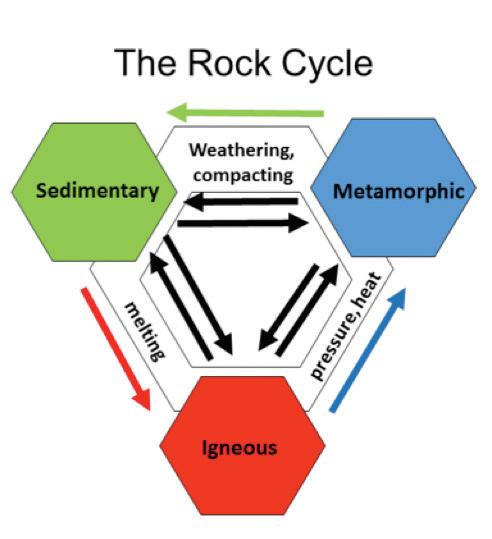
mineral: a natural solid found on Earth’s surface that is not plant or animal
The rock cycle continually changes. The processes by which rocks change into new rocks make up the rock cycle. Through the process of melting and cooling, igneous rocks form. Weathering, deposition, compaction, and cementation form sedimentary rock. Heat and pressure form metamorphic rocks.
Changing from one rock type to another takes millions of years, but it gives scientists clues to the past environment where that rock formed. For example, finding a sedimentary rock on top of a mountain indicates that the area was once underwater and later uplifted.
STEMscopedia
What Do You Think?
Igneous rocks form from magma. Igneous rocks are formed when magma cools and forms solid crystals. Melted rocks under Earth’s surface are known as magma. When magma erupts from a volcano or comes to the surface, it is known as lava. Igneous rocks are made of mineral crystals.
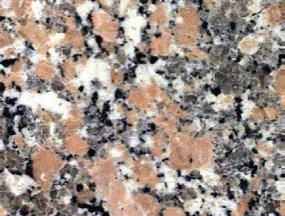
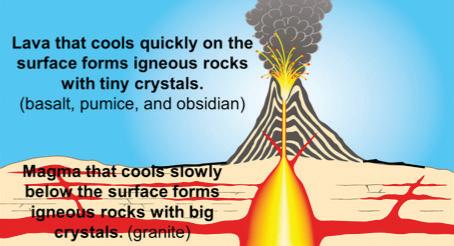
Cooling below the surface is slow. Igneous rocks form below Earth’s surface when magma oozes into underground rock layers and cools. These rocks become solid slowly, which gives mineral crystals time to become quite large. Granite is an example of an igneous rock that forms below the surface. Granite is popular for use as building materials and countertops.
Cooling on the surface is rapid. It is much cooler on Earth’s surface than it is below, so lava cools very quickly. Mineral crystals do not have much time to grow, so they will be quite small. Sometimes lava cools so quickly that no crystals form. When that happens, the rock looks like black glass and is called obsidian. When lava flows out of a volcano, it cools into a small-grained rock that feels like sandpaper and is called basalt. Sometimes lava has many gas bubbles and quickly cools into a rock called pumice. Pumice is so light it can float in water!
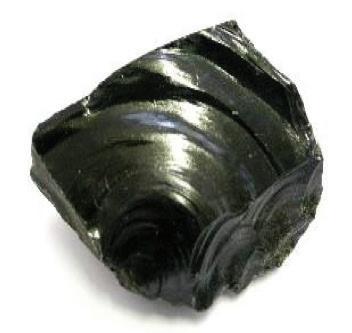
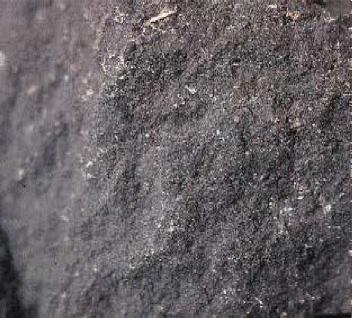
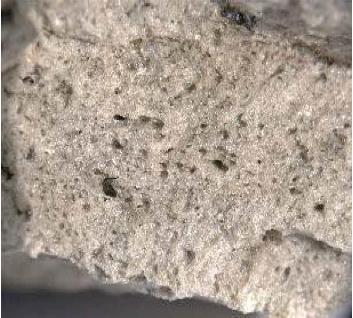
Granite
Obsidian
Basalt Pumice
Reflect
STEMscopedia
Sedimentary rocks form from sediment. Layers of rock form when sediment is deposited and then compacted and cemented over time.
Surface forces break down rocks in a process called weathering. Sometimes rocks break down from being dissolved. The weathered pieces, called sediment, can be carried from place to place during erosion by wind, water, gravity, or other means.
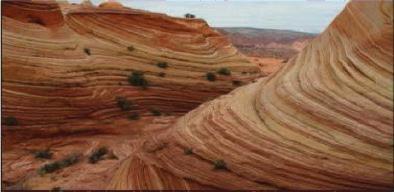
These hills are made of layers of sandstone deposited one on top of another.
Eventually, sediment settles into layers at the bottom of a river or an ocean. This process is called deposition. Over millions of years, the water goes away. Forces inside Earth’s crust push the layers up very slowly, and the sediment can be seen as rock layers.
What Do You Think?
How do you think the sediment becomes rock?

As years go by, heavy layers of sediment build up. The layers get squeezed together in a process called compaction
Sometimes water with dissolved minerals fills in the spaces and evaporates. The minerals left behind grow into small crystals that “glue” the sediment grains together in a process called cementation
A major difference between various kinds of sedimentary rocks is the size of their sediment. Sediment pieces that are large, such as those in the conglomerate pictured above, have simply not been weathered as much as the small (fine-grained) sediment in rocks like sandstone or shale.
STEMscopedia
Metamorphic rocks form from heat and pressure. Rocks are often buried in Earth’s crust. As they become buried deeper and deeper, the weight of the crust puts pressure on the rocks. Also, as the rocks are pushed closer to the mantle, their temperature increases. The heat and pressure cause the buried rocks to form new rocks called metamorphic rocks.
Metamorphic rocks form under heat and pressure from existing rocks.
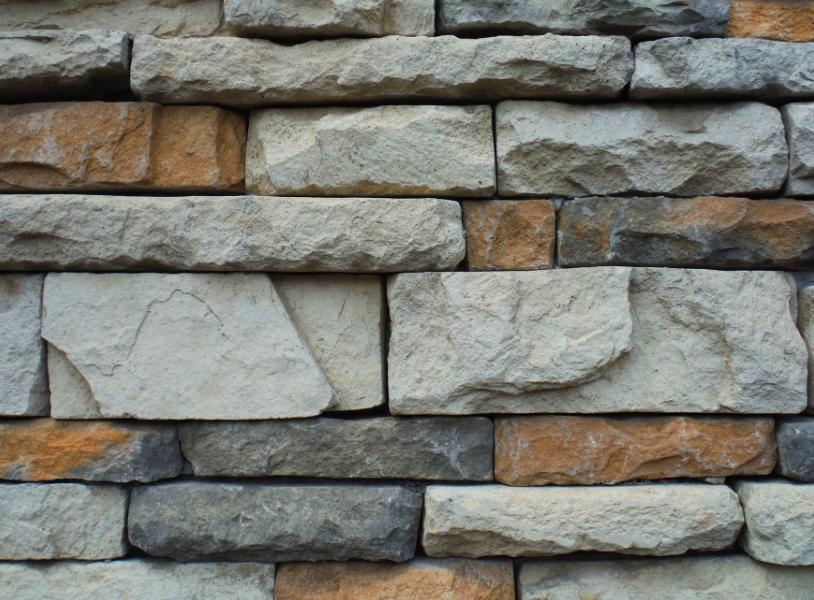
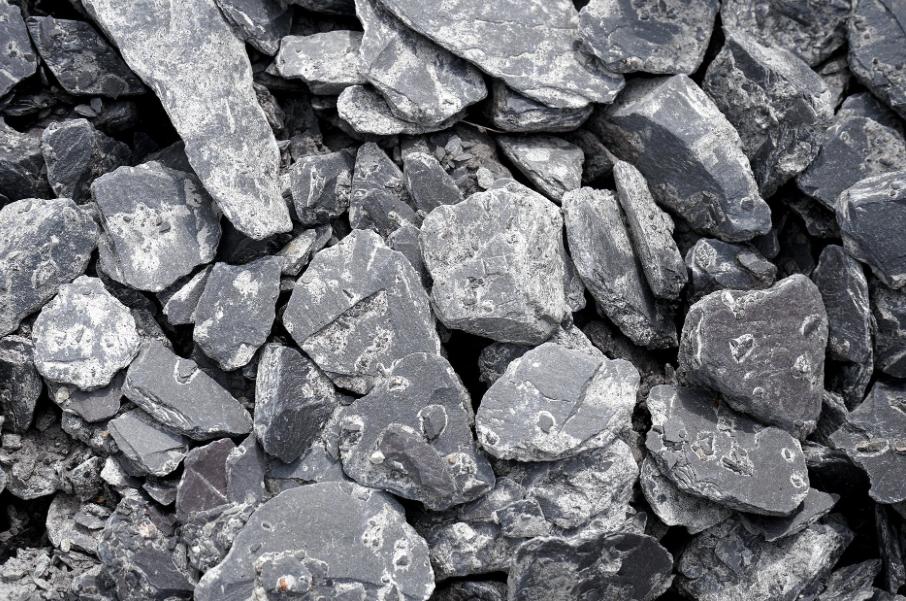

Rock Collecting
Go with a parent for a walk outside. Bring along a bag to collect rocks. Pick up any rocks you find along the way. Take a close look at the rocks. Talk about what you see: color, texture (how it feels), layers, grain size, or other features, such as fossil evidence. Use library books or Internet resources to find out whether the rock is igneous, sedimentary, or metamorphic.
Rock hounds are people who enjoy collecting rocks. With your parents’ help, contact your local rock hound group to see when and where it is meeting. Bring along your collection. The members might be able to help you identify your rocks. You will also have a chance to see other collections.
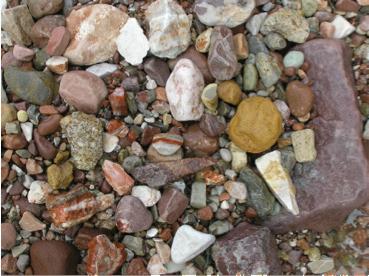
Granite changes into gneiss.
Shale changes into slate.
Reflect
STEMscopedia
Fossils form in sedimentary rock. Sometimes, minerals replace the bodies of buried dead animals or plants and become hard. This is how fossils are formed in some sedimentary rocks. Some fossils form when minerals fill in footprints and other traces of living things.
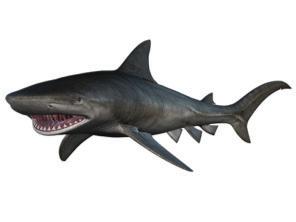
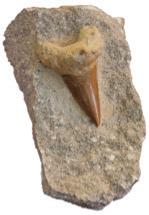
What are fossils?
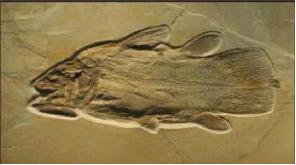
Minerals replaced the fish tissue and hardened as rock.
Another example is a shark tooth that becomes fossilized only to be discovered millions of years later on land. Fossils are typically found in sedimentary rock layers.
Fossils are parts of dead plants or animals that have been preserved for many years. There are five different types:
• Mold and cast—The shell or bones dissolve away, and the space where they used to be is filled in with minerals (examples include clams, squid, and snails).
• Trace—Traces left behind by organisms, such as footprints, tooth marks, nests, and burrows, are filled in with minerals (dinosaur footprints and tooth marks are common examples).
• Body—An organism’s entire body is perfectly preserved (such as a mosquito in amber or a frozen mammoth).
• Compression—High pressure causes imprint fossils (such as leaves on rocks).
• Petrification—Minerals gradually replace the organism’s tissue (petrified wood is the most well-known example).
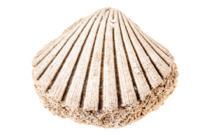
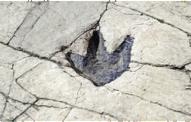
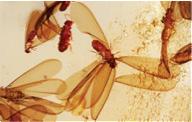
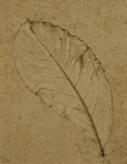
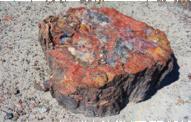
Reflect
STEMscopedia
What do fossils tell us?
Fossils are preserved parts or traces of animals or plants that lived in the past. The fossils tell us which organisms lived in a certain place. For example, a shell fossil found on a mountain means that area used to be underwater sometime in the past.
Relative Dating = Detective Work
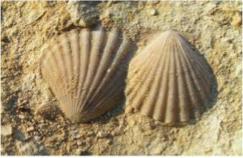
The rock layers in which fossils are found indicate the relative ages of the fossils. Fossils in the bottom layer are older than fossils in higher layers. This is called superposition. Scientists also have ways to find the actual age of fossils.
Relative dating requires scientists to be like detectives. Often geological events happen that cross through, break, or erode layers. Look at the picture of the footprint, tire tracks, and mud. In what order did they happen? Because the mud is on the bottom, you could infer that the mud was laid down first. Now you have to decide whether the tire tracks or the footprint was next. Do you see any clues?
Think of superposition in rocks. Look at the photo of the canyon on the right. The layers of rock were formed one on top of the other. The bottom layer was laid down first, so it is the oldest. The top layer was laid down last, so it is the youngest. The layers of rock give us clues about what the environment was like when each layer was formed.
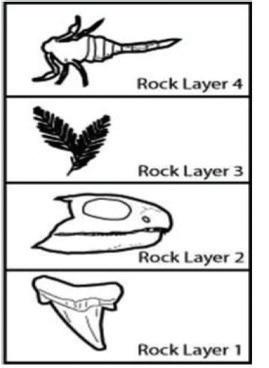
Be a paleontology and geology detective!
The bottom rock layer is the oldest, and the top rock layer is the youngest.
Think like a paleontologist (a scientist who studies fossils). The pictures on the left show fossils found in different layers of rock (layer 1 is the bottom layer). In what order were these fossils formed (oldest to youngest)? Remember that these fossils are not the actual organisms; rather, their body parts were replaced with mineral solutions that hardened into rock. Do you think all the fossils formed on land, or did some form in water? Explain your reasoning.
Try Now
STEMscopedia
The following chart lists five locations on Earth today. Suppose that scientists find a fossil at each location. Given the type of fossil found there, how has the location changed over time? In particular, determine whether each location
• Used to be a forest
• Used to be underwater
• Used to be a tropical island
• Is the same type of environment as it was when the fossil was formed
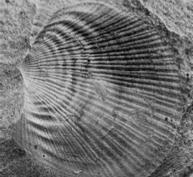
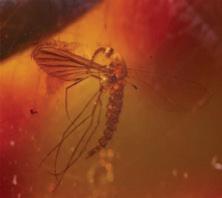
Where Was It Found?
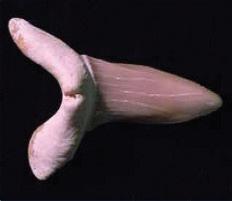
How Has the Location Changed?
Seashell
Palm branch
Imprint of cactus leaf
The side of a mountain
An ice sheet in the Arctic
A desert
Insect trapped in tree sap Under the ocean floor
Shark tooth
Answer the following questions:
A wide-open grassland
• What causes environments to change over time in different locations?
• What types of environments have existed where you live?
• What kinds of information can scientists learn from finding fossils in locations that do not seem to match their current environments?
Fossil
STEMscopedia
Connecting With Your Child
Fossil Safari
There are a number of ways to give your child a firsthand experience with fossils. If your community or a nearby community has a museum of natural history, or if you are planning a family trip to such an area, be sure to visit exhibits that include fossils or organisms reconstructed from fossils. Try to arrange a visit with a curator or an educator who can identify a particular fossil and explain where it was found and how it is significant.
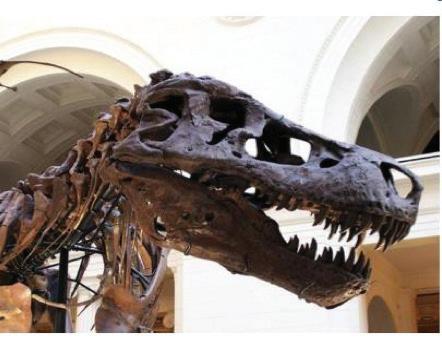
Ask your child to prepare for such an experience by making a list of questions concerning fossils.
Here are some questions to discuss with your child:
• What is a fossil?
• What parts of ancient organisms are most likely to become fossils?
• In what materials are most fossils found?
• If you found two different fossils, what is one way you might be able to tell which is older?
• What can a fossil tell you about ancient organisms?
• What can a fossil tell you about the environment in which it lived?
• What can fossils tell you about rocks?
• What can rocks tell you about fossils?
At the museum, have your child sketch a favorite fossil and write a brief report about it. The report should include the following:
• The age of the fossil
• Where it was found
• What its environment was like when it was alive
• When that type of organism became extinct (if it did)
• Why the organism became extinct (if it did)
• A few interesting or fun facts about the fossil


Reading Science
Classifying Rocks
1 Have you ever picked up an interesting rock? Maybe you wondered where it came from or how it was made. Look around. Rocks are everywhere. This is not surprising. We live on the crust of Earth that is made up entirely of rock. Some of these rocks have been around for billions of years. Most are not quite that old. New rocks are slowly formed all the time. Old rocks are slowly worn away by erosion. It does not matter how old a rock is. They were all formed in some way.
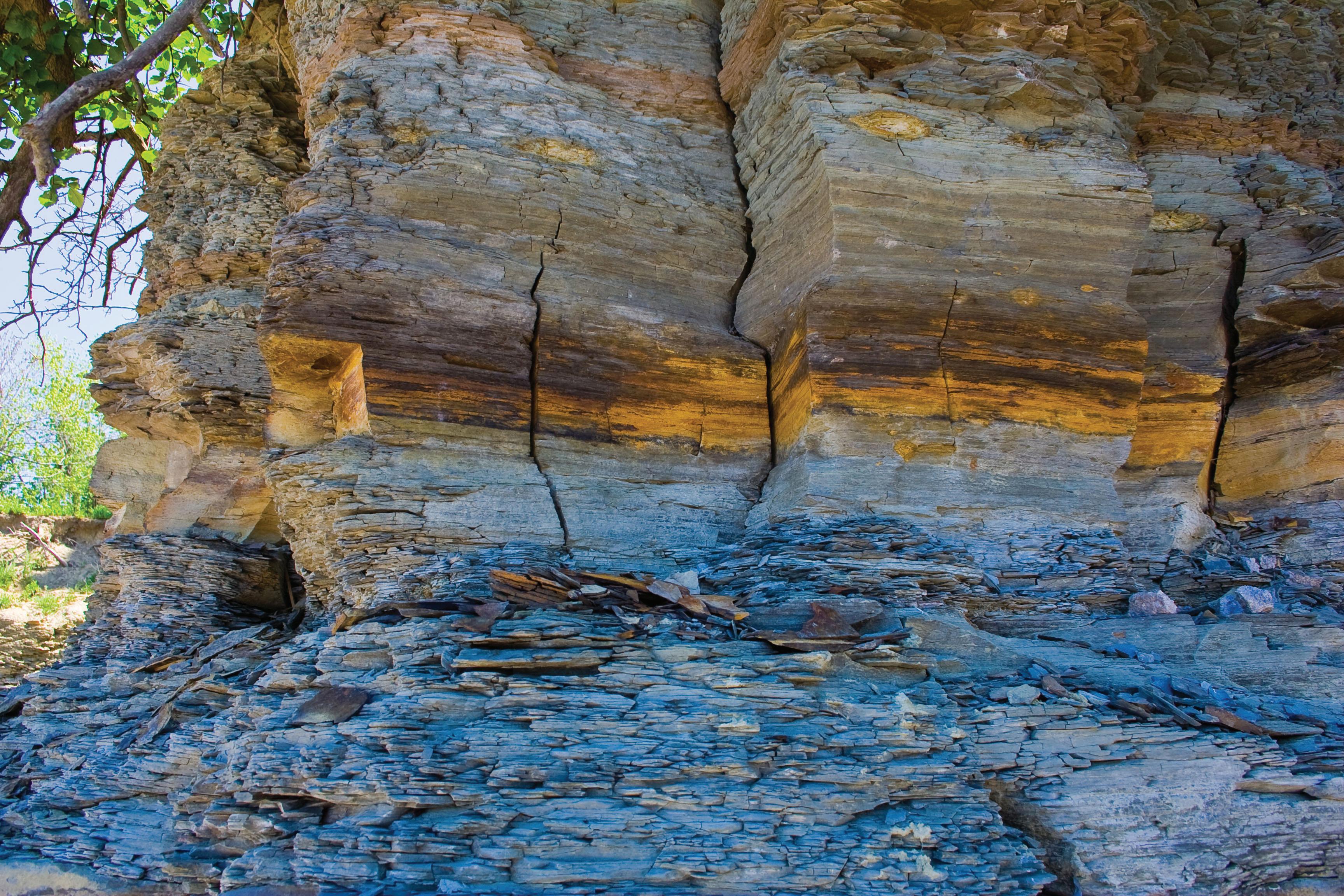
2 There are three categories of rocks. They are based on the way the rocks were formed. Volcanic action results in igneous rock. Layer upon layer of deposited materials result in sedimentary rock. Extreme heat and pressure will cause some rocks to change into metamorphic rock. These different processes give each rock type a different look. This lets us classify rocks into one of the three categories.
3 Deep under Earth’s crust, the temperature is hot enough to melt rocks. This molten rock is called magma. Magma in the crust slowly cools and hardens and forms a rock. Sometimes, volcanic action brings magma through the crust. When this happens, the molten rock is no longer called magma. On the surface, it is called lava. As lava flows, it also cools and hardens. Rocks that are formed by magma or lava are igneous rocks. This is the first category of rock. Granite is an example of an igneous rock.
Reading Science
4 Sedimentary rock is the second category. These rocks cover about three quarters of Earth’s land surface. Sedimentary rocks are made from pieces of other rocks and shells. Rain, wind, freezing temperatures, and plant roots can all cause erosion of rocks. Erosion causes rocks to be slowly worn away. These small pieces of rock are called sediment. They are eventually carried by rivers to oceans and lakes. As the flowing water slows down, it drops the sediment. The sediment settles to the bottom, forming layers. Over millions of years, more and more layers of sand and mud are deposited. The weight from the upper layers turns the lower layers of sediment into rock. This makes some sedimentary rocks look layered. Also, there are often fossils in sedimentary rocks.
5 Metamorphic rocks are the third and final category. Metamorphic rocks are the least common rocks on Earth. These rocks were once igneous, sedimentary, or even metamorphic. They were changed by extreme pressure and heat while deep inside Earth. Enough heat and pressure will change a rock’s look, structure, and composition, which changes it into a different rock. Granite is an igneous rock. Granite will become metamorphic gneiss when it is placed under heat and pressure. Limestone is a sedimentary rock. Limestone will become metamorphic marble when it is placed under heat and pressure. Think of metamorphic rocks as rocks that have changed.
6 Take a good look the next time you pick up a rock. Think about how it could have been formed. Was it formed by molten magma cooling and hardening? Was it formed by layers of sediments pressing down on each other over time? Was it changed by heat and pressure into an entirely different rock? On Earth, there are only these three types of rocks. Each rock is either igneous, sedimentary, or metamorphic.
Reading Science
1 As a volcano erupts, it produces lava. As this lava flows, it cools down and hardens, forming a rock. How could you classify this rock?
A As molten magma
B As a sedimentary rock
C As a metamorphic rock
D As an igneous rock
2 Sometimes, fossils can be found in sedimentary rocks. Which statement best explains why?
A Heat and pressure from deep within Earth cause fossils to form.
B The remains of dead plants and animals settle to the bottom of an ocean or lake and are covered by mud. Pressure eventually forms these layers into rock.
C Lava may flow over an animal or plant, and as it cools and hardens, a fossilized rock is formed.
D Larger rocks are slowly eroded away by the elements on Earth.
3 A metamorphic rock can also be thought of as a rock that changes. What causes the rock to change?
A Layers of sediment building over time and pressing down, forming rock.
B Rain, wind, freezes and thaws, and growing plant roots cause the rock to erode, leaving behind sediment.
C Extreme heat and pressure from deep within Earth cause changes to the rock’s appearance, structure, and composition.
D Over time, the old rock slowly changes into a new rock.
Reading Science
4 Based on the context in paragraph 4, fossils refer to–
A how igneous rocks were formed over time.
B the mud-covered remains of dead plants and animals settled to the bottom of an ocean or lake.
C a trace or print, or the remains of a plant or animal of a past age preserved in earth or rock.
D layers of sediment building up over time and pressing down, forming rock.
5 What is similar about igneous rock and metamorphic rock formation?
A The formation of metamorphic and igneous rock requires extreme heat.
B The formation of metamorphic and igneous rock occurs deep underground.
C The formation of metamorphic and igneous rock results in rocks that have a similar appearance.
D The formation of metamorphic and igneous rock requires layering.

1. Fill in the graphic below and then explain how the rock cycle works.
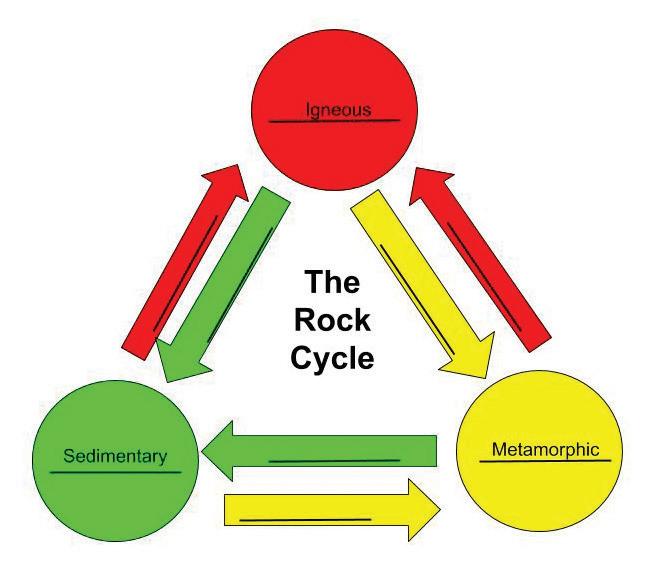
Open-Ended Response
2. How is superposition like a stack of newspapers?

3. Describe how this fossil was formed in sedimentary rock.
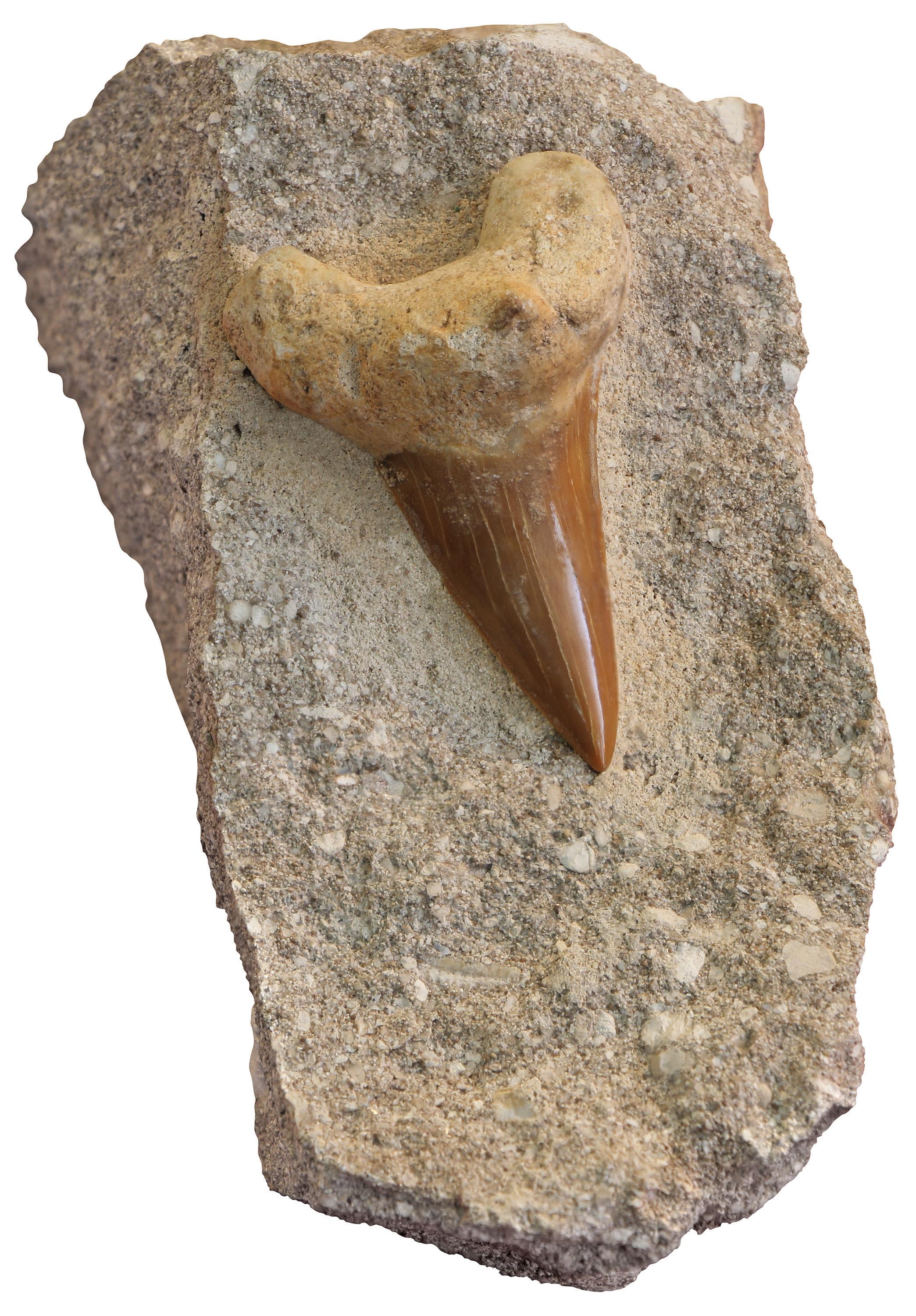

The images below show the same location, but the photographs were taken at different times. Compare the two photographic images. Write a scientific explanation for the changes that happened to the rocks over the years.
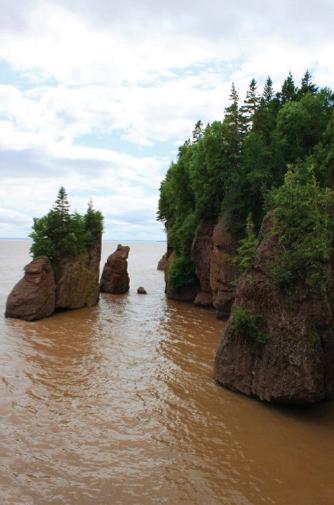
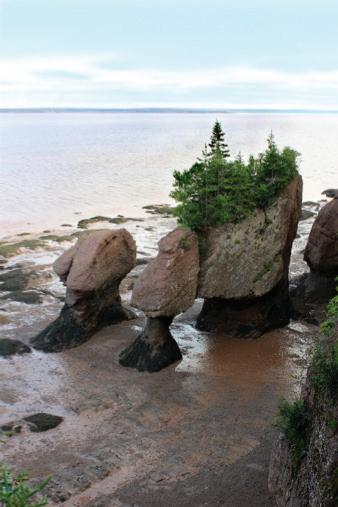
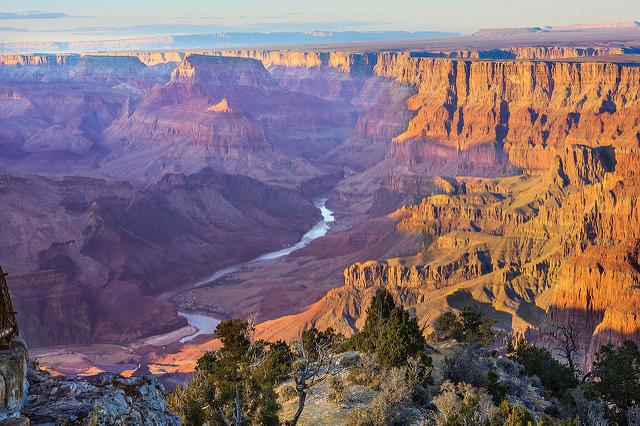

Shake It
Draw a picture below showing what happened to the sugar cubes in each jar.
Sugar Cubes with Water
Sugar Cubes with Aquarium Rocks
Hook
1. What do you notice about the sugar cubes in each jar?
2. What do you notice at the bottom of each jar?
3. Did the rocks or the water break down the sugar cube the most?
4. Which jar produced sediments?
Explore 1
Earth’s Layers
Part I
Fill in the blanks while you are watching “Earth from the Inside Out.”
1. How many layers of Earth are there?
2. What are the four main layers of Earth?
3. What is the crust made of?
4. What is the mantle composed of?
5. What is the outer core composed of?
6. What is the inner core composed of?
7. What is the difference between the inner core and the outer core?
Part II
Draw and label your model of Earth’s layers.
Explore 2
Constructing Landforms
Part I: Constructing a Landform
Picture and description of landform: Is this landform found in Mississippi? If so, give at least two examples.
Type of Landform:
Why do you think this landform is/is not found in Mississippi?
List two interesting facts about this type of landform.
Explore 2
1. List the materials you plan to use to construct your landform model.
2. In the space below, sketch and label your plan to build your landform. Be sure to identify the materials you are using to construct the landform.
Explore 2
Part II: Landform Walkabout
Use the chart below to record information about the landform models you visit.
Term Sketch
Found in Mississippi/ Example Interesting Fact Mountain Volcano
Definition
Valley
Canyon
Plain Island
Explore 3
Changing the Land
Part I:
Draw your setup in the first row labeled Before. Draw the block and record your observations every 3 minutes for a total of 12 minutes.
Explore 3
Create a detailed drawing of your model in action. Label where weathering, erosion, and deposition are happening. Explain why you placed the labels where you did.
1. What landform was created in the block, and how did it form?
2. Was this process constructive or destructive? How do you know?
3. What was happening at the bottom of the pan?
Explore 3
Part II:
Draw your setup in the first row labeled Before. Draw the block and record your observations every 3 minutes for a total of 12 minutes.
Drawing
Before/ 0 Minutes 3 Minutes 6 Minutes 9 Minutes 12 Minutes
Observations
Explore 3
1. What landform was created in the block, and how did it form?
2. Was this process constructive or destructive? How do you know?
3. What was happening at the bottom of the pan?
Reflect
Have you ever cut an apple in half and looked at the layers inside? When you look at the cross section of an apple, you see several layers: the skin, the pulp, the core, and the seeds. Much like the apple, Earth is made up of layers.
In a cross section of our planet, you would see the crust, the mantle, the outer core, and the inner core. If Earth were an apple, the crust would be the skin. The mantle would be the pulp, making up most of the inside. Earth also has a core like an apple core, though Earth’s core does not contain any seeds!
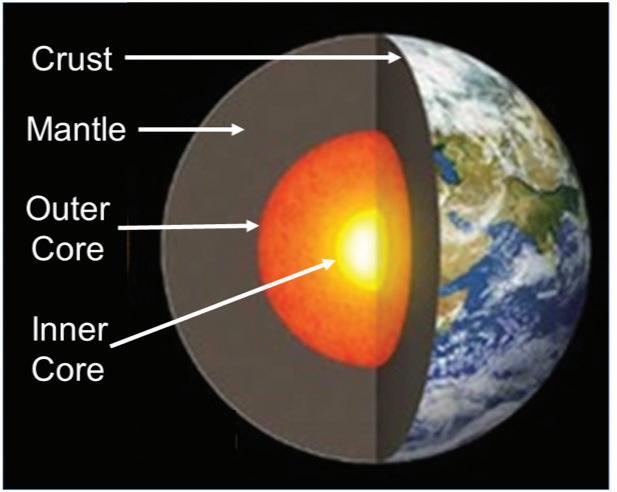
Earth’s Layers
When Earth formed billions of years ago, it was molten rock. As it cooled, the least dense silicate minerals floated to the very top to form the crust. The medium-density silicates floated up to form the mantle. The heaviest elements, iron and nickel, sank to the center of Earth to form the inner and outer core.
Crust: The crust is the rocky, solid, outermost layer of Earth. The crust is made of minerals called silicates. Continental crust is composed of granite rock, while oceanic crust is made of basalt rock.
Mantle: The mantle, also made of silicates, is the layer between the crust and the core. The mantle is the thickest layer, which actually has two parts. The upper mantle is cool, rigid, and rocky. The lower mantle is hot rock that is soft and flows.
Outer core: The outer core is made of hot liquid metals (iron and nickel).
Inner core: The solid inner core is also made of iron and nickel.
Look Out!
STEMscopedia
Landforms change.
Constructive forces build up land. When rivers flood and deposit sediment in the area, plains form. When volcanoes deposit layers of lava that cool into basalt rock, you have new landforms. When the crust breaks or folds, mountains, valleys, and cliffs can form.
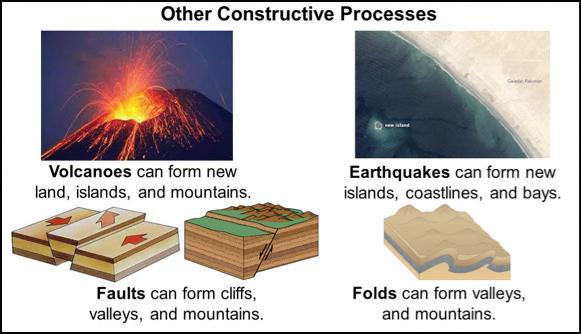
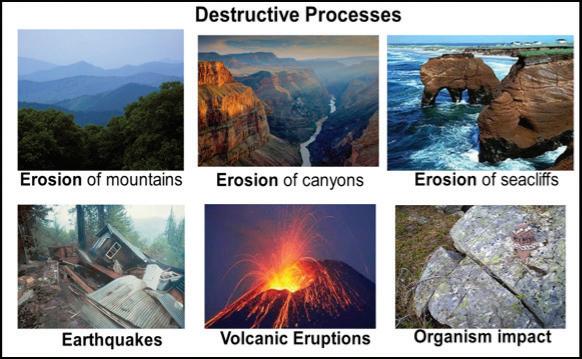
What Do You Think?
Destructive forces tear down land. An example is the erosion of mountains, canyons, and cliffs. Earthquakes, volcanoes, and living things can also slowly break apart rocks.
Have you ever seen a sculpture that has been outside for many years and is worn down? The Great Sphinx was made more than 4,500 years ago. Over thousands of years, some parts of the Sphinx have worn away.
Just like structures that humans build, Earth’s landforms change over time. Some mountains are tall, with sharp, jagged peaks. Over time, however, their slopes will become gentler. Their peaks will become smoother and more rounded, just like the face of the Sphinx. These changes happen when rocks break down and move to new places.
landforms: features on Earth’s surface, such as mountains, valleys, volcanoes, plains, canyons, and islands
Look Out!
STEMscopedia
Confused about which forces build up and which ones tear down? Sometimes a process that alters Earth’s surface can be both destructive and constructive, such as earthquakes and volcanic eruptions.
Think about what the process is doing. Is it building new land features? Or is it breaking down a surface feature? When earthquakes and volcanoes create new landforms, that force is considered constructive. If those processes destroy an environment, then destructive forces are also at work.
What Do You Think?
What forces in nature cause landforms to change? There are three forces in nature that slowly, but persistently, cause landforms to change: weathering, erosion, and deposition:
• Weathering: the process of wearing away, dissolving, or breaking down rock
• Erosion: the process of moving sediment (by agents such as water, wind, ice, and gravity) after it has been weathered
• Deposition: the process of placing sediment in a new location after it has been moved by water, wind, ice, or gravity
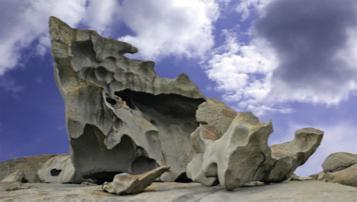
This rock has been weathered by wind, water, and ice.
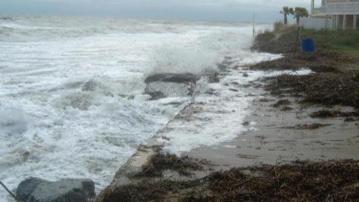
This coastline is being eroded by ocean waves.
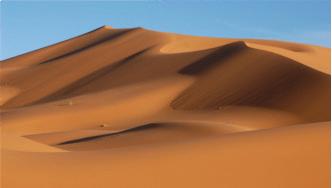
Sediment is deposited by the wind, forming sand dunes.
Reflect
Canyons
STEMscopedia
Canyons are carved over millions of years by weathering and erosion. To form the Grand Canyon, the fast-flowing water of the Colorado River eroded sediment from both sides of the river and carried it away over thousands of years. Eventually, nothing was left but an enormous canyon, which continues to erode.
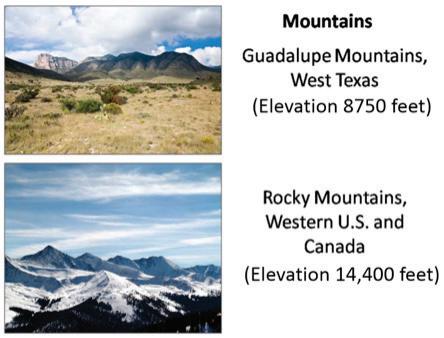
Plains
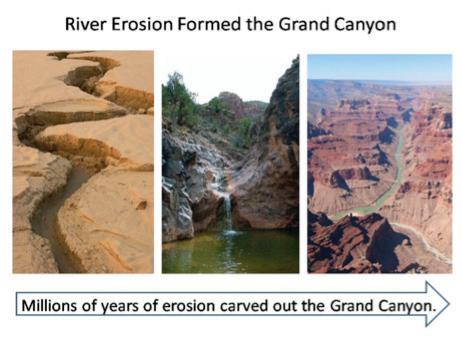
Mountains
Constructive forces can push rock layers into folded mountains. The process takes millions of years. Mountains with jagged peaks are young, while those with eroded, rounded peaks are older.
A plain is a large, flat area of land with no mountains, hills, or valleys. Plains form when rivers flood and deposit sediment. The Great Plains stretch from the Mississippi River to the Rocky Mountains. This broad, flat area is prime farmland.
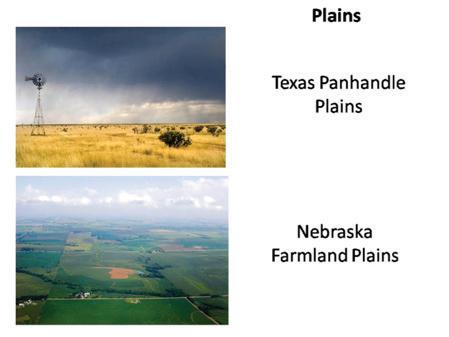
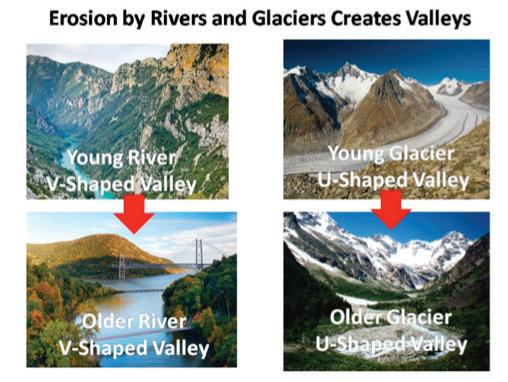
Valleys
Valleys form when rivers or glaciers erode land between mountains. Valleys can also form in the long areas between the folds of mountain ranges.
Reflect
Volcanoes
STEMscopedia
Volcanic mountains form when molten rock (magma) deep inside Earth erupts onto the surface. New land can form from the cooled lava.
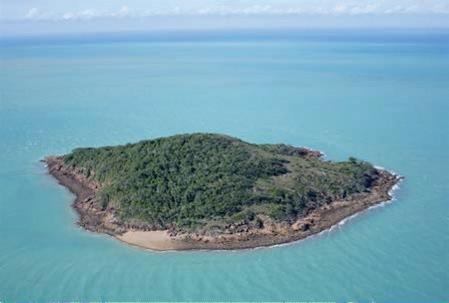
Islands
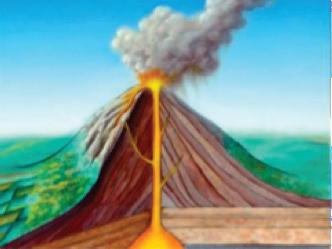
A small body of land surrounded by water can form from a volcano. Sometimes part of a larger piece of land is covered in water, leaving the highest part as the island.
Other Landforms Created by Weathering, Erosion, and Deposition
Nature has created landforms, in addition to the Grand Canyon, that have become well-known for their formations.
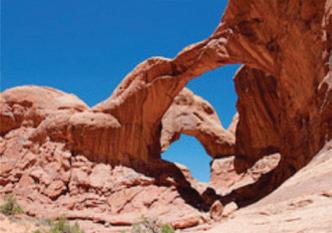
Arches National Park, Utah: Weathering from water, ice, and wind helped create these natural arches in Utah. Over many years, parts of the rocks were worn away, leaving empty spaces.
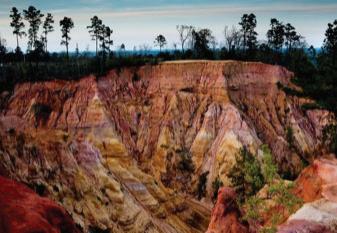
Red Bluff, Mississippi: River erosion has exposed the layers of red and yellow sediment in a large canyon at Red Bluff, Mississippi.
Plymouth Bluff, Mississippi: Erosion of the Tombigbee River at the Plymouth Bluff Environmental Center has exposed fossil remains from an ancient sea that once covered this area of Mississippi.
Try
Now
STEMscopedia
Take some time to observe weathering, erosion, and deposition in action. To complete this activity, you will need the following materials:
A rectangular baking pan
Sand
Tap water
Two small wooden blocks
1. Place a wooden block underneath one side of the pan. The pan should be slightly tilted.
2. Add sand to the raised end of the pan. Make your sand like a mini beach. Make sure your sand covers only half of the pan (the higher part).
3. Pour water into the lower end of the pan until it just reaches the edge of the beach. Do not let the water spill over the edge of the pan. If necessary, add more sand to the beach.
4. Dip the second wooden block in the water at the lower end of the pan. Gently move it up and down to create waves.
5. Watch what happens to the sand. What signs of erosion and deposition do you see? How do waves affect the sand on a beach?
STEMscopedia
Connecting With Your Child
Earth Processes Close to Home
To help your child learn more about changes to land, go to a nearby park. If possible, choose a park with a variety of landforms and natural features, including rivers, waterfalls, hills, and boulders. Ask your child to identify as many landforms as possible.
Once your child has identified the landforms, ask him or her to hypothesize (guess) how these landforms might have changed or caused change over time. (Your child has learned that wind, water, ice, and gravity cause changes to land.) Have your child record the hypotheses in a small notebook.
Next, have your child safely explore the landforms more closely to look for evidence of change. Your child has learned about three types of change to land:
• Weathering: the breaking down of a rock into smaller particles
• Erosion: the movement of rock particles
• Deposition: the settling of rock particles
For example, your child might note that the stones along a streambed are rounded and smooth. This is because the water carries small particles that grind down the rocks and make them smoother. Your child should note whether these observations support or contradict the hypotheses about the landforms.
When you return home, do some research online about the landforms that your child observed in the park. In particular, look for how those landforms have changed or caused changes over time. Have your child compare his or her observations to the information from the online research.
Here are some questions to discuss with your child:
1. How have wind, water, ice, or gravity affected landforms in the park?
2. Did you see any signs of weathering, erosion, or deposition? If so, what kinds?
3. What are some human activities that might change the landforms in the park? How would these changes affect the plants and animals that live in the area?
Reading Science
The Layers of Earth
1 Earth’s surface is covered with water and land. Have you ever wondered what is deep inside our planet? Earth is full of surprises. You could cut a section out of the planet. It would show four layers: the crust, mantle, inner core, and outer core.
2 The first layer is called the crust. This is the surface we live on. The continents and the ocean basins make up the crust. It is Earth’s thinnest layer. It is 35–70 kilometers thick under the continents. The crust is only 5–10 kilometers thick under the oceans.
3 Earth’s outer layers are the crust and the mantle that lies below it. The core contains the dense elements iron and nickel. Earth’s layers formed as the planet cooled and became solid.
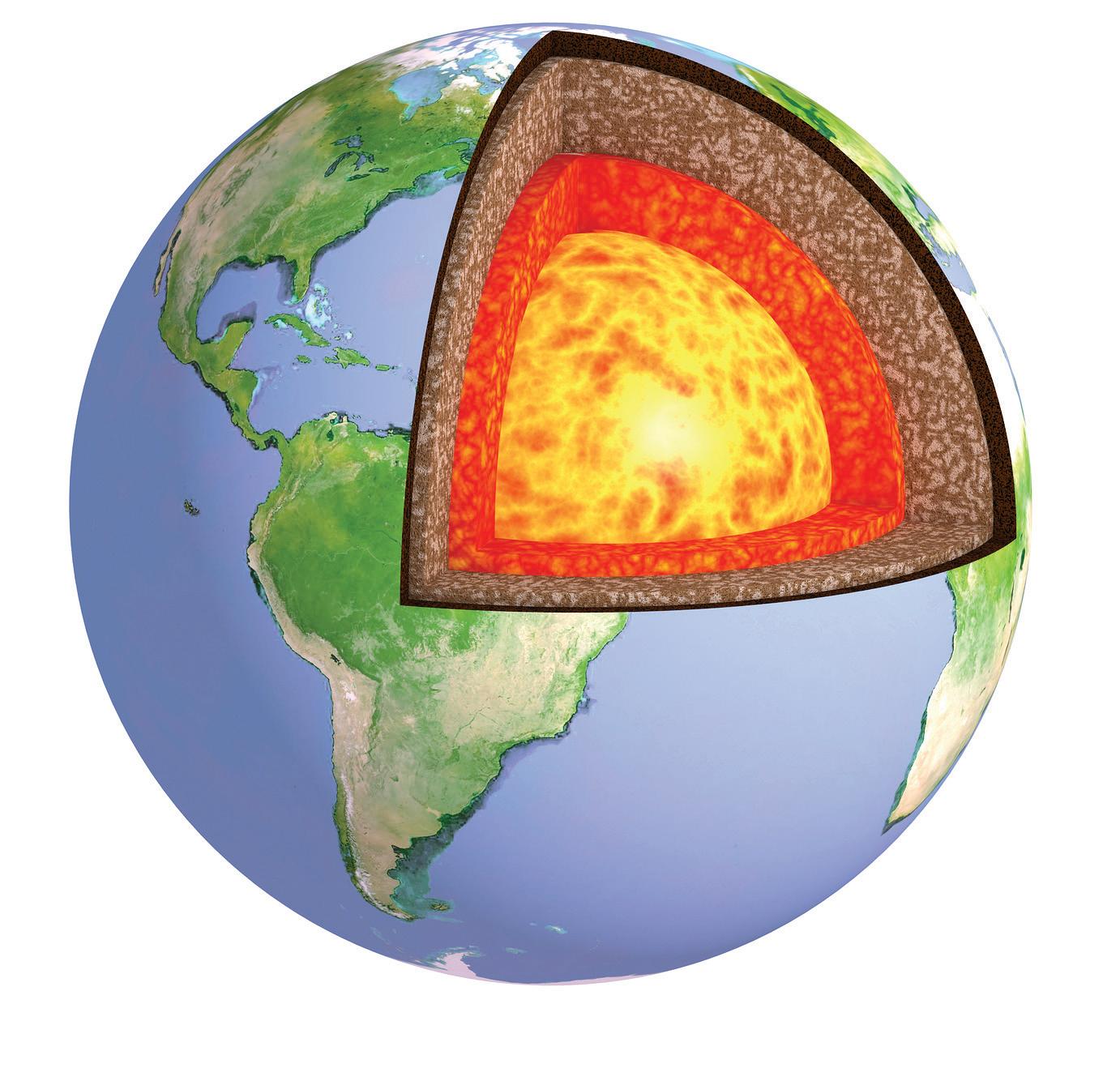
4 Going down through Earth’s layers, temperature and pressure increase. The mantle is the second of Earth’s layers. The mantle is made of magma and is semi-molten. It is like thick, gooey syrup and is able to flow. This allows the rigid, crustal plates resting on the upper mantle to float. Even though we cannot feel it, the plates are slowly moving all the time.
5 In the center of Earth is the core, divided into two parts: the inner core and the outer core. These are made of iron and nickel. The entire core is very hot. It is not surprising that the outer core is in a molten state. However, the inner core is solid. This seems impossible, but the inner core is kept solid by the intense pressure of all the layers above it.
6 Earth’s four layers make our planet unique in the solar system. The crust, mantle, inner core, and outer core are all distinct. They vary in composition, temperature, pressure, and state of matter. There is no planet like Earth in the entire solar system.
Reading Science
1 What is the correct order of the layers of Earth, starting deep in the center?
A Inner core, outer core, mantle, crust
B Crust, mantle, outer core, inner core
C Mantle, outer core, crust, inner core
D Outer core, inner core, crust, mantle
2 Which statement best describes the crust?
A The crust is divided into sections and is made of some of the densest rocks found in Earth.
B It is the outermost layer of Earth, composed of solid rock and divided into sections called plates.
C The crust is made of solid nickel and iron.
D The crust is made of molten rock that flows like thick, gooey syrup.
3 The core of Earth is made out of iron and nickel. The outer core’s temperature is so hot that it melts the metal. The inner core is solid metal. What causes these differences?
A The outer core is thick.
B The inner core is kept solid by the intense pressure of all of the layers above it.
C The inner core has a cooler temperature, which allows the metal to remain solid.
D The inner core is made of a different metal.
Reading Science
4 This layer of Earth is divided into two sections. One is solid, and part of one of the sections is able to flow like a thick fluid. What is this layer known as?
A Mantle
B Core C Crust
5 Complete the following analogy:
EARTH’S INNER CORE : ______ :: AS EARTH’S OUTER CORE : LIQUID
A MAGNETIC
B ATMOSPHERIC
C SOLID
D THERMAL
Open-Ended Response
1. Earth has four basic layers. Draw a model of Earth and label each layer. Then tell the name and position of each layer and describe it.
Open-Ended Response
2. A landform is a natural feature on Earth’s surface. Volcanoes, mountains, valleys, canyons, plains, lakes, dunes, coastlines, and islands are all examples of landforms. Choose two of these landforms that can be found in Mississippi. Draw and describe them.
LANDFORM
DRAWING
DESCRIPTION
Open-Ended Response
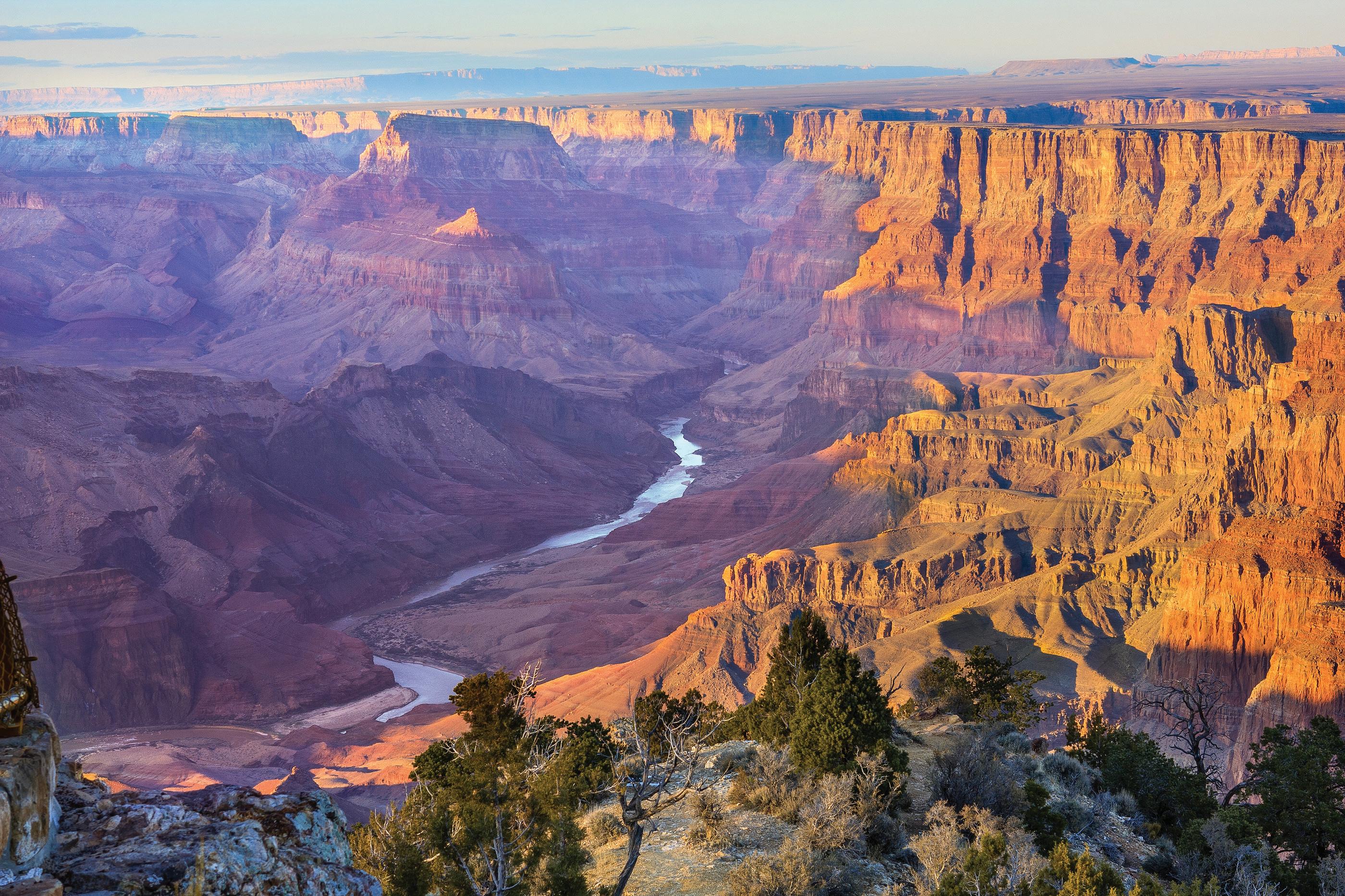
3. The Grand Canyon in Arizona and Red Bluff in Mississippi were both formed in similar ways. Explain how they were formed.
4. Fill in the Venn diagram comparing and contrasting constructive and destructive processes of Earth.
Constructive Processes Destructive Processes
Mr. Sanchez’s science class is learning about different types of landforms. He tells them about four types: mountains, hills, valleys, and plains. The class learns that different processes on Earth create different types of landforms. Mr. Sanchez displays the diagram below, which shows the different types of landforms and the processes that form them. Write a scientific explanation of what types of landforms are formed from uplifting. Claim:
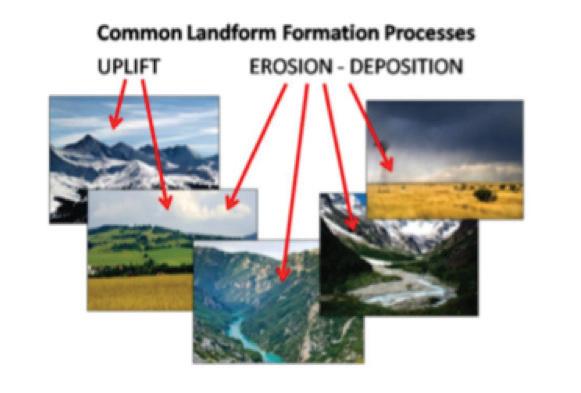

Explore 1
The Four Spheres of Earth
Draw your diorama, making sure to label each layer and what you included.
What are some characteristics of each sphere?
What is one thing you learned from the other groups’ dioramas?
Explore 2
Water, Water Everywhere
Draw what your model looked like in the beginning.
Draw what your model looked like afterward.
Explore 2
1. What caused the landform to change?
2. What was being modeled?
3. What is sediment?
4. What landforms located in Mississippi were modeled in the investigation?
5. Explain how those landforms were created.
6. How does this lesson relate to life in Mississippi?
Explore 3
Where Is the Water?
Part I
1. Where is the largest supply of fresh water?
2. Are we able to use the fresh water that is frozen in the glaciers?
3. Which source of fresh water is easiest for us to access?
Part II
Sketch the design for your poster.
Explore 3
Write out your infomercial below. Make sure to focus on the amount of water on Earth that is available for drinking.
STEMscopedia
Reflect
Earth is our home. It has the right conditions for life. Besides sunlight, Earth has air, water, and land that work together to support life. In turn, life on Earth interacts with air, water, and land. Imagine for a moment that Earth were different.
• What would Earth be like if it were not a rocky planet?
• What if Earth had no land?
• What if Earth did not possess an atmosphere?
• What if there were no water on Earth?
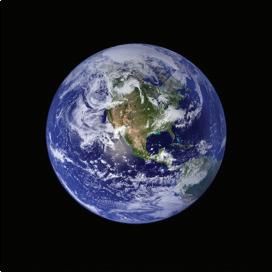
Earth systems: the atmosphere (air), the hydrosphere (water and ice), the geosphere (solid and molten rock, soil, and sediments), and the biosphere (living things, including humans)


Reflect
What is the atmosphere?
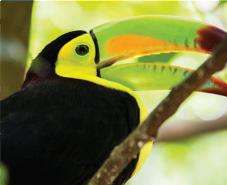
The atmosphere is the layer of gas that surrounds Earth. This layer of gas protects us from some of the Sun’s rays and provides living things with air. The atmosphere and the Sun’s energy create the weather patterns on Earth. Earth’s atmosphere is a mix of gases that is just right for supporting life!
Reflect
STEMscopedia
What is the hydrosphere?
The hydrosphere contains all the ice and water. It includes both fresh water and salt water. However, most of the water on Earth is ocean water, which is salt water. Only a small portion of Earth’s water is fresh water. The hydrosphere includes water in all states of matter—gas (water vapor in the air), liquid (water), and solid (ice in glaciers and polar ice caps).
Freshwater bodies, such as lakes and rivers, help make up the hydrosphere. Tributaries that flow to the ocean, as well as glaciers that melt into the ocean, are also part of the hydrosphere.
What is the geosphere?
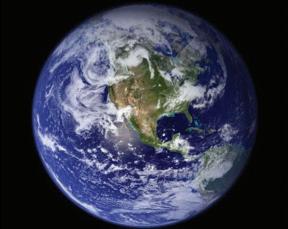
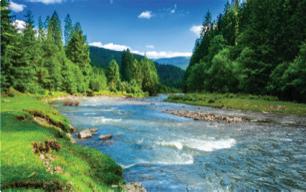
Earth is nearly 75% water. Salt water is 97% of that. Only 3% is fresh water.
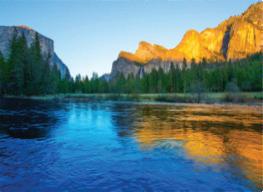
Rivers and lakes are part of the hydrosphere.
Earth’s geosphere is all the solid and molten rock, soil, and sediments found on the planet. You cannot see all of our geosphere, because most of the solid and molten rocks are found under Earth’s surface. The ocean floor is also part of the geosphere, but it lies deep under Earth’s oceans. The geosphere can be very useful! We use soil to plant crops and make bricks. We use minerals from rocks to create a variety of products.
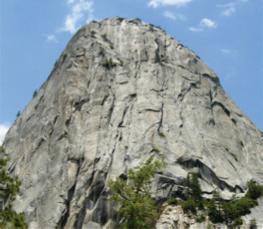
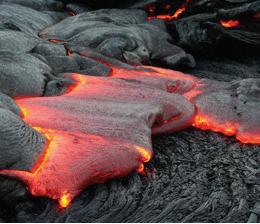
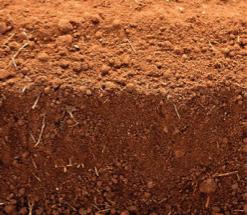
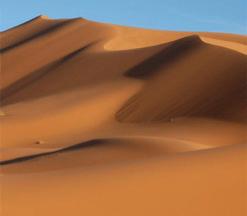
Mountains (solid rock), lava (molten rock), soil, and sand (sediment) are examples of the geosphere we can see. Most of the geosphere is under the surface of the land or water.
STEMscopedia
What is the biosphere?
The biosphere is the system on Earth that contains all livings things, including humans. Look at the ecosystem in the picture. What plants and animals do you see? Any plants and animals in an ecosystem are part of the biosphere.
Reflect What Do You Think?
How do Earth’s systems interact?
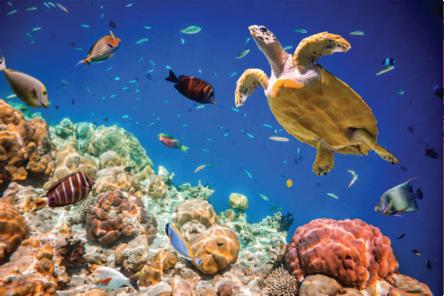
Each system interacts with the other systems in a variety of ways.
Look back at the ecosystem above. Do you see examples of any other systems in the picture? Earth’s systems cannot work all by themselves. These systems constantly interact! The plants and animals in the picture above depend on the water around them.
What sphere includes animals? The biosphere! Which sphere includes water? The hydrosphere! The ocean supports a variety of ecosystems where different organisms live. This is an example of the hydrosphere and the biosphere interacting!
How do the atmosphere and the biosphere interact?
Think about the variety of environments around the world. Some are hot and dry, some experience a lot of rain, and some are very cold. Those environments have different climates.
A climate is the average weather conditions of an area over a long period. Weather is the current conditions in the atmosphere, such as temperature, air pressure, and precipitation.
The conditions of the atmosphere over time influence the types of organisms that can live in a certain environment.
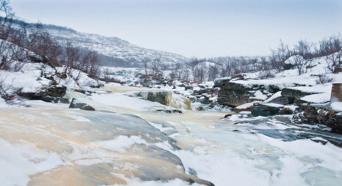
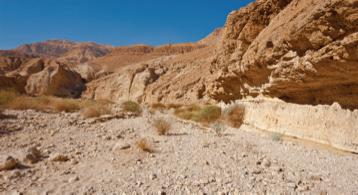
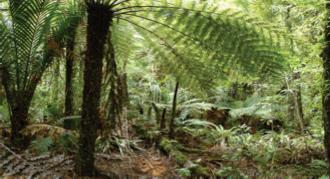
Reflect
STEMscopedia
How do the hydrosphere and the geosphere interact?
The hydrosphere affects the geosphere by weathering and eroding rock and soil. This erosion is caused by precipitation, moving rivers, and ocean waves. Water can cool molten rock to form new land. Earth’s water constantly changes Earth’s surface and forms rivers, drainage basins, watersheds, and deltas.
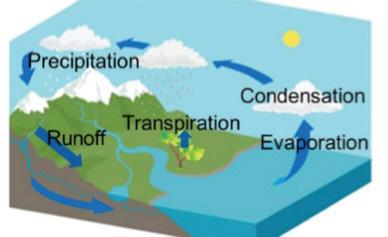
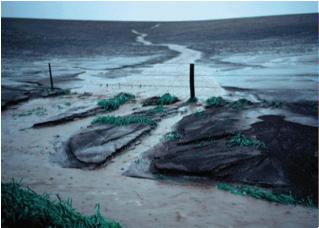
In the water cycle, water that evaporates eventually becomes precipitation that falls to Earth. That water becomes runoff and drains downward into large basins (collecting areas) of land called drainage basins. The water in a drainage basin flows into rivers, which drain into oceans.
Within that drainage basin are smaller areas where water runs into a specific body of water. Those local drainage areas are called watersheds. The Mississippi River watershed is the fourth largest in the world. You can see on the map that two major rivers, the Missouri River and the Mississippi watershed, along with smaller river systems, all drain into the Mississippi River. That covers an enormous part of the United States.
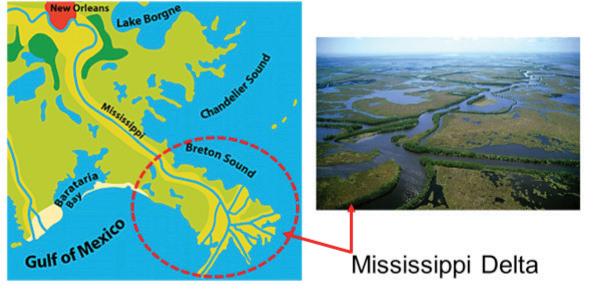
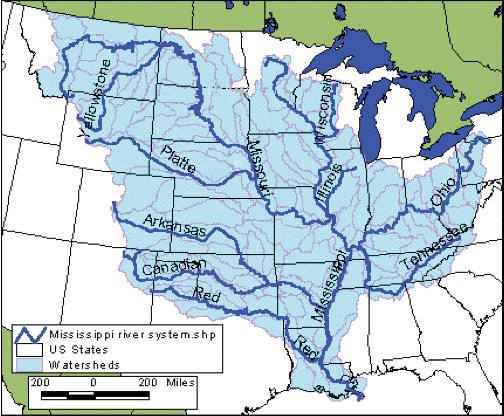
Deltas form where sediments are deposited at the mouth of a river. The deposits cause the river to break up into many branches or channels. Where the Mississippi River runs into the Gulf of Mexico, a huge delta has formed. The Mississippi Delta is the seventh largest delta on Earth.
Try Now
STEMscopedia
With all you have learned about Earth’s interacting systems, can you guess which organism in the biosphere causes the most change in the hydrosphere, the atmosphere, the geosphere, and even the biosphere?
If you said “humans,” you are right. Find a partner and take a moment to brainstorm all the ways that humans interact with each of Earth’s systems.
Atmosphere Hydrosphere Geosphere Biosphere
After you are finished, get together with another set of partners and share your lists. Discuss whether human interactions are mostly helpful or harmful and why.
Try Now
Find a small group and play a card game to review Earth’s systems. For materials, you will need four note cards of one color.
Instructions:
• On each of the four note cards, write one of the following categories: hydrosphere, atmosphere, geosphere, and biosphere
• Mix up the cards and place them face down on a desk or table. Do this again between each turn.
• Take turns. When it is your turn, draw two cards. Then, depending on the cards you drew, explain out loud how each of the two Earth systems interact. Be specific!
• Make sure you listen attentively to each person. The more you listen, the more you learn!
STEMscopedia
Connecting With Your Child
Earth’s Systems
To help your child learn more about how Earth’s systems, the hydrosphere (water), the atmosphere (air), the geosphere (land), and the biosphere (living things), interact, take a nature walk together.
1. Take your child outside with a digital camera to take pictures of nature that are related to each of the systems, such as water (puddles, streams, ocean, clouds, raindrops, snowbanks), air (wind, sky), land (landforms, soil, mountains, valleys), and living things (plants and animals). Look for places where a plant or animal is interacting with the land or water (for example, an animal drinking water or rain falling on plants).
2. Another option is to have your child draw sketches and write brief descriptions.
3. If possible, have your child take or draw multiple pictures of the same type of object to form a collage or mixture of pictures.
4. After returning home, print out the pictures (if using a digital camera). Gather poster board, glue, and some markers. Have your child create a personal poster with pictures of the systems in your own backyard.
5. Arrange the pictures according to the Earth system they best represent. For example, wet soil would represent the geosphere. Use the markers to label and describe the parts of the water cycle.
6. Then have your child present the project to other family members, explaining what he or she learned about the water cycle and the interactions of Earth’s systems.
Here are some questions to discuss with your child:
• Was it hard to find objects to photograph or draw that represented each of Earth’s systems?
• How do you interact with the water cycle every day?
• Which of Earth’s systems was easiest to find pictures to represent? Why?
• Which of Earth’s systems was most difficult to find pictures to represent? Why?
Reading Science
Earth’s Systems
1 Many people have seen a picture of Earth from outer space. Our planet looks like a mix of blue, white, green, and brown. This image is so calm it is almost as if nothing is happening. Do not let this picture fool you! There are many systems, or parts, of Earth that are working together. Each part, or system, is needed for life on our planet!
2 Students think that Earth is simply a sphere and that life is happening on the very top of it. This is far from the truth. In fact, Earth has four major systems that work together.
3 If you think of these systems as layers, the geosphere is the first layer. The geosphere is made of rock, soil, and other sediments. This part of Earth consists of the crust, the mantle, and the core.
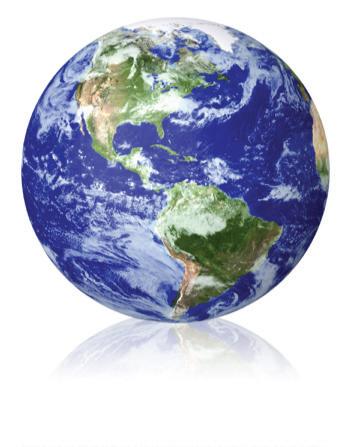
4 Above the geosphere is the hydrosphere. This is where all of Earth’s water is located! Whether the water is in a solid, liquid, or gas state, it is found in the hydrosphere. Without the hydrosphere, nothing could live! The water in the hydrosphere allows all plants and animals to live.
5 Even if we had both the geosphere and hydrosphere, we would not be alive if it were not for the atmosphere. Our atmosphere is the place that holds the air we breathe.
6 The final system, the biosphere, includes all living things! That means us!
Reading Science
7 If you are still unsure about how all of these parts work together, think about a cheetah, for example. The cheetah lives on the geosphere, and it needs water from the hydrosphere to survive and oxygen from the atmosphere to breathe. If one of these elements was gone, the cheetah could not live. At the same time, because all pieces are connected, when one system is hurt, the others will also be hurt. If the cheetah’s habitat were to have drought or a forest fire, there would be fewer plants and animals in the biosphere. The geosphere would also be affected because there would be fewer plants to hold the soil in place.
8 As you can see, Earth is made up of many systems. Together, these support life. When one system changes, it can affect any or all of the other systems. Together, the geosphere, hydrosphere, atmosphere, and biosphere work so that life can exist on Earth.
Reading Science
1 In Paragraph 1, the word systems means–
A pieces.
B independence.
C isolated.
D alone.
2 Which of the following is NOT true about Earth’s systems?
A Together, the geosphere, hydrosphere, atmosphere, and biosphere work to sustain life on planet Earth.
B Our atmosphere is the place that holds oxygen.
C There are many systems, or parts, of Earth that work independently.
D There are many systems, or parts, of Earth that work together.
3 The passage is primarily about–
A the structure and function of the water cycle.
B the role of Earth’s systems.
C the way the planet appears from outer space.
D the environment.
Reading Science
4 Which sentence best describes a relationship between Earth’s systems?
A Earth is not just a sphere with life on top.
B The cheetah will produce offspring.
C Together, these systems support all plant and animal life.
D Earth’s systems are independent from one another.
5 How many systems are located on Earth?
A One B Two
C Three D Four
Open-Ended Response
1. Earth’s four major systems include the hydrosphere, geosphere, atmosphere, and biosphere. Choose one of the systems. Illustrate the system and summarize in one or two sentences what it is and/or how it works.
Open-Ended Response
2. Choose two of Earth’s systems and give an example of how they interact. Draw and describe the interaction.
Open-Ended Response
3. Explain how a delta is formed and what processes are involved.
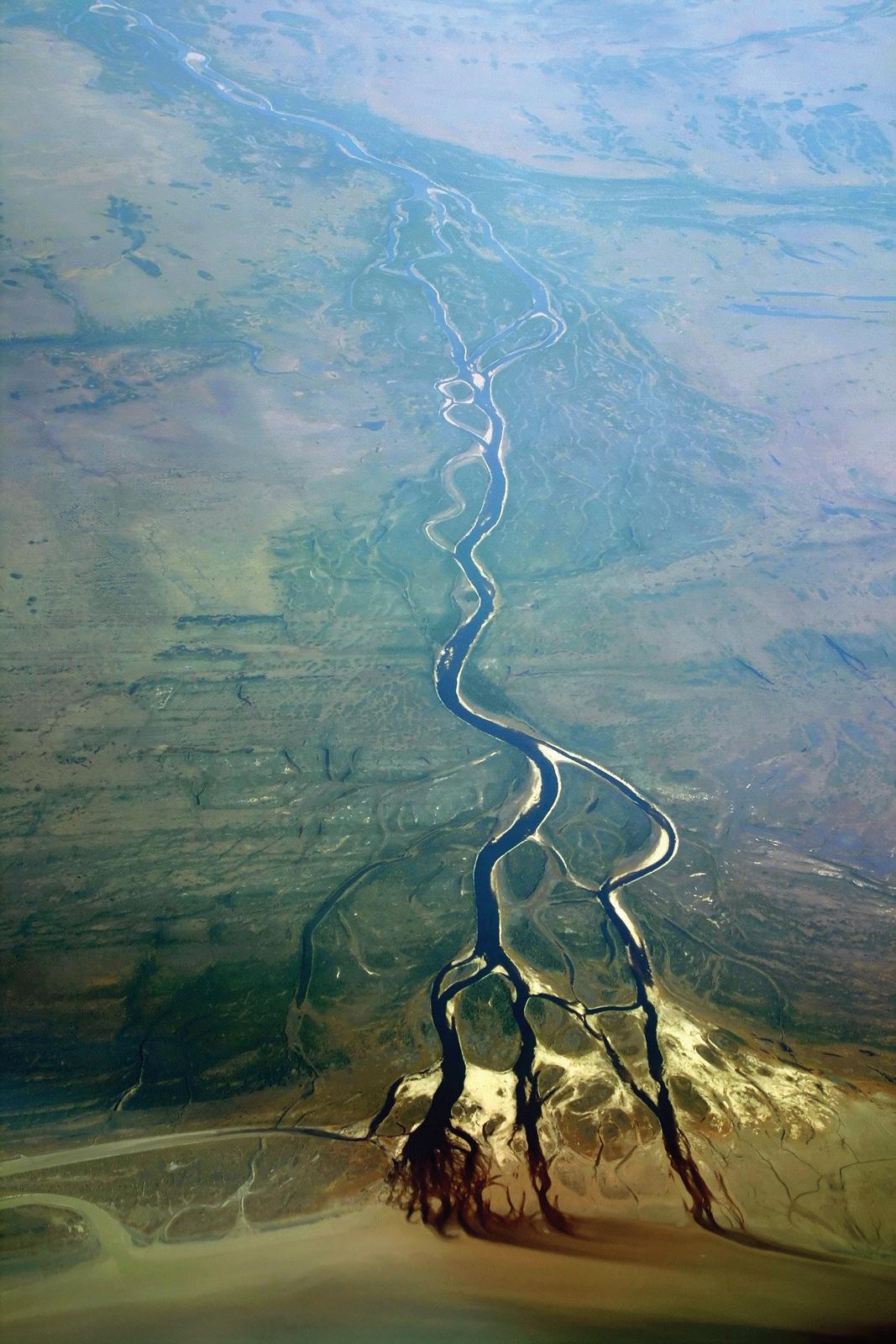
4. Look at the chart that shows water distribution on Earth. How do you feel when you examine the amount of surface fresh water on Earth? Why?
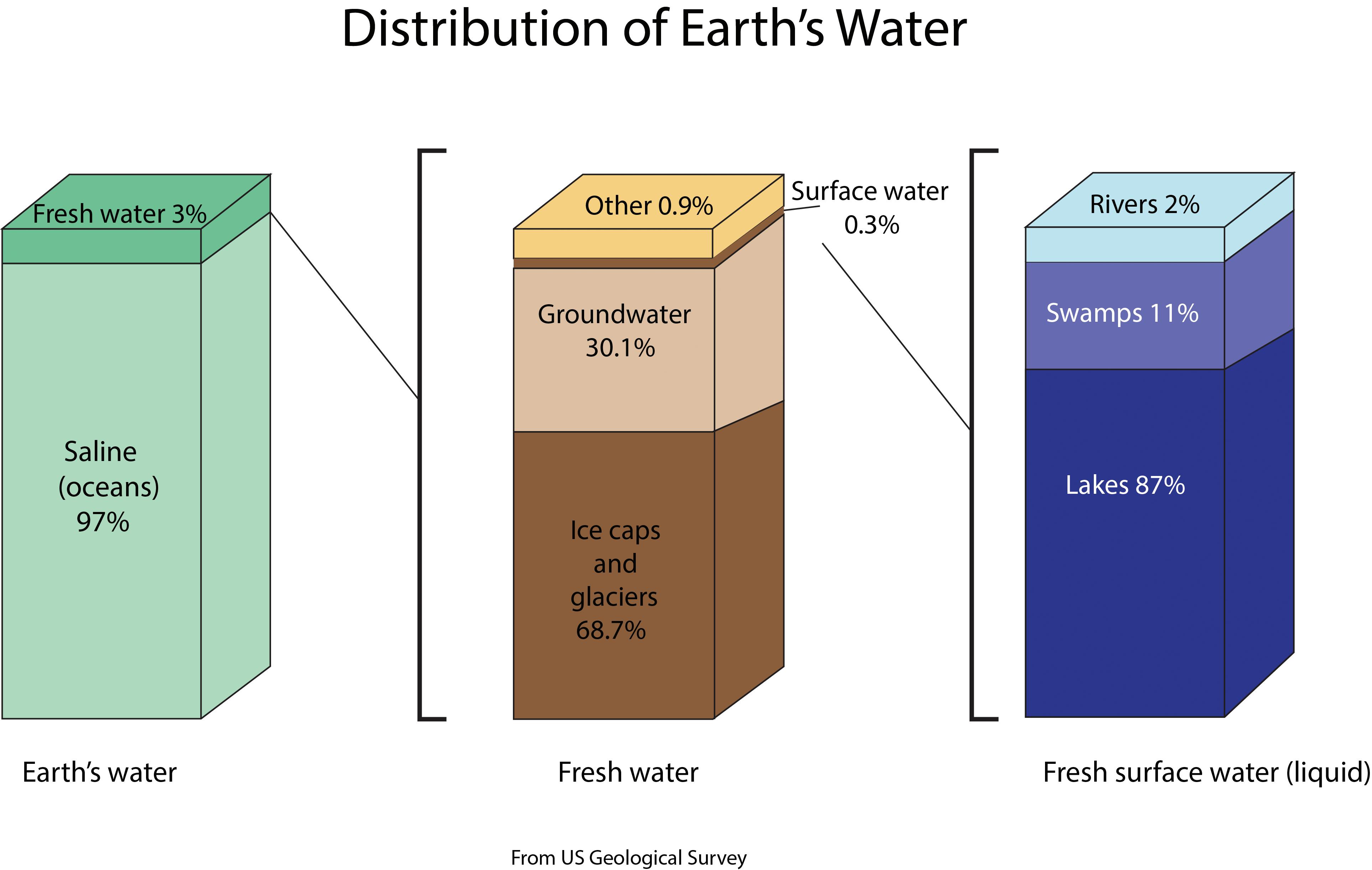
Claim-Evidence-Reasoning
Scenario 1
Carl lives in Oxford, Mississippi, and is training for the Olympics at the U.S. Olympic Training Center in the Rocky Mountains in Denver, Colorado. The air in Denver is thinner and has less oxygen because of the altitude. While doing training runs in Denver, he notices that he is short of breath and gets tired quickly. When he runs at home in Oxford, where there is more oxygen in the air, he does not run out of breath and can run farther. After a few weeks of training in Denver, Carl returns to Mississippi and notices that he is able to run further and faster. The table below shows the data for Carl and his teammates.
2
External Data
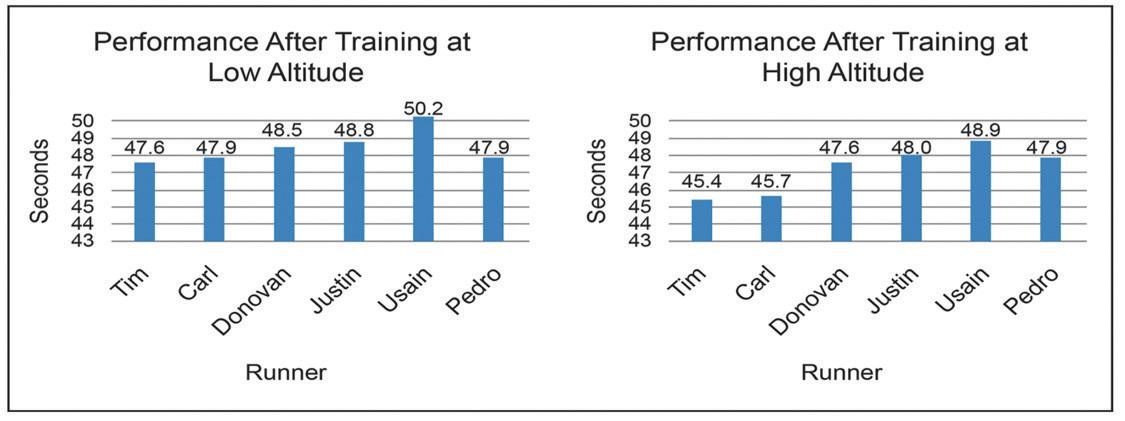
Claim-Evidence-Reasoning
Prompt 3
Write a scientific explanation that explains the effects of the mountain’s atmosphere on Olympic athletes (biosphere).
Claim:
Evidence:
Reasoning:
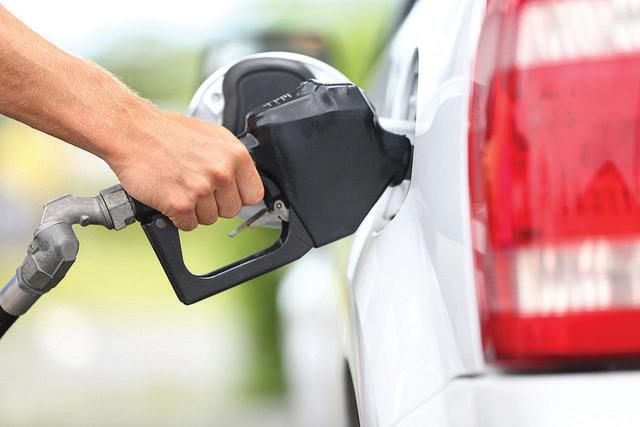
Explore 1
Earth’s Natural Resources
Sort and glue the Earth’s Resource Cards into either the renewable or nonrenewable section below.
Explore 1
1. What is the difference between renewable and nonrenewable resources?
2. In what ways do humans use natural resources?
3. How do humans attain these natural resources that we use?
4. What are some ways that we can conserve or protect the natural resources that we use?
Explore 1
Earth’s Resource Cards
Cut out the cards. Sort each resource whether it is renewable or nonrenewable.
Water
Returns to Earth through the water cycle
Wind
Does not rely on an outside power source
Oil
Formed from buried remains of plants and animals that lived millions of years ago
Natural Gas
Formed from buried remains of plants and animals that lived millions of years ago
Soil
Erosion reduces the amount available
Forests
Can be replaced in a relatively short time period
Minerals
Can take millions of years to form
Coal
Formed from buried remains of plants and animals that lived millions of years ago
Explore 2
How We Use the Mississippi River
Research ways the Mississippi River is used as a resource. Draw a picture to represent the uses of the Mississippi River your section explained.
Notes
Picture
Explore 2
1. How does the Mississippi River impact the environment around it?
2. How do people use the Mississippi River?
3. How do people using the Mississippi River impact the environment?
Explore 3
The Problem
Clean Up Our Water!
Earth’s rivers and oceans have become a dumping ground for our trash. All of the trash collecting in the rivers and oceans is causing water contamination, habitat destruction, and organism death.
The Challenge
Create a blueprint designing a device that will help to clean the ever-growing trash piles in our water resources.
Criteria and Constraints
• Must create a blueprint of the device
• Must complete in one hour
• Blueprint must include labels of materials
Brainstorm and Research
Write down any ideas you have about how you could master the challenge. If you need more information, write down what you need to know, and get permission from your teacher to research the answer.
Explore 3
Design Plan
Use the ideas you wrote down while brainstorming to develop a final design plan. Draw your plan and label the parts. Be sure to list what each part is made of.
Presentation Plan
Use the space below to plan how you will present your final product. Be sure to include who will speak and what you want to say. Your presentation should include the scientific ideas used to solve this design challenge.
STEMscopedia
Reflect
Ring! Ring! Your alarm clock goes off and wakes you for school. Did any part of your morning routine require you to use natural resources? Yes! You used energy resources for your alarm, shower, stove or microwave, refrigerator, dishwasher, electric lights, and school bus! Whew!
What is a natural resource? A natural resource is anything on Earth that humans use. A natural resource can be anything from food, to water, to building materials, to energy. In this scope, we focus on energy resources. We can use some kinds of natural resources over and over. Other kinds of resources can run out. Earth’s two types of resource are renewable and nonrenewable
What are renewable resources?
Renewable resources can be replaced in our lifetime by natural processes. What are some of our renewable resources?
• Sunlight: The Sun will continue to shine for billions of years. We can use energy from the Sun in many important ways. Solar panels capture sunlight and turn it into electricity.
• Air or wind: Air or wind can be used to create electricity, too. Large windmills, called turbines, spin in fast-moving wind. The movement of the turbine blades helps produce electricity.
• Water: Moving water can be used to generate electricity. This can be done with dams or with waves from the ocean.
• Geothermal: Earth’s own heat can be used directly for heating and cooking, as well as for generating electricity.
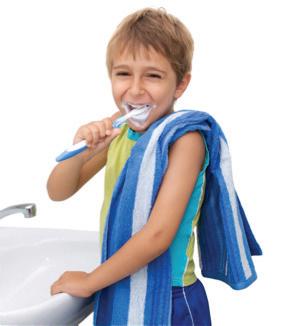
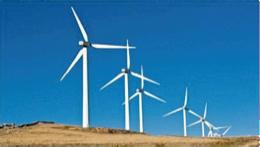
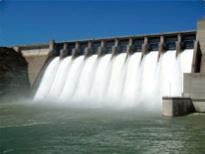
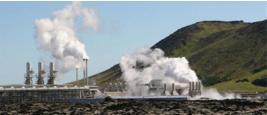
• Biomass: Wood can be burned to heat homes and can be used to generate electricity.
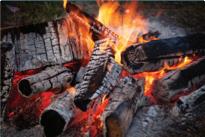
Reflect
STEMscopedia
What are nonrenewable resources?
Nonrenewable resources exist on Earth in limited supply, and natural processes cannot replace them in a human’s lifetime. It often takes millions of years. Soil and minerals (like aluminum and iron) take more than a lifetime to form. Coal, oil, and natural gas are fossil fuels that are nonrenewable. They are called fossil fuels because they form from organisms that died long ago. Another type of nonrenewable resource is nuclear energy.
• Coal: Coal comes from moss and ferns that died millions of years ago in swamps. Thick layers of rocks and soil covered the dead plants. The pressure of the rocks and soil turned the plants into a solid called coal. Humans dig coal out of the ground to burn for energy to produce electricity.
• Oil: Oil is a liquid fuel that comes from tiny animals that died in the ocean and were covered by sediment that pressed them for millions of years and turned them into a liquid, called oil. Oil can be changed into gasoline and other kinds of fuels. Oil is also called petroleum and is used to make many products, such as plastics, DVDs, paints and dyes, fabrics, and tires.
• Natural gas: Natural gas is formed in the same manner as oil. Over millions of years, tiny dead animals are pressed down by layers of rocks under the oceans. The pressure forms tiny bubbles of gas. Natural gas is used to heat homes and cook food.
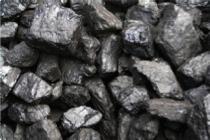
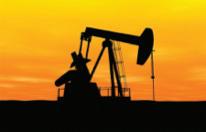
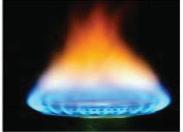
• Nuclear energy: Uranium is the fuel used in nuclear power plants. A nuclear reactor splits pieces of uranium apart. This process releases energy, which is used to produce electricity.
• Soil: Soil is formed from the weathering and erosion of rock particles. This process takes longer than a lifetime.
• Minerals: Minerals are metals and nonmetals which are buried in the Earth and dug up as resources. Minerals take more than a lifetime to form. Gold, silver, and copper are examples.
STEMscopedia
What Do You Think?
Look at the photographs below and think about what you know about forms of renewable and nonrenewable energy.
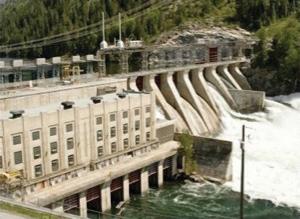
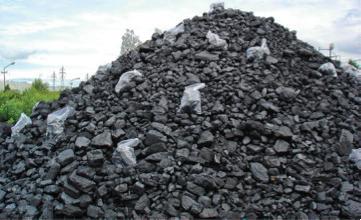
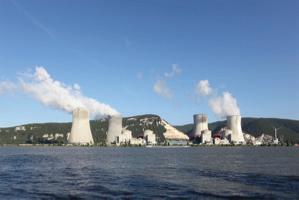
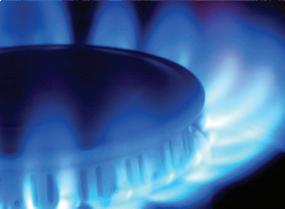
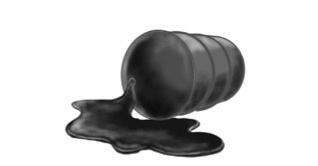
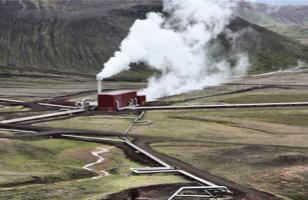
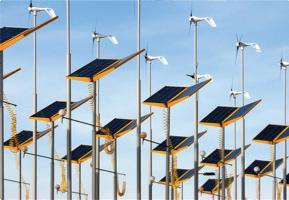
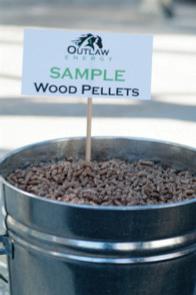
Questions
• Which of the resources above are renewable? Which are nonrenewable? Explain your answers.
• Which of these types of energy are available in your community?
• Which of these types of energy are not readily found in your community? Why do you think that is?
• Which type of energy do you think should be used more in your community? Why is this energy a good fit for your community?
Wind turbines
Cooking with natural gas
Nuclear power plant
Hydroelectric power
Geothermal power plant Oil pumped from underground Coal that has been mined
Biomass wood pellets used for heating Solar energy
STEMscopedia
What Do You Think?
Using Our Resources Wisely
Nonrenewable resources cannot be replaced in our lifetime. If we use all the coal, oil, and natural gas on Earth, there will be none left. It will take millions of years to replace those resources. On the other hand, just because a resource is renewable, it does not mean we can use it without limits. For example, trees can be used to make fuel, paper, and lumber. But what happens if we cut down all the trees in a forest? It will take many years for all the trees to grow back.
Look Out!
Looking to the Future: Deforestation
Trees are an example of a renewable resource. They can be used not only for lumber and paper, but also as a source of energy called biomass. Imagine for a moment that people all owned wood-burning stoves and everyone heated their homes using wood.
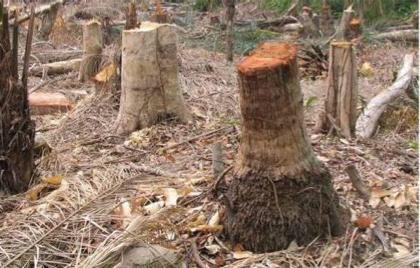
The human population is very large. There are billions of people on Earth, and the population grows larger every day. With new technology and better equipment, we can cut down many more trees than we could hundreds of years ago. However, we could be cutting down too many trees.
Imagine that a forest has 100 trees. What happens if we cut down 90 of those trees? We will have lots of fuel for our wood-burning stoves. However, only 10 trees are left to spread seeds and grow new trees. Those 10 trees cannot spread enough seeds, and those new trees cannot grow fast enough to replace all the trees we cut down and used for fuel energy. This is an example of deforestation.
A woodburning stove such as this uses wood to heat buildings.
Scientists recommend limiting the number of trees we cut down for fuel instead of cutting down too many at a time. Then we should replace the trees that were cut down so the tree population remains healthy and available for our energy and heating needs, both now and in the future.
Look Out!
STEMscopedia
Consequences of Human Use of Resources
Human use of both renewable and nonrenewable resources can have consequences for the environment.
CAUSES
Drilling for oil and transporting oil can cause spills in the ocean.
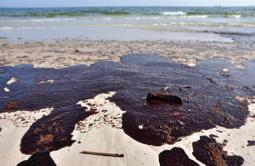
Burning coal to generate electricity releases gases and smoke into the atmosphere.
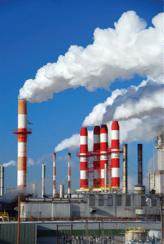
Nuclear waste, which stays radioactive for thousands of years, is created at nuclear power plants.
Effects of oil spills can include destruction of habitats and injury to, and death of, animals in the area.
Effects of air pollution include toxic habitats for living things, acid rain, and poor air quality.
Effects of nuclear waste include pollution of habitat and sickness and death for organisms that come in contact with the waste.
Even clean and renewable sources of energy can have some unfortunate effects on the environment.
Building wind turbines causes disturbances to ecosystems where the turbines go.
Building dams to harness hydroelectric power causes changes to landscapes.
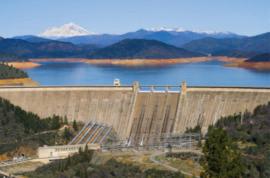
Effects of building wind turbines include loss of habitat for living things in the area, especially during construction.
Effects of building dams include loss of habitat for many living things. Pollution can be another effect if reservoirs are used for activities such as boating.
STEMscopedia
What Do You Think?
What natural resources are found in Mississippi? Which ones do you think are the most important?
Water: The Mississippi River is the most important natural resource in the state. It is a source of water for the vast farmlands and for city populations. Its waters support living things along all the river and coastline ecosystems. The river is also used for water transportation (commercial and recreation), as are the adjoining rivers. The local bodies of water are a source of freshwater fish. Along the coastline, salt water is a source of shellfish.
Minerals: The northern part of the state is rich in lignite, a mineral that is soft coal. Ancient swamps once covered the area. Lignite was formed from the burial of the plants in those swamps.
Layers of sediment pressed down over hundreds of millions of years, changing the carbon in the dead leaves to soft coal. Sand, gravel, and clay, which are also abundant, provide materials for construction. Salt domes near Jackson provide salt.
Forests: The softwood and hardwood trees in the many forests in Mississippi provide lumber. Hickory and oak are hardwood trees that are cut down for furniture, while the softwoods like pine are cut down for building materials.
Soil: The fertile soil throughout the state provides rich farmland that is ideal for crops or for pastures for grazing livestock.
Try Now
STEMscopedia
Sunlight is an example of a renewable resource. Solar panels can convert sunlight into electrical energy. To be able to do this, the solar panels need to collect as much sunlight as possible. Try this short activity to learn more about solar panel design. You will need water, two foil pie pans, black construction paper, and two thermometers.
Procedure
1. Cut a piece of black construction paper to fit into one of the pie pans. Place the construction paper at the bottom of the pie pan. Leave the other pie pan as it is.
2. Pour the same amount of water into each pie pan.
3. Record the temperature of the water in each pie pan.
4. Put both pie pans in direct sunlight. Leave them in the sunlight for 20 minutes.
5. After 20 minutes, record the temperature of the water in each pie pan.
Questions
1. In which pie pan did the temperature rise more?
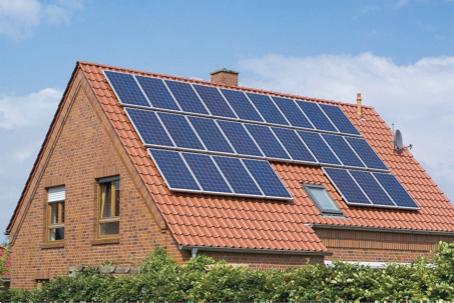
This house gets some of its energy from solar panels on its roof. The panels convert sunlight into electricity.
2. What does this tell you about how sunlight interacts with dark colors?
3. If you were designing a solar panel, what color would you make it? Why?
STEMscopedia
Connecting With Your Child
Conserving Our Resources
People use energy resources from Earth every day. Both renewable and nonrenewable resources provide us with the energy we need to live. If every person in the world committed to changing a few habits, the impact on the environment would be huge! Work with your child to create a list of ways to conserve energy resources. Make a pledge to become an Energy Saver.
Guiding Questions
• Can you walk or ride a bike somewhere instead of driving?
• Can you combine errands to reduce trips in the car and save gas?
• Can you save electricity by turning off lights or technology?
• Can you save natural gas by setting your thermostat differently?
• Can you use renewable energy (for example, drying clothes on a clothesline)?
Brainstorm a list of ideas that your family could carry out to become better Energy Savers. Choose three tasks and commit to carrying them out for a month.
Answer the following questions:
1. Do these tasks seem difficult or manageable?
2. Why do you think you have not tried these energy-friendly ideas in the past?
3. What do you think could happen if everyone in the world committed to performing three new habits that would help conserve our energy resources?
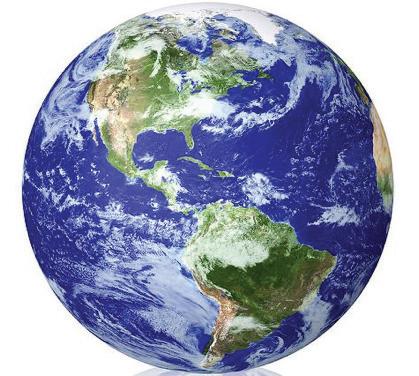
Reading Science
The Poster Contest
1 Just after lunch one day, Ms. Simpson had an announcement for her class.
2 “Kids,” she said, “we are going to enter a poster contest. We are going to make posters to convince kids to protect Earth’s resources and use them wisely.“
3 John asked, “What does that mean?”
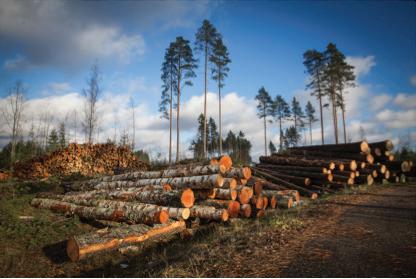
4 “Earth provides us with the resources we need to live,” said Ms. Simpson. “Earth provides us with water, wind, soil, and forests. Humans cannot make these resources themselves.”
5 “Why do we have to use them wisely and protect them?” asked Amir.
6 “Well,” Ms. Simpson continued, “even though some resources are renewable, which means they can be replaced in time, it can take a long time to replace them.” She held up a piece of notebook paper. “This paper is made from trees. When trees are cut down to make things, such as paper, they can be regrown, but it takes a long time to regrow trees, replace dirty water with clean water, or clean air after it has been polluted. This is why we need to take care of our renewable resources.”
7 “What about things that cannot be renewed?” asked Addison. “My dad says there is only so much oil in the world so we have to conserve it, or not use so much of it, so we can save the oil we have left.”
8 “That is right, Addison,” said Ms. Simpson. “Besides renewable resources, there are nonrenewable resources like oil, natural gas, and minerals, also known as fossil fuels. Once we use them up, there are no more of them. It took the planet a long time to create these resources, but we are using them so quickly. Supplies will disappear if we do not do something about this soon. You kids are so smart. I know you will want to help spread the word about how important it is to conserve.”
Reading Science
9 “I think this poster contest sounds like a great idea!” said Amir. “I do not want us to run out of resources!”
10 Ms. Simpson passed out crayons, paper, and markers to the kids. They started drawing pictures and writing messages on their posters.
11 They wrote things such as “Please Recycle” and “Walk To Save Gas.” Ms. Simpson gave them other ideas such as “Turn Off The Water When You Brush Your Teeth!” and “Reuse Plastic Bottles.”
12 Ms. Simpson asked the kids to make additional posters to put up around the school so all the other students would know how important it is to use resources wisely.
13 The kids hung their posters and then stood back and looked at them with pride. They felt like they had done something good for their school and the planet. Ms. Simpson was also proud of her students and gave them cupcakes she had baked.
Reading Science
1 What is the story mainly about?
A Students learning about resources and the importance of using them wisely
B Students entering a poster contest
C Ms. Simpson being a kind and knowledgeable teacher
D Students decorating their school with posters
2 Which of the following is most likely to happen the next day at school?
A Ms. Simpson will teach a math lesson.
B Amir, John, and Addison will throw away paper and plastic bottles.
C Other students at school will see the posters and recycle.
D The principal will get upset because the kids put up posters without permission.
3 What does the author mean by the word conserve in Paragraph 7?
A Save
B Convince
C Use
D Waste
Reading Science
4 Which of these statements from the passage is Ms. Simpson’s opinion?
A “We are going to enter a poster contest.”
B “When trees are cut down to make things, such as paper, they can be regrown.”
C “Besides renewable resources, there are nonrenewable resources like oil, natural gas, and minerals, also known as fossil fuels.”
D “You kids are so smart. I know you will want to help spread the word about how important it is to conserve.”
5 Why is it so important to use resources wisely?
A There are too many resources on Earth.
B Nonrenewable resources cannot be replaced.
C It is not important.
D The teacher said so.
Open-Ended Response
1. Draw and label three renewable and three nonrenewable resources. Explain what makes a resource renewable or nonrenewable.
2. What are some ways your family saves on energy usage in your home? Where does the electrical and heat energy come from in your home? RENEWABLE NONRENEWABLE
Open-Ended Response
3. What are some of Mississippi’s most important resources? How does using those resources impact the environments in Mississippi?
4. Each year, billions of people use plastic grocery bags worldwide. Plastic is not biodegradable, and many times, the bags end up in our oceans. This plastic debris is greatly impacting our marine ecosystems. Design a process to solve this problem.
Claim-Evidence-Reasoning
Scenario 1
Renewable energy (wind, water, and sunlight) is easily replenished, but nonrenewable energy (fossil fuels and materials for nuclear reactions) cannot be replaced once used. Renewable energy is considered “clean” because it is less harmful to Earth than nonrenewable energy.
External Data 2
Energy Sources Used in 2007
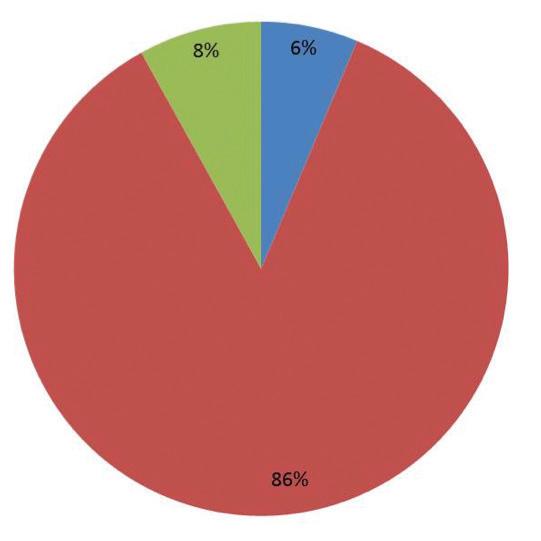
Energy Sources Used in 2011
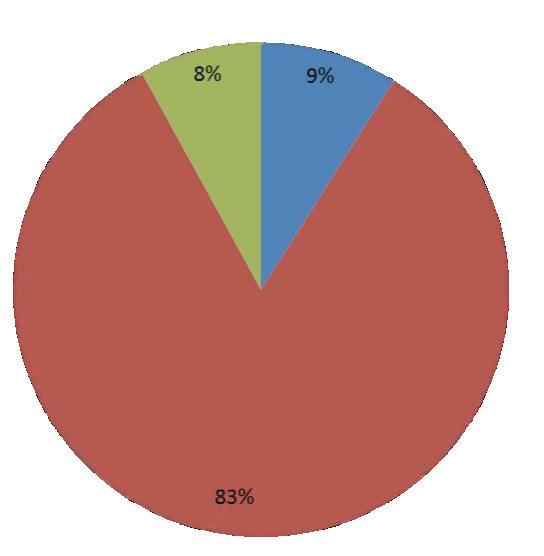
Claim-Evidence-Reasoning
Prompt 3
Using scientific explanations, tell how the usage of renewable and nonrenewable resources has changed over this time period and why this might have happened.
Claim:
Evidence:
Reasoning:
GLOSSARY
combine – to mix together adaptation combine
adaptation – an inherited trait that becomes more common by helping individuals that have it to survive and reproduce
animal – a living thing that can move on its own and that gets its energy from food
atmosphere – the layer of gas surrounding planet Earth, held in place by gravity and composed of a limited number of elements, primarily nitrogen and oxygen
attraction – a force tending to draw things together and resisting their separation
behavior – what a plant or animal does
beneficial – producing or promoting a favorable result; advantageous
biosphere – the sum of all living matter made of a limited number of elements, including oxygen, carbon, hydrogen, nitrogen, calcium, and phosphorus
boiling point – the temperature at which a substance changes states from a liquid to a gas
canyon – a deep ravine between cliffs that is most often carved from the landscape by the running water of a river
change of state – when matter changes among its solid, liquid, and gaseous forms
change – to become different
characteristics – features that help identify something
GLOSSARY
compare environment
compare – to consider the similarities and differences among things
condensation – water changing from gas to liquid
constructive processes –natural phenomena such as volcanoes, rivers, and weather patterns that build up landmasses on Earth’s surface
contrast – to consider differences between or among things
delta – a triangular landform where a river empties into another body of water
deposition – the buildup of land by the settlement of sediment and soil in a new location
destructive processes –natural phenomena such as erosion and earthquakes that wear down landmasses on Earth’s surface
direction – a straight path that something could move along
earthquake – a sudden release of energy under Earth’s surface that makes the ground shake or crack
Earth – the planet we live on
Earth’s surface – the part of Earth we can see
energy – what is needed to do work or cause change
environment – the space, conditions, and all the living and nonliving things around an organism
GLOSSARY
erosion gravity
erosion – the gradual wearing down of something by wind, water, or ice, and other natural forces
external – on the outside
extinct – the permanent disappearance of a species
feature – distinctive part, quality, or characteristic
force – a push or pull that causes an object to move, stop, or change direction
fossil – a natural nonrenewable fuel such as coal, oil, or natural gas formed over millions of years from the remains of living organisms
fossil fuel – preserved parts or traces of animals and plants that lived in the past
freeze – to change from liquid to solid
fresh water – water found in rivers, lakes, glaciers, ice sheets, and underground that contains low concentrations of salt
friction – a force that resists the motion of two surfaces sliding across one another
fuel – a source of energy gas – material that is not a liquid or a solid
geosphere – portion of Earth’s system that includes Earth’s interior, rocks and minerals, landforms, and the processes that shape Earth’s surface
glacier – a large, slowmoving, long-lasting accumulation of snow and ice that develops on land
gravity – a force between objects that pulls them toward one another
GLOSSARY
mineral – a solid rock-like substance that can be found naturally in Earth growth mineral
growth – increase in size, abundance, or complexity
habitat – a place where an animal or plant lives
heat – the type of energy that makes things warm
hydrosphere – all of the water in the air, oceans, rivers, lakes, ice caps, soil, rocks, and organisms of Earth
inherited – passed on from parent to offspring
invertebrate – an organism that does not have a backbone
investigate – to observe or study by close examination
island – a piece of land surrounded by water
lake – water surrounded on all sides by land
landform – a feature on the surface of Earth that is not covered by water
liquid – material that can flow and drip
magnet – piece of metal that attracts objects with iron in them
material – things needed for doing or making something
matter – anything that has mass and takes up space
melt – to change in state from solid to liquid
GLOSSARY
natural gas push
natural gas – a flammable material, without a definite form, produced from remains of marine organisms buried under layers of sediment found near oil deposits
needs – requirements for the well-being of an organism
nonrenewable resource
– a resource that, once exhausted, cannot be replaced in a short amount of time
ocean – the entire body of salt water that covers about 71% of Earth
offspring – the child or offshoot from a parent
oil – nonrenewable natural resource produced from the remains of organisms buried under layers of sediment for millions of years
organism – a living thing
particle – the smallest possible piece of something
physical properties – the look, feel, taste, sound, and smell of an object
plain – a large area of land that is flat with no mountains, hills, or valleys
plant – a type of living thing that gets its energy from the Sun and is unable to move from place to place on its own
population – all of the interacting members of a species in a single area
property – the look, feel, taste, sound, smell, or material of an object
pull – to use force to cause something to move closer
push – to use force to move away
GLOSSARY
renewable resource species
renewable resource –
materials from Earth that can be replaced by nature within a relatively short period of time; example: trees
reproduction – when one or more organisms bring new organisms of the same type into existence
repulsion – action of moving away, repelling
research – to carefully study to discover facts
resource – something valuable that we can use
river – a large body of fresh water that flows continuously toward the ocean
rock – a solid piece of Earth’s surface
rock cycle – change in the mineral compositions and physical structures of rocks over time caused by various natural processes
rock formations – rock arrangements, such as sea stacks, arches, mesas, and gorges, created by weathering and erosion and other natural processes
salt water – water found in oceans (and few lakes) that contains 3–4% salt
sedimentary rock – layers of rock formed when sediment is deposited and then compacted and cemented over time
solid – something that has a definite shape
species – a group of organisms that are similar to one another and can combine to produce more of their kind
GLOSSARY
states of matter wind
states of matter – the distinct forms that different phases of matter take on
strength – ability to resist or produce change
structures – an arrangement of parts
survival – the process of staying alive and in existence
survive – to remain alive and in existence
trait – a single characteristic of a living thing
valley – a low area between higher areas
variation – differences among objects or organisms
vertebrate – an organism with a backbone
water – a liquid that all living things need to survive
weathering – the breakdown of solid materials into very small particles by water, air, and natural events
wind – moving air