STUDENT
WORKBOOK
WORKBOOK

Published by Accelerate Learning Inc., 5177 Richmond Ave, Suite 800, Houston, TX 77056. Copyright © 2025, by Accelerate Learning Inc. All rights reserved. No part of this publication may be reproduced or distributed in any form or by any means, or stored in a database or retrieval system, without prior written consent of Accelerate Learning Inc., including, but not limited to, in any network or other electronic storage or transmission, or broadcast for distance learning.
To learn more, visit us at www.stemscopes.com.
This Student Notebook is designed to be used as a companion piece to our online curriculum.
The pages of this book are organized and follow the 5E model.
A short activity to grab students’ interest
EXPLORE Student Journal
Hands-on tasks, including scientific investigations, engineering solutions, and problem-based learning (PBL)
Claim-Evidence-Reasoning (CER)
A formative assessment in which students write a scientific explanation to show their understanding
ELABORATE
A reference material that includes parent connections, technology, and science news
Reading Science
A reading passage about the concept that includes comprehension questions
Claim-Evidence-Reasoning (CER)
A summative assessment in which students write a scientific explanation to show their understanding
Open-Ended Response (OER)
A short answer and essay assessment to evaluate mastery of the concept
Only student pages are included in this book and directions on how to use these pages are found in our online curriculum. Use the URL address and password provided to you by your district to access our full curriculum.


Predict: What do you think will happen to the celery?
Draw a picture and label here
Explain why each part is important
Predict: What do you think will happen to the carnation?
Draw and color the carnation below. Add arrows to show how water moves through the plant.
Scientist:
What did the scientist observe? Draw a picture below.
What did the scientist observe? Draw a picture below.
What did the scientist observe? Draw a picture below.
What did the scientist observe? Draw a picture below.

Reflect
What did you eat today? Did you eat any fruit? How about vegetables? If so, you ate some plant parts! Fruits and vegetables come from plants. What are other parts of plants? How do those parts help plants live and grow?
nutrients: substances that help plants grow
Plants have roots.
Roots are like tiny sponges. They soak up water from the soil. Roots anchor a plant. That means roots help keep a plant in one place so it does not fall over. Roots grow underground. Sometimes they also grow just above the ground. They also take in nutrients that help the plant grow. Did you know that carrots are roots that you eat?
Try Now
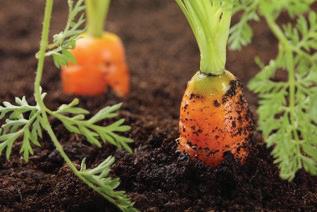
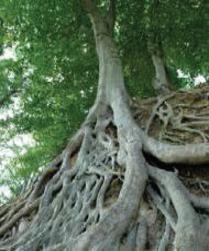
Look at the pictures below. Circle the roots.
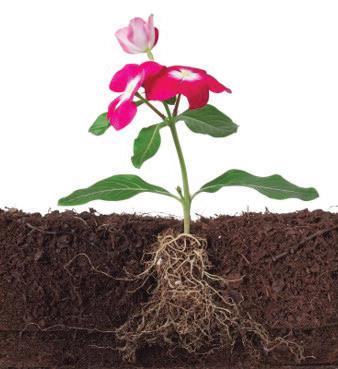
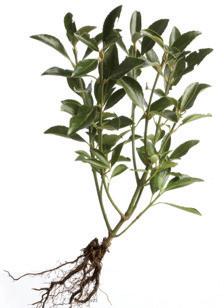
The plant roots are circled in blue.
Reflect
Plants have stems.
Stems support plants so they stand tall. Stems help the leaves reach the sunlight. Stems hold the weight of flowers and fruits. Stems are like elevators that bring water from the roots up into the rest of the plant.
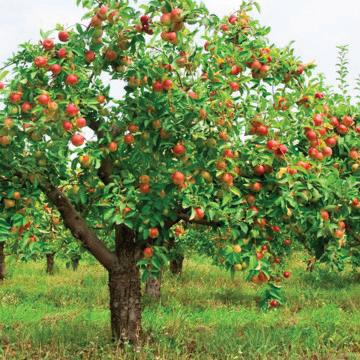
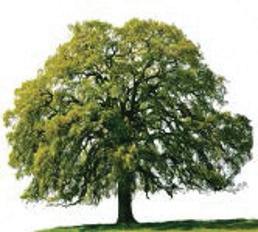
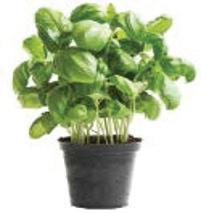
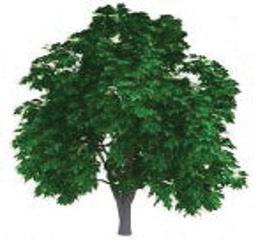
Many leaves and flowers grow on soft stems that bend. Tree leaves grow from hard branches.
Branches are woody stems that grow from large tree trunks.

Try Now
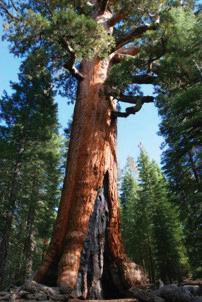
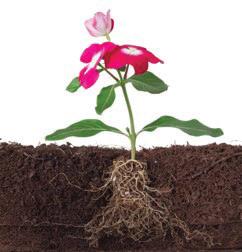
Look at the pictures below. Circle the pictures that show leaves growing from soft stems. Draw a square around pictures that show leaves growing from branches.
Watch how a stem takes in water.
1. You need a celery stem, a jar, and red food coloring. You also need a spoon and some water.
2. Fill the jar almost full with water.
3. With an adult’s help, squeeze 10 drops of food coloring into the water.
4. Stir the water to mix in the food coloring.
5. Place the celery stem in the jar.
6. Let the celery soak for a day.
7. Check the celery. Are any of its parts red?
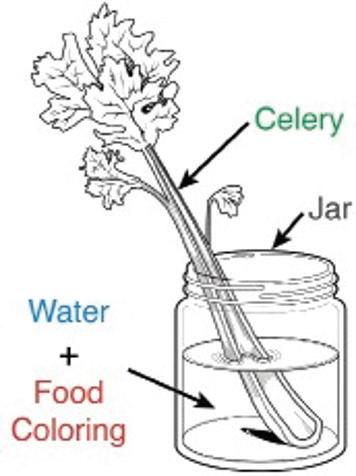
You do not see the roots, right? But water can still travel up the stem. You can see that the water moves up the plant. The stem and leaves are red!
Many plants have flowers.
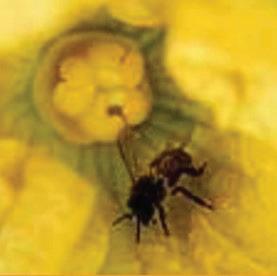
Flowers have colorful petals and seeds. Seeds grow into new plants. The colorful petals attract bees so they can spread around the plant pollen that helps seeds become ready for growing.
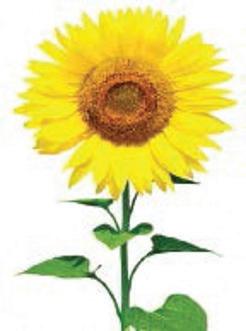
The flower has yellow petals. There are small seeds in the center of the flower.
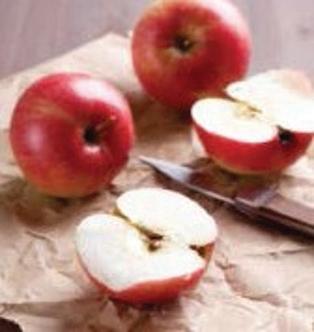
Some seeds grow inside fruit. The fruit protects the seeds.
Reflect
Plants have leaves.
Plants can make their own food. The leaves use water, sunlight, and air to make that food. Plants use the food to grow.
Leaves come in many shapes and sizes. Their shapes and sizes have to do with where they grow, the amount of sunlight they get, and the amount of water they get.
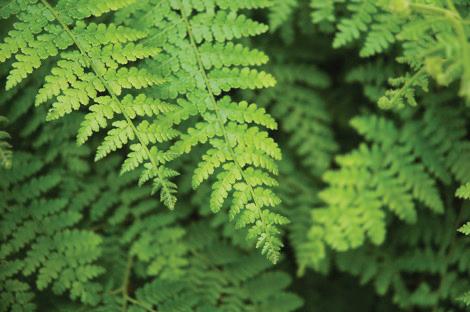
Ferns grow in dark, cool forests. They have many small leaves.
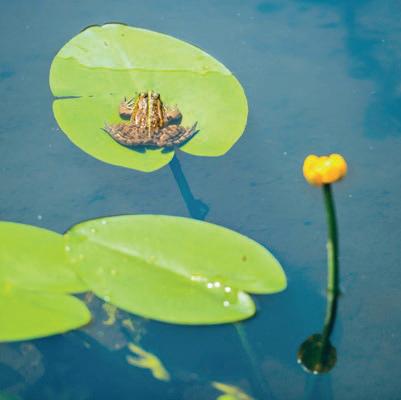
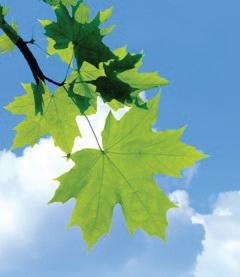
These are maple leaves on a branch.
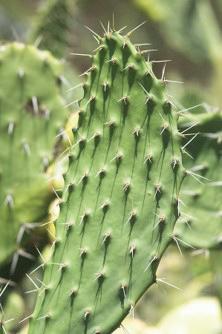
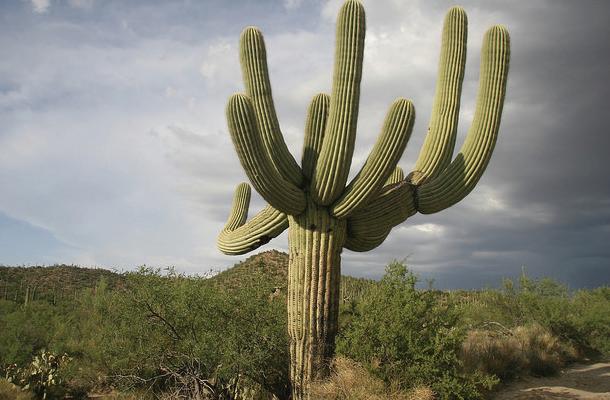
There is little rain where a cactus grows. Its leaves have turned into needles to save water.
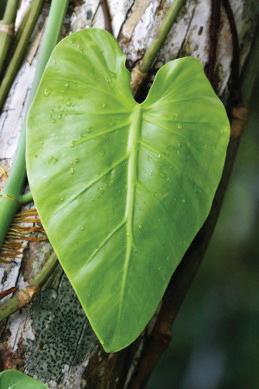
Leaves
most sunlight.
Reflect
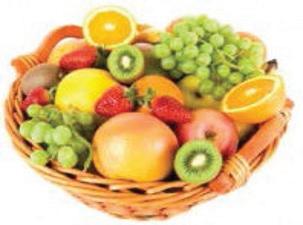
We can eat many plant parts. We eat seeds, such as peanuts and walnuts. We eat fruits and lettuce leaves. We even eat stems, flowers, and roots! Can you think of a plant part you have eaten today?
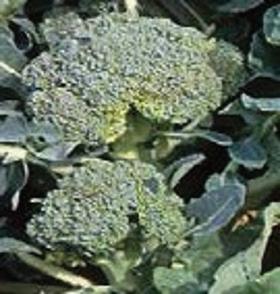
We eat broccoli flower petals.
Look Out!
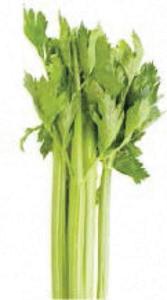

We eat celery stems. When we eat carrots, we are eating roots.
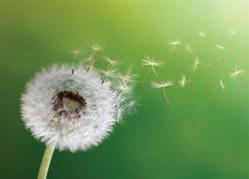
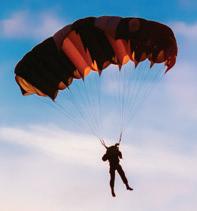
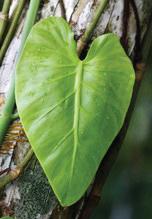
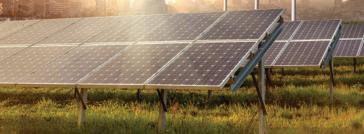
You have seen how the different parts of plants have different jobs. Plants also have interesting ways to protect themselves and their seeds. There are also many ways plants spread their seeds. Pine cones keep the seeds safely under their scales until they are ready to sprout. Dandelions use the wind to help carry their seeds to a new place. Look at the pictures below. Discuss how the plant parts are similar to the human-made objects.
Do you think you would like to find out more interesting facts about plants? Botany is the study of plants. Scientists who study plants are called botanists. Botanists use observations and experiments on plants to learn about the natural world. Below are four scientists who made important observations about plants:
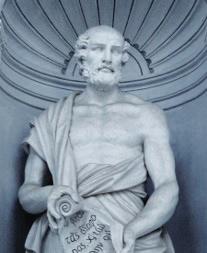
Theophrastus was one of the earliest botanists from ancient Greece to study plants. Theophrastus is considered the “father of botany.” Someone is called the “father” of his particular area of science if he was the first to make important discoveries.
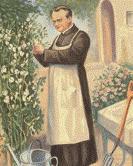
Gregor Mendel was a European monk who worked in the 1800s. He is considered the “father of genetics.” Mendel was the first to show how characteristics of pea plants were passed down to other generations.
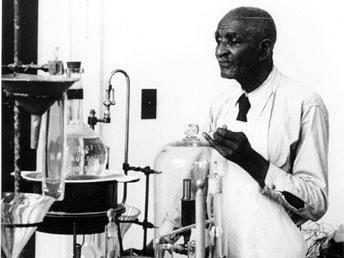
George Washington Carver was a Civil War slave who became a famous scientist and inventor. He is known for his important work with peanuts and sweet potatoes, which helped southern farmers raise these crops.
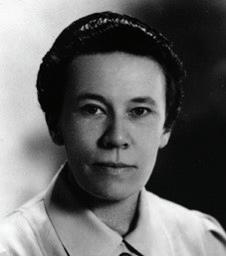
Katherine Esau was a Russian-American scientist who was the first botanist to receive the famous National Medal of Science in 1989 for her work on plant anatomy.
Try Now
Plant parts work together to keep the plant alive. Each part has a job (another name is function). Look at the pictures. Draw a line to match each picture with the correct job.
Leaves Connect stems to leaves
Branches
Catch sunlight to make food
Soak up water from soil
Flowers Carry water to plant parts
Roots
Hold seeds and petals
To help your child learn more about plant parts, examine various edible plant parts from the grocery store, including fruits and vegetables. Purchase as many examples as possible, but try to buy at least one root vegetable, one edible leafy plant, one edible stem, and one edible flower.
Common root vegetables include carrots and radishes. Common leafy plants include basil, kale, spinach, and lettuce. Common edible stems include celery and asparagus. Finally, common edible flowers include broccoli and cauliflower.
Once you have gathered the plants, lay them out on a table and have your child identify as many plant parts as possible. Some types of lettuce and celery may still have the roots attached, and many herbs, such as basil and oregano, have leaves that are still attached to stems.
If you examine a potato, explain to your child that potatoes are unique and the part we eat is actually a stem. If possible, cut open the fruits and examine the seeds. Once you have completed this activity, you and your child can wash and then eat the edible plant parts. If purchasing edible plants is not possible, observe and discuss houseplants or pictures of different plants.
Here
• Which plants have edible roots, stems, leaves, or flowers? Make a list.
• Do any of the plants contain seeds? Can we eat the seeds?
• Which plant part do you most often eat? What is the function of that part?
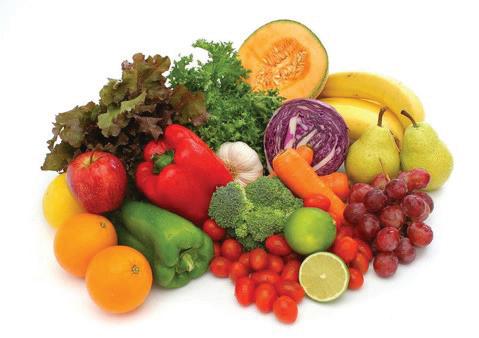

There are many different kinds of plants. Do you know all the parts of a plant and how these parts help it stay alive?
This is a pumpkin plant. Can you name the parts?
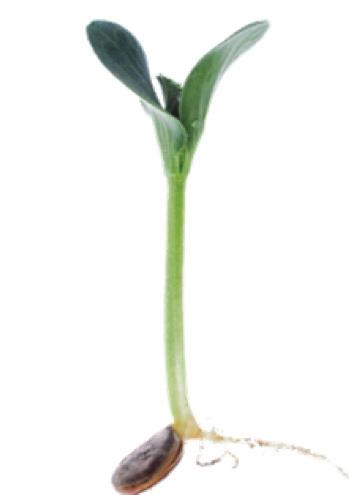
Before it grows, the seed holds the plant.
The stem carries water to the leaves and supports the plant.
The leaves catch light from the Sun. The plant uses the Sun’s energy to make food. The pumpkin plant will soon make a flower.
Do you see the baby pumpkin?
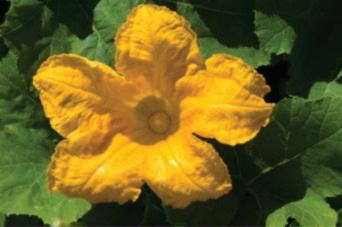
The flower’s job is to make the seeds.
This is the fruit of the pumpkin plant.
If you break open the pumpkin, what will you find?
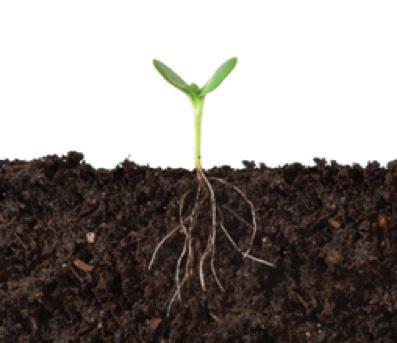
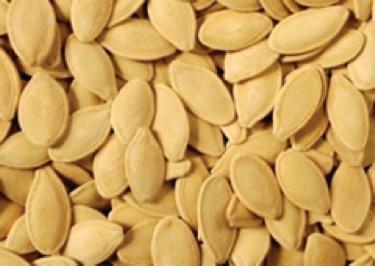
If you put the seed in the soil, what will happen?
All of these structures help a plant grow and get the basic needs it requires in order to survive.
Plants need water, food, and sunlight to survive.
What do you think humans and plants both need?
1 All of the following are parts of a plant except–A roots. B seeds. C stems. D water.
2 What part of the plant catches sunlight to help start making food?
Leaves
Stem
Seed
Root
3 What is the main function of the stem?
A Make food
B Bring water and food from the soil to the plant
C Carry water to the leaves
D Support the plant
4 What is the flower’s job?
A Make seeds
B Water the plant
C Harvest the plant
D Weed the plant
5 What happens when you put seeds in soil?
A They are picked up and eaten.
B They hide from the Sun.
C They grow into new plants.
D Nothing happens.

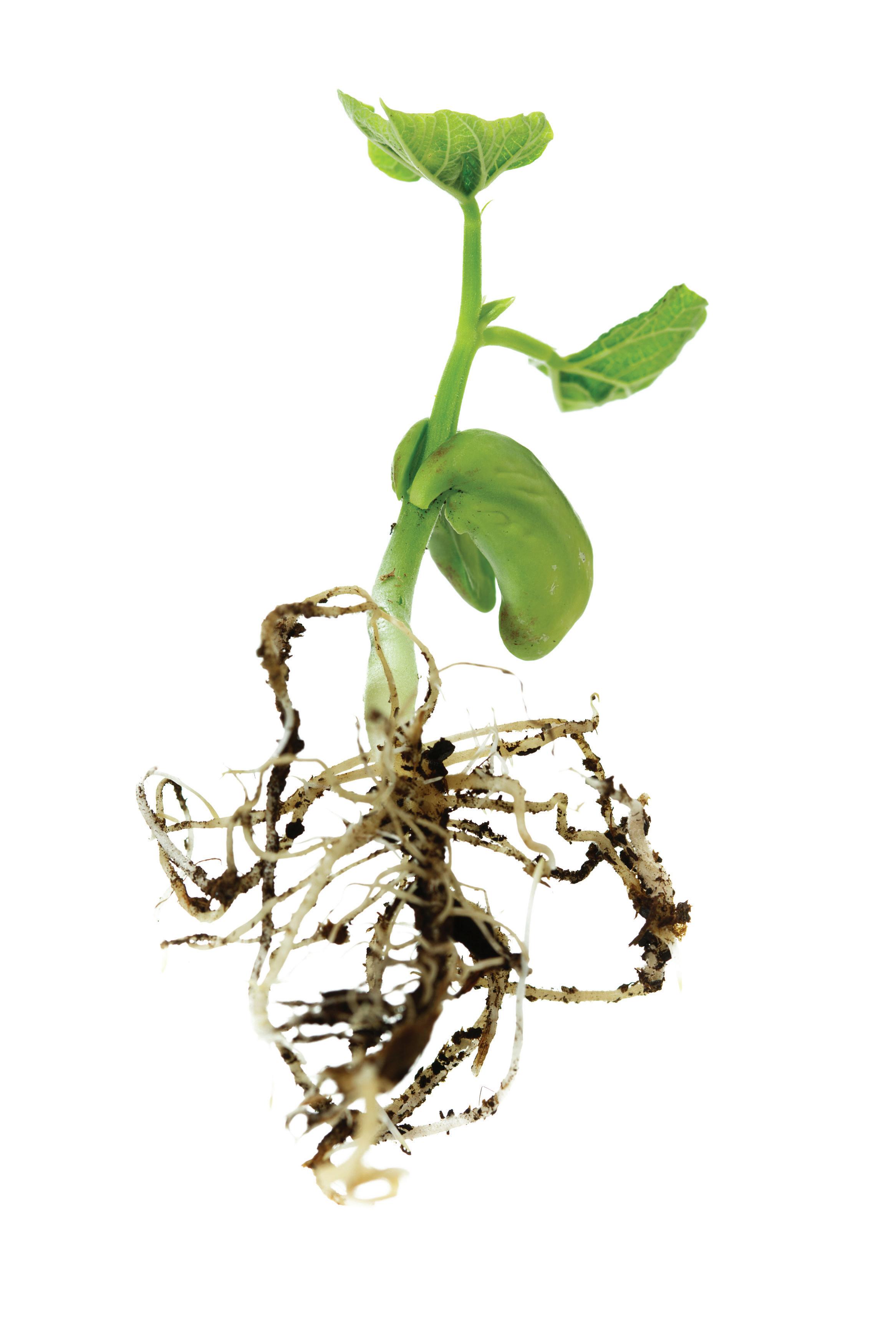
1. Label the roots, stem, and leaves on this plant. Then tell how each part helps the plant survive. Roots: Stem: Leaves:
2. Water pipes take water to different parts of your house. What parts of the plant are like water pipes? Draw a picture of a plant. Write about why those parts are like water pipes.
3. Choose from the following scientists who worked with plants:
• Theophrastus
• Gregor Mendel
• George Washington Carver
• Katherine Esau
Tell about a scientist who made important discoveries about plants.

Prompt 3
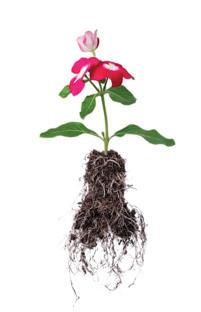
Tara and Lauren are walking through a field of beautiful flowers. Lauren begins explaining how the different parts help the plant. Tara is excited and takes the pretty flowering plant home to show her family! Write a scientific explanation about which plant parts help a plant grow and survive.
Claim:
Evidence:
Write how you know.
Draw how you know.
1st Test Plant Upright Date Date Date Date
2nd Test Plant Sideways Date Date Date Date
Directions: Use what you have learned in the investigation to complete the sentence.
The plant turned and grew toward the
Write a sentence and draw a picture to prove how you know the sentence above is true.
1. Our environment is
2. Plan the structures you want your plant to have to survive in your assigned environment. Draw and label your plant plan below.
Plan
3. Draw and label the plant you created below.
Directions: Draw a picture of your pea seed launcher.
Launcher
Circle the answer.
Rate the pea seed launcher:
Draw a picture and describe how you would improve your pea seed launcher.
Improved Pea Seed Launcher
Name:
How do you deal with the cold? Do you walk through snow in sandals? Of course not! People put on their coats in the winter. Those coats, along with boots, hats, and mittens, protect them. People also heat their homes in the winter. When our surroundings change, we change the things we do and the clothes we wear. Plants react to these changes, too!
How do plants survive changes?
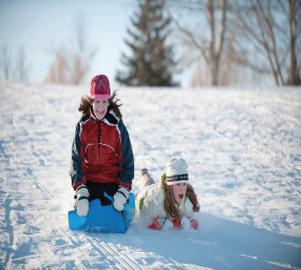
The environment often changes with the seasons. Temperatures get colder as winter gets closer. Daylight hours get shorter, too. Sometimes places get less rain during certain seasons. Plants react to these changes.
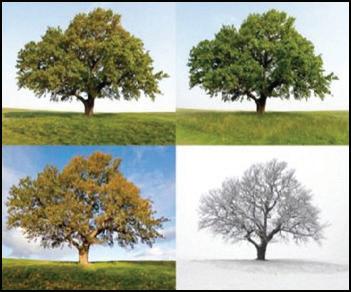
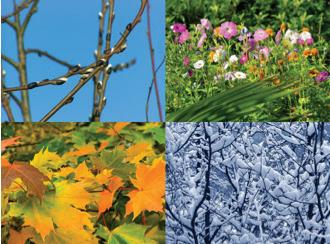
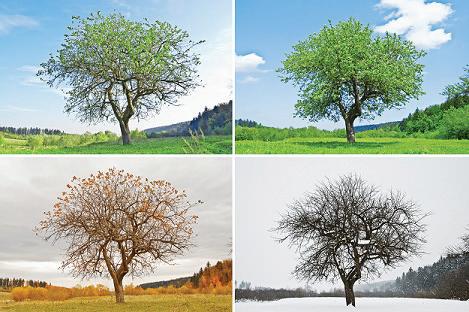
Look at the pictures. How are the plants in each season different? Look at the trees in winter. Do they have leaves? Write about it below the pictures.
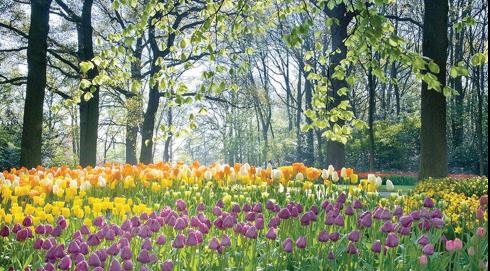
In spring, the plants
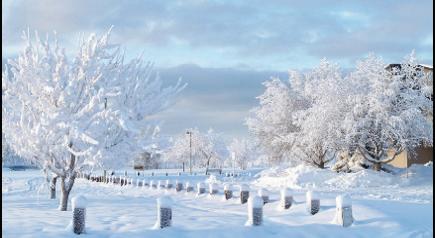
In winter, the plants
Accelerate Learning Inc. – All Rights Reserved
Winter is a difficult season for plants, as well as animals. There are fewer hours of daylight, so there is less sunlight. Without sunlight, green plants cannot make their own food.
The cold temperatures of winter slow green plants down and stop their growth. Freezing temperatures stop water from moving in the plants’ leaves.
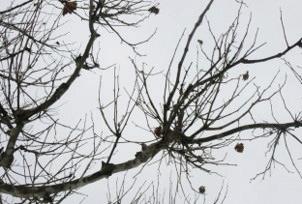
Like animals, some plants survive through the winter by resting, or going dormant. Dormancy is a time in a plant’s life when growth and any other activities are stopped. Plants do this to save energy.
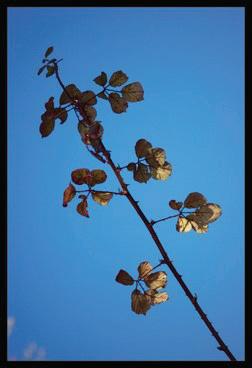
: inactive
Another way that some plants deal with winter is by having a short life. They make new seeds and finish their life cycle in a very short time. The seeds of these plants survive through winter and start growing when it gets warm in the spring.
Plants start to grow again in the spring. After winter, the weather gets warmer. Plants react to the warmer weather by starting to grow again. Many flowers bloom in the spring, and some trees grow new leaves.
Plants react to the Sun.
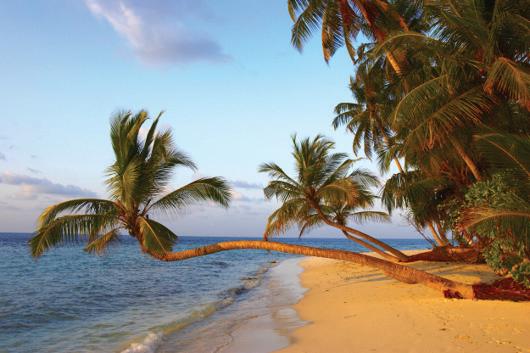
Plants need sunlight. When a plant starts growing, it will grow toward the Sun. Look at the palm trees in the picture; some grew to the side so they could catch some sunlight. If they had tried growing straight up, other trees might have blocked their sunlight and kept them from growing.
Look Out!
What happens to some trees during the winter?
Some trees go dormant during certain seasons. The trees do not get as much sunlight when days get shorter. They lose their leaves. Their growth slows down. They grow new leaves in the spring.
A large part of a tree’s body is found above ground, in the branches and the trunk. These parts need to survive the cold winter air. In winter, water freezes and becomes ice. The tree roots cannot take in ice. During winter, tree roots become dormant.
Trees can be divided into two groups: trees that lose all their leaves in the fall and trees that keep leaves on their branches all year.
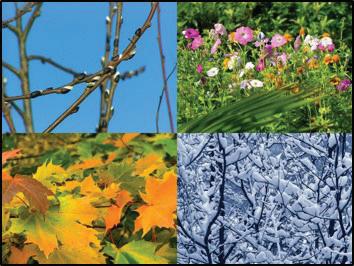
The seasons are _________, _________, ________, and _________.
What Do You Think?
What do you think are other ways plants respond to changes in their environment?
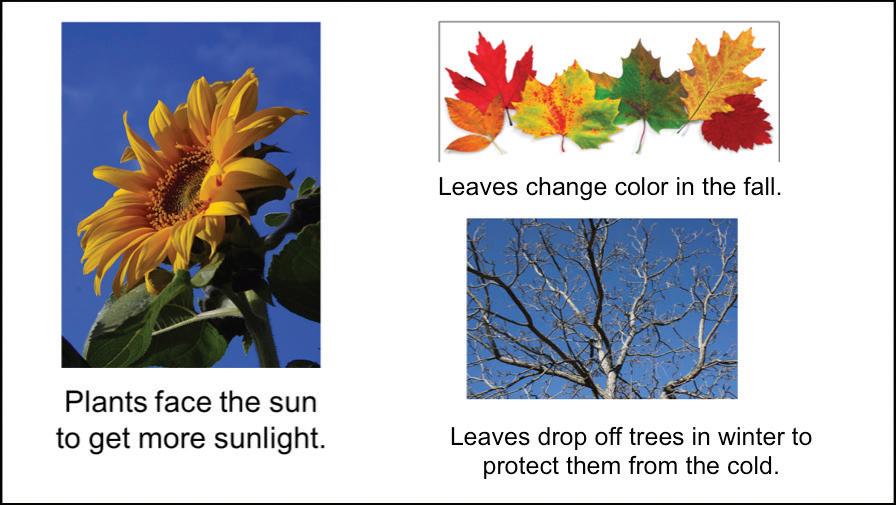
Face the Sun—Plants need sunlight to make plant food. Have you ever seen a sunflower and other plants face toward the Sun? That way, the plant can get the most sunlight!
Change leaf color in fall—Plants also change color in the fall. Actually, the green color in the leaves goes away, leaving behind the bright colors of fall. The change toward the cooler temperatures of fall triggers a response in the leaves to slow down making plant food since they will be shed for winter.
Shed leaves in winter—Many trees that are not evergreens drop their leaves to go dormant over winter and sprout new leaves in the spring.
Wilt when too dry—Some plants go limp if they become too dry. Water is essential to a plant, not only for living, but also for support!
Can you match the best way for a plant to survive in different environments? Rain forests have many trees and are rainy, wet, and hot. Deserts are hot and dry. Grasslands have little rain and many grass fires. Forests have many trees and can be in cold climates. Draw a line connecting the picture of the environment with the best way a plant might survive in that location.

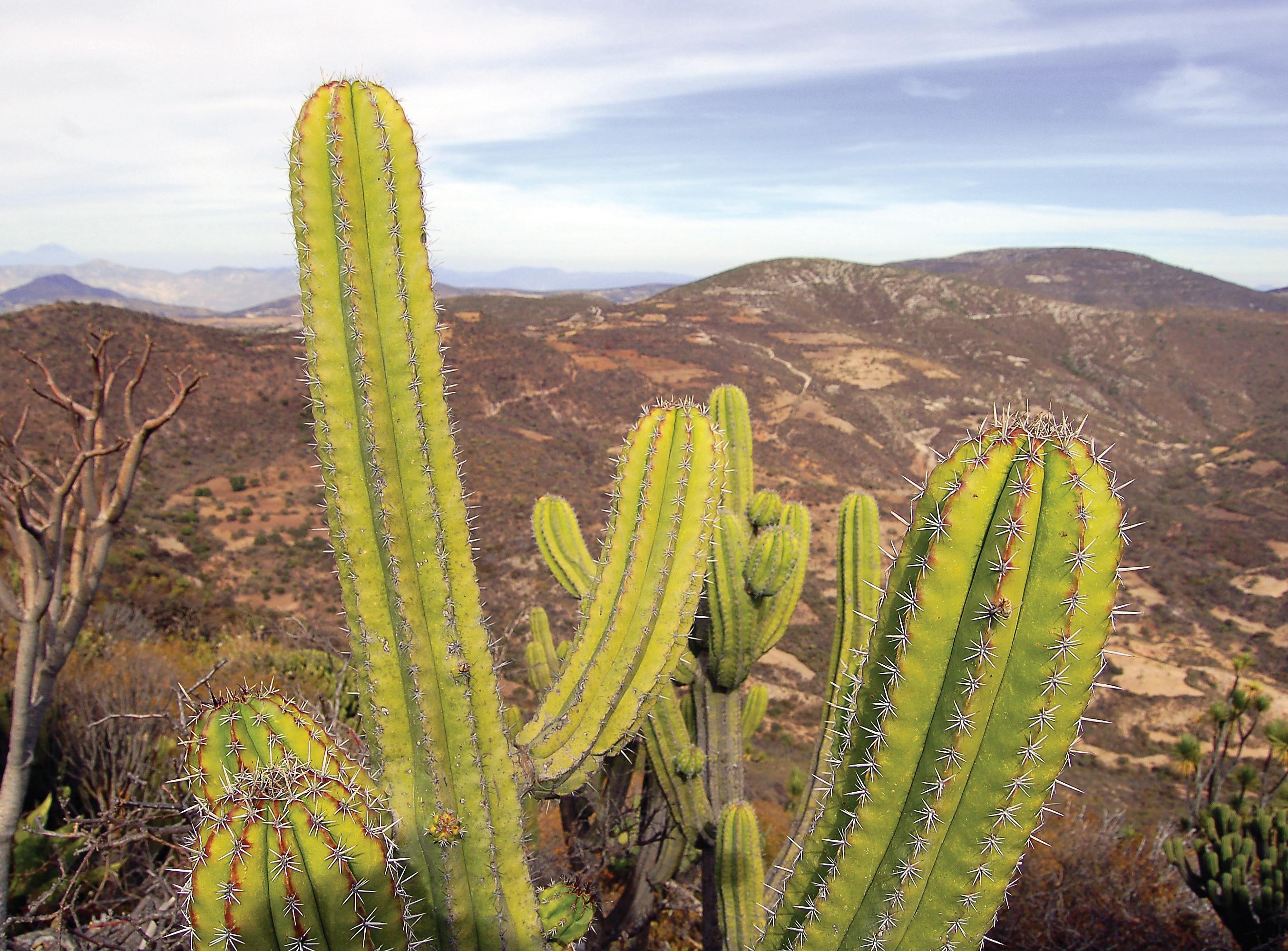
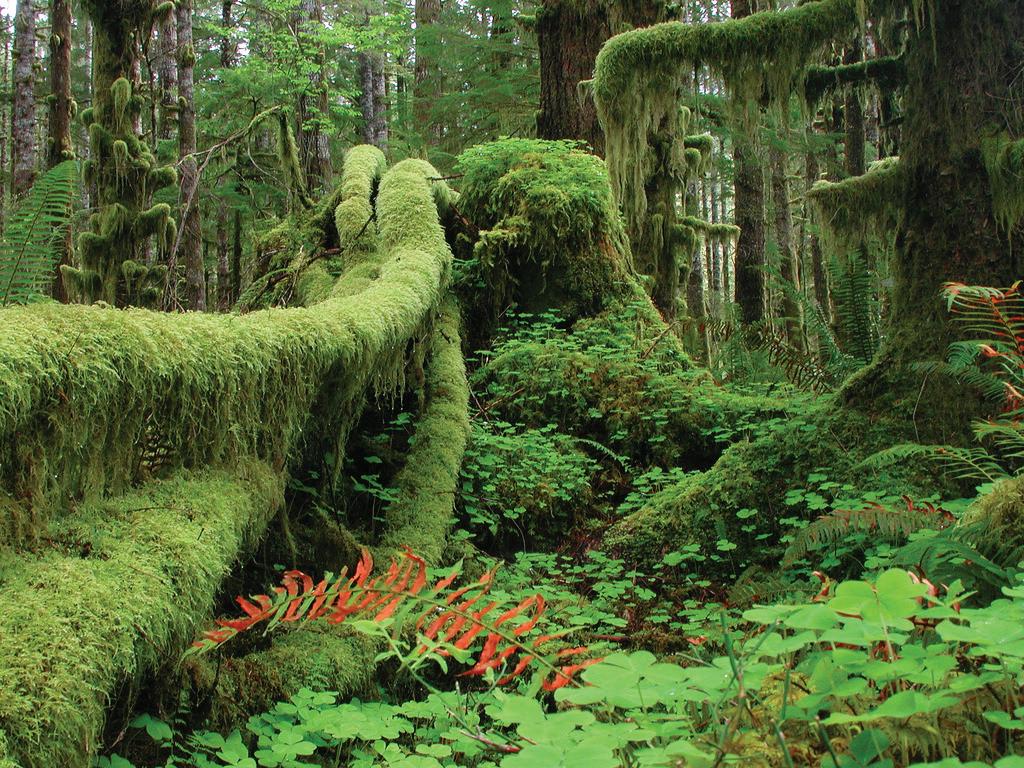
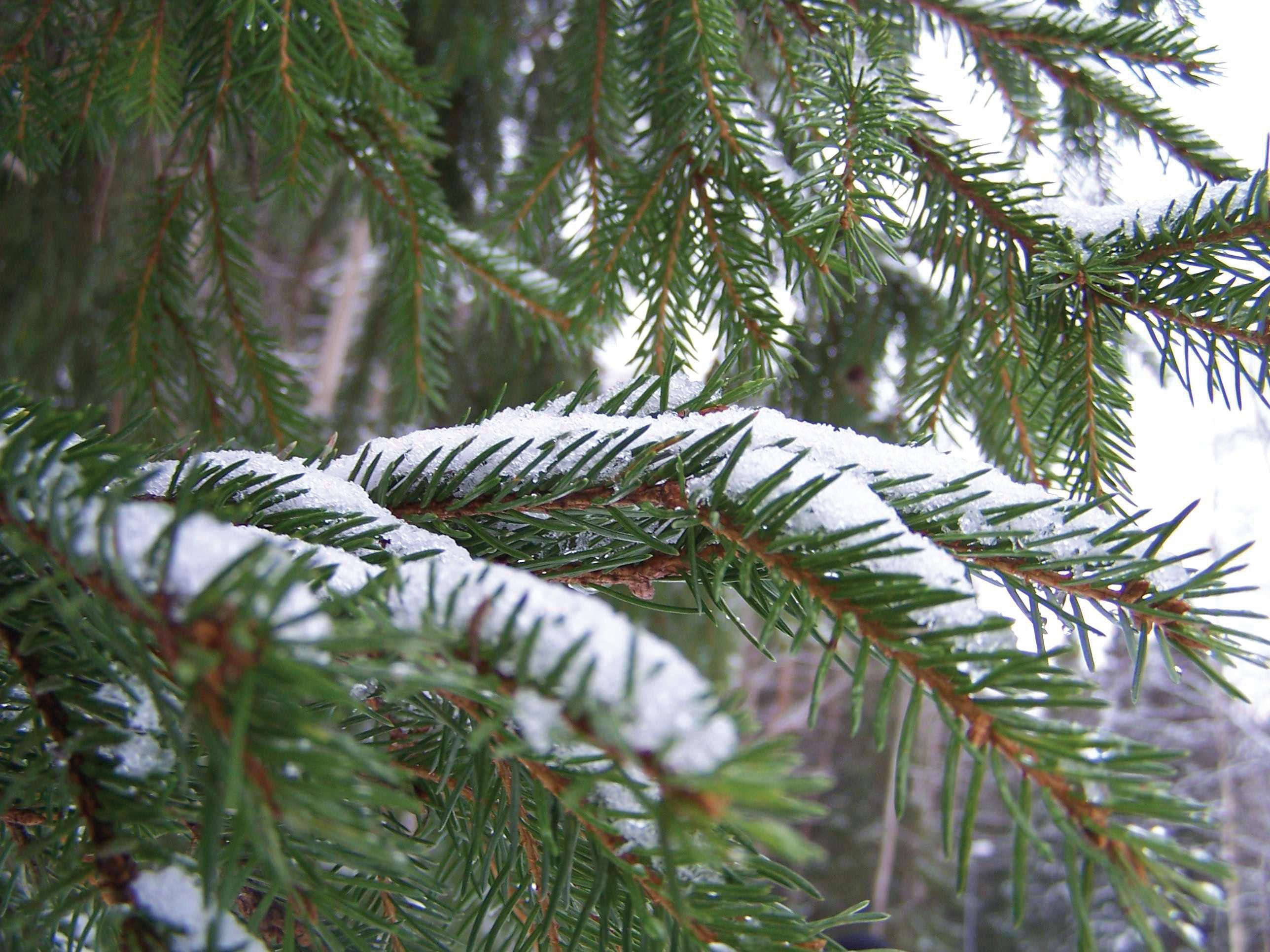
Plants here have short leaves called needles that stay green all year long. They can stand the cold of winter. Pine cones protect the seeds from winter temperatures.
Plants here grow short and have long roots to be able to grow back after a wildfire. Grazing animals eat these short leaves, and the plant can still grow back.
Plants here need thick, waxy parts that keep water in and keep heat out. They also need prickly spines to keep predators away.
Plants here are often vines that like to grow up on trees to reach the sunlight because there are too many trees blocking the Sun. The vines need a hot, wet environment.
To help your child learn more about plant survival, take a walk together outdoors and search for plants. Look for both small plants, such as ones in pots or gardens, and large plants, such as trees. Be sure to point out any plants that are not native to the area and require special care to survive. Talk about how those plants survive during cold weather.
Discuss with your child what would happen to that plant if a person did not care for it. As you find each plant, discuss the parts of the plant, focusing on the following:
• The roots (which you may not be able to see at all)—Point out the kind of soil the plant is in (sandy, claylike, etc.) and talk about the environment in which you live. Talk about how roots help the plant survive during the winter.
For example, if you live in an area with lots of rain year-round, plants you find outside will not require a very deep root structure, as there is ample water near the surface of the soil. If, however, you live in an area with occasional drought, outdoor plants will need to be drought-tolerant or have a deep root structure to reach the water table deep in the ground.
• The stem—Discuss the different kinds of stems: hard or woody versus soft. Encourage your child to think about the reasons why stems might be different. Talk about how stems help plants survive during the winter.
• The leaves—Point out differences and similarities in the leaves of the plants that you see. Ask your child to determine whether the leaves are of the same thickness. Talk about what happens to the leaves during the winter. Discuss how the environment in which you live might dictate the types of leaves you are seeing.
Discuss whether the plants that you see go dormant during the winter.
Here are some questions to discuss with your child:
1. What is the most likely root structure for plants in your area? Are the roots deep or shallow? Why?
2. Could a tree grow as tall as it does and live for years if it had a soft stem instead of a hard stem (trunk)?
3. If you keep plants in your home, do the leaves differ from those you see outside? If so, how?
4. Which plants have edible roots, stems, leaves, or flowers? Make a list.
5. Did any of the plants contain seeds? Can we eat the seeds?
6. Which plant part do you most often eat? What is the function of that part?
7. How do the plants you saw survive during the cold weather?
Jessica’s mom’s birthday will be here soon. Jessica wants to surprise her. She wants to give her mom a flower garden. She finds a sunny spot in the yard for her garden. Jessica’s mom loves daisies. She also likes roses. Jessica’s dad takes her to the garden store. They buy seeds and seedlings.
Jessica prepares the soil for planting when she gets home. She plants the daisy seeds. She also plants the rose seeds.
She waters her garden every day. In a few days, she sees little sprouts. They are coming up out of the ground.
Jessica knows what you need to grow healthy plants. You need sunshine and water. The roots will soak up nutrients from the soil. The stems of the roses need to be strong.
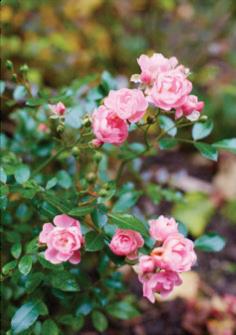
Jessica keeps checking on her daisies and roses. The roses are growing beautifully but the daisies are not growing at all.
She reaches to smell the roses. Ouch!
Something pokes her. The roses are pretty. They also smell good, but they have thorns!
“Why aren’t the daisies growing?” Jessica asks her father. Her dad explains that daisies might not be able to grow in the same environment as roses.
“The daisies have not adapted to where we live, so they won’t grow,” says Jessica’s dad. This makes Jessica sad, but she focuses on the roses that are growing so beautifully. Jessica is still excited about her flower garden. She picks some flowers. She wants to make her mom a bouquet. Mom will be so surprised!
1 Why do you think Jessica finds a sunny spot for her garden?
A Her mother is already growing plants in the shady parts of the yard.
B Jessica likes to garden in the Sun so she can stay warm.
C Jessica’s whole yard is sunny.
D Jessica knows that plants need sunlight to grow.
2 Why do you think Jessica is so excited about her flower garden?
A Her mother loves flowers and Jessica wants to surprise her.
B The roses grew thorns.
C She can sell the flowers and earn money.
D Her flowers grew without sunshine.
3 Why did Jessica’s dad say the daisies did not grow?
A They had not adapted to the environment, so they did not survive.
B Birds ate them.
C They did not get enough water.
D They fell over.
4 What do you think is the reason that roses have thorns?
A Thorns look pretty, even though they are sharp.
B Thorns help the roses soak up sunshine.
C Thorns protect the rose plant from animals that might try to eat it.
D There is no reason.
5 What adaptation helps plants get the water and nutrients they need?
A Leaves
B Flowers
C Roots
D Pollen
1. Why do the leaves on a plant turn toward the Sun?
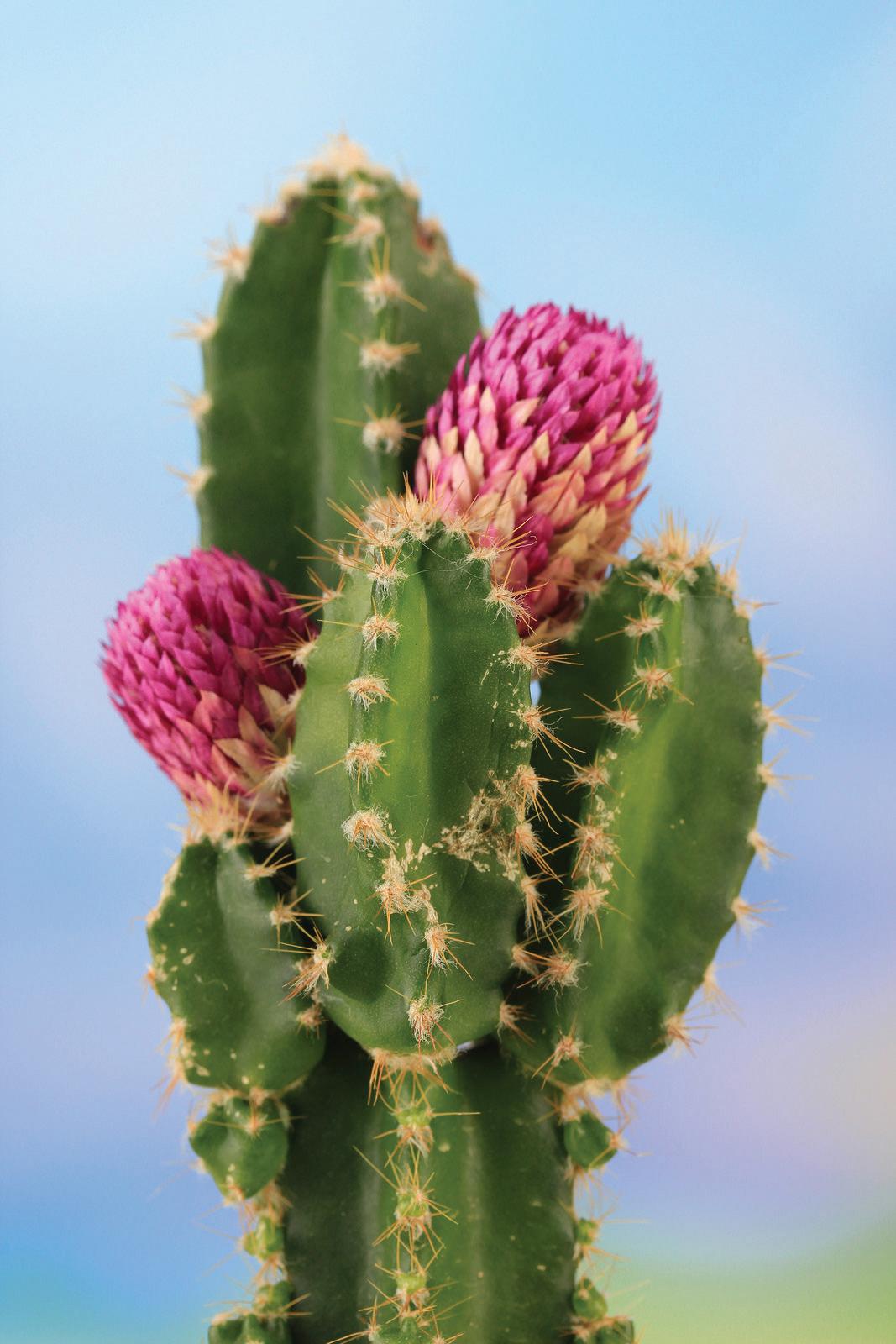
2. Look at the picture. How do the spines (sharp points) on the cactus help it?
3. There is a field of flowers that need to be pollinated, but something has happened to local bees, and they cannot do their job. Design an invention to pollinate the flowers. Explain how your invention works.
Will the plants turn toward or away from the light? Claim: Evidence: Scenario 1 External Data 2 Prompt 3
Mr. Davis placed three plants on the dark, back counter of the classroom. The students observed the plants after one week.
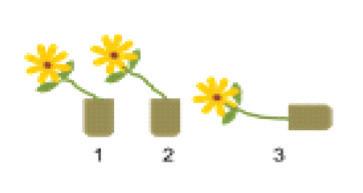
Draw where the light may have been placed.
The plants will turn __________________________________ the light. Write how you know.
Draw how you know.


Which student would you agree with and why?
Student A: “Plants do not need water or sunlight. They can grow without either.”
Student C: “All plants need a lot of water and sunlight.”
Student B: “Plants only need water. They do not need sunlight.”
Student D: “Different plants need different amounts of water and sunlight.”
Look at the table below. Predict what will happen to each plant based on what needs are, or are not, met. Over the next two weeks, observe each plant and record any changes you notice. After two weeks, record and draw what happened to each plant.
Prediction
Plant 1: All needs (water, sunlight, air, soil, and space) met
Plant 2: No water

Plant 3: No sunlight

Plant 4: No air

Plant 5: No soil

Plant 6: No space



Record the results and draw what happened to each plant in the table below.
Results Drawing
Plant 1: All needs (water, sunlight, air, soil, and space) met
Plant 2: No water
Plant 3: No sunlight
Plant 4: No air
Plant 5: No soil
Plant 6: No space
Conclusion: Plants need
Moving Pollen
Some plants produce nectar, a sweet liquid, to attract bees, butterflies, hummingbirds, and other animals. When living things collect nectar from the plant, pollen can be moved from one plant to another.
Drawing of Model
How much of the pollen did it move?
1. Which items were the most helpful in moving pollen from one plant to another? Explain why they worked well.
2. What pollinator parts could these models represent?
Reflect
How many kinds of plants do you know?
Trees and grasses are plants. So are bushes and shrubs. A plant is a living thing that makes its own food and cannot move from place to place on its own. Plants use their leaves to make their own food.
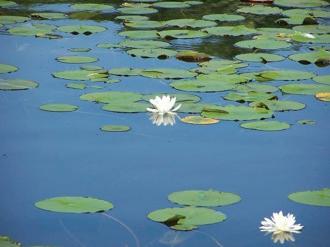
Some plants grow on land. Other plants grow in water. Maybe you have seen lily pads on a pond. The round, green pad is a leaf. The round leaves of water lilies float on the water. The rest of the plant is underwater.
Plants need many things to stay alive. The most important are water, air, and sunlight. Plants use these three things to make their own food.

nutrients: materials that plants use to grow and develop
Plants also need space. Big plants need more space than small plants. Nutrients, which come from the soil, are another thing plants need. Soil also holds water and helps keep plants upright and in place.
Look at these pictures. Write the basic need shown for each plant on the line.
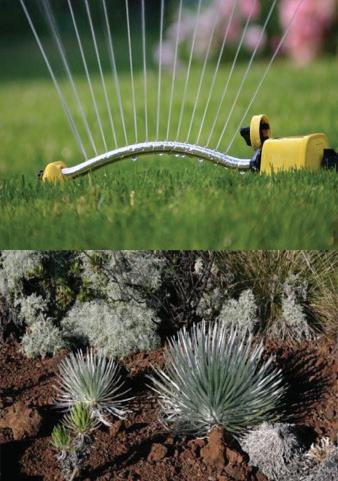
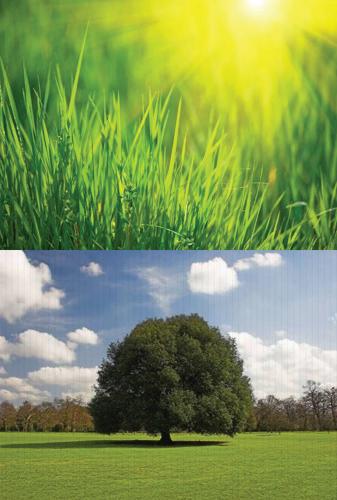
• Sunlight—Using energy from the Sun, plants make the food they need in their leaves. Without enough sunlight, plants might grow too slowly or even die. If they get too much sunlight, they and the soil might quickly dry out.
• Nutrients—Nutrients found in soil are needed to help plants grow. Soil also provides a base that the roots hold on to as the plants grow bigger and wider.
• Air—Plants take in carbon dioxide from the air to use in the process of photosynthesis (making their own food), and they release oxygen, which we use.
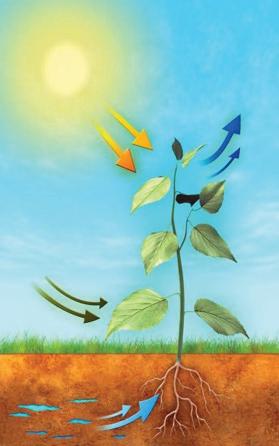
• Water—Rain or snow that falls on Earth’s surface flows through soil into lakes, rivers, streams, or oceans. Most plants cannot grow or survive without water. They need water to make their own food and to stay flexible. Plants also need water to help move food and gases through their stems and leaves.
• Space—Plants also need space for their roots, stems, and leaves to grow. Plants without enough space will not get very big. Plants that are too close together might suffer because they do not get enough air or sunlight.
You learned about plants’ basic needs. In the table below, write the basic need that matches each definition. The first one is already done for you
Plants use this to make their own food in their leaves. Sunlight It comes from the sky as rain or snow and is very important to plant growth.
Plants take in carbon dioxide from this to use in the process of photosynthesis. These are found in soil and are used by plants to grow.
Look Out!
How much sunlight a plant gets is important. A plant cannot make food if there is too little sunlight. It may stop growing and die. Too much sunlight may burn a plant’s leaves.
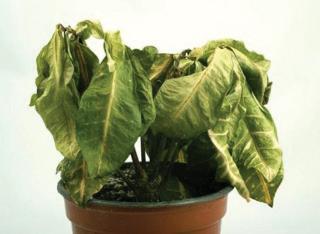
How much water a plant gets is also important. Too much water makes a plant’s leaves turn yellow and drop off. A plant without leaves cannot make food. Too little water makes a plant wilt. A wilted plant cannot make food, either.
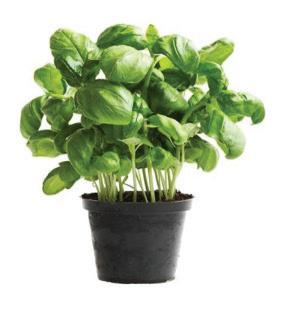
This healthy plant got the right amount of sunlight and water.
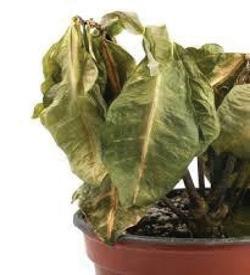
This wilted plant did not get the right amount of sunlight or water.
Insects and animals are important to plants. Bees transfer the pollen stuck on their bodies to flowers to help fertilize seeds. Animals spread seeds in their waste or stuck to their fur, or they leave them behind after eating. Insects drink flower nectar with long tongues or tubes.
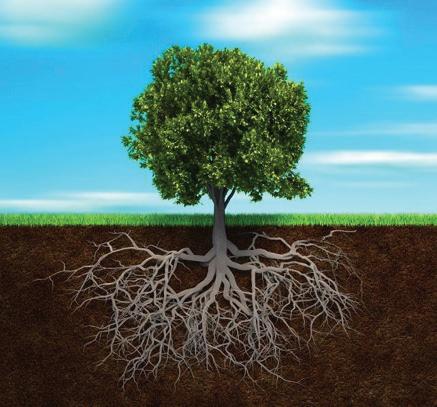
Plants have different parts that help them get the things they need to survive. What Do You Know?
Flowers turn into fruit and make seeds.
Stems support the plant and move water, food, and nutrients.
Leaves take in air and sunlight to make their own food.
Fruits are the fleshy substances that surround seeds.
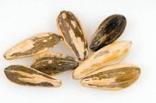
Roots take in water and nutrients from the soil. Seeds grow into new plants.
Try Now
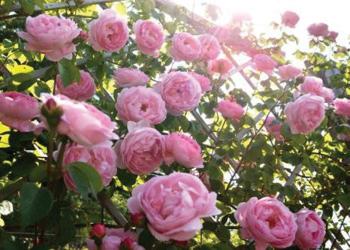
Look at the picture of the rose plant.
• What does this plant depend on?
• Think about what it needs. The plant needs many things to stay alive.
Now You Try! Look at the pictures below. Use a word from the Word Bank to finish each sentence. Use each word one time. Write your answers on the blanks.
The rose plant depends on the Sun for _____________.
The rose plant needs _________________ to grow.
The rose plant depends on the rain to get _______________ .
The rose plant needs to get _______________from soil.
Go exploring with your child.
To help your child learn more about the basic needs of plants, go exploring in your yard, a park, your neighborhood, or any other place that will provide the opportunity to observe a variety of plants. While keeping safety in mind, be creative with the habitat you choose, and invite your child to suggest places to explore.
You may go several times, exploring a different habitat to find unique plants each time. Tell your child that you are searching for the strangest plants you can find. Before you go on your exploration, let your child help you brainstorm the types of plants you might see, such as trees, grasses, bushes, or shrubs.
During your exploration, have your child write down or draw the plants and their parts that you observe. Then ask your child to name the things the plants need to live. Ask your child questions such as these: What do plants need to make their food? What do plants need to “drink”? How do the roots help the plant? How do the leaves help the plant?
If your child does not know, you can take this opportunity to explain some of the plants’ basic needs or conduct Internet research together when you return home. However, do not get too caught up in the verbal aspects of this activity; the physical exploration and observation will delight and fascinate your young one.
Here are some questions to discuss with your child:
1. What are plants?
2. Why do plants need sunlight, air, water, nutrients, and space?
3. Where do plants get their food?
4. Why do plants need space to grow? What do plants get from the soil?
5. How do you know a plant is a living thing?
Jack and Max want to plant seeds. They have pots. They have seeds. They have sand. They have soil.
Jack plants his seed. He puts it in soil. Max plants his seed. He puts it in sand.
“Time to water,” says Jack. “I will water it,” says Max. Jack and Max water the seeds.
Max puts his seed in his room. Jack puts his seed in a sunny window.
Jack waters his seed. Max forgets to water his seed. Jack checks his seed. His seed sprouts. He sees a green stem. He sees a green leaf. It looks strong. Max’s seed does not sprout.
“My seed is not growing,” says Max. “Did you water it?” asks Jack. “I forgot,” says Max. “Your seed needs water. Your seed needs more sunlight,” says Jack. “We will plant it in soil. The soil will help it grow healthily. We will put it in a sunny window.”
Max and Jack plant a new seed. They put it in soil. They put it in the sunny window. Max gives it water. He sees a plant. He waters it. He keeps it in the window. His plant is green and strong. He keeps watering it. In a few weeks, a bud grows and a flower opens.
1 What does a plant need to survive?
A A window
B A pot
C Sand
D Water
2 Why didn’t the seed grow in Max’s room?
A It was too bright in his room.
B He forgot to water it.
C He planted his seed in soil.
D All of the above
3 What is this story mostly about?
A Planting seeds in sand
B Why we plant seeds
C What is needed to plant a seed
D What plants need to live
4 Why did Jack’s seed grow before Max’s?
A He watered his plant every day.
B He put it in a sunny window.
C He planted his seed in soil.
D All of the above
5 What did Max learn about what plants need?
A Plants need sand to grow.
B Plants need sunlight and water to grow.
C Plants do not need soil.
D Plants do not need water.
1. What do plants need to stay healthy—to survive, to grow, and to repair themselves?
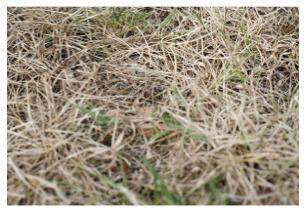
2. On a hot summer day you notice that the plants in the park are drying out and turning brown. What do you think is happening to the plants?
3. During science class you did an investigation to find what happens when three plants are placed in different areas of the room: in a closet, by a window, and under a lamp. Draw and tell what happened to each plant.
4. Draw a butterfly, and label its body parts.
5. Draw and tell about a body part on an insect that transfers pollen from one plant to another.
1
Data 2 Prompt 3 Plants need _______________ to grow.
Students conducted an investigation to determine the effects of water on plant growth. They used three pea plants, and the investigation lasted for 10 days. One plant received no water, one plant received 25 mL of water every other day, and one plant received 100 mL of water every other day. The students measured the plant to the tallest point on Day 1, Day 5, and Day 10. Use the results below to make a claim. Does water affect plant height? Claim: Evidence:


What I noticed. . .
Laser on the Wall
Laser Light with Light Tap
Laser Light with Hard Tap

Observations
What did I see?
What did I hear?
Did anything move?
1. How is sound made?
2. What do you think moves so that we hear people talking?
The Problem
Our school is wanting to start an orchestra, but we do not have funds to buy instruments. How can we use everyday materials to make the needed instruments?
The Challenge
Using the provided materials, create an instrument that produces different and unique kinds of sounds. For example, some instruments make low tones or high tones, and other instruments provide a beat and rhythm. You can research how instruments can be made using everyday materials by searching the Internet sites and books provided by your teacher. You and your partner will share the sounds your instrument makes by performing for your class. Create a song or rhythmic chant with lyrics about sound.
Criteria and Constraints
Students must use materials provided by the teacher. Instruments must produce at least three different notes or three different unique sounds.
Students must have their final instruments constructed by the end of two hours. Students will present their final instruments to the class.
Write down any ideas you have about how you could master the challenge. If you need more information, write down what you need to know and gain permission from your teacher to research the answer.
Use the ideas you wrote down while brainstorming to develop a final design plan. Draw your plan and label the parts. Be sure to list what each part is made of.
Build your design and test it. Does it meet all the criteria and constraints? Use the space below to list what problems you need to fix in your design.
How could you solve the problems you found during testing? Use the space below to draw your new design that should solve the problems.
Build and test your new design. Does it meet all the criteria and constraints? If not, repeat the refine and redesign process. If so, move on to plan your presentation.
Use the space below to plan how you will present your final product. Be sure to include who will speak and what you want to say. Your presentation should include the scientific ideas used to solve this design challenge.
Reflect
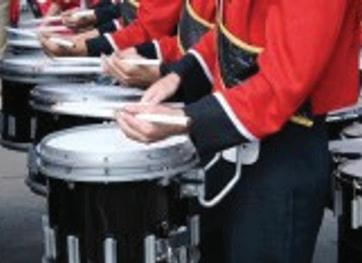
Think of a big parade or halftime at a football game. Did you feel the boom of the drums when the band played?
Sound comes from the energy of vibrating objects. An object is vibrating when it is moving back and forth quickly. The vibrations move through the air from the drum to your ear. We hear those vibrations as sounds.
vibrate: to move back and forth quickly
Sound is made by nature or by human-made objects. You can hear animals making sounds, the ocean’s waves pounding the shore, and the wind blowing through the trees. Sound is produced by vibrating objects, such as musical instruments, radios, and sirens. We use sound to communicate: voices, phones, TVs, alarms, speakers, etc.
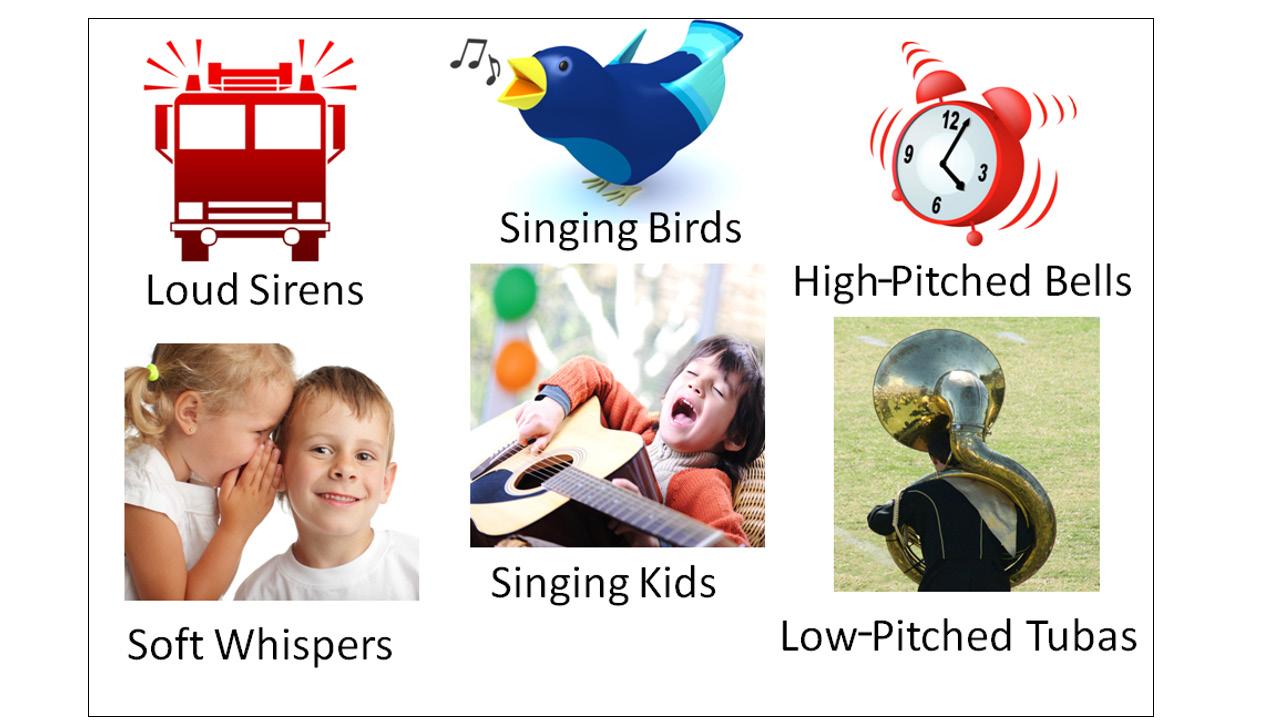
Vibrating objects sometimes make sounds we can hear.
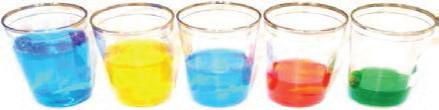
Sound vibrations are produced in many ways. Tapping a glass full of liquid makes a high sound. Tapping a glass that is almost empty makes a low, or deep, sound.
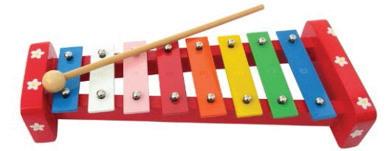
The size of an object also affects the sound. On a xylophone, tapping the bigger pieces of metal makes low sounds. Tapping the smaller pieces of metal makes high sounds.
Sounds can also make objects vibrate! Strum the strings of a guitar. The vibrating strings make the inside of the guitar vibrate and send out a musical sound.
Try Now
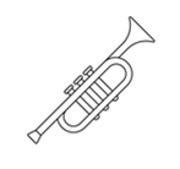
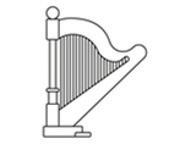
Look at the musical instruments. Use the words drum, horn, and harp to answer the following questions with a partner.
1. Which instrument do we blow into to cause vibrations that make sound?
2. Which instrument do we pound on to cause vibrations that make sound?
3. Which instrument do we pluck to cause vibrations that make sounds?
You use sound every day. Think about three objects in your home or school that vibrate to make sounds. Write the name of each object, and then draw a picture.
Name of object: Picture of object:
Name of object: Picture of object:
Name of object:
Picture of object:
All sounds come from something that is vibrating. In this activity, you and your child use a stretched rubber band as a vibrating string. Begin by brainstorming different types of sounds.
For this activity, you will need these items:
• A hammer and three nails
• A short, wide board
• A large, strong rubber band
Help your child complete the following procedure:
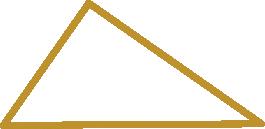
1. Hammer the nails into the board to form a triangle with unequal sides. The triangle should stretch the rubber band out completely (tight).
2. Stretch the rubber band over the nails with equal tension on each side.
3. Pluck each side of the rubber band and observe the differences in pitch.
4. Pull hard on one side of the rubber band to increase the tension on the other two sides; observe the change in pitch of the two sides with increased tension.
5. Use a finger to hold the middle of the long side of the rubber band to the board; this will create two new, shorter sections of rubber band on either side of your finger. Pluck each new section and observe its pitch.
6. Vary the distance you pull back on one of the sides of the rubber band when plucking. Observe the differences in loudness.
Here are some questions to discuss with your child:
1. Were you able to see differences in how the rubber band moved?
2. When was there a high sound, and when was there a low sound?
3. Did it make a difference how far each rubber band moved?
4. What do you think affected the loudness of the sound? Try plucking hard and then soft to find out.

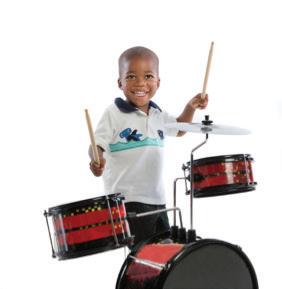
How are sounds made? When an object is hit or dropped, it moves back and forth quickly. This is known as vibration. If you hit a drum with a stick, the drum will vibrate and cause the sound that your ears hear.
Place some rice on the drum and hit it with a stick. The rice will bounce on the drum, causing a sound.
Your mouth also makes sound. When you play a kazoo, you feel your lips vibrate. It makes them feel funny. They move back and forth rapidly.
When you speak, you can feel your voice box vibrate. The vibrations allow you to speak.

We hear sound through speakers when we watch a movie. Place your hand on a speaker and you will feel it move.
When you turn the sound up, the speakers bounce more. The bigger vibrations cause the sound to be louder.
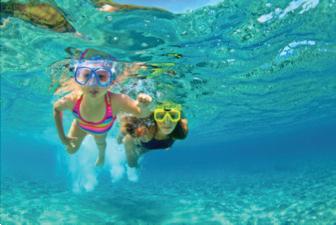
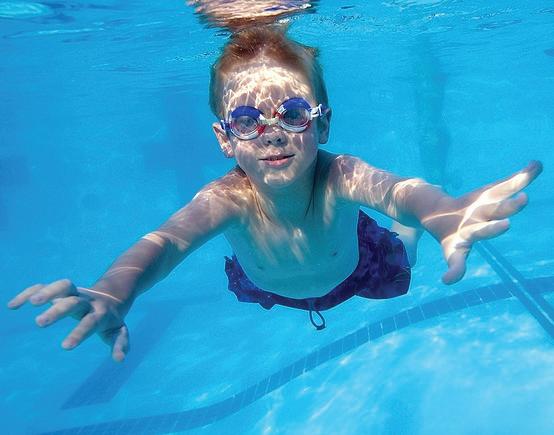
You can even hear sound below water in the swimming pool. That is because sound is able to pass through liquid.
Sound also passes through solids and gases. Many objects have the ability to carry sound.
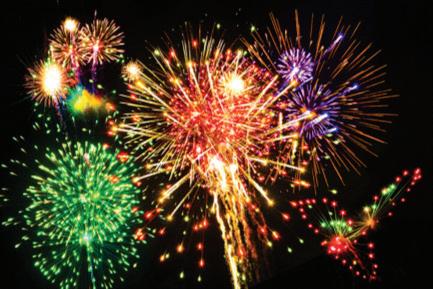
When fireworks explode, they make a loud noise in the sky. You can feel it in your chest.
Sometimes sounds make objects move. When a firework explodes, it causes you to move. That is why you can feel them when they are loud.
Sound makes objects move. We need vibration to hear sounds. Without vibrations, we would hear nothing!
1 What does it mean to vibrate?
A Sound
B Move quickly back and forth
C Hear
D Run very fast
2 The passage explains that sound can pass through all of the following except–
A solids.
B gases.
C outer space.
D liquids.
3 This passage is mostly about–
A how a kazoo makes your mouth vibrate.
B how to use a ruler to make sounds.
C how to make objects move.
D how sound is made through vibrations.
4 If your mom tells you to turn the TV down a little, the speakers will make–
A the same-sized vibration.
B smaller vibrations.
C bigger vibrations.
D no vibration.
5 Your brother is playing loud music in his room. You see the picture on the wall start to move. What makes the picture move?
A Your brother
B Running in the house
C Your mom’s voice
D The loud music

1. If you hold your hand on your throat while you talk, what do you feel?

2. What causes sound? Give an example of something that causes sound.
3. Create a device that makes sound. Draw it below, and tell how it makes sound. How could you use it to communicate?

There are many different types of sounds. There are loud and quiet sounds. There are high and low sounds. There are long and short sounds. Different instruments can make different sounds. Drums can make loud, short sounds. A violin can make a long, high sound. Although your ear detects sound, you can also feel sound. Sounds from instruments can change when they are played differently.
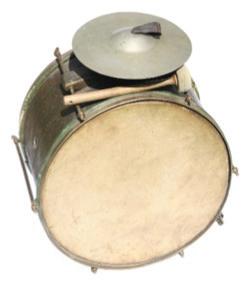
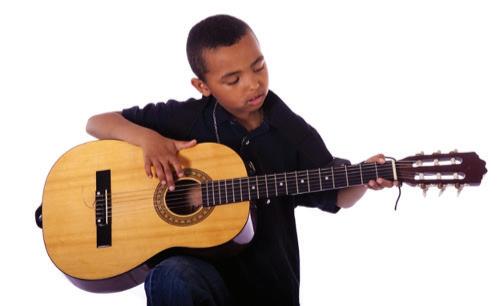
People cause their instruments to make sound. Thinking and observing like a scientist, how do the drum and guitar make sounds? Claim:
2 Prompt 3 The drum and guitar make sounds by ______________________________. Write how you know.
Draw how you know.


Graph the temperature over the 10-day period you recorded on your data table.
Part II: Graphing and Analyzing Weather Data, continued
Use the information on your weather graph to help you answer the following questions.
1. What is the temperature on the warmest day?
2. What is the temperature on the coldest day?
3. Pick any day in which you collected data. Write two sentences describing how you should dress for the weather on that day.
Day you picked
Draw the weather conditions shown in the weather video clips.
Video 1:
The meteorologist predicted
Video 2:
The meteorologist predicted
Video 3:
The meteorologist predicted
Video 4: The meteorologist predicted

Reflect
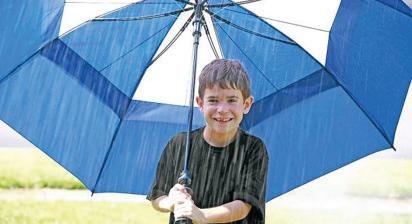
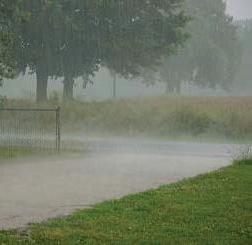
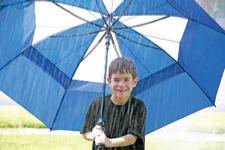
Why do you think this boy is holding an umbrella? He is using it because it is raining outside. The weather can be fun when it rains. Water that falls from clouds is called precipitation Snow, hail, and sleet are other kinds of precipitation. Have you seen these?
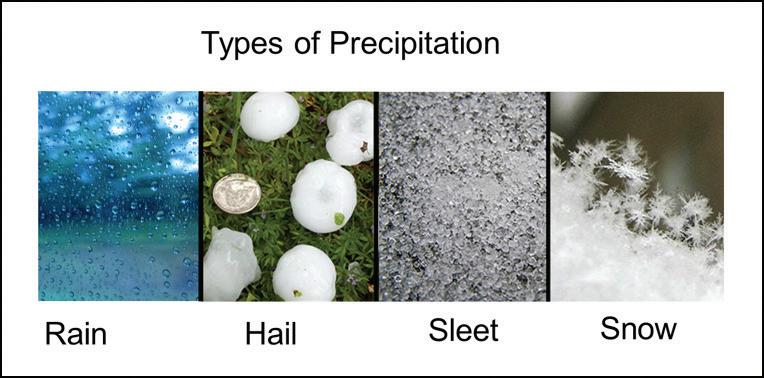
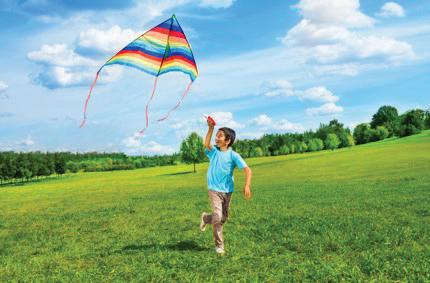
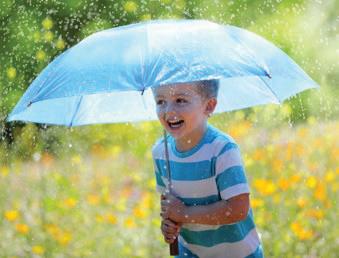
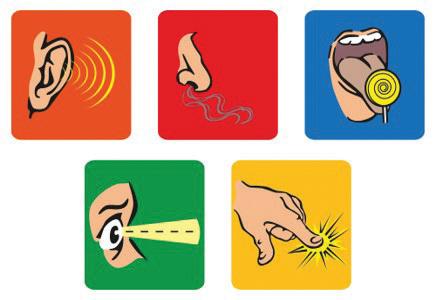
You just observed the weather! We can learn about weather by observing it and looking for patterns. Meteorologists study the weather. Weather is what the air outside is like at a certain time. Do you remember what the weather was like yesterday? What about the day before that?
How can you observe the weather? You can use your five senses and use special tools. Meteorologists are scientists who study the weather. Meteorologists are interested in weather patterns. They use tools to record data about the weather.
Look Out!
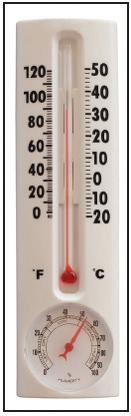
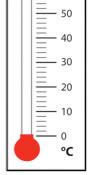
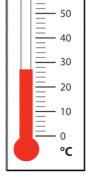
Thermometers measure temperature. To find out how hot or cold it is, you can read a thermometer. A thermometer has a long glass tube filled with liquid. When the red liquid gets hot, it rises, and it falls when it is cold. The numbers tell you what the temperature is. What temperature was it in your city this morning? Did the temperature go up or go down by the afternoon?
We measure the temperature in the United States in a unit called degrees Fahrenheit (°F), where freezing is 32°F. Scientists measure temperature in degrees Celsius (°C), where freezing is 0°C.
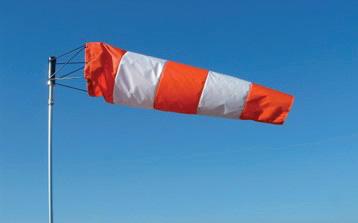
Wind socks measure relative wind speed. When the wind blows a little, the wind sock does not stand straight out: it appears to be hanging down at an angle. If there is no wind the wind, sock hangs straight down by the pole. In strong winds, the wind sock is blown straight out.
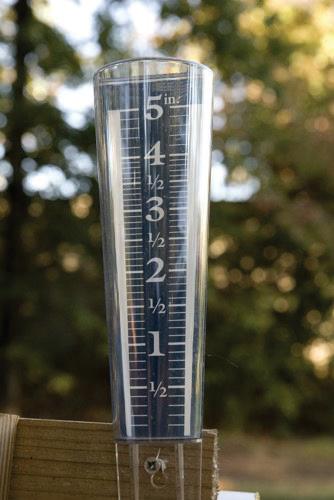
Rain gauges measure rainfall.
When rain falls, the amount can be measured with a rain gauge. The rain collects in the narrow container. Observers can read the amount of rainfall in inches. The gauge can be emptied and then replaced in its holder for the next reading.
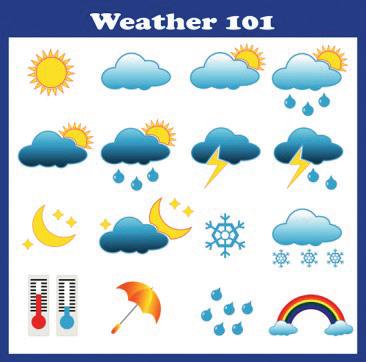
Patterns are all around us. They can help us predict, or guess, the weather. We can notice a pattern in order to predict what type of weather an area might have the next day or week.
predict: to say what you think will happen in the future
When you first wake up, what does it feel like outside? It is usually cool in the mornings. After the Sun is out for a while, it warms up the air! On most days, it is warmer in the afternoon than it was in the morning.
January 15 July 3

Some months have more rainy and cloudy days than others. Scientists record this data over time to notice patterns. Look at the table on the left. Over time, scientists have noticed that San Francisco, California, has more cloudy days in January than in July.
Reflect
A weather pattern might show the same type of weather for a long time. This is called a season. Weather also changes from season to season. A season is a time of year that has the same weather pattern for months at a time.
season: a time of year that has a particular weather pattern for months at a time

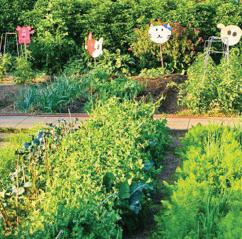
In the spring, it rains a lot. The weather gets warmer. Flowers bloom.
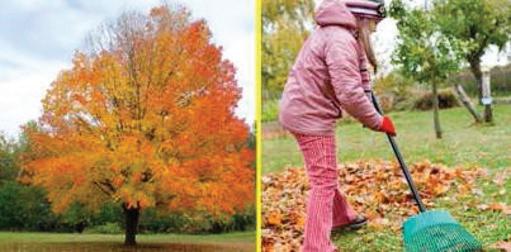
In the fall, it is cooler. Leaves change color and fall off the trees.
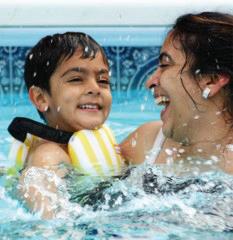
In the summer, it is hot. You can visit the beach or go to a pool!
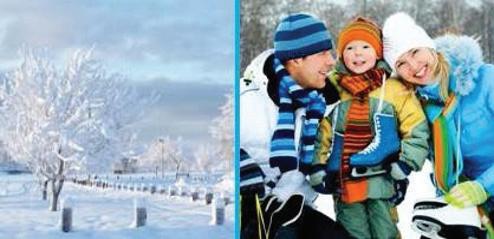
In the winter, it is cold. In some places, it snows.
Weather is always changing. The best way to know about the weather is by looking at the weather forecast.
Do you know who makes the weather forecast?
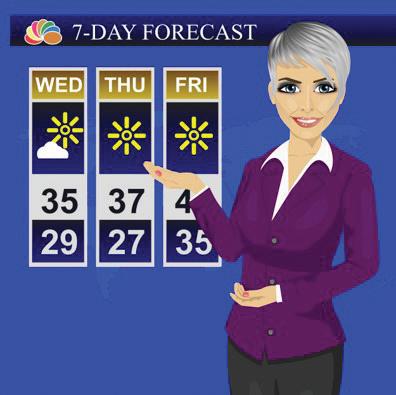
Meteorologists learn about the weather and make predictions about what people should expect over the next week.
meteorologists: weather scientists who study the weather conditions in an area
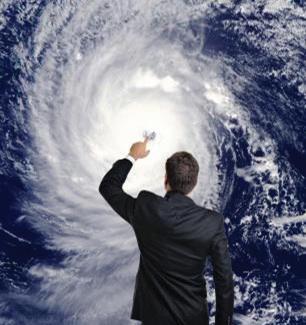
Meteorologists all over the world can predict some of the wildest weather.
Here are examples of weather hazards that could be dangerous to people:
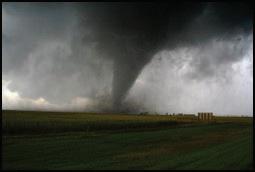
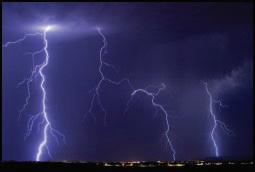
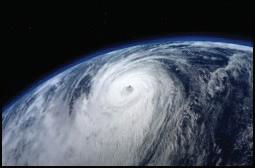
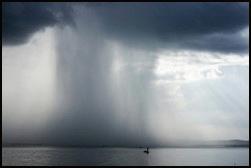
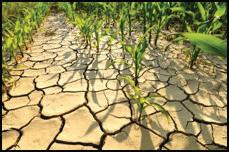
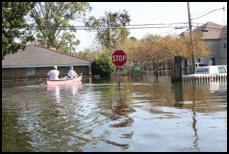
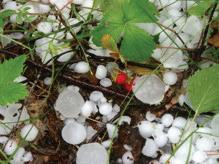
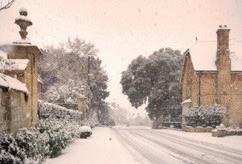
Weather scientists predict severe weather so that people can prepare for it.
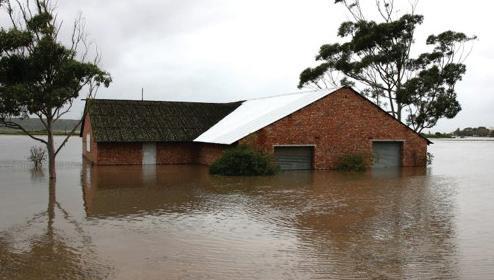
Natural weather hazards pose a threat to people’s lives. What should people do to be safe in each type of weather?
Sometimes it is best to leave the area until it is safe to go home. During hurricanes and flooding, many people go out of town and come home after the weather hazard is gone.
Sometimes it is safest to stay inside and wait until the weather hazard is no longer a danger. In tornadoes, in lightning storms, and when hail is falling, it is best to be inside a strong building.
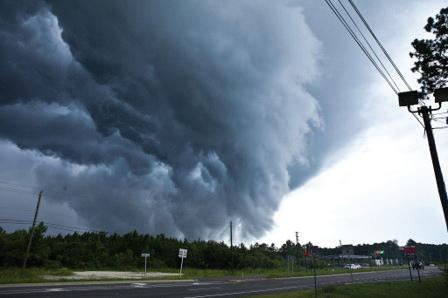
Some kinds of weather hazards are more likely to happen in some areas than in other areas.
Tornado Alley is a nickname given to an area that has a higher chance of tornadoes than other places.

Do you know what natural hazards can occur in the area where you live? You can get weather forecasts from local news stations on the television, on the radio, or online through the Internet or apps.

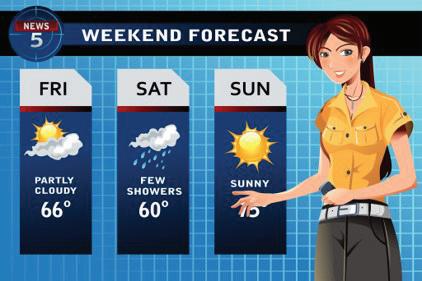
Meteorologists tell people about severe weather hazards ahead of time so that the people who live there can get prepared. These weather scientists may also ask people to help clean up the damage after the weather hazard is over. Meteorologists save lives and property every year by giving warnings about severe weather conditions.
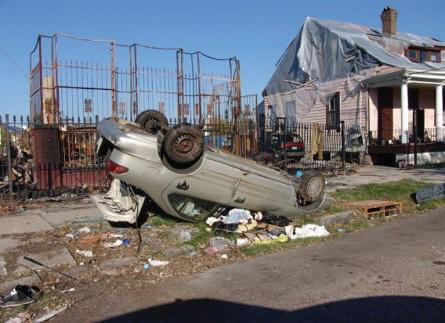
The people from this community evacuated, meaning they left the area before the tornado came. Can you think of other times it would be best to evacuate for dangerous weather?
If hurricane conditions are expected in your area, your family should prepare and protect your home. The adults should decide on the safest place to be during the storm, which might be another city.
Learn more about weather observations by making a weather chart similar to the one shown below and then recording weather data every day for a week. Discuss which time of day would be best to make weather observations. Once you determine a time, remember to record your observations each day at this time.
Here is a sample data table that could be used:
Location:
Each day, encourage your child to make observations and to circle the term that best matches each observation. Use an outdoor thermometer to record the temperature.
If you do not have a thermometer, your child may record hot or cold rather than the temperature. Technically, though, the air feels hot or cold. Temperatures are measurements; they may be high or low, but not hot or cold.
Another option for obtaining the temperature is to watch the weather report on a local news channel. Point out when the weather forecaster provides the day’s high and low temperatures. Make sure your child consistently records one or the other, or both.
Here are some questions to discuss with your child:
• Other than your own observations, how else might you get information about the weather?
• Is the weather the same all day long, or does it change throughout the day?
• What patterns did you notice in the weather?

Let us look outside today! What kinds of things do you see? Do you see the Sun shining in the sky? Can you feel the heat on your back?
Do you see raindrops falling? Can you hear the thunder?
Do you see the trees blowing all around? Can you hear the leaves falling?
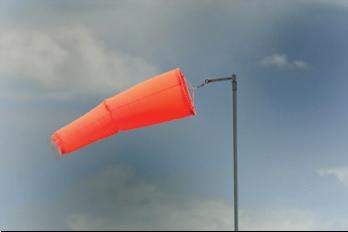
Do you see big clouds? Do they cover up the sky?
Do you see snow on the ground? Do you see snowflakes falling from the sky? Does your face feel cold?
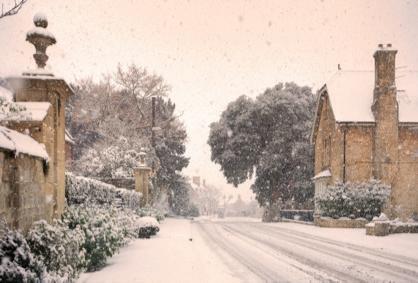
All of these things are weather. Weather is sunlight, wind, snow, rain, and temperature in a place at a certain time.
Weather can change. A weatherperson, also called a meteorologist, is a special person who studies weather.
This person looks at and measures the weather to guess what type of weather will happen next. A weatherperson also studies weather patterns over time.
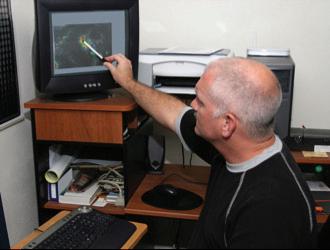
Each season has a different type of weather. In winter, the temperature gets very cold. Many places may have freezing rain and snow. Some animals, like bears, hibernate or sleep at this time.
In the spring, the temperature starts to get warmer. Many places have lots of rain at this time. Animals that have been asleep during the winter start waking up. Plants bloom.
In the summer, temperatures are hot. The Sun shines most of the time. Many places can get very, very hot.
1 What is weather?
A Something you can wear
B Sun, rain, wind, snow, and temperature in one place
C A place to go on vacation
D A place where people live
2 What does a weatherperson study?
A What animals eat
B Where rocks are
C How computers work
D What it is like outside
3 If the season is summer, what is the weather like?
A Sunny
B Snowy
C Icy
D Cold
4 In your opinion, what type of clothing should you wear in the wintertime?
A A bathing suit
B Shorts and flip-flops
C A jacket and gloves
D A short-sleeved shirt
5 If you were going to predict the weather and saw the Sun in the sky with no clouds around, what type of weather would you guess?
A It will be warm and nice.
B It will rain any minute now.
C It will start snowing.
D It will be very cold.

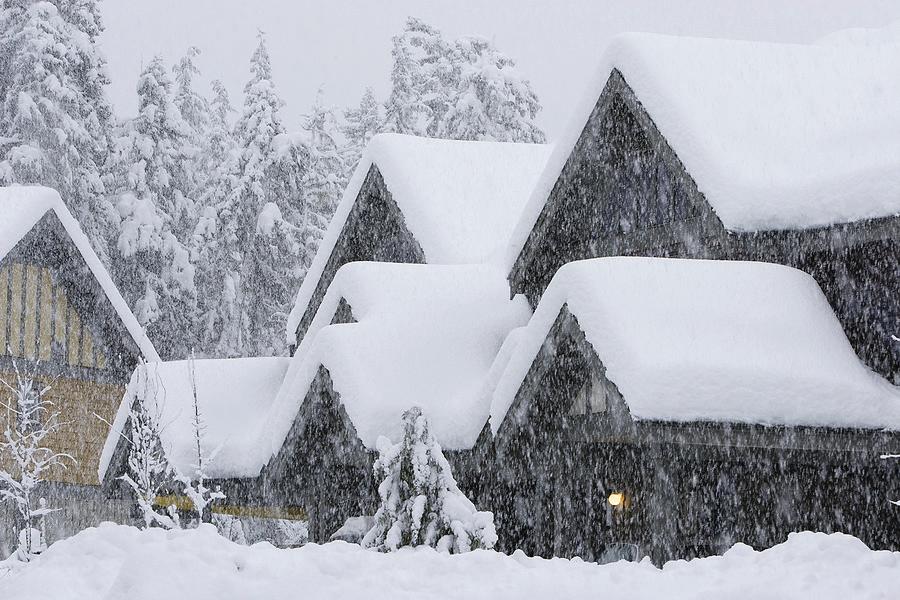
1. You look outside your window, and this is what you see. Describe your local weather conditions.
2. Which season of the year is your favorite? Explain why. Write about what you would do during that season.
3. Why do you think that weather mostly follows this pattern: temperatures are cooler during the morning and warmer during the afternoon?
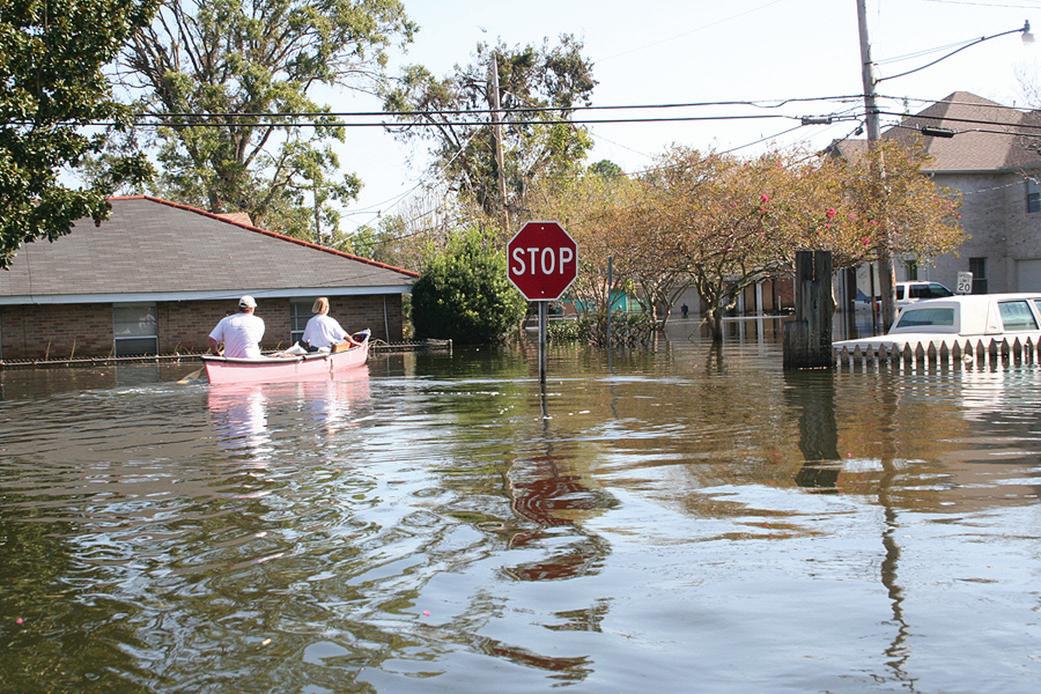
4. If you lived here, what should you have done before this flood happened? Why is it important to take precautions? Draw and explain your answer

Meteorologists study the weather and collect weather data in order to make predictions about future weather conditions. However, each season has its typical weather patterns depending on the area’s location on Earth.
Use the weather data in the table to determine what season the cities are experiencing. Make a claim and state your evidence.
Claim:
Evidence:

Draw and label what you observe in the space below.
What happened to the ice?
What would this look like on a map? Draw and label it below.
Draw and label a picture of your model in the space below.
Before Water
How did the water change the shape of your land?
Draw and label a picture of your model in the space below.
After Water
Emma just played outside all afternoon. She is hot and tired. She is thirsty and really wants a drink! Where can she find water? Maybe she can go to a water fountain.
People use water every day. We drink water. We use water to stay clean. But where does water come from? How can we describe, or talk about, different types of water?
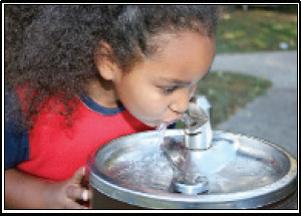
We find water in nature. Let us visit some natural sources of water.
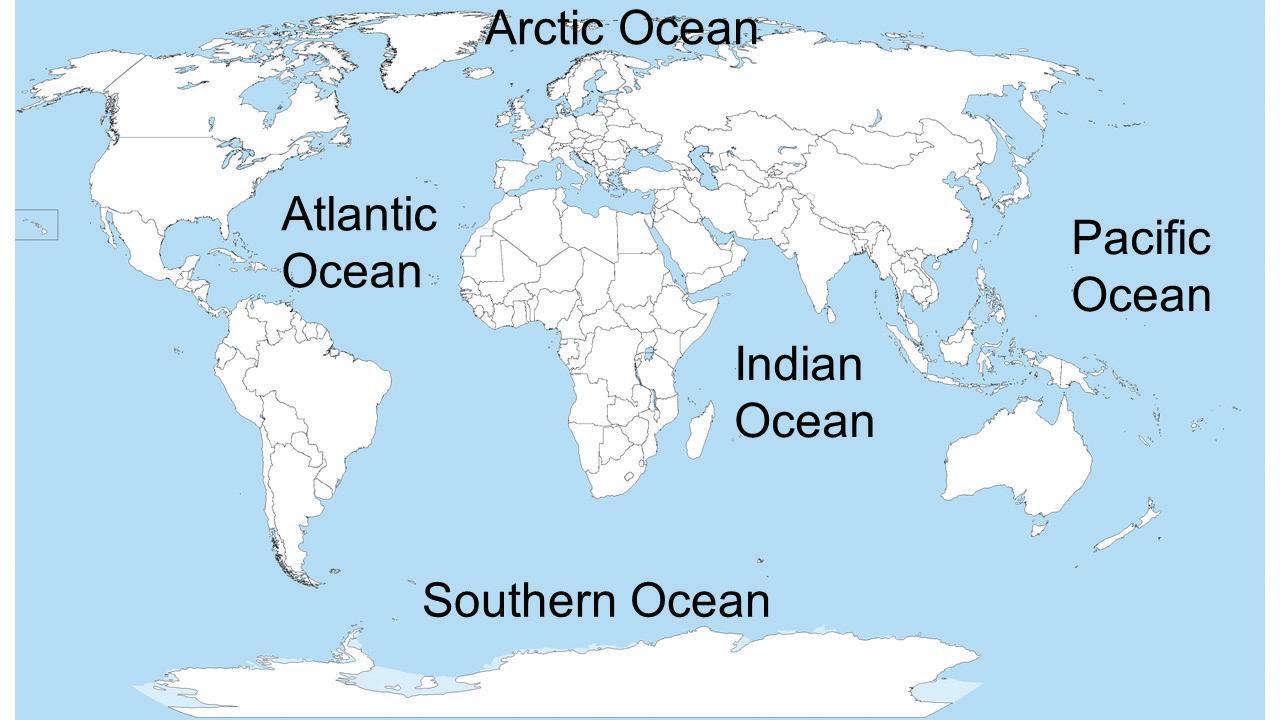
Reflect What Do You Think?
First, we will visit an ocean. An ocean is a large body of salt water. If you have ever been to a beach, you have likely seen an ocean. Oceans are very large. Most of Earth’s water is in oceans. About threefourths of Earth is covered in water. Almost all of this water is salt water. Remember that Earth’s oceans and seas contain salt water.
Some water is fresh water. Water that is not salt water is called fresh water. People and many animals cannot drink salt water. They must drink fresh water. Very little of all water on Earth is fresh water.
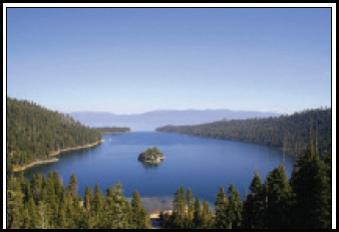
Next, we will visit a lake. A lake is much smaller than an ocean. A lake has land all around it. At many lakes, you can see land on the other side. That is not true of an ocean! Most lakes are made of fresh water.
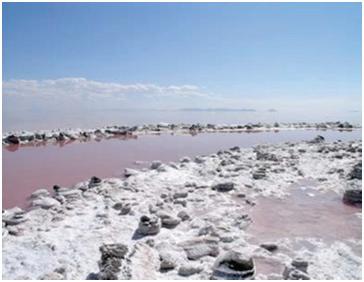
Not all lakes contain fresh water, though. Some lakes are full of salt water. China has many saltwater lakes. The United States has one of the most famous ones. Salt Lake City in Utah is named after its nearby Great Salt Lake. The lake is saltier than Earth’s oceans! Salt collects on the shores of the Great Salt Lake in Utah. The lake gets very little rain. No rivers flow into it, and it is in a hot climate. Why would these conditions make it salty? The heat causes the water to evaporate and leave the salt behind, making the lake saltier and saltier!
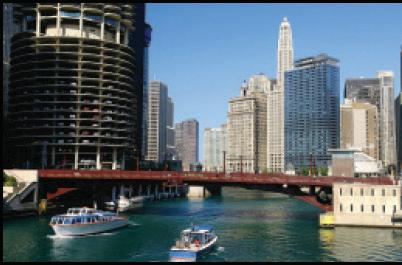
Where do oceans and lakes get water? The water comes from rivers and streams. A river is a body of fresh water. It flows along land into a lake or an ocean. When you cross a long bridge, look down! You may see a river. That river takes water to a lake or an ocean.
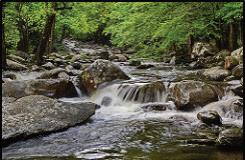
A stream is also a body of fresh water. A stream is smaller than a river. Streams carry water into rivers. Next time you are hiking, listen for moving water. You may find a stream!
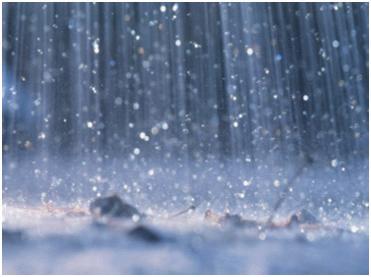
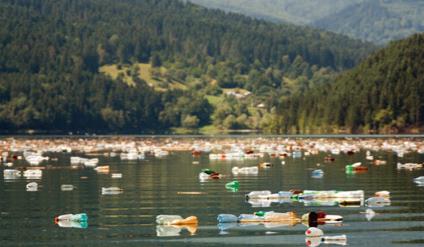
Fresh water comes from other sources. It can come from underground lakes and streams. People can bring it up to the surface by drilling into the ground and building a well. Rain also provides fresh water. It runs off Earth’s surface and fills rivers, streams, and lakes. However, pollution of freshwater sources has become an alarming problem facing our world. Look Out!
Water is not only found as a liquid on Earth.
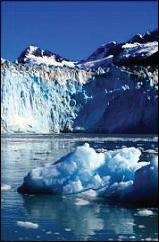
Look at the picture to the left. What states of matter do you see in this photo? The ocean water is a liquid. We have already discussed where water is found as a liquid. Do you see the glacier in the picture? The glacier is made of frozen water. There are also smaller floating pieces of ice. The glacier and the floating ice are examples of water as a solid.
Other forms of water include hail, snow, and frozen lakes. All these sources of water are solid. When the temperature rises, the frozen water can be changed back into liquid water. Can you think of other sources of water?
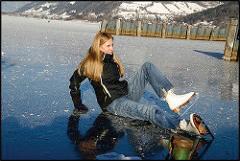
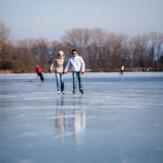
This girl is ice-skating on a frozen lake.
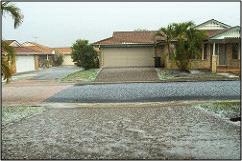
Hail is made of frozen raindrops that fall to the ground. These are larger than snowflakes.
Moving water changes land.
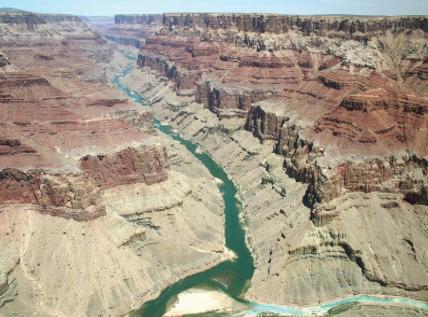
Look at the picture of the Grand Canyon to the right. It is the largest canyon on Earth. The Colorado River, at the bottom of the canyon, carved that deep canyon over billions of years by eroding through the Colorado Plateau.
On a smaller scale, waves on beaches erode the shoreline, rainfall erodes farmers’ cropland, and water moves tons of soil down a river to form a delta at the mouth of the river. Water is constantly changing the face of Earth.
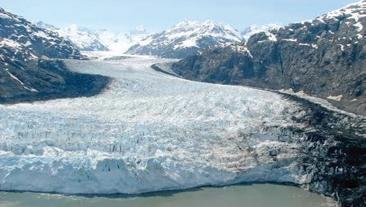
This fresh water is frozen in a glacier (a huge sheet of ice).
This project can help your child better appreciate local water bodies. First, visit one or more lakes, streams, oceans, or other water bodies near where you live. (You may also visit constructed bodies, such as reservoirs, but be sure to explain to your child that people created these particular water bodies to meet their need for fresh water or their desire for recreation.) If you do not live close enough to a water body to easily visit it, conduct online research on a nearby water body. Your child should be able to describe the water (fresh or salt), as well as the kinds of organisms that live in or around the water body.
Encourage your child to learn how people in the community use the water body. If the water is fresh, do people drink it? Do people use it for bathing or cooking? If the water is salty, do people swim in it? Do they catch fish in it?
At home, instruct your child to make a postcard describing the water body for people who might want to visit it. The postcard should clearly identify whether the water body is a lake, stream, pond, or some other type of water body, as well as whether it contains fresh water or salt water. Your child should include illustrations of the water body and of any organisms that live nearby. The illustrations should also show how people use the water body.
Here are some questions to discuss with your child:
• How do people in our community use this water body?
• Why is the water in this water body useful for those purposes?
• Has our community had to address problems with the water body, such as pollution or overuse? If so, how have we attempted to solve these problems?
Water is everywhere. It is found in rivers. It is found in lakes. It is found in oceans.
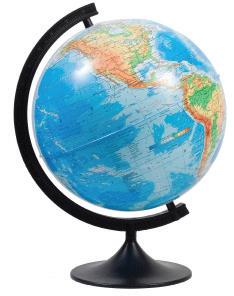
Most all of Earth is covered in water—71%, to be exact! That means that only 29% of Earth is covered by land!
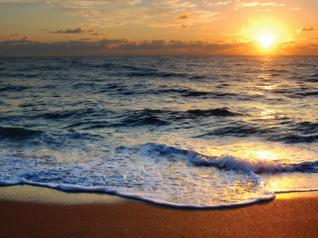
Most of the water on Earth is found in the oceans, which means that most of the water is undrinkable. Fresh water, which we drink, is very limited.
Some of the fresh water on Earth is frozen and is found in glaciers.
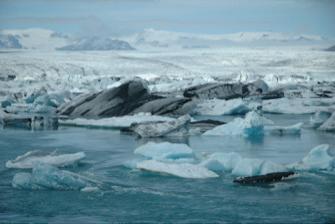
Water changes Earth as it moves over it.
Water changes the shape of land as it moves.
Water is very powerful and is important to all living things.
Plants and animals need water to survive.
We are around water every day and we do not realize how important it is. We use water to drink, to take a bath, to go swimming, and much more.
Water is everywhere!
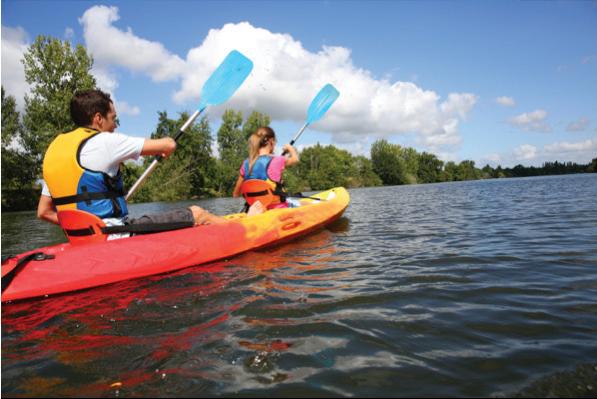
1 What is this passage mostly about?
A There is a lot of water on Earth.
B Water can change Earth.
C There is more water on Earth than there is land.
D All of the above
2 Based on the passage, humans drink–
A oceans.
B salt water.
C fresh water.
D flavored water.
3 Why is water important?
A All living things need water.
B It can change the land.
C It is not important.
D Both a and b
4 The author wrote this mainly to–
A explain what water is.
B tell how important water is.
C show how to have fun in water.
D tell people how to play in the ocean.
5 There is more–
A humans than water on Earth.
B land than water on Earth.
C water than land on Earth.
D None of the above
E.1.9B Bodies of Water
1. Look at the picture of the globe. What are the largest bodies of water called? Describe them.
2. What are sources of fresh water on Earth? Name and draw three different bodies of fresh water.
3. Where is most of Earth’s ice found? Draw a picture of Earth with its ice. Why is so much ice found there?
4. On Earth both liquid water and solid water (ice) interact with land. Complete the following sentence, and then draw a picture to go with your answer.
Water can cause changes to land when ___________________________________
Dylan lives in Alaska and is planning a trip to Mississippi to visit his grandparents during fall break in November. He looks at pictures of Alaska and Mississippi in a travel book to compare the differences between life in Alaska and life in Mississippi.
Prompt 3
In the pictures on the previous page, how is the state of matter of water similar or different in Alaska and Mississippi? Use a scientific explanation.
Claim:
Evidence:
• Record three questions from your research.
• Share your questions with the group. Select one question to answer in depth. Place a star next to that question.
• Record what you learned from your research. Include words and pictures to represent your findings.
Directions: Something is wrong in each photo. Draw a picture to fix the problem. Use your words to explain what you can do to help save water.
Photos
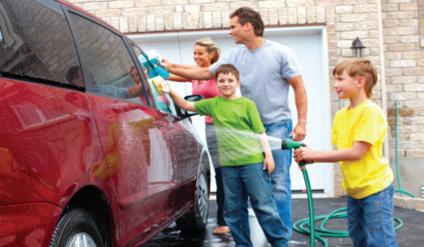
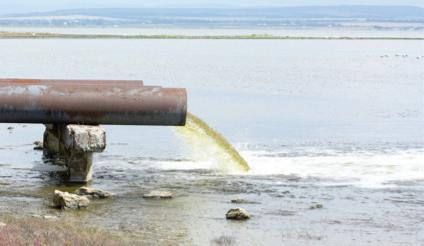
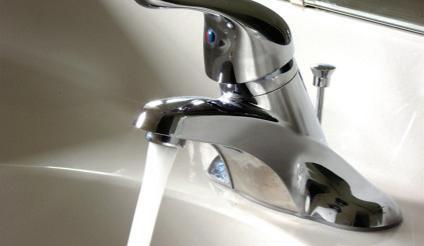
Drawings Words
Water Collection Device
Student Journal
My Device Checklist
Device Elements Yes No
Measures Rain in Inches
Sprays Water
Overflows Spout
Just Right Size
Sturdy Material
Draw and label your design idea.
Water Collection Device Evaluation
Draw and label the device. Does this device work?
Device Elements Yes No
Measures Rain in Inches
Sprays Water
Overflows Spout
Just Right Size
Share your thoughts.
Sturdy Material I like this device because
This device could be better if
Reflect
You—and every other known organism on the planet—need water to survive. All living things need a supply of clean drinking water. Where does your drinking water come from? What is the risk that your drinking water could run out or become contaminated? What can you do to help protect your drinking water supply?
Where is all the water?
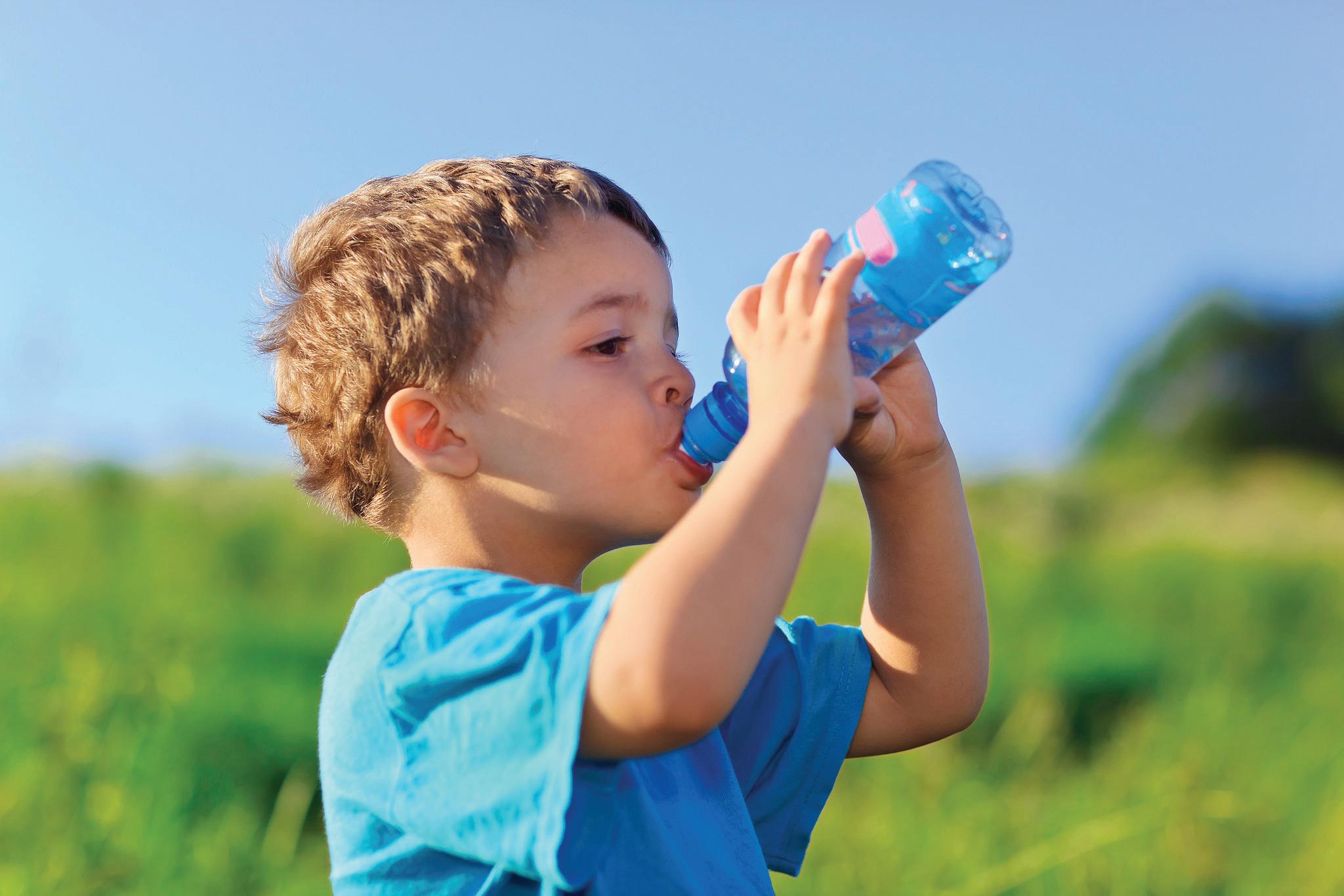
Most of the water is on Earth’s surface in oceans, lakes, ponds, streams, and rivers. There is frozen water in glaciers and in the polar ice caps. There is also water below the surface (called groundwater), in the air, and inside you!
The water cycle moves water.
Water moves between these areas through the water cycle. Water evaporates and rises into the atmosphere. Water vapor in the atmosphere condenses to form clouds. Liquid and solid water then fall back to Earth’s surface as rain, snow, or other precipitation.
Some water flows across Earth’s surface as runoff; other water is absorbed into the ground.
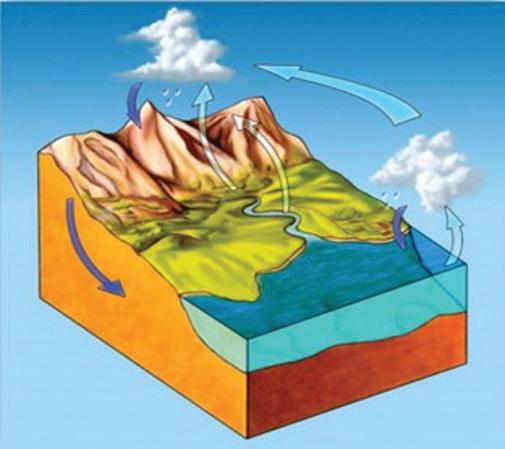
Water travels across the ground (through runoff) and below the ground (as groundwater) into reservoirs, such as oceans and lakes.
Groundwater is water stored in underground reservoirs. A reservoir is a storage area. Groundwater reservoirs are called aquifers.
An aquifer is made of two layers of rock. The top layer has holes, so the groundwater can sink into it. The bottom layer does not have holes, so it keeps the water in the top part of the aquifer.
Groundwater is a source of drinking water for many people throughout the world. If you have a well in your backyard, the well draws groundwater from an aquifer.
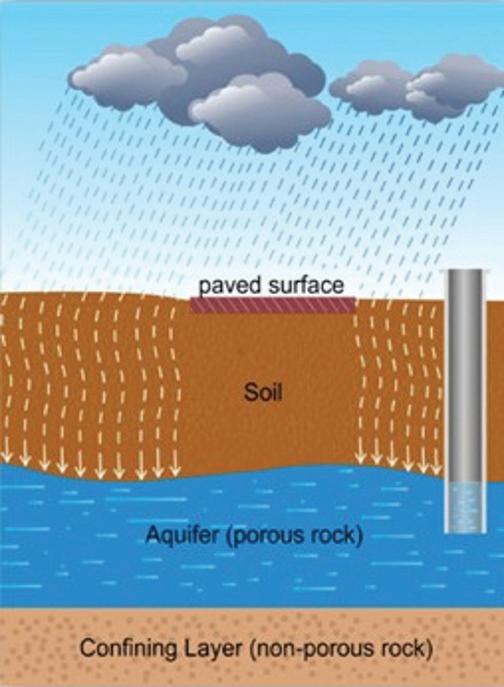
Paved surfaces such as parking lots block water from reaching the aquifer. A well at the right of the diagram reaches down into the aquifer so groundwater can be brought back up to Earth’s surface.
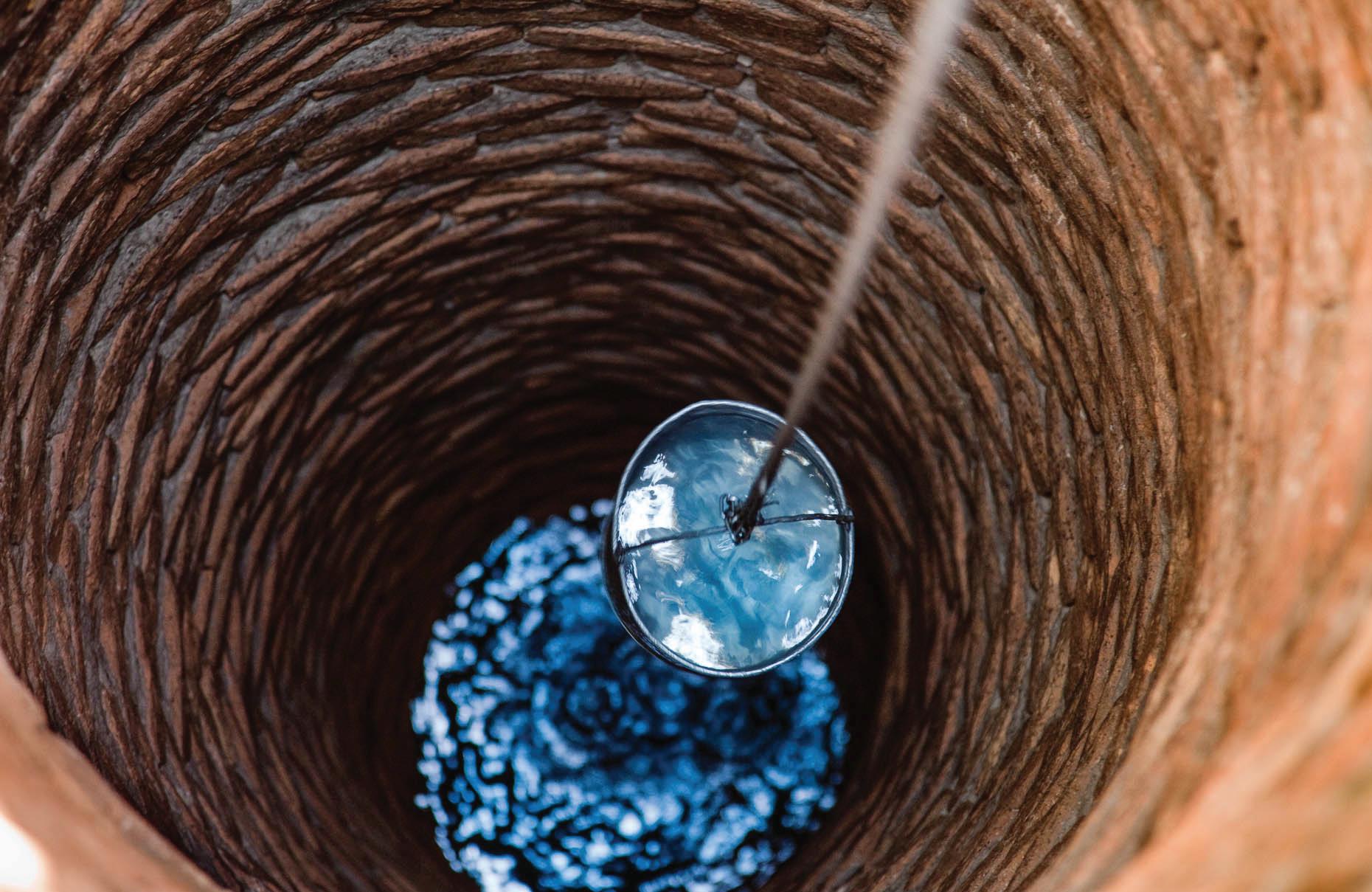
Some areas have many small aquifers. One house may draw water from one aquifer, and a house next door may draw water from a different aquifer. Other aquifers cover huge areas—they may even supply water to several states.
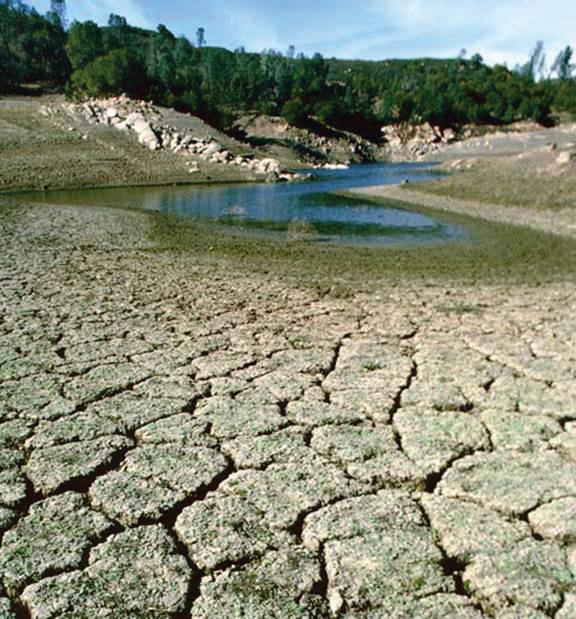
Sometimes humans take too much fresh water from their environment. They also reroute rivers and streams to make room for new structures.
As a result, a river or stream might dry up, which kills the organisms that once lived in it. Living things that were dependent on that water downstream are also harmed.
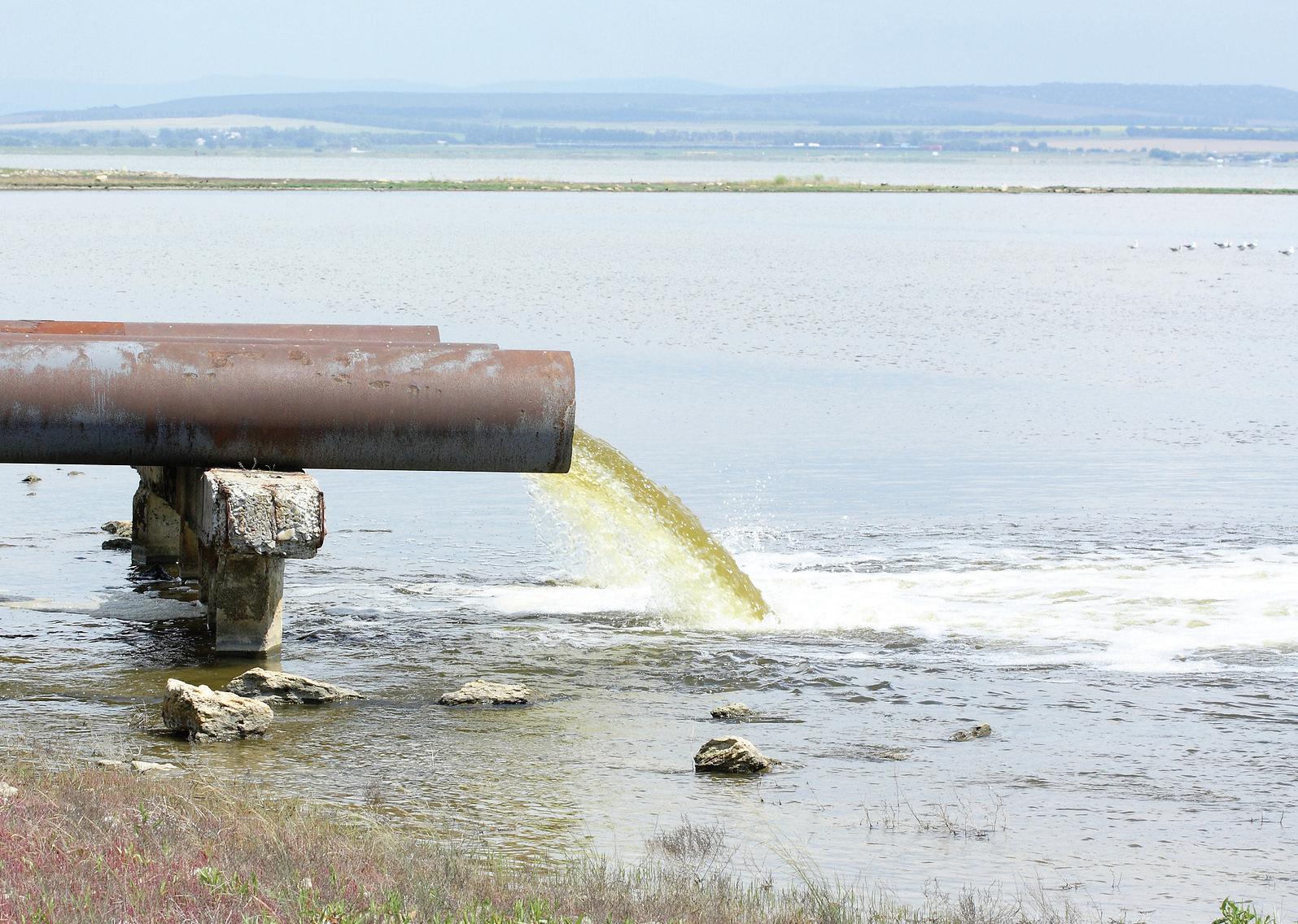
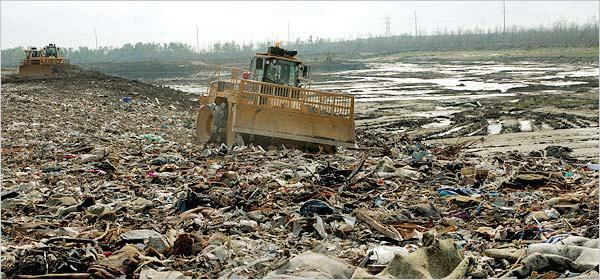
Landfills also pollute the environment by leaking liquids into groundwater. This contaminated groundwater can affect plants and animals that depend on the water to survive.
Humans also dump trash and harmful chemicals into freshwater and saltwater environments, often making the environments unfit for organisms to survive.
Look Out!
Surface water is a source of drinking water. Surface water supplies drinking water. Surface water is water that flows over Earth’s surface. Water flows into larger bodies of moving water, such as rivers, or into lakes and ponds. Many rivers flow into oceans. Oceans store most of Earth’s surface water.
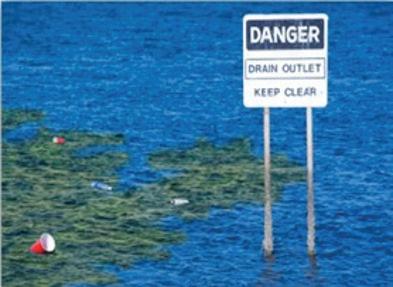
Pollution happens when contaminants are released directly into a water reservoir, such as through dumping or from a drainage pipe that feeds directly into the reservoir.
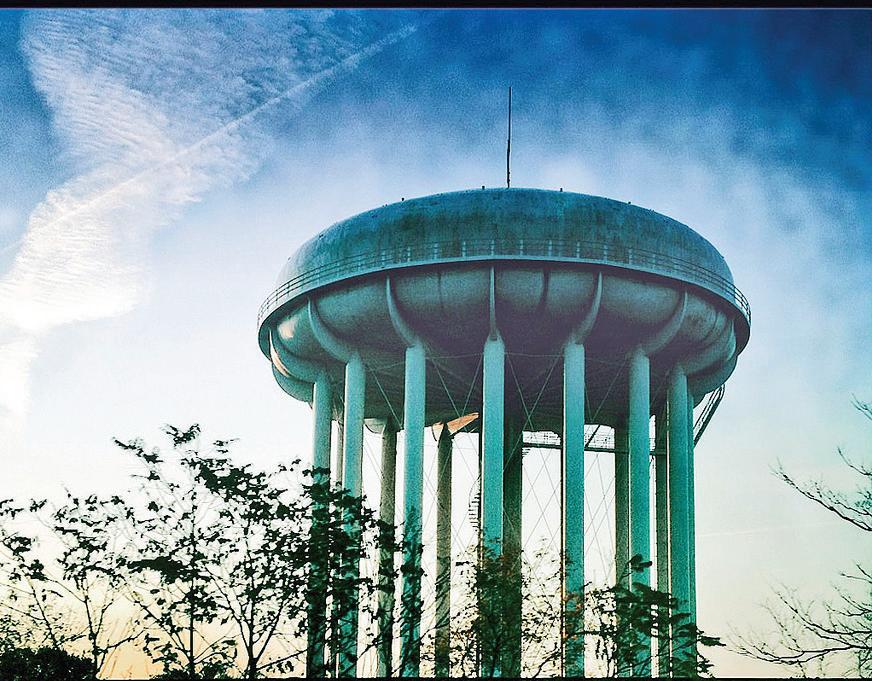
Reservoirs and water towers store water. Constructed water sources include reservoirs or water towers used in cities. The reservoir collects rainwater and surface runoff. The water in the reservoir is then sent to water treatment stations to make it safe for human use or to water towers before it reaches people’s faucets.
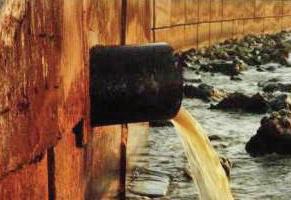
It is very easy for pollution to enter surface water. Industrial or agricultural waste, cleaners, paints, medical waste, and household garbage can enter water reservoirs directly, usually because of illegal dumping. Now laws try to prevent this from happening.
Look Out!
Sometimes rainwater can fall on pollutants. Agricultural runoff happens when pollution from a farm—including fertilizers, pesticides, and animal waste—mixes with rainwater or snow. The polluted water then flows into nearby streams, ponds, or reservoirs.
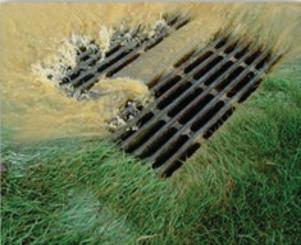
Runoff flowing into a storm drain could end up in a number of reservoirs, causing pollution.
Water pollution can affect an ecosystem in a variety of ways. Some pollutants kill organisms or make organisms sick or unable to fight off parasites or infections. Some pollutants prevent organisms from reproducing or cause their eggs to be soft-shelled and easily broken.
Water pollution can also cause certain organisms to thrive. Agricultural runoff or human waste from sewers can fertilize algae, causing the algae to grow out of control. Scientists call this an algal bloom. The algae use up much of the oxygen in the water that other organisms need to survive. The resulting lack of oxygen can harm or even kill other creatures in the water.
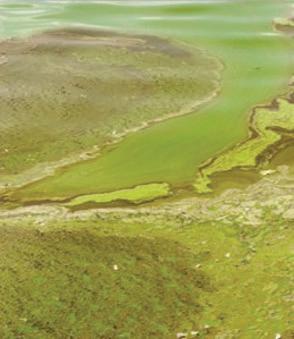
algae - tiny organisms that use up oxygen
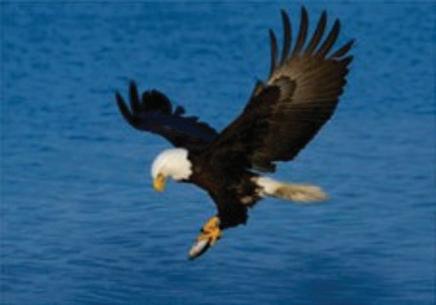
If this eagle eats two contaminated fish, the eagle will have twice the contamination in its body.
Look Out!
There are many things we can do to help save water and stop pollution. Conservation is using our resources wisely. Anytime we conserve resources, it is good for the environment. Turning off the water while we brush our teeth is a good example. We can limit lawn and garden watering. We can buy energy-efficient washers and only use the washer and dishwasher when they are full. Can you think of other resources besides water and energy that you can help conserve?
Recycling manufactured objects has become a trend. Now it is time to recycle water. For example, use a rain barrel to collect rainwater for watering lawns and gardens. When you reuse or recycle something, you are putting less waste and less pollution into the environment. Check with your parents about the recycling programs in your town, and set a goal to throw less trash away every day!
On April 22, 1970, the very first Earth Day was held. Earth Day is a day when we can focus on ways to keep our planet healthy and clean. Every year on Earth Day people make promises to help the environment.
Does your school participate in Earth Day? What are some ways you could make every day an “Earth Day”?
Try Now
Now try this simple experiment to demonstrate how pollution of water impacts all of us. Make sure you have a parent to help you collect supplies and set up your experiment.
You will need these items:
3 1-quart jars with lids, measuring cup, 3 small potted green plants, vinegar or lemon juice, 6 labels or strips of masking tape, marker, notebook, pencil, and crayons.
First, review why water pollution is important on our planet. We drink water, bathe in it, and water our plants with it. Air pollution can cause acid rain, which pollutes our water.
Follow these steps:
1. Use the marker and masking tape to label the first plant and jar “some acid.” Label the second plant and jar “a lot of acid.” Label the third plant and jar “plain water.” The vinegar or lemon juice can be the acid.
2. Next, you will mix the water for the plants. (Parents, explain that the vinegar, or lemon juice, represents acid, just like the acid that gets in the raindrops from the pollution in the air caused by factories and vehicles.) Pour ¼ cup of vinegar or lemon juice into the jar labeled “some acid” and fill the rest of the jar with tap water. For the jar labeled “a lot of acid,” pour 1 cup of the vinegar or lemon juice into the jar and fill the rest with tap water. Fill the third jar, labeled “plain water,” with just tap water. You will be using these water jars to add water to your plants.
3. In your science journal, record your observations. Label the date and describe and draw pictures of your observations.
4. Water each plant using ¼ cup of water from the jar with the matching label. Every two or three days continue to water the three plants using the original water from the matching jars.
5. At the end of the week, write a conclusion based on what your plants look like. How do you think your plants compare to our environment? How do you think acid rain can affect plants on our planet?
To help your child learn more about the importance of protecting water sources, all the members of your family can document their own water usage. First, discuss with your child where your family’s water supply comes from. Do you have a well in your backyard, or does your water come from human-made reservoirs? Is your water treated or filtered before it flows through your pipes? Do you generally drink from the tap, or do you buy bottled water?
Then, in a notebook or journal, have each family member keep a log of all the times he or she uses water in a day:
• Washing hands
• Taking a shower or bath
• Doing laundry
• Flushing a toilet
• Drinking a glass of water
• Brushing teeth
• Using water in some other way
When documenting water usage, each person should include details such as these:
• Did you turn the faucet on to full blast, a slight trickle, or somewhere in-between?
• Did you drink the whole glass of water, or did you pour some of it down the drain?
• How long were you in the shower?
• How full was the bathtub?
• Did you leave the water running while you brushed your teeth, or did you turn it off while you were not using it?
After 24 hours, compare each person’s water-usage logs, and then have a family discussion about how much water you collectively use. Try to determine some ways for your family to cut back on water usage, and discuss why this is important.
Here are some questions to discuss with your family:
• How much water do we use every day without really thinking about it?
• How much water are we actually using, and how much are we wasting?
• How can we waste less water?
• Why is it important to conserve water?
After lunch one day, Ms. Simpson had an announcement for her class.
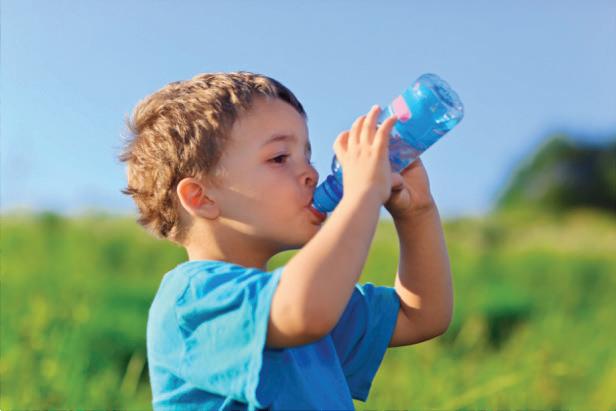
“Kids,” she said, “we are going to enter a poster contest. We are going to make posters to show the rest of the school how important clean water is for humans!”
“Earth provides us with the resources we need to live,” she said. “One of the most important resources Earth provides us with is water.”
“Humans cannot make these resources themselves and we need clean water in order to survive.”
“I think this poster contest sounds like a great idea!” said Amir. “I don’t want us to run out of water resources!”
Ms. Simpson passed out crayons, paper, and markers to the kids. They started drawing pictures and writing messages on their posters.
They wrote things such as “Save Water” and “We Need Water.” Ms. Simpson gave them other ideas such as “Turn Off the Water when You Brush Your Teeth!” and “Reuse Plastic Bottles.”
Ms. Simpson asked the kids to make additional posters to put up around the school so all the other students would know how important it is to use resources wisely.
The kids hung their posters and then stood back and looked at them with pride. They felt like they had done something good for their school and the planet. Ms. Simpson was also proud of them and gave each student a reusable water bottle!
1 What is this story mainly about?
A Students learning about water and how humans need clean water
B Students entering a poster contest
C Ms. Simpson being a nice teacher
D Students decorating their school with posters
2 Which of these is most likely to happen at school the next day?
A Ms. Simpson will teach math.
B Ms. Simpson will throw away plastic bottles.
C Other students will see the posters and know how important water is.
D The principal will not like the posters.
3 Turning off the faucet when you brush your teeth helps save clean–
A water.
B air.
C soil.
D animals.
4 What is “clean water”?
A Water we can drink
B Water from the ocean
C Water that has pollution in it
D Green water
5 What do humans use clean water for?
A For drinking
B For watering plants
C For their dogs to drink
D All of the above
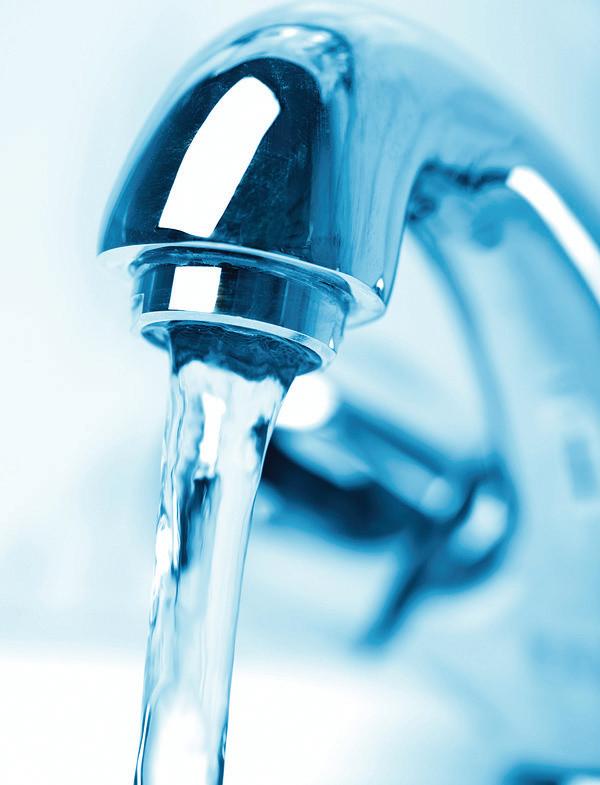
1. Where do humans get most of their usable water? Why must people be careful to keep water clean and not use water carelessly?
2. What is one way humans can use less water? Draw a picture. Then tell how your solution helps.
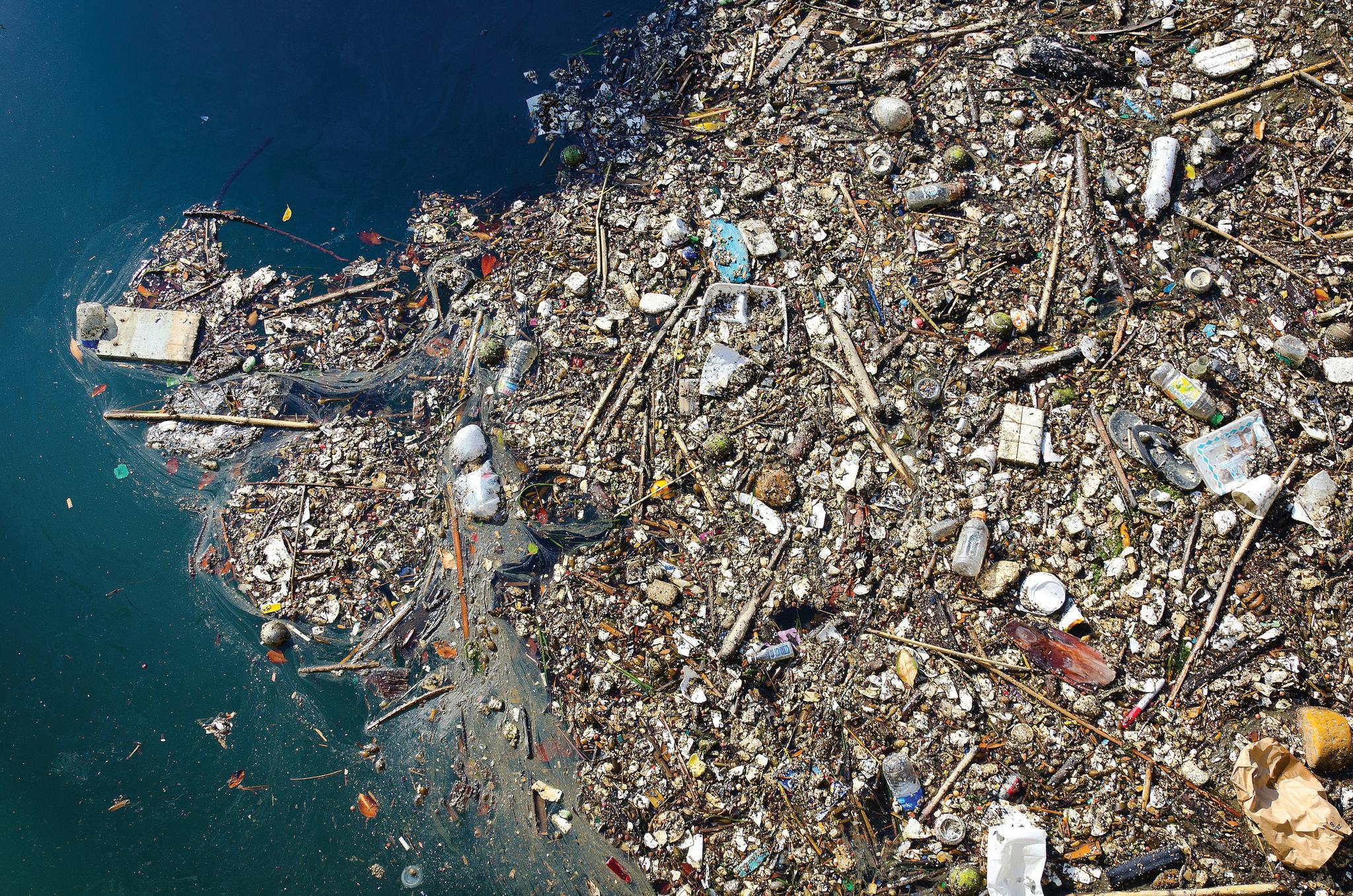
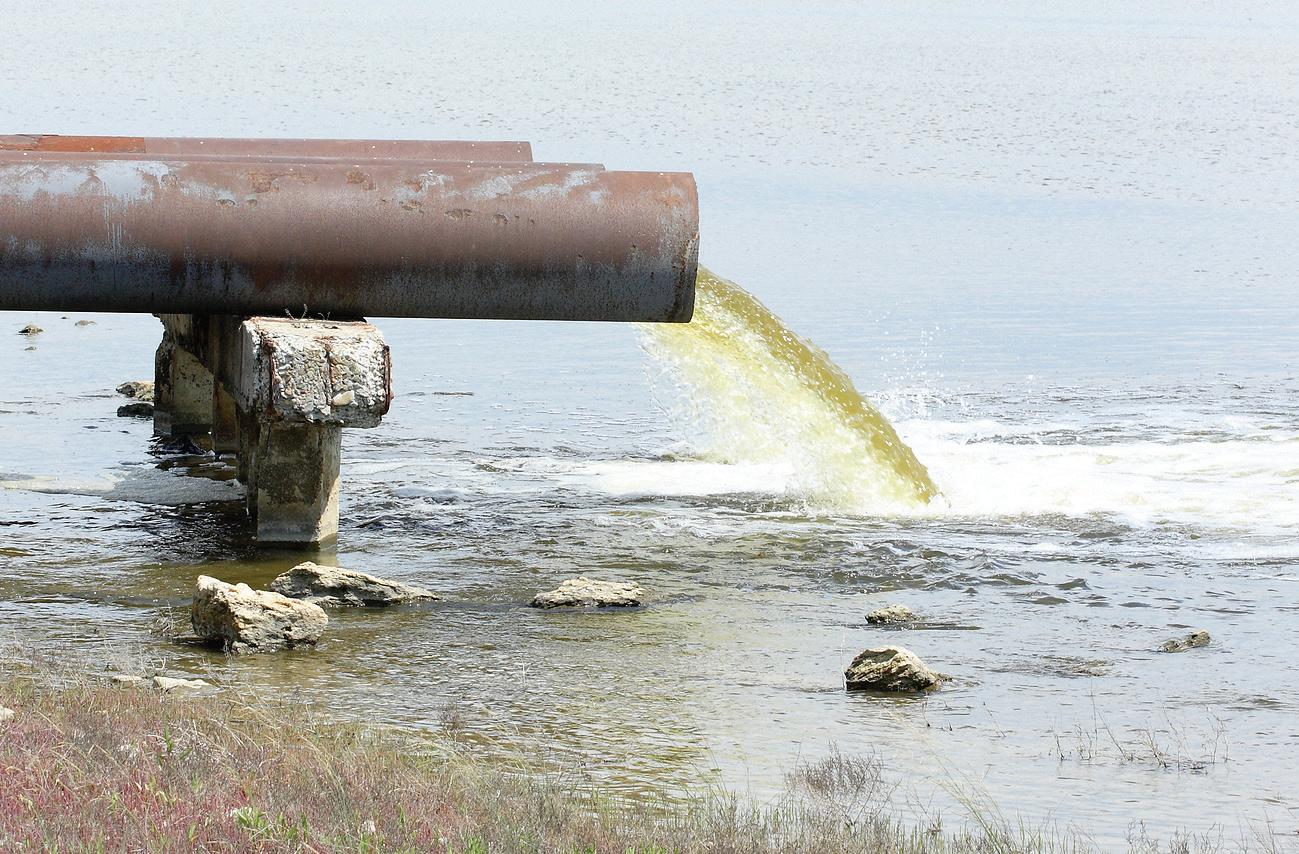
3. How can humans prevent water pollution like you see in the pictures?
4. Your family built a house far away from any towns. You have water to drink, but your family needs more water for bathing, doing laundry, and watering your garden. You live near a river. It also rains a lot. Design a device to capture more water for household use. Draw a picture, and tell how it works.
Chelsea went to the beach with her family over the summer. She played in the sand and in the water. She was thirsty and tried to drink the water, but it was too salty.
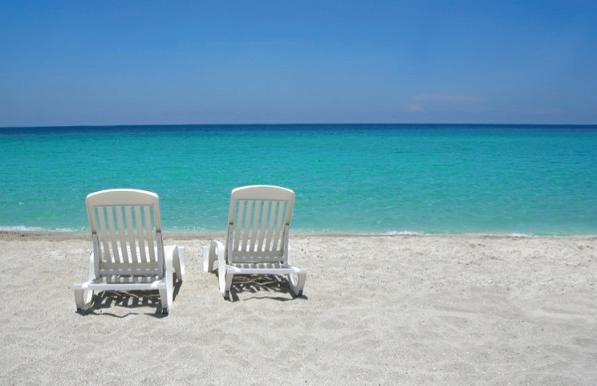
Thinking like a scientist, make a claim explaining the source of water that Chelsea experienced during her vacation and what type of water she should drink. Claim:
She experienced the _______________ water during her vacation. Write how you know. Draw how you know.
After 7 Days
Student Journal
The pea plant is paper clips high.
Draw a picture of the pea plant.
After 14 Days
The pea plant is paper clips high.
Draw a picture of the pea plant.
Stages Observation
1. Draw each stage.
2. Describe each stage.
How do you grow a pumpkin? Pumpkins grow on long vines, but they start with a seed. Not just any seed! Watermelon seeds grow only watermelons. You need pumpkin seeds to begin. Pumpkins, like all living things, have a beginning, middle, and end—a life cycle.

Seeds are the beginning of the life cycle of plants. Plants and animals are born, grow and develop into adults, reproduce new organisms, and eventually die.
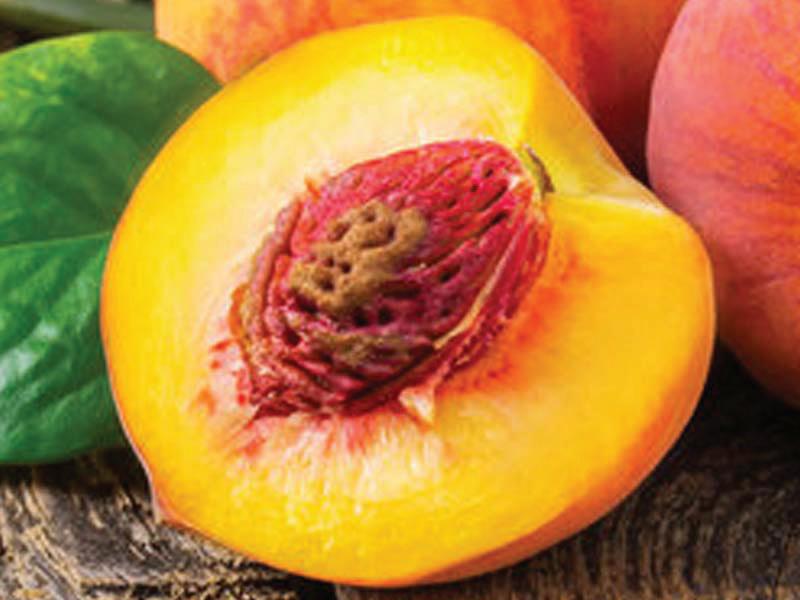
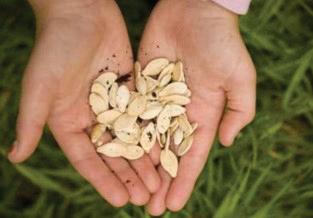
Seeds can be found inside the fat part of the plant called the fruit. The seeds that grow into a watermelon, apple, or peach are inside the fruit.
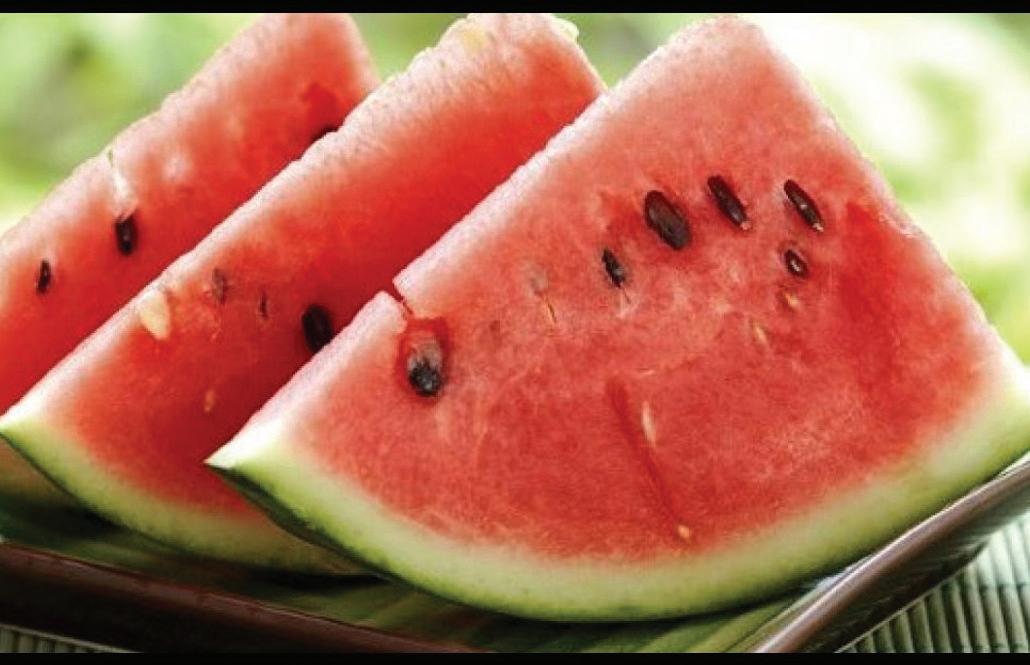
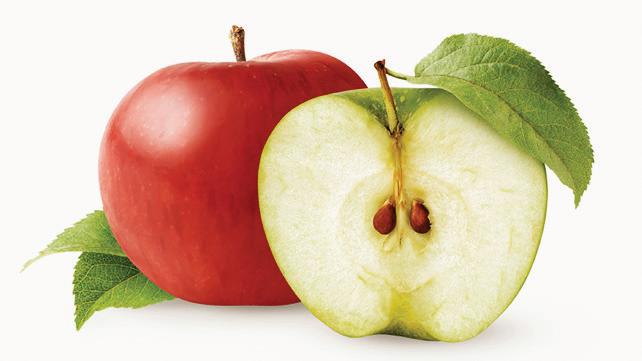
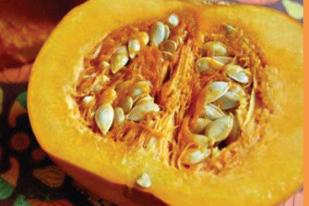
You have to cut open a pumpkin to find its seeds. Reflect Look Out!
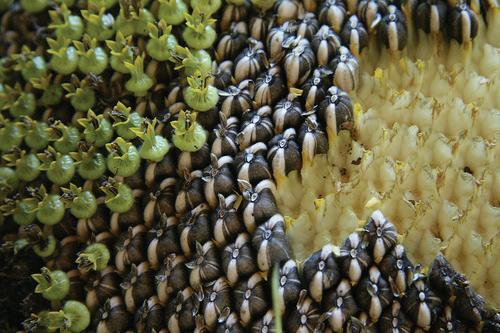
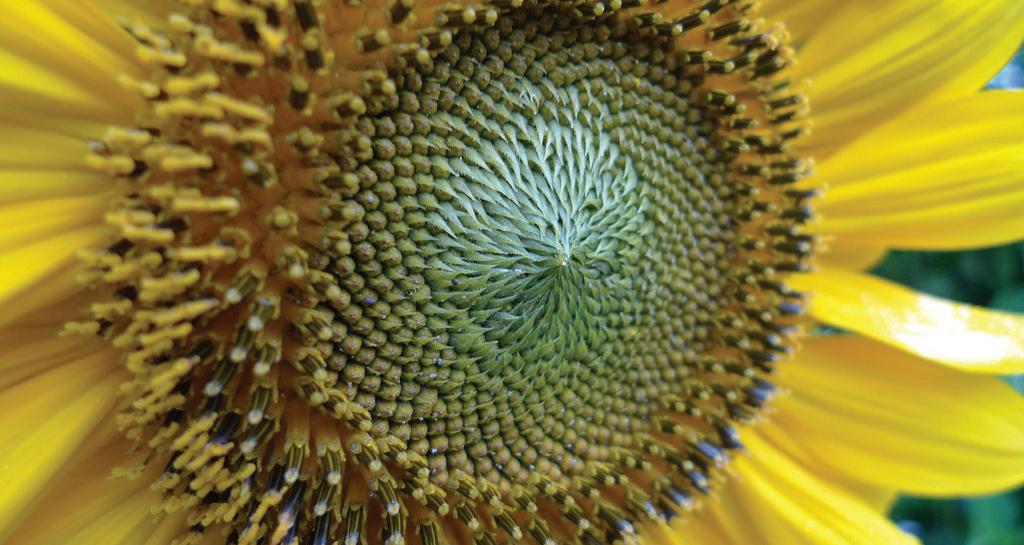
Other seeds are inside the flower, like the seeds in the middle of a sunflower.
Plant pumpkin seeds in soil, water them, and let the Sun shine on them. Soon you will see the seeds sprout their first roots and leaves. The first stage in the life cycle of plants, when they sprout, is called germination.
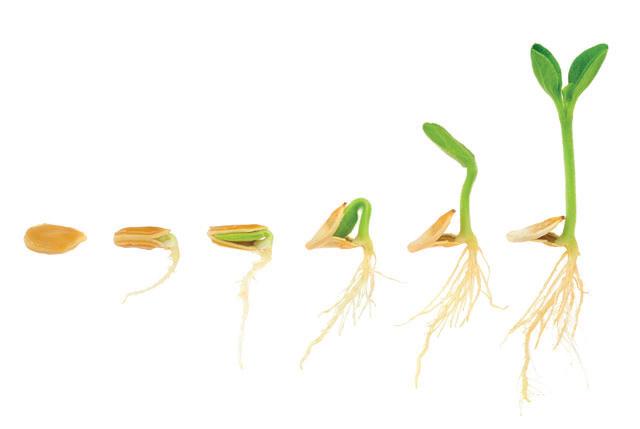
When the young plant sprouts roots and grows its first two leaves, it is called a seedling.
germination: when seeds grow roots and their first leaves
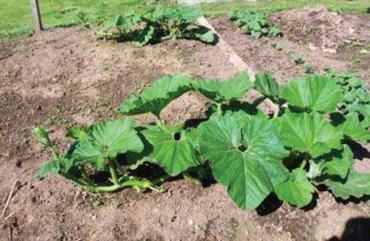
After the pumpkin seeds sprout, the stems grow into long vines and more leaves form. After two months, pumpkin flowers appear.
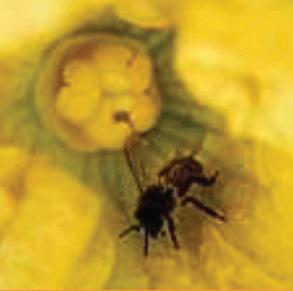
The pumpkin produces new plants by making seeds inside its flowers. Bees spread the pollen, which makes the seeds grow.
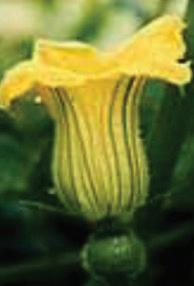
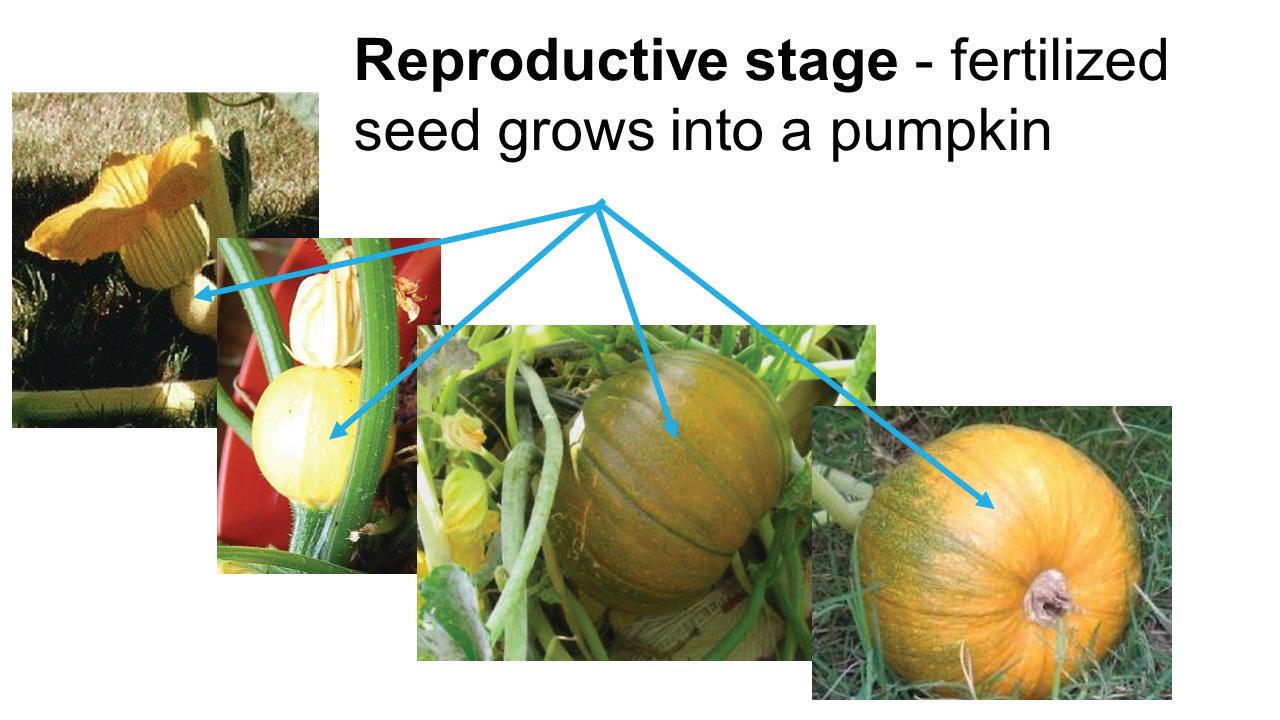
Once pollen fertilizes the pumpkin seed, it begins to grow at the base of the flower. At first, the pumpkin is greenish yellow; then it grows larger and turns orange. Seeds inside the new pumpkin can start the life cycle all over again.
Look Out!
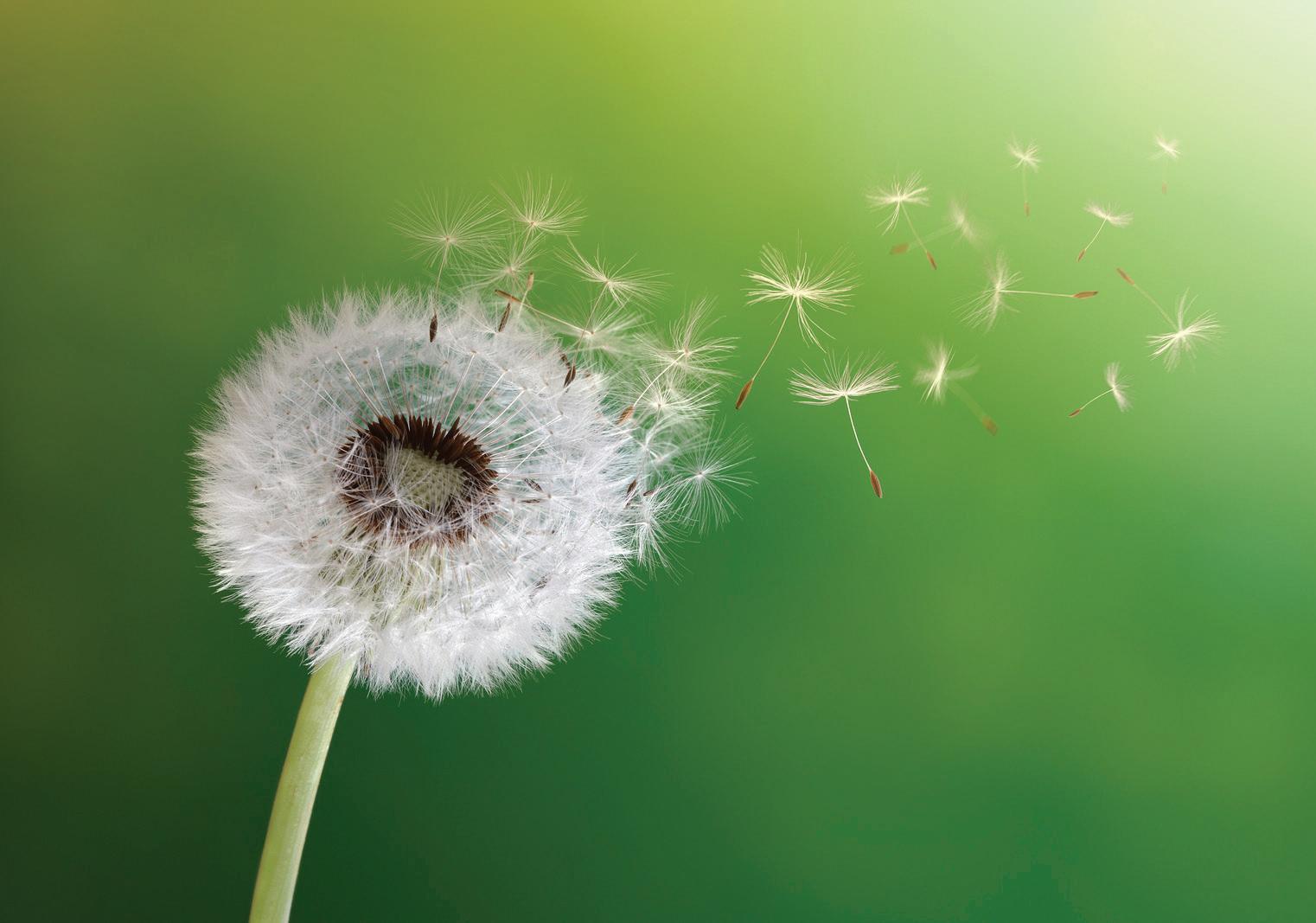
Heavy seeds like acorns fall directly below the tree. Lightweight seeds like dandelions can be spread around by wind or water. Animals that eat plants or fruit with seeds can disperse (spread) the seeds through waste droppings. Seeds can also get stuck in fur and be dropped some distance away.
Insects change during their life cycle. Most insects, such as butterflies, beetles, and bees, have four stages in their life cycles. Each stage is different. When you look at an insect, you can tell what stage it is in.
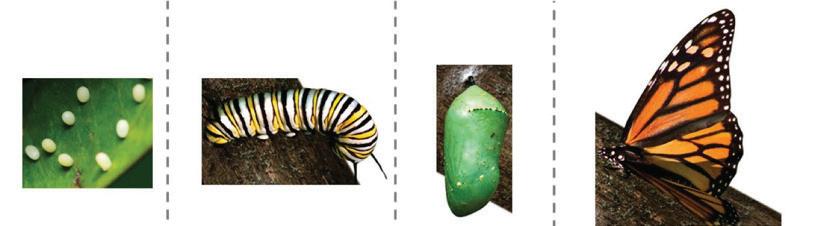
Match the number on the picture to the description of that stage in the life cycle.
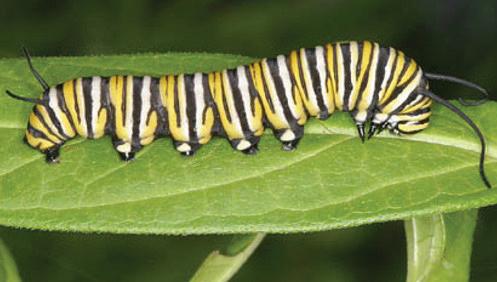
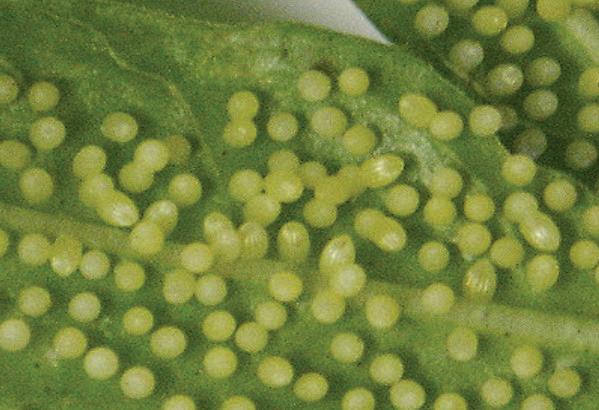
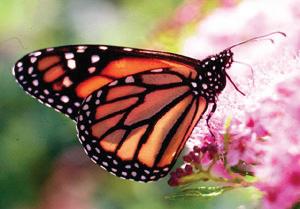
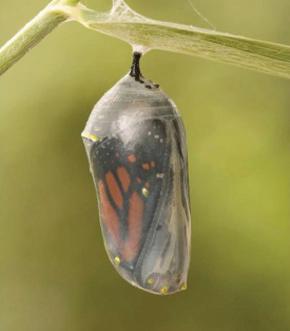
_____Egg: The first stage is the egg. Adult insects can lay hundreds of eggs. The eggs are very tiny. Sometimes the eggs hatch right away. A mosquito egg hatches in two days! Other eggs survive all winter long before hatching in the spring.
Larva: The next stage is the larva. A caterpillar is a larva, as is a grub! Larvae look like short, fat worms with legs. Larvae eat a lot and begin shedding their skin when they grow. Then they grow new skin.
_____Pupa: After the larva grows enough, the insect goes into the pupa stage, in which the larva wraps itself up in a hard shell. This is called a cocoon or chrysalis. The insect does not come out for a while. It does not eat any food. It rests for a long time. But there are big changes happening! Inside, the pupa slowly changes into an adult.
Adult: The insect comes out of its cocoon as an adult.
Adult insects look very different from the larvae that entered the cocoon. For example, a wiggly caterpillar enters the pupa stage but flies out as a butterfly. Many adult insects fly away and lay eggs.
For your child to better understand the life cycle of plants, plan a visit to a local nursery where you can examine various seed packages. Share with your child the information on the package that explains how long it will take for that plant to germinate (germination). That is the time from when the seeds are planted until the seeds sprout roots and the first leaves. Find the plant that takes the least amount of time to sprout.
Radish seeds have a relatively short germination time, which makes them ideal for a home project in which your child observes and records the stages of growth of a plant.
You will need a package of radish seeds, a quart-size clear plastic bag, a sheet of paper towel, scotch tape, and a window that faces the Sun that your child can use. Dampen a folded paper towel so that it is saturated with water but not dripping. Place it flat inside the plastic bag. Lay the bag flat on a table. While you hold the bag open, let your child place 10 radish seeds on top of the wet paper towel. Seal the bag. Tape it to the window that is exposed to sunlight. Each day observe the seeds. Have your child talk about the stage of growth he or she is observing and then draw it in a notebook or on a chart. Seedlings can be planted in pots or outside to continue growing.
Here are some questions to discuss with your child: How could you tell the seed had germinated? What happened to the two halves of the seed? Which way did the roots grow? Which way did the stem grow? How many seeds of the 10 planted actually germinated? How many leaves sprouted first? Why was the sunlight necessary for the seeds to sprout?
We see many bees in Mississippi.

Do you know anything about them? Bees have a life cycle. Bees love flowers because they have nectar in them.
Bees love brightly colored flowers the most.
There is one queen bee in a hive and it lays all the eggs. A queen bee lays many eggs at a time. The eggs hatch in 15 to 24 days, depending on the type of bee.
A bee will stay in the larva stage for 7.5– 10 days.
The pupa stage of development is 8–10 days long. The bee emerges from, or comes out of, the chrysalis.
The life cycle of a bee can take different amounts of time, depending on the type of bee.
Do you think bees are important? Why or why not?
1 The author chose to write this text–
A to tell you a good story about bees.
B to ask you questions about bees.
C to inform you about the life cycle of bees.
D to describe the causes of the changes a bee goes through.
2 Why do you think the queen bee lays its eggs in a honeycomb?
A Honeycombs provide protection for the eggs.
B Honeycombs are easy for all bees to find.
C Honeycombs are soft and comfortable places for eggs to hatch.
D When the eggs hatch, the new bees eat the honeycomb.
3 What do we call bees that hatch out of the eggs?
A Eggs
B Larvae
C Pupae
D Adults
4 Read the following statement: The bee emerges from, or comes out of, the chrysalis.
Which words help you understand the meaning of the word emerges (Paragraph 8)?
A The bee B Comes out C Of the D Chrysalis



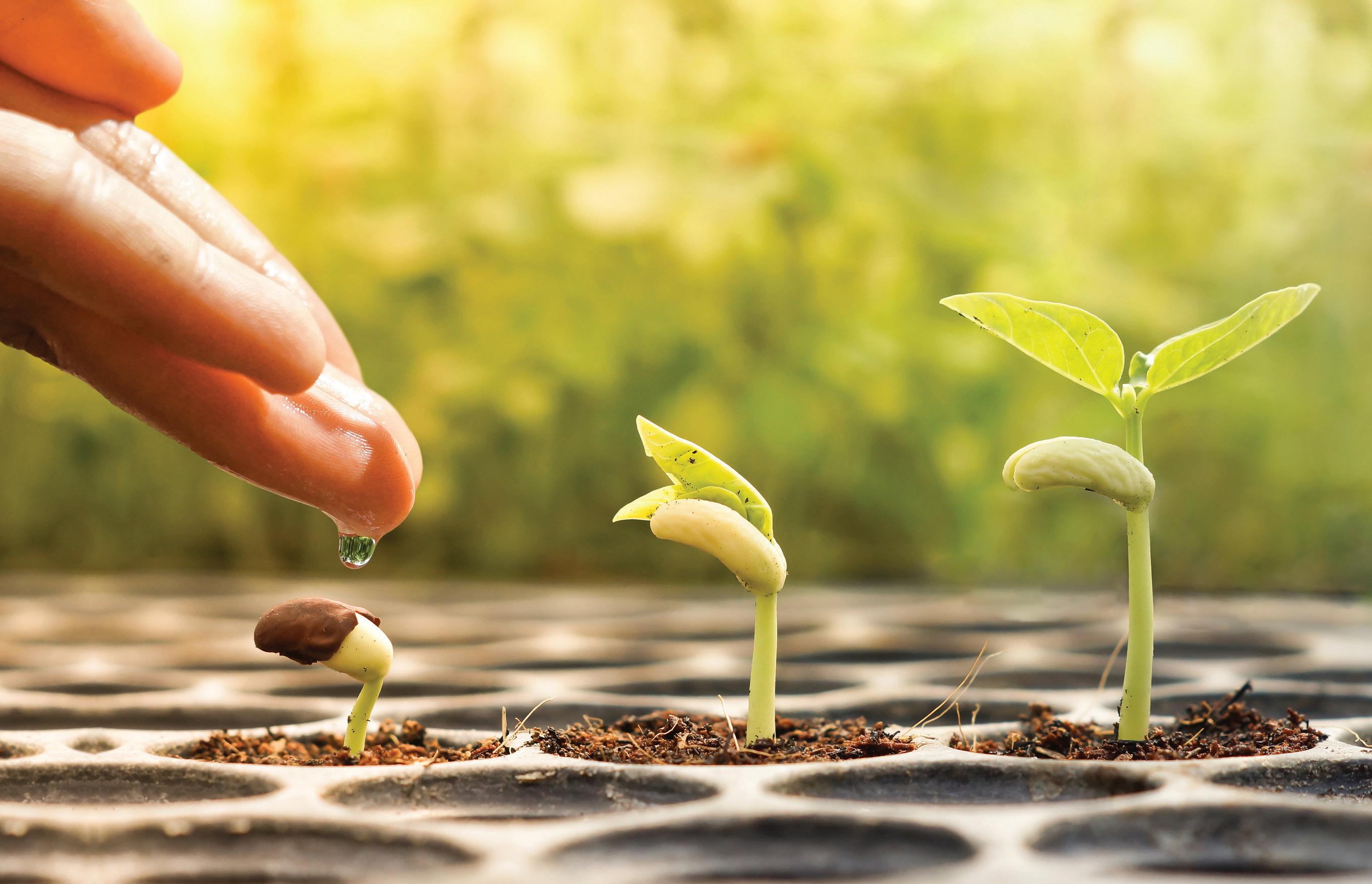
Seed Dispersal Growth
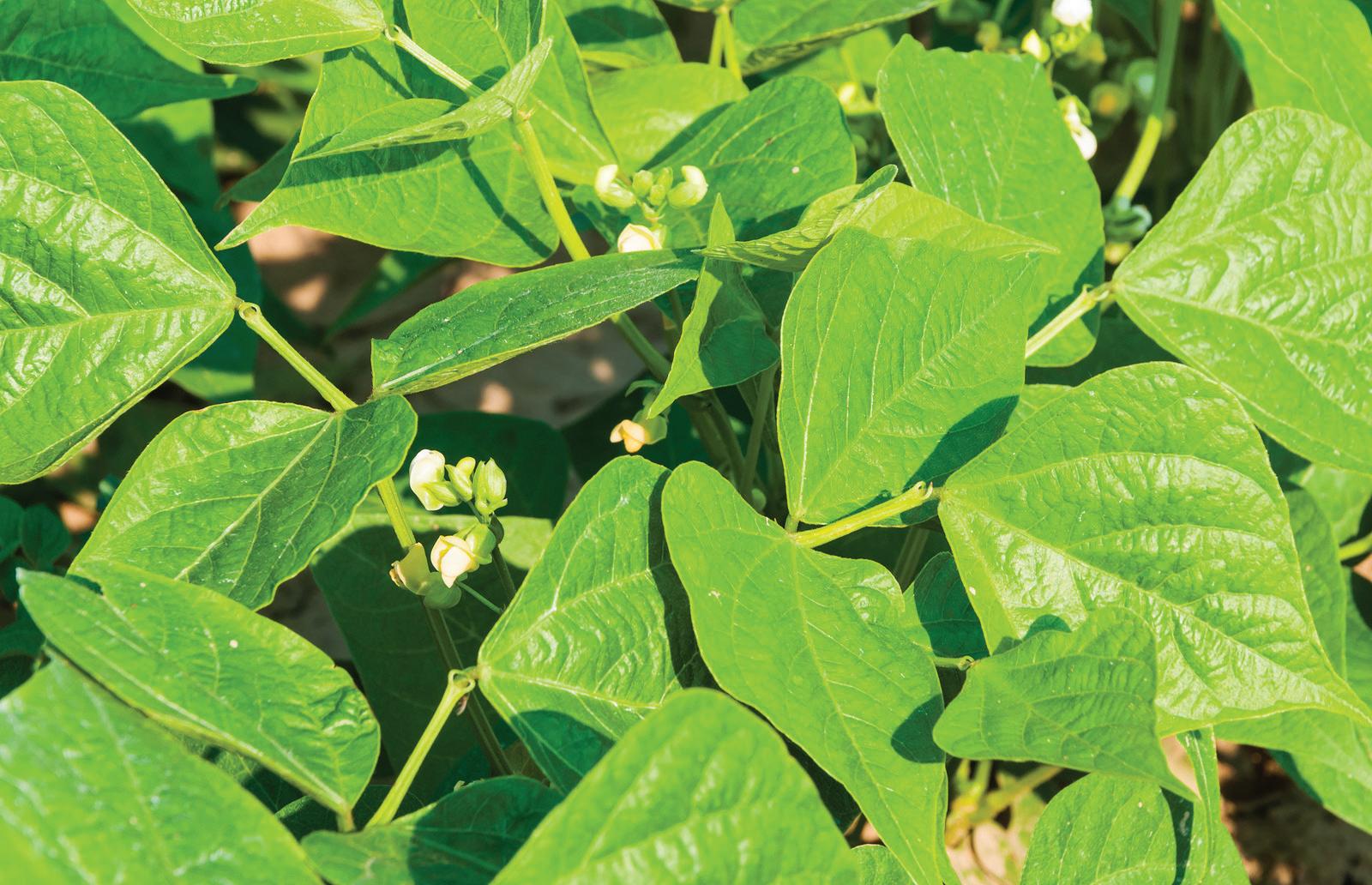
Reproduction

1. How is the lima bean plant different during germination than it is during reproduction? Germination
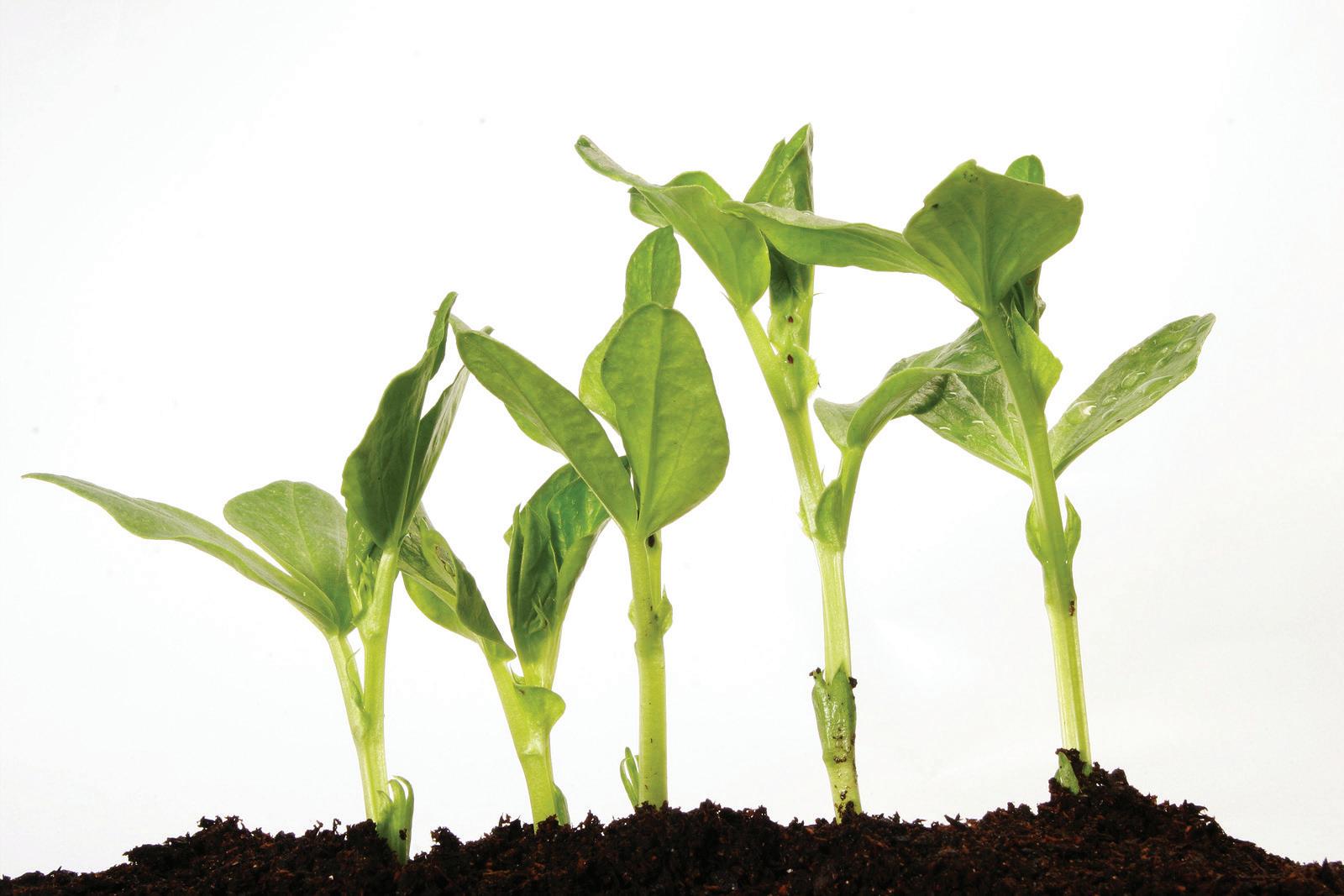
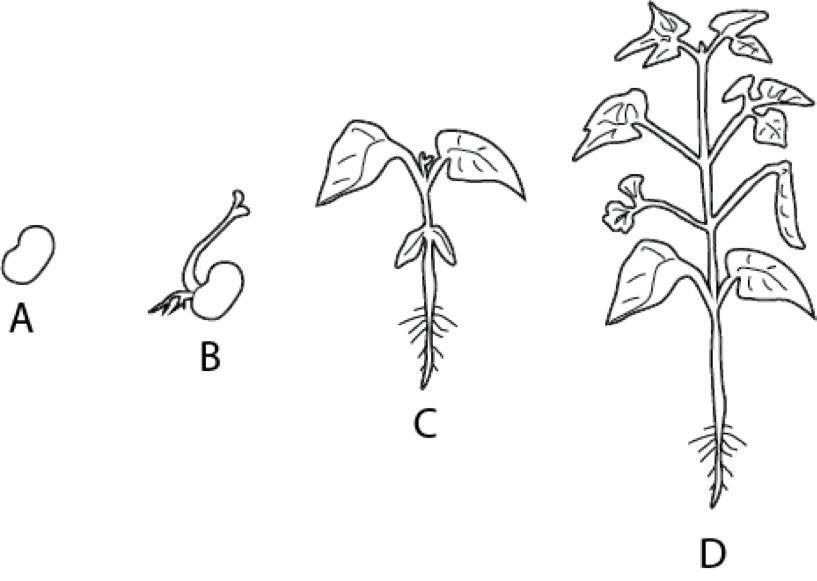
2. Look at the lima bean life cycle and stages A, B, C, and D.
At which stage is the plant the tallest?
How many blocks tall is it?
What is that stage called?
At what stage is the plant the shortest?
How many blocks tall is it?
What is that stage called?

3. Draw the life cycle of a butterfly. Be sure to write what each stage is below your picture.
External Data 2
Animals, like fish, frogs, and chickens, go through life cycles. Life cycles allow their species to survive. Scientists often use models, such as the life-cycle diagram on the right, to help them understand information.
Prompt 3
Claim:
Evidence: Scenario 1
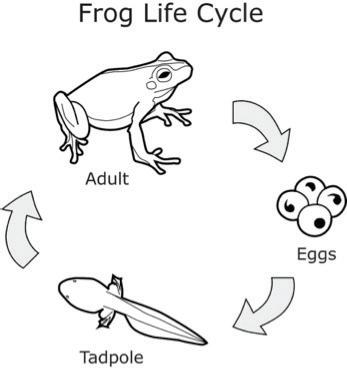
Thinking like a scientist, what is the stage of a frog immediately after it hatches from an egg?
The frog is a _______________ right after it hatches from an egg.
Write how you know.
Draw how you know.
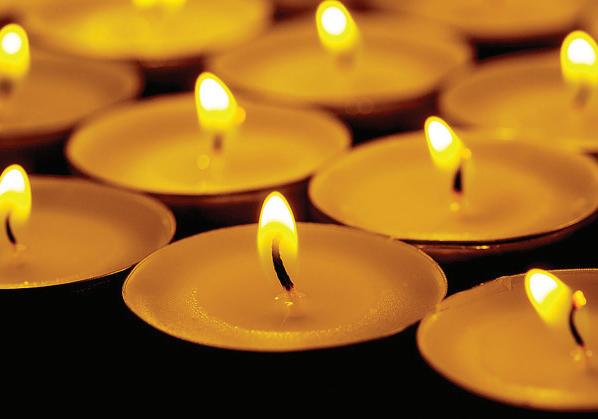
This material lets light pass all the way through.
This material lets some of the light pass through.
This material does not let any light pass through.
Part II: To Be Seen or Not to Be Seen
Group 1:
I saw the smiley face on these objects. (reflection)
Group 2:
I did not see the smiley face on these objects. (opaque)
1. What do you notice about all the materials that you put in Group 1?
2. What do you notice about all the materials that you put in Group 2?
Light Source
Picture of Light Source
Rank the light sources 1–4 (1 is the brightest, and 4 is the least bright).
1. What is a light source that is brighter than ALL of these examples?
2. What is a light source that is less bright than ALL of these examples?
3. The tea light candle represents a candle for this activity. Compare a candle to the lamp. List the similarities and differences.
1. What do you think will happen when the stuffed animal is placed on Spot 1 on the floor? Why?
2. Do you think the shadow will be big or small? Why?
3. Record the height of the stuffed animal’s shadow at each spot on the floor.
a. Spot 1 (six feet from wall) inches
b. Spot 2 (four feet from wall) inches
c. Spot 3 (two feet from wall) inches
4. Which spot on the floor created the biggest shadow?
5. Which spot created the smallest shadow?
6. How does the distance from a light source change a shadow?
Reflect
Did you look in a mirror this morning while you brushed your teeth or combed your hair? What did you see? A mirror is a sheet of smooth glass with a shiny surface. Have you ever wondered how a mirror works?
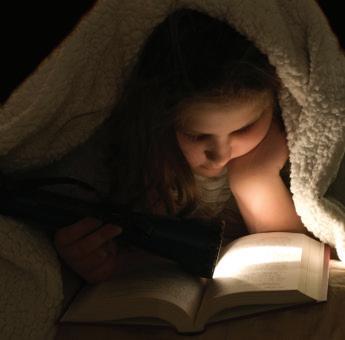
Light allows us to see. What would happen if you turned off all the lights in your room at night? Would you still be able to read your favorite book? To see things, we need light to bounce off them toward our eyes! Look at the girl on the left. She can only read her book when the light is shining on it.
Look Out!
Objects can only be seen when light is reflected off them. Light can be reflected off shiny things. A mirror can reflect light. This means that light bounces off it. This is why you can see yourself in a mirror. When you look at your reflection in the mirror, you are seeing your own image because the light rays are being bounced back to your eyes. What other objects allow you to see yourself?
Light rays move in a straight line. You can clearly see objects on the other side of a window. When a light ray hits a window, it passes through it. This happens because a window is transparent. Light rays easily pass through some objects. You know that something is transparent if you can see clearly through it.
Some objects let you see through them, but not clearly. These objects allow only some light rays to pass through. These objects are translucent.
There are some objects that you cannot see through. They block light. An object that blocks light is called opaque.
When light rays from the Sun hit your body, they cannot go through it. That means the light rays stop where your body is, while the rest of the light passes around you. This creates the dark spot of your shadow and light rays all around it.
How are shadows made? How do weather conditions affect shadows? What things have shadows? Look around on a sunny day and see what you can find. You will see that buildings, trees, toys, people, and cars all create shadows. Can you see the shadow of the girl on the swing?
Shadows are produced when an object blocks light. An object through which no light can pass is called opaque. An example is your body. Since light cannot pass through, it creates a dark area around the object. This patch where the light cannot reach is called a shadow. Opaque objects that do not allow light to pass create dark shadows.
Shadows change length.
Shadows are long and point toward the west in the morning when the Sun is low. They get shorter as noon approaches. Shadows get longer but point toward the east in the evening when the Sun is low again. Shadows completely disappear when the Sun sets or when it is cloudy or rainy outside.
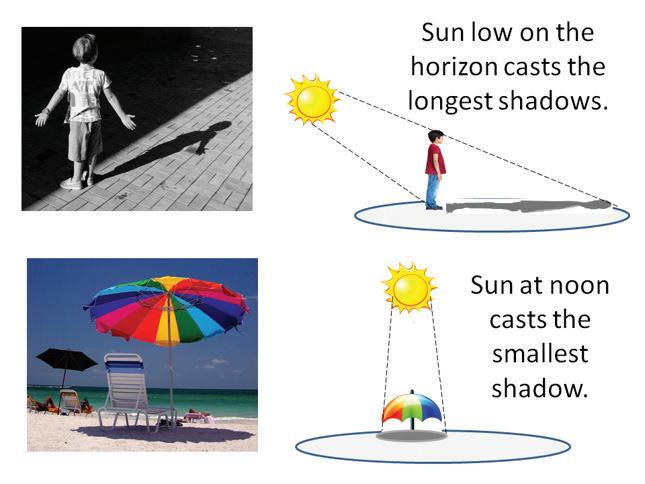
Part 1—Play with light! You and a friend can do this activity together!
Your friend holds a flashlight and aims it toward the wall, while you put your hands in the path of the light beam.
• What does this create on the wall?
• Can you and your friend make other hand shadows on the wall?

Shine the flashlight on the bathroom mirror. See if you can get the light beam to hit the wall behind you.
• Why did it do that?
• Can you get the flashlight beam to hit the wall next to you? Was it easy to do? Explain what happened.
• What did you learn about light energy?
Part 2—Make a “Light Sources” book! Look through magazines and find pictures of different light sources. If you cannot find pictures of light sources, can you draw them?
Make a “Light Sources” book. Make each page about one light source. What light sources could you include? How about light bulbs? What things around you use a light bulb? How about fire? What things make fire? What about the Sun? Can you think of other things that give out light? What about the Moon? Does that give out light? Would it be considered a natural or artificial light source?
Make a list of all the things in your house that are sources of light.
Building a periscope is a fun activity to do with your child to continue investigating the behavior of light, but your child will need help.
A periscope is a tool with several mirrors at opposite ends of a long tube, allowing people to see around objects. Designing and building a periscope is an excellent way to learn about the fundamental laws of reflection. Remember that light travels in straight lines and that the angle of incidence equals the angle of reflection. In other words, the angle at which a light ray approaches a mirror is the same as the angle at which the light ray bounces off the mirror. Plans and instructional videos for building a periscope can easily be found on the Internet. Use search terms such as “periscope plans.”
For most designs, you will need these items:
• A long, square box
• Two small pocket mirrors
• A protractor
• A sharp knife (only to be used by an adult)
• Duct tape
As you and your child position the mirrors at either end of the box, explain to your child the importance of the angles at which the mirrors are set. The first mirror must reflect the light entering the periscope toward the mirror at the other end of the periscope. This mirror must then reflect light toward the eyepiece of the periscope.
It may also help to watch videos together showing how a periscope is used aboard a submarine. Encourage your child to find other uses for the periscope. For example, a periscope can let someone look around a corner or above a couch.
Light is important in our lives. We need light to see. It is dark when there is no light. We cannot see anything without light.
Some things in nature give off light. The Sun is our biggest light source. Fire and lightning give off light. The moon reflects light from the Sun.
Some objects also give off light. Lamps, flashlights, and televisions give off light. Clear things let light pass through. Water and glass let light pass through. Light passes through windows and lights up a room. This makes the objects in the room visible to us!
Some objects do not let light pass through. A tree blocks light. A dog blocks light. A slide on the playground also blocks light. Some objects let only some light through. Some paper lets light pass through. So do some curtains and clothes.
Will light go through you? No! Light will not pass through you. You block the light. When light is pointed at you, it forms a shadow. The shadow is dark. The light cannot reach the part that makes your shadow.
When you point a flashlight at a mirror, the light can be seen on the wall. A mirror can change the direction of the light beam. The mirror reflects the light beam to a different spot in the room. Light is amazing! It is very important to have light in our lives!
1 Light can pass through all of these objects except–
A water.
B paper.
C trees.
D curtains.
2 What two things can happen to light when it shines on something?
A Light can burn or melt an object.
B Light can either pass through or be blocked by an object.
C You can see more light or less light.
D It will make its own light or no light.
3 Clear things let light pass through. Objects such as trees, slides, and dogs do not. What can we learn about trees, slides, and dogs from this?
A They are clear.
B They have color.
C They are not clear.
D They let some light pass through.
4 What is the reading passage mostly about?
A Light is all around us.
B Light can be seen through water.
C Light can be seen in mirrors.
D If there is not light, it is dark.
5 You and your friends want to create a shadow-puppet play. In order to make your shadow, you need to be sure that–
A the room light is off.
B you point a flashlight toward your friend’s hand.
C nothing is between the flashlight and your friend’s hand.
D All of the above
1. Draw what you see in a dark room with no windows. Then draw what you see in that same room with lights on. Explain why light helps you see things.
2. Draw a material that allows all light to pass through. Draw a material that allows some light to pass through. Draw a material that does not allow light to pass through. Which type of material forms the best shadow? ALL LIGHT PASSES THROUGH SOME LIGHT PASSES THROUGH NO LIGHT PASSES THROUGH
3. How do shadows form?
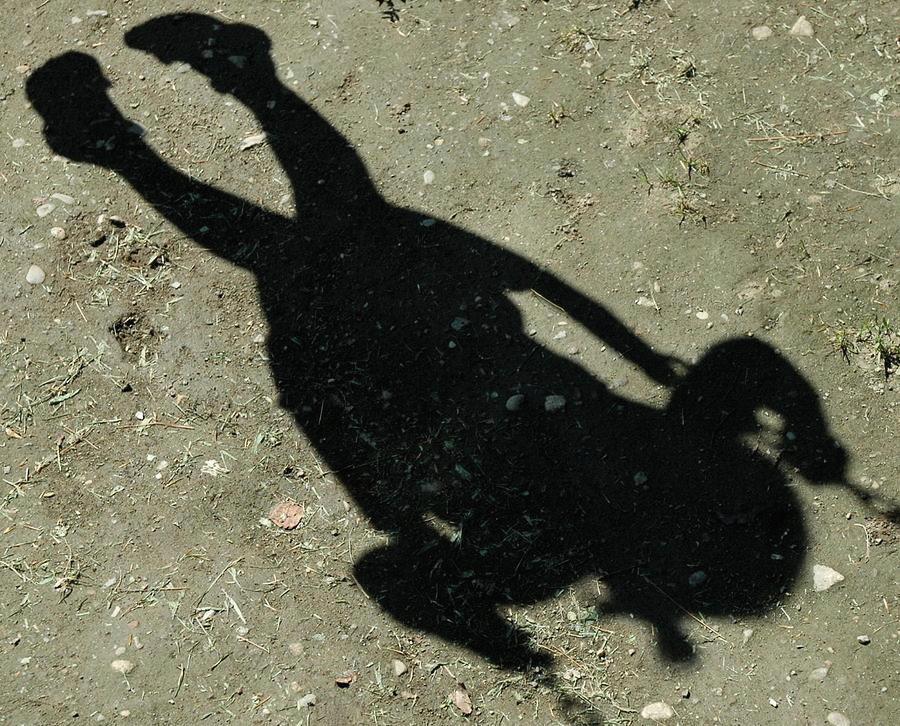
4. Think of an object that stays in one place outside (such as a pole or a doghouse or a tree). Think of how the shadow of the object will change throughout the day. Draw the shadow of the object in the morning, at noon, and in the late afternoon.
SHADOW AT NOON
SHADOW IN THE LATE AFTERNOON
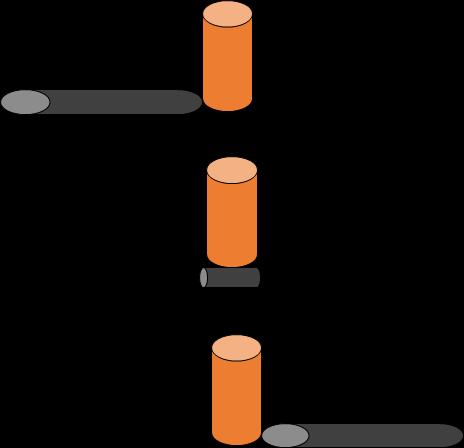
Claim: Evidence: Scenario 1 External Data 2 Prompt 3
Tina loves taking pictures, so her mother bought her a new camera for her birthday. These are some of the pictures she took with her new camera.


Tina asked herself which pictures showed reflection, shadow, and transparency. Thinking like a scientist, which one of her photos captures all three forms of light behavior?
Photo __________shows reflection, shadow, and transparency.
Write how you know.
Draw how you know.
absorbed – to soak up adaptation – any characteristic that helps a plant or animal survive
adult – a fully grown plant or animal
bodies of water –ponds,lakes, oceans, and rivers
body parts – different parts of a living thing
change – to make or become different characteristics –features that help identify something
classify – to identify groups of similar things
communication –how living things give information to each other
compare – to see what is the same and what is different
condition – what something is like
data – information that has been collected
depend – to rely on or need
describe – to tell about something
devices – objects that do a job
difference – a way that things are not alike
disperse – to spread over a wide area
distance – how far one place is from another place
Earth – the planet we live on
effect – the result or consequence of an action or event
egg – the first stage in a life cycle
environment – the space and all the living and nonliving things around an organism
explain – to make someone understand
flower – a thing made by many plants to produce seeds
flowering – the blossom of a plant used for reproduction through pollination
form – the shape or nature of something
freeze – to change from liquid to solid
fruit – a thing that some plants make that contains the seeds
function – what something does
germination – when a seed begins to grow and put out shoots
growth – an increase in size
humans – people
impact – how something is changed
interdependency – when the well-being of two or more things is linked together
investigate – to gather information about a certain thing
lake – a large body of water surrounded by land
land – the solid part of the surface of Earth
larva – a form that an animal takes after it hatches from an egg that is very different from the form it will take as an adult
leaves – plant parts attached to the stem that make food for the plant
life cycles – the way that living things continuously grow, make new living things, and die
light – the type of energy that the eye can see
liquid – can be felt with your hand and takes the shape of the container
living – requires energy, grows, can produce offspring, and dies
map – a drawing or picture that shows important features in an area
measure – to determine the amount or size of something
needs – what a living thing must have to stay alive
nutrient – something that living things use to live and grow
object – something that can be touched and seen
observe – to notice something with your senses; to use the sense to examine or inspect
ocean – a large body of water that is salty
pattern – something that repeats
plant – a living thing that can produce its own food
pollinate – pollen being transferred from one part of a plant to another
pollination – pollen being transferred from one part of a plant to another
pond – a small body of water with land all around it
position – where something is
precipitation – rain, snow, sleet, and hail
predict – to say what will happen in the future
problem – something people want changed (engineering definition)
pupa – the stage where the insect rarely moves because it is growing into an adult
reflect – energy waves bouncing off the surface of an object(mirrors or echoes return energy back to the source)
reproduce – to make a new living thing
resource – things that have value and can be used to support life
river – a body of fresh water that flows continuously toward the ocean
root – a part of a plant that grows into the ground, absorbs water, and holds the plant in place
season – a part of the year that has a certain type of weather
seed – a thing made by plants that contains a new plant
severe weather wind
severe weather –weatherthat could be harmful to living things
shadow – an area without light
shape – the outline of something
solution – an answer to a problem
sound – energy you hear
source – a place where something comes from; the beginning or cause of something
space – area or volume for placement of something
stem – a part of a plant that connects the roots and leaves together and holds the plant up
sunlight – the energy from the Sun that plants need to make food
survive – to stay alive
temperature – how hot or cold something is
vibration – rapid movement back and forth
water – a liquid that all living things need to survive
weather – how it is outside wind – fast-moving air
ISBN: 979-8-3308-1895-2