NEIGHBORHOOD
AL-RIMAL
GAZA STRIP
Editor's Letter
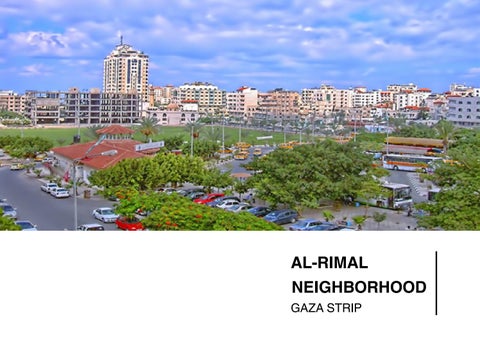
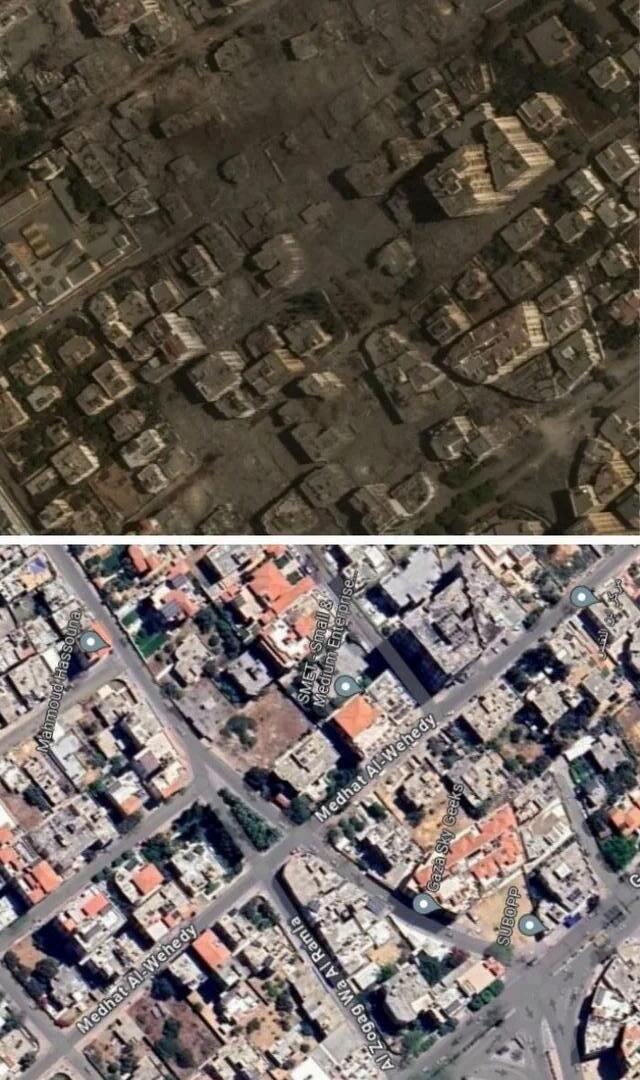
Al Rimal, a neighborhood often considered the heartbeat of Gaza City, stands as a testament to both vibrant spirit and profound challenges. Nestled in the heart of Gaza, Al Rimal has always been more than just a geographical location; it is a symbol of cultural richness, historical depth, and architectural ingenuity However, in recent times, Al Rimal has faced immense hardship due to the ongoing conflict and strikes in Gaza City. The impact of these events has been devastating, leaving a significant mark on the architectural landscape of the neighborhood
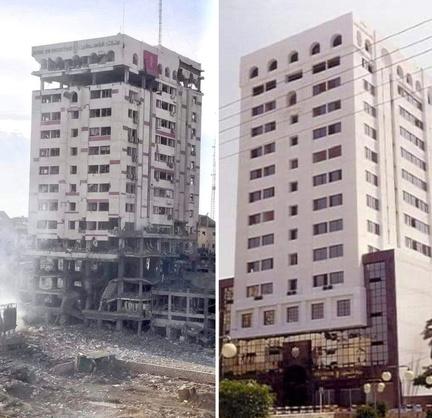
The strikes have caused extensive damage to buildings that once stood as proud symbols of our heritage, altering the skyline and the very fabric of the community. Yet, amidst this devastation, the spirit of Al Rimal endures The neighborhood's architecture, with its blend of modern and traditional elements, continues to tell a story of resilience and identity Each crack in the wall, each makeshift repair, and each rebuilt structure is a testament to the unyielding determination of its residents
The damage from the strikes is clearly visible in the neighborhood. Buildings show signs of repair, some structures are missing, and others have been rebuilt from scratch. These changes, while tragic, also highlight the community's strength and ability to adapt By looking closely at these buildings, we can see how the people of Al Rimal are working to overcome the challenges they face, preserving their cultural heritage even in difficult times
This booklet is not just a study of buildings; it is a tribute to the enduring spirit of Al Rimal s residents. It is a reminder of the strength, creativity, and hope that persist even in the face of destruction. We hope this exploration will provide you with a deeper appreciation of Al Rimal's architectural heritage and the remarkable resilience of its community Through these pages, may you see the beauty in resilience and the power of a community united in the face of adversity.
(1), 2 https /www redd t com/r TheDep ogram/comments 176qu7 / erri y ng sa el i e mages of r ma gaza before # gh box 02
Table
Contents Introduction Location Landmarks Land Use Map Timeline of Area Development Building Types Public Buildings Commercial Build ngs Cultural Buildings Educational Build ngs Governments Departments Hospita s Mosques Open Spaces Residential Buildings Villas Separate Houses Apartment Bu ldings Low-Rise Apartment Buildings High-Rise Apartment Buildings Mix-Use Buildings Tower-Apartments Materials Qudsi Stone Concrete Materials Advantages and Disadvantages Characteristics of Concrete House Legislations 05 05 05 06 06 07 08 08 08 10 12 12 14 14 16 16 17 18 18 18 18 19 20 20 21 21 21 22
of
GAZA STRIP
AL-RIMAL NEIGHBORHOOD
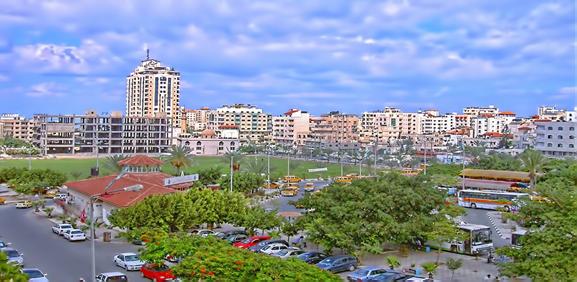
Al Rimal, often referred to simply as Rimal, is one of the most prominent and historically significant neighborhoods in the Gaza Strip Located in the heart of Gaza City, Al Rimal is known for its vibrant urban landscape, blending both residential and commercial areas The neighborhood is home to a diverse population and features a mix of modern architecture alongside traditional Palestinian homes. Over the years, Al Rimal has developed into a central hub for business, education, and cultural activities, reflecting the dynamic spirit of Gaza City
This research aims to explore the historical development and unique cultural aspects of Al Rimal, providing a comprehensive understanding of its role within the broader context of the Gaza Strip. Additionally, the study delves into the architectural facets of the area, examining the buildings' division and architectural drawings, including plans, sections, and elevations. It also investigates the materials used for construction, land use, building typologies, and classification Through this detailed analysis, the research seeks to shed light on how Al Rimal’s architectural and cultural landscape contributes to its significance within Gaza City.
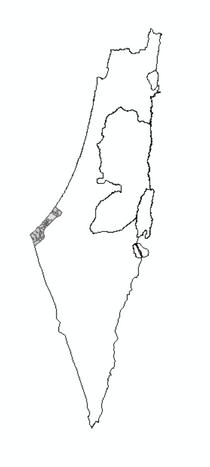
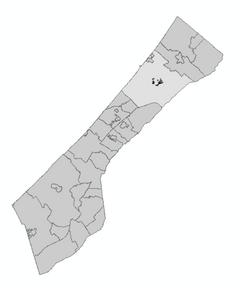
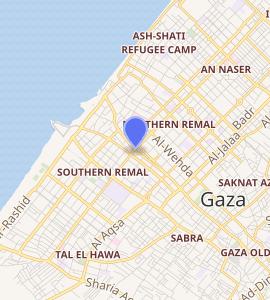
Rimal or Remal (Arabic:
, lit 'sands') is a neighborhood in Gaza City located 3 kilometers (1.9 mi) from the city center. Situated along the coastline, it was considered the most prosperous neighborhood of Gaza The main street that runs through Gaza, Omar Mukhtar Street runs northwest–southeast in the district and the main coastal road, Ahmad Orabi/Rasheed Street northeast-southwest. Rimal is divided into the city districts of southern Rimal and northern Rimal. The neighborhood is the site of multiple government ministries and has been severely damaged during the ongoing 2023 Israel–Hamas war
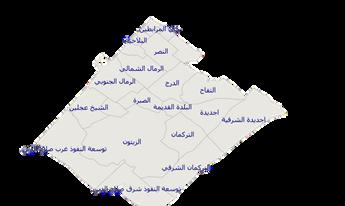
Rimal is built on the ancient port city of Gaza called Maioumas. The intense rivalry between Christian Gaza and Pagan Maioumas continued throughout the Byzantine era, even after the population of Maioumas had been converted to Christianity by Imperial decree and the Pagan sanctuaries destroyed by Porphyry of Gaza The coastline of Gaza consisted mostly of sand dunes around the bustling Port of Gaza up until the mid-20th century In the 1930s and 1940s, foreign missionary institutions financed the establishment of a residential neighborhood along the coast. This new district became known as Rimal ("Sand" or "Beach") and today covers most of Gaza Citys coastline and much of the area between the coastline and the Old City Most of the buildings were detached houses built in European style After the neighborhood's construction, the center of commercial activity shifted from the Old City to Rimal
Landmarks
Rimal contains the Palestinian Presidential Palace, the Governors Palace, the Gaza Mall, the Roots Club, the United Nations beach club, the Palestinian Centre for Human Rights, the main al-Shifa Hospital, the Palestinian Legislative Council, and a number of foreign government offices, four hotels, and all of the city's well-known restaurants. The Midan Jundi (Soldiers Square), dedicated to an indigenous Arab soldier who died fighting in the 1948 Arab-Israeli War, is located in Rimal The port of Gaza is in the Rimal district and home to the Palestinian Naval Police force Rimal is the lone elite district of the city
Palestine Gaza Strip
Rimal Neighborhood
Location Introduction
لﺎﻣﺮﻟا ﻲﺣ
https: /www mogaza org/c tyMap? bcl d=IwZXh0bgNhZW0CMTAAAR3yOQ1hbcN8 W9QXvkqCoT6 C 6TNyVNuYvYHGo anPFe48LhZplNDNTe8 aem ZmFrZWR1bW15MTZieXR cw (3) 3 4) 5) 4) 5) ArcMap ed ted by book et s designers (6) (6) Goog e maps 05

Land Use Map
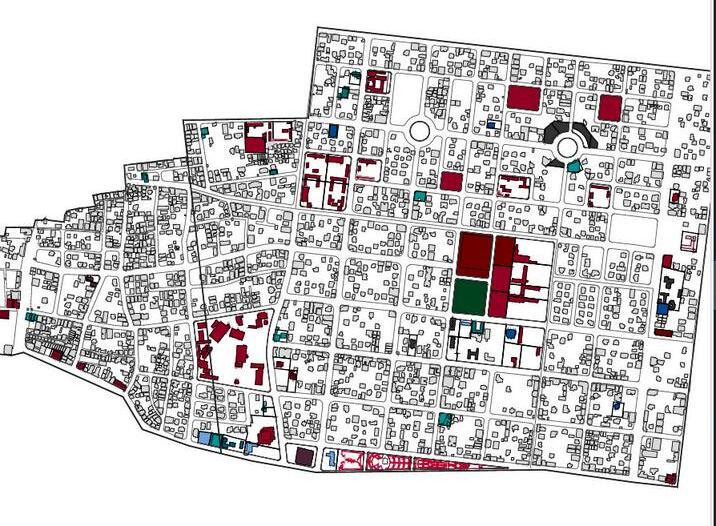
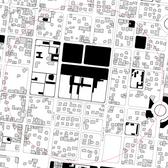
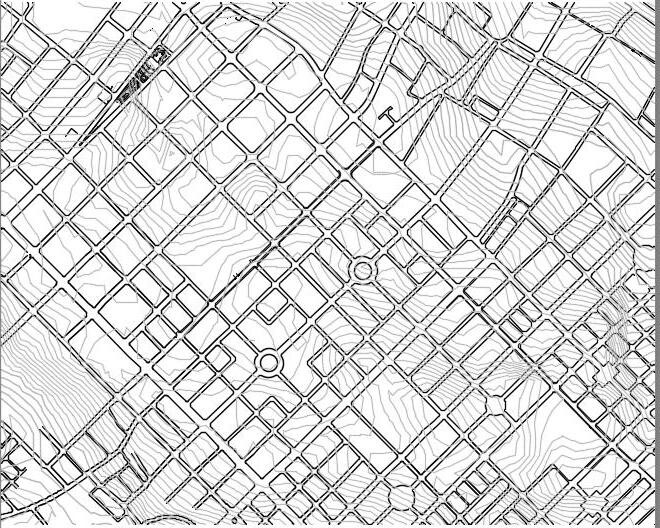
Al Rimal neighborhood in Gaza City is a vibrant and diverse area characterized by a mixture of residential, commercial, and institutional spaces. Health care centers and hospitals are strategically located to serve the community, ensuring access to essential medical services. The neighborhood is dotted with parks, providing green spaces for relaxation and recreation Several hotels cater to visitors, offering comfortable accommodations The land is divided into various zones, including residential, commercial, and public service areas The borders of Al Rimal are well-defined, encapsulating a dynamic urban environment
Buildings in Al Rimal range from modern high-rises to traditional homes, reflecting the architectural diversity of the area Numerous mosques serve as important religious and community hubs, while yards and open spaces are common features of the urban landscape The neighborhood is home to various consulates and diplomatic missions, reflecting its international connections Societal institutions, such as community centers and non-governmental organizations, play a vital role in the social fabric of Al Rimal.
Government institutions, including administrative offices and service centers, are easily accessible to residents. The neighborhood boasts several colleges and schools, providing educational opportunities from primary to tertiary levels Sports clubs and cultural centers are focal points for recreational and cultural activities, fostering a sense of community Additionally, petrol stations and other service facilities are conveniently located to meet the needs of residents. Associations and various civic groups contribute to the active and engaged community life in Al Rimal.
Timeline of Area Development
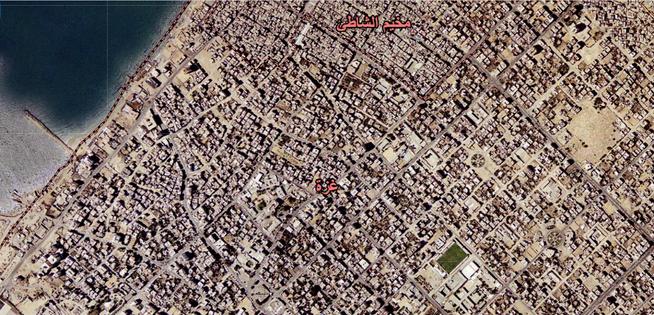

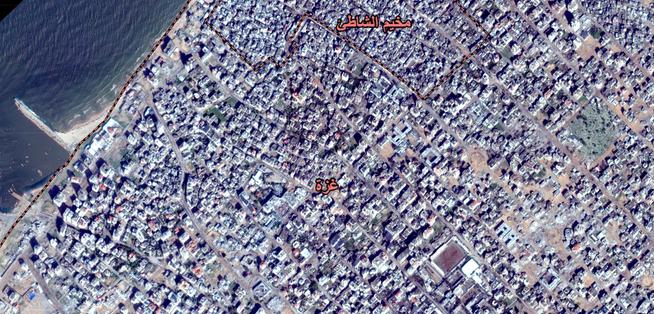
The Timeline of Area Development provides a chronological overview of Al Rimal's evolution over the past two decades, marking significant milestones in its architectural and urban development. From the early 2000s, characterized by rapid population growth and infrastructural improvements, to the present day, where challenges such as conflict and economic instability have shaped the neighborhoods landscape, each period tells a story of resilience and adaptation This timeline not only highlights the physical changes in Al Rimal but also underscores its enduring cultural significance within Gaza City. By examining these developments, we gain insights into how Al Rimal has navigated adversity while striving to preserve its architectural heritage and community identity.
Health care centeres Parks Hote s Land Divis ons Borders Bui d ngs Mosques Yards Consula es Soc e y Government Ins itut ons Colleges Schoo s Sports clubs Cultura cen ers Petro Assoc at ons
2004 2014 2024
(7) 7) (9) 10) (8) 06 drawn by bookle des gners (7) (9 (10)GeoMolg 8
Public Services “Buildings”:
The analysis of building types and typologies in Al Rimal reveals a diverse architectural landscape that reflects the neighborhood’s multifaceted role within Gaza City Residential structures form the backbone of Al Rimal, providing homes for its vibrant community amidst urban development. Public buildings, including governmental and civic institutions, contribute to the neighborhood’s administrative functions and public life Educational facilities stand as pillars of knowledge and learning, nurturing the minds of future generations Commercial establishments thrive as hubs of economic activity, catering to local commerce and trade Lastly, entertainment venues offer spaces for social interaction and cultural enrichment, highlighting Al Rimal’s dynamic cultural scene.

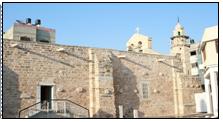
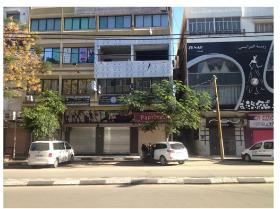
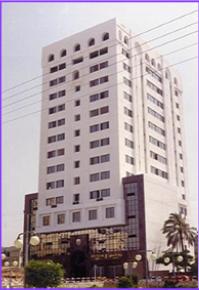
Building Types Banks 1 Hospitals 2 Medical Clinics 3 Cosmetic Clinics 4. Electricity Company 5. Telecom Company 6 Water Company 7 Governments Departments 8 Schools9. Universities 1 School2. Elementary schools Secondary schools Primary schools Pre-Schools (kindergarten) 3 Separate House 1 Villas 2 Apartment Buildings: 3 Low-Rise Apartment Buildings 4. Tower-Apartment5. Multifunctional Buildings 6 Public Buildings 7 Religious and Cultural Buildings 8 Commercial Centers 1 Supermarkets 2 Commercial Buildings 3 Shops4. Gym 1 Swimming Pools 2 Hotels3. Parks4. Zoo Playgrounds Aquaparks
Multi-storey Concrete House Buildings
Separate House
Religious
Cultural
the center of Rimal, the most upscale commercial area in Gaza City and the district is full of shops selling electronics, clothes and fast foods Bank of Palestine Building at Al-Remal District
Educational Buildings Commercial Buildings: Residential Buildings: Entertainment Services:
Public Buildings
and
Buildings
(11) (12) (16) (14) 15) ht ps / www researchgate net pub icat on 229592864 Pa es inian Con emporary Arch tecture ana ys s o he curren s tuat on in Gaza S rip (12) 11) 16)chrome-extens on / efa dnbmnnn bpcajpcglc ef ndmkaj ht ps / molg pna ps up oads fi es GCCDP%20-%20Urban%20and%20Spa ial%20Ana ys s%20Report%20-29June 8910fa035eb0471cb958962c1b4a813a.pd 14)(15 (13) 07
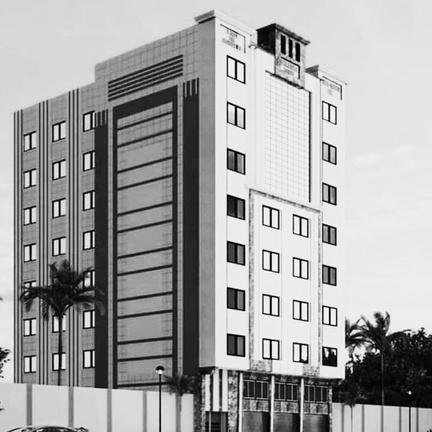
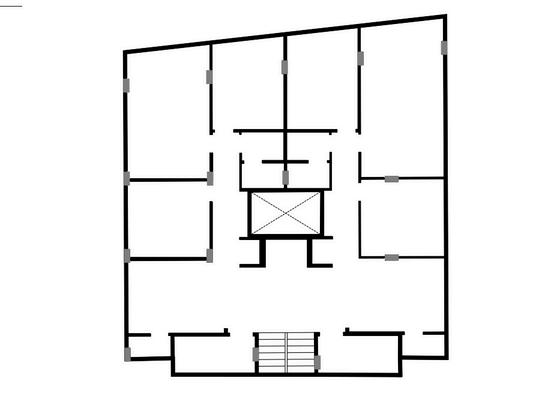
Al Rimal, renowned as one of Gaza’s most dynamic neighborhoods, is characterized by a robust commercial landscape that epitomizes resilience and entrepreneurial vigor These commercial buildings stand as pillars of the local economy, accommodating a diverse array of businesses such as retail shops, restaurants, offices, and service providers Architecturally, many of these structures blend traditional Middle Eastern motifs with modern designs, reflecting both the area’s cultural heritage and aspirations for growth Constructed with durable materials like reinforced concrete and steel, these buildings are engineered to withstand the challenging conditions of the region.
Despite economic constraints and ongoing conflict-related challenges, Al Rimal’s commercial sector thrives as a vital hub of commerce and innovation. These buildings not only shape the urban fabric of Gaza City but also symbolize hope and progress, playing an integral role in the daily lives and aspirations of its residents.
Example of a Commercial Building
Cultural Buildings
Al Rimal, renowned as a vibrant cultural hub within Gaza City, is home to a diverse array of cultural buildings that embody the region s rich heritage and artistic vitality. These landmarks, including museums, theaters, art galleries, and cultural centers, blend traditional Palestinian architecture with contemporary influences, reflecting a deep-rooted history and enduring creativity. They serve as more than mere structures; they are vital spaces for preserving and promoting Palestinian arts, traditions, and knowledge. Through exhibitions, performances, workshops, and educational programs, these buildings foster cultural exchange, creativity, and community cohesion despite the adversities faced They stand as resilient symbols of cultural expression and pride, providing both a reflection on the past and inspiration for the future These cultural hubs not only celebrate Gaza's cultural identity but also enrich the fabric of Al Rimal, inviting residents and visitors alike to explore and appreciate the diverse cultural heritage of the region.
Rashad al Shawwa
Rashad al Shawwa Cultural Building stands as a prominent symbol of cultural enrichment and community engagement in Al Rimal, Gaza. This architectural gem serves as a multifaceted hub for artistic expression, education, and cultural preservation Designed to blend modern functionality with traditional Palestinian architectural elements, the building houses galleries for exhibitions, spaces for performances and workshops, as well as educational facilities Named after Rashad al Shawwa, a significant figure in Gaza s cultural history, the building not only preserves and showcases local heritage but also fosters a vibrant cultural scene. Through its diverse programs and activities, Rashad al Shawwa Cultural Building plays a pivotal role in nurturing creativity, promoting cultural exchange, and strengthening community bonds in Al Rimal
Commercial Buildings 100 95 55 55
Public Buildings
Street –
Plan
Al-Rimal – intersection of Palestine Street with Al-Shohadaa
Al-Imad Center (Masjid Al-Rahma Building)
ht ps / www facebook com sto y php?s ory fbid=5110238955711510&id=500762333325885&rd d=LaZpU5J FAp83noQ (17) 18) (18) (17) 08
Public Buildings
Cultural Buildings
Rashad al Shawwa
Rashad al Shawwa cultural center, "the first cultural center in Gaza"
The building was constructed in 1985 and completed in 1988
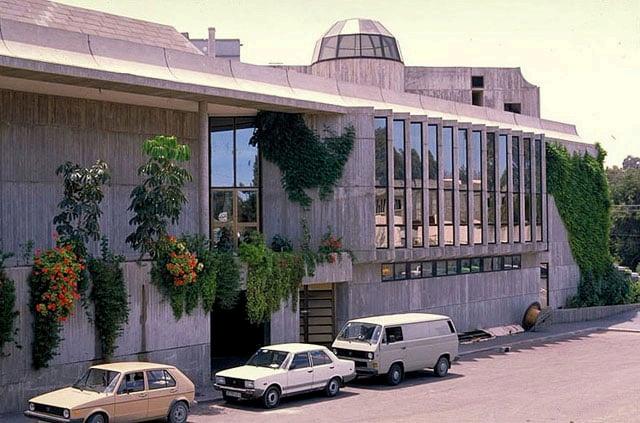
large glazed windows to admit the natural daylight
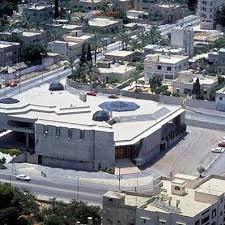
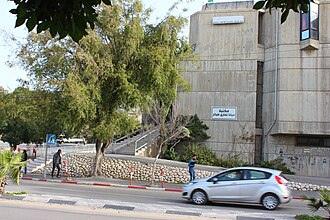
a repeated pattern of windows which creates a sense of horizontal movement, draws the eye across a building's facade
concrete is the basic material of the building
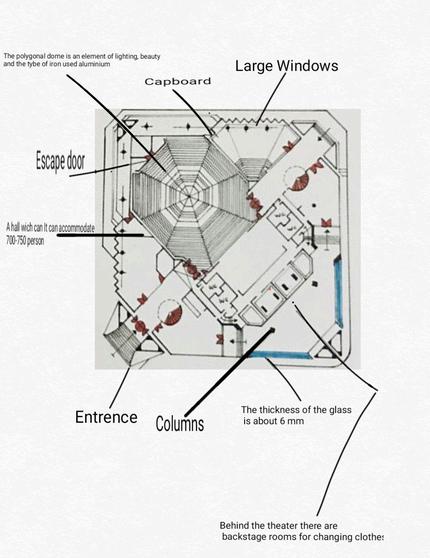
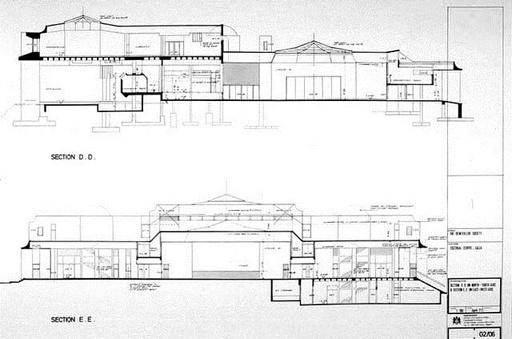
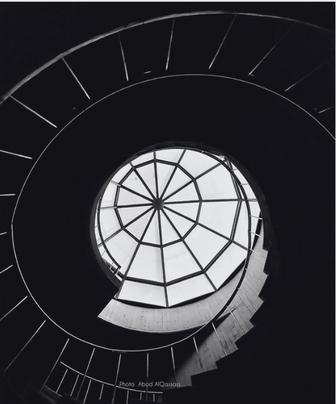
The building has three floors, with a triangular roof. The center includes large halls to host religious and cultural events
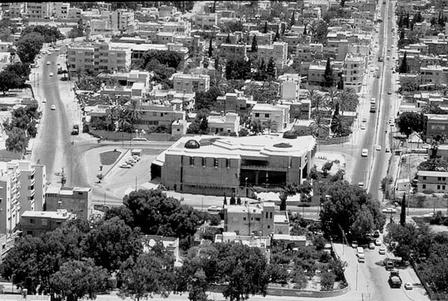
https://en.wikipedia.org/wiki/Rashad_Shawa_Cultural_Center https://www.linkedin.com/pulse/israel-destroys-rashad-shawa-cultural-centre-gaza-rabie-shawwa-qbggf/ https://journals.sagepub.com/doi/abs/10.1177/0096144220983037?journalCode=juha
sections : Shefa-Izz aldin alqassam street Main Entrance
20) 19) (24) 23) 21) (22) 25) (24)https://www.instagram.com/p/CSws7iqqrFY/?fbclid=IwZXh0bgNhZW0CMTAAAR3gz6K0lIc2eYjLrjSwKBjKDEbiWn4gS_Sx0jauNLkHNY9-DfgJ-etQq9E_aem_ZmFrZWR1bW15MTZieXRlcw (23) (22) (21) (25) https://www.instagram.com/p/CxtJo-cNUHx/?fbclid=IwZXh0bgNhZW0CMTAAAR1Tlmsne3aaaya8prtIKKWgeA8Nta7UJa6HrixnOo3gxUm9im0ekTKNu7s_aem_ZmFrZWR1bW15MTZieXRlcw (19)(20)https://www.instagram.com/p/CXEJjsqD13u/?igsh=MmJuMWFxYmlkODc%3D&fbclid=IwZXh0bgNhZW0CMTAAAR0K2XfFBHqjeesFoaqtCnK2JCtk6xg41D2JXAXMCoHP7UNf63a118FE6tc_aem_ZmFrZWR1bW15MTZieXRlcw&img_index=2
09
Public Buildings
Educational Buildings
School 1
Elementary schools
Secondary schools
Primary schools
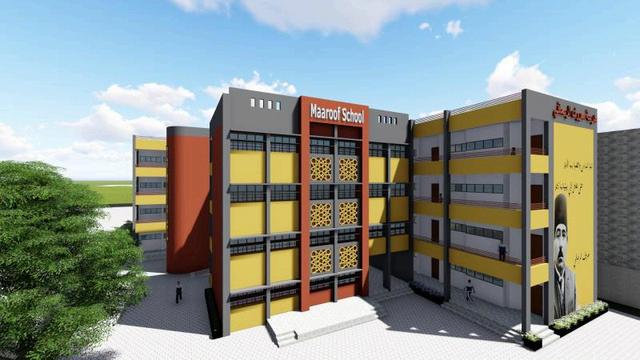
Schools and educational buildings in Al Rimal play a crucial role in the neighborhood’s social and cultural fabric Ranging from primary to higher education facilities, these institutions cater to the educational needs of the local population. Designed to provide safe and nurturing environments despite the challenging circumstances, many modern structures feature versatile classroom spaces, science and computer labs, libraries, and recreational areas. Despite the impact of conflict and economic hardship, the community’s commitment to education remains unwavering, with continuous efforts to repair and reconstruct these buildings.
Schools in Gaza generally consist of three to four floors: a ground floor, a first floor, and a second floor
It takes the shape of the letter L or U with a central square or playground
The exterior walls are done with coloured plaster,
with A Jali is a term often used to describe a window lattice, usually with intricate geometric designs, in order to provide privacy, climate control, and of course, aesthetics
A prime example is Maroof Rasafi School, which serves as a vital educational institution Offering a comprehensive curriculum and facilities, the school supports a well-rounded educational experience with its Lshaped design and central playground. The school's enduring presence, maintained through persistent repairs and reconstruction, stands as a testament to the spirit of Al Rimal, embodying hope, resilience, and the community’s determination to create a brighter future for the next generation
maaroof a rasaf schoo nor h rimal d str ct gaza sourceht ps: www nked n com pos s/arch-hanady-deba-
10
Maroof Rasafi School
Public Buildings
Educational Buildings
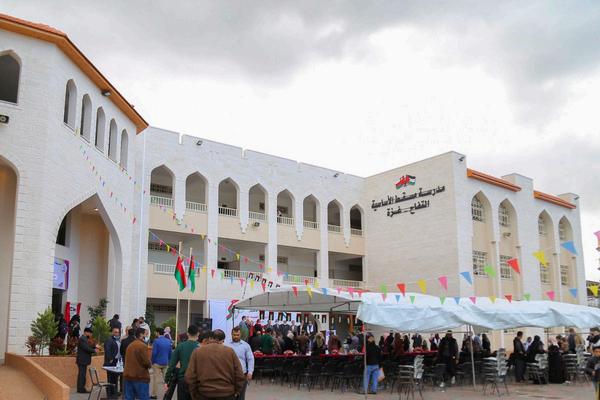
Masqat Secondary School for Girls
WESTRENELEVATION
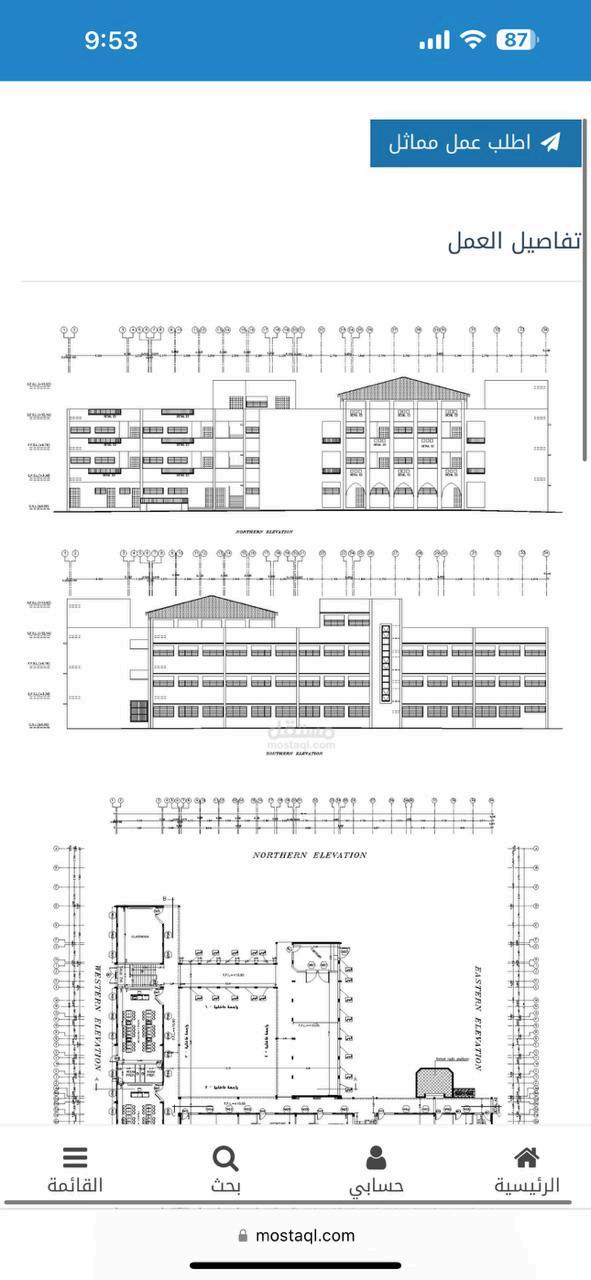
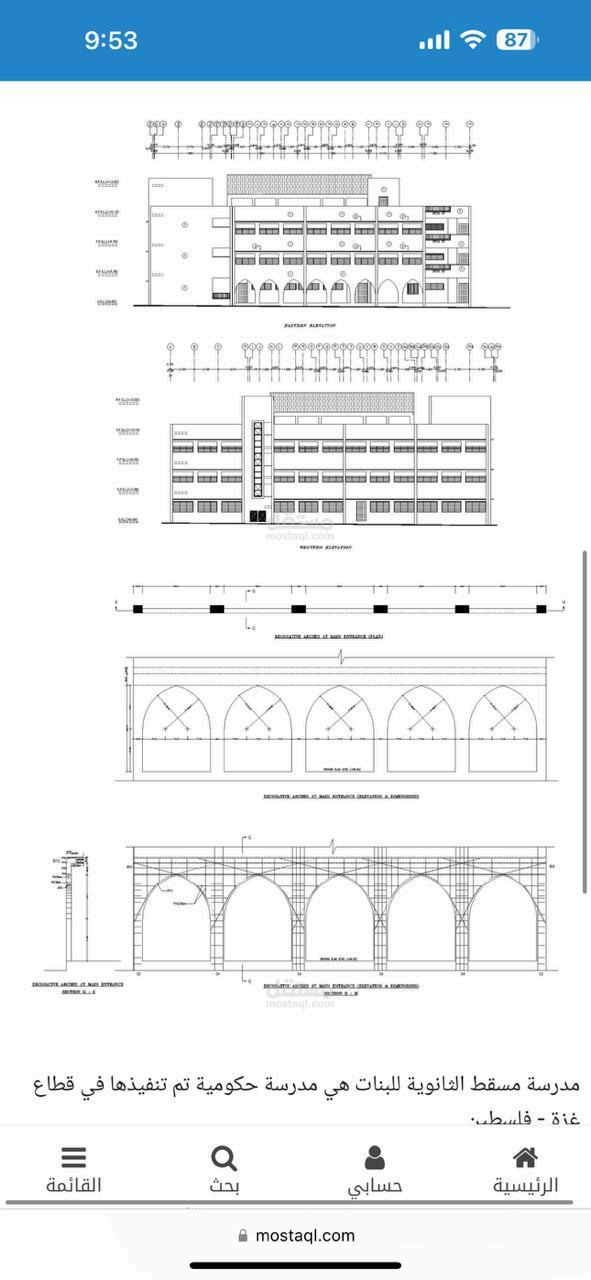
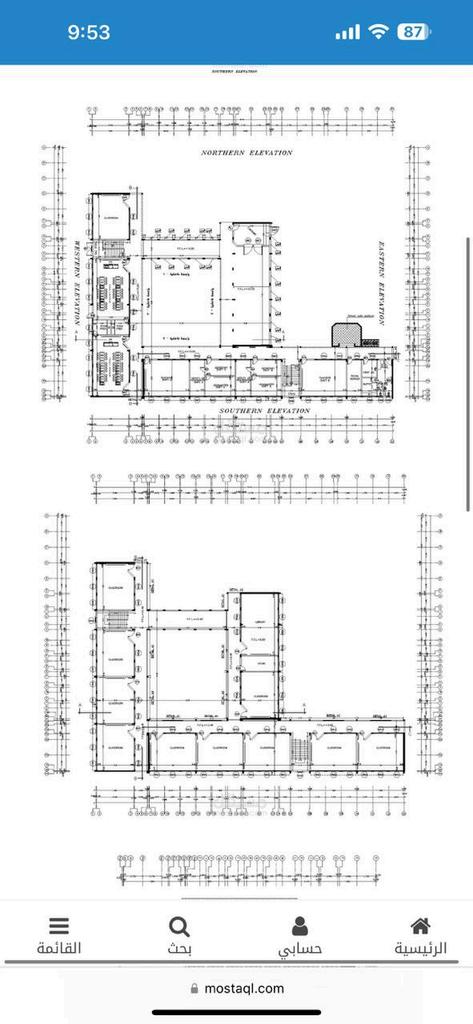
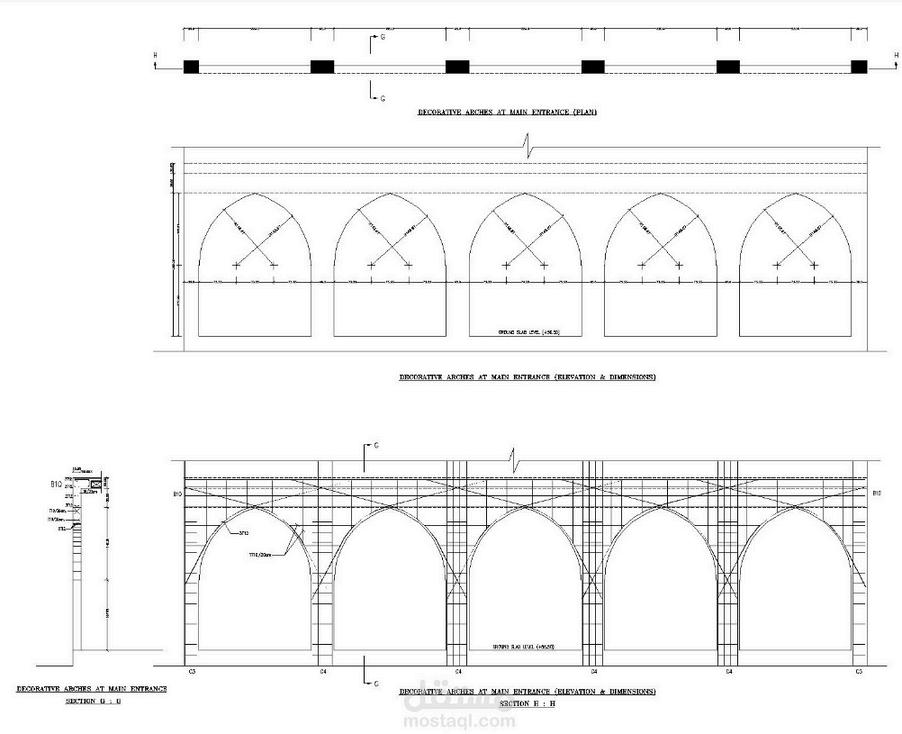
SOUTHERNELEVATION
https://mostaql.com/portfolio/408609-%D8%AA%D8%B5%D9%85%D9%8A%D9%85-%D9%85%D8%B9%D9%85%D8%A7%D8%B1%D9%8A-%D9%84%D9%85%D8%AF%D8%B1%D8%B3%D8%A9%D9%85%D8%B3%D9%82%D8%B7-%D8%A7%D9%84%D8%AB%D8%A7%D9%86%D9%88%D9%8A%D8%A9%D9%84%D9%84%D8%A8%D9%86%D8%A7%D8%AA 11
Public Buildings
Governments Departments
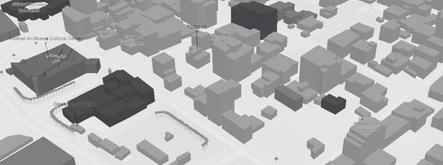
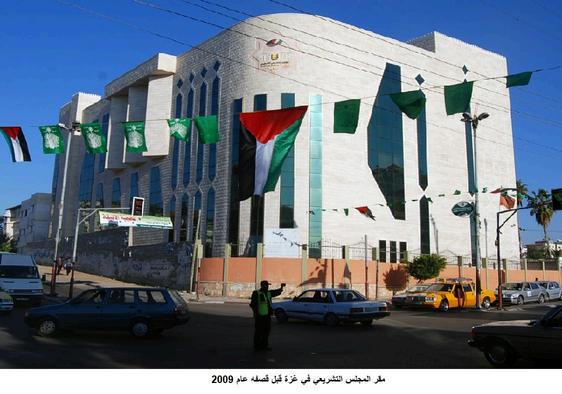
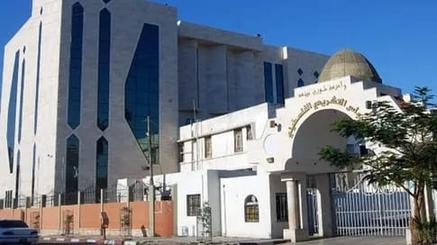
The Palestinian Legislative Council (PLC) building in Al Rimal is a significant landmark that symbolizes the political and administrative heart of Gaza. As the primary legislative body, the PLC plays a crucial role in governance and policymaking for the Palestinian territories Architecturally, the PLC building stands out with its distinctive design, featuring elements that reflect Palestinian cultural heritage and contemporary architectural practices The structure incorporates spacious halls for legislative sessions, offices for council members, and meeting rooms for committees, all designed to facilitate the smooth functioning of the legislative process. Despite the challenges posed by the political situation and recurring conflicts, the PLC building remains a beacon of governance and resilience, embodying the aspirations and determination of the Palestinian people
Hospitals
Al-Quds Hospital
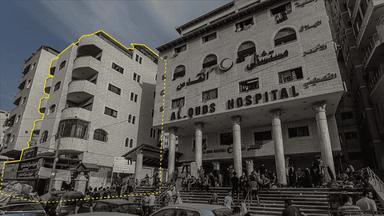
Public buildings in Gaza, primarily constructed with concrete, incorporate climatic elements such as porticos and curtain walls. Designs vary from complex to simple, with rectangular or L and U shapes, commonly seen in schools
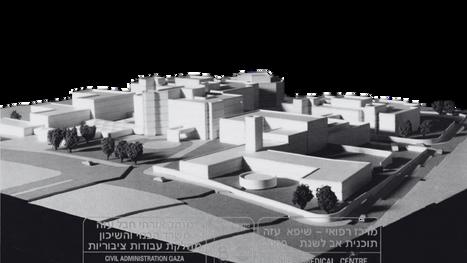
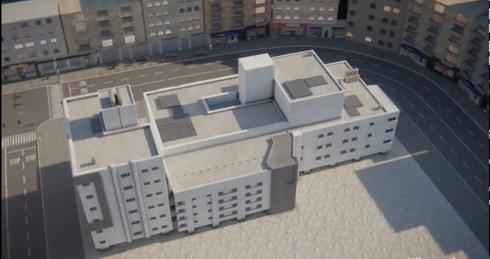
(26 (27 12
Legislative Council
https: /rb gy 3b92i8 26)(27)
ht ps / www ynetnews com magaz ne/art c e/b18e94cxp
Dar Al-Shifa Hospital
https: sputnikg obe com/20231115 bunke -debunker-d d- srael-bu ld-sub erranean- ortress-under-gazasb gges -hosp
ta -1114984616 h m
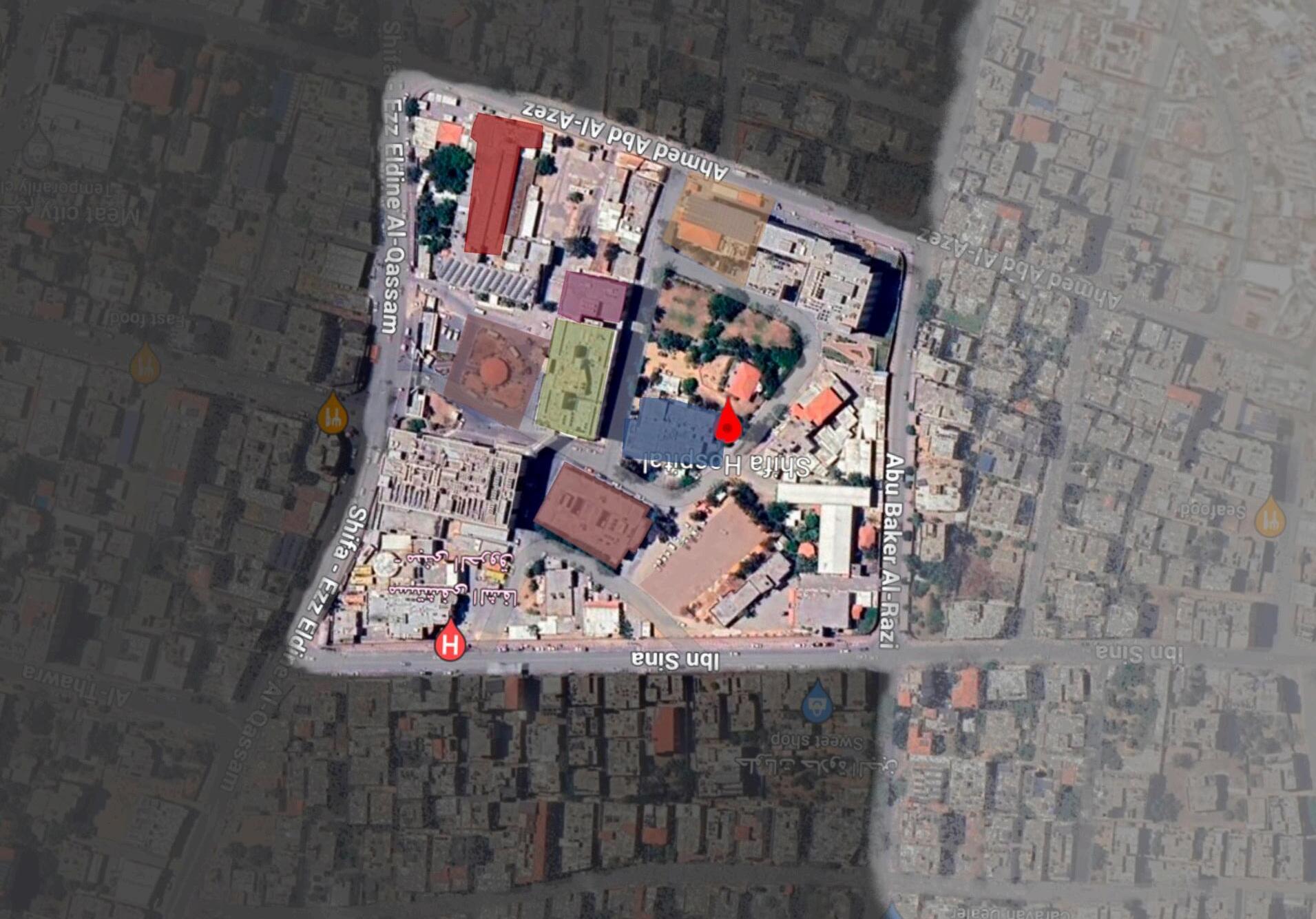 MRI unit
Maternity
Intrenal Medicine and Dialysis
Morgue
Outpatient Clinic
Surgery
Emergencey
Hospitals
Dar Al-Shifa Hospital
MRI unit
Maternity
Intrenal Medicine and Dialysis
Morgue
Outpatient Clinic
Surgery
Emergencey
Hospitals
Dar Al-Shifa Hospital
https://www.google.com/maps
Public Buildings
Public Buildings
Mosques
Open Spaces
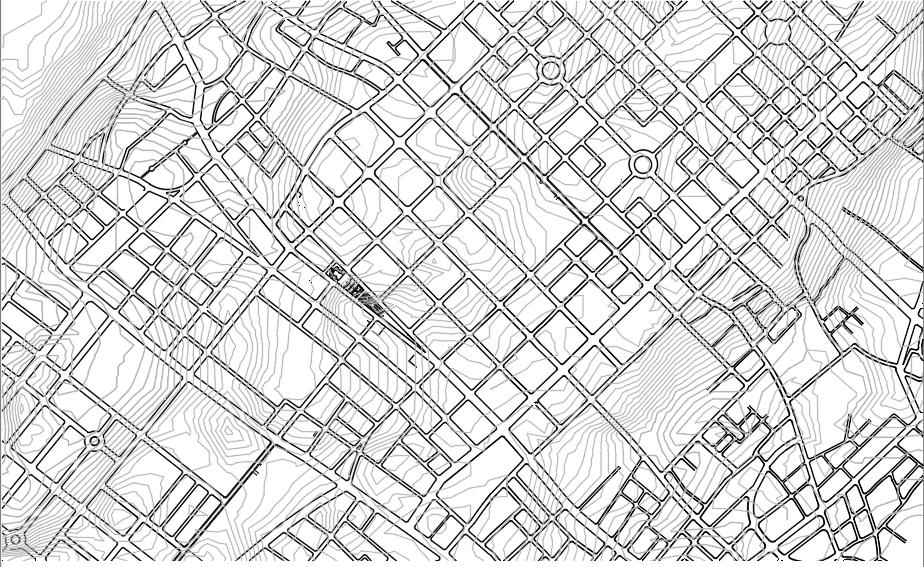
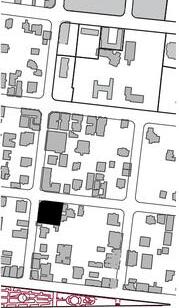
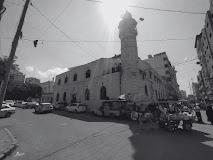
Palestinian architecture merges tradition with modernity, using historical aesthetics and cutting-edge technology. Religious buildings, like mosques, prioritize orientation and utilize electrical fans for summer ventilation, with specialized systems for overall climate control
https://rb.gy/0v621l
https://rb.gy/bjbqaf
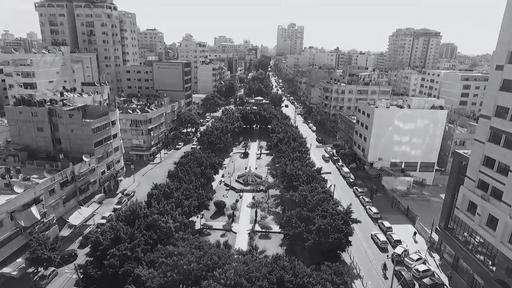
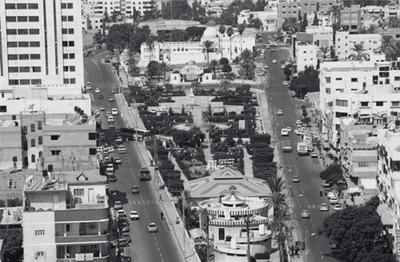
Al Jund Al Majhol, meaning "The Unknown Soldier," is a prominent monument located in Gaza City. This statue was erected to honor the countless anonymous fighters and martyrs who have sacrificed their lives in the struggle for Palestinian independence and rights Positioned at a central and busy intersection, it serves as a powerful symbol of resilience and remembrance for the local population The monument, often adorned with flags and flowers, reflects the deep-rooted historical and cultural significance of the Palestinian resistance It stands not only as a tribute to the fallen but also as a reminder of the ongoing conflict and the enduring spirit of the Palestinian people
14
Al-kanz Mosque
al-Jundi al-Majhool
Public Buildings
Open Spaces
al-Jundi al-Majhool
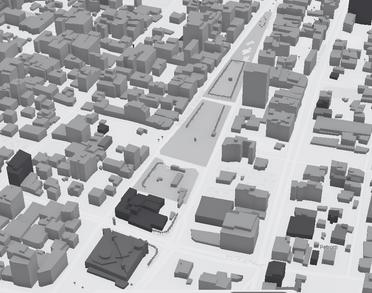
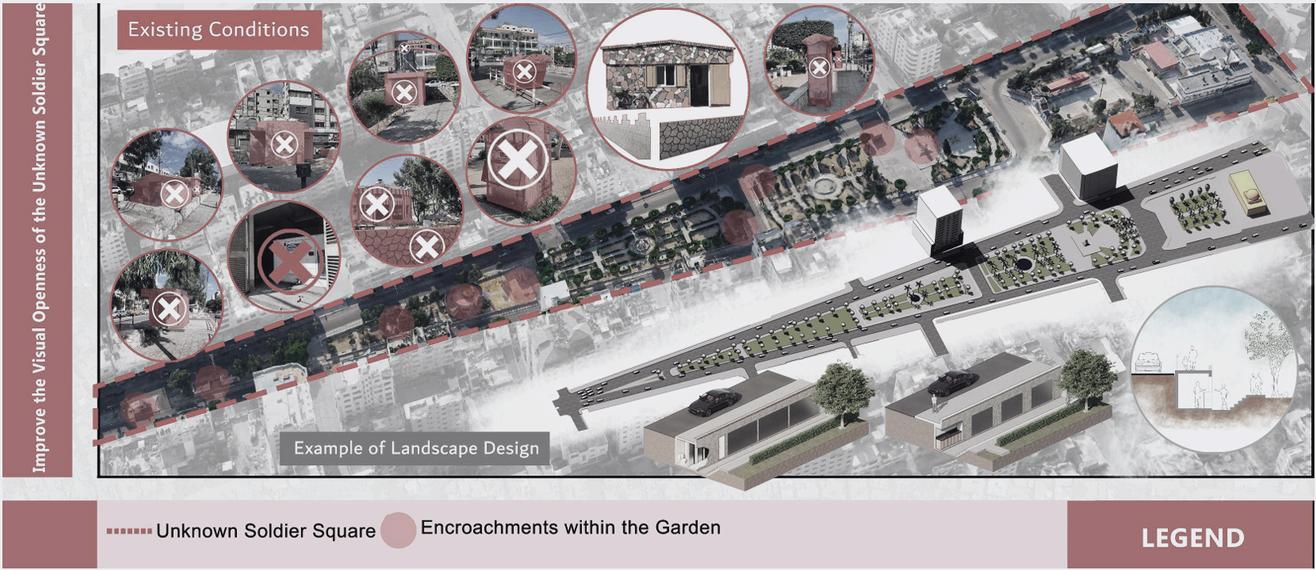
The Unknown Soldier Square is considered one of the most vital areas, given that it contains community facilities, seating and entertainment And among its features:
The area is one of the most important public places in which pedestrians spend their leisure time.
The area enjoys many recreational facilities such as restaurants, shops and seating areas.
There are some historical monuments in the place, such as the Legislative Council building and the remains of the Unknown Soldier Monument
On the other hand, it has its problems, namely: The area has suffered from many infringements during the past twenty years, which adversely impacted the which adversely impacted the quality and level of services and created a kind of visual disturbance in the place
The facades of the buildings overlooking the square are not harmonious in terms of heights or architectural character
Encroachment on the sidewalks of the street by the owners of neighboring shops and street venders
The movement of pedestrians from the sidewalks to the inner garden interferes with the movement of cars passing on the street.
https://rb.gy/cztc73
15
Residential Buildings
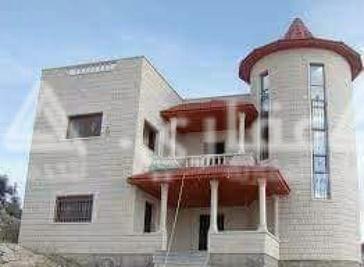
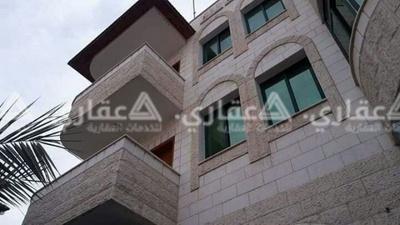
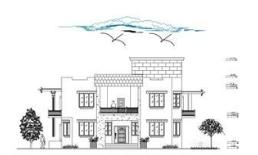
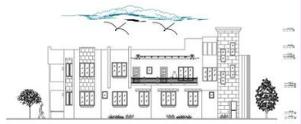
Modern-style private villas for young families in Gaza are typically built with hollow blocks or concrete, featuring external plaster
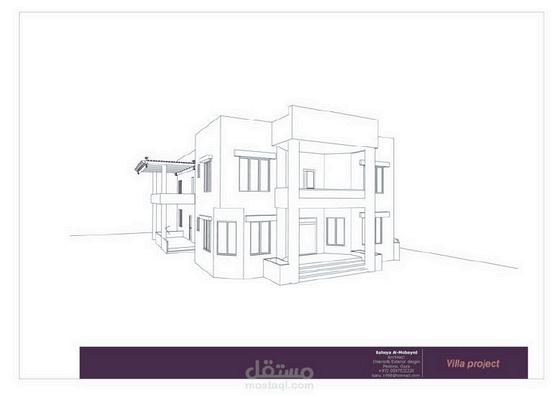
Private villa buildings in modern architectural style for young families are common in both cities and villages across the Gaza Strip These villas are primarily constructed using hollow blocks, with some examples incorporating concrete and external plaster finishes. This combination of materials ensures durability and a sleek, contemporary look
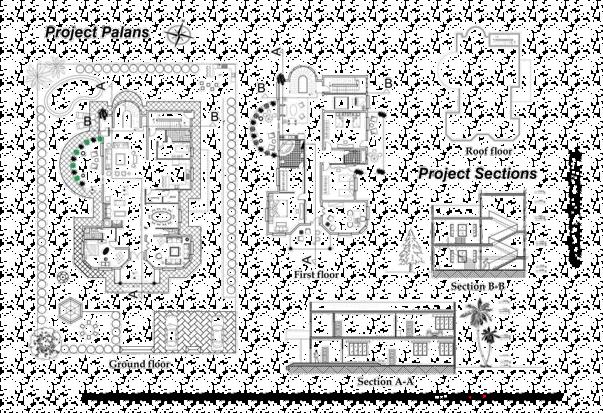
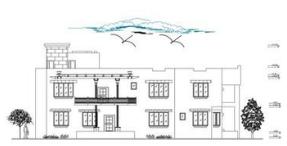
Section B-B Section A-A Ground Floor First Floor Roof Floor
“Villa” Project Front Elevation
Left Elevation
Right Elevation
Villa & Elevations
Villa Sections
Villa Plans
Villas
https://rb.gy/nu8ewv
https://mostaql.com/portfolio/792386-%D9%85%D8%AE%D8%B7%D8%B7-%D8%AA%D8%B5%D9%85%D9%8A%D9%85-%D9%81%D9%8A%D9%84%D8%A7-%D9%81%D9%8A-%D9%82%D8%B7%D8%A7%D8%B9-%D8%BA%D8%B2%D8%A9 16
https://rb.gy/nu8ewv
Residential Buildings
Separate Houses
https://forensic-architecture.org/investigation/knock-on-the-roof-drone-strike-in-beit-lahiya
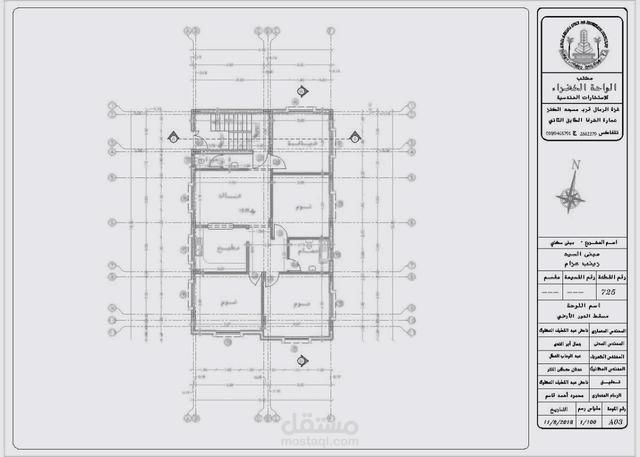
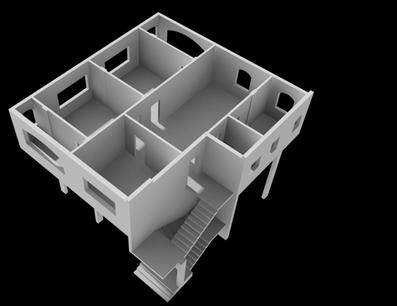
House Plans &Sections
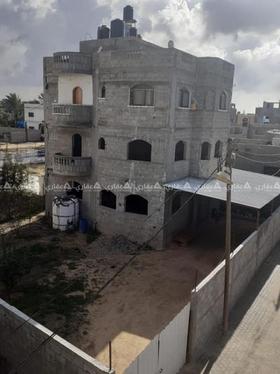
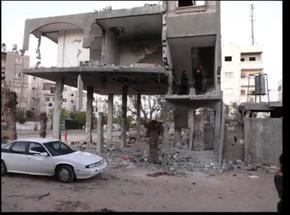
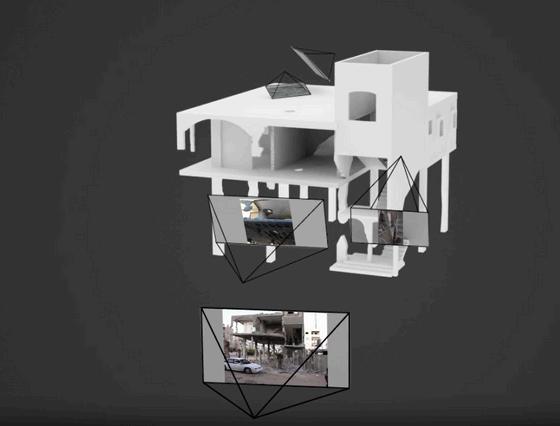
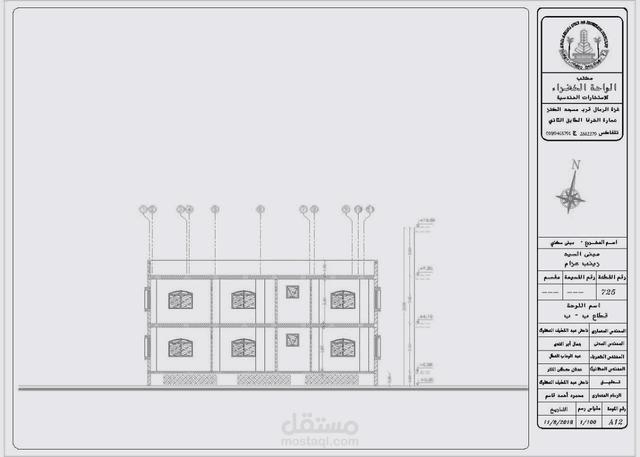
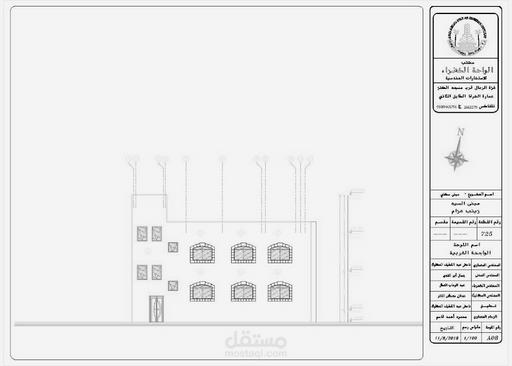
A single house style is one of the popular styles for growing up families, usually consists of 1 to 2 floors
2-3 bedrooms
and balconies
House & Elevations
https://forensic-architecture.org/investigation/knock-on-the-roof-drone-strike-in-beit-lahiya
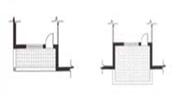
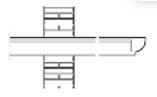
Types of Balconies
https://mostaql.com/portfolio
https://mostaql.com/portfolio
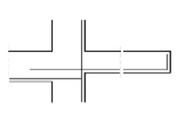
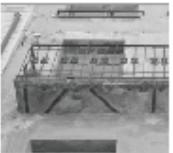
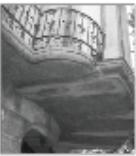
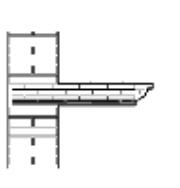
Balconies are as a part of the building (interior space) and can be in different designs, and layouts. Balconies reduces the direct sun and heat from entering the inner spaces of the buildings
https://mostaql.com/portfolio
https://forensic-architecture.org/investigation/knock-on-the-roof-drone-strike-in-beit-lahiya
Concrete slab extended from interior iron profiles extended from interior stone pieces or forged profiles embeded
bed room s om vngoom bed oom bed oom bed room ktchen arom ahom
ue srom 44m bdoom c dom vngroom
kitchen guest room sitting
1-2 bathrooms
room
17
Residential Buildings
Apartment Buildings
Low-Rise Apartment Buildings
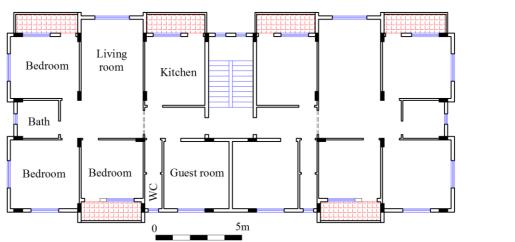
Apartment blocks in urban areas maximize housing density, reduce infrastructure costs, and range from 80m² to 180m² with 1-3 units per floor
Apartment blocks also have technical and economic advantages in areas with high population density
The areas of apartments vary from 80m2 up to 180 m2 with the same functions as in the single house functions. A staircase with elevator in the middle leads to different levels and apartments, the design and form varies depending on number of apartments in the same floor
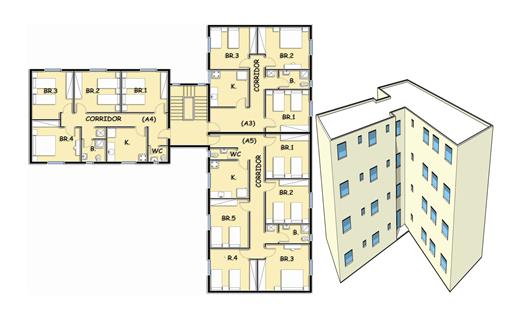
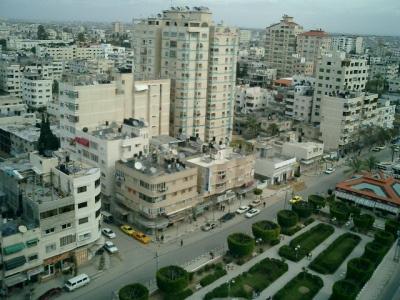
High-Rise Apartment Buildings
Midtown's architectural APARTMENTS often house two units per floor, boasting balconies and a modern aesthetic Limited space and high demand in cities drive their vertical expansion
https://www.researchgate.net/publication/229592864_Palestinian_Contemporary_Architecture_analysis_of_the_current_situation_in_Gaza_Strip
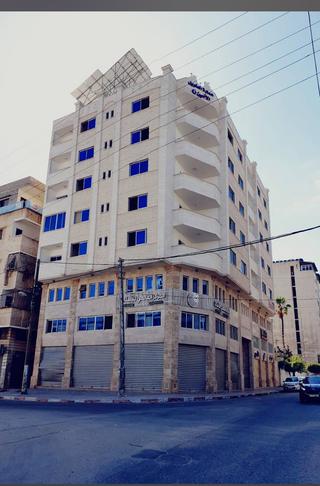
Mix-Use Buildings
Combine offices and shops on lower levels with apartments above, offering adaptable spaces for residential or office use, permitted in commercial and industrial zones
18
Residential Buildings
Apartment Buildings Tower-Apartments
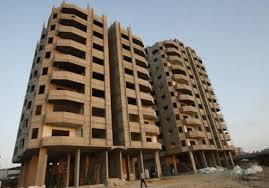
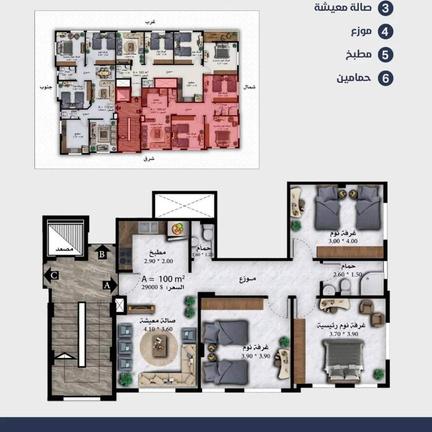
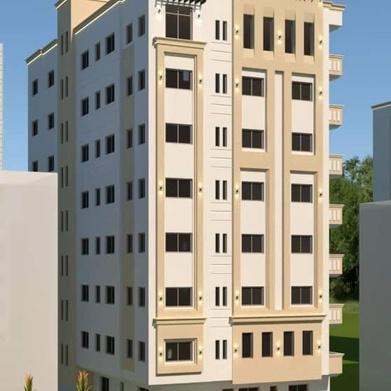
Gaza's tower apartments, dating back to 1995, boast a vertical layout with elevators and staircases They offer both residential and office space, with concrete façades and variable ventilation, typically cool in summer and cold in winter.
https://www.facebook.com/story.php?story_fbid=309598254955988&id=100077174474358&mibextid=qi2Omg&rdid=Ed4VHKHiDbsZp4mD
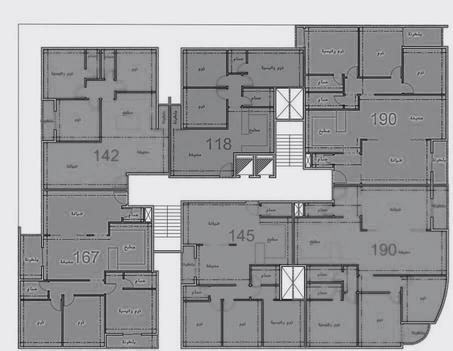
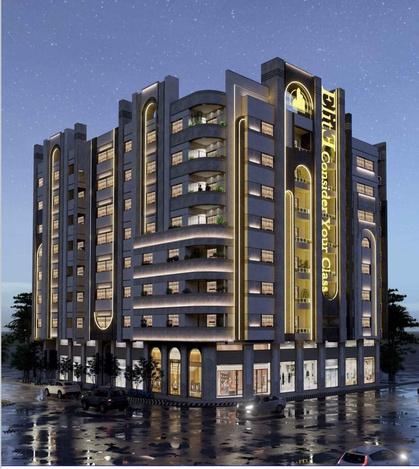
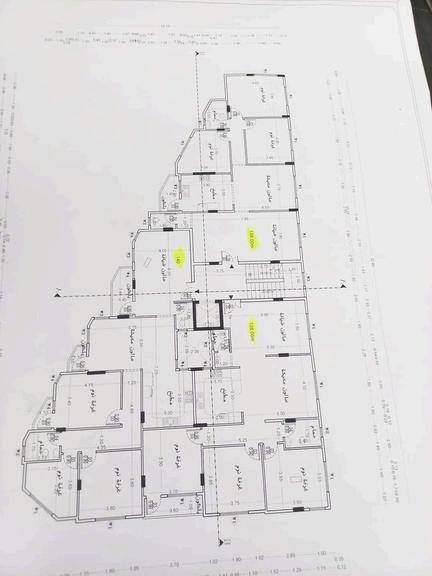
Each floor usually contains 2-4 apartments amenities: Elevator, water well, guard, shops and the ground floor.
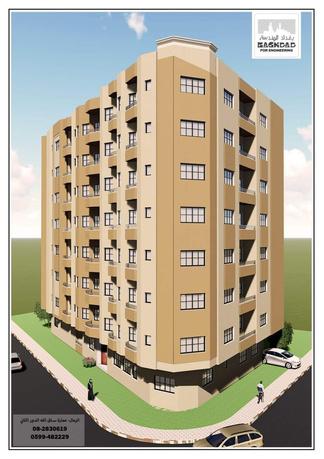
https://www.facebook.com/story.php?story_fbid=520998266699826&id=100063689711088&mibextid=qi2Omg&rdid=8InOyFpn8HFv3lCy
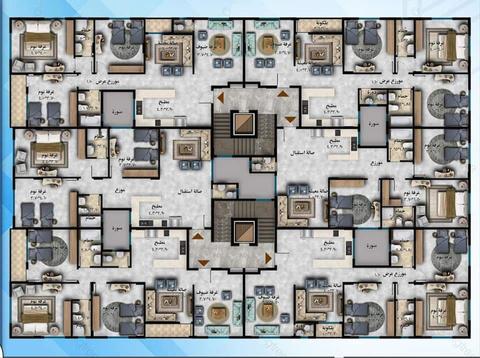
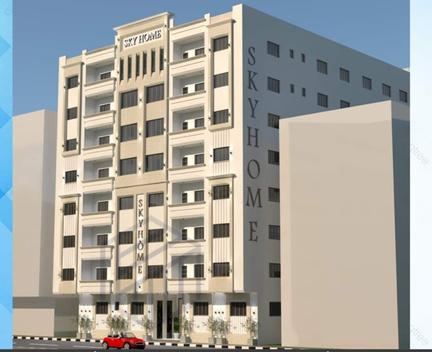
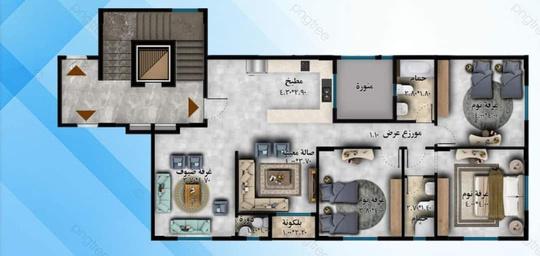
The number of apartments in the buildings reaches 6 apartments per floor due to overcrowding
Apartments located in the middle are exposed to the sun and air from only one direction
https://www.facebook.com/groups/1568183436841842/permalink/3489135751413258/?mibextid=A7sQZp&rdid=JC9imD5YOKwZ9ATr
118-190m² Gaza-Rima -theintersect onofA -Ga aaStreetwi hPa est neS adiumSt ee
19
Materials
https://www.rebuildingalliance.org/family-guided-construction-in-gaza1
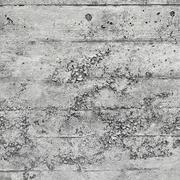
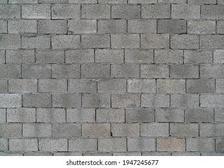
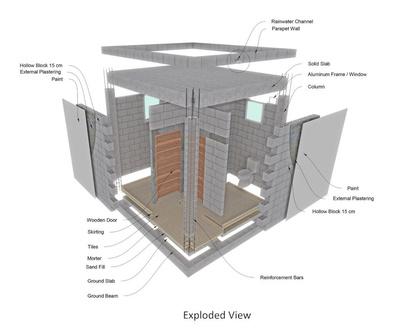
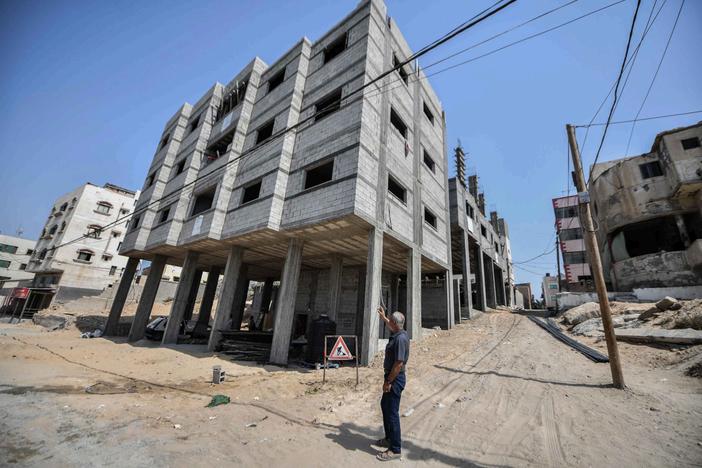
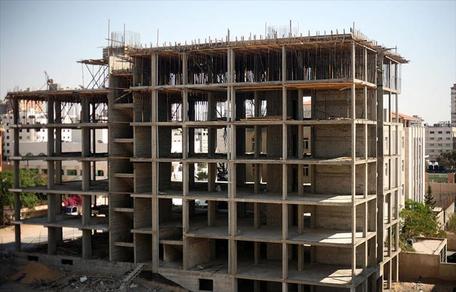
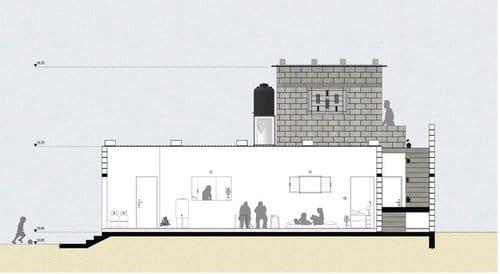
Concrete and hollow block walls are plastered and painted from both sides with light colors. These types of houses are mainly built with in two materials mainly: which are found in all cities and villages in Gaza.
https://www.rebuildingalliance.org/family-guided-construction-in-gaza1
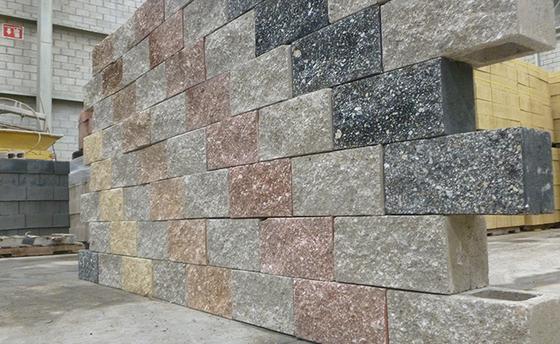
Qudsi Stone Properties
Highly resistant to shocks during transportation and work
Strong tolerance to pressure.
Practical weight (about 20 kg for a mass of 20-40-20 cm).
Flexible to use and work, built with a regular cement mixture.
water resistant
Fire-resistant
Problems
Stone materials are heavy you must make sure that there are strong enough foundations to bear them
High cost
Quality depends on price (in terms of porosity, defects, color and surface texture)
hollow blo external w concrete Concrete: columns beams slabs
20
https://mwadbenaa.com
Concrete Materials
Advantages and Disadvantages Advantages Flexible in design 1. Reduces built up areas of land 2. The possibility to employ new technologies to increase internal comfort 3 Requires Low maintenance costs 4 Design of windows is unrestricted 5. Uses multiple options for external and internal finishings 6. The availability of construction materials in abundance 7 Expands in a vertical manner easily 8. Saves time in construction 9. Disadvantages The lack of local architectural style 1 Low adaptability to local climatic conditions 2 Insufficient thermal and acoustic insulations 3. Considerable consumption of energy 4
of Concrete House Design Flexibility 1. Maintains local architectural identity 2. Respects the customs and traditions of the community 3 Provides privacy 4 Respects the human scale 5. Appropriates with the environmental conditions 6. Saves energy 7 Reduces land consumption 8 Possibility of vertical expansion 9 Provides thermal and acoustic insulations 10. Makes use of new technologies to provide comfort 11. Sustainability 12 Availability of construction materials 13 Reduces construction costs 14 Reduces maintenance costs 15. Speed in construction 16. Esthetic value of building 17 Ability to have wide external windows 18 Provides comfort and welfare 19 Options of internal and external finishing 20. Very Significant Little Medium Medium Medium Little Little Very Significant Very Significant Little Very Significant Medium Very Significant Significant Significant Medium Medium Very Significant Very Significant Very Significant 21
Characteristics
Legislations
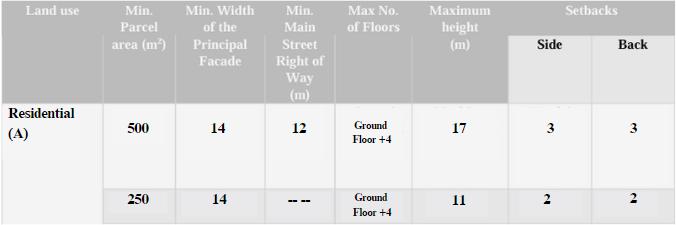
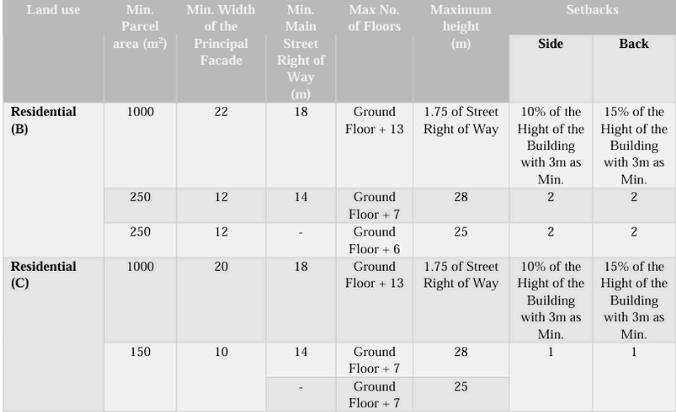
Table 1.2: The new buildings regulations adopted by the Ministry of Local Government (MoLG) in 2020 Legislations for Residential Buildings
22
Legislations
Legislations for Touristic Buildings
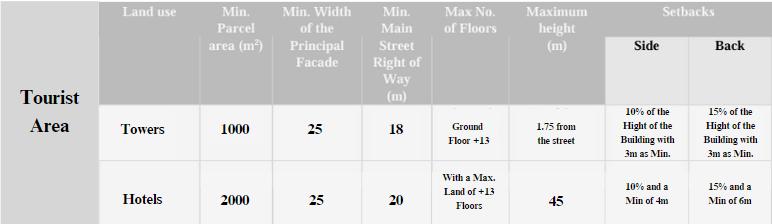
Table 1.2: The new buildings regulations adopted by the Ministry of Local Government (MoLG) in 2020
23
In this booklet, we have explored the architectural landscape of Al Rimal, a prominent neighborhood in Gaza, Palestine Through our journey, we have uncovered the rich history and diverse elements that define this unique area.
From its strategic location and notable landmarks to the comprehensive land use map and development timeline, Al Rimal stands as a testament to the harmonious blend of tradition and modernity The variety of buildings, including public, commercial, cultural, and residential structures, each contributes to the vibrant life of the community. Whether it’s a bustling commercial center, a serene mosque, or a modern apartment building, every structure plays a vital role in the daily life of Al Rimal’s residents
The use of materials such as the timeless Qudsi stone and contemporary concrete reflects both the area’s heritage and its strides towards modernization.
Each material and architectural choice brings with it a set of advantages and challenges, shaping the unique characteristics of buildings in Al Rimal.
Our exploration of different building types, from low-rise to high-rise apartments and mixed-use towers, highlights the adaptability and resilience of Al Rimal’s urban fabric. The insights into legislation and the characteristics of concrete houses underscore the importance of sustainable and regulated development
In essence, this booklet captures the essence of Al Rimal’s architecture, showcasing a community where the past meets the present in a dynamic and everevolving urban landscape Al Rimal’s architectural journey is a reflection of its rich cultural heritage and its aspirations for a sustainable future
BIRZEITUNIVERSITY
FacultyOfEngineeringAnd Technology
Ahmad Atyeh Bara’ah Nehad, Jana Ali &Yaffa Herza lah