WELCOME TO BUDAPEST
Twenty years is a milestone worth celebrating. When the very first edition of Luxury Budapest went to print, the city was in the early stages of an exciting transition. Grand monuments had already stood for centuries, but the urban fabric was beginning to change: new cultural institutions were opening their doors, neglected districts were awakening, and travellers from around the world were arriving in greater numbers to experience a capital that still felt undiscovered. Two decades later, the transformation is unmistakable. Budapest has crafted a character that belongs entirely to itself, a confident blend of history and renewal, elegance and spontaneity, grandeur and intimate charm.
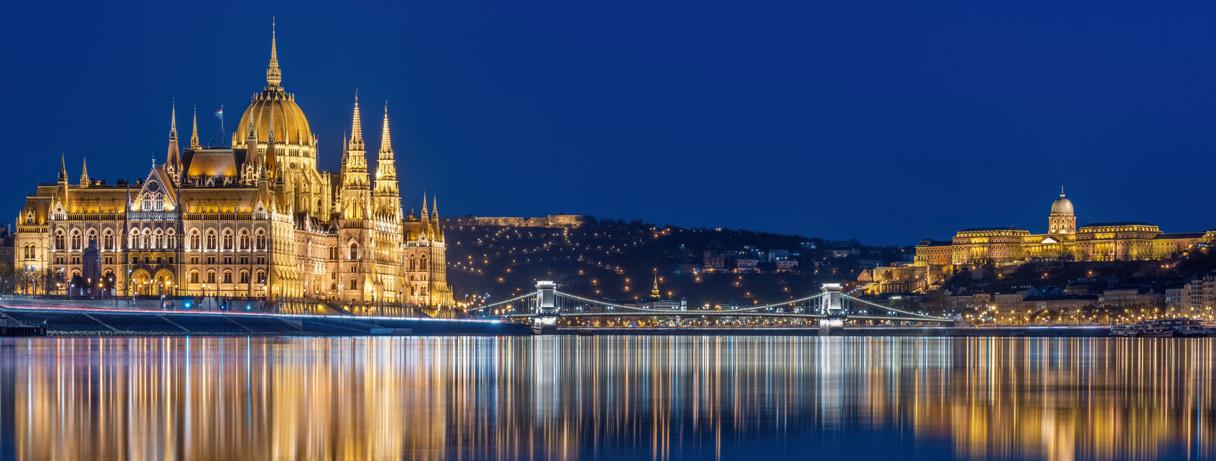
To walk the streets of Budapest today is to feel a city aware of its strengths. The Danube remains the main thread stitching Buda and Pest together, reflecting the golden lights of Parliament every evening. Yet the skyline has subtly evolved, with new architectural silhouettes signaling ambition and progress. Once-sleepy neighborhoods now hum with stylish cafés and boutique shops. Major cultural venues host international performances, while world-class restaurants and bars bring fresh energy to the nights. The traditions that define Budapest are very much alive, but so is a new momentum that makes the city feel constantly refreshed.
As Budapest has evolved, so too has Luxury Budapest. From the beginning, this publication set out to highlight the most exquisite,
sophisticated, and memorable aspects of the capital. But over time, its mission has grown deeper. Today, Luxury Budapest not only showcases iconic landmarks and high-end experiences, but also explores the life behind the façades.
This 20th anniversary edition celebrates the abundance that Budapest now offers. Whether it’s the pleasure of wandering through meticulously restored historical districts, the excitement of discovering a new Michelin-recommended dining spot, the simple joy of a sunset walk along the Danube, or the thrill of finding a hidden atelier where traditional craftsmanship thrives, the city continues to surprise both first-time visitors and loyal admirers. Boutique shopping streets, revitalized green spaces, panoramic rooftop terraces, and luxury wellness retreats ensure that leisure and enjoyment are part of everyday life here.
Budapest stands at the heart of Europe geographically, but also in spirit. It bridges east and west, old and new, tradition and innovation. It is this duality that gives the city its magnetic allure — and what makes exploring it such a rewarding experience.
In celebrating 20 years of Luxury Budapest, we invite you to rediscover the capital through fresh eyes: to feel its pulse, to indulge in its many pleasures, and to uncover the exceptional moments that await around every corner.
Here’s to the next 20 years — and to the ever-evolving beauty of Budapest.
BRIEF HISTORY OF BUDAPEST
Era
Roman Era (1st–5th Century)
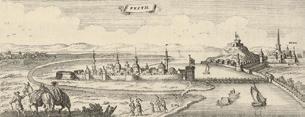
Early Middle Ages (5 th –12 th Century)
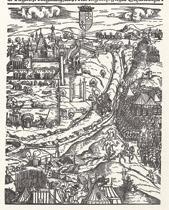
Medieval Hungary and the Rise of Buda (13 th –16 th Century)
Ottoman Invasion (17th Century)
The Siege of Buda (1686)

Roman Era (1st –5th Century)
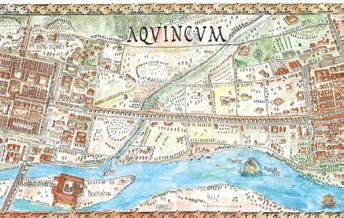
n 1st Century AD: The Romans establish the province of Pannonia, with Aquincum (modern-day Óbuda) as a major settlement.
n 4th –5th Century: The Roman Empire declines, Sarmatians, Germanic tribes, and Huns invade the region of the city.
Early Middle Ages (5th –12th Century)
n 9 th Century: The Hungarians settle in the Carpathian Basin; the area of today's Budapest becomes part of their territory.
n 10 th –12th Century: The Buda Hills and Pest are inhabited and develop as key settlements.
Medieval Hungary and the Rise of Buda (13th –16th Century)
n 1241–1242: The Mongol invasion devastates the region, leading to the construction of fortified settlements.
n 13th Century: King Béla IV founds the fortified city of Buda after the Mongol invasion.
n 15th Century: King Matthias Corvinus transforms Buda into a centre of Renaissance culture and learning.
Ottoman Occupation (1541–1686)
n 1541: Buda falls to the Ottoman Empire, and the city becomes a regional centre of Ottoman administration.
n 1686: The Habsburgs recapture Buda during the Great Turkish War.
Habsburg Era and Urban Development (1686–1848)
n 18th Century: Pest, Buda, and Óbuda (Old Buda) grow significantly under Habsburg rule.
n 19 th Century: Pest emerges as a vibrant commercial hub, while Buda remains the administrative centre.
Roman
Map of Pannonia (1st–5th Century) Medieval Panorama
Habsburg
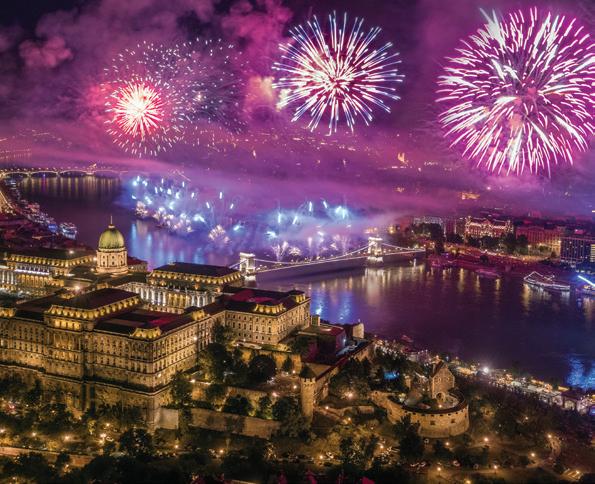
CALENDAR
BUSÓJÁRÁS
PUBLIC HOLIDAYS IN HUNGARY IN 2026:
January 1 (Thursday): New Year’s Day
March 15 (Sunday): Revolution Day
April 3 (Friday): Good Friday
April 6 (Monday): Easter Monday
May 1 (Friday): Labour Day
May 25 (Monday): Whit Monday
August 20 (Friday): Saint Stephen’s Day
October 23 (Thursday): Republic Day
November 1 (Sunday): All Saints’ Day
December 25 (Friday): Christmas Day
December 26 (Saturday): Boxing Day
Note: Public holidays may lead to closures of businesses and public institutions; plan accordingly.
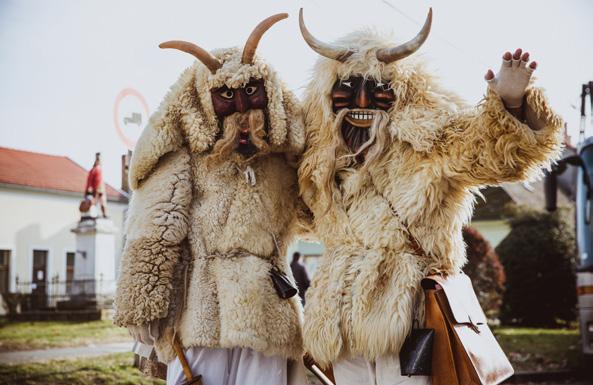
Busójárás is Mohács’s famous winter farewell festival, where masked “busós” parade through the town with folk music, dancing and mischievous rituals. Rooted in centuries-old traditions, it blends celebration and spectacle as locals symbolically chase away winter. A UNESCO-listed cultural event, it offers one of Hungary’s most unique atmospheric experiences. February 12–17
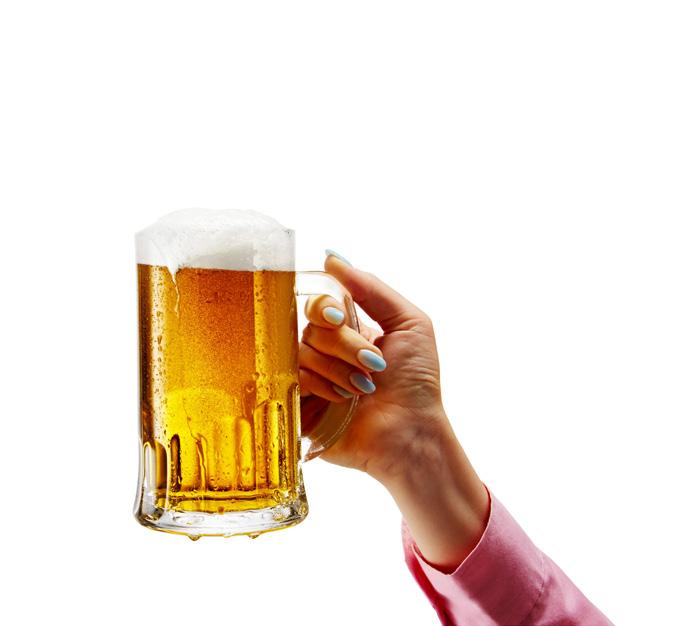

INDOOR BEER FESTIVAL
Indoor Beer Festival brings together Hungary’s craft brewers and international favourites for a lively winter beer celebration in the Anantara New York Palace Budapest Hotel. Guests can sample speciality brews, limited editions and gourmet pairings while enjoying a warm, friendly atmosphere sheltered from the February chill. A perfect two-day escape for beer enthusiasts.
February 6–7
HUNGARIAN INVENTIONS
INSIDER STORIES
RUBIK’S CUBE
A simple cube of coloured squares — yet one of the most iconic puzzles ever created. Invented in the 1970s by Ernő Rubik, the Rubik’s Cube quickly became a global sensation. It spawned competitions, mathematical studies and a global community dedicated to speed-solving. Beyond play, the Cube represents design ingenuity and the brilliance of transforming an abstract concept into universal entertainment. Its enduring popularity proves how Hungarian innovation resonates across cultures. Decades on, the Rubik’s Cube continues to challenge minds, spark creativity and delight people of all ages.
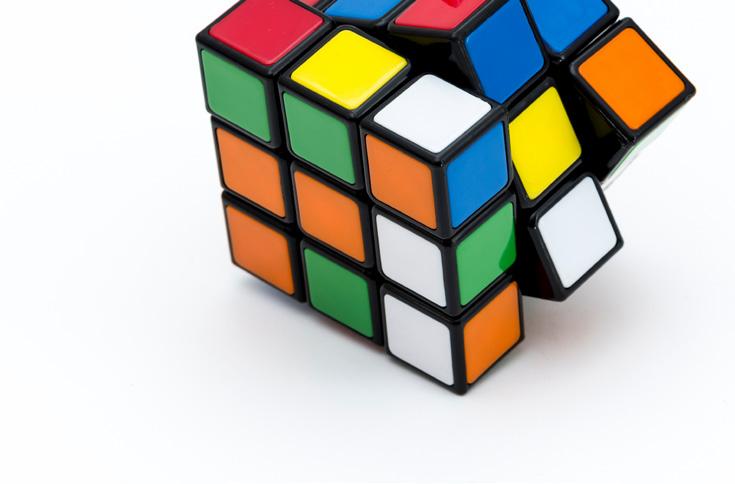
When Ernő Rubik first created his cube in 1974, he did not intend it to be a puzzle at all. As a young architecture professor in Budapest, he built it as a teaching tool to demonstrate three-dimensional movement to his students. After scrambling the coloured faces for the first time, Rubik reportedly needed more than a month to solve his own invention. For years, the Cube circulated quietly within Hungary under the name “Magic Cube,” until a small toy company recognised its potential.
HOLOGRAPHY
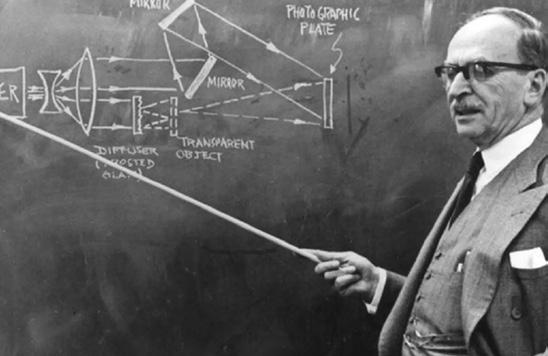
Dennis Gábor, a Hungarian-born physicist and engineer, invented holography, a revolutionary method for creating three-dimensional images using light. Initially considered visionary and futuristic, his work laid the foundations for many modern technologies: security features, art installations, scientific imaging and even components of virtual reality. Awarded the Nobel Prize in 1971, Gábor demonstrated the power of thinking beyond visible boundaries. Holography captures the imagination not only for its visual magic but for its ambition: preserving depth, realism and presence in a new dimension. It stands as one of Hungary’s most visionary contributions to modern science and technology.
ELECTRIC MOTOR AND DYNAMO
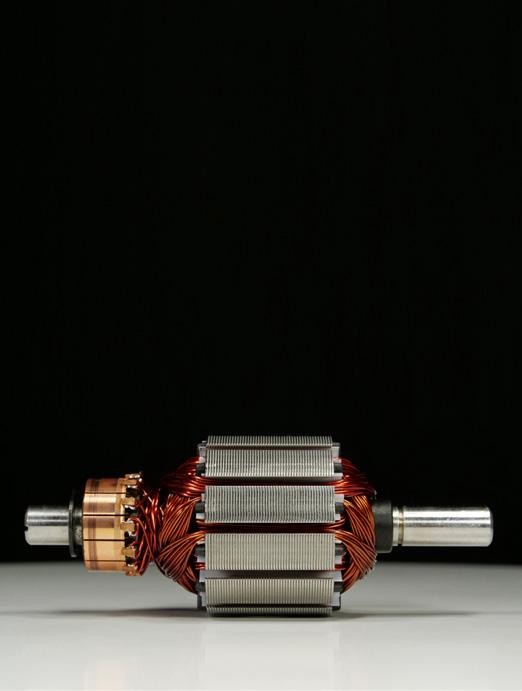
Decades before the industrial boom, Hungarian Benedictine priest and physicist Ányos Jedlik developed the principles behind the electric motor and self-exciting dynamo. In the 1820s, he constructed one of the earliest known electric rotating devices, quietly laying foundations for technologies that would later power modern industry. Though his work was not widely recognised at the time, historians now credit Jedlik as a pioneer of electromagnetism.
HISTORICAL ARCHITECTURE
PARLIAMENT BUILDING

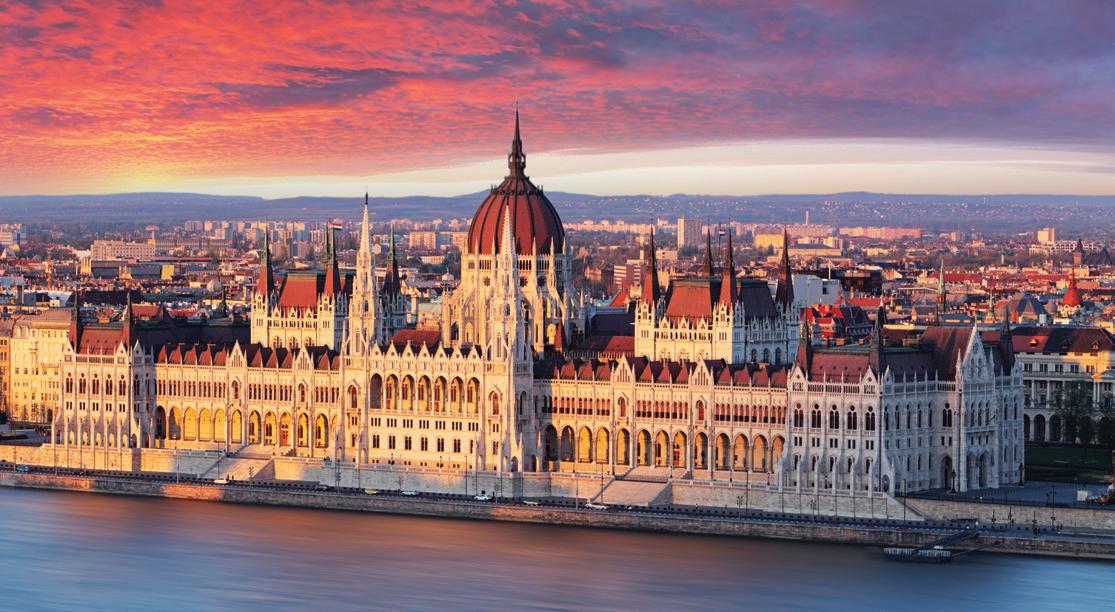
BA symbol of national unity and democratic aspiration, the Hungarian Parliament Building rises majestically above the Danube. Completed in 1904, its soaring spires, grand domes and intricate façade form a masterpiece of Neo-Gothic architecture. Inside, lavish halls, frescoes and gold ornament pay tribute to Hungary’s kings, heroes and heritage. Seen illuminated at night, it becomes a glowing emblem of Budapest itself.
udapest’s architectural heritage is a living timeline, where the styles of Europe’s great eras stand side by side in striking harmony. As the city expanded and reinvented itself across centuries, each generation left its mark through grand buildings designed to impress, inspire and endure. From the ornate spires of Neo-Gothic masterpieces to the flowing curves of Art Nouveau and the stately elegance of Neo-Renaissance palaces, Budapest’s architecture reflects both national pride and cosmopolitan ambition. These structures are not only impressive to behold, but they also tell the story of a capital that has always looked to the future while honouring its past.
SÁNDOR PALACE
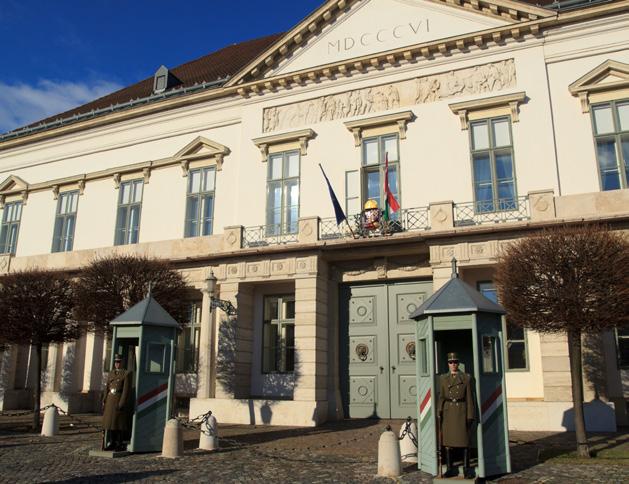
Standing beside Buda Castle with commanding views over the Danube, Sándor Palace is one of Budapest’s most elegant examples of Neoclassical architecture. Built in the early 19 th century, it originally served as the residence of Count Vince Sándor before later becoming the home of Hungary’s prime ministers. After suffering severe damage during the Second World War, the palace stood neglected for decades until a meticulous restoration returned it to its former splendour in the early 2000s. Today, it serves as the official residence of the President of Hungary.

ROMANTIC PLACES
NORMAFA
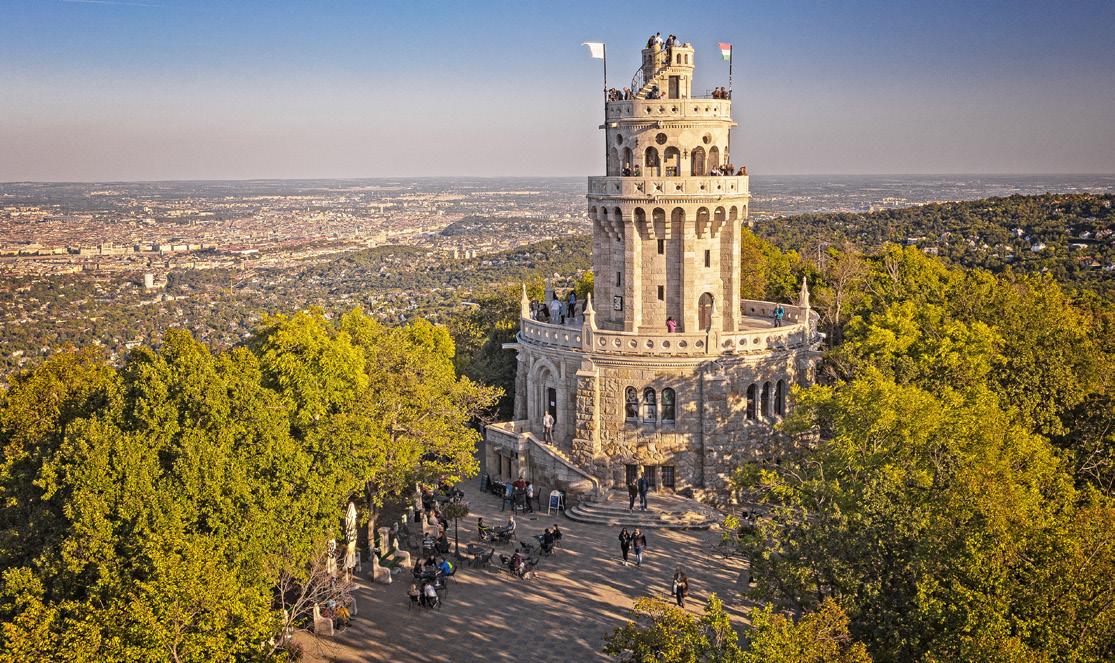
High above the city in the Buda hills, Normafa offers pine-scented air, cool breezes and long woodland paths ideal for walking arm-in-arm. Open grassy slopes provide comfortable spots for picnics, with distant views of Budapest unfolding through the trees. In winter, couples share warm drinks while watching skiers descend gentle runs; in summer, sunsets paint the skyline with soft colours. The calm here invites thoughtful conversation and easy silence alike. With the city visible but pleasantly removed, Normafa creates the space for unhurried connection, a meeting point between nature’s quiet confidence and the city’s bright promise.
INSIDER STORIES
According to tradition, Gellért Hill takes its name from Saint Gerard, an Italian-born bishop who came to Hungary in the 11th century to help spread Christianity. During a period of pagan resistance, he was captured by rebels who opposed the new faith. The legend tells that he was sealed inside a barrel and hurled down the steep hillside into the Danube below. The site where he met his tragic fate later became a place of remembrance, and the hill was named in his honour.

MARGARET ISLAND
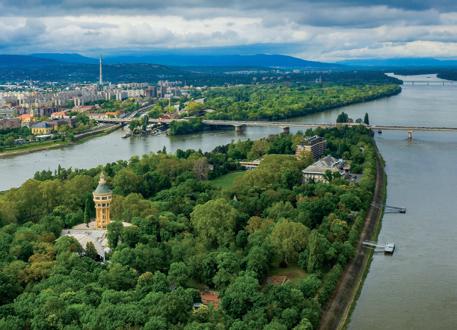
Margaret Island feels like a world apart, despite sitting right in the middle of the Danube. Lovers stroll along leafy avenues shaded by ancient trees, rent a tandem bike, or sit by the musical fountain where water dances in synchronised rhythms. Quiet corners offer solitude near the river’s edge, while rose gardens and small cafés add touches of colour and comfort. Historic ruins, a tiny zoo, and open meadows create endless routes to wander without hurry. The gentle separation from the busy banks of Buda and Pest gives the island a dreamy quality: city life remains near, yet pleasantly out of reach. Adding to its romantic mythology is the Water Tower’s hidden “Kiss Hall”, a former viewing space said to have hosted countless secret embraces, earning its name from the couples who once slipped inside for a private moment away from the crowds.

URBAN LEGENDS
LITTLE PRINCESS STATUE
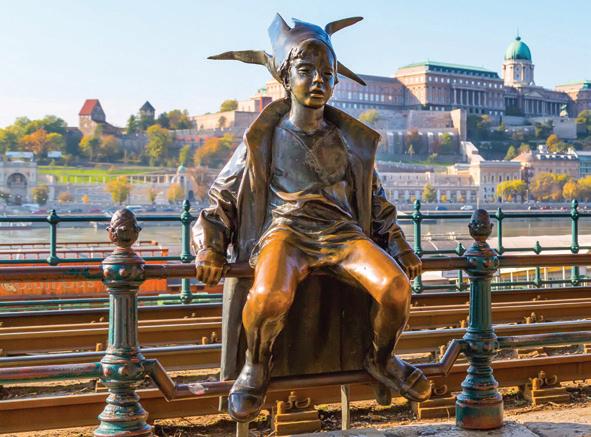
Perched along the Danube Promenade, the Little Princess Statue by László Marton is more than just a charming piece of art; it’s a symbol of good fortune. Visitors and locals alike believe that rubbing the statue’s knees brings luck, evident from the shiny patches on the otherwise weathered bronze. Marton drew inspiration from his eldest daughter, who often dressed as a princess, donning crowns made from newspapers crafted by her father. This playful familial connection imbues the statue with a sense of whimsy and nostalgia, making it a must-see landmark.
ZERO KILOMETRE STONE


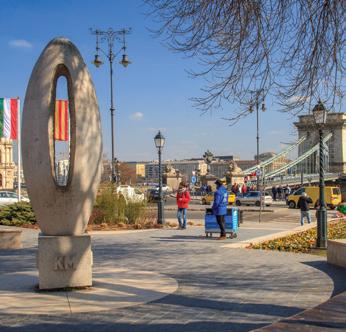
Standing in Clark Ádám tér, the Zero Kilometre Stone marks the starting point for all road distances to Budapest. According to urban lore, touching the stone ensures a safe journey and guarantees a return to the city, making it a ritual for many embarking on long trips. Its role as a popular geocaching site adds a layer of modern exploration to this historical marker, blending tradition and adventure.
POLICEMAN STATUE
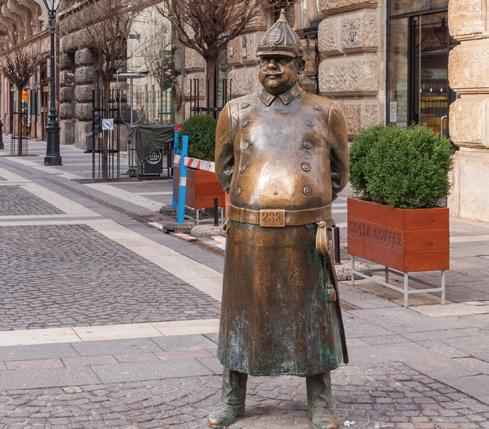
At the corner of Zrínyi Street and Október 6. Street, the statue of a jolly policeman has become a beacon of good luck. Legend has it that rubbing his round belly brings happiness and fortune in love. A lighthearted belief among visitors suggests that this gesture also bestows immunity to weight gain—an amusing nod to Budapest’s rich culinary scene. The statue’s cheerful demeanor continues to draw smiles and curious tourists year-round.

GETTING AROUND BUDAPEST
TRAM 2
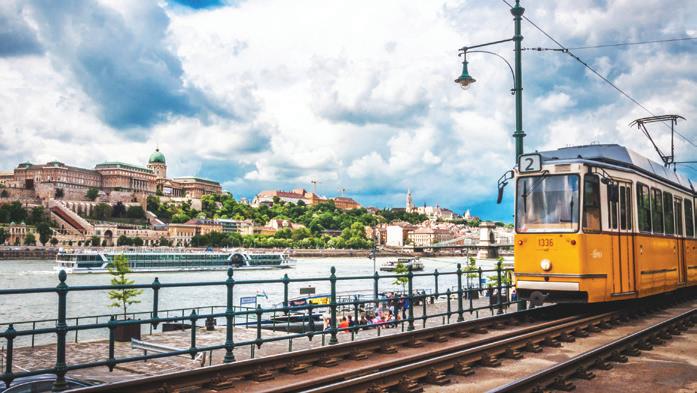
Tram No. 2 in Budapest offers one of the most scenic public transport experiences in Europe. Running along the Pest bank of the Danube, the tram provides passengers with breathtaking views of iconic landmarks such as the Parliament, the Buda Castle, and the vibrant downtown. During the Christmas season, the tram transforms into a festive wonder, adorned with sparkling light decorations, creating a magical ride that captures the holiday spirit.

FUNICULAR
COG-WHEEL RAILWAY
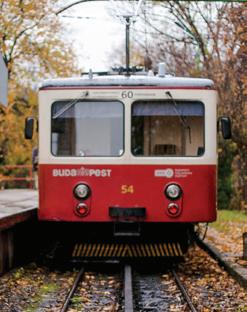
Budapest’s Cog-Wheel Railway, known locally as Tram No. 60, is a hidden gem for those looking to explore the scenic Buda Hills. Inspired by Alpine rail systems, this railway runs from Városmajor to Normafa, passing through picturesque areas like Svábhegy and Széchenyi-hegy. Originally a horsedrawn tram, it has evolved into a fully integrated part of the city’s transport network, offering a charming and nostalgic journey into nature.


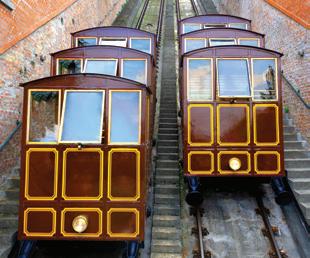
The Buda Castle Funicular, once a practical means of transport for Habsburg-era civil servants, now serves as a delightful tourist attraction. Connecting Clark Ádám Square to the Royal Palace, the funicular offers a short yet memorable ride, providing sweeping views of Budapest as it ascends. Restored in the 1980s, it maintains its historic charm while offering modern comfort, making it a unique way to reach the National Gallery and other castle attractions.
METRO 1
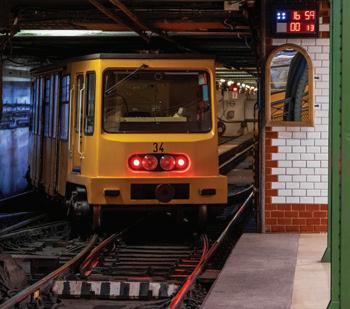
The historic Metro Line 1 is a testament to Budapest’s innovative spirit. Inaugurated in 1896 to celebrate Hungary’s Millennium, it is the oldest metro line in continental Europe. Built to preserve the integrity of Andrássy út, the line still retains its original stations, complete with ornate details and tiled walls. Linking Vörösmarty tér to Mexikói út, Metro 1 is both a functional transport route and a heritage experience, making every ride a journey back in time.

MARKETS
BAKANCSOS FLEA MARKET
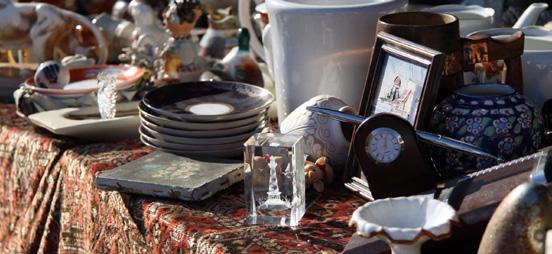
A visit to Bakancsos Flea Market is more than shopping — it’s a local cultural experience. For nearly 22 years, this open-air market has been a beloved meeting point where generations connect, stories are exchanged, and the past finds new life. Blending sustainability with a distinctly retro spirit, the market offers handmade goods, vintage treasures, and one-of-a-kind discoveries you won’t find in guidebooks. Whether you’re searching for a unique souvenir or simply want to experience Budapest beyond the usual sights, Bakancsos Flea Market invites you to slow down, explore, and take home a piece of local character. The market is open on weekends only, making it an ideal addition to a relaxed city-break itinerary and a rewarding stop for visitors wishing to experience Budapest at a more local pace.
LEHEL MARKET
GREAT MARKET HALL
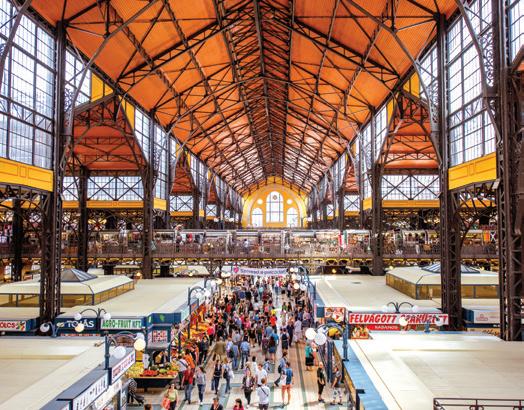
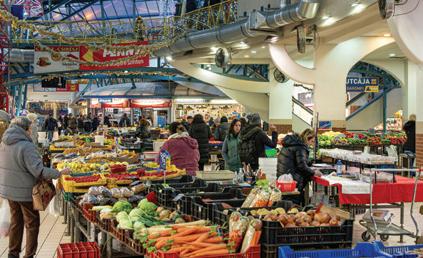
As Budapest’s largest and most iconic market, the Great Market Hall is a must-visit destination. Located at the end of Váci Street, this stunning neo-Gothic building has been a cornerstone of Budapest’s shopping culture since 1897. The market’s ground floor is a lively space brimming with stalls selling fresh fruits, vegetables, meats, and Hungarian specialties like paprika and Tokaji wine. Upstairs, visitors can browse a variety of handcrafted souvenirs and enjoy local treats such as lángos (fried dough) and sausages. The basement offers pickled goods and fresh fish, completing the market’s diverse array of offerings.
ECSERI MARKET
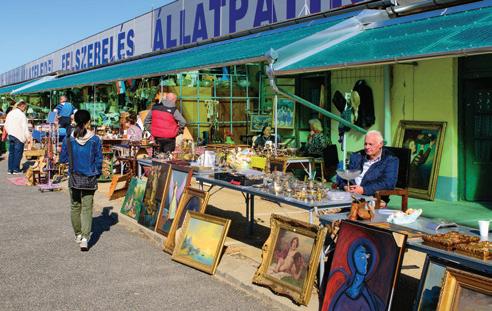
Hungary’s largest flea market is located far away from the city centre, in the meeting point of Districts XIX and XX. What you can't get here doesn't exist, and this is why most people come here. One can purchase items ranging from knight's armours, horse statues, peg-legs, private letters from a bygone time, complete cars dismantled and, naturally, obscure works of art.
For an authentic slice of Budapest life, Lehel Market is a colourful, bustling destination frequented by locals. Its unconventional, boatshaped architecture is an attraction in itself. Inside, visitors can find everything from fresh produce and meats to Hungarian pastries and dairy products. This market is perfect for travelers looking to experience the city’s everyday rhythm while enjoying affordable and high-quality ingredients.

EXPERIENCING HUNGARY’S CULINARY RENAISSANCE
Hungary’s gastronomy is a vibrant tapestry of tradition and innovation, weaving together centuries-old recipes with cutting-edge culinary trends. While iconic dishes like goulash and paprika-spiced stews are synonymous with Hungarian cuisine, the country’s culinary landscape has evolved into a true gastronomic wonderland. From bustling food markets to Michelin-starred restaurants, Hungary offers a dynamic dining experience that rivals the best in Europe.Budapest, the epicentre of this transformation, is now home to numerous Michelin-starred establishments, including a prestigious selection earning two stars. Beyond fine dining, the city boasts an array of trendy wine bars, artisan brunch spots, and farm-to-table bistros that showcase the nation’s culinary ingenuity. The secret to Hungary’s culinary success lies in its exceptional ingredients. Local farmers supply top-quality produce, from organic fruits and vegetables to specialty meats like mangalica pork and grey cattle beef. These ingredients, rooted in Hungary’s agricultural heritage, form the foundation of both traditional and contemporary dishes. Hungarian wines continue to shine on the international stage, with the Tokaj region producing world-renowned sweet wines and Villány crafting bold reds. The country’s burgeoning sparkling wine scene and artisanal spirits, including pálinka and herbal liqueurs, further enrich the dining experience, offering a uniquely Hungarian twist to any meal. Whether you’re savouring a classic dish at a countryside inn or enjoying a meticulously plated course at a fine dining establishment, Hungary’s culinary renaissance promises unforgettable flavours and a deep connection to its cultural roots.

ETYEK
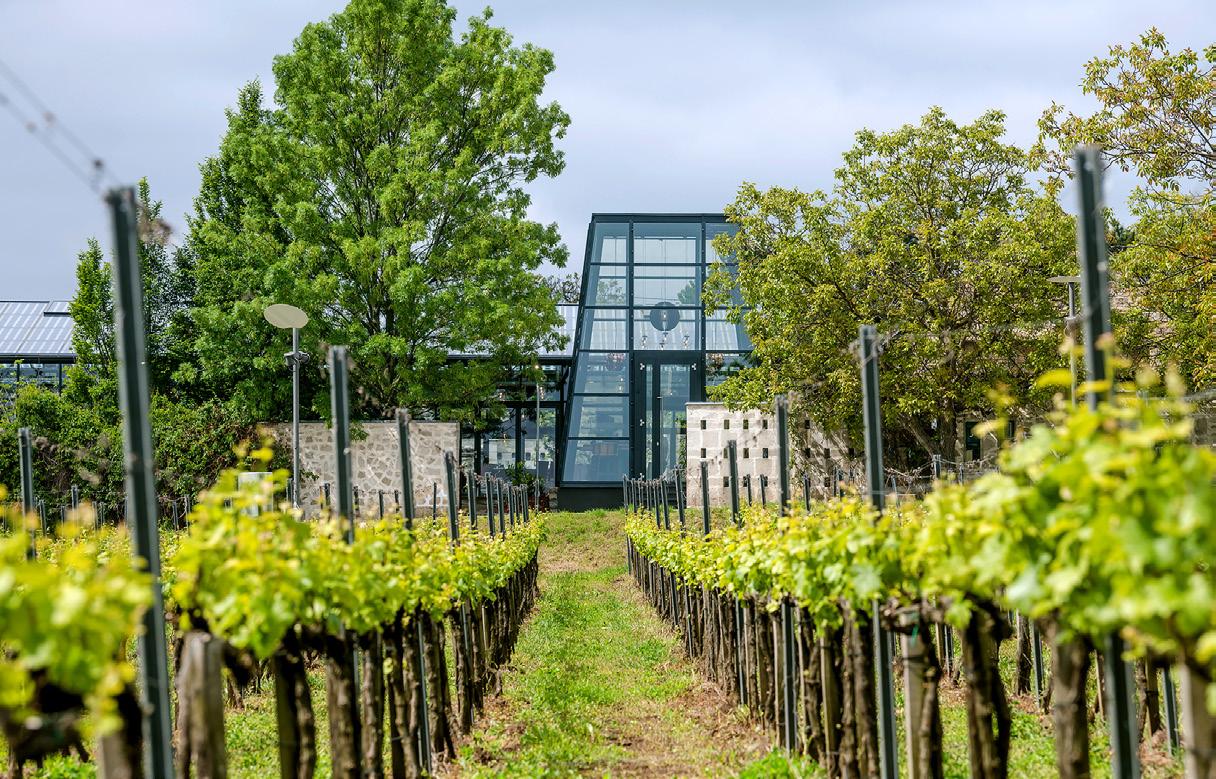
One of the most promising Hungarian wine regions today is undoubtedly the Etyek-Buda wine region. The continental climate and the calcareous-loess soil provide the wine region with all the qualities that can satisfy the demands of today's modern wine market. Etyek is the birthplace of tight, vibrant, yet substantial wines. It is no coincidence that sparkling wine has become one of the most important products of the settlement. Due to its proximity to Budapest, it is often called the capital's vineyard.
DISCOVERING THE BEST OF HUNGARIAN WINES
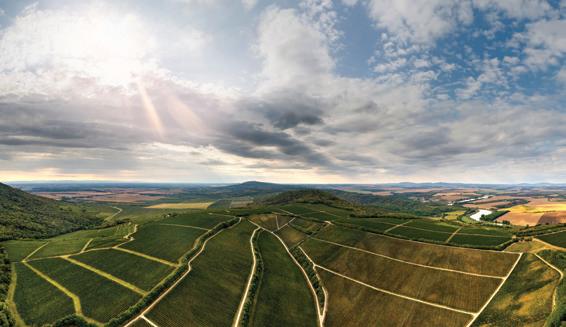
Hungary’s wine regions are as diverse as its history, offering unique experiences for wine enthusiasts and luxury travelers alike. From rolling vineyards to historic cellars, these regions showcase the best of Hungarian viticulture.
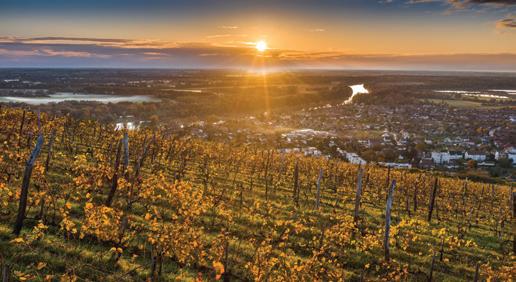
TOKAJ
Hungary’s most renowned wine region, Tokaj, is a UNESCO World Heritage Site famed for its golden dessert wines, particularly Tokaji Aszú. The volcanic soils and centuries-old cellars create the perfect environment for producing sweet, complex wines. Visitors can explore charming villages, sample wines directly from historic barrels, and enjoy the breathtaking views of this iconic landscape.
VILLÁNY
Known as the "Bordeaux of Hungary," Villány is celebrated for its robust reds, especially Cabernet Franc. This southern region enjoys a warm, almost Mediterranean climate, which contributes to its rich, full-bodied wines. Luxury travelers can tour boutique wineries, indulge in gourmet wine-pairing dinners, and relax in upscale vineyard resorts.
EXCITING FLAVOURS
FINE DINING RESTAURANTS IN HUNGARY
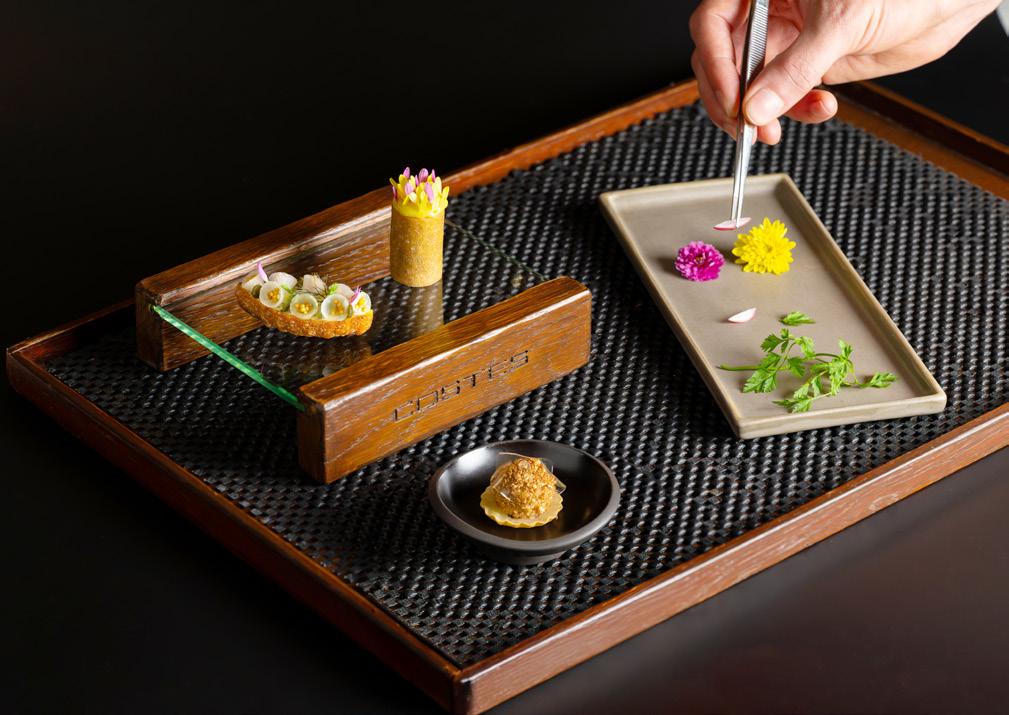
The culinary evolution in Hungary has accelerated spectacularly over the past few years. While Budapest is already world famous for its quality restaurants, the Hungarian countryside seems to garner more and more recognition as we dive deeper into the 2020’s. According to the latest edition of the Michelin Guide, all restaurants that received stars last year managed to retain them, including the two-starred establishments Platán Gourmet in the town of Tata and Budapest’s Stand. The aforementioned culinary evolution is evidenced by the fact that, apart from the “stars”, seven countryside restaurants managed to get on the Bib Gourmand list. While all places in the following chapter offer world-class delicacies and top-notch guest experience, the diversity of their culinary offerings is truly remarkable. Whether you are looking for the tastes of Portugal, a memorable wine dinner, or just elevated Hungarian cooking, you simply cannot miss if you pay these restaurants a visit.
FROM LITERARY SALONS TO MODERN RITUALS
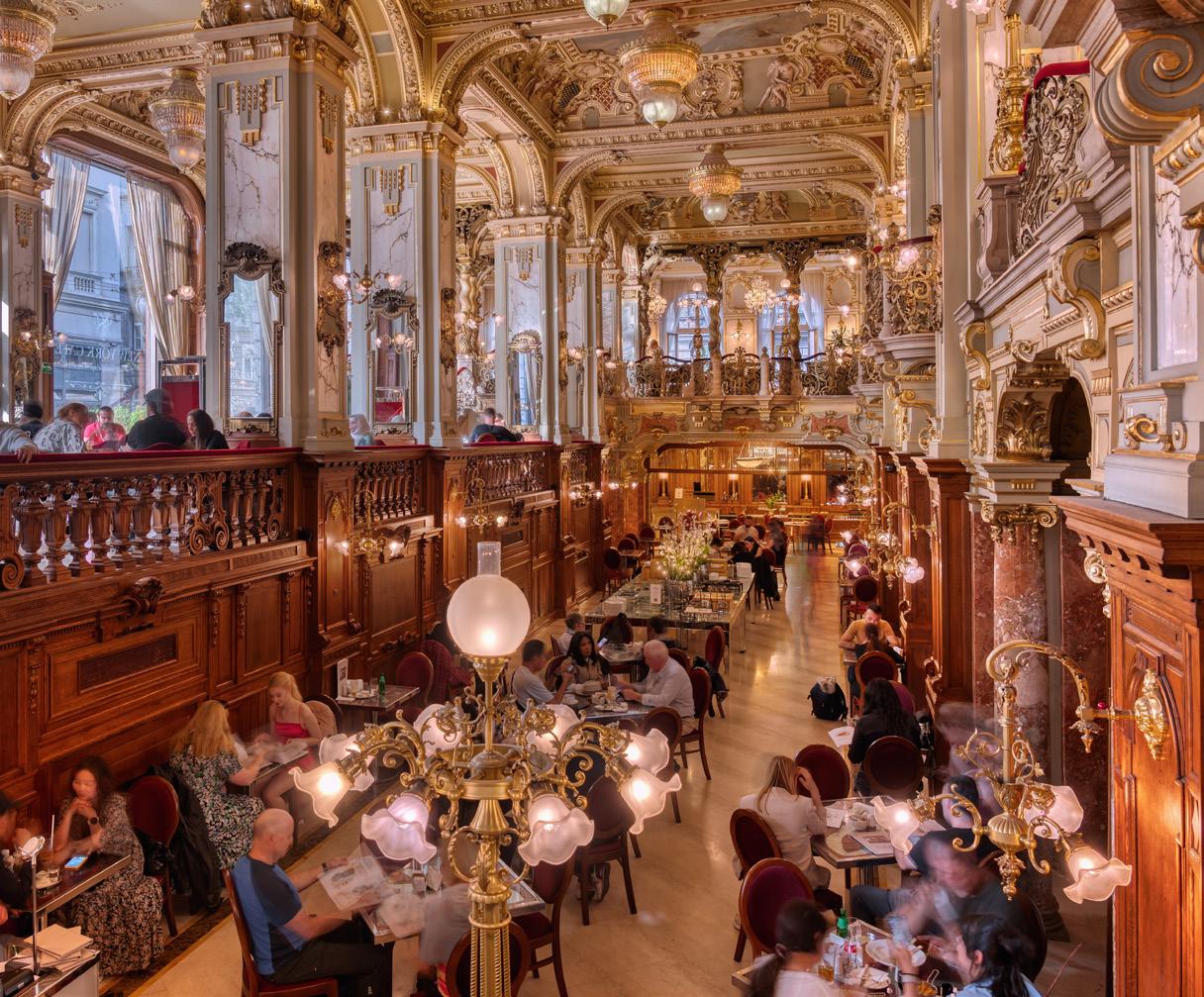
Budapest’s coffeehouses are more than places to drink coffee; they are stages of the city’s social, intellectual and political life. Coffee first arrived with Ottoman influence, but it was the 19th century, shaped by Viennese and Central European traditions, that turned cafés into cultural institutions. By the early 1900s, hundreds of coffeehouses operated across the city, serving as offices, salons and debating chambers for writers, journalists and artists. Names like New York, Central, and Gerbeaud became inseparable from Hungary’s literary and gastronomic heritage. Though war and decades of neglect dimmed their glow, the post-1989 revival restored both grandeur and purpose. Today, historic cafés and contemporary newcomers coexist, blending marble, porcelain and chandeliers with specialty roasts and modern sensibilities. Together, they continue a living tradition where conversation, creativity and lingering are just as important as the coffee itself.
INSIDER STORIES
At the turn of the 20th century, several Budapest coffeehouses officially allowed writers to treat the café as a workplace. At Central Café, regulars such as Endre Ady and Mihály Babits were given fixed tables, and the staff recorded their consumption in ledgers rather than asking for payment each visit. Some writers settled their bills monthly; others paid with published articles or recommendations. New York Café went even further: it kept ink, paper and mailboxes on hand for journalists, while editors of major newspapers could be found there daily, commissioning pieces on the spot.
MUST-SEE ATTRACTIONS

POP&ROLL ART TOILET
LIGHT ART MUSEUM
The renowned Hold utca Market Hall, one of the city's hidden gems, was recently transformed into a light art museum. The radically new environment was created without any alterations to the building, adapting to the original feature of the hall, giving a new function to the whole space while keeping the original structure and atmosphere. The exhibited artworks provide a deeper understanding of the nature of light from new perspectives: from supernovas to black holes, from artificial nature to parallel universes, from programmed neural networks to radiating glass objects, or from the Northern Lights enclosed in crystal structures to the light choreography reflected on the retina.

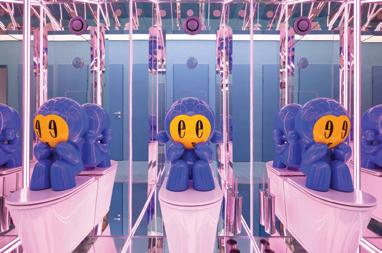
The Pop&Roll Art Toilet in Budapest is a bold and innovative fusion of public convenience and pop art, designed by the renowned artist and designer Miklós Kiss. Located underground on Dorottya Street, this extraordinary public restroom transforms a previously unused space into a vibrant artistic experience. With its labyrinth-like layout, colourful tiles inspired by Eastern European bath culture, and playful nods to 80s and 90s nostalgia—including references to Tamagotchi, Space Invaders, and Super Mario—the space redefines what a restroom can be. Each stall is a standalone artwork, integrating elements from Kiss’s most iconic creations and personal history, making it as much a gallery as a functional facility.


MADAME TUSSAUDS
The grand opening of Madame Tussauds in Budapest took place in 2023. More than just a tourist attraction, the opening was another significant step in elevating the cultural scene of the Hungarian capital with internationally renowned attractions. Madame Tussauds, a renowned brand known for its lifelike wax figures, has chosen Budapest for its 24th global exhibit overall. The museum features numerous waxworks, including Hungarian legends like Jimmy Zámbó, King Saint Stephen, and Ferenc Puskás, as well as globally known personalities ranging from Pope Francis to Beyoncé. In collaboration with Zsolt Unger of Unger and Partners and visual designer László Erkel, Madame Tussauds Budapest has designed an immersive environment that reflects the iconic local architecture, capturing the city’s essence.

THE CITY OF CULTURE: BUDAPEST'S ARTISTIC SOUL
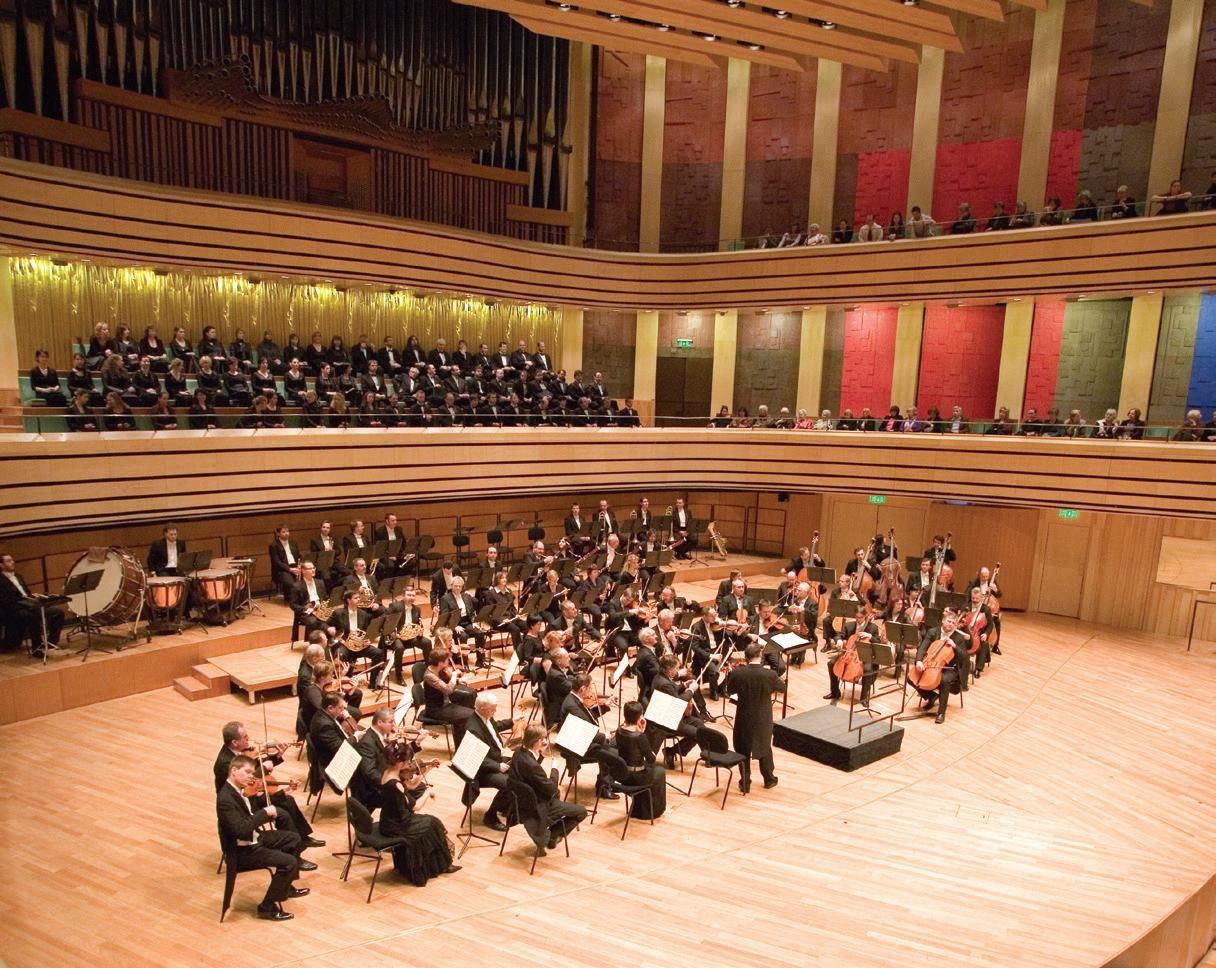
Budapest’s cultural life has always been inseparable from its history. Shaped by empires, revolutions and reinvention, the city developed an artistic identity that blends Central European tradition with restless experimentation. In the 19th century, theatres, concert halls and coffeehouses became centres of intellectual exchange, nurturing writers, composers and performers whose influence reached far beyond Hungary’s borders. Institutions such as the Opera House and the great theatres of the boulevard era still stand as monuments to this golden age, preserving a sense of grandeur that continues to define the city’s cultural self-image.
Yet Budapest is not a museum of past achievements. Former industrial spaces have been transformed into galleries and performance venues, while international artists regularly collaborate with local talent. The result is a cultural landscape where classical music and avant-garde installations, ballet and underground club culture, coexist without contradiction. In Budapest, culture is not confined to formal stages; it spills into public spaces, riverbanks and neighbourhoods, shaping everyday life.
This layered artistic ecosystem makes Budapest a city where heritage and innovation move in dialogue. Visitors can experience world-class opera one evening and boundary-pushing contemporary art the next, discovering a capital that treats culture not as spectacle, but as a living, evolving part of its identity.

A CONTEMPORARY WALK THROUGH THE CITY BY THE DANUBE
Budapest in 2026 is a city best experienced on foot, fluid, layered and confidently modern while deeply rooted in its past. Often called the Pearl of the Danube, the Hungarian capital blends centuries of history with a forward-looking creative energy that is felt street by street. From landmark architecture and thermal culture to design-led cafés, markets and nightlife, Budapest offers an ever-evolving urban rhythm, enriched by unmistakable Hungarian character.
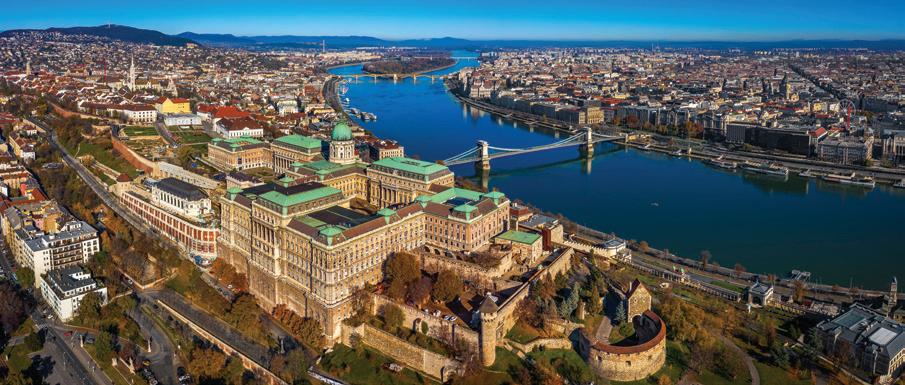
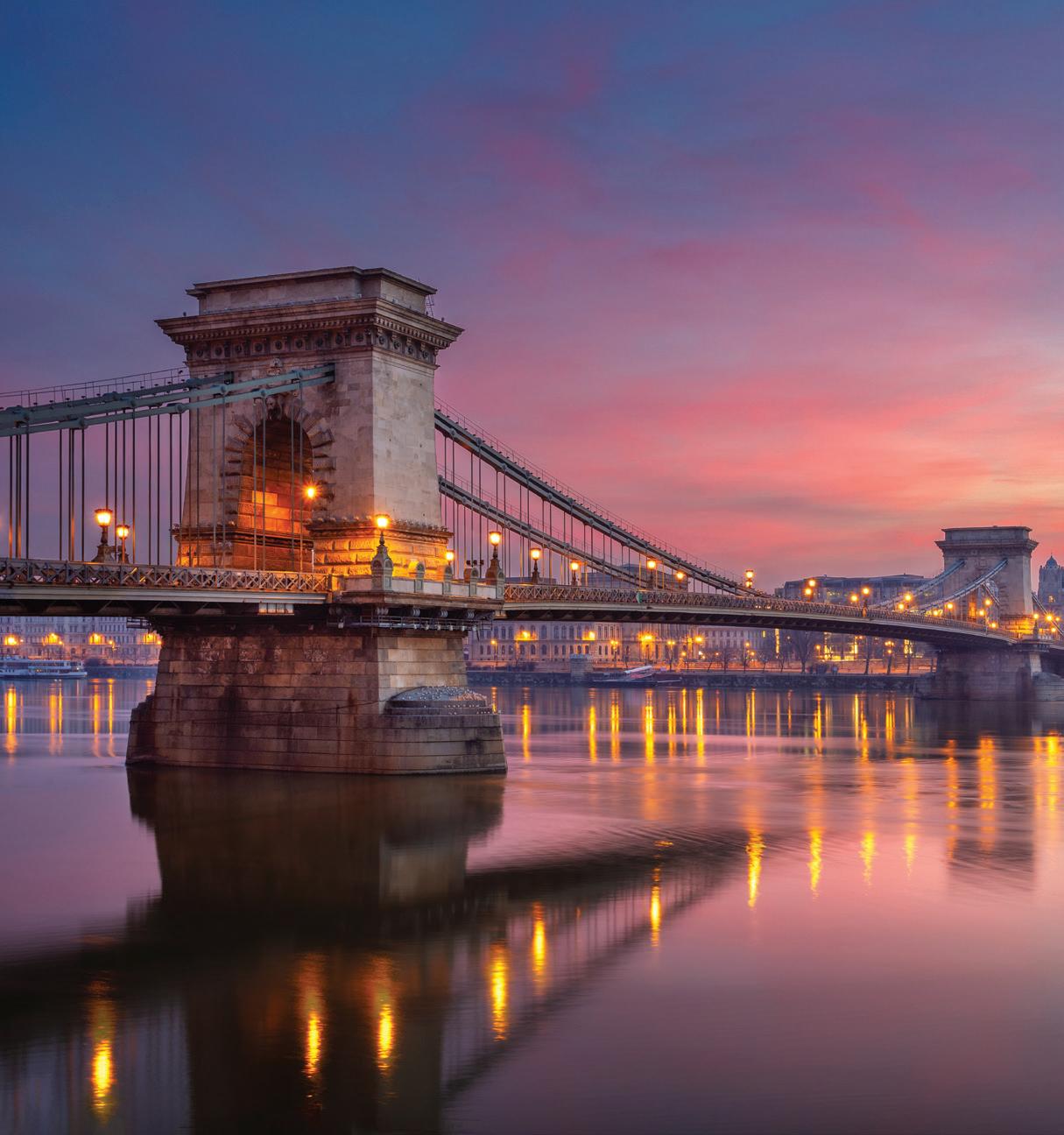
The Danube remains the city’s organising force, dividing Budapest into Buda and Pest while connecting them in spirit. Buda rises with its hills, quiet streets and the Castle District’s timeless presence; Pest stretches outward in grand boulevards, cultural institutions and contemporary city life. Walking both sides is essential to understanding how tradition and innovation coexist so naturally here.
Architecture anchors the journey. The Hungarian Parliament stands in Neo-Gothic splendour along the river, while nearby St Stephen’s Basilica offers one of the city’s most striking viewpoints. Andrássy Avenue unfolds as Budapest’s ceremonial spine, lined with historic façades, theatres and boutiques, leading to Heroes’ Square, a powerful reminder of the city’s enduring identity.
From thermal baths and culinary hotspots to galleries, music and everyday street life, Budapest rewards curiosity. It is a city in motion, where past and present meet effortlessly, inviting visitors to explore, linger and return.
BRIDGES ACROSS THE DANUBE
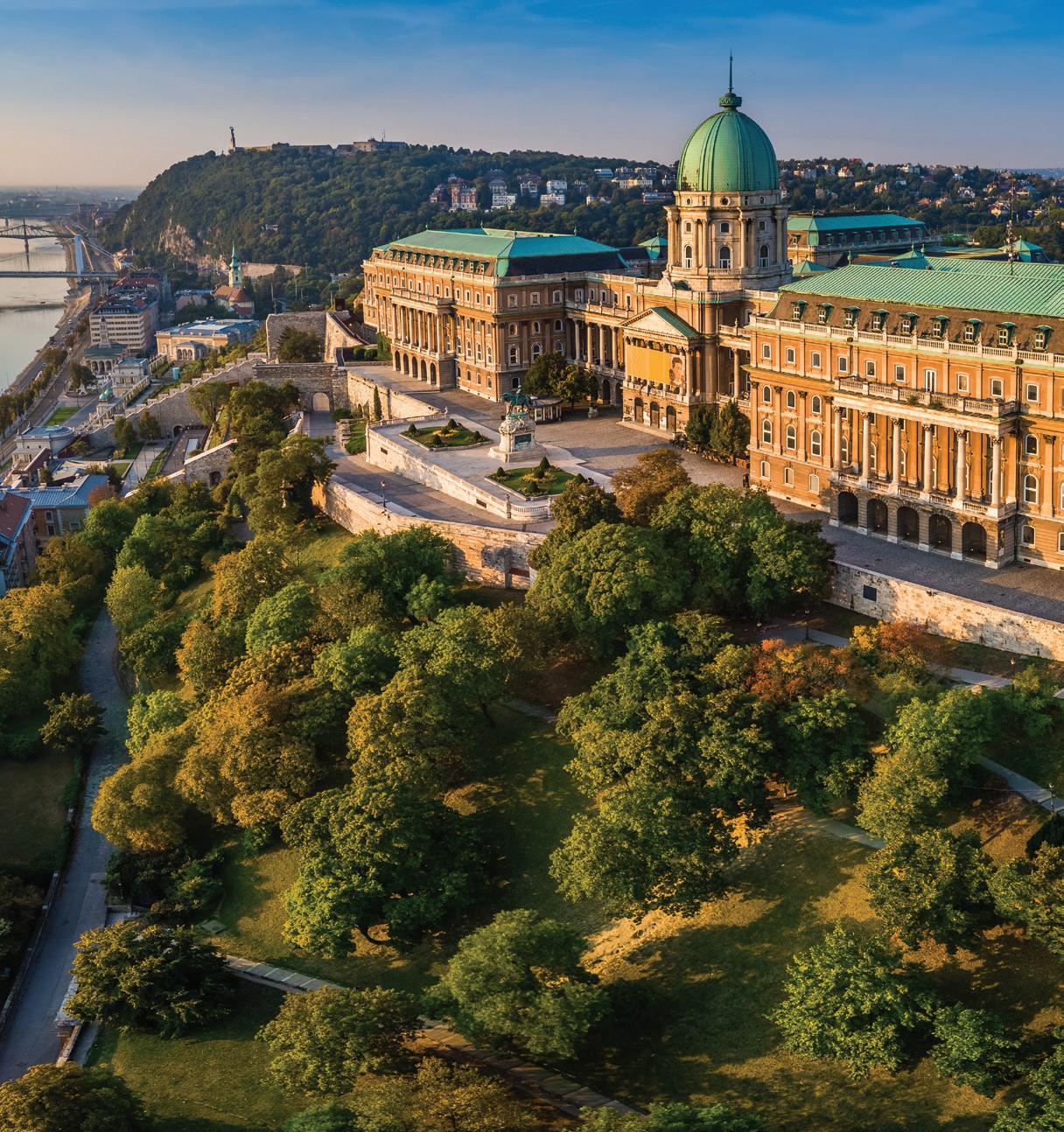
WALKING THROUGH THE RESTORED GRANDEUR OF THE CASTLE DISTRICT
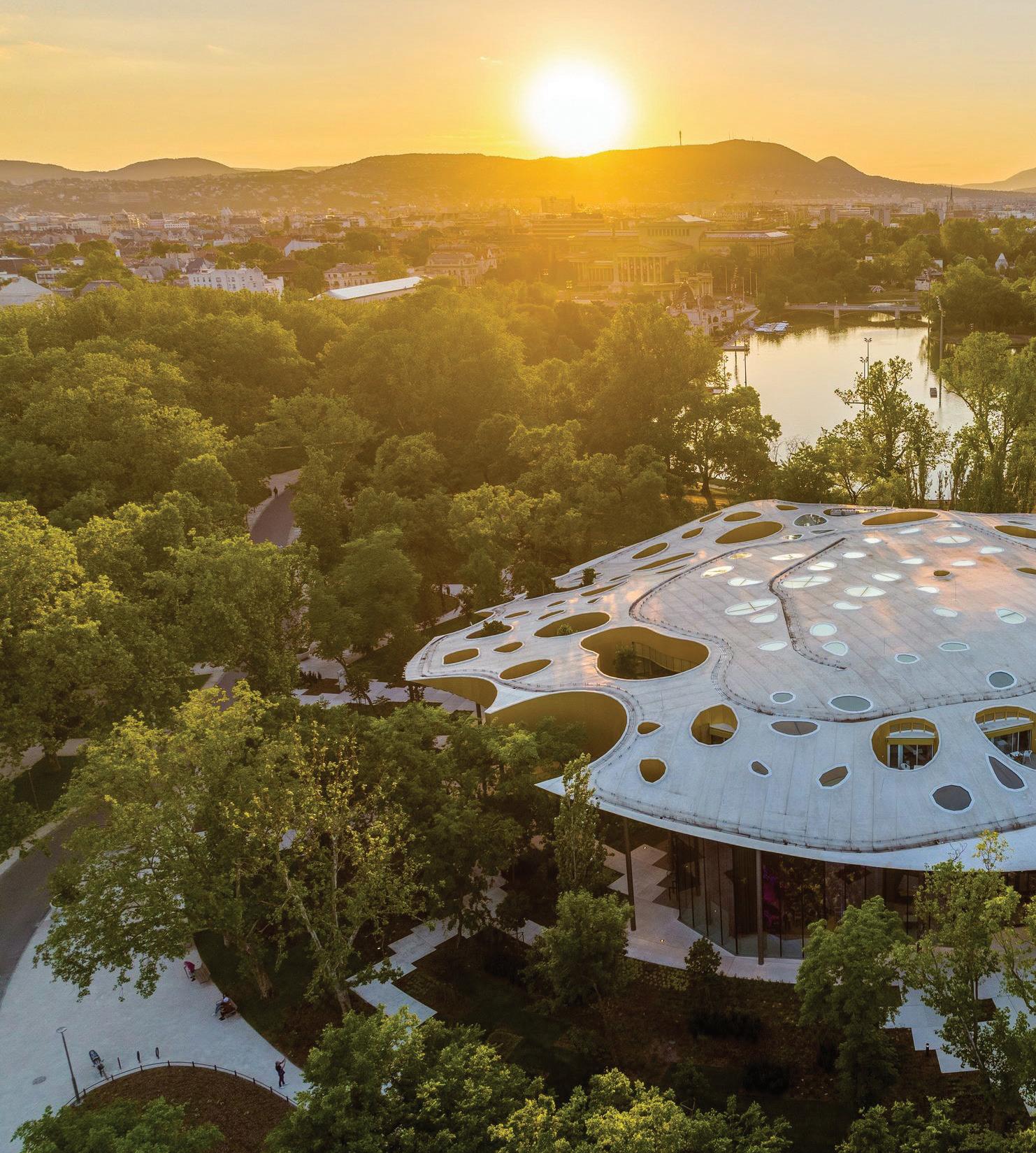
WHERE THE CITY BREATHES
BEYOND BUDAPEST
Hungary’s beauty does not end at the capital’s borders. Across the country lie historic towns, lakefront retreats, cultural treasures and natural wonders waiting to be explored. From the serene shores of Lake Balaton to ancient basilicas, wine regions and spa sanctuaries, each destination reveals a different layer of Hungarian heritage and lifestyle. Medieval castles rise above forested hills, vibrant festivals animate charming squares, and local gastronomy invites travellers to enjoy regional traditions with a modern twist.
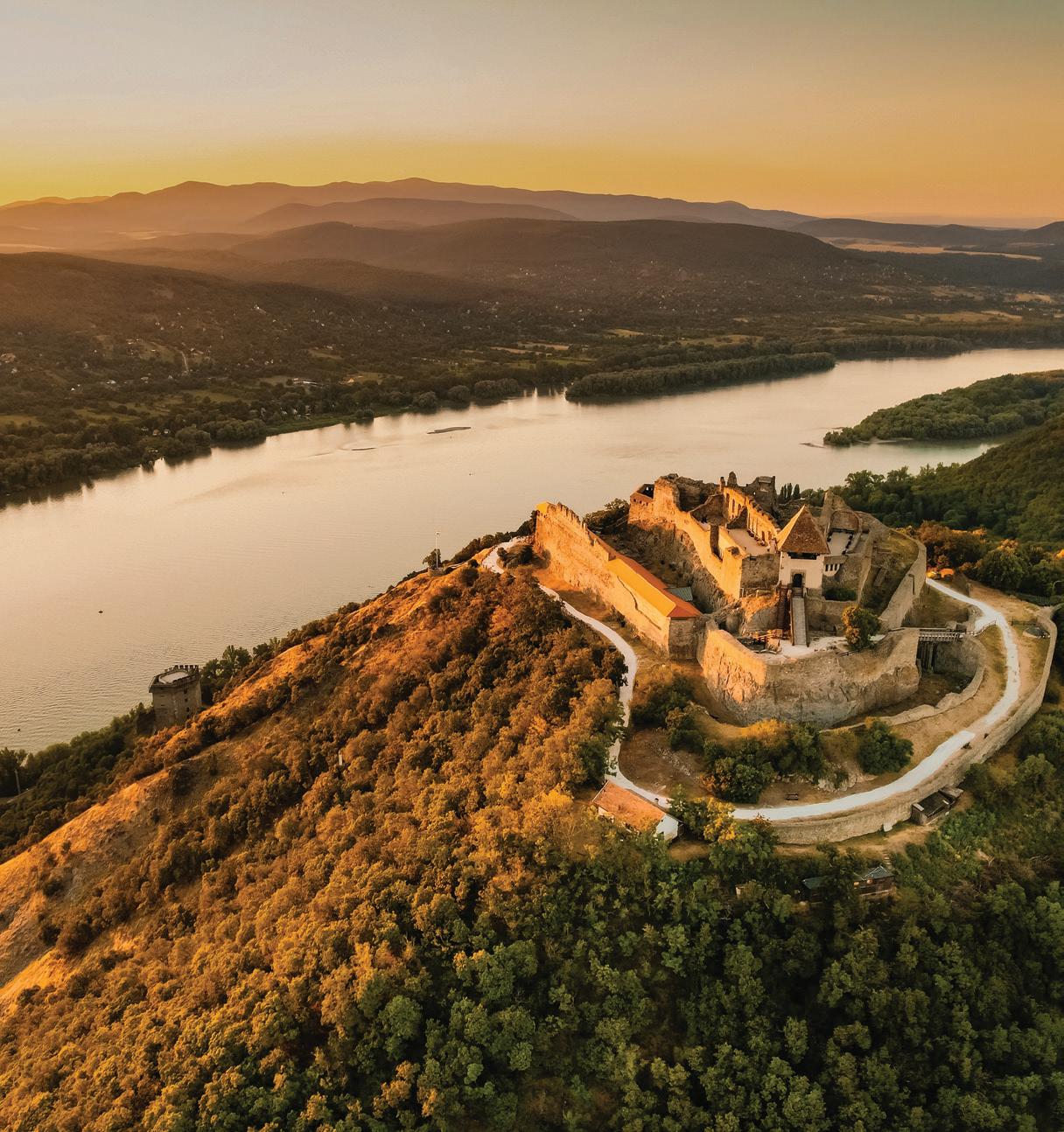
INSIDER STORIES
Hungary’s experience with the European Capital of Culture title revealed an important truth: cultural life in the country extends far beyond Budapest. When Pécs became European Capital of Culture in 2010, it marked a deliberate effort to highlight regional creativity. More than a decade later, Veszprém’s 2023 title expanded this idea even further by embracing the wider Balaton region, linking small towns, festivals and community spaces into a shared cultural network.