

















Research + Writing
Building Codes Knowledge
Zoning Codes Knowledge
Historic Preservation
Graphic Design
Physical Modeling
California State Polytechnic University, Pomona
Pomona, CA
aaron.ung7@gmail.com
+1 909 541 9312
Teaching Assistant - World Arch. Before the Renaissance Cal Poly Pomona - Pomona, CA January 2023 to May 2024
Worked with students to develop thematic discussions pertaining to historic objects and texts. Facilitated student moderations and class discourse on architectural history and related topics.
Junior Designer
Foxlin Architects - San Clemente, CA June 2022 to August 2022
Handled documentation, modeling, drafting and visualization responsibilities across multiple projects.
Utilized Matterport technology and Revit to develop as-built documentation.
SOFTWARE
Rhino 3D Proficiency
AutoCAD Proficiency
Revit Proficiency
V-Ray Visualization
Lumion Visualization
Adobe Suite
Microsoft Office Suite
A+D Museum Exhibition - “LA: A Model City” - Spring 2024
- Top 10 out of 100 senior project models selected for display at A+D Museum exhibit, “LA: A Model City”.
Outstanding Student Senior Project - Spring 2024
- Top 5 out of 100 senior projects selected by faculty as outstanding projects.
Milford Wayne Donalson Preservation Award - Fall 2023
- Project recognized for excellence in historic preservation, adaptive reuse.
Interim Design Award - S2020, S2022, S2023, F2023
- Top projects selected by facult each semester for recognition.
Location:
242 S Broadway Los Angeles
Instructor: Luis Hoyos
Term: Fall 2022
Awards: Fall 2022 Interim Exhibit
Milford Wayne Donaldson Preservation Award
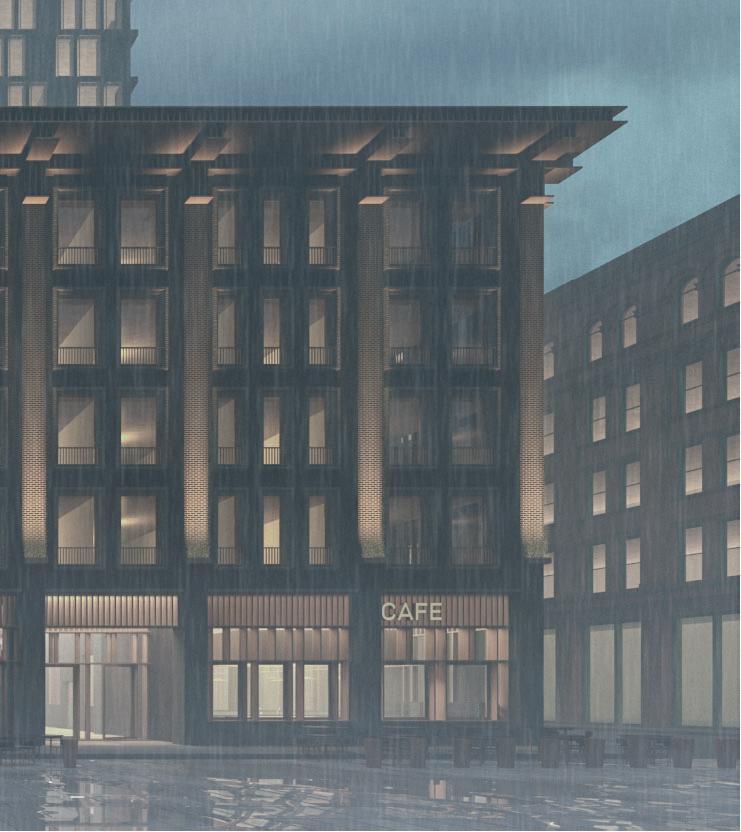
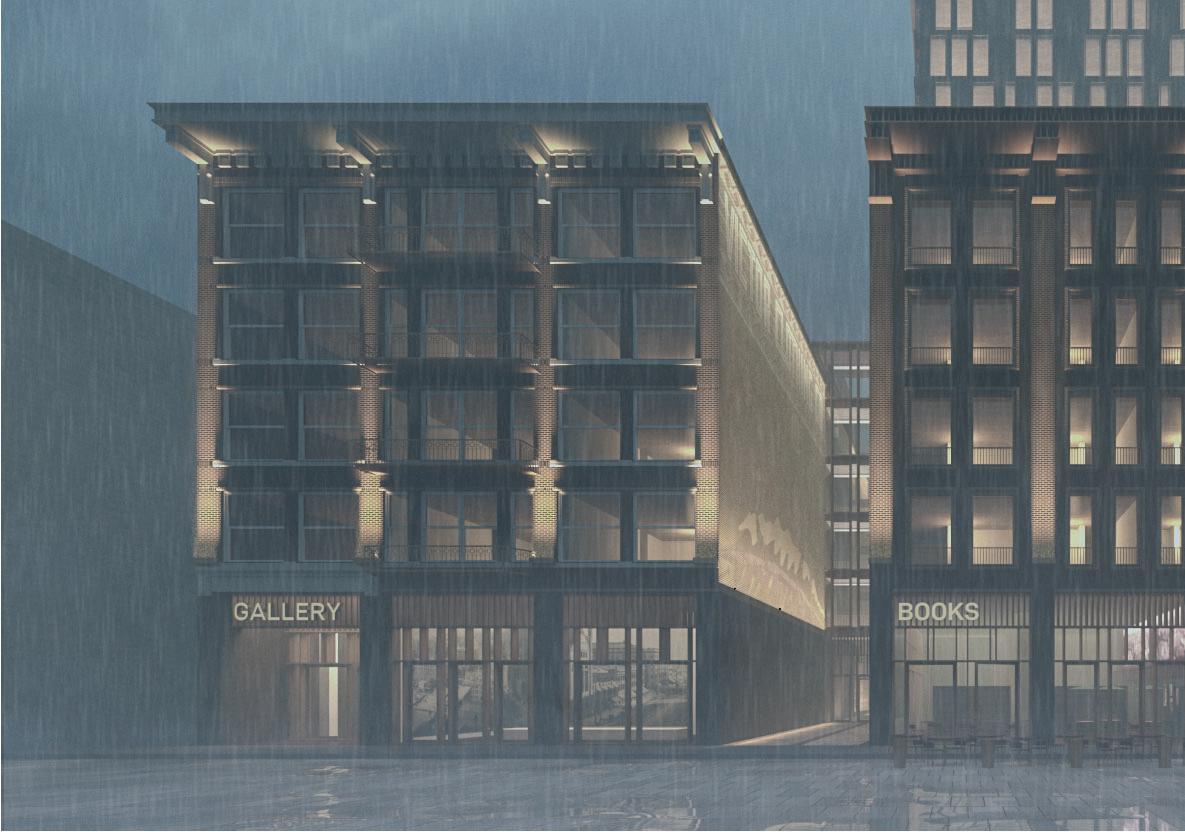
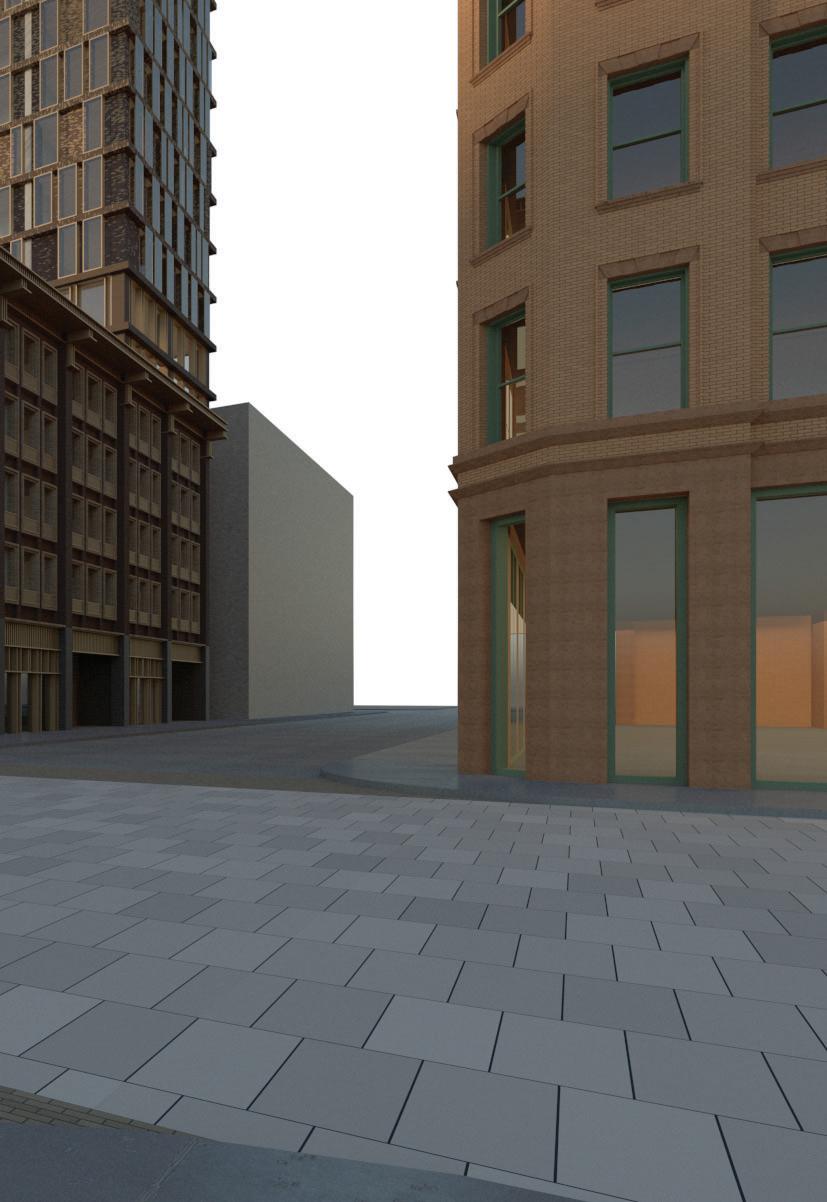
Located on the northern edge of the Broadway Theatre Historic District at the intersection of Broadway and 3rd Street, Victor 242 marks the threshold into a resurgent promenade of 20th century Los Angeles architecture, culture, and heritage.
The original Hosfield Building was built in 1914, serving as an annex for the adjacent City Hall. It later served as a department store for the Victor Clothing Company until its closure in 2001.
As part of the Broadway Theatre District’s nomination to the National Register of Historic Places, the adaptive reuse and expansion proposal for the Hosfield building aims to revitalize the surrounding district while remaining sensitive to its historic context among early 20th century relics such as the Bradbury and Pan-American Lofts.
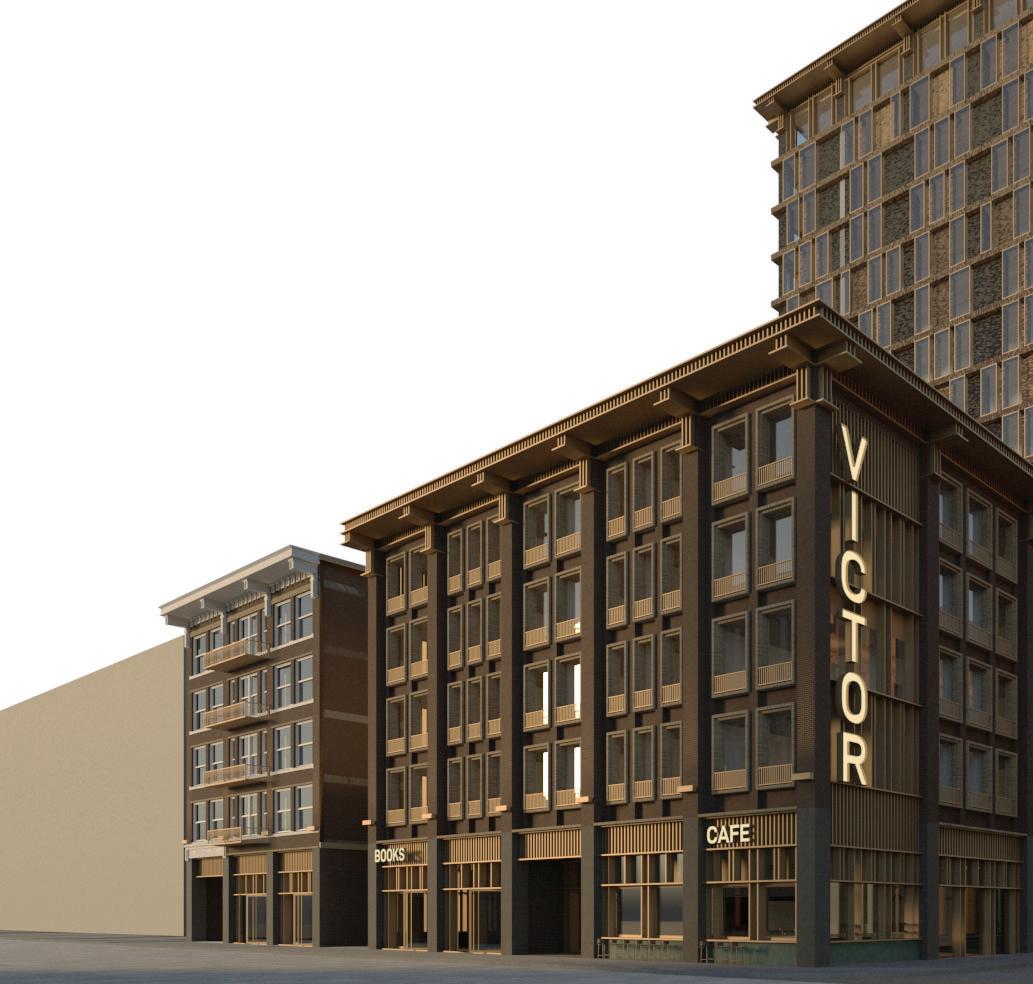
Respecting the primacy of the original Hosfield Building, the expansion is a play in three acts: The Hosfield, the expansion, and the tower.

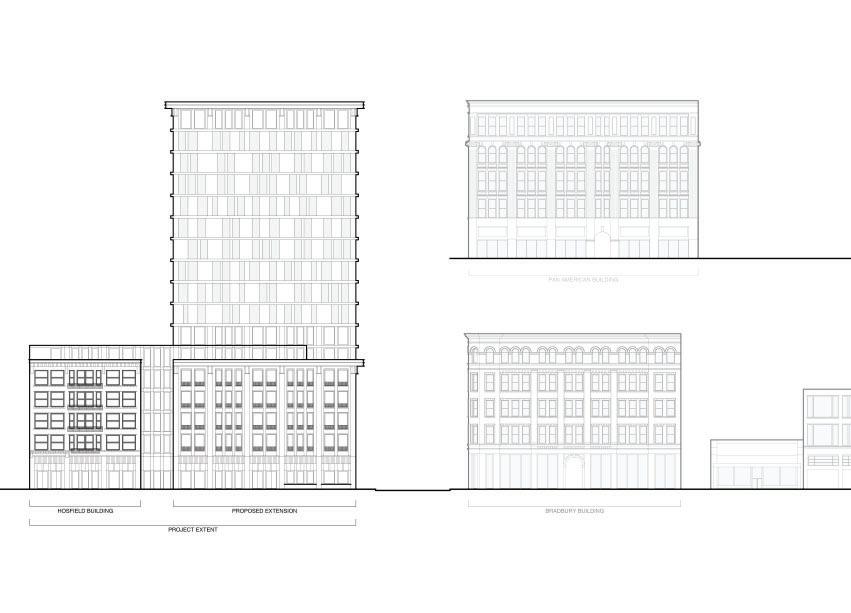
Scale: 1/16” = 1’0”
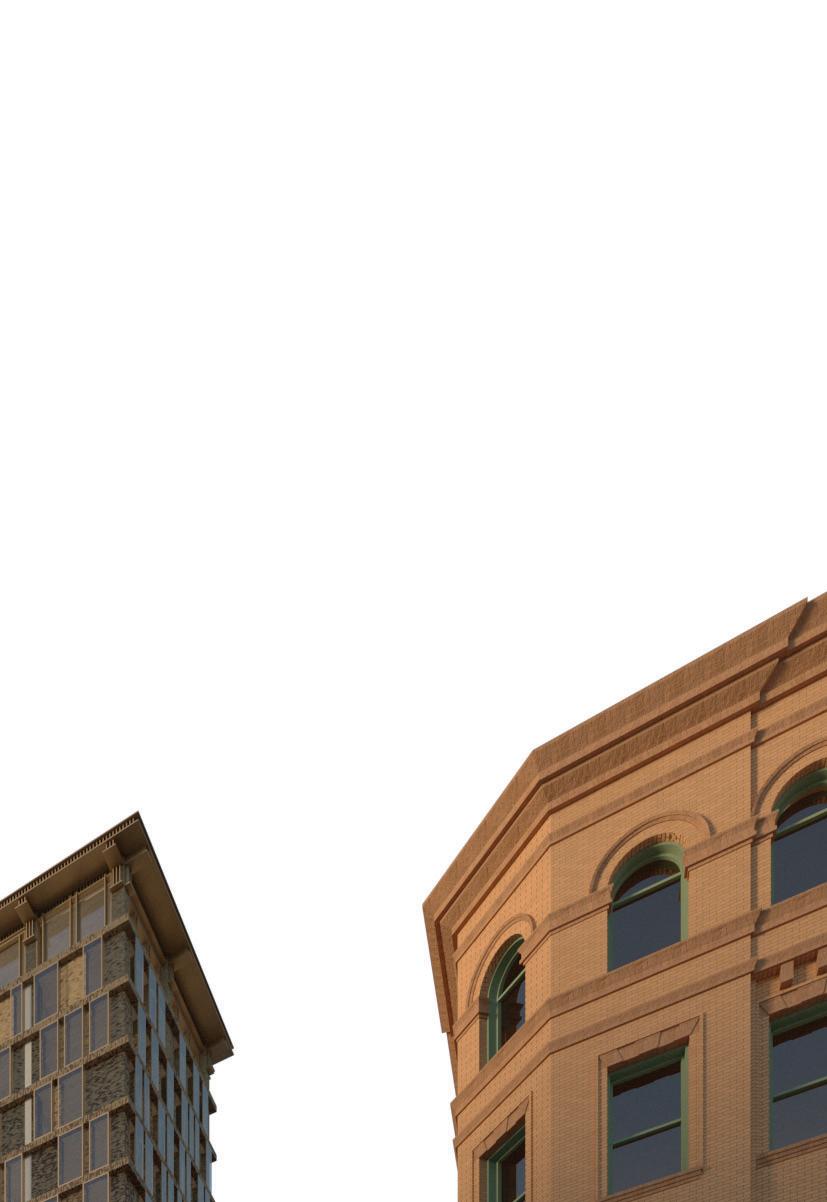
The existing building, built in 1914, originally served as a government annex to the now demolished city hall. Characteristic of American Beaux-Arts architecture, the defining elevation features a symmetrical colonnade and elaborate ornamentation in the wrought iron balconies, corbels, and cornices; much like it’s neighbors, none of these features were extended to the side or rear elevations.
As per the Adaptive Reuse Ordinance, care had to be taken that any redevelopment would consider the character of both the building itself as well as the surrounding architecture. With this in mind, studies of the site (above) were done to consider how the proposed project would both affect and be affected by the character of the Lincoln Heights district. Visual rhythm was a key feature of the site’s character and became the motif to be studied.
LA Streetcar
Metro A Line
Metro E Line
Metro Red Line
Metro Purple Line
Project Site
District Boundary
Contributing Property Metro Santa Ana
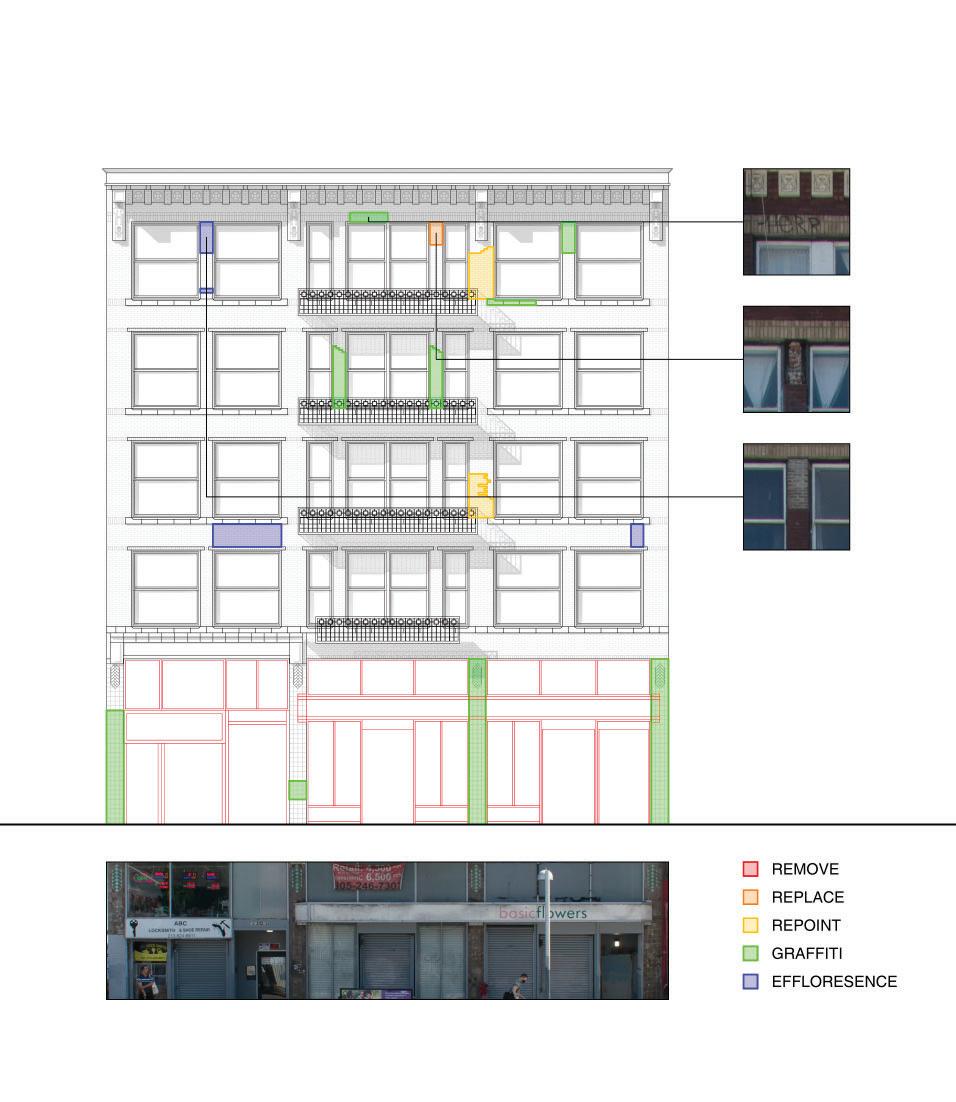
Scale: 1/16” = 1’0”
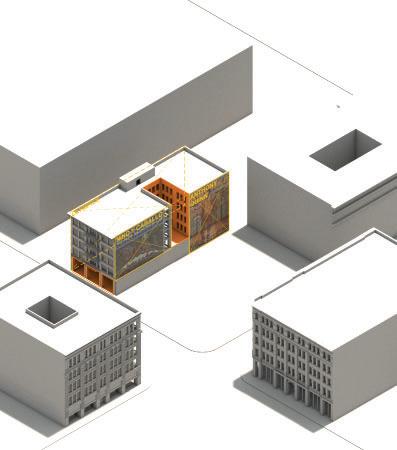
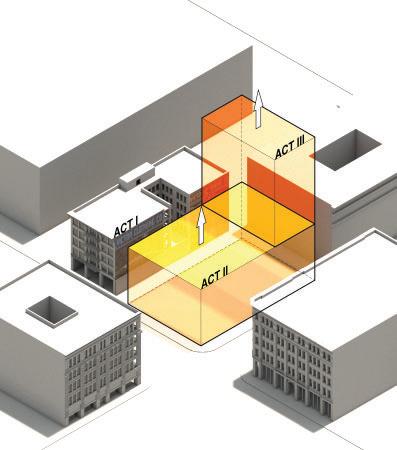
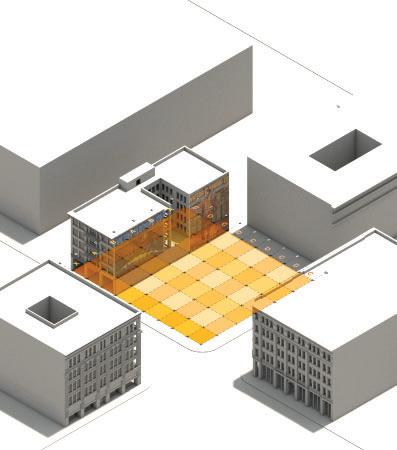
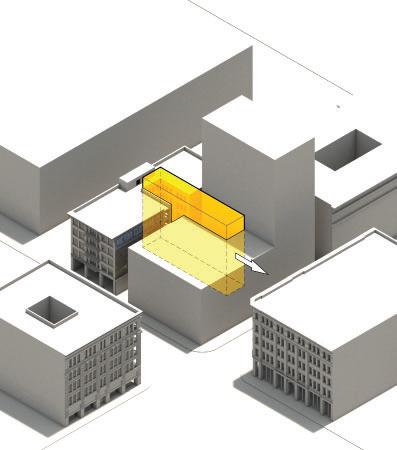
ABOVE: Axonometric showing “genetic inheritance” of Hosfield proportions.
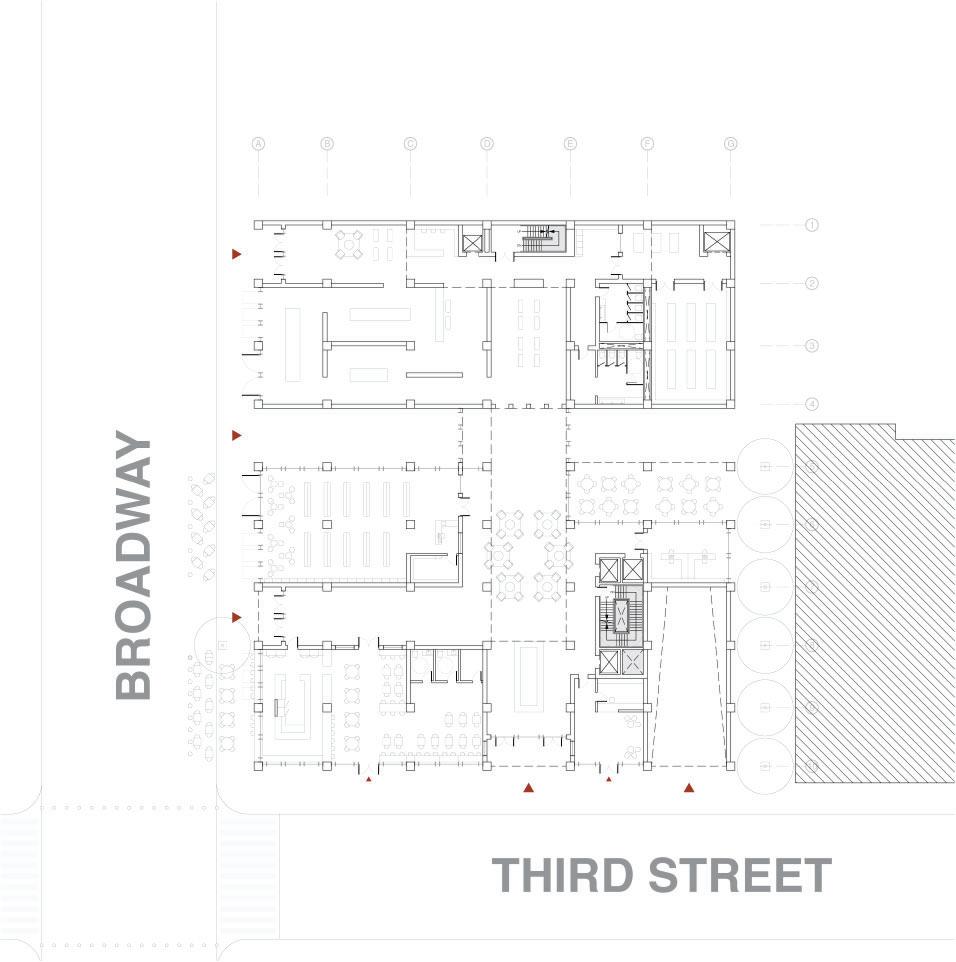
Scale: 1/48” = 1’0”
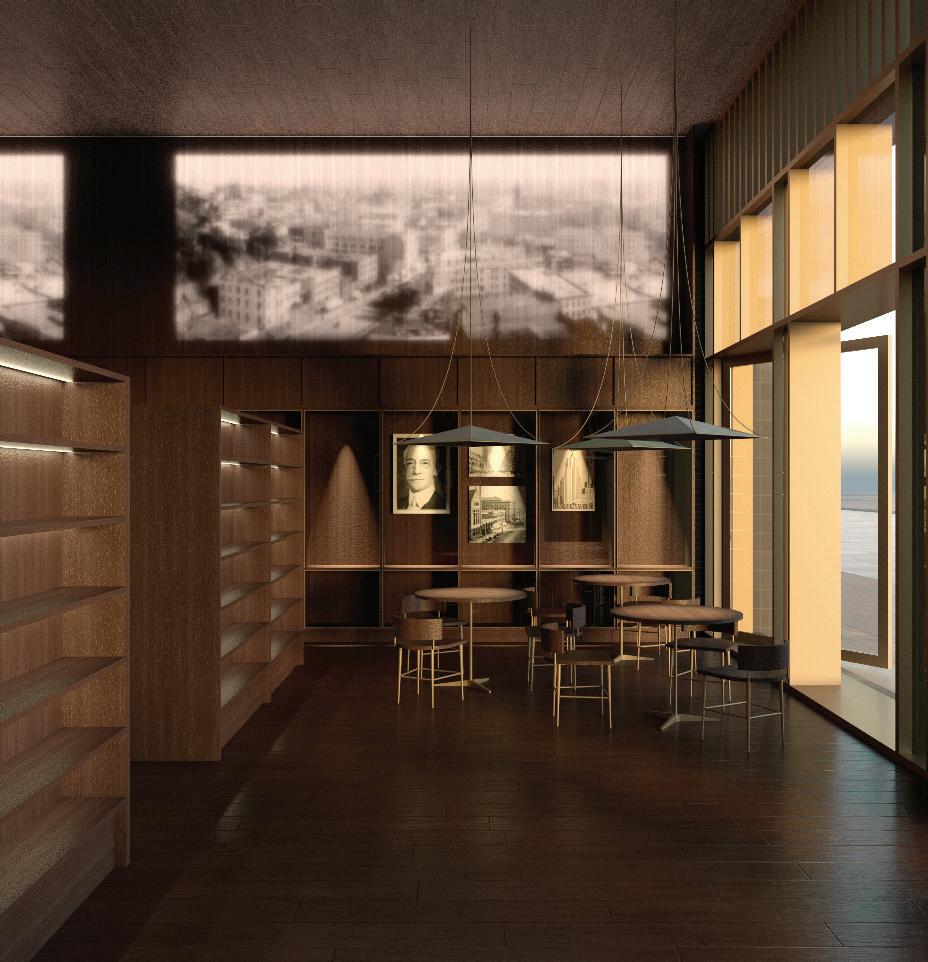
LEFT: Emphasis on storefronts serving Broadway.
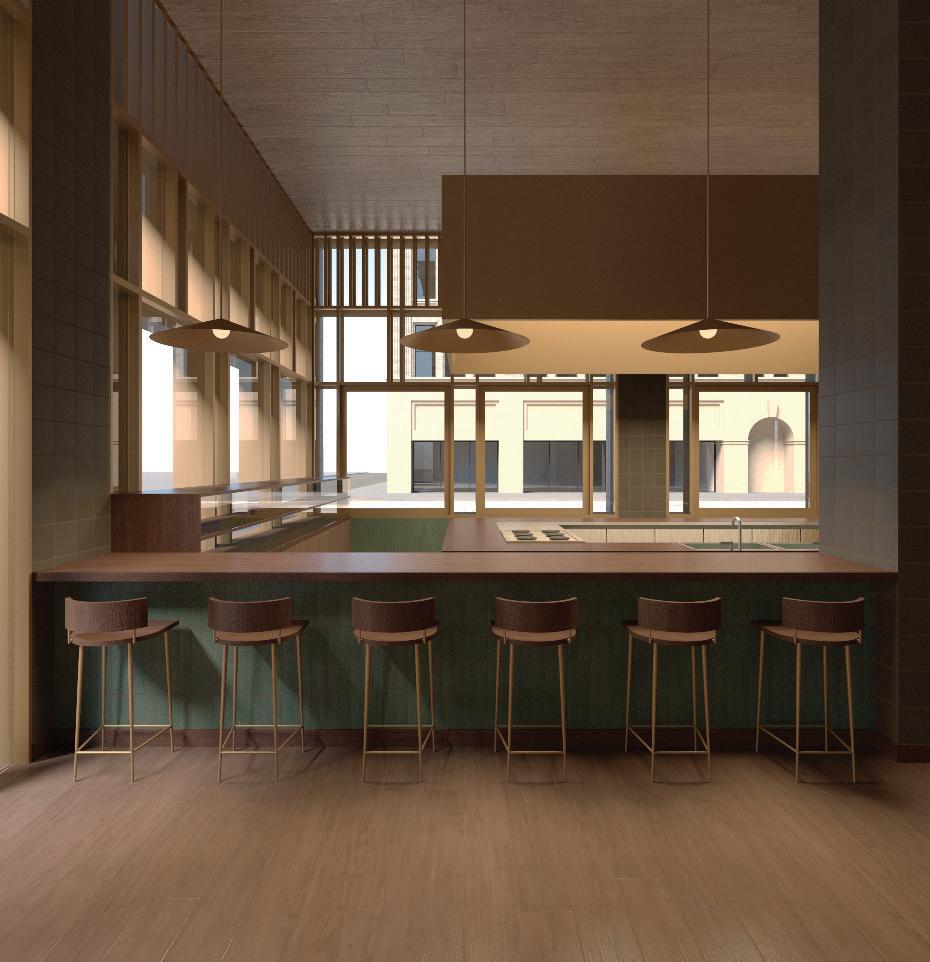
LEFT: Cafe kitchen programmed to serve Broadway internally and externally.
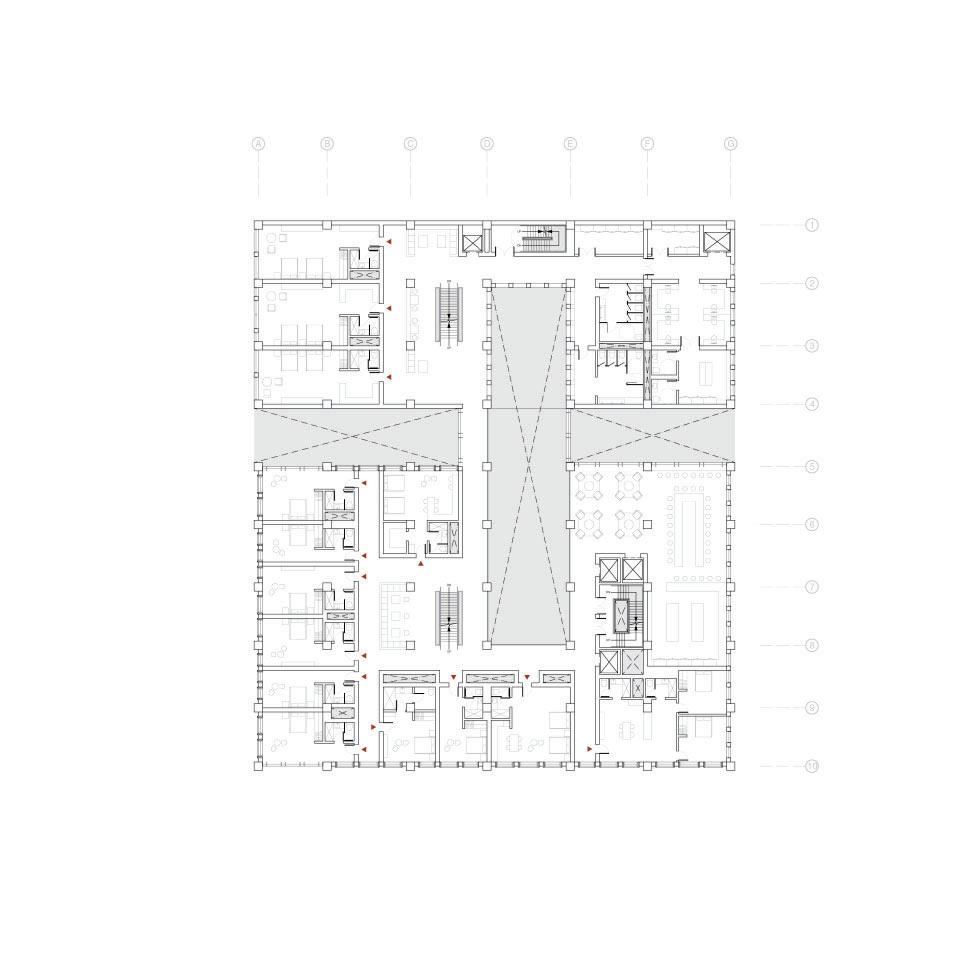
Scale: 1/48” = 1’0”
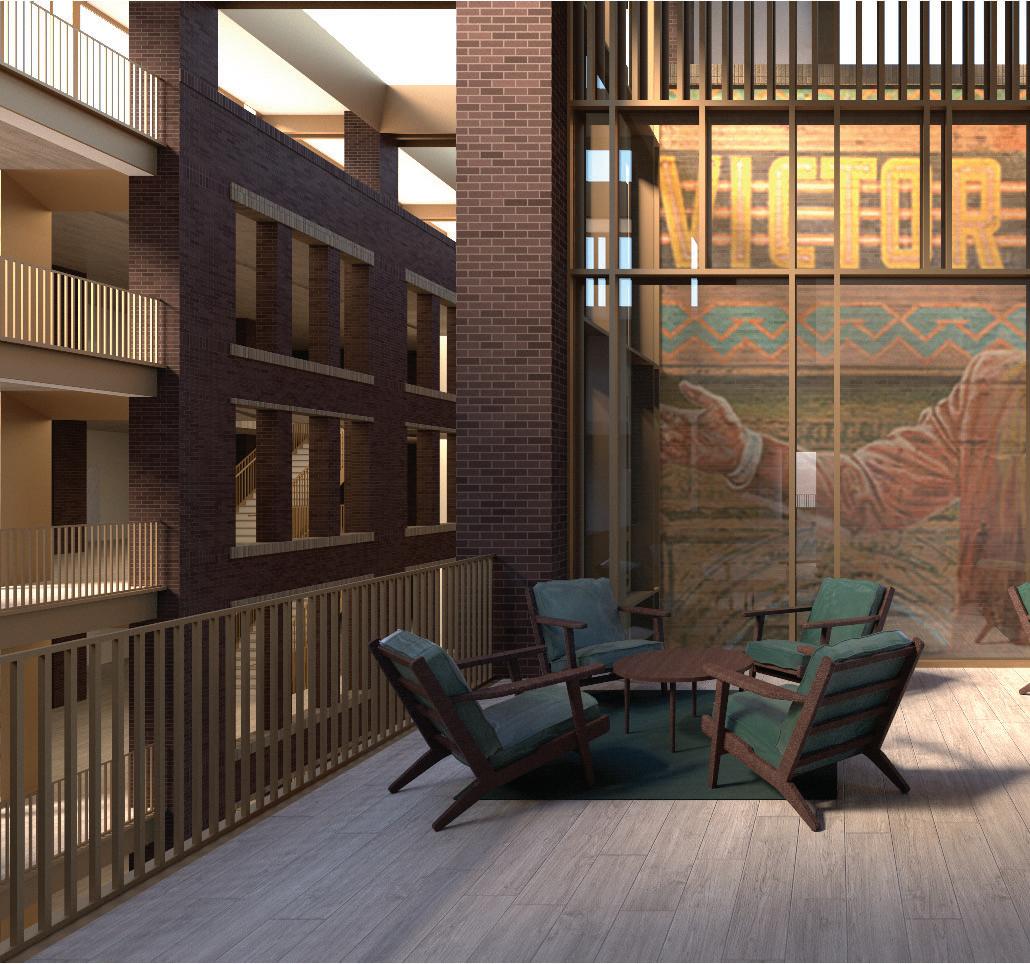
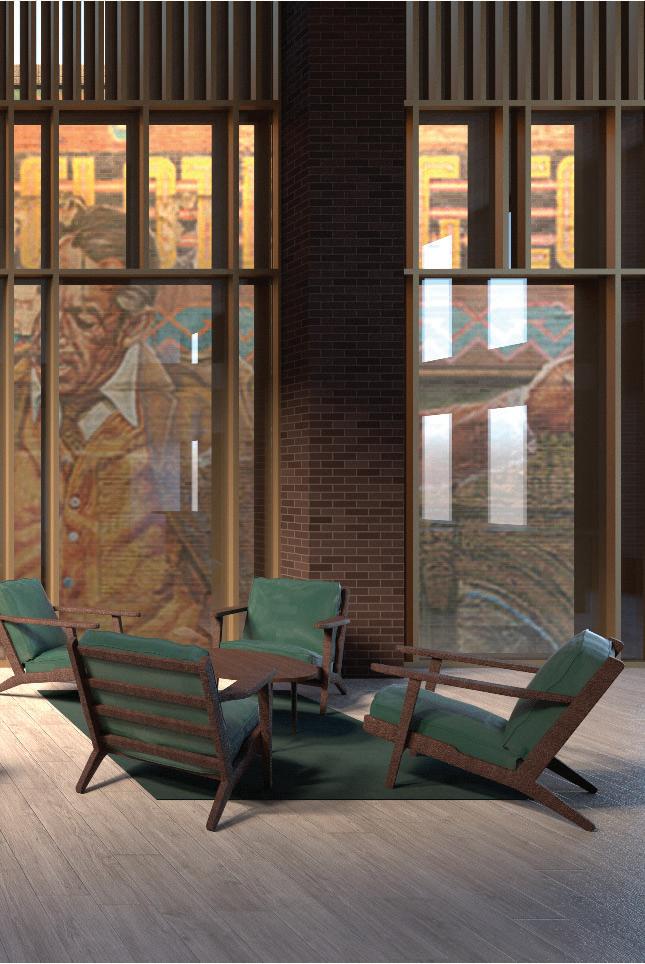
ABOVE: View of historic Anthony Quinn mural from within expansion. BELOW: View of existing 2nd level atrium repurposed into a garden.
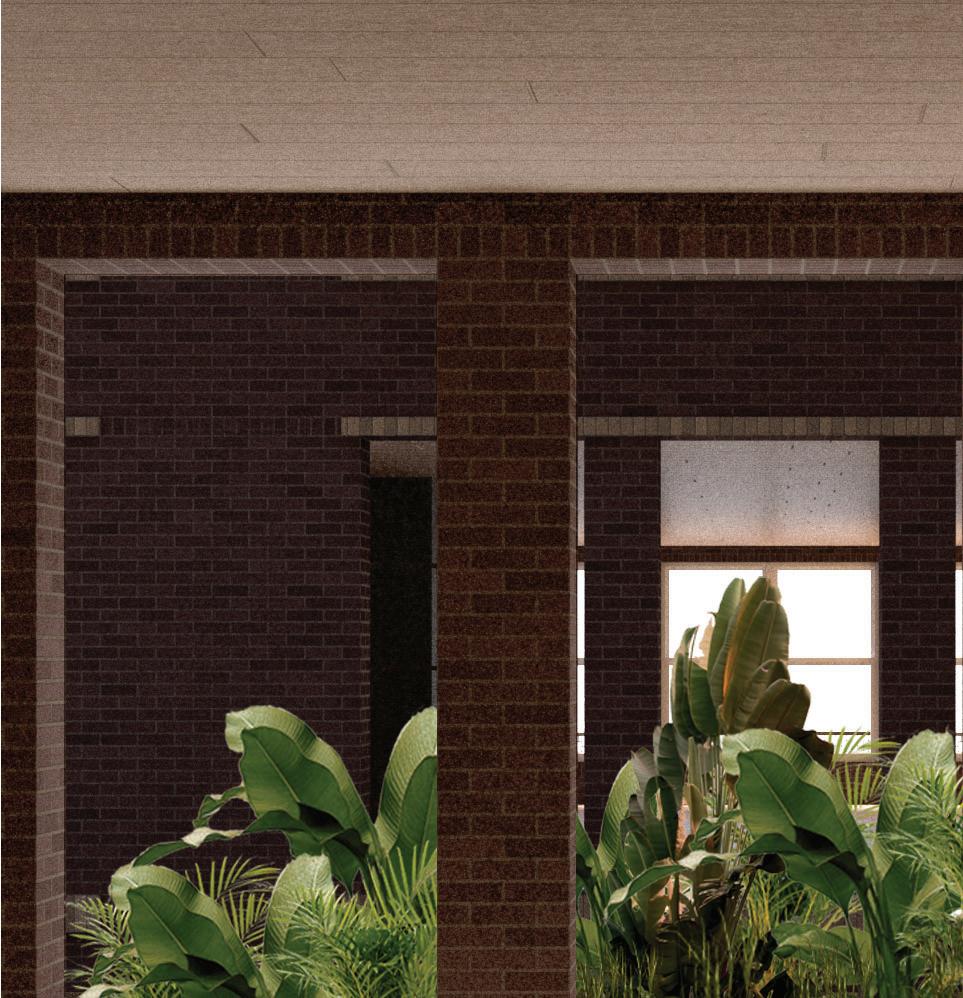
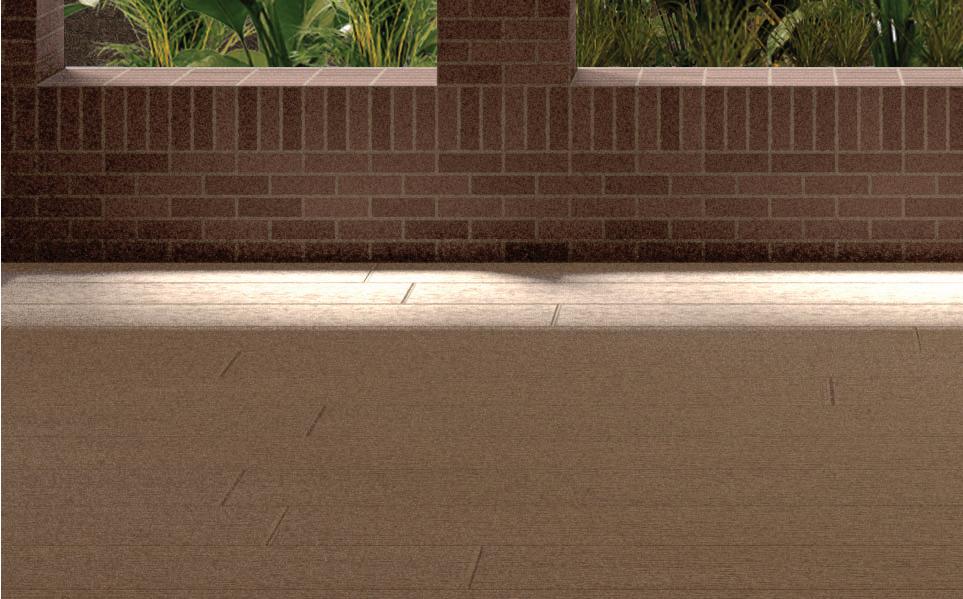
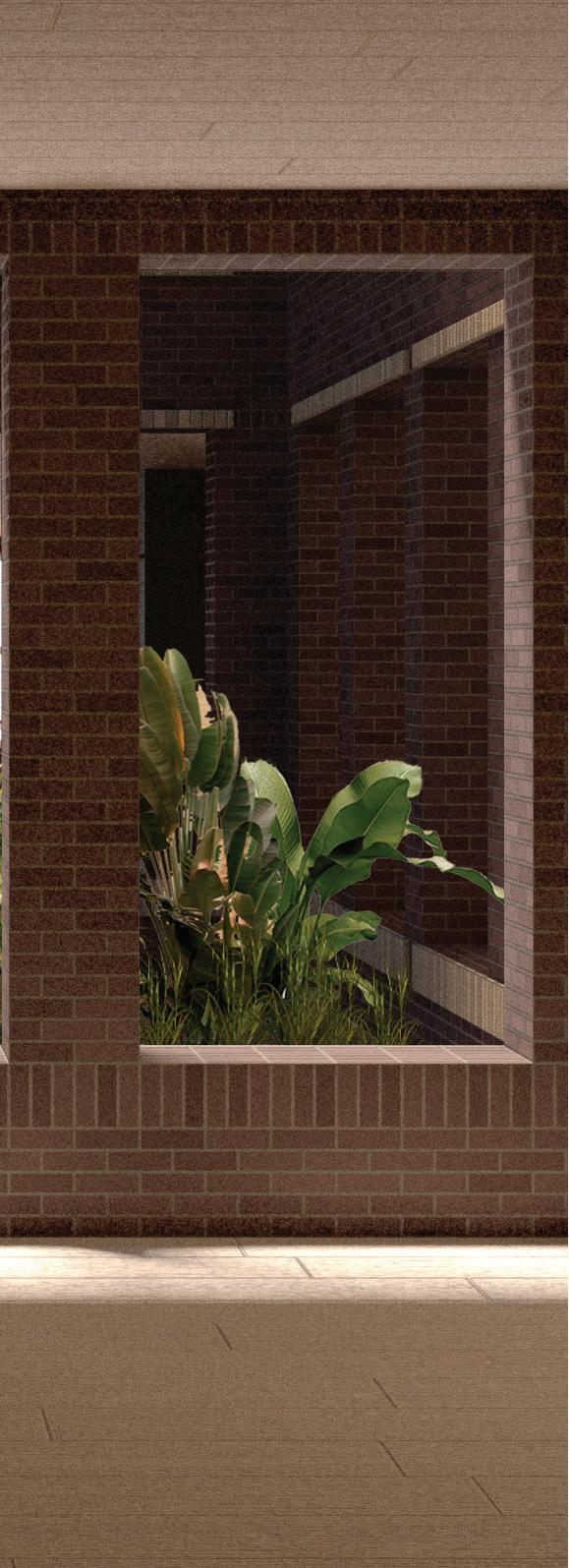
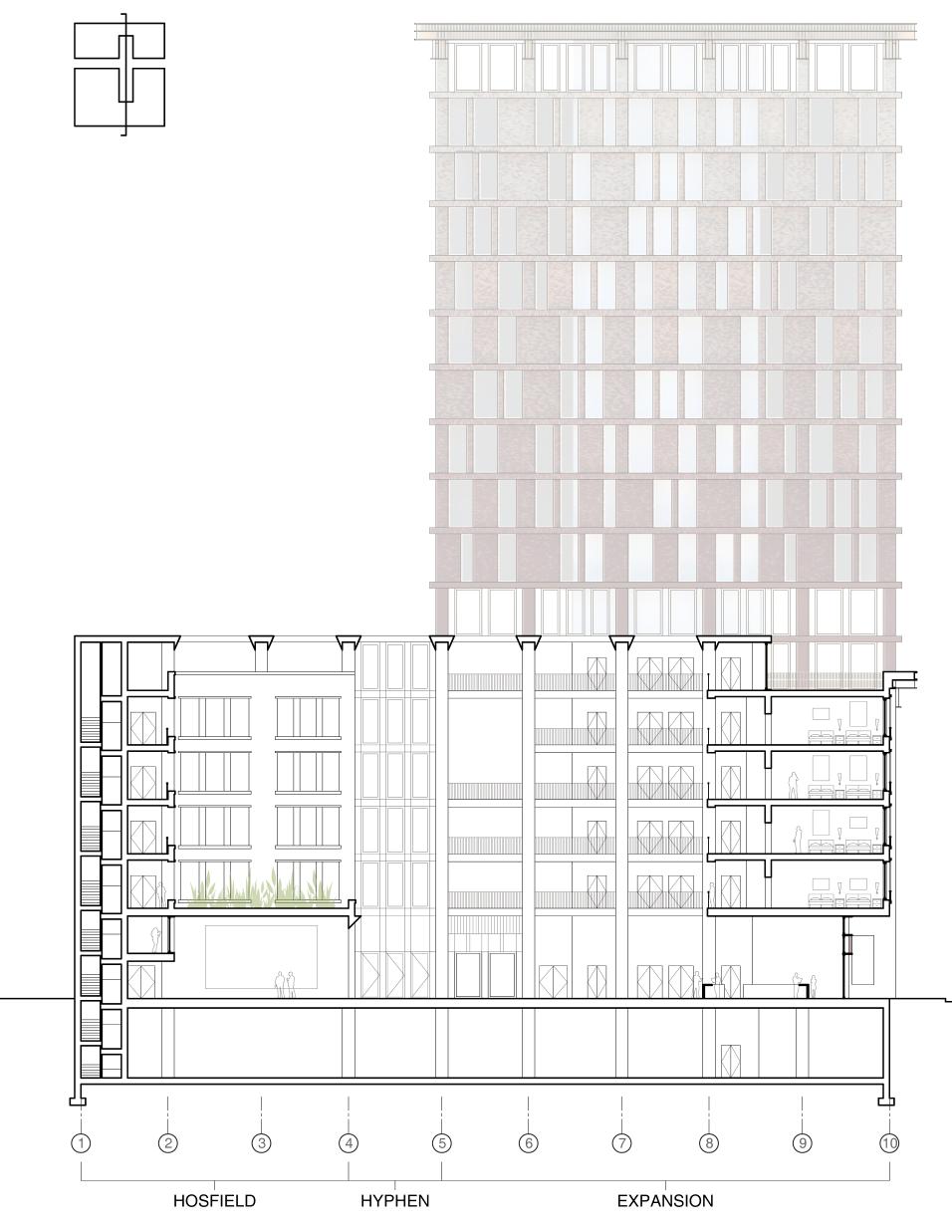
SECTION - ATRIUM
Scale: 1/32” = 1’0”
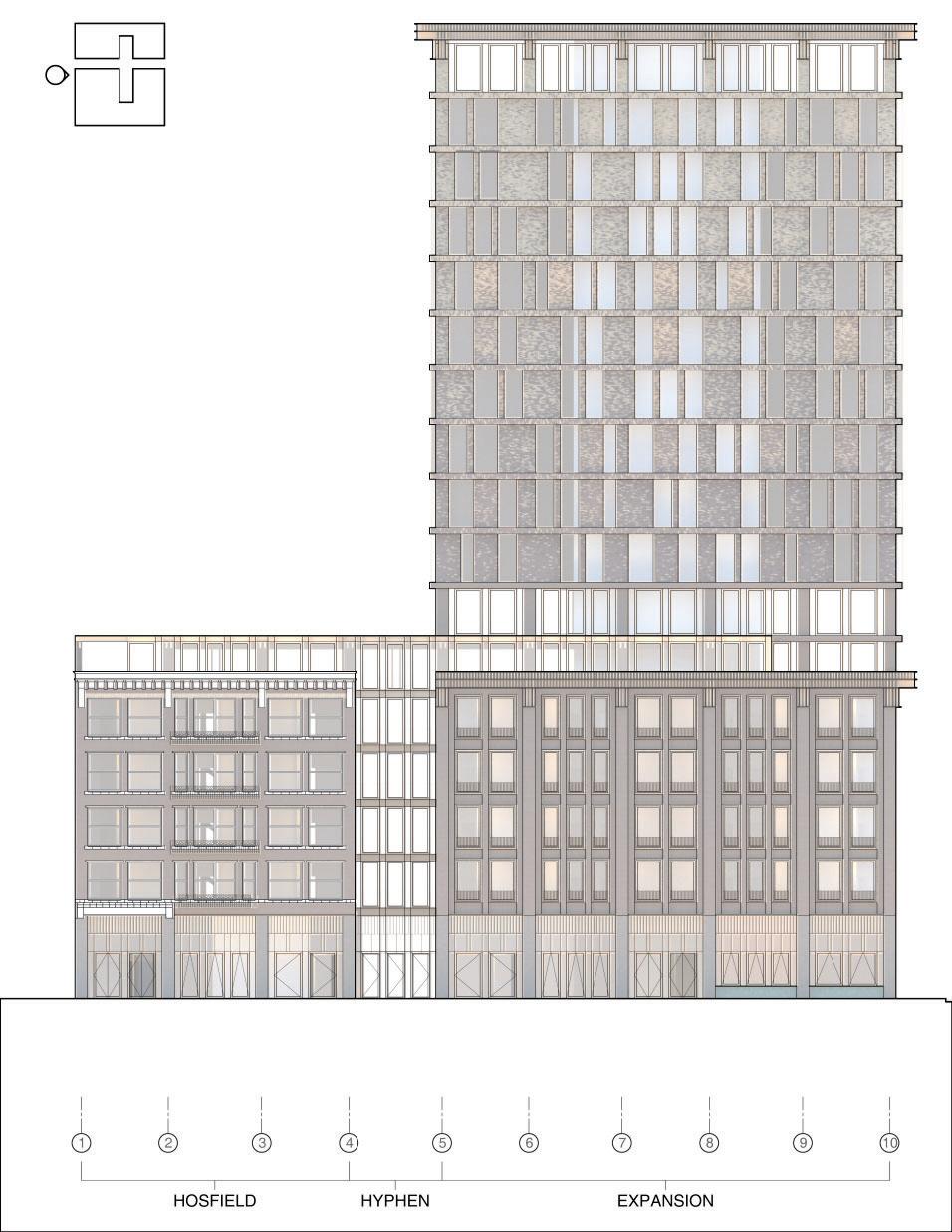
Scale: 1/32” = 1’0”
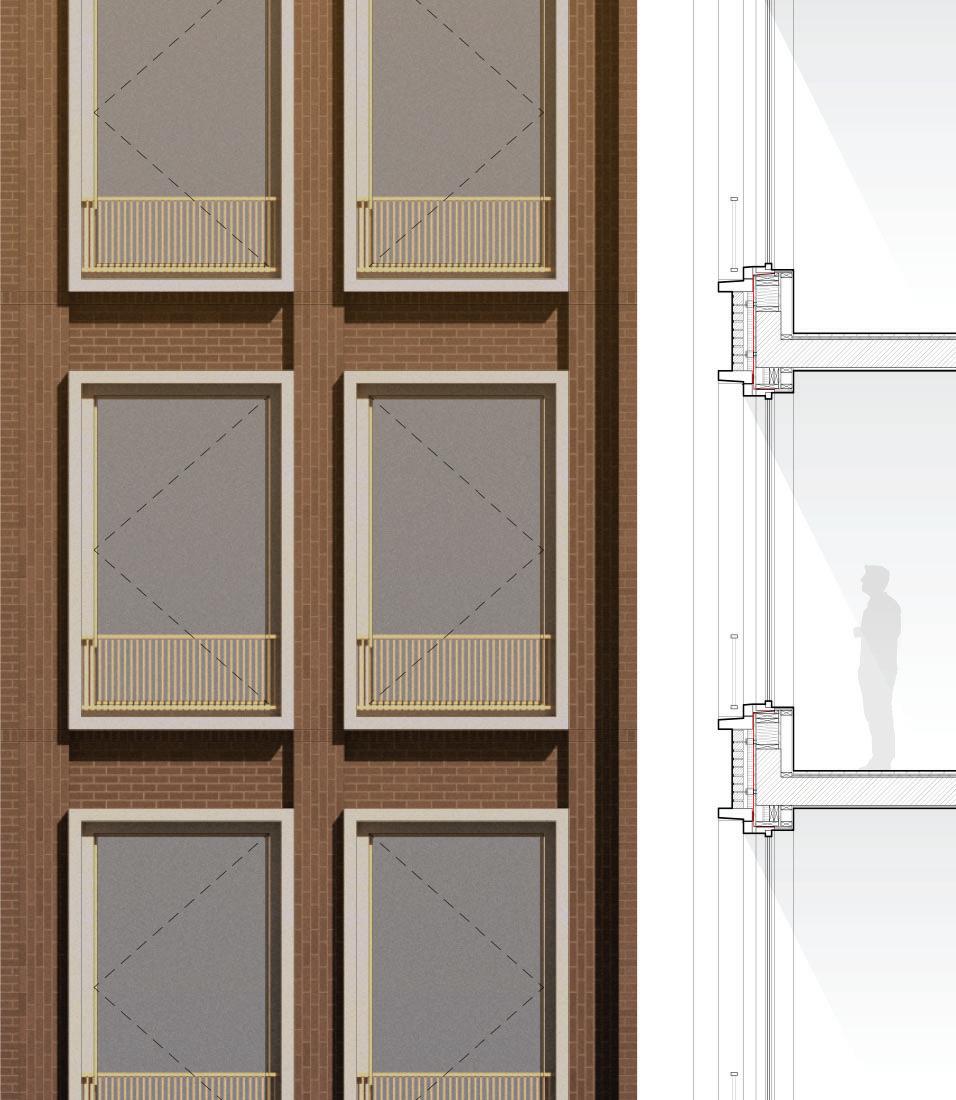
DETAIL SECTION + ELEVATION
Scale: 1/4” = 1’0”
Location:
1918 Gates St. Los Angeles
Instructor: Mitchell DeJarnett
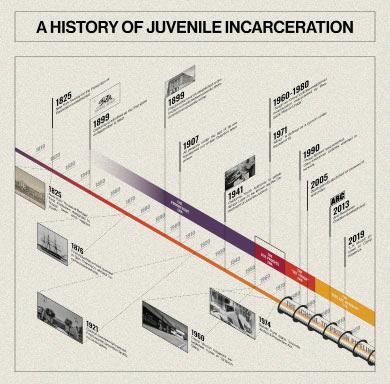
The United States facilitates the largest system of mass incarceration in the world, leading with 531 prisoners per capita. In California, Los Angeles County alone holds the highest ranking for most people incarcerated.
Compounding the issue of mass incarceration is “recidivism”; a phenomenon best described as the cycle of imprisonment, release, and reoffense. The Anti-Recidivism Coalition (ARC) is a non-profit that recognizes the shortcomings of the justice system and acts to prevent recidivism by intervening in the release stage. The ARC provides housing, employment, and transportation resources to the formerly incarcerated, recognizing that recidivism is best combatted by alleviating the stresses of poverty.
Term: Fall 2024 Spring 2024
Awards:
CPP Outstanding Student Senior Project
A+D Museum Exhibition
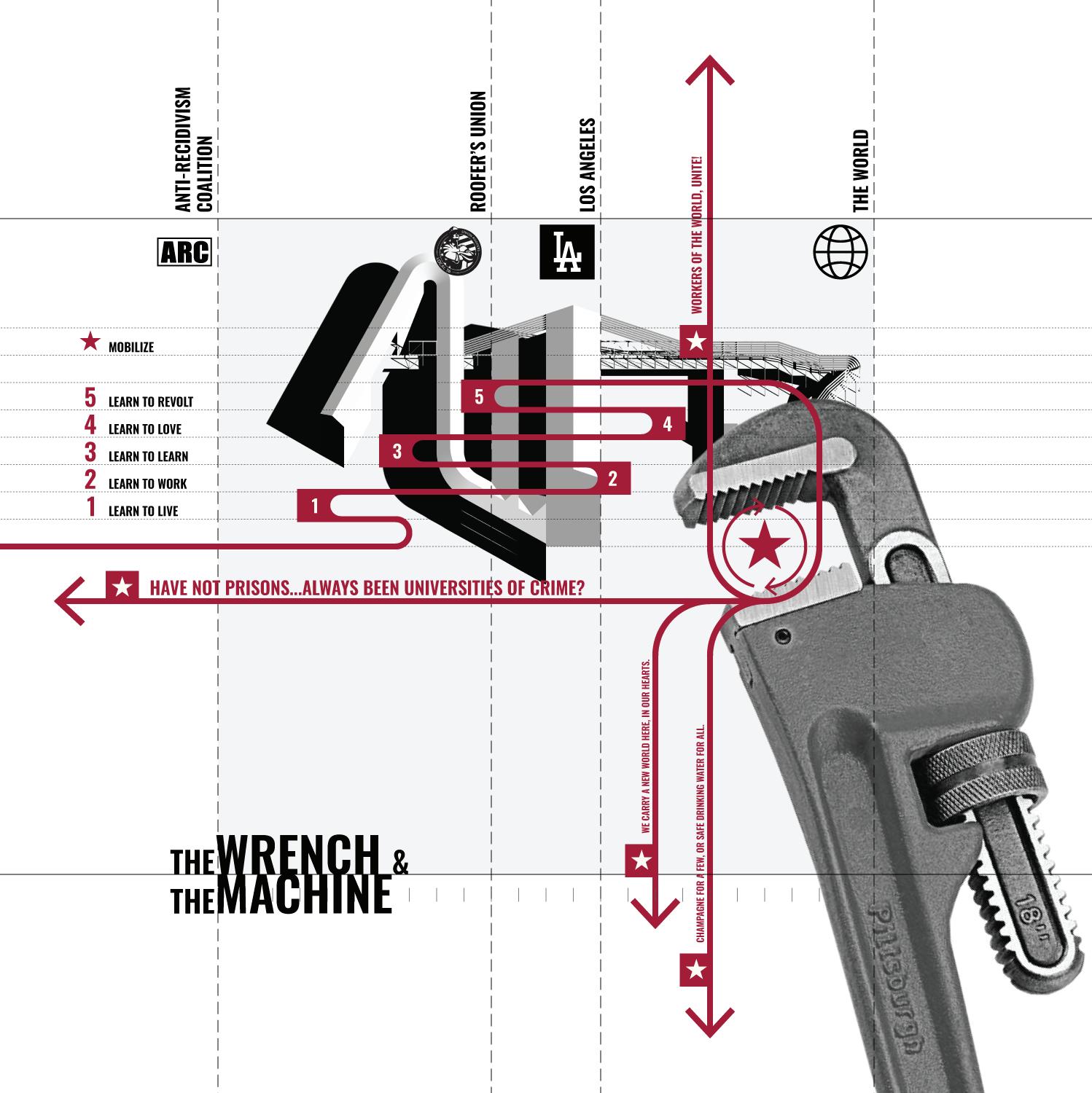
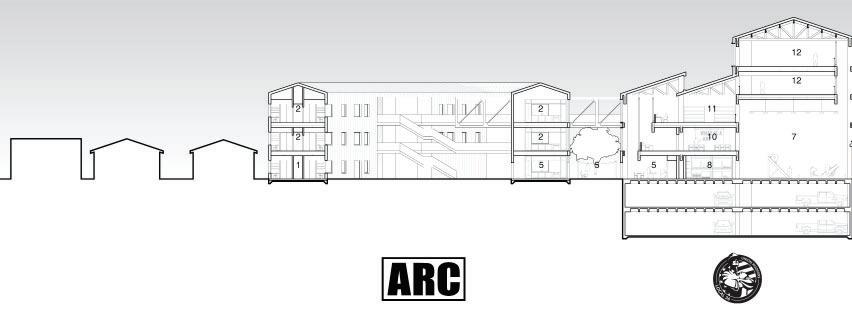
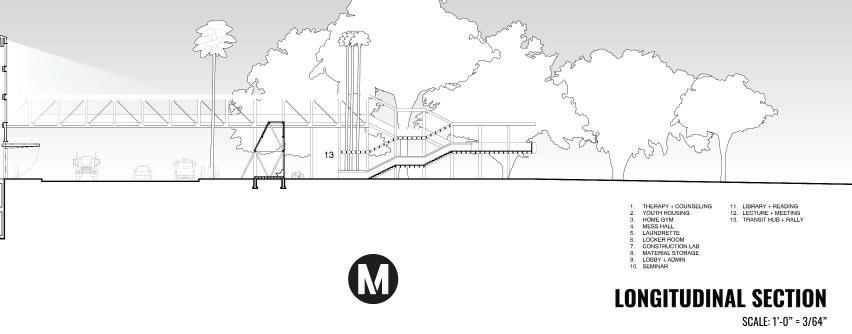
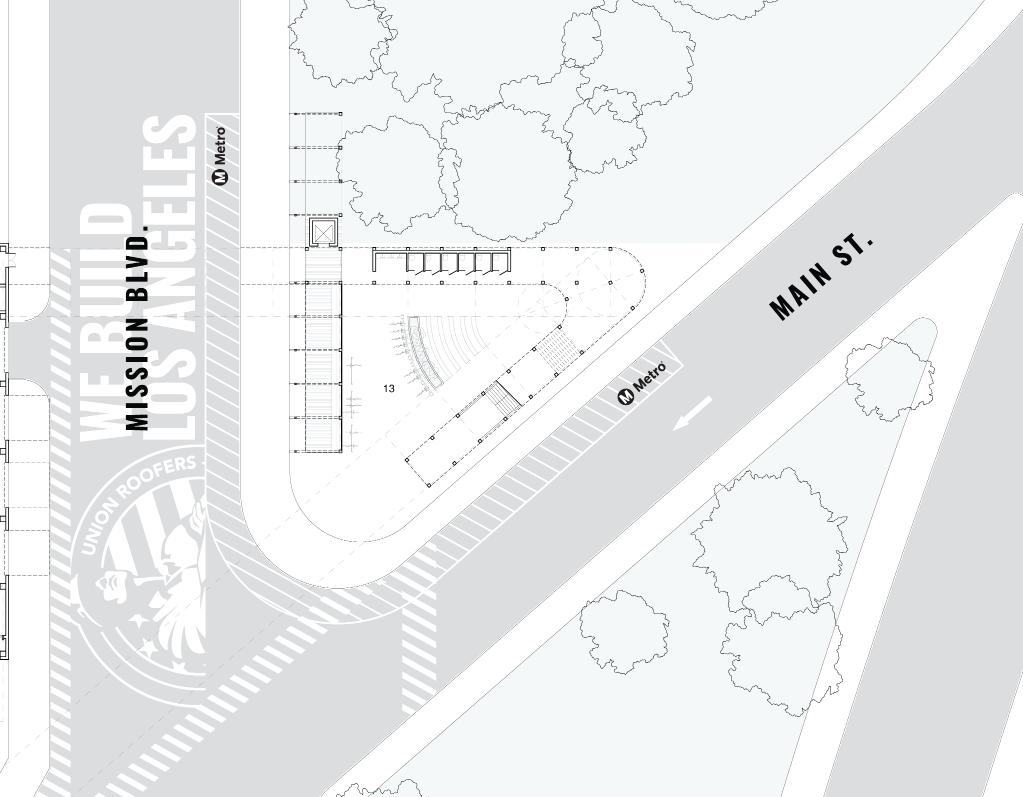
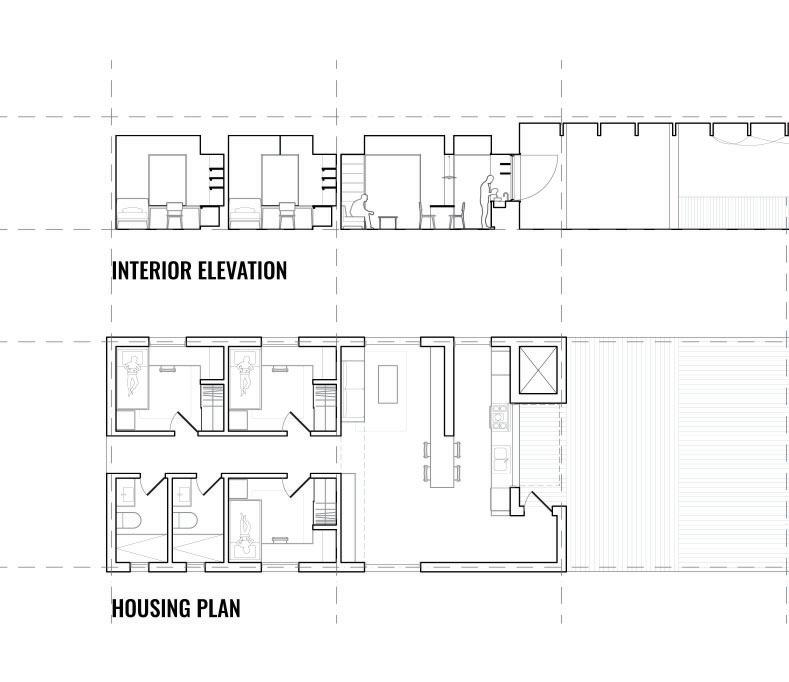
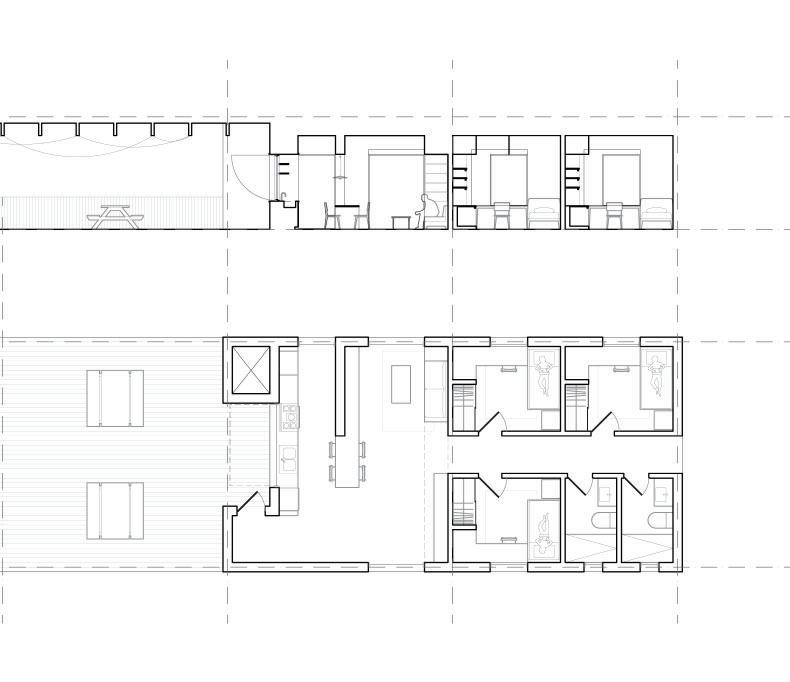
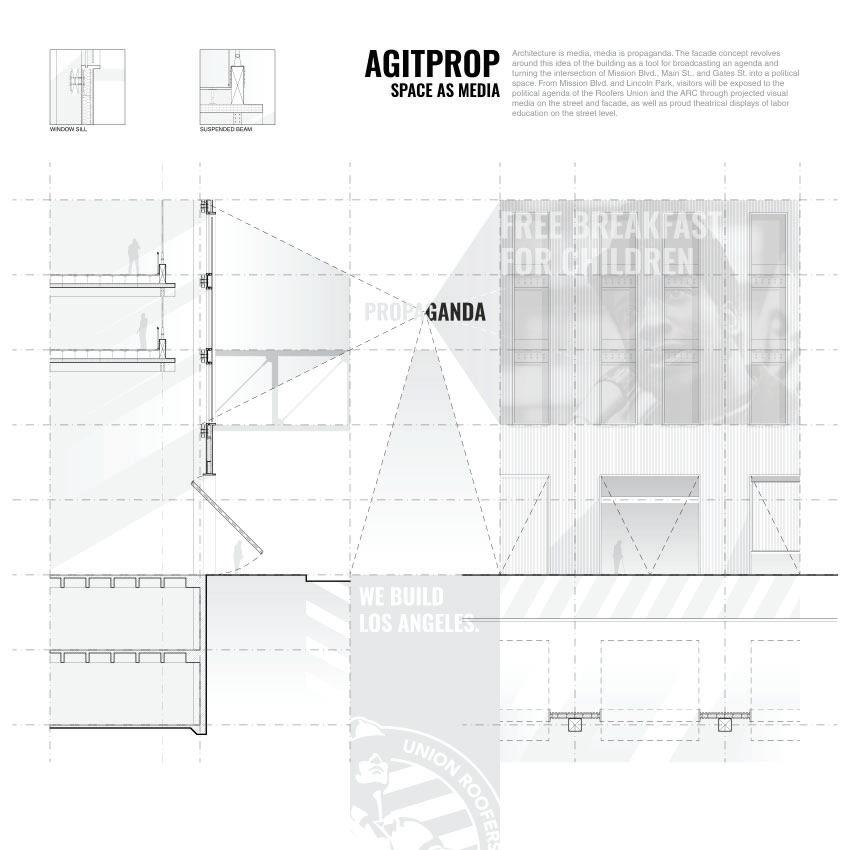
Wrench 1918 takes the mission of the ARC in combatting recidivism and enhances it. Through an alliance between the ARC, the local Roofers Union, and the Metro, the project offers a hybridized program that addresses the needs of former inmates in conjunction with that of the Union and the Lincoln Heights neighborhood to create a solution to various spatial inequities such as housing, education, employment, and transportation.

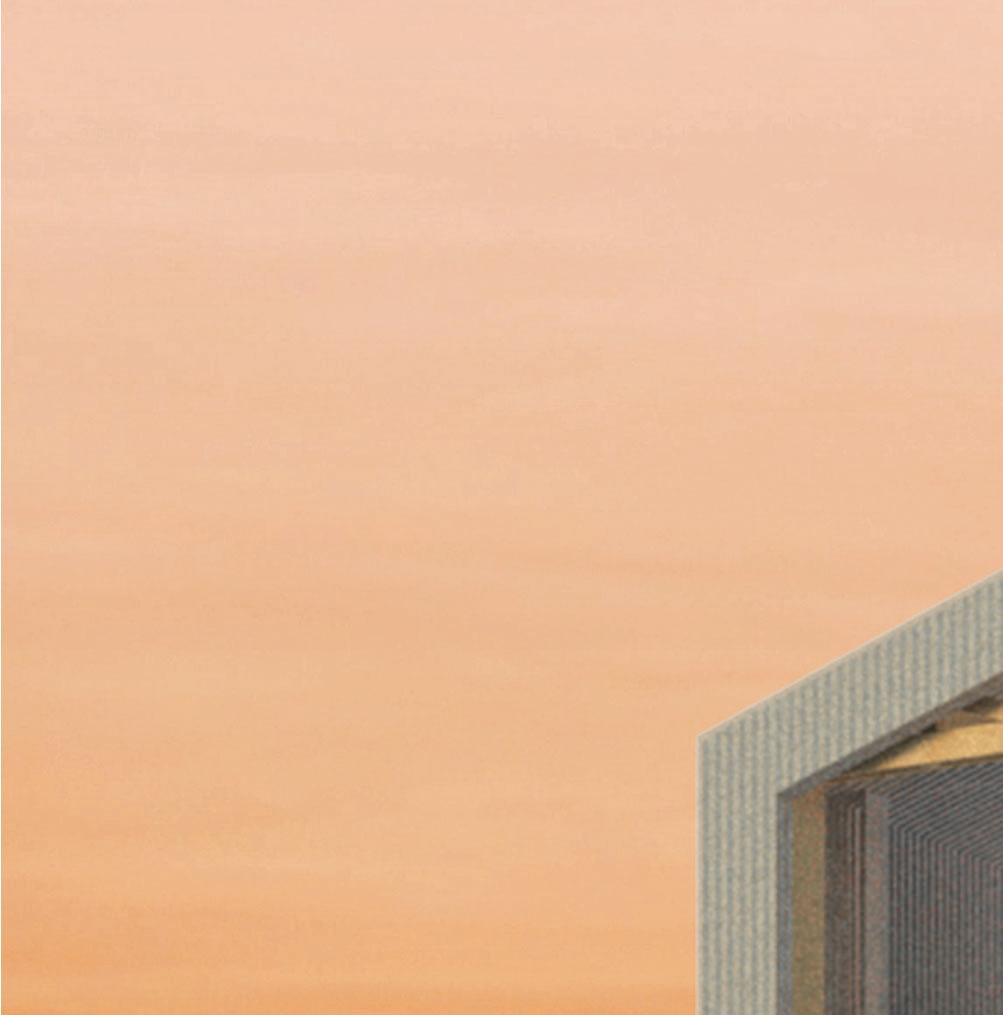
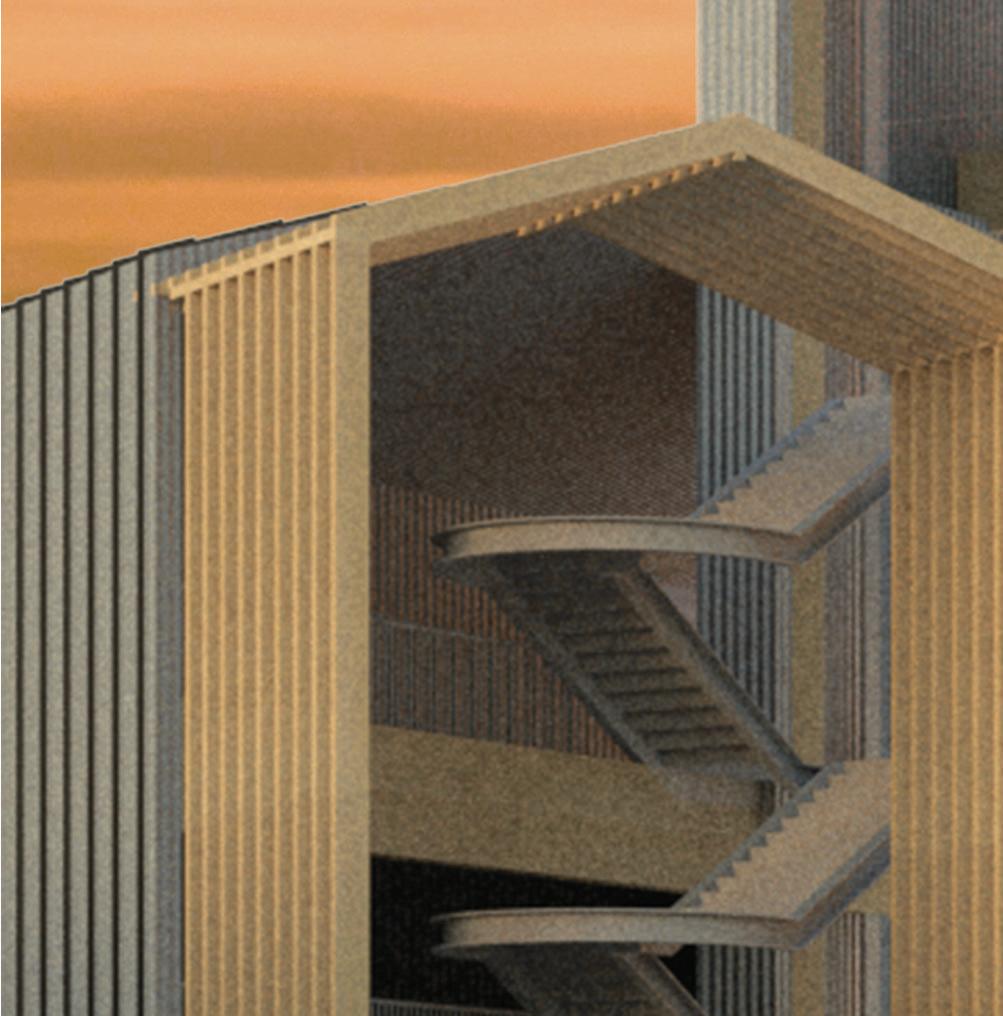

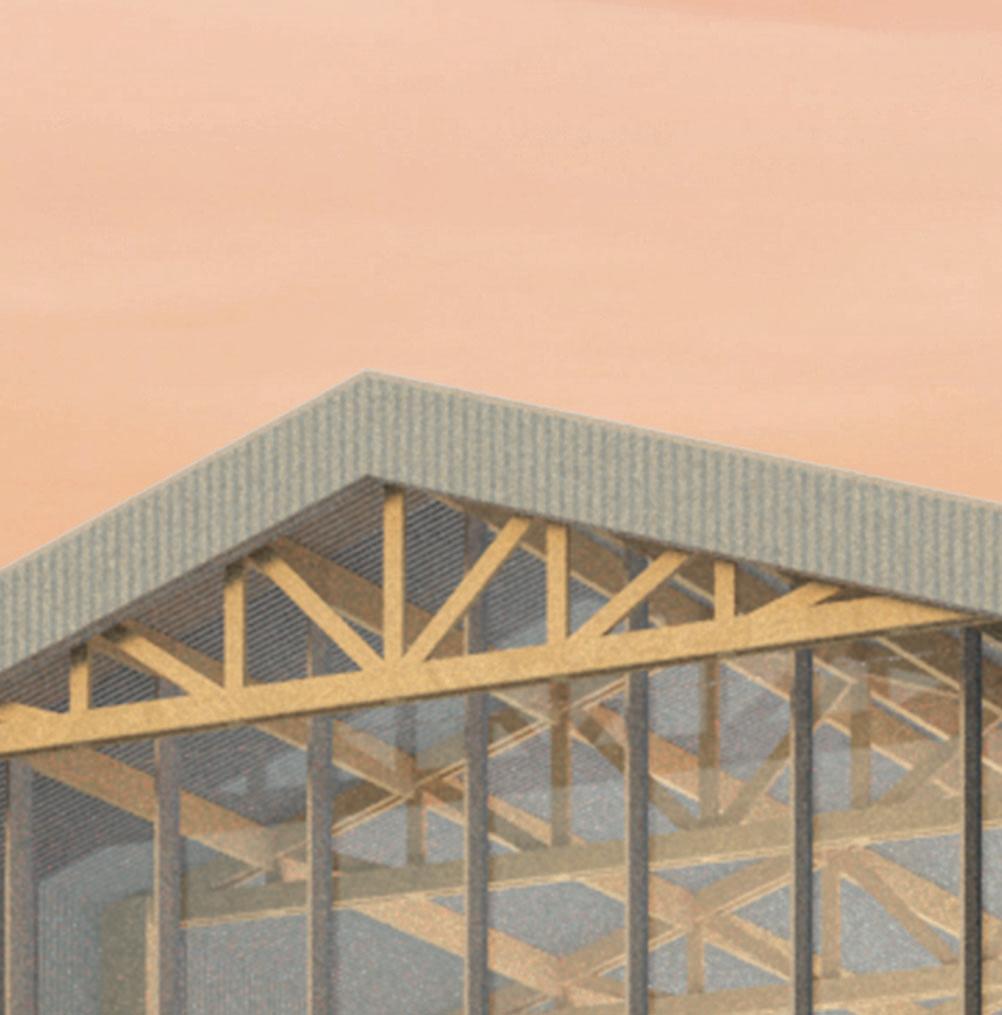
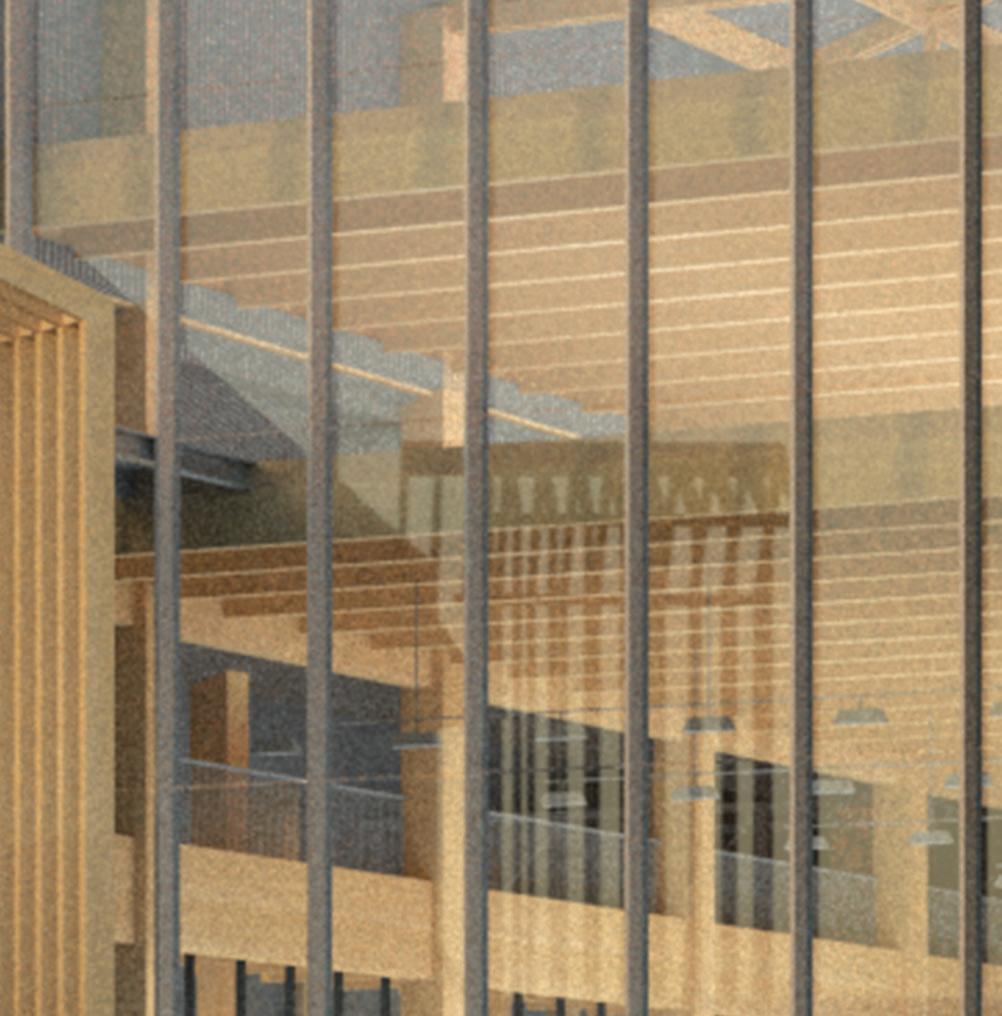
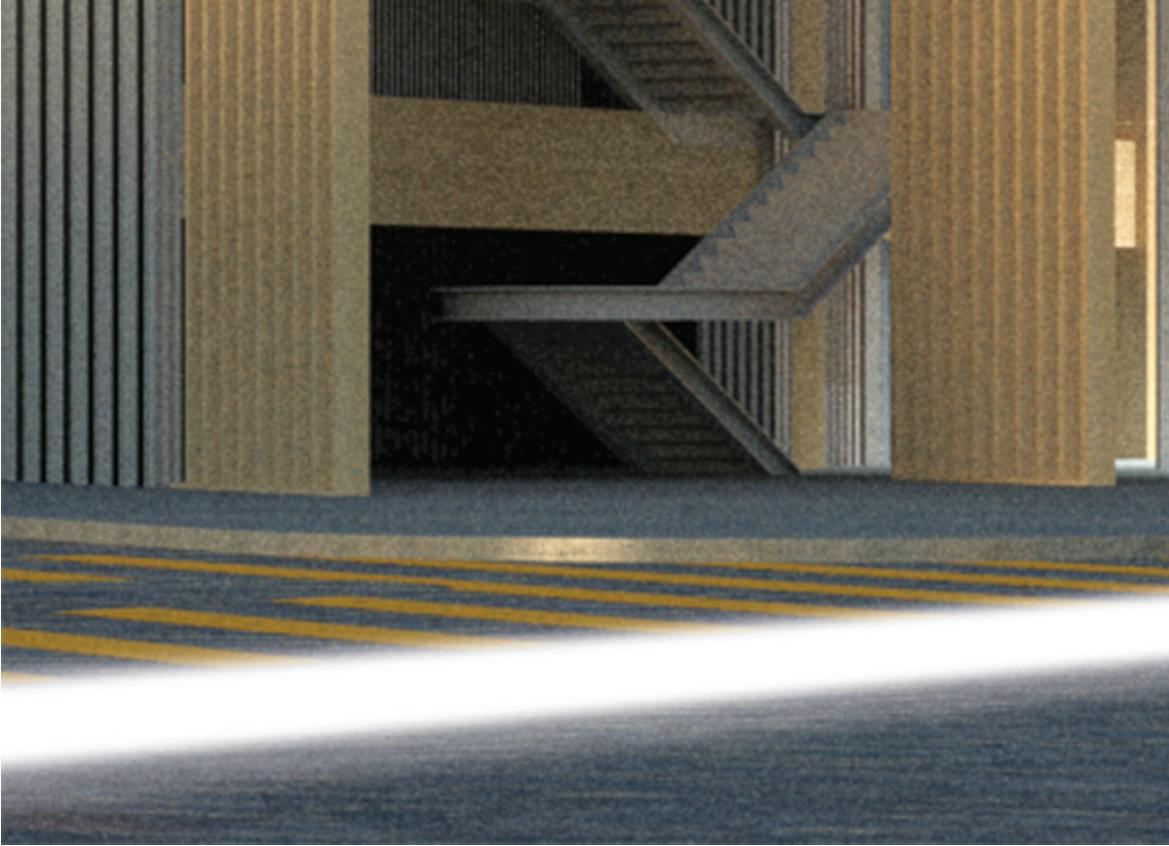

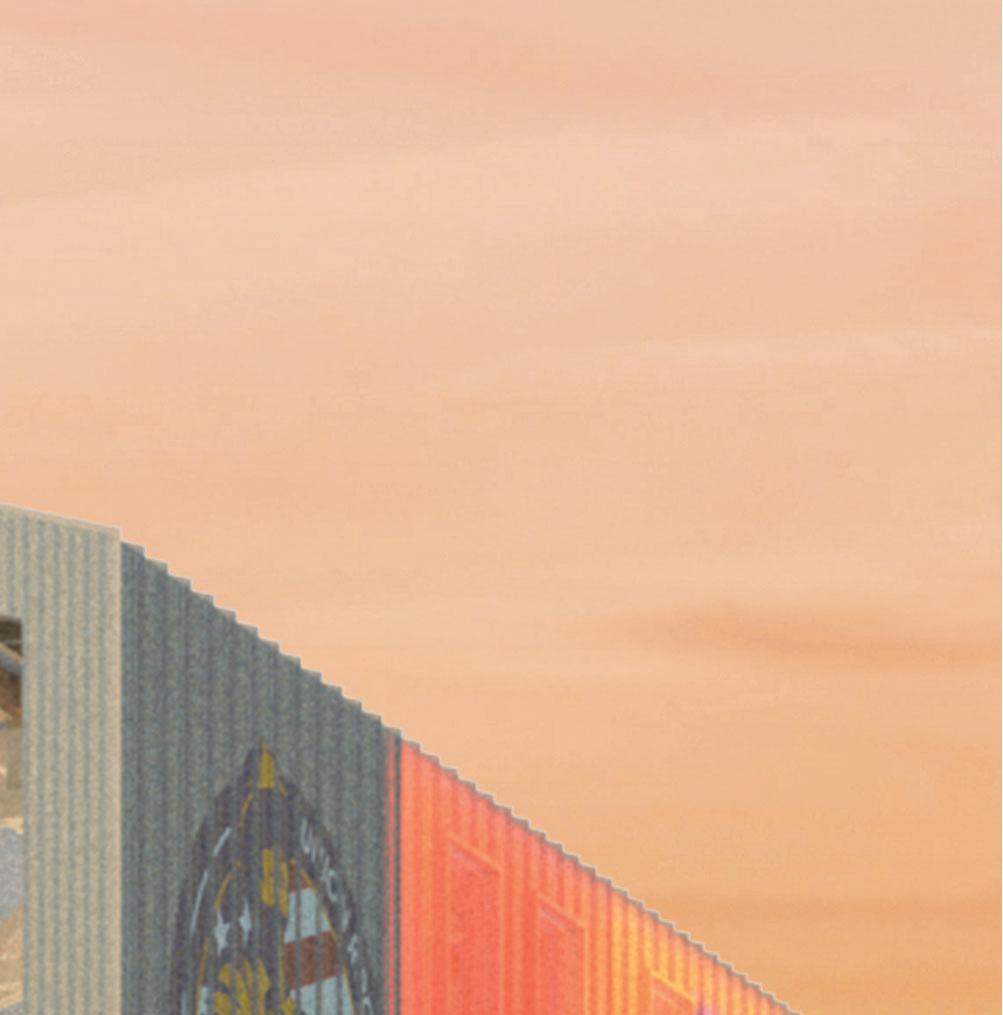
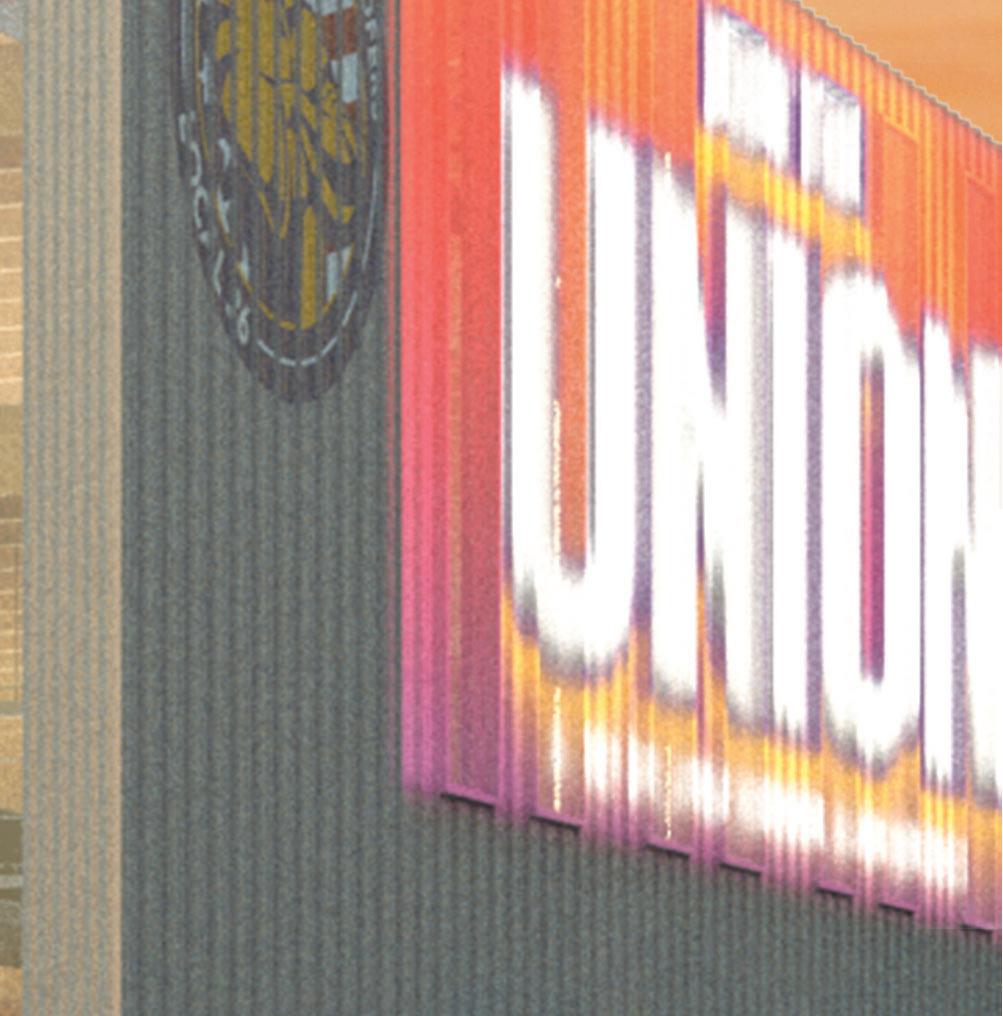
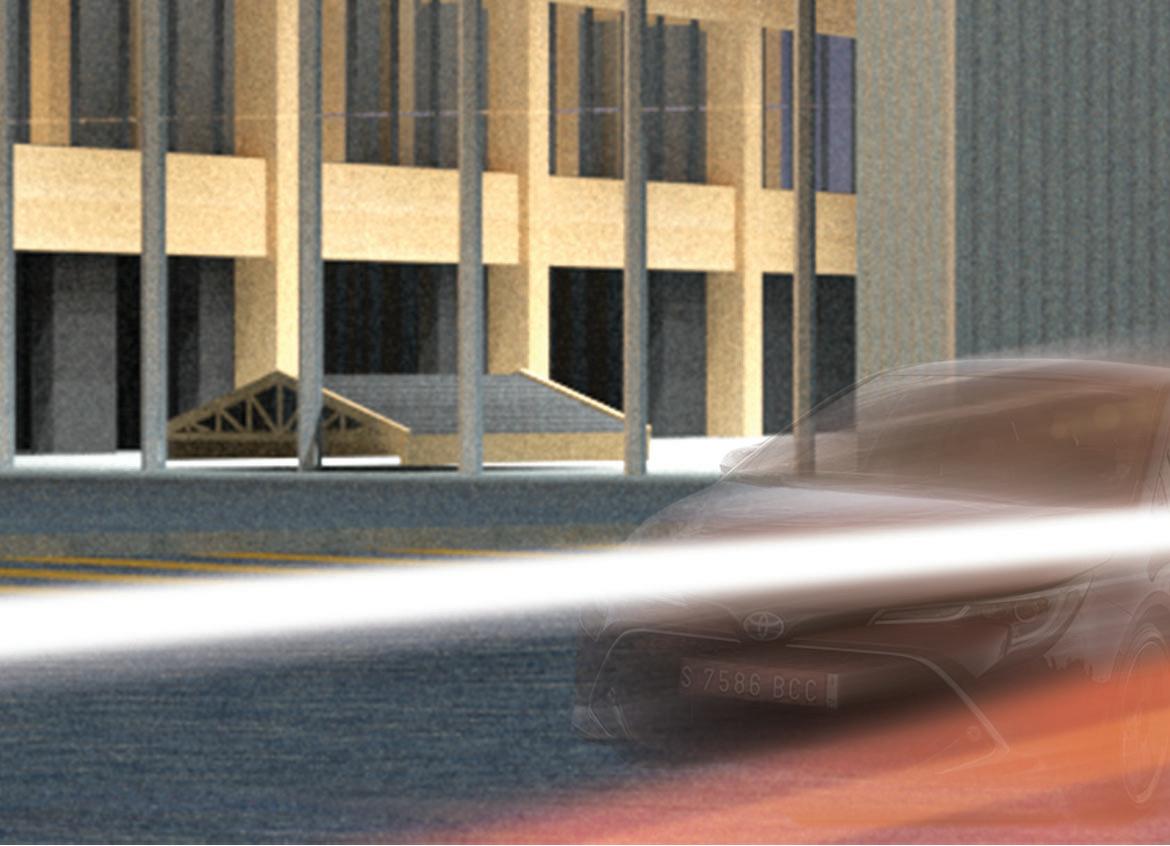
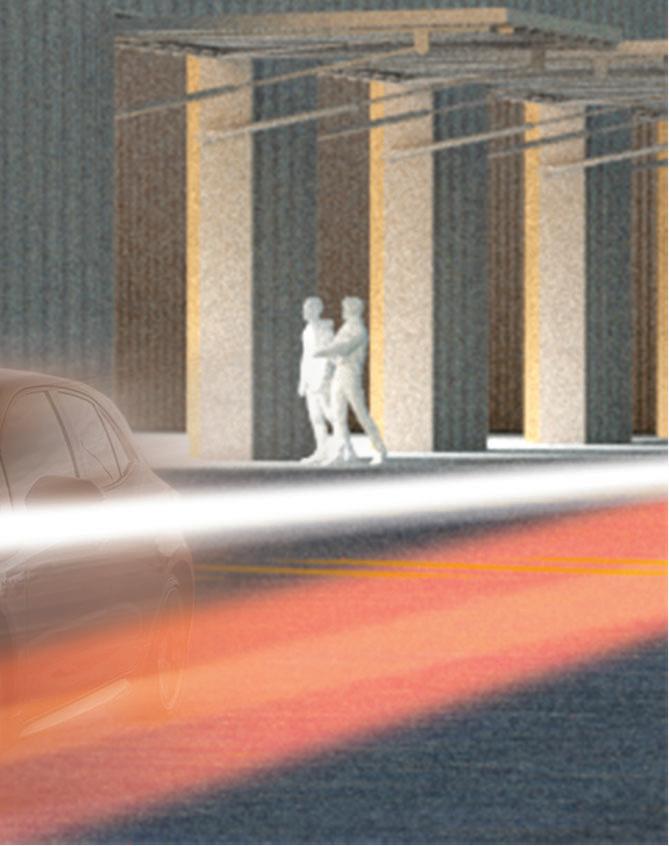
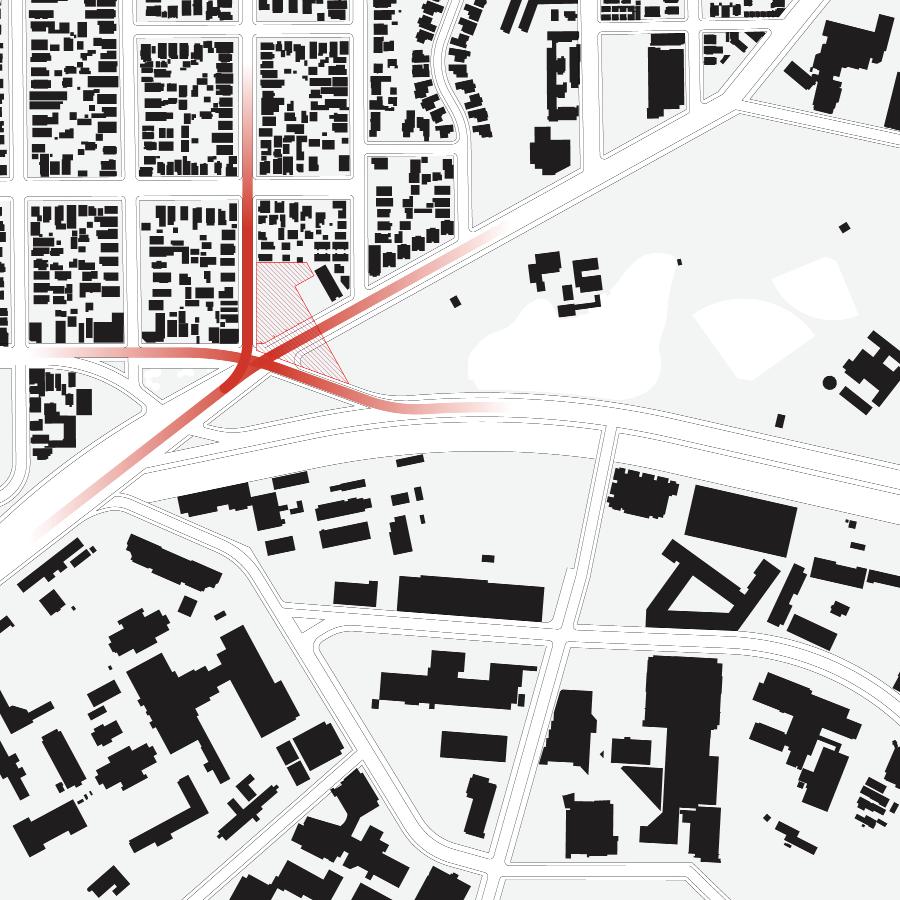
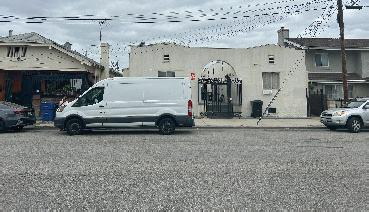
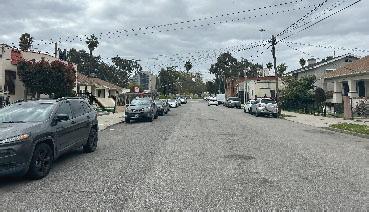
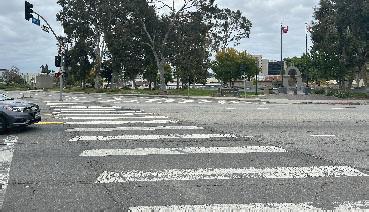
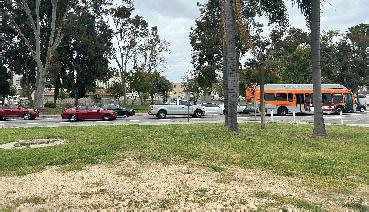
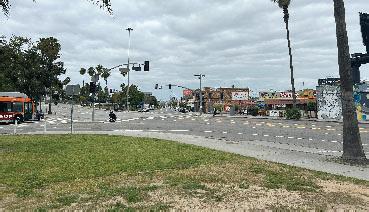
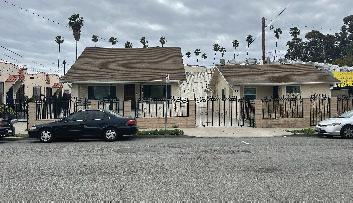
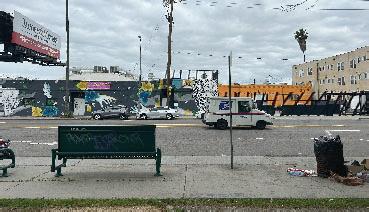
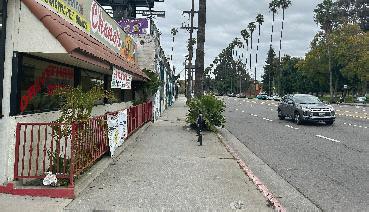
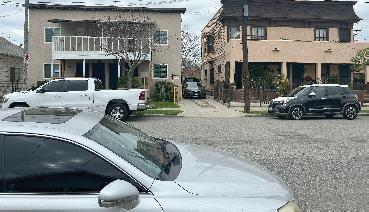
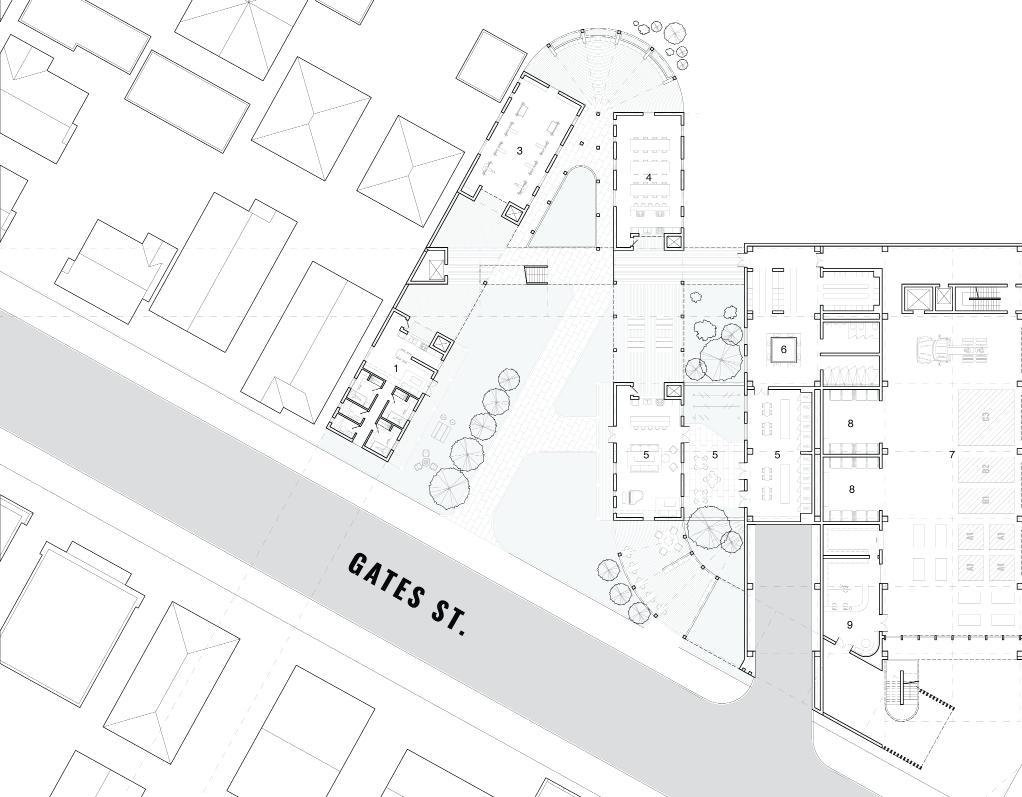
The project site--situated at the intersection of Mission Rd., Gates St., and Main St.--offers a unique opportunity to address multiple pressing issues simultaneously and in an integrated manner. The road condition created by the intersection of three roads presents a hazard to pedestrian users of Lincoln Park-most likely explaining the near desertion of the park’s southwestern tip.
As preeminent as the automobile’s presence is at the intersection, glimpses of pedestrian activity reveal themselves; street vendors operating from vans and serving the sidewalk present opportunities for encouraging pedestrian activity along what should be a prominent piece of Lincoln Park. These opportunities however, are hampered by current development occupying the blocks along Mission Rd. opposite the park; an eccentric mix of single-story fourplex properties buffered by single-story or low-rise commercial properties such as a restaurant, a manufacturer, and a dentist office. Many of the current uses--while in compliance with zoning--do not effectively serve the park nor the neighborhood.
A successful intervention will recognize the opportunities presented by the physical site conditions in conjunction with those of it’s social conditions.

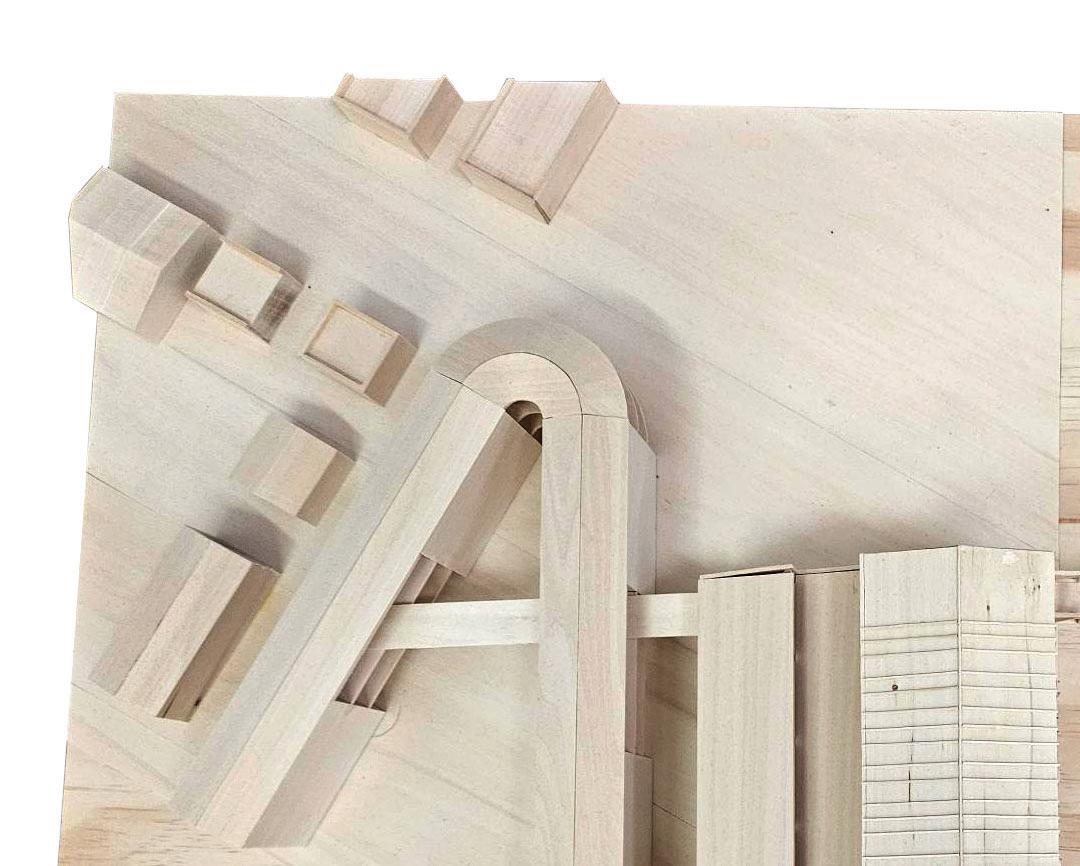
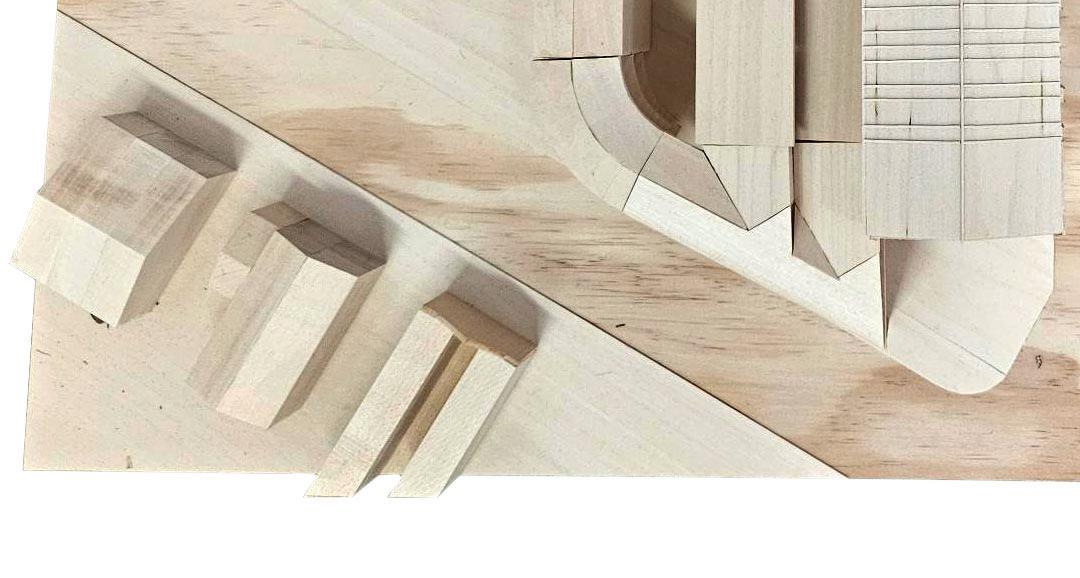
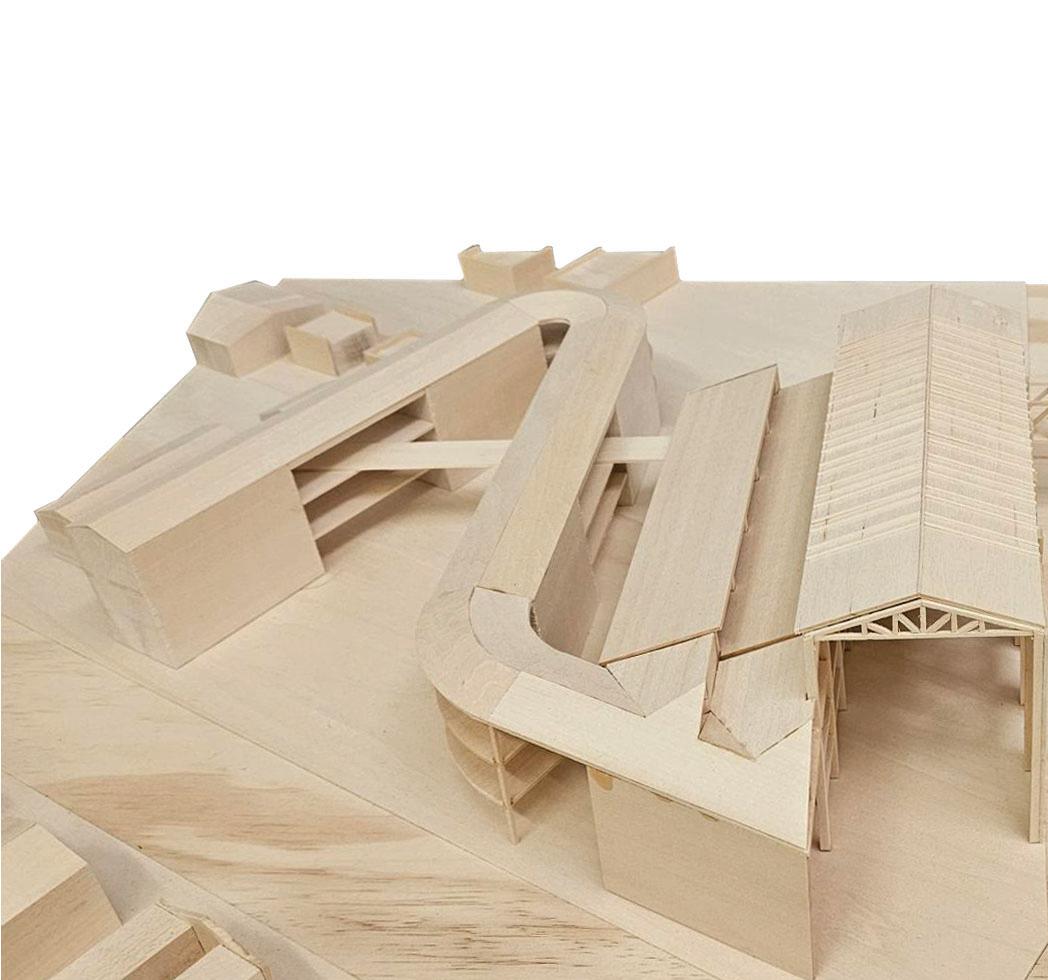

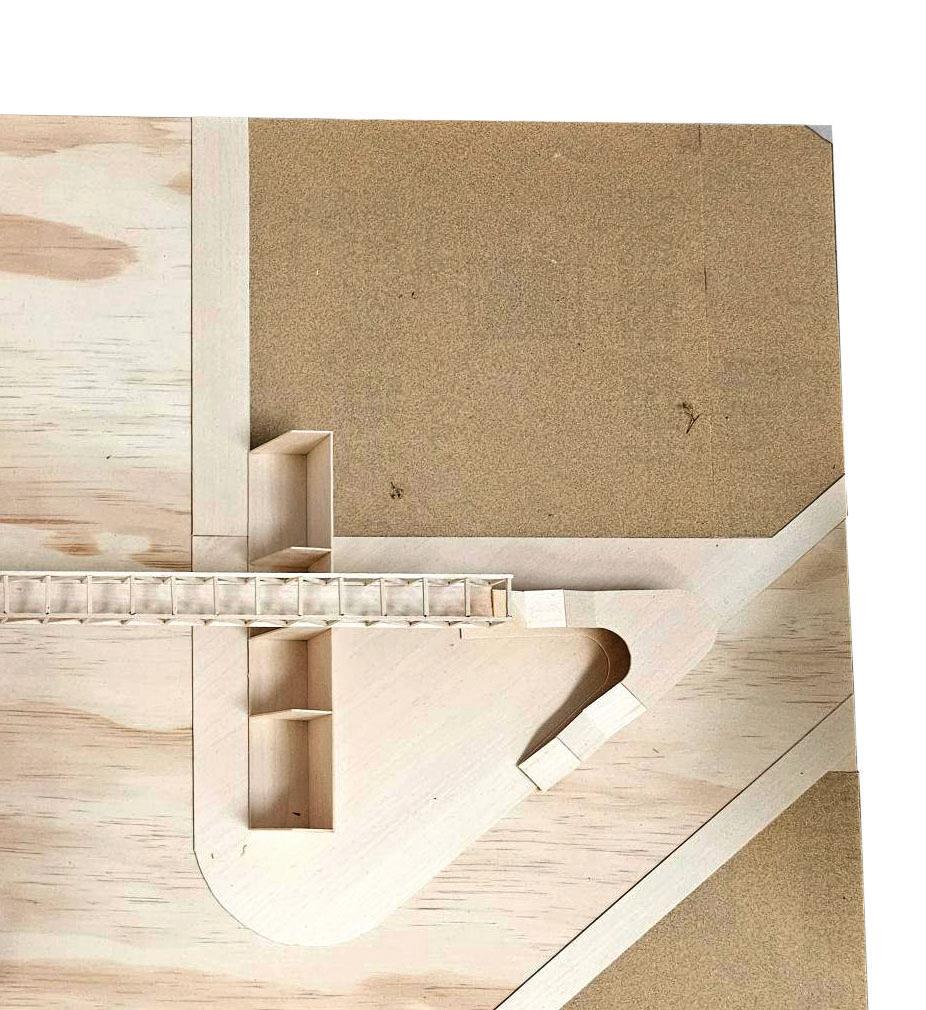
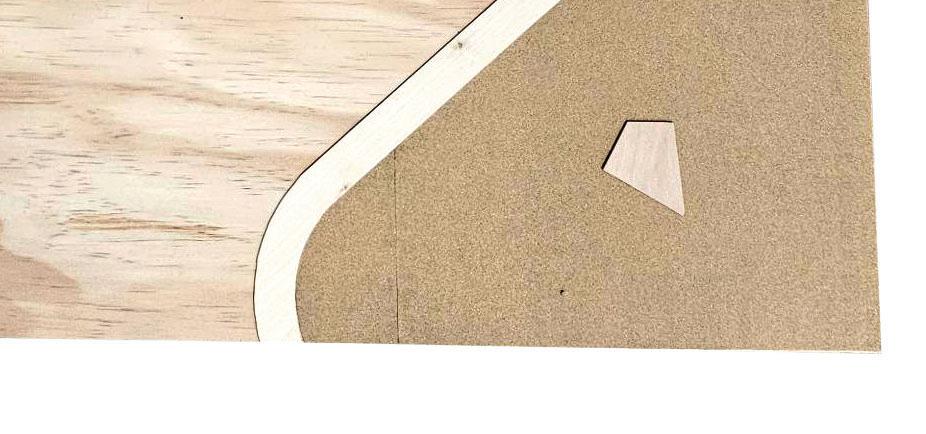
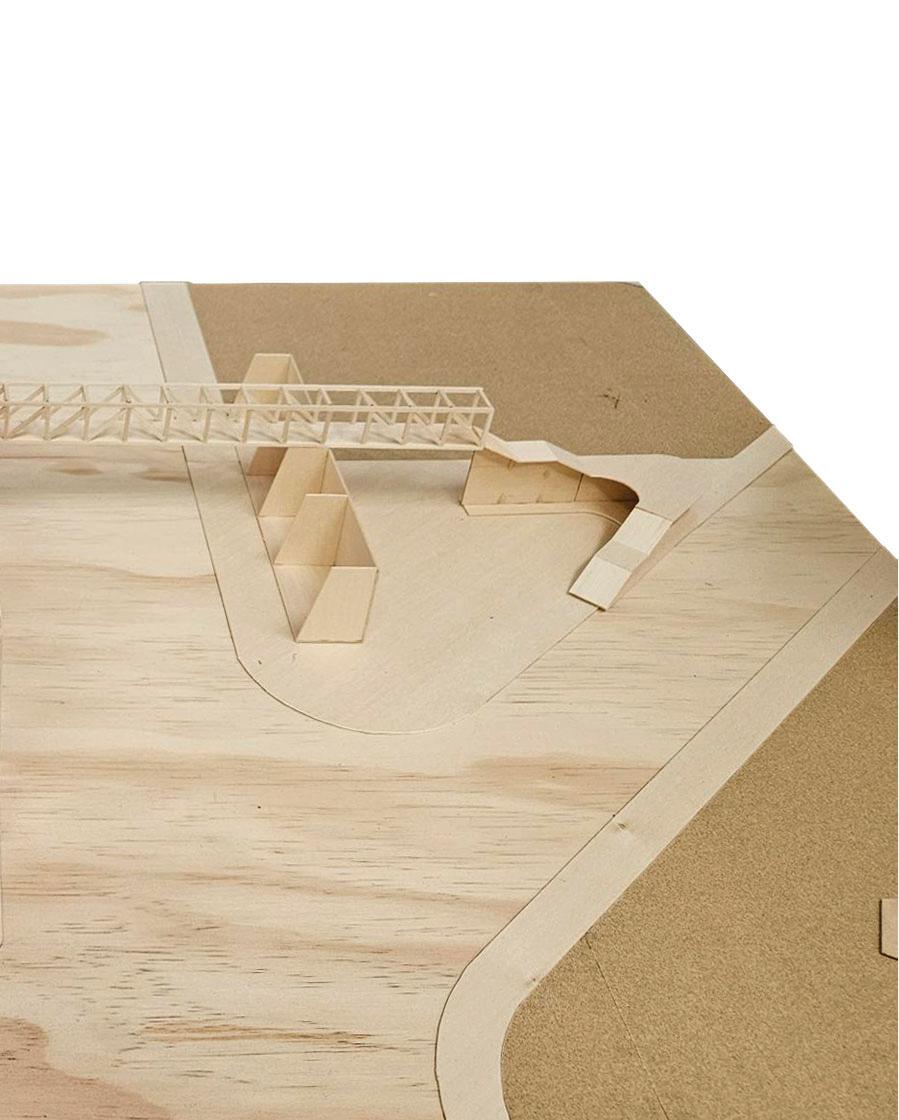
Coordinates: Longitude Latitude
Instructor: Roberto Sheinberg
Term: Fall 2021 Awards: Fall 2021 Interim Exhibit
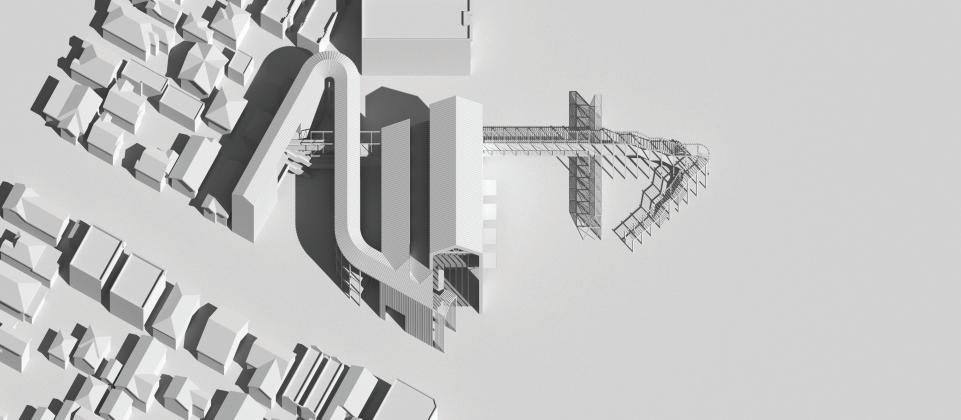
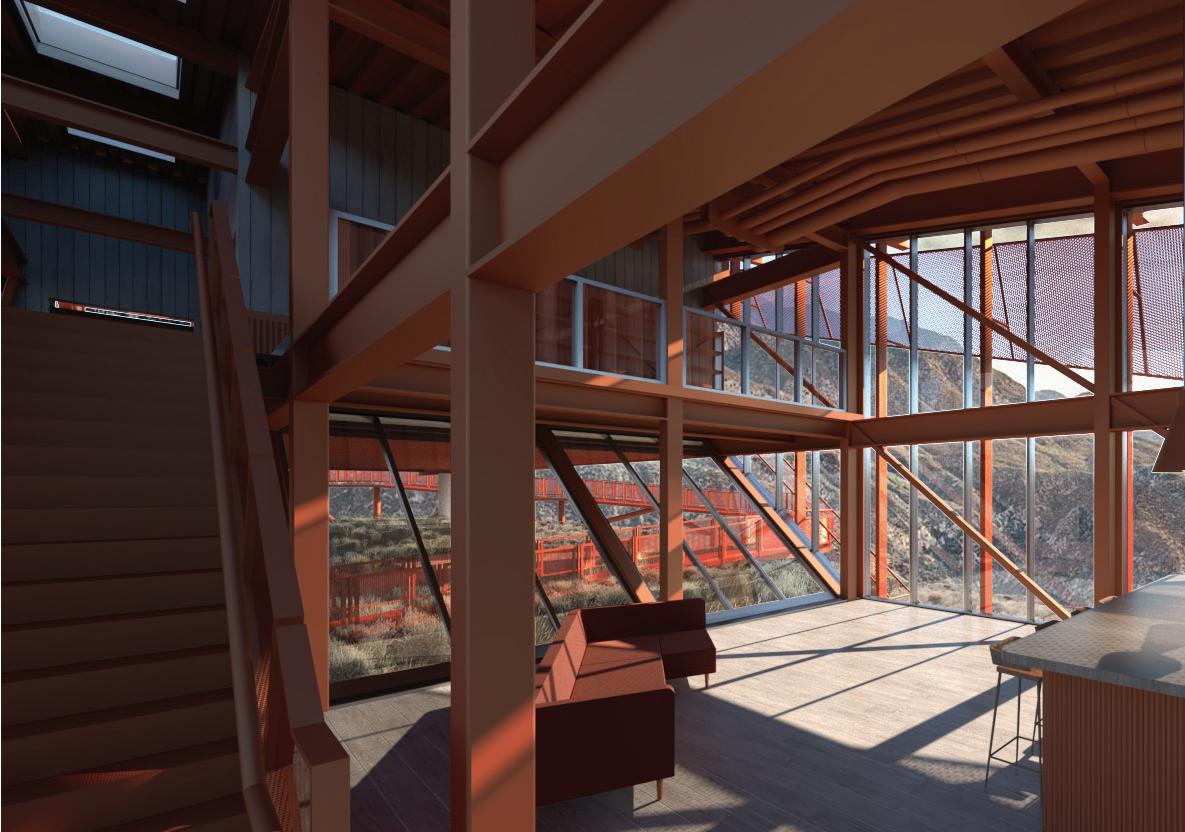
Located in the Angeles National Forest, Mt. Vetter overlooks the metropolitan area of Los Angeles. The mountain itself is the site of an old fire lookout that has endured the harshest of wildfires in recent years. This project proposes a new structure to replace the old lookout and serve as a mountain retreat for two astronomers.
Before starting the project, a number of goals were considered and then established. The primary objective was meeting the spatial and programmatic requirements of the client. The secondary objective was to approach the project with a respect to the site’s historical background and contemporary context.
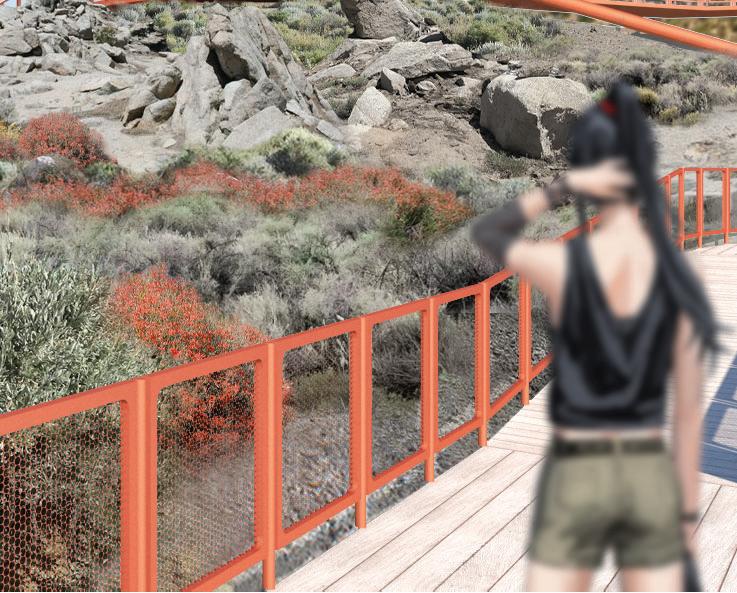
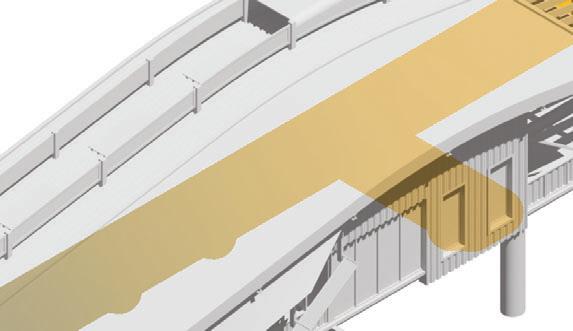
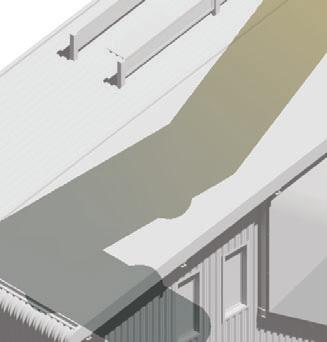
The result was a project that gracefully brushed the topography of Mt. Vetter while asserting its identity firmly. A ramp meanders under and around the project to create a panoramic circulatory experience before seamlessly merging into the heart of the building itself. A green roof integrated into the structure serves as both an amendment to the site’s wildlife as well as provide a hospitable thermal environment below.
Aside from the fire-resistant properties of the project’s materiality, the crimson, steeled appearance of the lookout suggests imagery reminiscent of a rural firestation--a testament to the site’s abrasive relationship with the wildfires of Angeles National Forest.

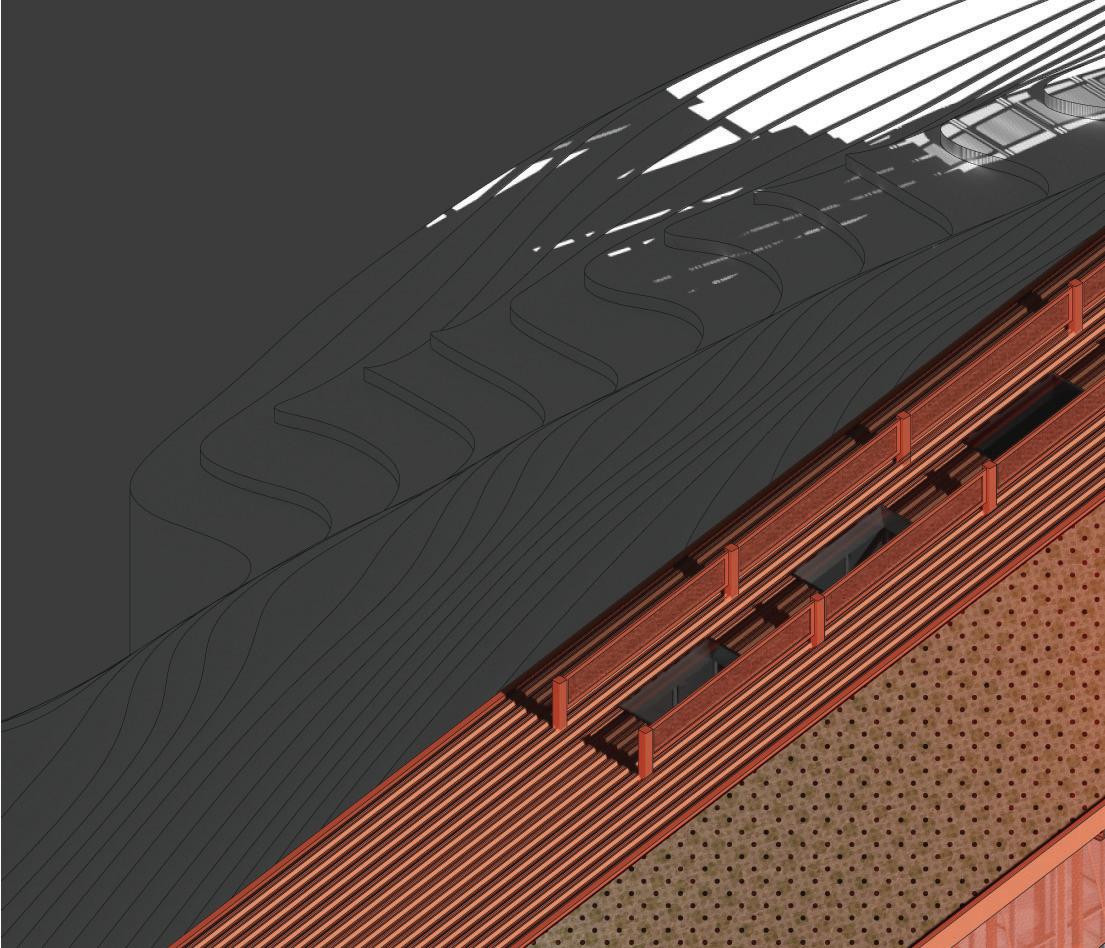
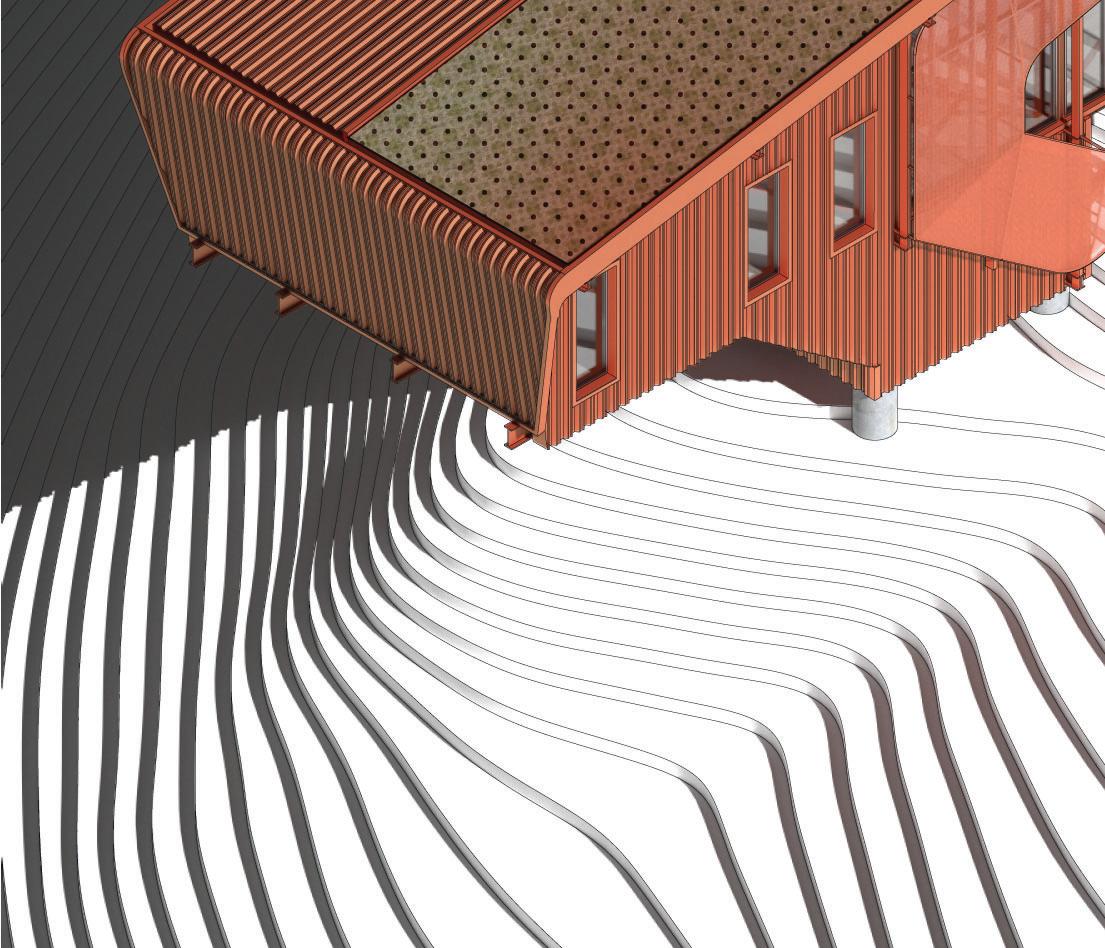
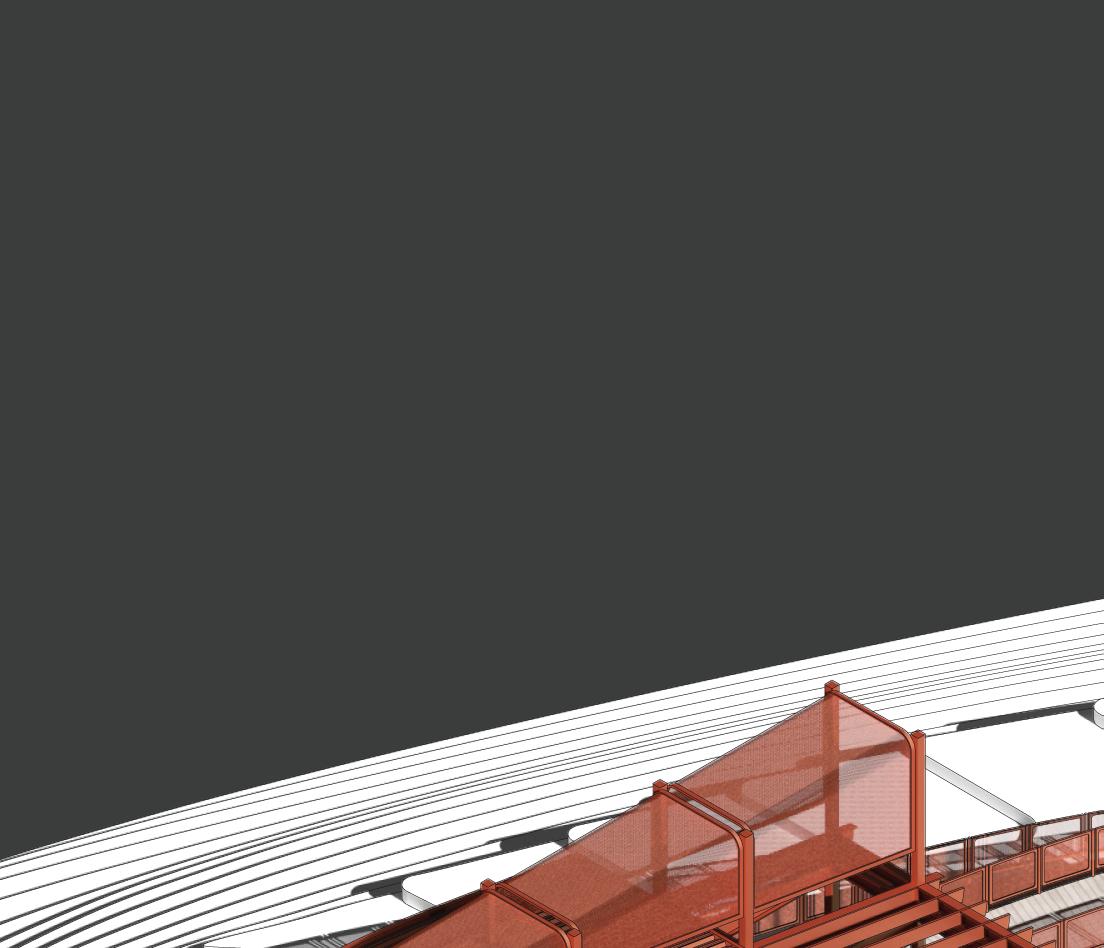
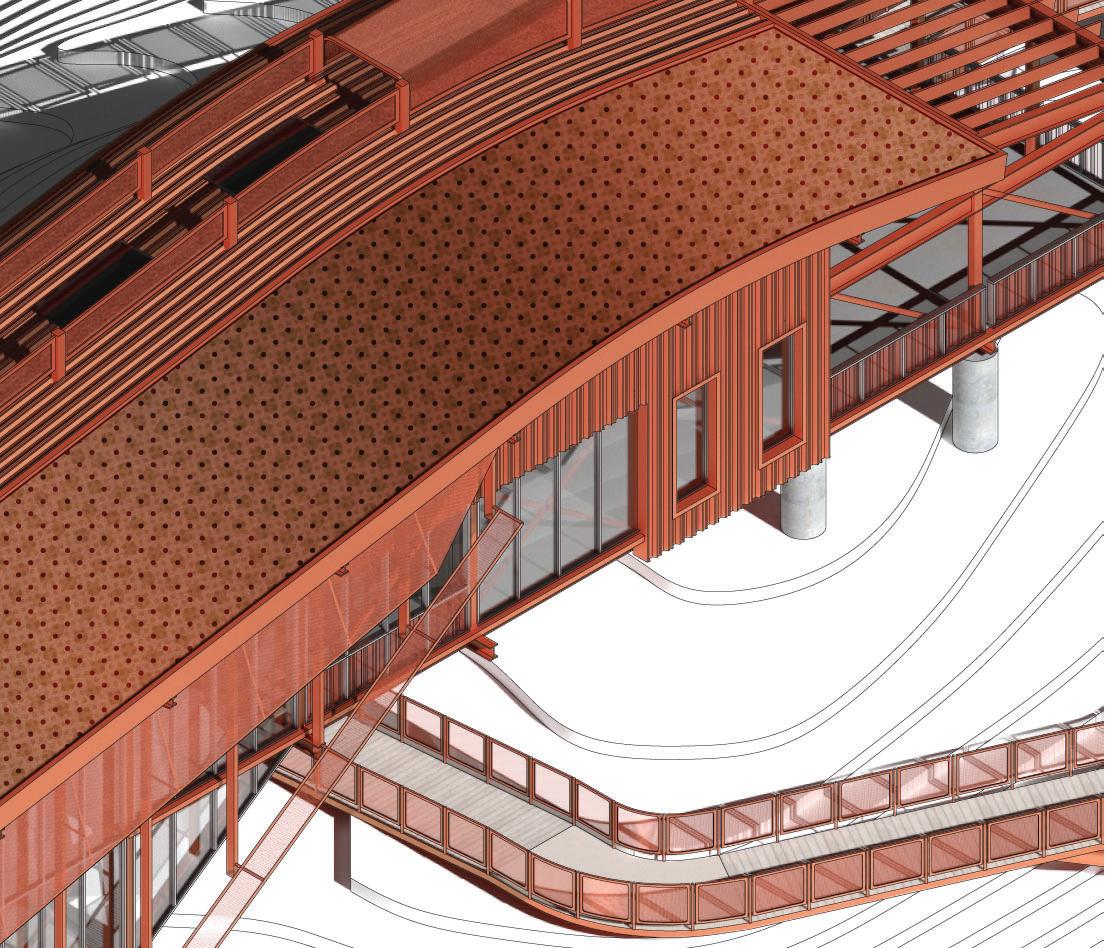
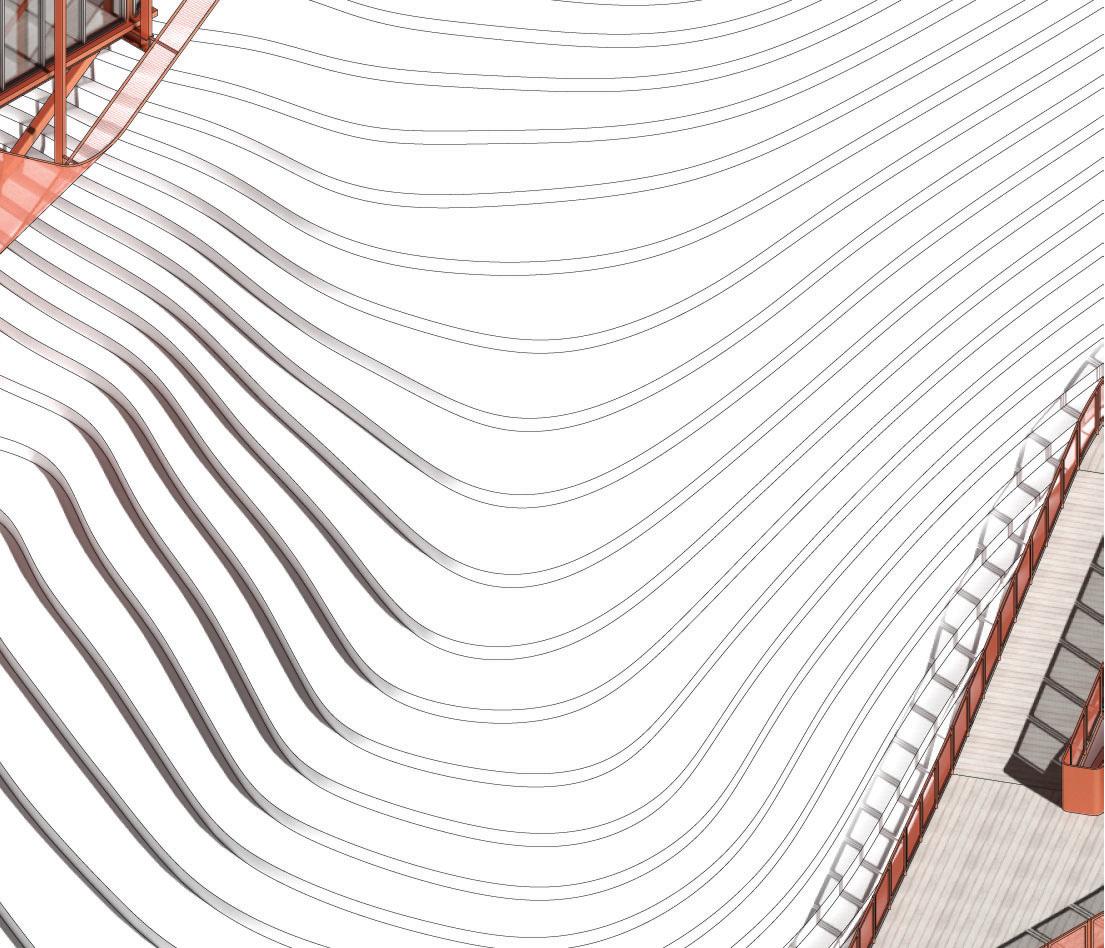
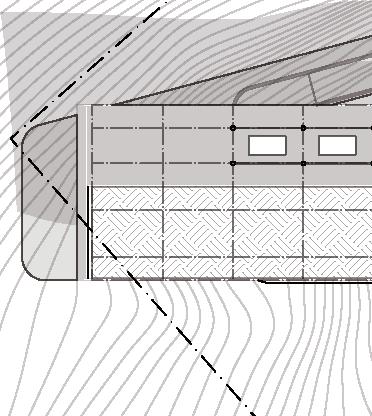
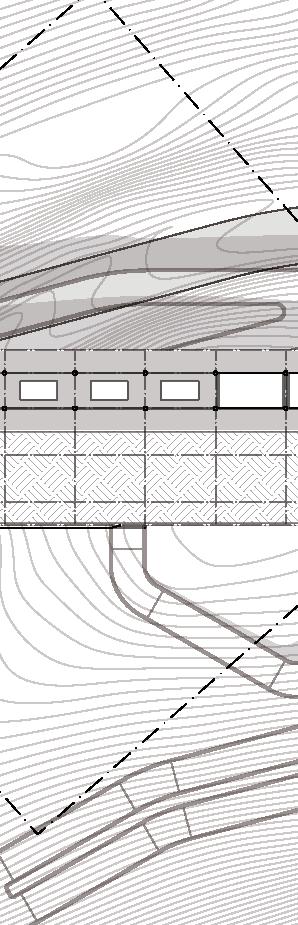
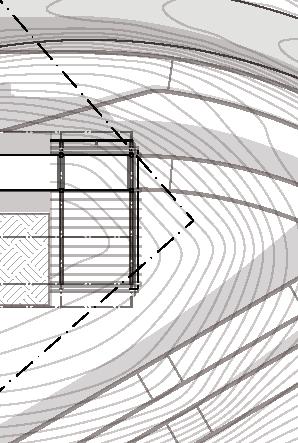

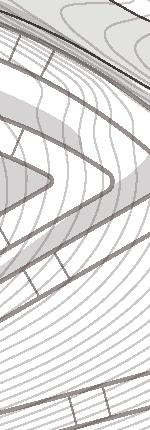
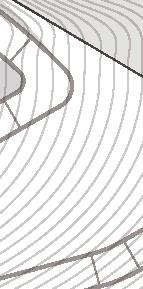



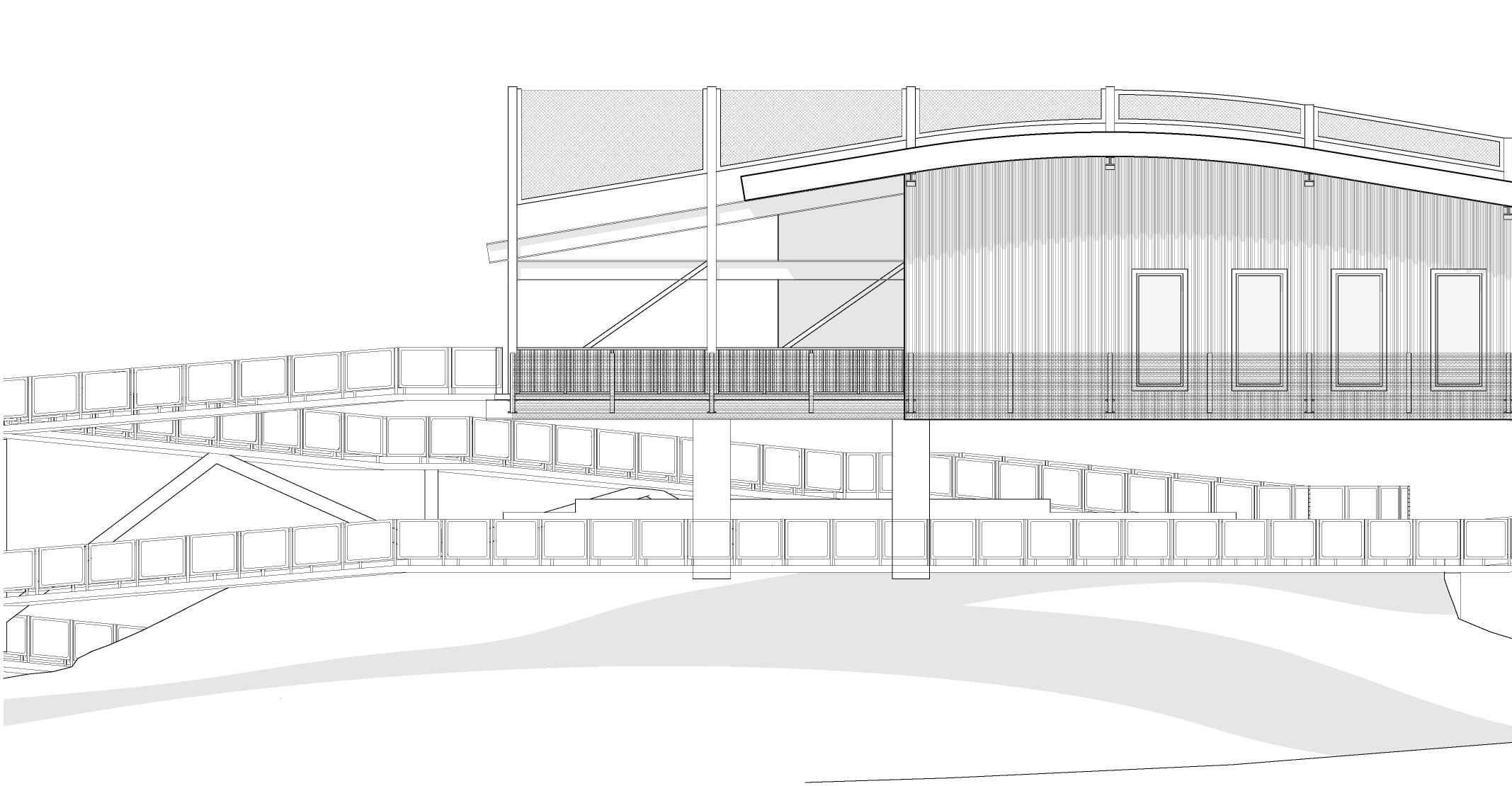
The visitor(s) arrives to the site via Vetter Mountain Road from the southeast. Parking lots alotted to the public sit at the last bend of the road, marking entry to the prominent ramp. As the visitor proceeds along the ramp, 360 degrees of observation become accessible. Moments of rest are located along the path, ensuring a variety of experiences.
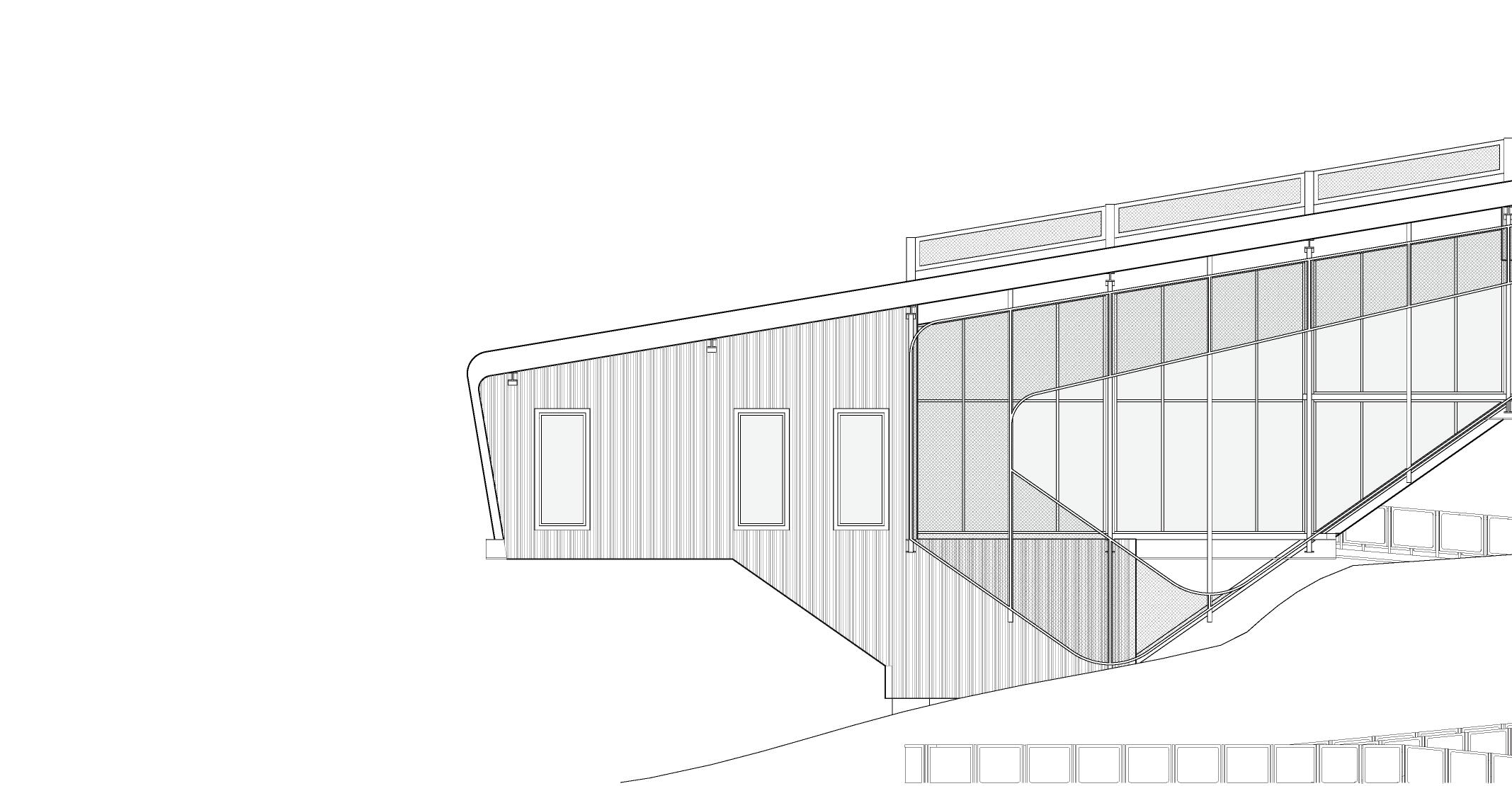
The “public” procession ends at the public meeting deck on the east end of the structure. However, the path continues into the building, with spaces programmed along this “spine”. Concluding the entire experience are the private bedrooms, which hover dramatically above the mountain slope.

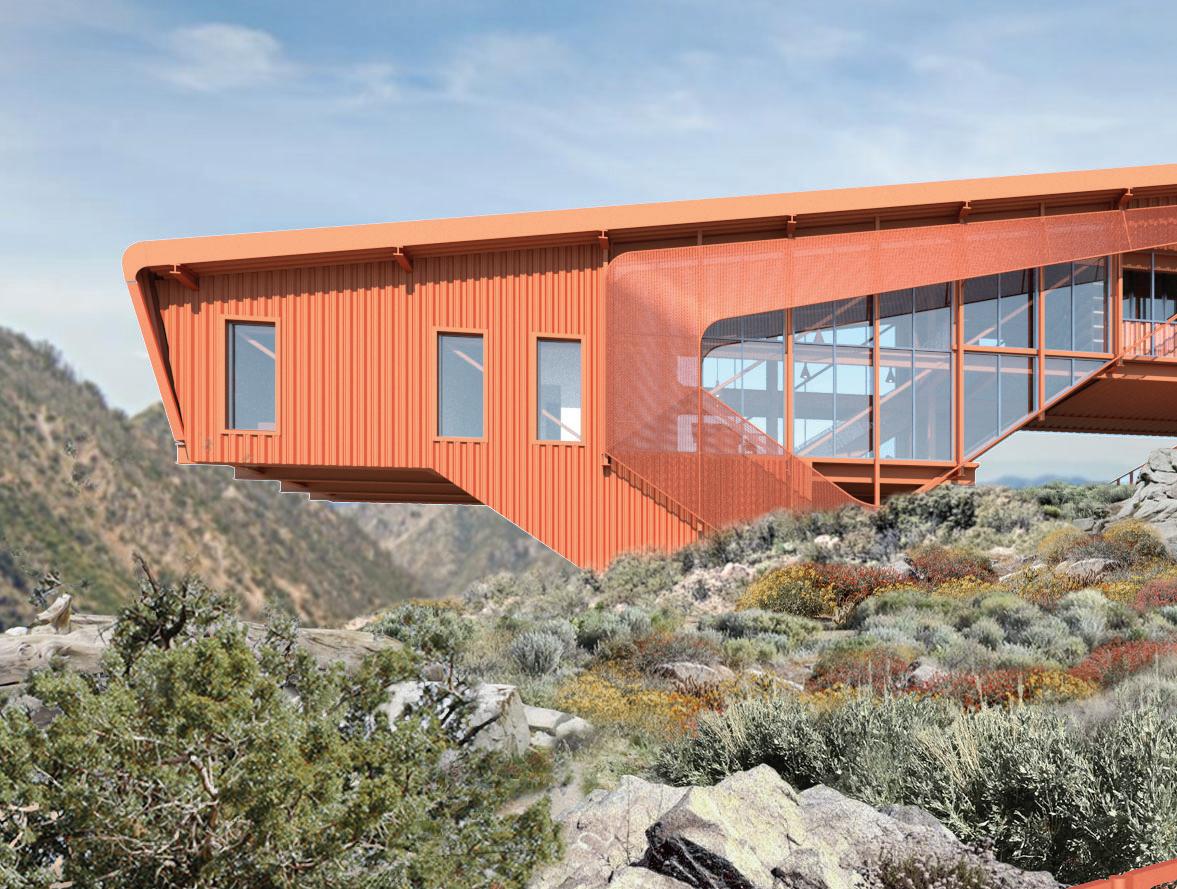

ABOVE: View of Vetter II upon Scenic Approach OPPOSITE: Site Map
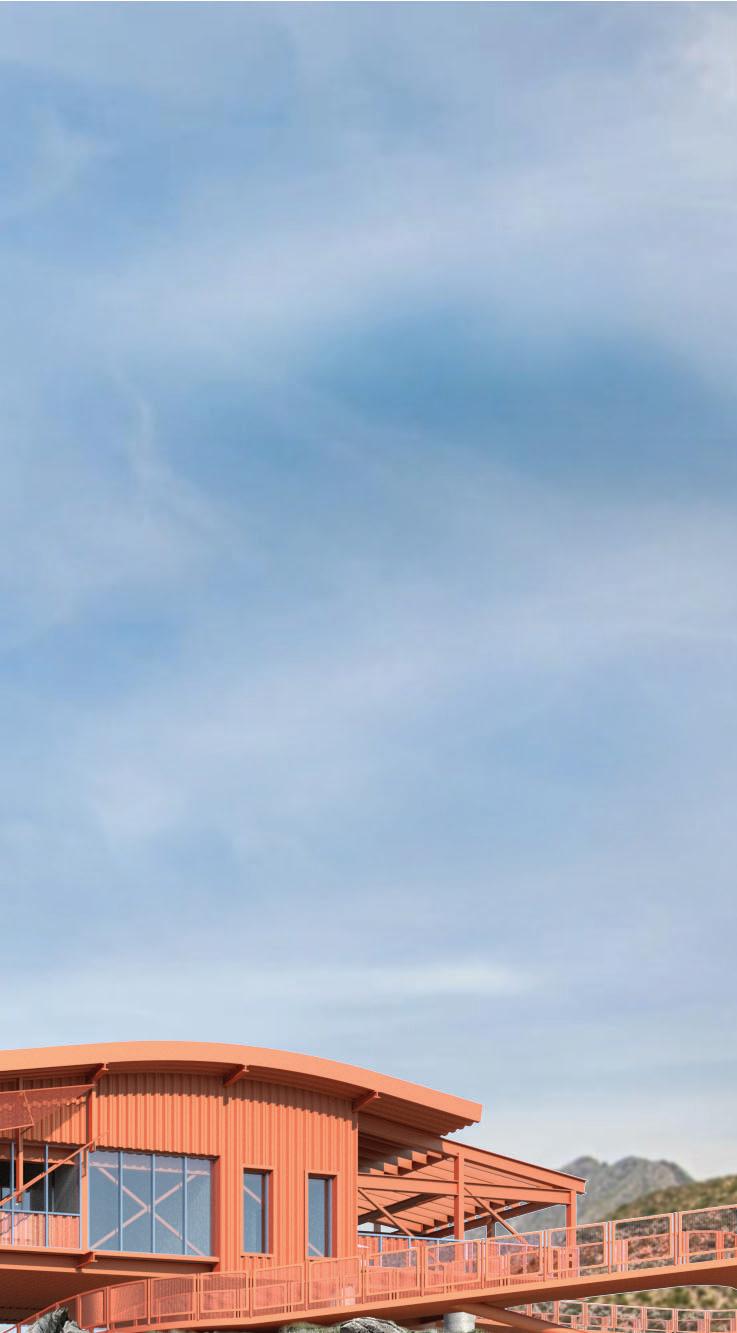
ABOVE: Programming
OPPOSITE: Mass & Circulation
The program of the proposal is organized along a circulatory “spine”--itself a continuation of the exterior ramp promenade.
Upon completing the scenic ramp , the visitor will first encounter the public meeting deck, the most public space of the program. As the visitor continues down the spine, they will encounter offices, labs, and residential spaces, revealing a gradient in the nature of the proposal’s spaces. This programmatic gradient ensures that public and private life interface with one another in a non-abrasive manner: the most public spaces are set farthest away from the most private.


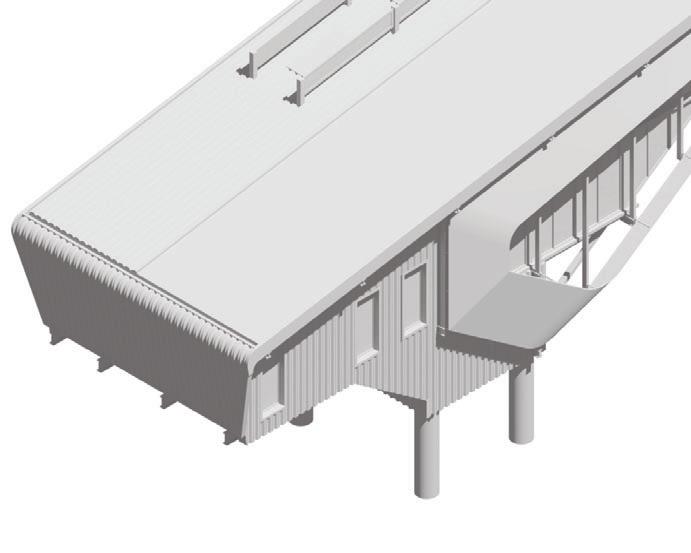















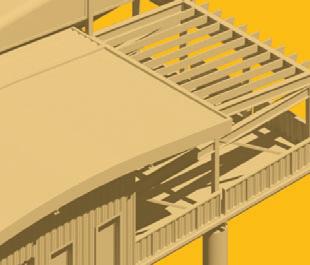




































Scale: 1/8” = 1’0”
Scale: 1/8” = 1’0”
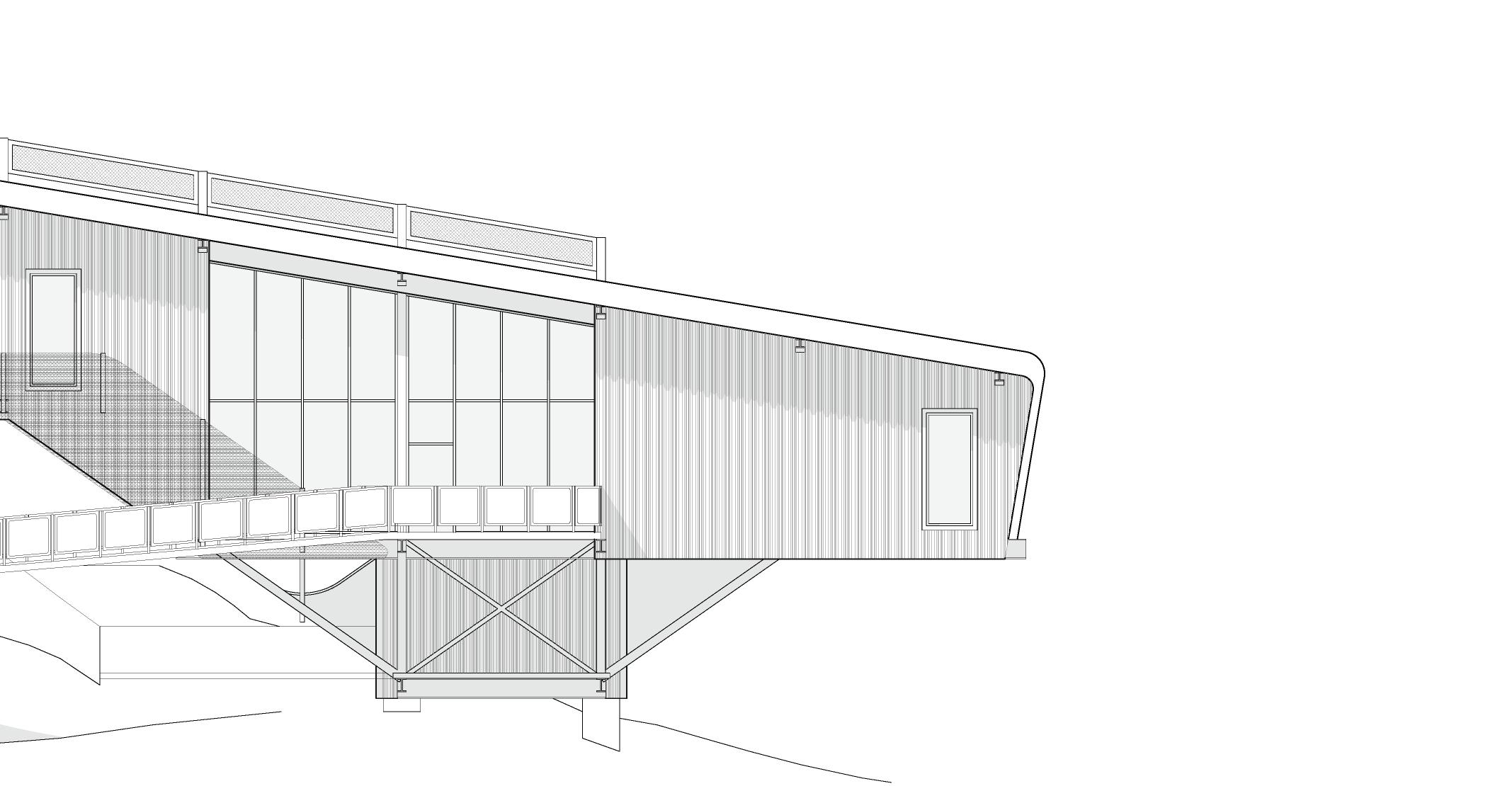
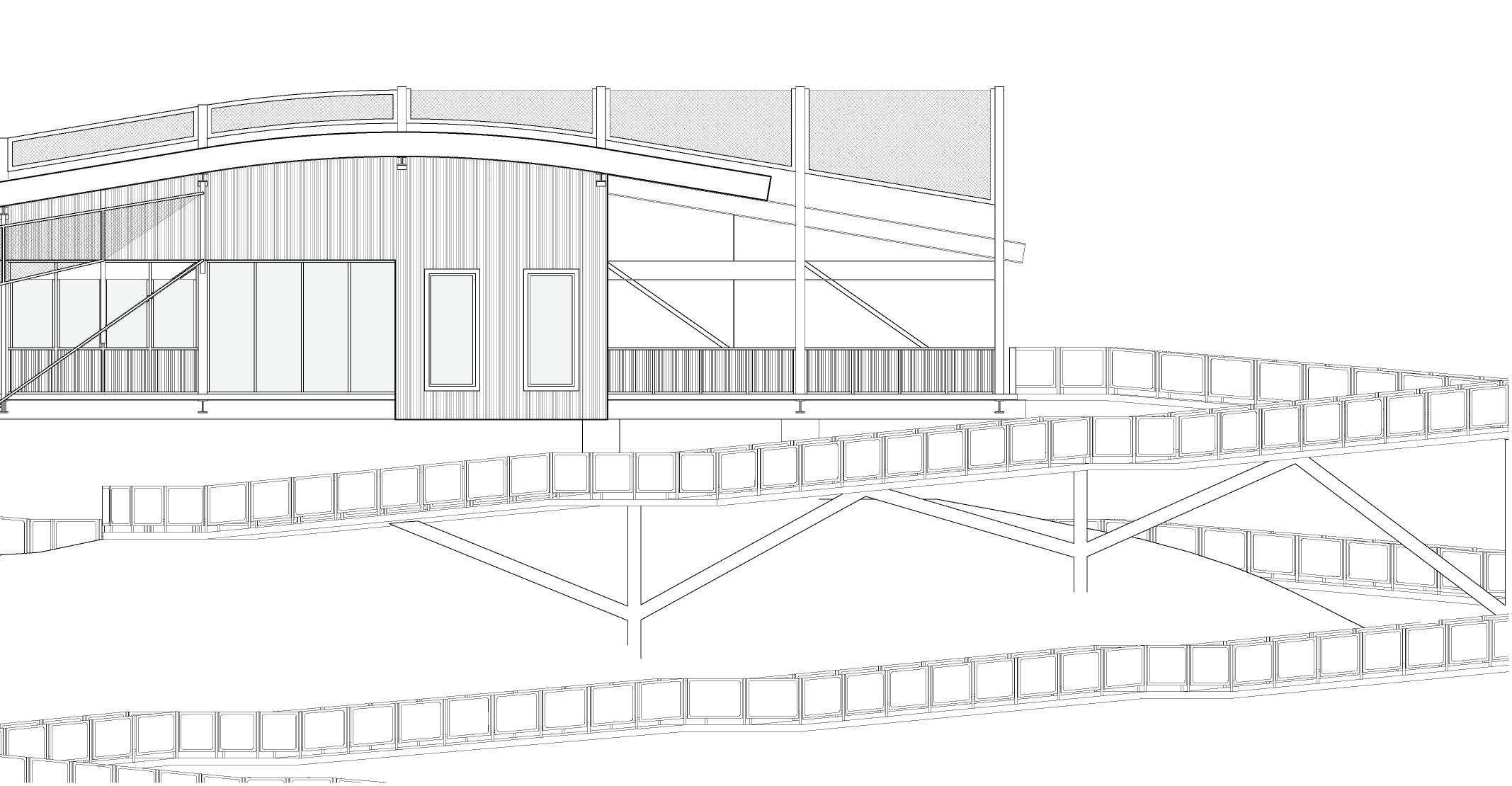
(EL +40'-4") Level 2 (EL +10'-5") (EL +0'-0")
Scale: 1/8” = 1’0”
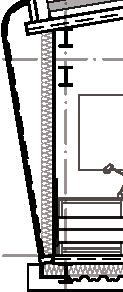
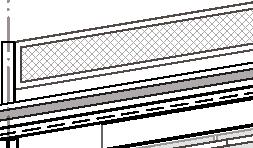
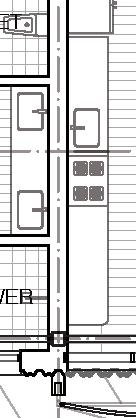
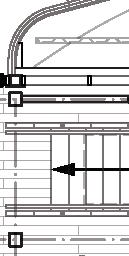
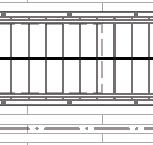
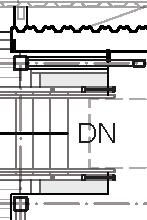
Scale: 1/8” = 1’0”
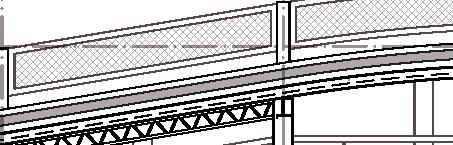
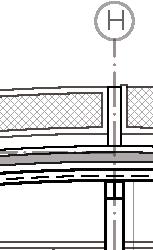
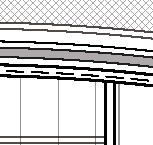

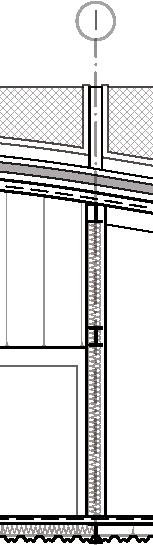

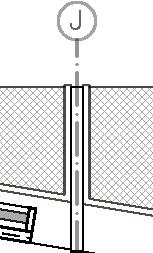
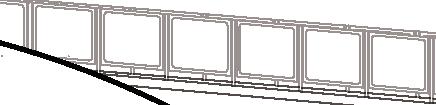
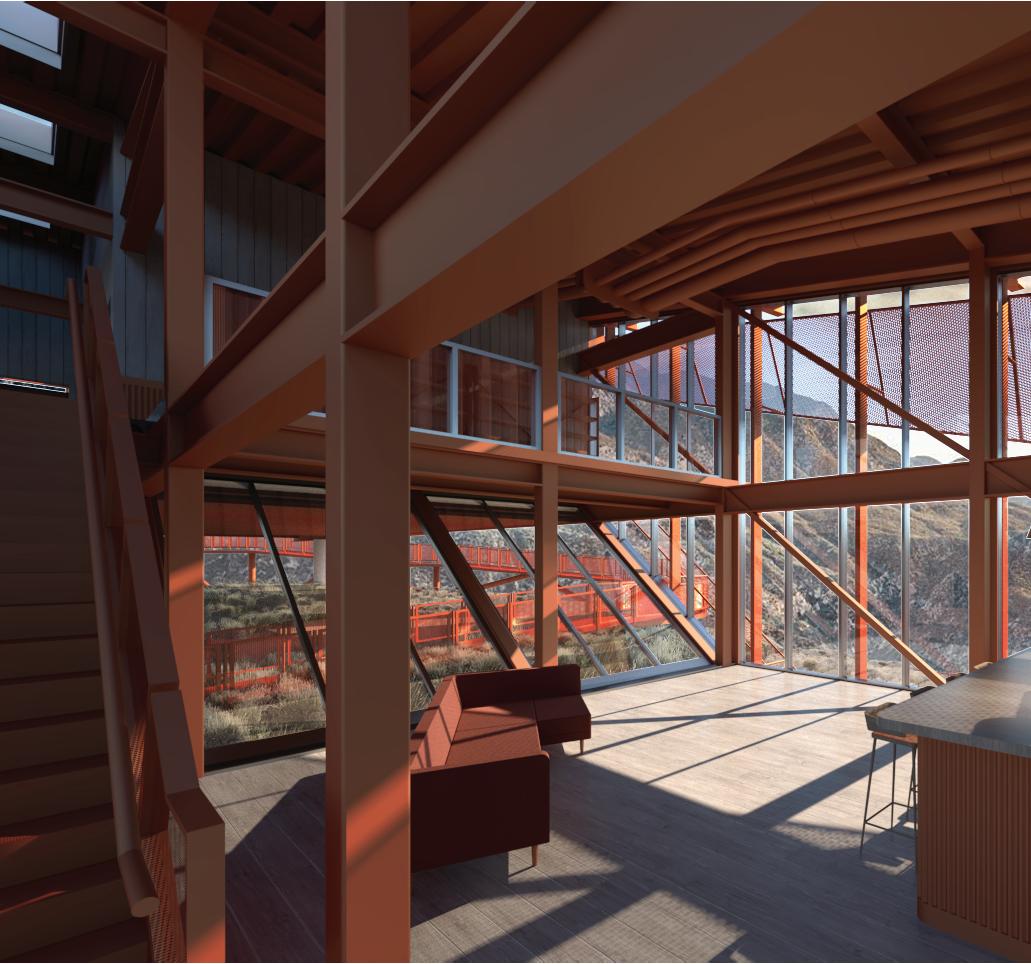
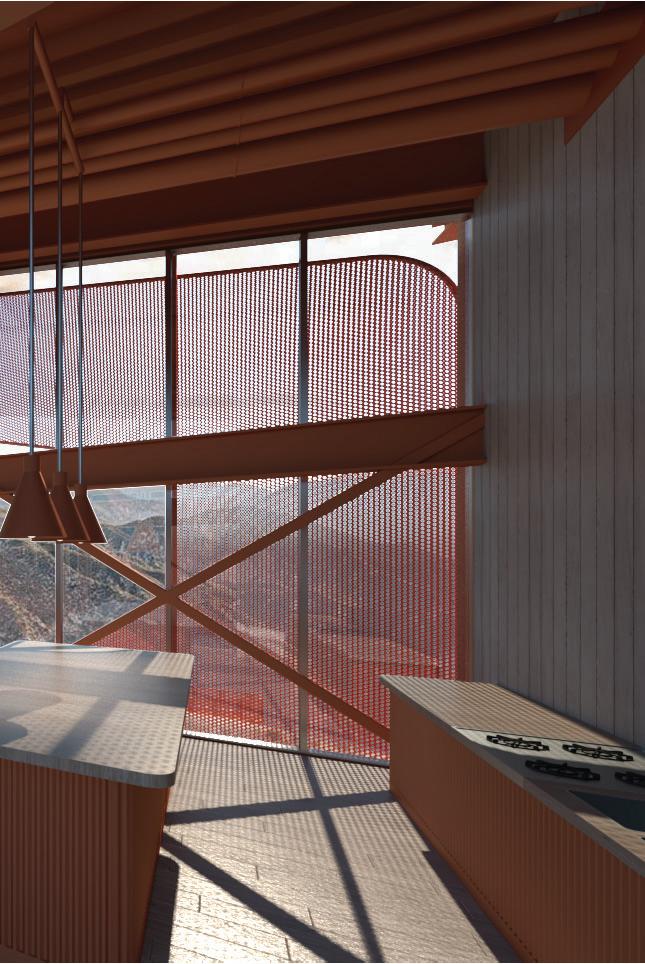
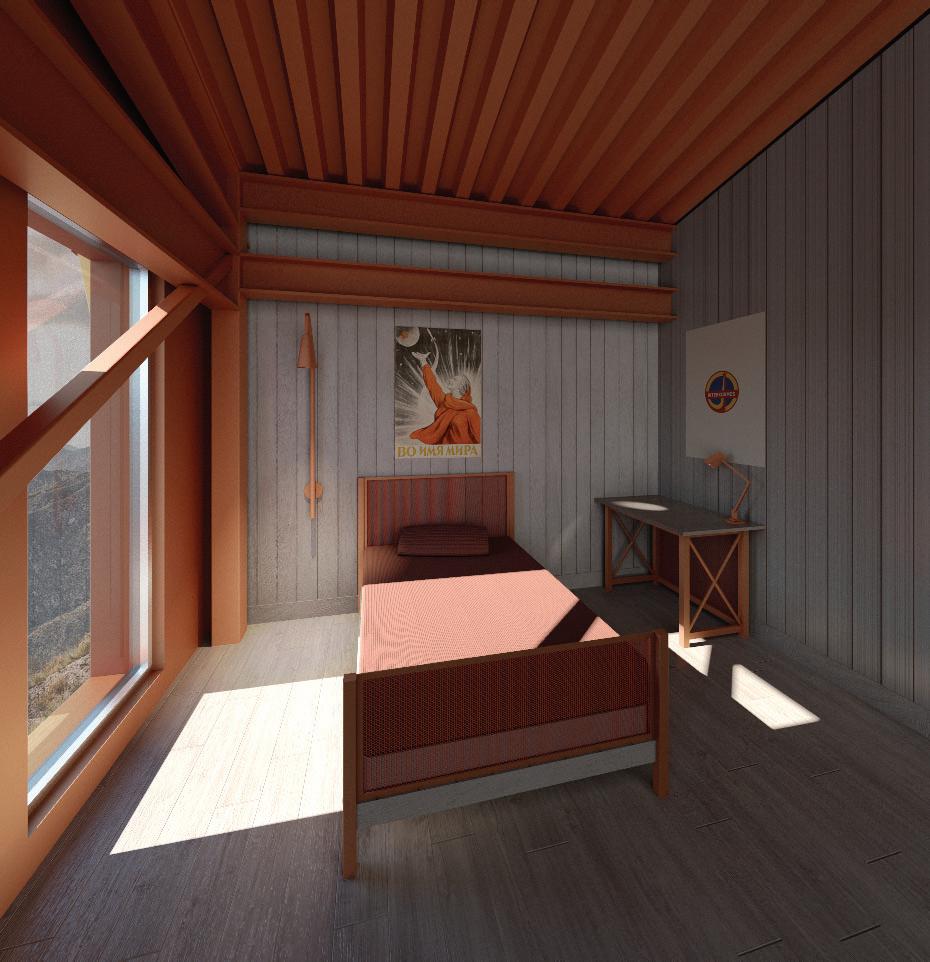
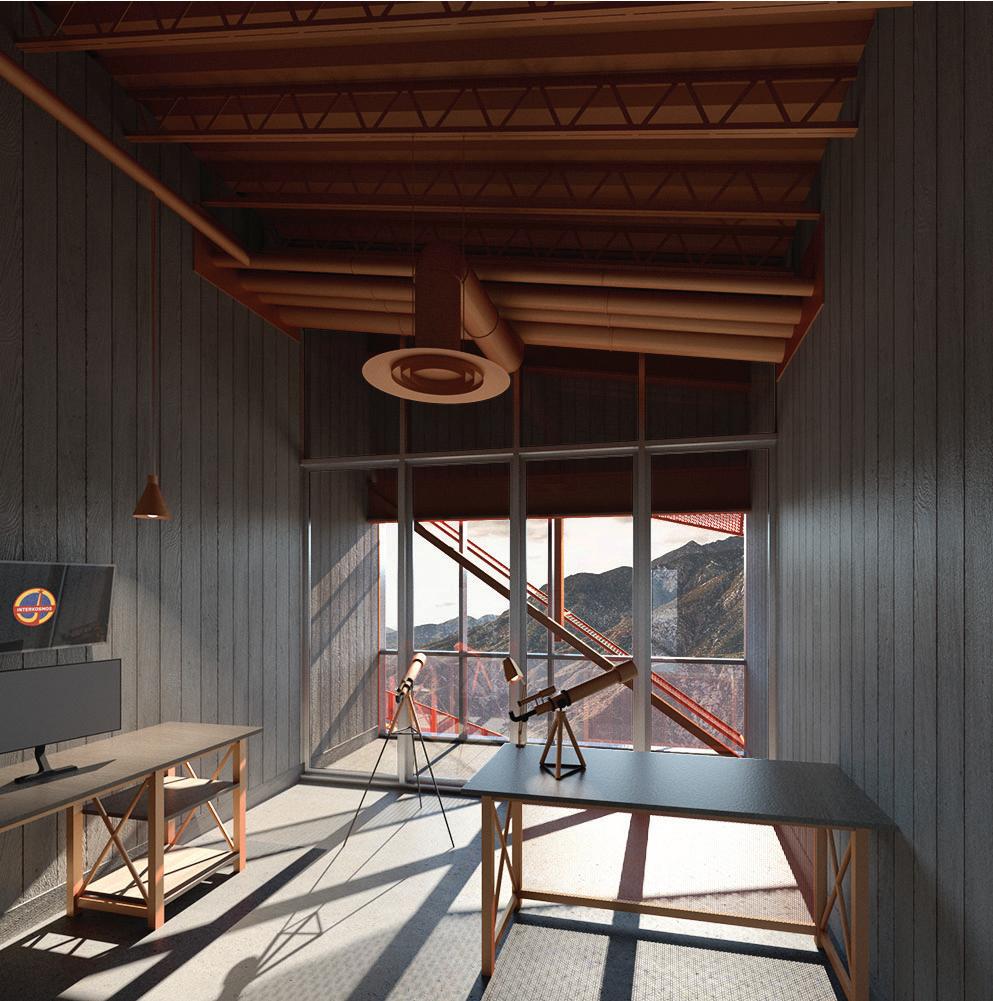
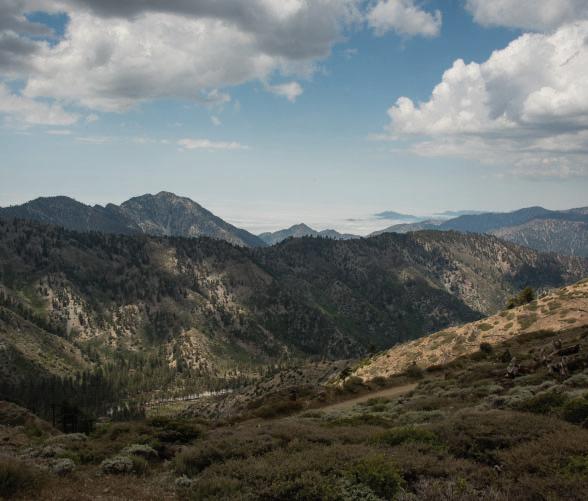
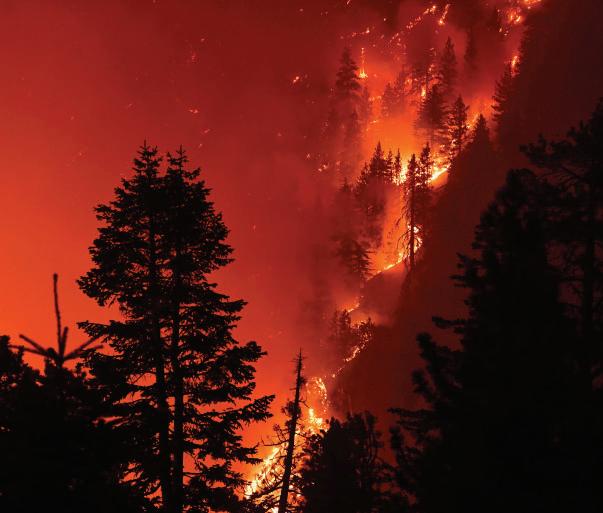
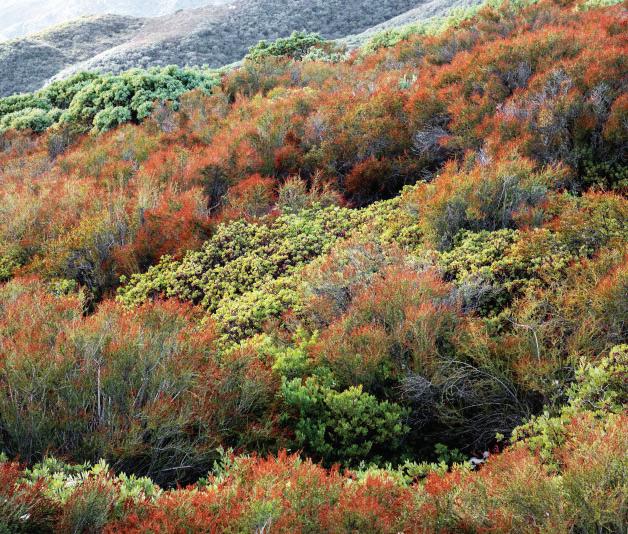
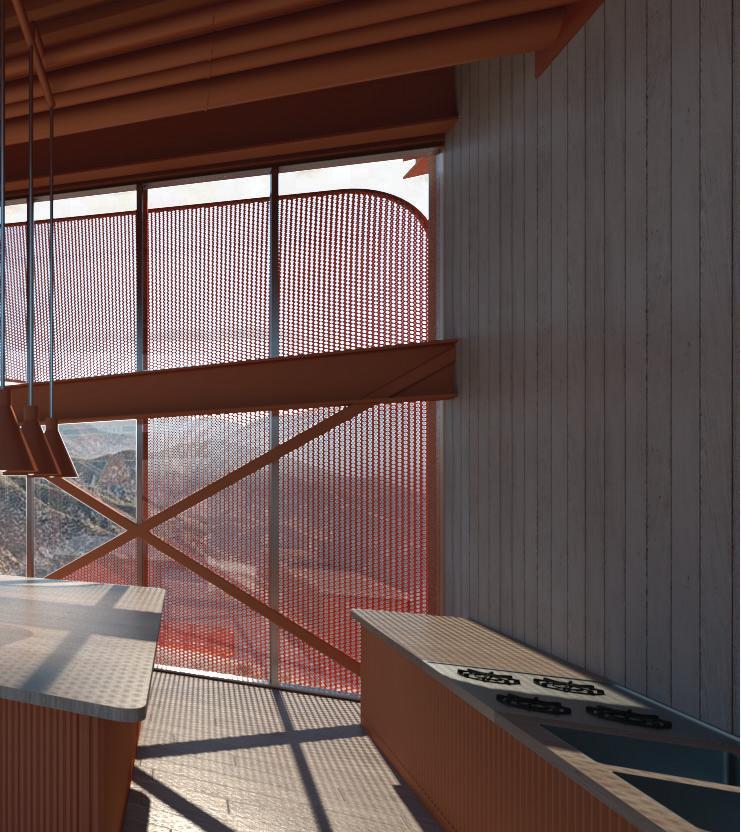
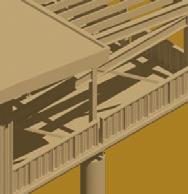
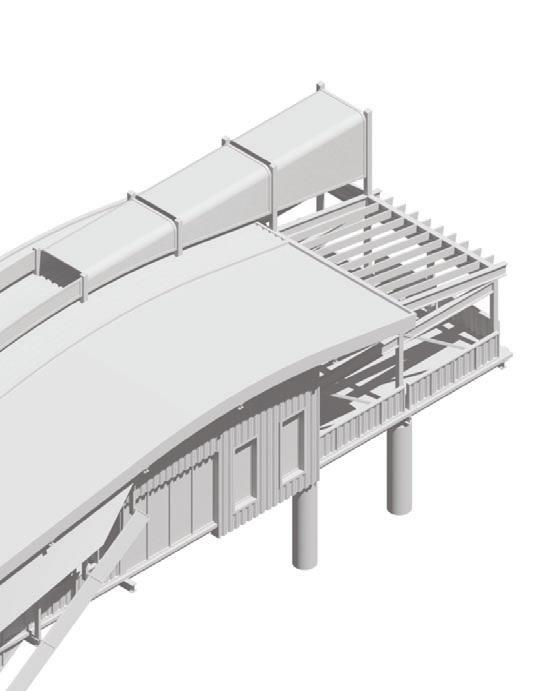
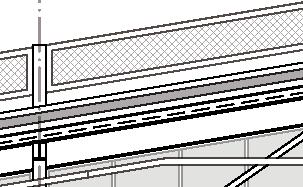
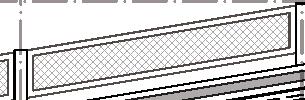
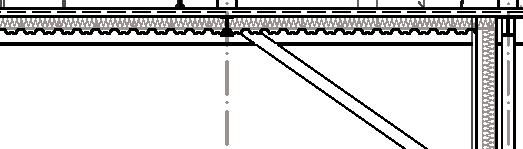
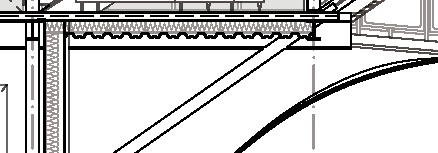
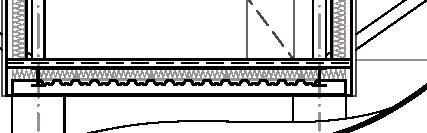
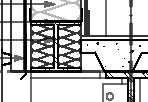
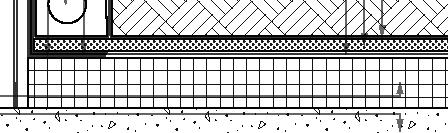
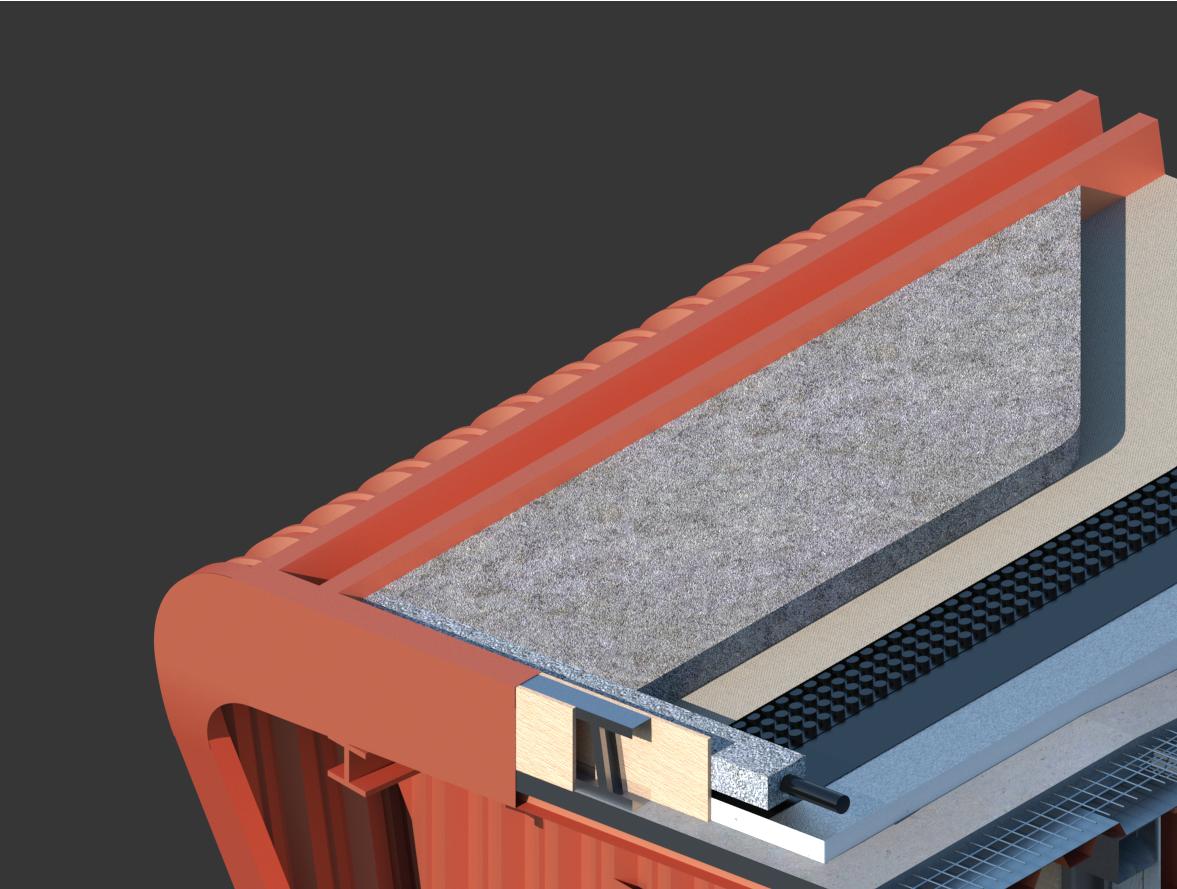
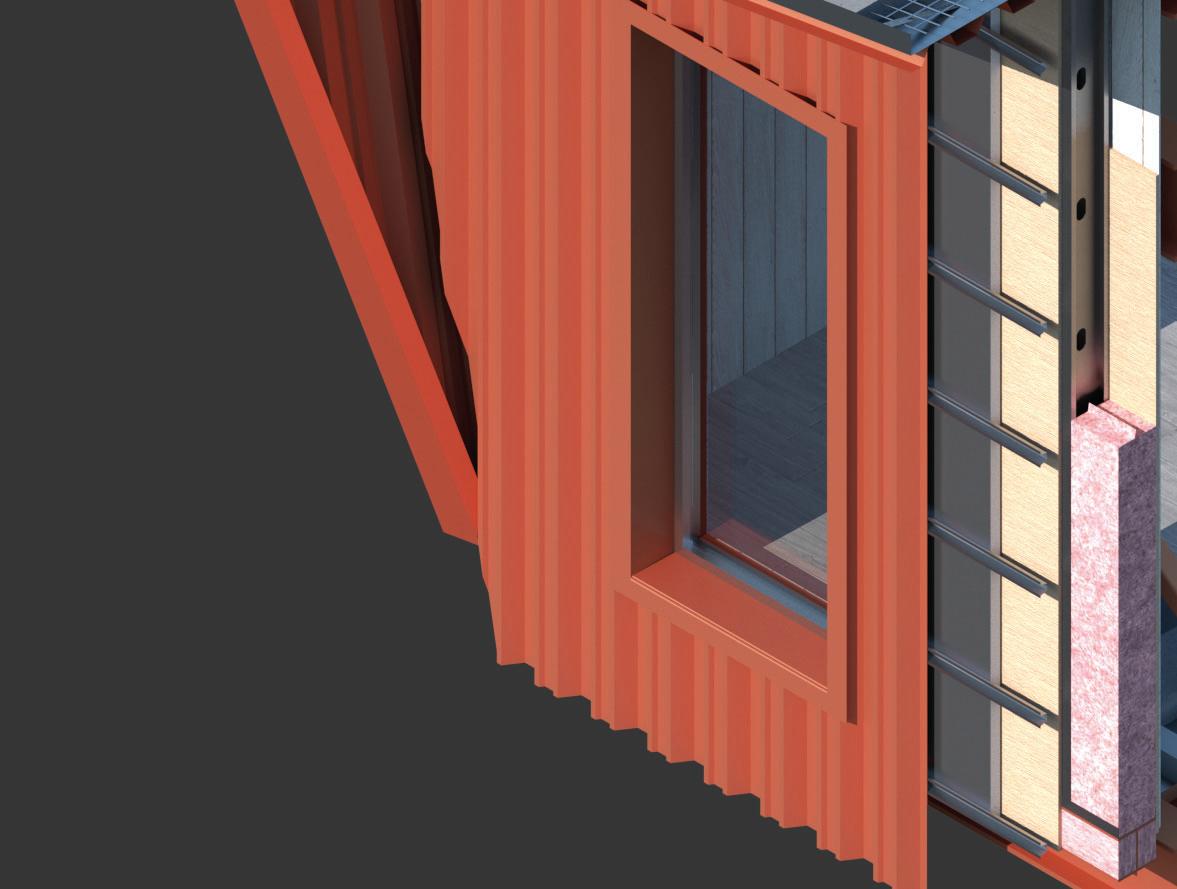
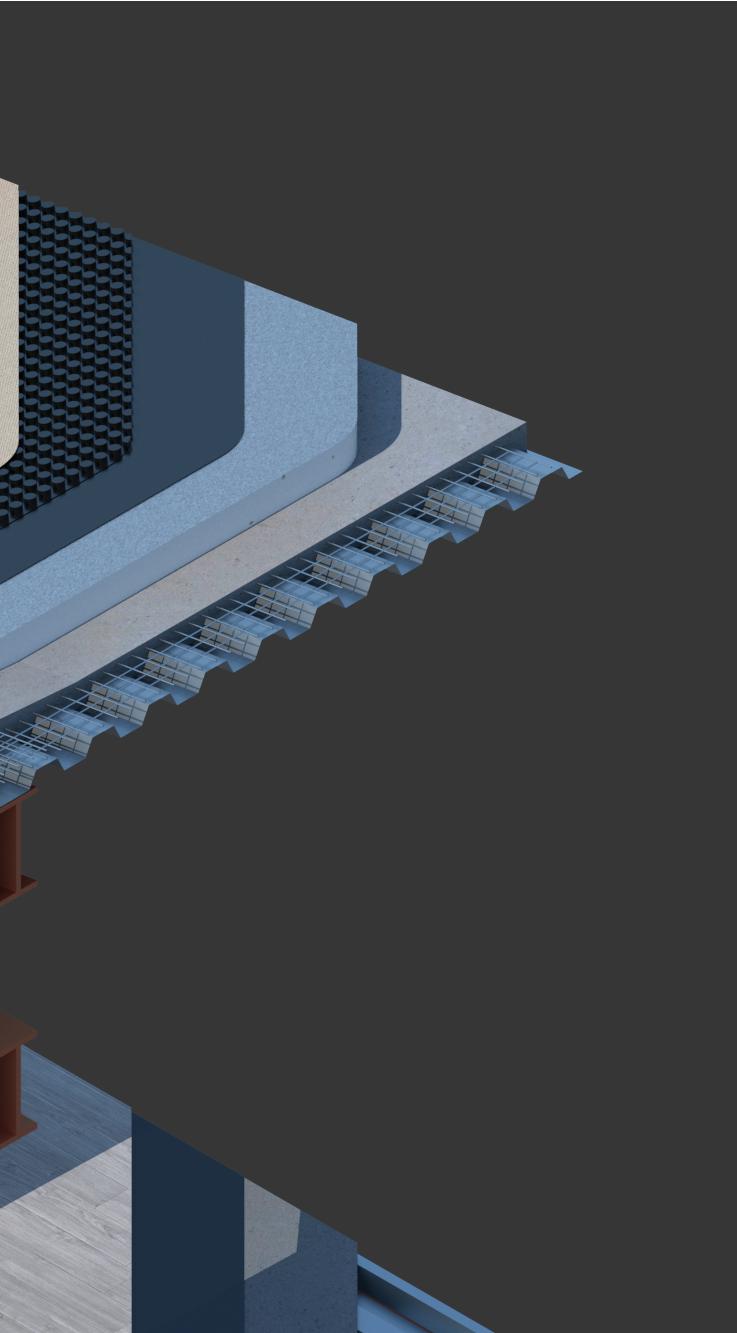
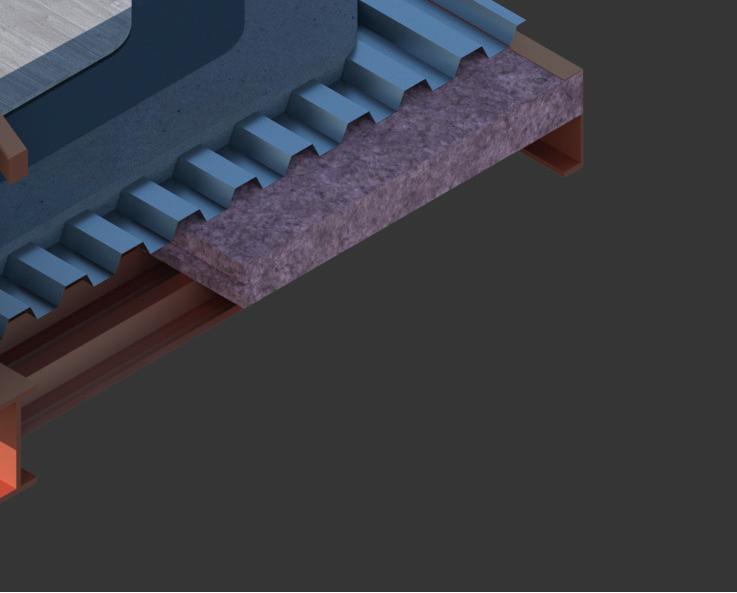
In determining the building assembly of the proposal, it was important to consider the context in which the project would exist. Mt. Vetter’s increasingly frequent exposure to wildfires necessitated the use of a fire-resistant construction. Steel was the most obvious choice. Also informing the assembly was a conscious sense of aesthetic. A “truth-to-materials” philosophy was adopted, lending an industrial feel to the interior of the project by exposing metal deck ceilings and mechanical infrastructure.
The site’s extreme climate meant thermal strategies needed to come into play. The most appropriate strategy utilized thermal mass--manifesting in the form of a roof garden. This strategy also provided the added benefit of amending damage to the site’s wildlife by providing a secluded area in which fauna may recover. Furthermore, the roof garden’s irrigation systems may serve as a fire-retardant mechanism in the case of fire.


Email: aoung@cpp.edu
Phone: 909 541 9312
LinkedIn: https://www.linkedin.com/in/aaron-ung-71b33116a/