COMMON SENSE
TM
TM
Officers
President
Robert Frolichstein, MD FAAEM
President-Elect
Vicki Norton, MD FAAEM
Secretary-Treasurer
Phillip A. Dixon, MD MBA MPH FAAEM CHCQMPHYADV
Immediate Past President
Jonathan S. Jones, MD FAAEM Board of Directors
Heidi Best, MD FAAEM
Laura J. Bontempo, MD MEd FAAEM
Eric Brader, MD FAAEM
Kimberly M. Brown, MD MPH FAAEM
Frank L. Christopher, MD FAAEM
Fred E. Kency, Jr., MD FAAEM
Robert P. Lam, MD FAAEM
Kevin C. Reed, MD FAAEM
Robert E. Suter, DO MHA FAAEM
YPS Director
Haig Aintablian, MD FAAEM
AAEM/RSA President
Katy Wyszynski, DO MS
CEO, AAEM-PG
Ex-Officio Board Member
Mark Reiter, MD MBA MAAEM FAAEM
Executive Director
Tamara Wagester, CAE
Executive Director Emeritus
Kay Whalen, MBA CAE
Common Sense Editors
Edwin Leap II, MD FAAEM, Editor
Yash Chavda, DO MBA FPD-AEMUS FAAEM, Assistant Editor
Mel Ebeling, MD, Resident Editor
Stephanie Burmeister, MLIS, Managing Editor
Articles appearing in Common Sense are intended for the individual use of AAEM members. Opinions expressed are those of the authors and do not necessarily represent the official views of AAEM or AAEM/RSA. Articles may not be duplicated or distributed without the explicit permission of AAEM. Permission is granted in some instances in the interest of public education. Requests for reprints should be directed to AAEM, 555 East Wells Street, Suite 1100, Milwaukee, WI 53202, Tel: (800) 884-2236, Fax: (414) 276-3349, Email: info@aaem.org
AAEM is a non-profit, professional organization.
invite all readers of Common Sense to report any AAEM publication or activity which may restrain trade or limit competition. You may confidentially file a report at
or by calling 800-884-AAEM.
Mission Statement
AAEM fights for high-quality patient care delivered by board-certified emergency physicians and champions a fair and equitable workplace for emergency physicians through advocacy and education.
Vision Statement
We aspire to and champion a future in which:
1. The integrity of the doctor-patient relationship is upheld by emergency physicians with full control over their own practices, free of outside interference.
2. Every individual, regardless of race, ethnicity, sexual identity or orientation, religion, age, socioeconomic or immigration status, or physical or mental disability has unencumbered access to high-quality emergency care.
3. Emergency medicine is solely practiced by physicians who are board-certified or board-eligible through either the American Board of Emergency Medicine (ABEM) or the American Osteopathic Board of Emergency Medicine (AOBEM).
4. Every emergency physician’s personal and professional well-being is supported through fair and equitable practice environments and due process.
5. Residency programs and graduate medical education are free from harassment and discrimination.
6. The Academy continues to provide its members with high-quality, cutting-edge emergency medicine education.
7. The Academy supports the establishment and recognition of emergency medicine globally as an independent specialty.
Membership Information
Fellow and Full Voting Member (FAAEM): $595* (Must be ABEM or AOBEM certified, or have recertified for 25 years or more in EM or Pediatric EM)
Associate: $195 (Limited to graduates of an ACGME or AOA approved emergency medicine program within their first year out of residency) or $295 (Limited to graduates of an ACGME or AOA approved emergency medicine program more than one year out of residency)
Fellow-in-Training Member: $95 (Must be graduates of an ACGME or AOA approved emergency medicine program and be enrolled in a fellowship)
Emeritus Member: $295 (Please visit www.aaem.org for special eligibility criteria)
International Member: $195 (Non-voting status)
Resident Member: $80 (voting in AAEM/RSA elections only)
Transitional Member: $60 (voting in AAEM/RSA elections only)
International Resident Member: $80 (voting in AAEM/RSA elections only)
Student Member: $40 (voting in AAEM/RSA elections only)
International Student Member: $30 (voting in AAEM/RSA elections only)
Pay dues online at www.aaem.org or send check or money order to: AAEM, 555 East Wells Street, Suite 1100, Milwaukee, WI 53202 Tel: (800) 884-2236, Fax: (414) 276-3349, Email: info@aaem.org
2
President’s Message: A History Lesson
What do medieval craft guilds and modern-day professional associations have in common?
More than you might think. In his President’s Message, Dr. Frohlichstein discusses medieval craft guilds and their ability to have an impact on their society for centuries. These guilds had immense power because to be able to work, you had to belong. Imagine if 100% of emergency physicians belonged to any of the emergency medicine associations. We could do so much more.
4
Editor’s Message: The End of a Year, and the Beginning of Another in Emergency Medicine

In his Editor’s Message, Dr. Chavda takes a look back at 2025 and highlights the key events that shaped the year for emergency medicine. He also looks ahead to 2026 and contemplates the changes that are, or may be in store, for the continually evolving field of emergency medicine. Will it be easier? Probably not, “just a few more things to look forward too…”
9
Board of Directors Election: Candidate Platform Statements
30
Critical Care Medicine Section: The Role of Shared DecisionMaking in Emergency Critical Care: Evidence, Frameworks, and Best Practices
In this article, CCMS explores how shared decision making (SDM), a collaborative process between clinicians and patients, emerged as a strategy to ensure that the care provided is not only clinically sound but also aligned with the patient’s values and preferences. SDM ensures that clinical decisions are guided not just by data and expertise, but also by human values and personal goals.
40
Young Physicians Section: The Retreat Effect: How Stepping Away Can Rebuild Connection and Meaning
As emergency physicians, we bounce from room to room, tackling patients’ and colleagues needs with practiced efficiency and speed, but it’s exhausting. Add in other challenges beyond our control, the moral injury we experience is overwhelming. In this article, Dr. Rosenbaum describes how, for one day, their department took a pause for an ED retreat. That one day convinced her that stepping away isn’t a perk-it’s necessary.
Robert Frolichstein, MD FAAEM
I’m a big fan of reading historical fiction. It’s mostly just escapism for me, but I also love the glimpse it offers into the lives of cultures and societies that are very different from our own. Of course, it’s not all factually accurate, which is why it’s called fiction. However, I do find that most authors do amazing research and have the knowledge to give readers a realistic portrayal of life in those times.
One of my favorite series is the “Pillars of the Earth” by Ken Follett. It is a series of books that begins in 10th-century England with the final book set in the late 18th century. A major focus of the book is the building of the Kingsbridge Cathedral in England and then rebuilding it in later books. One of the books goes into some detail about the local builders’ guild as all builders and plans had to be approved by the local guild. This guild, made up of townspeople, most of whom are not builders, wields incredible power. They are able to block plans and/or individuals from working on projects. Their stated goal was to do what is best for the community. Of course, because humans are humans, they often became corrupted by greed.
I can identify several threads from the existence and functioning of ancient guilds that can be drawn as analogies to contemporary events within the medical field. However, I will limit my focus to one of these threads at this time. The strength of the guild.
Guilds thrived by securing royal charters that granted monopolies on trades, effectively dictating terms with authorities to protect incomes and workloads. This wasn’t passive. Master craftsmen formed alliances to petition for tax exemptions, price controls, and bans on foreign competition, turning fragmented artisans into a coalition. Some of these practices are quite distasteful today; however, I wonder if there are some lessons to be learned for today’s professional associations and the Academy. Medieval craft guilds, facing their own existential threats like economic upheaval and unqualified interlopers, offer strategies for self-advocacy. They weren’t perfect—often rigid and
insular—but their success in sustaining livelihoods amid adversity is interesting and perhaps informative.
Medicine’s associations have excelled at safeguarding clinical excellence, but the erosion of physicians’ work conditions and fair compensation risks a vicious cycle of burnout, declining morale, and declining excellence in the field. Professional associations have largely failed to prevent that. Emergency medicine exemplifies this tension, where high burnout rates and stagnant reimbursements deter the next generation of exceptional emergency physicians.
Medical associations should project unified advocacy to aggressively lobby for economic protections. Imagine all emergency physicians channeling guild-like solidarity to push federal reforms that improve life/ work for emergency physicians. Fulfilled emergency physicians ensure excellent care is delivered to our patients.
Guilds jealously guarded “turf” by restricting non-members from practicing within city walls, using bylaws and patrols to enforce exclusivity— this preserved bargaining power and prevented undercutting on wages or standards.
In medicine, this translates to fiercer opposition to scope creep from non-physician practitioners or corporatized models that dilute physician-led care. For emergency physicians, guilds’ model could inspire associations to challenge independent and corporate emergency physician groups to provide transparency and fairness of revenue and cost distribution.
Guilds eventually faltered by resisting change (e.g., banning new tools), but at their peak, they sponsored feasts (think Scientific Assembly) and collaborations (think co-opearative inter-association projects) that sparked advances.
By emulating guilds’ fierce self-preservation—without their insularity—medical professionals can pivot associations toward holistic advocacy. This isn’t about reverting to medieval might but reclaiming
>>
Guilds eventually faltered by resisting change (e.g., banning new tools), but at their peak, they sponsored feasts (think Scientific Assembly) and collaborations (think co-opearative interassociation projects) that sparked advances.”
Imagine if 100% of emergency physicians belonged to our professional associations. This would empower our associations to do so much more.”
professional associations? After a lot of back-and-forth with AI to ensure they counted only graduated physicians in the totals and not medical students or residents, and then estimating (totally guessing) how many belong to multiple organizations, I come up with 52% of ABEM-certified physicians are part of one of the emergency medicine professional associations.
If you wanted to work on the fictional Kingsbridge Cathedral, support your family, and utilize your masonry skills, you had to be a member of the guild. Imagine if 100% of emergency physicians belonged to our professional associations. This would empower our associations to do so much more. The vast majority of the revenue AAEM comes from membership dues. We spend nearly every dollar every year (sometimes more than we have) on activities of the Academy. Every podcast, every communication, every email, everything we do costs money. Because revenue is limited, we are forced to make choices about our activities. We choose to do what our members want, which is good. However, perhaps we should focus on doing what is best for our specialty and all emergency physicians, not just those interested in a podcast about a niche topic. If our membership grew by attracting the 48% of emergency physicians that are not part of any organization, we could do both and more.
the profession’s noble core: a respected, unified group of physicians delivering unmatched care, sustained by environments that honor their humanity.
One of the likely reasons professional associations haven’t replicated the power of medieval guilds is that we don’t compel membership. I used AI tools to help answer a question that I don’t believe has been studied accurately. I might be mistaken, and if so, I’m very curious about the answer. My question was simply, what percentage of ABEM-certified physicians belong to any of the emergency medicine
So, obviously, I am preaching to the choir. Thank you for your membership—it helps support our specialty. I ask that you do something else to support our specialty. Almost certainly, you know an emergency physician who is not a member of one of the professional associations in emergency medicine. Personally, reach out to them and ask them to join. Tell them it is important not because they will see a large return on their investment immediately, but because our job is hard, and that is mostly for non-clinical reasons. Strong, united professional associations can make our careers more satisfying and fulfilling. How will we achieve this? I honestly don’t know. I would love to be in a position where we had the resources to be truly creative and imaginative to do whatever it takes to preserve emergency medicine excellence.
Yash Chavda, DO MBA FPD-AEMUS FAAEM
The year 2025 ended with the culmination of the holiday season and the usual good spirits, leading up to the harsh month of January in 2026. Those of us in emergency medicine know the feeling, especially in the North, when a shift starts before the sun is up and ends after the sun is down, or the other way around. Emergency medicine, in most places, does not stop. It never really does. It simply signs out to the next team, a relay race of patients.
I also realize that I mostly remember my work in patient moments, not in days or shifts. Perhaps it’s an odd quirk. I can vividly recall some patients, yet remember very little else from days past. Sometimes I joke, “I don’t even remember what I did yesterday—but I remember the patient we saw that time.” With that in mind, these few key events are how I remember 2025 in emergency medicine.
During and immediately after COVID, emergency medicine smoldered. Match rates fell and residency programs went unfilled in ways that
shocked the specialty. Against that backdrop, the 2025 Match was widely described as a rebound. That is true: emergency medicine offered 3,068 positions and filled nearly 98%.
This improvement was largely driven by higher match rates among U.S. osteopathic graduates and international medical graduates, rather than U.S. MD seniors. This distinction is not about hierarchy or MD versus DO—it highlights that the emergency medicine applicant pool itself is changing. For educators and mentors, that nuance matters when we talk to students about the future. For trainees, it matters when expectations meet reality in the job market.
Emergency medicine continues to offer historically high numbers of residency positions. Growth has slowed, and EM’s share of total residency slots has plateaued, but regional oversupply, early-career instability, and contract volatility remain very real. The 2025 Match eased panic. It did not resolve the underlying questions.
In 2025, the ACGME released proposed revisions to emergency medicine residency

The 2025 Match eased panic. It did not resolve the underlying questions.”
requirements that would standardize training at four years. The justification—expanded scope, increasing complexity, references to board performance metrics, and new domains like telemedicine—are there. The tension is also obvious.
As the year closed, these changes remained proposals. But proposals shape behavior, and candidates and programs are already bracing for potential shifts. Applicants are asking different questions. Whether or not universal implementation arrives quickly, the direction of travel remains uncertain, leaving programs and applicants navigating unanswered questions as the new year begins.
Boarding continues to be a major problem in many emergency departments. Emergency

Emergency medicine, in most places, does not stop. It never really does. It simply signs out to the next team, a relay race of patients.”
AI and direct-to-consumer testing will increasingly funnel anxiety into the ED. Emergency physicians will become the interpreters of last resort—not just for illness, but for information.”

physicians have been saying this for years. The ED has become the default holding area for inpatient capacity failures, behavioral health access gaps, and post-acute care bottlenecks.
What changed in 2025 was not the experience, but the language. CMS finalized new national quality reporting requirements that include emergency department access and timeliness metrics linked to ED boarding, an acknowledgment that boarding reflects broader system issues.
Armed with AI and direct-to-consumer data, patients are becoming more numbers-oriented themselves. Direct-to-consumer lab panels. Whole-body scans. Genetic risk scores. Algorithm-derived alerts telling them something is wrong.
Patients are increasingly coming to the ED with this information already in hand, seeking answers to complaints that feel urgent to them, even when they are not emergent by any clinical standard. Emergency physicians have long contended with explaining minor variations in non–clinically significant labs or imaging made
visible through patient portals. Now, we must also contend with patients using AI-generated interpretations to question clinical judgment itself. We are asked to validate, refute, or contextualize information generated without us—and often without evidence.
Certification will change. ABEM’s revised certifying examination is expected to replace traditional oral boards with structured, standardized simulations. The goal is objectivity and practical application. The experience for candidates will be fundamentally different.
Education proposals may become practical decisions. Whether or not four-year training becomes universal, longer pathways and broader expectations will potentially shape how programs recruit and how applicants choose. Fellowship timing and workforce entry will likely be affected as well.
Workforce conversations will continue. Fill rates will matter less than outcomes: where physicians practice, how long they stay, and whether early-career emergency physicians can build sustainable careers in unstable markets.
Operational strain will remain. Boarding will continue. Measurement alone will not fix throughput, though it may finally provide data that are harder to ignore. Emergency departments will remain pressure valves for a system that has not meaningfully expanded inpatient or behavioral health capacity. Programs such as Hospital at Home, observation units, and readmission prevention efforts may help at the margins.
Patients will arrive with more data and less guidance. AI and direct-to-consumer testing will increasingly funnel anxiety into the ED. Emergency physicians will become the interpreters of last resort—not just for illness, but for information.
As I think about 2026, I think about the forces that will continue to shape emergency medicine—even over the course of a single year. We continue to demonstrate our value despite burnout, moral injury, and a rapidly changing health-care landscape. 2026 will not be easier. Just a few more things to look forward to…


AAEM established its Foundation for the purposes of (1) studying and providing education relating to the access and availability of emergency medical care and (2) defending the rights of patients to receive such care and emergency physicians to provide such care. The latter purpose may include providing financial support for litigation to further these objectives. The Foundation will limit financial support to cases involving physician practice rights and cases involving a broad public interest. Contributions to the Foundation are tax deductible. Levels of recognition to those who donate to the AAEM Foundation have been established. The information below includes a list of the different levels of contributions. The Foundation would like to thank the individuals below who contributed from 1/1/2025 to 1/1/2026.
Contributions $1000 and above
Eric W. Brader, MD FAAEM
Frank L. Christopher, MD FAAEM
Robert E. Suter, DO MHA FAAEM
Contributions $500-$999
Eric D. Lucas, Sr., MD FAAEM
Mark S. Penner, DO FAAEM
Travis J. Maiers, MD FAAEM
Contributions $250-$499
Andrew P. Mayer, MD MAAEM FAAEM
Antonios D. Katsetos, DO FAAEM
Brian Phillip Doyle, MD FAAEM
Carlos F. Garcia-Gubern, MD FAAEM
Daniel P. Shand, MD FAAEM
David Oves Andonian, MD MPH FAAEM FACEP
Don L. Snyder, MD FAAEM
Douglas M. Char, MD FAAEM
Eric M. Sergienko, MD FAAEM
Heath Spencer, DO
Jamie J. Adamski, DO FAAEM
Jeffery M. Pinnow, MD FAAEM FACEP
Jeffrey A. Rey, MD FAAEM
John H. Kelsey, MD FAAEM
Jonathan W. Riddle, DO
Karl A. Nibbelink, MD FAAEM
Kathryn Getzewich, MD FAAEM
Kevin Allen, MD FAAEM
Kian J. Azimian, MD FAAEM
Mark A. Foppe, DO FAAEM FACOEP
Mark I. Langdorf, MD MAAEM FAAEM MHPE
Mary Ann H. Trephan, MD FAAEM
Nate T. Rudman, MD FAAEM
Phillip L. Rice Jr., MD FAAEM
Robert B. Simonson, DO FAAEM
Robert J. Feldman, MD FAAEM
Rosa K. Gigliotti, MD FAAEM
Taylor G. Fletcher, MD FAAEM
Contributions $100-$249
Ada Cuellar, MD FAAEM
Adam Hill, MD FAAEM
Alexander Tsukerman, MD FAAEM
Alexandra Terskiy, MD PhD
Amanda Dinsmore, FAAEM
Ameer Sharifzadeh, MD FAAEM
Andrew Wilson, FAAEM
Andy Walker, MD MAAEM
Ann Loudermilk, MD FAAEM
Ari Davis, FAAEM
Benjamin Rhoades, DO FAAEM
Bradley E. Barth, MD FAAEM
Bradley K. Gerberich, MD FAAEM
Brendan P. Sheridan, MD FAAEM
Brian Acunto, DO EJD FACOEP
Brian R. Potts, MD MBA FAAEM
Brian T. Hall, MD FAAEM
Brian Zimmer, DO FAAEM
Chaiya Laoteppitaks, MD FAAEM
Dan M. Mayer, MD FAAEM FACEP
Daniel D’Souza, DO FAAEM
David C. Crutchfield, MD FAAEM
David L. Justis, MD PhD
David R. Hoyer Jr., MD FAAEM
Douglas P. Slabaugh, DO FAAEM
Douglas Stewart, MD FAAEM
Garrett Clanton II, MD FAAEM
Glenn I. Goodwin, DO FAAEM
H. Edward Seibert, MD FAAEM
Ilan Kaye, FAAEM
Jada Lane Roe, MD FAAEM
James J. Schlesinger, DDS MD
Jeffrey B. Thompson, MD MBA FAAEM
John C. Kaufman, MD FAAEM
John Robert Dayton, MD MBA FAAEM FACEP
John V. Murray, MD FAAEM
Julianne Wysocki Broadwater, DO FAAEM
Justin P. Anderson, MD FAAEM
Kathleen Hayward, MD FAAEM
Kesah DeLisio, MD FAAEM
Kevin C. Reed, MD, FACHE, FAAEM
Kevin S. Barlotta, MD FAAEM
LaShell K. LaBounty, DO
Laura Cazier, MD FAAEM
Lawrence A. Melniker, MD MS MBA FAAEM
Leonard A. Yontz, MD FAAEM
Linda Sanders, MD FAAEM
Marco Anshien, MD FAAEM
Marianne Haughey, MD MAAEM FAAEM
Mark A. Antonacci, MD FAAEM
Mary Jane Brown, MD FAAEM
Matthew W. Porter, MD FAAEM
Matthew William Carman, MD FAAEM
Michael T. Cudnik, MD FAAEM
Milan Fratrik, Sr., MD FAAEM
Moath Amro, MD
Nicholas Boyko, DO, FAAEM
Paul C. Giasi, MD MBA FACEP FAAEM
Paul W. Gabriel, MD FAAEM
R. Lee Chilton III, MD FAAEM
Rebecca K. Carney-Calisch, MD FAAEM
Regan Wylie, MD FAAEM
Robert Bruce Genzel, MD FAAEM
Robert E. Gruner, MD
Roland S. Waguespack, III, MD MBA
MHCDS FAAEM
Sarah B. Dubbs, MD FAAEM
Scott D. Reiter, MD FAAEM
Sean Wilkie, MD
Stephanie Eden, MD FAAEM
Stephen A. Harper, MD FAAEM
Steven R. Hernandez, MD
Stuart M. Gaynes, MD FAAEM
Tamara Wagester
Thomas W. Lukens, MD PhD FAAEM FACEP
Timothy J. Huschke, DO FAAEM
Vishal Patel, FAAEM
Westin G. Horne, DO FAAEM
William K. Clegg, MD FAAEM
William T. Freeman, MD FAAEM
Yeshvant Talati, MD
Contributions up to $99
Alexander Guendel, MD FAAEM
Alexandra C. Doan, MD
Andy Doan
Anthony Catapano, DO FACOEP FAAEM
Caitlin E. Sandman, DO FAAEM
Christopher B. Parks, MD FAAEM
Florence M. Nju Epse Fongang, MD
Ivan C. Rokos, MD
Jacob M. Altholz, MD
Jennifer A. Martin, MD FAAEM
Jonathan D. Apfelbaum, MD FAAEM
Jonathan S. Cagle, FAAEM
Jordan R. Chanler-Berat, MD FAAEM FAEMUS
Julia D. Whiting, MD FAAEM
Katherine Laura Poma Ramos, Jr., MD
Kevin Robert Brown, MD FAAEM
Leonardo L. Alonso, DO FAAEM
Marc D. Squillante, DO FAAEM
Marc J. Dumas, MD FAAEM
Michael Slater, MD FAAEM
Morgan E. Hanlon
Nancy Conroy, MD FAAEM
Neal Andrew Jens Nettesheim, MD FAAEM
Robert A. Hoogstra, MD FACP FAAEM
Ryan Horton, MD FAAEM
Sachin J. Shah, MD FAAEM
Sarat Chandra Uppaluri
Sharon A. Malone, MD FAAEM
Shelly Birch, FAAEM
Stephen Shaheen, MD FAAEM
Tatiana Nunez, MD
Virgle O. Herrin, Jr., MD FAAEM
AAEM PAC is the political action committee of the American Academy of Emergency Medicine. Through AAEM PAC, the Academy is able to support legislation and effect change on behalf of its members and with consideration to their unique concerns. Our dedicated efforts will help to improve the overall quality of health care in our country and to improve the lot of all emergency physicians.
All contributions are voluntary and the suggested amount of contribution is only a suggestion. The amount given by the contributor, or the refusal to give, will not benefit or disadvantage the person being solicited.
Levels of recognition to those who donate to the AAEM PAC have been established. The information below includes a list of the different levels of contributions. The PAC would like to thank the individuals below who contributed from 1/1/2025 to 1/1/2026.
Contributions $1000 and above
Mark S. Penner, DO FAAEM
Robert E. Suter, DO MHA FAAEM
Contributions $500-$999
Eric W. Brader, MD FAAEM
Jeffery M. Pinnow, MD FAAEM FACEP
Contributions $250-$499
Heath Spencer, DO
Jeffrey A. Rey, MD FAAEM
Mark A. Foppe, DO FAAEM FACOEP
Mark E. Zeitzer, MD FAAEM
Teresa Camp-Rogers, MD MS FAAEM
Contributions $100-$249
Ada Cuellar, MD FAAEM
Andrew M. Bazakis, MD FAAEM
Andy Walker, MD MAAEM
Brendan P. Sheridan, MD FAAEM
Brian Phillip Doyle, MD FAAEM
Brian R. Potts, MD MBA FAAEM
Chaiya Laoteppitaks, MD FAAEM
Cynthia Martinez-Capolino, MD FAAEM
Daniel D’Souza, DO FAAEM
David R. Hoyer Jr., MD FAAEM
Garrett Clanton II, MD FAAEM
Glenn I. Goodwin, DO FAAEM
Ilan Kaye, FAAEM
Jada Lane Roe, MD FAAEM
James J. Schlesinger, DDS MD
Jeffrey B. Thompson, MD MBA FAAEM
Josh E. Kravetz, DO FAAEM
Julianne Wysocki Broadwater, DO FAAEM
Justin P. Anderson, MD FAAEM
Karl A. Nibbelink, MD FAAEM
Kathleen Hayward, MD FAAEM
Kathryn Getzewich, MD FAAEM
Kian J. Azimian, MD FAAEM
Marc D. Squillante, DO FAAEM
Mark A. Antonacci, MD FAAEM
Matthew W. Porter, MD FAAEM
Michael T. Cudnik, MD FAAEM
Paul W. Gabriel, MD FAAEM
Rebecca K. Carney-Calisch, MD FAAEM
Robert Bruce Genzel, MD FAAEM
Roland S. Waguespack, III, MD MBA
MHCDS FAAEM
Sachin J. Shah, MD FAAEM
Sean Wilkie, MD
Shane R. Sergent, DO FAAEM
Steven R. Hernandez, MD
William T. Freeman, MD FAAEM
Contributions up to $99
Ameer Sharifzadeh, MD FAAEM
Andrew Wilson, FAAEM
Anthony Catapano, DO FACOEP FAAEM
Christopher B. Parks, MD FAAEM
Jennifer A. Martin, MD FAAEM
John Havlick, FAAEM
Jonathan D. Apfelbaum, MD FAAEM
Jonathan S. Cagle, FAAEM
Jordan R. Chanler-Berat, MD FAAEM FAEMUS
Michael Slater, MD FAAEM
Nate T. Rudman, MD FAAEM
Ron Koury, DO, FAAEM, FACEP
Stuart M. Gaynes, MD FAAEM
Virgle O. Herrin, Jr., MD FAAEM
Contributions $1000 and above
Eric W. Brader, MD FAAEM
Contributions $500-$999
David W. Lawhorn, MD MAAEM
Frank L. Christopher, MD FAAEM
Contributions $250-$499
Carlos F. Garcia-Gubern, MD FAAEM
Eric M. Sergienko, MD FAAEM
Jeffery M. Pinnow, MD FAAEM FACEP
Mark A. Foppe, DO FAAEM FACOEP
The AAEM Institute for Leadership, Education & Advancement in the Development of Emergency Medicine, Inc. (LEAD-EM) was established after the tragic and unexpected death of AAEM president, Dr. Kevin G. Rodgers.
The Kevin G. Rodgers Fund and the Institute will LEAD-EM just like Dr. Rodgers did. The funds will support important projects such as development of leadership qualities, and clinical and operational knowledge of emergency physicians with a view toward improving and advancing the quality of medical care in emergency medicine, and public health, safety and well-being overall. LEAD-EM would like to thank the individuals below who contributed from 1/1/2025 to 1/1/2026.
Contributions $100-$249
Ada Cuellar, MD FAAEM
Ann Loudermilk, MD FAAEM
Ari Davis, FAAEM
Brian R. Potts, MD MBA FAAEM
Chaiya Laoteppitaks, MD FAAEM
Daniel P. Shand, MD FAAEM
James J. Schlesinger, DDS MD
Kailyn Kahre-Sights, MD FAAEM
Kathleen Hayward, MD FAAEM
Kevin C. Reed, MD, FACHE, FAAEM
Leonard A. Yontz, MD FAAEM
Mark A. Antonacci, MD FAAEM
Mary Jane Brown, MD FAAEM
Moath Amro, MD
R. Lee Chilton III, MD FAAEM
Rebecca K. Carney-Calisch, MD FAAEM
Robert E. Gruner, MD
Roland S. Waguespack, III, MD MBA MHCDS FAAEM
Stephen A. Harper, MD FAAEM
William T. Freeman, MD FAAEM
Contributions up to $99
Florence M. Nju Epse Fongang, MD
Jordan R. Chanler-Berat, MD FAAEM FAEMUS
Michael Slater, MD FAAEM
Nicholas Boyko, DO, FAAEM
Sarat Chandra Uppaluri
Steven R. Hernandez, MD
Stuart M. Gaynes, MD FAAEM
Tatiana Nunez, MD
Thomas G. Derenne
Virgle O. Herrin, Jr., MD FAAEM


Introducing the AAEM and AAEM/RSA Events Calendar — your go-to source for conferences, webinars, workshops, and more. Explore the latest opportunities to connect, learn, and grow in emergency medicine by scanning the QR code.
AAEM Events
2026 In-Person Certifying Exam
Review Courses
Chicago, IL - February 28th & March 1staaem.org/education/oral-boards
32nd Annual Scientific Assembly
April 11-15, 2026 (Seattle, Washington)
Recommended Education
Online CME
Rapid Response to Adverse Events of Bispecific Antibodies: Follicular Lymphoma and Diffuse Large B-Cell Lymphoma Emergency Medicine Strategies - https://www. staging.medscape.org/viewarticle/1001569
Online CME
Recognizing Life-Threatening Emergencies in People with VEDS thesullivangroup.com/TSG_UG/VEDSAAEM/
The Difficult Airway Course: EmergencyTM
March 6-8 2026 San Diego May 1-3, 2025 Boston Sept 25-27, Atlanta - www.theairwaysite.com
AAEM CME Online
Explore AAEM CME Online, where we understand the fast-paced nature of emergency medicine (EM) and the need for concise, accessible education. This platform is designed to provide members of the American Academy of Emergency Medicine (AAEM) and AAEM Resident and Student Association (AAEM/ RSA) with top-tier continuing medical education (CME) resources right at their fingertips. Access today!
Dear AAEM Member,
Enclosed are the candidate statements for the 2026 AAEM Board of Directors Election.
As you are aware, the call for nominations was sent to all voting members. Those AAEM members who appear on the enclosed ballot have indicated their willingness to serve on the AAEM board.
Statements from each of the candidates including full listing of previous board service, awards, and AAEM activities are on the following pages. Please review the enclosed information, then exercise your democratic right to vote for the representatives you would like to see serve as AAEM’s leaders. Remember, we have a one member, one vote system, so your voice counts. Please follow these instructions for casting your ballot in the 2026 election.
• We recommend that you do not complete your official ballot at this time. There will be a Candidates’ Forum held during the Scientific Assembly on Monday, April 13, 2026 from 1:15pm-2:15pm PT, where you can hear the candidates respond to direct questions from the voting membership. You will be asked to submit your ballot online at the conclusion of the Forum.
• If certain of your choices or unsure if you will attend the Forum, you may vote online at aaem.org/about-us/ leadership/election. Voting will remain open until Monday, April 13, 2026 at 11:59pm CT.
• You may complete your official ballot online at aaem.org/about-us/leadership/elections. Online voting will remain open until Monday, April 13, 2026 at 11:59pm CT.
Balloting Procedure for 2026:
• Voting ballots will only be available online. Please visit aaem.org/about-us/leadership/elections to cast your vote electronically.
Thank you for your continued support of AAEM. Please call (800) 884-2236 with any questions you may have regarding the election procedure.
Sincerely,
Tamara Wagester, CAE AAEM Executive Director
Past five years of AAEM Activities
Current employer: The Ohio State University
Leadership role at Current Employer (if any) Associate Professor, Medical Director - Utilization Management, Fellowship Director - Administration
Describe your clinical EM Practice (eg employment type, academic, etc) Tertiary Large Academic Center
Add’t leadership roles None
Nominators (up to three) Robert Frolichstein, MD FAAEM; Jonathan S. Jones, MD FAAEM; Vicki Norton, MD FAAEM
Dates of Membership 2013 – present
Disclosure / conflict of interest. Nothing to disclose
Attendance Record for AAEM BOD 100%
Clinical hours worked per month 50
• AAEM Board of Directors, Secretary-Treasurer, 2024 – Present
• AAEM Board of Directors, At-Large Director 2021 – 2024
• Government & National Affairs Committee, Member, 2015 – Present
• Great Lakes Chapter, Member, 2017 – Present
Activities prior to five years
• Board of Directors, YPS Director, 2020 – 2021
• AAEM/RSA Board of Directors, Secretary-Treasurer, 2016 – 2017
• AAEM/RSA Board of Directors, At-Large Director, 2015 – 2016
• Young Physician Section, Member, 2017 – 2021t
Statement
I am honored to stand for election as President-Elect of the American Academy of Emergency Medicine. From the outset of my career, AAEM has represented the principled defense of emergency medicine—ensuring that emergency physicians are respected for their expertise, autonomous in their clinical judgment, and able to sustain fulfilling careers in service of their patients.
My involvement with AAEM began during residency, drawn to the Academy’s clear and unwavering opposition to the corporate practice of medicine and steadfast commitment to due process. At a formative stage, AAEM provided not only advocacy but clarity: that emergency medicine must remain physician-led, patient-centered, and protected from financial and administrative pressures that compromise clinical integrity. This early engagement led to continued service within AAEM, including leadership roles with the Resident and Student Association and later as Director of the Young Physicians Section (YPS).
I then served as an At-Large Board Member and currently as Secretary-Treasurer. Across all roles, my priorities have remained consistent: protecting physician autonomy, opposing the corporate practice of medicine, and advancing policies that allow emergency physicians to practice with integrity and respect. Throughout my career, I have seen that fulfillment, sustainability, and autonomy are essential at every stage of an emergency medicine career. AAEM plays a vital role in ensuring that all emergency physicians—early-career or seasoned—can practice with integrity, maintain respect, and achieve sustainable professional fulfillment.
If elected President-Elect, I will focus on:
Defending Physician-Led Emergency Medicine. AAEM must continue to lead nationally in opposing the corporate commoditization and practice of medicine (CPOM) and defend and promote the physician-patient relationship. I will advocate for policies and legal frameworks that preserve physician ownership, clinical independence, and due process protections—recognizing that autonomy is foundational to patient safety and ethical care.
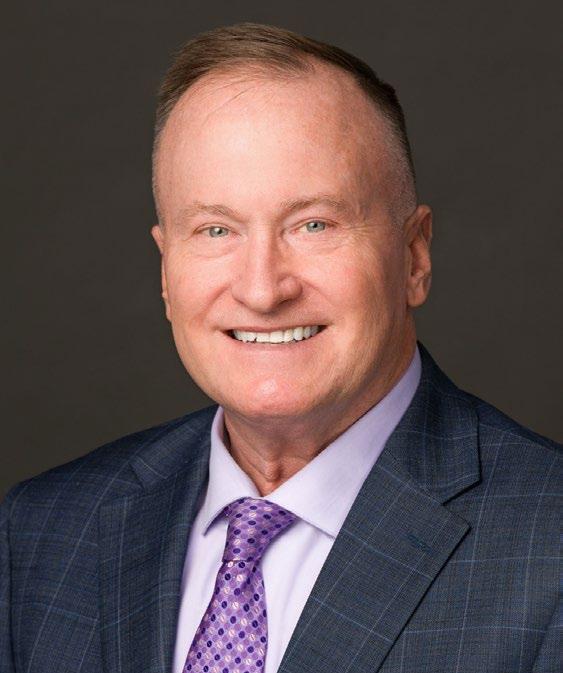
Company/Employer Sam Houston State University
Leadership role at Current Employer (if any) Senior Associate Dean
Describe your clinical EM Practice (eg employment type, academic, etc) Clinical Practice is approximately 60 hours a month is as a clinician in busy suburban and rural community and community academic hospitals that serve as the primary emergency resource in the community- trauma, stroke, MI. Academic Executive responsibilities are as primary Deputy to the Dean with general administration, curriculum and instruction, accreditation efforts, evaluation and assessment, faculty matters, organization, internal and external communications, research activity, student matters, administration of scholarships, fiscal matters, and interacting with other colleges and divisions within the university. Prepare accreditation documents with attention to standards specific to clinical rotations and collaborations in Graduate Medical Education (GME) development. Supervise all aspects of clinical practice operations and develop and maintain student clinical clerkships. Serve on multiple University committees both primarily and as the Acting Dean when the Dean is not available.
Add’t leadership roles Past President, International Federation for Emergency Medicine; Past President, American College of Osteopathic Emergency Physicians; Past President, Past Secretary Treasurer American College of Emergency Physicians; Past Chair, Emergency Medicine Foundation; Past Chair, Commission on Accreditation of Prehospital Continuing Education
Nominators (up to three) William T. Durkin, Jr., MD MBA MAAEM FAAEM; Amin Antoine Kazzi, MD MAAEM FAAEM; Mark Reiter, MD MBA MAAEM FAAEM
Dates of Membership 2010 – present
Disclosure / conflict of interest Nothing to disclose.
Attendance Record for AAEM BOD 100%
Clinical hours worked per month 60
Past five years of AAEM Activities
• AAEM Board of Directors, At-Large Director, 2025 – present
• AAEM Representative to International Federation for Emergency Medicine Assembly, 2023 – present
• International Committee, Member, 2024 – present
• Mediterranean Emergency Medicine Congress, Scientific and Executive Committee, 2023 – present
• Mediterranean Emergency Medicine Congress, Track Chair, 2022 – 2023
• Uniformed Services Chapter, Member, 2019 – 2024
Activities prior to five years
• AAEM Board of Directors, At-Large Director, 2011 – 2017
• AAEM Representative to International Federation for Emergency Medicine Assembly, 2013 – 2017
• Emergency Medical Service Council, Board Liaison, 2015 – 2017
• International Committee, Member, 2016 – 2017
• James Keaney Award, 2018
• Mediterranean Emergency Medicine Congress, Track Chair 2013, 2015, 2017, 2019
• Texas Chapter, Member, 2016 – 2024
Statement
We are under attack from multiple directions. We feel it every day. Moral injury from patients, hospital administration, and even our groups and employers. It is exhausting and has to be fixed, not just for us, but for our patients and the sustainability of our healthcare system. Fixing these problems is going to take a strategic approach and leadership that is focused on the root causes, not just bad behavior at lower levels. The Emergency Department is where we see the problems, not the source of the problems. We have tremendous levels of passion in AAEM that need to be strategically focused by an experienced strategic warrior who is committed to positioning our organization and membership to lead
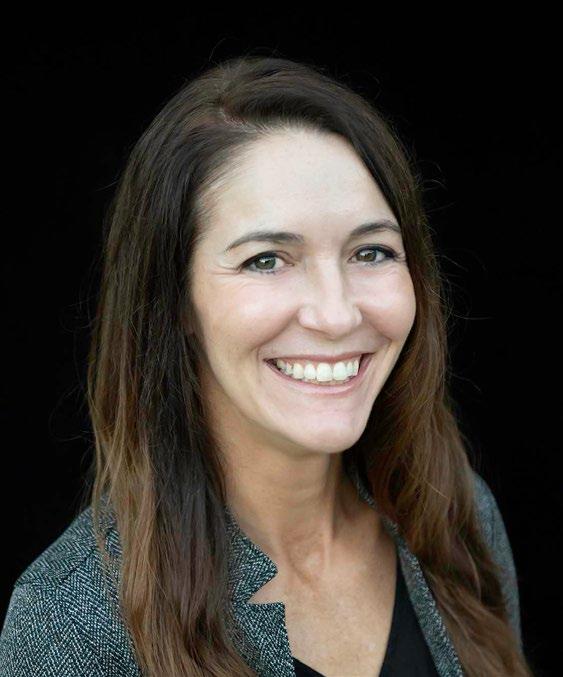
SECRETARY-TREASURER
Company/Employer Emergency Physicians of Tidewater
Leadership role at Current Employer (if any) CEO/President
Describe your clinical EM Practice (eg employment type, academic, etc) We are an independent physician group that staffs academic and community sites. I split time between the community and the primary academic teaching site.
Add’t leadership roles Immediate Past Chair, EMBC
Nominators (up to three) Phil Dixon, MD MBA MPH FAAEM PHYADV; Jonathan S. Jones, MD FAAEM; Vicki Norton, MD FAAEM
Dates of Membership 2005 – present
Disclosure / conflict of interest Nothing to disclose.
Attendance Record for AAEM BOD 100%
Clinical hours worked per month 60
Past five years of AAEM Activities
• AAEM Board of Directors, At-Large Director, 2023 – Present
• Capital Region Chapter, Member, 2020 – 2025
• Women in Emergency Medicine Section, Member, 2020 – 2023
Statement
I am honored to accept the nomination for AAEM Secretary-Treasurer. As a current AAEM Board member, now in the third year of my first term, I have had the opportunity to pursue exciting opportunities while balancing them with the practicality of available resources. Financial sustainability is one of the key elements to the continued success of any organization, and often requires difficult choices. My seven years as CEO and President of an independent Emergency Medicine physician group have been grounded in my commitment to accountability, transparency, and financial sustainability—values I recognize as core to AAEM. My experiences have taught me how to balance ambitious goals with realistic resource management.
Proudly, AAEM has always prioritized its morals over financial gain. I firmly believe, however, that this does not preclude us from being innovative. I am particularly focused on strengthening our financial stability so we can give even more value back to our members. I am fortunate to be following in the footsteps of Dr. Phil Dixon, who has excelled in this role and established a solid foundation for his successor. I am excited to continue contributing to AAEM and look forward to the ongoing impact of this incredible organization for many years.
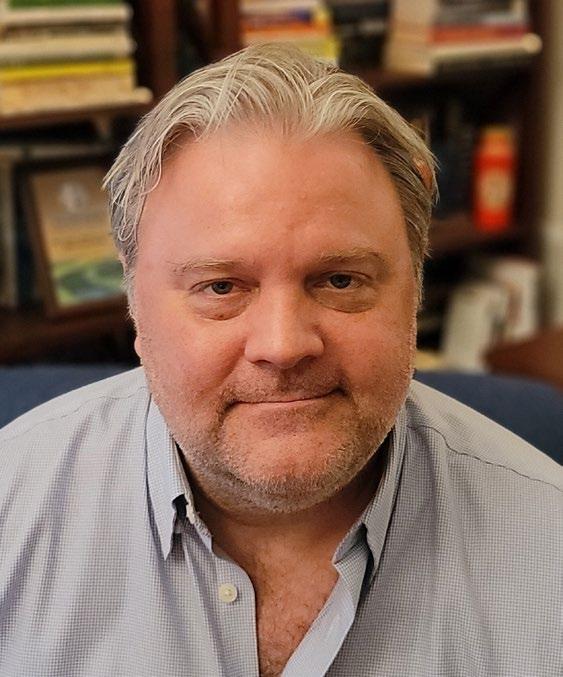
Company/Employer University of Maryland / self-employed LLC
Leadership role at Current Employer (if any) Adjunct Professor, Univ of Maryland SOM Dept of EM; Visiting Professor in S. Africa, India, China, Poland and The Netherlands
Describe your clinical EM Practice (eg employment type, academic, etc) 25 plus years’ experience as academic emergency physician, still Adjunct Professor of Emergency Medicine at University of Maryland School of Medicine Dept of Emergency Medicine. I was the co-founder and director of our International EM Program & Fellowship from 2006-2019. I completed two residencies (EM, Neuromusculoskeletal Medicine); four subspecialty fellowships (International EM; Health Policy; EM Administration & Management; Sports & Exercise Medicine), two Masters (Public Health/Epidemiology & Biostatistics; and Health Economics, Policy and Law), alumnus of Harvard Business School (Gen’l Management Program), associate alumnus of Harvard Medical School (Global Healthcare Leaders Program). Now four plus years full-time locums, and global emergency medicine development.
Add’t leadership roles
Past Vice President/Secretary Treasurer/ Board of Directors/ Fellow, IFEM (Int’l Federation for EM); Co-founder / Board of Directors, African Federation for Emergency Medicine; Past Chair, ACEP International Emergency Medicine Section; Co-Founder and Past Chair, ACEP Ambassador Program; Fellow, AAEM; Fellow, ACEP; Fellow, ACOEP; Fellow, NVSHA (Dutch Society of EM); Fellow, Royal College of Surgeons in Ireland; Fellow, Polish Society of EM (Honorary)
Nominators (up to three) William T. Durkin, Jr., MD MBA MAAEM FAAEM; Mark Reiter, MD MBA MAAEM FAAEM; and Tom Scaletta, MD MAAEM FAAEM
Dates of Membership 2009 – present Disclosure / conflict of interest Nothing to disclose Attendance Record for AAEM BOD 100% Clinical hours worked per month 120-140
Past five years of AAEM Activities
• AAEM Board of Directors, At-Large Member 2016 – 2022
• Aging Well in Emergency Medicine Special Interest Group, Member, 2018 – present
• Capital Region Chapter, President, 2020 – 2025
• Capital Region Chapter, Member, 2020 – present
• International Committee, Member, 2009 – present
• Locum Tenens Section, Member, 2024 – present
Activities prior to five years
• India Chapter, Chair, 2015
• International Committee, Chair, 2014
• Mediterranean Emergency Medicine Conference, Co-Chair, 2015, 2017, and 2019
• Mediterranean Emergency Medicine Conference, Track Chair, 2007, 2009, 2011, 2013, 2015, 2017, 2021
Statement
I have been a Fellow and member of AAEM since 2008, and I have been dedicated to the mission and vision of AAEM as THE CHAMPION of the emergency physician ever since. For the past 10 years, I have held multiple leadership positions in AAEM and ran for AAEM Secretary/Treasurer in 2022. In my experience in global EM for over 25 plus years, I believe that the AAEM is the best and brightest EM professional organization in the world—AAEM has been fighting for EM and for EPs for over 30 years, and I am eager to continue to work for AAEM and for its members, to strengthen and represent our profession to the multiple economic, political, and societal forces currently challenging our practice
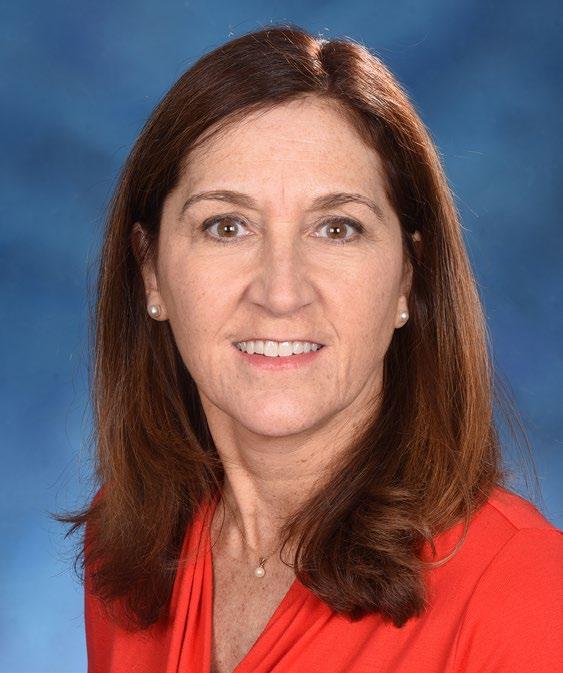
Past five years of AAEM Activities
Company/Employer University of Maryland
Leadership role at Current Employer (if any)
Describe your clinical EM Practice (eg employment type, academic, etc) I work at an urban, tertiary care academic medical center.
Add’l leadership roles
Nominators (up to three) Heidi Best, MD FAAEM; Robert Frolichstein, MD FAAEM; Vicki Norton, MD FAAEM
Dates of Membership 2016 – present
Disclosure / conflict of interest Nothing to disclose
Attendance Record for AAEM BOD 100%
Clinical hours worked per month 100
• AAEM Board of Directors, At-Large Member, 2023 – present
• James Keaney Award Winner, 2023
• Mentor, 2017 – 2022
• Oral Board Review Committee, Examiner, 2021 – 2025
• Qualifying Exam and MyEMCert Committee, Vice Chair, 2020 – present
• Scientific Assembly Planning Work Group, Advisor, 2022 – 2025
• Scientific Assembly Planning Work Group, Co-chair, 2021 – 2022
• Speaker Development Work Group, Mentor, 2022 – present
• Top Speaker Award of the 2020 Written Board Review Course, 2021
• Written Board Review (Qualifying Exam) Course, Speaker, 2014 – present
Activities prior to five years
• Scientific Assembly Breve Dulce Work Group, Chair, 2020 – 2021
• Scientific Assembly 2021 Planning Subcommittee, Co-chair, 2020 – 2021
Statement
I seek your support for my re-election to the AAEM Board of Directors as an At-Large Director. I have greatly enjoyed my service on the Board over the past three years. It has been an educational and wholly gratifying experience.
At present, I am a Professor of Emergency Medicine at the University of Maryland School of Medicine. I went to medical school at Northwestern University and then completed my EM residency at Northwestern Memorial Hospital. Afterwards, I spent five years at Harvard University as the Associate EM Program Director of the Harvard Affiliated EM Residency. Next, I moved onto Yale University to become the EM Program Director and remained in that position for seven years. I have also completed a Master of Education degree with a concentration in health professional education at the University of Illinois Urbana-Champaign.
I am a dedicated educator and have received teaching awards from Harvard, Yale, and Northwestern Universities and the University of Maryland, as well as from AAEM and ACEP.
In 2023, I successfully ran for an At-Large Director board position and was fortunate to join the AAEM Board of Directors. During my time in this role, I have attended every board meeting, drafted statements on behalf of the Academy and am working in the newly created structure of the Academy to lead the Education Council. Additionally, I have worked to improve the CME on-line content and user experience, and to improve member recruitment and retention.
My hope is to be able to continue to serve the AAEM membership as an At-Large Member on the Board of Directors. Your support is greatly appreciated.
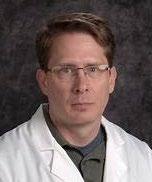
Company/Employer LSU Health Shreveport
Leadership role at Current Employer (if any) Associate Residency Program Director
Describe your clinical EM Practice (eg employment type, academic, etc) I am currently an Assistant Professor of Emergency Medicine at LSU Health in Shreveport, LA. I have previously worked in an independent democratic group in Jackson, MS, as well as worked for a CMG when moving home to Shreveport. I have experienced the unfair treatment of physicians at the hands of CMGs first hand. I opened and ran an independent urgent care clinic staffed by me and another EM physician for 10 years prior to going back to academics where I am currently working.
Add’t leadership roles
Nominators (up to three)
Dates of Membership 2024 – present
Disclosure / conflict of interest Nothing to disclose.
Attendance Record for AAEM BOD n/a
Clinical hours worked per month 100
Past five years of AAEM Activities
Statement
I have been a member of AAEM for five years while working with the residency program at LSU Health in Shreveport, LA. I have presented at our state chapter annual meeting in 2024. Our residents attend each state chapter meeting via Zoom during my tenure as Associate Residency Program Director to encourage resident involvement at the state level. I have worked in several models of Emergency Medicine practice including independent democratic group, CMG, and academics. While working for a CMG, I have personally experienced the lack of physician input, minimal physician autonomy, and disregard for our role in the practice of EM. I have owned my own urgent care clinic with another physician partner and successfully operated it for a decade. I have interacted with federal and state agencies both during the operation of my clinic, as well as during my time as APD of our EM residency program. I program is firmly rooted in the practicing physician as the indispensable member in ED operations, safe patient care, and maintaining the physician-patient relationship. I would be honored to continue that focus on a national level with AAEM.
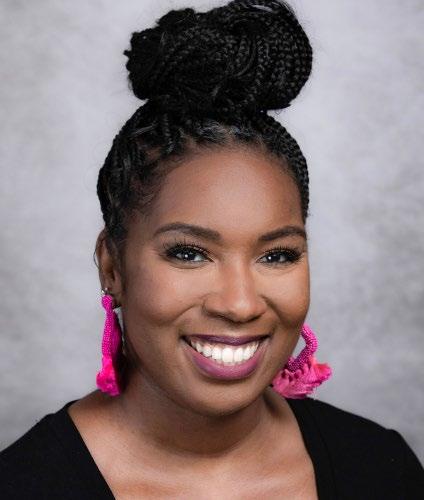
Company/Employer Community Health Systems
Leadership role at Current Employer (if any)
Describe your clinical EM Practice (eg employment type, academic, etc) Community Emergency Physician
Add’t leadership roles
Nominators (up to three) Robert Frolichstein, MD FAAEM; Jonathan S. Jones, MD FAAEM; Vicki Norton, MD FAAEM
Dates of Membership 2013 – present
Disclosure / conflict of interest Nothing to disclose.
Attendance Record for AAEM BOD 100%
Clinical hours worked per month 60
Past five years of AAEM Activities
• AAEM Board of Directors, At-Large Director, 2022 – Present
• Education Committee, Member, 2021 – 2023
• Justice, Equity, Diversity, and Inclusion Section, Member, 2021 – Present
• Leadership Academy, Co-Chair, 2025 – Present
• Locum Tenens Section, Member, 2023 – Present
• Oral Boards Examiner, 2021 – 2022
• Tennessee Chapter Division, Member, 2022 – 2024
• Women in Emergency Medicine Section, Member, 2021 – 2023
• Young Physicians Section, Member, 2018 – Present
Statement
Thank you for your consideration and I would be honored to continue my board and organizational service as a Member at Large. As a member of the Board of Directors since 2022, I’ve worked to energize our Academy from the inside out, ensuring that every emergency physician, from medical student to seasoned attending, is seen, supported, and empowered.
Over my most recent term, I’m especially proud to have co-chaired the Leadership Academy, which has not only expanded in participation and engagement, but this year’s cohort even launched a new state chapter, the Four Corners, demonstrating that when we invest in emerging leaders, they invest right back in AAEM and expand our influence in new places. We’ve made significant progress in strengthening the experience of our members in the Academy. I’m committed to mentorship, advocacy, and innovation that keep our organization moving forward.
My vision for AAEM is to be the professional home that champions all emergency physicians, no matter how or where they practice. As an emergency physician who has practiced in diverse clinical settings and who now also runs multiple growing businesses, I bring both a pit doc’s grit and a strategist’s lens for growth.
In my next term, I want to help AAEM lead boldly into what’s next: advancing conversations around AI and how it will shape our specialty, making us the experts on the business of EM and physician entrepreneurship and ensuring our members age well in emergency medicine.
I lead with collaboration, clarity, and innovation and I remain deeply committed to the values that make AAEM the champion of emergency physicians. I would be honored to continue serving you on the Board of Directors.
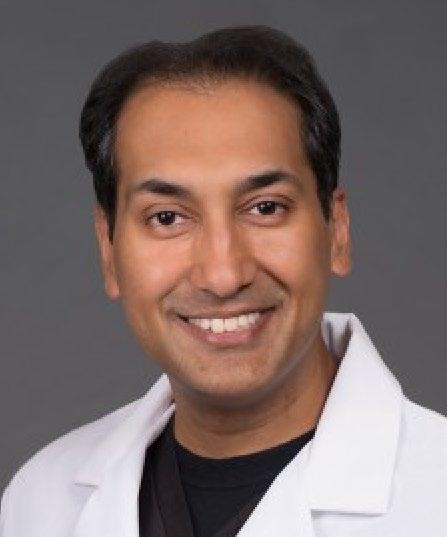
Attendance Record for AAEM BOD n/a
Clinical hours worked per month 80
Past five years of AAEM Activities
Company/Employer New York Presbyterian Cornell & Columbia
Leadership role at Current Employer (if any) Senior Director of Learner Development & Academic
Advising
Describe your clinical EM Practice (eg employment type, academic, etc) Full time academic attending physician working at Weill Cornell (Tertiary care center), Columbia University Irving Medicine Center (Tertiary care center), and Lower Manhattan Hospital (Community).
Add’t leadership roles Board Member & Co-Founder of the World Academic Council of Emergency Medicine (International)
Nominators (up to three) Robert McNamara, MD MAAEM FAAEM
Dates of Membership 2006 – present
Disclosure / conflict of interest Nothing to disclose.
• International Committee, Member, 2019 – Present
• International Committee, Immediate Past Chair, 2024 – 2025
• International Committee, Chair 2022 – 2024
• International Committee, Vice-Chair 2021 – 2022
• Kevin G. Rodgers Program Director of the Year Award Recipient – 2025
Activities prior to five years
• Delaware Valley Chapter Division, Pennsylvania Director-At-Large, 2016 – 2017
• Delaware Valley Chapter Division, Pennsylvania President, 2017 – 2019
• Legal Committee, Member, 2016 – 2020
• Legal Committee, Vice-Chair 2019 – 2020
• Social Media Committee, 2016 – 2020
• Marketing Task Force 2016 – 2020
• National Physician Suicide Awareness Advocacy 2018; Wellness Committee Focus Group 2019
• Contributions to Modern Resident, 2013 & 2015
Statement
I have been a proud AAEM member for 20 years, and I am honored to submit a candidacy to the Board. I was first exposed to the Academy under Dr. Robert McNamara as an academic faculty member. I learned the critical importance of due process, transparency, and workplace fairness which have been core tenets within my leadership style. As an aspiring educator, I had the privilege of working under Dr. Joe Lex. I embraced the concepts of spreading open access education content to better improve emergency didactics/care globally. For me, the FAAEM designation represents a fellowship of dedicated physicians who are the safety net for our communities and tirelessly advocate for our patients and specialty.
I was fortunate to represent the Delaware Valley AAEM chapter as the Pennsylvania Director-At-Large and President. In these roles, we worked on patient (motorcycle helmet advocacy) and peer initiatives (National Physician Suicide Awareness Day). I worked with a coalition of physicians at the state legislature to advocate for transparency with “surprise” billing. Additionally, I advocated to our state representatives for the importance of physician autonomy and against APP independent practice without physician oversight. Our patients deserve board certified emergency physicians. Awesomely, I assisted with the design team that created the AAEM logo. The group committed to a vision that wholly resonates with me. A shield to protect our communities, a torch to light the way, and the phrase “Champion of the Emergency Physician.” These values inspired me to become the president of our faculty senate and a member of my hospital leadership. It is critical for physicians to oversee health care systems and advocate for patients from the top to the pit.
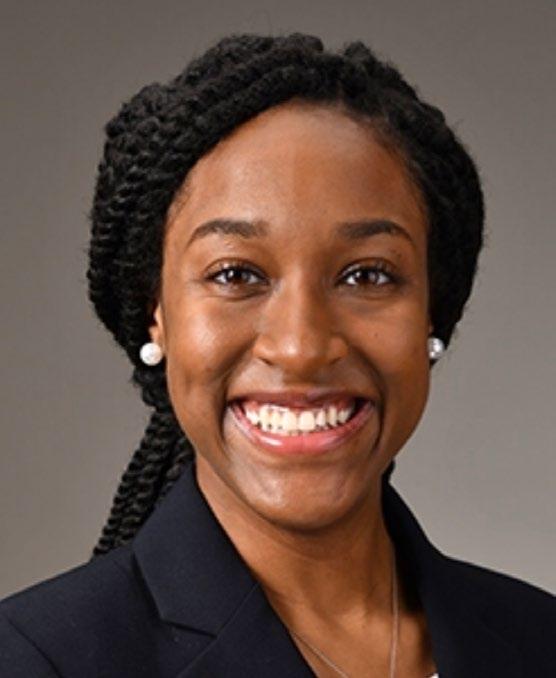
Past five years of AAEM Activities
Company/Employer Basin Emergency Physicians
Leadership role at Current Employer (if any)
Describe your clinical EM Practice (eg employment type, academic, etc) I currently work full time at two hospital sites—one community site and one rural critical access hospital.
Add’t leadership roles none
Nominators (up to three) Eric W. Brader, MD FAAEM; Robert Frolichstein, MD FAAEM; Vicki Norton, MD FAAEM
Dates of Membership 2020 – present
Disclosure / conflict of interest Nothing to disclose.
Attendance Record for AAEM BOD n/a
Clinical hours worked per month 150
• Justice, Equity, Diversity & Inclusion Committee, Member, 2024 – present
• Justice, Equity, Diversity & Inclusion Committee, Secretary and Finance Chair, 2025 – present
• Leadership Academy, Mentee, 2025 – present
• Texas Chapter, Member, 2024 – present
• Women in Emergency Medicine Section, Member, 2025 – present
• Young Physicians Council, Member, 2024 – present
Statement
As a board certified emergency doctor from Texas originally, I currently work for a small democratic group in both community hospital settings in Odessa, Texas and in a critical access hospital in Kermit, Texas—a town of only 5,000 people.
Advocacy has always been at the heart of emergency medicine. I believe that AAEM aligns well with my own values and hopes for our specialty. Texas is only a microcosm of how current events are affecting both our patients and our specialty. Vaccine hesitancy, medical mistrust, ongoing insurance issues, battles with corporate practice of medicine and so much more continue to threaten our specialty and our patients. I see that firsthand when working in the community and rural hospitals in west Texas. Being able to advocate for the most vulnerable patients and parts of our specialty is my goal if elected. I believe representation of our community and rural doctors is an important part of both education and advocacy.
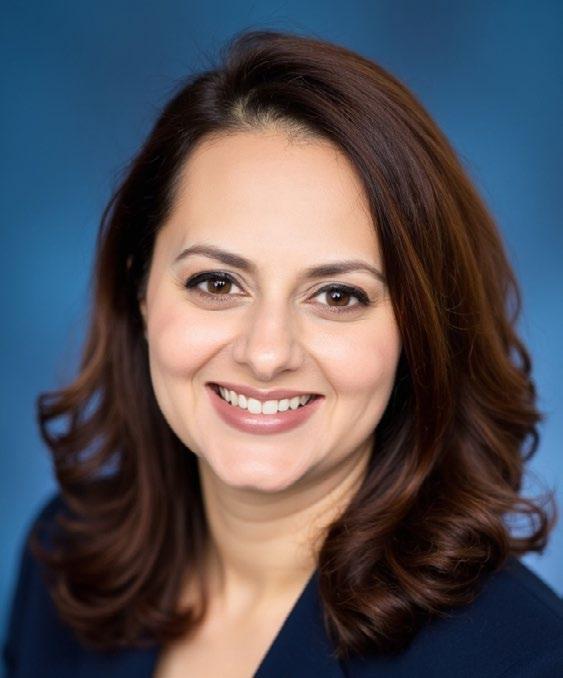
There needs to be more representation, which I believe translates into more engagement of those AAEM members. With the current events that are threatening our voices, we need to be more unified as physicians. The power in our collective voice is what our specialty needs to move forward. Being in the Leadership Academy has helped me expand on the leadership skills necessary to lead us forward. Working as the Secretary and Finance Chair of JEDI AAEM has also given me more experience in advocating for vulnerable patients and the advancement of the field. My future aspirations within emergency medicine are built on the work that I am already doing within the Academy—to advocate for our specialty, the livelihoods of others and use my voice for the greater good. It would be an honor to do so as your next AAEM At Large Board Member.
Attendance Record for AAEM BOD n/a
Clinical hours worked per month 40
Past five years of AAEM Activities
Company/Employer Capitol City Emergency Physicians/Self
Leadership role at Current Employer (if any) President
Describe your clinical EM Practice (eg employment type, academic, etc) I have experience across a wide variety of practice settings, ranging from small rural practices to large democratic group practices, and everything in between. I have been doing locum tenens work for the past three and a half years, gaining exposure to diverse emergency medicine demographics and the unique challenges associated with each.
Add’t leadership roles Member of ACEP
Nominators (up to three) Mark Reiter, MD MBA MAAEM FAAEM
Dates of Membership 2011 – present
Disclosure / conflict of interest Nothing to disclose
• Critical Care Medicine Section, Member, 2020 – present
• Justice, Equity, Diversity & Inclusion Committee, Member, 2022 – 2023
• Locum Tenens Section, Chair-Elect, 2024 – 2025
• Texas Chapter, Member 2020 – 2025
• Texas Chapter, Vice Chair, 2025 – Present
• Women in Emergency Medicine Section, Member, 2020 – present
Statement
I have been a long-standing and committed advocate for the specialty of Emergency Medicine, with a particular focus on supporting bedside physicians. I currently serve on several AAEM committees, including the Legal Committee, where I have been an active contributor, as well as the Physician Group Board. In addition, I serve as President of the Locum Tenens Group.
Through my work with AAEM, I have engaged in writing and contributing to opinions on a range of critical issues affecting our specialty, including the CARES Act, EMTALA, and emergency department boarding. These experiences have strengthened my understanding of the legal, regulatory, and policy challenges facing emergency physicians today.
I believe the greatest strength of Emergency Medicine lies in our intellectual flexibility and our deep compassion for the humanity of our patients. As a specialty, we are entering a new era of health care, one that sits at a crossroads between thoughtful technology integration and the risk of technology overtake or overreach. Through numerous systemic challenges, we have worked to preserve the sanctity of the patient-physician relationship, which remains central to the practice of medicine and the trust placed in us by the public.
Emergency Medicine has long served as the bedrock of the American health care system-keeping our doors open and our values aligned with providing care to anyone and everyone in need. I believe it is imperative that we continue to step forward to protect this role and advocate for our patients and physicians as we shape the future of our specialty.
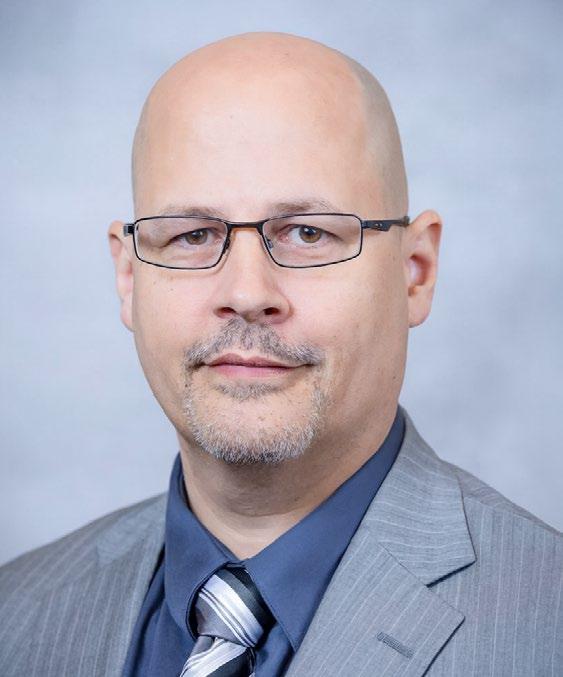
I would bring a unique perspective to the Board informed by my lived experiences across diverse practice settings, as well as my strong interest in health care policy, health care law, and the business of Emergency Medicine.
Company/Employer Sarasota Emergency Associates
Leadership role at Current Employer (if any) Partner
Describe your clinical EM Practice (eg employment type, academic, etc) I practice full-time emergency medicine across all four emergency departments in our system, including two hospital-based EDs and two freestanding EDs. My clinical work spans a wide range of patient acuity and volume, and I routinely supervise and collaborate with advanced practice providers. I am also actively involved in resident education, providing bedside teaching, guidance on clinical decision-making, and support during procedures and complex cases. Beyond direct patient care, I participate in departmental quality initiatives, patient safety efforts, and operational improvement. I contribute to onboarding and supporting new clinicians and regularly engage in system-wide discussions on workflow, staffing, and best practices in emergency care.
Add’t leadership roles Member of QIPSC at both our main and Venice hospital campuses and the Departmental Quality Improvement Committee, leading patient safety and quality initiatives. Clinical faculty with Florida State University College of Medicine and Orlando College of Osteopathic Medicine, mentoring residents and medical students. Active member of AOBEM, ACOEP, AAEM, and AOA, committed to advancing physician-led emergency medicine and supporting the growth of the specialty.
Nominators (up to three) William A. Downes, MD FAAEM
Dates of Membership 2018- present Disclosure / conflict of interest Nothing to disclose Attendance Record for AAEM BOD n/a Clinical hours worked per month 120-140
Past five years of AAEM Activities
• Florida Chapter, Member, 2020 – 2021; 2023 – 2024
• Oral Board Examiner, 2021
Statement
Emergency medicine is at a defining moment. The increasing corporatization of care, erosion of due process, and steady loss of physician leadership have materially changed how emergency physicians practice. These challenges demand a strong, principled AAEM that is willing to advocate clearly and decisively. I am seeking election to the AAEM Board of Directors because I believe sustained physician-led leadership is essential to the future of our specialty.
I practice emergency medicine in multiple clinical environments and routinely work during the most operationally demanding hours. This keeps me closely connected to the realities facing frontline physicians’ rising productivity expectations, staffing instability, and growing distance between clinical judgment and administrative priorities. These pressures reinforce the importance of AAEM’s mission to protect democratic practice models, physician autonomy, and due process.
My leadership style is practical, direct, and grounded in systems thinking. Through ongoing quality and patient safety leadership across multiple campuses, I have learned that effective advocacy requires more than alignment of values; it requires credibility, follow-through, and the ability to translate policy into meaningful change at the bedside. I value collaboration, but I am equally prepared to take clear positions when the interests of emergency physicians and patients are threatened.
My involvement with AAEM has been intentional. I have attended multiple AAEM conferences and most recently served as a speaker at the AAEMsponsored MEMC 2025 conference in Budapest. I was honored to be nominated for the Board by the CEO of my small, democratic physician group, an AAEM-PG member. That nomination reflects the confidence of colleagues who actively practice in and defend physician-led emergency medicine.
Education and mentorship are central to my professional commitment. Working with residents and medical students has reinforced how current policy decisions will shape the next generation of emergency physicians. That responsibility is now personal, as my son applies for emergency medicine residency. I want him, and all trainees’ to enter a specialty defined by professional respect, clinical independence, and
Company/Employer Nutex Health
Leadership role at Current Employer (if any) Chief Medical Officer/ED Director
Describe your clinical EM Practice (eg employment type, academic, etc) Democratic group Add’t leadership roles none Nominators (up to three) Dates of Membership 2007 – present
Disclosure / conflict of interest Nothing to disclose.
Attendance Record for AAEM BOD n/a Clinical hours worked per month 144
Past five years of AAEM Activities
• JEDI Section, Member, 2022
• Louisiana Chapter, Member, 2015 - 2024
Statement
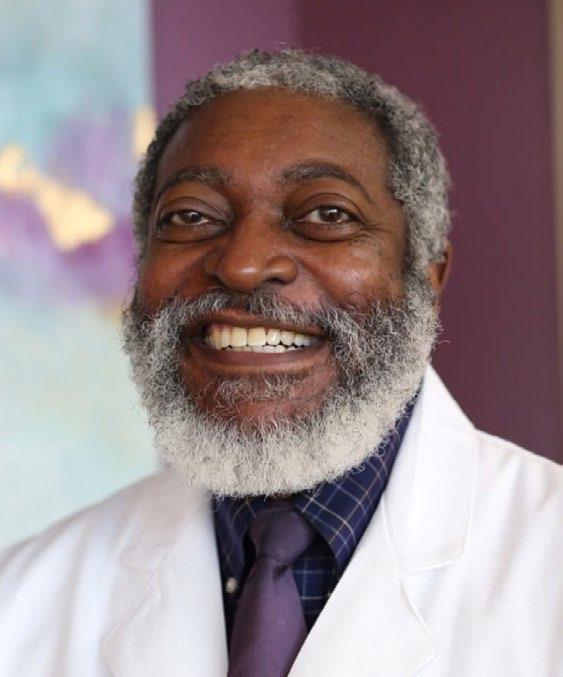
I trained in Emergency Medicine in Los Angeles from 1988-1991. I have worked in a myriad of facets of the profession including academics, locum tenens, urgent care, small democratic group settings, contract management groups, site medical director, EMS director and currently chief medical officer. I serve on the board of directors at Nutex Health, a publicly traded company. I continue to work clinical shifts in the Emergency Dpeartment. Through the years, I have witnessed the changes in the specialty—the good and the not so good. One thing that has remained constant is AAEM’s devotion to and support for the the individual emergency physician as well as the specialty. I have been aligned with that mission since early in my career. At his stage in my vocation, I think my most important contribution is the continued commitment and support of the organization that I feel is most dedicated to ensuring the continued positive evolution of the specialty to allegiance to the working Emergency Physician.
Past five years of AAEM Activities
Company/Employer Stanford School of Medicine, Department of Emergency Medicine Leadership role at Current Employer (if any) Health Equity Curriculum Thread Lead (Stanford School of Medicine)
Describe your clinical EM Practice (eg employment type, academic, etc) Academic Add’t leadership roles AAEM-JEDI Section Vice Chair, Chair, and Advisor (outgoing Chair). Nominators (up to three) Robert Frolichstein, MD FAAEM; Fred E. Kency Jr., MD FAAEM Dates of Membership 2016 – present Disclosure / conflict of interest Nothing to disclose. Attendance Record for AAEM BOD n/a Clinical hours worked per month 80
• AAEM Scientific Assembly, Plenary Speaker 2023 – 2025
• Justice, Equity, Diversity, and Inclusion Section, Chair, 2022 – 2023
• Justice, Equity, Diversity, and Inclusion Section, Member, 2021 – Present
• Leadership Academy Graduate – 2021
• Young Educator Award Recipient – 2022
• Young Physicians Section, Member, 2019 – Present
• Mediterranean Emergency Medicine Conference, Track Chair, 2023
Statement
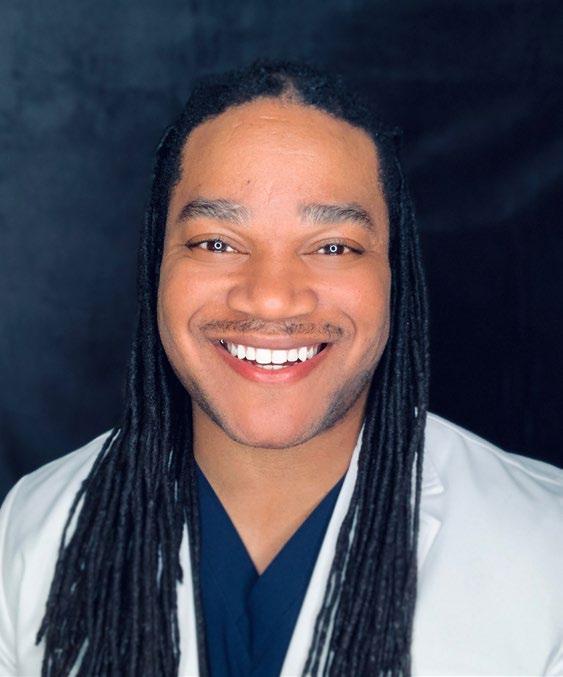
As an early-career emergency physician myself, I understand firsthand the unique challenges we face as we establish our careers in this dynamic and demanding specialty. Combined with my substantial leadership experience within AAEM, deep knowledge of the Academy’s operations and strategic vision, and extensive network spanning from trainees to seasoned practitioners, I am positioned to effectively represent and advocate for our membership and liaise with the Board of Directors. Emergency medicine stands at a critical inflection point. We are navigating rapid technological advancement that is reshaping how we deliver care, policy changes that fundamentally impact our practice environment, and an escalating demand for emergency services that strains our workforce. For young physicians entering this landscape, the challenges are multifaceted—whether practicing in academic centers or community settings, we face questions about sustainable practice models, scope of practice evolution, work-life integration, and career longevity that previous generations may not have encountered with the same intensity. I have witnessed talented colleagues struggle with early burnout, grapple with limited mentorship, and face barriers to accessing the resources necessary to thrive professionally and personally. This is unacceptable. Our specialty cannot afford to lose passionate, skilled physicians to preventable attrition. As YPS Director, I am committed to building robust mentorship pathways that connect early-career physicians with experienced guides who can help navigate the complexities of modern emergency medicine practice. I will work tirelessly to expand access to professional development resources, create forums for peer support and knowledge exchange, and ensure that the unique perspectives and needs of young physicians are not just heard but prioritized in AAEM’s strategic decisions. My vision for YPS is one of proactive advocacy and meaningful support. I will amplify the voices of early-career emergency physicians in conversations about workforce sustainability, practice environment quality, and the future direction of our specialty. I will leverage my relationships across the full continuum of emergency medicine to forge partnerships that benefit our members, from securing educational opportunities, building our financial literacy and negotiation capabilities, to advocating for policies that support sustainable practice. The professional development of young physicians is not ancillary to AAEM’s mission, it is central to the vitality and future of emergency medicine. I am ready to serve our membership with dedication, strategic insight, and an unwavering commitment to ensuring that every early-career emergency physician has the support, resources, and advocacy they deserve to build a fulfilling, sustainable career. I would be honored to earn your support and the opportunity to serve as your YPS Director.
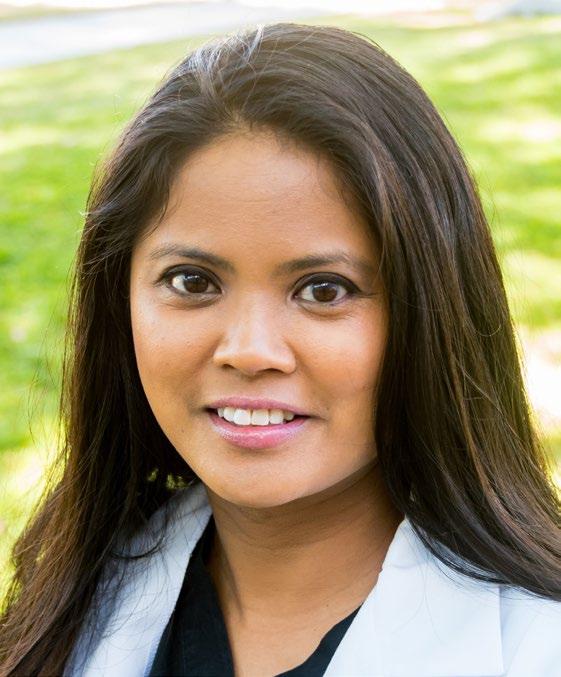
Company/Employer La Paz Emergency Medicine and Research Group
Leadership role at Current Employer (if any) President
Describe your clinical EM Practice (eg employment type, academic, etc) I work clinically as a fulltime independent contractor with an independent emergency medicine physician group that staffs both an urgent care center and a community emergency department in South Bay, San Diego, just miles from the US-Mexico border. I also work per diem for Kaiser Permanente. Although we operate independently of local universities, my group serves as a training site for residents and medical students. The patient population in South Bay is extremely diverse, with a large number of underserved, cross-border patients, which creates unique challenges in clinical practice and medical resource allocation. Overall, I feel fortunate to work with an independent EM group that prioritizes the health and well-being of EM physicians while seeking to serve an indigent patient population.
Add’t leadership roles I serve as the Physician Advisor for the EMS Club at UCSD, where I teach and mentor undergraduates who are navigating their careers in medicine and EM. I also sit on the Board of Directors and serve as the State Representative for the Compress and Shock Foundation, a non-profit that provides free CPR and AED training to the public, with specific dedication to communities most adversely affected by cardiac arrest due to race, ethnicity, primary language, or limited access to healthcare education. I am a Section Editor for both WestJEM and the Journal of Emergency Medicine
Nominators (up to three) Lisa A. Moreno, MD MS MSCR MAAEM FAAEM FIFEM; Vicki Norton, MD FAAEM Dates of Membership 2010 – present Disclosure / conflict of interest Nothing to disclose. Attendance Record for AAEM BOD n/a Clinical hours worked per month 70
Past five years of AAEM Activities
• California Chapter Division, Member, 2023 – Present
• California Chapter Division, Operational Board Member, 2023 – Present
• Emergency Medical Services Section, Member, 2025 – Present
• Latin American/Hispanic Health & Education Committee, Co-Vice Chair, 2025 – Present
• Locum Tenens Section, Member, 2025 – Present
• Operations Management Section, Member, 2025 - Present
• Oral Boards Examiner, 2023 – Present
• Social EM and Population Health Committee, Member, 2024 – Present
• Young Physicians Section, Member, 2022 – Present
• Women in Emergency Medicine Section, Councilor, 2022 – 2023
Statement
First, I would like to thank both Dr. Vicki Norton and Dr. Lisa Moreno for supporting me in this nomination for YPS Director. I have been a proud member of AAEM RSA throughout medical school and residency and have held various leadership roles in AAEM, from Women in EM leadership to the Cal-AAEM Board of Directors to State Chapter President. In the last few years, the Cal-AAEM Chapter has organized educational and advocacy-centered symposia focused on how the corporate practice of medicine and private equity-backed groups have diminished the delivery of quality, EM physician-driven care. In recent months, we have published chapter newsletters on state and local legislation that would impact the practice of EM.
While focusing on the State Chapter, I have found that a large majority of our Chapter members are EM residents and young physicians. Last fall, in collaboration with AAEM RSA and AAEM Locums Group, I organized and co-hosted a Financial Wellness Seminar to prepare medical students and residents regarding student loans and overall financial wellness. In the coming months, I will be working with YPS and RSA leaders to engage and
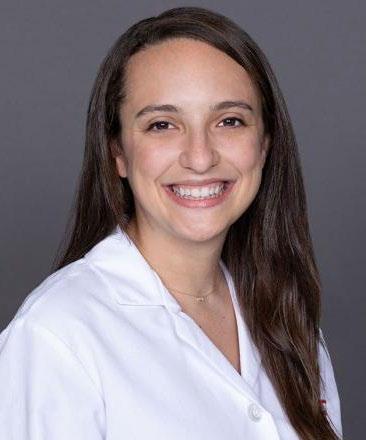
Company/Employer Temple University Hospital
Leadership role at Current Employer (if any) Medical Director of Clinical Operations, Episcopal Campus
Describe your clinical EM Practice (eg employment type, academic, etc) I am a full time emergency physician at Temple University Hospital. I primarily work at an academic affiliated community site Episcopal Campus where I also serve as the ED medical director.
Add’t leadership roles
Nominators (up to three) Nicholas Boyko, DO FAAEM; Robert McNamara, MD MAAEM FAAEM; Kraftin Schreyer, MD MBA FAAEM
Dates of Membership 2018 – present
Disclosure / conflict of interest
Nothing to disclose.
Attendance Record for AAEM BOD n/a
Clinical hours worked per month 88
Past five years of AAEM Activities
• Delaware Valley Chapter Division, Member, 2021 – Present
• Emergency Medicine Workforce Committee, Member, 2025 – Present
• Leadership Academy Graduate – 2021
• Operations Management Committee, 2023 – 2024
• Young Physicians Section, Member, 2022 – Present
• Young Physicians Section, Councilor, 2025 – Present
• Young Physicians Section, Councilor, 2022 – 2024
• Women in Emergency Medicine Section, Member, 2022 – Present
Statement
I am honored to seek election as Director of the Young Physicians Section of the American Academy of Emergency Medicine. AAEM has been central to my development as an emergency physician since residency, and I am deeply committed to advancing its mission of democratic emergency medicine, physician advocacy, and support for early-career emergency physicians.
My involvement with AAEM began during residency, when I was elected as an at-large board member of the AAEM Resident and Student Association in 2019, followed by service as Vice President in 2020. These early leadership roles during the COVID-19 pandemic, a particularly challenging period for trainees, reinforced my dedication to representation, transparency, and meaningful engagement with members.
Since graduating from residency, I have remained deeply involved in the Young Physicians Section. I have had the privilege of serving as Chair-Elect in 2023, Chair in 2024, and currently serve as Immediate Past Chair. In these roles, I focused on initiatives with tangible impact for early-career physicians, including strengthening mentorship programs, expanding CV review and mock interview offerings, and helping develop key resources such as the Young Physician Toolkit and a Guide to Publishing. I also co-authored the AAEM Young Physicians Section and Women in Emergency Medicine position statement on scheduling recommendations during pregnancy, the postpartum period, and parental leave. This work reflects my commitment to equity, workforce sustainability, and institutional accountability. Through my work with RSA and YPS, I have also enjoyed organizing and hosting webinars and Scientific Assembly programming, including the Financial Literacy Lunch, YPS Open Mic Competition, and YPS Oral Abstract Competition.
These national service efforts complement my academic and clinical roles as an attending emergency physician at Temple University Hospital for the past four years and as Medical Director of the Episcopal Campus. In these positions, I work closely with trainees and early-career physicians navigating leadership, operations, and career development.
As YPS Director, I will continue to advocate for practical resources, inclusive policies, and leadership opportunities that empower young physicians to thrive. I bring organizational leadership, national service experience, and a collaborative approach, and I would be honored to continue serving AAEM and its members in this role.
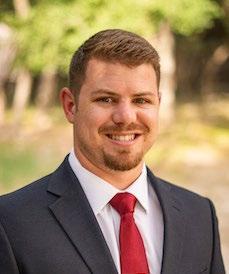
Company/Employer Oklahoma State University
Leadership role at Current Employer (if any)
Describe your clinical EM Practice (eg employment type, academic, etc) I work at a level one trauma center in an academic setting teaching emergency medicine residents as well as community sites without residents
Add’t leadership roles
Nominators (up to three) Leah Colucci, MD MS; Jonathan S. Jones, MD FAAEM; Jonathon Lowe, DO FAAEM
Dates of Membership 2020 – present
Disclosure / conflict of interest
Nothing to disclose
Attendance Record for AAEM BOD n/a Clinical hours worked per month 168
Past five years of AAEM Activities
• Great Plains Chapter, Founding Member, 2025 – present
• RSA Board of Directors, At-Large Director, 2023 – 2024
• Young Physician Section, Member, 2024 – present
Statement
I believe I could provide great value in the role of YPS director and would love the honor of doing so. In 2024 I won the resident of the year award for my work on the AAEM/RSA board as the advocacy chair where most of my work entailed increasing membership to increase state and local level advocacy including residency site visits for recruitment. During that year and 2025, when I won the AAEM YPS engagement award, I was starting the Oklahoma Chapter of AAEM, where before this became formally a chapter, I joined with a couple other members in Kansas and Missouri and started the GPAAEM regional chapter and actively sit on the board of this chapter. Now as I work in the academic setting I get to engage with residents and students about AAEM. I would love to continue to advocate for emergency medicine, especially as I am in early career—the young physician section. I believe starting out your career with the right resources and knowledge allows us to advocate for emergency medicine and our patients as we advance in our careers. With the right foundation early in our careers, it will allow us the freedom and time to dedicate to our passions outside of direct clinical work and allow us to grow into these roles as we gain exposure in this arena. I would like to help members in YPS gain knowledge or connect to resources wherever they feel that allows them to set this foundation for their future.
Continued from page 10
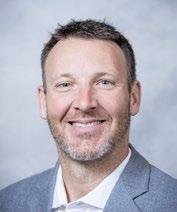
Phil Dixon, MD MBA MPH FAAEM PHYADV CANDIDATE FOR PRESIDENT-ELECT
Advancing Fulfillment and Sustainability. Burnout, moral injury, and workforce instability threaten the future of our specialty. I am committed to strategies that promote sustainable practice models, meaningful engagement, and long-term professional fulfillment.
Ensuring Respect for Emergency Physicians. Emergency physicians are essential to the healthcare system yet are often marginalized in decision-making. I will work to elevate our collective voice and ensure we are recognized, heard, and respected by health systems, policymakers, and payers. Emergency medicine demands decisive action, principled leadership, and unwavering advocacy. AAEM exists to ensure that emergency physicians remain independent, respected, and fulfilled to free to practice medicine as it should be practiced.
I would very much appreciate your vote—and be honored to serve as your President-Elect and advance these shared values on behalf of our profession.
Thank You!
Continued from page 11
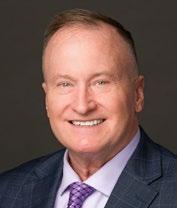
Robert E. Suter, DO MHA FAAEM CANDIDATE FOR PRESIDENT-ELECT
a true reformation of the healthcare system is the only sustainable solution to the challenges that we all feel every day in the ED. This is why I returned to the board after having already received the AAEM James Keaney Leadership Award. I am running not for recognition, I am running to lead our membership of dedicated passionate members to join collaboratively with others to reform healthcare, and by doing so, improve our daily lives and the lives of our patients. Please join me—I need your vote—without your vote I cannot be as effective. Let’s win together. Thank you for your support.
Continued from page 13
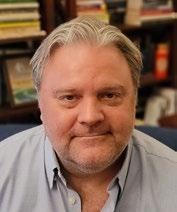
Terrence Mulligan, DO MPH FAAEM FACOEP FIFEM FACEP FNVSHA FFSEM HPF CANDIDATE FOR SECRETARY-TREASURER
and service to our patients. For the past 25 years, I have been deeply involved in global emergency medicine development in over 60 countries around the world, and have founded multiple local and national societies for emergency medicine, EM residencies, have authored and co-authored multiple global EM curricula for EM students, residents, and fellows, have founded multiple EM subspecialty fellowships in multiple countries, and have successfully worked to establish EM as a recognized specialty in over a dozen countries.
Continued from page 17
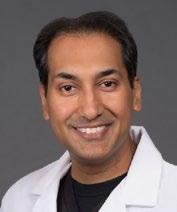
Manish Garg, MD FAAEM AT-LARGE DIRECTOR
I moved to New York City and was deeply impacted by the COVID pandemic. My emerging infections research combined with my global health experiences at one of the epicenters of the outbreak provided me the background to communicate 70 plus engagements with the media about emergency care. The work springboarded to consultation assistance (infectious disease, assault weapons, reproductive rights) with the office of the Vice-President of the United States. I plan to utilize my academic skill sets/international connections to help platform the importance of emergency medicine and front-line care.
I have been fortunate enough to be involved in several AAEM committees. I have been on the AAEM International Committee and Conference Planning Committee and as Chair from 2022-2024. I have been part of the AAEM social media committee, legal committee, marketing task force and Wellness Committee Focus Group. Education and academic capacity building have been important in my career. I have lectured 20 times over the years at DVAAEM (2017), AAEM SA (2011, 2015, 2017, 2019, 2021), and MEMC (2019, 2023). I was honored to recently receive the AAEM/RSA Kevin G. Rodgers Program Director Award (2025).
I enjoy sports, movies, and time with my wife and four children. If elected, I hope to leverage my expertise to honor and support AAEM’s mission and vision. Thank you for your thoughtful consideration.
Continued from page 20
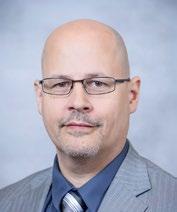
Mark Shank, DO FAAEM AT-LARGE DIRECTOR
long-term sustainability, not one constrained by corporate priorities.
If elected, I will be an engaged, accountable Board member who listens to frontline physicians and advocates with clarity and resolve. I will work to strengthen due process protections, support democratic practice groups, uphold training standards, and ensure AAEM remains the authoritative voice for practicing emergency physicians during a critical period for our specialty.
Continued from page 23
Faith Quenzer, DO MPH FAAEM YPS DIRECTOR
educate members inside and outside of AAEM regarding the new ABEM Certifying Exam. I am currently working with our state Chapter Board of Directors at Cal-AAEM and plan to develop multiple collaborations across AAEM leadership to focus on advocacy through webinars and in-person meetings. These events have been essential to supporting new EM physicians both inside and outside of AAEM.
If elected as the AAEM YPS Director, my goal will be to retain and engage our resident and young physician members by understanding their needs and connecting them with the many resources AAEM has to offer. I will dedicate my time and efforts to increasing engaging collaborations within AAEM and finding effective strategies that will support, advocate for, and educate young EM physicians inside and outside of AAEM on the ever-evolving legislation that impacts the unencumbered practice of Emergency Medicine.
Amanda Dinsmore, MD, Kendra Morrison, DO, and Laura Cazier, MD
It’s 2:40am. Your shift ends at 3:00am. The department is full, the waiting room is tense, and you have fifteen charts that you haven’t even started yet. A nurse asks if you can “just take one more patient.” A consultant pushes back on an admission you know is appropriate. You feel the familiar tightening in your chest, the reflex to accommodate, to smooth things over, to keep things moving.
You do what you’ve always done.
You say yes.
4:30 am: You finally leave the department, patients all dispositioned, charts half finished, and the waiting room still full. You’re exhausted, irritable, and replaying the night in your head on the drive home.
Why does this keep happening? Why can’t you just get it together?
This is not a failure of resilience, organization, speed, or competence. It’s a boundary problem
Boundaries
In popular culture, boundaries are often framed as a personality preference or communication style, or conflated with attempts to control others. That is not what we mean by boundaries in this context.
For physicians, boundaries function as preventive medicine. They regulate stress physiology, protect cognitive bandwidth, and preserve empathy over time. When boundaries erode, burnout, depersonalization, and moral injury predictably follow.
The evidence is clear:
• Chronic over-functioning increases allostatic load and long-term stress burden1
• Poor role clarity accelerates burnout and depersonalization
• Continually saying yes when already at capacity increases moral injury risk
• Interventions that restore autonomy and limits reduce burnout more effectively than individual-focused resilience training4
Boundaries are not about doing less or caring less. They are about sustaining the capacity to practice medicine safely and humanely.
Many physicians arrive in medicine already primed for boundary erosion. Clinical psychologists and physician coaches alike observe that a large proportion of doctors grew up in environments where over-responsibility, attunement to others, and self-suppression were rewarded.
Common predisposing traits include:
• High tolerance for self-neglect
• Strong identification with being “the reliable one”
• Early reinforcement for caregiving and competence
• Discomfort prioritizing personal needs
Medical training then amplifies these patterns. The result is a workforce of physicians highly skilled at overriding internal signals, and often confused when that skill later contributes to burnout.
If boundaries feel difficult, that does not indicate weakness. It reflects conditioning from systems that have depended on our being boundaryless.
Effective burnout prevention requires attention to three distinct forms of boundaries, each addressing a different failure point.

Boundaries are not
about doing less or caring
less. They are about sustaining the capacity to practice medicine safely and humanely.”
Limits are a safety feature, not a liability. They preserve our empathy, compassion, and cognitive abilities.”

1 – Internal Boundaries: Self-Regulation and Follow-Through
Internal boundaries refer to the ability to make oneself do what one intends to do, and stop doing what one intends to stop.
Examples include:
• Leaving work when planned
• Disengaging mentally after a shift
• Prioritizing sleep, nutrition, and recovery
• Ending charting rather than extending indefinitely
Under chronic stress, executive function degrades. What looks like “poor discipline” is often neurobiological overload. Strengthening internal boundaries requires reducing cognitive burden and restoring agency, not increasing self-criticism.
Example: I chart the HPI and MDM on each patient in real time, unless there is a true emergency—because delayed charting reliably turns into cognitive overload later.
2 – Containment Boundaries: Managing Emotional Spillover
Containment is the capacity to hold internal stress without discharging it onto patients, colleagues, or family members.
When containment fails:
• Irritability increases
• Cynicism rises
• Emotional withdrawal appears
Depersonalization—a core feature of burnout—is frequently a containment failure rather than a loss of compassion. It represents a nervous system attempting to conserve resources when emotional demands exceed capacity.
Containment protects both patients and physicians by allowing emotional processing without collateral damage.
Example: After a tense interaction with a consultant, I take a brief pause before seeing the next patient: one deep breath, a mental reset. I don’t carry frustration into the room or discharge it onto the next person I see.
As researcher and author Brené Brown has observed, “The most compassionate people I’ve met are also the most boundaried.” In medicine, this makes intuitive sense: limits protect empathy rather than diminish it.
Protective boundaries involve clear limits with external demands:
• Defining scope of responsibility
• Declining additional work when at capacity
• Setting limits on after-hours work
• Protecting personal and relational time
There is a persistent fear among physicians that setting limits makes them the “weak link.” The opposite is true.
Physicians who maintain boundaries are more likely to practice safely and remain in the workforce. Those who do not are at higher risk for errors, disengagement, and attrition.
Limits are a safety feature, not a liability. They preserve our empathy, compassion, and cognitive abilities.
Example: I do not pick up extra shifts during months when I’m already stretched thin, even if I feel guilty, because I’ve learned that chronic overextension reliably leads to irritability, errors, and exhaustion.
Boundary-setting often triggers discomfort, guilt, or anxiety. This response is expected. Most physicians were trained, explicitly or implicitly, to suppress needs, tolerate exhaustion, and prioritize system demands over personal limits.
Consistently doing more than one’s role requires: absorbing others’ responsibilities, staying late by default, or compensating for systemic gaps.
2. Emotional Leakage
Increased irritability, cynicism, or withdrawal at work or home, often mistaken for personality change rather than stress physiology.
3. Loss of Agency
Feeling unable to stop, say no, or step back, even when recognizing personal harm or diminishing returns.
Leah C. Harbison, MS, Lane M, Smith, MD PhD, Frederick Gmora, DO, David H. Gordon, MD, and Allyson M. Hynes, MD
not preclude meaningful conversations. Structured SDM processes can support ethically sound care, with the clinician acting as a guide through uncertainty.
Shared Decision Making (SDM) is a collaborative process where clinicians and patients (or their surrogates) engage in open dialogue to determine the best course of action. It is based on medical evidence and the patient’s preferences.”
In the high-stakes environments of emergency medicine and critical care, characterized by urgency and emotional intensity, clinicians face the complex task of making decisions that significantly impact a patient’s life. Shared decision-making (SDM) has emerged as a pivotal strategy to ensure that the care provided is not only clinically sound but also aligned with the patient’s values and preferences.
SDM is a collaborative process where clinicians and patients (or their surrogates) engage in open dialogue to determine the best course of action. It is based on medical evidence and the patient’s preferences. SDM ensures that treatment plans reflect medical appropriateness and what is meaningful to the patient, thereby maintaining their autonomy.1
SDM integrates three critical components:
1. The best available clinical evidence.
2. The clinician’s expertise.
3. The patient’s goals, values, and preferences.
This triad is especially important in emergency medicine and critical care, where treatment decisions involve trade-offs regarding survival, function, and suffering. While rapid decision-making is often necessary, it should
Effective communication is essential for SDM. A framework identifies core elements of effective goals-of-care conversations, including:2
• Proactively initiating discussions early in the illness trajectory
• Clarifying prognosis in language the patient can understand
• Eliciting the patient’s fears, values, and preferences
• Explaining treatment options, including likely outcomes and trade-offs
• Identifying the patient’s decision-making capacity and surrogate decision-makers
• Documenting the conversation clearly in the medical record
Structured communication tools and triggers, such as the “Surprise Question,” such as “Would it be surprising if this patient dies within the next 12 months?”, can prompt timely, values-based conversations when clinical trajectories are uncertain or decline is likely. When the answer is “no,” this serves not as a definitive prognosis but as a cue to explore preferences, clarify goals, and align interventions with patient values. For example, recognizing that a frail older adult with advanced heart failure and frequent hospitalizations may not survive the year can lead the emergency clinician to prioritize goals-of-care discussion before initiating invasive interventions. In settings where patients may lack decision-making capacity, prior discussions, documented preferences, and advance-care planning become critical. Institutions that embed these practices into routine workflows are better positioned to honor patient values during crises and reduce non-beneficial interventions.
Recent studies highlight the real-world impact of SDM interventions in acute settings.
A randomized trial evaluated the effect of structured SDM on code-status decisions in hospitals.3 Patients exposed to the SDM-based counseling protocol were more likely to choose do-not-resuscitate (DNR) orders and reported less conflict in decision-making. Even in high-stress environments, patients and families can engage in meaningful dialogue when supported with the right tools.
Another study examined the impact of a communication-priming intervention designed to prompt early, values-focused conversations about goals of care in hospitalized patients with serious illness.4 Communication-priming strategies typically involve brief clinician prompts or patient-facing tools—such as a pre-visit questionnaire, EMR alert, or short values-clarification script—aimed at “warming up” the care team and patient for a goals-of-care discussion before critical decisions arise. In the Curtis trial, patients received a structured questionnaire asking them to reflect on what mattered most (e.g., independence, longevity, comfort, burden on family). Simultaneously, clinicians received a reminder in the electronic record to discuss goals and document the conversation. This dual-trigger model more than doubled the frequency of documented goals-of-care conversations and improved clarity around patient preferences without increasing anxiety, distress, or time burden.
For example, a hospitalized patient with metastatic cancer and worsening respiratory status completed a brief worksheet identifying comfort and time at home with family as primary priorities. Before rounds, the clinician team received an electronic prompt indicating the patient valued comfort-focused care. When decompensation occurred, the team had already established that the patient preferred non-invasive support and a focus on comfort, avoiding crisis-driven escalation and aligning treatment with her stated values.
These findings affirm that brief, targeted SDM and communication-priming interventions can meaningfully enhance the quality, frequency, and emotional experience of serious-illness conversations in acute and emergency settings, countering the misconception that time pressure precludes patient-centered decision-making.
Shared decision-making (SDM) is crucial in emergency settings, where rapid decision-making and high stakes complicate patient-clinician interactions. Recent qualitative research has illuminated the dynamics of this process, particularly in discussions about cardiopulmonary resuscitation (CPR), patient experiences in emergency departments (ED), and the challenges faced by surrogate decision-makers.
• Families value open discussions about CPR options and appreciate having the opportunity to express their preferences.5
• Healthcare professionals can adopt structured communication strategies, such as using decision aids or frameworks that guide discussions. The “Ask-Tell-Ask” model can help clinicians provide information, gauge patient understanding, and ensure that family preferences are acknowledged and respected.
• The Ask-Tell-Ask model encourages clinicians to begin by asking what the patient or family already knows or hopes to understand, then provide information in clear, tailored language, and finally ask again to check understanding and invite questions or values. For example, during a CPR discussion, a clinician might begin by asking, “Can you share what you understand about what happens if someone’s heart stops?” After offering compassionate, plain-language information about CPR outcomes and alternatives, the clinician might follow up by asking, “How does this fit with what matters most to your loved one?”
• This approach ensures patients and families feel heard, receive individualized information, and have space to express preferences, fostering trust and shared decision-making.

In the chaos of emergency medicine and critical care, SDM offers a compass for clinicians and families navigating life-altering choices. It ensures that clinical decisions are guided not just by data and expertise, but also by human values and personal goals.”
• Patients want to be actively involved in care decisions and feel more empowered when clinicians clearly explain treatment options. However, the fast-paced environment of the ED can hinder effective SDM, making patients feel rushed and occasionally excluded.6
• Emergency departments can implement rapid communication protocols that prioritize SDM. This might include designated staff trained in communication techniques to ensure that patients receive timely information about their conditions and treatment options. Utilizing visual aids or concise handouts can also help convey complex information quickly.
• Surrogate decision-makers often feel overwhelmed and emphasize the need for better communication from healthcare practitioners. Instances of care breakdowns were frequently linked to poor communication and lack of coordination.7
• Establishing a care coordinator role can enhance communication between healthcare practitioners and surrogate decision-makers. This individual can facilitate discussions, clarify medical information, and help surrogates navigate the decision-making process. Regular check-ins with surrogates can also provide emotional support and address any concerns they may have.
• Essential facilitators for surrogate decision-making include support and clarity in communication. Emotional challenges are often intensified by unclear medical information or conflicting family opinions.
• Training programs for healthcare practitioners can focus on improving communication skills and emotional intelligence. Workshops that
References
1. Barry MJ, Edgman-Levitan S. Shared decision making—the pinnacle of patient-centered care. N Engl J Med. 2012;366(9):780-1.
2. Bernacki RE, Block SD. Communication about serious illness care goals: A review and synthesis of best practices. JAMA Intern Med. 2014;174(12):1994-2003.
3. Becker C, Gross S, Beck K, et al. A randomized trial of shared decisionmaking in code status discussions. NEJM Evidence. 2025;4(5).
4. Curtis JR, Downey L, Back AL, et al. Effect of a patient and clinician communication-priming intervention on patient-reported goals-of-care discussions. JAMA Intern Med. 2018;178(7):930-40.
5. Hartanto M, Moore G, Robbins T, Suthantirakumar R, Slowther A-M. The experiences of adult patients, families, and healthcare professionals of CPR decision-making conversations in the United Kingdom: A qualitative systematic review. Resuscitation Plus. 2025;13.
simulate challenging conversations can prepare clinicians to handle sensitive discussions with surrogates effectively. Additionally, providing written summaries of key discussions can help surrogates feel more informed and confident in their decision-making roles.
• It is important to respect patient autonomy, even in urgent situations. While the urgency complicates SDM, integrating patient preferences is vital.8
• Emergency departments should develop policies that prioritize patient autonomy in decision-making. This can include creating systems for documenting patient preferences in advance directives or utilizing “goals of care” discussions during initial assessments. Training clinicians to recognize and respect these preferences can lead to more patient-centered care.
In the chaos of emergency medicine and critical care, SDM offers a compass for clinicians and families navigating life-altering choices. It ensures that clinical decisions are guided not just by data and expertise, but also by human values and personal goals. SDM is not only feasible in acute care settings but can significantly enhance the quality of care. Evidence from Becker, Curtis, Hartanto, Schoenfeld, Fisher, Hess, and the AAST consensus supports this conclusion. By fostering a supportive environment and employing practical strategies, emergency departments can significantly enhance the quality of care provided to patients and their families. Implementing structured communication strategies, training programs, and dedicated support roles can help bridge the gap between the urgency of care and the necessity of SDM. Healthcare systems must recognize SDM as a foundational practice in emergency medicine and critical care.
6. Schoenfeld EM, Goff SL, Downs G, Wenger RJ, Lindenauer PK, Mazor KM. A qualitative analysis of patients’ perceptions of shared decision making in the emergency department: “Let me know I have a choice.” Acad Emerg Med. 2018;25(7):716-27.
7. Fisher KA, Ahmad S, Jackson M, Mazor KM. Surrogate decision makers’ perspectives on preventable breakdowns in care among critically ill patients: A qualitative study. Patient Educ Couns. 2016;99(10):1685-93.
8. Hess EP, Grudzen CR, Thomson R, Raja AS, Carpenter CR. Shared decision-making in the emergency department: Respecting patient autonomy when seconds count. Acad Emerg Med. 2015;22(7):856-64.
Jennifer Kanapicki Comer, MD* and Neha Bhatnagar, MD †

Emergency Medicine is a specialty built on action, decisiveness, and resilience. We show up for patients on their worst days, make highstakes decisions under pressure, and navigate uncertainty as a matter of routine. Yet for all that emergency medicine asks of us, we rarely pause to reflect on how we are sustaining ourselves across a career.
That is why the AAEM Wellness Committee is launching our Inaugural February Wellness Month, centered on the idea of Wellness for the Long Run
Wellness is not a buzzword or a luxury. It is the foundation that allows us to practice safely, remain engaged, and continue to find meaning in our work over time. Rather than viewing wellness as something to address only when we are already depleted, Wellness for the Long Run is about being proactive, reflective, and intentional. It recognizes that a career in emergency medicine is not a sprint, but a long game, and that tending to our professional and personal wellbeing is essential to longevity in this field.
Throughout the month of February, AAEM members will have access to a Daily Dose of Wellness, available Monday through Friday. Rather than being delivered directly to your inbox, these daily offerings will live in a single, easy to access Google Sheet. Members can return to it each day, at a time that works for them, to engage with that day’s reflection, resource, or practical takeaway.
The Daily Dose of Wellness can be accessed here: https://bit.ly/ AAEMWellnessTheLongRun
Wellness is not a buzzword or a luxury. It is the foundation that allows us to practice safely, remain engaged, and continue to find meaning in our work over time.”
This pull-based approach is intentionally simple. It reduces inbox overload, offers flexibility, and encourages physicians to engage with wellness content on their own terms. Each weekday in February will feature a new entry aligned with that week’s theme, supporting small moments of reflection that add up over time, very much in the spirit of wellness for the long run.
Each week of the month focuses on a core pillar of wellness across an emergency medicine career.
The first week centers on longevity. Emergency medicine physicians span many generations, career stages, and life circumstances. Aging well in EM is not just about physical health, but about evolving identity, adapting roles, and sustaining purpose over time.
This week explores what it means to thrive across decades in the specialty, including conversations around changing priorities, wisdom gained with experience, and navigating life transitions such as caring for aging parents. These reflections remind us that caring for ourselves across life stages is a foundational part of wellness for the long run.
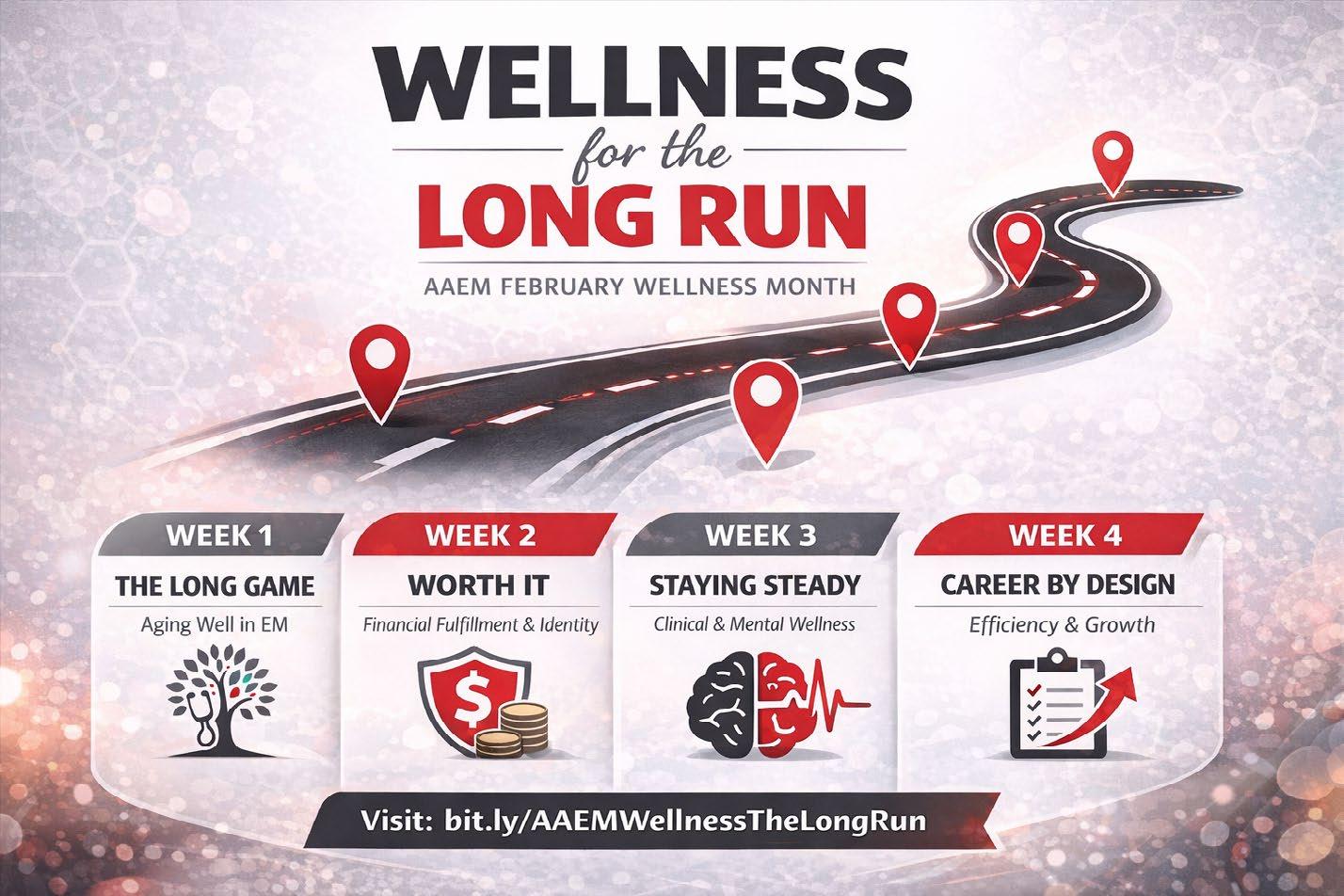
Wellness is not a destination. It is an ongoing practice.”
Worth It – Financial Fulfillment, Belonging, and Identity in EM
Financial health and professional fulfillment are deeply intertwined. Yet many physicians feel underprepared to navigate finances, professional relationships, and questions of identity within the specialty.
Week two focuses on financial fulfillment, professional belonging, and the evolving identity of emergency medicine physicians. Topics include practical financial considerations, the impact of work on professional relationships, and how a sense of belonging shapes longterm career satisfaction. This week emphasizes that wellness for the long run is not only about income, but about alignment between our values, our work, and our place within the profession.
Continued from page 29
and Mental Wellness in EM
Emergency medicine is emotionally demanding, and the cumulative impact of stress, mistakes, litigation, and clinical uncertainty is real. Week three addresses these realities directly.
This week focuses on clinical and mental wellness, including how physicians cope with work-related stress, process errors, navigate medicolegal pressures, and recover after difficult cases. By creating space for these conversations, Wellness for the Long Run acknowledges that sustaining a career in emergency medicine requires caring for both our clinical performance and our mental well-being.
The final week of Wellness Month looks forward. Efficiency, boundaries, and intentional professional development are powerful tools for protecting energy and preventing burnout.
Week four explores practical strategies for setting boundaries, outsourcing when appropriate, and designing a career that is sustainable and
So when we begin to create and enforce boundaries, it’s no surprise that our brains will feel some discomfort. That’s to be expected. As boundaries strengthen, anxiety typically decreases and clinical presence improves.
Burnout is rarely the result of insufficient dedication. More often, it reflects prolonged boundary erosion across internal, containment, and protective domains.
References
1. McEwen BS. Protective and damaging effects of stress mediators. JAMA. 2015;338(3):171–179.
2. West CP, Dyrbye LN, Shanafelt TD. Physician burnout: contributors, consequences, and solutions. The Lancet. 2018;388(10057):2272–2281.
3. Dean W, Talbot S, Dean A. Reframing clinician distress: moral injury not burnout. BMJ. 2019;366:l448.
4. Panagioti M, et al. Controlled interventions to reduce burnout in physicians. JAMA Internal Medicine. 2017;177(2):195–205.
aligned with personal priorities. Rather than focusing on doing more, this week reinforces that wellness for the long run is built by doing what matters most, with clarity and intention.
The AAEM Wellness Committee is excited to launch Wellness for the Long Run as a new tradition for our organization. Our hope is that this month sparks reflection, conversation, and small but meaningful shifts in how we care for ourselves and one another.
Wellness is not a destination. It is an ongoing practice. We invite you to join us this February by checking in each weekday, engaging with the Daily Dose of Wellness, and being part of a collective commitment to a more sustainable and fulfilling career in emergency medicine, for the long run.
References
*Chair AAEM Wellness Committee; Associate Professor, Stanford Department of Emergency Medicine
†Past Chair, AAEM Wellness Committee; Guthrie Medical Group, Corning, NY

Addressing burnout therefore requires more than exhortations to “be resilient.” It requires rebuilding the structures that allow physicians to function as humans within demanding systems.
Boundaries are not indulgent.
They are not selfish. They are essential infrastructure.
5. Shanafelt TD, Noseworthy JH. Executive leadership and physician wellbeing. Mayo Clinic Proceedings. 2017;92(1):129–146. thewholephysician.com
Jeremy Sperling, MD* and Akiva A. Dym, MD MBA †
Emergency departments (EDs) serve as the front door of the hospital, caring for all who enter our doors. Unfortunately in recent years, many EDs have become increasingly unsafe.1 Reports of violence against ED staff are no longer rare occurrences.1,2 Recent surveys by the American College of Emergency Physicians (ACEP) and the Emergency Nursing Association (ENA) report that 55% of EM physicians and 70% of ED nurses have experienced a physical assault while at work.2 Violent acts are committed by patients suffering from psychiatric illness, substance use, or delirium. However, violence is also committed by patients or their guests who are not medically or psychiatrically ill. The ED is a high-risk environment for violence with open-door policies, long wait times, excessive boarding, chaotic environments, unpredictable patient experiences, and unanticipated, even tragic outcomes.
The “normalization of violence” is too often viewed as part of the job of working in an ED. This perspective creates a dangerous care environment and has profound consequences for emergency medicine (EM). ED staff may suffer physical and/or emotional injuries. ED morale and retention plummet. Institutions face liability and reputational risk. Patient care suffers when staff feel unsafe, distracted, or unsupported. Despite these consequences, many hospitals have been slow to respond.
Addressing ED violence requires a proactive, coordinated departmental and hospital strategy. Any approach must consider clinical operations, physical infrastructure, information technology, hospital policies, and cultural expectations. In this article, we outline practical strategies that can be used to address and reduce violence in the ED setting.
Security Measures: From Detection to Deterrence EDs typically have many points of entrance, making it easy for individuals to gain access and potentially bring in weapons and/or commit dangerous acts. All EDs should evaluate how staff, patients, and guests enter and have a well-defined security plan. Proactive steps ED leadership can take include:
Limiting entrances to the ED/hospital. All entrance points should be evaluated for necessity and if needed 24/7. Unneeded entrances should be closed. All active entrances should have trained staff monitoring access. Staff-only entrances should require ID badge access and have camera surveillance.
Metal detectors at entrances. Most EDs should be utilizing metal detectors or weapon detector systems (e.g., Evolv system) at all points of entry to prevent weapons from entering the department. Earlier concerns that such screenings might deter patients from seeking care have not been supported by evidence. Metal detectors are now common in public spaces, and modern designs are less obtrusive. EDs that adopt them typically see no drop in volume, and staff and patients report feeling significantly safer.
Metal Detector wands for EMS patients. Patients arriving via ambulance pose a unique challenge, as they cannot be screened with a metal detector and/or may be agitated or acutely ill on arrival. A potential strategy is to have trained staff utilize metal detector wands at the point of entry or at the earliest time it is safe and feasible.

The ‘normalization of violence’ is too often viewed as part of the job of working in an ED. This perspective creates a dangerous care environment and has profound consequences for emergency medicine.”
Yellow gown/undress policy for violence risk. Patients identified as potentially violent or severely agitated can be placed on close or 1:1 observation. These patients can be undressed, placed in a brightly colored gown distinct from standard gowns, and have all belongings secured. This reduces the risk of concealed weapons, prevents unsafe elopement, and makes it easy for staff to identify individuals who should not leave the department.
BHAs are specifically trained staff, adapted from psychiatric models, who are trained in verbal de-escalation techniques and in managing patients who exhibit significant agitation or violent behavior. BHAs are trained in safe manual holds, assisting with physical restraint application, and supporting nurses during medication administration.
They can round in the ED to proactively identify patients at risk for escalation and intervene early.
BHAs can be trained to have situational awareness: recognizing early signs of potential aggressive behavior, monitoring staff positioning in volatile situations, and ensuring restraints are applied safely (e.g., maintaining supine positioning).
The management of the highly agitated or violent patient represents a high-risk, resource intensive scenario that is best managed with a coordinated response, similar to a Trauma Team activation. Activation of a Behavioral Health Response Code assembles a multi-disciplinary ED team to safely manage the acutely agitated patient. The formality of the code ensures that the situation is treated as a critical resuscitation and ensures proper resources are rapidly mobilized.
assessment for risk factors of potential airway compromise.
The naming convention for the code should be professional and non-alarming when overhead paged, avoiding terminology that may distress patients or visitors (e.g., “Take Down”). A neutral, descriptive title such as “Behavioral Health Response Team” is recommended.
For patients who require sedation for acute agitation, time to administration can be critical for patient and staff safety. One strategy to reduce delay to medication administration is to have a medication dispensing machine (e.g., Pyxis, Omnicell) within or adjacent to the resuscitation areas where violent or high-risk patients may often be cared for. This will allow the nursing staff to access sedative medications more expeditiously without leaving the care area. In addition, clear and standardized language should be used when ordering and administering medications to prevent miscommunication regarding drug selection, dose, and route (e.g., IV vs IM).

Emergency department staff have the fundamental right to feel safe at work.”
Team composition will vary by institution, but core members typically include: EM attending, ED nurse, BHA, PCA (patient care associates), and hospital security/police. As with any organized response team, roles and responsibilities should be predetermined so that every member is aware of their function, what supplies are required (e.g., restraints, medications), and the goals of the team activation. A designated team leader, typically the EM attending, should direct the overall team response.
Team interventions will vary, and may include: rapid medical assessment, targeted bedside testing (e.g., vital signs, finger stick glucose), verbal de-escalation, manual holds, the application of physical restraints, and pharmacologic sedation when indicated. In cases where sedation is required, post-sedation assessment must be performed to determine any potential causes of agitation (e.g., labs, imaging). In addition, there must be a plan for close monitoring (e.g., end tidal, pulse ox, telemetry, 1:1 observation), appropriate re-assessment for restraint removal, and early
Given the unpredictable nature of the ED, staff must have multiple mechanisms to rapidly request assistance when their safety is threatened. Alert systems should be accessible wherever staff are working and allow for discreet activation to prevent further escalation. Many options exist, including the placement of panic buttons in strategic locations (e.g., under desks), SOS buttons on all phones and computers, and wearable devices (e.g., wristband watches or badge buttons).
Activations should be easy to initiate, should trigger an immediate response from hospital security/ police, and should indicate the location of staff members at risk. Regular testing of the alert system must be performed to ensure system functionality and response time.
Additional design elements can play a critical role in creating a safer ED. Numerous modifications can help protect staff and potentially reduce violence, including:
Surveillance cameras: Strategically placed cameras should be continuously monitored by hospital police, and monitor all entry points, hallways, and open ED spaces.
Intersection Mirrors: Special mirrors at all intersections improve visibility around corners and increase awareness of nearby individuals.
Protective Barriers: Bullet-resistant barriers should be present at all high-risk entry points, such as ED triage/intake. Consider enclosing internal staff spaces to further safeguard triage staff.
ED Lighting: Adequate lighting throughout the entire ED can reduce blind spots and improve overall safety.
Equipment Management: All items that could be used as weapons (e.g., IV poles, scalpels, needles) should be removed from patient-accessible areas or secured in locked equipment carts.
Parking/Perimeter: Pathways to parking areas should be well-lit and monitored, as well as have easily accessible SOS call stations.
Staffing: Avoid placing small teams (e.g., one physician/one nurse) in an isolated area of the ED, especially on overnight shifts, as this can lead to increased vulnerability and delayed response time for assistance.
Access Control: Ensure that non-patient areas such as staff lounges, offices, and remote areas of the ED require keypad or ID badge access to prevent unauthorized entry.
Hospital Police Rounding: Routine and scheduled rounds by hospital security and/or police serves as proactive surveillance to monitor for early warning signs of potential violent behavior, as well as act as a deterrent violent behavior and reassure staff.
EMRs can be designed to help identify patients who pose a known risk of violent behavior based on prior behavior. For example, if a patient has previously assaulted a staff member or performed another high-risk/ violent behavior, the EMR can flag the patient so that all staff would be aware of the increased violence risk. The flag can also provide the specifics of the patient’s prior behavior.
Implementation requires thoughtful planning and ongoing monitoring, including parameters about what behaviors warrant a flag, and the duration flags should remain with a particular patient. Monitoring should be performed to ensure there are no biases in flagging. Criteria should be established for actions that would warrant a long-term or permanent flag, such as assaults that led to serious physical harm.
Hospitals leadership should have systems in place to real-time monitor violent incidents occurring in the ED. Workplace violence (WPV) reporting is a standard way hospitals track such events. WPV reporting systems should be easily accessible by all staff and allow anonymous submissions if desired. Staff should be encouraged to report any form of WPV, physical or verbal. In addition, hospital leadership should have alert systems in place to notify them in real-time of high-risk events, such as the confiscation of weapons in the ED (e.g., firearm) and arrival of patients who are the victims of high-risk violent trauma (e.g., gunshot wounds, significant physical assaults). These alerts can provide leadership with direct and ongoing insights into ED safety issues and allow for faster support and policy changes that may be needed.
When victims of certain violent crimes present to the ED, there is potential for further violence to occur in the ED. For example, after a shooting or stabbing, the ED may be simultaneously caring for multiple patients who were involved in the same incident. Alternatively, other individuals may attempt to enter the ED to seek retaliation against patients being treated in the ED. Furthermore, staff may inadvertently provide information over the phone, disclosing someone’s presence in the ED. Situations such as this can significantly increase risk to staff and other ED patients. To reduce these risks and add a layer of protection, EDs should develop policies whereby victims of high-risk violence are routinely registered under aliases.
Staff training is critical to help ensure staff safety during violent or highrisk situations. ED staff should all be trained in verbal de-escalation strategies, as well as personal safety strategies with basic self-defense, if needed. Staff should be well-versed in departmental guidelines regarding the management of violent or agitated patients. In addition, staff should undergo active shooter preparedness training and understand how it may apply differently in the ED setting. Frequent and structured drills will ensure all staff are familiar with department procedures and are prepared to handle potential violent or agitated patients at any time.
Many EDs face the challenge of overcrowding, due to a combination of factors including limited physical space, increasing patient volumes, and prolonged inpatient length of stay. Overcrowding leads to cramped conditions for patients, increased use of hallway beds, decreased patient privacy, and delays to diagnostic testing and medication administration. These factors all contribute to increased patient frustration and can create an environment leading to potentially agitated or violent behavior. Leadership must recognize that decreasing ED boarding and improving ED throughput is critical not only for patient care, but to ensure the wellbeing and safety of ED staff.
As part of the entry process, all guests and family should provide identification and receive a temporary visitor pass. These passes should be color-coded to indicate the day the pass was issued and should include the visitor’s photo and specific location they are allowed to access. This process will help reduce unauthorized access into the ED/hospital, and add an additional layer of security for the ED.
Many EDs prominently display Code of Conduct signage throughout the department to clearly outline behaviors which will not be tolerated, including acts of verbal or physical aggression. These signs should also
Lisa Gwin, DO FAAEM FACEP and Dan Mayer, MD FAAEM FACEP
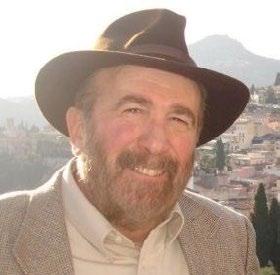
First an introduction to the players in the legal system. The Plaintiff is the party bringing the lawsuit, and they are suing the Defendant(s). Each side is represented by an attorney who is legally and ethically charged to be a zealous advocate for their client. The judge decides what the law is in the case and the jury (believe it or not) decide what happened, what the facts are, and what the verdict is. Expert witnesses are employed by each side to review the case and provide assistance to the attorney who hired them during the course of the case.
Emergency physicians most frequently act as expert witnesses in cases that relate to the practice of emergency medicine, but may also analyze civil or criminal cases involving injuries which are not due to alleged medical malpractice (e.g. motor vehicle crashes or alleged assault). We may be enticed by the offer of a generous hourly rate, the feeling of helping someone, or the notion of being considered an “expert.” Working as an expert witness can be a rewarding experience. Dr. Gwin uses her expert witness work as a method to marry her medical education and experience with her engineering background and works full-time as a biomechanic, offering injury causation expertise in civil and criminal lawsuits. During his career, Dr. Mayer has provided his expertise in medical malpractice matters.
If you’ve been asked to act as an expert, what do you need to know? The most important thing is impartiality. We are the voice of science and
medicine in these situations. We are the advocates for sound scientific evidence-based medicine in the courtroom. We don’t take sides; that’s the attorney’s function.
Attorneys are advocates for their clients, whether that be an injured party (Plaintiff) or the party or parties allegedly responsible for the injury (Defendant). The attorney’s job is to advocate, support, and promote the interests of their client.
The expert is there to assist the “trier of fact,” the “person” who decides what really happened in the case. This is the jury in a typical jury trial or a judge in a bench trial. The expert’s job is to help the “trier of fact” to understand concepts that are not known by the average lay person. Experts are teachers.
Experts are paid for their time, not their opinion. Their fees must never be dependent on the outcome of the case. Both authors like to think that our client is not the lawyer who hired us; our client is the truth. The expert must meticulously review all relevant records in the case. This may include the medical records both in the ED and later care, the depositions of witnesses, and court documents. Oftentimes testing must be completed as well;
this may include crash testing in a motor vehicle injury case. Experts apply the scientific method to the cases while maintaining impartiality and their goal must be to discover the truth. Just as jurors are asked in the selection process whether they can keep an open mind and listen impartially to the facts of the case, a potential expert must also be able to keep an open mind and remain impartial.
Here are some useful rules for expert witnesses.
• Don’t allow the attorney to tell you his or her theory of the case before you have done your thorough review of the available materials. This prevents confirmation, anchoring, and conformity bias.
• Review the available materials carefully and completely. This prevents availability bias, or missing an important piece of data.
• Review any current relevant guidelines or sources of scientific information about the nature of the injury and medical care provided. This prevents sampling and selection bias.
• As needed, be prepared to provide reports, summaries, and testimony at deposition or trial.

[O]ur client is not the lawyer who hired us; our client is the truth.”
If you are asked to act as an expert in a legal case, it is critical that you remain impartial, focusing on discovering the truth and accurately teaching that truth to the attorneys, judges, and jurors.
• Academy of Emergency Medicine (AAEM). 2005. AAEM Position Statement on Ethical Expert Conduct and Testimony. Accessed on 8/25/25 at https://www.aaem.org/statements/ethical-expert-conduct-andtestimony/.
• American College of Emergency Physicians (ACEP). Procedure for Review of Testimony Regarding Standard of Care in Emergency Medicine. Accessed on 8/25/25 at https://www.acep.org/life-as-aphysician/ethics--legal/standard-of-care-review/procedure-for-review-oftestimony-regarding-standard-of-care-in-emergency-medicine
• Frost, A. (2009). The Limits of Advocacy. Duke LJ, 59, 447.
• Merriam-Webster. 2025. American Dictionary. Accessed on 8/25/25 at https://www.merriam-webster.com/dictionary/advocate.
• Smith, J. M., & Metzloff, T. B. (1981). The Attorney as Advocate: Arguing the Law. Ga. L. Rev., 16, 841.
• U.S. Government Publishing Office. Federal Rules of Evidence. Washington, D.C. : 2025

Continued from page 37

state that patients or visitors who engage in such actions may be asked to leave and/or face potential legal consequences.
Emergency department staff have the fundamental right to feel safe at work. While all the strategies outlined may not work in every ED, they offer a framework and options for improving ED safety. Evaluate your ED’s current safety risks and explore interventions that could be implemented easily with the greatest impact. Some initiatives, such as a dedicated behavioral response team can be implemented with minimal new resources. For departments facing resistance or limited ‘buy-in’ from leadership, highlighting WPV data and ensuring all incidents are reported can help drive leadership engagement and investment.
References
*Chair, Department of Emergency Medicine, NYC Health + Hospitals | Jacobi Medical Center | North Central Bronx Professor of Emergency Medicine, Albert Einstein College of Medicine †Assistant Professor of Emergency Medicine, Medical Director, Emergency Department, Fellowship Director, Healthcare Operations & Quality, Department of Emergency Medicine, Rutgers New Jersey Medical School
American College of Emergency Physicians. (2024, April 1). April 2024
ACEP Member Poll: ED Violence [Data set]. https://www.acep.org/ siteassets/new-pdfs/advocacy/acepmemberpoll-edviolencejan2024.pdf American College of Emergency Physicians. (2022). 2022 ACEP Emergency Department Violence Poll Results [Data set]. https://www. emergencyphysicians.org/siteassets/emphysicians/all-pdfs/acepemergency-department-violence-report-2022-abridged.pdf
Jennifer Rosenbaum, MD FAAEM
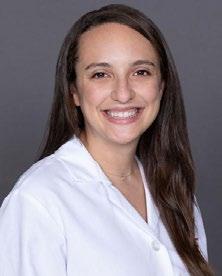
Emergency medicine runs on motion. We bounce from room to room, tackling patients’ and colleagues needs with practiced efficiency. The pace is something we take pride in, but over time it can be exhausting. Add staff shortages, ED boarding, and systemic challenges beyond our control, and the moral injury we experience can become overwhelming—eroding the very resilience that allows us to care effectively.
I practice in an ED that serves a diverse community facing complex social determinants of health, behavioral health needs, and high rates of substance use disorder. In conversations with colleagues, I noticed a pattern: the empathy that drew us to this work can, at times, leave us overwhelmed. When our compassion is taxed, patients sense our fatigue, and the human connection that inspired us can feel out of reach—leaving both staff and patients diminished.
This fall, our department took a pause. For one day, we stepped away from our bays for an ED retreat. Feedback from that day convinced me that stepping away isn’t a perk—it’s necessary.
Details of the Retreat
We met offsite in a conference room, bringing together attendings, residents, physician assistants, nurses, technicians, security personnel, registration staff, and ED leadership—many of the faces who collectively support patient care. The day began with breakfast and mingling, followed by team building exercises and story-sharing led by a neutral facilitator. We reflected on what drew us to emergency medicine, what keeps us satisfied, and what burns us out. The vulnerability in the room was palpable, and we found common ground across roles.
Prior to the retreat, staff had shared topics they wanted addressed. Many requested ongoing education about substance use disorder. We invited a content expert to discuss history, management, stigma, and patient experience. Toward the end, a patient shared their own insights. The session humanized the challenges patients and medical professionals face every day and fostered empathy across the team.
The sessions concluded with mindfulness session taught our team grounding and breathing exercises they could use on shift and at home. We finished with a lunch and raffled off fun prizes.
The response was overwhelmingly positive. Every respondent noted the experience was excellent and relevant to their role in the ED. Hearing personal experiences from patients helped staff reflect on their interactions, some highlighted it fostered empathy and changed their perspective on interacting with patients.
In my own reflection, I remember one session when a nurse asked what I hoped to gain from the retreat. I said, “If the people in this room leave feeling more connected and well, I will too.” His response—“I thought that is what you would say”—reminded me how deeply my colleagues understand me.
My takeaway was clear: the retreat could not erase systemic pressures, but it did reset our culture in a meaningful way. And that alone was enough to make me feel more well.
I hope to host more retreats with a focus on staff and physician engagement. Wellness doesn’t always mean escape—but sometimes stepping away allows us to reconnect with what motivates us in emergency medicine. The retreat reminded us that pausing is not indulgence; it is essential.
Wellness doesn’t always mean escape—but sometimes stepping away allows us to reconnect with what motivates us in emergency medicine.”
Mel Ebeling, MD
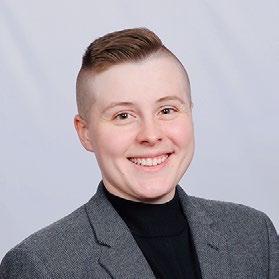
Barefoot with a stiff white belt and a crisp black gi still creased at the folds, I was six years old when I first stepped into Chappell’s Family Karate, just waiting to discover how much getting socked in the face hurts.
In the same year I got hooked on phonics and taught to add and subtract, I learned how to stand exposed and uncertain while putting on a brave face. Before I knew it, I was grinding through a four and a half hour belt test, earning my first-degree black belt (shodan) test in Shin Nagare karate, and taking pride in being the first person in my dojo to do so without bleeding or vomiting. My second degree (nidan) followed, and later still, I earned my first degree in jujitsu. Back then, I thought martial arts were just about grit and self-defense. Little did I know I was being prepared for a different kind of fight altogether.
Two decades later, at age 26, I stepped into a new arena: residency. Shift after shift, I soon realized the core lessons drilled into me on the mat were the same ones keeping my head above water in emergency medicine.
Rule number one: Don’t you dare drop those hands. For anyone that has ever walked into a dojo, this is the first lesson you’re taught the second you step onto the mat. Why? The moment they fall is the moment you are punched or kicked in the head. More broadly, it is an ode to preparedness and a prioritization of our greatest asset, our brain. It is hard to keep them up when you are tired, when you have taken a beating from the demands of physicianhood. I find that night five of six is when I struggle the most with this, to be on the top of my game.
Let’s be honest—landing a clean shot that your opponent wasn’t anticipating feels good. It is
Back then, I thought martial arts were just about grit and self-defense. Little did I know I was being prepared for a different kind of fight altogether…residency.”
important to remember that one good shot doesn’t mean you’ve won the fight. As soon as you inflate your ego over one right move, you have mentally left yourself vulnerable to a variety of other attacks and are at risk for a hard fall (figuratively, but sometimes literally too). From experience, it only takes the air being knocked out of you once to learn that lesson. The scope of an emergency physician is broad, and there is always something to be learned, some permutation of a chief complaint that you haven’t seen before. The moment you think you know everything is when you miss a critical diagnosis.
Fights are rapidly evolving. For every technique, you should have two to three more that you plan to follow up with, in addition to a backup if the first one doesn’t land as planned. These are challenging to develop at first, ridden with pauses and haphazardly combined techniques; before you know it, intuition runs the show. The emergency department is also rapidly evolving. The ability to pivot, to improvise, to innovate under pressure is core to the specialty. It is only the natural course of things that a cricothyroidotomy is necessitated when the kit’s not out. Maintaining flexibility with the unpredictability of the human condition is a coveted skill.
Falling correctly is the first and single most important step of learning how to throw (nage waza), as some throwing techniques require
that you fall alongside your opponent. Similarly, knowing how to fall when you are thrown protects against injury and assists in your bounce back. How does one master the art of falling (ukemi)? Breakfalls dissipate impact to avoid injury and involve tucking the chin, flexing the spine, bending the knees, and slapping the ground with an arm as the body impacts the ground slightly off to one side. Proficiency in falling required dozens, if not hundreds, of repetitions on the mat; since then, I have fallen thousands of times. However, in the context of medicine, falling—the risk of failure, when it can have devastating consequences on others— has admittedly proven to be the hardest part of physicianhood for me. Like in martial arts, there is a right way to fall; it requires both skill and grace, and unfortunately, requires several repetitions. Still, it remains a critical step in the process of becoming an emergency physician. I still remember my first “big” mistake: forgetting to discharge a patient with a prescription for an over-the-counter medication and having to go back and call the pharmacy and patient to correct it. A tumble from squatting height, and yet it hurt like hell; Medicine is still teaching me how to fall.
While proximity allows you to strike, it equally exposes you to a counterblow. There is no way around it—you will get hit. No one is immune to the onerous process of becoming a well-trained emergency physician; it is not supposed to be easy, and it does require some grit. Tuck in that chin. Brace for it. Take it. Roll with the punches.
David C Cone, MD*

Have you ever considered serving your community as a volunteer firefighter? If you live in a suburban or rural area with a volunteer or “combination” (career and volunteer) fire department, you have an opportunity give back to the community, using skills that you already have.
I served as a firefighter and fire officer with the North Madison (CT) Volunteer Fire Company† for 21 years while on faculty at Yale. The initial “Firefighter I” training, which I took in 2000, is similar in time and complexity to EMT training: several months of two evenings a week in the classroom, and several full Saturdays for hand-on training, followed by written and practical tests. This class is the starting point for a career in the fire service, and some volunteer firefighters stop here—but as with EMT certification for the EMS clinician, there are numerous other educational and certification opportunities available. And unlike EM and EMS, nearly all fire certifications are permanent, with no recertification requirements (the several levels of hazardous material training and certification, which are governed by federal regulations, are a notable exception).
Most states provide fire course testing and certification to national standards, enhancing portability to other states. In addition to Firefighter I, I completed Firefighter II, Fire Service Instructor I, Fire Officer I, Fire Officer II, Pump Operator (not required at most volunteer departments for running the remarkably complex “pump panel” and water flow system on engines, but very helpful), and Incident Safety Officer certification classes during my time at NMVFC. There are dozens of other certification and non-certification classes and courses available to the volunteer firefighter; your state fire academy training calendar is available online, listing courses and programs for all levels of volunteer and career firefighters.
have backgrounds in (or at least exposure to) EMS, and the fields are complementary. Anybody who has spent significant time in the field as an EMS clinician has not only interacted a good deal with the fire service, but already has a number of skills such as radio communication, incident management, and record-keeping that are common to both.
[F]irefighting is largely about problemsolving and teamwork— two skills that emergency physicians excel at.”
You may also be wondering about the time commitment that comes with serving a 24/7/365 emergency response agency. Yes, I ran out of the house in the middle of a number of meals, had sleep interrupted periodically, and missed a bunch of my kids’ soccer games, to answer fire calls (and EMS calls as our department is also a designated EMS first-responder agency). But I also took my younger son with me when he joined our department’s Explorer post in high school, and my wife (a primary care internist) completed Firefighter I in 2003 (side by side with my EMS fellow at the time, Dr. Michelle Perez) and served on the department for a few years. Every volunteer and combination department I worked with in south-central CT had at least one set of family members serving—three generations in many cases. Most departments have calendars that mimicked ours: a department business meeting on the second Tuesday evening of each month, with training drills and apparatus and equipment maintenance on the other Tuesday evenings. Additional training opportunities and drills happened on weekends several times a year, often jointly with the departments in our neighboring towns.
I mentioned in the first paragraph that serving as a volunteer firefighter uses skills that you already have, but you are most likely thinking that flowing water from the inbound five inch large-diameter hose from the hydrant, through the engine’s pump and valve system, to several inchand-three-quarter attack lines, is not a skill you already have. But firefighting is largely about problem-solving and teamwork—two skills that emergency physicians excel at. In addition, many emergency physicians
The leadership skills we use in the ED every shift are directly translatable to the fire service. I served at NMVFC as lieutenant for three years, deputy chief and training officer for three years, and chief for four years. As an officer I served as incident commander at hundreds of calls, including dozens of motor vehicle crashes (including several fatal crashes), brush fires, hazmat incidents, and structure fires, including a two-alarm house fire just after a 20 inch snowfall that impeded emergency vehicle response. Running a structure fire response is surprisingly similar to running a cardiac arrest resuscitation: the incident commander or code leader needs to gather information quickly, make decisions rapidly and confidently, and ensure that team members are fulfilling their roles
Continued on page 44 >>
Tiffany Cagides, Medical Student

Emergency physicians live at the intersection of speed and uncertainty. Few tools help us more than imaging. CT, X-ray, and ultrasound can be lifesaving, but each test carries its own risks. In a high-stakes environment where missing a diagnosis can have serious consequences for patients and for physicians, ordering imaging often feels like the safer choice. Defensive medicine is part of the reality we practice in, and radiation stewardship reminds us to make sure each study truly serves the patient in front of us.
Think of it like antibiotic stewardship. We do not stop prescribing antibiotics; we prescribe them wisely. Radiation stewardship is the same. It does not mean saying “no” to imaging. It means pausing to ask, “Does this patient really need it?”
In the ED, that is not always easy. Patients arrive without records, and time is short. But small choices add up. Every unnecessary CT adds more than cost and delay; it adds measurable risk. In 2023, about 93 million CT exams were performed across the United States, and projections suggest they may result in roughly 103,000 future cancers, accounting for about 5 percent of all new cancer diagnoses.1 A single chest or abdomen CT typically delivers 10 to 20 mSv of radiation, a dose that varies widely between institutions.2 The guiding principle of ALARA, or “as low as reasonably achievable,” emphasizes that each imaging study should be justified and optimized so that patients receive the minimum exposure needed for diagnostic value.
Some of the most meaningful progress in imaging stewardship has come from leaders who study how diagnostic tools are used at the bedside. Physicians like Dr. Joshua Broder, author of “Diagnostic Imaging for the Emergency
In a high-stakes environment where missing a diagnosis can have serious consequences for patients and for physicians, ordering imaging often feels like the safer choice.”
Physician,” and Dr. Rebecca Smith-Bindman, a national advocate for radiation safety and founder of the Radiology Exposure Monitoring Project, have helped define how evidence guides imaging decisions. National initiatives such as Choosing Wisely, Image Wisely, and Image Gently continue to promote safe, patient-centered imaging across specialties. Their collective work reminds us that stewardship is not a policy; it is a clinical habit.
Modern training resources and the growth of point-of-care ultrasound have reshaped how we think before we order. Gallstones, pneumothorax, and free fluid can often be identified at the bedside with accuracy that improves with training and experience. Studies show that point-of-care ultrasound detects pneumothorax with a sensitivity of about 90 percent and specificity near 98 percent, while its sensitivity for gallstones approaches 95 percent in experienced hands.3-5 For abdominal free fluid, focused assessment with sonography for trauma (FAST) exams demonstrate sensitivities around 85 percent and specificities above 95 percent.6 These results remind us that ultrasound is not a fallback tool but a reliable diagnostic option that avoids radiation and can expedite care.
We have all seen it. A young patient gets a CT that shows no abnormalities. Sometimes that result is exactly what we need, offering reassurance that a dangerous diagnosis has been ruled out. But when the pre-test probability is low, every negative scan still carries a price: radiation exposure, incidental findings that trigger more testing, and time taken from the next patient who needs the scanner most. Stewardship means knowing when that reassurance is worth the cost.
Decision rules like PECARN and the Canadian CT Head Rule help us avoid scans when the risks outweigh the benefits.7-8 Point-of-care ultrasound allows us to answer many clinical questions in real time without radiation. Some centers have extended this approach by integrating dedicated MRI units within or adjacent to the emergency department, enabling rapid, radiation-free imaging for selected patients such as those with neurologic or spine concerns. While not yet available everywhere, these systems demonstrate that faster, safer imaging is possible when departments prioritize access and efficiency.
For students and residents, stewardship should be part of every case discussion. Instead of only asking, “What should we order?” we should also ask, “What can we safely avoid?” Building that habit early creates clinicians who can balance caution with confidence.
Stewardship also teaches communication. The next time a patient or consultant asks, “Why not a scan?” it helps to have an evidence-based answer ready.
Emergency physicians do more than order tests. We set the tone for how those tests are used. Stewardship is a chance to lead by:
• Teaching trainees when not to image
• Using decision rules consistently
• Talking patients through the risks and benefits so they feel part of the decision
Imaging will always be central to emergency medicine. The challenge is making sure it serves our patients rather than driving our decisions. When we let imaging dictate care instead of using it to support clinical judgment, we risk losing focus on the person behind the picture.
Before clicking “order,” take a breath and ask, “Will this scan change what I do next, or am I ordering it just to be sure?”

When we let imaging dictate care instead of using it to support clinical judgment, we risk losing focus on the person behind the picture.”
1. Smith-Bindman R, Chu PW, Azman Firdaus H, et al. Projected Lifetime Cancer Risks From Current Computed Tomography Imaging. JAMA Internal Medicine. 2025;185(6):710–719. doi:10.1001/jamainternmed.2025.0505
2. Mettler FA, Huda W, Yoshizumi TT, Mahesh M. Effective doses in radiology and diagnostic nuclear medicine: a catalog. Radiology. 2008;248(1):254-263. doi:10.1148/ radiol.2481071451.
3. Alrajhi K, Woo MY, Vaillancourt C. Test characteristics of ultrasonography for the detection of pneumothorax: a systematic review and metaanalysis. Chest. 2012;141(3):703–708. doi:10.1378/chest.11-0131.
4. Ralls PW, Colletti PM, Lapin SA, et al. Real-time sonography in suspected
acute cholecystitis: prospective evaluation of primary and secondary signs. Radiology. 1985;155(3):767–771. doi:10.1148/radiology.155.3.3890009.
5. Stengel D, Bauwens K, Rademacher G, et al. Emergency ultrasound-based algorithms for diagnosing blunt abdominal trauma. Cochrane Database Syst Rev. 2005;(2):CD004446. doi:10.1002/14651858.CD004446.pub2.
6. Kuppermann N, Holmes JF, Dayan PS, et al. Identification of children at very low risk of clinically-important brain injuries after head trauma: a prospective cohort study. Lancet. 2009;374(9696):1160-1170.
7. Stiell IG, Wells GA, Vandemheen K, et al. The Canadian CT Head Rule for patients with minor head injury. Lancet.2001;357(9266):1391-1396.
from page 42
correctly while remaining safe. The training classes teach you the differences between managing a ventricular fibrillation arrest and managing an attic fire, but the leadership skills are the same.
Our department of about 50 members had an anesthesiologist, an EM PA, an ICU PA, several nurses, EMTs, and paramedics as members, along with several who were career firefighters at larger departments in Connecticut. We also had two attorneys, several landscapers, college students, and a number of tradesmen (electricians, plumbers, etc)—each bringing perspective and skills to the team.
It is understood in the volunteer fire service that family comes first, work comes second, and volunteering comes third. To a certain extent you
can manage the time commitment, by attending more or fewer training classes, for example, as long as the minimum standards are met. But I suspect that like me, you will want to do more than just the basics, and will find it a fun challenge. Our department motto, painted on the side of our light rescue truck, is “Neighbors Helping Neighbors.” You could be one of those neighbors!
References
*Chief of Department (retired), North Madison (CT) Volunteer Fire Company; Professor and EMS Section Chief (retired), Yale University School of Medicine; Clinical Professor, John A. Burns School of Medicine, University of Hawai‘i at Mānoa †www.nmvfc.org
Garret Vincent, OMS-III
On my first emergency department shift as an OMS-III, I barely had time to settle in before being led to see my first patient: a young child who had just seized. His mom stood at the bedside visibly shaken, her worry mixing with the deeper discomfort of uncertainty and lack of control. A feeling that seems to radiate from so many patients and families who land in the ED. I felt that familiar mix of excitement and nerves, something between “I’m ready for this” and “I hope I don’t mess this up.”
I had worked as a scribe before medical school, so I thought I understood the ED. But shifting from observer to participant was heavier than expected. As a medical student, even on day one, people look to you for answers, not just documentation. Nurses ask for your assessment. Parents look to you for reassurance. Attendings ask, “What do you think we should do next?” And with every patient, the weight grew not only from the responsibility, but from the broadness and vast possibilities of differentials you’re suddenly expected to consider. Holding so many “what-ifs” in your head adds a new dimension of pressure.
What surprised me most was how calm the chaos was. Instead of frantic movement, there was a quiet, steady rhythm: orders placed, labs drawn, consults made, patients moved. Yet beneath that rhythm lived the discomfort of not wanting to miss something or anchor too early on a diagnosis. That tension of balancing efficiency with open mindedness became a theme of the day.
Being useful as a brand new student was its own challenge. I didn’t know the flow yet. I didn’t know when to step in or step back. There were moments when I felt unsure, staring down at the chart or silently debating my next move while someone asked, “What’s next?” That hesitation made even simple tasks feel heavier.
Somewhere in the middle of the shift, things started to click in small but meaningful ways. I had two moments that, while minor, felt significant to me. First, I evaluated a patient with right upper-quadrant pain and, while presenting the case, hesitantly mentioned that the pattern of their elevated bilirubin and alk phos made me concerned for possible choledocholithiasis. It was a small observation, but it ended up shifting the workup toward an ultrasound and GI involvement. Even though the attending had already been thinking along those lines, it was the first time I felt like my clinical reasoning added something useful to the discussion. Then, I helped manage an older child with a moderate asthma exacerbation—reviewing peak flow measurements, adjusting bronchodilator dosing, and learning how to reassess work of breathing with more nuance. For the first time that day, my textbook knowledge began to merge with real-time clinical reasoning.
Later, two trauma patients arrived nearly simultaneously. A high school football player with a possible neck injury and vehicle versus pedestrian patient. Both needed urgent evaluation. It could have been overwhelming, but the trauma protocols and checklists transformed potential chaos into organized direction. Watching the team move through steps
Continued on page 50 >>

On my first emergency department shift as an OMS-III, I barely had time to settle in before being led to see my first patient…I felt that familiar mix of excitement and nerves, something between ‘I’m ready for this’ and ‘I hope I don’t mess this up.”
N.Sandra Leke-Tambo, MD

Alife-changing diagnosis, an unexpected surgery, a treatment plan at odds with a patient’s beliefs...everyday events in the emergency department. With constant interruptions, limited privacy, and multiple things vying for an emergency physician’s (EP) attention, the emergency department challenges even the most experienced to navigate emotional upheaval. EPs spend a significant amount of time managing high-stakes interactions either with patients or their loved ones.
For these reasons, many trainees and even attendings struggle with how to have difficult conversations with patients in the ED. This difficulty is not limited to physicians but extends across the emergency department to other levels of care (e.g., nursing). Delivering bad news also leaves a residue on the messenger. It leaves physicians feeling vulnerable and triggers anxiety, stress, exhaustion, and feelings of failure.1
Various training and preparation methods have been employed to enhance clinicians’ confidence in managing this critical area of patient care.
The Role of Mnemonics
Several mnemonics have been developed to help clinicians develop a structured approach to breaking bad news. The SPIKES mnemonic is one of the earliest, but there are others such as GRIEV_ING and REMAP. SPIKES stands for Setting, Perception, Invitation, Knowledge, Empathy, Summary, and Strategy. It is the most widely used model developed by oncologists at MD Anderson. It can be used for breaking all forms of bad news in multiple settings. However, this mnemonic assumes that the physician has a long-established rapport with the patient and that a certain level of privacy is available. For the majority of cases in the ED, this will not be the case.
Setting: Consider the location/environment in which you will break the news, i.e, a private area or room with minimal interruptions.
Perception: Inviting the patient or their family to share their understanding of the situation.
Invitation: Determine how much the patient would like to know about their condition.
Knowledge: Providing information about the patient’s condition in a language the patient can understand and assessing comprehension.
Empathy: Recognize that this news will trigger an emotional reaction in the patient/family, and be prepared to respond with empathy.
Summary/Strategy: Summarize what has been discussed and offer any further clarification if needed. Discuss the plan moving forward.3,6
GRIEV_ING is EM-specific and is tailored specifically to death notification in the ED.7
Gather: Gather family members.
[M]any trainees and even attendings struggle with how to have difficult conversations with patients in the ED.
Resources: Use available resources such as a chaplain or social worker.
Identify: Identify yourself.
Educate: Update the family about events that have occurred.
Verify: Inform them of the death of their loved one. Use the words “dead” or died.

_Space_: Give the family time to process this information. As expected, emotions will be running high.
Inquire: Answer any questions the family might have.
Nuts and Bolts: Provide an opportunity to view the body, ask about organ donation, the deceased’s personal belongings, and the choice of funeral home.
Give: Give them your contact information for any questions that may arise later.
The last point may be challenging to do since EPs work in shifts and at different times.
REMAP is a tool designed to address goals-ofcare and palliative care discussions for oncologists. It can be used to address these kinds of conversations in the ED.
Reframe: Re-evaluate goals of care with the patient/family members.
Expect emotion: There will be an emotional reaction as these conversations are understandably distressing.
Map out patient goals: Identify what is most important to the patient in the context of their illness.
Align with goals: Verbally reflect to the patient what was discussed in the previous step.
Propose a plan: Formulate a plan that aligns with the patient’s values and goals and identifies feasible medical treatments/interventions.
Several studies have looked at the role of simulation in clinical training. Siraco, et al, found that using structured mnemonics, such as SPIKES, in a simulation environment enabled residents to practice these communication skills in preparation for the real thing.2 Learners filled out surveys pre- and post-simulation. Four items were surveyed: a consistent approach to
References
1. Tranberg, M., & Brodin, E. M. (2023). Physicians’ Lived Experience of Breaking Bad News in Clinical Practice: Five Essentials of a Relational Process. Qualitative health research, 33(14), 1349–1359. https://doi. org/10.1177/10497323231197534
2. Siraco, S., Bitter, C., & Chen, T. (2022). Breaking Bad News in the Emergency Department. Journal of education & teaching in emergency medicine, 7(2), S1–S47. https:// doi.org/10.21980/J81W7H
3. Park, I., Gupta, A., Mandani, K., Haubner, L., & Peckler, B. (2010). Breaking bad news education for emergency medicine residents: A novel training module using simulation with the SPIKES protocol. Journal of emergencies, trauma, and shock, 3(4), 385–388. https://doi. org/10.4103/0974-2700.70760
breaking bad news, comfort with having serious discussions on the phone, death notification, and goals of care/end-of-life discussion. Junior residents (first- and second-year) seemed to benefit most from this training, and overall, the most significant improvement was a consistent approach to breaking bad news and death notification in the ED.
In another study, Park, et al, compared simulation, role play, and lectures in training 14 residents and found that participants rated simulation as the most useful, followed by role play and lectures.3
Other studies have evaluated the possibility of using artificial intelligence (AI) to train individuals in this area. In a study at LewisGate Medical Center, ChatGPT was used to generate scenarios to simulate a patient encounter to train respondents in breaking bad news.4 The initial prompt was generated using the SPIKES protocol, with ChatGPT serving as the patient in the scenario. At the end of the scenario, the user received feedback on their responses and on whether they aligned with the SPIKES framework. Significant limitations of this study,
4. Webb, J. J. (2023). Proof of concept: Using ChatGPT to teach emergency physicians how to break bad news. Cureus, 15(5), e38755. https://doi.org/10.7759/cureus.38755
5. Chu, S. N., & Goodell, A. J. (2024). Synthetic patients: Simulating difficult conversations with multimodal generative AI for medical education. arXiv. https://doi.org/10.48550/ arXiv.2405.19941
6. Baile, W. F., Buckman, R., Lenzi, R., Glober, G., Beale, E. A., & Kudelka, A. P. (2000). SPIKES-A six-step protocol for delivering bad news: application to the patient with cancer.
however, were that it used only one scenario and that AI cannot reproduce aspects of in-person communication, such as facial expressions, unpredictable behavior, and other non-verbal cues.
Other papers have examined multimodal generative AI in video format.5 With this model, users can interact with avatars, or “synthetic patients,” in video format, which more closely mimics a real patient encounter than ChatGPT above.
The main advantages of using AI include reducing the cost of hiring standardized patients for an OSCE-like format and allowing scenarios to be run multiple times. As such, AI can be used in conjunction with other tools such as simulation with a manikin, role-play, and casebased learning, but we are not yet at the point where it can replace them. Communication in the emergency department remains an area of ongoing challenge for many EPs. The literature clearly shows that coming up with structured models and practice can improve this skill and decrease our level of anxiety and stress around these interactions to manageable levels.
7. Hobgood, C., Harward, D., Newton, K., & Davis, W. (2005). The educational intervention “GRIEV_ING” improves the death notification skills of residents. Academic emergency medicine: official journal of the Society for Academic Emergency Medicine, 12(4), 296–301. https://doi.org/10.1197/j. aem.2004.12.008
8. Childers, J. W., Back, A. L., Tulsky, J. A., & Arnold, R. M. (2017). REMAP: A Framework for Goals of Care Conversations. Journal of Oncology Practice, 13(10), e844–e850. https://doi.org/10.1200/JOP.2016.018796
To place an ad in the Job Bank: Equitable positions consistent with the Mission Statement of the American Academy of Emergency Medicine and absent of restrictive covenants, will be published (upon approval). All ads run for a six month period or until canceled and will appear in the AAEM member magazine Common Sense and online. For pricing and more information visit www.aaem.org/membership/benefits/ job-bank.
Complete a Job Bank registration form, along with the Criteria for Advertising Section, and submit payment. If you are an outside recruiting agent, the Job Bank Criteria for Advertising must be downloaded and completed by a representative from the recruiting hospital/group.
Direct all inquiries to: www.aaem.org/membership/benefits/job-bank or email info@aaem.org.
For further information on a particular listing, please use the contact information listed.
Section I: Positions listed in Section I are in compliance with elements AAEM deems essential to advertising in our job bank. Fairness practices include democratic and equitable work environments, due process, no post contractual restrictions, no lay ownership, and no restrictions on residency training and have been given the AAEM Certificate of Workplace Fairness.
Section II: Positions listed in Section II are in compliance with elements AAEM deems essential to advertising in our job bank. Fairness practices include democratic and equitable work environments, due process, no post contractual restrictions, no lay ownership, and no restrictions on residency training but have not been given the AAEM Certificate of Workplace Fairness.
Section III: Positions listed in Section III are hospital, non-profit or medical school employed positions, military/government employed positions, or an independent contractor position and therefore cannot be in complete compliance with AAEM workplace fairness practices.
SECTION I: POSITIONS RECOGNIZED AS BEING IN FULL COMPLIANCE WITH AAEM’S JOB BANK CRITERIA AND GIVEN THE AAEM CERTIFICATE OF WORKPLACE FAIRNESS

The Department of Emergency Medicine at UCSF Fresno, in conjunction with Inspire Health Medical Group, is seeking qualified candidates in Emergency Medicine with subspecialty expertise. Candidates should be board-certified or board-eligible in the process of obtaining board certification and must have an active California Medical License or be eligible to apply for one. The applicant must have met all requirements by time of hire. Depending on qualifications, leadership positions exist within the spheres of Ultrasound, Pediatrics, EMS, and Research. The UCSF Fresno Emergency Medicine residency program was founded in 1974 and includes 46 EM residents in a PGY14 format, supported by the UCSF and Community Regional Medical Center (CRMC) in Fresno, California. The faculty group consists of 45 full-time residency trained and board-certified emergency physicians, many with additional fellowship training. CRMC has 630 beds and exceeded 120,000 ED visits last year while being amongst the busiest Level One Trauma Centers in California. CRMC serves as the Base Hospital for a four-county comprehensive EMS System and provides medical direction to the National Park Service. Fresno is the fifth largest city in California and is nestled below the foothills of the Sierra Nevada mountains. Fresno is ideally located for convenient getaways to not only the majestic Sierra but also the scenic Central Coast. Fresno is also the only major city in the country with proximity to three national parks: Sequoia, Kings Canyon and Yosemite. In the heart of California’s agricultural region, Fresno is a dynamic,
multi-cultural city with a vibrant community and ever-expanding food scene. Locals can enjoy farmer’s markets, festivals and numerous parks around the city. Many sporting opportunities are available for outdoor enthusiasts including great hiking, mountain biking, fishing, kayaking, trail running and cycling. Contact Stephanie Harrison, Director – Physician Recruitment, stephanie.harrison@inspirehealth.org for more information and to apply. (PA 2163)
Email: stephanie.harrison@inspirehealth.org Website: http://inspirehealth.org
CityMD is a network of urgent care centers dedicated to setting an unprecedented standard of care for our patients and an edifying, intuitive work environment for our employees. We are looking for board-certified Emergency and Family Practice trained physicians who thrive in an environment surrounded by highly trained and motivated individuals and operate on one of the most advanced administrative systems in healthcare today. Your responsibilities will include the diagnosis and treatment of patients of all ages and interpreting and archiving medical information. We are hiring board-certified physicians who are Emergency Medicine or Family Medicine trained to work in our state-of-the-art urgent care centers. Our facilities are staffed with highly trained and motivated individuals who operate one of the most advanced administrative systems in healthcare today. Highlights: · Scribes on staff. This allows you to focus your time on direct patient care. · Advanced imaging available
on a routine and STAT basis, including CT, US and MRI. · Specialist consultation allows for 48 hour turn around and same day results for urgent cases. · State-of-the-art facilities, digital X-Ray, laboratory services with modern, clean and aesthetically designed work environments. · Dedicated physician led Aftercare team following up on all aspects of patient care. · Integrated Electronic Medical Records across all CityMD locations. Current NY/NJ State Medical License required and at least 2 years post residency preferred. Our Compensation package is broken down as follows: · Competitive hourly rate plus performancebased bonus · 4 weeks of paid time off · $3000 annually in CME · Full medical, dental and vision benefits, as well as short term and long-term disability benefits and company paid life insurance · 401(k) and 401(k) match · Medical Professional Liability Insurance Covered · Holiday Pay & Extended Hour Site Differential · $120 - $185 per hour The provided compensation range is based on industry standards and salary determinations will be made based on numerous factors including but not limited to years of experience, individual performance, quality measures and location of position. Job Type: Full-time Pay: $125.00 - $185.00 per hour Benefits: 401(k) 401(k) matching Dental insurance Flexible schedule Flexible spending account Health insurance Health savings account Life insurance Paid time off Parental leave Referral program Vision insurance Work Location: In person (PA 2185)
Email: slameira@summithealth.com Website: https://www.citymd.com/
Emergency Medicine Residency Program Director Live where others vacation and work where innovation thrives! Join us on Florida’s Space Coast Seeking an experienced, passionate physician-educator to lead the Emergency Medicine Residency Program, ensuring excellence in education, clinical training, and compliance with ACGME standards. General Requirements: • BC in Emergency Medicine by the ABEM or AOBEM • Minimum of three years of documented educational and/or administrative experience in graduate medical education. • Active Florida Medical License. • Familiarity with GME online and reporting systems including NRMP or SF Match, ERAS, AMA, Freida, GMETrack, ABOS, etc. To apply, please send CV to shannon. royer@hf.org. (PA 2179)
Email: shannon.royer@hf.org
Website: https://www.hf.org/provider-recruitment/provideropportunities
Hawai’i Pacific Health is a not-for-profit health care network with over 70 locations statewide including medical centers, clinics, physicians and other caregivers serving Hawai’i and the Pacific Region with high quality, compassionate care. Its four medical centers - Kapi’olani, Pali Momi, Straub and Wilcox - specialize in innovative programs in women’s health, pediatric care, cardiovascular services, cancer care, bone and joint services and more. Hawai’i Pacific Health is recognized nationally for its excellence in patient care and the use of electronic health records to improve quality and patient safety. Wilcox Medical Center is looking for a dedicated and detail-oriented Emergency Medicine Physician to join our team in a full-time capacity. As a board-certified/board-eligible physician, you’ll play a vital role in our community-based facility, which serves as a Level III trauma center and manages approximately 23,000 emergency visits annually. We seek a compassionate team player committed to providing the highest quality care to the people of Hawai‘i, ensuring exceptional patient satisfaction. Founded in 1938, Wilcox Medical Center is a not-for-profit medical center dedicated to providing the Kaua‘i community with accessible quality health care. The largest medical center on Kaua‘i, it is a state-of-theart acute care facility with a full suite of services offering 30 specialties and programs, including cardiology, emergency, family practice, gastroenterology, health management, internal medicine, neurology, OB-GYN, oncology, orthopedics, pediatrics and urology. Its 18-bed emergency department serves as the island’s Primary Stroke Center. The medical center also has four birthing suites, seven intensive care beds and 20 same-day surgery beds. Wilcox is the first American College of Surgeonsverified Level III Trauma Center in the state of Hawai‘i. Wilcox is part of Hawai‘i Pacific Health, one of the state’s leading health care systems and a not-for-profit health care organization with medical centers, clinics, physicians and other caregivers working together to create a healthier Hawai‘i. (PA 2161) Email: melisa.garcia@hphmg.org Website: http://www.hawaiipacifichealth.org
HAWAII
o Hawai’i Pacific Health is a not-for-profit health care network with over 70 locations statewide including medical centers, clinics, physicians and other caregivers serving Hawai’i and the Pacific Region with high quality, compassionate care. Its four medical centers - Kapi’olani, Pali Momi, Straub and Wilcox - specialize in innovative programs in women’s health, pediatric care, cardiovascular services, cancer care, bone and joint services and more. Hawai’i Pacific Health is recognized nationally for its excellence in patient care and the use of electronic health records to improve quality and patient safety. Wilcox Memorial Hospital is currently seeking a full-time board certified/board eligible Emergency Medicine Physician to work in its small, stable EM physician group. If you like working in a close-knit community-based facility with 24K annual census, you will love working with our patients! We are looking for a team player with strong attention to detail with a commitment to delivering the highest quality health care to Hawai‘i’s people with excellent patient satisfaction. Founded in 1938, Wilcox Medical Center is a not-for-profit medical center dedicated to providing the Kaua‘i community with accessible quality health care. The largest medical center on Kaua‘i, it is a state-of-theart acute care facility with a full suite of services offering 30 specialties and programs, including cardiology, emergency, family practice, gastroenterology, health management, internal medicine, neurology, OB-GYN, oncology, orthopedics, pediatrics and urology. Its 18-bed emergency department serves as the
island’s Primary Stroke Center. The medical center also has four birthing suites, seven intensive care beds and 20 same-day surgery beds. Wilcox is the first American College of Surgeonsverified Level III Trauma Center in the state of Hawai‘i. Wilcox is part of Hawai‘i Pacific Health, one of the state’s leading health care systems and a not-for-profit health care organization with medical centers, clinics, physicians and other caregivers working together to create a healthier Hawai‘i. (PA 2168)
Email: melisa.garcia@wilcoxhealth.org
Website: http://www.hawaiipacifichealth.org
About the Opportunity Hawai‘i Pacific Health is seeking a fulltime Emergency Medicine Physician to join our team on the island of Kaua‘i at Wilcox Medical Center. We are looking for a team player with strong attention to detail with a commitment to delivering the highest quality health care to Hawai‘i’s people with excellent patient satisfaction. 10 FT ER MDS on staff. Enjoy the feel of a tight-knit, rural community practice with an impressive array of specialty backup. Wilcox ED has an annual census of around 24K, and 35 hours of daily physician coverage. With a Level III trauma designation, we function as the island’s primary trauma center. Interpersonal violence and penetrating trauma are extremely rare. Trauma is typically MVC’s and accidental in 9 hour shifts. Very few nights (currently covered) 2.0-2.5 patients per hour on average with a wide range of acuity, including pediatrics. What You’ll Enjoy: • A balanced schedule that supports work-life harmony • A collaborative environment with experienced clinical and office support staff • Competitive compensation and comprehensive benefits that include relocation, malpractice, CME, and retirement savings programs.
•• Living and working in Kaua‘i, with a close-knit community where natural beauty and community spirit thrive Qualifications:
• MD or DO degree • Board Certified or Board Eligible (PA 2176)
Email: melisa.garcia@hphmg.org
Website: https://www.hawaiipacifichealth.org
Located in beautiful Windsor, Ontario, Canada, our client, Windsor Regional Hospital (WRH), is situated directly across the border from Detroit, Michigan. WRH is the regional provider of advanced care in complex trauma, renal dialysis, cardiac care, stroke and neurosurgery, and intensive care. WRH is seeking full-time or part-time Emergency Medicine Physicians to contribute to the top tier care provided in the Department of Emergency Medicine. Pathway licensure is easily available for US Board Certified Physicians through WRH and the College of Physicians of Ontario without requirement for supervision. Please forward a CV in confidence to: Robb Callaghan, E-mail: rcallaghan@medfall.com (PA 2189)
Email: rcallaghan@medfall.com
Website: https://www.wrh.on.ca/
The University of South Dakota Sanford School of Medicine in Sioux Falls seeks an accomplished, board-certified academic emergency medicine physician to serve as the Inaugural Chair, Department of Emergency Medicine. Candidates must demonstrate proven leadership experience in a medical school or comparable setting, along with excellence as a clinician, educator, and scholar. The position is based in Sioux Falls, SD. The Leadership Profile, which includes additional information about USD and SSOM, along with the application procedures, can be found here: https://www.agbsearch.com/searches/ inaugural-chair-department-of-emergency-medicine-universityof-south-dakota. For full consideration, application materials should be submitted by January 7, 2026. (PA 2181)
Email: USD-ChairEM@agbsearch.com
Website: https://www.usd.edu/
The Department of Emergency Medicine at University of Virginia (UVA) School of Medicine invites candidates to apply for Assistant, Associate, or Professor of Emergency Medicine in tenure-eligible or tenure-ineligible positions. Led by Dr. Andrew E. Muck, MD, MBA, the department is a dynamic clinical and academic team providing adult and pediatric emergency care and operating air and ground transport programs as well as highly regarded residency and fellowship programs. UVA Health System is a 700-bed tertiary care and Level 1 trauma center, with an annual emergency department census of 75,000, that offers exceptional opportunities for patient care, teaching, and scholarship. Successful candidates will receive protected
scholarly time and collaborate with departmental leadership to advance research, clinical excellence, and education. Located in Charlottesville, Virginia, at the foothills of the Blue Ridge Mountains, our community offers an outstanding quality of life. (PA 2174)
Email: sd2cv@uvahealth.org
Website: https://apply.interfolio.com/136414
VIRGINIA
Join University of Virginia’s Department of Emergency Medicine as Vice Chair of Education and lead one of the nation’s most forward-thinking academic programs. This is an exceptional opportunity to shape the future of emergency medicine training through visionary leadership, innovation, and collaboration. As Vice Chair, you will oversee all educational initiatives, while serving as Program Director for our Emergency Medicine Residency, including undergraduate and graduate medical education, fellowships, and faculty development. You’ll guide curriculum innovation, champion wellness, and integrate tools like simulation and AI-driven assessment into teaching and learning. Working closely with departmental and institutional leaders, you will align our education programs with UVA’s clinical and research missions, ensure accreditation excellence, and inspire scholarship in medical education. The role offers strong institutional support, access to resources such as UVA’s Link Lab for data science and the Center for Advanced Medical Analytics, and the chance to mentor the next generation. Located in scenic Charlottesville, VA, where a vibrant academic hospital meets the beauty of the Blue Ridge Mountains, UVA Health ranks #1 in the state and offers a Level 1 trauma center with an annual ED patient census of 75,000. It is a collaborative environment that values innovation, excellence, and well-being. (PA 2175)
Email: sd2cv@uvahealth.org
Website: https://apply.interfolio.com/176494
VIRGINIA
The University of Virginia’s Department of Emergency Medicine is seeking a Vice Chair of Faculty Affairs to provide strategic leadership for faculty development, engagement, and advancement. This vital role involves close collaboration with the Department Chair, Andrew Muck, MD, MBA, fellow Vice Chairs (Education, Research & Innovation), and UVA Health leadership. The goal is to cultivate an equitable, collaborative, and thriving environment that supports faculty success across all career stages. Key responsibilities include advising on faculty policies, overseeing appointments and promotions, championing well-being and recognition initiatives, and ensuring alignment with UVA Health priorities. UVA Emergency Medicine is a nationally recognized leader in care, education, and research, treating over 75,000 patients annually. The department features a top-tier residency, fellowships, and a culture of innovation in AI, simulation, and physician well-being, supported by strong institutional partnerships. This is an exceptional opportunity to shape academic emergency medicine. (PA 2182)
Email: sd2cv@uvahealth.org
Website: https://apply.interfolio.com/176495
VIRGINIA
The Department of Emergency Medicine at the University of Virginia (UVA) School of Medicine seeks an experienced and visionary leader to serve as Division Chief of EMS. This is an exceptional opportunity to guide a well-established division within a nationally recognized academic health system. The Chief will advance EMS research and education and help shape innovative prehospital and critical incident care for the Commonwealth of Virginia. The Division Chief will provide strategic, academic, and operational leadership for all EMS-related activities, including prehospital care, special event coverage, mass casualty preparedness, research, and education. The successful candidate will be an accomplished physician-leader committed to clinical excellence, innovation in EMS delivery, and UVA’s academic mission. Reporting directly to the Department Chair, the Chief will collaborate with departmental and institutional leaders, regional EMS agencies, and community partners to advance UVA Health’s critical role in prehospital care, regional disaster preparedness, and community health. (PA 2183)
Email: sd2cv@uvahealth.org
Website: https://apply.interfolio.com/176493
VIRGINIA
University of Virginia School of Medicine is seeking an Emergency Medical Services (EMS) faculty member within the Department of Emergency Medicine to contribute to a well-
established and nationally recognized academic EMS program. This role focuses on providing high-quality clinical care in both UVA Health’s Emergency Department and its prehospital settings while supporting UVA’s mission in education, research, and community engagement. The EMS faculty member will work collaboratively with departmental colleagues, regional EMS agencies, and community partners to advance prehospital care, disaster preparedness, and patient outcomes across the
Commonwealth of Virginia. Responsibilities include serving as an attending physician within the Emergency Department, teaching and mentoring learners at multiple levels, participating in EMS-related research and innovation, and contributing to the development of evidence-based, data-informed approaches to prehospital and emergency care. (PA 2188)
Email: sd2cv@uvahealth.org
Website: https://apply.interfolio.com/136414
Continued from page 45

My first shift taught me that emergency medicine isn’t just about knowledge. It’s about rhythm, awareness, humility, and the willingness to grow with every room you step into.”
practiced countless times showed me how preparation creates stability in moments that otherwise feel unmanageable.
One of the most important lessons came from observing how quickly the emotional tone shifts. One room might hold someone dehydrated who needs fluids; the next might hold someone intubated and critically ill. The room after that may hold a patient navigating homelessness, addiction, or other social challenges deeply intertwined with their medical needs. Moving between these encounters requires a mental reset each time. A deliberate grounding so you can meet every patient where they are.
When I walked out after 12 hours, I was exhausted but still filled with adrenaline. My mind replayed everything, from procedures to traumas to the social complexity woven into so many cases. Beneath the excitement was an overwhelming feeling of the awareness of how much knowledge and skill an emergency physicians must hold at once. But instead of discouraging me, it motivated me. It showed me the kind of physician I hope to become.
If I could give three takeaways to another medical student preparing for their first ED shift, they would be…
Expect uncertainty. It’s the thread running through every patient and every decision. Learning to tolerate it is how you start thinking like an emergency physician.
Recognize that you’re never doing this alone. The calm within the chaos, the protocols, the quiet efficiency, the steady presence of nurses and techs. This trust comes from a team that practices these moments over and over. Trust them and learn from them.
Be intentional about resetting between patients. The emotional shifts, from trauma to dehydration to homelessness or addiction, require presence and grace. Give yourself those small resets so you can meet each patient with clarity and compassion.
My first shift taught me that emergency medicine isn’t just about knowledge. It’s about rhythm, awareness, humility, and the willingness to grow with every room you step into.