program: Gallery, theater, meeting room, art storage design team: Florian Idenburg, Jing Liu, Ilias Papageorgiou, Iannis Kandyliaris, Cheon-Kang Park, Sooran Kim and Seunghyun Kang
client: University of California, Davis program: Galleries, office, classrooms, studios associate architect: Bohlin Cywinski Jackson design team: Florian Idenburg, Ilias Papageorgiou, Jing Liu, Danny Duong, Seunghyun Kang, Nile Greenberg, Pietro Pagliaro, Andre Herrero, Madelyn Ringo and Jacopo Lugli
AMAG PUBLISHER is an international publisher that carefully conceive, develop, and publishes books and objects directed related to architecture and design. Mainly in 3 different series: MAGAZINE, BOOKS and OBJETS, with a deeply conceptual approach, each collection represents a challenge and a new opportunity for the production of unique and significant books, meeting the highest quality standards and a differentiating design, absent from standard trends, representing significant values and content to inspire each reader and client.
program: Artist studios, galleries, performance space, offices, and cafe
AMAG MAGAZINE (AMAG) is an architecture technical magazine, in print since December 2011, published from March 2023, quarterly and concomitantly, in two series: AMAG (international architecture) and AMAG PT (portuguese architecture).
PT 08 CAMILO REBELO AMAG 36 SIMON PENDALL TAYLOR AND HINDS
client: Imuvi Development City of Leon program: Residential design team: Florian Idenburg, Ilias Papageorgiou, Isabel Sarasa, Seunghyun Kang, Sophie Nichols and Pam Anantrungroj
program: Residential design team: Florian Idenburg, Ted Baab, Johannes Staudt, Andrew Fu, Martina Baratta, Kristen Too, Kirill Berezhnov, Mario Serrano, Andra Ionel and Meg Anderson
POCKET BOOKS (PB) is an assemblage of small publications which compile theoretical texts by various architects or institutions in different collections. These writings reflect different areas of interest and performance in the architectural discourse.
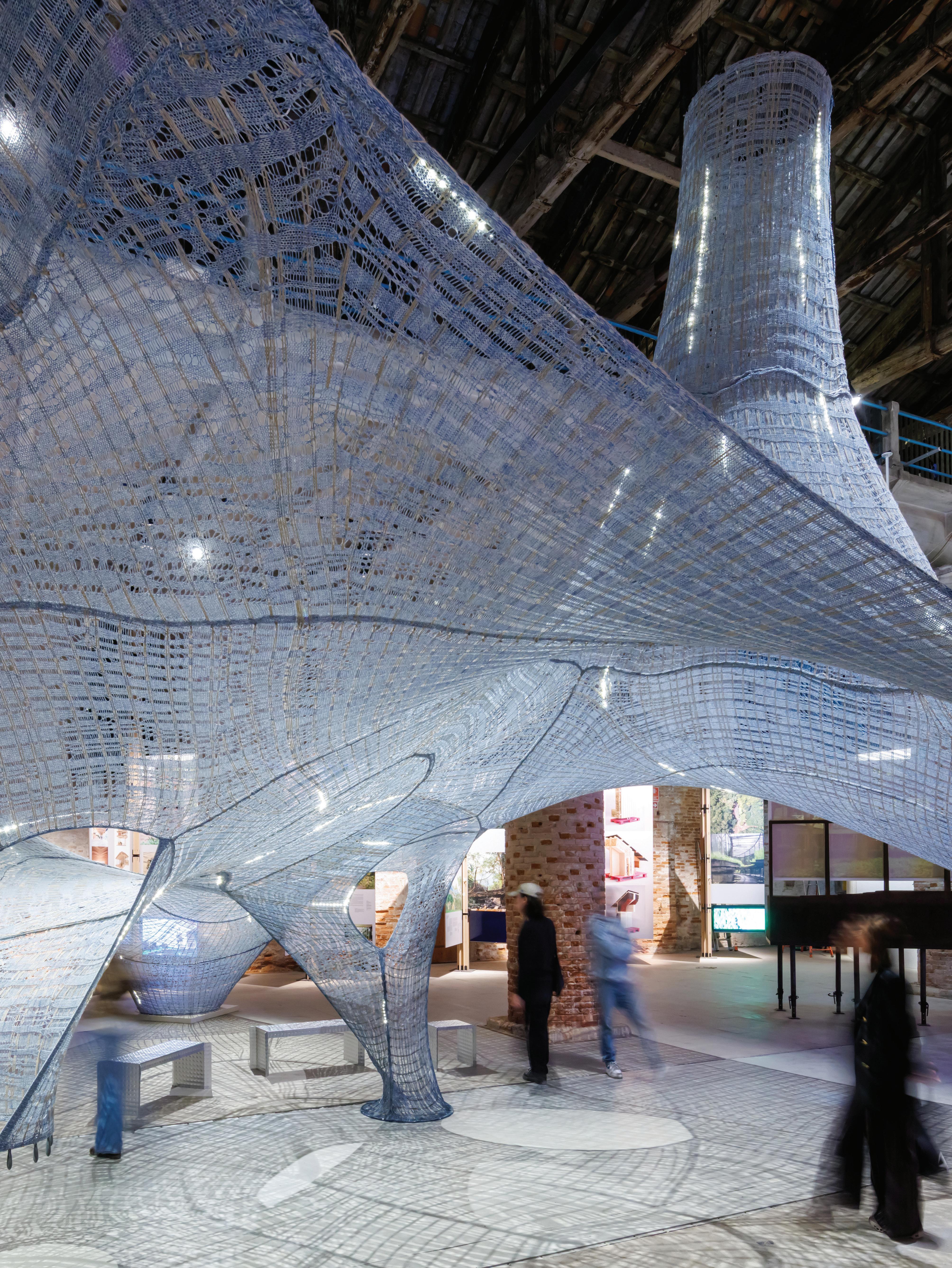
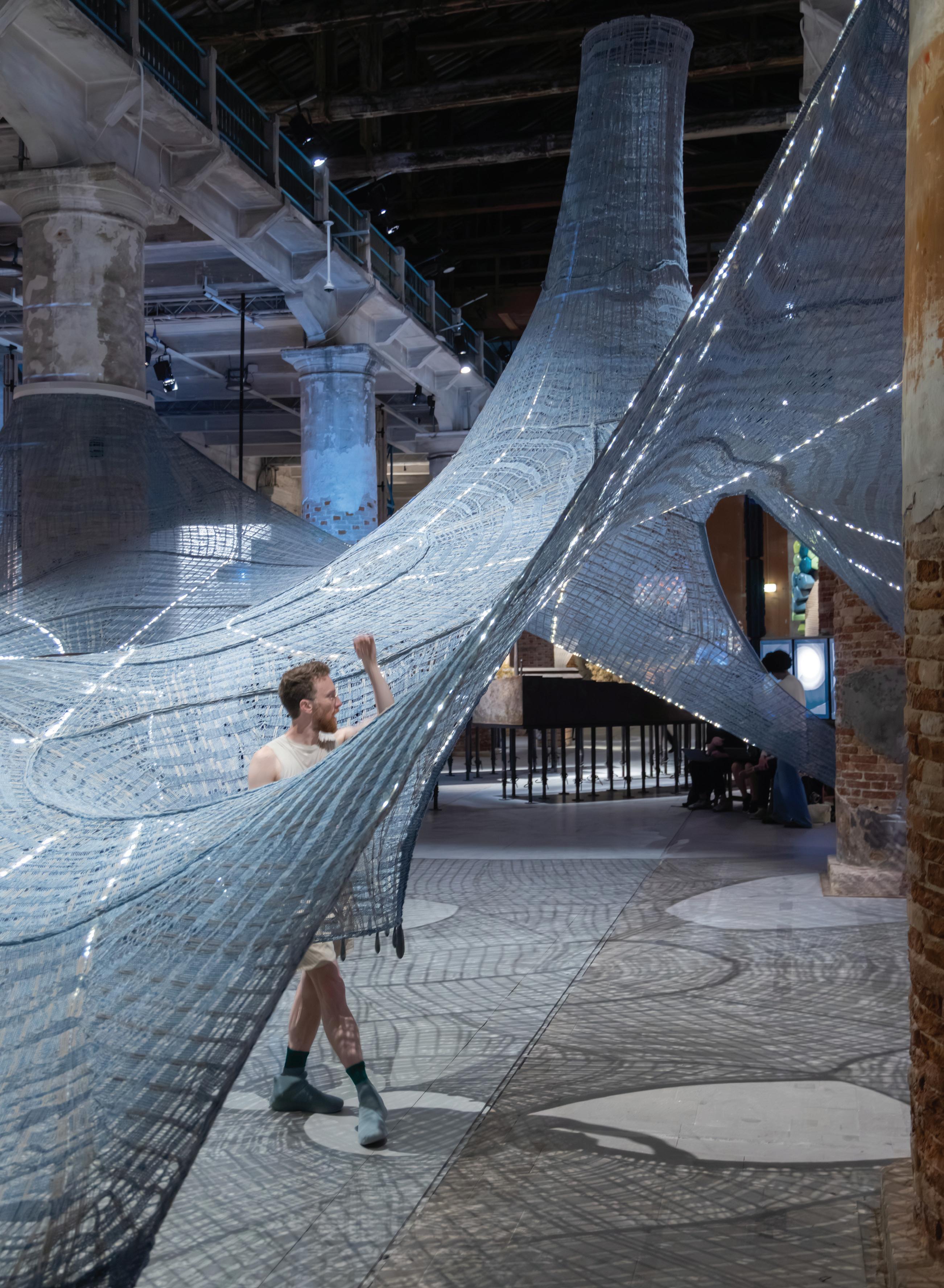
NECTO project: 2025 location: Venice, Italy
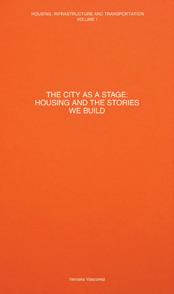
PB 08 THE CITY AS A STAGE: HOUSING AND THE STORIES WE BUILD
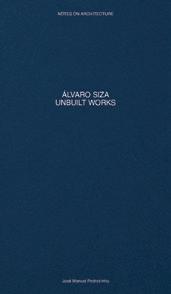
PB 07 ÁLVARO SIZA UNBUILT WORKS | NOTES ON ARCHITECTURE
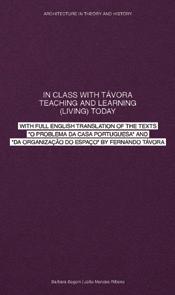
PB 06 IN CLASS WITH TÁVORA TEACHING AND LEARNING (LIVING) TODAY
PB 05 PAULO DAVID | THE LESSON OF THE CONTINUITY
PB 04 DOING GOOD FAZER BEM DOING WELL
PB 03 NOTES ON ARCHITECTURE | BUILDING AROUND ARCHITECTURE FRANCESCO VENEZIA OUTSIDE THE MAINSTREAM
PB 02 FORM, STRUCTURE, SPACE NOTES ON THE LUIGI MORETTI’S ARCHITECTURAL THEORY
PB 01 EDUARDO SOUTO DE MOURA LEARNING FROM HISTORY, DESIGNING INTO HISTORY
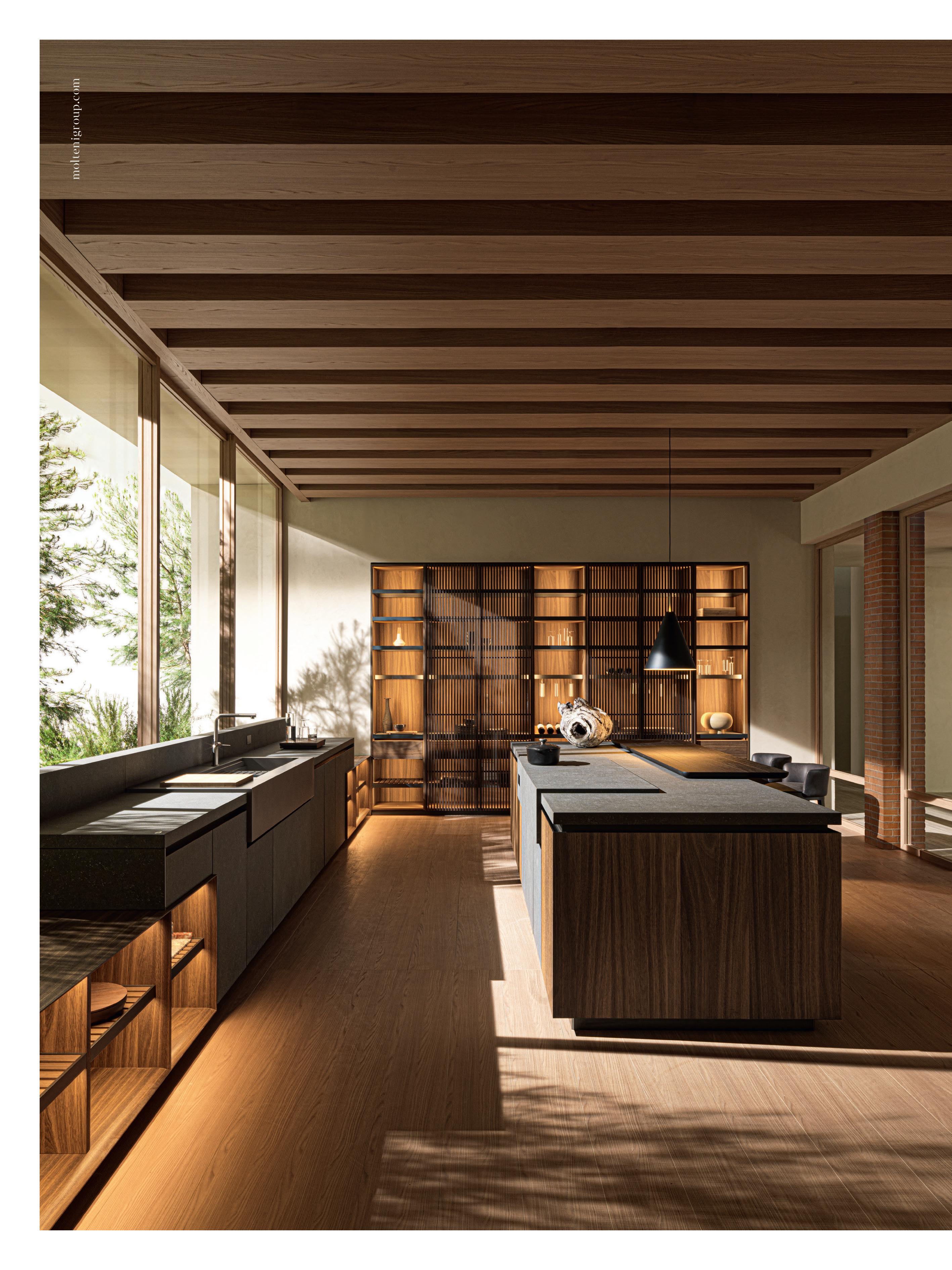
WALLS AND CEILINGS
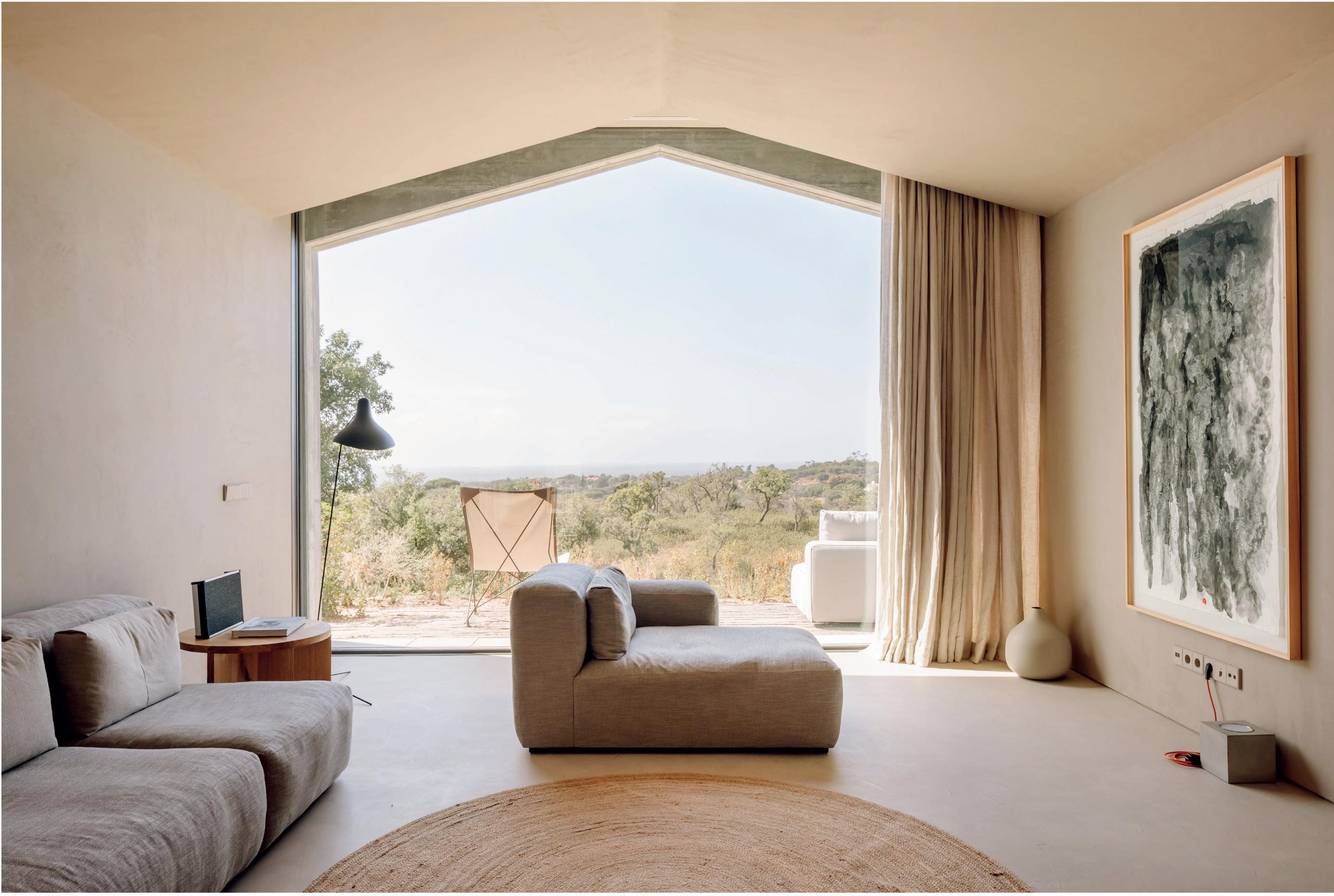
Vieroquartz Primer and Marmorin Hydro Finish
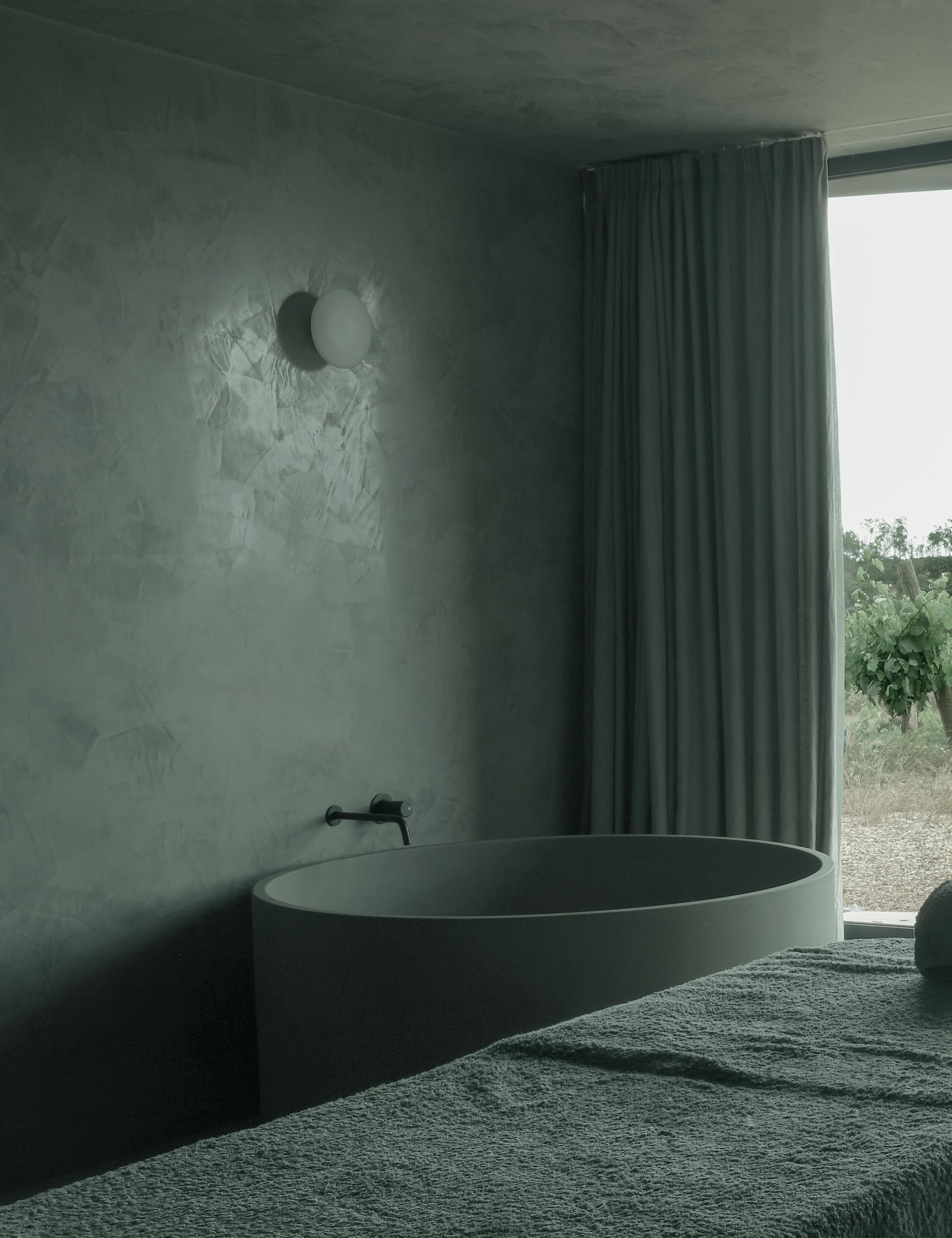
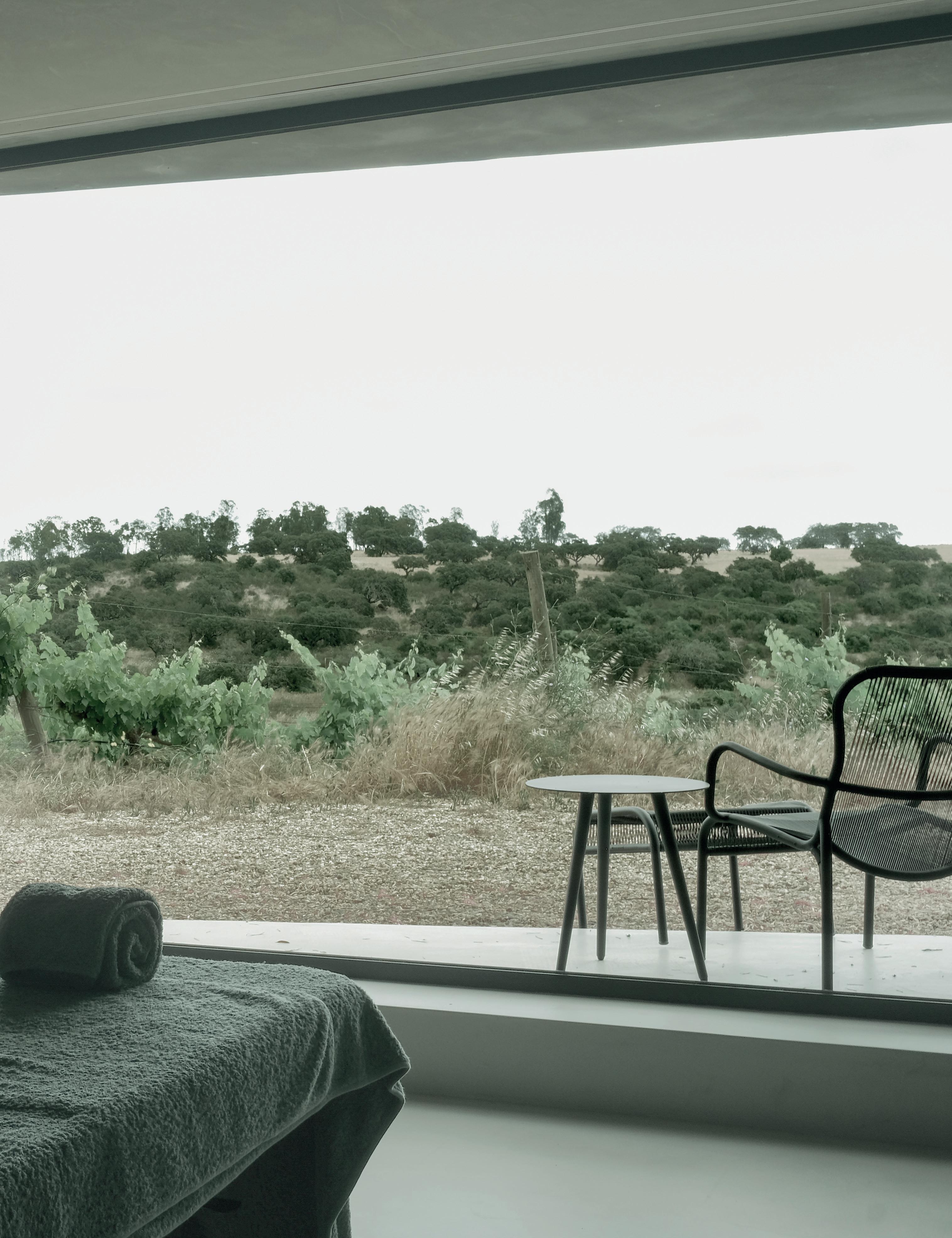
Pa.te.os | Melides Architecture AIRES MATEUS Image FRANCISCO NOGUEIRA
AMAG 2026 SUBSCRIPTION PACK
Since 2023, AMAG international architecture is out together with AMAG PT portuguese architecture. AMAG SUBSCRIPTIONS grants the OFFER of AMAG PT free of charges, 20% DISCOUNT at all titles from the LONG and the POCKET books COLLECTIONS and EXCLUSIVE PROMOTIONS.
LONG BOOKS COLLECTION
LONG BOOKS brings together a unique selection of projects that establish new paradigms in architecture. With a contemporary conceptual graphic language, the 1000 numbered copies of each title document works with different scales and formal contexts that extend the boundaries of architectural expression. Each title features one single work, from one single studio.
4
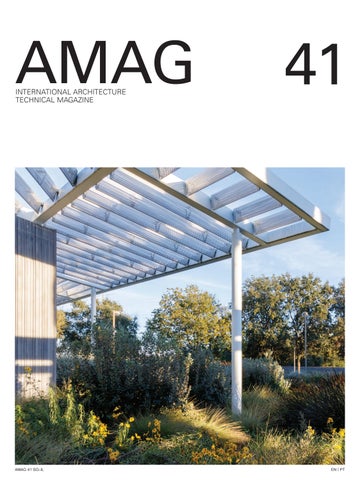
KUKJE GALLERY COVER PROJECT
project: 2009 - 2012
location: Seoul, South Korea
client: Kukje Gallery
program: Gallery, theater, meeting room, art storage
design team: Florian Idenburg, Jing Liu, Ilias Papageorgiou, Iannis Kandyliaris, Cheon-Kang Park, Sooran Kim and Seunghyun Kang
program: Galleries, office, classrooms, studios associate architect: Bohlin Cywinski Jackson
design team: Florian Idenburg, Ilias Papageorgiou, Jing Liu, Danny Duong, Seunghyun Kang, Nile Greenberg, Pietro Pagliaro, Andre Herrero, Madelyn Ringo and Jacopo Lugli
realization team: Florian Idenburg, Ilias Papageorgiou, Jing Liu, Danny Duong, Kevin Lamyuktseung and Álvaro Gómez-Sellés
program: Cultural center, visitor center, black box theater, music studio, bar, museum, art storage, offices, glass blowing production, store, workshop areas and cafe team SO–IL: Florian Idenburg, Jing Liu, Ilias Papageorgiou, Lucie Rebeyrol, Ian Ollivier, Seunghyun Kang, Pietro Pagliaro, Danny Duong and Antoine Vacheron
client: Imuvi Development City of Leon program: Residential design team: Florian Idenburg, Ilias Papageorgiou, Isabel Sarasa, Seunghyun Kang, Sophie Nichols and Pam Anantrungroj
MILLBROOK RESIDENCE project: 2018 - 2021 location: Millbrook - New York, USA
client: Artur Walther program: Residential design team: Florian Idenburg, Ted Baab, Johannes Staudt, Andrew Fu, Martina Baratta, Kristen Too, Kirill Berezhnov, Mario Serrano, Andra Ionel and Meg Anderson
POCKET BOOKS are an assembly of small books that compiles theoretical texts by different architects. Writings that reflect different areas of interest and performance, in a timeless book collection.
These are some of the adjectives that define the wellness space at Herdade
designed by the
and with exclusive facial treatments in the
by the
da Malhadinha Nova,
Aires Mateus studio
Alentejo
Azorean brand IGNAE.
THOUGHTS FROM THE EDITOR
by Ana Leal
AESTHETICS OF DIFFERENCE
by José Manuel Pedreirinho
FALLING IS A FORM OF FLYING
by Jan De Vylder
KUKJE GALLERY
MANETTI SHREM MUSEUM OF ART
BERGEN RESIDENCE
SITE VERRIER
AMANT
LAS AMERICAS
MILLBROOK RESIDENCE
450 WARREN
144 VANDERBILT
CLEVELAND PUBLIC LIBRARY MARTIN
LUTHER KING, JR. BRANCH
Jan de Vylder graduated in Architecture from the University of Sint-Lucas in Ghent.
He has been working independently since 2000, first sharing a studio with Trice Hofkens, then with Inge Vinck and Jo Taillieu, with whom he founded the studio Architecten de vylder vinck taillieu in 2010, which is active until 2019. In the same year, together with Inge Vink, he founded the studio Architecten jan de vylder inge vink.
He has taught at the Sint-Lucas School for Architecture in Brussels, the TU in Delft, the EPFL in Lausanne and the Academy of Architecture in Mendrisio. Since 2017, he has been a professor at the ETH in Zurich.
FALLING IS A FORM OF FLYING
It starts like this. A rectangular box. What else could a box be? But then again, not a box. Something fell over it. Over that which could not be contained in that box. Perhaps it could have been contained. But it was not contained. The box remained a box. Had to remain a box. That was why it was doable. An exhibition space. No more, no less. But everything else was also inevitable. But outside the box. Each in the shape and scale it had to be. A lift. A staircase. And an airlock. And another staircase. Or under the box. Storage and, first and foremost, an auditorium.
Well done. Even without what fell over it. But now it’s coming. Something is falling over it. So something is falling over that building after all. Something that is not expected to fall over it in that way. Over what a building is. What is falling over it: is that a building? To elaborate the question a little more: is that a material that is not expected when thinking about a building? Or is it a form that is not expected? Further question: that form and that material, what do they have to do with each other? Or can they only have to do with each other?
Well done is done unexpectedly. Falling into form, says Florian. That’s what it’s about. Actually. Nothing more than that. The conversation could have ended there.
But. Of course, saying that is too simple. In words and certainly not in deeds. Falling is not without reason. Falling does not just happen. Although in the end it does just happen. But only after the idea of falling has been thoroughly assessed. In architecture, assessment means study. At SO–IL, assessment means letting go. After the study, finally letting go. Letting it fall.
The detail of falling. That is what architecture can be about. Must be about. At least at SO–IL. It is
a contradiction. Falling is not expected to come with detail. But detail is also generally expected to avoid falling. But it is by giving falling a detail that falling can be given a chance in architecture. The detail of giving falling a chance can only be achieved by studying the detail of the matter – material and gravity – as well as the detail of the form – reinforcing and redeeming – until that which was not expected to be seen can be seen.
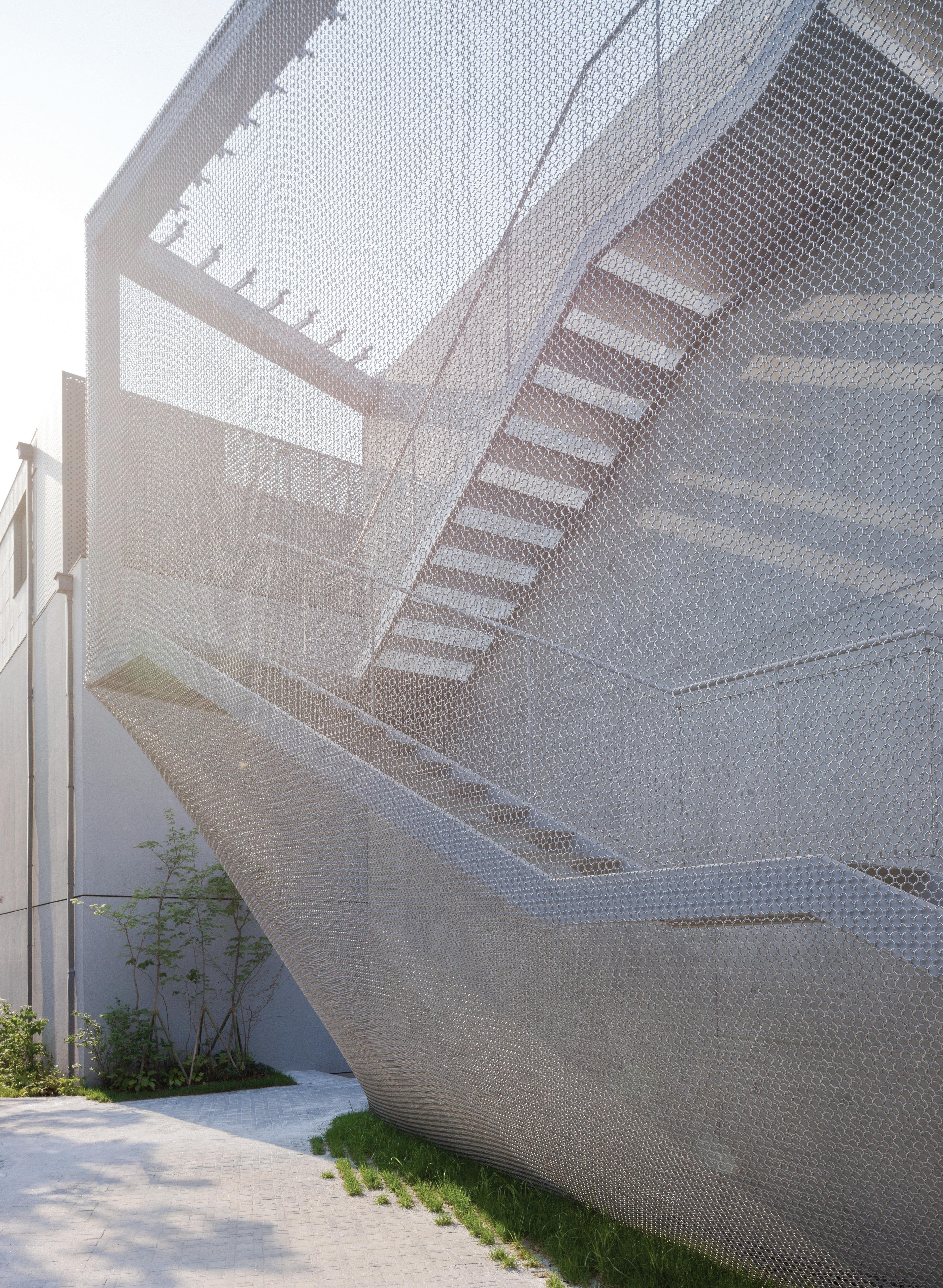
Looking at Kukje Gallery in Seoul. All this now considered. The net. But also looking further now at Williams College Museum of Art, Williamstown, USA. No steel net this time. But wooden panels. No steel net consisting of an endless number of small, refined, flexible links – more about that scale of material later – which finds its elegance in falling. The scale of the link is small, but the scale of the appearance is unexpected.
The roof of the WCMA also falls, but differently. Without collapsing, of course. But here it does not fall from a flexible, refined woven thread, but from a stiff plate that is strongly glued. But if the plate is intended to be strong in one direction and is improperly hoisted in the other direction, this plate will bend. Slightly, because it is strong enough. But it does bend precisely because the plate is strong enough. Falling comes in many forms – forms! -: a net woven loosely in detail but strong in itself and therefore free in gravity, appearing as an inverted or loose mould over a box and more – Kukje Gallery; then here – WCMA – an oversized wooden plate thin in one dimension, provided that the force of gravity does not counteract that stiff plate, just like that steel net, letting it fly.
The form is not the result of a purely formal desire nor of endless formal freedom, but the result of a thorough understanding of simple materials and
KUKJE GALLERY
Seoul, South Korea
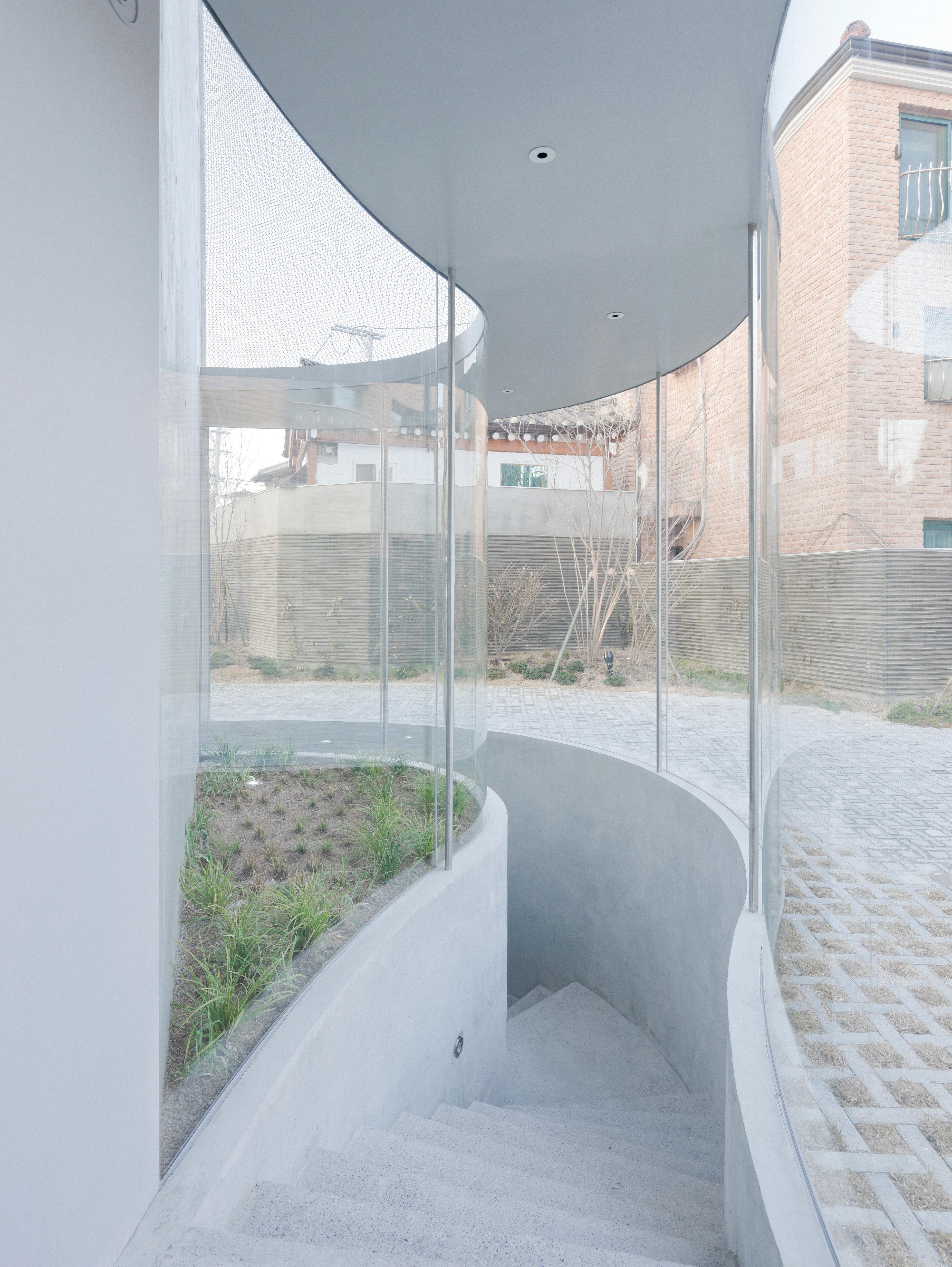
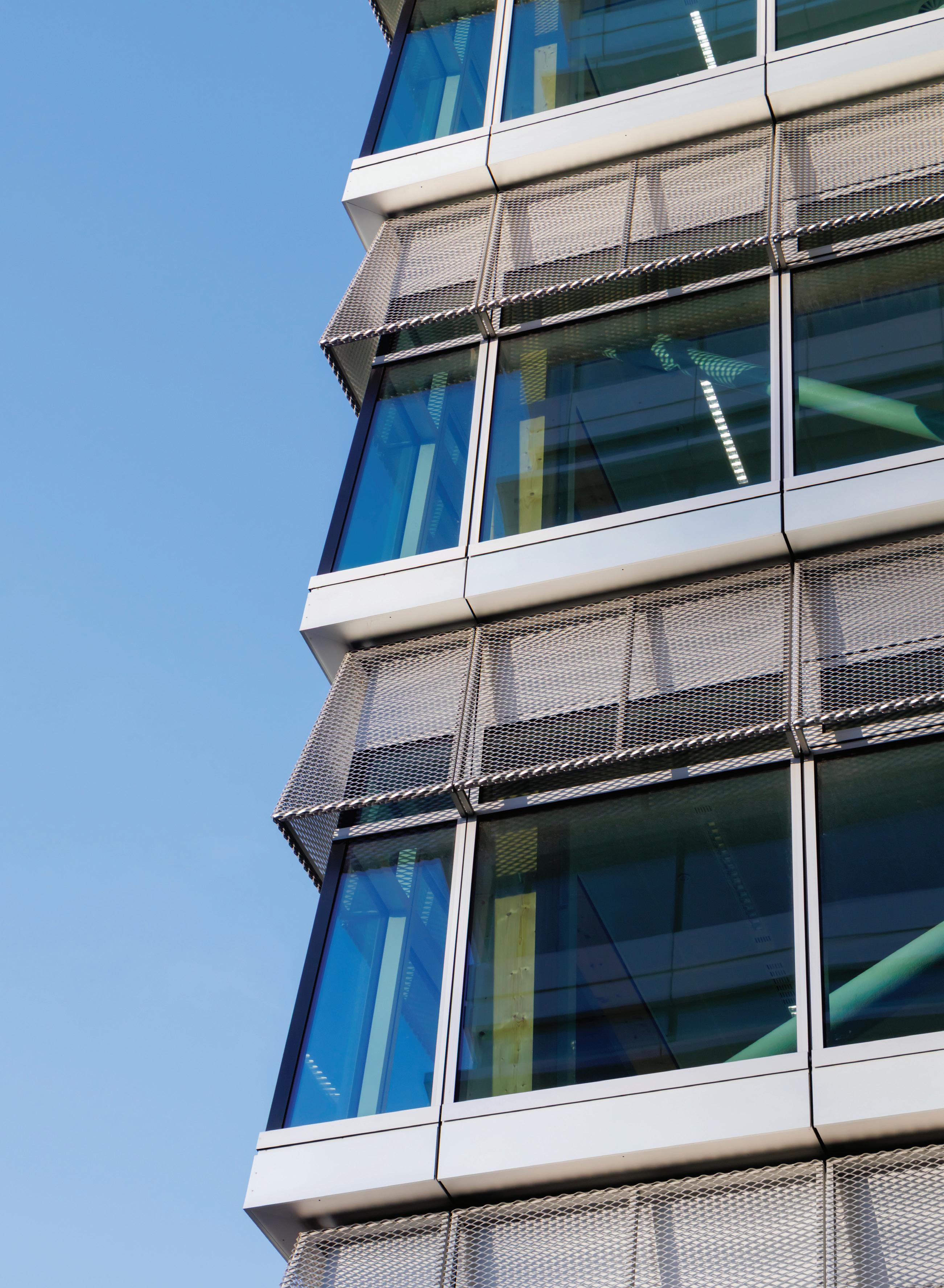
Kukje Gallery is committed to presenting the work of the most current and significant Korean and international contemporary artists. The project’s objectives are two-fold: to strengthen the presence of contemporary Korean culture in the global art world and to sensitively integrate a state-of-the-art gallery space into an historic area of northern Seoul. Our design responds with a balance of contemporary aesthetics and traditional techniques.
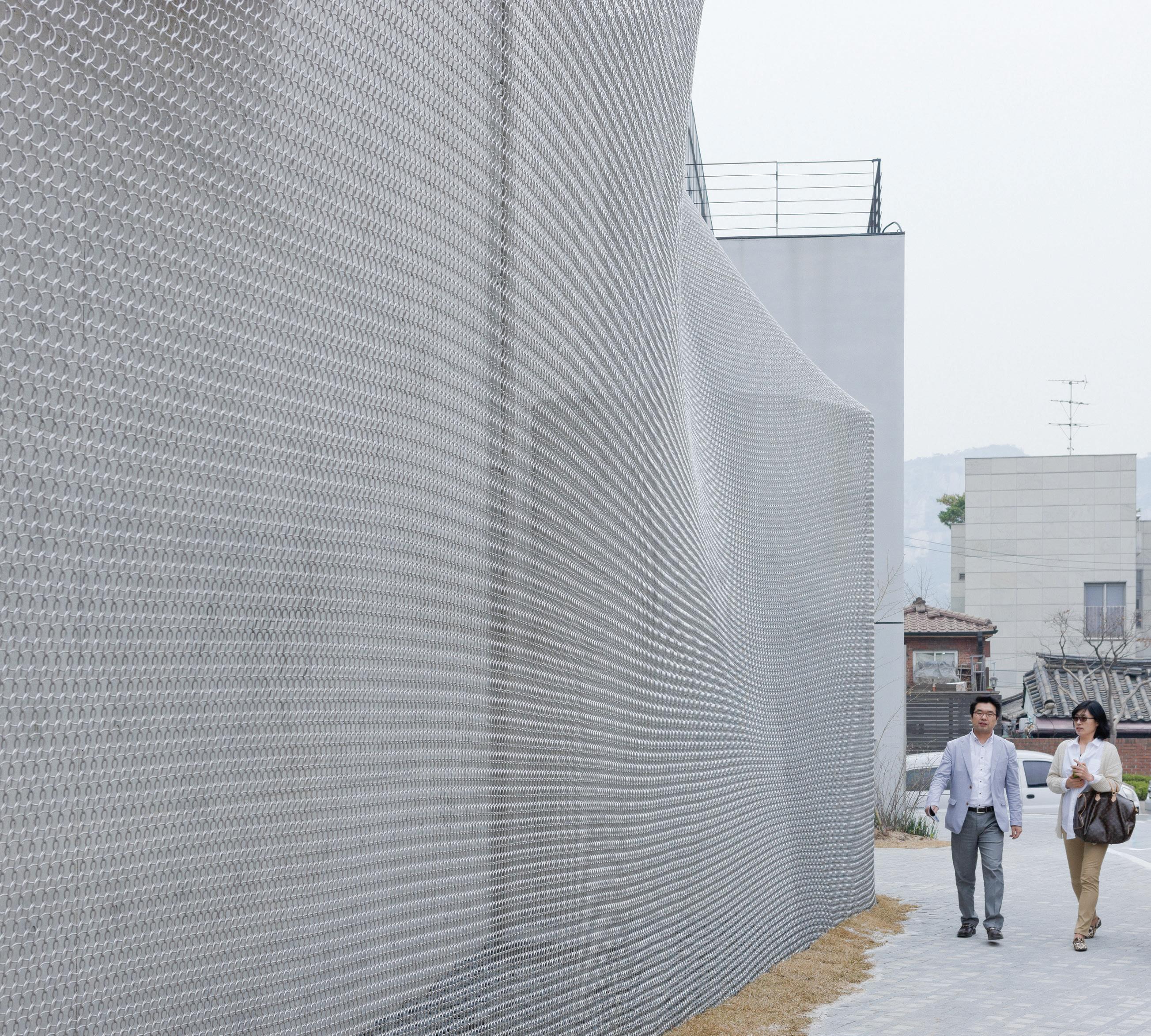
In contrast to the austere white cube gallery, we pushed all circulation to the periphery and enveloped the whole structure in a hand-fabricated chainmail veil. Computational processes synthesized with traditional fabrication techniques created the bespoke façade of 510,000 metal rings. We worked with engineers at Front Inc. to develop the façade through research and testing, which was then produced by local craftsmen in Anping, China.
Sited amongst traditional hanok homes, the gallery is a landmark of a cultural campus, and assists in public wayfinding by adding to a larger network of spaces. The design’s sensitivity to the physical and cultural characteristics of its evolving setting extends from the calibration of spaces to precise detailing. The materials, the patterning of the plaza, and the surrounding walls all borrow from traditional regional building techniques. The façade’s draped form echoes the surrounding rooflines. The mesh’s play of reflectivity and shadow gives the building mass a light appearance.
Kukje Gallery hosts robust international arts programming within a compact form. The gallery is a flexible platform for engaging with art. It transforms from an ambient day-lit space to a blackout space for projections and light-sensitive works. Lectures, films, and performances take place in a subterranean 60-seat auditorium. Support spaces such as offices, art handling facilities, and storage are tucked beneath the auditorium for greater flexibility.
A Kukje Gallery tem como principal propósito a exposição do trabalho de artistas contemporâneos coreanos e internacionais actuais e emergentes com um duplo objectivo: reforçar a presença da cultura contemporânea coreana no panorama artístico e integrar, de forma cuidada, um espaço expositivo e cultural a norte de Seul através de uma solução formal que garante o equilíbrio entre o contemporâneo e o tradicional.
Por contraposição, à austeridade do projecto expositivo white cube, concentrámos toda a circulação no perímetro exterior do edifício, e envolvemos o volume numa malha metálica fabricada manual e exclusivamente para o propósito com 510.000 anéis metálicos, através da associação de técnicas digitais e tradicionais de fabrico. Colaborámos em parceria com engenheiros da Front Inc. para desenvolver o projecto da fachada que posteriormente foi produzida por artesãos locais em Anping, na China.
Por entre a malha tradicional de hanok,
a galeria representa um marco cultural e contribui para a orientação do público. A sensibilidade do desenho reflecte as características físicas e culturais e um carácter leve e transparente.
A Kukje Gallery acolhe uma forte programação artística internacional num volume aparentemente compacto. A galeria é uma plataforma flexível no contacto com a arte, que oscila entre um espaço naturalmente iluminado durante o dia e um espaço intencionalmente escurecido, capaz de acolher projecções e obras sensíveis à luz, conferências, filmes e performances num auditório, com 60 lugares. Espaços de apoio, escritórios, áreas de manipulação e armazém de obras de arte situam-se sob o auditório, aumentando a flexibilidade do conjunto.
01. Threaded rod for tensioning mesh
02. Parapet mesh capture channel
03. Splice ring
Chain mail mesh
Parapet
Steel structure
Gravel
Concrete pavers
Steel halfen channel
MANETTI SHREM MUSEUM OF ART
Davis - California, USA
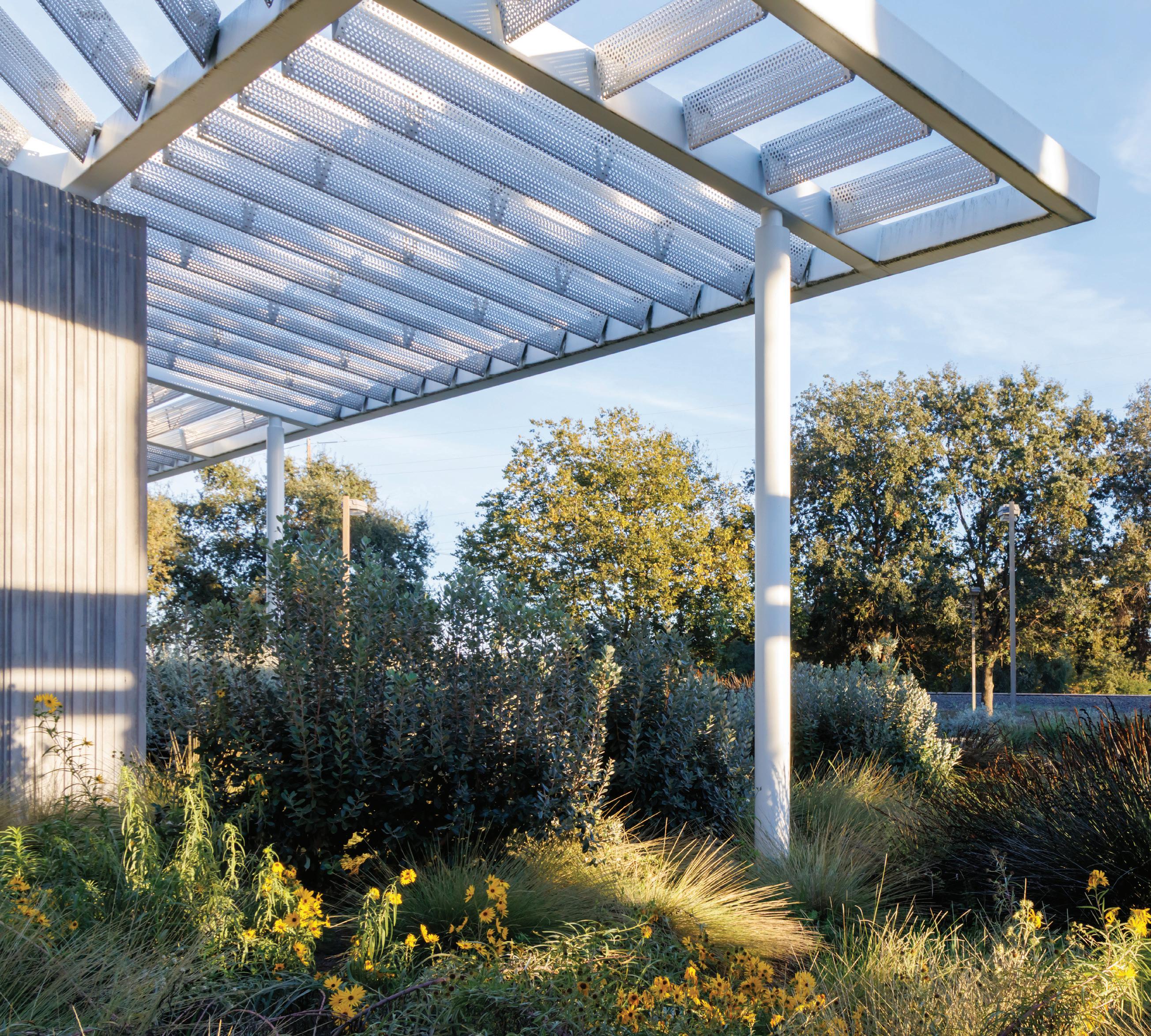
The Jan Shrem and Maria Manetti Shrem Museum of Art at the University of California, Davis, is the first contemporary art museum for both the university and the city. The museum hosts diverse arts programming and celebrates the legacy of avant-garde art-making at the university, where talents such as Bruce Nauman, Wayne Thiebaud, Robert Arneson, and William T. Wiley were nurtured.
Our design pays close attention to the museum’s multiple contexts, and organizes its social and physical components to promote the cultivation of relationships. The result offers a model for future museums that is neither isolated nor exclusive, but open and permeable – not a static shrine, but a constantly evolving public event.
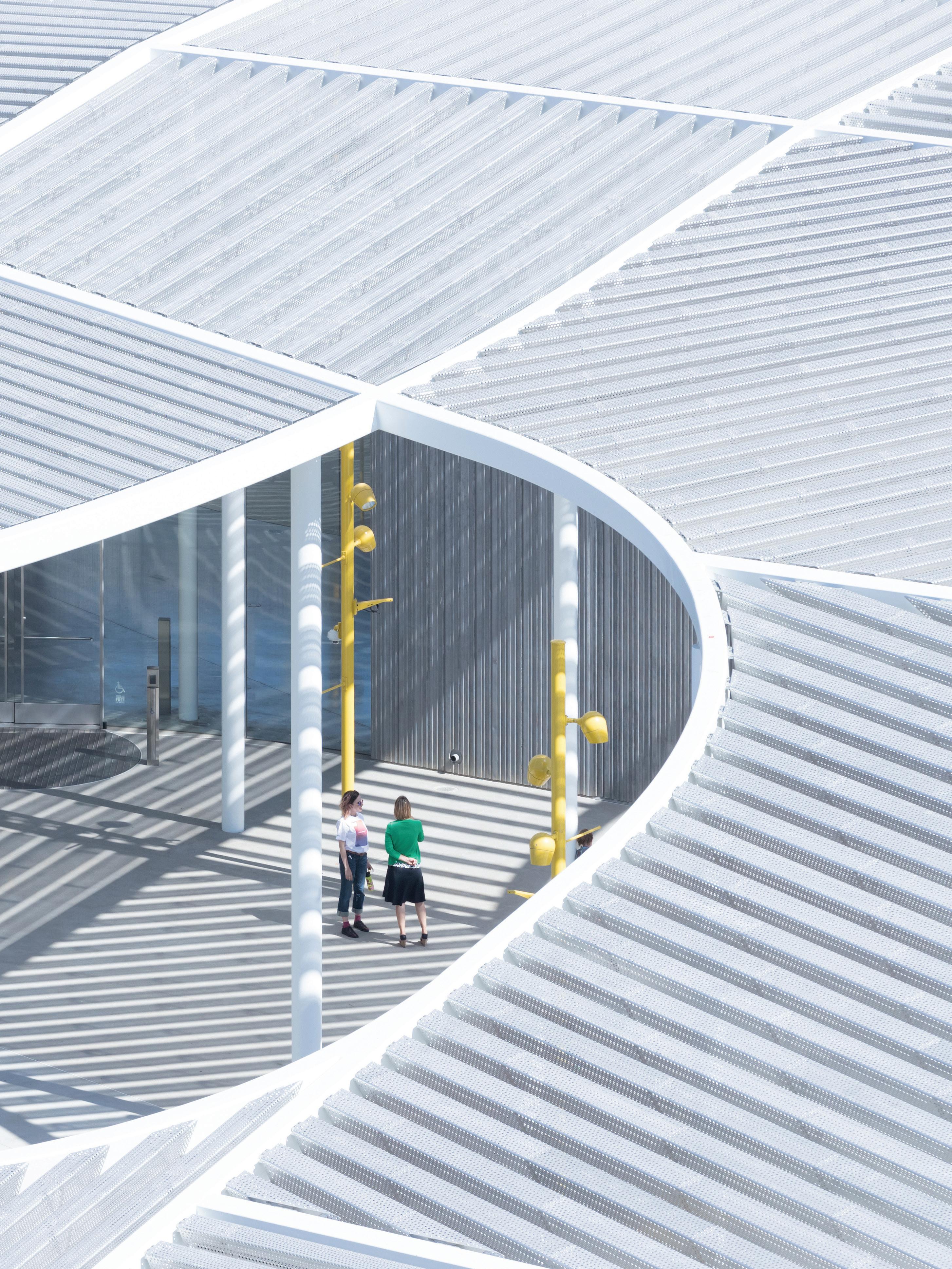
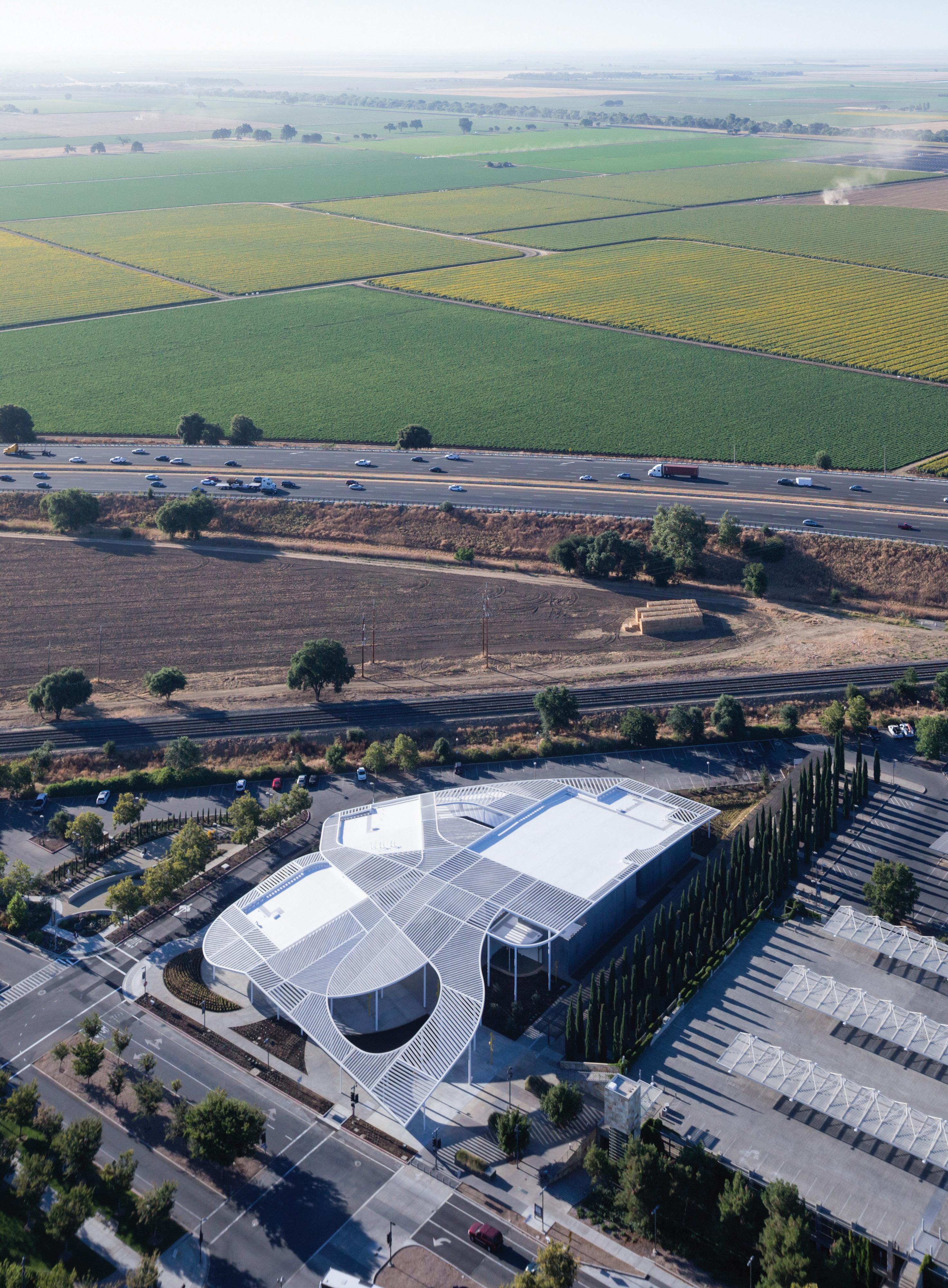
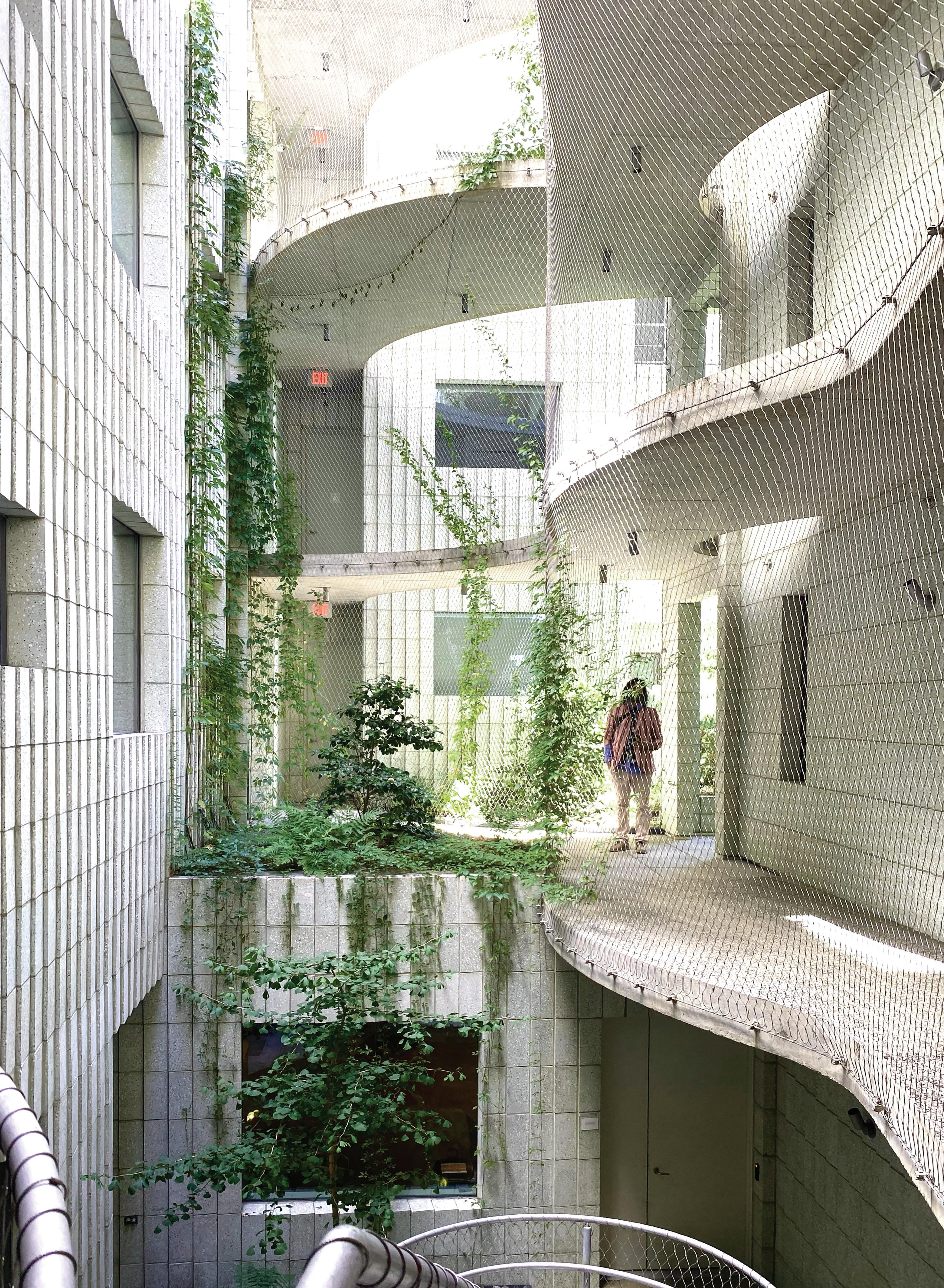
With classrooms and art studios opening into the lobby, the museum is a living experiment for teaching, making and interacting with art. Smooth zones of the corrugated façade allow for outdoor screenings and a glasswalled courtyard also functions as an outdoor gallery for sculpture. The overarching ‘Grand Canopy’ extends a rolling form patchworked with aluminum beams over both site and building. Sited at the edge of the campus, the unique form of the canopy draws visitors from a distance. The design of the canopy references the site’s agricultural context - announcing a new social node and emblem within the university.
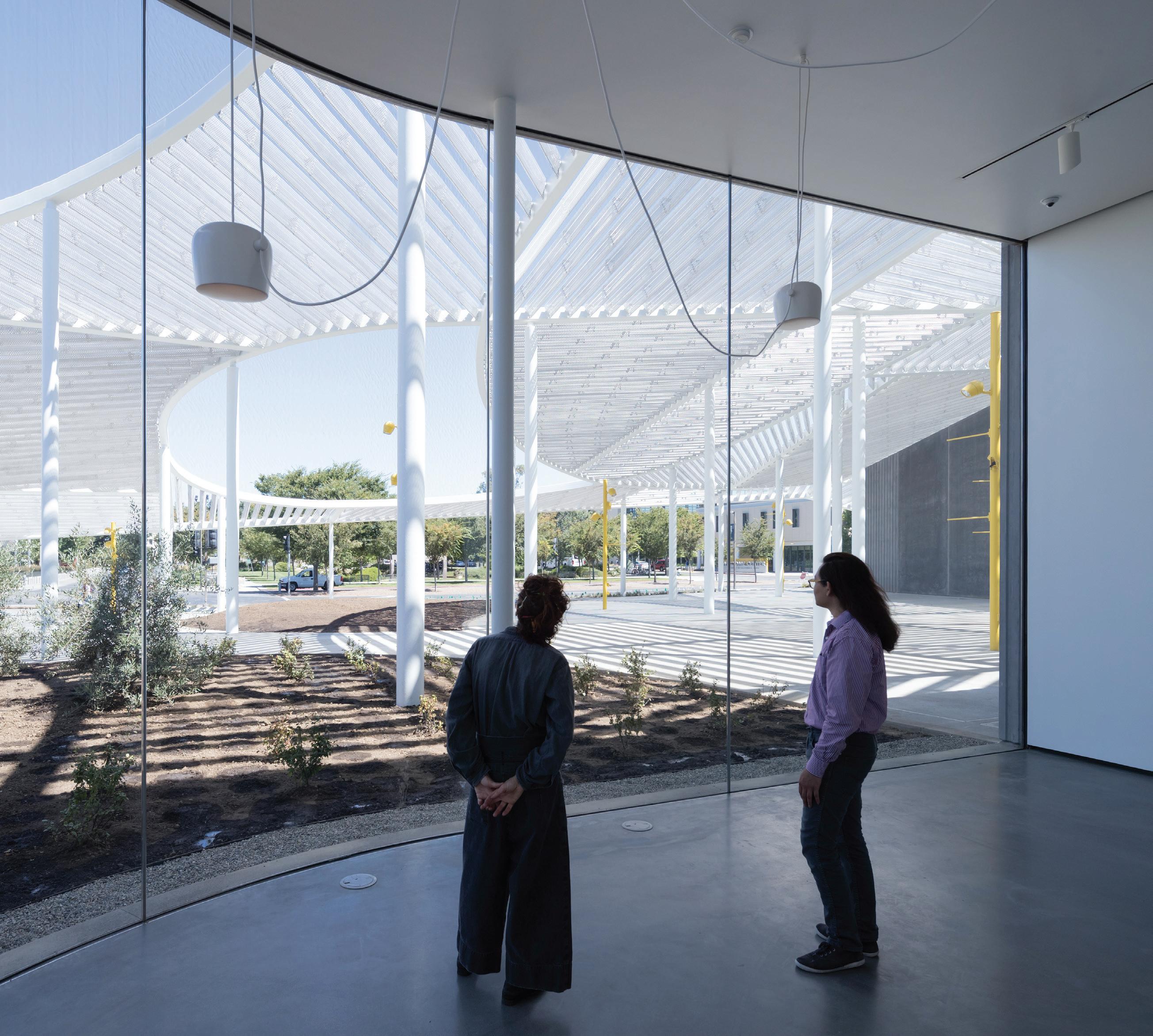
Beneath the canopy, the spatial qualities of diversity and transparency underscore the museum’s democratic stance. The subtle interplay of light and shadow across the public plaza helps blur the boundary between civic and institutional spheres. Inside, a glass-walled lobby
converges viewing, learning, and making areas. These interconnected interior and exterior spaces create informal opportunities for experiencing art and learning, supporting the museum’s mission to have all visitors become students.
The 50,000 square-foot Grand Canopy is composed of custom-built, perforated, triangular aluminum beams. It is the product of an intimate knowledge of both technology and craft. From light studies through iterative prototyping and large-scale mock-ups, BIM modeling aided to maximize material efficiency, cut labor costs, and synchronize the design-build team, ensuring fast-paced and smooth transitions between physical and digital modes. The museum achieves LEED Platinum rating, exceeding university requirements.
O Jan Shrem and Maria Manetti Shrem Museum of Art, na Universidade da Califórnia, Davis, é o primeiro museu de arte contemporânea quer na universidade quer na cidade. O museu acolhe uma programação artística diversificada e celebra o legado da criação artística de vanguarda na universidade, na qual formam formados artistas de referência como Bruce Nauman, Wayne Thiebaud, Robert Arneson e William T. Wiley.
O nosso desenho tem como particular atenção os múltiplos contextos do museu, e procura organizar aspectos sociais e físicos de modo a promover a criação e o cultivo de relações. Como proposta, um modelo para futuros museus que não é nem singular nem redutor, mas sim aberto e permeável. Não como um santuário
estático, mas como um espaço público em constante evolução.
Com salas de aula e estúdios de arte que se abrem para o exterior, o museu funciona como um laboratório vivo de ensino, criação e interacção com a arte. A ondulação da fachada permite projecções exteriores, e o pátio, uma galeria ao ar livre. A grande Canopy estende-se sobre o terreno e o edifício. A forma singular da cobertura atrai visitantes à distância desde a periferia do campus. O seu desenho denuncia o contexto agrícola local e anuncia uma nova exposição social.
As qualidades espaciais de diversidade e transparência sublinham a postura democrática do museu. O jogo entre a luz e sombra contribui para diluir o limite entre o plano cívico e o plano institucional. No interior, espaço transparente integra áreas de exposição, aprendizagem e criação. A relação entre estes espaços, interiores e exteriores, geram oportunidades informais de contacto e de aprendizagem, contribuindo para a principal missão do museu: permitir que todos os visitantes possam ser estudantes.
O espaço de 4645 m2 construído em treliças de alumínio resulta de um conhecimento profundo tecnológico. Estudos de luz, prototipagem iterativa e maquetas em grande escala, associadas à modelação BIM, permitiram maximizar a eficiência dos materiais, reduzir custos de mão-de-obra e sincronizar a equipa de projecto e construção, assegurando transições rápidas e fluidas entre modos físicos e digitais. O museu alcançou a classificação LEED Platinum, superando os requisitos da universidade.
BERGEN RESIDENCE
Brooklyn - New York, USA
The form of the Brooklyn brownstone is world renowned. Warm-toned masonry facades, efficiently stacked floor plans, generous stoops and straightforward staircases, and the sacred “donut”– the large void in the center patched together from the deep backyards – all make up the familiar and ubiquitous typology.
At Bergen Street, we set out to be intentional with spatial logic inherent in the historic brownstone house, and challenge norms that no longer provide a nuanced backdrop to daily life.
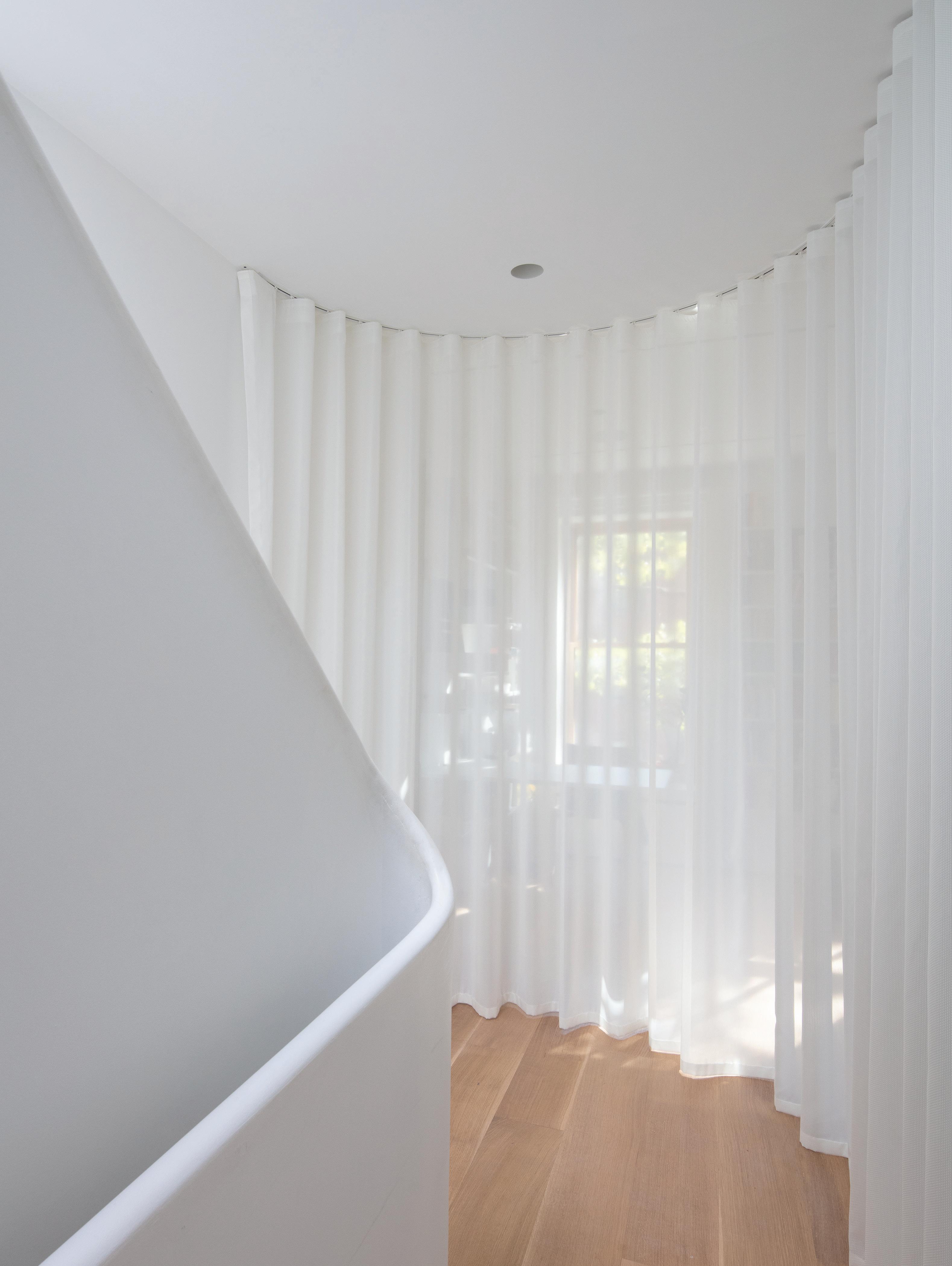
The staircase that threads through the building as spine is not treated as a static logistical object, but a dynamic sculpture not as a static logistical object, but a dynamic sculpture that occupies the building sectionally and moves through each floor in careful calibration to the other spaces. On the parlor level, its expressive curvilinear form draws visitors towards the central kitchen and dining area at the back of the house. Following, a spiral form upwards opens toward a large skylight at the top.
Where the family convenes, the staircase splits and is shifted. A partial – height, Duchamp – like volume hides the lower portion of the staircase at the center of the floorplan, and separates the living area from the dining area A simple door reveals a discrete yet dramatic staircase that leads to the garden apartment and cellar.
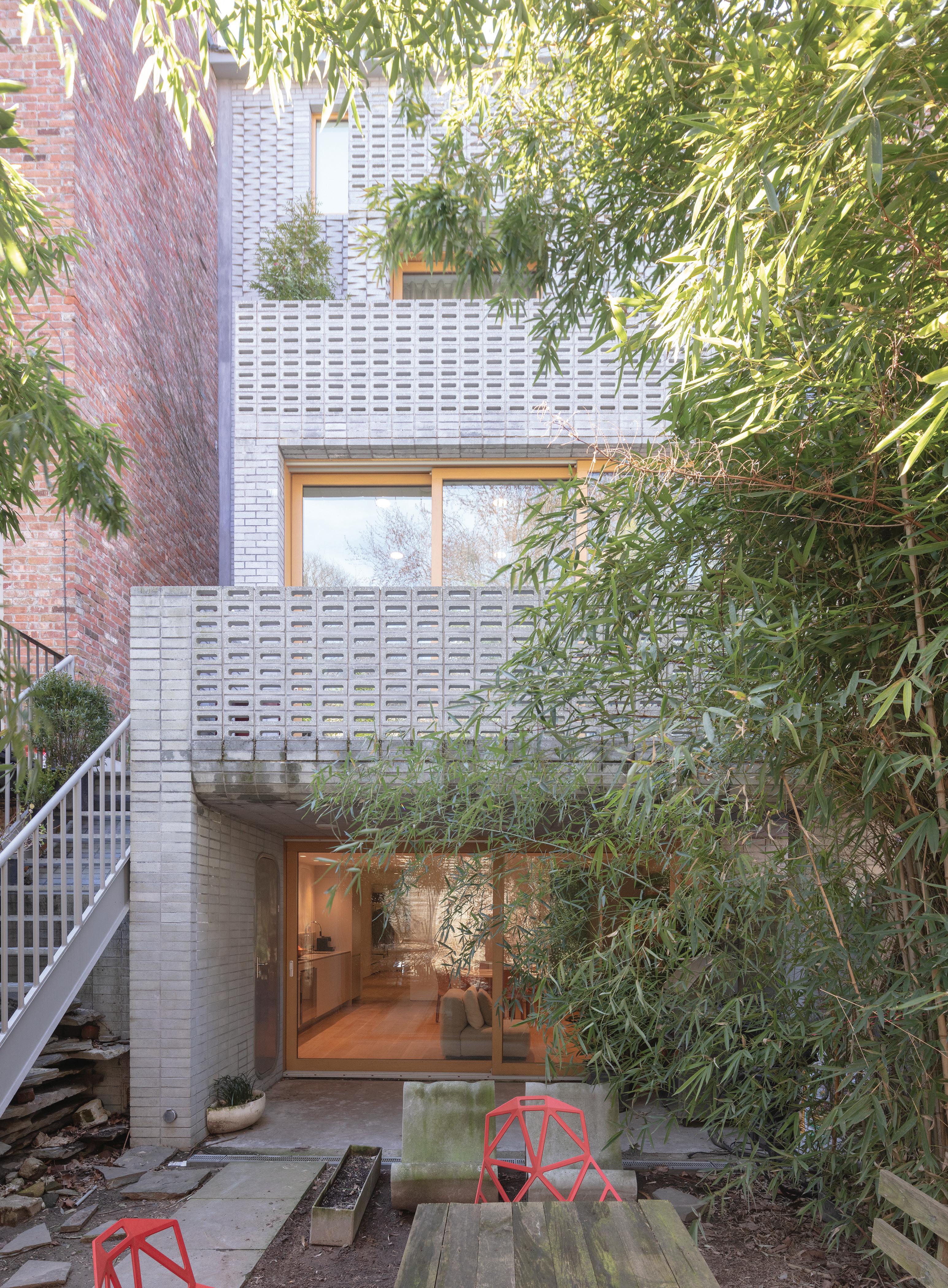
The house’s rear facade both inherits and challenges the traditions of a brownstone. Made entirely of a singular brick, the patterns shift on each floor. They delaminate, protrude and
recess to create balconies, ledges, and covered outdoor space at each level. The often monotonous facade becomes animated by textures, depths and uses reflective to the lives within.
O distrito de Brooklyn, na cidade de Nova Iorque, é comummente reconhecido pela sua tipologia familiar urbana: construção em tijolo, tons quentes, plantas generosas e organizadas de forma funcional, escadas simples, e um grande vazio central, resultado da junção dos jardins posteriores.
Na Bergen Street, procuramos de forma intencional trabalhar com a lógica espacial inerente à tipologia histórica de brownstone, desafiando no entanto as normas que já não se enquadram com a vida quotidiana actual.
A escada central que atravessa o edifício deixa de ser um objecto logístico estático, e passa a representar uma escultura dinâmica que ocupa o edifício de forma seccional, e permite estabelecer uma relação entre cada piso e respectivos espaços. No piso térreo, a sua forma expressiva e curvilínea conduz à cozinha e à zona de refeições na parte posterior da casa, a partir da qual se desenvolve num movimento helicoidal ascende até à claraboia.
No espaço de uso comum e social, a escada divide-se e desloca-se. Um volume de meia altura, reminiscente de Duchamp, oculta a parte inferior e central da escada e estabelece a separação entre a área de estar, da área de refeições.
A fachada posterior da casa herda e desafia as tradições habituais. Construída inteiramente em tijolo, o padrão da sua aplicação varia em cada piso, que avança e recua para dar lugar a varandas, beirais e espaços exteriores cobertos. A fachada, frequentemente monótona, passa a ser texturada, profunda e o reflexo das diferentes vidas e usos que acolhe.
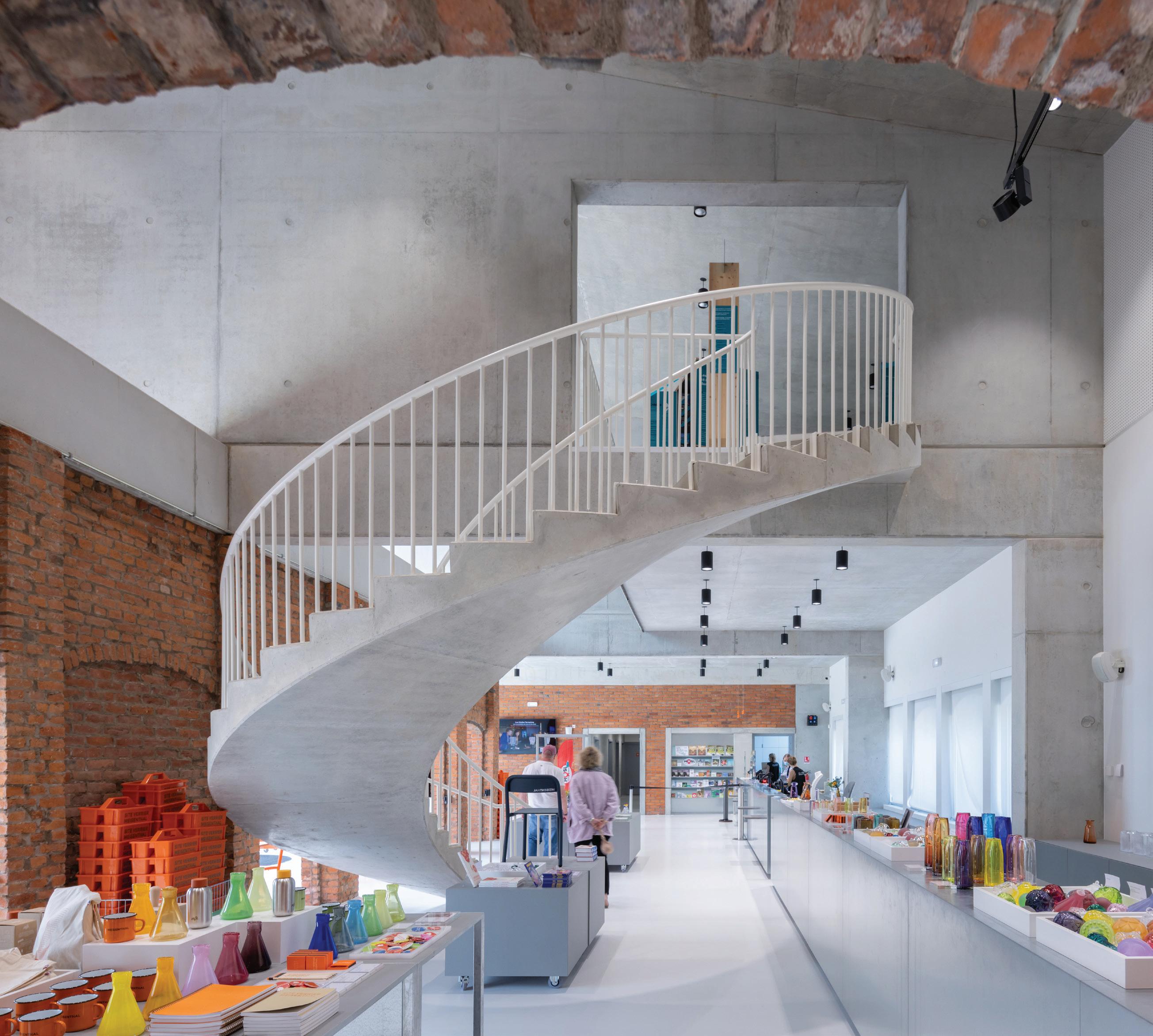
SITE VERRIER
Meisenthal, France
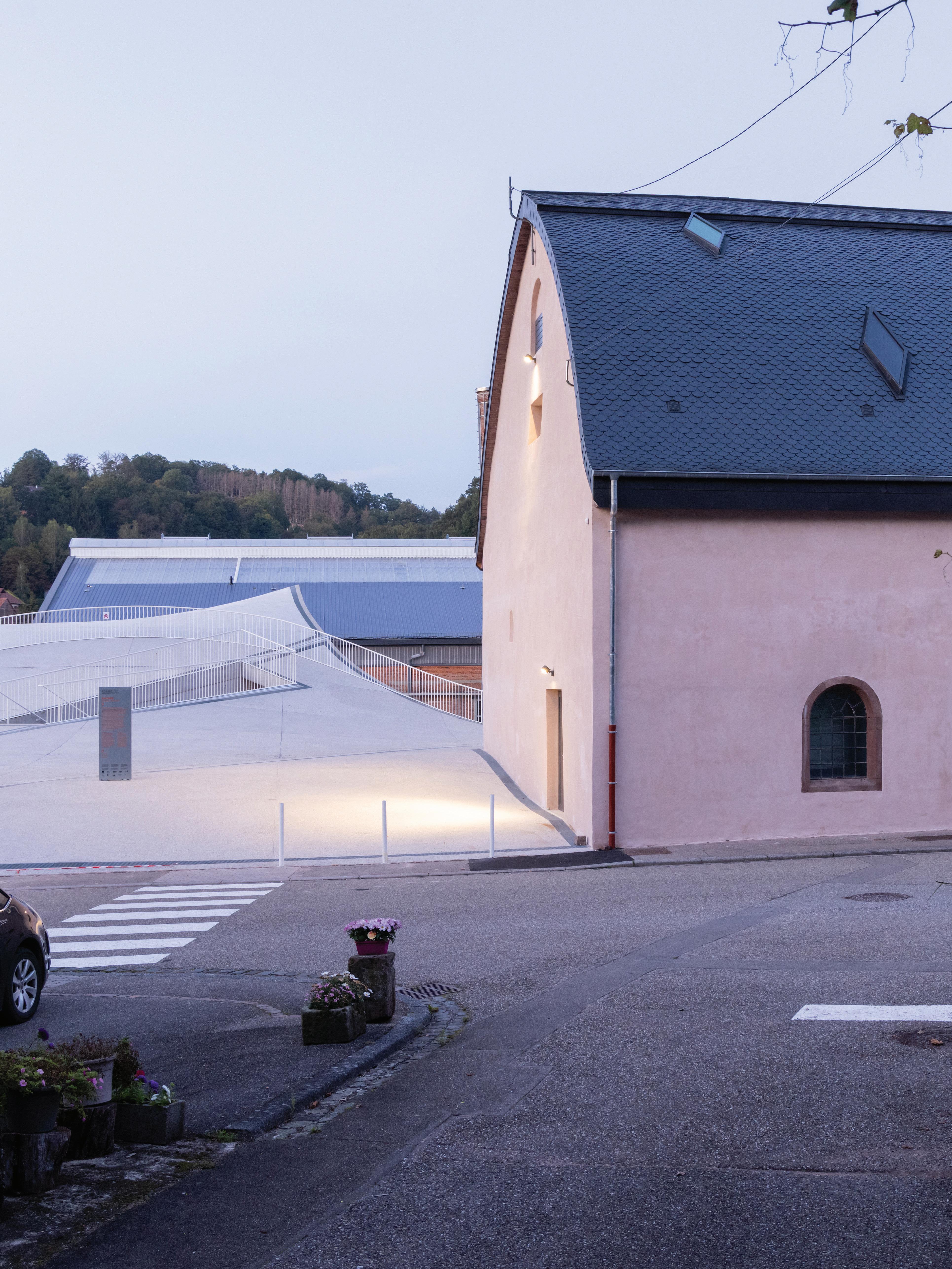
Hidden in the bucolic landscape of Northern Vosges Natural Park, Site Verrier de Meisenthal is a publicly funded active cultural center in a historic glass factory dating back to the 18th century.
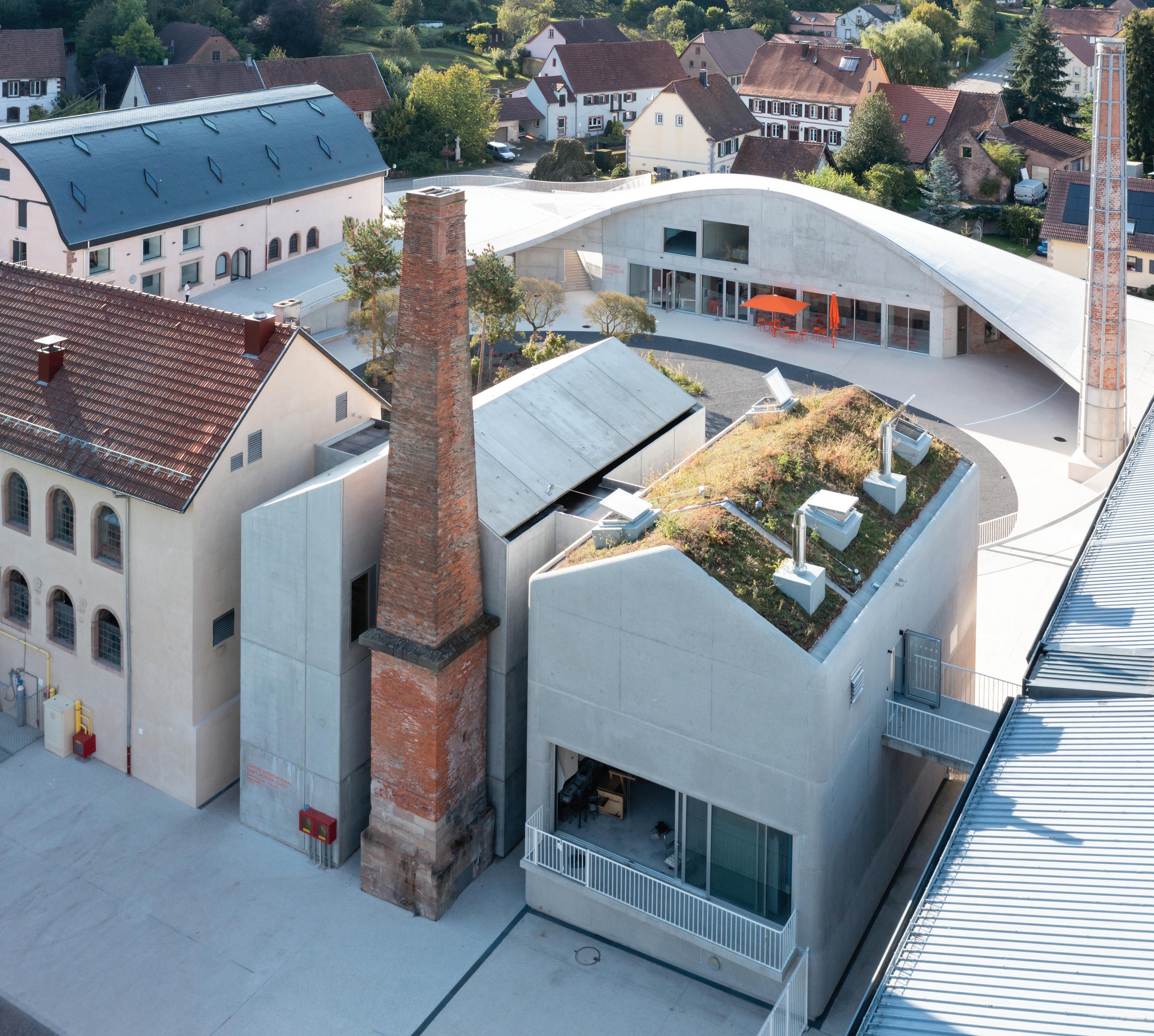
Three independent yet interrelated institutions are sited at varying floor levels: the glass museum (Musée du Verre et du Cristal) – a living memory tracing the history of glass at the site; the CIAV (Centre International d’Art Verrier) – an international glass art center where traditional craftsmanship meets contemporary practices; and the Cadhame (Halle verrière) – a multidisciplinary cultural space hosting art installations, happenings and concerts. Our intervention unifies them to define a contemporary institutional identity in dialogue with an industrial heritage.
An undulating poured-in-place concrete surface echoes to glass production as it unites the buildings. The surface functions as roof, ceiling, and wall, to connect the ground floors of the building and to frame a public plaza. New functions are sensitively introduced above and below this surface, including offices, workshop areas, a cafe and restaurant.
Existing building functions are reimagined and extended: the factory hall is given a new entrance on a previously unused basement floor and a flexible 500-seat black box theater can be reconfigured as 700-person standing room theater or opened into a 3,000-person concert hall.
The new public space heightens civic awareness of the historical site and also introduces a highly flexible venue for outdoor theater, concerts, and seasonal festivities.
Escondido por entre a paisagem bucólica do Northern Vosges Natural Park, o Site Verrier de Meisenthal é um centro cultural activo, financiado publicamente, instalado numa fábrica de vidro centenária datada do século XVIII.
Três instituições independentes, mas inter-relacionadas entre si, ocupam os diferentes espaços e pisos: o Museu do Vidro (Musée du Verre et du Cristal), memória viva que marca a história do vidro local; o CIAV (Centre International d’Art Verrier), centro internacional de arte em vidro, no qual o saber artesanal tradicional se encontra com práticas contemporâneas; e o Cadhame (Halle verrière), espaço cultural multidisciplinar que acolhe instalações artísticas, encontros e concertos.
A nossa intervenção procura estabelecer uma relação entre elas, definindo uma identidade institucional contemporânea que estabelece um diálogo com o património industrial. Uma superfície formalmente orgânica em betão moldado in situ, que une os edifícios, remete-nos para a produção de vidro e representa simultaneamente uma cobertura, um tecto e paredes, através da relação que estabelece com os pisos térreos e o enquadramento que promove uma praça de carácter público.
Novas funções são introduzidas de forma cuidada no plano superior e inferior, incluindo escritórios, áreas de trabalho, e áreas comuns de café e restauração. As funções pré-existentes são reinterpretadas e ampliadas: a grande nave da fábrica acolhe a nova entrada num piso inferior previamente inutilizado, e um teatro flexível de 500 lugares no formato “black box” que pode ser reconfigurado e capaz de acolher até 700 pessoas em pé ou ser transformado numa sala de concertos com capacidade para 3.000 espectadores.
O novo espaço público aumenta a consciência cívica do lugar histórico e apresenta-se altamente flexível para novos usos, enquanto sala de teatro ao ar livre, de concertos e festividades sazonais.
AMANT
Brooklyn - New York, USA
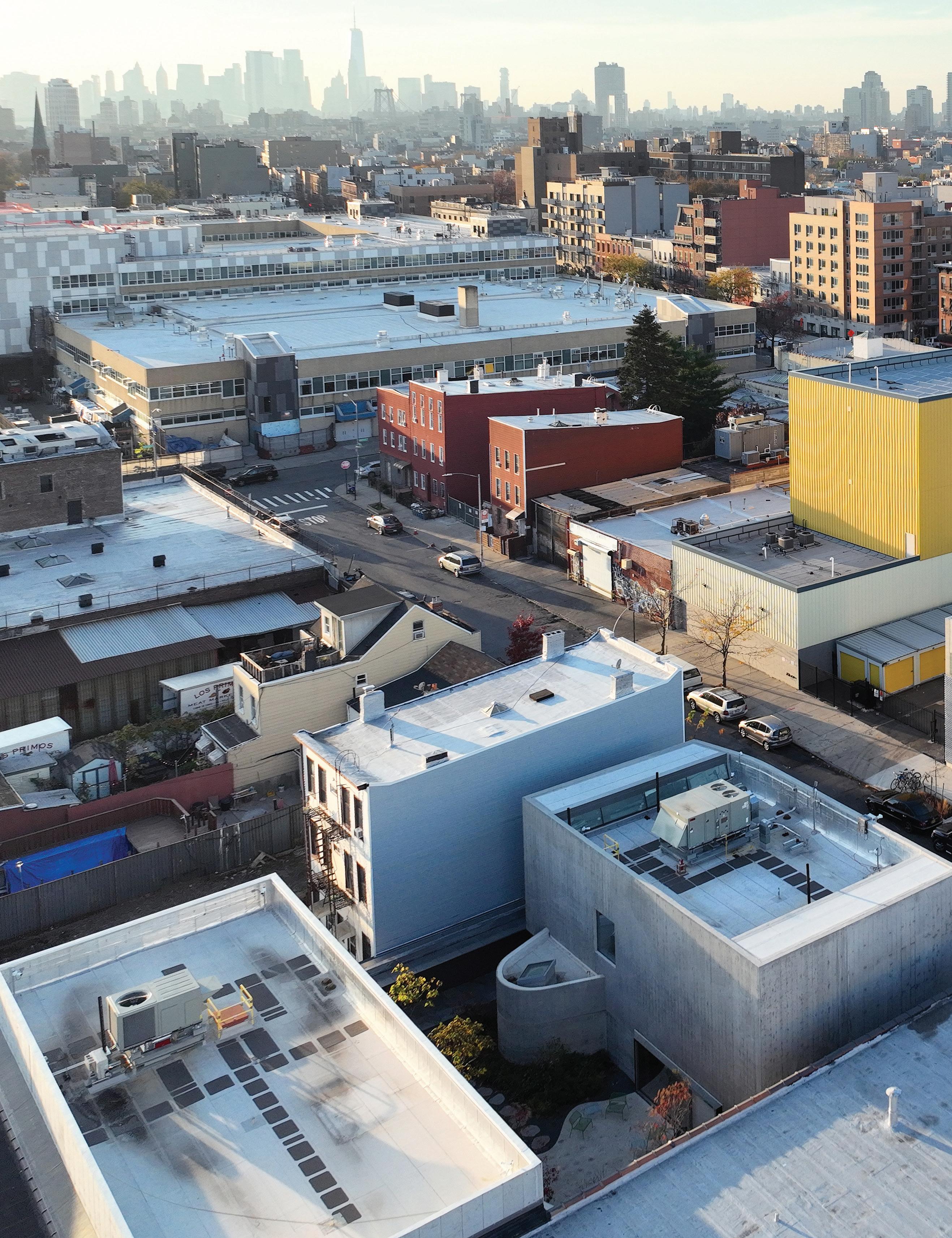
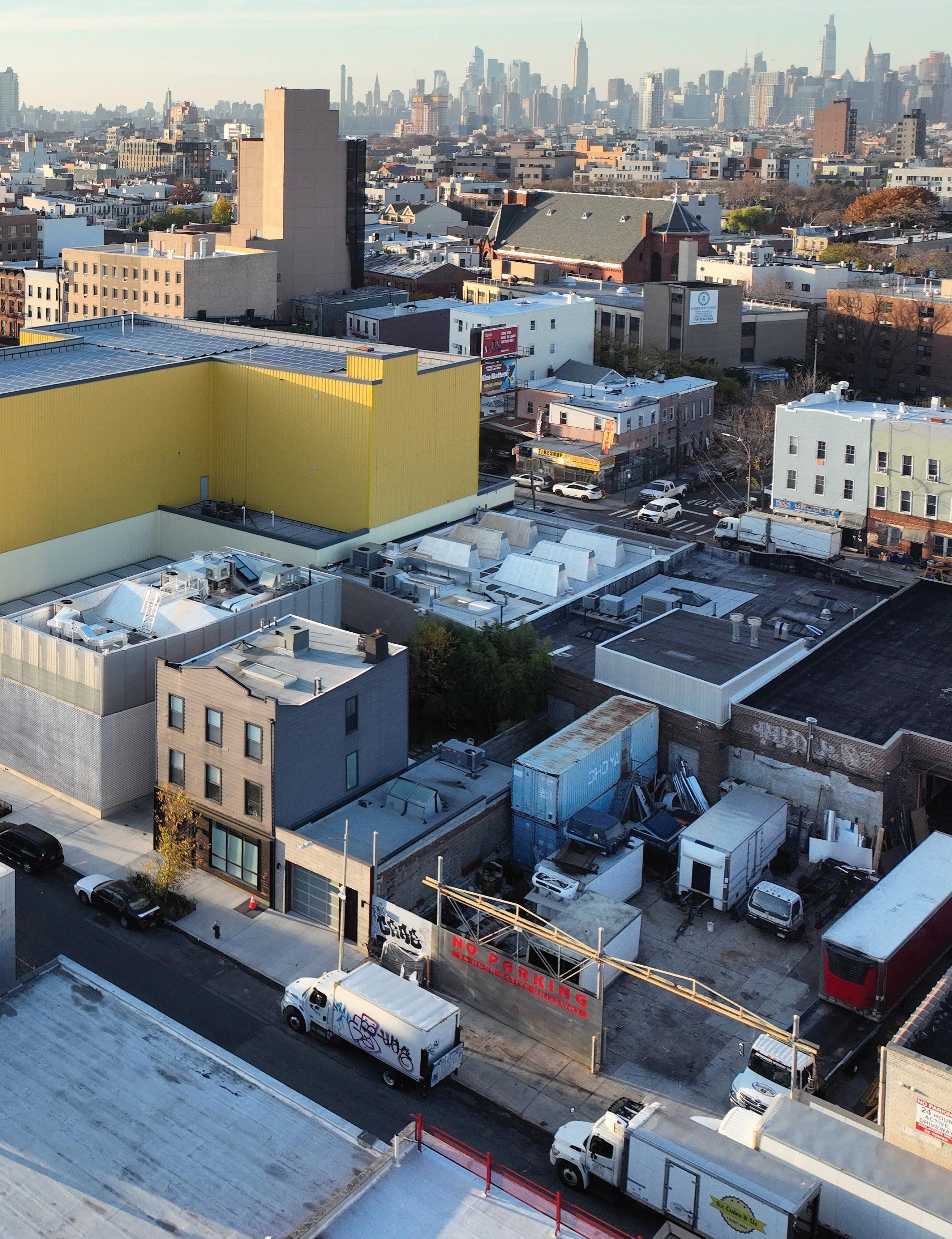
Amant is an arts campus spread across three blocks of rapidly changing, industrial North Brooklyn. With galleries, artist studios, offices, storage and a cafe, this cultural incubator functions both publicly and privately.
Rather than an inward-looking space isolated from its urban context, our collection of distributed volumes weaves itself into the fabric of the city. The mini-campus simultaneously contributes to and benefits from the local community. The multiple entry points and pockets of outdoor spaces integrate the campus into the neighborhood.
Public routes channeled through large city blocks allow the community to circulate in new ways. Courtyards and thoroughfares weave through and between existing buildings to make public functions sunk deep within accessible to all visitors beyond the more private spaces at the periphery.
Each of the four buildings in the collection contributes a gallery unique in proportion, size, light quality, and infrastructure. The porous campus remains flexible for curation as a group or individually, and facilitates programming that ranges from large scale and technically demanding to intimate encounters.
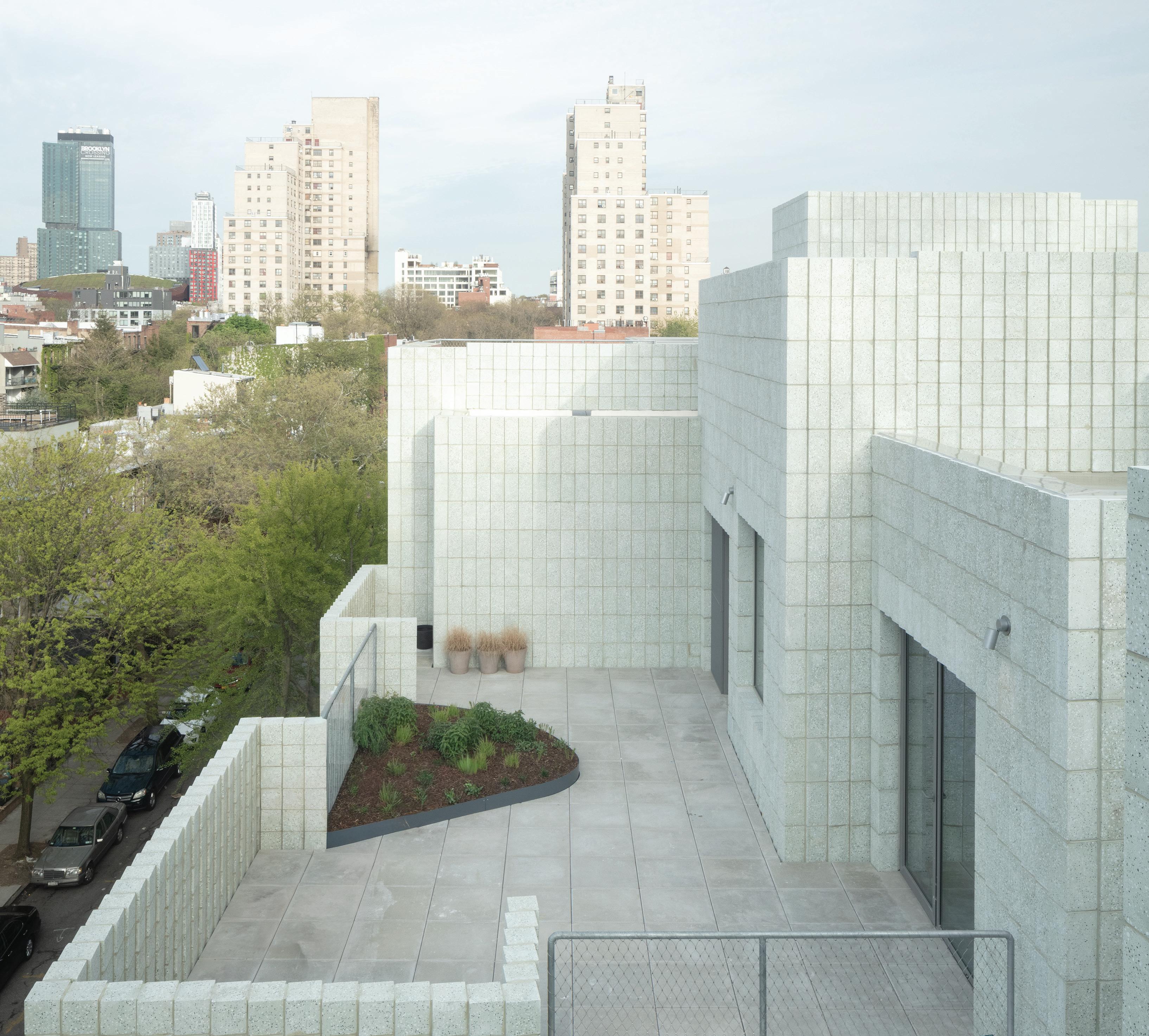
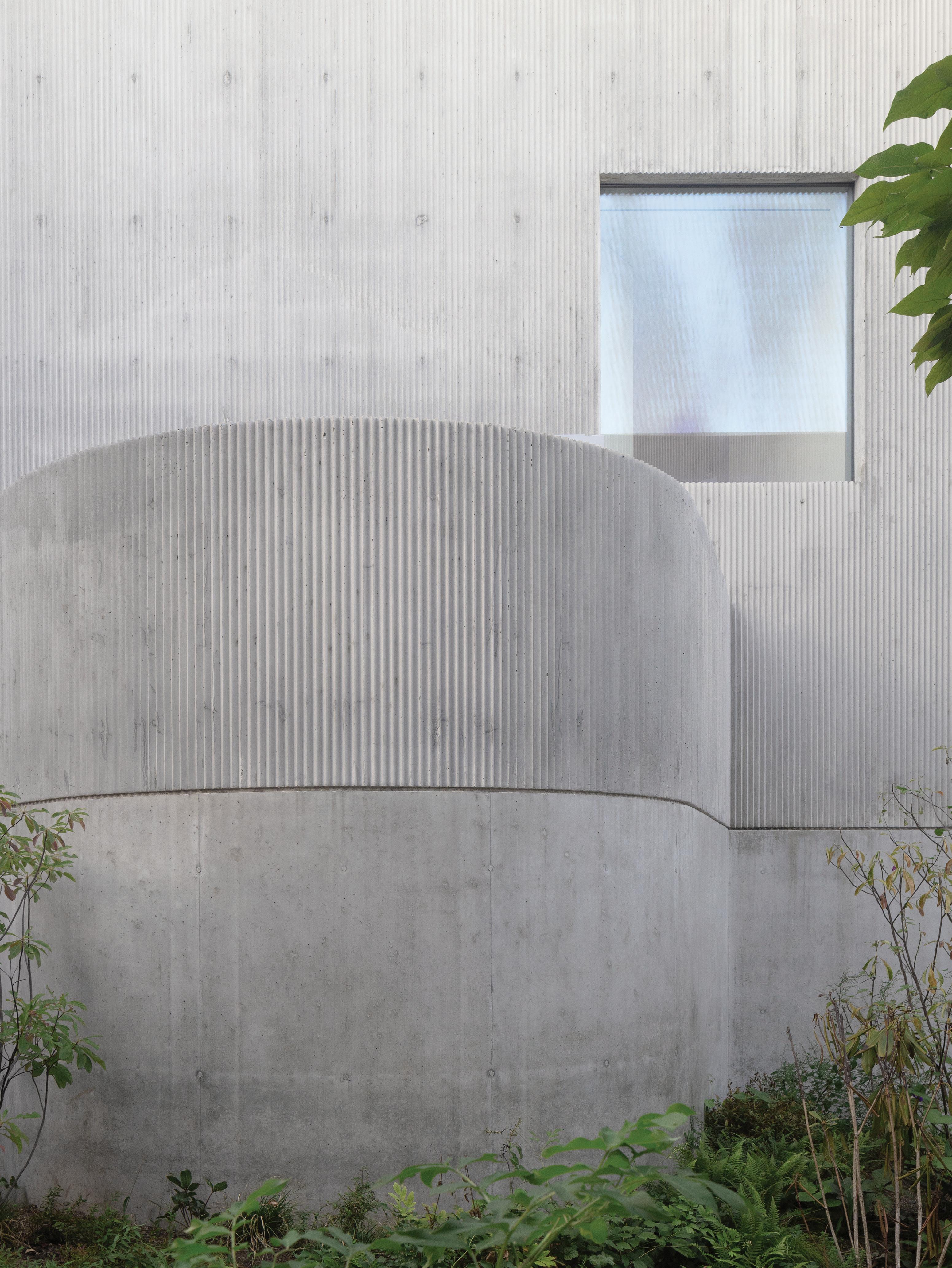
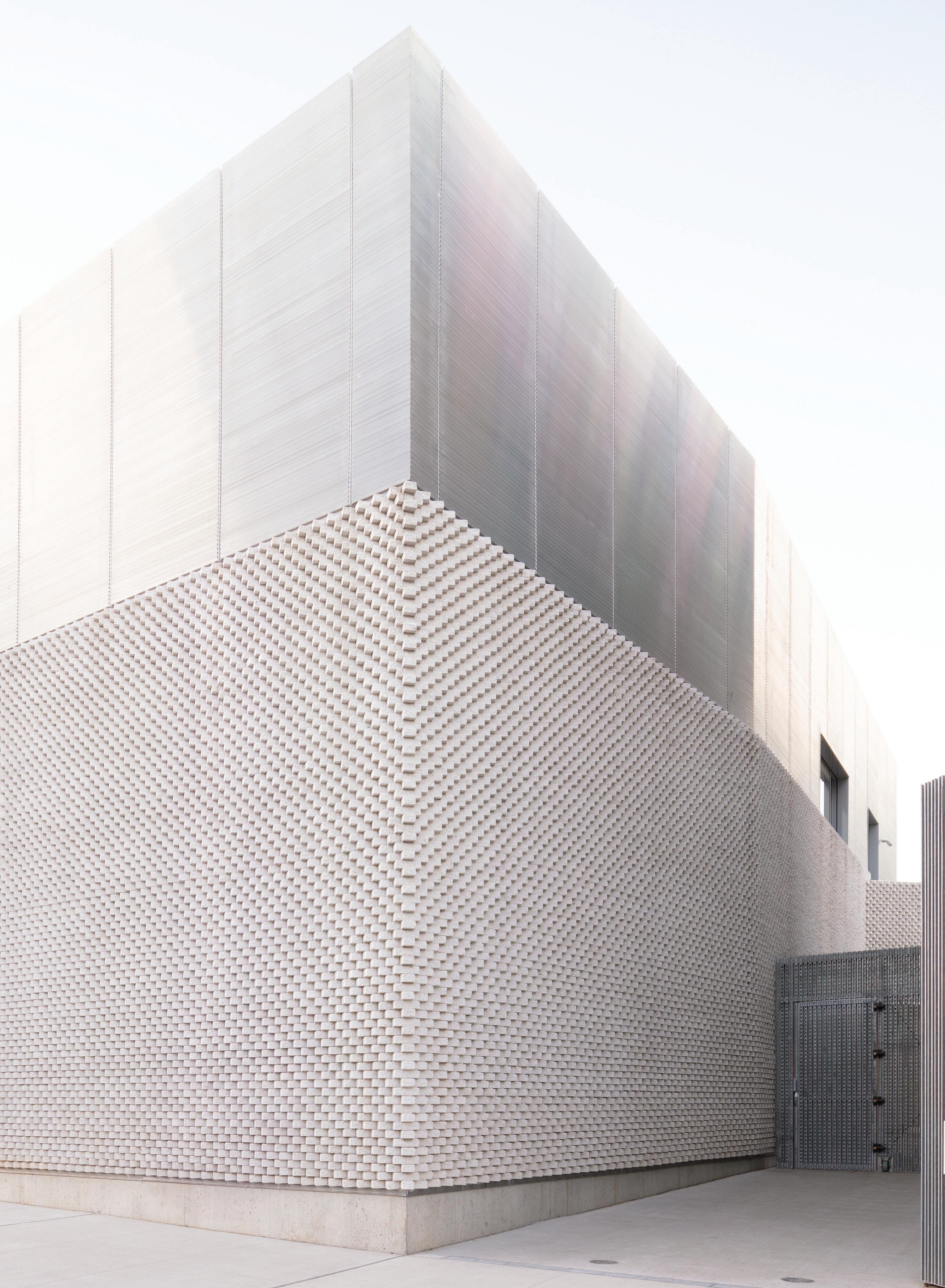
Materials render the buildings partly anonymous. Deeply textured form liners shape cast-in-plane concrete. Bricks rotate out of plane to catch a shadow. Galvanized steel bars toy with reflection and transparency.
At a distance, the materials appear uncanny within their industrial context, while up close they offer surprising texture and depth that challenge the everyday.
O Amant é um campus artístico de três quarteirões na zona industrial norte de Brooklyn que integra, espaços expositivos, ateliers para artistas, escritórios, espaços de armazenagem e um café. Uma incubada cultural que funciona simultaneamente em regime público e privado.
Ao invés de dar lugar a um espaço reservado, introspectivo e isolado do contexto urbano, o conjunto de volumes dispersos que constitui o Amant, funde-se com o tecido da cidade. O mini-campus não só contribui para o crescimento da comunidade local como tira partido dela. Os múltiplos pontos de entrada e os as grandes bolsas de espaço exterior, interior, integram o campus na malha urbana.
Percursos públicos entre os grandes quarteirões permitem à comunidade circular de novas formas. Pátios e passagens entre os edifícios tornam acessíveis a todos os visitantes as funções públicas mais profundas, que vão além dos espaços privados na periferia.
Cada um dos quatro edifícios do campus acolhe um espaço expositivo único, em proporção, dimensão, luz e infra-estruturas. O campus é flexível à curadoria colectiva ou individual, e facilita uma programação que varia de escala, de exigências técnicas e promove encontros mais íntimos.
Os materiais conferem aos edifícios um carácter parcialmente anónimo. Formas texturadas em betão, tijolos estrategicamente posicionados num jogo de luz e sombra, barras de aço galvanizado que exploram reflexão e transparência. À distância, os materiais surgem como inesperados no seu contexto industrial; de perto, oferecem textura e uma profundidade surpreendente que desafia o quotidiano.
LAS AMERICAS
Leon, Mexico
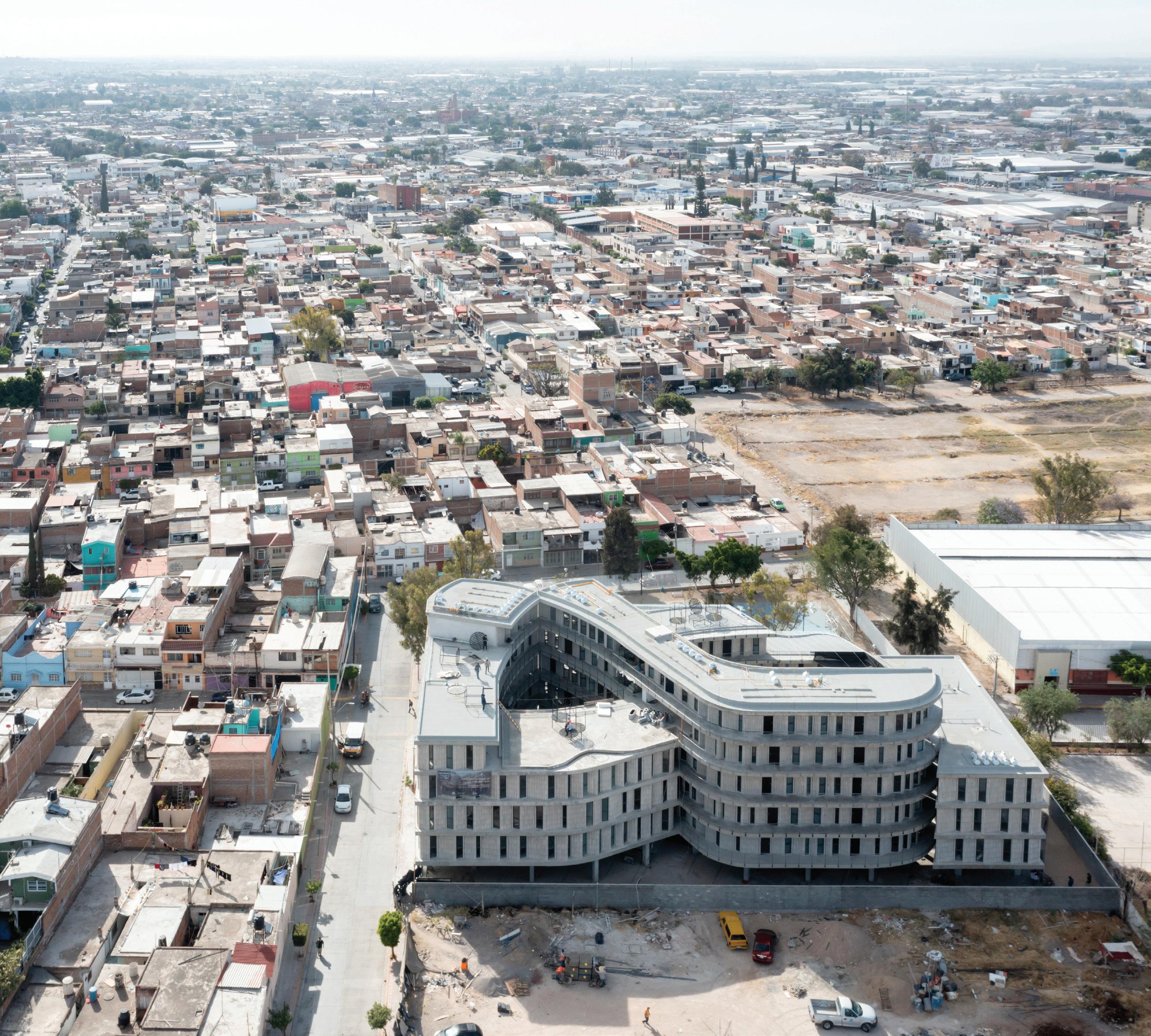
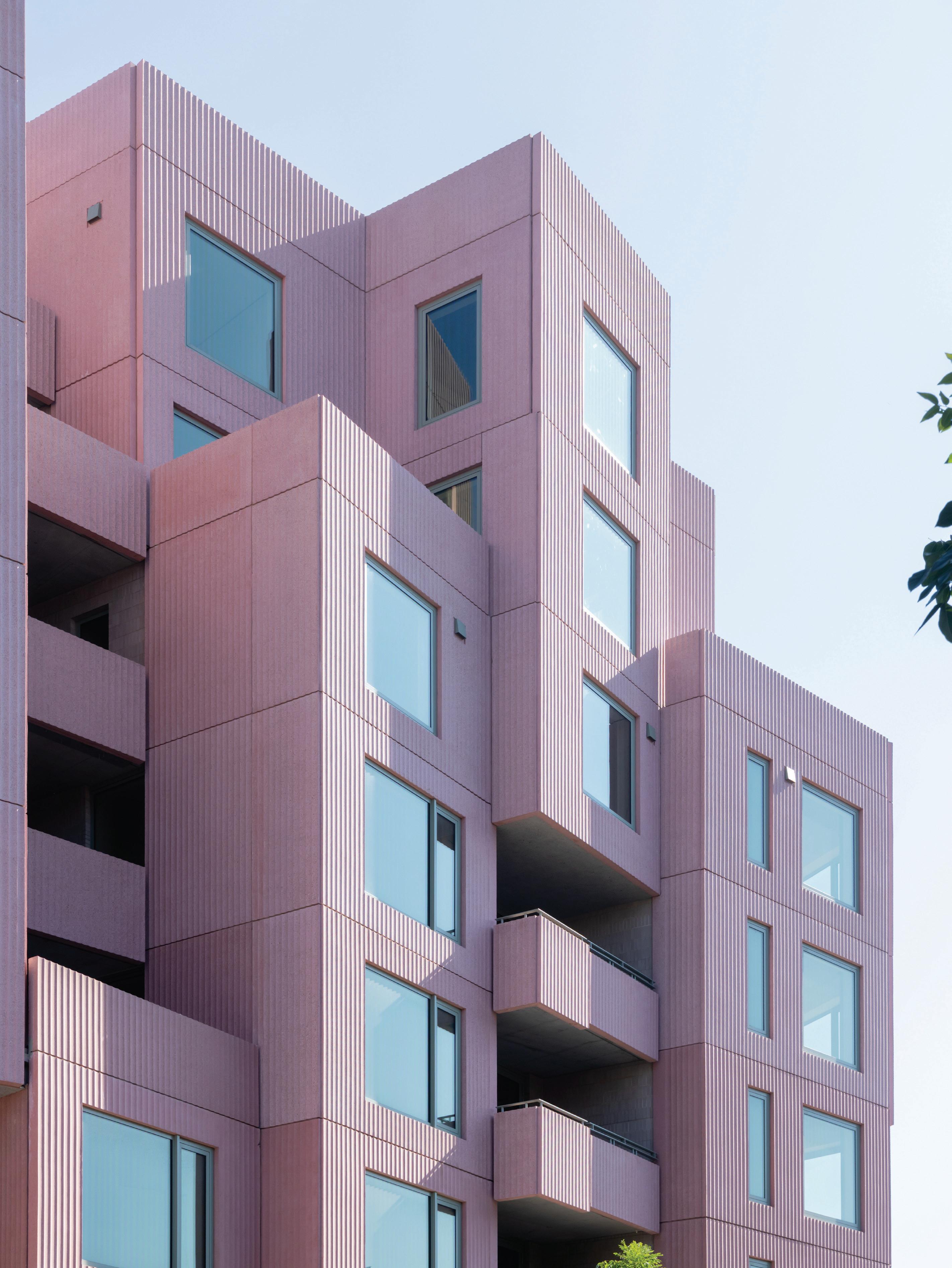
Las Americas is a prototype for the development of vertical dwellings in the city of Leon, Mexico. The housing project aims to offset the city’s sprawl, serving as a catalyst for urban regeneration and improved quality of life in low-income communities.
Traditional notions of homeownership often force developments into becoming acres of identical free-standing homes in remote areas far from the economic center. Extensive municipal utilities expansion and expensive transportation programs have led to a decline in the region’s economy, and a loss of critical density within Leon.
We worked with Imuvi Development and the City of Leon to rethink housing models in the city and the result was a structure that was cost effective and a place that allowed tenants to experience vertical dwellings as appealing counterparts to freestanding single homes.
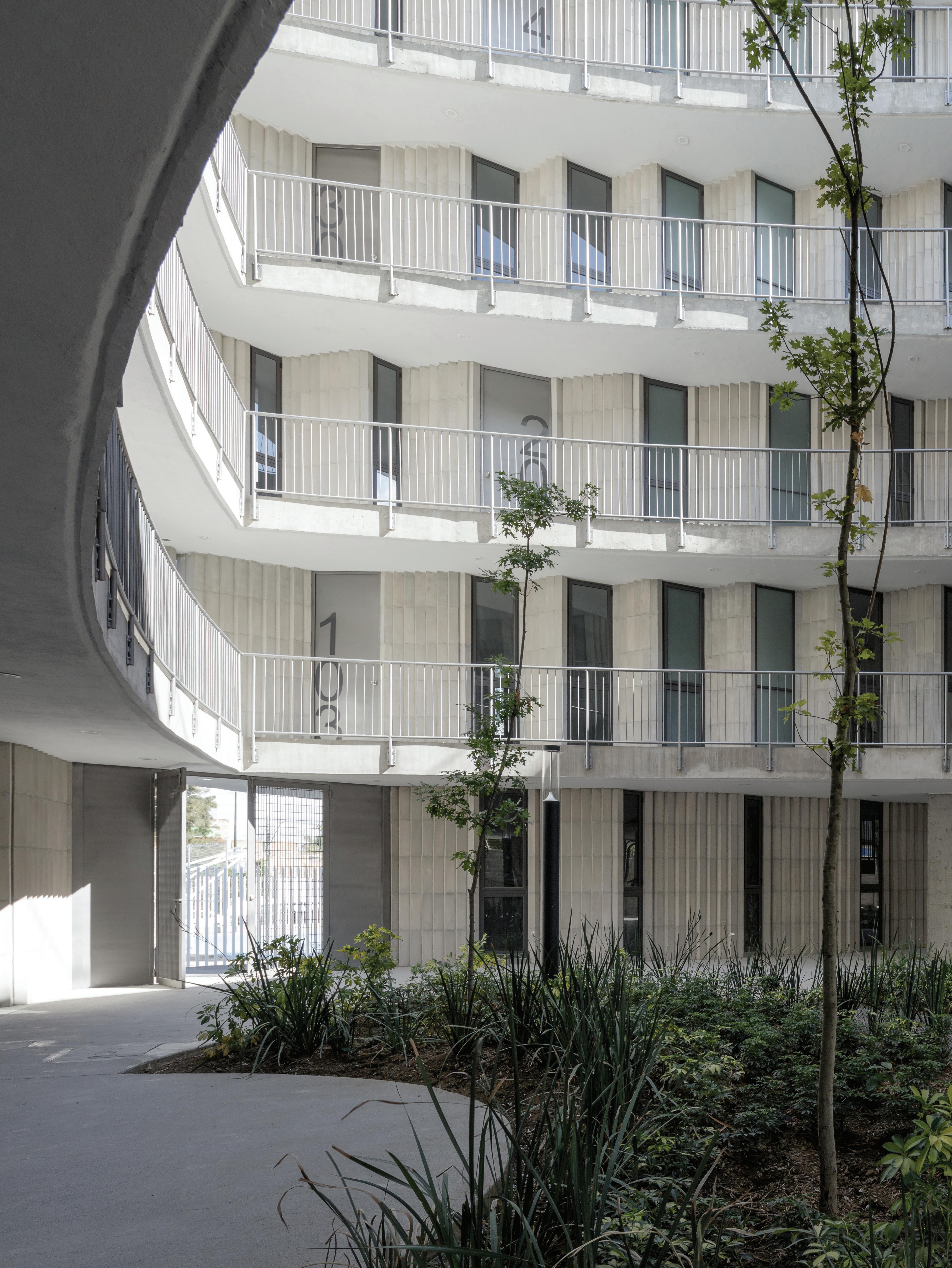
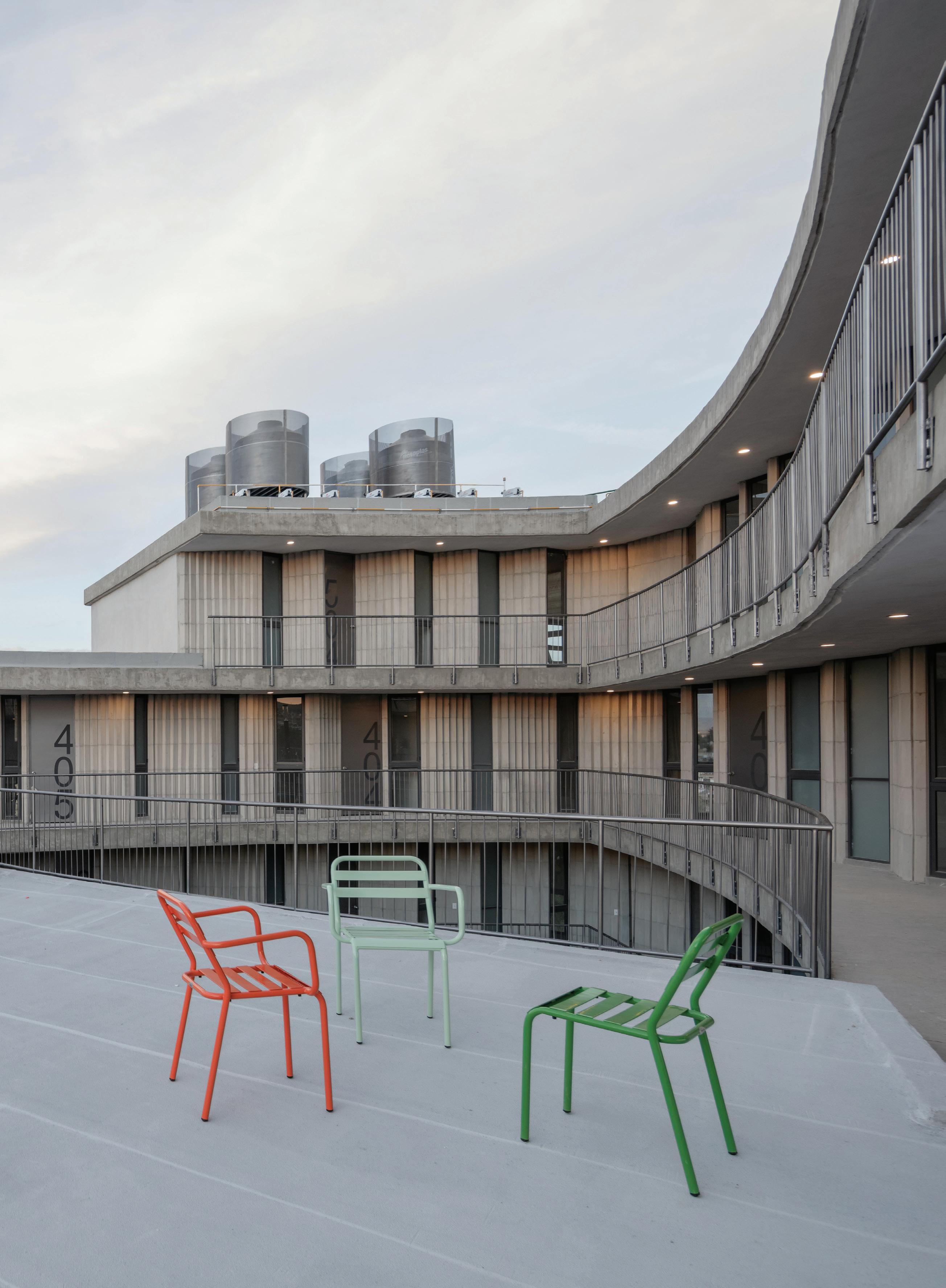
Our project creates 60 condo units as a vertical housing block at the city’s center. The design maximizes the site’s buildable footprint and generates two interior courtyards that provide cross ventilation to each unit, with parking and a commercial base.
Resonant of the privacy found in a traditional freestanding home, no two units face one another. Units are arranged in a single-loaded corridor to face the courtyard and to provide views of the neighborhood.
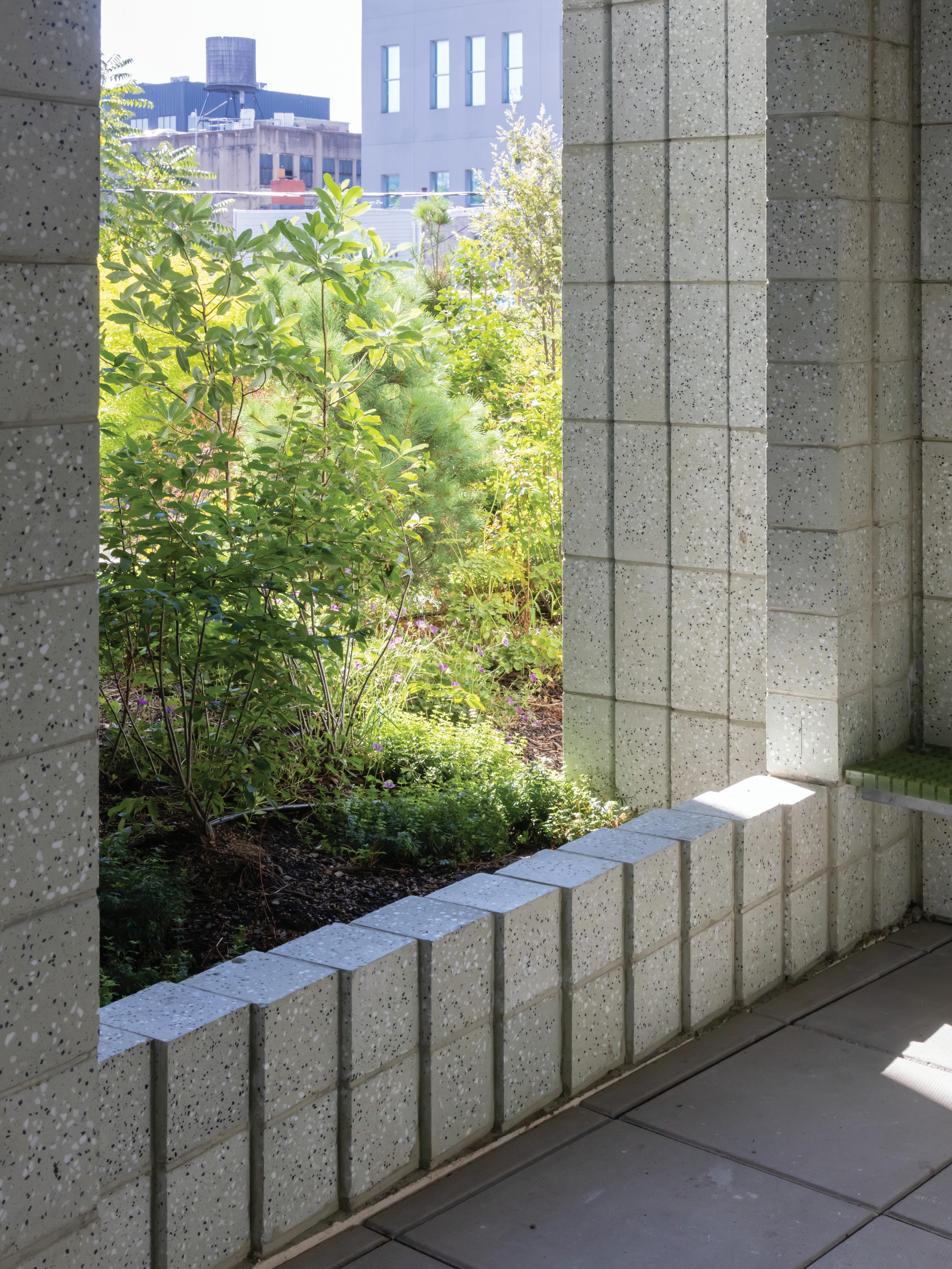
A facade assembled of uniquely developed concrete blocks enhance
privacy and shading, generate a interior atmosphere, and lend unique character to the building exterior. The project is designed with shared utility cores and prefabricated components to accommodate an extremely limited budget.
Las Américas é um protótipo para o desenvolvimento de habitação em altura na cidade de León, no México. O projecto procura contrariar a expansão periférica da cidade, e actuar como catalisador de regeneração urbana promovendo uma melhoria significativa da qualidade de vida em comunidades de baixos rendimentos.
A concepção tradicional de propriedade habitacional tende a forçar os empreendimentos em extensões de casas uniformizadas, afastadas do centro económico. A expansão dispendiosa das infra-estruturas municipais e os custos elevados dos sistemas de transporte têm contribuído para o declínio económico da região e para a perda de densidade crítica em León.
Em colaboração com a Imuvi Development e com a cidade de León, procurámos repensar os modelos habitacionais locais, enquanto estrutura economicamente eficiente que permita aos residentes experienciar e tirar partido da habitação vertical como uma alternativa apelativa.
O projecto prevê a construção de 60 unidades num bloco habitacional vertical no centro da cidade. A solução maximiza a área edificável do lote e garante
dois pátios interiores que asseguram ventilação cruzada a cada habitação, integração de estacionamento e uma base de uso comercial.
De forma a garantir a privacidade necessária, nenhuma casa confronta directamente com outra. A sua disposição é feita ao longo de um corredor simples, e orientação para o pátio interior oferece uma vista desafogada sobre a envolvente.
A fachada construída em blocos de betão desenvolvidos para o projecto, reforça a privacidade, o sombreamento, e confere um carácter singular ao edifício. O projecto é estruturado a partir de núcleos de infra-estruturas partilhadas pré-fabricadas, o que permite responder a um orçamento extremamente limitado.
MILLBROOK RESIDENCE
Millbrook - New York, USA
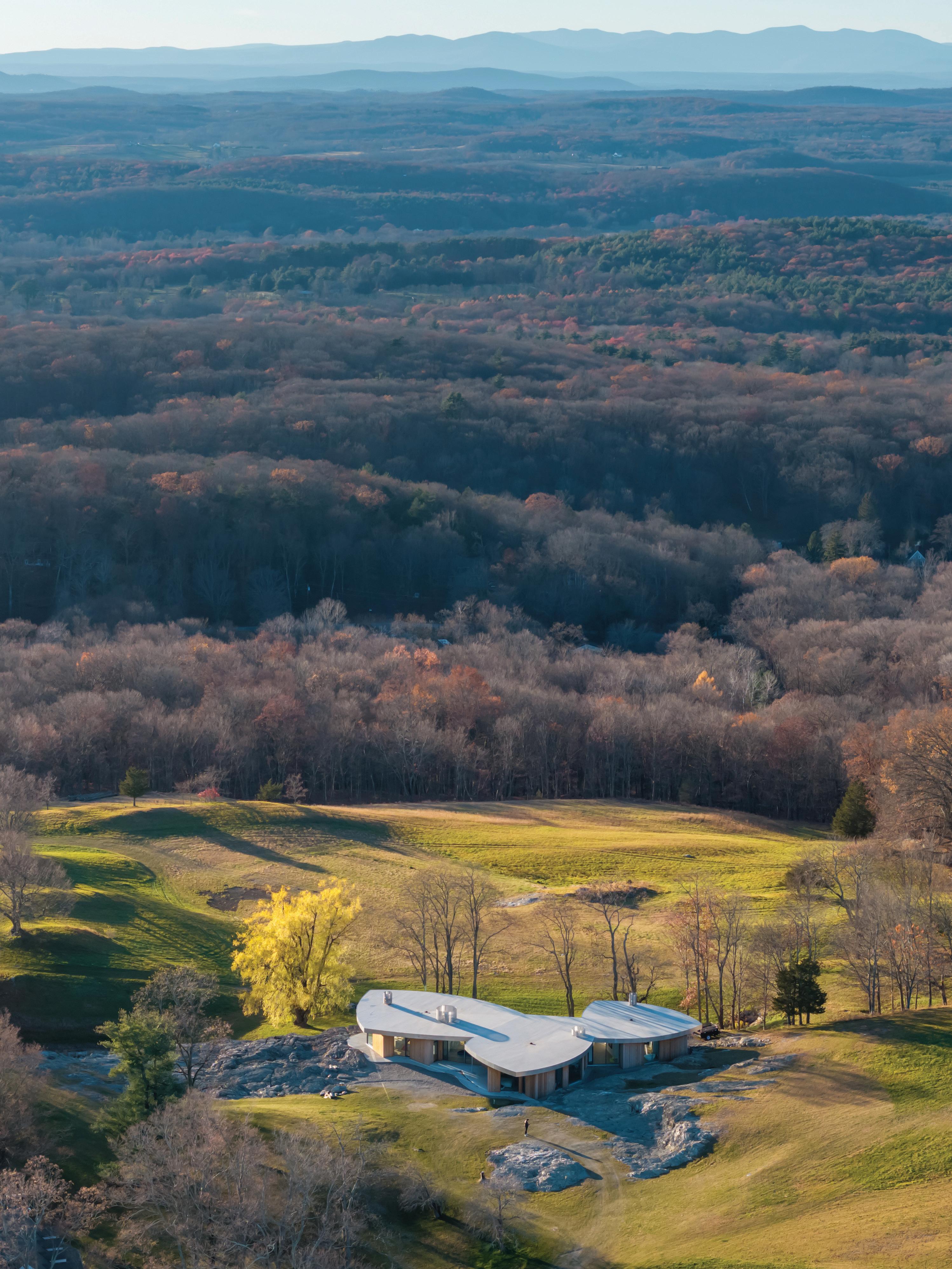
In the rolling hills of upstate New York, a single occupant seeks a paredback modern home with a strong connection to the surrounding.
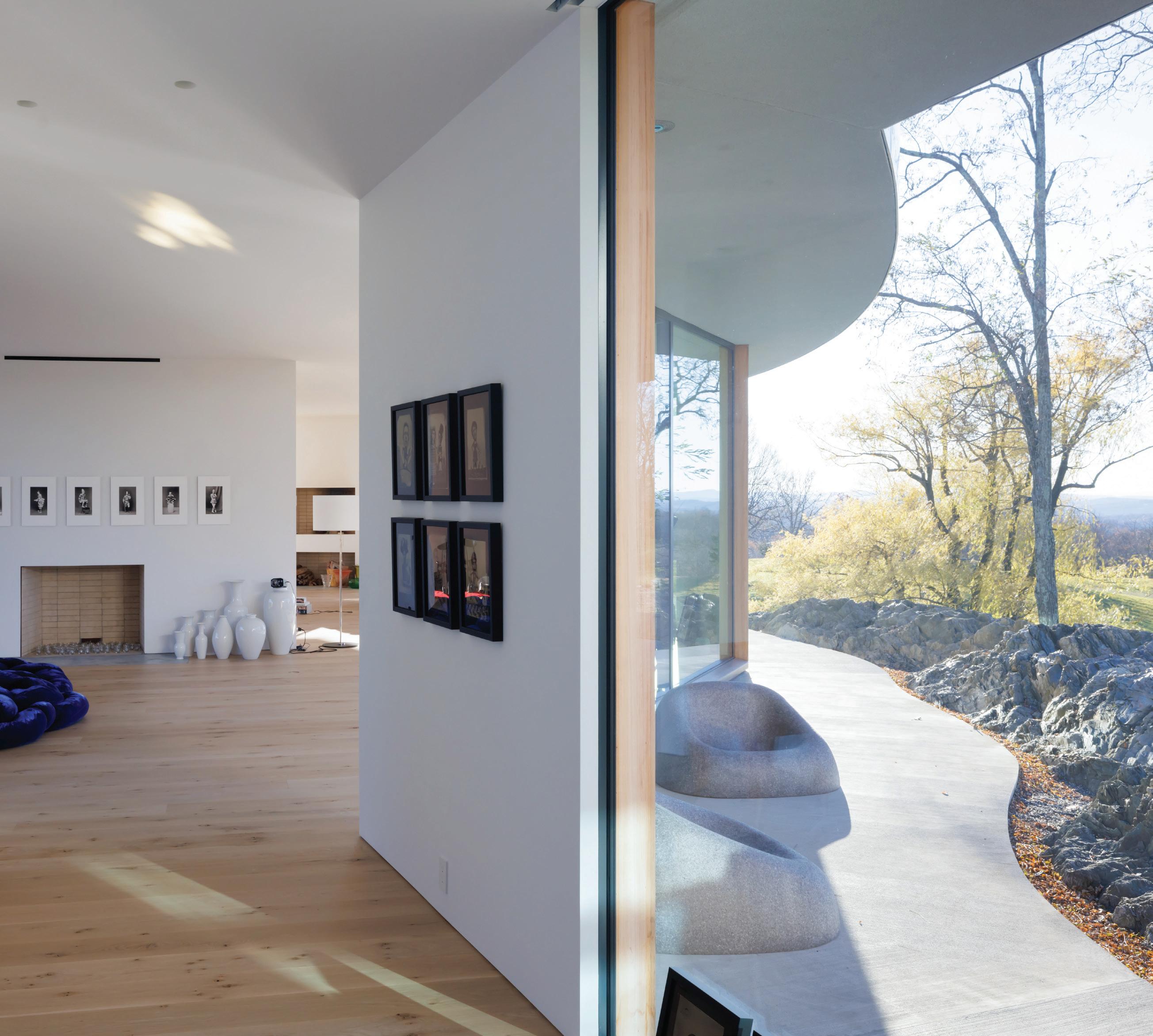
Carefully sited on the edge of a shifting topography, the house channels the storied canon of modern homes. Rather than hovering above the land, the rooms are fully embedded within the site. Spaces for living, cooking, sleeping, bathing and studying flow freely into one another. The orientation of the home is carefully considered to optimize sunpaths and views.
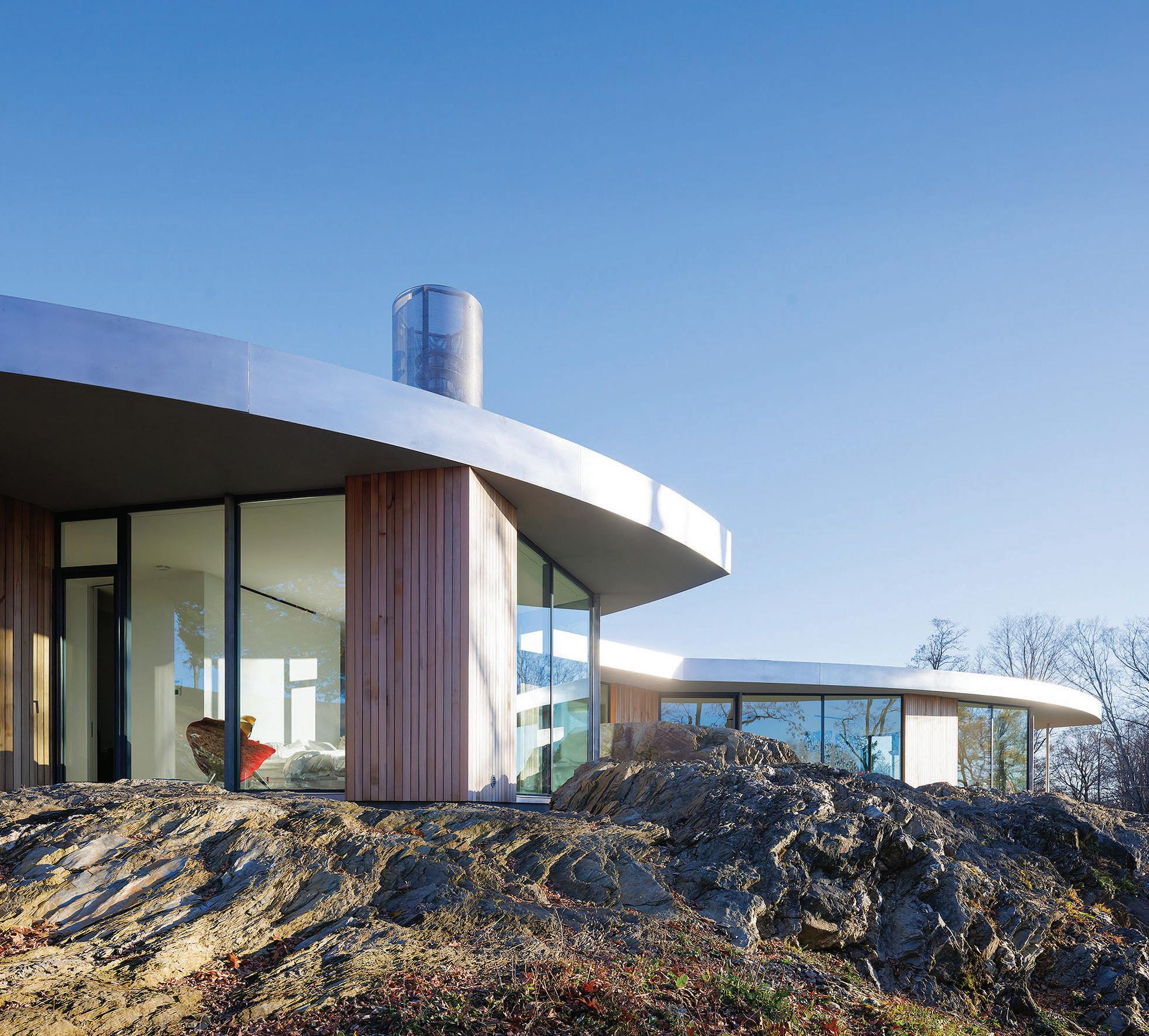
The house consists of a simple slab with angled concrete walls that were poured in place. The roof is a hybrid structure of steel and wood. Large, operable glazed panels sample the landscape and form a porous boundary between the inside and the outside. The slab and roof edge continue beyond the perimeter line to create an intermediary space that makes a further connection to the land.
The unexpected aluminum clad roof edge stitches the assembly of walls and rooms together, and lends the house its distinctive character “connection to the land”.
Por entre a paisagem natural a norte do Estado de Nova Iorque, um individuo procura uma casa, depurada, que estabeleça uma forte relação com o exterior.
Cuidadosamente implantada no perímetro de uma topografia em mutação, a casa canaliza o canon consagrado
da habitação moderna. Em vez de pairar sobre o terreno, os espaços estão totalmente integrados no lugar. Áreas de uso social, cozinhar, dormir, tomar banho e estudar fluem livremente umas para as outras. A orientação da casa é cuidadosamente estudada para optimizar o ganho solar e a vista.
A casa, desenvolve-se através de uma simples laje, com paredes de betão inclinadas, moldadas in situ A cobertura é uma estrutura híbrida de ferro e madeira. Grandes painéis envidraçados, móveis, enquadram a paisagem e formam uma fronteira porosa entre interior e exterior. A laje e a cobertura prolongam-se para além do perímetro da casa, e dão lugar a um espaço intermédio que reforça a ligação com o terreno.
A testa da laje de cobertura, é revestida a alumínio como uma costura, que confere à casa o seu carácter particular e a sua forte “relação com o terreno”.
450 WARREN
Brooklyn - New York, USA
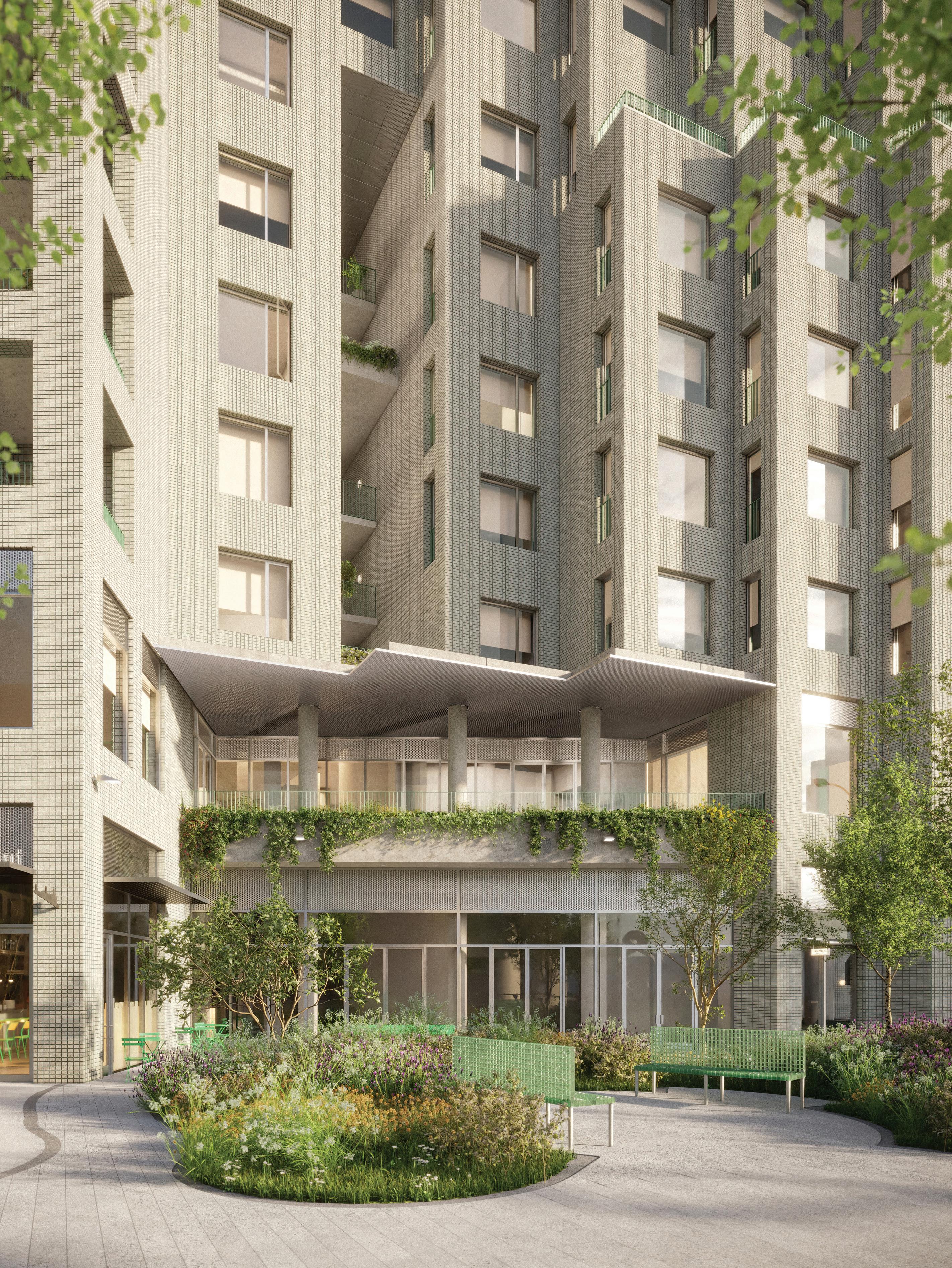
From row houses brownstones to towers surrounded by green, the formerly industrial area of Gowanus is richly diverse in historic models of housing. A newly revitalized greenway adds to a specific context from which we question: What is a new model of living together?
Our design frees multi-unit dwelling from traditional urban protocols. We engage with what makes the city more livable: encounters with the outdoors and conversations with others.
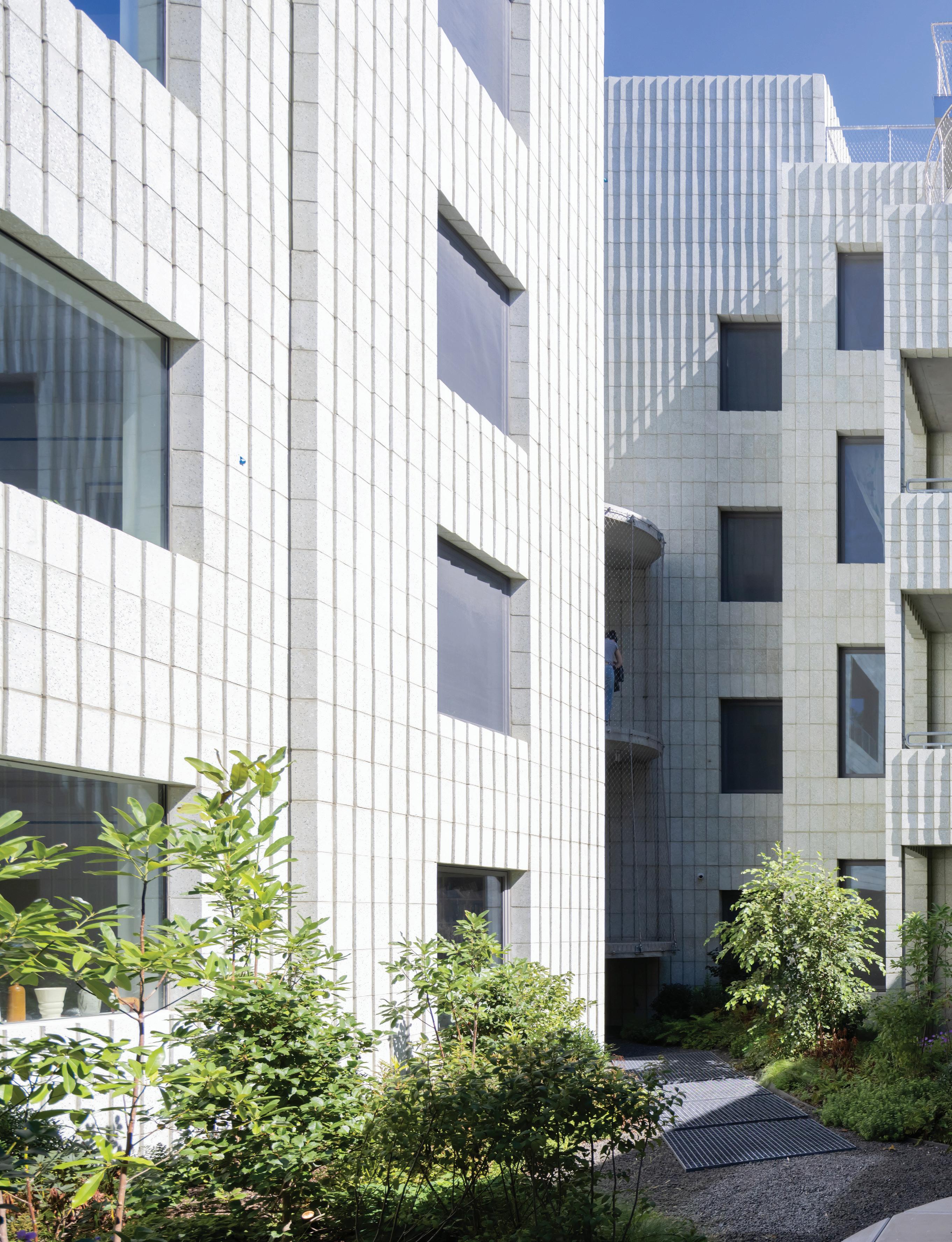
Three courtyards create porosity to bring light and green deep within the site. A number of smaller structures open to the street and throughout the building. Textured masonry winds around each volume and courtyard, shadows move across differing orientations to register the movement of the sun and the seasons.
A community means shared spaces for living and relaxing together. Neighbors pass one another at distances while circulating the open single-loaded corridors. Transparent materials allow light and changing seasons to permeate the building’s activity.
Community living is also about contrasting spaces for privacy and intimacy. Each apartment entry is directly from the exterior. A front porch begins the transition to private space, reminiscent of neighborhood front stoops.
Living areas are a gradient of indoors and outdoors, defined by their relationship to the landscape that fills the courtyards. Large terraces extend each living
space outside. Intimate balconies create a buffer from the street for master bedrooms. Courtyards allow windows on three sides of every apartment. A mix of window sizes define atmospheres of changing natural light and frame views to the neighborhood beyond.
A antiga zona industrial de Gowanus, apresenta uma grande diversidade de modelos de habitar, desde as tradicionais casas brownstones de Brooklyn até torres de habitação em altura entre jardins.
A introdução de um novo espaço verde estabelece um contexto determinante a partir do qual se questiona um novo paradigma de vida comunitária.
O projecto liberta a habitação multifamiliar das normas urbanísticas convencionais, privilegiando a porosidade e a relação com o exterior. Três pátios estruturam o edifício, introduzindo luz natural espaços verdes nos espaços mais interiores, enquanto pequenas estruturas e corredores abertos, promovem a circulação e encontros.
O programa equilibra espaços colectivos e privados. A entrada de cada apartamento é feita directamente a partir do exterior. É precedida por um alpendre que estabelece uma transição para o interior, como que os tradicionais “stoops” do bairro. As áreas de estar prolongam-se pelos terraços e varandas, modulando gradientes entre interior e exterior, entre privacidade e sociabilidade.
A alvenaria texturada e a variação da dimensão das janelas controlam de forma intencional a entrada
da luz solar, a percepção das estações do ano, enquadram a vista para o exterior e definem novas atmosferas. O edifício propõe uma tipologia de habitar que integra luz, circulação e comunidade, articulando intimidade e vida colectiva em harmonia com o contexto urbano.
144 VANDERBILT
Brooklyn - New York, USA
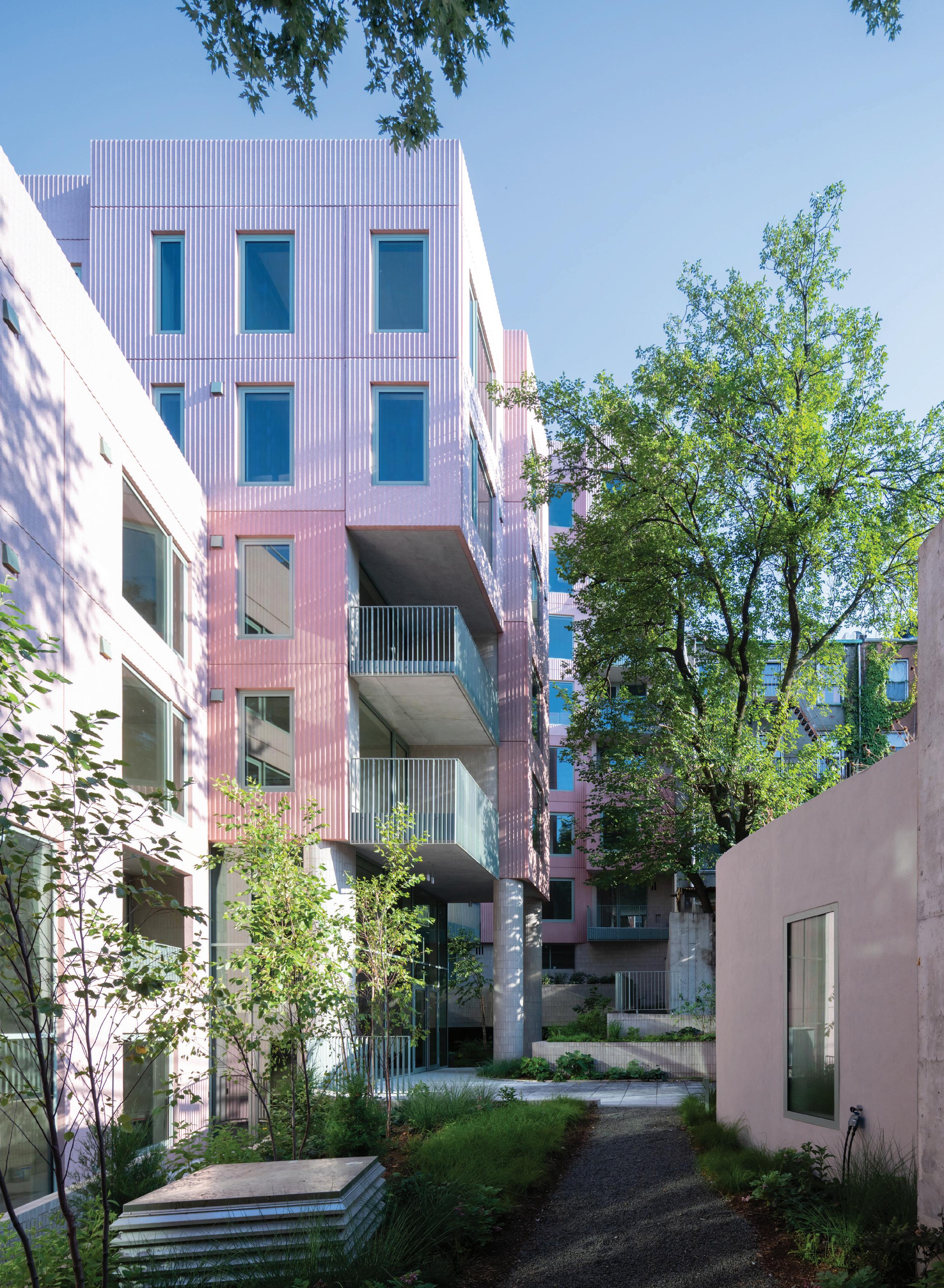
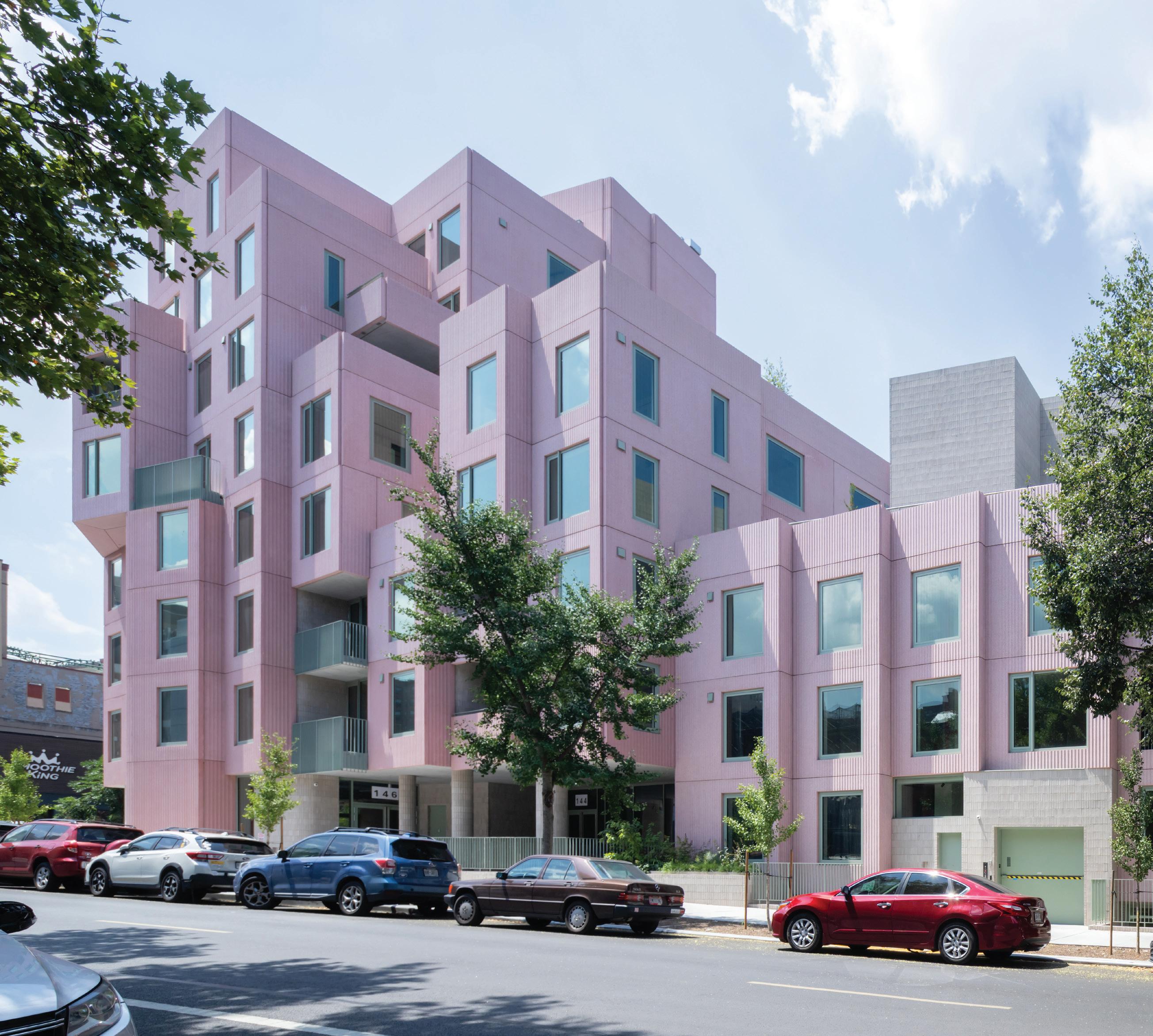
This project represents the third installment (after 450 Warren and 9 Chapel) in a series aimed at transforming the conventional multifamily housing typology in New York. Its distinct corner location, straddling two zoning districts, heavily influences the building’s structure and layout. On the Vanderbilt Avenue side, the building aligns with a row of townhouses and rises to four stories.
On Myrtle Avenue, known for its commercial activity, the building expands to accommodate six residential floors above two commercial levels. The project explores these two contrasting urban experiences to create a structure a structure that acts as a porous barrier, mediating the vibrant street life outside and the tranquil inner domestic spaces.
The staggered design of the building offers a variety uniquely sized outdoor greenspaces that foster communal activities. A verdant, secluded backyard extends the local streetscape, while a central courtyard is enlivened by surrounding movement. An elevated public square also provides a visible communal area that blends indoor and outdoor environments.
The units are designed to engage residents in multiple environments simultaneously. Every apartment has access to both the streetscape in front and the more serene interior of the the building’s core. Residents live in proximity to shared exterior spaces that encourage outdoor living and engagement with the building’s communal lifestyle.
The building’s facade is composed of precast concrete panels varying in shape, size, and finish. This diversity contributes to the building’s unique urban appearance within New York’s multifamily housing landscape.
Na sequencia de 450 Warren e 9 Chapel, 144 Vanderbilt é o terceiro projecto de uma serie que procura transformar a tipologia tradicional de habitação multifamiliar em Nova Iorque. A sua localização singular, no cruzamento de um lote que intercepta duas áreas urbanísticas diferenciadas, condiciona profundamente a estrutura e a organização do edifício.
Do lado da Vanderbilt Avenue, o volume acompanha a construção existente de quatro pisos, enquanto na Myrtle Avenue, o edifício cresce para acolher seis pisos de carácter residencial, sobre dois pisos de uso comercial. O projecto explora os contrastes destas duas experiências urbanas e constitui uma estrutura que actua como barreira, porosa, entre o movimento da rua e a tranquilidade dos espaços domésticos interiores.
O desenho do edifício permite oferecer uma grande variedade de espaços verdes exteriores, de diferentes dimensões, e por sua vez a vivência comum dos espaços. O jardim posterior prolonga a paisagem da rua; o pátio central deixa-se apropriar pelo movimento adjacente; e uma praça superior proporciona um espaço que permite a fusão entre o interior e o exterior.
Casa habitação permite uma experiência de vivência múltipla, quer na frente de rua, quer no pátio central. Os usuários vivem em proximidade com os espaços exteriores partilhados que promovem a vida no exterior e promovem um quotidiano comunitário.
A fachada do edifício é feita em painéis de betão pré-fabricado, de diferentes formas, dimensões e acabamentos. Esta diversidade material e formal contribui também para uma presença urbana singular no contexto geral do que corresponde a habitação multifamiliar em Nova Iorque.
1ST FLOOR PLAN
01. Metal guardrail
Precast concrete parapet
Gravel border
Green roof
Glass balcony door
CLEVELAND PUBLIC LIBRARY MARTIN LUTHER KING, JR. BRANCH
Cleveland - Ohio, USA
Since its opening in 1970, the Cleveland Public Library’s Martin Luther King Jr. Branch has been more than just a library. Situated in the heart of University Circle, this branch has served as a symbol of Dr. King’s legacy. A place where diversity is celebrated, and a community space where knowledge and culture thrive. In 2018, Cleveland Public Library launched a design competition, sponsored by the Cleveland Foundation, for a new, state-of-the-art Martin Luther King Jr. Branch. SO–IL, in collaboration with JKurtz Architects of Cleveland, won the competition with a vision for “a place where people would feel seen, heard, and inspired,” says Jing Liu, co-founder and principal of SO–IL. “The heart of the space is the ‘table of brotherhood,’ a multi-use space that is a stage and gathering place. It is not meant to be a static symbol, but a place where people come together and interact, just as Dr. King envisioned in his ‘I Have a Dream’ speech. We hope it will be a home for dreams, big and small, and a reflection of the civic spirit of Cleveland.”
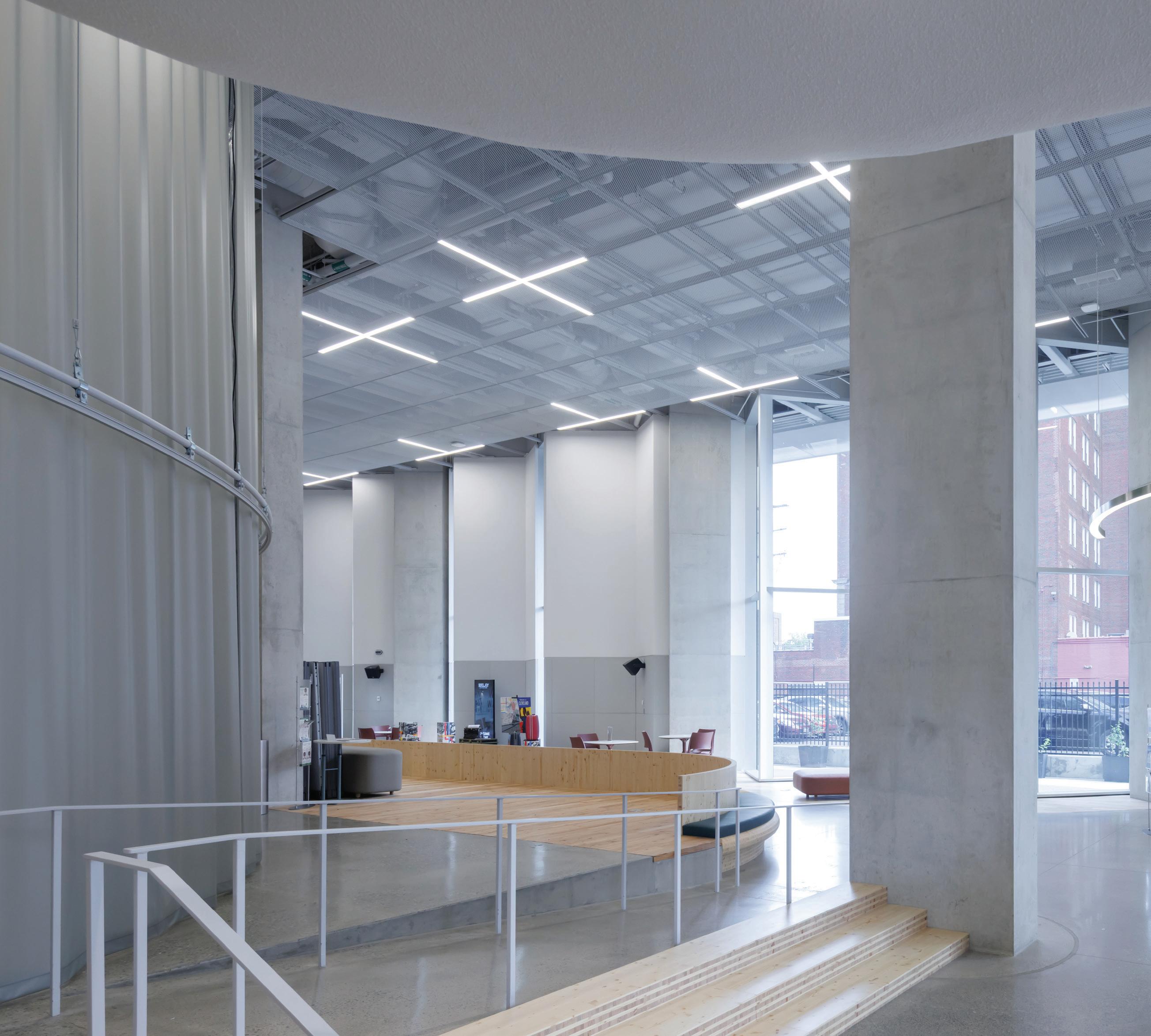
On January 25th, 2025, after seven years of planning, community input, and collaboration, the MLK Branch opened its doors to the city and neighborhoods it serves. The new two-story facility features flexible spaces for community meetings, dedicated spaces for children and teens, private meeting rooms, a 24-hour book locker, a business bar and exhibition spaces. Centered in the daylight-filled, double-height main space is the library’s core feature: an architecturally-scaled table. Extending from a performance stage and flexible-use space at its center, the table’s edge adaptively responds to each facade and facilitates particular functions for different users. This central table invites
people of all ages, genders, races, and physical characteristics to work together. The mezzanine ring floating above offers elevated views into the performance space and accommodates quieter study areas and special collections.
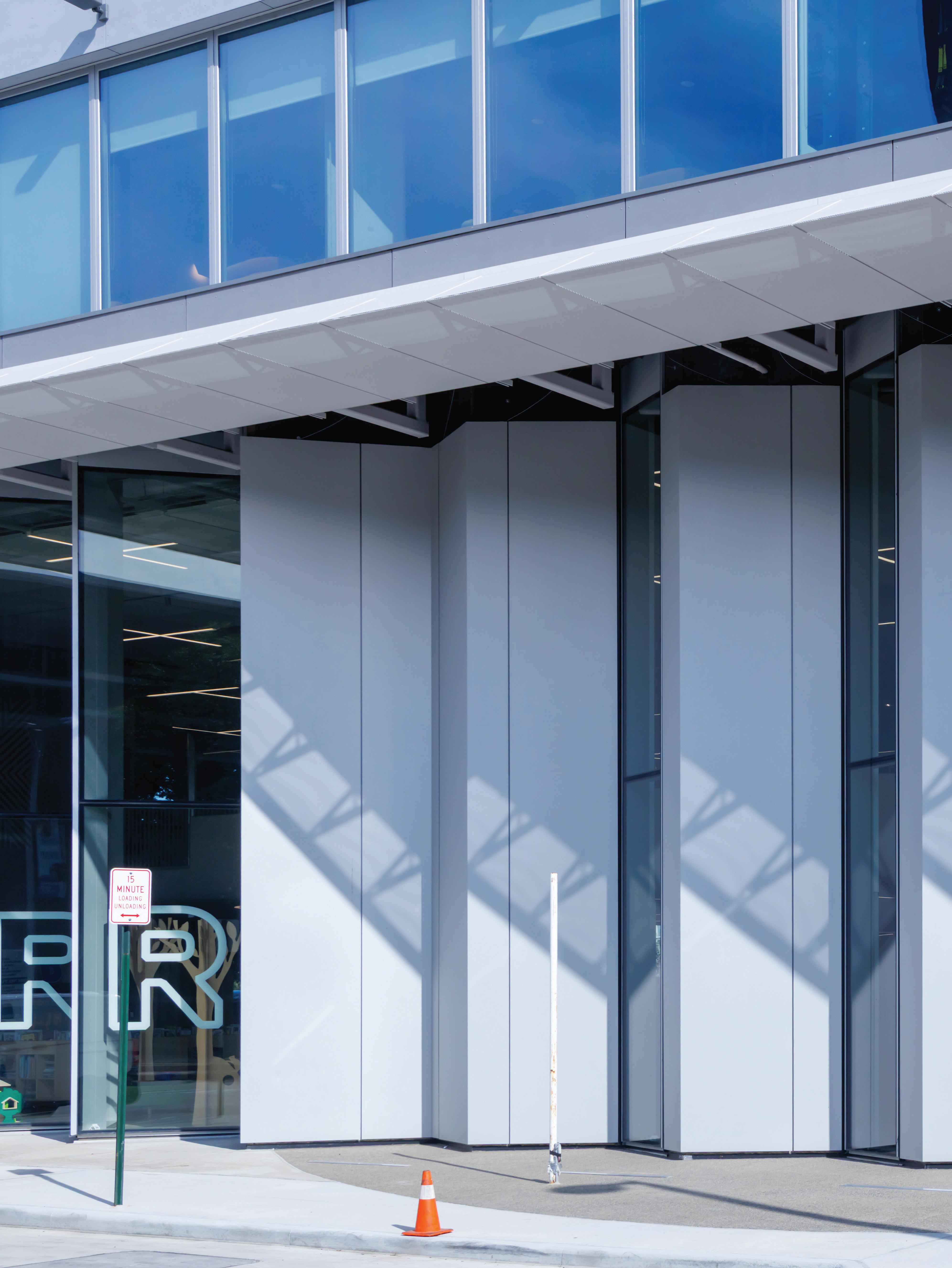
The library facade, made up of alternating solid and glazed angled panels, wraps the building like a curtain, soft and fabric-like in appearance. It offers a degree of privacy for library patrons and contributes to the acoustic experience on the inside while providing abundant, calibrated daylight. A voluminous canopy further shelters the surrounding grounds to ensure the library does not stop at its enclosure but extends to the streets, celebrating truly open civic life.
Desde 1970, que a MartinLutherKingJr. daClevelandPublicLibrary tem sido mais do que uma biblioteca. Situada no coração do UniversityCircle, a biblioteca representa o legado de Dr.King, e celebra a diversidade, oferecendo um espaço comunitário no qual o conhecimento e a cultura prosperam. Em 2018, SO–IL, em colaboração com JKurtz Architects de Cleveland, vence o concurso lançado pela ClevelandPublicLibrary, patrocinado pela Cleveland Foundation, com uma proposta pensada como “um lugar no qual as pessoas se sentissem vistas, ouvidas e inspiradas”, segundo Jing Liu, co-fundadora e directora do SO–IL. O espaço central acolhe a chamada “mesa da fraternidade”, um espaço multiusos que funciona simultaneamente como palco e ponto de encontro. A intenção não foi a criação de um símbolo estático, mas um espaço de interacção comunitária, tal como Dr.King imaginou no seu discurso “I Have a Dream”. A mesa pretende ser o
lugar de acolhimento de grandes e pequenos sonhos, reflectindo o espírito cívico de Cleveland
A 25 de Janeiro de 2025, após sete anos de desenvolvimento, participação comunitária e colaboração, a MLK abriu portas à cidade e aos bairros que se propõe servir. O novo edifício, de dois pisos, integra espaços flexíveis para reuniões comunitárias, áreas dedicadas a crianças e adolescentes, salas de estudo privadas, um “book locker” acessível 24 horas, um business bar e espaços expositivos. No coração do espaço principal, com pé-direito duplo e luz natural, encontra-se a peça central da biblioteca: uma mesa de grandes dimensões. A partir do palco e do espaço multiusos central, o perímetro da mesa adapta-se a cada fachada, acolhendo e facilitando funções específicas a cada diferente utilizador. Esta mesa central convida pessoas de todas as idades, géneros, raças e características físicas a interagir e colaborar. O anel da mezzanine, suspenso, proporciona vistas elevadas para o espaço de performance, e permite acolher áreas de estudo mais silenciosas e colecções especiais.
A fachada da biblioteca, composta por painéis inclinados alternadamente opacos e envidraçados, envolve o edifício como uma cortina, conferindo-lhe um carácter suave e têxtil. Proporciona privacidade aos utilizadores, contribui para a experiência acústica interior e permite uma abundante entrada de luz natural calibrada. Uma ampla cobertura protege o espaço circundante, prolongando o edifício até à rua e afirmando a biblioteca como um espaço cívico verdadeiramente aberto.
9 CHAPEL
Brooklyn - New York, USA
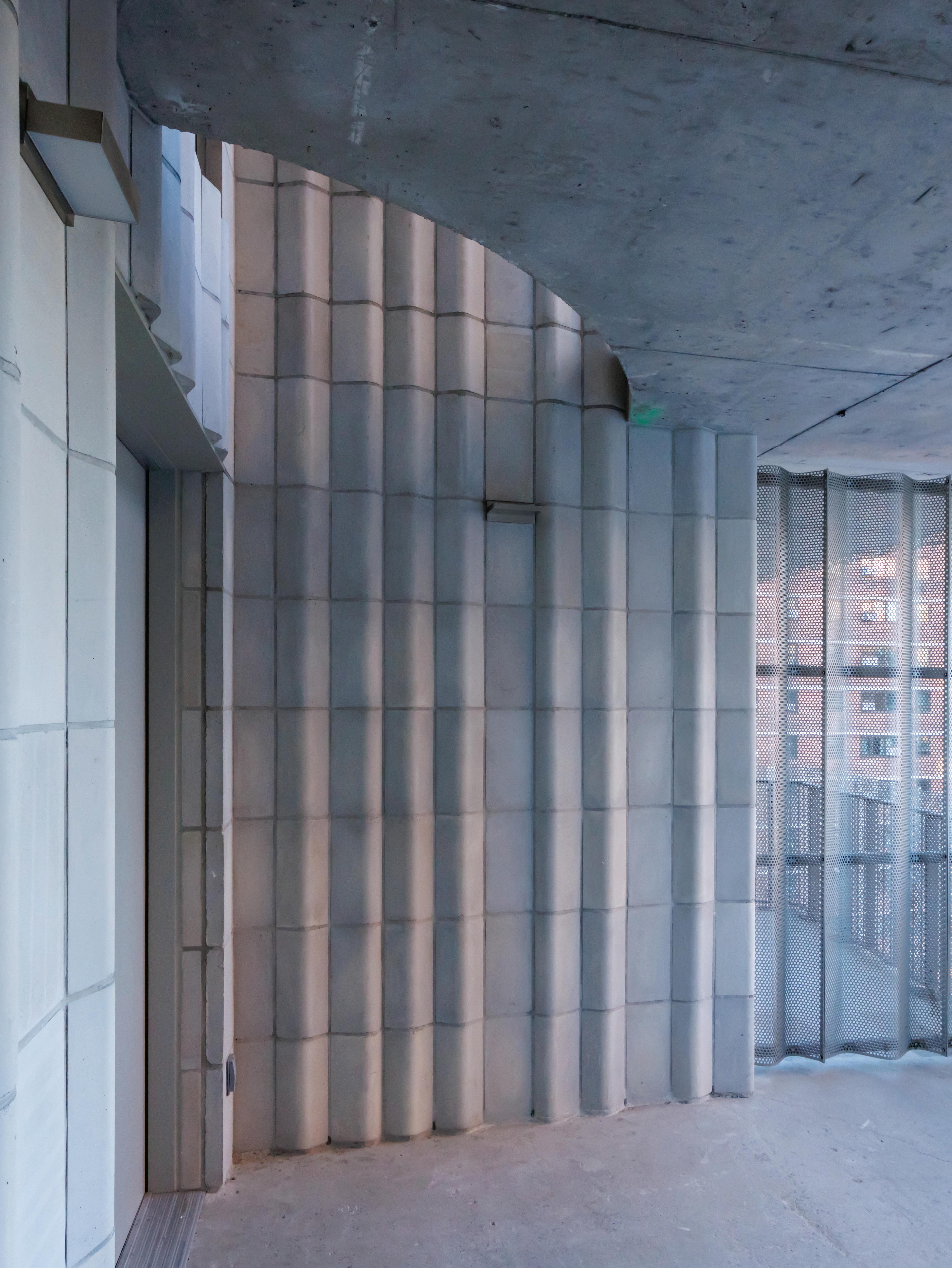
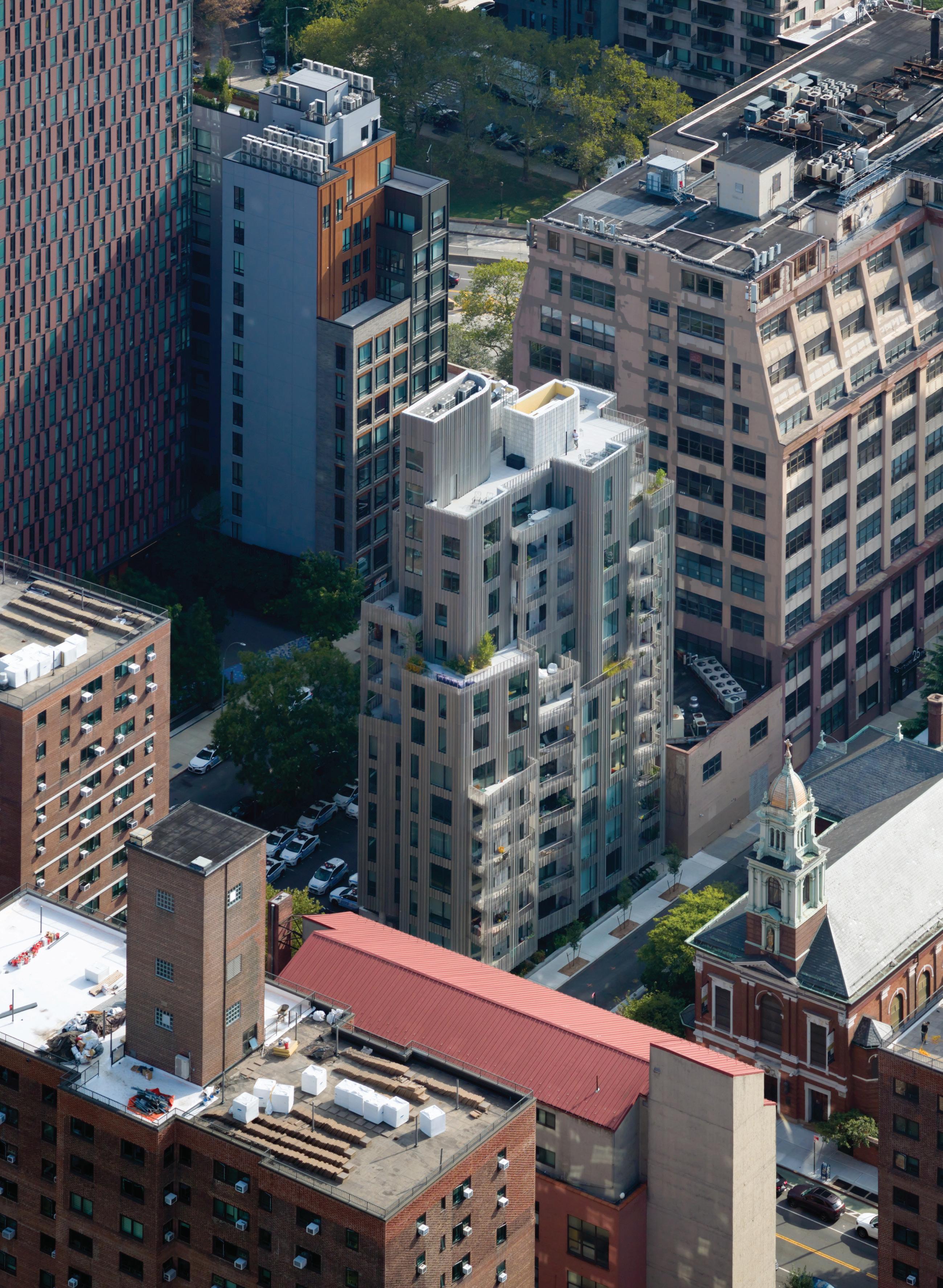
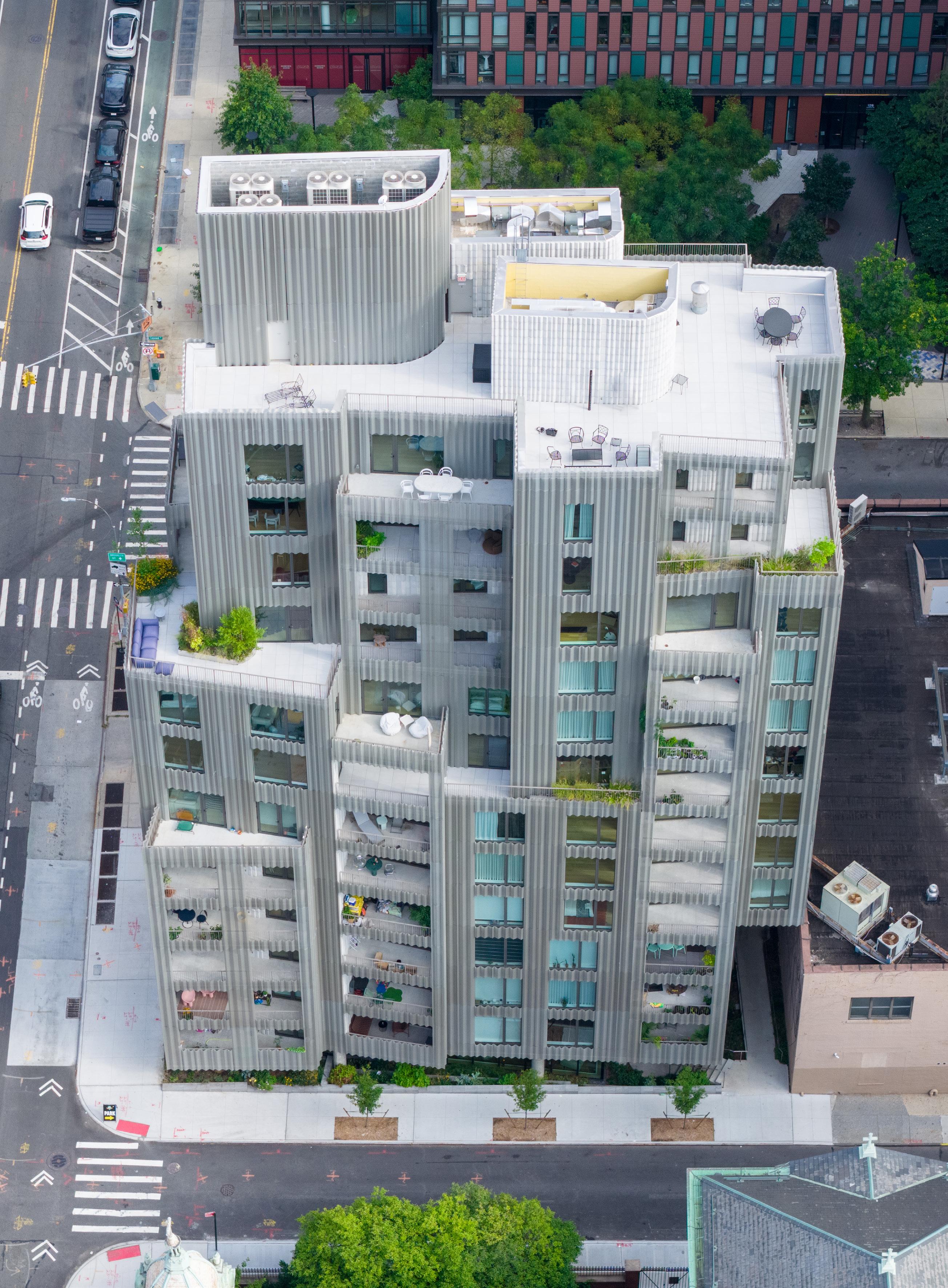
9 Chapel Street is a residential building in Downtown Brooklyn that stands on a rare freestanding site that allows the building to be exposed on all four sides. The project explores new models of urban living, with particular focus on connecting indoor and outdoor space, fostering communal spaces, and creating apartments defined by qualities beyond size.
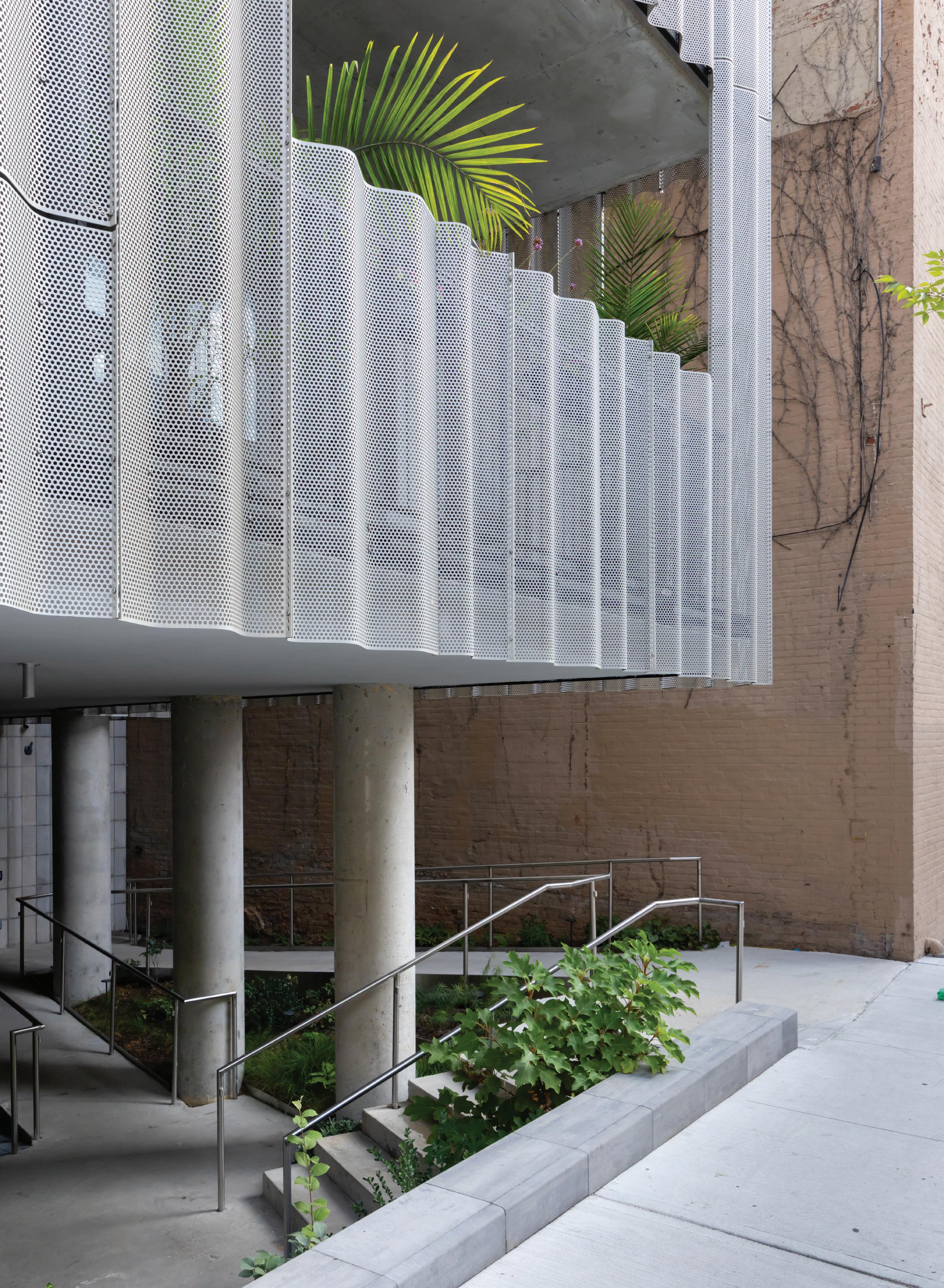
Every residence is paired with outdoor space—balconies, terraces, porches, and window gardens extend living areas and are flexible in their function across seasons. Outdoor spaces become accessible to every unit rather than being a penthouse privilege.These spaces allow all residents to enjoy outdoor dining, gardening, reading, and gathering. Screened exterior halls bring daylight and fresh air to circulation areas, transforming corridors into lively stoops that connect neighbors, while an exterior stair provides an additional communal space. Rotations within the plan allow different rooms to capture varied daylight and shifting views across Brooklyn.
The building’s transforms as one moves around it, its identity defined less by a fixed profile than by the layered veil of screens that wrap its exterior. These porous surfaces reveal the presence of outdoor rooms and their life, allowing the activities of individual homes to contribute to the collective character of the building. On its open site, 9 Chapel becomes both a vertical neighborhood and a civic presence, demonstrating how architecture can enrich community through everyday living.
9 Chapel Street é um edifício residencial localizado no centro de Brooklyn, inserido num lote isolado de características muito particulares e que permite tirar partido das quatro frentes do volume. O projecto explora um novo modelo de habitar urbano, com particular interesse na relação entre espaços interiores e exteriores, na promoção de áreas comunitárias e na criação de apartamentos definidos por qualidades que vão além da simples dimensão.
Cada unidade de habitação usufrui de um espaço exterior, seja este uma varanda, um terraço, alpendre ou jardim, a através do qual as áreas de habitação se prolongam, e proporcionam uma enorme flexibilidade de uso ao longo das estações do ano. Estes espaços exteriores são acessíveis e comuns, eliminando a exclusividade às habituais penthouses, permitindo aos moradores refeições e actividades ao ar livre como jardinagem, leitura e convívio. Os corredores em vidro garantem a entrada de luz natural e ventilação nos espaços de circulação, transformando os corredores em “stoops” vivos que permitem a relação entre vizinhos, enquanto a escada exterior proporciona um espaço comunitário adicional. A rotação de alguns volumes no plano horizontal permite ainda que diferentes espaços tirem partido da luz e de diferentes vistas ao longo do dia sobre Brooklyn
O edifício transforma-se à medida que se circula ao seu redor, sendo a sua identidade definida não por um perfil fixo, mas pelo véu estratificado de telas que envolve o seu exterior. Estas superfícies
porosas revelam a presença de espaços exteriores e a vida que neles ocorre, permitindo que as actividades de cada casa contribuam para o carácter colectivo do edifício. Num lote aberto, 9 Chapel constitui simultaneamente um bairro vertical e uma presença cívica, que demonstra como a arquitectura pode enriquecer a comunidade através da vivência quotidiana.
NECTO
Venice, Italy
The architect and engineer have traditionally operated within a realm of absolute rationality grounded in the impersonal truths of physics. Yet, in today’s fragmented reality, objectivity dissolves into ambiguity. Necto responds to this dissonance, capturing the tension between opposing forces in a single gesture. Oscillating between orientability and non-orientability, it stands at the edge of instability, embracing paradox while finding equilibrium.
Hoisted into place and shaped by tension, Necto enacts a form-finding exercise that speculates on the future of temporary structures—flexible, efficient, and reconfigurable. Its flowing anticlastic surface adapts fluidly, suspended from a ceiling beam, braced against the Arsenale’s columns, or delicately anchored to the ground. A series of rings define points of contact, simultaneously shaping the surface and acting as antipoles. Within its undulating geometry emerge three distinct architectural moments: an enveloping cone, a disorienting column, and a hanging mass. A translucent bio-based coating locally stiffens these moments, allowing the textile to shift between stretched fluidity and structured solidity.
Knitted from natural fibers, Necto is computationally optimized and produced in modular strips. Functional grading aligns with principal force flows, embedding intelligence and traceability through its DNA-encoded coating. Luminous threads integrated within the textile follow selected stress pathways, forming a constellation
of light and sound—an expression of the tensions between craft and algorithm, nature and technology, emergent process and design intent. Lightweight and portable, the 3D-knitted strips arrive on-site in compact luggage, are easily assembled, and tensioned into equilibrium. At the exhibition’s end, Necto dissolves, leaving no trace—its surface flattened and packed, ready to embark on its next iteration.
O arquitecto e o engenheiro operam tradicionalmente num domínio de racionalidade absoluta, enraizado nas verdades impessoais da física. Contudo, na realidade fragmentada contemporânea dos dias actuais, a objectividade dissolve-se muitas vezes em ambiguidade. Necto é uma resposta a esta dissonância, que procura captar a tensão entre forças opostas num gesto único. Oscilando entre orientabilidade e não-orientabilidade, posiciona-se no limiar da instabilidade abraçando o paradoxo, na procura do equilíbrio.
Construído no lugar e em tensão, Necto corresponde a um exercício formal sobre o futuro das estruturas temporárias: flexíveis, eficientes e reconfiguráveis. A sua fluidez adapta-se com naturalidade, seja suspensa a partir do tecto, escorada nas grandes colunas do Arsenale ou delicadamente ancorada ao chão. Uma série de anéis define pontos de contacto estratégicos, que se adaptam à superfície e actuam como antípolos. Da sua geometria orgânica, emergem sobretudo três formas distintas. Um cone, uma coluna e uma massa em suspensão, conferidas pontualmente
por um revestimento translúcido de origem biológica, que oscila entre fluidez tensionada e solidez estruturada.
Tecido em fibras naturais, Necto é optimizado digitalmente e produzido em faixas modulares. A graduação funcional acompanha os fluxos principais de força, incorporando inteligência e construção através de um revestimento codificado em ADN. A integração de fios luminosos no tecido permite construir trajectórias em tensão, que formam o que se poderá assemelhar a uma constelação de luz e som. Expressão das tensões entre artesanato e algoritmo, natureza e tecnologia, processo emergente e intenção projectual. Leve e facilmente transportável, esta pele chega ao local de forma compacta sendo facilmente montada e tensionada até ao equilíbrio formal pretendido. No final da exposição, Necto desaparece sem deixar qualquer vestígio. A pele é desmontada, embalada e preparada para a sua próxima existência.
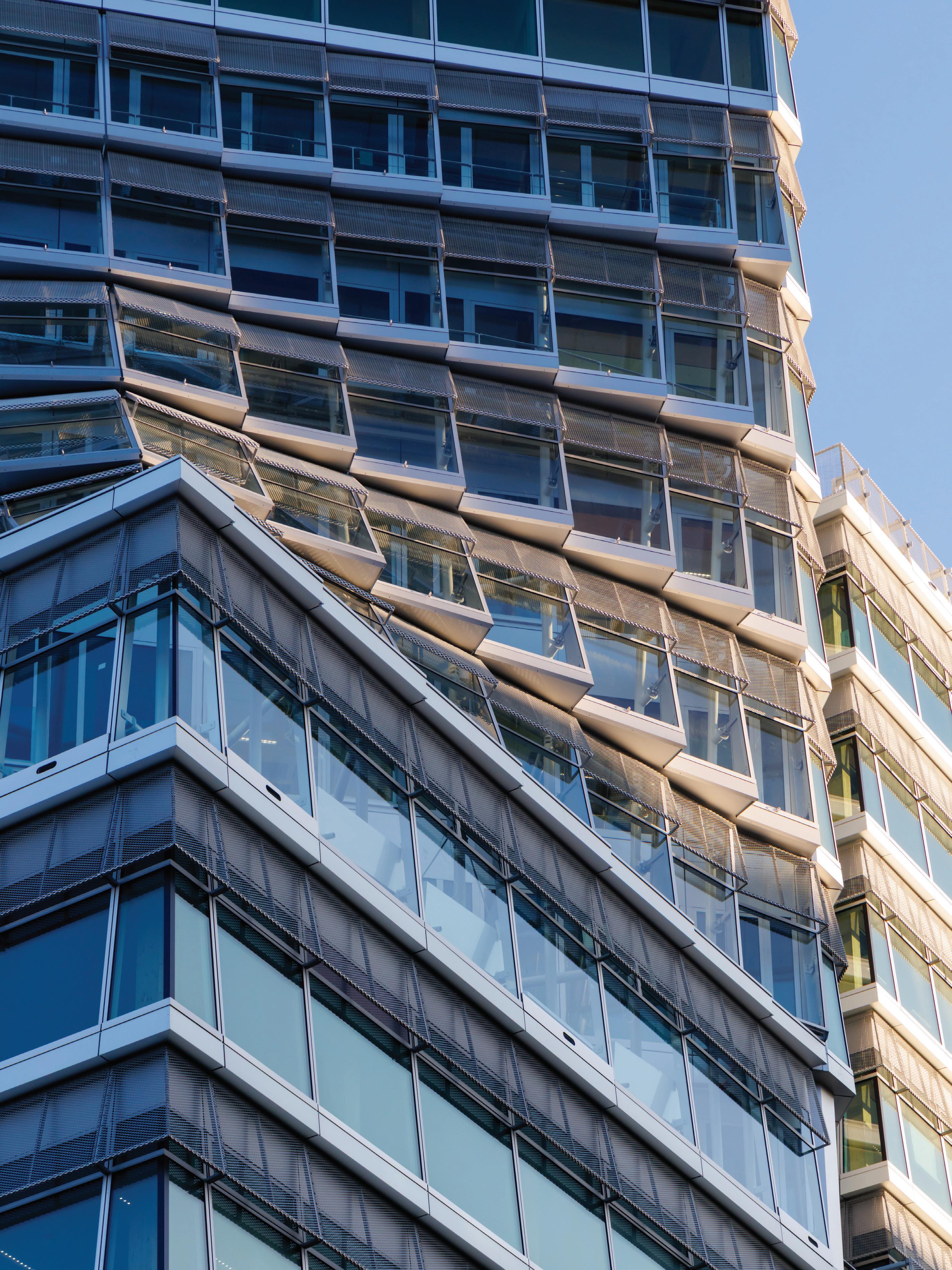
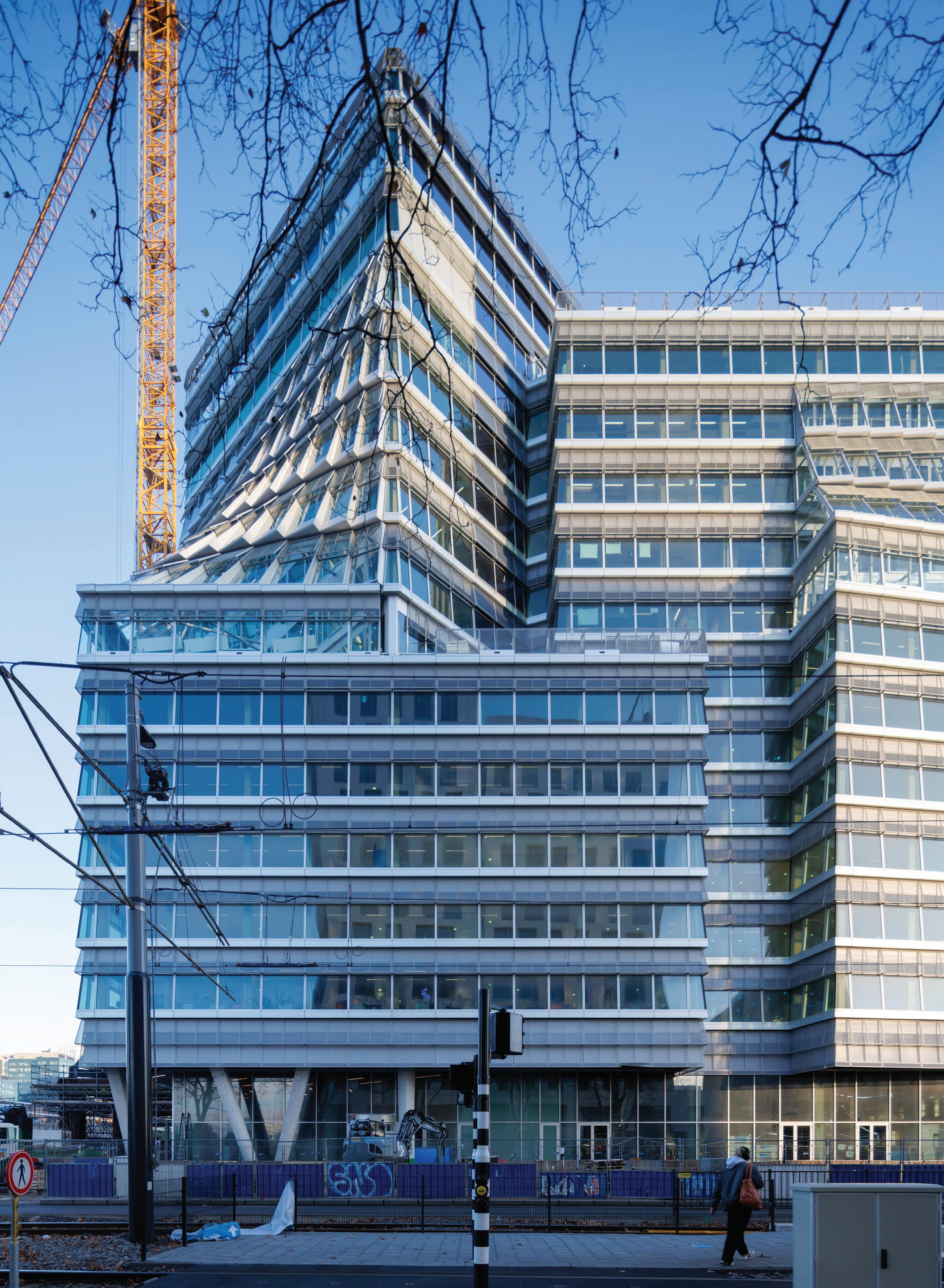
CUBEHOUSE
Zuidas - Amsterdam, Netherlands
The CubeHouse is a 13-story hybridtimber office building of approximately 16,300 m², located on the “Boog” plot in Amsterdam’s Zuidas. Set above an existing parking structure, the building forms a new layer in the district, connecting the urban activity at ground level with a quieter working environment above. Its placement introduces a different presence in an area dominated by glass and steel, marking a shift toward a more tactile and climate-responsive architecture.
The building is structured as a robust base supporting a lightweight timber superstructure. Around this, a double-skin façade creates a series of intermediate “breathe spaces”—buffer zones that mediate daylight, temperature, and ventilation. These spaces, planted and naturally lit, soften the threshold between inside and outside and give workers places of pause throughout the day. At ground level, a publicly accessible lobby opens the building to its surroundings, while a rooftop garden provides an outdoor extension of the workspace, connecting occupants to the broader city landscape.
Material and environmental performance shape the project throughout. Roughly three-quarters of the structural system is made from biobased materials, storing nearly 9,000 tons of CO 2 within the building mass. Photovoltaic panels on the roof and within the façade supply most of the building’s energy, while systems for rainwater harvesting and greywater reuse support everyday operations and future climate needs.
Designed to meet Paris Proof targets and WELL Gold standards, the CubeHouse demonstrates how working environments can be both resourceefficient and generous in spatial quality.
O CubeHouse é um edifício de escritórios híbrido de 13 pisos, em madeira, com cerca de 16.300 m², localizado no lote “Boog” nas Zuidas, em Amsterdam Desenvolvido sob uma estrutura de estacionamento pré-existente, o edifício constitui uma nova presença local e estabelece a relação entre a actividade urbana comercial ao nível do rés do chão, e um ambiente de trabalho nos pisos superiores.
A sua implantação introduz uma presença diferenciada numa área predominantemente dominada por construções em vidro e ferro, e simboliza uma inversão para uma arquitectura mais táctil e sensível ao clima e aos problemas actuais.
O edifício organiza-se a partir de uma base robusta de suporte a uma superestrutura leve em madeira, envolvida por uma “pele dupla” que cria uma série de “espaços respiratórios” intermédios que modulam a luz, a temperatura e a ventilação. Estes espaços, ajardinados e naturalmente iluminados, diluem o limite entre interior e exterior e proporcionam pausas aos utilizadores ao longo do dia. Ao nível do piso térreo um espaço de acesso público abre o edifício ao contexto urbano envolvente, enquanto um jardim no terraço oferece uma extensão exterior ao espaço de trabalho, e permite aos ocupantes estabelecer uma relação com a paisagem urbana mais ampla.
O desempenho material e ambiental orienta todo o projecto. Aproximadamente ¾ do sistema estrutural são construídos com materiais biobase, que armazenam cerca de 9.000 toneladas de CO 2 na massa do edifício. Painéis fotovoltaicos no telhado e na fachada fornecem a maior parte da energia necessária, e sistemas de captação e reutilização de águas suportam as operações quotidianas e as exigências climáticas futuras.
Concebido para cumprir os objectivos Paris Proof e os standards WELL Gold, o CubeHouse demonstra como ambientes de trabalho podem ser simultaneamente eficientes em termos de recursos e generosos em qualidade espacial.
WILLIAMS COLLEGE MUSEUM OF ART
Williamstown - Massachusetts, USA
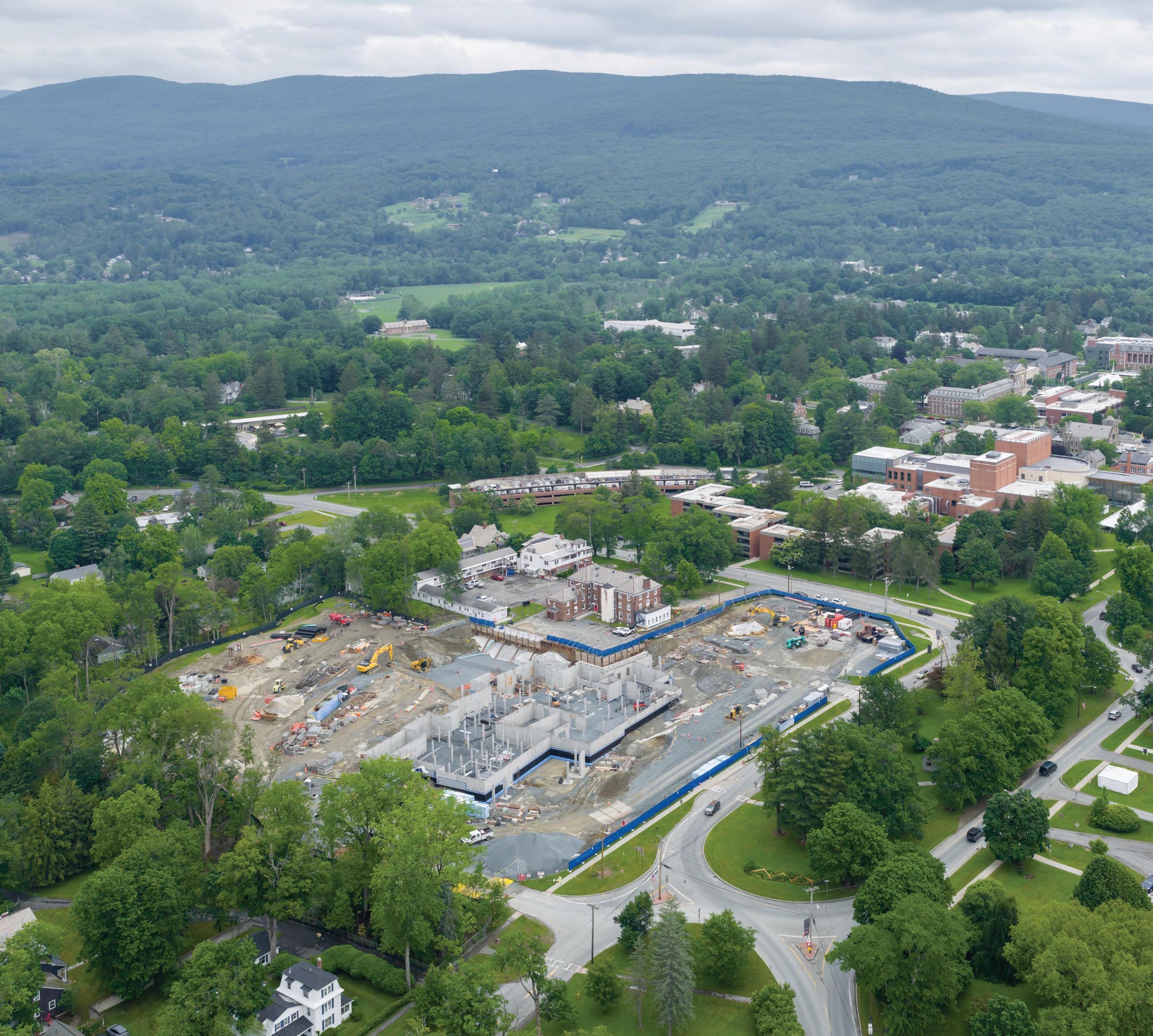
Nestled among the rolling Berkshire hills of Western Massachusetts, the new Williams College Museum of Art is an ambitious pursuit of excellence in arts education and sustainable museum design. This interdisciplinary campus hub will provide a new cultural nucleus to Williams College, with facilities for its renowned art history and museum studies programs housed alongside its extensive collection. Perched on the western edge of campus, it will stand as a welcoming gateway to the rich cultural offerings of the Berkshires.
The new museum’s design stems from a holistic integration of art, architecture, community, and nature. Reimagining the insular art museum into a porous, reciprocal conversation with the outside world. Sensitively composed in response to both its location and an extensive design process with multiple stakeholders, WCMA’s new home will foster a unique ecology of social, programmatic and educational exchange in direct dialogue with its natural surroundings.
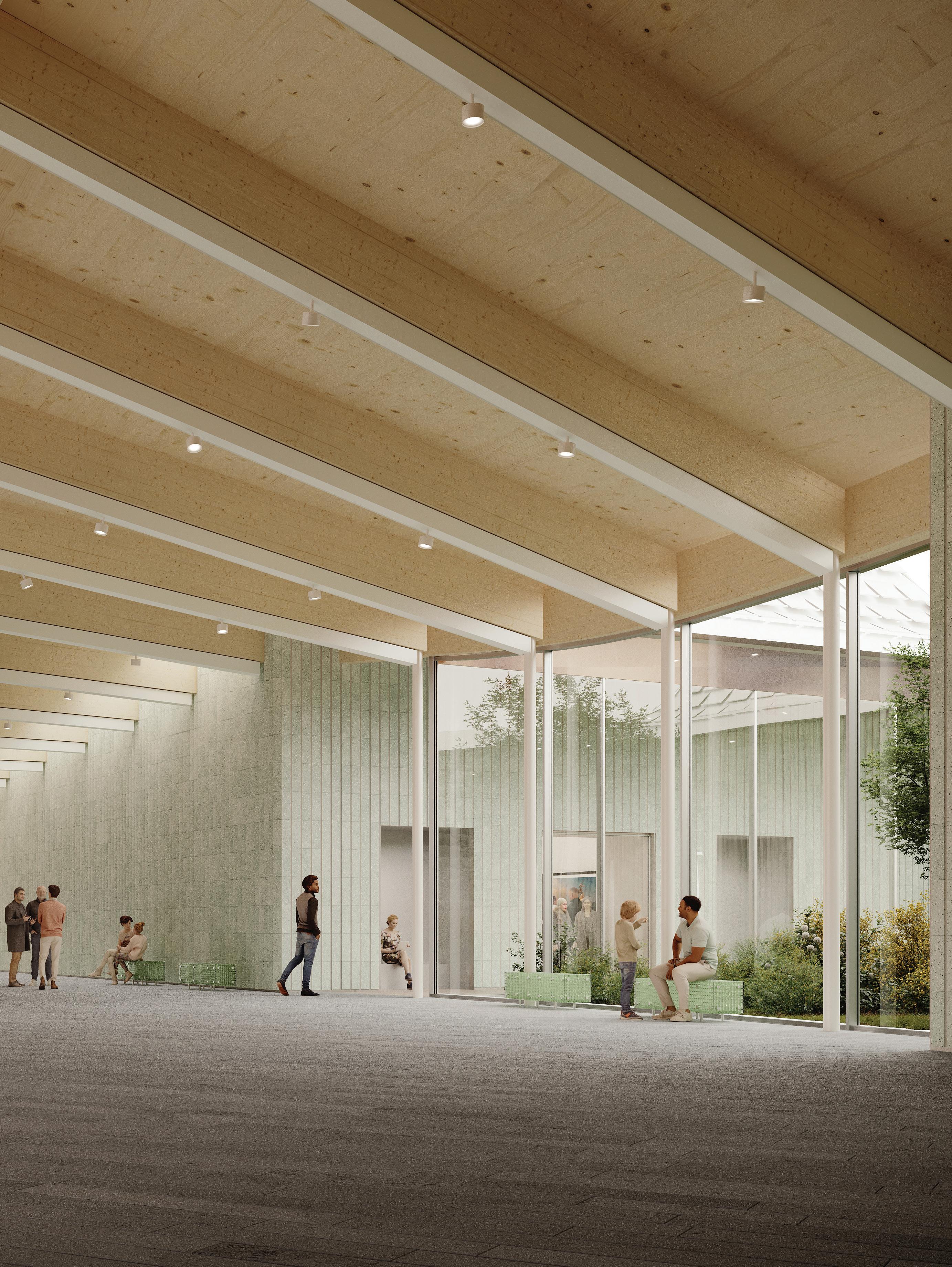
A courtyard garden at the heart of the museum centers nature on the site and draws daylight into the interior. Rather than a single monolithic structure, dispersed volumes gather around this central space. These pavilions house diverse functions including galleries, dynamic classrooms, a study center, an auditorium, and a café. An exposed mass timber structure engages with the surrounding woodlands and is further echoed by wooden ceilings and flooring in galleries. Clerestory windows draw soft natural light into gallery spaces, while intentional break spaces between pavilions offer views to the outdoors.
An undulating roof unifies the museum in a sweeping gesture of cohesion.Shingled metal peaks and curves harmonize with the surrounding hills, cresting against the skyline before dipping down to open into the central courtyard. A generous overhang creates a porch space at the perimeter, extending the museum outdoors and providing year-round protection from the elements. Engineered with an experimental technique in warped Cross Laminated Timber, the roof will be the first of its kind in North America.
The museum’s design adheres to the rigorous Living Building Challenge 4.0/Core Green Building Certification standards, aiming to be the most sustainable museum in the country. With a focus on renewable materials as well as innovative lighting and climate control techniques, the design targets as little as 30 percent of the current baseline energy usage for art museums. The roof’s overhang aids in temperature regulation and facilitates a rainwater retention system for irrigation. Landscaping supports the College’s reforesting efforts by adding native trees and forgoing manicured lawns in favor of flowering meadows.
No centro de Berkshire, a oeste de Massachusetts, o novo Williams College Museum of Art constitui uma ambiciosa aposta de excelência no ensino artístico e no desenho de museus sustentáveis. Este núcleo interdisciplinar do campus proporcionará um novo centro cultural ao Williams College, capaz de integrar nas suas instalações os seus reconhecidos programas de História da Arte e Estudos Museológicos, juntamente
com a sua extensa colecção de Arte. Inserido na extremidade ocidental do campus, o edifício ergue-se como uma porta de entrada capaz de acolher as ofertas culturais das Berkshires O projecto do novo museu emerge de uma integração holística entre arte, arquitectura, comunidade e natureza, reconfigurando o museu insular num diálogo poroso e recíproco com o mundo exterior. Desenvolvida de forma sensível à localização e ao resultado de um extenso processo de concepção que envolveu múltiplos stakeholders, a nova sede do WCMA fomenta uma ecologia única de intercâmbio social, programático e educativo, em directa relação com o seu contexto natural.
No coração do museu, um jardim centraliza a natureza no terreno e garante a entrada de luz natural no espaço interior. No lugar de um bloco monolítico, vários volumes dispersos organizam-se em torno do espaço central. Estes pavilhões acolhem diversas funções, incluindo espaços expositivos, salas de aula dinâmicas, centro de estudo, auditório e cafetaria. A estrutura em madeira maciça deixada à vista, os tectos e o pavimento em madeira, estabelecem um diálogo com a natureza envolvente. Clarabóias introduzem luz natural nos espaços expositivos, enquanto os espaços de transição entre os pavilhões garantem a vistas para o exterior.
Um tecto de forma orgânica ondulante unifica o museu num gesto amplo de coesão. A cobertura, revestida por telhas metálicas, ergue-se contra a linha do horizonte antes de descer para se abrir no pátio central, e estabelece uma
relação visual com as colinas envolventes. Um generoso beiral proporciona um espaço de abrigo ao longo de todo o perímetro do edifício, que permite prolongar o museu para o exterior e oferecer protecção durante todo o ano aos seus usuários.
A técnica experimental em Cross Laminated Timber usada no tecto, representa uma solução contrutiva
única na América do Norte. O projecto do museu cumpre rigorosamente os standards do Living Building Challenge 4.0/Core Green Building Certification, e pretende tornar-se o museu mais sustentável do país. Com particular interesse em materiais renováveis, técnicas inovadoras de iluminação e controlo climático, o desenho procura reduzir para apenas 30% o consumo energético típico dos museus de arte. O beiral contribui
para a regulação térmica e facilita o sistema de retenção de águas pluviais para irrigação. O paisagismo apoia os esforços de reflorestamento da instituição, privilegiando o cultivo e presença de árvores nativas e de prados naturais em substituição de relvados manipulados.
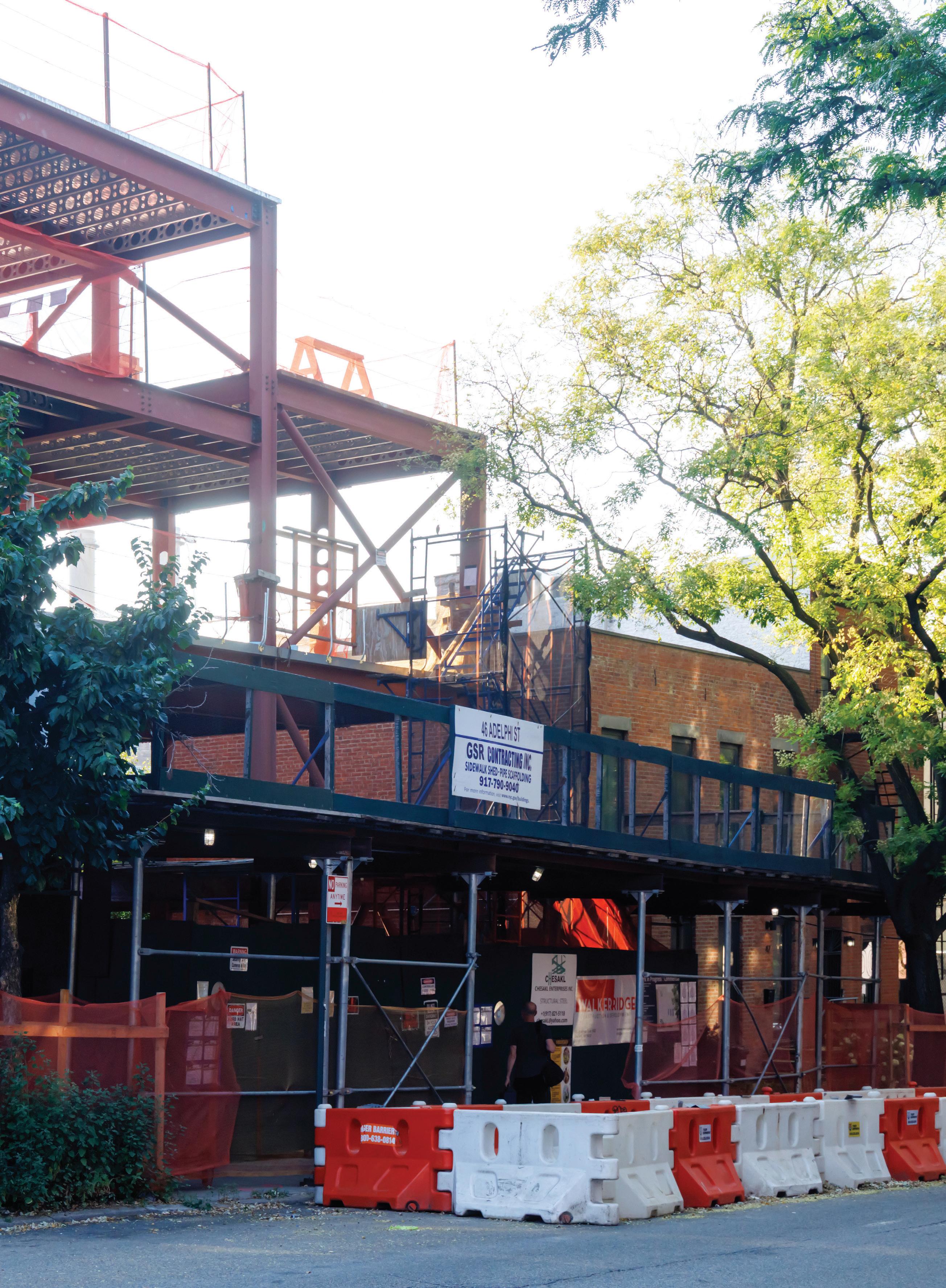
ADELPHI
Brooklyn - New York, USA
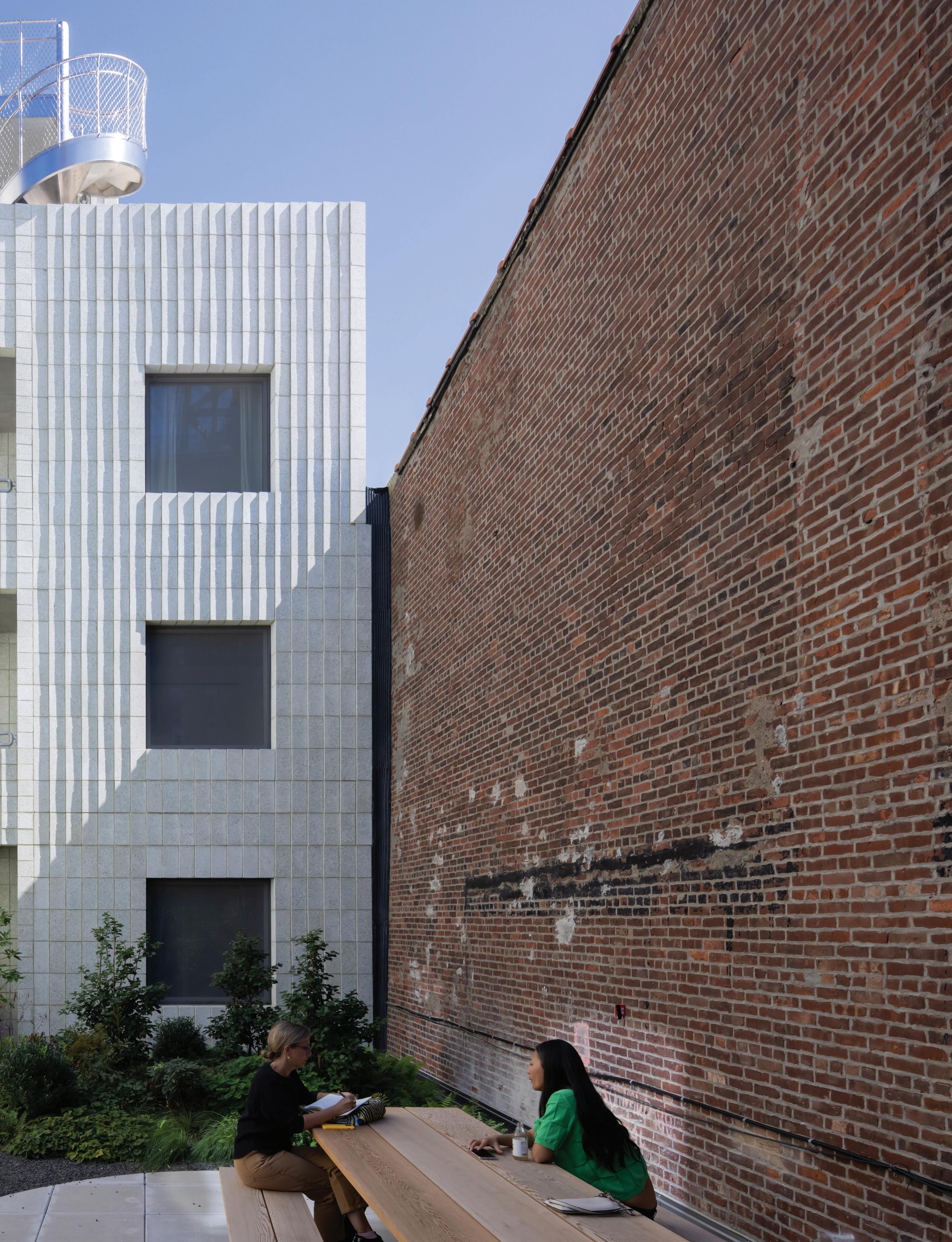
Adelphi is an office and gathering space built next to the family home, set slightly apart by a narrow alley. The building contains two large double-height rooms, each with a mezzanine, creating generous areas for work and hosting.
The ground floor is designed for gatherings such as talks, small exhibitions, meals, and informal conversations, making it a place to bring people into the practice’s daily culture. The second floor primarily serves as the architectural office, offering views of the shared backyard, a green roof, and a terrace.
Movement through the building is organized vertically. A set of different stair types connects the two main spaces, their mezzanines, and the outdoor areas, creating a simple but clear sequence from public to more focused zones. This sectional arrangement keeps the building compact while allowing for varied ways of working and meeting. At the center of the ground floor is a kitchen and bar element designed by Sam Chermayeff, which acts as a hub for hosting and daily use.
The exterior is wrapped in concrete canvas, an industrial material usually found in infrastructure. Here, it is used for the first time as a façade, giving the building a soft, unusual texture that contrasts with the brick house and the metal-clad party wall next door. Seen from the alley or the backyard, Adelphi appears straightforward in form yet distinct in character, a robust structure that supports work, exchange, and everyday life.
Adelphi é um espaço de escritório e de convívio. O edifício acolhe duas grandes salas de pé-direito duplo, cada uma com uma mezzanine, que proporciona uma generosa área de trabalho e convívio.
O piso do rés do chão prevê uma ocupação de uso colectivo, entre conversas, pequenas exposições e refeições. Como um espaço que aproxima o público quotidiano da prática da disciplina de arquitectura. O piso superior, como escritório de arquitectura, oferece uma vista franca sobre o jardim partilhado, um telhado ajardinado e um terraço.
A circulação no edifício é organizada verticalmente. Um conjunto de diferentes tipologias de escadas estabelece a relação entre os dois espaços principais, as mezzanines e as áreas exteriores, que proporcionam uma sequência clara e simples do público ao privado. Esta organização, em corte, mantém o edifício compacto, permitindo simultaneamente várias formas de trabalhar e estar. No centro do piso térreo encontra-se a cozinha e o bar, desenhado por Sam Chermayeff, que funciona como núcleo para recepção e utilização diária.
O exterior é revestido com “concrete canvas”, um material industrial habitualmente utilizado em infra-estruturas. Aqui, é aplicado pela primeira vez como fachada, o que confere ao edifício uma textura suave e invulgar, em contraste com a casa em tijolo e a parede lateral revestida a ferro. Visto da rua ou do jardim, Adelphi representa uma forma
simples, de carácter distinto, e constitui uma estrutura robusta que suporta o trabalho, a interacção e a vida quotidiana.
450 UNION
Brooklyn - New York, USA
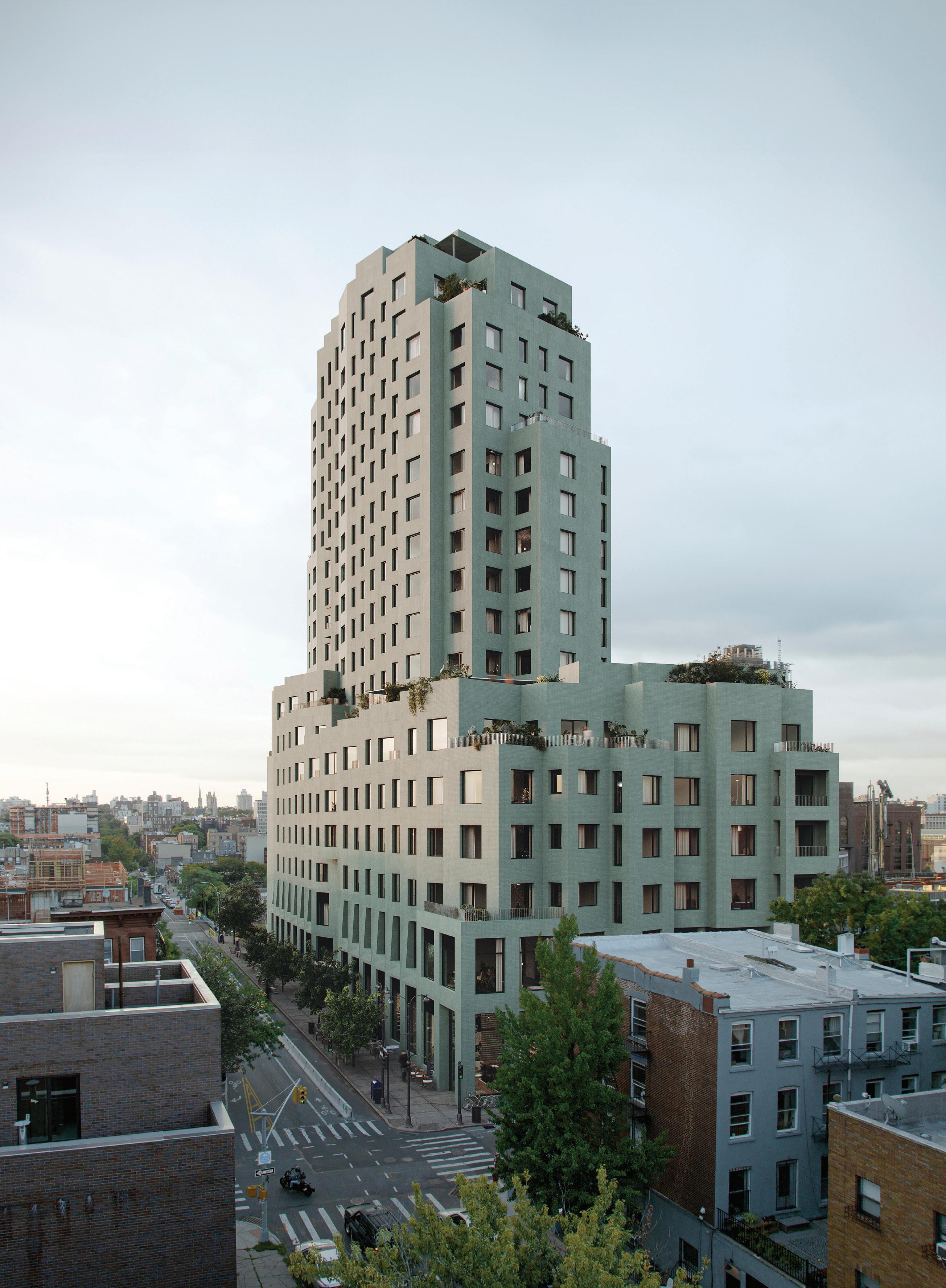
450 Union is a 20-story residential tower with 158 apartments on the edge of the Gowanus Canal in Brooklyn. Rising as a new urban landmark, the building is defined by a sculpted form that opens to light, air, and views, while anchoring a renewed public relationship with the canal.
Sited in a rapidly transforming neighborhood, the long views that once defined the area are at risk of being lost as the airspace around the canal begins to densify. The building responds by aligning its units with the canal, preserving sightlines and extending the experience of the waterway deep into the living spaces. Stacked volumes of brick and glass are cut through with a dramatic void that opens terraces and courtyards to the city. Rotated floor plates grant each apartment long views toward downtown Brooklyn and Manhattan or along the waterway to the south. Secondary sightlines through exterior galeries connect residents directly to waterfront activity.
At ground level, 450 Union integrates with the canal frontage and public park to create a vibrant perimeter of retail and shared amenities. Upper-level terraces provide indoor–outdoor gathering spaces that capture the tranquility and views inherent to the site. A full complement of amenities—including fitness, workspace, children’s play and art rooms, and communal lounges—supports new patterns of living and working. By layering individual and collective spaces, the building creates a vertical neighborhood that enriches the surrounding community and sets a precedent for waterfront living in Gowanus.
A 450 Union é uma torre de 20 pisos e 158 apartamentos, inserida na margem do Canal Gowanus, em Brooklyn Como um novo marco urbano, o edifício destaca-se através de uma forma escultórica que se abre à luz, ao ar e à envolvente, ao mesmo tempo que estabelece uma estreita relação com o canal.
Inserida num bairro em franca transformação, a densidade comum que caracterizava a área corre o risco de se perder à medida que o espaço aéreo em torno do canal se densifica. O edifício responde a este desafio alinhando os apartamentos com o curso de água, preservando as linhas de vista e garantindo a sua presença no interior dos espaços habitáveis. Volumes em tijolo e vidro são atravessados por vazios dramáticos que abrem terraços e pátios para a cidade. A rotação estratégica de alguns planos permite que cada apartamento possa usufruir de vistas desafogadas em direcção ao centro de Brooklyn e Manhattan, ou ao longo do canal em direcção ao sul. Linhas de vista secundárias, através de galerias exteriores, permitem estabelecer uma relação directa com as actividades junto à água.
Ao nível do rés-do-chão, a 450 Union estabele uma relação com a frente do canal e com o parque público, permitindo um perímetro de actividades comerciais e comodidades partilhadas. Um conjunto de actividades desportivas, áreas de trabalho, espaços para crianças e pratica de artes, bem como lounges comunitários, apoiam novos padrões de habitar e trabalhar. Os terraços
nos pisos superiores oferecem espaços de convívio interior-exterior que permitem usufruir da tranquilidade e das vistas do local. Ao sobrepor espaços individuais e colectivos, o edifício representa um bairro vertical que enriquece a comunidade envolvente e estabelece um precedente à beira-rio em Gowanus
ANIMA
Chatham - New York, USA
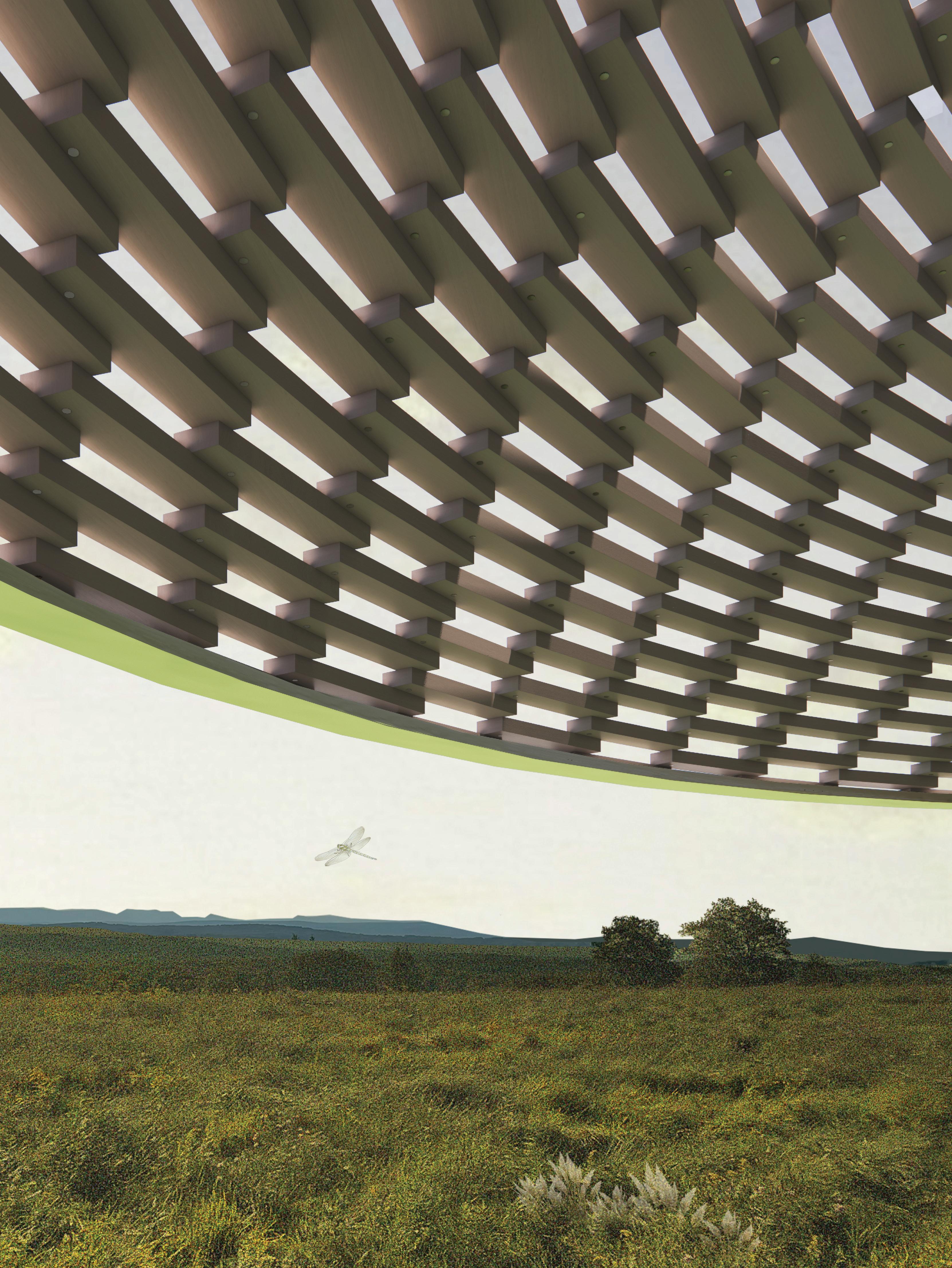
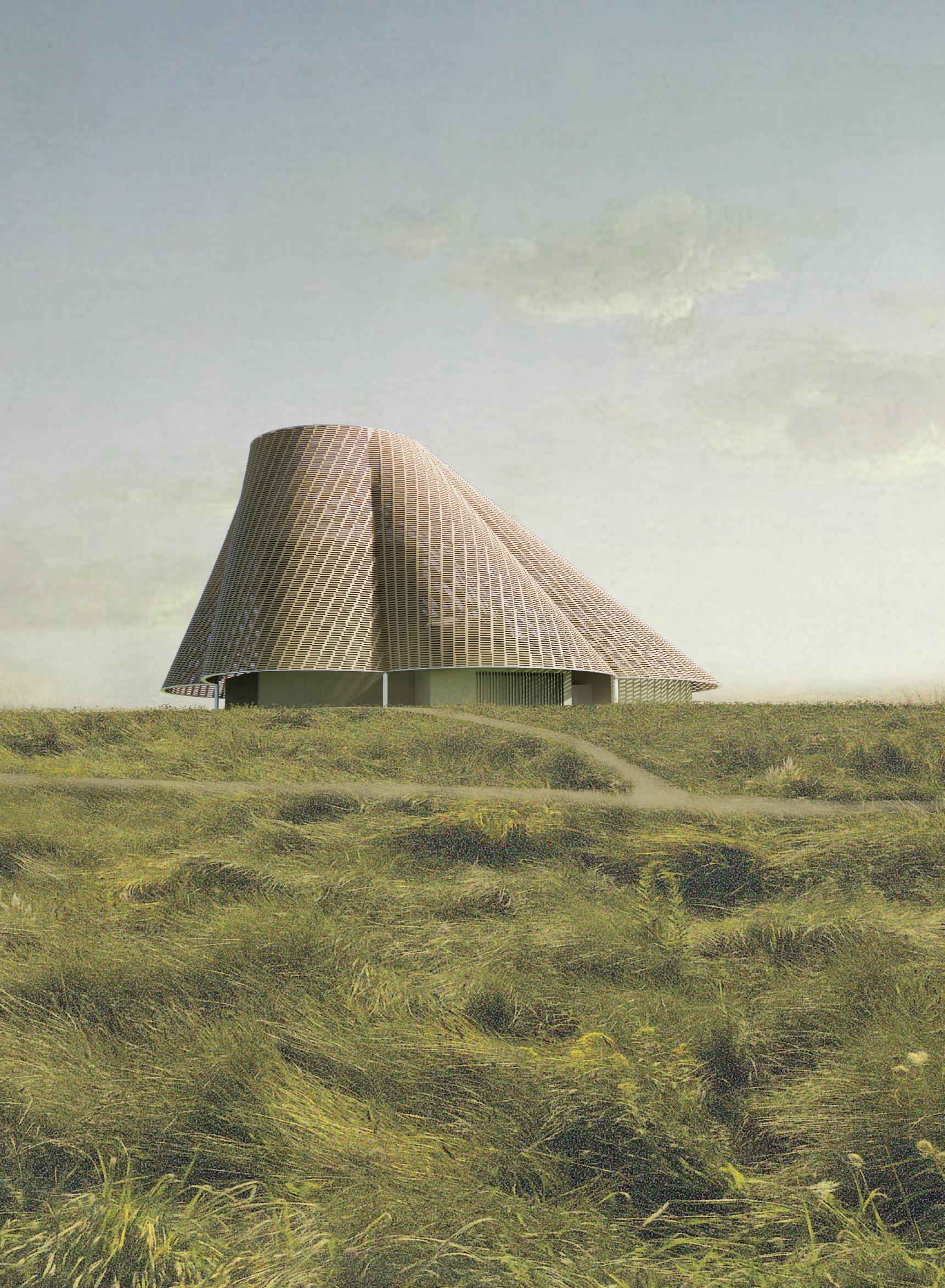
Anima is an exhibition pavilion in Chatham, New York, comprising five distinct gallery volumes enveloped by a conical roof of stacked wood—spanning approximately 1,860 square feet and rising from 7 to 35 feet. Each gallery offers a singular, quiet encounter with artwork, while the entire structure forms a subtle, sculptural presence perched on the ridge.
The composition is one of shifting volumes and calibrated entries. Each gallery has a single entrance and exit, fostering a focused, sequential journey. Gallery sizes vary intentionally and uniquely capture natural light. Some open to the horizon through windows, others draw daylight from above through skylights. Clad in a monochromatic membrane, the pavilion merges with the grassy setting even as its volumes remain discreetly purposeful.
Above the galleries, a latticed roof emerges: thousands of wooden blocks stacked into a semi-porous covering that softens light with a diffuse veil. The conical roof frames distant horizons and allows shifting sunlight to animate the interiors. The pavilion invites slow, contemplative movement—between moments of calm, each pause reveals the muted presence of landscape and architecture in harmony.
Anima é um pavilhão expositivo situado em Chatham, na cidade de Nova Iorque, constituído por cinco grandes volumes, aos quais correspondem cinco salas distintas de cobertura cónica, em madeira, com cerca de 175 m2 e uma altura compreendida entre 2,5m e 11m.
Cada espaço permite um encontro singular e de reflexão e o conjunto uma escultura na paisagem, de presença singela e delicada.
A articulação entre os diferentes volumes permite diferentes acessos criteriosamente posicionados. Cada espaço possui a sua própria entrada e saída, que permite um percurso sequencial e não disperso. A área de cada espaço varia intencionalmente, bem como a entrada de luz natural em cada um: umas vezes através de janelas que se abrem para o horizonte; outras através da presença de clarabóias que proporcionam a entrada de luz zenital. Uma membrana monocromática, como revestimento, permite que o pavilhão se funda com a paisagem, ainda que sem ocultar a presença dos diferentes volumes que compõem o espaço.
Sobre as galerias, uma cobertura rendilhada constituída por milhares de blocos de madeira, assemelha-se como que a um véu, semi-poroso, que protege e difunde a entrada de luz de forma delicada. A cobertura cónica distingue-se no horizonte e permite acompanhar o movimento do dia. O pavilhão convida à contemplação e reflexão. Momentos de quietude, que revelam a presença subtil da paisagem e da arquitectura, em perfeito equilibrio.
KUKJE GALLERY
project: 2009 - 2012
location: Seoul, South Korea
client: Kukje Gallery
program: Gallery, theater, meeting room, art storage design team: Florian Idenburg, Jing Liu, Ilias Papageorgiou, Iannis Kandyliaris, Cheon-Kang Park, Sooran Kim and Seunghyun Kang
MANETTI SHREM MUSEUM OF ART COVER PROJECT project: 2012 - 2016
location: Davis - California, USA
client: University of California, Davis program: Galleries, office, classrooms, studios associate architect: Bohlin Cywinski Jackson design team: Florian Idenburg, Ilias Papageorgiou, Jing Liu, Danny Duong, Seunghyun Kang, Nile Greenberg, Pietro Pagliaro, Andre Herrero, Madelyn Ringo and Jacopo Lugli
program: Residential design team: Florian Idenburg, Ted Baab, Johannes Staudt, Andrew Fu, Martina Baratta, Kristen Too, Kirill Berezhnov, Mario Serrano, Andra Ionel and Meg Anderson area: 418 m²
WILLIAMS COLLEGE MUSEUM OF ART project: under construction location: Williamstown - Massachusetts, USA client: Williams College program: Gallery, storage, classrooms, meeting room, lab design team: Florian Idenburg, Jing Liu, Kevin Lamyuktseung, Jonathan Molloy, Marlena Fauer, Andrea Fos, Dohyun Lee, Yuanjun Summer Liu, Fabian Puller, Demetri Lampris, Sean Braodhurst, Will Dolin and Yi Wang area: 7000 m2
450 UNION project: ongoing location: Brooklyn - New York, USA client: Tankhouse, MacArthur Holdings program: Residential, Mixed use
architect of record: Magnusson Architecture and Planning, PC design team: Florian Idenburg, Jing Liu, Karilyn Johanesen, Amin Tadj, Emma Silverblatt, Fabian Puller, Demetri Lampris, Madeline Kim, Sean Broadhurst, Yuanjun Summer Liu, Andrew Song, Tracy Tan, Risako Arcari and Pa Ramyarupa area: 18580 m²
Andrea Fos, Associate Yuanjun Summer Liu, Associate Fabian Puller, Associate
Ray Rui Wu, Associate
Sean Broadhurst, Designer
Madeline Kim, Designer
Charles Kim, Designer
Demetri Lampris, Designer Dohyun Lee, Designer
Kyle Thurman, Business Development and Marketing Director
Alice Foppiani, Operations & Marketing Assistant Poline Grishina, EA & Office Coordinator
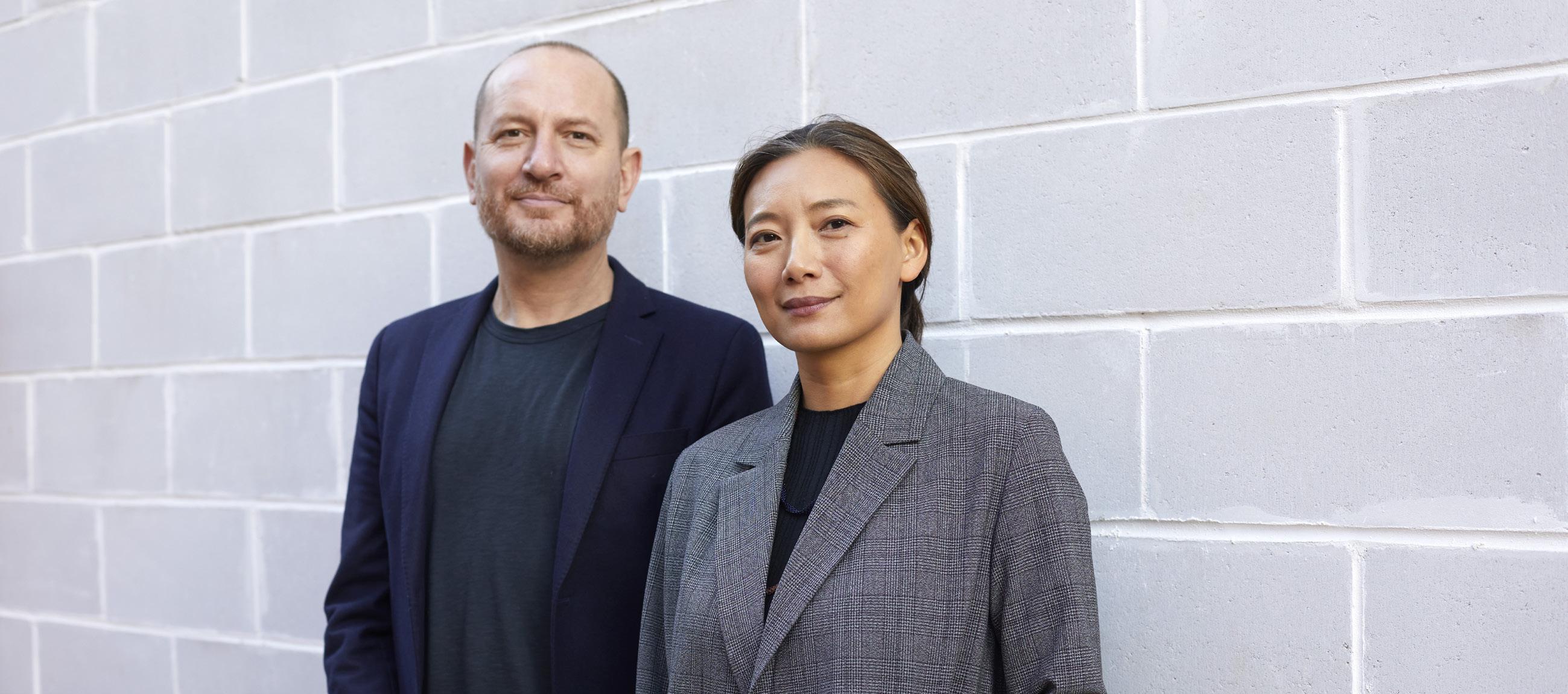
SOLID OBJECTIVES IDENBURG LIU believes in open, thoughtful, and humanistic architecture that creates meaningful cultural and social impact. The studio is dedicated to designing transformative arts and civic projects that enrich communities and the environment.
Founders Florian Idenburg and Jing Liu met in Tokyo in 2001 and formed SO–IL in New York City in 2008 with a vision of a global practice that merges craft and detail-oriented construction with intellectual rigor and a distinct aesthetic. The studio of skilled and committed architects is based in New York and Amsterdam and has cultivated a diverse international portfolio of critically acclaimed projects. Staying true to its founding ideology, SO–IL continues to play a leading role in the wider dialogue of architecture today through building, education, and publishing.
SO–IL is an internationally recognized architecture firm and has been featured in The New York Times, CNN, and Frankfurter Allgemeine. Their projects are part of the permanent collections of the Museum of Modern Art, the Guggenheim Museum, and the Art Institute of Chicago. The firm has received numerous awards, including the American Academy of Arts and Letters Architecture Award (2022) and the Architectural Review’s New into Old Award (2023). SO–IL has been named United States Artists Fellows, is an Academician of the National Design Academy, and has received the Prix de Rome in the Netherlands and the Prince Bernhard Cultuurfonds Award.