

Frame is published six times a year by
Frame Publishers frameweb.com
EDITORIAL
Andreea Olteanu
Editor at large
Andreea Olteanu
Graphic designer
Andreea Olteanu
Cover Andreea Olteanu
Contributors to this Issue
Erica Liu
Pisu



Davide
Frame is published six times a year by
Frame Publishers frameweb.com
EDITORIAL
Andreea Olteanu
Editor at large
Andreea Olteanu
Graphic designer
Andreea Olteanu
Cover Andreea Olteanu
Contributors to this Issue
Erica Liu
Pisu
Housing is a human right, a necessity crucial for society to function In England, it has become a major topic of discussion among the population, due to the current times where rents are at their highest, mortgages are becoming unaffordable and unsustainable social housing is unable to house their applicants due to a shortage of safe and affordable housing, leaving many homeless families with the option of being squashed into squalid, unfit temporary accommodations or bed and breakfast rooms. Despite this problem, there is a lack of action taken to solve this, from multiple agencies, starting from the top with politicians and governing agencies, to the bottom with councils and architects.
In this special edition of FRAME, it will talk about the prevailing issue of housing crisis, which could harbour the potential design solution that has not been explored as much in England, which could potentially lessen the high figures of homeless households – reuse of vacant buildings.
The issue will explore the precedent examples of such movement, and what can we take away from them, and use in our abilities as architects and designers, to improve the housing situation. We will also look at what it takes to carry out a residential renovation project, as well as hear from an organisation who are doing their part in tackling the issue of furniture poverty within England. We all have a social responsibility to play our part and contribute with the resources we have at hand.
Let’s make more sustainable, affordable housing.
Andreea Olteanu Editor in Chief

‘’Britain’s rental market is at breaking point, with not enough homes to go around, soaring rents, squalid overcrowding conditions, spiralling property fraud, bedsits to mansions, squats to drug farms’’, this is how the narrator for the Channel 5 documentary show ‘Nightmare Tenants, Slum Landlords’ introduces the current housing crisis in England. The housing market is split by housing projects driven by profit, not human needs, existent houses that are unsuitable for the needs of the inhabitants, and not enough homes for people that no longer are able to afford a roof under their head due to the soaring rents that are driving them into homelessness.
The housing crisis in England is a growing issue, attributed to multiple stakeholders. Government and state agencies are not fully involved in the housing market, resulting in insufficient housebuilding schemes. Councils are cutting social housing redevelopment funds for private housing, stagnating public housing development. Private housing investors invest in high-profile projects, increasing housing value and contributing to the local economy. Architects are trying to reform the housing landscape, but are hindered by councils’ insufficient funds and the government’s insufficient allocation of resources into social housing schemes.
Building new social housing is a costly process in the current economic climate because of the high expenses of construction, supplies, and intensive manual labour. As an illustration, consider the ongoing social housing initiative overseen by the Mayor of London, who is currently spearheading a social housing initiative that will cost over £4 billion and result in 35,000 homes—an astounding £114,000 per house. Due to the burdensome costs, both local economies and the government are frequently forced to restrict the number of houses to be built, falling short of their goals. However, it is also necessary to address the growing number of abandoned homes in England, which may offer an interest-
ing way to address the country’s shortage of social housing from a social, economic, and architectural perspective.
Vacant buildings which have not been occupied for at least six months, according to The Department for Levelling Up, Housing and Communities (DLUHC), often become derelict and at risk of being demolished. These buildings were once an old asset in a community, or owned by local councils, but have been unmaintained due to lack of funds to maintain them. As a result, they decay or are demolished, leaving empty land. The current landscape appears to show that there are 676,304 vacant properties in England, and of which 248,149 have been long-term vacant.
Over the last few years, architects have implemented adaptive reuse more and more as an approach to creating new buildings, many particularly focusing on creating dwellings on sites, rich with local culture and history, which local residents have strong sentiments towards such buildings. Architects are always concerned about sustainability – creating buildings to be used in the present moment, and in the future. When it comes to design, working with an existing structure offers the opportunity to find another use of that structure, without investing too much money into significantly modifying that structure.
Often, new dwellings, particularly public houses, require extensive amounts of funding to be built, whether that comes
from loans, personal philanthropy or money from foundations and events, and in turn there is a need for return, as a result creating unaffordable rents for many inhabitants. By reducing planning and labour costs, the money can instead be used for something more beneficial, such as implementing public amenities required for its purpose. Not only that, but renovated dwellings also have a greater greener retrofit than new dwellings, comparing a figure of 8 tones of CO2 for renovated buildings to 80 tones of CO2 for new buildings, resulting in a lower ecological impact. Utilising the existing structure has the potential to be a useful strategy for addressing the issue of affordable and sustainable housing development.
Sustainability does not only concern only a building, but also its community. Preserving an existing building comes with preserving its history, culture and values, meaning that the needs of a community can be met without damaging the existing social fabric of the community. Instead, it serves as an opportunity for regeneration and bringing back life to a community at risk of abandonment. Finding a new purpose for a building takes into consideration the ever-changing needs of its community, allowing for a balance of a building with a new purpose, and a preserved culture, history and values.
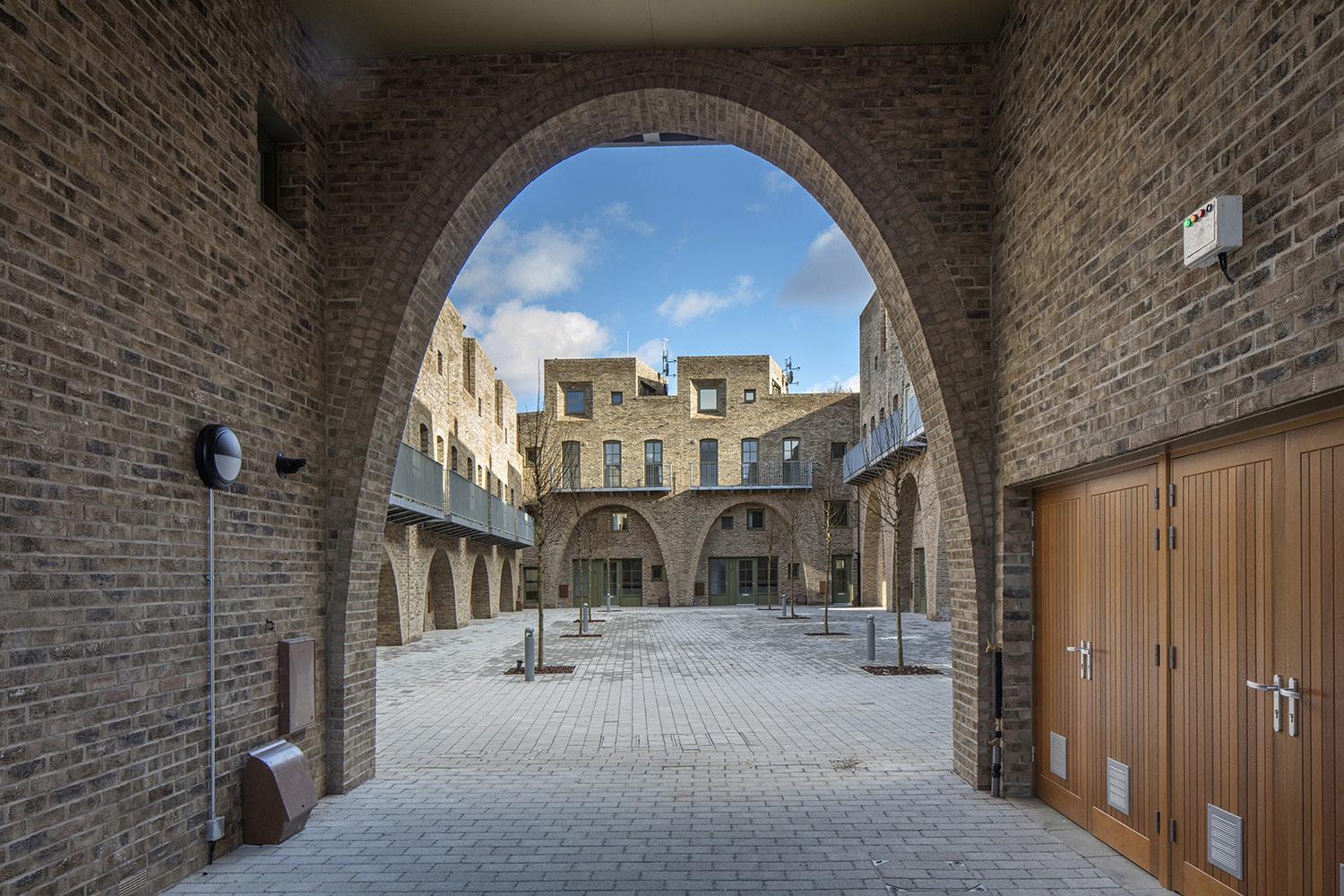
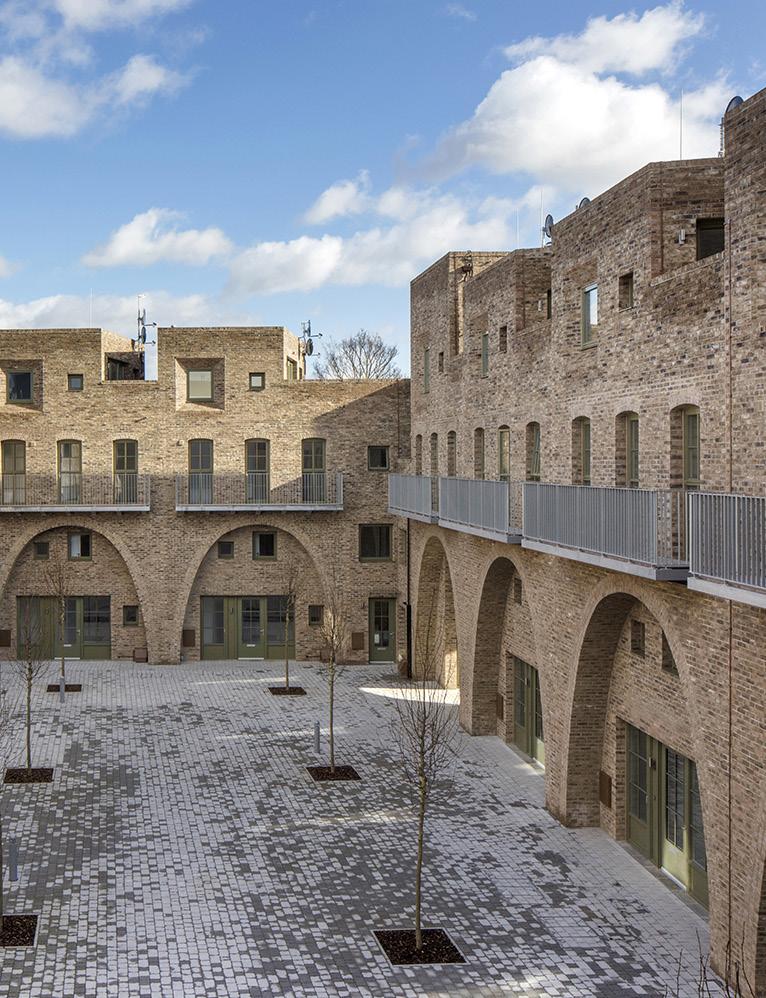
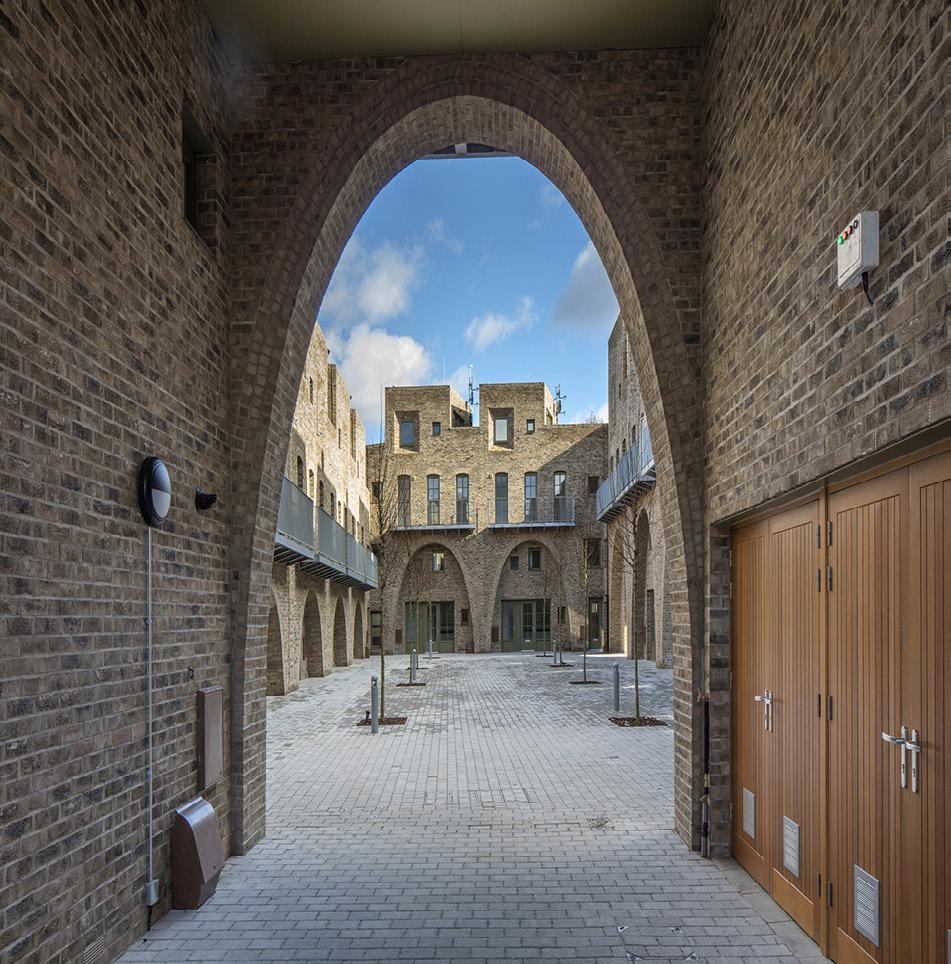
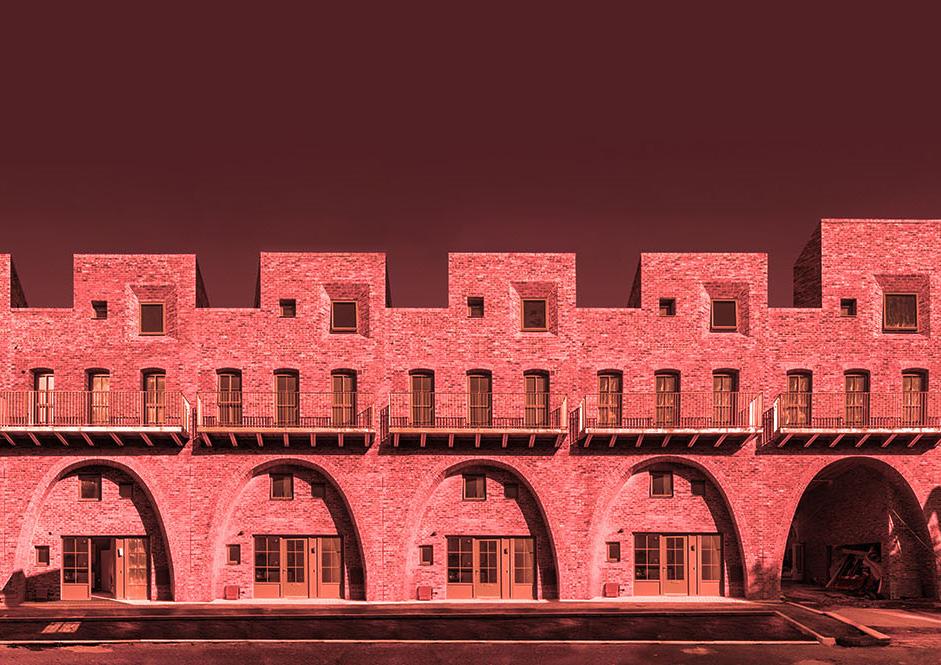
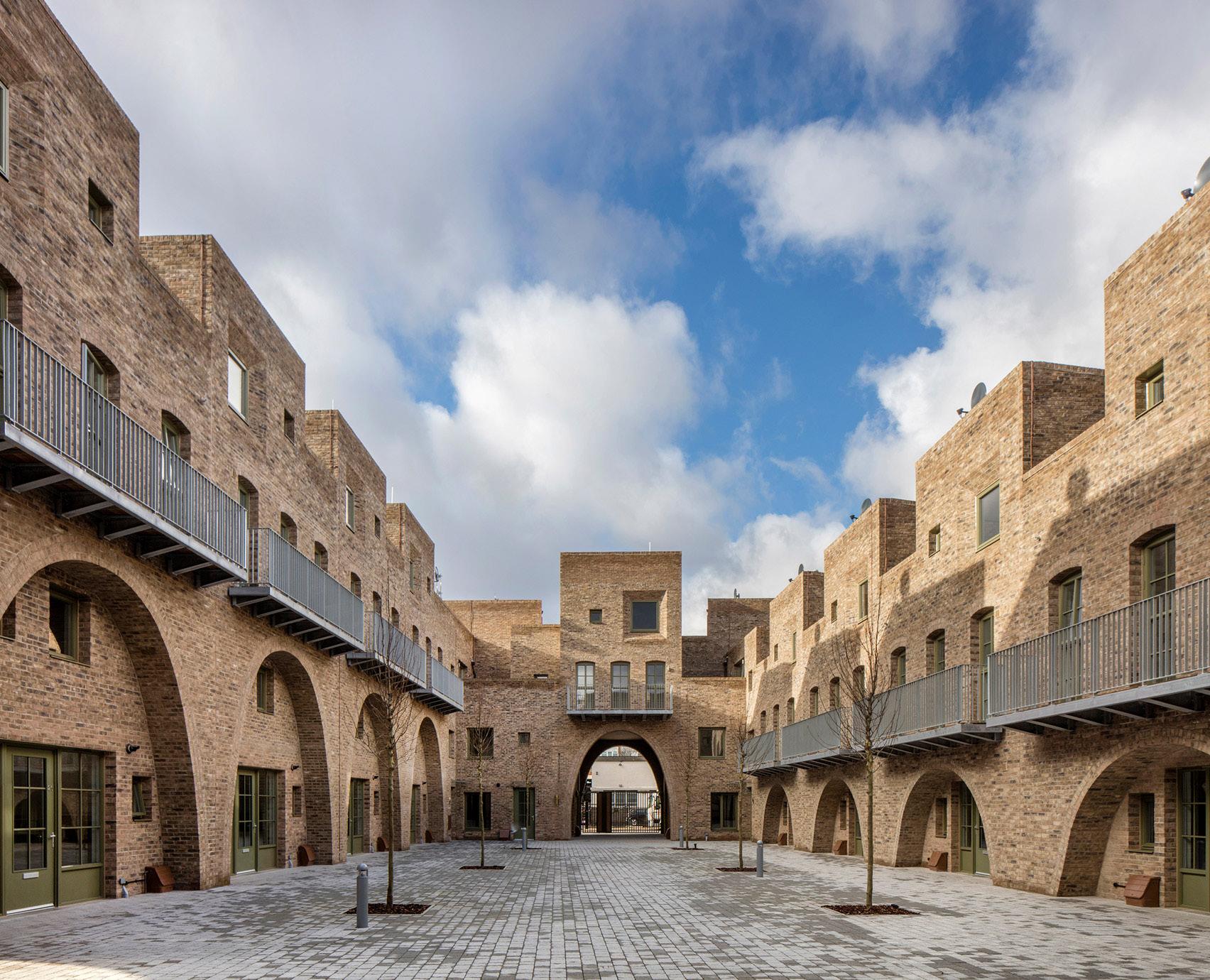
A local architecture studio in London have been implementing adaptive reuse of unused buildings and site, famous for generating housing that speaks not only for the city, but also for its individuals. Peter Barber Architects is a significant contributor to the reform of social housing, taking on a compelling approach to social housebuilding, one that diverts away from the traditional way – instead of building new homes, he takes on empty spaces that are often under-used, and finds them a new way that can be used for the benefit of people. His breakthrough social housing project, McGrath Road, features high-quality, low-rise social houses, rejecting the trend of dense, high-rise social homes. His design approach favours street-based estates that emphasises community spaces, going against the stigma of social homes as crammed spaces serving as hubs for anti-social behaviours. The McGrath Road project has won several awards, the most commendable one being the Neave Brown Award for Housing, admiring this project as an ‘’ imaginative street-based architecture [that] can be socially progressive and architecturally
engaging’’. Projects, similar to Peter Barber, shows the potential that adaptive reuse can have in revitalising the social housing market, dismantling the negative connotations of social housing as ‘’housing for the poor, who are anti-social’’, and instead improving its reputation as housing for flourishing communities and families in need. To an extent, social housing in England can become more affordable by working with not-for-profit organisations to create housing that serves people in need, limiting the opportunity for others to exploit this market, and allow social housing to be on the same market as private housing, hence creating a balance within the housing market and reducing the pressures on both private and public housing.
ABOVE is the view towards the central garden of the estate, a crucial aspect of many of Peter Barber’s housing developments
Whilst adaptive reuse is not the silver bullet solution that will solve the lack of affordable houses in England, it is an optimistic approach to an issue that seems to have no solution to it. However it is still important to consider that all of the housing markets are interconnected, if the private housing market cannot meet its demands, then the public housing market will face bigger demands in order to make up for the shortfall of the private housing market. Ultimately housing is for people, not for profits - it is a human necessity, an aspect which the government unfortunately do not consider when planning ambiguous housing initiatives that are always marketed as ‘’for the people’’, but eventually they all fall short of their mission.
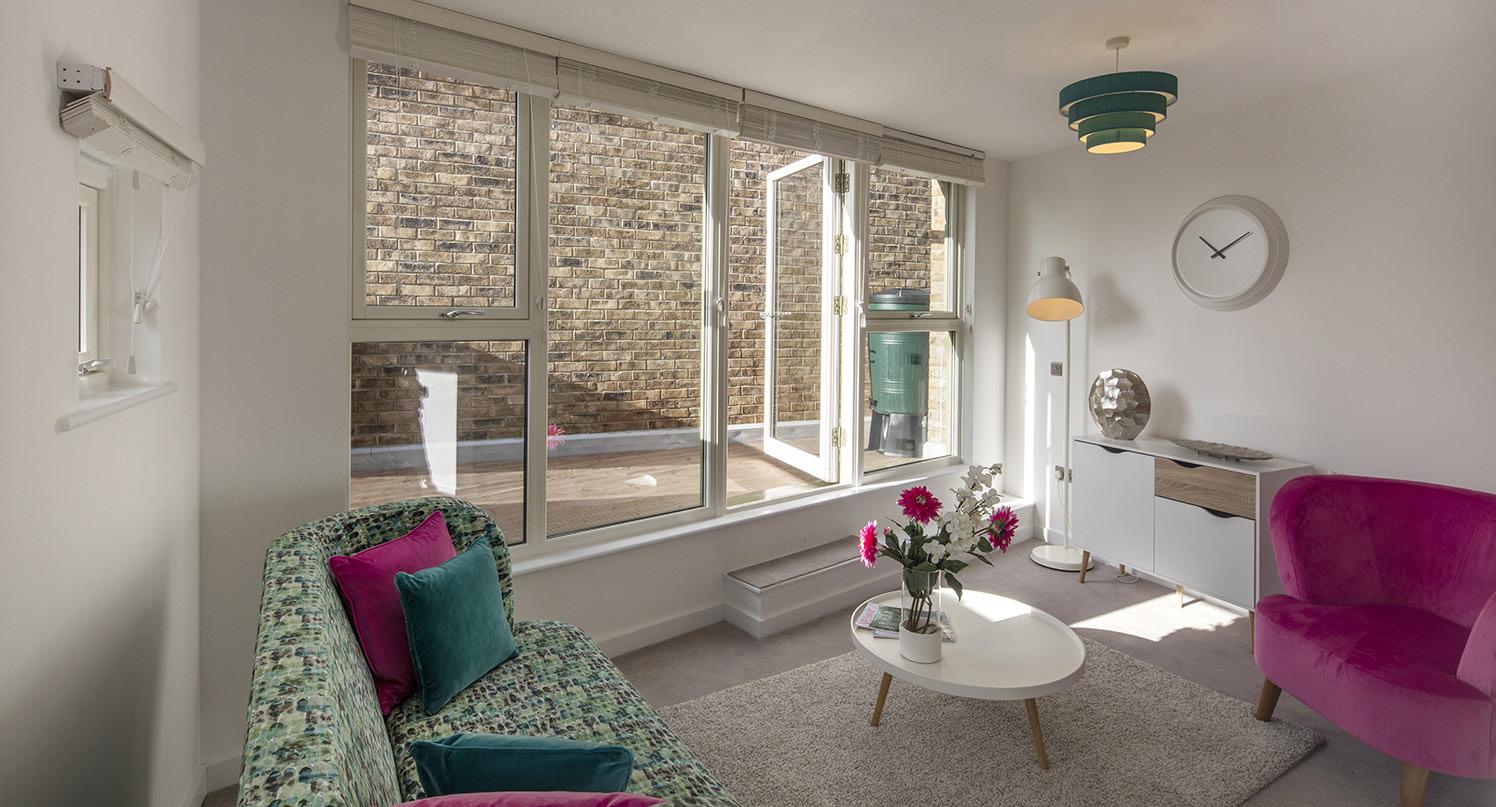
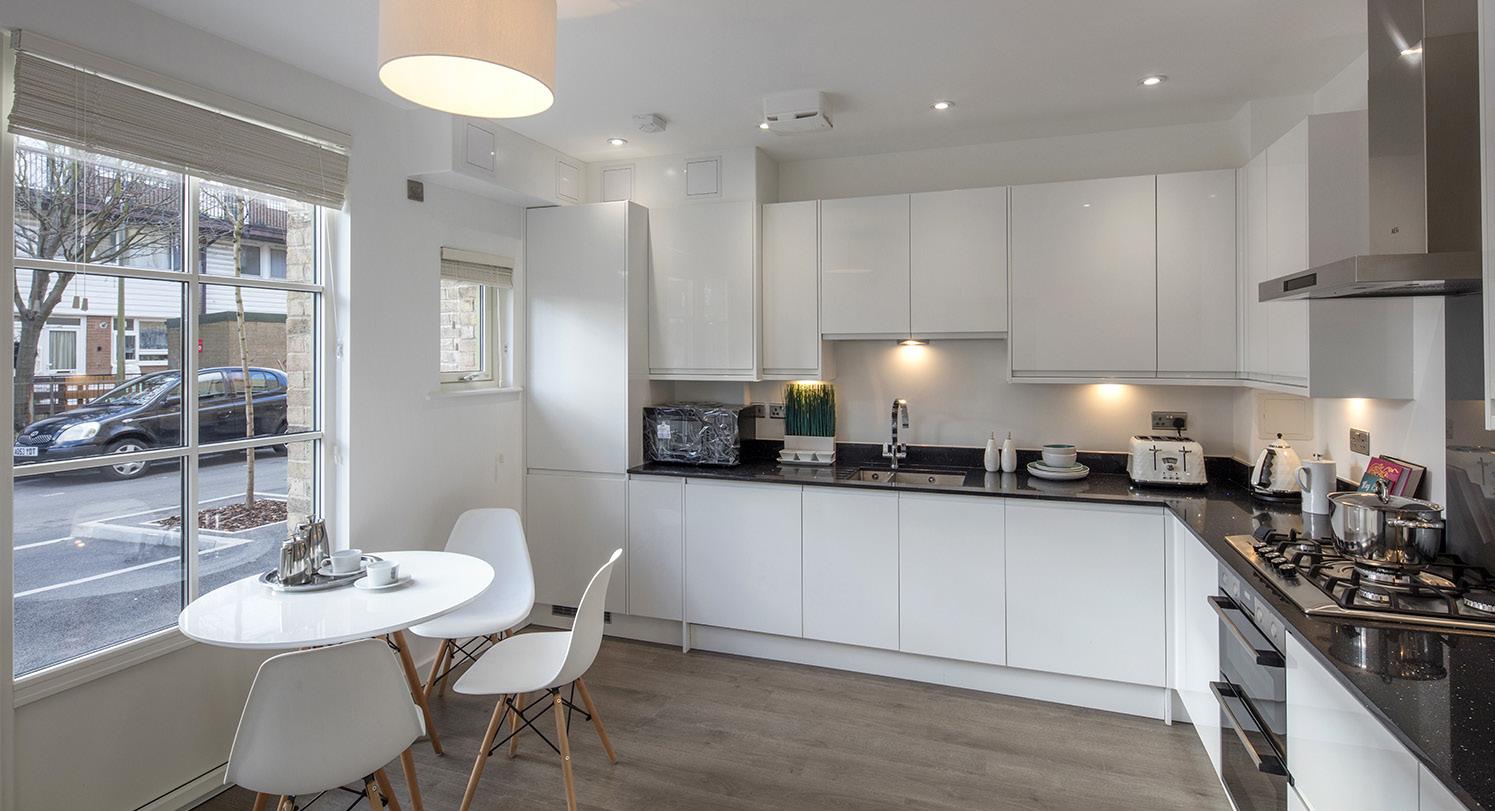
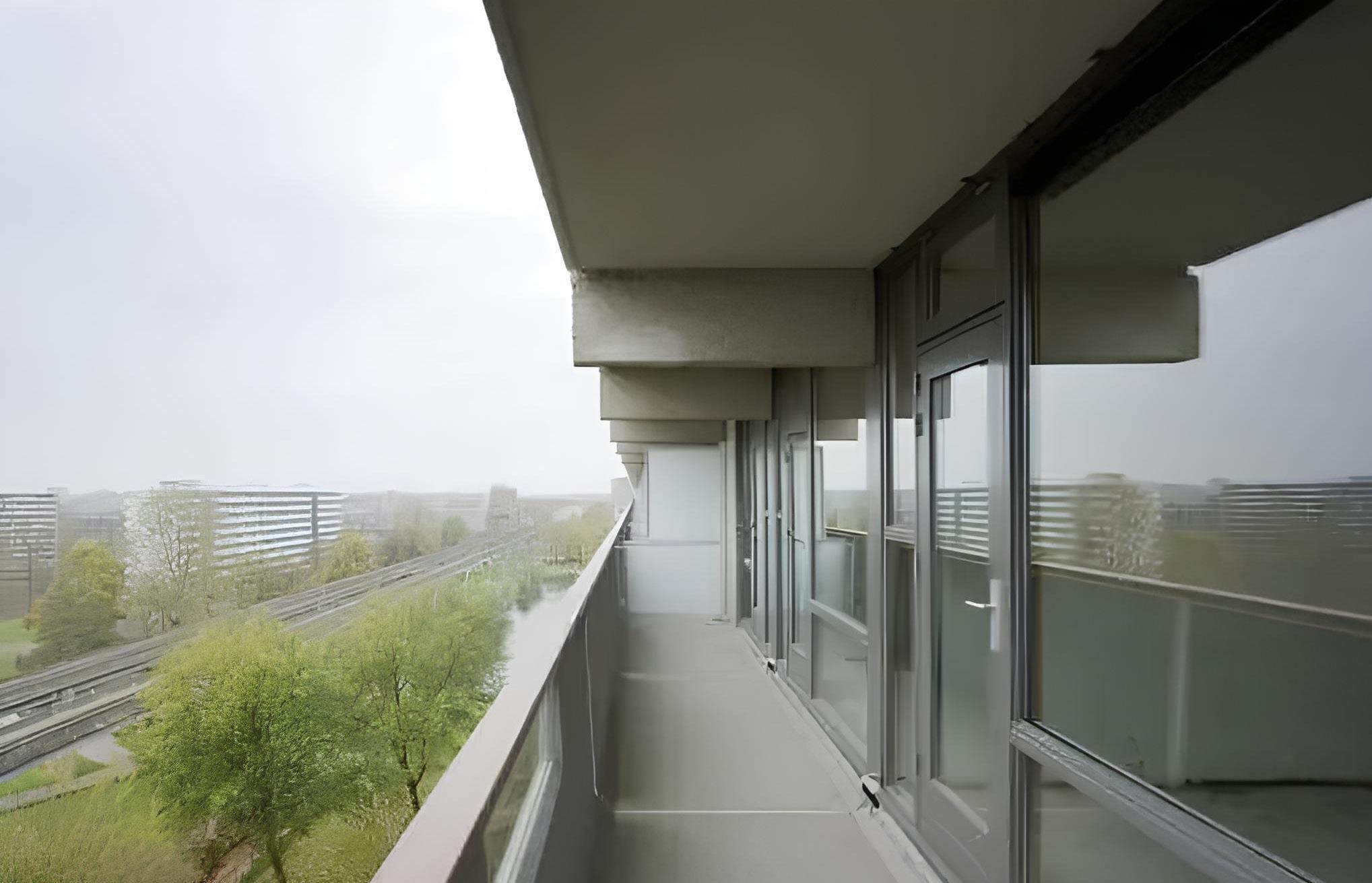
Flats without internal walls, extra fittings, bathrooms and kitchens are deemed as the next solution for tackling the crisis of affordable homes. Offering total freedom and flexibility, the spaces shared over the following pages explore the ways in which occupants can be given agency over their environment, and how this model of design can encourage for future application in the public housing market in the UK.
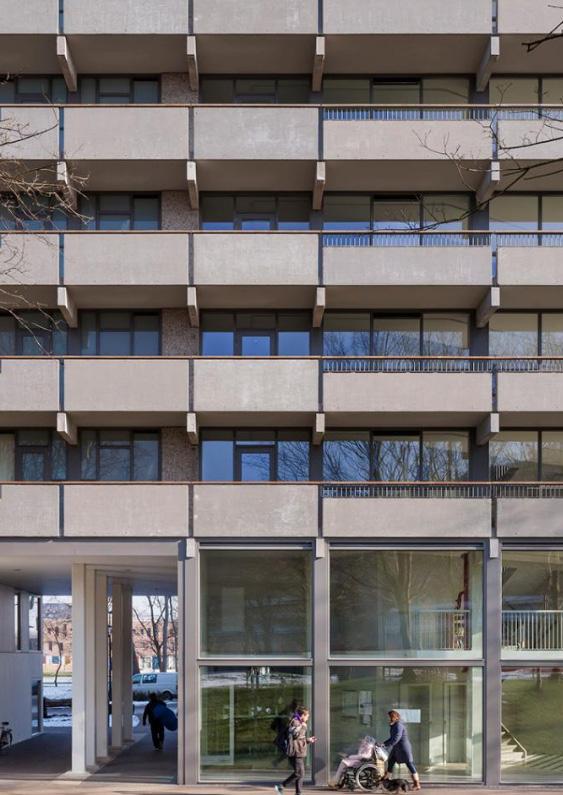
PREVIOUS SPREAD For the Kleiburg apartment building, NL Architects and XVW Architectuur have successfully renovated this post-war building, on the brink of demolition, into social housing flats
OPPOSITE The architects renovated the main structure, maintaining the original material as the original building. One of the many added amenities to the building was larger internal underpasses, which had a limited height and were not very functional. The renovated underpasses offer larger room for circulation and more scenic views.
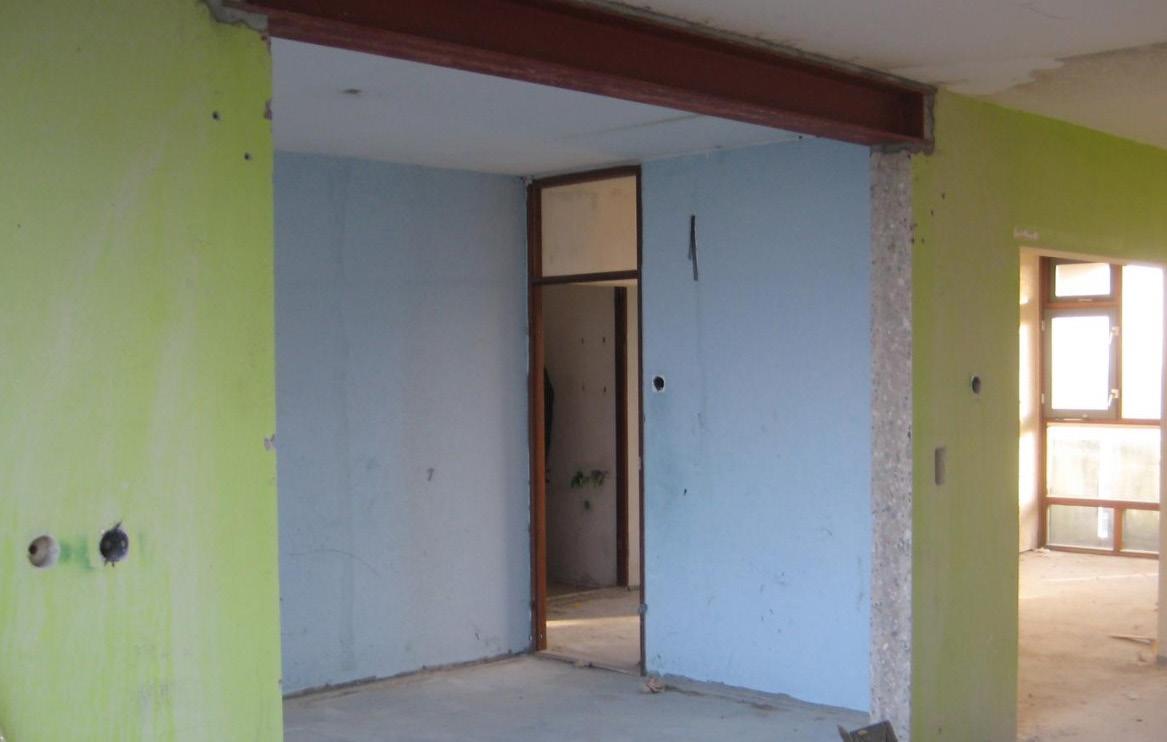
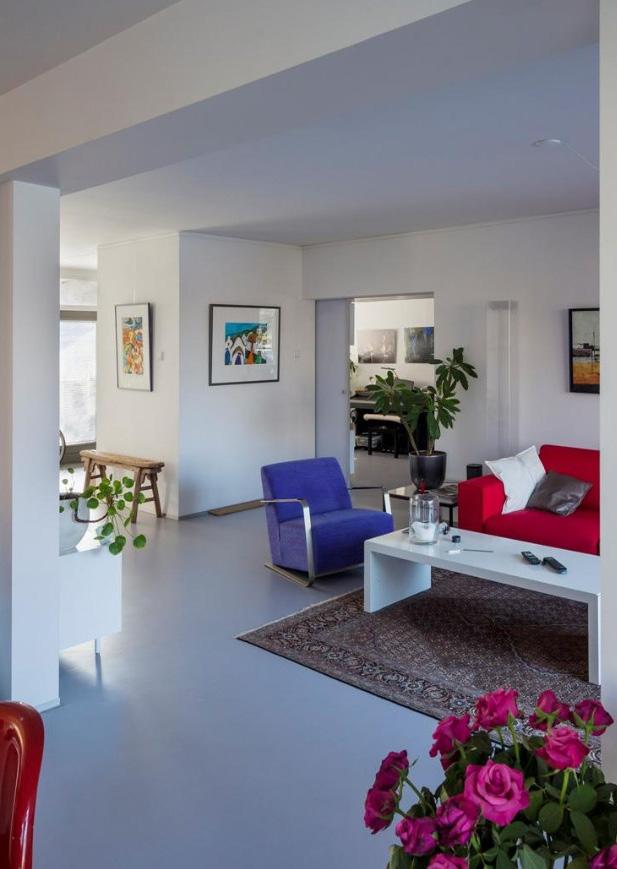
BELOW The architects renovated the structure of the flats, leaving only an empty, unfurnished shell, which the occupants have the choice of decorating it to their wishes.
OPPOSITE Being able to buy the shell for a low price meant that the occupants could furnish and decorate the flats to their likings and needs, successfully incorporating the concept of Do-It-Yourself flats that the architects tried to achieve. Occupants have the choice of combining two or more flats, vertically or horizontally, allowing for full control of how the occupants want to construct their environment.
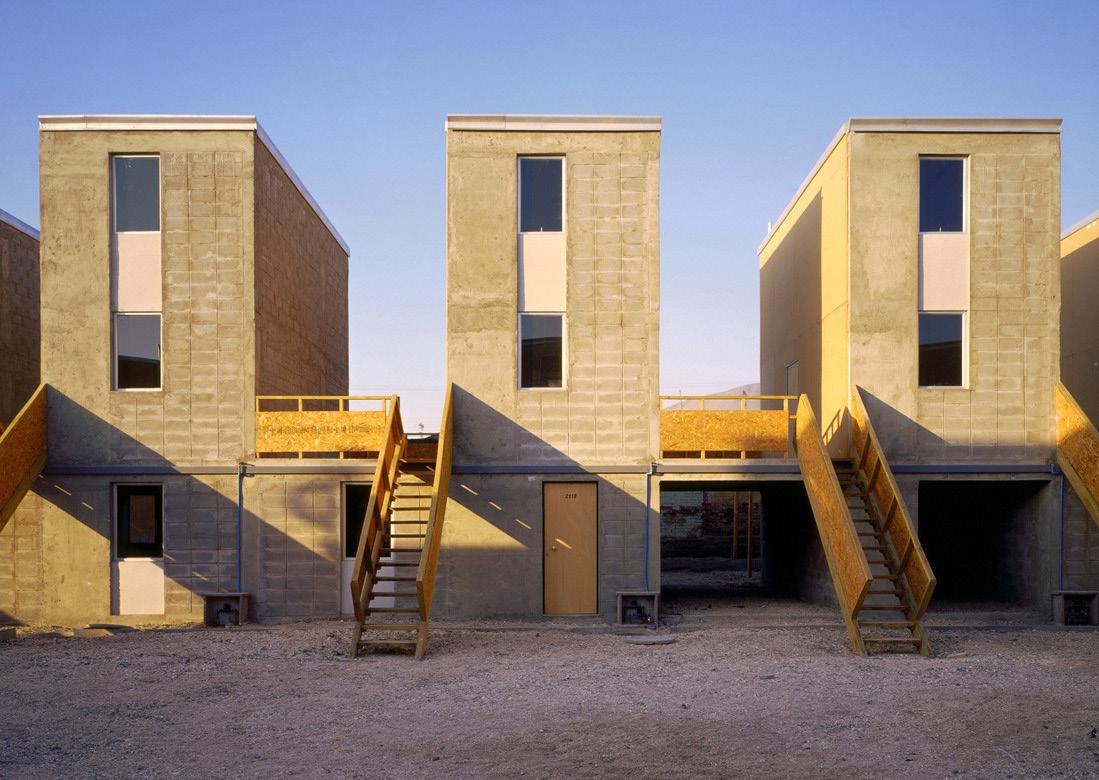
ON THIS SPREAD Quinta Monroy, the pioneering social housing model that paved the way for the trend of customisable housing units. Chilean architecture studio ELEMENTAL re-imagined the traditional housing model, where small sites often allow for small, cramped houses, but instead homes can be denser, and customisable, as well as house the existing community and avoid displacement to other peripheries. His housing units feature a ‘‘half a good home’’ that is comfortably sized, where the other half can be expanded by the inhabitants when they can afford it.
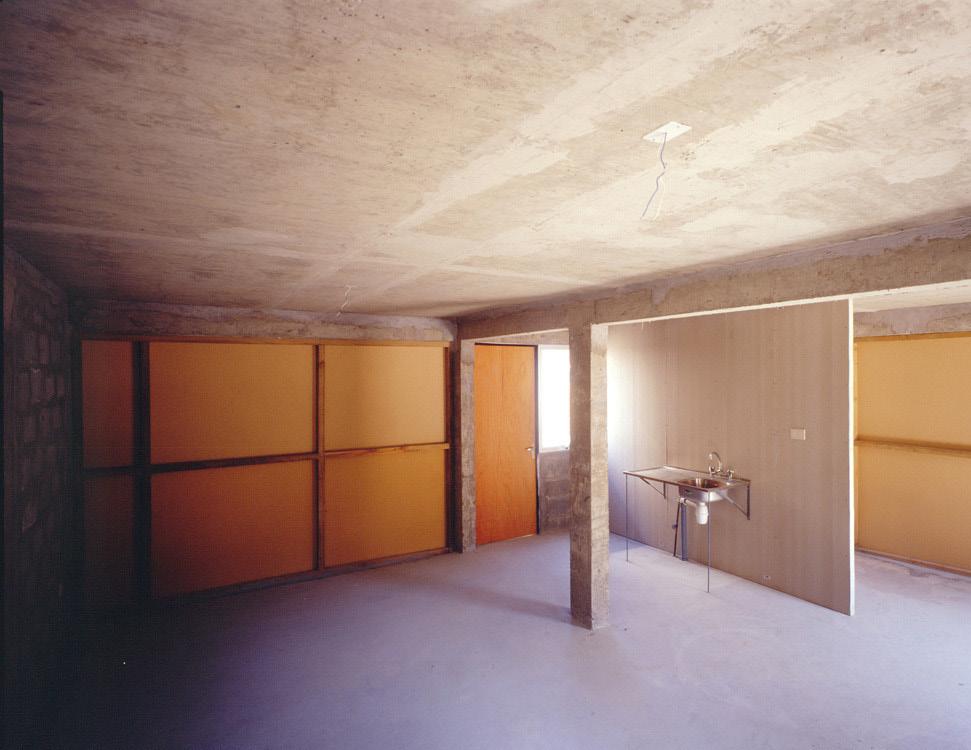
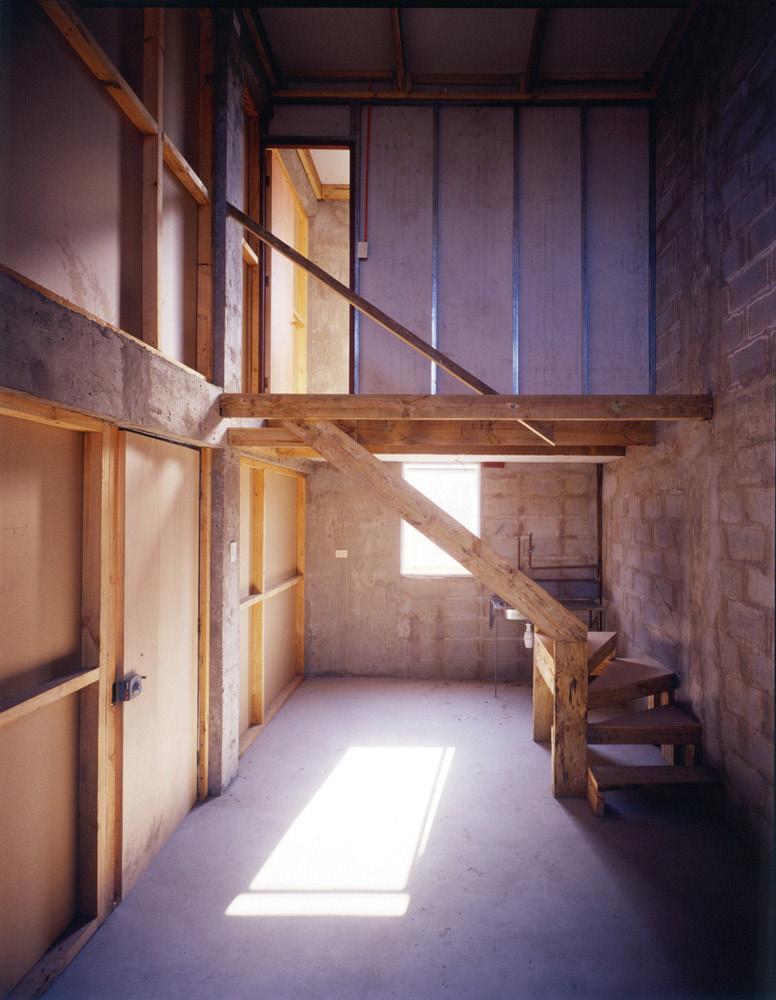
ABOVE and OPPOSITE The housing units are empty shells, fitted with the most basic necessities, such as stairs, kitchen and bathroom, leaving a vast amount of space for the occupants to design the space to their needs. Such approach allows families to adapt their homes for extensive families, and the units can go from an area of 35m2 to an area of 72m2. Such housing project can show the potential application to the housing crisis in the UK, encouraging a reform in the ways in which social housebuilding in the UK could change into housing that is more flexible around the needs of the inhabitants, and not just prefabricated, and maintain a sustainable life cycle.
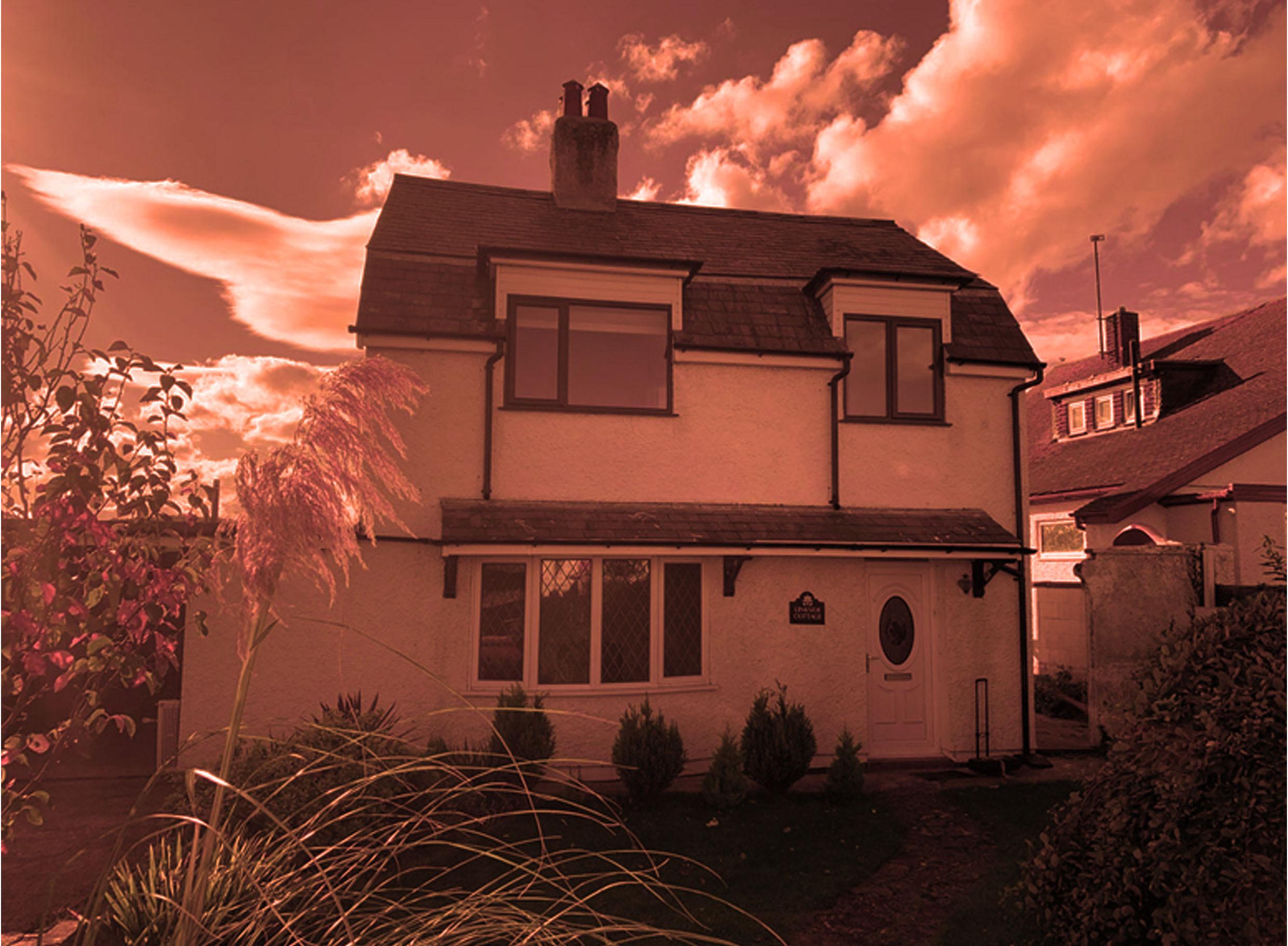
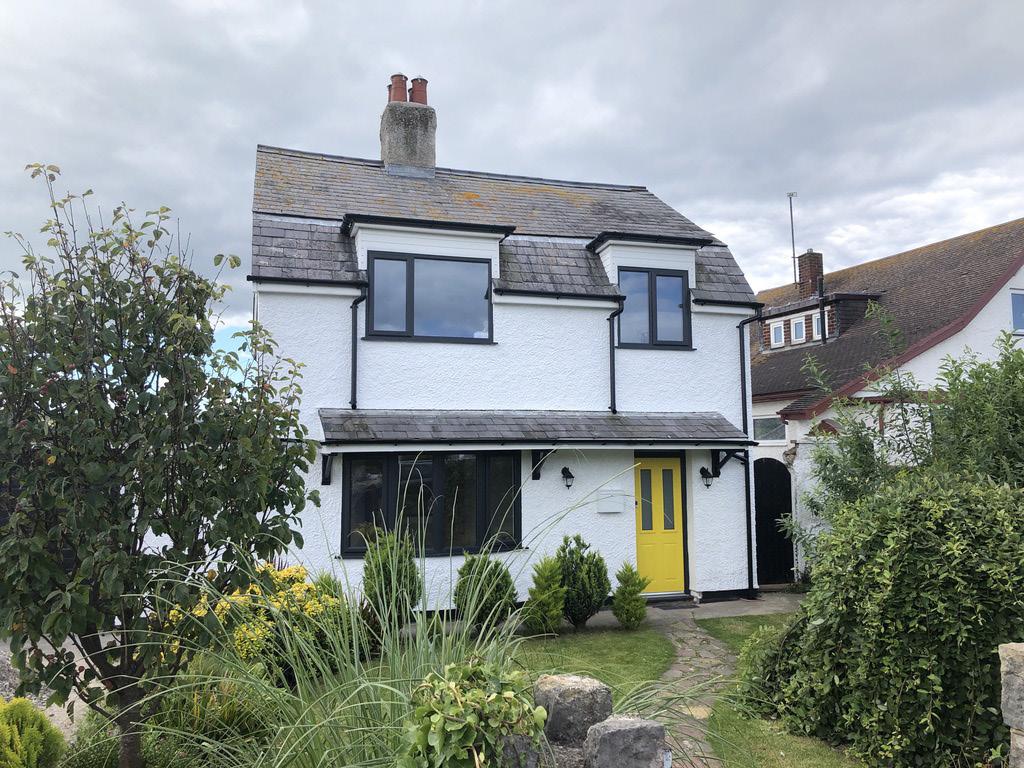
The moment you buy your first house, get the keys in your hand and you are told that it is your forever home is an exciting moment for anyone, a dream come true. You start to imagine the possibilities that you have; maybe turn the small Tudor style kitchen into an open plan with your spacious living-room? Maybe remove the existing wardrobes and open up space in your master bedroom? Even better, consider doing some work on the exterior and touch up it, make it more modern? When Ian Owen bought his home to renovate it for his wife and children, well, he had a different perspective on the refurbishment process. In this lecture, Dr. Ian Owen, the program leader for Masters in Architecture at the University of Hertfordshire is giving us insights into the process of refurbishing his home, the positives and the negatives, and the accomplishments he felt when completing this project.

The lecture starts off with Ian describing the property he bought as part of the renovation project, showing through pictures of a late 1940s house, with its outdated interior finishes and furniture. As he goes through the process, Ian takes on a very reflective approach. He is very insightful, and at every stage of the process he delivers his thoughts, mainly from an architect’s perspective. He explains the various factors that he had to take into consideration, balancing every strength, weakness, opportunity and threats that were present within the house, and how that influenced his thought process.
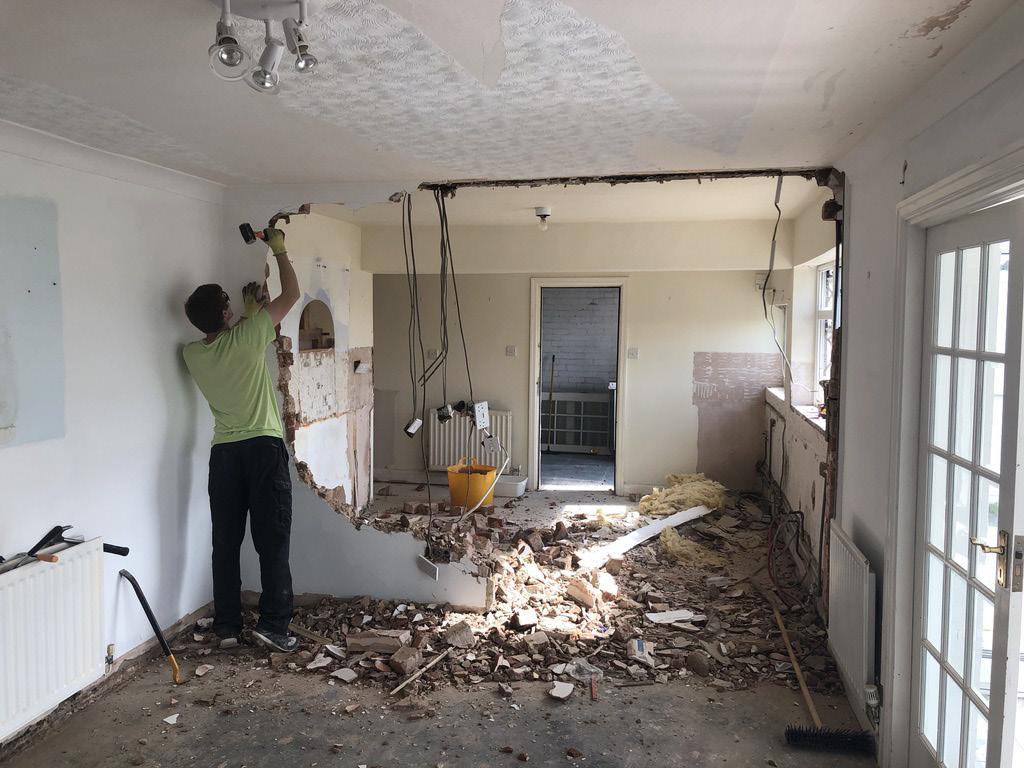
Whilst talking through the project, he makes it more clear and easy to go through by separating it into stages, similar to how an architect or designer would approach a project brief and designate tasks according to each stage. The first stage would be the ‘’Gutting’’ stage, where he would talk about his way of dealing with the elements like carpets and radiators, moving forward with the next stage of preparation of the house to carry out re-doing the electrical fixtures and components, and plumbing, before continuing with the renovation of the house. He then moved on to talk about renovating the existing conservatory with a new one, as the existing conservatory was not handling the current climate
very efficiently, as well as the style was not up-todate. The last few stages covered the refurbishment of the walls, floors and doing the finishing with the architectural detailing of various elements, such as the floors, doors, kitchen fittings and furniture. As he was explaining through the tasks of every stage, Dr. Ian Owen showed great wealth of architectural knowledge, further enforcing his experience and skills as an architect, which for me made it easier to understand the process of the renovation, as well as taking away great wealth of tips and advice when taking on similar projects in the future.
Often, house renovation projects are made to feel straightforward, where it is thought that it can be a job done in a short time, for example a couple of weeks. However, Dr Ian Owen proves otherwise; it is a prolonged project, which involves long-term commitment, endurance to face various challenges along the way and find appropriate solutions to solve them. Nevertheless, at the end of it is a rewarding job, since the people who will call this place their home is the architect who managed the project from start to finish.
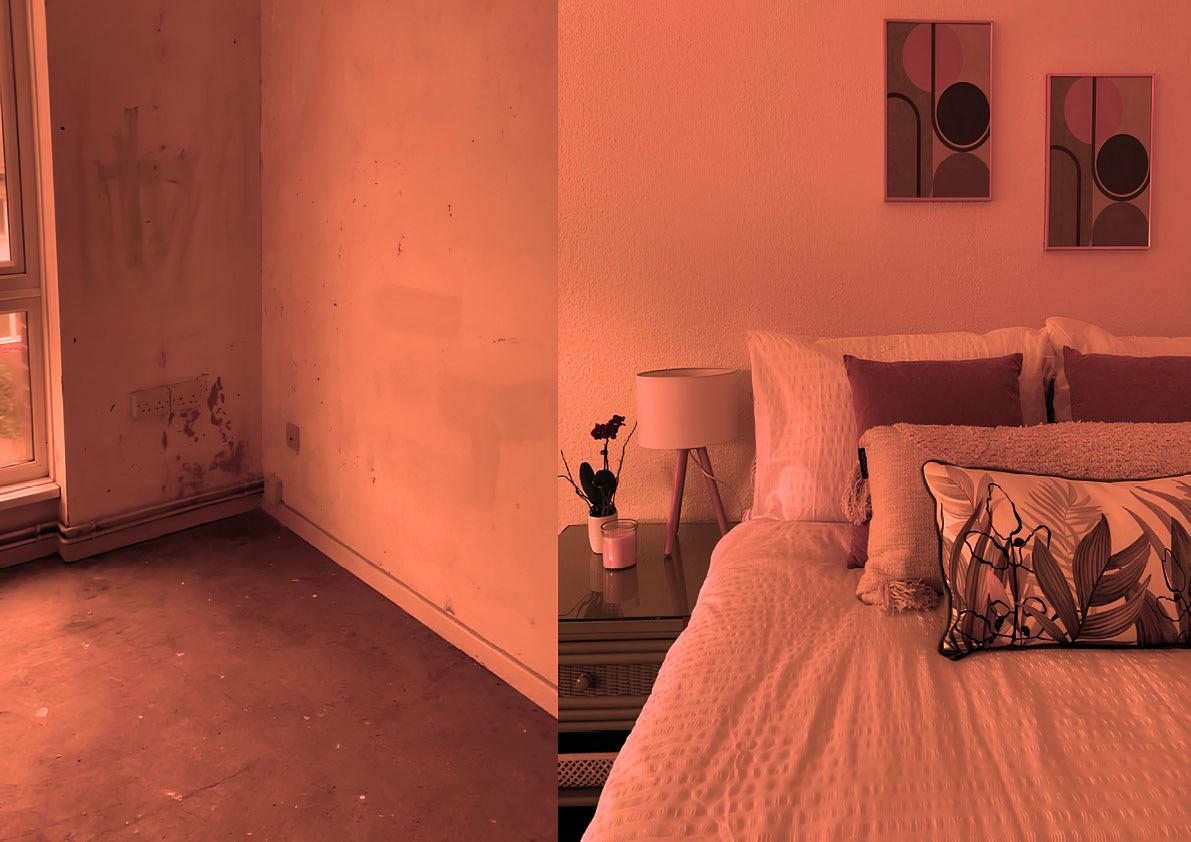
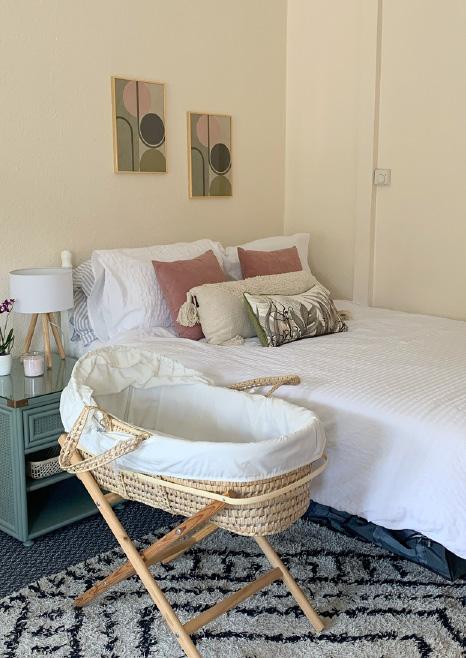
Interior design, as an industry, has renowned itself for its aesthetic, yet elegant, side. You might have seen a pretty showroom of a living room, wishing that yours would just like it, with that nice, leather sofa and the soft carpets, and those ambient lamps and the silky curtains. Or you might have went to a hotel room and admired the decorations that filled the space, transporting you to another universe. Whilst interior design is popular within public spaces, not many have adventured into this one type of spaces, often overlooked – social housing. This is what Emily Wheeler, founder of the furniture project Furnishing Futures, aims to change about furnishing for social housing.
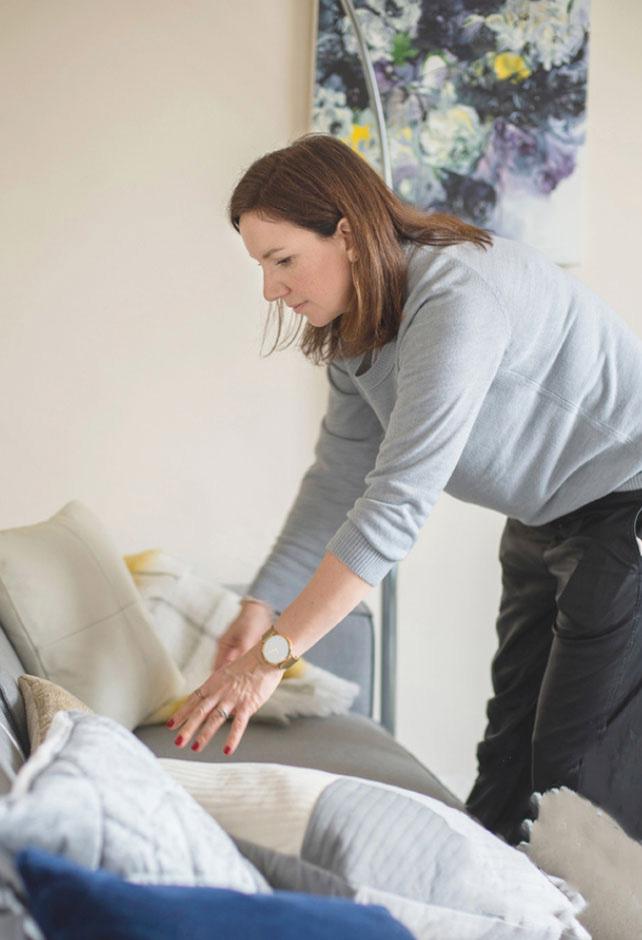
I have talked with Emily Wheeler, the founder of Furnishing Futures, about the project and their scopes. Furnishing Futures is a charity that combines interior design with social work, to deliver safe, furnished homes for women and their children who have fled from their homes as a result of domestic abuse, and are looking to start again and provide a safer, better future for themselves and their children.
Emily Wheeler, the founder of the charity, has years of experience as a social worker, but she is also a registered interior designer. Having seen the issue of furniture poverty growing in severity and women not having enough social and monetary support to move into their empty social houses, she opened Furnishing Futures in 2019, starting out as a furniture refurbishment project, to tackle the issue of furniture poverty experienced by women moving into these empty social houses.
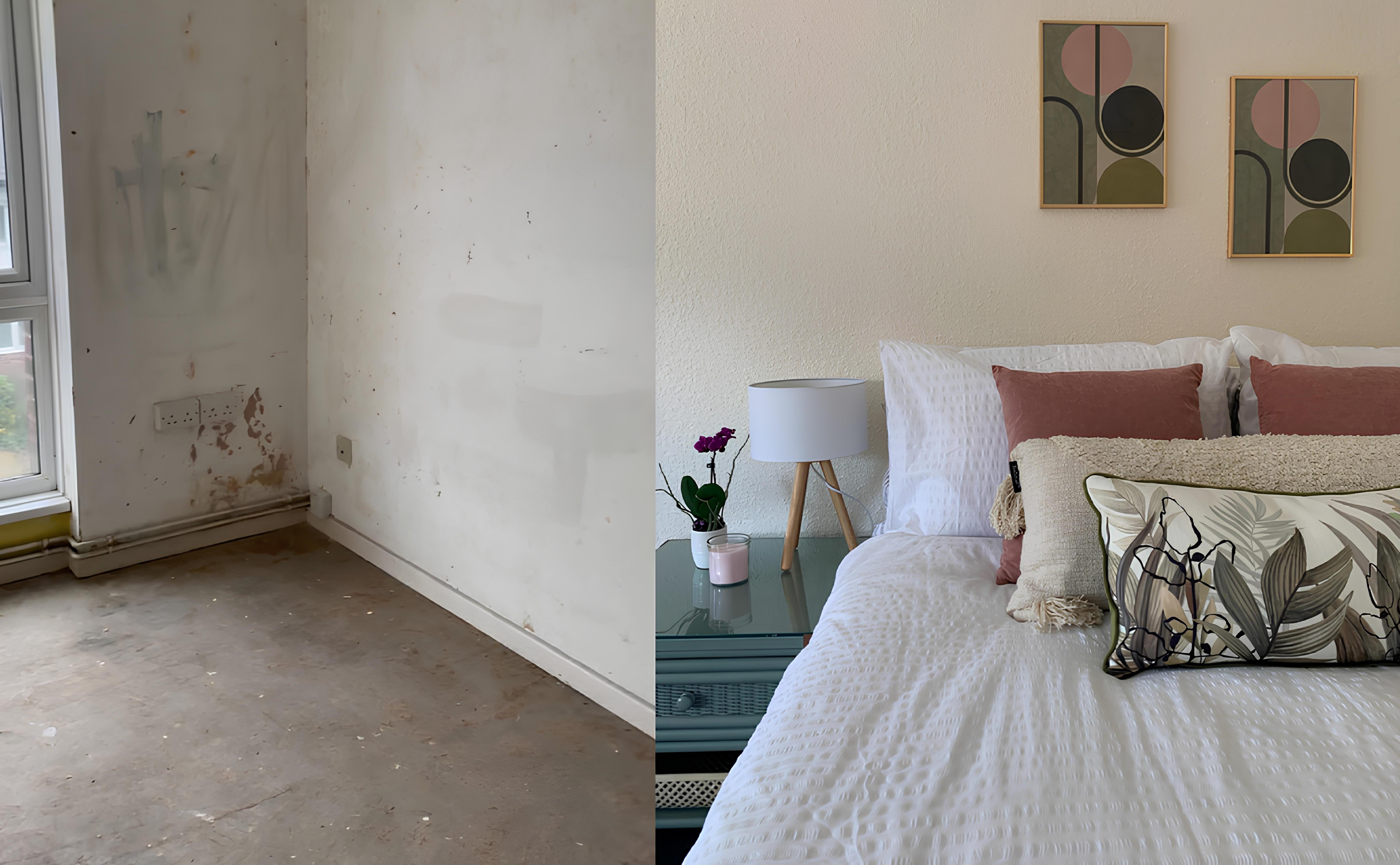
“Having a beautiful healing home that meets all their needs helps women feel safe and valued; makes it less likely they will return to the perpetrator; helps to break the cycle of poverty and gives women a foundation to rebuild a safer life for them and their children.’’, explains Emily as she describes the uniqueness of Furnishing Futures.
As the charity grew, so did the number of cases of women, who had to move out of their homes due to domestic abuse, and had to be housed in cold, empty houses. ‘’We are the only furniture project in the UK to create trauma-informed healing homes, fully furnishing and decorating homes at no cost to our beneficiaries. This includes flooring, painting and white goods. We use trauma-informed design to create healing, restorative spaces that nurture and uplift women and children who have experienced domestic abuse or the impact of poverty. We use biophilic, evidence-based design principles that harness the healing power of natural light, shapes and materials to create healthy, healing homes, centred on beneficiaries’ needs’’. The charity’s approach to their design process is all about working with the beneficiaries and discussing the choices available throughout the process, as it helps them to create beautiful homes that are designed well.
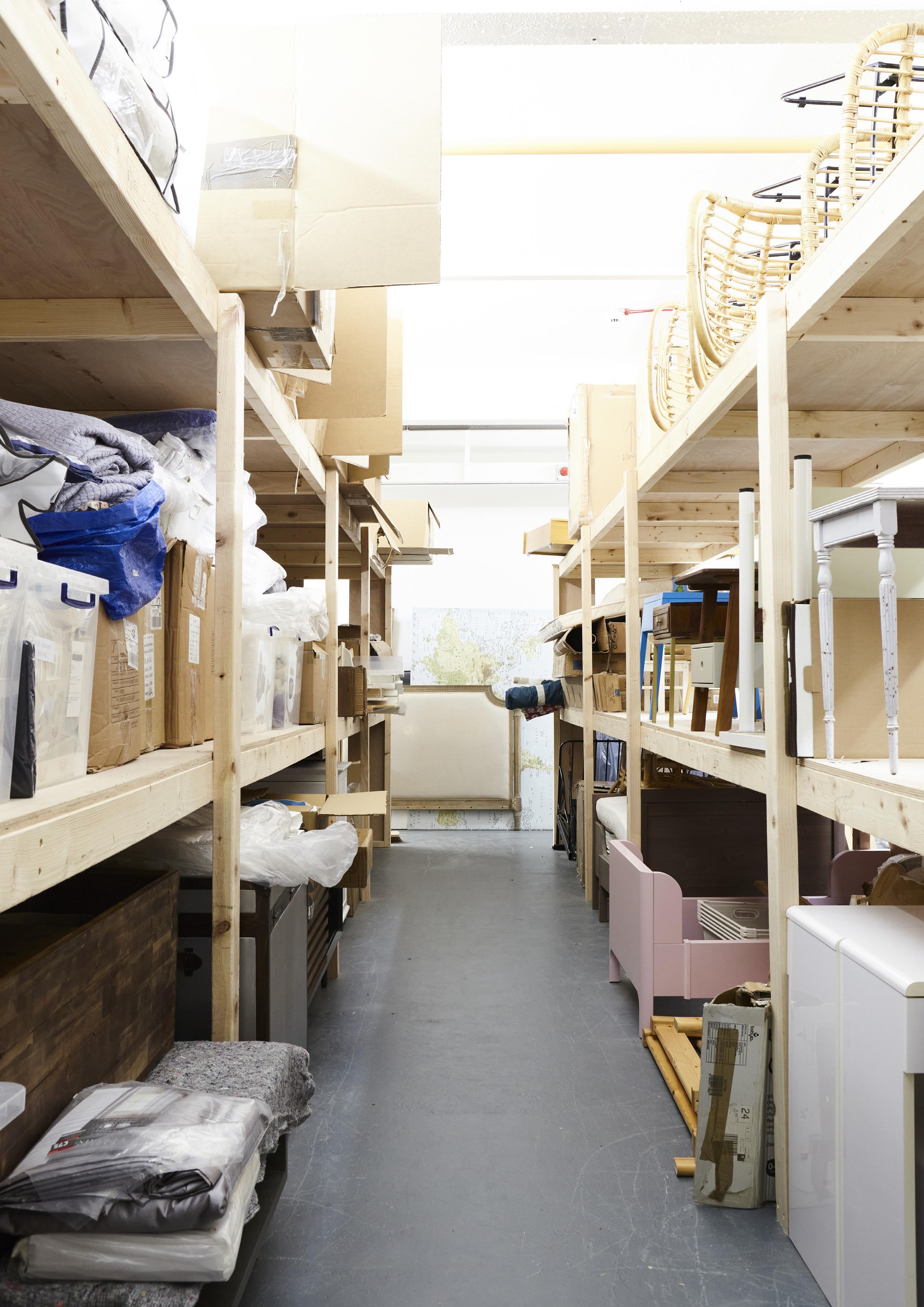
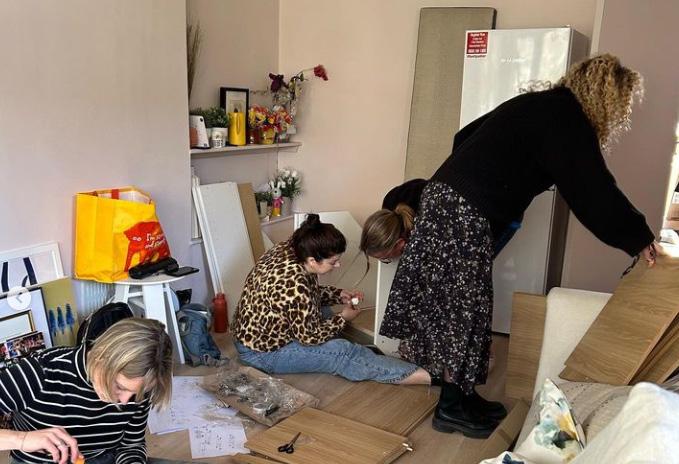
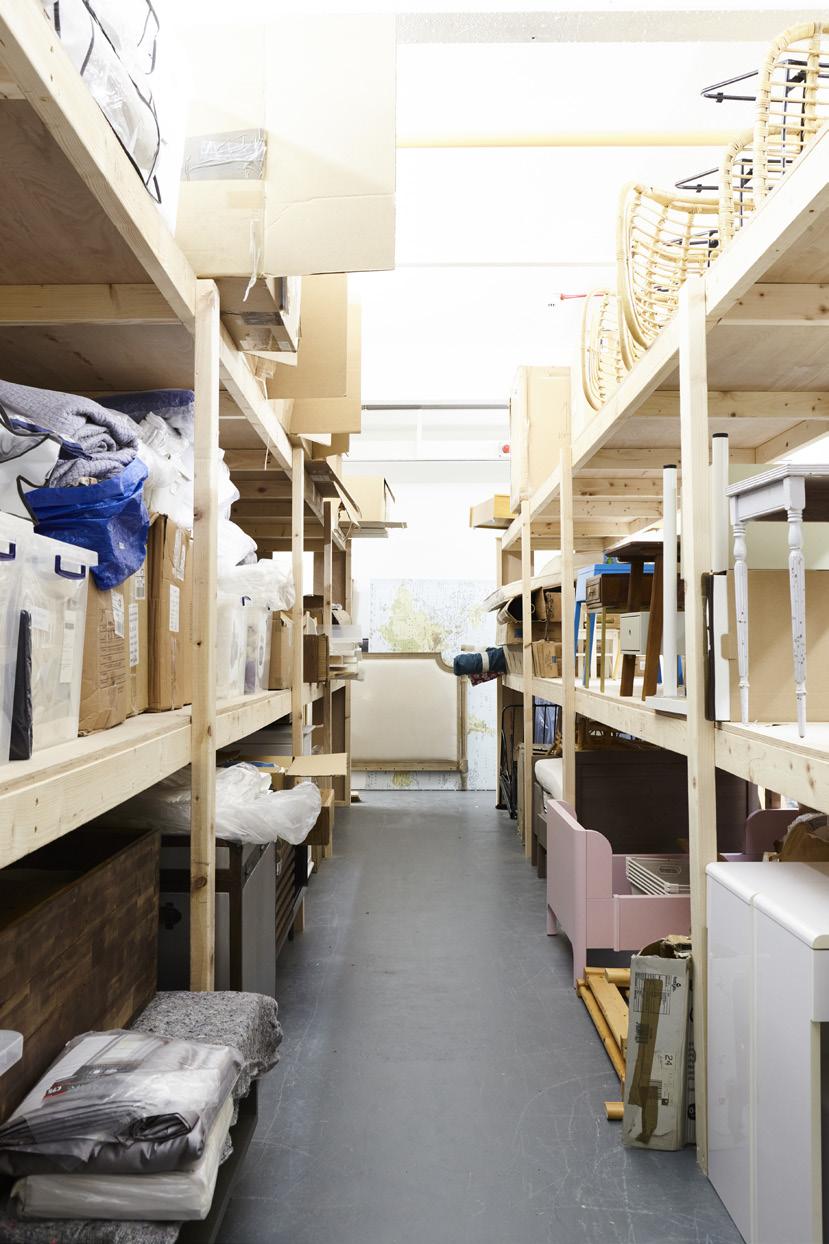
Furnishing Futures have a warehouse in Leyton, London, where they receive donated, high quality products and appliances from both people and brands, that might have otherwise been thrown to landfill. They use the donations in their cause, where they sell some of them as a way to create funds for their projects, and using the rest directly in their live projects. Within the warehouse, they also assemble and fix up the pieces of items that they also receive, whether it is a disassembled sofa or an armchair that has been thrown away because of small imperfections that is otherwise in good condition.
Emily’s work has definitely made a change within the community of women who had fled their homes from domestic violence, and is hoping to bring greater changes using her platform in the near future, potentially implementing this model not just in London, but also nationwide.