The Garden Of Regeneration
Matt Carapiet Prize Winner.
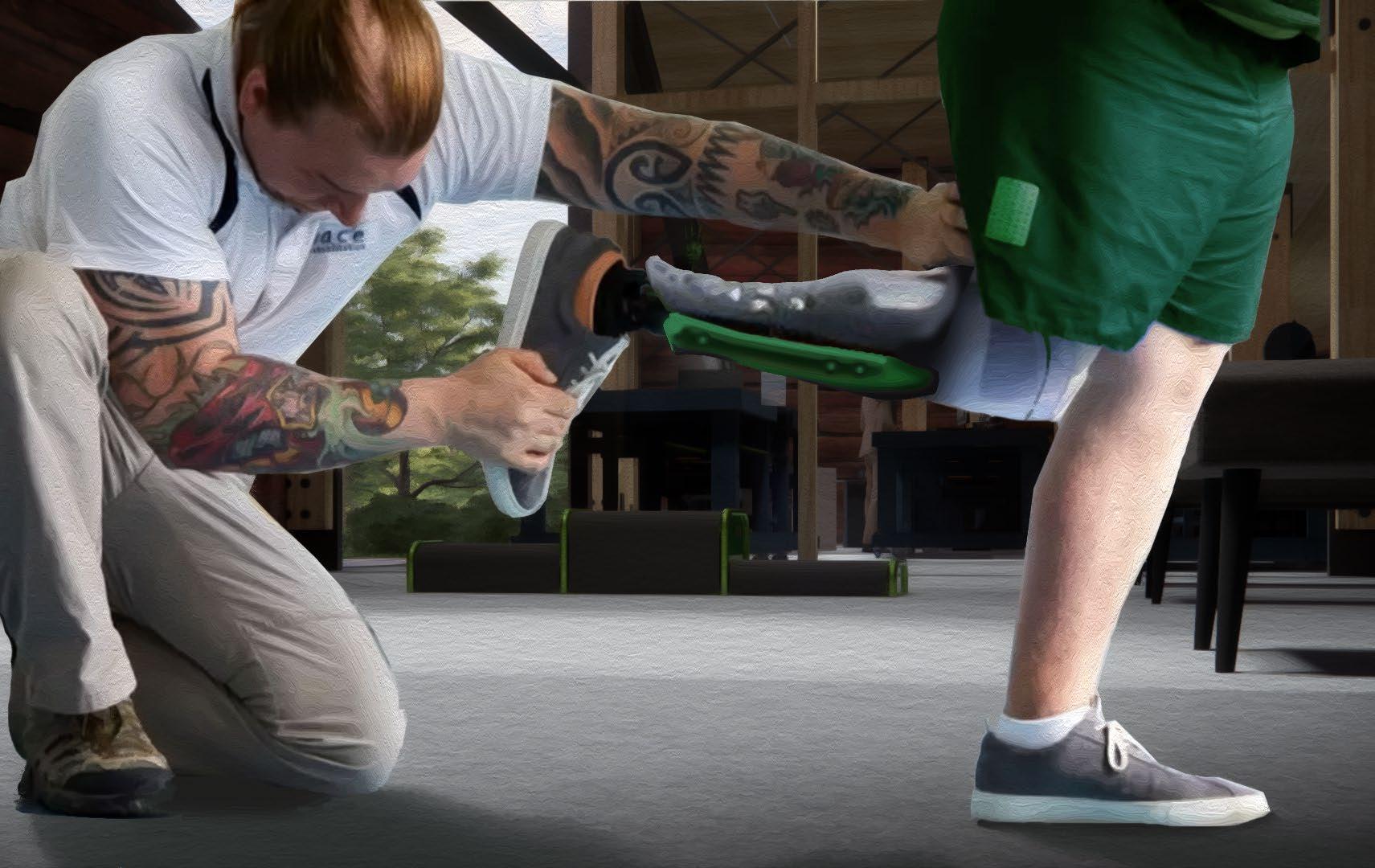
This thesis explores the journey of convalescence of the amputee, responding to perceptions of the prosthesis and the healing proccess. The building cultivates algae into 3d printable filament to create the prosthetics.
The Centre is a prosthesis of the hotel, embracing the on-site trauma of the previously demolished office block, once connected to the hotel.
Convergence
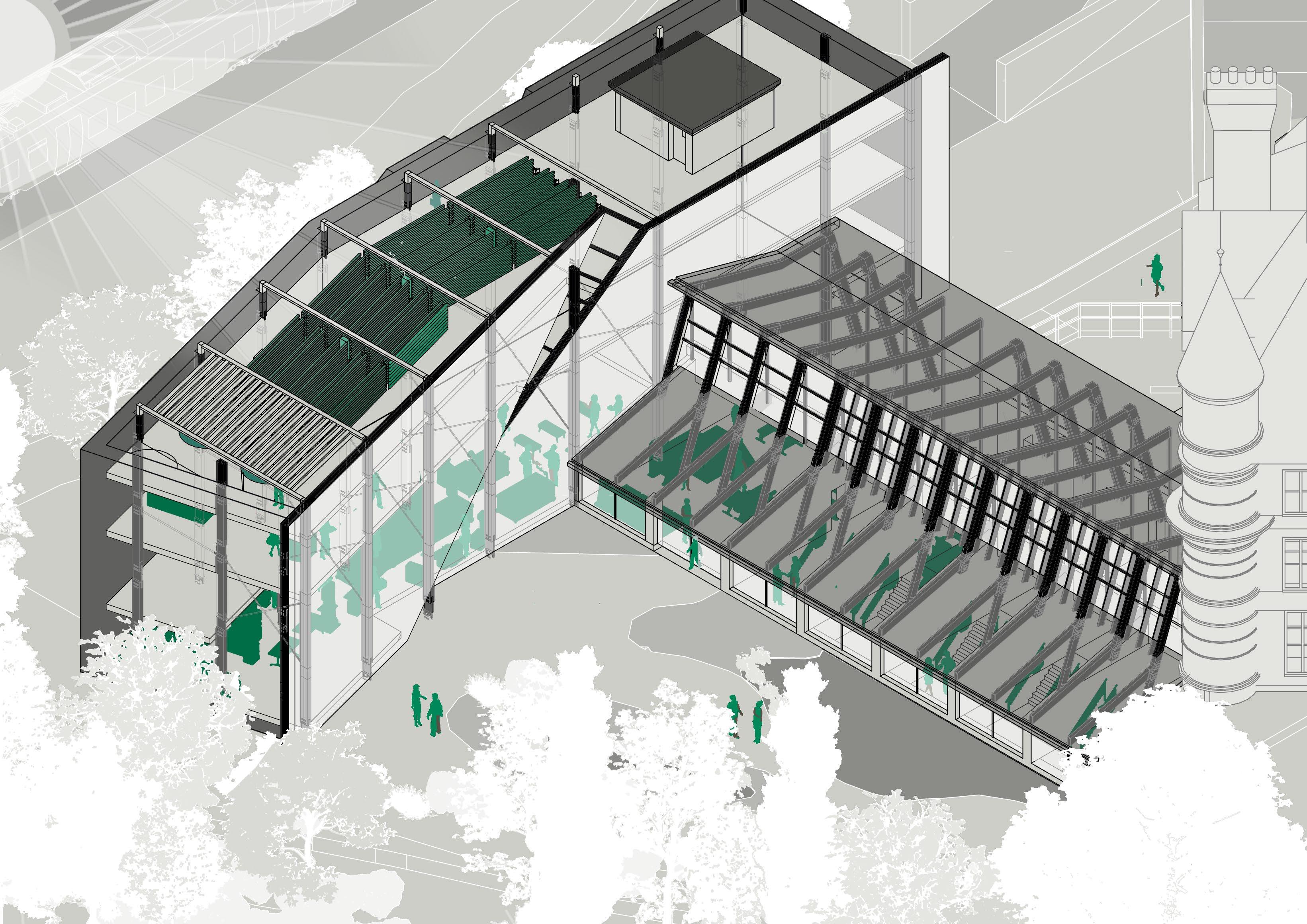
The two functions, healing and manufacturing, converge. This provides a journey for both the amputee and prosthetic, forming independent narratives whose journeys are finalised at the same point.
Formulating Spaces
Each space is nestled within rammed earth to generate comforting, secure spaces. Each space would maintain a close connection to the garden.
Cultivation Designing and Printing Manufacturing
Fiting and Testing Amputation Mental Therapy Physical Healing
Algae
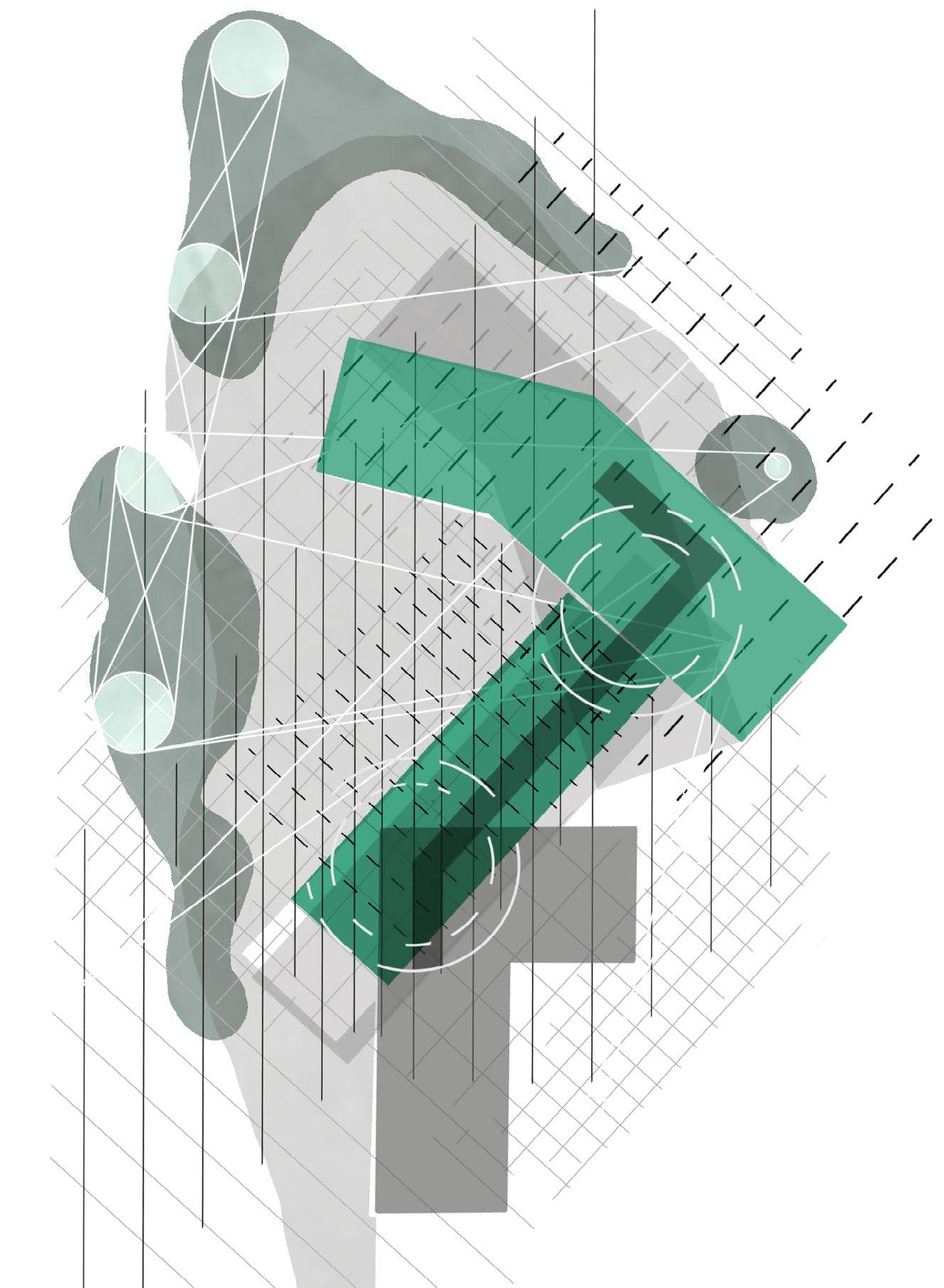
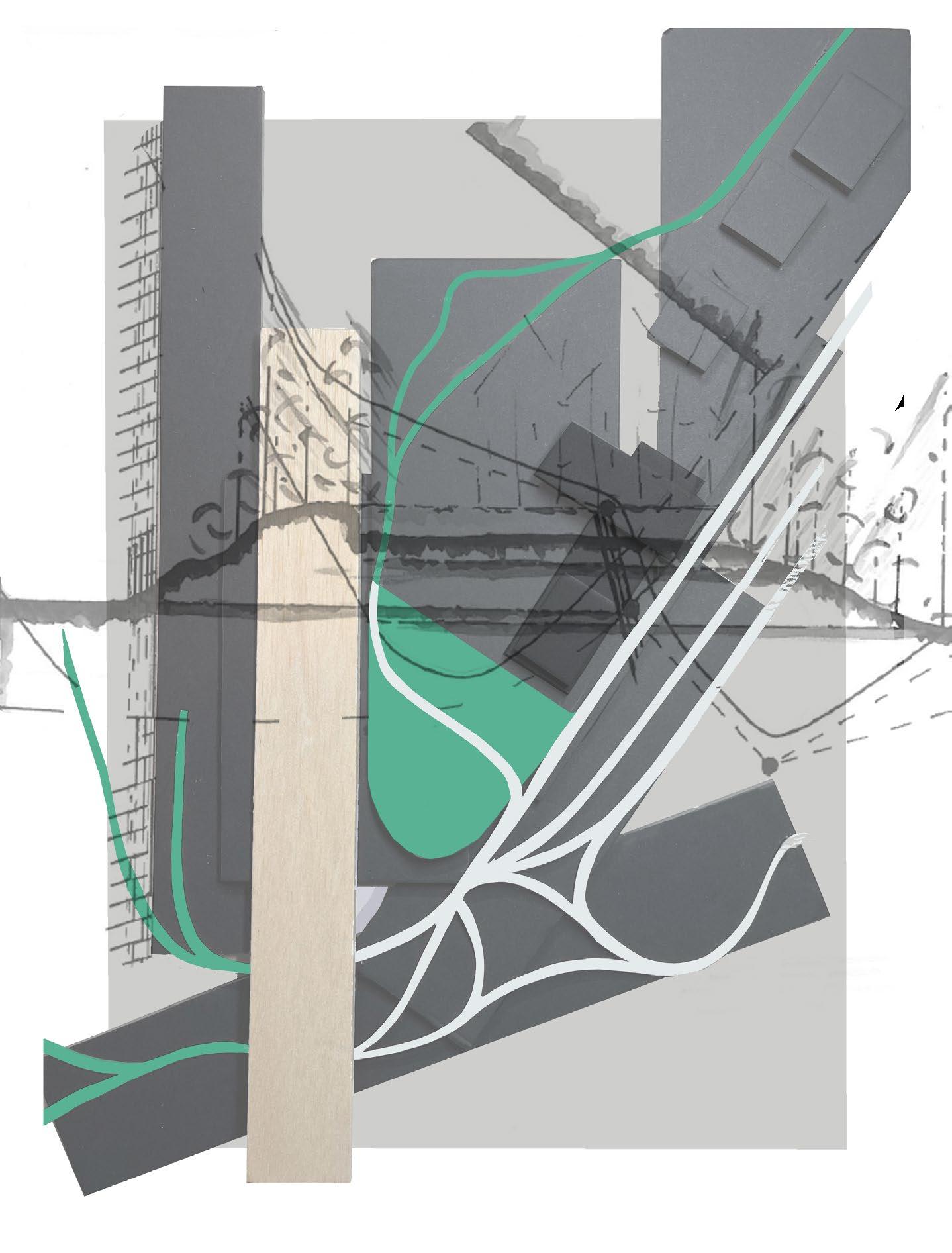
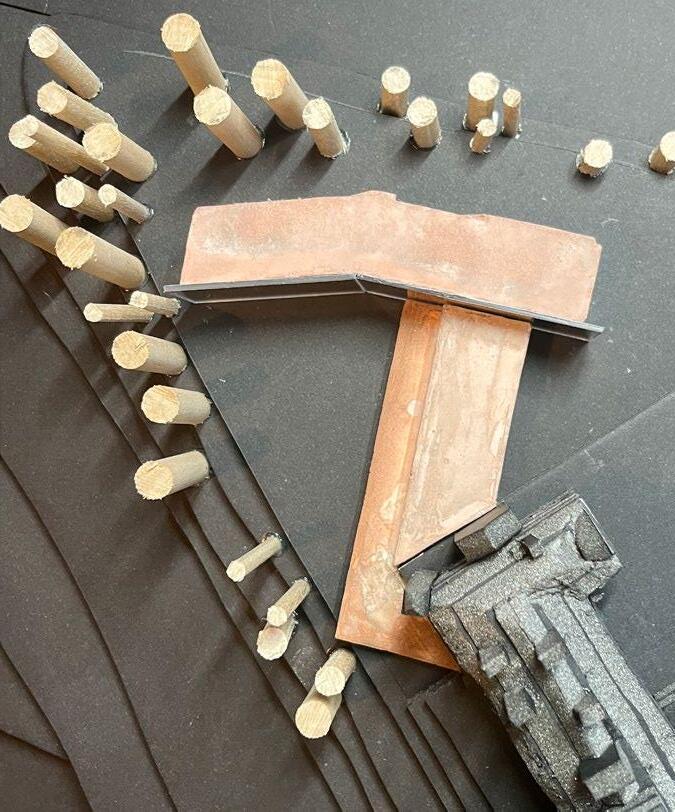
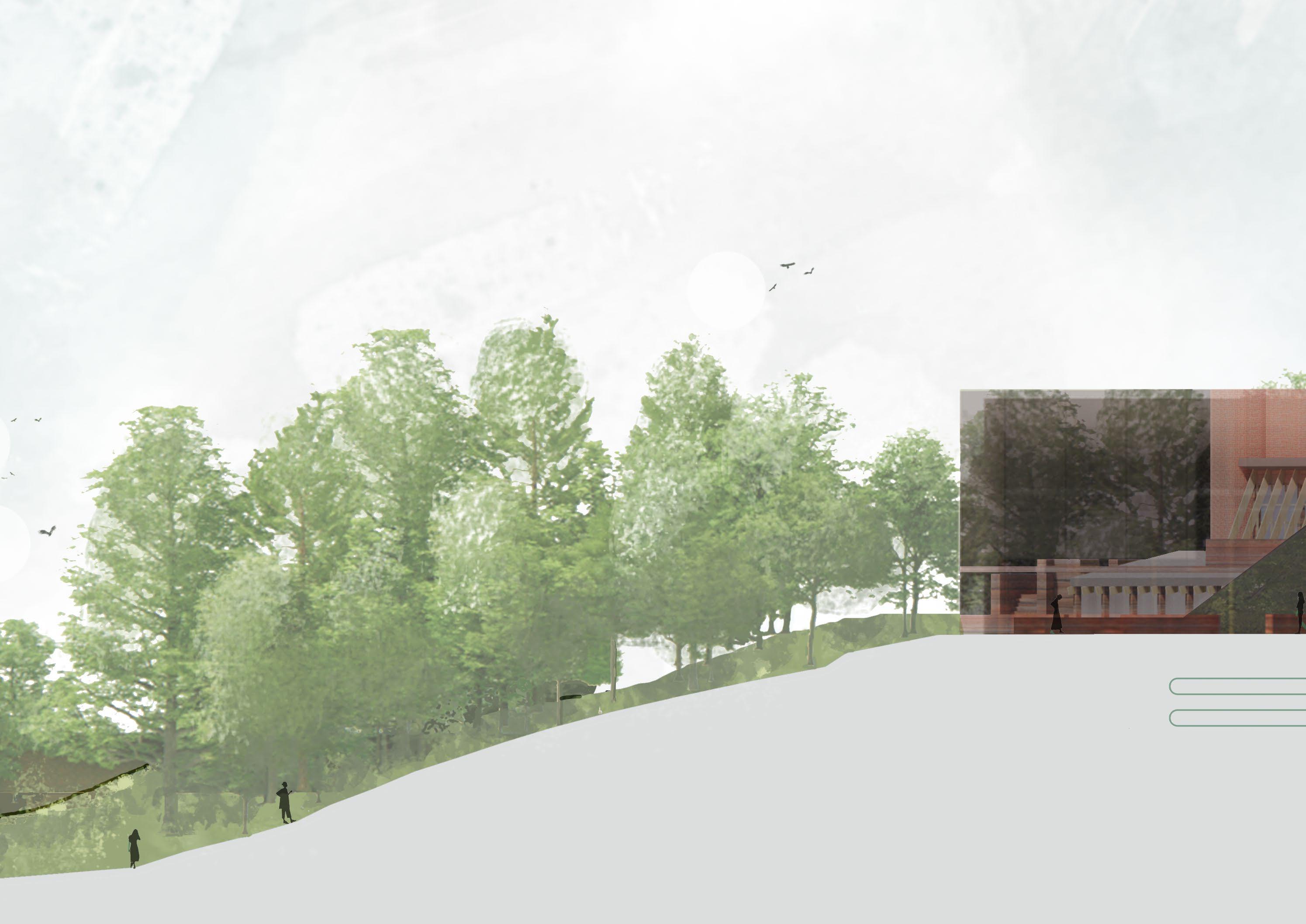
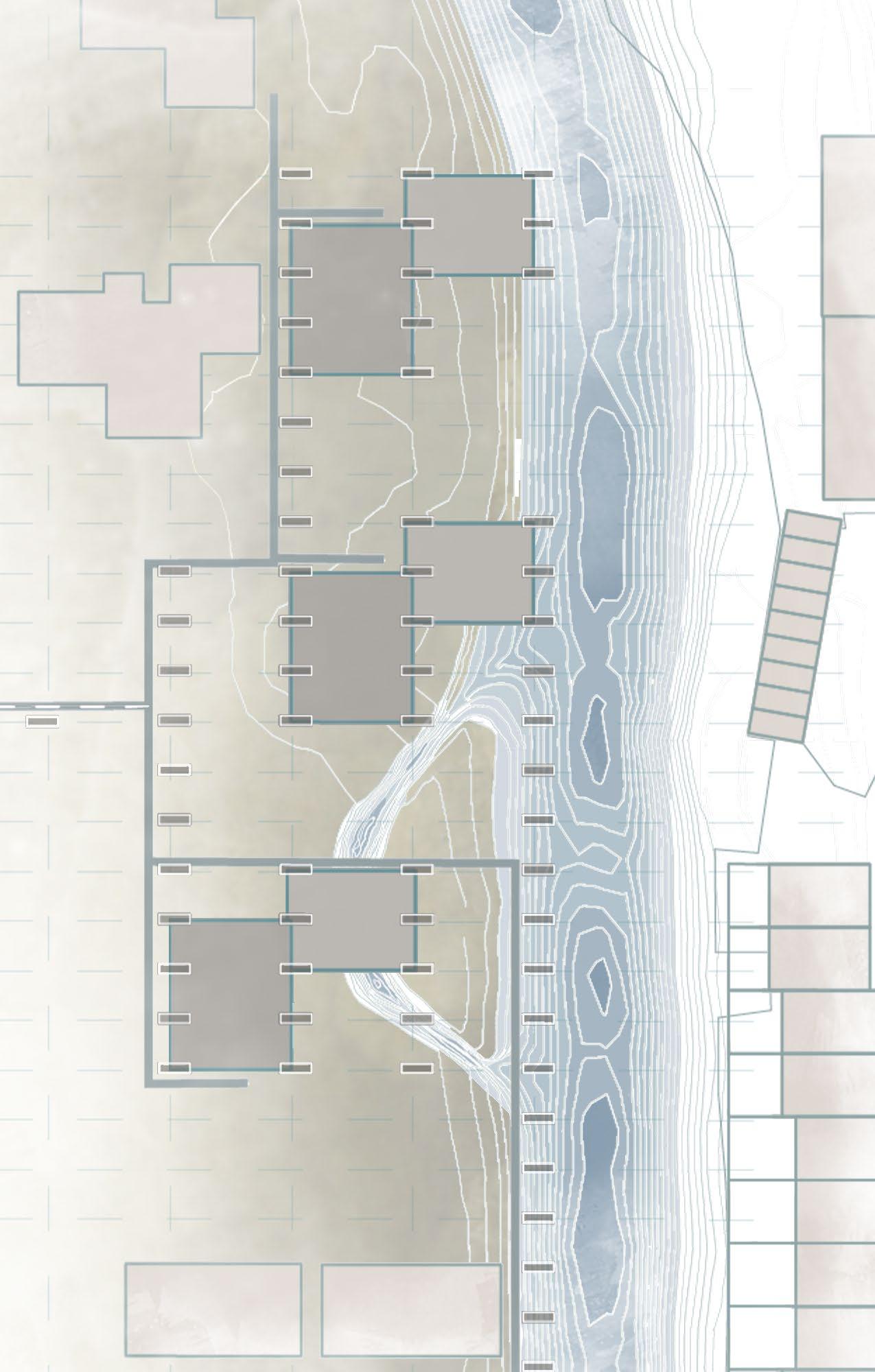
This model with an overlayed sectional study expresses the dynamic topography of the context alongside the axes used for the extension.
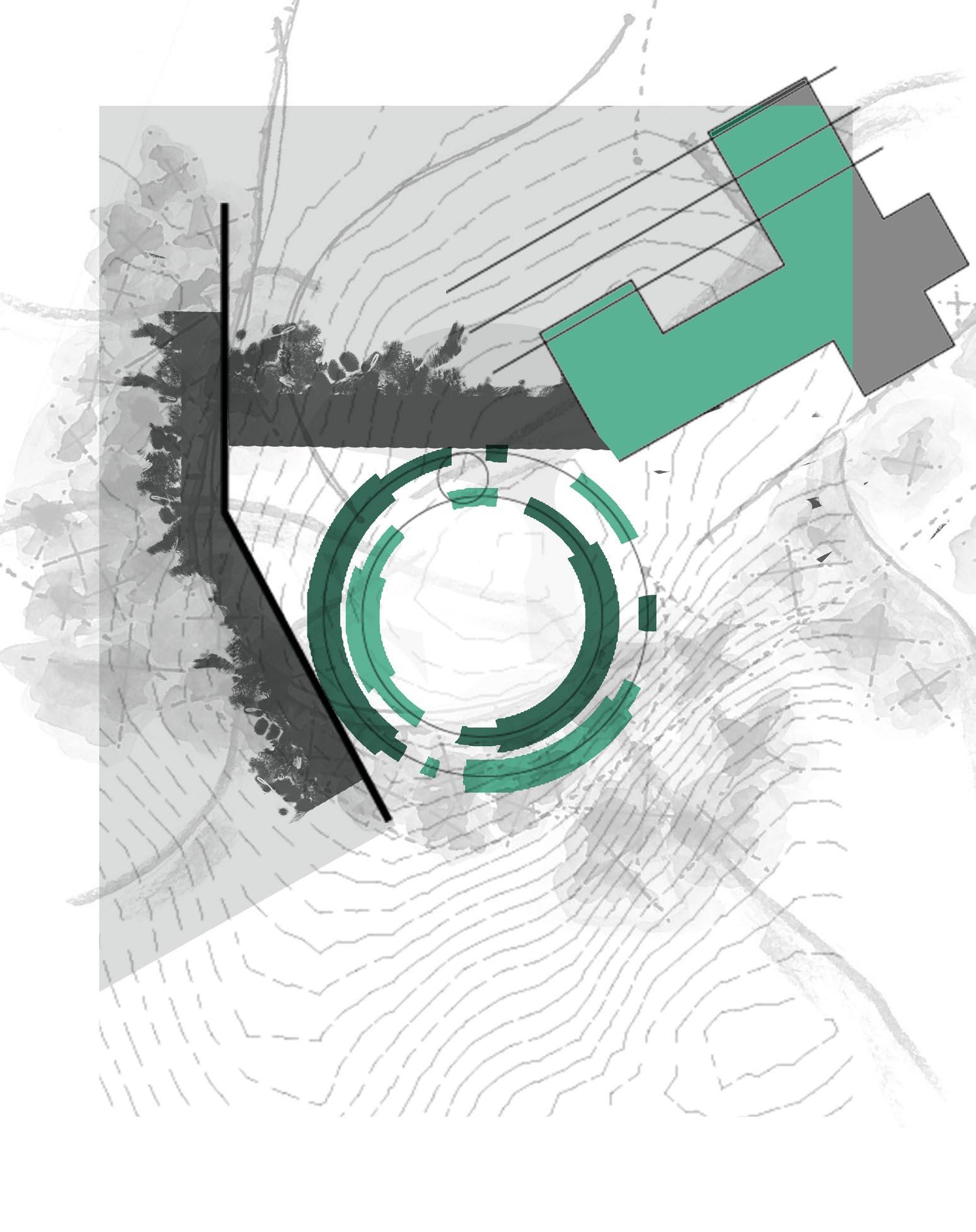
The solid mass of rammed earth forms a barrier from the invasive railway, cradling the garden, forming a secure outdoor space of healing.
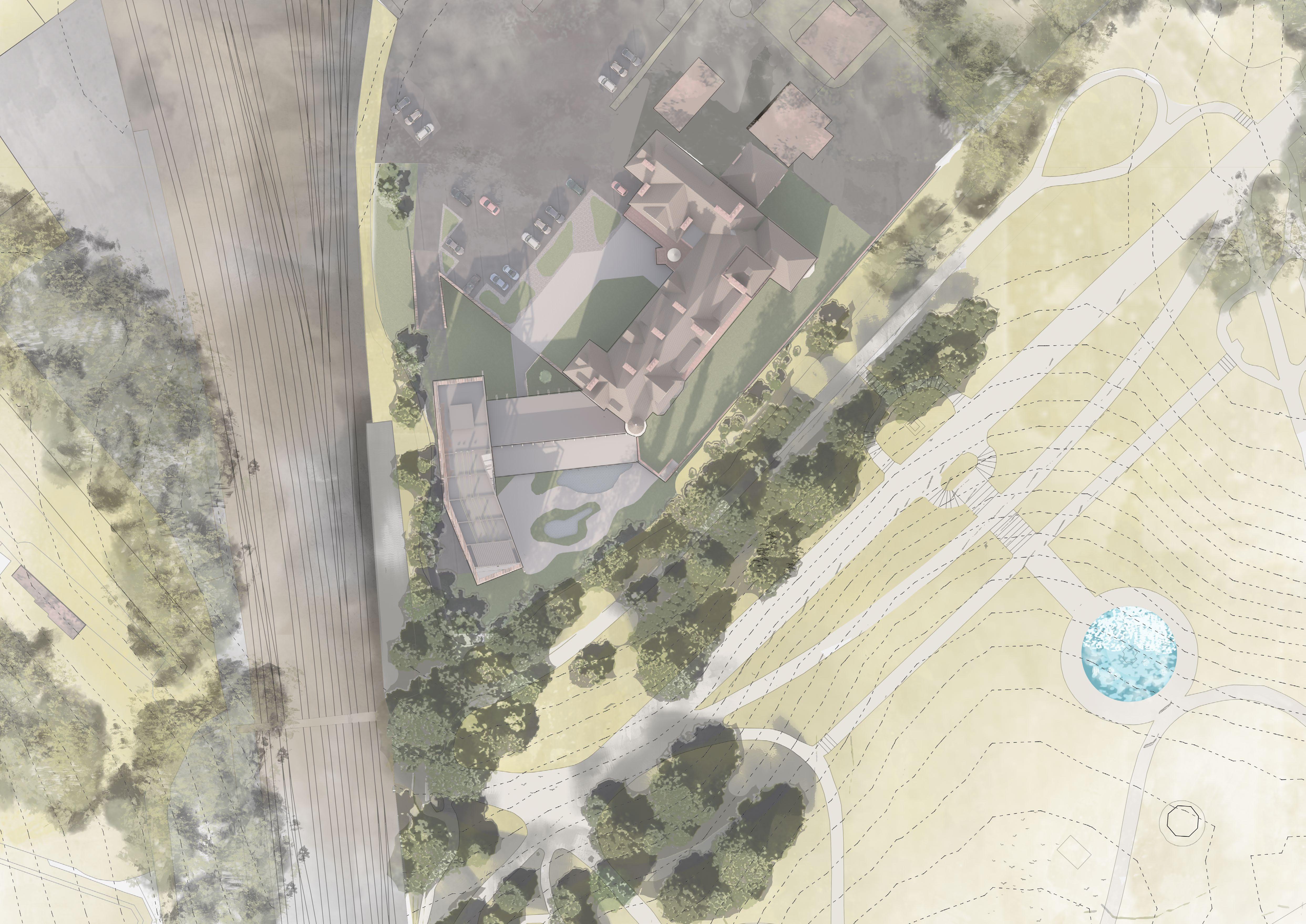
2 3 1 1 Exisitng Hotel 3 Second Part of Extension 2 First Part of Extension Site Plan 0 25 50
The Phantom Limb
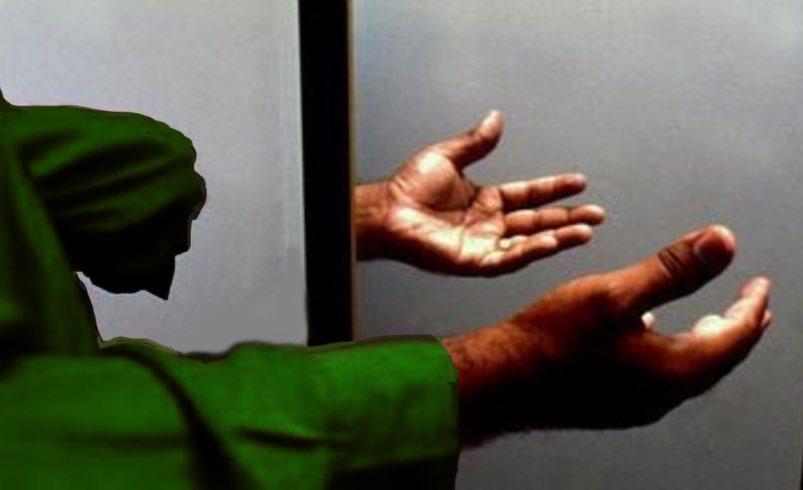
Phantom limb pain is a phenomenon causing burning or crushing pain where an amputee’s limb once was. Currently the only treatment is mirror therapy or medicinal methods. Mirror therapy heals the pain by placing a mirror between the amputated limb and intact one. By moving the intact limb whilst focusing on it in the mirror, the brain is tricked into believing the amputated limb is paralyzed and not actually moving, severing the connection, ceasing the pain.
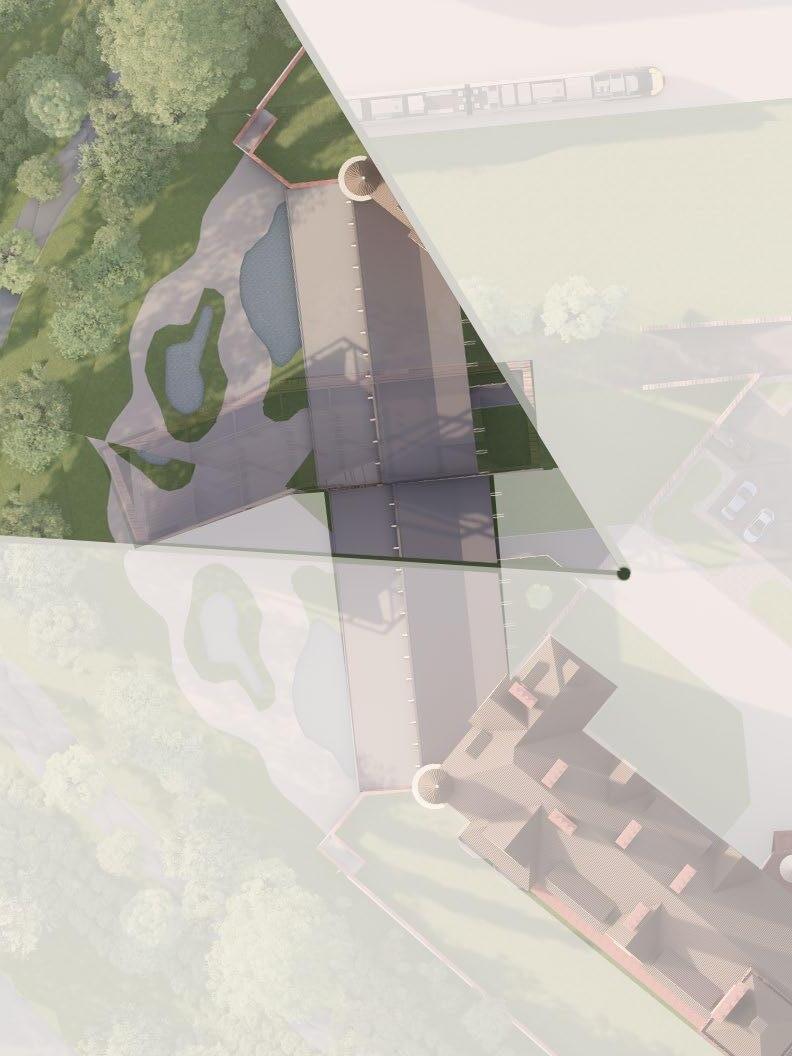
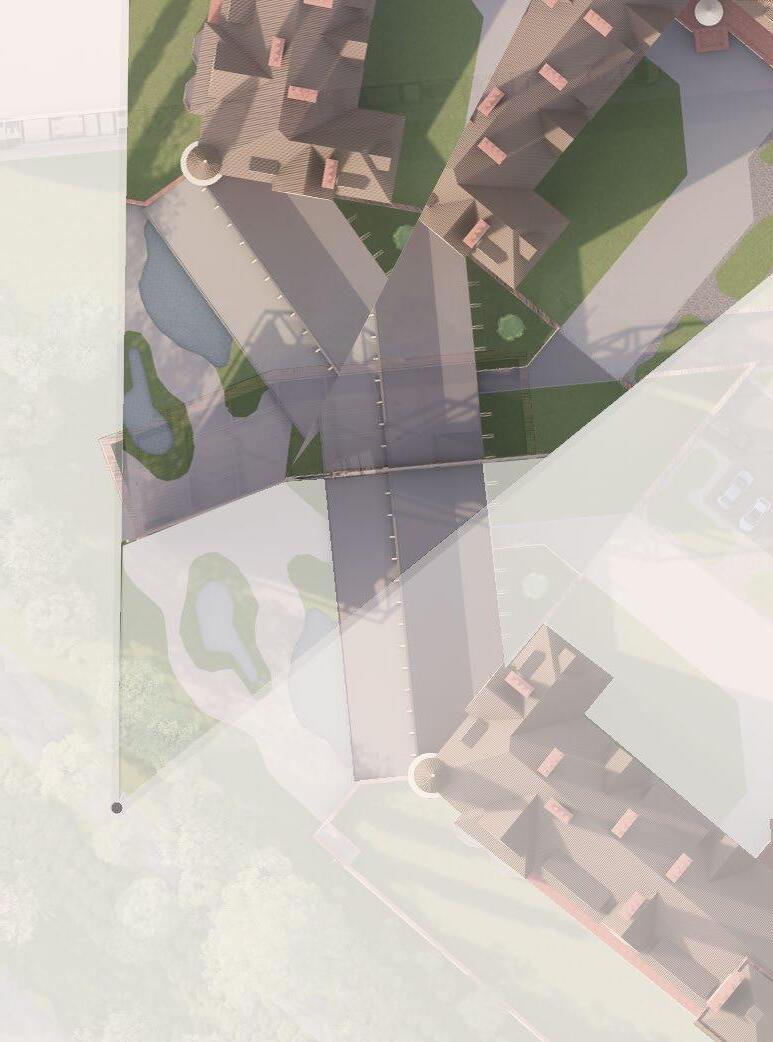
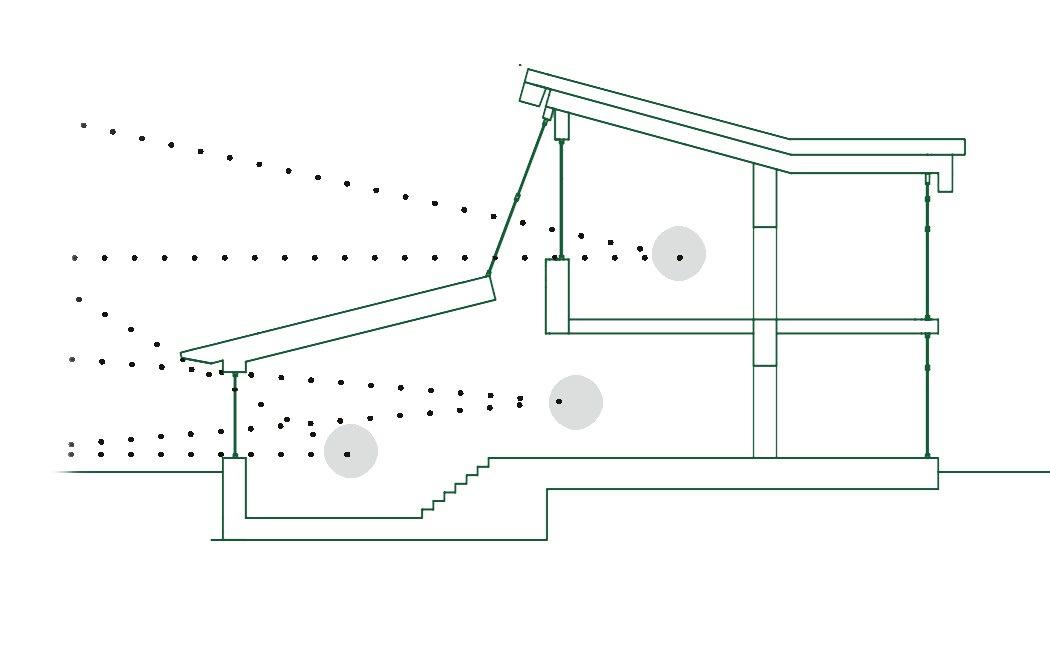
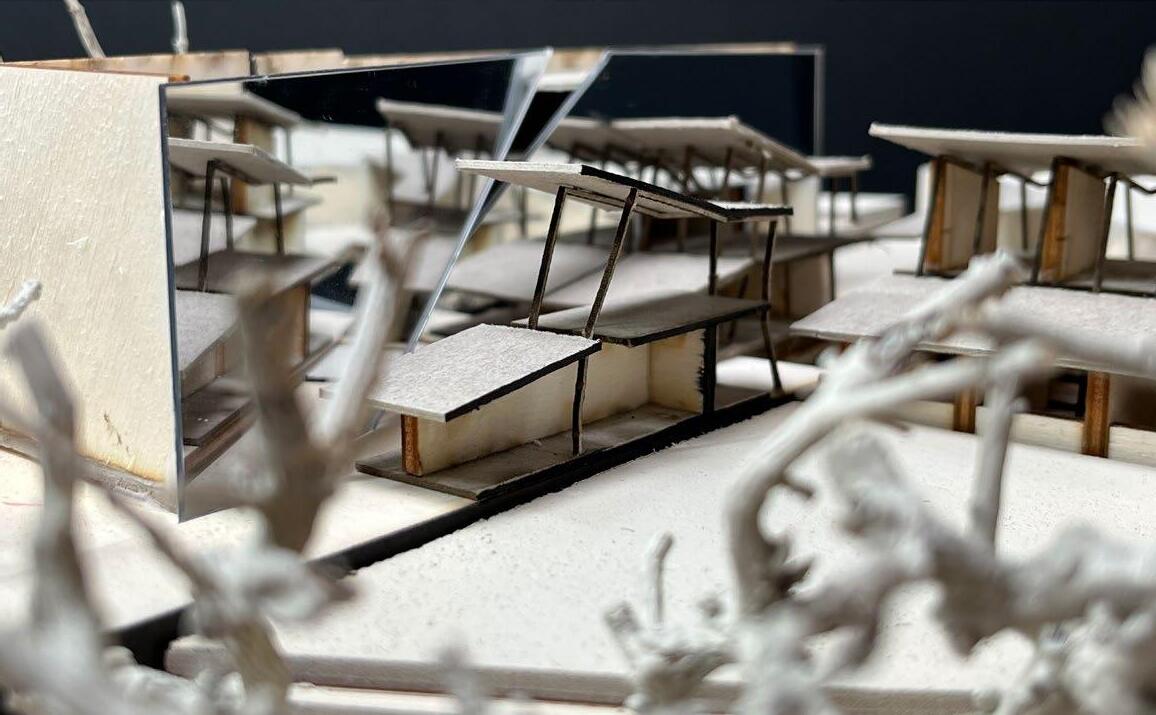
This manipulation of the mind’s perception is used with the reflective façade of the building as it manipulates the context through the mirror, inspired by the Willem Faber Dumas building.
 View from the hotel
This diagram expresses the manipulation of the park from the hotel.
View from the park
This diagram shows the reflection of the hotel from the park.
View from the hotel
This diagram expresses the manipulation of the park from the hotel.
View from the park
This diagram shows the reflection of the hotel from the park.
Manipulating space through mirrors
Integrated design in architecture
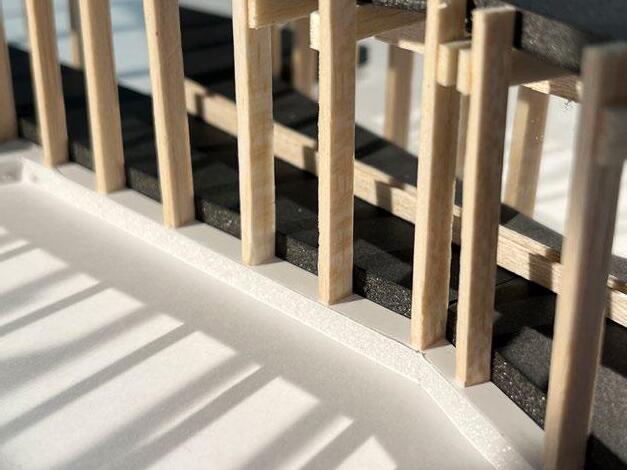
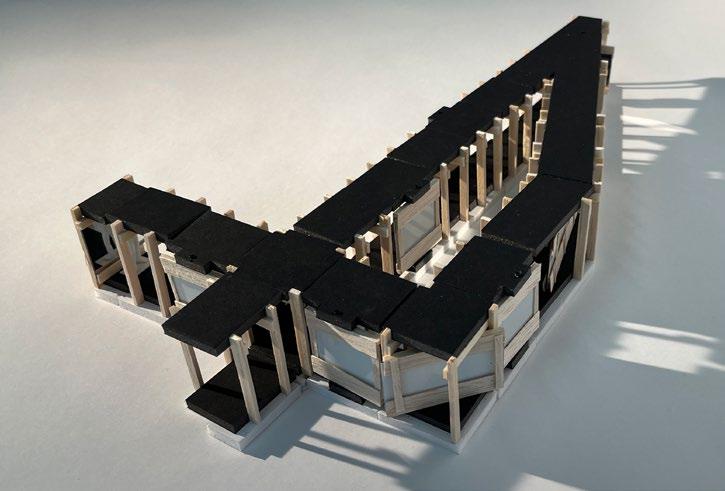
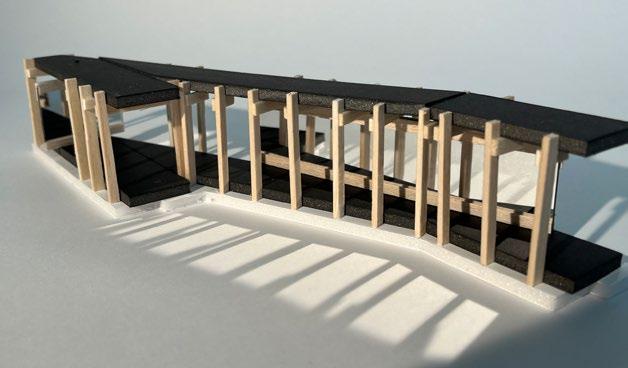
Running parallel with my thesis project, I conducted experiments using mirrors to manipulate the tectonic and light through this made artefact. I produced this model at a 1:50 scale, using it to test various sight lines and angles of mirrors. The whole artefact broke apart into modules, allowing for countless configurations to be carried out.
I used the findings from this project to further influence my developing Thesis, developing key ideas surrounding the phantom limb and mirror treatment.
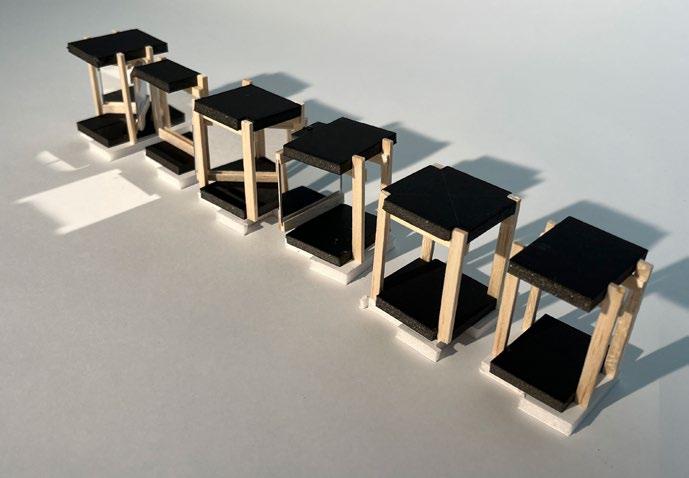
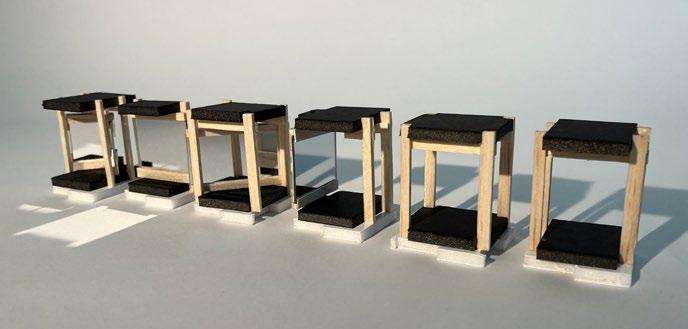 The following photo shows the various modules all together, alongside the angular module.
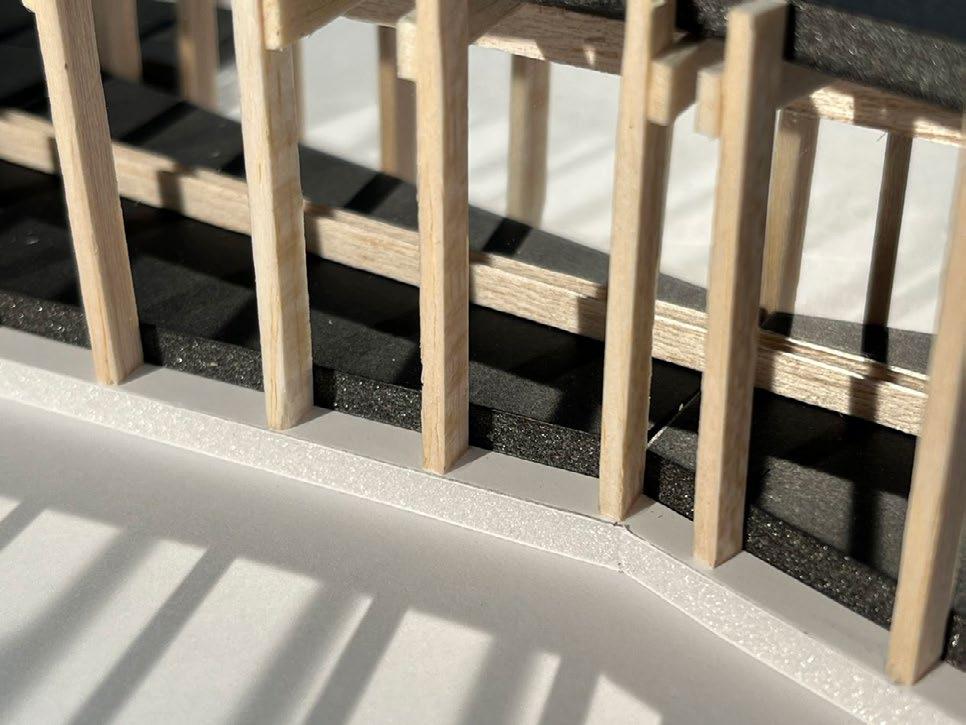
light, and the tectonic rhythm in each.
From left to right; Non reversing mirrored end piece, Flat mirrored end piece, Mirrored corner, Mirrored corridor, Four-way junction and Basic corridor.
A Contrasting Conversation
The centre has two contrasting languages. The first part represents the relationship of an amputee and their prosthesis, and the second, an external view of a user. This is achieved through contrasting tectonic languages.
Touchstone
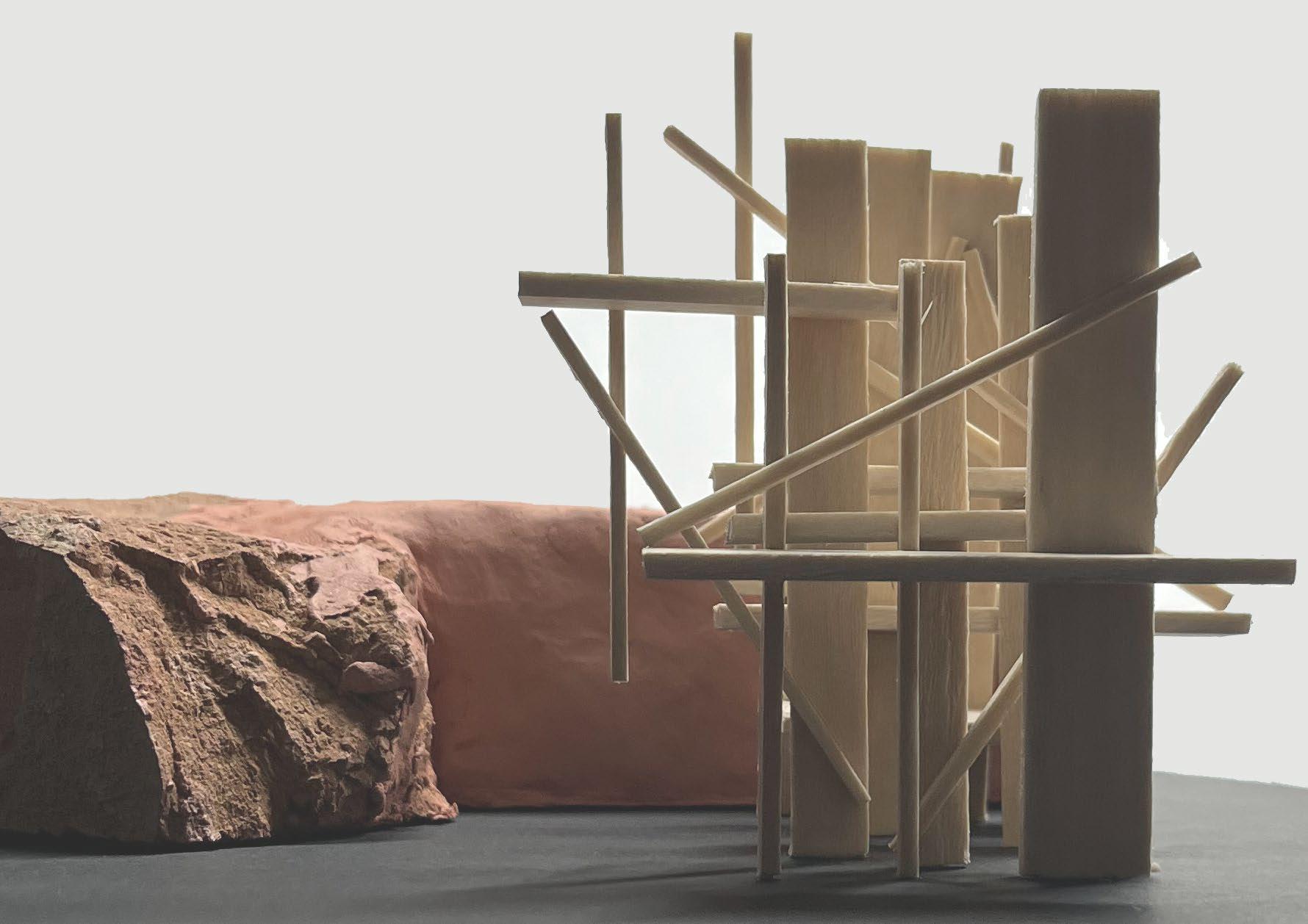
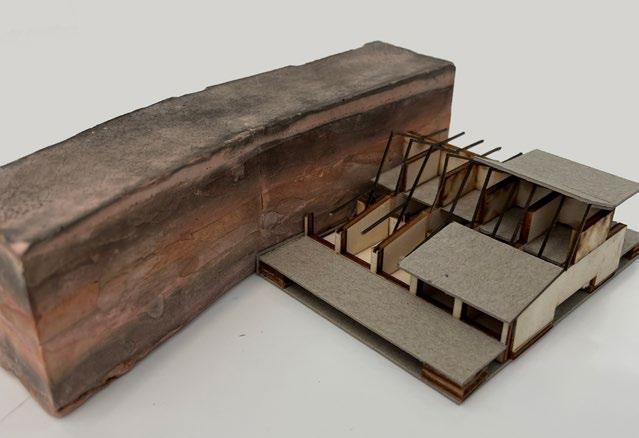
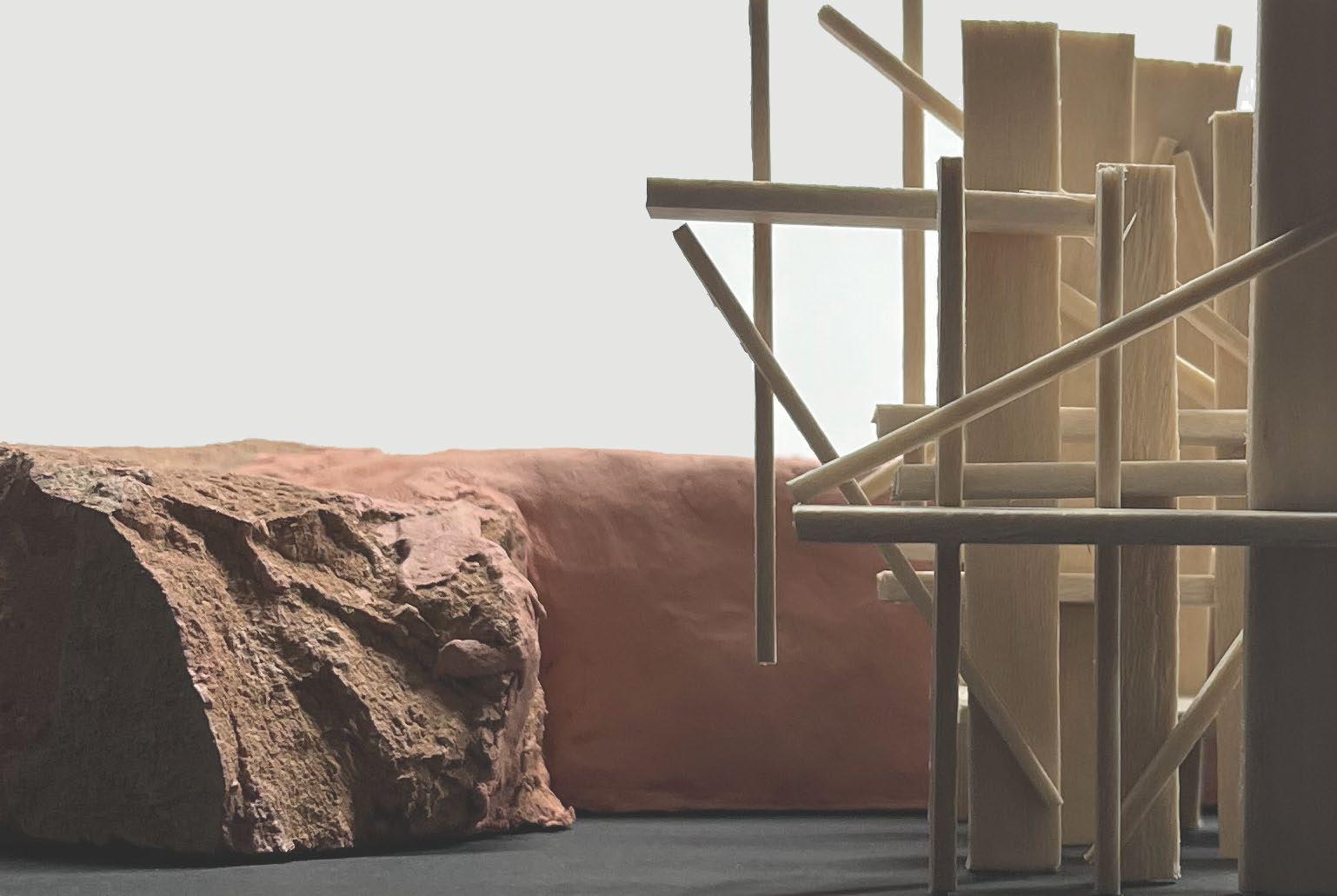
This touchstone was produced to investigate varying languages. The main aim was to produce a study that would provide an insight into forming two separate languages alongside how they would potentially interact. In this instance the three stages are represented as follows:
Broken brick – Hotel
Solid clay – rammed earth reflecting the hotels language
Balsa Frame – timber frame forming a foreign language
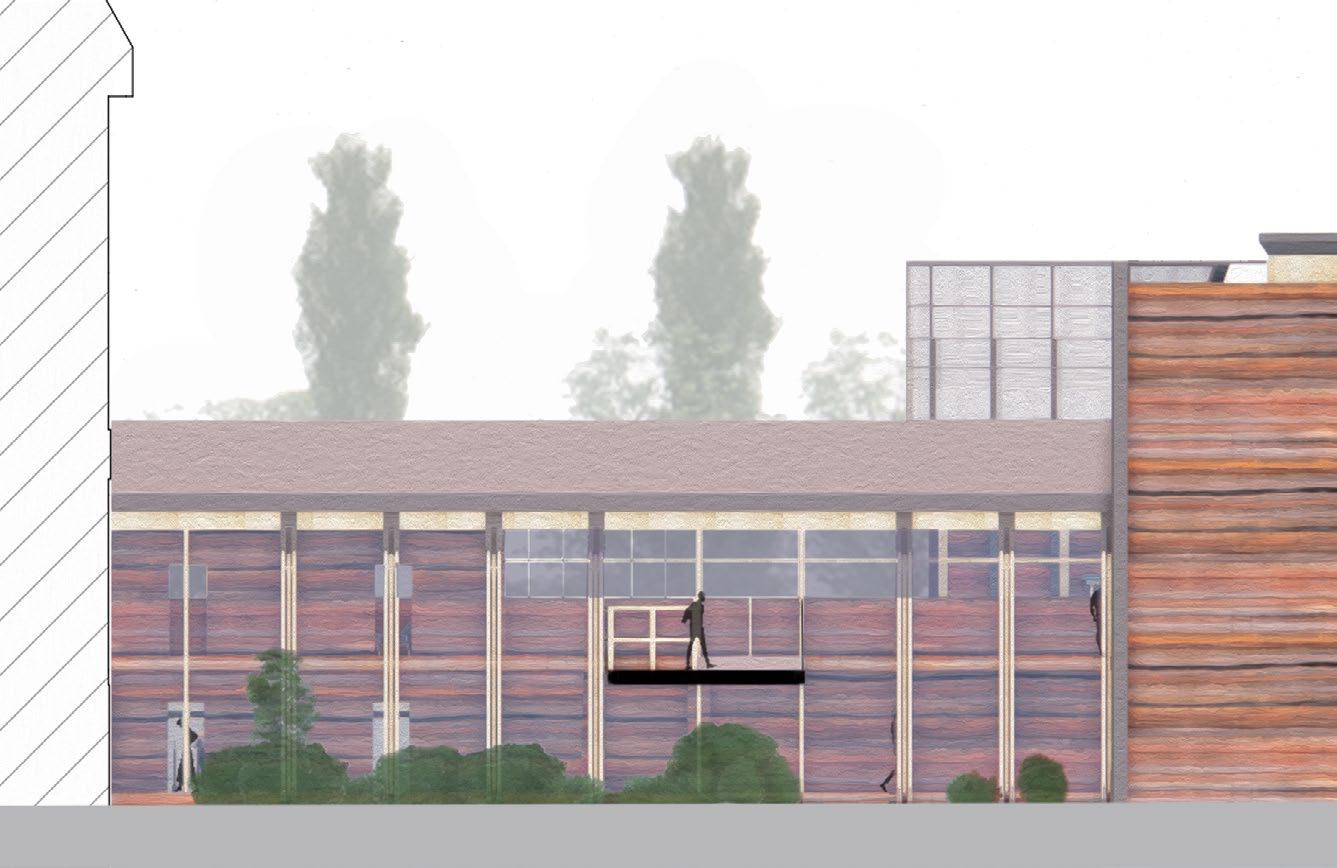
The User’s Perception
A rigorous study of the hotel was conducted through drawing and modelling to derive a language.
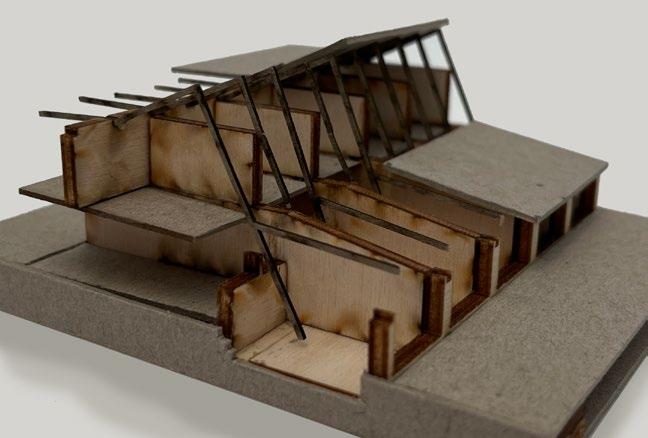
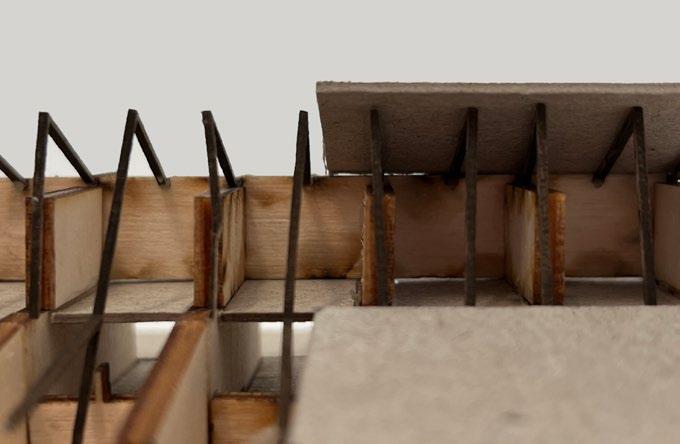
For the first part of the extension, the proportions and dimensions of the hotel were used to place the members of the glulam frame alongside the floors and ceilings. The roof aligns with the hotel’s window frames and cornice, whilst the transoms of the glazing align with the hotels.
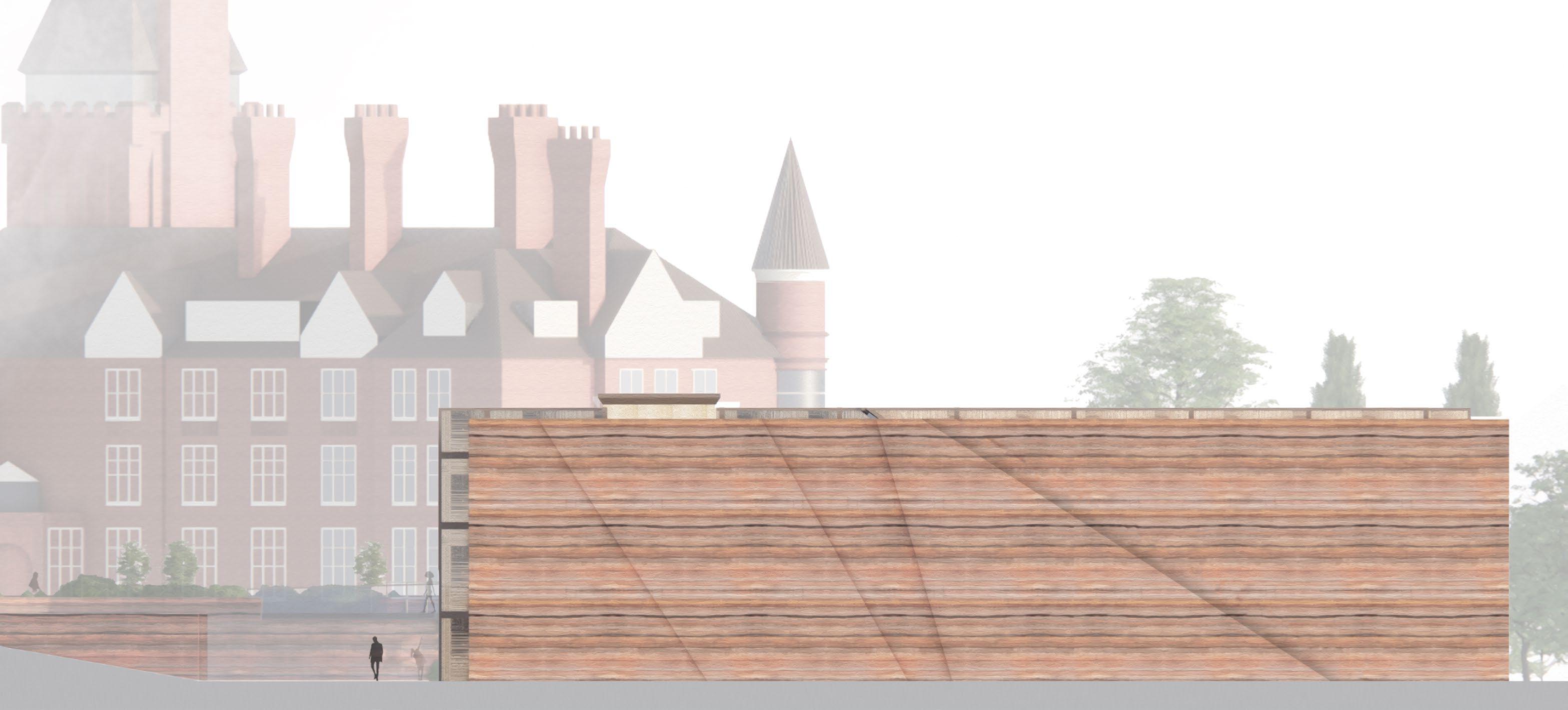
The Onlooker’s Perception
The second part of the extension responds to the hotel in a clandestine way, using lines extracted from the roof of the hotel to create the monolithic sculptural form generating a language disconnected from the hotel.
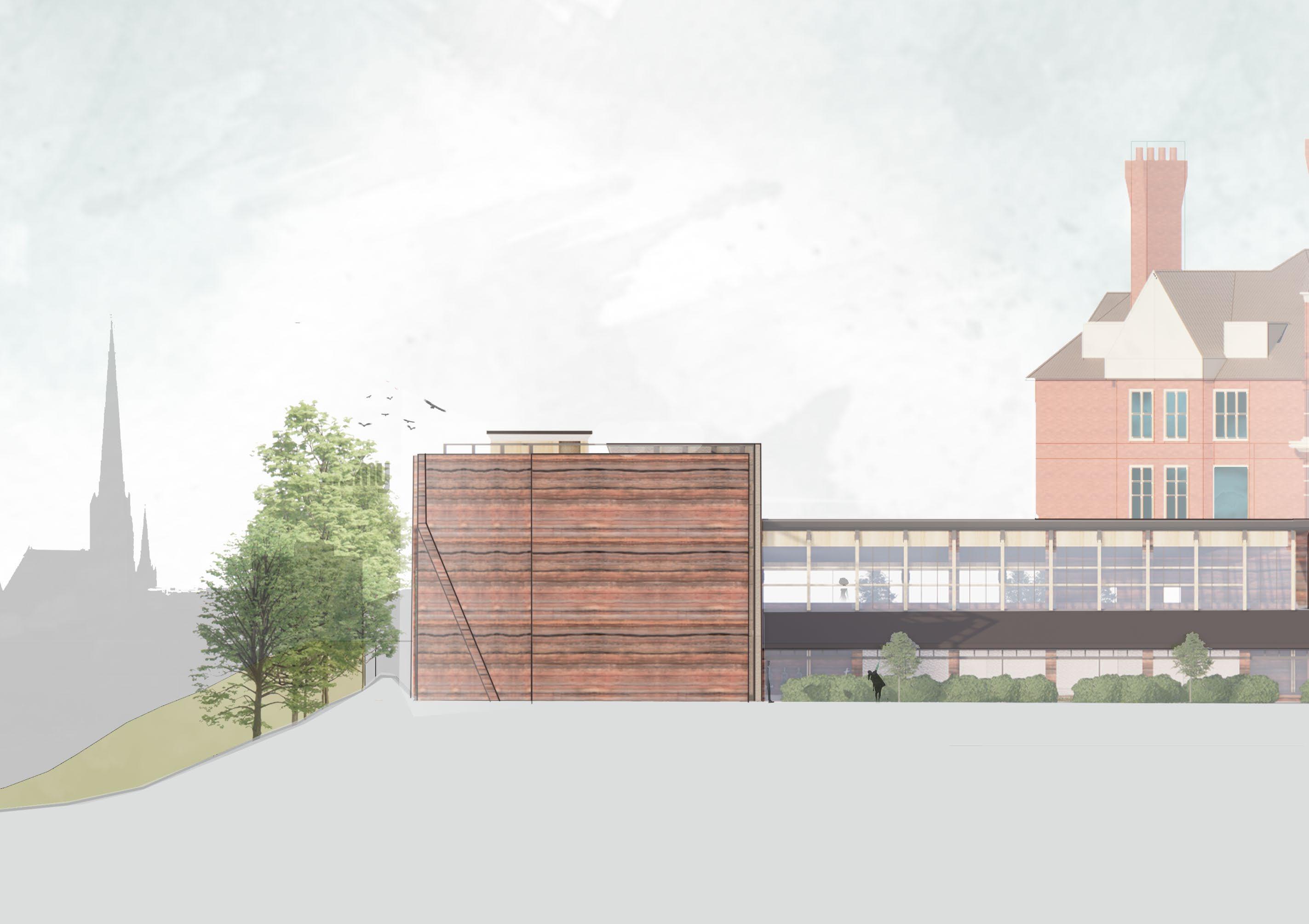
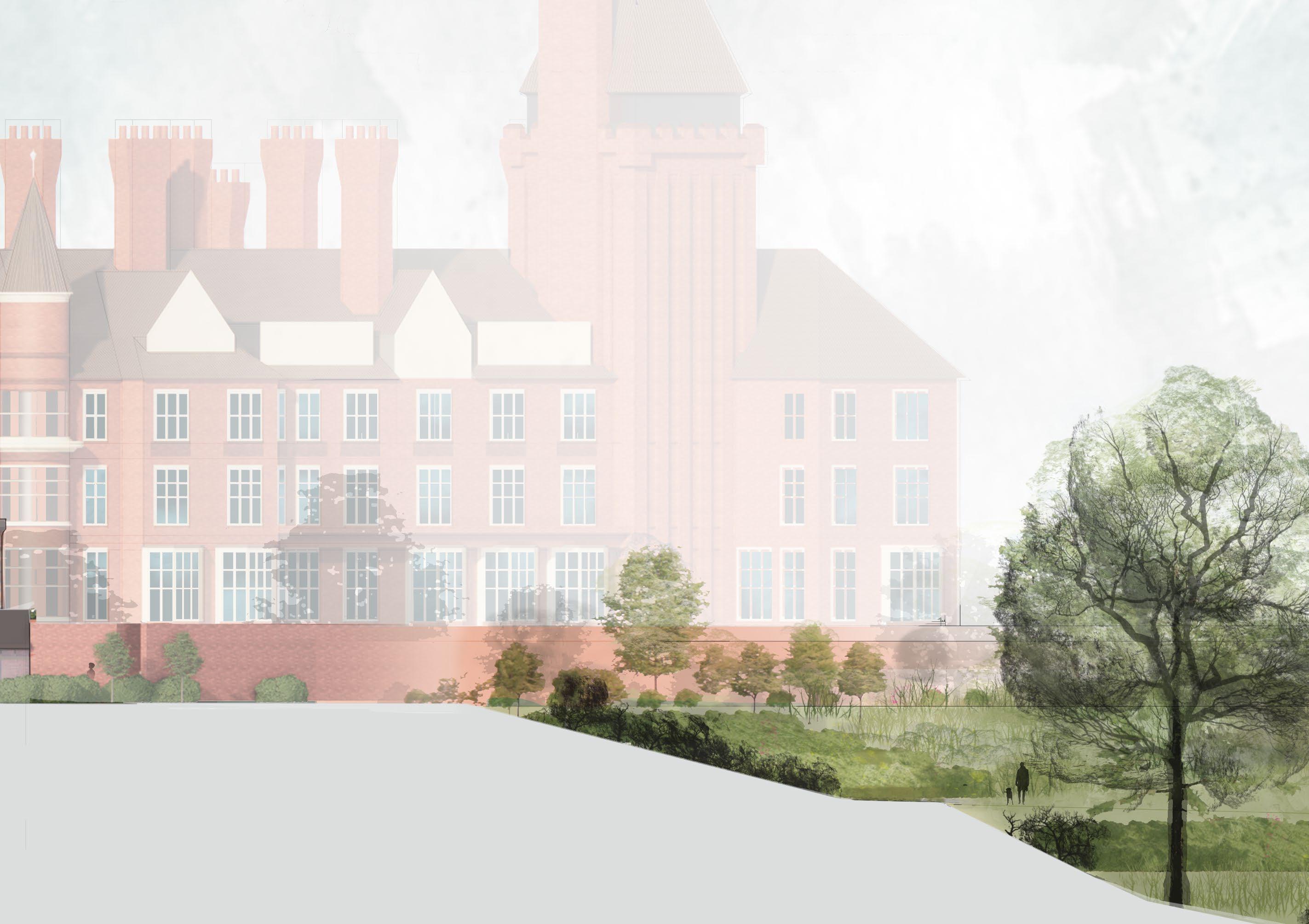
West Elevation 0 5 10 North Elevation Existing Building
0 5 10
South Elevation
Elevation showing the the full extension. This perfectly expresses the relation of the three forms alongside their stark differences.
0 10 20
Hydrotherapy Pools
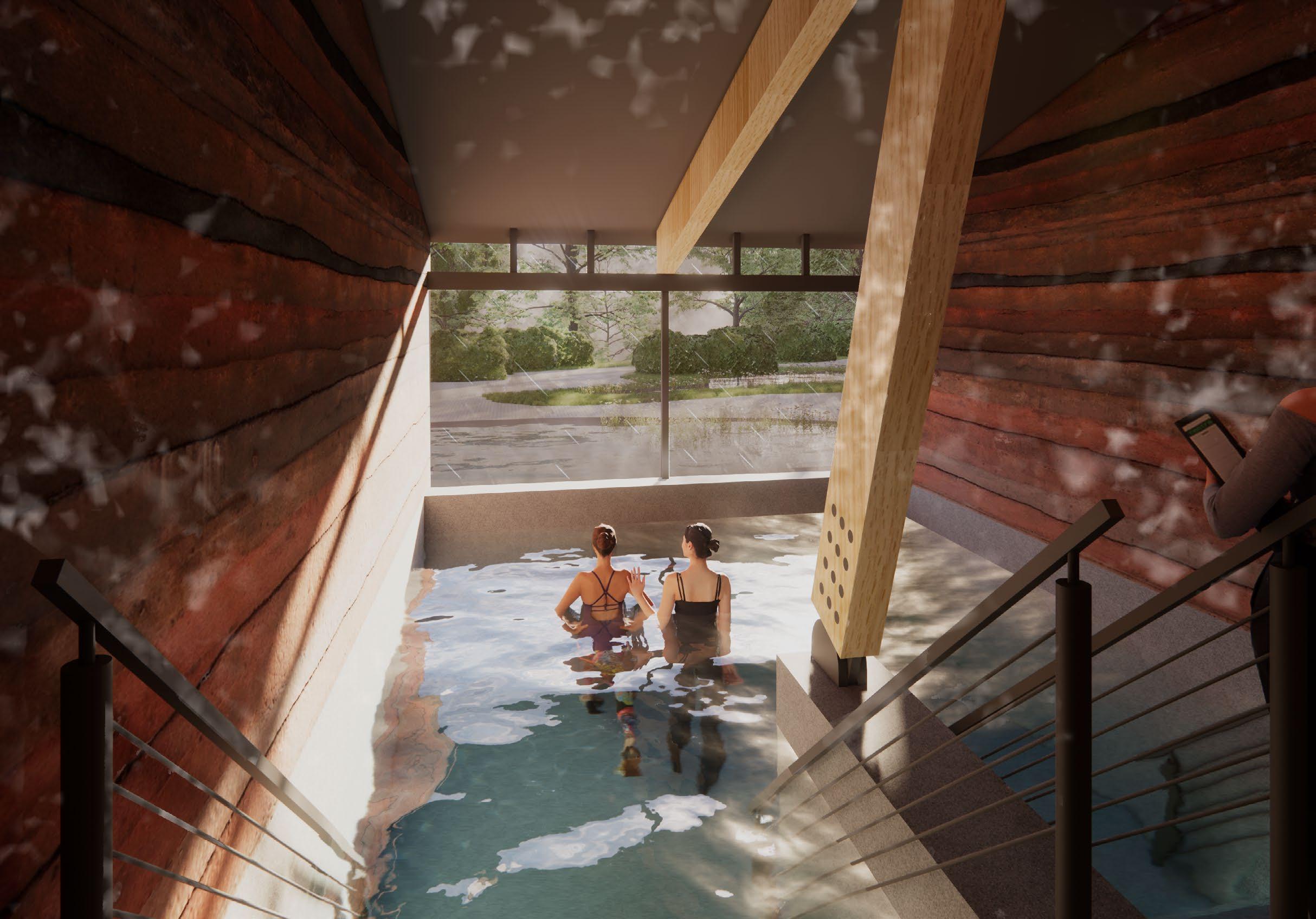
The hydrotherapy pools mark the beginning of the physical healing journey. The monolithic rammed earth and PFA concrete cradle the pool, forming a protective atmosphere, with light coming in from the front and behind the pools, forming a truly evocative experience. The Therme Vals were a key precedent when designing these spaces.
11 3 1 3 7 5 9 1 8 13 12 A A B B
1 6 6 1
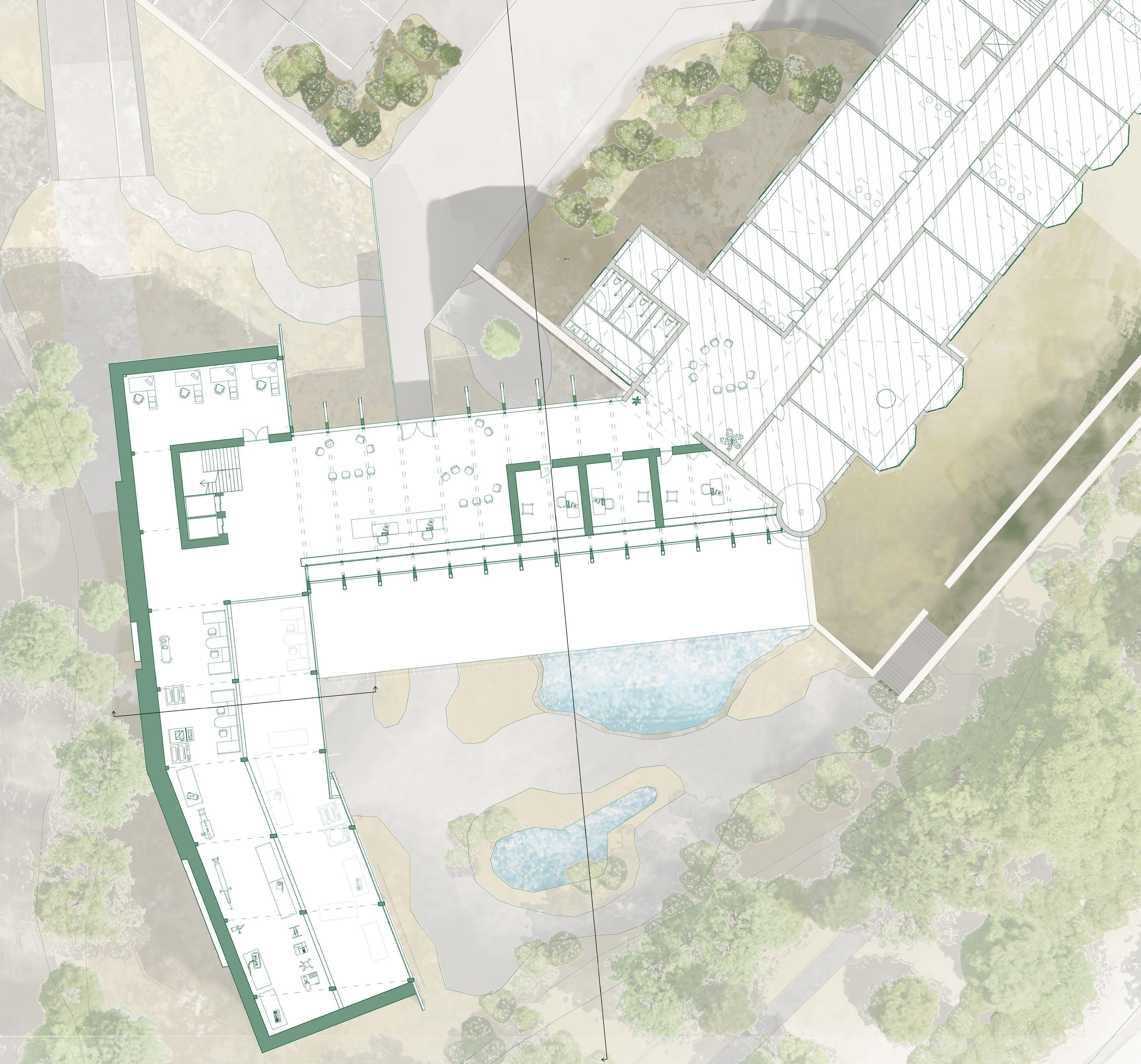

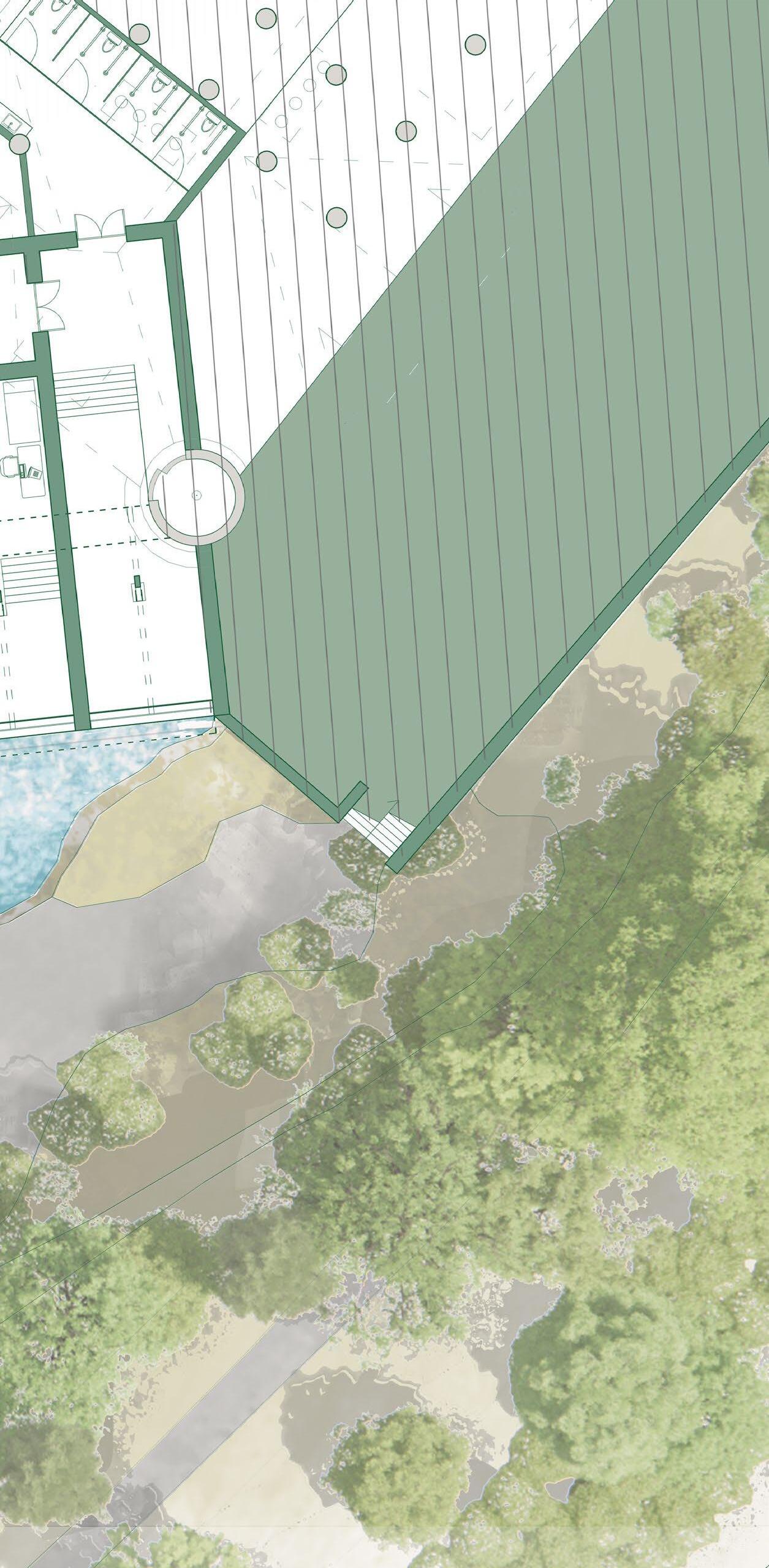

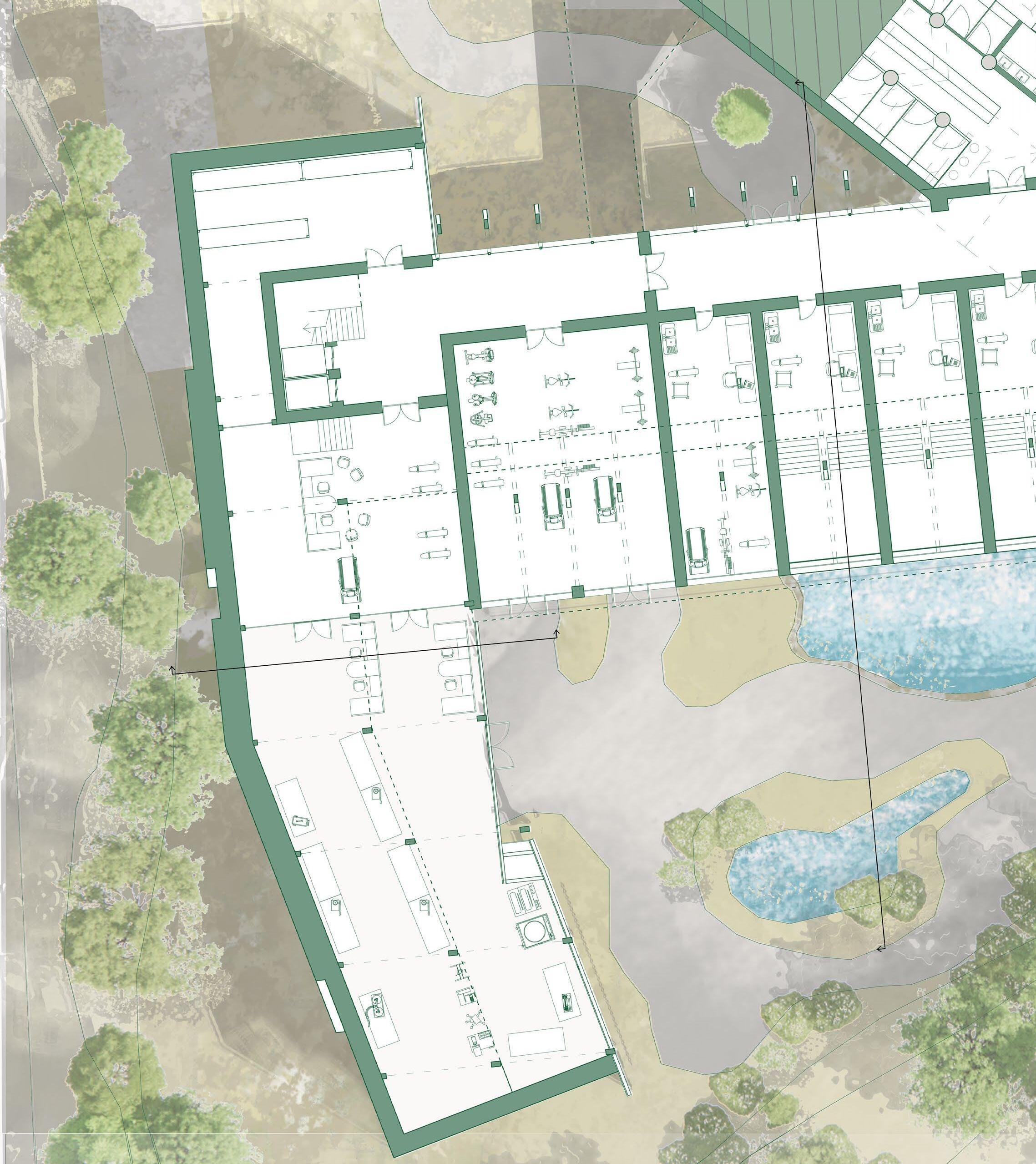
Existing Building used for residents 4 5 7 1 1 1 2 2 6 3 8 A A B B 10 9 Ground Floor 0 10 20 1 Therapy 2 Group Therapy 3 Design Workshop 4 Research 5 Entrance 6 Lifts 7 Existing WC 8 Garden 9 Courtyard 10 Car Park 10 4 2 0 10 20 Lower Ground Floor 10 Unisex Toilets 11 Changing 12 Garden 13 Pond 8 Lifts 9 Hallway 1 Hydrotherapy and physio 2 Group Hydrotherapy 3 Physical Training 4 Sauna 5 Fitting and Testing 6 Workshop 7 Storage
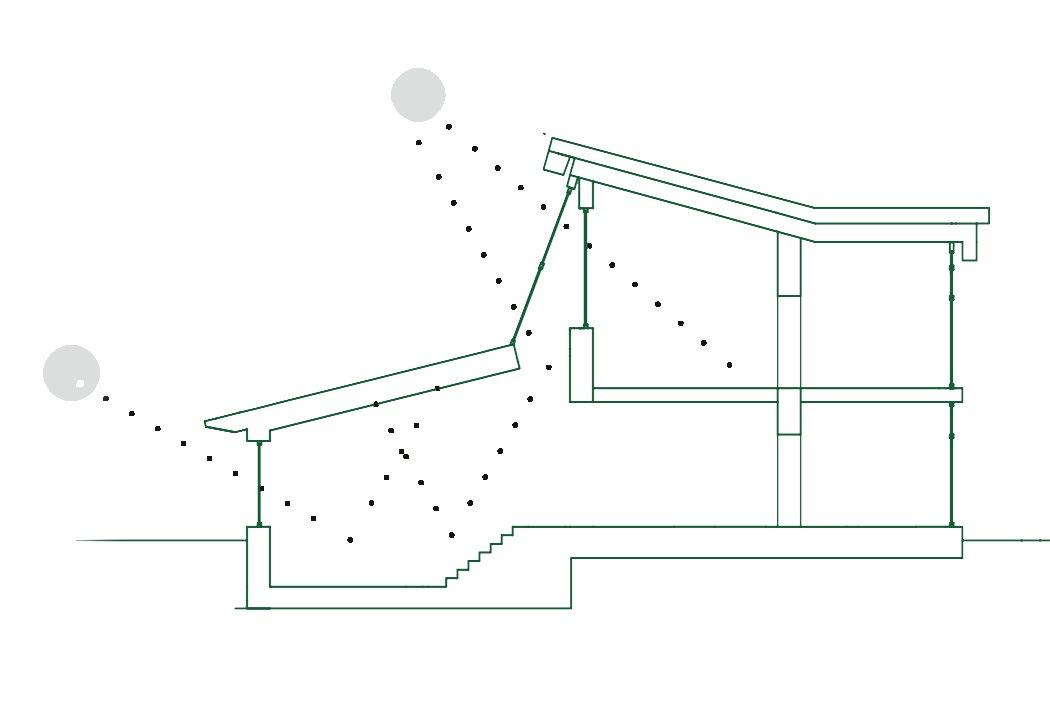
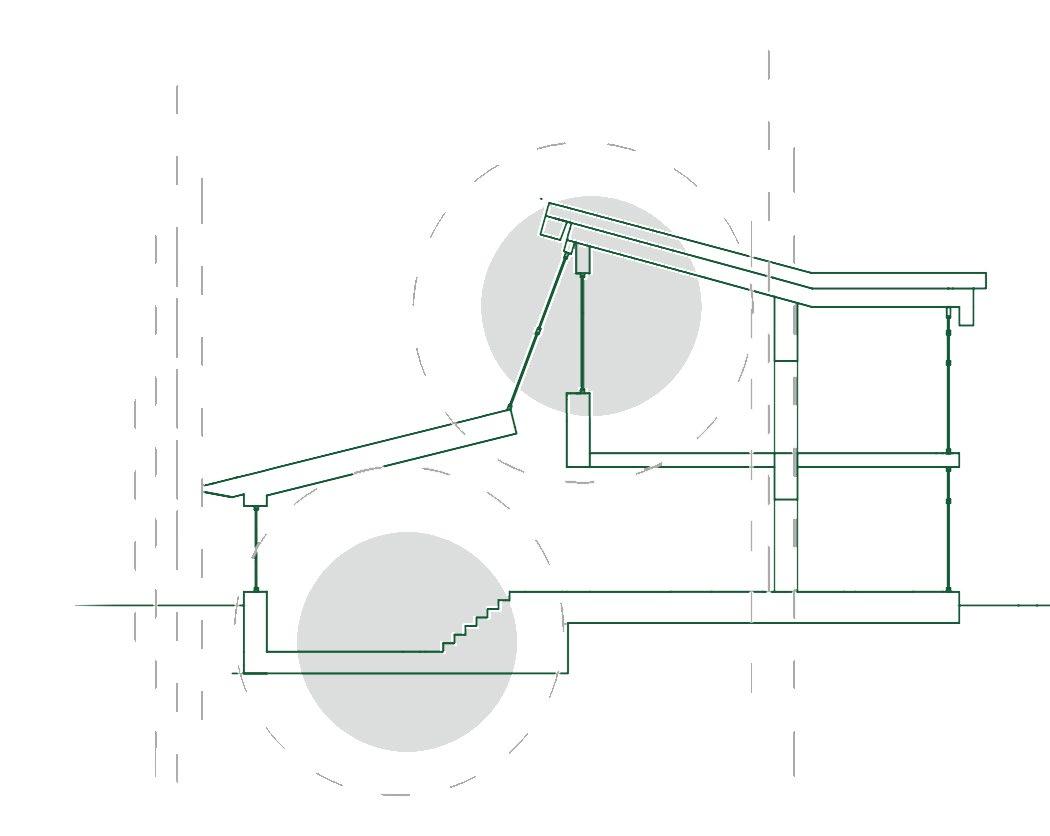
 1 - Forming the “dance with light”
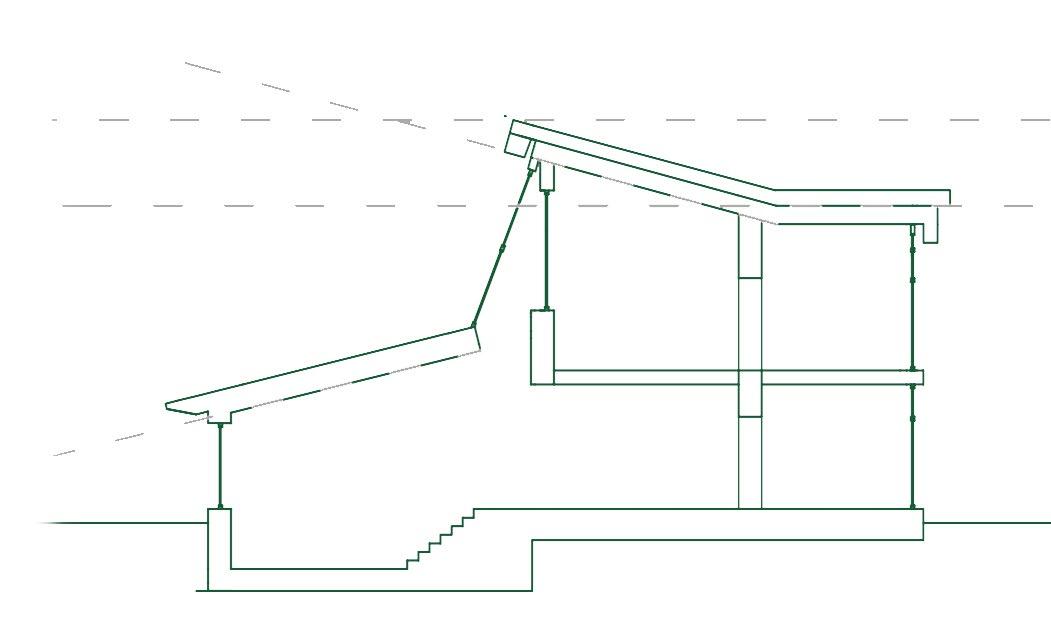
2 - A response to context - Using the hotels key details
3 - Forming private nestled spaces
1 - Forming the “dance with light”
2 - A response to context - Using the hotels key details
3 - Forming private nestled spaces
5
4 - Connection to the Garden
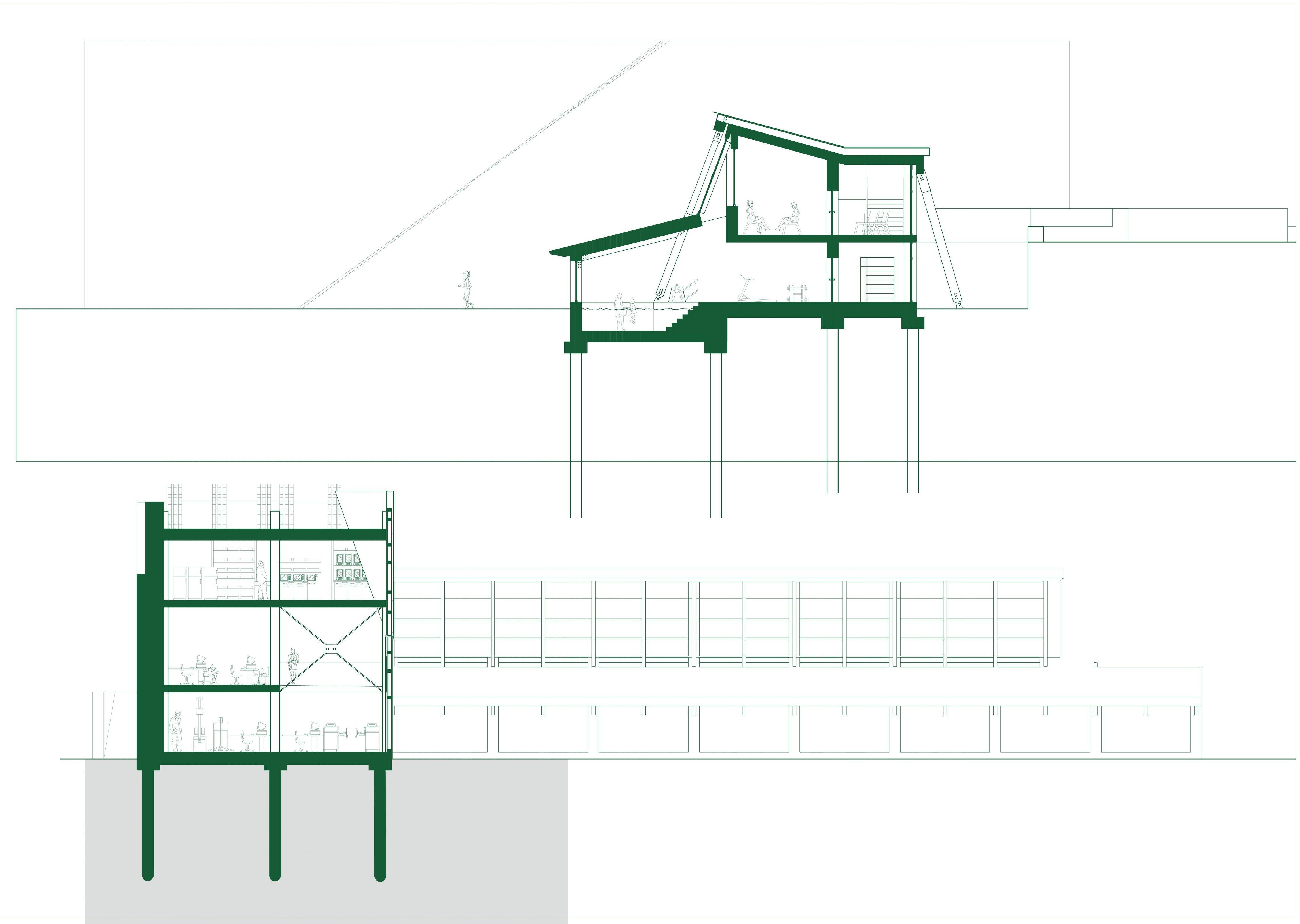
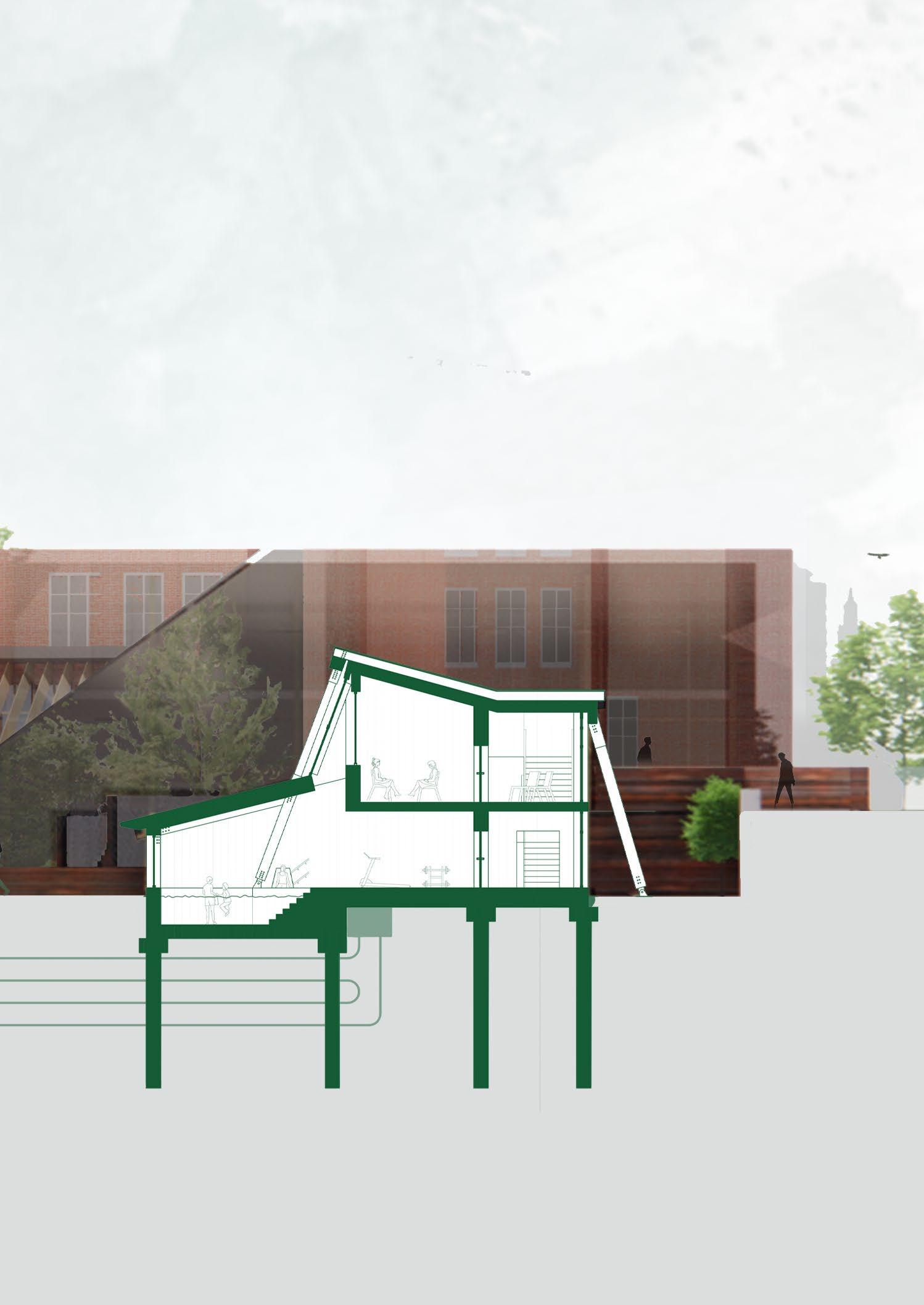
Section A
Long sectional elevation showing the sectional form inspired by the touchstone. This area houses spaces of healing.
Section B
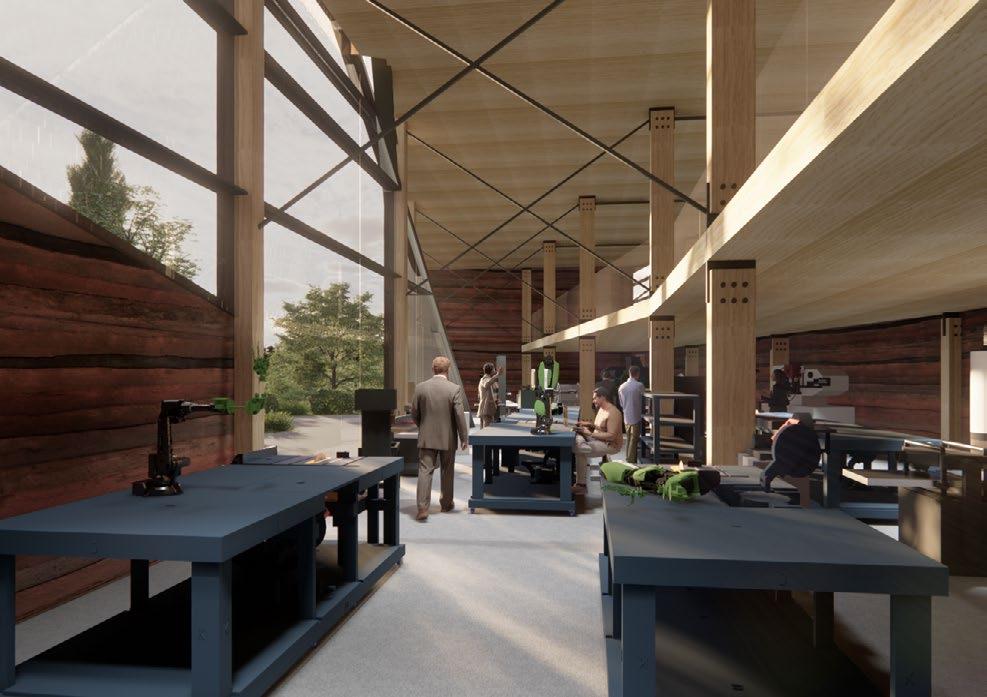
This section shows the interior of the second part of the extension. The Workshop features an open double height space with a mezanine for the design space.
1 Hydrotherapy and Physio
2 Therapy Space
3 Hallway
4
5 Garden
6 Workshop
7 Research
8 Algae cultivation
9 Photobioreactors
0 10 0 10
Ground source heat pump
6 3 2 3 7 4 9 1 8 5
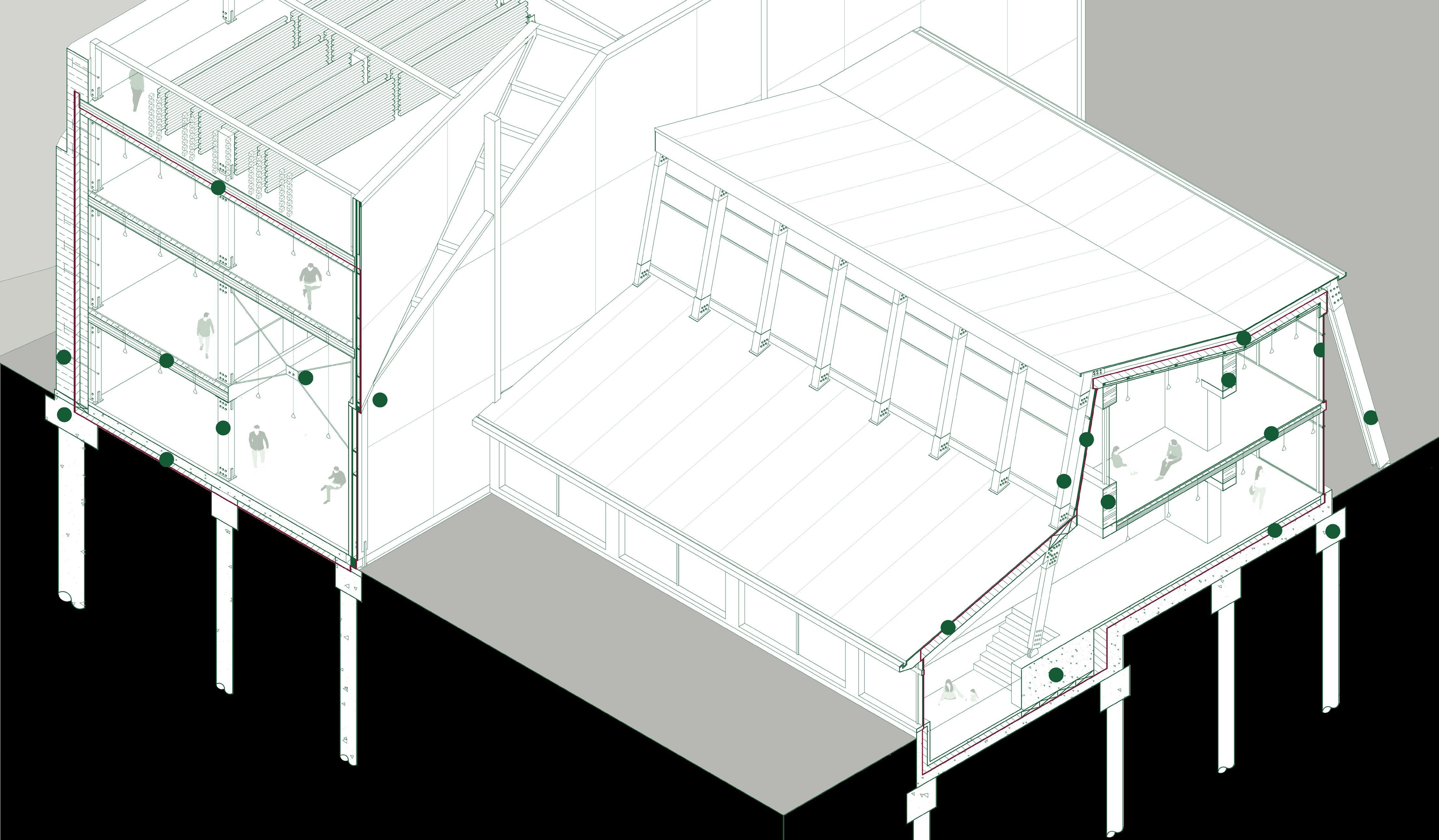
Tectonic Axo 1:50 @A1
Through Sections A and B
1. Structurally Insulated Rammed Earth
350mm Structural Rammed earth with siloxane additives to provide water resistive qualities
150mm Rigid insulation
300mm internal rammed earth
Glu-lam Frame
Ties through whole structure connecting all four layers of wall composition
2. Pile Foundation Concrete pile cap Concrete Pile
3. Frameless Triple Glazed reflective façade Glazing panels with silicone joints
Horizontal Transom Structure behind glazing providing fixings to glazing
Glulam Column structure provides vertical fixings for horizontal members
Border frame providing waterproofing
4. Glulam Structure
Glulam Columns at 5-metre intervals Steel Baseplate at ground floor connection Steel splice plate connection between Columns Horizontal steel ties
5. Lower Ground Floor Structure
Ground bearing floor slab
Rigid Insulation with Marmox thermablocks in places of load bearing Concrete screed with a polished finish
6. Intermediate Floor Structure CLT panels Rigid Insulation with services embedded – wires and central heating Wooden laminate flooring
7. Roof Structure BURS finish Rigid insulation
CLT ceiling slab
8. Roof Structure Steel Standing Seam Roof with Central Valley Gutter Glulam frame with a surface sealent Vapour barrier Rigid insulation Plasterboard Internal finish – plater with light grey paint
9. Glulam frame
External glulam frame
Pinned galvanised steel base shoe on angled colums
Steel sockets at each joint with bolt fixings
10. Internal Rammed Earth Wall
500mm Rammed earth with siloxane additives provide water resistive qualities
11. Triple glazed curtain wall
Low E-value triple glazing curtain wall system
12. Rammed Earth Opening
500mm Rammed earth with siloxane additives providing water resistive qualities
Concrete lintel, exposed finish
13. Hydrotherapy Pool Structure
Ground bearing floor slab Rigid Insulation
Specialized waterproofed concrete for hydrotherapy space
2 4 8 12 9 7 1 6 5 4 3 6 2 5 13 9 10 11 11 8
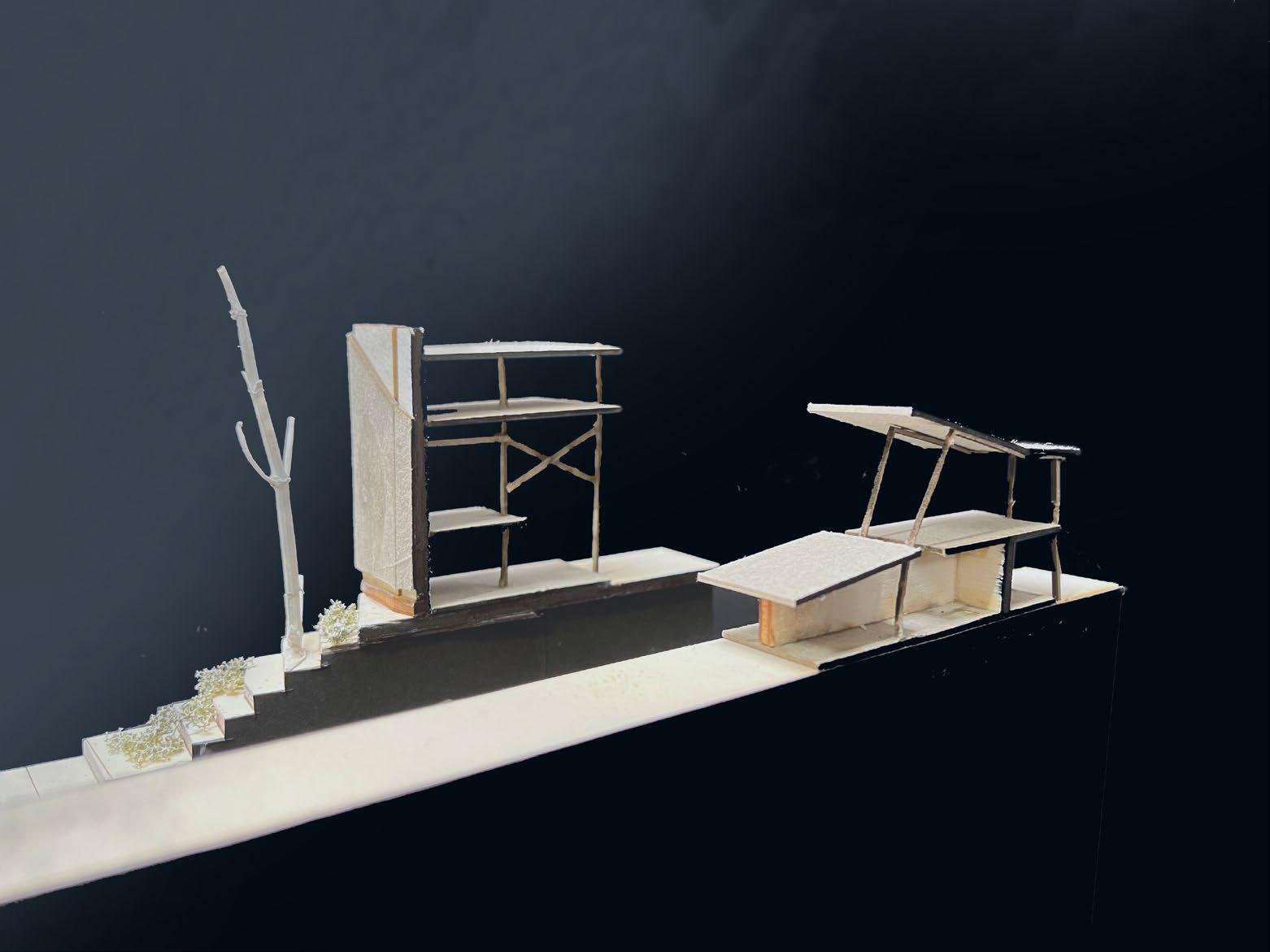
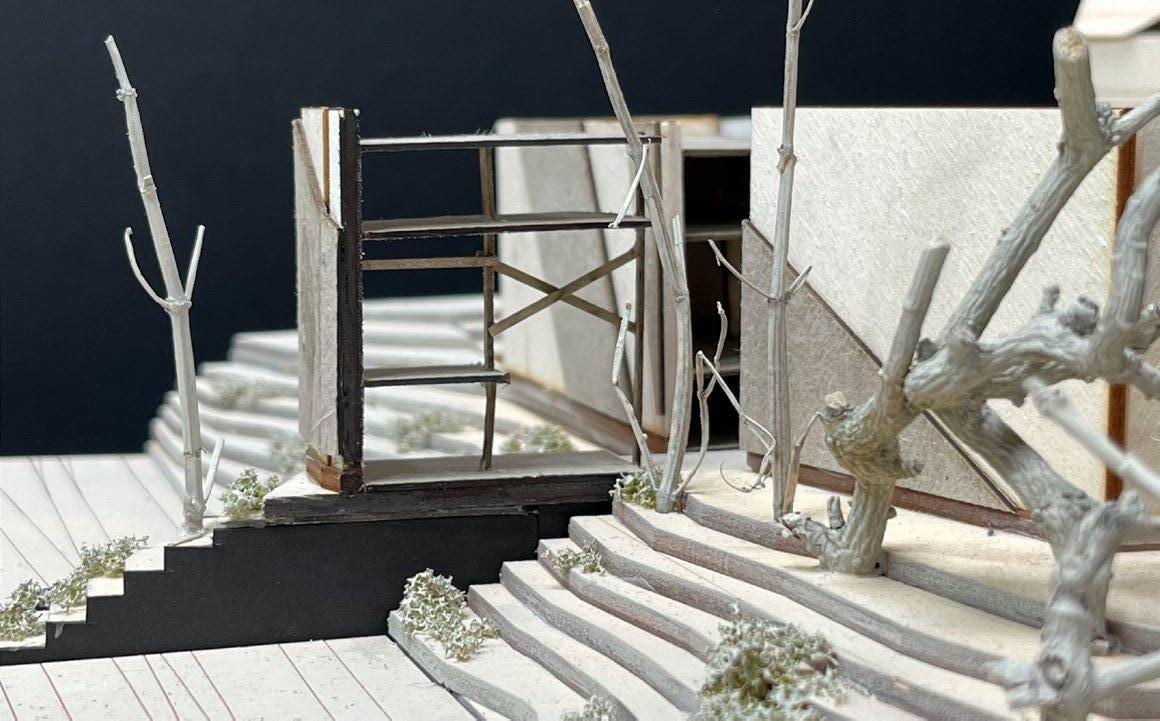
Physical Model
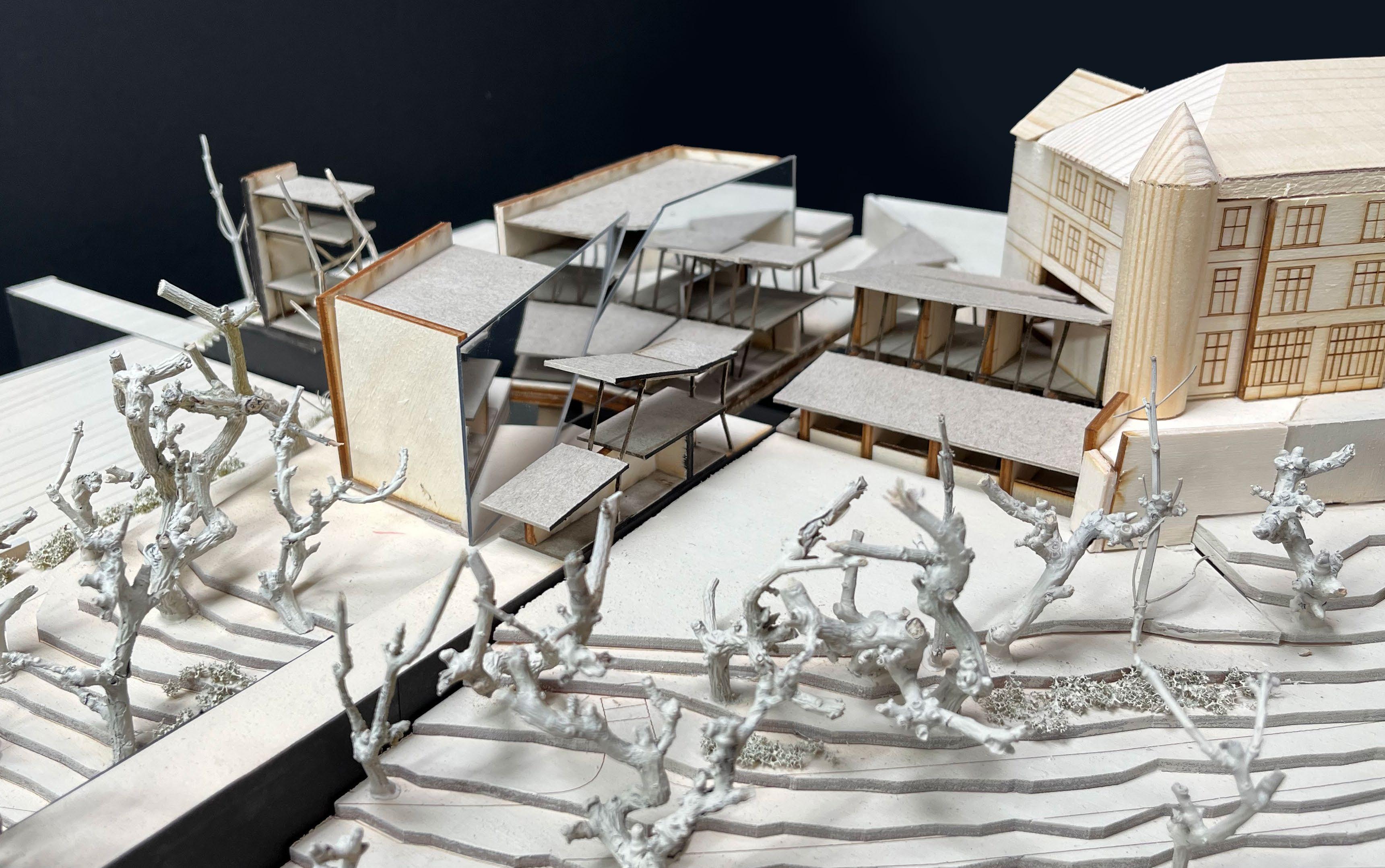
This detailed 1:250 model was produced to express the mirrored facade and sectional qualities in physical form. This allowed final testing of the site composition and finalising the connection to the hotel and existing site. Primarily made from laser cut wood, the model successfully expresses the mirrored facade and the dynamic site.
 Section A Pulled Away
Section A And B
Section A Pulled Away
Section A And B
Project 2. Empowerment Of Preston – A Triptych

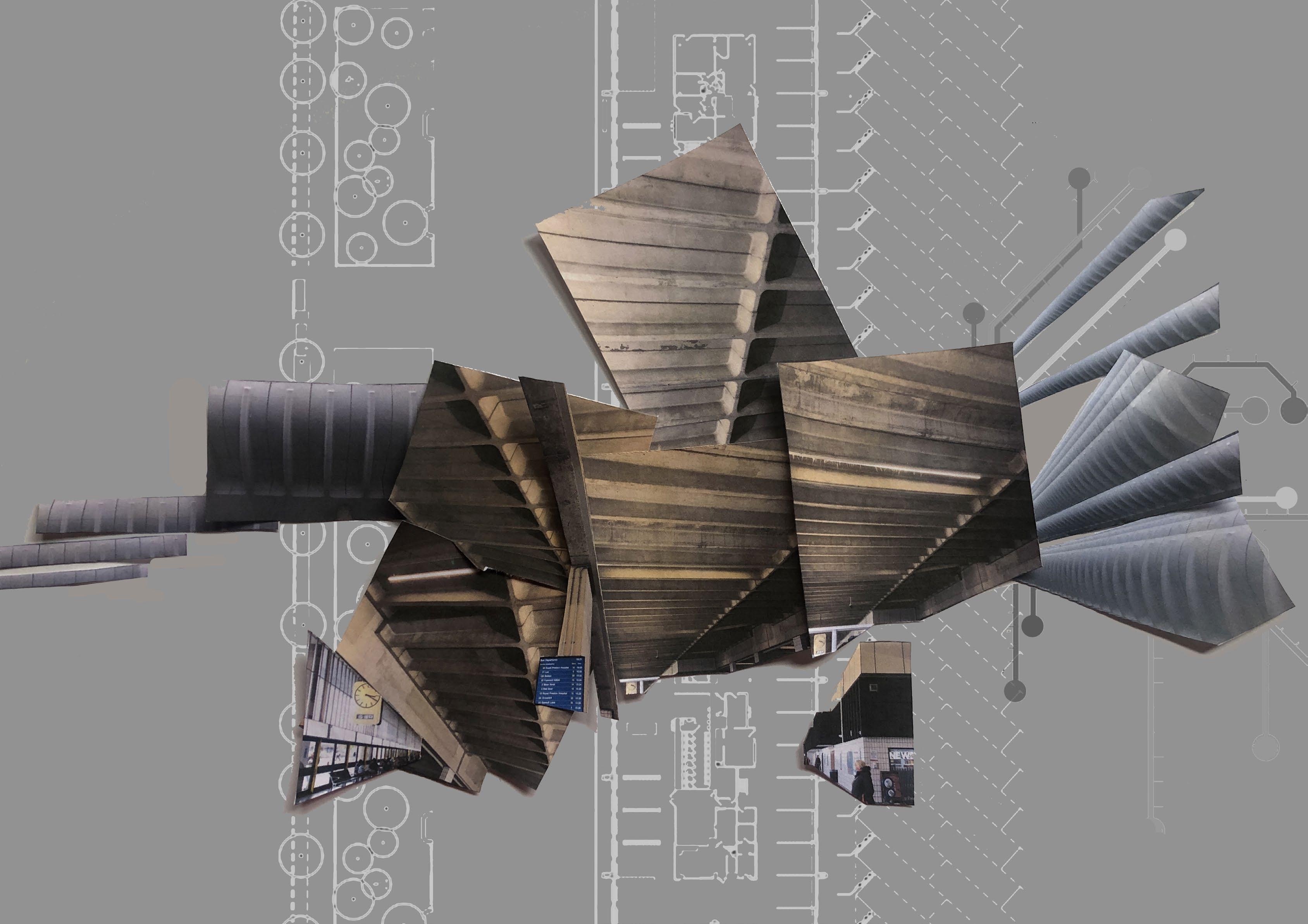
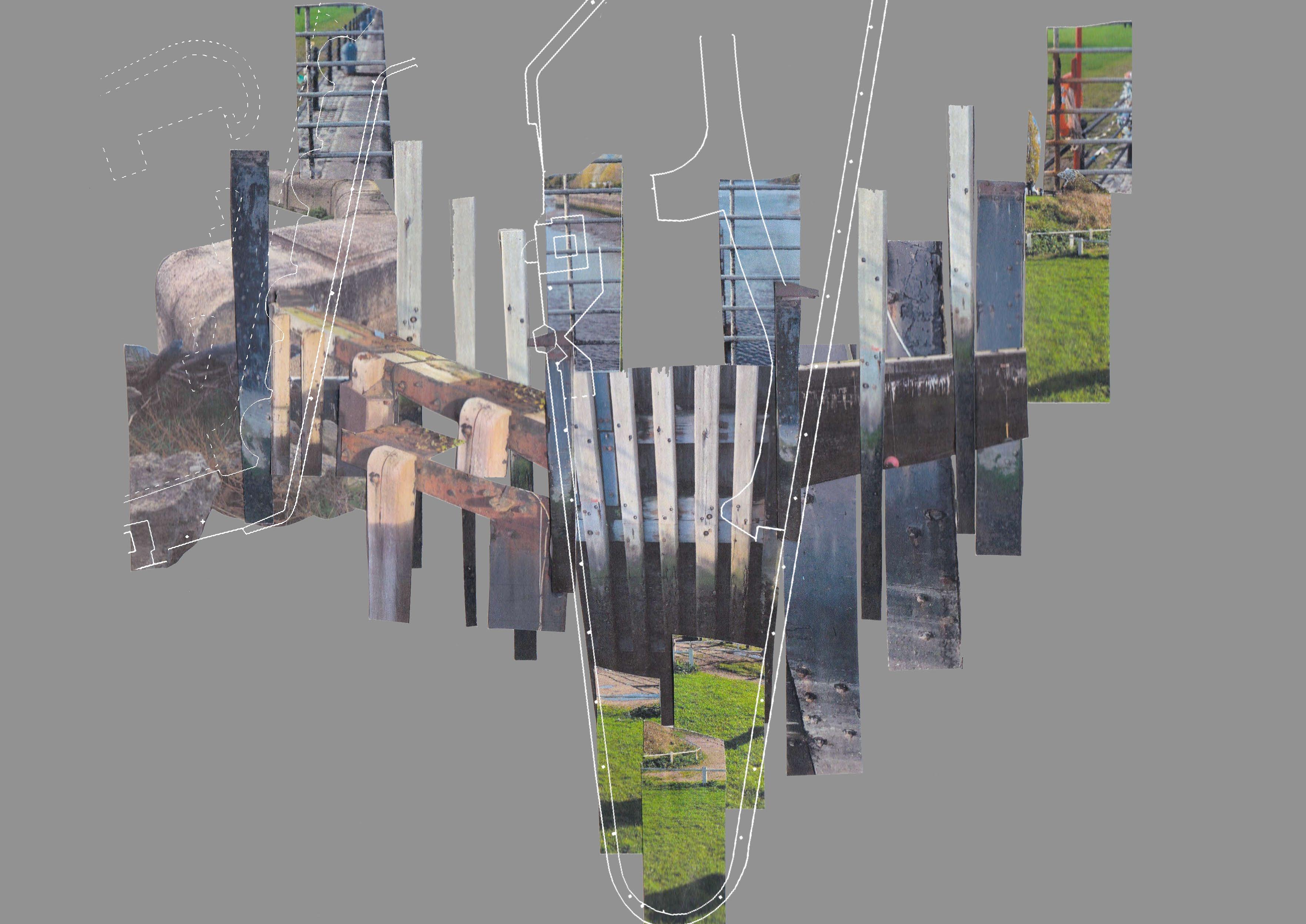
This triptych, set in Preston, took place at the docks, bus station and railway station representing points of departure. I decided to form a narrative through water, connecting to the River Ribble and celebrating water inland.
The triptych contained; A pavilion – The Docks
A piece of furniture – Railway Station
A Gateway – The Bus Station
Power
Each element of the triptych formed a different essence of water, representing arrival, departure and rest.
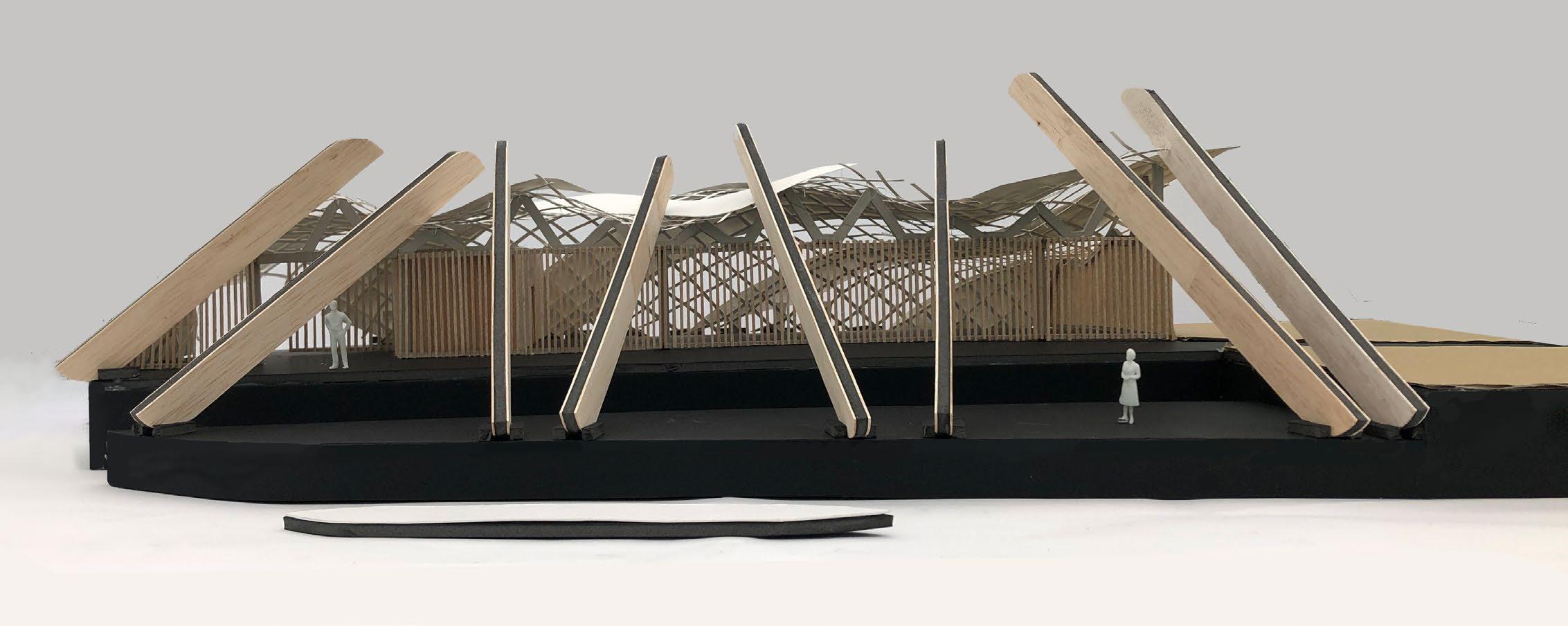
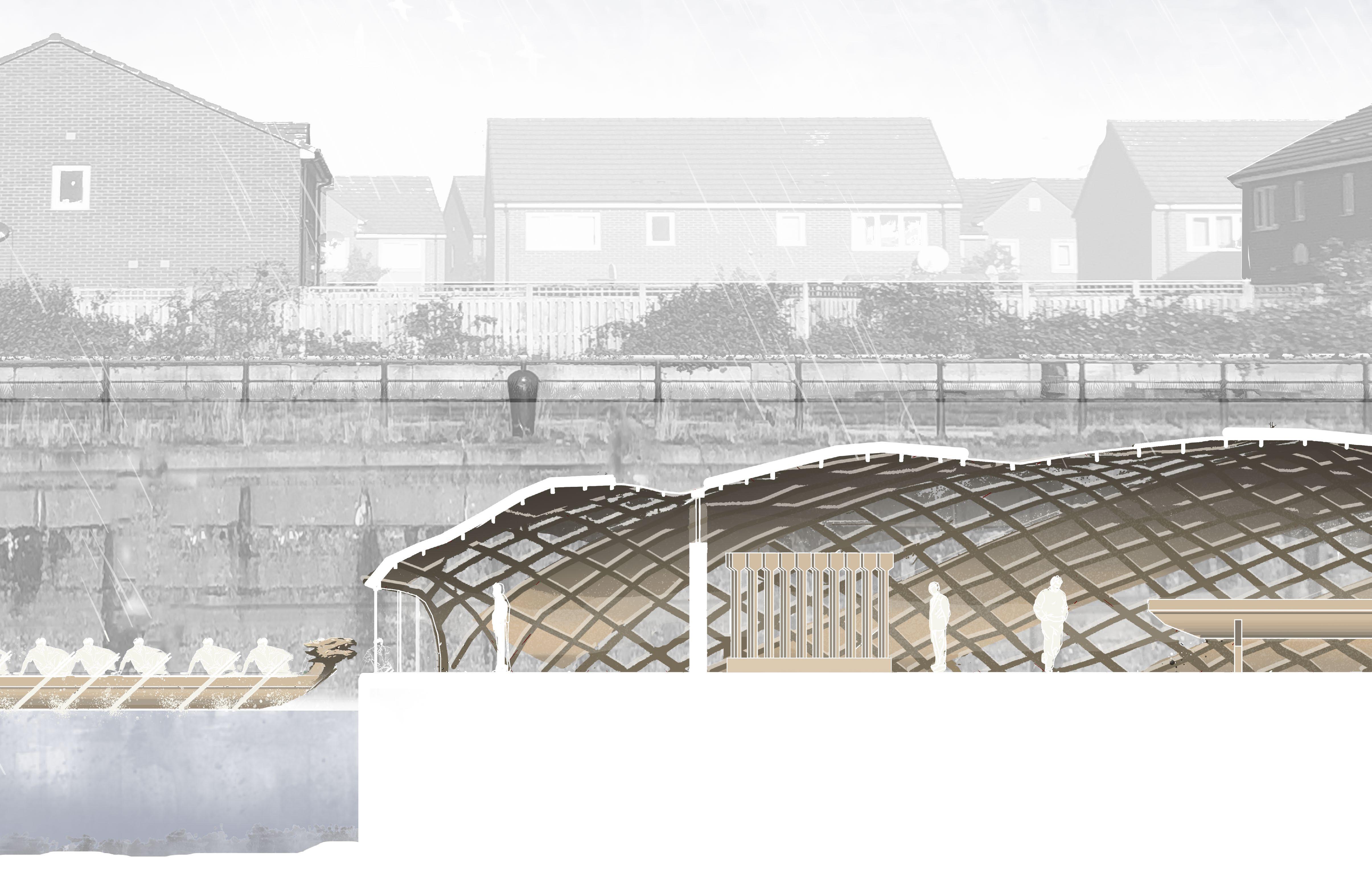
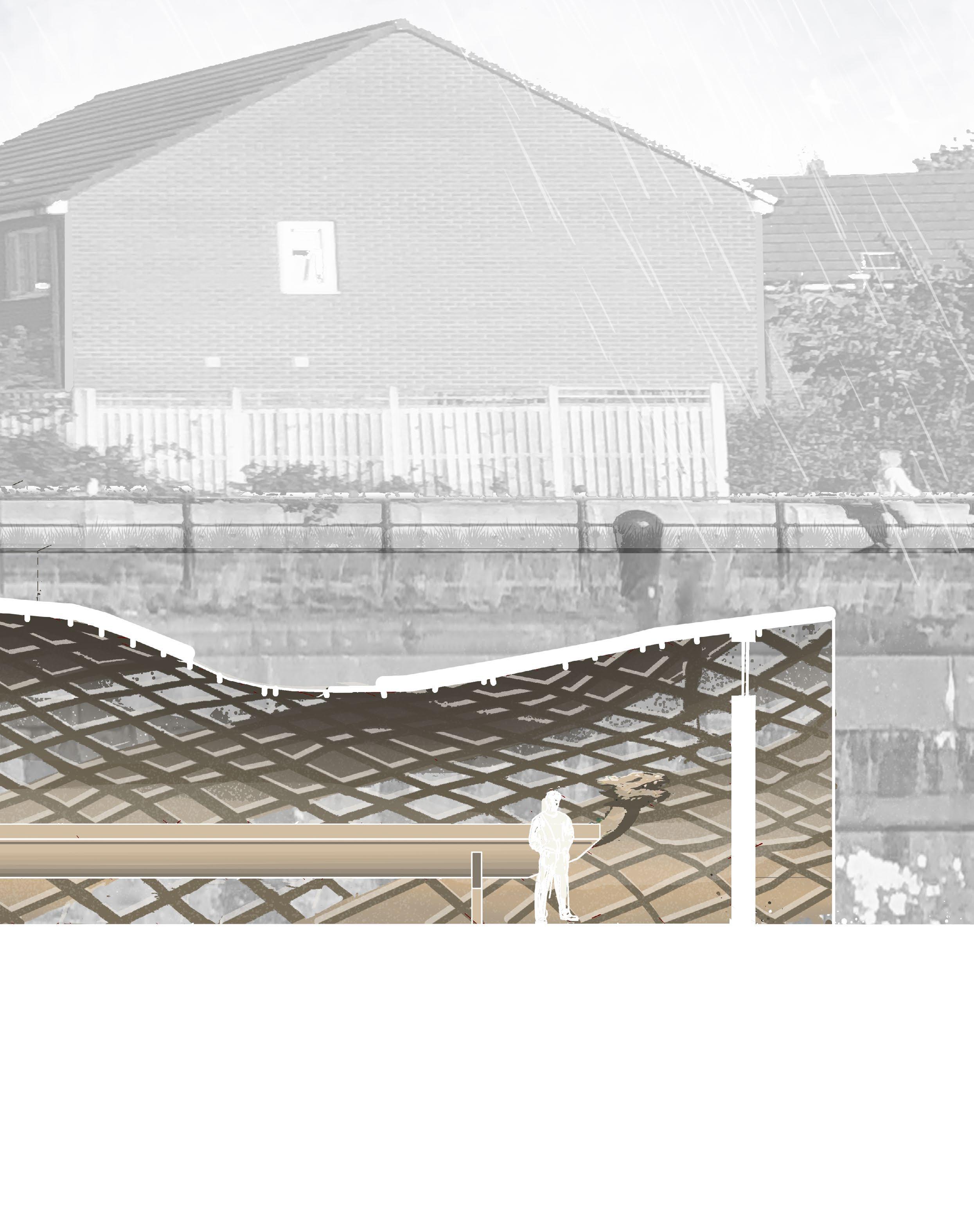
The boathouse would be home to the Preston Dragon’s boat racing team, being an embodiment of the powerful nature of boat racing. The building featured a grid shell structure representing the undulating waves, with oar-like forms striking down over the pavilion space
The piece of furniture, a fountain, represented a point of rest and tranquillity. Finally, the boathouse pavilion, represented the power of water.
The gateway, a sculpture guiding one to the river, represented the rhythm of the water, being a point of arrival.
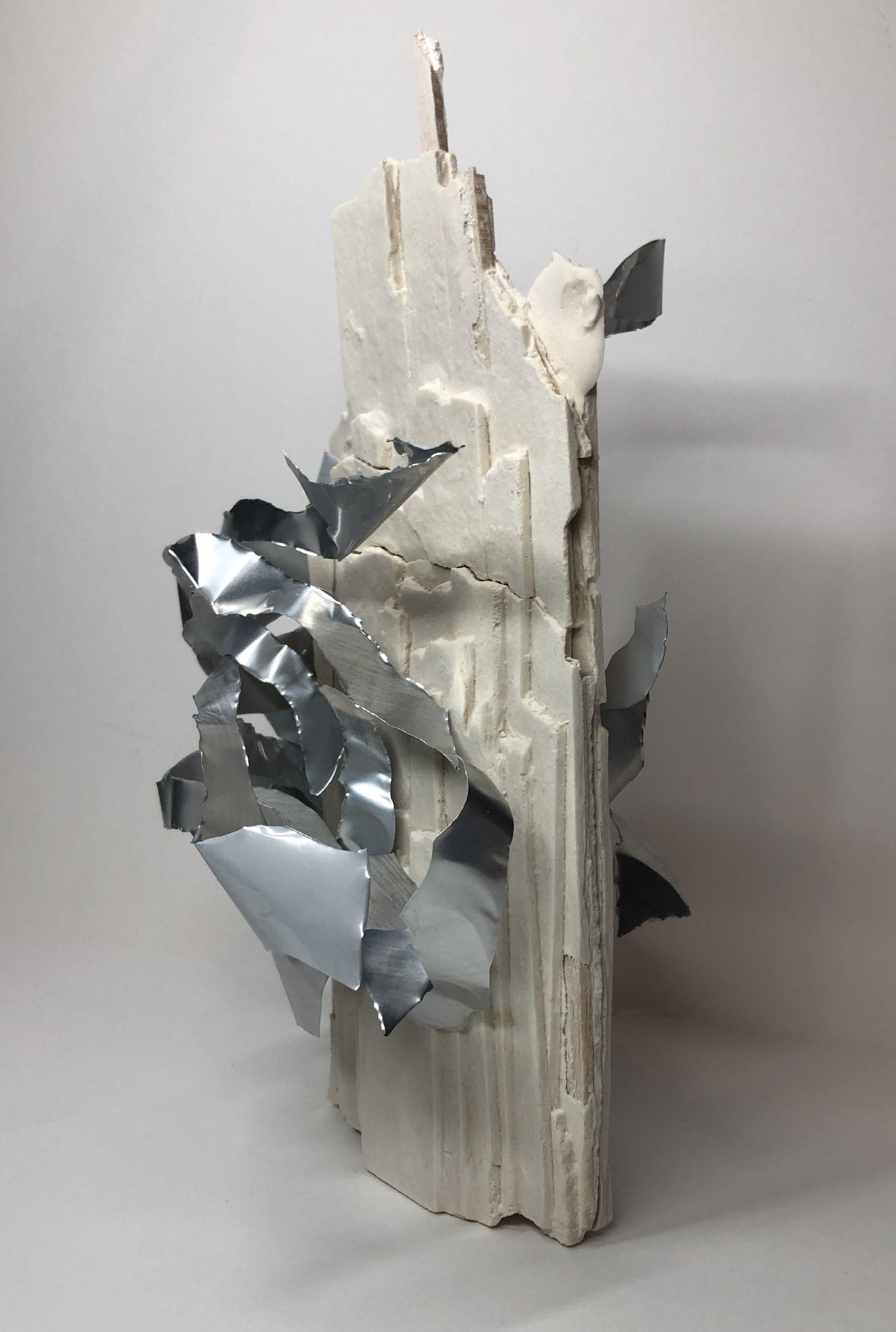
A bridge is blocked off.
An old bridge, retired.
The areas absent of life. Only the wind and the rain and the trees and the leaves and my footsteps.
White noise materialises as water crashes against the old concrete struts of the bridge. The bridge is titled dangerous structure.
A crow lands on it, uncaring.
Conflux
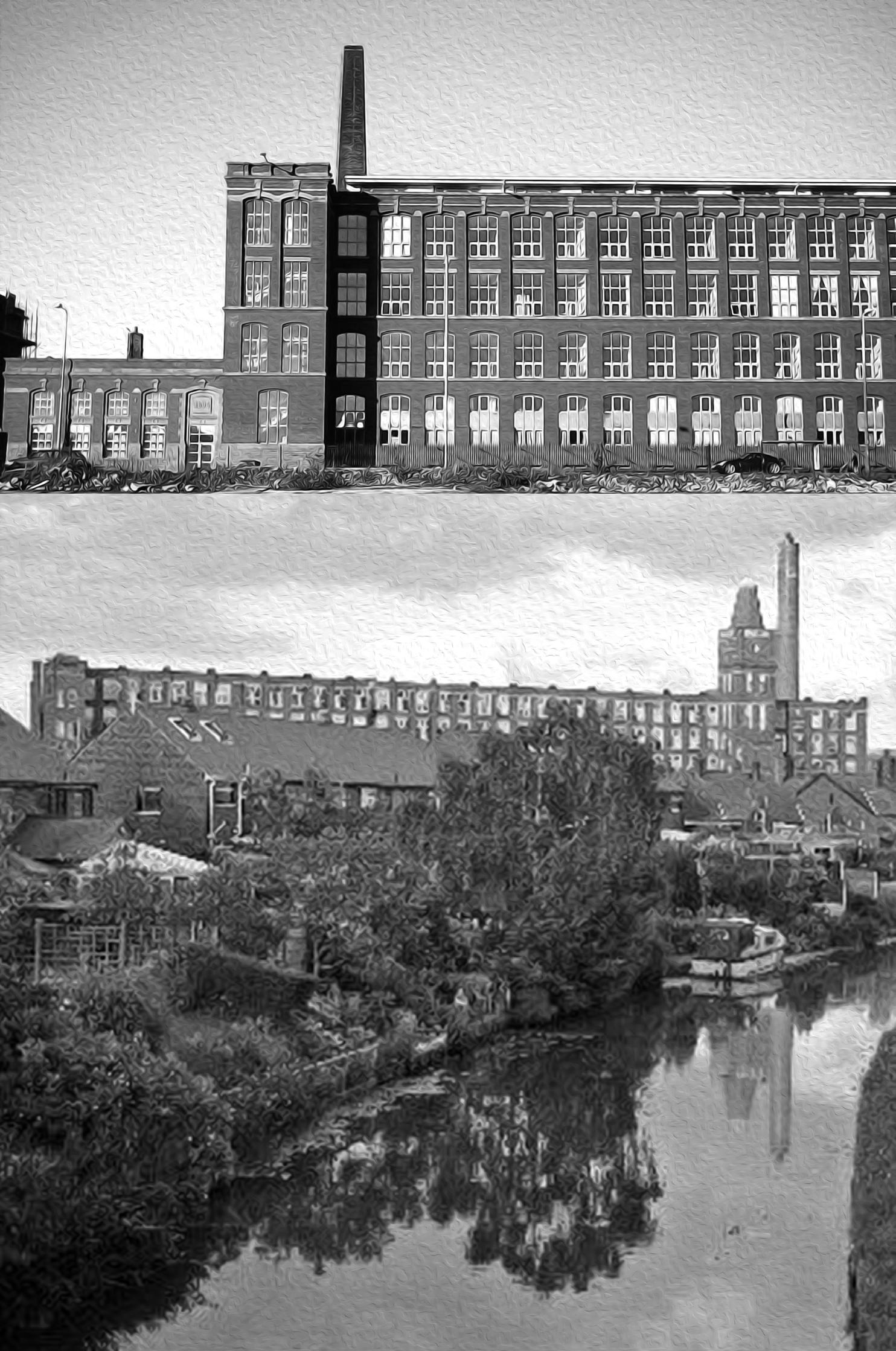
This study shows the connectivity of the railway and the sixty cotton mills through the Canal and the River Ribble. The river is the conflux in which the cotton flows through, through the powering of the mills or simply transportation. If the water was not present, there would be no Industry.
Passageway
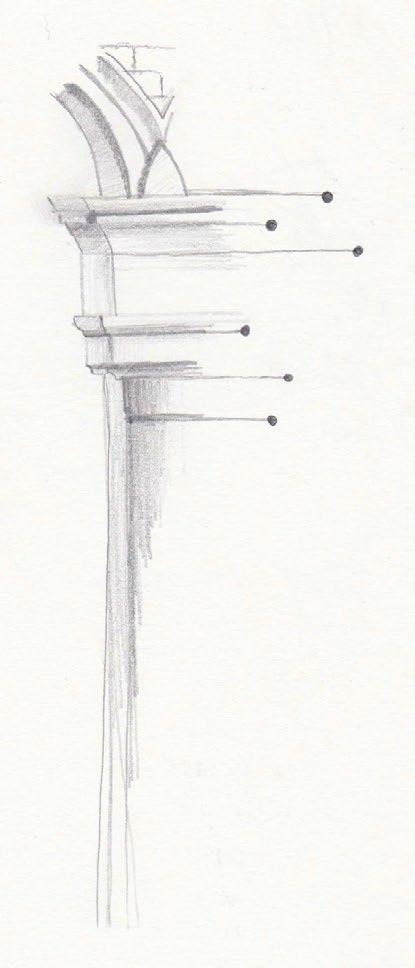
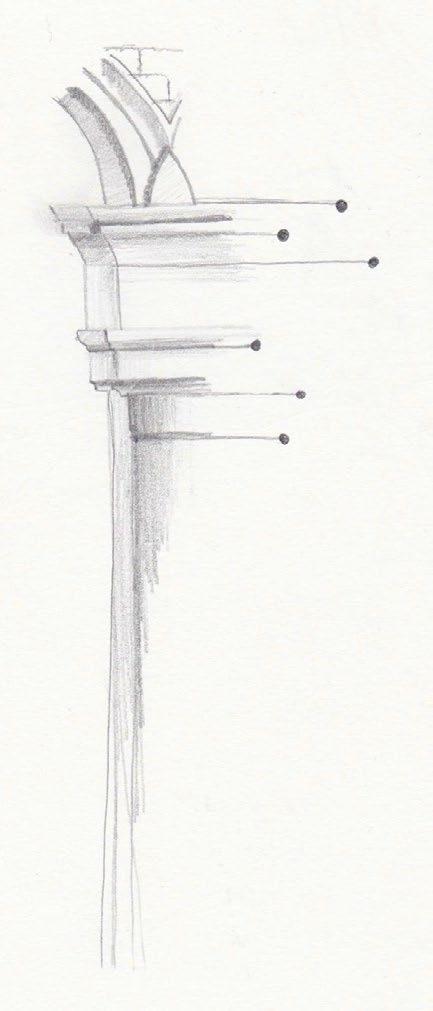
The Archway of the station is symbolic in itself as is acts as a gateway into the threshold of departure. Passing through this marks your leave. The six nodes represent the six platforms in which goods and people have left the city for the past two hundred years.
Weaving
Conflux
1. Maquette Experimentation
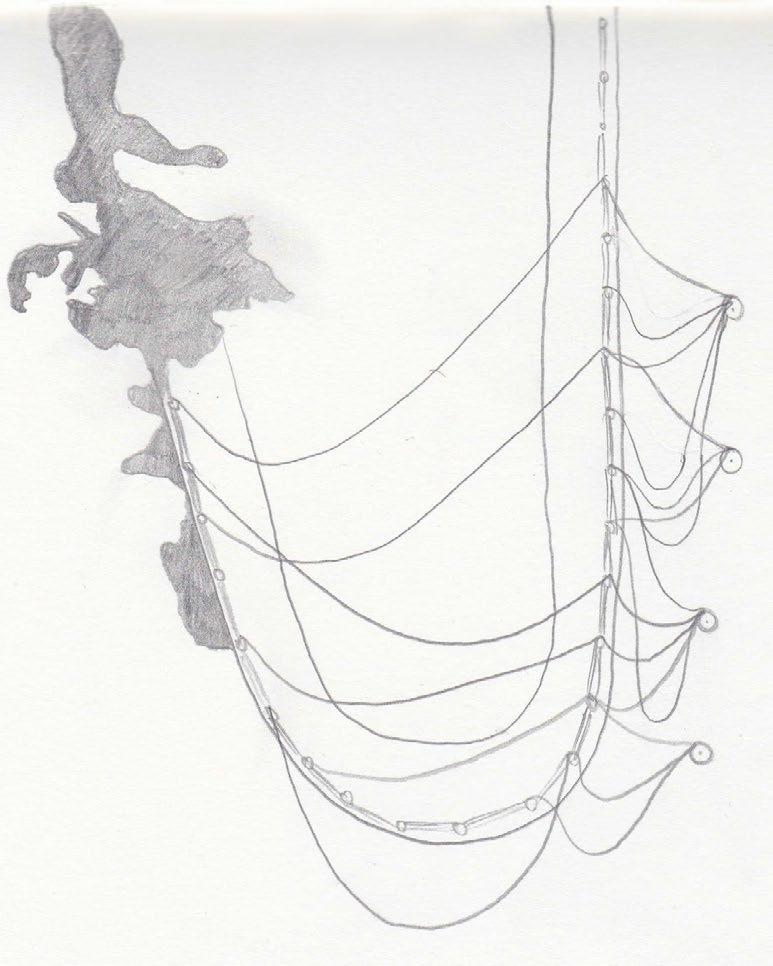
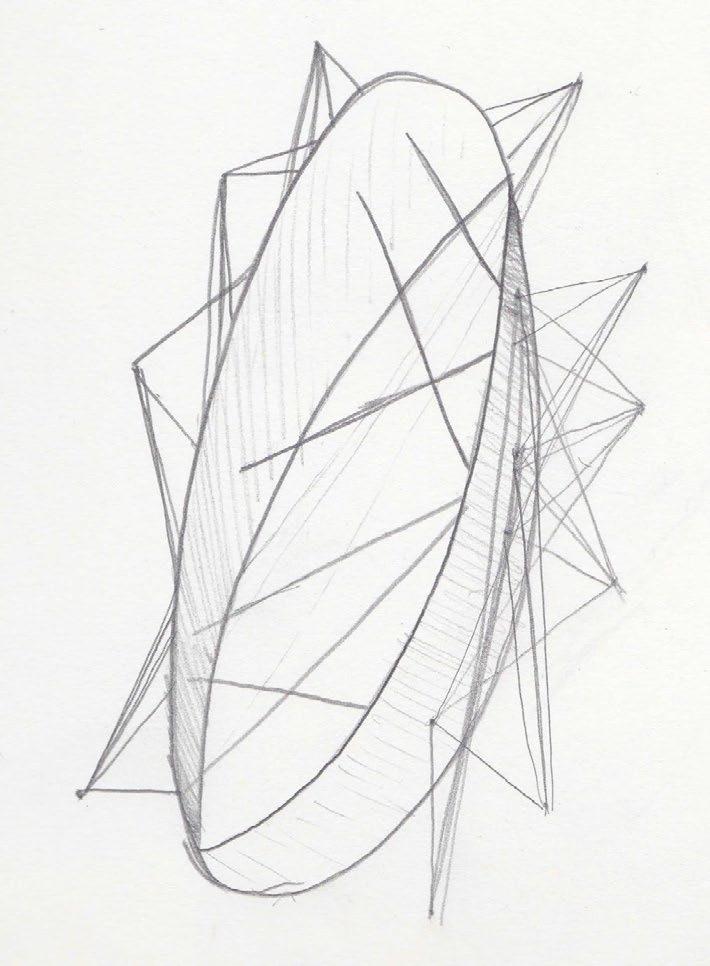
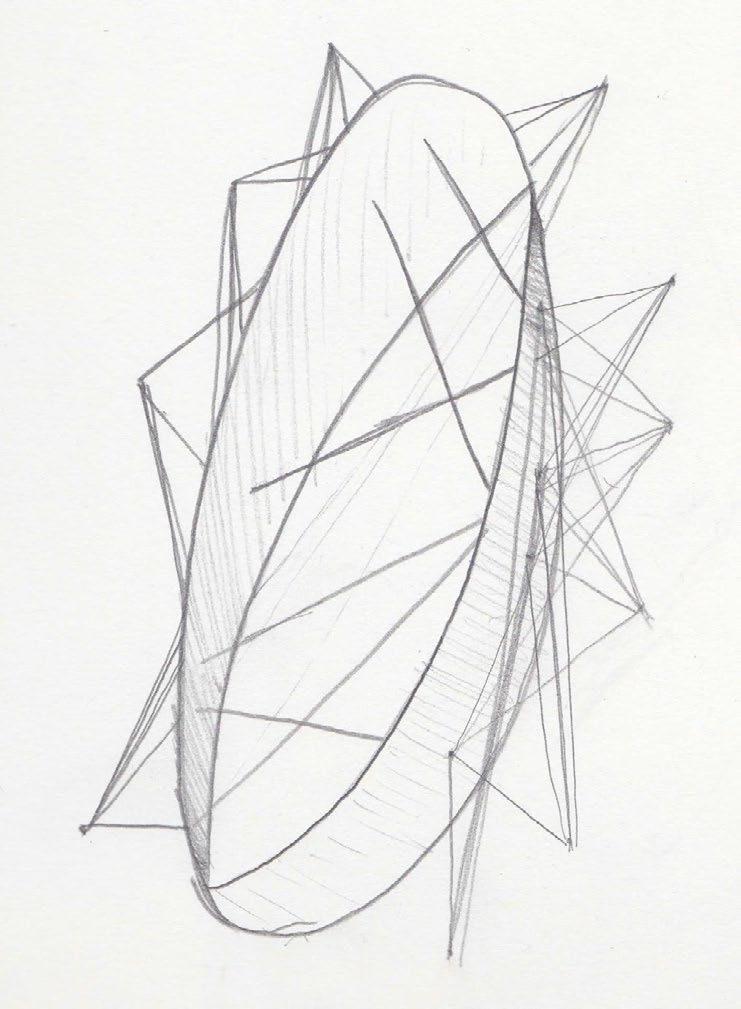
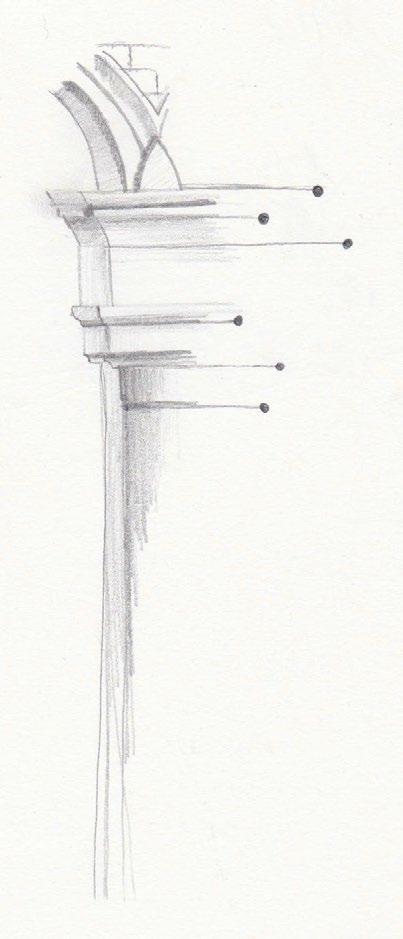
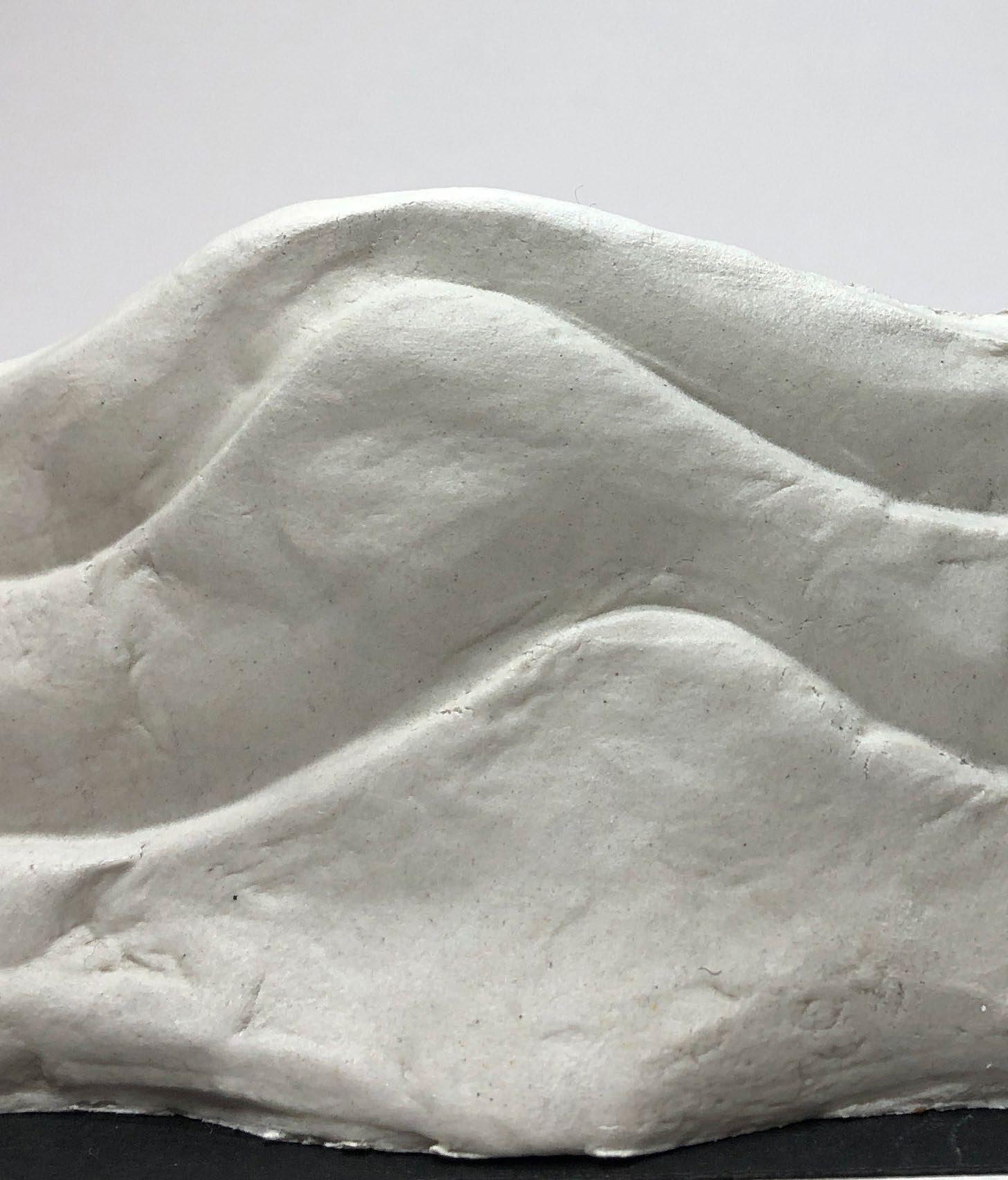
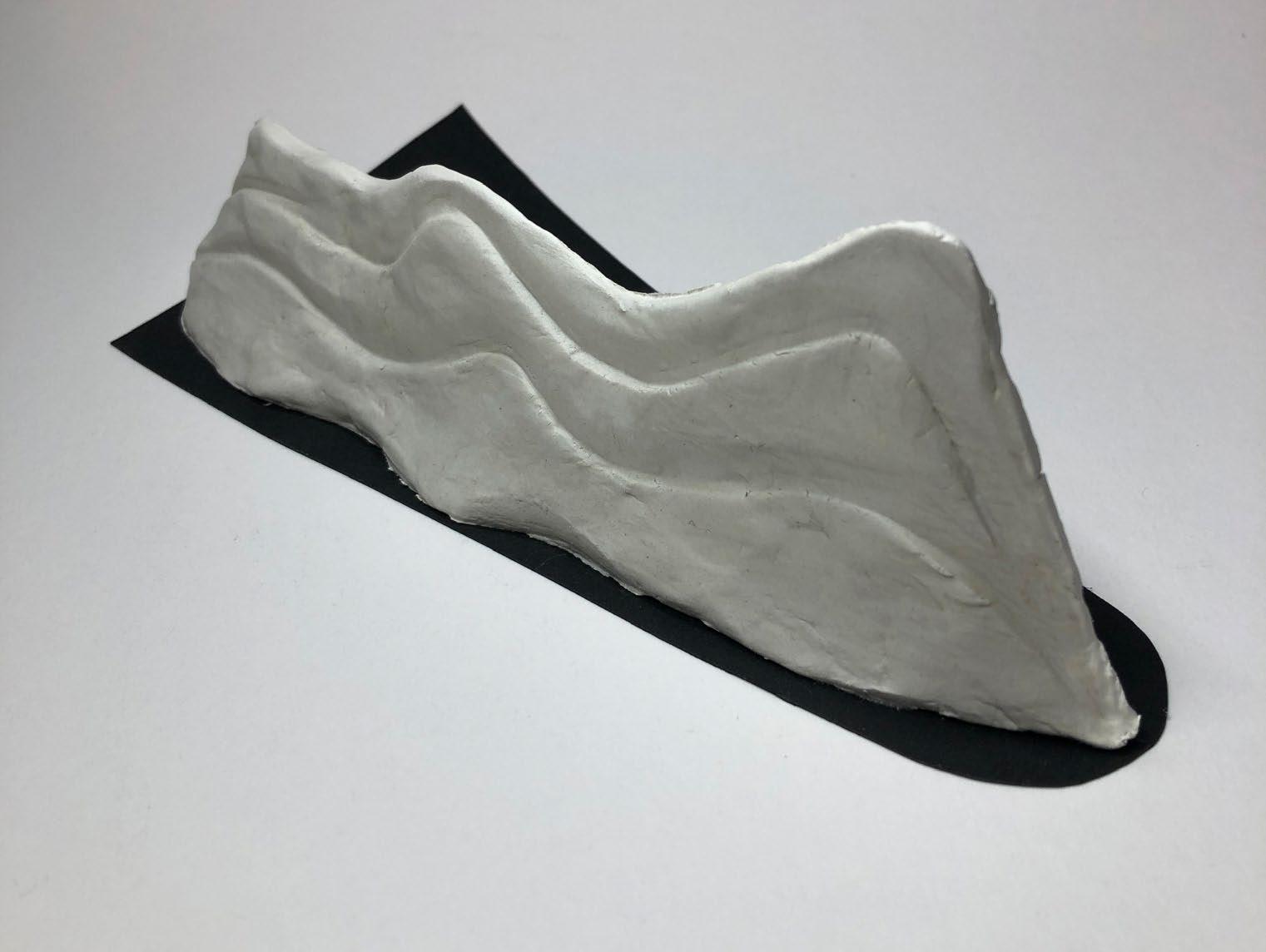
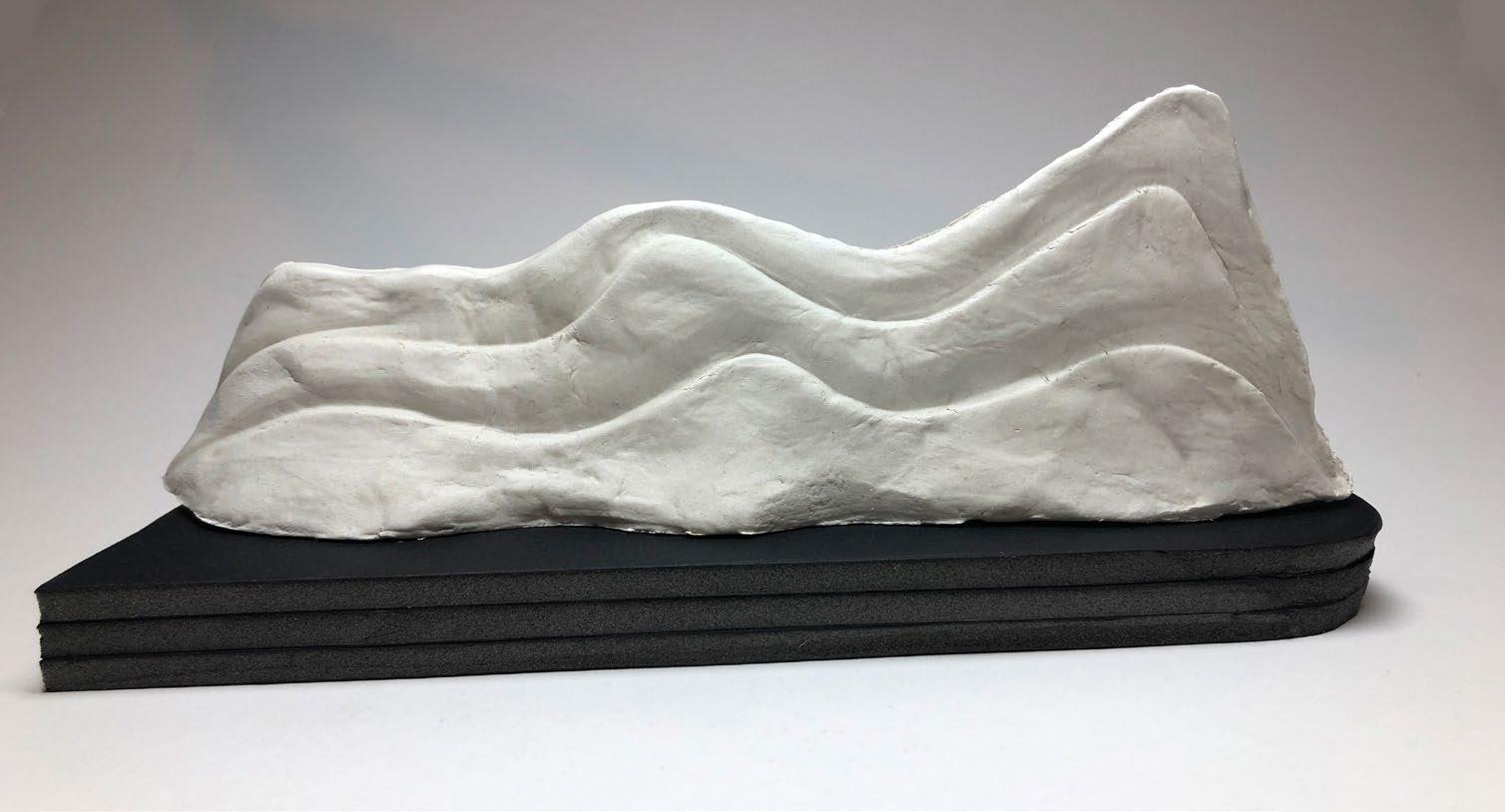
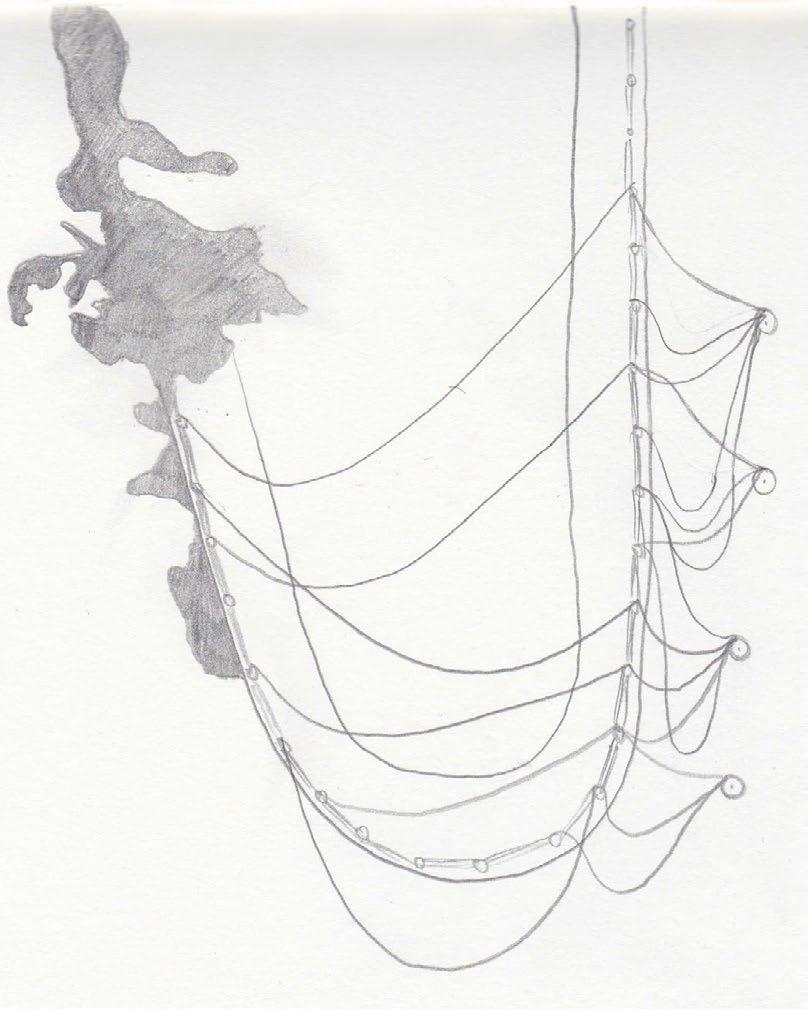
This study shows the connection of water to the cotton industry. The six threads passing through the land represent the six platforms of the railway, connecting the mills to the marina, where the cotton is transported to the rest of the country.
This study shows the connectivity of the railway and the sixty cotton mills through the Canal and the River Ribble. The river is the conflux in which the cotton flows through, through the powering of the mills or simply transportation. If the water was not present, there would be no Industry.
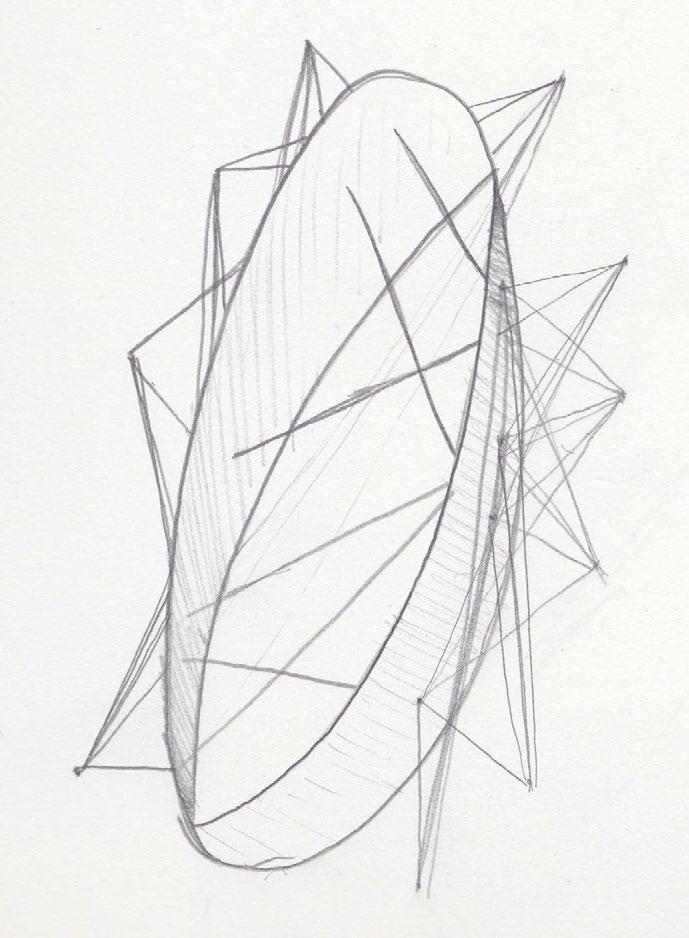
Experimentation with form; to understand how curved, wave-like shapes can be used to create forms in which the pavillion can take.
2. Weaving
Passageway
4. Conflux
The Archway of the station is symbolic in itself as is acts as a gateway into the threshold of departure. Passing through this marks your leave. The six nodes represent the six platforms in which goods and people have left the city for the past two hundred years.
This study shows the connection of water to the cotton industry. The six threads passing through the land represent the six platforms of the railway, connecting the mills to the marina, where the cotton is transported to the rest of the country.
3. Passageway
The Archway of the station is symbolic in itself as is acts as a gateway into the threshold of departure. Passing through this marks your leave.
Conflux

Weaving
This study shows the connectivity of the railway and the sixty cotton mills through the Canal and the River Ribble. The river is the conflux in which the cotton flows through, through the powering of the mills or simply transportation. If the water was not present, there would be no Industry.
This study shows the connection of water to the cotton industry. The six threads passing through the land represent the six platforms of the railway, connecting the mills to the marina, where the cotton is transported to the rest of the country.
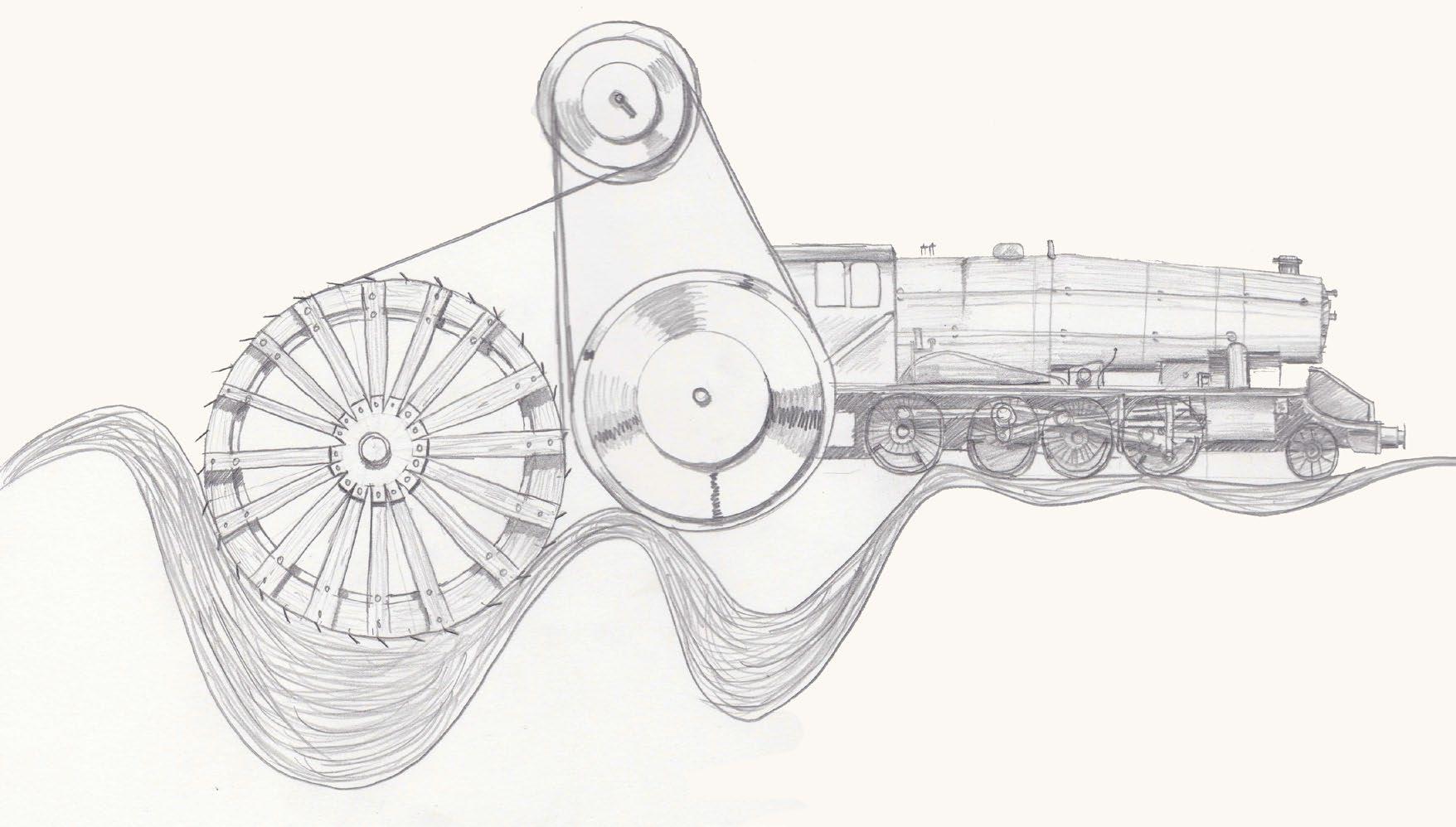
This study shows the connectivity of the railway and the sixty cotton mills through the Canal and the River Ribble. The river is the conflux in which the cotton flows through, through the powering of the mills or simply transportation.
5. Empowerment Through Water
This study expresses how water powered the mills generated the industry within Preston, creating the boom needed for an industrial scale railway. The triptych will all be linked through water, each embracing its own aspect, power, energy and tranquility.
The Archway as a gateway through six platforms
 4.
2. 3.
5.
1.
4.
2. 3.
5.
1.
Bus Station Section
An exploration of materiality and spatial language throughout the journey through bus station.


Marina Section
This section shows the ‘island’ of the marina expressing the disconnection from the natural banks and the dominance of the River Ribble
Section A 1:50 @A1 0 5
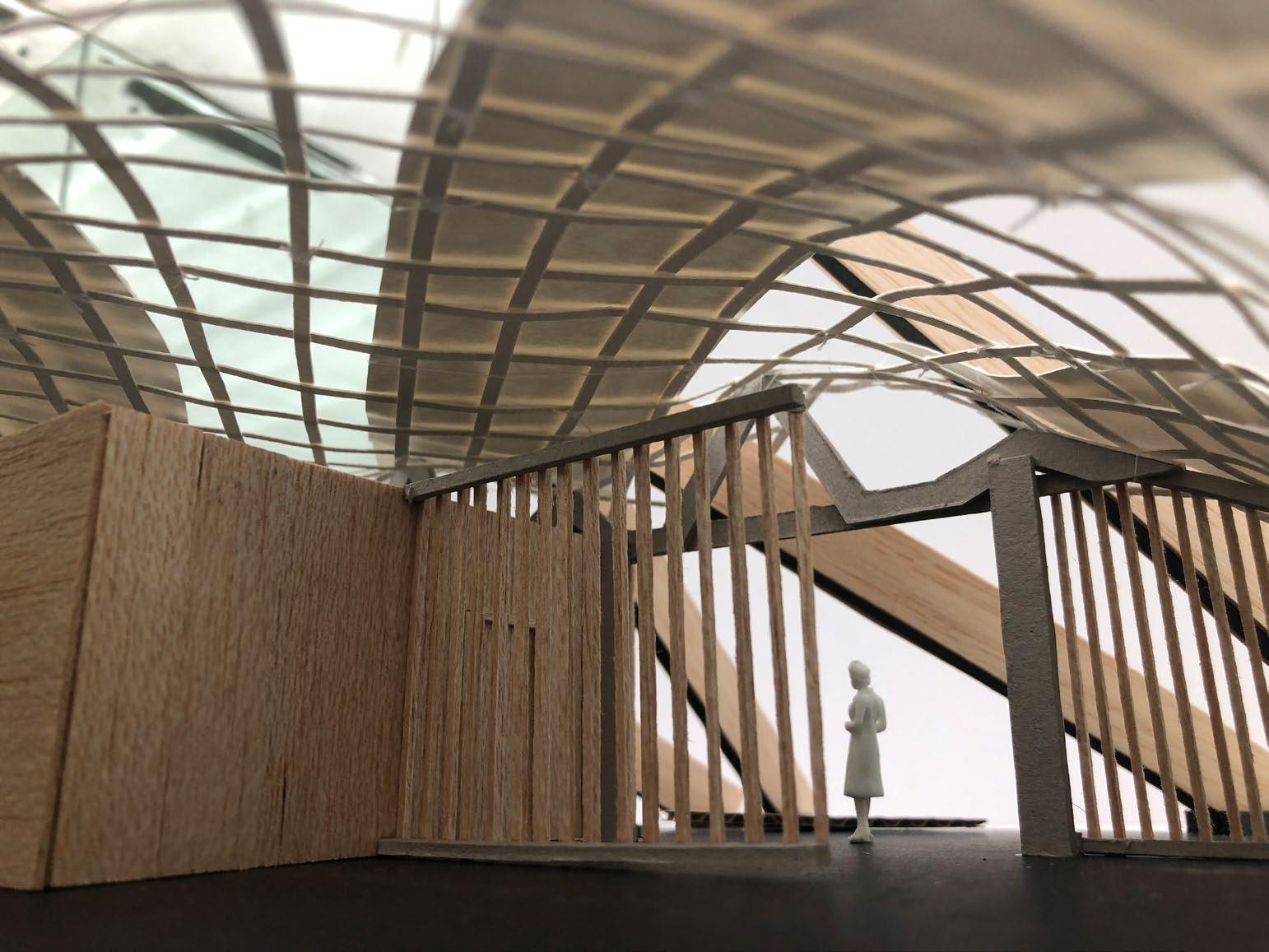
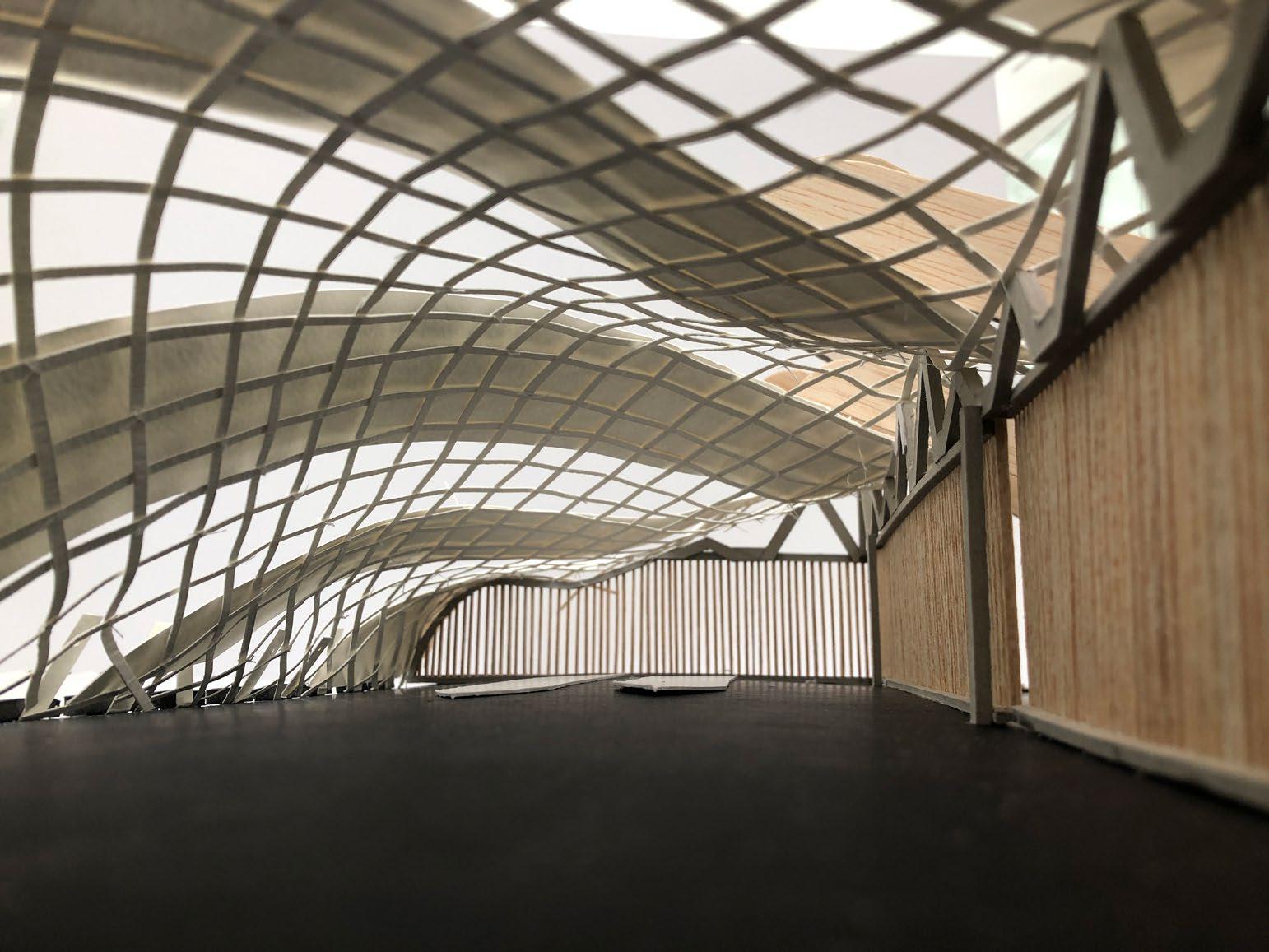 Boat storage
Final
Boat storage
Final
Pavillion 1:50 Internal views
Exhibition and observation space
Crossley Street School
With the current library not offering the excitement desired by the pupils of Crossley Street School, we were employed to create a space which would be nurturing yet exciting for the students to explore to their hearts content. Our goal was to make this space feel like it was straight out of a story book.
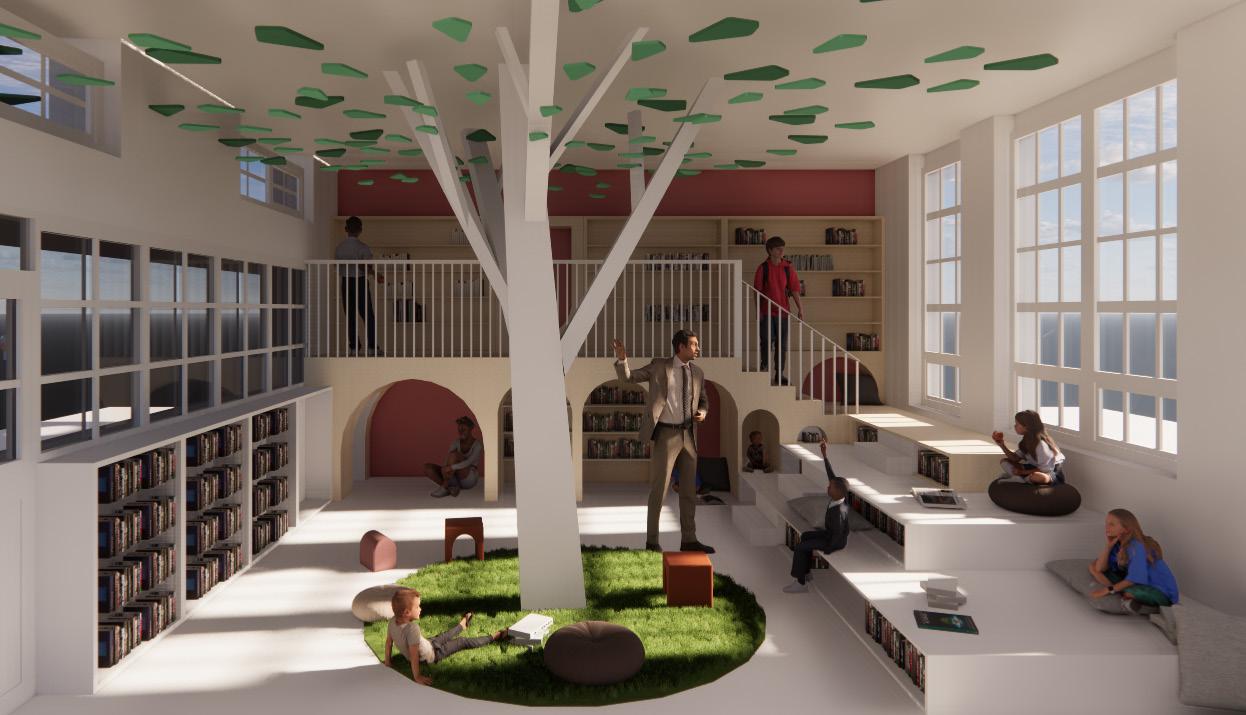
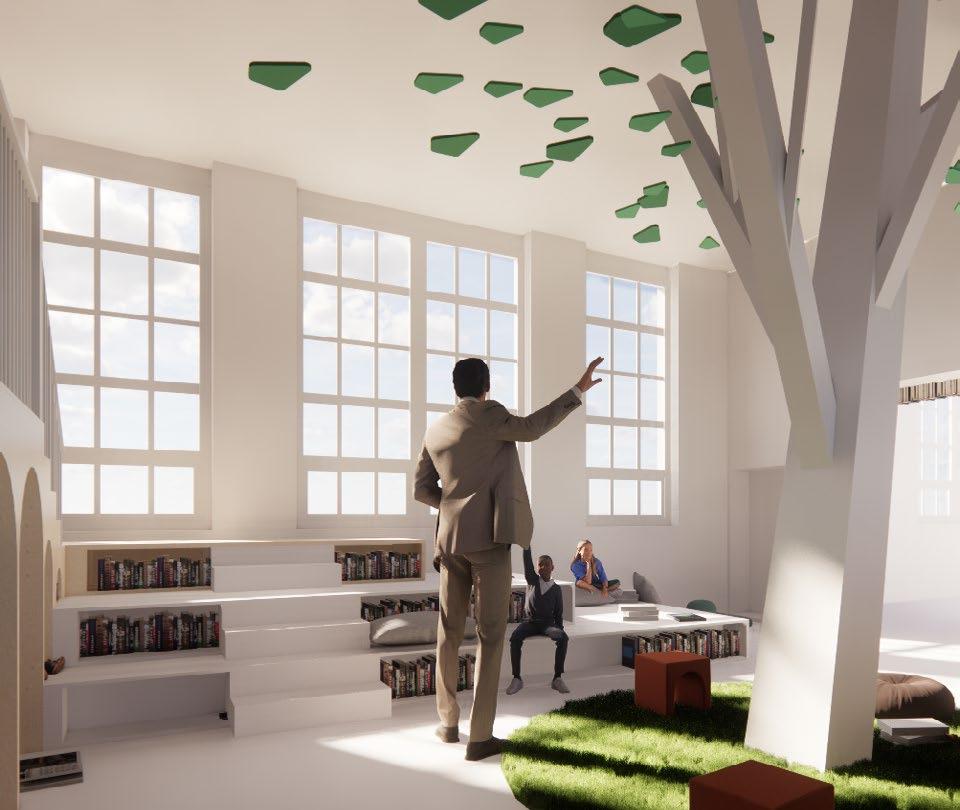
The arched openings in the shelves at the rear of the classroom, a response to Wetherby Bridge, formed reading nooks where children could be tucked away in private comfy spots. I carried out many tests with massing to ensure the spaces would comply with regulations and be as optimised as possible.
PROPOSALS
VISUALS
Primarily were tasked building alongside to form an and first bleak space. creating
VISUALS PROPOSALS THE READING TREE Central to the space with leaves suspended from the ceiling and the possibility of artificial grass around it’s base.
Bridgewater Place SIKA Everbuild
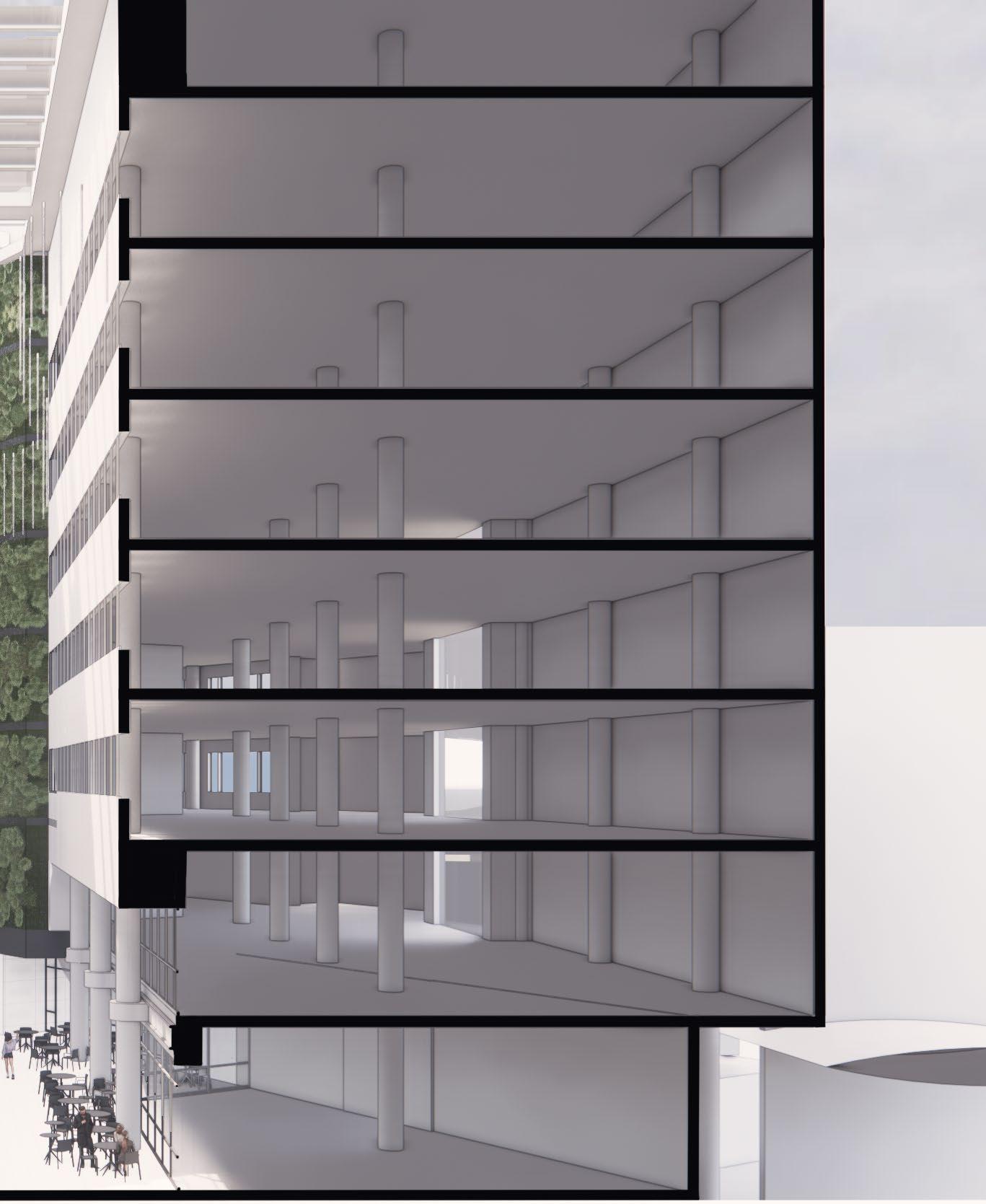
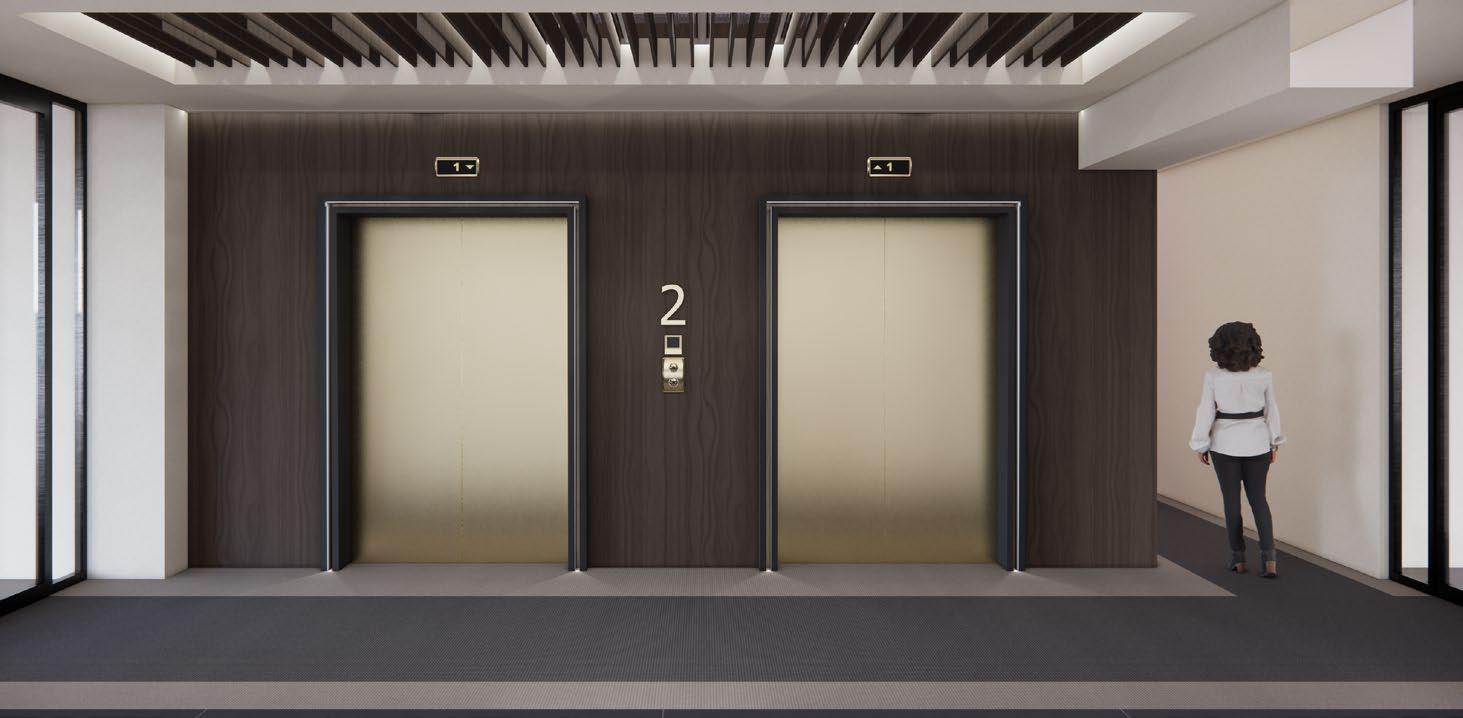
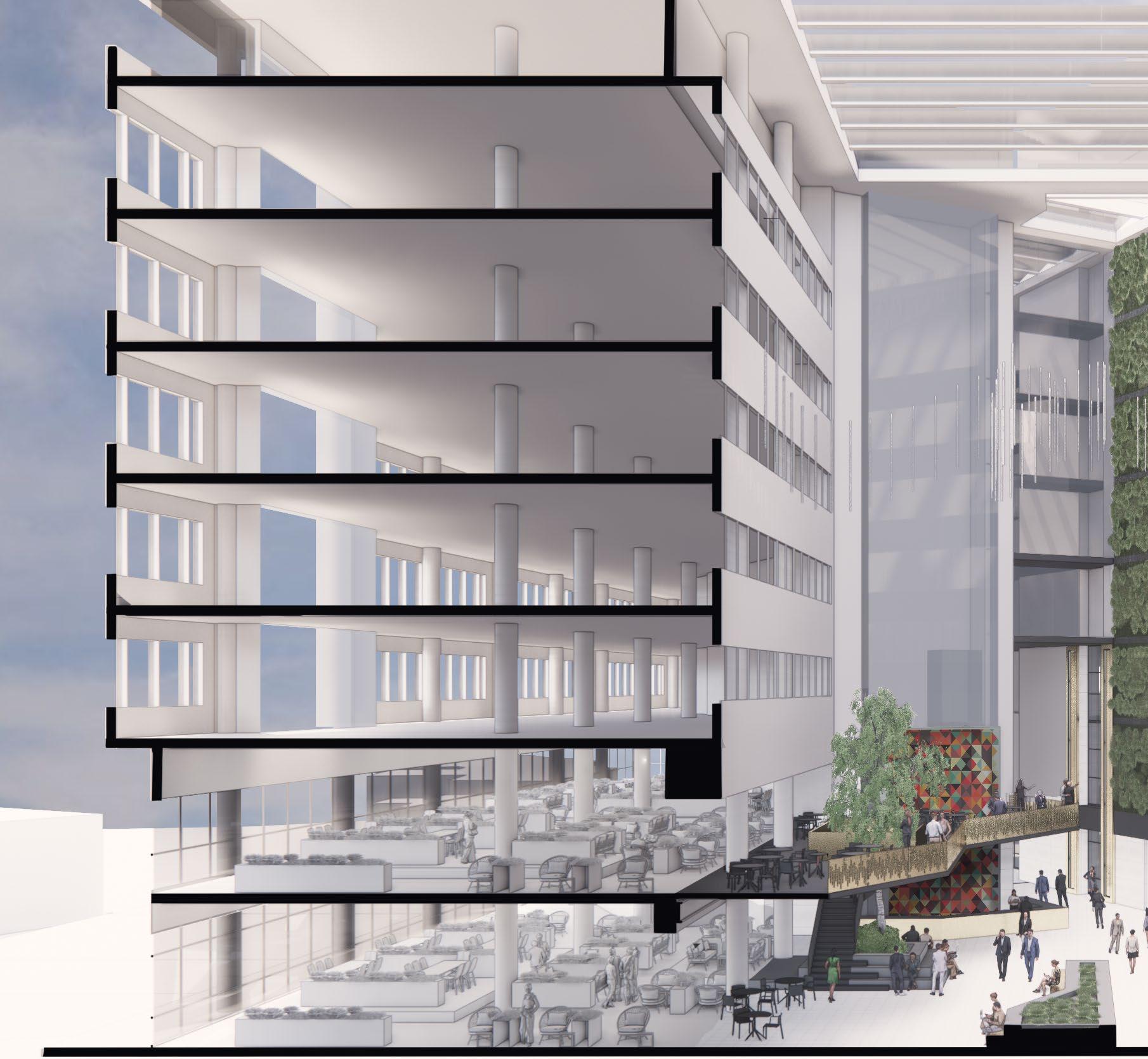
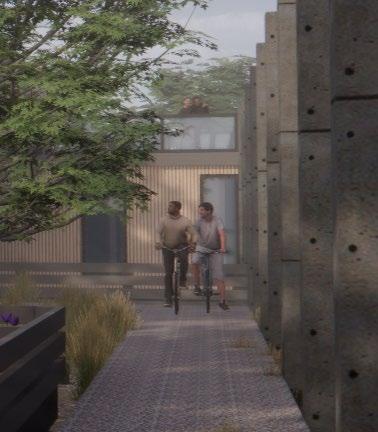
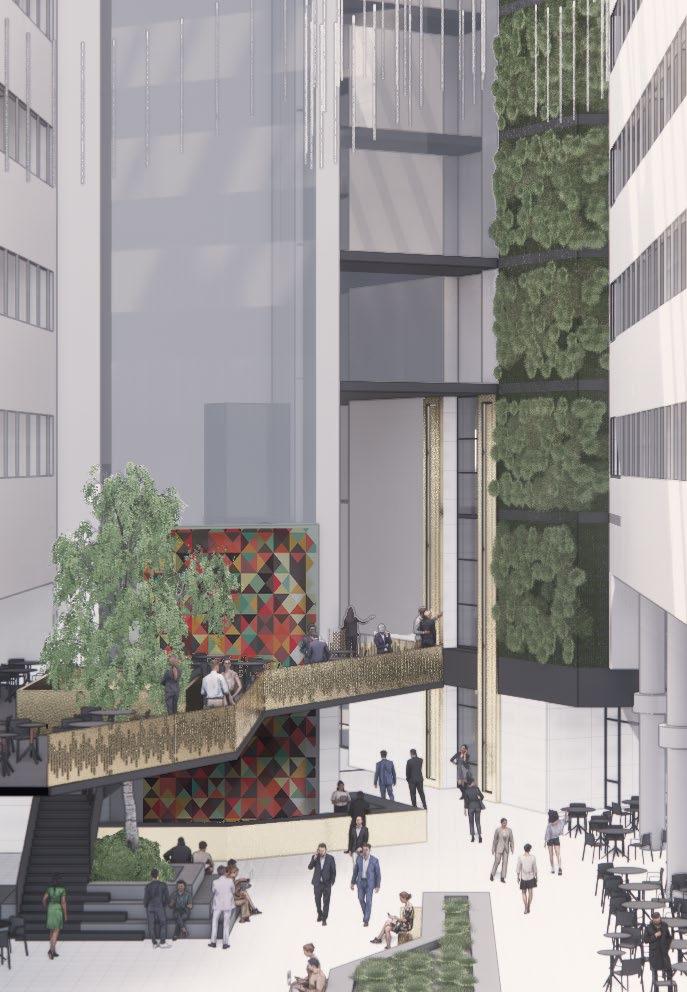
focusing on the atrium, end of journey facilities, lifts and toilets, we tasked with redesigning and renovating the journey through the immense alongside providing an incentive to cycle to work. We took bold steps an active frontage, placing WeWork spaces in the atrium’s ground floor floor, alongside bringing a dynamic terrace planting into the existing space. I played a key role in modelling the existing building and proposals, creating the visuals and testing the proposal throughout the design process.
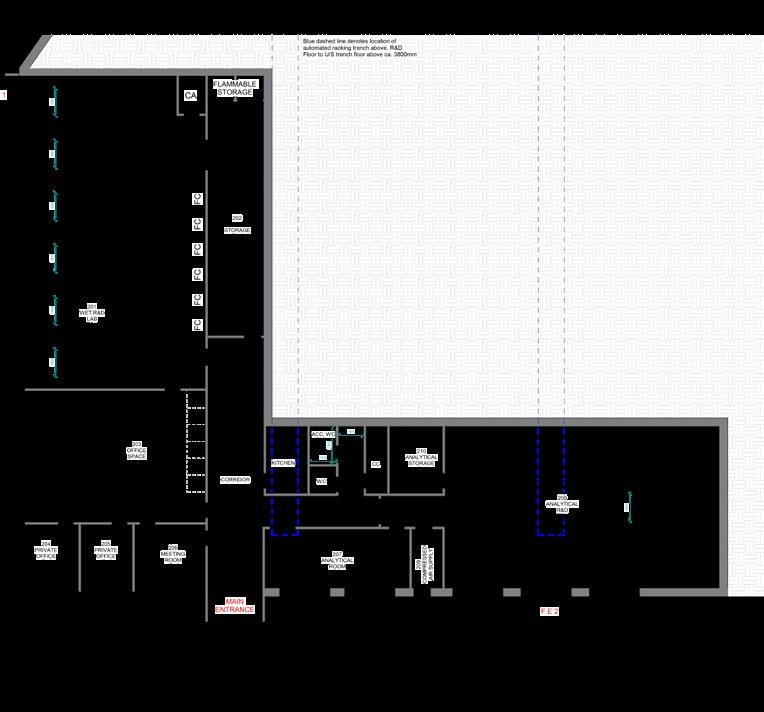
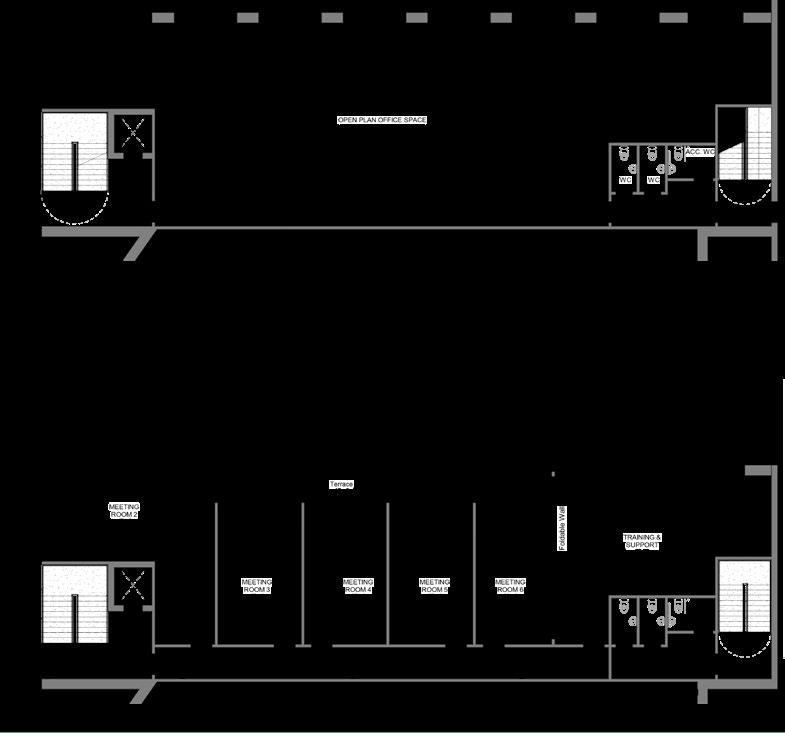
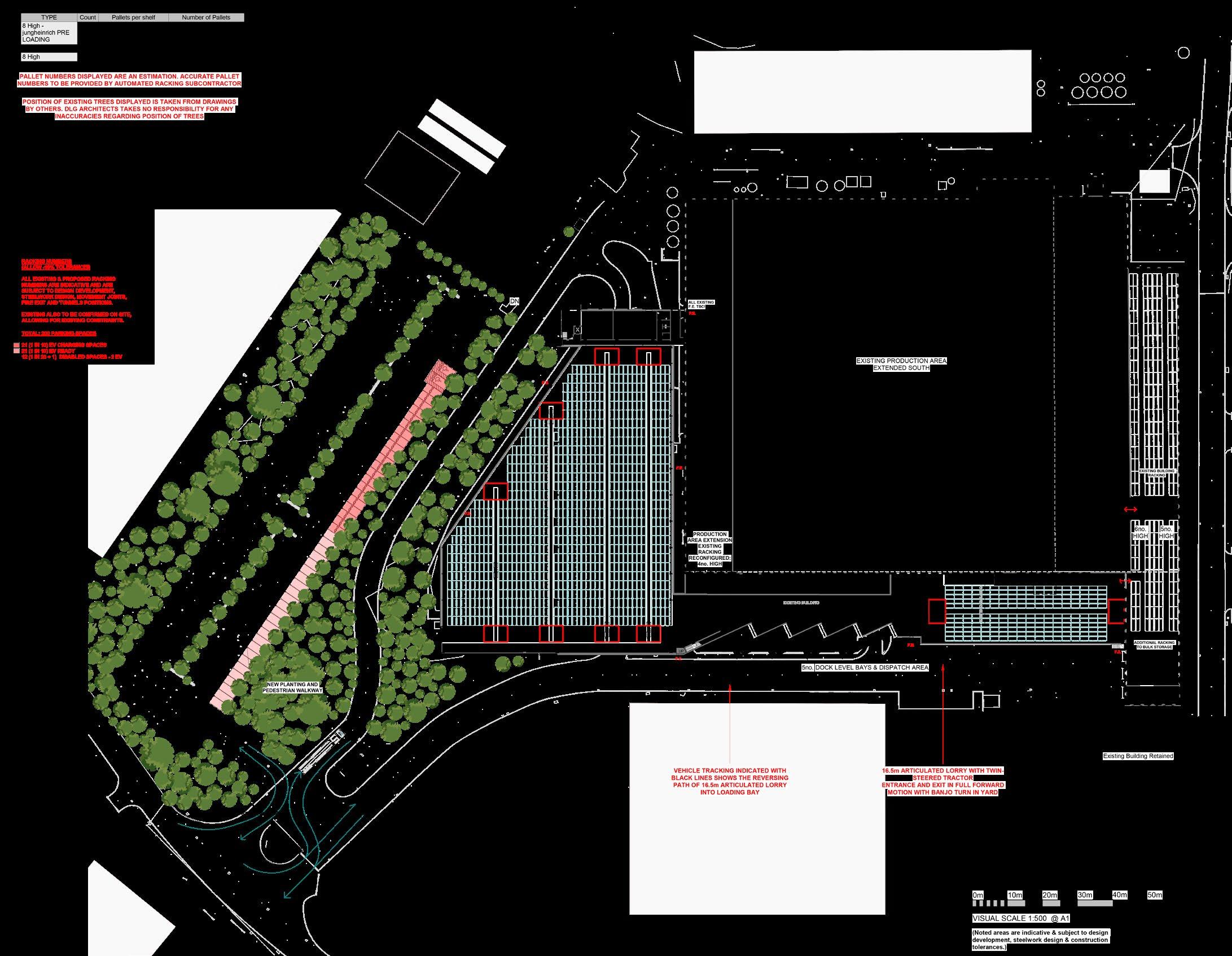
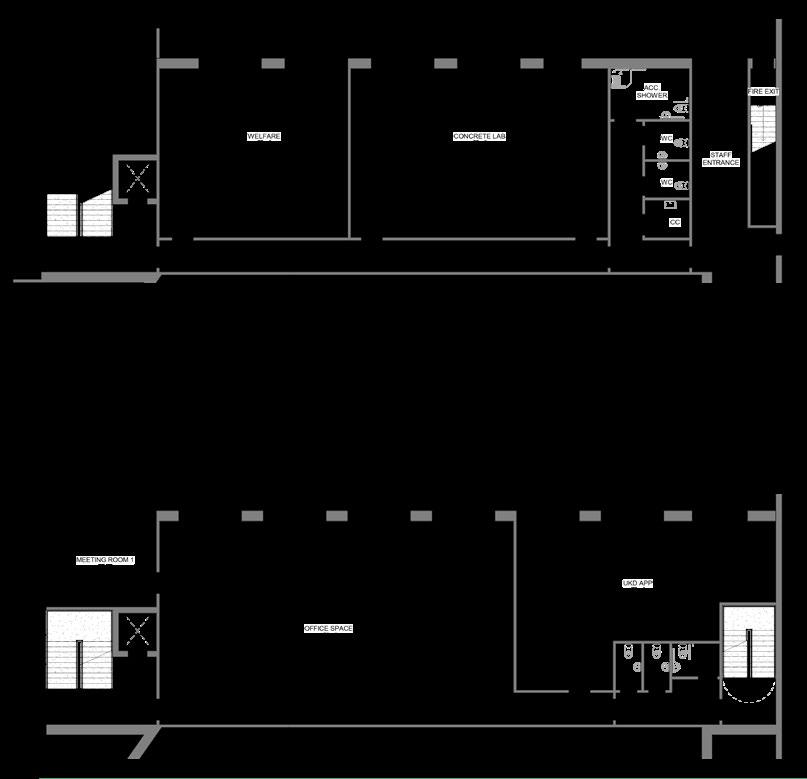
This project has explored various storage solutions and new research and developement labs for SIKA Everbuild, Leeds. I developed the model from a very early stage, consulting engineers from JPG and a specialist from Jungheinrich to provide an efficient automated solution to the warehouse extension. I have solved countless problems under the guidance of one of the partners and issued booklets with a variety of planning, structural, topographical and conceptual drawings and diagrams.
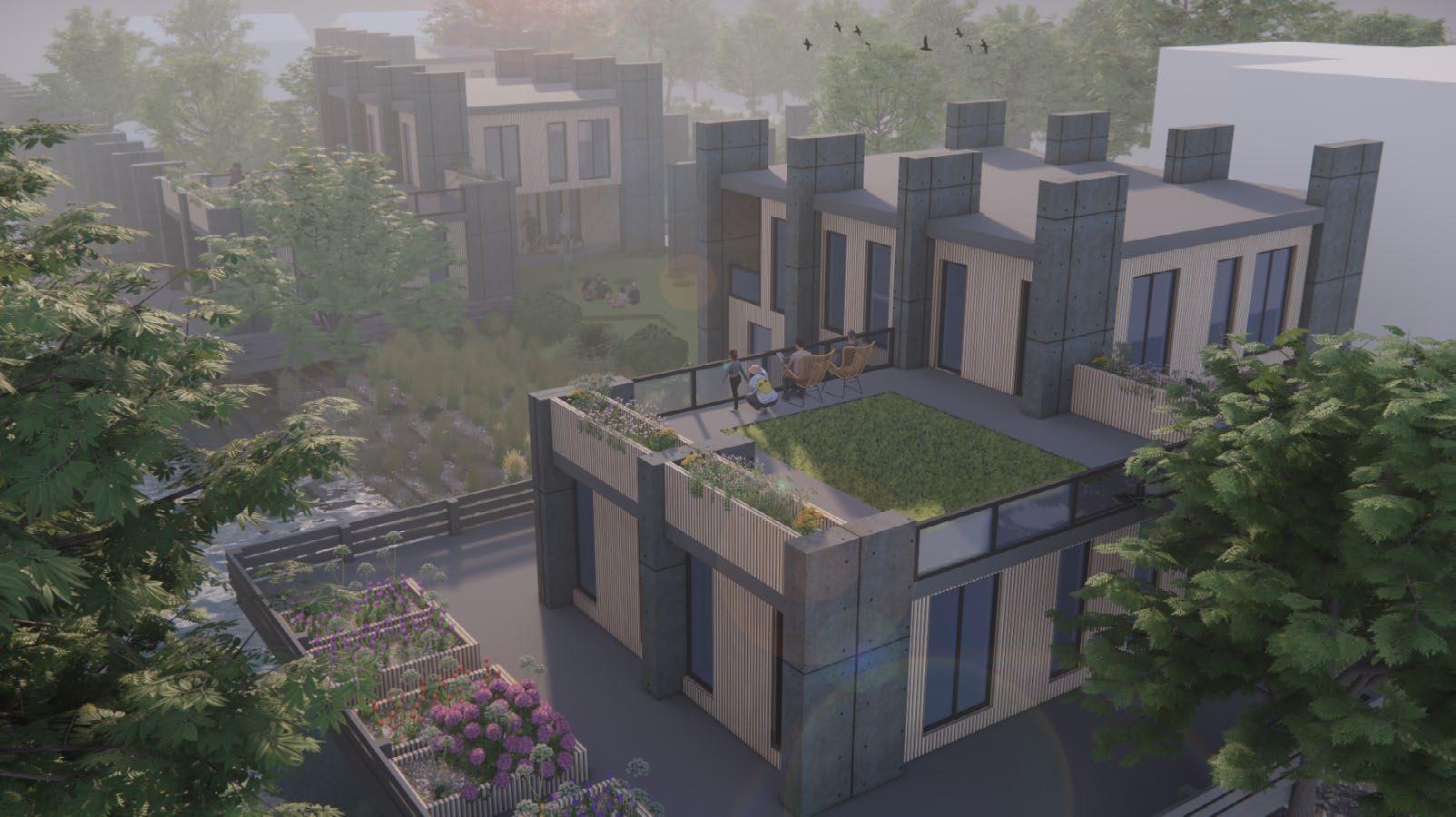
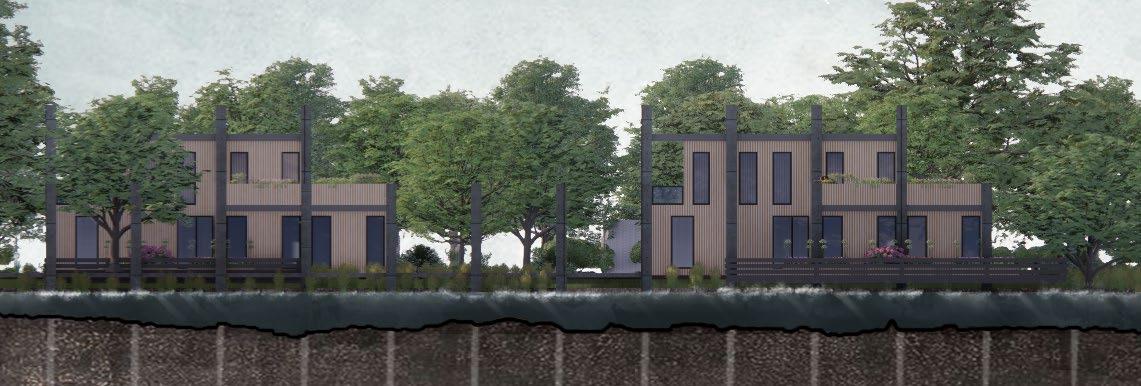
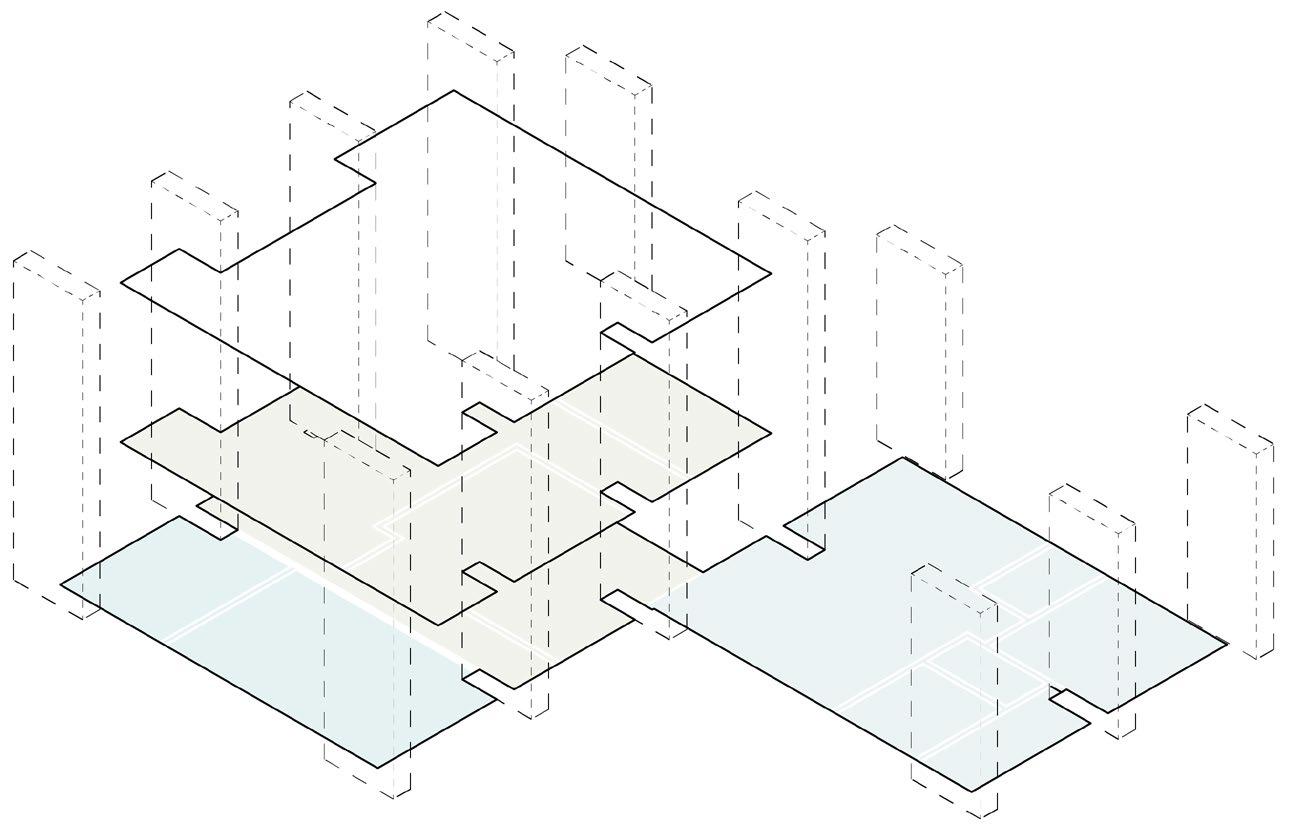
 Group Housing Family Apartment Single Apartment