The United States SPECIALIST


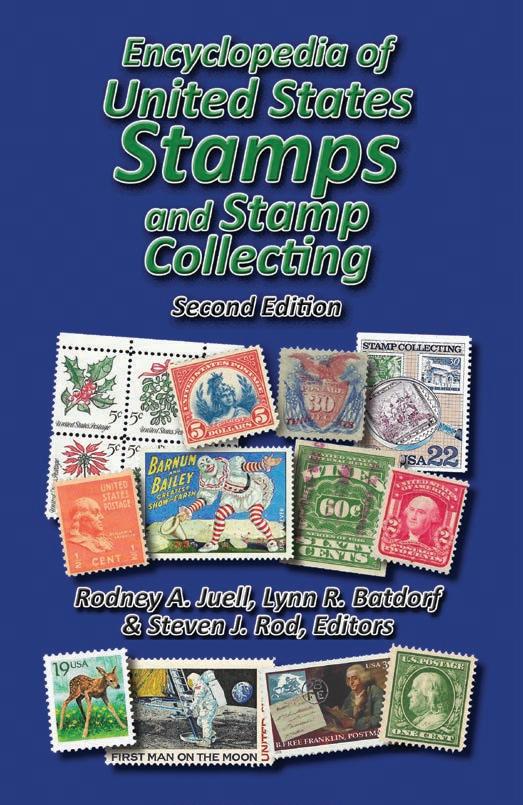
Encyclopedia of United States Stamps and Stamp Collecting Second Edition
Edited by Rodney A. Juell, Lynn R. Batdorf and Steven J. Rod
Hardbound, 769 pages. $35 members, $40 nonmembers. Visit the website for shipping costs.
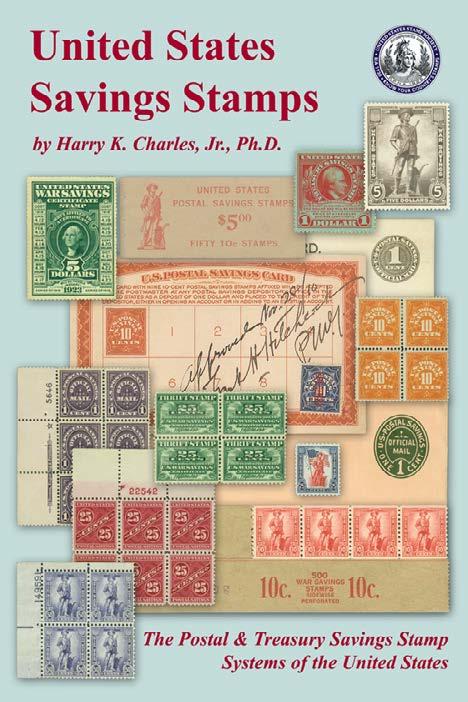
United States Savings Stamps by Harry K. Charles, Jr.
A presentation of the United States Postal and Treasury Savings Stamp Systems, the stamps and their closely associated collection cards and booklets, and Official Mail stamps and stationery.
Softbound, 253 pages.
Postpaid: $25 members, $28 nonmembers. Visit the website for shipping costs.
Order from: USSS, P.O. Box 1602, Hockessin, DE 19707-5602 or online at: www.usstamps.org/store/
VOLUME 96, NUMBER 12
The United States SPECIALIST
the journal of the United States Stamp Society
D E c EMBER 2025
WHOLE NUMBER 1150
An association of collectors to promote the study of all postage and revenue stamps and stamped paper of the United States and US-administered areas produced by the Bureau of Engraving and Printing and other contract printers. American Philatelic Society Affiliate No. 150
Prologue
552 Vintage Photo of the Month by Rodney A. Juell
Epilogue
573 Executive Secretary’s Report by Robert Rufe 574 Plate Number Report by Kim D. Johnson
576 Classified Advertising 554 Index of Advertisers
Andrew S. Kelley, Editor 9038 East 25th Drive Denver, CO 80238
email: editor@usstamps.org
www.usstamps.org
Manuscripts, publications for review, and all advertising including classifieds, should be sent to the Editor at the address above.
Forms close on the 20th of the second month preceding the month of publication, as February 20 for the April edition.
The United States Specialist (ISSN 0164-923X) is published monthly January through December by the United States Stamp Society, Inc., P.O. Box 1602,
Features
484 1898 $5 Newspaper Stamp Overprinted for Revenue Use: Underappreciated Rarities by Michael Mahler
497 Margin Name Varieties on the Poland Overrun Countries Stamps by Keith Lichtman
545 Marginal Markings Committee Update: Siderographer’s and Plate Finisher’s Initials by Chris Steenerson
555 1940 Pony Express Stamp by Paul M. Holland
569 Great Americans Issue XIX— Who Didn’t Make the Cut by Jay Stotts
Hockessin, DE 19707-5602. Membership in the United States $25. North America $40; all others $65. Single copy $2. Periodical postage paid at Hockessin, DE, and at additional entry offices. Printed in USA.
Copyright ©2025 United States Stamp Society, Inc. All rights reserved. Opinions expressed by authors are their own and do not necessarily reflect those of the United States Stamp Society, its officers, or staff.
Correspondence concerning business affairs of the Society, including membership and changes in address, should be addressed to the Executive Secretary, PO Box 1602, Hockessin, DE 19707-5602.
Postmaster: Send address changes to U.S.S.S., P.O. Box 1602, Hockessin, DE 19707-5602.
The United States Specialist
Founded 1930 as The Bureau Specialist
EDITOR
ANDREW S. KELLEY
9038 East 25th Drive Denver, CO 80238 email: editor@usstamps.org
United States Stamp Society Bureau Issues Association, Inc.
P.O. Box 1602 Hockessin, DE 19707-5602
CHAIRMAN
Roger S. Brody
P.O. Box 5836 Somerset, NJ 08875-5836 email: brody@usstamps.org
PRESIDENT
Nicholas Lombardi
P.O. Box 1005 Mountainside, NJ 07092 email: 8605@comcast.net
VICE PRESIDENT
Jeffrey Shapiro
P.O. Box 3211 Fayville, MA 01745-3211 email: coverlover@gmail.com
SECRETARY
Joel Cohen
10703 Kings Riding Way, Unit T-1 Rockville, MD 20852-5420 email: cohenji@comcast.net
TREASURER
David S. Sugar 4045 N. Harvard Ave. Arlington Heights, IL 60004 email: david-sugar@wsdd.com
GOVERNORS
Lynn Batdorf
Kim Johnson
Mike Lampson
Leonard Piszkiewicz
James Robinson
Robert Rose
Rod Juell
Gregory Shoults
David Steidley
Jay Stotts
Steven Unkrich
EXECUTIVE
SECRETARY
Robert Rufe
P.O. Box 1602
Hockessin, DE 19707-5602 email: execsecretary@usstamps.org
— Committees — AWARDS
Denise Stotts
email: stottsjd@swbell.net
BOOKLETS & BOOKLET PANES
Michael O. Perry
P.O. Box 1194, Rainier, OR 97048 email: MOPerry@mac.com
DURLAND EDITOR
Kim D. Johnson
310 E N 3rd Street, Georgetown, IL 61846 email: westhome1@aol.com
ESSAY-PROOF
James Patterson
1850 North Central Avenue, No. 1400 Phoenix, AZ 85004
email: jhpatterson@yahoo.com
EXHIBIT PDFs
Chris Steenerson
P.O. Box 1818
Westminster, CO 80038-1818
email: Chris@RxStamps.com
FARLEY ERA
Paul M. Holland
email: pholland.thorleaf@gmail.com
FOURTH BUREAU ISSUE
Jay B. Stotts email: stottsjd@swbell.net
LIBERTY SERIES
Roland Austin P.O. Box 2641, Stillwater, OK 74076-2641 email: RAustin13@aol.com
MARGINAL MARKINGS
Chris Steenerson
P.O. Box 1818 Westminster, CO 80038-1818 email: Chris@RxStamps.com
MODERN POSTAL HISTORY
Douglas B. Quine 59 Taylor Rd., Bethel CT 06801 email: usss2010@quine.org
PLATE NUMBER & CHECKLIST SERVICE
Kim D. Johnson
310 E N 3rd Street, Georgetown, IL 61846 email: westhome1@aol.com
PRECANCELS
Lynn R. Batdorf 6005 Kingsford Road, Bethesda, MD 20817 email: hollykids@comcast.net
PRESIDENTIAL ERA
Jeffrey Shapiro P.O. Box 3211, Fayville, MA 01745-3211
RECRUITING
Steven Crippe PO Box 117001, Carrollton, TX 75011 email: scrippe@gmail.com
REVENUE ISSUES
Peter Martin P.O. Box 6074, Fredericksburg, VA 22403 email: pmartin2525@yahoo.com
SECOND BUREAU ISSUE
Nicholas Lombardi P.O. Box 1005, Mountainside, NJ 07092
VENDING AND AFFIXING MACHINE PERFORATIONS
Dan Ryterband 40 Carolyn Place, Chappaqua, NY 10514 email: djryterband@fwcook.com
WASHINGTON-FRANKLIN
HEAD ISSUES (Co-Chairmen)
Greg Shoults 11248 Frederick Lane Twinsburg, OH 44087 email: coilcollector@hotmail.com
Andrew S. Kelley 9038 East 25th Dr, Denver, CO 80238 email: stamps@andrewkelley.net
WEBMASTER
Mike Lampson
P.O. Box 471963, Charlotte, NC 28247 email: lampson@usstamps.org
— Study Groups — DUMMY STAMPS
Terry R. Scott
P.O. Box 10406, Napa, CA 94581 email: terryrscott@comcast.net
FIRST BUREAU ISSUE [open]
LUMINESCENCE
Wayne L. Youngblood 705 Forest Glen Circle, Prairie du Sac WI 53578
email: wystamps@gmail.com
OVERRUN COUNTRIES SERIES
Thomas Schilling
P.O. Box 432, New Lisbon, NJ 08064-0432
email: cbtkschilling@yahoo.com
PROMINENT AMERICANS AND AMERICANA SERIES
Ron Blanks
P.O. Box 9282, Chesapeake VA 23321 email: rblanks_stamps@yahoo.com
REGISTERED MAIL
Mike Ludeman
P.O. Box 2024, Denton, Texas 76202-2024 email: mike@ludeman.net
1898 $5 Newspaper Stamp Overprinted for Revenue Use: Underappreciated Rarities
by Michael Mahler m mikemahler1@verizon.net
This article traces how a provisional overprint led, unexpectedly, into the heart of Montana’s sapphire boom and one of the strangest chapters in US fiscal history.
Provisional Overprints and Their Context
On February 15, 1898, the USS Maine exploded and sank in the Havana harbor. The mistaken belief that this was caused by a mine triggered the declaration of war by the US against Spain on April 25. On June 13, Congress passed “Chap. 448. An Act to provide ways and means to meet war expenditures and for other purposes,” which mandated an extensive schedule of documentary stamp taxes to take effect July 1. With a lead time of just 18 days, it is not surprising that the planned new stamps were not all available by that date; in fact it is remarkable that any were! As a stopgap, various already-existing stamps were repurposed for revenue use. Then-current 1¢ and 2¢ definitive postage
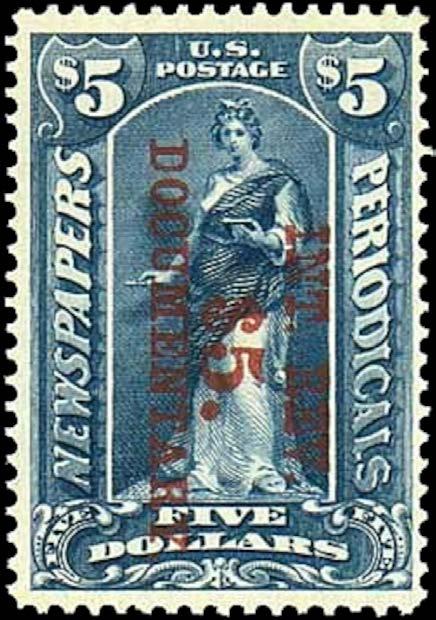
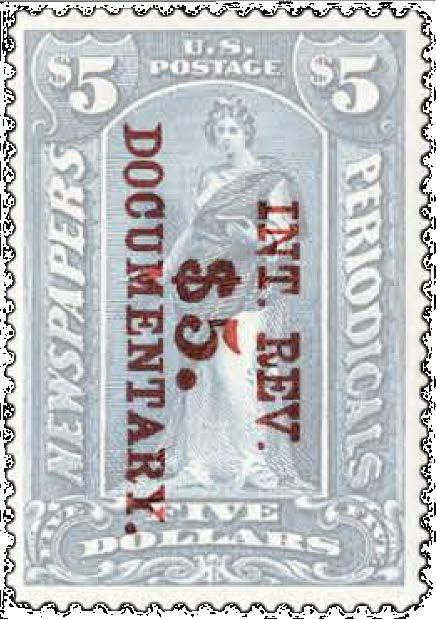
Figure 1. Left, 1896 $5 Newspapers and Periodicals stamp overprinted in 1898 for revenue use; right, background modified to show overprint.
Table 1. Scott Catalog Values
R159 $5 dark blue, surcharge reading down 550.00 325.00
Block of 4 2,300. 1,400. P# strip of 3, lmpt. 2,400.
R160 $5 dark blue, surcharge reading up 150.00 140.00
Block of 4 625.00 750.00
P# strip of 3, lmpt. 2,000 750.00
stamps were overprinted “I.R.” (“Internal Revenue,” Scott R153–5); and the 1896 $5 Newspapers and Periodicals stamp (PR121, depicting Clio, the muse of history) was overprinted as shown in Figure 1, in red. The example shown, with overprint reading down, is Scott R159; it is more often found reading up, listed as R160. Table 1 lists the catalog values; As usual for revenues, they are considerably lower than for postage items of comparable rarity.
The Boston Revenue Book states that a total of 17,750 were issued, all in June and July 1898; and that deliveries of the new $5 Commerce stamp (R175) commenced July 13. There are apparently no records of how many were printed in the two surcharge types; judging from the catalog values, roughly a quarter had it reading down. Blocks and plate number strips can be viewed via the Power Search function of the Robert E. Siegel & Co. website.
The “OCUMENTARY” Variety
A controversial variety exists, the so-called “ OCUMENTARY ” error. For years, it was listed in Scott, with the cautionary note that it was simply an incompletely printed “D,” and was eventually delisted. Figure 2 shows an example on R159; this was lot 883 in Robert E. Siegel sale No. 977, of the Whitpain Collection of US 1894–98 Bureau Issues, December 2–3, 2009, where it hammered for $1,100 against a catalog value of $600 as used singles. (A plate number strip with imprint was evidently not then listed by Scott, and in used
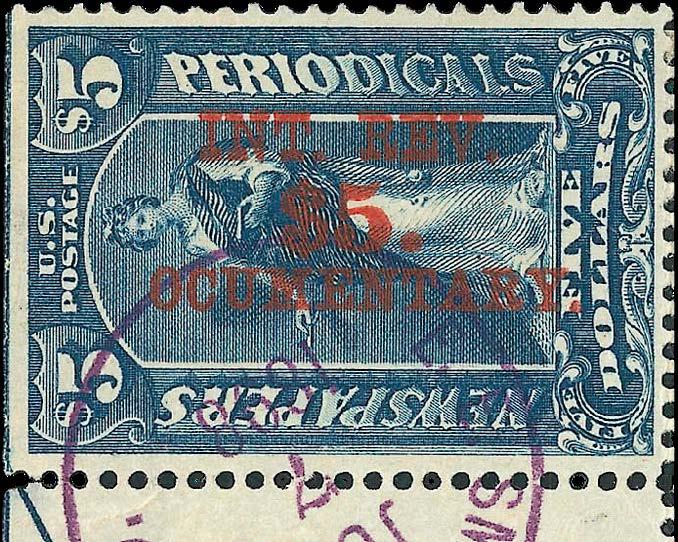
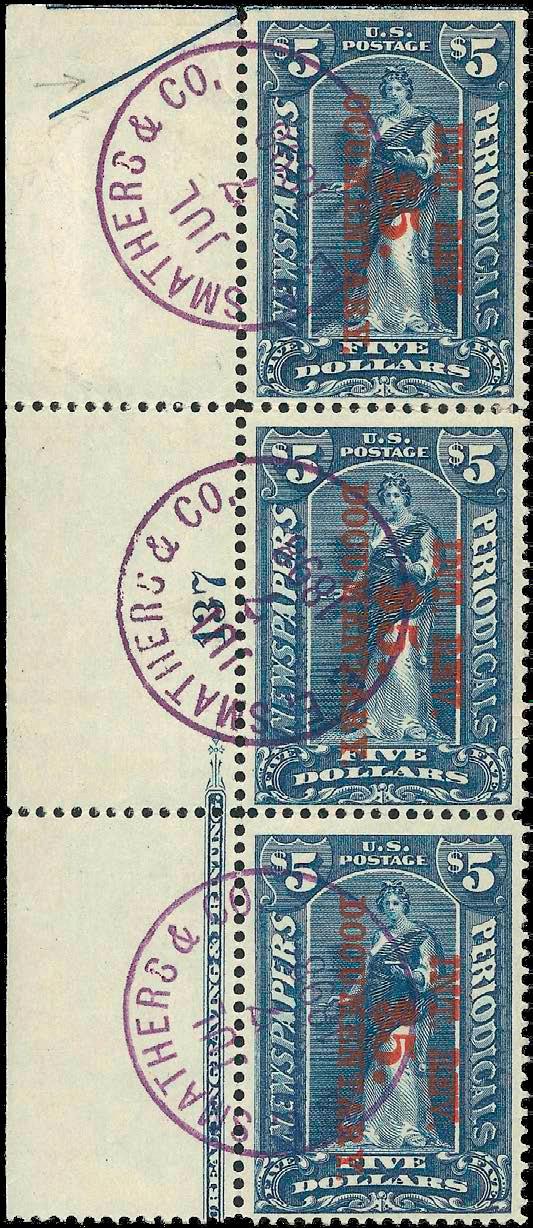
Figure 2. Left, R159 margin imprint strip of three, top stamp with “missing D” variety; right, close view of the surcharge.
condition it still is not (Table 1); time for an update!) Figure 2 also shows a close view of the 350 dpi scan provided by Siegel; no trace of the “D” is evident. Moreover, if as appears here, this was position no. 1 on the overprinting plate, its “D” would have been at the very top left corner (viewed from above, as here), and as such vulnerable to damage in handling sufficient to prevent contact upon printing. Submitting this example for expertizing might lead to relisting of the variety. A slight change in perspective could lead to a huge increase in its prestige and value.
The variety occurs on R160 as well. Lot 894 in the same Siegel sale was a group of thirteen singles of that stamp, described as including the “ocumentary” missing “D” variety; it hammered for $650 against a catalog value of $1,610 as normals.
Wilson’s Cancellations: Genuine or Philatelic?
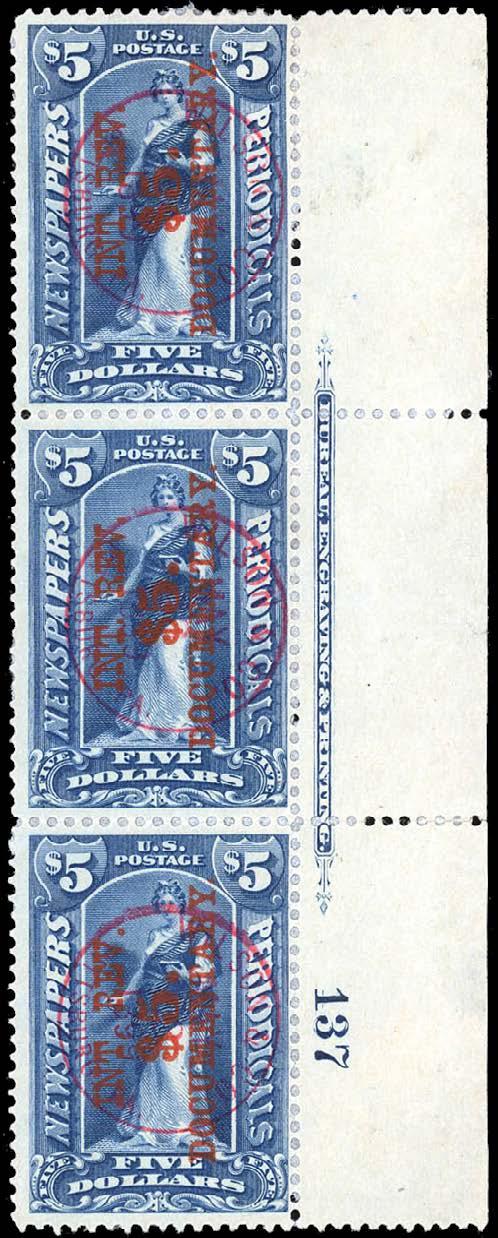
There may be more to the Figure 2 strip than meets the eye. Similar items, specifically those with circular datestamps of Wilson & Co. of Pittsburgh, have proven to be philatelically inspired. On his excellent weblog 1898 Revenues, John Langlois illustrates numerous items with Wilson cancels, usually in a striking magenta: ten choice plate number singles of 1898–1901 $1, $2 and $3 “Commerce” issues; an R159 single and an R160 plate number imprint strip of three (Figure 3); and the 40¢ “Battleship” in a block of fifteen and a spectacular top margin strip of ten, the two largest recorded multiples of that stamp. He hypothesized, “Seems like a 1898 era philatelist might have been at work making these items,” and proceeded to prove it. An H. E. Wilson was an officer of Pittsburgh’s Twin City Stamp Club in 1903, and a 1901 letter from him to a Philadelphia stamp dealer has the identical Wilson & Co. datestamp, again in magenta, used as a corner card!
It remains to be determined whether these stamps were used in the normal course of business or canceled to order. As shown on 1898 Revenues, Wilson was a stockbroker, and the $1 to $3 singles might well have been used on his memos for stock sales. However, the 40¢ multiples and R160 strip were certainly not used that way; they are too large. Moreover, the cancel dates on the $5 provisionals are far out of period: May 1899 on the R160 strip, and 1900 on the R159 single! This suggests they were favor cancelled. The alternative, that they were saved until documents that could accommodate them were found that needed stamps, seems less likely.
Figure 3. R160 margin imprint strip of three with philatelically inspired “WILSON & CO. PITTSBURG” May 1899 magenta datestamps.
As for the strip shown in Figure 2, the July 7, 1898, cancels are satisfyingly early, and online searches revealed no philatelic connections for E. E. (Elmer Ellsworth) Smathers (1861–1928). He was a New York real estate mogul who left a $10 million estate, and a major figure in the world of horse racing. On a more basic level of inquiry, though, who but a philatelist would use such a strip? The fact that it was of a short-lived provisional stamp only adds to the probability of philatelic origin. Even the use of the “OCUMENTARY ” variety may well have been planned; all other strips include the complete imprint, at center; here, the stamp with the variety was included at the expense of a portion of the imprint.
Fiscal History Rarities
Only six documents bearing R160 are known to specialists, and just two with R159. Figure 4 shows a stock certificate of The New Mine Sapphire Syndicate, Great Falls, Montana, July 12, 1898, serial number 2 to S. S. Hobson for 25,000 shares of par value $1.00. The tax rates on stock certificates were 5¢ per $100 or fraction thereof upon original issue, and 2¢ per $100 upon transfer. Here, the $12.50 tax upon issue was paid by two $5 provisionals (R160) plus five of the 50¢ ”Battleship.” As noted on the reverse, 1,000 shares were transferred to Frank A. Hobson on July 24, 1899, with the 20¢ tax paid by 10¢ Battleship pair. Serial number 4 has also survived, issued the same day for 12,500 shares to Edward A. Keller, stamped on reverse with $5 provisional (R160) plus Battleship 50¢ pair and 25¢. The story of The New Mine Sapphire Syndicate and its Yogo mine is a fascinating story in its own right. See the sidebar on p. 538.
Combination Use of the Two Surcharges
Figure 5 (see next spread) shows the only recorded document bearing both surcharge orientations: a promissory note made August 1, 1898, at San Rafael, California, from the Mount Tamalpais Cemetery Association to Emily B. DuBois for $115,953.96. At 2¢ per $100, the tax came to $23.32, paid precisely on the reverse with three $5 provisionals reading down (R159), one reading up (R160), three $1 Commerce, and smaller “Battleship” values. The note bore six percent interest and shows one interest payment of $500 later that year. Formerly in Frank Sente’s award-winning exhibit of Spanish–American War revenues, it now resides in a prominent Northwestern collection.
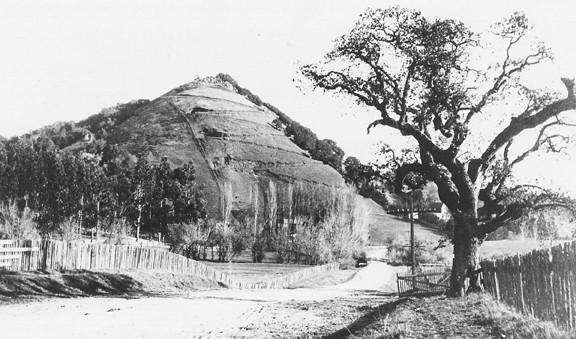
A note by such an unusual maker—a cemetery association—in an amount this large, curiously figured to the penny, with its lone interest payment suggesting default, begs for explanation. Emily B. DuBois was the widow of Dr. Henry A. DuBois Jr. (1840–97), a San Rafael physician and entrepreneur who developed the Mount Tamalpais Cemetery, dedicated in 1879. Following his death, the association evidently gave this note to his estate in settlement for the property—hence the large, oddly precise amount. Local tradition still recalls his audacious 1893 road project, “DuBois’s Folly,” a zigzag carriage road up Red Hill intended to reach the cemetery but too steep for use. The story adds human color to what remains one of the rarest fiscal documents of the war-tax era: the single known example uniting both $5 provisionals on one instrument.
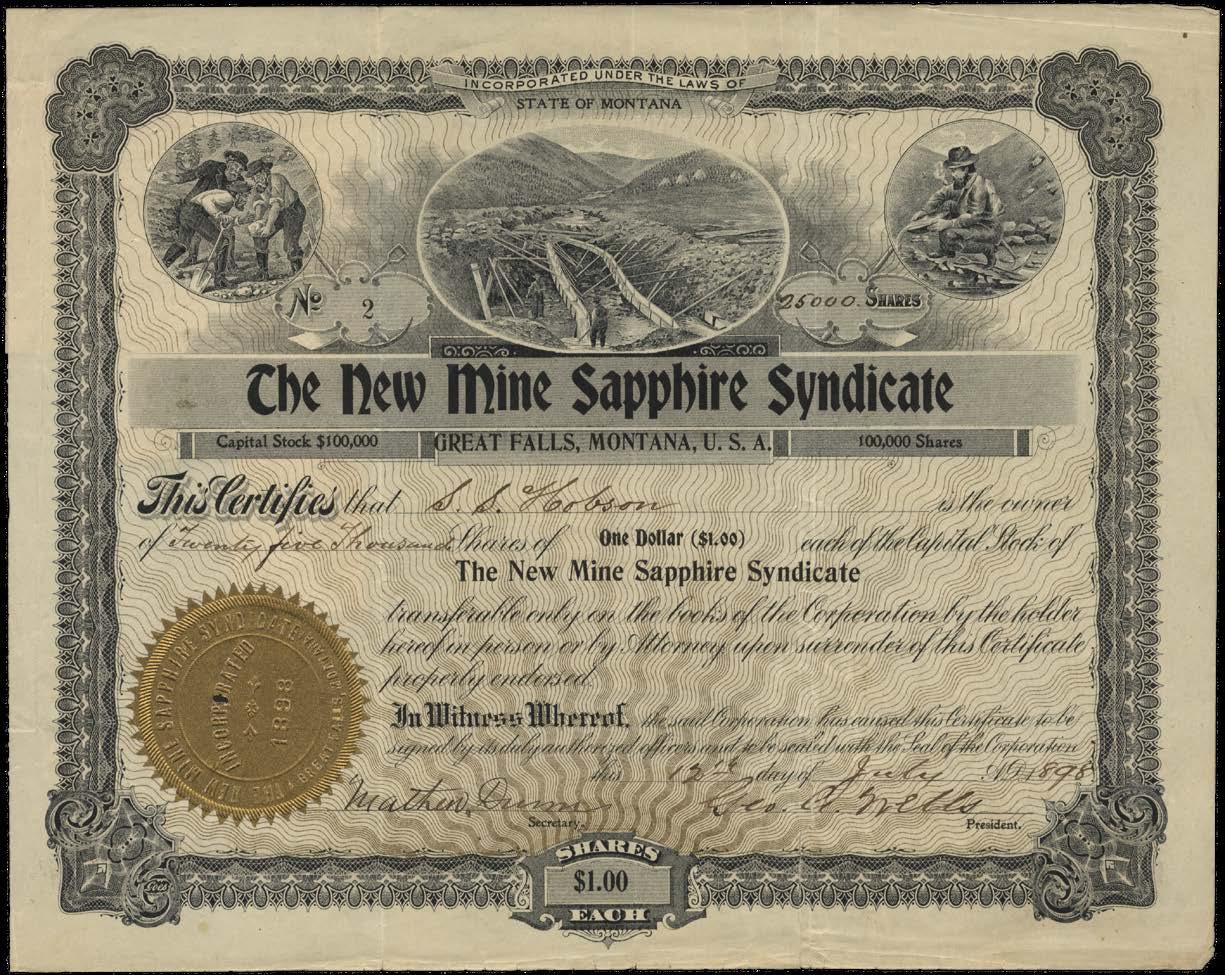
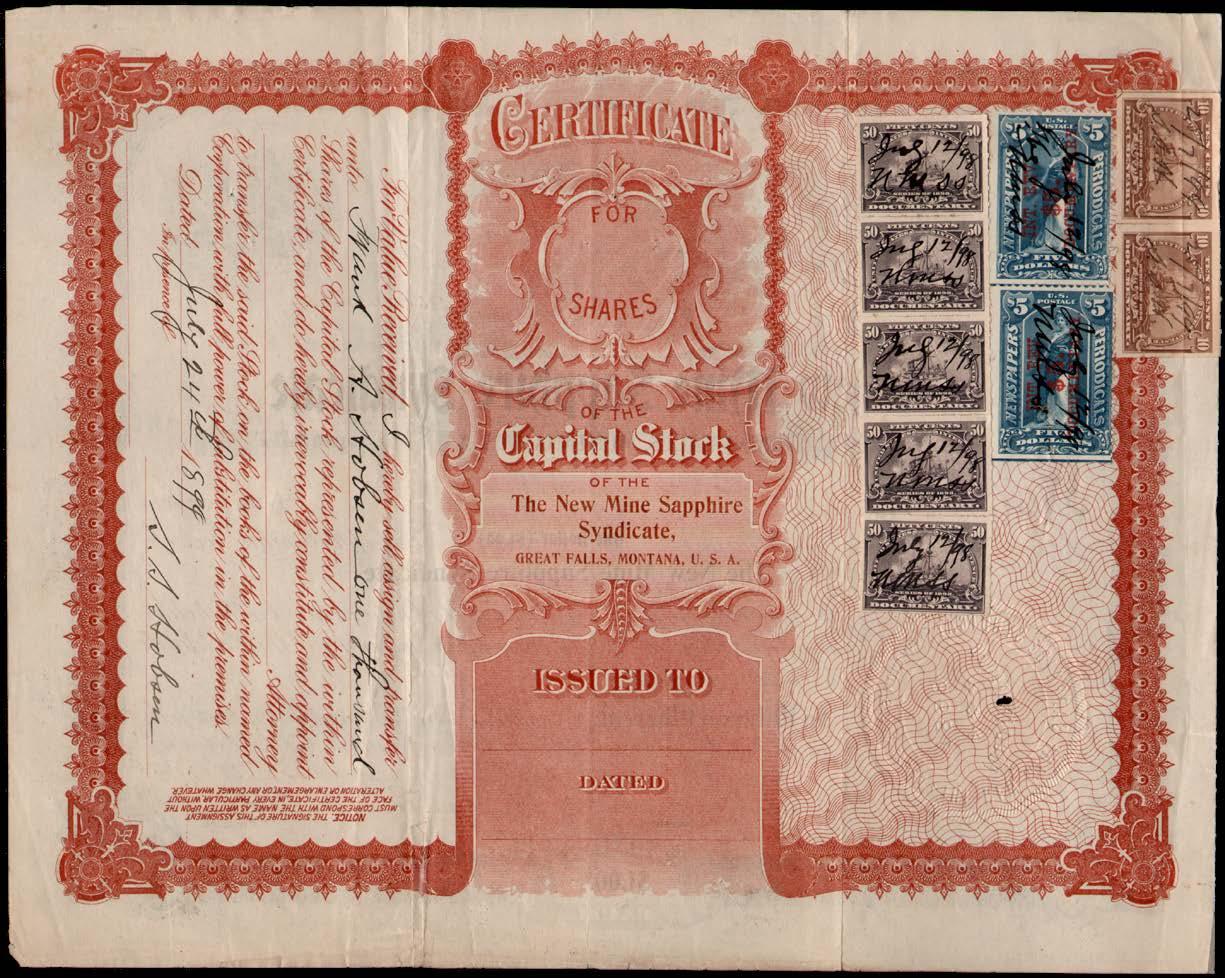
Figure 4. July 1898 stock certificate for 25,000 shares in Montana sapphire mining company bearing two overprinted $5 (R160) stamps.
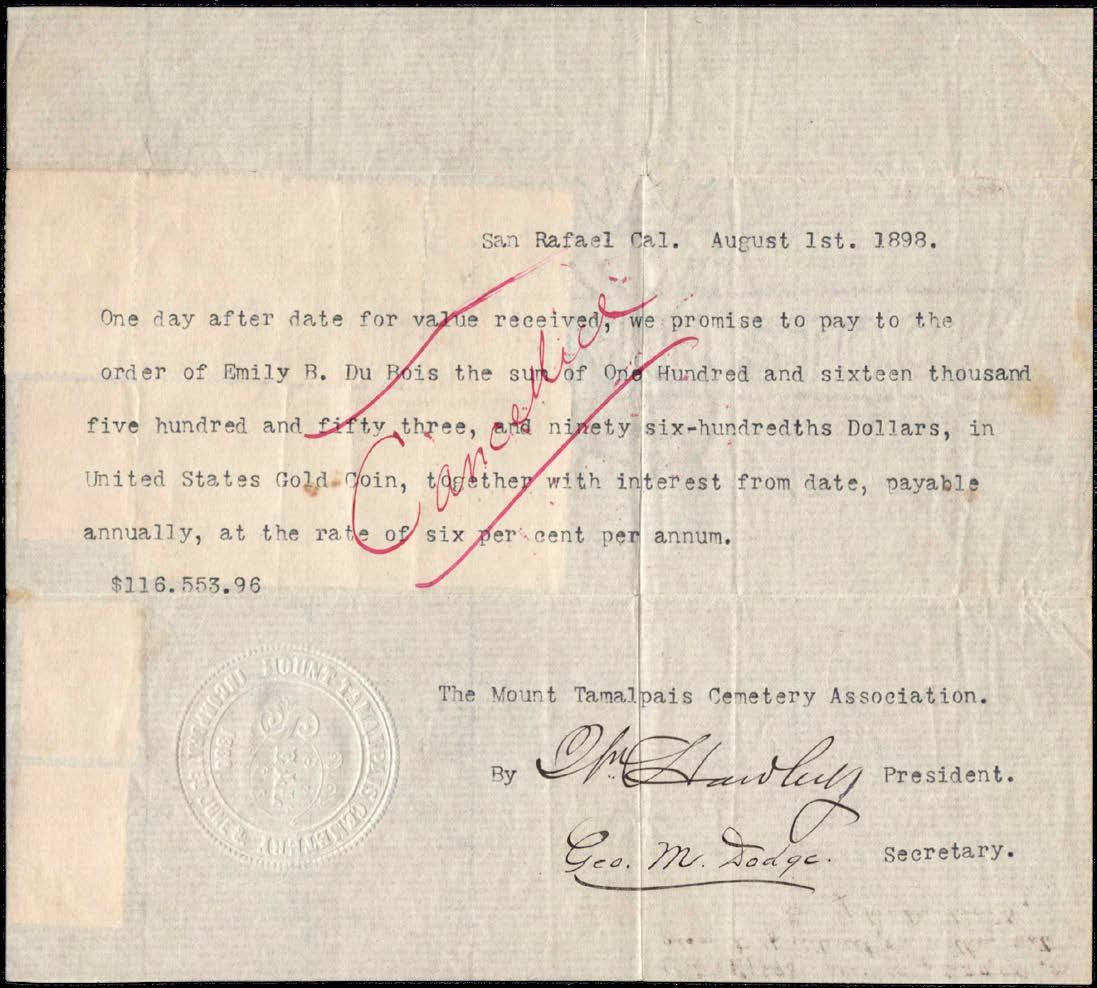
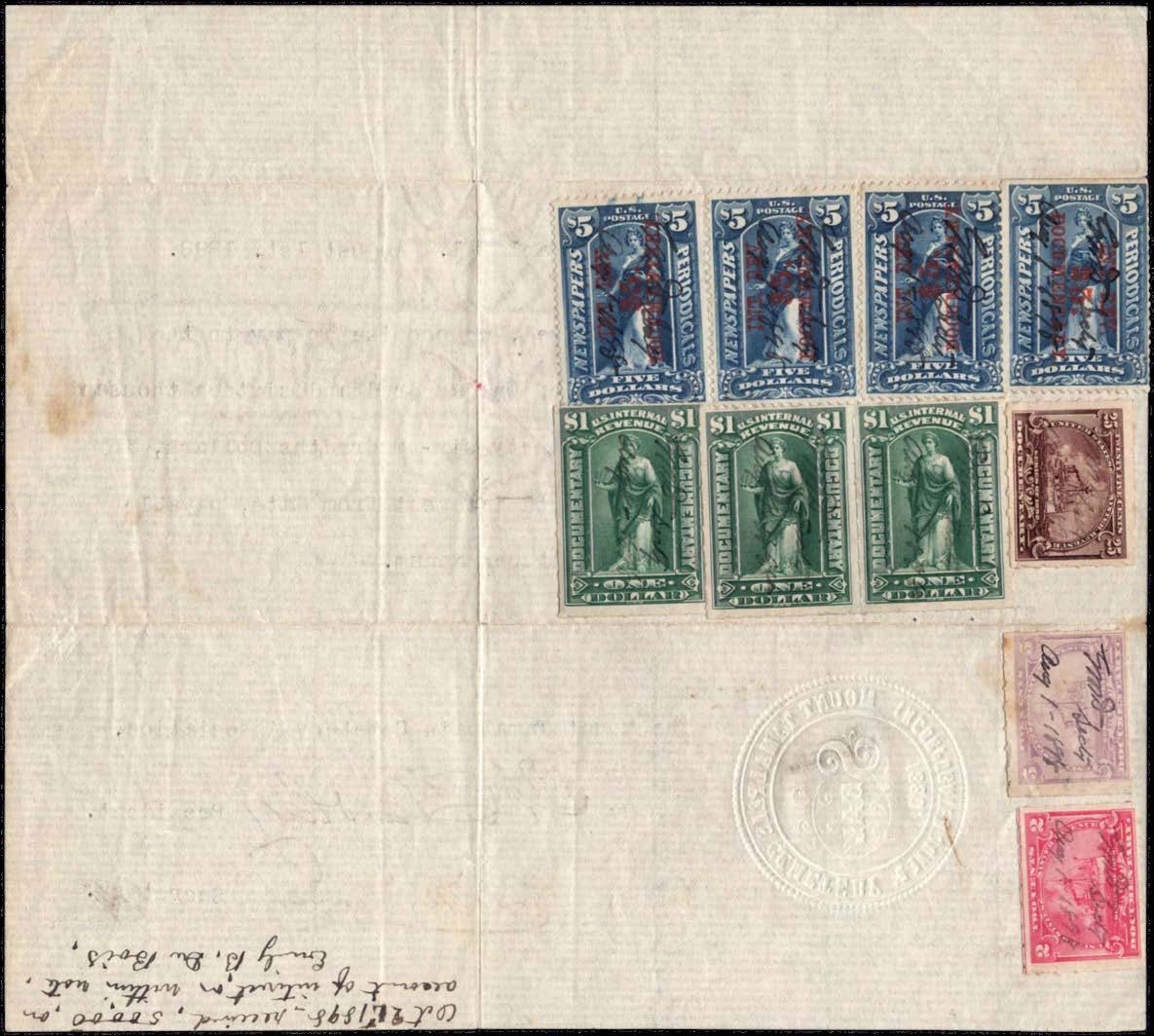
Figure 5. August 1898 promissory note of Mount Tamalpais Cemetery Association, San Rafael, California, bearing three $5 with overprint reading down (R159), one with it reading up (R160).
Recorded Property Uses: One Mortgage Release (R159) and Two Deeds (R160)
Beyond this mixed-orientation note, the remaining recorded on-document uses are limited to one R159 Release of Mortgage and two R160 deeds. The second recorded example of R159 on document is a Release of Mortgage executed at Baltimore on September 19, 1898, for property valued at $7,000. The $5 provisional satisfied most of the required tax, accompanied by two $1 Commerce stamps (one damaged by file fold).
Two deeds are known bearing R160. The first, a Sheriff’s Deed of Thomas P. Lewis, Salt Lake City, dated October 1, 1898, conveyed property to the Bank of the Republic for $15,000 and is franked with three of the $5 provisionals. The second, dated March 22, 1899, documents the sale of property in El Paso, Texas, from Will J. Fewel to the Pabst Brewing Co. of Milwaukee for $25,000, taxed with a $10 Commerce pair and a single $5 provisional.
This unexpectedly late usage lends some support to the notion that a few of the plate-number multiples with 1899–1900 cancels may in fact represent legitimate, if belated, transactions rather than favor cancels. Together, these scattered survivals underscore how brief—and how elusive in use—the 1898 $5 provisional series proved to be.
Conclusion
From provisional overprint to sapphire fortune, the R159–160 pair captures the improbable intersections of finance, gemology, and philately that make fiscal history so compelling.
Figure 6. Contemporary photo of “DuBois’s Folly,” a zig-zag road built by Dr. Henry DuBois in 1893 up Red Hill to connect San Anselmo to his Mount Tamalpais Cemetery. It proved impassable to all but foot traffic.
Sidebar: The Yogo Sapphires and the Hobson Brothers
Most mining “penny stocks” of the 1890s proved worth less; the New Mine Sapphire Syndicate was a brilliant exception. Between 1901 and 1923 it paid annual divi dends averaging 15%—a cumulative 317.5%!—enabled by production of some 16 million carats of sap phires (2¼ million carats gem quality) valued at about $3–4 million. The resulting gems brought some $25 million, equivalent to vastly more today. The two certificates described here stand squarely in the middle of that story.
Early Gold and the First Attempts. most of Montana, the Yogo Creek region in its cen tral portion of the Territory was prospected for gold in the mid-1860s, but returns were meager. Promising strikes in 1879 triggered a mini-rush of some 1,500 miners to the area, with commercial center at Yogo City, initially known as Hoover City after the district’s first recorder, Jake Hoover, but again results were disappointing. Hoover, though, was persistent. Nearly all accounts state that in 1894 or 1895 he and Frank Hobson made a strike in Yogo Gulch, and to develop it, contacted Simeon S. Hobson, rancher and president of the Fergus County Bank at Lewistown. The many accounts of Yogo’s early history are silent on whether he and Frank were related; below we show that they were. Simeon Hobson in turn interested Chicago veterinarian Dr. James A. Bouvet, and in 1895 a partnership was formed, with Bouvet providing the bulk of $40,000 financing. Frank Hobson was not included. $38,000 was expended constructing a watercourse, but the first cleanup yielded a mere $700 in gold.
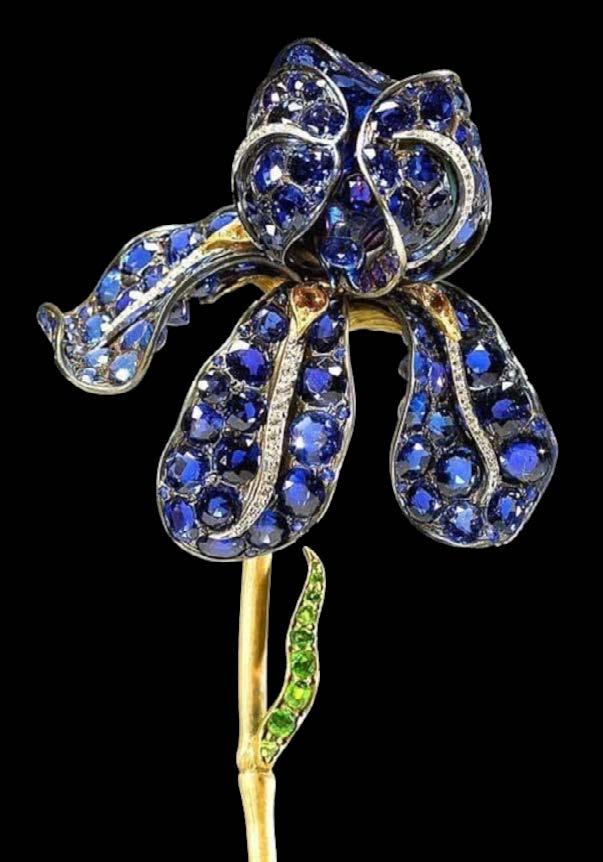
Detail of the Tiffany Iris Brooch by Paulding Farnham c. 1900, containing 120 Yogo sapphires set in platinum, sold on March 17, 1900, for $6,906.84. Currently held by the Walters Art Museum.
Blue Pebbles in the Riffles. At this point fortune smiled, in the form of blue pebbles that had persistently appeared in the riffles of their sluices. As repeated by Wolle (1963) from an account of local historian Jean Sutter, “Frank Hobson went to Maine, and while there told a friend, who was a teacher, about his mining experiences. She asked him to send her some specimens of gold ore to show her pupils. Upon his return, he packed some dust in a small box as well as a few of the blue pebbles, and sent them to her. In her response she said nothing about the gold, but thanked him for the sapphires, which she had had appraised. ‘What in hell is a sapphire?’ asked Hobson?” Many secondary sources omit this account or dismiss it as apocryphal. What is certain is that in 1895 Jake Hoover mailed a box of the “blue pebbles” which eventually reached Tiffany & Co. in New York and the desk of George
Frederick Kunz, the country’s foremost authority on gems. Kunz recognized them as “sapphires of unusual quality,” so described in his return letter, and enclosed a check for $3,750, gratefully accepted.
Ettien and the Yogo Dike. The partners now energetically switched focus from gold to sapphires, aided by another fortunate turn of events. In early 1896, sheepherder Jim Ettien had discovered the source of the sapphires found by Hoover and partners. Noticing a conspicuously straight line of gopher holes marking a strip of soft earth, Ettien suspected a vein beneath; he found sapphires in the surface dirt and filed two lode claims. His “vein” turned out to be the now-famous Yogo dike, later called “North America’s largest and richest deposit of precious gemstones” (Voynick, 1987). Hoover’s sapphires had been washed down from this dike over centuries. Hoover and the Hobsons quickly filed eight adjoining claims but lacked control over Ettien’s. Their second stroke of luck came when Ettien, uninterested in development, sold his claims to them for $2,450.
The New Mine Sapphire Syndicate. With the Bouvet’s death in 1897 the partners reorganized. Simeon Hobson recruited two Great Falls residents: businessman and politician Matthew Dunn, and Englishman George A. Wells, who had experience dealing in gems. The partnership was incorporated in 1897 as The New Mine Sapphire Syndicate, capitalized at $100,000 in $1 shares, with Wells as president, Hobson as vice-president, and Dunn as secretary-treasurer, Its stock certificate No. 2 (Figure 4), comprising Hobson’s quarter-interest of 25,000 shares, is signed by all three founders.
The Syndicate Becomes “the British Firm.” By 1901 all interests of the four partners had been sold to Johnson, Walker and Tolhurst, Ltd., of London, Britain’s foremost jewelers, and it was under their direction that the Syndicate had its great success. George Wells had first interested them during a trip to London in 1897, when he sold more than half of his shares to them. After Jake Hoover sold his quarter-interest to S. S. Hobson for a mere $5,000, Wells informed the English firm that this share was available. Brownfield Tolhurst and Edward A. Keller, a London stone cutter, traveled to Montana to inspect the Syndicate’s holdings, and as reported in the August 24 issue of the Great Falls Tribune, purchased it for “over $100,000.” Poor Jake had sold out too soon! Certificate number 4 described above, to Edward A. Keller for 12,500 shares, documents his share of this historic purchase. Dunn sold his shares in 1899, and Hobson followed suit in 1901.
One Hobson or Two? The Certificate Speaks. All of this history, though, still left a biographical puzzle unresolved. Stephen Voynick’s otherwise definitive Yogo: The Great American Sapphire (1987) conspicuously omits any mention of Frank Hobson, and implicitly questions even his existence: in Voynick’s telling of the “tale” of the informative Maine schoolteacher, it is Jake Hoover, not Frank Hobson, who is informed and supposedly reacts, “What in hell is a sapphire?”
Here is where philately provides its own form of evidence. On July 24, 1899, Simeon Hobson transferred 1,000 shares of Syndicate stock to Frank A. Hobson— proof, in his own handwriting, that two Hobsons existed and collaborated in the venture.
Genealogical records in Saco Valley Settlements and Families confirm the relationship: both Simeon and Frank were sons of Enoch B. and Nancy Hobson of Buxton (later Limington), Maine. Frank’s biography aligns perfectly with Hoover’s early mining partnership and his later role in managing Simeon’s ranching and stock operations.
All available evidence now points to Frank as an early partner whose role receded as his wealthier and more prominent brother assumed control. The 1,000share transfer may have been recognition of that contribution. Voynick can be forgiven for omitting him; he lacked the documentary proof that these certificates now provide.
References
Anonymous. History of Yogo Sapphires. Gem Gallery. https://gemgallery.com/ yogo-sapphire-history.
———. Then & Now: DuBois’s Folly on Red Hill. San Anselmo Historical Museum. https://sananselmohistory.org/articles/then-now/dubois-folly/ ———. Yogo Sapphire. Wikipedia. https://tinyurl.com/bp853mzm. ———. (Frank A. Hobson Maine origin) Facebook. https://tinyurl.com/ysbddnkd
———. (Frank A. Hobson obituaries) Montana Historical Society Newspapers https://mths.mt.gov/ Research/collections/newspapers/mtnews (then Public Access Portal and search “Frank Hobson/1901”)
———. (Yogo Highway Marker) Yogo Sapphires. The Historical Marker Database. https://www. hmdb.org/m.asp?m=143631
Clabaugh S. E. 1952. Corundum Deposits of Montana. United States Geological Survey Bulletin 983, Washington, D.C.: USGS. https://pubs.usgs.gov/bul/0983/report.pdf
Geary, Marilyn L. 2011. History: Dr. Henry A. DuBois Builds Mt. Tamalpais Cemetery. Patch. https://tinyurl.com/3ahc5vm3
Mychaluk, Keith A. 1995. The Yogo Sapphire Deposit. Gems and Gemology, Vol. 31, No. 1 (Spring), pp. 28–41. https://www.gia.edu/doc/The-Yogo-Sapphire-Deposit.pdf
Renfro, Nathan D., Aaron C. Palke and Richard B. Berg. 2018. Gemological Characterization of Sapphires From Yogo Gulch, Montana. Gems and Gemology, Summer, pp. 184–201 https:// www.gia.edu/doc/GG-SU18-Renfro-Yogo.pdf
Ridlon, G. T. 1895. Saco Valley Settlements And Families: Historical, Biographical, Genealogical, Traditional, and Legendary. Portland, Me., self-published, p. 737. https://tinyurl. com/2eynvwym
Voynick, Stephen M. 2001. Yogo: The Great American Sapphire. Missoula Mont.: Mountain Press Publishing Co. https://archive.org/details/yogogreatamerica0000voyn/page/n5/mode/2up Wolle, Muriel Sibell. 1963. Montana Pay Dirt: A Guide to the Mining Camps of the Treasure State. Denver: Sage Books, pp. 336–7.

Siegel offers unparalleled expertise, a worldwide client base, financial reliability, intelligent marketing, and the best internet resources of any philatelic auction house. Contact us today to learn more about consigning with Siegel and ensuring your legacy.
21 West 38th Street, 7th Floor
Phone (212) 753-6421
Email: stamps@siegelauctions.com
Margin Name Varieties on the Poland Overrun Countries Stamps
by Keith Lichtman USSS # 14279 | m stampmankeith@gmail.com
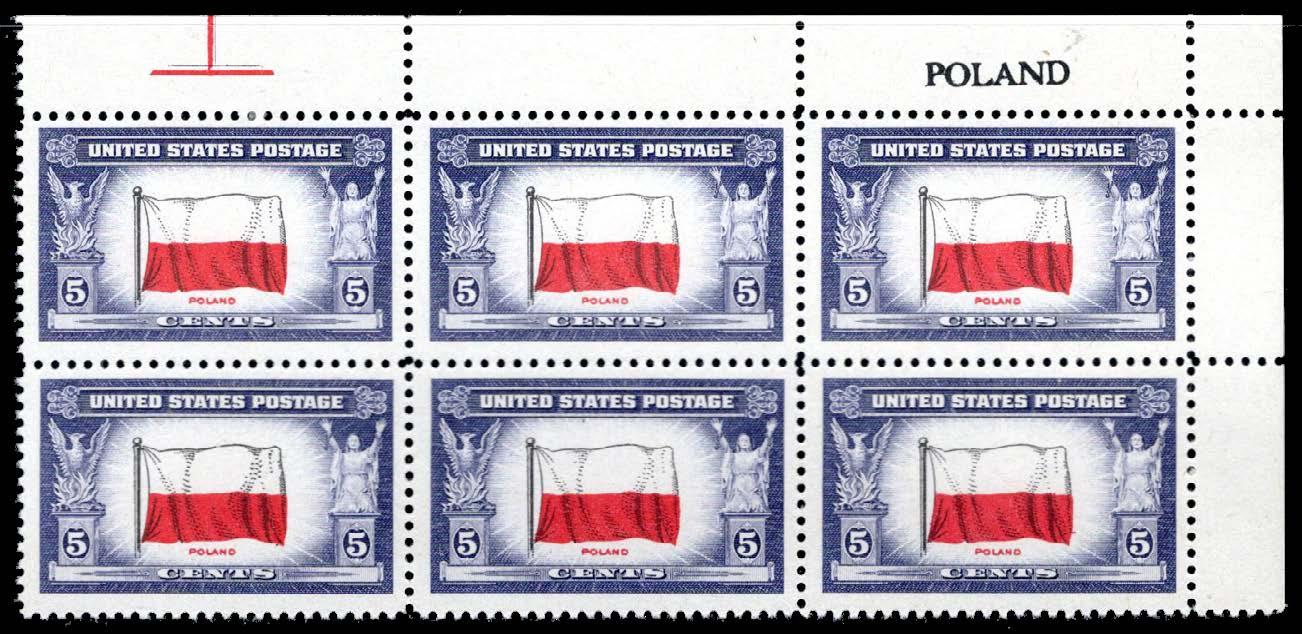
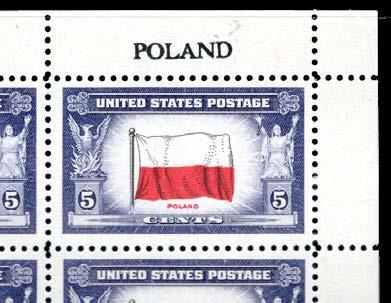
A simple definition of a plate block is a block of four or more stamps with the margin (also known as selvage) attached showing the numbers assigned by the printer to the plate. The Overrun Nations series was printed under contract by the American Bank Note Company and without plate numbers. Instead, each sheet was printed with the name of the honored nation in the sheet’s top right margin. These “name blocks” are substituted for the plate blocks for this series.
“Poland” is printed in black ink in the upper right-hand corner. Three types of plate varieties can be found in the margin printing of “Poland.”
The Overrun Countries Series
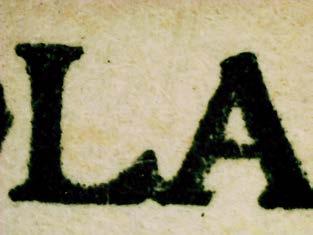
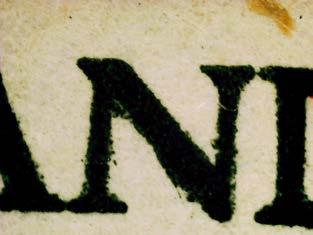
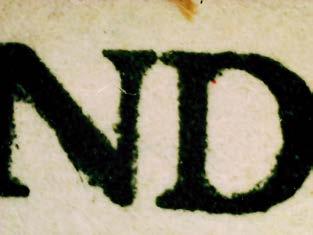
Type 1: the “P” and “O” have distinct outlines showing the letters do not touch but, in all panes I have examined, there is always some ink between the two letters connecting them. This over-inking or smear is not always in the same place. The bottom left of the “P” is pointed down. The letters in “L A N” are all attached at the bottom. The “N” and “D” are attached by a thin line at the top. This variety is found on upper left panes.
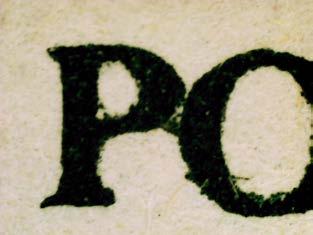
Type 1 varieties.
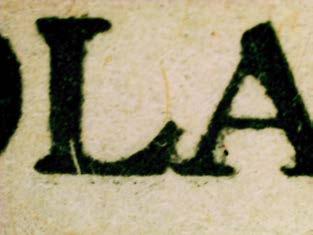
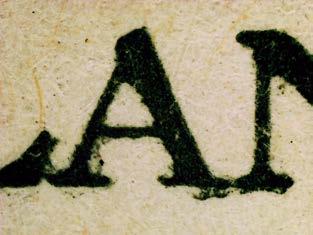
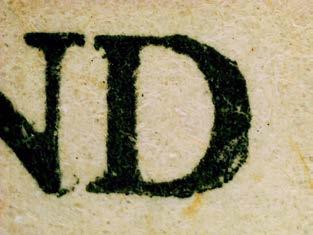
Type 2: the “P” is kissing the “O”. If the inking is heavy, then the “P” is strongly connected to the “O”. The bottom left of the “L” is short, and the bottom right touches the “A”. The left side of the “A”and the horizontal bar are thin. The bottom right of the “A” is attached to the bottom of the “N”. The “N” and “D” do not touch. This variety is found on the upper right panes.

Type 2 varieties.
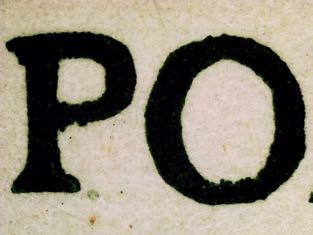
Type 3: the letters “P” and “O” are separated. The “L” and “A” touch at the bottom. The “A” has a 0.5mm vertical line through the horizontal bar. There is a crack in the “N” on the top left horizontal line on the bottom right. The top left of the “D” is short and the bottom left has an extension. This variety is found on lower left panes.
Type 3 varieties.
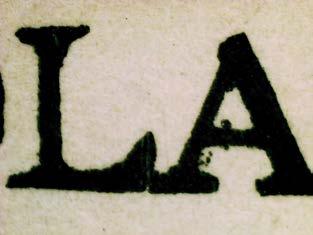
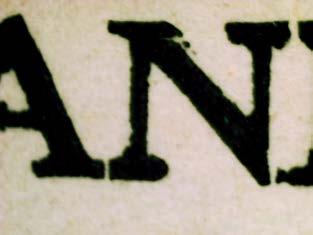
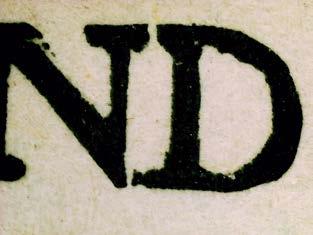
Type 4: the top left of the “P” is longer and rounder than type 3. The top of the “O” seems flat. The top right of the “L” is thick, more rounded than type 1 and does not touch the “A”. The left side of the “A” and the horizontal bar are thin. The top left horizontal
lines of the “N” are pointed. The “N” and “D” do not touch. The top left of the “D” is longer than the bottom left. This variety is found on lower right panes.

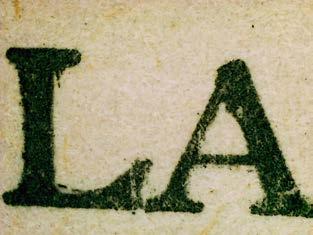
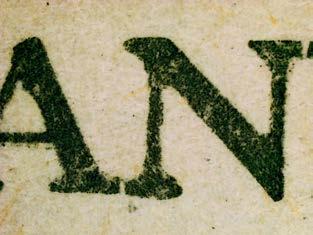
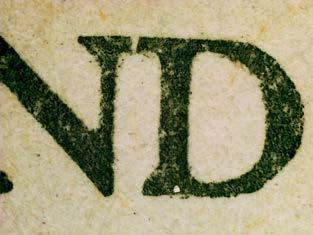
On nearly all prints, Poland is marred by ink splatters, over-inking, and dry spots. These varieties are not plate varieties; they are freaks—enough to fill a page in the collection of a freak and oddity collector. Type 4 varieties.

Marginal Markings Committee Update: Siderographer’s and Plate Finisher’s Initials
by Chris Steenerson USSS # 16378 | m Chris@RxStamps.com
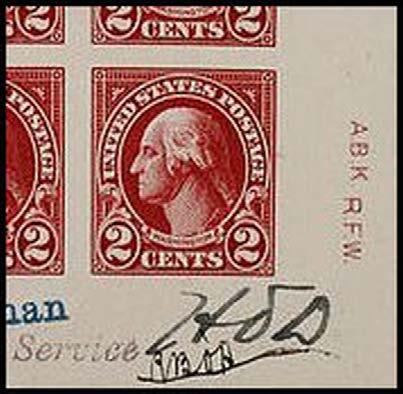
The Marginal Markings Committee has been updating the listing of siderographer’s and plate finisher’s initials. The latest updates can be found online at: https://www. usstamps.org/resources/marginal-markings/.
The first two parts of the update focused on compiling 75 different siderographer’s initials from various sources (see references). The new parts will expand the listing by updating the 120 different plate finisher’s initials, incorporating additional research and discoveries. The current listing is shown in this article.
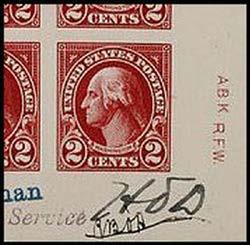
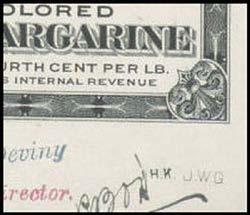
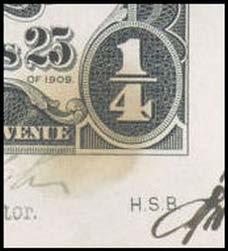
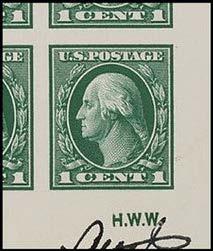
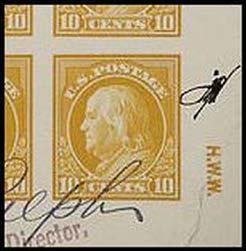
At the Bureau of Engraving and Printing, a siderographers’ primary responsibility was operating the transfer press. This process involved transferring the stamp design from a hardened die to a soft transfer roll, often multiple times. The transfer roll was then hardened, and the transferrer used it to apply impressions to a soft steel plate. After completing the impressions, the siderographer entered their initials into the plate margin using the press. These initials typically appeared in the lower-left corner of the lower-left pane of the sheet.
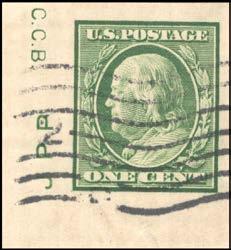
The first siderographer’s initials were entered on May 9, 1906, and this practice continued until December 5, 1928. Once the siderographer finished their work, the plate was handed over to the plate finisher (or cleaner). The plate finisher’s job was to remove layout lines, extra marks, burrs, ridges, and other imperfections caused by the pressure applied during the engraving process. The plate finisher’s initials were placed in the lower-right corner of the lower-right pane of each plate.
The first plate finisher’s initials were entered on November 2, 1908, and the last on November 24, 1928. These initials were impressed using a handheld punch struck with a hammer, resulting in smaller, lighter impressions compared to the siderographer’s. The punch often bounced when struck, causing occasional doubling or distortion of the initials, which were sometimes misaligned or inverted.
The Smithsonian Institution maintains an archive of certified plate proof impressions for all canceled plates produced by the Bureau of Engraving and Printing. During my research, I examined revenue stamp and currency plate proofs to identify initials missing from our listing. Special thanks go to Ward Masden for his invaluable assistance. As of now, only two sets of siderographer’s initials and 14 sets of plate finisher’s initials remain undiscovered. The search continues!
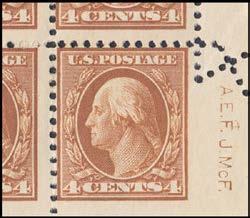
The following updated listing of plate finisher’s initials uses this key:* = New image; † = Began as a plate finisher, later became a siderographer; ‡ = Different placements.
Marginal Markings
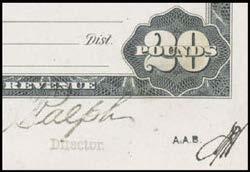
1. AAB
2.
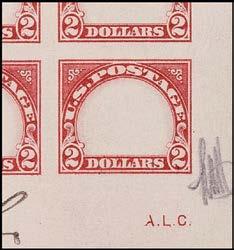
Figure 6a. ALC (Adam L. Chapman).
9.
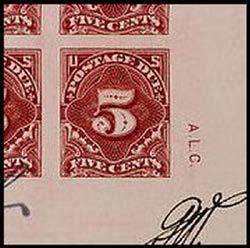
Figure 6b. ALC (Adam L. Chapman). [Reading down and reading up]
10.
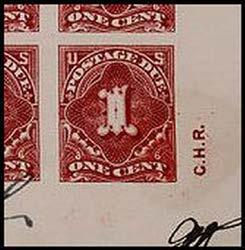
Figure 13b CHR Type 1 [8mm] (Charles H.
3.
4.
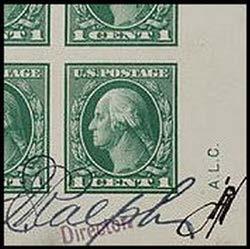
Figure 6c. ALC (Adam L. Chapman). [Reading down and reading up]
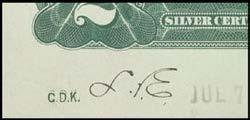
11. CDK
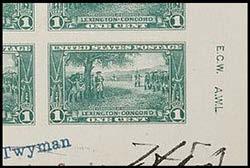
Figure 7. AWL (Albert W. Leger).
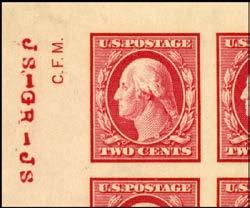
12. CFM (Charles F.
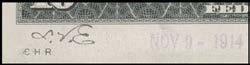
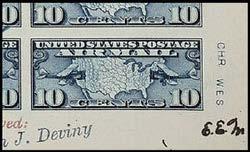
Figure 13c. CHR Type 1 [8mm] (Charles H.
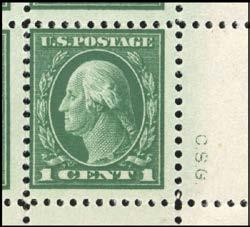
Figure 14a. CHR Type 2 [6mm] (Charles H.
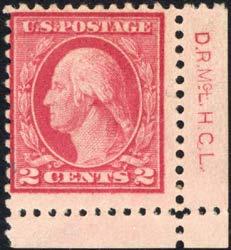
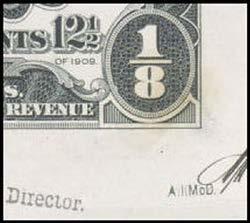
5.
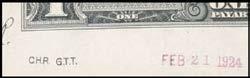
Figure 14b. CHR Type 2 [6mm] (Charles H. Roll). [Smaller]
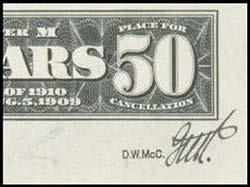
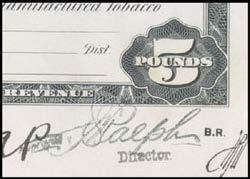
Figure 8. BR (Unknown).*
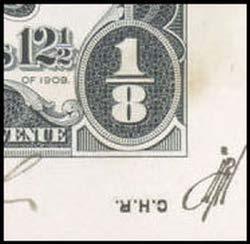
Figure 13a CHR Type 1 [8mm] (Charles
15.
1
Figure
(Aloysius A. Baldus).*
Figure
ABK (Andrew B. Kennedy).*
Figure
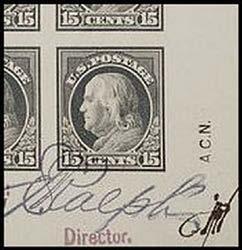
ACN (Arthur C. Noble).*
Figure
AEF (Albert E. Fischer).†*
Figure
AIMcD (Andrew McDowell).
Figure
CCB (Charles C. Brumm).*
Figure
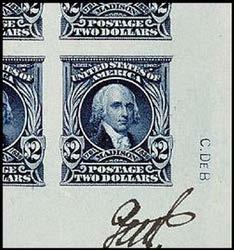
CDeB (Clyde V. DeBinder)†
Figure
(Unknown).*
Figure
Malloy).
H. Roll).
Roll).
Roll).
Roll). [Smaller]
Figure
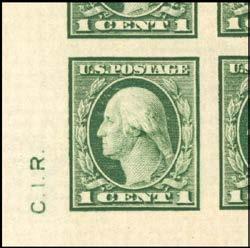
CIR (Clarence I. Ronsaville).*
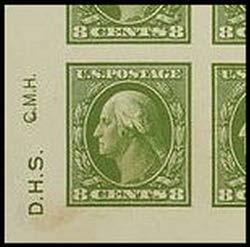
Figure 16. CMH (Clinton M. Hisle)†
Figure 17. CSG (Charles S. Gay).*
Figure 18. DRMcL (Donald R. McLeod).*
Figure 19. DWMcC(Unknown).*
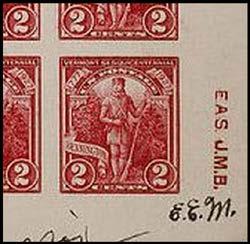
Figure 20a. EAS Type
[6mm] (Eugene A. Smith).*
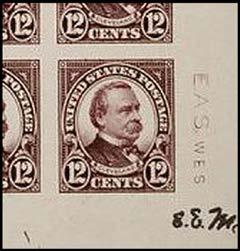
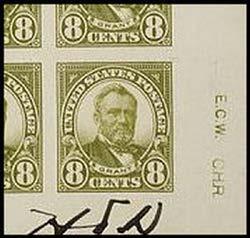
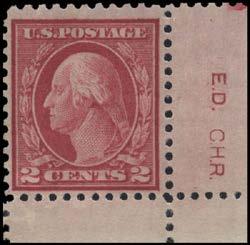
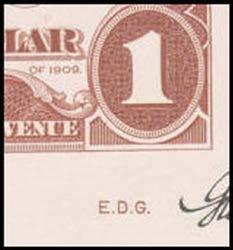
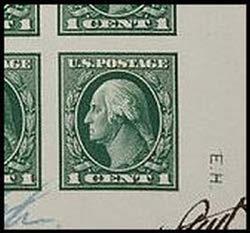
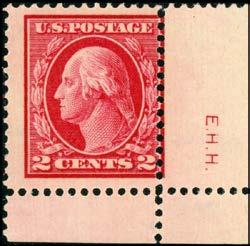
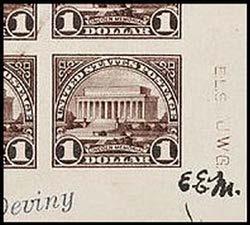
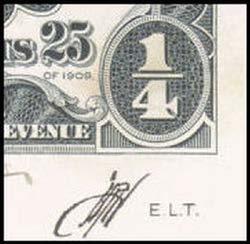
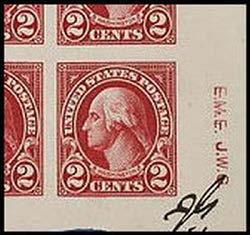
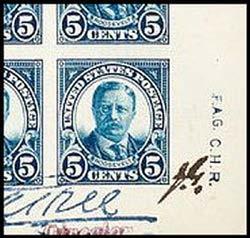

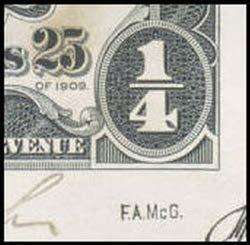
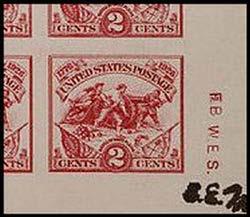
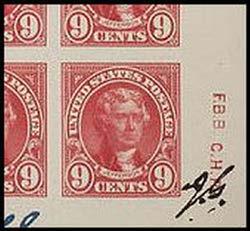
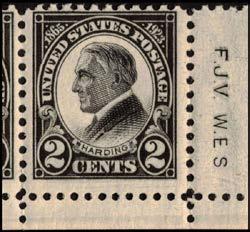
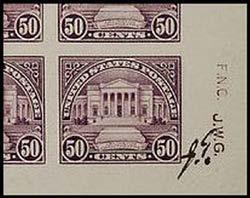
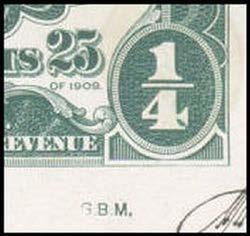
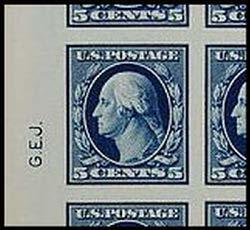
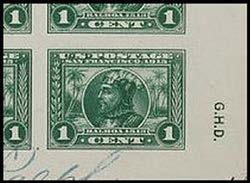
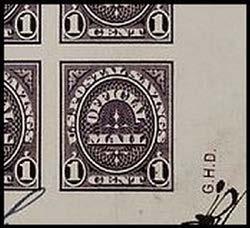
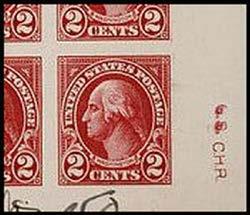
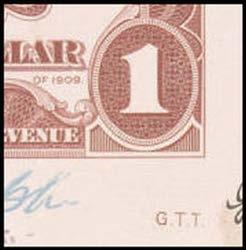
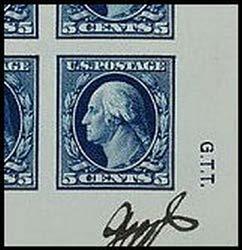
Figure 20b. EAS Type 2 [8mm] (Eugene A. Smith). [larger]*
Figure 21. ECW (Edward C. Wildt).*
Figure 22. ED (Edward Doe).
Figure 23. EDG (Everett D. Green).*
Figure 24. EH (Edward Hein).†
Figure 25. EHH (Edward H. Helmuth).
Figure 26. ELS (Edwin L. Shankle).*
Figure 27. ELT (Edward L. Tucker).*
Figure 28. EME (Edwin M. Earle).*
Figure 29. FAG (Frank A. Green).*
Figure 30. FAM (Frank Alexander Martie).
Figure 31. FAMcG (Felix A. McGuire).†*
Figure 32. FB (Franklin Butler).
Figure 33. FBB (Frank Brahler).*
Figure 34. FJV (Ferdinand J. Voight).*
Figure 35. __ (Frank Newton).
Figure 36. FNC (Fairfax N. Coakley).*
Figure 37. GBM (Unknown).
Figure 38. GEJ (George E. Jacobs).
Figure 39a. GHD (George H. Davis). [Reading down and reading up].
Figure 39b. GHD (George H. Davis). [Reading down and reading up].
Figure 40. GLH (George L. Huber).
Figure 41. GS (Gabriel Swart).
Figure 42. GTT Type 1 [7mm] (George T. Tyser).*
Figure 43. GTT Type 2 [6mm] (George T. Tyser). [Smaller].*
Figure
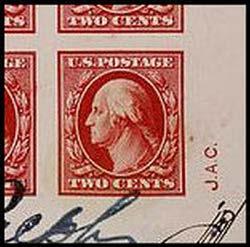
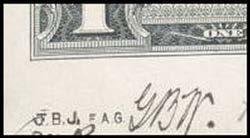
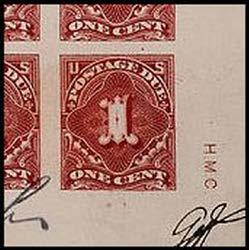
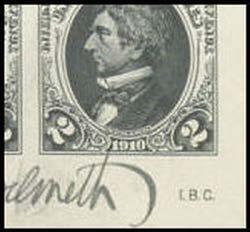
Figure 51.
Figure
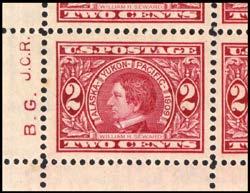
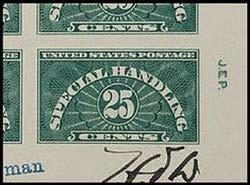

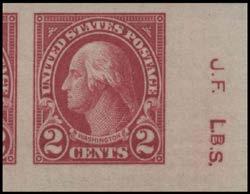
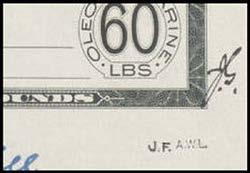
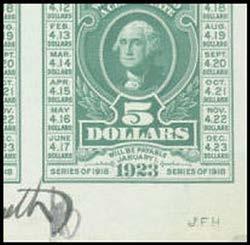
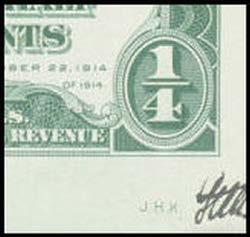
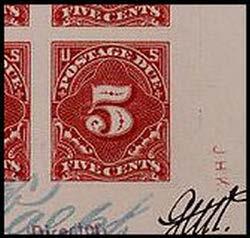
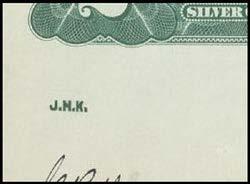
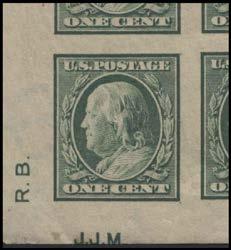
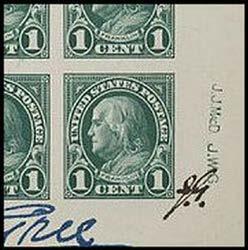
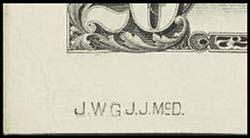
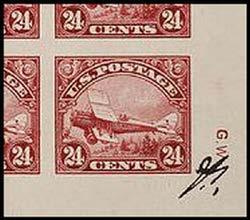
Figure 44. GW (Gus Willie).
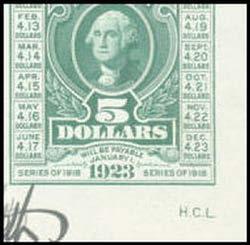
Figure 45. HCL (Herbert C. Leach).†
Figure 46. HK (Unknown).*
Figure 47. HMC (Harold M. Clarvoe).*
Figure 48. HMW (Herbert M. Williams).†
Figure 49. HSB (Herman S. Batch).*
50a. HWW (Harry W. Wolstenholme).†‡
Figure 50b. HWW (Harry W. Wolstenholme).†‡
IBC (Irving B. Cohen).*
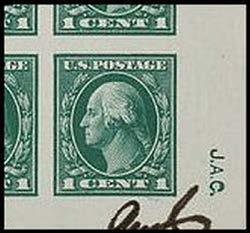
52a. JAC (Joseph A. Clark). [Reading up and reading down].
Figure 52b. JAC (Joseph A. Clark). [Reading up and reading down].
Figure 53. JBJ (Unknown).*
Figure 54. (John Crawford).
Figure 55. JCR (John C. Rout).*
Figure 56. JEP (John E. Posey).
Figure 57. JES (John E. Schaeffer).*
Figure 58. JF (John B Fischer).†*
Figure 59. JF (Joseph Forrester).*
Figure 60. JFH (John F. Hardy).
Figure 61a. JHK [Types 1 & 2] (James H. Kates).‡*
Figure 61b. JHK [Types 1 & 2] (James H. Kates).‡*
Figure 61c. JHK [Type 3] (James H. Kates). [New type]*
Figure 62. JJM (James J. Murray).*
Figure 63. JJMacD [Type 1] (John J. McDonald).*
Figure 64a JJMcD [Type 2] (John J. McDonald).*
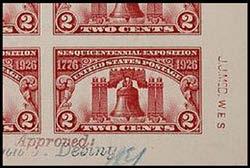
Figure 64b. JJMcD [Type 2] (John J. McDonald).*
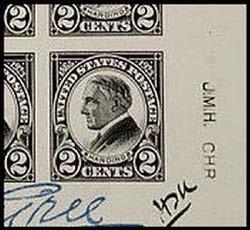
Figure 67. JMH (John M. Hackley).*
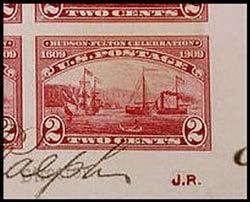
Figure 72a. JR (John Reding).
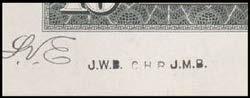
Figure 74a. JWB [Type 1] (Joseph W. Butler).‡*
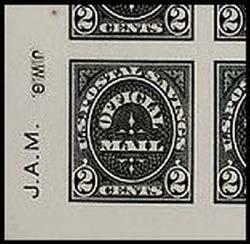
Figure 76a. JWG Type 1a [7mm worn] (James W. Gessford). [Reading down and reading up]*
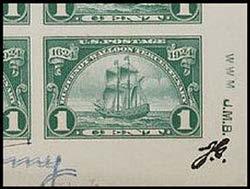
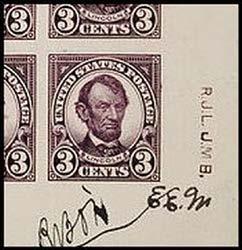
Figure 65a. JMB [Type 1] (James Mark Butler).
Figure 68. JMK (worn JHK with flaw?).*
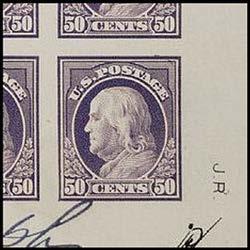
Figure 72b JR (John Reding).*
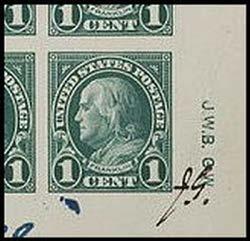
Figure 74b. JWB [Type 1] (Joseph W. Butler).‡*
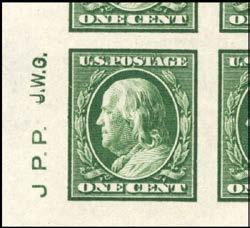
Figure 76b. JWG Type 1a [7mm worn] (James W. Gessford). [Reading down and reading up]*
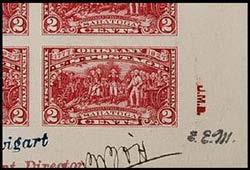
Figure 65b. JMB [Type 2] (James Mark Butler).*

Figure 69. JMW (James M. Walsh).
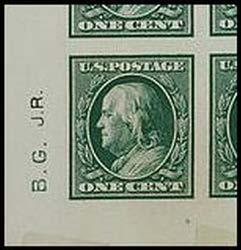
Figure 72c. JR (John Reding).*
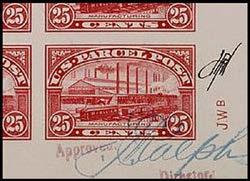
Figure 74c. JWB [Type 2] (Joseph W. Butler). [New type]*
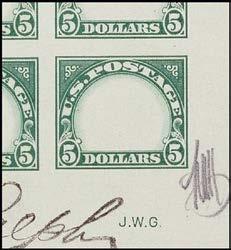
Figure 77a. JWG Type 2 [8mm] (James W. Gessford). [New type]*
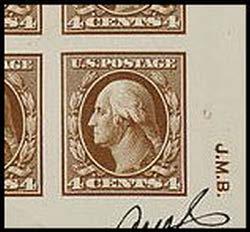
Figure 65c. JMB [Type 3] (James Mark Butler).*
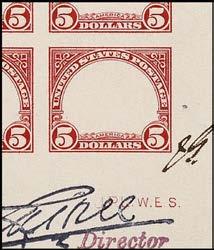
Figure 70. JPL (Joseph P. Lennon).
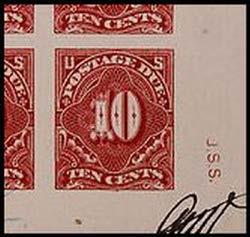
Figure 73a JSS (Jake S. Seitz). [Reading down and reading up]
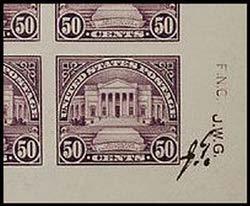
Figure 75a. JWG Type 1 [7mm] (James W. Gessford). [Reading down and reading up]
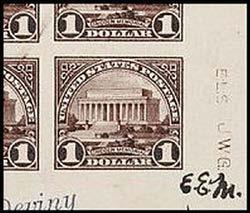
Figure 77b. JWG Type 2 [8mm] (James W. Gessford). [Different placement, with E.L.S.]*
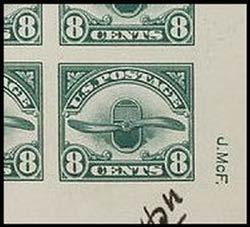
Figure 66. JMcF (Joseph McFate).
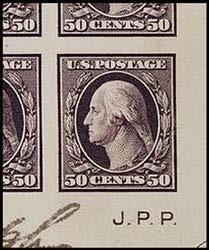
Figure 71. JPP (John P. Perry)†*
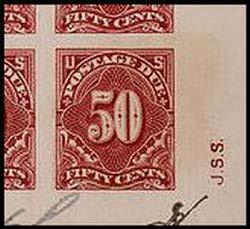
Figure 73b. JSS (Jake S. Seitz). [Reading down and reading up]
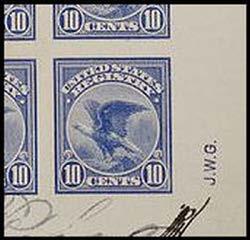
Figure 75b. JWG Type 1 [7mm] (James W. Gessford). [Reading down and reading up]
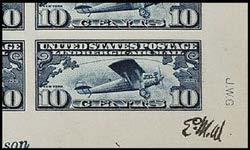
Figure 77c. JWG Type 2 [8mm] (James W. Gessford). [Different placement, solo]*
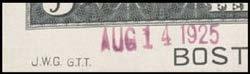
Figure 77d. JWG Type 2 [8mm] (James W. Gessford).*
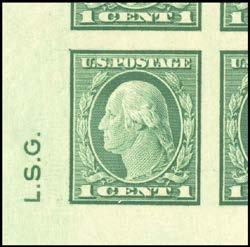
Figure 82. LSG (Leroy S. Goldsworthy)†*
Figure 78. JWK (Unknown).
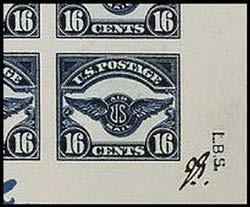
79.
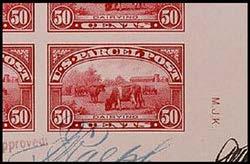
Figure 83. MJK (Michael J. Kennedy).
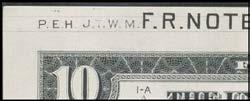
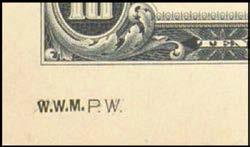
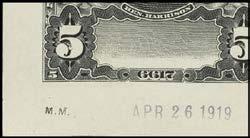
Figure 84. MM (Michael Morgan).*
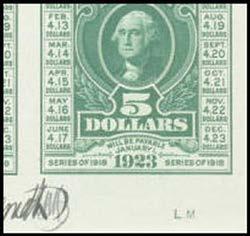
80.
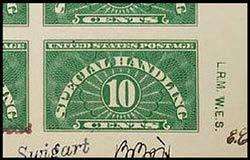
81.
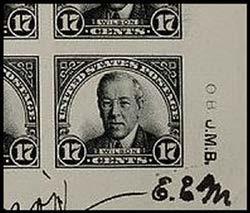
Figure 85. OB- (Orville J.
86.
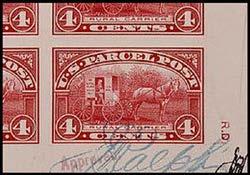
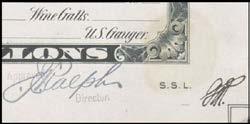
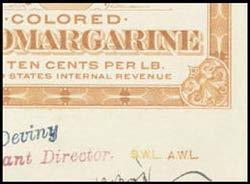
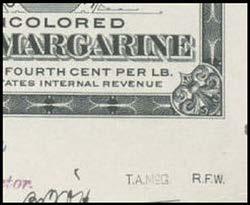
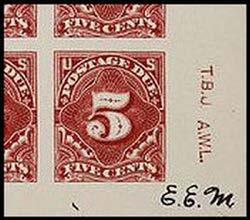
Figure
LBS (Leo B. Schuyler).
Figure
LM (Luck Marks).*
Figure
LRM (Laurence R. Murray).
Butler).
Figure
OJB (Orville J. Butler).
Figure 87. PEH (Phillip E. Hardie).*
Figure 88. PW- (Paul Worksman).*
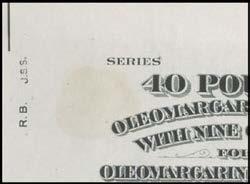
Figure 89. RB (Rudolph Bender)†*
Figure 90. RC (Richard Claiborne).
Figure 91. RD (Robert Dailey).
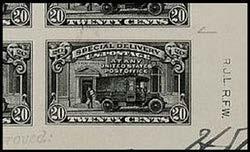
Figure 92. RFW (Ralph F. Wurtz).*
Figure 93. RJL (Robert J. Little).
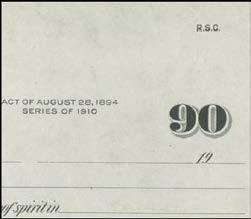
Figure 94. RSC (Unknown).*
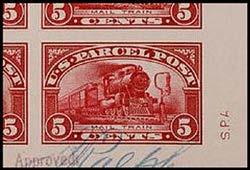
Figure 95. SPA (Samuel P. Abbott).
Figure 96. __ (Sidney Reeves).
Figure 97. SSL (Samuel S. Ludlum) [1910].*
Figure 98. SWL (Sidney W. Lawrence).*
Figure 99. TAMcG (Thomas A. McGaffin).*
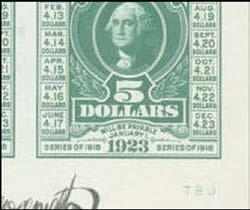
Figure 100a. TBJ (Thomas B. Jones, Sr.).*
Figure 100b. TBJ (Thomas B. Jones, Sr.).‡*
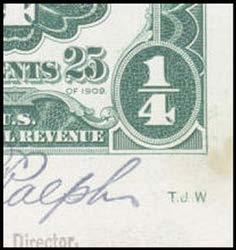
Figure 101. TJW (Unknown).*
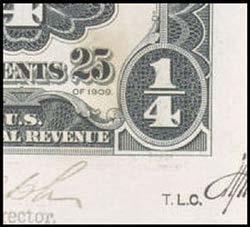
Figure 102. TLC (Unknown).*
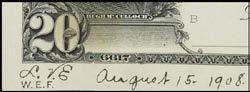
Figure 106. WEF (William E. Franke).*
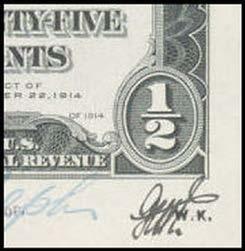
Figure 111. WK (William R. Kern) [early pre-1914, see also WRK].
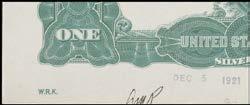
Figure 115. WRK (William R. Kern) [later thru 1921, see also WK].*
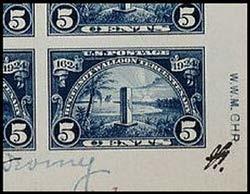
120. WWM (William W Malone).*
Figure 103. VB (Victor Bielaski). [NEW]
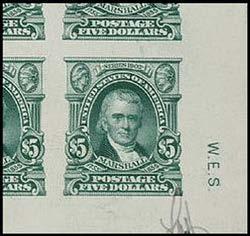
Figure 107. WES (Walter E. Spring).
Figure 108. WFB (William F. Blue).
Figure 112. WMD (Unknown).
Figure 116. WS (Unknown) [WES?].*
References:
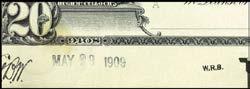
Figure 113. WRB [Type 1] (William R. Brown) [used thru 1911].*
Figure 117. WTB (Unknown) [worn WTP?].
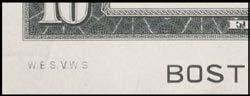
Figure 104. VWS (Unknown).*
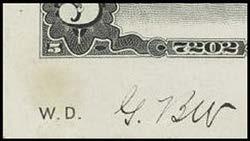
Figure 105. WD (Walter H. Doxen).*
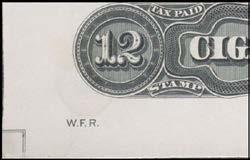
Figure 109. WFR(Unknown).*
Figure 110. WJ (Walter Jahnke).
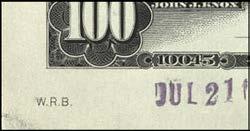
Figure 114a. WRB [Type 2] (William R. Brown?) [used 1923 & later].‡*
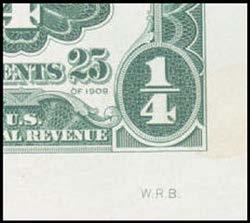
Figure 114b. WRB [Type 2] (William R. Brown?) [used 1923 & later].‡*
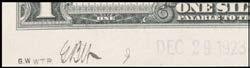
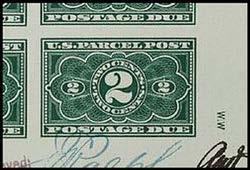
Figure 118. WTP (William T. Powers).*
Figure 119. WW (William Wapple).
Cleland, Wallace. B.I.A. Plate Number Checklist, Plates 1–20,000. Revised ed. Bureau Issues Association, 1990.
Markovits, Robert L. “Bureau Specialist.” The Bureau Specialist 34 (1963): 281. McIntire, Walter A. The Bureau Specialist 36 (1965): 297. Meek, John S. “Initials of Siderographers and Plate Finishers.” The United States Specialist, October–December 1968; January–February 1969. Prescott, Samuel C. “Plate-Makers’ Initials.” The Sixth Annual BIA Special Edition of Weekly Philatelic Gossip, May 9, 1936, 272. Silver, Philip. The Collectors Club Philatelist 44 (1965): 311.
Figure

William H. Buckley
by Rodney A. Juell USSS #13852 | P.O. Box 3508, Joliet, IL 60434
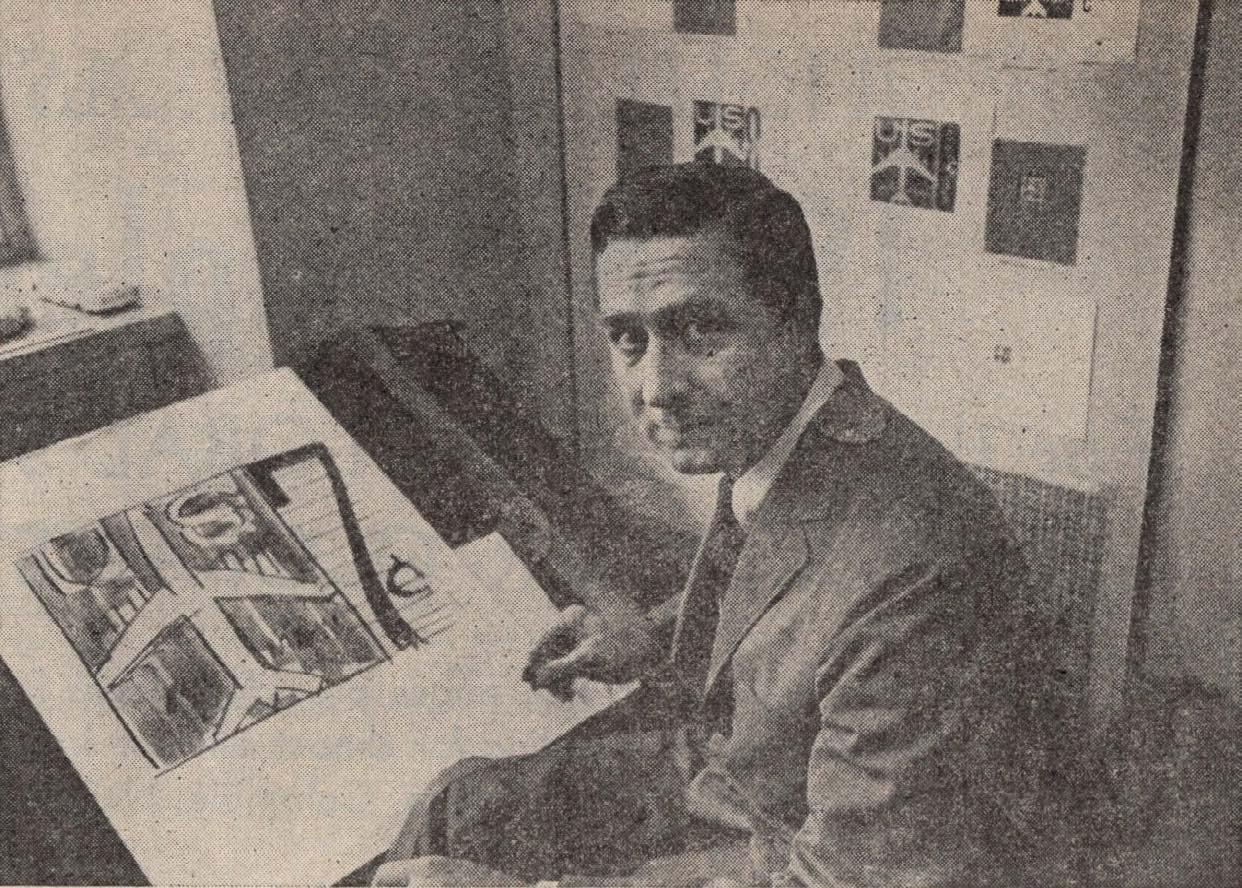
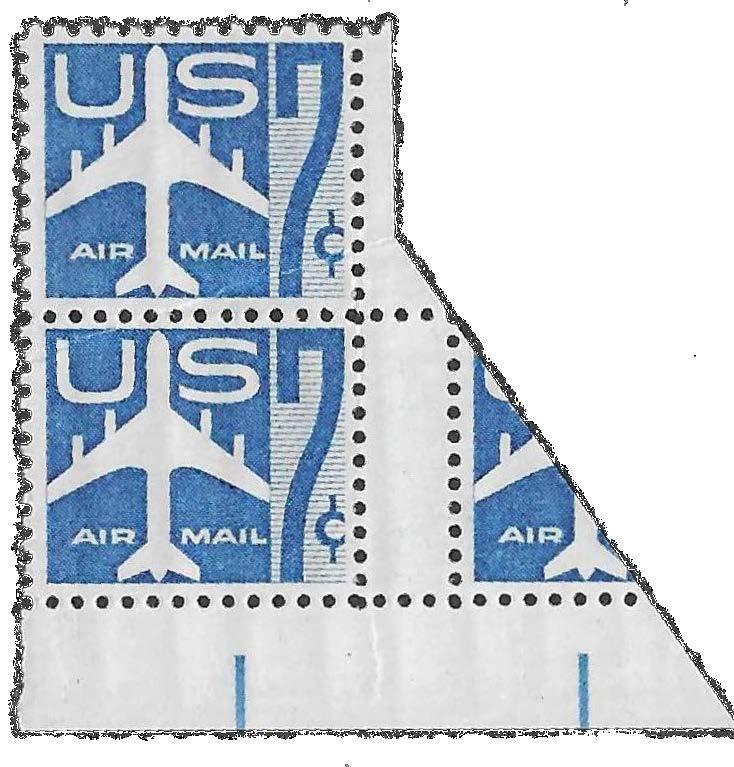
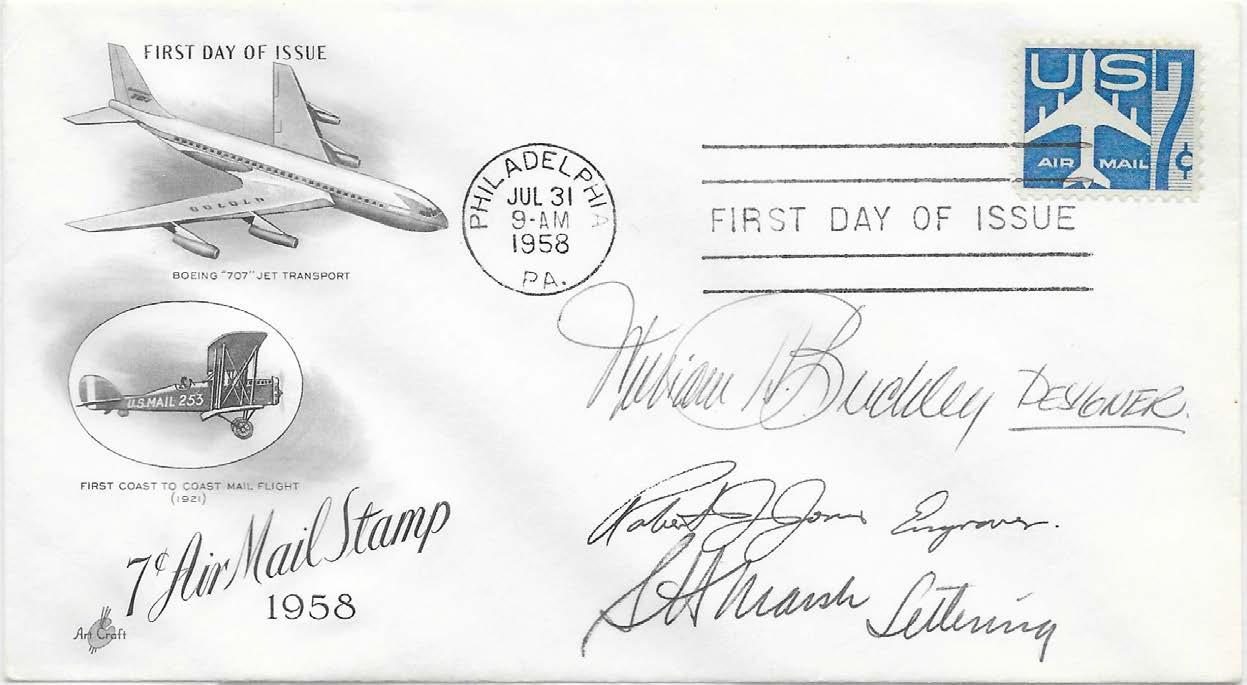
This month’s photo shows designer William H. Buckley at work on the 7¢ airmail stamp (Scott C51) which was issued on July 31, 1958, to meet the airmail rate that went into effect the next day. Shown nearby is a first day cover signed by Buckley and the stamp’s engravers. Also shown nearby is a freak gutter snipe.
Vintage Photo of the Month

Quality United States Stamps (1847-1945)
Singles (mint and used)
Plate Blocks
Booklet Panes plus Complete Booklets
Price lists-$2.00 each category
Price lists free on web: www.mountainsidestampsandcoins.com
We also buy quality U.S. and foreign stamps
Mountainside Stamps, Coins and Currency
P. O. Box 1116
Mountainside, NJ 07092
Tel: 908-232-0539 or 908-419-9751
E-mail: tjacks@verizon.net
Tom Jacks, owner Member APS, ASDA, USSS
USatFACE.com
If you collect Plate Blocks, Booklets, Coils, or Sheets, the above website, with hundreds of sets at Face Value, will be a great savings to you. Enjoy the hobby.

Armen Hovsepian (APS 150170)
P. O. Box 24222

Overland Park, KS 66283
info@USatFACE.com
Index of Advertisers
Armen Hovsepian (www.USatFACE.com) 554
Boston 2026 (www.boston2026.org) 540, 554
Mountainside Stamps, Coins and Currency (www.mountainsidestampsandcoins.com) ........554
Precancel Stamp Society (www.precancels.com).......................................... 576
Richard Friedberg (www.friedbergstamps.com). 544
Robert A. Siegel Auction Galleries (www.siegelauctions.com) 541
Scott A. Shaulis (www.shaulisstamps.com) ...................................554
U.S. Philatelic Classics Society (www.uspcs.org) ................................................... 568
United States Stamp Society (www.usstamps.org)...............................568, Covers
1940 Pony Express Stamp
by Paul M. Holland USSS #16849 | m pholland.thorleaf@gmail.com
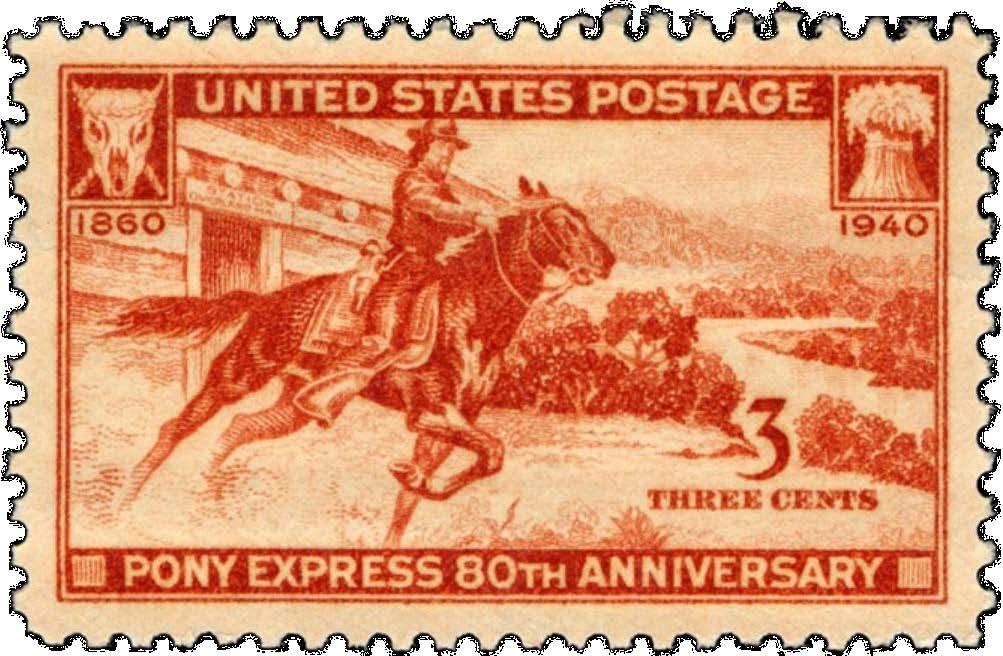
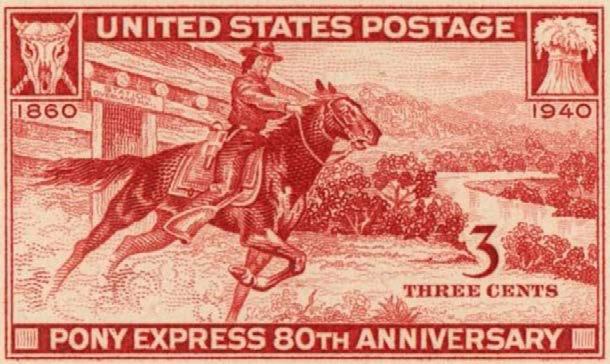
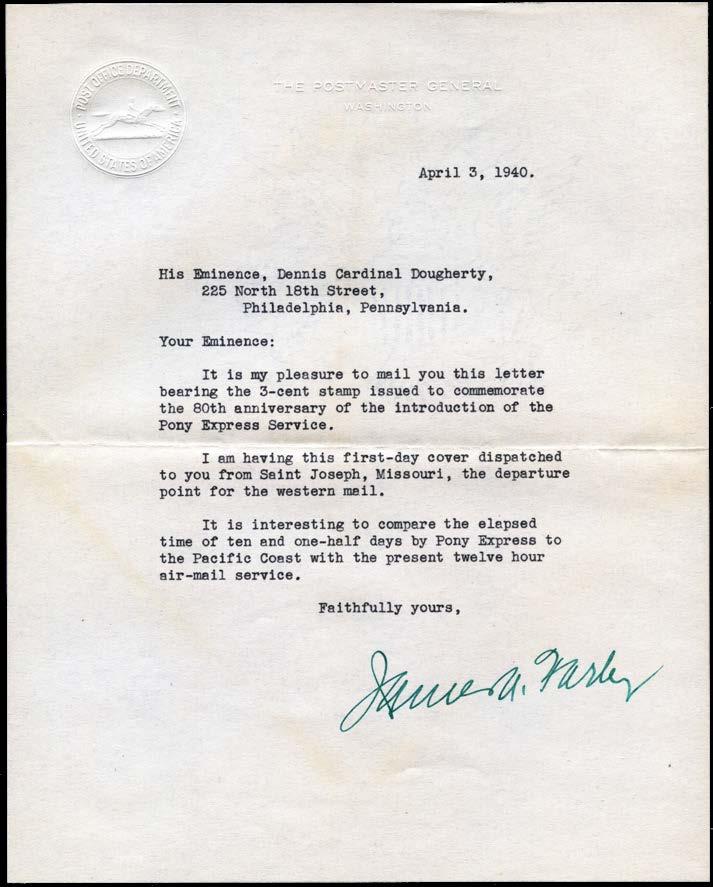
It is my pleasure to mail you this letter bearing the 3-cent stamp issued to commemorate the 80th anniversary of the introduction of the Pony Express Service.
I am having this first-day cover dispatched to you from Saint Joseph, Missouri, the departure point for the western mail.
It is interesting to compare the elapsed time of ten and one-half days by Pony Express to the Pacific Coast with the present twelve hour air-mail service.
—From a signed April 3, 1940, letter with a Favor First Day Cover of the 3¢ Pony Express stamp sent to His Eminence, Dennis Cardinal Dougherty by FDR’s Postmaster General James A. Farley.
It was the urgent need for rapid communication between California and the rest of the United States that led to the formation of the Pony Express in April 1860 using organized relays of horseback riders to carry letters between St. Joseph, Missouri, and San Francisco. While the Pony Express only lasted for about 18 months before going bankrupt once transcontinental telegraph service became established in October 1861, it became a romantic symbol of daring adventure, courage, and pioneering spirit in the Old West. Developed in conjunction with the Central Overland California and Pike’s Peak Express Company’s stagecoach line, Pony Express service was initiated on April 3, 1860. A rare first day cover (FDC) mailed from San Francisco is shown in Figure 1. This was sent to the Honorable Milton S. Latham, who was a member of the United States Senate in Washington, D.C. Latham himself had briefly been Governor of California; he abruptly resigned in order to fill the vacant Senate seat of the late Senator David C. Broderick.
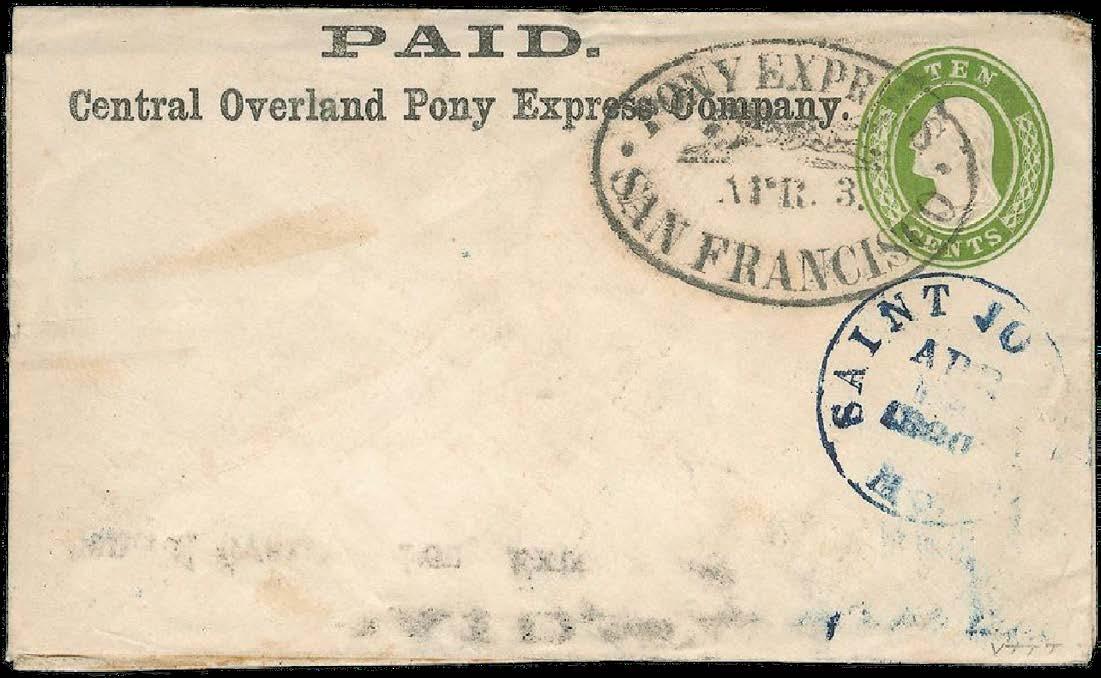
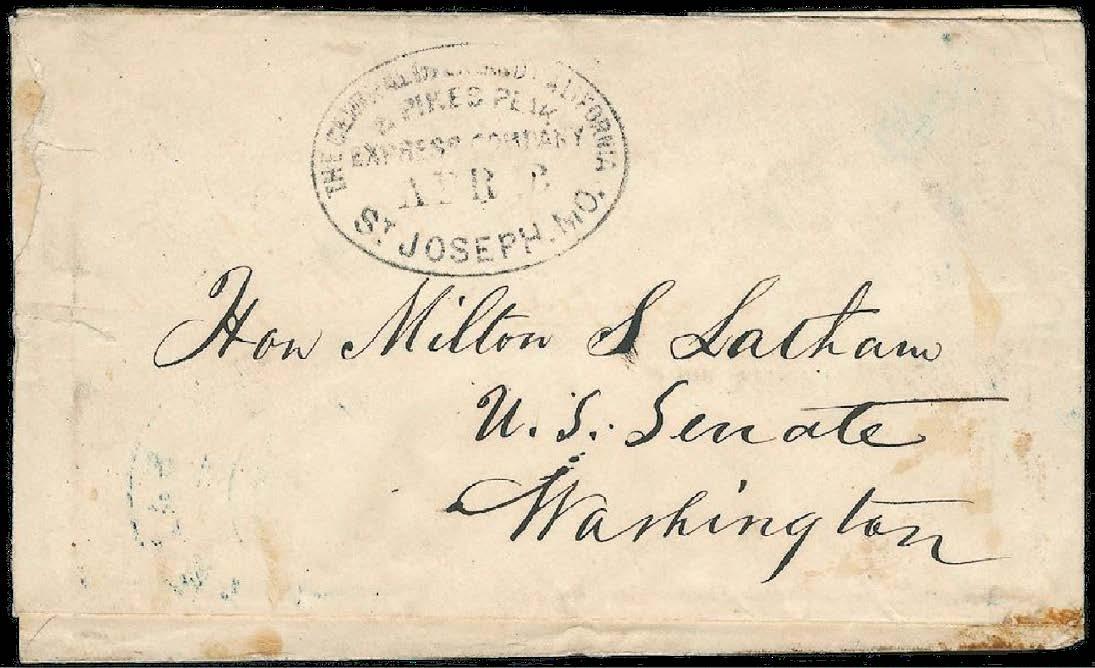
Figure 1. Pony Express first day cover from San Francisco sent on April 3, 1860 (courtesy Siegel Auctions, sale 979, lot 1).
Broderick, who had firmly stood against introducing slavery into California, had been killed in a duel by a pro-slavery advocate. This Pony Express FDC was sent to Latham on a 10¢ Nesbitt entire (U17a) with a two-line printed frank reading “PAID Central Overland Pony Express Company.” Datestamps show that it transited Saint Joseph, Missouri, on April 13, before entering the regular mail and continuing on to Washington, D.C. The initial Pony Express rate was a very expensive $5 per half ounce.
Pony Express riders were a hardy bunch who faced extreme hardship and danger, including attacks by Indians. They were recruited from wiry young horsemen weighing less than 125 pounds who could ride fast over varied terrain, changing horses at relay stations that were typically spaced 10–15 miles apart. They carried a mail pouch saddle bag, or mochila, and little else. In some cases, when relief riders were disabled or killed, rides of over 300 miles by a single rider were recorded. Perhaps the most famous Pony Express rider was William Cody, better known as “Buffalo Bill” Cody, who became the showman who later founded Buffalo Bill’s Wild West Show, touring the United States and Europe beginning in 1887.
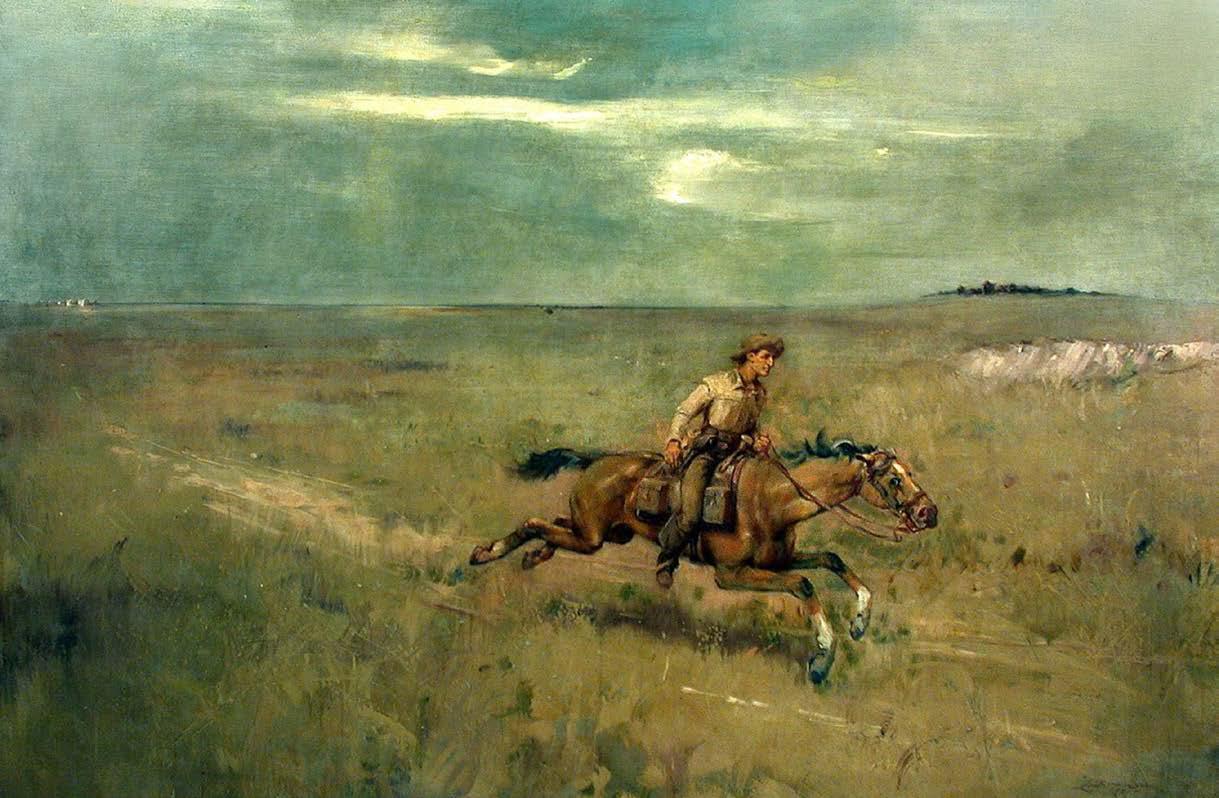
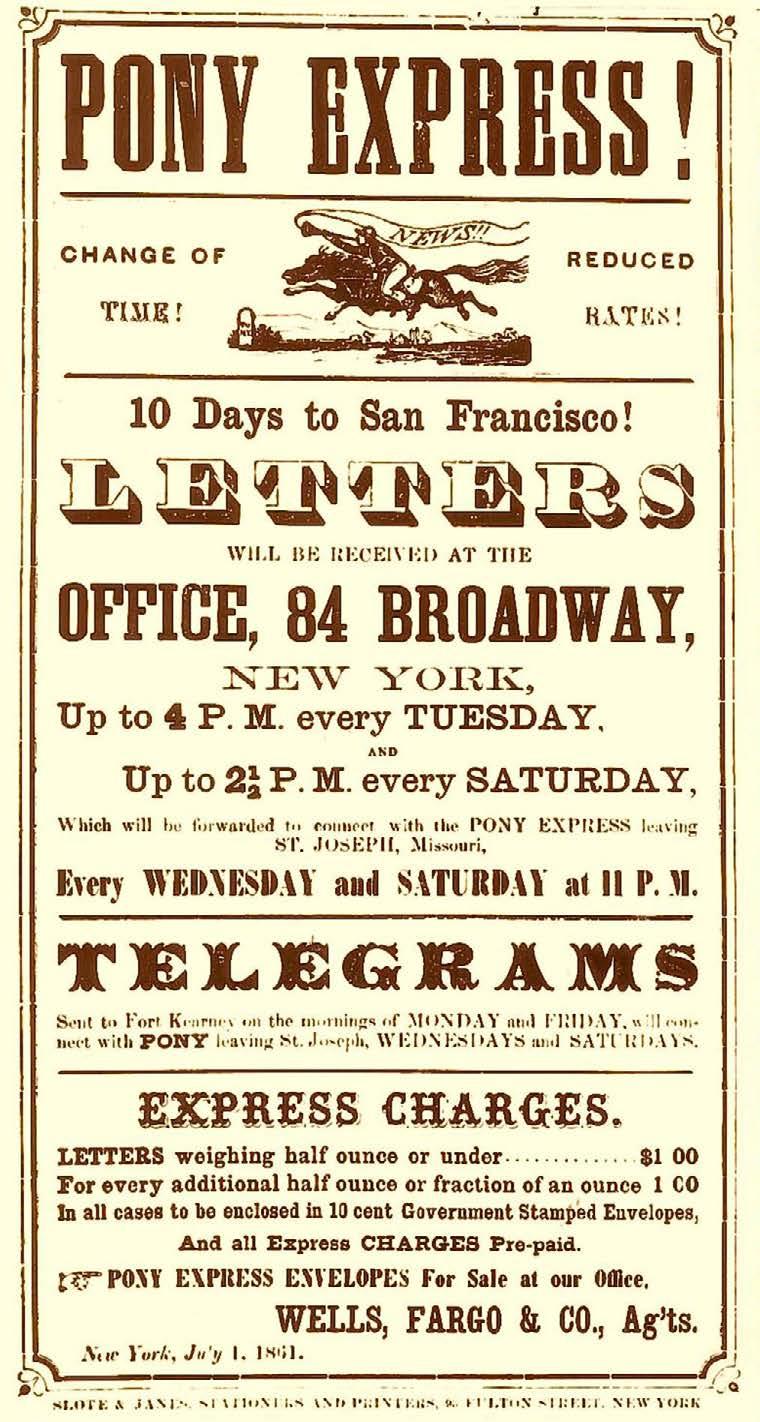
In April 1861, Wells, Fargo & Company became agents for the Pony Express, and the rate was reduced to $2 per half ounce, with $2 and $4 lithographed stamps being privately issued. On July 1, 1861, the rate was further reduced to $1 per half ounce, and the Pony Express was then authorized by Congress to carry the mail under government contract.1 A contemporary advertisement for ten-day service to San Francisco from New York City is shown in Figure 3. Note that coordination of Pony Express service with telegrams sent to Fort Kearney, Nebraska, could also be arranged to further speed communications.
Figure 2. Pony Express rider carrying mail pouch (Smithsonian, National Postal Museum).
Although the lithographed Pony Express stamps (Scott 143L3–143L5) are listed as Locals, the fact that some were issued beginning in July 1861 under the terms of a government mail contract suggests that some of these ought to have semiofficial status.1 A block of four of $1 stamps is shown in Figure 4, with an example cover sent from San Francisco to Switzerland on September 7, 1861, at the new $1 rate shown in Figure 5. This cover is on a white 10¢ Nesbitt entire (U15) printed “PAID Wells, Fargo & Co.” franked with a single $1 Pony Express stamp (143L3) with the additional 26¢ in postage paying its way to Switzerland.
Figure 3. 1861 advertisement for ten-day service to San Francisco from New York City.
Pony Express service suddenly became obsolete the following month once Western Union completed the first transcontinental telegraph line on October 24, 1861, with Pony Express operations ceasing two days later. This new overland telegraph line operated until 1869, when it was replaced by a multi-line telegraph constructed directly alongside the route of the first transcontinental railroad, which was itself completed on May 10, 1869. The opening of the transcontinental railroad seemed to coincide with the new Pictorial Series of postage stamps beginning in March 1869, the first of these being the 2¢ value featuring a post rider carrying mailbags. A plate proof of this from my
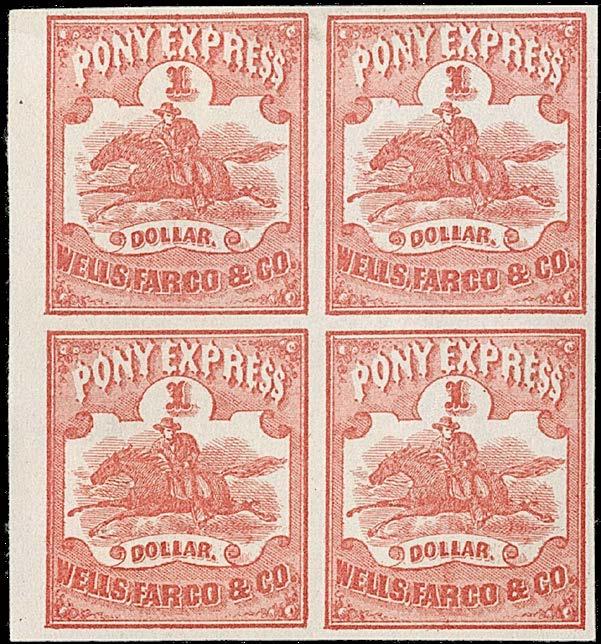
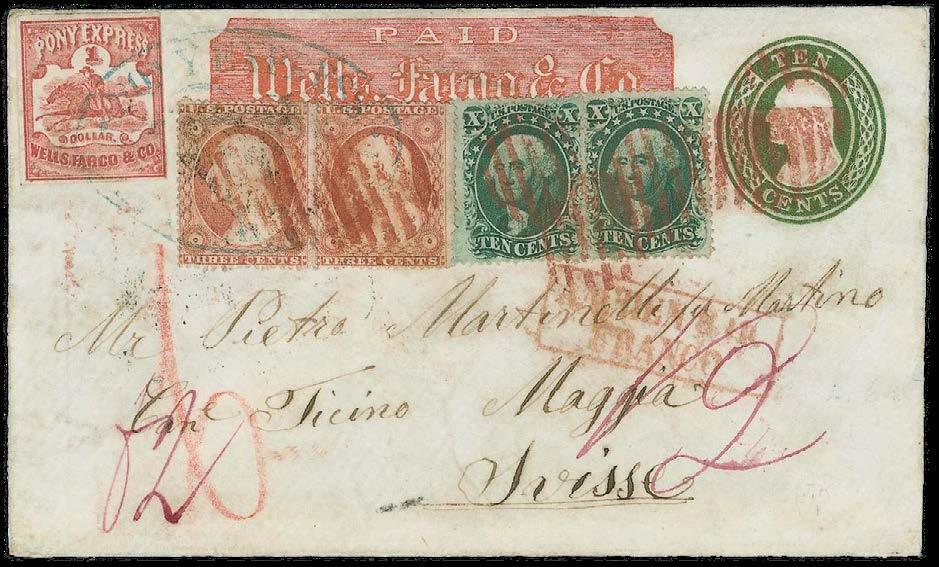
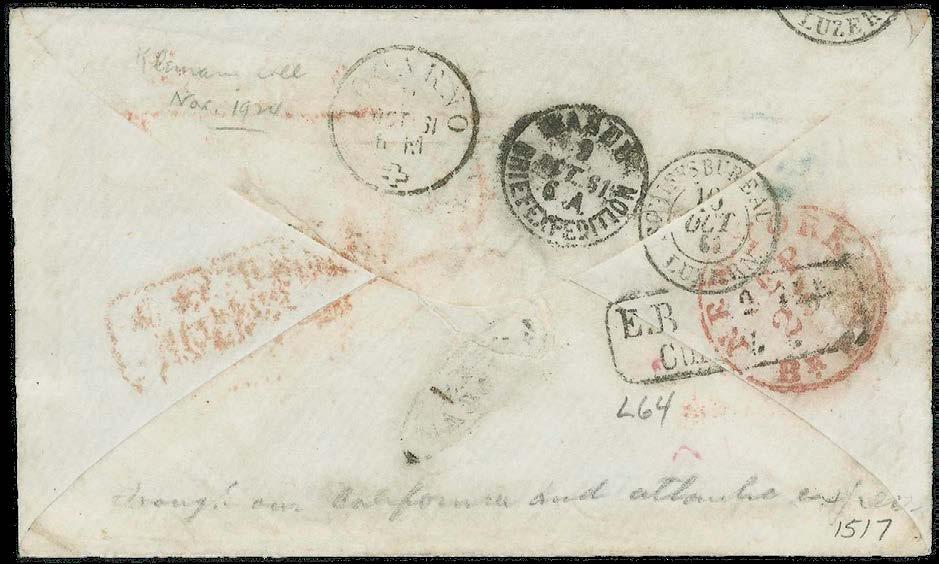
Figure 4. Block of four of Pony Express $1 stamps (courtesy Siegel Auctions, sale 1207, lot 20).
Figure 5. Pony Express cover sent from San Francisco to Switzerland on September 7, 1861 (courtesy Siegel Auctions, sale 979, lot 34).
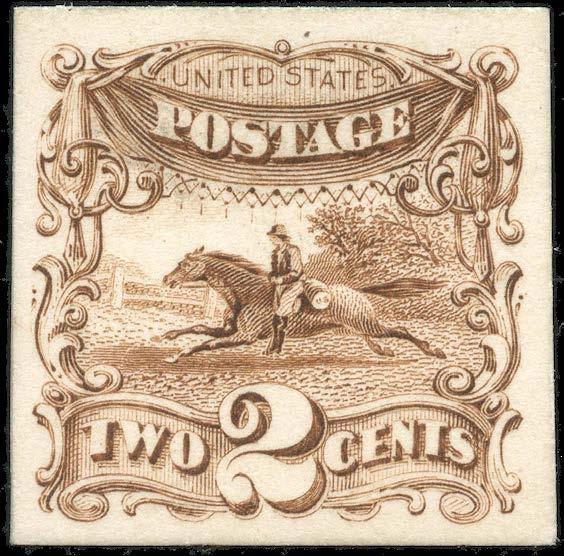
reference collection is shown in Figure 6. Although it has been claimed that this stamp depicts a Pony Express rider, it is actually based on the official Post Office Department seal used from 1837–1970, with the image of the post rider said to have been inspired by a woodcut illustration used by Benjamin Franklin.
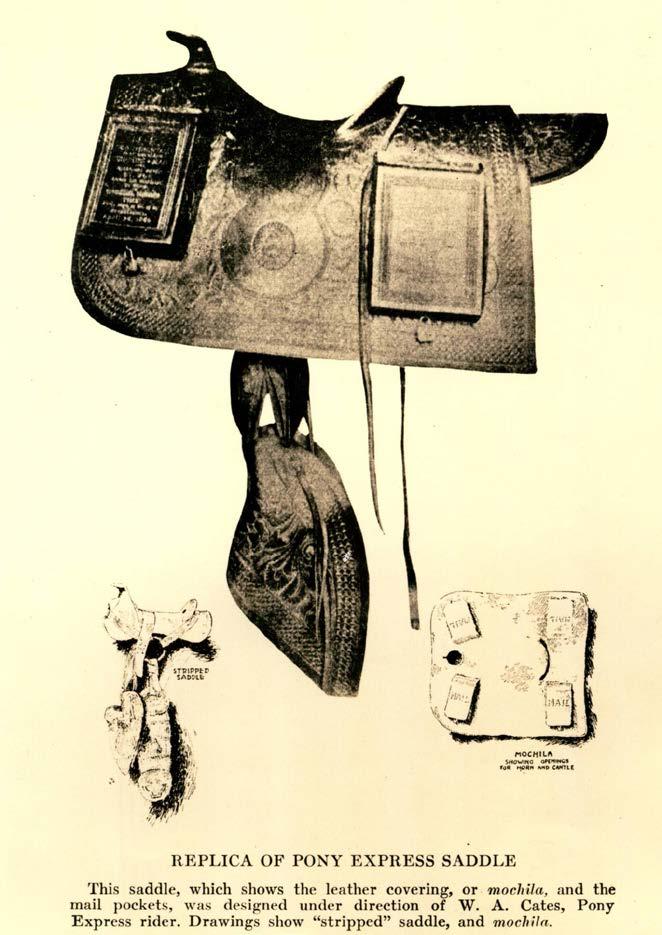
The origin of the idea to issue a stamp commemorating the 80th anniversary of the Pony Express is somewhat shrouded in mystery. What is known is that on February 17, 1940, the Bureau of Engraving and Printing (BEP) was instructed that stamps honoring the 80th anniversary of the Pony Express would be required. An original wash drawing for such a stamp design was prepared by William A. Roach, with details of the rider’s saddle based on information from a 1932 book, The Pony Express by Arthur Chapman.2 Details of this replica Pony Express saddle made under the direction of C. A. Cates, a surviving Pony Express rider, are shown in Figure 7.
Roach’s original essay of this stamp design, as submitted to Postmaster General (PMG) James A. Farley about 10 days later, on February 28, is shown in Figure 8. It was officially approved on March 8, 1940.2
The vignette on the die was engraved by Charles A. Brooke with the lettering by John S. Edmonson.2
Comparison of the essay with a close-up from the final engraved large die proof shown in Figure 9 reveals substantial sharpening of the image as well as variations in the spacing of the lettering.
Curiously, on March 5, the Post Office Department had announced that the stamp would be printed in purple. However, the BEP had also produced die proofs in other shades, and these were presented to the Post Office Department. From these, President Roosevelt selected one in henna brown, an unusual but very pleasing shade that might be
designing stamp (courtesy American Philatelic Research Library).
Figure 6. Plate proof on card (Scott 113P4).
Figure 7. Pony Express saddle details used by BEP in

Figure 8. BEP essay for Pony Express stamp (courtesy American Philatelic Research Library).
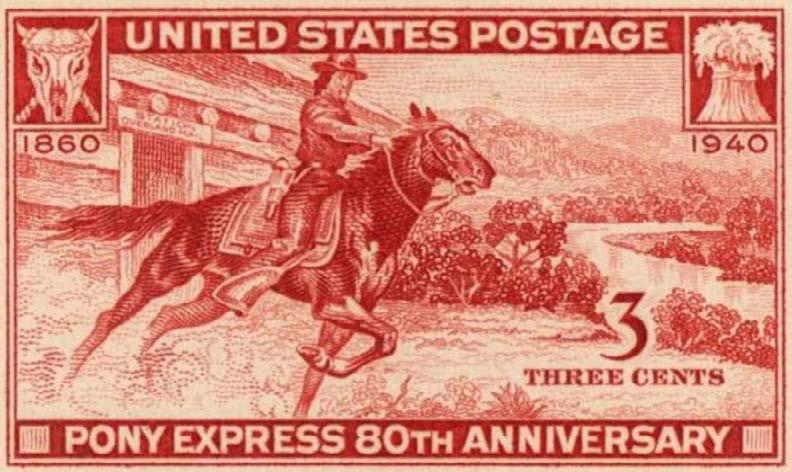
Figure 9. Close-up image from large die proof in the “Correct color” (Smithsonian, National Postal Museum).
described as “red brown.” Shown in Figure 10 are cropped images from a March 14 plate proof in the National Postal Museum printed in purple, along with the final belated BEP approval of a large die proof in the “Correct color, Brown, Bn-530-P” from March 20, 1940. Note the penciled message “Wrong color–should be Bn 530 P” below the “Mar 14 1940” date on the plate proof. Ultimately, four rotary plates were used in printing these stamps, with plates 22579–22580 certified on March 14 and put to press later that same day. Plates 22581–22582 were certified on March 19 and put to press the following day on March 20, 1940.3
The first day of issue for the Pony Express stamp was on April 3, 1940, in the cities of Saint Joseph, Missouri, and Sacramento, California. I’m fortunate in having four favor first day covers (FDCs) on official stationery with signed letters for the Pony Express stamp in my collection, including examples from each of these cities sent by FDR’s Postmaster General James A. Farley and First Assistant PMG W. W. Howes.
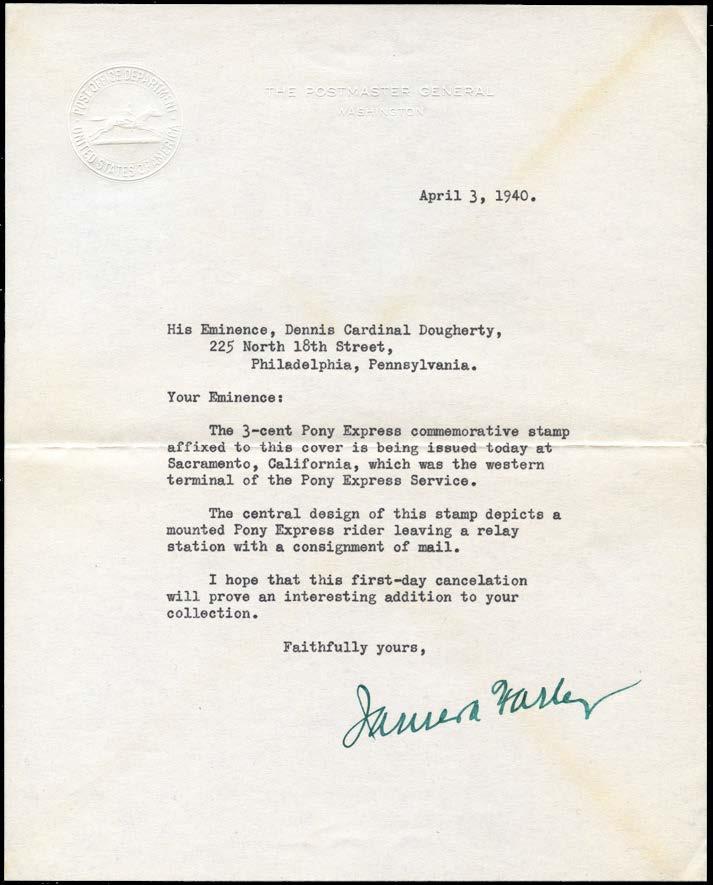
In Figure 11, I show my Farley signed letters with example FDC sent to Dennis Cardinal Dougherty, formerly the Archbishop of Philadelphia, who was made a Cardinal in 1921. Farley was a devout Catholic, so note especially the honorific “Your Eminence” with the closing “Faithfully Yours” above Farley’s signature in green ink. Unusually, the
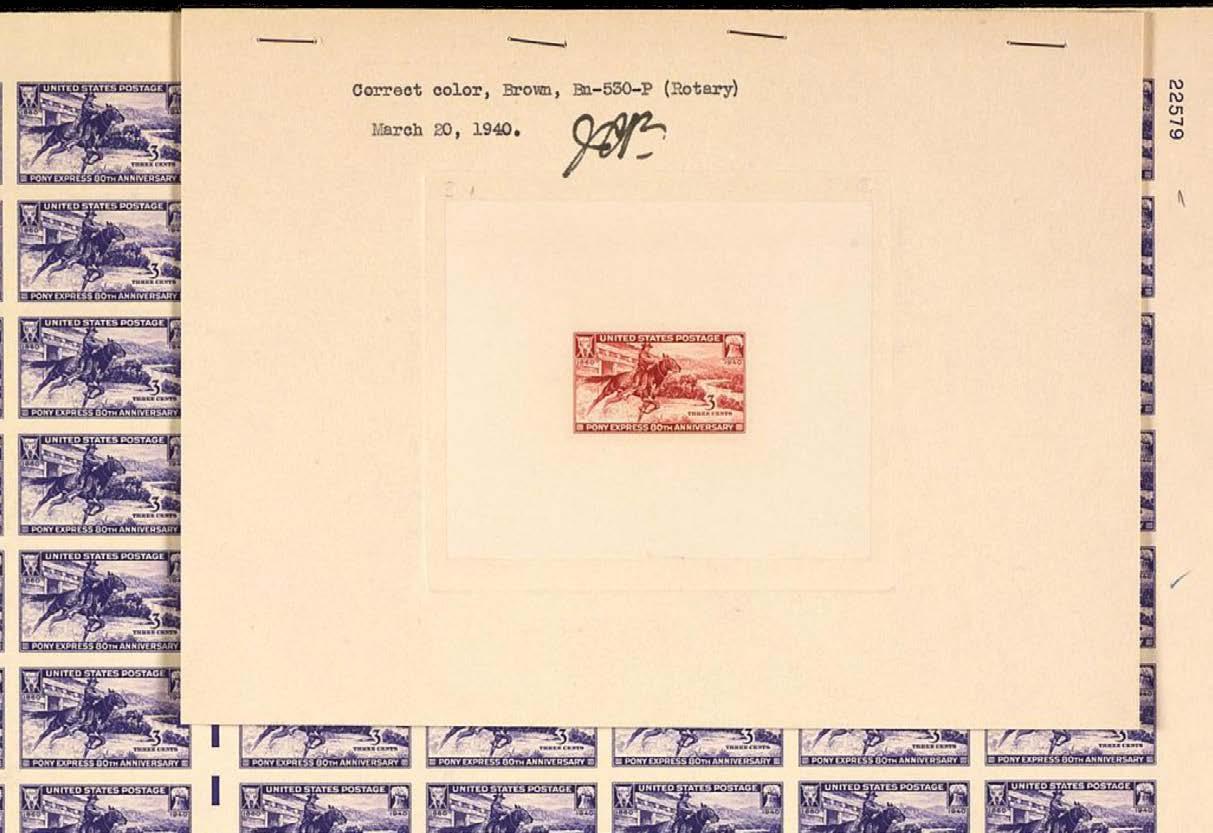
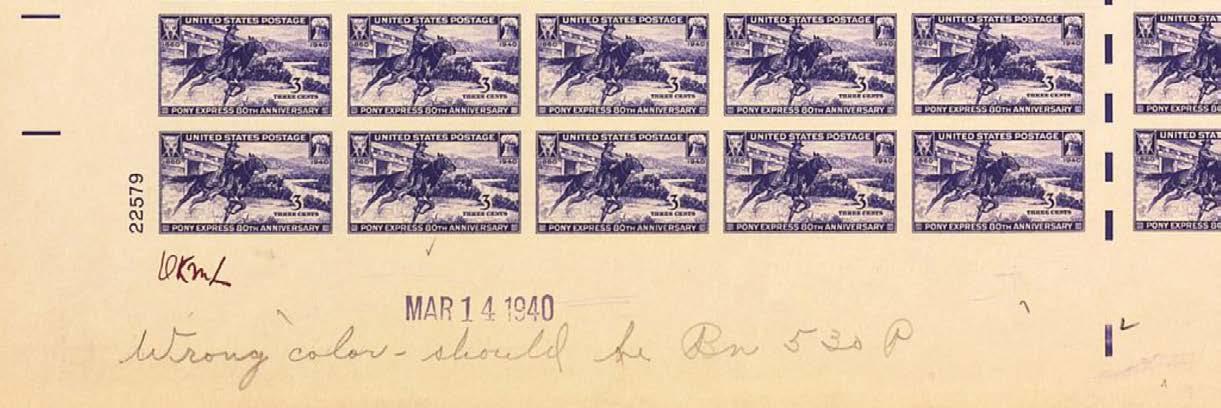
Figure 10. Cropped images from plate proof for the Pony Express stamp printed in purple, along with BEP approval of a large die proof in the “Correct color” (Smithsonian, National Postal Museum).
content of the two Farley letters to Dougherty differs significantly. This is not commonly observed in my extensive collection of favor FDCs, where the signed letters for a particular stamp typically only differ in naming the city from which the FDC was sent. The full text of the Saint Joseph, Missouri letter was shown earlier at the beginning of this article; that for the Sacramento letter is reproduced here:
The 3-cent Pony Express commemorative stamp affixed to this cover is being issued today at Sacramento, California, which was the western terminal of the Pony Express Service.
The central design of this stamp depicts a mounted Pony Express rider leaving a relay station with a consignment of mail.
I hope that this first-day cancelation [sic] will prove an interesting addition to your collection.

Favor FDCs with letters sent to Cardinal
Figure 11.
Dougherty by PMG Farley.
My signed letters (cropped) with favor FDC from First Assistant Postmaster General William Washington Howes are shown in Figure 12. For these, Howes has signed both the corner card of the FDC and the letters. As with those from PMG Farley, there are significant differences between letters, with the one from Sacramento describing “a mounted Pony Express rider leaving a relay station with a consignment of mail” and that from Saint Joseph emphasizing the “80th anniversary of the inauguration of the Pony Express Service.” Selvage on the stamp used on the
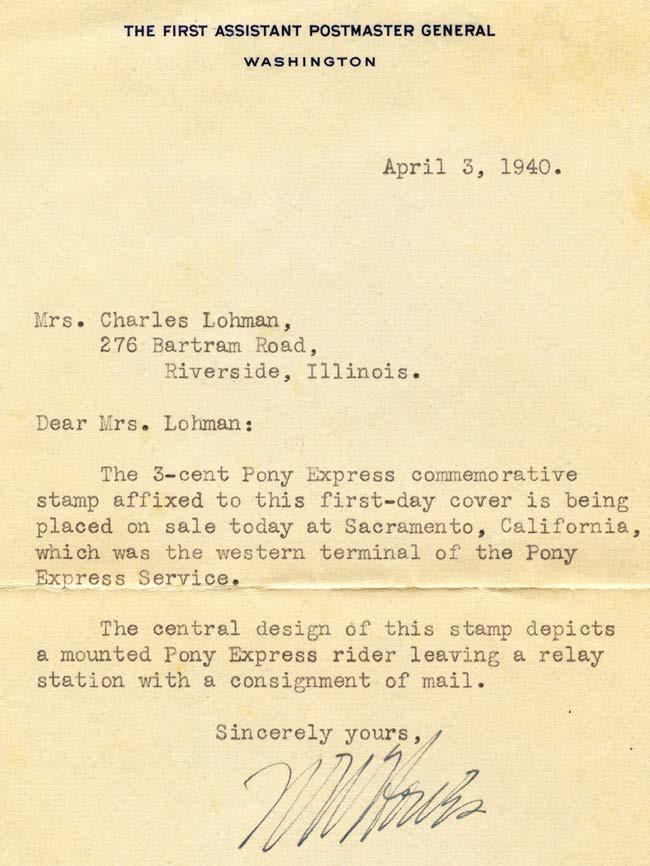
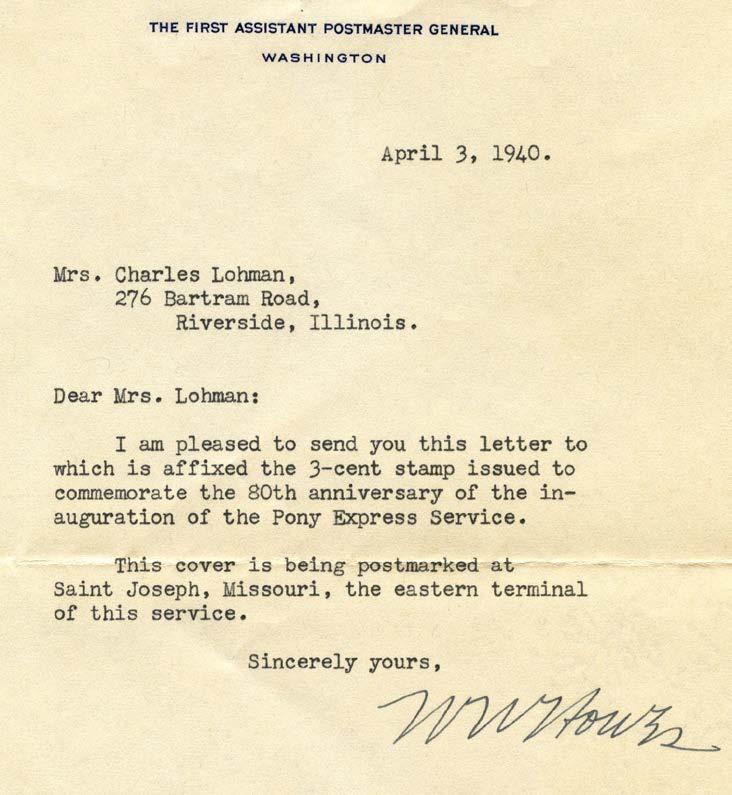
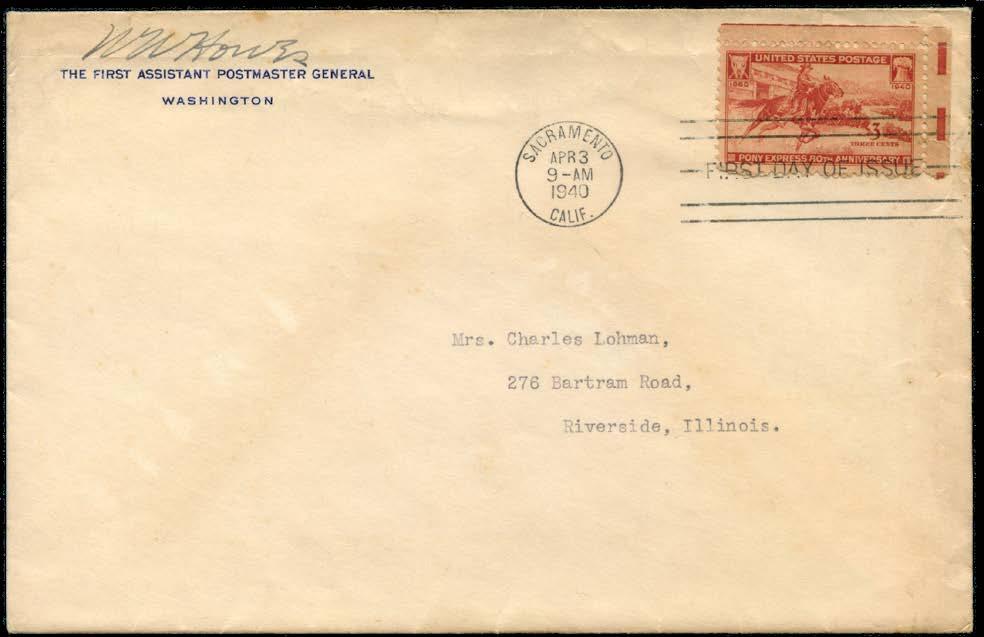
Figure 12. Favor FDCs with letters for the Pony Express stamp sent by First Assistant Postmaster General William W. Howes.
Sacramento FDC allows it to be identified as being from plate position five on the rotary press sheet of 200 stamps. Howes’ role as First Assistant PMG would have included serving as Acting Postmaster General whenever Farley was unavailable. Curiously, Howes’ wife may have been a stamp collector, as I have a complete set of fourteen favor FDCs for the Overrun Countries stamps on PMG stationery, all addressed to her.
FDR himself received lots of mail sent by admirers around the country, including FDCs. In Figure 13, I show my example sent to him with a plate block (22580) of four Pony Express stamps from Saint Joseph, Missouri. Note especially the Crosby cachet WGC-6C in purple. This has an insert photograph of William F. Cody at the Age of 19. The description states that “Of all the pony riders, ‘Buffalo Bill’ (William F. Cody) became the most widely known. He is said to have entered his career as a lad of fourteen when the Pony Express was started. If the company broke its rule of not hiring men under twenty, it was the only time that a difference of six years was passed over. The riding feats of this ‘mere boy’ quite outshone the performances of others whose endurance rides were exceptional, and he is credited with a continuous ride of 384 miles—a mark that has never been equalled [sic].”
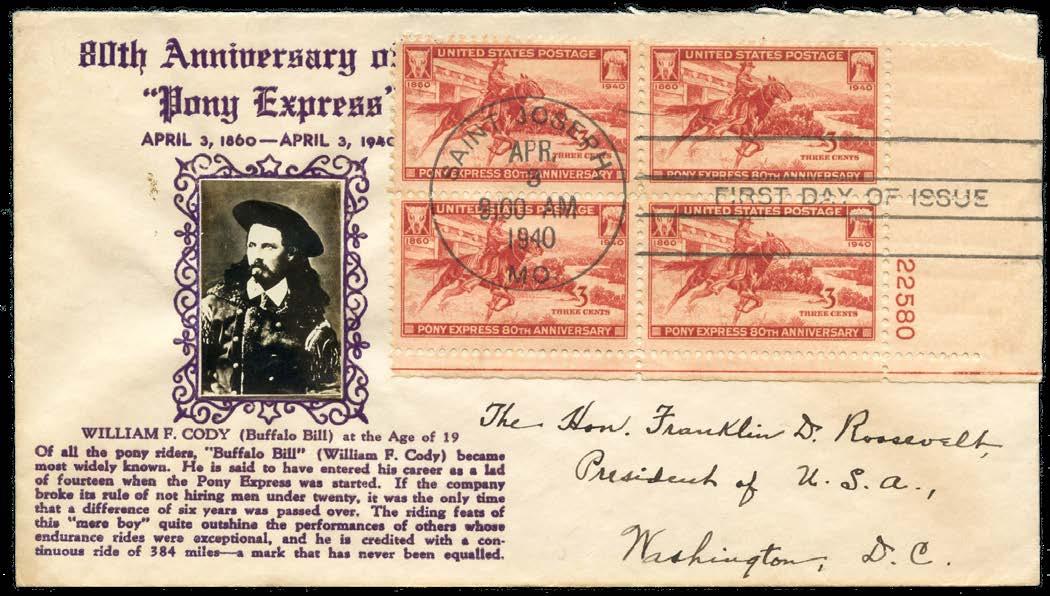
Figure 13. Pony Express FDC with Crosby cachet and plate block of four sent to FDR.
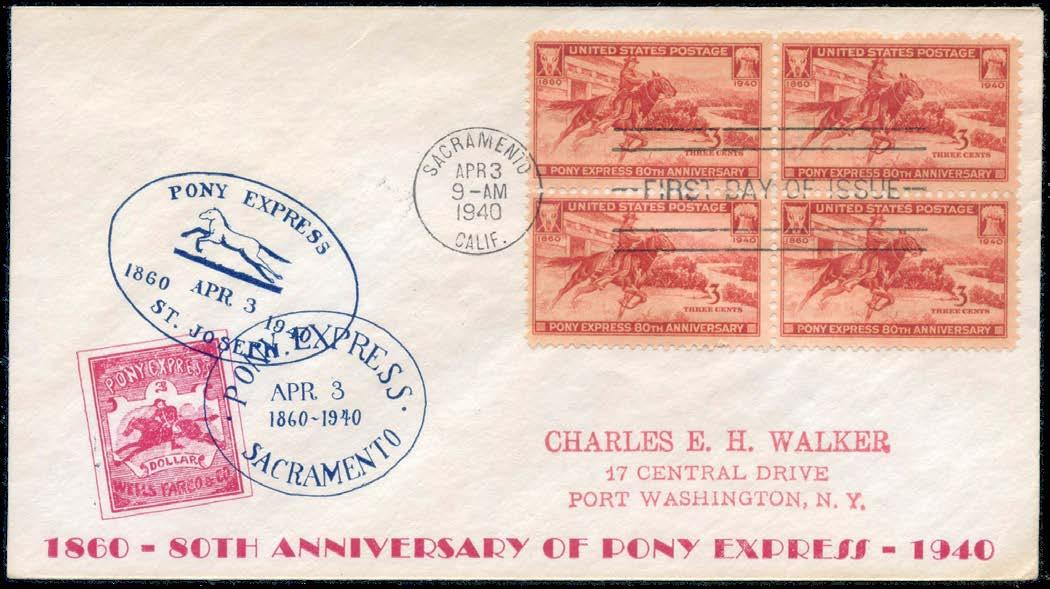
My example of another 1940 Pony Express FDC from Sacramento, California, is shown in Figure 14. This cachet from the Gilbert Stamp Company (Planty 894–9) shows a reproduction of a Wells, Fargo & Co. Pony Express stamp with commemorative cancellations from both cities.
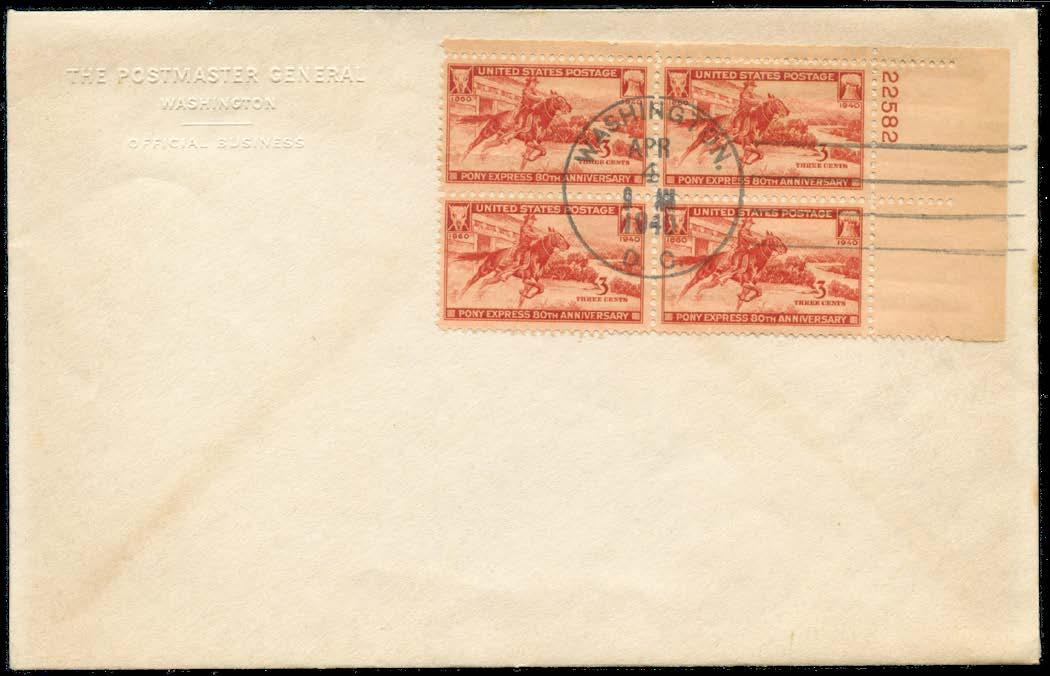
Also shown on official Postmaster General stationery is my unaddressed second day cover for the Pony Express stamp postmarked in Washington, D.C. Similar to the FDC sent to FDR , this is franked with a plate number block of four (22582).
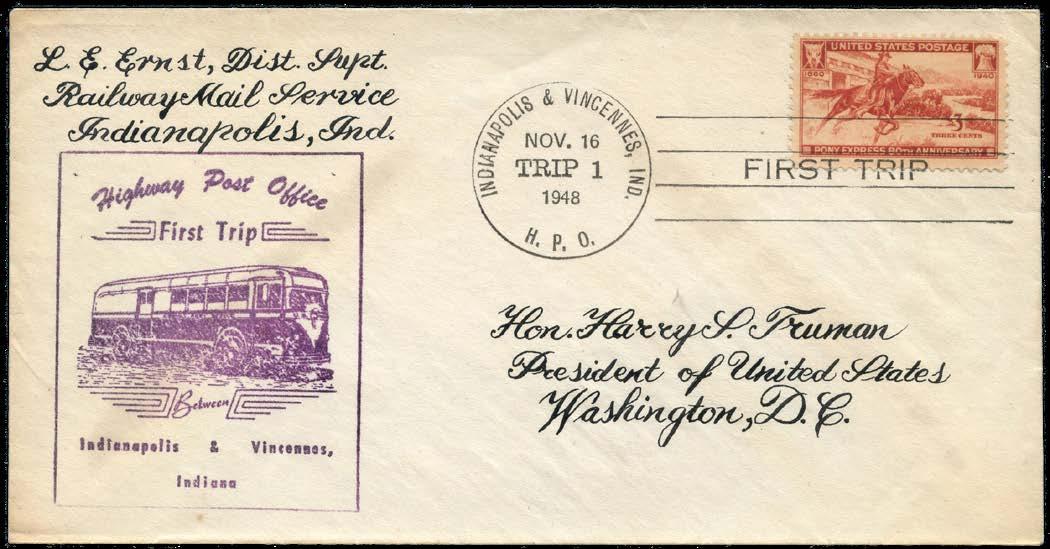
Finally, in Figure 16, I show my very late usage of the Pony Express stamp on an unusual Highway Post Office “First Trip” cover sent to President Harry S. Truman by the District Supervisor of the Railway Mail Service, Indianapolis, Indiana. The official cachet shows this to be the first trip of a Highway Post Office bus between Indianapolis and Vincennes, Indiana. Highway Post Office bus service was touted by the Post Office
Department as a “Modern Day Pony Express.” It essentially replicated Railway Post Offices (RPOs), where mail clerks would sort the mail while moving between cities, with local post offices finally completing the process and delivering the mail. What is especially notable about my cover is that this was sent to Truman on November 16, 1948, two weeks after the presidential election.
Going into the 1948 election, things had looked terrible for Truman. Besides his low standing in the polls, the Democratic Party was badly split over civil rights and Truman’s steadfast policy toward the Soviet Union. Interestingly, it was Dennis Cardinal Dougherty who gave the invocations at both the Republican and Democratic National Conventions, both of which were held in Philadelphia. The Republicans nominated Thomas E. Dewey. Three weeks later, the Democrats nominated Harry S.
Figure 14. FDC with Gilbert Stamp Company cachet.
Figure 15. Unaddressed second day cover for the Pony Express stamp on official stationery.
Truman after their divisive 1948 convention, where the “Dixiecrats” walked out and nominated Senator Strom Thurmond of South Carolina as candidate of the States’ Rights Democratic Party, and Henry Wallace (FDR’s former vice president) was nominated by the left-leaning Progressive Party.
Dewey at once became the overwhelming favorite, with virtually all polling and political pundits predicting an easy victory. This led Dewey to run a very cautious campaign, speaking in platitudes and being especially careful to avoid controversy. On the other hand, Truman’s feisty and combative campaign style aboard his whistle-stop train tour crisscrossing the country energized traditional Democrats and appealed to both labor and small farmers. Truman somehow eked out a victory, winning reelection in one of the greatest political upsets in American history. This led to his famous pose with an early edition of the Chicago Daily Tribune, shown in Figure 17. The 1940 Pony Express stamp is among the more interesting stamps of the FDR era. Along with selecting and occasionally creating stamp designs, FDR liked to choose colors for printing stamps, including a wide range of shades for commemorative stamps,

Figure 16. Highway Post Office cover with Pony Express stamp sent to President Truman in 1948.
Figure 17. Truman with early edition of the Chicago Daily Tribune.
typically ranging from red violet to dark blue. Here the Pony Express stamp with its attractive henna brown shade really stands out from the pack.
Acknowledgment
The author would especially like to thank Marian Mills of the American Philatelic Research Library for providing the images from the Forrest Ellis Collection used in Figures 7 and 8.
References
1. Scott R. Treppel, Wells, Fargo & Company 1861 Pony Express Issues, Robert A. Siegel Auction Galleries, Inc., New York, 2005.
2. Max G. Johl, The United States Commemorative Postage Stamps of the Twentieth Century: Volume II 1925–1947, H. L. Lindquist: New York, 1947, pages 177–179.
3.
Advertise
The U.S. Philatelic Classics Society is a not-for-profit collector organization exclusively devoted to 19th century United States stamps and postal history. Our quarterly Chronicle is widely recognized for presenting new scholarship and discoveries. For membership information and much more, find us at: www.uspcs.org.
in The United States Specialist
Deadline for ad copy is the 20th of the second month preceding the month of publication, as April 20 for the June issue. There is a 5% discount for payment in advance or with copy. To place an ad or for help with ad design, contact the Editor, Andrew Kelley, at editor@usstamps.org.
Great Americans Issue Part XIX— Who Didn’t Make the Cut
by Jay Stotts USSS #10921 | m stottsjd@swbell.net
Although the Great Americans (GA) Series lasted twenty years and featured 64 subjects, there were still some notable people who weren’t so honored. Many people had already appeared on US stamps over the years, so they didn’t need to be recognized again with a GA stamp, and others considered during the 1980–2000 period may have been considered and then elevated to become a commemorative stamp subject. Two such persons were Horace Moses and Dean Acheson, as explained in Part XVI.
Distinguished Americans
Still, other subjects were considered toward the end of the GA Series, and they became the first subjects of a new definitive series launched in 2000, called the Distinguished Americans (DA). I wondered at the time how the Postal Service (USPS) would qualify a person as either a “Great” American or a “Distinguished” American. I decided that the
The Great Americans
Figure 1. Stillwell stamp from the Distinguished Americans Series.
question was too philosophical for me to answer, so I left Google artificial intelligence (AI) to provide an answer:
In common usage, a Distinguished American has earned respect and admiration for excellence in their professional field, while a Great American has achieved exceptional and historically significant feats that embody core American ideals. The distinction is more about the scale and nature of their accomplishments than a formal title.
With all due respect to AI, I don’t think this explanation defines how the USPS separated the two series. My guess is that they decided that the GA Series had run its course, and now it was time for a new series, and some creative USPS staff member came up with the Distinguished Americans as a name for the new series.
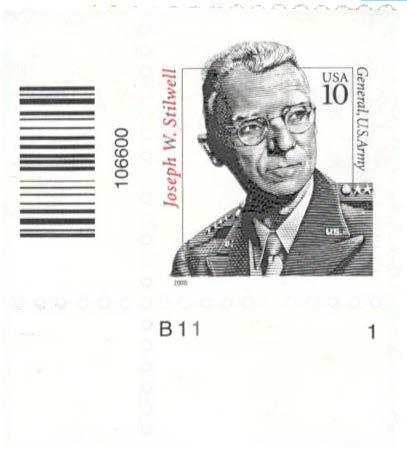
No doubt, some of the first Distinguished Americans were candidates for the Great Americans Series as it was winding down in 1999. The first DA stamp to appear was a 10¢ General Joseph Stillwell stamp issued on August 24, 2000. The stamp is shown in Figure 1.
Through the DA issues of 2008, the series had a distinctive appearance as a definitive set because of their traditional definitive size, their uniform design, and their variety of non-first-class letter rate values. The Scott Specialized Catalogue of United States Stamps and Covers grouped them under numbers 3420–3436 and labeled the listing as Distinguished Americans.
A change of both size and basic design features in 2011 with the Oveta Culp Hobby stamp (Scott 4510) saw the Specialized Catalogue now list each new DA stamp as a standalone stamp listed chronologically as it was released. The Hobby stamp bore a face value of 84¢ and fulfilled the three-ounce first-class letter rate at the time. Although from the listings, one may tend to consider these as merely special rate commemoratives now, the USPS still continues the Distinguished Americans Series to this day.
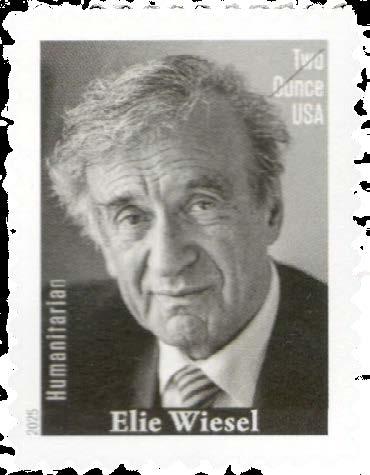
The Distinguished Americans has coexisted with other concurrent definitive series, such as the Wildlife Series, Flag stamps, and the Fruit Stamps, to muddy the waters of traditional US regular issue collecting. The most recent Distinguished American issue is the Elie Wiesel “two-ounce” stamp issued on September 17, 2025. Wiesel (1928–2016) was a humanitarian, author, and survivor of Nazi concentration camps. Figure 2 shows the illustration for the stamp as it appears in the USPS fall 2025 USA Philatelic Products Guide.
But Who Was Cut From the Team?
Thus far, we have cited only subjects who were deflected from the GA series to become individual commemoratives and members of the later Distinguished Americans, so the question remains: Was there a subject considered for inclusion in the Great Americans Series that was cut from the team, still not getting their own stamp?
The answer is yes, but before we reveal the name, a little background information is in order. Otherwise, the question, “How do we know he/she was considered for the GA
Figure 2. Elie Wiesel Distinguished American stamp.
Series and then cut?” will remain. In 2012, the American Philatelic Society sponsored “On the Road Courses” teaching seminars in conjunction with national shows. A two-day course on “The Great Americans” was sponsored on May 30–31 at the National Postal Museum in Washington, D.C., in conjunction with NAPEX , which was hosted the following weekend in McLean, Virginia. The author was the instructor of the two-day seminar. During the seminar, Dan Piazza, now the Smithsonian National Postal Museum’s Chief Curator of Philately, invited the class to view the holdings in the Postmaster General’s Collection at the Smithsonian. He shared Great Americans-related material with the group, so we got to view one particular model of a stamp design that had been proposed for inclusion in the Great Americans Series but had never been issued. And the subject of that model surprised us all.
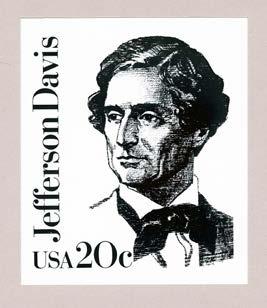
The subject of this model was Jefferson Davis, the first and only president of the Confederate States of America. Although Davis served in many capacities
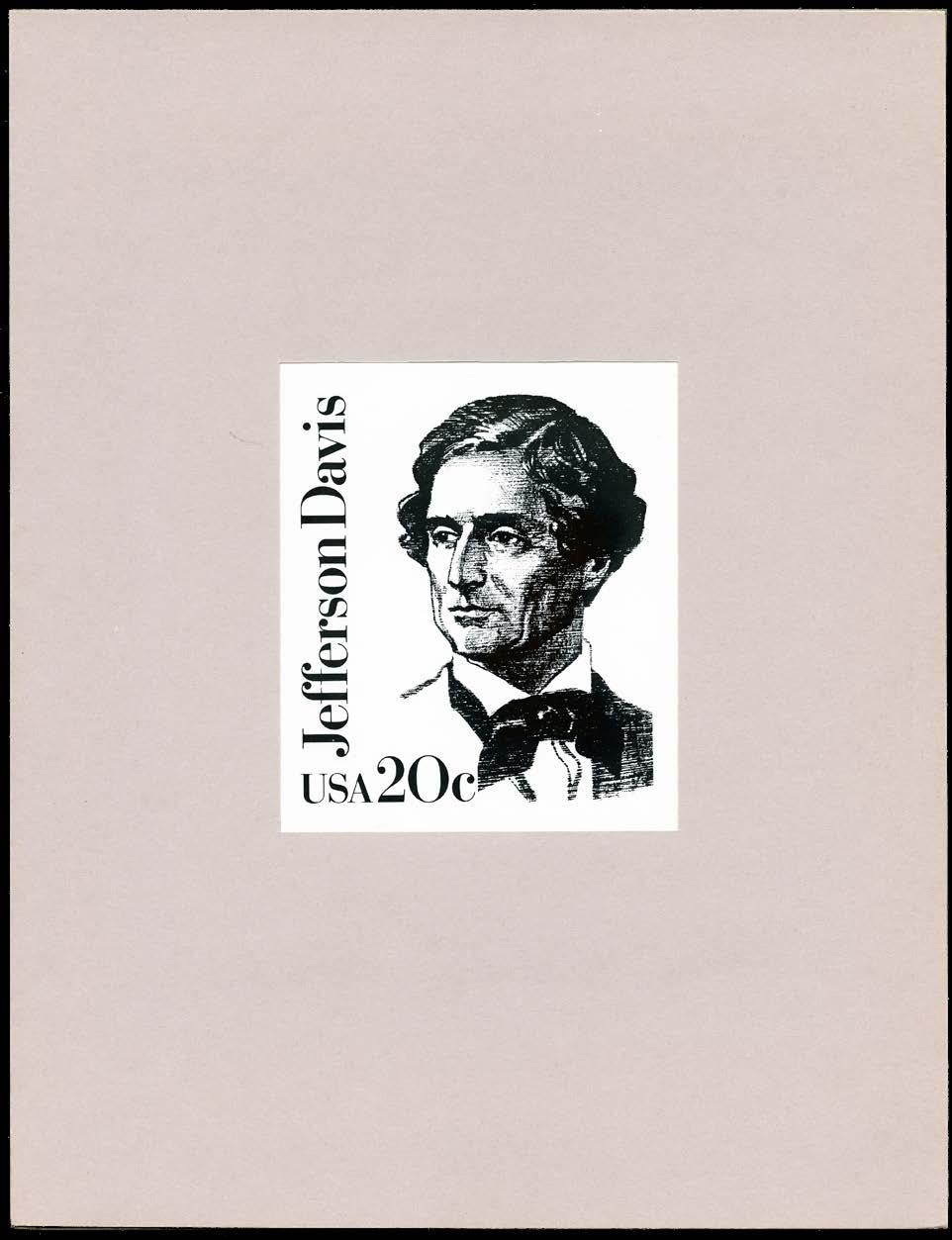
Figure 3. Jefferson Davis Great Americans model.
throughout his life, it is this capacity that makes him a surprising consideration for the Great Americans Series. The Confederate States of America had seceded from the United States, the country that now considered him a Great American.
The model, shown in Figure 3, depicts a younger Davis, when he was still active in serving the United States. Davis (1808–1889), the youngest of eight children, was born in Kentucky but spent most of his childhood in Mississippi. When he was born, he was named after then-President Thomas Jefferson. His brother secured an appointment for him to the United States Military Academy at West Point, New York. After graduating, he served six years as a lieutenant in the US Army.
He left the military service in 1836 and married Sarah Taylor, the daughter of future US president Zachary Taylor. Sarah died of malaria just three months later, leaving Davis a young widower. He turned to cotton farming in Mississippi, building a plantation and owning as many as 113 enslaved people.
In 1845, he married again. That same year, he was elected to the US House of Representatives, but he served only one year. He resigned to serve as a colonel with a volunteer regiment in the Mexican American War. He was appointed to the US Senate in 1847, but soon resigned to run unsuccessfully for governor of Mississippi. In 1853, President Franklin Pierce appointed him Secretary of War. He held that position until 1857, when Pierce’s term ended, whereupon he returned to the United States Senate, representing Mississippi.
When Mississippi seceded from the Union in January 1861, Davis withdrew from the US Senate. He called it “the saddest day of my life.” He supported states’ rights and slavery when he was a Senator. A constitutional convention of seceded states in Montgomery, Alabama, elected him unanimously as the provisional president of the Confederacy on February 9, 1861, based primarily on his political prominence and military experience. He was elected president of the Confederacy on November 6 and inaugurated on February 22, 1862.
Jefferson Davis’s actions during the Civil War were extensive, and we’ll leave the details to those interested in further researching his life. In 1865, as the Confederacy’s doom was imminent, Davis fled Richmond, Virginia, the Southern capital. Federal troops captured him on May 10, 1865, in Georgia, and he was imprisoned in Fortress Monroe, Virginia. He was held a prisoner until 1867, when prominent citizens posted a $100,000 bail for his release. Charges were never specific, and the federal government struggled with what to do with him. All charges were dropped in 1868. Davis lived another 21 years, dying on December 6, 1889.
Jefferson Davis’ legacy depends on who is trying to define it, ranging from treason to United States statesman. Unfortunately, we’ll never know where the impetus came from to start the process of issuing a Jefferson Davis stamp, nor what the details were that killed the stamp. But we thank Dan Piazza for bringing the model of the stamp to our attention in 2012 and give a tip of the hat to former Smithsonian employee Tom Lera for sharing a scan of the model with us.
Report of the Executive Secretary
APPLICATIONS RECEIVED FOR OCTOBER 2025
17633 Glenn Pessano, Trevose, PA
17634 Robert O’Neal, Westford, MA
17635 David Barber, Bethel, CT
17636 Paul Reese, Phoenix, AZ
17637 Duane Heerema, Rochester, MN
17638 Stephen Lau, Atlanta, GA
APPLICATIONS
17628–17632
2025
DONATIONS (received outside of annual dues cycle)
Eric Borsting
Harry Brittain
Leslie Butler
ANNUAL DUES RENEWAL
Dues notices for your 2026 membership renewal were mailed in early November. Please consider renewing online if possible – it is more efficient for USSS if you pay your dues online by PayPal. Simply log into your account at USStamps.org and click the membership renewal link (https://www.usstamps.org/renew/). Payment prior to the December 31 deadline will save expensive reminders from the society, and will ensure your uninterrupted receipt of The US Specialist. Questions? E-Mail: execsecretary@usstamps.org

COORDINATORS: Members are invited to report their findings to the appropriate coordinator.
All issues through 1980
Sheet stamps after 1980
Kim D. Johnson
310 E N 3rd Street
Georgetown, IL 61846
Jim Cochrane P.O. Box 2009
Great Bend, KS 67530
Coil stamps after 1980 Jill Ambrose PO Box 54622 Cincinnati, OH 45254
Booklet stamps after 1980
Michael O. Perry P.O. Box 1194 Rainier, OR 97048
Classified Advertising
USSS MEMBERS are entitled to two free ads of up to 40 words each year. Other ads are 10¢ a word, payable in advance. For 6 insertions, take a 5% discount; for 12 insertions, take a 10% discount. Ads with [1150] at the end expire with this issue. Make checks payable to USSS. Send copy and check to The United States Specialist, 9038 E. 25th Dr., Denver CO 80238. Free member ads may be emailed to: editor@usstamps.org. Emailing ads saves substantial time for you and the Editor and avoids errors .
WANTED
BUYING IMPERF FARLEYS with GUM. ALL offers welcome! Frank P Geiger Senior - APS Life since 1968 and ASDA since 1974. Phone: 787-6896879–FrankPGeigerSr@gmail.com–PO Box 3442–Pinehurst, NC 28374. [1150]
WANTED—PAYING TOP DOLLAR FOR C-13, C-14 and C-15 singles, both mint/used. Also interested in multiples, flight covers, Zeppelin-related posters, advertisements, etc. Graf Zeppelin specialist. Rob Lehmann email: diecasttoys@yahoo.com or call: 240422-0118. [1150]
WANTED TO PURCHASE #1053 HAMILTON $5 Commercial Usages. Especially need use to foreign destination. Also doing a survey so scans appreciated. Doug Weisz weiszcovers@gmail.com, 773-9144332. 33 W Ontario St. #48A Chicago IL 60654. www.douglasweisz.com [1152]
SEEKING USS INDEPENDENCE STAMP similar to Scott #4703 USS Constitution stamp. Bernard Wojnowski; 64 Mariner Rd., Vineyard Haven, MA 02568. [1155]
WANTED - NAMW TEXAS POSTMARKED covers. Member APS, IPDA, USSS, APNSS. Email: htputney@gmail.com [1162]
SCOTT #498 PLATE NUMBER 7764 ANY position used or unused single or multiple. Also plate number 8377 with discernable “F” as noted above. Pay $100 each. Contact Eric at (562) 429-8447 leave message noting stamps. [1150]
BUYING/TRADING UNFOLDED BOOKLET
Panes MNH exchange list. Need most unfolded Fishing Flies 2549a panes with markings, I have pl# 33213; 22122 etc of 2549a UNF plain. Also need panes mnh. Please help.Abu Amanullah, Frederick, MD abuaman@gmail.com [1151]
WANTED - PRESIDENTIAL FDCs FRANKED with plate number blocks, pre-eye and EE, from all cachetmakers. Contact 1kgfarms@att.net. [1151]
FOR SALE
IF MY STAMPS ARE NOT VF/XF, SUPERB, I sell in packets. Upgrade now at low prices. U.S.A. and Norway with no faults, centered and clean. Request list—Reed Roholt, P.O. Box 1006, Beaver, UT 84713. Satisfaction guaranteed. [1160]
UNITED STATES IS ALL WE STOCK!! What are you looking for? See our Marvelous Website: www.MALACK.com. MINT, USED, GRADED, BOOKLETS, PLATE BLOCKS (Huge CE2 stock) EFOs CLASSIC SHEETS and MORE! Steve Malack P.O. Box 5628 Endicott, NY 13763 607-862-9441 Steve@Malack.com [1152]
WASHINGTON FRANKLIN PLATE NUMBERS. Unique, rare, singles, multiples, ghost, double impressions, initials, used or unused. discount from Hebert’s or best offer. Send want list to: plate.1.single@ gmail.com. All inquiries receive reply. Philatelic literature also. [1150]
FREE: A RUN OF THE US SPECIALIST, Nov 2020-Dec 2025, excellent condition. Simply pay shipping costs for approx. 18 lbs. Paul Weidhaas: email pkweidhaas@gmail.com” [1150]
HIGH-QUALITY U.S. FLAT PLATE BOOKLET
Pane Collection Includes positions and plate numbers from 279Bj to 319x (402 panes). Well-curated and ideal for the specialist collector. Prefer to sell complete issues. Please email for details, rgordonschmidt@ comcast.net. Serious collectors welcome. [1150]
U.S. 319Fh–319n BOOKLET PANES FOR SALE 287 panes total, including 211 plate-number panes (Position D). Prefer to sell as complete Scott-listed issues rather than individually. Email interest or request details: rgordonschmidt@comcast.net [1150]
Precancel Stamp Society
Interested in Learning More about Precancels? Request a copy of “Th e ABCs of Precancel Collecting” and also receive a sample copy of the PSS Forum, the Precancel Stamp Society’s monthly journal. Contact: Frank Bird III, 1095 Pinellas Point Dr South, Apt 352, St. Petersburg, FL 33705-6377. Email: promo@precancels.com.
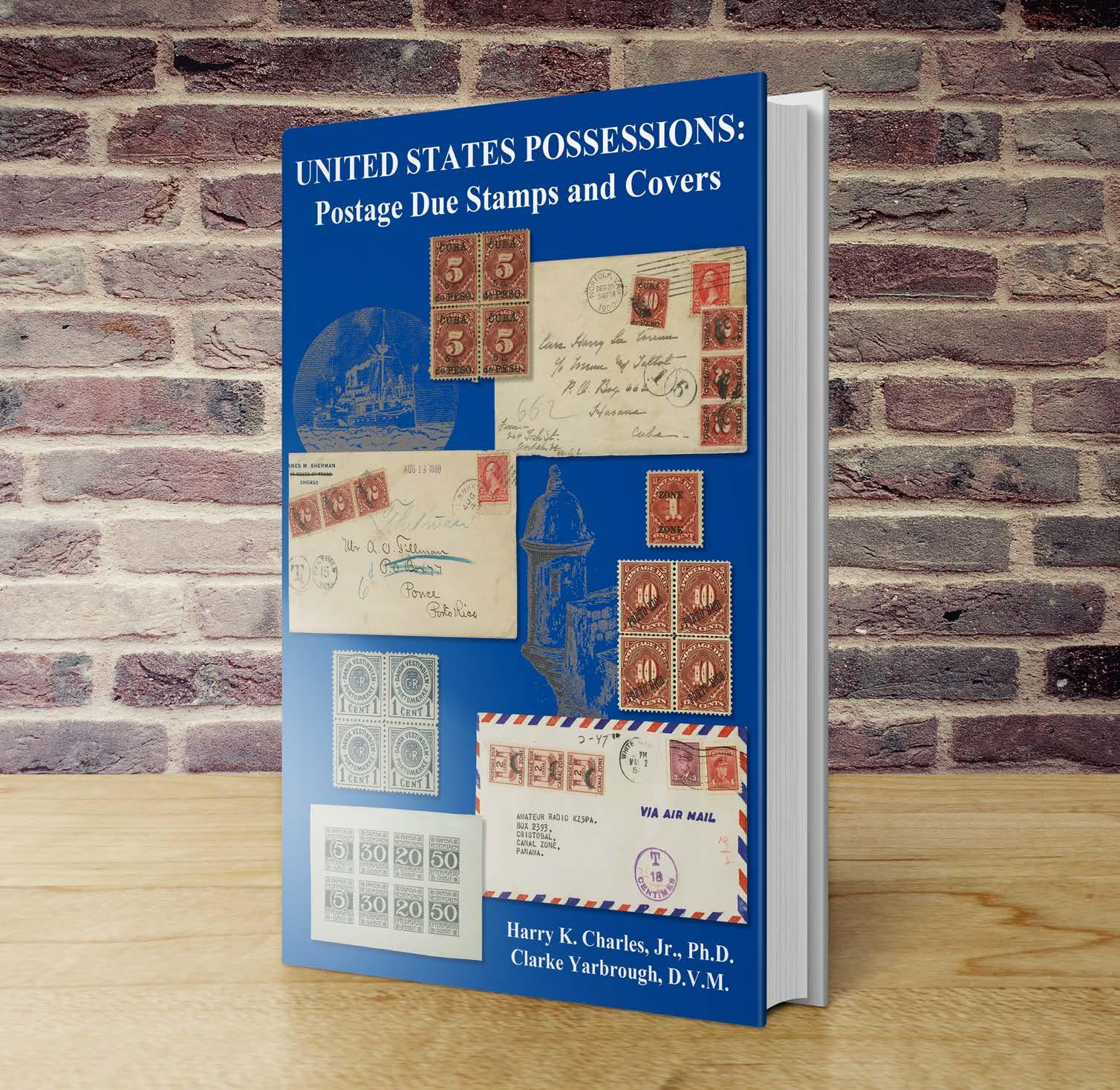
United States Possessions: Postage Due Stamps and Covers presents the story of Postage Due stamps used in the major possessions or territories of the United States. Written from a stamp collector’s perspective, the authors address the challenge of identifying the myriad of Possession Postage Due stamps by concentrating on stamp identification while also covering the Postage Due issues of Cuba, the Danish West Indies, Puerto Rico, the Panama Canal Zone, the Philippines and more.
In addition to the text, the monograph contains over 300 illustrations and five appendices which provide information to supplement and further explain key points. In many cases, the information presented is new or, if previously reported, organized in a new manner to help the reader understand the complexity of the Possession Postage Dues.
United States Possessions: Postage Due Stamps and Covers
Hard cover, 352 pages, 6-in × 9-in.
Member Price: $39 US postpaid Non-Member Price: $43 US postpaid Purchased online at: www.usstamps.org/store/ or by mail to: Executive Secretary, P.O. Box 1602, Hockessin, DE 19707-5602

United States Stamp Society
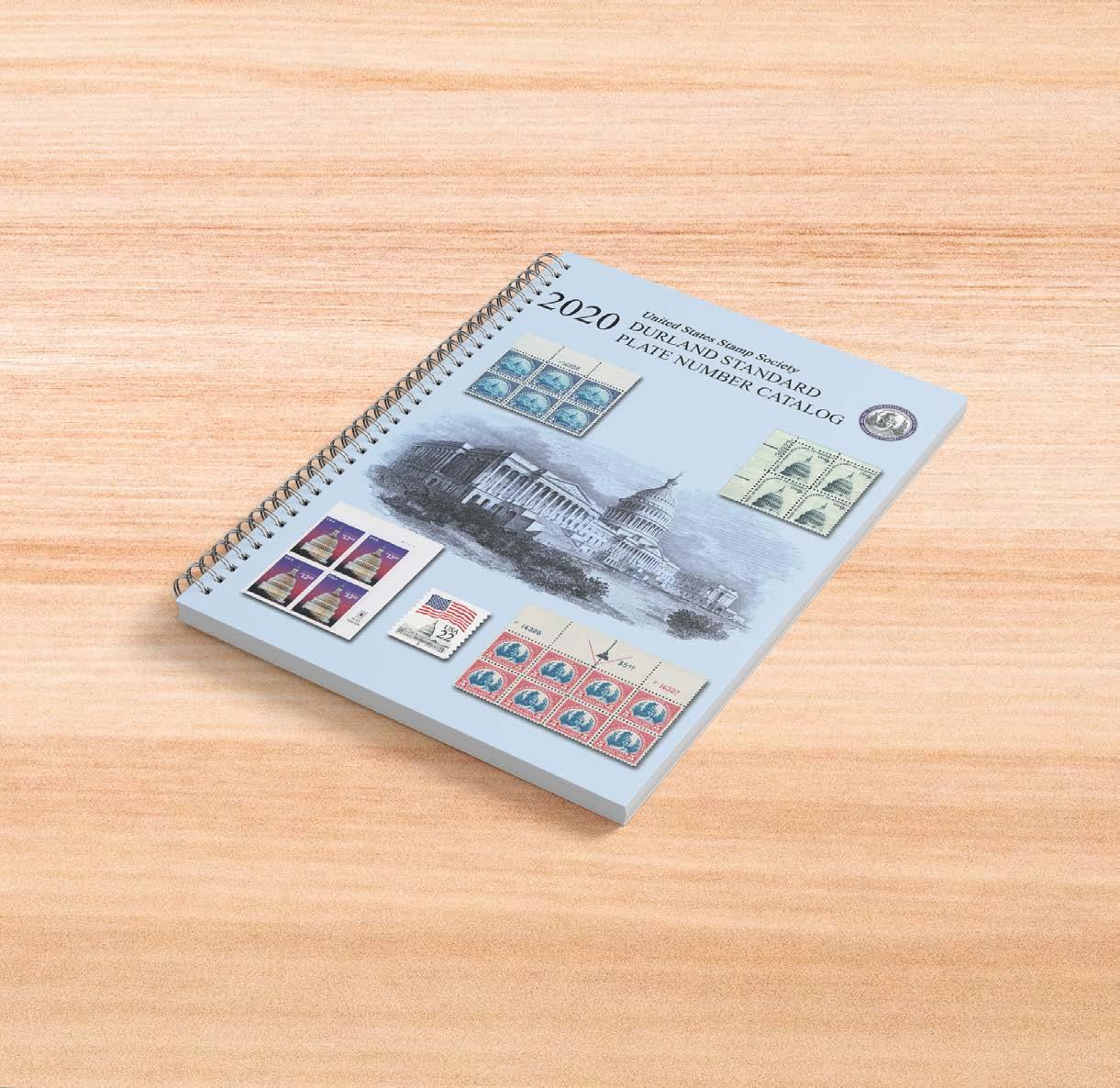
The 2020 edition the Durland Standard Plate Number Catalog provides the most comprehensive research source for plate number information on United States postage and revenue stamps, including tax-paid revenue stamps, with listings for overprinted Possessions postage, Allied Military government stamps and other back-of-the-book stamps, dummy and test stamps, MDI "Blue Cover" booklets and partial plate numbers on booklet and coil stamps.
2020 Edition of the Durland Standard Plate Number Catalog 448 pages available in Spiral Bound format.
Member Price: $40 US plus shipping Non-Member Price: $45 US plus shipping
Order Online at: www.usstamps.org/store