IMAGE: Alma Thomas, The Eclipse (detail), 1970, acrylic on canvas,
Composing Color: Paintings by Alma Thomas is organized by the Smithsonian American Art Museum. Generous support has
provided by the Helen Frankenthaler Foundation, Chris G. Harris, the Wolf Kahn Foundation, and Susan Talley. Support for the presentation at the Denver
Birnbaum
Campaign, and the
who
52
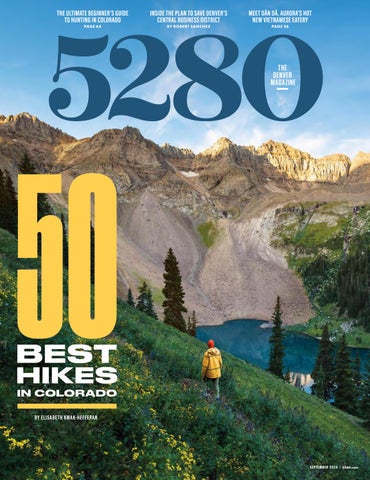
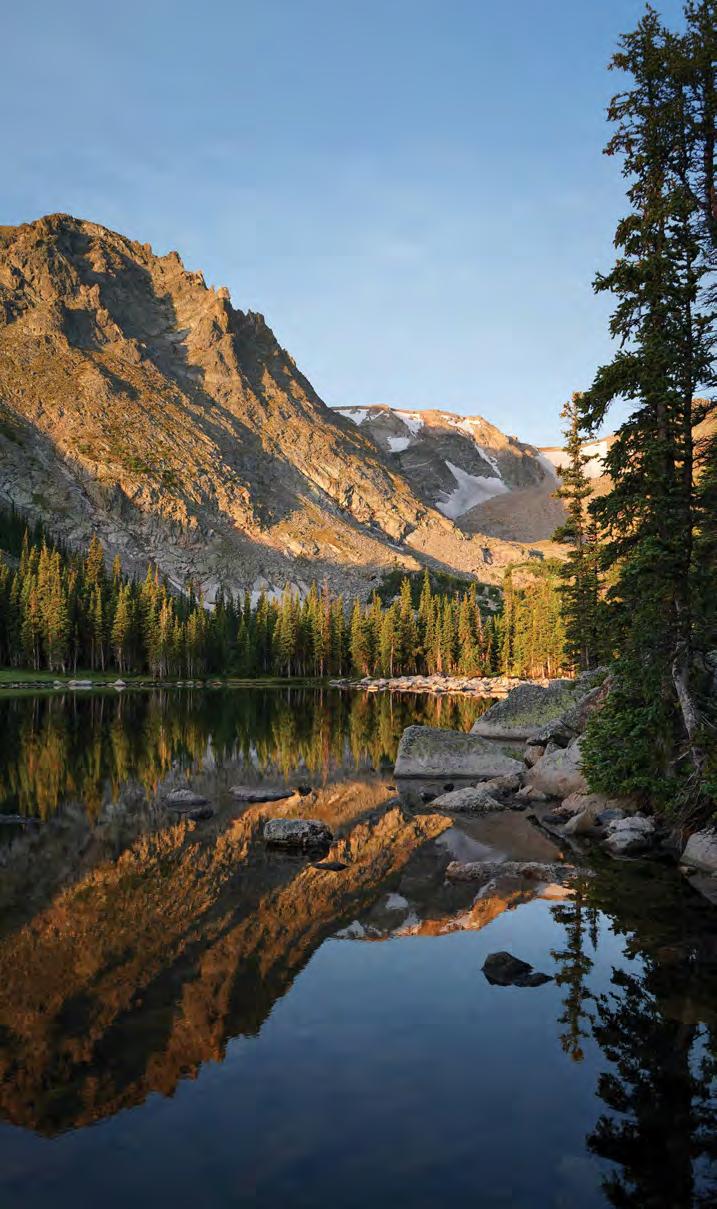
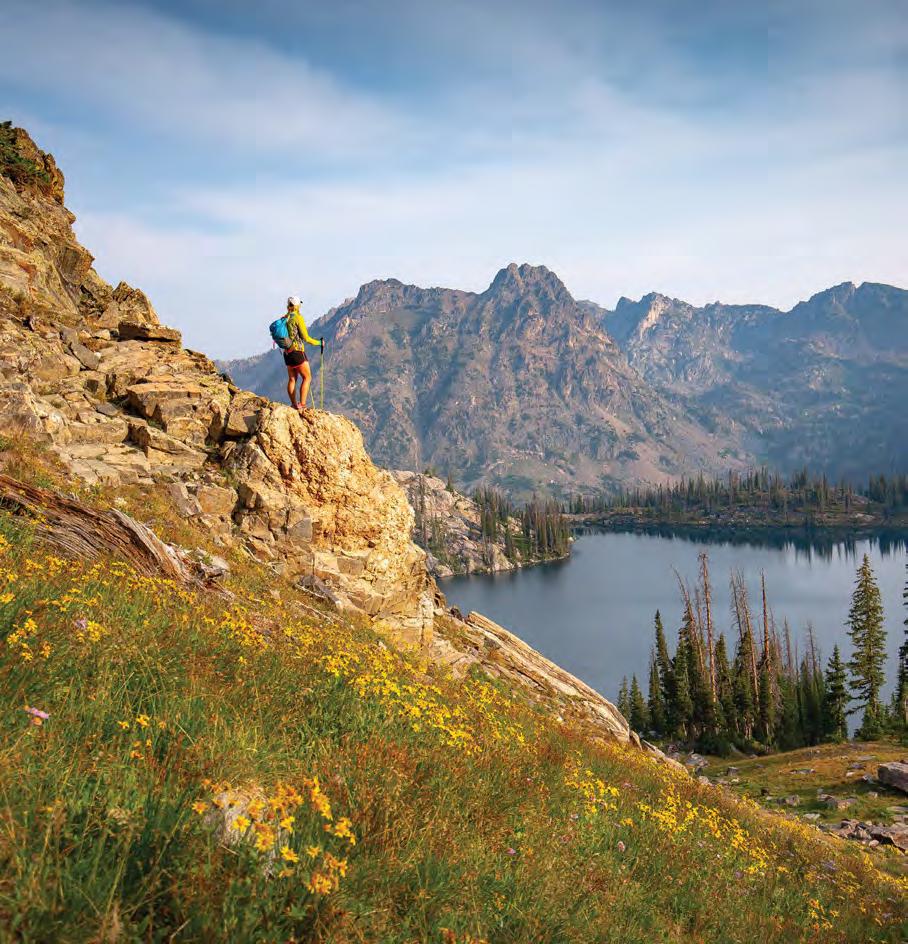
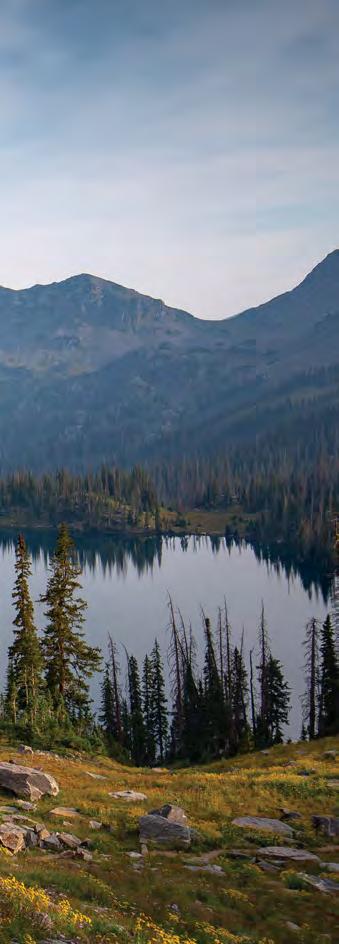
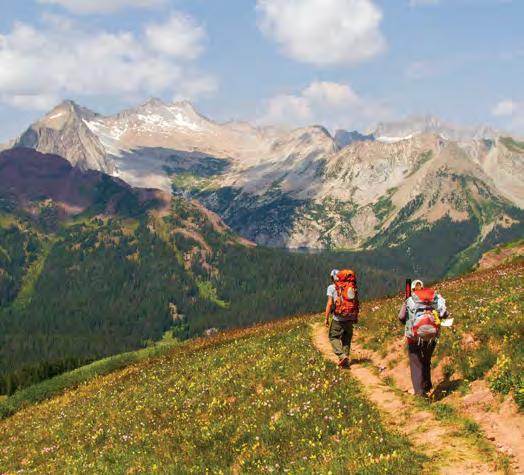
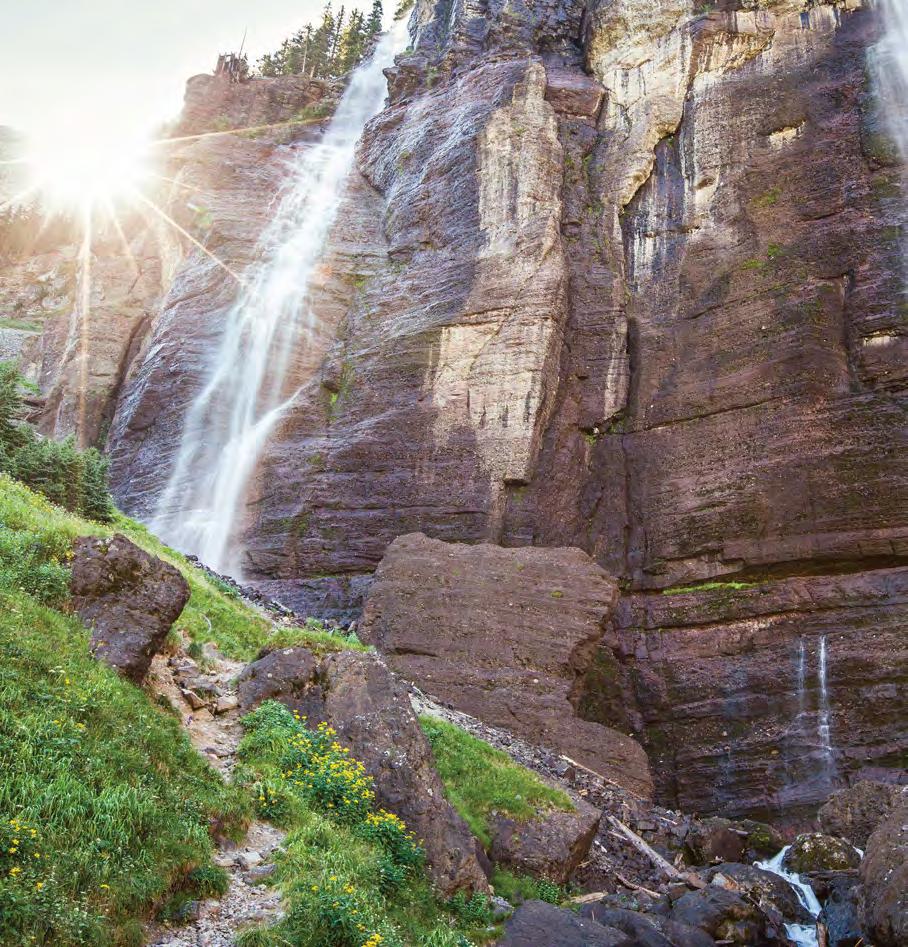
50 Best Hikes In Colorado
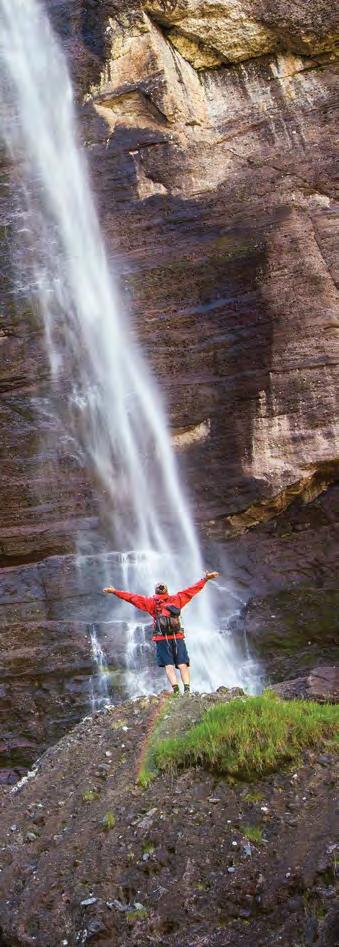
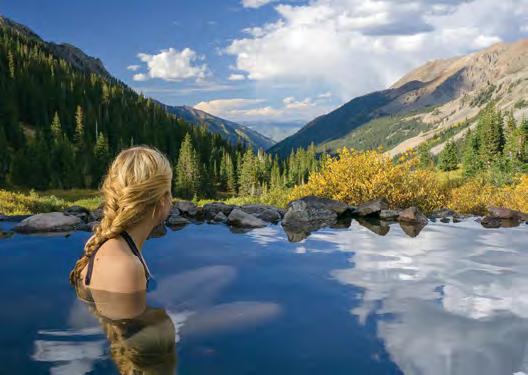
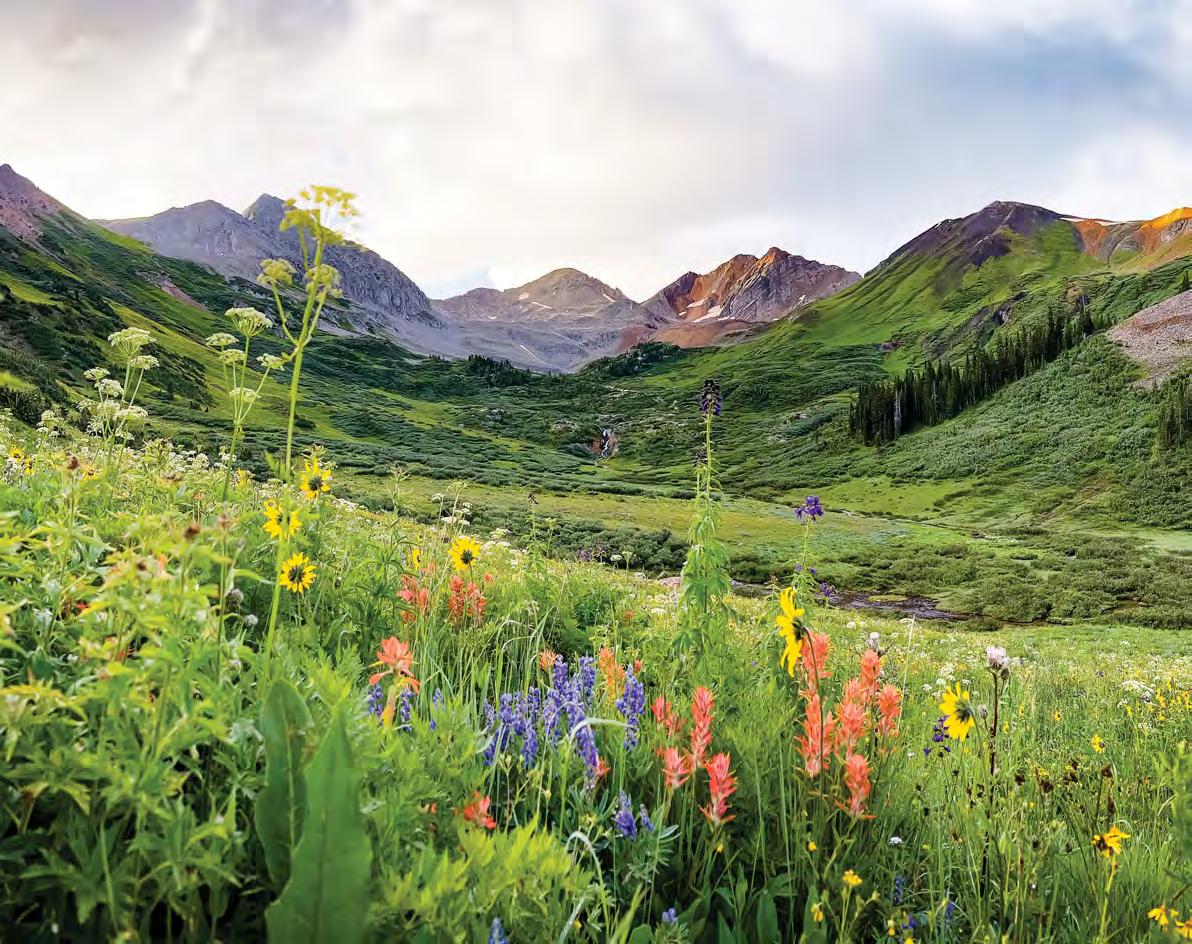
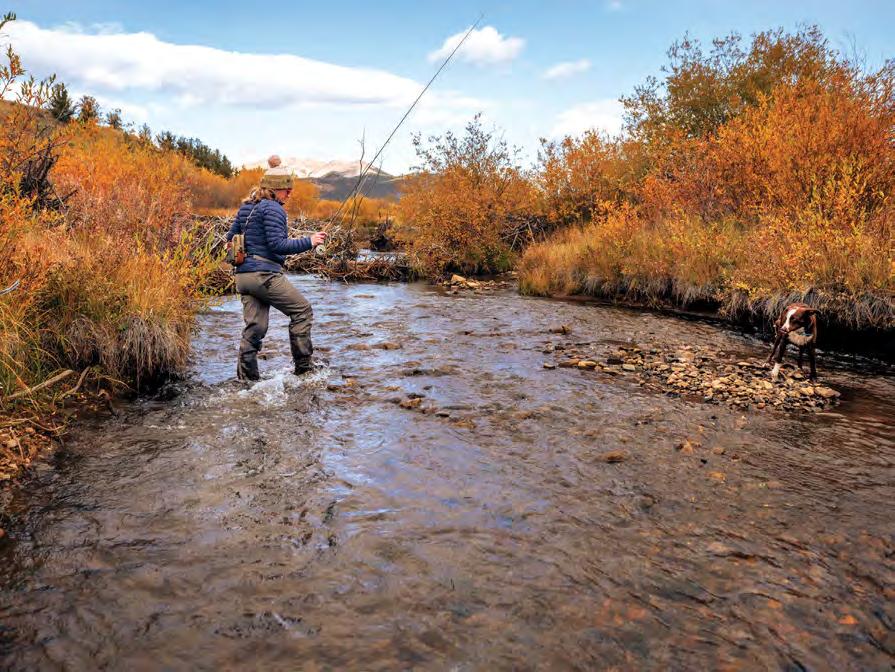
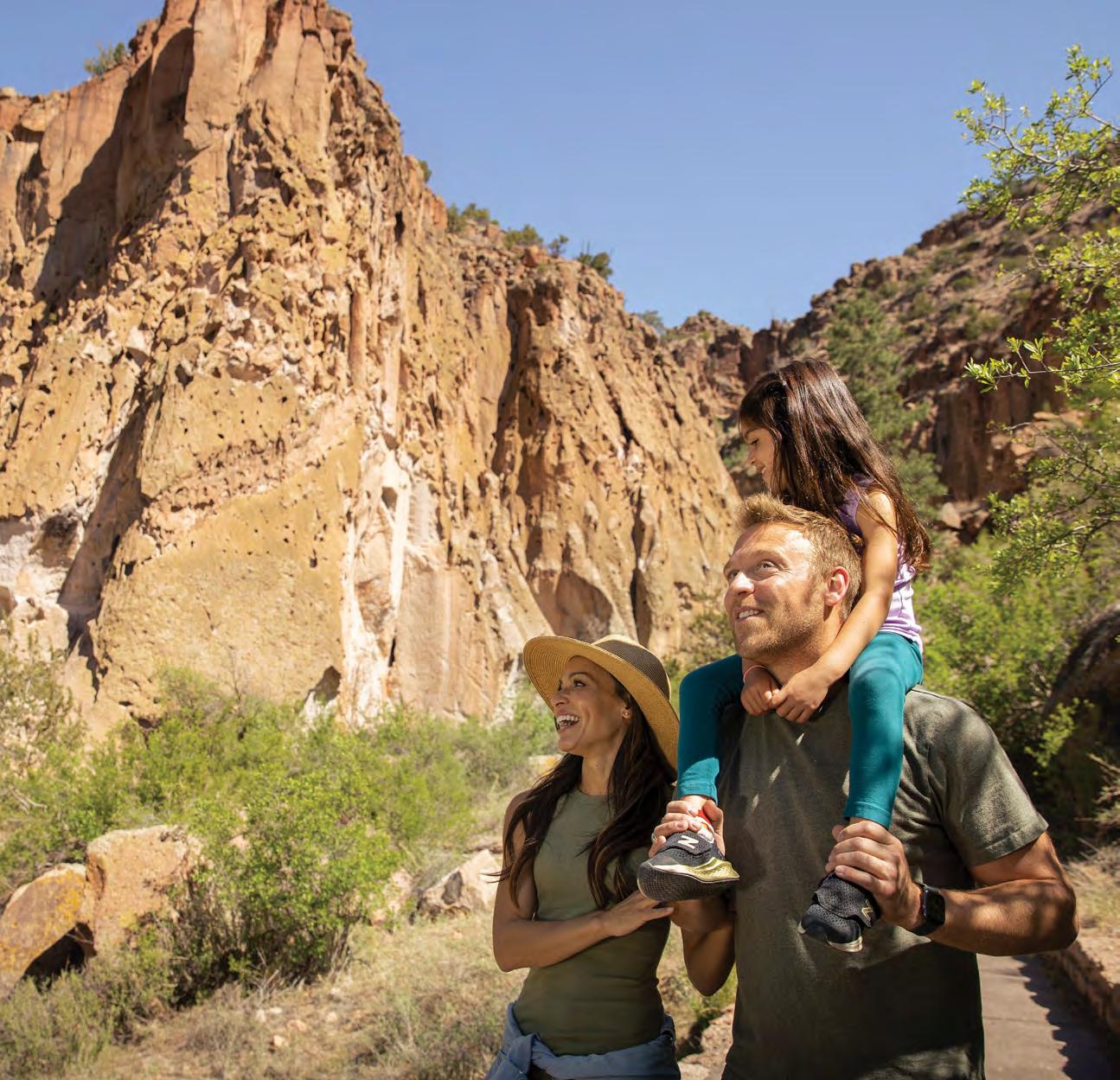
We tapped seasoned hikers, consulted guidebooks, pored over topo maps, and scrutinized trail photos to bring you our home’s most impressive footpaths.
BY ELISABETH KWAK-HEFFERAN
Join The Hunt
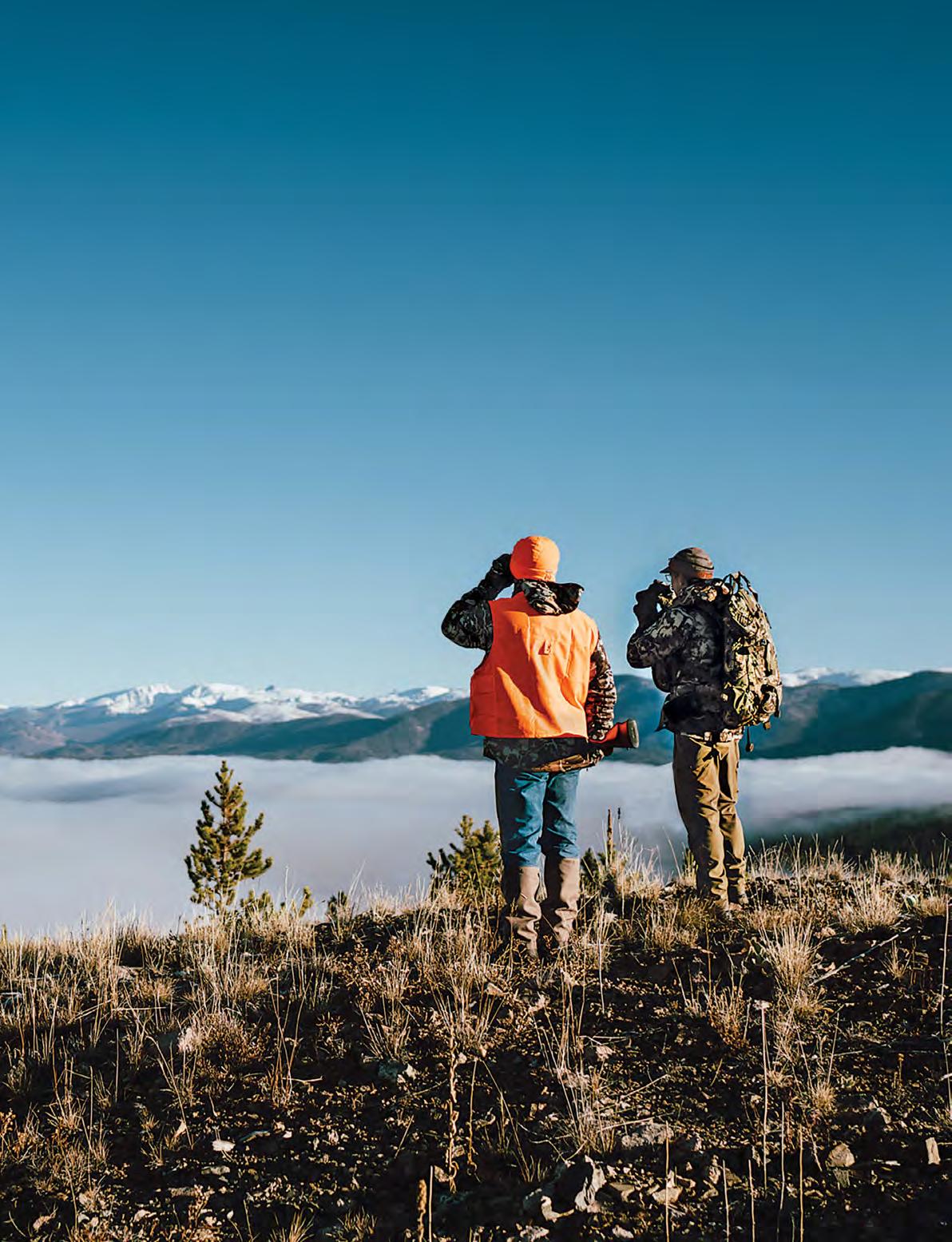
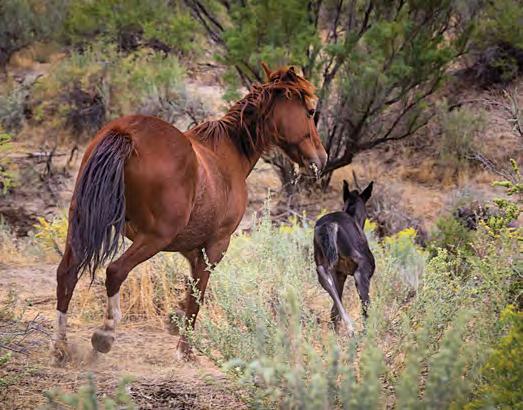
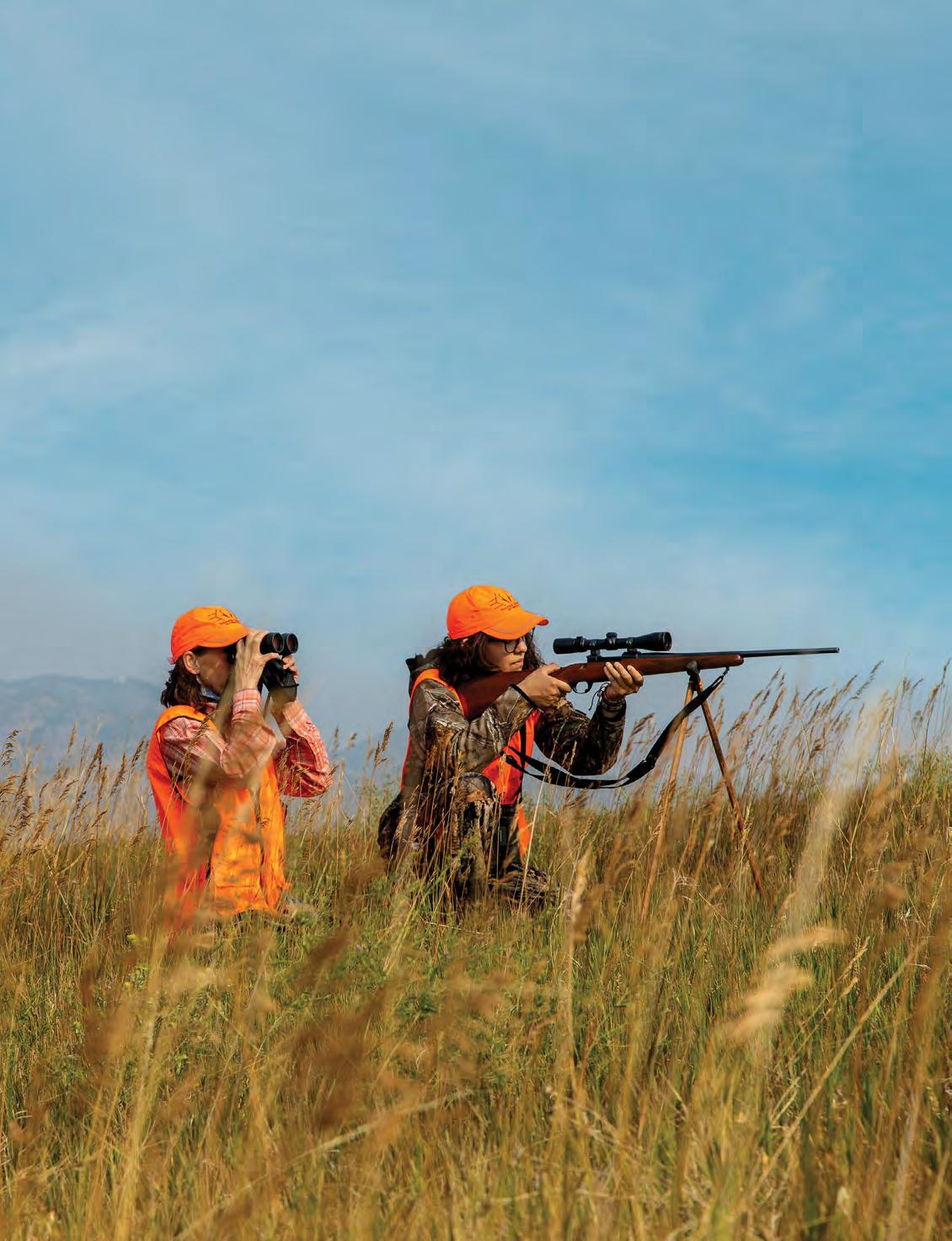
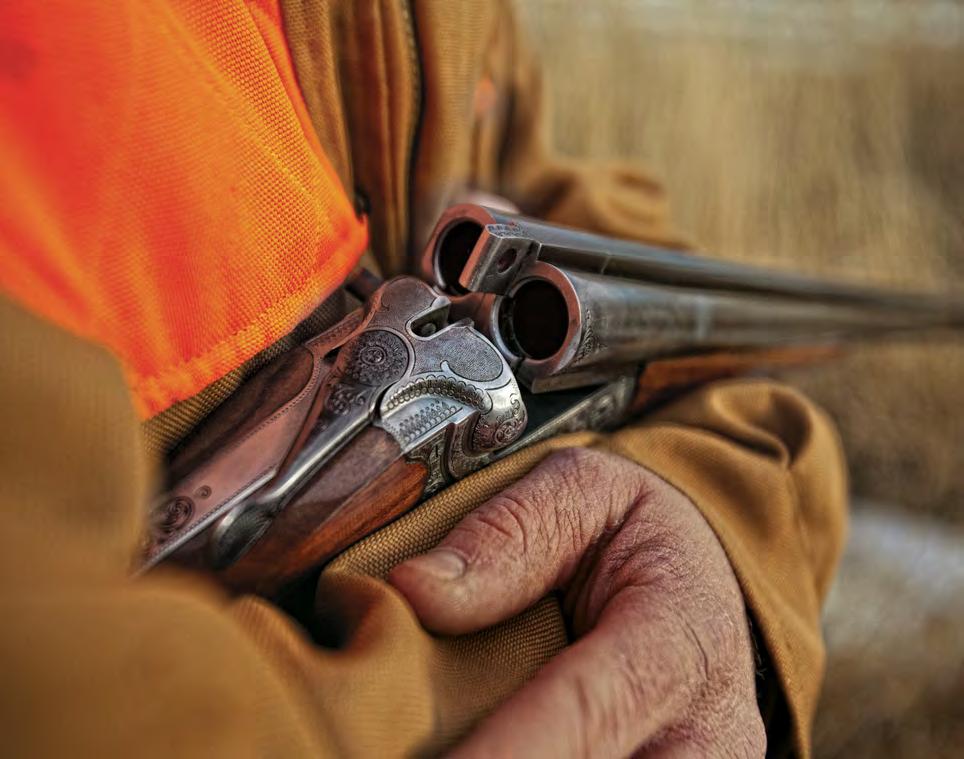
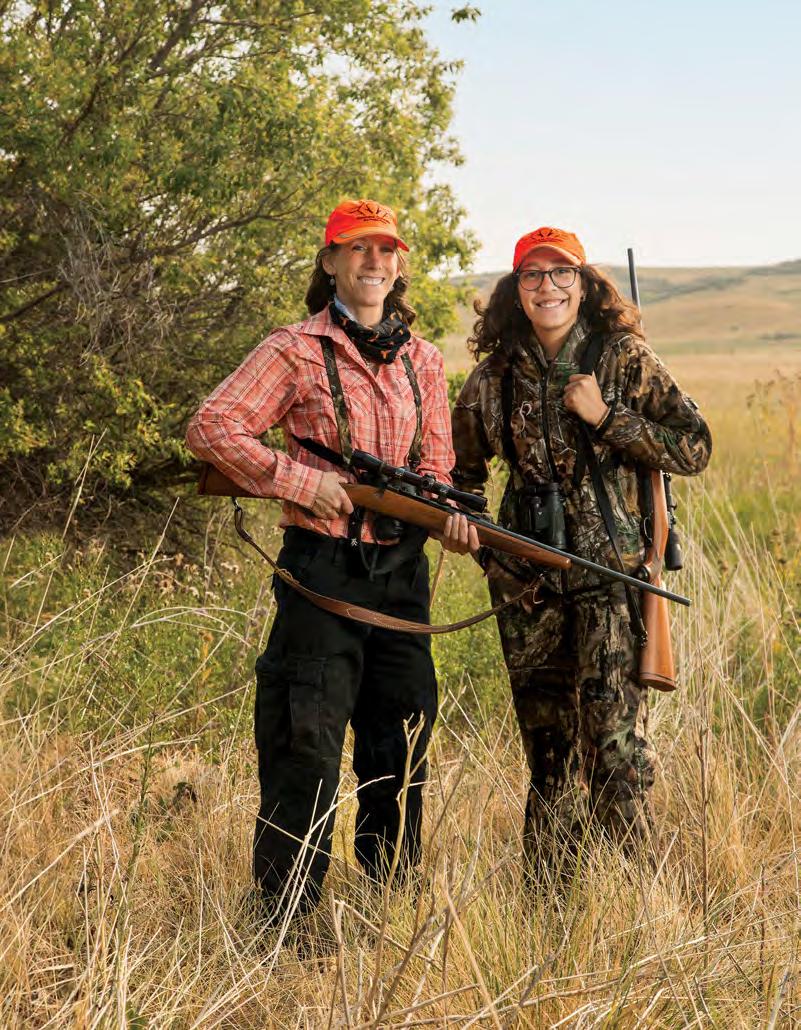
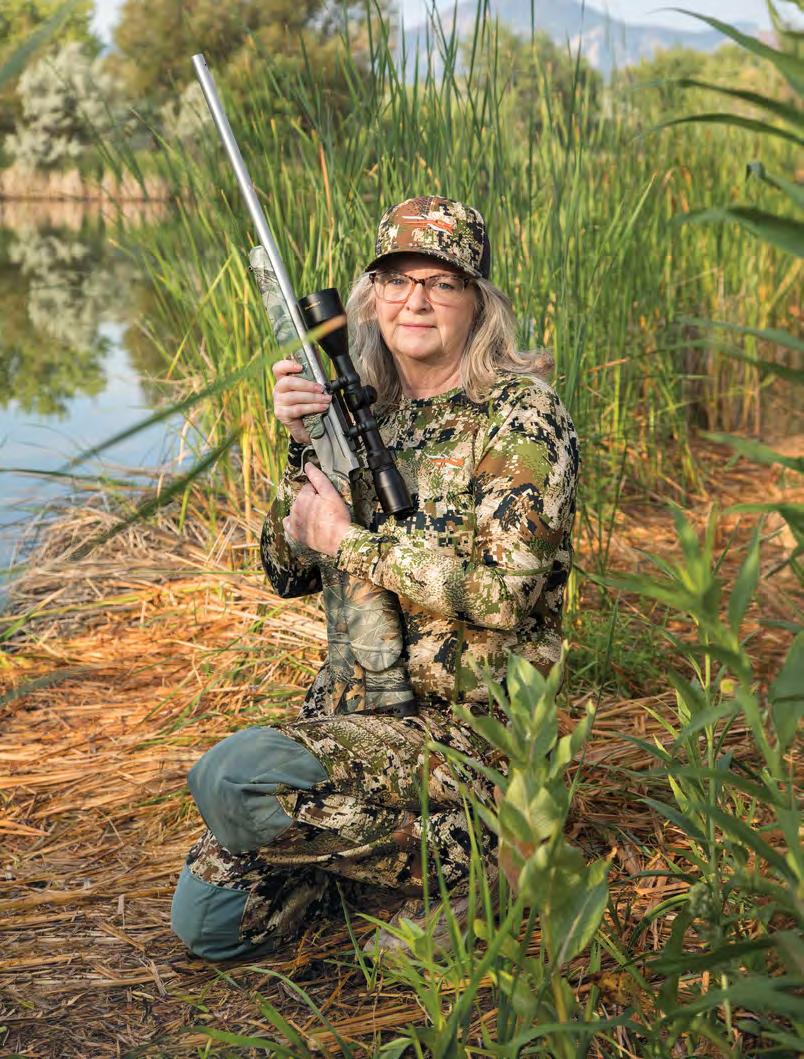
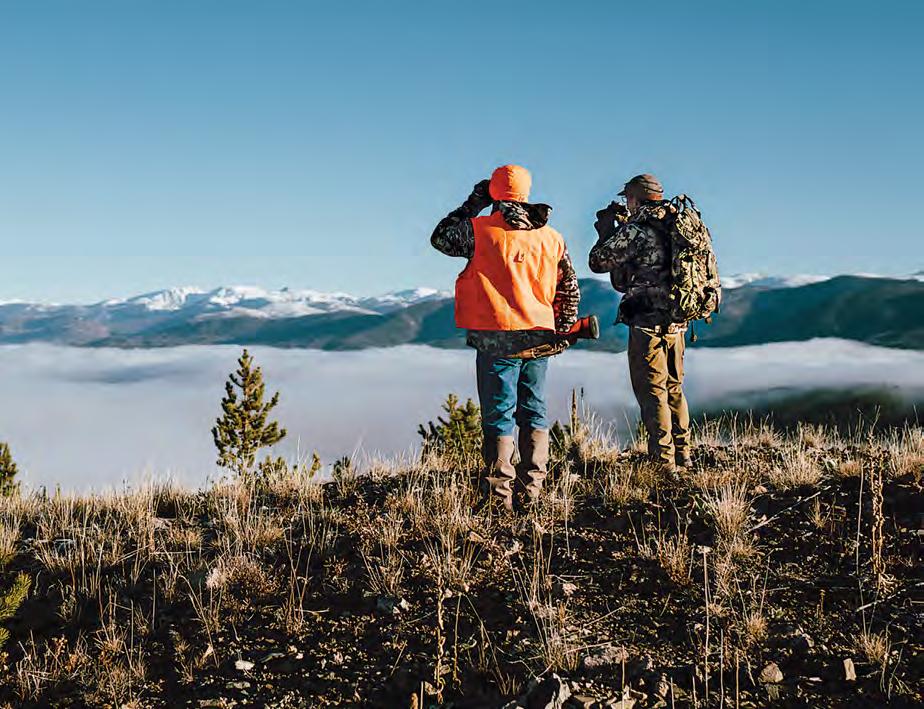
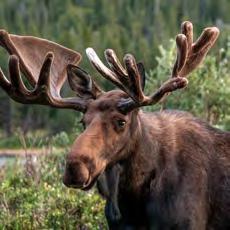
Colorado boasts millions of acres teeming with wildlife that’s ripe for harvest. Here, our beginner’s guide to becoming a responsible steward for conservation and using what Mother Nature provides.
BY SPENCER CAMPBELL
76
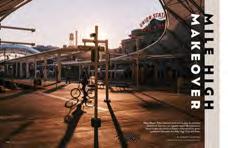
Mile High Makeover
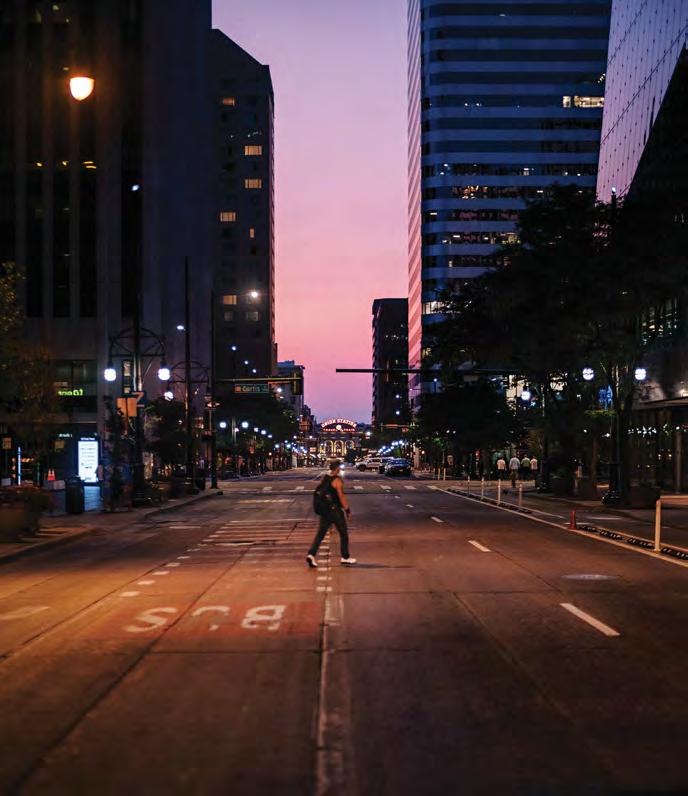
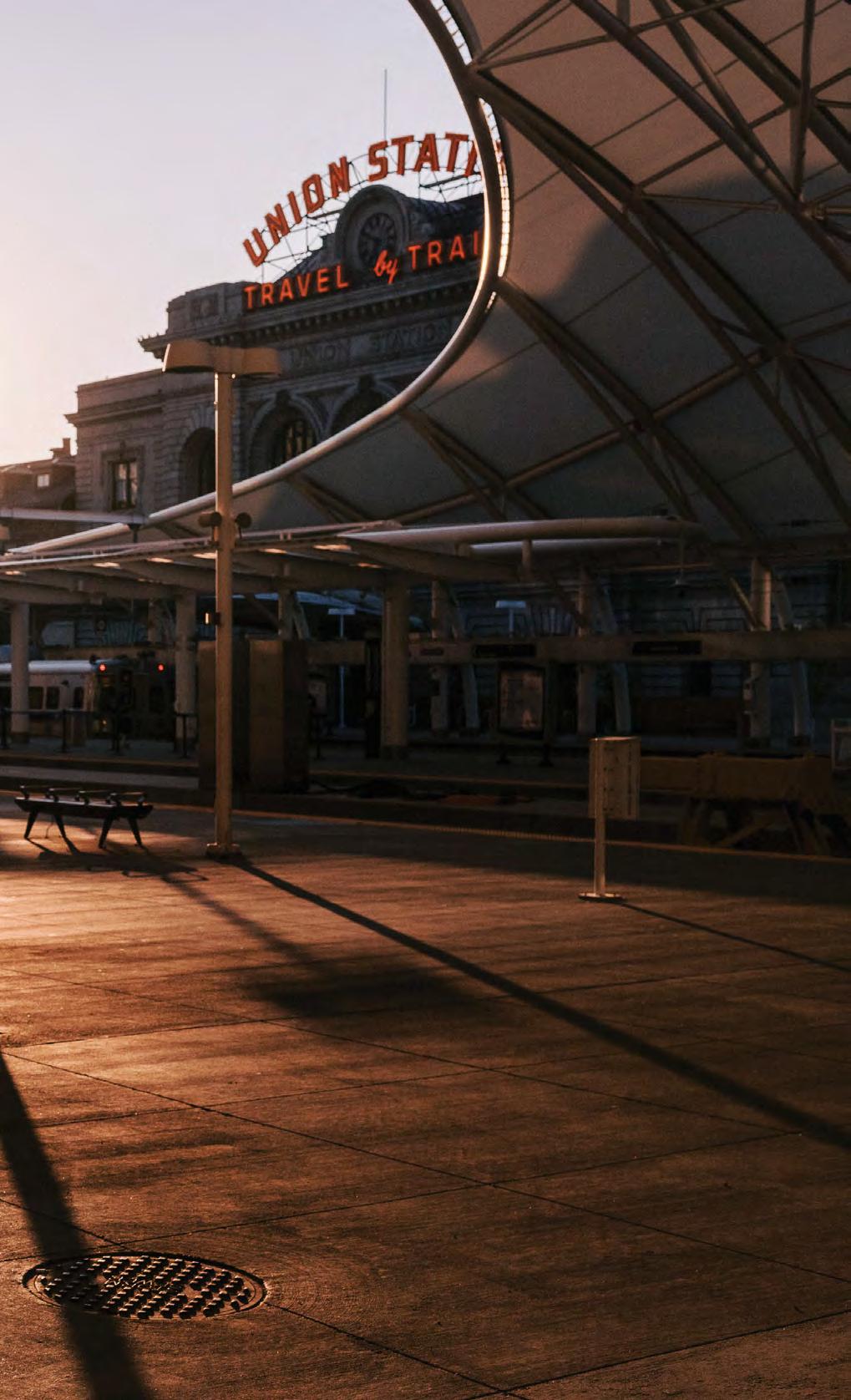
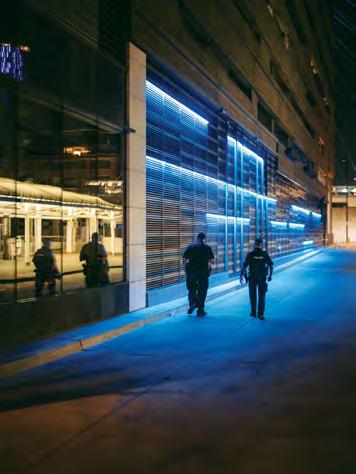
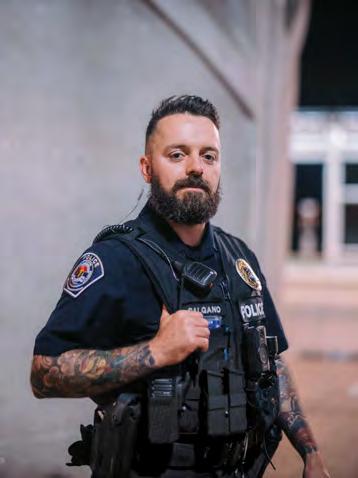
After Denver’s mayor laid out his plan to revitalize downtown, our reporter spent 18 consecutive hours in the city center to better understand the obstacles the Mile High City faces.
BY ROBERT SANCHEZ
C Lazy U Ranch offers guided hunting on its 8,500-plus acres near Rocky Mountain National Park.
FROM THE EDITOR
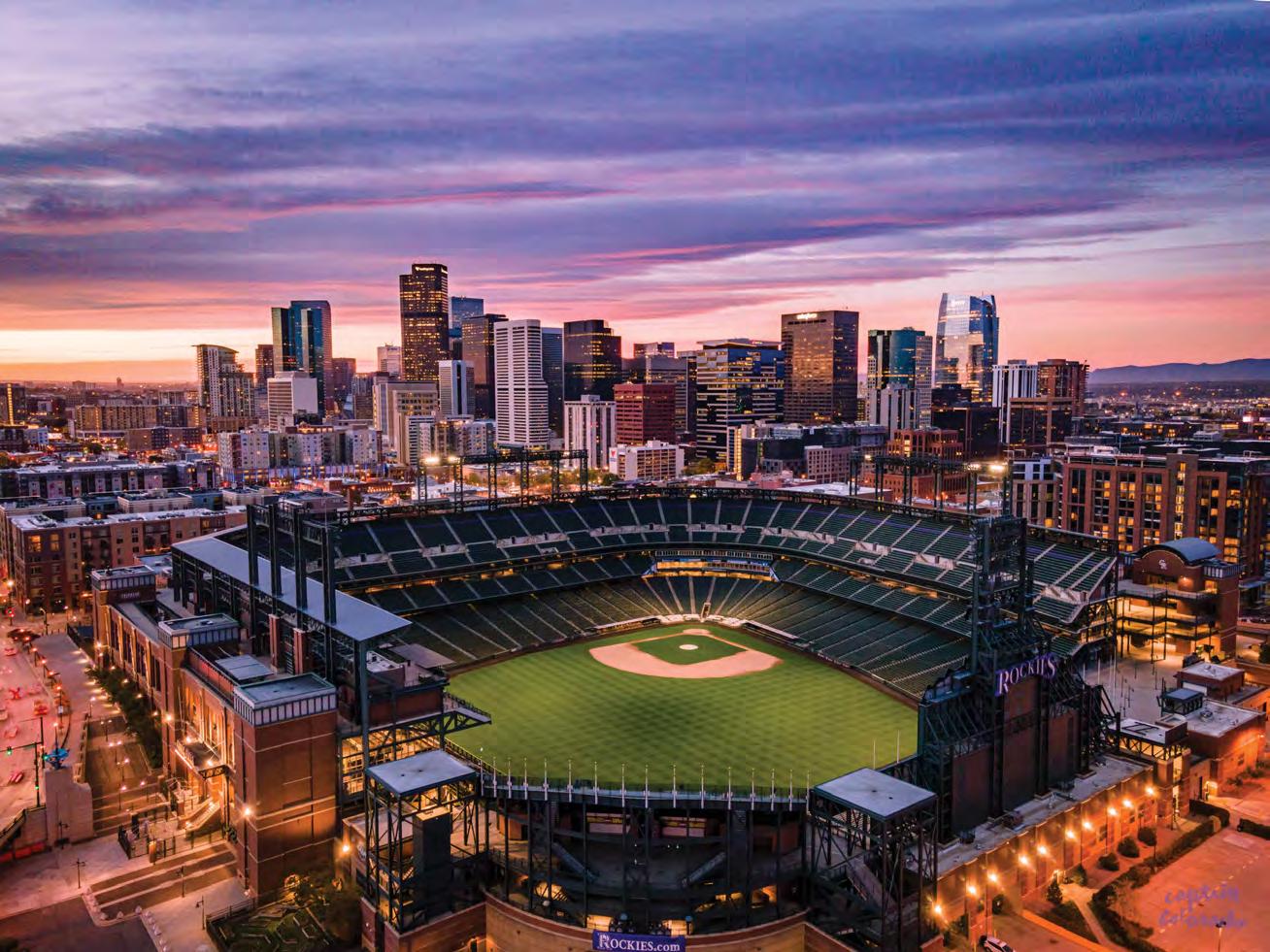
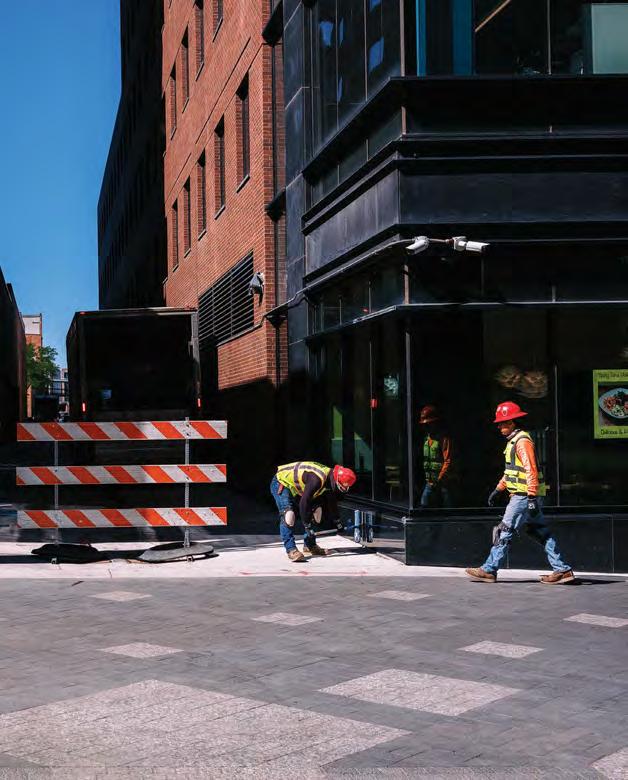
12 Union Station’s renovation changed LoDo, but is it possible to replicate that success in the Central Business District?
COMPASS
15 TRAVEL
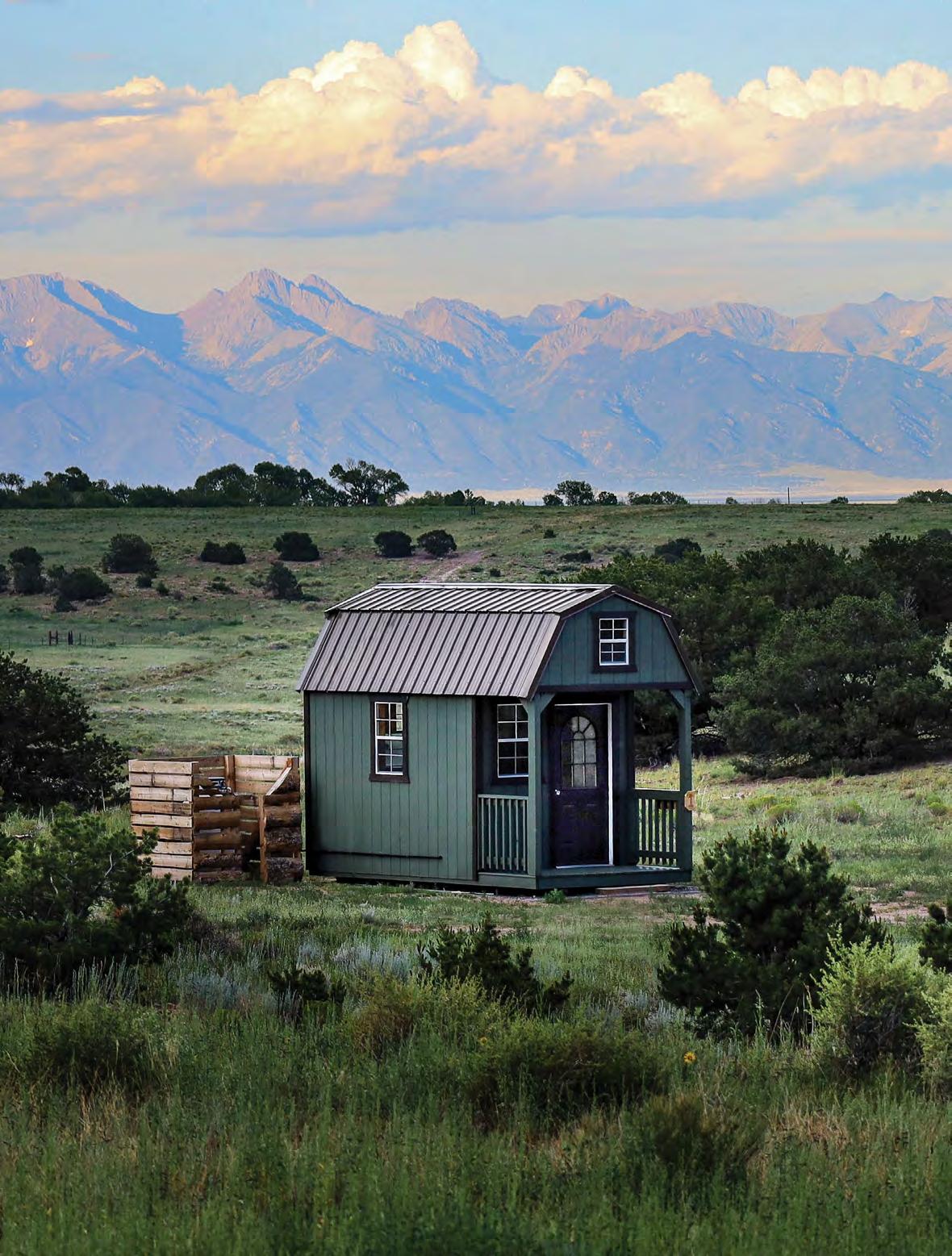
Tin Can Camp brings eco-friendly micro-cabins to the recreationrich San Luis Valley.
16 HEALTH
There’s a new national program to address the youth mental health crisis—and Colorado’s young adults are spearheading it.
18 HOME
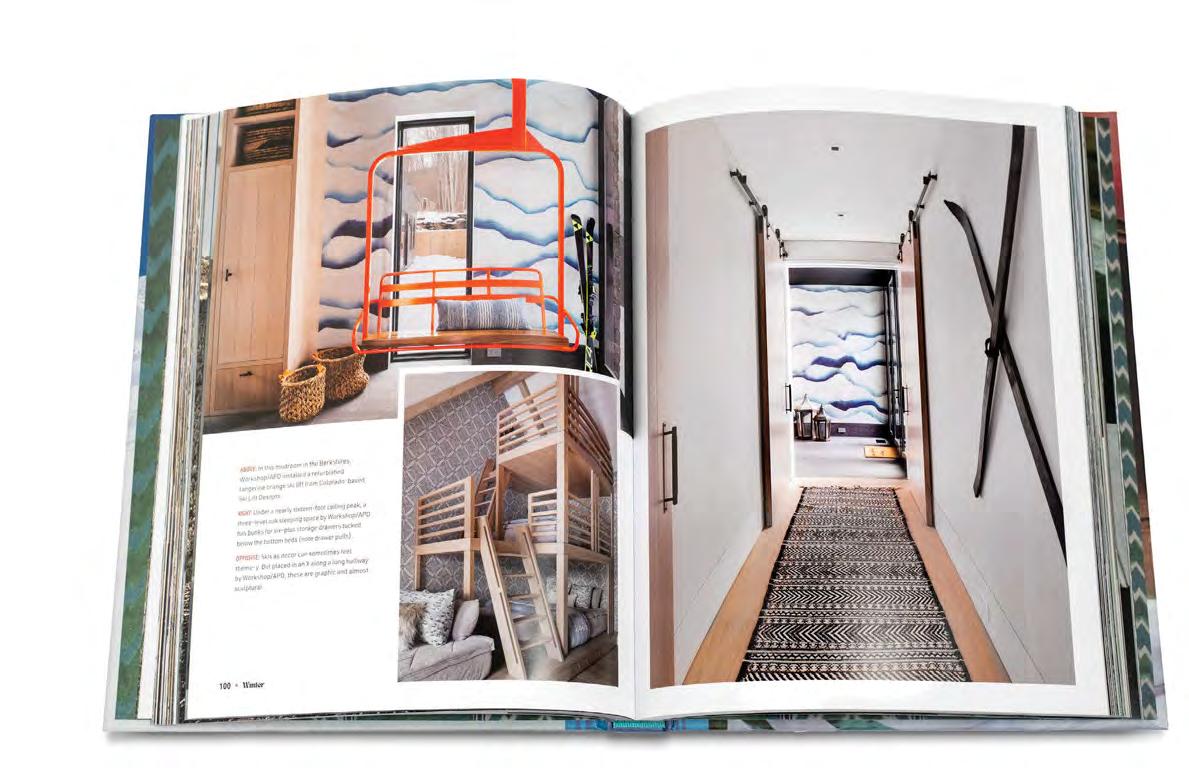
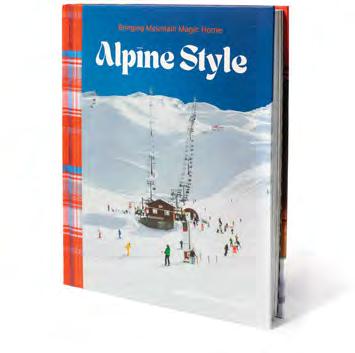
A local design writer’s new coffee-table book is an ode to sophisticated living at elevation.
20 FASHION
Three local spots where you can try the permanent jewelry trend.
22 BOOKS
Denver author Peter Heller’s latest novel chronicles societal disruption.
EAT & DRINK
25 WHAT’S HOT
In a new Lowry brick-and-mortar, Baekga chef Sean Baek serves Korean fare inspired by his time spent cooking around the globe.
26 REVIEW
Dân Dã, An and Thao Nguyen’s new Vietnamese restaurant in Aurora, successfully ties the comforts of the past to the present. Plus: Go beyond egg rolls with three deliciously different rolled-up Asian eats.
82 DINING GUIDE
COLUMN
30 ADVENTURE
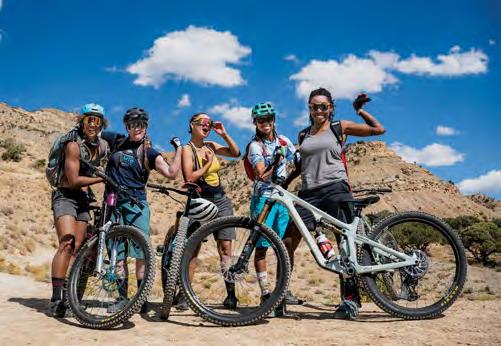
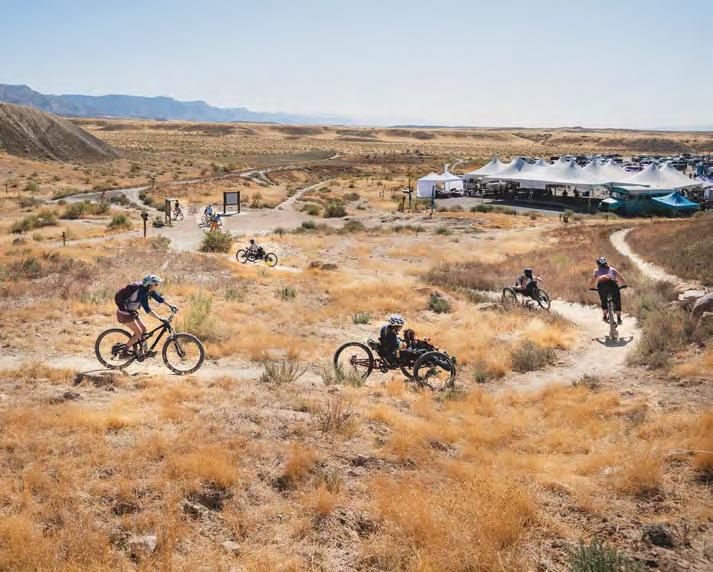
Roam Fest celebrates women’s mountain biking with a three-day gathering in Fruita. But its real draw isn’t riding: It’s inclusivity. BY
KELLY BASTONE
ACT LIKE A LOCAL
96 THE OVERSIMPLIFIED GUIDE TO: CHOOSING A NEW CU RIVAL
In the Big 12 Conference, there’s no shortage of potential gridiron enemies to swear allegiance against. ON THE
Clockwise from top left: Sarah Banks (2); Re Wikstrom; Courtesy of Love Saro
COVER
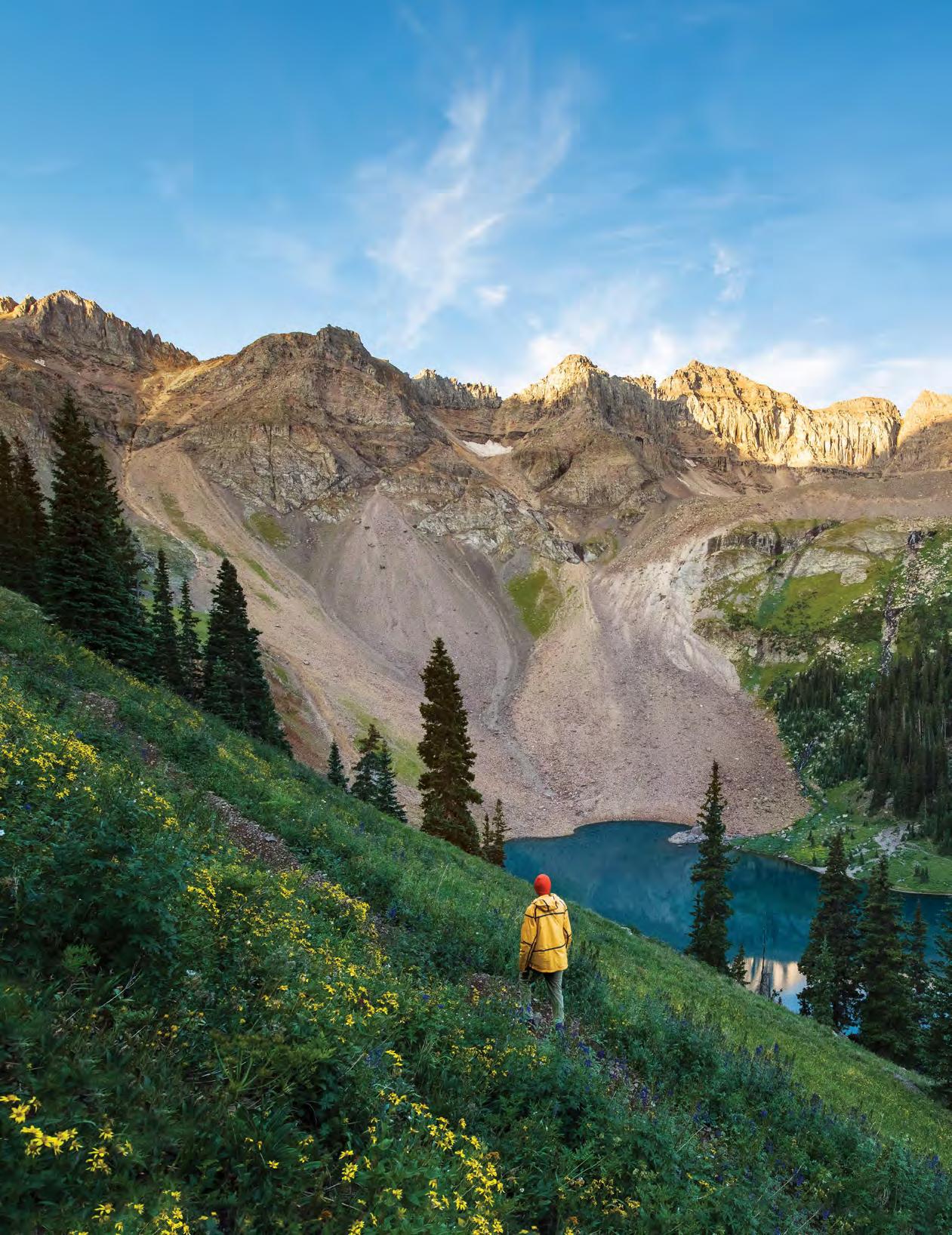
Photograph by Cavan Images/ Alamy Stock Photo Blue Lakes Trail
EDITOR
Lindsey B. King
ART DIRECTOR
David McKenna
DIGITAL DIRECTOR
Maren Horjus
EDITORIAL
DEPUTY EDITOR
Jessica LaRusso
SENIOR STAFF WRITER
Robert Sanchez
FEATURES EDITOR
Spencer Campbell
SENIOR EDITOR
Michelle Shortall
FOOD EDITOR
Patricia Kaowthumrong
SENIOR ASSOCIATE EDITOR
Jessica Giles
ASSOCIATE FOOD EDITOR
Ethan Pan
ASSISTANT EDITOR
Barbara O’Neil
COPY EDITORS
Shannon Carroll, Dougald MacDonald
RESEARCHERS
Laurenz Busch, Amanda Price, Taj Smith, Grant Stringer
CONTRIBUTING WRITERS
Kelly Bastone, Laura Beausire, Jay Bouchard, Christine DeOrio, Courtney Holden, Sarah Kuta, Elisabeth Kwak-Hefferan, Jenny McCoy, Allyson Reedy, Meredith Sell, Daliah Singer, Martin J. Smith, Andy Stein
EDITORIAL INTERN
Henry Wilder Campbell
DESIGN & PHOTOGRAPHY
PHOTO EDITOR
Charli Ornett
DEPUTY ART DIRECTOR
Sean Parsons
DEPUTY PHOTO EDITOR
Sarah Banks
CONTRIBUTING ARTISTS
Madeleine Ahlborn, Fernando Gomes, Lars Leetaru, Simone Massoni, Nadia Radic
CEO & EDITOR-IN-CHIEF
Daniel Brogan
EDITORIAL DIRECTOR
Geoff
Dyke
ADVERTISING & MARKETING
CHIEF REVENUE OFFICER
Camille Hammond
ADVERTISING DIRECTOR
Ari Ben
MARKETING DIRECTOR
Piniel Simegn
SENIOR ADVERTISING EXECUTIVES
Angie Lund, Molly Swanson
ADVERTISING EXECUTIVES
Craig Hitchcock, Kara Noone
ADVERTISING & MARKETING COORDINATOR
Tamara Curry
MARKETING COORDINATOR
Grace Thomas
BRAND SERVICES
CHIEF BRAND OFFICER
Carly Lambert
PRINT OPERATIONS DIRECTOR
Megan Skolak
CREATIVE SERVICES MANAGER
Chelsea Conrad
DIGITAL OPERATIONS MANAGER
Shundra Jackson
SENIOR GRAPHIC & UI DESIGNER
Caitlin Brooks
AUDIENCE GROWTH COORDINATOR
Greta Kotova
P RODUCTION COORDINATOR
Alyssa Chutka
NEWS STAND CONSULTANT
Alan Centofante
CIRCULATION CONSULTANTS
Meg Clark, Greg Wolfe
ADMINISTRATION
HUMAN RESOURCES DIRECTOR
Derek Noyes
OFFICE MANAGER
Todd A. Black
BILLING & COLLECTIONS MANAGER
Jessica McHeard
Dreaming of life in the mountains?
SUBSCRIPTIONS
A one-year subscription to 5280 costs $19.95 for 12 issues. A two-year subscription costs $34.95. Special corporate and group rates are available; call 303-832-5280 for details. To start a new subscription, to renew an existing subscription, or to change your address, visit 5280.com/subscribe; call 1-866-2715280 from 9 a.m. to 5 p.m. EST Monday through Friday; or send an email to circulation@5280.com.
LETTERS TO THE EDITOR & DINING GUIDE
Letters to the editor must include your name, address, and a daytime phone number (all of which can be withheld from publication upon request). Letters may be submitted via regular mail or email (letters@5280.com). To have a restaurant considered for our Dining Guide, contact us by phone or email (dining@5280.com) to receive a submission form. We also encourage you to contact us if your experience at a restaurant differs significantly from our listing. Information for this section should be submitted at least six weeks before the issue’s cover date.
WRITER’S GUIDELINES
Writer’s guidelines can be found online at 5280.com/writers-guidelines. To suggest a story idea, email us at news@5280.com.
ADVERTISING
5280 offers businesses the most costeffective way to reach Denver’s upscale consumers. Information about advertising is available on the web at 5280.com/ advertising. Call 303-832-5280 to request a printed media kit.
SPONSORSHIPS
5280 actively supports organizations that make our city a better place to live and work. Submit sponsorship proposals to Piniel Simegn, marketing director, at sponsorship@5280.com.
Trust Your Intimate Health to Aguirre Specialty Care
Celebrating 25 Years in Practice
JULIE STARR, APRN, PHD Nurse Practitioner
Julie Starr is an accomplished advanced practice nurse and clinical researcher with 16 years of experience in the field of women’s health and an expert in pelvic floor disorders, providing top-notch care to women seeking evaluation and treatment for their pelvic concerns - from pelvic pain to bladder control issues.
Specialty Certification: Certified Family Nurse Practitioner
Specializes in bladder and bowel control problems, pelvic organ prolapse, pelvic pain, bladder pain and recurring urinary tract infections (UTIs).
A. AGUIRRE, MD Founder and Medical Director
Dr. Aguirre is one of the first urogynecologists in the world experienced in performing reconstructive and cosmetic vaginal surgery, making him uniquely qualified to address both the aesthetic & functional concerns of women.
Specialty Certification & Fellowship Trained: Urogynecology and Reconstructive Pelvic Surgery
Board-Certified: American Board of Obstetrics and Gynecology
Specializing in urogynecology, cosmetic vaginal surgery, sexual and menopausal medicine, neuromodulation and aesthetic body contouring.
Aguirre Specialty Care is a center of excellence for women, providing state-of-the-art treatments for a wide range of intimate wellness and aesthetic needs. Having performed over 10,000 vaginal rejuvenation procedures, Dr. Aguirre and his team help patients live their fullest lives feeling confident, comfortable and free!
OSCAR
Inspiration Station
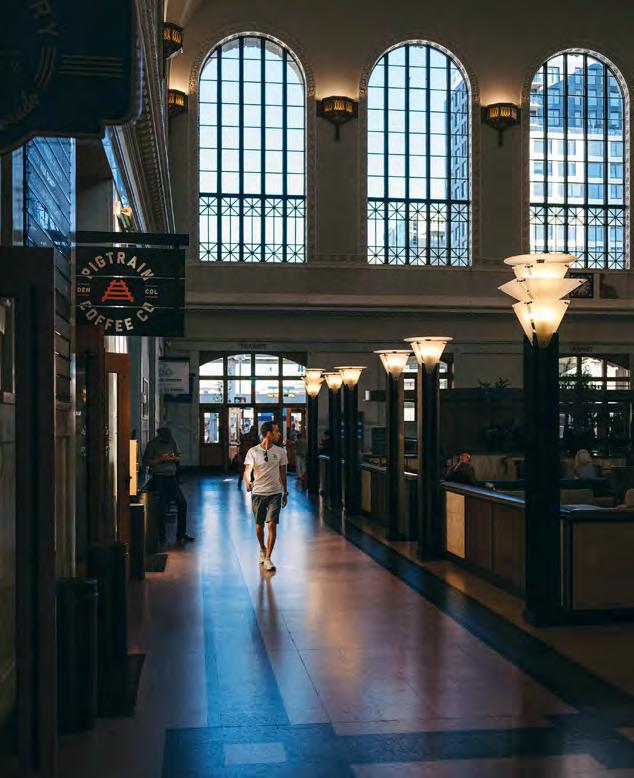
When I moved to Denver in the early aughts, Union Station was a grand but dilapidated building that didn’t offer much beyond a couple of model train layouts that had long occupied its basement. By 2014, though, the depot had been remade—courtesy of a historic public-private partnership—into a transportation hub dressed up with high-end restaurants, a boutique hotel, smart retail, and an elegant central hall.
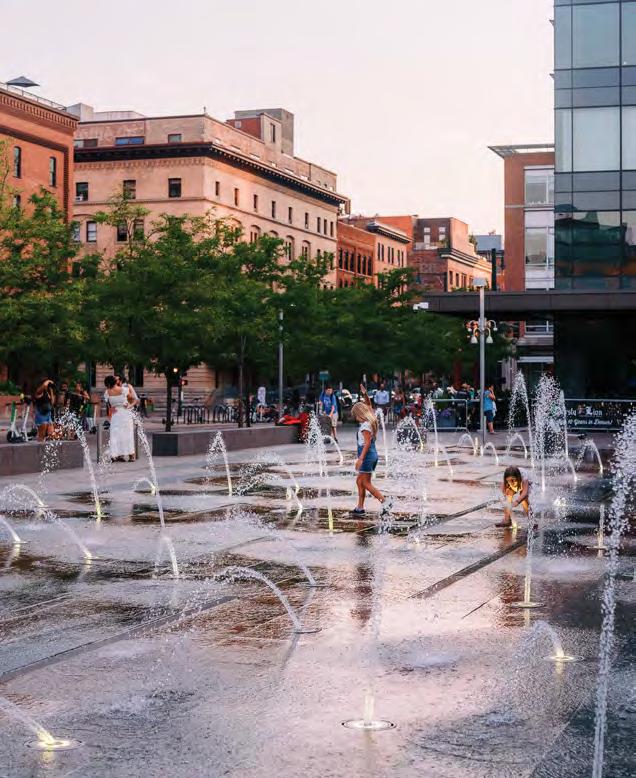
In those days, 5280’s office was right around the corner, a location that gave us a front-row seat to Union Station’s rebirth and what it did for the area. And what it did was spark verve: There was an energy in LoDo that hadn’t been there before. Kids frolicked in the plaza fountain, downtown workers grabbed lunch at Zoe Ma Ma, and travelers with roller bags hopped on and off the A Line to DIA. 5280 held its holiday party at the station’s Terminal Bar one year and, in 2018, celebrated its 25th anniversary in the Great Hall.
For half a decade, Union Station breathed life into LoDo—and then the pandemic hit, taking with it much of the area’s hard-won vitality. Today, with the average of total daily users downtown still down by about 22 percent from 2019, Denver Mayor Mike Johnston is looking to the historical building for inspiration. He thinks he’s found it in the city’s Downtown Development Authority (DDA), which helped fund Union Station’s 2014 glow-up. Johnston wants to expand the DDA beyond LoDo to
^ The view west down 17th Street to Union Station
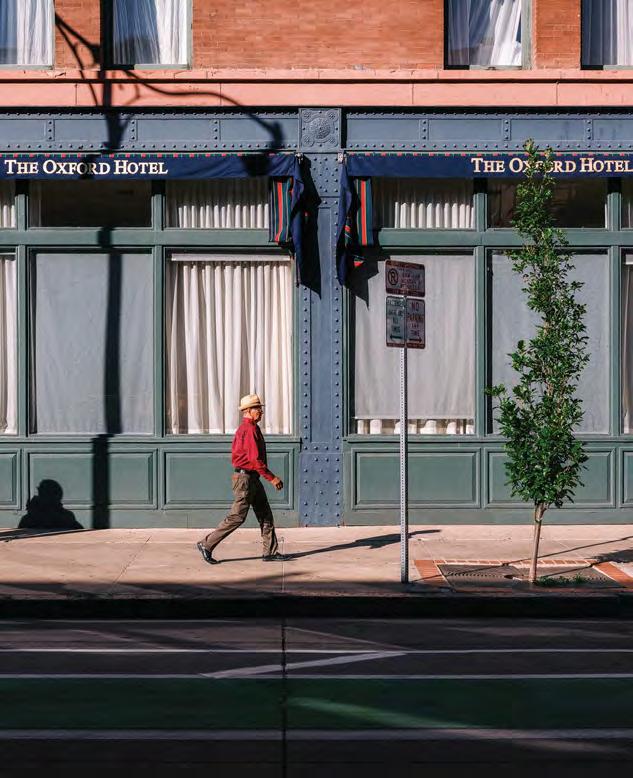
include the Central Business District (CBD), which has fared even worse than LoDo since March 2020. In this issue’s “Mile High Makeover” (page 76), senior staff writer Robert Sanchez dives into the mayor’s 15-year plan to revitalize all of downtown. “People support the idea,” Sanchez says, “but there are questions about whether this will work in the CBD. That end of town doesn’t have the charming built environment that LoDo does.”
Ten months before the pandemic, 5280 moved to another office. From outside our building’s door, we can look down 17th to see Union Station—that
is, when we’re in the office, which isn’t often these days. Like everyone else who frequently works remotely now, we are part of the chicken-and-egg dilemma the city is grappling with. It’s difficult to know how to revitalize downtown after so much has shifted in a post-pandemic world, but I hope the magic that once revived Union Station and LoDo can conjure a renaissance for the rest of downtown, too.
LINDSEY B. KING
Paonia-based photographer Fernando Gomes may live in a small town these days, but the São Paulo–born artist lived in New York City before moving to Colorado three years ago. Intimately familiar with the rhythms of big cities, Gomes noticed a difference between the Big Apple and the Mile High City. “The biggest contrast when I moved to Denver in July 2021 was how empty and unused the downtown seemed,” he says. The opportunity to explore, through his documentary-style photography, how the city of Denver is planning to change that intrigued Gomes when 5280’s photo editors came calling for this month’s “Mile High Makeover” (page 76), a look at the mayor’s plan to expand the Downtown Development Authority. “I love walking city streets and exploring different cafes and businesses,” says Gomes, who spent hours snapping shots in the city center, “so it’s encouraging that the city is making an effort to increase the walkability and livability of downtown.” Gomes also caught up with Mayor Mike Johnston for a portrait—another of Gomes’ artistic focus areas—and learned about the rhythms of the mayor’s office. “Having only 10 minutes to take the mayor’s portrait was a bit of a challenge,” Gomes says.
lindsey@5280.com
From top:
Fernando Gomes;
Courtesy of Hanna Bradbury
FERNANDO GOMES Photographer
Editor
STEP UP TO THE PLATE FOR A CAUSE!
Join the Children's Diabetes Foundation (CDF) at the Colorado Rockies game on Friday, September 13, 2024!
Enjoy a thrilling game vs. the Chicago Cubs and contribute to a good cause—a portion of each ticket goes back to us to support diabetes prevention, research, and care!
SCAN HERE FOR TICKETS!
House Keeping
Tin Can Camp may be Instagram-worthy, but the collection of five new rental micro-cabins in the San Luis Valley is far from an amenity-laden glamping experience. That’s by design. “We wanted to make sure that we would be able to restore the landscape to its original integrity [when we eventually remove the structures],” says Maddy Ahlborn, development and communications coordinator for the nonprofit San Luis Valley Great Outdoors (SLV GO), which opened the camp ($80 per night) to visitors in May. The purpose of the project is twofold. It will help relieve pressure on the dispersed camping areas near Penitente Canyon—a climbing, hiking, and biking destination about 30 minutes southwest of Saguache that has seen a massive increase in use since the pandemic began—and provide SLV GO with another revenue stream to fund its trail-building team and stewardship programs. In keeping with the latter mission, the 128-square-foot cabins don’t have septic systems or potable water. (There are toilets, but they burn waste rather than flush it.) “Essentially, the cabins can be picked up with a forklift and loaded onto the back of a truck,” Ahlborn says, leaving as little evidence as possible that the tiny, picturesque abodes ever existed. —NICHOLAS
HUNT
Serve You Right
There’s a new national program to address the youth mental health crisis—and Colorado’s young adults are spearheading it.
Marissa Garcia describes her family as supportive, but mental health wasn’t something they discussed around the dinner table. So when she struggled with her emotional well-being in high school, she felt alone. “By overcoming that and piecing myself back together,” she says, “I just really became interested in the meaning behind what happened and the ‘whys.’ ” The 23-year-old Thornton resident’s search for answers led her to the Youth Mental Health
Corps (YMHC), an AmeriCorps initiative that launched in four states, including Colorado, this past summer.
With 42 percent of high school students reporting persistent feelings of hopelessness and with suicide ranking as the second-leading cause of death among kids ages 10 to 14 in America, the youth mental health emergency isn’t burgeoning—it’s raging. To quell the epidemic, the YMHC is deploying, to middle and high schools as well as
community health clinics, volunteers who have just been there: young adults (ages 18 to 24 at the start of service, with at least a high school diploma or the equivalent). They’ll assist young people academically and emotionally, meeting one-on-one with kids and connecting them and their families to mental health services that are available at their schools and in their communities. But first, YMHC workers will receive the training they need to ensure the help they provide actually, well, helps.
For decades, AmeriCorps’ members have received instruction in things such as how to operate chainsaws to build hiking trails, but that coaching wasn’t necessarily aimed at setting them up for success in future careers. YMHC participants will earn credentials they can put toward associate and bachelor’s degrees in a variety of mental-health-related fields. (AmeriCorps chose Colorado as one of YMHC’s first four service areas because the Centennial State already has an educational framework in place that facilitates those types of accreditations.) And given that nearly 40 percent of AmeriCorps members pursue careers in the social sector after their service, proponents of the program hope it will fast-track the filling of what the U.S. Department of Health and Human Services says is a national shortage of more than 6,000 mental health practitioners.
More than 100 volunteers signed up in Colorado, about twice as many as expected, says Lieutenant Governor Dianne Primavera, whose office manages Serve Colorado, the state’s AmeriCorps affiliate. But it wasn’t only the offered certificates that created the outsize interest. When Primavera met with students to promote the program before its launch, the response was already overwhelming. “And I never even mentioned the credentials,” she says. “I think the youth realize there’s a crisis among their peers, and they want to use their skills to address it.” That’s true for Garcia, who signed up for YMHC unaware of the training she would receive. “I don’t know what my path looks like,” she says, “but having this in my back pocket, I feel like it’s going to be really beneficial, no matter what I do.”
High-Country Havens
A local design writer’s new coffee-table book is an ode to sophisticated living at elevation.
Wheat Ridge–based writer Kathryn O’Shea-Evans traces her eye for interiors back to age eight, when she persuaded her stepdad to paint her bedroom’s ceiling like the sky, à la Michelangelo. She turned that love for inspiring spaces into a career: She’s worked as a contributing editor at House Beautiful since 2018, and her byline has appeared in the Washington Post and the New York Times. But the self-proclaimed “indoorsy ski bunny” found her favorite writing project yet in Alpine Style (Gibbs Smith; September 10), a coffee-table book that combines two of O’Shea-Evans’ peak interests: mountains and style. While the compendium’s images of high-elevation interiors span the globe, Alpine Style also features stunning properties close to home. We spoke with O’Shea-Evans about what sets the Centennial State’s mountain style apart and how it has evolved in recent years. —ALLYSON REEDY
Alpine Style steps inside mountain homes and hotels all over the world.
5280: What makes Colorado’s high-country aesthetic unique?
Kathryn O’Shea-Evans: The design scene here is a little more pragmatic, and I mean that in a good way. We’re not doing embroidered silk wallpaper in the mountains. We can walk in with muddy boots and it’s fine. There aren’t a lot of decorative embellishments. It’s less fanciful, which puts the focus on the amazing [mountain] views.
What’s your favorite Centennial State project in the book?
I really like when designers embrace the local, whether it’s the colors of nature or the history of a place. One of the houses in the book is in Telluride, where [local guidelines require new buildings to visually cohere to] the area’s original gold rush cabins from over 100 years ago. It’s a supermodern home, but it has the same roofline as an old shanty. It’s new but also stuck in time.
How is alpine style evolving in Colorado?
When I first moved here, in 2017, [the preferred style] was very midcentury modern. I think now people are including design elements
from different eras. [Designers and homeowners] are starting to embrace a more layered look, bring in more colors, and take more chances.
You mention in the book that you have a vacation home in Bailey that you run as a short-term rental. What design elements did you use to give it a sense of place? In the kids’ bedroom, we made a bed shaped like a cabin. We also brought in colors from the evergreen branches outside the windows—so a lot of cinnamon browns and greens. In one room, I tore up a vintage Colorado guidebook from the 1960s that I found at a vintage store for $3 and framed it in shadow boxes. It looks really cool without being too on the nose.
How did you choose the properties in Alpine Style?
When you’re a design writer, you see the same stuff again and again, so I looked for things I hadn’t seen before. Like, there’s a mudroom in the Berkshires that used a vintage ski lift as a chair and a chalet in Montana that has a canopy bed with little birds carved into the iron—mountainy, but subtle. I looked for projects that made me say, “Wow, I would do that in my house. I want to live there.”
Made To Last
When Sacha Jarmon began hosting pop-ups selling permanent jewelry around the metro area in summer 2020, most Denverites hadn’t heard of the trend popularized by a Brooklyn studio that debuted the service in 2017. “People didn’t quite understand it was just a chain that was welded on—clasp-less, custom fit,” says Jarmon, co-founder of Boulder’s Love Saro jewelry shop. Today, the solid gold and sterling silver bracelets, anklets, and necklaces that only come off if intentionally snipped (or accidentally ripped) make up a large part of her business—and those of other local jewelers.
—JESSICA LARUSSO
LOVE SARO At their Cherry Creek, Boulder, and Los Angeles studios, classically trained gemologist Sacha Jarmon and her mom, sculptor Carol Ritter, outfit clients (including Kourtney Kardashian) with custom designs using more than 60 chain styles and 180-plus natural gemstones. Unlike most jewelers, who weld a subtle but noticeable connecting piece called a jump ring, Love Saro uses a seamless technique, welding the chain to itself. Bracelets start around $115
CLP JEWELRY
Christy Lea Payne, who’s been designing baubles for more than two decades, started offering welded jewelry in 2018— and soon found a line out the door of her South Broadway shop. Three years ago, she added a LoHi outpost to meet demand for her Adorned line’s 20-some chains, customizable with house-made charms, and new, perfect-for-stacking bangles. Bracelets start at $98
AURUM
Buying permanent jewelry is more than just shopping; it’s an experience. And that’s what Nikki Nation facilitates—sometimes with sparkling wine and charcuterie—at her Golden Triangle shop, which opened in April 2023. Alongside the couple of dozen weldable chains and various birthstones and charms, the showroom hosts Nation’s recycled metal jewelry and handmade goods from other makers. Bracelets start at $70
From top: Courtesy of Love Saro; Jessica Luann
Photo/Courtesy of CLP; Courtesy of Aurum
Dystopia 2.0
Peter Heller’s latest novel chronicles societal disruption— familiar territory for the Denver author who hopes, this time around, the plot remains fiction.
Peter Heller has an uncanny ability to, as he puts it, hear the train whistle from around the bend. In 2012, he penned his debut novel, The Dog Stars, about a postapocalyptic world ravaged by a never-before-seen virus. Within a decade, COVID-19 emerged, creating a pandemic that has killed more than seven million people worldwide. Then, in 2019, he wrote The River, about college friends trying to outrun a massive wildfire—among other dangers—in northern Canada. In the years since, Canadian provinces have seen some of their most active fire seasons in recorded history. “It’s a little weird,” Heller admits.
His eighth work of fiction, Burn, was published on August 13 (Knopf) and follows two lifelong friends and hunting partners who emerge from the woods of Maine to find a civil war has erupted. The president is dead. Local militias are leading a secession effort. And the federal government is firebombing rural towns. As the protagonists, one of whom calls Denver home, race for the Atlantic coast, they encounter gun battles, mass graves, and other grisly artifacts of happier times. “There’s been so many rumblings about secession in various places,” Heller says. “I do think we’re in a particularly fraught time. I fear for us, and I think that’s partly what I’m addressing.”
Delivering a healthy dose of existential fear to readers is, of course, nothing new for Heller. Burn shares much in common with The Dog Stars: a fallen society, themes of love and loneliness, survivalists trudging through a dystopian wilderness. But Burn is no rerun. Heller’s latest work imagines a localized
PETER’S PICKS
When the Burn author isn’t fashioning tales of fragile societies, he’s often reading local authors. Here, two of his favorite Centennial State–based writers.
insurrection, not a total collapse of civilization. And it offers hope that normality exists elsewhere, if only his characters can reach it. Still, Heller recognizes the similarities between his 2024 release and the soulful surreality he conjured in his first novel. “All my stories are certainly about loss, about dealing with grief, about the juxtaposition then with the wonder and beauty of the Earth,” he says. “Maybe those themes repeat, and I’m happy to be exploring them.”
As Burn hit shelves, it landed in the hands of readers who had recently witnessed the near assassination of a presidential candidate, who had learned that
the nation’s current president would not seek re-election, and who were likely anticipating increased societal rifts ahead of a potentially historic election. While Heller is adamant he doesn’t want the pages of Burn to come alive, he believes there’s a sense of authenticity to everything he writes. “There’s this real feeling of inevitability in my work,” he says. “It’s like this is happening in a multiverse, where it happened on another plane and feels in some sense to me inalterable.” Yes, Heller is rooting for us all, but it’s possible that, in his latest work, he’s hearing that distant whistle once again.
JAY BOUCHARD
Paolo Bacigalupi
One of Heller’s literary contemporaries, Bacigalupi is an acclaimed science fiction author who covers vast ground. The Paonia-based writer’s latest work, Navola, was published in July and takes readers on a fantastical journey through an ancient kingdom in a Game of Thrones–style thriller.
Craig Childs
As an award-winning chronicler of southwest Colorado history, Childs has helped readers understand the landscape—and its inhabitants— via more than a dozen nonfiction books. In Tracing Time, published in 2022, he focuses on the rock art of the Colorado Plateau.
From top: Courtesy of John Burcham; Courtesy of Knopf
Colorado author Peter Heller has written eight novels, including this year’s Burn.
SEPTEMBER 20 – OCTOBER 27
FRIDAYS – SUNDAYS, 9 A.M. – 5 P.M.
Mountain lions and moose and bears, oh my! This year’s maze features a Colorado wildlife theme, fun twists and tricky turns. The maze can be viewed from a 15-foot-tall bridge. Visitors under the age of 10 can explore the corn mini-maze.
Located in the heart of downtown Denver, The DAC offers a variety of indoor and outdoor spaces to accommodate your wedding day. From an outdoor ceremony on our 9,700 square foot Sundeck, to a reception in our elegant Grand Ballroom, The DAC offers a truly unique wedding venue in the Mile High City.
The beauty of your venue at The Denver Athletic Club and the accommodations from the food and drinks to the hospitality shown by you and your staff, was beyond what we could have expected at the beginning of this journey.”
— Jess & Tanner
OUR CATERING TEAM WILL HELP YOU CREATE A DAY TO REMEMBER. WEDDING SITE VISITS ARE BY APPOINTMENT ONLY: 720-931-6771.
Full Circle
Chef Sean Baek’s two-decade-long culinary journey has taken him to Kuwait, the United Arab Emirates, Saudi Arabia, and multiple other Middle Eastern countries, where he worked as a private chef and as the brand executive chef for luxury Japanese chain Katsuya. The Korea native’s first restaurant job, though, was in comparatively humble Cherry Creek, where Baek cooked at the long-closed Mao Asian Bistro after moving to Aurora at 16 years old. In 2022, Baek returned to Colorado hoping to establish a business of his own. Baekga, an eatery that’s been serving out of Lowry Town Center since May, is just that. The restaurant offers a menu of Korean fare that’s as delicious as it is versatile. For dinner, keep it casual with an order of pajeon—a thin, crispy-chewy pancake with whole scallions that Baek says is like Korean pizza—or go whole hog with a spread of small plates and a shareable portion of thinly sliced, red-pepper-laced pork belly and bean sprouts that’s cooked tableside. Midday offerings include protein-and-rice lunch specials with a smattering of accoutrements, such as daikon soup, Korean veggie fritters, and pickled cucumber—feasts that inspire diners to come back around. —ETHAN PAN
PHOTOGRAPH BY SARAH BANKS
Baekga’s galbijjim (braised short ribs) with an array of banchan, including kimchi and fritters
Styling by
Charli Ornett
Motherland
Dân Dã, An and Thao Nguyen’s new Vietnamese restaurant, successfully ties the comforts of the past to the present. —AMANDA M. FAISON
If a dish can tell a story, then the deep-fried shrimp paste at Dân Dã—the Vietnamese restaurant that sisters An and Thao Nguyen opened on Aurora’s East Colfax Avenue in April—weaves a full yarn. The crispy-edged envelopes, composed of rice paper spread with shrimp paste and then fried, brim with notes of shallot and garlic and the springy texture of their namesake crustacean. For me, when the fried shrimp paste is tucked into a spring roll and dipped in the accompanying sweet-tangy nuoc cham sauce, it’s a drive-across-town-worthy
snack. But for chef An, the pockets are a nod to the past.
Her mother, Ha Pham, created this recipe for New Saigon, which opened on South Federal Boulevard in 1987. The Denver institution, which the family ran for decades before selling it in 2017, is where many locals first fell in love with Vietnamese food. (It ultimately closed after 37 years this past February.) Chef An also served the dish at West Alameda Avenue’s Savory Vietnam, the 500-seat restaurant she debuted in 2019 but shuttered this past December.
Like the shrimp paste, many of Dân Dã’s dishes reach back in time. Take the steamed clams: While the cherrystones had meat that was too big and tough for my liking, their vibrant topping of sautéed garlic, lemongrass, fish sauce, and chiles is a citrusy, spicy flavor bomb that prompts diners to request a to-go container for even the smallest remaining dribble. “Even if people don’t know that Dân Dã is our restaurant, they recognize the sauce and track it back to New Saigon and Savory and say, ‘I know this sauce; now I know who you are,’ ” says Thao, who runs the front of the house and oversees the cocktail program.
This, in many ways, is the point of Dân Dã (pronounced “yuhng yaa”),
PHOTOGRAPHY BY SARAH BANKS
^ From left: Goi thap cam (pork belly and seafood salad); Thao and An Nguyen
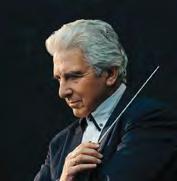
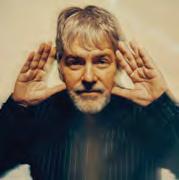
Disney in Concert: Tim Burton’s
Nightmare Before Christmas
Rachmaninoff Piano Concerto No. 2 with Simon Trpčeski
Fleck Plays Gershwin’s Rhapsody in Blue
a Vietnamese term used to describe rustic, comforting, traditional dishes that impart a feeling of warmth and togetherness. Despite opening only five months ago, the casual, 50-seat restaurant, whose centerpiece is a wall-to-wall mural of a modern woman wearing a non la (traditional Vietnamese hat), already bustles with fans looking for a taste of restaurants past. That’s OK with An, who welcomes the opportunity to cook family recipes while also crafting her own. This fervor, however, can yield long waits during lunch and dinner if you don’t have a reservation.
Dân Dã’s three-page menu is tiny in comparison to New Saigon’s or Savory Vietnam’s, which listed hundreds of dishes, but it’s still overwhelming. So much so that my husband took one look and laid his menu on the table in surrender. However, Dân Dã’s helpful, if slightly overextended, servers (two of whom are An’s and Thao’s husbands) help the unfamiliar navigate the roster of starters, spring rolls, clay pots, salads, and other specialties. While the early menus have relied heavily on staples from New Saigon and Savory Vietnam, An intends to add fresh dishes as the restaurant matures.
The spring roll platters—three-tier towers you’ll see at the center of most tables—are Dân Dã’s showstoppers. Heaped with herbs, crisp veggies, and rice noodles as well as marinated, grilled, and fried proteins, the layers allow you to assemble flavor-packed parcels. A minor quibble: While the setups are dazzling, they emphasize the awkward height of the tables, which are too tall for the low-slung chairs. Diners can partially solve this problem by ordering the bo la lot. The savory nuggets of betel-leaf-wrapped beef, redolent with lemongrass and allspice, come with DIY spring roll fixings—minus the tower.
Some of An’s favorite dishes to make are salads because of the interplay of texture, flavor, and aroma. The goi thap cam, which loosely translates to “special salad,” is a masterclass in this juxtaposition. Crisp pickled lotus root, daikon, carrot, and a crunchy Asian veggie similar to celery are tossed with rich steamed pork belly, poached shrimp, and sliced
squid and jellyfish. The whole bowl gets a dousing of fish sauce vinaigrette and a shower of basil leaves and crushed peanuts. Dig in and everything—crunchiness, chewiness, acidity, saltiness, sweetness, brightness, umami—happens at once.
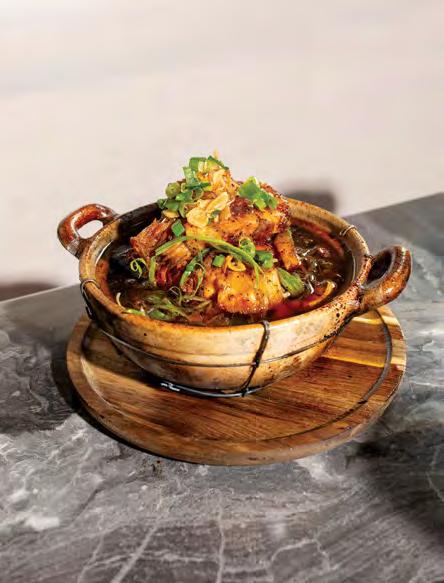
The clay pots, polar opposites in terms of texture, are no less delicious. These stews were available at New Saigon, but here they are served in mini clay pots, a touch that elevates the experience. The bubbling sauce (made from cooking down palm sugar and water with fish sauce and aromatics) will sear the bejesus out of your mouth if you’re not patient. Spoon some of the salty-sweet liquid and braised protein—I had the tender bone-in fish, but prawns and pork are also available—over rice and let the steam dissipate. Then dive in for soothing, caramelized-sauce-covered bites that are the very definition of the comfort food Dân Dã was named for.
This dish and others are proof that memories are on the menu at Dân Dã. Longtime Denverites may be nostalgic about the eateries that once were, but An and Thao are intent on offering a new experience—one that is more intimate and ever-evolving. “I’m following my mom’s recipes,” An says. “There’s a legacy, but I now get to stand at the walk-in [fridge] and add ingredients.”
FINGER FOODS
Although the American palate tends to favor crispy egg rolls, Asian cuisines offer so much more to explore in the rolled-up realm. Skip the usual and order these tasty hand-held packages. —AMF
LUMPIA
Filipino-style lumpia are usually slightly longer and thinner than an egg roll and have a more delicate, shatteringly thin fried skin. Order the pork-packed shorties at Paborito, a ghost kitchen in Lincoln Park that began serving Filipino barbecue for delivery and pickup this past June.
BO SSAM
^
Dân Dã’s ca hu kho to (clay pot with bone-in fish) swims in a sauce enriched with palm sugar and aromatics.
This Korean dish typically features braised pork that’s eaten wrapped in lettuce with a rainbow of condiments. At Silla, one of Aurora’s oldest Korean eateries, guests top ruffly green leaves with pieces of tender pork belly, sliced veggies, kimchi, and a bit of umami-rich ssamjang paste.
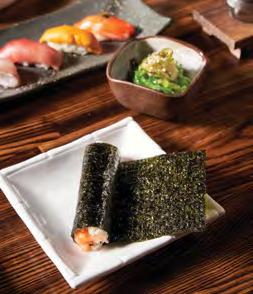
TEMAKI
DÂN DÃ
9945 E. Colfax Ave., Aurora dandavn.com
The Draw: Hits-all-the-right-notes Vietnamese food from one of Denver’s most important culinary families
The Drawback: Tables are too high for the chairs; service can be harried during peak hours
Noise Level: Medium
Don’t Miss: Any of the spring rolls; clay pot with bone-in fish; steamed pork belly, shrimp, squid, and jellyfish salad
Nearly four-year-old Temaki Den inside the Source Market Hall in RiNo specializes in the eponymous Japanese specialty, a classic sushi roll (or a cone-shaped handheld) that consists of nori wrapped around rice and fillings. The eatery offers nearly 20 kinds of temaki, including varieties stuffed with daikon radish sprouts, aged negitoro (minced raw tuna), and red shrimp.
Courtesy of Werk Creative (Temaki Den)
Keep Colorado Wild
Free To Be You And Me
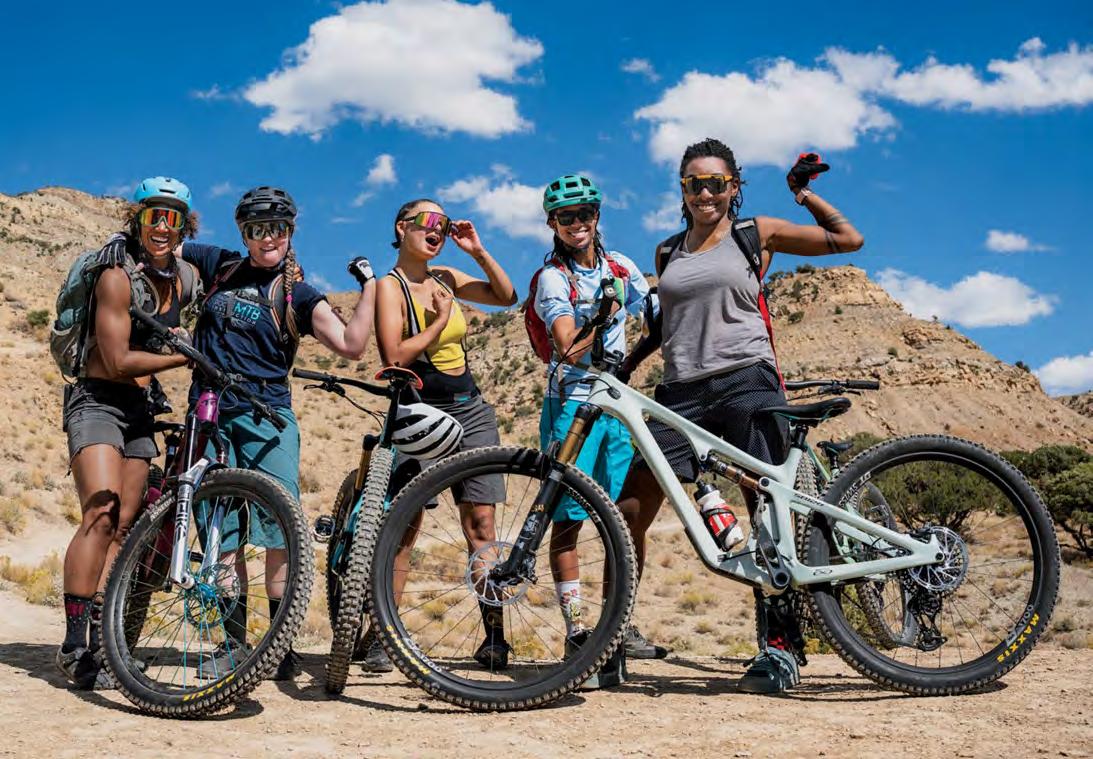
On a mild evening last November, a mass of some 300 mountain bikers assembled for an outdoor dance party that promised to trigger yet another round of noise complaints from the residents of Sedona, Arizona. By day, these Roam Fest participants had raged on area trails. Now, beneath glowing string lights, the colorfully costumed crowd prepared to shake it hard and loud.
Uninhibited dance sessions are a signature feature of Roam Fest, a three-day celebration of women’s mountain biking held since 2017 in singletrack-heavy locations across the country. To preserve that raucous tradition while also placating the Sedonans who had called the police to Roam Fest in previous years, event
Roam Fest wants women from all backgrounds to hit the trails this month in Fruita.
Roam Fest celebrates women’s mountain biking with a three-day gathering in Fruita. But its real draw isn’t riding: It’s inclusivity.
BY KELLY BASTONE
organizer Ash Zolton addressed the tutu-wearing multitude with a compromise: Headphones would facilitate a silent disco. The change would bring a bonus benefit. “We’ve heard that our soundtrack is just too white,” says Zolton, a white, queer woman with a merry swagger. So while one channel on the headphones broadcast ’80s tunes by artists like Cyndi Lauper, the other aired Flo Rida and Spanish-language rap.
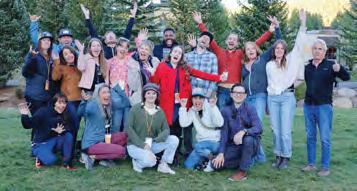
The gathering included white, Black, brown, and Asian women; some identified as part of the LGBTQ+ community, others didn’t. There were women with silver hair, there were women using wheelchairs or wearing prosthetic limbs, and there were skinny women and chubby women and women in between. One woman donned an inflatable unicorn costume; another sported a Sasquatch getup lit with LED light bulbs. Everyone, however, was ready to throw their scabby, biking-bloodied arms in the air like they just didn’t care.
Mountain biking is Roam Fest’s raison d’être, but the collective energy here taps into something deeper than sport, something attendees seem desperate to connect with. Registration for Roam Fest fills within minutes, and participation and sponsorship dollars have been growing. It was formerly staged as smaller
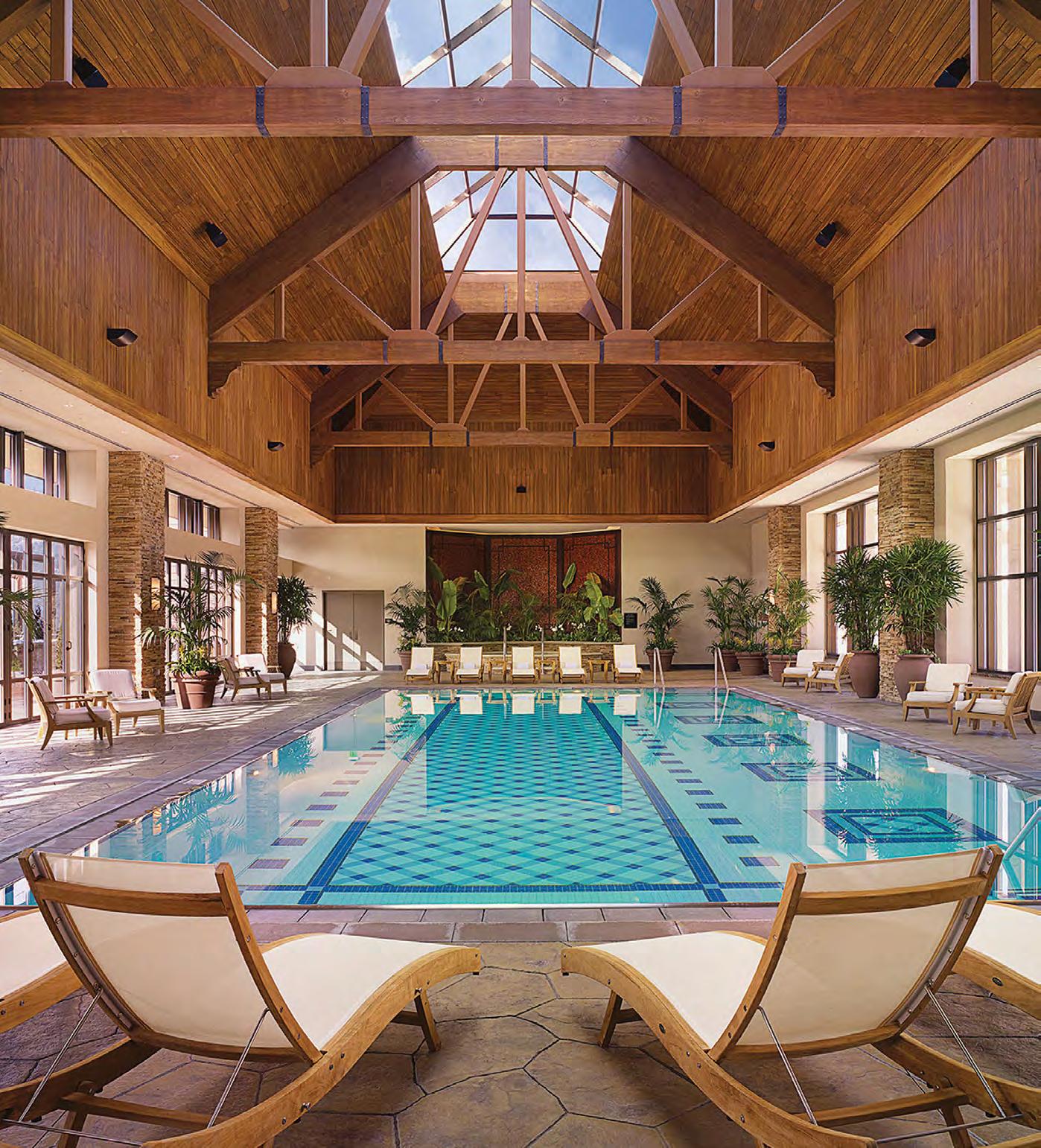
Experience the perfect blend of excitement and relaxation at Ameristar Casino Resort Spa Black Hawk, just 45 minutes from Denver! Use promo code: FALL and save 20%.
events in Sedona, Knoxville, Tennessee, and Fruita—not far from its headquarters in Grand Junction—but Roam Fest 2024 will welcome 1,000 femme-identifying cyclists to just one September gathering in Fruita. Smartwool, a Colorado-based outdoor lifestyle brand (rather than a cycling-specific manufacturer, as in the past), is the new presenting sponsor.
That change in benefactors is a bigger deal than one might think. While companies across the outdoor industry and businesses worldwide
claim to want to exhibit the values of diversity, equity, and inclusion, perhaps no entity is doing inclusion programming better than Roam Fest. The festival’s appeal—and the reason this mountain biking extravaganza is gaining influence beyond cycling—is that few here feel left out.
OUTDOOR RECREATION—and the mountain sports that shape Colorado’s state identity—is notorious for lacking racial, ethnic, and cultural
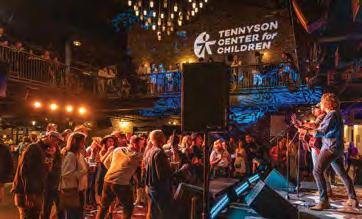
Returns for the 14th Year to Celebrate Tennyson Center For Children's 120th Anniversary
EVENT DETAILS
Mile High Station 2027 W. Colfax Ave, Denver 80204
Friday, September 27th, 2024 6:00 PM- 10:00 PM
Join us in supporting Colorado’s kids and families at this year’s Q & Groove! Experience an unforgettable evening with artist Jonah Kagen’s live performance, delicious BBQ and alcoholic beverages, thrilling silent and live auctions, the always popular spirit pull, and custom hat making experience with Parker Thomas! Don’t miss out on this incredible event—buy your tickets now and make a difference!
Event Website + Tickets
$130 Ticket: Includes admission to the event and concert plus access to an exclusive bar menu and complimentary barbecue from Brother’s BBQ.
diversity. Major outdoor brands have tried to address the predominance of white privilege with programs such as the REI Cooperative Action Fund, which delivers donations to nonprofit organizations that promote inclusivity in the outdoors. “Today, many people and communities do not feel welcome or safe outside,” reads the fund’s November 2021 press release. Ski slopes, campgrounds, mountain bike trailheads, and fishing holes all attract a disproportionately white and affluent set of nature lovers. A 2022 report from the Outdoor Foundation, which tracks outdoor participation demographics, reported that 72 percent of outdoor recreationists are white—and the wealthiest households represent the largest share of participants, with 32 percent earning $100,000 or more annually.
Roam Fest also displayed that monoculture when it debuted in 2017 in Sedona. Co-founded by Zolton and her wife, Andi, a former racer and professional bike mechanic who coaches with USA Cycling’s Athlete Development Pathway, Roam Fest promoted stoke sans instruction. Zolton was dissatisfied with the trend among women’s events of targeting timid newbies, so she staged a party for what she calls skilled and confident “radasses” like herself. The inaugural Roam Fest included no skills clinics and no beginner options among its daily programs of social, locals-led rides. “But those experienced mountain bikers were all well-off and white,” Zolton says. “We attracted precisely one person of color.”
Afterward, that sole nonwhite person brought up the issue of underrepresentation. Straight mountain bikers also told Zolton that the event seemed like it was exclusively for the LGBTQ+ community. The feedback made her uncomfortable, she recalls. “But it took us getting uncomfortable,” Zolton says, “and having hard conversations and receiving hard feedback about our well-intentioned efforts to get us to embrace the challenge of trying things differently.”
That willingness to receive critique—“We love feedback!” is a Roam Fest tagline— allowed the Zoltons to consider and implement inclusivity strategies that were often proposed by people outside of their company leadership. “Roam Fest was willing to ask, ‘Who is not here, why are they not here, and how do we get them here if they want to come?’ ” says Brooke Goudy, a Black mountain biker who co-led Denver’s chapter of Black Girls Do Bike and now operates Rowdy Goudy, an organization promoting cycling and healthy lifestyles among women of color.
Money is one obvious participation barrier for women of color: The latest data from the Federal Reserve Board’s Survey of Consumer
Furniture Row Companies® is a group of specialty home furnishings and mattress stores, carrying a variety of brand names, all available at one convenient location. We focus on providing a shopping experience that is tailored to your needs. Our specialized buying teams are constantly combing the globe in search of the hottest trends and best values available. In addition, incentives like our no interest financing and our highly knowledgeable, specialized sales staff, make Furniture Row one of the most enjoyable furniture buying experiences you’ll find in the country today.
Finances indicates a $242,000 gap in median wealth between white and Black households. So Roam Fest developed its BIPOC Fellowship, which awards travel and participation stipends to qualifying applicants. Furthermore, Roam Fest reserves 20 percent of its event registrations for attendees who come from underrepresented communities.
But Roam didn’t stop at representation. Rachel Olzer, Roam Fest’s director of inclusion, a position born in response to the criticism Roam had received, encouraged Zolton to bolster support for attendees from marginalized groups during the event. For instance, Olzer recommended the creation of a separate retreat space where cyclists of color could withdraw for a social/emotional break. The notion ran counter to the Zoltons’ expectations of inclusivity. “Initially they were really skeptical because they were wanting integration and saw [a separate space] as exclusionary,” Olzer says.
Ultimately, Roam Fest’s leadership greenlit the Chill Zone, and the refuge has since prompted enthusiastic feedback from race participants. “It’s like an affinity space within the affinity space,” Goudy says. “When we women get together, we can really be ourselves.
But Black and brown women still experience microaggressions. We can’t stop it, but we can give them a respite.”
Then, Roam went even further. The race expanded its scope by welcoming all self-identifying femmes and developing outreach and programming to support adaptive cyclists. On top of that, Roam Fest organized rides that gather individuals with similar lived
experiences, including moms, queer people and their allies, and people ages 50 and older. Plus, the Shredtalks Panel, a topic-driven discussion led by a changing cast of trailblazers working at the intersection of cycling and representation, has become a Roam Fest hallmark. Such initiatives demanded financial investment, of course, and the Zoltons have spent more than $250,000 on staffing and
Fruita’s trails will host Roam Fest this year.
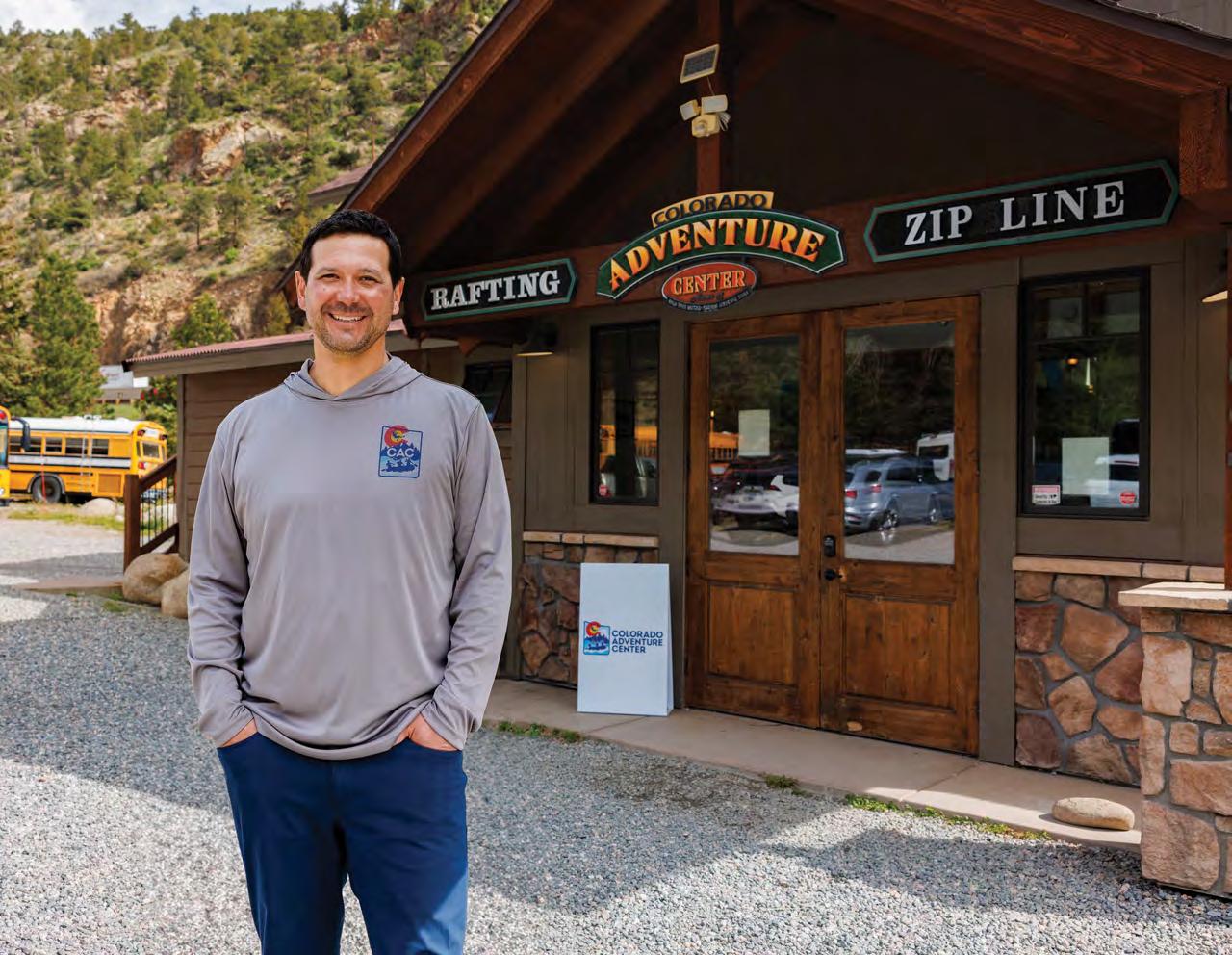
Ethan Castro, Owner
Community Banks of Colorado is proud to support Colorado Adventure Center, a family-owned and operated business committed to “Sparking the Adventure” in every visitor. At Community Banks of Colorado, we know the importance of investing in the local business community – it’s not just about being part of the community, it’s about being a part of its progress. That is common sense, the way banking was intended to be. Visit cobnks.com/stories or call us at 720.665.9778 to learn more.
COLORADO ADVENTURE CENTER
scholarships to fund Roam Fest’s inclusion programming efforts. But demand for inclusivity initiatives was surging across the outdoor rec industry, and other cycling events and races, such as Washington state’s Sturdy Dirty Enduro, were increasingly asking Roam’s gurus for guidance on how to diversify their attendees. “We realized that as a for-profit company,” Zolton says, “we didn’t have the capacity to bring inclusion to events beyond Roam Fest.”
Enter the Roam Collective, a three-yearold nonprofit led by Zoe Richards, who is also the partnerships manager at Sierra Nevada Brewing Co., a sponsor of Roam Fest. Now, the BIPOC Fellowship, the Shredtalks Panel, and the para/adaptive programs live under the collective’s umbrella. That parasol has been making room under its canopy for new programs and new partnerships, too.
In 2023, for example, Roam Rowdies was born. The project allows Goudy to recruit Black, femme-identifying mountain bikers and not only give them a stipend to attend Roam Fest but also fund their participation in another bike industry gathering. Additionally, Roam Rowdies helps create cycling events within mountain bikers’ home communities.
Thus, the invitation to attend Roam Fest is bundled with aftereffects that reinforce the individual’s engagement with the cycling community. In March 2024, Roam Fest joined Boot Tan Fest and its femme-centric ski party at Sunlight Mountain Resort in Glenwood Springs, where Roam reps contributed logistical know-how and their famously warm welcome. Then, in April 2024, Roam Collective took its Shredtalks Panel to world
HAVEN ON EARTH
cycling’s biggest festival and expo, the Sea Otter Classic, in California.
Companies beyond the cycling sector, such as Smartwool, have noticed Roam’s DEI successes, and many now support the event as sponsors. But Zolton and Sam Ryan, Roam Fest’s director of partnerships and operations, scrutinize organizations that are interested in aligning themselves with Roam Fest to make sure the brands’ commitments to inclusivity run deeper than their desire to sell products to women. “Some companies are just trying to get access to our demographic on a silver platter, and that’s not what we’re about,” says Ryan, who evaluates prospective sponsors by the diversity she sees among employees and sponsored athletes. Arizona-based Pivot Cycles, for instance, sends its demo bike fleet along with an inclusive cohort of company representatives to the event, and women make up 50 percent of Smartwool’s leadership. “We see our partnership with Roam as an extension of our inclusivity goals as a brand,” says Kelly Muededonck, Smartwool’s brand marketing manager for North America. “Roam’s unwavering commitment to diversity and inclusion is a huge reason why we are so excited to support their mission. They create a space that celebrates every single individual and
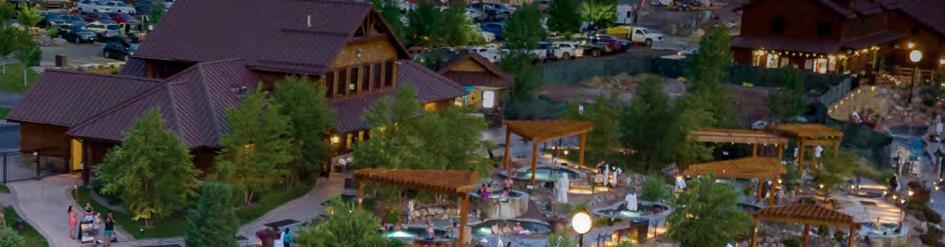
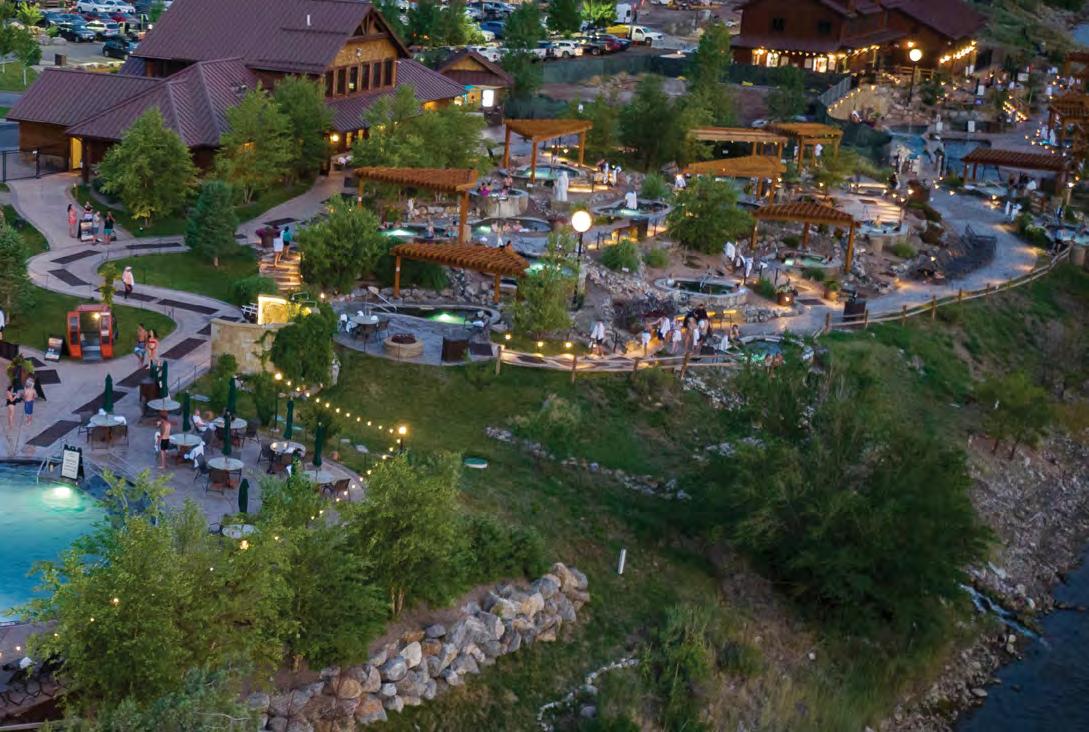
Relax in our 32 unique hot springs, mineral pools and cold plunge on the Colorado River. Explore WorldSprings, our new 21+ area featuring 13 pools inspired by the world’s most-renowned soaking destinations like the Blue Lagoon, Banjar Bali and the Dead Sea. Reserve online at IronMountainHotSprings.com
Roam Fest has a come-one, come-all ethos.
makes them feel comfortable even when they are doing something brand new.”
UNTIL THIS YEAR, “hugs, not handshakes” had been Roam Fest’s motto. Zolton greeted every individual at event check-in with a physical embrace intended to emphasize the authenticity of her welcome. But Zolton was forced to acknowledge the impracticality of hugging all 1,000 participants at this month’s largest-ever event. Besides, some past attendees had registered their preference for a touchless greeting, so Zolton decided to honor the feedback. After all, she says, if it’s not a “Fuck, yeah!” then it’s a “Fuck, no,” a guiding principle Zolton applies equally to launching a mountain bike off a rock ledge and to hugging.
The demotion of the hug is just one of the many elements that have changed since the first Roam Fest, when two event staffers and seven volunteers hosted 100 attendees. This month’s gathering involves 37 staffers (not including employees of the Roam Collective) and more than 100 volunteers. Although Roam Fest now lacks the geographic reach of multiple locations nationwide, its concentrated form facilitates expanded programming: For the first time, the festival will support hearing-impaired participants with sign language translation and a closed-captioned Adventure Film Tour. The BIPOC Fellowship has also evolved to allow returning awardees to serve as mentors for new participants. Zolton has even walked back her prohibition on instruction. As an add-on to the standard event ticket (starting at $275 for early-bird pricing), this year’s attendees can elect to join a prefestival skills party that combines on-bike technique practice with lessons on bike maintenance.
Attendees may love the larger version of Roam Fest. Inclusivity initiatives strive to enlarge the “we” by welcoming more perspectives. Doing so, Olzer says, “makes our ability to connect—and for me, that’s the point of life—a lot more rich.” Not yet known is whether people can make the intimate connections they seek within a gathering of 1,000.
Not surprisingly, Zolton is eager for feedback: “We want to hear about it if it’s too big.” Missteps happen and accepting them is a critical part of attempting progress in inclusion programming, she says. The new Deaf Shredders initiative, for example, could reveal itself to have significant shortcomings, as Roam’s other first attempts sometimes have. That would be merely one step in the journey. “It’s been a process,” Zolton says, “of failing up.” m
Kelly Bastone is a freelance writer who recently relocated from Colorado to Maine. Send feedback to letters@5280.com.
Cloud Camp at The Broadmoor
INDULGE IN A SEASONAL DELIGHT
AT CLOUD CAMP!
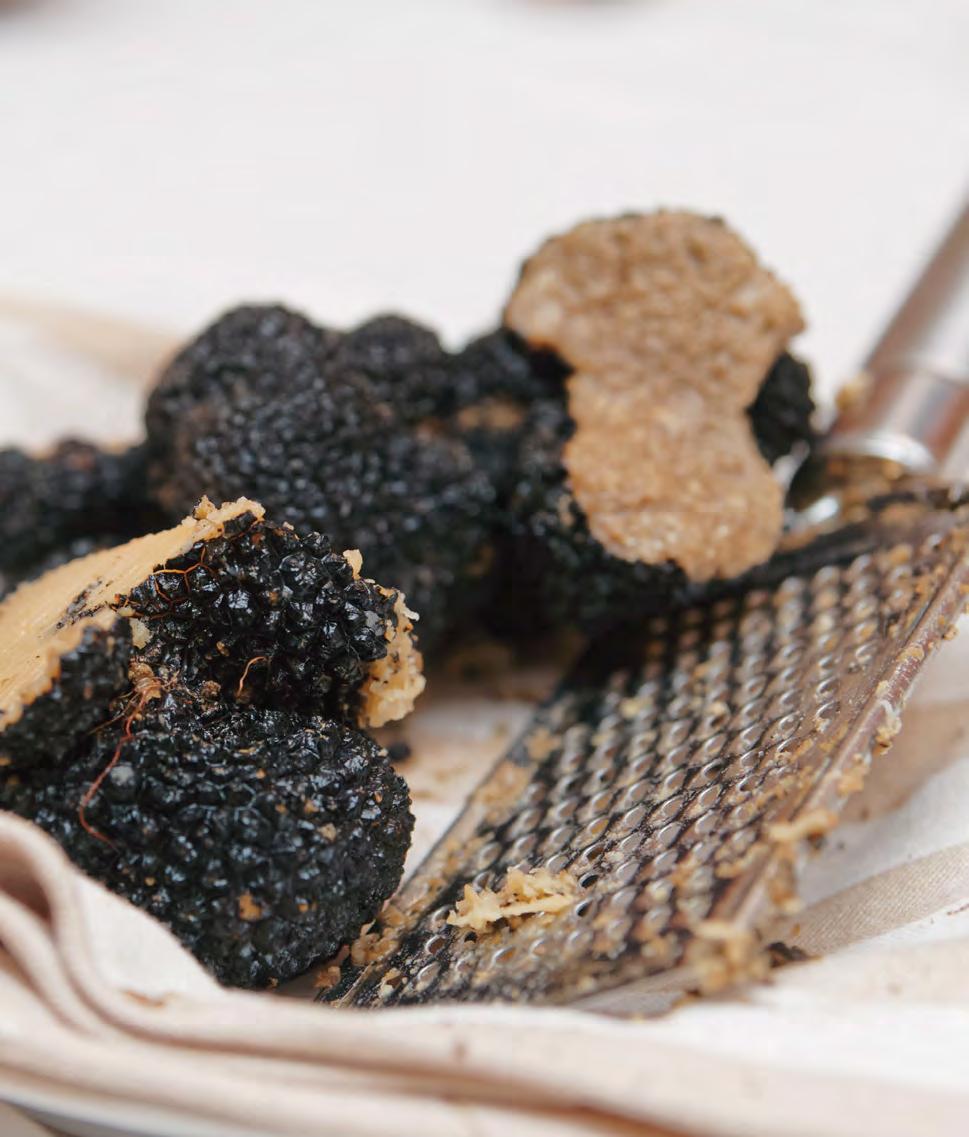
Stay with us in September and October for an all-inclusive culinary journey featuring prized Burgundy Black Tru es. Discover their captivating aroma and exquisite taste, beloved by chefs and food enthusiasts. Enjoy Cooking Club Chef Demos and nightly dinners highlighting these treasures. Relish Tru e Crusted Eagles Nest Ranch Wagyu Tenderloin, Black Tru e Cream Carbonara, and more.
Book now to savor the enchantment of Burgundy Black Truffles this fall!
Subject to availability. Menus are subject to change. See broadmoor.com for details.
PRIVATE SCHOOL HANDBOOK
Your guide to metro Denver private schools. Flip the page to learn about the schools, find school events, and more.
Scan the QR code to find schools near you!
PRIVATE SCHOOL DIRECTORY
ACCELERATED SCHOOLS OF DENVER
› 2160 S. Cook Street, Denver, CO 80210
ADMISSIONS: (303) 758-2003 acceleratedschools.org
SPECIALTY: Individualized programs, providing a unique and alternative approach to learning.
GRADES/AGES: Middle School–High School
For full profile, see page 45
ASPEN ACADEMY
› 5859 S. University Boulevard Greenwood Village, CO 80121
SPECIALTY: Students develop durable skills for a thriving and successful life, from leadership to entrepreneurship, in small classes and a community where lifelong friendships begin.
GRADES/AGES: Preschool–Middle School
For full profile, see page 43
COLORADO ACADEMY
› 3800 S. Pierce Street, Denver, CO 80235
ADMISSIONS: (303) 914-2513 coloradoacademy.org
SPECIALTY:Creating curious, kind, courageous, and adventurous learners and leaders through transformative teaching.
GRADES/AGES: Pre-K–High School
DAWSON SCHOOL
› 10455 Dawson Drive, Lafayette, CO 80026
ADMISSIONS: (303) 665-6679 dawsonschool.org
SPECIALTY: A college-preparatory program, characterized by relevant academics, experiential opportunities, and students who are purposeful citizens equipped to find success on their own terms.
GRADES/AGES: K–12
For full profile, see page 44
DENVER ACADEMY
› 4400 E. Iliff Avenue, Denver, CO 80222
ADMISSIONS: (303) 777-5161 denveracademy.org
SPECIALTY: Inspiring and empowering students with varied learning profiles.
GRADES/AGES: Second Grade–High School (2–12)
For full profile, see page 47
FOUNTAIN VALLEY SCHOOL
› 6155 Fountain Valley School Road Colorado Springs, CO 80911
ADMISSIONS: (719) 391-5251 fvs.edu/mag-5280
SPECIALTY: Fostering independent thinking, globally minded inquiry, experiential learning, and creative expression for international, domestic boarding, and day students since 1930.
SPECIALTY: Focusing on academic excellence, innovation, and character development—helping each child reach their full potential.
GRADES/AGES: Preschool–Middle School
INTERNATIONAL SCHOOL OF DENVER
› 7701 E. First Place, Unit C Denver, CO 80230
ADMISSIONS: (303) 340-3647 isdenver.org
SPECIALTY: Multicultural, multilingual school with language immersion and International Baccalaureate education.
GRADES/AGES: Preschool–Middle School
For full profile, see page 46
MACKINTOSH ACADEMY
› 7018 S. Prince Street, Littleton, CO 80120
ADMISSIONS: (303) 794-6222 mackintoshacademy.com
SPECIALTY: Innovative International Baccalaureate education tailored for gifted and creative children. Emphasis on innovation, service, and socialemotional growth.
GRADES/AGES: Preschool–Middle School
For full profile, see page 48
MONTESSORI SCHOOL OF DENVER
› 1460 S. Holly Street, Denver, CO 80222
ADMISSIONS: (303) 536-8759 montessoridenver.org
SPECIALTY: Graduating life-ready global citizens since 1964, MSD’s robust curriculum includes core academics, arts, languages, urban farm, and meaningful service programs.
GRADES/AGES: Toddler–Middle School
For full profile, see page 48
MULLEN HIGH SCHOOL
› 3601 S. Lowell Boulevard Denver, CO 80236
ADMISSIONS: admissions@mullenhigh.com
SPECIALTY: Founded in the Lasallian tradition, Mullen is a Catholic, collegepreparatory high school that provides exemplary teaching through a community of faith, scholastic rigor, and care and vigilance for each student it serves.
SPECIALTY: Regis Jesuit High School provides a college-preparatory curriculum with a unique approach to learning that forms the entire person.
GRADES/AGES: 9th–12th
For full profile, see page 50
RICKS CENTER FOR GIFTED CHILDREN, UNIVERSITY OF DENVER
› 2040 S. York Street, Denver, CO 80208
ADMISSIONS: (303) 871-3715 morgridge.du.edu/ricks
SPECIALTY: Differentiated educational programming for gifted students.
GRADES/AGES: Preschool–Middle School
For full profile, see page 51
ST. ELIZABETH’S SCHOOL
› 1800 N. Pontiac Street, Denver, CO 80220
ADMISSIONS: (303) 322-4209 stelizabethsdenver.org
SPECIALTY: St. Elizabeth’s is an intentionally inclusive Episcopal school that has a commitment to excellence and believes that all students should receive quality education.
GRADES/AGES: Kindergarten–8th Grade
ST. MARY’S ACADEMY
› 4545 S. University Boulevard Englewood, CO 80113
ADMISSIONS: (303) 762-8300 stmarys.academy
SPECIALTY: The SMA family environment is guided in the Loretto School Values of faith, community, justice, and respect. Academic excellence, global leadership, service, arts, and athletics.
GRADES/AGES: Age 3–8th Grade (co-ed), High School (all girls)
SPECIALTY: Inspiring gifted students to discover their learning path through individual units of study.
GRADES/AGES: Kindergarten–8th Grade
For full profile, see page 46
SCHOOL EVENT CALENDAR
TOUR 2024
ACCELERATED SCHOOLS
Accelerated Schools
› 2160 S. Cook Street, Denver, CO 80210
Accelerated Schools specializes in the individual student’s education and plans with the whole student in mind, no matter the learning difference, such as Autism Spectrum Disorder, ADHD, OCD, depression, or anxiety, as well as gifted and talented students who need to be challenged. We are proud to be part of one of the oldest nonprofit private schools with open enrollment in the country.
Schedule your tour today by visiting acceleratedschools.org.
TOUR 2024
RICKS CENTER CAMPUS TOURS
Ricks Center for Gifted Children at University of Denver
› 2040 S. York Street, Denver, CO 80208
We are excited to once again welcome visitors into our building. We will be offering both individual, small group, and virtual tours. Come in and learn about our approach to learning and find out what makes Ricks Center a place where we can empower intellectually gifted children to thrive and achieve their full potential.
To sign up for a tour, please visit morgridge.du.edu/ricks/admissions/visit.
Sep. 17, 18, Oct. 15, Nov. 8
EXPERIENCE REGIS JESUIT DAY
Regis Jesuit High School
› 6380 S. Lewiston Way, Aurora, CO 80016
Experience Regis Jesuit Days are the best way to learn about our unique community and all that Regis Jesuit has to offer. Prospective students will have the opportunity to meet and chat with current Regis Jesuit students, attend a rotation of classes, and learn more about athletics, cocurriculars, the arts, and most importantly, our mission! Parents are invited to attend an optional info session and campus tour.
Create an Account Today: www.regisjesuit. com/admissions/becoming-a-raider
Sep. 24, Oct. 23 | 8:25 am
COLORADO ACADEMY ADMISSION PREVIEW
Colorado Academy
› 3800 S. Pierce Street, Denver, CO 80235
Colorado Academy creates curious, kind, courageous, and adventurous learners and leaders through our exceptional Pre-K-12 curriculum and programs. Join CA for admission preview to learn how our teachers inspire students to take intellectual risks, think critically, and embrace civil discourse. Families from all backgrounds, cultures, faiths, and resources are welcome at CA. Visit coloradoacademy.org to RSVP and learn more.
September 25 | 5 pm November 2 | 10 am
MACKINTOSH ACADEMY ADMISSIONS OPEN HOUSES
Mackintosh Academy
› 7018 S. Prince Street, Littleton, CO 80120
At our September 25 “Taste of the Apple,” witness our inquiry-based International Baccalaureate program for gifted learners firsthand. On November 2, join us for an admissions open house and campus tour. Individual tours by appointment.
Contact us at (303) 794-6222 or admissions@mackintoshacademy.com to RSVP.
October 1 | 9:30–11 am
THE LOGAN SCHOOL NEW FAMILY ORIENTATION
The Logan School for Creative Learning
› 1005 Yosemite Street, Denver, CO 80230
Join us to learn more about Logan, meet key people who will be part of your child's educational journey, and go on a student-led tour of the school, with time for questions after the tour.
Visit www.theloganschool.org/admissionaid/admission-aid#apply or email aisha.lloyd@theloganschool.org
October 1 | 4:30–6 pm November 9 | 9–11 am
MONTESSORI SCHOOL OF DENVER OPEN HOUSES
Montessori School of Denver
› 1460 South Holly St. Denver, CO 80222
Discover the MSD difference! Join us for a tour of our beautiful five-acre campus and engaging classrooms to learn about the dynamic education and experiences we offer our students. Our robust, missiondriven curriculum and innovative approach empower our students to reach their full potential and do good in the world.
To learn more and RSVP, visit montessoridenver.org/admissions.
Oct. 2, Oct. 29, Dec. 5 | 8:30–10 am
DISCOVER GRALAND: OPEN HOUSES
Graland Country Day School
› 55 Clermont Street, Denver, CO 80220
Join us to discover more about Graland’s exceptional program and inspiring teachers for preschool, kindergarten-8th grade. Hear from students and our head of school, tour the campus, see our welcoming community, and find out how Graland prepares students to go further than they ever imagined. Register today at graland.org/visitus or by calling 303-316-3533.
Oct. 17, Nov. 7, Dec. 5 | 9-10:30 am
ASPEN ACADEMY SCHOOL PREVIEWS
Aspen Academy
› 5859 S. University Blvd., Greenwood Village, CO 80121
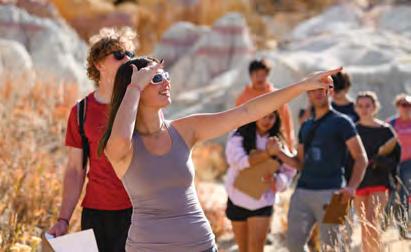
Witness our extraordinary classrooms in action! Join our team and founders to learn about the Aspen Academy culture and academics, see classrooms, and meet students. This is a great opportunity for families to ask questions and talk with current Aspen Academy parents.
Learn more and register here: aspenacademy.org/visit.
October 18 | 12:30–3:30 pm
FOUNTAIN VALLEY SCHOOL
FALL OPEN HOUSE
Fountain Valley School
› 6155 Fountain Valley School Road Colorado Springs, CO 80911
Get to know Fountain Valley School (FVS) at our fall open house on Friday, October 18 with programming scheduled to begin at 12:30 p.m. Attendees will meet the FVS admission team, tour our 1,100-acre campus, and explore academic, athletic, and student life offerings available to children grades 9-12 at Colorado's premier boarding and day school.
RSVP online at fvs.edu/events, or call and email the FVS Office of Admission: 719-391-5251 | admission@fvs.edu
October 19 | 9–11 am
ST. ELIZABETH’S ALL SCHOOL
OPEN HOUSE
St. Elizabeth’s School
› 1800 N. Pontiac Street, Denver, CO 80220
Join us for a tour, an informational session, and panels in our spacious Park Hill location! Faculty, administration, students, and parents will share more about our mission, programs, and community at St. Elizabeth’s School. All families that are interested in K-8 education are welcome! Reserve your spot today!
RSVP and find out more at stelizabethsdenver.org.
October 20 8:30am Mass | 10 am-2pm Tours
MULLEN HIGH SCHOOL OPEN HOUSE
Mullen High School
› 3601 S. Lowell Boulevard, Denver, CO 80236
Please join us for our annual open house! Through our student-led tours, prospective families have the opportunity to meet our faculty and staff, coaches, and club moderators to learn more about our community, academics, faith, service, and what it means to be a Mullen Mustang!
Visit our website to fill out an inquiry form to learn more about Mullen: www.mullenhigh.com/admissions.
October 24 | 9–11 am
ST. MARY’S ACADEMY HIGH SCHOOL PREVIEW
St. Mary’s Academy
› 4545 S. University Blvd., Englewood, CO 80113
At St. Mary’s Academy High School, students are inspired by the immersive environment with rigorous academics, integrated service learning, the arts, and athletics. They are honored and empowered as young women to be agents of change. Contact Admissions at 303-762-8300.
October 25 | 10 am–12 pm October 26 | 10 am–1 pm
DAWSON SCHOOL OPEN HOUSE
Dawson School
› 10455 Dawson Drive, Lafayette, CO 80026
Friday is a set program. Learn more about Dawson's approach to education and hear from faculty, students, and parents. Campus tour provided. Saturday is a drop-in atmosphere where you can talk to Dawson Admissions and faculty. Campus tours will be available.
Register at dawsonschool.org/openhouse or email admissions@dawsonschool.org.
November 7 | 8:30–11:30 am February 8 & April 5 | 9 am–12 pm
DENVER ACADEMY OPEN HOUSES
Denver Academy
› 4400 E. Iliff Avenue, Denver, CO 80222
Enjoy a personal tour of our 21-acre campus by a student ambassador. Meet staff and learn about our student-centered approach to education for those with varied learning profiles (including students with dyslexia, ADHD, and other learning challenges) in grades two to 12.
Register for an open house at denveracademy.org/openhouse or call 303-777-5161 to schedule a private meeting and tour.
ASPEN ACADEMY
YOUR CHILD DESERVES AN EXTRAORDINARY EDUCATION.
UNLOCKING YOUR CHILD'S POTENTIAL WITH DURABLE SKILLS FOR LIFE
We equip resilient leaders, curious scholars, strategic thinkers, innovative creators, and avid communicators with durable skills for life. Our acclaimed inquiry-based academics and knowledge-building curricula inspire our students to achieve their potential. For 20 years, we’ve focused on equipping students with a foundation in leadership, finance, and entrepreneurship in small classes with specialized opportunities.
Nov. 12 & Jan. 14 | 9–11 am
INTERNATIONAL SCHOOL OF DENVER OPEN HOUSES
International School of Denver
› 7701 E. First Place, Unit C, Denver, CO 80230
Get to know our school and community in person, on campus! Schedule a tour or attend one of our coming open houses and see our unique educational model in action. Tuesday, November 12, 2024 or Tuesday, January 14, 2025 between 9–11 a.m.
Register at isdenver.org
SEARCHING FOR THE RIGHT SCHOOL FOR YOUR CHILD?
SCAN THE QR CODE TO FIND SCHOOLS NEAR YOU!
Based in Greenwood Village, Aspen Academy is a national leader in transformational education. Our award-winning students have launched more than 450 businesses. Here, your child's curiosity and joy of discovery will be cultivated, along with a love of learning in school and in life. Aspen Academy students experience an extraordinary environment to grow, learn, and lead. We would love the opportunity to meet you. Sign up for a tour today at aspenacademy.org/visit
ADMISSIONS: kate.shaw@aspenacademy.org
ENROLLMENT: 400
STUDENT/FACULTY RATIO: 8:1
TUITION: $23,380 Pre-K to 3rd | $24,450 4th-8th
DAWSON SCHOOL
MORE THAN A SCHOOL. DAWSON IS COMMUNITY.
We are a community of educators, faculty, and parents who believe education should not only prepare students for academic success—it should prepare them for life.
Through a combination of relevant academics, direct experience, arts, athletics, innovation programs, and a focus on character education, we help students discover their individual potential and how to bring their best to the world.
Surrounded by open space and views of the Flatirons, come visit Dawson and see why our campus experience and safety is unmatched.
• Student:faculty ratio is 7:1, and our average class size is 15.
• 100% of our seniors are accepted at a four-year accredited college.
• Seniors received 127 merit awards totaling $7.6 million in aid.
• 150-plus colleges and universities come to Dawson annually to recruit our students.
• More than 70% of faculty carry advanced degrees.
• Experiential learning programs and travel are incorporated into each division.
• State-of-the-art Innovation Center with maker spaces supports an integrated technology curriculum.
• Our campus has two gyms, seven tennis courts, and numerous athletic fields.
• We have an extensive arts facility, including a modern performing arts theatre.
• This is a social campus with ongoing events, sports, and community partnerships.
At Fountain Valley School (FVS), we believe in exploration, discovery, the power of the natural world, and the impact of a well-rounded and challenging high school education. Throughout their four years, Fountain Valley students are encouraged to forge connections with nature and their peers, venture beyond their comfort zones and embrace a global mindset, continually develop leadership skills necessary to succeed, and expertly prepare for the rigors of college and beyond.
See for yourself why Fountain Valley School is ranked the number one Boarding High School in Colorado by niche.com. Located on an 1,100-acre
prairie with stunning views of Pikes Peak, FVS has offered a world-class educational environment for boarding, day, and international students in beautiful Colorado Springs since 1930. Our vast main campus and its surrounding geographical and cultural attributes inspire connections with the natural world while providing the perfect setting for artistic expression, academic excellence, and the exploration of traditional and western athletic pursuits, ranging from equestrian to mountain biking to climbing. Experience a transformative global boarding school education close to home.
ADMISSIONS: (719) 391-5251 | admission@fvs.edu
GRADES: 9th–12th
ENROLLMENT: 230
STUDENT/FACULTY RATIO: 12:1
TUITION: $72,700 (Boarding) | $39,000 (Day)
ACCELERATED SCHOOLS
OUR PROGRAM:
Accelerated Schools is an independent, co-educational day school for students in middle school and high school. Our positive atmosphere guides students that have not thrived in a traditional school setting to achieve social and academic skills. Our comprehensive learning environment supports the success of students with learning differences such as autism spectrum disorder, ADHD, OCD, depression, and anxiety, as well as gifted and talented students who need to be challenged.
OUR GOAL:
Accelerated Schools exists to provide a unique, alternative, and rigorous approach to learning. Our goal is to produce highly skilled students who have a positive attitude toward themselves. We strive to give each student the tools to improve their overall academic skills, help them to have greater self-esteem, and be goal-oriented. We encourage and prepare them to be college-bound and have the confidence to move to the next level.
OUR VISION:
We have created a student-centered learning environment led by teachers who are adaptable, lifelong learners since 1974. We understand that all students have a set of necessary skills to learn for their future, as well as unique needs and goals to accomplish. We tailor our program to each student in order to address both sides of this educational paradigm. With an average class size of seven students, each student is enrolled with an individualized success plan based on their needs, interests, and remaining graduation requirements. Our students receive no failing grades; if students are below grade level in any given subject, the teacher emphasizes the curriculum in that skill until they meet the mastery requirements for that subject. At Accelerated Schools, we offer high school and middle school classes with open enrollment; any student may begin classes any day, yearround. If you find that your child has been unsuccessful in their current school, we are able to help.
ADMISSIONS: (303) 758-2003
GRADES: 5th–12th
ENROLLMENT: 25-50
STUDENT/FACULTY RATIO: 7:1
TUITION:
$26,500 (nine-month middle school)
$33,000 (12 -month middle school)
$28,200 (nine-month high school)
$35,000 (12-month high school)
INTERNATIONAL SCHOOL OF DENVER
MULTILINGUAL EDUCATION. GLOBAL MINDSET. EXTRAORDINARY IMPACT.
AT THE INTERNATIONAL SCHOOL OF DENVER, our students don’t just learn a second language—they become immersed in the culture of countries and communities around the world by learning from native speakers, participating in language festivals, and going on international trips.
With our inquiry-based, studentcentered, globally minded International Baccalaureate® (IB) framework, we prepare our students to become wellrounded and to think, behave, and see the world differently.
Our students learn how to think for themselves, be curious, ask questions, process information, and connect
dots across disciplines and concepts, preparing them to thrive in a world both inside and outside the classroom.
At the core, we are more than a school. We are a global community making the world a more compassionate and curious place, one student at a time.
Come see our unique educational model for yourself. Join us for an open house or tour this fall!
Chinese, French, and Spanish governmental accreditations and recognitions; IB World School.
Enrollment options in all grades at any language learning level, ages 3 - Grade 8.
ADMISSIONS: (303) 340-3647
GRADES: Preschool–8th ENROLLMENT: 670
STUDENT/FACULTY RATIO: 10:1
TUITION: ECE and Primary School (K1 - G5): $26,500 Middle School (G6 - G8): $28,600 (Financial assistance available.)
THE LOGAN SCHOOL FOR CREATIVE LEARNING
CULTIVATING THE CURIOSITIES OF GIFTED CHILDREN FOR MORE THAN 35 YEARS.
AT THE LOGAN SCHOOL, we are trailblazers in the realm of gifted education. We meticulously craft a dynamic learning environment where each student's individuality and unique passions are at the forefront of their educational journey. Our innovative program is founded on the belief that when students are captivated by their studies, their potential for learning knows no bounds. Our dedicated teachers embody this philosophy, creating enriching experiences that transcend the classroom and ignite a lifelong love of learning.
Logan students are:
• Co-architects of their education in designing units of study customized to their interests.
• Actively taking care of the world through our environmental education program.
• In the field learning with professionals in their area of study.
Founded in 1972, Denver Academy (DA) believes that students thrive when taught the way they learn best.
Denver Academy is one of the top schools in the nation dedicated to teaching students with varied learning profiles including dyslexia, ADHD, twice-exceptional students, and those with other learning challenges. Small classes of 12-14 students facilitate differentiated instruction.
The 21-acre campus in Denver’s University Hills neighborhood is an exceptional learning environment. Denver Academy’s robust curriculum includes challenging academics,
technology, arts programs, athletics, character development, and extracurricular offerings. Hands-on learning and cultural experiences enrich each student’s education. Denver Academy’s innovative approach is based on the balance of classroom management, information processing, and academic literacy. Flexible placement in several academic levels within each core subject allows faculty to teach to each student’s optimal level.
At Denver Academy, students excel in their strengths and are equipped to overcome their challenges.
AS THE DENVER AREA’S FIRST SCHOOL DEDICATED TO GIFTED LEARNERS, Mackintosh Academy combines years of experience with leading-edge curriculum and teaching practices. We prepare gifted and creative students to contribute their unique talents and thrive in a changing world. Our program emphasizes innovation, inquiry-based learning, critical thinking, and service.
• International Baccalaureate Primary Years and Middle Years Programmes.
• Whole-child focus develops emotional intelligence, self-regulation, and communication skills.
• Hands-on approach to learning nurtures creativity and innovation.
• Small class sizes in a caring community.
• Vibrant arts, PE and Spanish programs integrate with classroom curriculum.
• Service learning empowers students to take action on real-world challenges.
• Tuition assistance available.
ADMISSIONS: (303) 794-6222 or admissions@mackintoshacademy.com
ENROLLMENT: 105
GRADES: Pre-K–8th
STUDENT/FACULTY RATIO: 7:1
TUITION: $25,000-$25,750 (Morning PreK $15,000)
Our students discover the adrenaline rush of discovery; the joy of collaborative thinking; the pride of leadership. They are question askers, deep thinkers, and solution finders.
For 60 years, MSD has maintained a spirit of innovation anchored in the principles of Montessori. Over the decades, we have grown to meet the changing needs of our students, families, and the world around us. Today, our five-acre campus serves 350 students from toddler through 8th grade, with updated classrooms, new
playgrounds, an urban farm, and much more. With individualized learning plans and freedom within limits in a carefully structured environment, our unique programs and experiences foster intentional inclusivity and leadership in all its forms. Our robust, mission-driven curriculum and innovative approach empower our students to reach their full potential and do good in the world.
We have a 60-year track record of inspiring graduate success stories. We can’t wait to meet you!
EDUCATION FOUNDED ON FAITH, COMMUNITY, JUSTICE, AND RESPECT.
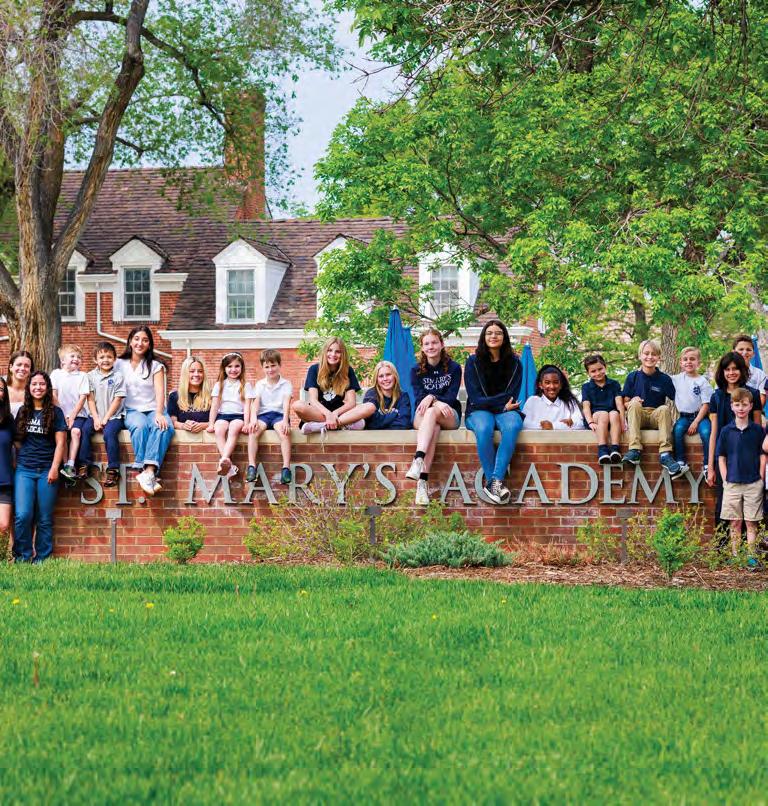
ST. MARY’S ACADEMY is Denver’s premier independent Catholic school, spanning coeducational preschool to 8th grade and an all-girls high school. Established in the Colorado Territory in 1864 by the Sisters of Loretto, the values of faith, community, justice, and respect guide the Academy and its students.
We continue to be a forward-thinking educational leader focused on a values-based and purpose-driven education with rigorous academics, integrated service learning, competitive athletics, outstanding faculty, and a commitment to individualized attention and developing the whole student.
Since its founding, St. Mary’s Academy has welcomed children of every culture, religious tradition, and economic background. We emphasize understanding and appreciation of
different perspectives. We focus on respect and how to treat each other—to love inclusively. This allows for a deeper understanding of others and of one’s convictions in an increasingly complex, multicultural, and multi-religious world. Our values transcend time and make good people and great leaders. We encourage strong moral and character development in pursuit of the common good. We inspire leaders and change agents, teaching students how to think and problem solve in the spirit of teamwork and collaboration to prepare them for success in an ever-changing world. Our students are kind, compassionate, and empowered individuals who work, learn, and have fun together every day on our beautiful 24-acre campus, centrally located in Cherry Hills Village.
ADMISSIONS: (303) 762-8300
GRADES: Preschool–8th (Co-ed) High School (All Girls)
ENROLLMENT: 700
STUDENT/FACULTY RATIO: 7:1
TUITION: $24,310-$27,700
MULLEN HIGH SCHOOL
MULLEN HIGH SCHOOL is a Lasallian, Catholic, college-preparatory school conducted in the tradition of the Christian Brothers to provide a human and Christian education for all. At the heart of the academic experience at Mullen High School is our commitment to our Lasallian, Catholic mission of fostering a personal, caring, and challenging atmosphere in our classes.
Students complete a rigorous, collegepreparatory curriculum, with optional Honors and Advanced Placement course offerings. Additionally, as part of our Lasallian mission, Mullen also offers the De La Salle Program, which initially
provides academic support to help students transition to Mullen's collegepreparatory courses.
Our educators attend with care and vigilance to the whole person, providing a rich and transformative educational experience that teaches the minds and touches the hearts of their students.
We welcome prospective students to come experience a typical day as a Mullen Mustang.
Visit www.mullenhigh.com/admissions to fill out an inquiry form to learn more about our admissions process.
ADMISSIONS: (303) 761-1764 ext. 3317
GRADES: High School
ENROLLMENT: 725
STUDENT/FACULTY RATIO: 12:1
TUITION & FEES: $19,300
REGIS JESUIT HIGH SCHOOL
Founded in 1877, Regis Jesuit High School is a Catholic, collegepreparatory high school providing its students with the best of both worlds—a primarily singlesex academic environment with numerous opportunities for students to collaborate, serve, pray, study, and socialize together outside the classroom on a shared campus. Students are prepared to excel in college and beyond by developing their
abilities to think critically and succeed on their own. In addition, students have all the advantages of co-educational interaction without the social pressures in the classroom.
The school draws upon both the 500-year-old tradition of educational excellence established by St. Ignatius, as well as its own history of nearly 150 years to form: Men and Women with and for Others
RICKS CENTER FOR GIFTED CHILDREN AT UNIVERSITY OF DENVER
EXPLORATION IN EDUCATION.
Located on the University of Denver campus, Ricks Center for Gifted Children fosters a community of thinkers, problem solvers, and innovators through a dynamic and challenging gifted educational environment, offering programs for children ages three through 8th grade.
We offer:
• Active, engaged, hands-on learning.
• Access to the University of Denver resources.
• Flexible, differentiated curriculum.
• Low student-to-teacher ratio.
• Teachers who know, understand, and care deeply about gifted education and each individual student.
• An empathetic, inclusive, and equitable school community.
ADMISSIONS: (303) 871-3715
GRADES: Preschool–8th
STUDENT/FACULTY RATIO: 10:1
TUITION: Varies depending on level
FLORA + FAUNA
The Devils Causeway, a three-foot-wide rock rib in the Flat Tops Wilderness
We tapped seasoned hikers, consulted guidebooks, pored over topo maps, and scrutinized our trail photos to bring you this manual to our home’s most impressive footpaths, all of which are Class 3 or easier during peak season. The result: We’ve got all the purple mountain majesties you could want, not to mention red-rock canyons, wildflower-filled meadows, gushing waterfalls, and golden aspen groves, too.
PEAKS
MT. ELBERT
Pike-San Isabel National Forests
There’s no other view like the one from the tip-top of the state: 14,439-foot Mt. Elbert, where the rest of the broad-shouldered Sawatch Range unfurls beneath your feet in all directions. Of the two main routes to the summit, we prefer the South Mt. Elbert Trail, which is nontechnical but strenuous, gaining 4,800 feet in 5.8 miles. “It’s prettier, with better views” compared with the
standard approach, says the Leadville Ranger District’s Leo Pareti. “There’s more area above treeline, and you get to see all the additional peaks for the majority of the hike.” Make it an easier alpine start by crashing at one of the free dispersed campsites near the trailhead.
Nearest Town Twin Lakes Trailhead South Elbert (highclearance vehicles can start 1.8 miles farther up FSR 125B) Peak Season Year-round (be
LIZARD HEAD LOOP
Lizard Head Wilderness
Actually summiting Lizard Head Peak—a thirteener crowned with a 400-foot-tall, crumbly volcanic neck that’s considered one of Colorado’s sketchiest climbs—requires serious mountaineering chops. But the rest of us can hike to its base on the 11.5-mile Lizard Head Loop, a strenuous trail with views aplenty of the formidable tower, plus grassy meadows and a ridgeline walk across roughly 12,100-foot Black Face. Nearest Town Telluride Trailhead Lizard Head Pass (the loop ends at the Cross Mountain trailhead, then you’ll have a road walk back to your car) Peak Season July through September Permit None Fee None
CLASSIC
● BACKPACKING
W HIDDEN GEM
prepared for deep snow and cold temps in winter) Permit None Fee None
DECALIBRON LOOP
Pike-San Isabel National Forests Tag not one, not two, not three, but four fourteener summits in a mere seven miles on this lofty circuit that connects Mts. Democrat, Cameron, Lincoln, and Bross (technically, you have to skirt the top of Bross to avoid private land, but we say count it).
An update to the Colorado Recreational Use Statute in March means the summits, some of which are privately owned and have been restricted in the past due to fears of lawsuits, should remain open to the public. And that’s a good thing for those who love a good circuit—just keep in mind that the downhill path from Mt. Bross is a kneepounding scree field.
Nearest Town Alma Trailhead Kite Lake Peak Season July through September Permit None, but you must e-sign a waiver at the trailhead via a QR code Fee None, but it’s $5 to park at the trailhead
● W MT. ALICE
Rocky Mountain National Park
The journey is every bit as good as the destination on this deepwilderness hike, where you’ll savor wildflowers, four waterfalls, and superb lake views on the seven-mile approach to Lion Lake No. 1. From there, venture off-trail to the northwest to pass two more lakes and scramble Class 2+ Hourglass Ridge to Alice’s 13,310-foot summit for a 17-mile round-tripper. Tip: The closest campsites are at Thunder Lake, about a four-mile hike from Lion Lake No. 1. Nearest Town Allenspark Trailhead Wild Basin Peak Season July through September Permit & Fee See “Ticket Masters” on page 58
BOULDER SKYLINE TRAVERSE
Boulder Open Space and Mountain Parks
Boulder’s peaks may be foothills, but the town’s finest hiking route boasts stats that bury most trips in the true alpine zone: 16.5 miles (one way; leaving a shuttle car at one end is key), 12,000-plus feet of elevation change, and five separate summits. Start with the stout climb up 8,461foot Bear Peak and finish with a push up 6,863-foot Mt. Sanitas, tagging South Boulder Peak, Green Mountain, and Flagstaff Mountain along the way. Boulder merit badge, earned. Nearest Town Boulder Trailhead Lehigh Connector (south); Goat Path (north) Peak Season Year-round (be prepared
This spread, from left: Jeff Zehnder/Alamy Stock
Photo; Ethan Welty
LONGS PEAK
Rocky Mountain National Park
If you’re experienced in the mountains, this 15-mile journey—from the predawn start to the sunrise on the Boulderfield to the harrowing scramble through the Keyhole to the hand-over-hand climbing up the Homestretch to the 14,259-foot summit—is quintessential Colorado peakbagging. Scoring a site at Longs Peak Campground ($30 per night) takes the sting out of your alpine start. Nearest Town Allenspark Trailhead Longs Peak Peak Season July through mid-September Permit & Fee See “Ticket Masters” on page 58
CROWD CONTROL
You can’t shine as brilliantly as these trails do without attracting attention. Many of them are no secret, and some are downright mobbed. When visiting these beloved paths, you can dodge some of the crowds by going in the offseason and/or arriving at the trailhead early. Carpool and take hiker shuttles when possible, and brush up on Leave No Trace principles (visit lnt.org) to keep these showstoppers healthy. If a hike requires a permit, remember that you might not get one the first time you try. Don’t give up.
technical high-country ascents. Nearest Town Ward Trailhead Mitchell Lake Peak Season July through October Permit & Fee See “Ticket Masters” on page 58
THE CCY
Rocky Mountain National Park It’s all tundra, (almost) all the time on this 8.5-mile (round trip), triple-play hike in the lesser-traveled yet gorgeous Mummy Range. You’ll pop out above treeline in less than a half-mile and stay there as you tag 12,455-foot Mt. Chapin, 13,054-foot Mt. Chiquita, and 13,515-foot Ypsilon Mountain, three walk-up peaks with views over a remote lake basin. Nearest Town Estes Park Trailhead Chapin Creek Peak Season July through October Permit & Fee See “Ticket Masters” on page 58
●
SAN LUIS PEAK
La Garita Wilderness
for ice and snow in the winter) Permit None Fee None
CHIEF MOUNTAIN
Arapaho National Forest Chief is “the best bang for your buck,” says Stacey Halvorsen, chief education officer for the Colorado Mountain Club, an outdoor recreation and conservation nonprofit. You get the same high-mountain views
that you do if you’re climbing a 13,000-foot peak, she says, but with just 1.4 miles to hike (one way), it feels like cheating. Vistas from Chief’s 11,713-foot apex encompass skyscrapers such as 14,265-foot Mt. Blue Sky and 13,361-foot Rogers Peak. Nearest Town Idaho Springs Trailhead Chief Mountain Peak Season Year-round (be prepared for ice and snow in the winter) Permit None Fee None
MT. AUDUBON
Indian Peaks Wilderness
Many mountaineers have kicked off their climbing resumés on this Indian Peaks standout. High enough (13,222 feet, with about 2,000 feet of gain) to deliver a bona fide challenge but with a clear trail and moderate distance (7.6 miles round trip), Audubon serves as the perfect bridge between foothills hikes and
Get out there—way out there— atop this far-flung giant. San Luis’ remote location means you’re in for an overnight or a long day, but the terrain is straightforward, and the quiet is rare on a fourteener like this. Approach via the longer route (20 miles round trip), on the Continental Divide Trail and up Cochetopa Creek, for the best camping. Nearest Town Creede Trailhead Eddiesville South Peak Season July through September Permit None Fee None
CLASSIC
● BACKPACKING
W HIDDEN GEM
● VESTAL BASIN
Weminuche Wilderness
No official trail leads to this dreamy base camp at 12,000 feet, leaving its natural assets to those with the route-finding skills to get there. Trust us, it’s worth a little compass work: Up here, a horizon of Grenadier Range thirteeners (including pyramidal Vestal and Arrow Peaks and the spiky Trinity Peaks) cradles little Vestal Lake and its even tinier siblings, offering at least a weekend’s worth of exploration. “There’s so much back there,” says Jon Kedrowski, author of Classic Colorado Hikes. “There’s good hiking to the upper valley lakes, and you can access everything from a Class 2+ scramble up the back of Vestal Peak to the classic Wham Ridge, a Class 5.” Hop on the Durango & Silverton Narrow Gauge Railroad to Elk Park, then take the Colorado Trail to an unmarked path pointing south that’ll get you headed in the right direction; it’s 11 total miles to Vestal Basin, one way. Nearest Town Silverton Trailhead Elk Park Trail Peak Season July through September Permit Free, self-issued permits are available at the Molas Pass trailhead Fee Train tickets start at $97 per person for round-trip fare plus a $15 backpack fee per person
INDIAN TRAIL RIDGE
San Juan National Forest Start high, stay high on this beaut of a ridgeline: The Colorado Trail (aka the Highline Trail right here) never dips below 11,500 feet as it traces a blocky spine strewn with flowers. That means a constant tableau of everything from the pinkishpurple San Juan Mountains to La Plata massif’s pointytopped bulk. Turn around at the Grindstone Trail junction for an 11.4-miler. Tackle the 20-mile
Highline Loop, which tacks on the Grindstone, Bear Creek, and Sharkstooth trails, for a multiday tour de force of alpine splendor. Nearest Town Durango Trailhead Kennebec Pass Peak Season July through September Permit None Fee None
● PAWNEE PASS & CRATER LAKE
Indian Peaks Wilderness Like a kid’s drawing of a
ZIRKEL CIRCLE
Mt. Zirkel Wilderness
mountain come to life, Lone Eagle Peak rises above Crater Lake in a perfectly pointy triangle. For a 17-mile round trip, take Pawnee Pass Trail over its 12,541-foot namesake (where you can see teeny Denver to the southeast) to a Crater Lake campsite. Keep an eye out for moose munching on grasses along Cascade Creek at dawn and dusk. Nearest Town Ward Trailhead Long Lake Peak Season July
through September Permit You’ll need one to camp at Crater Lake and one to park at the trailhead Fee $11 for the camping permit at recreation. gov; $14/vehicle for three days, available at recreation.gov
● W
TWIN CRATER LAKES–CAMP LAKES LOOP
Rawah Wilderness
The Rawah encompasses a slice
In one day, you can link alpine meadows dotted with glacier lilies and yellow arnica, flowy waterfalls, a pair of peak-ringed lakes (Gilpin and Gold Creek lakes), and a nearly 11,000-foot pass with views of Big Agnes Peak and Mt. Zirkel. Most hikers do the 10.4-mile loop counterclockwise for the best views and fewer steep climbs. Nearest Town Clark Trailhead Slavonia Peak Season July through October Permit None Fee $5
This spread, from left: Noah Wetzel; Sarah Banks
ALPINE
of the southern Medicine Bow Mountains that’s thick with flowery meadows, wildlife such as moose and black bears, and so many lakes nobody’s bothered to name them all. Tour the goods on this 18.9-mile loop connecting Twin Crater Lakes, a pair of 11,000-foot tarns cradled under Rawah Pyramid,
and Camp Lakes, with 11,200foot Grassy Pass and at least six other lakes in between. Pro tip: Pack your fly rod. Nearest Town Rustic Trailhead West Branch
Peak Season July through September for drier trails and easier stream crossings Permit None Fee None
DEVILS CAUSEWAY LOOP
Flat Tops Wilderness
You’ll need to summon some serious courage to walk this trail’s tightrope of terror: The aptly named Devils Causeway is a 50-foot-long, three-footwide rock rib flanked by 60- to 80-foot drops, but it’s a flat, nontechnical hike to cross (just don’t slip). Test your balance—and your mettle—on this 10.7-mile loop starting on East Forks Trail and returning via Bear River Trail. Not into balance beams? You can always turn around before the catwalk begins for a roughly five-mile out and back; we promise we won’t judge. Nearest Town Yampa Trailhead Stillwater Reservoir Peak Season
June through November Permit None Fee None
CRAG CREST NATIONAL RECREATION TRAIL
Grand Mesa National Forest
In the hiking world, ridgewalking is as good as it gets: all the views, very little of the climbing. You will have to gain a bit of elevation to get to the signature crest on this 10.3-mile loop, but once up there, you’ll cruise the ridge for
●
FOUR PASS LOOP
Maroon Bells-Snowmass Wilderness
This world-famous trip distills the best of Colorado’s high country— 12,000-plus-foot passes, wildflowers for days, jagged peaks reflected in glittering lakes—into 26 miles of mountain perfection. The trip starts with knockout views of the magenta-hued Maroon Bells above Maroon Lake, and it only gets better from there. Nearest Town Aspen Trailhead West Maroon Peak Season July through September Permit & Fee See “Ticket Masters,” page 58
three gorgeous miles, drinking in vistas ranging from the Book Cliffs to the West Elks to the San Juans. Nearest Town Cedaredge Trailhead East (steeper) or West Peak Season
July through September Permit None Fee None
W
GORE LAKE–DELUGE LAKE LOOP
White River National Forest Wild, burly, and host to more mountain goats than people, the Gore Range is known for epic mountaineering routes, but this 13.1-mile loop linking Gore, Snow, and Deluge lakes is accessible to mere hikers—as long as you don’t mind a little off-trail travel to connect Gore and Snow (this is the Gore, after all). You’ll skirt aquamarine lakes ringed with thirteeners, traipse
high-elevation meadows, and scramble the pass above Deluge Lake. Nearest Town Vail Trailhead Gore Creek Peak Season June through October Permit Free, self-issued permits are available at the wilderness boundary sign Fee None
LOST MAN PASS
Hunter-Fryingpan Wilderness
This trek strings together three idyllic lakes—Linkins, Independence, and Lost Man—and a lovely reservoir in roughly nine miles in the high-country heaven off of Independence Pass. You’ll go up and over 12,800-foot Lost Man Pass, which grants views of crinkled ridges cradling Lost Man Lake, along the way. Nearest Towns Twin Lakes and Aspen Trailhead Linkins Lake Peak Season July through September Permit None Fee None
TICKET MASTERS
Some land managers require reservations for popular hiking trails.
Rocky Mountain National Park Permit: In 2024, a timed-entry reservation ($2) is required to enter most areas of the park from 9 a.m. to 2 p.m. until October 14; try to snag one on recreation.gov at 7 p.m. the night before you want to hike. Fee: $30/vehicle for one day; $35/ vehicle for seven days
Indian Peaks Wilderness
Permit: Timed parking reservations are required to park at busy trailheads ($14/vehicle plus a $2 reservation fee); get them at recreation.gov at least 15 days in advance. A backpacking permit is required from June 1 to September 15; $11/person; recreation.gov. Fee: None
Maroon Bells–Snowmass Wilderness
Permit: Required for each night of backpacking, $10/person/night plus $6 reservation fee (recreation.gov). Reservations are required for parking at the Maroon Bells Scenic Area from mid-May through October ($10/vehicle) or for RFTA shuttle rides from late May through October ($20 round trip, day-of) at aspenchamber.org. Fee: None
UPPER FISH CREEK FALLS
Routt National Forest
Most hikers turn around at 283-foot Fish Creek Falls, a quarter-mile into this trail, but true adventurers are just getting started. Continue another 2.5 miles through a conifer forest pocked with aspen groves, steadily gaining elevation as you skirt the edge of a bouldery canyon. Your final destination: Upper Fish Creek Falls, a 20- to 30-foot cascade that’s smaller than its downstream sibling but, with its wild setting and solitude, an arguably more beautiful one. “Go early in the day, when it’s cooler,” says Katie Hughes, director of marketing and e-commerce for the Steamboatbased camping brand Big Agnes. “The trail is more exposed at the
top, and the spray from the falls will feel amazing.” Nearest Town
Steamboat Springs Trailhead Fish Creek Falls Peak Season Yearround (expect ice and snow in winter); the Forest Service typically closes the first bridge during high runoff, so call ahead in spring to check conditions Permit None Fee $5 for parking
W
LILY LAKE
Sangre de Cristo Wilderness
About 3.4 miles from the trailhead, Lily Lake perches like an infinity pool on the edge of a cliff, cradled in a basin rimmed by lonely thirteeners and mirroring 14,055-foot Mt. Lindsey from across the valley. The region’s other giants, such as 14,350-foot Blanca Peak and 14,057-foot Ellingwood
Point, loom large as you trace the Huerfano Valley south then make the final push to your private alpine shoreline. Nearest Town Walsenburg Trailhead Upper Huerfano/Lily Lake (highclearance, four-wheel-drive vehicle required) Peak Season
July through September Permit None Fee None
SKY POND
Rocky Mountain National Park Sky Pond sits in its 10,800-foot cirque like the prettiest pearl on a necklace, the highest of
WATER
a chain of beautiful lakes and waterfalls pouring down from the high country. One of the park’s most striking features, the granite minarets of the
BRIDAL VEIL FALLS TRAIL
Uncompahgre National Forest
The two waterfalls you’ll pass first on this new-in-2020 trail are mere warm-ups for the real showstopper: 365-foot Bridal Veil Falls, the state’s tallest by a wide margin. Grunt up almost 1,000 feet in 1.2 miles to reach the base of the waterfall, which careens off the edge of a towering cliff in dramatic fashion. Nearest Town Telluride Trailhead Bridal Veil Trail Peak Season April through October Permit None Fee None
Cathedral Spires, rises steeply to the northwest, and thirteeners Taylor Peak and Powell Peak guard its western and southern shores. The 4.5-mile (one way) trail passes two waterfalls (30foot Alberta Falls and 100-foot Timberline Falls) and two other lakes (the Loch and Lake of Glass) to boot. Nearest Town Estes Park Trailhead Glacier Gorge Peak Season July through October Permit & Fee See “Ticket Masters” on page 58
ZAPATA FALLS
Zapata Falls Special Recreation Management Area
Most waterfalls show off, but not Zapata: You have to splash up slippery South Zapata Creek to get a good look at the 25-foot gusher tucked deep into an ebony gorge. Hike roughly half a mile to get into the canyon’s refreshing spray zone. Also superlative: a winter visit to the frozen cascade. Nearest Town Alamosa Trailhead Zapata Falls Peak Season Year-round (expect ice and cold temps in winter)
Permit None Fee None
CONUNDRUM HOT SPRINGS
Maroon Bells–Snowmass Wilderness
The 8.5-mile approach, which gradually climbs 2,500 feet through the lush Conundrum Creek Valley’s aspen stands and meadows, with views of the surrounding thirteeners and fourteeners, would be stunning enough. The fact that there’s a natural hot spring waiting at its terminus is almost gilding the lily (not that we’re complaining). Soaking your tired feet in the steamy Conundrum Hot Springs pools as alpenglow paints the Elk Range pink is a Colorado life-list experience. Make it an overnight at one of the forested campsites below the springs. Nearest Town Aspen Trailhead Conundrum Creek Peak Season July through September Permit & Fee See “Ticket Masters” on page 58
BLUE LAKES TRAIL
Mt. Sneffels Wilderness
They weren’t kidding when they named this trio of high alpine lakes resting in the shadow of 14,155-foot Mt. Sneffels: Glacial sediment turns their waters an unreal shade of cobalt. An approximately eight-mile round-trip trek hits all three. Nearest Town Ridgway Trailhead Northern Blue Lakes Peak Season July through September Permit At press time, the Uncompahgre National Forest was considering a permit system; check the latest regulations before you go Fee None
● W
WILLOW LAKE
Sangre de Cristo Wilderness Colorado is blessed with an embarrassment of scenic alpine lakes, but here’s one with a little something extra: Willow Falls, a lacy ribbon pouring off the cliff face on Willow Lake’s eastern edge. Climb 4.5 miles and 2,586 feet into the hanging
valley that holds Willow. It’s another 1.3 miles to Upper Willow Lake. Nearest Town Crestone Trailhead Willowbrook Peak Season July through October Permit None Fee None
FANCY PASS LAKE LOOP
Holy Cross Wilderness
This 10-mile circuit lets you ogle Fancy, Treasure Vault, and Missouri lakes from all angles. The roller-coaster route crosses flowery meadows, passes through mini canyons, and tops out on two passes. Nearest Town Red Cliff Trailhead Missouri Lakes/Fancy Pass Peak Season June through October Permit None Fee None
PIEDRA RIVER TRAIL
San Juan National Forest Box canyons, aspen groves, and fishing opps aplenty: There’s a little bit of everything on this 11.2-mile (one way) riverside ramble along the banks of the Piedra. Explore the whole thing on a point-to-point hike starting from the southwest for the best views. Nearest Town Pagosa Springs Trailhead First Fork (start); Piedra River (end) Peak Season May through October Permit None Fees None
CLASSIC
● BACKPACKING
W HIDDEN GEM
CRESTED BUTTE TO ASPEN VIA WEST MAROON PASS
Maroon Bells–Snowmass
Wilderness
A unique alchemy of geology, temperature, and moisture comes together in the Elk Range to produce the state’s most dazzling wildflower display, and the best trail to immerse yourself in the blooms is this 11-miler. David Kish, executive director of the Crested Butte Wildflower Festival, says the stretch on the Crested Butte side is particularly special. “Waist-high wildflowers
for four or five miles—it’s the prettiest place I’ve seen in my life,” he says. Or start on the Aspen side for a more gradual climb to 12,490-foot West Maroon Pass, then get ready for a riot of columbine, paintbrush, blue flax, alpine sunflowers, and larkspur. You’ll need to book a shuttle to the trailhead, then hike back for a repeat performance (or arrange for a shuttle ride back). Nearest Town Crested Butte or Aspen Trailhead West Maroon (Crested Butte side)
Peak Season Mid-July to midAugust for flowers; the trail is usually snow-free into September Permit See “Ticket Masters” on page 58 Fee $55/person for shuttle fare from Crested Butte to West Maroon trailhead; it’s $90/person for a shuttle back to Crested Butte from Aspen (crestedbutteshuttle.com)
CUB LAKE LOOP
Rocky Mountain National Park Few animal sightings are as quintessentially Rocky
RUSTLER GULCH
Gunnison National Forest
Mountain as the elk in Colorado’s most popular park. Every fall, the broad-antlered ungulates gather en masse in valleys like Moraine Park for their annual rut (aka mating season). Cub Lake Trail traces the western edge of this elk hot spot, granting excellent wildlife watching (stay at least 75 feet away, for their safety and yours). Continue to Cub Lake, then connect to Fern Lake Trail for an 8.5-mile loop, including the short spur up to Fern Lake that
Wildflowers decorate the meadows along this moderate, seven-mile out-and-back like handfuls of rainbow confetti. Just make sure to look up once in a while to enjoy views of 13,378-foot Precarious Peak at the valley’s head. Nearest Town Crested Butte Trailhead Rustler Gulch (high-clearance vehicle recommended; other cars can park about a mile away near the East River) Peak Season July through September Permit None Fee None
MAIN CANYON
Little Book Cliffs Wild Horse Range
More than 100 colorful wild horses—blue and red roans, paints, palominos, and Appaloosas—roam these chunky orange canyons, and the odds of seeing them are very good on the 11.6-mile round-trip hike up Main Canyon. Beyond laying eyes on the mustangs, you’ll also enjoy mesa views framed by steep canyon walls. Nearest Town Palisade Trailhead Coal Canyon Peak Season May through September, but fall has the best weather Permit None Fee None
W
COOPER LAKE
Red Cloud Peak Wilderness Study Area
Fourteeners Redcloud and Sunshine peaks draw most of the hikers in these parts, leaving the abundance of columbine, elephant’s head, and fireweed blooms along Cooper Creek all for you. Follow the Cooper Creek valley through pine forests and prime wildflower meadows, then push up the
Season June through October
Permit None Fee None
●
ABYSS LAKE
Mount Evans Wilderness Area
This one’s a twofer. One, your chances of spotting the lake’s resident bighorn sheep and mountain goats tiptoeing on ledges in its rocky cirque are good. Two, the aspen-peeping gets real a couple of miles in. It’s a stiff 8.1 miles to Abyss Lake, a
offers another kind of wildlife encounter: trout fishing in the Big Thompson River. Nearest Town Estes Park Trailhead Cub Lake (start); Fern Lake (end); from May to October, the free park shuttle can take you back to the Cub Lake trailhead Peak Season Year-round, but visit in September and October for the rut Permit & Fee See “Ticket Masters” on page 58
HORSE RANCH PARK LOOP
Gunnison National Forest
There’s no better place to marvel at Colorado’s famed aspen foliage than the largest grove in the state, found on Kebler Pass. The vast golden forest is actually a single organism— one of the largest in the world. Wrap your head around that fact on this moderate six-mile loop connecting the Dark Canyon and Dyke Mountain Bike trails, which delve into the grove’s heart yet still treat you to peekaboo views of Ruby Peak and the Beckwith Mountains. Nearest Town
Crested Butte Trailhead Horse Ranch Park Peak Season June through October, with the best fall color from late September to early October Permit None Fee None
UPPER PINEY RIVER TRAIL
Eagles Nest Wilderness
Moose love to hang out in Piney Lake (their smaller cousins, elk and mule deer, also make frequent appearances), and bald eagles and peregrine falcons often soar over Upper Piney River Trail. You’ll pass multitiered Piney River Falls at mile three and continue along the unmaintained trail for a chance to spot even rarer creatures. “I’ve seen black bears, mountain goats, and even a mountain lion one time,” says Classic Colorado Hikes author Kedrowski. The roundtrip hike, a straightforward cross-country journey that ends at Kneeknocker Pass, is about nine miles. Nearest Town Vail Trailhead Upper Piney River Peak Season July through October Permit None Fee None
FLORA FAUNA +
final, steep mile to serene Cooper Lake at 12,750 feet for an eight-mile out-and-back. Nearest Town Lake City Trailhead Cooper Creek Peak Season June through October, but July and August have the best flowers Permit None Fee None
WEST BENCH TRAIL
Grand Mesa National Forest
There’s no tricky terrain here: This mellow, mostly flat path cruises along at about 9,800 feet, leaving you free to daydream under a spectacular canopy of rustling aspen leaves. Turn around at the first ski lift at Powderhorn Mountain Resort, just below the bench, for a 7.4mile round trip. Nearest Town Mesa Trailhead West Bench Peak
tarn tucked between Mt. Bierstadt and Mt. Blue Sky, so this trip is best done as an overnight. Pitch a tent near Helms Lake. Nearest Town Grant Trailhead Abyss Lake Peak Season July through October Permit Free, self-issued permits are available at the trailhead Fee None
RACCOON TRAIL
Golden Gate Canyon State Park
Aspens steal the show come fall on this moderate, 2.5-mile loop through several stands, plus a spruce-fir forest, with a spectacular view of the Continental Divide from Panorama Point. Nearest Town Rollinsville Trailhead Raccoon Peak Season June through November, but September and October offer peak color Permit None Fee $10/vehicle
BIG DOMINGUEZ & LITTLE
DOMINGUEZ CANYONS
Dominguez-Escalante National Conservation Area
Big and Little D are the stuff of canyon country postcards: soaring sandstone walls, ancient petroglyph panels, and desert bighorn sheep picking their ways along red-rock cliffs. These canyons are just a few miles apart, but the terrain makes connecting them in a loop difficult. Instead, start by exploring Big Dominguez’s panels of Ute and Archaic petroglyphs, camping anywhere beyond the first three miles (both canyons are about 15 miles long). Then backtrack to Little Dominguez,
DESERT CANYON +
which sees a fraction of its big sibling’s visitation numbers, for another night out under the stars. Nearest Town Delta Trailhead Bridgeport Peak Season April through June and September through November Permit None Fee None
RATTLESNAKE ARCHES
McInnis Canyons National Conservation Area
Let the crowds go to Utah—we have a trove of rock arches right here. McInnis Canyons boasts the second-highest concentration of natural stone spans in North America, most of them in a cluster within Rattlesnake Canyon: punched-out Hole in the Bridge Arch, delicate Centennial Arch, and 120-foot-high Rattlesnake Arch among them. Getting there is, of course, part of the fun. The strenuous, 15.5-mile round-tripper requires scrambling up and down four- to five-foot cliffs and navigating steep slickrock. Nearest Town Fruita Trailhead Pollock Bench Peak Season March through June for moderate temps and higher likelihood (although it’s not a guarantee) of finding water to filter along the way; September and October are also temperate, but you’ll have to carry all of the H2O you’ll need Permit None Fee None
PINYON DRAW
Black Canyon of the Gunnison National Park
Calling this vertiginous scramble to the bottom of Black Canyon a hike is a stretch. It’s more like falling down 1,800 feet in 1.75 miles with style. If that weren’t enough of a challenge, the route also throws chest-high poison ivy at anyone who dares descend. Your reward for such suffering? Utter solitude, gold-medal trout fishing in the Gunnison River, and unbelievable stargazing, should you choose to make a night of it down there. Nearest Town Crawford Trailhead North Rim Campground Peak Season May through October (the North Rim Road closes during the winter and early spring) Permit Limited, free permits are required for both day and overnight hikes into the inner canyon; pick one up at the visitor center or ranger station Fee $30/ vehicle for seven days
IRISH CANYON PETROGLYPH TRAIL
Irish Canyon Area of Critical Environmental Concern
Isolation is a given in this ultra-remote canyon in far northwestern Colorado, and the effort-to-reward ratio is off the charts. The super-short (less than half a mile), flat, and fully accessible loop grants an up-close look at a petroglyph panel from the Fremont people, who lived in these parts from roughly 300 to 1300 C.E. Nearest Town Maybell Trailhead Irish Canyon (off Moffat County
Road 10N) Peak Season Yearround Permit None Fee None
GATES OF LODORE TRAIL
Dinosaur National Monument The plunging cliff walls that guard the entrance to Lodore Canyon, aka the Gates, force the Green River to a dramatic pinch point at the north end of this wild gorge. Stroll this easy, one-mile round-trip trail for a front-seat view over jade river waters to the natural fortress.
Nearest Town Maybell Trailhead Gates of Lodore Campground Peak Season April through October Permit None Fee None
PETROGLYPH POINT TRAIL
Mesa Verde National Park Walk in the footsteps of the
THE DUNEFIELD
Great Sand Dunes National Park & Preserve
Smack between the high-desert grasslands of the San Luis Valley and the snow-topped Sangre de Cristos, you’ll find the unlikeliest sight in Colorado: a Sahara-style ocean of sand. This 30-square-mile field of shifting sands holds the tallest dunes in North America. There are no trails here, just sinuous, sandy ridgelines to follow and pyramidal dune summits to climb—but if you need a destination, 736-foot Star Dune, a six-mile round-trip hike, makes for a full day in the sandbox. Nearest Town Mosca Trailhead Dunes Parking Lot Peak Season Yearround, but September and October have the best weather Permit None Fee $25/car for seven days
CLASSIC
● BACKPACKING
W HIDDEN GEM
striated rock wall. Warning: Flash floods are possible here; hike only during clear weather. Nearest Town Grand Junction Trailhead Devils Kitchen Peak Season March through October, but spring rains can make for a mucky hike; check the monument’s website for conditions Permit None Fee $25/vehicle for seven days
W
BIG HOLE WASH–BENT ROCK LOOP
Red Mountain Open Space
What’s more incredible—the soaring red-rock formations and curvy canyons on this easy 5.2-mile loop or the fact that you’ll have it all to yourself?
Find out by linking the Sinking Sun, Big Hole, Ruby Wash, and Bent Rock trails at this secluded high grassland preserve. Nearest Town Wellington Trailhead Red Mountain Open Space parking lot Peak Season The park is open March through November, but March through May and October through November bring the best hiking weather Permit None Fee None
PERKINS CENTRAL GARDEN TRAIL
Garden of the Gods
Ancestral Puebloans—quite literally, as this trail was once a path frequented by the Spruce Tree House community—on this scrambly 2.4-mile loop to a 35-foot-wide petroglyph panel. You’ll navigate steep drop-offs, slither between boulders, peer into Spruce and Navajo canyons, and Spiderman up a stone staircase en route. Nearest Town
Cortez Trailhead Spruce Tree
House Overlook Peak Season
Year-round; hike in the morning in the summer for more comfortable temperatures, and wear traction for snow and ice in the winter months Permit None Fee $30/vehicle for seven days (May 1 to October 22); $20/ vehicle for seven days (October 23 to April 30)
NO THOROUGHFARE CANYON TRAIL
Colorado National Monument Bask in this desert oasis during the spring, when a series of waterfalls form in this quiet canyon filled with bighorn sheep. It’s a moderate, four-mile (round-trip) jaunt to the second cascade, which burbles over a
Wander among the highest and most fantastical of the garden’s rusty red fins, spires, and towers on this flat, 1.5-mile, fully ADA-accessible loop. From the Tower of Babel to the Kissing Camels to the stegosauruslike South Gateway Rock, the gang’s all here. And since this park, owned by the city of Colorado Springs, rests at the relatively low elevation of 6,400 feet, the gang can include your favorite flatlanders, too. Nearest Town Colorado Springs Trailhead Garden of the Gods Peak Season Year-round Permit None Fee None m
Hunt JOIN THE
From the Rocky Mountains to the Eastern Plains, Colorado boasts millions of acres teeming with wildlife that’s ripe for harvest. Sharing in the bounty, however, requires accepting your responsibility to become a steward for conservation. Here, our beginner’s guide to using what Mother Nature provides.
BY SPENCER CAMPBELL ILLUSTRATIONS BY LARS LEETARU
Know Your Why
You’d better have a darned good reason for taking another life.
Before she was big enough to carry a gun, Melissa Johnson would follow her father through the grasslands surrounding Trinchera, the rural southeast Colorado community where her family has hunted for decades. But when she turned 14, Johnson approached her dad. “I’m not going to be able to hunt,” she told him. “I just cannot pull the trigger. I cannot kill something.” He conceded to her conscience, and Johnson retired her rifle. About 15 years later, the Colorado Springs resident returned to Trinchera to interview ranching families for her
master’s degree at Colorado College, which focused on Southwest studies. Through her research, Johnson came to understand that hunting provided food for locals’ tables and connected them to the land and each other. She started stalking again, this time with gratitude for the animals’ sacrifice.
Johnson’s daughter Clara, on the other hand, never shied away from the gruesome realities of the sport. “My grandpa used to call me ‘heart-ripper,’ ” Clara says. That’s because when he removed the entrails during field dressings, young Clara was always eager to extract the organ. “I
thought it was super cool,” she says. “To be able to see all the anatomy and the valves was interesting to me.”
The Johnsons’ backstories reveal a truism about hunting. Even people who share DNA—and a long familial history of harvesting animals—can have very different sensibilities when it comes to the pursuit. Wherever you think you stand on the subject, one thing is for certain: Hunting is a popular endeavor here in Colorado, and it’s only been gaining interest. Applications for licenses have increased for five years running, a result of the pandemic and the state’s growing population. “There was a huge push to get people outdoors,” says Joey Livingston, a public information officer with Colorado Parks and Wildlife (CPW), “as well as, I think, a push for people that wanted to have their own meat for storage.”
Hunting, however, is a far more intimidating pastime to pick up than, say, pickleball. Not only are novices venturing into wild terrain with loaded weapons, but they must also traverse CPW’s licensing program, which can feel byzantine to the uninitiated. If you’re successful, harvesting an animal—a requirement, in most cases, if you kill something—can be physically demanding and alarmingly grisly.
On the following pages, you’ll find lessons rookies should learn to ensure they become ethical, safe sportspeople. But the first tenet is simple: Hunting is not a hobby to undertake lightly. “You’ve got to know your ‘why,’ ” Melissa says. “You’ve got to know your motivation— because it’s hard, but it’s also so rewarding.” Melissa has overcome her aversion to hunting because she believes it’s the most ethical way to provide meat for her family. Clara simply loves the opportunity to be outside that hunting affords her. Although their “whys” are different, their bounty is the same. Together, they have hunted pronghorn antelope along the Eastern Plains near Trinchera, moose in the frigid mountains of Grand County, and, after Clara graduated from high school in 2023, springbok, warthog, and other animals in South Africa. “When we’re hunting,” Melissa says, “I’m not the mom, and she’s not the kid.” They’re both hunters.
Previous spread, clockwise from top left: Jeff Edwards/Getty Images; Ken Redding/Getty Images; Sarah Banks. This page: Sarah Banks
VALIDATE YOUR PRESENCE
To ensure hunters don’t kill off certain species, as they did during the early white settlement of North America, state governments have instituted animal protections, creating an overarching philosophy called the North American Model of Wildlife Conservation. What that means is that Colorado Parks and Wildlife (CPW) imposes strict controls over who can hunt and how many animals can be harvested. It’s a simple strategy but one achieved through a complex, red-tape-lined labyrinth you’ll need to know how to navigate.
GET RIGHT WITH THE LAW
To buy a license in Colorado, CPW requires applicants to complete a hunter education course, which explains things such as basic firearm safety, the role hunting plays in wildlife management, and the ethics of the sport. The agency offers two ways to graduate: a 12- to 14-hour in-person version (max $10), usually over two days, and an online option that culminates with a written test and a range session ($29.50 for the class; $10 for the final).
STAY INBOUNDS
In addition to federal land, State Wildlife Areas (protected lands often dedicated to hunting and fishing), State Trust Lands (thousands of acres CPW leases from the State Land Board, a Colorado agency that manages three million acres), and 32 of the 41 state parks permit stalking. The trick is ensuring you don’t wander onto private property, which can be legally hunted only with the permission of the landowner. OnX is a favorite GPS map app among local hunters.
Much of the big-game hunting in Colorado is managed through a draw. Not only do sportspeople have to name the animal they hope to harvest, but they also must input where they’d like to hunt it: CPW breaks the state into 185 game management units (GMUs). If the elk in an area are spawning like rabbits, CPW might grant more tags to help control the wildlife population there. 1 3 2 4
FILE YOUR PAPERWORK
A Colorado hunting license does not grant immunity for killing all animals at all times. Hunters have to purchase a license specific to the big-game species they want to take. (The exception: A generic small-game license is all you need to stalk undersize critters.) For example, in 2024, spring turkey applications ($35.76) opened on January 2 and closed on February 6, and the season ran from April 13 to May 31.
PLAY THE LOTTERY
SMALL-GAME LICENSE
A BRIEF GUIDE TO COLORADO HUNTING LICENSES
Grants access to the diminutive wildlife you can bag anywhere hunting is permitted in Colorado for the entire year, though different animals have different seasons. $15.55 for one day; $33.96 for the season
LIMITED LICENSE
A big-game permit procured via a draw that specifies species, GMU, sex, dates, and weapon (such as rifle or archery). Deer $47.91; elk $66.12; pronghorn antelope $47.91; moose $366.13; bear $60.05 (prices for adult residents)
OVER-THE-COUNTER (OTC) LICENSE
Sometimes called “unlimited licenses” because there’s no cap on the number CPW sells. But these big-game passes do specify species, sex, and weapon and are available only for certain GMUs. Prices are the same as limited licenses
TALK THE TALK
Knowing
the vocabulary
of hunting not only ensures you won’t sound like a goof around the campfire: It also makes you a better sportsperson.
BAG LIMIT
The quota Colorado Parks and Wildlife (CPW) sets for kills of a certain species. For example, in 2024, hunters were only allowed to harvest three rooster pheasants each day but could take up to eight quail.
BLIND
A structure that hides a hunter. They can be located on the ground (behind natural terrain such as a log or an artificial tentlike edifice) or elevated in a tree.
CALLING
Mimicking animals’ sounds to draw wildlife
closer to you. Common examples include elks’ bugles, turkey hens’ yelps, and ducks’ quacks.
CLEAN KILL
A shot through an animal’s vital organs, which results in a quick death—the goal of all sportspeople. Conversely, a gut shot enters through the entrails and leads to a slow, painful demise for the animal.
DRAW
The lottery that determines allotment of limited licenses. Colorado organizes two for each species a year.
DROP CAMP
A temporary headquarters used as a base of operations while stalking a particular area, usually in the backcountry.
FIELD DRESSING
The act of removing a carcass’ entrails and internal organs following the kill to cool the meat and reduce spoilage.
FLUSHING
A technique in which some members of a hunting party walk toward an area in the hope of startling birds into flight, where they are easier targets.
HARVEST
Although this term might conjure pastoral images of gathering crops come autumn, when applied to hunting, it means, simply, to kill an animal for food.
MUZZLELOADER
Hunters looking for a challenge often embrace the firearms of the
Founding Fathers. Muzzleloaders require inserting the powder and projectile directly into the barrel, rendering them slower, less powerful, and less accurate than rifles. They can only be used during specific seasons.
PROCESSING
Colorado law requires hunters to prepare animals they harvest for consumption; processing is the fancy name for transforming meat into hamburger patties, steaks, sausages, or jerky.
POSTING
This method of hunting means a hunter stays in a single spot and waits for game to come into range. It’s best employed with a blind or other cover, when you have studied the terrain, and when you know where wildlife crosses in a certain area. It can also be called ambush or stand hunting.
LEARN THE TOOLS OF THE TRADE
STILL HUNTING
A strategy that involves walking and then staying, well, still as you survey the terrain around you. It’s most successful when the hunter uses cover and spends 10 times longer being still than walking.
STALK
Hunting by tracking— following broken brush, tracks, or noises. But that noise you heard could be another hunter, so avoid this technique in call-heavy pursuits, such as turkey hunting.
TAG
What hunters often call their licenses. In Colorado, it also refers to the portion of the license that must be removed and attached to the carcass to ensure you don’t kill more critters than you were allotted.
THE FAMILY SHOOTING CENTER
Located inside Cherry Creek State Park, the Family Shoot ing Center in Aurora offers a firearm safety course that decreases in price if you bring more people (starting at $60 per person). Once you’re comfortable, move to the rifle or skeet ranges to scope in for the season.
EMPTY QUIVER ARCHERY
This Broomfield archery range organizes beginner classes ($22, plus $8 for equipment rental) twice on Thursdays (4:30 p.m. and 6:30 p.m.) and three times on Saturdays (9 a.m., 12 p.m., and 3 p.m.). You’ll still want to book some private lessons with one of Empty Quiver’s instructors before letting loose on any elk.
Cultivate Your Killer Instincts
Colorado Parks and Wildlife hunting mentor Cheryl Varela takes us to school.
For rookies who are light on skills, Colorado Parks and Wildlife’s (CPW) Hunter Outreach Program includes educational offerings, from in-person clinics to online curricula. The agency also organizes mentor hunts, during which a seasoned stalker guides novices on an outing. Perhaps no Coloradan has embraced these opportunities more than Cheryl Varela, 53, who attended her first class as a beginner in 2016 and became CPW’s first woman mentor this summer. We recently spoke with the Longmont resident about the importance of proper schooling.
5280: Why did you want to start hunting?
Cheryl Varela: Being a mom of two boys, one of them with special needs, hunting is just a good way for me to get outdoors. It’s not even about the harvest. It’s about enjoying nature and being part of conservation.
How did you get connected with CPW’s Hunter Outreach Program?
I was looking on CPW’s website, and it has all these learn-to-hunt classes. I think I did every class they had. Then, I went on a mentored pheasant hunt. I remember there was a lot of snow and it was really tiring because I hadn’t trudged through knee-deep snow before. The great thing was having the mentor walking the field with you, helping you, and reminding you of safety and a lot of the different things you don’t know.
That was your first hunt. Were you nervous?
Oh, I was extremely nervous. My
biggest fear was, Can I positively identify a rooster from a hen before I take the shot? Because in Colorado, you’re only allowed to shoot the roosters, not the hens. Having mentors hollering “Rooster!” or “No shot!” was beneficial to building my confidence. What’s an example of a time when a CPW class helped in the field?
A friend and I went on our first big-game hunt in GMU 27 [in Routt and Grand counties]. We got out there at about two o’clock and sat until sunset. All of a sud-
den, we heard this sound, like King Kong crashing through the forest. The next thing you know, I see a bull elk. I’m like, “Tiffany, you shoot him.” She was so nervous, she missed, and I dropped him. We both looked at each other, like, Oh, my God, what do we do now? Fortunately, I had taken a class in field dressing in Colorado Springs. We worked till midnight gutting him out. I’ve never worked so hard in my entire life. I equate it to childbirth. But we actually did it, two girls by themselves.
Hire A Hunting Buddy
Guides are a novice hunter’s best friends.
While digesting Colorado Parks and Wildlife’s (CPW) curriculum is important, nothing can fully prepare you for the experience of your first excursion into the wild—which is why it’s a good idea to hire a guide. These seasoned stalkers will point out where to go and teach you practical tracking skills while offering various levels of amenities.
ROUGH IT
Based near Durango, Jennifer and Geoff Burbey have been stalking the San Juan Mountains since 1988. The couple’s Highlands Unlimited sets up its drop-camp wall tents on rugged public land that’s part of the San Juan National Forest. That means motorized transportation is prohibited, so plan on hoofing it—literally. With 35 horses and mules, Highlands specializes in equine treks to environs rich with elk, bear, deer, and turkey.
RELAX
IN RUSTIC COMFORT
Colorado’s ample public lands are thick with wildlife. They’re also thick with other hunters trying to harvest your animal. Great Western Hunting Camps leases a combined 120,000 acres of private ranches, split between two camps—one near Trinidad and one near Montrose—so your only competition will be the other sportspeople with you (the outfit takes a max of six hunters at a time). These quests sometimes occur in the mountains and foothills but often find their way to flat land, where elk,
pronghorn antelope, and white-tailed deer loiter in the brush and scrub oak. Because you’re on private property, a truck will ferry you and your trophy back to your temporary digs: a plain but comfortable ranch house.
BRING THE FAMILY
The 8,500-acre-plus C Lazy U Ranch (pictured) borders Rocky Mountain National Park, though elk, deer, and pronghorn antelope have no clue where the boundary begins. Guests of the resort’s outfitter wing benefit from the wildlife’s GPS-less navigation, just one of many rewards at the upscale ranch. Guides work oneon-one with hunters, who are treated to luxe accommodations in the log-cabin-chic lodge and three daily meals as part of the all-inclusive hunting package. And while your children might not be keen to join you in a wall tent in the San Juans, they’ll likely register little complaint about tagging along to C Lazy U for complimentary admission into the resort’s Kids Club, which features horseback riding, zip-lining, and, for the very little ones, scavenger hunts.
TAKE AIM
Jennifer Burbey, president of the Colorado Outfitters Association, zeroes in on the questions you should ask to ensure you find the right guide for you.
1 Are They Legit?
Any outfitter who hunts on land they don’t own must be licensed by the Colorado Department of Regulatory Agencies (DORA), whose website allows you to search by name. The results will show whether a license is valid and whether any complaints have been lodged against the company. If an outfitter operates on public land, the local U.S. Forest Service office should know whether it is bonded, insured, and approved to lead parties into the area.
2 Are They Your Kind Of Guide?
Some outfitters specialize in rough backcountry hunts, others in what could be called glamping expeditions. Some stalk one-on-one with their clients, others take a dozen or so customers with them. None of these options is wrong, but they might not be what you want. So ask how far into the bush their camps are located, what type of gear they use, and how many hunters they accommodate at a time.
3 Are They Skilled?
Almost all guides will wow you with photos of their kills, but remember: You have no idea if they had any hand in those hunts. To get a true barometer of their skills in the wild, ask for references and give greater weight to outfitters that seem to attract clients who return year after year.
RUN THE NUMBERS
In Colorado’s big-game lotto, many hunters aren’t able to score the limited licenses they wanted because they applied for an animal in a game management unit (GMU) where requests exceeded quotas. But every time you whiff, Colorado Parks and Wildlife (CPW) gifts you a preference point, which you can bank and use later to improve your odds of securing tags in coveted grounds. For those who’d rather not spend decades waiting, we combed CPW’s 2024 data to find GMUs that offer good shots at licenses for the seasons directly ahead of you.
ROCKY MOUNTAIN ELK
GMU 18
This Grand County unit is managed for opportunity. Its high quota for each season means you’re likely to snag a tag—but its close-to-Denver location means you’re also bound to bump into other hunters. Seek out the east fork of Troublesome Creek to avoid the crowds. Other options: GMUs 86 and 371
PRONGHORN ANTELOPE
GMU 106
GMU 106 boasts large quotas—if you can access it. The entire area (like most of the Eastern Plains) is private land, but you’re allowed to hunt as long as you get the landowners’ permission. (They’re often eager to have someone eradicate these cropmunchers.) A guide with rights to a parcel can also escort you to your prey. Other option: GMU 133
WILD TURKEY
GMU 34
Turkeys may not be big game, but CPW uses the same GMUs to regulate their draws. (Bighorn sheep and mountain goats have completely different GMUs.) There is a cornucopia of tags available in this section,
FIELD SURGEONS WANTED
The squeamish need not apply.
and you can soak your blues away at Glenwood Hot Springs should you leave the field emptyhanded. Other options: GMUs 33 and 58 (both are OTC units)
MOOSE
GMU 16
There’s simply no surefire way to land a
moose tag, even with bunches of points. In 2024, for example, only four percent of applicants for GMU 16, which contains part of the Mt. Zirkel Wilderness, got one of its 15 licenses. Believe it or not, that’s a solid success rate for moose. Other option: GMU 4
DEER
GMU 103
Surrounded by private land, GMU 103’s South Republican State Wildlife Area offers 18,365 acres of public deerhunting opportunities, including lots of does and a few trophy bucks. Other options: GMUs 39 and 92
Whether you call it gralloching or field dressing, removing an animal’s still-warm entrails can be a little nasty. OK, a lot nasty. You’ll need to get over it, though—and quickly. At field dressing’s most basic, it requires a hunter to slice open an animal’s belly and remove the blood and internal organs. This cools down the kill, reducing the proliferation of bacteria often caused by heat above 40 degrees. Working quickly and cleanly—dirt and moisture can lead to spoilage, too— hunters often quarter the animal, slip the parts into a game bag, and haul out what can be as much as 400 or 500 pounds of meat (depending on the animal) to a wild-game processor. If you’re hunting on private land, you can load your kill into a truck or ATV. But many public spaces don’t permit motorized vehicles beyond a certain point, so you’ll have to haul the body out using human power. (Field dressing lightens the load, but the load isn’t light.) Whatever method hunters deploy, the law doesn’t mind if you leave the bones and entrails behind for the vultures to fight over.
GRAND JUNCTION
FORT COLLINS
DURANGO
CLEAR YOUR CONSCIENCE
Hunters don’t have a great track record of conservation throughout history. Thanks to oversight from agencies such as Colorado Parks and Wildlife (CPW), however, animals that were once driven to the brink of extinction by overhunting are thriving in Colorado— and actually require harvesting to prevent their populations from overrunning their habitats. Here, three species you can feel good about hunting.
WILD TURKEY
ROCKY MOUNTAIN ELK
BACKSTORY
MIGHT WANT TO HUNT THEM
These Thanksgiving treats were nearing extinction in North America during the Great Depression, but CPW managed a reintroduction in the 1980s, and there are now more than 35,000 gobblers in the state.
Found almost everywhere in Colorado, turkeys are accessible. Spring turkey season starts in April, presenting the first opportunity for hunters to chase something other than small game. And hunting turkeys allows sportspeople to practice a skill—calling to lure the animals into range—that’s also useful for stalking elk.
There are two turkey seasons: one in the spring and one in the fall. Both require draws. Over-the-counter (OTC) licenses are also available for certain game management units (GMUs). Hunters usually take the birds with shotguns, but you can also loose an arrow at them. Rifles and handguns, however, are illegal during the spring season.
Just like turkeys, elk almost went the way of the dodo, with fewer than 40,000 roaming the continent in the early 1900s. Today, Colorado boasts the largest population of elk in the world, with about 280,000 animals. They’re found everywhere in the Centennial State, but the majority hang out on the Western Slope.
With all due respect to Rocky Mountain bighorn sheep (the state animal), there’s no better emblem of Colorado’s rugged character than elk. Their numbers have grown so dramatically here that hunters are necessary to help reduce the species’ competition among itself for resources—especially during winter.
Archery and muzzleloader seasons come first, opening and closing in September, followed by four rifle seasons, starting in October and running through November. These all require limited licenses via draws, but OTC licenses for certain GMUs are also available. (For more tips, study CPW’s exhaustive online curriculum, Elk Hunting University.)
In the 1970s, CPW began importing these massive mammals—typically ranging from 800 to 1,200 pounds— from Utah and Wyoming to generate revenue from hunting licenses. The imports’ offspring have rutted like crazy, and their descendants now number an estimated 3,000 in Colorado.
Bull moose are a once-in-a-lifetime quarry, literally: CPW limits hunters to just one male, though there’s no quota on cows. They usually travel alone, and are typically spotted in riparian zones (along rivers, streams, and lakes), where they can be difficult to see while munching on brush in shaded areas.
You can take a moose with a bow or muzzleloader in September or with a rifle in October. You must enter a draw to receive a license; CPW doesn’t offer OTCs for the mammal. Even in the lottery, the chances of receiving a tag are slim: In 2024, less than one percent of the hunters who entered the moose draw received a tag.
MOOSE
The Most Delicious Game
For novice hunters, squirrels are a great place to start.
On a crisp morning in February 2023, a few pals and I set off through the woods outside of Fairplay—though this was hardly a leisurely hike. Armed with a shotgun, I scanned the trees looking for movement. The silence was broken when we finally heard a rustling in the branches above us. Acorns from the wall of oaks surrounding us littered the ground. As yet another hit the earth, I steadied my gun and took aim at the critter perched on a branch above me. Even from 20 yards away, I knew this particularly plump squirrel would make for good eating.
Now 30, I grew up hunting deer and turkey on my grandfather’s farm in Missouri and survived college in Florida on the wild boar meat I harvested there. I always believed big game was the pinnacle of the sport, especially after moving to Colorado in 2019. But then, in 2023, I heard about the World Championship Squirrel Cook Off, held each September in Springdale, Arkansas. Being both curious and country (my mother owned a pet bear growing up; I pulled out my wisdom teeth using pliers), the contest appealed to me. I filled out my entry form and immediately began dreaming up recipes.
To test and perfect my dish, I needed to get ahold of a steady supply of the main ingredient, so I began scouring Colorado’s public lands for squirrels. (You need to buy a small-game license, and different squirrel species have different seasons and bag limits.) Much to my surprise, squirrel hunting offered a refreshing contrast to big-game hunting, which might require you to spend days traversing tough terrain without spotting a single animal and, if you’re successful, to pack out a massive carcass.
Squirrel hunting, on the other hand, is low stakes and high reward. You’re likely to see multiple squirrels in a single outing, and they’re forgiving of newbies: You don’t have to be quiet because startling the rodent only betrays its location, and there’s likely to be another opportunity if you miss your shot.
Another surprise was how versatile squirrels are in the kitchen. They absorb flavor like a Nerf football soaks up water. I experimented with various recipes, from squirrel steaks to squirrel soup, before eventually settling on tamales fried in bear fat served with a crema made from ancho chile peppers, red chiles, red peppercorns, chili powder, and tomato bouillon. My dish was good—but got destroyed in Arkansas.
It isn’t often that I get out-rednecked, but most of my competitors looked like they’d been frying bark bacon since Moby Dick was a sardine. (I should’ve known better: I’ve been on hog hunts in Arkansas. I’ll never forget the look of shock on my comrades’ faces when I told them I’d never eaten raccoon before.) These men and women were wild-game culinarians, cooking up squirrel and waffles, squirrel khao soi, and squirrel al pastor. Every bite tasted delicious. Still, I remain undeterred. I’ve spent the past year preparing for a return to the Natural State this month, and I’m leaning toward presenting a reimagining of my grandmother’s Bolognese. As fun as the cook-off will be, though, my favorite part remains procuring the ingredients for the test kitchen. –TY FLORES
Pay To Play
Hunters have picked up the tab for thousands of acres of protected land in Colorado.
Even within the picturesque confines of Colorado’s South Park region, Collard Ranch stands apart. Flanked by Pike National Forest and surrounded by the Lost Park Wilderness, the Kenosha Mountains, and the Mosquito Range, the property stretches across 1,860 spectacular acres. A five-mile section of Tarryall Creek, a tributary of the South Platte River, winds through the parcel, creating a wetland ecosystem that draws elk, mountain plovers, and boreal toads. Collard Ranch presented a rare opportunity, then, when its owners put the land up for sale in 2023. Rather than risk the acreage being snapped up by a private buyer, Colorado Parks and Wildlife (CPW) purchased the property this past March. As unique as Collard Ranch’s landscape is, however, this type of acquisition has become common in Colorado—thanks, in large part, to hunters. In 2006, CPW launched the Colorado Wildlife Habitat Protection Program, an initiative that raises money through the Habitat Stamp, a now $12.15 annual fee tacked onto hunting and fishing licenses. (You can nab a lifetime
stamp for $364.63.) CPW uses those funds to help buy and preserve important ecosystems under its State Wildlife Area (SWA) designation. In turn, hunters and anglers get to reap the land’s bounty— under strict conservation rules imposed by CPW, of course. Since the Habitat Stamp’s inception, the program has helped to secure 146,300 acres of land through the SWA designation.
To buy Collard Ranch, CPW used $2 million in stamp money and $6.25 million from Great Outdoors Colorado, which invests state lottery proceeds to preserve the wild. The state will eventually open the property as the Collard Ranch State Wildlife Area, where anglers will cast their lines into Tarryall Creek in search of trout and hunters will pursue mule deer, pronghorn antelope, and the litany of elk that migrate across the property during the fall. “All hunters are conservationists,” says Kara Van Noose, a public information officer with CPW. “I know that sounds strange, but hunters care about wildlife.” After all, the sport is not possible without it.
EAT YOUR MEAT
A visit to your friendly neighborhood processor completes the wildernessto-table journey.
Trophy hunting, as in taking animals solely for sport, isn’t most Coloradans’ bag. Even if it were, a state statute requires that hunters turn their harvests into consumable meat. Fortunately, processing wild game into palatable portions is as simple as finding a processor. One such provider, 48-year-old Steve’s Meat Market in Olde Town Arvada, divvies up about 4,500 carcasses per year; its basic package includes burgers, steaks, and roasts, all vacuum-sealed and (if desired) flash-frozen for long-term storage. The price: $1.60 per pound, and customers can expect about 60 percent of the total weight of the carcass to yield comestible portions. More specialized products, such as sausage and jerky, cost more. The difficult part is getting the harvest to the processor in time to avoid rotting—a task that’s become more difficult as temperatures rise. “We have seen a huge change in our weather in Colorado,” says Steve’s co-owner Trev Stuckey, who recommends skinning the animal and getting it into a cooler quickly to ensure the carcass cools faster. With autumn and winter staying hotter longer, he adds, hunters have taken to bringing generator-fueled freezers with them on hunts. But the most surefire way to keep your meat from going bad before you have a chance to enjoy it is to field dress it properly and make a beeline for the processor. Also: “You can never have too much ice,” Stuckey says.
SAVOR THE FLAVOR
The most ethical (and satisfying) hunts end at the dinner table.
When Elise Wiggins was six years old, her father took her hunting on family land in Louisiana. The duo eventually came upon a blackbird, but before firing, he told her, “We don’t just shoot to kill. We shoot to eat.” Wiggins never forgot the lesson. Today, she’s the chef/owner of Cattivella, a wood-fired Italian restaurant in Denver’s Central Park neighborhood, as well as an avid sportsperson who’s passionate about wild game. In fact, she bagged her first elk last year in New Mexico. Many people would have ground the resulting meat to make simple sausages or chilis. Then again, most people aren’t world-class toques—but you can pretend to be by following Wiggins’ recipe for grilled elk chop, featuring ingredients found in the wilds of Colorado.
WILD ELK DISH
Serves 2 to 4
INGREDIENTS
For the elk
1 elk tomahawk chop, bone-in (anywhere from 2 to 5 lbs.)
3 garlic cloves, thinly sliced
1 large rosemary sprig olive oil for rubbing salt
For the sauce
20 pine needles, foraged locally
3 wild juniper berries
2 Tbs. fennel seed
1 sprig rosemary
1 cup demi-glace sauce
1 cup ruby port
1 orange peel
1 Tbs. lemon juice
4 Tbs. unsalted butter
For the garnish
1 handful of lichen (aka old man’s beard, foraged locally, soaked in water, and rinsed 5 to 6 times over 1 day)
1 oz. frying oil of your choice
2 whole garlic cloves salt
Gorgonzola crumbles tarragon, chopped
For the butternut squash purée
1 butternut squash
1 pinch cinnamon
2 pinches sea salt
1 Tbs. white pepper
1 tsp. lemon juice
2 Tbs. unsalted butter
DIRECTIONS
1. Rub the elk chop with the garlic and rosemary. Place in a large sous vide bag. Cook in the oven at 130° for 4 to 6 hours until medium rare.
2. To make the sauce, combine all ingredients except the lemon juice and butter. Simmer and reduce until the sauce coats the back of a spoon. Strain and set aside.
3. To make the lichen garnish, drain the lichen and set it on a towel to dry. Heat the frying oil with garlic to 350°, then remove the garlic. Fry the lichen in batches no wider than four inches and salt it after you remove it. Place it on paper towels to soak up extra oil.
4. Preheat your grill or flat top to smoking hot. Remove the elk from the sous vide bag and pat it dry. Rub it with olive oil and sprinkle with salt. Sear your chop until a nice crust forms on both sides. Remove and set it on a rack to rest for at least 6 minutes.
5. Split and de-seed the butternut squash, then place it flesh-side down on a roasting pan that has been rubbed with oil. Roast at 350° for about one hour or until the outside is squishy to the touch. Scoop out the flesh and purée in a blender, then heat the squash, cinnamon, salt, and white pepper on medium heat, folding in the spices. Add the lemon juice and butter. Whisk quickly until the butter is melted. Remove from heat.
6. Cut your elk loin off the chop, then slice it into quarter-inch- to half-inch-thick pieces. Place the butternut squash purée on a large serving platter. Shingle the loin slices across the squash. Lay the tomahawk bone beside the slices and pour the sauce over the top of the meat. Garnish with the fried lichen, Gorgonzola crumbs, and chopped tarragon. m
PHOTOGRAPH BY SARAH BANKS
After Mayor Mike Johnston laid out his plan to revitalize downtown Denver, our reporter spent 18 consecutive hours in the city center to better understand the postpandemic obstacles the Mile High City still faces.
BY ROBERT SANCHEZ
PHOTOGRAPHY BY FERNANDO GOMES
from Denver International Airport pulls into Union Station, the train’s cars screech and shudder to a stop. The brakes’ sharp hiss echoes off the glassand-concrete buildings overlooking the platform. Train doors open simultaneously, and a phalanx of passengers step into the sunlight.
It’s 7:04 a.m. on Thursday, June 13, and Union Station is one of downtown Denver’s liveliest spots. Morning travelers and office workers line up at Pigtrain Coffee Co. to order cappuccinos and vanilla lattes. The concierge at the $500-a-night Crawford Hotel waits expectantly at the front desk inside the station’s Great Hall. A security guard holds the door for an elderly couple heading to the trains.
Bethani Wells walks across the station’s concrete platform with her roller bag. A former Denverite, the 29-year-old left with her now husband for West Palm Beach, Florida, during the pandemic and hadn’t been back for a couple of years. During her time away, she’d heard about the post-COVID-19 troubles in Denver that had also taken hold in so many American cities: rising crime, homelessness, closed businesses, and opioid misuse. Despite then Mayor Michael Hancock’s optimistic outlook for the Mile High City (“Denver’s reputation is one of never giving up,” he wrote in the Denver Post in 2022), almost no one would deny that a malaise had overtaken the Mile High City’s downtown.
Wells planned to see friends and visit her old haunts: restaurants and apartments and familiar streets in the Capitol Hill neighborhood. For Wells, like many twentysomethings who settled in Denver after college, this was far more than a place to live—it represented a dream, a lifestyle, a city that would make visiting friends jealous. “It’s impossible not to love Denver,” she says.
I agree with Wells. I was raised in suburban Denver, went to high school here, got married here, and returned to my hometown, Parker, after college and a few jobs in different parts of the country. I’ve raised my children here and, since late 2000, have held jobs at the Denver Post, the Rocky Mountain News, and this magazine. I’ve seen the best and worst the city has to offer.
These days, it’s difficult to put a neat label on Denver. It’s true Denver will never be New York City or Los Angeles, both coastal, 24-hour cities; Denver is a so-called 18-hour city, a lively, midsize town with cultural amenities that rival larger urban centers and that typically runs from sunup until around midnight. Like many postpandemic American cities today, it has tent encampments, late-night violence, and empty storefronts. On the other hand, the city has Michelin-starred restaurants, a jewel of a ballpark in Coors Field, hip bars, and an inviting anchor in Union Station, all nestled into LoDo, which has fared better than greater downtown since the end of the pandemic.
LoDo wasn’t always a booming part of downtown. The area started to flourish in the late 1990s and early aughts, but it was the redevelopment of Union Station in 2014 that spurred the full blossoming of the neighborhood. That is, in large part, why Denver Mayor Mike Johnston, in May, harked back to the successful overhaul of Union Station and laid out how a revamped Downtown Development Authority (DDA)—which was used to fund the Union Station renovation—could help bring all of downtown Denver out of its post-pandemic doldrums.
The mayor’s plan was met with cautious optimism, but I had a question. Could Union Station and LoDo really be a road map for the rest of the city center? To find out, I wanted to spend 18 hours—from 7 a.m. until 1 a.m.—wandering between Wynkoop and Grant streets to better understand the current state of downtown.
On that June morning, people with backpacks and leather satchels are carrying paper coffee cups as they walk past the fountain in front of the station. As Wells and I chat, she says her visit is a chance to collect some of her past, an opportunity to reacquaint herself with a place that might not be exactly as she remembered it. “This city was a great chapter in my life,” she tells me. She’d met her husband in Capitol Hill during the pandemic’s peak. She paused for a moment. “I hope there’s still something magical about it.”
A CENTURY AND A HALF AGO,
Denver was also looking for a revamp.
A frontier city built during Colorado’s gold rush, Denver’s post–Civil War population stagnated at about 4,500 residents as the lack of goldfield success led to hundreds of “gobacks,” as Rocky Mountain News publisher William Byers called those who returned home.
Denver was a dusty, inhospitable place. Homes and businesses periodically washed away in floods. Shanties popped up along streets, creating the city’s first slums. “[T]oo dead to bury,” Thomas Durant, the Union Pacific Railroad vice president, declared of Denver in the 1860s.
When Cheyenne, Wyoming, was made a primary stop on the east-west rail line nearly a decade before Colorado’s statehood in 1876, Denver’s
This spread, from left: The ongoing 16th Street Mall renovation; Mayor Mike Johnston; inside Union Station
fate appeared sealed. Fearing financial ruin—and a further exodus that would decimate what remained of the community—residents banded together to fund a rail spur from Wyoming. The spur became a link for Denver and helped turn the city into a viable commercial epicenter at the foot of the Rocky Mountains.
In time, hotels, mills, lumberyards, a brass foundry, and a cracker factory opened in what is now LoDo. Four railroad companies had offices in the city, and each had its own station, forcing travelers to traverse dusty or muddy roads to catch different trains. That began to change in 1880, when the city created plans to consolidate the stations into a single building at the corner of 17th and Wynkoop streets.
Union Depot, as it was called, would cost $525,000 (about $17 million today) and would house trains under a massive structure “of brick, with stone trimmings,” the Rocky Mountain News reported at the time. It would be a grand edifice: 180 feet tall, 500 feet long, and 60 feet wide, constructed in the High Victorian Eclectic style popularized in New York City in the mid- to late 1800s. Leading the development was William E. Taylor, a Kansas City architect. By June 1881, construction was complete: Denver now had the tallest building west of the Mississippi River and a hallmark development that helped legitimize the city.
On a gray morning this past May outside that building—renamed Union Station following a massive remodel in 1914 that created its celebrated central facade—Denver Mayor Mike Johnston, a Democrat, described the aftermath of post-pandemic American cities as a way to explain what had happened to one of the West’s great economic centers. “The COVID-19 pandemic left our downtowns deserted,” said Johnston, a former educator and state representative who’d won the mayoral election in summer 2023. Work-from-home and hybrid work schedules reduced demands for commercial office space in downtown Denver. A domino effect ensued. Without foot traffic, many businesses struggled, and some closed permanently. Crime increased: Aggravated assaults in the Central Business District jumped 52 percent from 2018
to 2021. Burglaries nearly doubled during the same time period (but saw a substantial decrease in 2022). A “doom loop,” Johnston called it.
Although the city center is home to 40 percent of Denver’s jobs, post-pandemic visitor recovery rates in the urban core are among the lowest of the 26 largest downtowns in the country, according to a study from Philadelphia’s Center City District. Year-to-date sales of commercial properties in Denver are also below that of most major cities across the West. City subleases were up 53.7 percent, year over year, in December 2020—a sign that office tenants were already re-examining the need for physical space for workers.
Early this year, the Denver Post reported commercial vacancies downtown were at 31.5 percent—the highest level since the early 1990s oil bust. Avison Young, a global commercial real estate services firm with an office downtown, reported this summer that vacancy rates in the city continued to climb from previous months, most notably downtown. “I have six or seven tenants downtown, and all of them have given me a mandate that basically says, ‘We want out of here,’ ” says Howard Schmidt, an Avison Young vice president who expected a post-pandemic real estate rebound that has yet to materialize. “Everyone loves Denver,” he adds. “I figured people would be flocking back downtown. But that’s not been the case at all.”
These are strange times for a downtown that had been the envy of so many American cities for the previous decade. Cutting-edge companies such as Ibotta and Palantir Technologies located their headquarters in the city center as technology businesses challenged the oil and gas industry that had dominated downtown Denver development for generations. Construction cranes became fixtures on the skyline. There was arts and culture, locally made craft beer and spirits, banking and finance, professional sports, and outdoor recreation.
Nowhere was the city’s transformation more noticeable than at Union Station, whose $500 million renovation turned a nearly deserted building into a catalyst for development across LoDo. Much of the project’s funding came from the DDA, part of a Colorado statute that
authorizes municipalities to collect a portion of incremental taxes within a designated development zone and reinvest that money into economic expansion within the same area.
The DDA that funded Union Station’s renewal began in 2008, becoming one of more than 20 DDAs across the state. In Denver, the DDA financed bonds that paid for part of the Union Station redevelopment, a project that included upgraded rail tracks and platforms, a new Regional Transportation District (RTD) bus depot, and preservation and renovations inside the existing historical building.
This was done through something known as Tax Increment Financing (TIF). A TIF doesn’t raise taxes but rather reallocates tax-revenue increases; in this case, the DDA allowed the city to borrow money to help fund the redevelopment based on the increase in future property and sales taxes the project was expected to generate. In other words, as the revamped Union Station increased economic activity, it generated more tax revenue. That money then was used to pay off the bonds.
The DDA encompassed the station and several blocks surrounding it and was a massive success. Tax revenue ended up being so much higher than projections that the TIF will pay off the $400 million in bonds this year, 14 years earlier than expected.
And so, as Johnston stood outside Union Station on that spring day, he unveiled a new plan for the city—an ambitious project called Vibrant Denver that would expand the original, now expiring DDA to the rest of downtown. From LoDo, through the city’s core, and all the way to the state Capitol, $500 million would be spent over the next 15 years as part of a massive, more-than-85-block transformation.
Using the station’s redevelopment as a road map, Johnston said, the revamped DDA would act as a multiplier of sorts to attract and aid privately funded projects, potentially delivering billions of dollars in additional investment. “Denver refuses to walk away from our downtown as the vibrant center of financial, cultural, social, athletic, and artistic activities,” the mayor said. Downtown Denver has been an economic driver for the rest of the city, which propelled the state’s
fortunes and, by extension, helped determine the fate of the Rocky Mountain West. Said Johnston: “The economic recovery of 10 states starts in this neighborhood.”
ON THIS JUNE THURSDAY,
the sidewalks around Union Station are lively and crowded. People in dress pants and button-down shirts brush past each other with their takeout lunches. A group of friends chat on concrete steps in front of the Wynkoop Brewery. The fountain splashes giggling children whose parents record the moment on their phones. Ubers and Lyfts line up along Wynkoop Street. A small party of travelers with suitcases walks up 17th Street to the Oxford Hotel.
As a whole, the city of Denver has relatively low rates of violent crime and one of the lower homicide rates, when compared with similarly sized cities. But since the pandemic, downtown has become notorious for crimes such as car break-ins, assaults, and public drug use. Data prove the reputation is earned. In June and July, there were at least five burglaries with forced entry in LoDo. Eight serious assaults were reported in an eight-day period throughout downtown in late June. There was an armed carjacking during the day on June 30, and two people were shot two blocks from Union Station in early July.
The idea that such a vibrant neighborhood can feel so unmoored at times is a contradiction that’s difficult for even longtime residents to comprehend. “You get a beautiful summer evening when there’s a game at Coors Field and people are on restaurant patios with friends and you can’t think of a better place,” says Lynda “Elle” Baker, 57, a former salon owner who lives in the Ice House Lofts next to Union Station and serves on the homeowners’ association board. “A few nights later, you’re dodging open-air drug users and wondering if anyone’s going to help if you’re attacked. Denver can be amazing and frustrating, sometimes in the same hour.”
Just before noon that day, I meet Andrew Mueller, an assistant professor at the University of Denver’s Daniels College of Business,
for lunch at a restaurant near Track 7, behind Union Station. The area is teeming with activity. Downtown workers wander about. A group of women hug hello outside a newly arrived train, near a man experiencing homelessness who’s shading himself from the heat.
Mueller studies urban environments and development and how people interact within those things. Denver, like most cities, is a complicated place, he says. What’s unique to the Mile High City, however, is that its current predicament can be traced to development decisions that date back nearly 60 years.
In 1967, Denver voters overwhelmingly approved the Skyline Urban Renewal Project, a plan that demolished 120 acres of prime downtown real estate in favor of office towers and vast parking lots that accommodated workers who’d taken part in the flight to the suburbs over the previous decade. “The en vogue planning at the time was all about building skyscrapers and creating a city of the future,” Mueller says. More than 1,500 mostly poor downtown residents were displaced during the teardown, and many of those people ultimately found homes in public housing outside the city center. “Denver had these beautiful, old, five-story buildings everywhere, high density and good mixed-use,” Mueller says. “And then the city turned that into parking lots.”
Despite Union Station’s much-heralded 2014 renovation, other, more recent redevelopment projects haven’t gone particularly well. The 16th Street Mall—now undergoing a $170 million overhaul that has faced multiple delays—has been reimagined twice in the past two decades, but neither project has proved successful. Downtown’s Skyline Park, a modernist icon built in the early 1970s, fell into neglect and was remodeled in 2004 but continues to be a hub for drug use and people without housing. Part of the park today is cordoned off.
The idea behind the mayor’s DDA expansion proposal follows an emerging consensus around the United States that major cities can reinvent themselves by taking a page out of the old playbook—essentially, turning the city center back into a neighborhood where people want to spend time, regardless of where they might work. Case in point is
LoDo. The neighborhood encapsulates the concept of the “work, live, play” ethos Johnston wants to expand to the rest of downtown, a sentiment repeated by nearly every politician, developer, and resident I spoke with for this story. “If you create a cool, safe, welcoming place people want to visit, then you’re creating a place where people are going to want to work, and then they’re going to start looking for a home,” says Susan Chong, a real estate agent who sells properties downtown and lives three blocks from Union Station. “It’s a pretty obvious solution.”
As the theory goes, a city center should have affordable residences filled with families, which then attract businesses like restaurants, daycare centers, and grocers. “If that can be the norm again in a place like Denver, then that’s a really exciting road map for the rest of the country,” Mueller says. In essence, the concept is a throwback to a time when store owners could live above their businesses, shop for daily staples, and go out to dinner all within a few blocks of home.
The question today is whether Denver can accomplish that vision. “We have to be optimistic about the possibilities,” Walter Isenberg, the president and CEO of the Sage Hospitality Group, told me later on that warm June day at the Oxford Hotel. Isenberg operates more than 90 hotels across the country, including four in LoDo. The Oxford—his crown jewel—has returned to its pre-pandemic numbers, he says, as have Sage’s three other hotels nearby. That Sage properties have lagged elsewhere is proof, Isenberg says, that the DDA that funded Union Station’s revitalization worked and can succeed as an expanded entity to drive other development in the city center. “People want to be in LoDo because there’s a high quality of life, there’s always something going on,” says Isenberg, who also helped create projects for both McGregor Square and the Dairy Block—two developments that are examples of modern, dense, mixed-use gathering spots in LoDo.
As part of a downtown revamp, he says, there needs to be an expansion and yet another remodel of Skyline Park. Abandoned ground-floor retail spaces throughout the city center need to be reoccupied. “And that’s going to take time, but it’s absolutely important. Energize the ground floors downtown, and you’re going to get residents and office tenants and visitors,” Isenberg says. “We need to look at this downturn as an opportunity to dig in and roll up our sleeves and say, ‘What should downtown be?’ ”
FROM HIS THIRD-FLOOR OFFICE
at the City and County Building, the mayor can see the terminus of the future DDA, across East Colfax Avenue from Civic Center Park. Right now, it’s the yin to Union Station’s yang, an imperfect bookend. “Some cities are looking at these issues and saying the idea of downtowns is dead; it’s a 20thcentury notion, and don’t try to revive it,” Johnston tells me. “We feel the opposite. We’re doubling down on the idea that downtowns can be vibrant and are a must for cities to survive.”
Along a wall near the mayor’s desk is an eight-foot-long map of the renovations along the 16th Street Mall. Before Union Station’s rebirth, the mall had been the centerpiece of a downtown that didn’t have much to offer residents, office workers, or visitors. It was, in many ways, downtown’s most distressed—and disappointing—asset. With the mall now scheduled to reopen next summer, Johnston believes it can be a lively spine that will link LoDo to the rest of downtown, a renewed commercial district where boutiques and big-box retailers and restaurants co-exist within a walkable 15-block stretch.
This is all critical to Johnston, who took office more than a year ago on a platform that emphasized safe streets and a promise to pull Denver out of its post-pandemic listlessness. In the first 10 months of his administration, more than 1,000 people previously
This spread, from left: Kids play in Union Station’s fountain; Susan Chong, who lives and works in LoDo; the Oxford Hotel on 17th Street
Dining Gu ide
Indicates a restaurant featured in 5280 for the first time (though not necessarily a restaurant that has just opened).
Indicates inclusion in 5280’s 2023 list of Denver’s best restaurants. These selections are at the discretion of 5280 editors and are subject to change
A5 STEAKHOUSE
$$$$
LoDo / Steak House This unfussy chophouse by the team behind Forget Me Not and Tap and Burger features perfectly seared steaks, hearty sides, and draft cocktails. Don’t miss the beef tartare katsu sando. Reservations accepted. 1600 15th St., 303-623-0534. Dinner
ACE EAT SERVE
$$$
Uptown / Asian This restaurant and pingpong hall features Pan Asian cuisine by chef Khamla Vongsakoun. Try the tuna tartare spring rolls. Reservations accepted. 501 E. 17th Ave., 303-800-7705. Dinner, Brunch
AFRICAN GRILL & BAR
$$
Lakewood / African Explore a bevy of dishes from across Africa at this warm and inviting restaurant run by the Osei-Fordwuo family. Peanut soups, fried fish, samosas, and jollof rice are just some of the crave-worthy options you’ll order again and again. Reservations accepted. 955 S. Kipling Parkway, Lakewood, 303-985-4497. Lunch, Dinner
ANNETTE
$$$
Aurora / American James Beard Award–winning chef Caroline Glover’s Annette delivers a lineup of seasonal salads, pastas, wood-fired proteins, and other comforting bites in a modern, inviting space. Reservations accepted. 2501 Dallas St., Suite 108, Aurora, 720-710-9975. Dinner
BAEKGA
Lowry Field / Korean Chef-owner Sean Baek serves flavorful Korean eats at this quaint Lowry Town Center spot. Reservations accepted. 200 Quebec St., Suite 115, 720-6393872. Lunch, Dinner
BISTRO VENDÔME
$$$
Small Plates, Big Flavors
Five-month-old Corsica Wine Bar, from the team behind Barcelona Wine Bar, caters to the same cravings for easy-to-drink wines, specialty cocktails, and streamlined small plates as its sister concept. But instead of serving Spanish fare, the RiNo spot’s menu is inspired by the island of Corsica, a former geopolitical battleground between France and Italy whose cuisine is influenced by both countries. Pick a glass of vino sourced from the namesake isle, or cool down with a slushy-machine-dispensed Pastis-y Freeze, which offsets French Pernod’s licorice notes with a strong dose of lime and mint. Then fill up on beef brochettes and white beans en brodo—a meal that’ll transport you to the shores of the Mediterranean.
the Denver deli and cafe, which serves breakfast and lunch. Reservations accepted. 1606 Conestoga St., Boulder, 303-247-1000. Breakfast, Lunch, Dinner
BRUTØ
CORSICA WINE BAR
$$$$
LoDo / International At the Wolf’s Tailor’s sister restaurant at the Dairy Block, executive chef Byron Gomez highlights heritage grains and house ferments in a tasting menu. Reservations accepted. 1801 Blake St., 720-325-2195. Dinner
COMAL HERITAGE FOOD INCUBATOR
$$$$
South Park Hill / French This romantic spot conjures up Paris with crusty bread, excellent coffee, and a tranquil patio. Indulge in French bistro classics, such as steak frites with béarnaise sauce. Reservations accepted. 2267 Kearney St., 303825-3232. Dinner, Brunch
BLACKBELLY
$$
RiNo / Mediterranean This charming eatery has a deep wine list, inventive cocktails, and shareworthy specialties inspired by the French island of Corsica. Reservations accepted. 2801 Walnut St., Suite 100, 720-994-2020. Dinner
CUBA CUBA CAFE & BAR
$
RiNo / International Immigrant and refugee women develop the skills to operate their own food businesses by serving up renditions of their family recipes at this indoor-outdoor restaurant. Reservations not accepted. 1950 35th St., 303292-0770. Breakfast, Lunch
CONVIVIO CAFÉ
$$$
Boulder / American Chef Hosea Rosenberg’s carnivore-friendly menu focuses on charcuterie, small plates, and daily butcher specials. Also check out
$$$
Golden Triangle / Latin American Don’t miss the mojitos at this authentic, family-owned Cuban restaurant. Reservations accepted. 1173 Delaware St., 303-605-2822. Dinner
D’CORAZON
LoDo / Mexican Known for its authentic, slowsimmered carnitas, this spot offers Mexican at its best. Reservations not accepted. 1530 Blake St., 720-904-8226. Lunch, Dinner
$
Berkeley / Cafe This bilingual cafe is named after the Guatemalan convivio, a get-together where all are welcome. Sip on spiced lattes and indulge in pastries and light lunch fare. Reservations not accepted. 4935 W. 38th Ave. Breakfast, Lunch
$
DAE GEE
$$
Congress Park / Korean Enjoy bold Korean flavors at this Congress Park eatery. Order the pork bulgogi or try the bibimbap. Multiple locations. Reservations accepted. 827 Colorado Blvd., 720-639-9986. Lunch, Dinner
Courtesy of Corsica Wine Bar
DÂN DÃ
Aurora / Vietnamese Family recipes are on the menu at An and Thao Nguyen’s cozy Vietnamese eatery. Don’t miss the dazzling spring roll towers and bubbling clay pots. Reservations accepted. 9945 E. Colfax Ave., Aurora, 720-476-7183. Lunch, Dinner
DAUGHTER THAI KITCHEN & BAR
$$
GAIA MASALA AND BURGER
Speer / Indian Go for divey tikka masala cheese steaks and smothered fries at this fast-casual Indian eatery. Also try the Boulder and LoDo locations. Reservations not accepted. 609 Grant St., 720-779-0762. Lunch, Dinner
HEY KIDDO
$$$
LoHi / Thai This date-night-ready Thai restaurant from Ounjit Hardacre serves beautifully plated dishes and inventive cocktails with an elegant ambience to match. The menu features tried-andtrue favorites such as pad thai and massaman curry alongside a rotating lineup of rare-in-Denver specialties. Reservations accepted. 1700 Platte St., Suite 140, 720-667-4652. Lunch, Dinner
FOX AND THE HEN
$$
IZAKAYA DEN
$$$ Platt Park / Japanese Ultra-fresh sushi, sashimi, and creative small plates are on the menu at this local favorite from the team behind Sushi Den. Order something from the Catch of the Day menu. Reservations accepted. 1487-A S. Pearl St., 303-777-0691. Lunch, Dinner
$$$$
Berkeley / Contemporary From the team behind the Wolf’s Tailor and Brutø, this eclectic, globally inspired restaurant presents fine dining fare in relaxed environs. Reservations accepted. 4337 Tennyson St., Suite 300, 720-778-2977. Dinner
HIRA CAFE & PATISSERIE
$$
LoHi / Breakfast This sunny brunch eatery brightens up any morning. The animal-style hash brown smothered in American cheese and special sauce (an homage to In-N-Out) is a must-order. Reservations accepted. 2257 W. 32nd Ave., 303-8626795. Breakfast, Brunch, Lunch
FRASCA FOOD AND WINE
$$$$
Boulder / Italian The elegant cuisine always wows at Frasca, an ode to the cuisine of Friuli-Venezia Giulia in northeastern Italy from sommelier
Bobby Stuckey and chef Lachlan MackinnonPatterson. Splurge on executive chef Ian Palazzola’s Friulano menu. Reservations accepted. 1738 Pearl St., Boulder, 303-442-6966. Dinner
J’S NOODLES STAR THAI 2
Westwood / Thai This traditional Thai spot has developed a cult following over the years. The tom yum soup, drunken noodles, and pad thai are regulars’ picks. Reservations not accepted. 945 S. Federal Blvd., 303-922-5495. Lunch, Dinner
$
$
Aurora / Ethiopian Pastry chef and owner Hiwot Solomon pairs her from-scratch desserts and Ethiopian breakfast plates with house-roasted, single-origin coffee at this cheery cafe. Reservations not accepted. 10782 E. Iliff Ave., Aurora, 720949-1703. Breakfast, Lunch
HOP ALLEY
$$$
RiNo / Chinese From Tommy Lee of Uncle, this neighborhood hangout serves dishes rooted in Chinese tradition with a touch of distinctive flair. Reservations accepted. 3500 Larimer St., 720-379-8340. Dinner
IMPERIAL CHINESE
$$$
Baker / Asian This stalwart offers Cantonese, Mandarin, and Sichuan food in an elegant setting. Reservations accepted. 431 S. Broadway, 303-698-2800. Lunch, Dinner
JAX FISH HOUSE & OYSTER BAR
$$$ LoDo / Seafood Enjoy sustainable seafood in an upbeat atmosphere. Specialties include the raw oyster bar and seasonally composed plates. Multiple locations. Reservations accepted. 1539 17th St., 303-292-5767. Dinner
JOVANINA’S BROKEN ITALIAN
$$$$ LoDo / Italian This gorgeous LoDo eatery expands on traditional Italian fare by incorporating unexpected, seasonal ingredients. Reservations accepted. 1520 Blake St., 720-541-7721. Dinner
KAWA NI
$$$$ LoHi / Asian Connecticut transplant Bill Taibe helms this upscale izakaya concept in LoHi. Peruse the eclectic menu of noodles, sushi, and small plates. Reservations accepted. 1900 W. 32nd Ave., 303-455-9208. Dinner
KIKÉ’S RED TACOS
LoHi / Mexican T his brick-and-mortar location of a popular Mexican food truck is known for its quesabirria tacos, which come stuffed with cheese and your choice of meat. Reservations not accepted. 1200 W. 38th Ave., 720-397-0591. Lunch, Dinner
LA DIABLA POZOLE Y MEZCAL
$
$$
Ballpark / Mexican This lively eatery from James Beard Award finalist Jose Avila serves up comforting pozole and other traditional Mexican fare at affordable prices. Reservations not accepted. 2233 Larimer St., 720-519-1060. Breakfast, Lunch, Dinner, Brunch
LA LOMA
$$$
Downtown / Mexican This local favorite offers a menu of classic Mexican eats (think: flautas, tacos, and fajitas) in a convivial downtown location. Reservations accepted. 1801 Broadway, 303-4338300. Lunch, Dinner, Brunch
LE FRENCH
sometimes disconnecting from the everyday is what brings you together.
In Santa Fe, the outdoors o ers more than scenery— it o ers a path to discovering a refreshed and revitalized version of yourself. It’s just one of the things that makes The City Di erent, but there’s still so much more waiting to be uncovered.
Uncover your different at VISITSANTAFE.COM
$$
Hampden / French This chic Belleview Station bistro, owned by French-Senegalese sisters, transports diners through Parisian cuisine with African influences. Also try the Hale location. Reservations accepted. 4901 S. Newport St., 720710-8963. Lunch, Dinner, Brunch
LUCINA EATERY & BAR
$$$
South Park Hill / Latin American Bold flavors from Latin America, the Caribbean, and coastal Spain tantalize at this lively restaurant. Try the mofongo, a plantain mash with pork belly chicharrón, or the two-person paella with rotating toppings only served on Fridays and Saturdays. Reservations accepted. 2245 Kearney St., Suite 101, 720-814-1053. Dinner
MAJOR TOM
$$$$
RiNo / American This lounge from the team behind Beckon offers a Champagne-centric drink menu and a delectable lineup of shareable bites. Reservations accepted. 2845 Larimer St., 303848-9777. Dinner, Brunch
MANGO HOUSE
$$
Aurora / International This immigrant- and refugee-led food hall is home to six outstanding culinary concepts, including Urban Burma, Jasmine Syrian Food, and Nepali Spice. Reservations not accepted. 10180 E. Colfax Ave., Aurora, 303-900-8639. Breakfast, Lunch, Dinner
MARIGOLD
$$$
Lyons / European This small, light-filled restaurant serves seasonally driven French- and Italianinfluenced fare. The pink-peppercorn-laced farinata (chickpea pancake) is a delicious mainstay of the frequently changing menu. Reservations accepted. 405 Main St., Suite B, Lyons, 303-823-2333. Dinner
MOLOTOV KITSCHEN & COCKTAILS
$$$
City Park / Eastern European The ever-changing menu at this aptly kitschy restaurant celebrates the cuisine of Ukraine. Reservations accepted. 3333 E. Colfax Ave., 303-316-3333. Dinner
MY BROTHER’S BAR
LoHi / Pub Enjoy beers and burgers with classical
music in one of Denver’s oldest bars. Order the JCB burger with jalapeño cream cheese. Reservations not accepted. 2376 15th St., 303455-9991. Lunch, Dinner
NANA’S DIM SUM & DUMPLINGS
$$
LoHi / Chinese Enjoy a spread of house-made dumplings and shareable Asian plates at this swanky restaurant. Multiple locations. Reservations accepted. 3316 Tejon St., Suite 102, 720-7694051. Lunch, Dinner
NI TUYO
$$$
Belcaro / Mexican Visit this Bonnie Brae eatery for bubbly molcajetes, piping-hot stone bowls of Mexican meats and veggies stewed in chile sauce. Reservations not accepted. 730 S. University Blvd., 303-282-8896. Dinner
NOISETTE RESTAURANT & BAKERY
$$$
LoHi / French Chefs Tim and Lillian Lu serve elegant renditions of bourgeoisie-style specialties (French home-cooked comforts) in a romantic, light-drenched space. Reservations accepted. 3254 Navajo St., Suite 100, 720-769-8103. Dinner, Brunch
OLIVE & FINCH
$$
City Park West / American Discover wholesome, inspired meals at this restaurant, bakery, and juice bar, where you’ll find a full coffee bar, artisan sandwiches, hearty soups and house-made pastries. Save room for the fruit-topped cheesecake. Also try the Cherry Creek location. Reservations not accepted. 1552 E. 17th Ave., 303832-8663. Breakfast, Lunch
OSAKA’S
$$
Boulder / Japanese Try one of the signature Osaka Burgers, which sub a savory Japanese pancake (okonomiyaki) for the traditional bun, at this Boulder restaurant. Reservations accepted. 2460 Canyon Blvd., Boulder, 720-398-9115. Dinner
OTOTO
$$$
Platt Park / Japanese From the team behind Sushi Den and Izakaya Den, this sleek eatery breaks away from its Den Corner counterparts by focusing on more casual Japanese eats. Try the yellowtail collar grilled over white oak charcoal. Reservations accepted. 1501 S. Pearl St., 303-942-1416. Lunch, Dinner, Brunch
PADOCA BAKERY & MARKET
$ Montclair / Brazilian This Brazilian bakery and cafe serves an assortment of sweet and savory goodies. Grab a bag of frozen pao de queijo (cheese balls) to bake at home. Reservations not accepted. 950A Jersey St., 720-520-0074. Breakfast, Lunch
PALENQUE COCINA Y AGAVERIA
$$
Littleton / Mexican Sip on a wide variety of mezcals and snack on ceviche and flautitas at this neighborhood favorite bar and restaurant. Reservations accepted. 2609 W. Main St., Littleton, 720928-3318. Lunch, Dinner
PARK BURGER
$
$
Platt Park / American This neighborhood eatery serves up top-notch burgers, such as the Royale with caramelized onions, blue cheese, and bacon. Add a milkshake. Multiple locations. Reservations not accepted. 1890 S. Pearl St., 720-242-9951. Lunch, Dinner
WHERE NATURE’S SILENCE SPEAKS VOLUMES.
Step into Santa Fe’s outdoor gallery, where the landscape itself is a masterpiece, backdrops beckon with nature’s art, and skies stretch out like a blank canvas. It’s just one of the things that makes The City Di erent, but there’s still so much more waiting to be uncovered.
Uncover your different at VISITSANTAFE.COM
SCAN THE QR CODE NOW TO MAKE A DONATION.
ARRCOLORADO.ORG
THESE ARE THE FACES OF HAPPINESS! YOU CAN BRING SMILES TO THE FACES OF MORE PETS THIS YEAR!
ON COLORADO GIVES DAY, YOUR GIFT WILL BE DOUBLED WITH A MATCHING GIFT UP TO $10,000!
These pets are showing off their happy faces after getting sprung from crowded shelters and into foster and adoptive homes through Animal Rescue of the Rockies’ team of dedicated volunteers. Your support will not only save lives, but it will also help families and individuals experience the unconditional love that only a pet can provide. Donate to Animal Rescue of the Rockies on Colorado
PABORITO
Lincoln Park / Filipino This ghost kitchen serves hearty Filipino barbecued fare for takeout and delivery. Feast on platters with eats such as pork skewers with rice, lumpia, and atchara (pickled papaya). Reservations not accepted. 810 Vallejo St., 720-900-7112. Lunch, Dinner
THE PORCHETTA HOUSE
$$
$
City Park West / Italian The porchetta at this lunch-to-late-night eatery is an expression of both Italian tradition and globally minded creativity. Try the al pastor sandwich loaded with caramelized pineapple pico and Cotija cheese. Reservations not accepted. 1510 Humboldt St., 303-861-7333. Lunch, Dinner
POTAGER
$$$
Capitol Hill / Contemporary Since 1997, this rustic Capitol Hill restaurant has specialized in fresh food driven by seasonal produce. The menu replete with small- and large-format plates changes monthly. Dine in the back garden. Reservations accepted. 1109 N. Ogden St., 303-246-7073. Dinner
PUPUSAS LOVER
$$
University Hills / Salvadoran Pupusas Lover is a family-owned restaurant serving a variety of traditional dishes from El Salvador, from the popular pupusas to banana leaf tamales. Reservations not accepted. 2236 S. Colorado Blvd., 720-508-3197. Breakfast, Lunch, Dinner
Q HOUSE
$$ City Park / Chinese Enjoy a modern take on Chinese cuisine at this City Park eatery operated by chef Christopher Lin, an alum of Momofuku in New York City. Try the braised pork rice served with pickled mustard greens and braising jus. Reservations accepted. 3421 E. Colfax Ave., 720729-8887. Dinner
RAS KASS A’S
$$$
Lafayette / Ethiopian Find shareable Ethiopian cuisine in a comfortable environment at this Lafayette eatery. Order a meat or vegetarian combo plate and a glass of honey wine. Reservations not accepted. 802 S. Public Road, Lafayette, 303-447-2919. Dinner
REDEEMER PIZZA
$$$
RiNo / Pizza Spencer White and Alex Figura, the duo behind Dio Mio, bring perfectly blistered, New York City–style sourdough pizza to RiNo. Nosh on full pies in the dining room or nab a slice from the walk-up window in the back. Reservations accepted. 2705 Larimer St., 720-780-1379. Dinner
RESTAURANT OLIVIA
$$$$
Washington Park / Italian This cozy yet modern neighborhood spot specializes in fresh pastas and Italian classics like porchetta. The ravioli and other stuffed pastas are must-orders, and a specialty Negroni doesn’t hurt either. Reservations accepted. 290 S. Downing St., 303-999-0395. Dinner
RIOJA
$$$$
LoDo / Mediterranean James Beard Award–winning chef Jennifer Jasinski creates high-end Mediterranean-influenced cuisine. Also try her lunch takeout pop-up, Flavor Dojo, which offers healthforward bowls. Reservations accepted. 1431 Larimer St., 303-820-2282. Lunch, Dinner, Brunch
ARTISAN RESERVE LOOKS JUST LIKE REAL LIVE WOOD.
FOR PETS AND KIDS, IT’S ALSO A NATURAL.
Leave it to Karastan to make their luxury vinyl flooring even better. The planks are longer, wider, and look totally real. Plus, they resist water, scratches, and dents.
To see this amazing new collection, stop by Carpet Exchange. It’s the real deal.
SAFTA
$$$$
RiNo / Mediterranean At Safta, acclaimed chef Alon Shaya and his team serve modern Israeli fare. Crave-worthy specialties include hummus, labneh, and other dips accompanied by woodoven pita and crispy Persian rice with cherries and sunflower seeds. Reservations accepted. 3330 Brighton Blvd., Suite 201, 720-408-2444. Dinner, Brunch
SAP SUA
$$$
Congress Park / Vietnamese This smart eatery from husband-and-wife duo Ni and Anna Nguyen finds its culinary footing in Vietnamese flavors. Herbaceous offerings are favorites of the menu, as are seafood plates like the hamachi collar with a coconut caramel glaze. Reservations accepted. 2550 E. Colfax Ave., 303-736-2303. Dinner
SILLA KOREAN RESTAURANT
$$
Aurora / Korean You can’t go wrong with anything on the menu at this Korean eatery, one of the oldest in Aurora. Grill your own meats on a tabletop barbecue or try the haemul pajeon (seafood pancake) and ssam (Korean-style lettuce wraps). Reservations not accepted. 3005 S. Peoria St., Aurora, 303-338-5070. Lunch, Dinner
SPUNTINO
$$$$
Highland / Italian Enjoy the eclectic and locally sourced menu at this Italian-inspired, husbandand-wife-owned spot. Go for any of the dishes with Southern Indian influences—a product of
chef Cindhura Reddy’s heritage—like malai kofta gnocchi. Reservations accepted. 2639 W. 32nd Ave., 303-433-0949. Dinner
STEUBEN’S
SUSHI SASA
$$
Uptown / American With food like homemade mac and cheese and fried chicken, plus retro booths, this restaurant makes the 1950s feel right around the corner. Reservations accepted. 523 E. 17th Ave., 303-830-1001. Lunch, Dinner, Brunch
STONE CELLAR BISTRO
$$$
LoHi / Japanese Enjoy Japanese fusion cuisine— including sushi combos, poke bowls, noodles, and much more—in a sleek, modern setting. Reservations accepted. 2401 15th St., Suite 80, 303-433-7272. Lunch, Dinner
TAMAYO
$$$
Arvada / Contemporary Visit this farm-to-table spot in Olde Town Arvada for beautifully presented dishes by chefs Jordan Alley and Brandon Kerr. Don’t miss the Parker House rolls from Grateful Bread and the hot honey fried chicken. Reservations accepted. 7605 Grandview Ave., Arvada, 720-630-7908. Dinner
SULLIVAN SCRAP KITCHEN
$$
City Park West / Seasonal Chef-owner Terence Rogers uses sustainably sourced ingredients and leftover or unused food items from his catering company, TBD Foods, to produce light and fresh fare at this casual cafe. Reservations accepted. 1740 E. 17th Ave., 720-242-6292. Dinner, Brunch
SUNDAY VINYL
$$$
LoDo / European This Union Station restaurant offers warm hospitality, exquisite cuisine, and an extensive wine list, all to the soundtrack of a vinylonly playlist. Reservations accepted. 1803 16th St., 720-738-1803. Dinner
$$$
LoDo / Mexican This spot’s modern menu is derived from the flavors and ingredients of chefowner Richard Sandoval’s native Mexico. Reservations accepted. 1400 Larimer St., 720946-1433. Lunch, Dinner, Brunch
TAVERNETTA
$$$$ LoDo / Italian The team behind Boulder’s acclaimed Frasca Food and Wine offers the same attention to hospitality at this more casual Denver restaurant. 720-605-1889. Lunch, Dinner
TEMAKI DEN
$$
RiNo / Japanese Chef Kenta Kamo and Sushi Den’s Toshi Kizaki team up to bring delectable temaki (hand rolls), flame-seared nigiri, and craft beverages to this restaurant inside the Source Hotel in RiNo. Reservations accepted. 3330 Brighton Blvd., Suite 110, 225-405-0811. Dinner
TEOCALLI COCINA
Arvada / Mexican This industrial-meets-tropical Mexican restaurant offers elevated tacos and entrées. Also try the Lafayette location. Reservations accepted. 5770 Olde Wadsworth Blvd., Arvada, 303-923-3170. Lunch, Dinner
$$
A culinary extravaganza featuring menus from the upcoming 2024 5280 BEST RESTAURANT winners awaits you!
6-9pm October 20
TOCABE, AN AMERICAN INDIAN EATERY $
Berkeley / American Feast on Indigenous fare made with ingredients sourced from Native producers at this fast-casual spot. The company also has an online marketplace for Nativeproduced bison and pantry goods and donates prepared meals to tribal communities in need. Reservations not accepted. 3536 W. 44th Ave., 720-524-8282. Lunch, Dinner
TOFU STORY
Aurora / Korean House-made tofu is the main draw at this airy Korean eatery from chef-restaurateur J.W. Lee. Order the spicy seafood soondubu stew featuring silken tofu with the individual-size, pressure-cooked rice that’s prepared tableside. Reservations not accepted. 2060 S. Havana St., Aurora, 303-954-9372. Lunch, Dinner
$$
for happy hour, when nigiri and temaki are less than $10. Reservations accepted. 2500 Lawrence St., 303-444-1922. Dinner
UNCLE
TUPELO HONEY SOUTHERN KITCHEN & BAR $$$
LoDo / Southern At this lively Southern restaurant near Union Station, nosh on reimagined versions of down-home dishes, such as the signature honey-dusted fried chicken and fried green tomatoes. Don’t miss the decadant Benedicts on the brunch menu. Reservations accepted. 1650 Wewatta St., 720-274-0650. Lunch, Dinner, Brunch
UCHI DENVER
$$
Speer / Asian This reliable Pan Asian noodle house from chef-owner Tommy Lee has a revolving menu of steamed buns, small plates, rice and curry bowls, and ramen. Also try the Highland location. Reservations not accepted. 95 S. Pennsylvania St., 720-638-1859. Dinner
URBAN VILLAGE GRILL
Lone Tree / Indian This eatery serves classic and contemporary dishes from regions across India. Go for the affordable chef’s tasting menu. Reservations accepted. 8505 Park Meadows Center Drive, Suite 2184A, Lone Tree, 720-5368565. Lunch, Dinner
VINH XUONG BAKERY
$$$
VOGHERA RISTORANTE & APERICENA
Berkeley / Italian Enjoy Italian-style tapas such as beef tartare, Burrata, and pancetta-wrapped scallops at this rustic-chic Berkeley outpost. Reservations not accepted. 3963 Tennyson St., 303-455-9111. Dinner, Brunch
WATERCOURSE FOODS
$$$
$$
Washington Park / Vietnamese This family-owned bakery has roots in Denver that stretch back more than 25 years. You can’t go wrong with any of the banh mi sandwiches. Reservations not accepted. 2370 Alameda Ave., 303-922-0999. Breakfast, Lunch, Dinner
VITAL ROOT
$$$$
Curtis Park / Japanese This bustling eatery from James Beard Award–winning chef Tyson Cole delivers artful Japanese small plates and sushi made with some of the freshest fish in town. Visit
$$ Uptown / American This vegetarian icon has been serving wholesome food since 1998. The zesty soups, salads, and wraps are healthy and delicious. Reservations accepted. 837 E. 17th Ave., 303-8327313. Breakfast, Lunch, Dinner, Brunch
WEATHERVANE CAFE
$ City Park West / American Enjoy a small but sumptuous menu of breakfast items, sandwiches, and salads at this cozy Uptown cafe. Reservations not accepted. 1725 E. 17th Ave. Breakfast, Lunch
WELLNESS SUSHI
$$
Congress Park / Japanese Vegan sushi stars at this fast-casual joint by husband-and-wife duo Steven and Phoebe Lee. Reservations not accepted. 2504 E. Colfax Ave., 720-306-4989. Lunch, Dinner
WHITE PIE
$$
Berkeley / American Justin Cucci’s fourth eatery focuses on quick, healthy food. Grab a seat in the airy space and nosh on creative, wholesome fare. Reservations not accepted. 3915 Tennyson St., 303-474-4131. Lunch, Dinner, Brunch
$$$
City Park West / Pizza This joint has an excellent selection of New Haven–style pizzas. Pair the Porky Porkorino, topped with soppressata, mozzarella, pickled chiles, and hot honey, with frosé. Reservations not accepted. 1702 Humboldt St., 303-862-5323. Lunch, Dinner, Brunch
SCENE CALENDAR
SEP 19-22
Breckenridge Film Festival
Breckenridge, CO
More Film. Less Air. The Breckenridge Film Festival returns Sept 19-22, 2024. Showcasing 80+ films with attending filmmakers from around the world, this festival showcases world premieres, forums, and parties, solidifying Breckenridge's reputation as a film festival destination.
Information and tickets at breckfilm.org.
Steamboat Food & Wine Festival
Steamboat Springs, CO
Experience the Steamboat Food & Wine Festival, where collaboration unveils the origins of food and wine. Engage with renowned chefs and winemakers in intimate, stunning venues, discovering the creation of the most alluring flavors.
Information and tickets at steamboatfoodandwine.com.
Dine for the High Line
Community College of Aurora, CentreTech Campus | 5:30 p.m.
Join us for a night celebrating the progress and promise of the High Line Canal. Don’t miss this magical evening under the stars to ensure a vibrant and long-term future for all 71-miles of the High Line Canal!
Information and tickets at highlinecanal.org/dine.
NOV 1
Denver Scholarship Foundation 2024
Homecoming Gala
Sheraton Denver Downtown | 6pm
Join the Denver community in honoring the accomplishments of Denver high school students, college scholars, and alumni! Come for the entire event or the after party! Proceeds will help make college possible for thousands of Denver Public Schools graduates.
Information and tickets at denverscholarship.org/gala.
Tennyson Center for Children's Mile High Q & Groove
Mile High Station | 6–10pm
For the 14th consecutive year, this highly anticipated concert will bring the community together to help kids and families thrive. Q & Groove is known for featuring the next big name in music, and this year's featured artist will be Jonah Kagen! Guests will enjoy a live performance, BBQ, alcoholic beverages, a silent and live auction, spirit pull, and more!
Information and tickets at tennysoncenter.org/events. SEP 27
DEC 12-15
U-MOST 3-Day Winter Retreats
Snowmass Village, CO
Join U-MOST (Unlocking Minds On Snow Together) for 3-day winter retreats at Aspen Snowmass! Our expert-led mindfulness, yoga, skiing, and snowboarding adventures are designed to promote joy, create connection, and elevate emotional wellbeing. Save 10% when you sign up early! These small-group retreats are offered monthly, starting in December.
Information and tickets at u-most.com.
WILDE $$
LoHi / American This cheery brunch spot in LoHi offers a menu of refreshing cocktails and filling SoCal-inspired fare. Try the refreshing grapefruitinfused Afternoon Delight cocktail with a crab cake Benedict on a split buttermilk biscuit. Reservations not accepted. 3618 Tejon St. Breakfast, Brunch, Lunch
WILD TACO
Capitol Hill / Mexican Casual, modern Mexicaninspired bites from chef Javier Sanchez (formerly of Tamayo and Osaka Ramen) are the draw at Wild Taco. Also check out the Berkeley outpost Reservations not accepted. 215 E. Seventh Ave., 303-856-7145. Lunch, Dinner, Brunch
WORK & CLASS
$
YACHT CLUB
Cole / American Enjoy classic and creative cocktails at this loungelike bar alongside an array of snacks. Reservations not accepted. 3701 N. Williams St., 720-443-1135. Dinner
YAHYA’S MEDITERRANEAN GRILL & PASTRIES
$
ZEPPELIN STATION
RiNo / International This industrial-chic food hall in RiNo is home to seven globally inspired food and drink vendors. Reservations not accepted. 3501 Wazee St. Breakfast, Lunch, Dinner, Brunch
$$
$$
City Park West / Mediterranean This family-run restaurant serves silky hummus, a variety of excellent grilled kebabs, and from-scratch sweets. Try the beef koobideh. Reservations accepted. 2207 E. Colfax Ave., 720-532-8746. Lunch, Dinner
YARD HOUSE
$$$
RiNo / American This elevated meat-and-three concept from chef Dana Rodriguez offers a delicious hybrid of American and Latin cuisine in raucous, repurposed-shipping-container digs. Reservations not accepted. 2500 Larimer St., 303-292-0700. Dinner
XICAMITI LA TAQUERÍA
$$
Golden / Mexican This long-standing joint serves cooked-to-order burritos, tacos, quesadillas, and alambres (skillet dishes) made with recipes drawing from Walter Meza’s childhood in Mexico. Pop in for a green-chile-smothered breakfast burrito. Reservations not accepted. 715 Washington Ave., Golden, 303-215-3436. Breakfast, Lunch, Dinner
$$
Downtown / Fusion A fun and casual American eatery which features a center island bar and classic rock tunes. Also try the Lakewood location. Reservations not accepted. 1555 Court Place, 303-572-9273. Lunch, Dinner
YAZOO BARBEQUE COMPANY
Five Points / Barbecue This unpretentious counter-service barbecue joint offers a Deep South menu featuring pork ribs and brisket. Dig in at the outdoor picnic tables. Reservations not accepted. 2150 Broadway, 303-296-3334. Lunch, Dinner
YUMCHA
LoDo / Asian From restaurateur Lon Symensma of ChoLon and Bistro LeRoux comes a dim sum house and noodle bar serving creative Asianinspired bites. Reservations accepted. 1520 16th St. Mall, 720-638-8179. Lunch, Dinner
$
ZOCALITO LATIN BISTRO
$$$
Downtown / Mexican Formerly located in Aspen, chef/owner Michael Beary’s upscale Oaxacan eatery found a home in the heart of Denver. Reservations accepted. 999 18th St., Suite 107, 720-923-5965. Dinner
ZOE MA MA
LoDo / Chinese This cozy counter-service spot offers Chinese home-style cooking from chefowner Edwin Zoe and his mother, Anna. Order the Sichuan braised beef noodle soup. Also try the Boulder location. Reservations not accepted. 1625 Wynkoop St., 303-545-6262. Lunch, Dinner
ZORBA’S
Congress Park / Greek Zorba’s has served American and Greek fare—burgers, salads, sandwiches, and classic breakfast dishes—in Congress Park since 1979. Reservations not accepted. 2626 E. 12th Ave., 303-321-0091. Breakfast, Dinner, Lunch
$$
$
$$
These listings are in no way related to advertising in 5280. If you find that a restaurant differs significantly from the information in its listing or your favorite restaurant is missing from the Dining Guide, please let us know. Write us at 5280 Publishing, Inc., 1675 Larimer St., Suite 675, Denver, CO 80202 or dining@5280.com.
Colorado Fall HOME SHOW
COLORADO FALL HOMESHOW
September 13-15
Colorado Convention Center
• Your One Stop Marketplace to see hundreds of exhibitors and get thousands of remodeling ideas for your home.
• Comparison shop and take advantage of the show-only specials!
• Get your home projects done before Colorado’s winter arrives!
SHOW HOURS:
Friday, Sept. 13 10 a.m.–6 p.m.
Saturday, Sept. 14 10 a.m.–6 p.m.
Sunday, Sept. 15 10 a.m.–3 p.m.
TICKETS: $10 for adults, $8 for seniors, Kids 12 and under are free
experiencing homelessness in the city were moved to residences away from LoDo and the city center. “It’s like someone flipped the ‘on’ switch and gave us back part of the city,” says Chong, the real estate agent.
Johnston has now turned his attention to the DDA. Under Colorado statute, each of the state’s cities is allowed only one authority. “Downtown needs to be the economic priority for the city,” the mayor says. As Johnston tells it, Gretchen Hollrah, the city’s former deputy chief operating officer, brought the DDA expansion idea up in a meeting shortly after he took office. “I said, ‘This is brilliant,’ ” Johnston says. “Exactly what we’ve done for Union Station, we can do for all of downtown. This is our chance.”
The City Council could approve the DDA expansion as early as this fall. After that, the Denver Economic Development & Opportunity office will create guidelines for projects. The first funding tranche would follow, perhaps as early as next summer, though there are no concrete plans for spending the $500 million over the next 15 years. Johnston and others have mentioned the need to restructure Skyline Park and have visited Boston to study the ways it uses Boston Common to activate the neighborhoods surrounding the 50-acre public park.
Denver Councilman Chris Hinds, whose district encompasses the entirety of the proposed DDA, says there’s been zero opposition to the plan so far. “There’s a lot of excitement for this,” he says, adding that the biggest debates will center on which projects get funding. Hinds has already advocated for a 5.280-mile walking and biking path—dubbed the 5280 Trail—that connects Union Station, the Auraria Campus, the Golden Triangle, Capitol Hill, and other neighborhoods. The city has also extensively researched commercial-to-residential conversions on multiple buildings, paying for a study last year that singled out 16 structures downtown that have potential for residential conversions, most of them mid-rises that can offer enough interior natural light to make the projects viable.
This spring, members from the nonprofit Downtown Denver Partnership traveled to Calgary, which used a $200 million startup fund to offer developers sped-up approvals and square-footage incentives to convert empty
offices into residential apartments. Thirteen conversion projects are active, and four others are in the pipeline—a project that will convert roughly 2.3 million square feet of space. Ultimately, the Canadian city wants its fund to spur another $1 billion in private investment.
Johnston believes an even larger multiplier could happen in Denver. “I think it’s very reasonable to say we can get two times, five times what the city’s going to put in it if we do this the right way,” he says. “We can help make the math work” for private investors. Johnston adds: “In a lot of these projects, we can be the placemaker. We can help create a public space that attracts commerce and business and residents. We can be a co-investor in a residential unit or in a new development. We can be a partner and make public dollars go further to give a broader sense of ownership.”
Schmidt, the Avison Young vice president who worries about the future of commercial space in the Central Business District, says he favors the DDA expansion, as do developers in the area. But, Schmidt adds, “I would like to know the details behind it, time frames, who’s accountable, who’s paying, and the benefits of doing it. So far, little has been shared.”
For the mayor’s part, he says the city’s urban core can’t survive with a bunch of one-bedroom apartments that cost $2,000 or more a month. Johnston envisions a downtown replete with living spaces for working-class families, not just dual-income couples without kids and wealthy retirees looking to downsize.
With a diverse crop of residents, the mayor says, demand for grocery stores and daycares will become inevitable. Denver “can’t just be the place where you work from 9 to 5 and then go home,” he says. “We need people living there, walking their dogs there, taking their kids to school there. And all that is predicated on saying everyone should have a stake in the future of downtown, because it will always be the heart of this city.”
IT’S NEARING MIDNIGHT,
Denver’s final wind-down. Cars make their way up East Colfax Avenue, along the far edge of the proposed DDA, near the state Capitol. Lightning flashes to the west. Storm clouds pull a gray canopy over downtown.
Two men are stretched out in a bus shelter near the Capitol. A man sleeps on the sidewalk. Two blocks up, near Grant Street, a couple of men are slumped against each other on a concrete stoop. Another man is screaming into a cell phone. Make a left and there’s a pile of feces on the sidewalk. A light rain begins to fall.
Seventeen blocks away, the Union Station fountain shuts off for the night. The building is illuminated in blue light and casts dark shadows across the sidewalks. Groups of men and women in T-shirts and shorts head for a bar across the street. A security guard aggressively follows a man who hustles along the walkway between the station and the Ice House Lofts.
Inside the station, empty glasses clink at the Terminal Bar near the Wynkoop Street entrance to the Great Hall. A server sits on a bench and wraps newly cleaned silverware in black cloth napkins. A guard pulls back trash cans and checks hideaway corners for overnight sleepers. Outside, on the train platform, the 12:27 a.m. A-Line rolls into the station. The passengers getting off the train ignore a man dancing on the concrete. “Jesus Christ is in my bloodline!” he sings repeatedly.
Above the underground bus terminal, three RTD police officers pass through the glass-encased entrance and take the escalator downstairs. Men and women are scattered about, resting upright in chairs or staring out darkened windows toward the empty docks where buses load. Signs on flat-screen monitors affixed to the walls flash warnings: “No Trespassing, No Loitering, No Lying Down.”
From left: RTD police officers patrol Union Station late at night; officer Ian Galgano
During the pandemic, the underground passage was a microcosm of the city’s ills. Three years ago, the RTD union president called Union Station a “lawless hellhole.” In 2022, RTD hired Joel Fitzgerald Sr., a former suburban police chief in Texas, as the district’s chief and head of emergency management. More security was brought to Union Station, and people began getting arrested.
Tonight, at least, things are quiet. “Two years ago, there was no control,” says Ian Galgano, 32, who’s been on the RTD force since the beginning of this year. “These days, I feel like this is a real policing win.” He walks with his partners tonight—sergeant Kris Stevenson and a trainee, officer Rebecca Sinclair. It’s the trio’s second time down here in the past half hour, a small show of force, they say, that results in less aggression, fewer drug-related crimes, and an overall safer environment.
“Presence is 90 percent of the job, and we’re showing, night after night, that we’re here,” deputy chief Glyn Horn Jr., who helps oversee the bus terminal patrol, told me later. The terminal, he says, needed to become a bunker to protect. “We took back the hub, and then we deploy outward from that,” Horn says. “We’ve taken back our base.”
In the underground terminal, officers are both police and social workers. “It’s rewarding, because you’re a problem-solver in this job,” says Galgano, who’s originally from Long Island. “Maybe I get to direct someone to a place that’s going to help them with an addiction issue. Maybe I’m going to be able to offer them a safe place to sleep.”
Galgano points to a man in a seat near one of the windows. The last bus pulled out of the station about 15 minutes ago. “The station’s closed,” the officer says, and the man gets up and leaves.
No one puts up a fight tonight. As LoDo nears the end of this 18-hour day, there are no conflicts inside the RTD terminal, no calls for backup, no arrests. The officers head top side. At the glass doors that lead outside, a security guard stops a man with some bags who tries to enter. “Closed,” the guard says in a firm voice.
The guard locks the glass doors while the man watches. The RTD police officers know the man, who sets his bags on the ground and smiles at the trio from behind the glass. Officer Galgano gives a smile and a little wave. The man waves back and nods his head. He turns away from Union Station and disappears into the night. m
Robert Sanchez is 5280 ’s senior staff writer. Email feedback to letters@5280.com.
Choosing A New CU Rival
The September 7 matchup between Colorado and Nebraska will be the last time the bitter football foes meet for the foreseeable future, and with CU joining a revamped Big 12 this season, the Buffs need a new school to hate. Here, four ways you can select an in-conference team to swear allegiance against.
The CU-Nebraska feud dates to the ’80s, when former Buffs coach Bill McCartney decided his program needed a lightning rod to focus its enmity. He chose the Huskers because they were great. Best candidate: Utah. The NCAA awarded a national championship to Utah after it went 13-0 in ’08, making the Utes the new Big 12’s most recent titleholder. This year, the Utes were number nine in at least one preseason poll.
Conference realignment has diluted the importance of regional rivalries, but it’s still good to position yourself against a neighbor because, as anyone who lives in an HOA can attest, proximity breeds contempt. Best candidate: BYU. Provo, Utah, is only 492 miles from Boulder—plus, we’re sick of Utahans thinking they have better powder than us.
With their giant corncob hats and bless-your-heart Midwest naiveté, Huskers made for easy targets. Although this could be misconstrued as bullying, it just makes sense to select a nemesis who provides rich material for College GameDay signs. Best candidate: West Virginia. We like the Mountaineers here because the only thing as absurd as an adult wearing a corncob hat is an adult wearing a coonskin cap.
McCartney outlawed Nebraska red at Folsom Field. He even divined a rallying cry that still inspires the Buffs faithful— “Better Dead Than Red.” Best candidates: Iowa State, Houston, or Texas Tech. If we redirect our ire at one of these squads, we won’t have to change the chant—or our wardrobe choices.