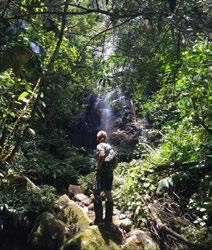
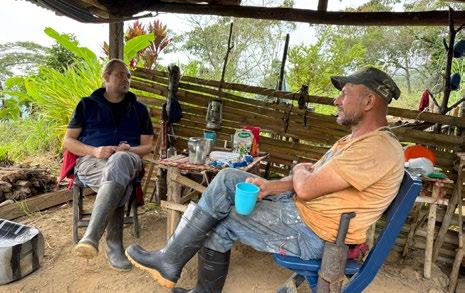
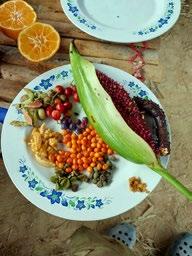
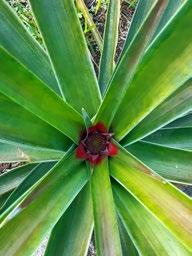
At the heart of our mission is a deep respect for nature, sustainability and the people who cultivate the earth. Our unique collaboration began when chance brought us together. Marcel, a dedicated botanist with a passion for Colombia and Luis, a local Colombian partner with deep roots in the region. Together, we source the finest plant materials from the breathtaking landscapes of Colombia, renowned for their rich benefits in medicine and cosmetics.
Our plants are sourced through sustainable wild collections by small farmers, with women’s associations playing a central role in our approach. By fostering local biodiversity and initiating social projects, we support the replacement of illegal drug plantations with eco-friendly alternatives. Through these initiatives, we contribute to the sustainable development of the region.
We believe in keeping our supply chain short, fostering direct and transparent relationships with the farmers. This approach ensures fair prices, ethical practices, and full transparency for our customers. Values, that are increasingly important in today’s world. With us, you can trust that every product is not only of the highest quality but also supports sustainable and fair practices from farm to finish.
This is only a selection of our premium plant materials from Colombia, we are always able to source further.
In Search of the Extraordinary –Rooted in the Soil of Colombia
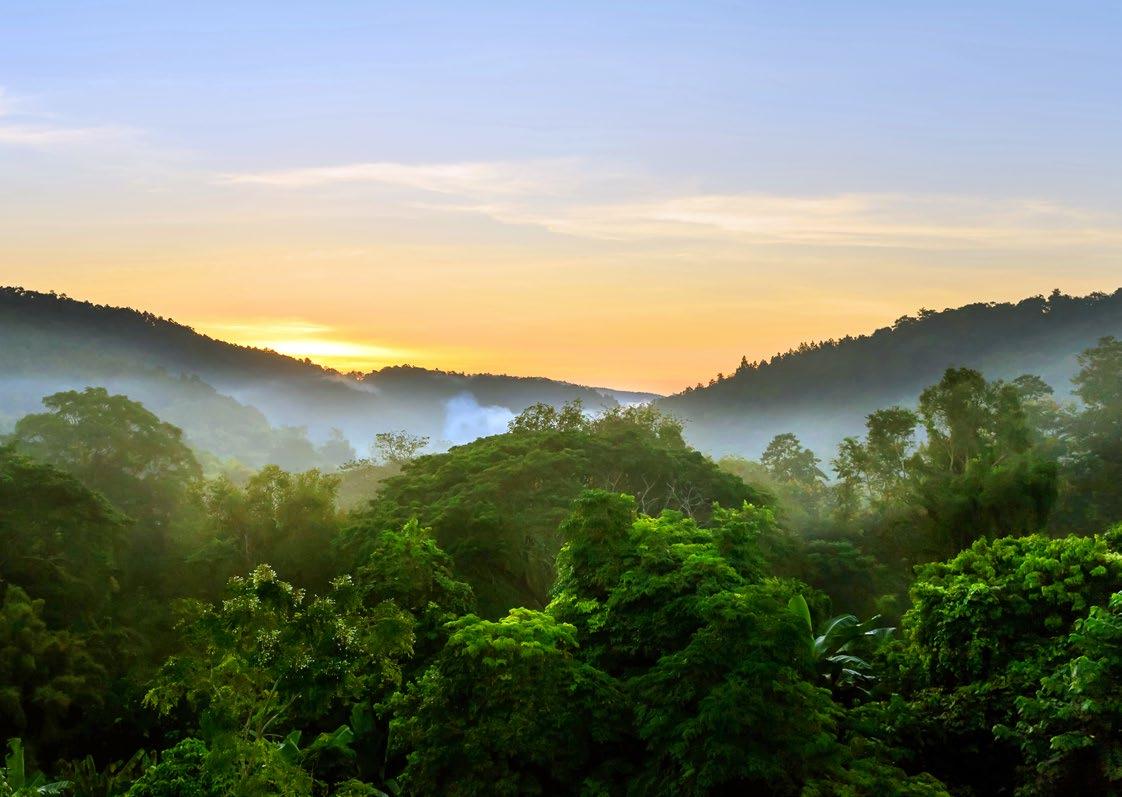
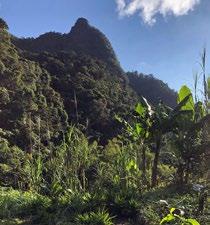
In the early morning hours, when mist still drapes the lush green hills of Colombia like a veil and the first rays of sunlight pierce through the dense canopy, the day begins for many farmers with a glance at their fields.
Between Coffee Plantations and Wild Orchids
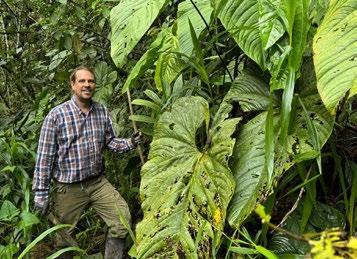
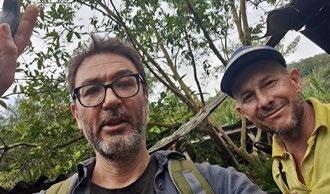
Here, where the soil is fertile and the climate as diverse as the flora itself, medicinal plants, spices, and botanical treasures flourish in their natural splendor. The air is filled with the scent of damp earth, jasmine, and freshly cut grass. Amidst this rich landscape between coffee plantations, and small villages where time seems to pass more slowly, a special story begins. It is the story of Dr. Marcel Flemming, a passionate botanist with a deep love for Latin America, and Luis, a Colombian plant expert with an extensive network. What started as a chance encounter at a New Year’s Eve party evolved into a crossborder partnership that connects not only plants but also cultures and people.
Their Hands Know Every Plant, Every Root
The farmers these two scouts work with are not anonymous suppliers. They are families who have lived in harmony with nature for generations. Their hands know every plant, every leaf, every root. They work with patience, knowledge, and deep respect for what nature provides. Thus begins an adventure and a collaboration shaped by cultural exchange and the search for rare treasures, rooted in the soil of Colombia.
From New Year’s Eve Party to Botanical Network
Dr. Marcel Flemming: “I’ve always had a strong affection for Latin America, especially after my first trip there in 2002. I met Luis a few years later at my own New Year’s Eve party. He was a friend of my PhD colleague, and we hit it off immediately.”
The connection to Cfm came through project manager Dr. Sandra Miklos: “I met Marcel and Luis through a project here in Bavaria. Marcel cultivates Iris germanica, a client was looking for the plant’s roots. That’s how we started talking. Soon after, I learned that Luis is from Colombia and could grow and collect plants there. It didn’t take long before the first customer inquiries came in.”
Between Customs and Time Pressure
While the collaboration ran smoothly on a personal level, logistical challenges and customs regulations initially caused difficulties. Dr. Marcel Flemming recalls: “I remember the first projects: Tithonia diversifolia and Cassia grandis. We had no idea how customs would work and were under immense time pressure. Luis activated his network in Colombia and, in a very short time, found people who could identify both plants, collect and dry enough biomass, conduct botanical verification in a botanical garden, and organize the export. It was a masterstroke and quite the adventure…”
But bureaucratic hurdles weren’t the only challenge, Dr. Marcel Flemming remembers: “Communication with Colombian partners and their different mindset were also things we had to navigate. Plus, it’s generally difficult to build long-term relationships and reliable supply chains when customers don’t commit for extended periods. I think that’s actually the biggest issue.”
Colombian-Style Communication: Slow but Warm
“Communication is often rather slow“, Dr. Sandra Miklos agrees. Sending emails isn’t the farmers’ top priority. European expectations and Colombian realities sometimes clash. It’s always an adventure until the plants arrive in Germany. But that’s what makes it so exciting.”
The Neighbor’s Garden Becomes a Botanical Treasure Chest
Sometimes things go surprisingly smoothly, and the required plants can be grown by hand or happen to be growing next door. Dr. Marcel Flemming: “We cultivated Alpinia in our neighbor’s garden and on my small plot of land in Colombia.” Dr. Sandra Miklos contributes: “And Stachytarpheta, one of the first plants we searched for, happened to grow on his neighbor’s property.”
She furthermore adds: “With Luis, we’ve gained a well-connected partner in and around Colombia, even reaching into Paraguay. When it comes to plants, we can cover a large part of Latin America.”
But why Colombia in particular? Dr. Flemming explains: “First, Luis is Colombian and knows almost the entire country through his connections (laughs). His family is there and can reliably help. Second, Colombia is one of the most biodiverse countries in the world, with nearly every climate zone and abundant resources. The people are incredibly kind and dependable, and Colombia isn’t burdened by overregulation.”
Growing Together – With Respect and a Handshake
From his perspective, working with Colombian farmers is a win-win situation. Reliability is key to building trust. Dr. Flemming: “Each project involves different partners, so the collaboration is always unique. What matters is building trust and not disappointing it. We pay good prices, well above the local market, but without going overboard. That makes our Colombian partners very happy to work with us. Germany is still seen as a role model, and people in Latin America are proud to collaborate with German partners.”
Cfm Oskar Tropitzsch continues to rely on connections in Colombia. Dr. Sandra Miklos concludes: “A large-scale project where plants are cultivated specifically for the European market would be especially exciting.”
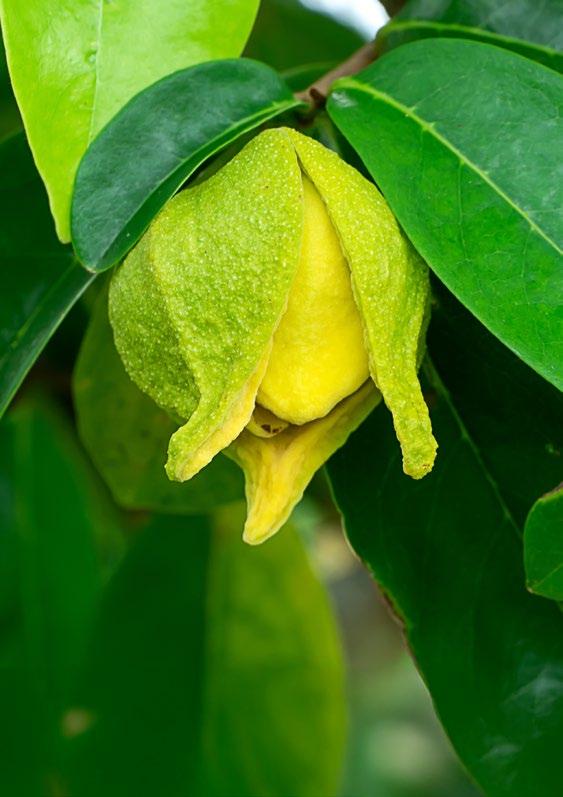
Annona muricata
Annona muricata, commonly known as soursop or graviola, is a tropical fruit tree native to the Americas, including Colombia. The fruit, leaves, and seeds of this plant are rich in acetogenins and antioxidants, giving it powerful antiinflammatory, antimicrobial, and anticancer properties. In skincare, soursop extract is used to treat various skin conditions, including acne, eczema, and other inflammatory issues. Its antioxidant properties also help to protect the skin from environmental damage, reduce the appearance of fine lines, and promote a youthful complexion. It can be used as insect repellent on skin. In traditional medicine, Annona muricata is used to boost immune function and support overall health.
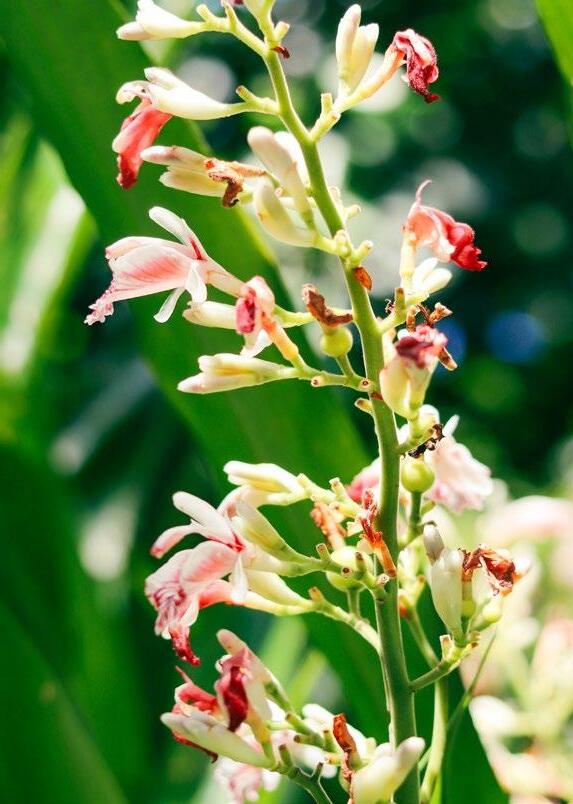
Alpinia officinarum
Alpinia officinarum, a small, aromatic ginger plant, is valued in traditional and modern medicine for its bioactive compounds, particularly flavonoids, phenolics, and essential oils. These compounds exhibit anti-inflammatory, antioxidant, antimicrobial, and gastroprotective properties. In pharmaceuticals, it is used to develop treatments for digestive issues and for its potential anti-cancer effects. It is also researched for managing conditions like arthritis and cardiovascular diseases. In cosmetics, Alpinia officinarum is used for its antioxidant and antimicrobial benefits. It helps protect the skin from oxidative stress and aging, and its antimicrobial properties make it a useful ingredient in products designed to treat acne and other skin conditions. Additionally, its anti-inflammatory effects can soothe irritated skin.
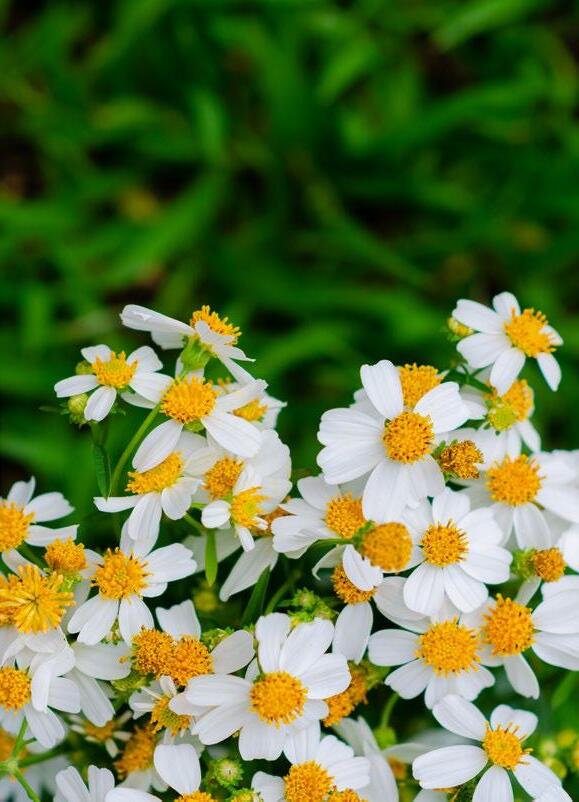
Bidens alba
Bidens alba, commonly known as Spanish needles, is a fast growing and spreading weed. While it is primarily known for its ecological significance, it is also edible and has a history of traditional medicinal uses in certain cultures. Various parts of the plant, including the leaves, stems, and flowers, have been used in traditional medicine for their potential medicinal properties. Some traditional applications of Bidens alba include using it as a diuretic, anti-inflammatory, and for treating ailments such as gastrointestinal issues, skin conditions, and respiratory problems.
Bixa orellana
Bixa orellana, commonly known as annatto. This shrub produces seeds rich in carotenoids, providing vibrant pigmentation in cosmetics while offering antioxidant protection. The natural pigments derived from its seeds are utilized as a coloring agent in cosmetics, providing a warm and vibrant hue to lipsticks, eyeshadows, and other makeup products. The vibrant red-orange color of annatto is often used to create natural and earthy tones in cosmetic formulations. Furthermore, Bixa orellana extracts are valued for their antioxidant properties, which help protect the skin from oxidative stress and premature aging.
Borojoa patinoi
Borojoa patinoi, a tropical fruit tree rich in vitamins and minerals, energizes and revitalizes the skin. Alibertia patinoi is a rare and fascinating plant species native to the Amazon rainforest. Belonging to the Rubiaceae family, it is known for its distinctive characteristics. This shrub-like plant features glossy dark green leaves and produces beautiful, fragrant white flowers that bloom throughout the year. Alibertia patinoi is highly valued for its medicinal properties, as various parts of the plant, including the bark and roots, have been traditionally used by indigenous communities for treating digestive disorders and skin ailments.
Bursera simaruba
Bursera simaruba, commonly known as the Gumbo Limbo or the West Indian birch, is a fascinating tree native to tropical regions of the Americas. Its distinctive red, peeling bark gives it a unique appearance, earning it the nickname „tourist tree“ due to its resemblance to sunburned skin. The tree is highly adaptable, thriving in a variety of environments, including coastal areas, swamps, and dry forests. Besides its ornamental value, Bursera simaruba has cultural significance, as its resin has been used in traditional medicine and as incense and is known for its healing and anti-inflammatory effects.
Coffea arabica
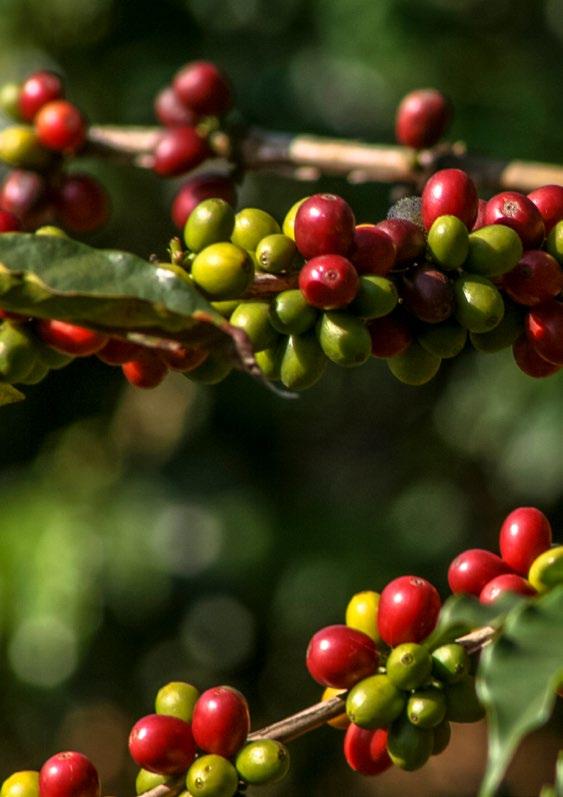
Coffea arabica, the source of the world’s most beloved coffee, is a small evergreen shrub native to Ethiopia and now cultivated in Colombia‘s fertile regions. The beans of this plant are rich in caffeine and powerful antioxidants, making them a sought-after ingredient in both pharmaceutical and cosmetic formulations. In skincare, Coffea arabica is prized for its ability to rejuvenate the skin, reduce puffiness, and stimulate circulation, resulting in a more youthful, energized complexion. The high antioxidant content also protects the skin from environmental stressors, while the caffeine helps to reduce the appearance of cellulite and dark circles. Beyond cosmetics, Coffea arabica’s natural stimulants can enhance topical treatments for pain relief and inflammation.
Citrus depressa
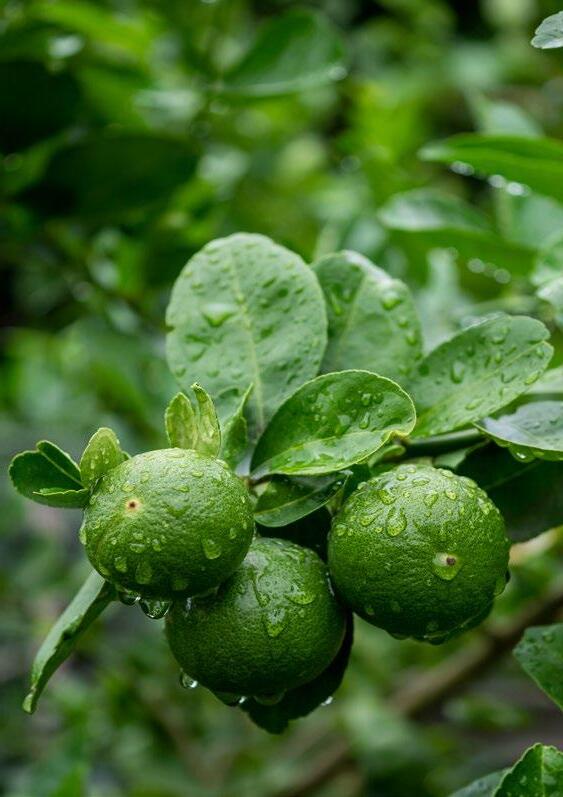
Citrus depressa, also known as shikuwasa or flat lemon, is a small citrus fruit native to Okinawa and parts of Southeast Asia, now sourced from the lush landscapes of Colombia. Renowned for its exceptionally high vitamin C content and potent antioxidants, Citrus depressa is a powerful ally in both pharmaceutical and cosmetic applications. Its juice and extracts are commonly used to brighten and revitalize the skin, combating oxidative stress and promoting a healthy, radiant complexion. Additionally, its anti-inflammatory properties make it beneficial in soothing skin care formulations. In traditional medicine, Citrus depressa has been used to support immune function and overall wellness.
Cassia grandis
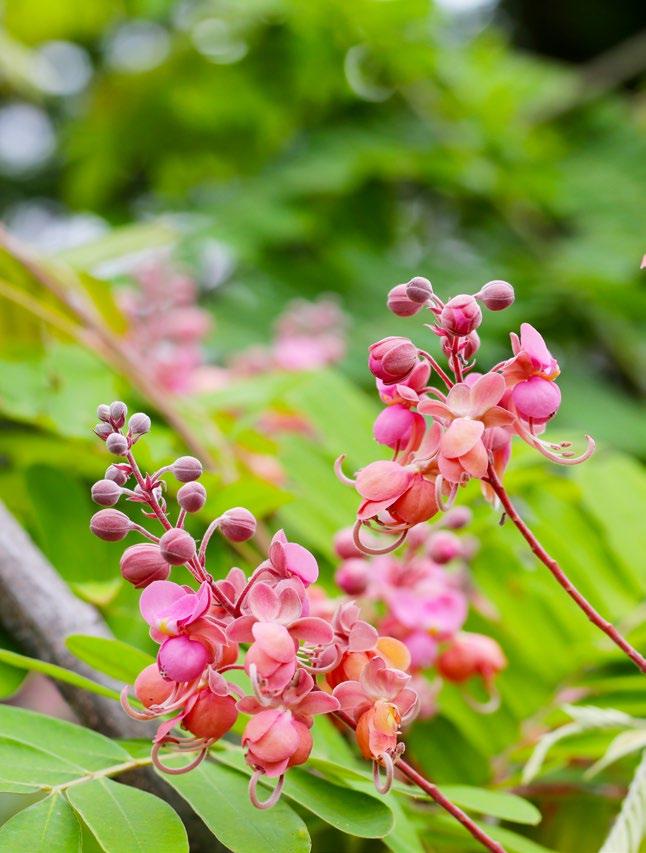
Cassia grandis, commonly known as the pink shower tree, is a large tropical tree native to Central and South America. Known for its vibrant pink flowers, this plant is more than just ornamental. The pods and bark contain bioactive compounds with powerful antibacterial, anti-inflammatory, and antioxidant properties. These properties make Cassia grandis highly valuable in the formulation of natural skincare and pharmaceutical products, particularly those aimed at soothing and healing irritated or damaged skin. Traditionally, it has been used in folk medicine to treat various ailments, including skin infections and digestive issues. Additionally, in some regions, the tree‘s bark has been employed to create natural dyes for fabrics.
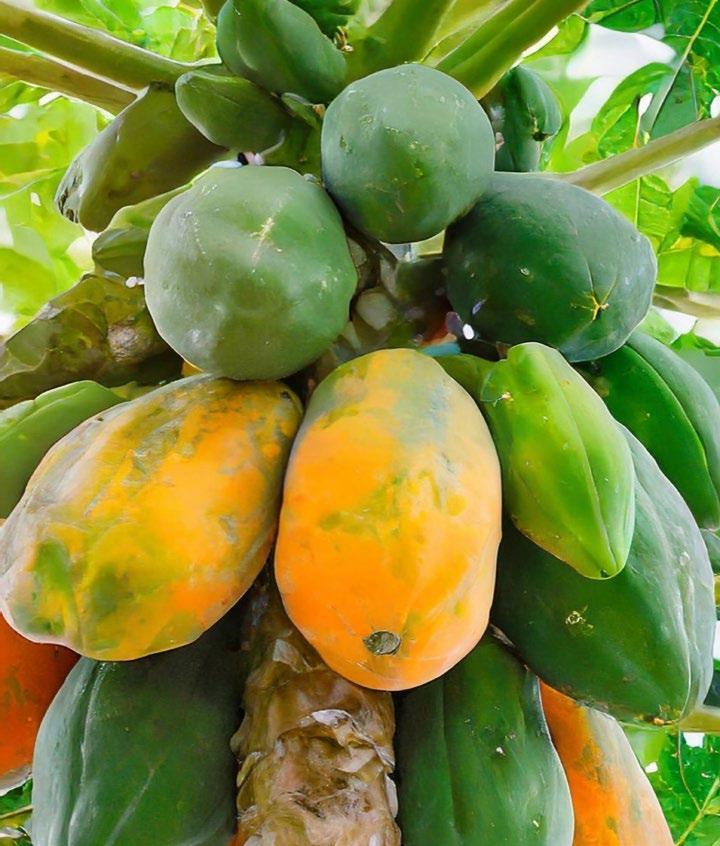
Carica papaya
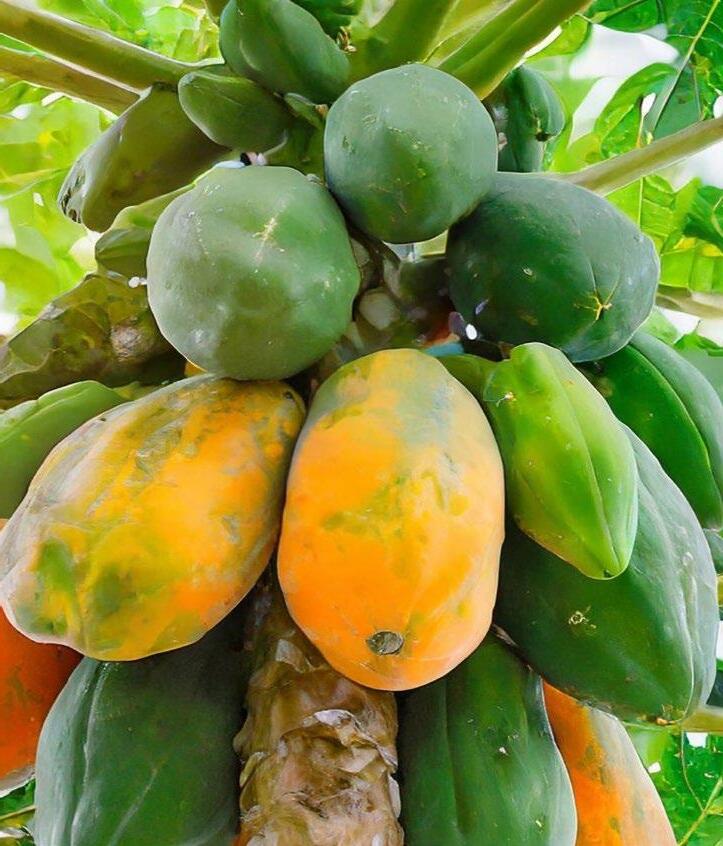
Carica papaya, commonly known as papaya, is a tropical fruit plant native to Central and South America, including Colombia. Papaya is prized for its rich content of vitamins, enzymes, and antioxidants, particularly the enzyme papain, which has powerful exfoliating and skin-brightening properties. In skincare, papaya extract is used to gently remove dead skin cells, promote cell turnover, and enhance the skin’s natural radiance. Its high vitamin C content also helps to boost collagen production.
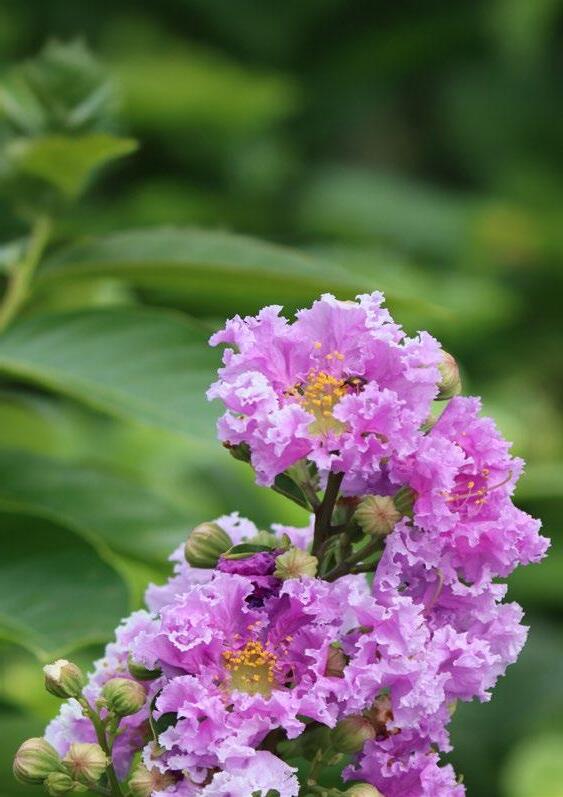
Lagerstroemia speciosa
Lagerstroemia speciosa, commonly known as banaba, is a tropical flowering tree native to Southeast Asia, now also grown in Colombia. Its leaves are rich in corosolic acid, a compound celebrated for its ability to regulate blood sugar levels, making it a popular ingredient in dietary supplements and skincare products aimed at improving skin elasticity and reducing the signs of aging. In traditional medicine, banaba leaves have been used for centuries to treat diabetes and support overall health. In cosmetic formulations, Lagerstroemia speciosa helps to tighten and firm the skin, reducing the appearance of fine lines and wrinkles. Additionally, it is believed to have anti-inflammatory and antioxidant properties, contributing to its use in traditional remedies.
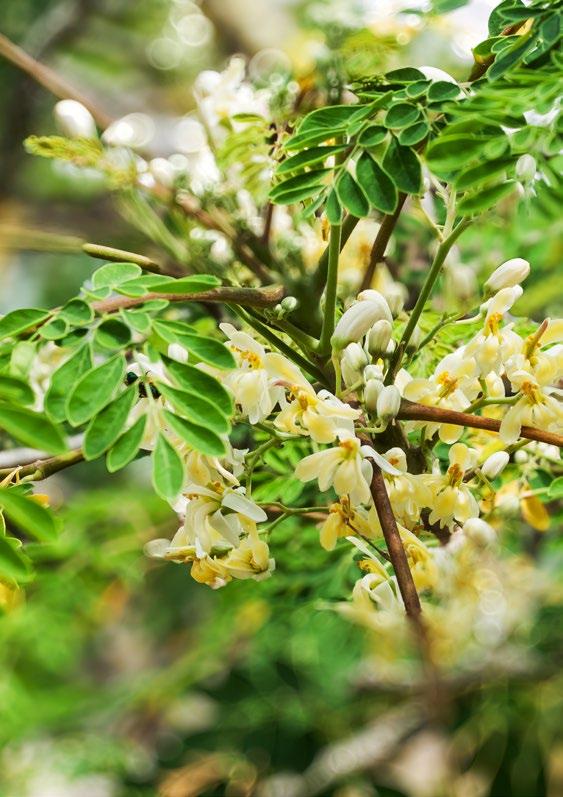
Moringa oleifera
Moringa oleifera, often referred to as the „miracle tree“, is a nutrient-rich plant native to the Indian subcontinent but now widely cultivated in tropical regions, including Colombia. Every part of the Moringa tree is packed with vitamins, minerals, and antioxidants, making it a powerhouse ingredient in both pharmaceutical and cosmetic products. The leaves, rich in vitamin C and other antioxidants, are used to combat oxidative stress, reduce inflammation, and promote a healthy complexion. Moringa oleifera is also incorporated into wellness products for its ability to boost immune function and support overall health. Modern research suggests that Moringa may have potential health benefits, such as lowering blood sugar levels, reducing cholesterol, and promoting wound healing.
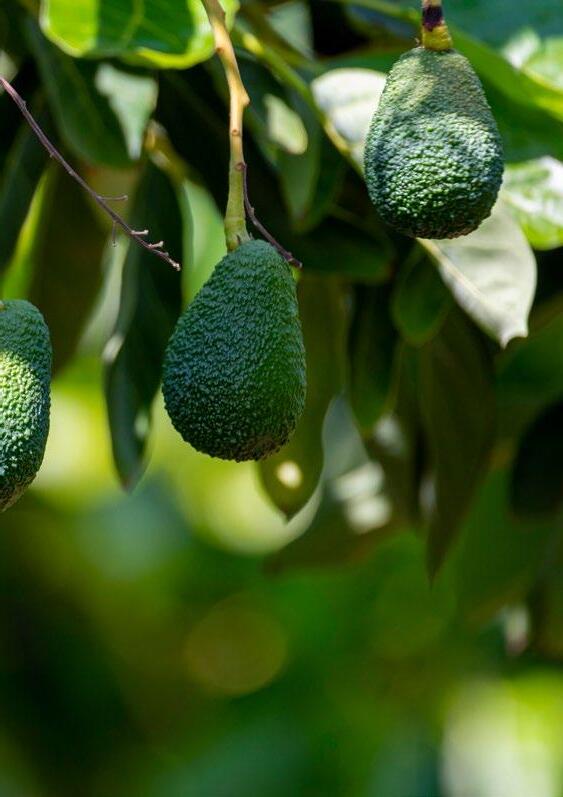
Persea americana
Persea americana, commonly known as the avocado tree, is native to Central and South America, including Colombia. The fruit of this tree, the avocado, is renowned for its rich content of healthy fats, vitamins, and antioxidants, making it a star ingredient in both cosmetic and pharmaceutical products.
Avocado oil is deeply moisturizing and easily absorbed by the skin, providing essential nutrients that help to hydrate, repair, and rejuvenate. Its high vitamin E content also protects the skin from oxidative stress and promotes a youthful, radiant complexion. In addition to skincare, avocado is used in hair care products for its ability to nourish and strengthen hair.
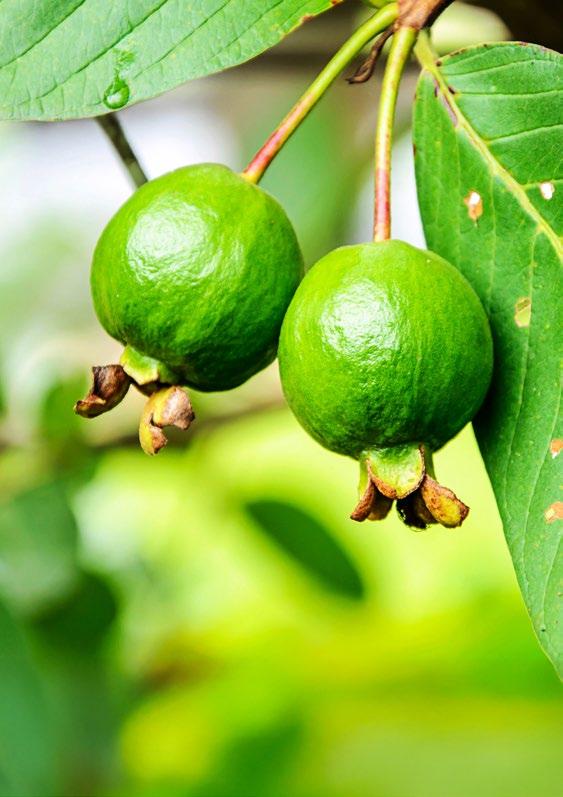
Psidium guajava
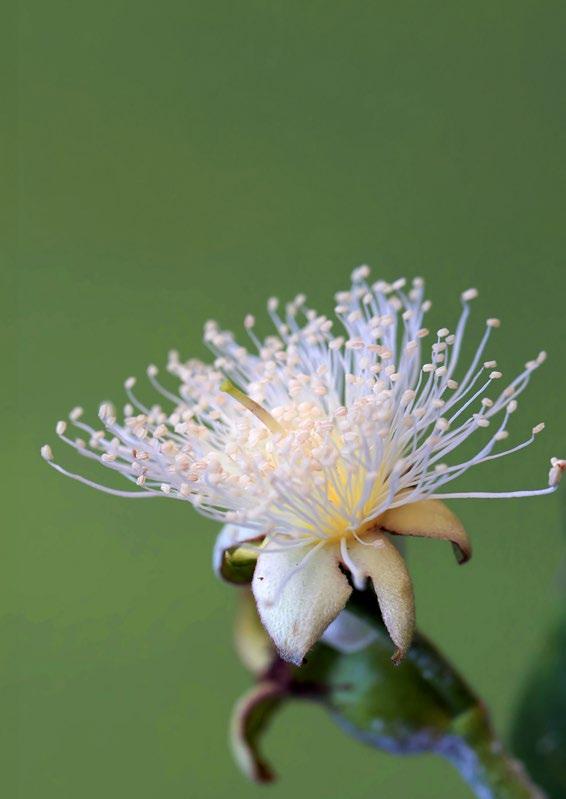
Psidium guajava, commonly known as guava, is a tropical fruit-bearing tree native to Central and South America, including Colombia. Guava is highly valued for its fruit, which is rich in vitamin C, antioxidants, and dietary fiber. In cosmetic applications, guava extract is used for its skin-brightening properties, helping to reduce the appearance of dark spots and improve overall skin tone. Its high antioxidant content also protects the skin from environmental stressors and premature aging. In pharmaceutical products, guava is used for its anti-inflammatory and antimicrobial properties, making it effective in treating skin conditions and supporting wound healing.
Piper nigrum
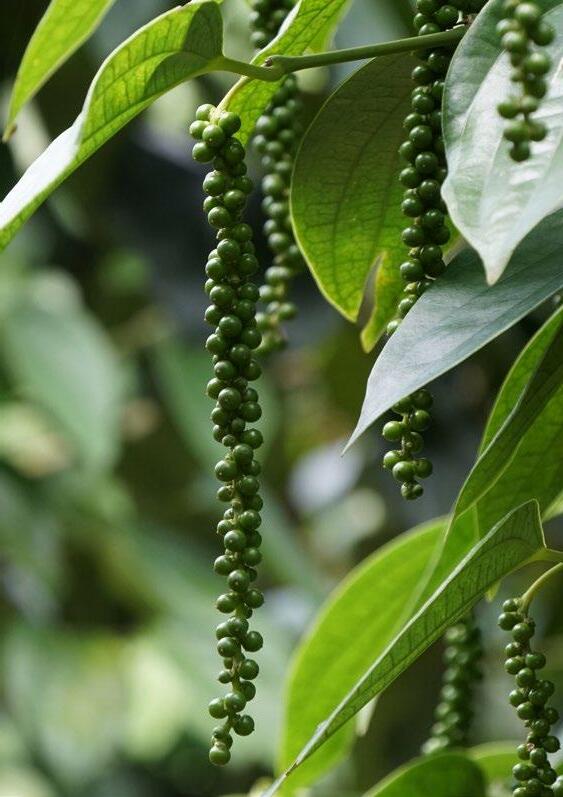
Piper nigrum, commonly known as black pepper, is a climbing vine native to South India, now cultivated in Colombia’s tropical climate. This spice is renowned not only for its culinary uses but also for its potent medicinal properties. Rich in Piperine, Piper nigrum exhibits strong anti-inflammatory, antioxidant, and antimicrobial activities, making it a versatile ingredient in pharmaceutical and cosmetic formulations. In skincare, black pepper extract is used to stimulate circulation, enhance skin tone, and fight against the signs of aging. Its warming effect also makes it a popular component in topical pain relief treatments and massage oils. Additionally, Piper nigrum’s ability to enhance the absorption of other active ingredients makes it an essential addition to many wellness and beauty products.
Stachytarpheta cayennensis
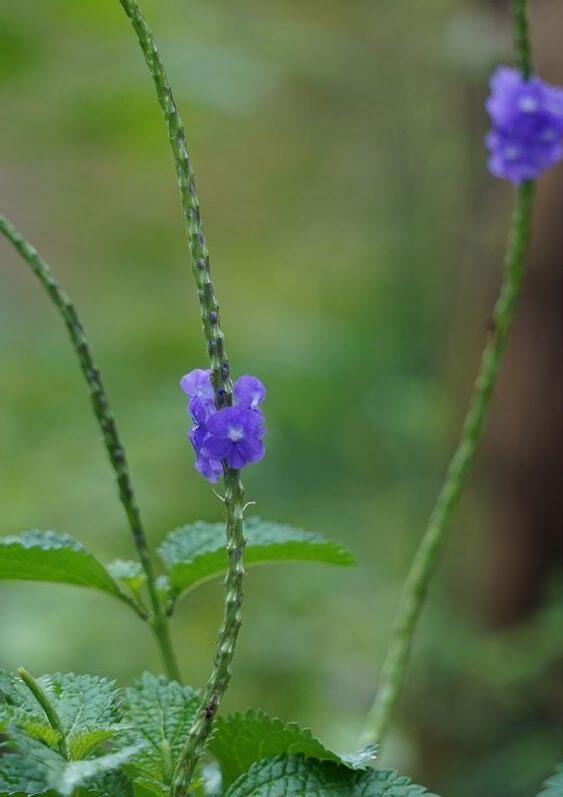
Stachytarpheta cayennensis, commonly known as snakeweed, is a resilient flowering plant native to tropical and subtropical regions, including Colombia. It’s known for its striking blue flowers and its medicinal properties, particularly in traditional herbal medicine. Different preparations of the plant have been used to treat conditions like fever, digestive issues, and respiratory ailments. Stachytarpheta cayennensis is rich in bioactive compounds that exhibit anti-inflammatory, analgesic, and antioxidant effects, making it a valuable ingredient in natural remedies and skincare products designed to soothe and heal the skin. In cosmetic applications, it is used to calm irritated skin, reduce redness, and promote overall skin health. Its anti-inflammatory properties also make it effective in treating conditions like eczema and acne.
Theobroma cacao
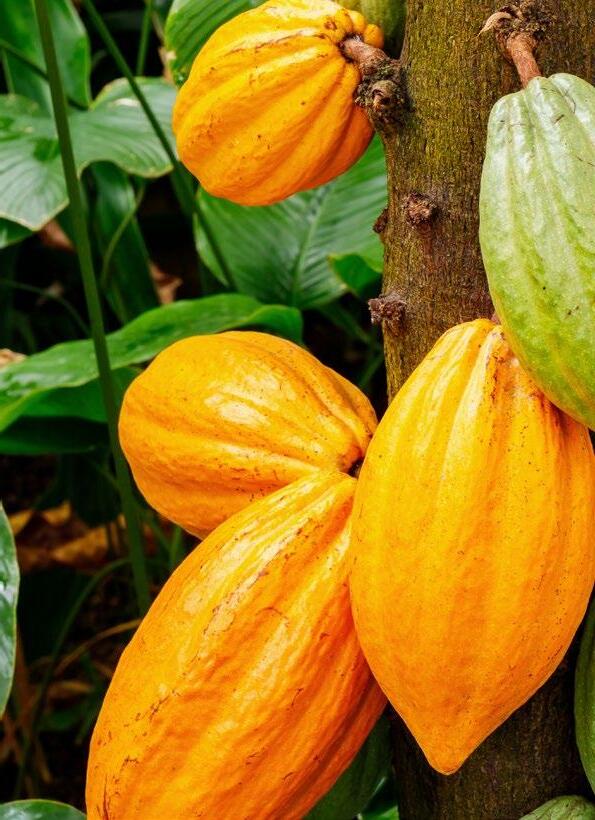
Theobroma cacao, the cacao tree, is native to the tropical rainforests of South America and is the source of cocoa, the essential ingredient in chocolate. Beyond its culinary delights, cacao is packed with flavonoids, fatty acids, and other nutrients that make it a powerhouse in both pharmaceutical and cosmetic products. Theobroma cacao also contains antioxidants that help protect the skin from environmental damage, reduce inflammation, and promote a healthy, glowing complexion.
Tithonia diversifolia
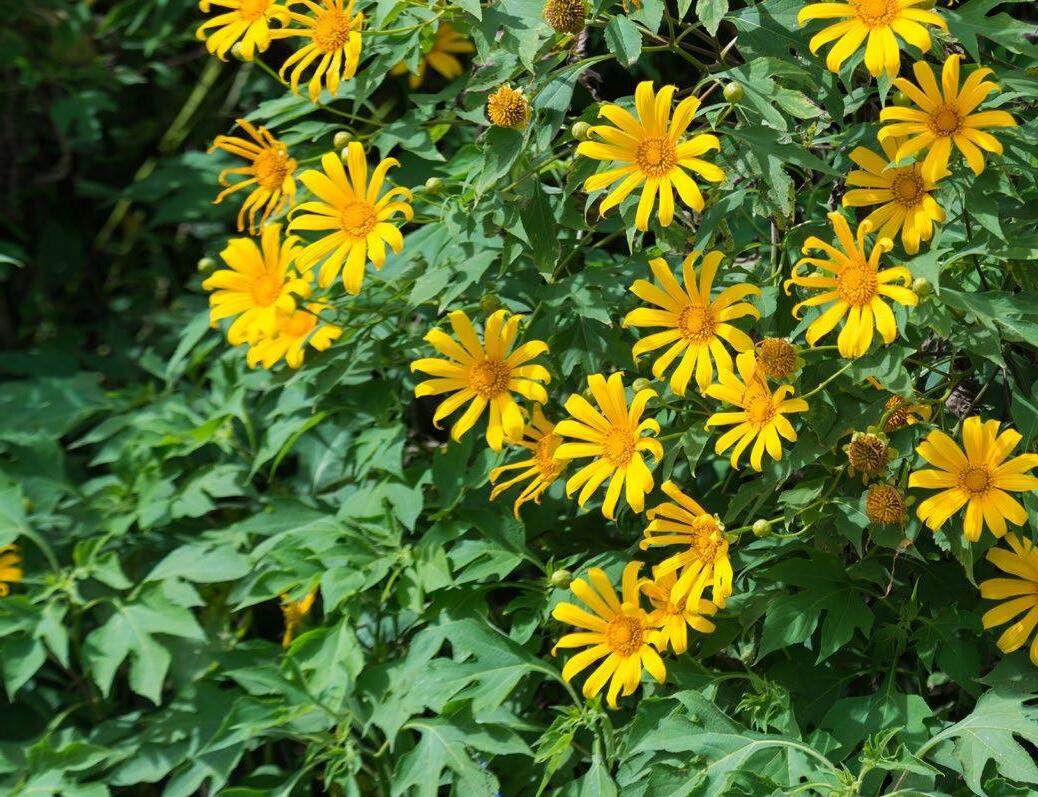
Tithonia diversifolia, also known as Mexican sunflower, is a vibrant flowering plant that thrives in tropical climates, including Colombia. Beyond its striking orange-yellow flowers, this plant is revered for its medicinal properties, particularly its anti-inflammatory, analgesic, and antimicrobial effects. Traditionally used in folk medicine to treat a range of ailments, Tithonia diversifolia is now gaining recognition in the pharmaceutical and cosmetic industries. Its extracts are commonly used in topical treatments for pain relief, skin inflammation, and wound healing. The plant’s ability to support skin health while providing natural relief from discomfort makes it a valuable addition.