The Evolution of LEGO: From Simple Bricks to a Global Super brand
Introduction to the LEGO Phenomenon
LEGO, a name synonymous with creativity and imagination, has grown far beyond its humble beginnings to become a global superbrand. From children's toys to adult collector sets, video games, and even blockbuster movies, LEGO's influence is seen across industries.
This article will dive deep into the journey of LEGO, examining how it transformed from a simple plastic brick company to an entertainment powerhouse that continues to shape the world of play and creativity.
The Origins of LEGO: A Legacy of Innovation
The LEGO Group was founded in 1932 by Ole Kirk Christiansen in Denmark. Initially, the company produced wooden toys, but it wasn’t until 1949 that the first plastic LEGO brick was developed. These bricks were unique due to their interlocking system, allowing users to create endless combinations of structures.
The company's ethos of "only the best is good enough" has driven its consistent focus on quality, which is a cornerstone of its continued success.
Key Milestones in LEGO’s Early Years
1932: Company founded as a wooden toy manufacturer.
1949: First plastic LEGO bricks produced.
1958: Introduction of the modern LEGO brick design, featuring the patented interlocking system.
The company's persistence in refining its product helped it withstand the toy industry’s evolution and market challenges, setting the foundation for its future dominance.
Diversification: LEGO’s Strategic Moves into New Markets
LEGO's journey from a brick manufacturer to a multimedia brand was driven by diversification. The company understood the importance of expanding beyond toys, strategically entering new industries that complemented its core product. This strategy allowed LEGO to appeal to a broader audience while maintaining brand consistency and customer loyalty.
LEGO in Video Games
LEGO entered the video game market in the 1990s, a move that allowed it to reach techsavvy younger audiences. Iconic titles such as LEGO Star Wars and LEGO Harry Potter brought popular franchises to the digital realm, blending narrative storytelling with creative gameplay.
LEGO Movies and TV Series
The release of The LEGO Movie in 2014 marked a new era for the brand, earning both critical acclaim and box-office success. This success demonstrated LEGO’s ability to innovate in new media formats, engaging audiences with its humour and creativity. The expansion into films has significantly bolstered the company’s revenue, adding another layer to its brand experience.
The Power of Co-Branding and Licensing Agreements
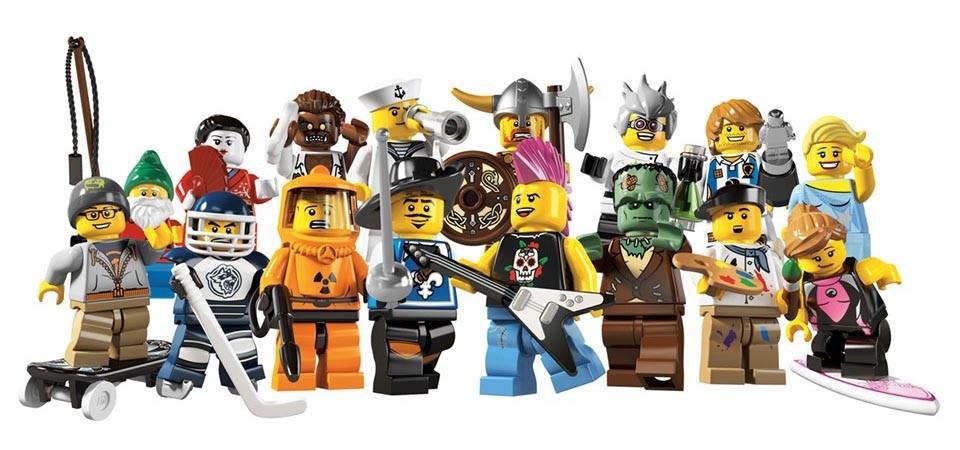
A crucial element of LEGO's global dominance has been its successful co-branding and licensing agreements. By partnering with major franchises like Star Wars, Harry Potter, and Marvel, LEGO has extended its reach into multiple fan bases, attracting a diverse demographic.
Notable Licensing Partnerships
Star Wars: Introduced in 1999, the LEGO Star Wars line is one of the most successful co-branded series, helping LEGO to achieve record sales.
Harry Potter: The LEGO Harry Potter sets captured the magic of J.K. Rowling's universe, merging popular culture with hands-on play.
Marvel Superheroes: The LEGO Marvel collection taps into the superhero craze, creating high-demand sets featuring iconic characters.
These partnerships have created synergy between LEGO and globally recognized franchises, allowing LEGO to remain relevant in a competitive market while boosting sales and brand visibility.
The LEGO Fan Community: Building a Global Culture
LEGO has cultivated a thriving community of fans, both young and old. From dedicated fan conventions to Adult Fans of LEGO (AFOL), the brand has nurtured a global culture of creativity and collaboration. The introduction of LEGO Ideas—a platform that allows users to submit their own set ideas—further demonstrates the brand’s commitment to fostering community engagement and innovation.
Engaging with Fans
LEGO Ideas: Fans can submit and vote on new LEGO set ideas, with popular submissions often turning into official sets.
LEGO Conventions: Global events such as BrickCon and BrickFair allow LEGO enthusiasts to showcase their creations and meet other fans.
Social Media Influence: LEGO has built a robust online presence, using platforms like Instagram, YouTube, and TikTok to showcase fan creations and promote new products.
Sustainability and Social Responsibility
As environmental concerns become more prominent, LEGO has committed to sustainability in both production and product design. The company aims to manufacture all core products from sustainable materials by 2030, focusing on reducing its carbon footprint and waste.
Key Sustainability Initiatives
Plant-based Bricks: LEGO is experimenting with sustainable materials, such as plant-based plastics, to replace traditional petroleum-based products.
Sustainable Packaging: The company has already started to phase out single-use plastics in its packaging and aims to use recycled materials for all packaging by 2025.
LEGO Replay: A program that allows consumers to donate old LEGO sets, promoting recycling and reducing waste.