Shop Penn offers 60+ stores, restaurants, and entertainment venues, all set in a beautiful, historic campus. With a mix of popular brands and local favorites, there’s something for everyone to enjoy.
Shop Local.
Shop Penn.
#SHOPPENN
@SHOPSATPENN
Wants Needs + Must-Haves
5 7
13
Photographing the Many Multifaceted Egos of Penn
Words from the man behind the camera
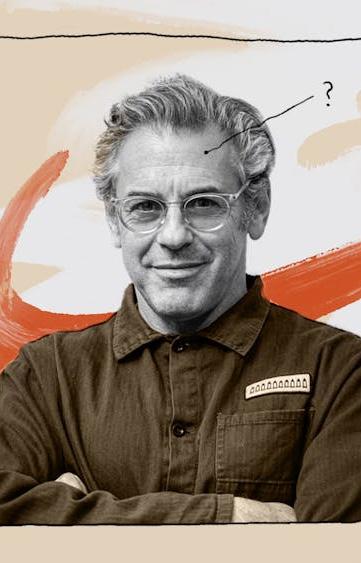
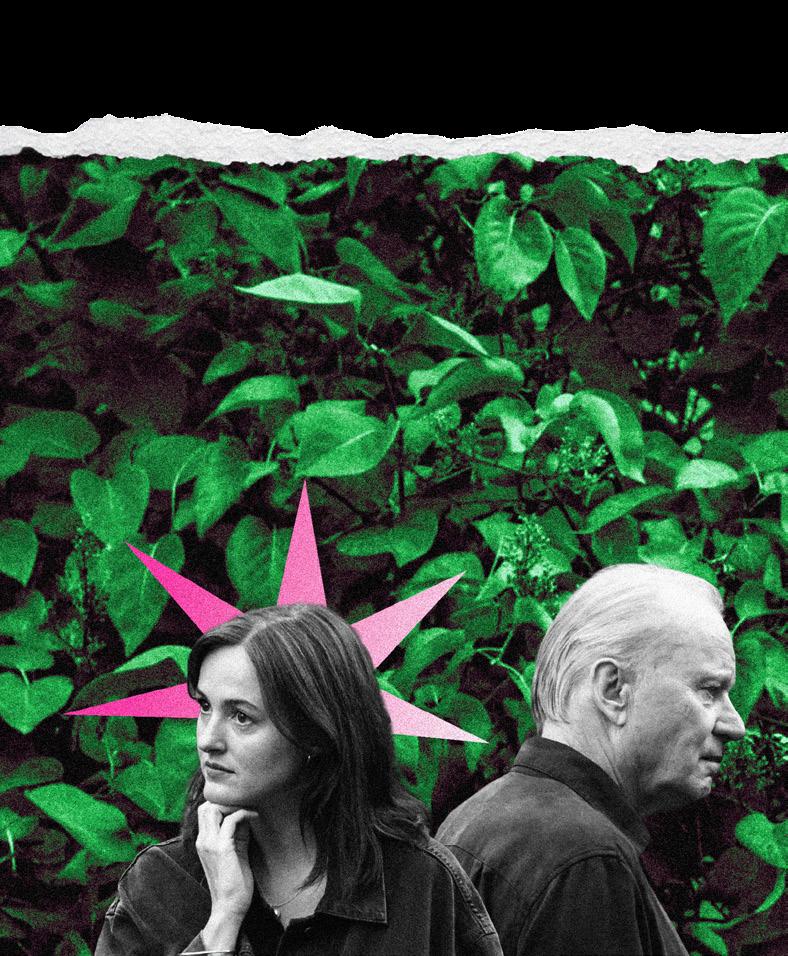
Ego of the Month: Wei–An Jin
Graphic design is only one of former Street Design Editor Wei–An Jin’s passions, preprofessionalism be damned.
Our Privates Are No Longer Private
The Department of Justice’s subpoena of the Children’s Hospital of Philadelphia’s medical records presents a threat to all of us.
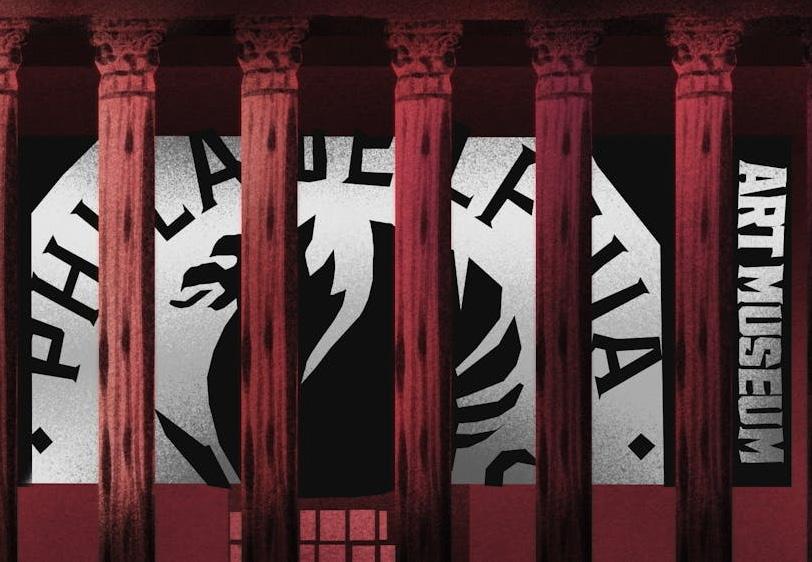
38 I Hate the Philadelphia Museum of Art’s Rebrand. You Should Too
The PMA has PMO.
10
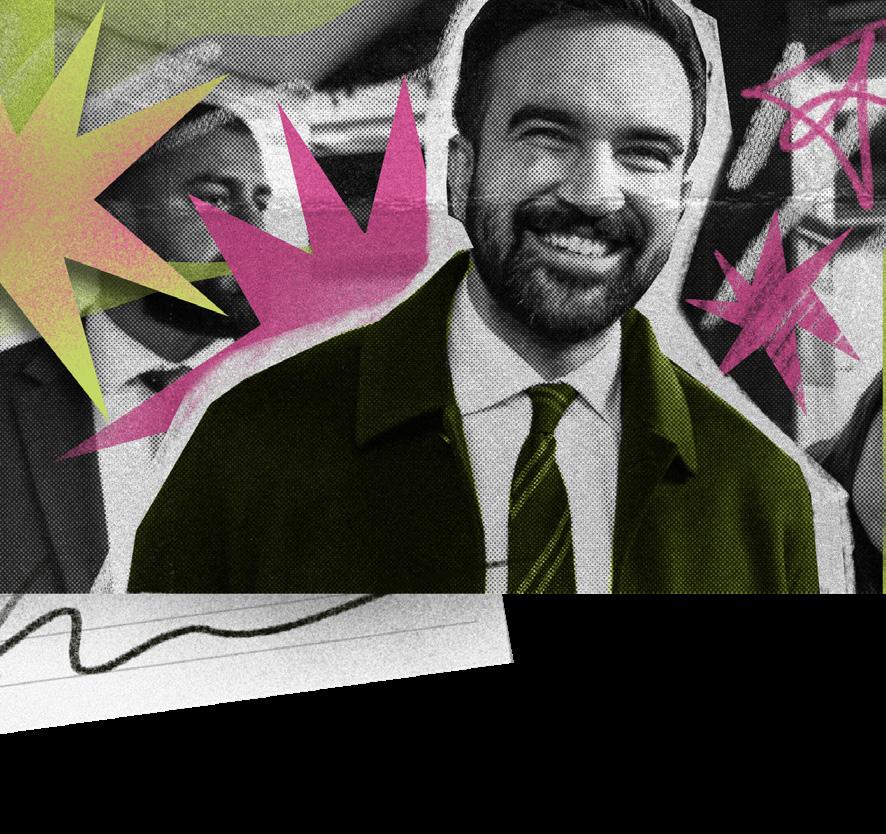
Nike and Tom Sachs Will Stand on Anything but Business
Sachs’ latest sneaker release with NikeCraft is so good it made everyone forget that abuse is bad.
44
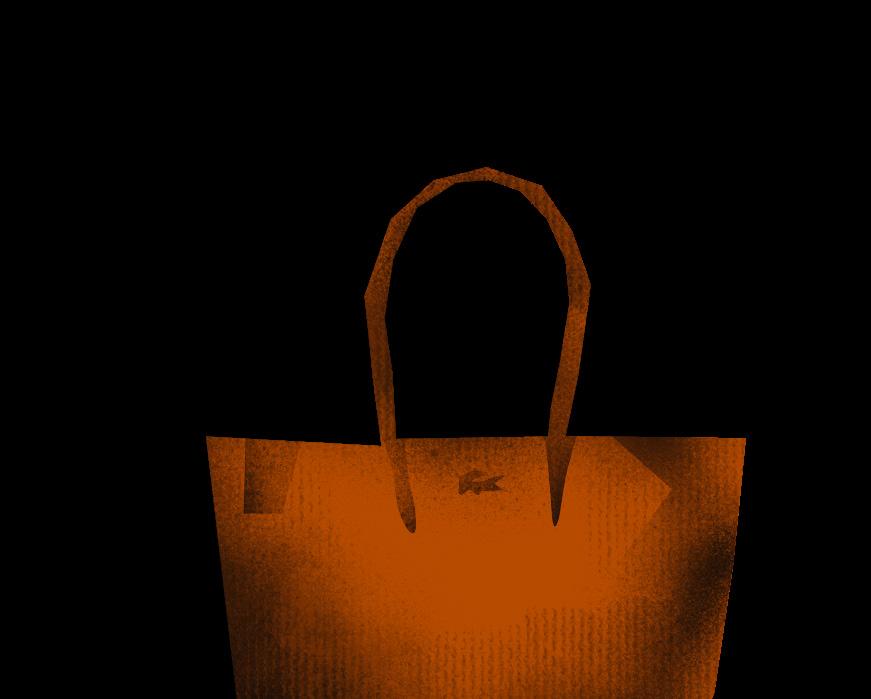
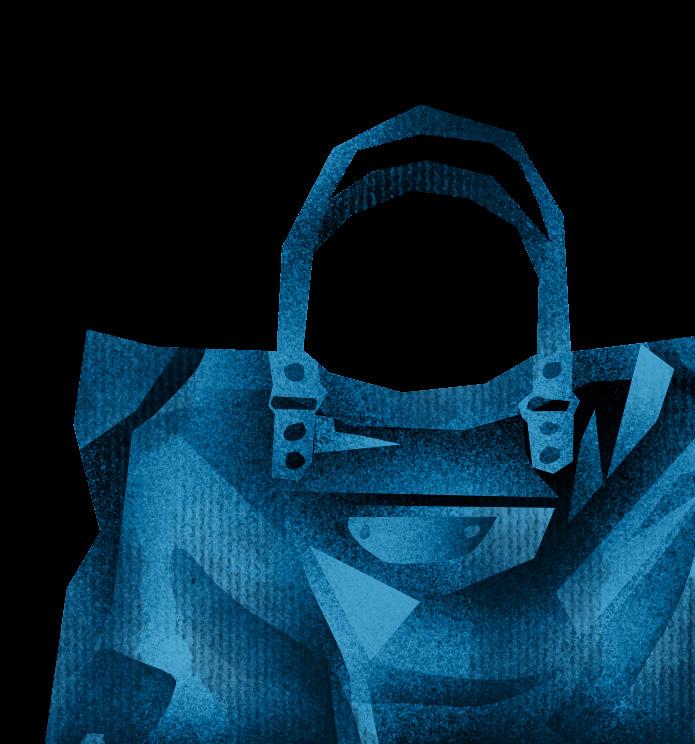
Hate Your Longchamp Bag
Why the Le Pliage epidemic is the downfall of Penn
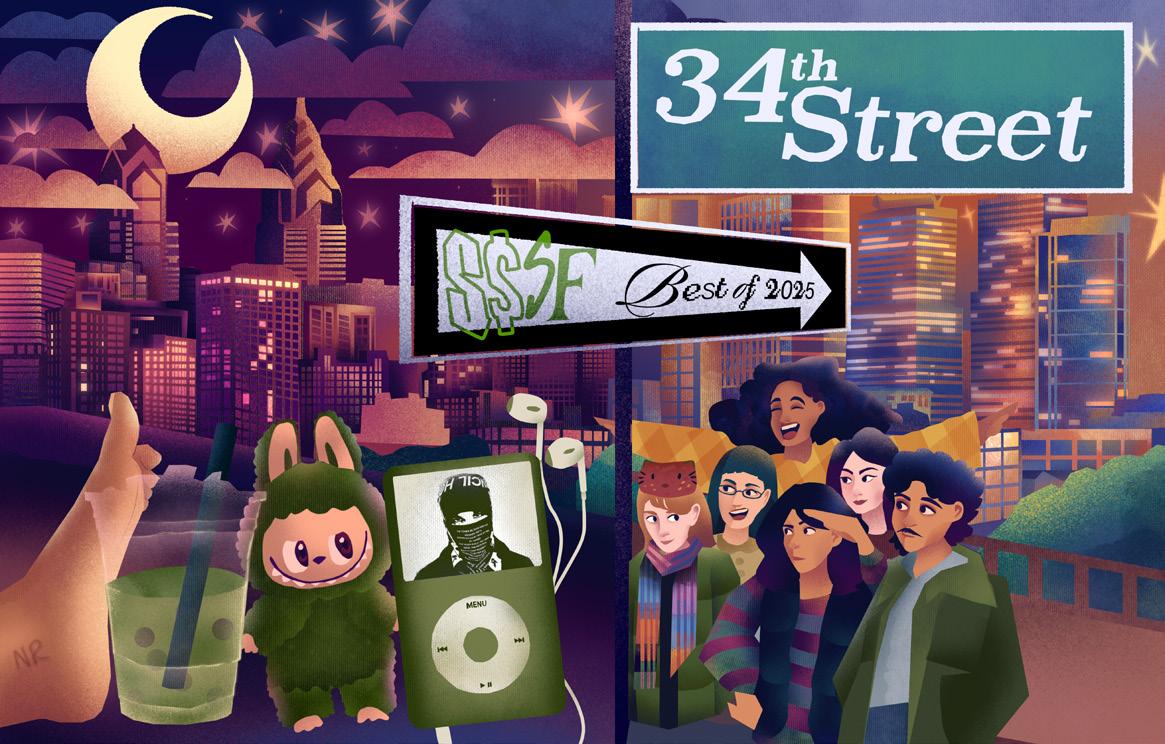
The end of an era. I can’t pretend it‘s been the perfect year, but it is undeniable how unique of a year it was, from the political turbulence to whatever the hell Labubus are.
This blurb is coming to you from hour five of our 31st, and final, production night, with Magdalena Bay playing in the background. Our grand leader Norah Rami is serenely sipping on a Smirnoff Ice and Digital Managing Editor Nishanth Bhargava is graciously helping me through this horrendous logic assignment. I’m forcing Street Multimedia Editor
Jackson Ford, fresh off a gig, to edit these lovely photos you‘ll see throughout this issue. Print Managing Editor Jules Lingenfelter and I are harmonizing (stimming) to some Labubu lyricism.
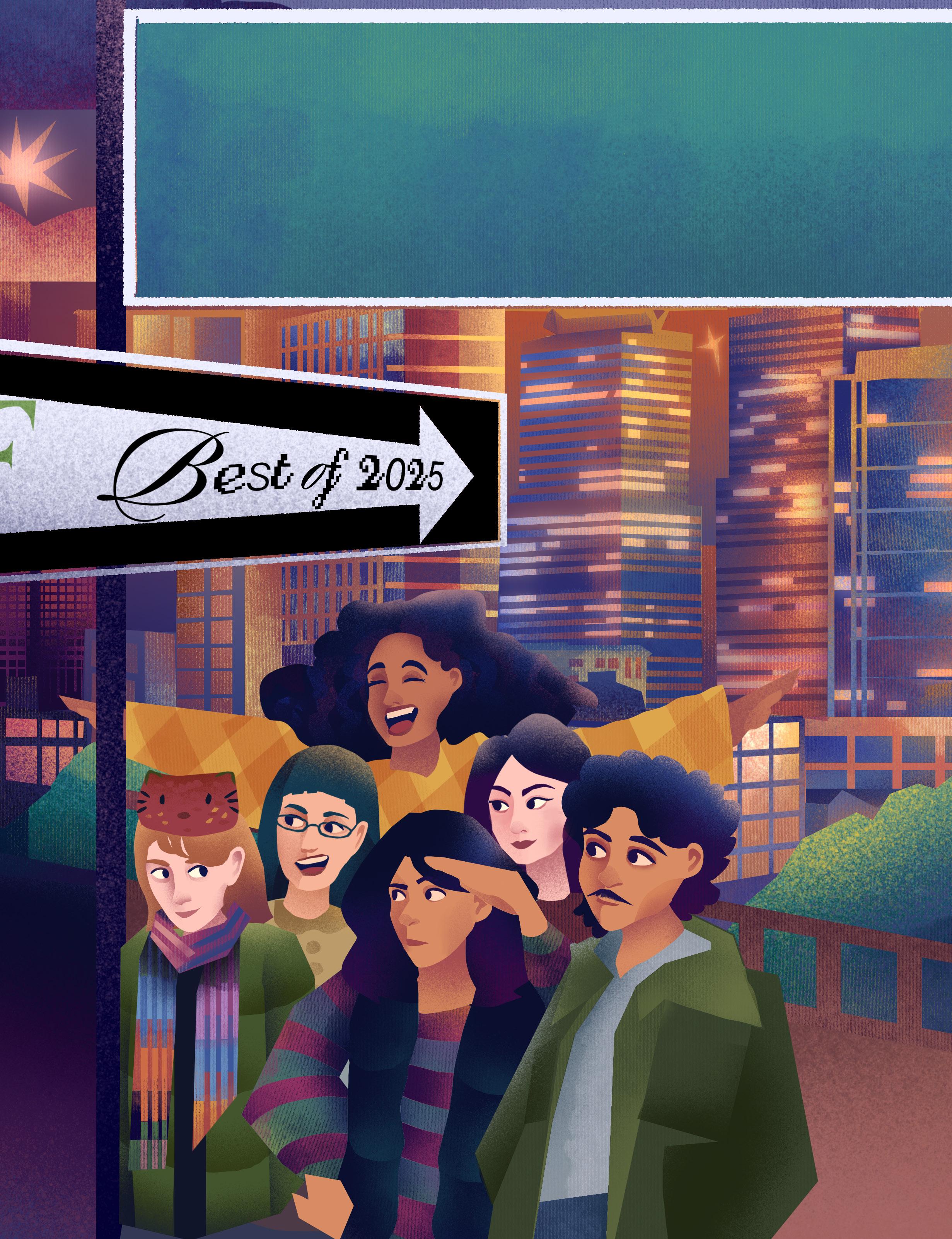
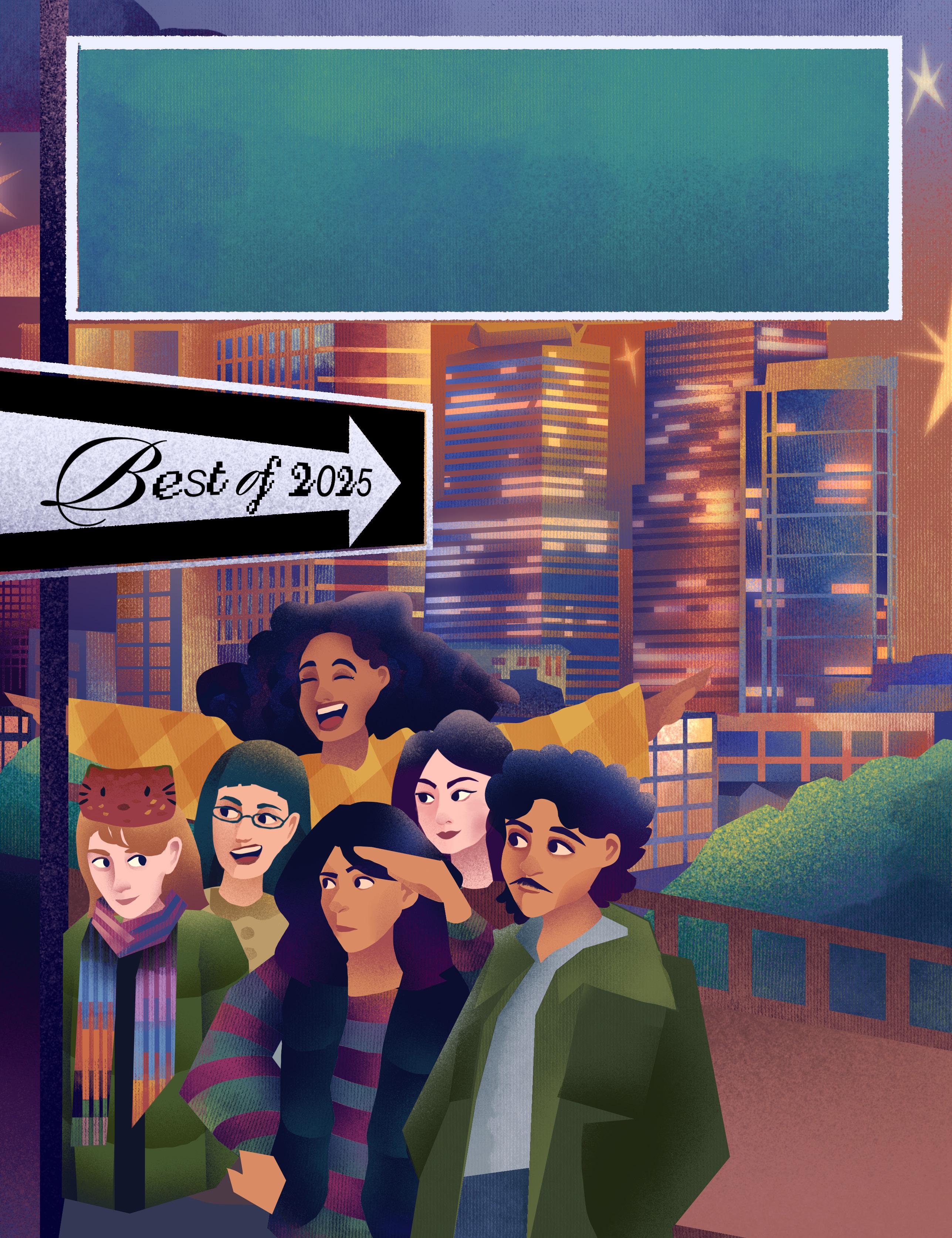
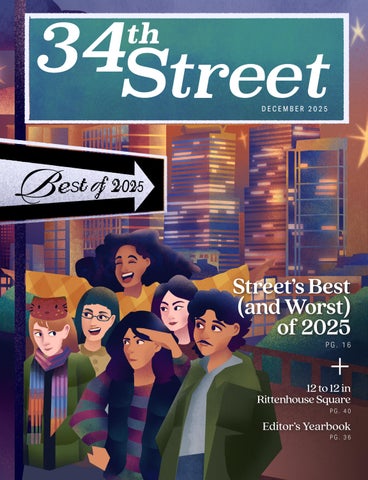
I think that really sums it up. A colorful, unruly year. And that’s what I hope this cover and these designs conveys—the metropolis of mess that is Street. Inspired by my beloved New York and Philadelphia, we give you the best of 2025.
Illustrated by Insia Haque
If you are reading this, you’re probably a little bit of a weirdo. That, or whoever gave you this magazine most definitely is.
I referenced Lewis Carroll’s Alice in Wonderland in my application to be Street’s editor–in–chief last December. A caterpillar asks Alice, “Who are you?” to which Alice responds, “I—I hardly know, sir, just at present—at least I know who I was when I got up this morning, but I think I must have been changed several times since then.”
I was trying to come up with some cohesive definition of Street, and quoting a children’s book seemed to be the closest I could get. Over the past year, I have stammered and blanked when trying to explain what exactly it is that I spend most of my time on campus doing. An arts and culture magazine? Sure, whatever that means. An alt–weekly? Get me a walkman. The “New Yorker of Penn”? Aspirationally. Rumor has it, there was a point in the early aughts when Street as an institution was blacklisted from almost every campus party. We name–dropped some people doing coke at a frat party. You know, the real muckraking stuff. Street was a really close–knit group of people back then—call it trauma bonding. Around that time, Street invented the word “sceney”—which is perhaps the biggest indicator that we were anything but. After all, you only create new adjectives to describe something you are not.
If I were to honestly define Street, I would describe it as the light that draws the amorphous collection of freakazoids and nerds and losers like moths to a flame. You know, the people who watch over a hundred movies a year because they have nothing better to do. People who love MJ Lenderman, but deep down know he’ll never be the Dave Matthews of our generation. People who want to co–parent a rat. People who hear about their friends recruiting, and instead of trying to graduate with some form of employment, choose to write about it instead. People who go to parties and secretly review them in their head instead of getting wasted like a normal person (or the exact problem is that their inebriated instinct is to become a curmudgeon reviewer).
Street seems to bend the rules of behavioral
economics. This is a group of people who dedicate investment–banking hours with no compensation and benefits to create a magazine that I’m convinced maybe a few dozen people read. It’s that passion that makes us freaks. And it’s that passion that makes me love these people and this community so much. Street is far from a utopia—in fact, there were moments this past year when I was convinced some higher power was testing me. But it is a special place, and it is the place that made me who I am during my time at Penn. For me, it is far more meaningful to graduate from Street, I think, than anything else.
This is the last issue of Street that will have the names of me, Jules, and Insia on the masthead. The last issue I will be obliged to pass out during rush hour on Locust Walk. And while I’m excited to have back at least 60 hours a week, there’s no doubt I will miss my misfits. If I ever complained about Street, former editor–in–chief Walden Green (C ’24) would tell me: You will never have another chance to create something so meaningful with your friends and put it out in the world. Perhaps the same can be said about any a cappella or sketch comedy group, members of which I’m sure might read this and declare that they, too, dedicate far more time than is reasonable to their chosen futile pursuit. Maybe the Wharton School is wrong. Maybe there are no rules of rational behavior, and deep down, we all just want to embarrass ourselves for the sake of creating something meaningful.
SSSF,
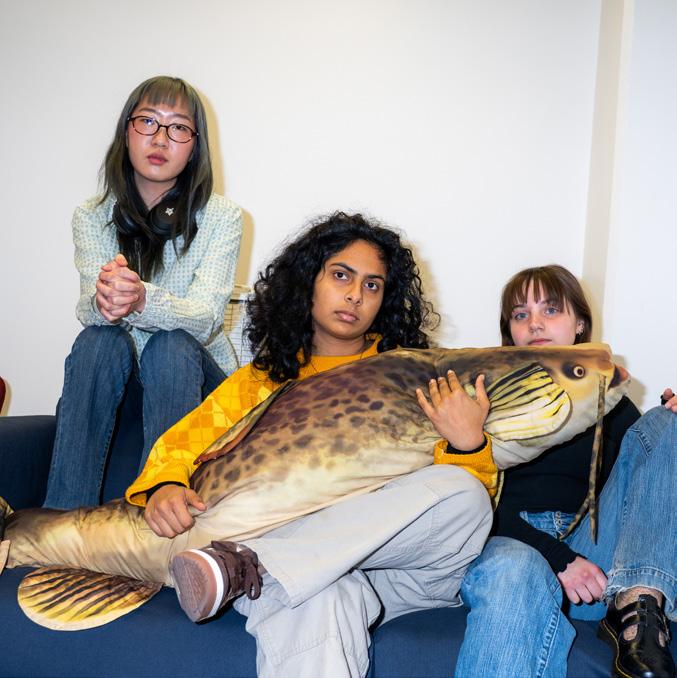
EXECUTIVE BOARD
Norah Rami, editor–in–chief rami@34st.com
Jules Lingenfelter, print managing editor lingenfelter@34st.com
Nishanth Bhargava, digital managing editor bhargava@34st.com
Fiona Herzog, assignments editor herzog@34st.com
Insia Haque, Design editor haque@34st.com
EDITORS
Asha Chawla and Garv Mehdiratta, Copy
Samantha Hsiung, deputy assignments
Bobby McCann and Chloe Norman, Features
Sarah Leonard, Focus
Kate Cho, Style
Anissa T. Ly, Ego
Sophia Mirabal, Music
Logan Yuhas, Arts
Liana Seale, Film & TV
Jackson Ford, Street Multimedia
Arina Axinia, Street Social Media
Makayla Wu, Design
Cassidy Whaley, Social Media
THIS ISSUE
Deputy Design Editors
Kate Ahn, Dana Bahng, Annelise Do Design Associates
Alex Nagler, Andy Mei, Arti Jain, Asha Chawla, Chenyao Liu, Julia Wang, Kiki Choi
STAFF
Features Writers
Diemmy Dang, Ella Sohn, Ethan Sun
Focus Beats
Betsy Barnard, Maddy Brunson, Anthony Danh, Sadie Daniel, Kayley Kang, Richard Paget, Vasanna Persaud
Style Beats
Mariam Ali, Alex Gomez, Sofia Latrille, Jordan Millar, Alex Nagler, Addison Saji
Music Beats
Mira Agarwal, Ananya Karthik, Kyunghwan Lim, Amber Urena, Srikar Venkatesan, Emily Whitehead, Jason Zhao
Arts Beats
Maya Grunschlag, Beatrice Han, Kayla Karmanos, Suhani Mittal, Aaron Tokay, Lynn Yi
Film & TV Beats
Julia Girgenti, Susannah Hughes, Matthew Jeong, Sophia Leong, Demi Xihluke Marhule, Chenyao Liu, Henry Metz, Jackson Zuercher
Ego Beats
Dedeepya Guthikonda, Sophie Barkan, Talia Shapiro, Aenaviah Amna, Ella Sohn
Staff Writers
Melody Cao, Sofia Galperin, Laura Gao, Leo Huang, Sierra Huang, Anjali Kalanidhi, Emma Katz, Digit Kim, Kayla Owusu, Cassidy Robles, Ariadna Rodriguez, Jessica Tobes, Megan Tu, Joshua Wangia, Damya Woodall
LAND ACKNOWLEDGEMENT
The land on which the office of The Daily Pennsylvanian stands is a part of the homeland and territory of the Lenni-Lenape people. We affirm Indigenous sovereignty and will work to hold the DP and the University of Pennsylvania more accountable to the needs of Indigenous people.
CONTACTING 34 th STREET MAGAZINE
If you have questions, comments, complaints or letters to the editor, email Norah Rami, Editor–in–Chief, at rami@34st.com You can also call us at (215) 422–4640.
www.34st.com © 2025 34th Street Magazine, The Daily Pennsylvanian, Inc. No part may be reproduced in whole or in part without the express, written consent of the editors. All rights reserved.
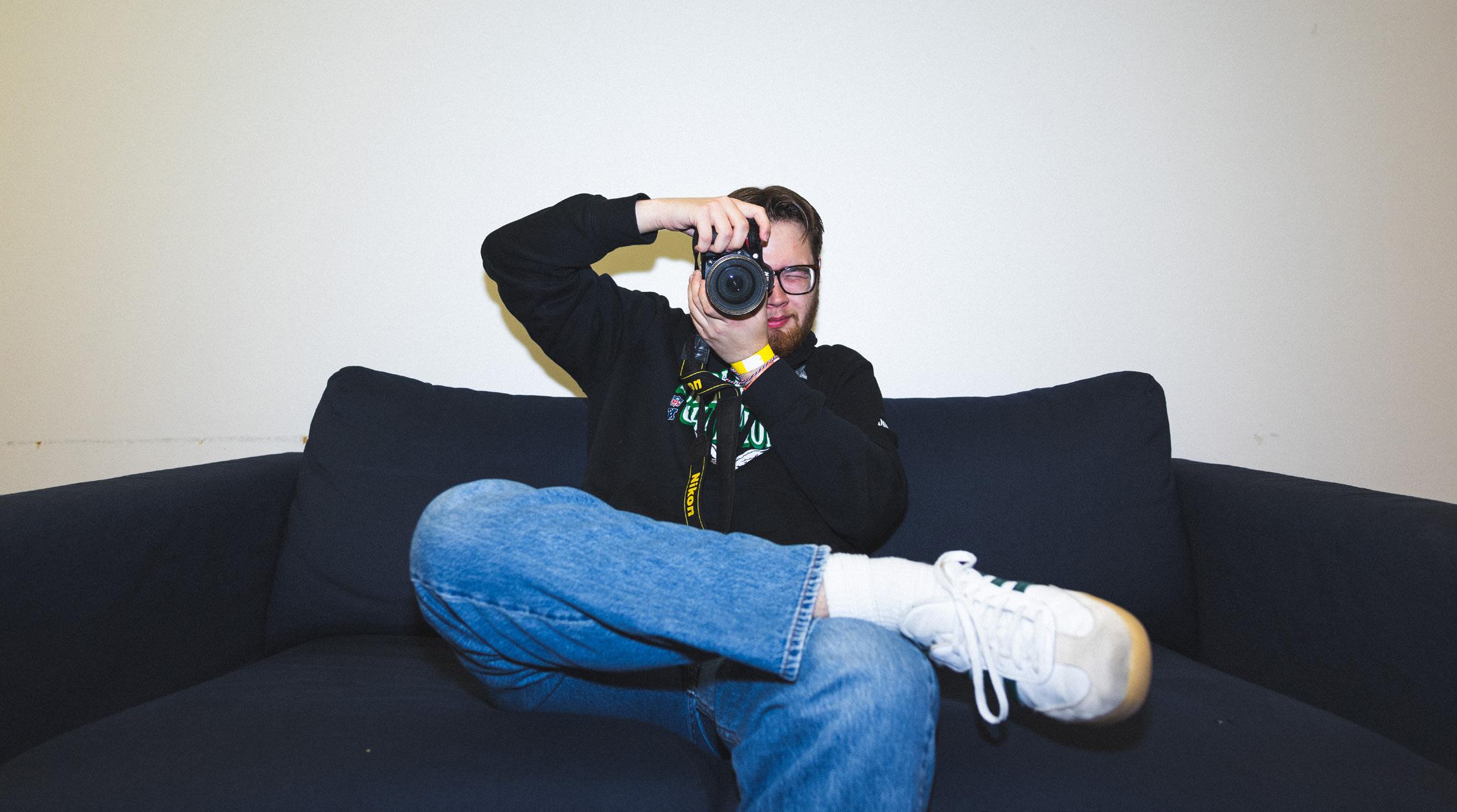
Photos by Areebah Ahmed and Jackson Ford
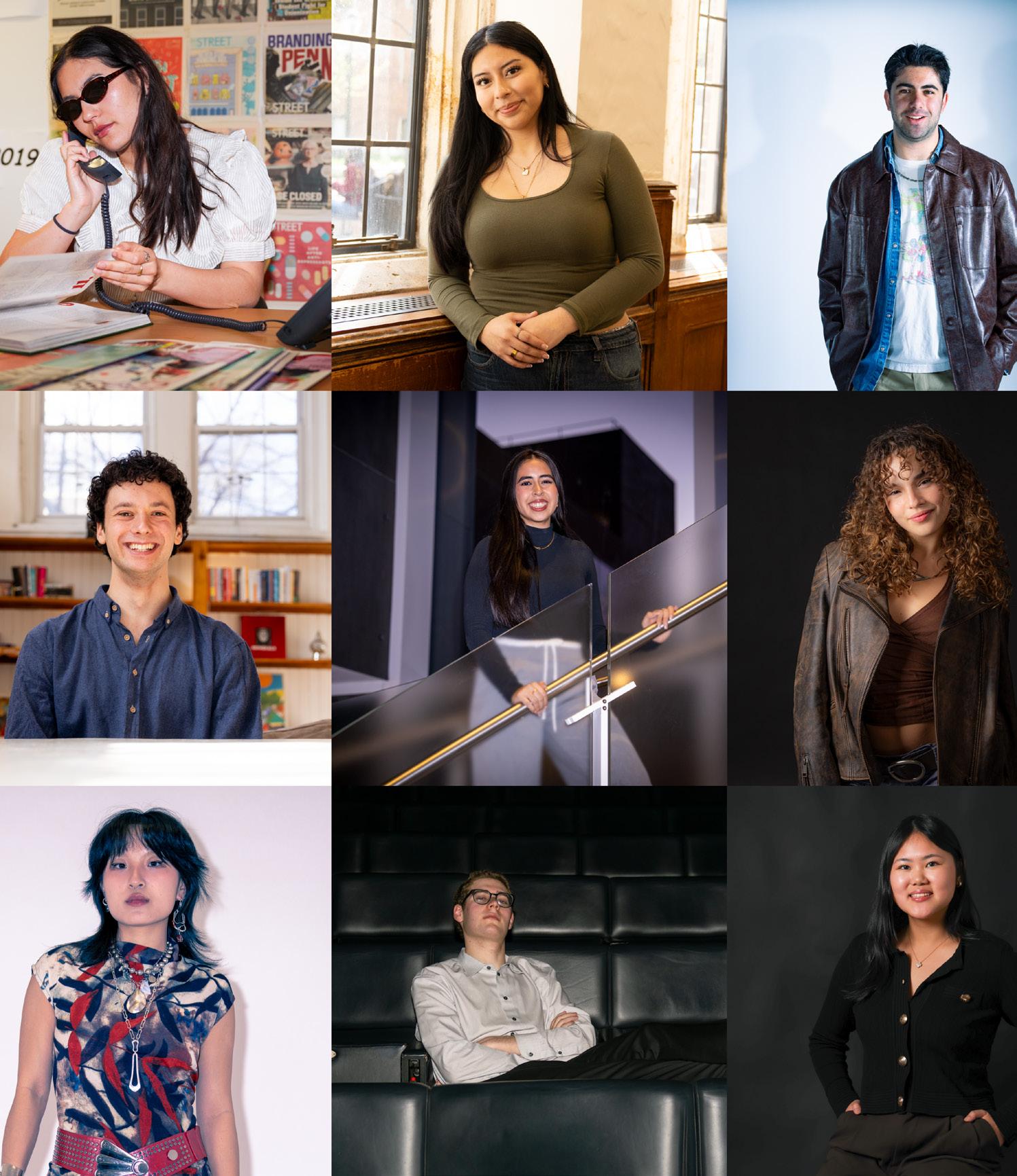
Inever planned on becoming a photographer for Street. If I had it my way, I would’ve stuck with sports photography and called it a day. But for some reason, HBIC Norah Rami—a complete stranger at the time—went to war for me, insisting that I become Street’s multimedia editor. I didn’t ask for it, I didn’t expect it, and honestly, I didn’t even know what Street was.
Until January 2025, I was your classic finance bro: Patagonia quarter–zip; LinkedIn warrior; “Oh, you’re a PPE major?” energy. You get the
picture. I was knee–deep in recruiting and genuinely believed that if a club didn’t have “Wharton” in the name, it wasn’t worth my time. Arts and culture? Cute, but not exactly what J.P. Morgan was looking for. So when I got the call that I’d been picked as the photo editor for an arts and culture magazine, my first reaction wasn’t excitement—it was concern.
Genuine concern.
My first Street assignment happened to be an Ego piece on Gloria Cheng. I showed up to the
studio terrified, and armed only with NSO–esque small talk and a camera. But as my nerves faded, I learned she was really into beekeeping and was a Nursing/Wharton dual–degree student passionate about women’s health. It was the first time in a year and a half at Penn that I’d met someone who didn’t immediately bring up Goldman Sachs or quant trading. Don’t get me wrong, I love my freshman–year friends—maybe that’s on me for not branching out sooner—but talking to Gloria reminded me that not everyone
For all of Penn’s flaws, it’s still a privilege to be here. Few other universities offer the same kind of safety net—the kind that lets you fall, fail, and still land somewhere meaningful.
dreams of spending fifteen hours a day in Excel. Since then, Street has rewired me. I’ve met people who, even if they’re still headed for consulting, think beyond the paycheck; people who make art and do crazy things because they want to, not because it’ll “differentiate their personal brand.” Every week, I’d meet a complete stranger somewhere random on campus, camera in hand, and ask about their lives—how they survived midterms, how they navigated situationships, what actually mattered to them—all while awkwardly telling them how to pose without saying outright, “You need to stick your ass out more.”
Those conversations have quietly expanded my idea of who a Penn student can be. After each shoot, I became a little more okay with the idea that you don’t need to follow a “traditional” path for it to be worth taking. Even if you do, don’t forgo who you are.
I was reminded of this at commencement this past May, where Elizabeth Banks (C ’96) gave a particularly moving speech about the safety net a Penn degree provides. She told us to take risks and make crazy decisions just to see where they lead. After photographing the ceremony (and running on 48 hours of no sleep), I slowly walked back to my summer sublet on Irving Street (shoutout Print Managing Editor Jules Lingenfelter for being the best landlord), the same house Banks lived in 29 years earlier. Standing on those steps, I thought about how she was once probably just as stressed and tired and unsure about her future as I am now, strug-
gling to just get the key into the hole. But she took the leap, pursued acting, and ended up giving us the cultural masterpiece that is Pitch Perfect (though I do blame her for Penn’s a cappella problem).
For all of Penn’s flaws, it’s still a privilege to be here. Few other universities offer the same kind of safety net—the kind that lets you fall, fail, and still land somewhere meaningful. Horace Mann once called education “the great equalizer,” and while Penn’s admissions and tuition make that ideal complicated, the opportunity to take risks and make something that matters is still real on Locust Walk. It is just a shame that it took me nearly two years to notice it.
I still “love” finance—I just don’t need it to be my entire personality. What comes next for
me is still unclear. Perhaps, I will be a full–time photographer traveling the world, or I’ll stick to Wall Street and freelance on Sundays. But, Street gave me back the part of myself that likes to make things just because they feel worth making. Somewhere between the rushed shoots, running from Franklin Field to the Pink Palace, and late–night Slack messages, I found and photographed a small community that makes this campus feel human.
So yeah, maybe I owe Norah a thank–you for taking a chance on me, for dragging me out of my comfort zone, and for reminding me that the best things in life don’t come from a ten–page plan you made one week into Penn titled: “I don’t know what investment banking is but I need to do it.” k
Majors in design and cognitive science, minors in creative writing and fine arts
34th Street Magazine, Penn Appétit, Pencilbite Studio, Marketing Undergraduate Student Establishment
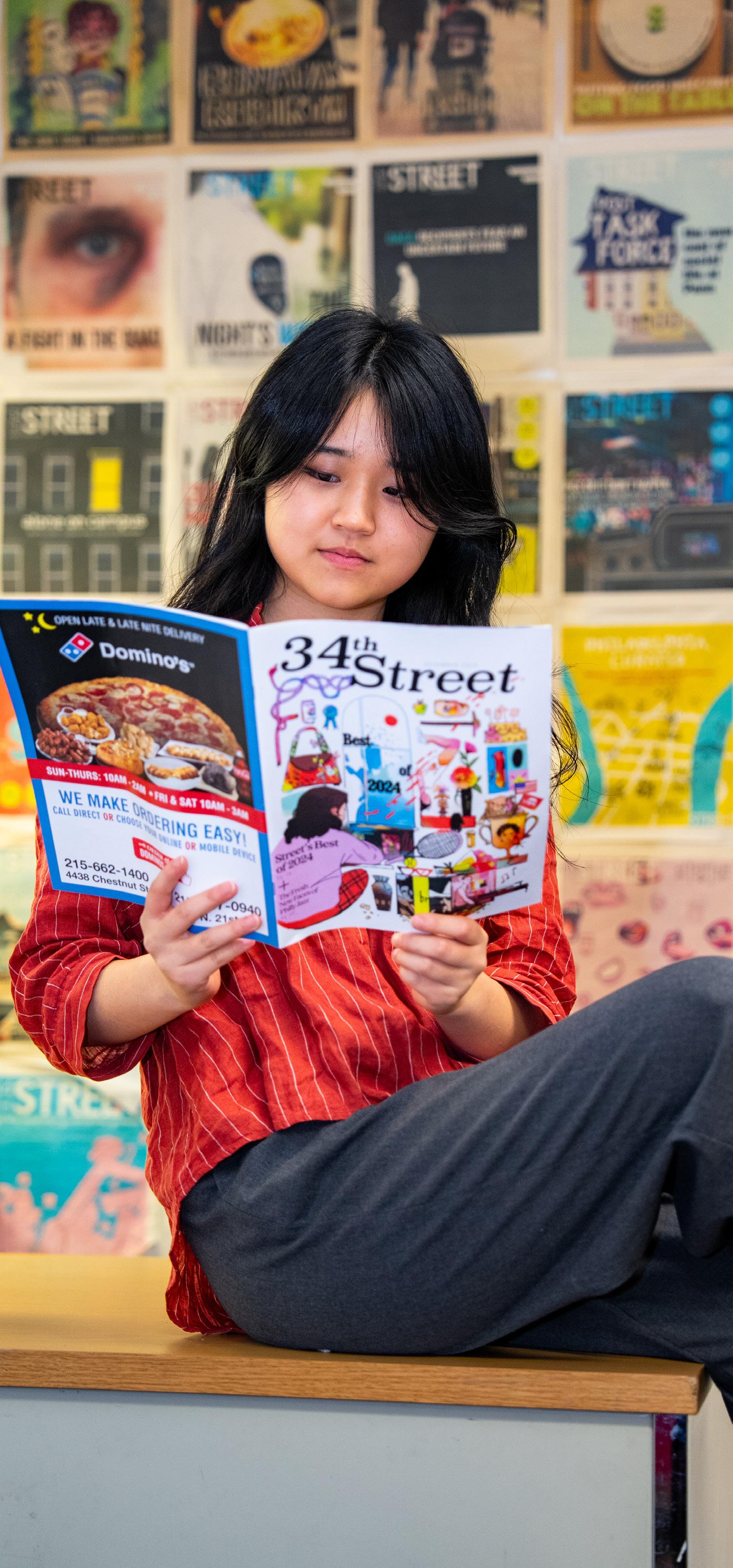
It is possibly the single most windy afternoon of the year when Wei–An Jin (C ’26) and I take our seats at Tea–Do in University City. One would think being indoors would allow us to avoid the sounds of the harsh winds muddying our conversation, but alas this afternoon must also be the busiest in Tea–Do history. Thus, Wei–An and I reminisce on her time at Penn while conversing over the blaring pop music and an overworked boba–shaker machine.
It’s hard to remember exactly when I first met Wei–An. She’s sort of become embedded in every aspect of my Penn experience; she is the manifestation of everything good Penn has had to offer me. When I first began designing for Street in our freshman spring, she was there beside me as a deputy Design editor. When I declared my major in cognitive science in our sophomore fall, we began sharing at least one class every semester.
Wei–An embodies creativity and warmth. Her humility endears her to anyone and everyone who meets her. Then, you’re slapped in the face with the sheer amount of passions she has. She describes herself, humbly, as a “jack of all trades, master of none,” but I’d argue that’s better than a master of one. All these years later, I’m still caught off guard by her breadth of trades— only through this conversation learning she’s accidentally taken enough classes for a minor in philosophy.
By the time we finish our boba—a small honey black tea with aloe vera and tapioca pearls, half sugar and light ice for her and a small honey jasmine tea for me—our hourlong walk down memory lane concludes in bittersweet laughter.
BY INSIA HAQUE
How did you develop a passion for design?
I don’t think I can talk about design without talking about art. I don’t think I can talk about art without talking about writing.
I’ve been a pretty shy person for most of my life. I don’t think I’m a super eloquent person, either. From a young age, I was very drawn to other mediums of communication or expression, and I got really good at that to make up for my lack of confidence in speaking my own thoughts. The first facet for that was writing, like diary entries. I like personal essays. I like creative nonfiction, things like that. My first childhood dream was to be a writer and make pictures, and that naturally led to art. Design came later in college as a soft tradeoff, where initially it was because I wanted to find a job more easily. As I’ve really thrown myself into design, I found a real love for all things editorial and communication.
In an interview (which you are deeply embarrassed by) for your high school newspaper, you said you applied to Penn as a design major, but were also considering English or psychology. Nearly four years later, can you tell me about what you ended up studying?
I think my interests have remained fairly consistent with my high school aspirations. I took the steps to explore everything I was interested in, regardless of how applicable it would be to a future career. I think it's important to do things that you like. I'm leaving Penn with a certain thankfulness that I continue to pursue these areas, given the preprofessional environment here.
How has Penn’s preprofessional culture influenced you in that regard?
I feel as if I was questioned a lot whenever I told people what I wanted to do or was doing. I think when you tell people that you’re a design major, or an English major, or whatever, the first thing that people will say to you is either “Why?” or, somewhat patronizingly, “Oh, that’s so cool.” I feel that as a whole, the University is so geared toward particular pathways and career paths. I feel as though if I didn’t feel as strongly
about these things, I would have changed my path a long time ago. So on that front, I feel as though being a design major here has forced me to reckon with what I like a lot or what I want to do a lot more than I would have if I was majoring in something like computer science or finance.
”There’s so much merit in doing things that you’re not ready to do sometimes. It was just great to be there for the ride, even though we knew it wasn’t gonna be this amazing, award–winning thing. It was a beautiful fever dream.”
You mention finding supportive community at Penn despite the larger, looming preprofessional culture. Could you tell me more about that community?
I was at The Daily Pennsylvanian for three years, and in that time, I went from a design associate to a deputy designer to the eventual (former) Street design editor. I didn’t expect to like editorial design so much, but part of what drew me to it was the fast pace of it, and how that forces you to trust and bond with the people that are around you—not in a “hazing” way. You would only do this work if you want to be there, just because the hours are so long.
I dedicated so much of my life to this publication, and I’m so grateful for the people that I got to meet along the way, like my co–Design Editor Sophia Liu, all of the members of the Design department on the 140th Board. How long did we spend in the office? Like, 20, 30, 40 hours? A lot of hours a week. I felt like that was a really big way that I was able to build my community here and find people who were countercultural to “Big Penn.”
Stepping out of Street, could you tell me more about your time with Pencilbite Studio? Do you think there was still value in the work we put in, even if we never finished?
That was a really beautiful, short–lived stint of my life. Pencilbite was started by Lilian Liu, who was the 139th Board’s DP design editor. She was a fine arts and physics major, and she told me such a beautiful quote that really resonates with me. She said that she loves science like a science–fiction writer loves science, not like a scientist.
Pencilbite is not a club anymore, but for that year and a half, it was a lot of work going into this passion project. We were so in over our heads. Penn has no animation department. All these people were just random recruits who liked to draw and didn’t know anything. Yet there we were, making this huge short film about a thesis defense in some sci–fi space environment and falling in love with a monster. There’s so much merit in doing things that you’re not ready to do sometimes. It was just great to be there for the ride, even though we knew it wasn’t gonna be this amazing, award–winning thing. It was a beautiful fever dream.
When did your interests in cognitive science and philosophy come into the picture?
I came into Penn with an interest in psychology because I was pretty interested in empathy and theory of mind in high school. I was one of those annoying kids who kept talking about the human condition. I was like, “all art is the human condition.” I was exploring, juggling anthropology, psychology, sociology, and cognitive science. I landed on cognitive science just because it cast the widest net and leans a bit STEM. That’s what I was looking for at Penn. I feel I need to engage my mind in a lot of different ways, to pull from different places, if that makes sense.
I didn’t expect to be most interested in the philosophy side of cognitive science. Specifically the philosophy of science and of mind and perception, which were so weird and trippy. I couldn’t be a philosopher because I think my brain would actually ex-
plode, and frankly, I don’t really understand a lot of it, but it’s so fun parsing through the papers.
Out of all the classes you’ve taken, across all these fields, which ones are your favorites?
For design, I have to recommend all of Sharka Hyland’s courses. She‘s been so integral to developing actual design principles, solid skills, and a critical eye, and she also just knows so much about design history, and pushes you. And I think she’s really funny.
I also want to plug “Cooking With Words” with Gabrielle Hamilton. It’s a personal–essay class disguised as a food–writing course. It is my favorite class that I’ve taken this semester. Gabrielle is so charismatic, talented, and supportive as well.
Outside of Penn, how have you explored your passions?
This past summer I worked as an art intern at Quanta Magazine, where I was able to work with the art director to develop and conceptualize a bunch of different editorial illustrations. It was something I was always afraid of diving into, because it’s illustration which feels less safe, to a certain extent, than more traditional design. I really was glad to have that opportunity to develop my skills and work with someone who would give me real feedback. I cannot stress the importance of real feedback enough. I think from there, I learned not to baby my work so much, because at the end of the day, editorial work is for a greater purpose. It’s not your personal artwork. Now, I’m able to freelance with magazines and I was published in Wired, which was insane.
I also did Penn’s Global Research and Internship Program in Singapore and that was a totally different experience, because it wasn’t exactly editorial. I worked with this think tank on research and social development work to tell the story of food insecurity in Singapore. What I ended up doing was just sifting through all their big white papers of research and finding interview snippets from real people, and creating booklets that they could hand out.
You told me that you turned down the Rhode Island School of Design for Penn. Do you ever regret that decision?
I’m kind of a jack–of–all–trades and a master of none. I have always felt jealous of people who were very good at one thing, or very sure of what they wanted to do. I was never just the artist or the designer. I was doing research in high school. I was always writing. I was always very spread out.
If I had gone to RISD, I would be a lot better at design from a technical standpoint, and also a lot more sure of what kind of designer I wanted to be, professionally. But it’s also okay if you’re not amazing. I’m still not great at anything. I am good, but I have a long way to go if I want to become great. I think at Penn, I’m really grateful that I was able to spend my undergraduate years exploring everything that was very interesting to me. Thanks to Penn, I do think I have a lot of perspective and a lot of insight from a lot of different places.
Soundtrack to your life right now?
One last question: What would you say has been your most memorable experience during your time at Penn?
The only thing I can think of is “Ball Ball.”
I invited all my friends that I made throughout my Penn career and threw a “Ball Ball” on Baltimore Avenue. Everyone had to bring ball–shaped food. We had mac–and–cheese balls, rice balls, and tapioca balls. I made sweet–and–sour tofu balls and fish–cake balls. Everyone had to dress up like it was a ball, in their best fits. It was a really, really lovely time.
I think I mentioned before that I have a lot of different types of friends from all different worlds at Penn. So it was really cool seeing everyone in the same place. And they say never to mix your friend groups, but I think it went pretty well, because everybody was united by balls. It was a really beautiful memory. k
The soundtrack of My Neighbor Totoro by Joe Hisaishi, who I just saw live!
Favorite issue of Street that you designed? November 2024: Politics Issue
Greatest artistic inspiration?
Jia Sung
Favorite word?
“Lush”—I want all my art to embody it.
What part of the brain are you? The thalamus, which receives all the senses.
Hope for 2026: More long–form content!
There are two types of people at Penn… Kiki and bouba!
And you are? Bouba, duh!
Sachs’ latest sneaker release with NikeCraft is so good it makes everyone forget that abuse is bad.
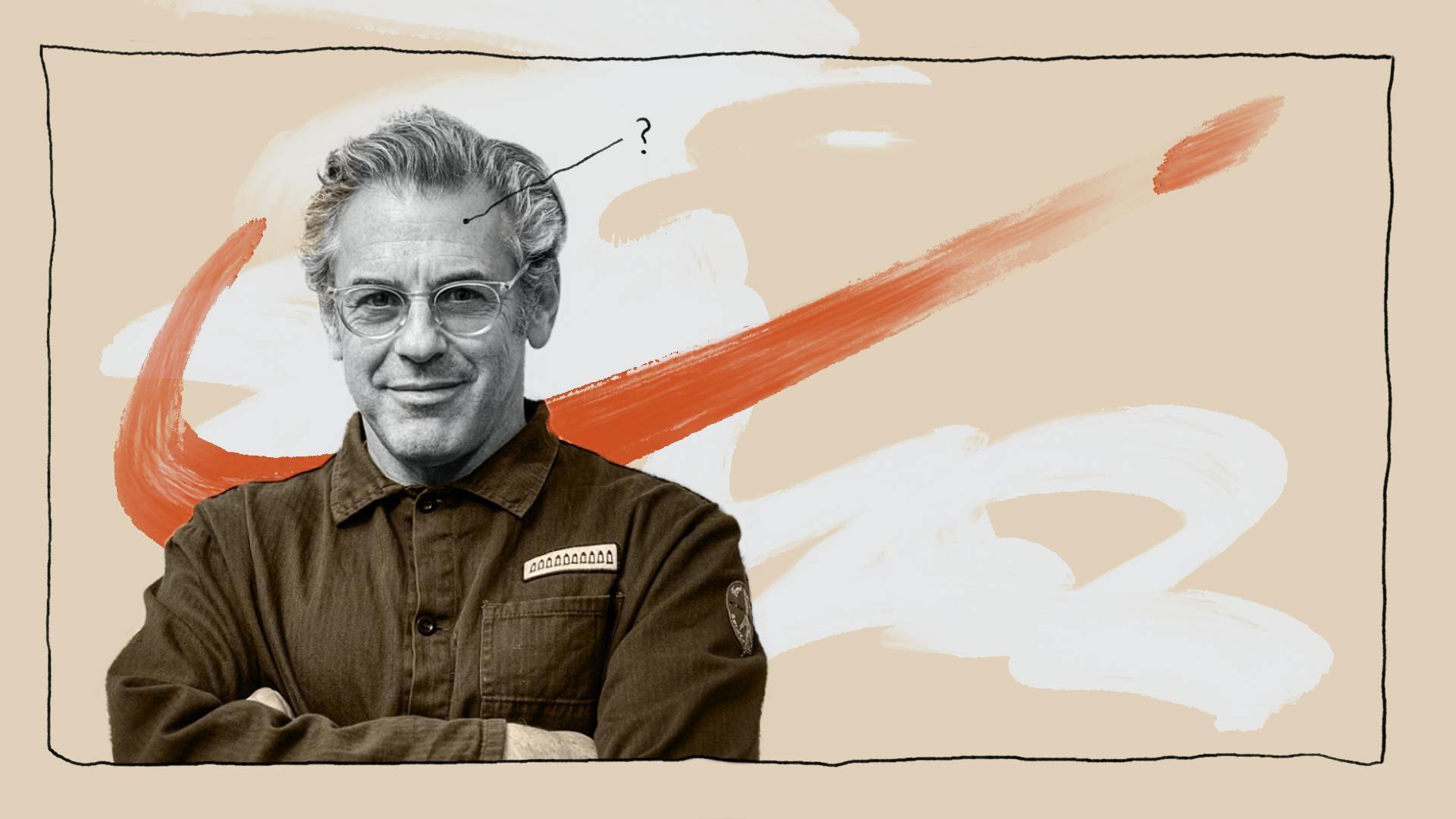
Sneaker collectors often like to say that a good pair of shoes can be compared to a work of art. Over a year of planning, designing, testing, and even storytelling go into each and every pair of shoes that Nike pumps out of its factories. And out of such efforts come pairs so great, so profound in design, that they end up being sold for far more than the original price point Nike gives them. A connoisseur of fine art browsing Sotheby’s for ongoing auctions will often find a listing for an old pair of Nike Air Mags sitting right next to a 19th–century Impressionist piece—and the pair of Air Mags probably costs just as much. The parallels between sneakers and art, while unprecedented, are clearer than ever before. And what better way to celebrate this than for Nike to collaborate with real designers, painters, and sculptors, right?
In 2012, Nike and then–up–and–coming sculptor Tom Sachs announced one of the most unique (and now infamous) power combos in the sneaker industry: NikeCraft. At the time, Sachs was known for his close ties with NASA and his studies of space travel and the Apollo program. In 2007, he staged one of his first high–profile exhibitions, appropriately titled Space Program, which featured sculptures and hand–built goods inspired by the hunger for exploration that fueled the Apollo missions. NikeCraft’s debut model, the Mars Yard shoe, showcased Sachs’ creative expertise and tied it into his fascination with space travel and equipment—hence the “Mars.”
When NikeCraft first came to fruition, Nike
BY ALEX NAGLER
offered Sachs some easy money. They wanted him to design a new Nike Dunk or Air Force 1, shoes that Nike consistently sold millions of, which would have given him an easy base model to kickstart his sneaker–design career. But Sachs adamantly refused: Like the sculptures that filled his studio, he wanted to build the shoe from the ground up. The NASA–tested rubber compound used on the outsole; the space–grade airbag fabric used as “mesh” for the upper; the way that the pull tab on the tongue was hand–stitched on—all of these were the brain children of Sachs himself. He accepted no less than full creative control over the project. That was just the way he liked it.
In 2012, the Mars Yard was released to huge success. Today, original pairs that are still in circulation can fetch anywhere between $6,000 and $15,000. NikeCraft had its huge debut, and the collaborations were off and running after that. What better way to follow up the Mars Yard with the Mars Yard 2.0? After that, NikeCraft released the General Purpose Shoe. Released with the goal of leaving the hypebeasts and the resellers behind, the GPS was for the masses—readily available at department stores while still carrying the desirable NikeCraft name.
NikeCraft was on top of the sneaker world. Maybe giving Sachs full say over his Nike releases wasn't so bad. After all, Nike was making a ton of money, and Sachs was happy. But maybe his controlling tendencies should have stayed in the sneaker world.
In early 2023, almost directly after the
successful release of the GPS, reports from former employees in Sachs’ studio began to reveal the realities of working with Sachs. He was described as controlling (go figure), abusive, and elitist. It was revealed that Sachs had a room in his studio dubbed “the Rape Room.” Sachs had appeared at meetings with female Nike representatives wearing nothing but his underwear. His former employees were even afraid of speaking out regarding their treatment for fear of retaliation. Sachs came clean right after being exposed, expressing regret for his dehumanizing actions and poor treatment of his former collaborators.
Allegations—true or false—of this magnitude are something huge global brands like Nike simply can’t afford to carry on their back. So, like dead weight, it seemed like NikeCraft was finished. There was no way that Sachs was ever going to be seen the same way again in the art or sneaker world. Nike was going to keep his name far away from their future projects, right?
Wrong.
Almost as quickly as he was rid of, leaks of an oddly familiar–looking shoe were being passed around online. There was a signature tongue loop, oddly roveresque midsole shape, and some brand new details like a rubber mud guard on the upper. This couldn’t possibly be an old photo of the Mars Yard 1.0 or 2.0. It was, unmistakably, a Mars Yard 3.0. That was impossible. NikeCraft and Sachs were finished. Everyone hated Sachs and what he stood for. In the past, the NikeCraft name generated in-
sane levels of hype among the sneaker community. But it wouldn’t be crazy to assume that his time in the design spotlight was over.
But there’s one thing that Nike prioritizes over morality: success. And if Nike’s good at selling shoes, it’s great at making the public forget.
The NikeCraft Mars Yard 3.0 was slated for a Sept. 19 release, and the sneaker community lost its mind. Nike began rolling out advertising campaigns for the pair. Sachs slowly made his way back into the public eye in interviews and podcasts under the watchful gaze of Nike’s PR department. And as irrefutable proof that Nike could control the narrative however it wanted, the shoes sold out almost instantly.
When considering the place a shoe like the Mars Yard has in the sneaker market, there really isn’t anything else quite like it. How many other brands can you think of making shoes fit for walking on Mars? The modern sneaker scene as a whole is about collabs, collabs, collabs. Think of the sheer number of people who associate Nike with the “Air Jordan” name. Or consider the recent Pharrell x Adidas collaborations that have been rolling out over the past cou-
ple of years. The money is in the moniker, and Sachs’ signature was just too hype to leave behind.
If time heals all wounds, then it seems like Sachs’ actions don’t leave even a papercut’s worth of trauma, tears, and tribulation behind. NikeCraft’s shoes will continue to sell like crazy. More colorways of the GPS are already being sold for preorder. In the sneaker world, unfortunately, hype
tends to override empathy and common sense. The consumer that the Mars Yard 3.0 panders to is one who knows enough about niche sneaker culture to also know what Sachs did, so the fact that this shoe sold out as fast as it did is driven by either indifference or investment. It’s not insane to assume that some of the people who are scooping these pairs up don’t even care for the design. After all, a shoe like the Mars Yard is meant to make a statement rather than
complete a style. Maybe the statement is that the wearer likes harassing their colleagues (kidding).
The original Mars Yard 1.0s are crazy expensive. Maybe the hope is that resellers can derive the 1.0s’ hype from the 3.0s and make a small fortune ten or 12 years down the line. Reselling culture and the money–hungry blindness that comes with it often takes away the storytelling, history (good or bad), and cultural meaning behind snea kers. It’s unfortunate when a shoe you ge nuinely love for its design and meaning to the community skyrockets in price because the “investors” out there are staking their claim.
Pairs of the 3.0 are now selling for over four times their original MSRP, and the community is praising the model as an “ob vious” contender for Shoe of the Year. Just a year ago, Sachs wouldn’t have be allowed to breathe in Nike’s direction. Prices for his work with NikeCraft had plummeted, and pairs of the GPS went from viral to abando ned in a week’s time. Nike’s moral compass has been a point of contention for years now with its business practices, but something this egregious (and unfortunately successful) should never go unrecognized. But as the Nike cycle often goes: recycle, rinse, repress, repeat. Right? k



Subscribe to see what’s toastin’ every
Monday -Wednesday - Friday

Keep an eye out for information about our upcoming recruitment cycle!
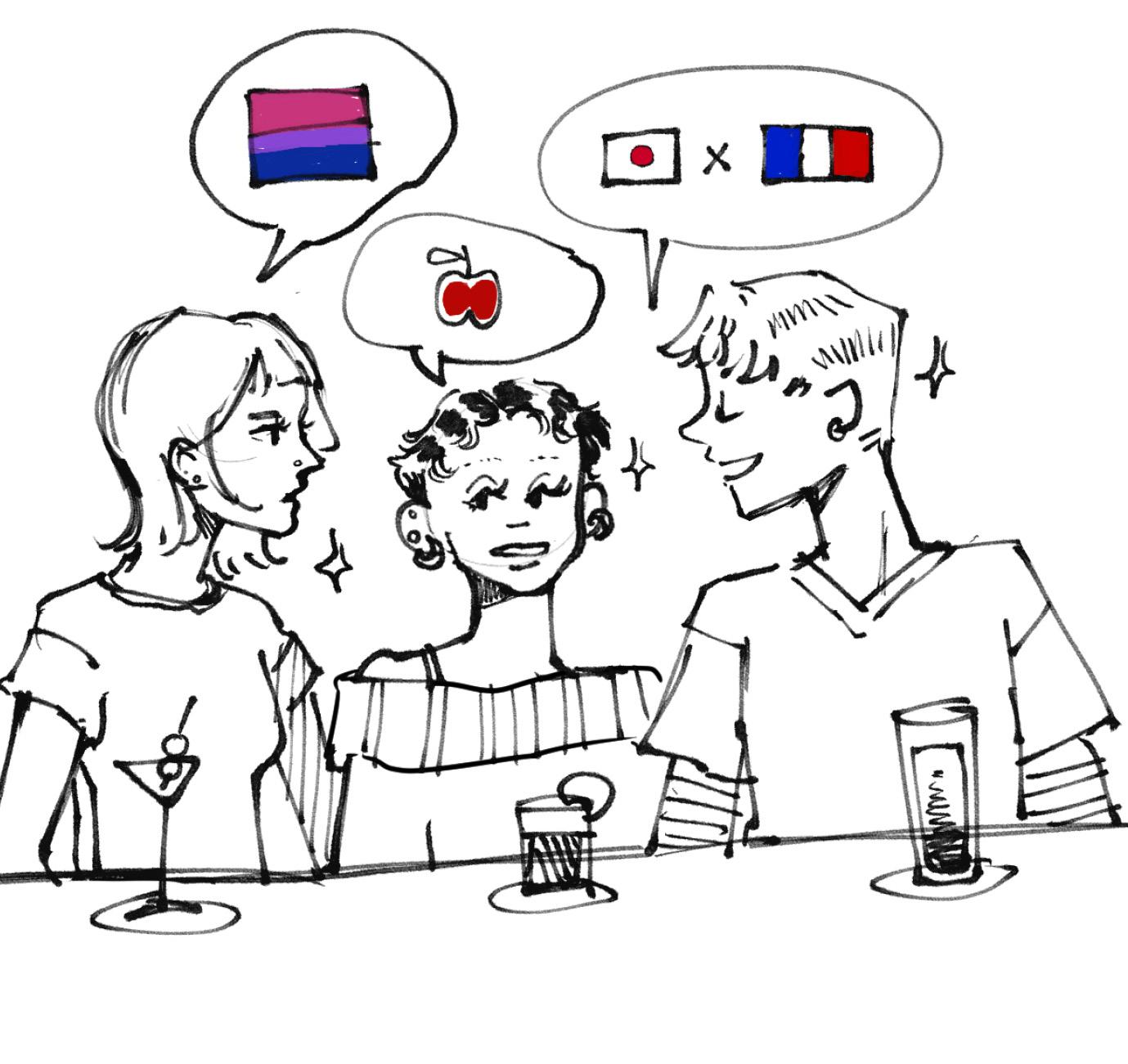
A Wasian, a Bisexual, and a New Yorker walk into a bar, which one is the first to tell you what they are?

The Department of Justice’s subpoena of the Children’s Hospital of Philadelphia’s medical records presents a threat to all of us.
BY MADDY BRUNSON
Photo by Max Mester
In June of this year, the Department of Justice served the Children’s Hospital of Philadelphia with a subpoena ordering it to turn over medical records, provider documents, and even text messages related to gender–affirming care. It also demanded Social Security information, personal and medical patient history, addresses, and many other pieces of
private information. This infringement violates HIPAA and the basic privacy rights to which all patients and families are entitled. The attack on transgender children and their families is scary—not only for them, but for everyone.
“You’re saving lives, period,” Grace Gilbert, a local orthopedic surgery resident who’s been vocal on her social plat -
forms (@gilbert.md.rn on TikTok and Instagram), says about the importance of gender–affirming care. She’s used her training as a doctor and a nurse to create extensive educational content about gender–affirming care, especially for kids.
The Trump administration has campaigned for the investigation and halting of pediatric gender–affirming care
across the country. Along with CHOP, nearly 20 other hospitals have been hit with subpoenas: Boston Children’s Hospital, Children’s Hospital Colorado, and many others are fighting to protect their patients’ privacy. In a recent ruling, a judge blocked the Justice Department’s subpoena for the records of Boston Children’s Hospital. Some clinics and hospitals, however, have had to stop offering gender–affirming care in the wake of the administration’s subpoenas and executive orders, leaving thousands of children vulnerable.
There are many misunderstandings in media and government alike about what gender–affirming care truly is. Many believe that gender–affirming care is always about taking some sort of hormone or having surgery, but it can actually come in many forms. Gilbert explains the major categories of gender–affirming care: therapy, puberty blockers, hormone therapy, and gender–affirming surgery. Gender–affirming therapy is a therapy that focuses on affirming and supporting a patient’s preferred gender identity. It can mean things like “changing your pronouns” and “having notes for school that say your need for certain things,” Gilbert explains.
Puberty blockers stop the body from producing estrogen and testosterone, therefore delaying the changes many experience during puberty. “The important part about it is knowing that it’s 100% reversible. It is a medication that we give kids to delay puberty so they have more time to decide what they want to do,” Gilbert says.
Gender–affirming hormone therapy can help a patient achieve physical characteristics that are more masculine or feminine through the use of hormones like testosterone or estrogen. “Those do have a lot more side effects. But it’s the same side effects as puberty,” Gilbert says.
Hormone replacement therapy guidelines recommend that HRT can be started no earlier than 13–14 for transfeminine teens and 14.5–15 for transmasculine
teens. Before the age of 18, parental consent is required to start HRT, and in some states, HRT for gender–affirming care is even banned for minors.
Colloquially known as “top surgery,” “bottom surgery,” “feminization surgery,” or “masculinization surgery,” gender–affirming surgery is a broad term for a wide range of medical procedures a person can have done to align their gender identity with their physical characteristics. This type of gender–affirming care is rarely done for minors, especially bottom surgery. “No one in this country does geni -
”We’re not subpoenaing to make health care better. We’re not subpoenaing to make sure depressed kids get therapy. We’re not making sure that kids who need chemo, that their insurance covers it.“
Leavitt calls surgeries for transgender kids “barbaric.” But transgender care is no different from any other form of health care: It saves lives. A study published in the Journal of the American Medical Association found that receiving gender–affirming care (i.e., puberty blockers and/or hormone therapy) was associated with 60% lower odds of moderate or severe depression and 73% lower odds of suicidality in transgender youth.
It’s an indisputable fact that access to gender–affirming care is essential for transgender youth, but trans people aren’t the only ones who benefit from gender–affirming care. A study by researchers from the Harvard T.H. Chan School of Public Health examined the prevalence of gender–affirming surgeries among different groups of minors and adults in the United States. The numbers show that roughly 97% of breast reduction procedures done on male minors are done on cisgender male minors, while only 3% are for transgender and gender–diverse youth.
tal surgery on trans kids,” Gilbert says. “There’s only a few surgeons in the country who even do it for adults.”
A large concern about performing gender–affirming surgery is the worry that patients may regret getting the surgeries or want to “transition back.” A systematic review found the overall prevalence of regret after gender–affirming surgery was 1%. When comparing this to total knee arthroplasty surgery outcomes, the overall rate of regret is ten times higher for total knee arthroplasty as compared to gender–affirming surgery.
White House Press Secretary Karoline
Breast reductions for cisgender males are typically done in response to gynecomastia, a relatively common disorder that results in an excess growth of breast tissue. The study also found that the rate at which top surgery was performed on transgender and gender–diverse minors was “2.1 per 100 000 minors aged 15 to 17 years, 0.1 per 100 000 minors aged 13 to 14 years, and 0 procedures among minors aged 12 years or younger.” These numbers clearly disprove the Trump administration’s claim that doctors are recklessly and carelessly performing surgeries on transgender children.
Youth who have already gone through these therapies before the Trump administration’s investigation are vulnerable as well. Their private records and medical information are at risk of being made public without their consent.
The privacy of our health care and livelihoods has been threatened since the overturning of Roe v. Wade, which not only established the right to abortion but also expanded the implied constitutional
right to privacy. Although not explicit in the Constitution, an individual’s privacy is broadly seen as protected by the Fifth and 14th Amendments, which state that a person cannot be deprived of “life, liberty, or property, without due process of law.”
The overturning of Roe v. Wade sets a scary precedent, and so does the most recent wave of subpoenas from the Justice Department. “What, if any, are the positives that the government could be doing with this information?” Gilbert asks. “We’re not subpoenaing to make health care better. We’re not subpoenaing to make sure depressed kids get therapy. We’re not making sure that kids who need chemo, that their insurance covers it.”
We’re living in a world where pervasive violations of our privacy threaten our right to safe, secure health care. Providers are struggling to grapple with this challenge during conversations with patients and their families. “Families are bringing in their kids to these centers, even though they don’t fully support them.” Gilbert says. “Now, instead of getting abundant support and help, they’re being told that this might put your family at risk.”
Kids with gender dysphoria already struggle with bullying and harassment at school due to their gender identities. The possibility of having their health information exposed or losing access to the health care they need will further erode their ability to function in their own bodies. The Justice Department’s subpoenas have put up even more barriers for transgender kids to overcome in order to access gender–affirming care.
Gender–affirming care is health care, and we need to continue to fight for transgender youth as their right to feel safe in their own bodies comes under threat. In these times, it’s more critical than ever that we hold out our hands to those who don’t understand transgender issues and show them just how critical access to gender–affirming care can be. Should these violations of our privacy go unnoticed and unchecked, real lives are on the line. k

































































































































Best ( and W o f 2025
18. Be st o f
Cultu re
26. Be st o f Music
34. A pp al Matrix

Worst)



22. Be st o f F a nd TV
30. Wo rst o
2025
3 6. E ditors Yearboo




Be st o f Cultu re
Street picks its favorite moments of the year. Design by Insia Haque and Julia Wang
Every year, new moments enter the cultural zeitgeist—new slang becomes ingrained in our vocabulary and political figures become our little dolls to jerk around. With the increasing pace of online trend cycles, it can be difficult for anyone not chronically online to catch up. Luckily,
Street has alarmingly high screen times and endless burner accounts. On the off chance you somehow missed whatever six–seven is, or the momentous Zohran Mamdani win in the New York mayoral race, Street’s got you covered.
—Jules Lingenfelter, print managing editor h

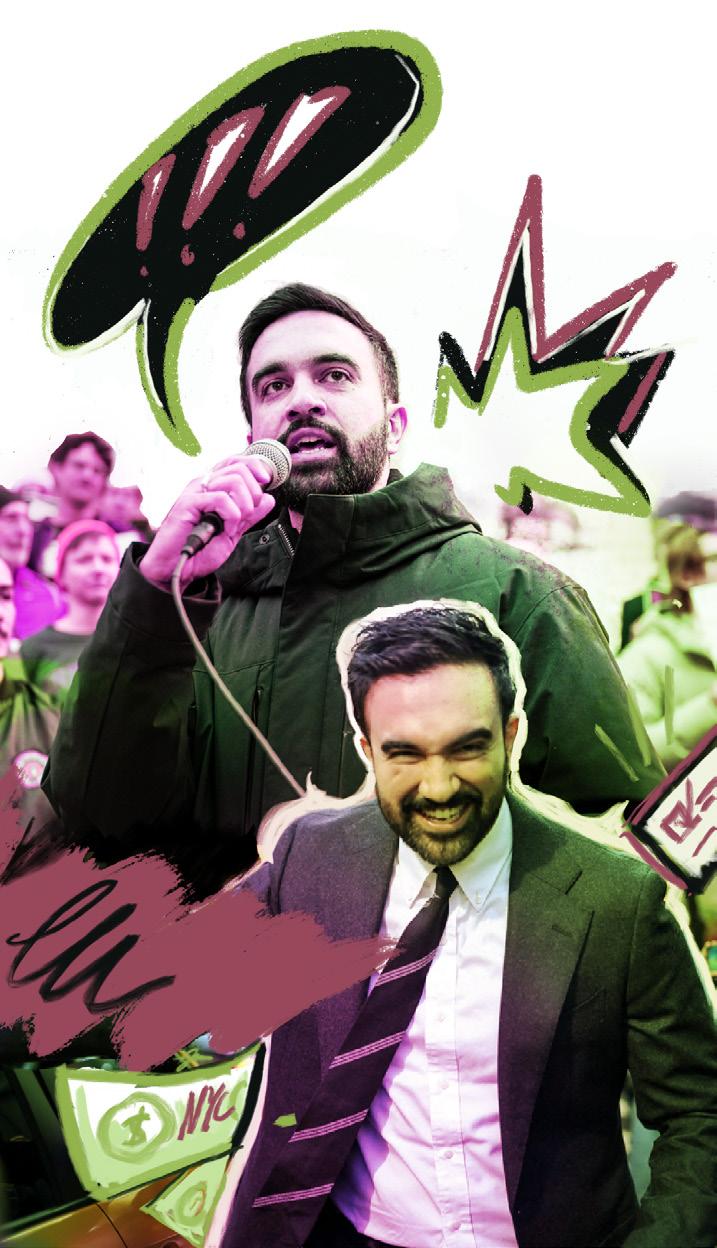
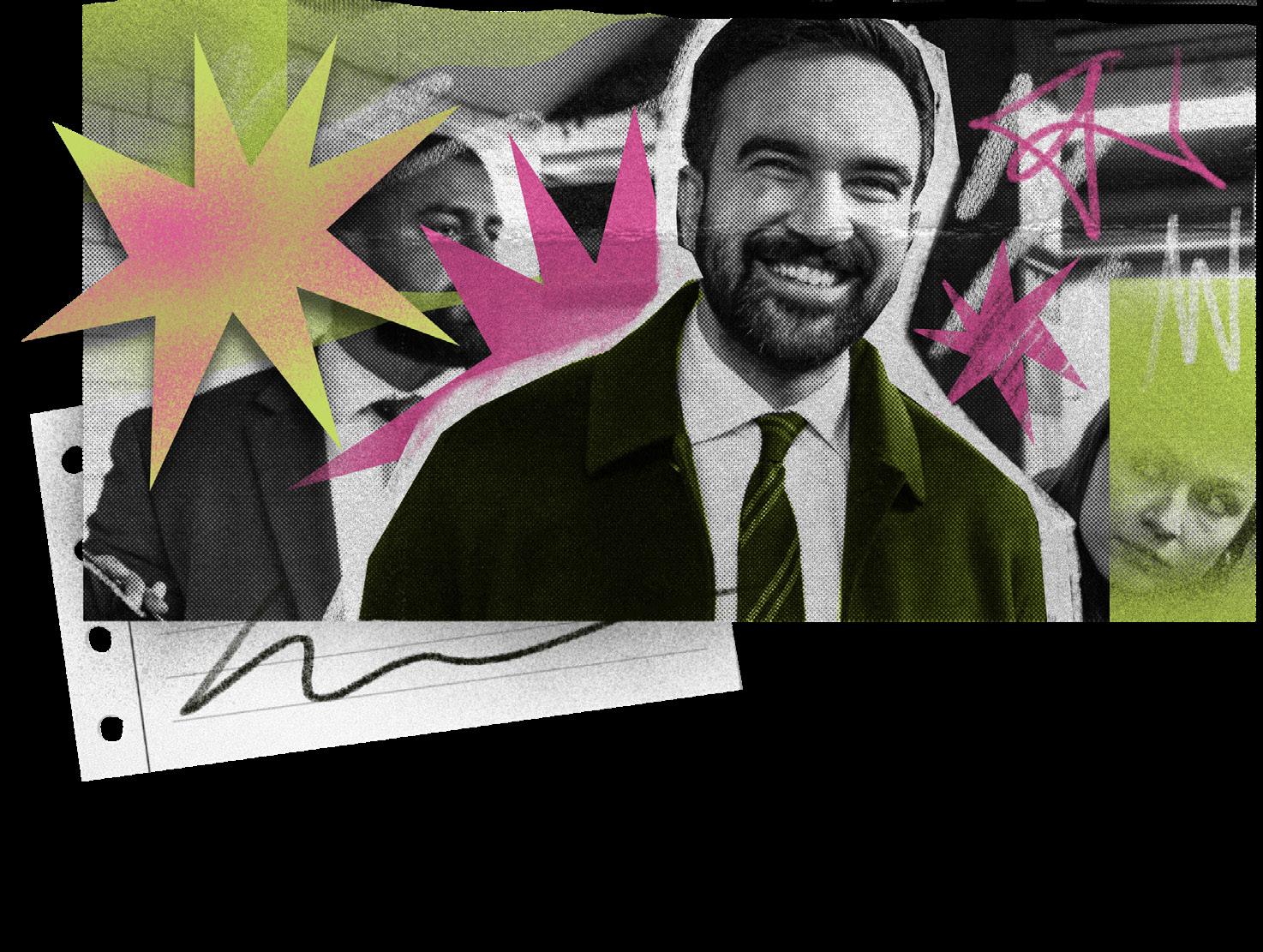
It’s a crisp November evening when the news hits: New York has fallen. Against the odds, the radical commie–Muslim hybrid Zohran Mamdani has toppled the Cuomo dynasty and eviscerated city vigilante Curtis Sliwa. Come Jan. 1, 2026, the world's cultural capital will inaugurate its first Muslim mayor and establish the West’s first Shia caliphate. In honor of the new leader of the nation’s Democratic party, please join me in reciting the Shahada: “Ashh–adu an la ... ” In all sincerity, New York’s 2025 mayoral election had eyes watching from across the nation and around the globe. Beyond its record–breaking numbers and glass–shattering result, it also gave us all a delightful cast of characters to watch as they duked it out—from charmingly corrupt and incompetent incumbent Eric Adams’ TikToks to the heartwarming bromance between New York Comptroller Brad Lander and Mamdani. This election inspired hope for progressives all over, and a great Halloween costume for me—sexy Curtis Sliwa.
Insia Haque, Design editor
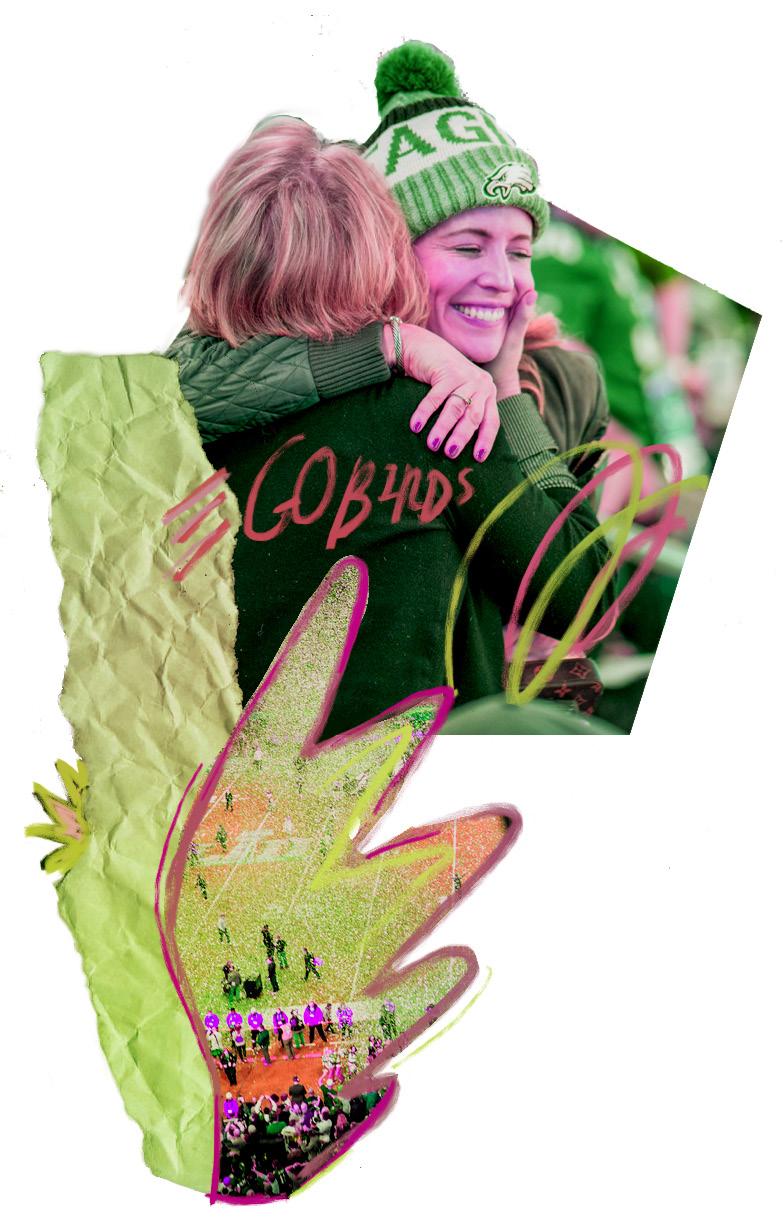
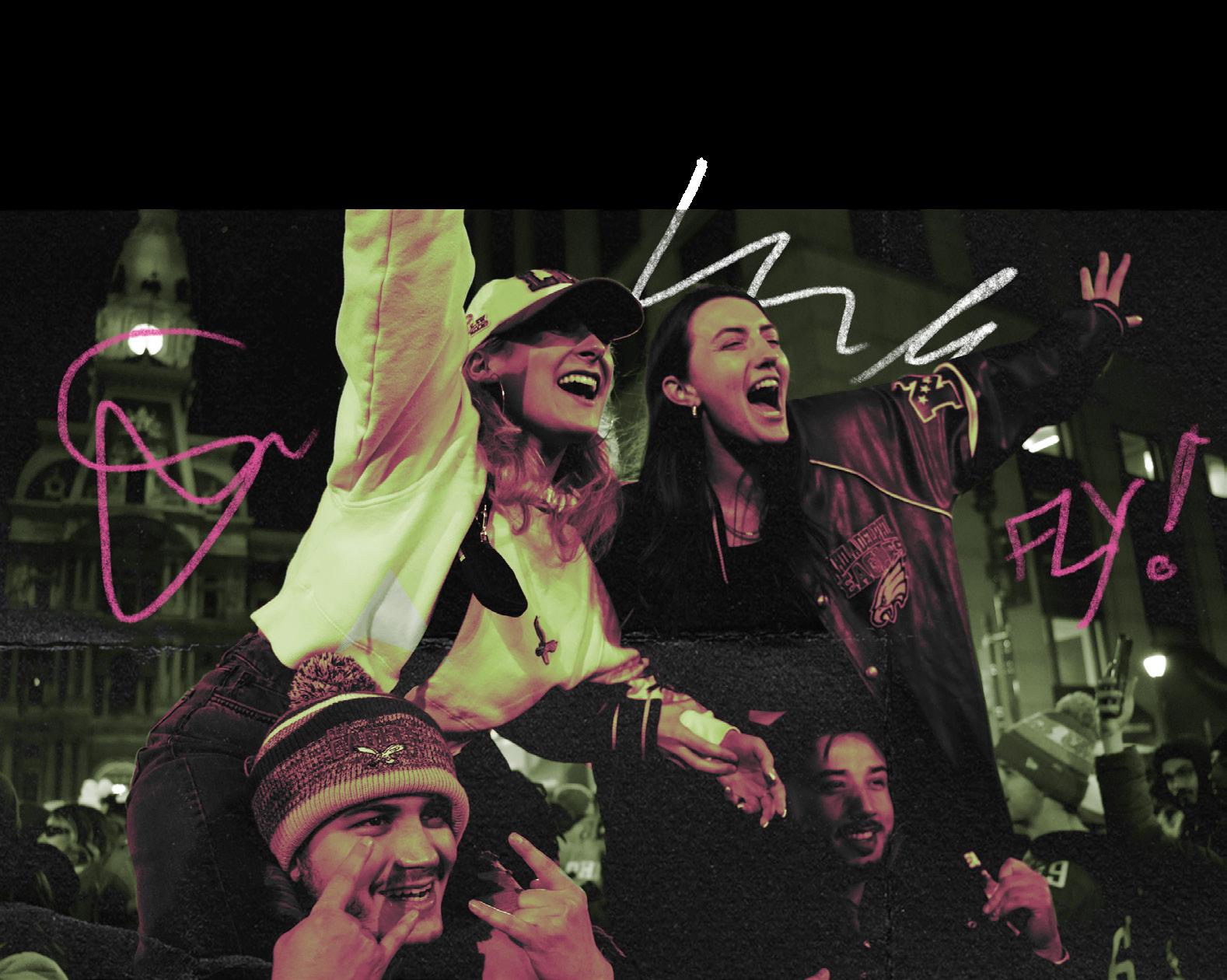
My joy started before the final whistle even blew. Arts editor Logan Yuhas and I had already left the watch party after Kendrick Lamar’s performance and were instead prancing from house to house, stealing bites of catered halal food and partaking in the unlimited flow of drinks and green Jello shots. Decked out head to toe in green, I was armed with my screen–printed green Philadelphia Eagles bag that soon brimmed with snacks, more drinks, and stray treasures. When the win eventually came, we stormed Broad Street with the rest of Street, screaming into the freezing night, swept up in the delirium of victory with absolutely no idea what had actually happened in the game.
The city was on fire: illegal fireworks singeing the top of my head and strangers turning instant friends as Philadelphia’s population spilled onto Broad Street. We climbed a salt truck in the freezing air, screaming as Chick–fil–A nuggets, confetti, and joy rained down around us. For one perfect night, the world was nothing but green lights and the chorus of “Go Eagles!” echoing through the city.
Fiona Herzog, assignments editor
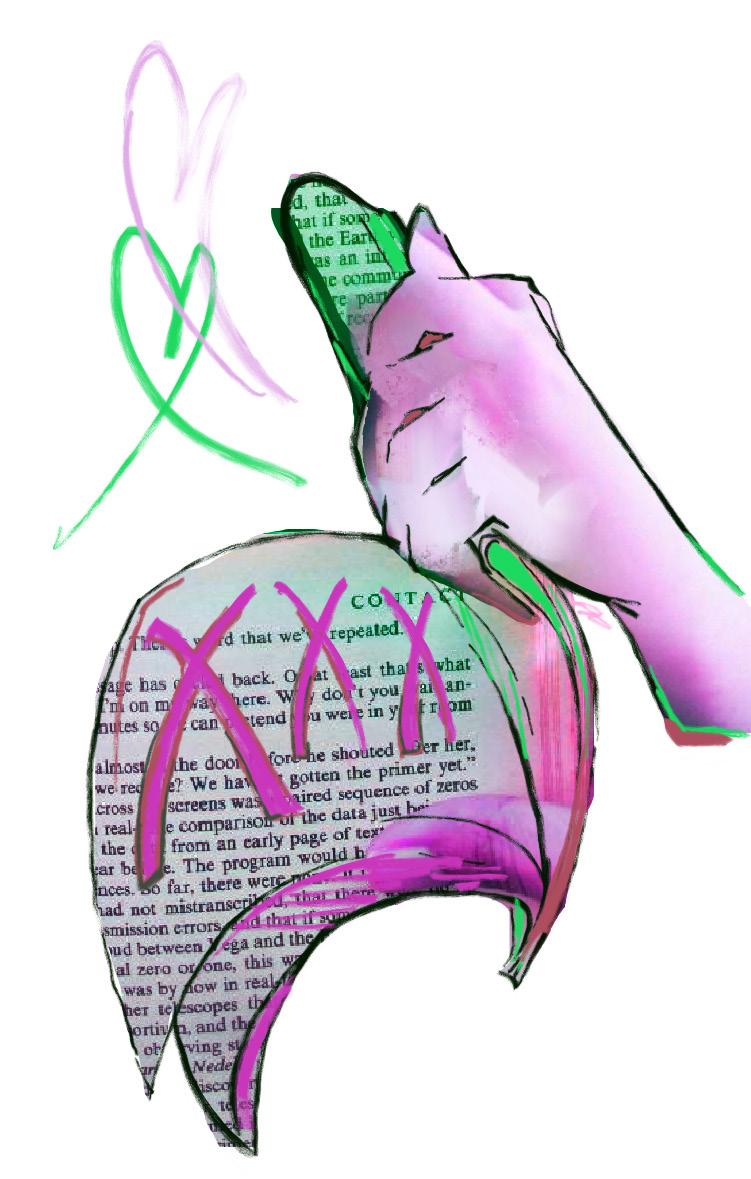
If you saw my “Twitter” feed on Oct. 22, you’d probably think I was an online freak behind the safety of my anonymous account. But alas, my intentions were wholly pure and journalistic in nature. Daniel Kolitz of Harper’s Magazine put forth a nearly 8,000–word deep–dive into the world of gooning. Suddenly, this niche internet community was opened up for the world to see—in all of its gory details. From defining what makes a “gooner,” to exploring the ephemeral nature of “the goon state,” and the architectural, technological wonder of their “goon caves,” this long–form piece was a total tell–all and many were eager to read. To vastly mixed reviews, “The Goon Squad” set afire new online discourse, with some calling it a perverse voyeuristic experiment and others comparing it to Joan Didion’s own Slouching Towards Bethlehem. As a lover of long–form journalism, I found myself cautiously optimistic at the attention the piece received. Are we swinging back into an era of 40,000–word articles? I can only hope that any way you slice it, the attention “The Goon Squad” received will encourage a revitalization of the genre that I can only hope to one day partake in. But for now, a girl can only dream.
Jules Lingenfelter, print managing editor
Allow me to play devil’s advocate. What is the problem with “six–seven” and can you explain it without sounding bitter and old? Our time is up. We’re not the kids innovating on humor anymore. We’re doomed to repeat the errors of the generations preceding us, hating on things simply because we don't understand.
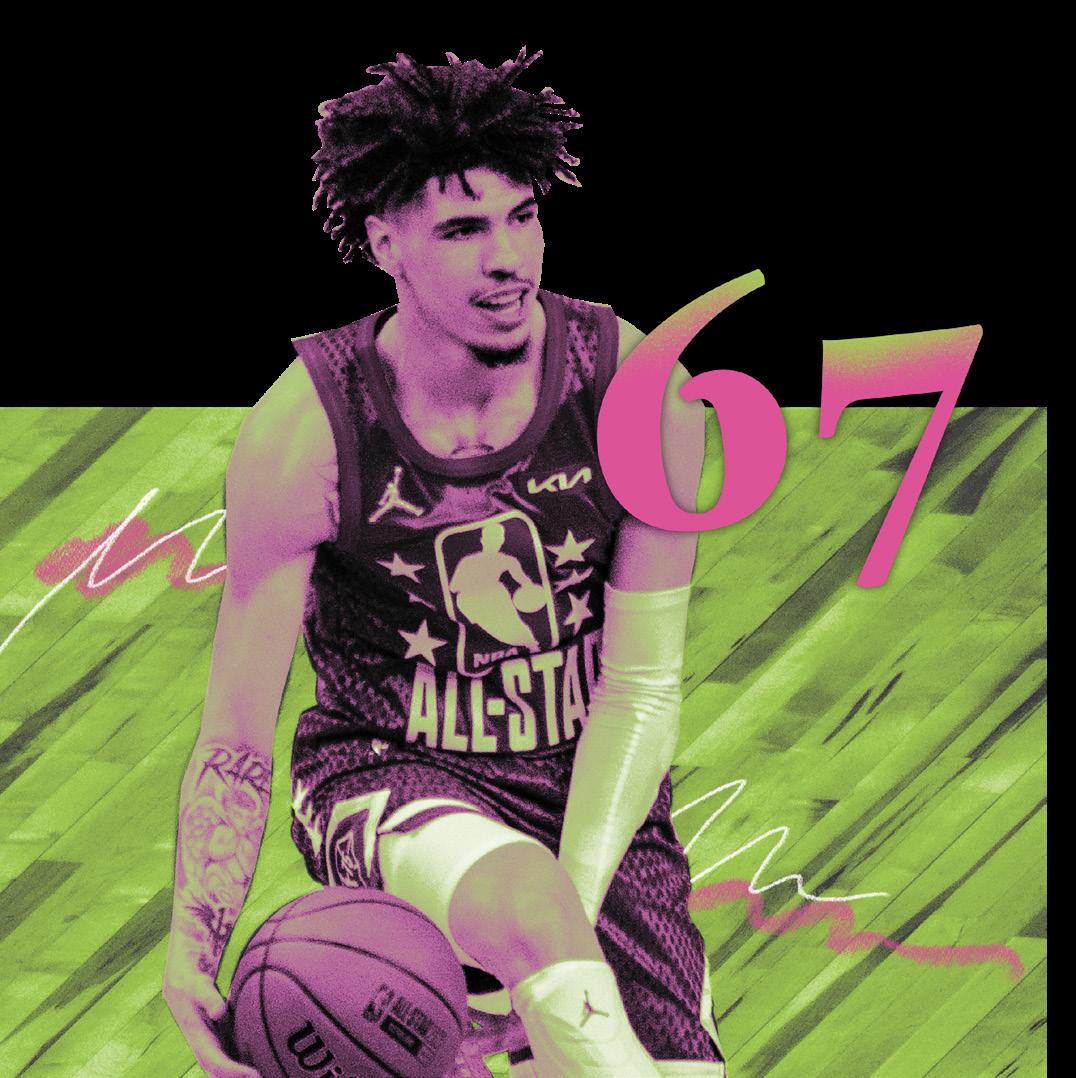
Six–seven is remarkable in that its origins aren't secretly a 4chan–born Nazi dog–whistle or Islamophobic artificial intelligence–generated content–slop. Six–seven is derived from the song “Doot Doot (6 7)” by Skrilla, a Philadelphia–born and raised rapper. It was used in edits of Charlotte Hornets player LaMelo Ball’s highlights due to his 6–foot–7 height. These edits drew widespread notoriety after being referenced by a high school basketball player named Taylen Kinney, from whom the final version of the joke, with its accompanying hand gesture, was born. And now, children of all backgrounds are screaming it—isn’t that kind of sweet?
We should learn from the mistakes of previous generations and relish in the wholesomeness of six–seven.
Insia Haque, Design editor
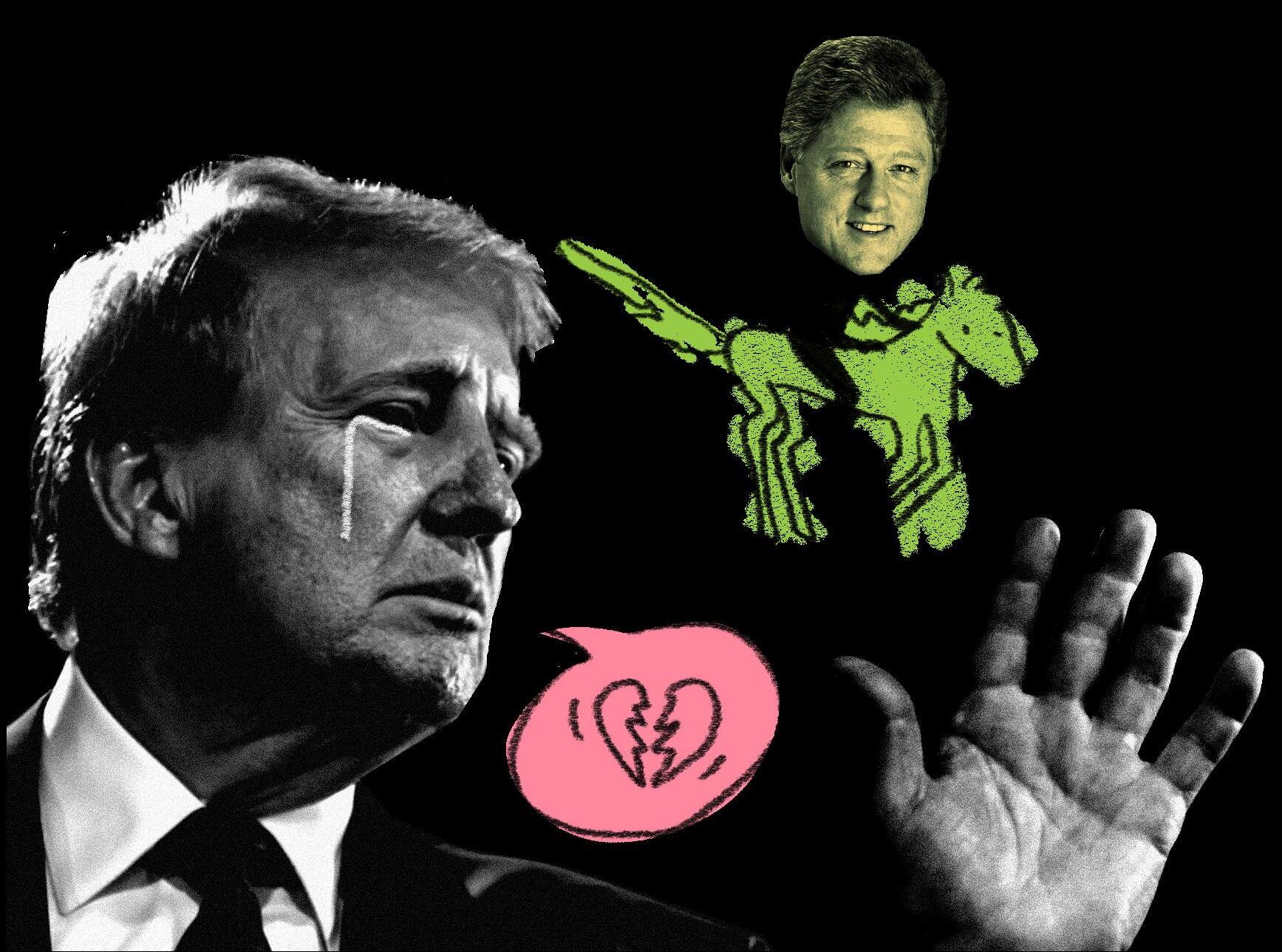
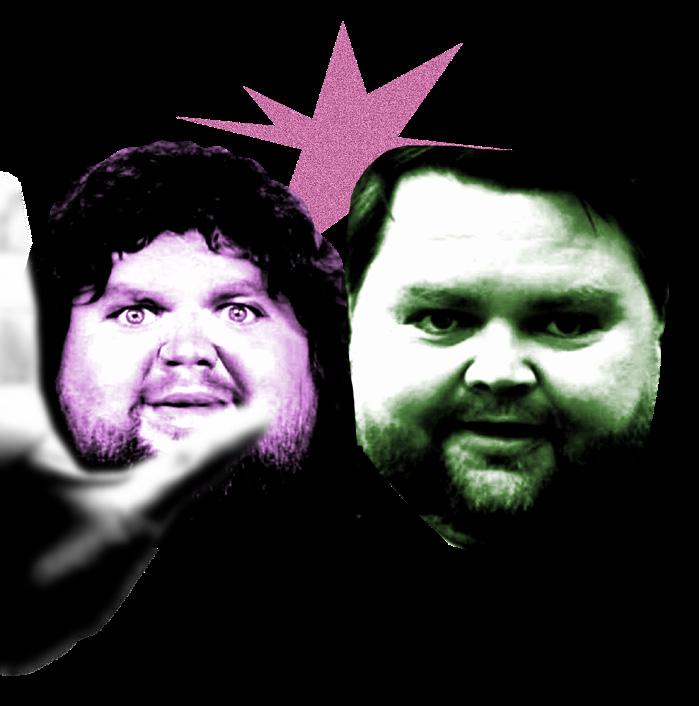
For Bill Clinton, it was probably hard being casual when his wife faced his paramour on a national debate stage over and over again during the 2016 presidential election. Among the thousands of mentions of President Donald Trump (W ’68) dispersed among 20,000 pages of recently released documents from convicted sex offender Jeffrey Epstein’s files, one phrase has captured the imagination of the internet: “Trump blew Bubba.” Once our finest internet warriors equated “Bubba” with the 42nd president of the United States, it was off to the races. The concept of Trump having a homosexual, star–crossed love affair with his former opponent’s husband is a reality almost too absurd to comprehend— but if you’re watching the stitched–up TikToks of Trump praising Clinton, you might just start to consider the possibility of our country’s first (openly?) bisexual president. If I had a nickel for every prominent Penn alumnus that Street has crowned as bisexual in the past year, I’d have two (see: Luigi Mangione)—which isn’t a lot, but it’s really weird it’s happened twice.
Coincidentally, “Bubba” is also the name of Epstein associate Ghislane Maxwell’s horse. Choose your path wisely.
Diamy Wang, executive editor

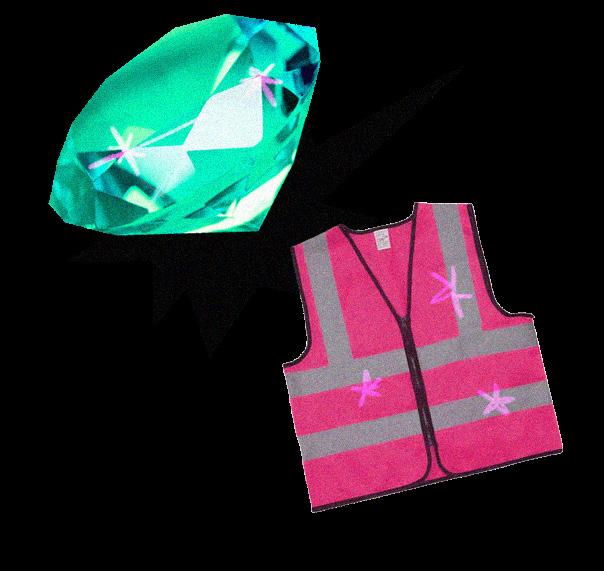
On a street perpendicular to the Seine, in broad daylight, four little musketeers—or rather, yellow–jacketed amateurs—climbed the ladder of their Böcker construction lift truck. Ever since some crown jewels none of us knew existed disappeared on the back of motorcycles, high–vis jacket and cheap costume jewelry sales have gone up on Amazon. Meanwhile, Böcker launched a new ad campaign titled “quiet as a whisper,” in reference to the robbery. To some, it might have been seen as a security breach, but to others, it was the most entertaining piece of news since the tumult of United States politics, a new Halloween costume, a trend of Instagram reels to romanticize, or the start of a new marketing campaign. I’m just relieved “Venus De Milo” is still intact.
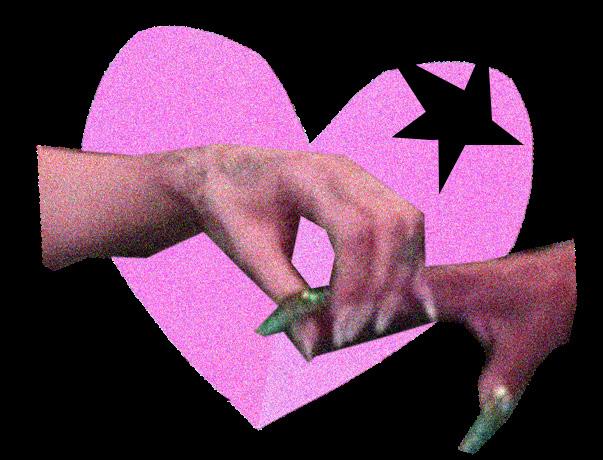
Gone are the days when celebrities were meticulously trained in PR. Now, they just pretend to know what is going on in their interviews when they clearly don’t. Enter “holding space”—a phrase used in an interview that became a viral meme.
Anissa T. Ly, Ego editor
If there’s one thing the Trump administration hates, it’s public humiliation. Case in point: Why did Trump oppose releasing the Epstein files until he was accused of being bisexual? But for Clinton/Trump fancams to run, JD Vance edits had to crawl. While the first edits, from the account of U.S. Rep. Mike Collins (R–Ga.), were meant to be positive, the trend quickly turned against the embattled vice president, turning him into a girl, a pudgy child, and monsters of various stripes. Every new post slowly mutated his visage, making it ever more ghastly with every passing day. Vance tried to reclaim it, of course, dressing as an edit of himself for Halloween, but the damage was already done. Like couch–fucking allegations, this is the kind of thing that sticks with you, potentially soiling your political brand for a gen-
Nishanth Bhargava, digital managing editor
When Wicked co–stars Ariana Grande and Cynthia Erivo sat down with journalist Tracy Gilchrist, no one expected the conversation about the film’s hallmark song “Defying Gravity” to turn into a meme. But Gilchrist’s admission that people were “holding space” for the lyrics—met with Erivo and Grande’s emotional finger–to–finger touching—created something deeply beautiful and meaningful ... and slightly bewildering.
The phrase “holding space” exploded across social media, mostly met with ridicule and mockery. Erivo and Grande both later admitted in interviews that they were confused what Gilchrist meant by “holding space,” but decided to play along with it anyway. And you know what? At the end of the day, we’re all confused, too. And maybe we should all hold space for that.
Samantha Hsiung, deputy assignments editor
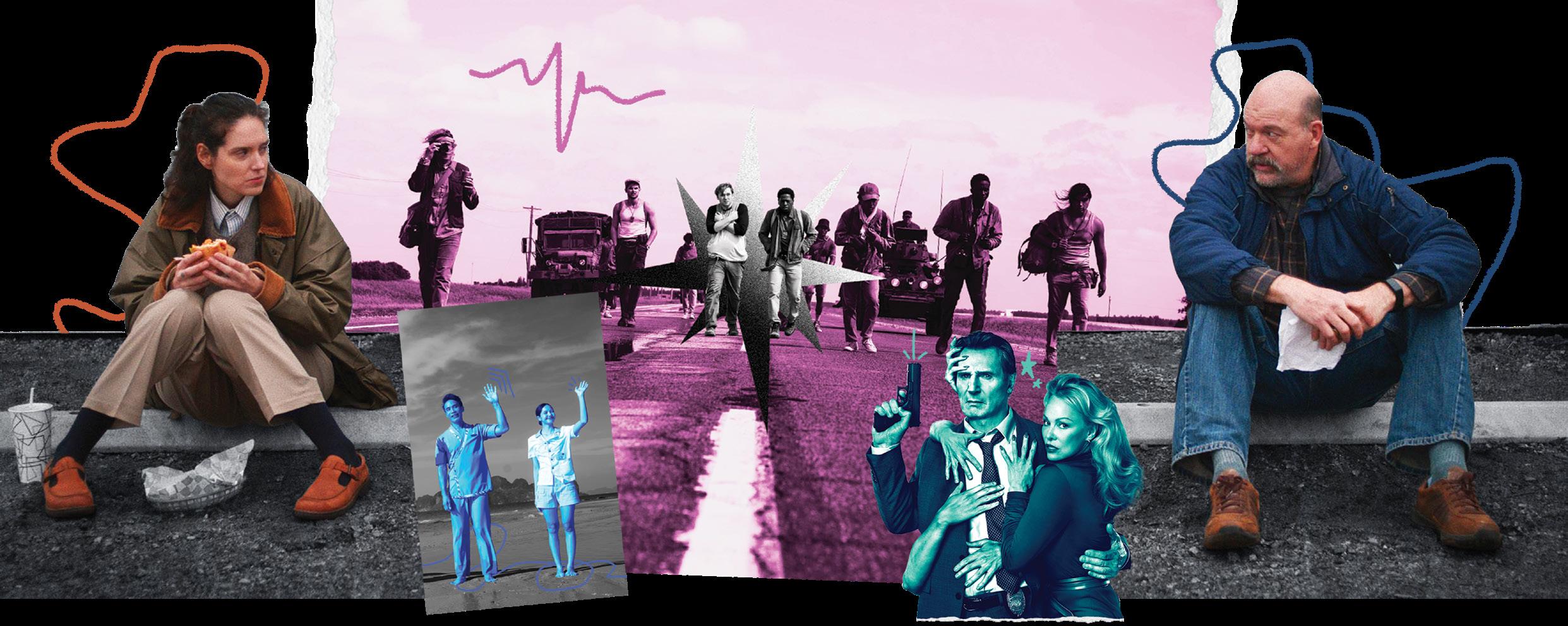
Street picks its favorite movies and shows of the year.
Design by Chenyao Liu
We’ve all heard the saying “survive ’til ’25.” And while the entertainment industry may still be asking for more time to heal, there was certainly no shortage of output this year. Whether you prefer the cozy, C418–backed gameplay of Minecraft, you’re a fan of the high–tension lovable ragebait of the Five Nights at Freddy’s franchise, or you adore Last of Us but find yourself too scared to pick up a controller and play it (though I would encourage you to put on a brave
face and try), there is an adaptation for you. Originals also have their moments, with A24 indie darlings putting their stars on the map, family dramas winning the Cannes Grand Prix, and animated musicals about a K–pop girl group topping the film and music charts for months on end. Whatever your preferences, this year had something for everybody—and some
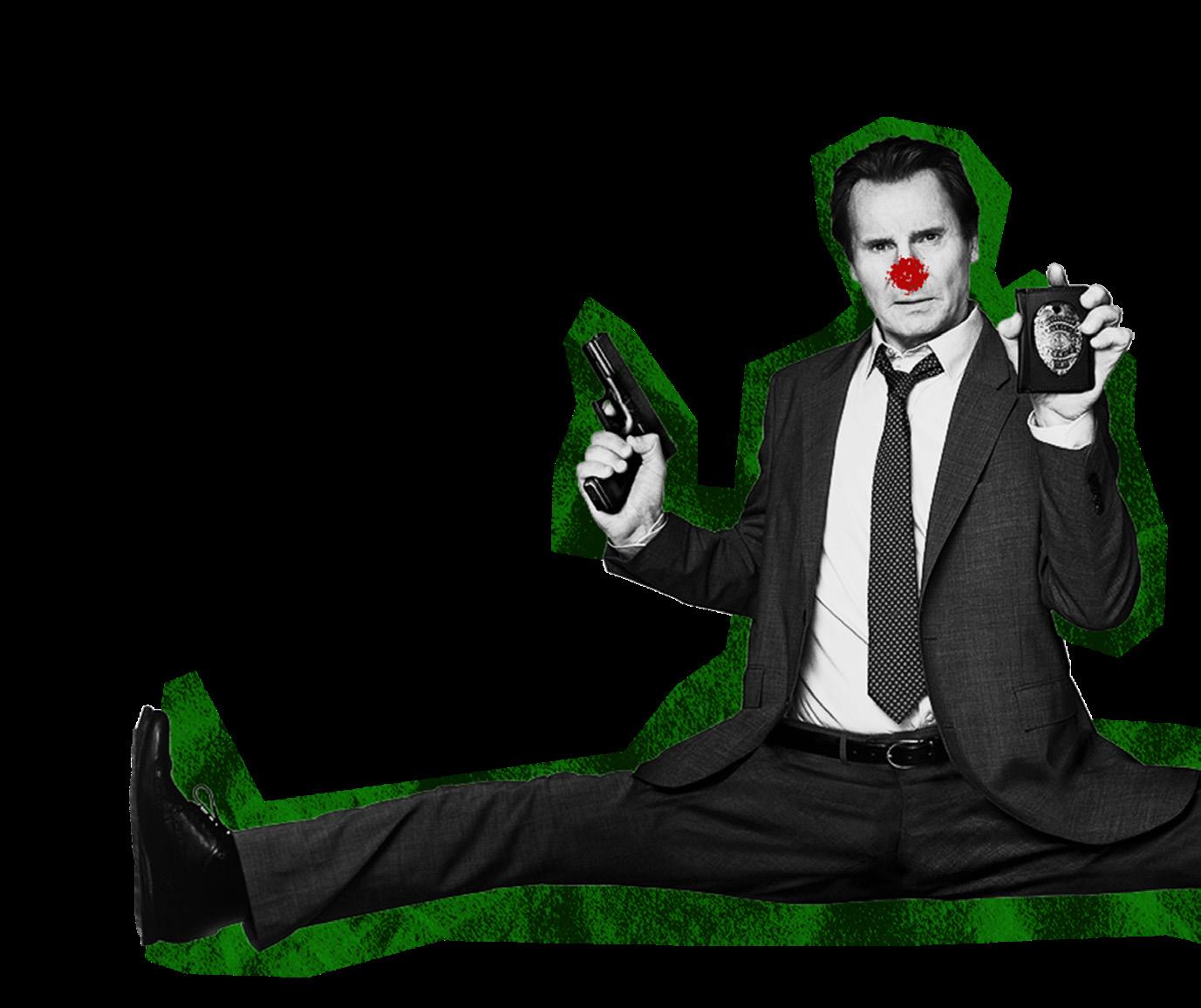

In a world where pure comedies—the genre once dominant in the 2010s but now a fading memory after the COVID–19 pandemic—have been exiled to streaming, watching The Naked Gun in a theater with actual people is something I didn’t remember I needed. Liam Neeson’s deadpan Taken delivery contrasts perfectly with the pure absurdity that makes the original franchise a classic. There isn’t much more to say without spoiling the best gags.
When you see Academy Award–nominated Liam Neeson rip off a Mission: Impossible–style Girl Scout mask, threaten a bank robber, and inexplicably grow taller until his underwear peeks out from under a skirt, you know you’re watching artists at the height of their craft. At a brisk 85 minutes, it moves fast enough that your brain deteriorates just the right amount without turning to complete slop. The jokes land, the pacing clicks, and for the first time in years, a studio comedy remembers that laughter doesn’t need a moral or a message. Oh—and the snowman
—Henry Metz, Film &

TV beat
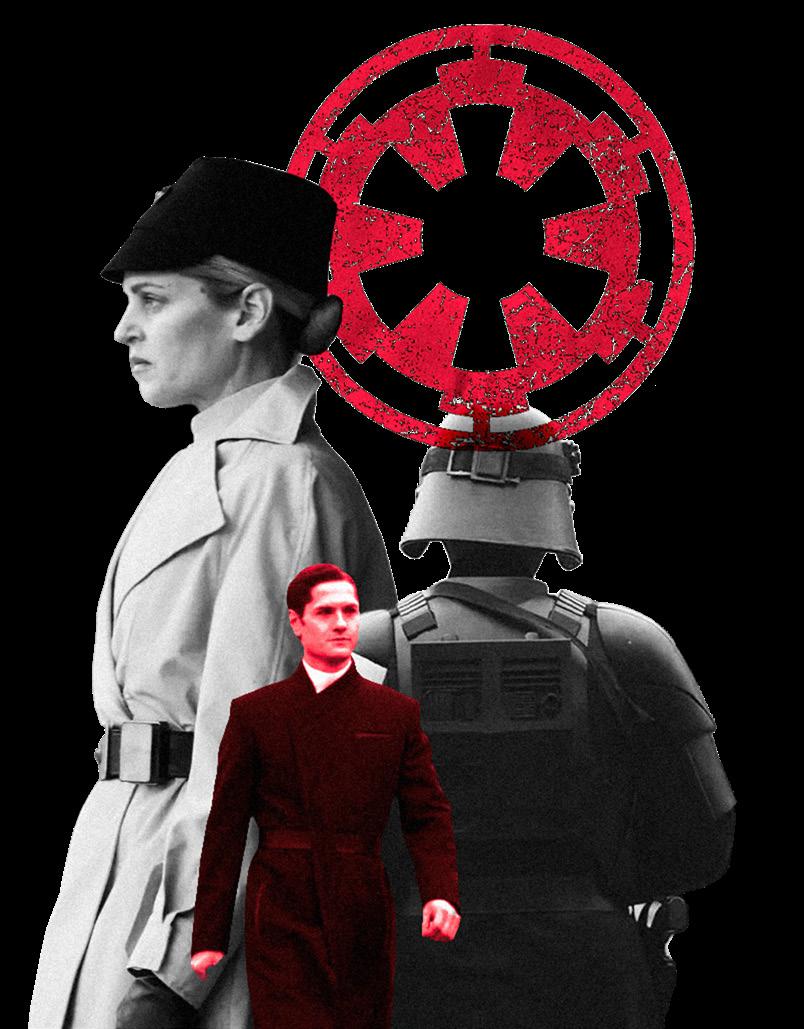
This year, I believe there is no show as timely or necessary as Andor. Beautifully complex from start to finish, Andor’s visually stunning final season had me hooked. Despite the stress this show caused me—I still tense up every time I hear those opening strings—Angenuinely changed how I view the world around me, engaging me in a way that very few pieces of media have ever done. Set in Star Wars universe, Andor follows the early days of the Rebel Alliance as it organizes and works to overthrow the evil Empire—basically ”How To Fight Fascism 101.” The show doesn’t sugarcoat the sacrifices ordinary people make for the greater good, and is filled with complex characters portrayed by a talented cast, but Elizabeth Dulau and Stellan Skarsgård stand out as Kleya and Luthen, respectively. The fate of the Rebellion hinges on their ability to channel their mutual feelings of hatred and love toward one another into something so much bigger. The incredible writing of their relationship is supported by masterful performances as Dulau stuns in her television debut, very much holding her own on screen against veteran actor Skarsgård. In Andor, it’s simple acts of love—a mother’s love for her son, a husband’s love for his wife, and a senator’s love for her people—that drive people to do the right thing. In a time of tense political climates and great uncertainty, Andor shows
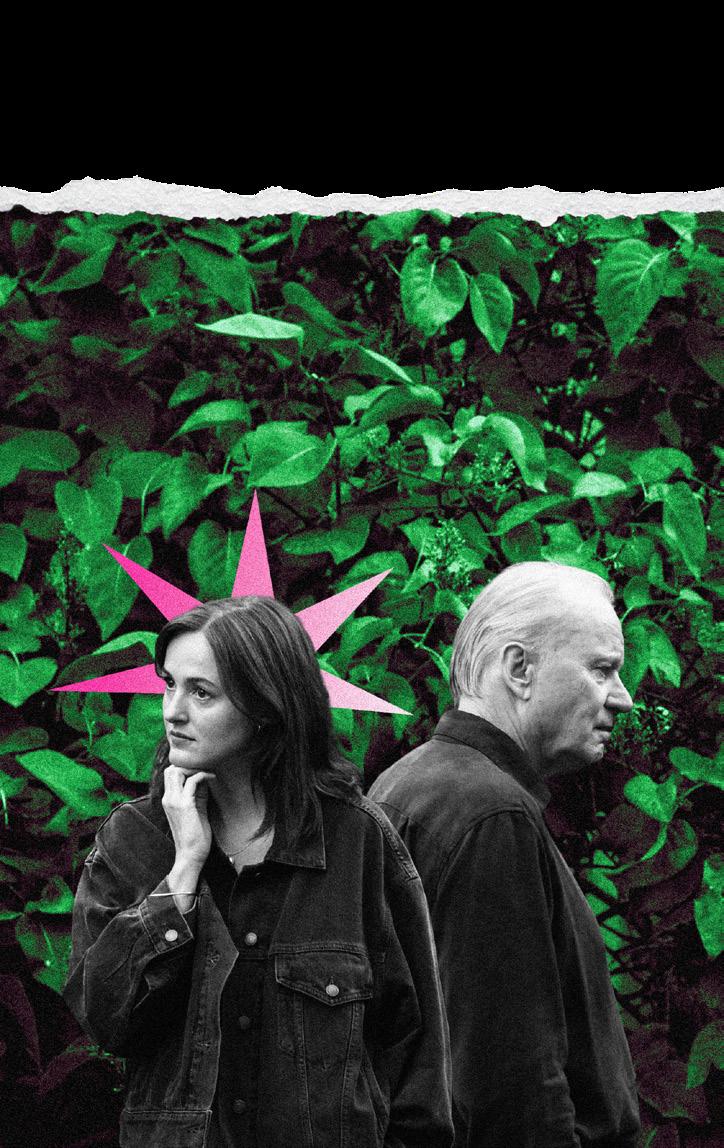
After their mother’s death, Nora (Renate Reinsve) and Agnes Borg (Inga Ibsdotter Lilleaas) return to their childhood home and confront their estranged father, Gustav (Stellan Skarsgård)—a once–celebrated filmmaker who devoted himself entirely to his craft but left little of himself for his family. Charismatic yet emotionally wayward, he is now chasing a late–career comeback, but with a catch: He needs the help of the daughter he abandoned. The project is, in his words, a film for her.
Does this new film redeem years of absence? Why do the two sisters respond to him so differently, growing into such different people despite sharing the same home? Joachim Trier’s Sentimental Value is funny, warm, and emotionally rich—a beautiful portrait of family, art, history, and the generational memories, wounds, regrets, and choices that shape who we become. This 2025 Cannes Grand Prix winner is a must–watch for all those interested in an intimate story about family, reunion, and reconciliation.
—Leo
Huang, staff writer
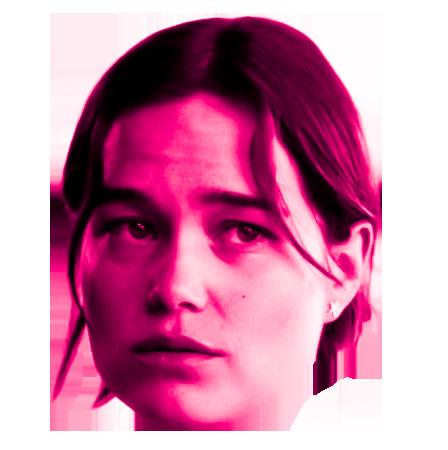
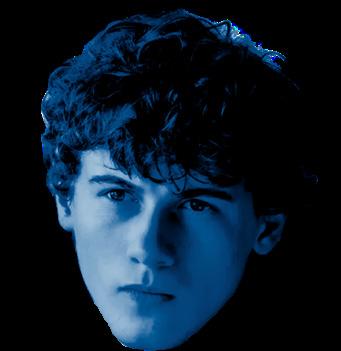
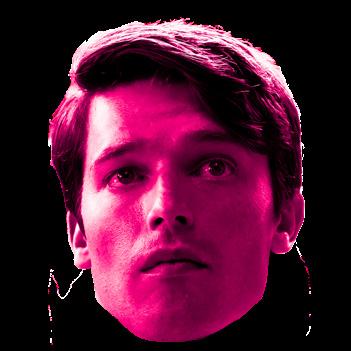


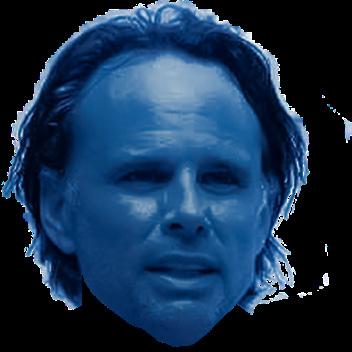
The spirit practically hightails it out of my body the second The White Lotus’ theme starts squawking in my living room. This summer, my sister and I tore through all three seasons like we were being graded on it; we finished the Season 3 arc in four days flat. We paused every episode to overanalyze the frames. I’m not exactly sure whether it was the pastel–filtered “clean girl” aesthetic Sarah Catherine Hook brings to Piper Ratliff or the intense spirituality and self–actualization
Aimee Lou Wood gives Chelsea, but I was hooked. Season 3 doubles down on its signature mix of awkward humor and slow–burn tension, with every interaction between the guests and staff feeling loaded. The show’s setting in Thailand only adds to this postcard vibe, making the characters’ meltdowns feel even more chaotic by contrast. The White Lotus cuts into the ugly truths about success, money, morality, and the little lies people tell themselves to survive. It’s unsettling—and utterly addictive.
— Saanvi Ram, Focus beat
I went into Sorry, Baby completely blind—no trailers, no synopsis, nothing. I walked out of that theater a changed woman. The film follows Agnes (Eva Victor) in the moments before and years after she experiences a sexual assault. Even if you didn’t know that Victor wrote, directed, and starred in the film, it’s obviously a deeply personal story. But what lingers most is the film’s soft contemplation. Through small gestures, unguarded silences, and a platonic love that feels lived–in rather than performed, Sorry, Baby unpacks the emotional aftermath of trauma with a rare gentleness. From a chance encounter with a kitten to a beautiful conversation about life with a newborn, Sorry, Baby is one of the most quietly devastating films of the year, and it stays with you long after the lights come back on.
—Chenyao Liu, Film & TV beat
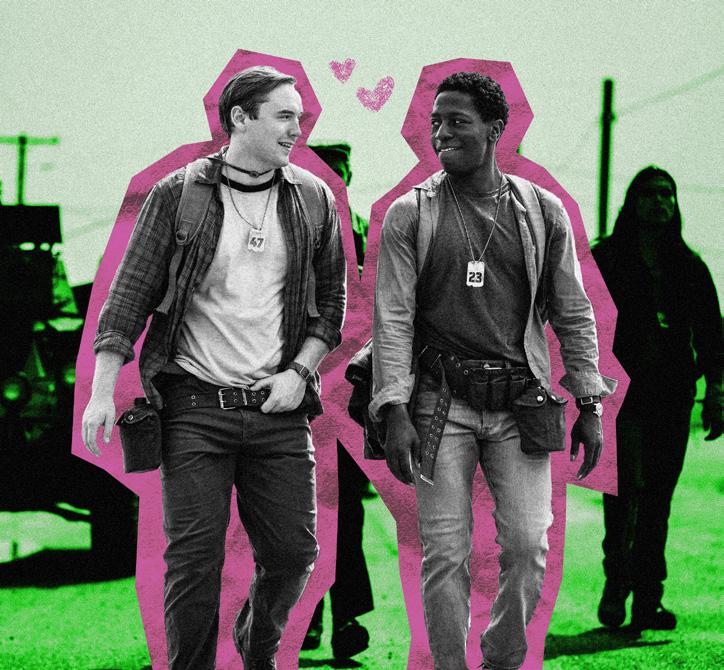
How exciting can watching a walkathon possibly be? Turns out, more than you’d think. The Long Walk, adapted from Stephen King’s novel of the same name, hooks you from the first step and refuses to let go. The premise plays like a dark twist on a Mr. Beast challenge—to compete with each other for a chance out of poverty, a group of teens must maintain a pace of three miles per hour, and anyone who falls behind is executed. The last one walking wins a prize of their choice. Although the pacing is excellent and keeps audiences on their toes, what really shines is the chemistry and depth of the characters. The friendships that blossom between the competitors, despite knowing they’re pitted against each other in a deadly game, are as moving as they are tragic. In particular, protagonists Ray (Cooper Hoffman) and Pete (David Jonsson) deliver devastatingly emotional performances with staying power. Powered on by phenomenal acting and stellar character development, The Long Walk doesn’t disappoint—both for fans of Stephen King and those entirely new to his work.
—Matthew Jeong, Film & TV beat

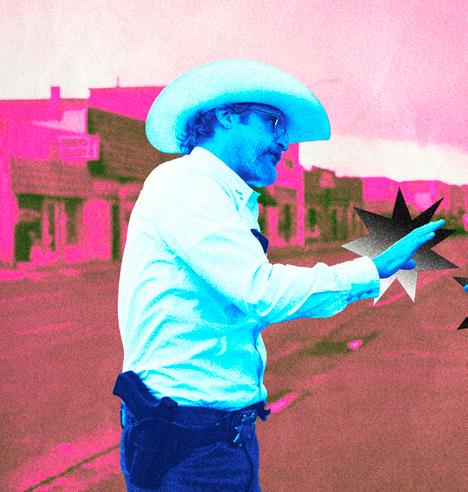
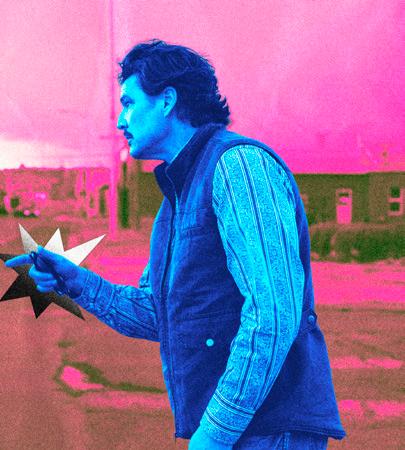
“COVID–era period piece” is a difficult concept to pull off well, particularly for a director with too weak a stomach to really make a statement about the era. Thankfully, Eddington isn’t apolitical. Contrary to critical opinion, it isn’t even really nonpartisan. Take the first shot and the final scene of the film—they center on the same plot beat, a minor theme easily forgotten in the midst of the shootouts and conspiracies that make up the majority of the film’s runtime. The real thematic throughline of the film is the growth of SolidGoldMagikarp, a deliberately nondescript tech firm whose operations thrive under both Democratic and Republican administrations. Though social attitudes come and go like the tides, structuring our character’s discursive (and eventually, physical) conflicts, every one of Eddington’s characters eventually bends a knee to the iron law of capitalist expansion. Eddington is successful because it focuses on the content of our post–COVID–19 era rather than its formal elements, commenting incisively on the role that Silicon Valley has had in reshaping our political sphere for the worse.
Nishanth Bhargava, digital managing editor
I hate watching TV. Episodes are too long for me (due to ADHD, definitely not years of TikTok consumption) and I hate getting emotionally invested in fictional characters. That being said, Smiling Friends overcomes this barrier with its short runtimes, constant barrage of jokes and bits, and minimal linearity throughout the episodes.
Smiling Friends, Inc., a small company based in Philly, employs a cast of bizarre, alien–looking characters and tasks them with bringing a smile to clients’ faces. The show is very “LOL random,” sure, but I think that is the charm. It feels as though the showrunners are just fucking around and doing whatever they want: insane escalations, several different animation styles, and minimal context as to whatever’s going on. And that’s honestly probably the case.
As I write this, the show’s third season is currently airing, and it still manages to surprise me. It’s a mixed–medium masterpiece and the perfect show to watch while knitting.
—Insia Haque, Design editor
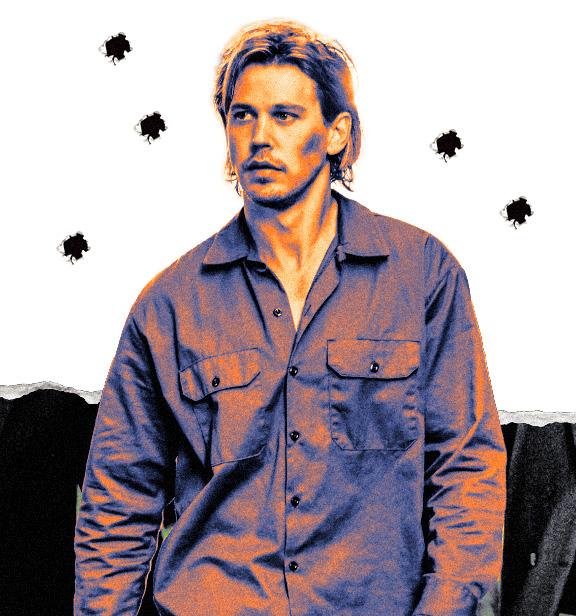
While I’ve been spending the fall immersing myself deeper into Darren Aronofsky’s filmography, I’m a little embarrassed to admit that the first film of his I saw was his summer crime/sports thriller Caught Stealing. To be honest, though, I’m really not that embarrassed. This movie has literally everything I could ever want or need within the genre: Bad Bunny, baseball references, car chases, cat dads, betrayals that are logical but emotionally jarring, over–the–top Cockney accents, Hasidic Jewish gangsters who get home in time for Shabbat, and, of course, the raw sexual chemistry between Austin Butler and Zoë Kravitz at their peak hotness. This movie flies by at a gory, heartrending, whip–quick pace, so go in blind, bring a friend, and have fun.
When you first read the title, you can’t help but think: “Seriously? That’s what Netflix’s most watched movie of all time is?” Then you watch it. Then you listen to “Golden” and “Soda Pop” on repeat for three months and you think, “Okay, maybe I get it.” KPop Demon Hunters is deceptively juvenile—all the bright colors and whimsical animation of childhood classics with the hard–hitting themes of self–identity, expectations, and the weight of the world on your shoulders. When a film speaks to both five–year–olds and 50–year–olds in the same way—speaking as someone whose Korean mother cried while watching it—that No. 1 spot is surely deserved. And hey, there’s a reason so many people are enchanted by its equal parts flashy charm and authentic representation of Korean culture. This film is affectionately known in my head as the benevolent cousin of “Gangnam Style.”
—Liana Seale, Film & TV editor
—Jackson Zuercher, foreign correspondent
Be st o f Music in 2025
Street picks its favorite albums of the year.
Iwalked into 2025 convinced I had already seen the musical roadmap. After last year’s cowboy couture and brief national flirtation with “simpler times,” paired with the hot–girl, indie–pop momentum (Addison Rae’s spiritual jurisdiction), I expected the year to bestow some polite sense of continuity—the next step felt predetermined, if not exactly obvious.
But that’s not what happened. 2025’s musical landscape has been a carousel of
aesthetic whiplash. From the diaristic oversharing Olympics waged by every artist under 30 (I’m talking to you, Role Model), to the smirking satire of Sabrina Carpenter’s Man’s Best Friend—and her now–infamous album cover—the year was restless. If there’s anything to take away from 2025, it’s that music is defined less by genre and more so by moment. The rest of Street’s picks are just as unruly.
—Sophia Mirabal, Music editor f
It’s no secret that Bad Bunny’s new album has received overwhelmingly positive reviews—as opposed to his relationship with Kendall Jenner. Scroll through TikTok and you’ll find your feed flooded with videos of sunset car rides and crowded dinner tables with the ever–present “debí tirar mas fotos” of Bad Bunny’s title track, “DtMF,” playing in the background. A night at a crowded club or even one of our dearly beloved fraternities is guaranteed to bless your ears with a (badly blended) remix of “EoO” or “NUEVAYoL.” Despite his recent uptick in mainstream popularity, Bad Bunny has yet to sacrifice his roots and culture in favor of Grammy chasing, successfully resisting the gentrification of música urbana. His album has been hailed as a “love letter to Puerto Rico,” as he revisits his home both musically, through his use of plena and ’70s salsa tunes, and thematically—but it is multitudes more than that.
“DtMF” serves as both a rallying call and a warning—to Puerto Ricans and negligent United States citizens alike—about the nation’s failing democracy, cultural authenticity, and environment. In “LO QUE LE PASÓ A HAWAii,” Bad Bunny cautions Puerto Ricans that their home might meet the same fate as Hawaii at the hands of U.S. neocolonizers unless radical change is implemented. In “LA MuDANZA,” he directly supports the Puerto Rican fight for independence through a phrase referencing Eugenio María de Hostos. Though this album, like much popular Latin music, has been commercialized—often played in conjunction with millennial suburban nostalgia—it is a critical artistic work that must be valued for its mobilizing potential and thoughtful social action. Ending his musical short film with the words “Seguimos aquí,” Bad Bunny galvanizes all Puerto Ricans to the call of “We are still here.”

—Mira Agarwal, Music beat
I want to be Role Model’s “Sally” tonight, because the deluxe version of his sophomore album, Kansas Anymore (The Longest Goodbye), was just that good. With breakout hits like “Sally, When the Wine Runs Out” and “Some Protector,” Role Model has established himself as an artist to watch this year. In this case, the deluxe tracks enhance an already strong album, as both the new additions and the originals showcase a refreshing level of authenticity and introspection. The album follows his breakdown following a devastating breakup, as well as his subsequent attempts to piece himself back together.
But Role Model moves beyond simply bashing his ex or begging for her back, instead exploring a range of realistic (at times, contradictory) experiences and emotions— from evading responsibility on “Look At That Woman” to hyperfixating on his shortcomings in “Scumbag” and “Frances.” He spirals from self–destructing and escapism—drowning his sorrows in fleeting encounters on “Slut Era Interlude” and “Slipfast”—to speculating if his ex is doing the same in “Some Protector.” He confesses he still wants her on “Deeply Still In Love,” yet wishes her the best as she moves on in “Compromise” and “Old Recliners.” The whole album feels like a reckoning—a messy progression from self–blame and insecurity toward eventual acceptance. Role Model proves you can truly be within and without (your ex).
—Amber Urena, Music beat
Recently, I’ve been following these TikTok edits of Mario Kart gameplay over emo–rock. While the combination may seem bizarre, the genre speaks to the specific desire to stick your head out the sunroof of a zooming car, so it is no surprise that the footage of a game steeped in adrenaline synergizes well with the groove of melodramatic and exhilarating chants.
Racing Mount Pleasant’s self–titled album epitomizes this instinct. The effect isn’t achieved by overloading its sound with maximalist guitars and vocals, but by delaying crescendoes, interpolating serene ballads, and delivering climaxes with such bombastic aplomb that the impulse to sing overcomes my better judgement to act normal in public. Songs like “Your New Place” feel like a slowly opening door, one whose widening crevice teases buried emotions into an inevitable cathartic eruption. These passages now soundtrack my feral screams at the appearance of a blue shell as I race towards the end of Rainbow Road—the thrill of almost losing control.
—Kyunghwan Lim, Music beat
Just when we needed a soundtrack to our existential crises, Lorde came back better than ever. Virgin is a perfect blend of her earlier albums: Pure Heroine, Melodrama, and Solar Power. The album presents as an ephemeral exploration of what it means to be a “virgin” when your body has never quite felt like your own. Lorde’s identity shifts in an unstable yet exploratory way. She doesn’t offer a single answer to the question of virginity; instead, she reclaims her body and identity track by track. No longer something to be taken, Lorde turns the purity of virginity into something messy and entirely her own. Every song feels like a glimpse inside of her soul—a vulnerability that everyone can resonate with. In doing so, she makes space for us to be complicated, to shapeshift, and to reclaim our bodies too.
—Emily Whitehead, Music beat
Say “arrivederci, au revoir, tata, goodbye” to my $15 Sabrina Carpenter tickets from three years ago, because the Disney Channel girl who once joked her way through opening slots is now running pop like it’s Pretty Girl Avenue. Man’s Best Friend is Carpenter’s most gloriously unserious work yet: a record so self–aware it’s practically looking at itself in a mirror and winking. “Tears” turns IKEA assembly into erotic ritual (“Assemble a chair from IKEA, I’m like, ‘uhhh’”), while “House Tour” is an actual architectural fantasy, complete with marble floors, swinging doors, and double entendres like no other. Across 12 tracks, Carpenter builds her universe like a true dollhouse: plastic on the surface, but sharp where it needs to be. The album is pop maximalism disguised as comedy, the sound of someone who’s finally in on the joke—and everyone’s right there laughing with her.
—Ananya Karthik, Music beat
While I was working in a closet–sized lab all summer, Olivia Dean’s 2023 album Messy rang through my ears. The album had popped up on my feed just when her song “Nice to Each Other” dropped as the single for her upcoming album The Art of Loving. I played it on repeat for hours as I worked, fantasizing about my time in Italy earlier in the summer. Dean clearly had her own little romance in the country, singing, “If I come to Italy, we could be nice to each other, nice to each other” in the beginning of the song. I can still feel the ocean breeze every time I hear it.
When the rest of the album came out, I stopped and listened immediately. All the waves and shapes of love I’ve experienced in my life floated through my head as she sang about her own life stories. From flings and self–love in Paris to my long–term high school relationship, from men to women, Olivia Dean seems to have studied my entire life. Her voice is stunning and each song is unique in its own composition, but her lyricism is truly what stands out about the album. She’s managed to bundle up every love story, every breakup, every indescribably painful moment of yearning into one pretty little album.
I’d never heard of her until I found “Messy” this summer, and now that The Art of Loving has come out, she’s easily No. 1 on my YouTube Music recap this year (I don’t use Spotify, suckers).
—Sadie Daniel, Focus beat
Have I ever gone through a breakup before? No. Have I ever been in a relationship before? Also no. But you don’t have to experience these things to be able to relate to the soul–crushing, heartbreaking, and healing songs in Conan Gray’s most recent album Wishbone. Each and every single lyric is written to perfection and the music flawlessly encompasses the young adult experience: the exciting rush of having a crush and being in love (“This Song” and “Caramel”), the feeling of sorrow amidst a heartbreak (“Vodka Cranberry” and “Care”), and the process of self–growth after hardship (“My World” and “Romeo”). Millions of Gray’s fans have known of his lyrical genius since his first albums Kid Krow and Superache, but Wishbone further highlights why his songwriting works so well with production; his songs don’t just exemplify an emotion, they tell a story—and boy, does he know how to write a bridge. “Eleven Eleven” and “Actor” (my personal favorite on the album) are perfect examples of this; as the vocals crescendo and the beats become more prominent, the confessional nature of each of the songs takes over, letting listeners absorb every ounce of truth and raw emotion Gray pours into his music.
—Sophia Leong, Film & TV beat
Revengeseekerz represents one of the most aggressive pivots an artist has made yet, and can only really be described as high–octane. The instrumentals, vocals, and effects rarely let up for long periods throughout. The almost hourlong experience is packed to the brim with highly experimental hyperpop and hip–hop/rap sounds, which work synergetically with Jane Remover’s trademark Dariacore sound to create a maximalist landscape of vox effects and overdriven instrumentals.
The pivot is an exciting one, showing that Remover isn’t afraid to explore outside of their comfort zone. It shouldn’t come as too much of a surprise considering the vast differences between their earlier focuses like their venture under the moniker “Leroy” and their indie–rock side project Venturing.
Revengeseekerz doesn’t just represent a change in mood; it represents a change in concept and a commitment to breaking the mold. Escaping the gaping pit of the musical “underground” has always been difficult, but Remover proves their unique versatility and reach.
As for the album title’s namesake, that’s quite uncertain. Remover’s projects have always been met with some level of critical acclaim, but part of their fanbase has always opposed their exploration away from their establishing Dariacore influence. Remover’s pivot into this latest sound could likely be coming from a place of rebellion against this notion, but whatever the reason, there’s no telling where they’re gonna go next.
—Demi Marhule, Film & TV beat
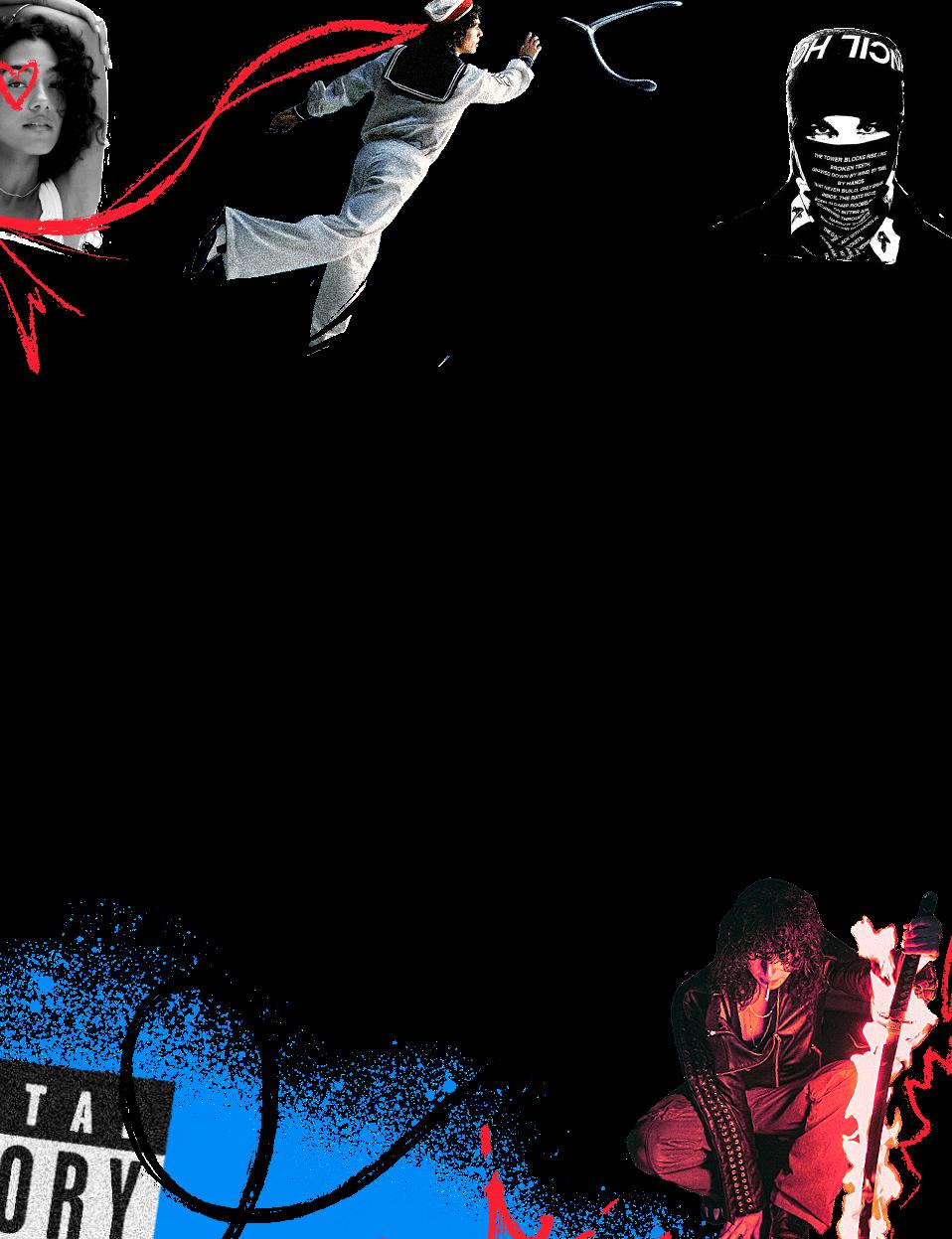
“The tower blocks rise like broken teeth / Gnawed down by wind, by time, by hands / That never build, only break inside...”
So begins the poem on the cover of Rebel, the debut album of British underground prodigy EsDeeKid. Every one of the Liverpool rapper’s tracks abounds with frenetic energy and aggression, and appearances from frequent collaborators like Rico Ace and Fimiguerrero prevent EsDeeKid’s heavy Scouse flow from losing its novelty and edge. But where this album really stands out is in its production— the foreboding instrumentals on tracks like “4 Raws” and “Phantom” evoke a real sense of dread in listeners, while “Rottweiler” and “Tartan” slow things down and allow EsDeeKid to exhibit both his complex lyricism and his unorthodox flow. Every track simultaneously pounds and glides across the ears—EsDeeKid masterfully synthesizes the digital chaos of modern underground rap and the raw, unyielding fury of the British drill traditions he draws upon. No working artist sounds quite like this—and perhaps none ever will.
Nishanth Bhargava, digital managing editor
Wo rst o f 2025
Let’s be honest, there were some duds this year.
Design by Alex Nagler and Dana Bahng
Earlier this year, The New Yorker pondered whether music criticism has lost its edge. Gone are the days of musicians throwing sandwiches at reporters who diss their lengthy songs. Have art and culture magazines become all bark and no bite for fear of repudiation?
Fear not. At Street, we may love to glaze the music we bump, the shows we just can’t get enough of, and the cultural moments that
take over our feeds on X, the platform formerly known as Twitter. But to our very core, we are haters. What better way to end the year than to remember some of its very worst moments? After all, how can we celebrate the wins without commiserating the flops?
Maybe they don’t build statues of critics, but someone’s gotta do the dirty work. This one is for all our mean girls.
— Jules Lingenfelter, print managing editor y
I hold the opinion—which is shared by most who watch it—that Netflix’s Daredevil isn’t just one of the best superhero shows ever made, it’s some of the best television ever. Where Season 2 stumbles, Season 3 soars—every emotional and physical conflict is hit with precision. My favorite thing in any story is watching characters outthink each other, and Daredevil is built solely on that.
So, finishing Season 3 mere weeks before starting Disney+’s Daredevil: Born Again was a mistake. I went in wary; no reboot could match that original run, and every Disney+ show, aside from Loki, has disappointed me. Add in the behind–the–scenes chaos—fired writers, scrapped footage, total rewrites—and dread felt inevitable.
Turns out, the fear was justified. People praise the reshot Episodes 1, 8, and 9, but not even they can hide the lifelessness surrounding them. Matt Murdock (Charlie Cox) spends most of the season as a bystander in his own story, the supposed villain Muse (Hunter Doohan) looks great and does little, and the show crawls along like a terrible Law & Order Hell’s Kitchen edition. We, the audience, are wasting hours of runtime waiting for the story to unfold, and when it finally does, the season is over. Born Again doesn’t feel reborn—it feels embalmed.
— Henry Metz, Film & TV beat
The Skims nipple–piercing bra was one thing—for those of us who are afraid to commit to the needle for fear of passing out in pain or having our nipples fall off, it’s sort of nice to have an alternative available for when you want to temporarily spice up an outfit. Growing a bush, however? Painless. Free. No risk whatsoever of making your nipples fall off. I personally don’t care what you do with your hair down there, but unless you’re wearing a skirt the size of a belt a la Paris Hilton, the bush thong seems like an investment that’s both impractical and largely invisible in a day–to–day context. And yes, let’s bring back body hair. But let’s grow it and not buy it, please.
— Liana Seale, Film & TV editor
I Love LA spotlights all the unbearable parts of modern Los Angeles. I’ve heard Tallulah’s (Odessa A’zion) vocal–fried drawl echoing off the aisles of Erewhon, I’ve seen the rooftop content parties, the wellness influencers parroting the latest supplement trend at an event at The Grove.
The show’s characters are as vapid and obnoxious as the world they inhabit—an exaggerated, overfilled portrait that pokes fun at how artificial, self–promotional, and fake the city can look from the outside. And while I know there’s still plenty of authenticity here, the comedy lands precisely because these personalities do exist.
When I go home now, the city feels like it’s sprinting to keep pace with the TikTok algorithm. Din Tai Fung, once a beloved Taiwanese family staple, has become a glossy backdrop for influencer sponsorship dinners (and is featured in the show). Yes, it’s Hollywood. Yes, it’s satire—but it’s also horrifying, precisely because I’ve seen its beats play out in real life like a TikTok that somehow came to life and never stopped looping.
— Fiona Herzog, assignments editor
Against the backdrop of a lush, green garden dolloped with pink roses and white wildflowers, the Kansas City Chiefs’ tight end Travis Kelce sits on one knee. Taylor Swift, in her garden–party grey and white–striped sundress, holds his head between her hands. Yes, it seems the all–American “it couple” has officially gotten engaged. I guess the Chiefs didn’t need to win the Super Bowl to make that happen. “Your English teacher and your gym teacher are getting married,” Swift exclaims in the Instagram post caption, with a little stick of dynamite to seal the deal. Bold words from a woman whose lyrics rely on little subtlety and who relies on artificial intelligence to promote her music. It’s almost stolen valor for Swift to compare herself and Kelce—a billionaire and multimillionaire, respectively—to the hardworking educators that are infamously underpaid and overworked. Let us never forget, this is not a woman attempting to teach 16–year–olds Shakespeare amid the current administration’s campaign to dismantle the state of public education as we know it. Based on this latest string of out–of–touchness Swift has displayed, as one user of X, the platform formerly known as Twitter, put it, “I honestly think she developed secondhand CTE from close proximity to Travis Kelce.”
—Jules Lingenfelter, print managing editor
Joel Sinensky’s very real musical Slam Frank: A New Musical first appeared on my feed about a year ago. Reminiscent of Lin–Manuel Miranda and Hamilton, Sinensky wrote a hip–hop musical—this time reimagining Anne Frank as if she were Afro–Latina. The show is meant to be so incredibly woke that it comes off as anti–woke, with Sinensky saying the common issue with all Anne Frank musicals is the constant white privilege of the main character.
Obviously, this is all satire—Anne Frank did not have white privilege as Jews were segregated into their own racial category and exterminated for it, and Sinensky is aware of this. While I understand his goal to make fun of hyperwoke culture, I can’t seem to feel okay with another Anne Frank joke.
Anne Frank was a young Jewish girl who was murdered at the hands of one of the most diabolical regimes to ever exist, simply for her Jewishness. I’ve never been one for Holocaust jokes, but my very much so not–Jewish ex–boyfriend once called me an antisemitic slur he made up. Sure, it’s a little funny, but only because I don’t wanna seem lame for not laughing along. Satire is open to all, and everyone has a right to their own sense of humor, but to me, Holocaust jokes, slavery jokes, and jokes about any other event so absolutely horrific that it permanently damages a community aren’t funny.
There are plenty of ways to make fun of the hyperwoke without turning a dead girl into a joke. Be more creative.
—Sadie Daniel, Focus beat
Despite people joining cults at much lower rates than in previous decades, our fascination with affluent cultish activity has only increased. Media strikes gold when it teases out the question: What are these fucked–up rich people doing, and why can’t I look away? Sometimes, however, the premise outpaces the execution, as is the case in the recent Netflix series Sirens. It begins as a twisty, voyeuristic look into the lives of two estranged sisters. The eldest, whose role as her infirm father’s caretaker has led her to hard times and substance abuse, finds her younger sister working as the assistant and pseudosexual companion to an eccentric rich woman on an isolated property. There’s a lot of promising themes here of power, influence, and gender dynamics. But in the end—just like a real siren—this show lures you in with its entrancing song and ultimately leads you to bare rocks.
—Jackson Zuercher, foreign correspondent
”Liana, there just aren’t enough ways for me to showcase my love of overconsumption and lack of personality,” I hear you complain.
“Well, my friend,” I say to you, ever–concerned about your ability to fit in with the latest TikTok microtrends, “You could always get a Labubu.” Why do people waste money on these things? Is it for a small hit of whimsy in an otherwise drab day to day? Perhaps to feel a sense of ownership in a world that insists on subscriptions and rentals? Whatever it is, I’ve never understood the appeal, especially when these nonbiodegradable fuggos will sooner end up in a landfill than in your great–grandchild’s time capsule; admit it, as soon as your favorite influencer admits that they’re ugly, you’ll run to throw yours in the trash. And when that happens, you will pretend like you never liked them anyway, like you’ve been above it all this whole time, and you will look down on others who fell victim to the trend. But I’ll know that you’re not a real Labubu hater. Not like me.
—Liana Seale, Film & TV editor
Your average rom–com is made up of two parts—the “rom” and the “com.” Materialists gives us neither. Harry (Pedro Pascal), Lucy (Dakota Johnson), and John (Chris Evans) all prove that money can’t buy you talent—their interactions are somehow both wooden and frenetic, ping–ponging wildly between banal small talk and wild confessionals. Neanderthals are involved, somehow. It helps drive home the film’s central question—should you value love or money more? Riveting, novel, brave. Above all else, I can’t remember the last time a movie made me this viscerally angry. Shitty commentary on the dating market? Lucy only leaving Harry after finding out he got leg–lengthening surgery? Dasha Nekrasova—need I say more? I walked out of the Film Society Bourse disenchanted, embarrassed that I had just spent two hours of my life watching whatever this was. I’ll never get married.
Nishanth Bhargava, digital managing editor
Street website redesign
"The name is Mamdani"
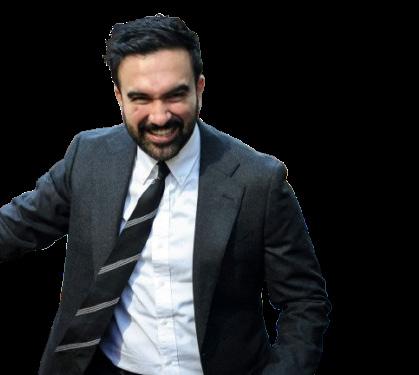
k k k
Malala bong

Strexec 141
Katy Perry x Justin Trudeau Chicago pope

Phan confirmed



KATSEYE Gap commercial
Penn rejects compact
Kendrick Lamar Super Bowl halftime show
$HAWK crypto rugpull scandal
Donald Trump and Elon Musk breakup

Ethically fucking ChatGPT
The incarceration of
Charli xcx gets married

"Wait, JoJo Siwa is what?"

Designer babies

DOGE
Street decides what's in and what's out in 2025.
"Your English teacher and gym teacher are getting married"

Curtis Sliwa

Mohammed
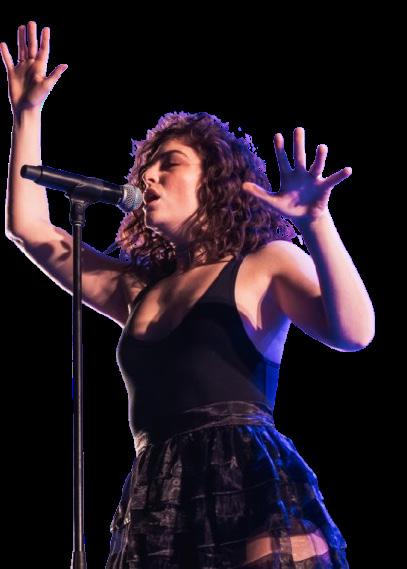
Lorde's nonbinary era
Addison Rae
WIRED surrogacy article
Unwoke
Sydney Sweeney x American Eagle
Lana Del Rey/ Ethel Cain beef


woahvicky religious awakening
Azealia Banks in Tel Aviv
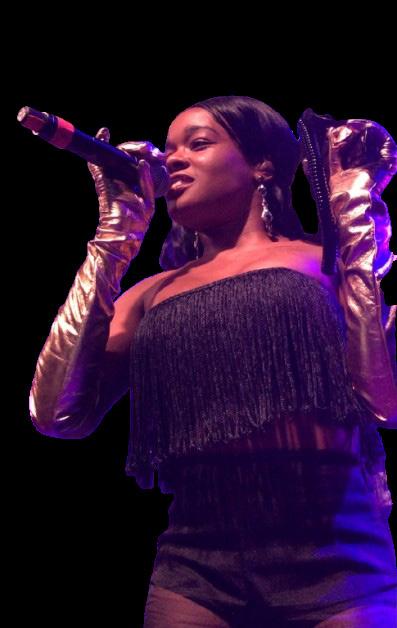
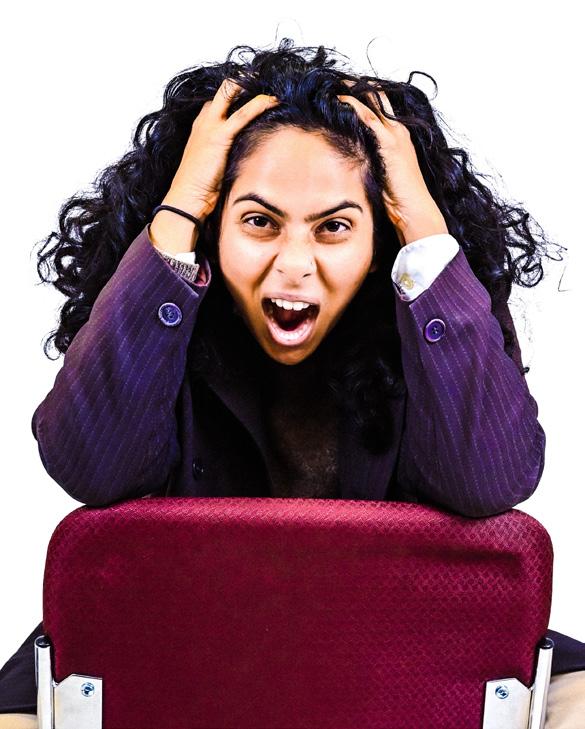
NORAH RAMI EDITOR–IN–CHIEF
“You can get lost in the sauce, but without that sauce, you are lost.”
—Timothée Chalamet
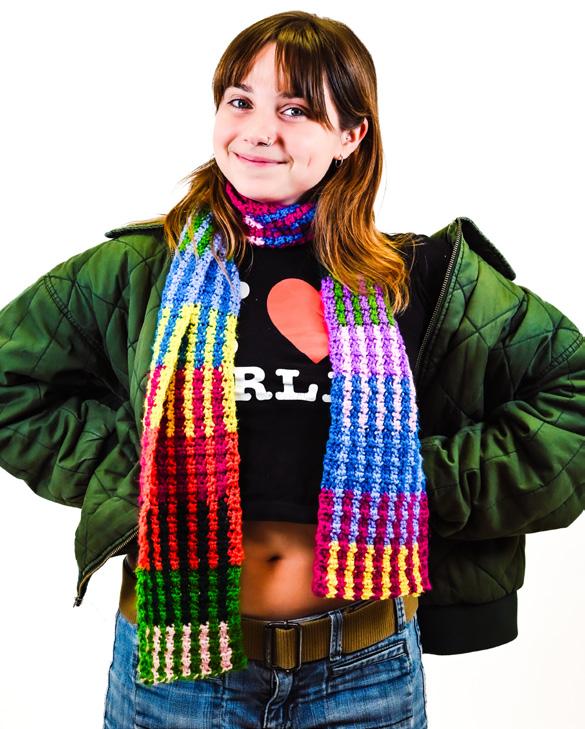
JULES LINGENFELTER PRINT MANAGING EDITOR
“I think you guys are thinking about yourselves too much.”
—Jemima Kirke
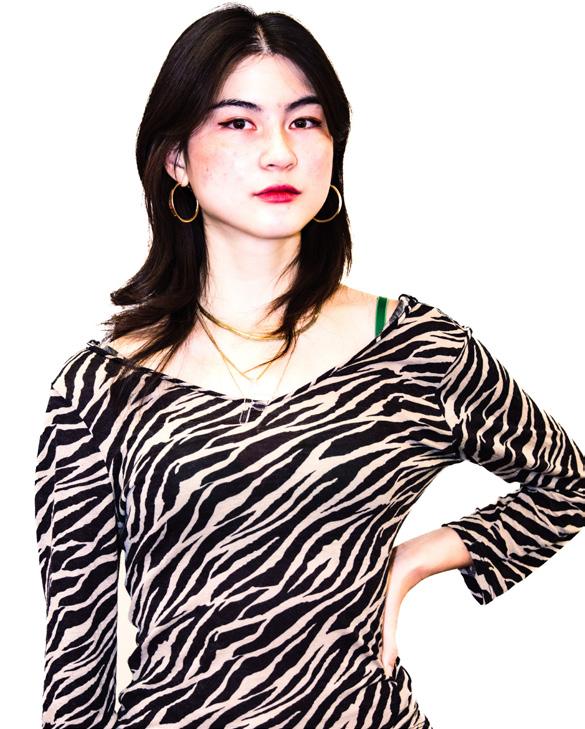
FIONA HERZOG ASSIGNMENTS EDITOR
“I’m not super easy to talk to a lot of the time. I’m just kind of weird.”
—Charli xcx
S
t reet’s 2025 E ditors'
Yearbook

INSIA HAQUE DESIGN EDITOR
“If we can talk about erectile dysfunction but not clitoris stimulation then something is wrong.”
—Eric Adams

SAMANTHA HSIUNG DEPUTY ASSIGNMENTS EDITOR
“King Bob.”
—King Bob
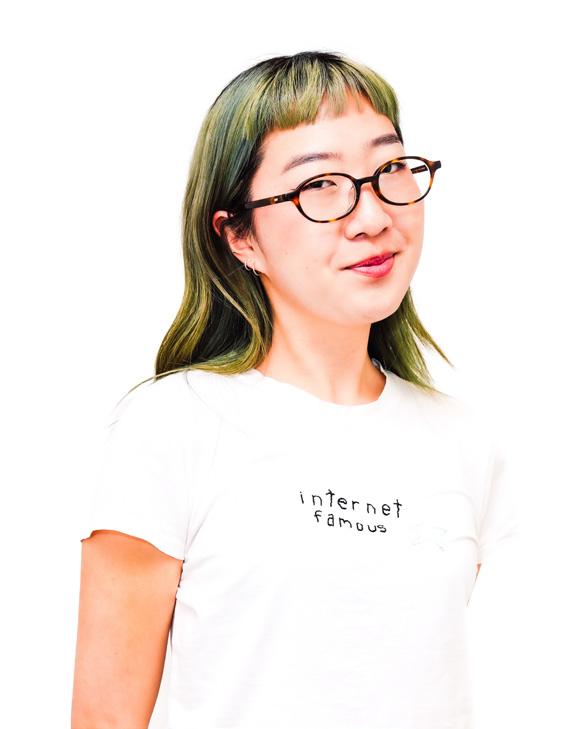
HANNAH SUNG DIGITAL MANAGING EDITOR
“This world is bullshit.”
—Fiona Apple
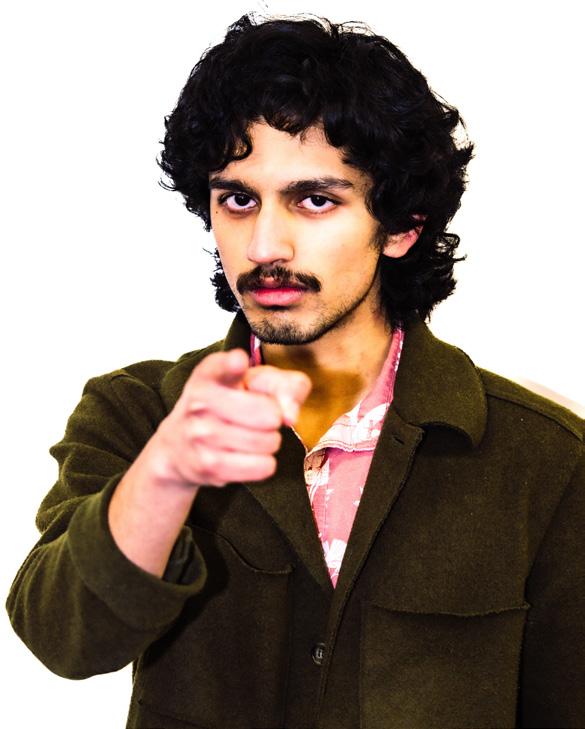
NISHANTH BHARGAVA DIGITAL MANAGING EDITOR
“Words are the most powerful things in the universe”
—Woah Vicky

JACKSON FORD STREET MULTIMEDIA EDITOR
“Things like this don’t happen to people like me.”
—Harry Styles

BOBBY MCCANN
FEATURES EDITOR
“The only people for me are the mad ones, the ones who are mad to live, mad to talk, mad to be saved.”
—Vielen Dank


CHLOE NORMAN FEATURES EDITOR
“I don’t know if I want food, or if I don’t want to be alive.”
—Anissa T. Ly

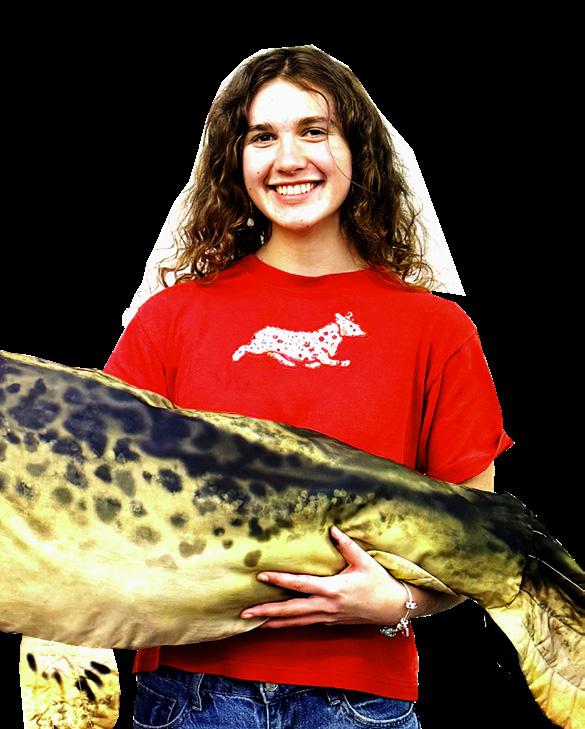
SARAH LEONARD
FOCUS EDITOR
“Of course God doesn’t hate you. You’re not interesting enough. I’d say He’d be ambivalent towards you at best. If He even exists.”
—Sister Michael
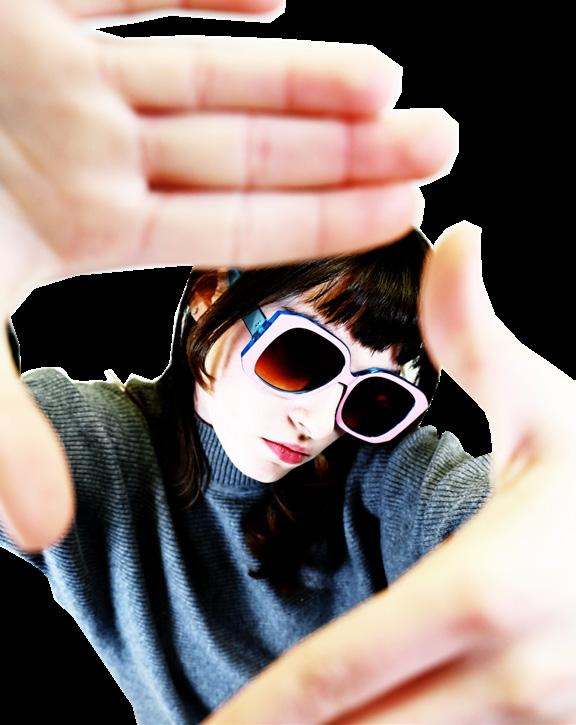
ANISSA T. LY EGO
EDITOR
“It’s what makes life interesting, finding the balance between cigarettes and tofu.”
—Gwyneth Paltrow

LIANA
FILM & TV EDITOR
“Raibow fish don’t care”
—Rainbow Fish
KATE CHO STYLE
EDITOR
“I’ma beat him like his father”
—Chief Keef
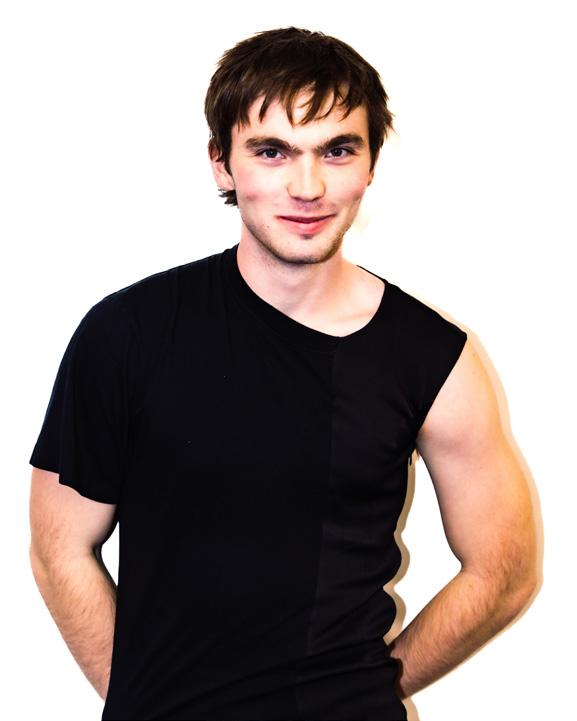
LOGAN YUHAS ARTS EDITOR
“I have never known how to make decisions. I prefer to accumulate intensities until a turn of events forces itself on me as if outside my control.”
—A Fucking Magazine
EDITOR
“Your flesh will embarass you”
—Woah Vicky
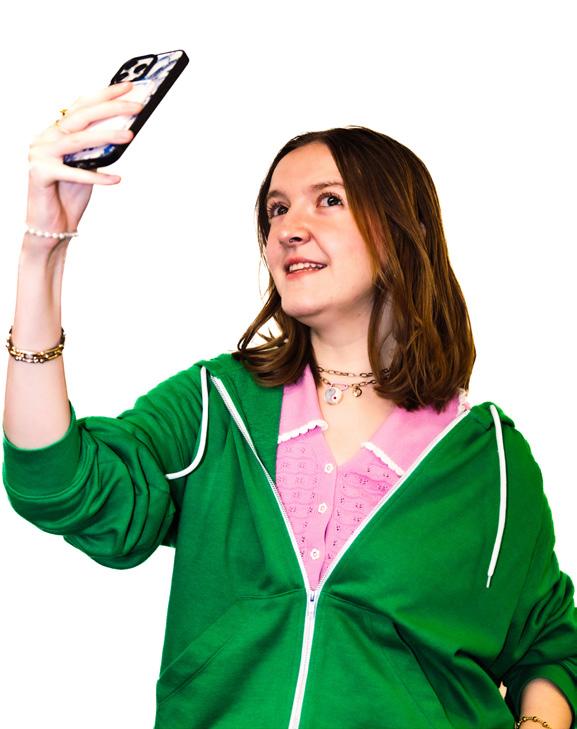
EDITOR
“Somebody sedate me!”
—Cristina
BY INSIA HAQUE
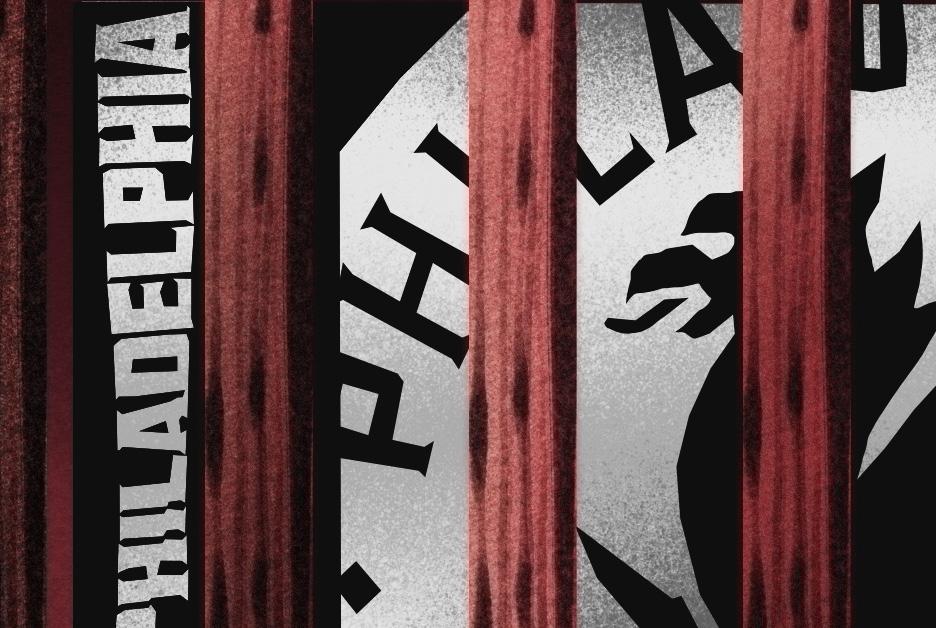
Everything is ephemeral. Nothing stays the same. As college students, we’re no strangers to phases of drastic reinvention, be it through choppy bangs, Splat hair dye, or a new nickname. For many of us, we’re trying to find ourselves and be who we believe we ought to be. These aesthetic changes are experiments in establishing identity during a seismic period of our lives.
Well–established brands across the nation seem to be undergoing the same identity crises. Rebrands are almost always controversial, especially when staples of our lives undergo them. For example, this August, Cracker Barrel revealed a new logo. The company had diluted its image with an uncharismatic lettermark, a bloated reimagination of its previous logo. Despite it being quickly rolled back, the damage was already done—the overhaul triggered a culture war frenzy and warranted public statements and backpedaling from the company’s CEO just this week, nearly two months after the fact. Beyond Cracker Barrel, we’ve seen this kind of ill–advised transformation time and time
again, from Apple’s shocking user interface redesigns to the decades–long trend of companies needlessly oversimplifying their logos.
Admittedly, much of this outrage is unwarranted. We are all resistant to change at first, but we eventually come around to initially unpopular creative choices. In the case of the newly renamed Philadelphia Art Museum, however, one age–old adage comes to mind: “If it ain’t broke, don’t fix it.”
My disdain for the redesign began as a knee–jerk reaction to the jarring creative direction of the new logo. Upon further reading, it’s clear that it drew inspiration from the museum’s 1938 version and griffin architectural motifs. Its execution, however, fails to honor that history, instead speaking the design language of tacky millennial–run craft breweries. I’m far from alone in this opinion, if the incredulous commenters across PhAM’s 11 (and counting) Instagram posts defending their rebrand count for anything.
The more I learned about the rebrand, the more puzzled I became. The rebrand brings in not only a controversial logo, but a modernized
typography across all signage, friendlier museum guard uniforms, and overall more hip programming, including a DJ–in–residence. It all begs the crucial questions—why? And who is this for?
And then there’s the ridiculous rename. Sasha Suda, PhAM’s CEO and museum director, explained that when she refers to “the PMA” around folks unengaged with the Philadelphia arts scene, “they have no idea what I’m talking about.” I struggle to understand why that would warrant a complete name change. In my nearly four years at Penn, never once have I known the museum as anything but the PMA. And while it may be the case that people uninterested in museum–going are unfamiliar with the acronym, there’s no reason that PhAM (pronounced “fam,” presumably) would fare any better. This decision has confused the museum’s current audience at best and enraged them at worst. Worse yet, it creates a new search engine optimization problem—the museum is now competing for clicks with the fourth–most common Vietnamese surname. Many of the museum’s
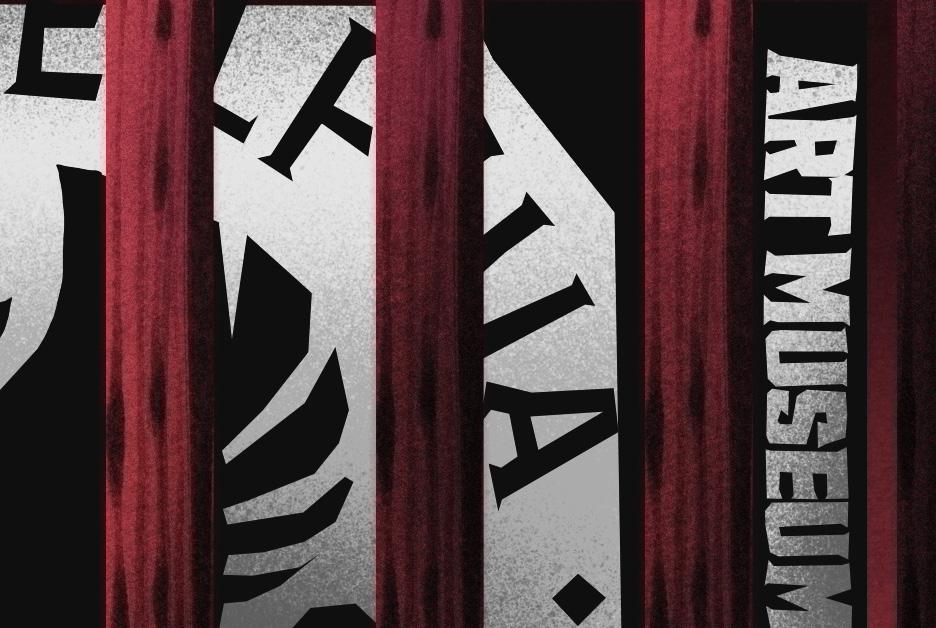
followers were quick to enumerate the many other plausible, ill–thought–out acronyms the rebrand introduces, from the even less SEO–friendly “PAM” to the even more ridiculous “PhArt Museum.”
Looking at PhAM in the larger world of corporate rebrands, it’s important to understand why companies choose to engage in rebrands in this way. Every design consultant and creative team knows to expect this sort of visceral, negative reaction from shock campaigns. Why continue to do something you know people will hate? In many cases, this form of ragebait generates free advertising through the discourse these rebrands generate. The traffic created by upsetting consumers, who aren’t actually ditching your product at the end of the day, makes it all worthwhile.
Bizarrely, shocking the audience appears to be the goal, at least based on the museum’s own cheeky language in its social promotions (“made you look”). But considering that the mission of the rebrand was to center Philadelphians and build “an institution that’s here to serve you and
welcome you,” why would PhAM take this disruptive route? Logically, who would visit an art museum after deciding its branding, the artistic face of the institution, sucks?
The overwhelming response from locals has been to highlight how out of touch and inappropriate the rebrand is, as well as the myriad ways in which PhAM could have better achieved their goals. There are many ways in which museums across the nation foster inclusivity, including tactics that materially increase accessibility. Instead of throwing away $700 million away for a wildly unnecessary rebrand, why not bring back “Pay What You Wish” Fridays? If you’re looking for a design–based solution, why not make the existing discounted programming more easily discoverable on your websites? And why ditch PMA for an SEO nightmare of an acronym that doesn’t even bring up your website when Googled? At the very least, why not invest this kind of money into a Philadelphia–based design studio instead of one based in Brooklyn?
There were simply so many better places for this money to be invested. If PhAM truly wanted
to center the voices and preferences of Philadelphia, honor its past, and become more welcoming, it could have done so more practically and effectively, through policy or more intelligent design. Unfortunately, all the overhaul has done is cheapen PhAM’s brand recognition and upset its patrons, all without actually inviting in previously uninterested Philadelphians. It succeeded in the impressive feat of impressing virtually no one and failing in every regard. If anything, the project feels like a self–interested and largely unmotivated cosmetic change.
There’s nothing inherently wrong with a rebrand. There’s often much to be gained through experimentation and toying with aesthetics to better embody identity. But unlike a new wardrobe, PhAM’s rebrand is deeply damaging. That’s not only because it muddles its identity, but because it burns cash that could have better been applied to actually improving the museum’s functionality. I wouldn’t recommend judging your roommate’s lopsided fringe—but I can’t blame you if you despise PhAM’s blunder of a reinvention. k
BY SADIE DANIEL
Photos by Sadie Daniel
On Sept. 27, thousands of people visit, play, sleep, kiss, smoke, dance, hug, laugh, and talk in Rittenhouse Square. Mothers with children, ten guys sharing a blunt, restaurant workers taking a smoke break, couples leaving restaurants to snag a kiss under the square’s lights—all sharing the same public space.
Written into William Penn’s original plan for Philly in 1682 and fully developed into its current form in 1913 by French architect Paul Philippe Cret, Rittenhouse Square is the city’s most popular square. While the other three city squares receive mostly neighborhood visitors or tourists, Rittenhouse Square is unique in its ability to attract people of all walks of life, every hour of the day.
The weekly farmer’s market is today. From the Amish selling flowers on the corner to women selling handmade bead jewelry and fish slapping onto beds of ice, the park is particularly vibrant.
And so, in hopes of documenting the diversity of populations using the park, I conduct a series of interviews with parkgoers from 12 p.m. to 12 a.m. Here are two of their stories, with more to come.
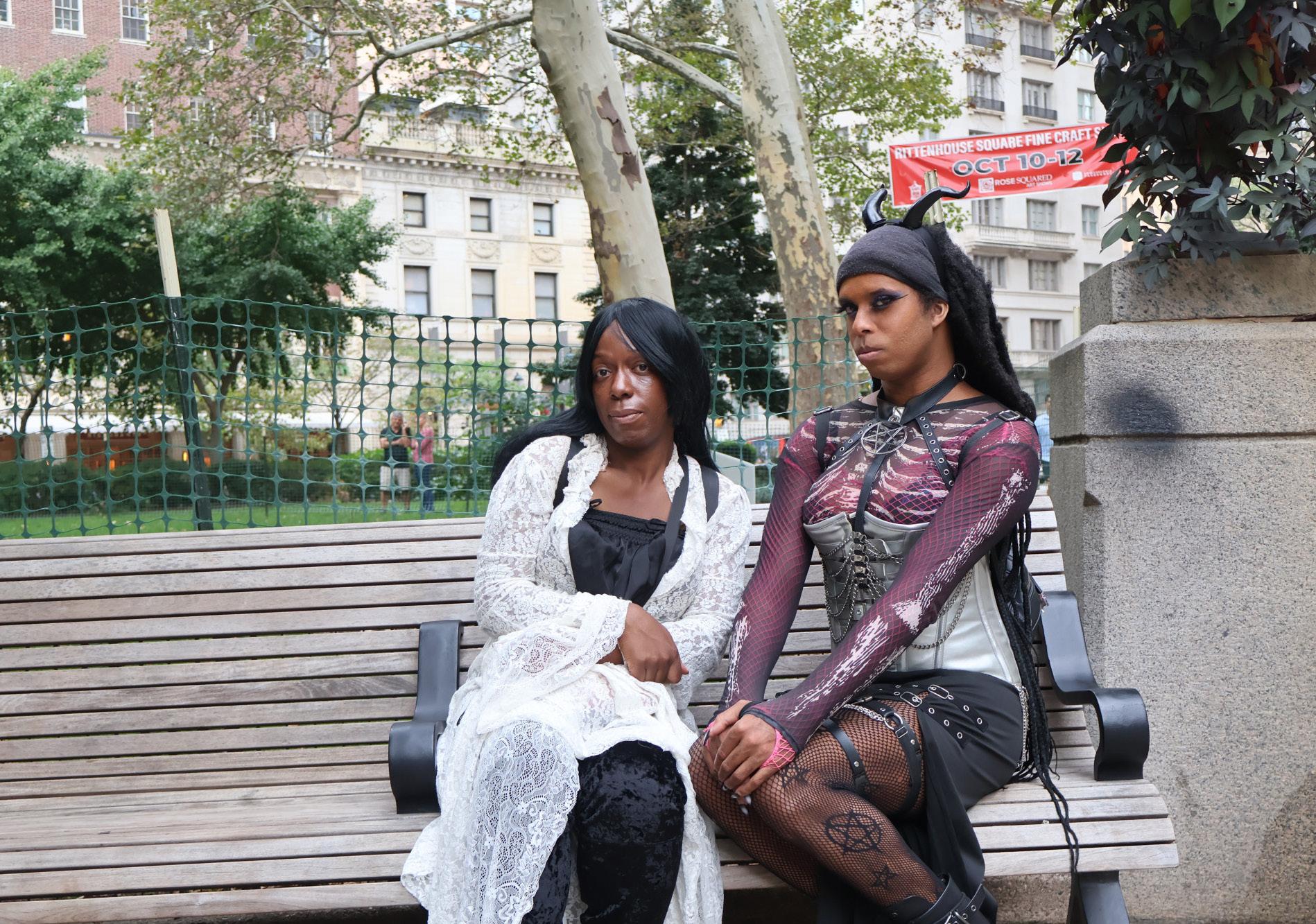
Sylvia and Effie, 4:35 p.m.
I stumble upon Sylvia and Effie on my way to the Amish flower stands. Although I initially approach them with only the goal of a photoshoot, an interview comes out of it—though they definitely serve face for the camera before we get to talking.
Sylvia, donned in a white lace cloak, comes to Rittenhouse Square mostly for the trees, but she also goes to the Church of the Holy Trinity on the northwest corner of the park. She isn’t a people–watcher, though: The people here aren’t interesting enough.
“I’m more of an eater,” she says. She and Effie, strapped in leather from head to toe, come to the park to eat lunch. They both live around Manayunk, so they’ll frequently make the 30–minute bus ride to come down here. “We’re just kind of spontaneous. In this case, yes, it’s a weekly thing,” Sylvia explains.
Not everyone is boring, though. “We meet people in our subculture, okay? Our community, basically under the gay community,” Effie says.
“Literally told a group that’s like, ‘Hey, I’ll see you at the club,’” Sylvia adds. And they do. Sylvia and Effie’s go–to club these days is Nikki Lopez on South Street. They both have strong DJ connections across the city,
following the goth and metal scene from dance floor to dance floor.
“I know a lot of people. Okay, I’m friends with just [a] shit ton of musicians, a shit ton these days, lots of really nice, spooky people,” Effie says.
The people they meet in Rittenhouse Square tend to go to Vortex at the Warehouse on Watts, likely avoiding Nikki Lopez because of the sketchy part of South Street it’s on, Effie says. But that’s where their “favorite characters” are. “It’s still fun down there,” she says.
Effie is from Virginia, but has spent much of her life out in West Hollywood, Calif., while Sylvia is from Philly. “The goth scene on the West Coast is garbage,” Effie says. She thinks the scene in Philly is much bigger and a lot more welcoming.
Upon expressing my ignorance regarding Philly’s goth scene, Effie responds: “Oh my, you know nothing of the Philly goth scene. We’re everywhere, and I mean everywhere, except West Philly. We’re welcoming. We’re accepting. We love everybody. We know how to have fun. We have some of the best music in town. We’re not dickheads. We don’t support Trump. We don’t support fascism, racism, transphobia, homophobia. We don’t support any of that.”
Not everyone gets it, though, she says. “The scene isn’t just how you dress, but it’s also political and mainly music–based,” Effie explains. “To be goth, you have to like the music. You have to find beauty in darkness, have a love for glam metal and punk, yeah, and get the joke, rather than be it. The joke is, goth is dead. We’re not trying to be dead. We just want to look dead. We get the joke.”
"It’s easy to find your people as long as you know what people you’re looking for, as long as you know they’re accepting and they love you no matter what, you find your group quick,” Effie says. One of the best ways to do this, she explains, is attending Dark Force Fest, a goth convention held yearly at the Sheraton Parsippany Hotel in New Jersey, which Effie says is built in the style of a castle.
For Sylvia, this all started in her first year of college. She was just hanging around local goth areas and fell into the scene immediately. She’s 43 now and has been in the scene for over 25 years. Effie, on the other hand, found the scene in middle school. The goth scene is incredibly diverse, Sylvia explains. There are countless different expressions and subcultures under subcultures. Sylvia’s favorite is romantic vampires: Her long, dark hair and flowing lace sleeves speak to this. Effie, in her chrome corset, is more of a cyber goth and a raver.
The two of them have only been friends since late June, but Sylvia says it feels like they’ve known each other forever. The scene isn’t what connected them, she says, but “more of a mesh of personalities.”
“Spooky people know their people. You could be completely dressed down, but see them at the club the night before and you just know.” Plus, Sylvia’s “humor is dark, dark like the night,” so they were bound to get along.
Before we part ways, Effie invites Arts beat Beatrice Han and me to Nikki Lopez. “$10 a head, as long as you’re 21 and over, yeah, you’re gonna enjoy yourself. Good music. Good, good drinks. Yeah, amazing people. Four DJs, two dance floors, one downstairs, one upstairs. And four bathrooms, very important.”
Alan, 4:57 p.m.
And then there’s Alan.
Alan stands out from the crowd—at least to me, as he happens to be my friend. We met on Hinge a year ago and he hit me up asking to be friends. I’ve had my own person in the park since.
He works at Rouge, an American–style restaurant adjacent to the square. When he gets off work today, he comes to see me, wanting to take part in my 12–hour investigation. He also gets me a burger (and pays for part of it). A gentleman, really.
Alan’s been working in the park for four years now. “It’s a pretty good spot,” he says. “I meet a lot of new people every day. The people I work with are great, and I make pretty good money, too.” Sometimes he comes to the park on his lunch break or after his shift to “read a book, maybe just people–watch, just sit down, or come to unwind.”
Rouge and the square share a unique environment, filled with both the rich and the poor looking for a conversation or a bite to eat. “Working in Rittenhouse Square, you meet a lot of unique people. And by that, I mean you meet people like a lot of old cou-
ples who love to talk to people. You get to know a little bit about them. And then you meet a lot of rich people who live in the area and have a lot of money to spend. And so you get to see their day to day, see them picking up random women’s tabs at the bar, just buying them drinks or whatever.”
Celebrities visit as well, with Eagles and Phillies players coming in from time to time. Even former President Joe Biden’s family once came in. “It really opens up your eyes to how the real world is,” he says. “Because being in school, you’re around the same people the majority of the time. But if you work in this kind of spot, you never know what to expect or who you’ll meet.”
Alan’s on a similar wavelength as Sophia, a previous interviewee, saying, “You don’t really meet the same kind of person twice. … Because Rittenhouse is not only just for restaurants. It’s not only just a park, and it’s not only just for rich people. People just walk around the neighborhood. Sometimes people just walk around with friends, families, people on their own, you know, all types of people,” he says. Despite the area’s vibrancy, he tends to stay away on his days off, preferring to play tennis in FDR Park instead.
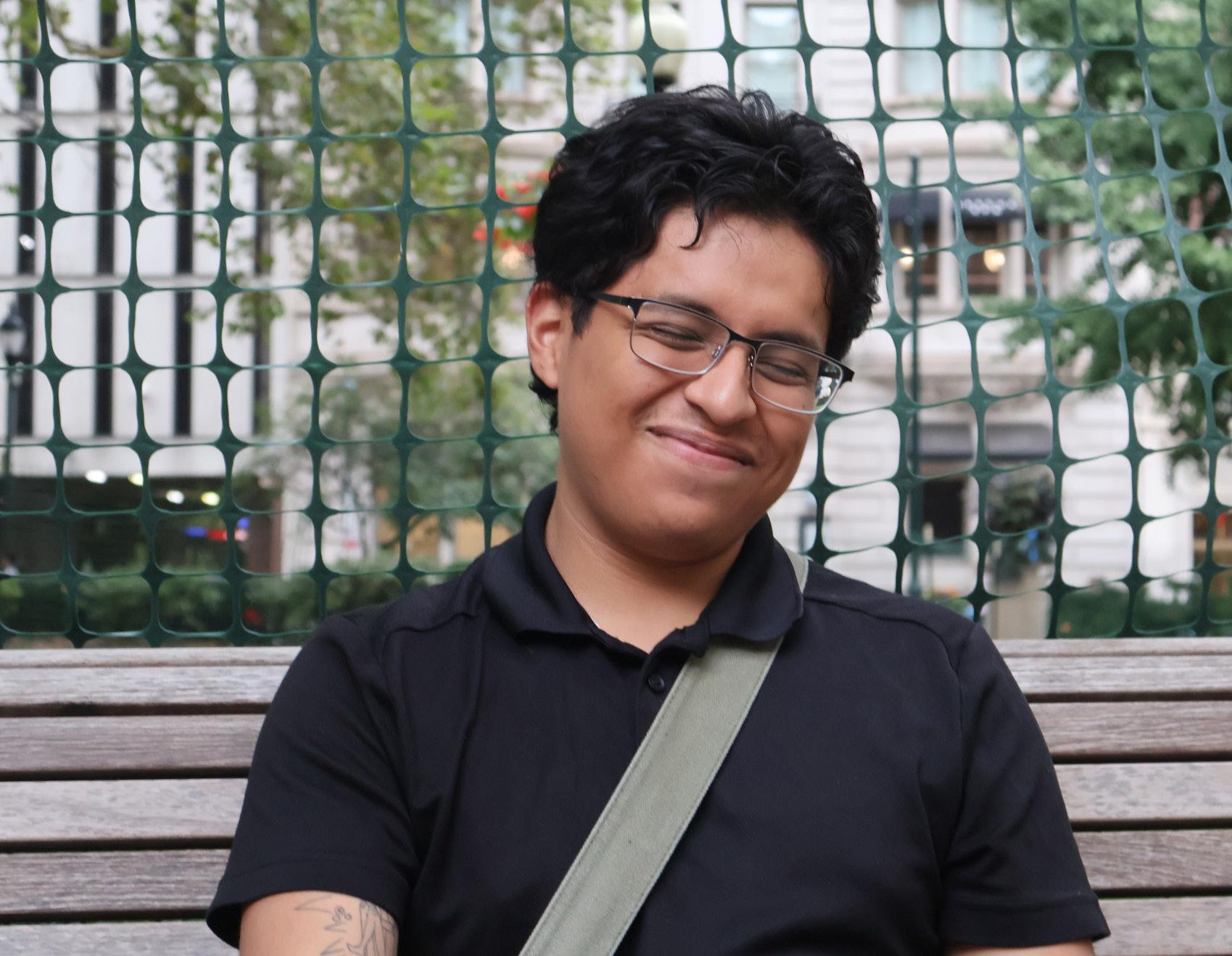
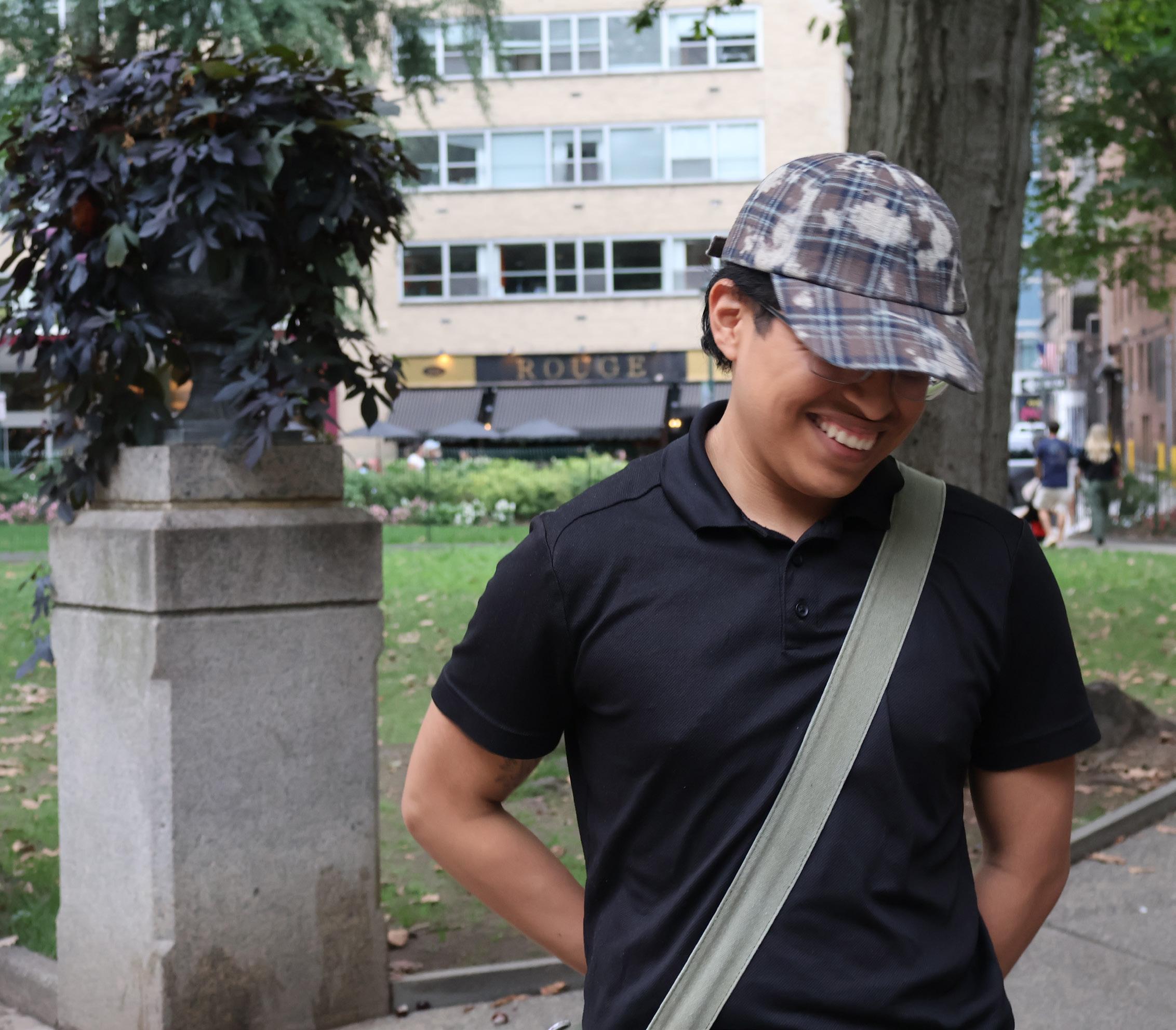
I ask why he’s stayed in the restaurant business so long.
“I grew up in restaurants,” he says. “I grew up around food. That’s pretty much who I am as a person.”
He’s always found food to be the best way to connect with people, taking on cooking as a kid to take some weight off his single mother’s shoulders. Growing up, his father was head chef at a Manhattan restaurant and would frequently invite him to come watch for the day. The environment immediately drew him in, so much so that he went to culinary school for a bit. He quickly found out cooking wasn’t the career he
wanted, though, and has been working since.
Alan lived in New York until he was ten, but he would never move back. “People move to New York for the idea of New York, not because of the place itself,” he says. “Philly is getting to that point now,” describing how Philly is constantly in sports news headlines and is quickly changing as people are starting to see the city as a good place to live. Philly “is starting to become something new, which is very exciting to see,” he says. Still, he’s concerned about what increasing gentrification means for long–term residents.
Alan just moved into his own apartment this past January (and threw a killer housewarming
party), leaving his second home in South Philly for a spot in North Philly. These days, he cooks as a hobby, having moved to the front of house at Rouge a while back for better pay.
“I’m still in the middle of trying to figure out what I want to do,” he says. “Because I’m only 21 at the moment, and as a bunch of other 21–year–olds, we have no idea what we want to do with our life.”
His current goal, though, is to become a firefighter. “Growing up, I would always see firefighters and policemen, and I would always think it’s so cool just being able to help somebody. But throughout the years, I’ve noticed that
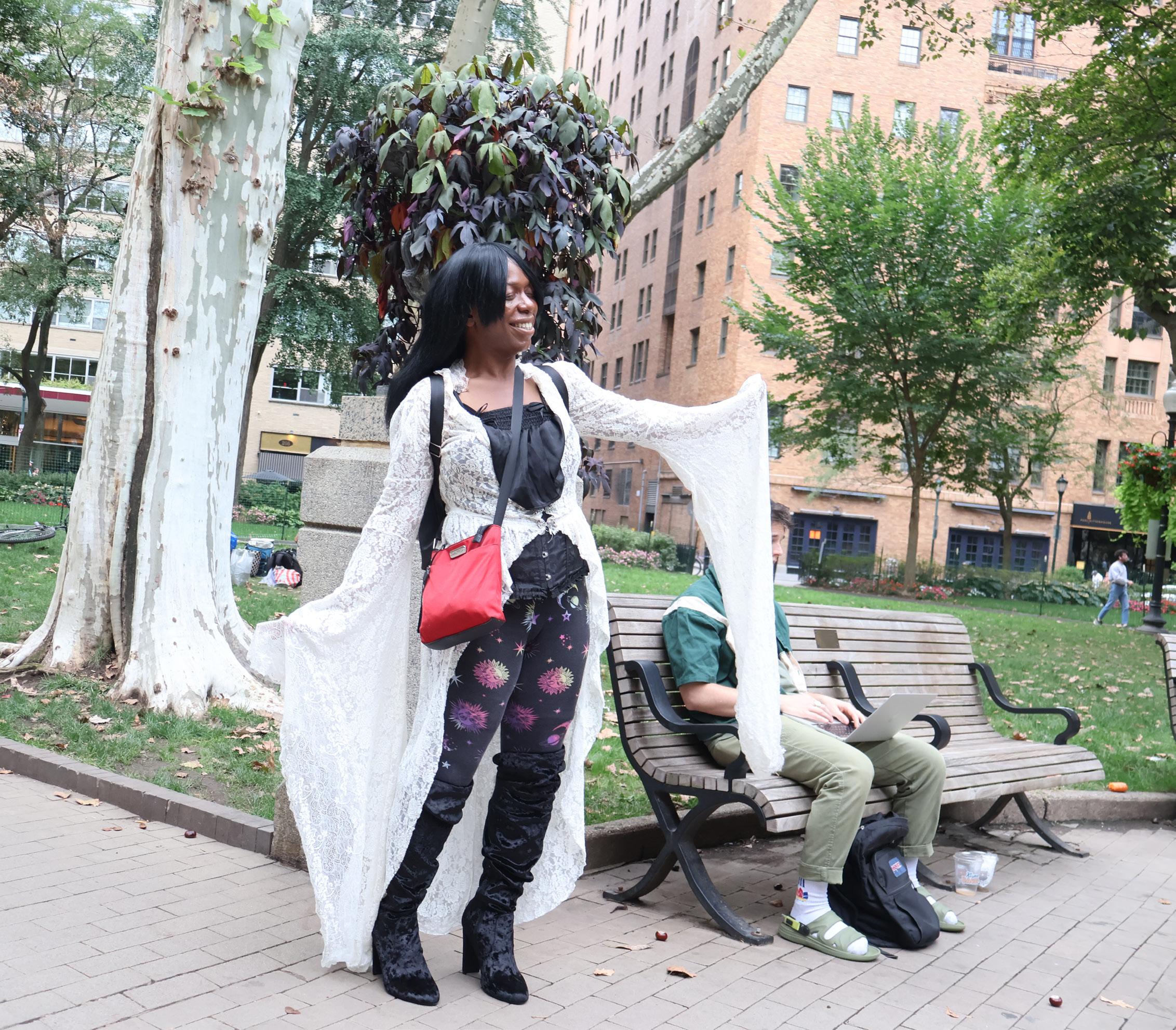
a lot of police are corrupt, yeah, and firefighters … are very much less corrupt. They do it for the act of helping people, and not just for the authority figure that they have. So I think that’s something I would do, and I’m very excited to continue working towards that,” he says. But certification is $1,000 and a lot of training away, so for now he’s focused on saving up for that and a car so he can travel.
When he’s not talking to me or reading a book in the park, Alan meets a lot of homeless people. “They get a very bad rep just because they’re homeless, but a lot of them are very kind,” he says. There’s a handful of homeless regulars
at Rouge that he takes care of. One of them is a former millionaire who, after stumbling on some hard times, went down the wrong path. He comes and asks for a soda most days. “[A lot of] these homeless people have a very interesting story to them,” Alan says. “I don’t like that people just shoot them off just because they’re an inconvenience to them.”
As the interview dwindles, Alan asks me to include the following statement: “Go Birds, fuck ICE, free Palestine. And, yeah, that’s about it.”
After talking to Alan, I sit on a bench with a couple of friends who come to visit me and scarf down the burger Alan brought me.
As I’m sitting there, a couple walks by with their wedding photographer, with the bride holding a newspaper that reads “Save the Date.” Her fiancé looks annoyed.
A group of middle schoolers plays with a ball around a statue. The little sister of one of the girls keeps trying to join.
Three girls strut down the walkway in front of me, one in a little pink dress and the others in red and black. The girl in the pink dress holds balloons that read “16” and “birthday babe.” k
To read the rest of Sadie’s Rittenhouse Square stories, check our website.
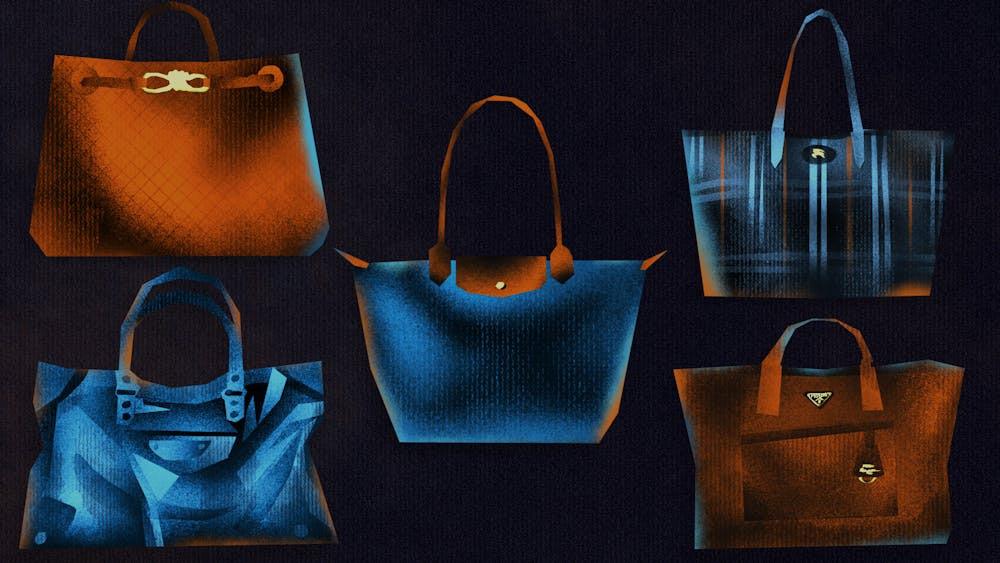
BY ADDISON SAJI
Illustration by Insia Haque
Ihate your Longchamp bag. Yes, that navy–blue nylon thing you shove all your school supplies into for class. I bet it makes you feel really grown up. I bet you feel so special walking down Locust Walk with something designer.
Colloquially known as the Longchamp bag, the Le Pliage (“The Folding”) tote bag, is currently one of the most popular handbags among Gen Z. Once you start noticing them, there’s no going back. Here’s a new game idea: Walk from Commons to Van Pelt–Dietrich Library and keep track of how many of these bags you see. On a Sunday afternoon, with not
many students out and about, my friend and I counted a grand total of 12. In between classes, you can’t even keep up trying to count them all.
Buying the Le Pliage is an impractical decision. The body of the bag is constructed of nylon and other synthetic polymers. Though easier to clean than leather, nylon has a shorter overall lifespan, and it’s extremely common for the corners of the bag to wear and fray. The Le Pliage also contains a cowhide leather trim that prevents the bag from being machine washable, thus removing the only perk that nylon might have offered.
As such, buying the bag isn’t even the “investment” in a long–lasting, durable good that many who buy luxury items claim to be making.
Take, for example, Bottega Veneta’s iconic intrecciato lambskin leather bags, which are handwoven by expert artisans. The bags are almost all made in an atelier in northern Italy and are handcrafted from start to finish: no sewing machine, drills, or factory motors. This is a stark contrast to Longchamp, who lacks transparency about Le Pliage manufacturing. Some are made in France, while others are made in China, Romania, Portugal,
Vietnam, and Morocco. While there’s been no proven discrepancy in quality across locations, there is much speculation and accusatory comparison.
The bag is $150 for the medium size, which can fit an 11–inch tablet, and $165 for the large size, which can fit a laptop. Though relatively inexpensive for a designer bag, it isn’t even leather. It’s one step up from the canvas tote bags that Penn gives us for free. If you’re going to spend money on a school bag, why not get something that actually makes a statement?
Here are my suggestions:
Balenciaga Le City Bag
This bag is popular but still special, distinctive, and visually stunning. You can also find it secondhand for a lower price and in a larger variety of colors than if bought new.
Prada Re–Edition 1978 Large Re–Nylon and Saffiano Leather Tote Bag
If you’re attached to nylon, consider switching to a better option. The only word I can think of to describe this bag is cool. Though simple, it is absolutely iconic.
Lacoste Concept Tote
Maybe I’m just a sucker for the Lacoste logo, but this tote is another minimalist bag that’s fun because it’s just different from what everyone else has. It comes in a bunch of colors too. I’m a big fan of the hot pink.
Burberry Medium Highlands Tote
This bag is classy and mature, but it’s a little more interesting due to the classic Burberry plaid. It exudes a quiet confidence.
BDG Denim Messenger Bag
Kind of random, but Urban Outfitters’ BDG pulled through with a bag whose strap can be shortened into a shoulder bag. This gives you a casual, trendy–but–vintage vibe. And it’s a third of the price of the Le Pliage—style doesn’t have to be expensive.





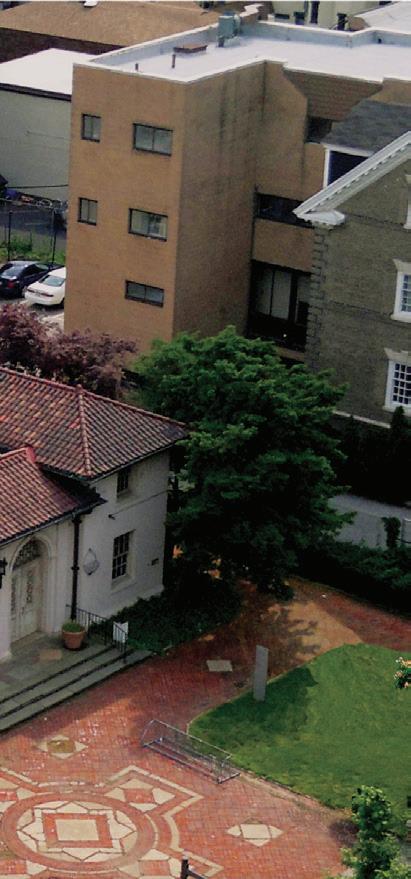







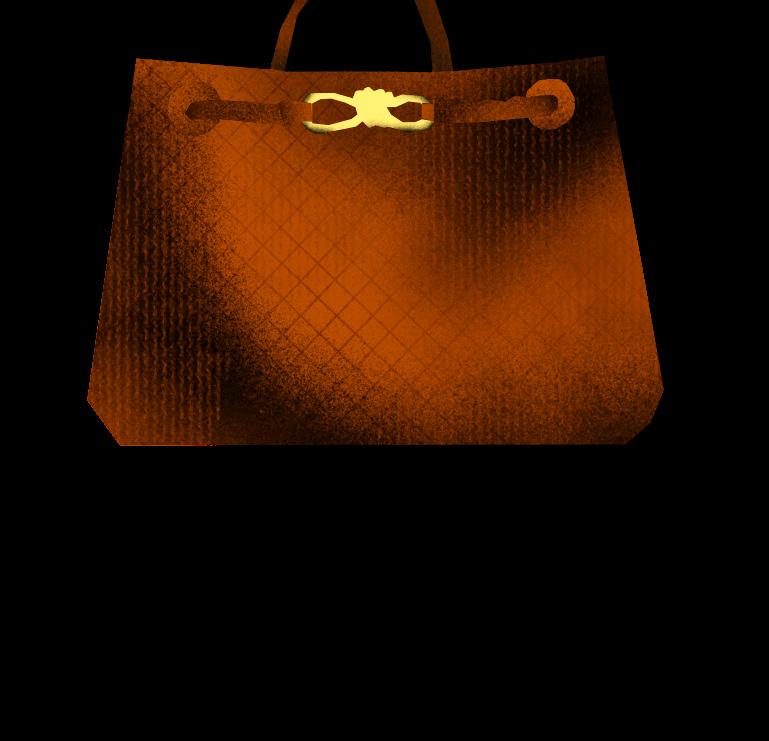
If you’re difficult like me and you like one–of–a–kind pieces, the best course of action is to dive deep into the Depop, eBay, Poshmark, or The RealReal trenches. It is quite a chore, but it’s always
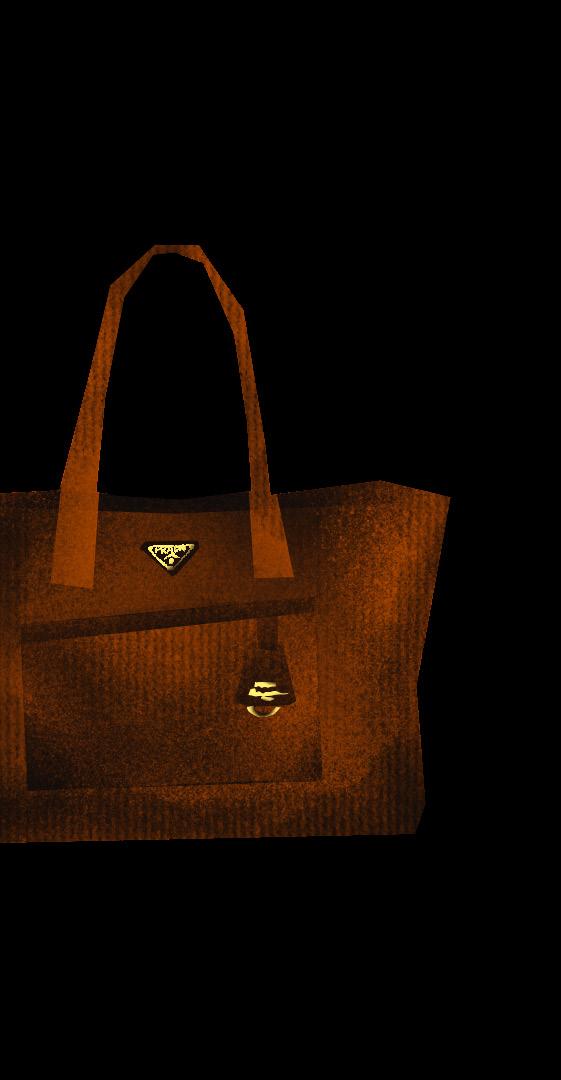
Bag culture at Penn is like a nonverbal cult. The grouping is as such: If you’re a girl who grew up on the Upper East Side (or want to pretend you did), you either use the Longchamp or the Goyard. If you really favor functionality, have scoliosis, or are some degree of lesbian, you carry a backpack. Then there’s the nondescript faux leather totes, the messenger bags, and the plain old canvas totes, but these are like Switzerland.
The Le Pliage is boring. It has no distinct shape or cool texture. Most people own it in mundane colors like navy blue or black or grey. The resurgence in its popularity is unmistakably adjacent with the fame of the “clean–girl” aesthetic, one that favors minimalism in every aspect—clothing, makeup, hair—and is represented by brands such as COS and Aritzia. The Longchamp bag is also a staple of the “preppy” style, which consists of labels like Aviator Nation and Golden Goose. These styles are entrenched in exclusionary uniformity due to their expensive basics—and many are drawn to this exclusivity, to membership in an elite club that only money can get you into.
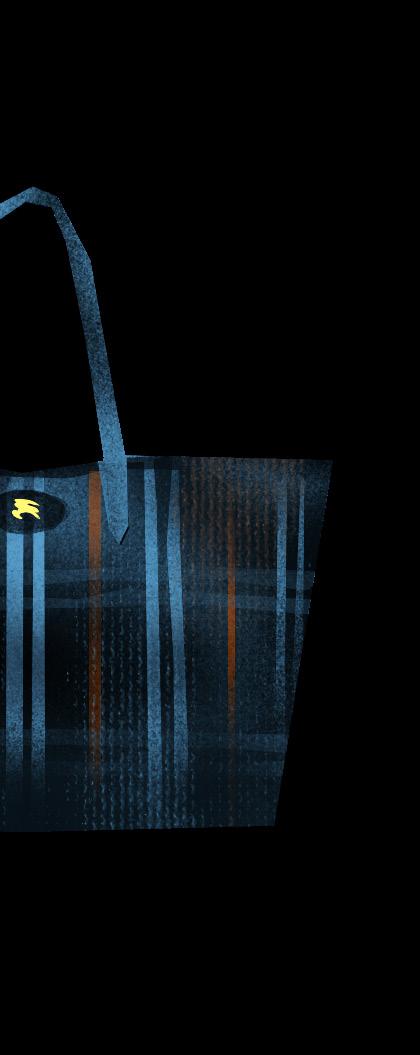
Though overpriced to me, the Le Pliage is quite inexpensive in the greater designer bag world; it is the defini tion of entry–level luxury. So why carry
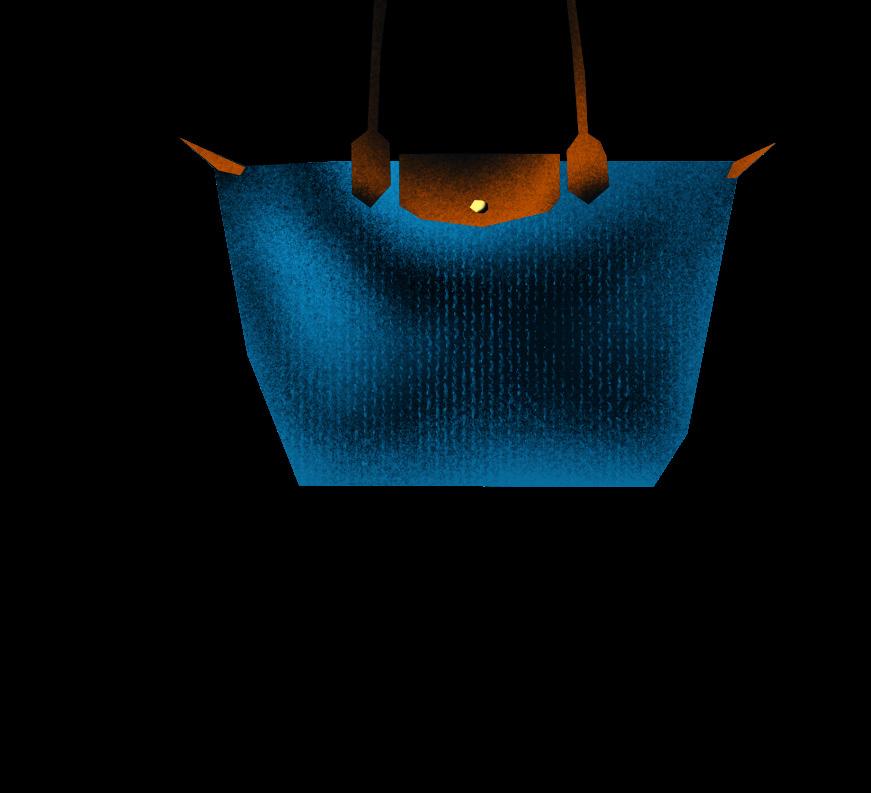
something “accessible” if you’re not re ally committed to the bit? Students car ry the Longchamp for the same reason they wear Goyard or Canal Street Louis Vuitton knockoffs: the illusion of wealth. These bags are desperate attempts at be coming part of the elite, providing their owners with a false sense of belonging. If you have what everyone else has, you must be of a similar class.
When one wears the Longchamp, they know exactly what they’re are telling the world: I am put together. I am trendy. I am of a certain echelon—after all, I could afford this bag! Le Pliage is popular for the same reason everybody at Penn wants to go into consulting: It’s safe. It’s easy. It gives one the social standing they desire. It is probably not one’s dream, but it shows off status. This kind of Penn student does not want to fall behind but doesn’t want to stand out either. This emphasizes a significant flaw in Penn’s culture: a shift away from the passion ate individuality that higher education is meant to foster and toward material istic, monetary priorities and uniform thought. A fundamental misstep has been made in the construction of our modern society: We’ve come to value money over genuine joy.
So, I do not hate your Longchamp bag in itself—I hate that it is a shitty status symbol. I hate that it is a depressing dis play of herd mentality, and that it is con tinued proof that Penn’s vibrant corners are diminishing in number. I hate that it signals that many of us are settling for “fitting in.” And why settle?