
Fleet Capacity Becomes Financial Control When Operational Intelligence Is Unified
How connected systems transform fleet availability from an operational variable into a precise financial decision.


How connected systems transform fleet availability from an operational variable into a precise financial decision.
In large logistics environments, fleet capacity functions as a financial decision, not merely an operational variable. Each booking, route commitment, or delivery promise depends simultaneously on vehicle availability, maintenance throughput, cost exposure, and dispatch reliability.
Yet in many organisations, these variables are still interpreted through separate systems, fleet records, workshop schedules, GPS feeds, and cost summaries existing independently, requiring manual alignment before any confident decision can be made.

The result is familiar: decisions are made with data present, but not fully assembled.

The Old Model Availability interpreted through assumptions and delayed reporting. Teams coordinate fragmented updates across departments before acting.
The Unified Model Fleet availability, maintenance movement, cost behaviour, and route performance visible within one shared environment supported by near-real-time updates.
Availability becomes a live operating condition — observable, measurable, and directly relevant to financial judgement.
This shift is often enabled through carefully structured software development services built around the realities of fleet operations, rather than generic reporting structures.

Fleet environments are shaped by continuous dependency. A single vehicle moving unexpectedly into maintenance can alter route allocation, workshop sequencing, compliance exposure, and cost assumptions — simultaneously.
Each function may hold accurate information, yet operational truth remains distributed across the business.
Where systems are disconnected, the business rarely sees how operational events influence one another throughout the day.
Decision quality weakens not because information is missing, but because it is not visible in relation to itself.
At scale, visibility cannot depend on retrospective reporting. Vehicle condition, repair activity, route execution, and financial signals must exist inside one operating frame where changes remain continuously interpretable.
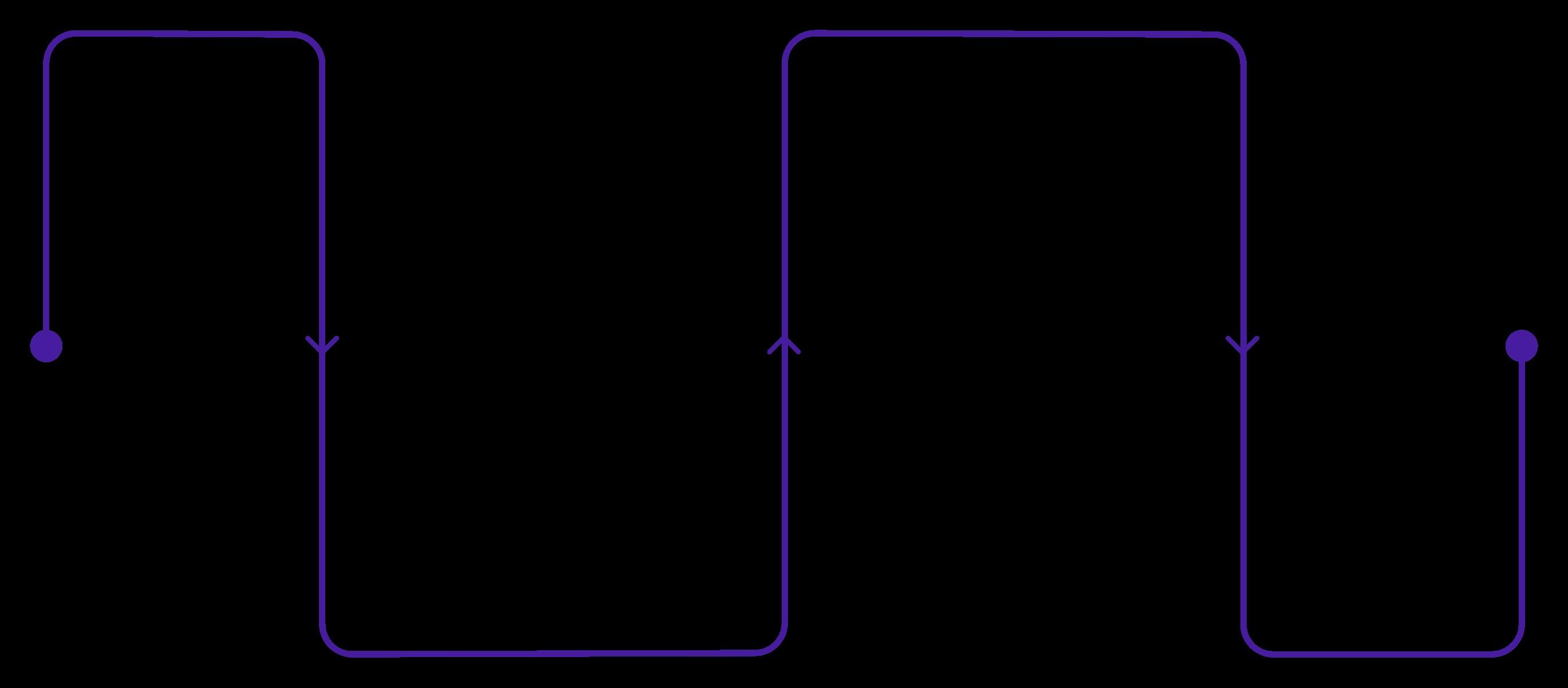
Delayed, fragmented, manual reconciliation
Real-time, interconnected, continuously interpretable
A mature software development company approaches this not as a reporting exercise, but as operational design — building systems where the movement of one operational variable immediately informs the others.


Reflect actual fleet conditions rather than inherited assumptions.
More stable — unavailable assets are visible before assignment decisions occur.
Align directly with live fleet demand instead of isolated maintenance sequencing.
Moves earlier in decision-making — before invoices or budget summaries force attention.
For most logistics organisations, the underlying data already exists. The more important question is whether it remains fragmented or forms one continuously updated representation of operating reality.
When availability, workshop throughput, cost accumulation, and route performance are interpreted together, capacity becomes measurable beyond utilisation — a financial operating constraint.
Accepting new work, scheduling maintenance, adjusting asset allocation, or preparing for expansion become financially informed operating choices made against shared operational truth.

At 2Base, we design connected operational systems where visibility, control, and AI in logistics help logistics businesses act with greater precision.

Operational intelligence unified across fleet, maintenance, dispatch, and finance.
Live operating conditions replace delayed reporting and manual reconciliation.
Capacity becomes a measurable constraint that leadership can act on with confidence.
Connect with 2Base to explore how unified operational intelligence can drive precision and financial control across your logistics business.