PROGRAM
Through interdisciplinary programming and trans-Atlantic collaboration, 1014 creates spaces where ideas are shared, challenged, and reimagined.
As global uncertainties and transformations continued to shape trans-Atlantic relations, 1014 strengthened its role as a space for dialogue and creative exchange. In a year marked by geopolitical shifts, changing social realities, and evolving cultural narratives, we collaborated with many old friends and new partners across a variety of formats and venues throughout NYC. Together, we invited our audiences to engage with today’s pressing global topics.
Society & Democracy remained central to our work, providing space to examine democratic norms, civic resilience, and the realities of contemporary governance. In a new conversation series Hot Topics, Cold Realities, experts and practitioners discussed geopolitical tensions, international law, security policy, and the fragility of democratic systems in an increasingly polarized world. Complementing this series, selected events within our ongoing democracy-focused programming revisited questions of democratic accountability, digital threats, and trans-Atlantic cooperation. Across virtual and in-person formats, these conversations brought together diverse perspectives to illuminate the complex political landscapes shaping societies on both sides of the Atlantic.
Expanding our trans-Atlantic dialogue into new territory, we introduced a dedicated Sports category, debuting with Balancing the Game: The Fine Line of Sports Diplomacy, an exploration of sport as a tool for cultural and political engagement. This launch vividly reflects 1014’s commitment to broadening the lens through which we understand international connection and exchange. From the
classroom to the boardroom, and from policy to innovation, our Business, Economy & Climate programs celebrated the people and ideas driving change. SCALEability –Transfer in Educational Research and Ed‑Tech in Germany and the U.S. explored scaling educational technology, while Scalable Alternative Governance and Business Models for a Fair Data Economy convened policymakers and technologists to envision equitable digital futures. Discussions tied to UN Climate Week prompted considerations of funding, investment, and scaling solutions for a sustainable economy.
Interdisciplinary conversations bridged Science, Technology, and society, exploring the intersections of AI, cognition, and creative practice. In the immersive performance Understanding the Brains (Human & Machine) behind Jur A** Itch Park with Grayson Earl, we examined collaboration between AI and live art. Digital Echoes: AI, Memory, and the Art of Immortality, considered the ethical and creative implications of artificial intelligence, while The Bilingual Brain: Unlocking Nature’s Superpower focused on cognition and neuroplasticity, highlighting how multilingualism shapes human thinking and learning.
Architecture and urban life inspired fresh thinking about the spaces we inhabit. Transformers: Architecture and the Energy Transition explored energy-conscious design and sustainable buildings, while From Hamburg to London to NYC: What We Can Learn from Each Other about Low‑Traffic Neighborhoods looked at how quieter, people-centered streets can transform city life. Not Just Livable – Lovable: Urban Quality, Human Reality and the Shape of Home invited architects and planners to reflect on housing, public space, and belonging.
Art, Culture, and storytelling continued to fuel our community’s imagination. From a special film screening of Go Clara Go: Challenges for Art & Independent Expression in former East Germany, a contemporary opera performance in three languages, 4711 – Intercourse of Ghosts, to an immersive experience Once Upon a Bite: Food, Folktales, and the Imagination, featuring a conversation and a three course menu, our programs invited reflection on how culture shapes collective identity. We also launched the new series Anatomy of an Artwork, further expanding our engagement with contemporary artistic practice.
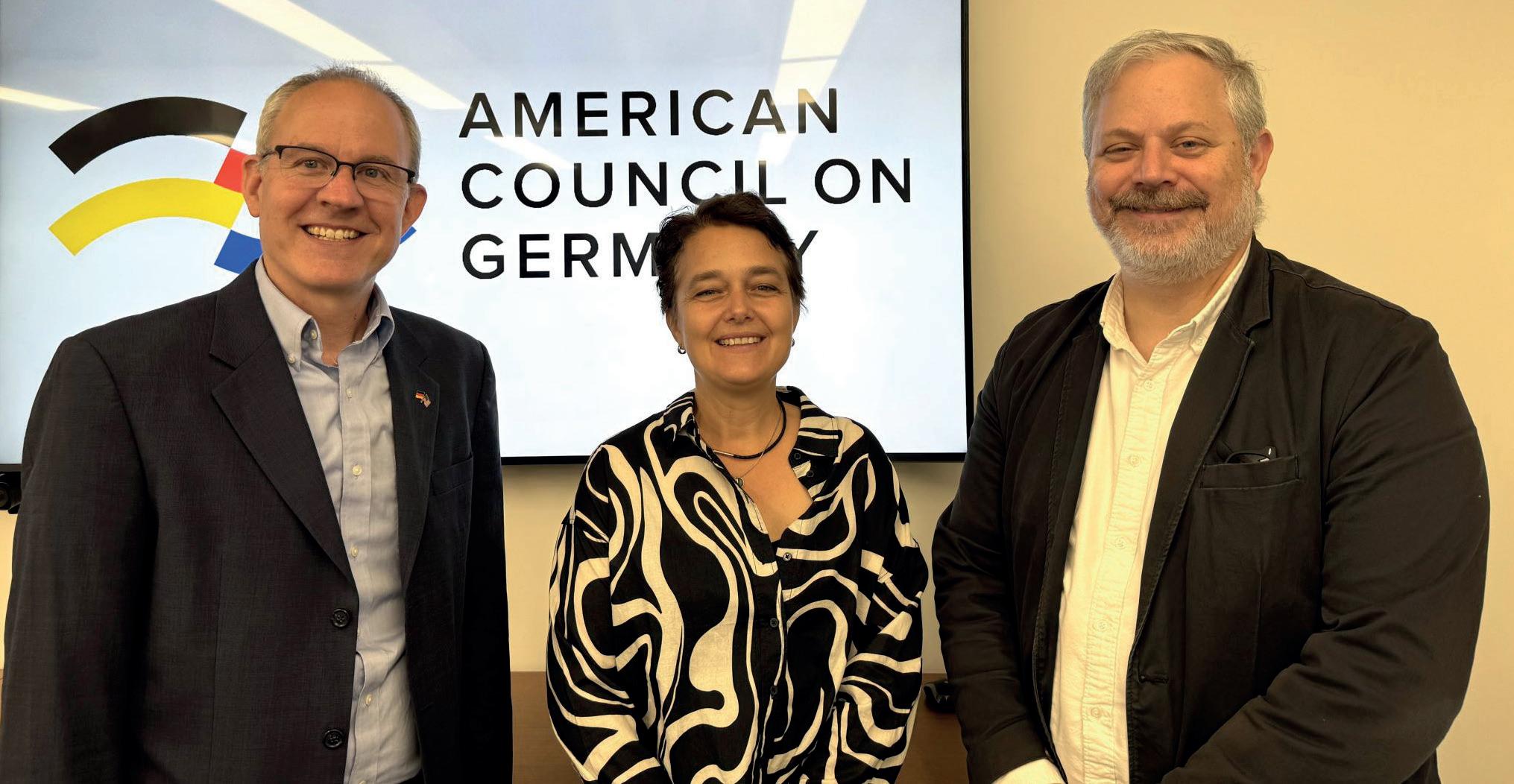
Over the course of 39 events, more than 2,200 guests attended our programs and joined us at the locations of our generous partners – including the American Council on Germany, the Goethe-Institut and the Czech Center - or participated in our virtual discussions.
In addition, our community engaged with a myriad of digital offerings: articles, online recordings, and multimedia content, available through our website and social channels.
This annual report follows 1014 program categories featuring a diverse range of topics:
⋅ Society & Democracy
⋅ Business & Economy
⋅ Climate & Environment
⋅ Architecture & Design
⋅ Science & Technology
⋅ Arts & Culture
⋅ Sports
⋅ International Relations
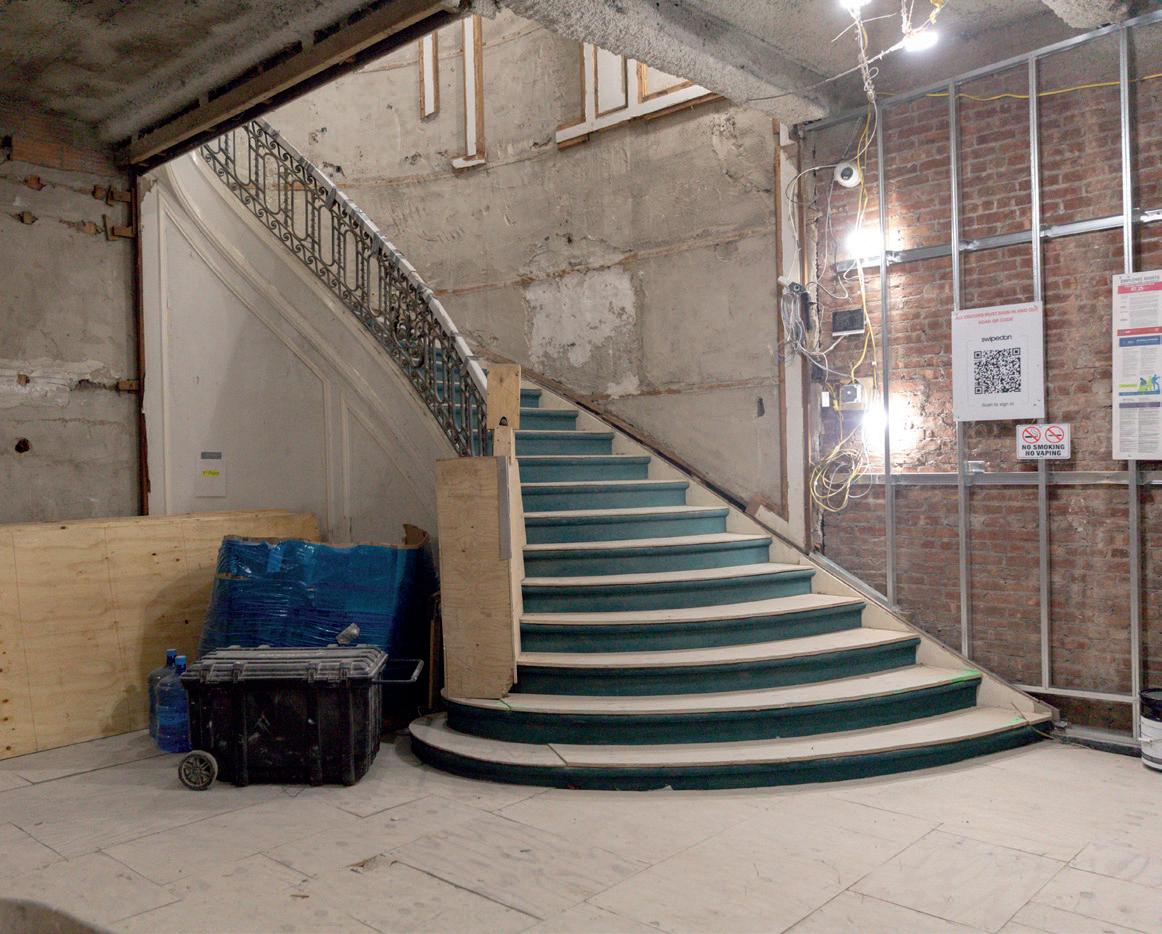
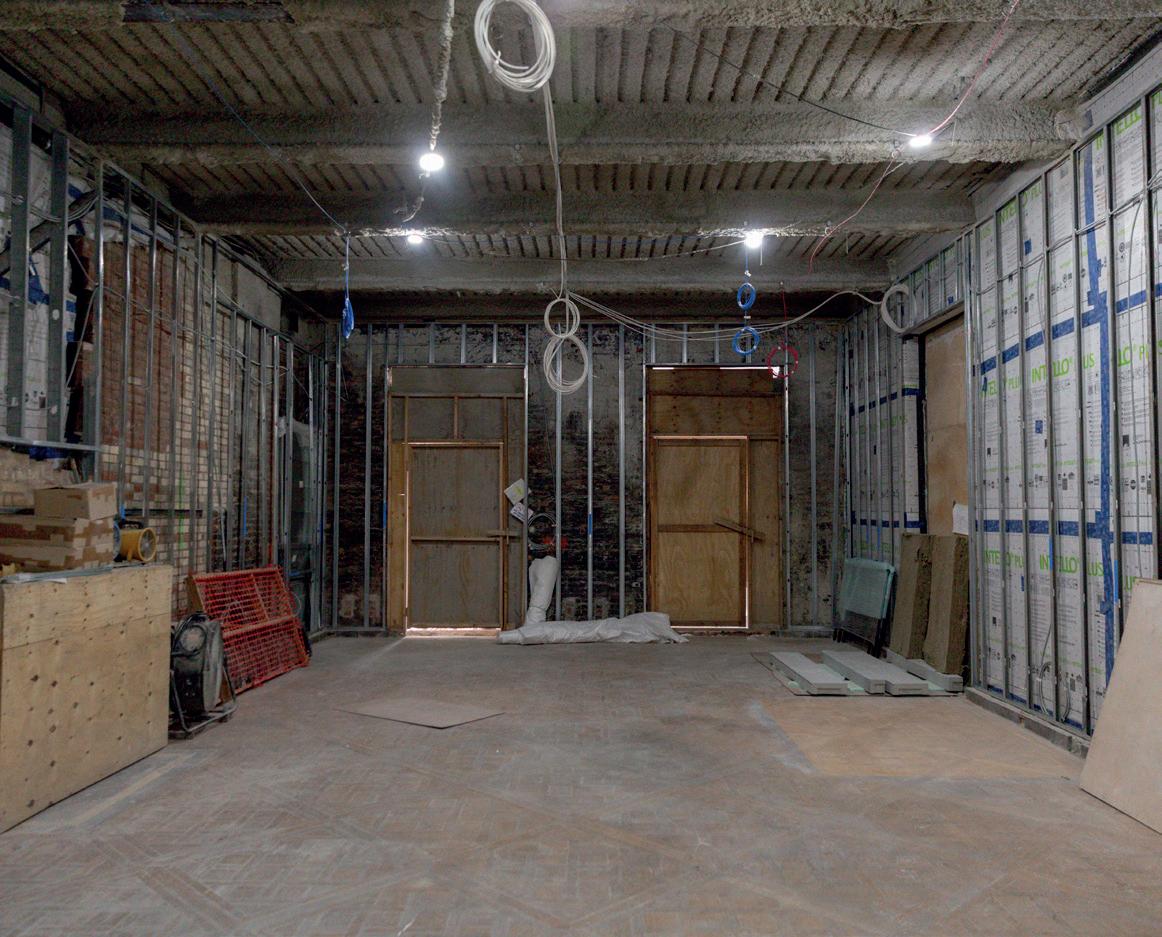
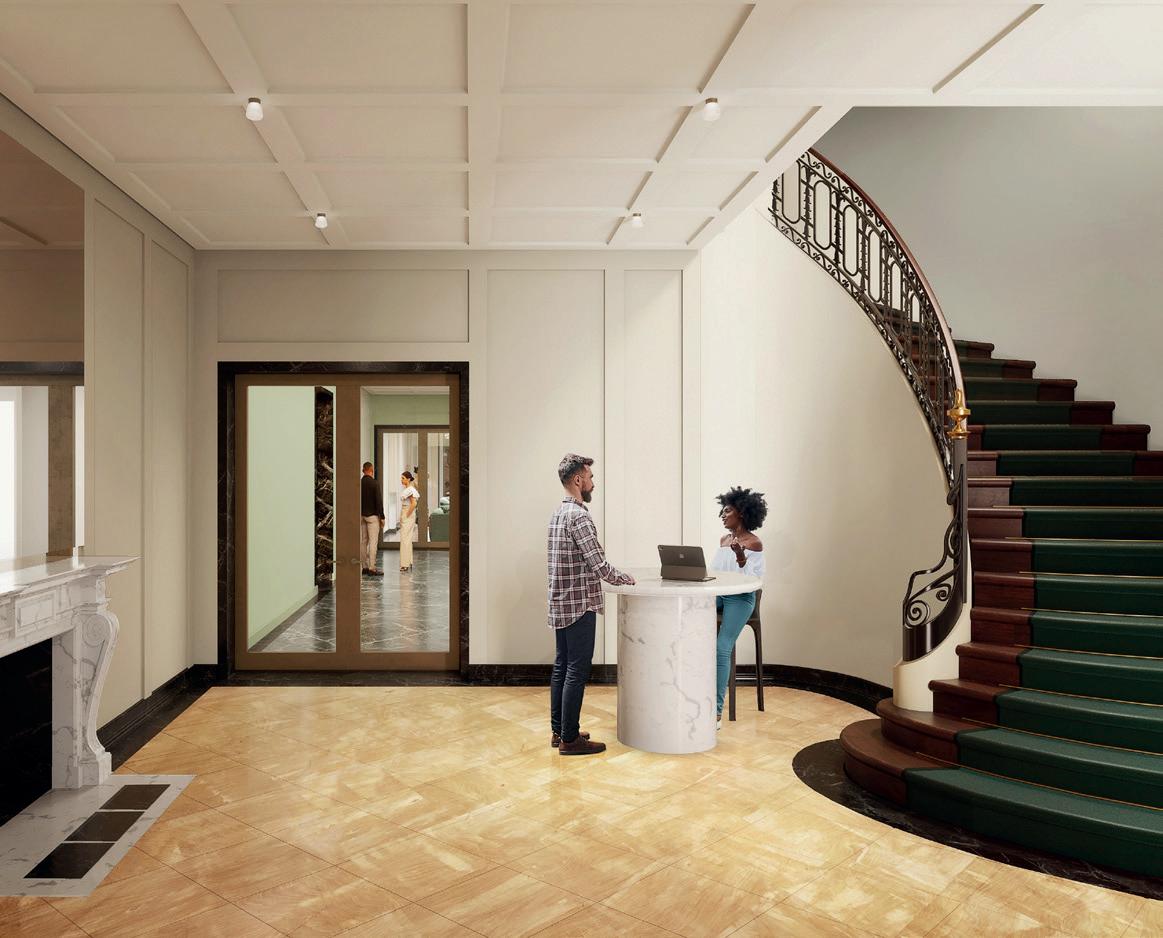
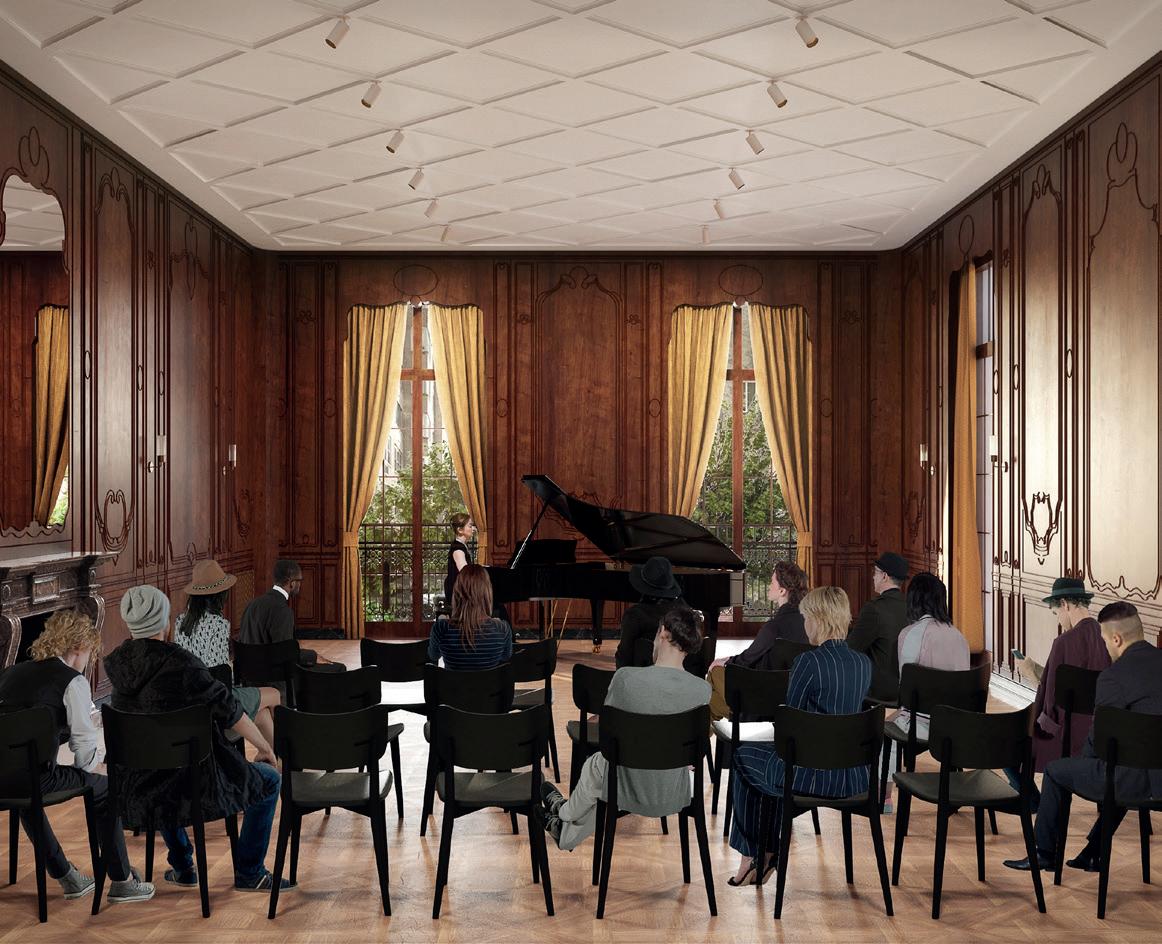
As we look toward the reopening of 1014 Fifth Avenue in its transformed form and the continued evolution of our programs, 1014 remains proud to offer its events free of charge and to amplify trans-Atlantic perspectives on the global topics that define our time.
In this series, 1014, the American Council on Germany, and the Goethe-Institut New York partner with Alexander Görlach, journalist and adjunct professor for democratic theory at NYU Gallatin School, to engage leading intellectuals from both sides of the Atlantic in discussions about the current state of our democracies. The program provides an essential context that helps audiences navigate and better understand the complex challenges facing democratic institutions today.
January 29, 2025: Are our democracies resilient to the threats posed by, inter alia, populist movements? Can we take our liberal democracies for granted, or do we need to protect increasingly fragile systems? In Democracy in the U.S. and Germany: Resilient or Fragile?, Alexander Görlach, and German political scientist Cathryn Clüver Ashbrook came together to answer these questions as Washington transitioned into a new administration and snap elections loomed in Germany.
May 5, 2025: From issues surrounding data protection in the digital age to its intersection with rights like free speech and reproductive freedoms, privacy shapes our lives as citizens, consumers, and individuals. In Privacy Under Threat?, Alexander Görlach and Martin Eiermann, postdoctoral fellow at Duke University, joined 1014, the American Council on Germany, and the Goethe-Institut New York to explore the evolving role of privacy in the U.S. and Germany, highlighting how legal frameworks, cultural values, and historical contexts shaped personal freedoms across the Atlantic.
October 1, 2025: Alexander Görlach and historian Thomas Weber discussed the forces shaping democracy in times of crisis in Bots, Cyberwarfare, and the Future of Democratic Systems. The conversation explored the parallels between the drivers of democratic breakdown in the interwar years and the pressures democracies face today with new technologies, social media bots, and cyberwarfare influencing public perception, political stability, and democratic resilience.
November 18, 2025: In Will International Law Prevail?, Samuel Moyn, Chancellor Kent Professor of Law and History at Yale University, and Alexander Görlach reflected on the state of the post-World War II international order. In a time when multilateral cooperation faces significant challenges, we discussed how diplomacy and the rule of law can be strengthened so that, in the face of conflicts from Ukraine and Gaza to potential tensions over Taiwan, the principle of “might makes right” does not overshadow efforts toward peace, justice, and stability.
Humanities for Humans
Humanities for Humans, co-hosted by 1014 and the Walter de Gruyter Foundation, brings together academics, intellectuals, and scholars to discuss the role that the humanities can play in today’s complex world. Each episode features renowned academics from both sides of the Atlantic who engage in a discussion on one of the prevalent concepts of our times. This series, with a total of 11 episodes over four years, is curated and moderated by Irene Kacandes, Professor Emerita for German Studies and Comparative Literature, Dartmouth College, and member of the 1014 Advisory Board.
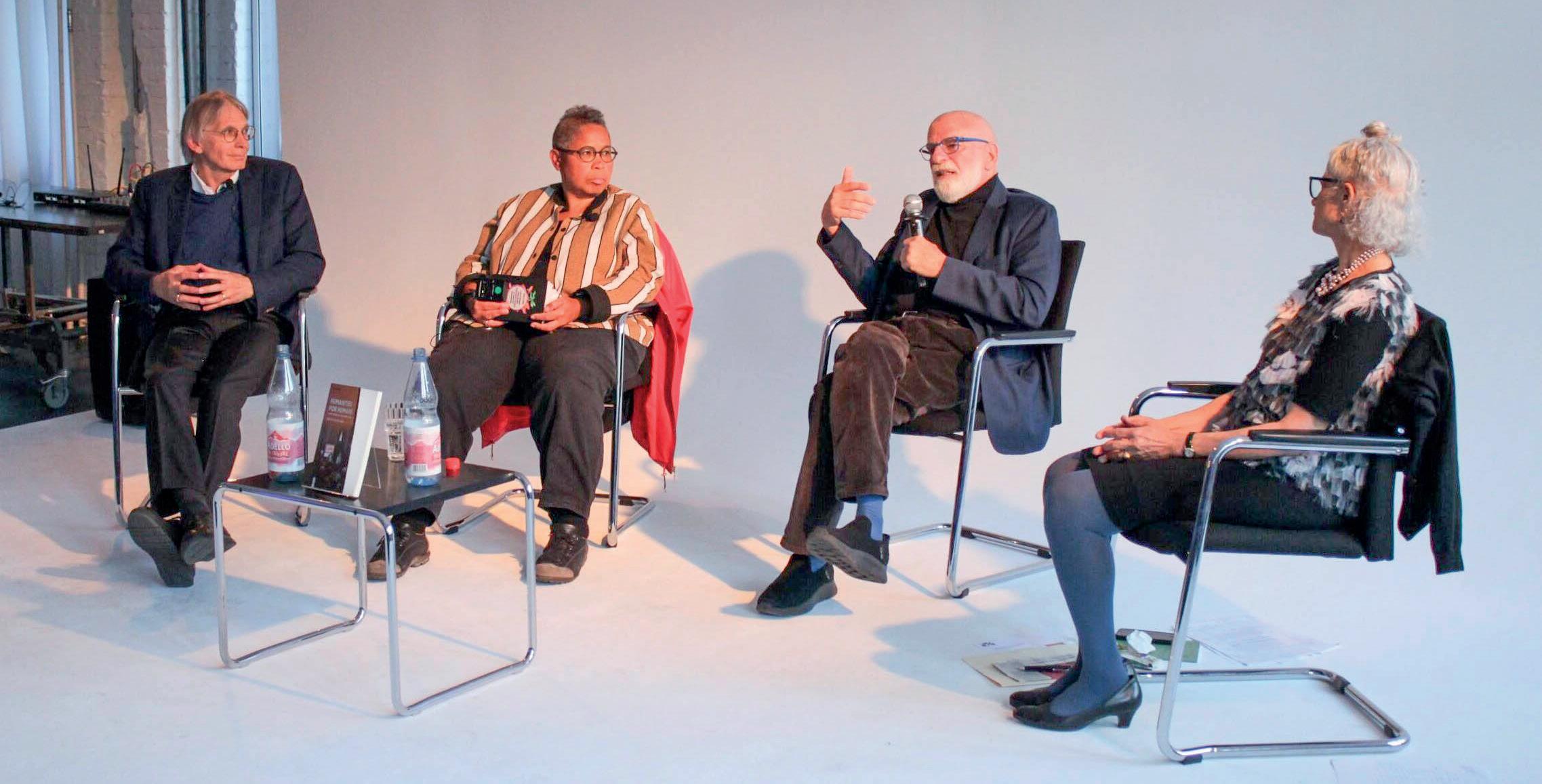
March 20, 2025: After ten trans-Atlantic conversations in our series Humanities for Humans covering a wide range of pressing issues such as climate change, inequalities, and migration, 1014 and the De Gruyter Foundation took a moment to reflect: Can humanities truly deliver in finding sustainable solutions to the myriads of challenges we face today? In Humanities and Today’s World, Kathryn Abrams, Professor of Law, University of California, Berkeley; Michael G. Hanchard, Professor of Africana Studies and Political Science, University of Pennsylvania; and Dagmar Herzog, Professor of History, Social Welfare, Women’s and Gender Studies, CUNY Graduate
School, shared insights on the critical role of their fields in navigating today’s world. This panel was moderated by Irene Kacandes, Professor Emerita of Comparative Literature, German Studies, Gender Studies Dartmouth College, and editor of Humanities for Humans: Clear Thinking on Challenging Issues (De Gruyter Brill, 2025).
May 22, 2025: The Changing Role of the Public Intellectual sought to inspect what it means to be a public intellectual today—and who’s listening. In partnership with 1014 Deutschland e.V., Peggy Piesche, Black literary and cultural scholar; Jeff Peck, President of the Friends
and Sponsors of the GermanAmerican Fulbright Program in Berlin; and Timothy W. Ryback, co-founder and director of the Institute for Historical Justice and Reconciliation in The Hague, explored how public intellectuals have shaped democratic societies in the past—and how their role is evolving amid growing polarization, social media, and political shifts.
April 16, 2026: In Words Matter: The Future of Free Speech, Gypsy Guillén Kaiser, Advocacy and Communications Director at the Committee to Protect Journalists, and Wolfgang Schulz, Director of the Leibniz Institute for Media Research and Professor of Media Law at Universität Hamburg, joined 1014 and the American Council on Germany for a conversation on the future of free speech, examining its challenges, implications, and role in democratic societies.
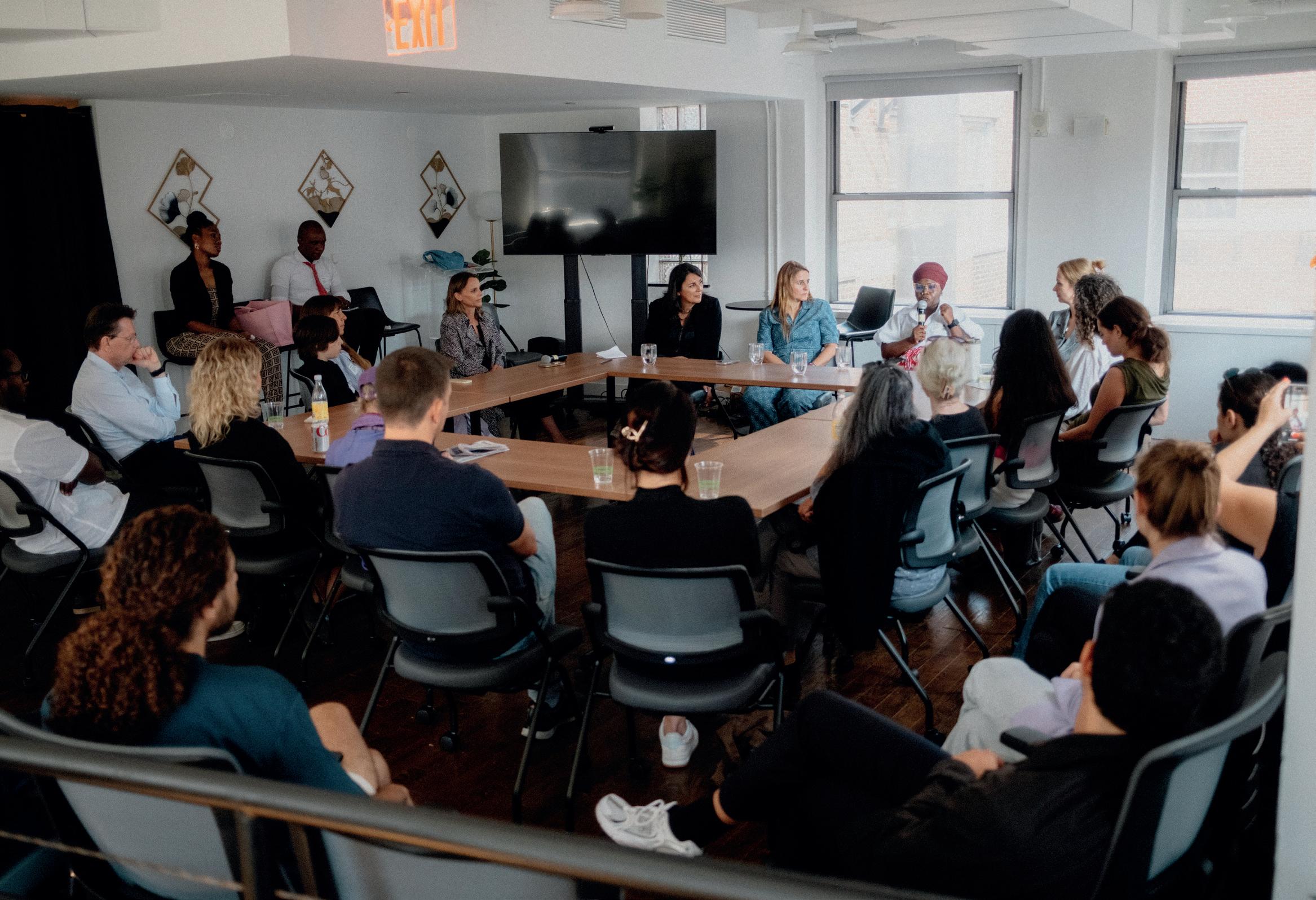
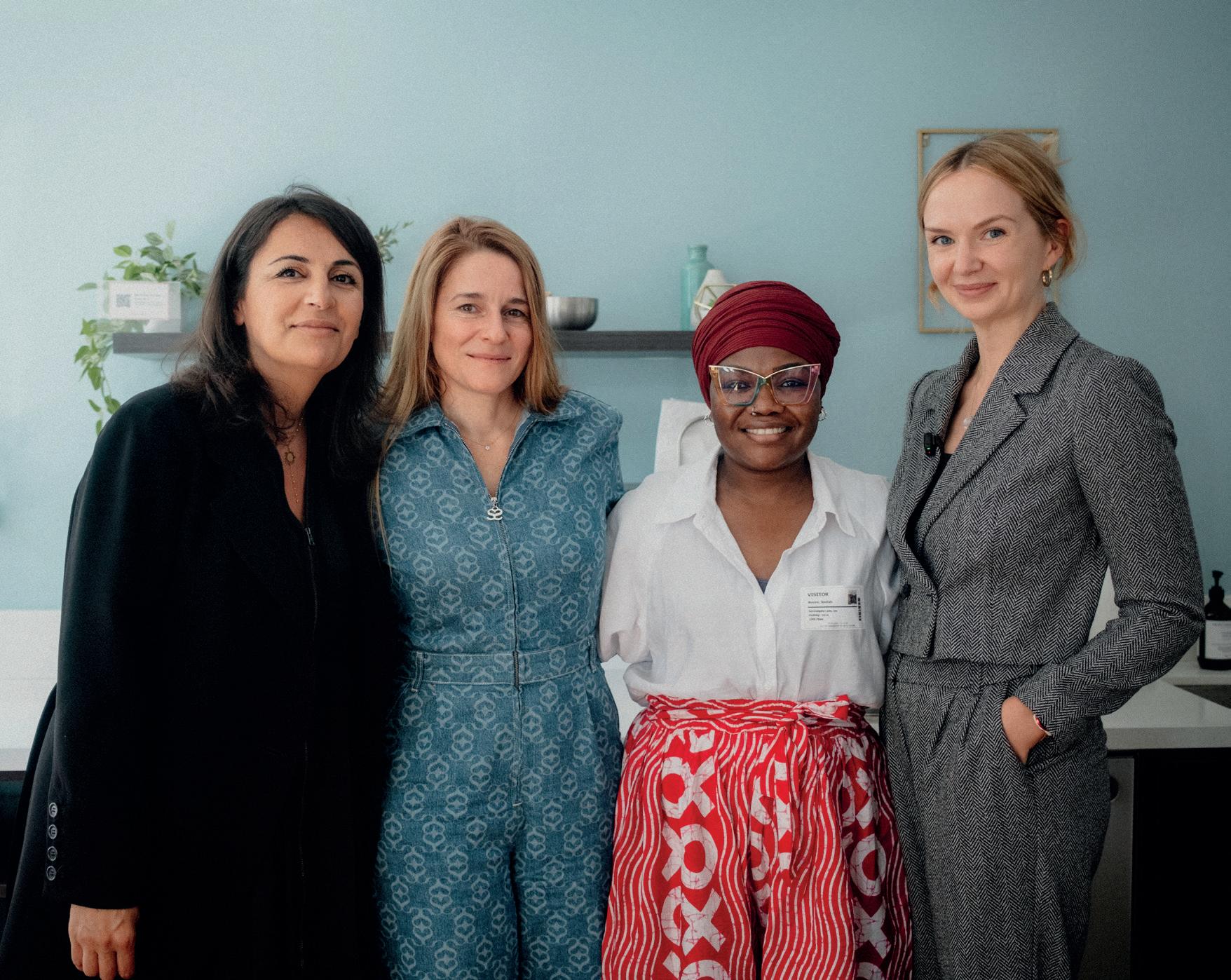
September 26, 2025: At the sidelines of UNGA High-Level Week, in Women’s Health as a Human Right, Düzen Tekkal, Co-Founder and CEO of HÁWAR.help; Kristina Lunz, CoFounder and CEO of the Centre for Feminist Foreign Policy; Stellah Bosire, Founding Executive Director of the Africa Center for Health Systems and Gender Justice; and Mandy Mangler, Chief Physician for Gynecology and Obstetrics at Vivantes Auguste-Victoria Clinic & Vivantes Klinikum Neukölln, Professor of Women’s Health and Obstetrics, explored how to place women’s health at the center of human rights, drawing on insights from front-line stories, medical practice, and policy. From crisis zones to global cities, the discussion highlighted that women’s health is essential for strong, healthy, and resilient societies.
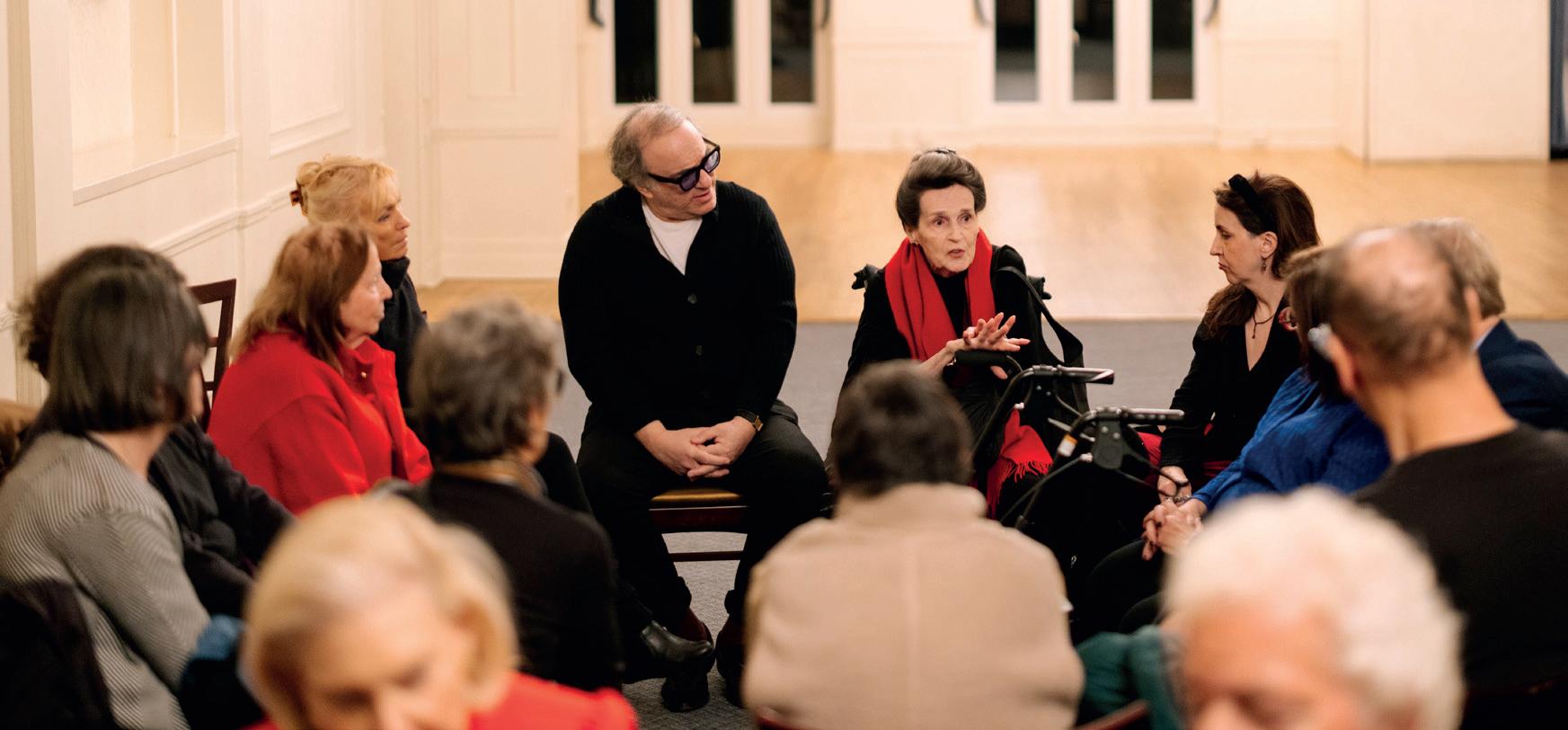
November 20, 2025: How can we reconcile the persistence of ageism with the profound social and economic shifts of longevity? How do we unlock better integration of seniors into the workforce, social institutions, and public life? Ageism & Longevity, a collaboration between Claudia Mahler Salons and 1014, was a salon-style panel discussion engaging with these questions. Joe Seldner, writer, producer, journalist, and media/entertainment veteran; Martin Puris, founder and CEO of America The Possible and the co-founder of Ammirati & Puris; and Ashton Applewhite, author of This Chair Rocks: A Manifesto Against Ageism and a co-founder of the Old School Hub, joined salon host and curator Claudia Mahler to share insights into the new realities of ageing societies, the challenges of workplace ageism, and the cultural fascination with longevity.
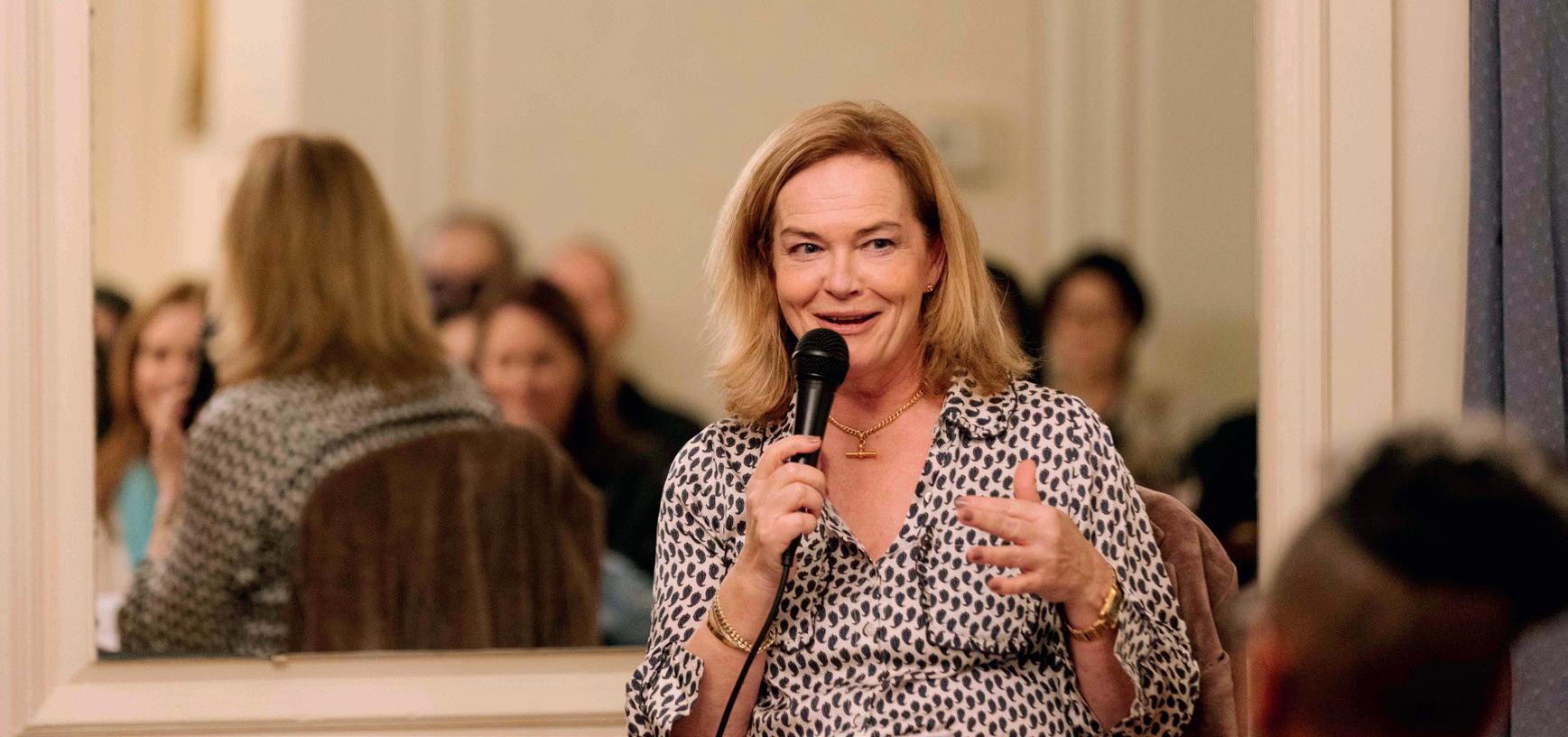
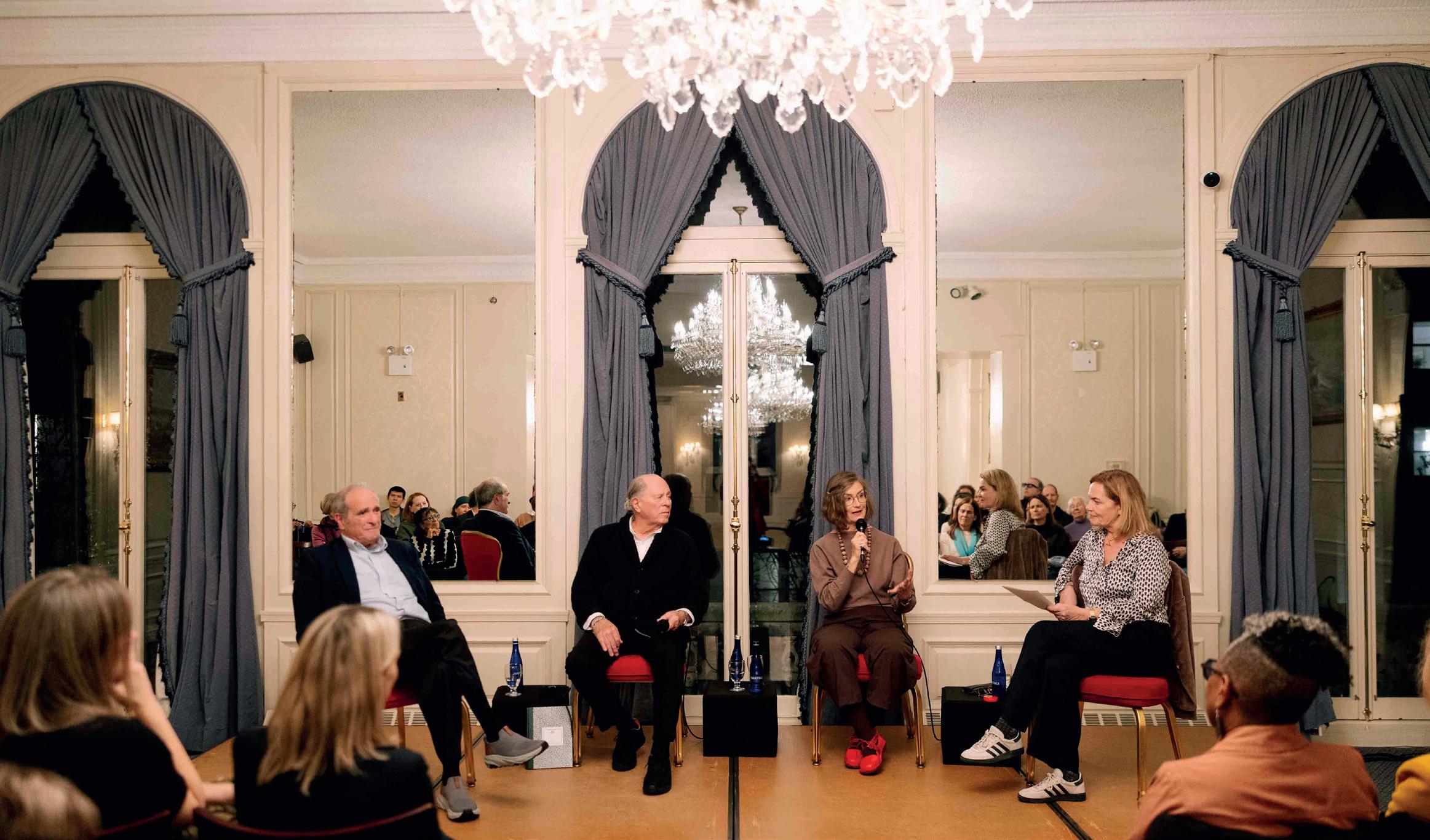
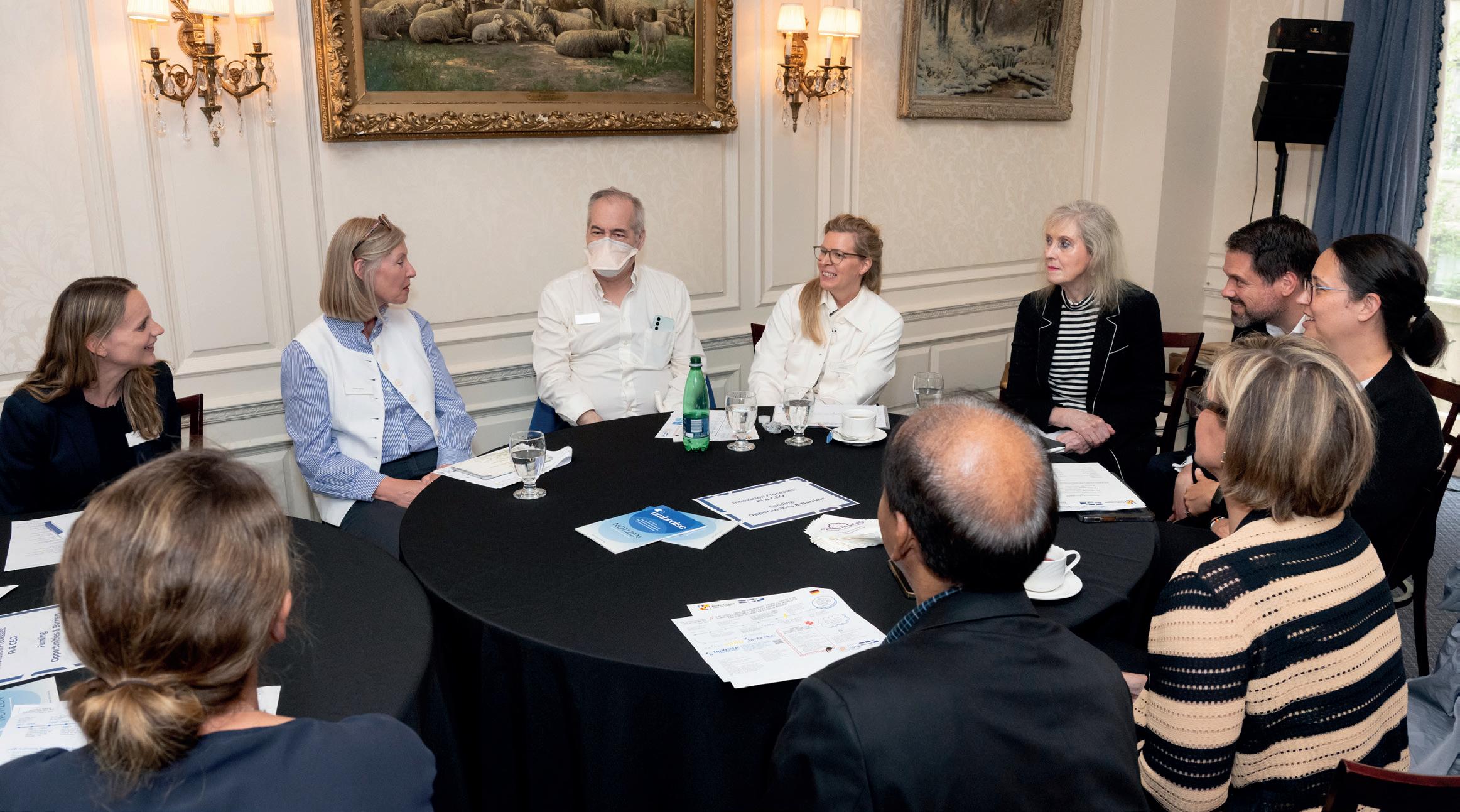
June 9, 2025: In SCALEabilityTransfer in Educational Research and Ed-Tech in Germany and the U.S., Tish Jennings, professor at the University of Virginia, and Bettina Lucia Amrhein, professor at the University of Duisburg-Essen, shared valuable insights from their research and the challenges of scaling an
entrepreneurial venture born out of research. The conversation was followed by participatory roundtable discussions that considered questions around innovation processes and funding landscapes, especially those that pertained to trans-Atlantic collaboration. How can we use design thinking and interdisciplinary
approaches to spark meaningful change? What does it take to scale these innovations across diverse educational ecosystems? And how can we build more inclusive, effective, sustainable, and future-ready partnerships?
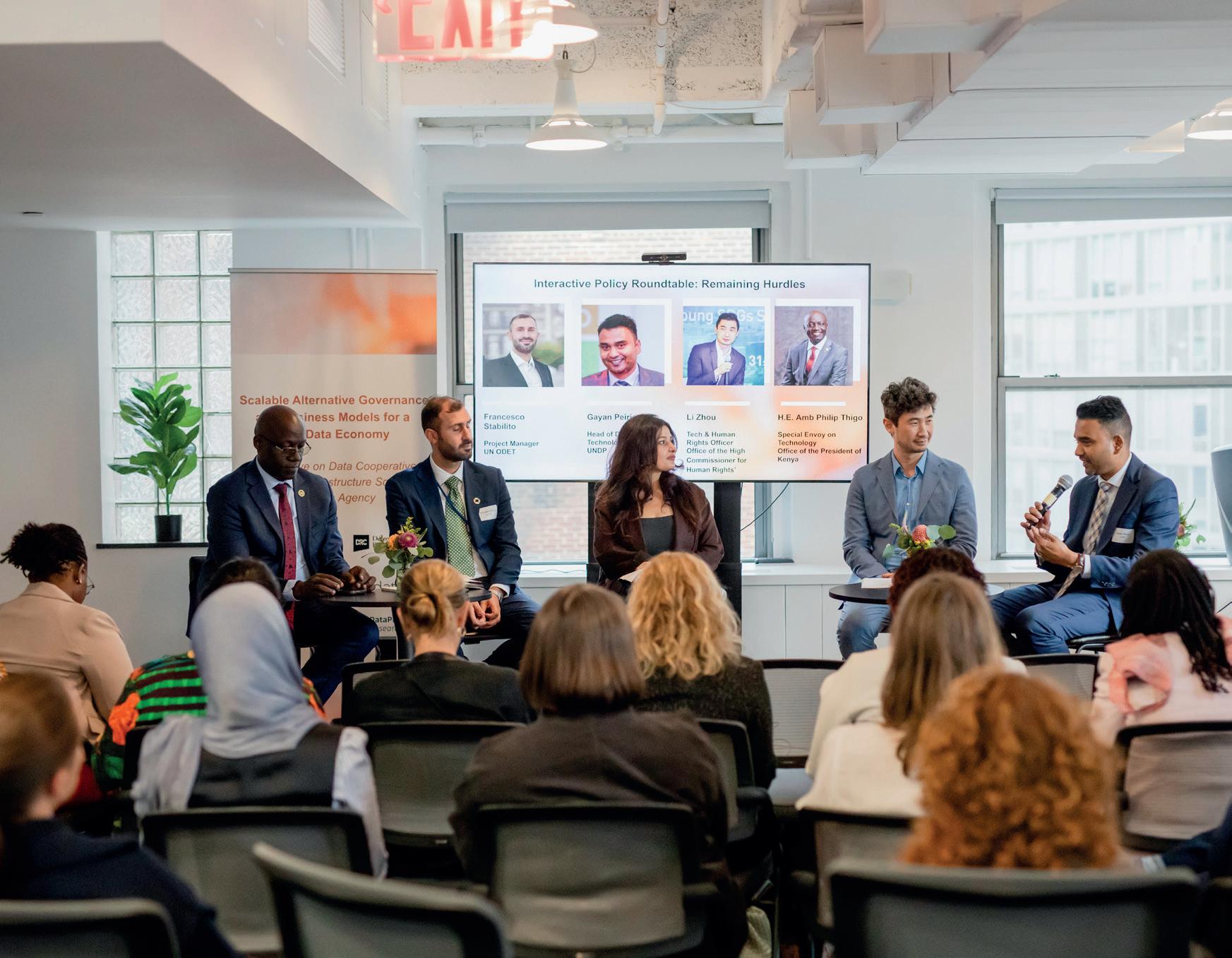
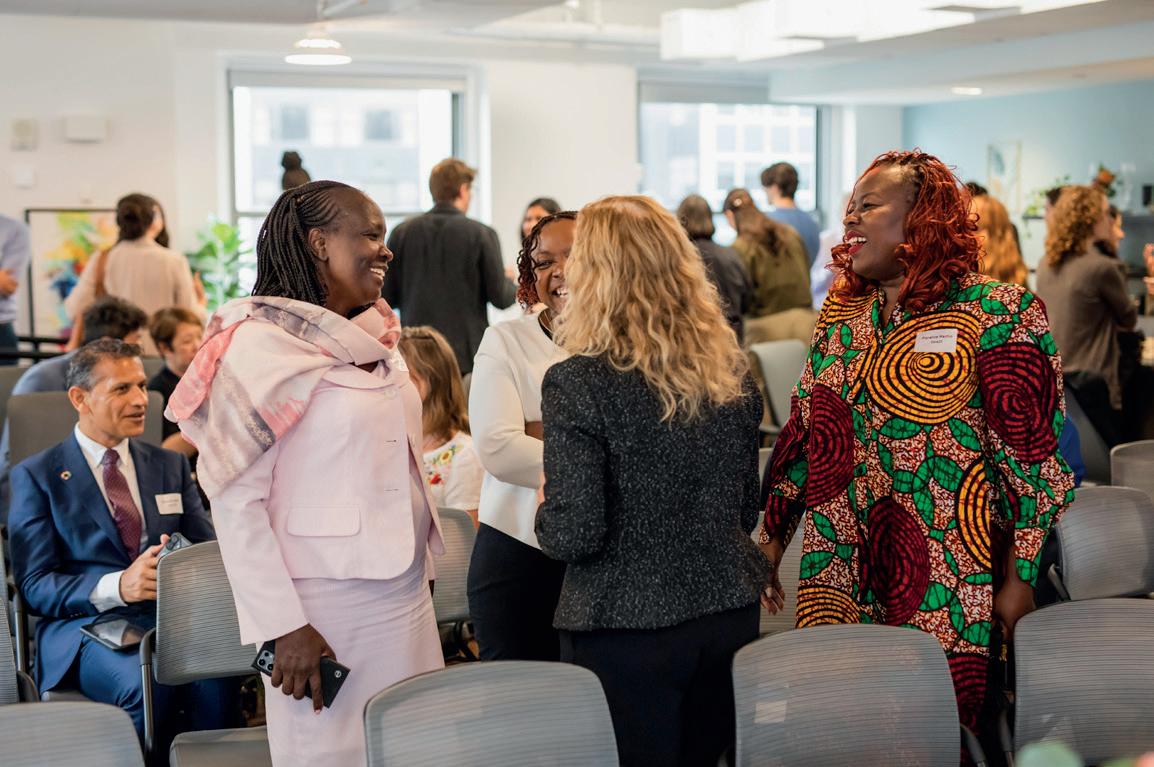
September 16, 2025: How can we return value to the people, communities, and organizations that generate data? And how can we ensure individuals have a voice, a choice, and a stake in their digital lives? As a multistakeholder dialogue on the sidelines of the 80th session of the UN General Assembly, Scalable Alternative Governance and Business Models for a Fair Data Economy was a high-level roundtable and workshop that gathered global policymakers, civil society leaders, academics, funders, and technologist s to highlight key alternative data governance and business models to the current highly centralized digital economy. The event featured experts Philip Thigo, Office of the President of Kenya; Francesco Stabilito, United Nations Office for Digital and Emerging Technologies; Gayan Peiris, United Nations Development Programme; Li Zhou, United Nations B-Tech Project; Doug O’Brien, National Cooperative Business Association CLUSA International; Astha Kapoor, Aapti Institute; and Stefaan Verhulst, The GovLab.
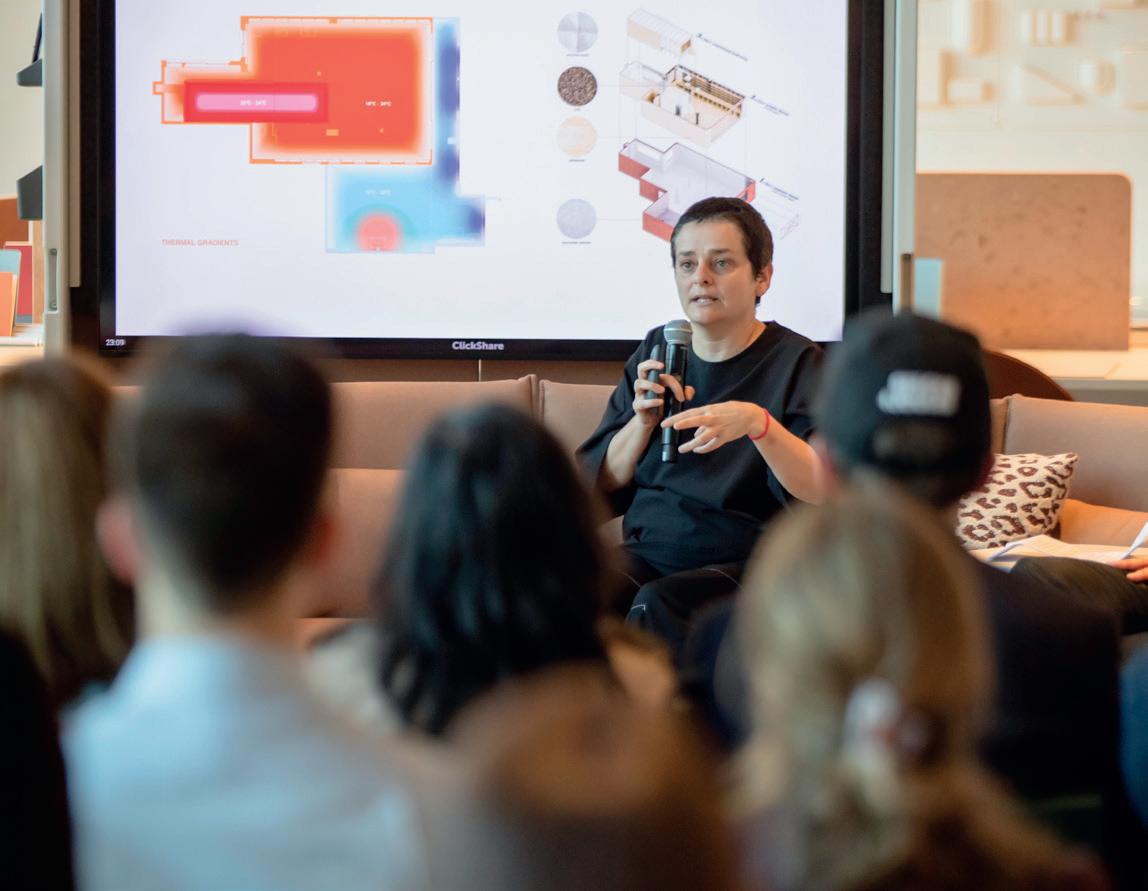
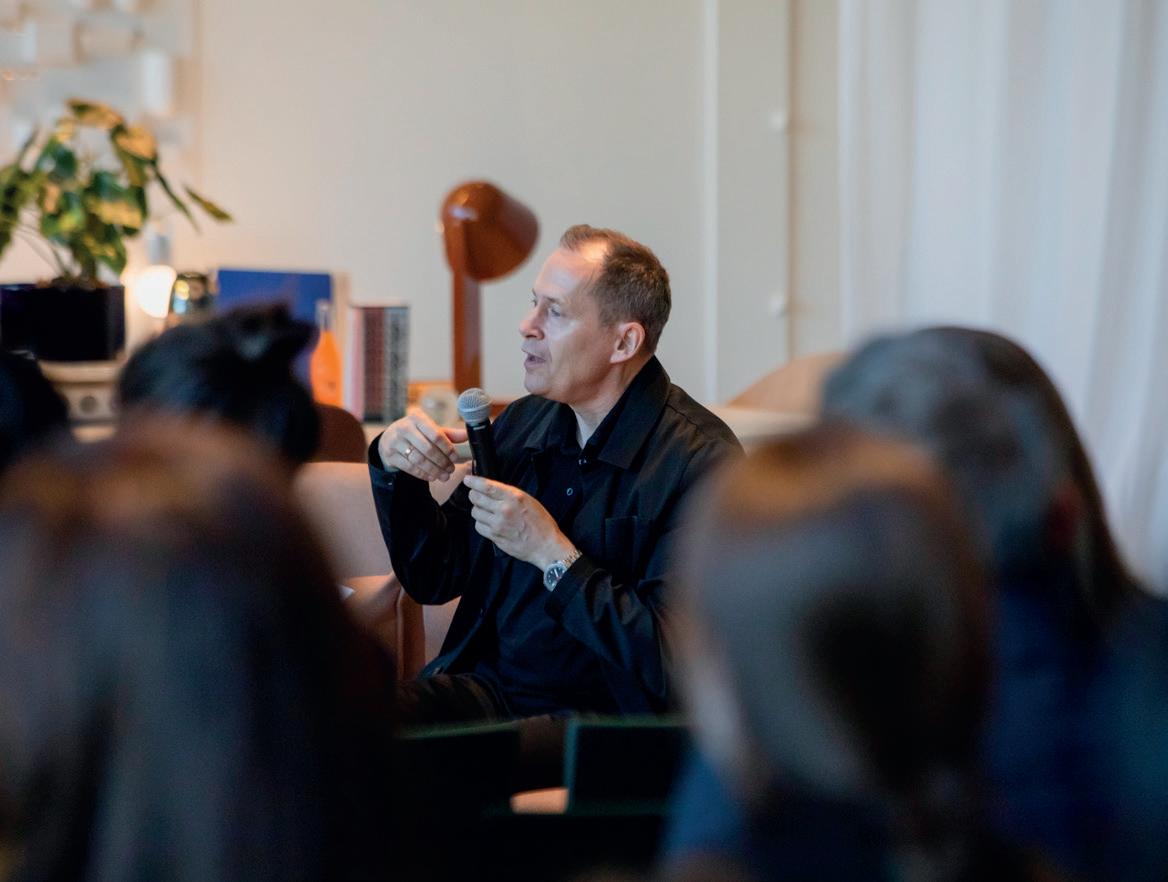
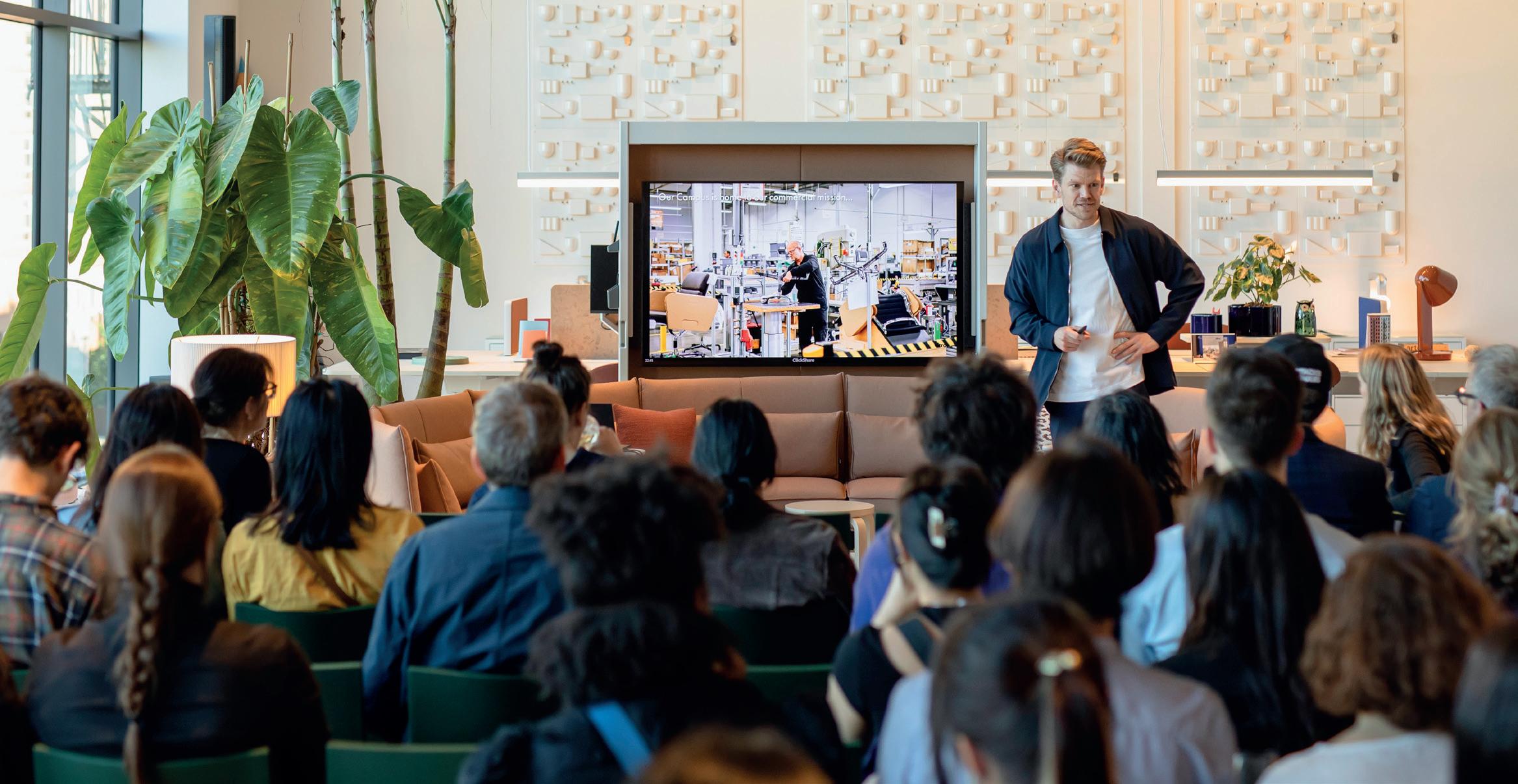
May 9, 2025: Presented in conjunction with muscon2025 and co-hosted by the Vitra Design Museum, Vitra, and the Goethe Institut New York, Transformers: Architecture and the Green Energy Transition considered the stakes around buildings’ significant global energy consumption. How can buildings change to reduce their hunger for energy and use renewable energies to sustain themselves? What are the roles of technology and humans in this transition? Mireia Luzarraga Alvarez, Takk Architecture; Rufei Wang, Parsons School of Design; and moderator Jochen Eisenbrand, Vitra Design Museum, Weill am Rhein shared their insights.
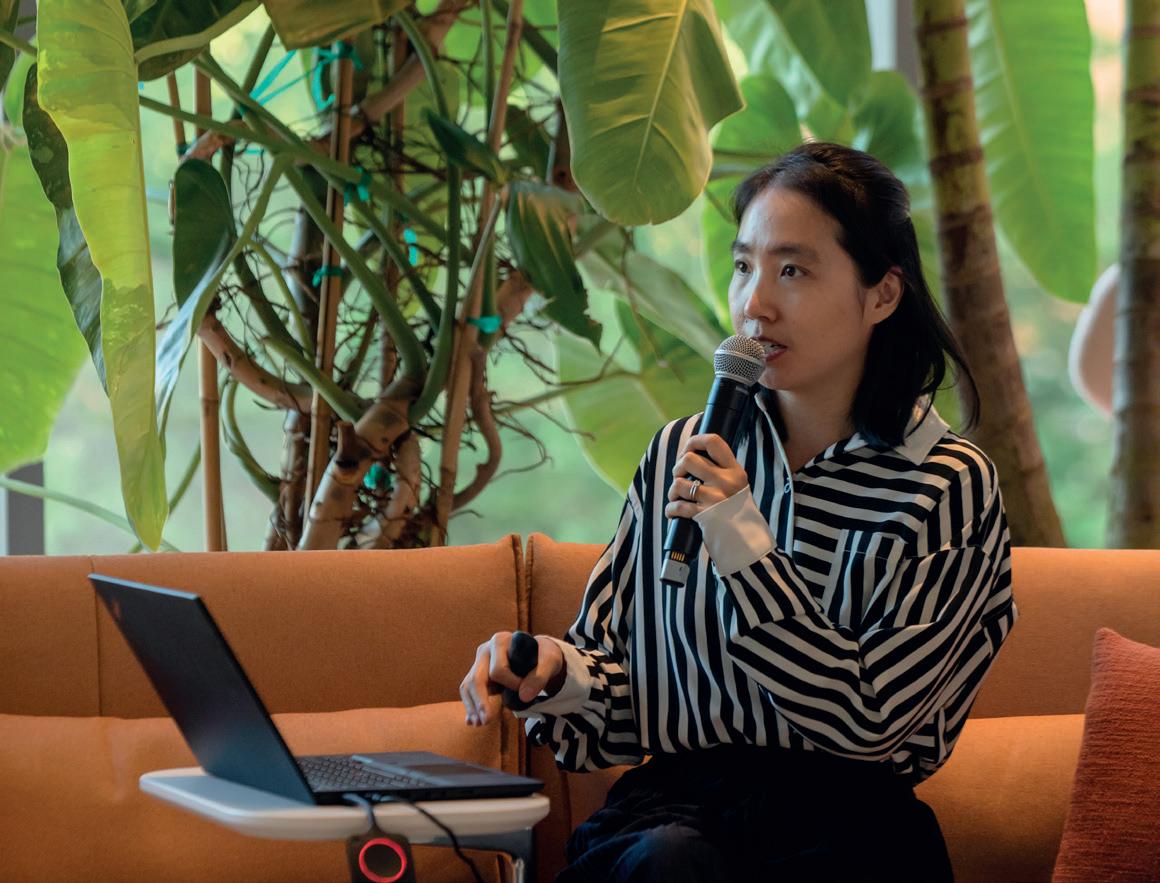
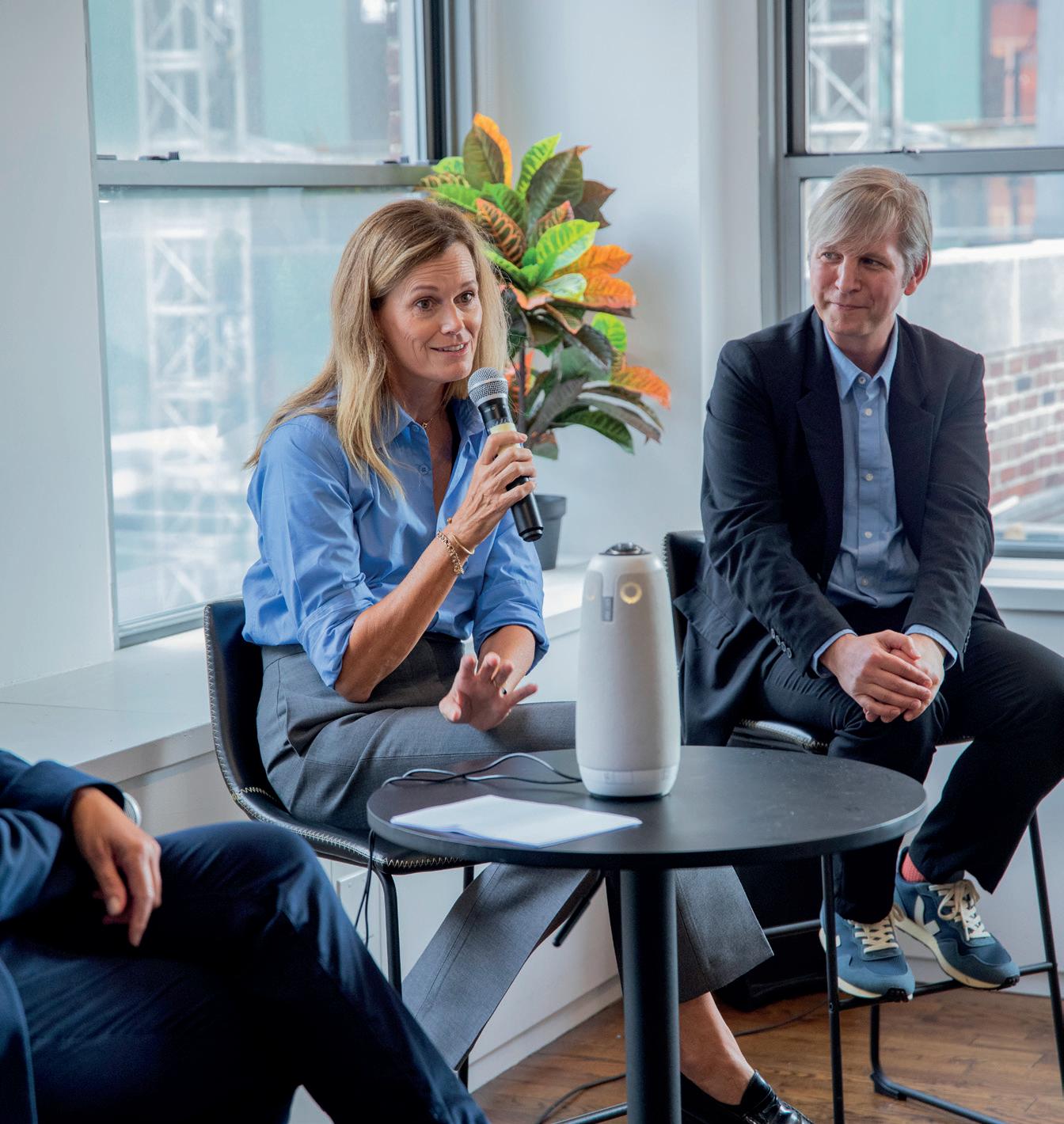
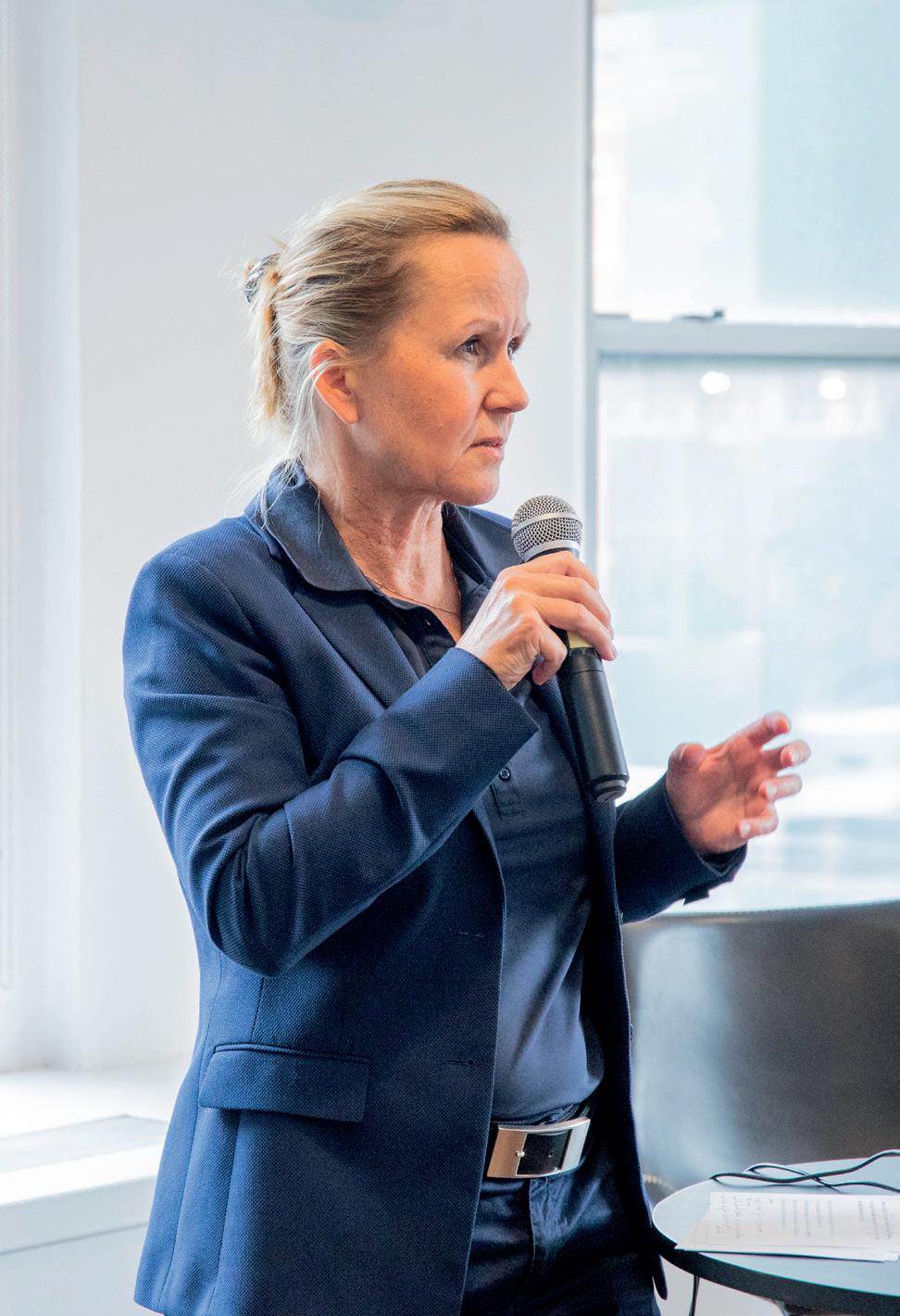
September 24, 2025: During New York Climate Week, special guest Steffi Lemke, current Green Party member of the German Bundestag and former Federal Minister for the Environment, Nature Conservation, Nuclear Safety and Consumer Protection, joined New York based practitioners and policy experts, including Elizabeth Stoehr from the Jamaica Bay Rockaway Park Conservancy, to discuss how nature-based solutions are reshaping cities’ responses to climate change. Hosted by the Embassy of the Federal Republic of Germany; the Heinrich Böll Foundation, Washington, DC; the Friedrich Ebert Foundation USA & Canada; and E3G, the goal of TransAtlantic Climate Breakfast with Steffi Lemke: NbS for Climate was to foster a resilient network of transatlantic climate experts.
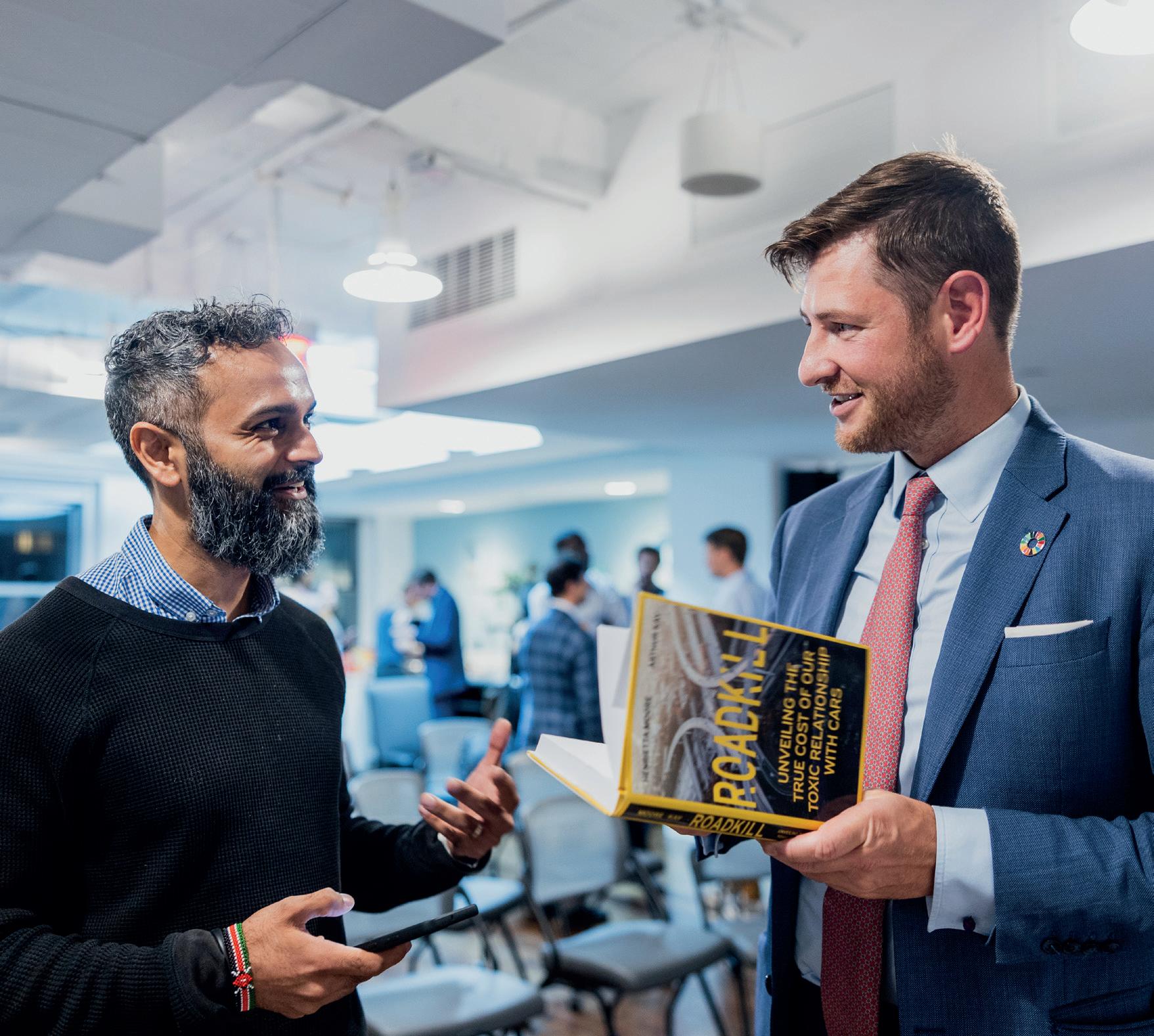
September 25, 2025: Hosted by 1014 & Impact Hustlers during New York Climate Week, Moving Past Cars: ‘Roadkill’ Book Launch Fireside Chat & Startup Showcase celebrated the debut of Roadkill: Unveiling the True Cost of Our Toxic Relationship with Cars with author Arthur Kay, Director at Innovo and Founder of Skyroom, and Maiko Schaffrath, founder of Impact Hustlers. The event spotlighted the problems caused by car-centric urban design—and showcased startups developing bold solutions to move beyond it.
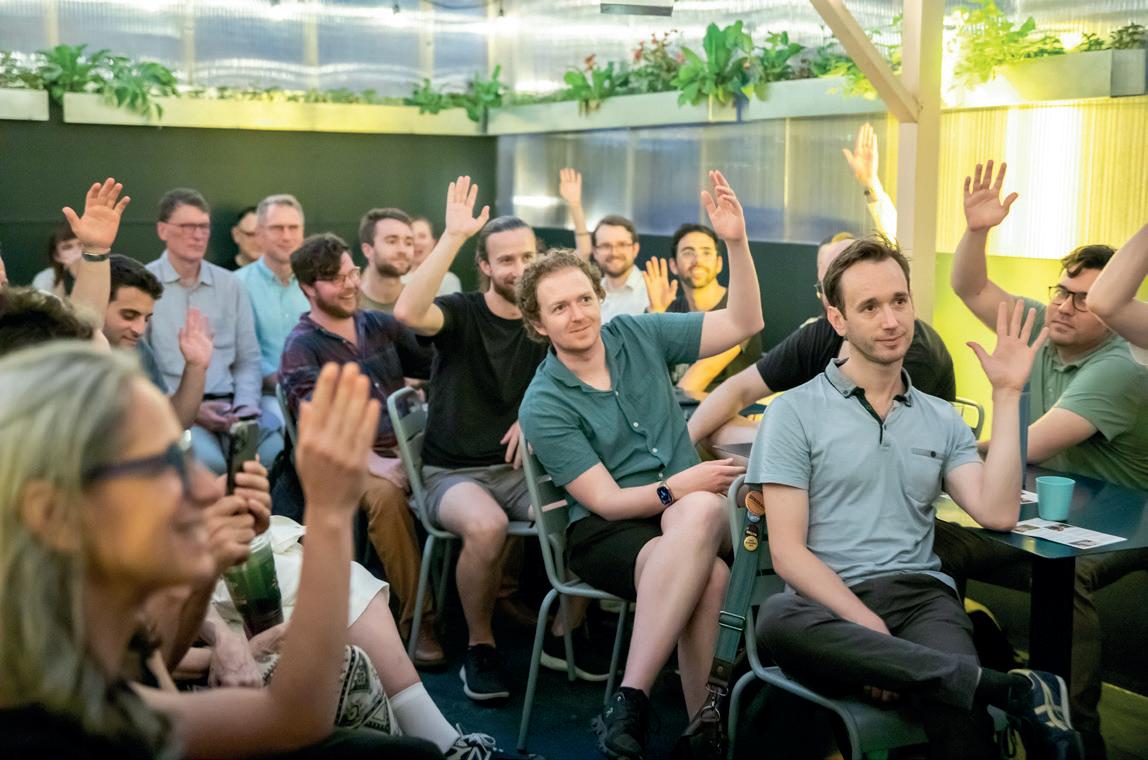
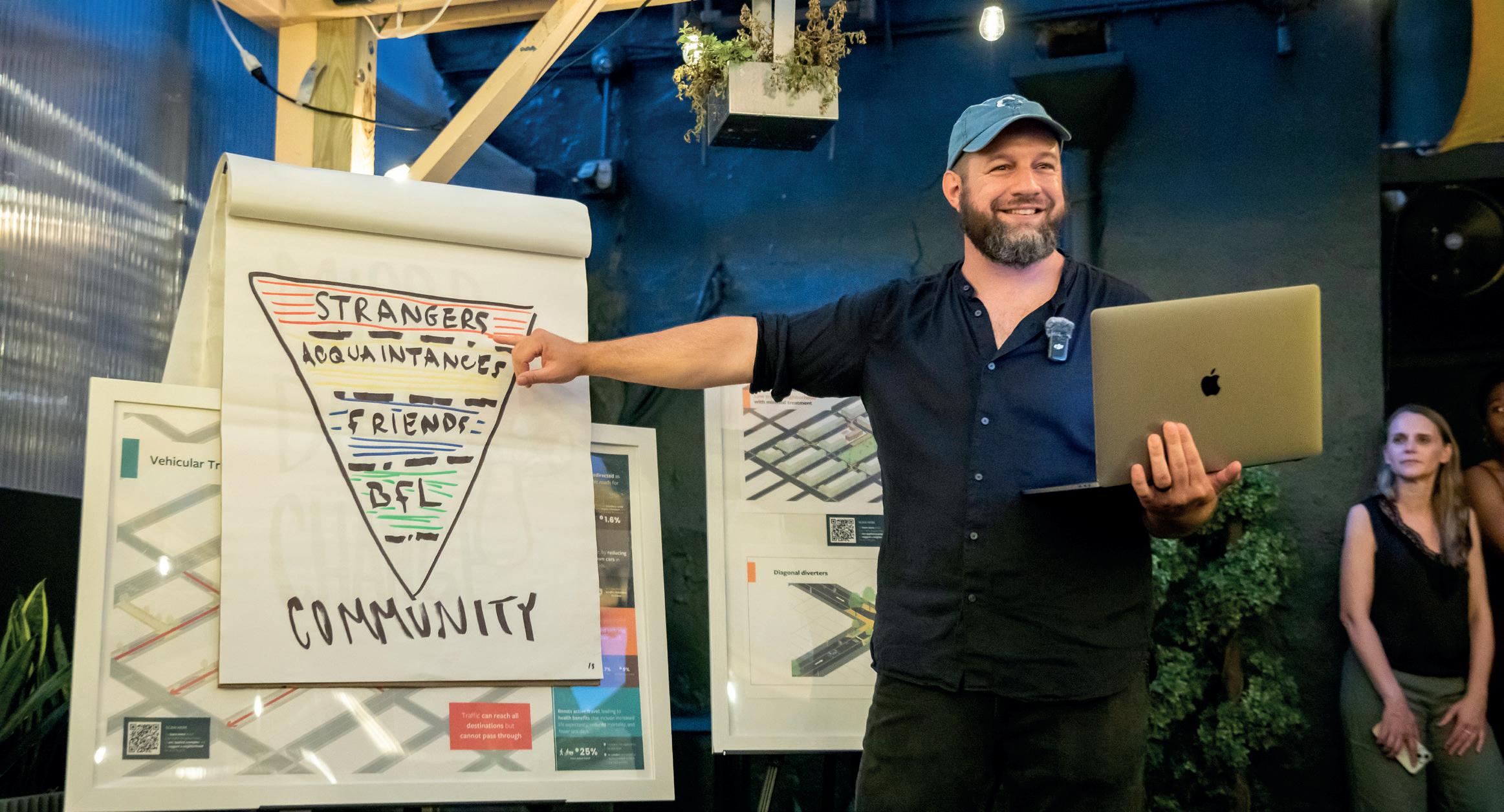
Architecture and Design July 1, 2025: In From Hamburg to London to NYC: What We can Learn from Each Other about Low-Traffic Neighborhoods, a talk with 1014 and Open Plans, Jon Jon Wesolowski, the Happy Urbanist, explored how cities like Hamburg, London, and Barcelona successfully reclaim their local streets. These places have created safer, quieter, and more livable neighborhoods by keeping through-traffic out while maintaining access for residents. Jon Jon broke down what makes these efforts work, what problems they solve, and how the United States can create its own version, including realworld examples, smart framing strategies, and practical steps for getting started in your own community.
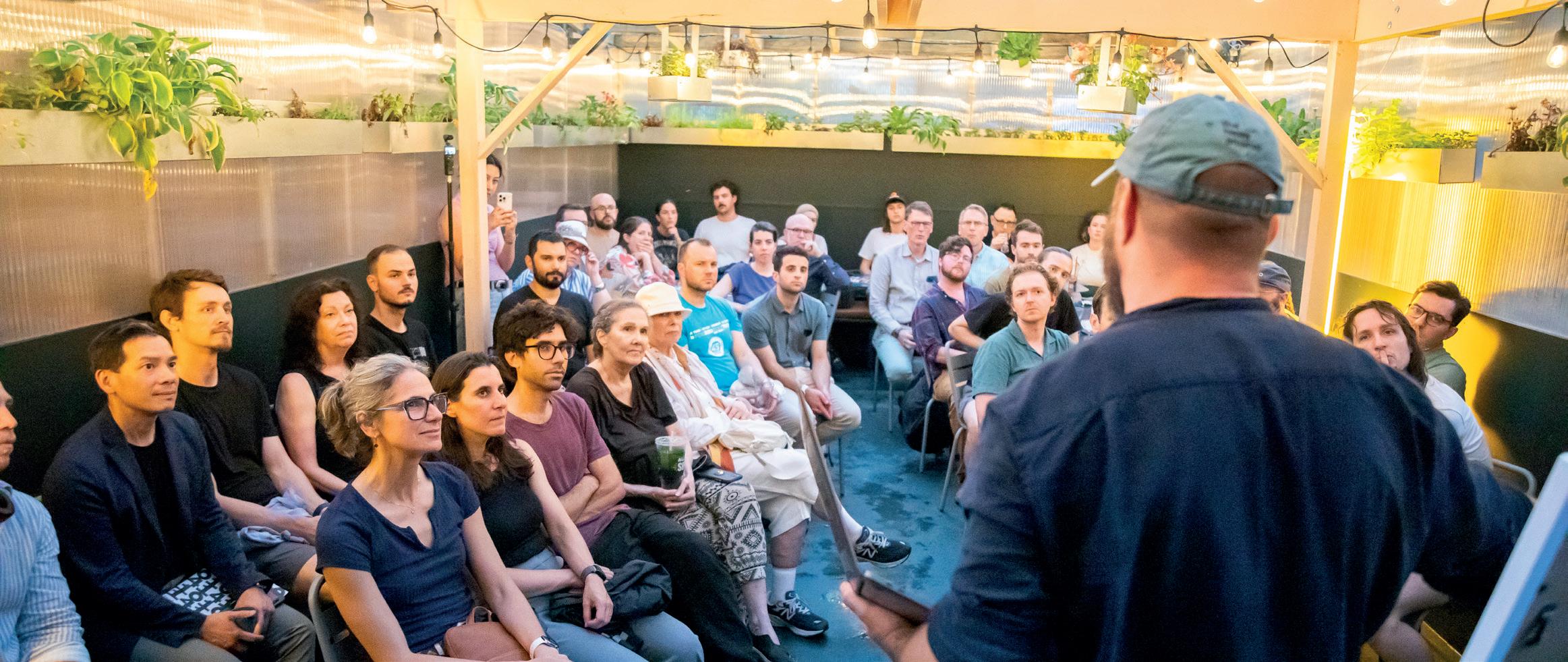
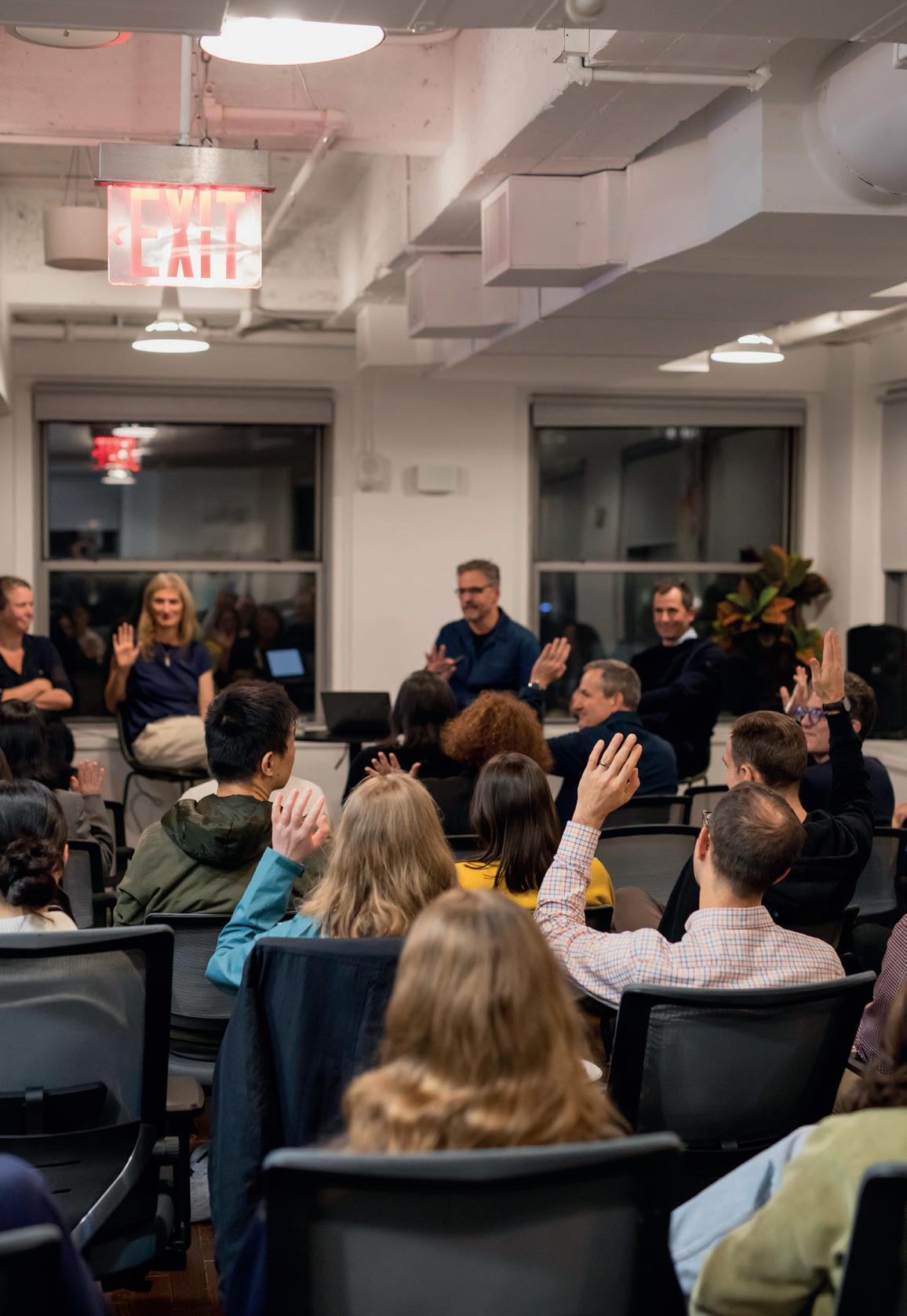
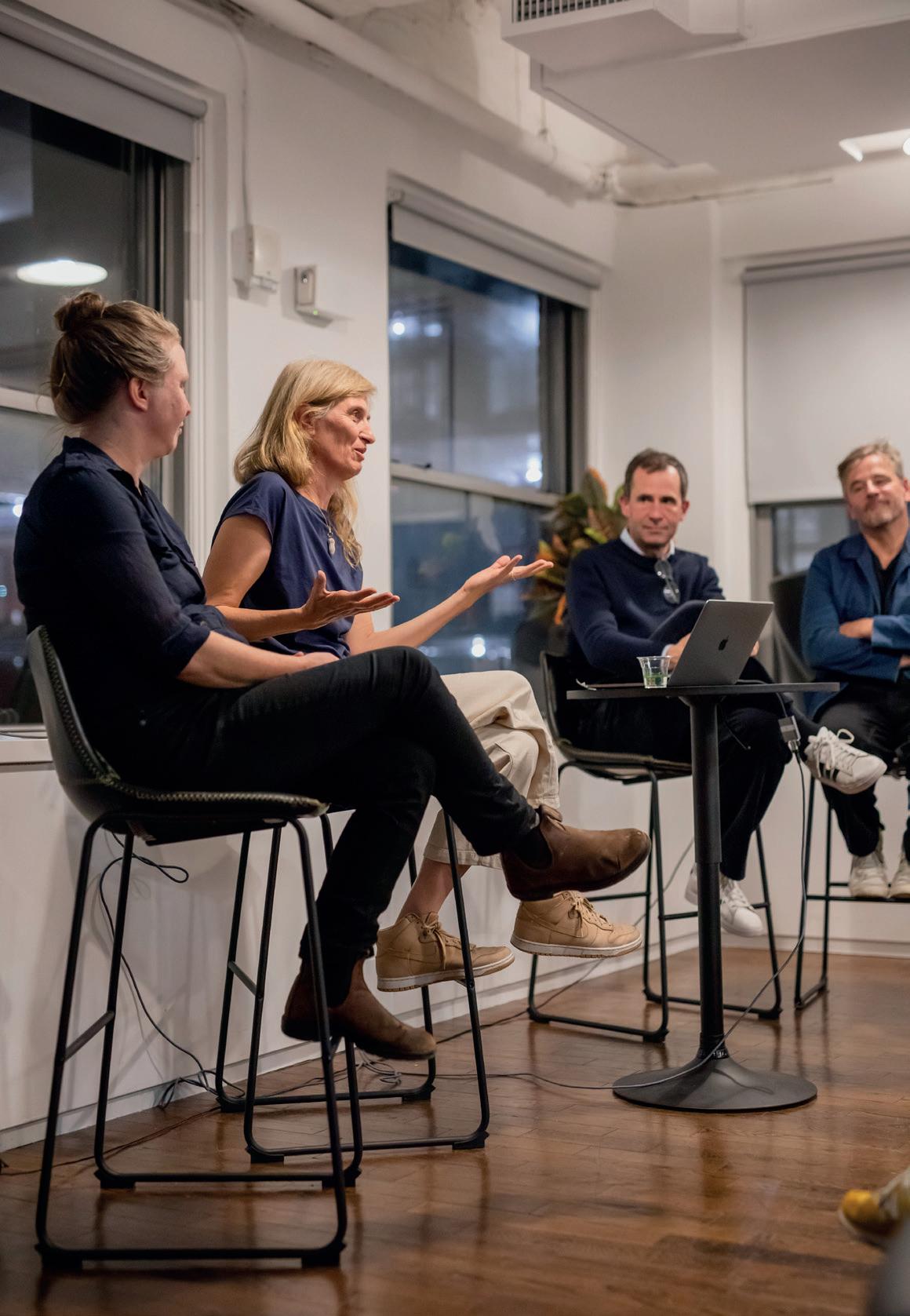
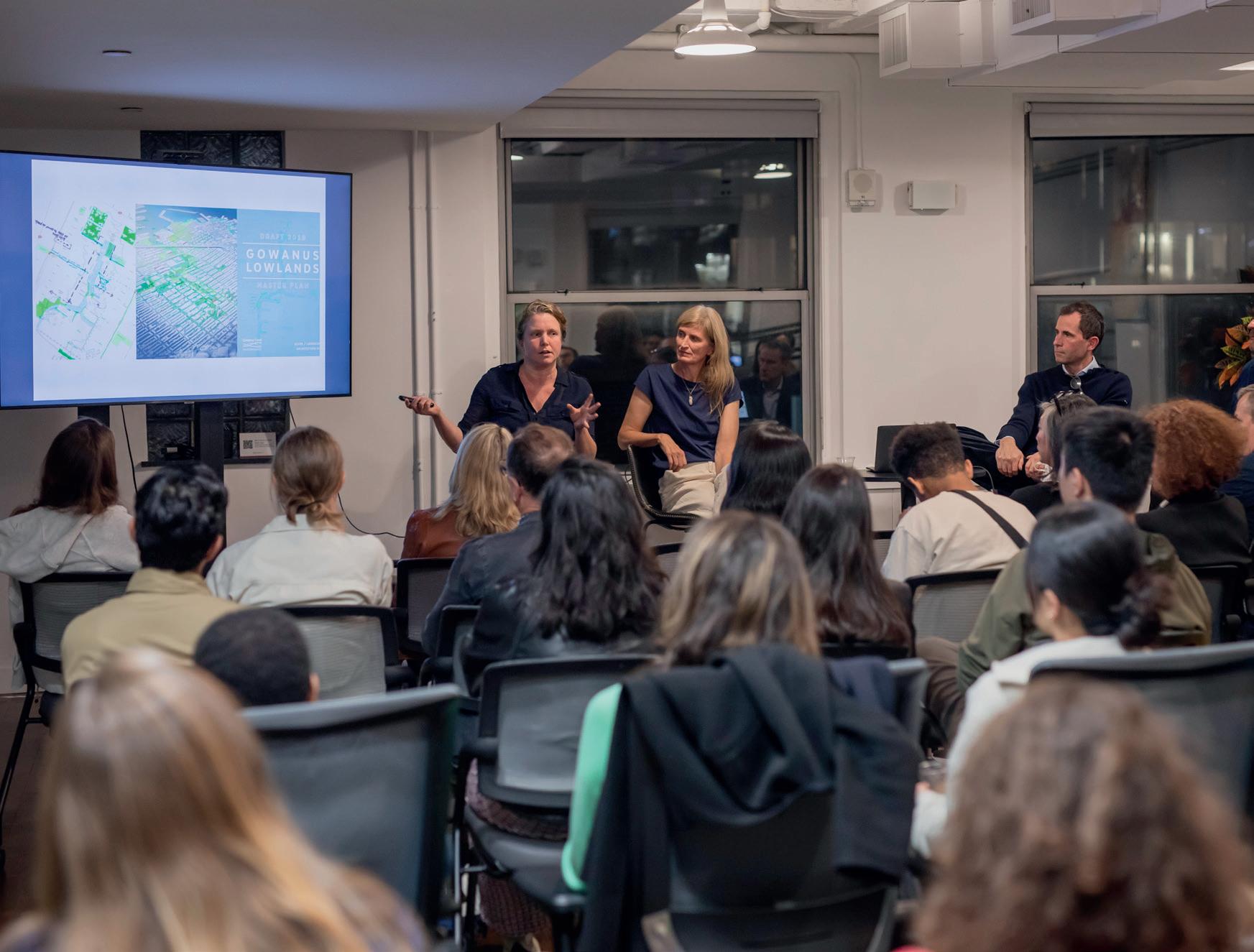
October 15, 2025: From the apartment we decorate to the block we walk each day, we don’t just live in cities, we help make them. With New York as our home base, what does it mean to create spaces that are not only affordable and functional, but also joyful, safe, sustainable, and ours? Not Just Livable - Lovable: Urban Quality, Human Reality and the Shape of Home was a panel discussion that engaged with the full spectrum of the urban experience, from the private (housing, homes, co-living) to the public (streetscapes, gathering places, shared parks).
Participants gleaned insights from expert panelists, Philipp von Dalwig, founder of vonDALWIG; Kaja Kühl, urban designer and principal of youarethecity; Daniel Rozynski (Dipl.-Ing., BDA) Berlin-based architect, and Andrea Parker, Executive Director of Gowanus Canal Conservancy [GCC]).
Science and
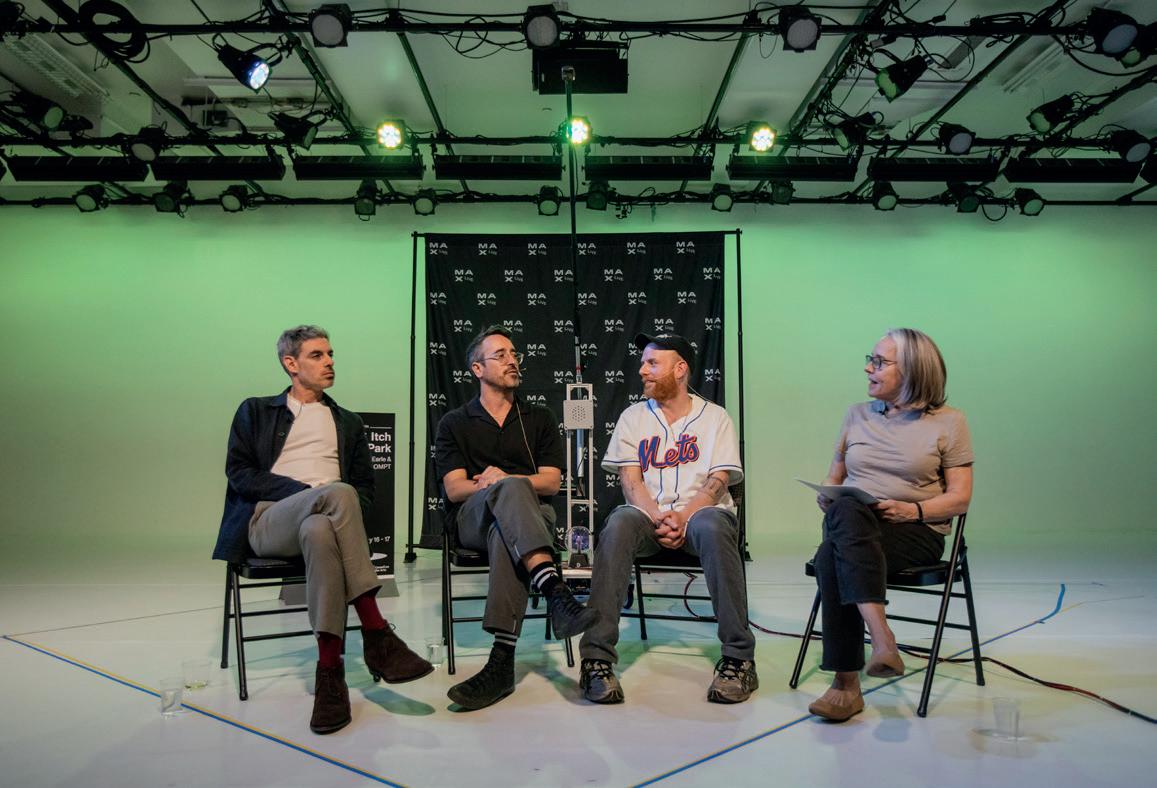
May 17, 2025: Creative technologists Grayson Earle and Johannes Büttner of PROMPT, accompanied by their AI collaborator, and Tal Linzen, Associate Professor of Linguistics and Data Science at New York University and a research scientist at Google, discussed Jur A* Itch Park*, their AI-directed film set with audience participation. The trio offered insights, laughs, and a behind-the-scenes look at how AI and humans can create art together. Understanding the Brains (Human & Machine) behind Jur A** Itch Park with Grayson Earle & PROMPT, hosted at the Center for Performance in Brooklyn, was a part of the MAXforum’s Salon Series and moderated by Kay Matschullat, Artistic Director of MAXlive.
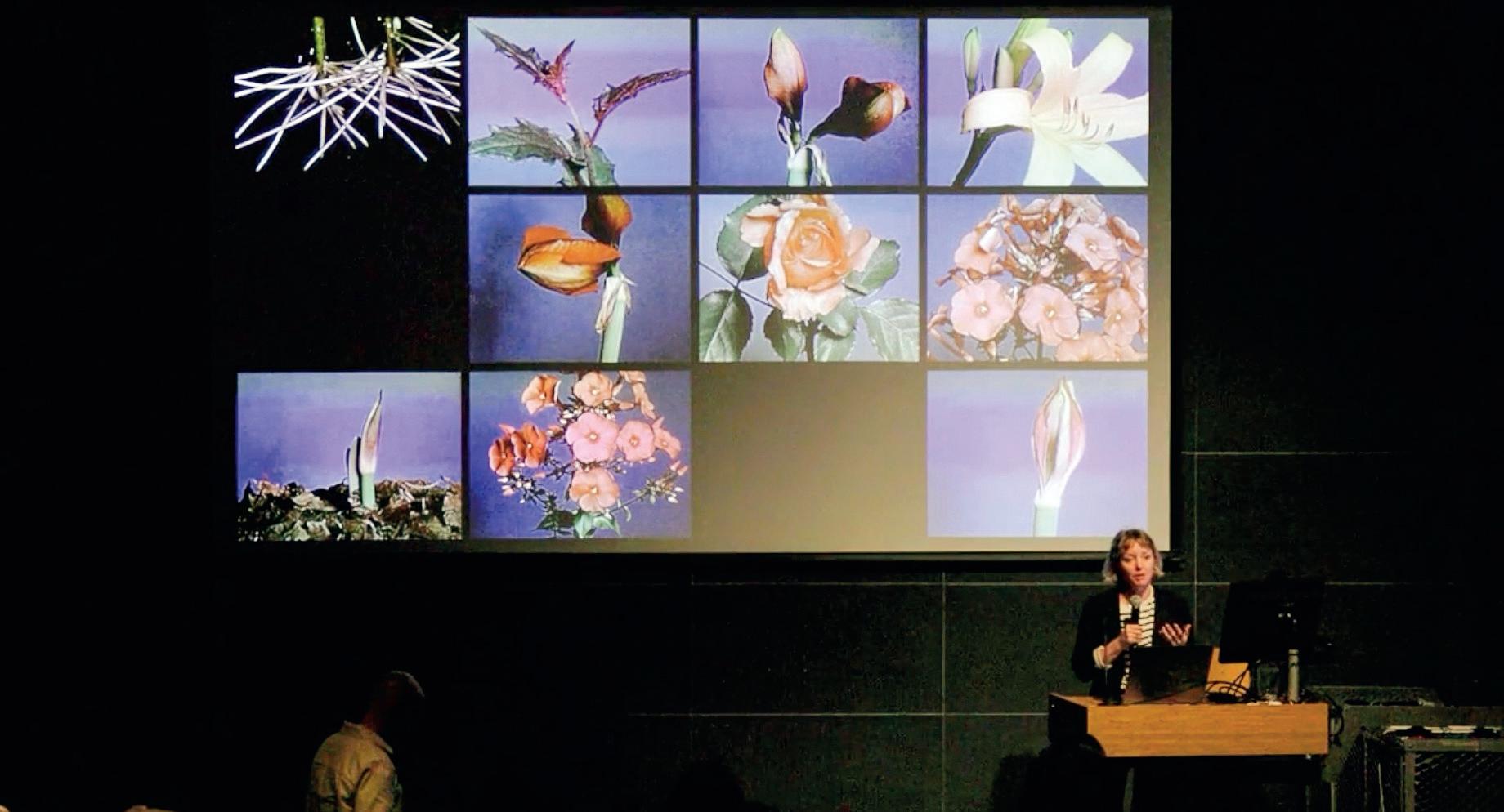
October 18: In Rhythms of Change: The Perception and Mapping of Dynamic Processes, we explored the perception and mapping of dynamic processes. The symposium focused on life as a dynamic process, unfolding across geological, technological, ecological, and cultural dimensions. It also brought critical perspectives on resilience, adaptation, and poetic ecological imaginaries that re-frame life as an ever-transforming force. With the Keynote presented by Daniel H. Rothman, Professor of Geophysics at the Massachusetts Institute of Technology and Co-Director of the Lorenz Center, participants included Adam Vackar, Transparent Eyeball; Johanna Rietveld and Anika Schroter, Art Switch Foundation; Harpreet Sareen, Synthetic Ecosystems Lab, Parsons School of Design; Andreas Weber, biologist and philosopher; and Tega Brain, Australian, artist and environmental engineer. The panel was moderated by Abigail Perez Aguilera, Environmental Scholar of Climate, Mobility, and Ecological Resilience, Assistant Professor at The New School.
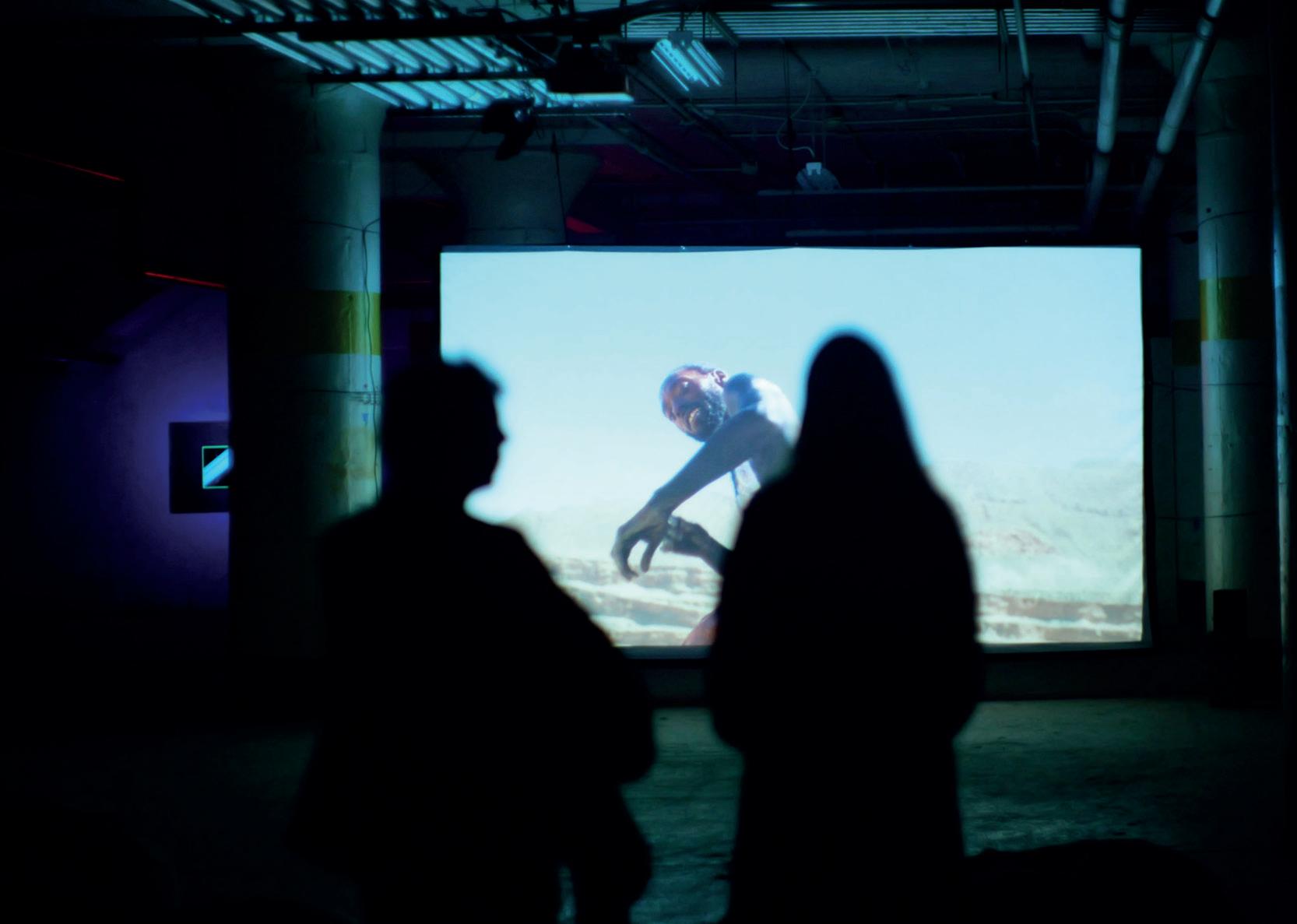
October 11: During An Afternoon at BioBAT Art Space: Adaptive Bodies – Plant, Fungal and Human Perceptions of Change, we entered the botanical and fungal worlds with a panel discussion led by Remina Greenfield, featuring Elizabeth Hénaff, Mitchell Joachim, and Tarun Nayar, exploring intersections between biology, design, and technology. The afternoon continued with a live performance by Sabina Hyoju Ahn, who presented DIY Bionoise — an instrument that transforms the body’s own bio-signals into waves of sound and noise. Sponsored in collaboration with the Ministry of Culture, Czech Republic and the Teiger Foundation, the event featured a screening program curated for Sensing Change, presenting video works by Krystof Bruha, Joshua Dawson, Kordae Jatafa Henry, Jonah King, and Julietta Tarraubella.
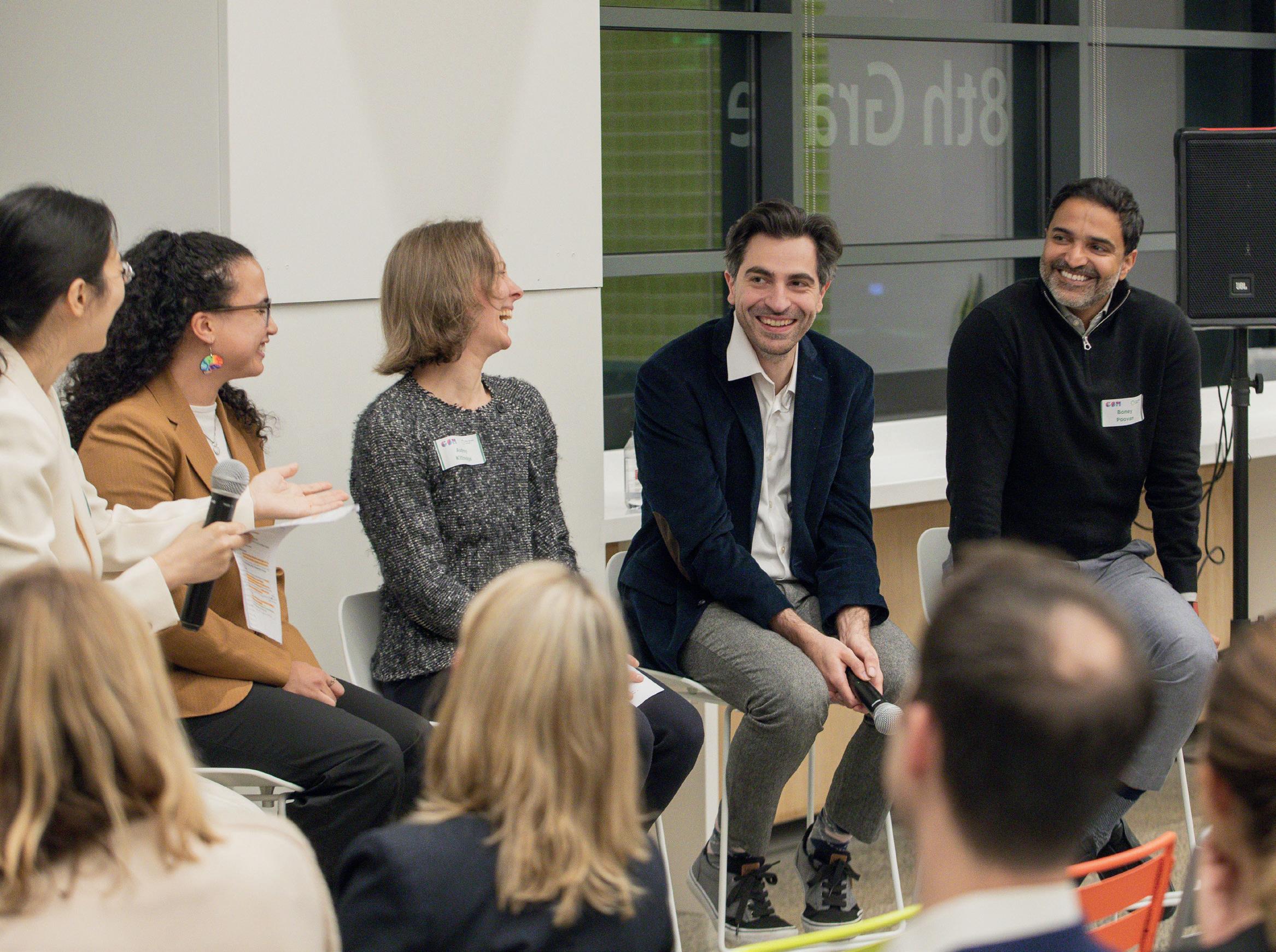
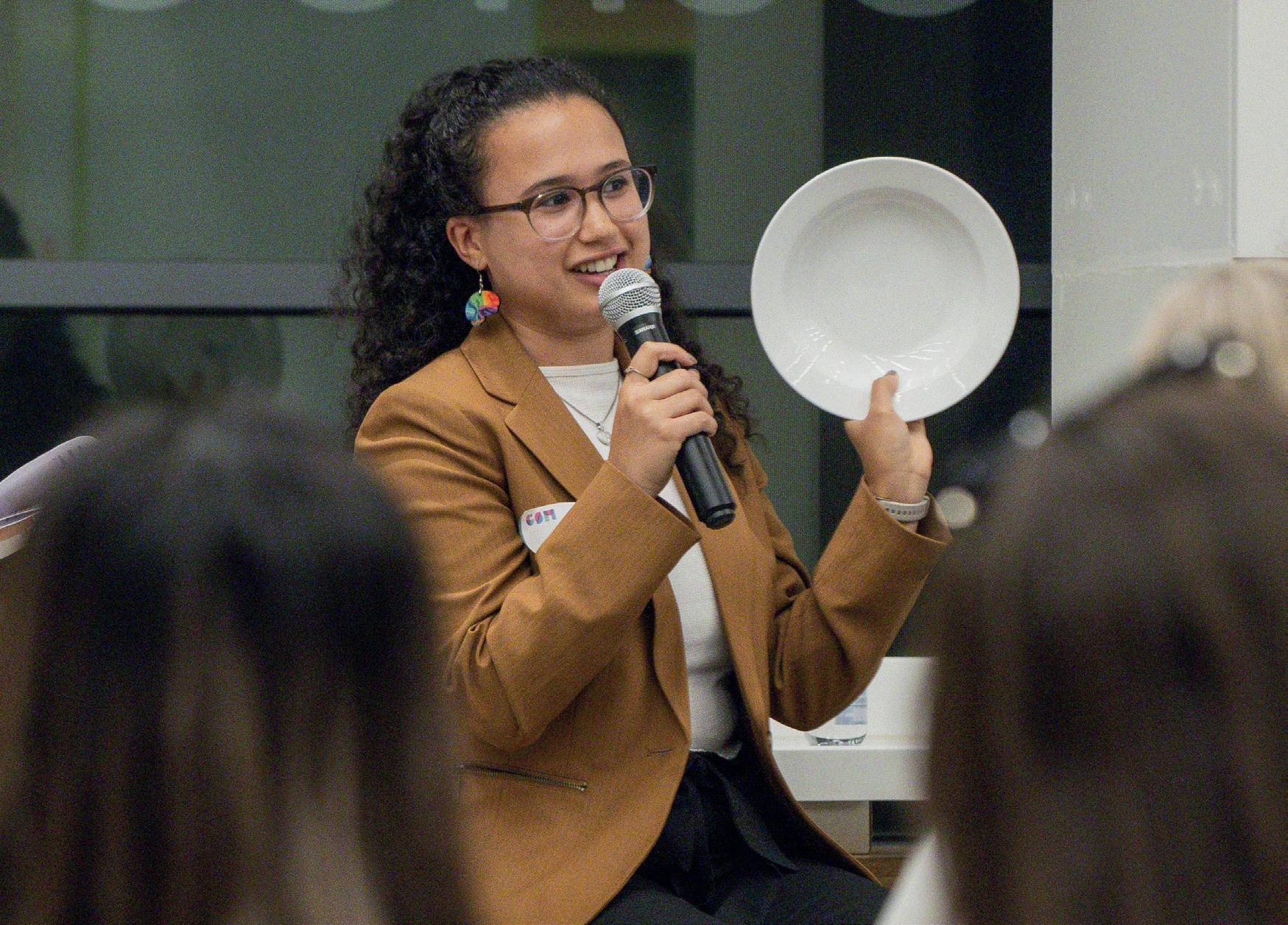
October 21, 2025: In The Bilingual Brain – Unlocking Nature’s Superpower, we explored how speaking two or more languages changes how your brain works for the better. From faster decision-making and enhanced multitasking to a surprising resistance to cognitive decline, the bilingual brain is a marvel of neuroplasticity. We discovered little-known facts about bilingualism as a superpower from panelists Maya Taliaferro, PhD student in the Cognition and Perception program at New York University; Audrey Kittredge, Senior Learning Scientist at Duolingo; Alex Bellantuono, Clinical Neuropsychologist, Growing Minds Psychology NYC; Boney Poovan; and moderator Lulu Song, Associate Professor of Early Childhood Education, Brooklyn College.
Arts and Culture
March 29, 2025: 1014, Deutsches
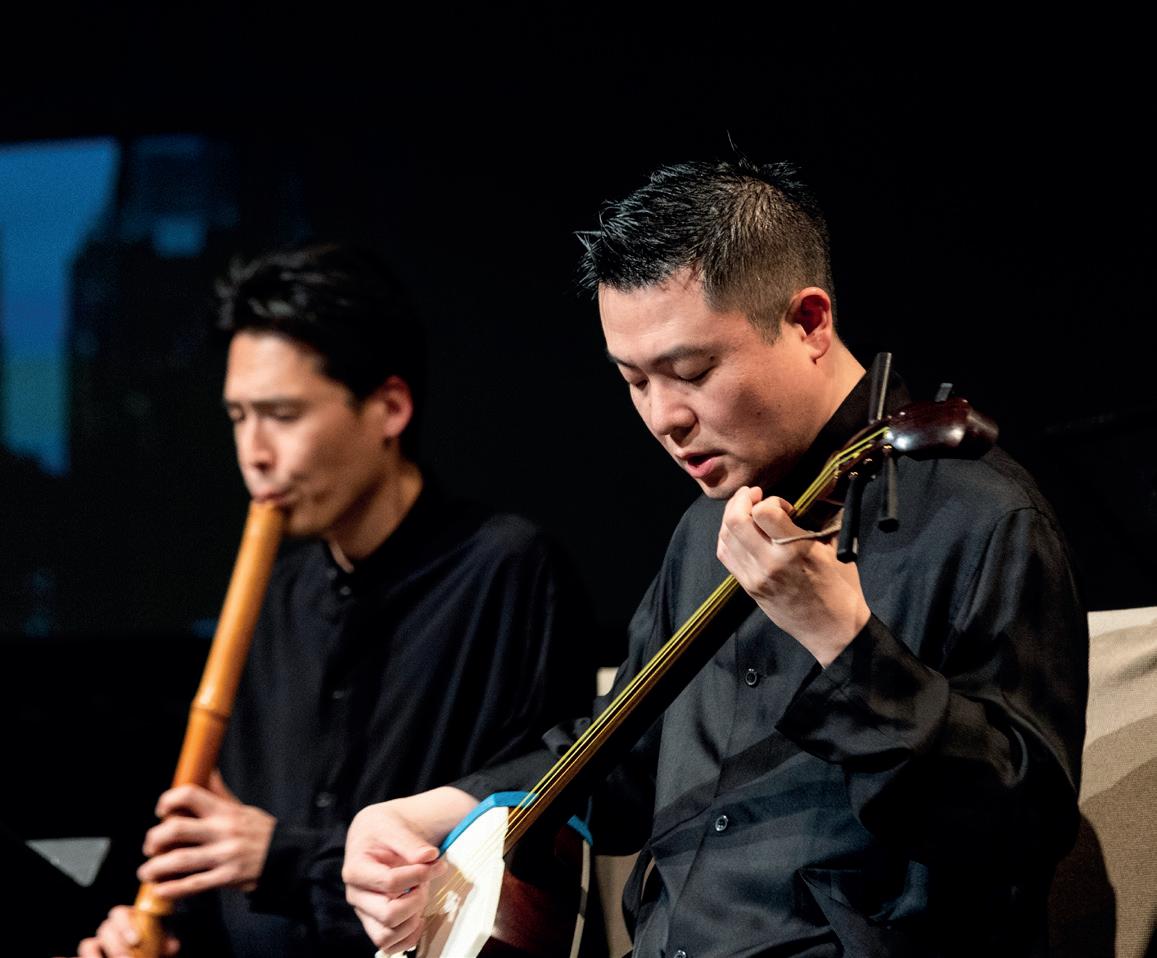
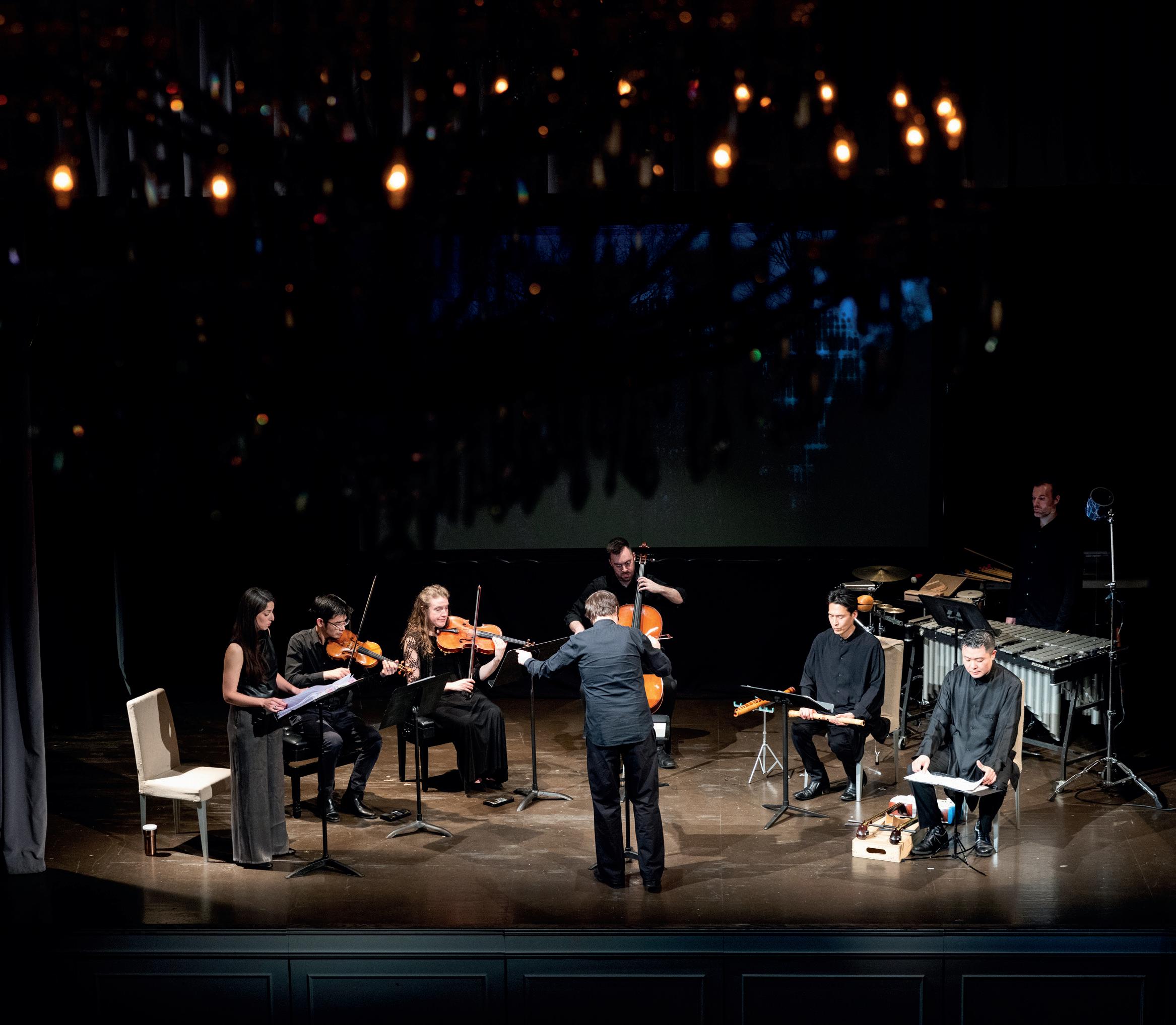
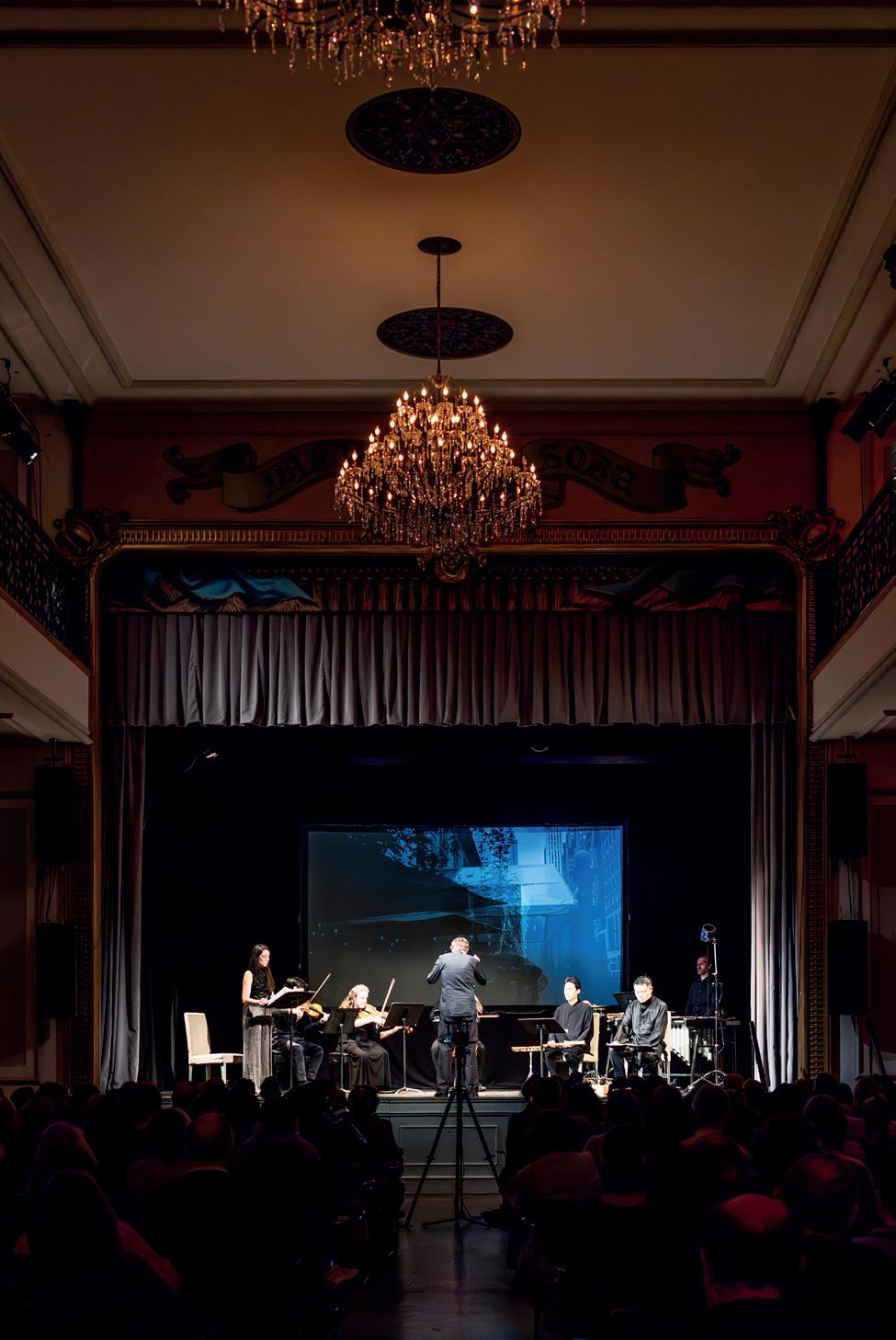
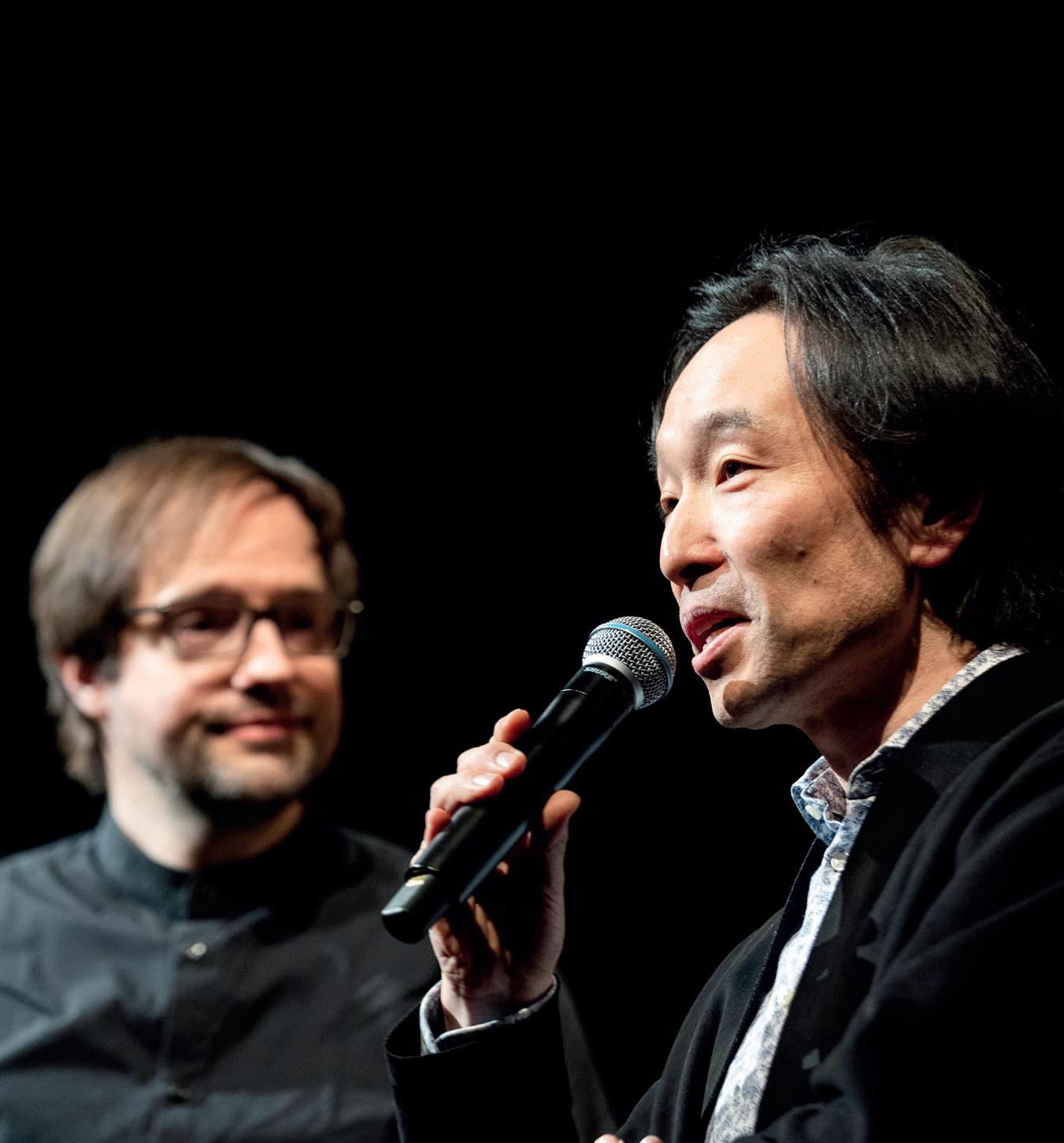
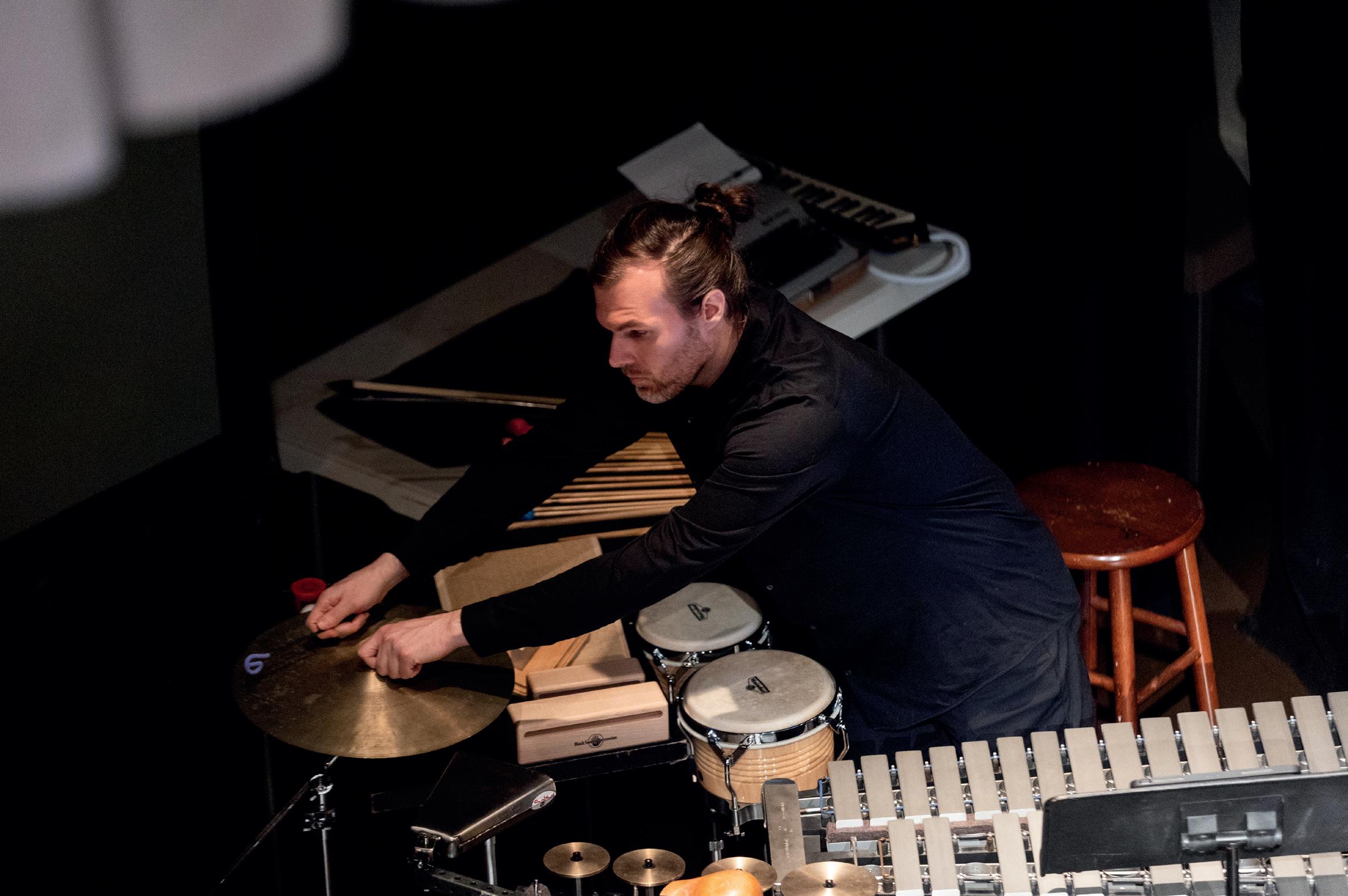
Haus at NYU, and the Czech Center New York hosted the concert premiere of 4711 – Intercourse of Ghosts. The unique, multilingual opera, composed by Hiroya Miura, reimagined the correspondence between Jewish novelist Franz Kafka and Czech journalist Milena Jesenská. Performed by Hidejiro Honjoh, Akihito Obama and Annabelle Plum, the libretto intertwined German, Czech, English, and Japanese, which created an immersive experience that challenged the audience’s comfort and invited active listening. The opera was paired with an intimate song cycle by Carl Bettendorf based on Kafka’s original letters.
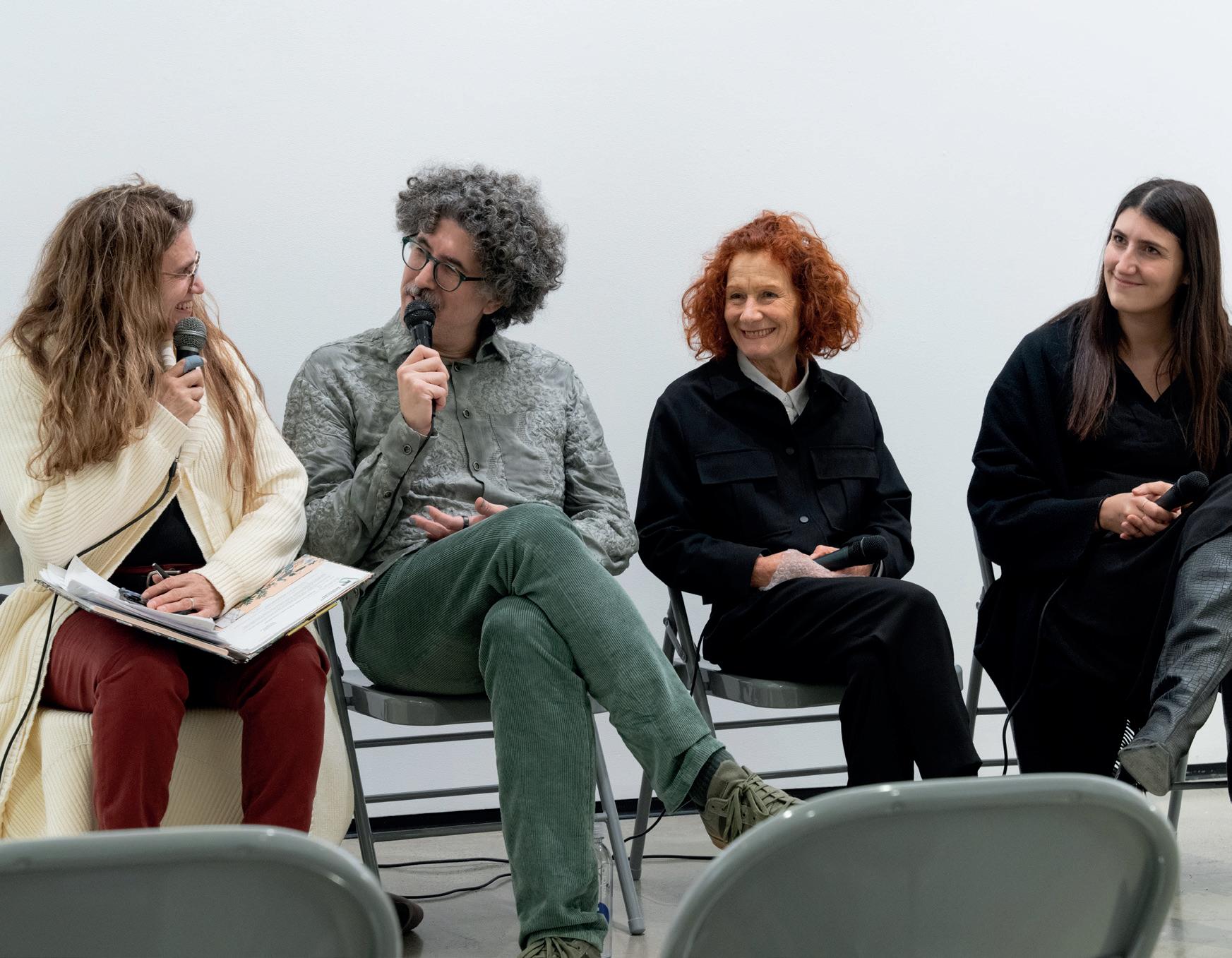
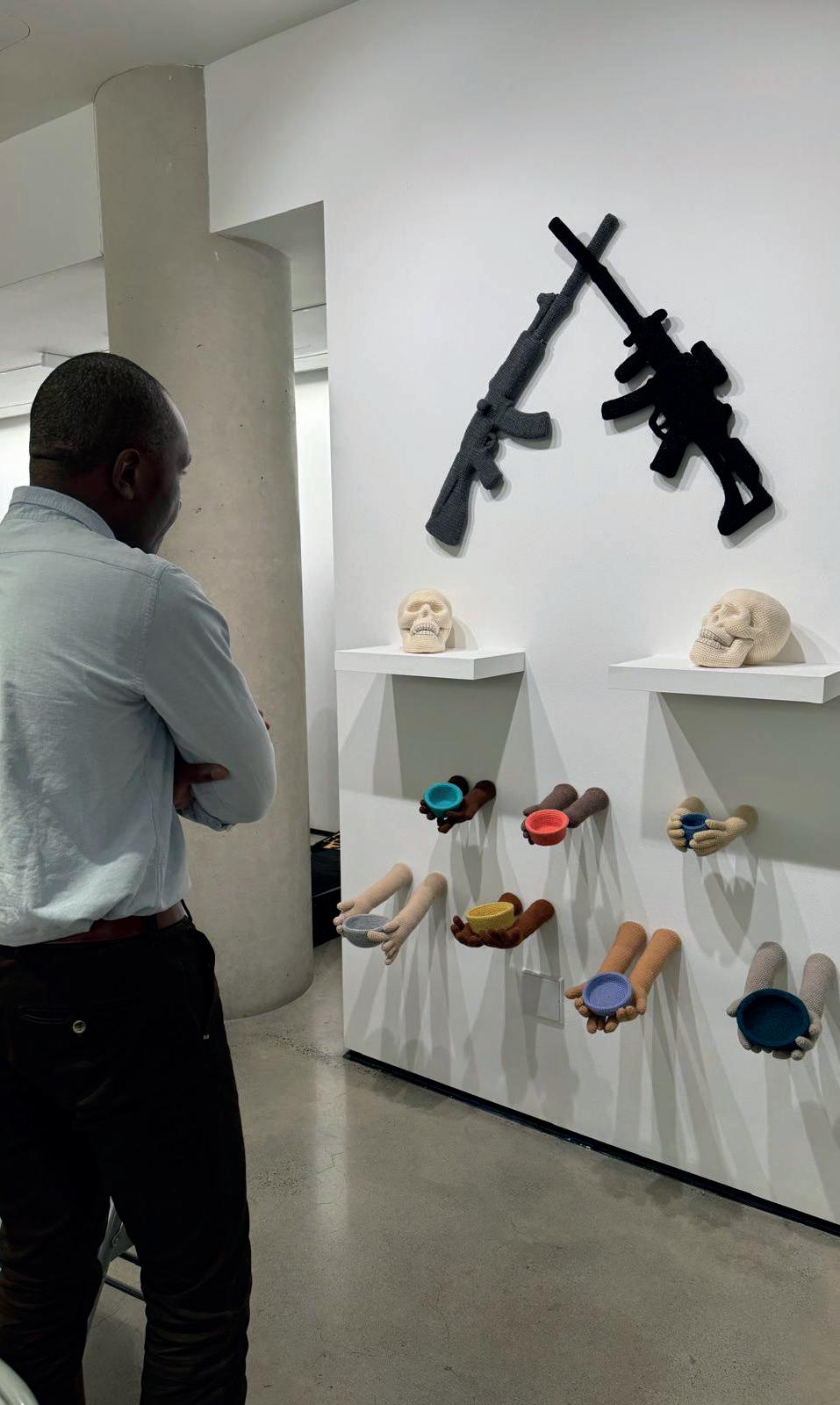
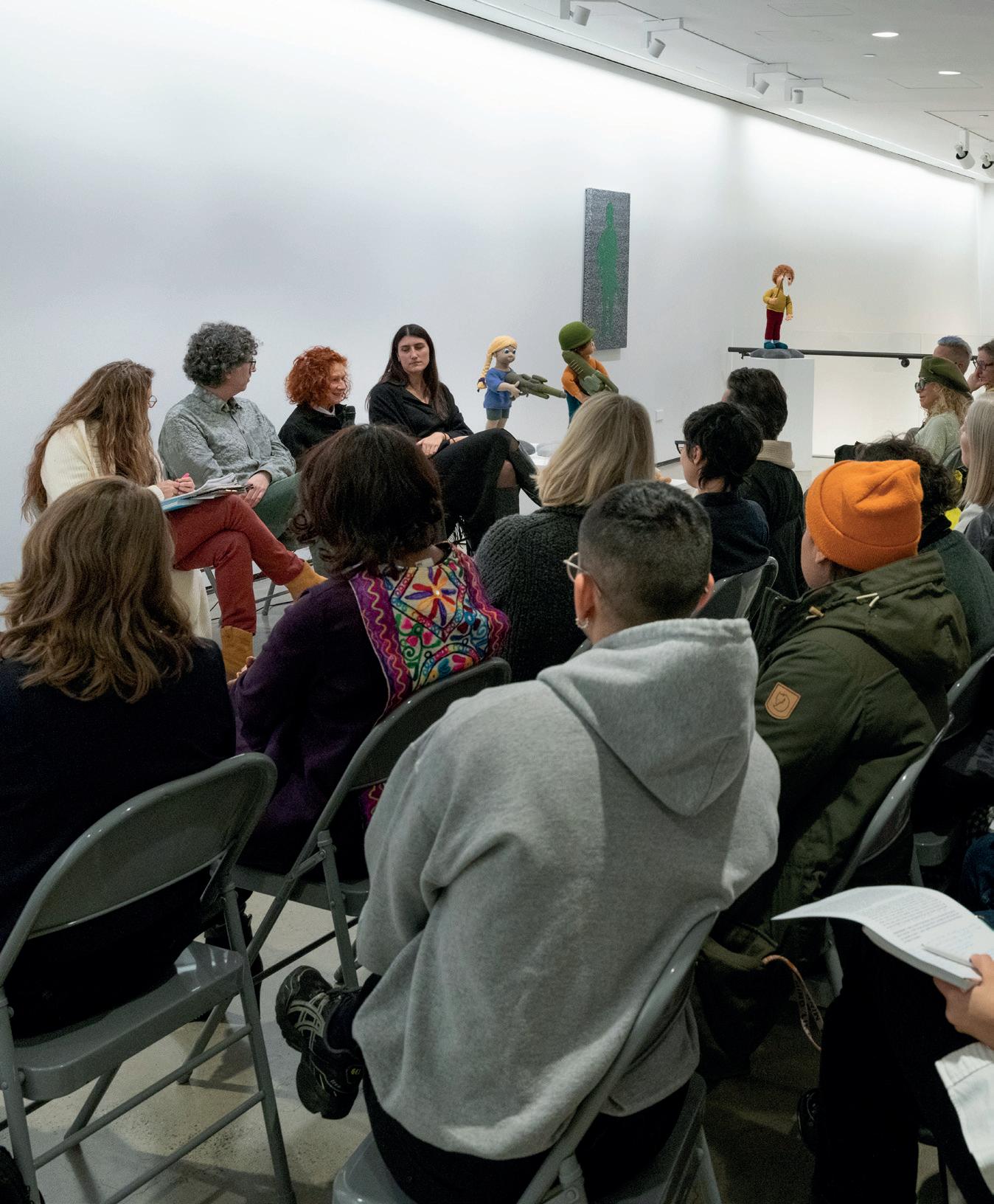
January 15, 2025: Child’s Play: An Investigation of Violence, Desires, and Taboos Through Art considered how acts of violence are woven into the fabric of modern culture, with a focus on the works of Berlin-based crochet artist Patricia Waller. The conversation between artist Patricia Waller, Hrag Vartanian, Editor-inchief and co-founder of Hyperallergic; Ariane Lignier, Communications Officer for the UN’s Office of the Special Representative for Children and Armed Conflict; and Sharon Louden, advocate, community builder and Executive Director of Women’s Studio Workshop, shed light on the use of unconventional methods to address difficult topics like violence, as well as the role of art as an instrument for political awareness.
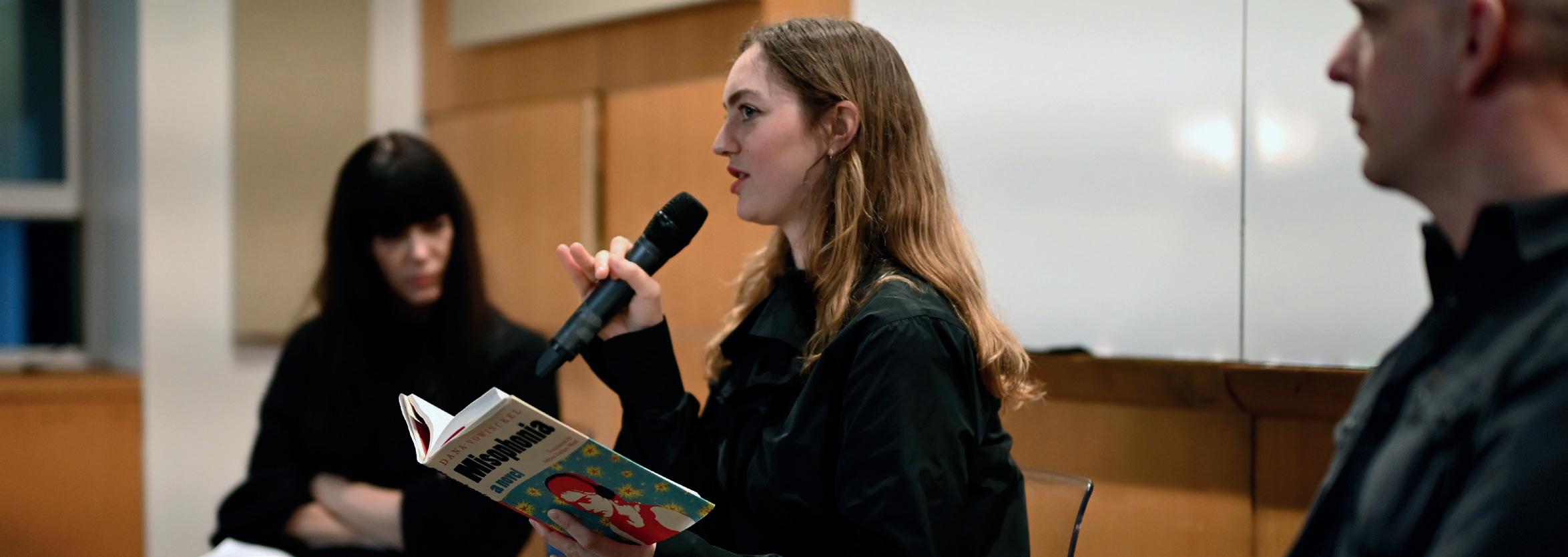
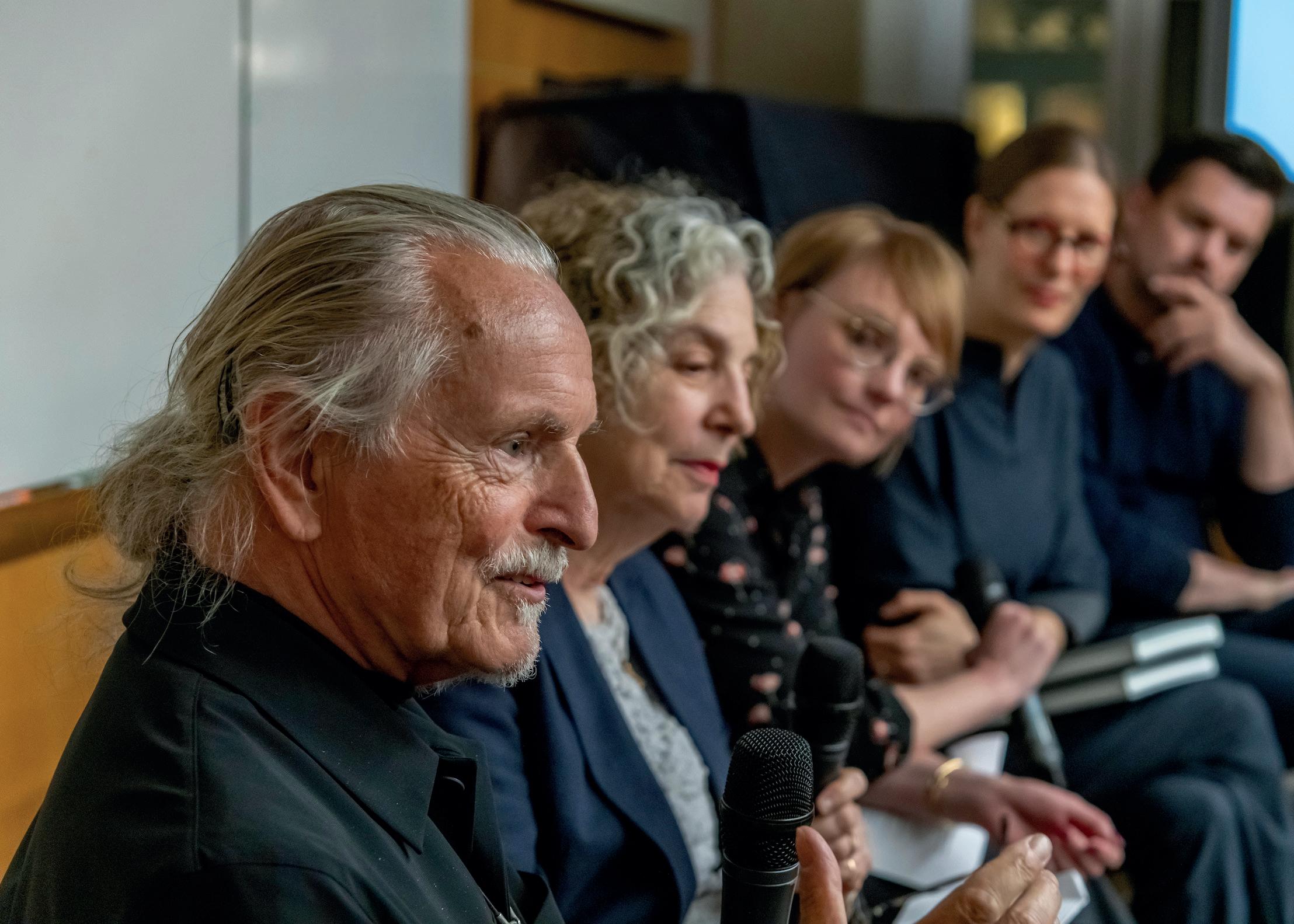
May 14, 2025: In “Misophonia”: An Evening with Dana Vowinckel, Adrian Nathan West, and Martina Wunderer, author Dana Vowinckel, translator Adrian Nathan West, and the editor of “Misophonia” in Germany (Gewässer im Ziplock, Suhrkamp Verlag), Martina Wunderer joined 1014 and Deutsches Haus at NYU for a conversation about the search for cultural identity.
October 2, 2025: As we marked the 35th anniversary of German reunification in 2025, Tamar Shapiro’s debut novel Restitution offered a timely reflection on how the legacies of division and exile continue to shape both nations and families. Memory, Heimat, and the Legacy of Reunification: A Conversation about Restitution reflected on the book, her experiences living and working in eastern Germany, and the continued divisions between western and eastern Germany today.
October 9, 2025: Artistic Reflections on 35 Years of German Reunification was a panel discussion and presentation that engaged with two art projects that critically examined the opening of the Berlin Wall. “The Finitude of Freedom” (“Die Endlichkeit der Freiheit”) was an exhibition project in East and West Berlin jointly financed by the FRG and the GDR in 1990. After Sarah Alberti, PhD, journalist and art historian, reconstructed the project as part of her doctoral thesis, she joined a panel moderated by Jörg Schumacher, Director of the Goethe-Institut New York, Alberti with two of the original “The Finitude of Freedom” contributors: artist Barbara Bloom and Krzysztof Wodiczko, Professor in Residence of Art, Design and the Public Domain, Emeritus at the Graduate School of Design at Harvard University. Thirtyone years after reunification, visual artist Gesche Würfel explored the topography along the Berlin Wall Trail in her work “The Absence and Presence of the Berlin Wall” (“Die Ab- und Anwesenheit der Berliner Mauer”). The project was designed by Kay Bachmann, who presented his process.
Anatomy of an Artwork
In collaboration with Friedrichs Pontone, 1014 presents a new series that introduces a focused, trans-Atlantic approach to experiencing contemporary art. Each edition centers on a 15-minute guided encounter with a single artwork, led by gallery co-owner Martin Friedrichs, exploring its ideas, context, and significance. Presented in evolving formats, Anatomy of an Artwork encourages close looking and deeper engagement with con temporary artistic practice.
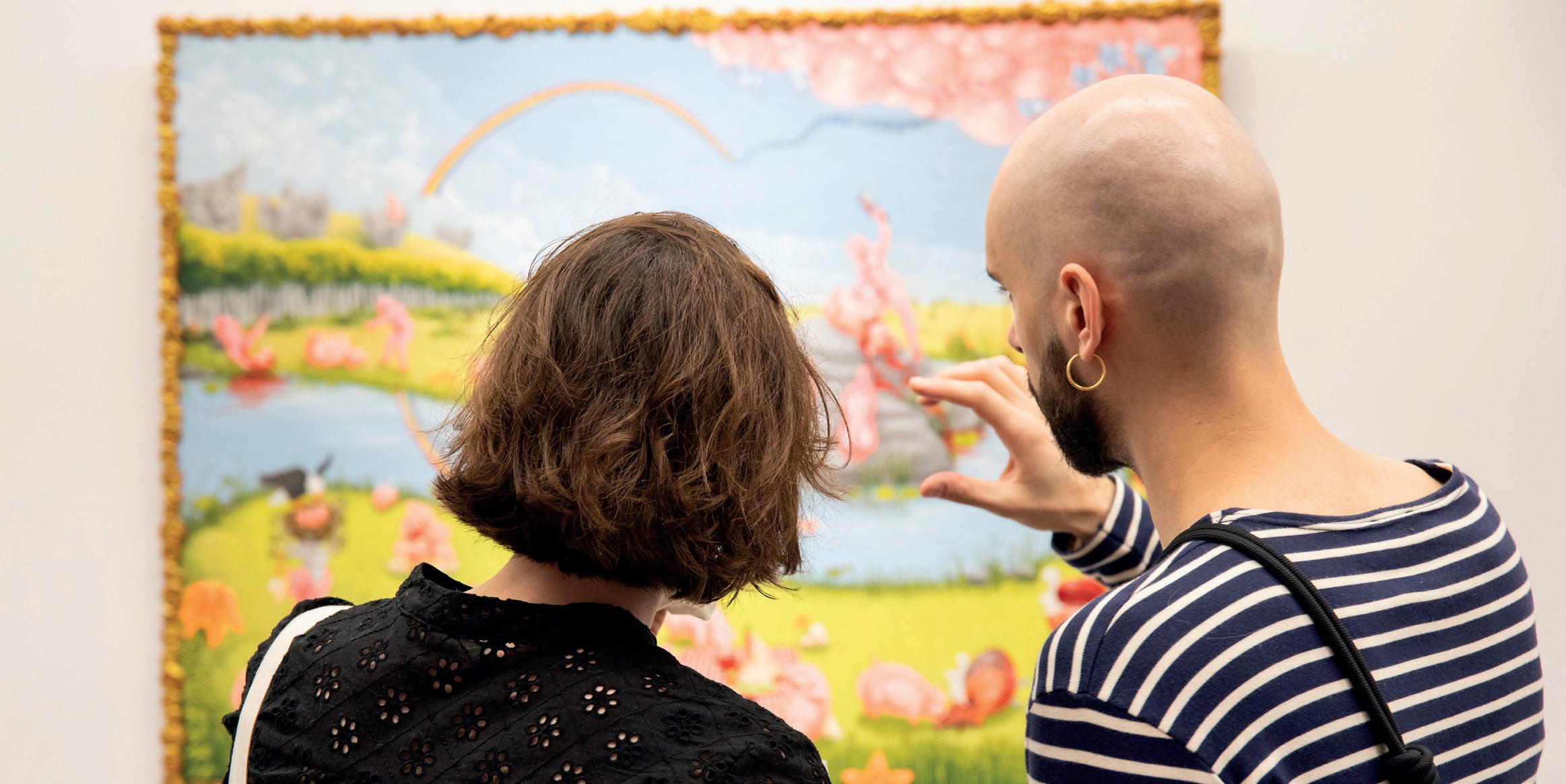
June 7, 2025: On an artful morning in Tribeca, during Between Fasting and Indulgence: An Art Brunch, we explored “The Fight Between Carnival and Lent”, an exhibition curated by Max Lust at Friedrichs Pontone, guests were invited to take a closer look at “Valley of Happy Pigs” by Anastasiya Tarasenko to analyze the painting’s story, inspiration, and meaning to offer a fresh lens on the full exhibition. Tarasenko also spoke about her process and approach.
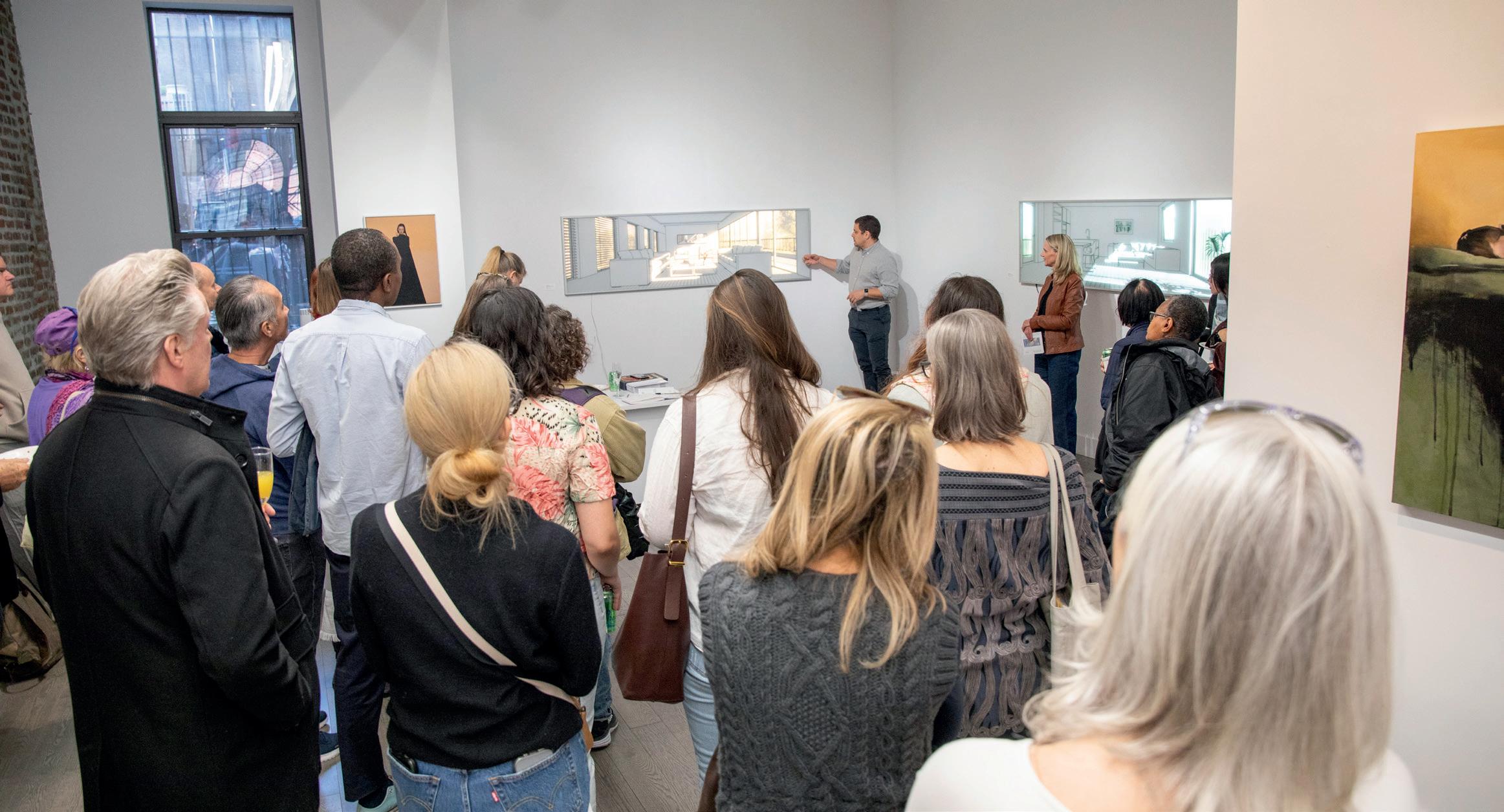
November 8, 2025: During Sunshine Spaces: An Art Brunch, we stepped behind the canvas of one of Hwang Seontae’s “Sunshine” works. Using layers of glass, Seontae demonstrated how light can change a space, turning quiet, empty interiors into scenes full of life, shadows, and small glimpses of the world outside. In a 15-minute introduction to Hwang Seontae’s work, Friedrichs Pontone gallery co-owner gave us a rare glimpse into the inner workings of these lightboxes to explore its magic.
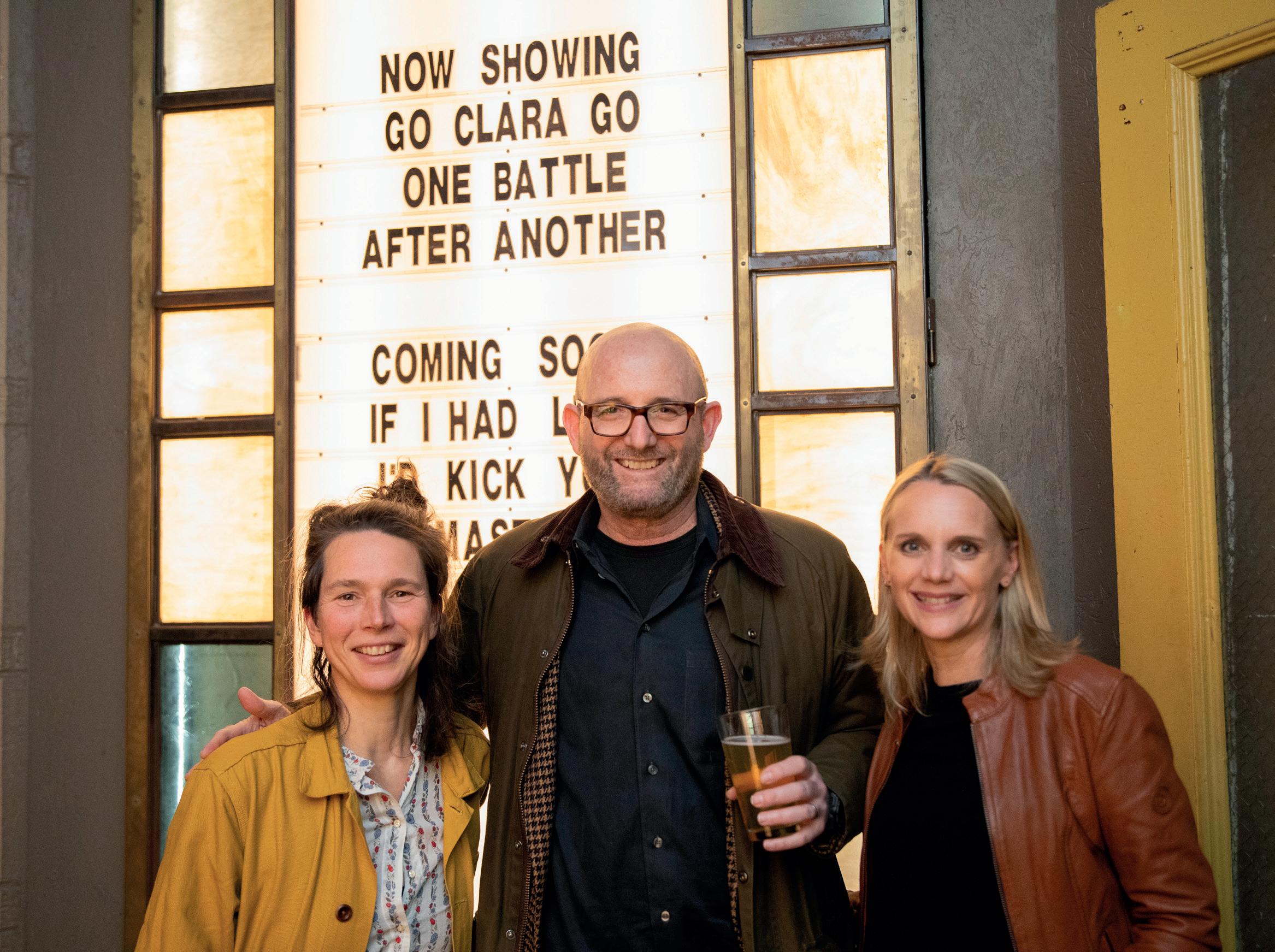
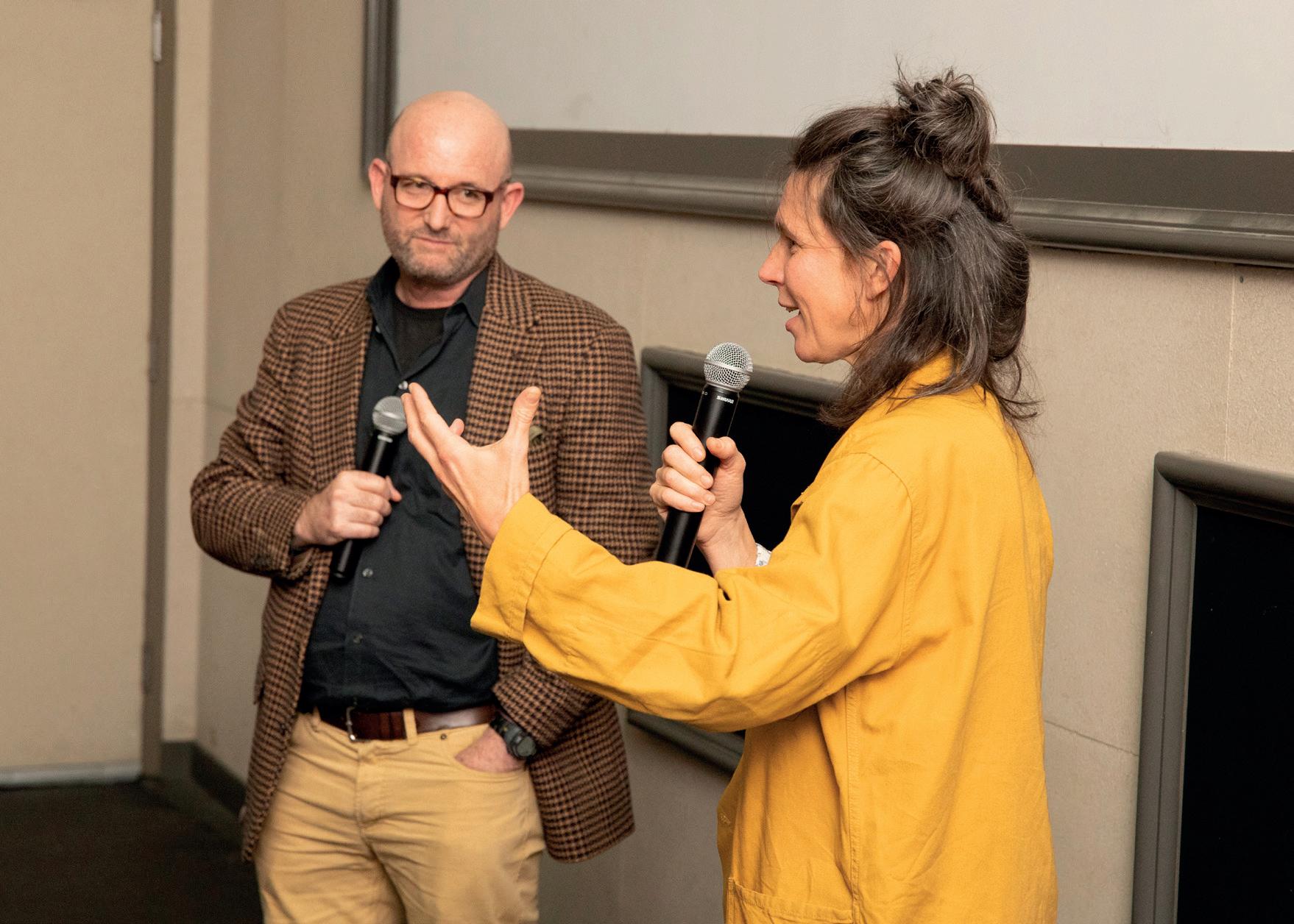
November 4, 2025: Go Clara Go: Challenges for Art & Independent Expression in former East Germany paired a private screening of Go Clara Go, with by a talkback with director Sylvie Kürsten. The film traced the development of an independent art scene in East Germany during the 1970s and 1980s, focusing on the Clara Mosch artist collective and the Galerie Oben in Chemnitz (formerly Karl-Marx-Stadt). The talkback was moderated by American film historian and scholar Noah Isenberg, Charles Sapp Centennial Professor of Radio-Television-Film, UT Austin.
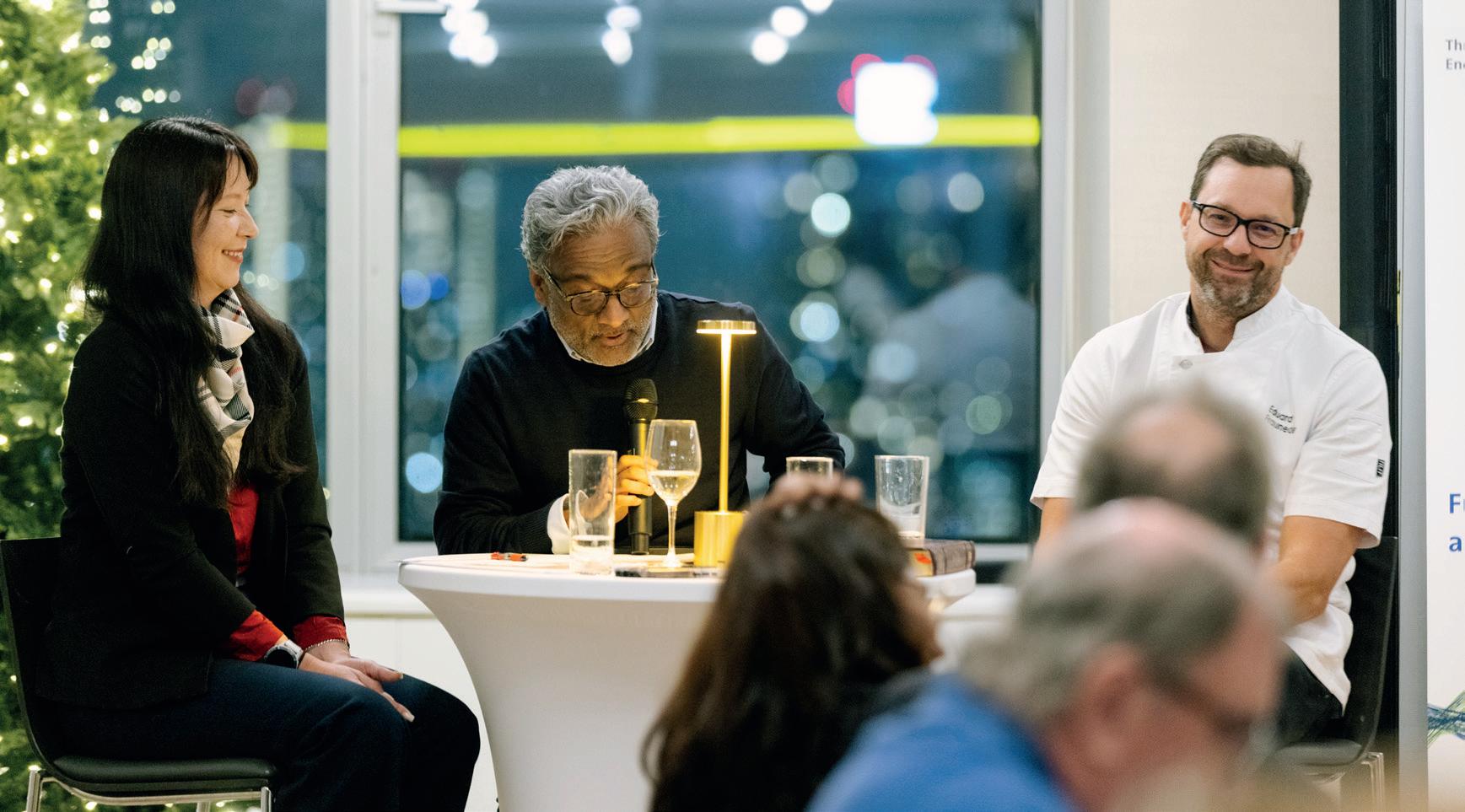
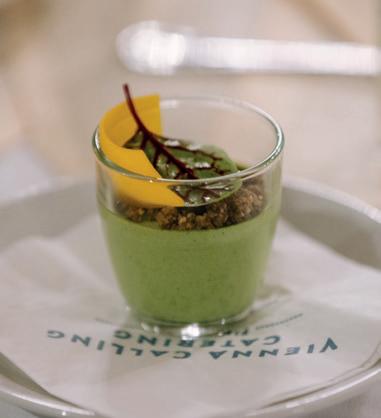
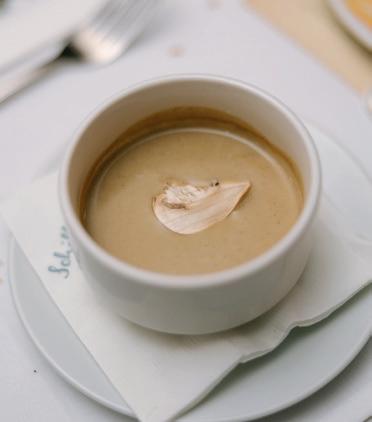
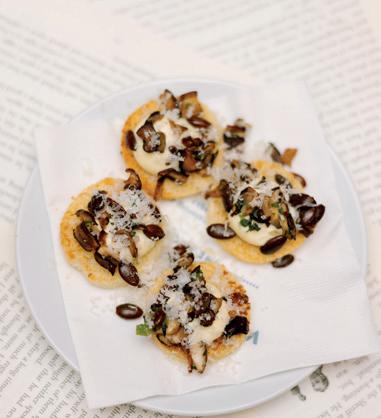
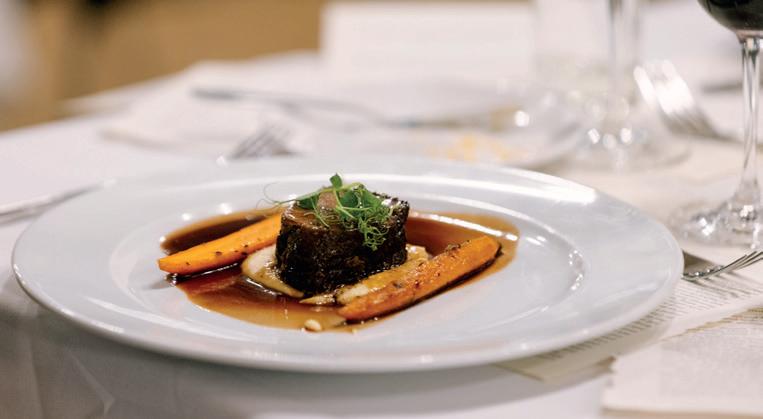
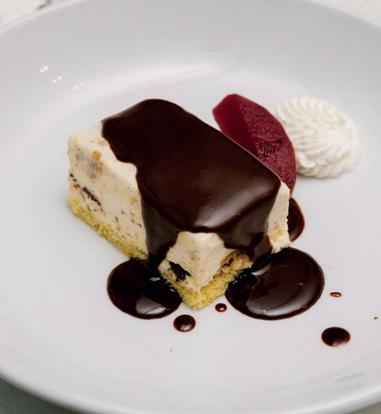
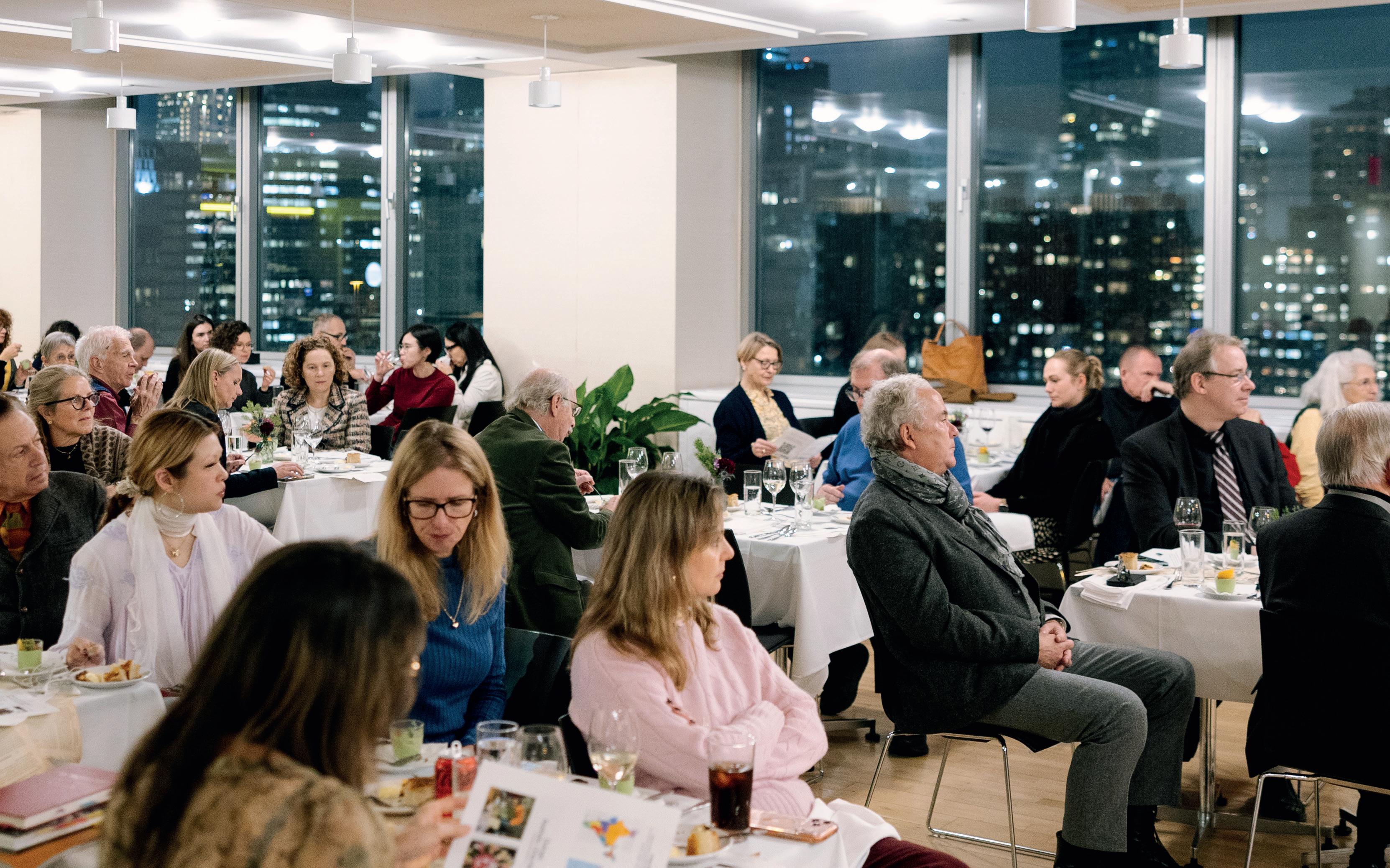
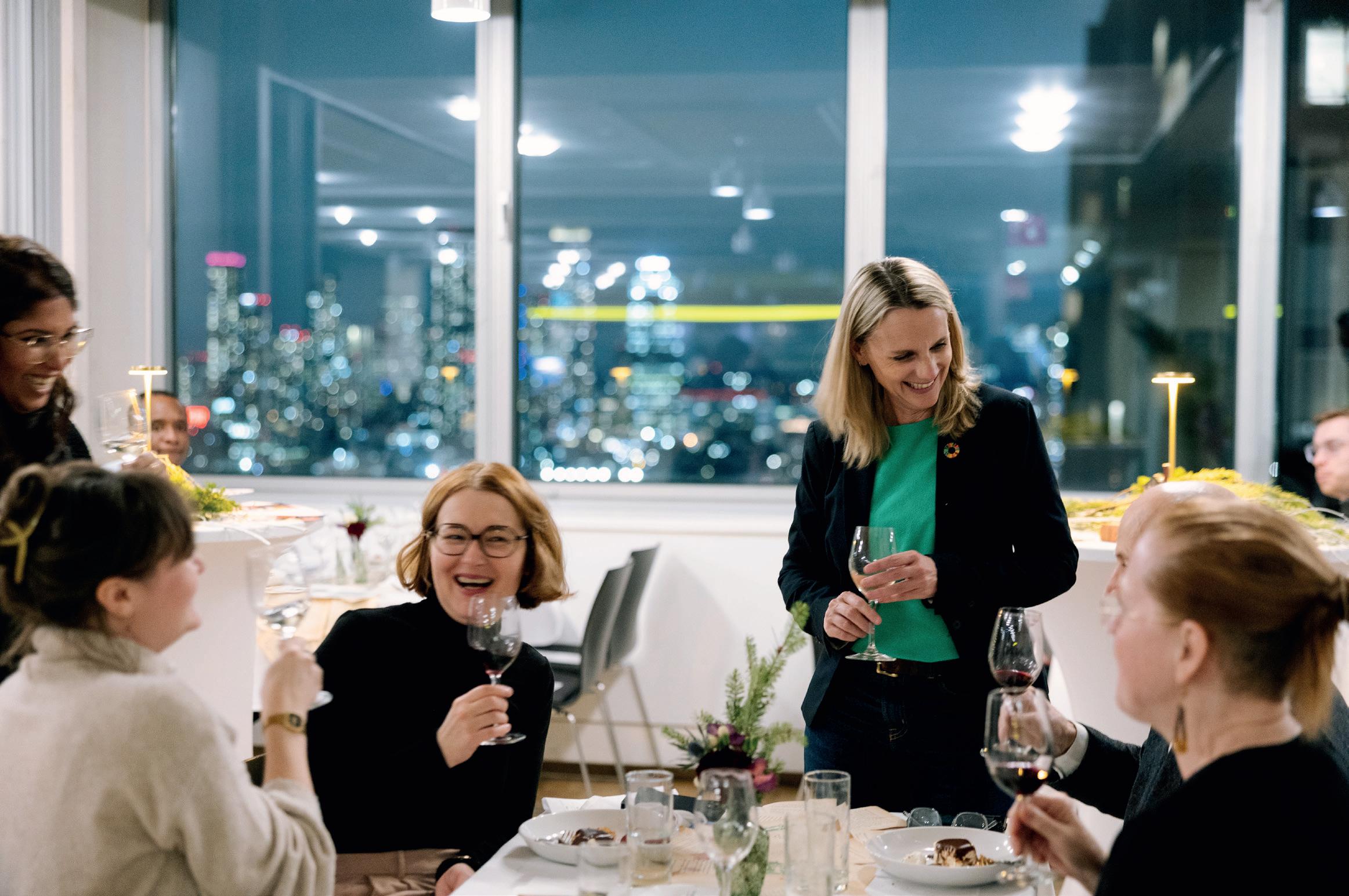
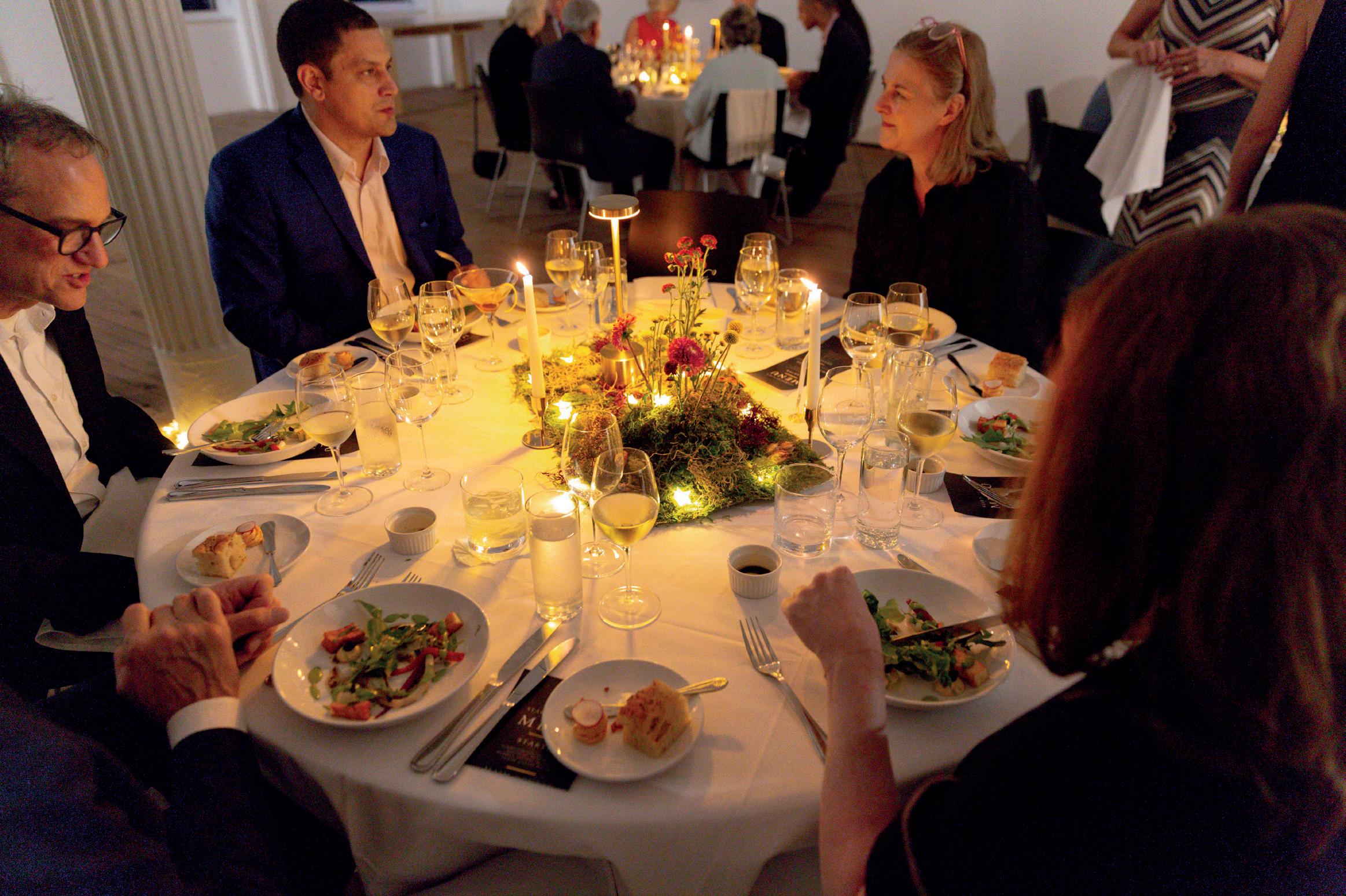
December 2, 2025: From the forests of the Brothers Grimm to today’s tales of migration and home, Once Upon a Bite: Food, Folktales, and the Imagination was an evening of stories, conversation, and food that explored how what we eat shapes who we are. Readings and discussions were informed by insights from Iris-Aya Laemmerhirt, Assistant Professor of American Studies at TU Dortmund University, and Krishnendu Ray, Professor of Food Studies at NYU. Discussions paired well with a food sampling crafted by chef and restaurateur Eduard Frauneder, who served a menu inspired by traditional folktales. The evening concluded with a shared recipe exchange for a Digital Storybook Cookbook, a living archive of dishes and stories.
Sports
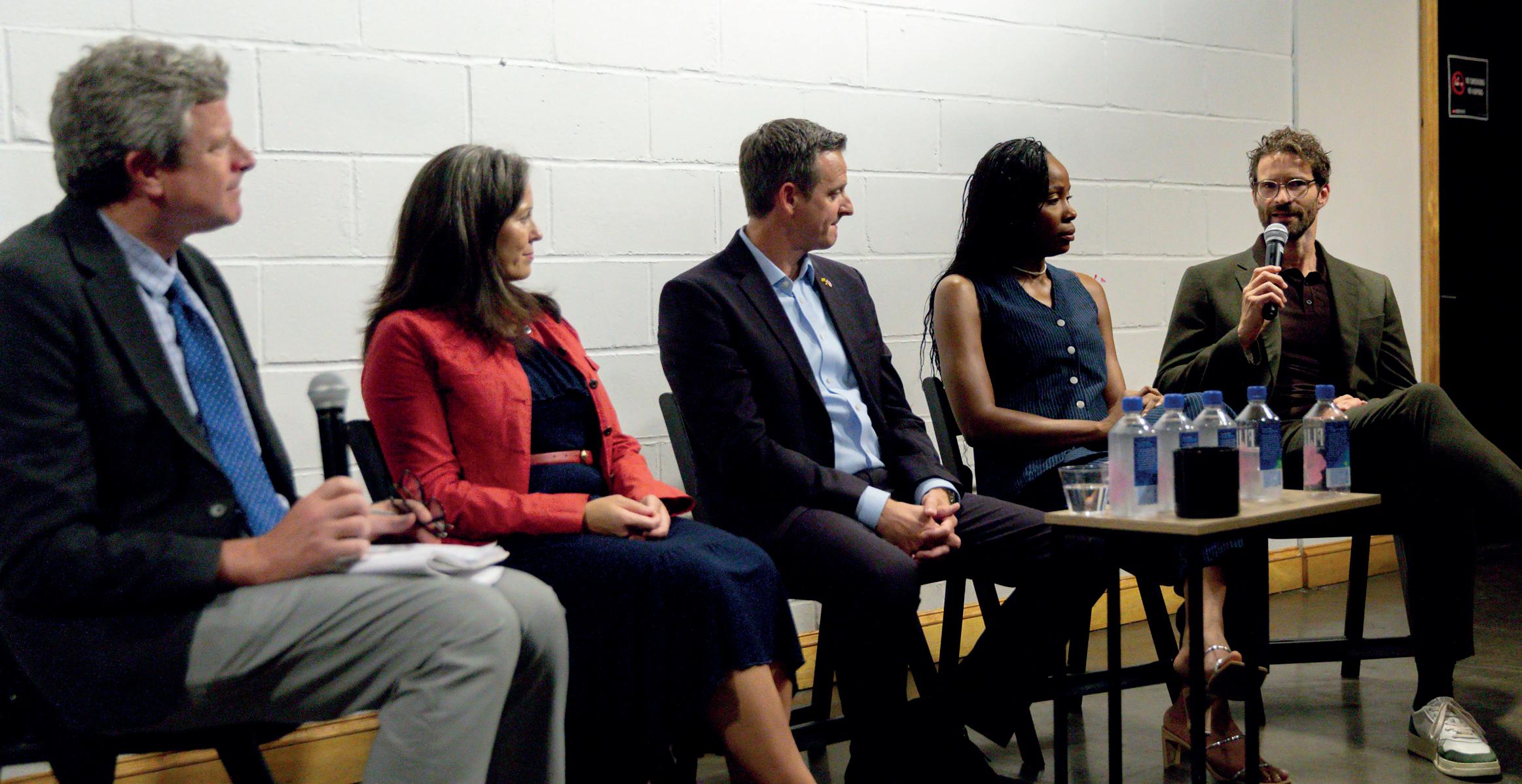
September 18, 2025: With insights from Arne Friedrich, Founder Arne Friedrich Foundation; Lindsay Krasnoff, Sports Diplomacy Expert, NYU; Marc Lingenhoff, Managing Director, BVB Americas Inc.; Sally O. Nnamani, Chief Partnerships Officer at PeacePlayers International; and
Sean Gregory, Senior Sports Correspondent at TIME, Balancing the Game: The Fine Line of Sports Diplomacy dove into the world of sports diplomacy from multiple perspectives—political, economic, and athletic. We discussed how international institutions engage through
sport, how athletes view their roles beyond the game, how teams and fans build unity across diverse backgrounds, and how sport is used to promote inclusion through global initiatives.
May 20, 2025: With the second Trump presidency emphasizing a more transactional approach to foreign policy, there may be far-reaching consequences for Western alliances. What does this mean for Europe, NATO, and the balance of power in regions from the IndoPacific to the Middle East? 1014 and the American Council on Germany hosted Transactional Foreign Policy and the End of the Liberal Order?, a timely discussion with Stefan Mair, Director of the German Institute for International and Security Affairs, and Heather Conley, U.S. National Security Executive and former President of the German Marshall Fund, to consider how the world might navigate a new era of international realignment.
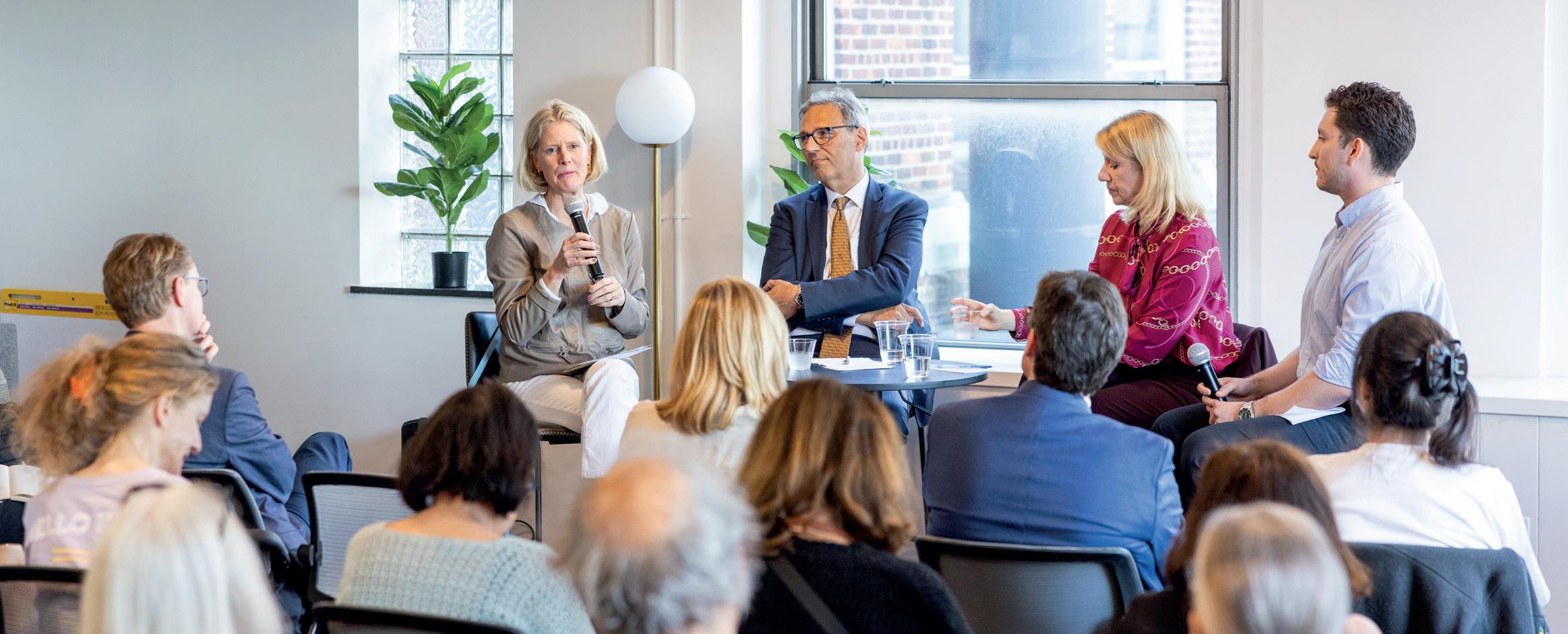
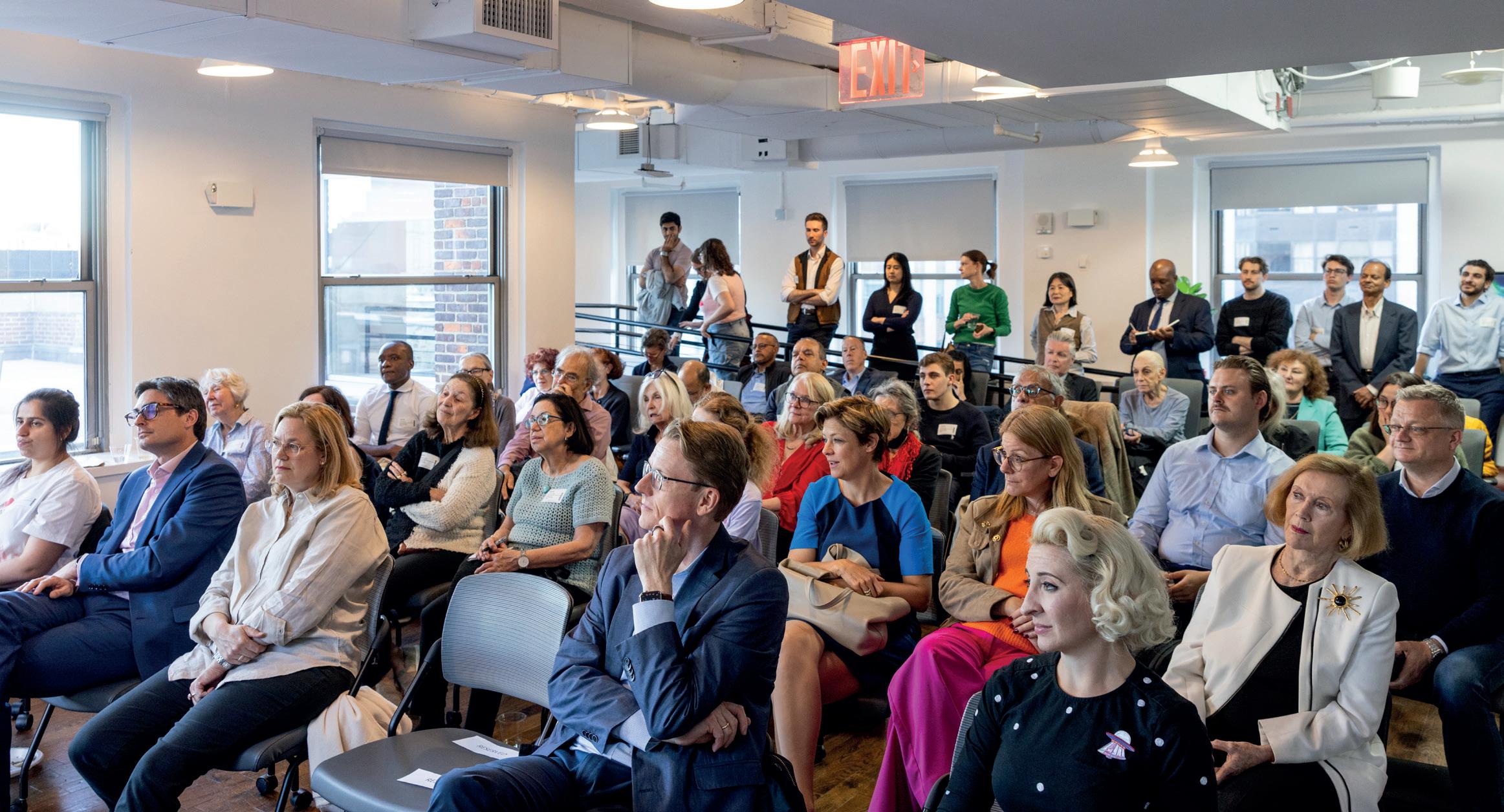
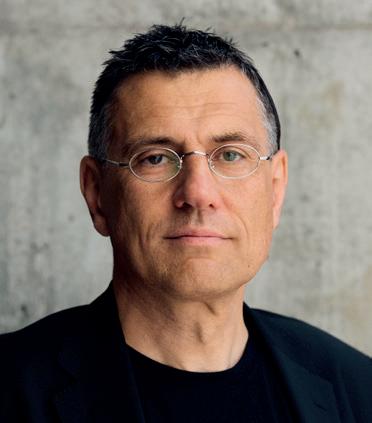
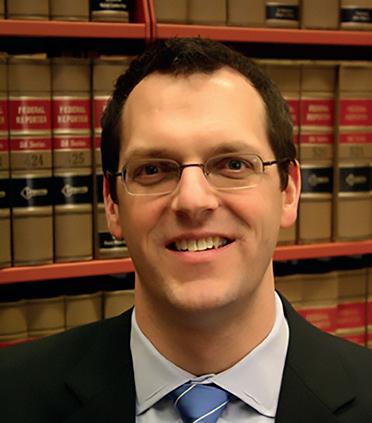
In this virtual series, 1014 and the American Council on Germany examine issues that are increasingly shaping public debate on both sides of the Atlantic. Topics that have featured prominently in recent U.S. election cycles are now gaining urgency in Germany, highlighting shared challenges across democratic societies. Through conversations with experts from diverse fields, the series explores these “hot topics” beyond headlines and campaign rhetoric, focusing instead on how they manifest in the everyday realities of social, economic, and institutional life.
January 15, 2025: Migration played a pivotal role in the U.S. elections, and it loomed prominently in political debates in Germany ahead of national elections. In both countries, border security as well as concerns about racial and xenophobic backlash are at the forefront of political debates. How can the U.S. and Germany develop strategies to curb illegal immigration while ensuring open immigration and refugee pathways? In Migration, Victoria Rietig, the Head of the Center for Migration at the German Council on Foreign Relations (DGAP), and Pulitzer Prize-winning journalist Molly O’Toole shed light on the trends, challenges, and opportunities arising from immigration.
February 3, 2025: The current state of the global economy is marked by significant uncertainty and change, driven by geopolitical tensions, evolving supply chains, and shifting economic priorities. After years of globalized trade liberalization, protectionist ideas have resurfaced, with possible trade wars and tariffs that could affect industries and consumers worldwide. Trade, Tariffs, and a Shifting
Global Economy was a virtual discussion with Benn Steil, director of international economics at the Council on Foreign Relations in New York, and Rolf Langhammer, former VicePresident of the Kiel Institute for the World Economy, that examined these protectionist trends and their impact on the global economy.
March 27, 2025: In The Green Energy Transition – Dead in its Tracks?, we acknowledged how the war in Ukraine and new leaderships in the United States and Germany have ushered in a political shift away from clean energy toward more secure and affordable energy sources. In the U.S. presidential election as well as in Germany’s February snap election, concerns about climate change were not a top priority. Cameron Abadi, Deputy Editor at Foreign Policy and Co-Host of FP’s Ones and Tooze podcast, and Kira Vinke, Head of Center for Climate and Foreign Policy at the German Council on Foreign Relations, came together to discuss the uncertain future of the green energy transition.
April 10, 2025: In Politics, Constitutions, and the Law, we discussed the current trends of executive power, judicial oversight, and constitutional integrity in both the United States and Europe with experts on constitutional law and comparative law, Franz Mayer, the University of Bielefeld, and Russel Miller, Washington and Lee University, Virginia. The conversation explored the implications of recent legal and political developments and their impact on democratic governance across the Atlantic.
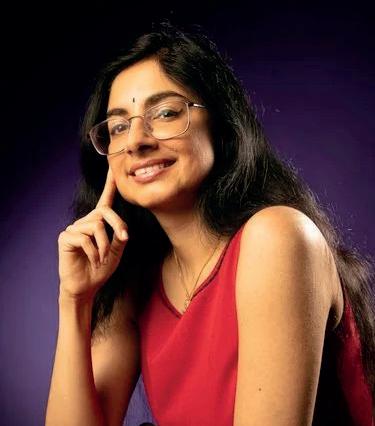
June 18, 2025: Amassing Sovereign Debt – U.S. out; Germany in?, with ACG Board Member Tara Hariharan,
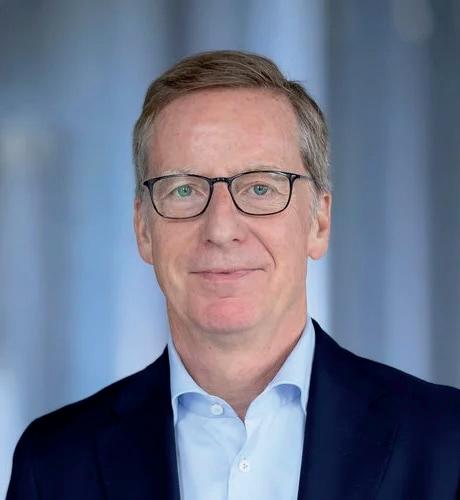
Managing Director of Global Macro Research at NWI Management, and Michael Hüther, Director and Member of the Executive Committee of the German Economic Institute, explored how sovereign debt can serve as a valuable tool for financing government expenditures and necessary investments, while also examining the risks of allowing debt to reach unsustainable levels.
December 18, 2025: Inside the New U.S. National Security Strategy: Priorities, Risks, and Implications for Europe was a virtual discussion with leading foreign policy and national security experts Nico Lange and Robin Quinville, who unpacked the key priorities and assumptions of the current administration’s National Security Strategy – and the implications for the trans-Atlantic partnership. The conversation provided an initial assessment of how this strategy redefines U.S. commitments to allies and partners, and what it signals about the current administration’s approach to diplomacy, deterrence, and military engagement.
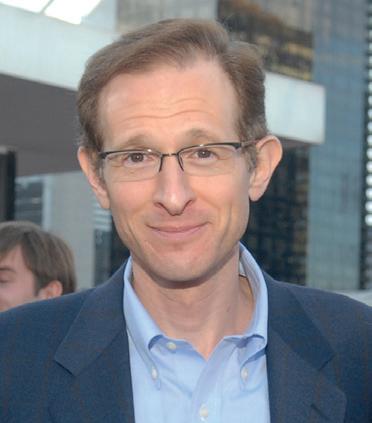
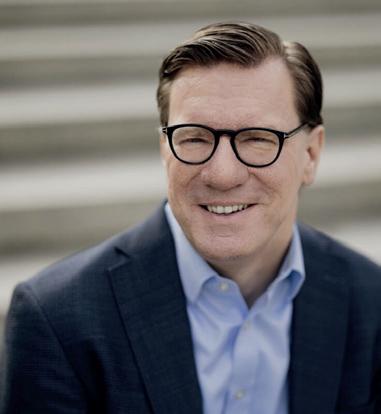
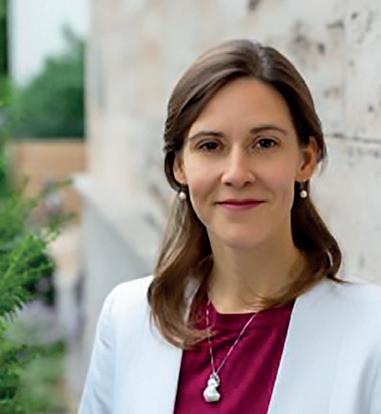
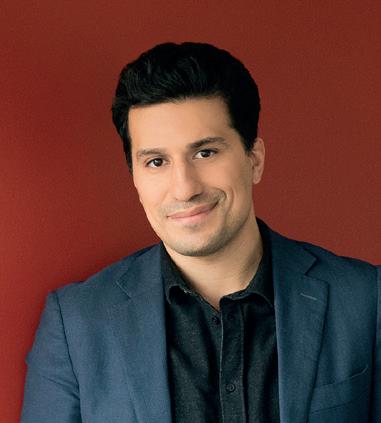
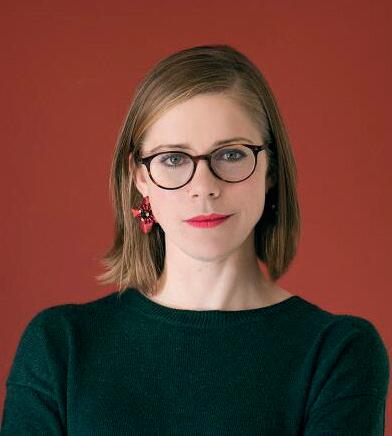
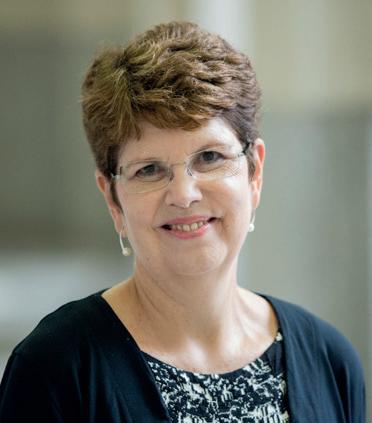
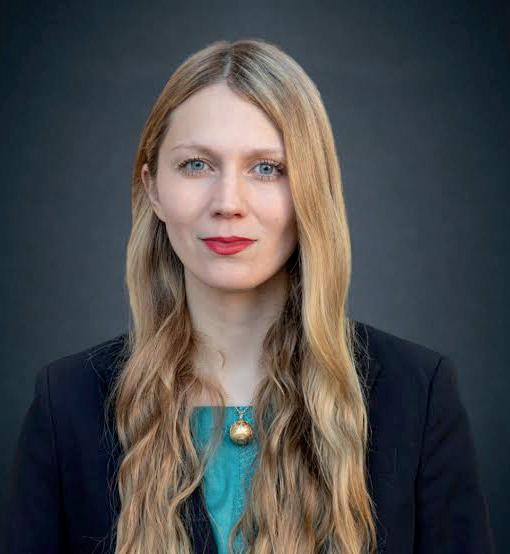
February 3, 2025: In her graphic novel Artificial: A Love Story, American comic artist Amy Kurzweil documents the attempt by her famous father, Ray Kurzweil, pioneer of optical speech detection technologies, to make the family’s history accessible again with the help of a chatbot that mimics the voice of her deceased grandfather. During Digital Echoes: AI, Memory, and the Art of Immortality, Amy Kurzweil met Austrian American author and literary scholar Ann Cotton, editor of the anthology Schreiben nach KI (Writing After AI), and explored the boundaries between artificial and human creativity, memory, and digital immortality.
May 28, 2025: On May 8th, after a one-day conclave in the Sistine Chapel at the Vatican, the new Pope, Leo XIV, the first American to hold this office, was announced to the waiting masses in Rome and the entire world watching online. In From Conclave to Global Stage: What to Expect from the New Pontiff, we considered the man
whom the 135 cardinals elected pope in secret, centuries-old procedures, turning to Alexander Görlach and Elaine Papoulias, Executive Director of the Minda de Gunzburg Center for European Studies (CES) at Harvard University, for a more in-depth overview.
March 26, 2025: What are the key differences in how social class and gender influence access to and success in higher education in the U.S. and Germany? What can colleges, universities, and other stakeholders do to help wherever challenges are identified? Rising Above or Lagging Behind? Inequality in Higher Education in the U.S. and Germany brought together experts to compare the higher education systems in the U.S. and Germany. Marita Jacob, Professor of Sociology, University of Cologne; Claudia Buchmann, Professor of Sociology, The Ohio State University; Peter Kerrigan, Deputy Director and Director of Marketing and Development, DAAD North America; Eva Bosbach, Executive Director, University of
Cologne New York Office; and Christian Strowa, Director, DAAD North America and DWIH New York, offered their input.
October 29, 2025: In Future-Ready Food Systems? Sustainability and Resilience in Times of Crises, experts from both sides of the Atlantic compared approaches to addressing shocks to the food system in the wake of climate changes, spotlighted dynamics between resilience and sustainability objectives, and explored how research-informed innovation can inspire agri-food systems capable of navigating today’s world’s challenges. Participants included Peter Dannenberg, Professor of Human Geography at the Institute of Geography, University of Cologne; Angela Bedard-Haughn, Professor, Graduate Chair, Department Head, and Associate Dean for Research and Graduate Studies, Department of Soil Science in the College of Agriculture and Bioresources (AgBio), University of Saskatchewan, Canada; and Steven E. Sokol, President and CEO of the American Council on Germany.

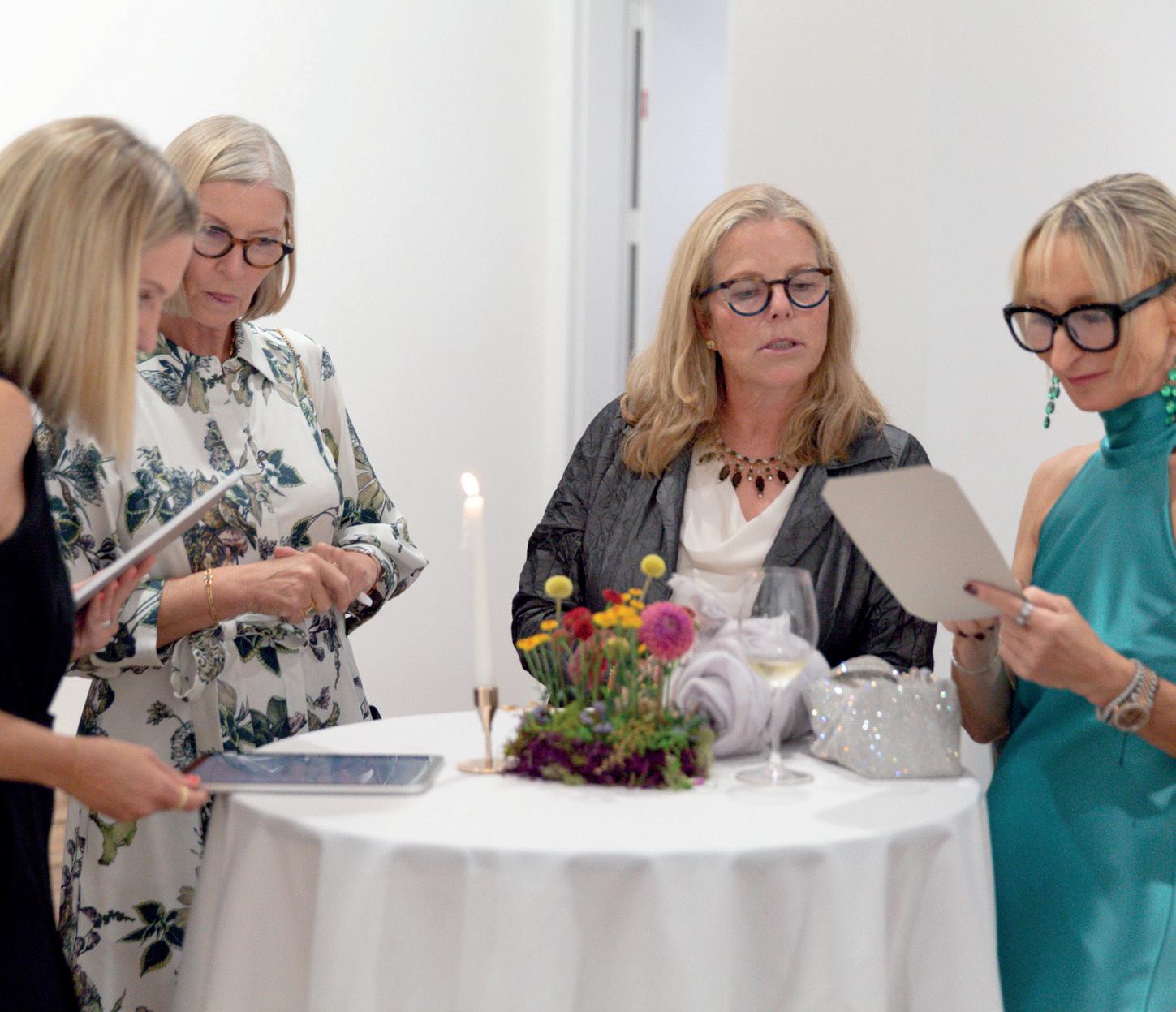
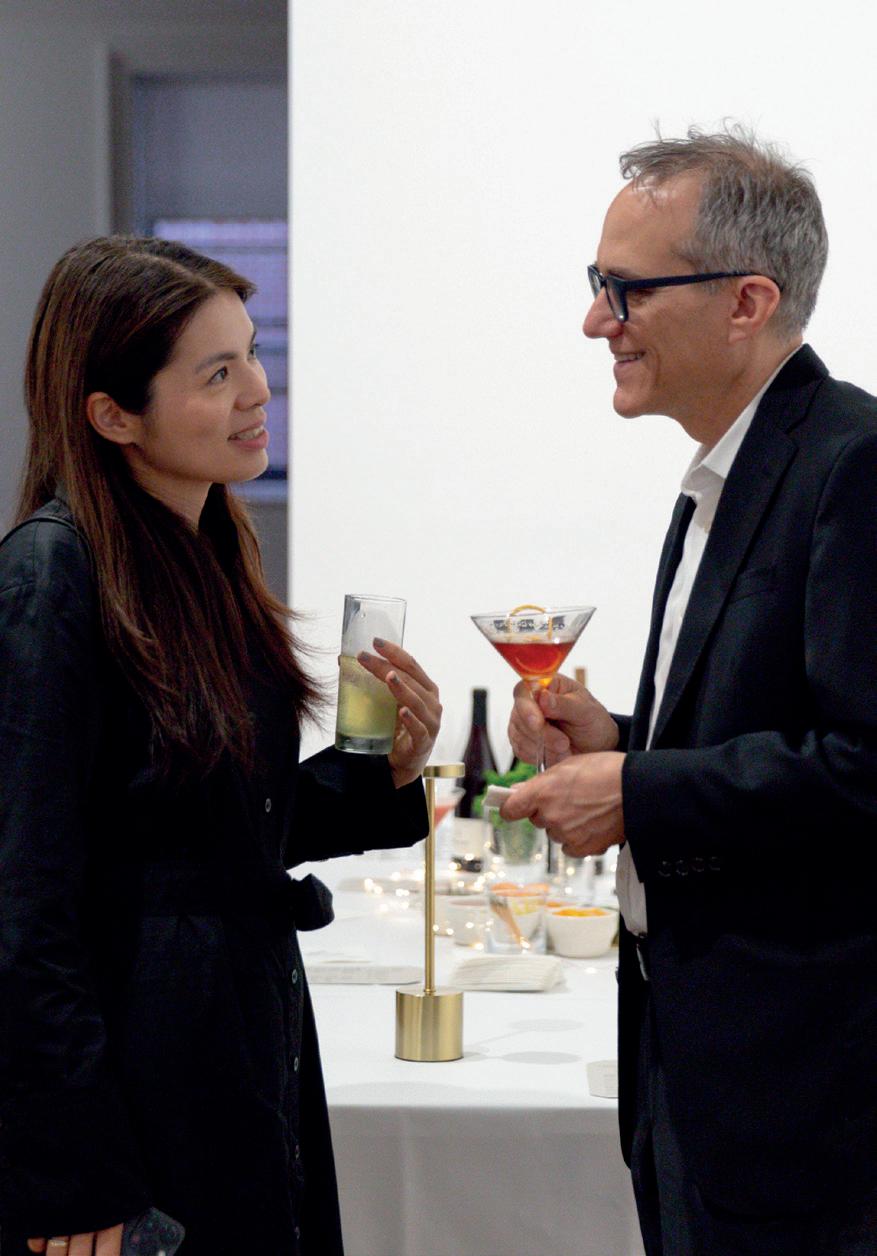
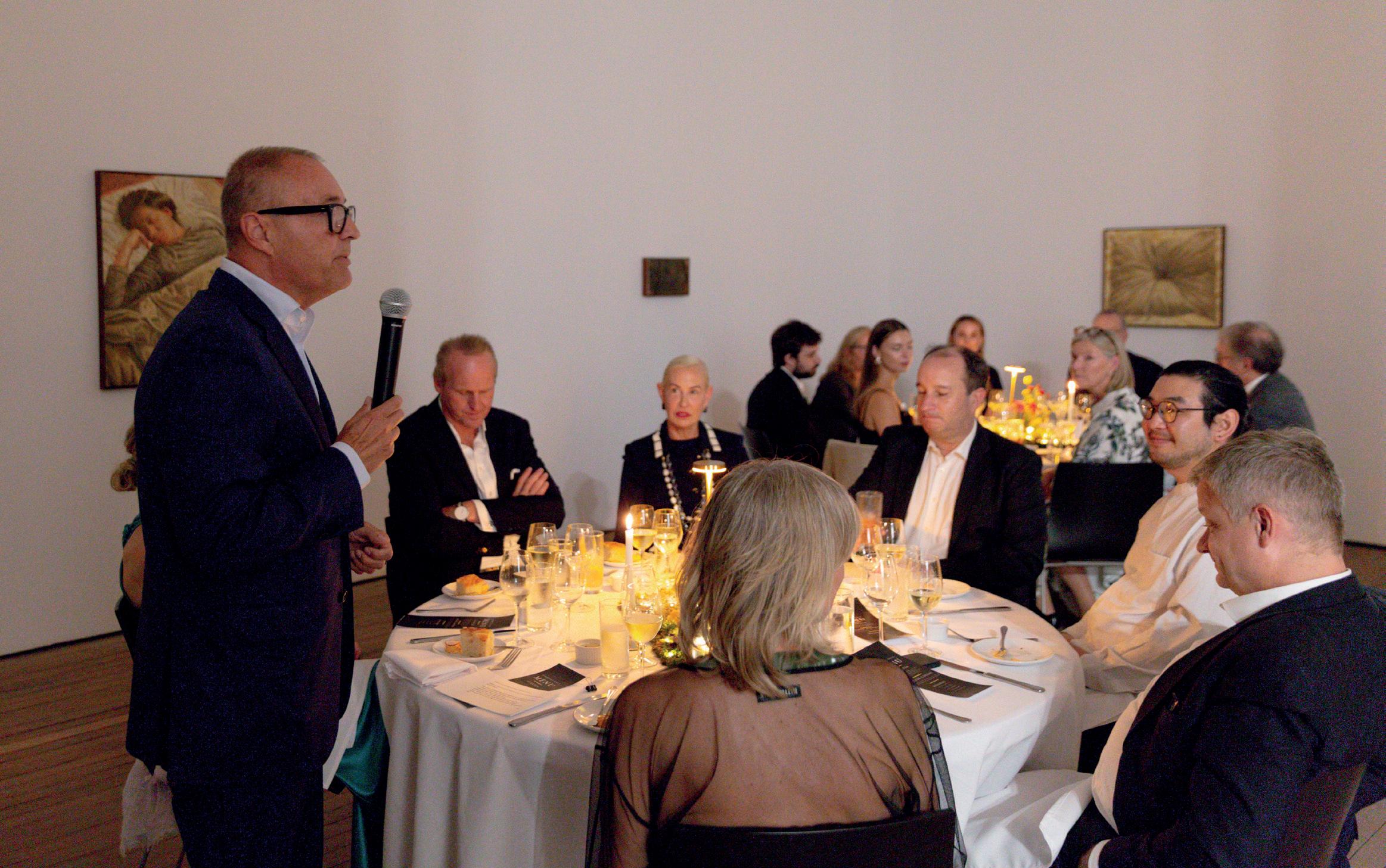
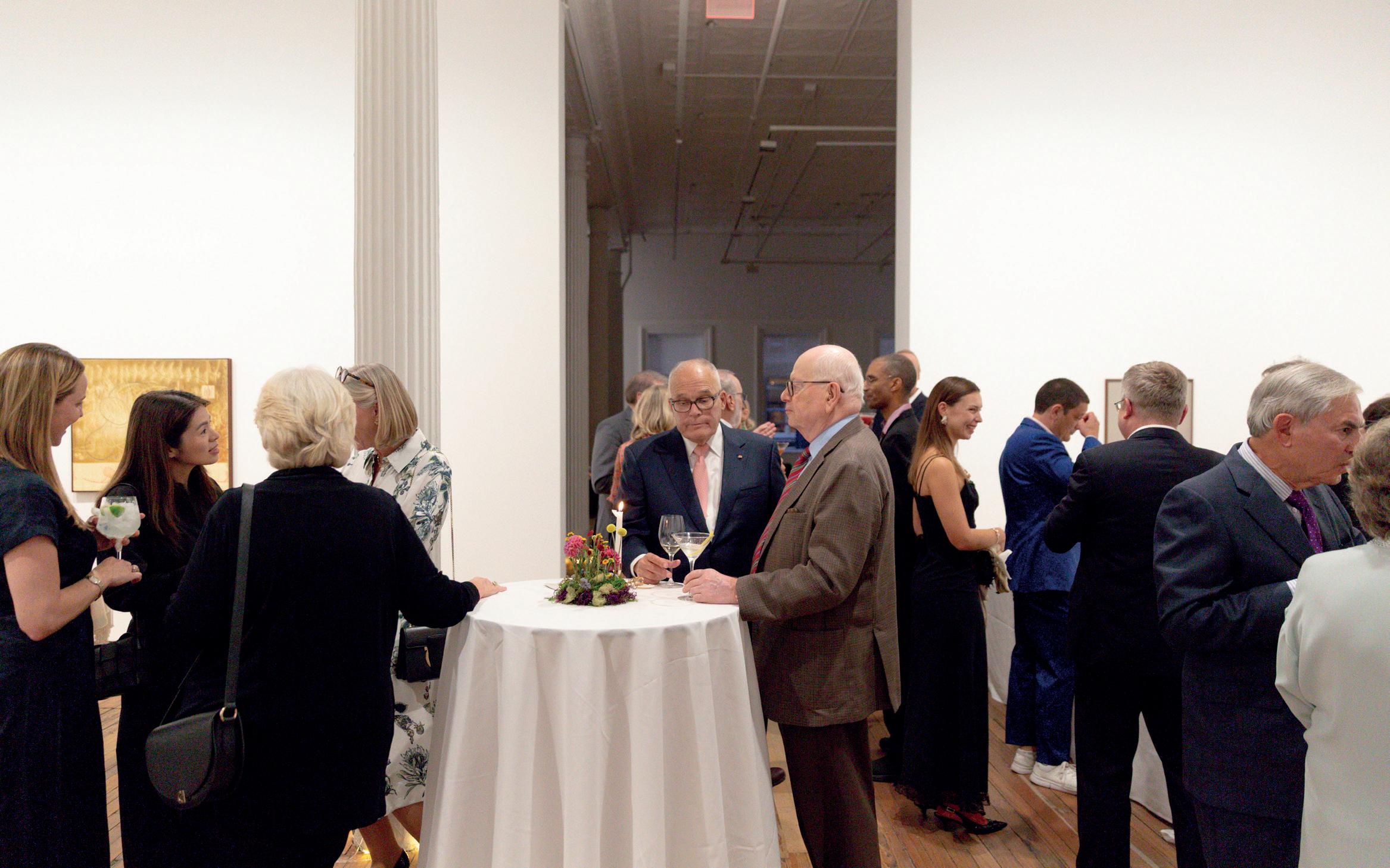
Our Stardust Gala was an unforgettable evening where culture, creativity, and our 1014 community came together. Attendees had their dreams transformed into a bespoke cocktail with Sipping Dreams, an immersive experience by artist Doreen Chan
Eduard Frauneder, an acclaimed chef, created a culinary journey that transcended borders and time.
All this revelry was set amidst Rafał Topolewski’s art at GRIMM Gallery in Tribeca, reflecting on dreams, imagination, and the human condition.
Events
Over the course of 2025, we created more opportunities to embrace trans-Atlantic dialogue through special events with our members and partners.
In June, we invited our members to an exclusive VIP Construction Tour of 1014 Fifth Avenue. With our historic townhouse in the midst of an exciting transformation, we brought our guests inside to see the completely demolished interior and then celebrated 1014’s next chapter with pretzels, beer, and light refreshments.
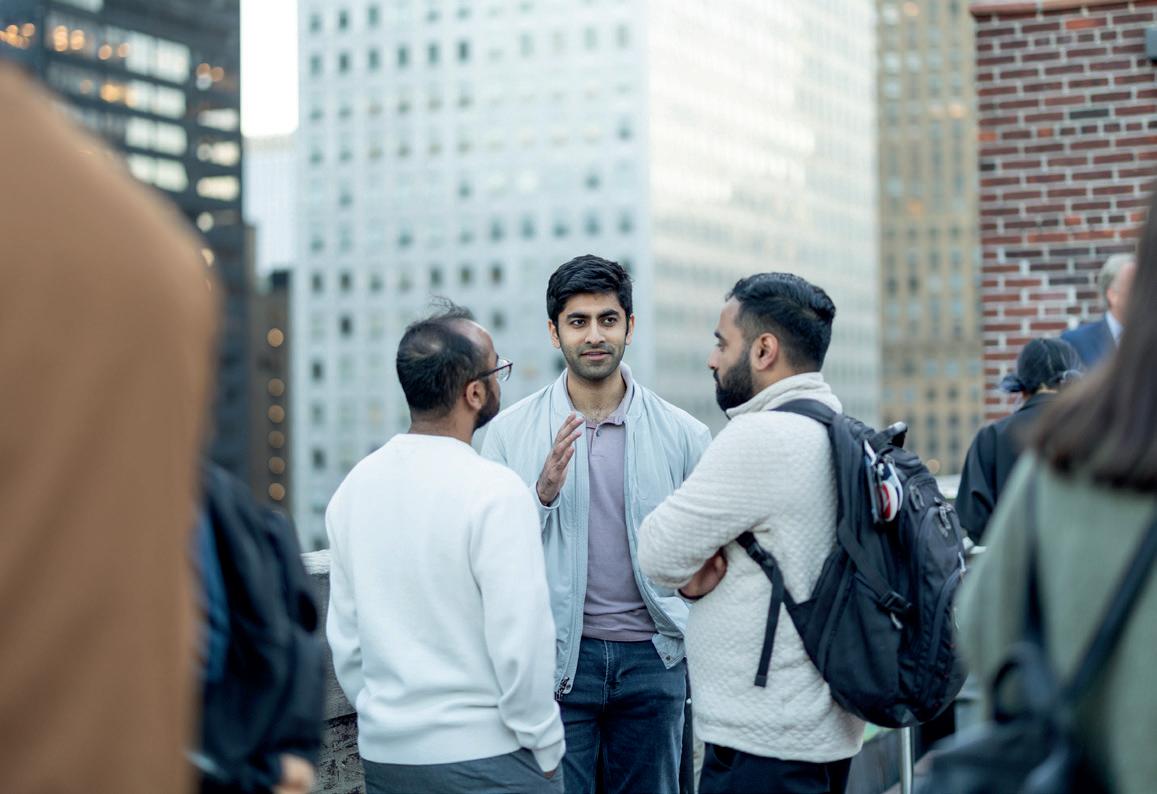
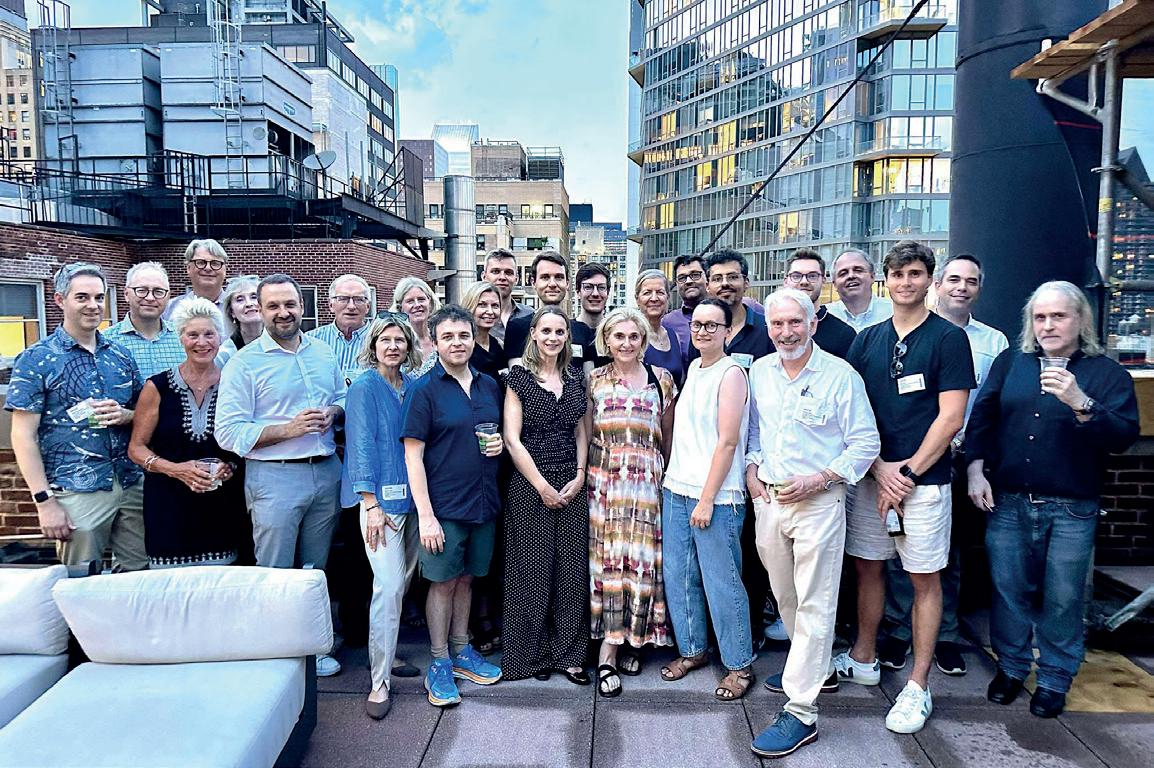
In July, we hosted a vibrant summer reception for our trans-Atlantic community on behalf of our member Oliver Jakob. The intimate rooftop affair was lively, casual, and memorable for all.
September was an especially busy month of interacting with members, partners, and other collaborators. During UN Climate Week, we hosted three events for our partners. In the spirit of gathering prominent leaders across industries, we welcomed the Munich Security Conference for their Women Parliamentarians Program Annual Meeting 2025. We also supported Siemens in a similar vein as they presented Unlocking the Transformative Power of Climate Change Education, their strategic roundtable on the current state and trajectory of climate education worldwide. Finally, we worked with Deloitte Global to facilitate Unlocking Nature Finance at COP30: Galvanizing Action and Investment, nurturing critical collaboration toward forward-thinking solutions in sustainable management.
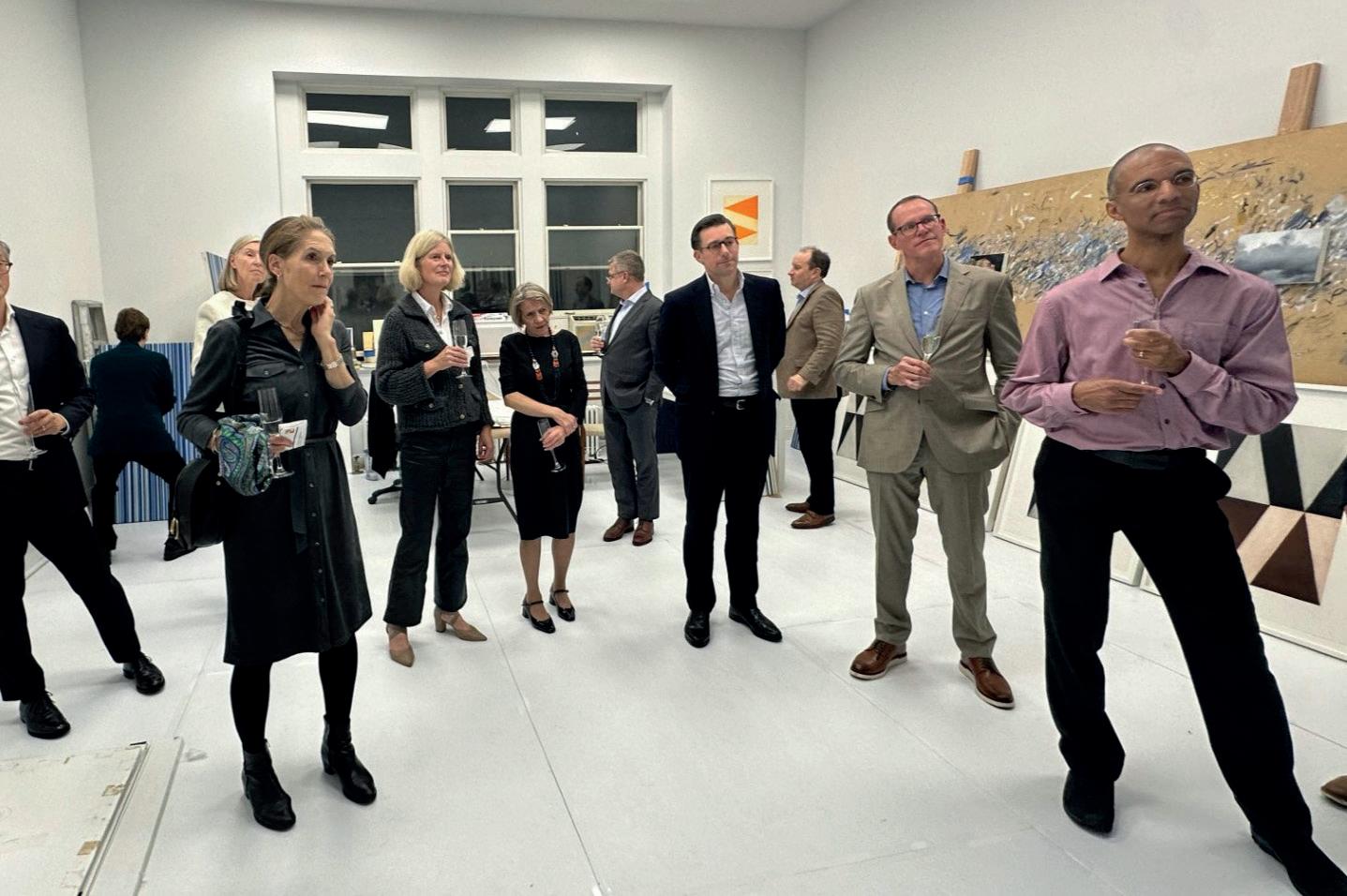
In November, nestled at the start of the holiday season, distinguished artist and 1014 board member Cornelia Thomsen hosted a lively evening in her new gallery space. As an exclusive event for our members, guests had the opportunity to tour Thomsen’s studio, view her current works, enjoy drinks and hors d’oeuvres, and engage in conversation about 1014’s history, current initiatives, and future plans.
Aapti Institute
American Council on Germany
American Friends of the Alexander von Humboldt Foundation
AmerikaHaus NRW
C24 Gallery
The Center for Feminist Foreign Policy
Consulate General of the Federal Republic of Germany in New York
Czech Center New York
DAAD New York
DAI Heidelberg
Data2X
Data Privacy Brasil
Decentralization Research Center
Deutsches Haus at NYU
E3G
Friedrich Ebert Foundation USA & Canada
Friedrichs Pontone
German Center for Research and Innovation (DWIH) New York
German Embassy in Washington D.C.
German Research Foundation (DFG) North America
German School Manhattan
Goethe-Institut New York
Global Partnership for Sustainable Development Data
Global Solutions Initiative
HÁWAR.help
Heinrich Böll Foundation, Washington, DC
Impact Hustlers
Konrad Adenauer Stiftung, New York Office
MAXlive
Open Plans
Pine Street School
Project Liberty Institute
University Alliance Ruhr
University of Cologne New York Office
Vitra
Vitra Design Museum
Walter De Gruyter Foundation
METRICS
people attended our events, both in person and virtual
55 virtual events
2,200+ percent of our website users are women
59
average audience size
225 people attended our virtual events 850+
27
12 in person events
2,505 newsletter subscribers
people joined us for 4711Intercourse of Ghosts, making it our most attended event
Private Donors
Pearl: $100+
Rose Anastasio
Annette Cords
Elinor Garley
Holger Klein
Steven Lavine
Reiner Volkhard Loessner
Nicholas Lütgerath
Linda Most
Nisha Motani
Priya S. Nayar
Cara Roche
David Stehnacs
Ruby: $500+
Brent Bergin
Jasmin Cowin
Denise DeAngelis
Thomas Heck
Ferdinand Jahnel
Victoria Larson
Juergen Riehm
Steven Sokol
Maryann Sudo
Susanne Wilke
Hartwig Zakin
Diamond: $1,000+
Charles Boyd
David Detjen
Barbara Eckel
Karl Geercken
Annette Grueterich
Andreas Guldin
Jeffrey Himmel
Monica Hottenrott
Oliver Jakob
Stefan Jekel
Simon Kubbies
Bernd J. Wuebben DONORS
Geraldine Kunstadter
Renate Kurowski-Cardello
Clark and Beverly McCombe
Robert Portnoff
Juergen Stolt
Gisela Weskamp
Roger Witten
Corporate Members and Sponsors
Supporting Foundations
Joachim Herz Stiftung
Sumner Gerard Foundation
Kurt Forrest Foundation The Halle Foundation (Atlanta)
ADVISORY COUNCIL
Chair and President
Andreas Fibig
Former CEO of International Flavors & Fragrances
Treasurer
James W. Gerard
Managing Director at Hycroft Advisors
Honorary Member
Ulla Schmidt
Former Vice-President and Member of Parliament of the Federal Republic of Germany
Member
Renate Kurowski-Cardello
President of the Kurt Forrest Foundation
Corporate Secretary
David W. Detjen
Senior Counsel at Alston & Bird, LLP
Member
Andreas Guldin
Chairman and Founder of Emil Capital Partners LLC
Chair and President
Andreas Fibig
Former CEO of International Flavors & Fragrances
Member
James W. Gerard
Managing Director at Hycroft Advisors
Member
Peter Beyer
Member of Parliament of the Federal Republic of Germany
Member
Anne Ruth Herkes
Non-Executive Director at Brookfield
Private Equity Business Partners, Former State Secretary at the German Federal Ministry for Economic Affairs
Member
Irene Kacandes
Professor of German Studies and Comparative Literature at Dartmouth College
Member
Johannes Ebert
Secretary General of the Goethe-Institut
Member
Bernhard Lorentz
Managing Partner and Global Climate and Infrastructure Leader at Deloitte
Member
Holger Erchinger
Former Partner at KPMG
Member Cornelia Thomsen Artist
Member
Christina Beinhoff
Director-General for Culture and Society, German Foreign Service
Member
Christian Zugel CIO at ZAIS Group, LLC
Member
Miro Magloire
Founder and Artistic Director of New Chamber Ballet
Member
Roger M. Witten
Senior Counsel at Wilmer Hale, LLP
Member
Claudia Roth
Member of Parliament of the Federal Republic of Germany
Member
Michael Link
Former Member of Parliament of the Federal Republic of Germany
Member
Metin Hakverdi
Member of Parliament of the Federal Republic of Germany, Federal Government Coordinator of Transatlantic Cooperation
Photo Credits
p. 2 (from top left to bottom right):
© 2025. Sarah Blesener; © 2023. David Chipperfield Architects; © 2025. Sarah Blesener; © 2024. David Chipperfield Architects
p. 4 (from bottom left to bottom right): © 2025. Jamie Isaacs; © 2025. Sarah Blesener; © 2025. Courtesy of speaker; © 2025. Courtesy of speaker
p. 5 (from top to bottom): © 2025. Courtesy of the Walter De Gruyter Foundation; © 2025. Roshni Khatri
p. 6: © 2025. Jamie Isaacs
p. 7: © 2025. Courtesy of HÁWAR.help
p. 8: © 2025. Roshni Khatri
p. 9 (from top to bottom): © 2025. Nathalie Schueller; © 2025. Matthew Gilbertson
p. 10: © 2025. Matthew Gilbertson
p. 11 (from top left to bottom left): © 2025. Jamie Isaacs; © 2025. Jamie Isaacs; © 2025. Roshni Khatri
p. 12: © 2025. Jamie Isaacs
p. 13: © 2025. Matthew Gilbertson
p. 14 (from top right to bottom right): © 2025. Matthew Gilbertson; © 2025. Adam Vackar; © 2025. Matthew Charran
p. 15: © 2025. Matthew Gilbertson
Kathrin
p. 16-17: © 2025. Roshni Khatri
p. 18 (from top right to bottom right): © 2025. Adrián Fernández Milanés; © 2025. Katja Wiesbrock Donovan; © 2025. Adrián Fernández Milanés
p. 19 (from top to bottom): © 2025. John Harris; © 2025. Courtesy of the American Council on Germany; © 2025. Stefan Falke
p. 20-21: © 2025. Jamie Isaacs
p. 22-23: © 2025. Roshni Khatri
p. 24: © 2025. Sarah Blesener
p. 25: © 2025. Roshni Khatri
p. 26-27: © 2025. Courtesy of speakers
p. 28-29: © 2025. Sarah Blesener
p. 30 (from left to right): © 2025. Jamie Isaacs; © 2025. Erik Thomsen; © 2025. Matthew Gilbertson; © 2025. Jamie Isaacs
p. 32 (from top left to bottom):
© 2025. Jamie Isaacs; © 2025. Matthew Gilbertson; © 2025. Jamie Isaacs
p. 33 (from top to bottom right):
© 2025. Jamie Isaacs; © 2025. Matthew Gilbertson; © 2025. Sarah Blesener
p. 35: © 2024. Sarah Blesener
Katja Wiesbrock Donovan Executive Director
DiPaola Creative Director
Jamie Isaacs Communication and Program Associate
Kyra Ann Dawkins Associate for Organizational Development
Jana Adkins Finance Manager and Executive Associate
Design by büro uebele, Stuttgart
Website www.1014.nyc
General Inquiry Email info@1014.nyc
Past & Future Website
Learn about the history of 1014 Fifth Avenue: www.1014pastandfuture.org
Social Media
Find us on social media: @1014.nyc