Leo Lee Undergraduate Architectural works
Leo Lee
CONTACT


leolee0850@gmail.com
https://issuu.com/058lee/docs/leo_lee_ undergraduate_architectural_portfolio
Vancouver, BC
SKILLS
TECHNICAL WORK EXPERIENCE
Art Teacher
The Bridge Art + Design Studio
EXTRACURRICULAR EXPERIENCE
UBC Fashion Club
2021 - 2023
• Planned, researched, structured, and created projects for students to complete during intensive programs held during winter and summer breaks since December 2021.
• During the summer of 2023, I created two projects in which students were to depict themselves in a non-traditional and non-direct way. For the first project students were to depict a space they interacted with frequently as people leave imprints on the spaces they spend time in. In the second one students were to find non-traditional reflective surfaces (no mirrors and glass) to draw a self-portrait with. I incorporated perspective for the first project and compositional skills for the second one. I taught both concepts to students and guided them to learn the skills and to utilize them to make their own unique projects.
TECHNICAL PROJECTS
Kaira Looro Design Competition
May 2023 - June 2023
• With my classmates, I entered the Kaira Loroo’s Architecture Competition- Primary School in Africa competition.
UBC CAPAcity Design Challenge
EDUCATION
Bachelor of Design in Architecture, Landscape Architecture and Urbanism (BDES)
University of British Columbia
Expected Graduation: May 2024
May 2023 - June 2023
• As a member of a team comprised of my classmates, I entered UBC CAPAcity’s “reimagine the future of UBC transportation” challenge, with our team winning first place.
• As an executive in the External Relations department, I worked to create outside connections and to promote the club.
As the director of External Relations, I oversee executives in my department, make bookings for events, get in touch with representatives from brands and stores, and maintain relationships with our partners.
UBC Hope Club
September 2022 - Present November 2021 - April 2022
• As a part of the HOPE club, I mentored a high school student who wanted to apply for the same program I’m currently enrolled in at UBC. (BDES program)
INTERESTS
• As a lifelong learner, I love learning about most any subject, from history and anthropology to science and technology.
• I enjoy reading books, in particular books on design.
• I love making and consuming art, especially pencil drawings.
Dogwood Diploma
Clayton Heights Secondary School
2015 - 2020 CGPA: 83%
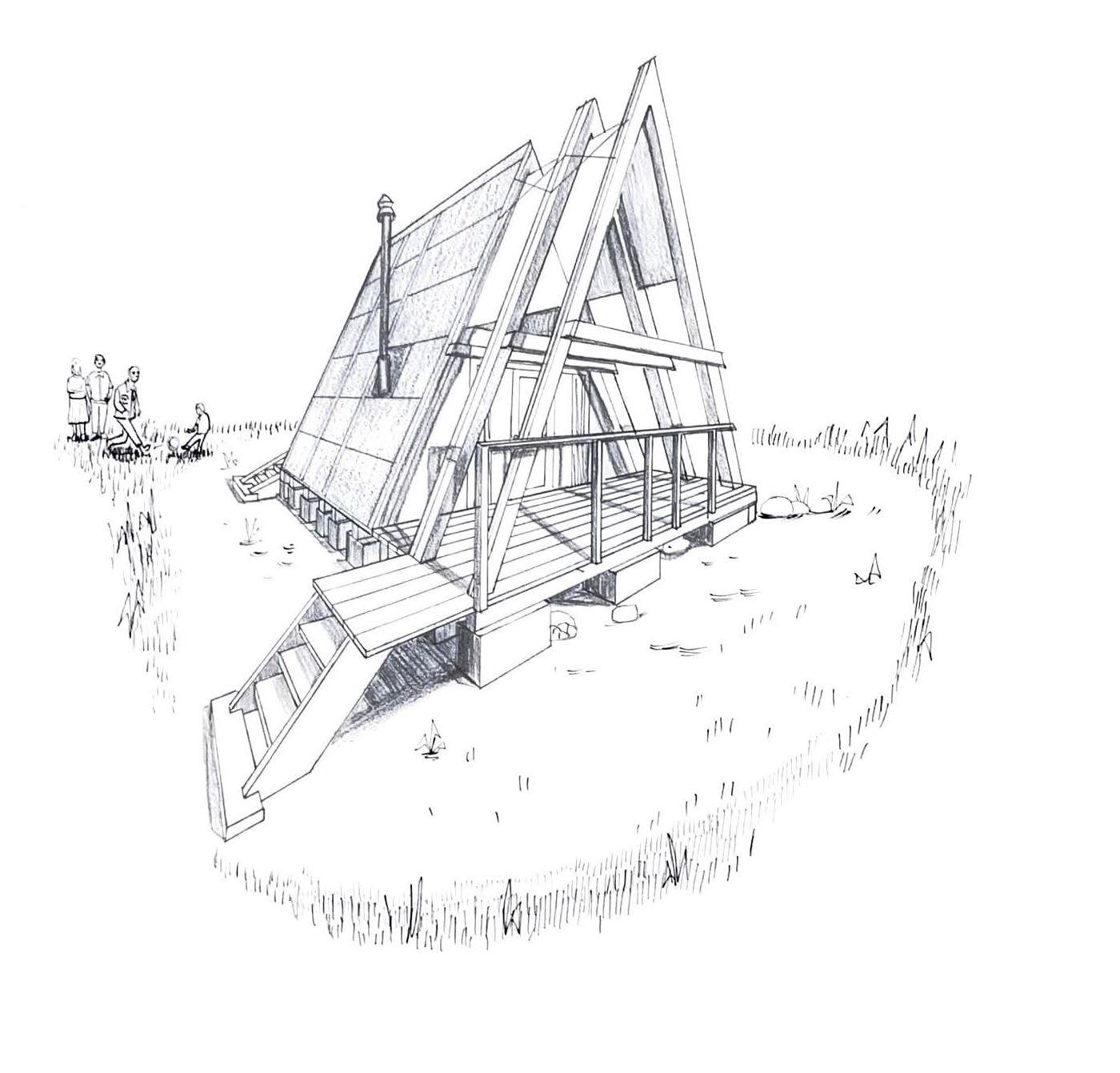
Cabin, Sweet Cabin
Who’s knocking on the door this late?
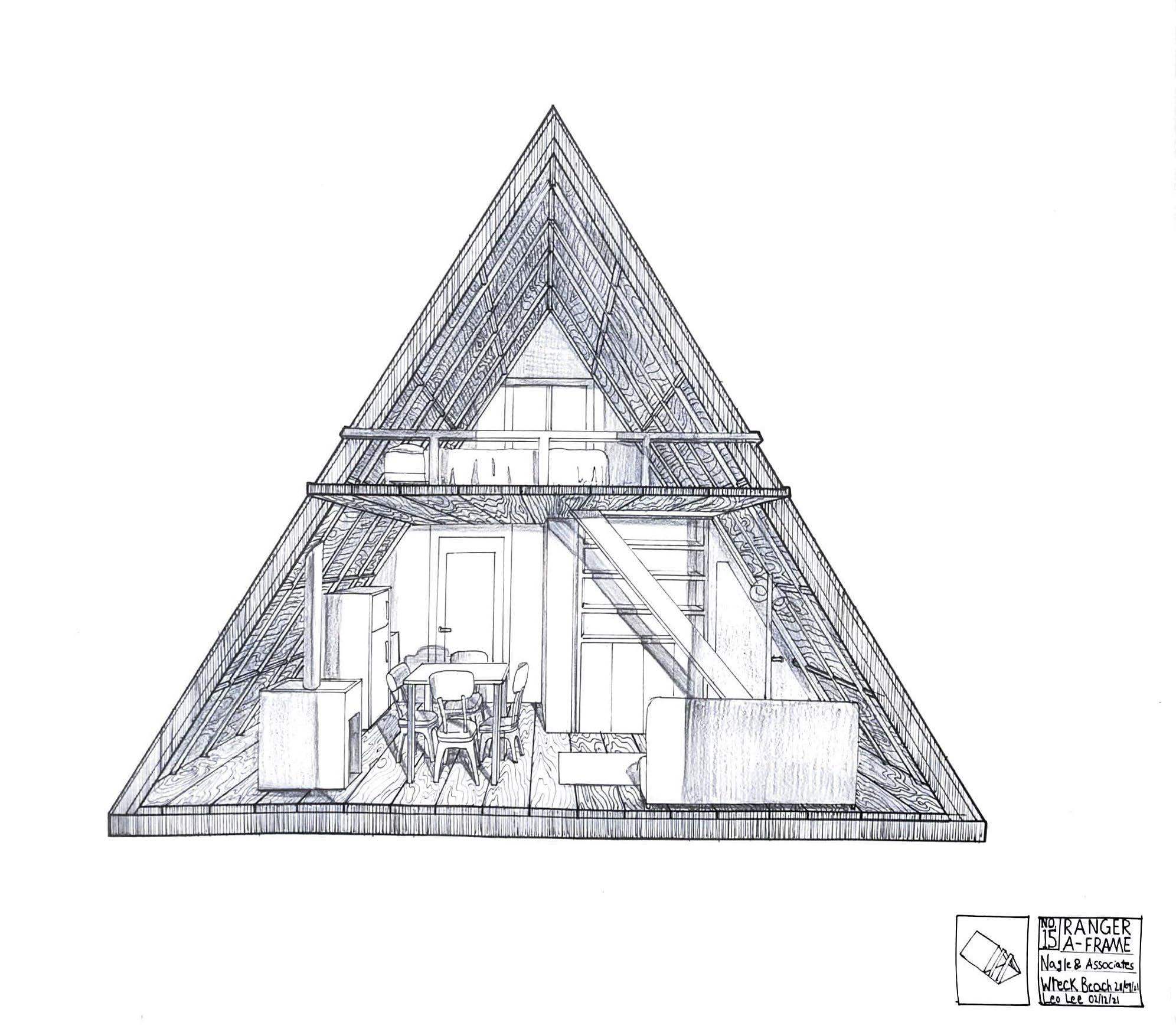
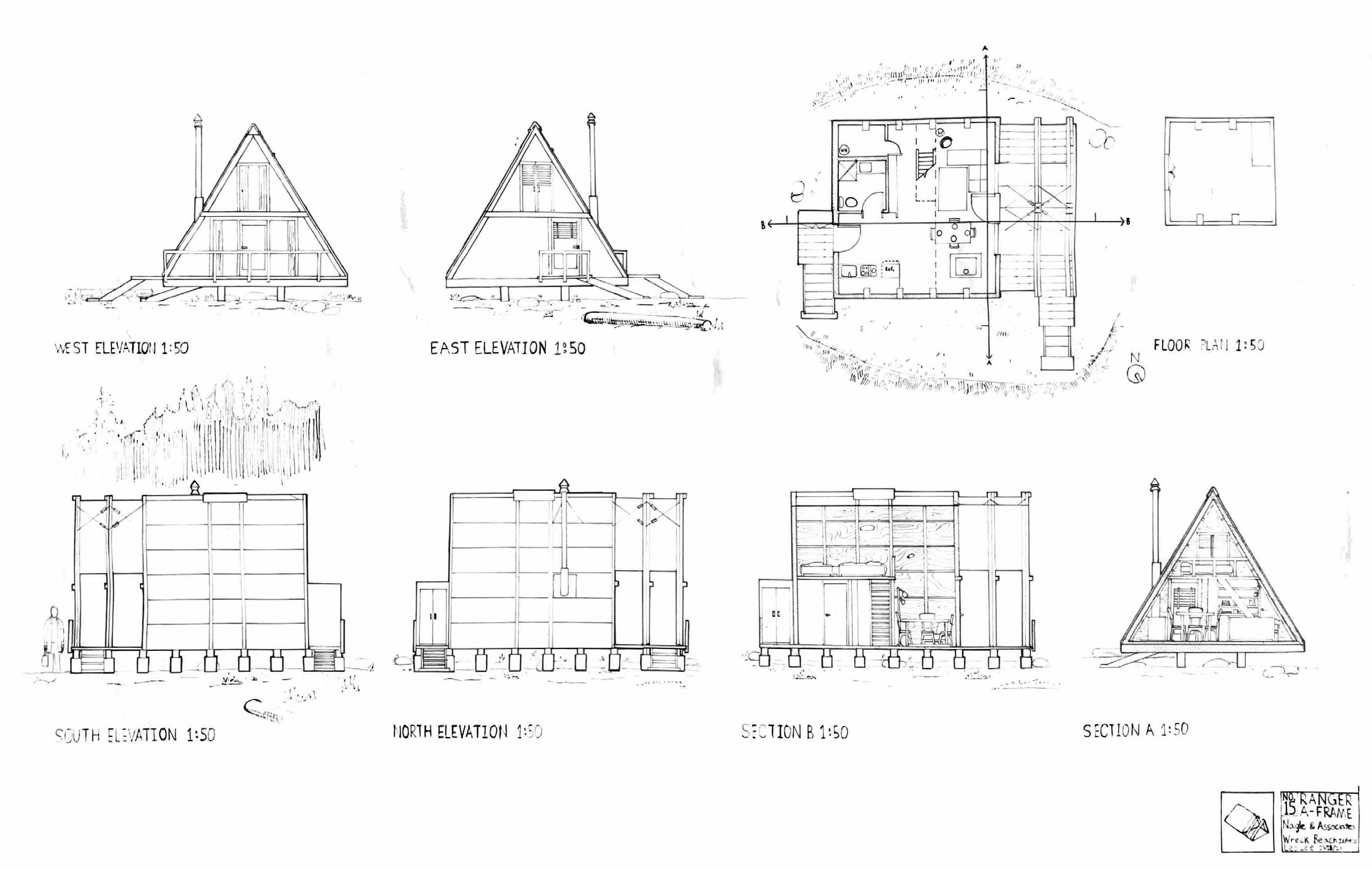
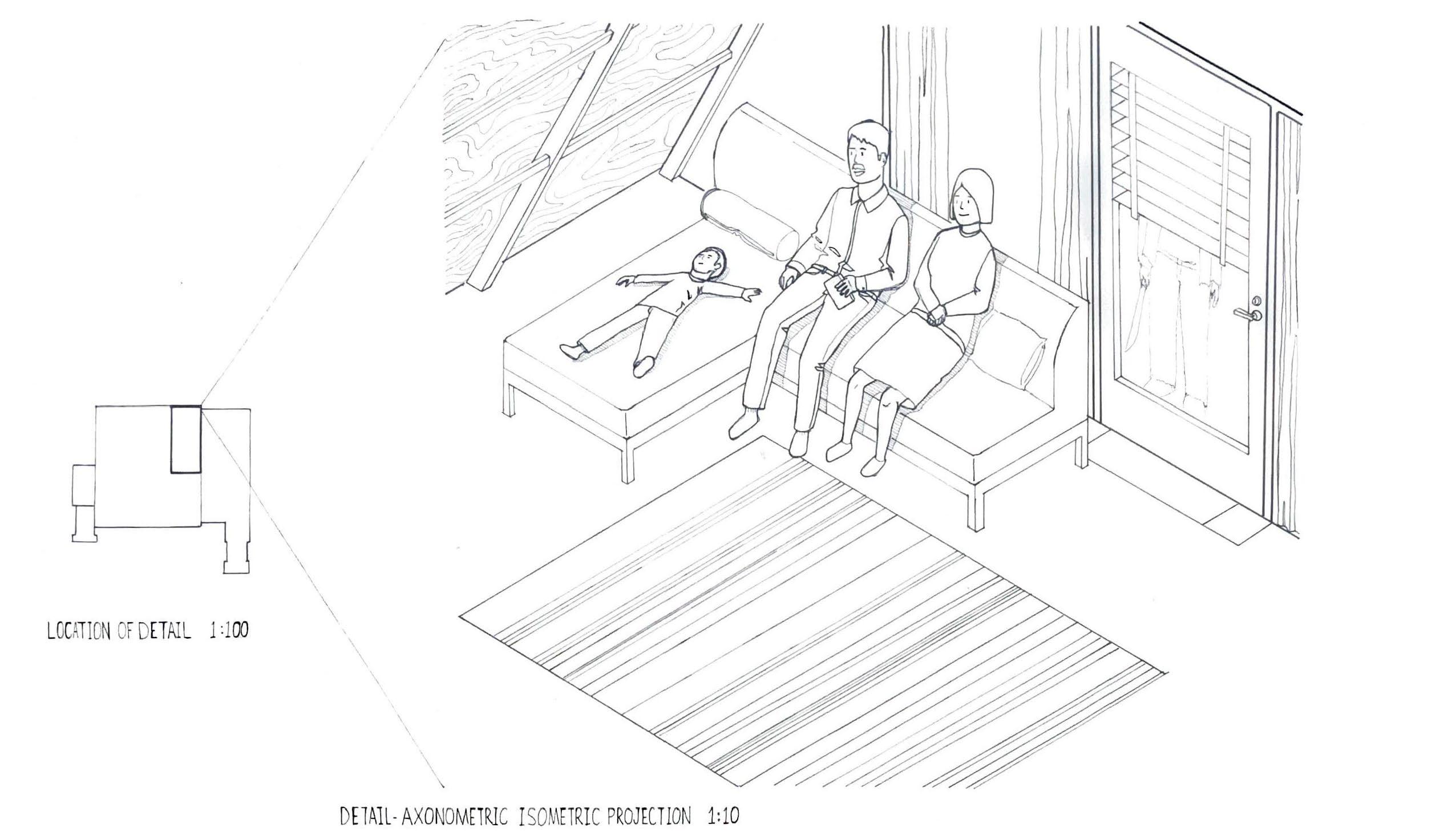
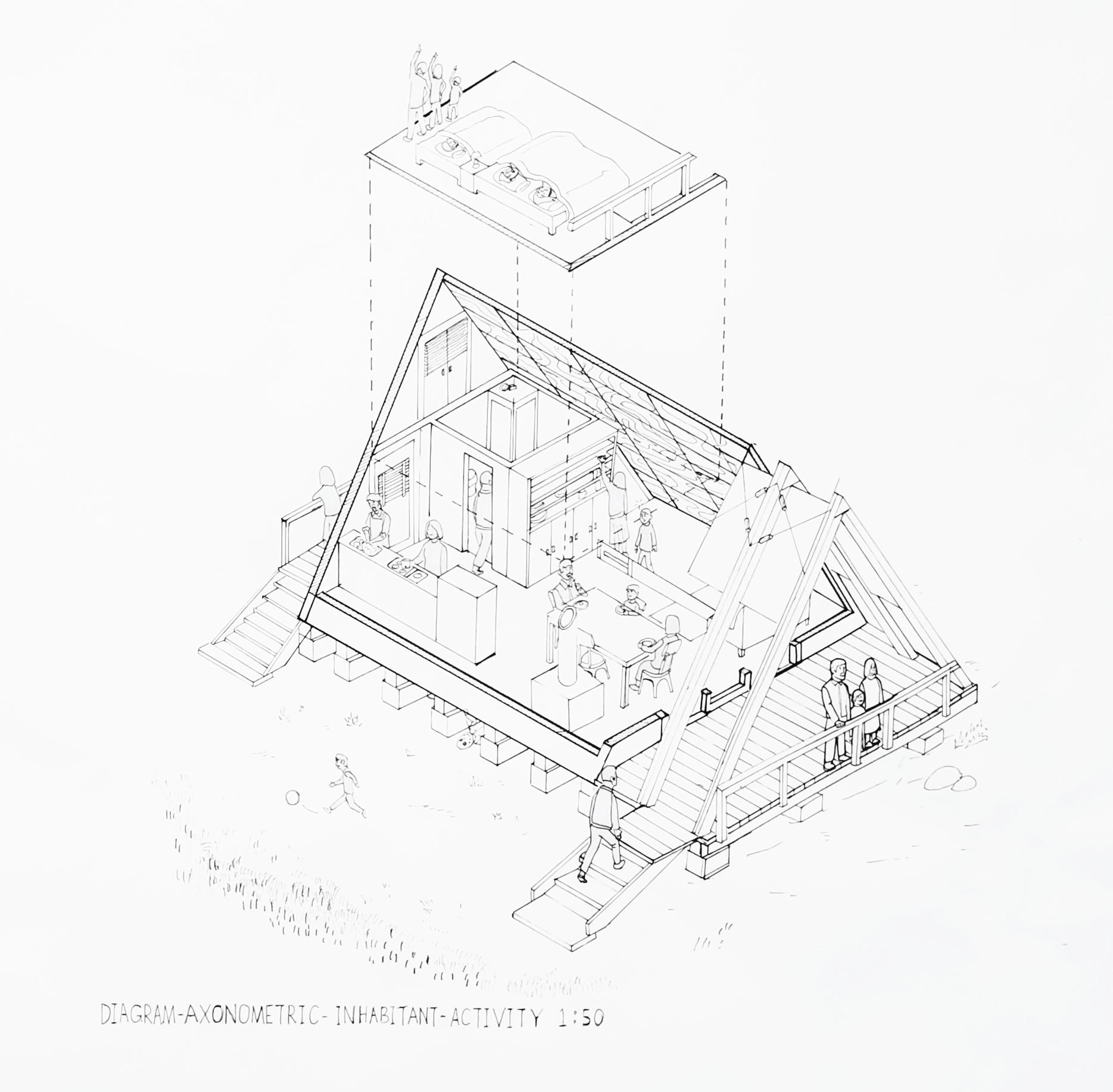
This was the culmination of a semester-long study on architectural drawing. From a vintage log cabin catalog students were to choose one, then draw it in multiple views and in great detail. As there was limited information on the construction of the cabins, research on traditional construction methods and forms was used to make inferences on the structures. While not explicitly stated, students were encouraged to create narratives for their drawings to give their projects more character. In this project, a family takes a relaxing vacation at their cabin, until an unexpected visitor arrives…
Site Analysis: Granville Island
2021W
DES 220
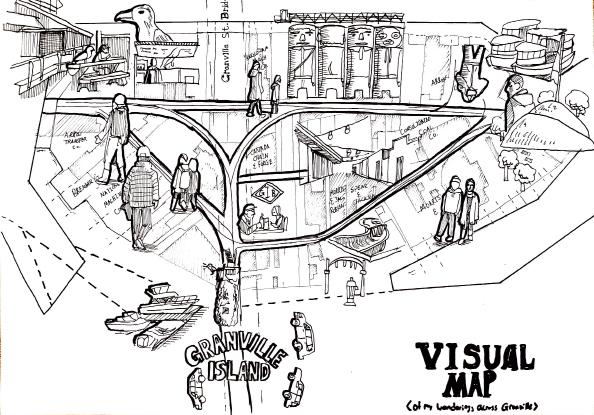
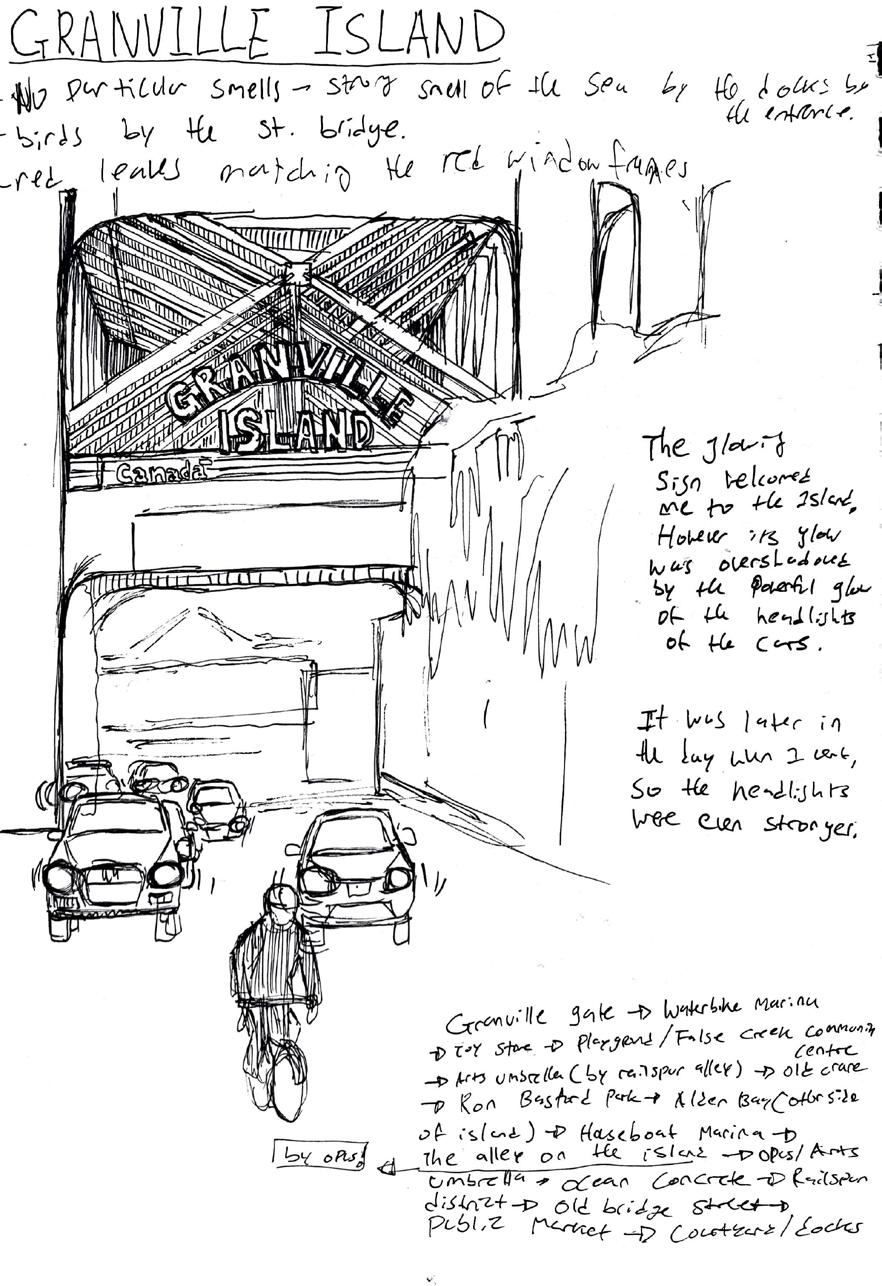
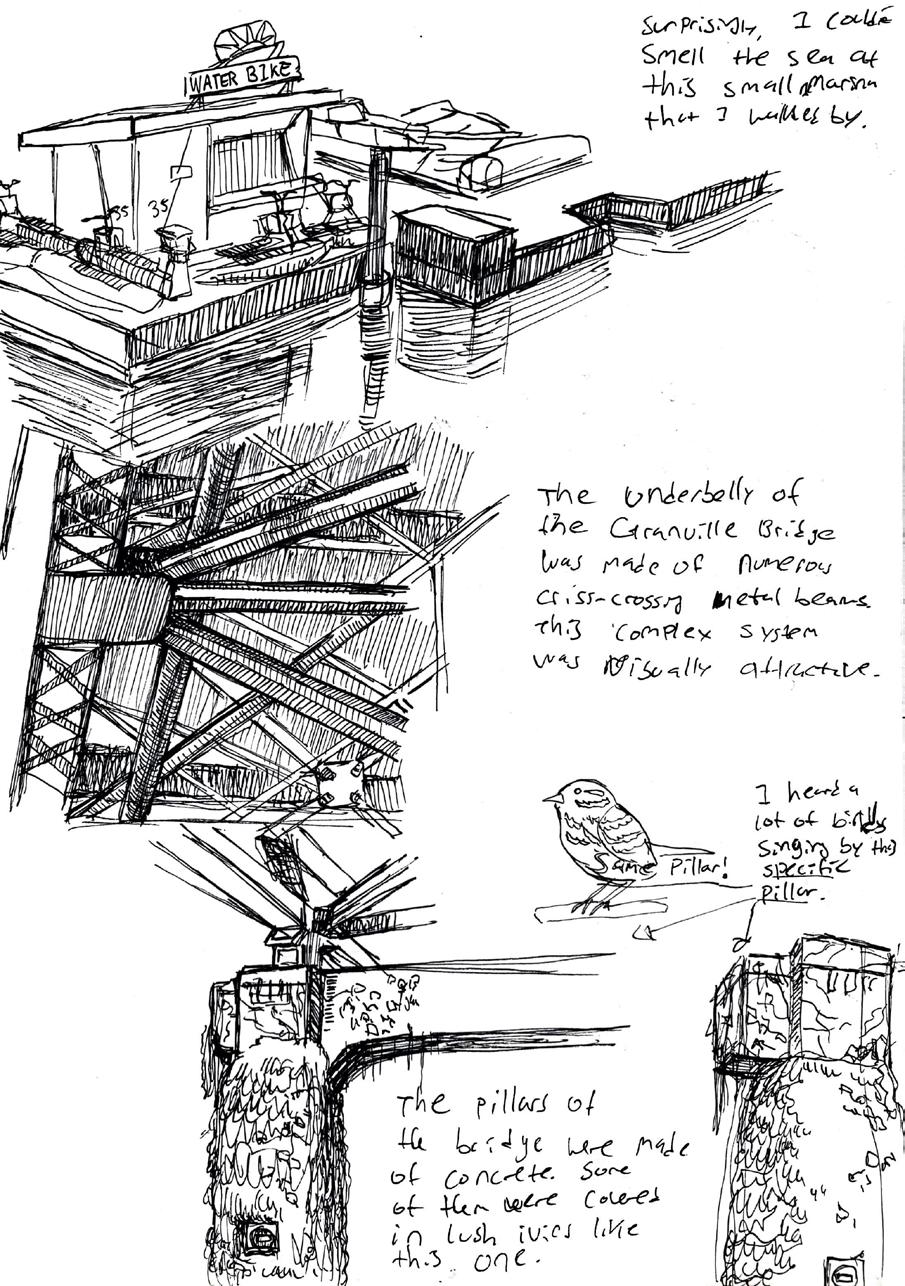
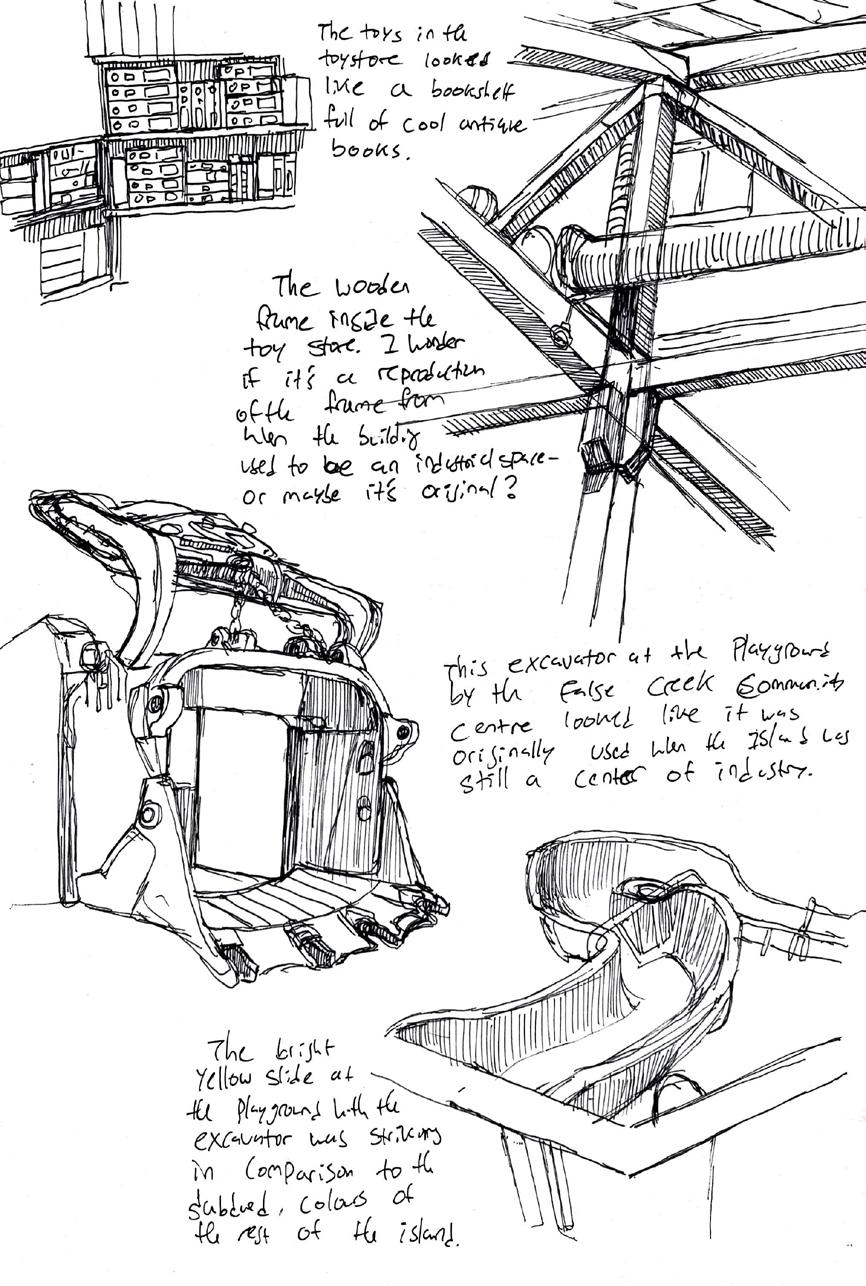
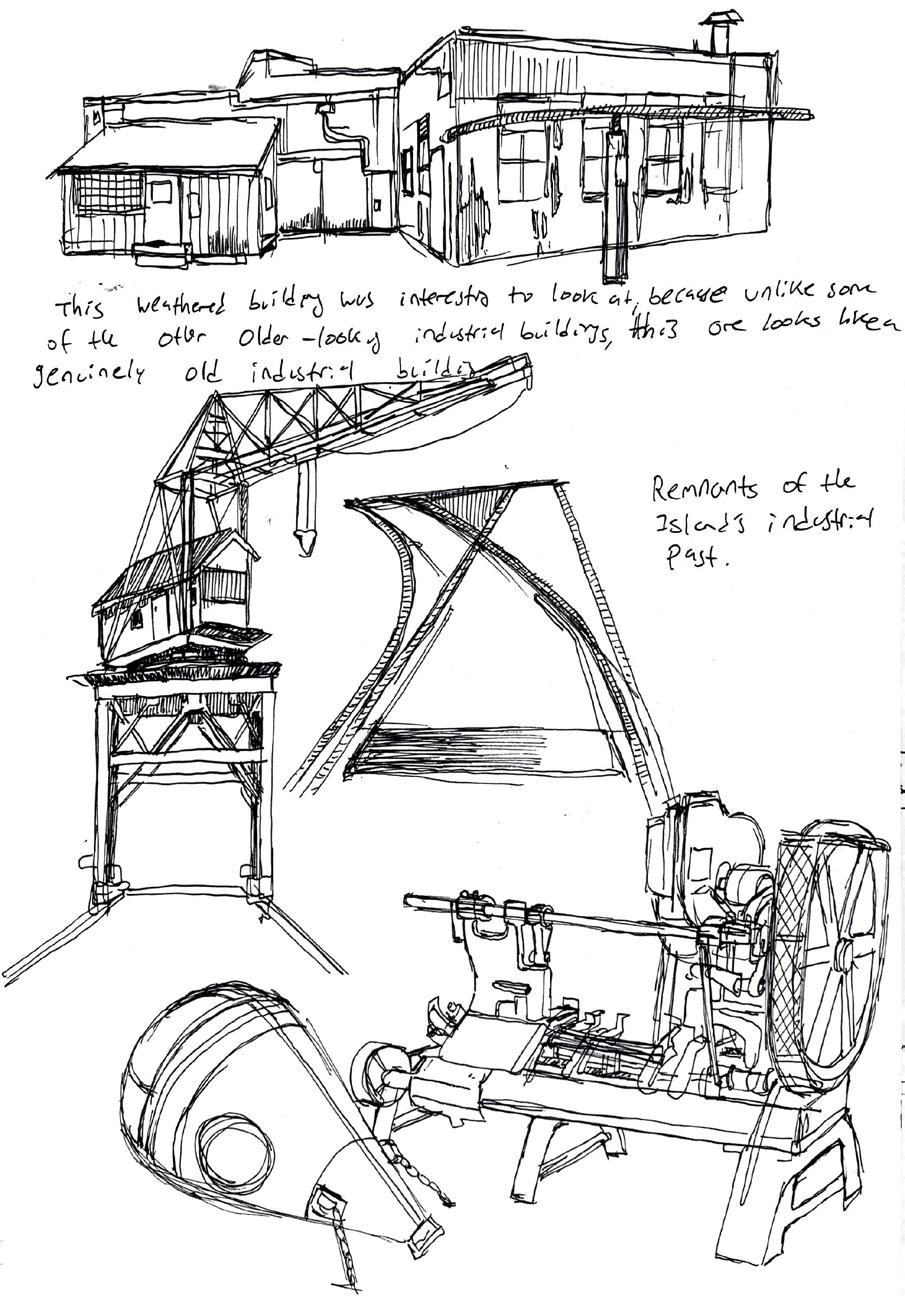
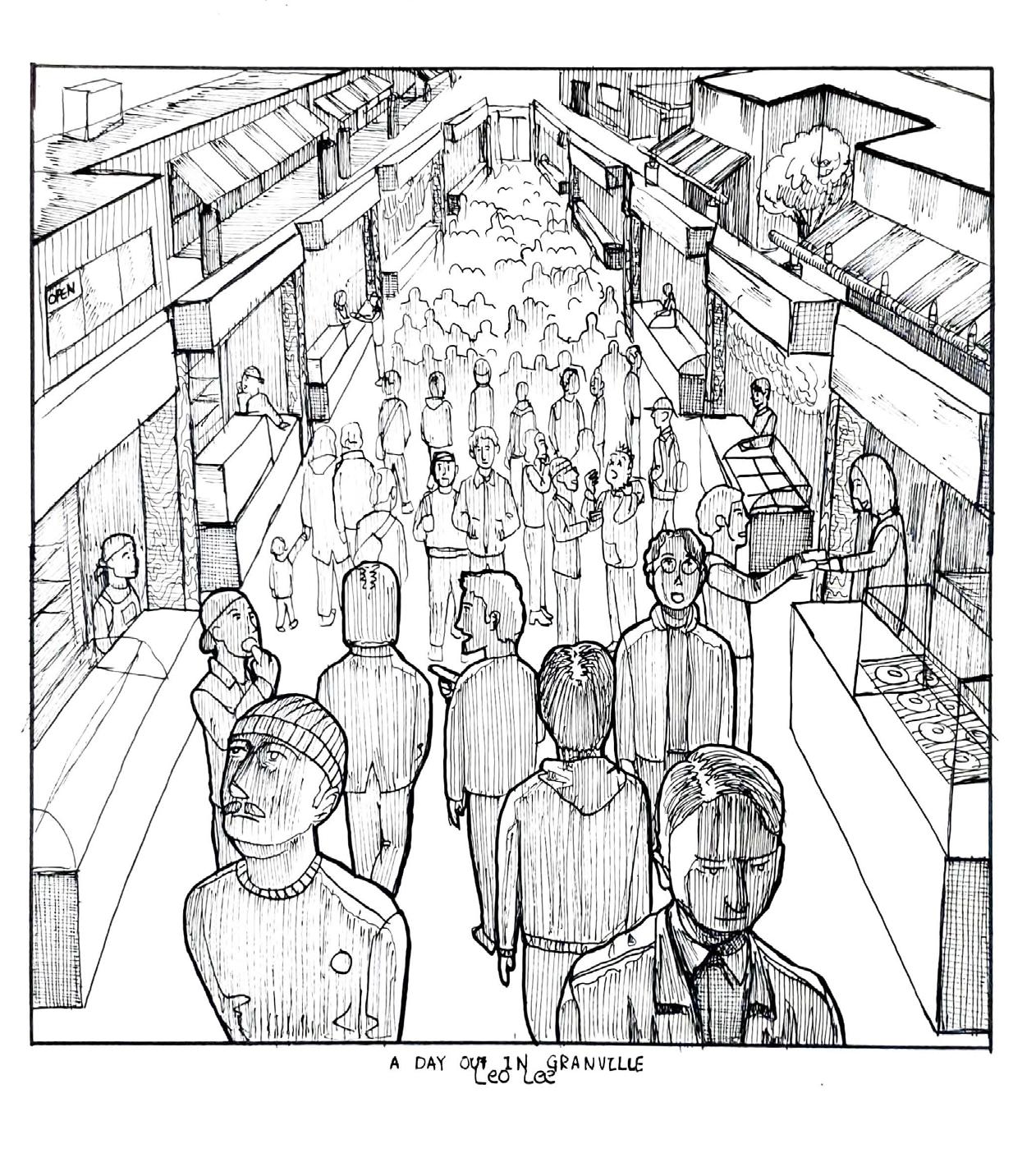
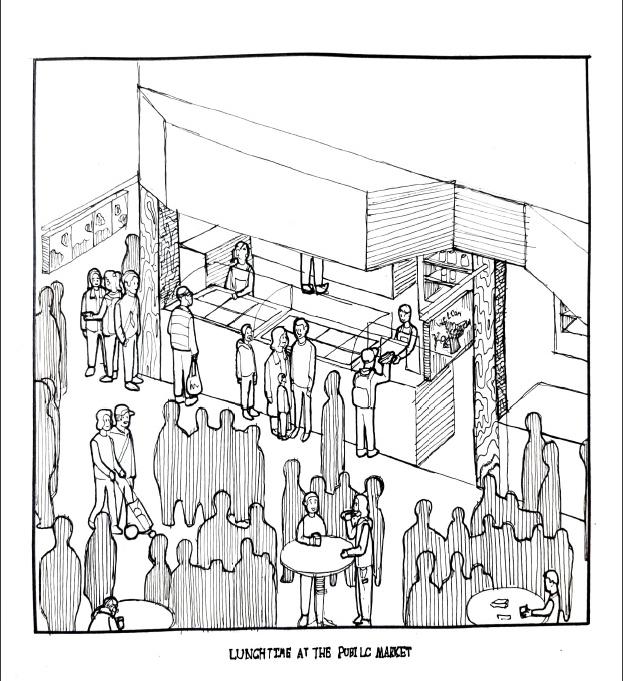
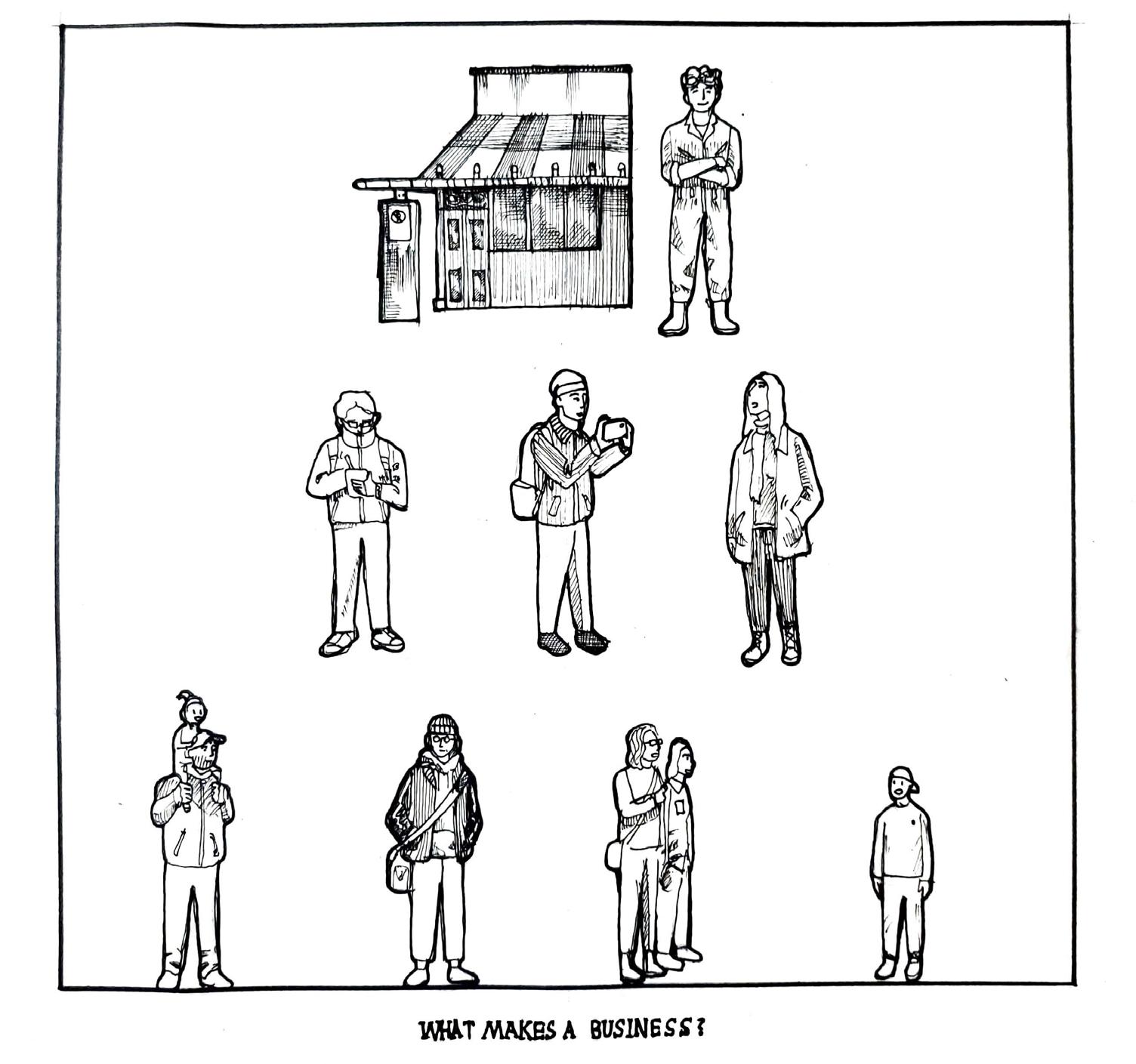
What kinds of people visit Granville Island over a day? Over a week? Over a month, a year, years? This was the driving question behind this exploratory study. Through multiple in-person visits, extensive research online and some speculation, a series of four drawings were produced, all depicting how people interact with the Island. Three specific locations - the Public Market, the glassblowing shop and the brewery - were chosen for a closer look, specifically who visited these businesses.
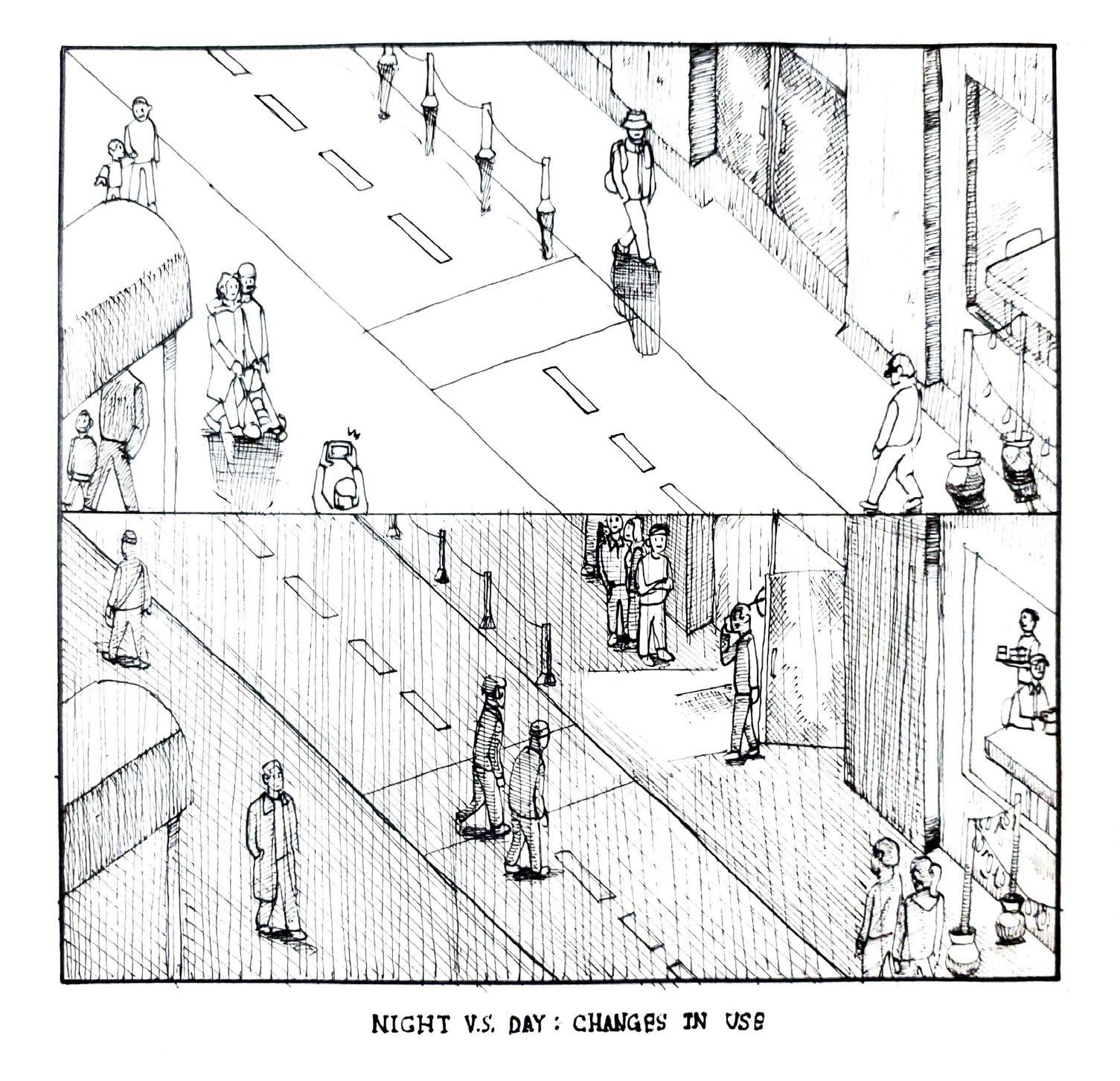
/transFORM 2023S
DES 202
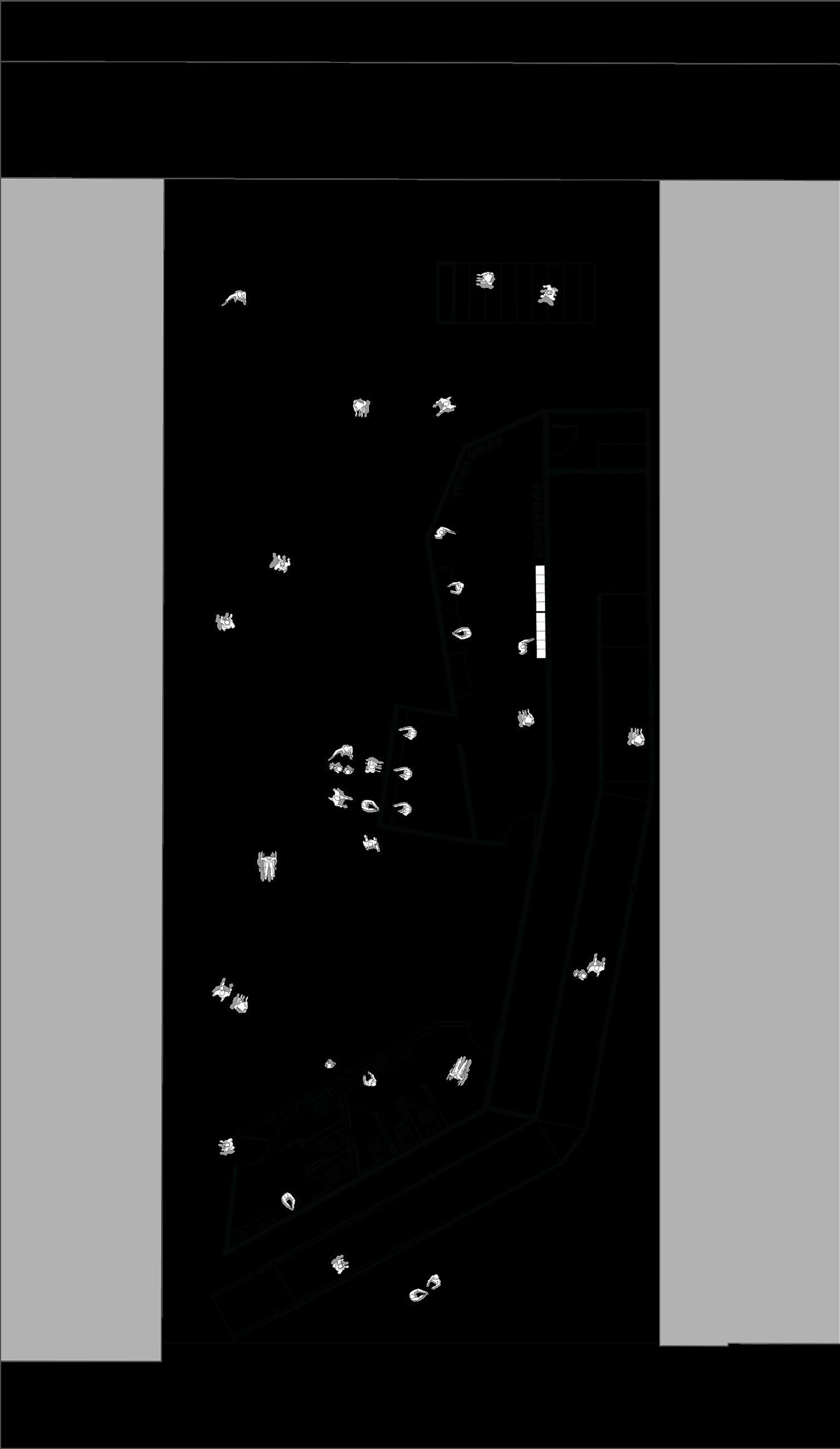
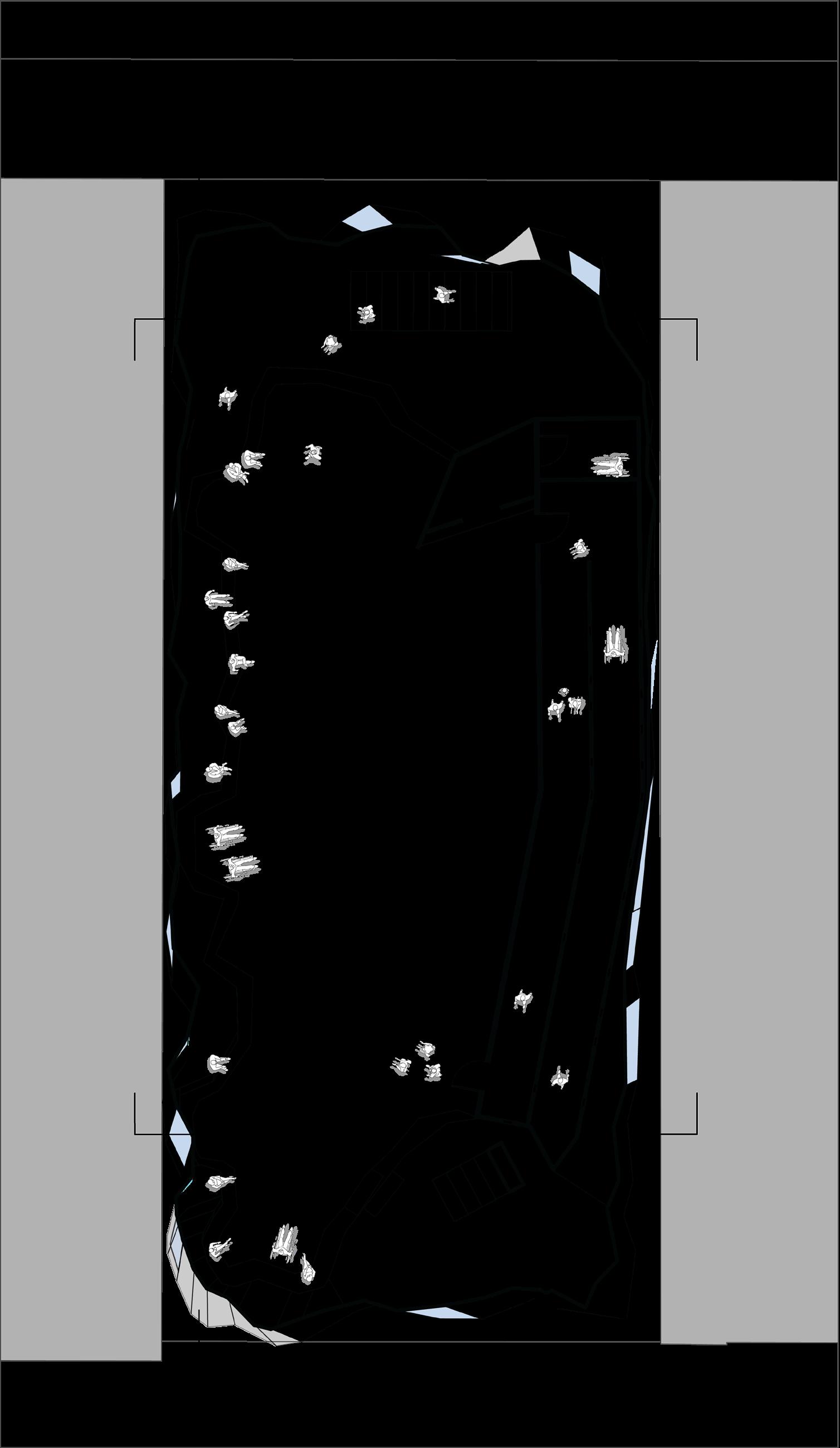
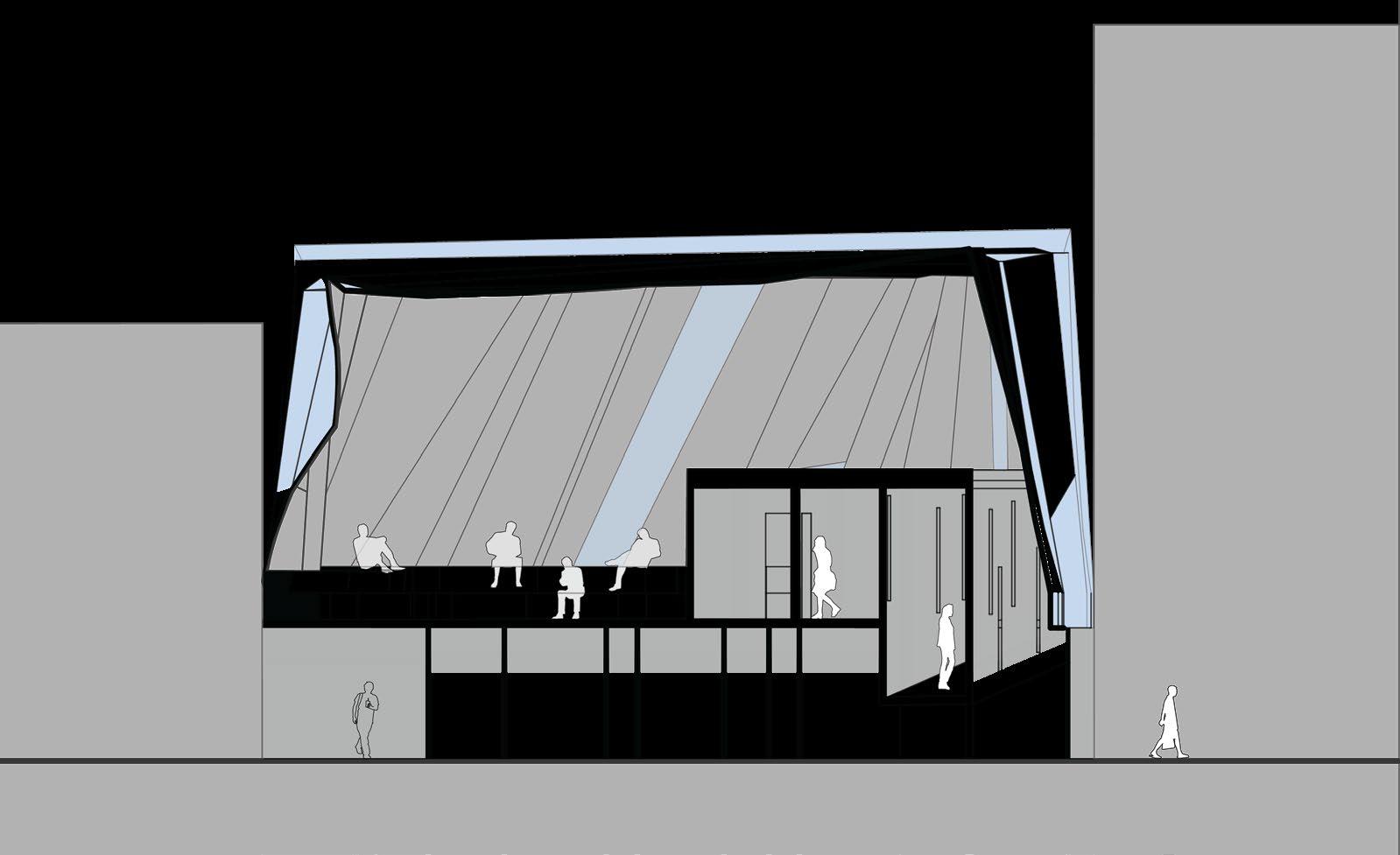
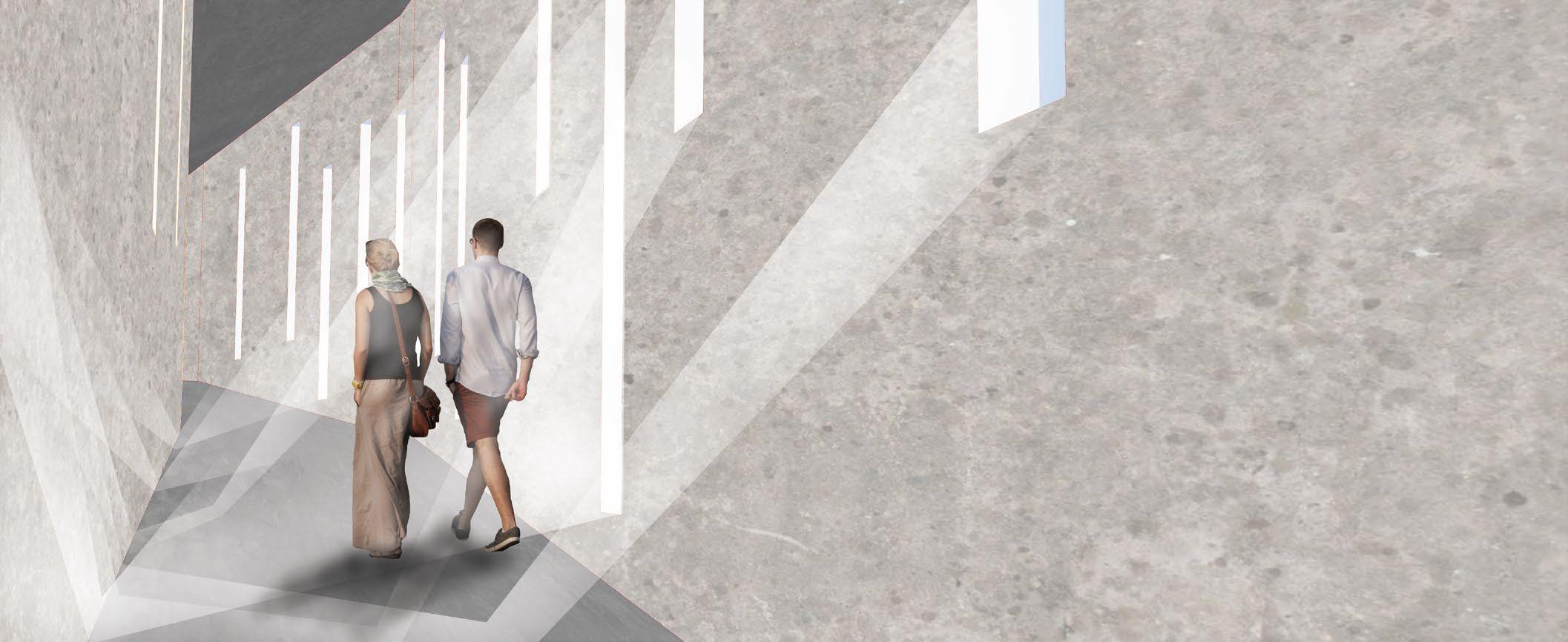
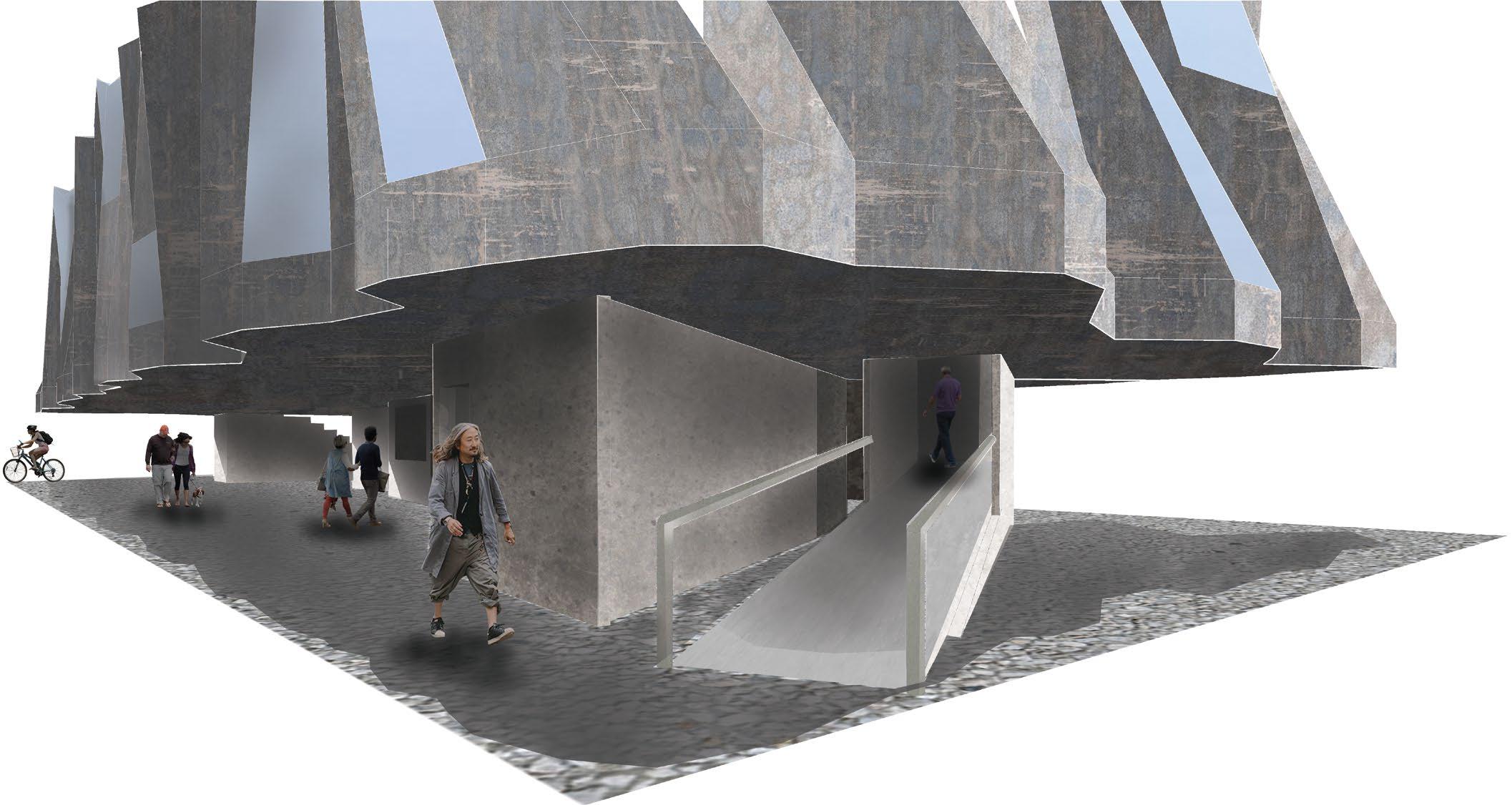
What is a performance space? What do performance spaces need to have? What does a performance space look like? Feel like? Sound like? This design for a performance space offers a new perspective on what a venue could be like. Sandwiched between two existing buildings, the form of the structure reflects the gritty nature of the current state of the site, and the industrial setting of the neighborhood.The elevated performance space is connected to the ground floor via staircase and ramp for increased accessibility. While a performance venue, the open ground floor allows for gatherings of any kind and protection from the elements.
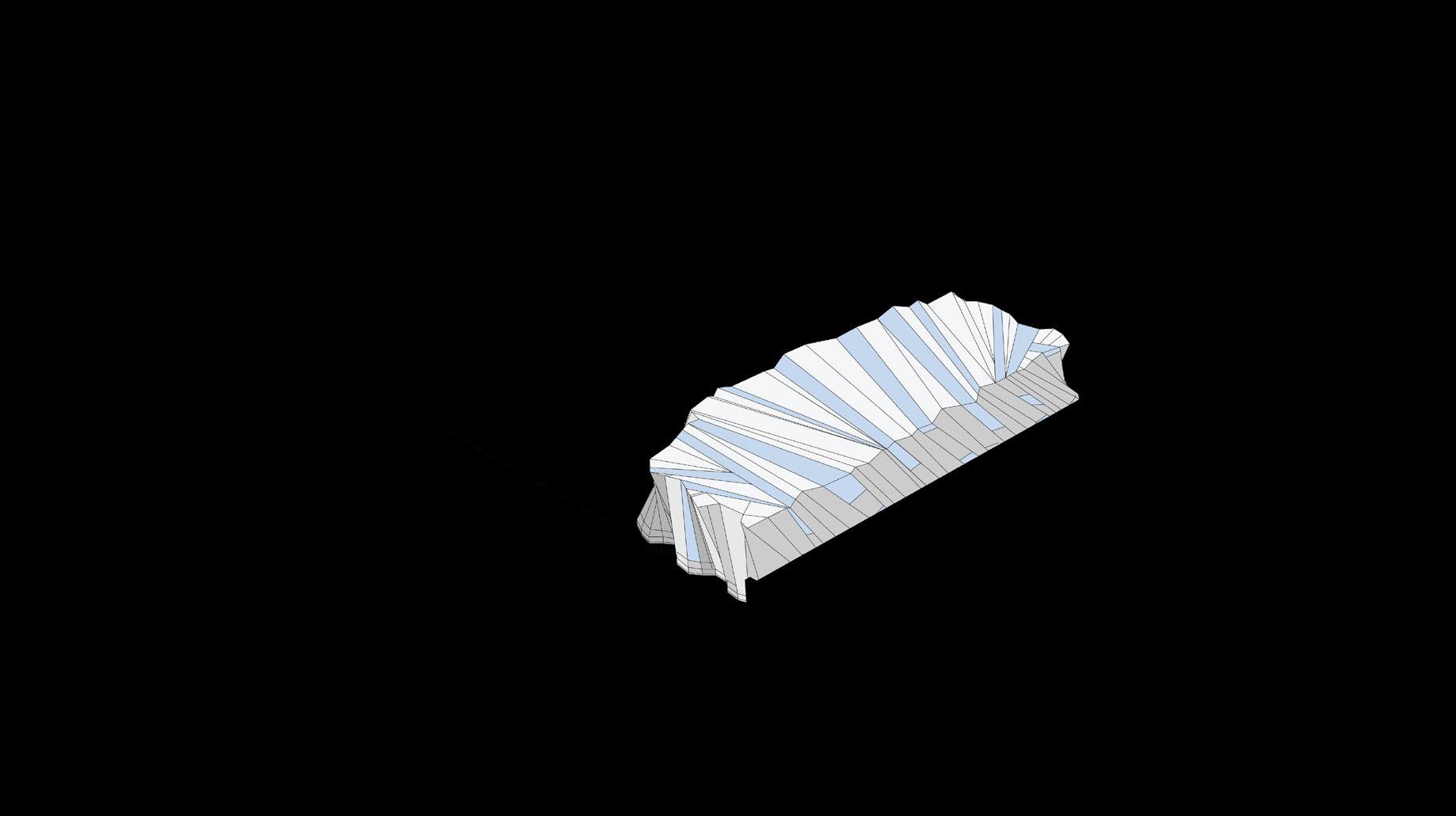
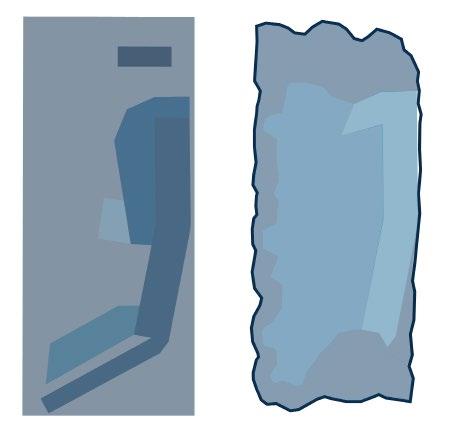
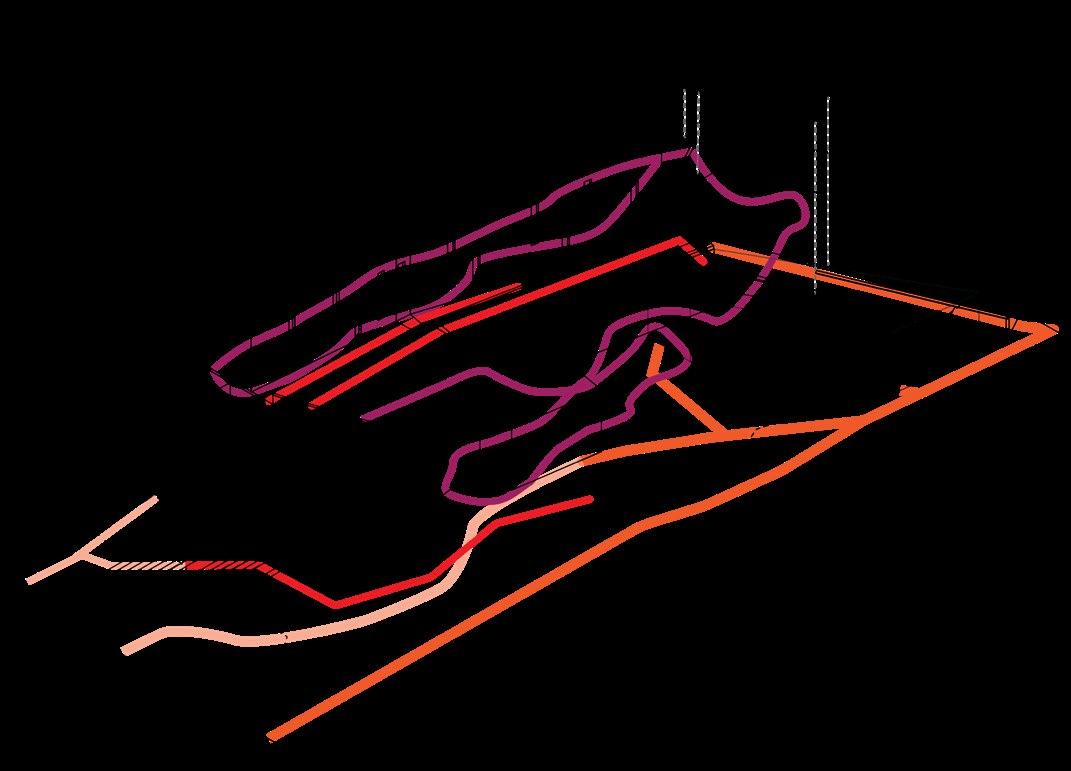
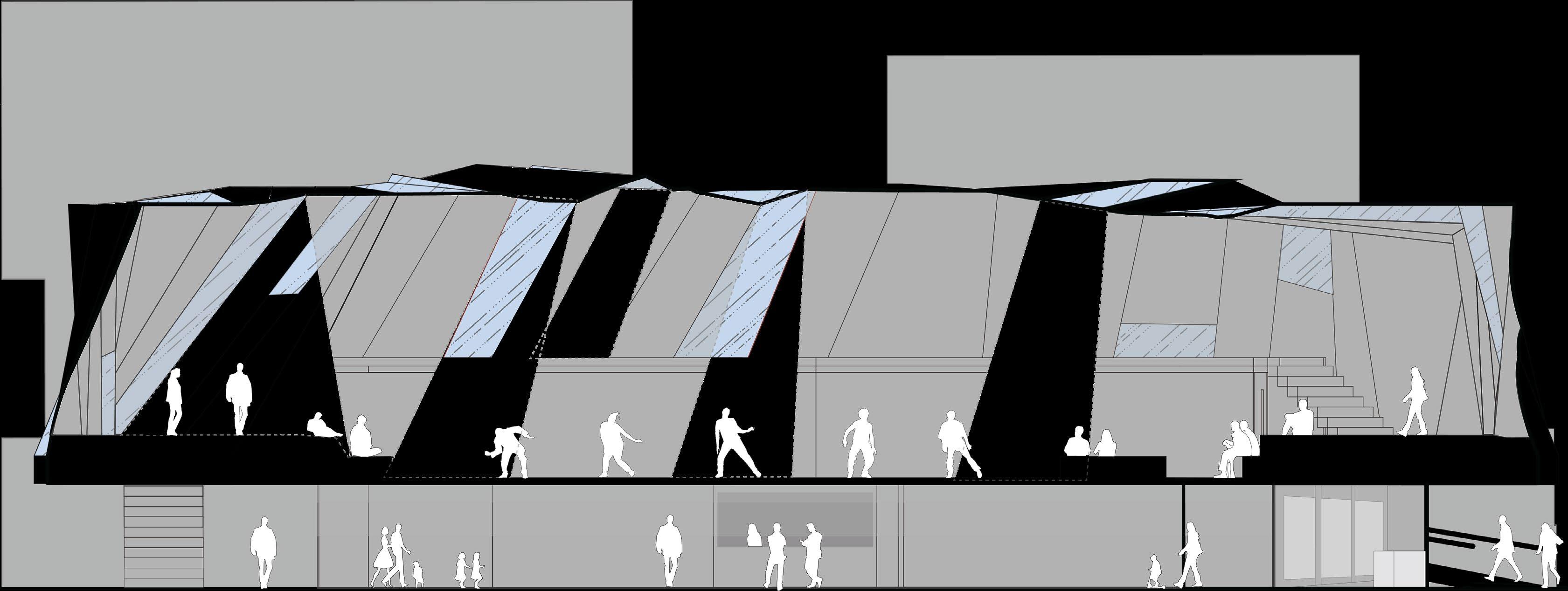
Section CC’
Section BB’
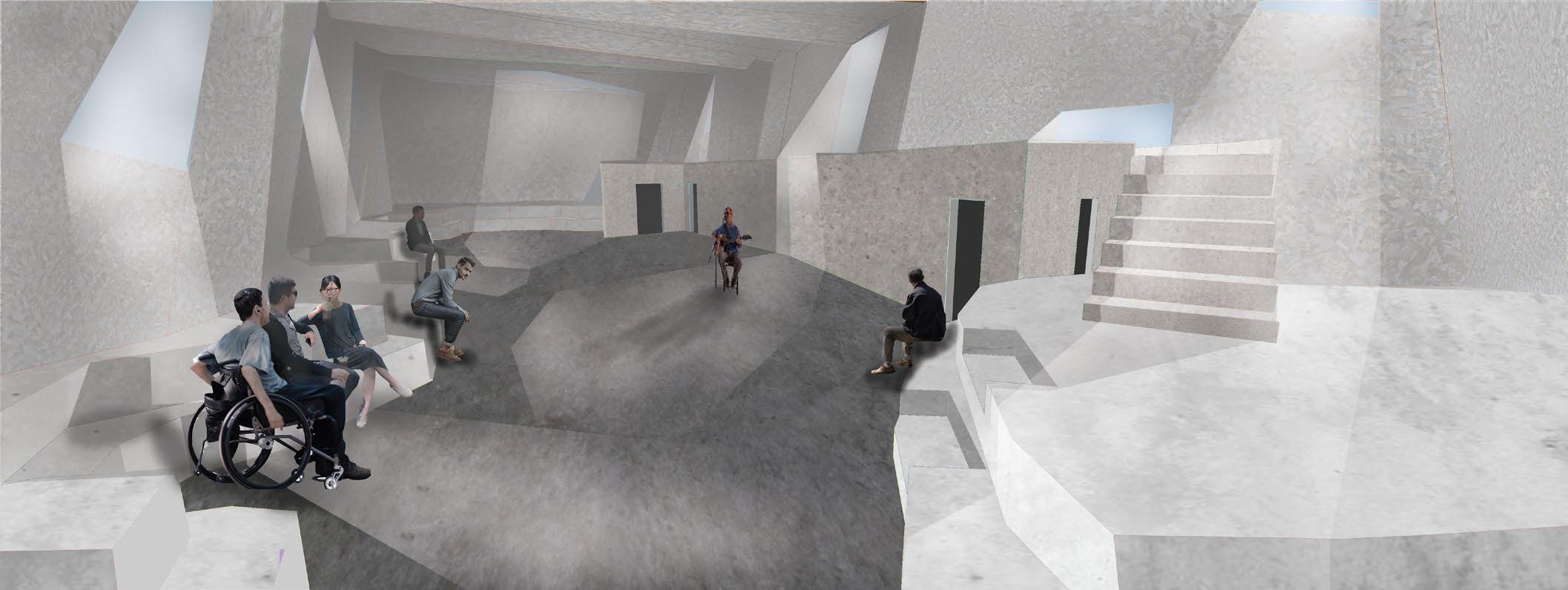
Second floor render
Ramp hallway render
Ground floor render
Quinta Monroy
2023W
DES 301
In
collaboration with Micah Reid & Stephen Lin
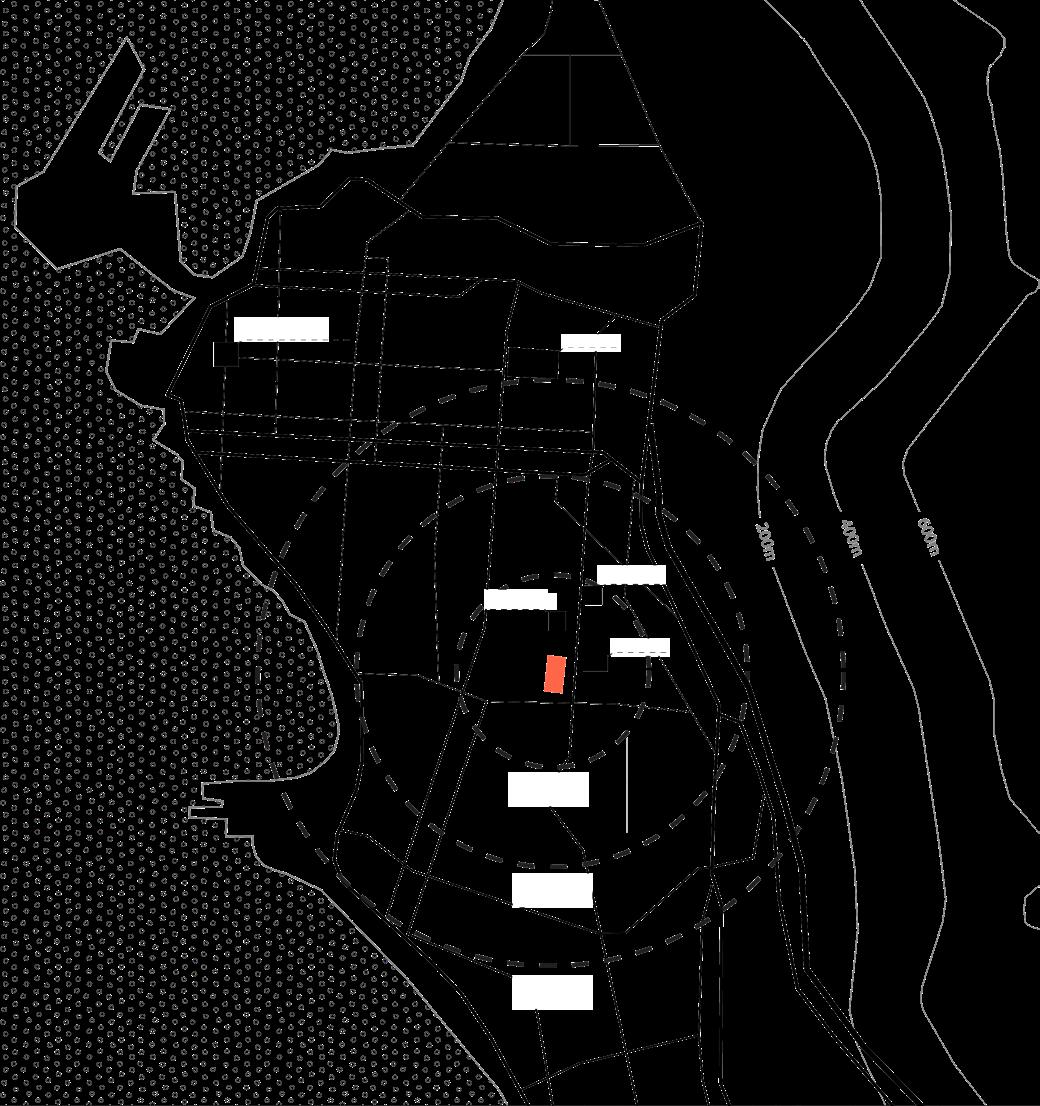
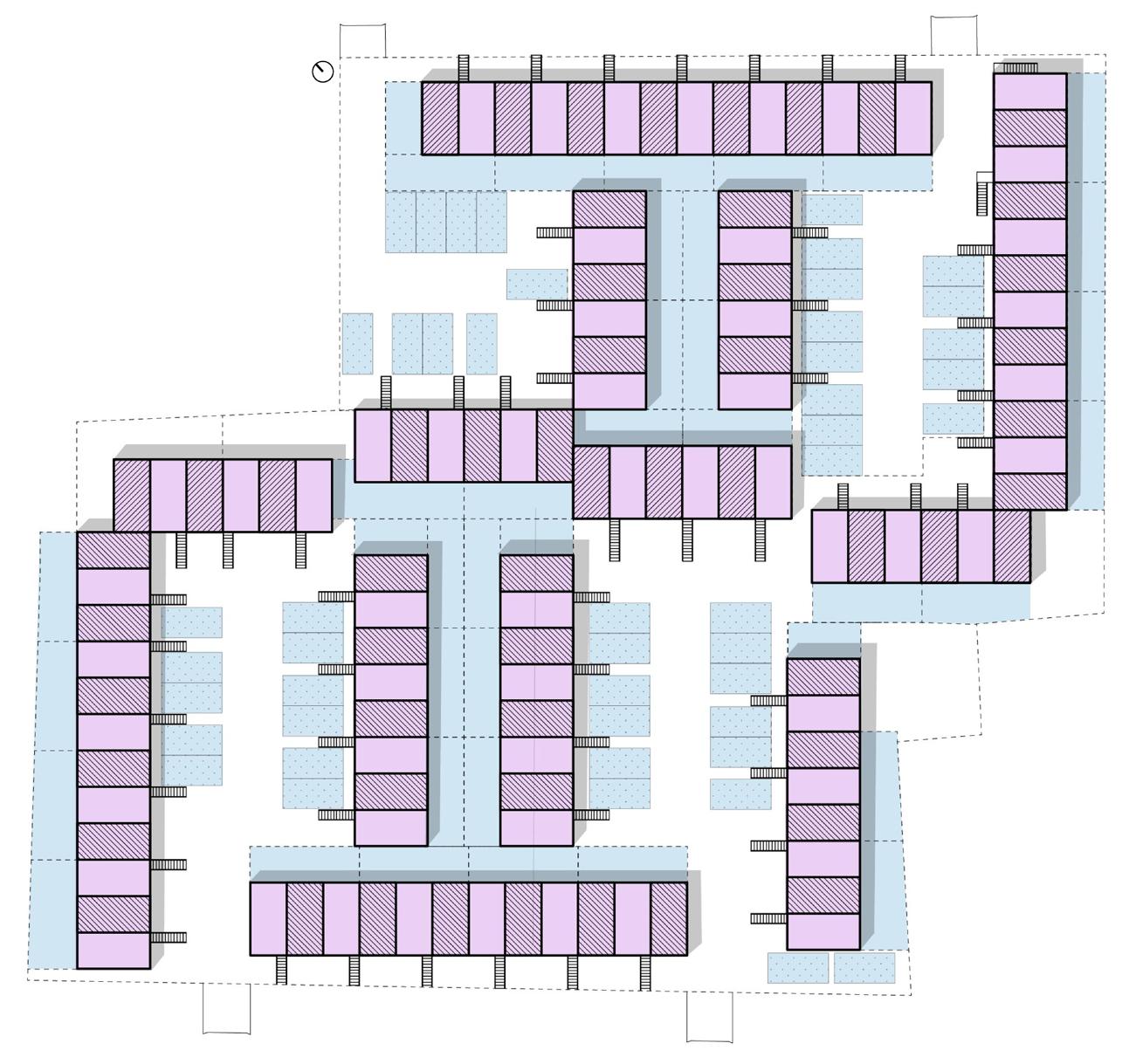
What does a house look like? This case study of the Quinta Monroy housing project in Iquique, Chile was a part of a larger studio project studying the different kinds of housing around the world. Quinta Monroy is a pioneering example of social housing with an incredibly unique approach. Built to rehouse the residents of a long-established informal settlement, the complex was designed to allow for residents to expand their houses. The pre-built concrete structures provided residents access to essential services such as water, while the allocated spaces next to them allowed for controlled expansion.
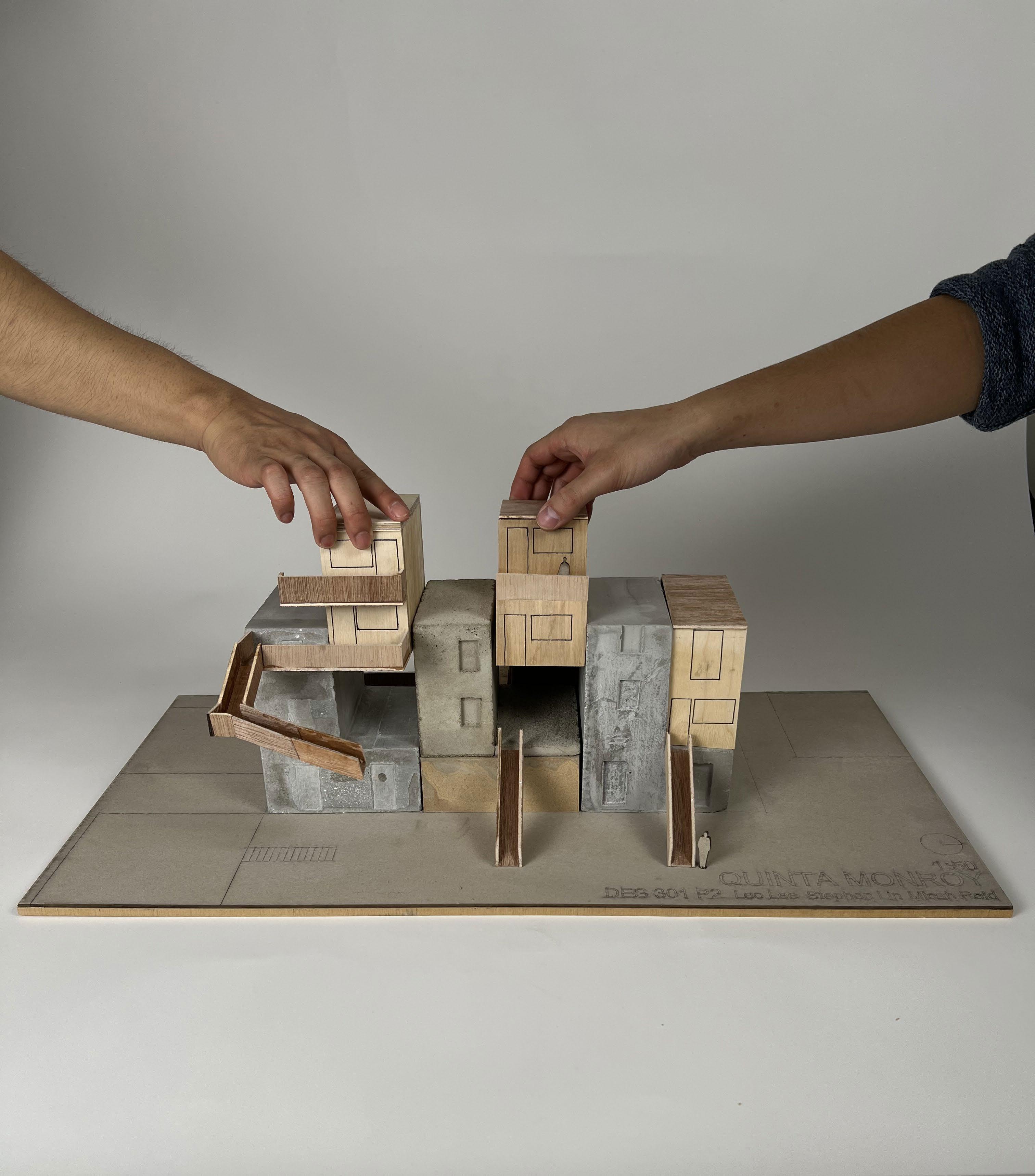
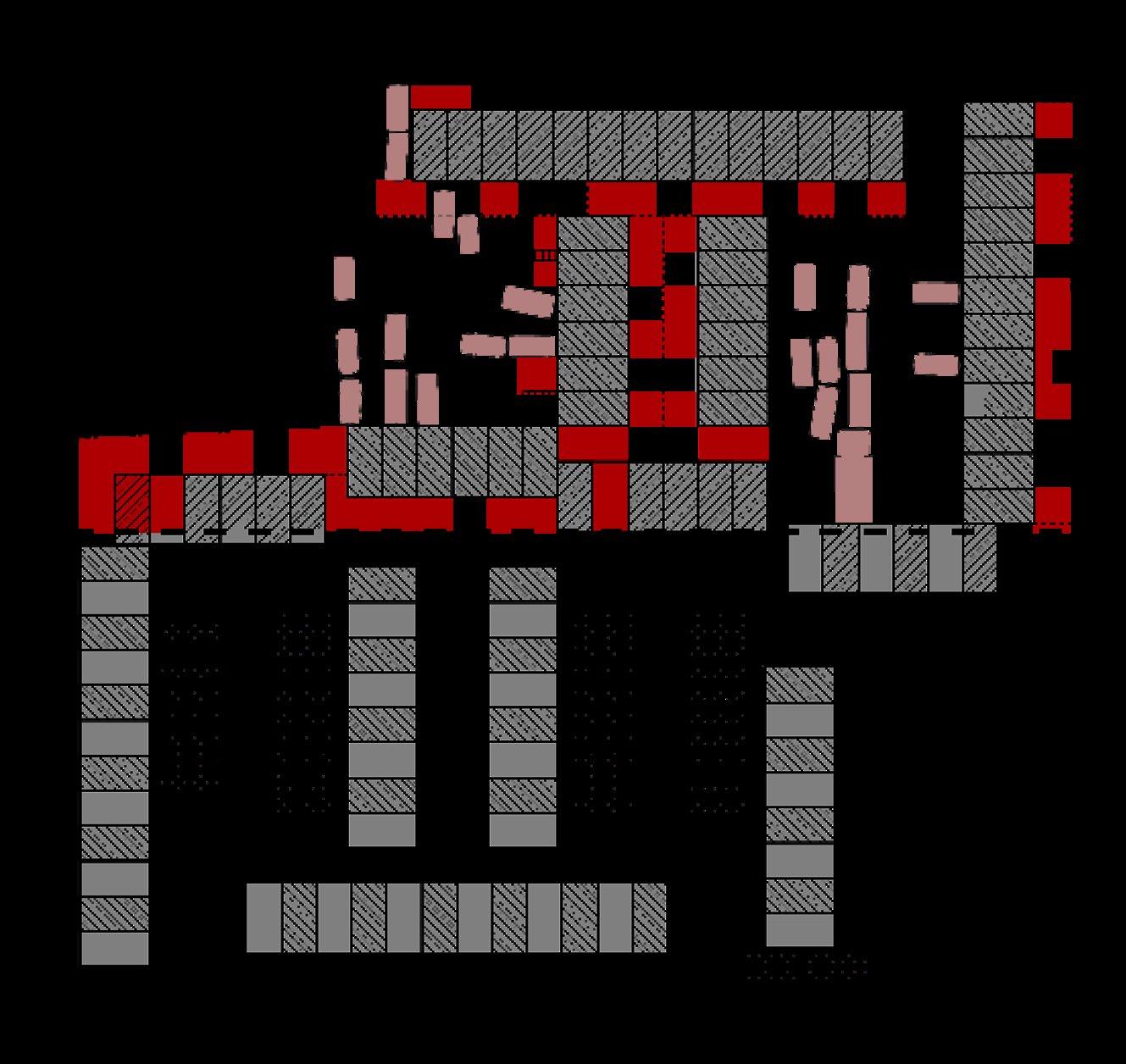
As time went on and the lifestyles of the residents changed, the spaces allotted for expansion were fully filled up. However, families kept on growing and more space was required - so expansion continued past the allotted spaces and outside regulations, resulting in some serious hazards and a density reminiscent of the previous settlement.
In the drawings, developments in allocated spaces are highlighted in green and further unsanctioned developments are highlighted in red.
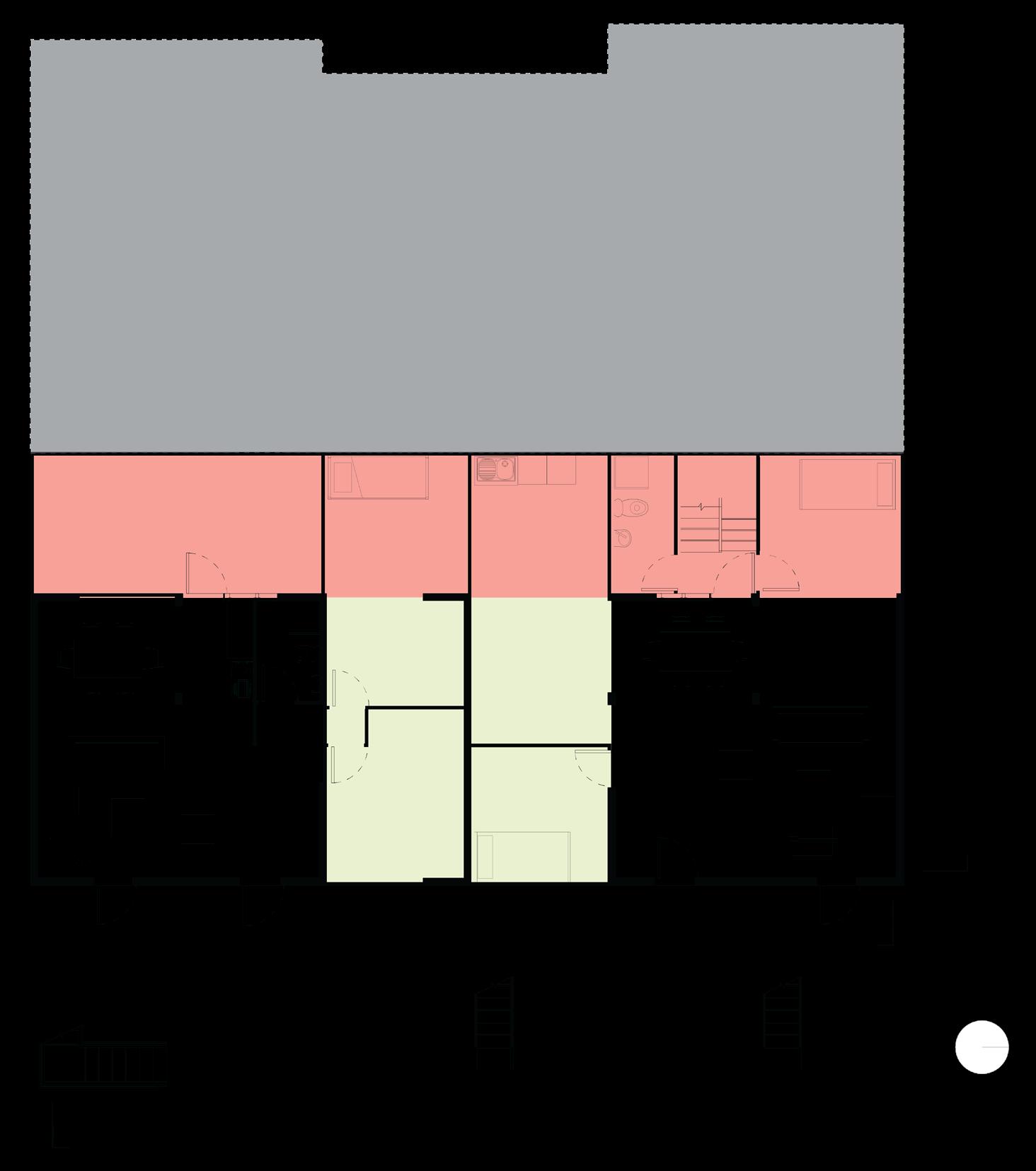
Map of Quinta Monroy
Map of Quinta Monroy upon completion
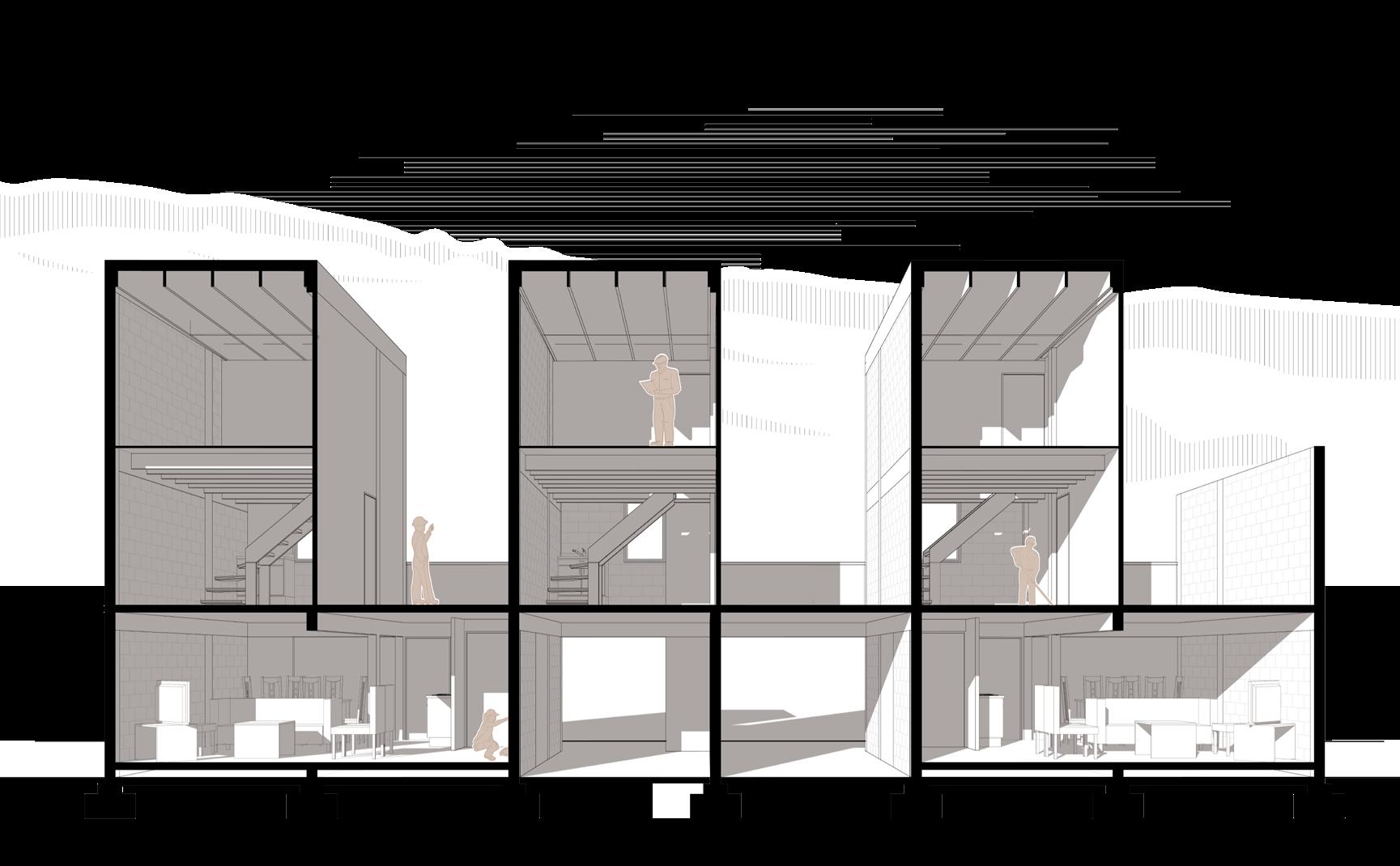
Section Perspective 1: constructed spaces
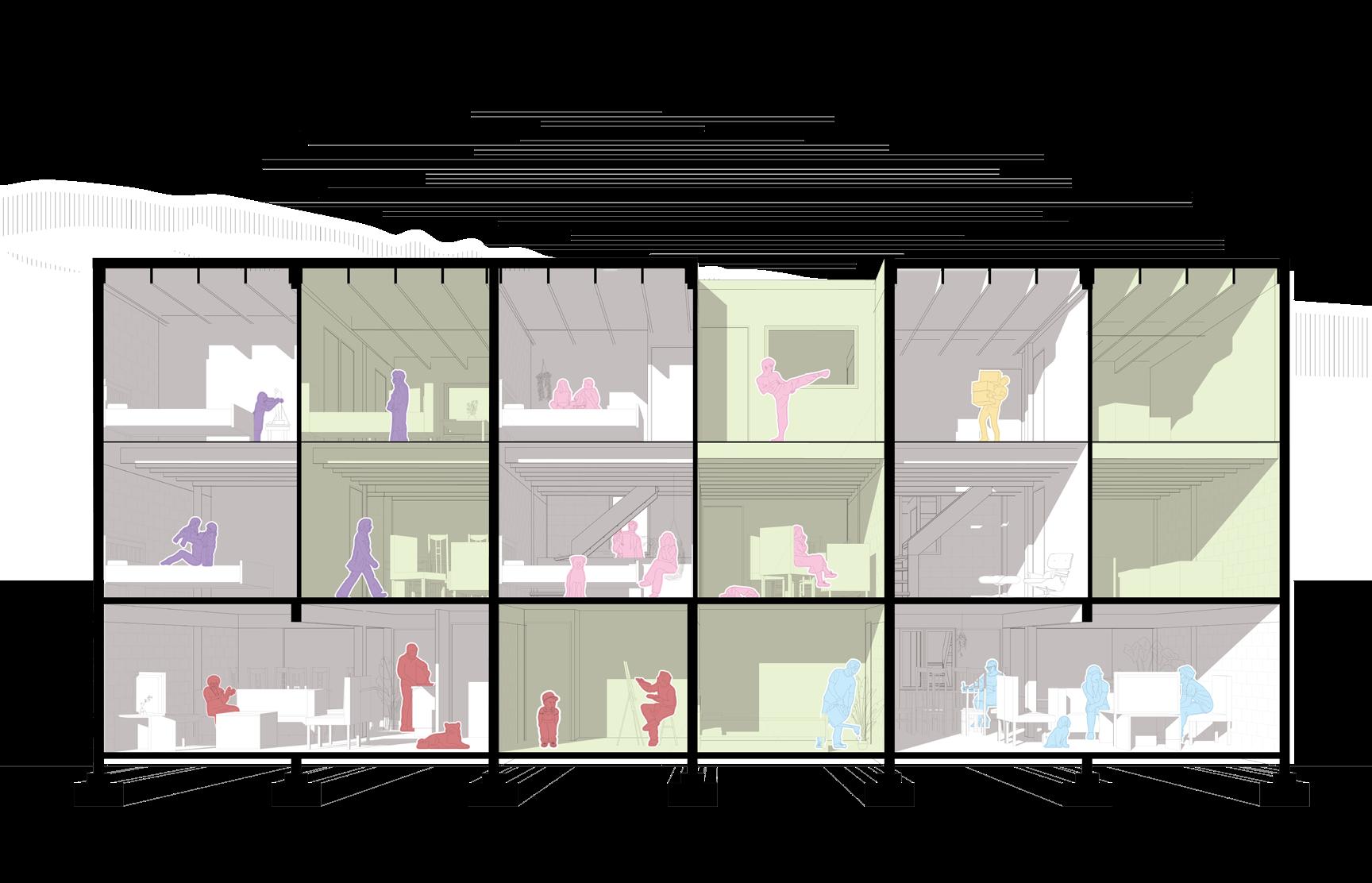
Section Perspective 2: resident - built spaces
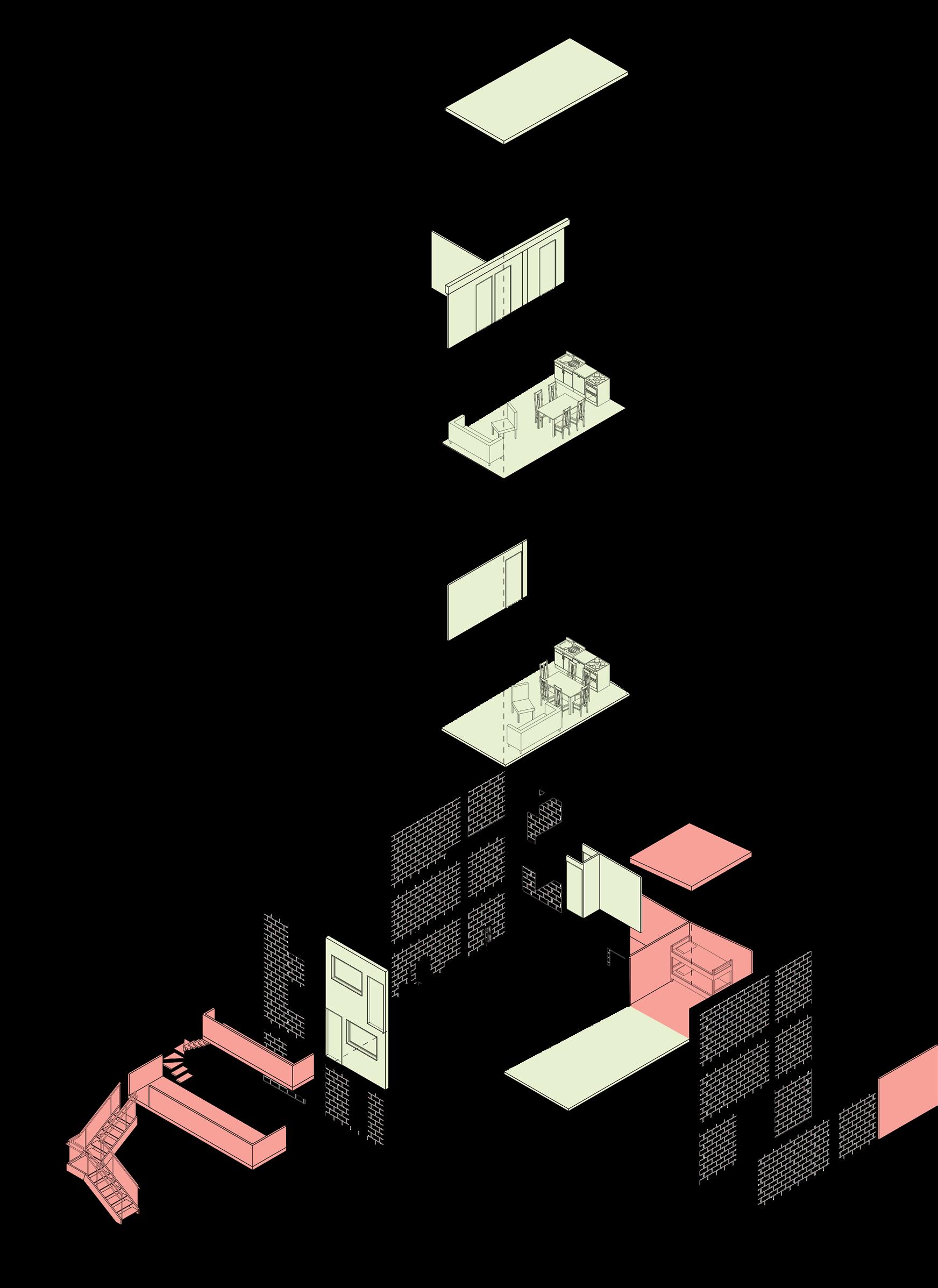
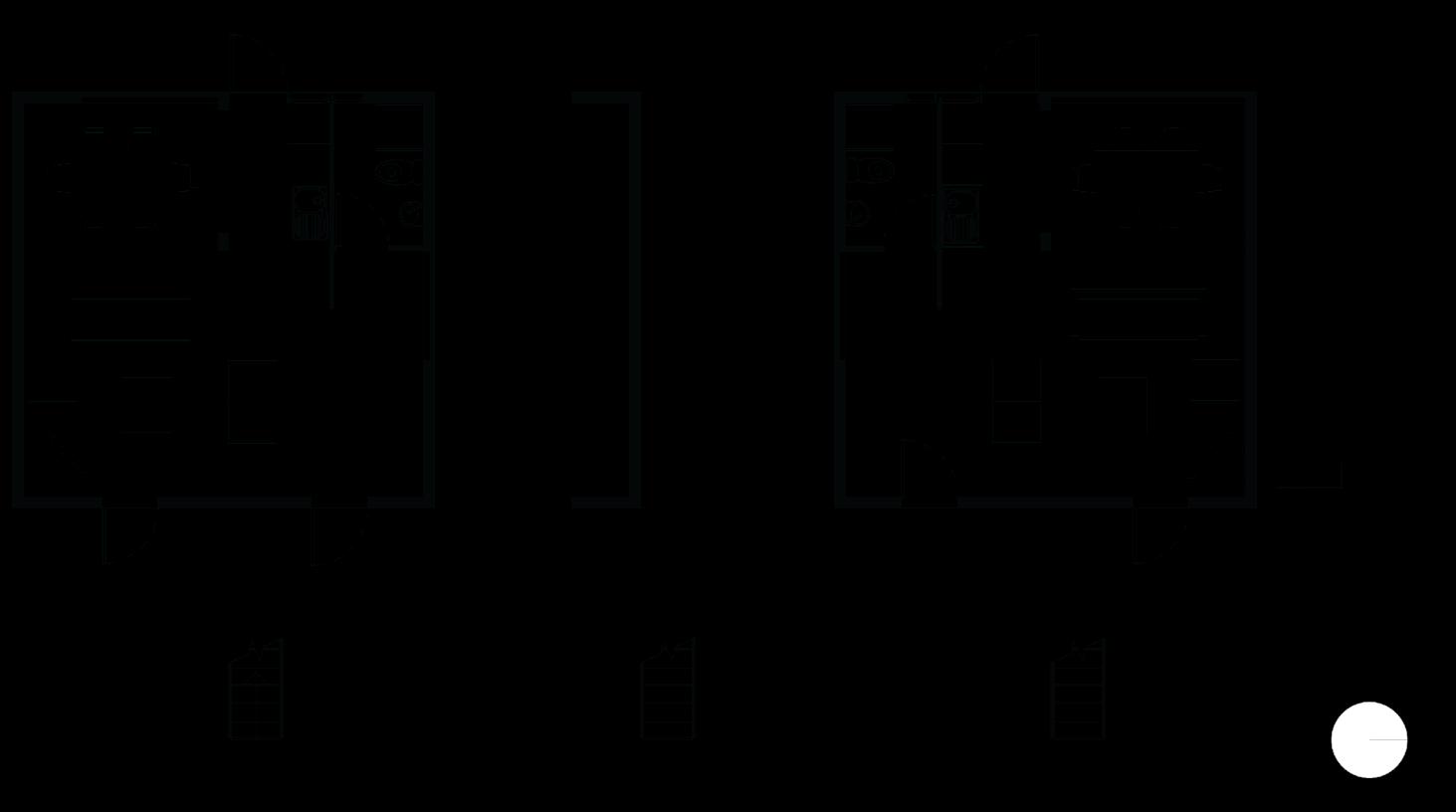
Exploded Axonometric View of a resident - built expansion

Rendered view of constructed spaces
A dragon rises from the creek
2023W
DES 301
In collaboration with Stephen Lin
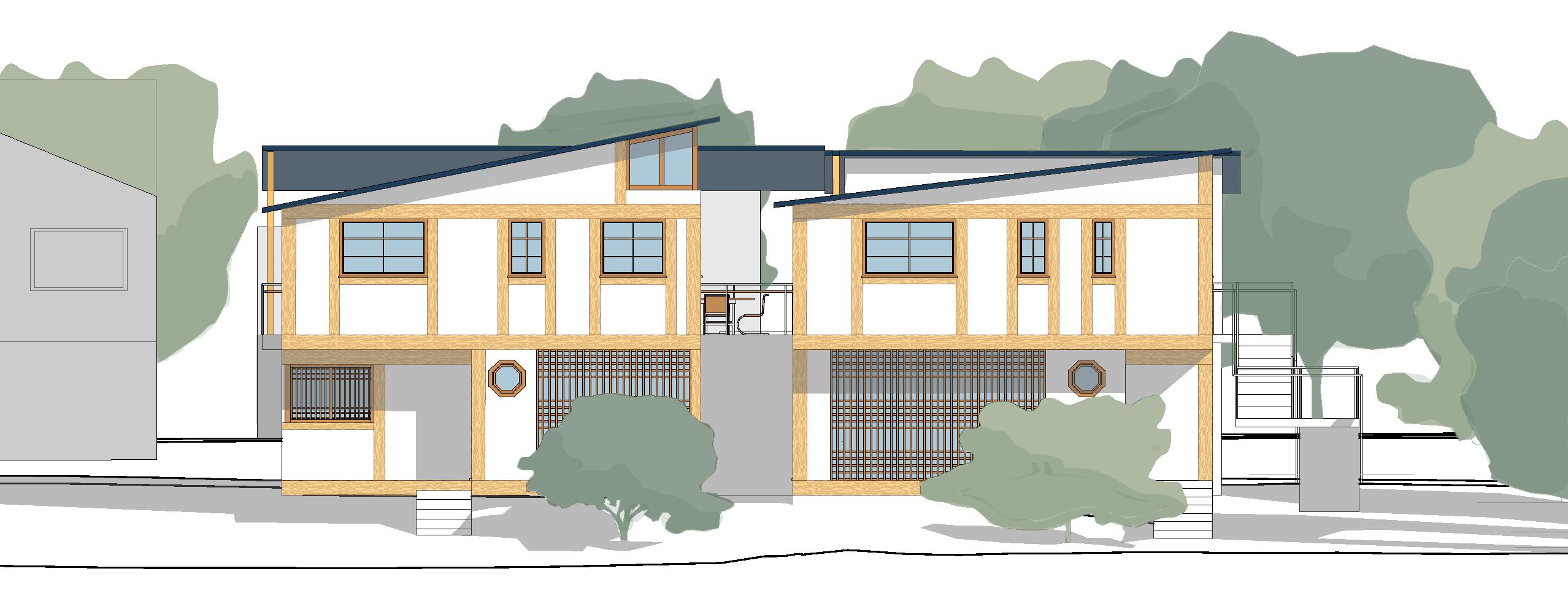
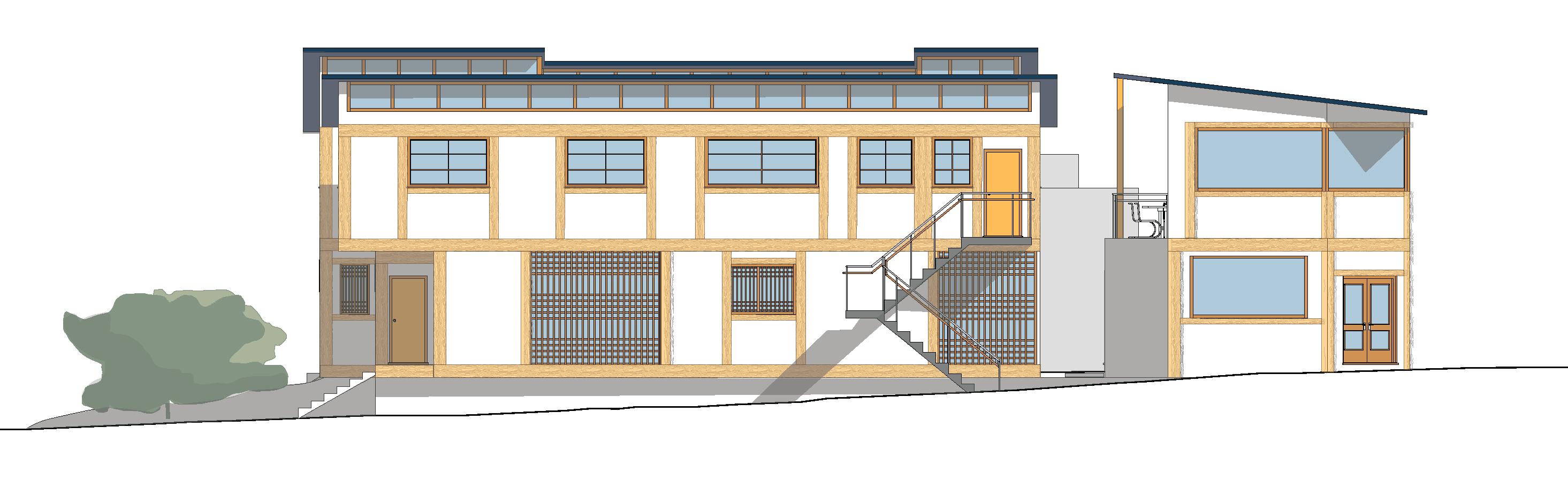
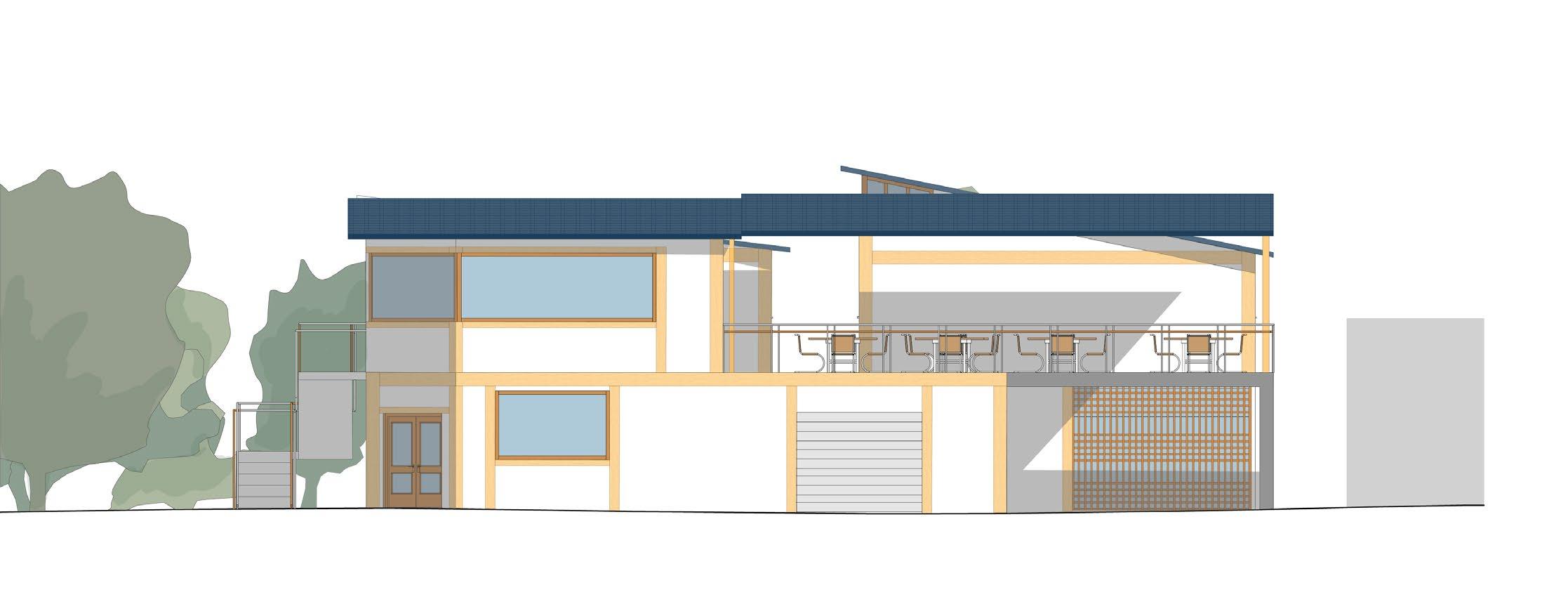
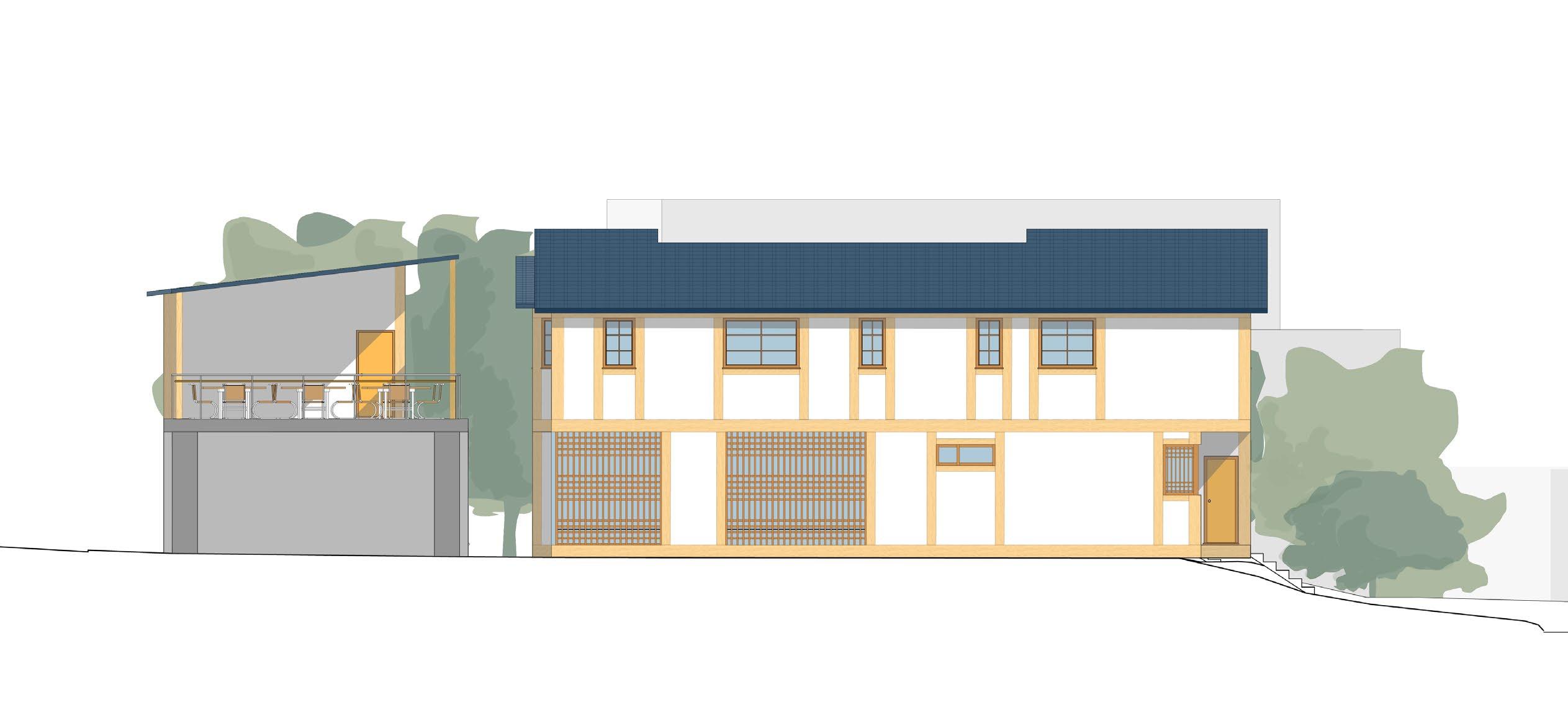
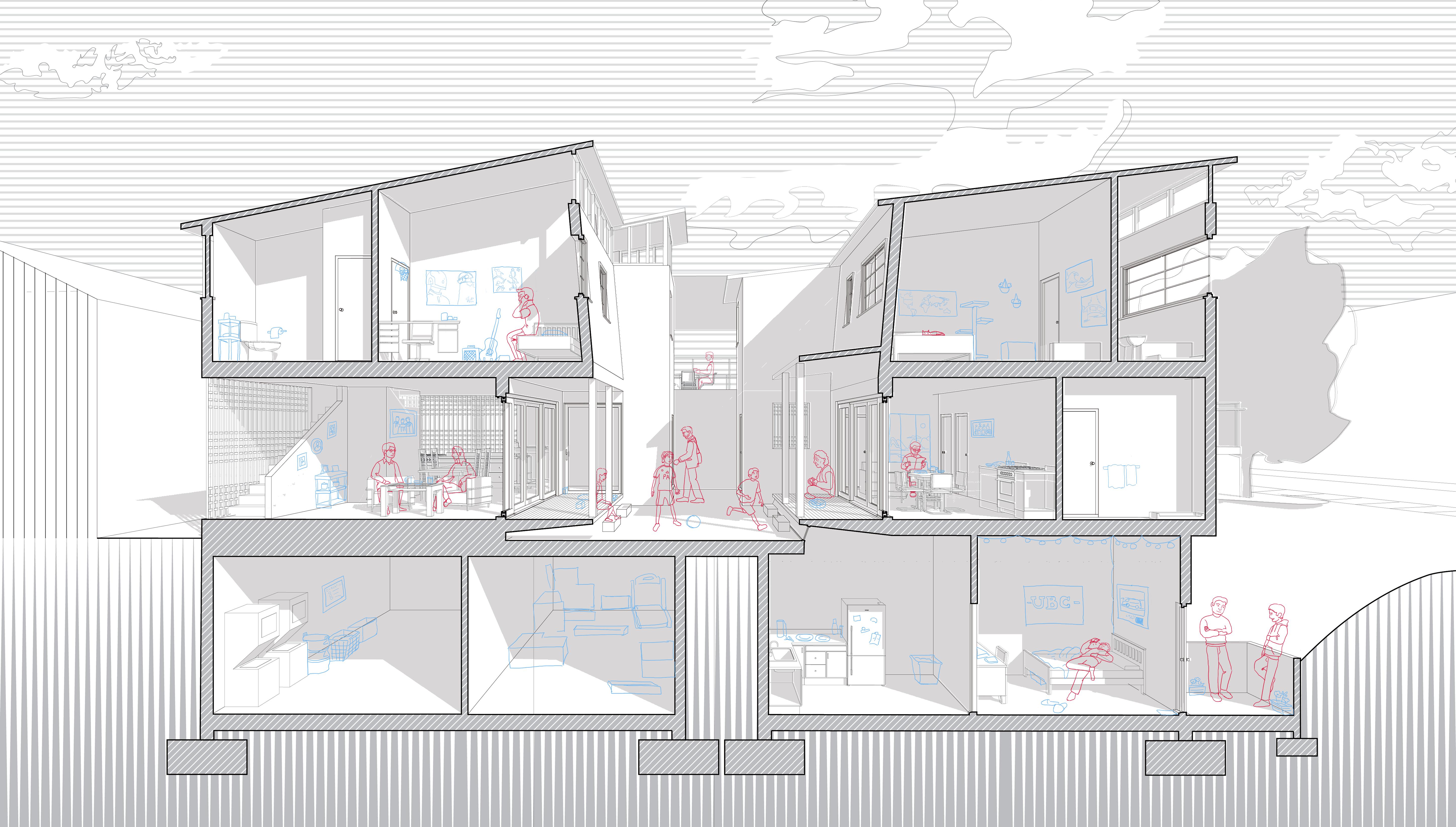
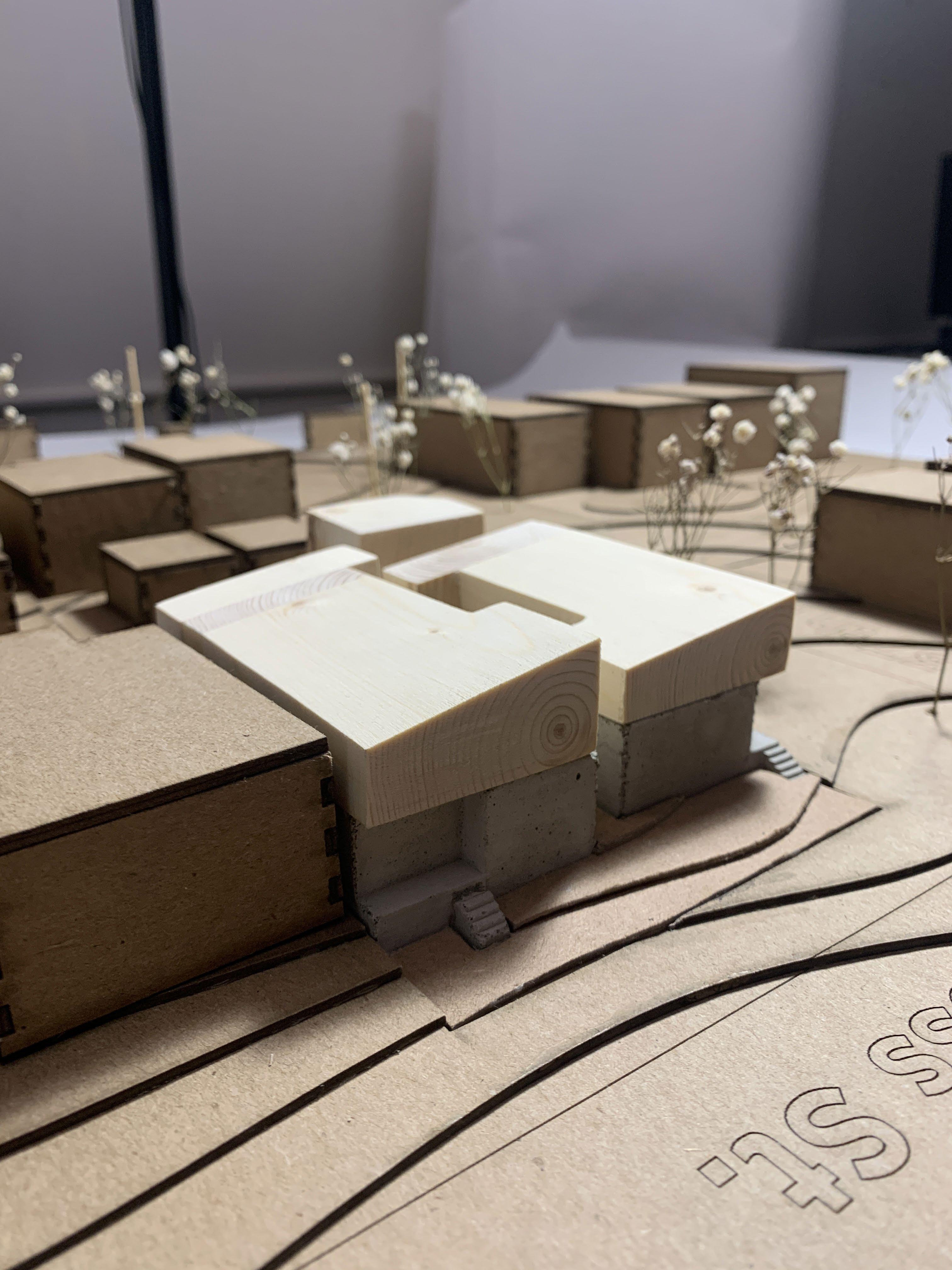
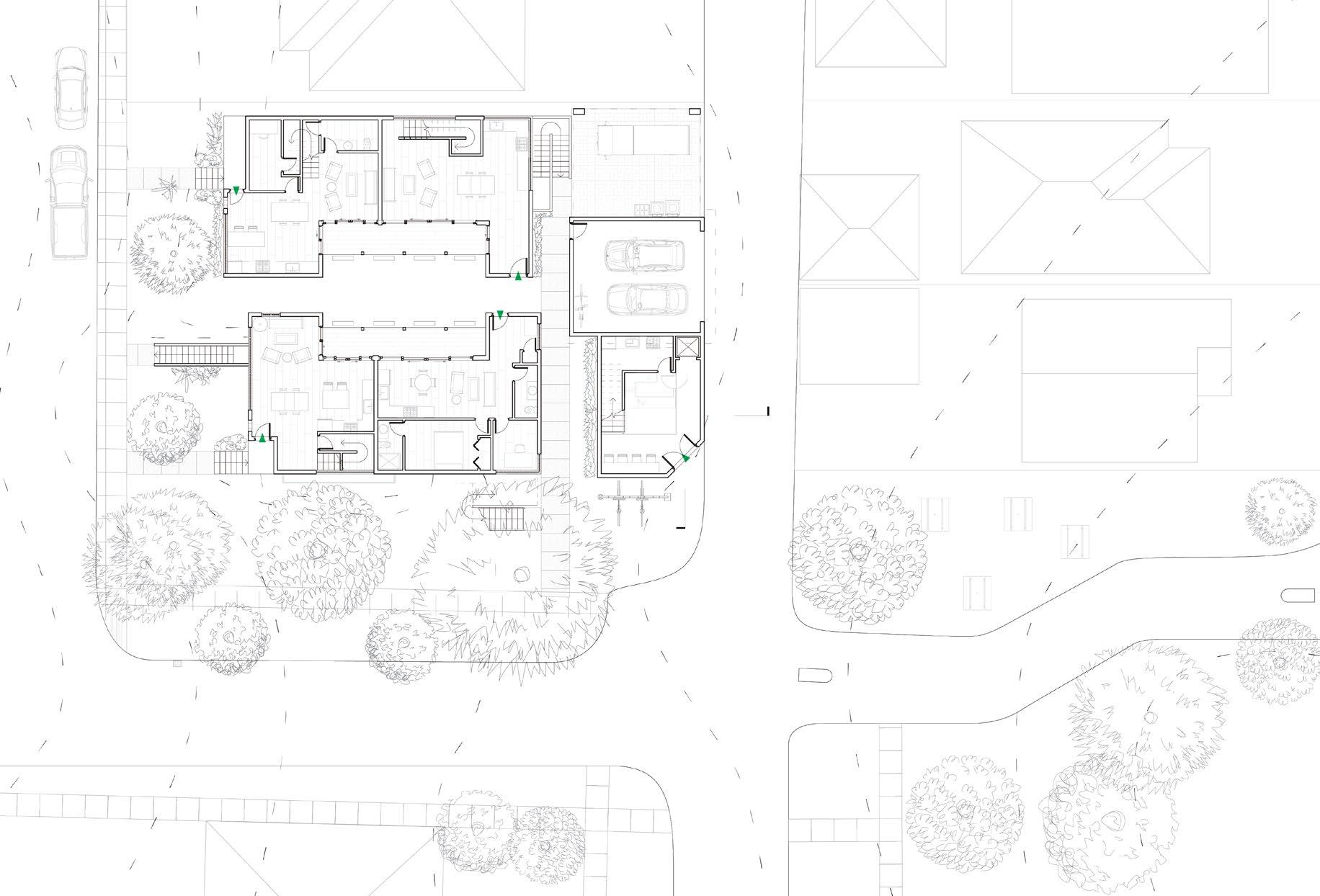
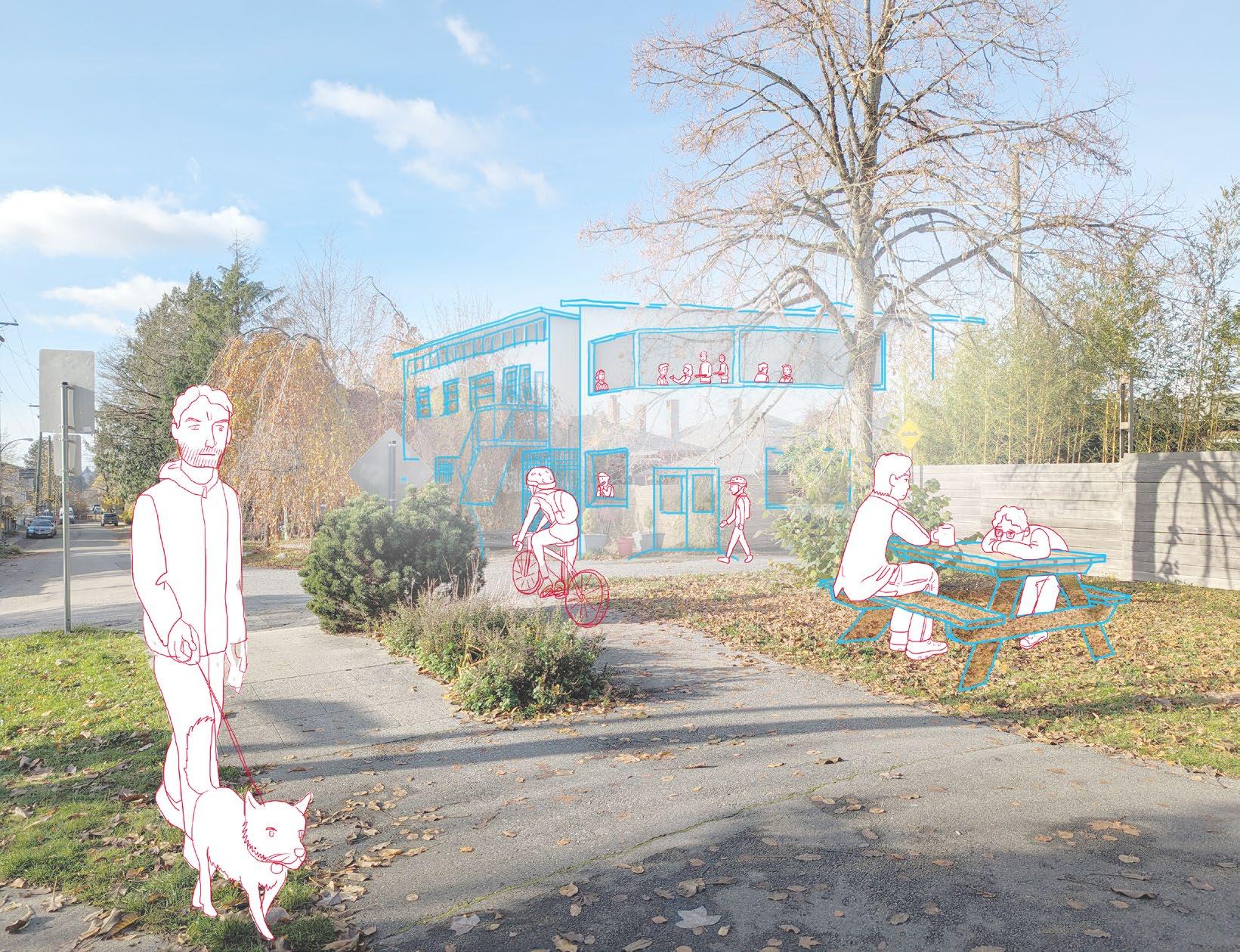
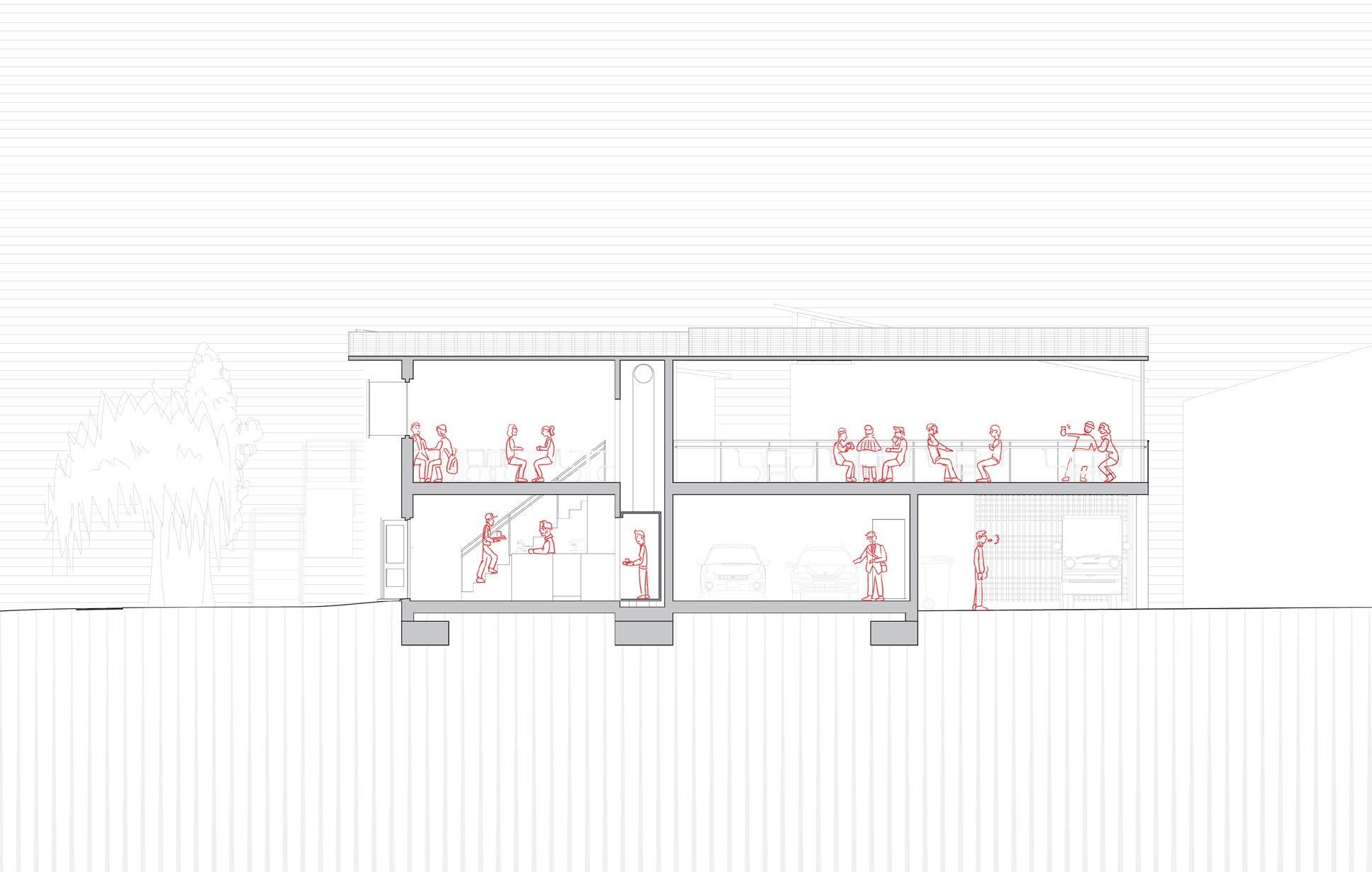
What makes a house a home? This design was created in response to the perceived lack of “homes” in Vancouver. Drawing from personal experiences and cultural backgrounds, this design creates a house that could be a home for multiple generations of an extended immigrant family. The home features a communal design which has multiple family units living together, with a shared internal courtyard between the two housing units. To encourage interaction with the rest of the community and to create a source of income, a commercial unit sits in the back of the site.
This model offers an alternative to the traditional nuclear family model and allows for the growth of a community, starting from the home.
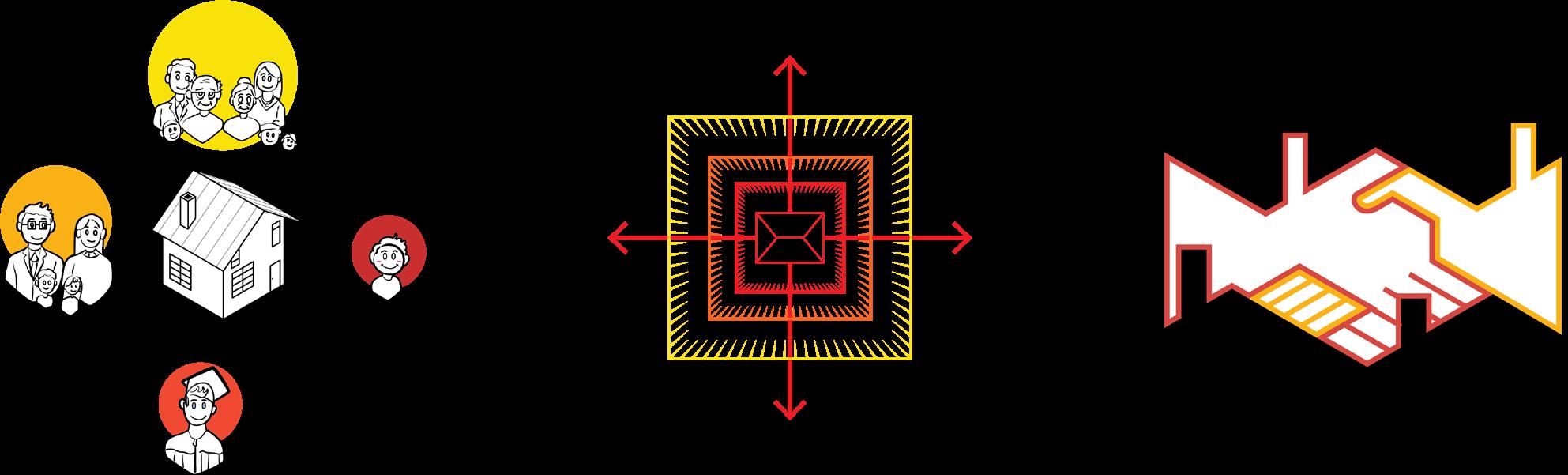
I. A housing typology that can become a home for a family over multiple generations.
II. A housing typology from which a community can develop. III. Create a commercial unit on site to increase interactions within the community.
Design Manifesto
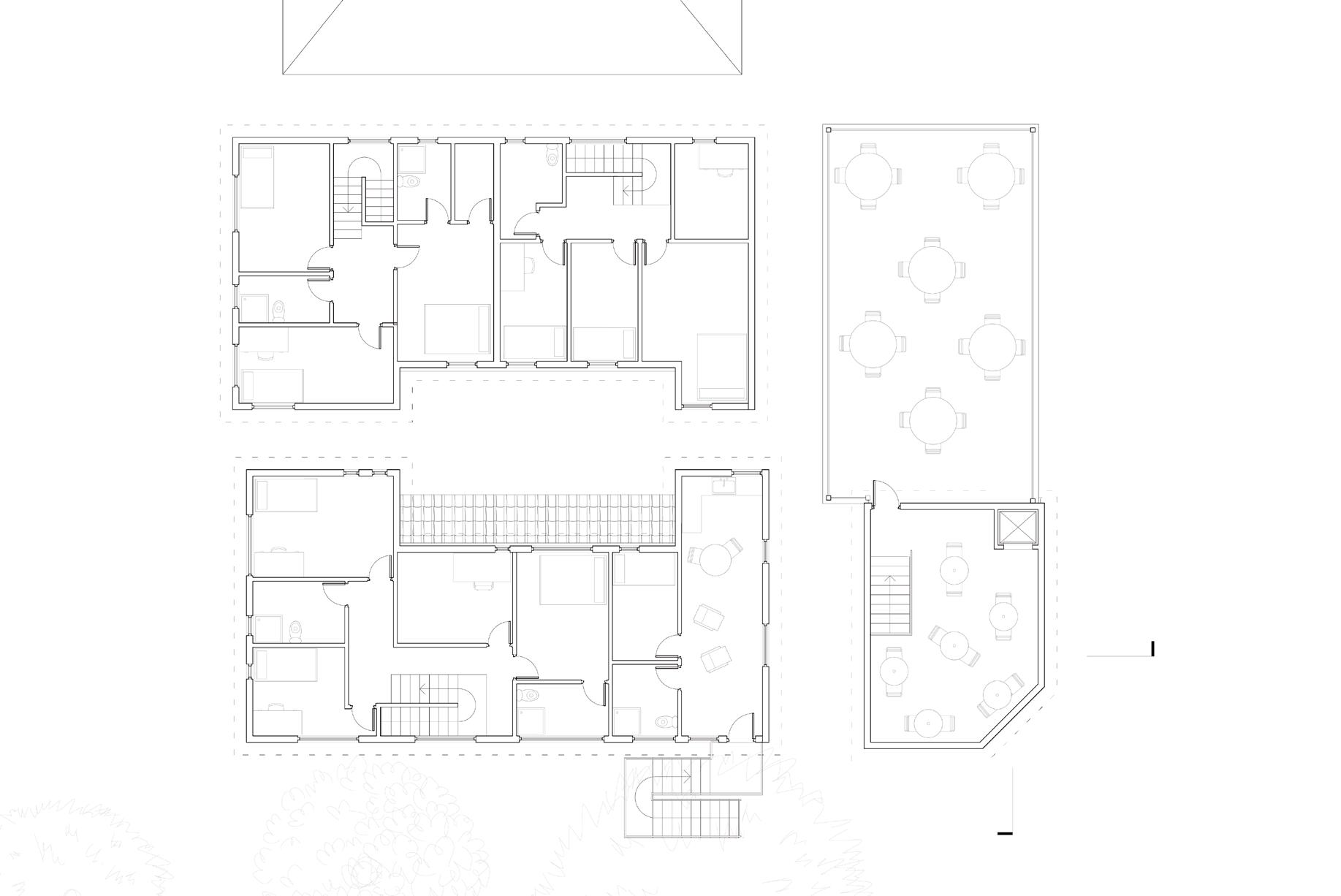
Perspective of commercial space
First floor plan