Impact Report
2024-2025



The world is facing unprecedented challenges, from accelerating climate change to humanitarian crises and widening inequalities. Technology must do more than innovate; it must deliver tangible, lasting impact. At XRPL Commons, we believe the XRP Ledger can be a powerful force for positive change, enabling solutions that strengthen communities, expand access, and foster resilience across geographies and underserved populations.
Over the past two years, our focus has been on nurturing an ecosystem where impact and innovation grow together. Guided by our mission—to create the conditions for success for entrepreneurs and developers within the XRPL ecosystem— we support early-stage, established companies that are beyond ideation, ready to pilot, scale, and deliver tangible benefits for people and communities. This is our north star metric. These projects are generating valuable activity on the XRP Ledger and turning its potential into measurable outcomes.
To help innovators succeed, we draw on a network of programs and partnerships. Ripple Impact and Rippleworks offer guidance and resources to accelerate growth, while collaborations with Mercy Corps Ventures, such as during the XRPL Hackathon at Paris Blockchain Week 2024, can help bring practical solutions to social and environmental challenges. By connecting these initiatives across the ecosystem, XRPL Commons helps promising projects reach the communities that need them most and amplify their real-world impact.
Education, research, and open-source development remain at the heart of our vision. Through new blockchain education programs with esteemed institutions, including UC Berkeley, IE Business School, University College London, and Trinity College Dublin, R&D collaborations, and open-source initiatives like Glow, we continue to cultivate a diverse and versatile ecosystem, one where knowledge, innovation, and impact reinforce each other.
Looking ahead to 2026, our priorities remain clear: deepen impact finance and climate-focused initiatives, expand education and R&D programs, and strengthen collaborations across the ecosystem.
To our partners, residents, and the global XRPL community: thank you for your creativity, commitment, and shared purpose. Together, we are shaping an ecosystem that can deliver real-world change.

Mélanie Damour Director of Strategic Initiatives, XRPL Commons
XRPL isn’t about hype, it works.
→ 3–5 second transactions – real-time payments, globally.
→ 1,500+ transactions per second – scale without congestion.
→ Built for projects that need to work – today.
→ 63 tCO₂e emitted over the past year (as of 18/11/2025)
→ 7.8 mgCO₂e per transaction and <0.01 Wh per transaction, making it significantly more efficient than top-tier POS and POW chains.
→ Supports climate finance, carbon markets, and sustainable solutions.
It has been running uninterrupted since 2012, processing transactions reliably for over a decade. People build here because it solves real problems, not because it’s trendy. Its low carbon footprint, speed, efficiency, and reliability make it uniquely suited to power social and environmental impact worldwide.
→ Easy to learn and accessible for Web2 and Web3 developers alike–code in JavaScript, Python, Java, C++, and more.
→ Open-source libraries make it fast to learn, easy to build, and simple to scale.
→ Strengthened by UBRI (University Blockchain Research Initiative), an established global research community advancing XRPL technology and providing opportunities for collaboration across universities and institutions worldwide.
→ The XRP Ledger powers initiatives in impact finance, humanitarian aid, sustainability, and carbon markets.
→ Enables low-fee, cross-border payments that expand financial access for underserved communities worldwide.
→ It’s transparent, secure, and reliable – a blockchain that works for people who need it to deliver results.
By providing education, guidance, and resources for the XRPL community, our mission is to create the conditions of success for developers and entrepreneurs to thrive in the XRPL ecosystem.
Learn UBRI, University Partnerships, PhD in Blockchain, Research Lab, XRPL Academy
Launch Aquarium Residency, Regeneration cohort, Sovereign Identity cohort, Early-stage Grants for Impact Finance, Climate Resilience, and Humanitarian aid projects on XRPL
We are called Commons because we believe in the power of XRPL to contribute to the common good. By creating a hub for different individuals from the ecosystem to come together and bounce ideas, we can collectively shape a common history for the XRP Ledger.
Build
Social Impact Hackathons, Open Source Retroactive Funding, OpenSource Trainings, Infrastructure
Engage
Community Magazine, Town Hall meetings, XRPL Meetups, Ecosystem Mapping, MiCA Indicators, XRPL Sustainability Dashboard
Adopt
Pro-bono XRPL Advisory, Supporting Financial Inclusion Advanced projects
“We empower builders to create open, inclusive, and efficient value exchange through the XRP Ledger, where it is most needed.”
David Bchiri, President of XRPL Commons
63 tCO₂e offset for the XRPL protocol
4 climate literacy webinars hosted for the XRPL community
10 new partnerships with educational institutions
44 languages and
111 countries reached through our online content
63% reduction of XRPL Commons’ internal carbon footprint since 2023
20 new blockchain courses created at universities
180+ professors trained to teach blockchain
450 minutes of open-source educational content published
13 open-source repositories released or contributed to
29
4
2,500+
At XRPL Commons, we believe that blockchain technology can drive lasting positive change. For that promise to materialize, sustainability must be measurable, transparent, and actionable. Understanding and disclosing sustainability metrics empowers corporates, developers, and investors to make responsible decisions — and aligns the XRP Ledger with global climate goals.
Since 2024, XRPL Commons has coordinated the XRPL protocol’s ambition to become more sustainable by assessing, monitoring, and advancing its environmental performance.
To ensure accuracy and transparency, we have partnered with the Crypto Carbon Ratings Institute (CCRI) and MiCA Crypto Alliance to provide real-time assessments of the protocol’s emissions through a publicly available Sustainability Dashboard on our website
Differentiator
Energy efficiency is crucial for informed decision-making by corporations, developers, and investors.
Mitigation
Proper data drives the achievement of climate goals through energy reduction/offsetting.
Transparency
Climate disclosure informs users, regulators, and the public about the XRP Ledger’s environmental impact.
Regulation
Compliance with regulations, such as MiCA in the EU, mandates the disclosure of climate impact.
63 tCO2e total annual emissions
0.00846 mgCO2e per 1 XRP transacted
471.212 kWh total annual energy consumption
1 Education & Awareness
Hosted four webinars to develop climate literacy and raise community awareness of MiCA compliance and sustainable blockchain practices.
2 Energy consumption and carbon assessment
In partnership with CCRI and MiCA Crypto Alliance, XRPL Commons assessed the XRP Ledger’s energy use and carbon footprint under the EU MiCA framework, covering both the Core Scope (132 validators) and the Extended Scope (full-history and testnet nodes).
3 Validator survey
We continue to fine-tune our assessment methodology through ongoing collaboration with validators and ecosystem participants.
4 Community-Led Decarbonization
Sustainability is a shared effort. We are working with the XRPL community to identify and apply effective decarbonization levers, prioritizing those with the greatest impact on greenhouse gas (GHG) reduction.
XRPL Commons is an active member of the MiCA Crypto Alliance, an industry-led initiative that fosters coordination, best practices, and cost efficiency under the MiCA regulatory framework. The Alliance maintains the most comprehensive and continuously updated ESG database for cryptocurrencies, providing members with trusted, verifiable data that meets the evolving standards of MiCA.
Carbon Neutral
mitigates gross carbon emissions by utilizing all decarbonization levers: avoid, reduce, remove, and offset.
Zero
Reached by using avoid & reduce decarbonization levers on gross carbon emissions and compensating residual net emissions. Net Zero is the point in time where net carbon emissions are equivalent to zero.
Carbon Negative
Goes beyond Net Zero by removing more emissions than produced.
Zero Carbon
Relies solely on avoid & reduce decarbonization levers and represents the point in time where gross emissions are equivalent to zero. No company can theoretically achieve this status, but some activities within a company can, by eliminating carbon-intensive activities entirely.
XRPL Commons has partnered with Agrify Technologies to offset the 2025 carbon emissions of the XRPL protocol. They utilize AI and the XRPL to help farmers enhance soil health, demonstrate sustainability, and sell with confidence. The platform can mint on-chain evidence of value, collect payments, and link real produce and climate outcomes to verified digital records. By leveraging Multi-Purpose Tokens (MPTs) as on-chain pre-purchase artwork, Agrify enables transparent payments and traceable impact, from high-quality biochar production to verified carbon credit retirement.
A small portion of Agrify’s biochar output can fully offset XRPL’s emissions, with surplus credits available for partner projects.
All credits retired for the XRPL protocol will be certified, unique, traceable, and permanently retired. Sourced from Releaf’s biochar program in Cross River, Nigeria, Releaf converts palm nut shell waste from local smallholder farmers into highquality, highly stable biochar through pyrolysis. This process sequesters carbon for hundreds of years while improving soil health and increasing farmer yields.
Key Steps to Offset the XRPL 2025 Carbon Footprint:
1 Mainnet Enablement: Mint MPTs as artwork, collect onchain payments, and demonstrate traceable value flows.
2 Carbon Credits: Purchase, transfer, and retire verified carbon credits on-chain with public proof.
3 Farmer Activation: Document and verify farmer activation on biochar and soil training. Through this collaboration, the XRP Ledger will not only mitigate its emissions but also support regenerative agriculture projects.
Biochar is a form of black carbon produced from biomass (e.g., wood chips, plant residues, manure) through chemical or thermal conversion, with properties that vary based on feedstock, production method, and storage. Its main purpose is carbon sequestration: storing carbon in a stable form to prevent it from returning to the atmosphere.
Why is it important?
In 2023, biochar accounted for 94% of verified CO₂ removals and is recognized by IPCC as a highly promising solution for carbon dioxide removal.
There is strong evidence that biochar enhances soil health, boosts microbial activity, improves water retention, and limits nutrient loss, benefiting overall agricultural ecosystems.
Biochar provides additional agricultural advantages as a natural fertilizer, delivering benefits without causing rebound emissions.
“We have collaborated to develop best-in-class XRPL Ledger, which serve for compliant admissions only XRP but also any worldwide, including

collaborated with XRPL Commons
best-in-class metrics for the serve as a foundation admissions to trading of not XRPL-minted tokens including stablecoins.”

Juan Ignacio Ibañez, General Secretary of MiCA Crypto Alliance
Sustainability begins with how we operate as an organization. Beyond our work to coordinate the XRP Ledger’s environmental transparency, we are committed to measuring, reducing, and mitigating our own carbon footprint.
Using data provided by Greenly, we have tracked all of our internal emissions across 2023 and 2024, covering all relevant categories and scopes, to ensure accountability and continuous improvement.
In 2024, we achieved a measurable reduction in total emissions compared with 2023, driven by more efficient travel policies, virtual options, and improved energy management for our infrastructure, reducing our overall emissions by 255 tCO₂e.
We purchased credits from Congo IHC Tropi’Coal Bichar, which converts sawmill wood waste into biochar at its facility in Ngombé, Republic of the Congo. Using flame curtain pyrolysis, the project applies biochar solely for carbon sink purposes— rehabilitating soils and storing carbon in sealed laterite pits to prevent reuse. This replaces open burning or decay, creating long-term carbon sinks. Each sink is geo-localized and monitored via a CSI-endorsed digital MRV system.
We also sourced credits from Klim, supporting soil carbon sequestration through regenerative farming in Germany. Klim farmers reduce greenhouse gas emissions by optimizing fertilizer and pesticide use and adopting low-tillage practices. Klim’s digital MRV platform ensures transparency and thirdparty verification by TÜV Rheinland (DIN ISO 14064-2), including satellite monitoring and on-site checks.
Contributing to the UN SDGs of: Responsible Consumption & Production, Climate Action Life Below Water
In 2024, we purchased credits from Wongphai Biochar A1, producing biochar from bamboo offcuts using pyrolysis and dMRV verification technology. The project creates local jobs, especially for women and the elderly, while supporting young people to remain in their communities. Biochar is distributed to farmers to improve soil health, reduce water use, and enhance sustainable agriculture. Over its first five years, the project is expected to sequester ~32,000 tCO₂e (≈6,400 tCO₂e/year).
Contributing to the UN SDGs of: Decent Work & Economic Growth, Reduced Inequalities, Life on Land

In 2025, we strengthened internal policies to further reduce our footprint. All XRPL Commons employees complete a mandatory one-day sustainability training by Standard Deviation, ensuring a shared understanding of our environmental responsibilities.
Likewise, every Aquarium Residency cohort participates in a mandatory one-day regenerative entrepreneurship primer, learning how to embed sustainability into business models using the Regenerative Business Canvas. The first Aquarium cohort focused entirely on regenerative innovation, setting the stage for future founders to build climate-positive ventures.
Building on the progress made in 2025, XRPL Commons will continue to expand regenerative entrepreneurship training, strengthen partnerships with verified carbon projects in the Global South, and drive further reductions in our environmental footprint.
Carbon avoidance prevents emissions at the source and protects existing natural carbon sinks. It is generally faster and more affordable to implement, though its long-term effectiveness can vary.
Carbon removal extracts carbon already in the atmosphere, often delivering lasting storage and supporting SDGaligned projects. It typically requires more time and investment to scale and is limited by storage capacity.

Our vision for Impact Finance is to support early-stage companies that are beyond ideation, capable of piloting their products on the XRP Ledger, and ideally already serving customers. These ventures are experienced enough to move quickly, are driven by measurable impact and can deliver tangible benefits to their customers and communities.
The XRP Ledger offers unique advantages for financial innovation in the impact space:
Speed and Efficiency
Fast transaction settlement with low fees enables scalable pilots and real-world testing.
Transparency and Traceability
On-chain data ensures accountability for aid, cross-border payments, and financial flows.
Programmability and Flexibility
Supports tokenization, smart contracts (via EVM sidechains), and integration with stablecoins like RLUSD.
Low Environmental
Energy-efficient consensus makes sustainable financial infrastructure feasible.
We support early-stage impact ventures through targeted initiatives, including financial, technical, and business support for scalable pilot programs. We are in the process of reaching out, reviewing applications, and conducting interviews to fund impact-oriented projects. Our grants range from $25k to $100k, paid in XRP.
Developer trainings and the Aquarium Residency help build a pipeline of projects that demonstrate measurable financial and social impact on the XRPL ecosystem. Our efforts prioritize strategic use cases such as RWA tokenization; credit and lending protocols; insurance and parametric insurance pilots; savings; investing; SME payments; aid delivery and cash-relief programs; cross-border donations; stablecoin integration (e.g., RLUSD), and EVM sidechain experimentation.
Our approach is strengthened through our strategic collaboration with Mercy Corps Ventures. During Paris Blockchain Week 2024, we co-led the Social Impact Track of the hackathon, promoting solutions that drive meaningful change on the XRPL. In partnership with MCV’s Crypto for Good Fund, we also hosted a webinar designed to attract and support more XRPL impact-oriented projects to the funding program. This ongoing collaboration helps pilot and scale initiatives on the XRPL that deliver measurable financial and social impact.



“With XRPL Commons’ guidance and support, Cosyal bridges development banks seeking to mobilize private capital with impact funds in search of credible, scalable opportunities to invest in nature.”
Jeanne Bloch, Cosyal
Jeanne Bloch began her journey with XRPL Commons by joining the Aquarium Residency’s first cohort in 2023, which focused on Regeneration. It was there that she founded Cosyal, a public-private partnership financial tool designed to mobilize institutional investment into biodiversity and climate projects. Cosyal’s mission is to deliver measurable financial performance for investors while ensuring transparency, integrity, and fair value-sharing with local communities.
Two years later, Jeanne remains an active member of the XRPL ecosystem. With support from an XRPL Commons Grant, Cosyal developed a pilot in Chad in collaboration with the French Development Agency (AFD) and Association Noé. The platform channels funding into biodiversity programs through verified digital certificates, combining robust governance with automated mechanisms that distribute proceeds equitably to local communities.
Cosyal’s structure ensures that every investment drives measurable ecological and social outcomes:
→ Verified ecological improvements generate digital certificates that reflect real conservation results.
→ Regenerative Credits and Collateral Biodiversity Certificates (CBCs) ensure long-term accountability for ecosystem health.
→ Revenue from certificate sales is automatically redistributed to local communities according to governance rules, providing a direct, traceable impact.
→ Continuous monitoring and reporting encourage ongoing corporate engagement and reinvestment, linking financial returns to actual regenerative outcomes.

Cosyal exemplifies the kind of impact-oriented venture XRPL Commons aims to nurture: early-stage projects that translate innovative ideas into measurable social and ecological outcomes. By supporting Jeanne and her team, XRPL Commons helps to build a model for responsible, scalable, and transparent biodiversity finance that benefits both investors and local communities.

Incubating Changemakers from All Over the World.
“At XRPL Commons, I fully immersed myself in hackathons, the Aquarium Residency, and hands-on workshops, ultimately building and launching my own Web3 application. Winning the Demo Day and participating in events across Europe gave me a rare blend of practical innovation and academic insight.”

Mialy Ratsimbazafy, PopWallet
The Aquarium Residency is XRPL Commons’ 12-week program designed to launch and accelerate projects built on the XRP Ledger. Participants immerse themselves in a buzzing, collaborative environment where they can learn, experiment, and refine their projects with the guidance of leading experts.
Based in Paris, residents gain access to the XRPL Commons HQ, are provided with accommodation in a co-living space, and take part in a rich schedule of workshops, technical training, and mentorship sessions. Beyond development, the program fosters connections across the XRPL and European innovation ecosystems, creating space for builders to grow and collaborate in real life.
The Aquarium’s first cohort, launched in 2023, centered on Regeneration, reflecting our belief that sustainability is a vital pillar of the XRPL ecosystem. This inaugural edition incubated startups tackling biodiversity, regenerative agriculture, realestate tokenization, and more. Since then, regeneration has remained a core theme, with 19 out of 64 projects - nearly 30% - dedicated to regenerative innovation, shaping a more sustainable, restorative future.
Since its launch, the Aquarium Residency has incubated seven cohorts, welcoming 79 individuals from 23 countries, including 12 from the Global South: Brazil, Chile, Colombia, Mexico, Peru, Nigeria, Uganda, China, Malaysia, Turkey, and India. This diversity of people, ideas, and use cases continues to be the Aquarium’s greatest strength—driving creativity, collaboration, and meaningful innovation within the XRPL ecosystem.
In January 2026, XRPL Commons will launch its eighth Aquarium cohort with a focus on social impact. This edition will empower changemakers to harness blockchain in tackling today’s most pressing societal challenges. Participants will design and pilot projects focused on financial inclusion, environmental sustainability, humanitarian aid, and digital identity, supported by expert mentorship, technical workshops, and strategic partnerships.
By combining XRPL’s scalable, low-cost infrastructure with a clear sense of purpose, this cohort continues the Aquarium’s mission to accelerate impact-driven entrepreneurship toward a more equitable and regenerative future.
been using the XRP Ledger to solve real-world issues?
Pierre d’Haese
Leverages decentralized identity, enabling users to securely share health data and participate in clinical trials while maintaining privacy and data authenticity.
Floriane Le Floch
A resale platform where garments are exchanged as tokenized NFTs, enabling circular fashion and transparency in brand supply chains.
Modupe Diyaolu
A blockchain-based cross-border payments solution for emerging markets, improving speed, cost, and transparency of transactions.
Alina Krasnobrizha
Aggregates a user’s digital footprint on the XRP Ledger into a secure, certified digital twin that can be safely integrated into AI-powered applications.
Zhané Bennett
Uses AI and the XRPL to power a peer-to-peer platform for language and cultural fluency training, verifying learning progress and content engagement.
Panos Mekras)
Provides an all-in-one on-chain finance suite, leveraging the XRP Ledger for secure, programmable, and next-generation financial services.
Guillermo Salcedo
Empowers communities to monitor river water quality, record data on the XRPL, and earn rewards for verified environmental contributions.
Ty Ha
Secure, globally accessible pet identification using decentralized identifiers (DIDs) on the XRP Ledger, ensuring transparency and authenticity.
Laury Jacot
Simplifies loyalty program use by recording rewards and redemptions on the XRPL, eliminating the need for multiple cards and the onboarding process.
Marvin Scaringella
A Web3 learning platform using AI and gamification to make blockchain education rewarding.
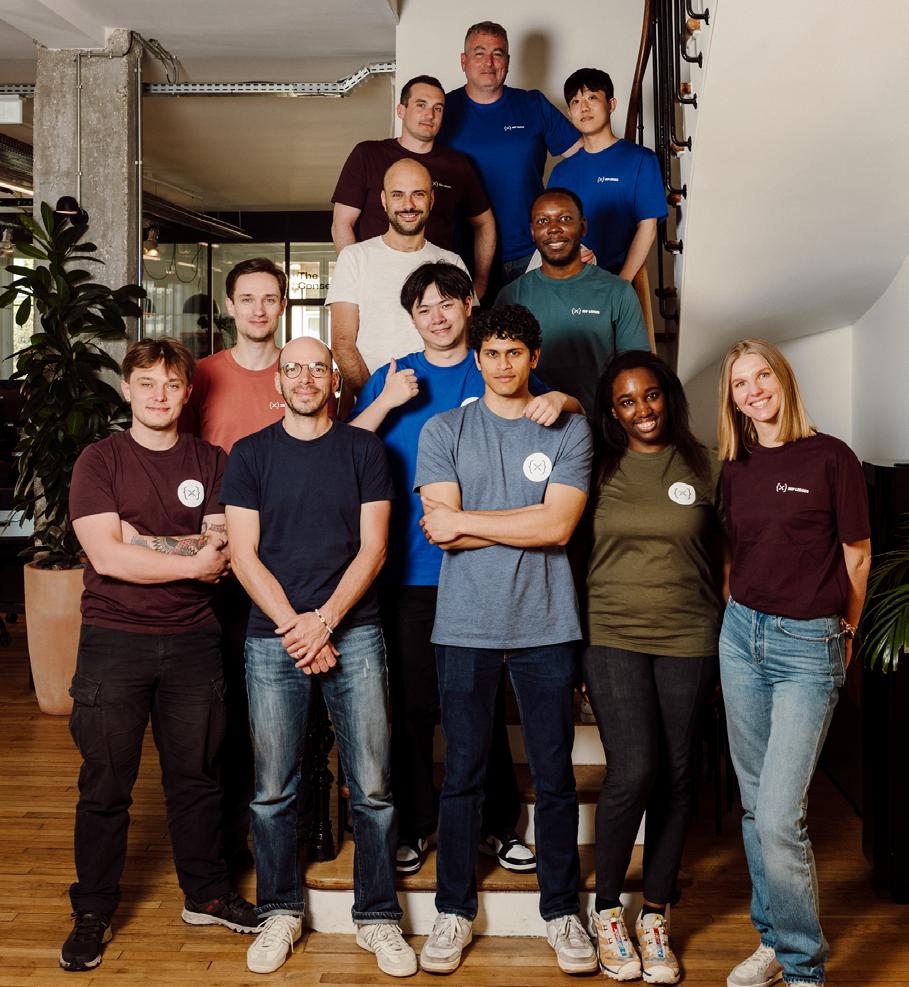
“Throughout this first cohort, there was a true commitment to integrate regenerative approaches to economic systems and their viability. Whether through field trips, brainstorming, or discussions with experts, we truly felt that we are planting the seeds to reimagined economic paradigms, towards the noble goals of a sustainable future.”
Simon Luling, Ekonavi Co-Founder
Because

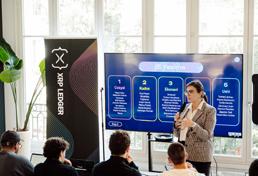
Since 2023, XRPL Commons has established a global educational ecosystem focused on inclusive blockchain learning. By partnering with universities, training instructors, and creating open-source tools, we address the growing demand for skills in distributed ledger technologies (DLTs) and prepare students and professionals for emerging blockchain careers.
XRPL Commons has expanded its academic presence through new alliances and teaching collaborations with leading institutions across Europe, Africa, and the Americas. In 2025 alone1, we partnered with 10 universities and created 20 new dedicated blockchain courses worldwide. New teaching partnerships include Bayes Business School, ESGI Paris, Trinity College, UCL, and IE Madrid.
To address the global shortage of qualified blockchain educators, XRPL Commons created the XRPL Pool of Instructors: an innovative hub where teachers and future instructors can access resources, find inspiration, learn about the XRP Ledger, discover activities for their students, and collaborate to create new content.
Oasis is XRPL Commons’ open-source platform for educators. Designed to democratize access to blockchain teaching materials, Oasis enables instructors to discover, adapt, and share learning resources freely.
Beyond the classroom, XRPL Commons bridges theory and practice through hackathons, bootcamps, and study exchanges that help students apply blockchain skills to realworld challenges.
Highlights from 20252 include:
→ Hackathons co-hosted with Telecom Sud Paris, Paris 8, UC Berkeley, the University of Nicosia, Roma Tre, and Harvard University.
→ Core Dev Bootcamp: The first-ever two-week XRPL bootcamp offered hands-on training for advanced C++ developers, preparing a new cohort to create amendments, drive innovation, and strengthen the XRPL ecosystem. It trained 17 developers, including UBRI research students from Waterloo University, EPITA, NUS, Trento, Reykjavík, and Luxembourg University.
→ Global Study Trips: In 2025, we created a special study trip module for 28 students from IE Madrid, as part of the Blockchain, XRP, and Policy Global Gateway Program.
→ Online Learning: 700+ developers have completed our “Introduction to the XRPL” Udemy course taught by Chris Dangerfield.
2. Figures reported reflect data as of the end of Q3 2025.
In November 2025, 65 participants across 18 teams joined our hackathon co-organized with ECE Paris, Hack4Good, exploring blockchain solutions for social impact. The winning projects were PrevHero (preventive health certificates), Nexgen (rewarding sustainable behavior), and Zencity (tracking volunteer actions), turning real-world actions into verifiable digital impact.
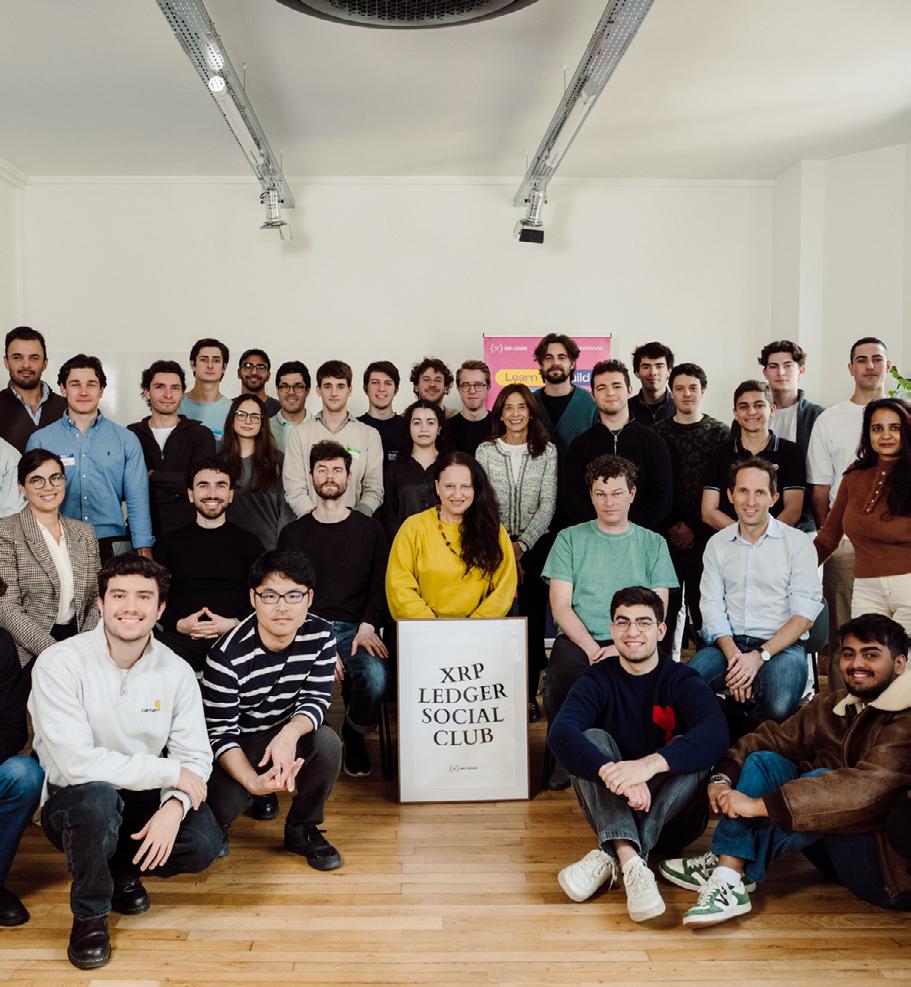
Research and development serve as the bridge between academic inquiry and real-world blockchain innovation. In 2025, XRPL Commons collaborated with 58 UBRI partner universities and multiple international research institutions to advance blockchain science and expand access to open research tools.
XRPL Commons launched a three-year PhD program (CIFRE contract) with Université Lyon 1 and Laboratoire LIRIS, supported by the French National Research Agency. The selected researcher, Mathis Sergent, focuses on developing frameworks and tools to enhance blockchain interoperability, managing data, computation, and latency while enabling scalable, standardized cross-chain integration for decentralized finance, splitting time between the university and XRPL Commons.
In partnership with the University of Trento (IT) and the DiCifris association (FR), XRPL Commons advances cryptographic research applied to blockchain systems. This initiative explores new cryptographic paradigms that safeguard decentralized networks and applications, from post-quantum cryptography and secure AI training to cyber defense and digital custodianship.
Together with the Institut Louis Bachelier, we are developing an open-access data infrastructure for researchers. The project automates ledger history collection, builds a metrics and analytics pipeline, and ensures API access for seamless integration.
In 2025, XRPL Commons strengthened its ties with leading research centers worldwide. Visits to the University of Luxembourg (LU), University College London (UK), Trinity College (IR), and EPITA (FR) have fostered collaboration pathways between academia and the XRPL ecosystem.
→ Launching the XRPL Academy: The XRPL Academy will unify all educational resources, including the XRPL Learning Portal, into a single online platform. It provides a persona-driven learning experience tailored to the needs of students, developers, core developers, and corporate users. The platform will be scalable, accessible to both tech and non-tech learners, and available in multiple languages.
→ XRPL Commons becomes an INATBA member: As a member of the International Association for Trusted Blockchain Applications, XRPL Commons will actively contribute to shaping European standards for blockchain education by participating in policy dialogues, collaborative research, and working groups focused on defining competencies, curricula, and certification frameworks.
→ XRPL Commons becomes certified education center: The Academy will pursue the Qualiopi certification to become a recognized and accredited education center, ensuring compliance with French national quality standards and enhancing the credibility of its training programs.
Q4 2025
Blockchain Confluence
Lisbon, Portugal: 3-day workshop bridging industry and academia.
ECE Hack4Good Hackathon
Paris, France: 2-day hackathon exploring how blockchain can drive meaningful ecological and social impact, bringing together business, engineering, and technical students.
XRPL Trainings and Hackathon
UC Berkeley, California, US
IE Madrid Study Trip #2 Spain–France
Q1 2026
Faculty Training
University of Lyon 1, France
Q1 202
Faculty and Student Training
University of Guelph, Canada
Q2 2026
Blockchain Academic Conference
Paris, France: bringing together leading research laboratories for collaborative sessions and discussions.

Open source is a core principle of XRPL Commons’ approach to blockchain development and education. It ensures transparency, accessibility, and collective improvement across the ecosystem. In line with the Open Source Initiative (OSI) definition, we believe that making resources and tools publicly available strengthens trust, encourages participation, and accelerates responsible innovation.
Open source principles are integrated across XRPL Commons’ activities. Each program — from hackathons and developer bootcamps to the Aquarium Residency — encourages participants to share their findings, code, and learning outcomes openly. XRPL Commons aims to expand open access to blockchain learning and development tools. This includes:
→ Provide educators and developers with open educational resources through Oasis and the XRPL Pool of Instructors by developing web platforms and open-source learning materials that promote knowledge sharing and skill development.
→ Sharing outputs from Academic Breakfasts, Developer Trainings, and Aquarium workshops.
→ Make research and regulatory resources publicly available, including MiCA whitepapers, metrics, and tools co-developed with the Institut Louis Bachelier, as well as internal technical documentation.
→ Maintaining public repositories on GitHub, docs.xrpl.org, and other platforms to support community use and contribution, while continuously publishing a wide range of educational materials that remain fully open source.
→ Funding open-source XRPL initiatives through our retroactive funding program, Glow.
→ Developing open source educational materials and delivering a training program focused on the core XRPL protocol, with the goal of preparing and guiding new contributors to the rippled codebase.
According to OSI, software is open source if its source code is freely available, anyone can modify and redistribute it, and the license places no restrictions on who uses it or how it’s used.
Enables users to verify how consensus, validation, and incentives work.
Decentralization
Keeps development open and prevents control by a single entity.
Community Growth
Encourages contributors, builders, and validators to participate.
Audits
Allows independent security reviews of critical code.
Standards
Promotes shared protocols and ecosystem-wide compatibility.
Glow is a pilot initiative by XRPL Commons that rewards impactful open-source contributions to the XRP Ledger. Unlike traditional grants, Glow takes a retroactive approach, funding work that has already demonstrated measurable value— whether through code, documentation, tooling, or protocol improvements.
Glow exists to highlight and support the essential work of developers, engineers, writers producing documentation, and community builders, who power our ecosystem. Aspiring contributors receive recognition for small but meaningful contributions; active builders are rewarded for sustained effort on SDKs, tools, or infrastructure; and experienced maintainers receive larger awards reflecting broader ecosystem impact.
Glow features a transparent, five-step process that combines community insight with transparent evaluation: nomination, community input, KYC, final review, and XRP disbursement; unused funds roll over to future rounds.
Learn more glow.xrpl-commons.org
Glow operates through:
1 Sourcing – Community Scouts nominate contributors and projects.
2 Community Input – Ecosystem participants provide feedback via voting.
3 KYC – Recipients complete identity verification before funding.
4 Final Review – XRPL Commons members and stakeholders validate nominations and finalize awards.
5 Disbursement – Approved awards are paid in XRP; unused funds roll over to future waves.
Glow recognizes open-source work that provides tangible value to XRPL developers or the protocol, including:
→ Solving technical debt and refactoring code
→ Enhancing the XRPL core protocol
→ Improving or defining XRPL standards
→ Writing documentation or example code
→ Developing community tools
→ Supporting infrastructure and developer tooling
2025 Glow Impact Highlights - First Wave
Supported 14 contributors across 14 projects from 7 different countries.
Engaged 5 scouts and 4 judges in the evaluation process.
Connected 125 wallets from community members for voting on projects
The blockchain industry faces significant diversity and inclusion gaps that limit innovation and participation:
→ Globally, women make up only 12% of blockchain developers (Gitnux, 2025) and 26% of crypto investors (CoinLaw, 2025).
→ While crypto adoption is growing rapidly in the Global South, with Asia-Pacific seeing 69% year-over-year growth and Latin America 63% growth, and Sub-Saharan Africa’s adoption growing by 52% (Chainalysis), blockchain company headquarters remain concentrated in North America and Europe, creating barriers to access for talented developers and founders in these fast-growing markets.
At XRPL Commons, we address these gaps by embedding inclusion directly into every program we design. Rather than creating isolated diversity initiatives, we integrate accessibility into the foundation of our work:
→ Financial and geographic accessibility: Our developer and entrepreneur trainings are free and available online, in-person, or in hybrid formats, removing cost and location barriers.
→ Intentional global outreach: We organize hackathons in the Global South, bringing opportunities directly to high-growth regions.
→ Strategic academic partnerships: We partner with institutions committed to diverse student populations, including Ada Tech School, Sorbonne Paris Nord University, and École 42.
→ Merit-based inclusion: We conduct intentional outreach to women and Global South representatives for our training and founder programs—not through quotas, but by ensuring talented individuals from all backgrounds know these opportunities exist and feel represented in our community.
This integrated approach delivers measurable impact:
→ Geographic diversity: Over 50% of Aquarium participants come from international backgrounds, with more than 25% from Asia and South America.
→ Gender representation: In one Aquarium cohort, 9 out of 16 residents were women.
→ Open access: Our Developer Trainings and educational content are freely accessible worldwide, enabling broad participation from underrepresented groups in blockchain and Web3.
Diverse teams drive stronger outcomes: gender-diverse executive teams are 39% more likely to financially outperform (McKinsey, 2023), and inclusive teams report 27% higher innovation and resilience (Gartner, 2023). By making our programs genuinely accessible, we are not just supporting underrepresented communities, we are strengthening the entire XRPL ecosystem with broader perspectives, talent, and innovation from the regions where crypto adoption is growing fastest.
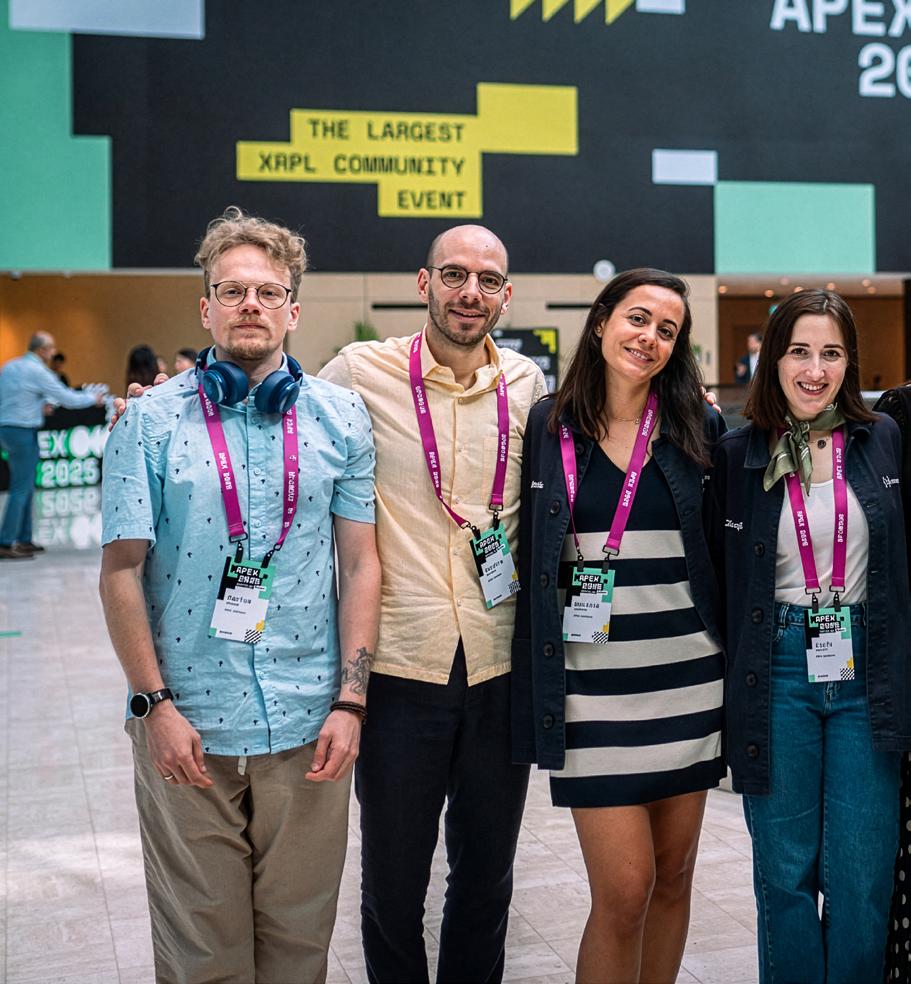
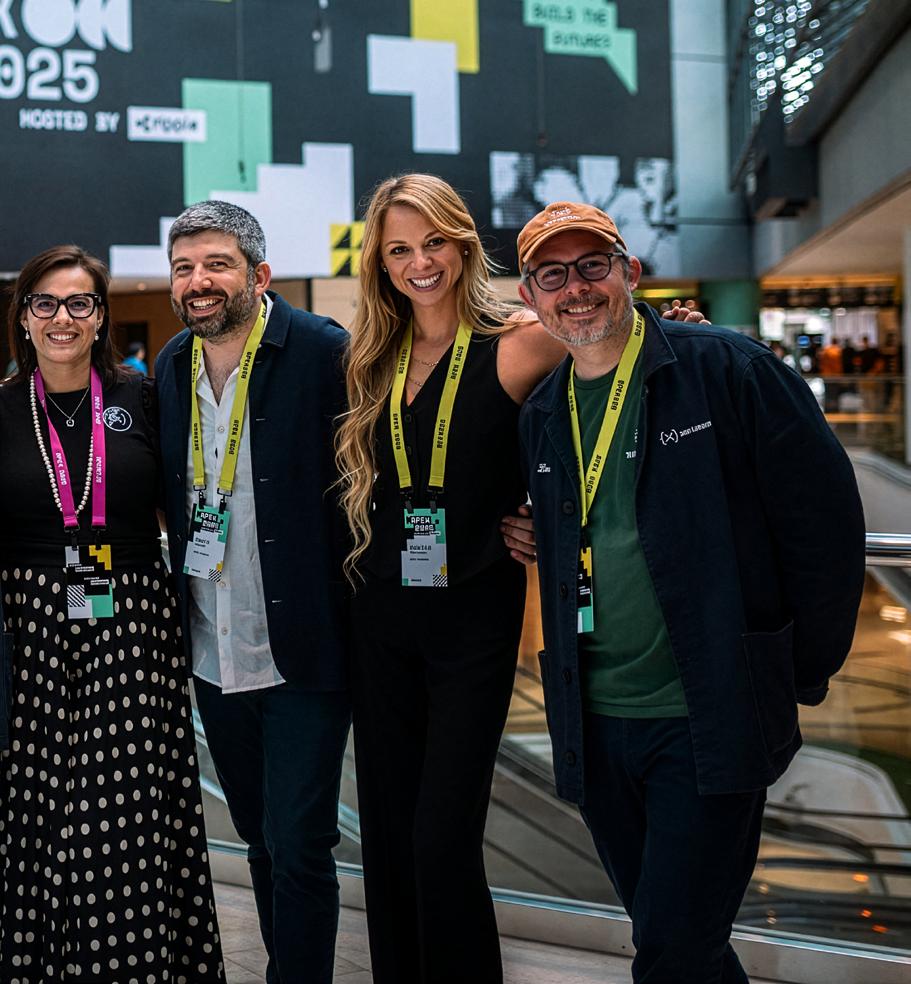

Learn Vera Radeva Hadijev Education Program Manager
“Through our initiatives, we raise knowledge and build capacity, empowering individuals to drive realworld blockchain innovation.”

Mathis Sergent Research Engineer
“By strengthening our research lab and advancing interoperability, we are building a future where blockchains communicate seamlessly.”

David Bchiri President
“I create impact by empowering others to learn, develop their skillset, and gain confidence in their ability to deliver blockchain projects.”

Mélanie Damour Strategic Initiatives Director
“I create impact by designing and driving strategic initiatives that strengthen the XRPL ecosystem through collaboration, engagement, and long-term sustainability.”

Aurélien Burget Program Director
“Through hands-on guidance and collaborative learning, I help bold thinkers become confident changemakers and vision-driven leaders.”

Cyrille Bourdeaux Program Manager
“At the Aquarium Residency, we recruit diverse talents from all over the globe to solve real-world challenges faced regardless of geographical barriers or socioeconomic status.”

“For me, creating impact is about nurturing an engaged and inclusive community that collaborates, supports one another, and collectively advances the ecosystem.”

Odelia Torteman Corporate Adoptions Director
“For the adoption stream, impact means reimagining value streams, operations, services, and products through digital finance technologies, and forging global partnerships where each player brings their unique innovation to create transformative new offerings.”

Luc Bocahut Product Director
“By building open tools and resilient infrastructure, we nurture builders, strengthen the Commons, and enable innovation that creates long-term social and environmental value.”

Darius Tumas Principal Infrastructure Engineer
“We contribute to the roots and pathways that keep our ecosystem strong, open, and ready to scale with positive impact.”

Thomas Hussenet Technical Partner
“I work hand-in-hand with builders to turn ideas into reality, supporting them with the tools needed for lasting, meaningful impact.”

Florian Alonso Project & Solution Manager
“I help connect people, processes, and projects so ideas can grow smoothly — cultivating collaboration and steady progress across the ecosystem.”

Romain Thepaut Engineer Intern
“I develop tools and systems that support builders and strengthen the Commons — ensuring innovation grows on solid, sustainable foundations.”

Cassie Hirsh Content Director
“Impact for me is shining a light on who we are and what we do— connecting near and far, building true belonging. When every voice and face is seen, heard, and valued, our community grows stronger, more welcoming, and everyone can truly feel part of the XRPL adventure we’re building together.”

Alex Mavigok Graphic Designer
“I make an impact by crafting visuals that are clear enough to guide people through all we do at Commons, and bold enough to help our identity stand out in the blockchain world.”

Elisa Bailly Senior Events Manager
“True social impact begins when an event becomes more than a gathering, it becomes a movement.”

Fanny Brakchi Experience Manager
“For me, impact is about creating meaningful experiences that bring people together and nurturing a workplace that feels like a true community.”













1 Advancing sustainability across the XRP Ledger
2 Investing in companies driving change for the people and the planet 3 Accelerating Innovation with our Aquarium Residency program
Building open access to blockchain skills and education 5 Empowering the community through open-source innovation
Driving diversity and inclusion across the tech ecosystem